Animals in South Korea
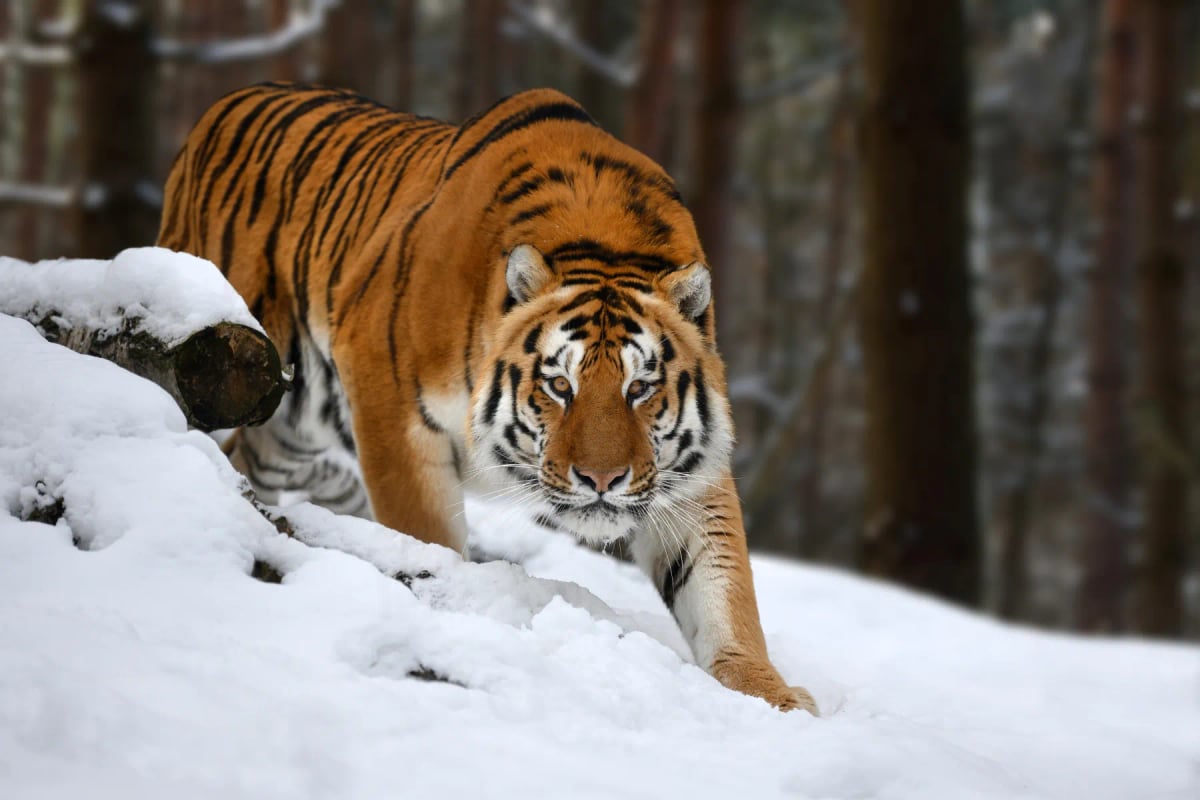
Siberian Tiger
Panthera tigris altaica
The tiger is often treated as an animal symbol for South Korea and is linked to forested mountains and strong winters. People know it from stories, art and modern culture, where it represents courage, speed and protection. It reflects the idea of a powerful animal that moves through steep slopes, deep woods and quiet valleys beyond the main towns.
View details→Wildlife in South Korea
South Korea has forested mountains, river valleys, farming plains and long coasts, so nature is never far from cities. Visitors often meet wildlife on easy hikes near temples, walks in small national parks and coastal paths above beaches. From these routes they may see foxes, boar, squirrels, cranes and birds of prey while still staying close to roads and villages.
Most Dangerous Animals in South Korea
Danger for visitors in South Korea appears mainly in quiet rural or mountain areas and in offshore waters. Black bears, wild boar, lynx and wolves are strong animals that can react with force if they feel cornered in dense forest. At sea the hammerhead shark stays in deeper coastal zones far from beaches. On normal tourist routes encounters are rare and usually distant.
Top 10 Animals in South Korea
The top 10 list for South Korea highlights wild cats, wolves and the peregrine falcon, which match its hills, forests and coasts. Lynx and wolves use wooded slopes and quiet valleys and are sometimes seen from mountain roads. The falcon hunts above cliffs and sea edges and may appear during migration when visitors watch the sky from simple coastal paths and viewpoints.
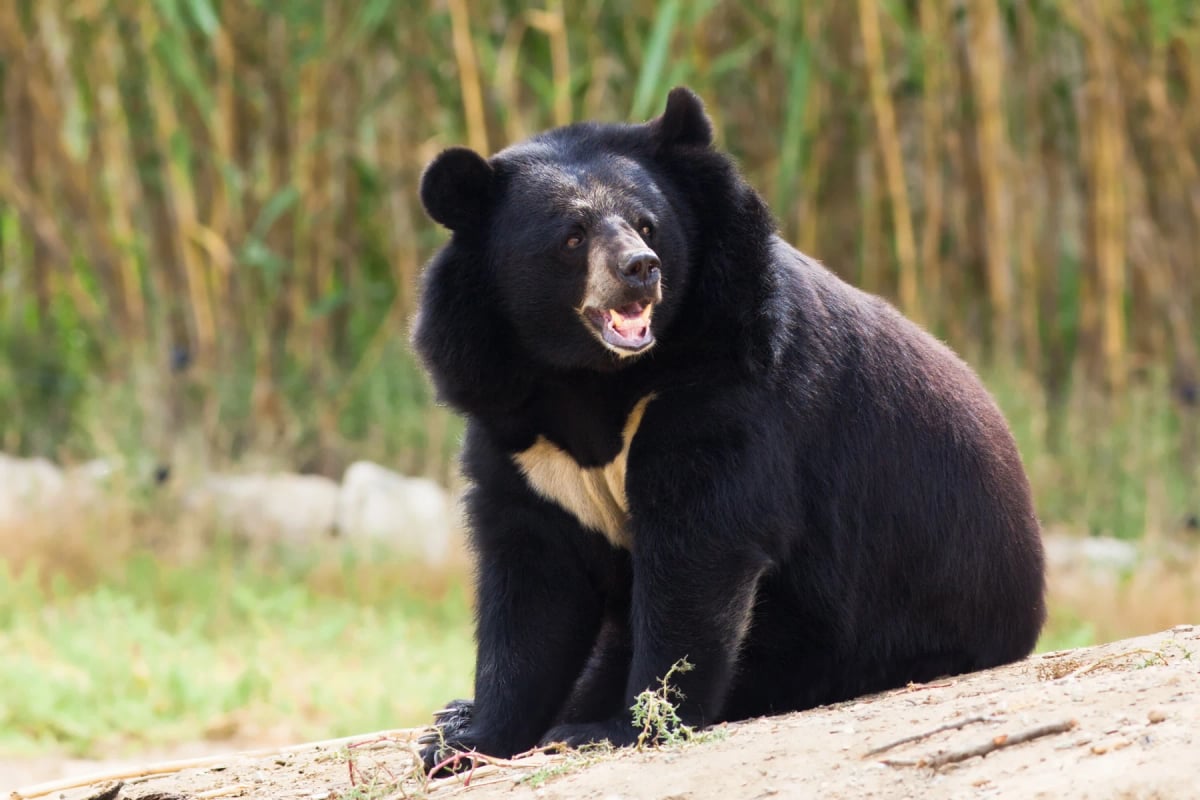
Asiatic Black Bear
Ursus thibetanus
The Asiatic black bear was nearly extinct in South Korea by the late twentieth century, with only a handful of individuals surviving in Jirisan National Park. A reintroduction program launched in 2004 brought bears from Russia to rebuild the population, and numbers have grown to over 70 individuals as of recent counts. The Jirisan population is carefully monitored and the bears are considered a conservation success story on the peninsula. The species holds deep cultural significance in Korean mythology and national identity.
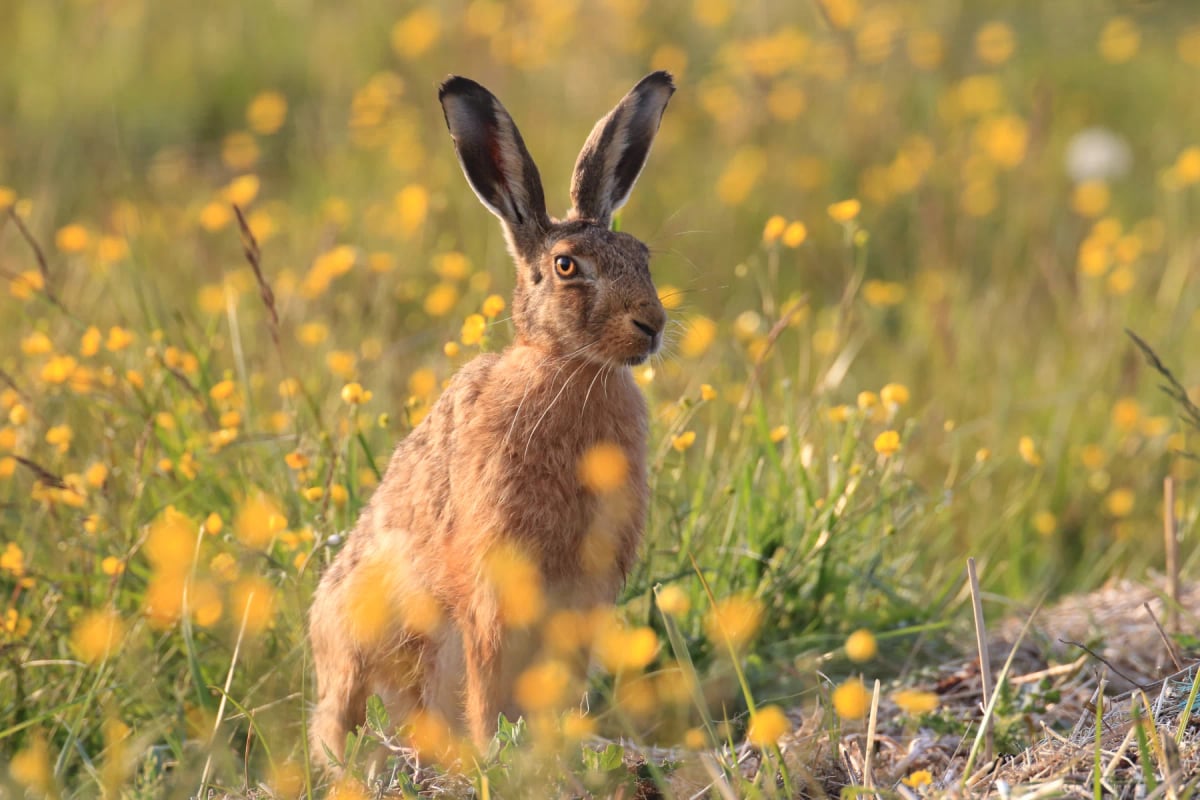
Hare
Lepus europaeus
The European hare is not native to South Korea. It was introduced and has established a presence in parts of the country, where it occupies open grasslands and agricultural areas. It is easily distinguished from the native Korean hare by its larger size and longer ears. As in other parts of its introduced range, it adapts well to farmland environments and open terrain.
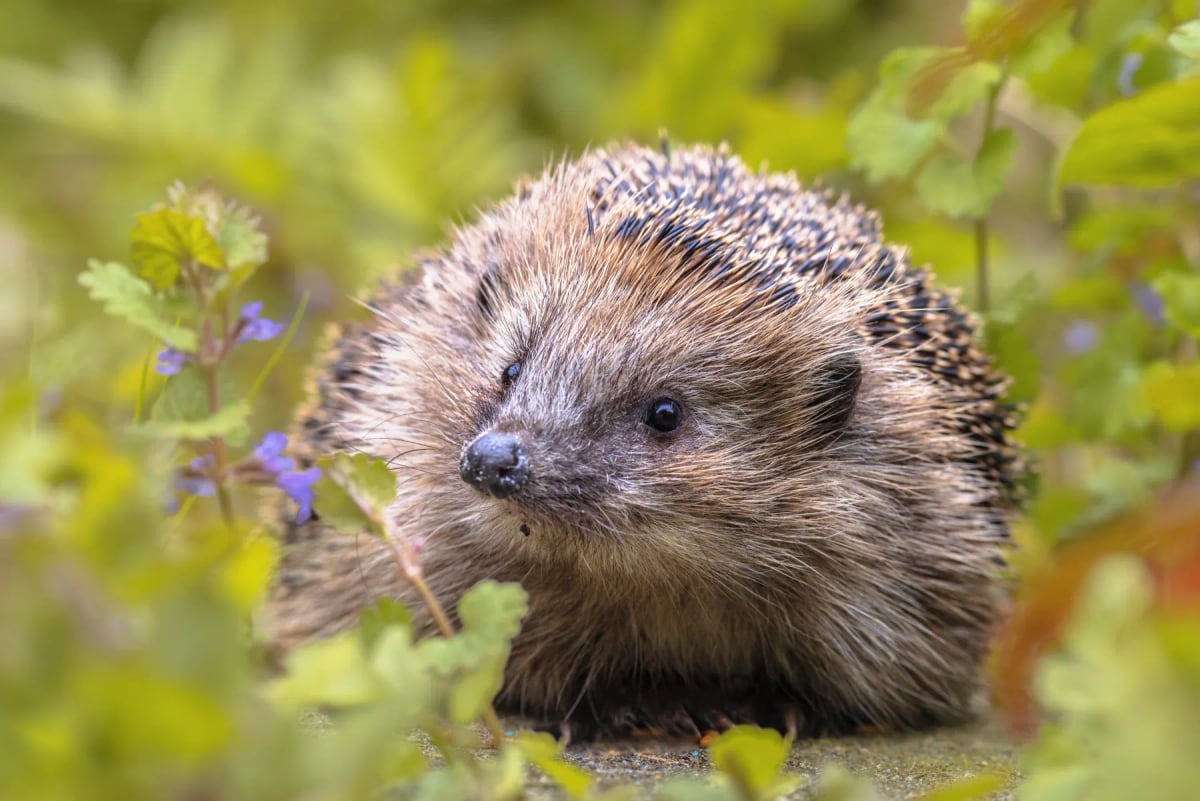
Hedgehog
Erinaceus europaeus
The European hedgehog is not native to South Korea, but the species is widely kept as an exotic pet across the country. In South Korea, hedgehogs in captivity are typically the African pygmy hedgehog rather than Erinaceus europaeus, yet awareness of the European species has grown alongside this pet trade. Conservation groups urge owners to understand hedgehog needs and to prevent any releases into the wild. IUCN status: Least Concern.
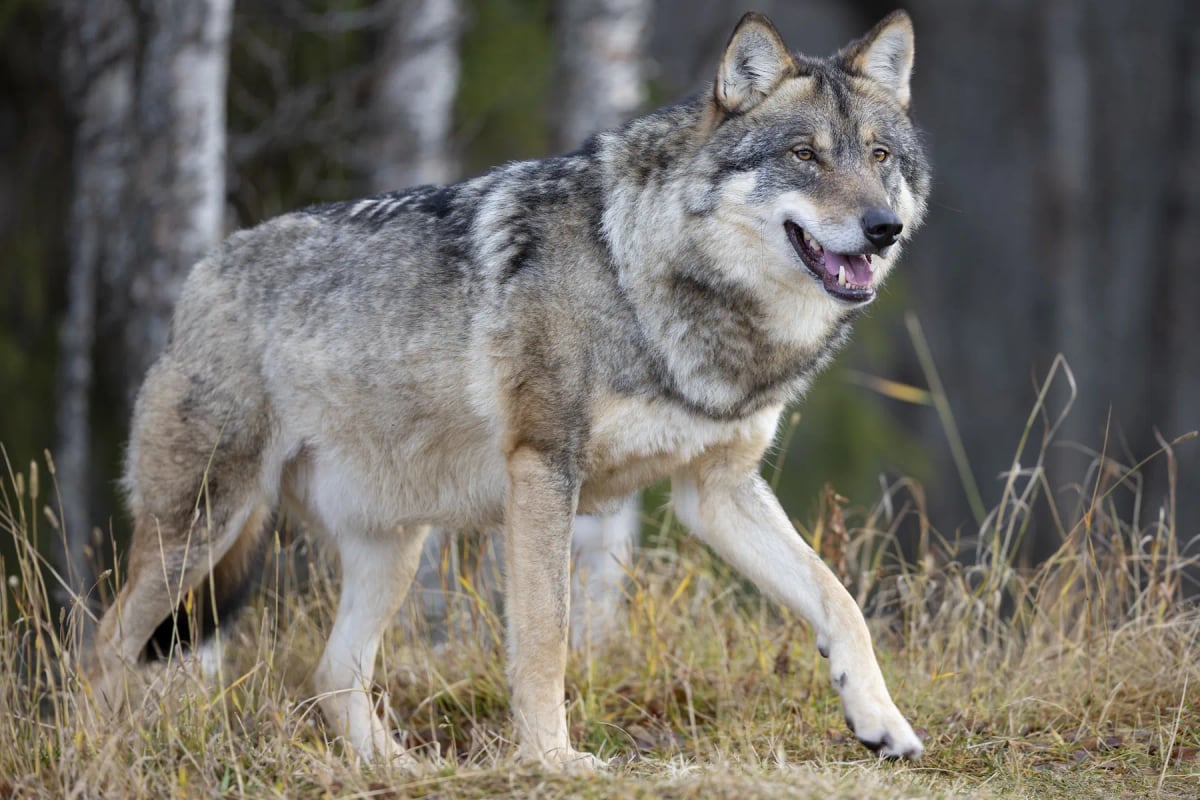
Gray Wolf
Canis lupus
The gray wolf was once widespread across the Korean Peninsula. The IUCN still maps South Korea inside the range, but there has been no confirmed wild sighting since the mid twentieth century. Habitat loss and persecution drove the population to collapse. Today, the wolf survives only in captivity within the country, and its return to the wild remains a subject of conservation discussion rather than active policy.
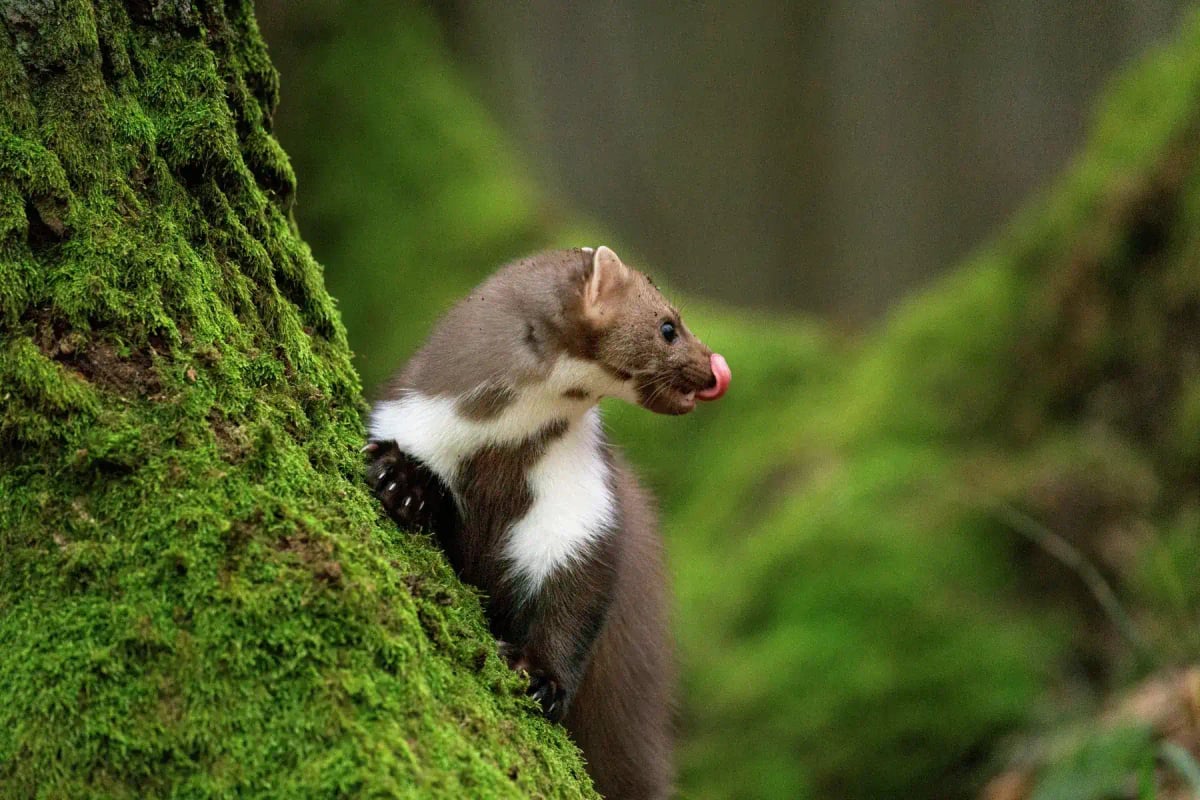
Marten
Martes martes / Martes foina
The stone marten is the marten species found in South Korea, where it inhabits forested mountain ranges and rural areas across the peninsula. It is a nocturnal and highly adaptable carnivore, comfortable in both dense woodland and the edges of farmland. In Korea it is known as the Siberian weasel's larger cousin, and it plays a quiet but important role in keeping rodent populations in check. Its IUCN status is Least Concern.
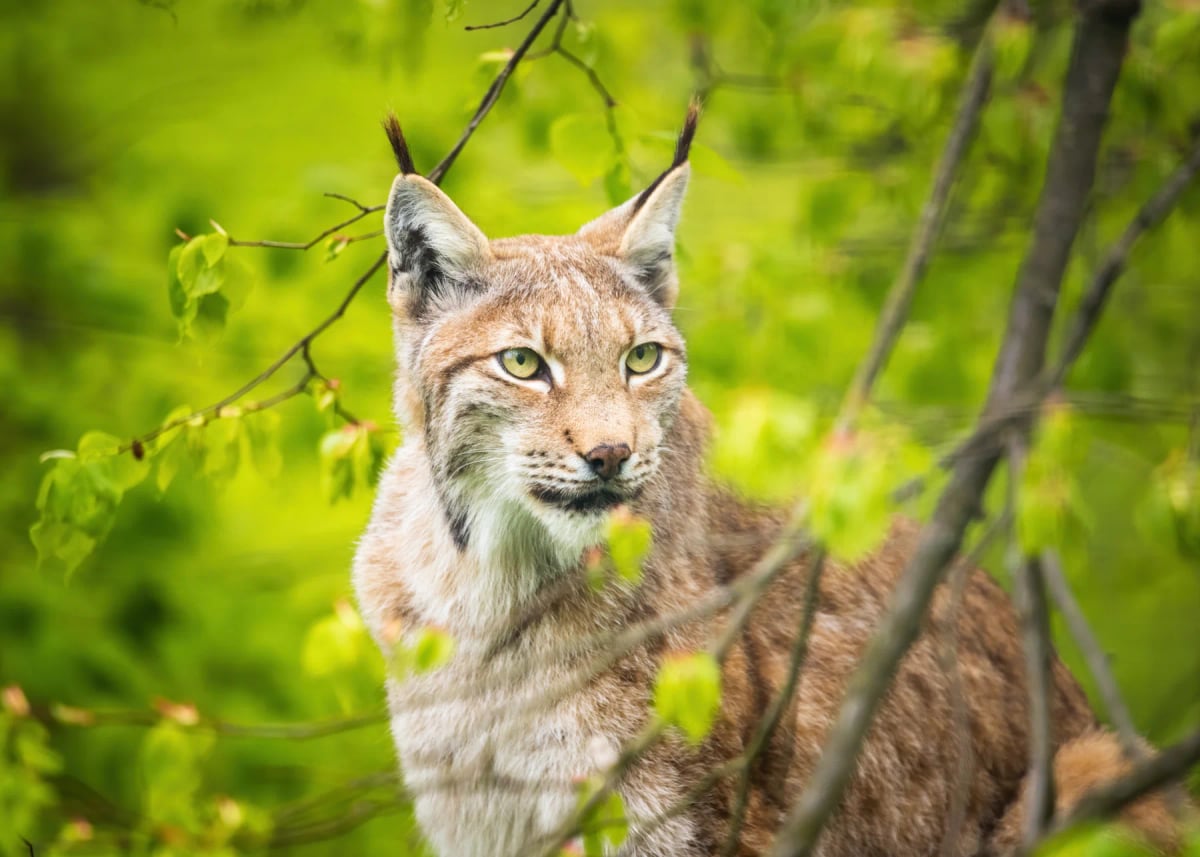
Eurasian Lynx
Lynx lynx
The Eurasian Lynx was once native to the Korean Peninsula, but hunting and habitat loss drove it to local extinction in South Korea during the twentieth century. Today, it survives only in scattered records and conservation discussions. Some hope remains for a future recovery, as protected mountain forests in the north of the country could provide suitable habitat if the species were ever reintroduced.
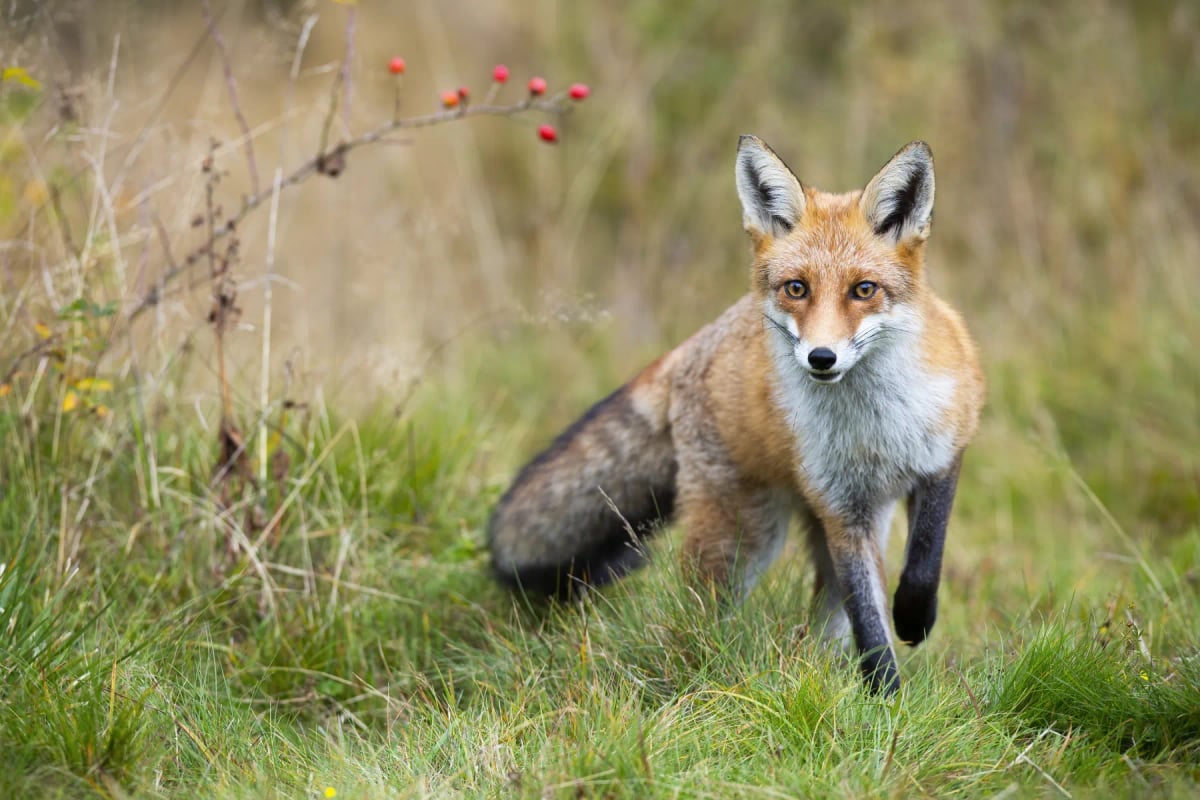
Red Fox
Vulpes vulpes
The red fox was once widespread across the Korean Peninsula but declined sharply during the twentieth century due to hunting and habitat loss. In South Korea, it is now rarely encountered and is listed as an endangered species at the national level. Conservation efforts, including a breeding and reintroduction program launched in the 2010s in areas such as Sobaeksan National Park, aim to restore a self-sustaining population to its native range.
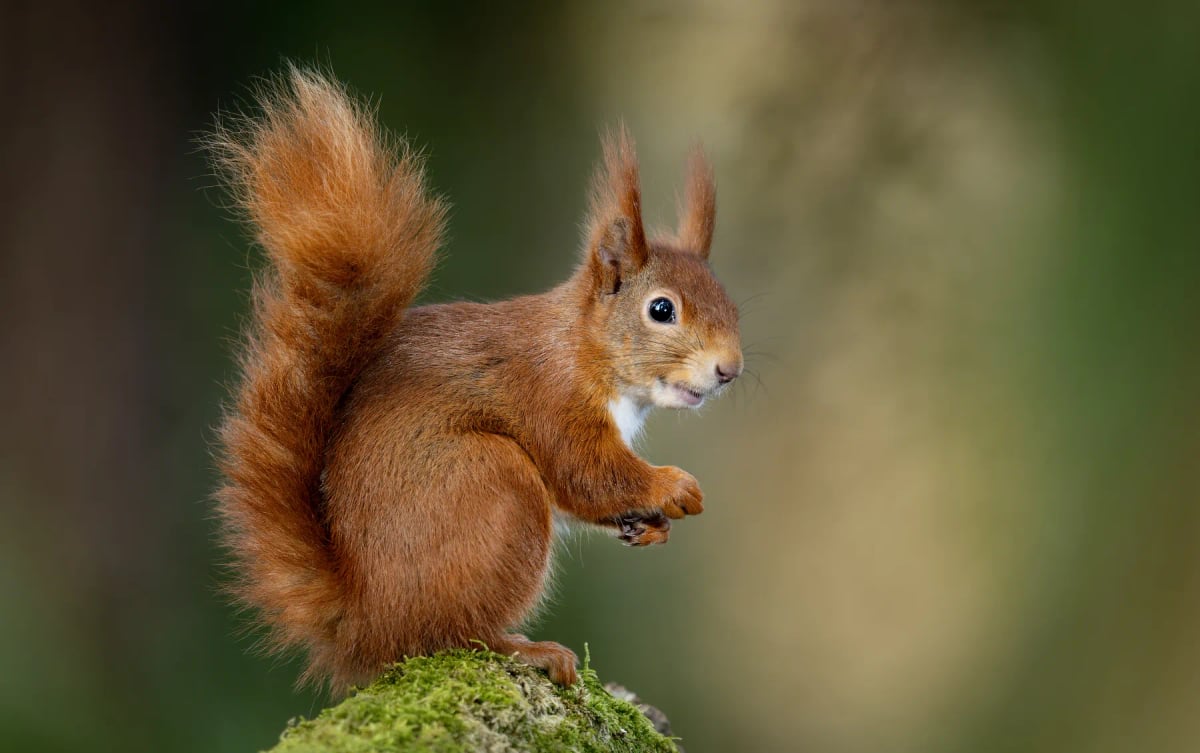
Red Squirrel
Sciurus vulgaris
The red squirrel is found across the forested mountains of South Korea, where it inhabits conifer and mixed woodland. It feeds on seeds, nuts, and fungi, often burying food to survive the cold winters. Its coat tends toward darker shades compared to its European relatives. The species is considered Least Concern in the region, though habitat loss from urban expansion puts some local populations under pressure.
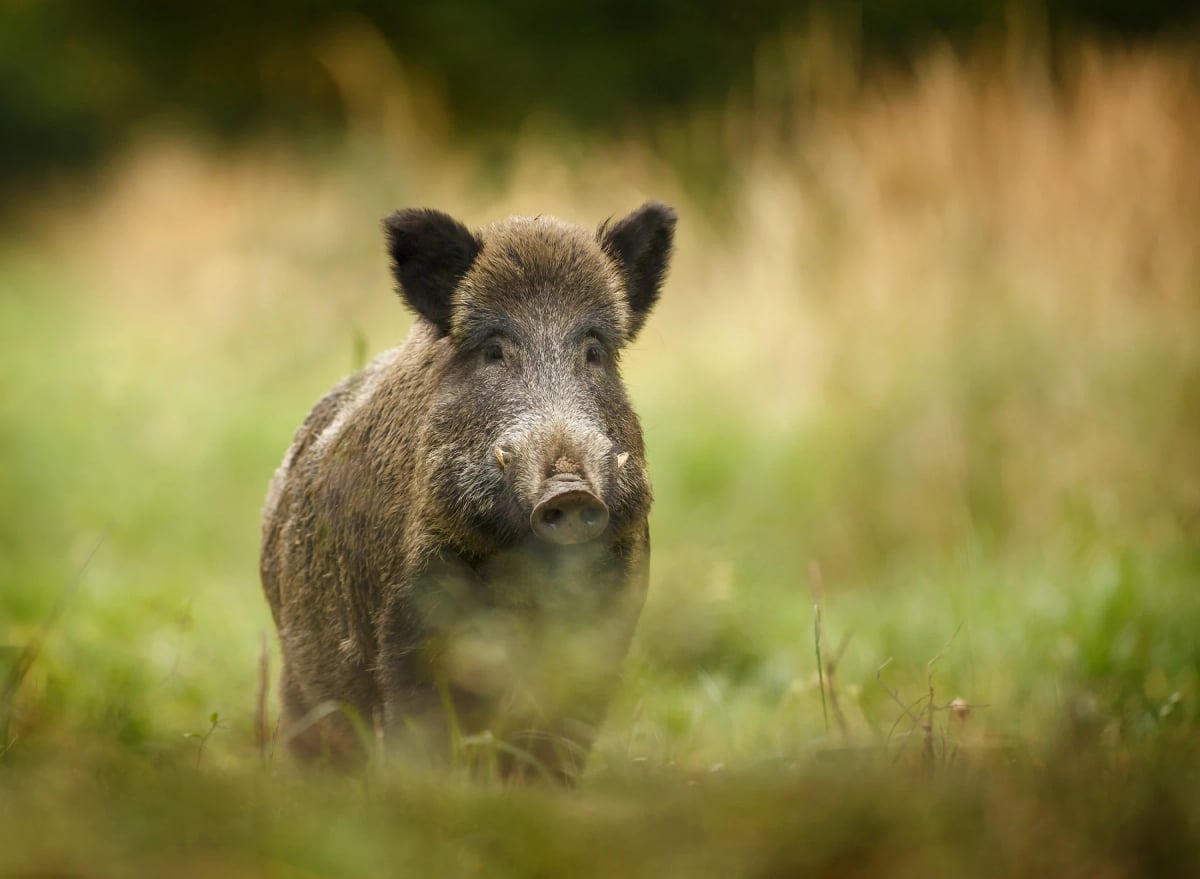
Wild Boar
Sus scrofa
Wild boars are widespread across South Korea's forested mountains and have become increasingly common near cities, including the outskirts of Seoul, where sightings in residential neighborhoods have grown more frequent. Crop damage and urban encounters have made population control a priority, with regulated hunting used to manage numbers. Authorities also monitor wild boar closely along the demilitarized zone due to concerns over African swine fever.
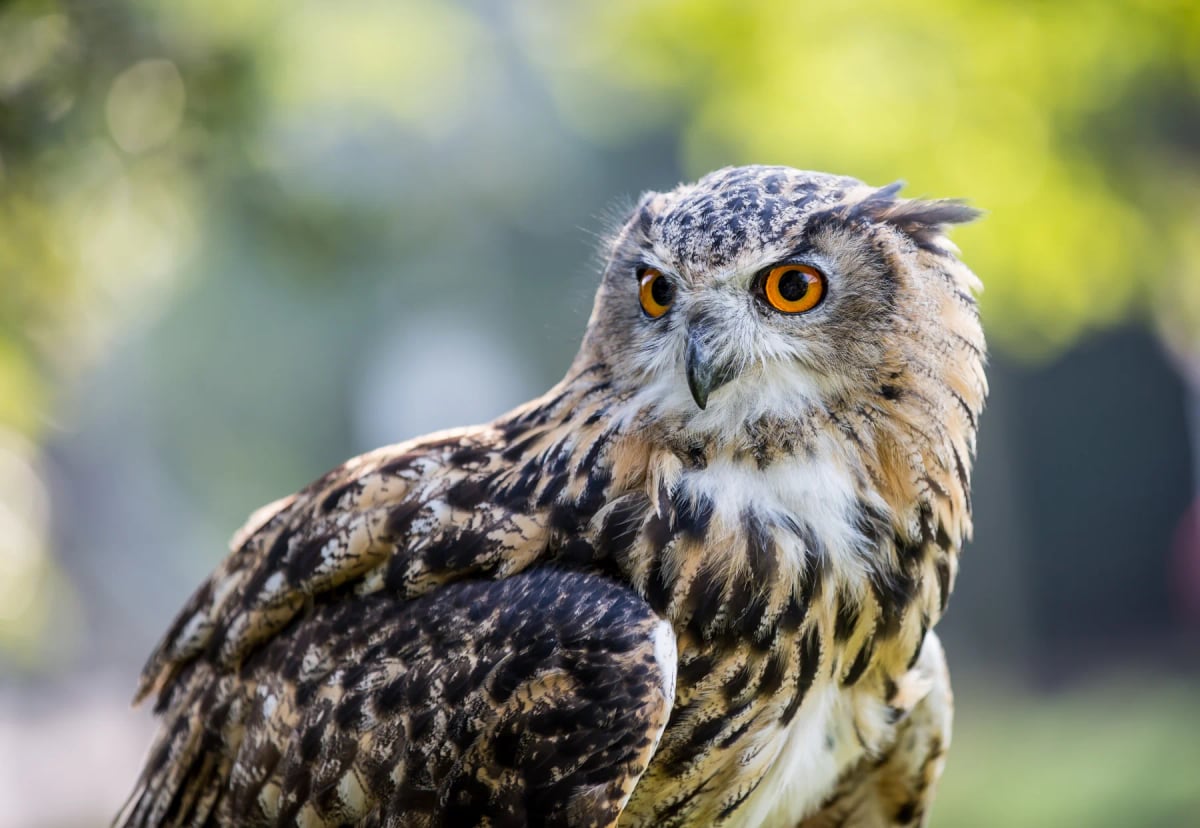
Eagle Owl
Bubo bubo
In South Korea, the Eurasian eagle owl lives in forested mountains, rocky river cliffs, and farmland edges across much of the peninsula. It is protected as Natural Monument No. 324 and listed as endangered under national law, reflecting pressure from habitat loss, power lines, and disturbance. Pairs often nest on cliffs close to villages and rice fields, where they hunt rats and birds. IUCN status: Least Concern.
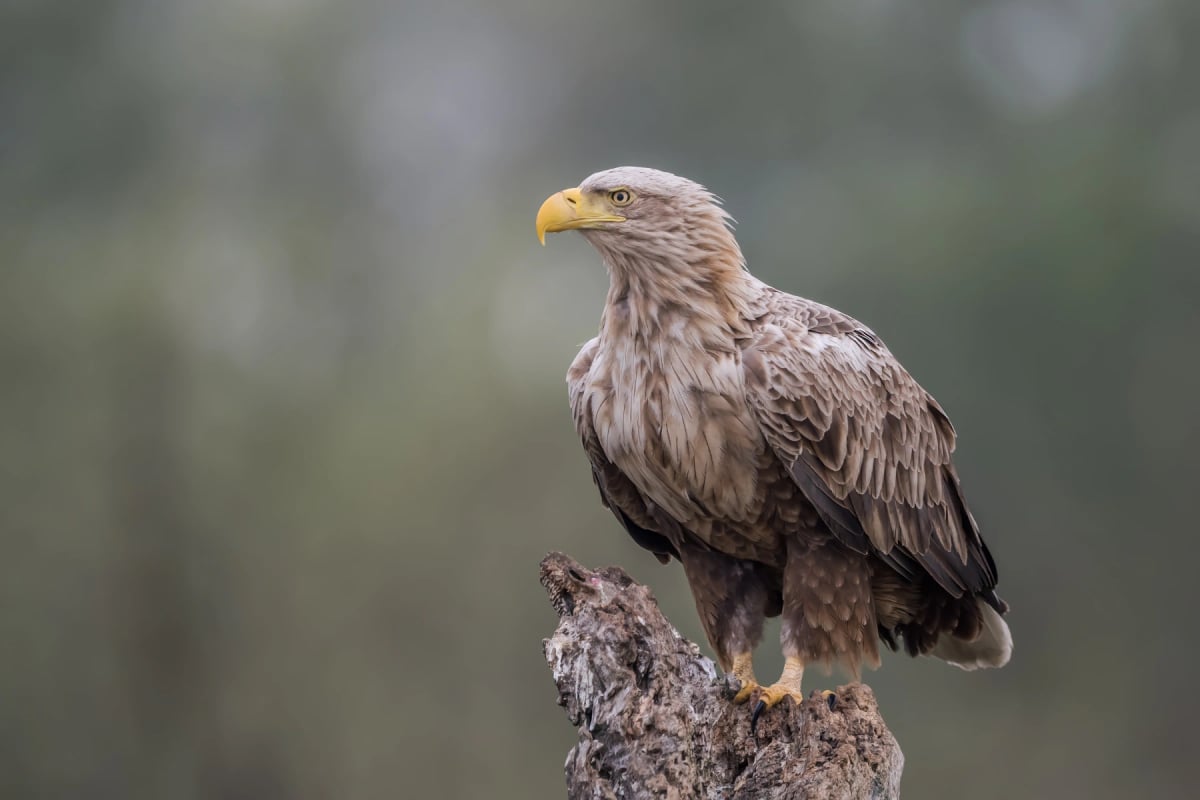
White tailed Eagle
Haliaeetus albicilla
South Korea is an important wintering ground for the white tailed eagle. Birds arrive from Russia and the Asian continent between October and March, gathering around estuaries, tidal flats, large rivers, and reservoirs. The Han River estuary, Nakdong River delta, and the west coast mudflats are among the most reliable sites. Wetland conservation efforts in South Korea have helped maintain suitable habitat for these impressive visitors.
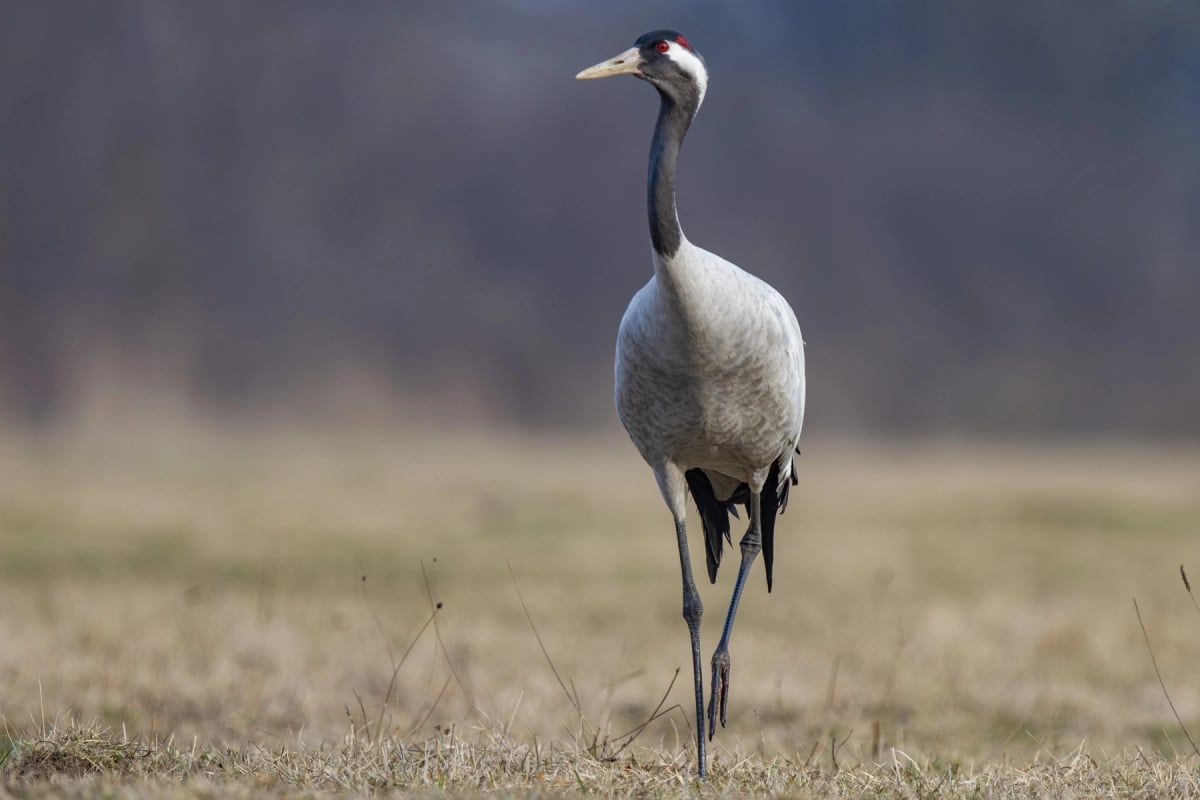
Crane
Grus grus
South Korea is an important wintering ground for common cranes, which arrive from breeding areas in Russia and Siberia each autumn. The Cheorwon Basin near the demilitarized zone is one of the most significant sites, where large flocks feed on rice fields and wetlands. The relative quiet of the border region has unintentionally created a refuge for cranes and other wildlife. The species is listed as Least Concern at the global level.
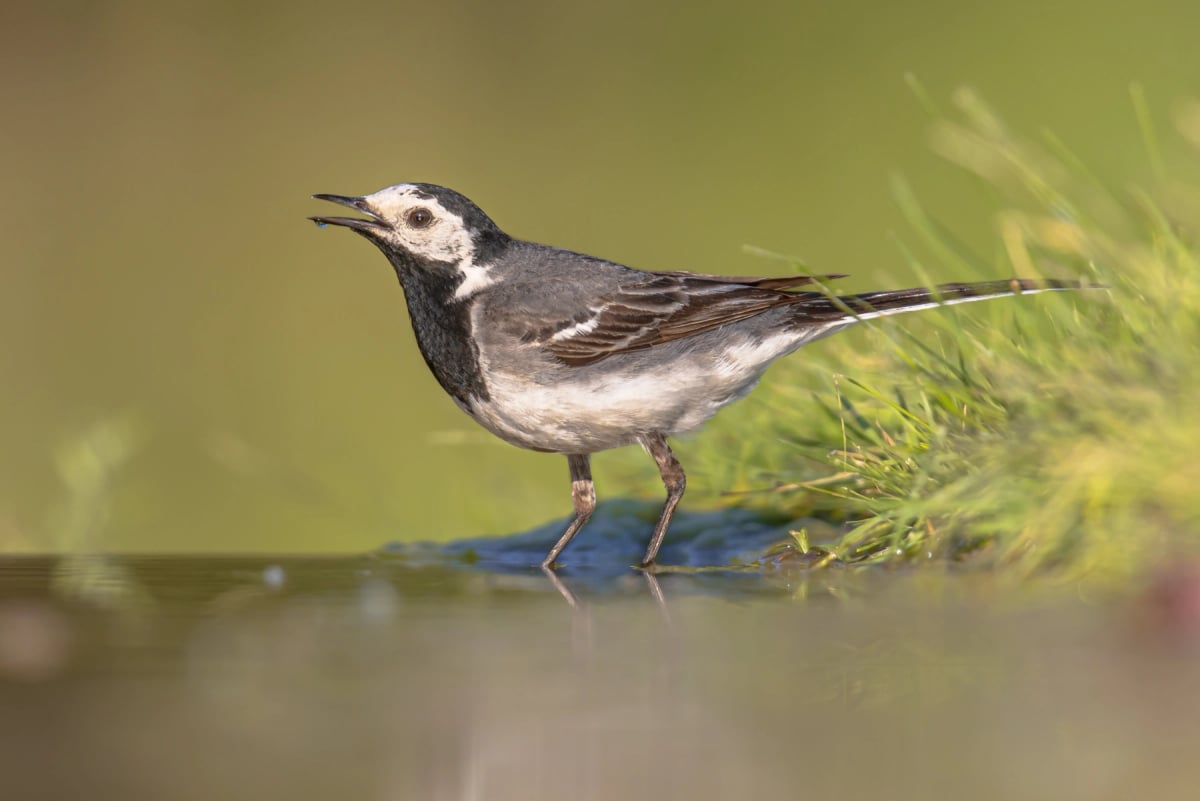
White Wagtail
Motacilla alba
Small black, white and grey bird with a slender tail that bobs up and down as it walks and feeds along the edges of water and open ground.
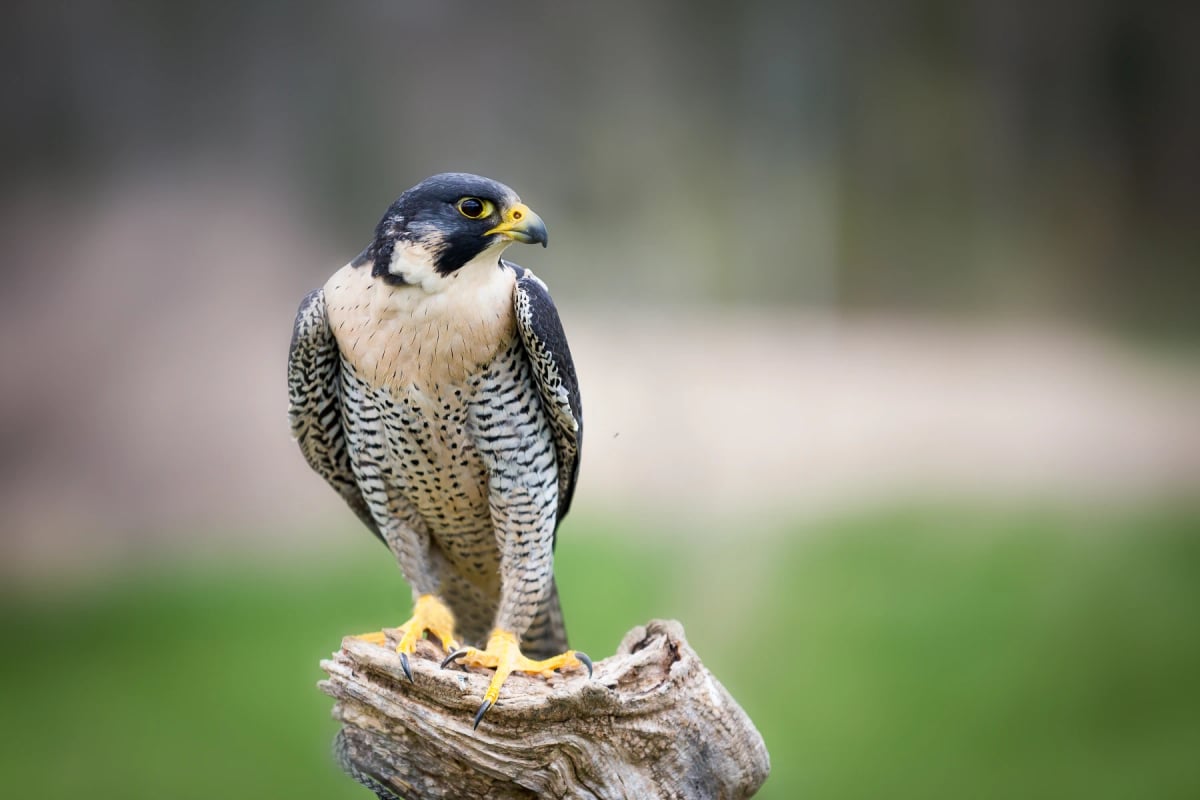
Peregrine Falcon
Falco peregrinus
In South Korea, peregrine falcons breed on coastal cliffs and rocky islands along the western and southern coasts, and they appear in cities during migration, hunting small birds among high rise buildings. The species is legally protected in South Korea. Conservation programs have helped monitor nesting populations, and birdwatchers regularly record the species during spring and autumn migration along the peninsula. IUCN status: Least Concern.
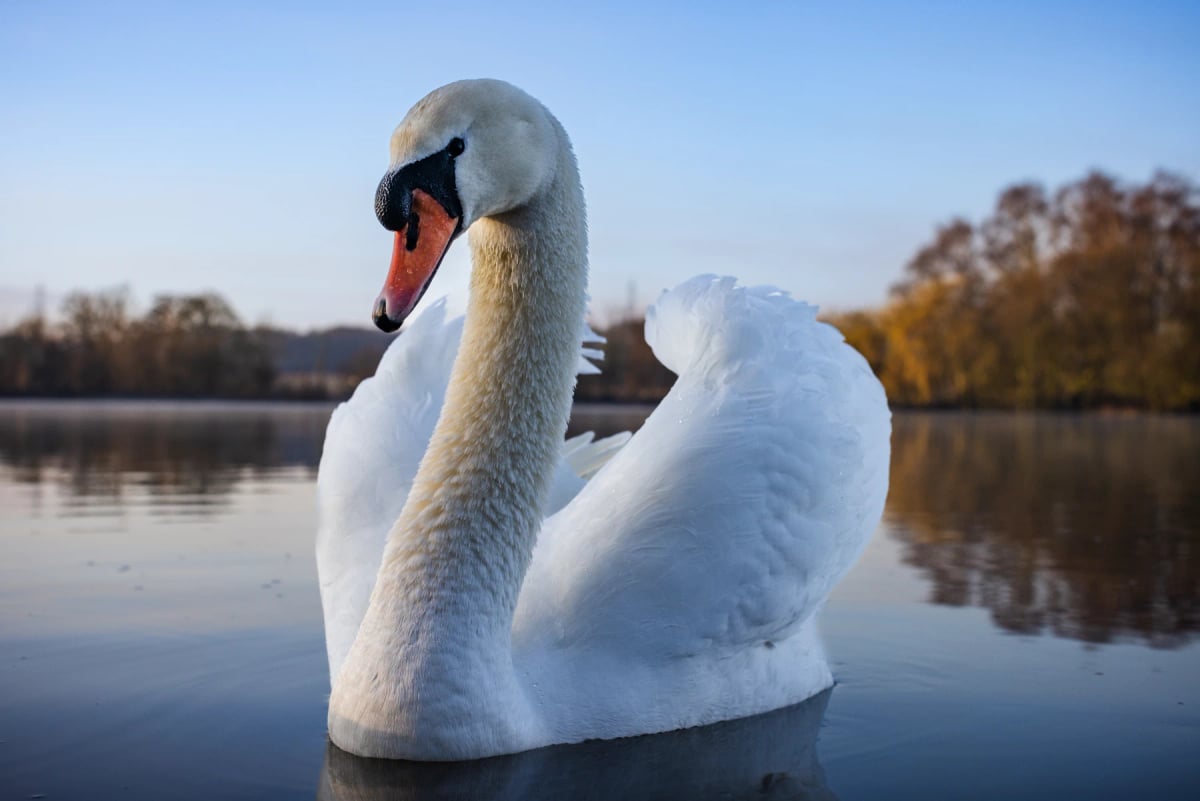
Mute Swan
Cygnus olor
In South Korea, the mute swan is a winter visitor, recorded at coastal estuaries, tidal flats, and inland wetlands, particularly along the western and southern coasts. It often shares these habitats with other swan species passing through East Asia. Birdwatchers frequently spot it at well known wetland sites during the colder months. Its IUCN status is Least Concern.
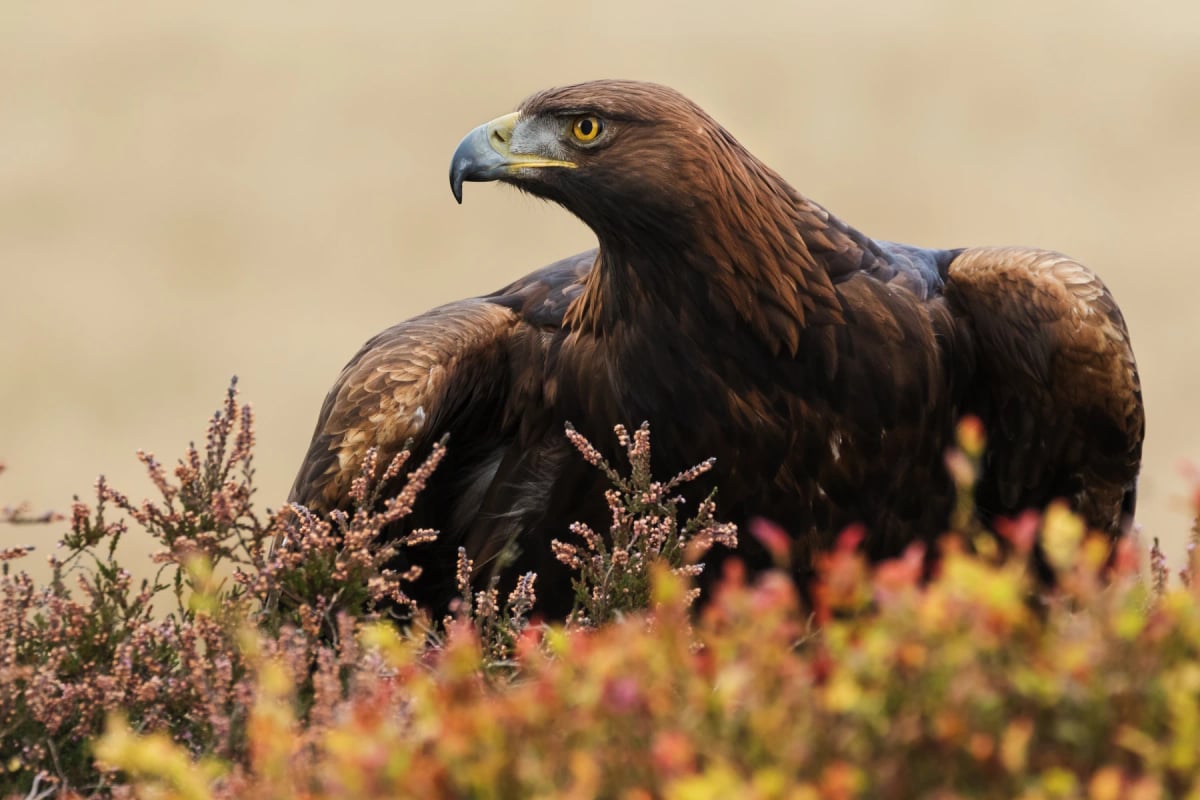
Golden Eagle
Aquila chrysaetos
In South Korea, the golden eagle is a rare and protected visitor, seen mainly in mountainous regions such as the Taebaek and Sobaek ranges. It is legally protected under Korean wildlife law and considered a natural monument. Sightings are uncommon, and the species faces pressure from habitat loss and human activity near nesting areas. The IUCN lists it as Least Concern globally.
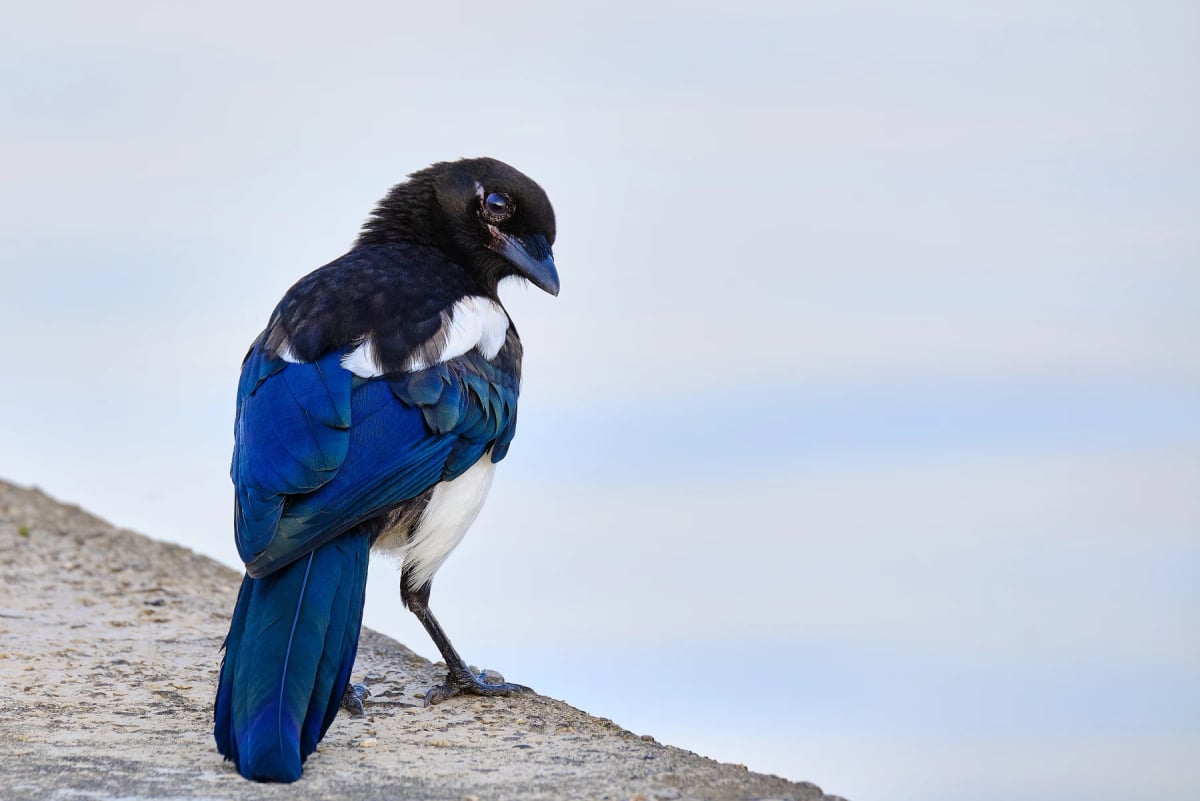
Eurasian Magpie
Pica pica
In South Korea, the Eurasian Magpie holds a special place in national culture and has been designated the official bird of several major cities, including Seoul. It is found throughout the country in parks, gardens, farmland, and forest edges. Koreans have long regarded it as a bird that brings good news. Common and adaptable, it lives comfortably alongside people. Its IUCN status is Least Concern, and it is abundant nationwide.
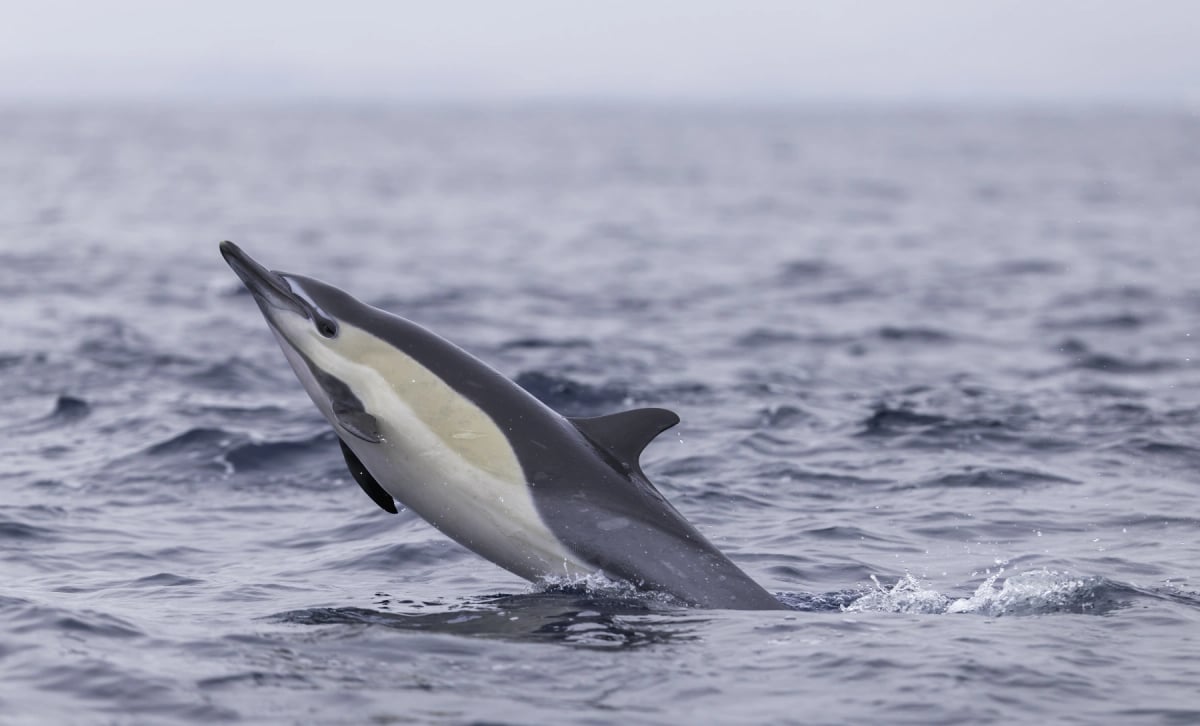
Common Dolphin
Delphinus delphis
Common dolphins are seen regularly in the seas surrounding South Korea, including the East Sea and the waters off Jeju Island. They form large, lively pods and are known for riding the bow waves of vessels passing through busy shipping lanes. They feed cooperatively on anchovies and squid. With a lifespan of up to 35 years, they are one of the most recognisable cetaceans in the region.
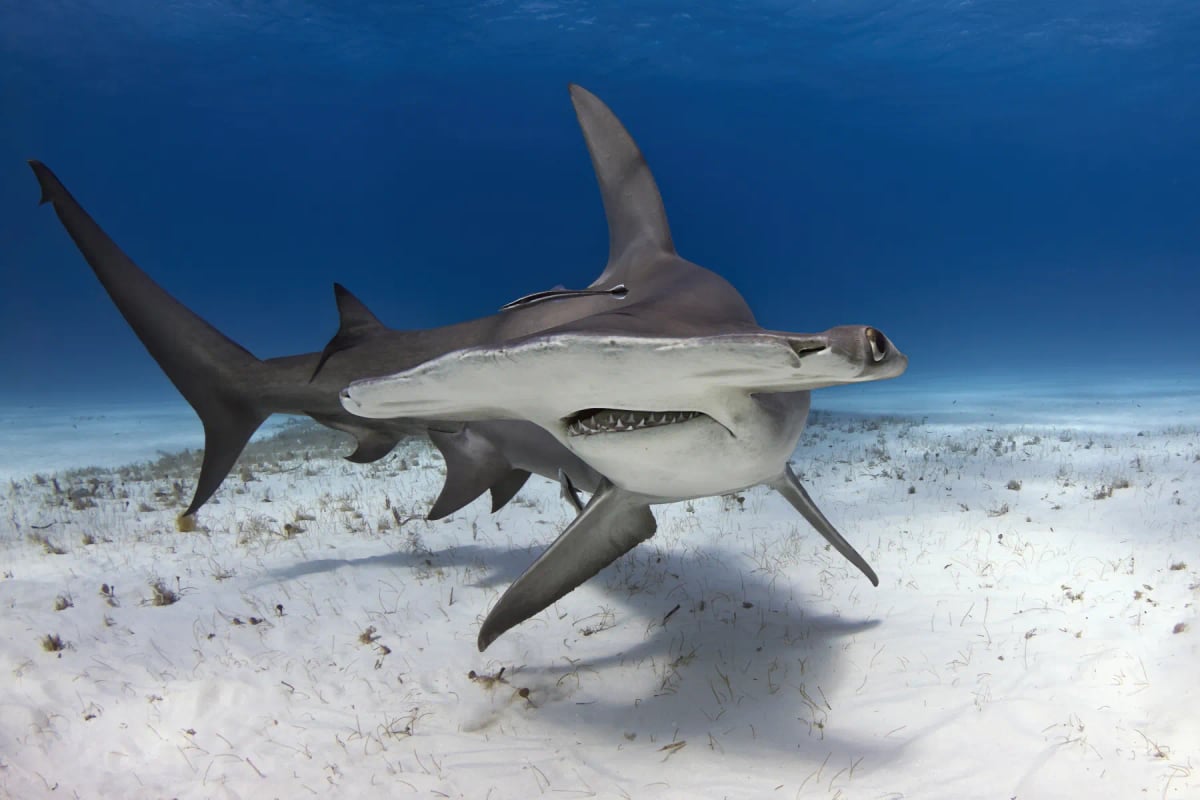
Hammerhead Shark
Sphyrna spp.
In South Korean waters, hammerhead sharks occur in the Yellow Sea and in waters to the south around Jeju Island, where warmer currents support marine life. They feed on fish, rays, and squid in these productive coastal zones. South Korea has been working on improving shark conservation measures in recent years, as several hammerhead species face Critically Endangered status globally.
Researched and written by Juan Pablo. Sources: IUCN Red List, scientific literature and regional field guides. Last updated: .