Saker Falcon
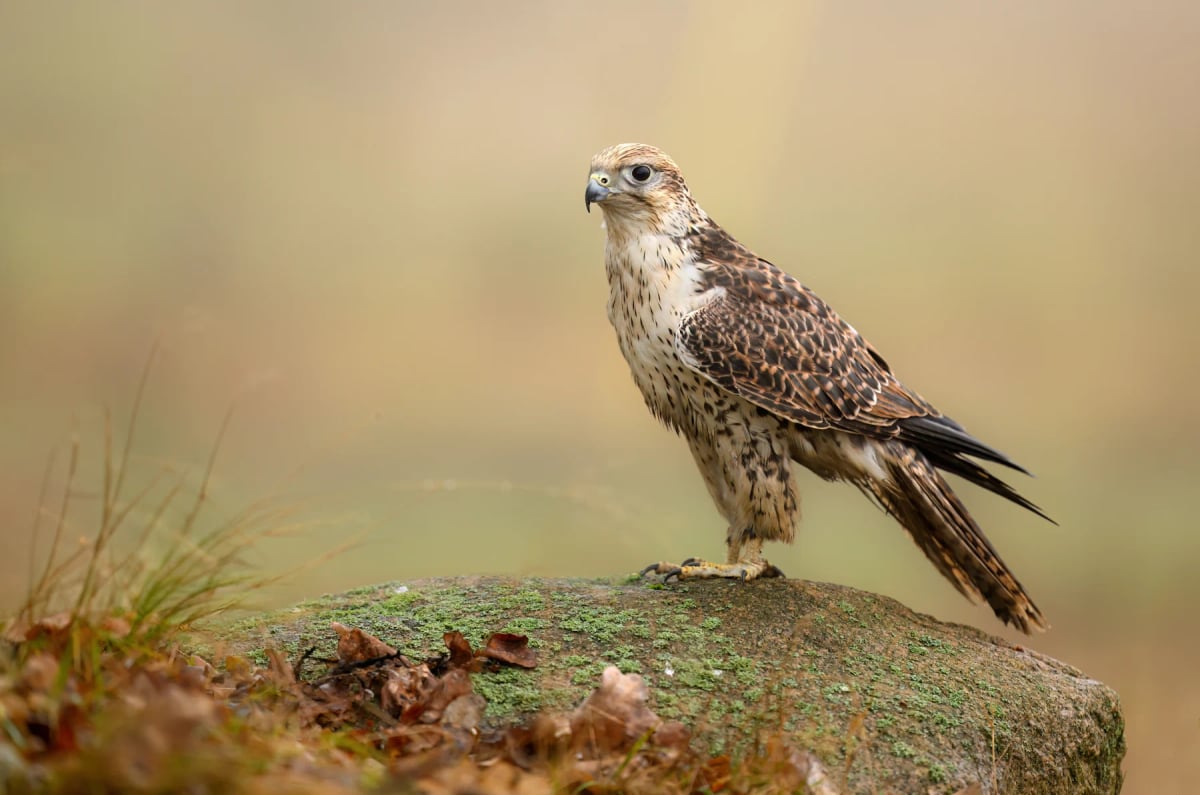
The saker falcon (Falco cherrug) is one of the largest falcons in the world, built for power and endurance across the open landscapes of Eurasia. Adults typically measure 48 to 61 cm in length and carry a wingspan reaching up to 129 cm, making them noticeably bulkier than the peregrine falcon. Rather than diving steeply from height, sakers often pursue prey in fast, low chases close to the ground, targeting ground squirrels, pigeons, ducks and other medium-sized birds and mammals. They breed across the grasslands and steppes of Central Asia and Eastern Europe, migrating to Africa and South Asia in winter. Sakers have been central to the tradition of falconry for over a thousand years and remain culturally prized across Central Asia and the Arabian Peninsula. Illegal trapping for the falconry trade, electrocution on power lines and the loss of steppe habitats have caused serious population declines, and the IUCN currently lists this species as Endangered.
Habitat and distribution
Saker falcons breed across a broad band of open country stretching from Central Europe through the steppes of Central Asia and into Mongolia and China. They favour grasslands, semi-arid plains and the edges of forest where tall trees or rocky outcrops provide nesting sites. Breeding pairs often occupy old nests built by other large birds rather than constructing their own. When winter arrives, most birds leave their breeding grounds and travel south to the Arabian Peninsula, the Sahel, the Indian subcontinent and parts of East Africa. Some individuals remain closer to their breeding areas if food stays available. The species covers enormous distances on migration, and ringing studies have confirmed regular movements between Eastern Europe and sub-Saharan Africa.
Diet
Few birds of prey combine speed and power quite like the saker falcon when it comes to hunting. Across the steppes, ground squirrels of the genus Spermophilus make up the bulk of the diet during the breeding season, providing a reliable and nutritious food source for raising chicks. Pigeons, ducks, larks and other medium birds are also taken regularly, especially during migration and on the wintering grounds. Rather than relying on the near vertical stoops used by the peregrine falcon, sakers typically chase prey in fast, low flights close to the ground, using surprise and stamina to run down their quarry. Small mammals such as voles and hamsters round out the diet when birds are harder to come by.
Falconry and culture
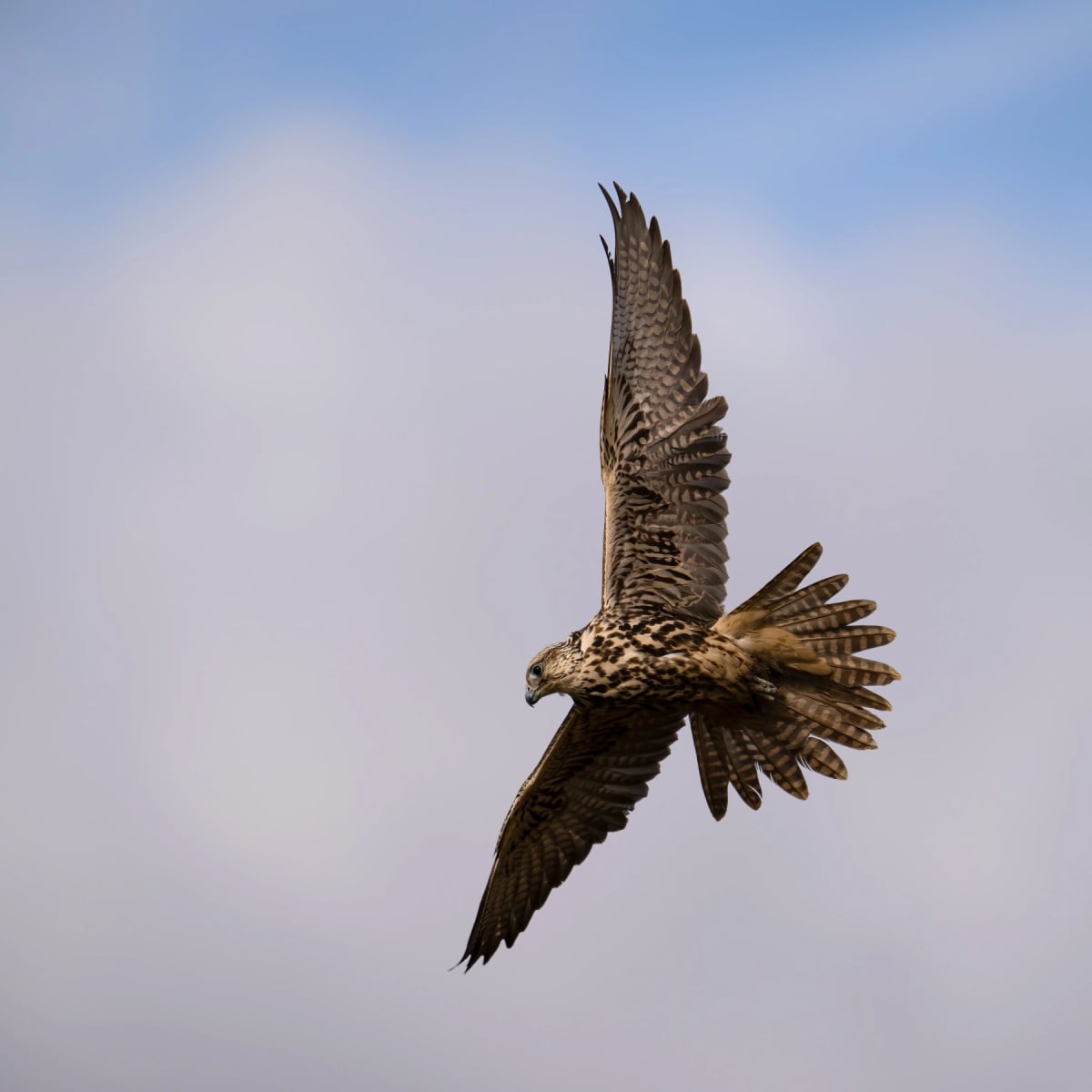
Across Central Asia and the Arabian Peninsula, the saker falcon holds a place in culture that goes well beyond sport. Falconers have worked with this species for well over a thousand years, and historical records from the courts of Central Asian rulers show it was among the most prized birds a nobleman could own. In the Arabian Peninsula today, the saker remains a bird of prestige, and dedicated falcon hospitals and breeding programmes reflect the deep attachment communities feel toward it. UNESCO recognised the tradition of falconry as an intangible cultural heritage of humanity in 2016, a status that has helped bring attention to the conservation challenges facing the wild populations that supply, legally or otherwise, the ongoing demand.
Threats
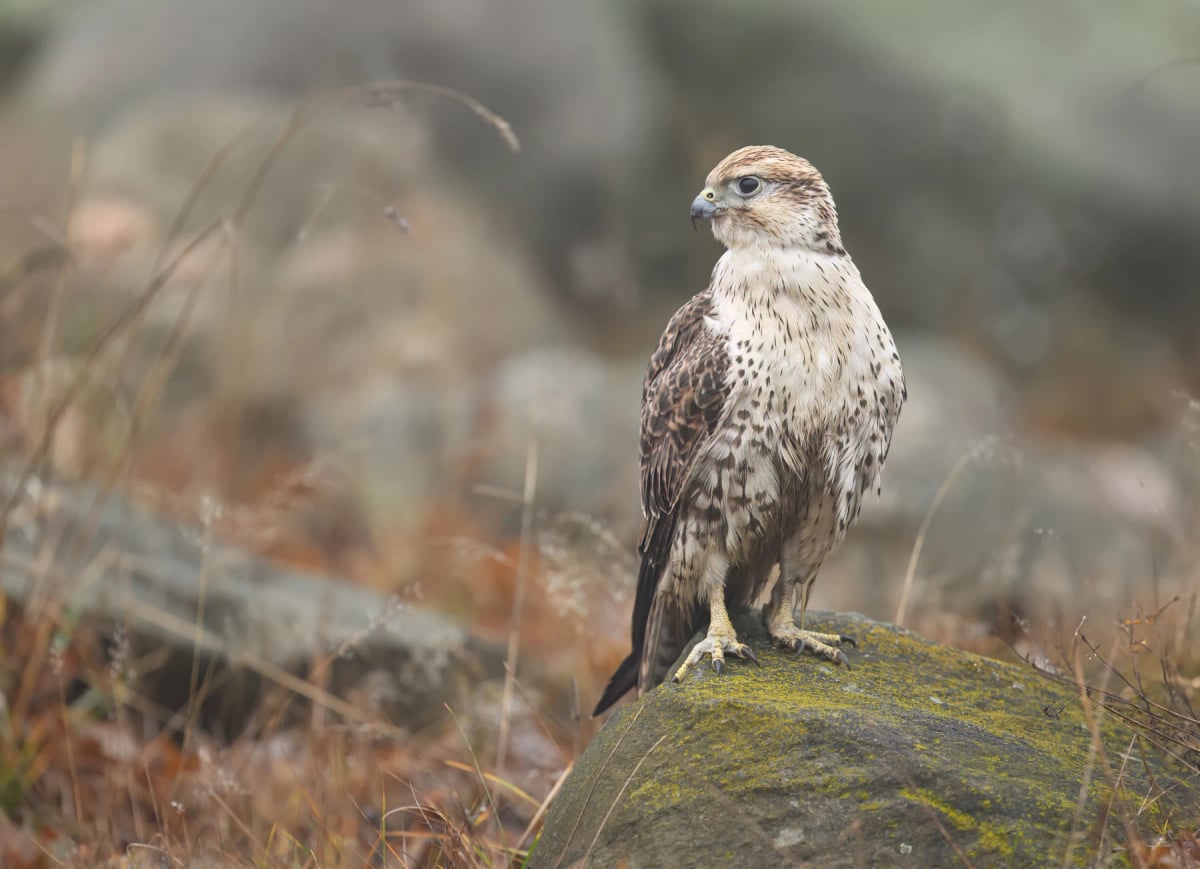
The pressures facing the saker falcon come from several directions at once. Illegal trapping for the falconry trade remains one of the most serious problems, with birds taken both from nests and caught during migration. Electrocution on power lines kills large numbers each year across Central Asia and the Middle East, particularly where ageing infrastructure has not been fitted with insulating covers. The loss and degradation of steppe habitats has reduced populations of ground squirrels, the main prey for breeding birds, making it harder for pairs to raise chicks successfully. Disturbance at nest sites, persecution and the effects of pesticides on prey availability add further pressure. The combination of these threats across breeding and wintering grounds has driven a significant decline in global numbers over recent decades.
Conservation
Efforts to protect the saker falcon operate across many countries at the same time. The Saker Falcon Global Action Plan, coordinated through the Convention on Migratory Species, brings together governments, conservation organisations and falconry communities to address the main threats in a coordinated way. On the ground, projects focus on fitting power lines with insulating covers to reduce electrocution deaths, erecting artificial nest platforms in areas where natural nest sites are scarce, and working with local communities to discourage illegal trapping. Captive breeding programmes supply birds for falconry in an effort to reduce pressure on wild populations. Anti-poaching patrols during migration and at key nest sites have also shown positive results in some countries. The IUCN currently lists the species as En peligro, reflecting how urgent continued action remains.
5 Curiosities about the Saker Falcon
Here are five things about the saker falcon that often surprise people: • With a wingspan reaching up to 129 cm, it is one of the largest falcons in the world, clearly bigger and heavier than the peregrine falcon. • Sakers rarely build their own nests. They take over old structures made by eagles, ravens or other large birds, often returning to the same site year after year. • Their plumage varies enormously across their range, from pale cream with light streaking to deep brown, making some individuals look almost like a different species. • Unlike most large falcons, sakers hunt mainly at low altitude, chasing prey across open ground rather than stooping from height. • A group of falcons is called a cast, though sakers are solitary hunters outside of the breeding season.
Where it is found
The Saker Falcon can be found in places such as:
Researched and written by Juan Pablo. Sources: IUCN Red List, scientific literature and regional field guides. Last updated: .
Technical factsheet


Frequently Asked Questions
What does the saker falcon eat?
Saker falcons eat mainly ground squirrels during the breeding season, which give them plenty of energy to raise chicks. They also hunt pigeons, ducks, larks and other medium birds throughout the year. When birds are scarce, voles and hamsters fill the gap. Unlike many falcons, sakers chase prey at low altitude across open ground rather than diving from above, relying on speed and stamina to catch their quarry.
Where does the saker falcon live?
Saker falcons breed across open grasslands and steppes stretching from Central Europe all the way to Mongolia and China. They prefer wide, flat landscapes with scattered trees or rocky outcrops for nesting. In winter, most travel south to the Arabian Peninsula, the Sahel region of Africa and the Indian subcontinent. Some birds stay closer to their breeding grounds if food remains available through the colder months.
Is the saker falcon endangered?
Yes. The IUCN lists the saker falcon as Endangered, which means it faces a serious risk of extinction if the threats it faces are not brought under control. Illegal trapping for the falconry trade, electrocution on power lines and the loss of steppe habitats have all contributed to a significant drop in numbers over recent decades. Conservation efforts are underway across many countries, but the situation remains urgent.
How big is the saker falcon?
The saker falcon is one of the largest falcons in the world. Adults measure between 48 and 61 cm in length and can have a wingspan of up to 129 cm. It is noticeably bigger and heavier than the peregrine falcon, which is perhaps the most well known falcon globally. Females, as is common in birds of prey, tend to be larger than males.
Why is the saker falcon important in falconry?
The saker falcon has been used in falconry for over a thousand years and is considered one of the most prized birds in the tradition. Across the Arabian Peninsula and Central Asia, owning and flying a saker is a mark of prestige with deep cultural roots. UNESCO recognised falconry as an intangible cultural heritage of humanity in 2016. Unfortunately, this demand has also driven illegal trapping that puts serious pressure on wild populations.
How does the saker falcon hunt?
The saker falcon hunts in a way that sets it apart from most other large falcons. Rather than climbing high and diving steeply at prey, it flies fast and low across open ground, using the element of surprise and its own stamina to chase down animals. This style of hunting works especially well in the open steppes where ground squirrels and other small animals have little cover to hide in.
Does the saker falcon build its own nest?
No, the saker falcon very rarely builds a nest from scratch. It prefers to take over old nests left behind by eagles, ravens or other large birds, saving itself the effort of construction. Pairs often return to the same nest site year after year. In areas where natural nest sites are hard to find, conservationists have had success putting up artificial nest platforms to encourage breeding.