Animals in North Korea
Wildlife in North Korea
North Korea has a mix of mountain ranges, forested hills, farming plains and a cool sea coast. Visitors usually meet wildlife on short hikes near hill villages, day trips to river valleys and simple walks in coastal parks. From these routes they may see foxes, bears, boar, lynx, wolves and cranes while still staying close to roads and small towns.
Most Dangerous Animals in North Korea
Danger for visitors in North Korea appears mainly in quiet rural or mountain areas and in offshore waters. Black bears, wild boar, lynx and wolves are strong animals that can react with force if they feel cornered in dense cover. On land the adder lives in cool forests and rocky slopes, while at sea the hammerhead shark stays in deeper coastal zones far from beaches.
Top 10 Animals in North Korea
The top 10 list for North Korea focuses on lynx, wolves and the peregrine falcon, which fit well with its hills and coasts. Lynx and wolves use forests and rough slopes and are sometimes seen at a distance from mountain roads. The falcon hunts near cliffs and sea edges and may appear during migration above simple coastal paths and viewpoints.
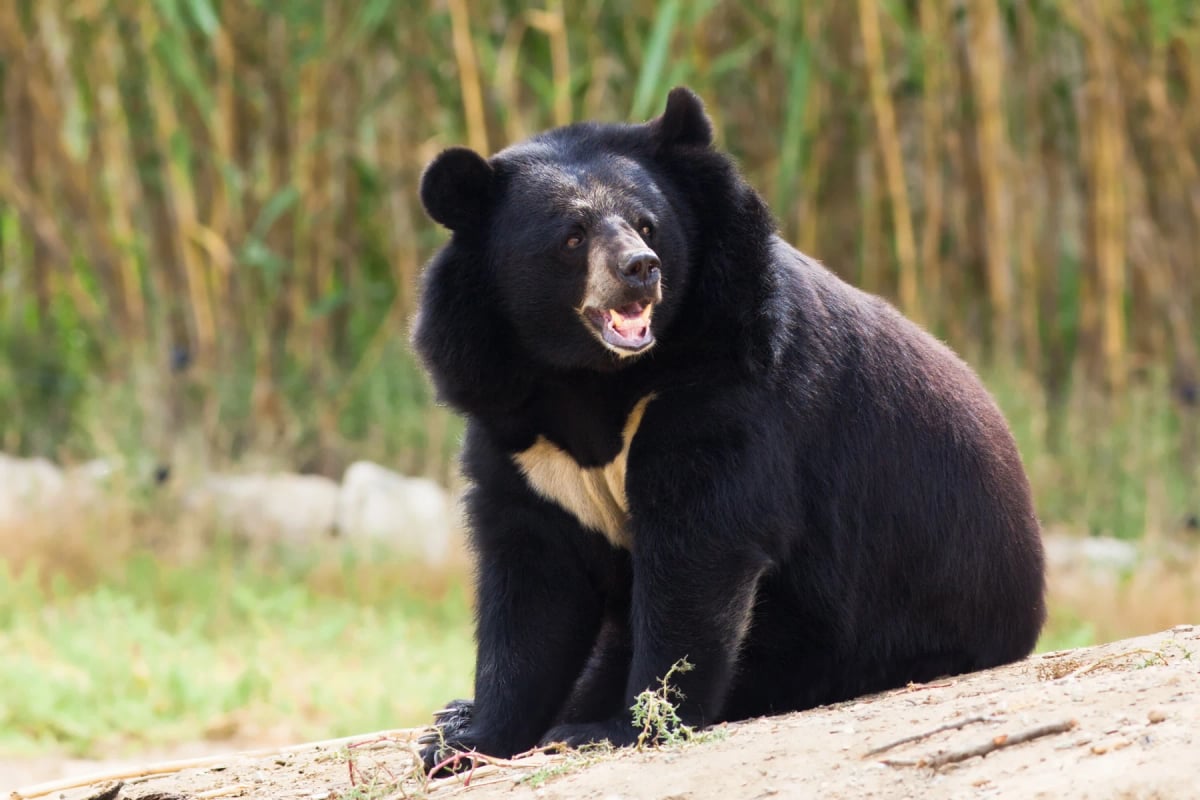
Asiatic Black Bear
Ursus thibetanus
The Asiatic black bear is present in the forested mountain areas of North Korea, particularly in the ranges along the border with China and in the interior highlands. The species has declined significantly due to decades of forest degradation and hunting pressure. Limited access to the country makes independent population assessments impossible, and data on current numbers and distribution remain scarce. The bear holds cultural and symbolic significance in Korean tradition but receives little documented conservation attention within the country.
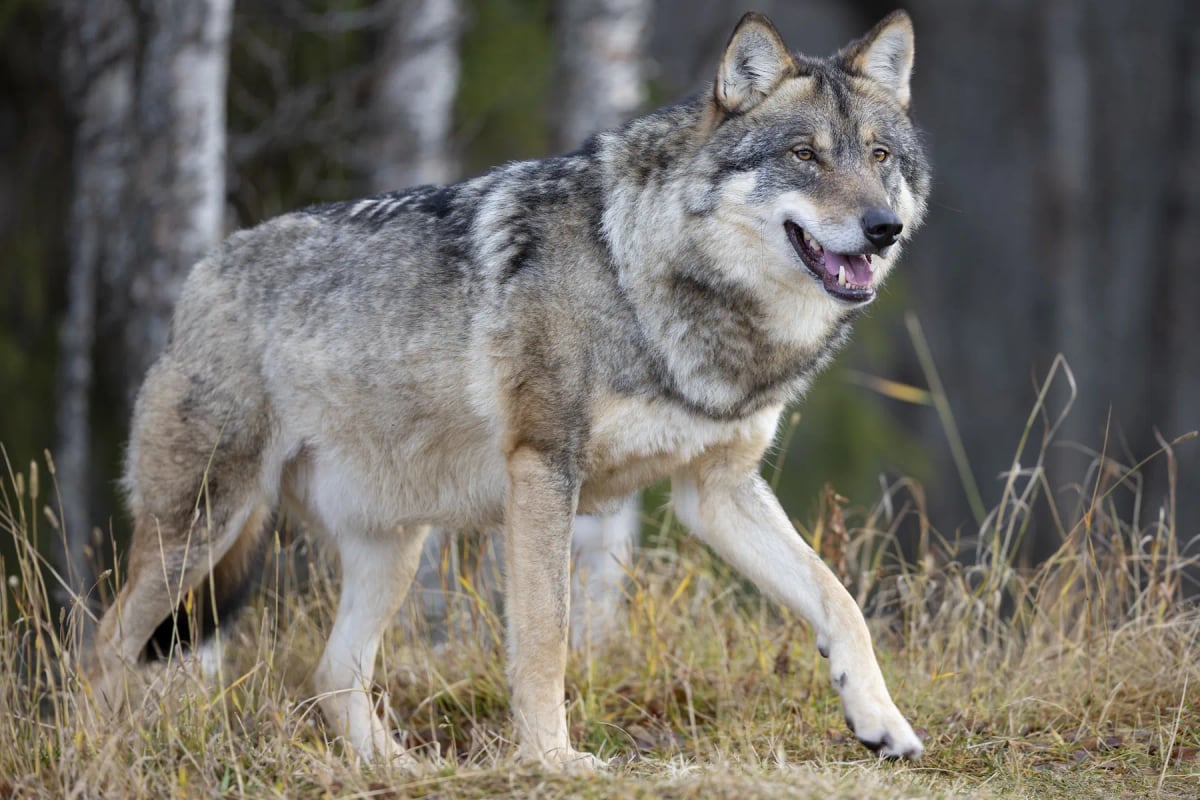
Gray Wolf
Canis lupus
The gray wolf is present across the mountainous interior of North Korea, where dense forests and rugged terrain provide cover for small resident packs. Wolves here prey on deer and wild boar. Very little field research has been conducted in the country, so population estimates remain uncertain. The species holds Least Concern status globally, though its situation inside North Korea is difficult to assess independently.
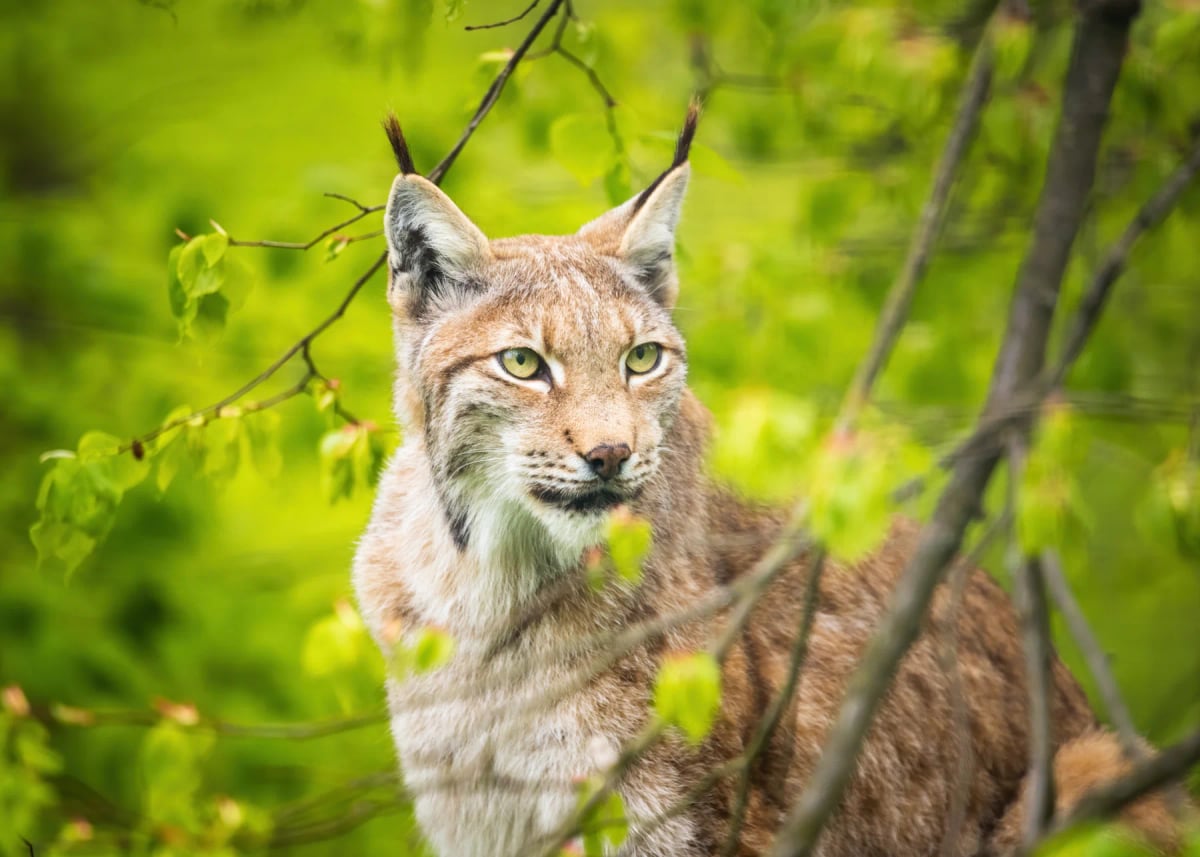
Eurasian Lynx
Lynx lynx
The Eurasian Lynx is believed to persist in the remote, forested mountains of North Korea, particularly in areas bordering China and Russia where human presence is limited. Dense conifer and mixed woodland across the northern highlands offers suitable cover and prey. Reliable population data is scarce due to restricted access, but the species is considered present based on historical records and regional surveys.
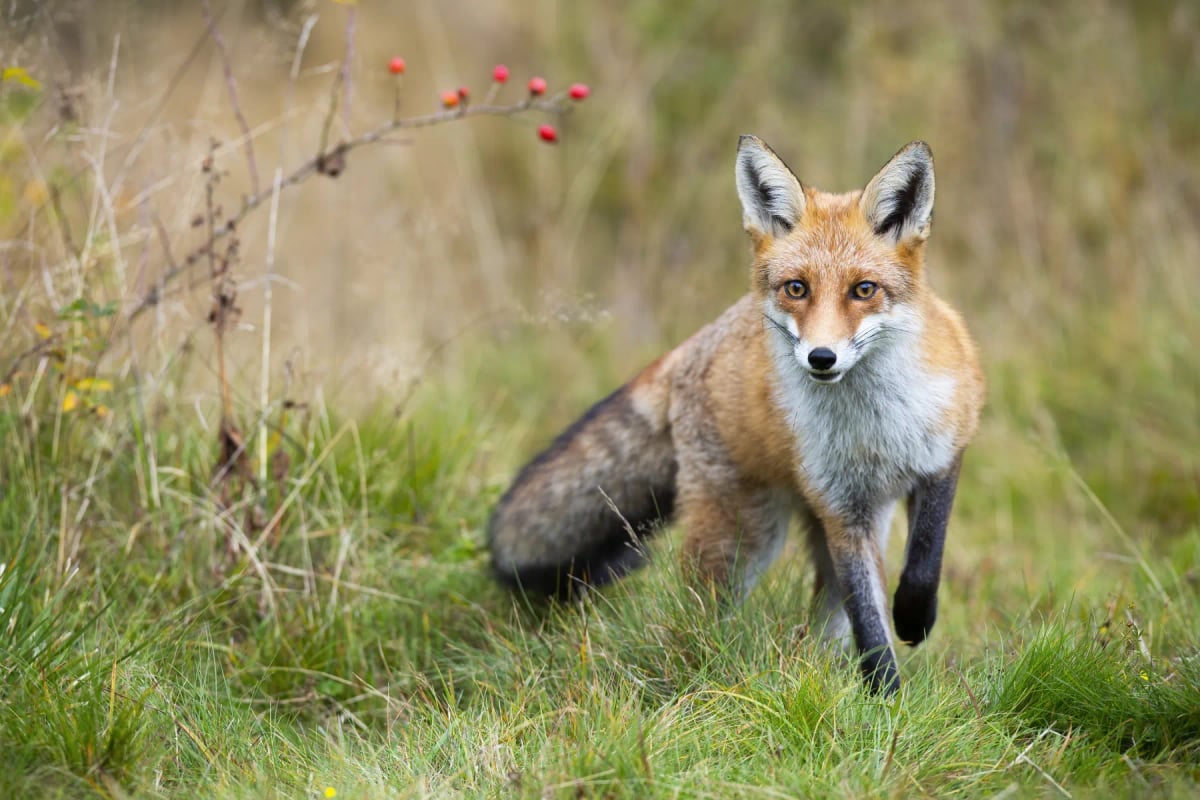
Red Fox
Vulpes vulpes
The red fox is present across North Korea, inhabiting forested mountain slopes, river valleys, and agricultural lowlands throughout the peninsula. It shares its range with other carnivores such as the Siberian roe deer's predators and competes with raccoon dogs in some areas. Detailed ecological data from North Korea is limited, but the species is considered stable across the region. Its IUCN status is Least Concern.
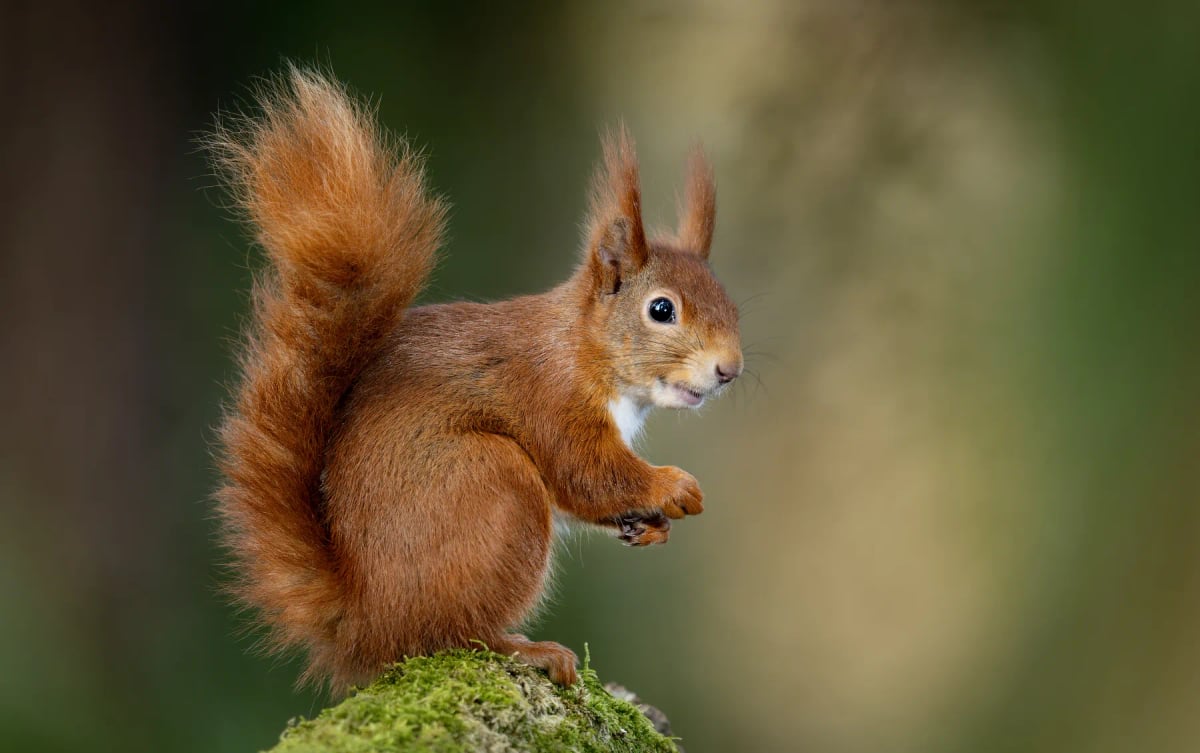
Red Squirrel
Sciurus vulgaris
The red squirrel is present in the forested mountain regions of North Korea, where it inhabits conifer and mixed woodland across the northern and central highlands. The country's extensive forest cover, particularly in the mountainous interior, provides suitable habitat for the species. Little detailed survey data is available from North Korea, but the red squirrel is considered part of the broader regional population found across northeast Asia. IUCN status: Least Concern.
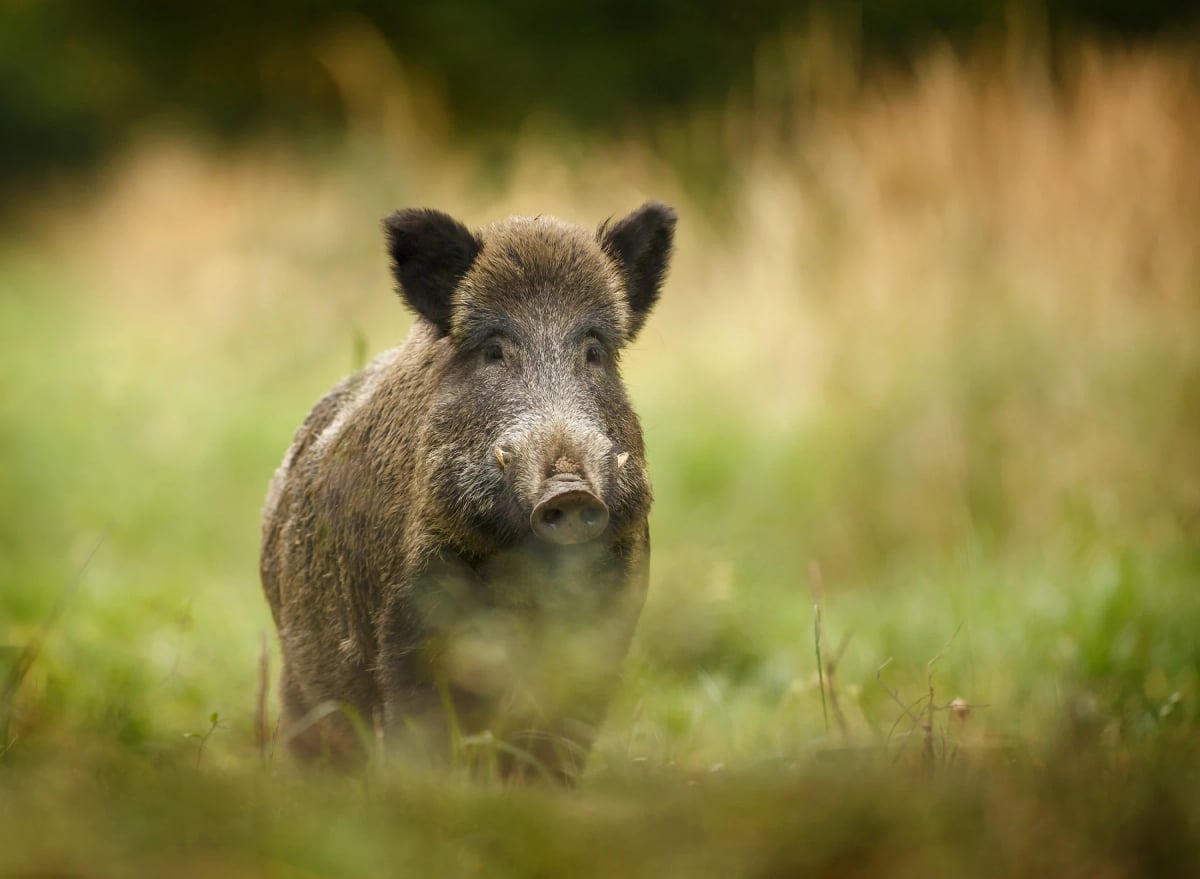
Wild Boar
Sus scrofa
Wild boars inhabit the forested mountains that cover much of North Korea, favoring dense woodland with good cover near streams and farmland edges. They feed on roots, acorns and crops, sometimes coming into conflict with subsistence farmers in rural areas. Limited outside research makes it difficult to assess current population trends, though the species is believed to remain widespread across the country's forested interior.
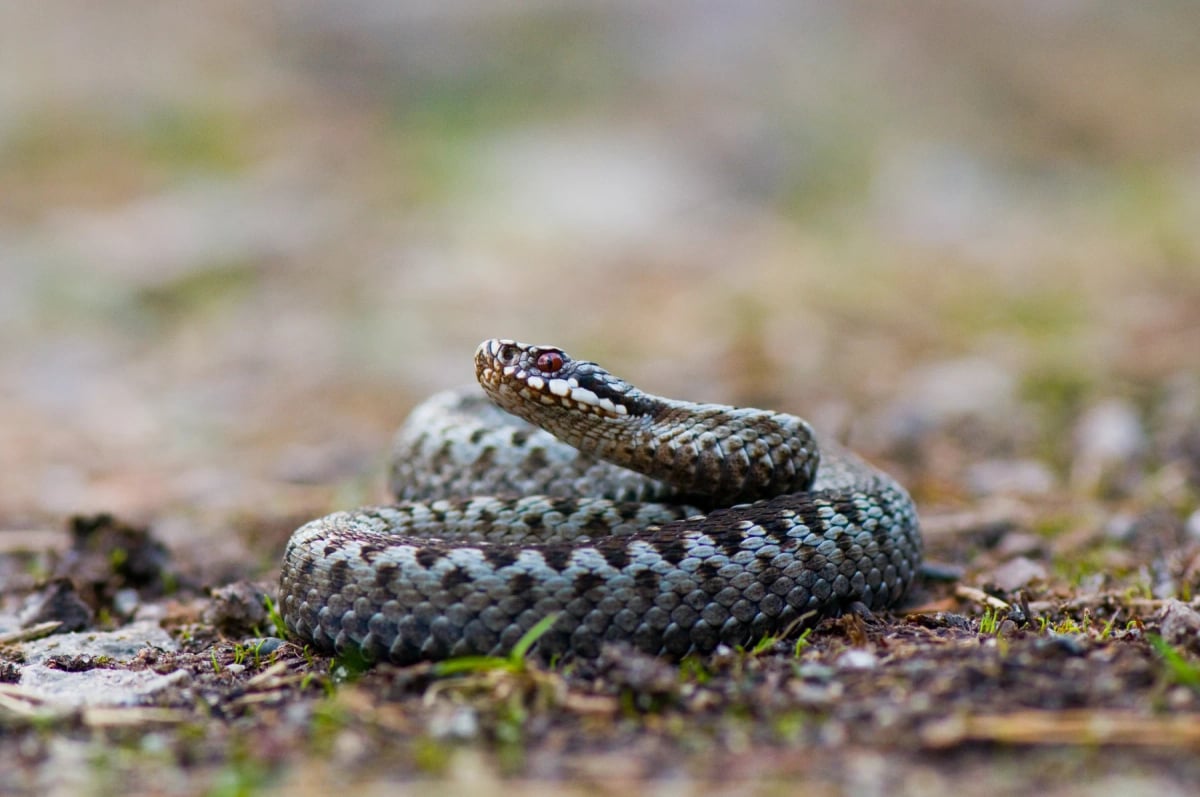
European Adder
Vipera berus
The European adder has been recorded in the northern forested regions of North Korea, near the border with Russia and China. It inhabits cool, wooded hillsides and rocky clearings at higher elevations. As with other parts of its eastern range, the population here is at the edge of the species' distribution. Little detailed research is available from this region. Its IUCN status is Least Concern.
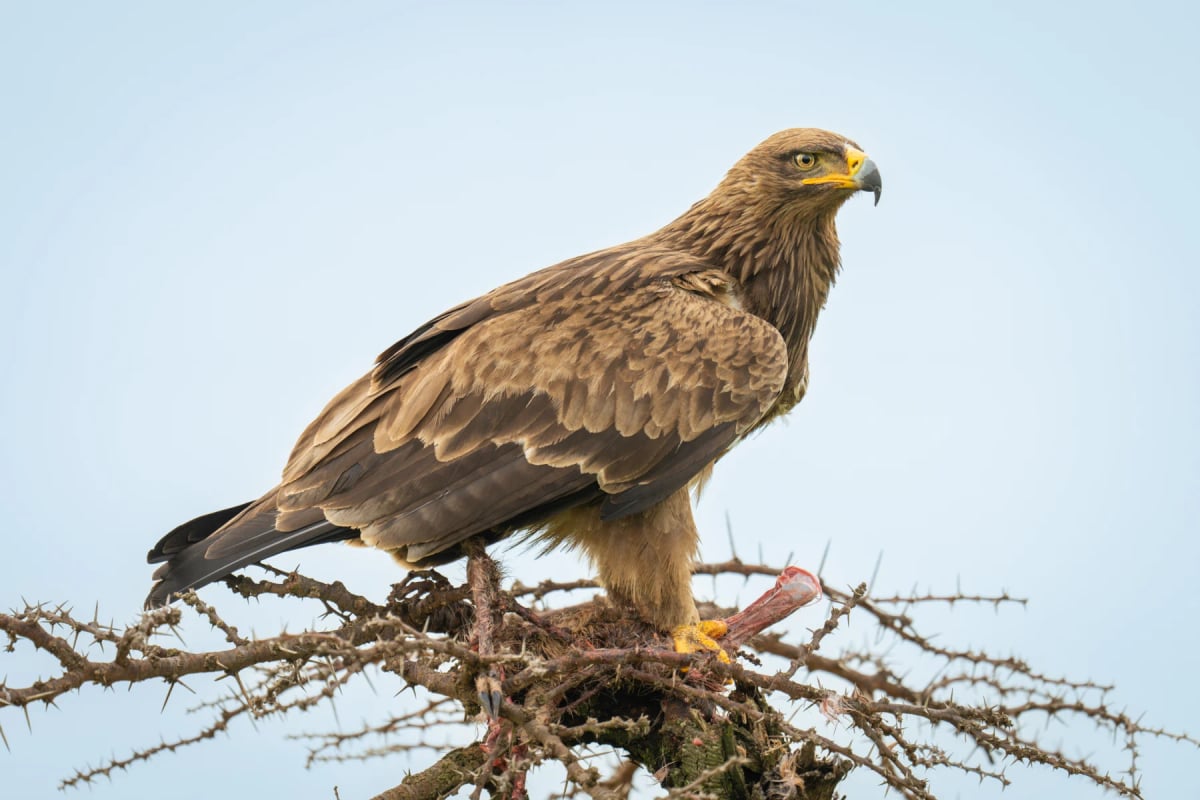
Steppe Eagle
Aquila nipalensis
The Steppe Eagle occurs in North Korea as a migratory visitor, with birds passing through the Korean Peninsula during seasonal movements between their Central Asian breeding grounds and wintering areas further south and west. Open river valleys and agricultural plains in the country may provide resting and foraging opportunities during passage. The species is listed as Endangered by the IUCN, and limited ornithological access to North Korea means that records from the region remain relatively sparse.
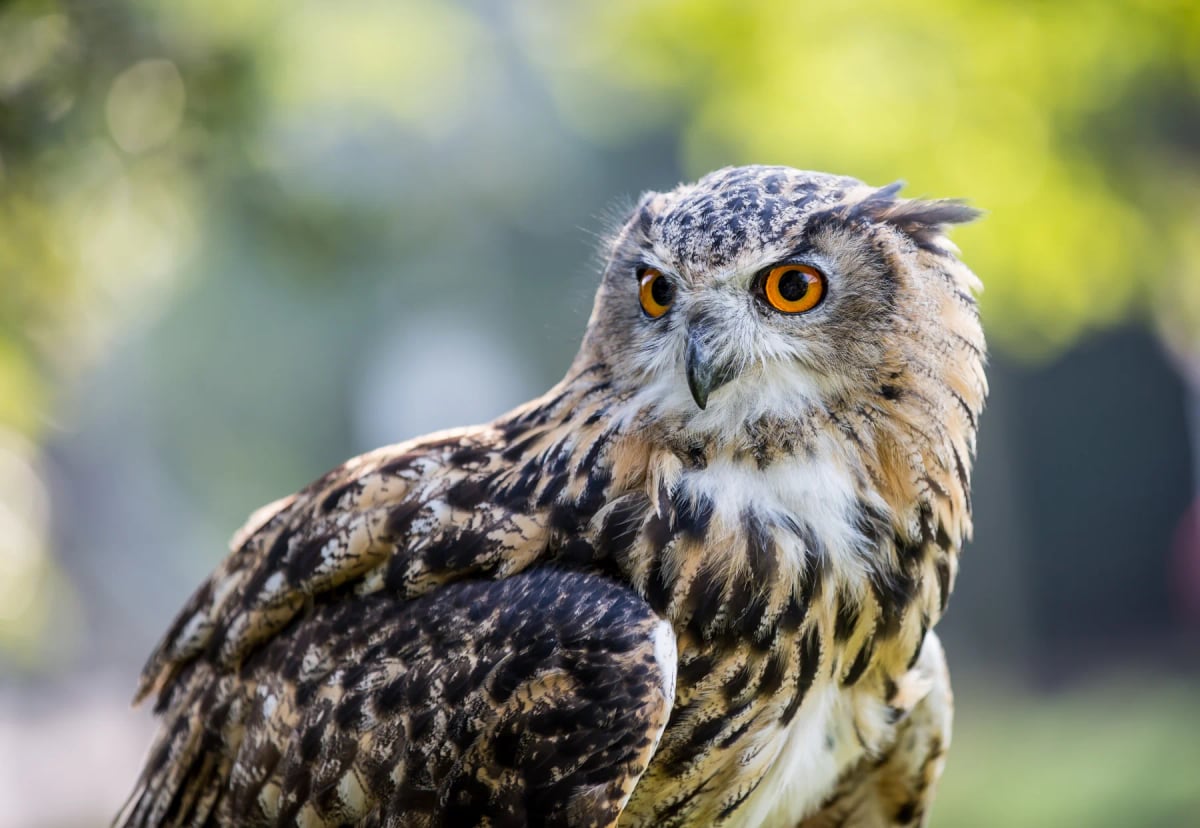
Eagle Owl
Bubo bubo
The Eurasian eagle owl is present in North Korea across forested mountain regions and rocky valleys, particularly in the northern parts of the country that border China and Russia. It is a nocturnal hunter of small to medium mammals and birds. Detailed population data from North Korea is limited, but the species is considered part of the broader stable East Asian population. The IUCN lists it as Least Concern.
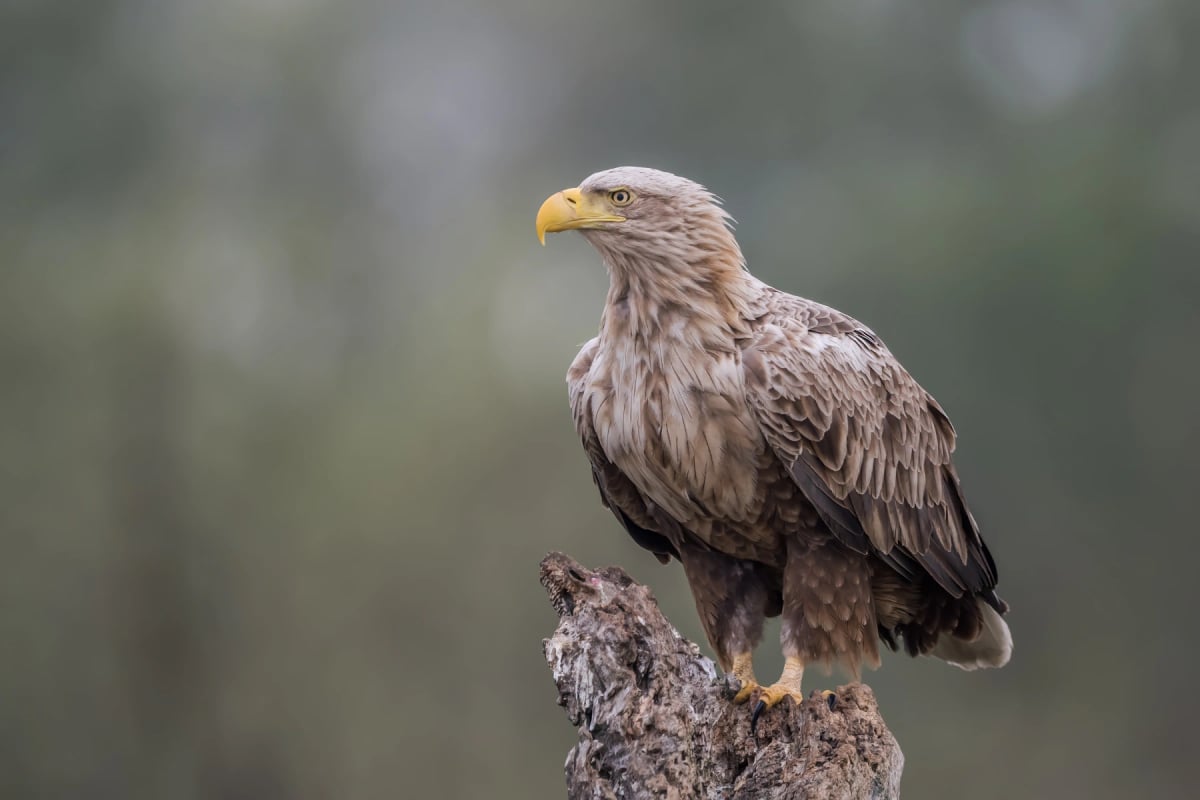
White tailed Eagle
Haliaeetus albicilla
The white tailed eagle is present in North Korea during the winter, congregating around the coastal wetlands, river mouths, and reservoirs that remain unfrozen through the cold months. The west coast estuaries and the lower reaches of large rivers such as the Amnok provide foraging habitat for birds traveling south from breeding grounds in Russia and northeast China. Little detailed survey data is available from the country.
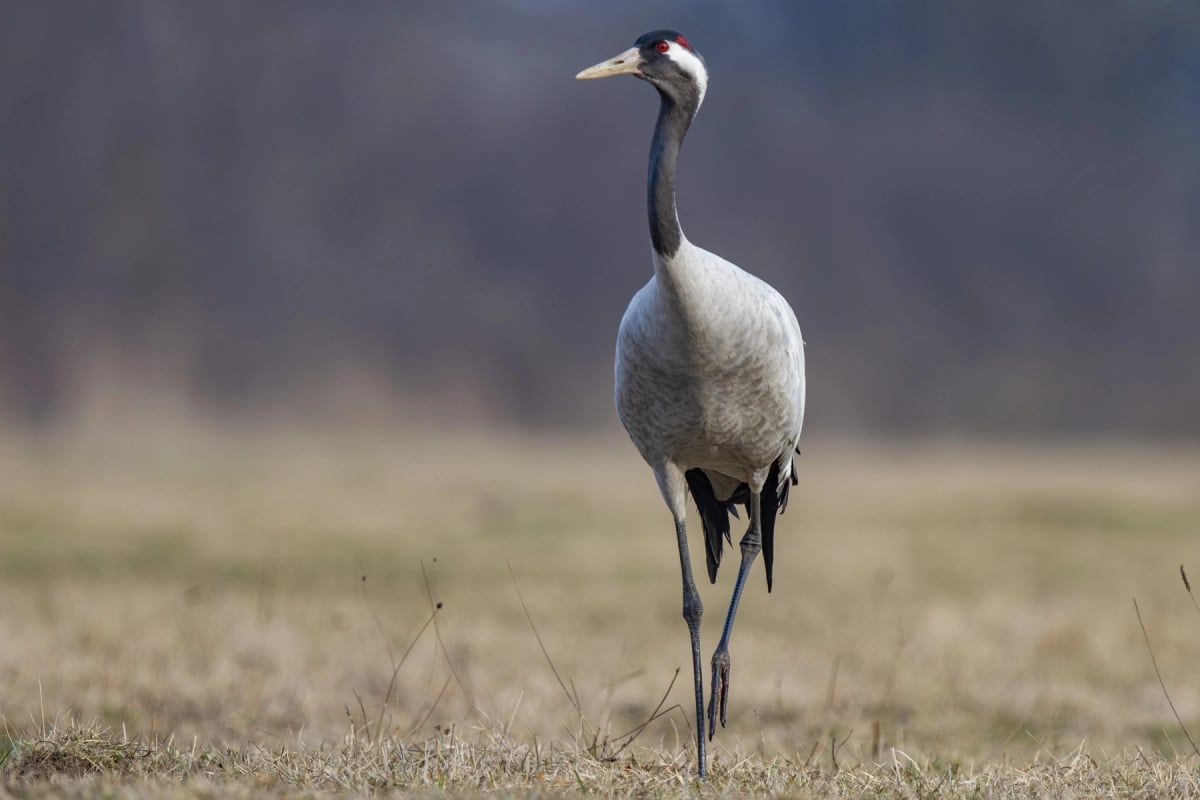
Crane
Grus grus
Common cranes pass through North Korea during migration and some birds winter in the country's coastal wetlands and river valleys. The Korean Peninsula lies along an East Asian flyway used by several crane species. Wetlands along major rivers such as the Taedong provide resting habitat for cranes moving between breeding grounds in Russia and Siberia and wintering areas further south. The species holds a Least Concern status globally.
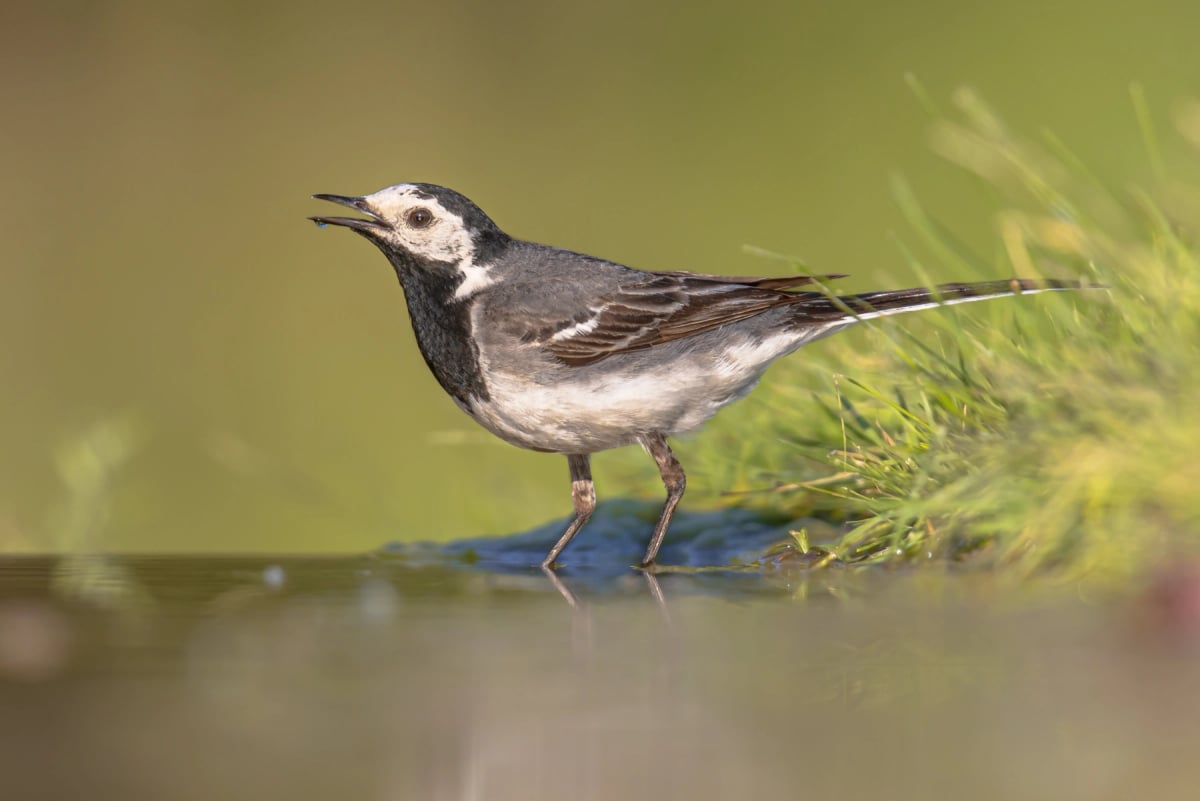
White Wagtail
Motacilla alba
The white wagtail breeds in North Korea, where the black backed Amur wagtail nests along rivers such as the Taedong and Yalu, on rocky coasts and in villages, using crevices in walls and buildings. It arrives in spring and hunts insects on riverbanks, rice paddies and open ground. In autumn most birds migrate south to winter in southern China and Southeast Asia. IUCN status: Least Concern.
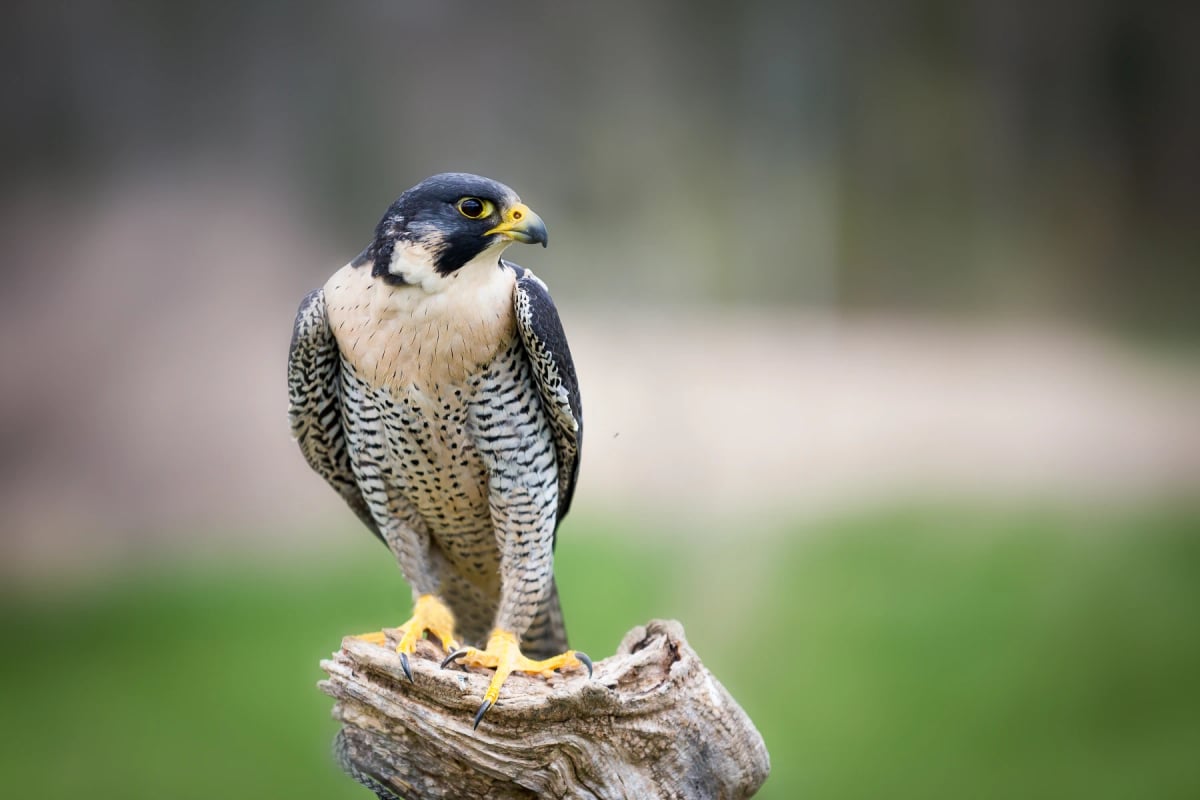
Peregrine Falcon
Falco peregrinus
The peregrine falcon occurs across the Korean Peninsula, and the mountainous interior and rugged coastal cliffs of North Korea provide suitable nesting terrain. It is most visible during migration, when individuals move along the peninsula between their breeding grounds to the north and their wintering areas further south. Little detailed field data is available from the country, but regional records confirm the species is a regular visitor and likely breeder. Its IUCN status is Least Concern.
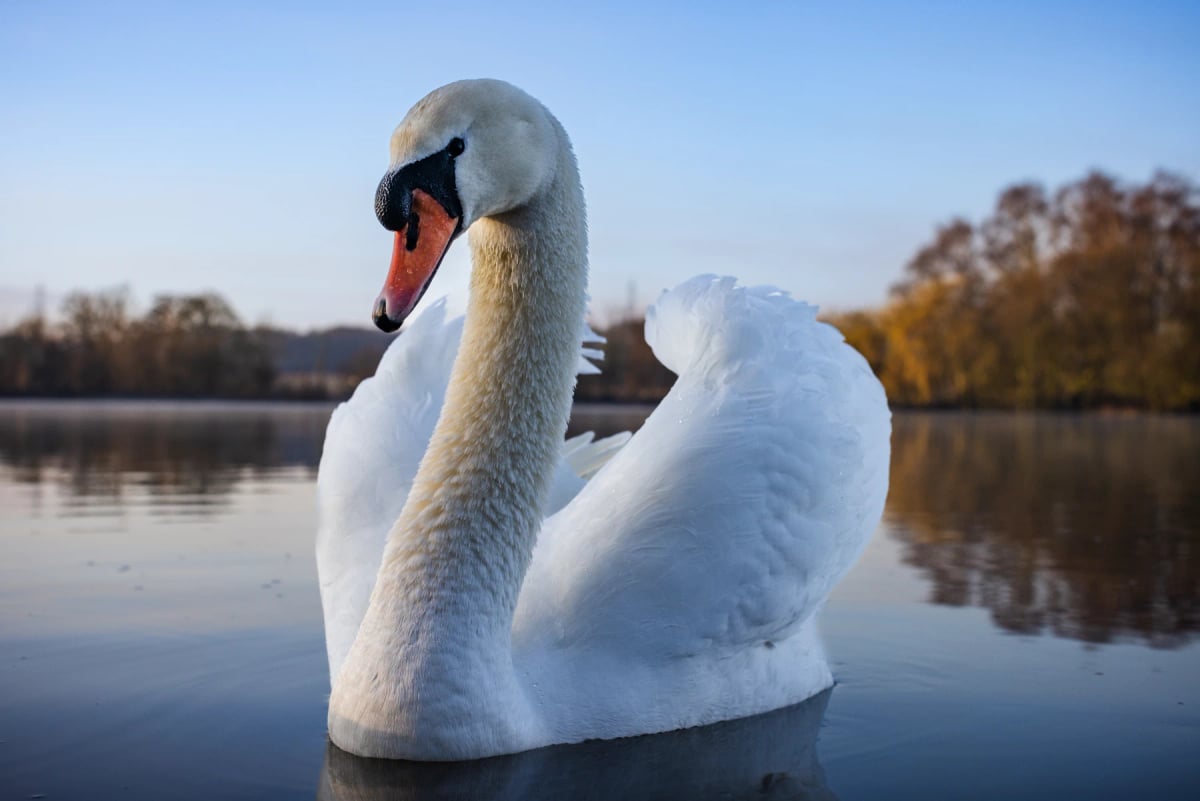
Mute Swan
Cygnus olor
The mute swan only passes through North Korea on migration, between its breeding lakes in Mongolia and northeastern China and its wintering grounds further south, such as the coasts of South Korea. Migrating birds stop to rest and feed at coastal bays, river mouths and wetlands along the Yellow Sea, where calm, shallow water gives them access to underwater plants. It neither breeds nor spends the winter in the country. IUCN status: Least Concern.
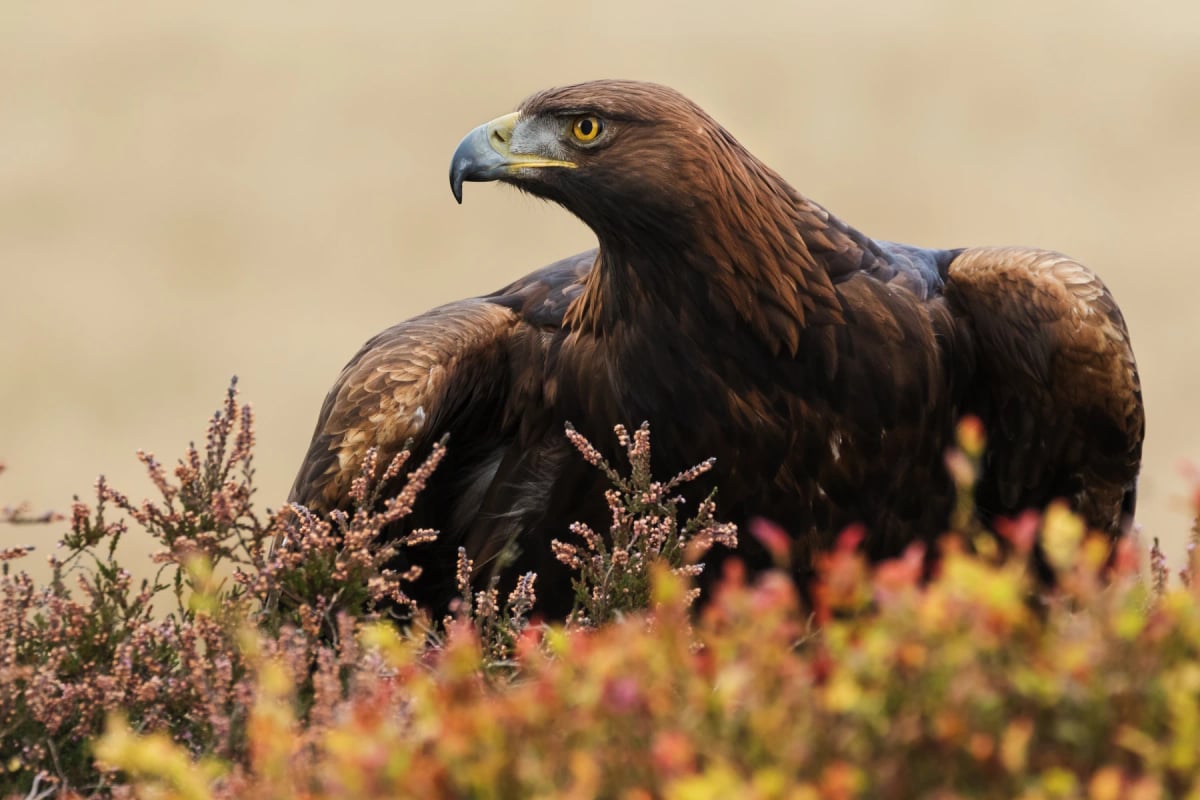
Golden Eagle
Aquila chrysaetos
The golden eagle inhabits the rugged mountain ranges of North Korea, including the slopes of Baekdu Mountain and the highlands of the northern interior. It hunts hares, small mammals, and birds across open valleys and forested ridges. Pairs hold large territories and return to the same cliff nests each year. It is listed as Least Concern by the IUCN, though habitat pressures remain a concern.
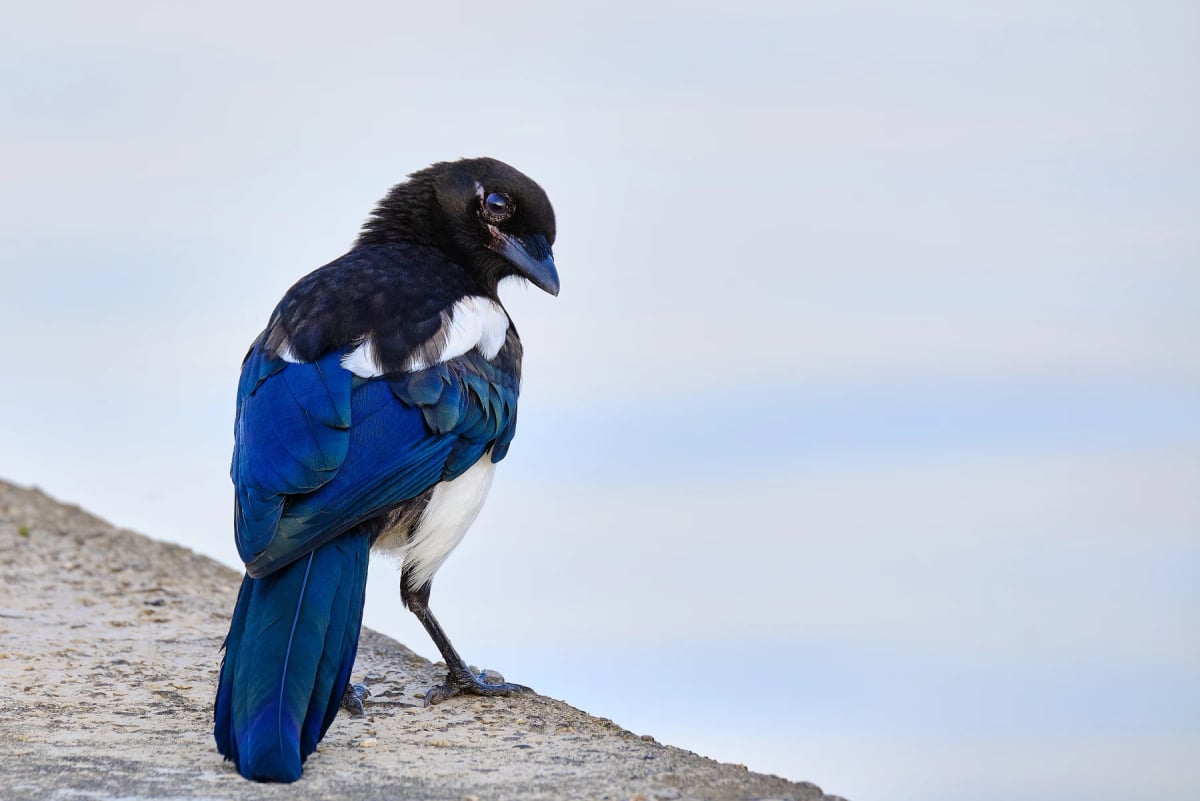
Eurasian Magpie
Pica pica
The Eurasian Magpie is a common resident of North Korea, present in villages, farmland, and the edges of forests across much of the country. Like in neighboring South Korea, it has deep cultural roots on the Korean Peninsula and is widely recognized by local communities. It feeds on insects, grains, small animals, and scraps. Resilient and intelligent, it adapts well to varied conditions. Its IUCN status is Least Concern.
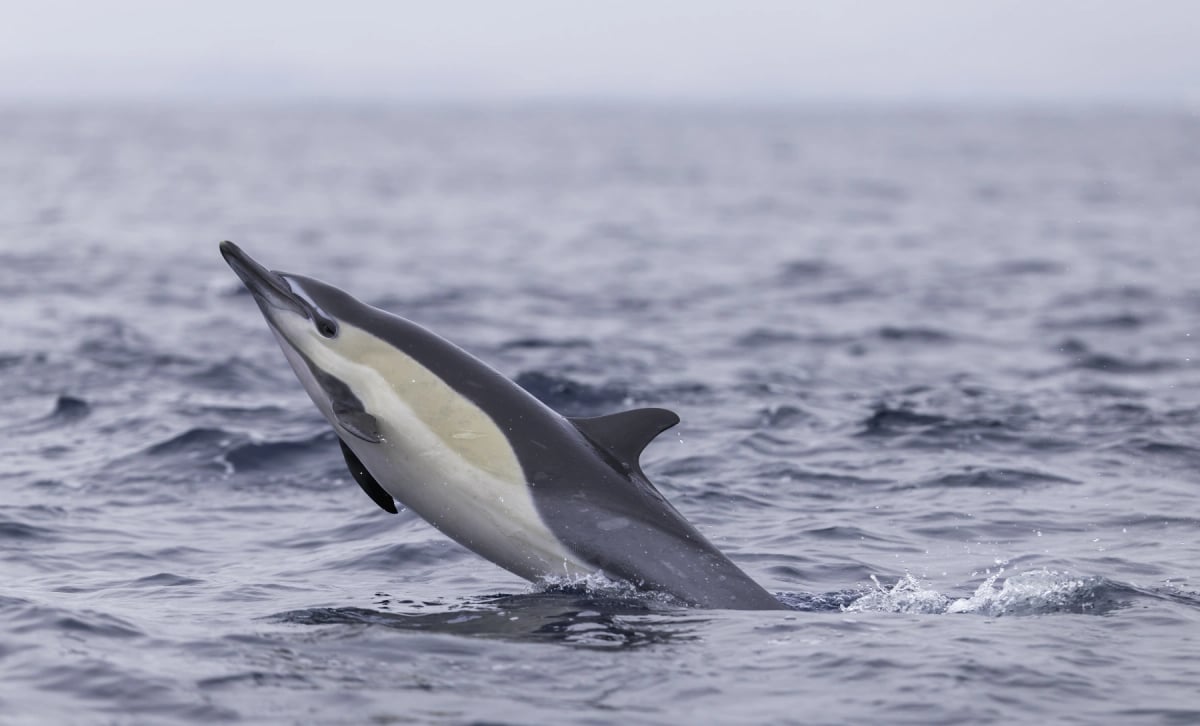
Common Dolphin
Delphinus delphis
The common dolphin is found in the waters of the Sea of Japan and the Yellow Sea off the Korean Peninsula's eastern and western coasts. These dolphins travel in large, energetic groups and feed on small fish such as anchovies and sardines. Their striking hourglass pattern on the flanks makes them easy to identify at sea. They are listed as Least Concern by the IUCN.
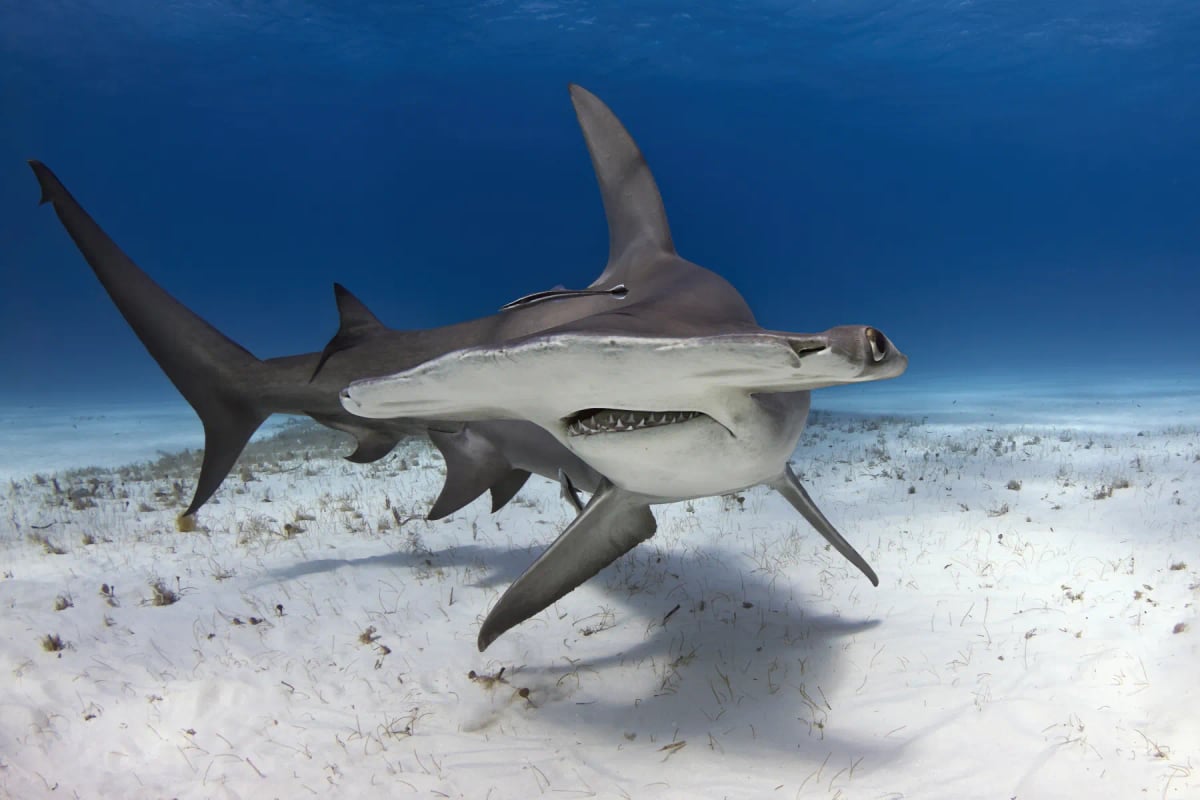
Hammerhead Shark
Sphyrna spp.
Hammerhead sharks are found in the warm waters of the Yellow Sea and the Korea Bay along North Korea's western coast. These coastal and offshore zones provide hunting grounds for fish and rays. Limited published data exists on hammerhead activity specific to North Korean waters, but regional declines due to overfishing and the fin trade affect the entire area. Several species are Critically Endangered.
Researched and written by Juan Pablo. Sources: IUCN Red List, scientific literature and regional field guides. Last updated: .