Giraffe
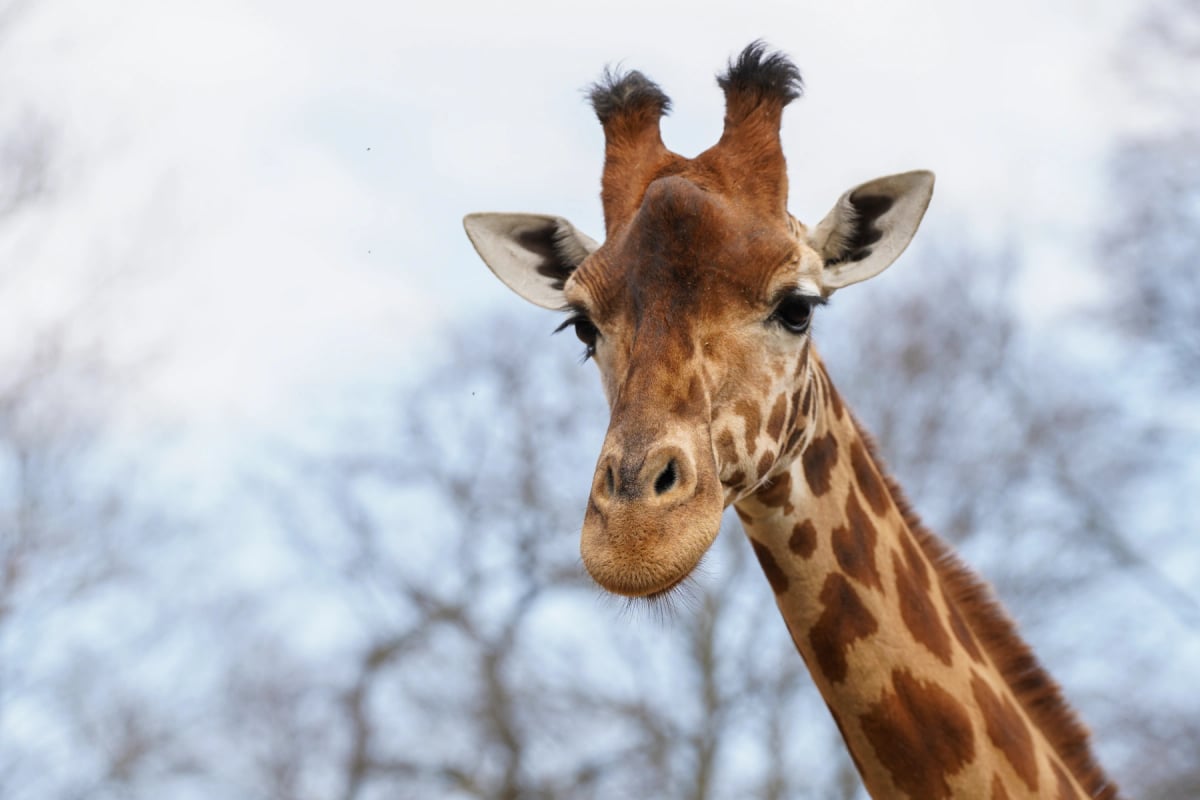
The giraffe is the tallest land animal on Earth, with adult males reaching up to 5.5 metres from hoof to horn tip. That extraordinary neck, which can measure nearly two metres on its own, is built from just seven vertebrae, the same number found in most other mammals. A tongue that stretches to around 45 centimetres lets giraffes strip leaves from thorny acacia branches that other herbivores cannot reach. They live across the savannas and open woodlands of sub-Saharan Africa, feeding for most of the day and resting in short bursts. Males compete for females through a behaviour called necking, swinging their long necks to deliver powerful blows. Giraffes are classified as Vulnerable by the IUCN, with overall numbers declining due to habitat loss, human settlement expanding into their range, and poaching.
Habitat and distribution
Giraffes are found across a broad sweep of sub-Saharan Africa, from Chad and Ethiopia in the north to South Africa and Namibia in the south. They favour savannas, open woodlands, and shrublands where acacia trees grow in abundance. Although they can tolerate dry conditions better than many large mammals, they rely on areas with enough tree cover to sustain their browsing diet. Their range today is far more fragmented than it was historically. Populations are scattered across roughly 21 countries, often separated by farmland, roads, and expanding human settlements. Some regional populations, such as those in West Africa, are critically small. Giraffes do not migrate in the way that wildebeest do, but they will roam widely within their home range when food or water becomes scarce.
Diet
Few animals on Earth can reach the food sources that giraffes access with ease. Their diet consists mainly of leaves, flowers, and seed pods from acacia and other trees, which they strip away using a tongue that stretches to around 45 centimetres. That tongue is also tough enough to handle thorns without injury. Adult giraffes can consume up to 34 kilograms of vegetation in a single day, spending the majority of their waking hours browsing. Because they feed at heights other herbivores cannot reach, they fill a unique ecological role on the savanna. They also obtain most of their water from the plants they eat, which is useful given how awkward it is for them to drink from the ground, a posture that leaves them exposed to predators.
Behavior
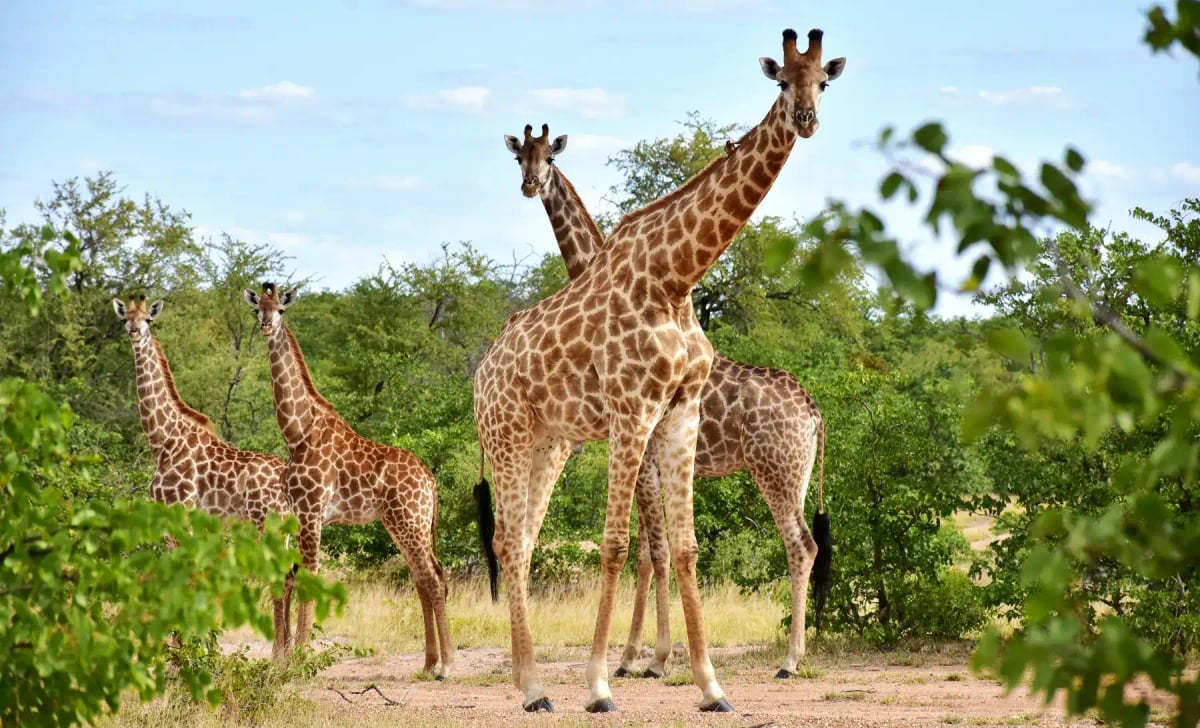
Giraffes are social animals that live in loose, flexible groups sometimes called towers. These groups have no fixed membership, and individuals move between them freely. Males compete for the right to mate through a behaviour known as necking, in which two rivals swing their long necks and strike each other with their ossicones, the bony protrusions on top of their heads. These bouts can be surprisingly forceful. Despite this rivalry, giraffes spend most of their time browsing peacefully and are generally calm around other species. They sleep in short intervals totalling only about four to five hours a day, often standing up. Their height gives them a natural advantage as lookouts, and other animals on the savanna frequently follow their gaze to detect approaching predators.
Relation with humans
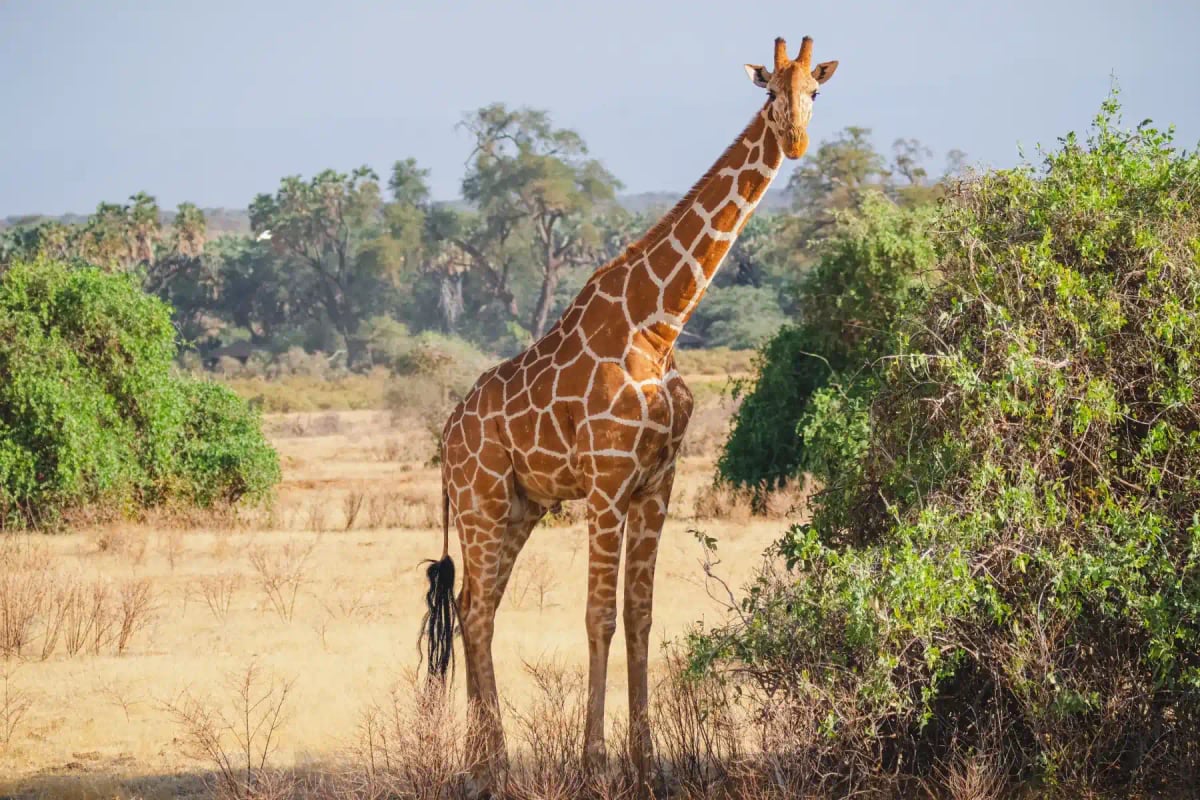
Throughout history, people across Africa have lived alongside giraffes, and the animals appear in rock art dating back thousands of years. Today, they are a cornerstone of wildlife tourism, drawing visitors to national parks and private reserves across eastern and southern Africa. That economic value has helped motivate protection efforts in several countries. However, as human populations grow and farming expands into traditional giraffe territory, conflict increases. Giraffes are sometimes killed for their meat and for their tails, which are valued in some communities as status symbols or for use in traditional practices. They pose very little danger to people, though a kick from an adult is powerful enough to be lethal. Education and community involvement are widely seen as essential for the species to coexist with people over the long term.
Conservation
The IUCN classifies the giraffe as Vulnerable, reflecting a population decline of around 40 percent over the last three decades. Estimates suggest fewer than 117,000 individuals remain in the wild. The main pressures driving this decline are habitat loss, civil unrest in parts of their range, and illegal hunting. Several of the recognised subspecies face far more serious threats, with some qualifying as Critically Endangered at the subspecies level. Organisations such as the Giraffe Conservation Foundation work with governments and local communities to monitor populations, restore habitat connectivity, and relocate giraffes to areas where they have disappeared. Protecting corridors of land between fragmented populations is considered one of the most important steps for maintaining healthy genetic exchange and giving the species a stronger future.
Where it is found
The Giraffe can be found in places such as:
Researched and written by Juan Pablo. Sources: IUCN Red List, scientific literature and regional field guides. Last updated: .
Technical factsheet

Frequently Asked Questions
How tall can a giraffe get?
Adult male giraffes can reach up to 5.5 metres from hoof to horn tip, making them the tallest land animals on Earth. Females are noticeably shorter. Much of that height comes from the neck, which alone can measure close to two metres. Despite its remarkable length, a giraffe's neck contains just seven vertebrae, the same number found in almost all other mammals, including humans.
What do giraffes eat?
Giraffes feed mainly on leaves, flowers, and seed pods from acacia trees and other tall vegetation. Their tongue, which stretches to around 45 centimetres, is tough enough to grip and strip thorny branches without injury. An adult can eat up to 34 kilograms of plant material in a single day. Because they browse at heights other herbivores cannot reach, they have very little competition for food.
Where do giraffes live?
Giraffes live across sub-Saharan Africa, from Chad and Ethiopia in the north down to South Africa and Namibia in the south. They prefer savannas, open woodlands, and shrublands where acacia trees are plentiful. Their range today is much more fragmented than it used to be, with populations scattered across around 21 countries and often separated by farmland and roads.
Are giraffes endangered?
The IUCN lists the giraffe as Vulnerable, with fewer than 117,000 individuals estimated to remain in the wild. Their numbers have fallen by around 40 percent over the last three decades. Habitat loss, poaching, and civil unrest in parts of their range are the main causes. Some subspecies face even greater danger, with a few considered Critically Endangered at the subspecies level.
How do giraffes drink water?
Drinking is one of the most awkward actions a giraffe performs. To reach the water, it must splay or bend its front legs wide apart to lower its head to ground level. This posture leaves the animal vulnerable to predators like lions and crocodiles, so giraffes are very alert while drinking and do so quickly. Fortunately, they get a large portion of their water from the plants they eat.
What is necking in giraffes?
Necking is the way male giraffes compete with each other for the chance to mate. Two rivals stand side by side or at an angle and swing their long necks to deliver heavy blows using their ossicones, the bony protrusions on top of their heads. These strikes can be powerful enough to knock an opponent off balance. The stronger male usually wins access to females in the area.
How long do giraffes sleep?
Giraffes are among the animals that sleep the least. They typically rest for a total of only four to five hours a day, usually in short intervals rather than one long stretch. Most of the time they sleep standing up, which allows them to react quickly if a predator approaches. Occasionally, they lie down for a brief and deeper sleep, but this leaves them more vulnerable and happens less often.