Animals in Eswatini
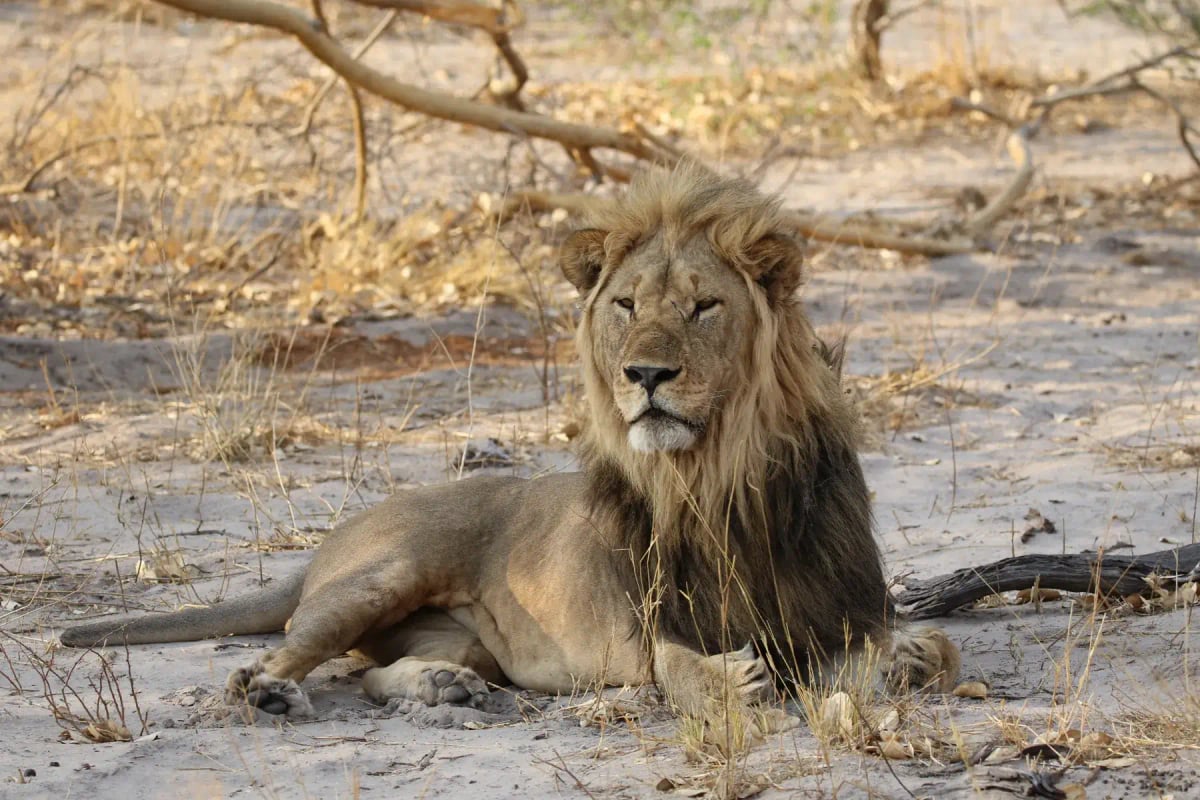
Lion
Panthera leo
The lion, Eswatini’s national animal, represents courage and leadership in local tradition. Once common in the wild, it now lives mainly in protected reserves, where it remains a symbol of power and pride for the Swazi people.
View details→Wildlife in Eswatini
Eswatini may be small, but it is rich in wildlife. Savannas and wetlands are home to elephants, giraffes, hippos and colorful birds such as the blue crane and crowned crane. Nature reserves across the country protect these species and welcome visitors who enjoy safaris and birdwatching.
Most Dangerous Animals in Eswatini
Wildlife encounters in Eswatini can be dangerous, especially with hippos, buffaloes, elephants and snakes such as the black mamba. Following guide instructions and keeping distance ensures a safe and memorable experience in its reserves.
Top 10 Animals in Eswatini
Rhinos, elephants, leopards and crocodiles are among Eswatini’s most impressive animals. Game drives through parks like Hlane and Mkhaya let visitors see these species up close and experience the country’s untamed nature.
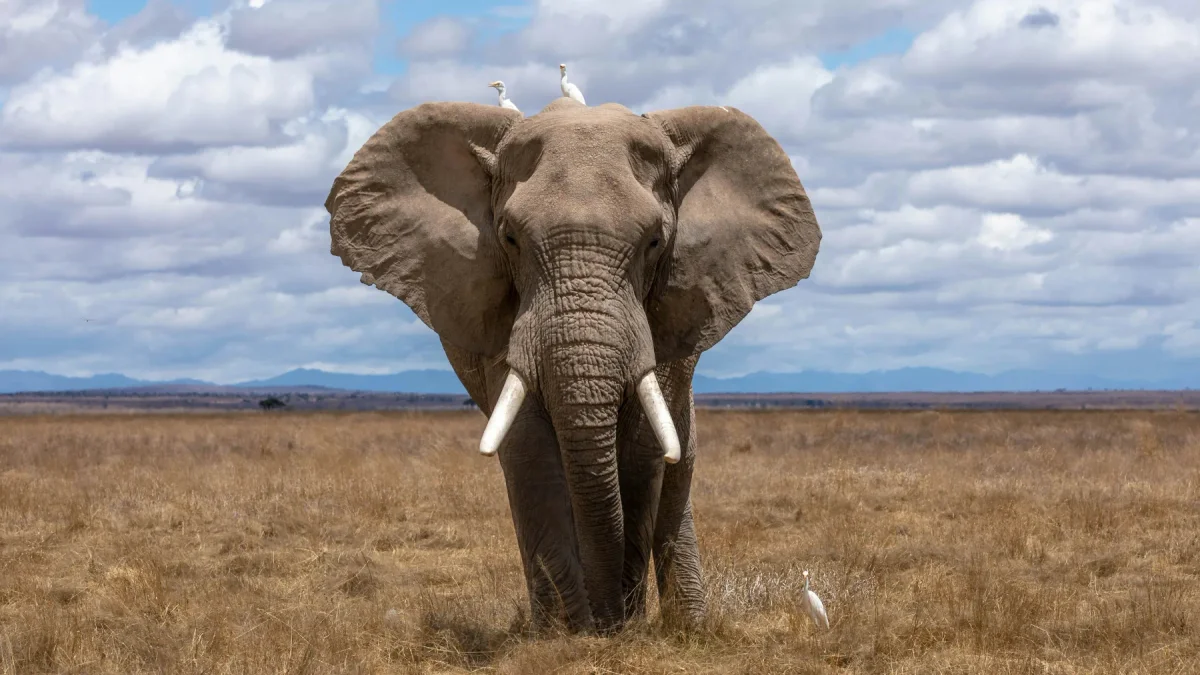
African Elephant
Loxodonta africana
Eswatini's elephants were wiped out during the colonial era. The country now holds a small reintroduced population managed across Hlane Royal National Park and Mkhaya Game Reserve. Numbers remain modest but the population is growing under active management. Being one of Africa's smallest countries, Eswatini's elephants are entirely dependent on careful wildlife management to prevent overpopulation within the limited space available.
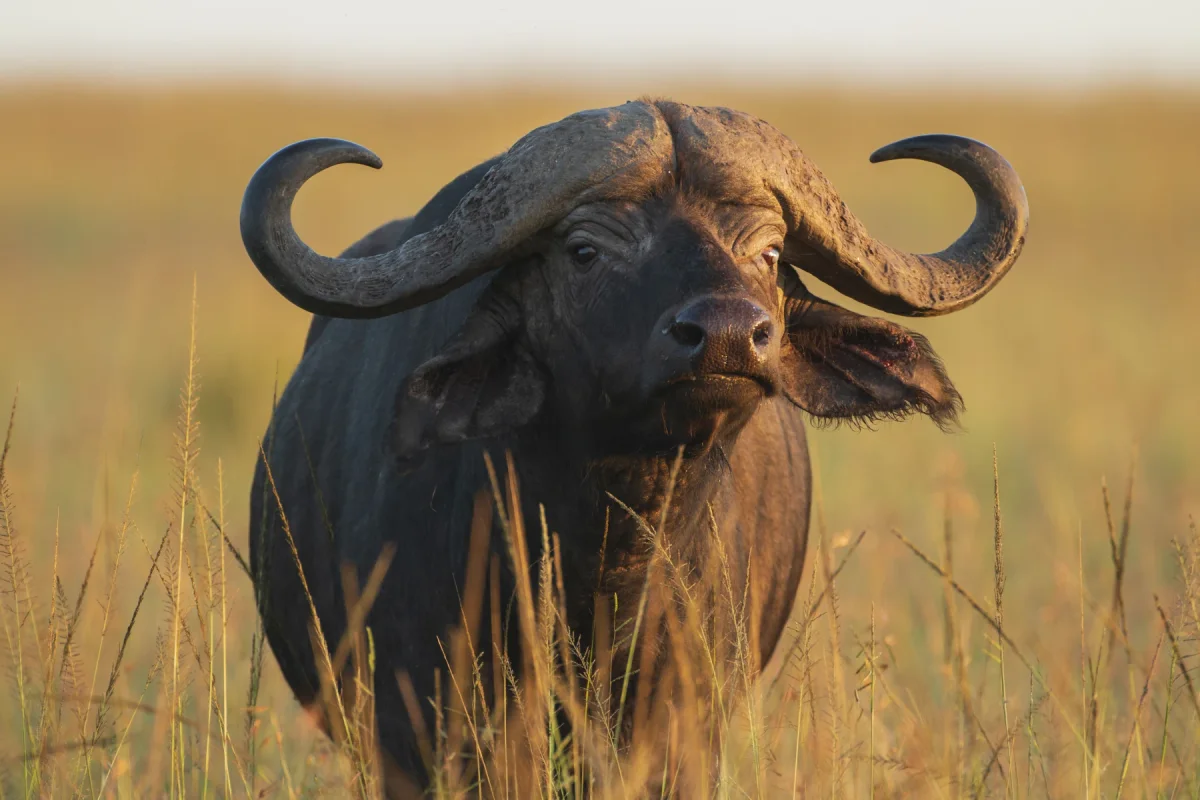
Buffalo
Syncerus caffer
Buffalo were historically extirpated from Eswatini but have been successfully reintroduced into Hlane Royal National Park, the country's largest protected area. This small landlocked kingdom now maintains a managed population that contributes to wildlife-based tourism. Careful monitoring is needed given the limited size of the reserve and the importance of preventing disease transmission to nearby livestock. IUCN status: Least Concern.
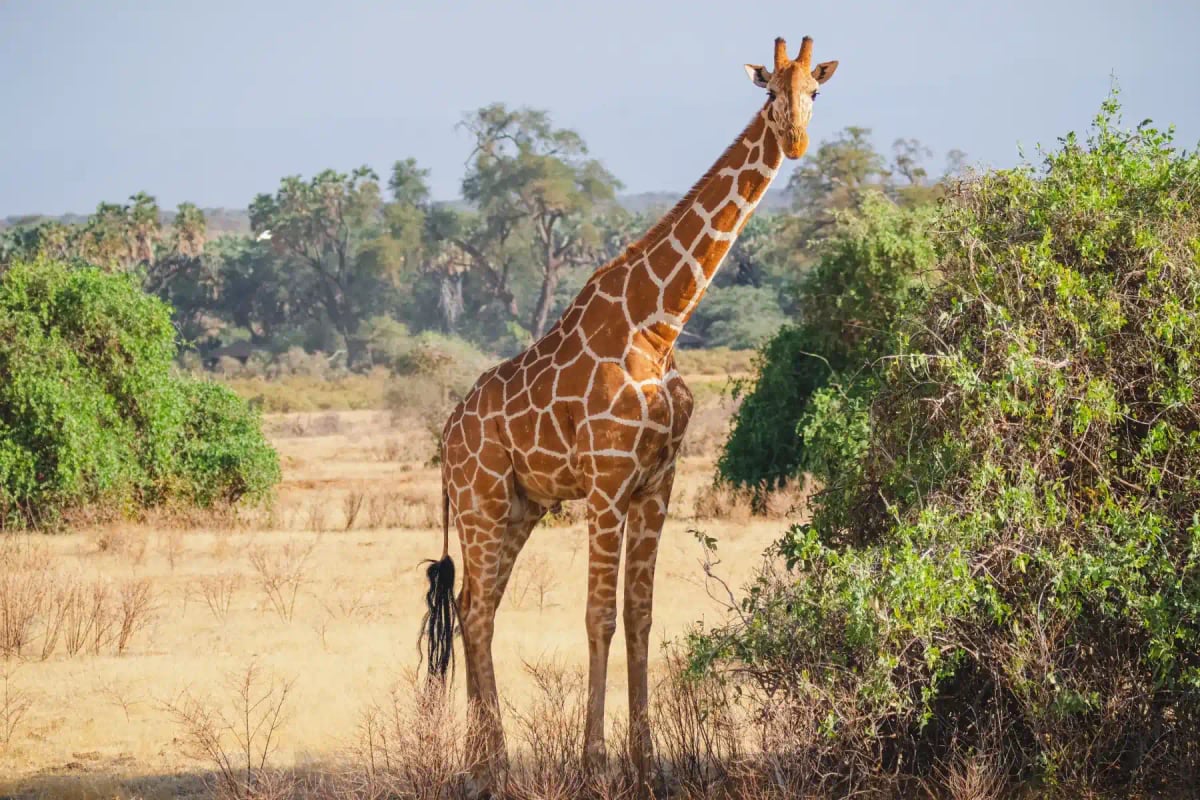
Giraffe
Giraffa camelopardalis
Giraffes are not native to Eswatini but were reintroduced into the country as part of wildlife restoration programmes. They can be seen today in Hlane Royal National Park and Mkhaya Game Reserve, where they live alongside rhinos, elephants, and other large mammals. These populations are carefully managed. The IUCN classifies the giraffe as Vulnerable globally, and Eswatini's conservation reserves play a small but meaningful role in supporting the species across southern Africa.
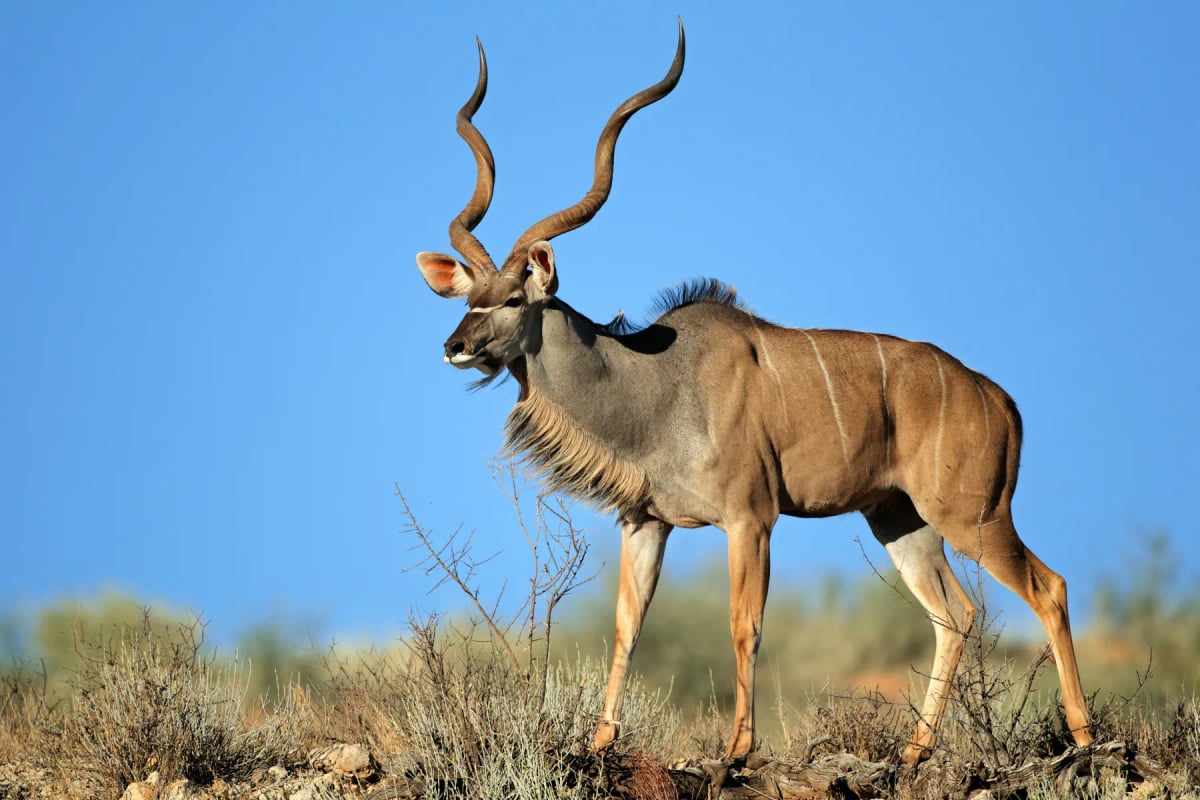
Greater Kudu
Tragelaphus strepsiceros
In Eswatini, the greater kudu is present in protected areas and wildlife reserves, including Hlane Royal National Park, where it inhabits woodland and dense bush. Despite the small size of the country, conservation efforts have helped maintain a stable presence for this antelope. Males are distinguished by their striking spiral horns, while females blend into the vegetation thanks to their striped coat. The IUCN classifies the species as Least Concern.
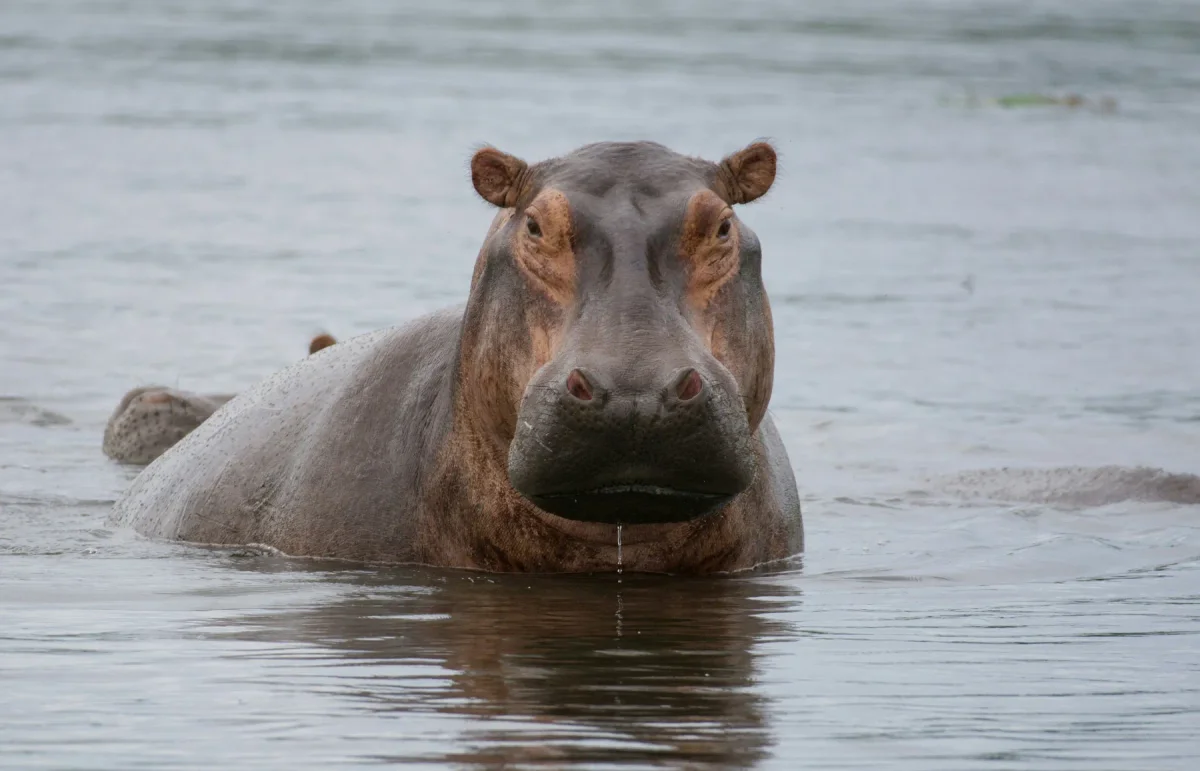
Hippopotamus
Hippopotamus amphibius
Hippopotamuses were historically absent from Eswatini but have been reintroduced into protected areas such as Hlane Royal National Park, where they can now be seen in the rivers and waterholes of the lowveld. This small, landlocked country has made notable strides in wildlife recovery. The IUCN lists the hippopotamus as Vulnerable, and the Eswatini population, though small, represents a conservation success story.
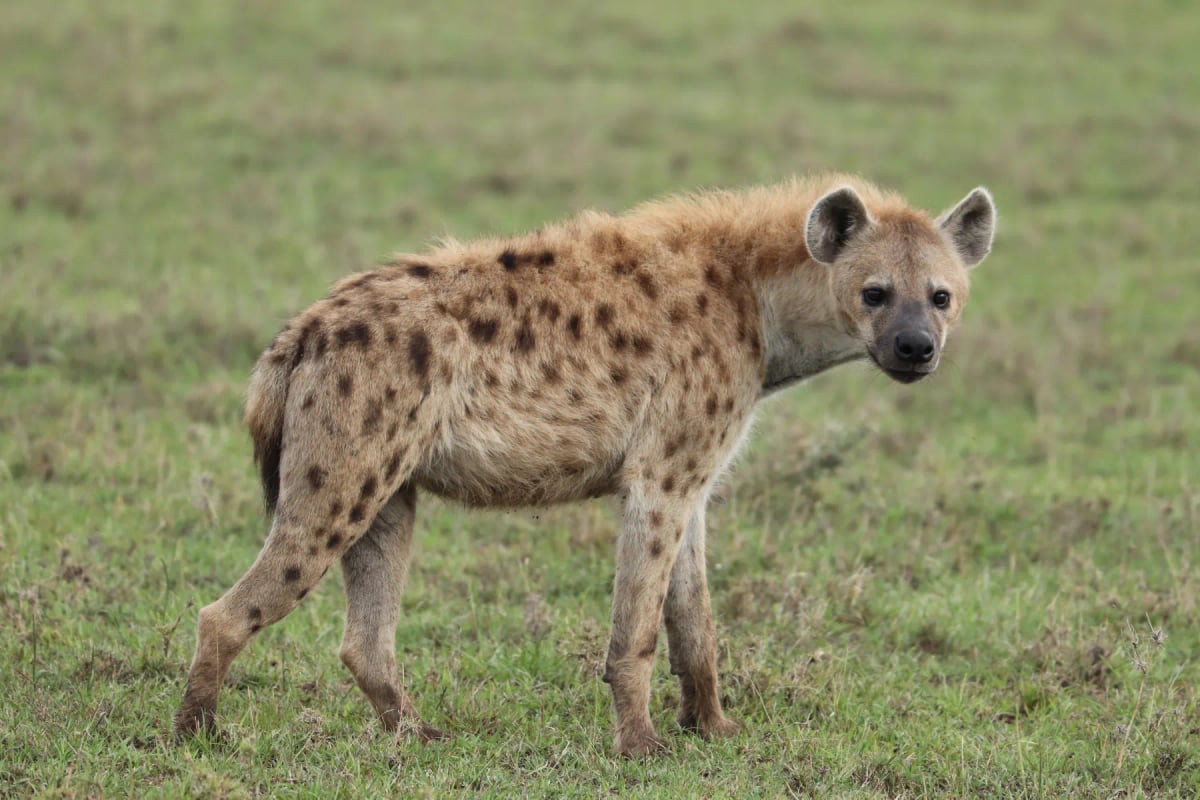
Spotted Hyena
Crocuta crocuta
In Eswatini, spotted hyenas have a very limited presence due to the small size of the country and significant human settlement across most of its land. They may occasionally move through protected areas and game reserves such as Hlane Royal National Park, where larger wildlife populations are managed. Conflict with local communities over livestock remains a key challenge for their coexistence. Their IUCN status is Least Concern.
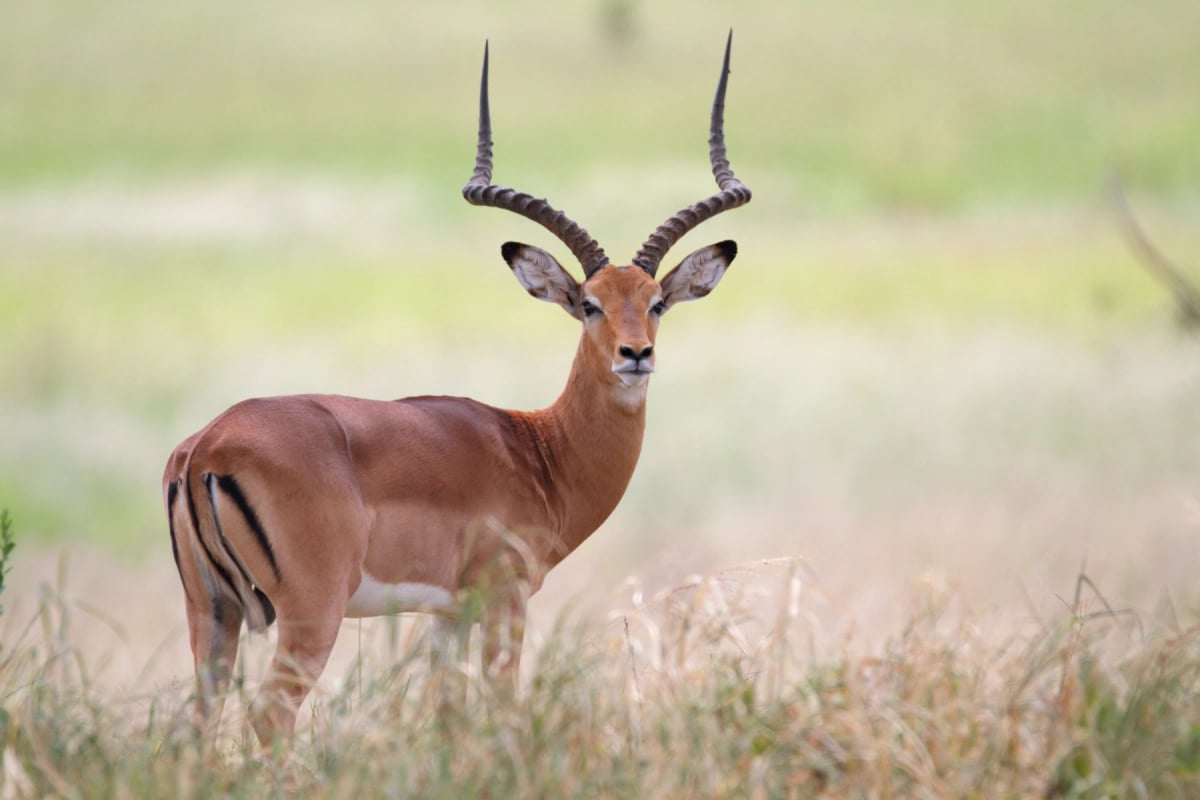
Impala
Aepyceros melampus
The impala is present in Eswatini's protected areas, including Hlane Royal National Park, where conservation efforts have helped sustain wildlife populations in this small, landlocked kingdom. These medium-sized antelopes favor open woodlands and grassy clearings. Males carry sweeping, lyre-shaped horns that can reach 90 cm. Impalas are mixed feeders and rely on their remarkable speed and leaping ability to escape predators. The global population stands at roughly two million. The IUCN lists the species as Least Concern.
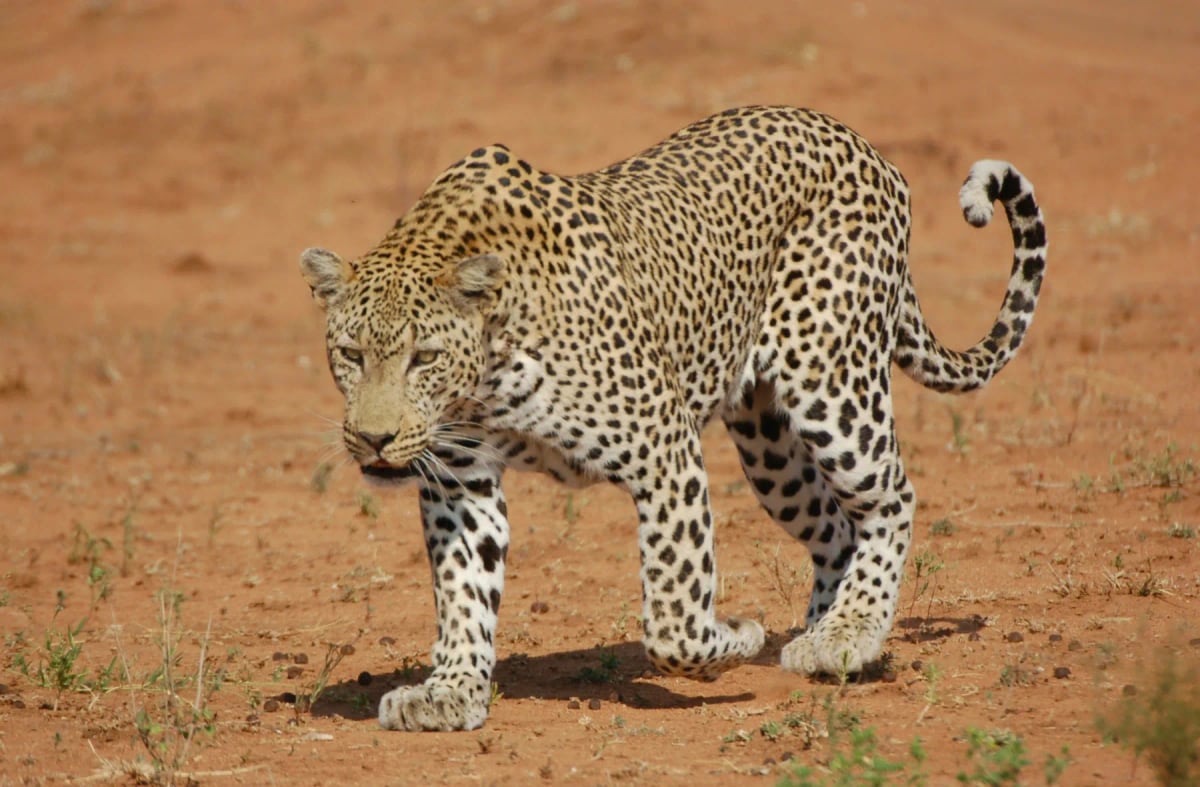
Leopard
Panthera pardus
Eswatini supports a small but established leopard population, mainly within and around protected areas such as Hlane Royal National Park and Mbuluzi Game Reserve. The country's mix of savanna, forest patches, and rocky hills suits the leopard's flexible hunting style. Conflict with farmers protecting livestock is a key conservation challenge, and efforts are underway to promote coexistence between leopards and local communities.
Lion
Panthera leo
Lions were absent from Eswatini for many years before being reintroduced into Hlane Royal National Park, the country's largest protected area. The population is small but established, and lions can now be seen in the park alongside white rhinos and elephants. Eswatini is one of the smaller countries in Africa to have successfully brought lions back, and Hlane has become the centerpiece of wildlife tourism in the kingdom.
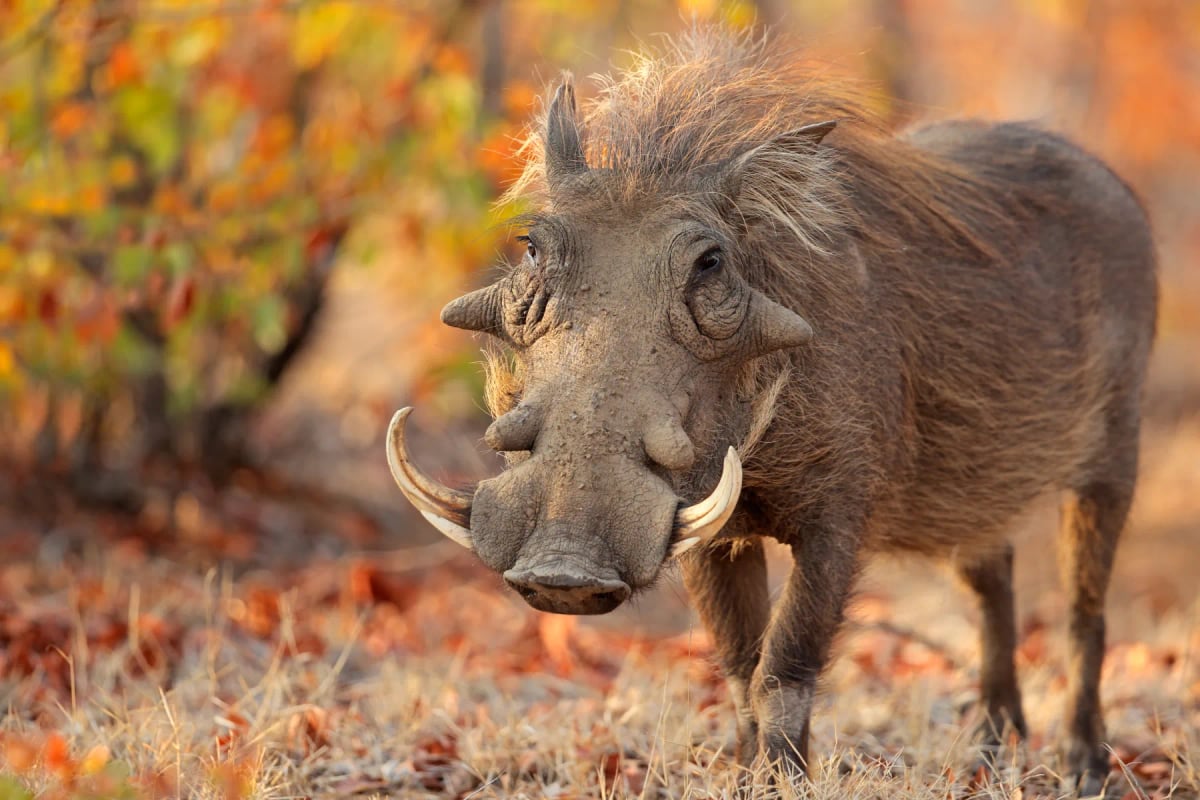
Warthog
Phacochoerus africanus
In Eswatini, warthogs are a familiar sight in protected areas such as Hlane Royal National Park and Mkhaya Game Reserve, where they roam open grasslands and woodland edges. They live in small family groups and rely on burrows for shelter. Lions and leopards in these reserves are among their main predators. The species is considered Least Concern by the IUCN.
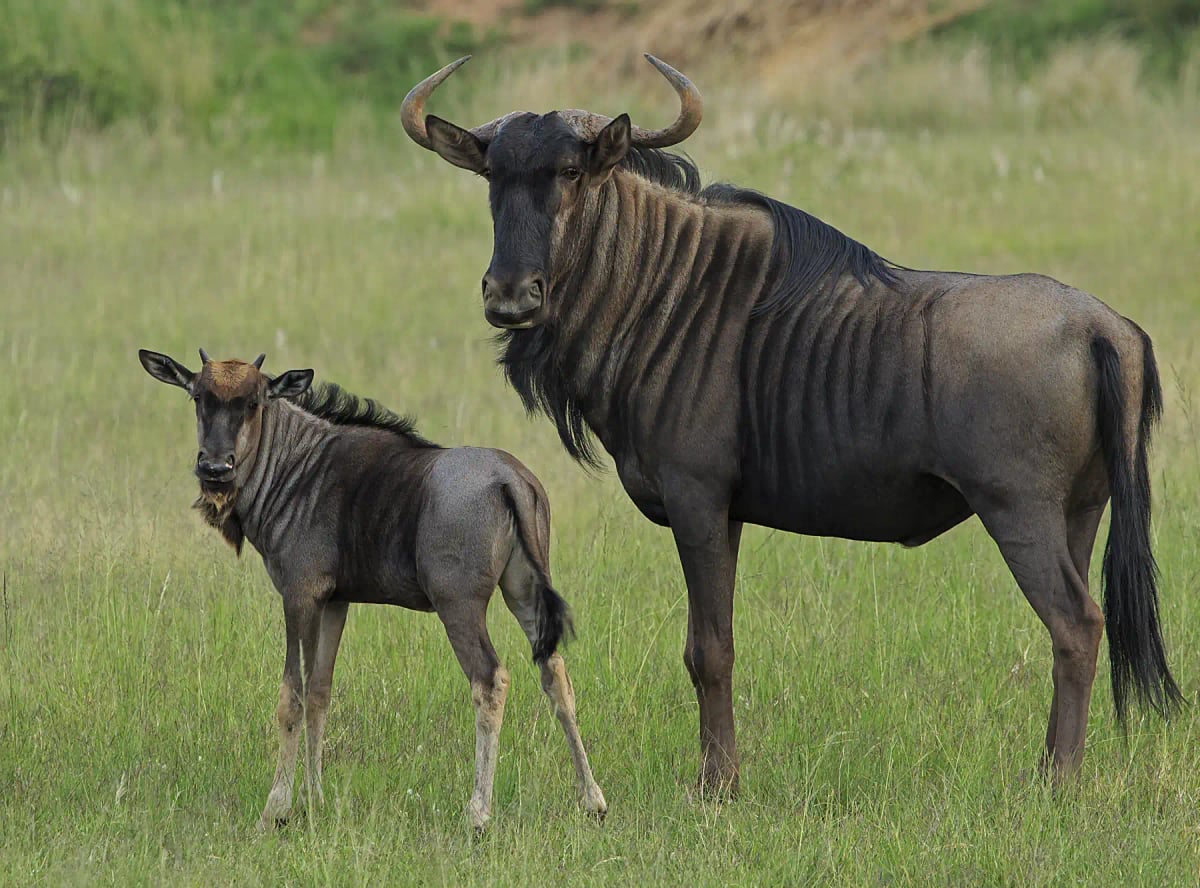
Wildebeest
Connochaetes spp.
In Eswatini, wildebeest are found in protected reserves such as Hlane Royal National Park, where conservation efforts have helped maintain small but stable populations. The country's mixed woodland and grassland habitat suits the blue wildebeest well. Their presence here reflects broader restoration work across southern Africa, where wildlife management in smaller kingdoms plays an important role in regional biodiversity.
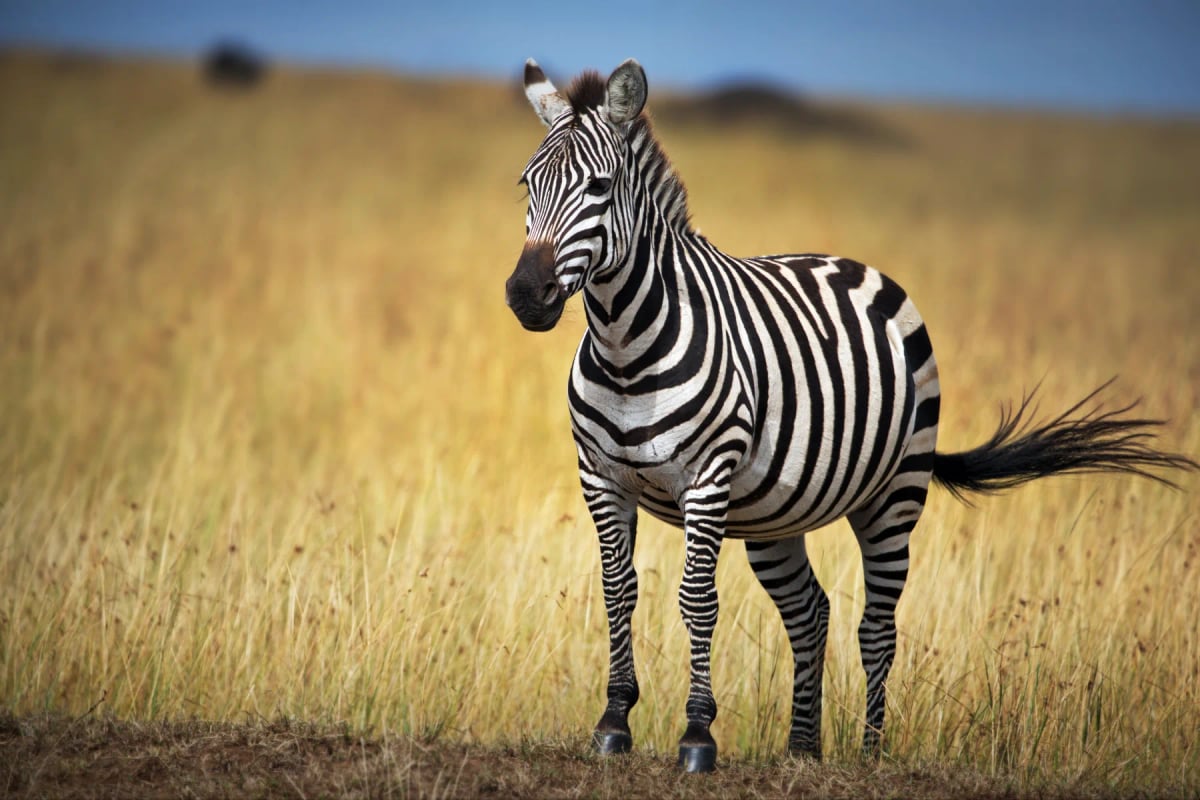
Zebra
Equus spp.
In Eswatini, plains zebras live in protected reserves such as Hlane Royal National Park and Mlilwane Wildlife Sanctuary, where they were reintroduced after disappearing from much of the country. These small, carefully managed populations now form a reliable part of game drives and walking safaris. Because Eswatini is compact, its zebra herds live in closer proximity to visitors and rangers than in larger countries with more remote wilderness areas.
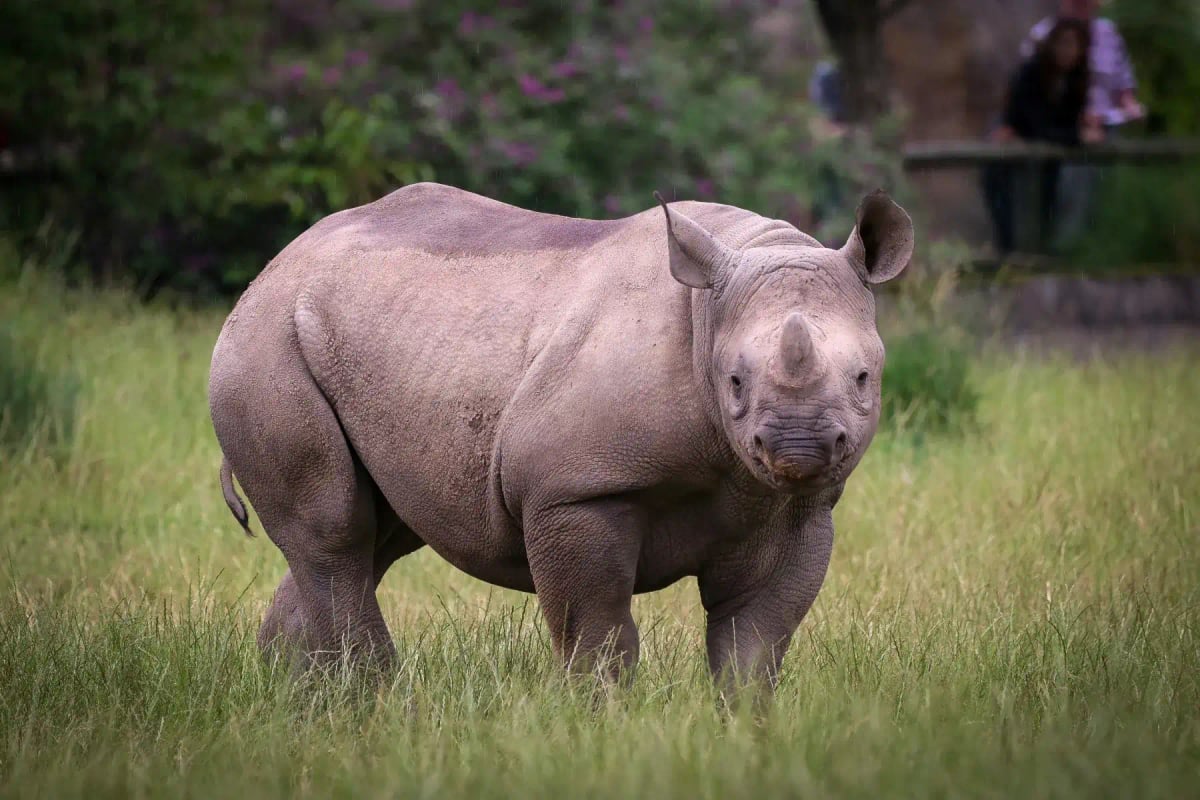
Black Rhinoceros
Diceros bicornis
Eswatini protects a small but established black rhinoceros population within Mkhaya Game Reserve, a sanctuary managed by Big Game Parks. This reserve was created specifically to shelter endangered wildlife, and its rhinos are among the most carefully guarded in the region. Despite the country's modest size, Eswatini has maintained a consistent commitment to rhino protection, with intensive monitoring and security making Mkhaya one of southern Africa's notable conservation success stories.
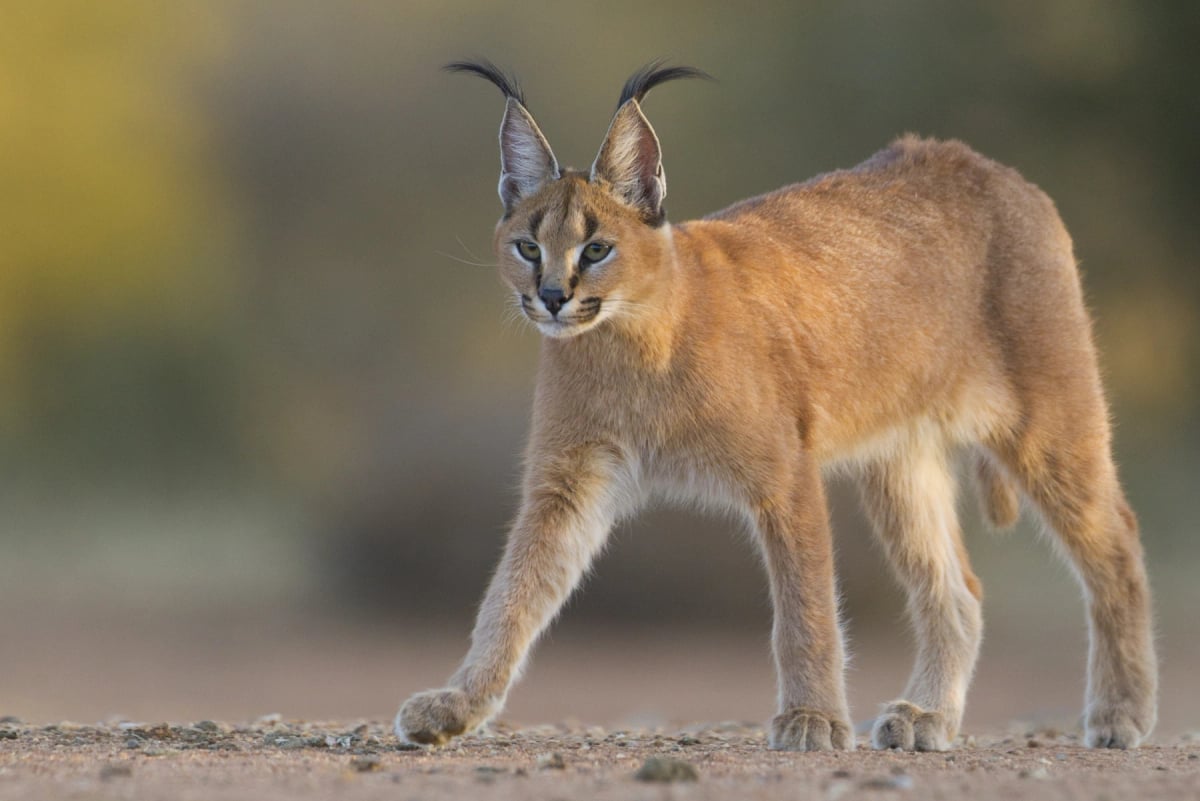
Caracal
Caracal caracal
In Eswatini, the caracal occurs in the bushveld and rocky hillside habitats that characterize parts of this small southern African kingdom. It is one of the larger wild cats still present in the country. Farmers occasionally persecute it for preying on small livestock and poultry, which is the main local threat. The IUCN lists the caracal as Least Concern, and it retains a presence across suitable areas of Eswatini.
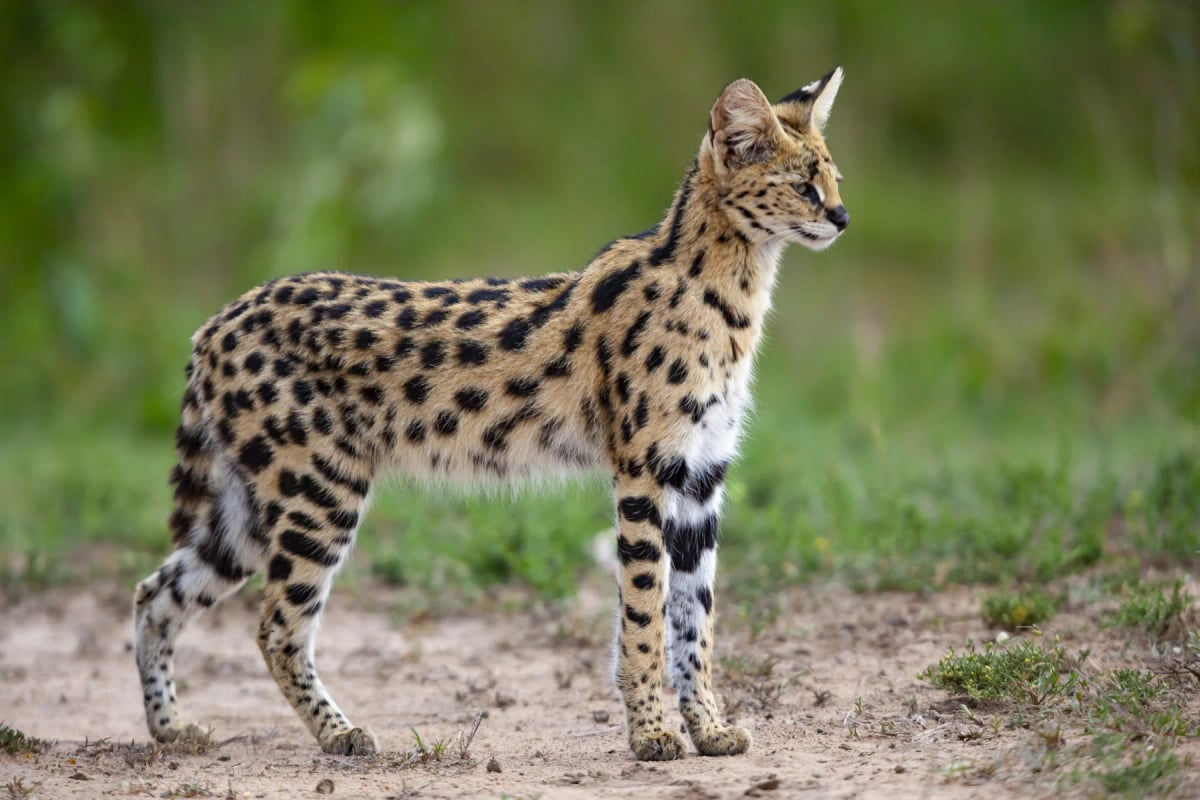
Serval
Leptailurus serval
The serval is present in Eswatini, a small landlocked kingdom where moist grasslands and valley wetlands offer suitable habitat. It tends to follow stream corridors and marshy areas where rodents and frogs are plentiful. Though the country is small, conservation efforts in protected areas help support wildlife. The IUCN lists the serval as Least Concern, but habitat conversion to farmland continues to limit available territory in Eswatini.
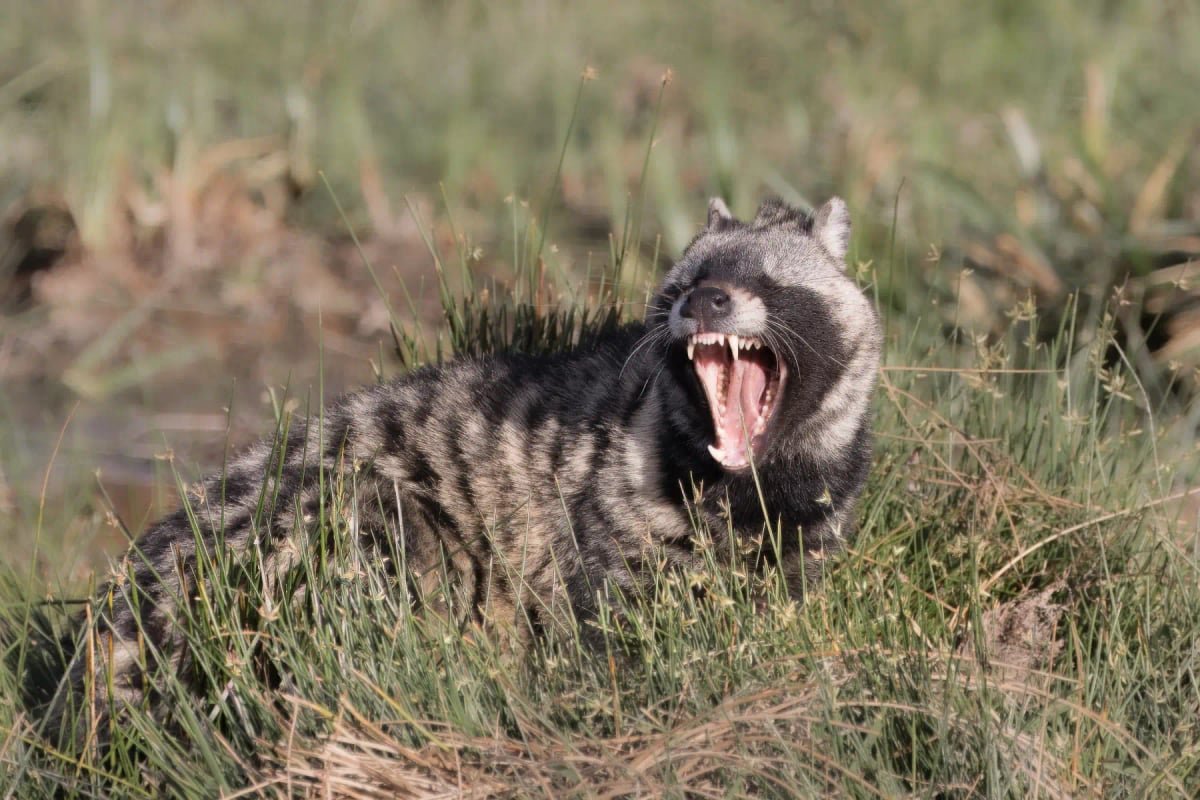
African Civet
Civettictis civetta
The African civet is present in Eswatini in the lowveld and middleveld zones, where woodland cover and watercourses create suitable conditions. It is absent from the high Highveld grasslands in the west. Mlilwane Wildlife Sanctuary and Mkhaya Game Reserve record regular nocturnal sightings. In a small country with significant agricultural pressure, civets rely heavily on protected areas and riparian corridors to maintain viable populations.

Honey Badger
Mellivora capensis
In Eswatini, the honey badger is present in bushveld and grassland areas, a small but notable part of its southern African range. Farmers in the country sometimes come into conflict with it due to its raids on beehives and poultry. Despite this pressure, the species remains on the IUCN Red List as Least Concern. Its thick skin and fearless nature make it one of the region's most resilient mammals.
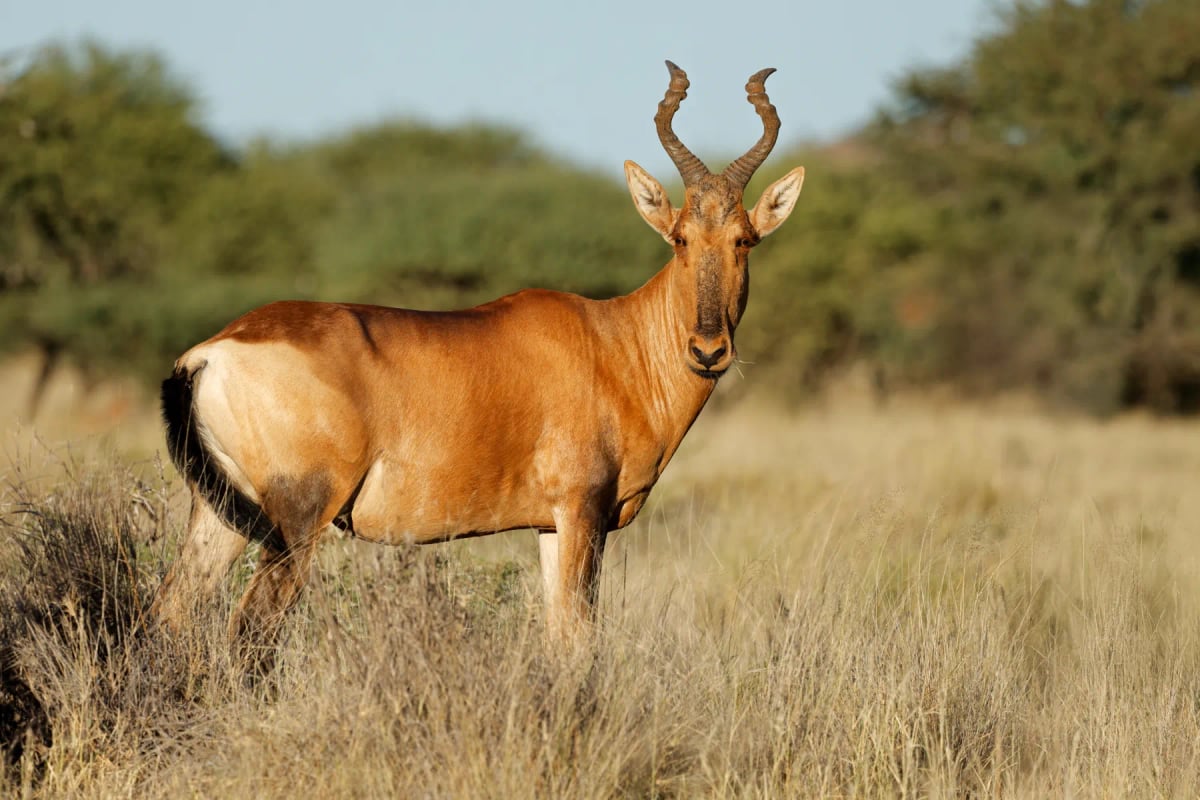
Hartebeest
Alcelaphus buselaphus
The hartebeest has a restricted presence in Eswatini, where it inhabits open grassland and bushveld areas, mainly within protected reserves. The country's small size limits the extent of suitable habitat, and populations here are low in number. Reintroduction and management efforts within reserves such as Hlane Royal National Park have helped maintain a foothold for the species. Careful stewardship is needed to ensure the hartebeest remains part of Eswatini's wildlife.
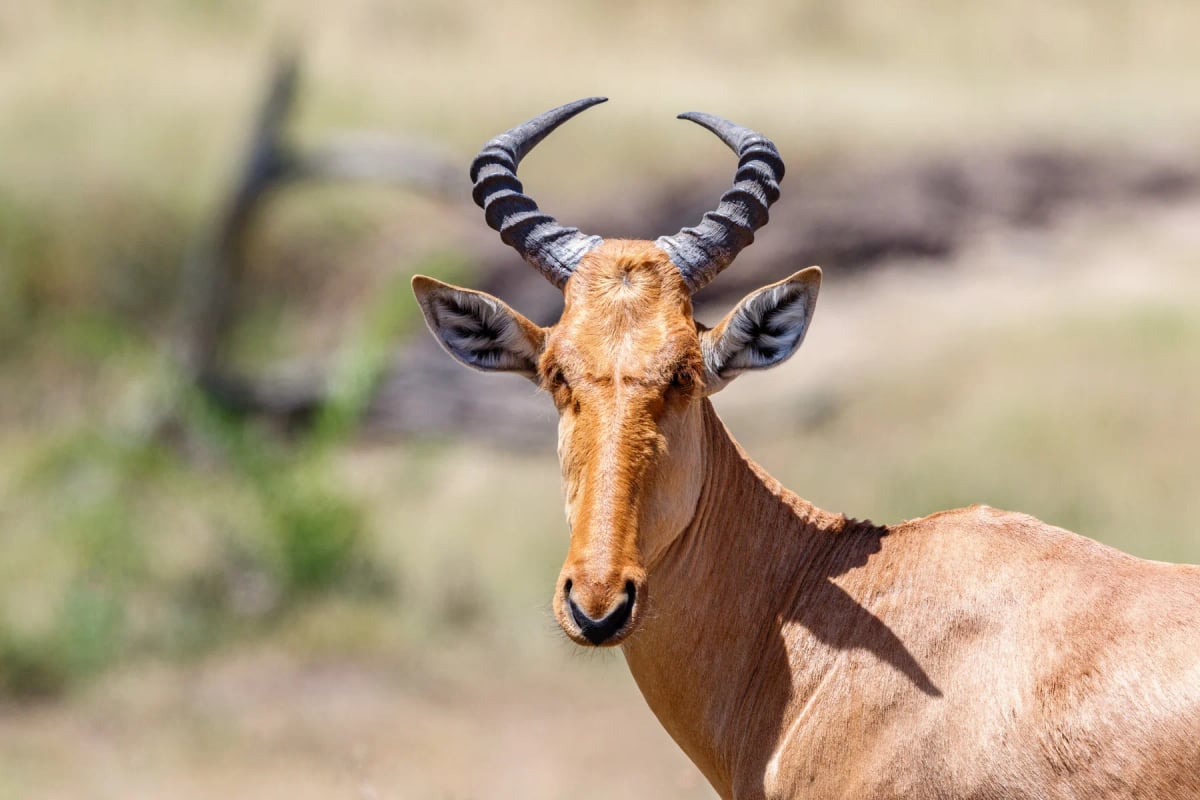
Topi
Damaliscus lunatus
The topi is considered locally extinct in Eswatini, with no established wild population remaining in the country today. Historically, this antelope would have roamed the open grasslands of the region, but habitat loss and hunting drove it out over time. Conservation efforts across southern Africa continue to work toward protecting topi populations in neighboring countries where the species still survives.
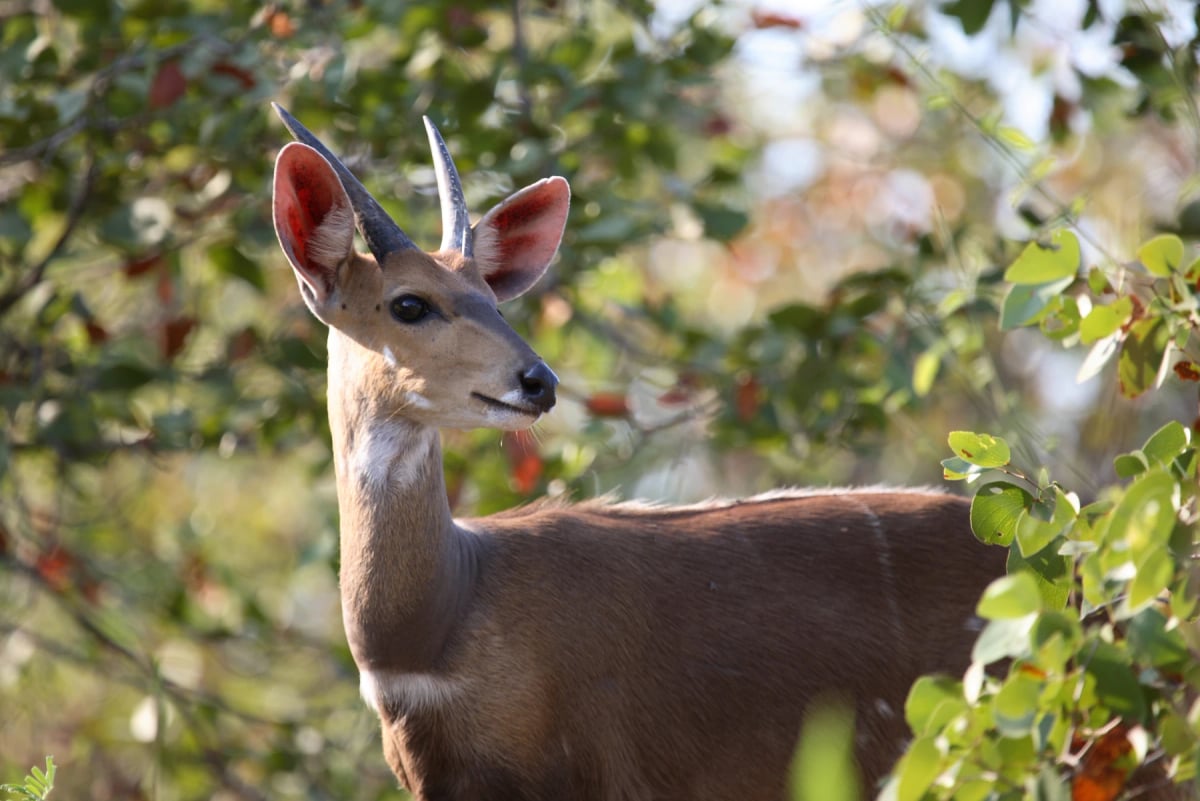
Bushbuck
Tragelaphus scriptus
In Eswatini, bushbucks favor the riverine forests and dense woodlands of the eastern lowveld and middle veld regions. They are particularly common along stream valleys where thick vegetation provides shelter and abundant browsing opportunities. The country's protected areas help maintain viable populations of this elusive antelope.
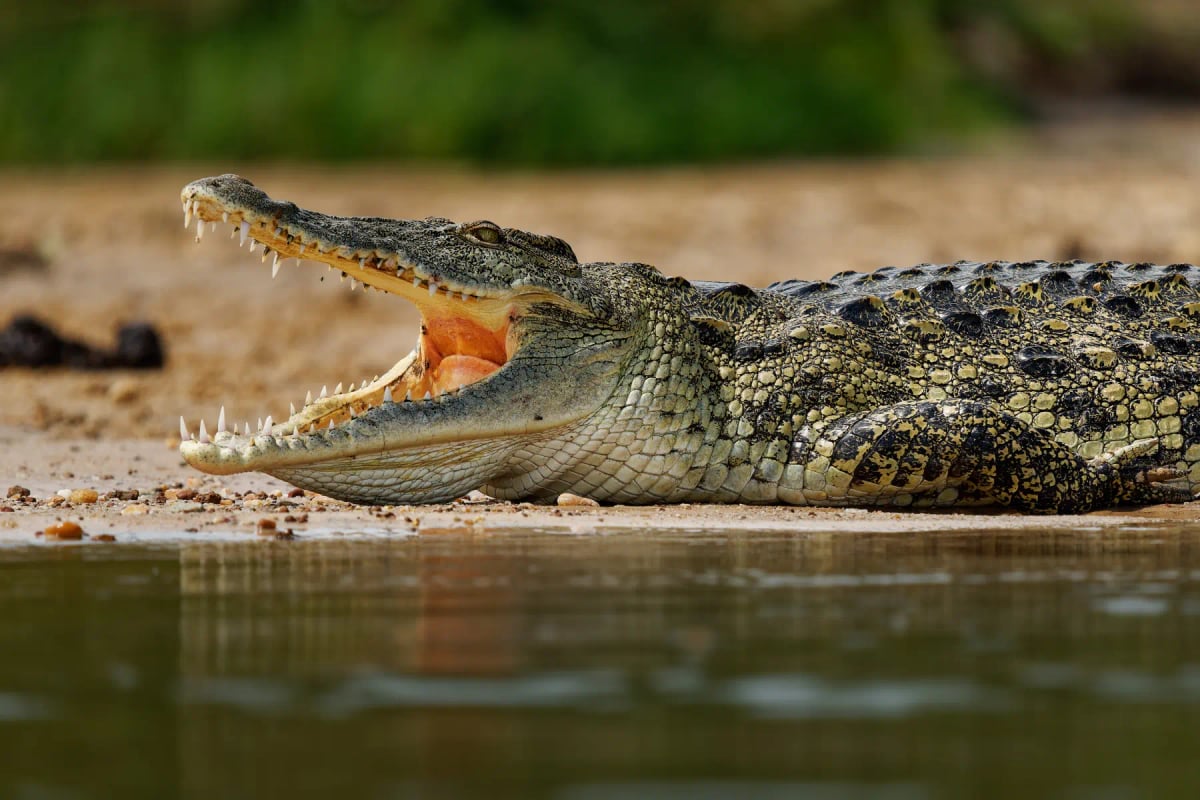
Nile Crocodile
Crocodylus niloticus
In Eswatini, the Nile crocodile is found mainly in the lowveld region, particularly along the Usutu and Komati rivers in the east of the country. These rivers flow through warmer, lower-lying terrain that suits crocodile activity and nesting. The population is relatively small but present. Conflict with communities that use these rivers for farming and daily water needs remains a significant challenge, and the species is monitored within the country's conservation framework.
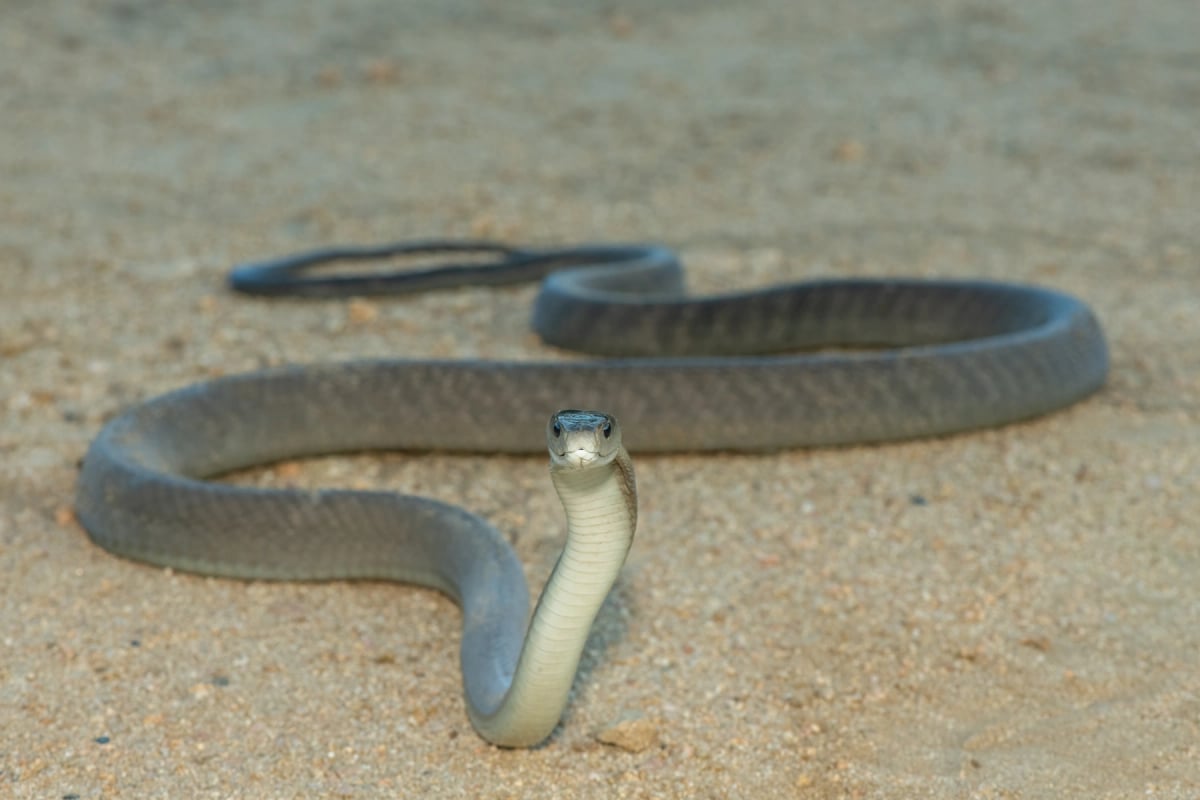
Black Mamba
Dendroaspis polylepis
In Eswatini, the black mamba inhabits the bushveld and rocky hillside terrain of the lowveld and middleveld regions. It is one of the most feared snakes in the country, though encounters remain relatively infrequent. Eswatini has some antivenom availability through its medical facilities, but swift transfer to a hospital is critical after any bite. Conservation of its open savanna habitat remains important for the species across southern Africa.
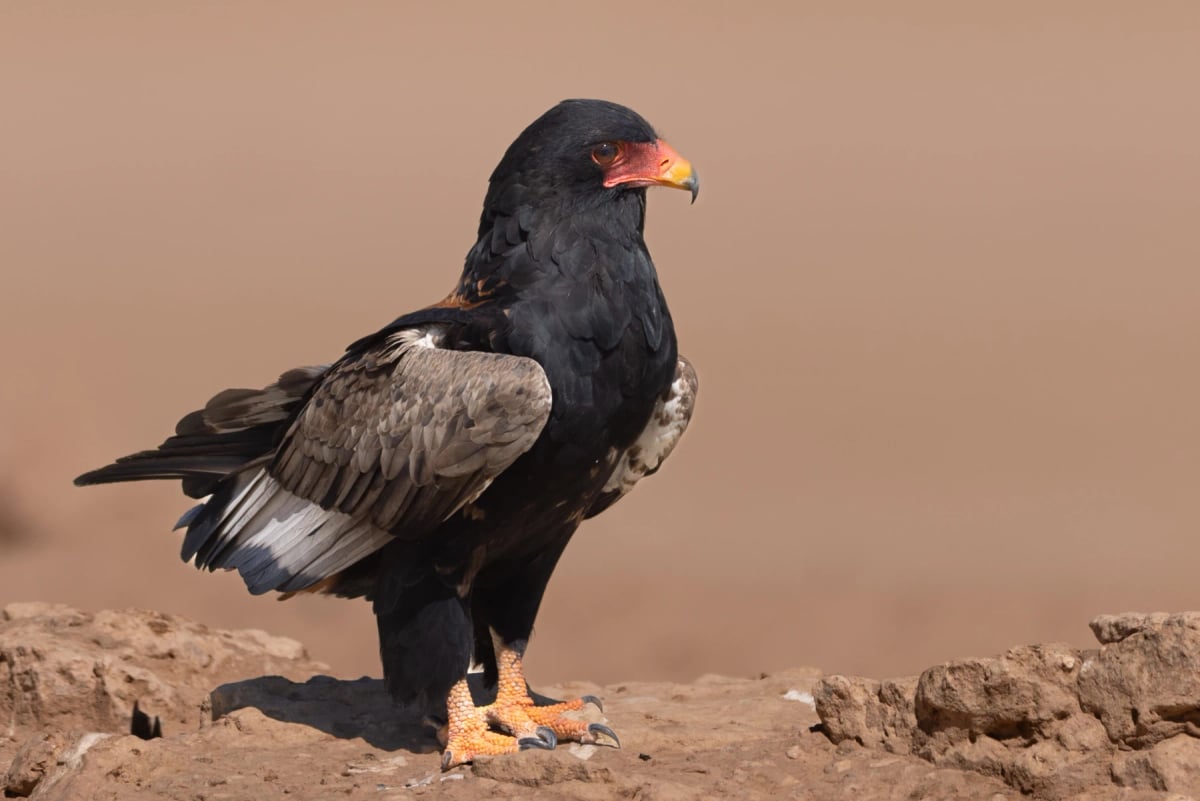
Bateleur
Terathopius ecaudatus
The bateleur has a limited and irregular presence in Eswatini, appearing mainly in the lowveld and thornveld areas of the east. It occasionally soars over open savanna while searching for food, but it does not breed commonly within the country. Pressure from poisoning events in the broader southern African region has contributed to its decline. The IUCN classifies it as Endangered, making each sighting in Eswatini noteworthy.
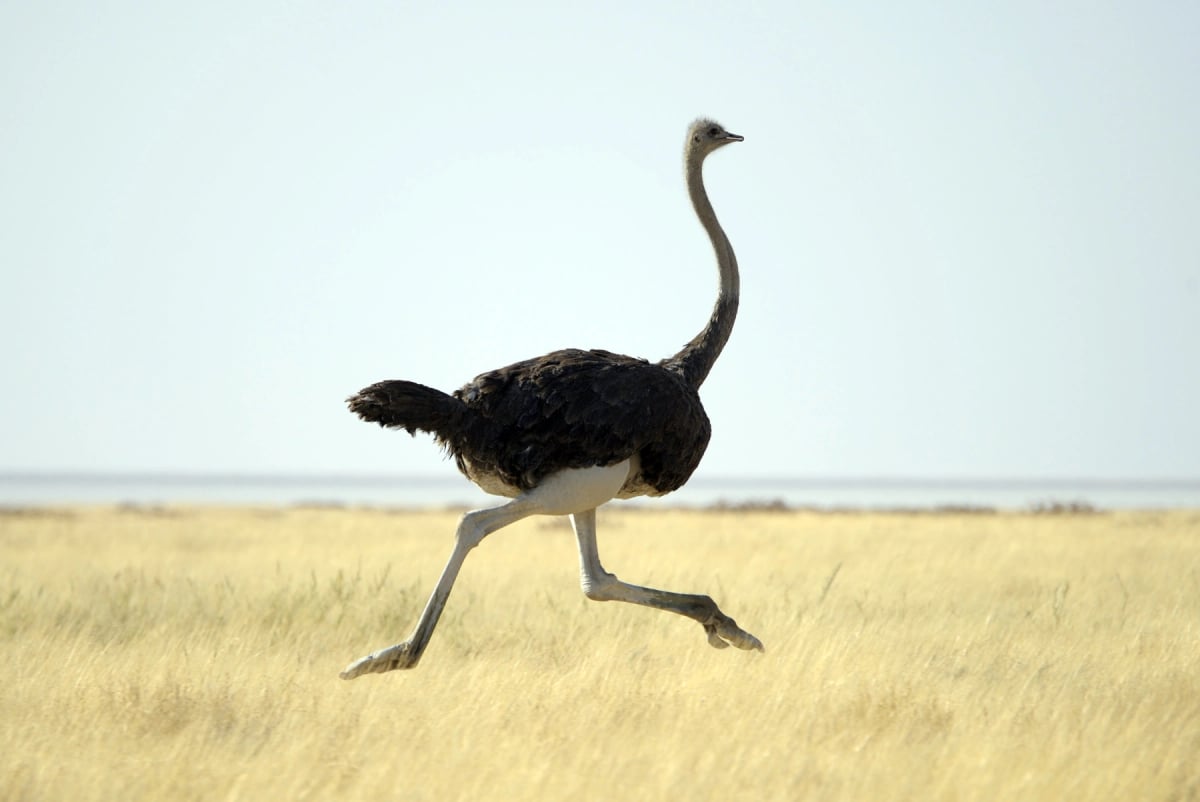
Ostrich
Struthio camelus
The ostrich has a limited presence in Eswatini, found mainly in the lowveld region in the east of the country, where open savanna and dry scrubland offer suitable conditions. The birds here were introduced rather than native: Eswatini sits outside the ostrich's original African range. The birds are occasionally seen in and around conservation areas in the lowveld. Their IUCN status is Least Concern.
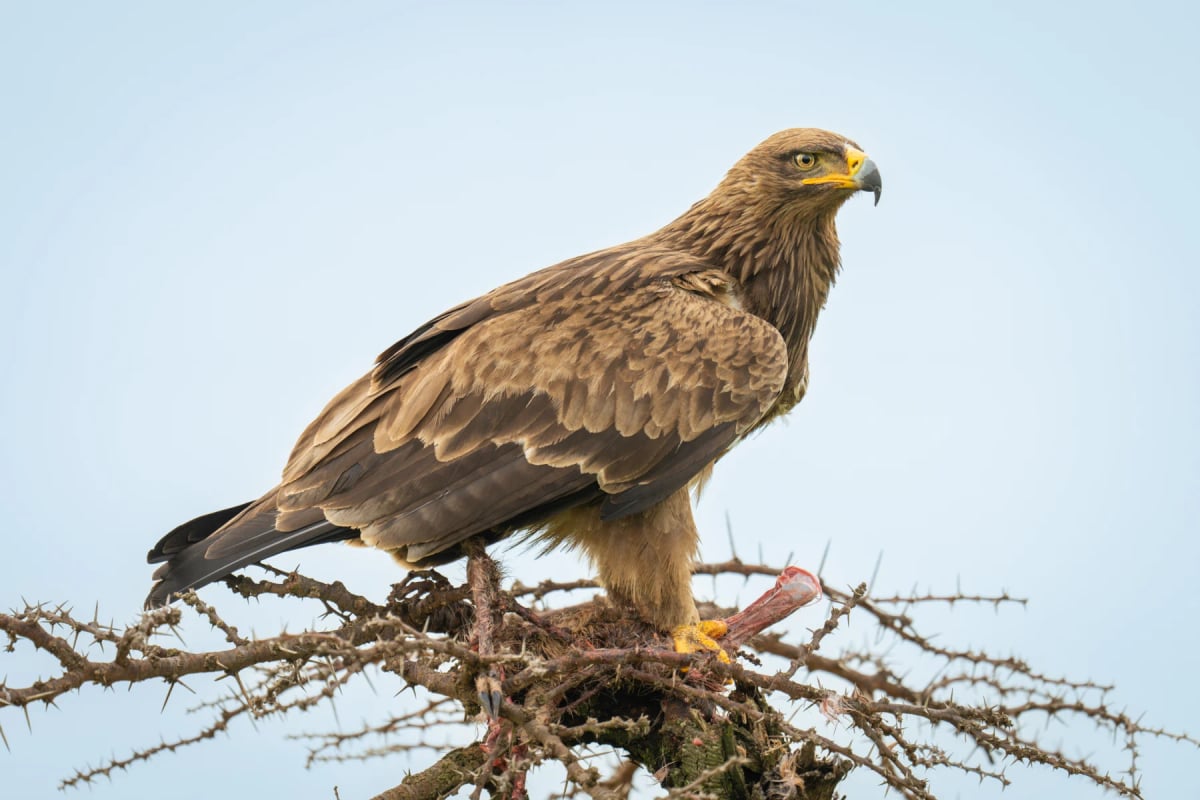
Steppe Eagle
Aquila nipalensis
Eswatini forms part of the southern wintering range of the Steppe Eagle in Africa. The country's open grasslands and bushveld areas can attract birds that have traveled from breeding sites in Central Asia. Sightings are more likely during the austral summer, when northern hemisphere migrants are present. Eswatini's relatively intact grassland habitats make it a useful refuge for this globally Endangered eagle during the winter season.
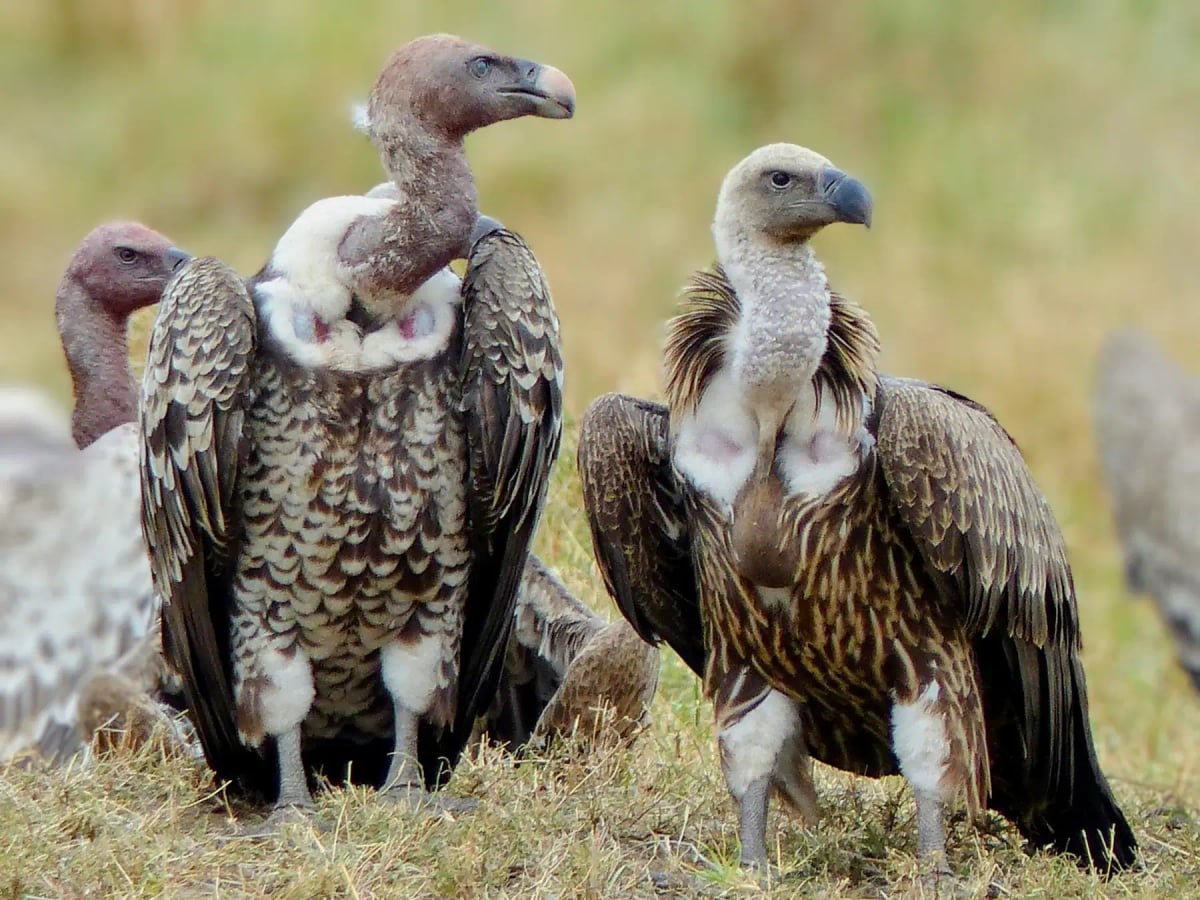
White backed Vulture
Gyps africanus
The white backed vulture lives in small numbers in Eswatini, mainly in the lowveld of the east, where Hlane Royal National Park and nearby reserves offer tall trees for nesting and wildlife for food. Birds also move across the borders with South Africa and Mozambique. The country's small size limits how many can live here, and as a Critically Endangered species, every nesting pair counts for regional conservation.
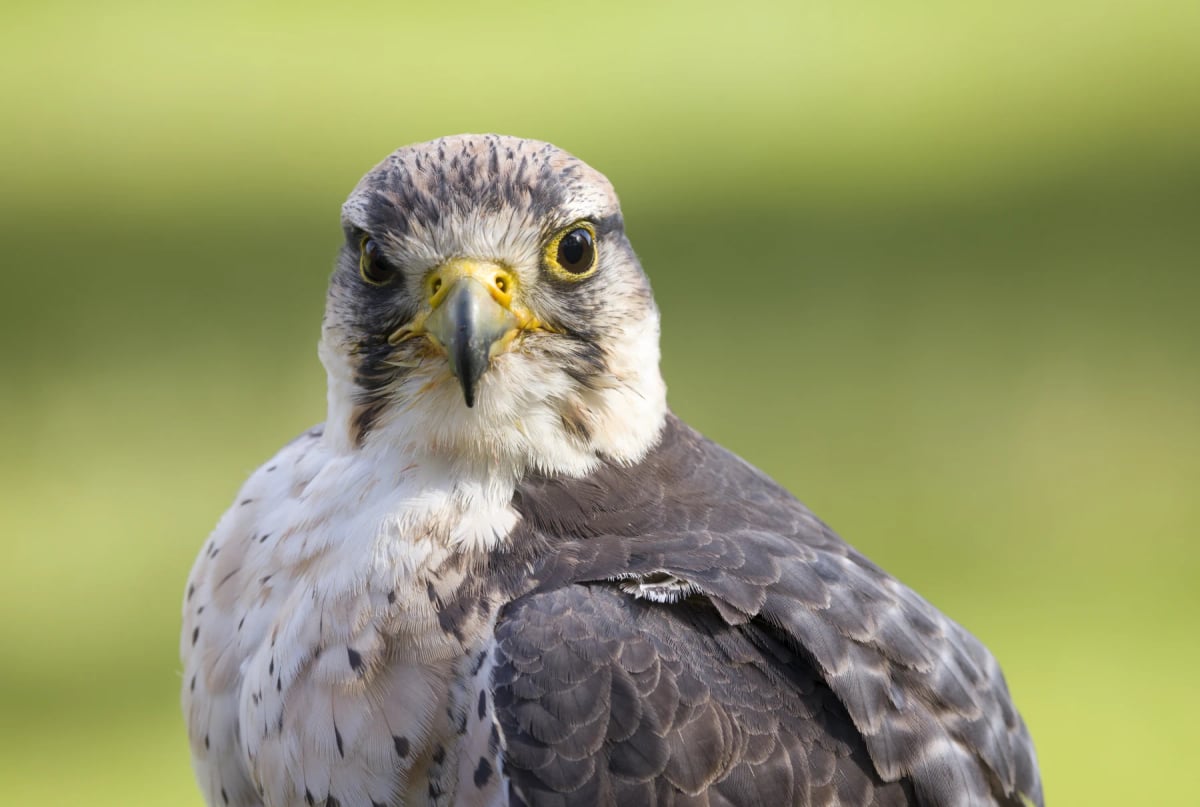
Lanner Falcon
Falco biarmicus
The lanner falcon is an uncommon but regular resident in Eswatini, most often seen around the rocky hills and escarpments that cut through the highveld and middleveld regions. It hunts birds such as doves and pigeons with fast, low pursuit flights. Pairs hold territories year round and nest on cliff ledges. The species is listed as Least Concern by the IUCN, though habitat pressure remains a local concern.
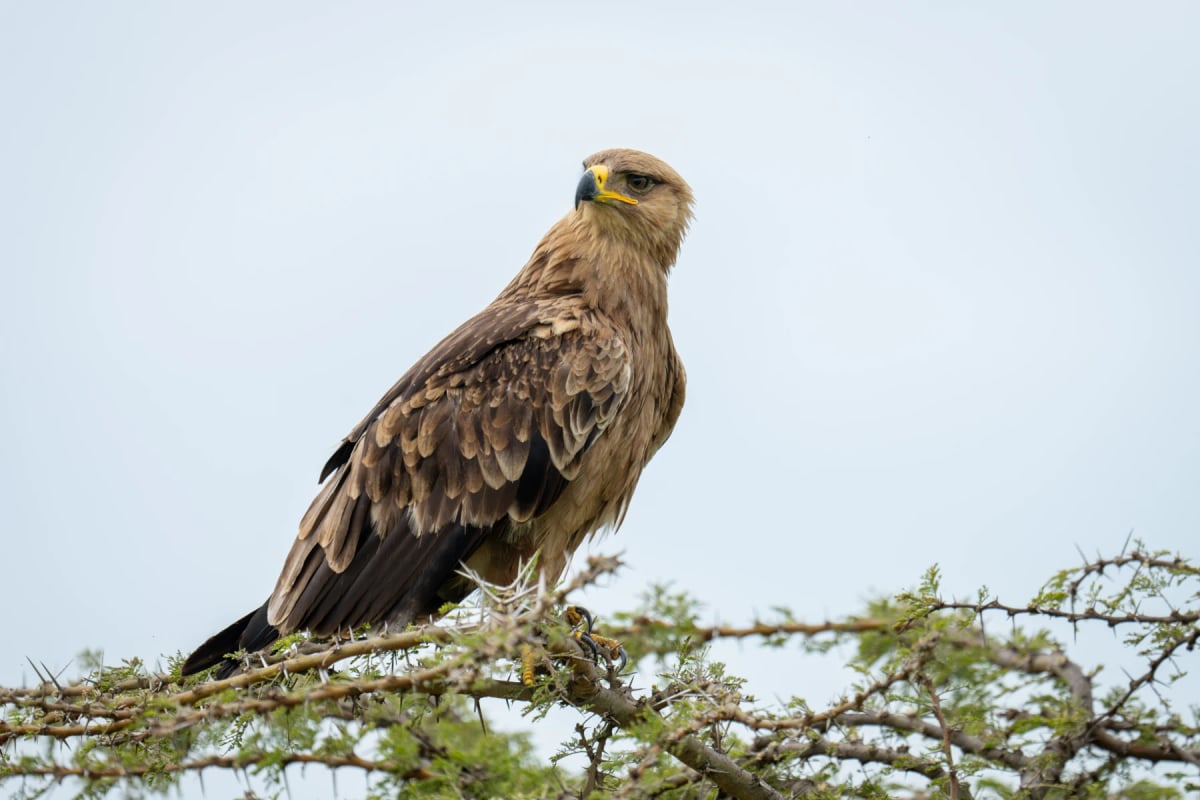
Tawny Eagle
Aquila rapax
In Eswatini, the Tawny Eagle is an uncommon visitor to the open lowveld and savanna habitats in the lower-lying parts of the country. It may be seen soaring over grasslands in search of small prey or carrion. As one of the smaller countries in Africa, Eswatini offers limited range, and the eagle faces pressure from poisoning and power line electrocution. The IUCN lists it as Vulnerable.
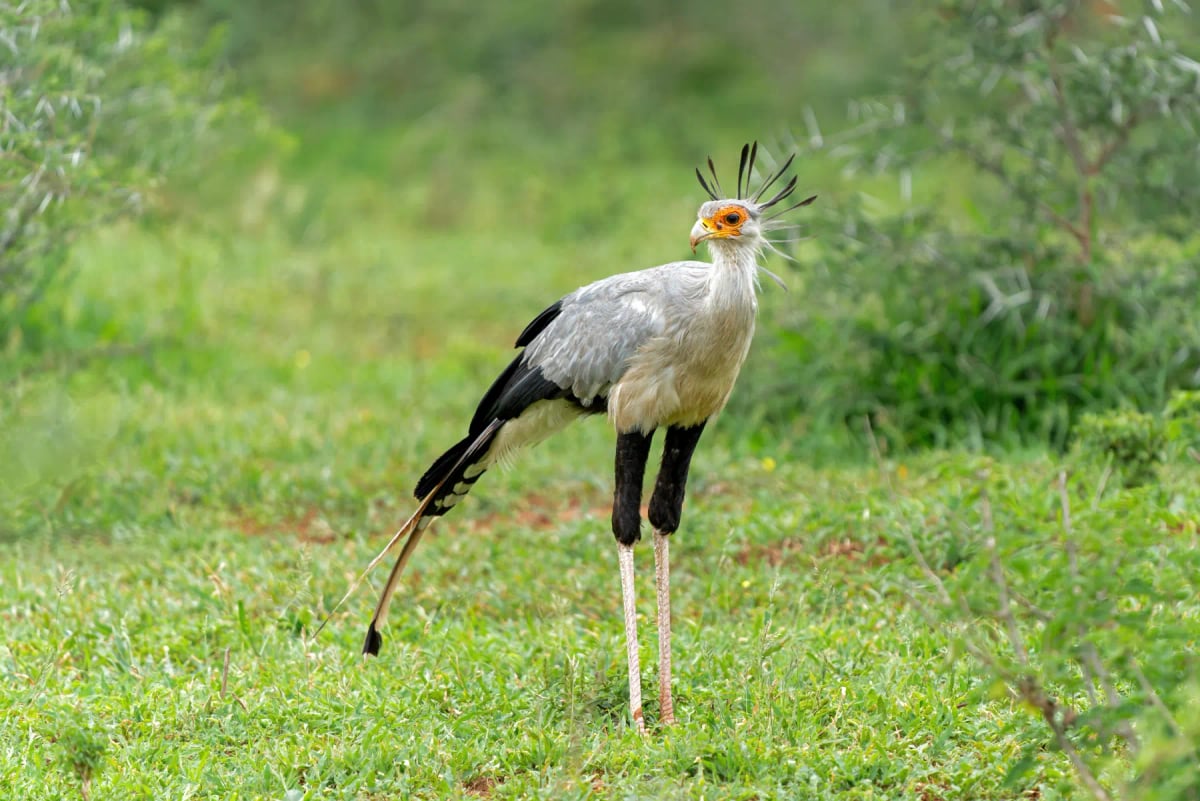
Secretary Bird
Sagittarius serpentarius
In Eswatini, the secretary bird inhabits the open grasslands and thornbush savannas found across the country's midveld and lowveld regions. Pairs are sometimes spotted striding through protected areas and farmland edges. Agricultural expansion has reduced suitable habitat significantly over the years. Listed as Endangered by the IUCN, this iconic bird is part of southern Africa's grassland wildlife community and is recognized across the region for its striking appearance.
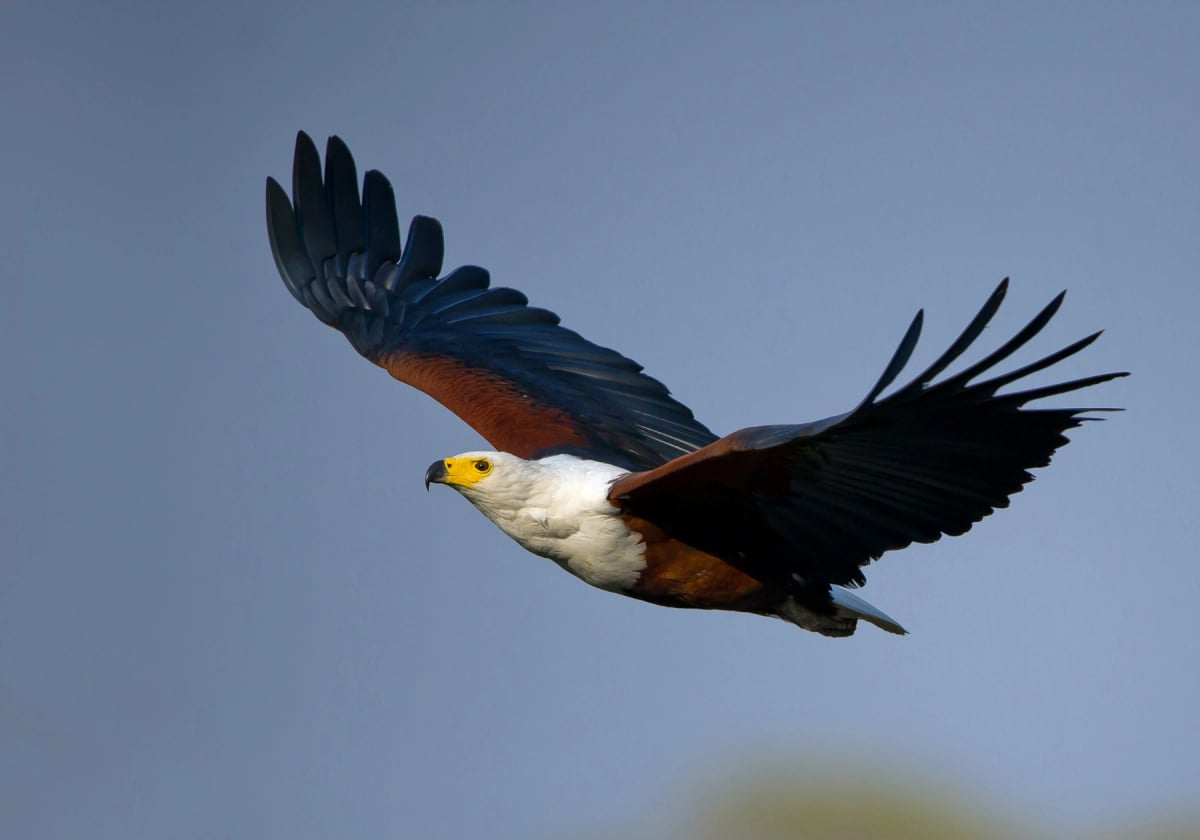
African Fish Eagle
Haliaeetus vocifer
Striking raptor with white head, dark body and loud ringing call that perches near lakes and rivers and snatches fish from the surface with strong talons.
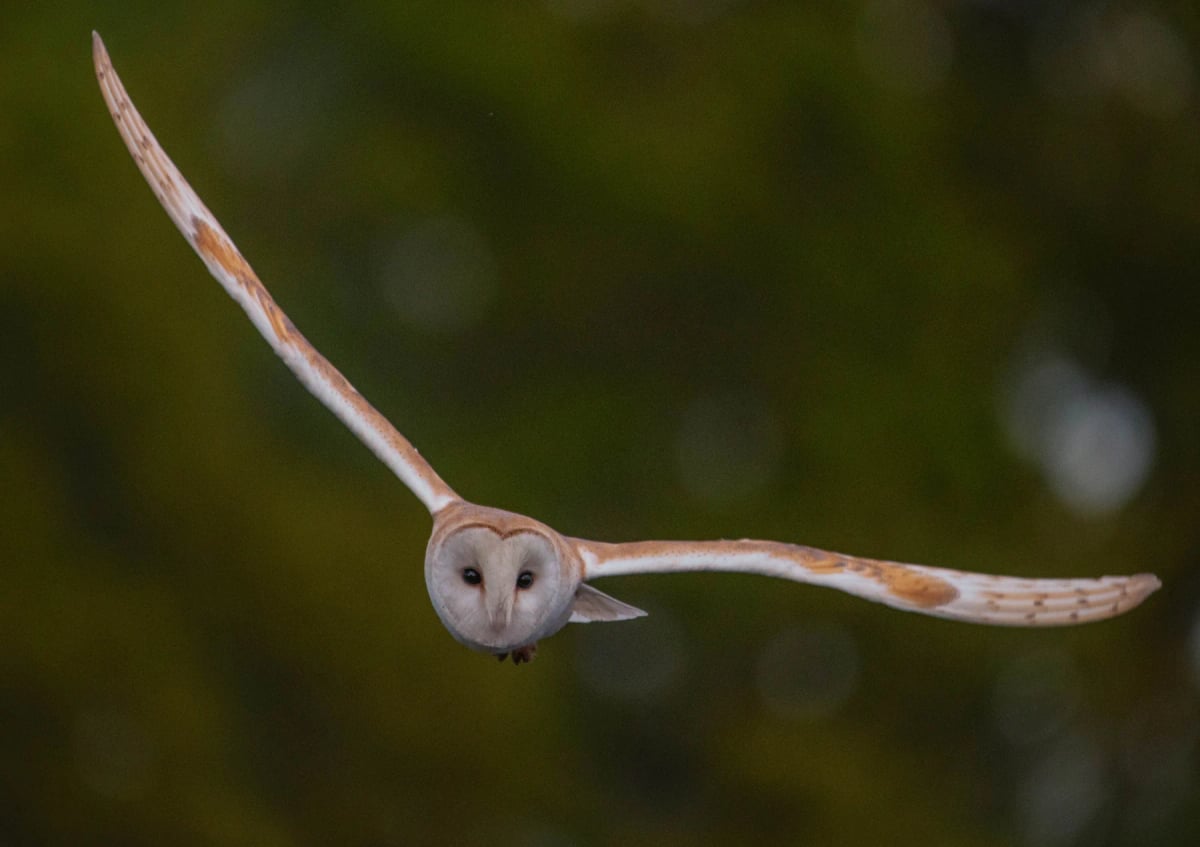
Barn Owl
Tyto alba
The barn owl is found throughout Eswatini in open farmland, grassland, and the outskirts of towns and villages across this small but ecologically varied country. It nests in old farm buildings, rocky outcrops, and hollow trees, and hunts rodents by sound in complete darkness. In Eswatini's predominantly agricultural landscape it is a valued natural pest controller. It can be found from the highveld in the west to the lowveld and Lubombo plateau in the east.
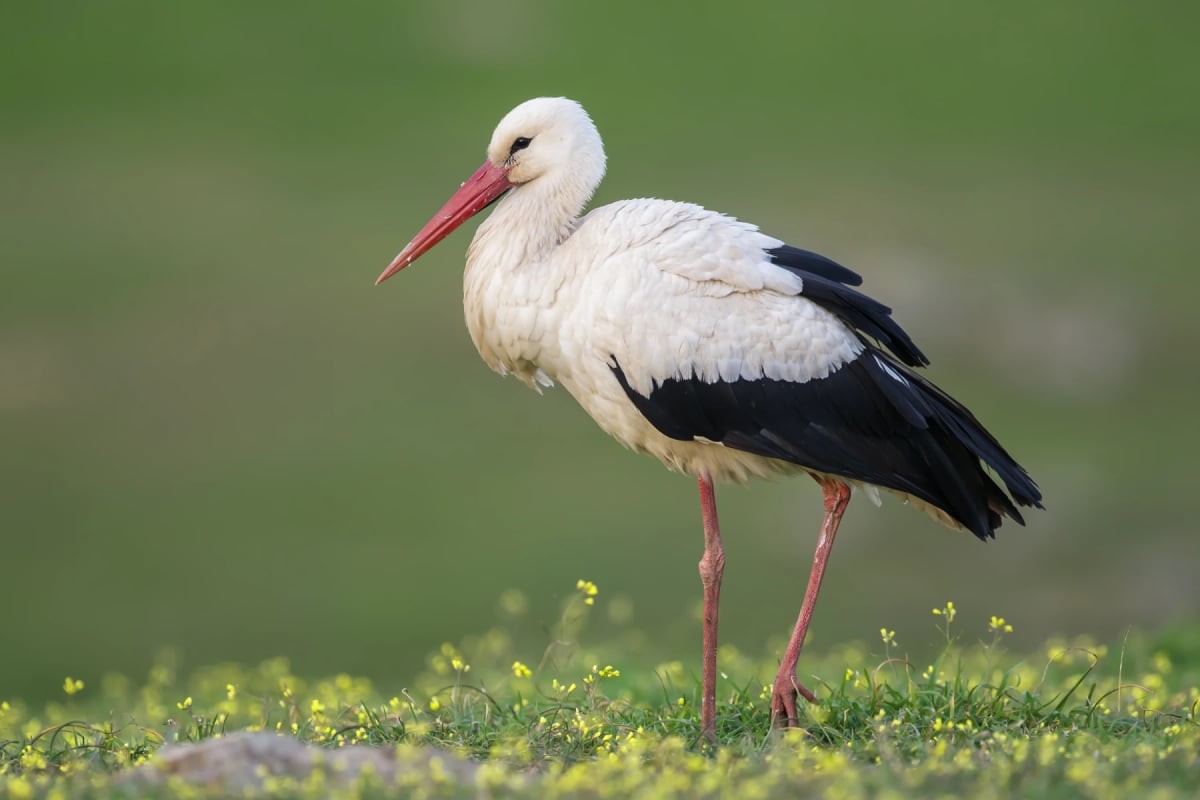
Stork
Ciconia ciconia
In Eswatini, the white stork is a non breeding visitor, arriving from Europe to spend the African summer in the country's open grasslands and agricultural areas. It forages across fields and wetlands, picking off insects, frogs, and small reptiles. The species tends to gather in loose flocks during this period. Listed as Least Concern by the IUCN, its numbers in southern Africa have remained relatively stable in recent decades.
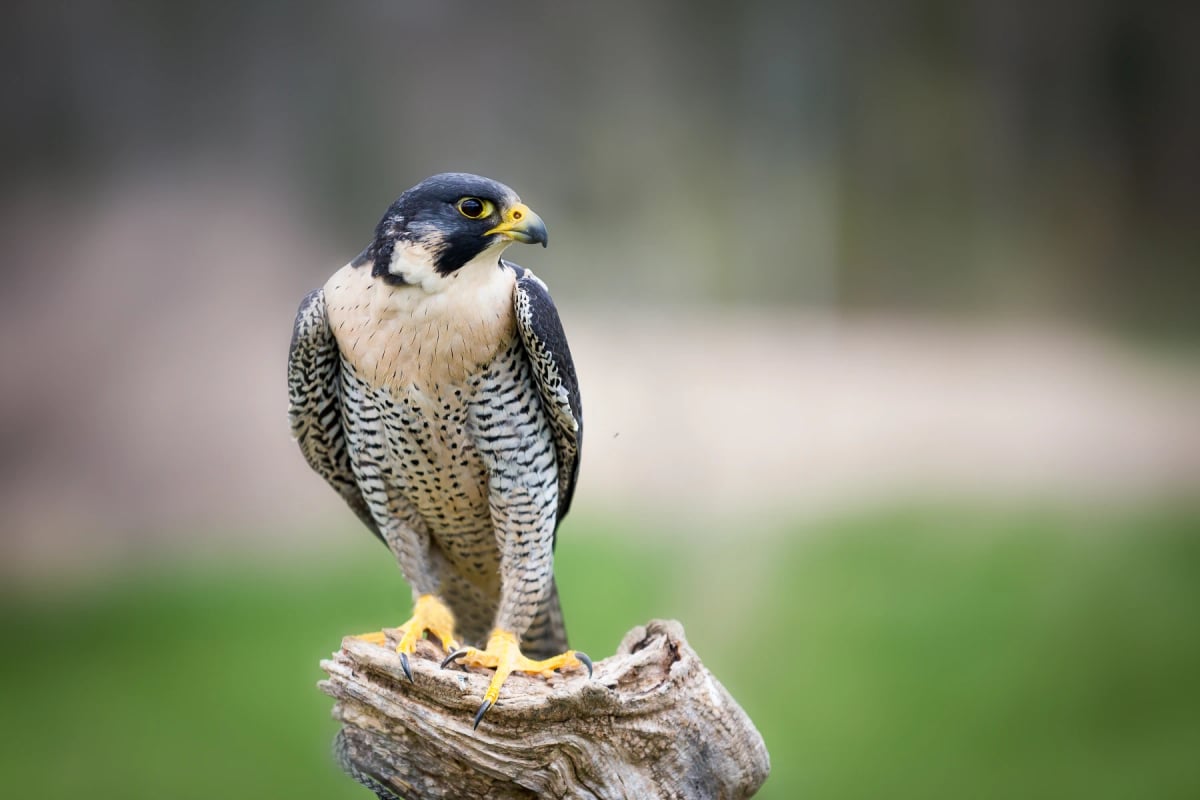
Peregrine Falcon
Falco peregrinus
In Eswatini, the peregrine falcon is an uncommon visitor that appears mainly during the southern hemisphere summer, when migrants from the northern hemisphere arrive to spend the non-breeding season. The rocky gorges and highland escarpments of the Highveld region, including areas near Malolotja Nature Reserve, provide suitable perching and hunting terrain. The falcon preys on smaller birds flushed from open grasslands and wetlands. Its IUCN status is Least Concern.
Researched and written by Juan Pablo. Sources: IUCN Red List, scientific literature and regional field guides. Last updated: .