Animals in Botswana
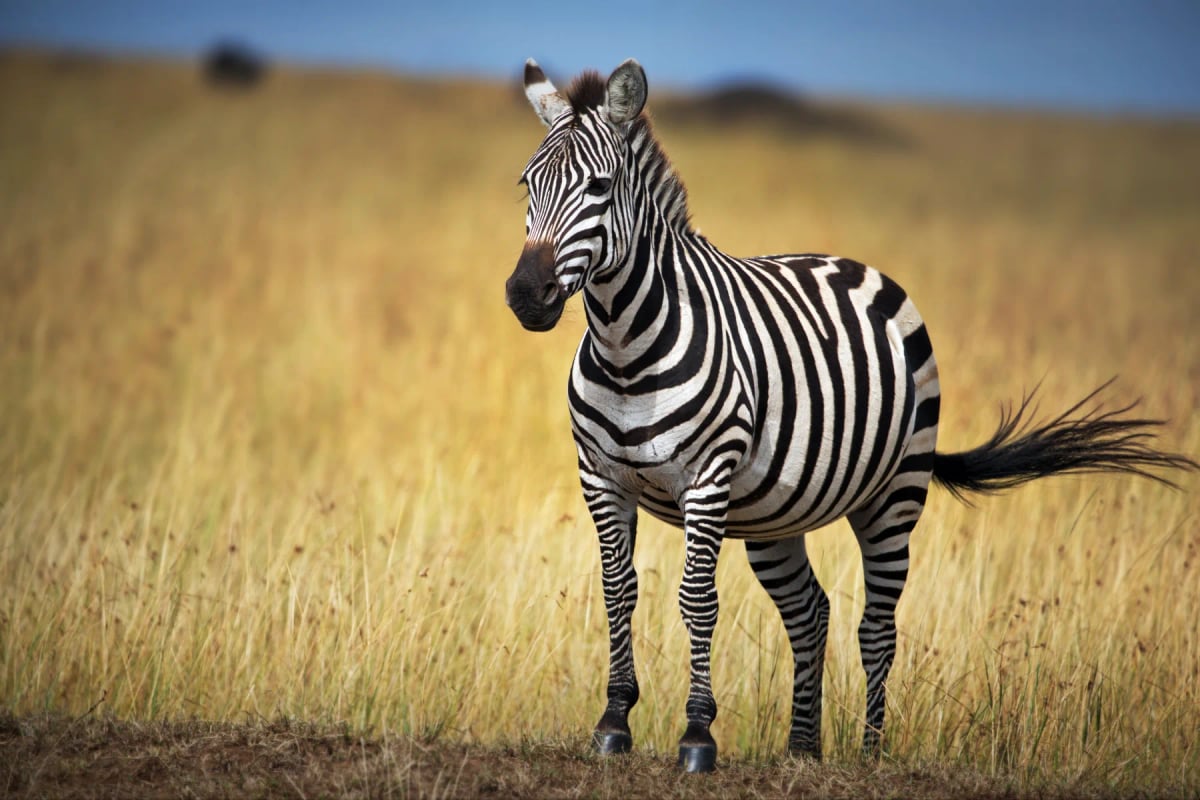
Zebra
Equus spp.
The zebra, Botswana’s national animal, appears on the country’s coat of arms and symbolizes unity and balance in nature. Large herds cross open plains and riverbanks, especially in the Okavango region, where they are often seen by visitors exploring the delta on guided tours.
View details→Wildlife in Botswana
Botswana’s wilderness is among the best preserved in Africa. From the Okavango Delta to the Kalahari, elephants, hippos, giraffes and big cats roam freely. Seasonal floods and vast drylands create remarkable contrasts that attract travelers seeking authentic safari experiences year round.
Most Dangerous Animals in Botswana
Botswana’s wild zones host animals that require caution. Lions and leopards hunt across the plains, hippos guard their waters and black mambas strike when threatened. Visitors are advised to stay with guides and maintain distance to enjoy nature safely.
Top 10 Animals in Botswana
Botswana’s celebrated wildlife includes elephants, lions, leopards, giraffes, hippos, cheetahs, black rhinos, crocodiles and black mambas. These animals define the country’s safari identity and are central to conservation programs that protect Southern Africa’s ecosystems.
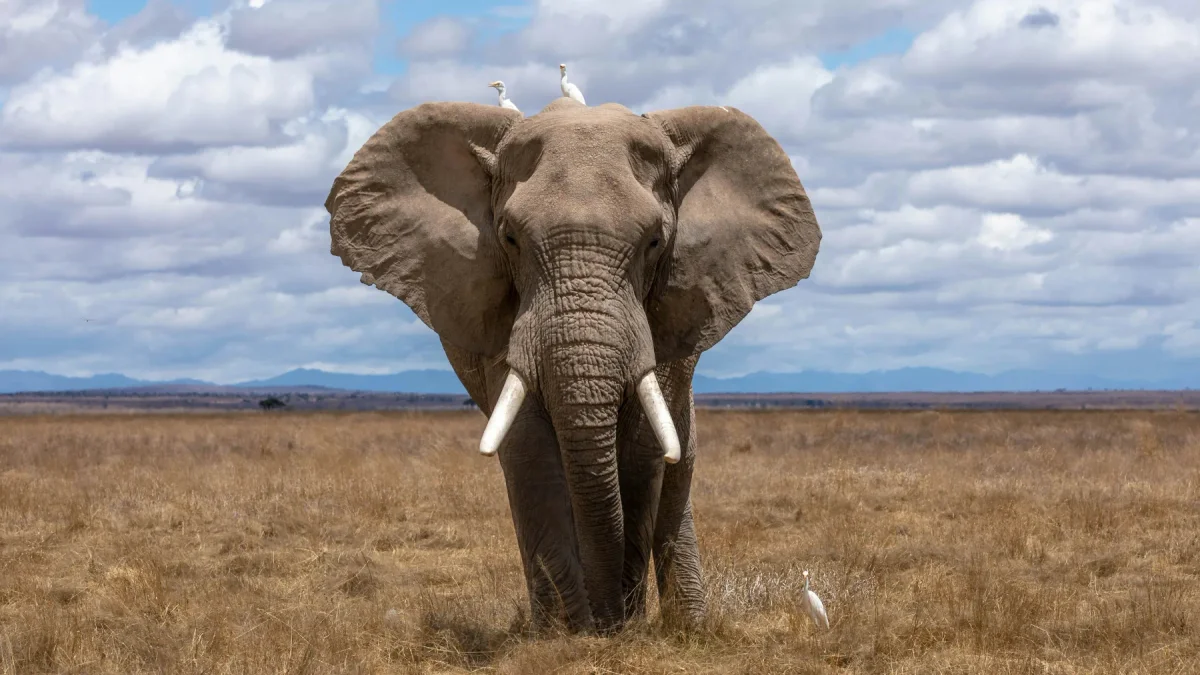
African Elephant
Loxodonta africana
Botswana is home to the largest elephant population in Africa, with roughly 130,000 individuals representing about a third of the continent's total. Chobe National Park in the north holds one of the densest concentrations of elephants in the world, and the Okavango Delta supports large herds that follow seasonal floodwaters. Botswana is a central part of the Kavango-Zambezi Transfrontier Conservation Area, linking elephant populations across five southern African countries.
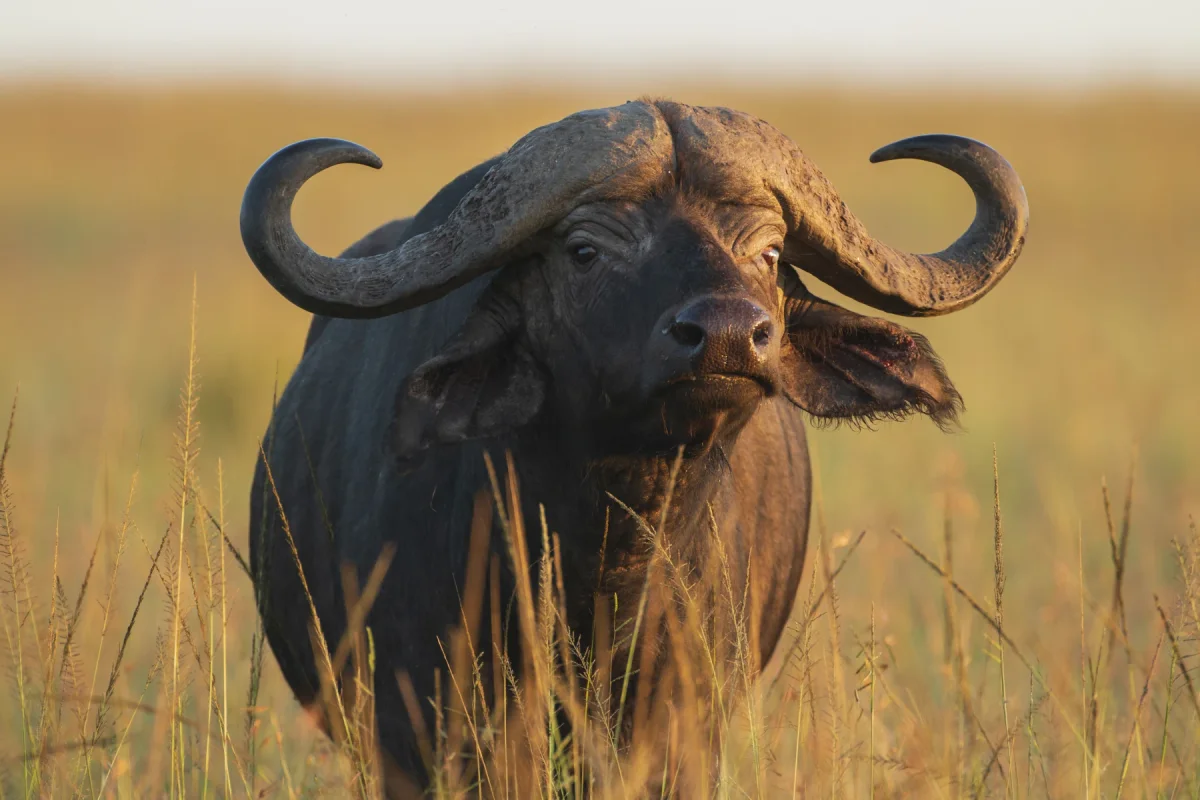
Buffalo
Syncerus caffer
Botswana holds some of Africa's most significant buffalo populations, concentrated in the Okavango Delta, Chobe National Park, and the Linyanti wetlands. Chobe in particular is famous for its enormous herds, which gather along the river during the dry season. The species interacts closely with large predator populations in these ecosystems. Bovine tuberculosis has affected some herds near the Kruger area. IUCN status: Least Concern.
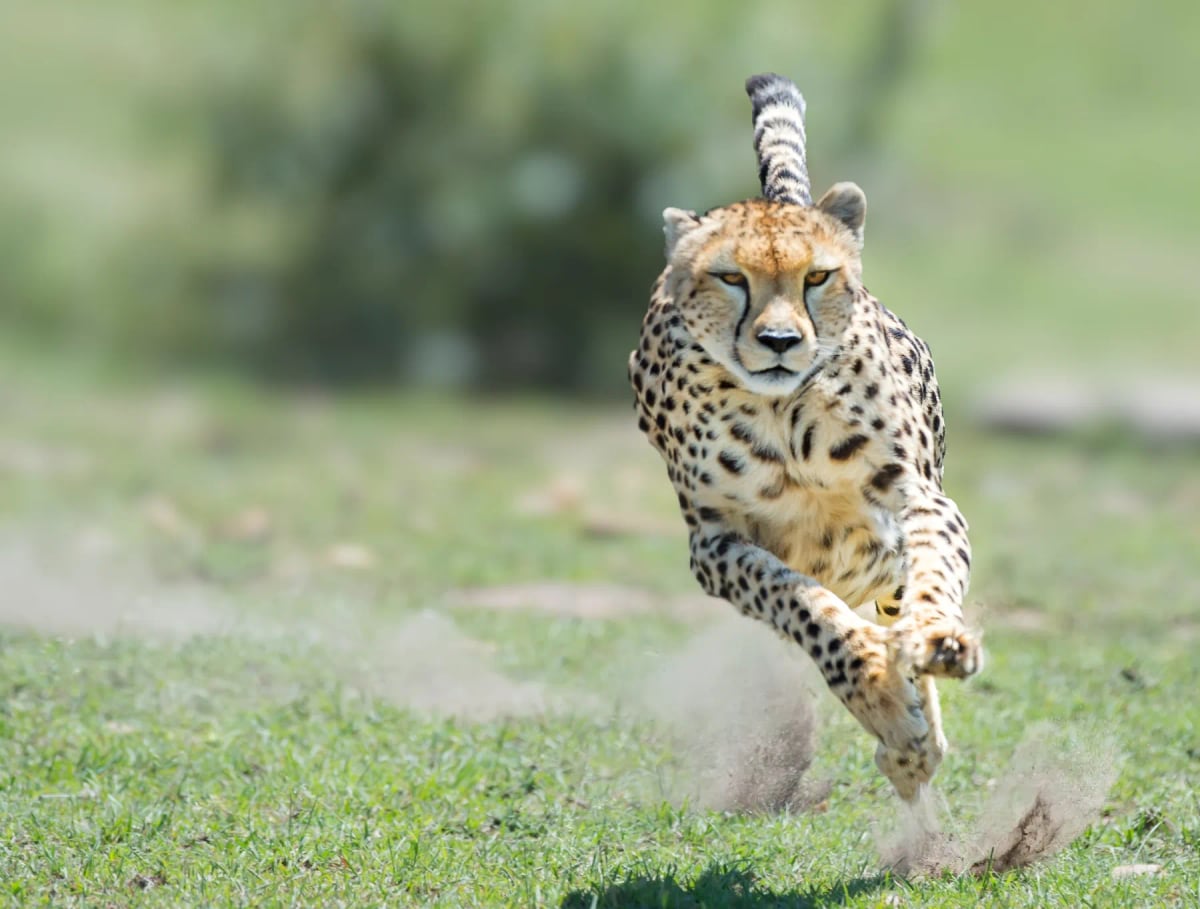
Cheetah
Acinonyx jubatus
Botswana is one of the more important countries for cheetah conservation in southern Africa. The Kalahari ecosystem, including the Central Kalahari Game Reserve, supports a notable population. Botswana also has significant numbers of cheetahs living outside protected areas on farmland, where tolerance from landowners varies widely. Conservation programs work to reduce conflict with farmers and promote coexistence, making private and communal land as important as formal reserves.
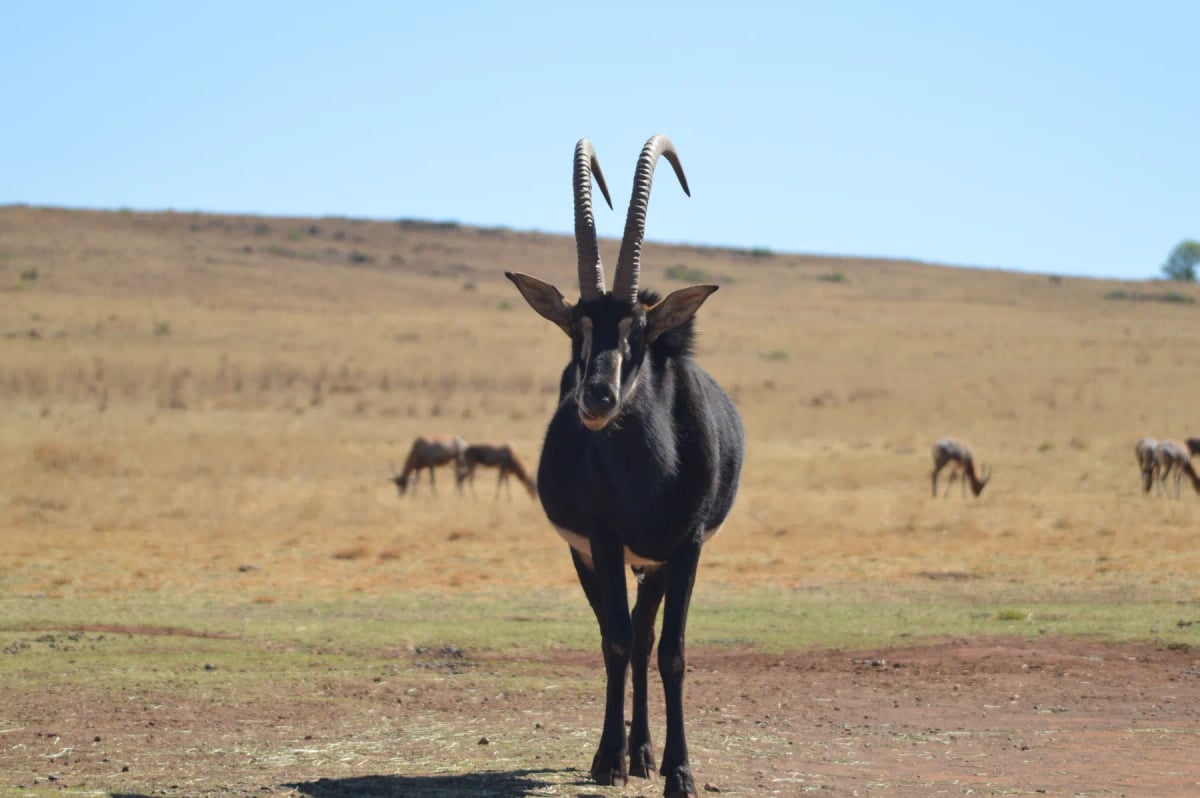
Sable Antelope
Hippotragus niger
In Botswana, sable antelopes are found mainly in the Chobe District and the woodlands of the north and northwest. They favor areas of mixed woodland and open grassland, always keeping close to permanent water sources. Numbers in Botswana are relatively stable, and the species can be spotted in Chobe National Park, where conservation management helps protect both the habitat and the animals.
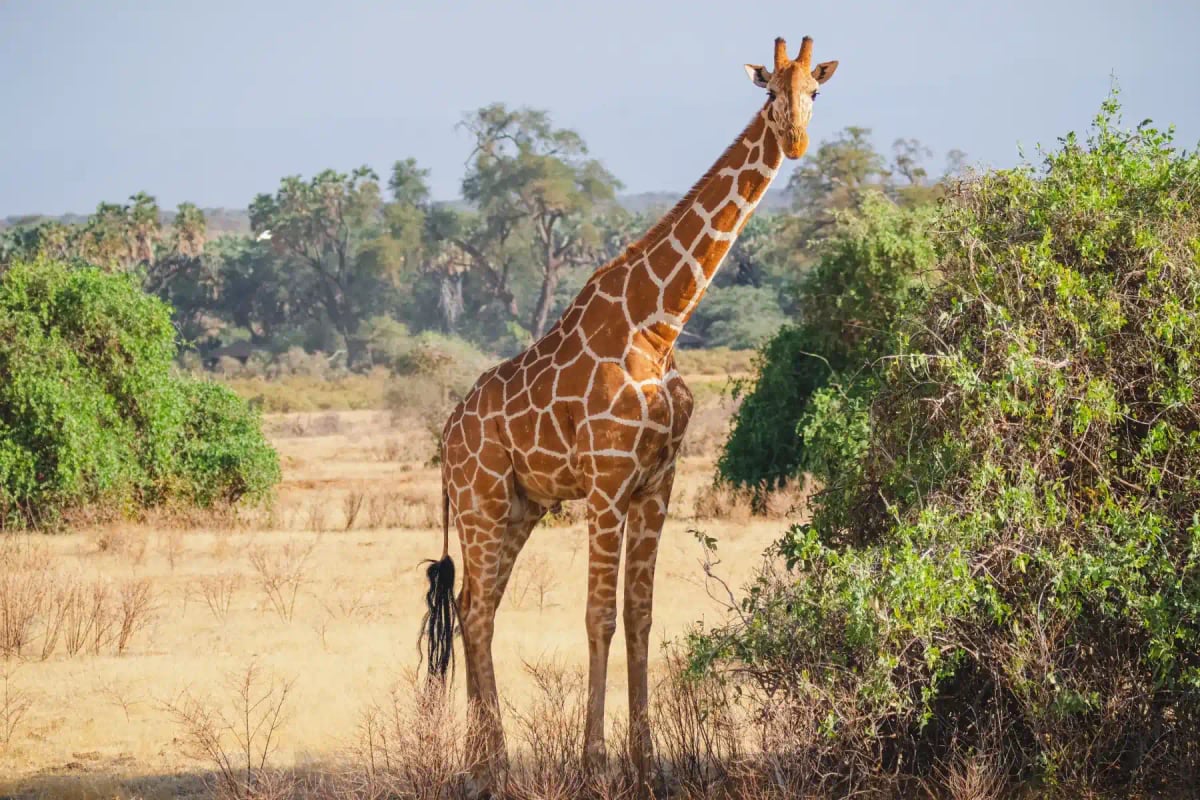
Giraffe
Giraffa camelopardalis
In Botswana, giraffes roam the savannas and woodlands of the north, with strong populations in and around Chobe National Park and the Okavango Delta region. The country's commitment to conservation has helped maintain healthy numbers. Giraffes here feed heavily on acacia and mopane trees, using their remarkable tongues to strip leaves with ease. They are a common and iconic sight on wildlife drives. Their IUCN status is Vulnerable.
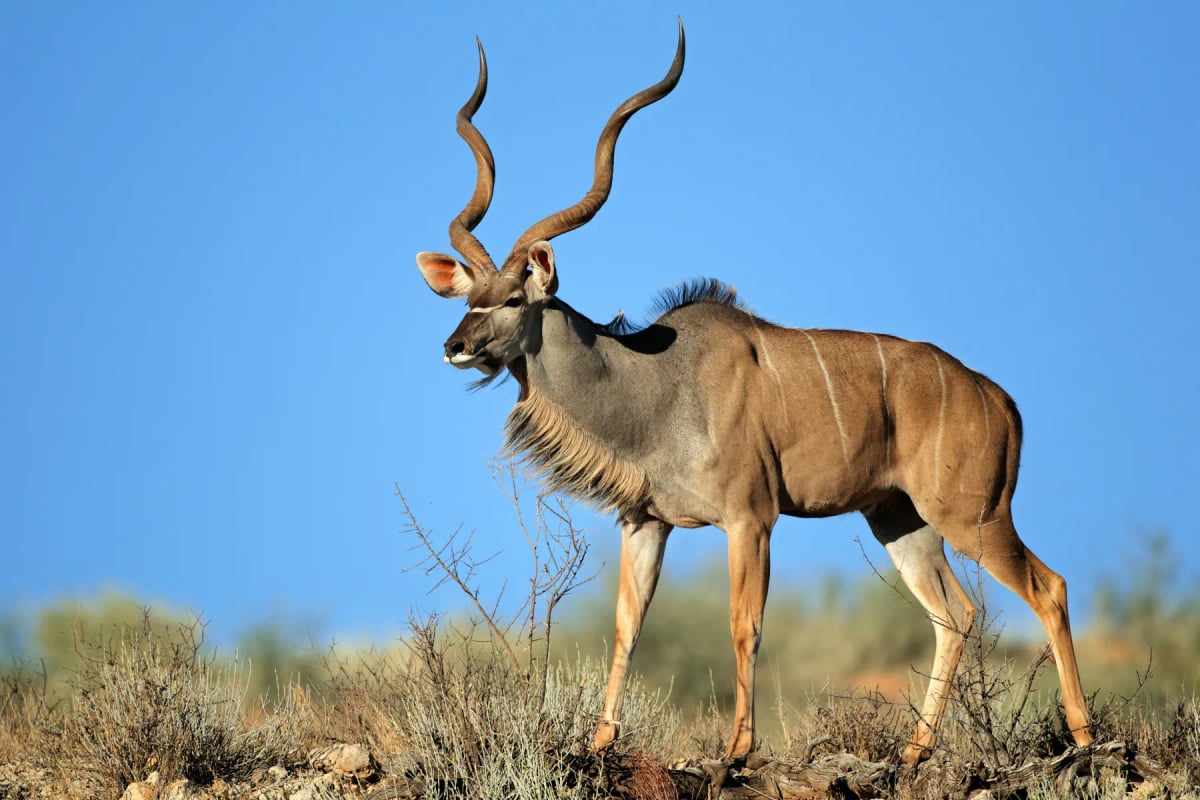
Greater Kudu
Tragelaphus strepsiceros
Botswana is home to healthy populations of greater kudu, particularly in the Chobe and Okavango regions as well as the Central Kalahari Game Reserve. These antelopes favour thickets and woodland edges where they browse on leaves, pods and wild fruits. Males are often spotted at waterholes during the dry season. Botswana's extensive protected area network plays a key role in supporting this species, which the IUCN lists as Least Concern.
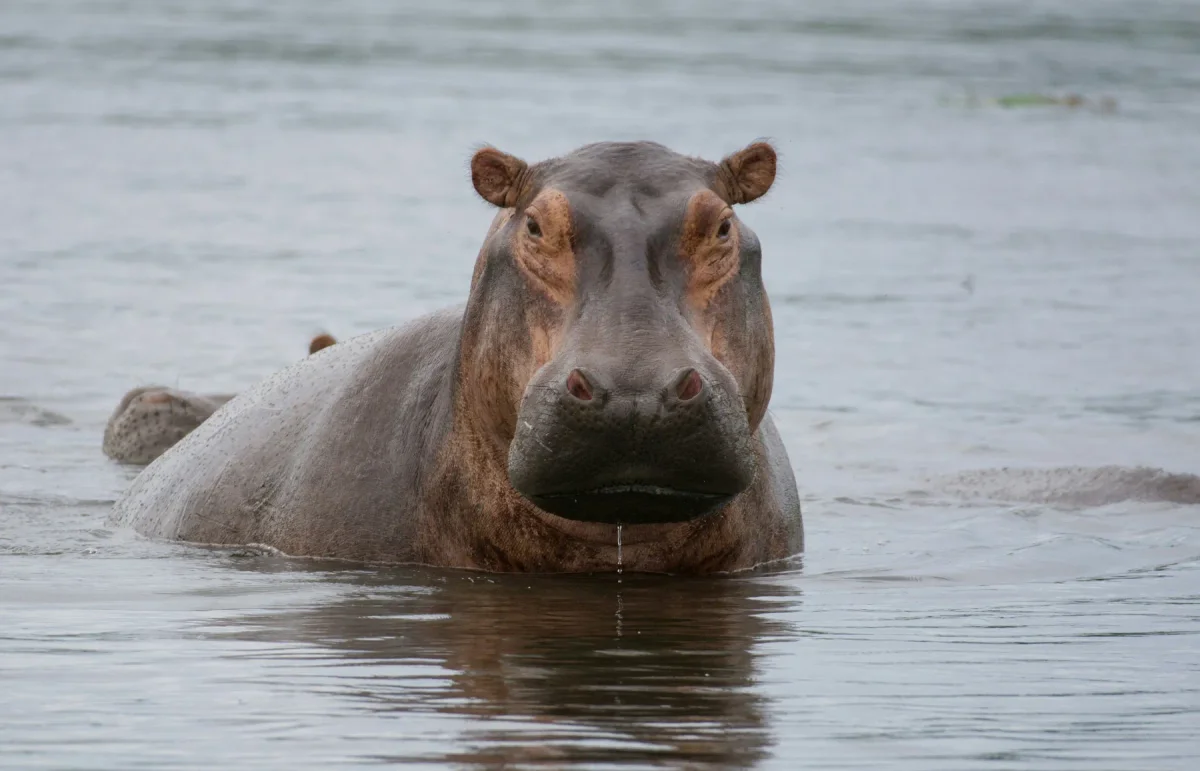
Hippopotamus
Hippopotamus amphibius
Botswana holds one of Africa's most significant hippo populations, concentrated in the Okavango Delta and along the Chobe and Linyanti river systems. The Okavango, a vast inland delta, provides ideal conditions: permanent water, shallow channels, and abundant riverside grass. Chobe National Park is particularly well known for large hippo gatherings. These animals play a key role in shaping the wetland ecosystems around them. The IUCN lists the hippopotamus as Vulnerable.
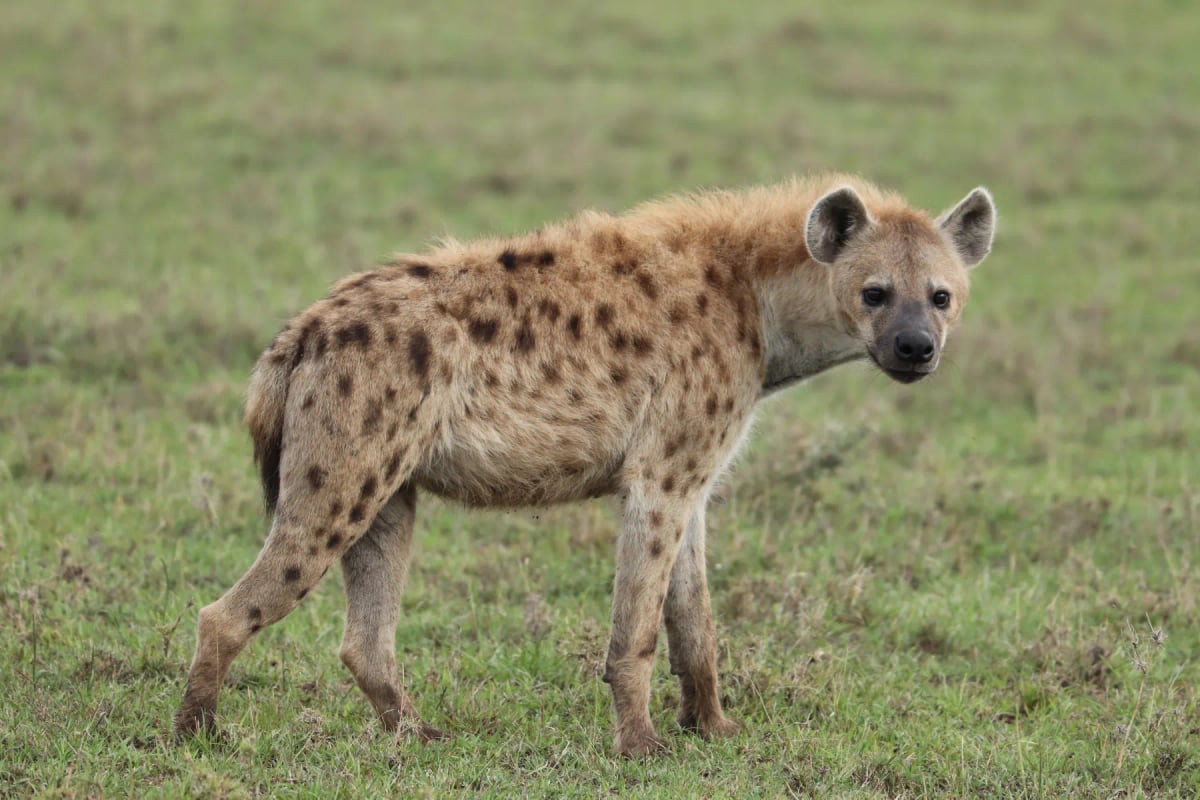
Spotted Hyena
Crocuta crocuta
Botswana is home to one of Africa's healthiest spotted hyena populations, supported by vast wilderness areas like the Okavango Delta, Chobe National Park, and the Kgalagadi Transfrontier Park. The country's strong conservation record and low human density in wildlife zones have allowed hyena clans to thrive. They play a key role in keeping ecosystems clean by processing carcasses that other predators leave behind.
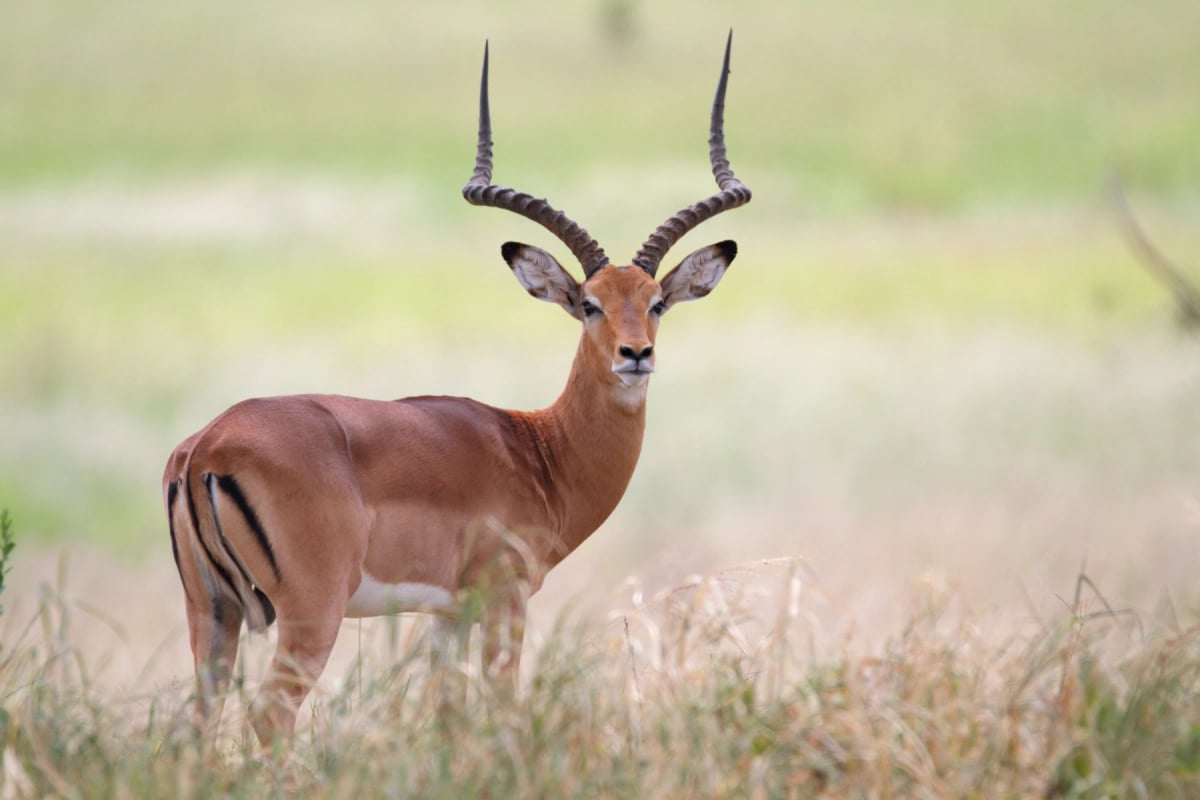
Impala
Aepyceros melampus
In Botswana, impalas are a familiar sight across the woodlands and floodplains of the Okavango Delta and Chobe National Park. These medium-sized antelopes thrive alongside elephants, lions, and wild dogs in some of Africa's most celebrated wildlife habitats. They graze on grasses during the rains and shift to browsing shrubs in the dry months. Capable of leaping up to 10 metres, they are among the most agile antelopes on the continent. The IUCN lists them as Least Concern.
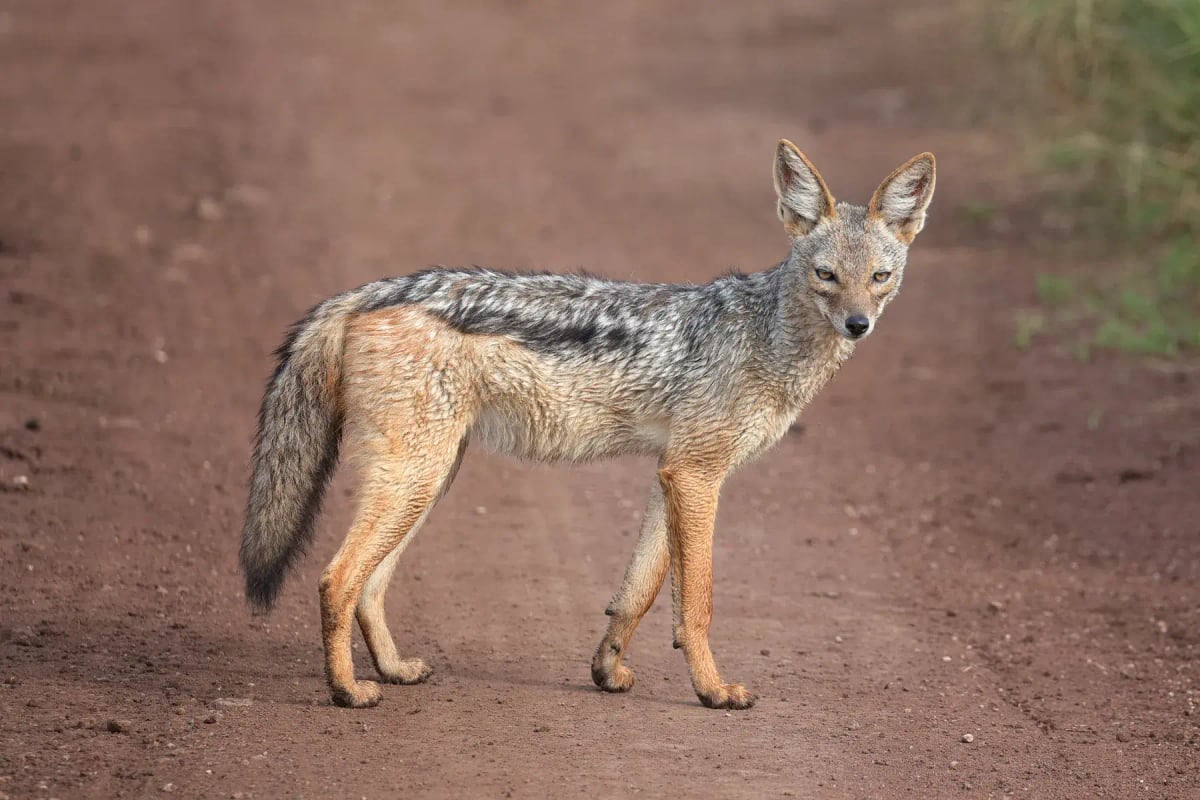
Black backed Jackal
Canis mesomelas
The black backed jackal is a common resident across Botswana, from the salt pans of the Makgadikgadi and the grasslands of the Central Kalahari Game Reserve to the floodplains bordering the Okavango Delta. It is an opportunistic feeder, taking small prey, wild fruits, and carrion depending on the season. Its IUCN status is Least Concern. Bonded pairs defend territories together and raise their young with assistance from previous litters.
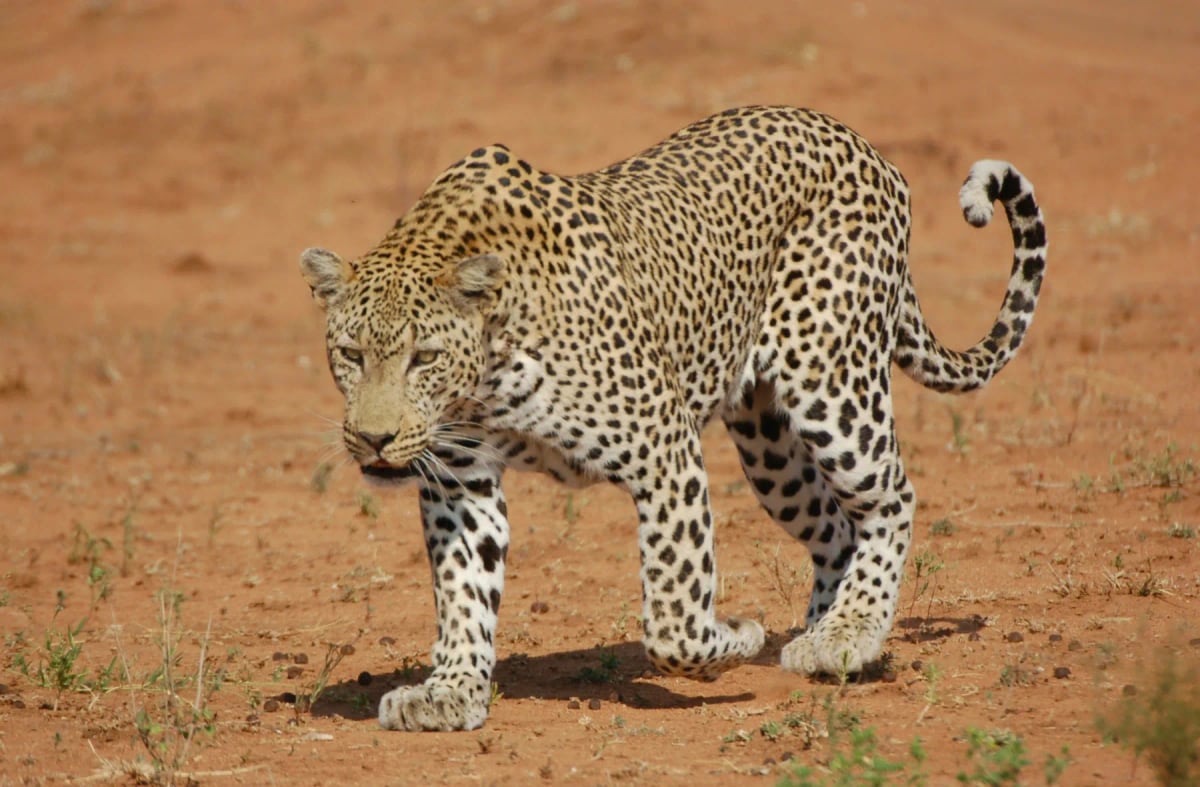
Leopard
Panthera pardus
Leopards are found throughout much of Botswana, with strong populations in the Okavango Delta, Chobe National Park, and the Tuli Block. The Okavango's mix of floodplains, woodlands, and reed beds provides excellent cover and abundant prey. Botswana's commitment to low-volume, high-value tourism has helped protect large wilderness areas, benefiting leopards and the broader ecosystem they inhabit.
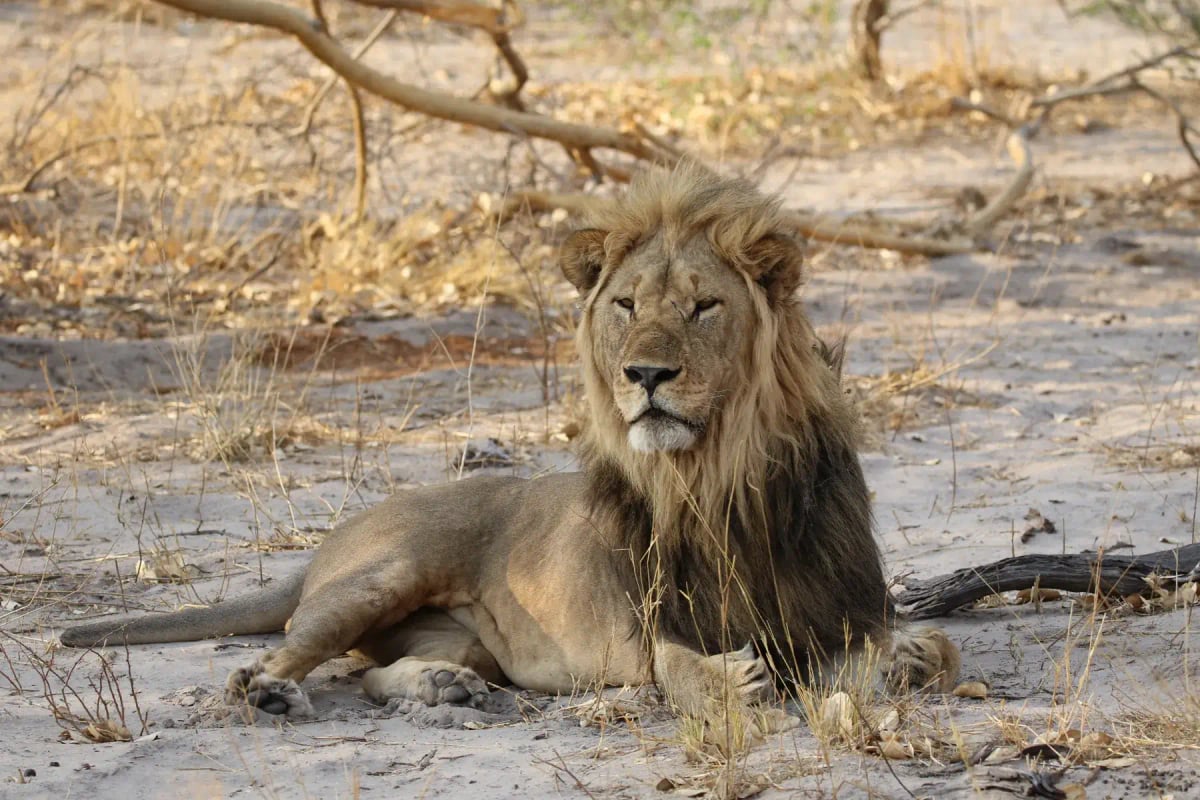
Lion
Panthera leo
Botswana holds one of the largest and healthiest lion populations in Africa, particularly in the Okavango Delta and the Chobe and Linyanti areas. The country's vast protected areas and low human density provide ideal conditions for large prides. Lions are a central part of Botswana's wildlife safari industry and a defining presence across its northern landscapes.
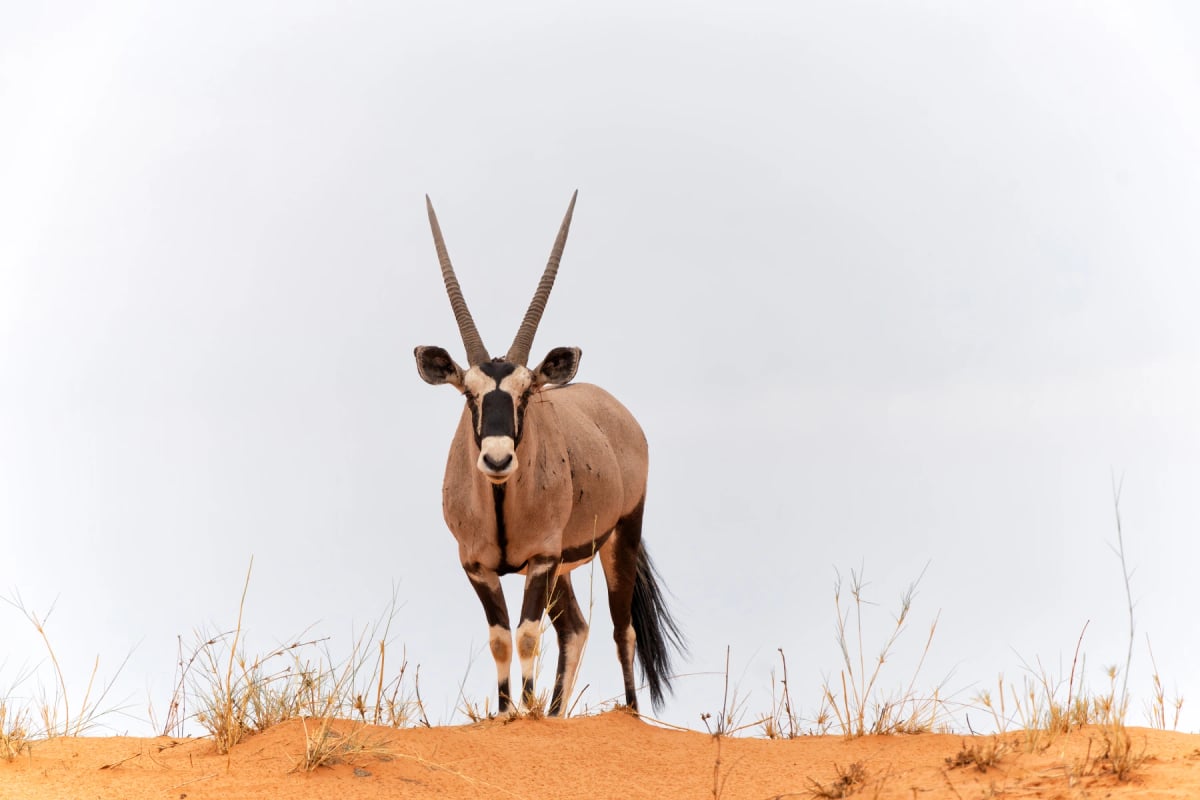
Oryx
Oryx spp.
In Botswana, the gemsbok is a iconic resident of the Kalahari Desert, and the Kgalagadi Transfrontier Park protects a significant population. These large antelopes roam the red sand dunes and open scrublands in search of grasses, roots, and wild melons that supply most of their moisture. Their bold black and white facial markings and pale coats make them one of the most recognizable animals in southern Africa.
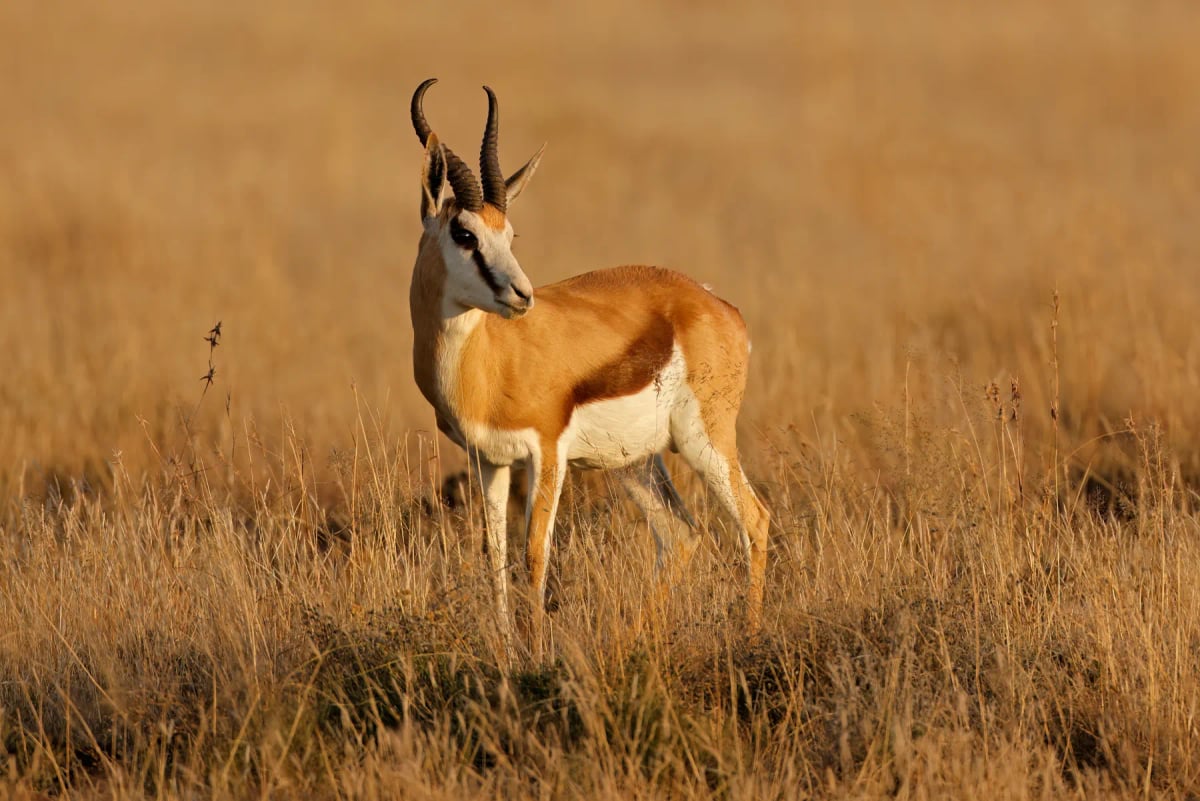
Springbok
Antidorcas marsupialis
In Botswana, springbok are found across the Kalahari Desert and the open shrublands of the south and southwest. The vast, semi-arid landscape suits them perfectly, as they extract moisture from roots, tubers, and grasses rather than relying on standing water. They share these plains with predators such as cheetahs and lions. The IUCN considers this species to be of Least Concern.
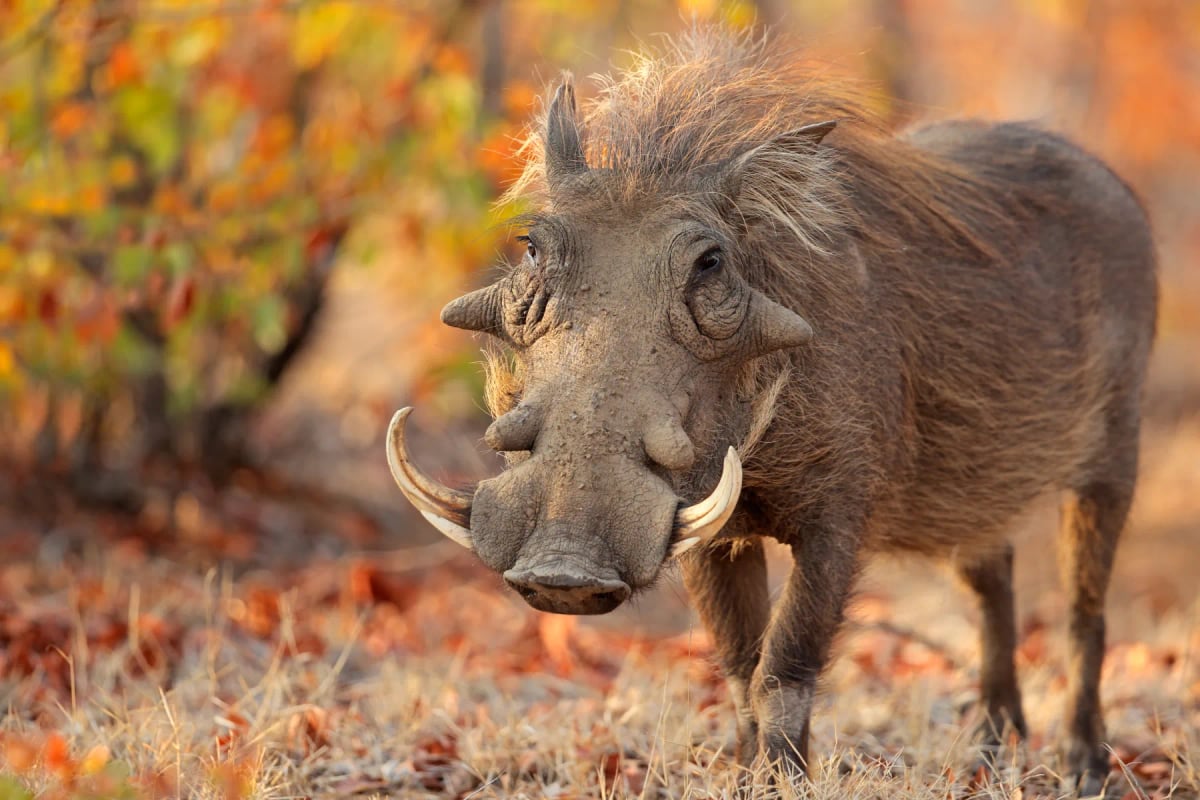
Warthog
Phacochoerus africanus
The common warthog is widespread across Botswana's open savannas and dry woodlands, including areas within the Okavango Delta and Chobe National Park. It is a prey species of choice for lions, leopards, and wild dogs that roam these ecosystems. Warthogs are frequently seen trotting with their tails raised, entering burrows feet first to escape danger. Its IUCN status is Least Concern.
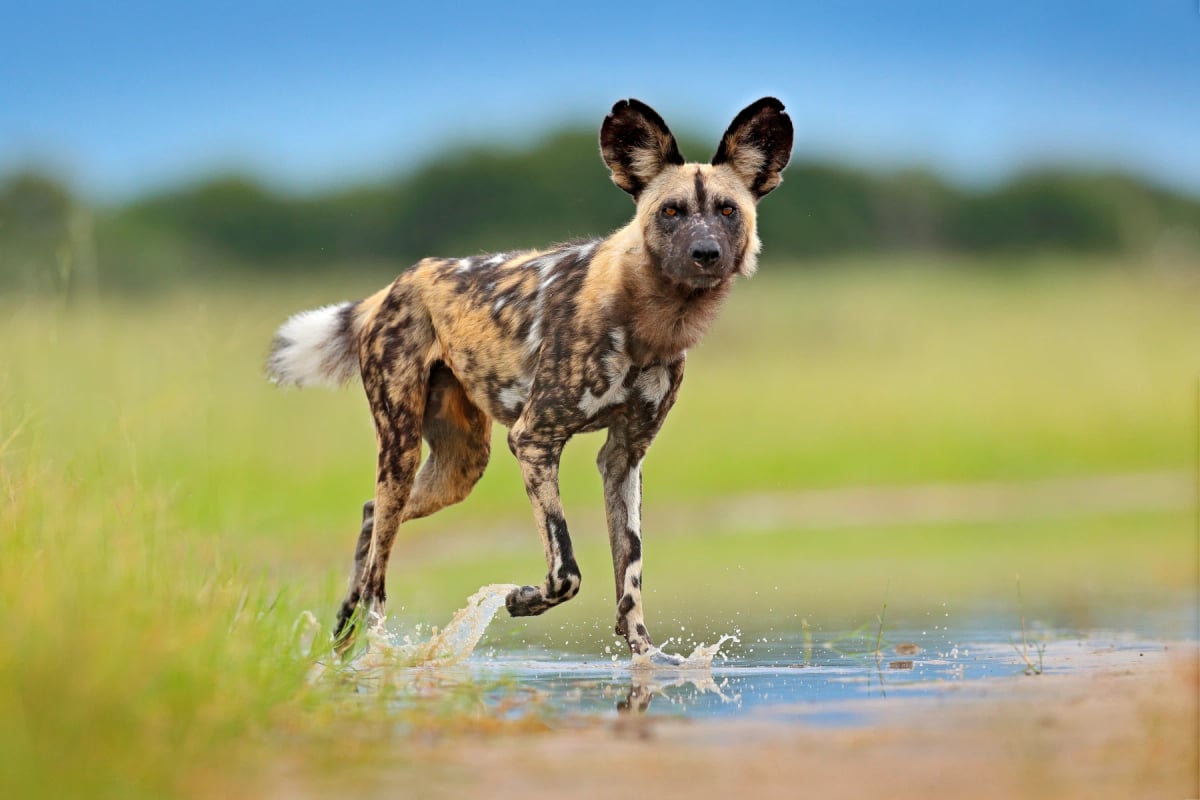
Wild Dog
Lycaon pictus
Botswana holds one of the most important populations of African wild dogs on the continent. The Okavango Delta and surrounding wilderness areas, including Moremi Game Reserve and the Linyanti region, provide ideal habitat for packs that can cover enormous distances. Conservation efforts here, including community programs and monitoring, have helped stabilize numbers. Botswana is widely regarded as a stronghold for the species. IUCN status: Endangered.
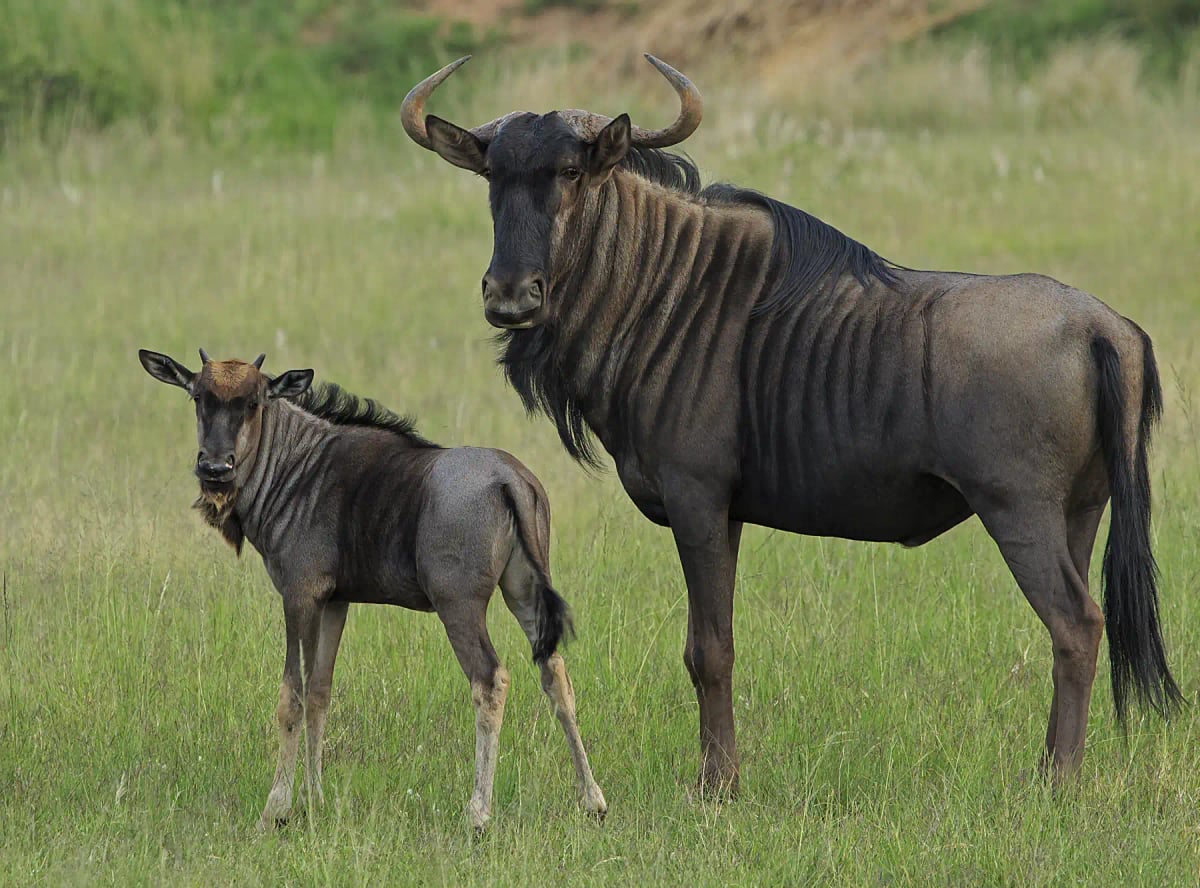
Wildebeest
Connochaetes spp.
Wildebeest roam the Okavango Delta region and the vast Chobe and Central Kalahari areas in large, seasonally shifting herds. They follow rainfall and fresh grass across Botswana's open savanna, sharing the landscape with lions and spotted hyenas. Blue wildebeest are the species found here, grazing on short grasses and playing a central role in the food web of this iconic southern African wilderness.
Zebra
Equus spp.
Botswana hosts one of Africa's longest zebra migrations, with plains zebras moving roughly 500 kilometers between the Okavango Delta and the Makgadikgadi Pans each year, following seasonal rains. Outside this migration, large resident herds graze the Chobe and Moremi floodplains. Botswana's open, lightly fenced landscape allows zebras to move more freely than in many other countries, which has helped support some of the healthiest plains zebra populations in southern Africa.
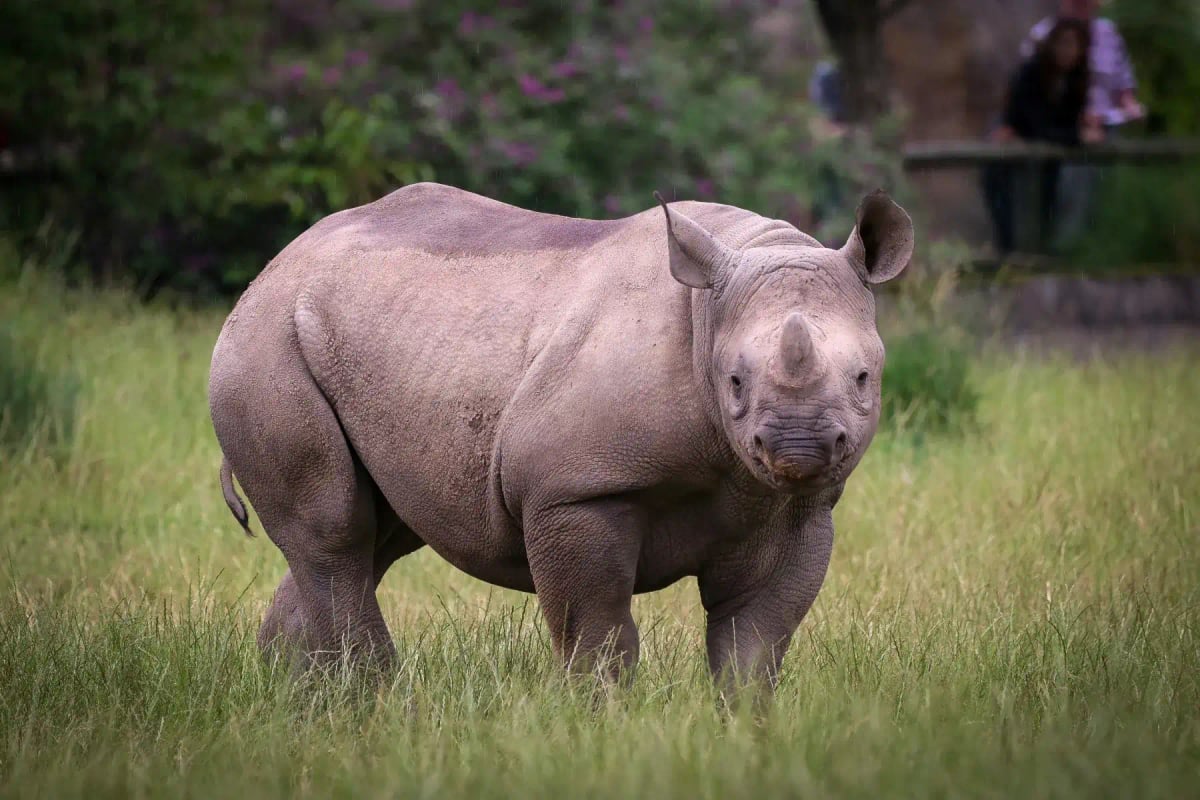
Black Rhinoceros
Diceros bicornis
Botswana's black rhinoceros population is small and largely the result of reintroduction efforts, with animals established in protected areas including the Okavango Delta region. The country lost its rhinos to poaching decades ago and has worked with regional conservation partners to bring the species back. Strict protections and well-funded anti-poaching operations have given this recovering population a genuine chance at long term stability.
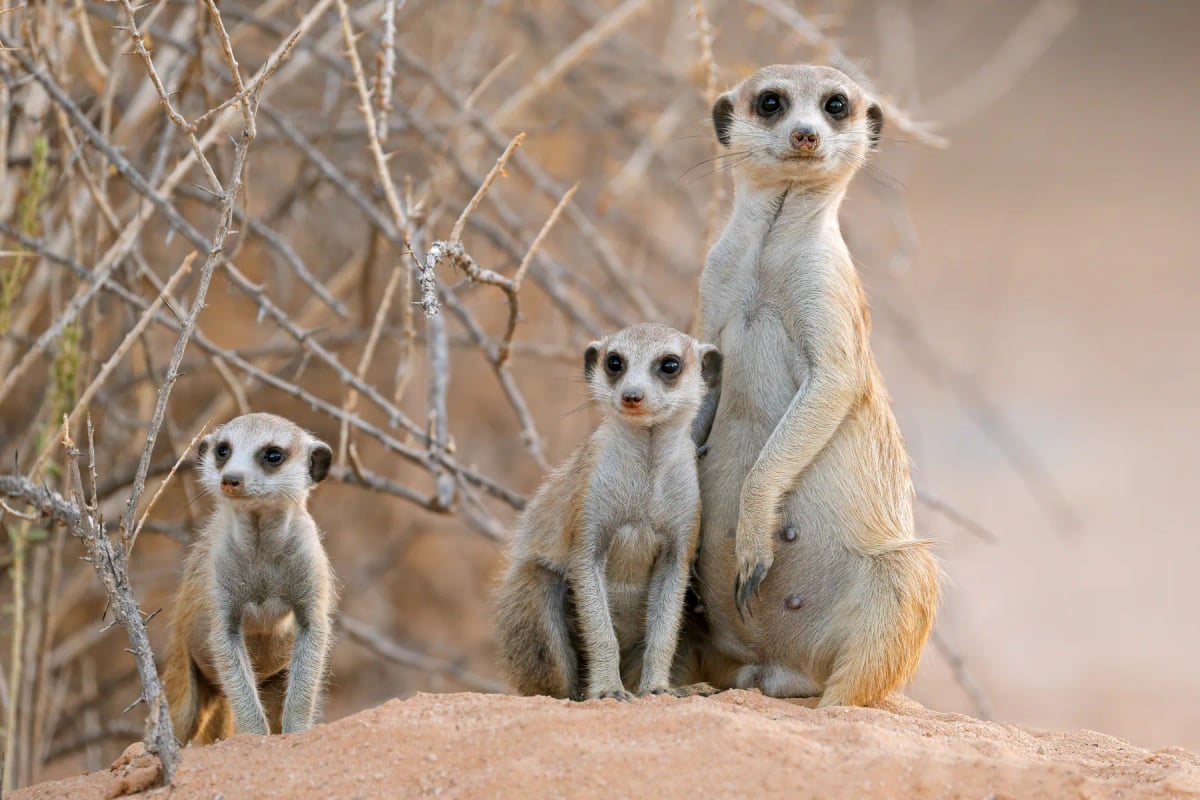
Meerkat
Suricata suricatta
In Botswana, meerkats are a familiar sight across the Kalahari Desert, one of the best places in the world to observe them in the wild. These small mongoose relatives live in tight family groups, sharing duties like pup care, digging burrows and keeping watch for eagles and jackals. Their ability to eat venomous scorpions safely makes them well suited to life in this arid landscape.
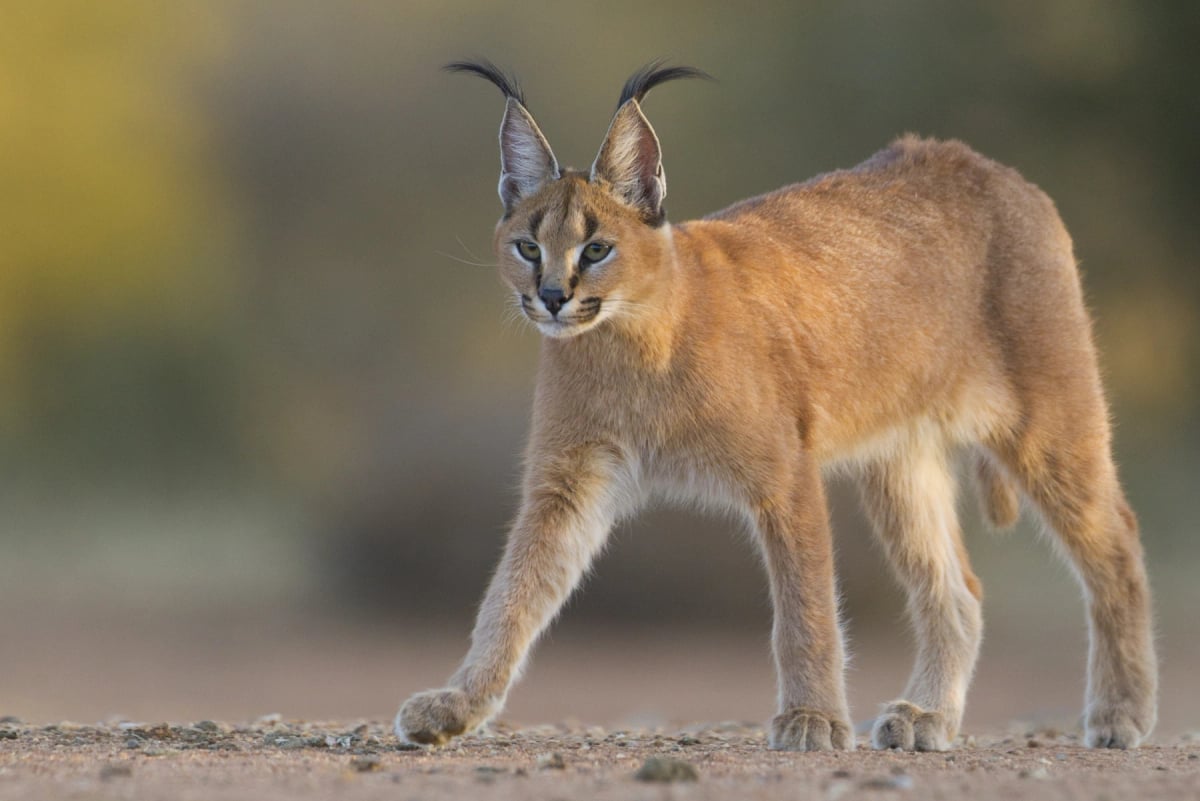
Caracal
Caracal caracal
Botswana supports one of the more stable caracal populations in southern Africa, with the species present across the Kalahari shrublands, open savannas, and drier thornbush areas. It is well adapted to the semi-arid conditions that dominate much of the country. While it preys on hares, small antelopes, and birds, it is frequently targeted by livestock farmers who consider it a threat to small stock. IUCN status: Least Concern.
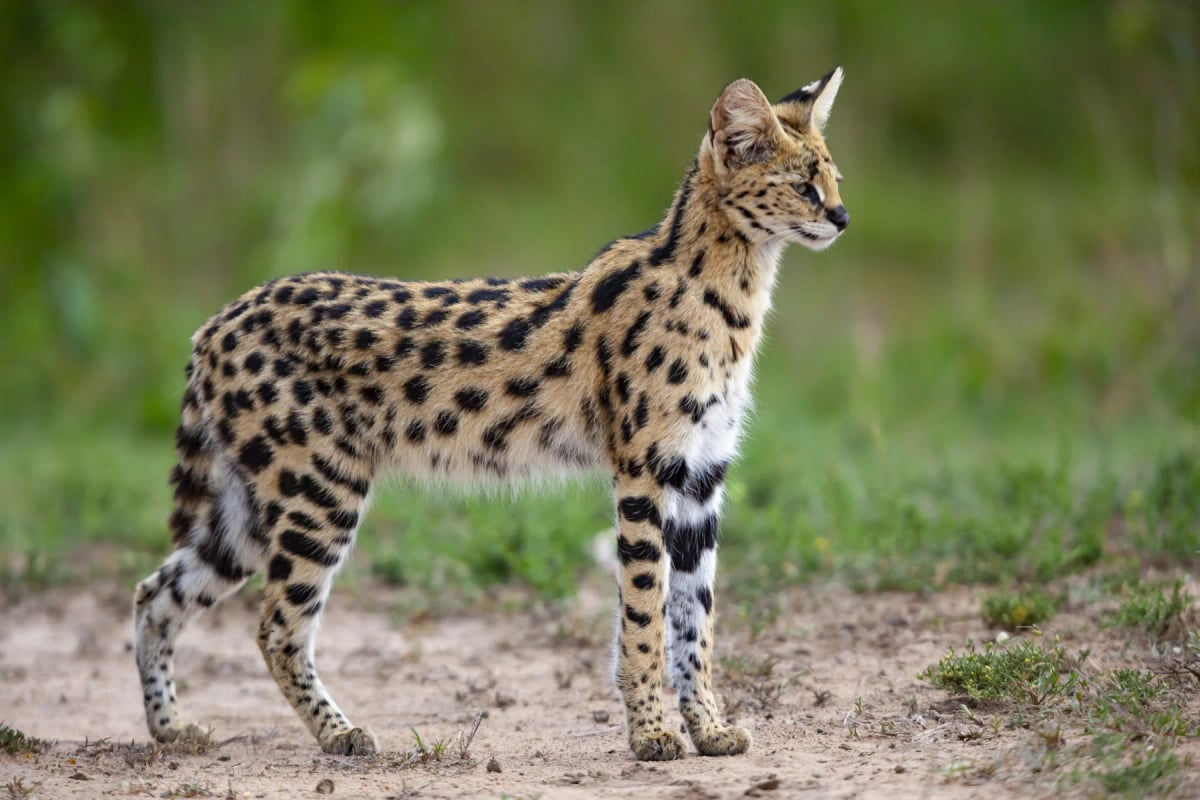
Serval
Leptailurus serval
The serval is present in northern Botswana, particularly around the Okavango Delta and the Chobe floodplains, where wetland edges and tall grasses provide ideal hunting ground. It preys mainly on rodents, striking them with a high vertical leap. Although not commonly seen, camera trap surveys confirm its presence. The IUCN rates it as Least Concern, and Botswana's protected areas offer a stronghold for the species.
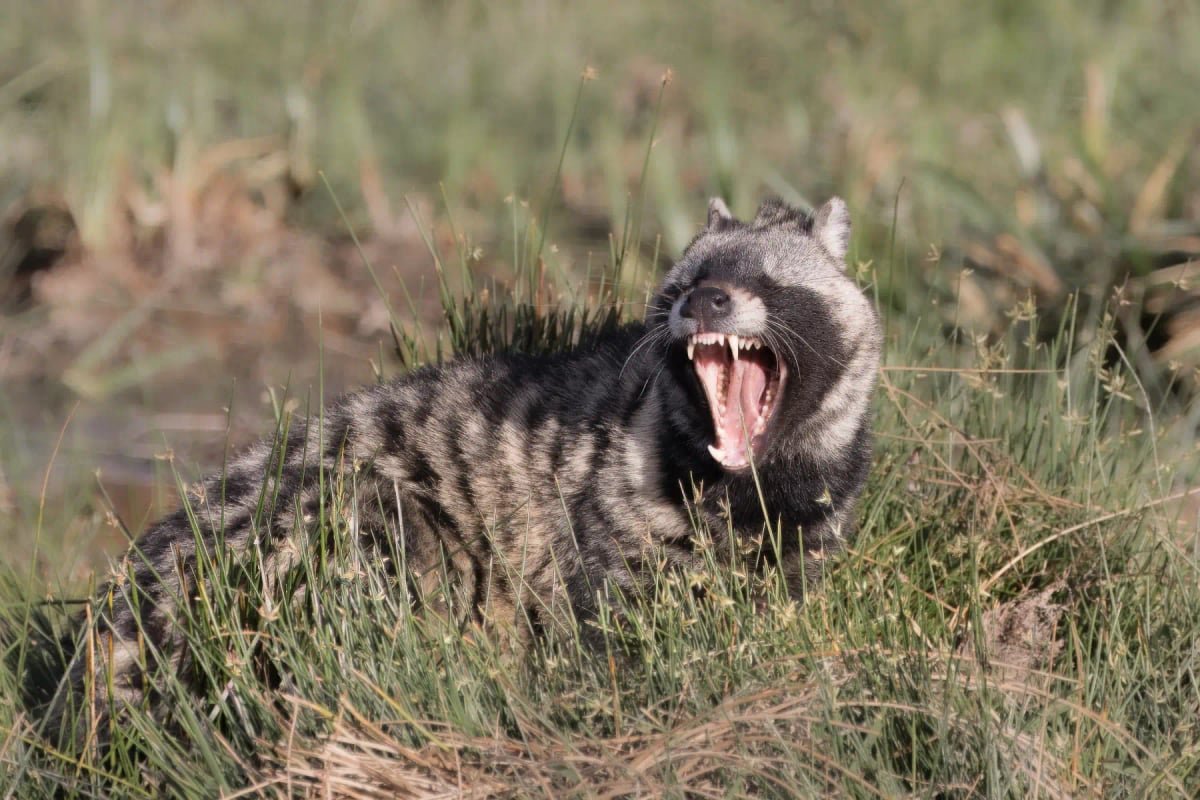
African Civet
Civettictis civetta
In Botswana, the African civet is confined to the north and northeast, where permanent water and dense woodland converge. The Okavango Delta, Chobe National Park, and the Linyanti wetlands form the core of its range in the country. It does not extend into the Kalahari interior, which lacks the riverine cover it needs. Night drives in the Chobe and Okavango areas regularly produce sightings along watercourses and woodland edges.

Honey Badger
Mellivora capensis
Botswana's Kalahari Desert and the floodplains of the Okavango Delta both support honey badger populations. This tenacious animal digs with impressive speed, unearthing rodents and beetle larvae from the sandy Kalahari soils. It also raids beehives and takes on venomous snakes without hesitation. While the IUCN lists it as Least Concern, retaliatory killing by beekeepers and farmers puts pressure on local populations.
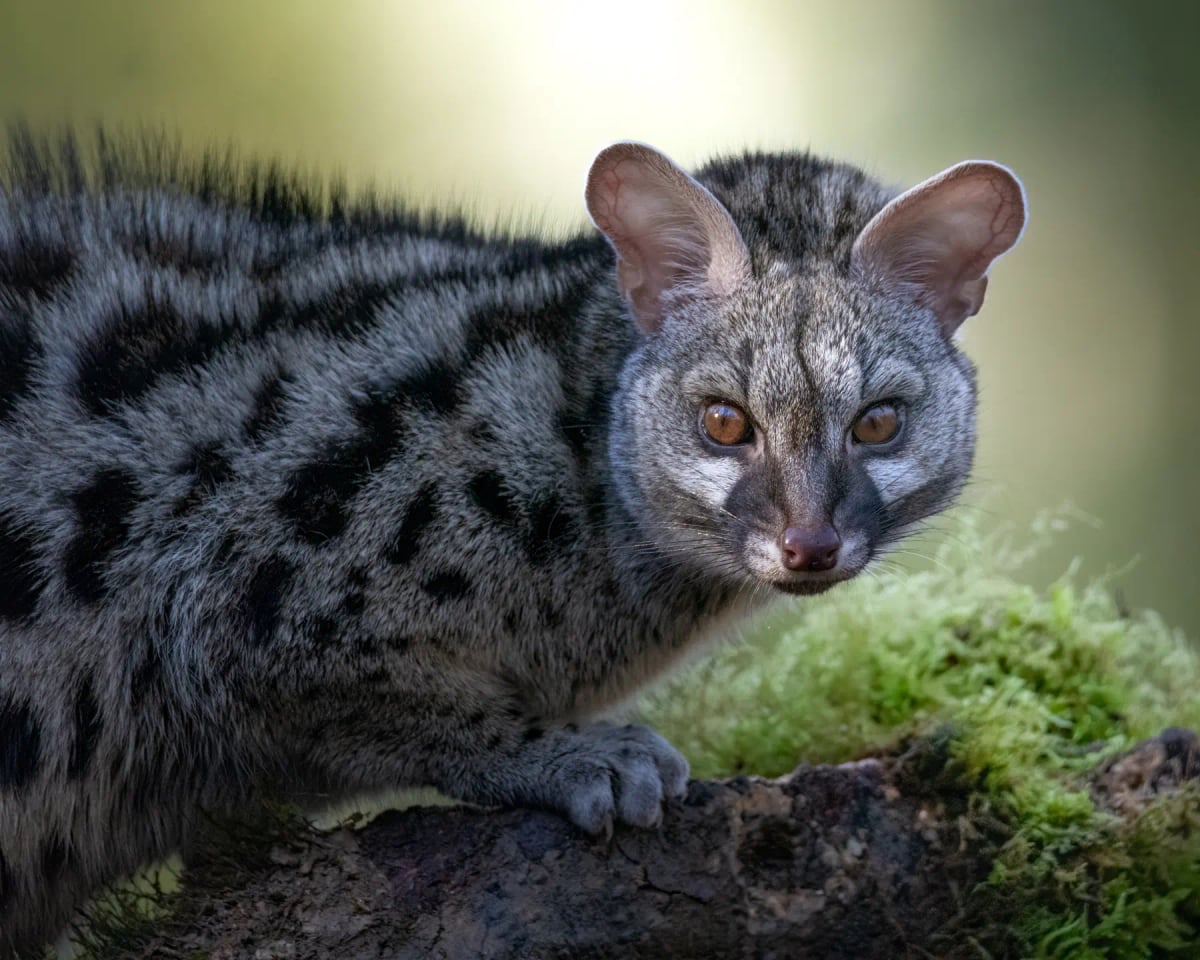
Common Genet
Genetta genetta
In Botswana, the common genet is found in woodland areas, riverine forests, and bushveld, particularly in the north and east of the country. It is a secretive, nocturnal carnivore that hunts rodents, small birds, insects, and reptiles. The Okavango Delta region and its surrounding forests provide suitable habitat for this species. It marks its territory using scent glands and favors areas with thick vegetation. Its IUCN status is Least Concern.
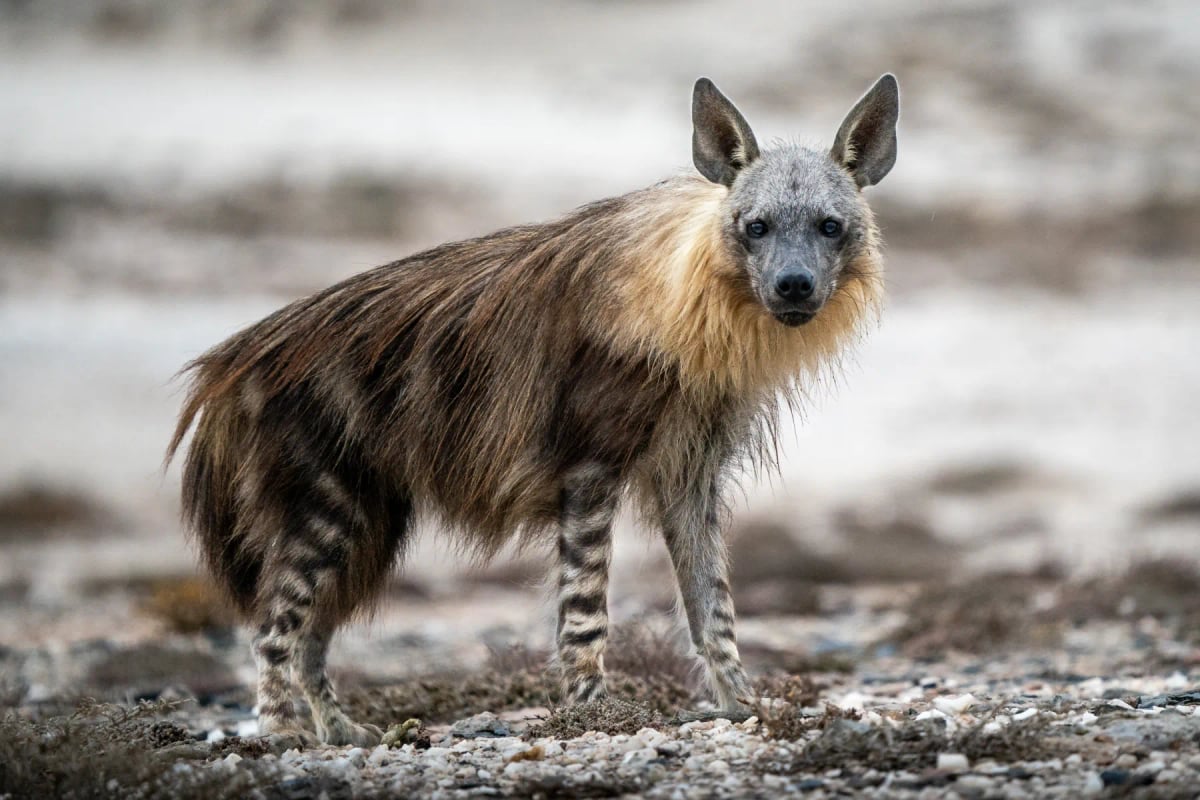
Brown Hyena
Parahyaena brunnea
Botswana's Kalahari Desert and surrounding bushveld provide ideal habitat for the brown hyena, and the country supports a substantial share of the global population. Clans of up to ten individuals share communal dens across remote, sparsely populated areas, reducing direct conflict with humans compared to other range countries. The Central Kalahari Game Reserve offers a refuge where the species can forage with limited disturbance. The IUCN lists it as Near Threatened.
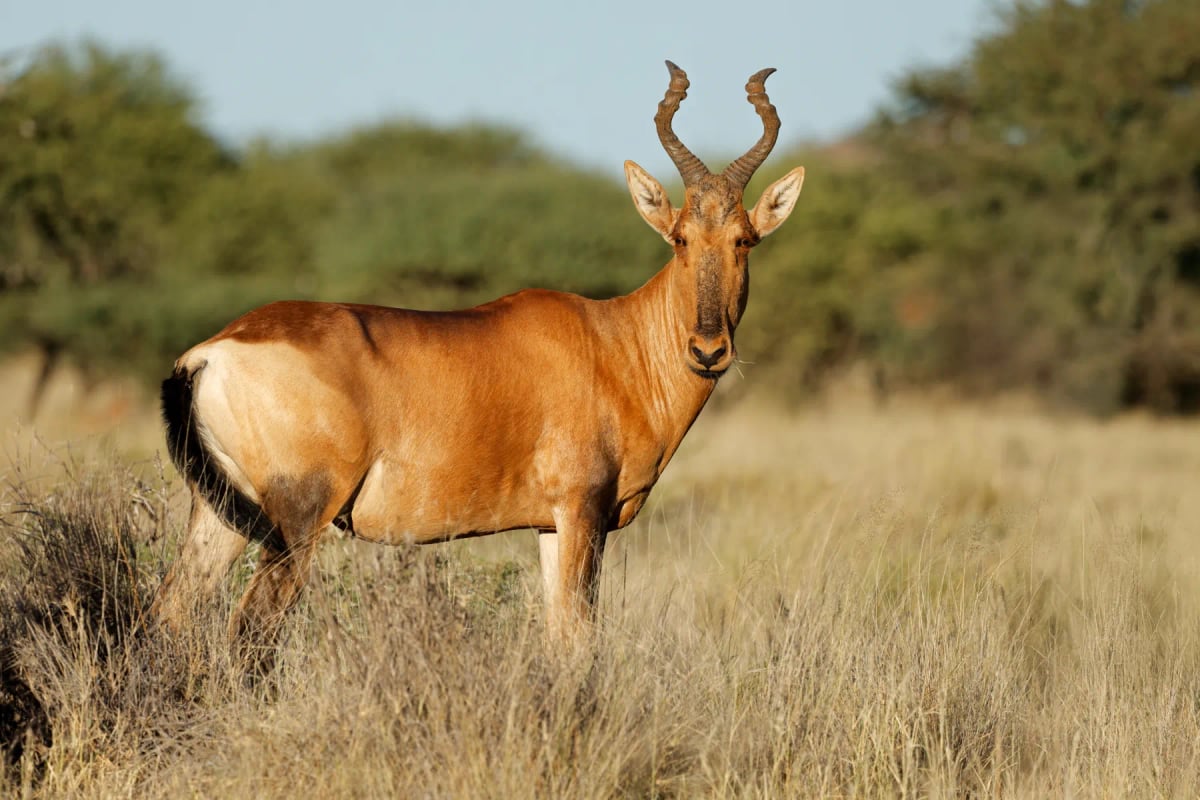
Hartebeest
Alcelaphus buselaphus
Botswana supports a healthy population of red hartebeest, most visible across the Kalahari and in reserves such as the Central Kalahari Game Reserve. These animals thrive in semi-arid grasslands, feeding on grasses that dry out during the long dry season. They are fast runners capable of reaching nearly 70 km/h, which helps them stay ahead of predators on open, flat terrain.
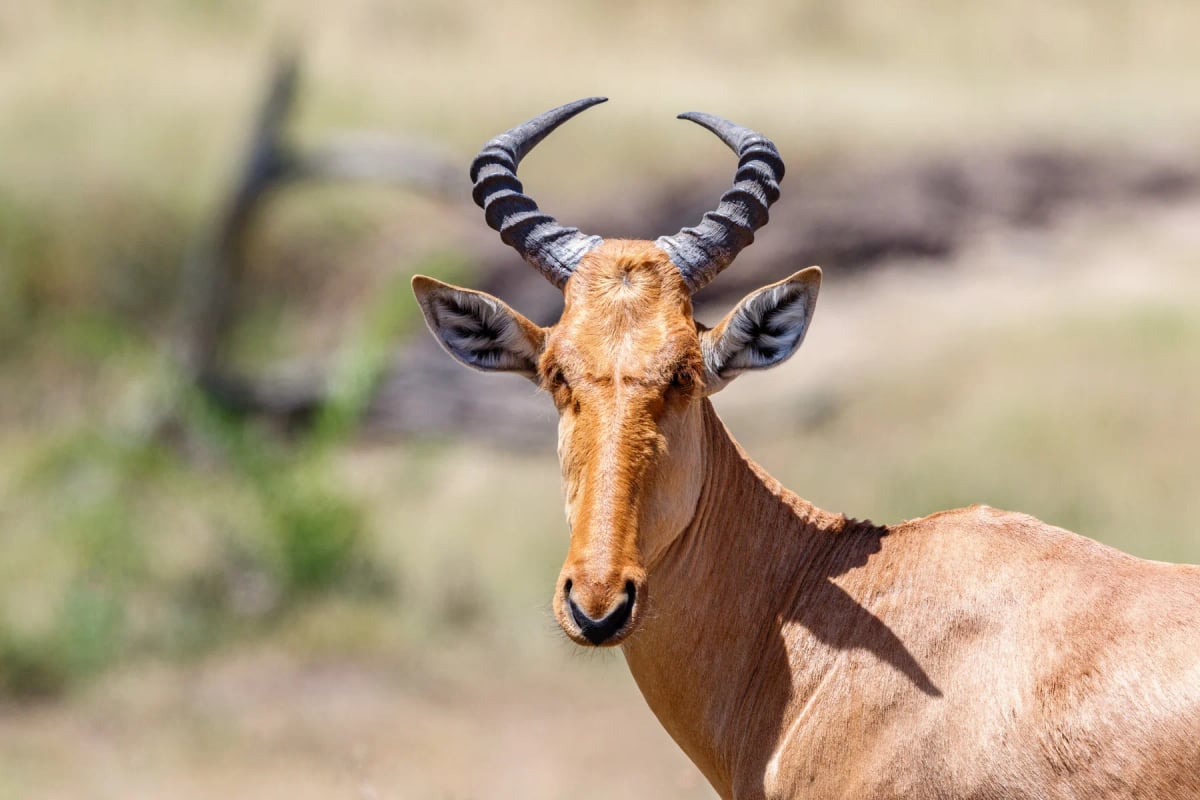
Topi
Damaliscus lunatus
The topi has a limited presence in Botswana, where it appears in grassland areas in the north of the country. The Chobe region and surrounding ecosystems provide the kind of open, grassy terrain this antelope prefers. Topis graze almost entirely on grass and follow seasonal rains to find the freshest growth. Their curved, ridged horns and dark facial patches make them easy to identify in the field. IUCN status: Least Concern.
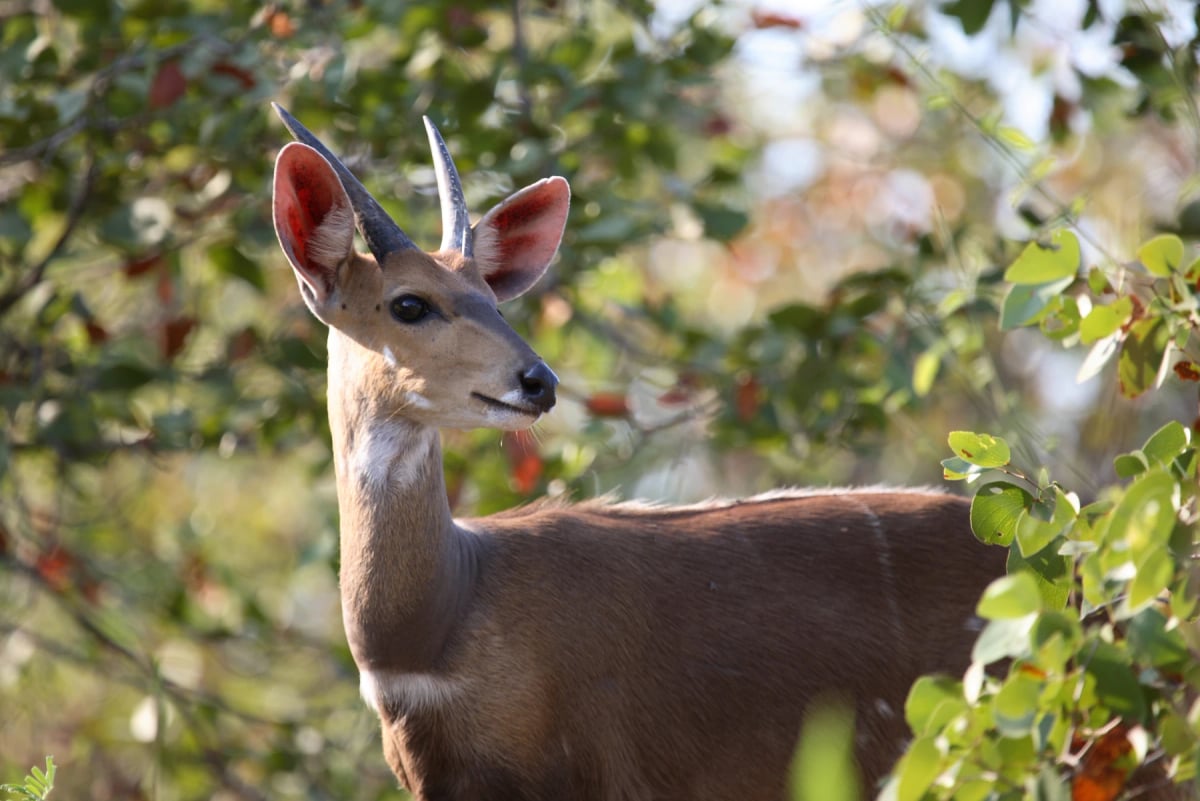
Bushbuck
Tragelaphus scriptus
The Okavango Delta and Chobe National Park host some of Botswana's most accessible bushbuck populations, concentrated in riverine forests and woodland fringes where permanent water sustains dense vegetation. These solitary antelopes are primarily nocturnal, emerging to browse at dusk and dawn along forest margins. Their reddish brown coats with white markings provide effective camouflage in the dappled light of Botswana's riparian zones.
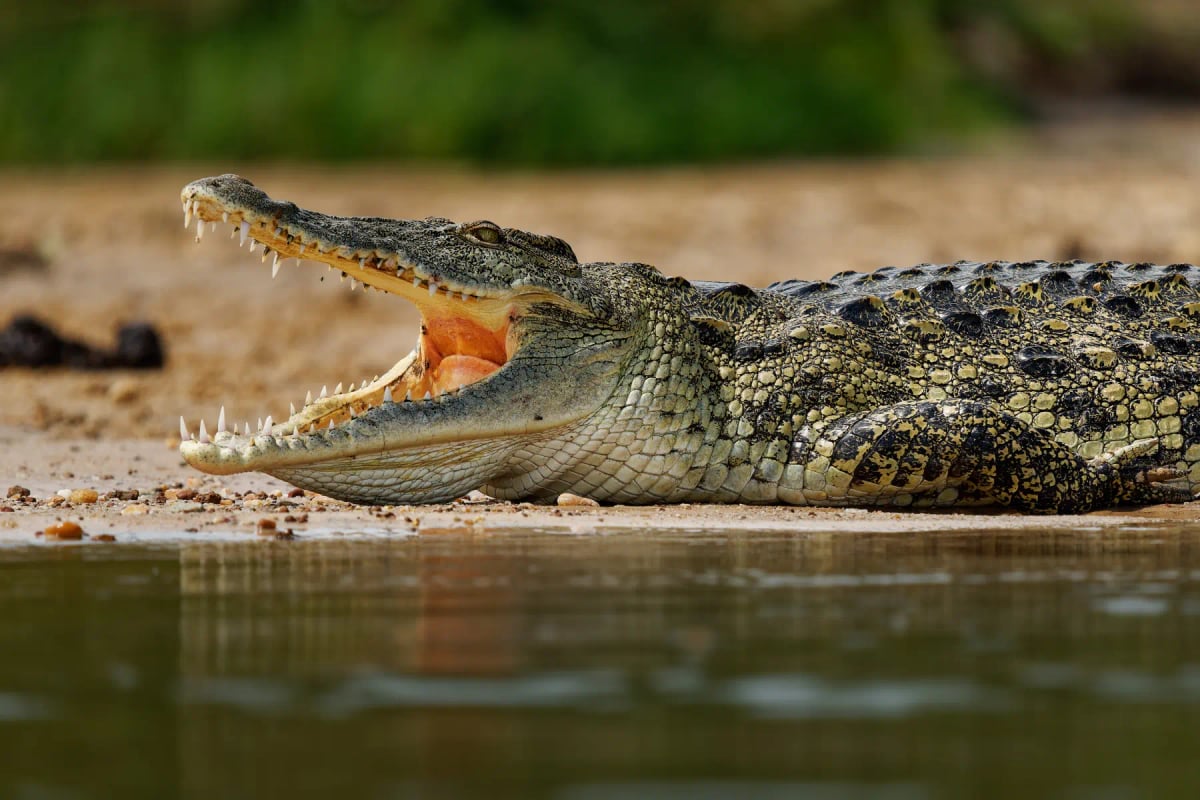
Nile Crocodile
Crocodylus niloticus
In Botswana, the Nile crocodile thrives in the Okavango Delta and along the Chobe and Limpopo rivers. The Okavango Delta, one of Africa's great inland water systems, offers an abundance of fish and large mammals at the water's edge, giving crocodiles ideal hunting conditions. Large adults can reach 5.5 metres. The species is listed as Least Concern by the IUCN, though conflict with fishing communities remains a concern.
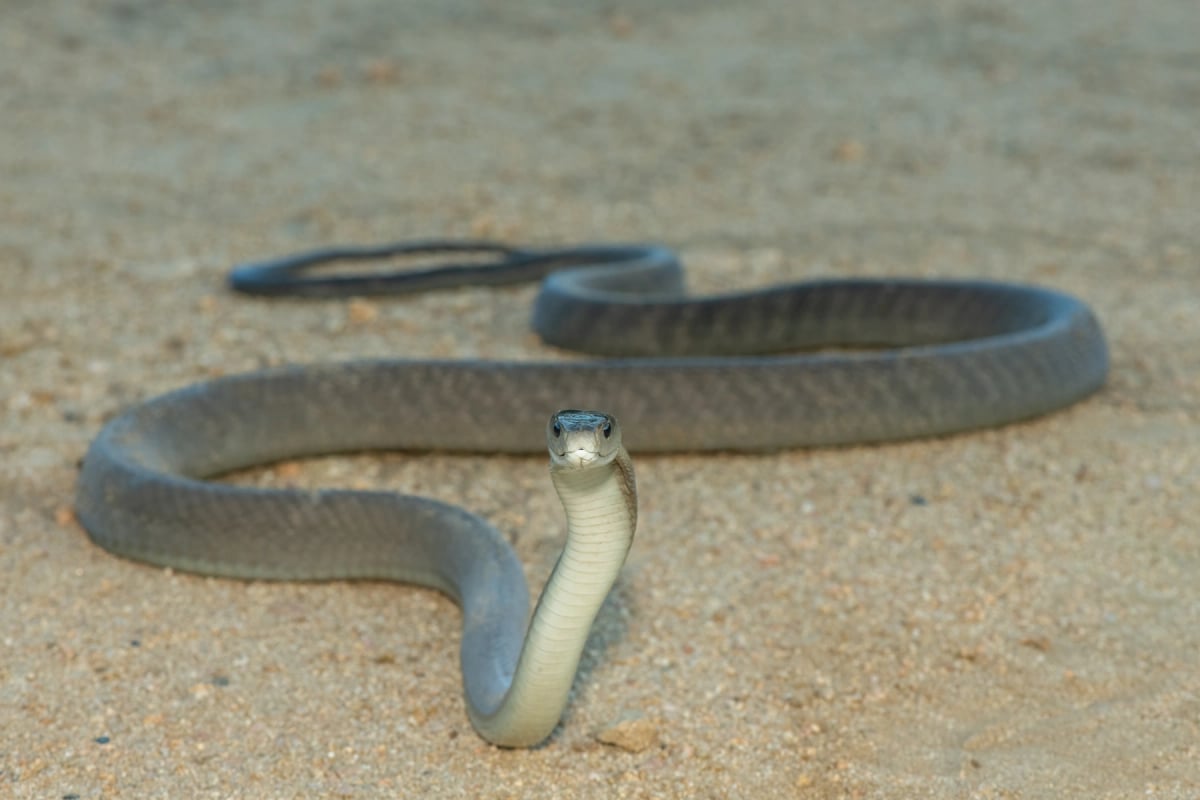
Black Mamba
Dendroaspis polylepis
In Botswana, the black mamba occupies the savanna and thornbush habitats that stretch across much of the country, including areas near the Okavango Delta and the Kalahari. It is an active daytime hunter, targeting rodents and birds. Encounters with people are uncommon but can be dangerous. Its speed and potent neurotoxic venom make prompt medical attention essential following any bite.
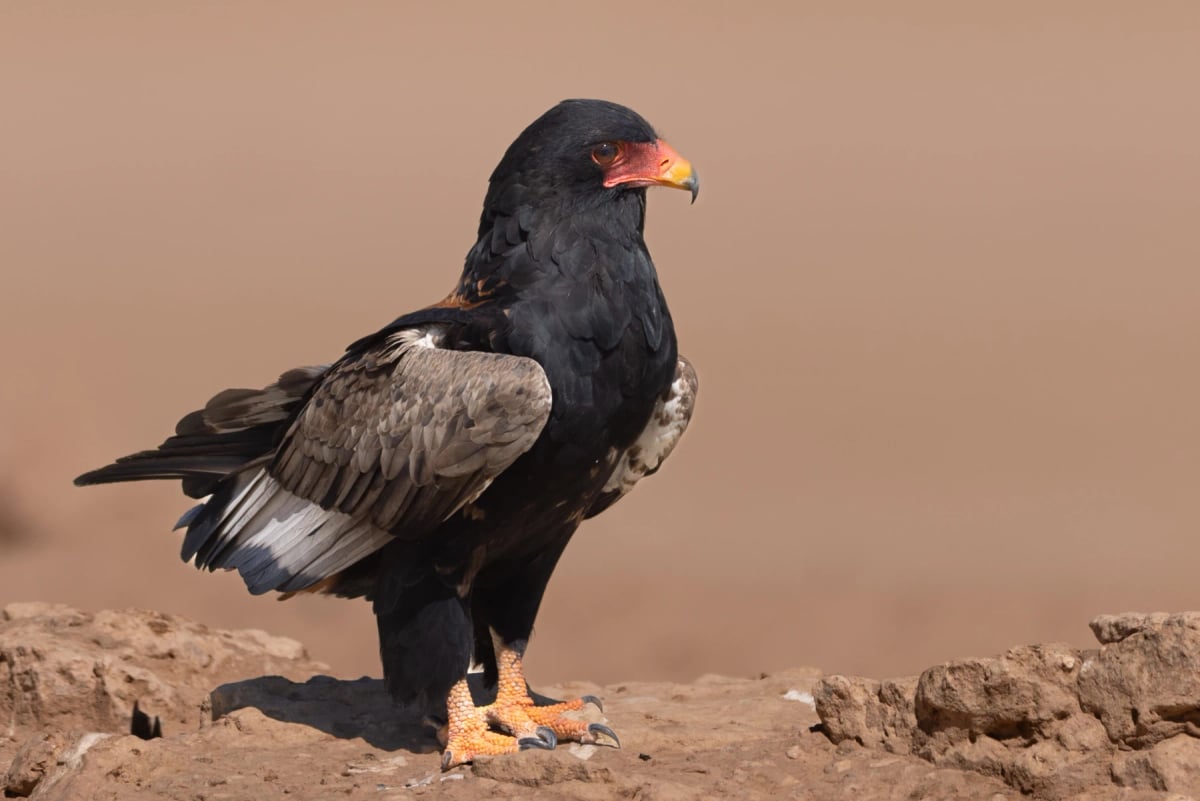
Bateleur
Terathopius ecaudatus
Botswana's Okavango Delta, Chobe National Park, and Kalahari woodlands provide some of the most important habitat for the bateleur in southern Africa. It is a regular sight soaring above open savanna and dry forest, often following elephant and predator activity to locate carrion. Listed as Endangered by the IUCN, it remains under threat from poisoning linked to wildlife crime in the region.
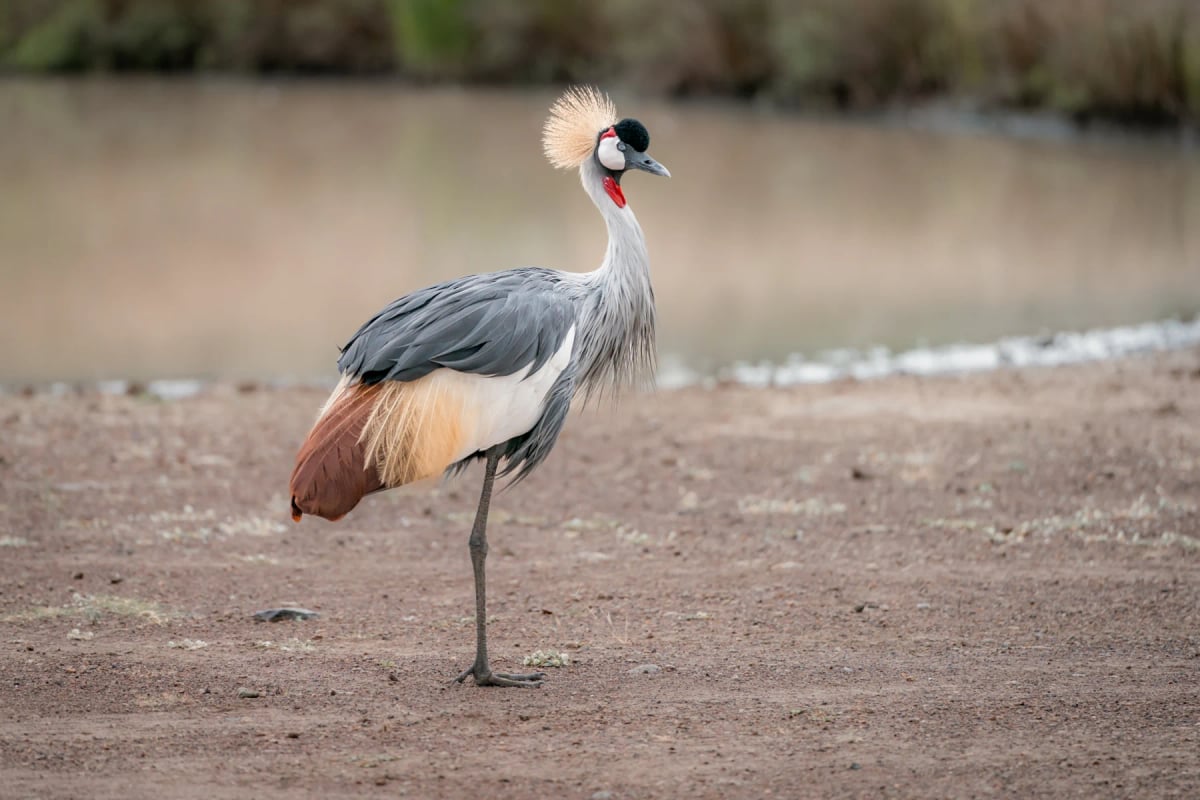
Grey Crowned Crane
Balearica regulorum
In Botswana the grey crowned crane lives mainly in the Okavango Delta, the Linyanti and the Chobe floodplains, some of southern Africa's most important wetlands. It feeds in shallow water and floodplain grasslands on seeds, insects and small animals, roosts in tall trees at night and nests on the ground among marsh vegetation. Botswana holds only a small population at the western edge of the range. IUCN status: Endangered.
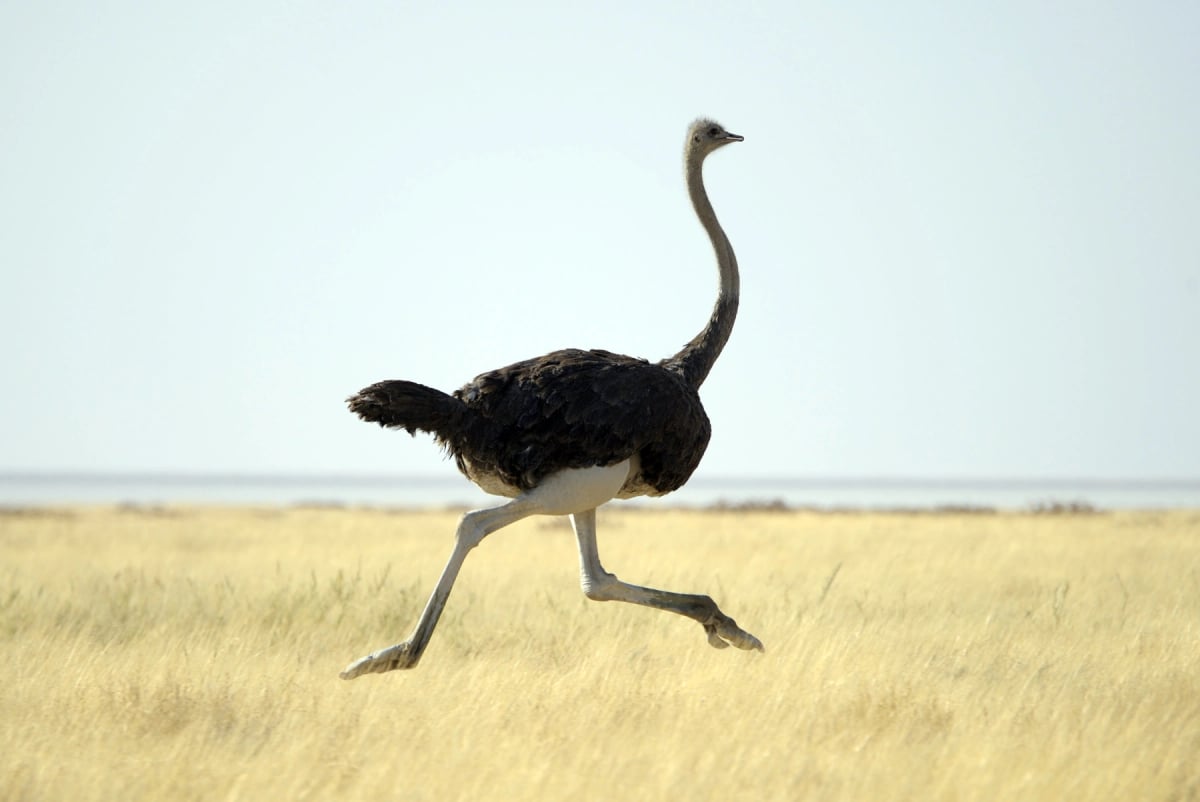
Ostrich
Struthio camelus
Botswana is one of the strongholds for ostriches in southern Africa. They are a common sight across the Kalahari Desert and the dry savanna plains that cover much of the country. The ostrich thrives in Botswana's open, arid terrain and is regularly seen inside the Kgalagadi Transfrontier Park and the Central Kalahari Game Reserve. Their ability to go without water for extended periods suits this semi-arid landscape well.
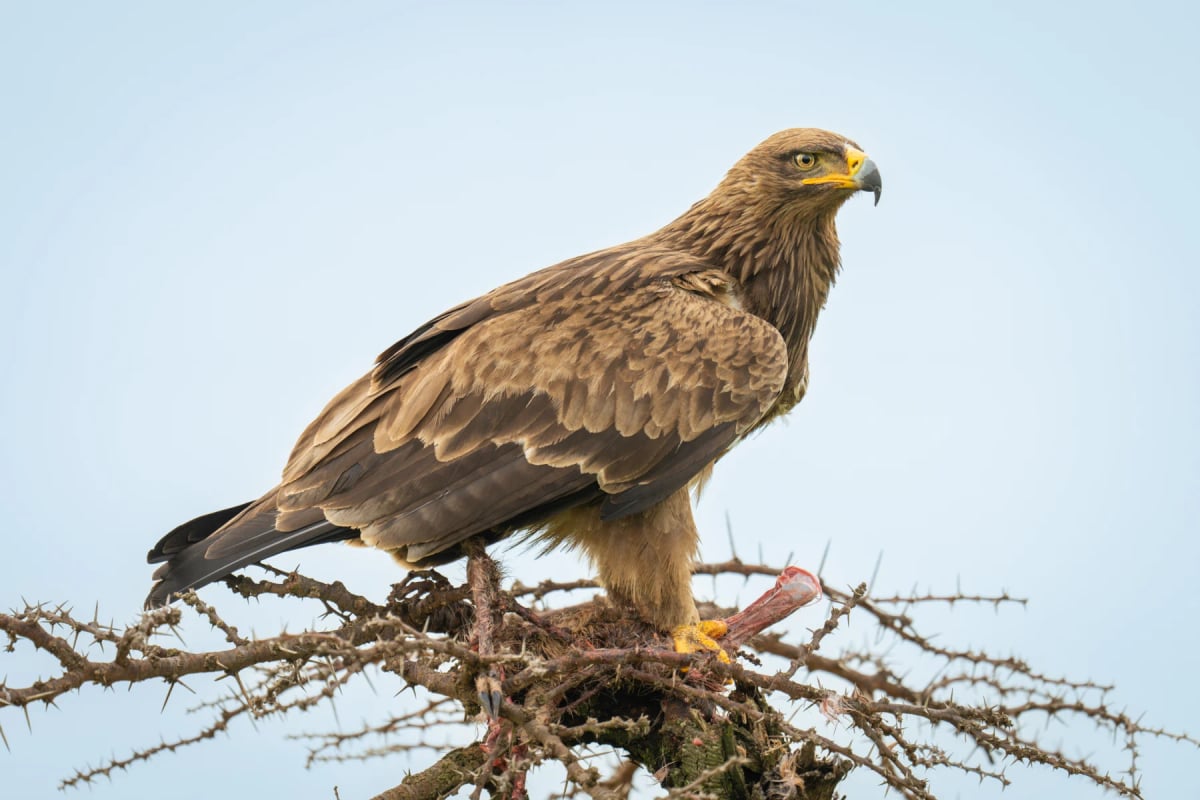
Steppe Eagle
Aquila nipalensis
Botswana's open savannas and semi-arid plains attract wintering Steppe Eagles from Central Asia each year. The Kalahari region and surrounding grasslands offer good conditions for foraging, and birds are sometimes seen in flocks near food sources such as termite emergences or carcasses. Botswana plays a meaningful role in supporting this Endangered species during the months it spends away from its breeding grounds far to the north.
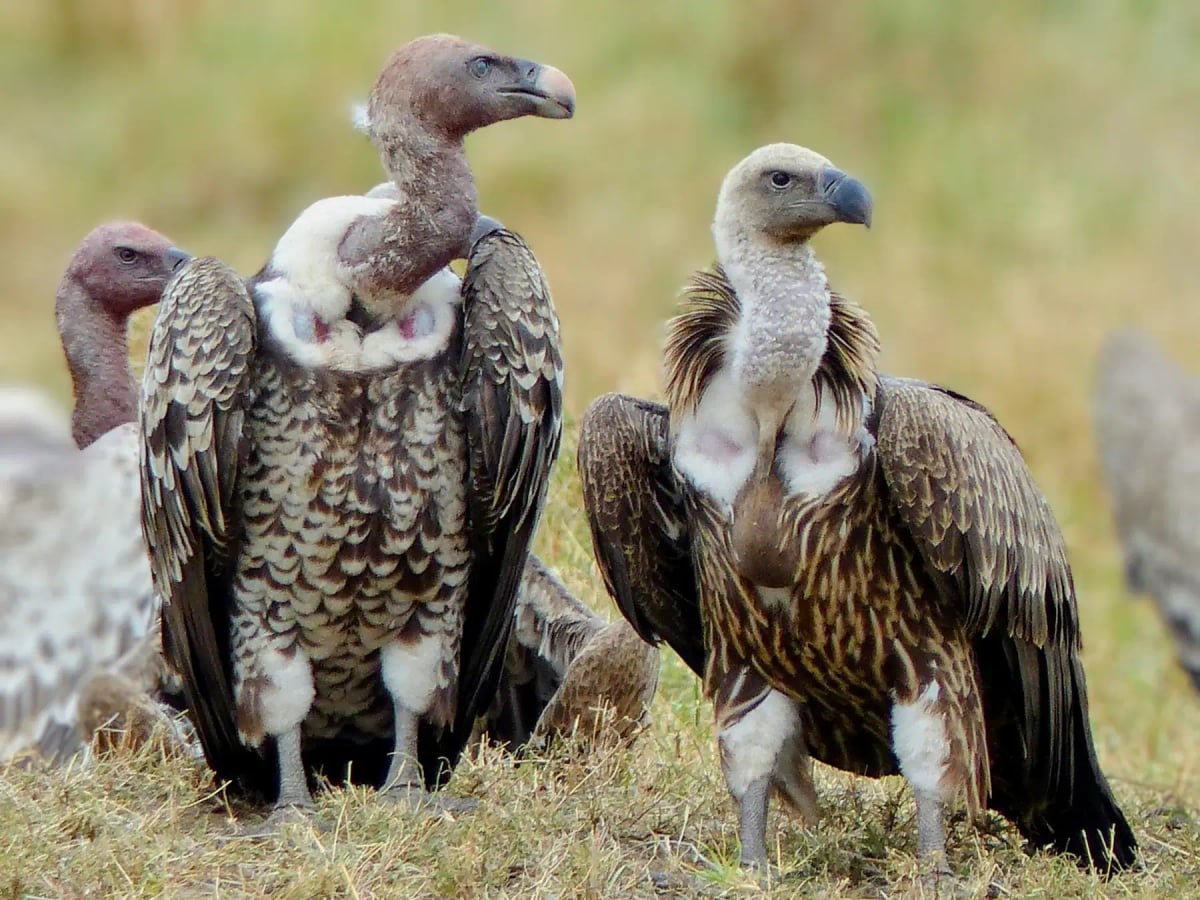
White backed Vulture
Gyps africanus
Botswana's Okavango Delta, Chobe National Park, and the Linyanti area hold some of the most important white backed vulture colonies in southern Africa. It is also where the species suffered one of its worst disasters: in June 2019, 468 white backed vultures died after feeding on poisoned elephants. In Linyanti, breeding pairs fell from 73 in 2007 to 22 in 2017. The species is Critically Endangered.
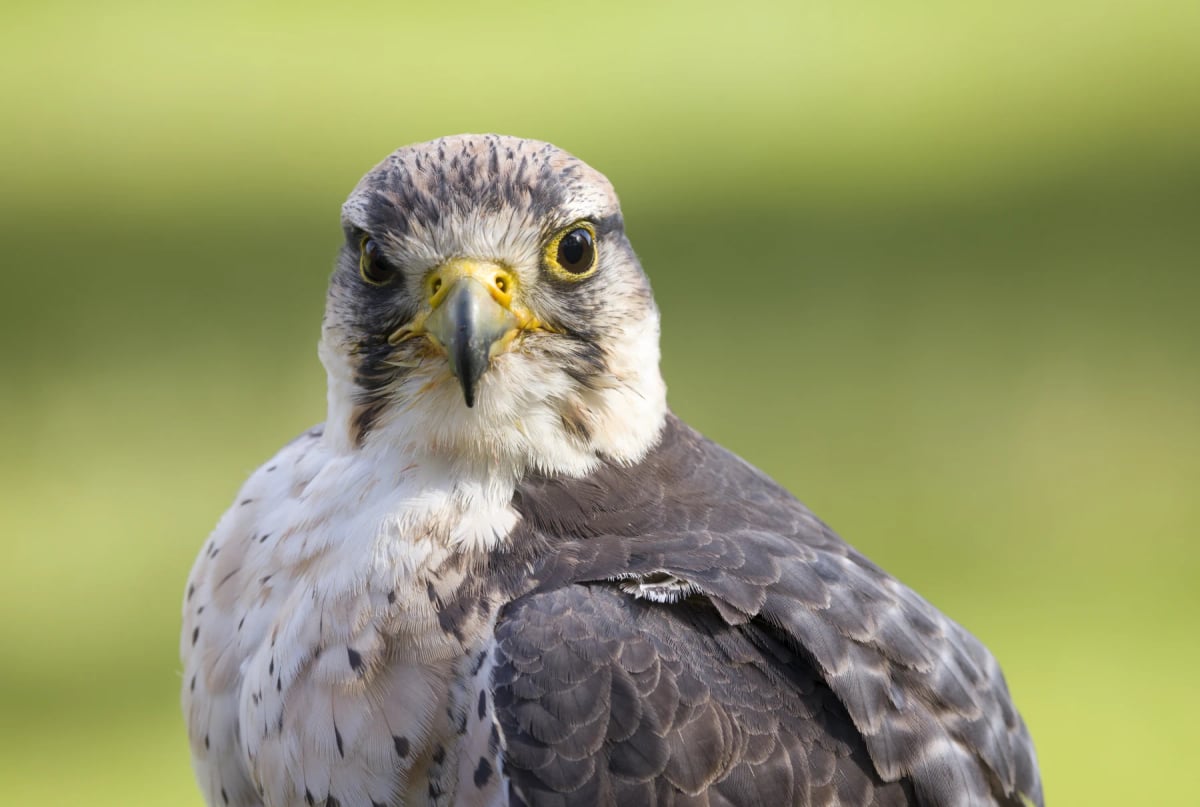
Lanner Falcon
Falco biarmicus
In Botswana, the lanner falcon is found across open and semi-arid habitats, including the edges of the Kalahari and areas around rocky outcrops in the east of the country. It is a year-round resident that hunts birds in coordinated pair flights and nests on cliff ledges or occasionally tall structures. The species benefits from the country's vast undisturbed savannas, though electrocution on power lines is a known risk for raptors here.
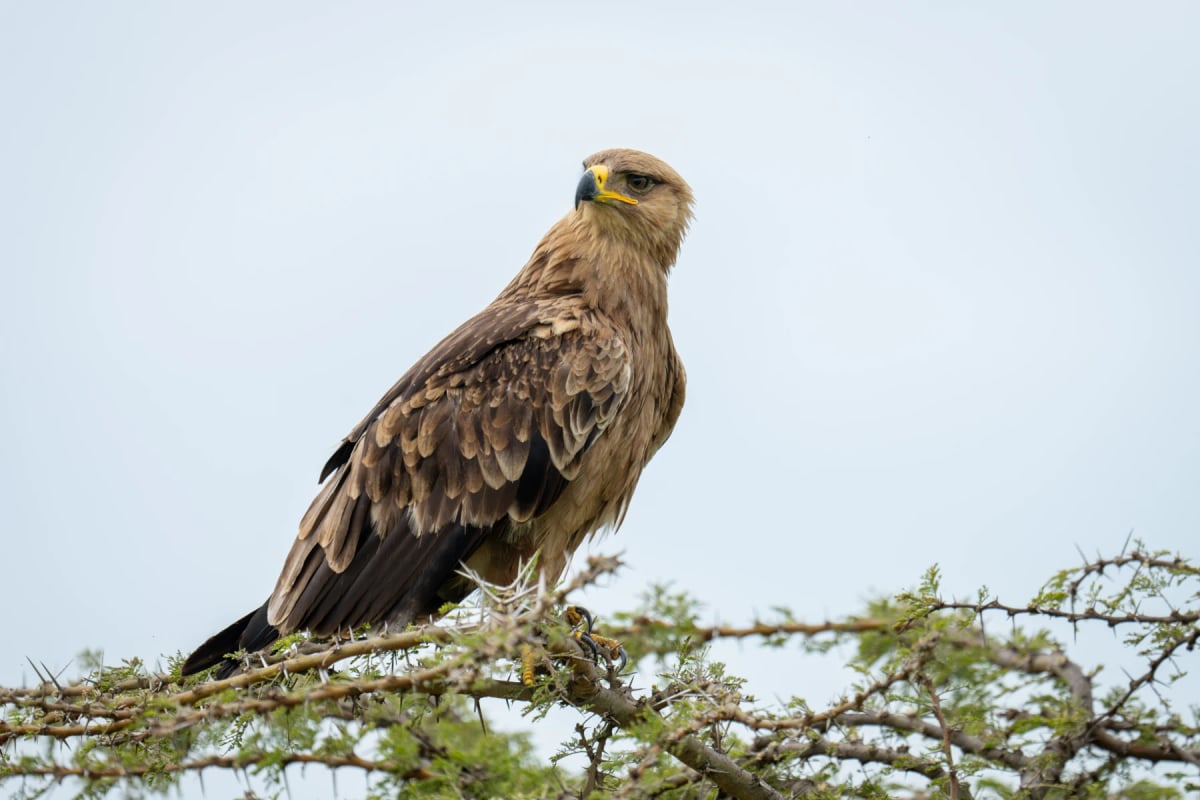
Tawny Eagle
Aquila rapax
Botswana's Kalahari and its surrounding savannas are strongholds for the tawny eagle in southern Africa. The bird soars over open terrain in search of small prey and carrion, and it regularly displaces smaller raptors from their catches. Electrocution on power lines and poisoning intended for other animals are known threats in the region. The IUCN lists it as Vulnerable.
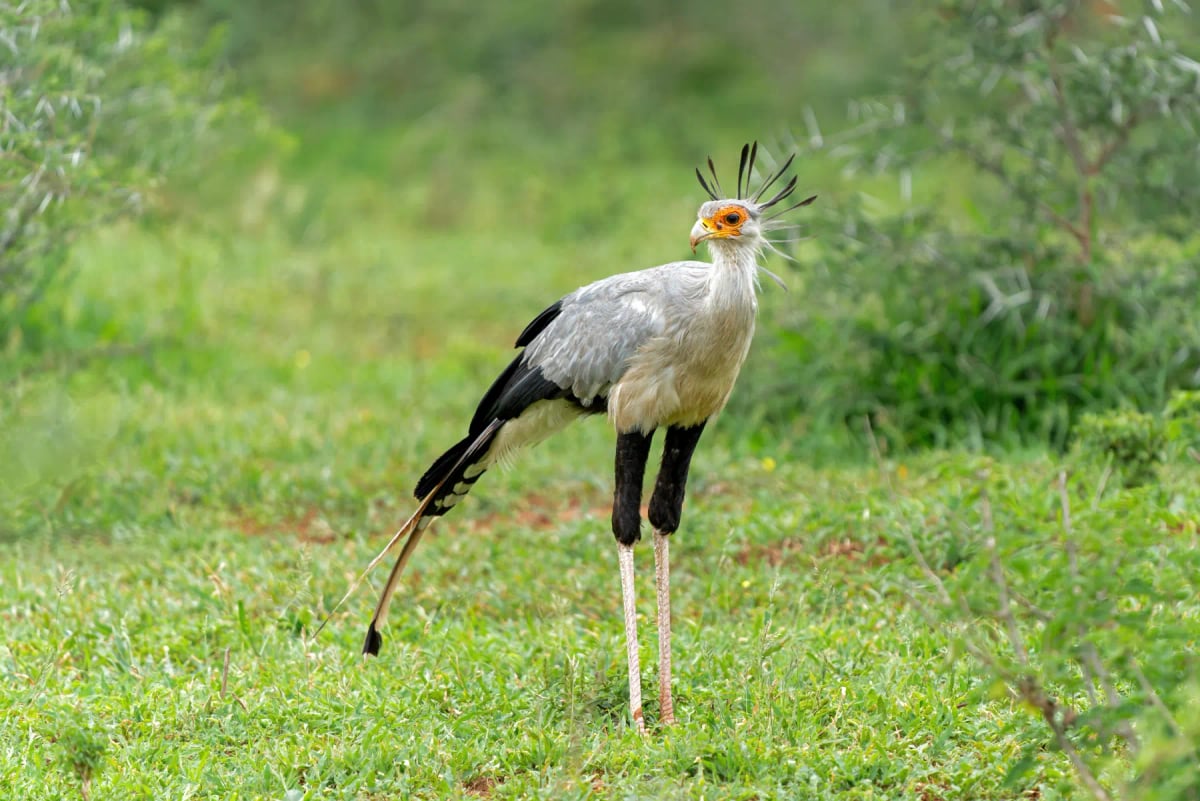
Secretary Bird
Sagittarius serpentarius
Botswana's sweeping grasslands and open savannas offer some of the best habitat for the secretary bird in southern Africa. It is regularly seen in the Kalahari and in areas surrounding the Okavango Delta. It hunts by stomping prey with tremendous force and pairs nest on flat-topped trees. Expanding agriculture and livestock farming threaten its open grassland habitat. The IUCN lists it as Endangered.
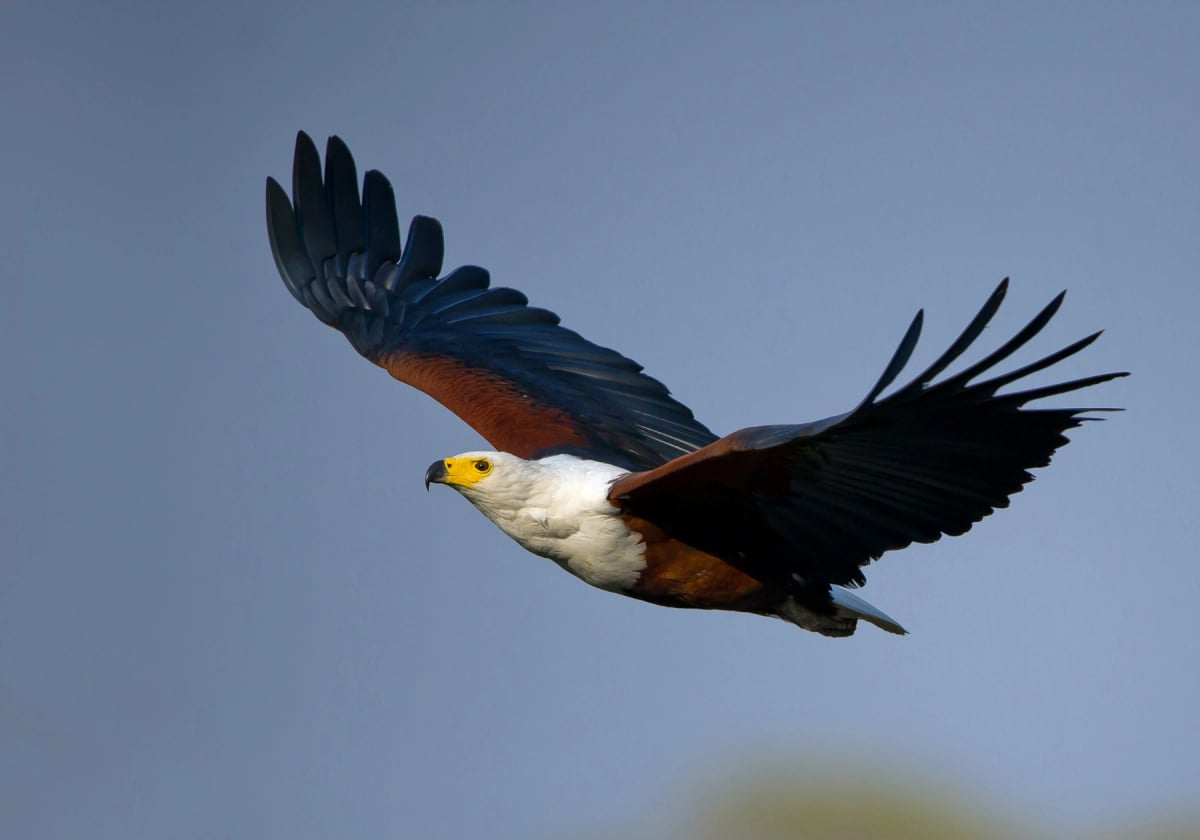
African Fish Eagle
Haliaeetus vocifer
Botswana is one of the best places in Africa to see the African fish eagle. The Okavango Delta supports a large and stable population, and the bird is also common along the Chobe River and the Linyanti wetlands in the north. It is a constant presence across the country's waterways, easily spotted perching on dead trees above open channels or calling loudly across the floodplains throughout the year.
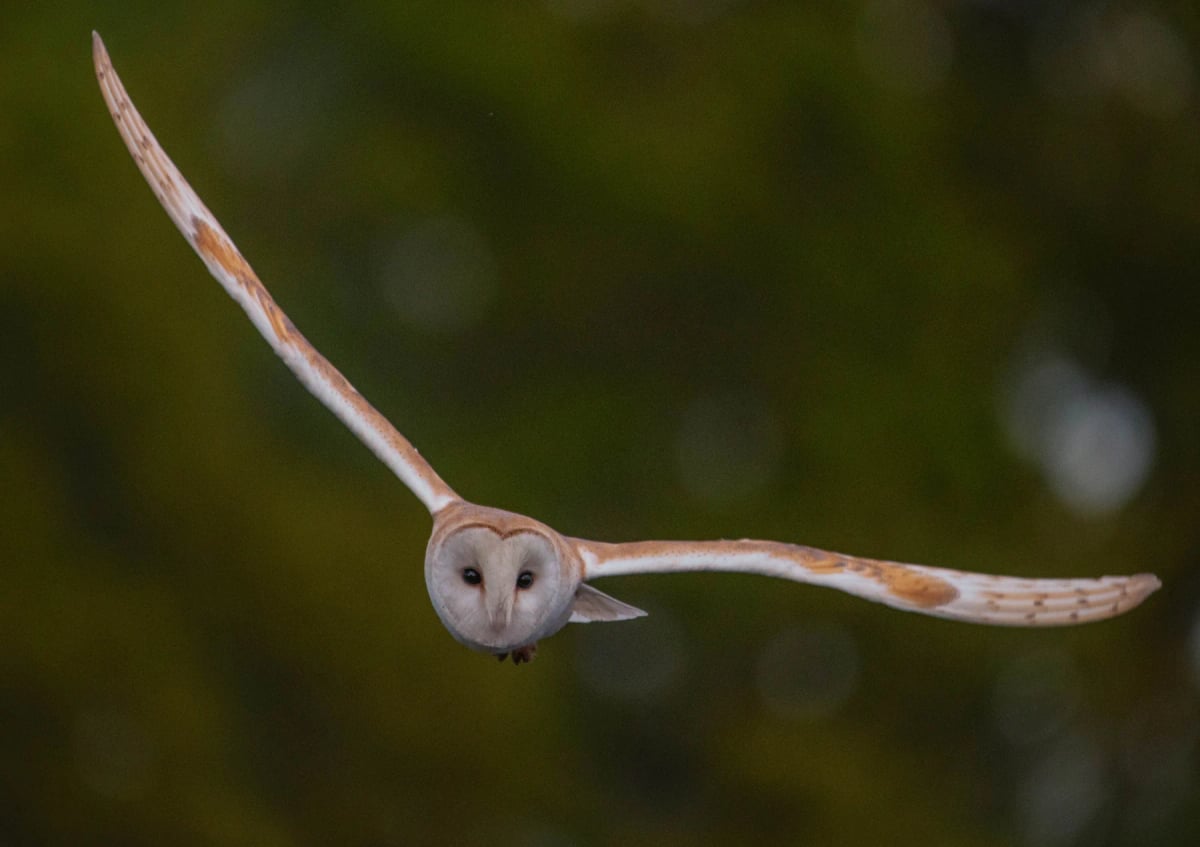
Barn Owl
Tyto alba
The barn owl is found throughout Botswana in open savanna, farmland, and the vicinity of human settlements. It nests in hollow trees, old buildings, and rocky outcrops, and hunts rodents and other small prey by sound in complete darkness. In agricultural areas it is a valuable natural controller of rodent populations. It is present across a wide range of Botswana's landscapes, from the Kalahari scrubland to the Okavango Delta fringes.
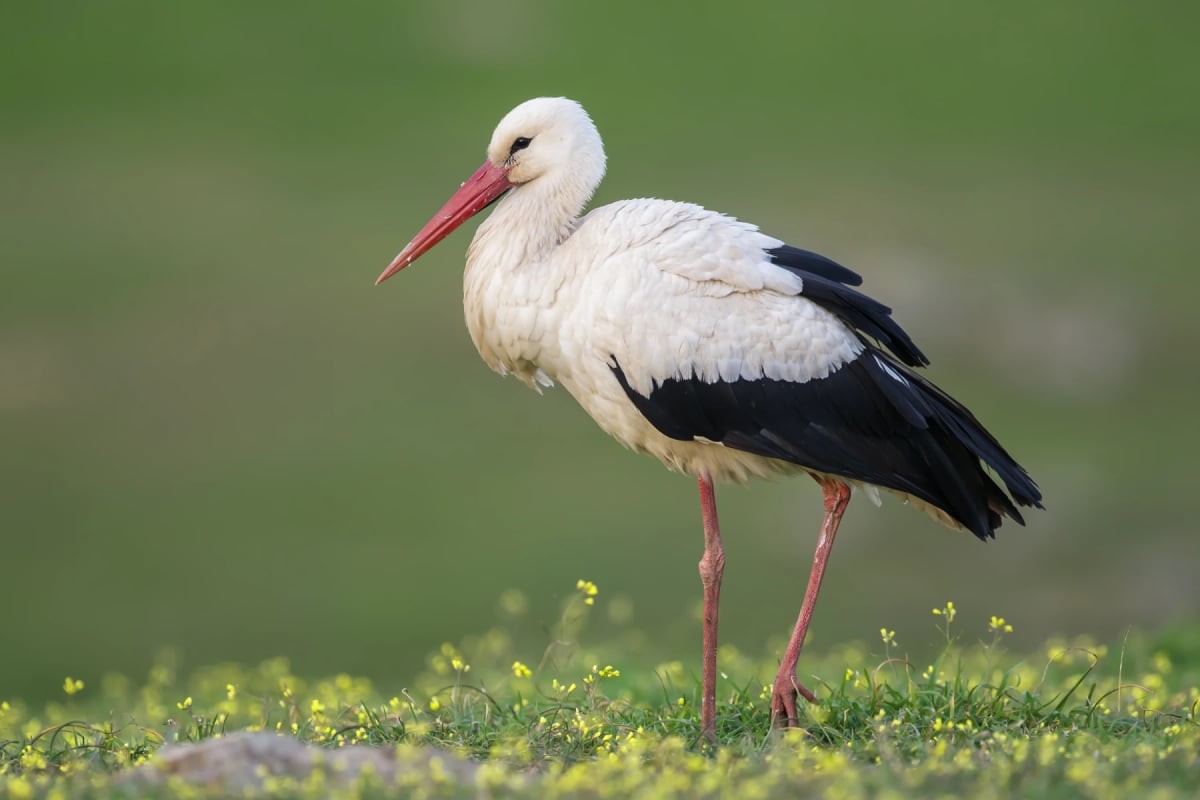
Stork
Ciconia ciconia
Botswana attracts large numbers of wintering white storks, particularly in the Okavango Delta and the open grasslands of the east. These birds arrive from the northern hemisphere and take advantage of the warm months to feed on locusts, grasshoppers, and other abundant prey. The Okavango's seasonal floods create ideal conditions for foraging. The IUCN lists the white stork as Least Concern.
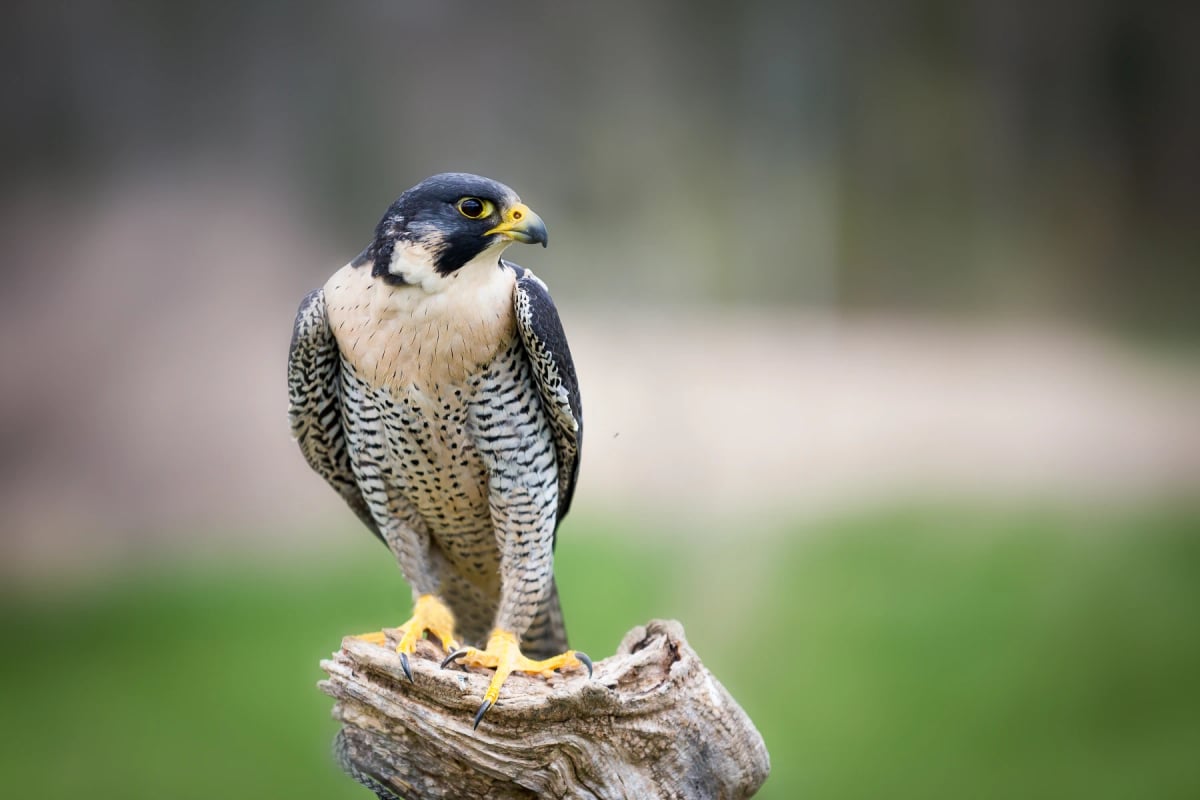
Peregrine Falcon
Falco peregrinus
In Botswana, the peregrine falcon is mainly a non-breeding visitor, appearing during the southern hemisphere summer when migrants from the northern hemisphere arrive. It can be spotted over the Okavango Delta, the Kalahari, and open savannas, hunting birds in fast aerial pursuits. The vast open landscapes of Botswana suit its hunting style perfectly, giving it wide, unobstructed skies to reach its extraordinary speeds. IUCN status: Least Concern.
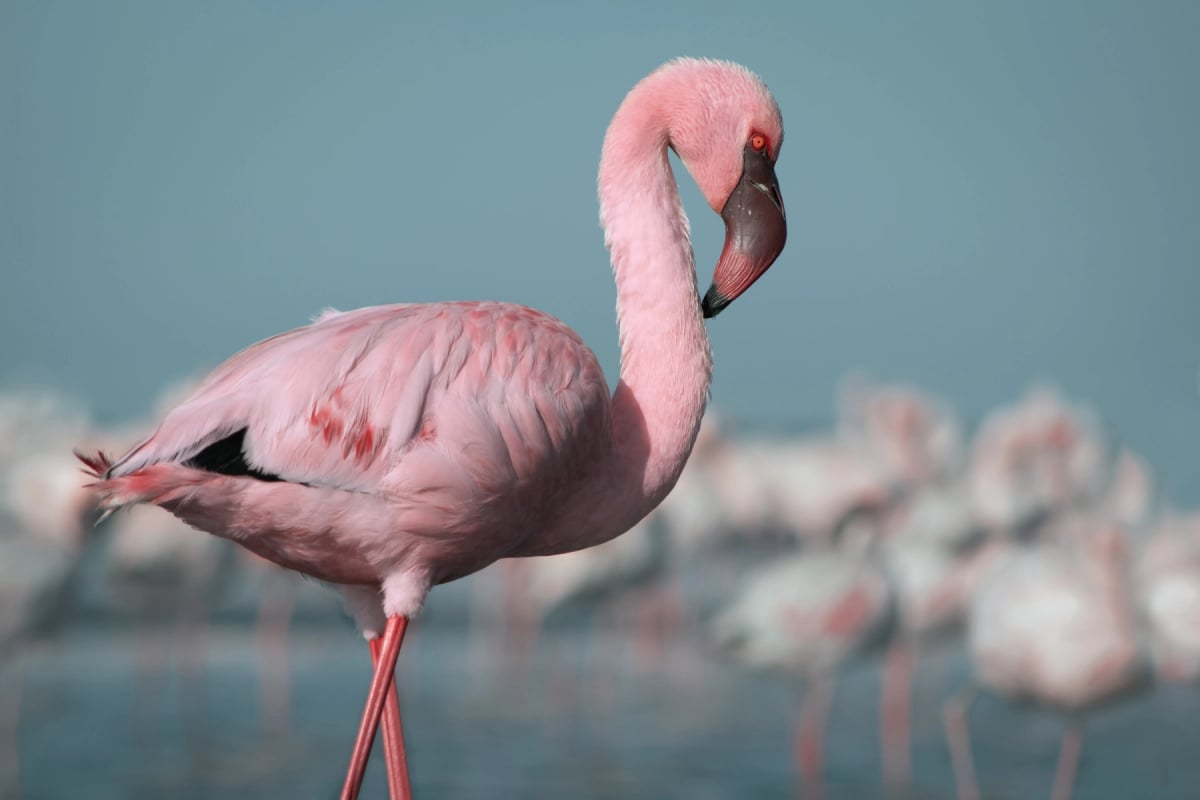
Flamingo
Phoenicopteridae (6 species)
In Botswana, lesser flamingos and greater flamingos appear seasonally at the Makgadikgadi Pans, a vast complex of salt flats in the northeast of the country. When seasonal rains flood the pans, the shallow brackish water draws flamingos in large flocks to feed on algae and small invertebrates. The number of birds visiting varies greatly from year to year depending on rainfall. The lesser flamingo is listed as Near Threatened by the IUCN.
Researched and written by Juan Pablo. Sources: IUCN Red List, scientific literature and regional field guides. Last updated: .