NENiger

Animals in Niger

Dama Gazelle
National animal
NENiger

Dama Gazelle

Nanger dama

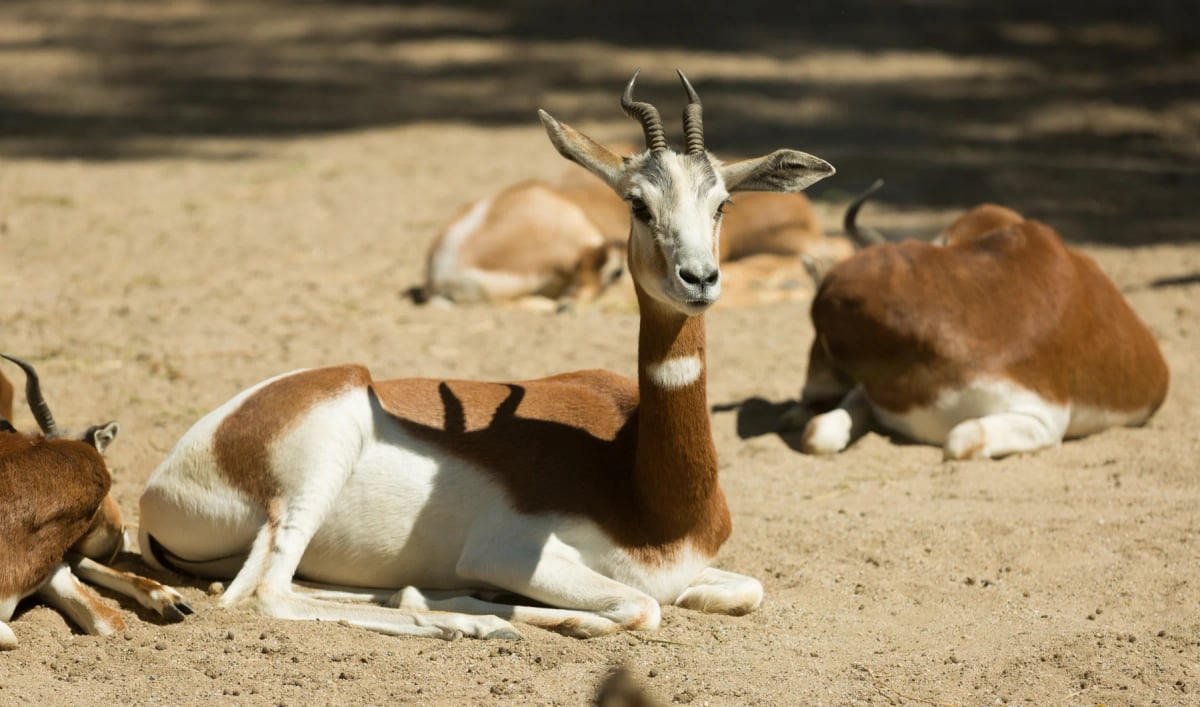
The dama gazelle, Niger’s national animal, represents grace and perseverance in one of Africa’s driest regions. It lives in open Sahel landscapes, where its small numbers depend on protection and awareness. Its elegance and fragility remind people of the importance of conserving endangered wildlife across the desert.

View details→
Dama Gazelle
National animal
NENiger

Dama Gazelle

Nanger dama

The dama gazelle, Niger’s national animal, represents grace and perseverance in one of Africa’s driest regions. It lives in open Sahel landscapes, where its small numbers depend on protection and awareness. Its elegance and fragility remind people of the importance of conserving endangered wildlife across the desert.

View details→

Wildlife in Niger

Niger’s wildlife lives between the sands of the Sahara and the grasslands of the Sahel. Giraffes, cheetahs, fennec foxes and dromedary camels travel across plains shaped by wind and drought. Their ability to survive extreme heat and limited water shows the resilience of desert and savanna species in this challenging environment.

National Animal of Niger

The dama gazelle, Niger’s national animal, represents grace and perseverance in one of Africa’s driest regions. It lives in open Sahel landscapes, where its small numbers depend on protection and awareness. Its elegance and fragility remind people of the importance of conserving endangered wildlife across the desert.

Most Dangerous Animals in Niger

Wildlife in Niger is generally calm but deserves respect. Large animals like giraffes or dromedaries can react unpredictably if disturbed, while cheetahs and fennec foxes should be observed from afar. Awareness and distance allow visitors to enjoy nature safely and protect these species from stress or harm.

Top 10 Animals in Niger

Among Niger’s most emblematic animals are giraffes, cheetahs, fennec foxes, dromedary camels and dama gazelles. Each represents a part of the country’s ecological diversity, from desert dunes to open plains. Their survival under harsh conditions makes Niger vital for conserving Sahel and Sahara wildlife.
African Elephant

African Elephant

Loxodonta africana

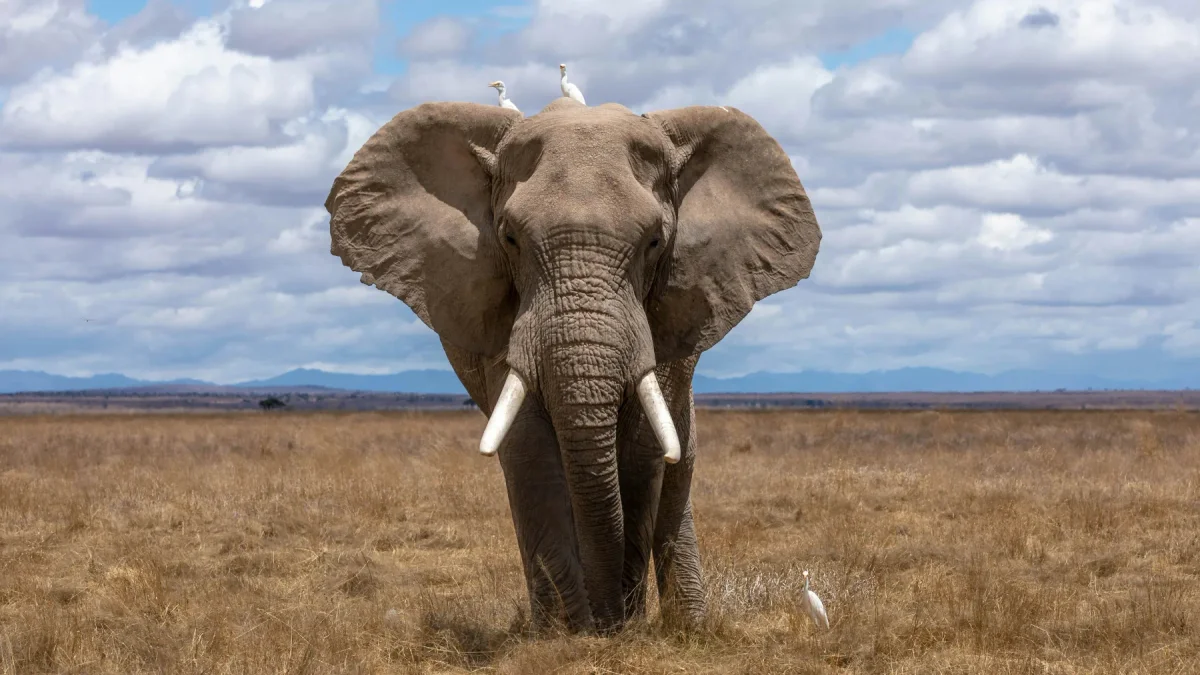
Niger's elephants live primarily in W National Park in the southwest, a UNESCO World Heritage Site shared with Benin and Burkina Faso. This park is the anchor of the WAP complex and holds the most significant elephant population in the entire region. The animals move seasonally across all three countries following water and vegetation. Despite existing in one of the world's most resource-limited countries, W Park remains a functional refuge for West Africa's savanna elephants.
EndangeredView more details & photos→
African Elephant

African Elephant

Loxodonta africana

Niger's elephants live primarily in W National Park in the southwest, a UNESCO World Heritage Site shared with Benin and Burkina Faso. This park is the anchor of the WAP complex and holds the most significant elephant population in the entire region. The animals move seasonally across all three countries following water and vegetation. Despite existing in one of the world's most resource-limited countries, W Park remains a functional refuge for West Africa's savanna elephants.

EndangeredView more details & photos→
Buffalo

Buffalo

Syncerus caffer

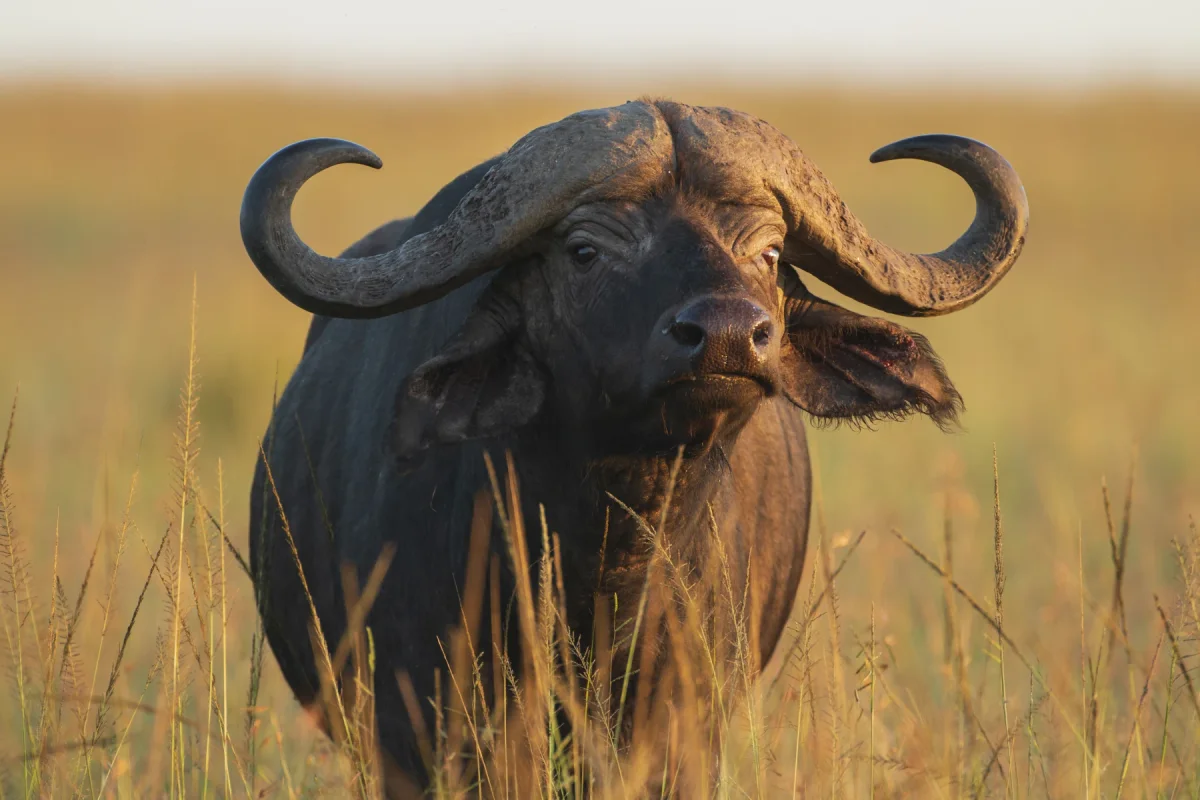
The African buffalo has a very limited presence in Niger, with sightings historically recorded in the W National Park in the southwest, part of the transboundary W-Arly-Pendjari complex shared with Benin and Burkina Faso. This protected area represents one of the last refuges for large mammals in the region. Populations are small and vulnerable to poaching and the encroachment of agricultural activity. IUCN status: Least Concern.
Least ConcernView more details & photos→
Buffalo

Buffalo

Syncerus caffer

The African buffalo has a very limited presence in Niger, with sightings historically recorded in the W National Park in the southwest, part of the transboundary W-Arly-Pendjari complex shared with Benin and Burkina Faso. This protected area represents one of the last refuges for large mammals in the region. Populations are small and vulnerable to poaching and the encroachment of agricultural activity. IUCN status: Least Concern.

Least ConcernView more details & photos→
Cheetah

Cheetah

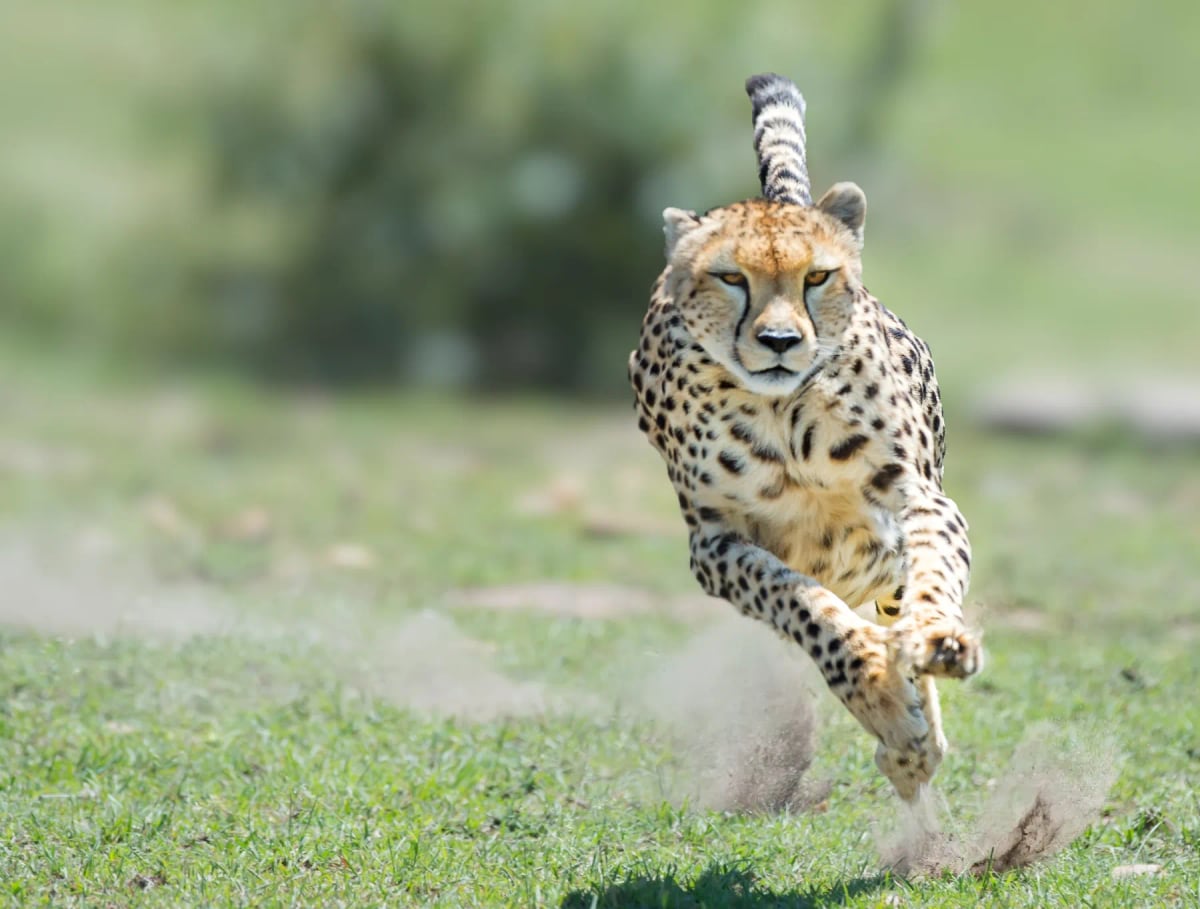
Acinonyx jubatus

In Niger, cheetahs are associated with the Saharan and Sahelian zones, including the Air and Ténéré region in the north. Populations are extremely sparse and face severe threats from poaching, prey depletion, and the harsh conditions of a landscape altered by drought and desertification. Niger's cheetahs represent a critically isolated group at the edge of the species' range in West Africa.
VulnerableView more details & photos→
Cheetah

Cheetah

Acinonyx jubatus

In Niger, cheetahs are associated with the Saharan and Sahelian zones, including the Air and Ténéré region in the north. Populations are extremely sparse and face severe threats from poaching, prey depletion, and the harsh conditions of a landscape altered by drought and desertification. Niger's cheetahs represent a critically isolated group at the edge of the species' range in West Africa.

VulnerableView more details & photos→
Fennec Fox

Fennec Fox

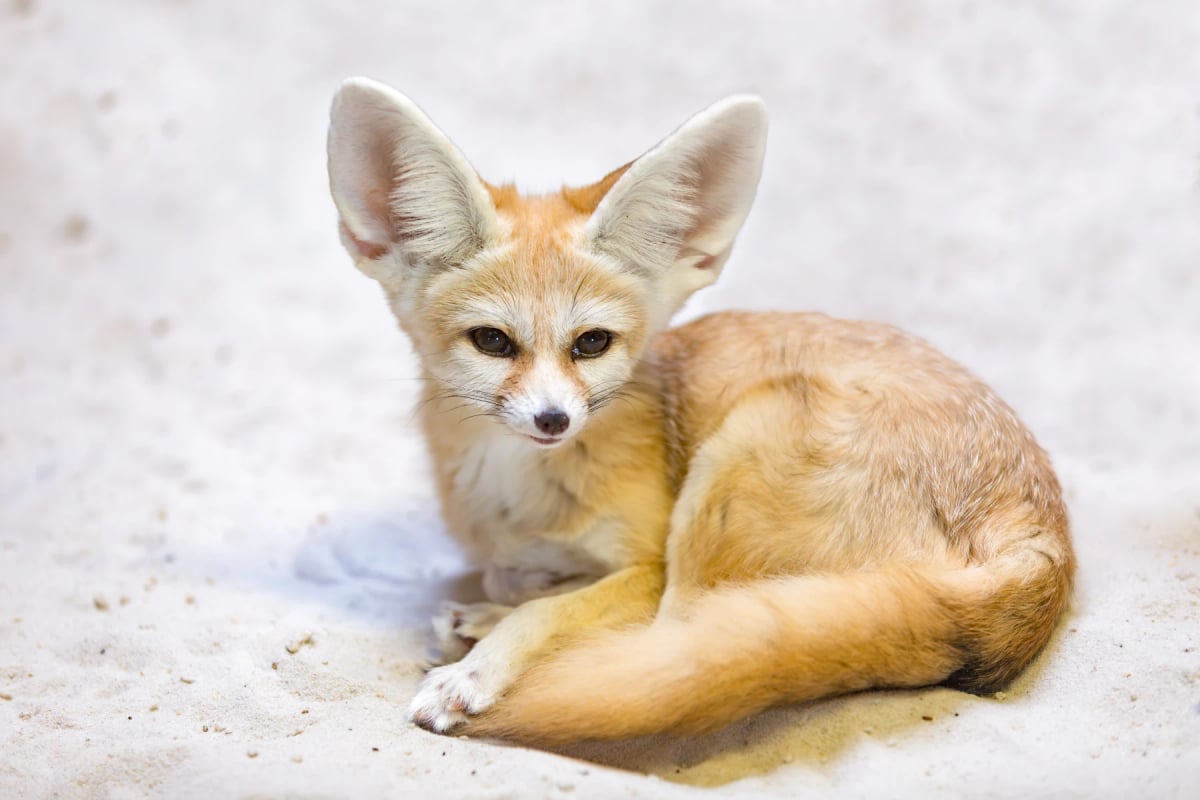
Vulpes zerda

The fennec fox is found across the Saharan north of Niger, including the Aïr Mountains and the Ténéré desert, one of the most remote and arid landscapes in the world. It thrives in sandy terrain where it digs burrows to shelter from the heat. Niger's vast desert provides the kind of undisturbed habitat where fennec populations remain stable.
Least ConcernView more details & photos→
Fennec Fox

Fennec Fox

Vulpes zerda

The fennec fox is found across the Saharan north of Niger, including the Aïr Mountains and the Ténéré desert, one of the most remote and arid landscapes in the world. It thrives in sandy terrain where it digs burrows to shelter from the heat. Niger's vast desert provides the kind of undisturbed habitat where fennec populations remain stable.

Least ConcernView more details & photos→
Hippopotamus

Hippopotamus

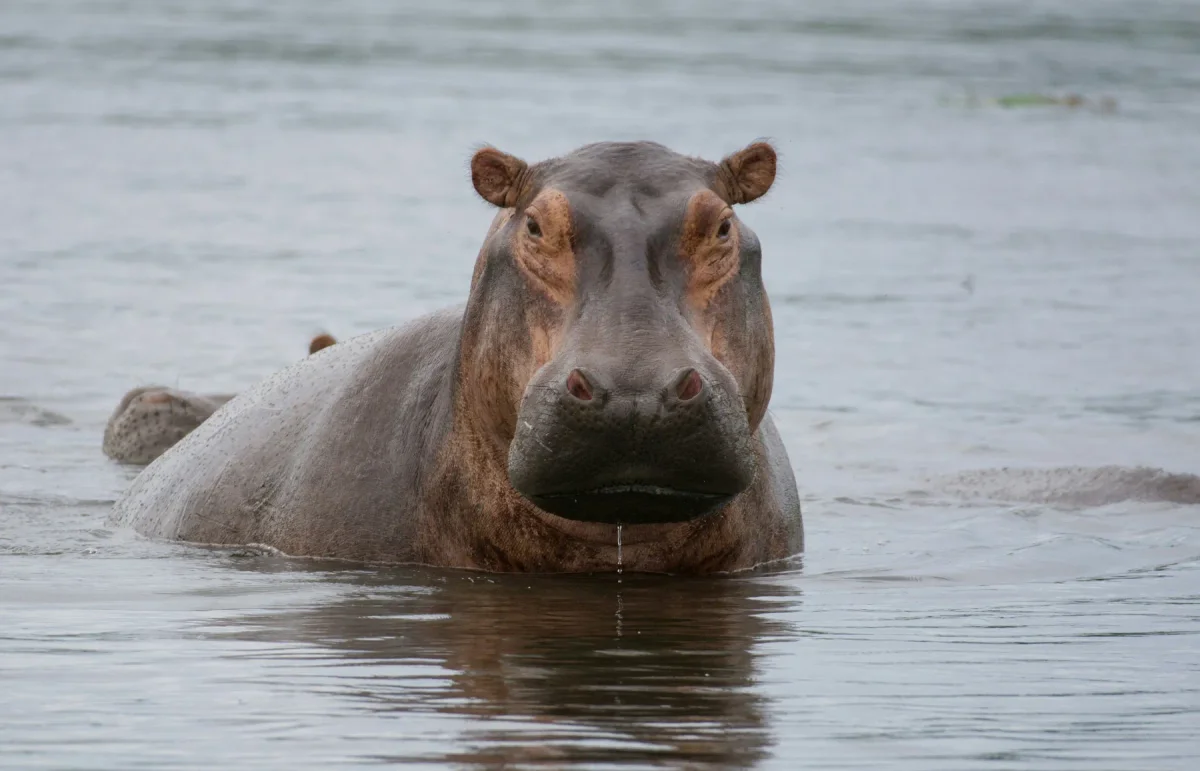
Hippopotamus amphibius

Niger's hippo population is centered on the Niger River, particularly around the W National Park area near the borders with Benin and Burkina Faso. This transboundary park provides some of the most important protection for hippos in the region. Outside protected areas, they face pressure from agricultural expansion and competition for water resources. The IUCN lists the hippopotamus as Vulnerable.
VulnerableView more details & photos→
Hippopotamus

Hippopotamus

Hippopotamus amphibius

Niger's hippo population is centered on the Niger River, particularly around the W National Park area near the borders with Benin and Burkina Faso. This transboundary park provides some of the most important protection for hippos in the region. Outside protected areas, they face pressure from agricultural expansion and competition for water resources. The IUCN lists the hippopotamus as Vulnerable.

VulnerableView more details & photos→
Spotted Hyena

Spotted Hyena

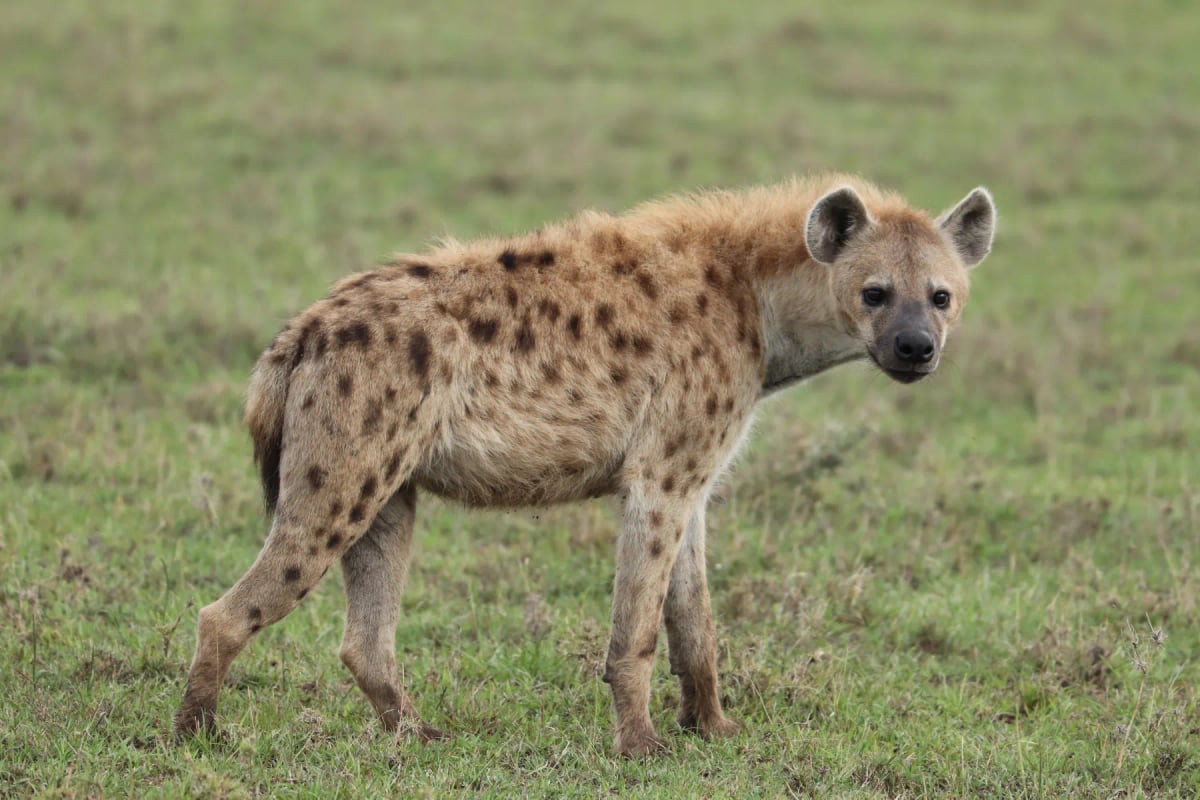
Crocuta crocuta

Spotted hyenas in Niger are concentrated in the southern regions, particularly around the W National Park, a protected area shared with Benin and Burkina Faso. This transboundary park shelters one of West Africa's more significant populations of large carnivores. Outside protected areas, hyenas face pressure from habitat degradation and conflict with farming and herding communities across the Sahel.
Least ConcernView more details & photos→
Spotted Hyena

Spotted Hyena

Crocuta crocuta

Spotted hyenas in Niger are concentrated in the southern regions, particularly around the W National Park, a protected area shared with Benin and Burkina Faso. This transboundary park shelters one of West Africa's more significant populations of large carnivores. Outside protected areas, hyenas face pressure from habitat degradation and conflict with farming and herding communities across the Sahel.

Least ConcernView more details & photos→
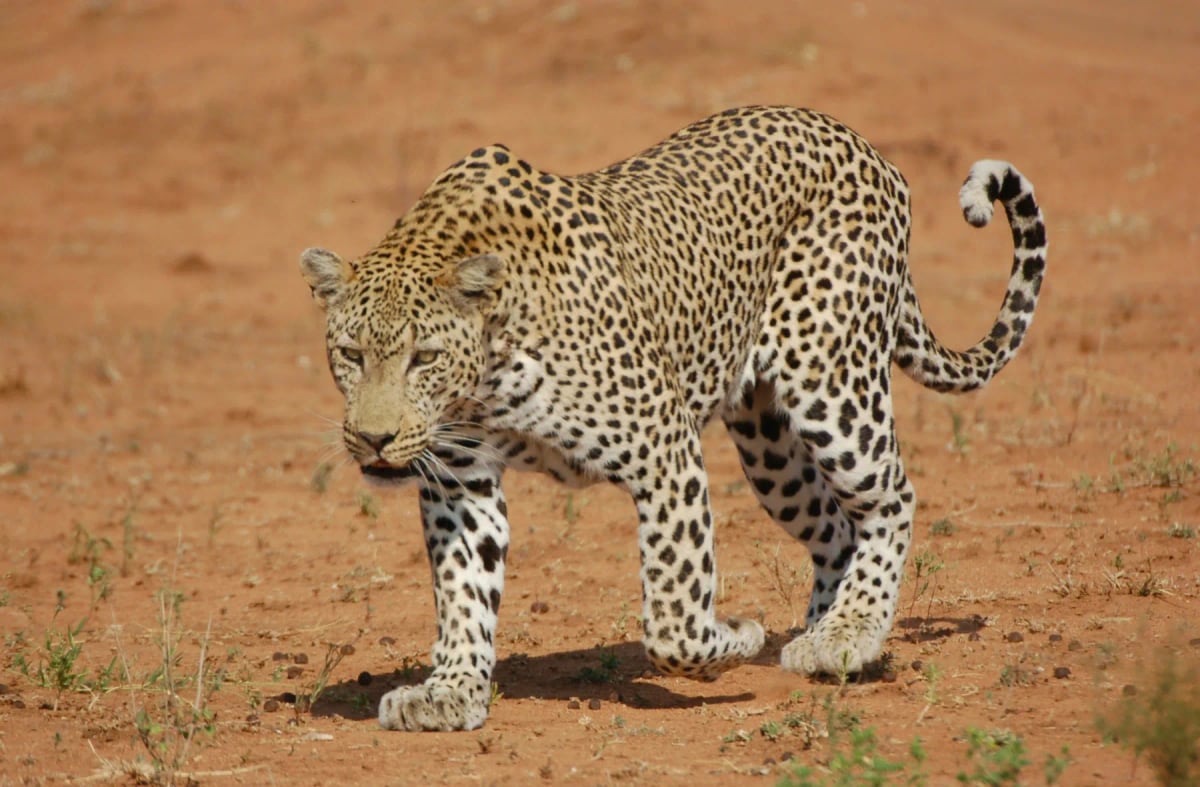
Leopard

Leopard

Panthera pardus

In Niger, leopards inhabit the southern regions, particularly around the W National Park and the Aïr Mountains in the north. These landscapes of savanna and rocky terrain provide the cover leopards depend on. Populations here face serious pressure from habitat loss and conflict with herders protecting their livestock. The species is listed as Vulnerable, and sightings outside protected areas have become increasingly rare in recent decades.
VulnerableView more details & photos→
Leopard

Leopard

Panthera pardus

In Niger, leopards inhabit the southern regions, particularly around the W National Park and the Aïr Mountains in the north. These landscapes of savanna and rocky terrain provide the cover leopards depend on. Populations here face serious pressure from habitat loss and conflict with herders protecting their livestock. The species is listed as Vulnerable, and sightings outside protected areas have become increasingly rare in recent decades.

VulnerableView more details & photos→
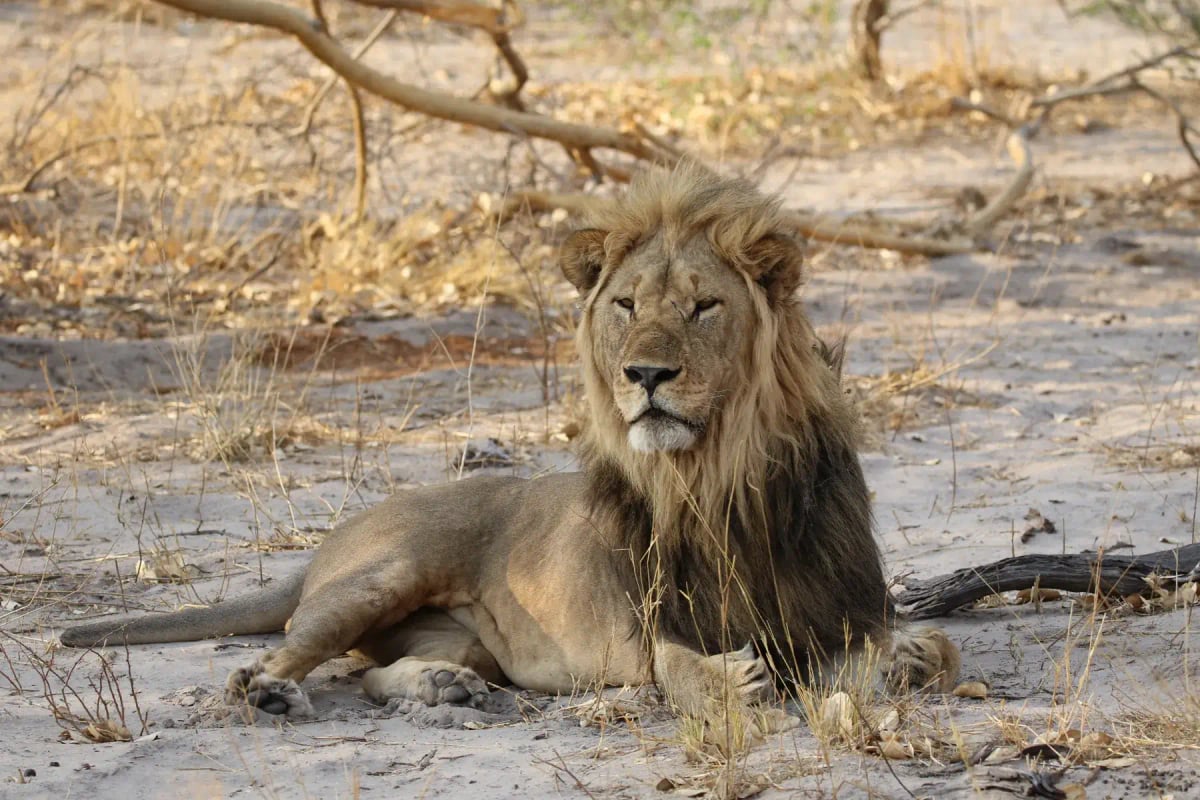
Lion

Lion

Panthera leo

In Niger, lions are found mainly in the W National Park in the southwest, part of the transboundary W-Arly-Pendjari ecosystem. This area holds one of the last lion populations in West Africa and is considered critical for the species' survival in the region. Outside protected areas, lions have largely disappeared from the country due to habitat loss and human pressure.
VulnerableView more details & photos→
Lion

Lion

Panthera leo

In Niger, lions are found mainly in the W National Park in the southwest, part of the transboundary W-Arly-Pendjari ecosystem. This area holds one of the last lion populations in West Africa and is considered critical for the species' survival in the region. Outside protected areas, lions have largely disappeared from the country due to habitat loss and human pressure.

VulnerableView more details & photos→
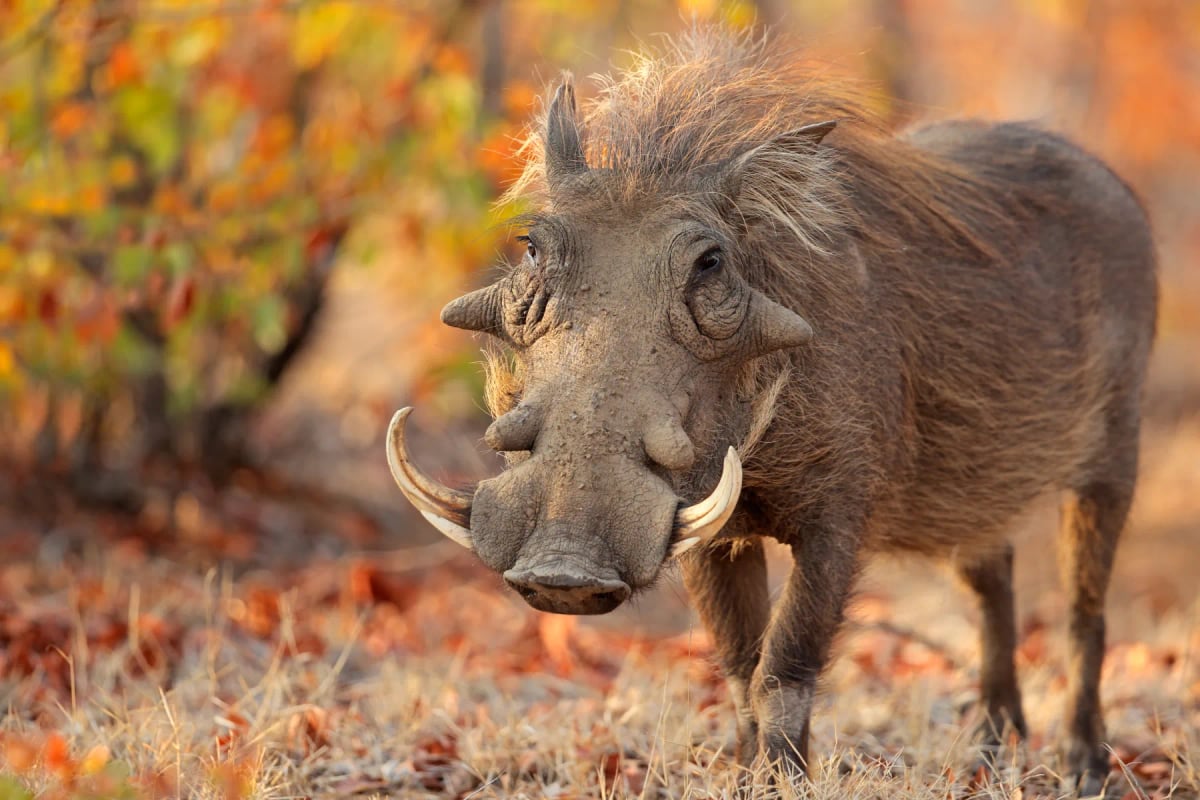
Warthog

Warthog

Phacochoerus africanus

In Niger, warthogs are found in the southern savanna belt, including within the W National Park, a protected area shared with Burkina Faso and Benin. This park represents one of the most important strongholds for wildlife in the region. Warthogs here navigate a landscape of dry woodland and seasonal grassland, feeding on roots and grasses. Populations remain stable within protected zones. IUCN status: Least Concern.
Least ConcernView more details & photos→
Warthog

Warthog

Phacochoerus africanus

In Niger, warthogs are found in the southern savanna belt, including within the W National Park, a protected area shared with Burkina Faso and Benin. This park represents one of the most important strongholds for wildlife in the region. Warthogs here navigate a landscape of dry woodland and seasonal grassland, feeding on roots and grasses. Populations remain stable within protected zones. IUCN status: Least Concern.

Least ConcernView more details & photos→
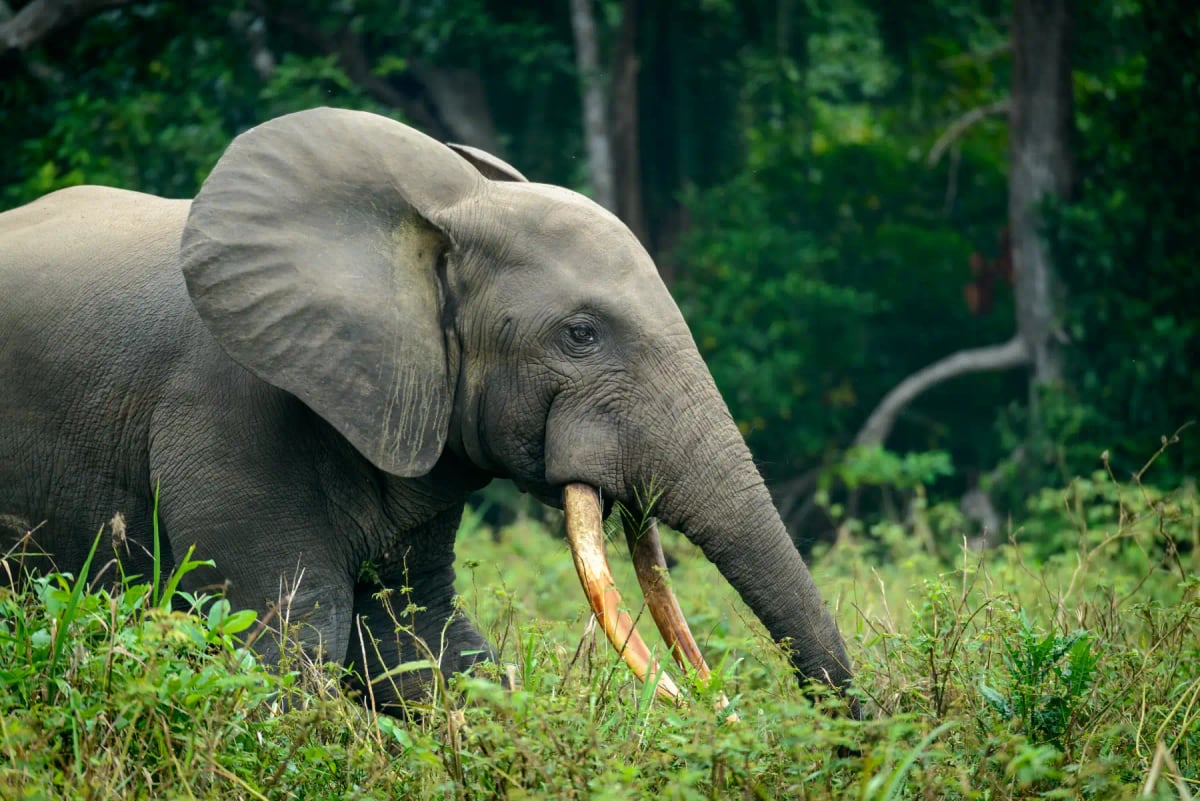
African Forest Elephant

African Forest Elephant

Loxodonta cyclotis

Niger's forest elephant population is restricted to the extreme southwest of the country, within the W National Park, which forms part of the transboundary W-Arli-Pendjari complex shared with Benin and Burkina Faso. These elephants move freely across borders and live in savanna woodland rather than dense rainforest. The population in Niger is small and part of a broader transboundary group. The W National Park is a UNESCO World Heritage Site and the main conservation anchor for elephants in this part of West Africa.

Critically EndangeredView more details & photos→
African Forest Elephant

African Forest Elephant

Loxodonta cyclotis

Niger's forest elephant population is restricted to the extreme southwest of the country, within the W National Park, which forms part of the transboundary W-Arli-Pendjari complex shared with Benin and Burkina Faso. These elephants move freely across borders and live in savanna woodland rather than dense rainforest. The population in Niger is small and part of a broader transboundary group. The W National Park is a UNESCO World Heritage Site and the main conservation anchor for elephants in this part of West Africa.

Critically EndangeredView more details & photos→
Dama Gazelle

Dama Gazelle

Nanger dama

Niger holds one of the last known wild populations of the dama gazelle, found mainly in the Termit and Tin Toumma region in the east of the country. This vast desert and semidesert landscape offers the sparse vegetation the gazelle depends on for food and moisture. Conservation patrols and international breeding programs are now essential to prevent the total disappearance of the species from Niger.
Critically EndangeredView more details & photos→
Dama Gazelle

Dama Gazelle

Nanger dama

Niger holds one of the last known wild populations of the dama gazelle, found mainly in the Termit and Tin Toumma region in the east of the country. This vast desert and semidesert landscape offers the sparse vegetation the gazelle depends on for food and moisture. Conservation patrols and international breeding programs are now essential to prevent the total disappearance of the species from Niger.

Critically EndangeredView more details & photos→
Dromedary Camel

Dromedary Camel

Camelus dromedarius

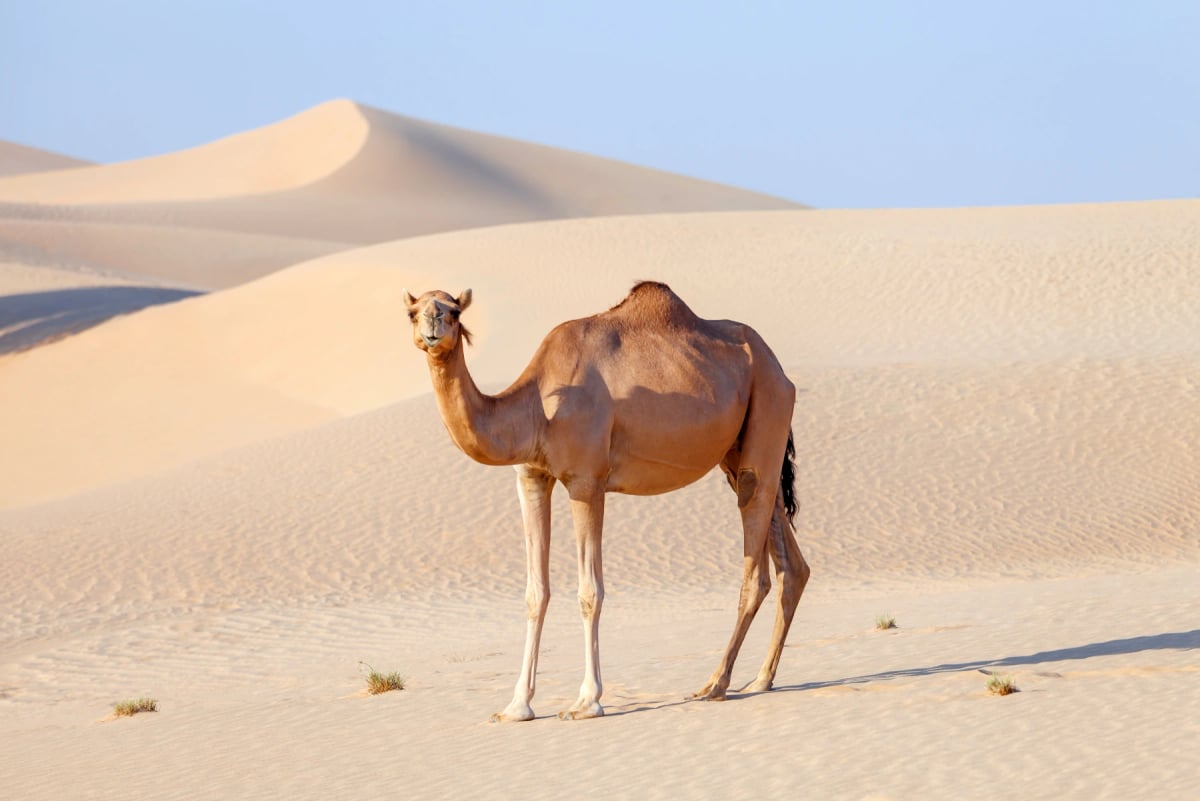
In Niger, dromedary camels are essential to the Tuareg and Toubou peoples of the Saharan north, including the rugged Air Mountains and the Tenere Desert, one of the most remote places in the Sahara. These animals carry goods, people, and water across terrain where no other form of transport is reliable. Camel caravans connecting isolated communities remain an important part of life in this landlocked country.
View more details & photos→
Dromedary Camel

Dromedary Camel

Camelus dromedarius

In Niger, dromedary camels are essential to the Tuareg and Toubou peoples of the Saharan north, including the rugged Air Mountains and the Tenere Desert, one of the most remote places in the Sahara. These animals carry goods, people, and water across terrain where no other form of transport is reliable. Camel caravans connecting isolated communities remain an important part of life in this landlocked country.

View more details & photos→
Caracal

Caracal

Caracal caracal

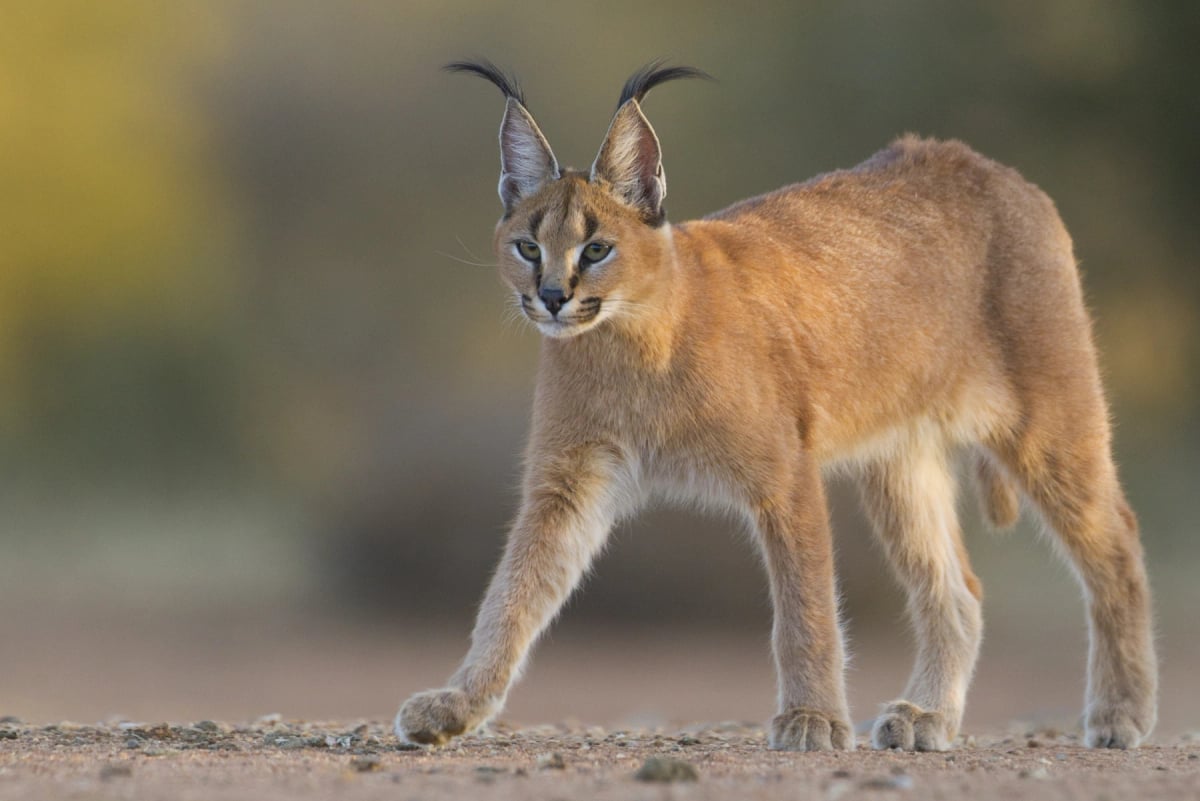
In Niger, the caracal is found across Sahelian scrubland and the semi-arid savanna of the south, with sightings also recorded in the Air Mountains in the north. It preys on rodents, hares, and ground-dwelling birds, adapting well to harsh, dry conditions. Ongoing desertification and increasing human encroachment into wild areas reduce the habitat available to this cat. The IUCN lists the caracal as Least Concern globally.
Least ConcernView more details & photos→
Caracal

Caracal

Caracal caracal

In Niger, the caracal is found across Sahelian scrubland and the semi-arid savanna of the south, with sightings also recorded in the Air Mountains in the north. It preys on rodents, hares, and ground-dwelling birds, adapting well to harsh, dry conditions. Ongoing desertification and increasing human encroachment into wild areas reduce the habitat available to this cat. The IUCN lists the caracal as Least Concern globally.

Least ConcernView more details & photos→
Serval

Serval

Leptailurus serval

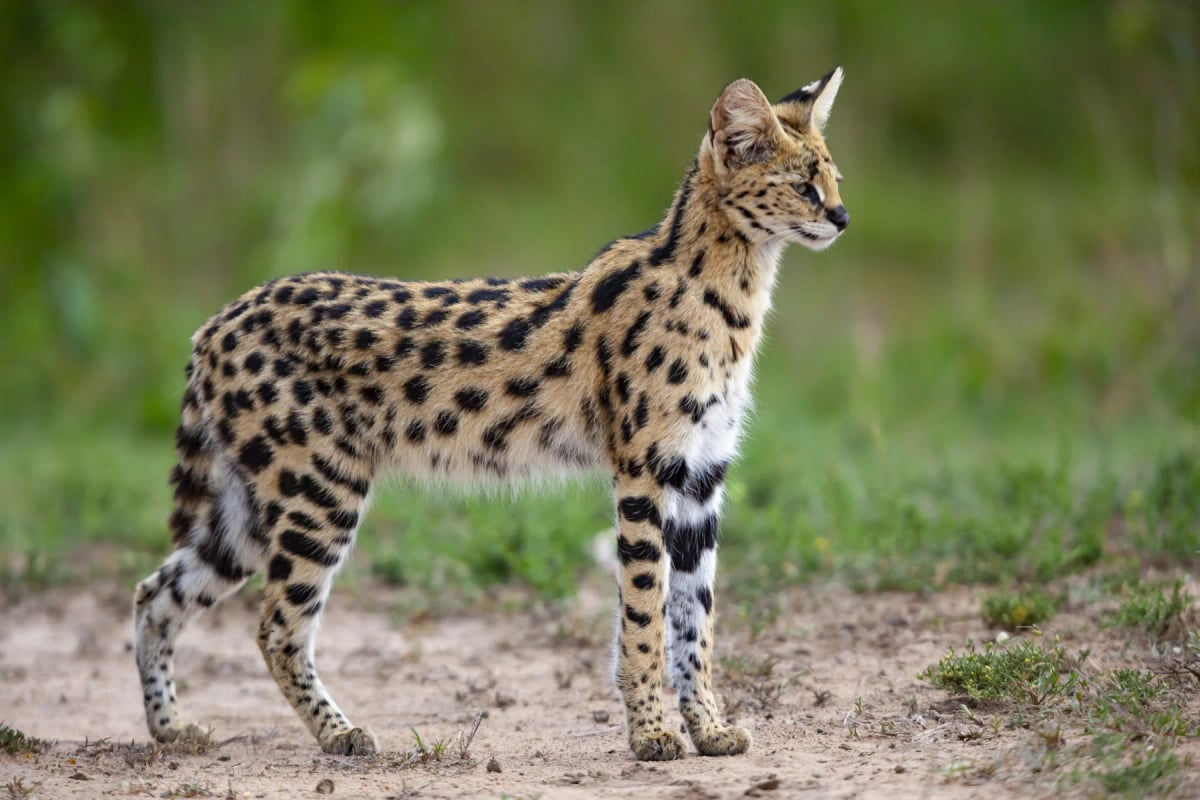
The serval's range in Niger is confined to the far south of the country, where rainfall is sufficient to support savanna vegetation and the wetland corridors along the Niger River. These narrow bands of suitable habitat are vital for the species. Servals feed mainly on rodents and are active at dusk and through the night. The IUCN rates them as Least Concern, though their foothold in Niger is naturally marginal.
Least ConcernView more details & photos→
Serval

Serval

Leptailurus serval

The serval's range in Niger is confined to the far south of the country, where rainfall is sufficient to support savanna vegetation and the wetland corridors along the Niger River. These narrow bands of suitable habitat are vital for the species. Servals feed mainly on rodents and are active at dusk and through the night. The IUCN rates them as Least Concern, though their foothold in Niger is naturally marginal.

Least ConcernView more details & photos→
African Civet

African Civet

Civettictis civetta

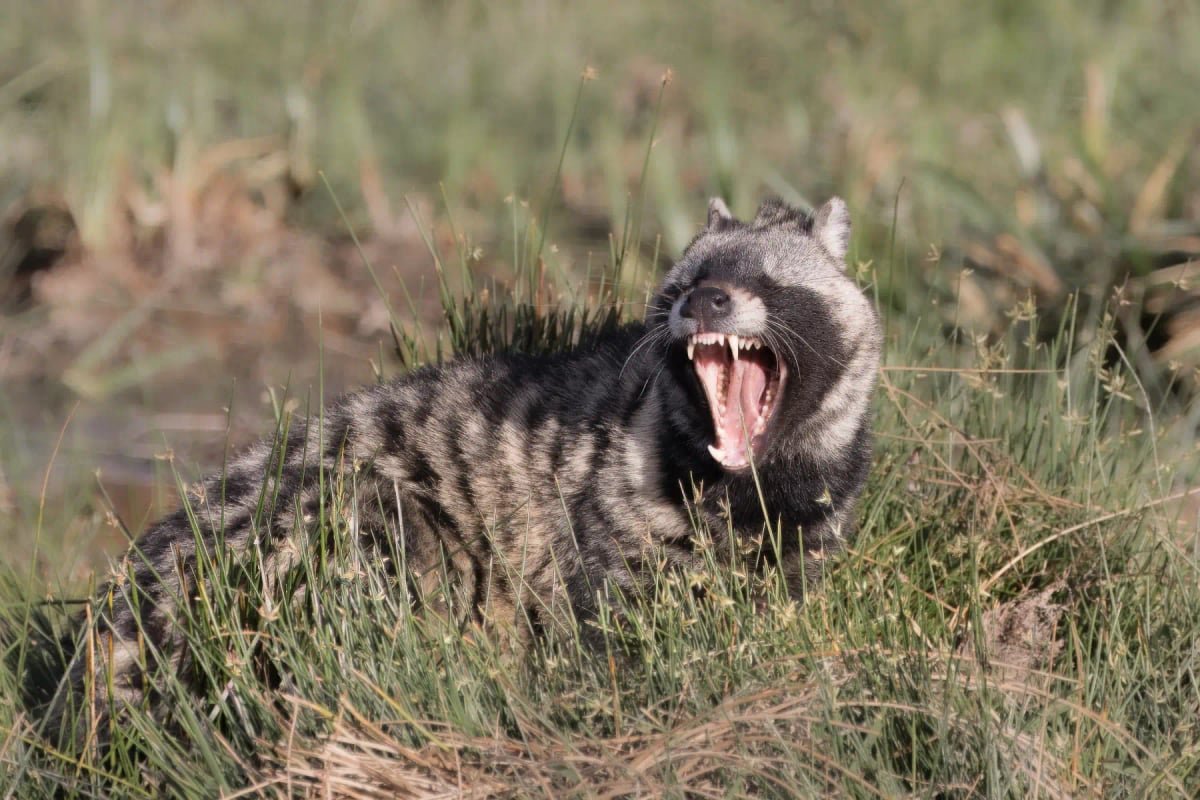
In Niger, the African civet is restricted to the extreme south, where the Sudan savanna zone and gallery forests along the Niger River provide the only suitable habitat in an otherwise arid country. W National Park, shared with Burkina Faso and Benin, is the most important protected site for the species in Niger. North of this narrow southern strip, the Sahel and Sahara offer no conditions the species can tolerate.
Least ConcernView more details & photos→
African Civet

African Civet

Civettictis civetta

In Niger, the African civet is restricted to the extreme south, where the Sudan savanna zone and gallery forests along the Niger River provide the only suitable habitat in an otherwise arid country. W National Park, shared with Burkina Faso and Benin, is the most important protected site for the species in Niger. North of this narrow southern strip, the Sahel and Sahara offer no conditions the species can tolerate.

Least ConcernView more details & photos→
Striped Hyena

Striped Hyena

Hyaena hyaena

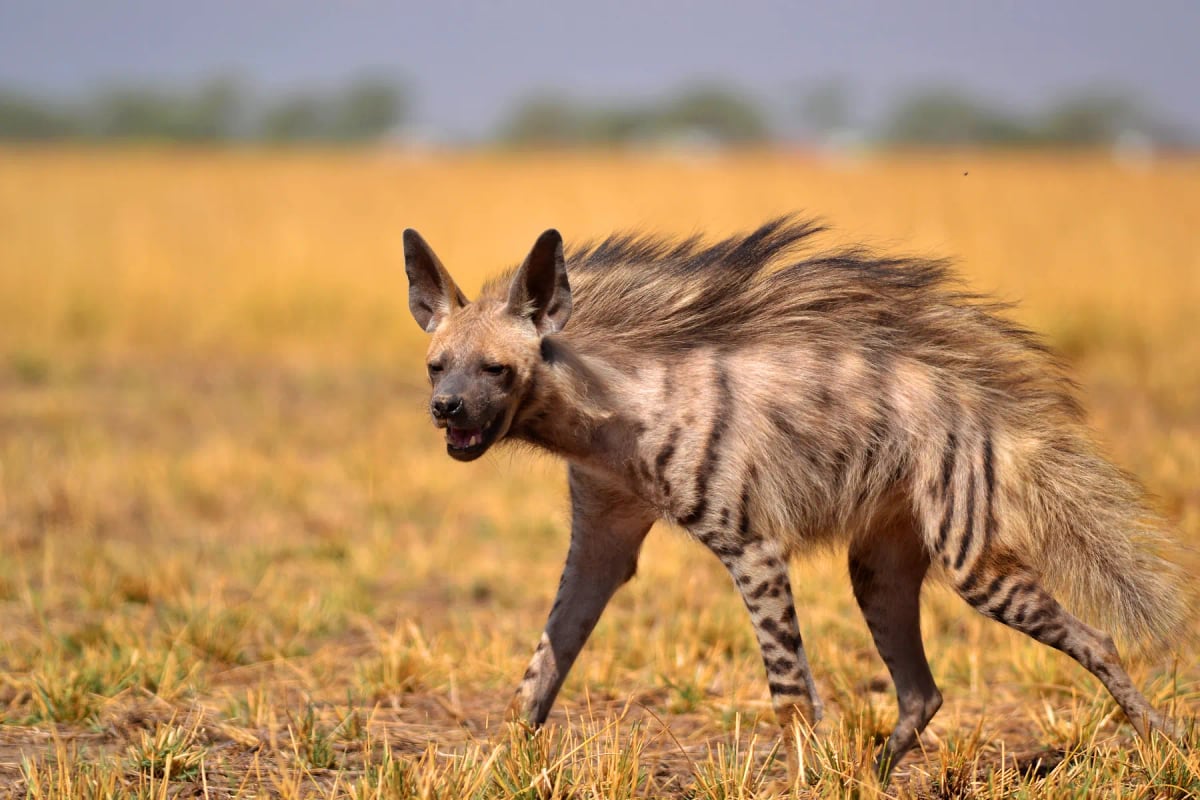
The striped hyena is found across the semi-arid Sahel zone of Niger, where sparse scrubland and dry riverbeds provide cover during the day. It scavenges on the remains of livestock and wild animals, playing a key role in the local ecosystem. Hunting for traditional medicine and retaliatory killing by herders put pressure on the population. The IUCN lists it as Near Threatened.

Near ThreatenedView more details & photos→
Striped Hyena

Striped Hyena

Hyaena hyaena

The striped hyena is found across the semi-arid Sahel zone of Niger, where sparse scrubland and dry riverbeds provide cover during the day. It scavenges on the remains of livestock and wild animals, playing a key role in the local ecosystem. Hunting for traditional medicine and retaliatory killing by herders put pressure on the population. The IUCN lists it as Near Threatened.

Near ThreatenedView more details & photos→
Honey Badger

Honey Badger

Mellivora capensis

In Niger, the honey badger occupies the Sahelian savanna of the south, including areas near the W National Park, where vegetation and water are more reliable than in the Saharan north. It digs for rodents, insects and reptiles and can raid beehives when present. Desertification and agricultural expansion continue to reduce suitable habitat, though the species remains listed as Least Concern by the IUCN.
Least ConcernView more details & photos→
Honey Badger

Honey Badger

Mellivora capensis

In Niger, the honey badger occupies the Sahelian savanna of the south, including areas near the W National Park, where vegetation and water are more reliable than in the Saharan north. It digs for rodents, insects and reptiles and can raid beehives when present. Desertification and agricultural expansion continue to reduce suitable habitat, though the species remains listed as Least Concern by the IUCN.

Least ConcernView more details & photos→
Common Genet

Common Genet

Genetta genetta

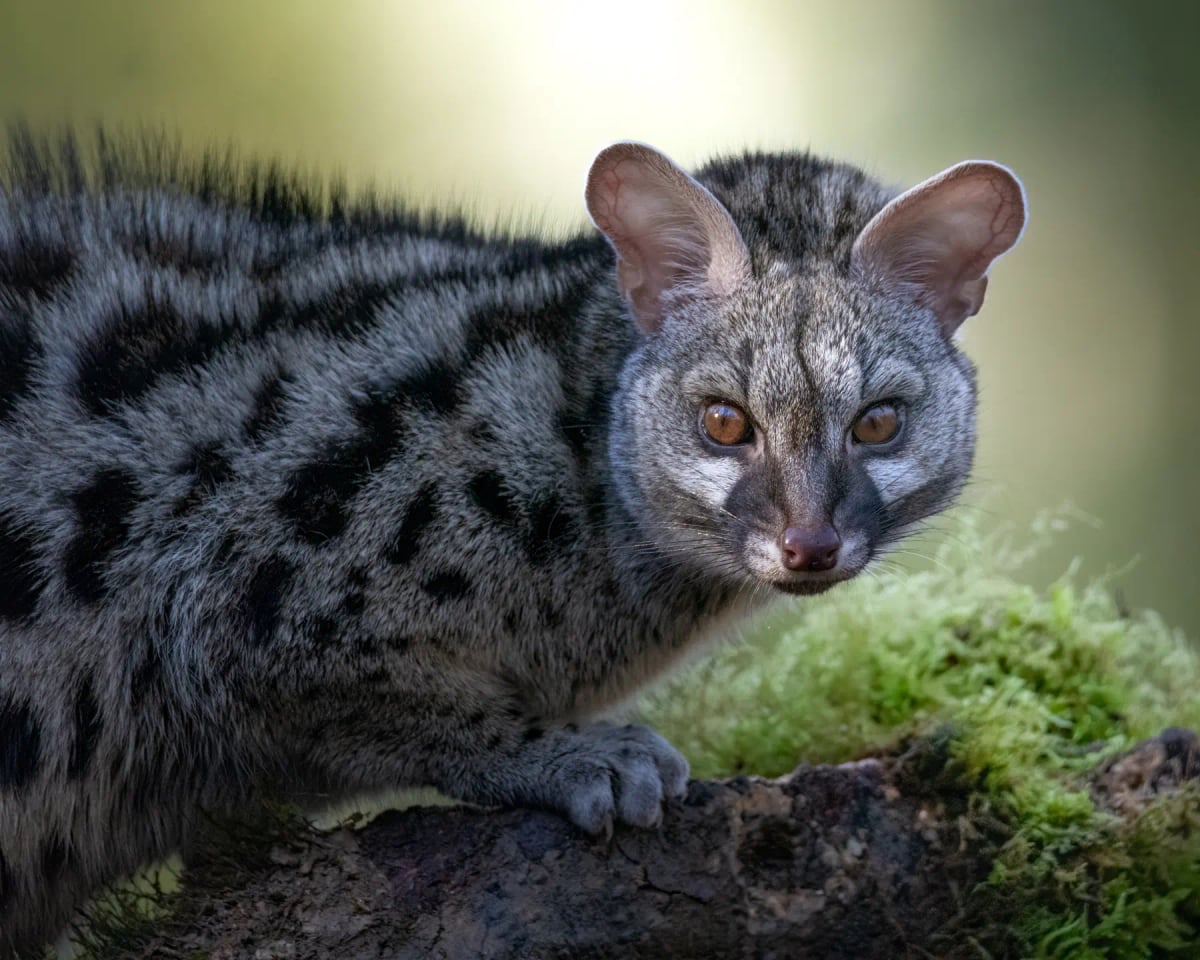
The common genet occurs in the southern parts of Niger, where Sahel savanna and gallery forests along rivers such as the Niger provide the cover and prey it needs. It is a nimble hunter that feeds on rodents, small birds, and insects. The harsh, arid conditions of the north limit its range to greener areas in the south. IUCN status: Least Concern.
Least ConcernView more details & photos→
Common Genet

Common Genet

Genetta genetta

The common genet occurs in the southern parts of Niger, where Sahel savanna and gallery forests along rivers such as the Niger provide the cover and prey it needs. It is a nimble hunter that feeds on rodents, small birds, and insects. The harsh, arid conditions of the north limit its range to greener areas in the south. IUCN status: Least Concern.

Least ConcernView more details & photos→
Addax

Addax

Addax nasomaculatus

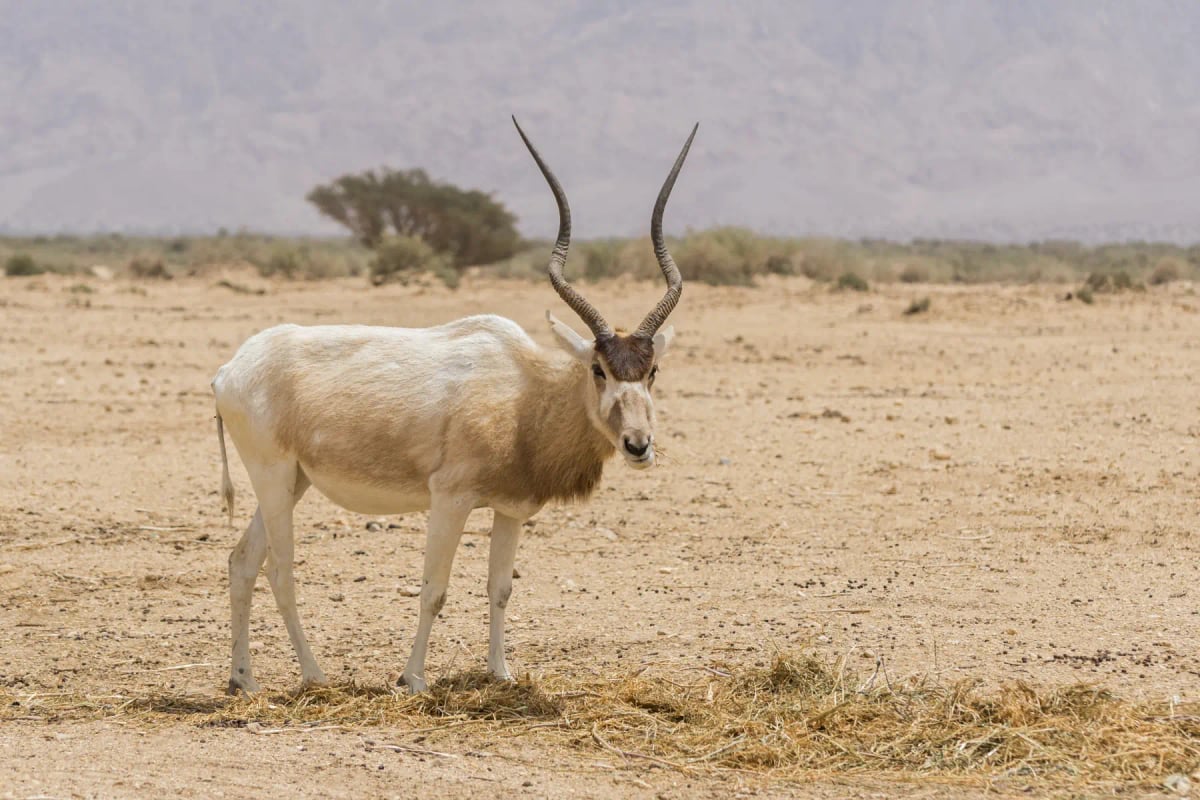
The last significant wild population of addax survives in Niger, concentrated in the Termit and Tin Toumma National Nature Reserve in the country's northeast. This vast protected area covers some of the most remote desert terrain in the Sahara, shielding the remaining individuals from poaching and human encroachment. Without this reserve, the addax would almost certainly be extinct in the wild.

Critically EndangeredView more details & photos→
Addax

Addax

Addax nasomaculatus

The last significant wild population of addax survives in Niger, concentrated in the Termit and Tin Toumma National Nature Reserve in the country's northeast. This vast protected area covers some of the most remote desert terrain in the Sahara, shielding the remaining individuals from poaching and human encroachment. Without this reserve, the addax would almost certainly be extinct in the wild.

Critically EndangeredView more details & photos→
Kob

Kob

Kobus kob

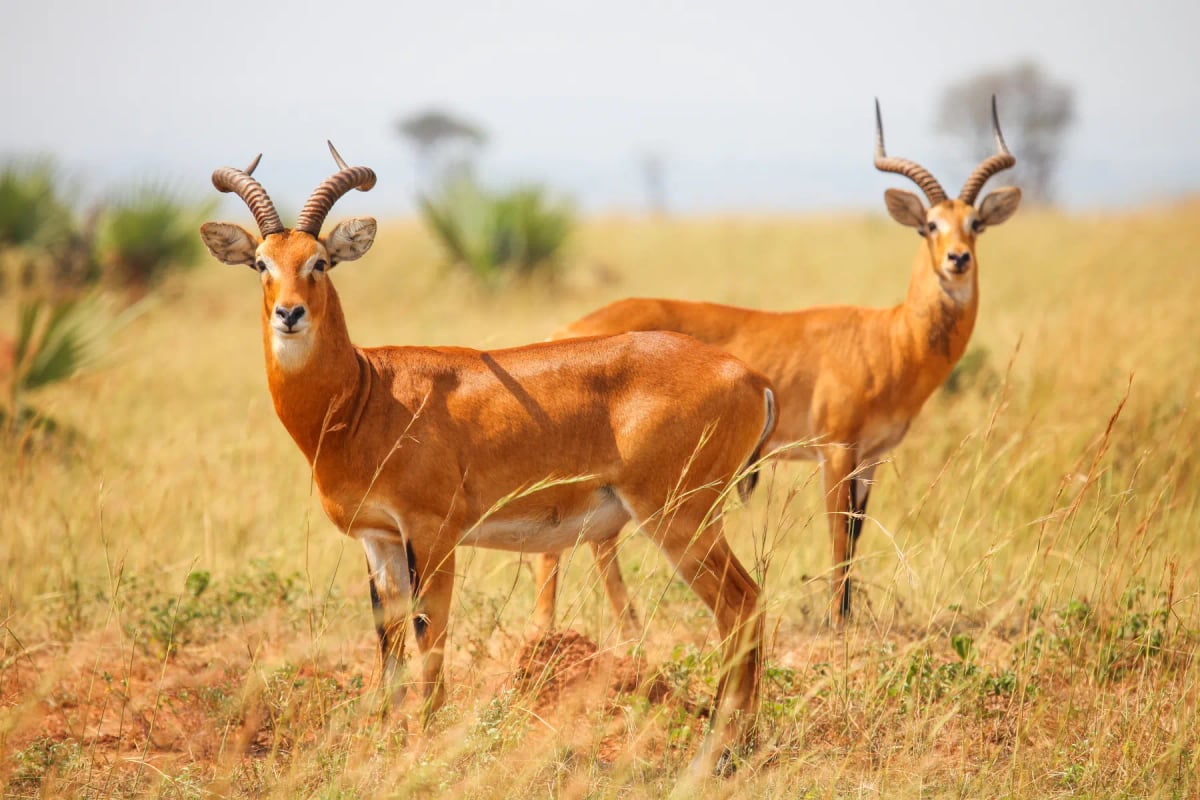
The kob occurs in the southwestern corner of Niger, near the W National Park, one of the few protected areas in the region where the species finds suitable savanna habitat. It grazes on grasses close to seasonal water sources and moves in social herds. Males are easily identified by their lyre-shaped horns. The IUCN lists the kob as Least Concern, and the park provides a critical refuge for this population.
Least ConcernView more details & photos→
Kob

Kob

Kobus kob

The kob occurs in the southwestern corner of Niger, near the W National Park, one of the few protected areas in the region where the species finds suitable savanna habitat. It grazes on grasses close to seasonal water sources and moves in social herds. Males are easily identified by their lyre-shaped horns. The IUCN lists the kob as Least Concern, and the park provides a critical refuge for this population.

Least ConcernView more details & photos→
Hartebeest

Hartebeest

Alcelaphus buselaphus

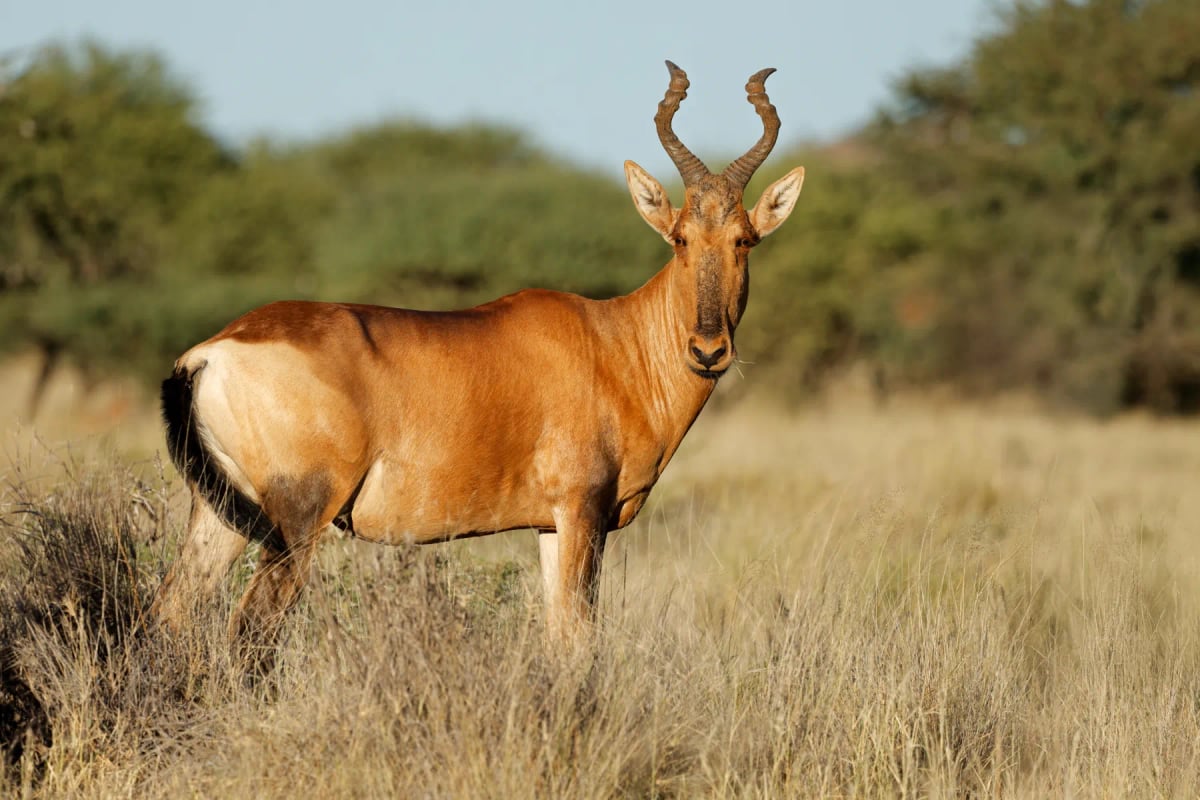
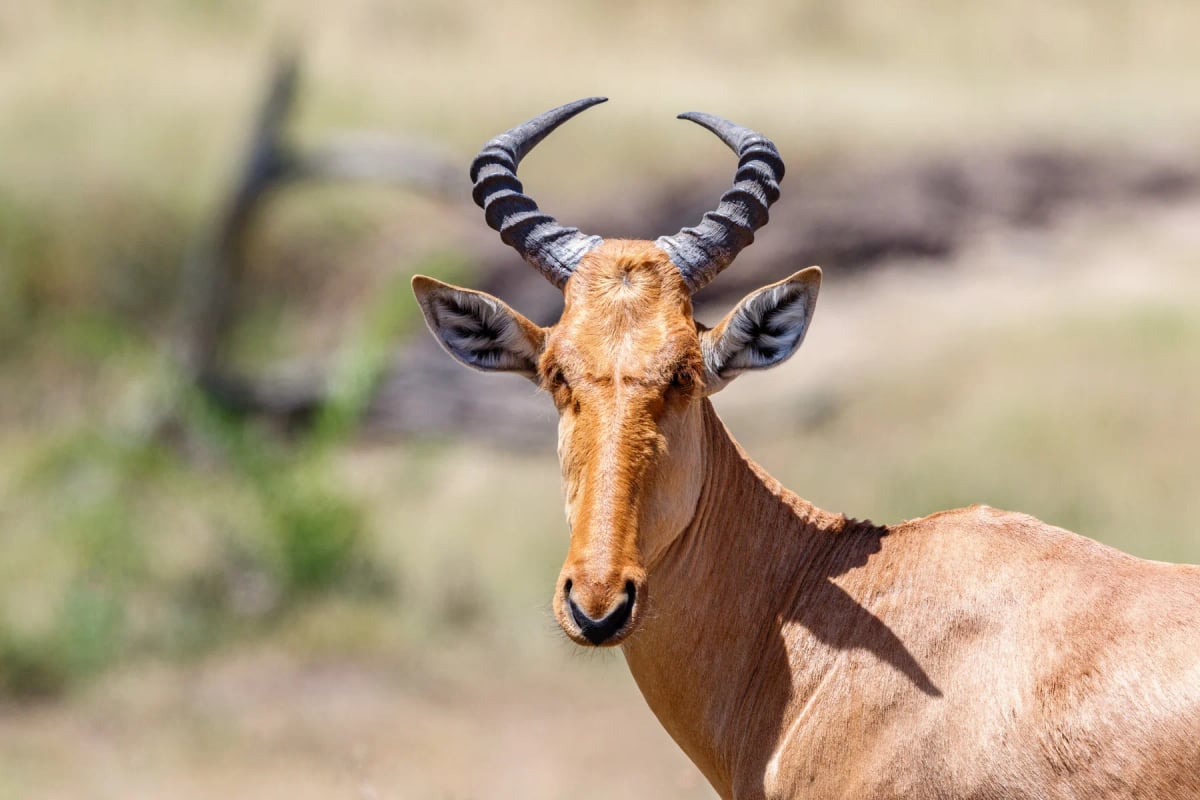
The hartebeest is present in Niger's southern savanna belt, where grasslands and open woodlands provide suitable grazing. Populations here exist under considerable pressure from agricultural encroachment, drought, and hunting. The species relies on coarse grasses that many other herbivores avoid, giving it an advantage in degraded landscapes. While the hartebeest is listed as Least Concern across Africa as a whole, its numbers in Niger have dropped significantly over recent decades.
View more details & photos→
Hartebeest

Hartebeest

Alcelaphus buselaphus

The hartebeest is present in Niger's southern savanna belt, where grasslands and open woodlands provide suitable grazing. Populations here exist under considerable pressure from agricultural encroachment, drought, and hunting. The species relies on coarse grasses that many other herbivores avoid, giving it an advantage in degraded landscapes. While the hartebeest is listed as Least Concern across Africa as a whole, its numbers in Niger have dropped significantly over recent decades.

View more details & photos→
Topi

Topi

Damaliscus lunatus

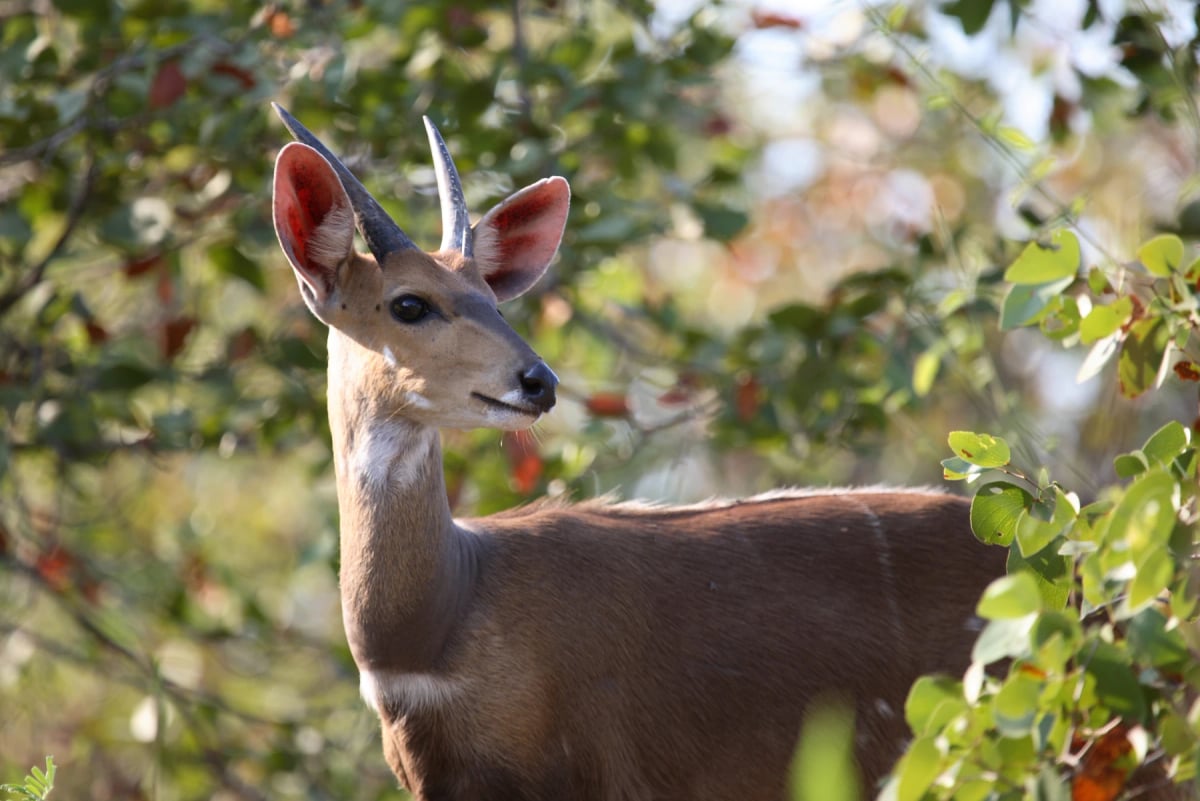
In Niger, the topi occurs in the southwestern part of the country, in areas bordering more productive savanna habitats to the south. Their range here is limited and populations are sparse due to habitat pressure and the arid conditions that dominate much of the country. Protecting remaining grassland corridors in this region is important for the survival of topis over the long term. IUCN status: Least Concern.
Least ConcernView more details & photos→
Topi

Topi

Damaliscus lunatus

In Niger, the topi occurs in the southwestern part of the country, in areas bordering more productive savanna habitats to the south. Their range here is limited and populations are sparse due to habitat pressure and the arid conditions that dominate much of the country. Protecting remaining grassland corridors in this region is important for the survival of topis over the long term. IUCN status: Least Concern.

Least ConcernView more details & photos→
Bushbuck

Bushbuck

Tragelaphus scriptus

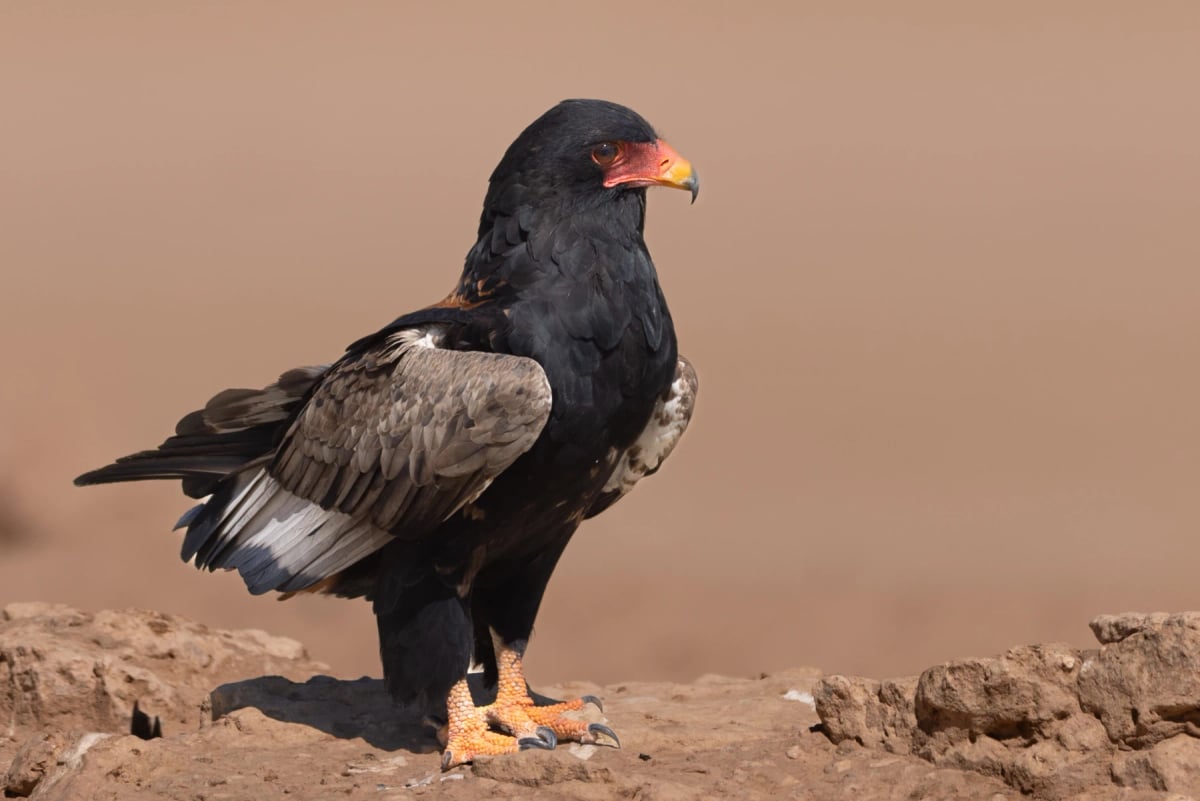
Niger's bushbucks survive in scattered vegetation pockets and riverine woodlands within the country's predominantly arid landscape. These solitary browsers represent a marginal population at the species' northern African range limit. They depend critically on areas with reliable vegetation and moisture for feeding and shelter. Bushbucks remain rare and infrequently observed across Niger, occupying only the most vegetated zones suitable for their woodland habitat requirements.
Least ConcernView more details & photos→
Bushbuck

Bushbuck

Tragelaphus scriptus

Niger's bushbucks survive in scattered vegetation pockets and riverine woodlands within the country's predominantly arid landscape. These solitary browsers represent a marginal population at the species' northern African range limit. They depend critically on areas with reliable vegetation and moisture for feeding and shelter. Bushbucks remain rare and infrequently observed across Niger, occupying only the most vegetated zones suitable for their woodland habitat requirements.

Least ConcernView more details & photos→
Bateleur

Bateleur

Terathopius ecaudatus

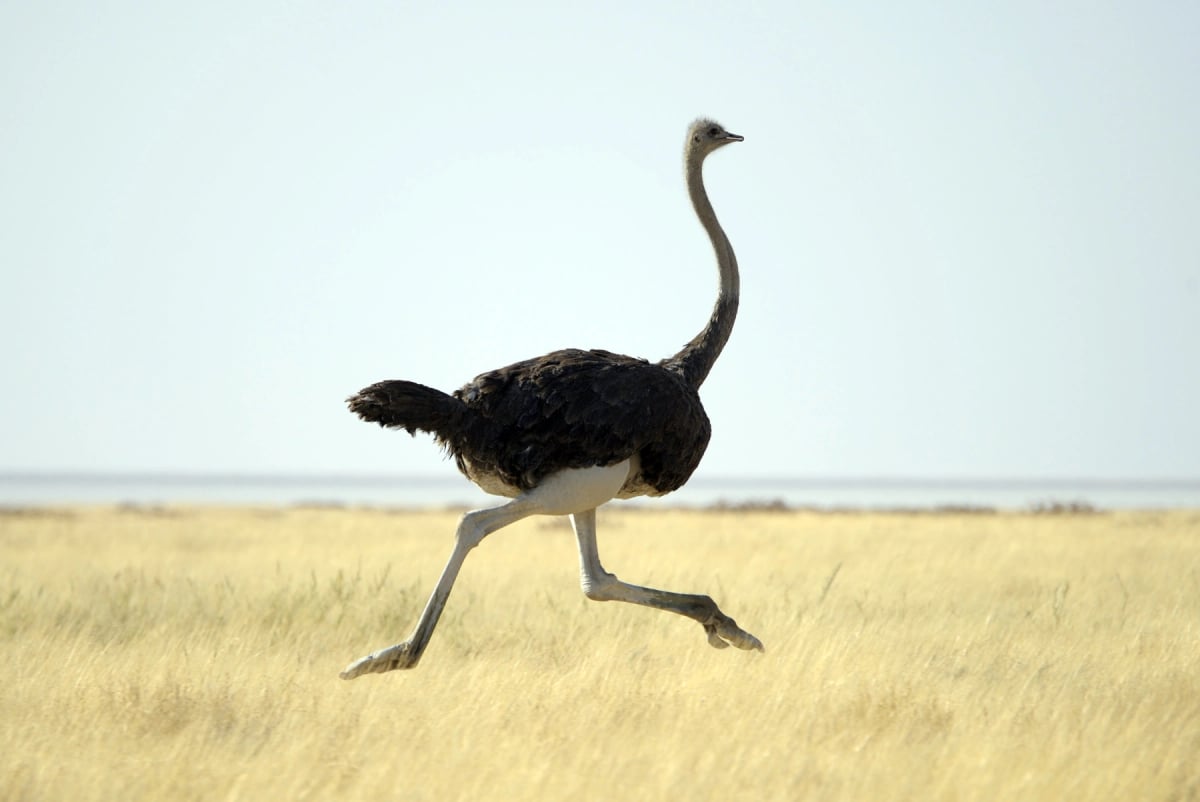
In Niger, the Bateleur is found in the Sudanian savanna belt across the southern reaches of the country, where open woodland and grassland provide suitable foraging habitat. It is rarely recorded and is considered scarce throughout the region. The species is classified as Endangered by the IUCN, and ongoing habitat degradation driven by agricultural expansion and drought poses a serious challenge to its survival in this part of West Africa.
EndangeredView more details & photos→
Bateleur

Bateleur

Terathopius ecaudatus

In Niger, the Bateleur is found in the Sudanian savanna belt across the southern reaches of the country, where open woodland and grassland provide suitable foraging habitat. It is rarely recorded and is considered scarce throughout the region. The species is classified as Endangered by the IUCN, and ongoing habitat degradation driven by agricultural expansion and drought poses a serious challenge to its survival in this part of West Africa.

EndangeredView more details & photos→
Ostrich

Ostrich

Struthio camelus

In Niger, ostriches occur in the Sahel and the Air region in the north, where open plains and sparse vegetation offer suitable habitat. They are one of the largest animals still found in these semi-arid landscapes. Populations have faced pressure from poaching and the expansion of agriculture. Globally the species is of Least Concern, but in the Sahel countries of West Africa, local populations have shrunk considerably over time.
Least ConcernView more details & photos→
Ostrich

Ostrich

Struthio camelus

In Niger, ostriches occur in the Sahel and the Air region in the north, where open plains and sparse vegetation offer suitable habitat. They are one of the largest animals still found in these semi-arid landscapes. Populations have faced pressure from poaching and the expansion of agriculture. Globally the species is of Least Concern, but in the Sahel countries of West Africa, local populations have shrunk considerably over time.

Least ConcernView more details & photos→
Steppe Eagle

Steppe Eagle

Aquila nipalensis

The Steppe Eagle passes through Niger during its long migration between Central Asian breeding grounds and sub-Saharan wintering areas. Travelers may spot it over the Sahel, the semi-arid belt that stretches across the country's south. It often gathers with other raptors at food sources such as termite emergences. Listed as Endangered, this eagle faces serious threats from power line electrocution and habitat loss across its range.

EndangeredView more details & photos→
Steppe Eagle

Steppe Eagle

Aquila nipalensis

The Steppe Eagle passes through Niger during its long migration between Central Asian breeding grounds and sub-Saharan wintering areas. Travelers may spot it over the Sahel, the semi-arid belt that stretches across the country's south. It often gathers with other raptors at food sources such as termite emergences. Listed as Endangered, this eagle faces serious threats from power line electrocution and habitat loss across its range.

EndangeredView more details & photos→
White backed Vulture

White backed Vulture

Gyps africanus

In Niger, the white backed vulture is found mainly in the southwestern savannas and around the W National Park, a protected area it shares with Burkina Faso and Benin. This transboundary park provides one of the few remaining strongholds for the species in the region. Critically endangered, the vulture is increasingly threatened by poisoning events, which can wipe out entire groups of birds gathered at a single carcass.

Critically EndangeredView more details & photos→
White backed Vulture

White backed Vulture

Gyps africanus

In Niger, the white backed vulture is found mainly in the southwestern savannas and around the W National Park, a protected area it shares with Burkina Faso and Benin. This transboundary park provides one of the few remaining strongholds for the species in the region. Critically endangered, the vulture is increasingly threatened by poisoning events, which can wipe out entire groups of birds gathered at a single carcass.

Critically EndangeredView more details & photos→
Lanner Falcon

Lanner Falcon

Falco biarmicus

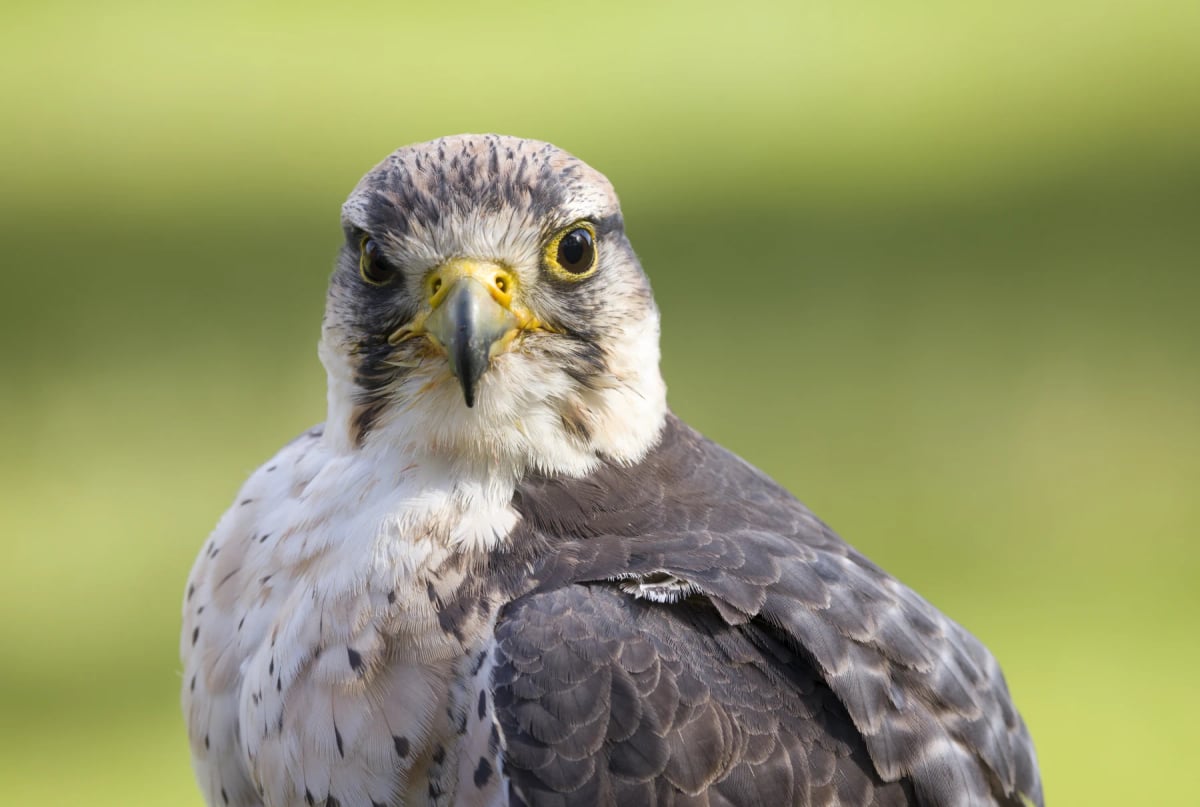
In Niger, the lanner falcon occupies the Sahel belt and the rocky terrain of the Aïr Mountains in the north. It survives in some of the continent's harshest conditions, hunting doves and other birds across open, semi-arid landscapes. Nesting occurs on cliff ledges and rocky outcrops. The IUCN lists the species as Least Concern, though desertification and habitat degradation in the Sahel pose ongoing challenges.
Least ConcernView more details & photos→
Lanner Falcon

Lanner Falcon

Falco biarmicus

In Niger, the lanner falcon occupies the Sahel belt and the rocky terrain of the Aïr Mountains in the north. It survives in some of the continent's harshest conditions, hunting doves and other birds across open, semi-arid landscapes. Nesting occurs on cliff ledges and rocky outcrops. The IUCN lists the species as Least Concern, though desertification and habitat degradation in the Sahel pose ongoing challenges.

Least ConcernView more details & photos→
Tawny Eagle

Tawny Eagle

Aquila rapax

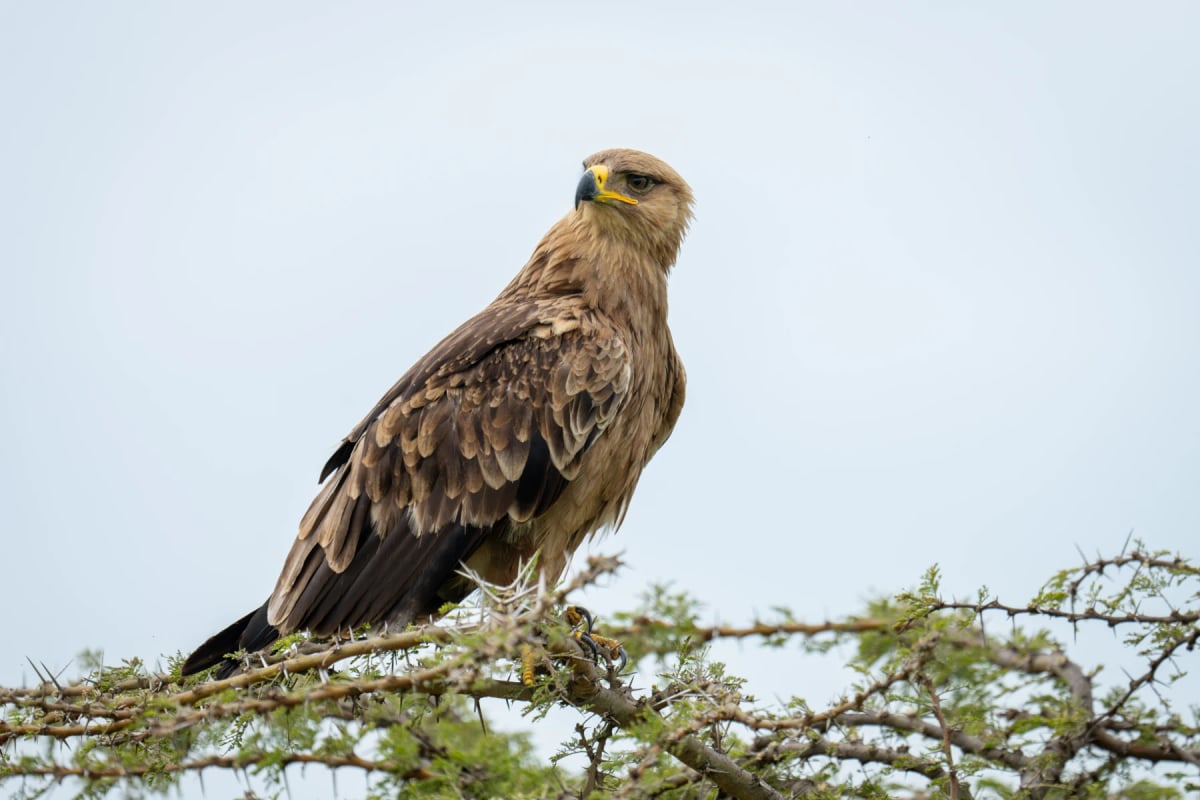
Across Niger's vast Sahel and savanna zones, the tawny eagle is an opportunistic predator and scavenger, taking advantage of open terrain to soar and scan for food. The country's dry, flat landscapes suit this eagle well, but the expansion of agriculture and the use of poisons to protect livestock have contributed to its decline across the region. The IUCN classifies it as Vulnerable.

VulnerableView more details & photos→
Tawny Eagle

Tawny Eagle

Aquila rapax

Across Niger's vast Sahel and savanna zones, the tawny eagle is an opportunistic predator and scavenger, taking advantage of open terrain to soar and scan for food. The country's dry, flat landscapes suit this eagle well, but the expansion of agriculture and the use of poisons to protect livestock have contributed to its decline across the region. The IUCN classifies it as Vulnerable.

VulnerableView more details & photos→
Secretary Bird

Secretary Bird

Sagittarius serpentarius

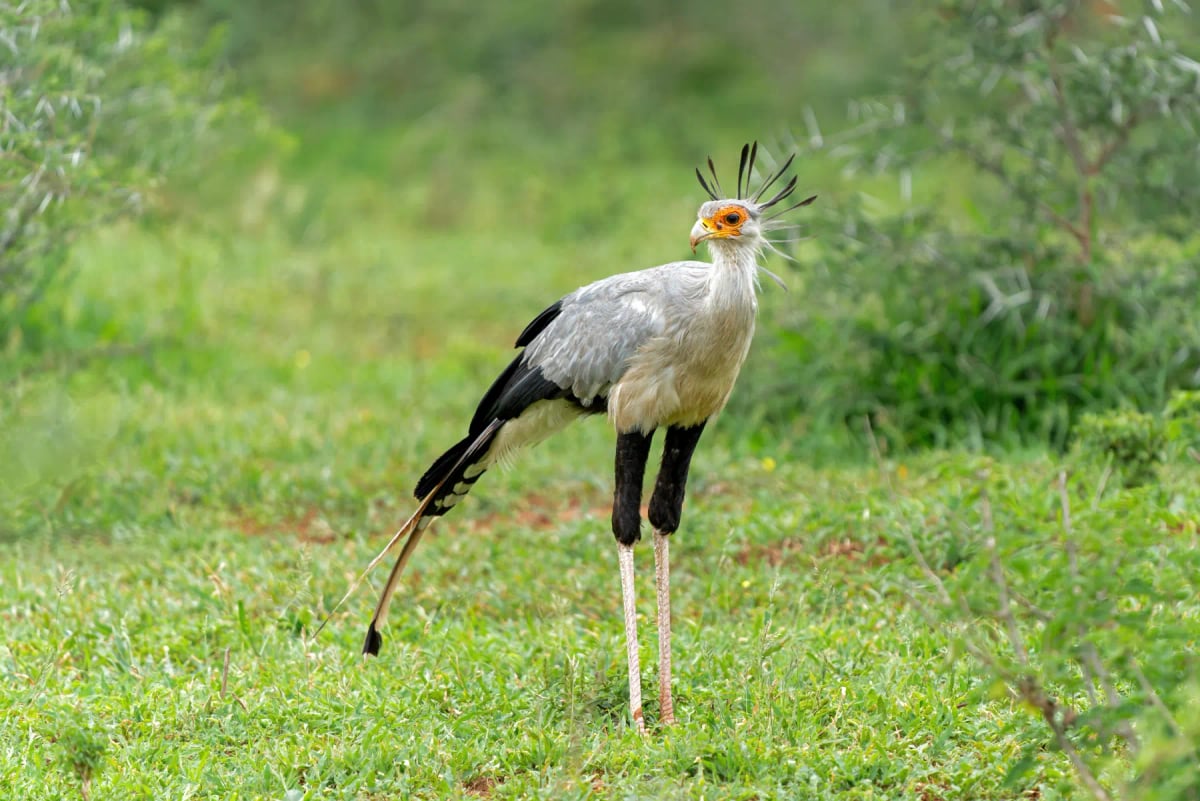
In Niger, the secretary bird is found in the Sahel savanna belt that crosses the southern part of the country. It moves through open, dry grasslands on foot, hunting snakes, rodents, and large insects. This region faces intense pressure from overgrazing, drought, and land clearing, all of which reduce the open habitat this bird depends on. The IUCN lists it as Endangered.
EndangeredView more details & photos→
Secretary Bird

Secretary Bird

Sagittarius serpentarius

In Niger, the secretary bird is found in the Sahel savanna belt that crosses the southern part of the country. It moves through open, dry grasslands on foot, hunting snakes, rodents, and large insects. This region faces intense pressure from overgrazing, drought, and land clearing, all of which reduce the open habitat this bird depends on. The IUCN lists it as Endangered.

EndangeredView more details & photos→
African Fish Eagle

African Fish Eagle

Haliaeetus vocifer

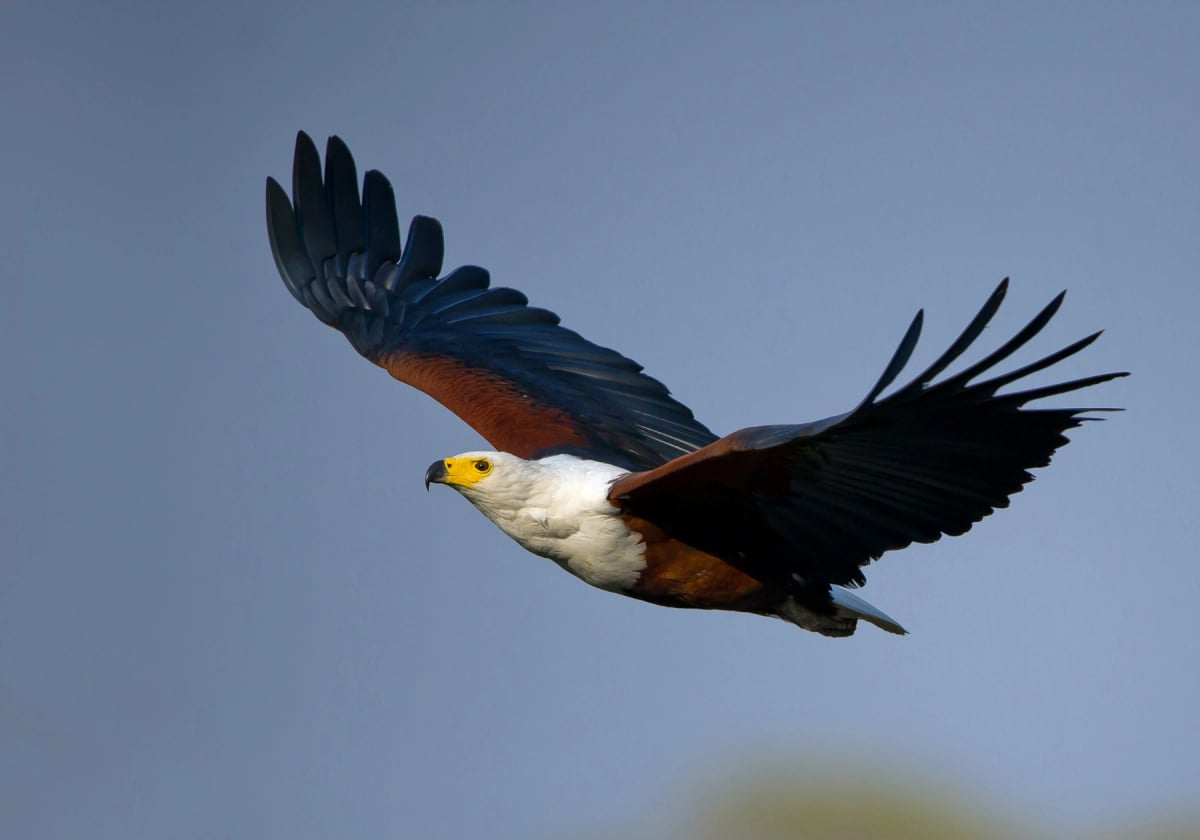
The African fish eagle is present in Niger along the Niger River, which crosses the southwestern corner of the country through Niamey and toward the border with Benin and Nigeria. This river corridor provides the main freshwater habitat in an otherwise very arid country. The eagle is uncommon and largely restricted to this river zone. The W National Park in the southwest, which straddles the borders with Benin and Burkina Faso, also provides suitable habitat near seasonal waterways.

Least ConcernView more details & photos→
African Fish Eagle

African Fish Eagle

Haliaeetus vocifer

The African fish eagle is present in Niger along the Niger River, which crosses the southwestern corner of the country through Niamey and toward the border with Benin and Nigeria. This river corridor provides the main freshwater habitat in an otherwise very arid country. The eagle is uncommon and largely restricted to this river zone. The W National Park in the southwest, which straddles the borders with Benin and Burkina Faso, also provides suitable habitat near seasonal waterways.

Least ConcernView more details & photos→
Saker Falcon

Saker Falcon

Falco cherrug

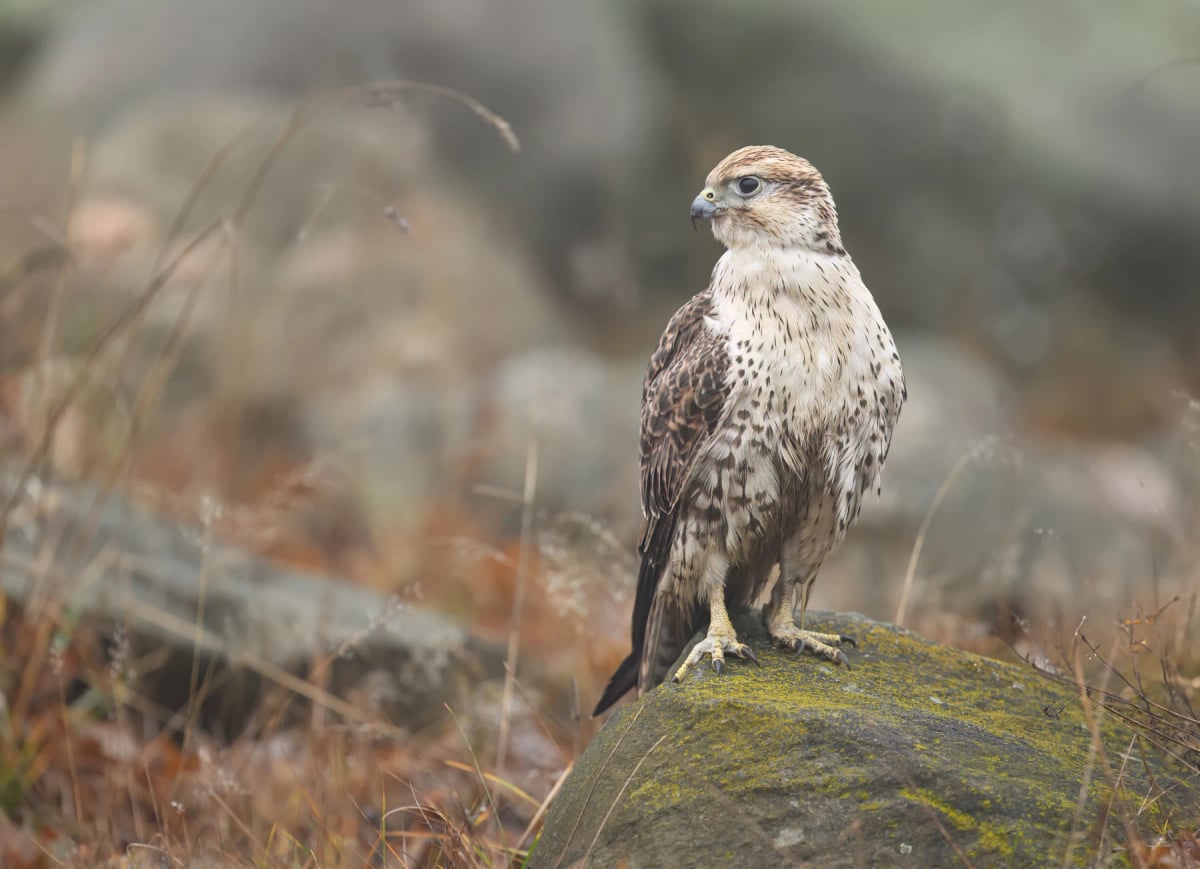
Niger receives saker falcons during the northern winter as the birds migrate south from their Eurasian breeding grounds. The Sahel belt crossing the south of the country, with its open plains and sparse vegetation, provides foraging habitat for wintering individuals. Niger is one of several West African countries through which this falcon passes, and illegal trapping along these migration routes continues to threaten the species. The IUCN lists the saker falcon as Endangered.
EndangeredView more details & photos→
Saker Falcon

Saker Falcon

Falco cherrug

Niger receives saker falcons during the northern winter as the birds migrate south from their Eurasian breeding grounds. The Sahel belt crossing the south of the country, with its open plains and sparse vegetation, provides foraging habitat for wintering individuals. Niger is one of several West African countries through which this falcon passes, and illegal trapping along these migration routes continues to threaten the species. The IUCN lists the saker falcon as Endangered.

EndangeredView more details & photos→
Barn Owl

Barn Owl

Tyto alba

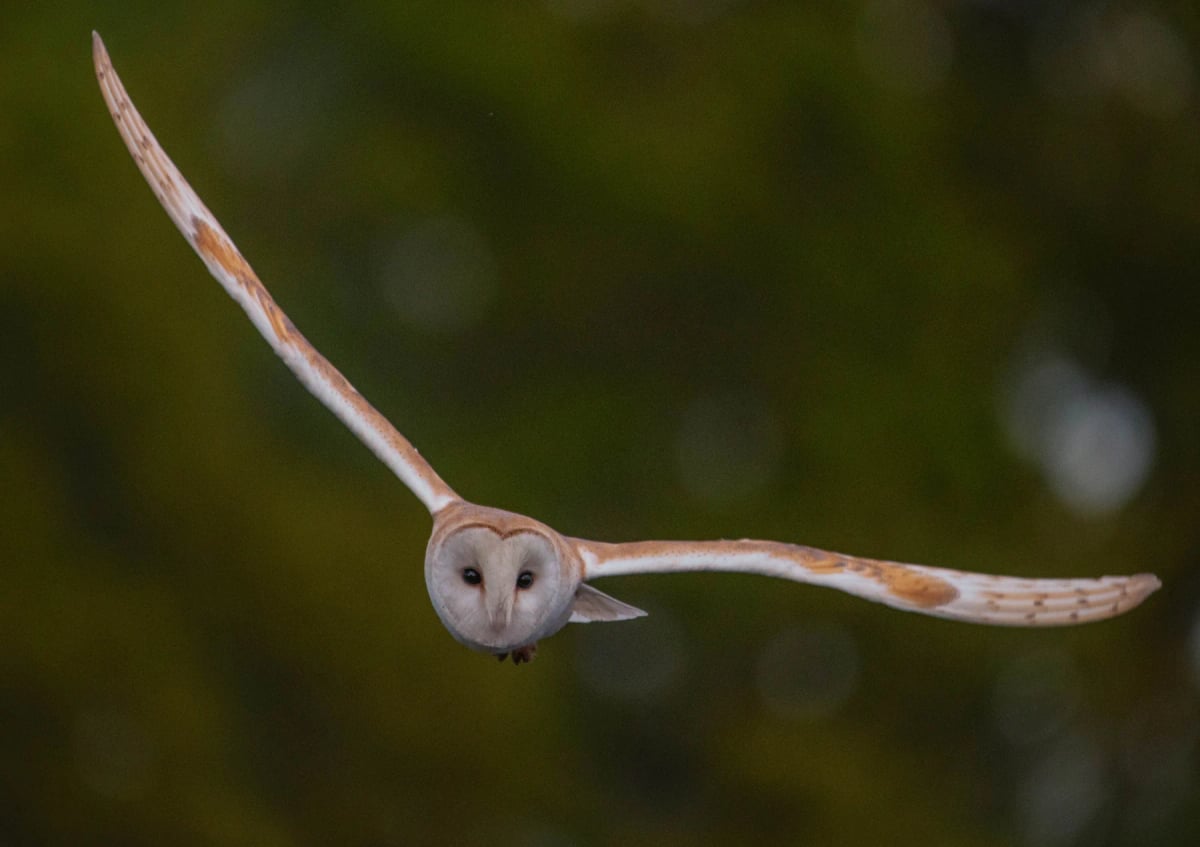
The barn owl is found in the inhabited zones of Niger, mainly in the Sahel belt and the agricultural regions along the Niger River in the southwest, around Niamey and the Dosso and Tillabéri regions. It nests in old buildings, rocky outcrops, and palm groves, and hunts rodents at night. In farming communities where rodent damage to stored millet and sorghum is a persistent problem, its role as a natural pest controller is genuinely valued. It does not occur in the vast uninhabited desert of the north.
Least ConcernView more details & photos→
Barn Owl

Barn Owl

Tyto alba

The barn owl is found in the inhabited zones of Niger, mainly in the Sahel belt and the agricultural regions along the Niger River in the southwest, around Niamey and the Dosso and Tillabéri regions. It nests in old buildings, rocky outcrops, and palm groves, and hunts rodents at night. In farming communities where rodent damage to stored millet and sorghum is a persistent problem, its role as a natural pest controller is genuinely valued. It does not occur in the vast uninhabited desert of the north.

Least ConcernView more details & photos→
Stork

Stork

Ciconia ciconia

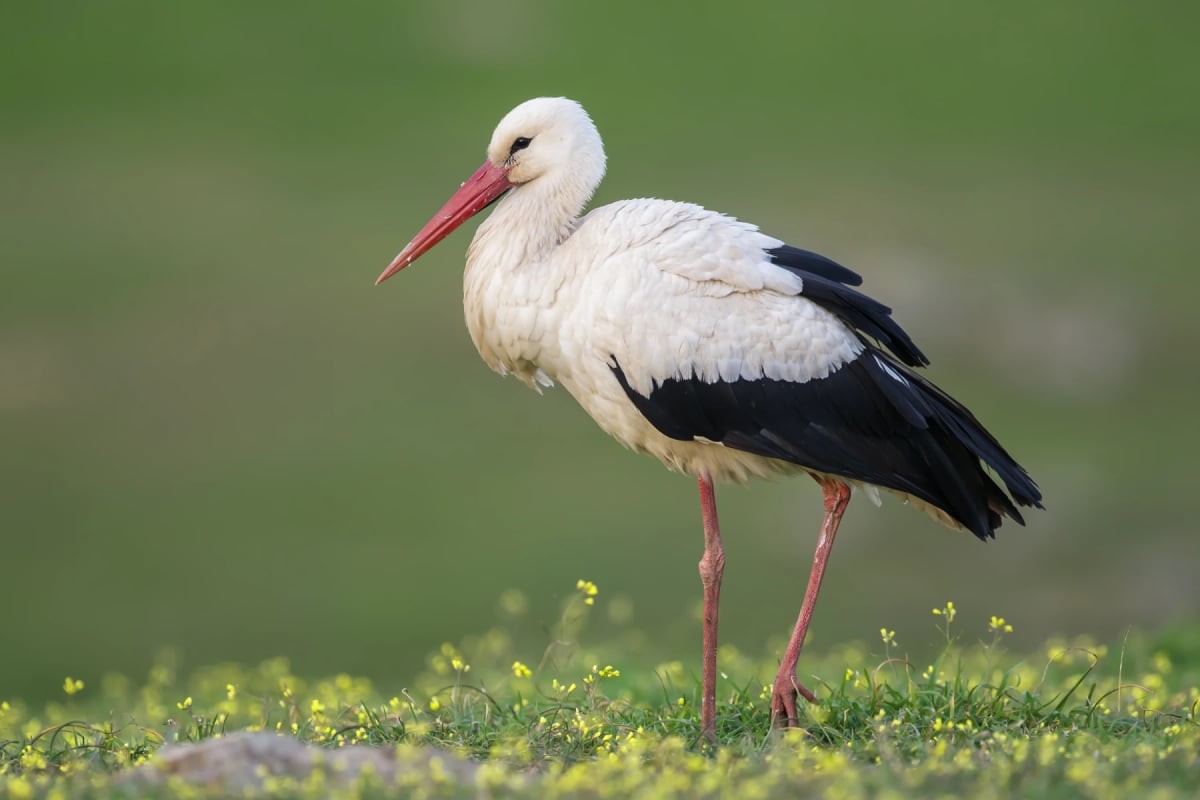
The white stork visits Niger each winter, crossing the Sahara to reach the Sahel zone, where it forages across open grasslands and the floodplains of the Niger River. It feeds on insects, frogs, and small animals made accessible by seasonal flooding. Local farmers often welcome the bird as a natural pest controller. It departs northward again in spring to breed across Europe and western Asia.
Least ConcernView more details & photos→
Stork

Stork

Ciconia ciconia

The white stork visits Niger each winter, crossing the Sahara to reach the Sahel zone, where it forages across open grasslands and the floodplains of the Niger River. It feeds on insects, frogs, and small animals made accessible by seasonal flooding. Local farmers often welcome the bird as a natural pest controller. It departs northward again in spring to breed across Europe and western Asia.

Least ConcernView more details & photos→
White Wagtail

White Wagtail

Motacilla alba

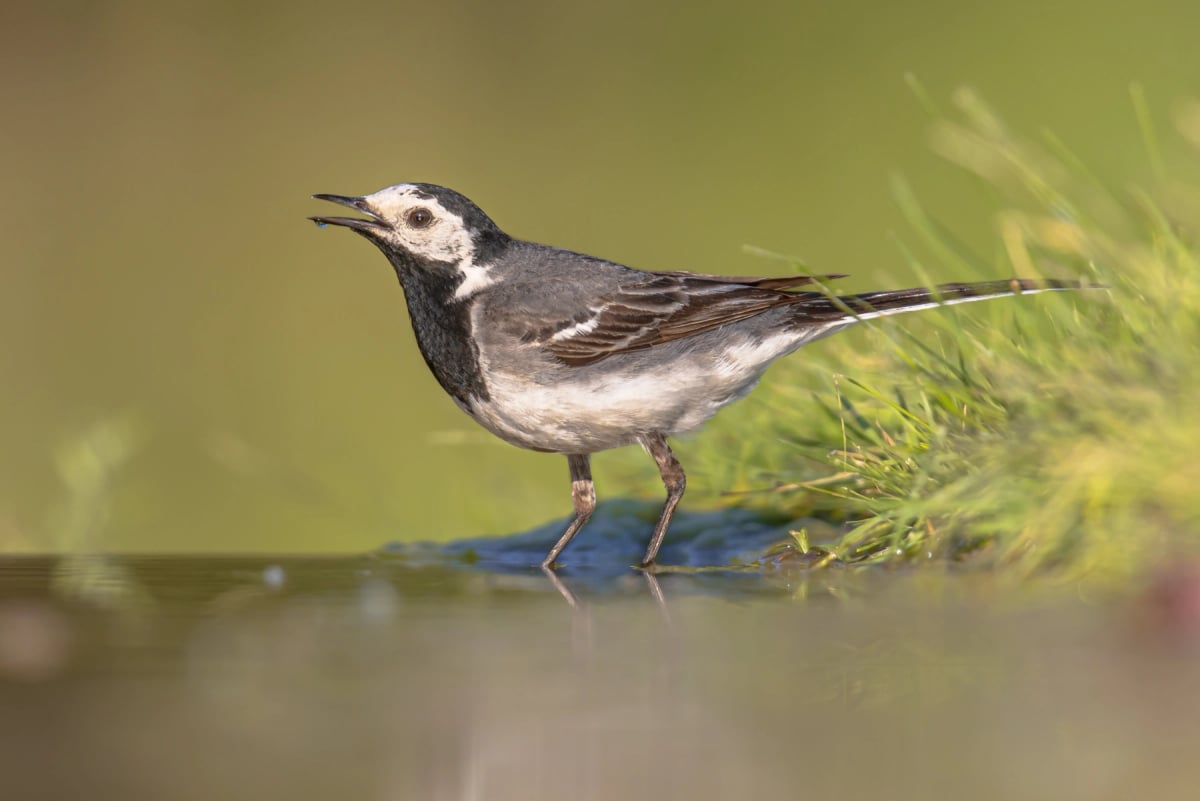
The white wagtail appears in Niger as a winter visitor, arriving from breeding grounds across Europe and Central Asia. It tends to concentrate near the Niger River and around wetlands, water points and irrigated farmland where insects remain available through the dry season. In the Sahel, water is a magnet for wildlife, and wagtails are among the many small birds that depend on these patches of habitat during their stay.

Least ConcernView more details & photos→
White Wagtail

White Wagtail

Motacilla alba

The white wagtail appears in Niger as a winter visitor, arriving from breeding grounds across Europe and Central Asia. It tends to concentrate near the Niger River and around wetlands, water points and irrigated farmland where insects remain available through the dry season. In the Sahel, water is a magnet for wildlife, and wagtails are among the many small birds that depend on these patches of habitat during their stay.

Least ConcernView more details & photos→
Peregrine Falcon

Peregrine Falcon

Falco peregrinus

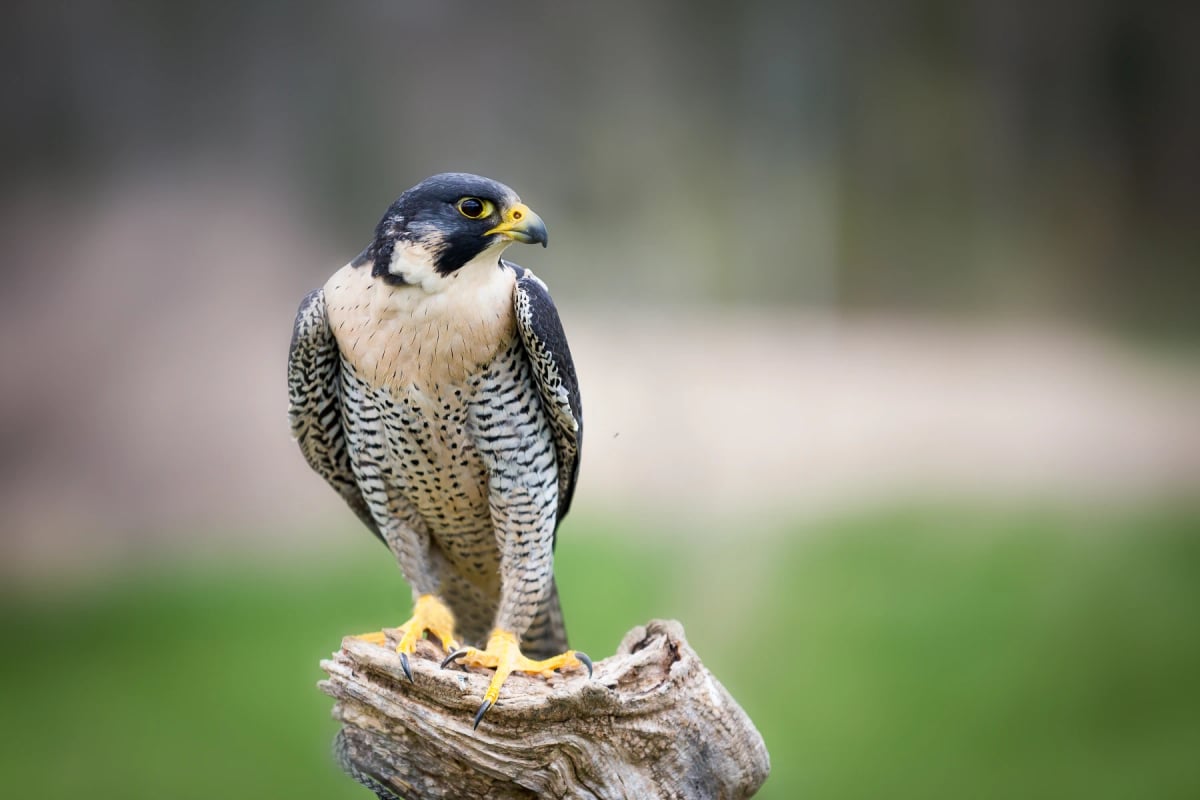
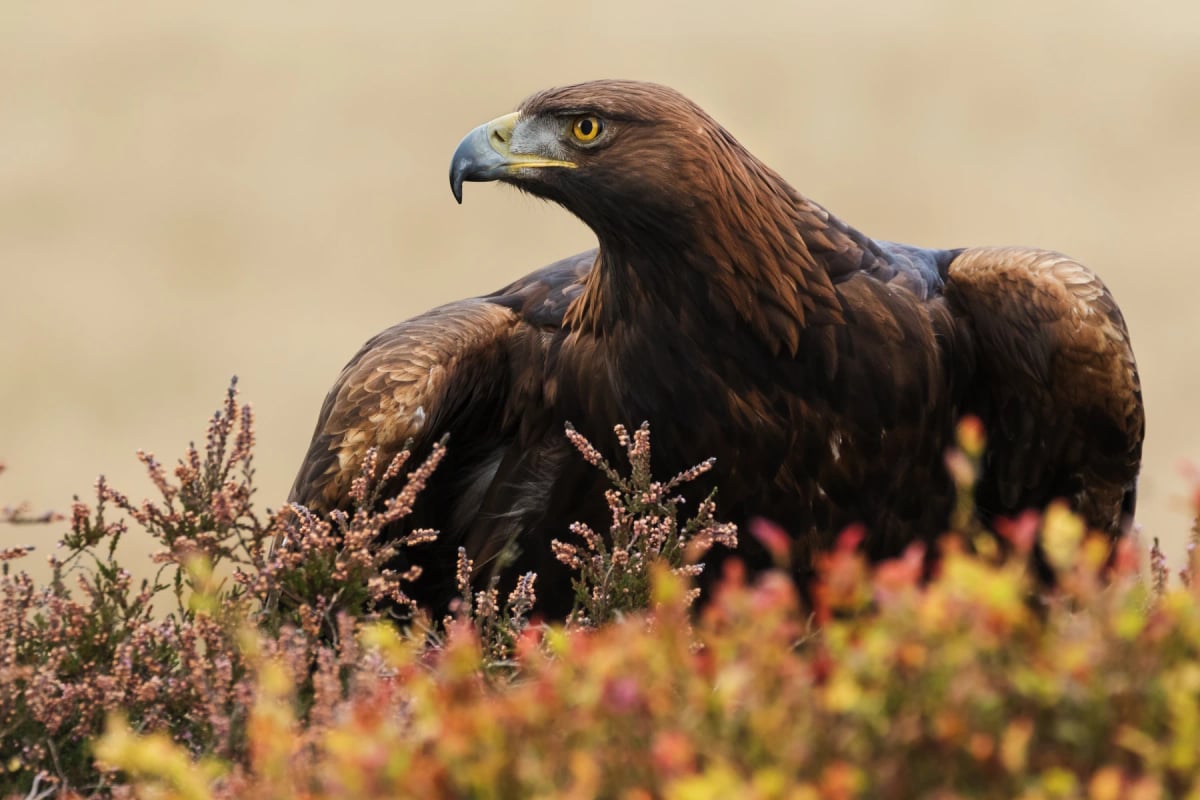
In Niger, the peregrine falcon occurs primarily as a migratory visitor passing through the Sahel and the southern fringes of the Sahara Desert during its journeys between Europe and the tropics. Open plains and rocky outcrops in the Aïr Mountains provide temporary resting and hunting habitat. The species preys on small birds it catches in the air. It is not a confirmed breeding resident and holds an IUCN status of Least Concern.
Least ConcernView more details & photos→
Peregrine Falcon

Peregrine Falcon

Falco peregrinus

In Niger, the peregrine falcon occurs primarily as a migratory visitor passing through the Sahel and the southern fringes of the Sahara Desert during its journeys between Europe and the tropics. Open plains and rocky outcrops in the Aïr Mountains provide temporary resting and hunting habitat. The species preys on small birds it catches in the air. It is not a confirmed breeding resident and holds an IUCN status of Least Concern.

Least ConcernView more details & photos→
African Manatee

African Manatee

Trichechus senegalensis

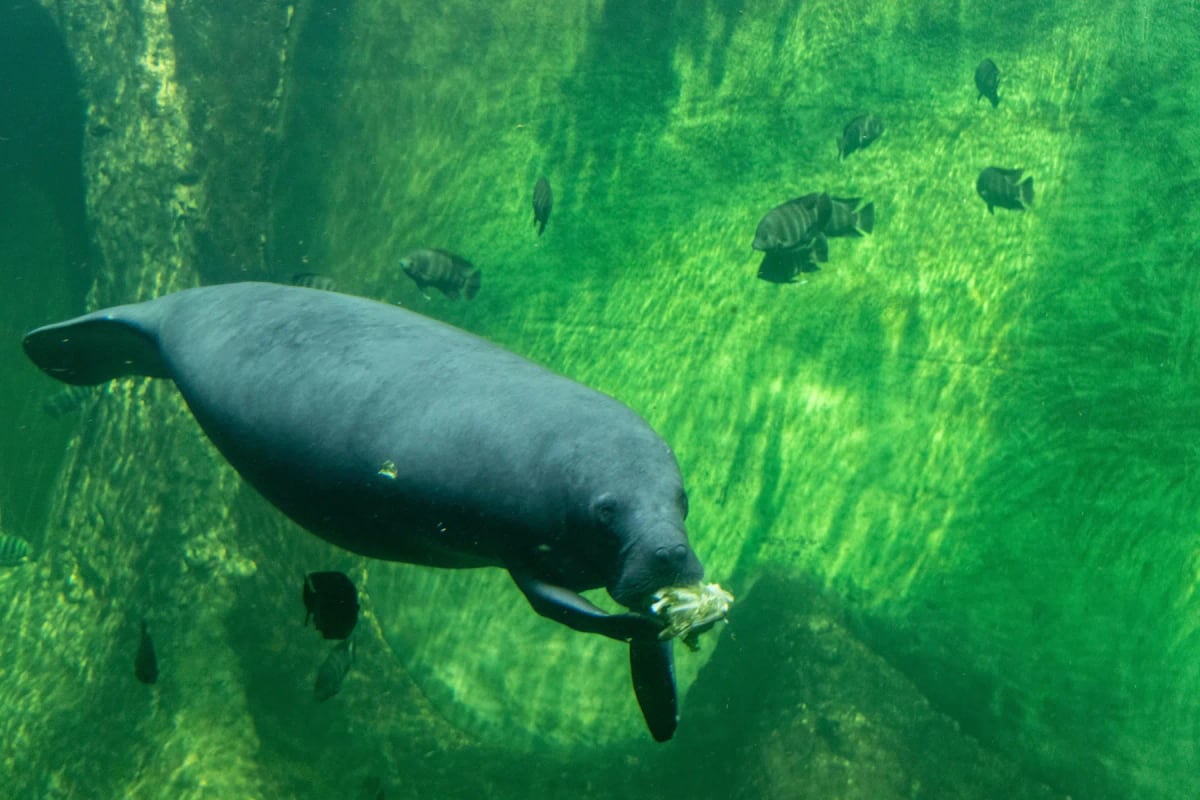
Niger is a landlocked country where the African manatee reaches the river bearing the same name. The species has been recorded along the Niger River as it crosses the southwestern corner of the country, where seasonal flooding creates temporary wetland areas that provide feeding opportunities. These populations are isolated from coastal groups and face hunting pressure from communities that regard the animal as a food resource.

VulnerableView more details & photos→
African Manatee

African Manatee

Trichechus senegalensis

Niger is a landlocked country where the African manatee reaches the river bearing the same name. The species has been recorded along the Niger River as it crosses the southwestern corner of the country, where seasonal flooding creates temporary wetland areas that provide feeding opportunities. These populations are isolated from coastal groups and face hunting pressure from communities that regard the animal as a food resource.

VulnerableView more details & photos→

🌍Most searched countries

1
BR
Brazil
2
RU
Russia
3
US
the United States
4
CA
Canada
5
AU
Australia
6
GL
Greenland
7
CN
China
8
IN
India
9
AR
Argentina
10
MX
Mexico

🐾Most searched animals

1
Gray Wolf
Gray Wolf
2
Lion
Lion
3
Red Fox
Red Fox
4
Leopard
Leopard
5
Golden Jackal
Golden Jackal
6
Wild Boar
Wild Boar
7
Bengal Tiger
Bengal Tiger
8
Capybara
Capybara
9
Caracal
Caracal
10
Hammerhead Shark
Hammerhead Shark
The Animal Map LogoThe Animal Map

Directory

All Countries
AfghanistanAlbaniaAlgeriaAngolaAntarcticaArgentinaArmeniaAustraliaAustriaAzerbaijanBahamasBangladeshBelarusBelgiumBelizeBeninBhutanBoliviaBosnia and HerzegovinaBotswanaBrazilBruneiBulgariaBurkina FasoBurundiCambodiaCameroonCanadaCentral African RepChadChileChinaColombiaCongoCosta RicaCote d'IvoireCroatiaCubaCyprusCzechiaDem. Rep. CongoDenmarkDjiboutiDominican RepEcuadorEgyptEl SalvadorEq GuineaEritreaEstoniaEswatiniEthiopiaFalkland Is.FijiFinlandFr. S. Antarctic LandsFranceFrench GuianaGabonGambiaGeorgiaGermanyGhanaGreeceGreenlandGuatemalaGuineaGuinea BissauGuyanaHaitiHondurasHungaryIcelandIndiaIndonesiaIranIraqIrelandIsraelItalyJamaicaJapanJordanKazakhstanKenyaKosovoKuwaitKyrgyzstanLaosLatviaLebanonLesothoLiberiaLibyaLithuaniaLuxembourgMadagascarMalawiMalaysiaMaliMauritaniaMexicoMoldovaMongoliaMontenegroMoroccoMozambiqueMyanmarNamibiaNepalNetherlandsNew ZealandNicaraguaNigerNigeriaNorth KoreaNorth MacedoniaNorwayOmanPakistanPalestinePanamaPapua New GuineaParaguayPeruPhilippinesPolandPortugalPuerto RicoQatarRomaniaRussiaRwandaS SudanSaudi ArabiaSenegalSerbiaSierra LeoneSlovakiaSloveniaSomaliaSomalilandSouth AfricaSouth KoreaSpainSri LankaSudanSurinamSwedenSwitzerlandSyriaTaiwanTajikistanTanzaniaThailandthe United StatesTimor LesteTogoTrinidad and TobagoTunisiaTurkeyTurkmenistanUgandaUkraineUnited Arab EmiratesUnited KingdomUruguayUzbekistanVenezuelaVietnamW SaharaYemenZambiaZimbabwe
Regions
AlaskaCaliforniaFloridaHawaiiNew YorkTexas
All Animals
AddaxAfrican CivetAfrican ElephantAfrican Fish EagleAfrican Forest ElephantAfrican Grey ParrotAfrican ManateeAkhal Teke HorseAlligatorAlpine IbexAlpine MarmotAmazon River DolphinAmerican BisonAmerican Black BearAnacondaAndean CondorAnteaterArabian GazelleArabian LeopardArabian OryxArctic FoxArctic HareArctic WolfArmadilloAsian ElephantAsiatic Black BearAurochsAxolotlBactrian CamelBadgerBald EagleBarbary MacaqueBarn OwlBarracudaBateleurBeaverBellbirdBeluga WhaleBengal Slow LorisBengal TigerBlack backed JackalBlack browed AlbatrossBlack MambaBlack necked SwanBlack RhinocerosBlack SwanBlackbuckBlue CraneBlue WhaleBoa ConstrictorBobcatBonoboBottlenose DolphinBrocket DeerBrown BearBrown HyenaBrown SkuaBuffaloBull SharkBushbuckCaimanCanadian LynxCape PetrelCapybaraCaracalCassowaryChameleonChamoisCheetahChimpanzeeClouded LeopardClownfishCommon DolphinCommon GenetCoquíCottonmouth SnakeCougarCowCoyoteCraneCuban HutiaCuban TrogonDama GazelleDholeDingoDromedary CamelDugongDusky LangurEagle OwlEchidnaEld's DeerElephant SealEmuEurasian LynxEurasian MagpieEuropean AdderEuropean BisonEuropean WildcatFennec FoxFiji Crested IguanaFishing CatFlamingoFossaFruit BatFur SealGaurGelada BaboonGharialGiant OtterGiant PandaGiraffeGoitered GazelleGolden EagleGolden JackalGray FoxGray WolfGreat White SharkGreater KuduGreen PheasantGreen Tree PythonGrey Crowned CraneGriffon VultureGrizzly BearGuanacoGyrfalconHammerhead SharkHareHarpy EagleHartebeestHedgehogHimalayan MonalHippopotamusHispaniolan TrogonHoney BadgerHorneroHuemulHumpback WhaleIberian LynxIguanaImpalaItalian WolfJaguarJaguarundiJapanese MacaqueJapanese SerowKarabakh HorseKeaKing CobraKing PenguinKiwiKoalaKobKomodo DragonKookaburraKoupreyLanceheadLangurLanner FalconLeopardLeopard SealLesser KiskadeeLionLlamaMacaqueMacaroni PenguinMagellanic PenguinManateeMandrillManed WolfMaraMargayMarkhorMarsh DeerMartenMeerkatMonitor LizardMonk ParakeetMooseMouflonMountain GazelleMountain GorillaMugger CrocodileMusk OxMute SwanNarwhalNightingaleNile CrocodileNubian IbexOcelotOkapiOpossumOrangutanOrcaOryxOstrichPalmchatPampas DeerPanamanian Golden FrogPangolinParrotfishPeregrine FalconPersian LeopardPlatypusPolar BearProboscis MonkeyPronghornPrzewalski's HorsePuffinPygmy HippoRaccoonRaggiana Bird of paradiseRattlesnakeRed billed StreamertailRed DeerRed FoxRed Howler MonkeyRed KangarooRed PandaRed SquirrelReef SharkReindeerResplendent QuetzalReticulated PythonRheaRing tailed LemurRiver OtterRoe DeerRoosterRufous bellied ThrushSable AntelopeSaigaSaker FalconSambar DeerSand GazelleScarlet IbisScarlet MacawSea LionSea SnakeSea TurtleSealSecretary BirdServalSiamangSiberian TigerSlothSnow LeopardSoemmerring's GazelleSouth American Gray FoxSouthern CaracaraSouthern LapwingSouthern Red MuntjacSouthern Right WhaleSpectacled BearSperm WhaleSpider MonkeySpotted HyenaSpringbokSquirrel MonkeySri Lankan ElephantSteppe EagleStorkStriped HyenaSun BearTakinTapirTasmanian DevilTawny EagleThe TurulThomson's GazelleTiger SharkTiger SnakeTopiTornjakToucanTree KangarooTrumpeter SwanTuataraTurpialTurquoise browed MotmotVicuñaWallabyWalrusWarthogWater BuffaloWestern Lowland GorillaWhale SharkWhite backed VultureWhite faced CapuchinWhite StallionWhite tailed DeerWhite tailed EagleWhite WagtailWild BoarWild DogWildebeestWolverineWombatYakYellow AnacondaZebra
AboutPrivacy PolicyTerms & ConditionsCookies Policy
Change language