Animals in Cameroon
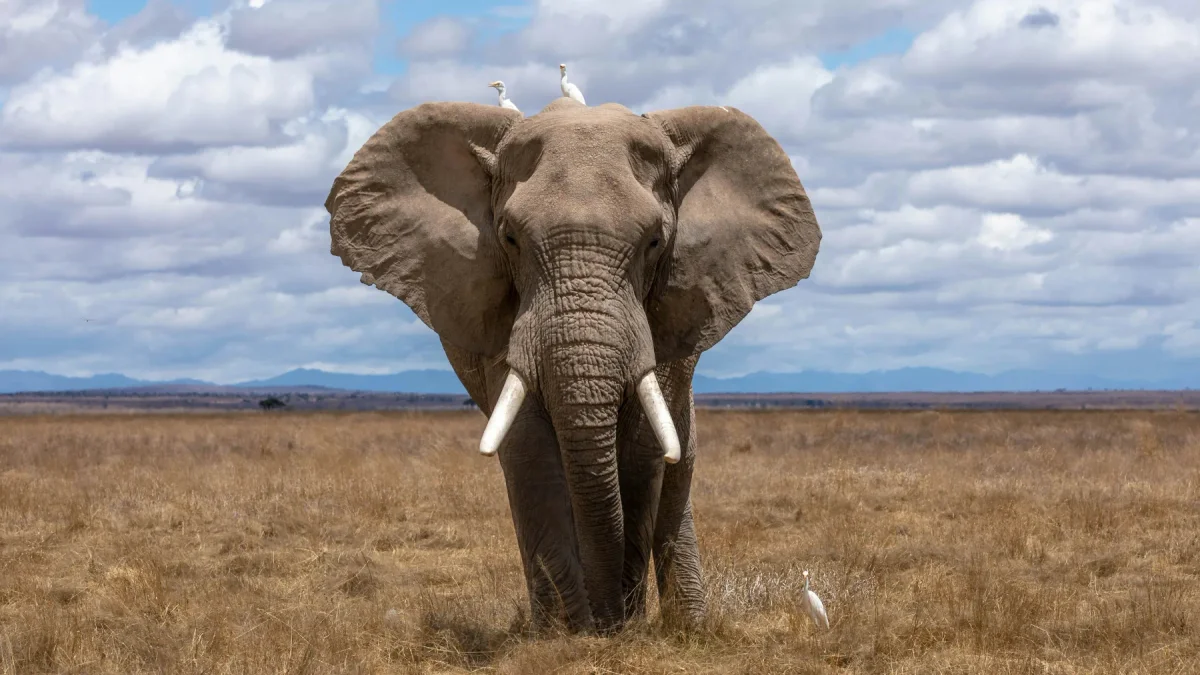
African Elephant
Loxodonta africana
The African elephant, Cameroon’s national animal, symbolizes strength and endurance. Both forest and savanna elephants roam the country’s reserves, illustrating its ecological variety. Conservation programs aim to protect these herds while supporting sustainable tourism.
View details→Wildlife in Cameroon
Cameroon’s wildlife stands among the most diverse in Africa, shaped by its forests, savannas and coastline. Elephants, gorillas and other emblematic species inhabit a mix of Central and West African habitats. National parks and nature reserves highlight its role as a crossroads of ecosystems.
Most Dangerous Animals in Cameroon
Cameroon is home to several dangerous animals. Elephants and hippos cause most incidents, while black mambas and crocodiles are common hazards near rivers. Awareness and guided visits ensure safe experiences in both inland and coastal regions.
Top 10 Animals in Cameroon
Cameroon’s emblematic fauna includes elephants, chimpanzees, lions, leopards, giraffes, hippos, crocodiles and black mambas. These species embody the contrast between rainforest and savanna, giving the country a distinctive place within African biodiversity.
African Elephant
Loxodonta africana
Cameroon's savanna elephants live in the northern part of the country, in and around Bénoué, Faro and Waza national parks. This region is open savanna and quite different from the southern forest zones, where the African forest elephant predominates. The populations in northern Cameroon are connected to those of Chad and the Central African Republic and have suffered from poaching during periods of instability in the broader region.
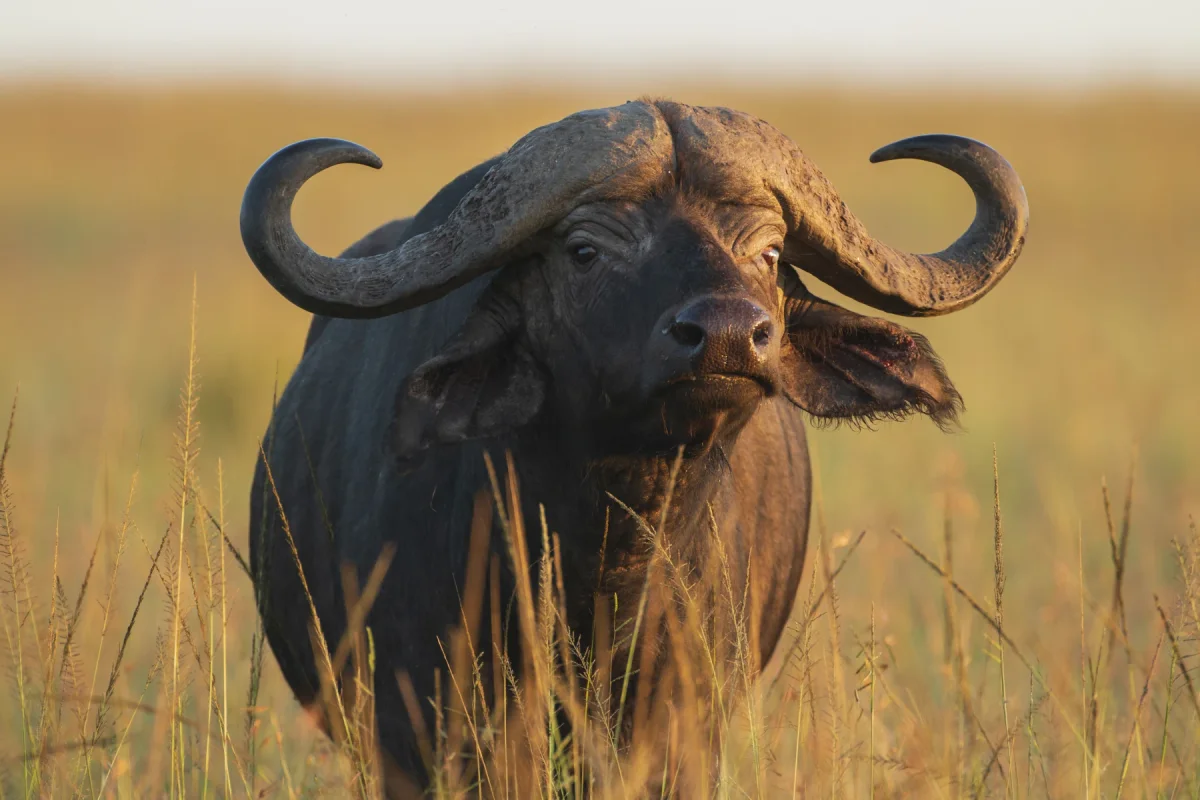
Buffalo
Syncerus caffer
Cameroon's African buffalo populations are distributed across a range of ecosystems, from the northern savannas of Bénoué National Park and Waza National Park to forest edges in the south. The savanna subspecies is more common in the north, while forest buffalo inhabit the dense woodlands of the south and east. Poaching and habitat fragmentation continue to threaten populations outside protected areas. IUCN status: Least Concern.
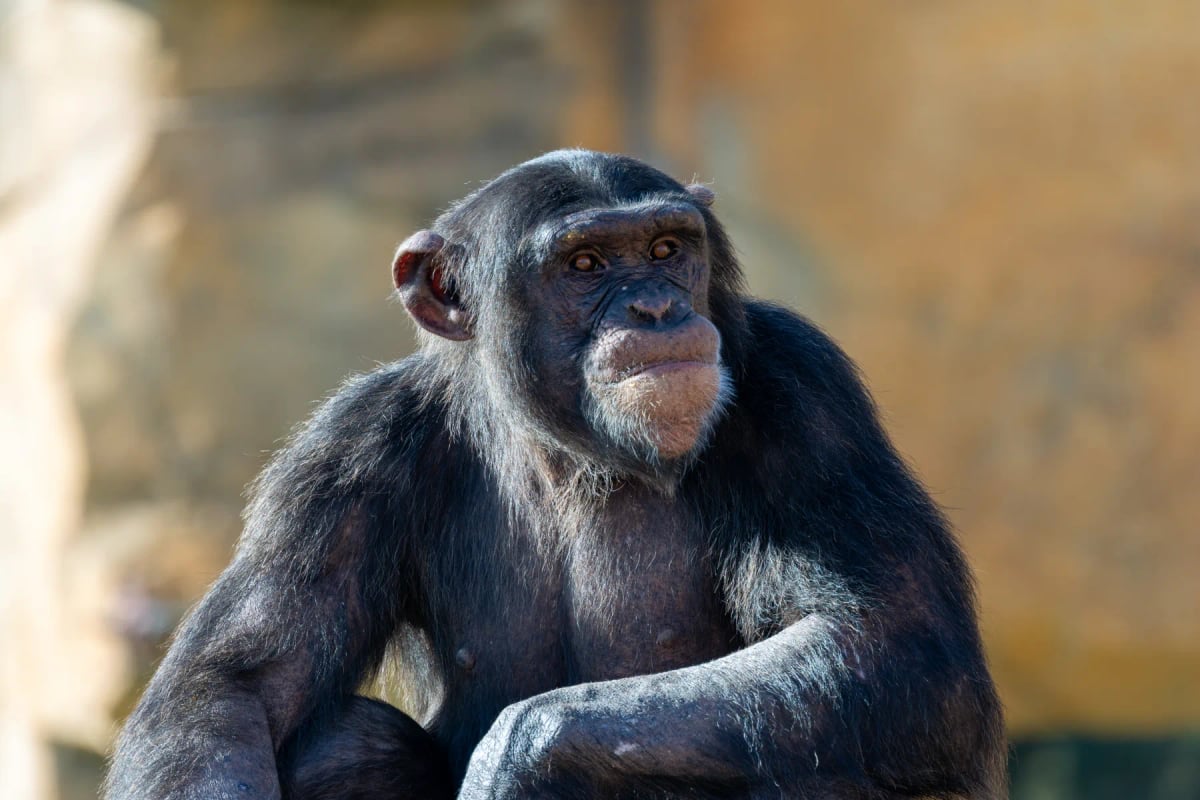
Chimpanzee
Pan troglodytes
Cameroon is one of the most important strongholds for chimpanzees in Africa, with populations spread across the southern rainforests, including areas around the Dja Faunal Reserve and the Congo Basin borderlands. The country hosts multiple subspecies ranges and has significant community forest initiatives. Despite this, bushmeat trade and logging continue to threaten populations across the country.
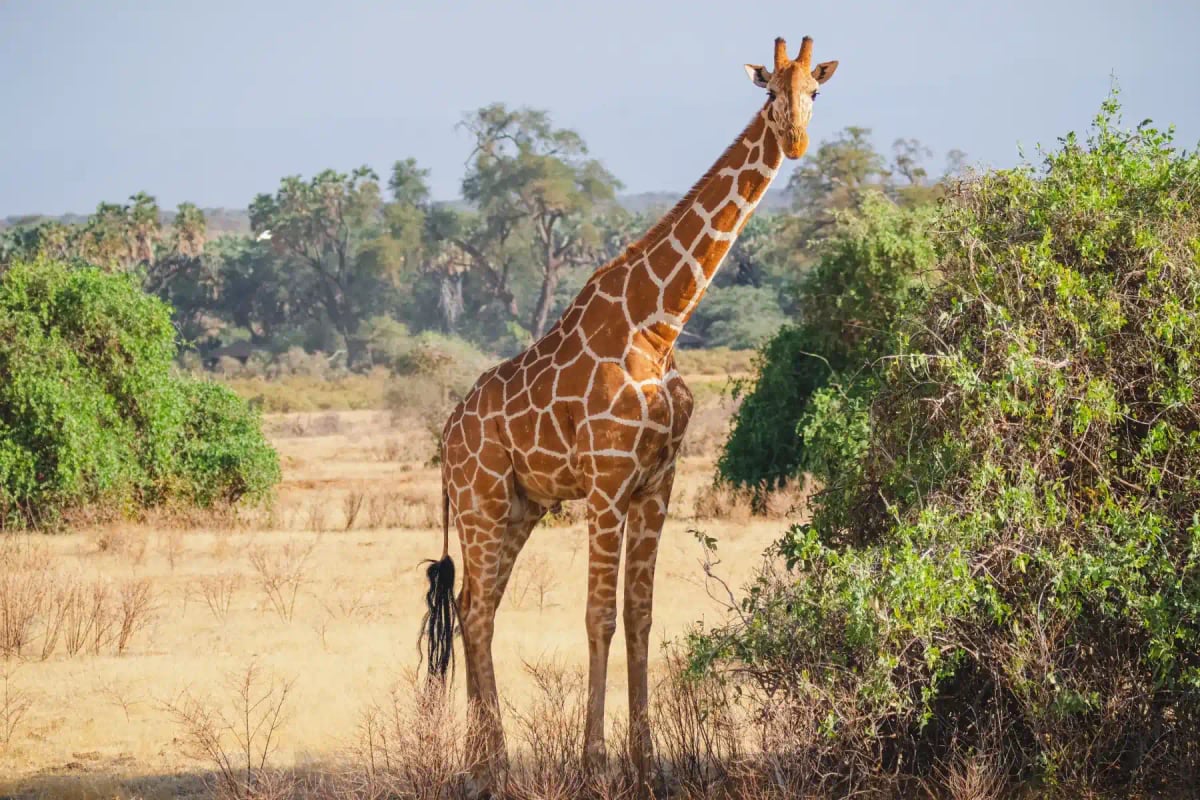
Giraffe
Giraffa camelopardalis
In Cameroon, giraffes are found in the northern regions, particularly around Waza National Park in the far north of the country. This population is considered one of the most isolated in West and Central Africa, and numbers are critically small. The dry Sahel savanna of this area provides the open woodland habitat giraffes need to browse and move freely. Conservation support is essential for their survival here. Their IUCN status is Vulnerable.
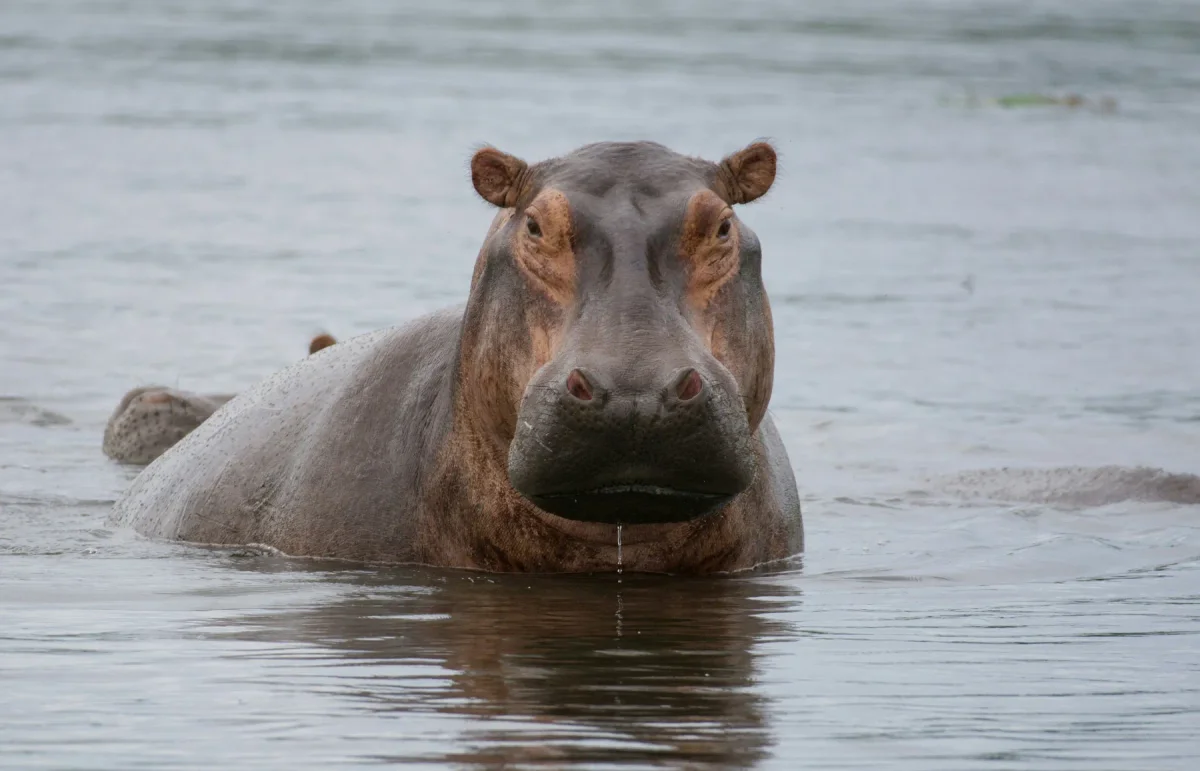
Hippopotamus
Hippopotamus amphibius
In Cameroon, hippopotamuses inhabit the rivers and floodplains of the northern regions, particularly around Waza National Park and along the Logone River, which borders Chad. In the south, smaller numbers are found in rivers draining toward the Congo Basin. Conflict between hippos and farming communities is a known challenge in riverine areas. These animals remain an important part of Cameroon's wildlife heritage. The IUCN lists the hippopotamus as Vulnerable.
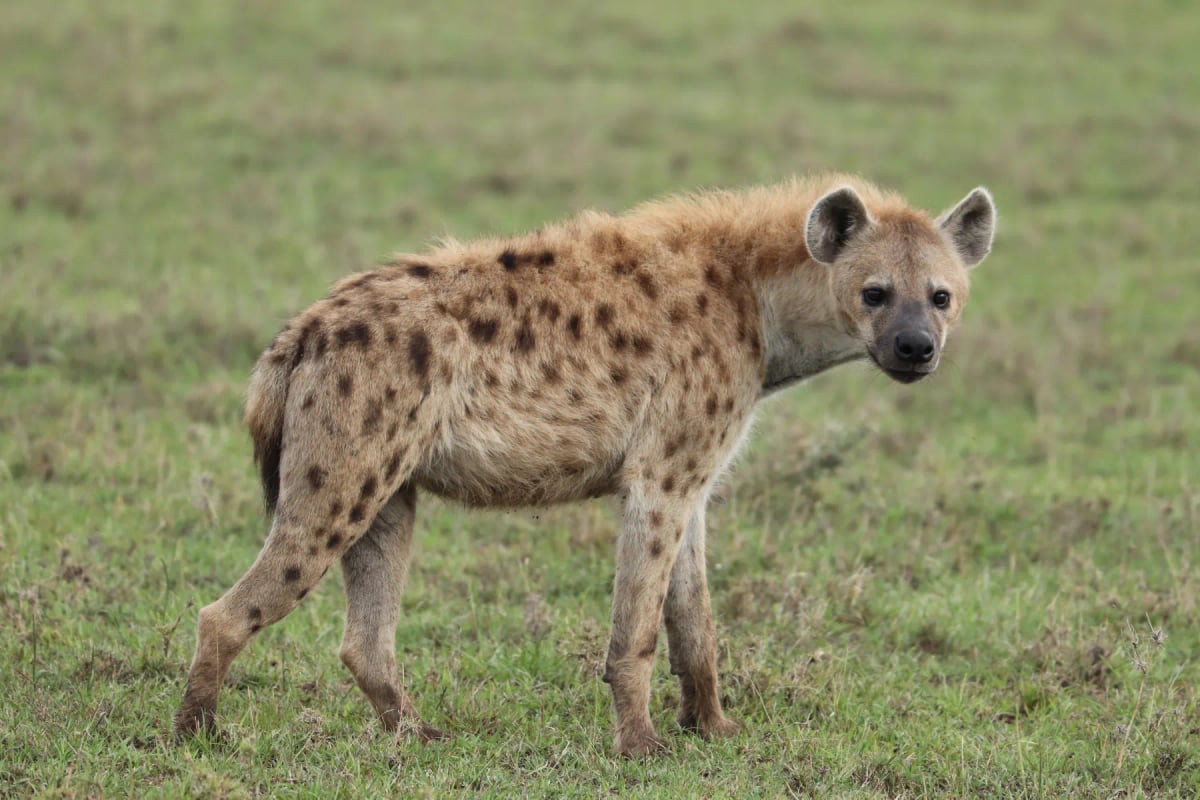
Spotted Hyena
Crocuta crocuta
In Cameroon, spotted hyenas are found in the northern savannas and in protected areas such as Benoue National Park and Waza National Park, where they coexist with lions, leopards, and large ungulates. The far north region, with its open dry landscapes, offers the most suitable habitat. Hyenas here face threats from habitat degradation driven by overgrazing, and from conflict with herding communities who view them as a danger to livestock.
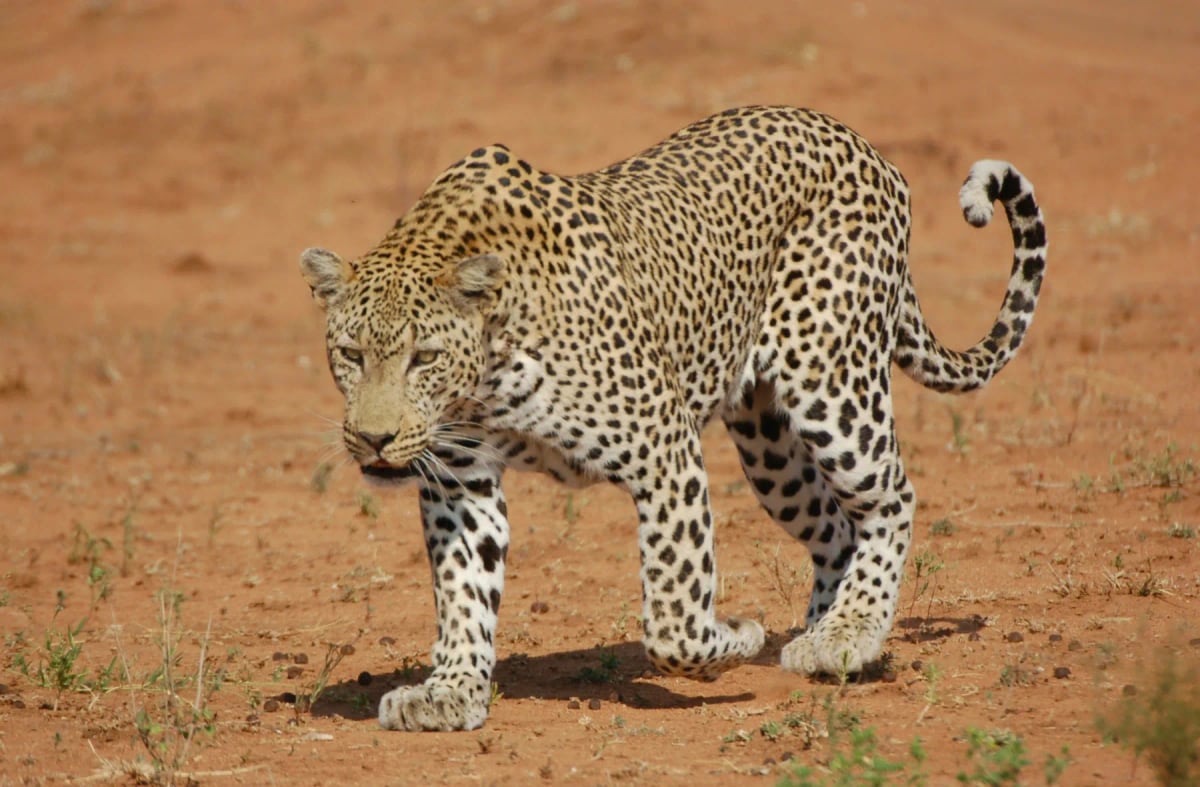
Leopard
Panthera pardus
Leopards are found across Cameroon, from the dense rainforests of the south to the savanna woodlands of the north near Waza National Park. They are adaptable hunters, taking prey ranging from small antelopes to rodents. Habitat loss from logging and agriculture, along with retaliatory killing by farmers protecting livestock, puts pressure on leopard populations throughout the country. The species is listed as Vulnerable on the IUCN Red List.
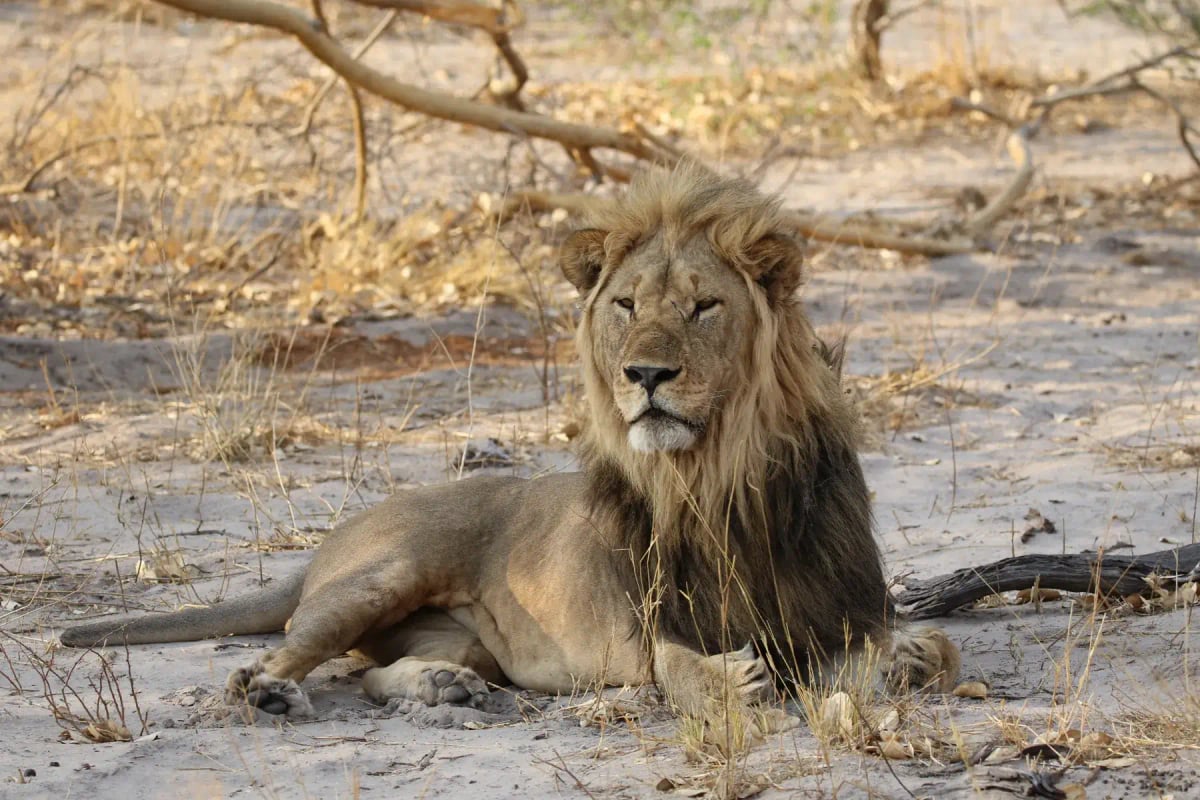
Lion
Panthera leo
In Cameroon, lions are found mainly in the north of the country, particularly in Waza National Park and the surrounding Sahel savanna. This northern population is one of the last significant lion groups in Central Africa. Numbers have declined in recent decades due to habitat loss and conflict with herders, making conservation efforts in the region increasingly urgent.
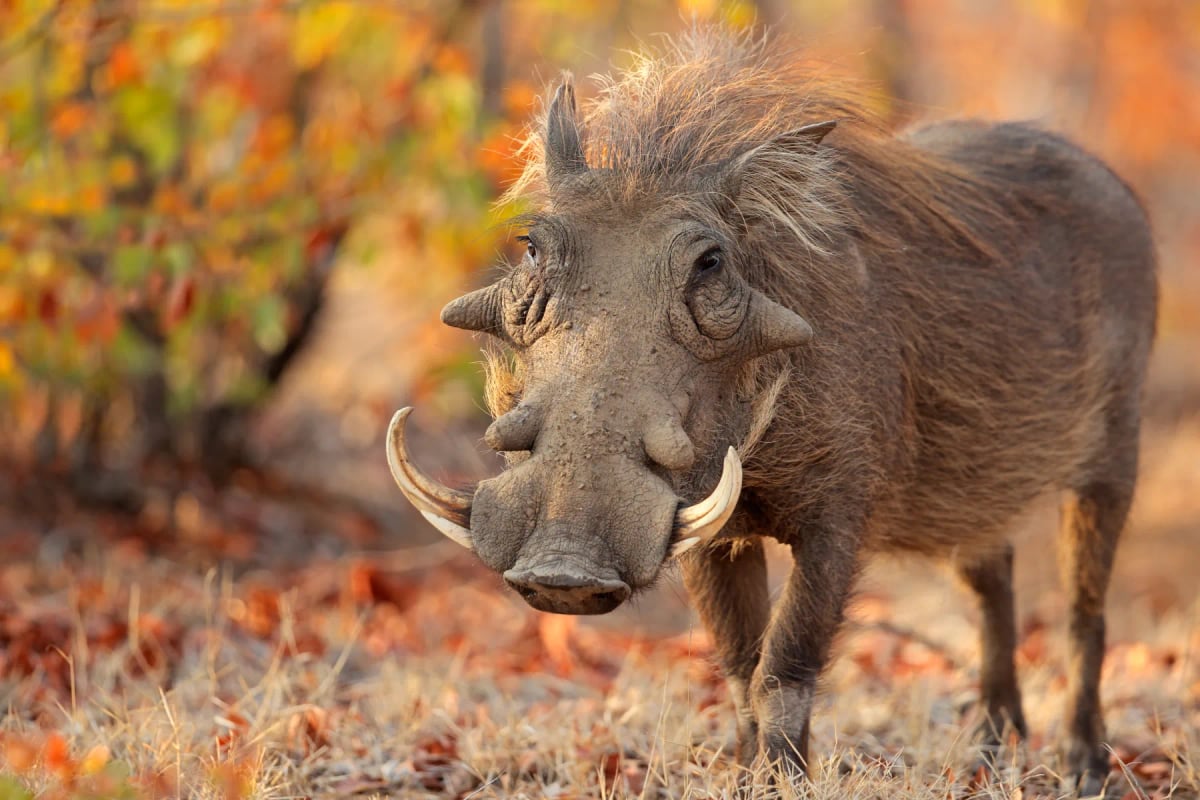
Warthog
Phacochoerus africanus
In Cameroon, the common warthog is found across the northern savannas and in protected areas such as Bénoué National Park and Waza National Park. These dry, open landscapes provide ideal grazing and rooting conditions. The species shares its habitat with lions, leopards, and hyenas, all of which prey on it. Family groups are a regular sight near seasonal rivers and waterholes. Its IUCN status is Least Concern.
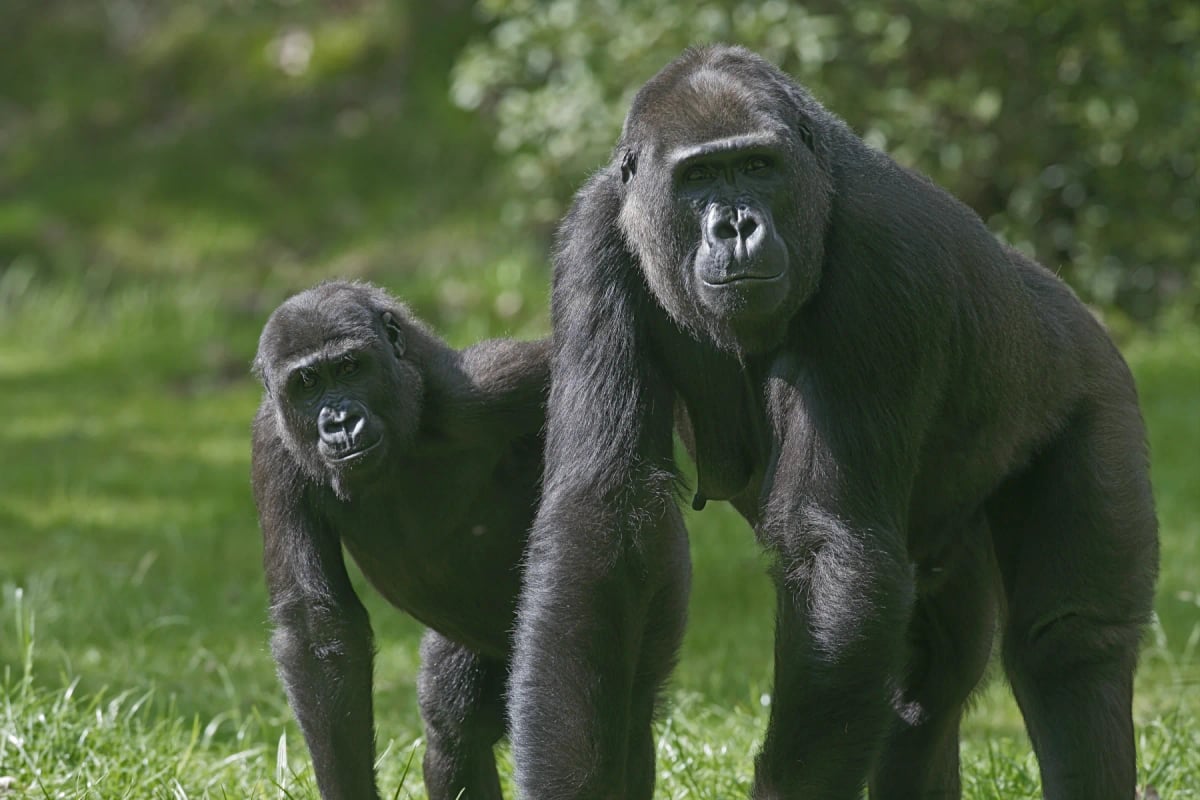
Western Lowland Gorilla
Gorilla gorilla gorilla
In Cameroon, western lowland gorillas live in the dense rainforests of the south and southwest, including areas within the Congo Basin. Protected areas like the Dja Faunal Reserve shelter important populations. Logging, bushmeat hunting, and Ebola outbreaks remain serious threats. Cameroon plays a key role in regional conservation efforts, and several programs work to protect gorilla corridors that connect forests across borders.
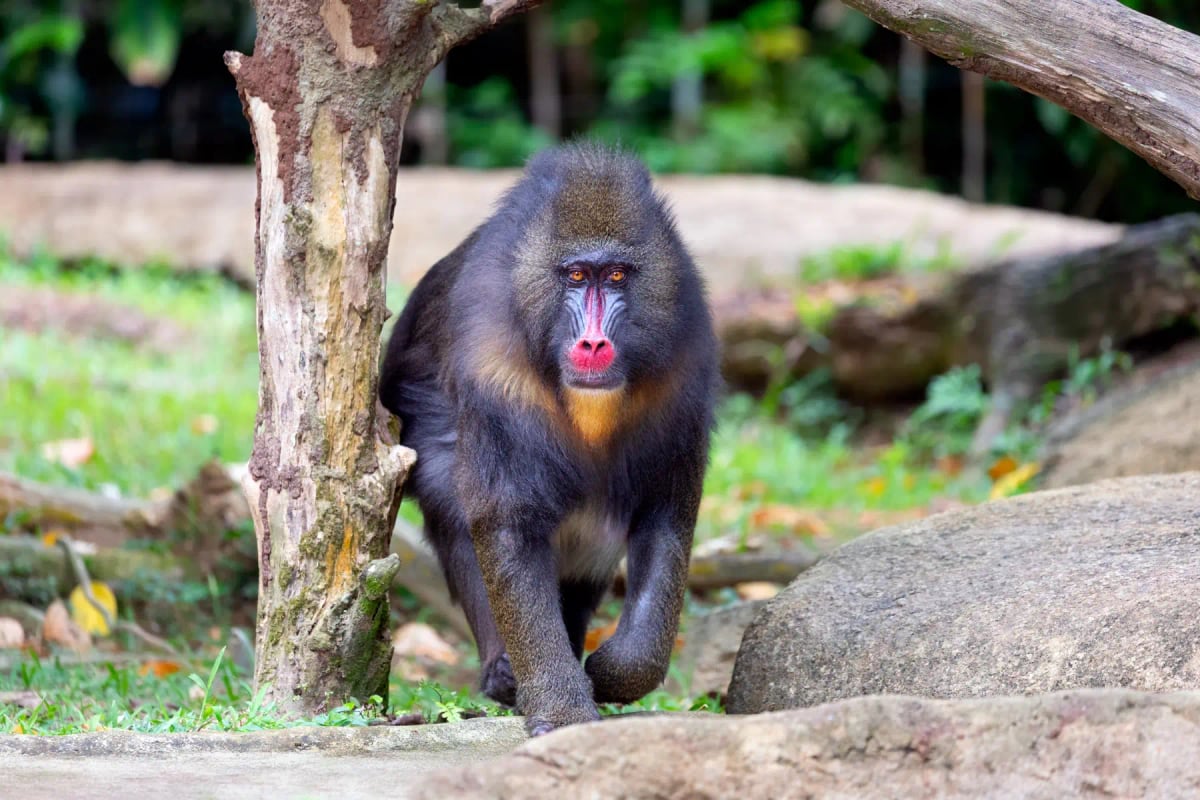
Mandrill
Mandrillus sphinx
The mandrill lives in the dense rainforests of southern Cameroon, particularly in areas bordering Gabon. The world's largest monkey, the male is unmistakable with vivid red and blue markings on its face and rump. Mandrills forage on the forest floor for fruit, insects, and small animals, and travel in large groups called hordes. Hunting for bushmeat and logging threaten their survival in the region. The IUCN lists them as Vulnerable.
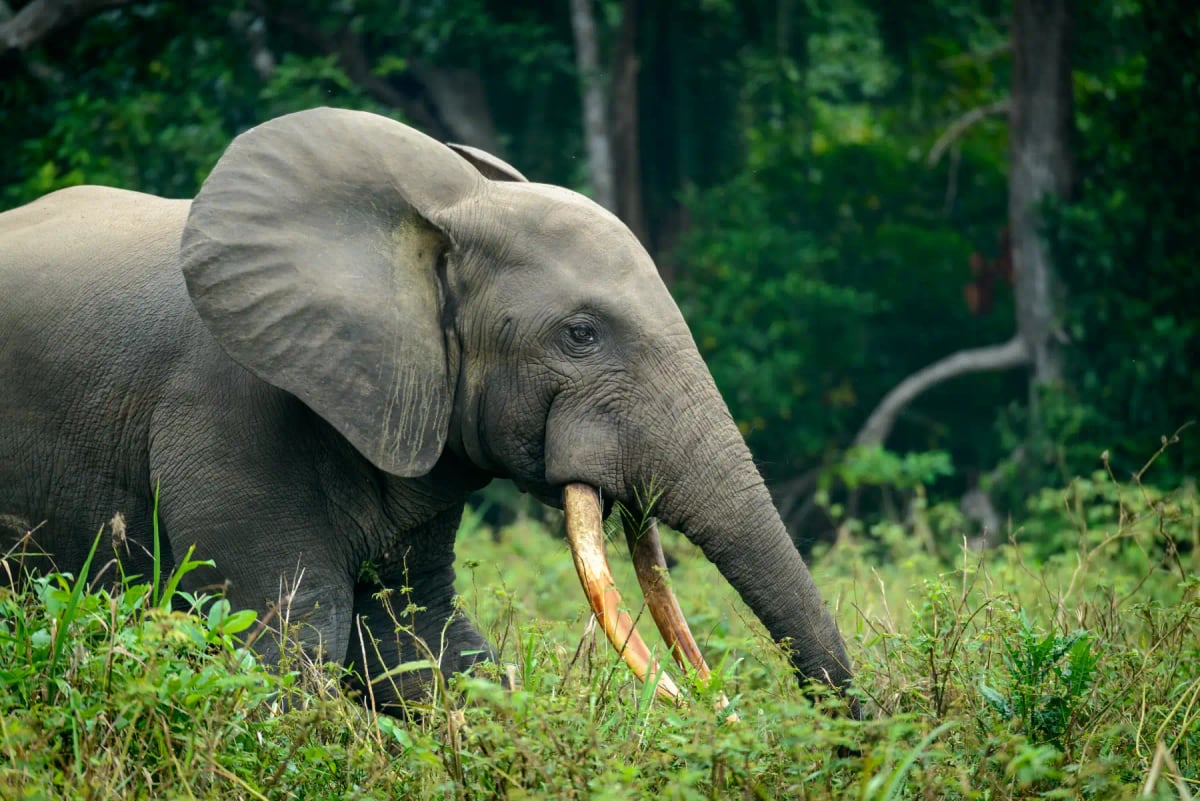
African Forest Elephant
Loxodonta cyclotis
Cameroon is one of the most important countries for the African forest elephant outside the Congo Basin core. The Dja Faunal Reserve, a UNESCO World Heritage Site in the south, holds a significant population within intact rainforest. The Sangha Tri-National landscape in the southeast, shared with Congo and the Central African Republic, is another key area. Cameroon's forest elephant numbers have fallen sharply due to poaching, with recent estimates of only around 400 individuals remaining in the country.
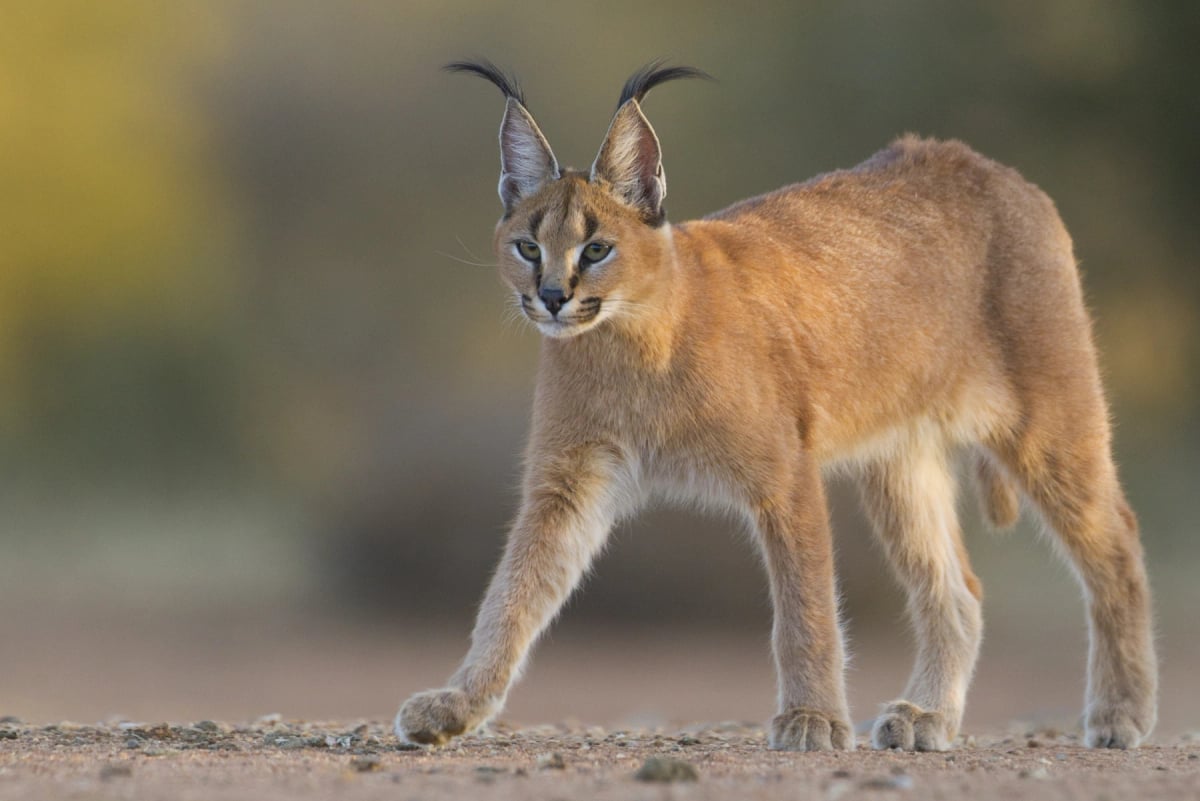
Caracal
Caracal caracal
In Cameroon, the caracal is found mainly in the northern savanna and semi-arid regions, including areas around the Bénoué complex of protected areas. It avoids the dense rainforests of the south and centre of the country. Prey consists of small antelopes, rodents, hares, and birds. The species is seldom studied in Cameroon, and improved survey efforts would help clarify the extent and health of its population there. IUCN status: Least Concern.
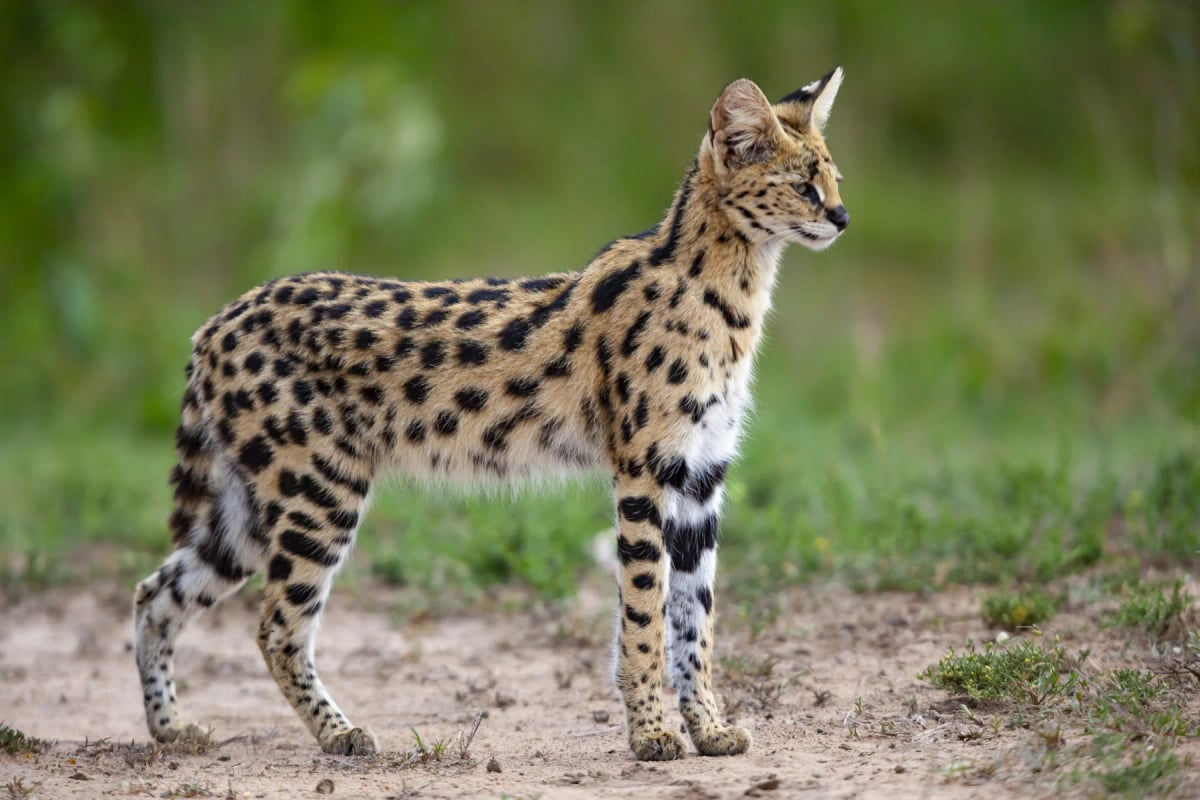
Serval
Leptailurus serval
Cameroon's diverse landscapes, from the Adamawa Plateau grasslands to the wetlands of the north near Lake Chad, support a healthy serval population. The species avoids dense rainforest and sticks to open and semi-open habitats with tall grass. It hunts rodents and other small animals mainly at night. The IUCN lists the serval as Least Concern. In Cameroon, hunting for its spotted pelt is a documented threat at the local level.
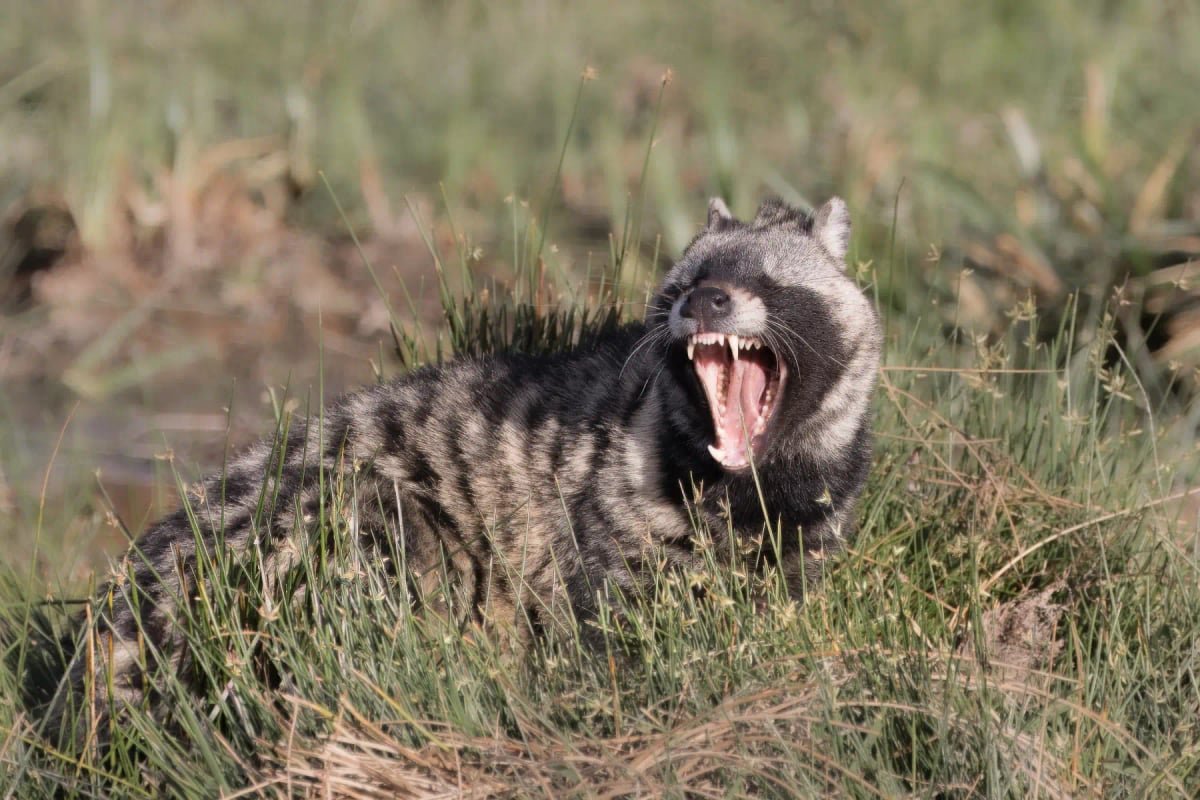
African Civet
Civettictis civetta
Cameroon's ecological diversity makes it one of the most important countries for the African civet. The species ranges from the southern lowland rainforests and coastal forests up through the Guinea savanna and the more open terrain of the north. Civets are well established in areas like the Dja Biosphere Reserve and Lobéké National Park, and adapt readily to secondary forest and agricultural edges across the wetter southern regions.
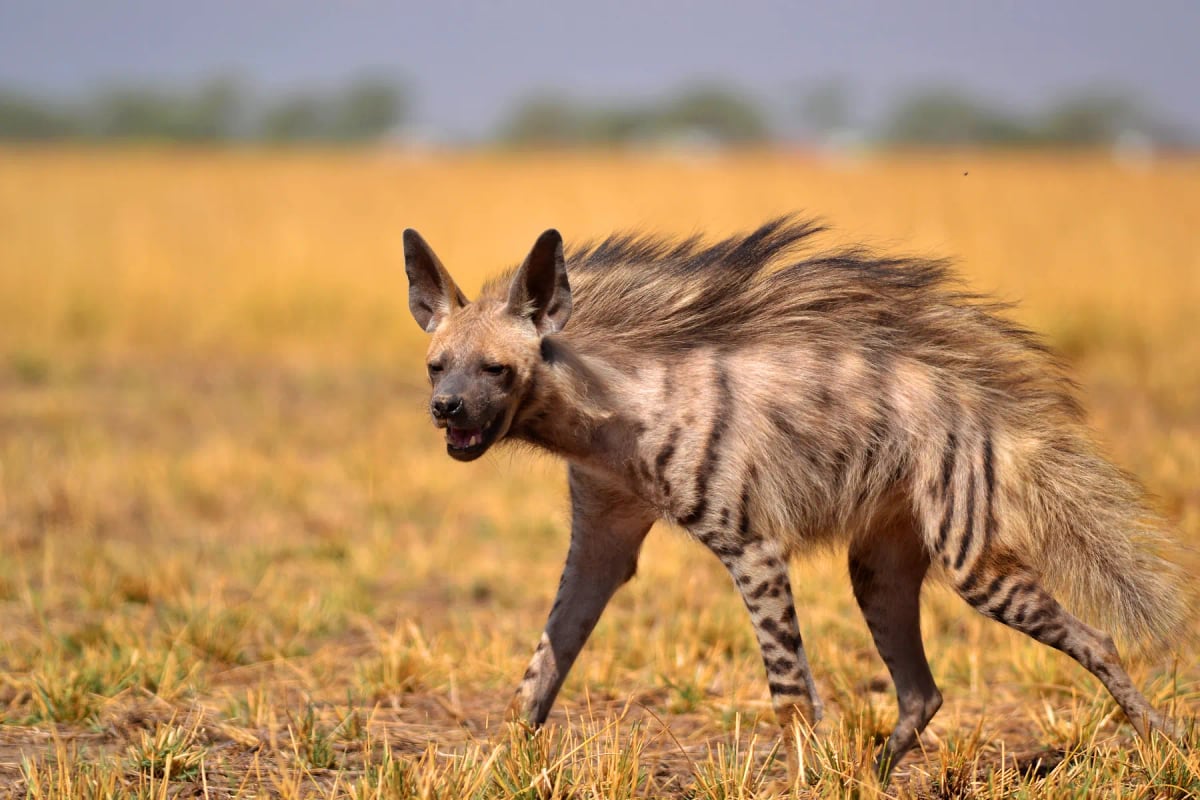
Striped Hyena
Hyaena hyaena
Shy nocturnal scavenger with a striped gray coat and an erectile mane that helps clean the landscape by consuming carcasses across Africa, the Middle East and Asia.

Honey Badger
Mellivora capensis
In Cameroon, the honey badger is present across the northern savanna regions, including the dry Sahel belt near Lake Chad, as well as woodland areas further south. It is a powerful digger and a fearless hunter, taking prey as dangerous as gaboon vipers. Cameroon's growing agricultural frontier brings the species into conflict with farmers. The IUCN currently rates it as Least Concern across its full range.
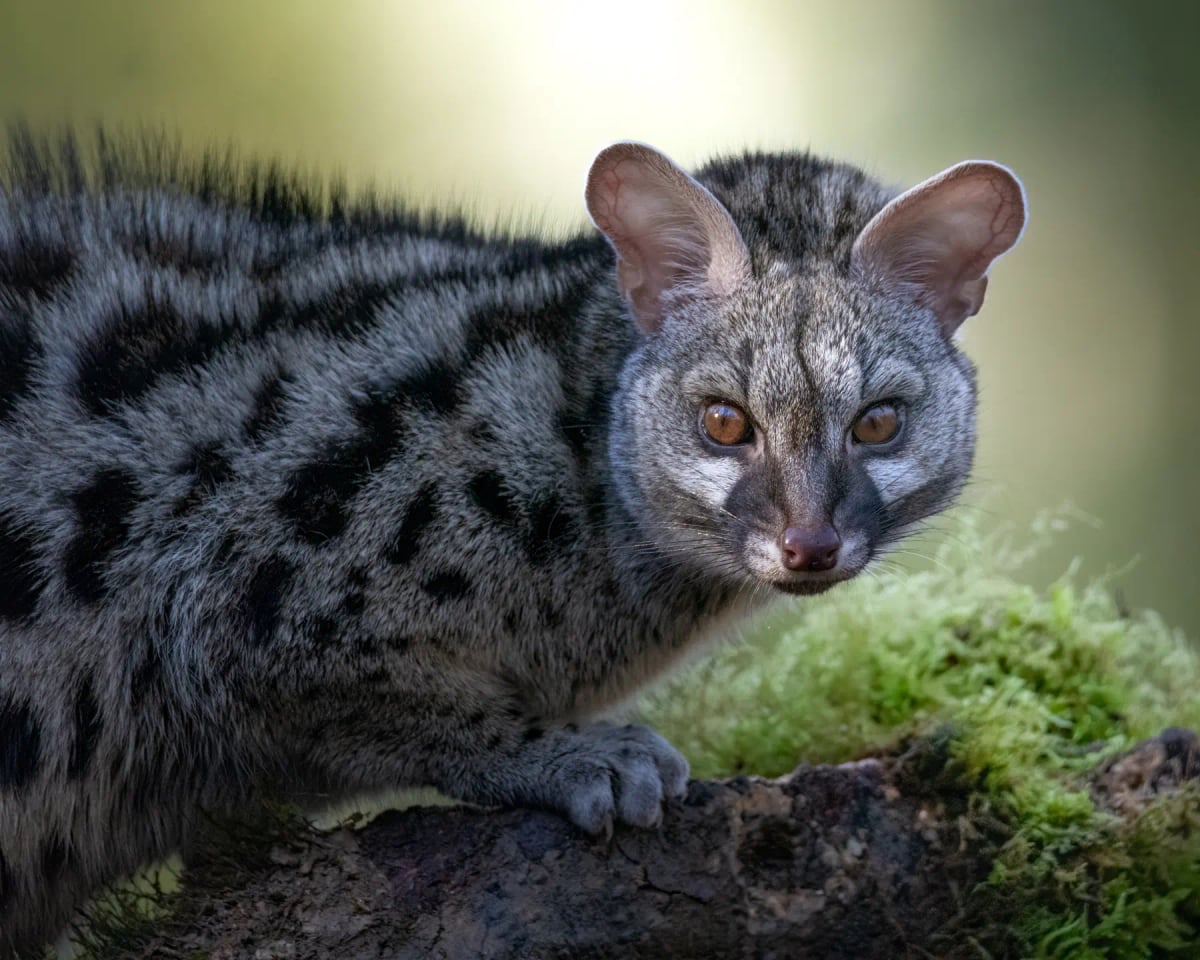
Common Genet
Genetta genetta
In Cameroon, the common genet is found in a range of habitats from savanna woodlands in the north to forest edges in the south. It is a nocturnal and solitary animal, an excellent climber that also hunts on the ground. It feeds on rodents, birds, insects, and fruit. Cameroon's rich variety of ecosystems makes it well suited for this adaptable species, which uses scent markings to define its territory. Its IUCN status is Least Concern.
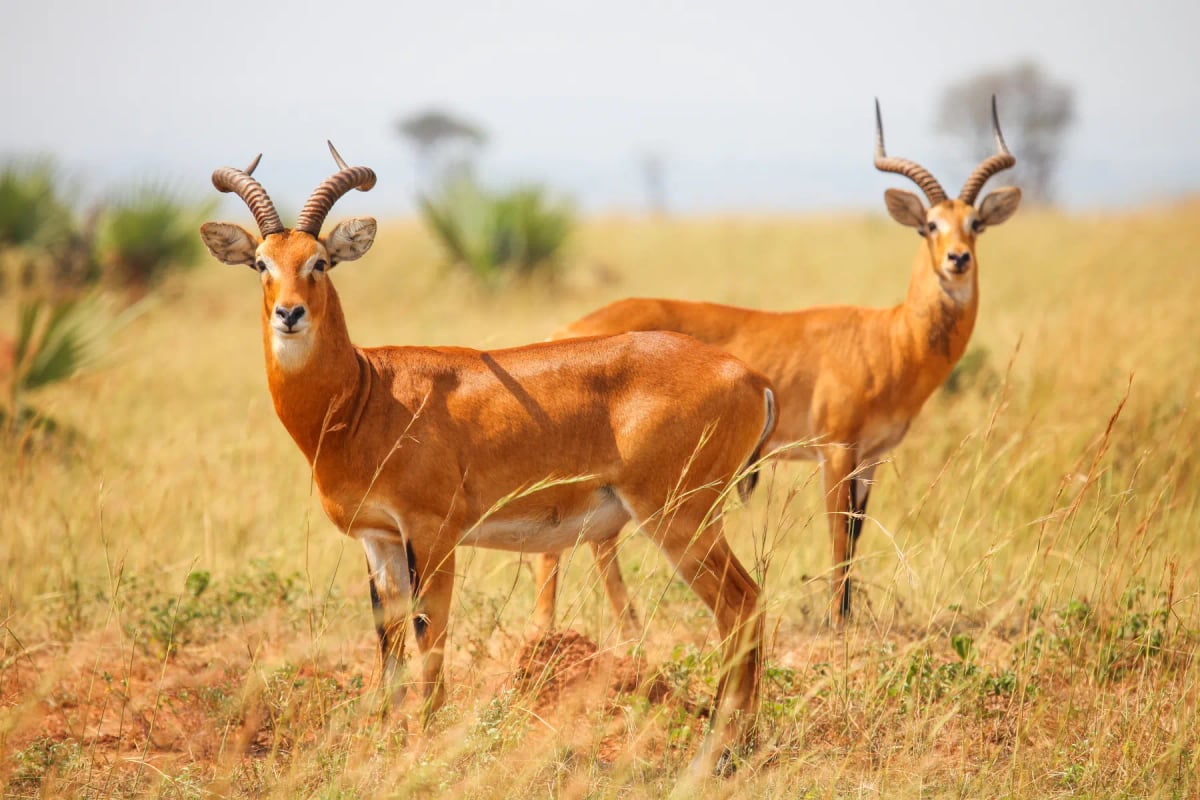
Kob
Kobus kob
The kob is present in the northern savanna zones of Cameroon, including the Bénoué and Bouba Ndjida national parks, where broad floodplains and grasslands support healthy herds. This antelope thrives near rivers and seasonal wetlands where green forage persists well into the dry months. Females and young travel together in groups while males compete on lek arenas for mating rights. It is listed as Least Concern by the IUCN.
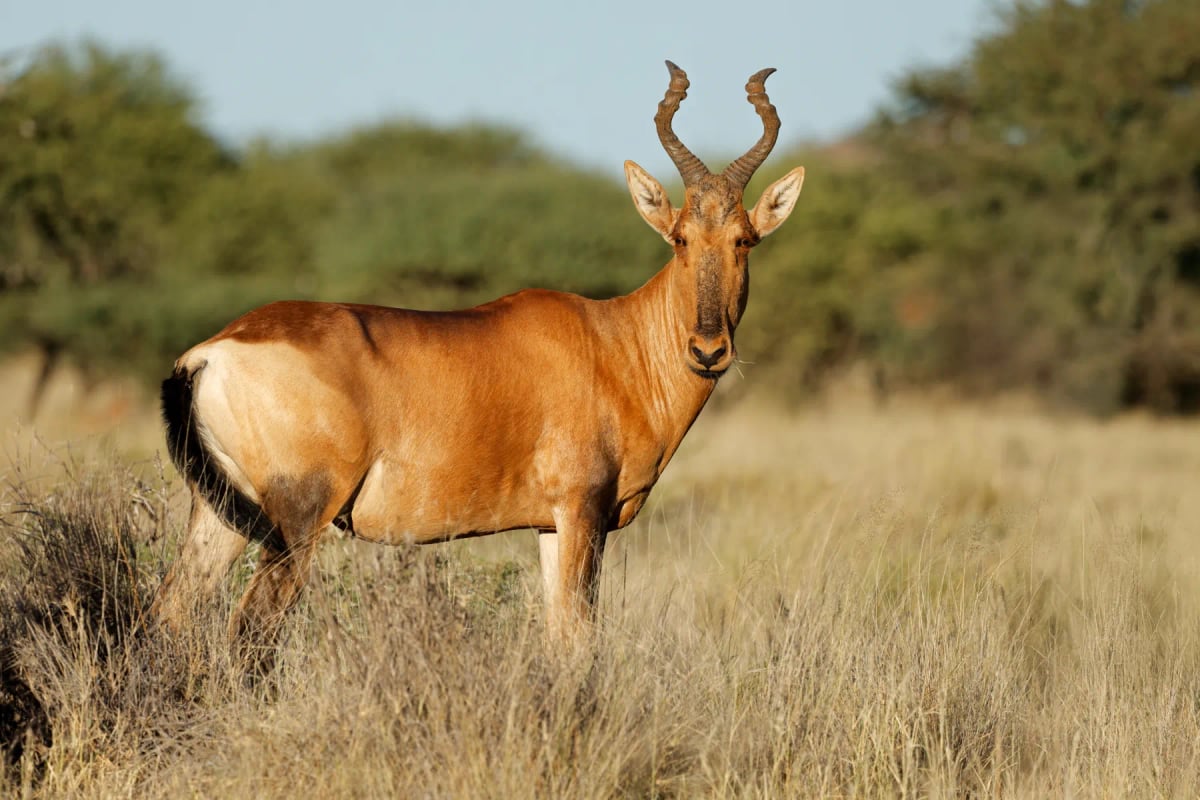
Hartebeest
Alcelaphus buselaphus
In Cameroon, the hartebeest inhabits the northern savannas and the Adamawa Plateau, where open grasslands provide good grazing. Waza National Park in the far north is one of the key sites where the species can still be observed. Habitat fragmentation and hunting have taken a toll on populations outside protected areas. The species plays an important role as prey for large carnivores in these ecosystems.
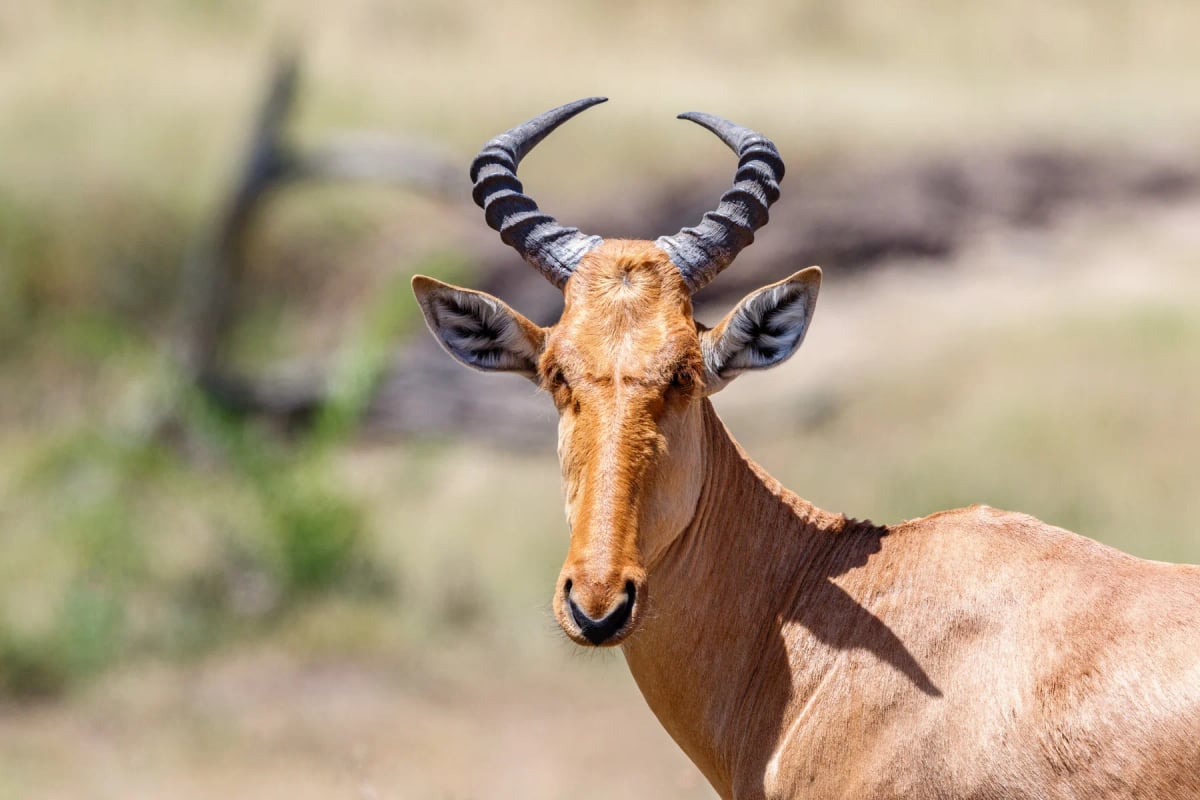
Topi
Damaliscus lunatus
The topi is present in Cameroon's northern savanna regions, including areas around Bénoué National Park and the broader Adamawa Plateau grasslands. These open landscapes offer the grazing conditions this antelope needs. Topis live in herds and during the breeding season, males defend small patches of ground and often use termite mounds as lookout posts. Poaching and habitat degradation are ongoing concerns in this part of the country. IUCN status: Least Concern.
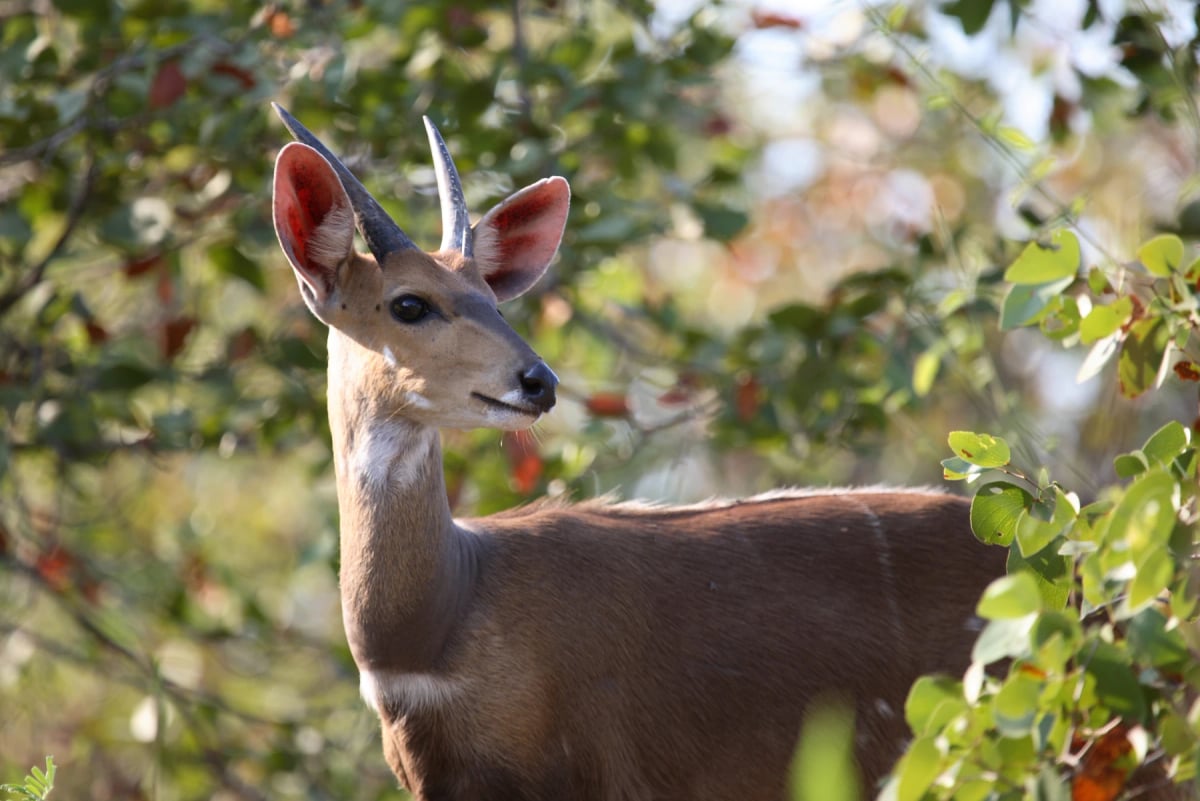
Bushbuck
Tragelaphus scriptus
Cameroon's bushbucks inhabit forest edges and riverine corridors throughout the country's diverse tropical and woodland ecosystems. These solitary, nocturnal browsers feed on varied plant matter including leaves, shoots, fruits and bark. Their medium size and elusive behaviour make them challenging wildlife to encounter. Males feature horns with a tight spiral structure and distinctive white spotted coats that vary by regional subspecies.
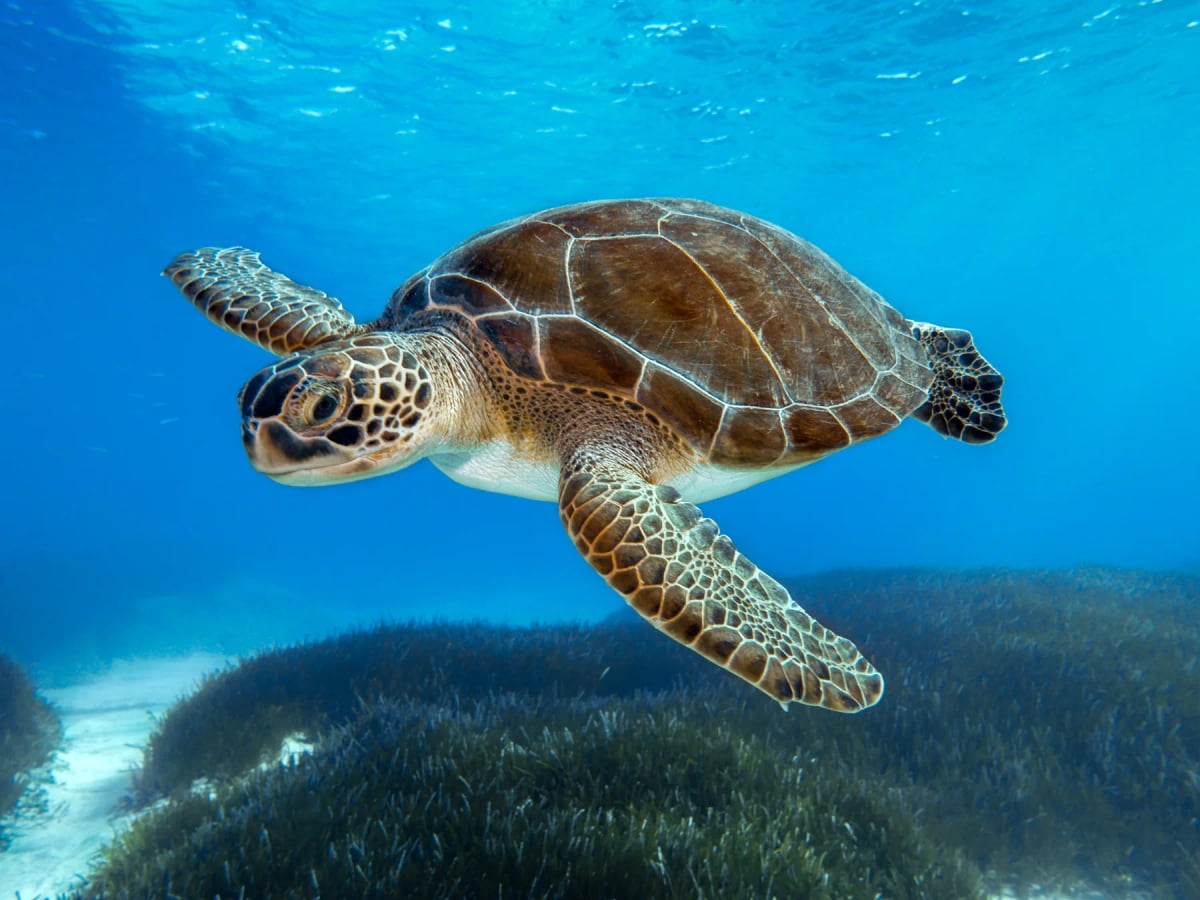
Sea Turtle
Cheloniidae & Dermochelyidae (families)
Cameroon's Atlantic coast is part of one of the most significant sea turtle nesting regions in Africa. Leatherback turtles nest on beaches along the southwestern coast, and olive ridley and green turtles are also recorded. Beaches near Campo and along the South Region coast see regular nesting activity. Conservation teams work to monitor populations and protect nesting sites from egg collection and coastal disturbance.
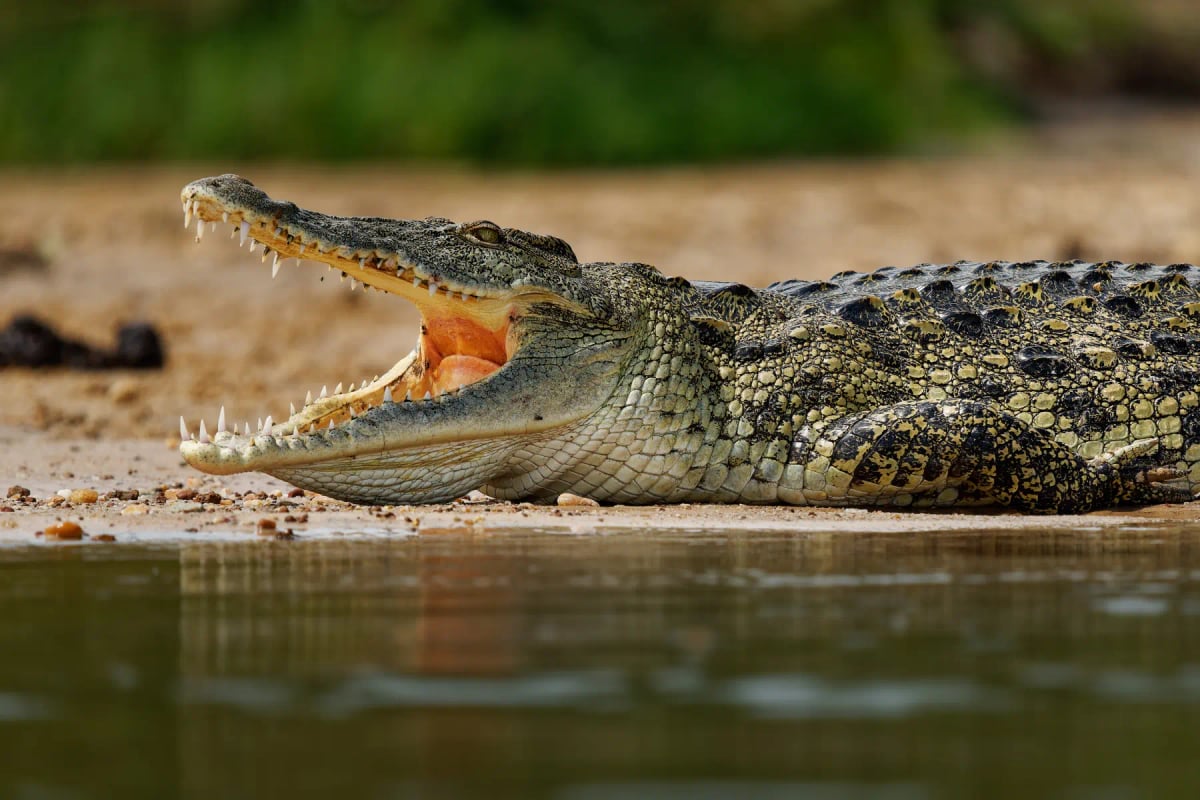
Nile Crocodile
Crocodylus niloticus
The Nile crocodile inhabits rivers and wetlands across Cameroon, with notable populations in the north of the country around Lake Chad and the Logone River floodplains. These seasonal floodplains are rich in fish and attract large mammals, offering prime habitat for this powerful reptile. Adults can reach up to 5.5 metres. The species is listed as Least Concern by the IUCN, but faces hunting pressure in some areas.
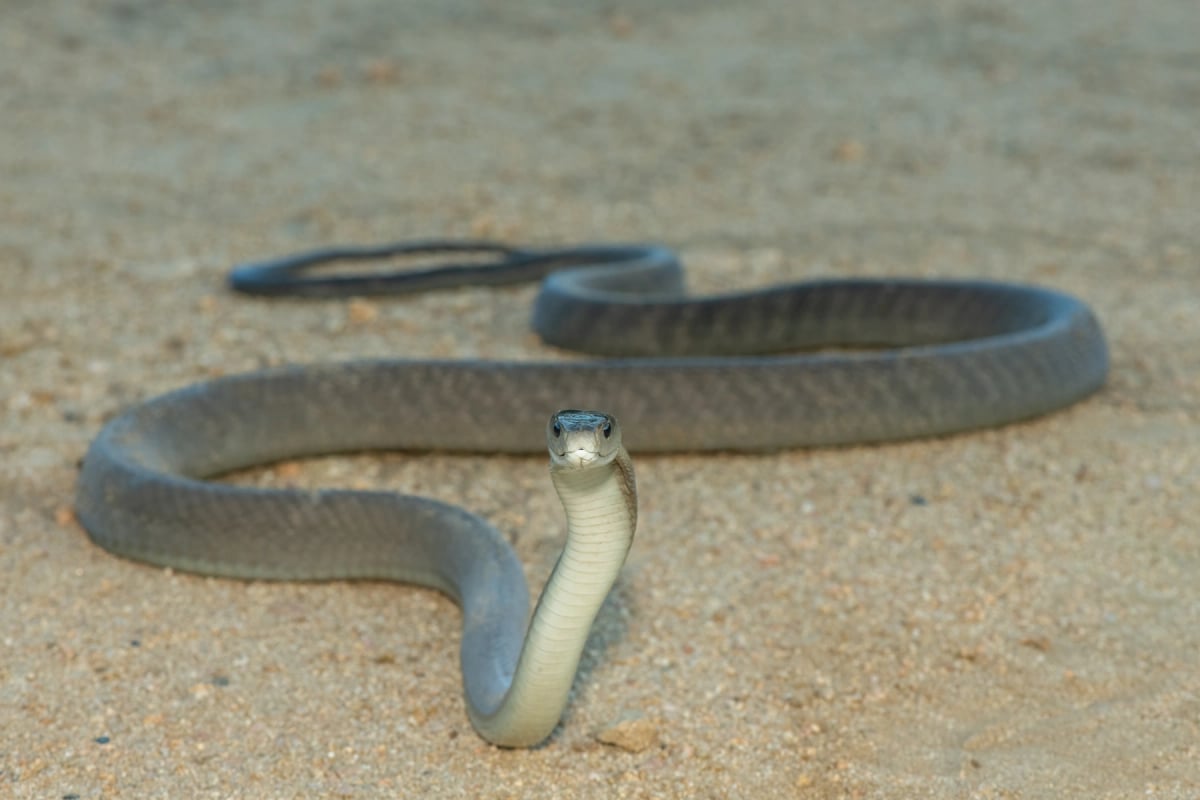
Black Mamba
Dendroaspis polylepis
The black mamba occurs in the savanna belt and open woodland areas of northern and central Cameroon. It avoids the dense equatorial rainforest of the south but is well suited to the drier, more open landscapes of the Adamawa Plateau and the north. Fast-moving and highly venomous, it poses a real risk to rural communities, where access to antivenom treatment can be inconsistent.
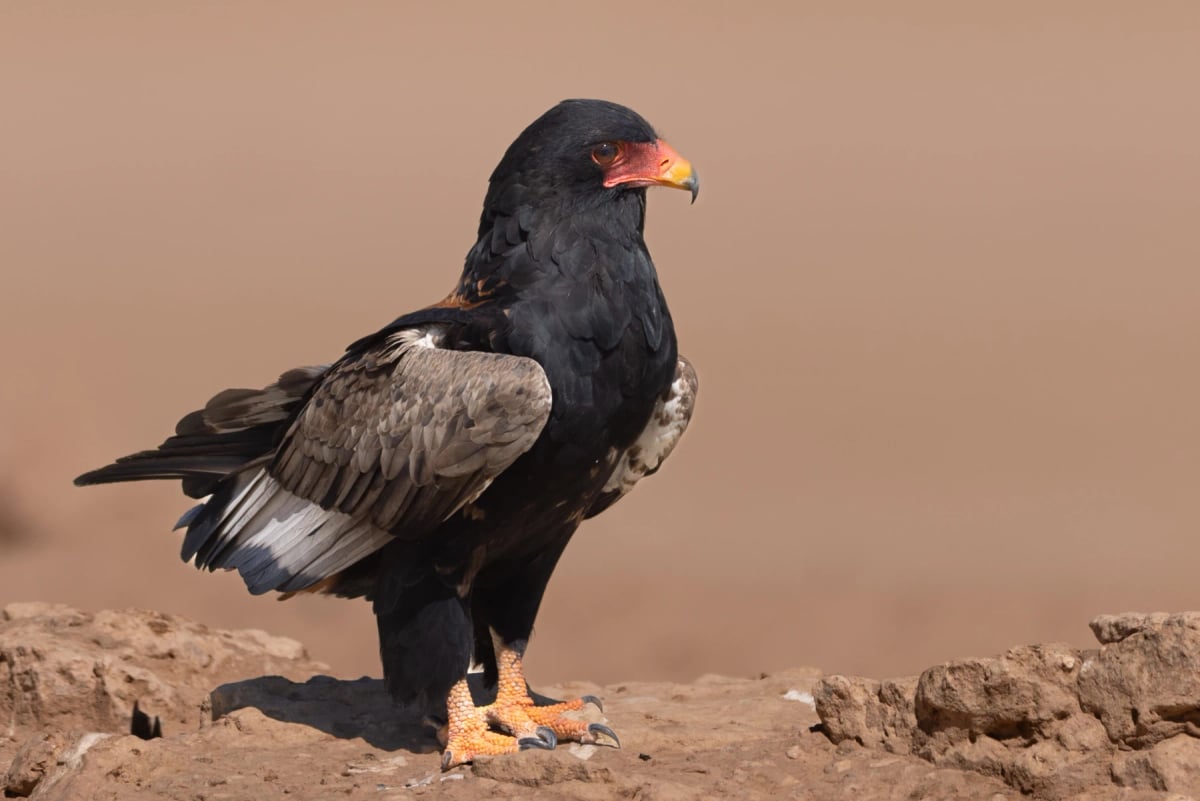
Bateleur
Terathopius ecaudatus
The Bateleur is found across the savanna and open woodland regions of northern Cameroon, including areas around Waza National Park and the Bénoué complex. It soars on thermals above these flat, open landscapes, hunting reptiles and scavenging carrion. Classified as Endangered by the IUCN, it faces threats from poisoning and habitat clearance, while the dense forests of the south are largely unsuitable for the species.
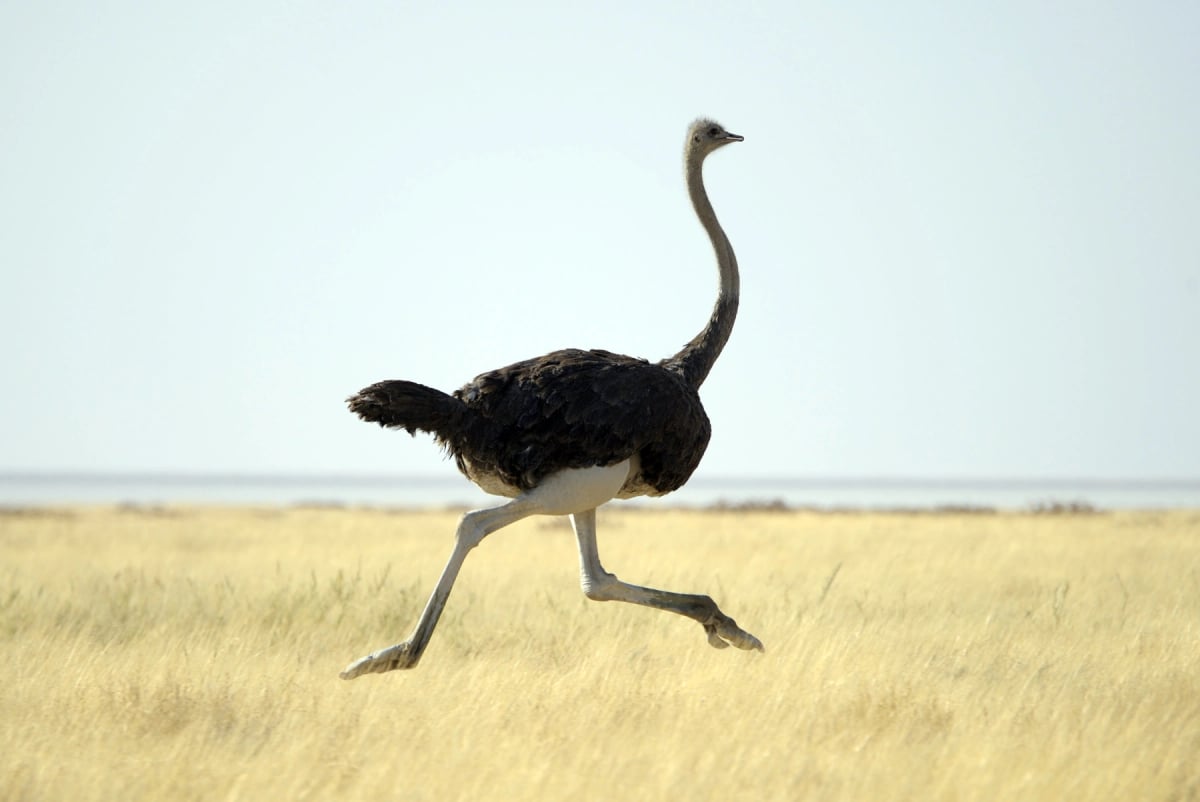
Ostrich
Struthio camelus
Ostriches in Cameroon are found in the far north of the country, in the semi-arid plains around the Lake Chad basin. This region is characterised by flat, open terrain with low scrub and seasonal grasses. The population is considered small and under pressure from habitat encroachment and hunting. Waza National Park in the north provides some degree of protection for the ostriches that remain in Cameroon.
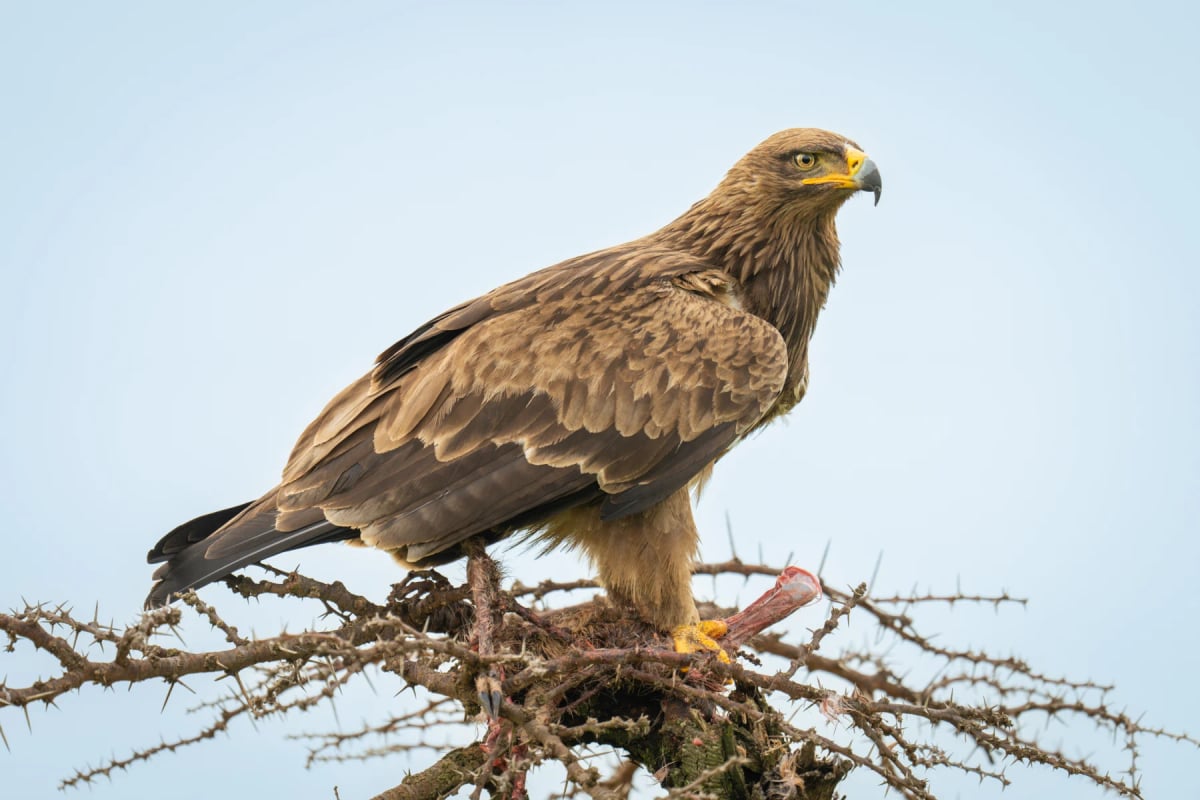
Steppe Eagle
Aquila nipalensis
In Cameroon, the Steppe Eagle appears as a non-breeding visitor during the northern winter months, passing through or pausing across the country's open savannas and grasslands in the north. Birds traveling from Central Asian breeding grounds follow broad migratory fronts through sub-Saharan Africa. Listed as Endangered by the IUCN, the species faces ongoing pressure from electrocution on power lines and poisoning, making each individual recorded in Cameroon important for population monitoring.
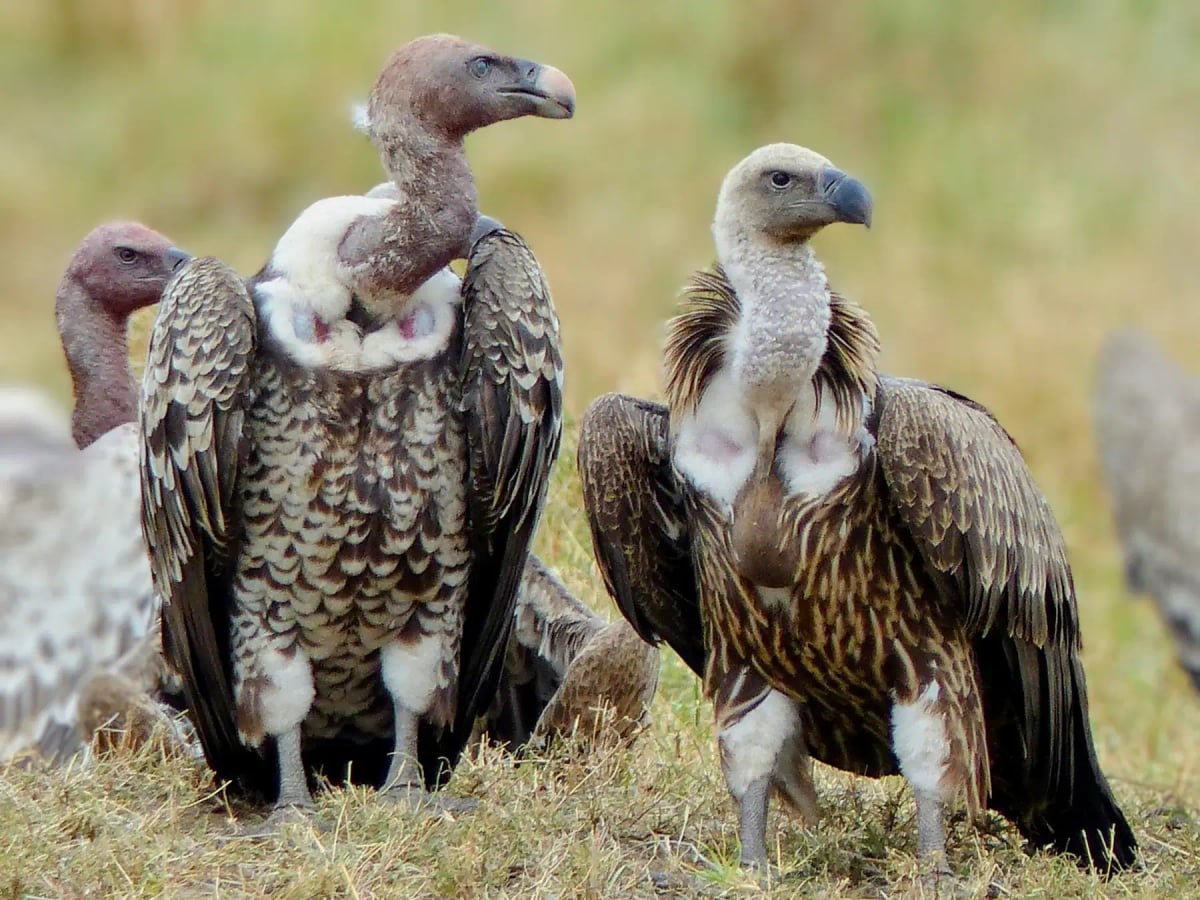
White backed Vulture
Gyps africanus
In Cameroon, the white backed vulture is found across the northern savannas and the Adamawa Plateau, where protected areas such as Bénoué National Park provide some refuge. It plays a vital role in cleaning up carcasses across these grasslands. Poisoning, often linked to elephant poaching and retaliatory killings of predators, remains the biggest threat to this Critically Endangered bird in the region.
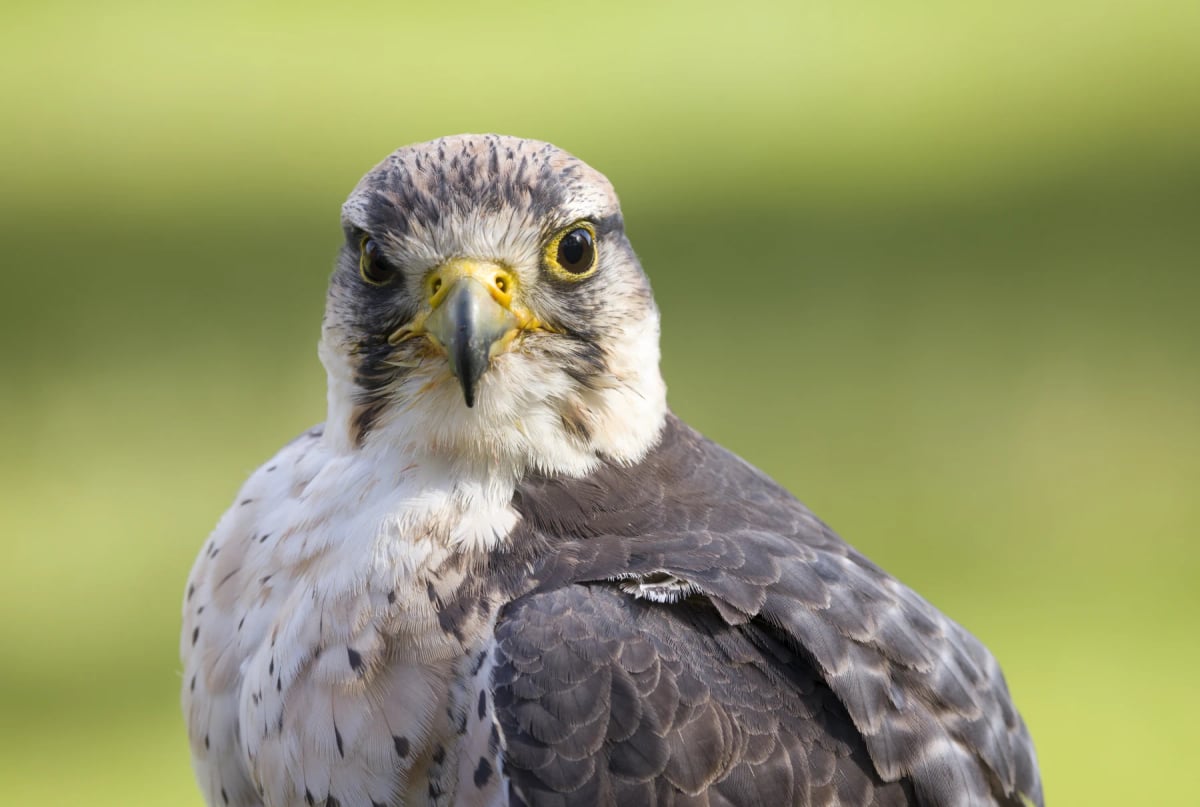
Lanner Falcon
Falco biarmicus
In Cameroon, the lanner falcon is found across the northern savanna zones and the Adamawa Plateau, where open landscapes give it room to hunt. It preys mainly on birds, often working in pairs to drive prey into exposed areas. Rocky outcrops and cliff faces in the highlands serve as nesting sites. It is listed as Least Concern by the IUCN, though local habitat loss poses some pressure.
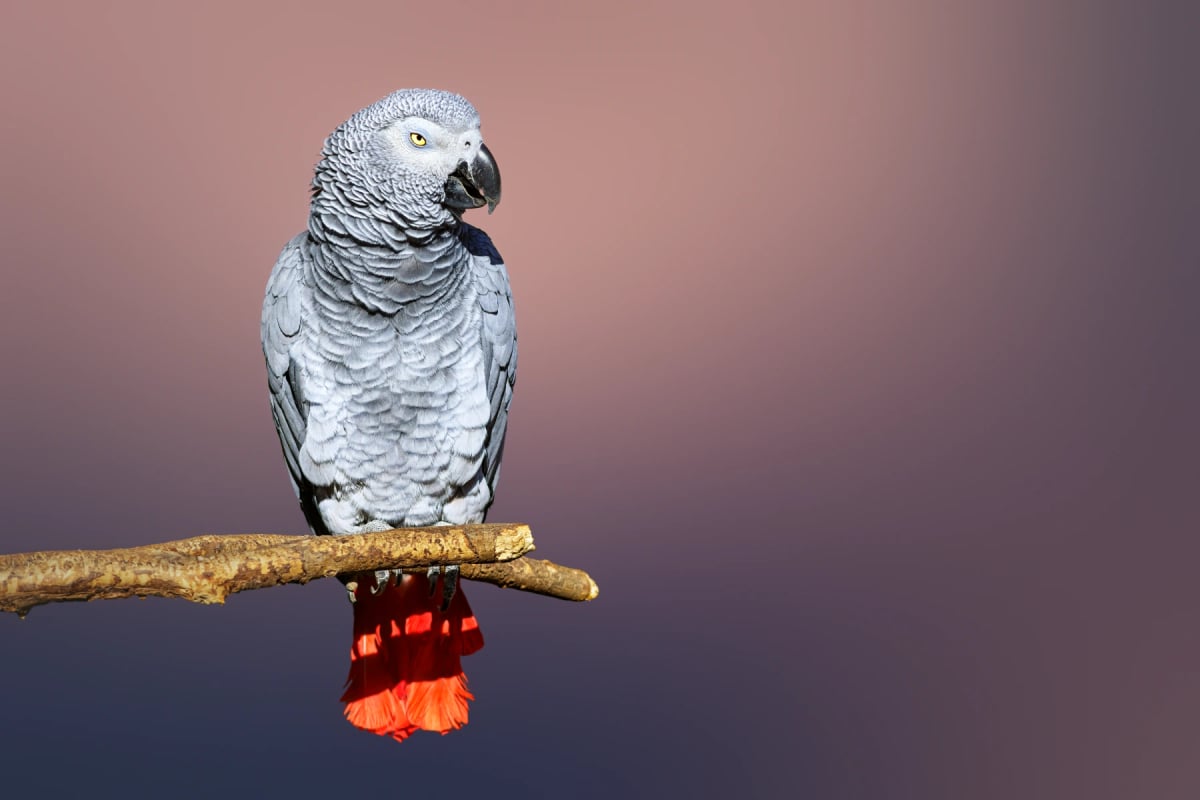
African Grey Parrot
Psittacus erithacus
Cameroon holds one of the most important African grey parrot populations outside the Congo Basin, with birds present in the southern and central forested regions of the country. The dense rainforests of the south, part of the Congo Forest biome, provide suitable habitat and the species has historically been present in good numbers. Cameroon was one of the largest exporters of wild grey parrots before international trade restrictions tightened, and trapping pressure alongside logging remains a serious threat.
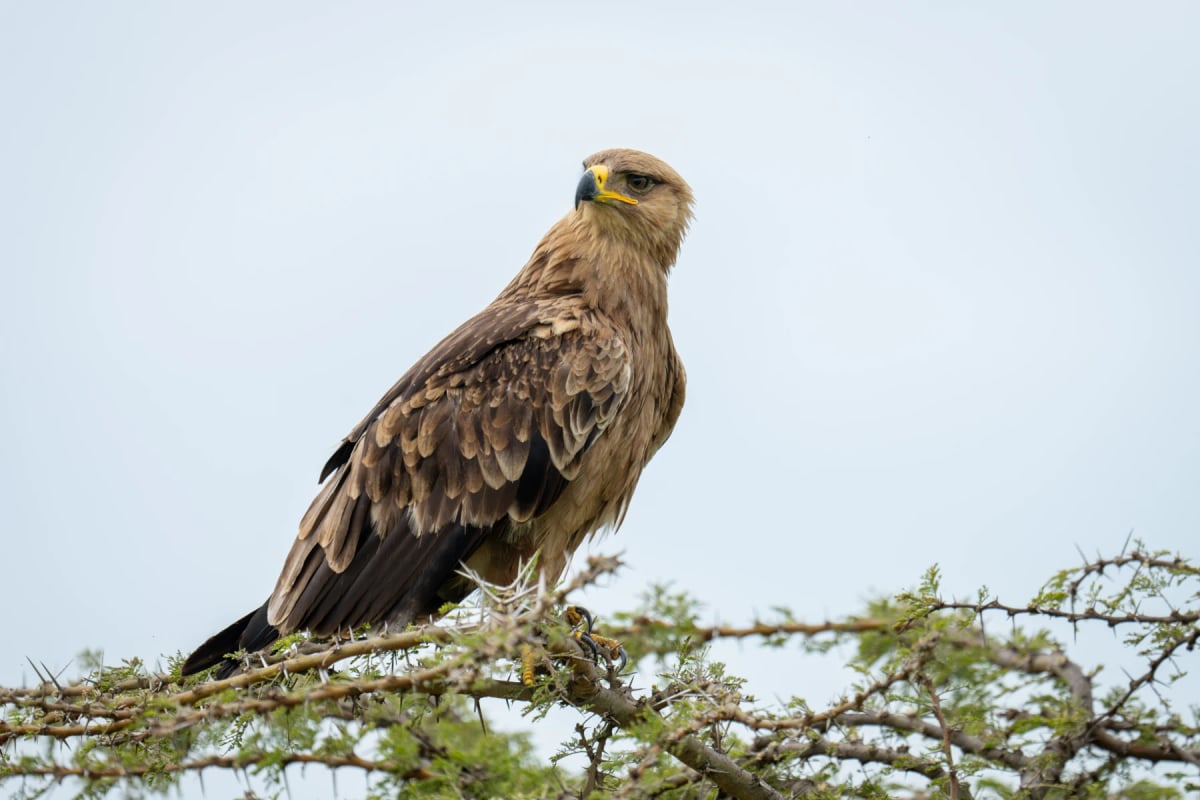
Tawny Eagle
Aquila rapax
The tawny eagle is found in the open savannas and dry lowlands of northern Cameroon, particularly in the region around the Lake Chad basin. Here it hunts small vertebrates and scavenges alongside vultures at carcasses. Expansion of farmland and accidental poisoning from livestock protection practices are among the main pressures it faces. The IUCN lists it as Vulnerable.
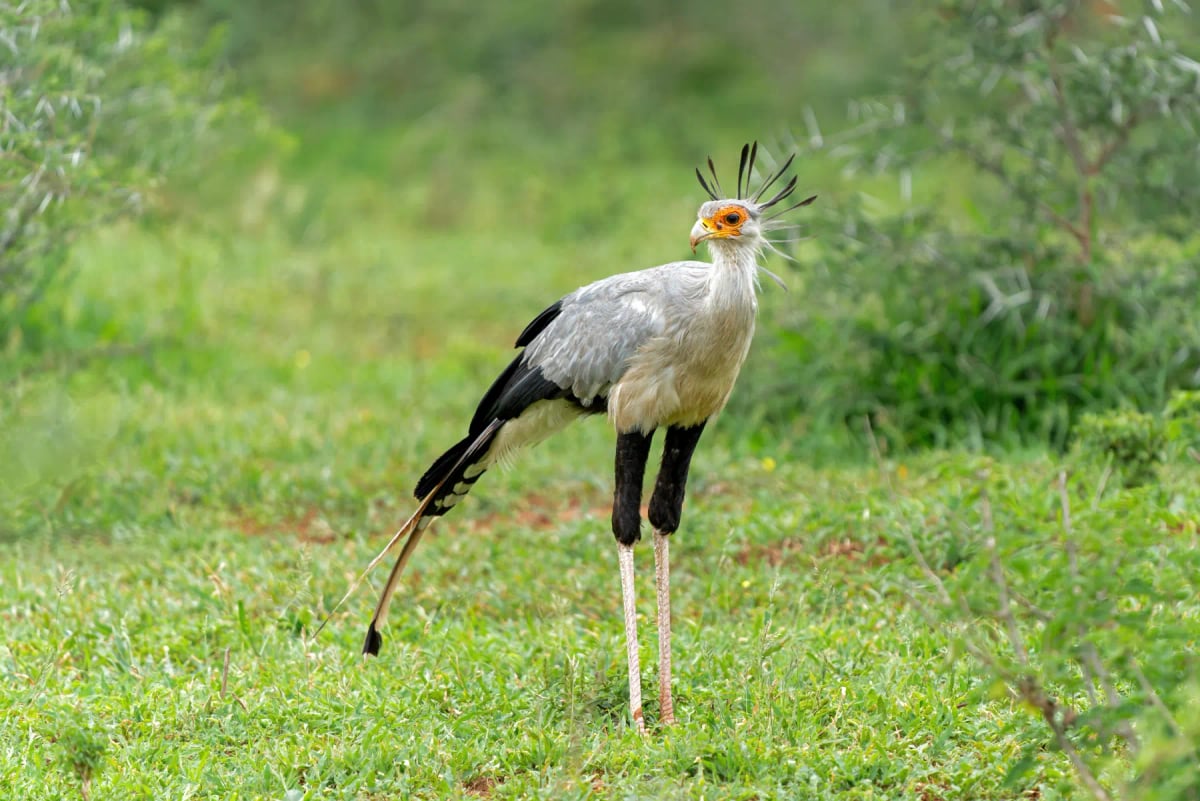
Secretary Bird
Sagittarius serpentarius
The secretary bird is present in Cameroon's northern savanna regions, including the Adamawa Plateau and the grasslands of the far north. It stalks open ground on long legs, delivering forceful kicks to kill snakes and other prey. The species avoids dense forest, so it is absent from Cameroon's southern rainforest zones. Agricultural expansion in the north remains a key concern. The IUCN lists it as Endangered.
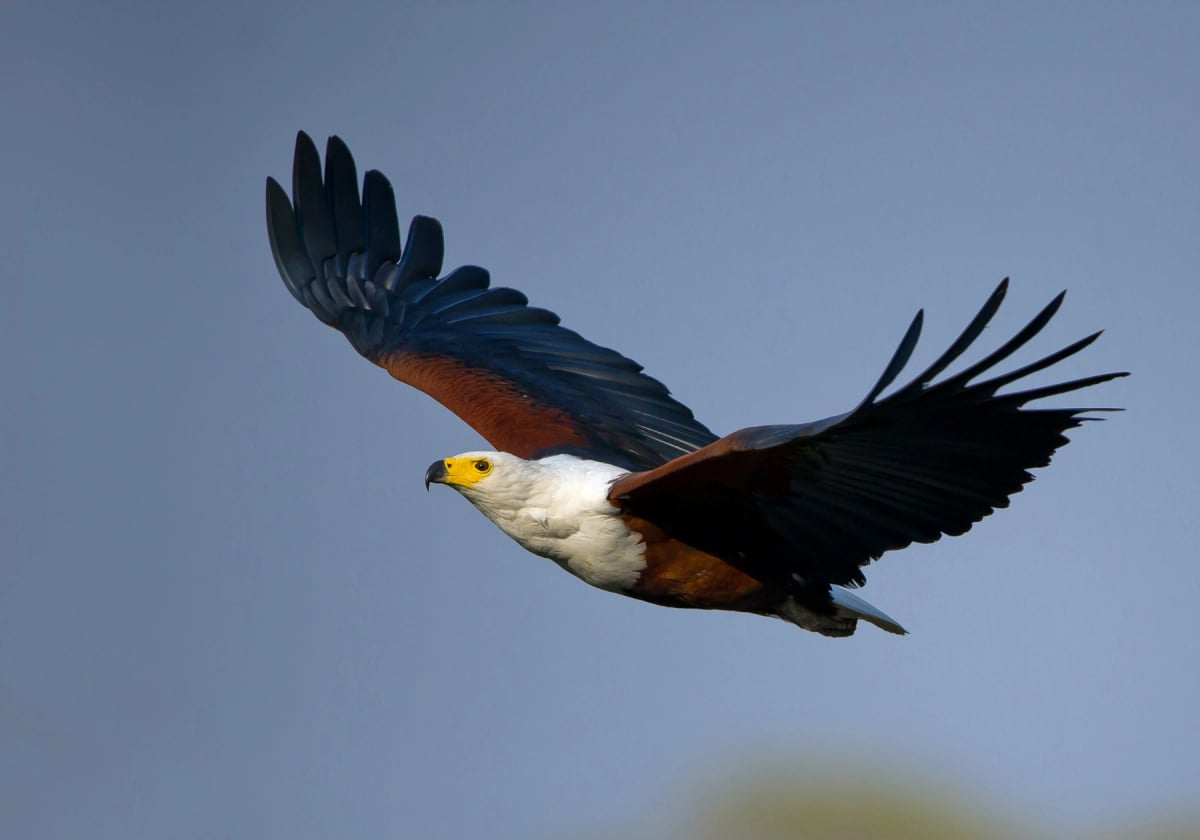
African Fish Eagle
Haliaeetus vocifer
The African fish eagle is a resident in Cameroon near the country's major rivers, lakes and wetlands. Lake Chad along the northern border and the Benue and Wouri rivers of the interior support regular populations. In the forested south, it occurs mainly along larger rivers with open water for hunting. Its loud call can be heard across most of the country's waterways, from the Sahel in the north to the coastal lowlands of the southwest.
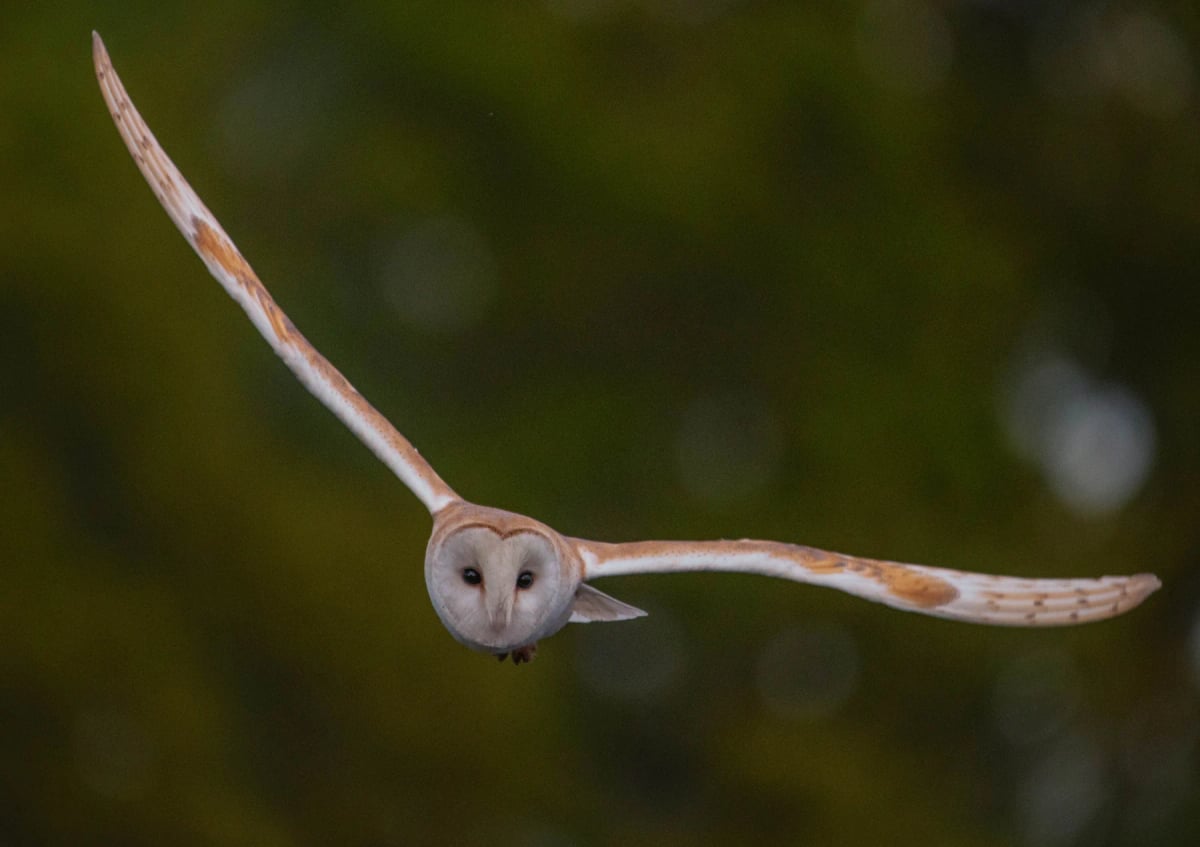
Barn Owl
Tyto alba
The barn owl is found across Cameroon in open savanna, farmland, and the outskirts of villages and towns from the Sahel zone in the north through the Adamawa plateau to the wetter southern regions. It nests in old buildings, hollow trees, and rocky outcrops. In farming communities it is a useful presence for controlling rodents that damage stored crops, and it is encountered across a wide range of altitudes and vegetation zones throughout the country.
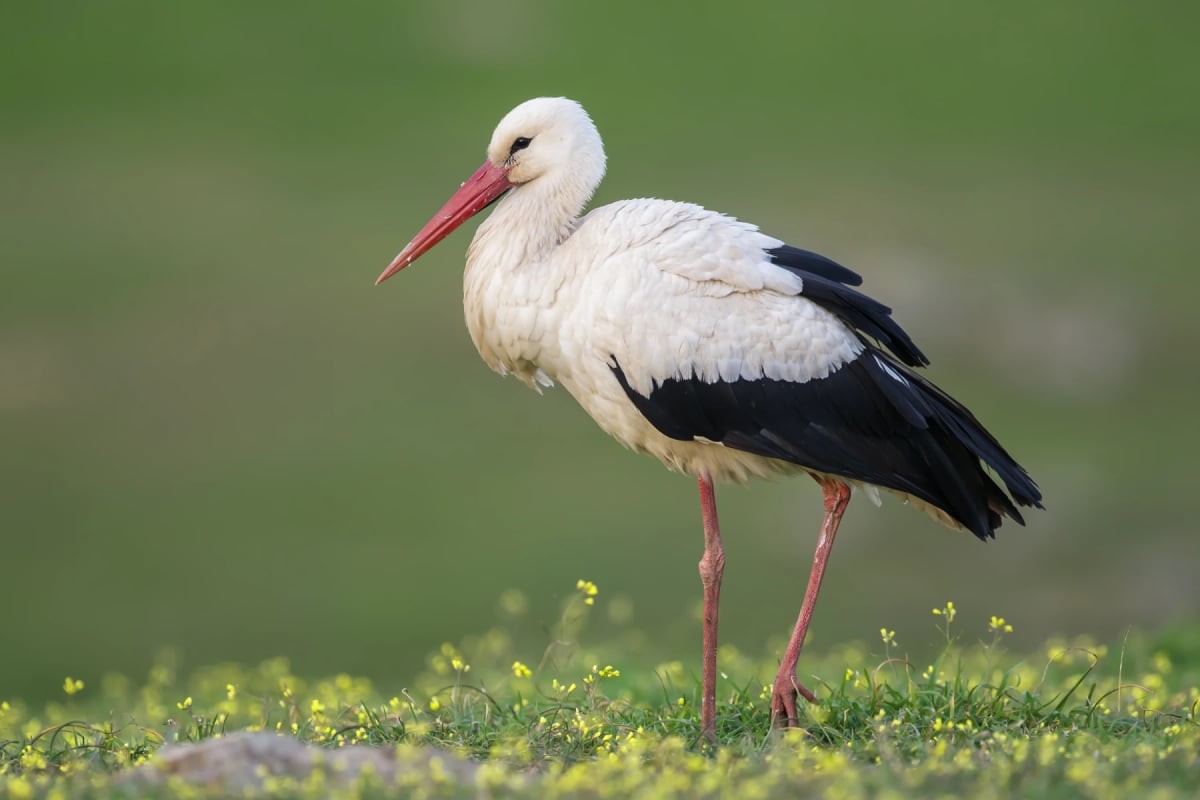
Stork
Ciconia ciconia
The white stork passes through Cameroon during its annual migration between European breeding grounds and wintering areas further south in Africa. Visitors can spot these tall, striking birds resting in open savanna and agricultural areas in the north of the country. They feed on insects, frogs, and small animals before continuing their journey. Their arrival follows predictable seasonal patterns that local communities have observed for generations.
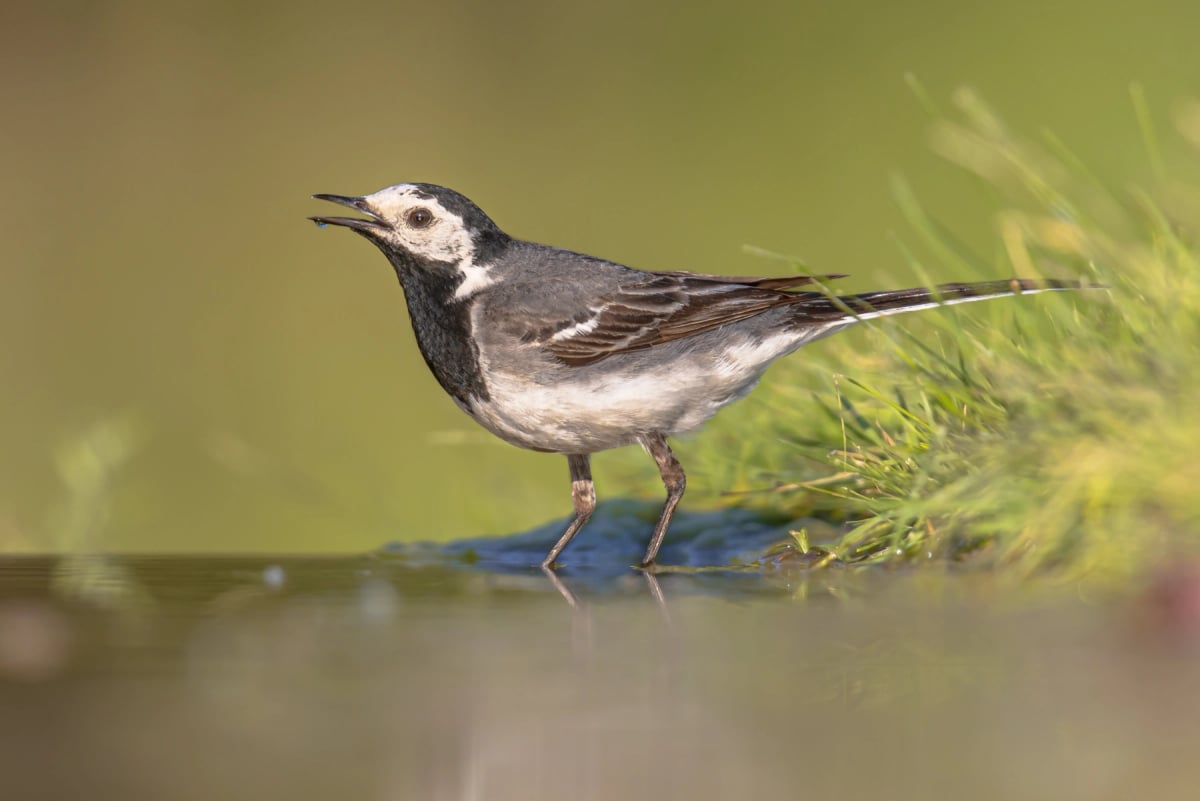
White Wagtail
Motacilla alba
The white wagtail visits Cameroon as a winter migrant, passing through or resting across the northern savanna zones and around Lake Chad in the far north. It favours open, moist ground near rivers and wetlands, where it chases insects with quick, darting runs. Its constant tail bobbing makes it easy to spot even in busy, open landscapes. It is listed as Least Concern by the IUCN.
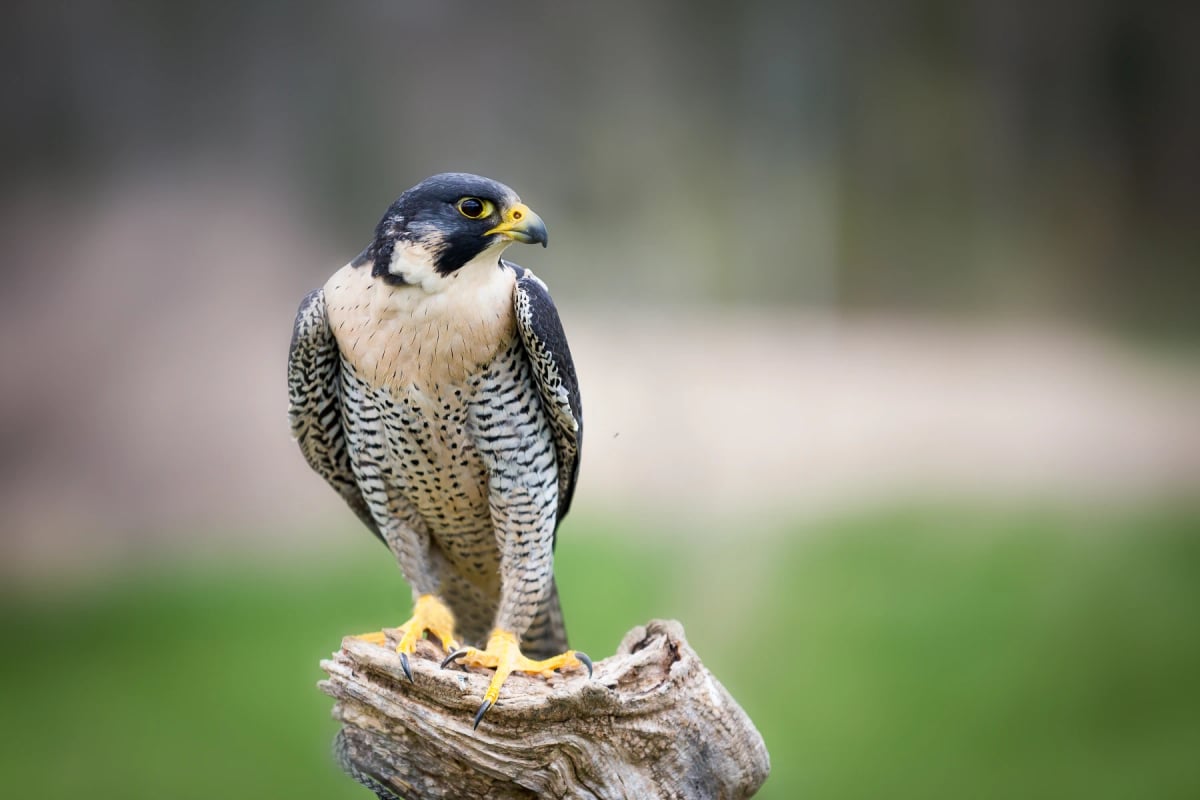
Peregrine Falcon
Falco peregrinus
In Cameroon, the peregrine falcon is recorded as a migratory visitor moving through the country during the northern winter. It can appear over the open highlands of the Adamawa Plateau, the grassy plains of the north, and along river corridors. Cameroon's position along the migration route between Europe and sub-Saharan Africa means the species passes through regularly, hunting birds on the move across this ecologically diverse nation. IUCN status: Least Concern.
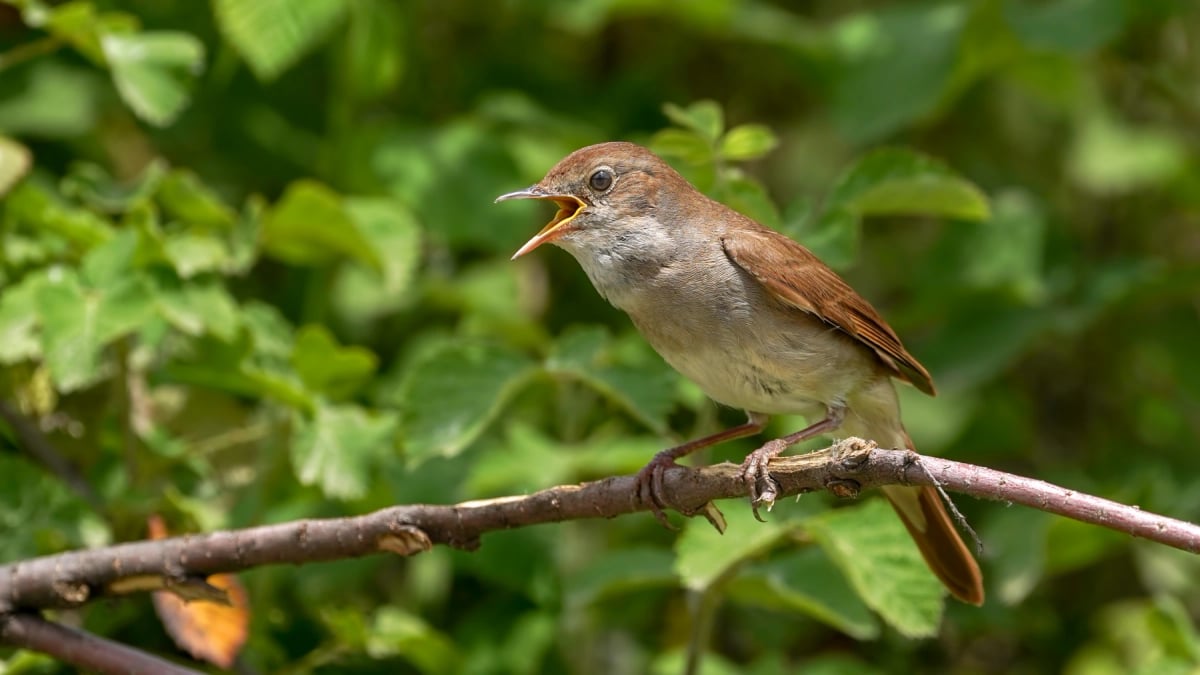
Nightingale
Luscinia megarhynchos
Cameroon serves as a wintering destination for nightingales, with birds settling mainly in the drier savanna and woodland areas of the north of the country. The more humid forest zones of the south are generally avoided. These visitors arrive after an impressive journey from Europe or western Asia and spend several months foraging unobtrusively in scrub. Their plain brown plumage blends well with dry vegetation, making them hard to detect. Its IUCN status is Least Concern.
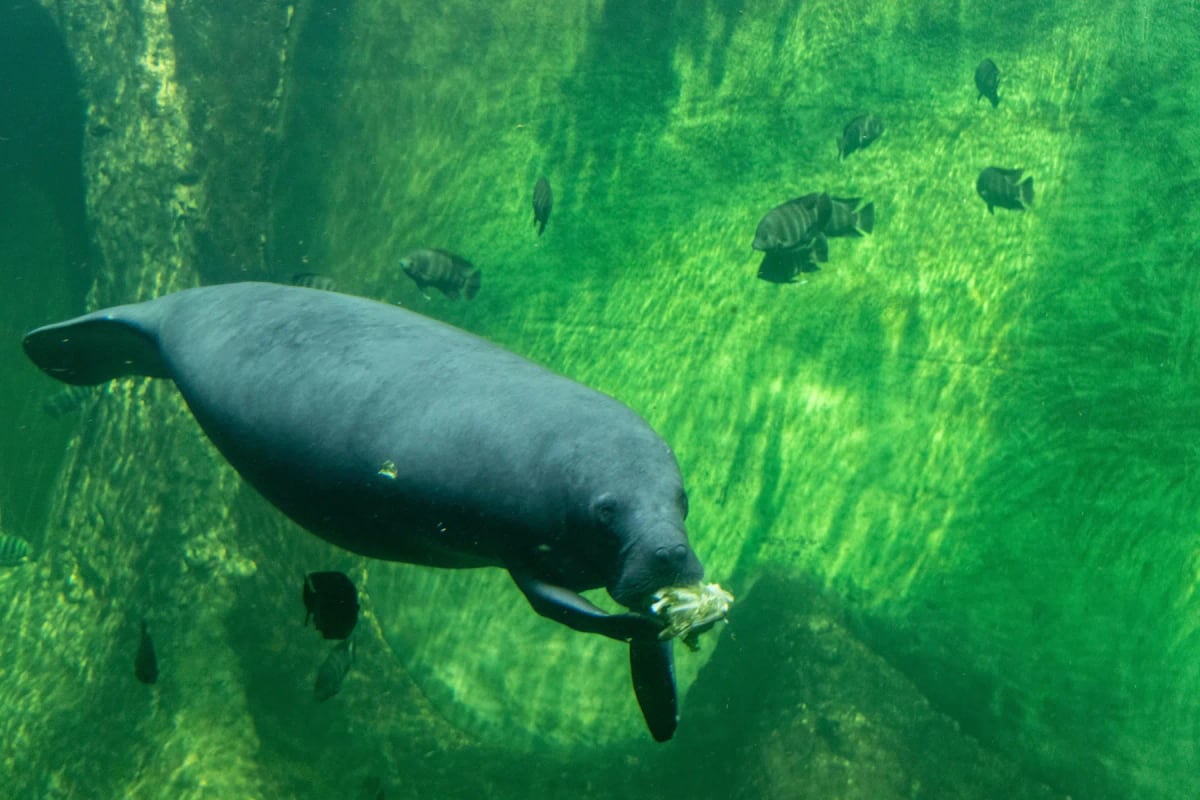
African Manatee
Trichechus senegalensis
Cameroon offers some of the most varied habitat for the African manatee across its range. The species moves through coastal estuaries, mangrove-lined rivers and calmer stretches of major waterways such as the Sanaga and the Wouri. Populations also extend into the Congo basin in the south. Accidental entanglement in fishing gear and hunting are the primary threats within the country.
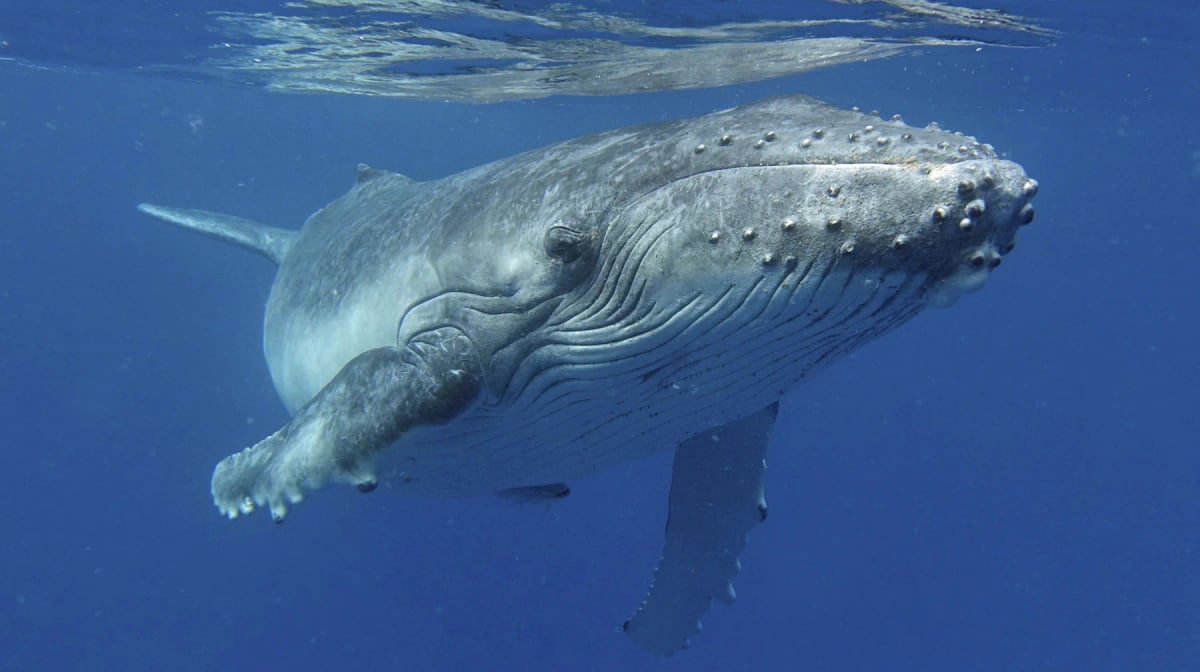
Humpback Whale
Megaptera novaeangliae
Humpback whales pass through the waters off Cameroon's Atlantic coastline as part of their seasonal migrations along the Gulf of Guinea. These visits typically occur as whales travel between feeding and breeding grounds. Growing regional interest in marine conservation has brought more attention to protecting these giants as they move through West African waters, where their presence is a striking reminder of the ocean's richness.
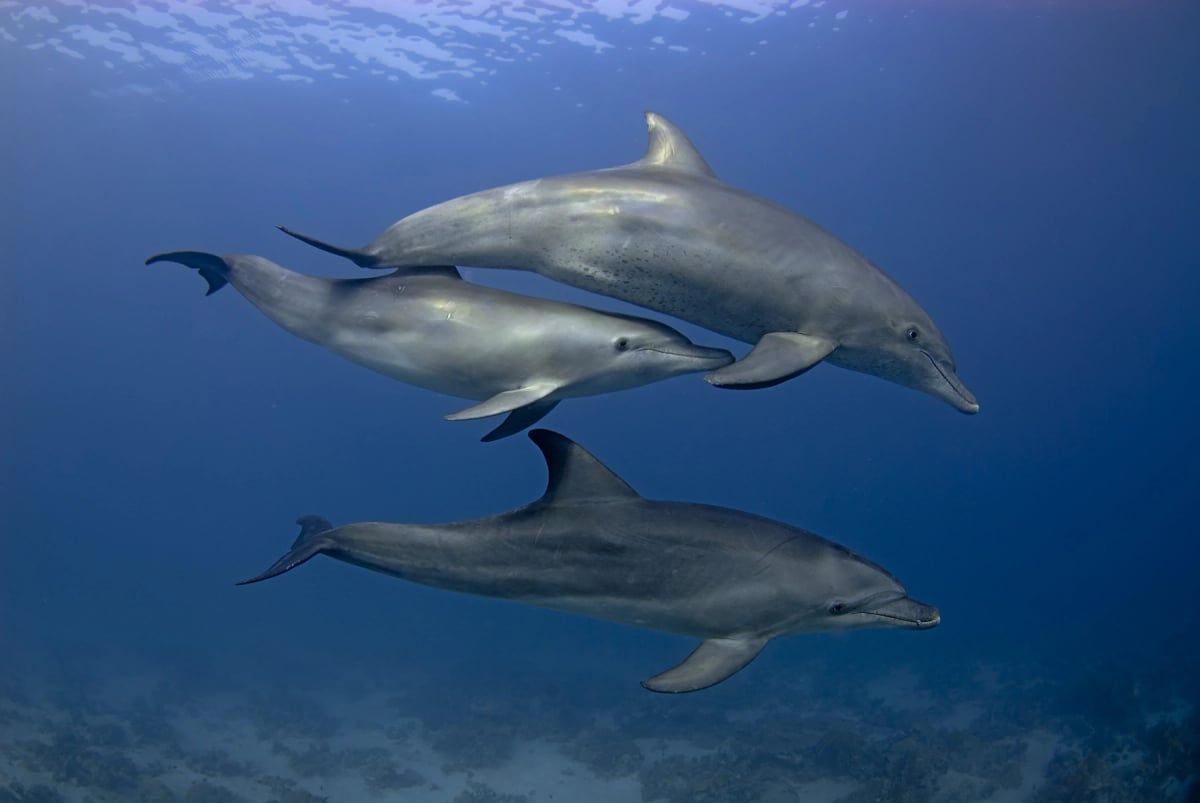
Bottlenose Dolphin
Tursiops truncatus
Along the Gulf of Guinea coastline of Cameroon, bottlenose dolphins are found in warm Atlantic waters that include the highly productive Wouri estuary and surrounding bays. These environments offer abundant fish and squid, supporting pods that forage close to shore. Industrial fishing activity and habitat degradation in coastal areas present ongoing pressures for the species in this region. Globally it is classified as Least Concern.
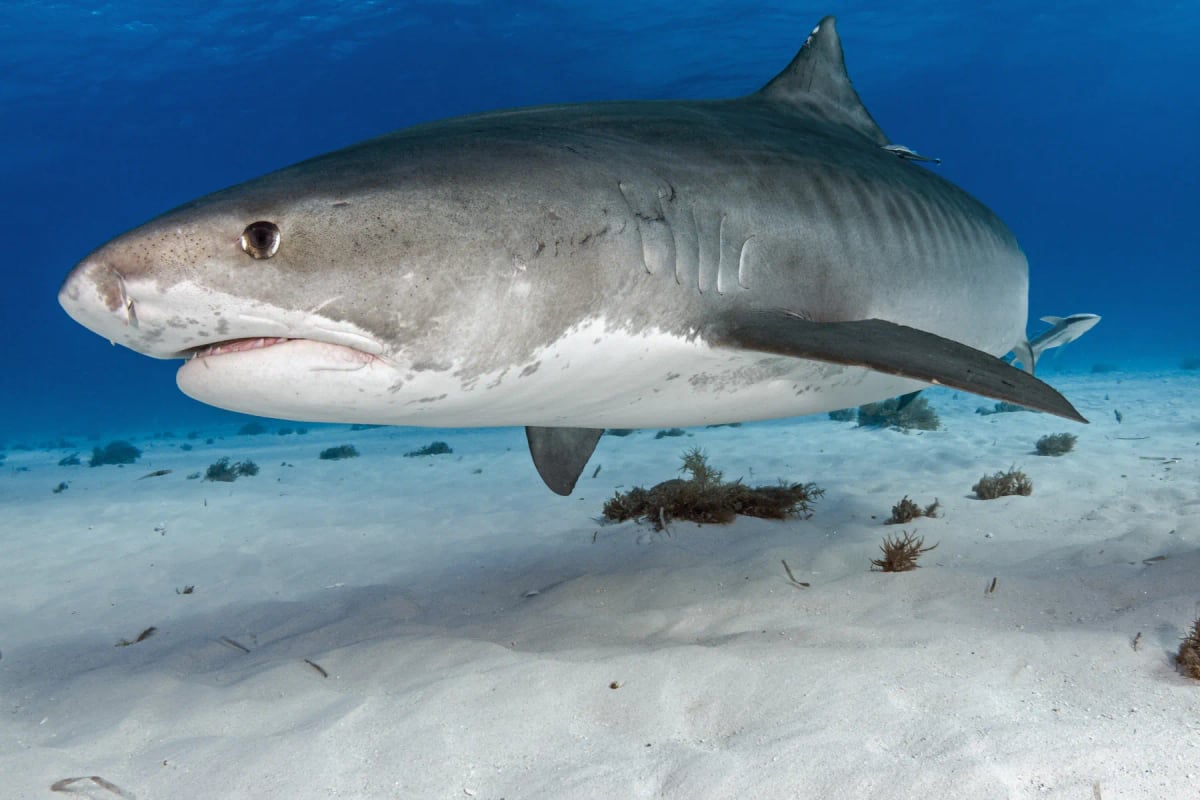
Tiger Shark
Galeocerdo cuvier
In the Gulf of Guinea off Cameroon, tiger sharks inhabit coastal and offshore tropical waters rich in fish and other marine life. The Congo River plume and surrounding equatorial seas create productive feeding grounds that attract large predators like this species. Artisanal fishing communities along the Cameroonian coast occasionally catch tiger sharks as bycatch, and their fins and meat enter local and regional trade networks.
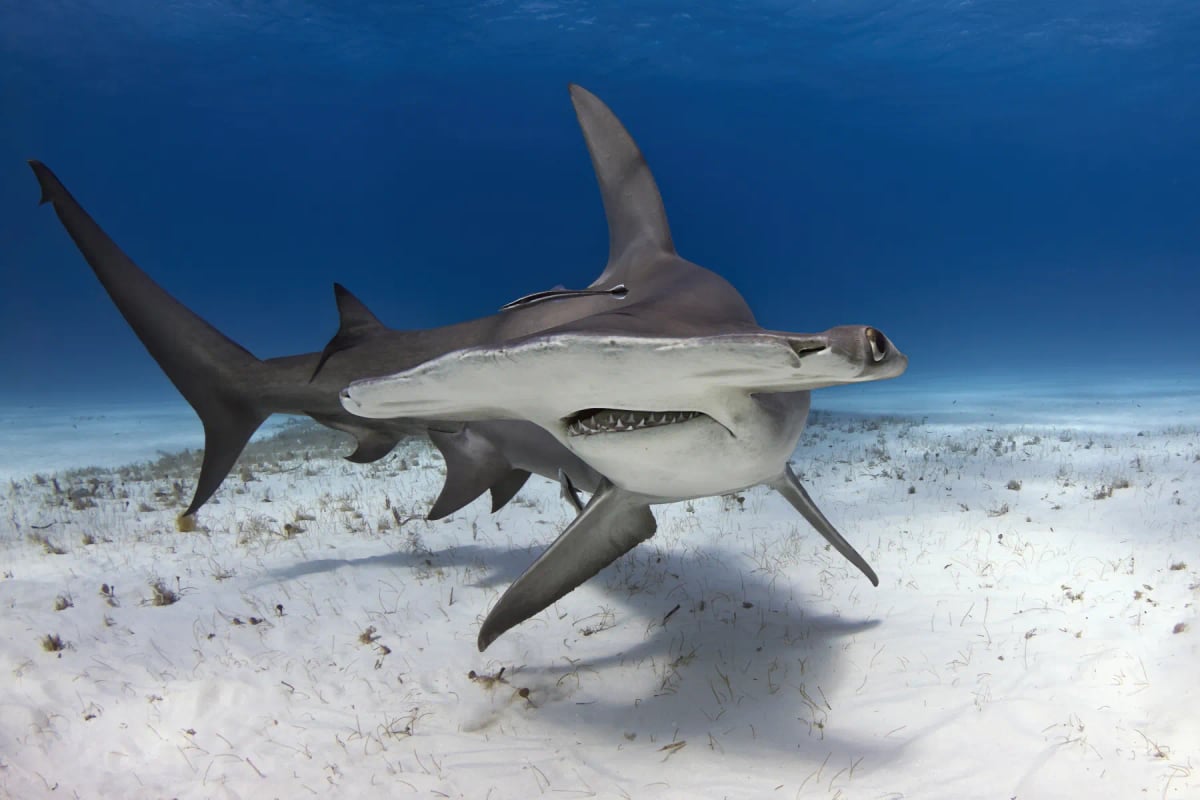
Hammerhead Shark
Sphyrna spp.
Cameroon's coastline along the Gulf of Guinea in the Atlantic Ocean provides warm tropical waters where hammerhead sharks are known to occur. The region supports rich marine life, including rays and fish that hammerheads prey upon. Fishing pressure in the Gulf of Guinea is intense, and hammerheads are frequently caught as bycatch. Conservation awareness for this critically endangered shark is still developing in Cameroon.
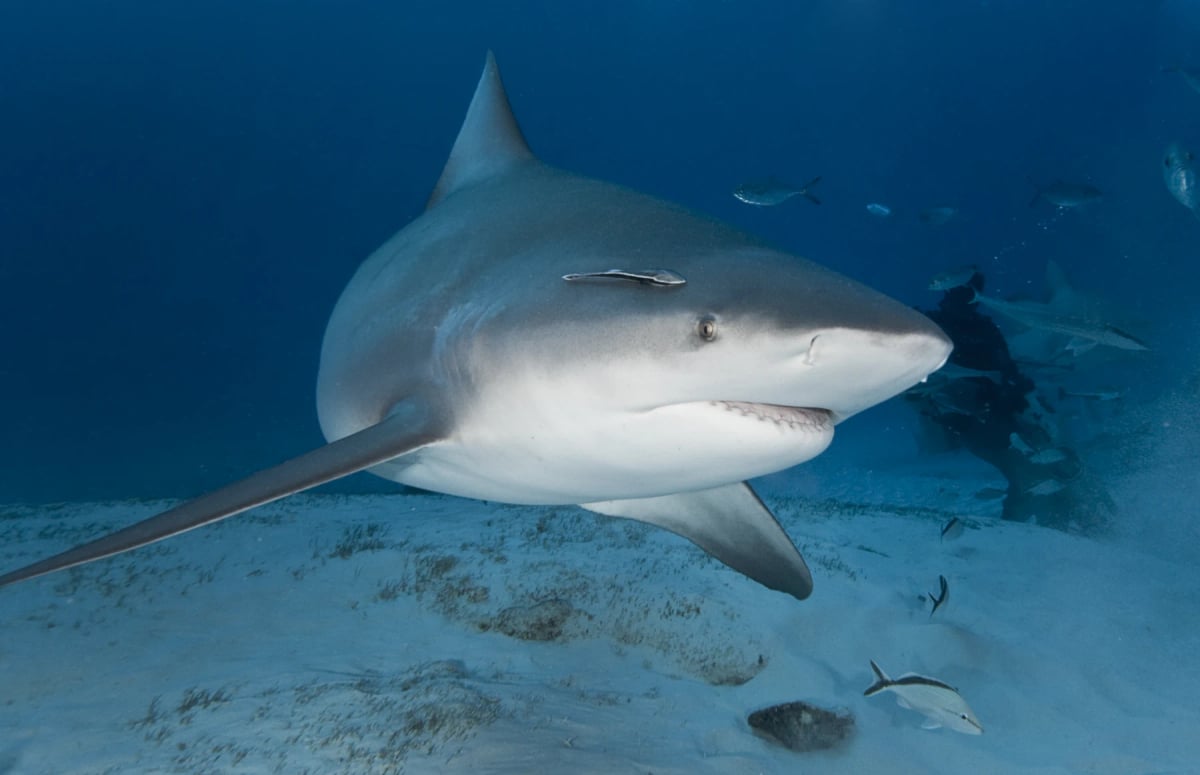
Bull Shark
Carcharhinus leucas
Cameroon's coast along the Gulf of Guinea, including the estuaries of the Wouri and Sanaga rivers, provides productive inshore habitat for bull sharks. The species thrives in the warm, nutrient rich waters of these West African estuaries. Artisanal fishing communities along the Cameroonian coast interact with bull sharks through bycatch, and the species is sometimes consumed locally. Broader regional efforts to assess shark populations in the Gulf of Guinea are still in early stages.
Researched and written by Juan Pablo. Sources: IUCN Red List, scientific literature and regional field guides. Last updated: .