Animals in Kenya
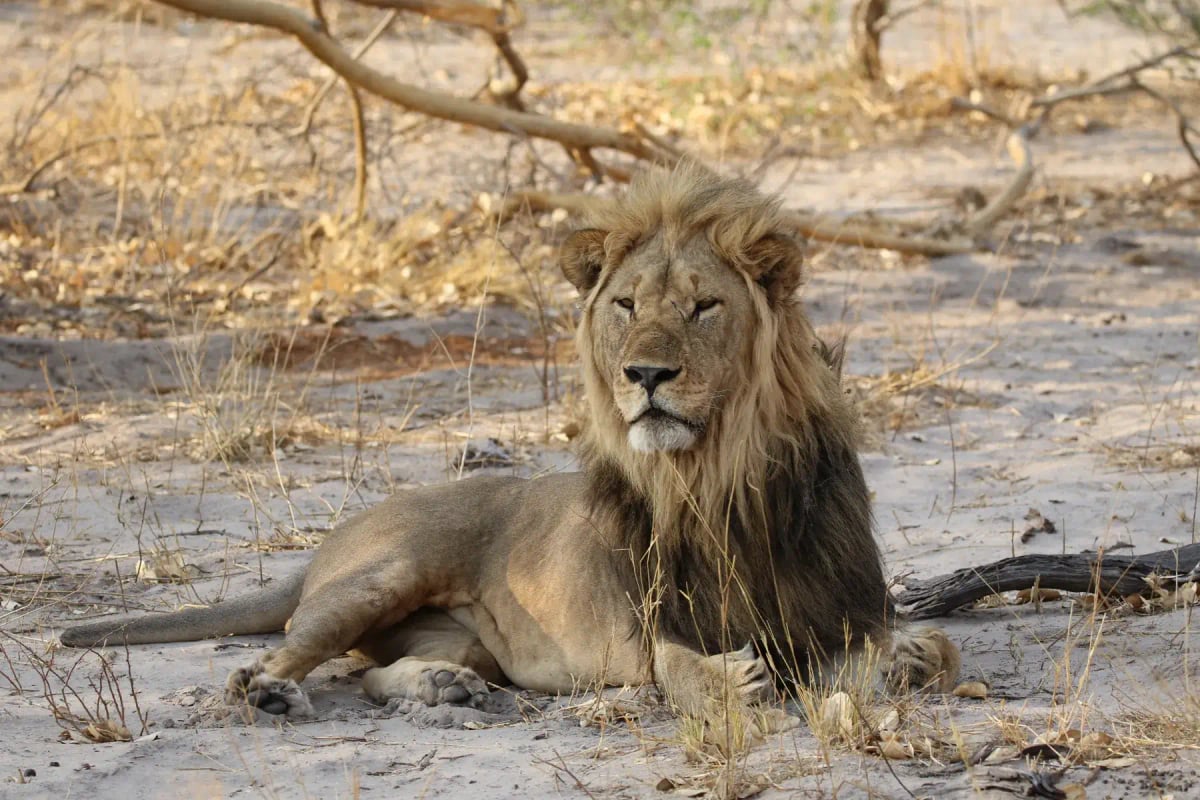
Lion
Panthera leo
The lion is Kenya's national animal and the species most closely associated with the country's identity as a wildlife destination. Kenya holds one of the most significant lion populations in Africa, spread across the great savanna parks of the south and west. Lions live in prides of related females and their cubs, with males defending territory against rival groups. The Maasai Mara is one of the best places in the world to observe lions throughout the year, including hunts at dawn and dusk and family groups resting under acacia trees during the heat of the day.
View details→Wildlife in Kenya
Kenya spans an extraordinary range of habitats, from the semi-arid savannas of the north and the broad plains of the south to montane forests around Mount Kenya, the Rift Valley lakes and a long Indian Ocean coastline edged with coral reefs. This diversity supports one of the richest wildlife assemblages on Earth, with large herds of plains animals, prolific birdlife, reef fish and marine mammals all within reach. National parks and conservancies such as the Maasai Mara, Amboseli, Tsavo and Samburu are among the most visited wildlife areas on the continent, and the coast offers marine parks and sea turtle nesting beaches alongside the savanna experience.
Most Dangerous Animals in Kenya
Kenya's wildlife demands respect and situational awareness at all times. Lions, elephants, Cape buffalos and hippos are responsible for the majority of serious wildlife encounters in the country and can be unpredictable even when observed from a vehicle. The black mamba is one of the fastest and most venomous snakes in Africa and lives across a wide range of habitats including savanna edges and rocky ground. Nile crocodiles are present in most rivers and lakeshores and are a genuine hazard near water. In the ocean, bull sharks and tiger sharks are found along the coast. Following guide instructions, staying in vehicles in parks and keeping distance from all wildlife is essential.
Top 10 Animals in Kenya
Kenya's wildlife spans open savanna, highland forest, volcanic lakes and coral reef in a way that makes it one of the most complete wildlife destinations on Earth. The great plains of the south host the largest concentration of large mammals on the continent, including the annual wildebeest migration that crosses from Tanzania into the Maasai Mara each year. The Rift Valley lakes draw enormous flocks of flamingos and waterbirds. Highland forests shelter forest elephants and rare primates, while the Indian Ocean coast offers sea turtles, dolphins and whale sightings throughout the year. Few countries offer such variety within a single trip.
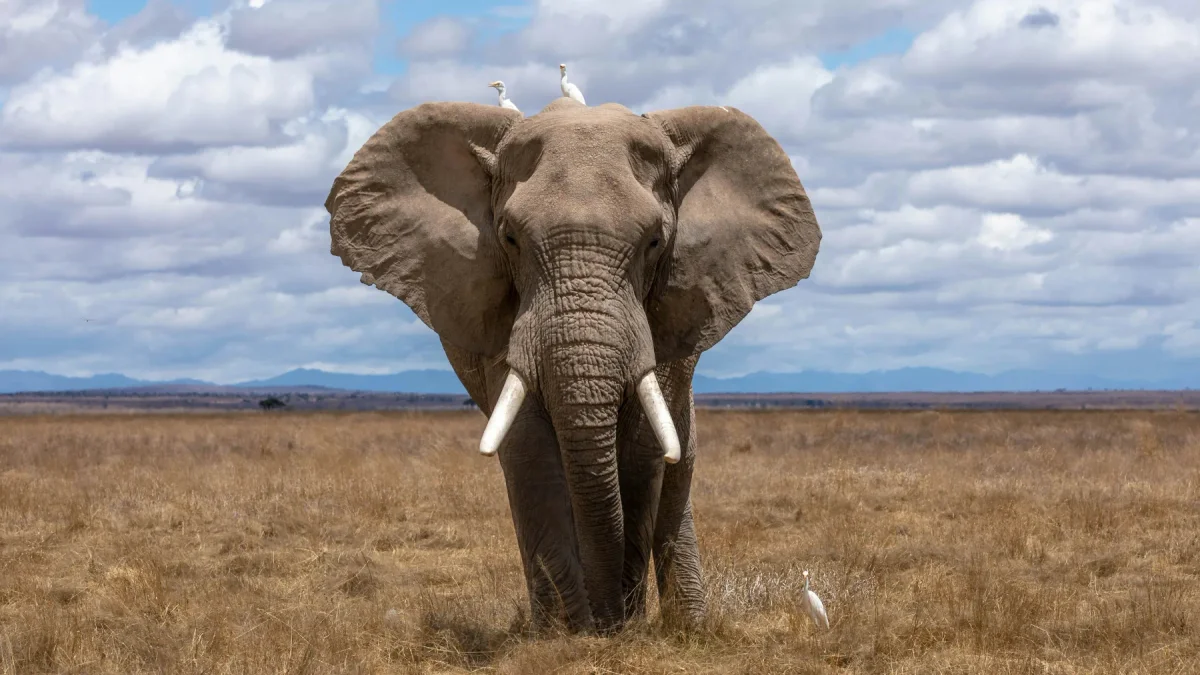
African Elephant
Loxodonta africana
Kenya holds one of the most important elephant populations in Africa, with Amboseli, Tsavo and the Maasai Mara among the most famous areas for elephant watching in the world. Amboseli is particularly celebrated for its large bulls with long tusks set against the backdrop of Kilimanjaro. Kenya's elephants have recovered significantly from the poaching crisis of the 1970s and 1980s, largely due to strong conservation efforts and community programs. The country has a deep and long relationship with elephant conservation dating back to the founding of its national parks.
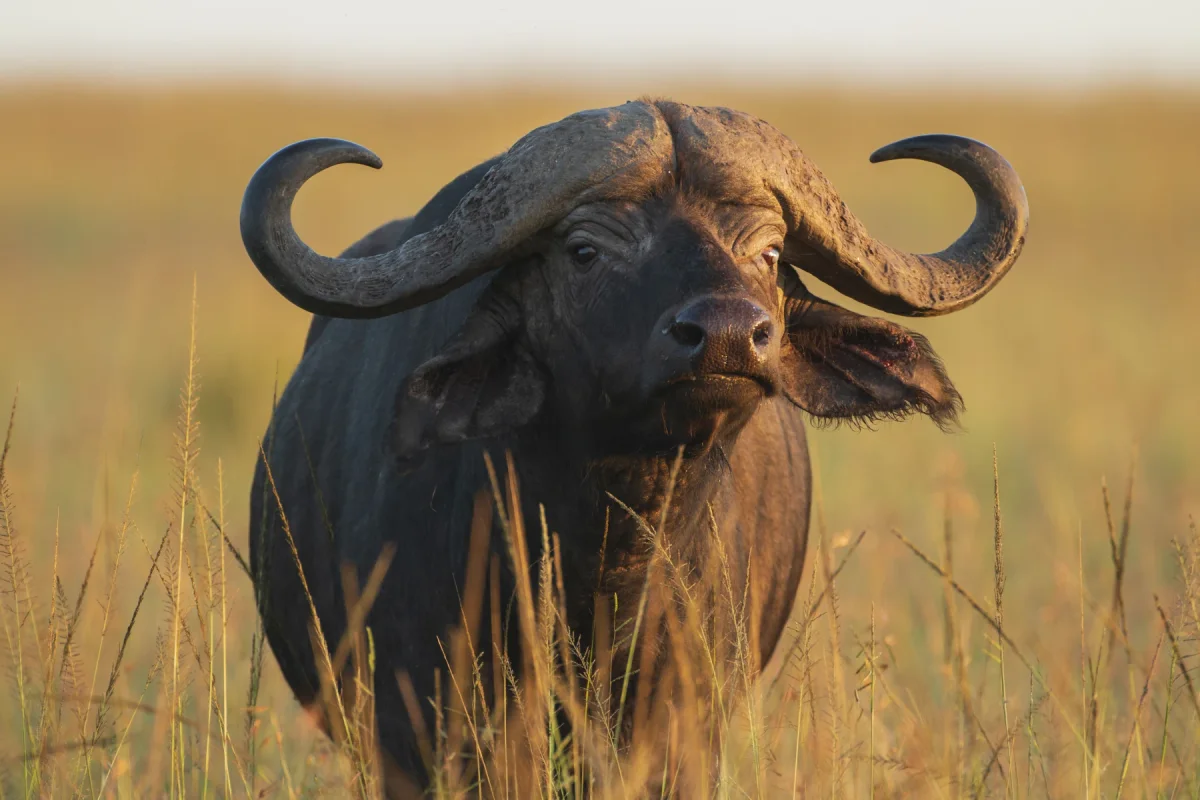
Buffalo
Syncerus caffer
Kenya holds some of the most well-studied buffalo populations in Africa, with large herds found across the Maasai Mara, Tsavo, and Laikipia ecosystems. Buffaloes play a key role in shaping grassland habitats through grazing. In Kenya, they are a major draw for wildlife tourism and form an important prey base for lions. Disease management, particularly regarding bovine tuberculosis near livestock zones, remains an ongoing conservation challenge.
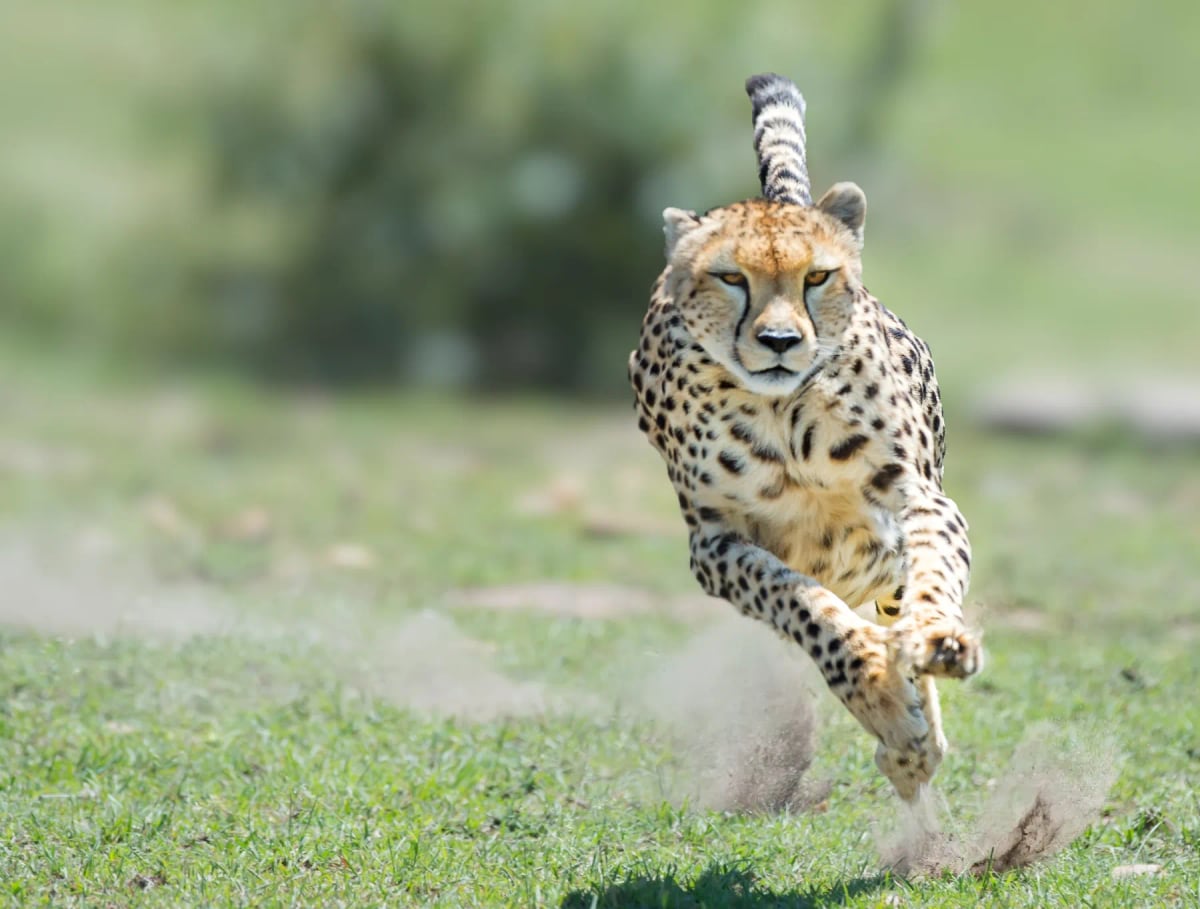
Cheetah
Acinonyx jubatus
Kenya is one of the best places in the world to observe cheetahs in the wild. The Maasai Mara ecosystem supports a well-studied population that benefits from high prey density and relatively open grassland habitat. Cheetahs also live across Laikipia, Amboseli, and other conservancies where landowner cooperation is strong. Kenya's community-based conservation model has been particularly effective at protecting cheetahs on land outside formal national parks, improving survival over the long term.
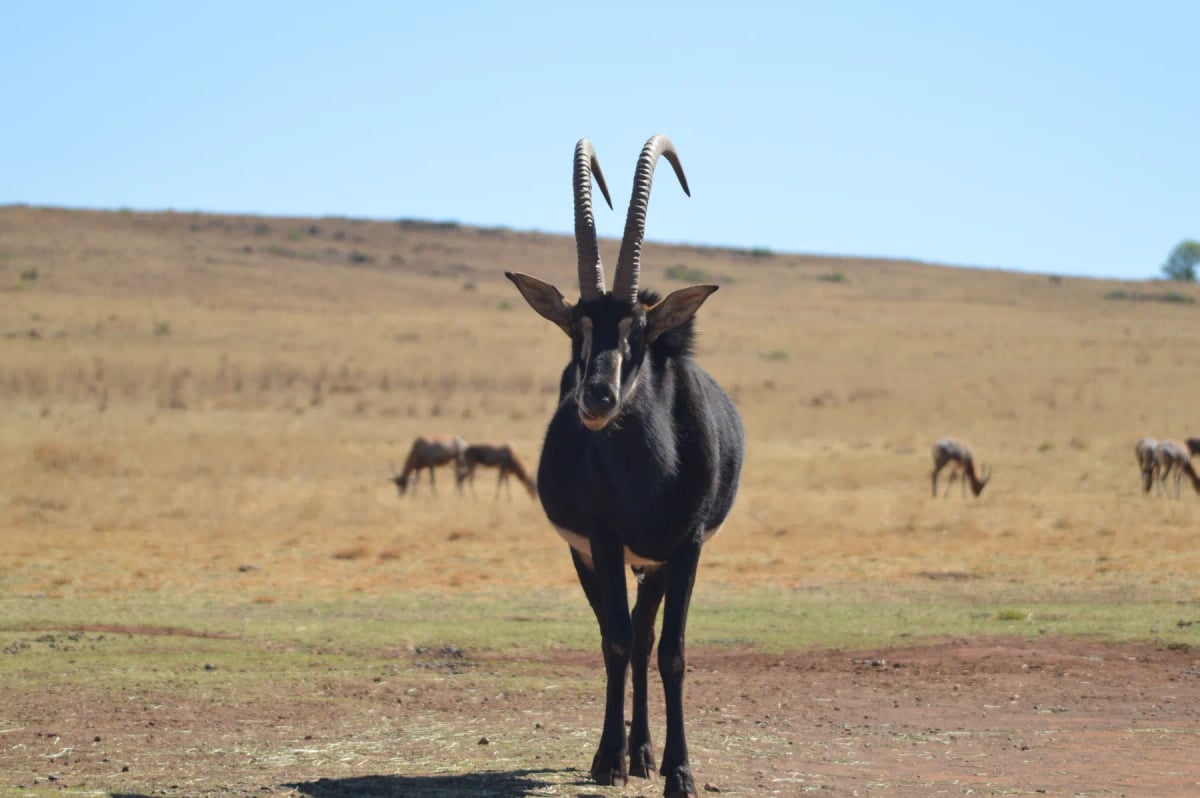
Sable Antelope
Hippotragus niger
The sable antelope has a limited presence in Kenya, found mainly in the Shimba Hills National Reserve near the coast. This small, forested reserve is home to one of the country's most carefully managed wildlife populations. The Shimba Hills herd is isolated from other populations, making local conservation efforts especially important for keeping this group healthy over the long term.
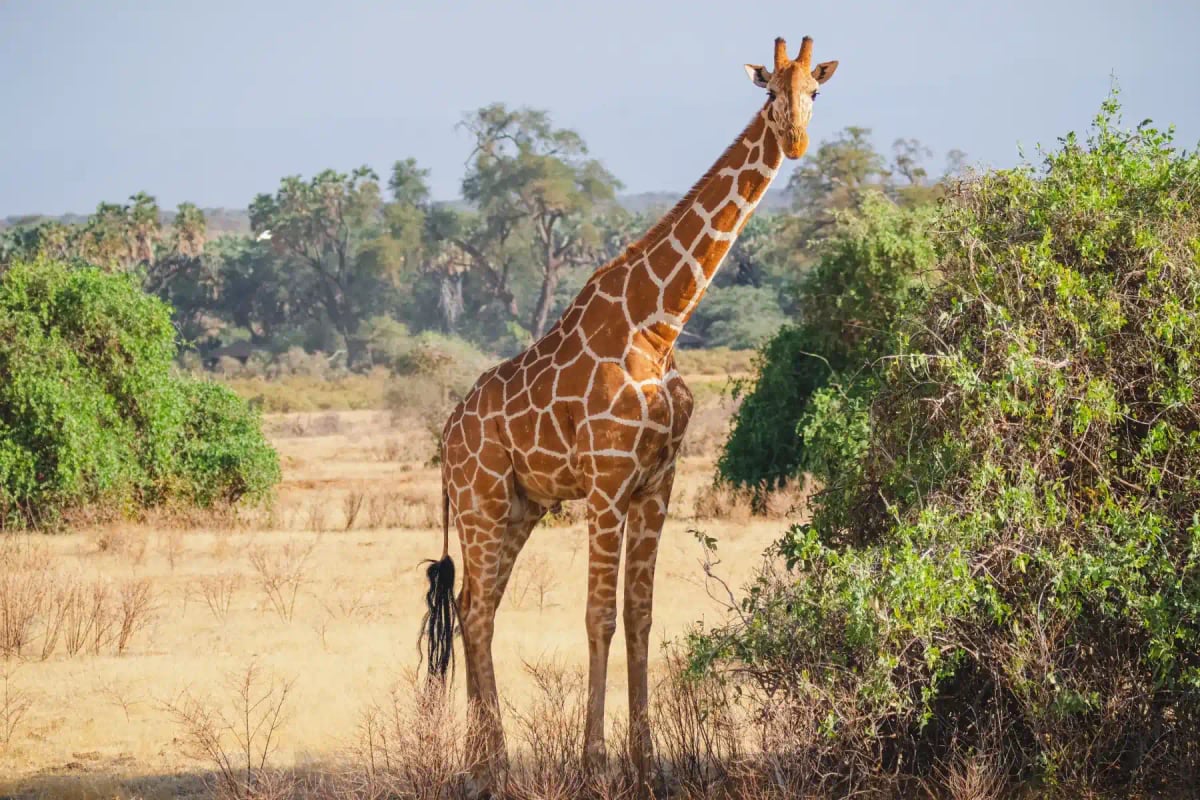
Giraffe
Giraffa camelopardalis
Kenya is home to two subspecies of giraffe: the reticulated giraffe, found in the north, and the Masai giraffe, widespread across the south. Iconic reserves such as the Maasai Mara, Samburu, and Amboseli support healthy populations. The African continent's best known image of a giraffe silhouetted against a sunset often comes from Kenya's sweeping savannas. Conservation programs, including giraffe sanctuaries near Nairobi, actively support population growth. Their IUCN status is Vulnerable.
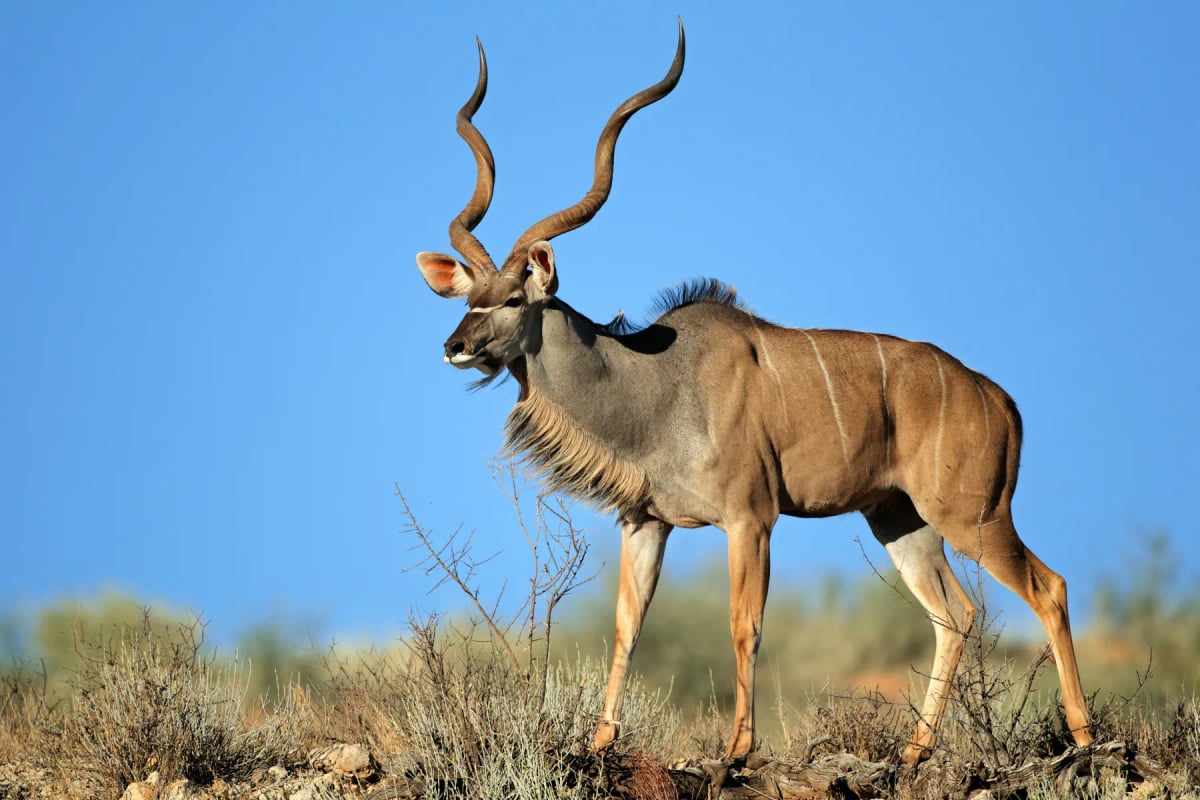
Greater Kudu
Tragelaphus strepsiceros
In Kenya, the greater kudu is found in dry woodland and bushland in the north and east of the country, including areas around Tsavo and the Samburu region. It is less commonly seen than other large antelopes, partly because it favours dense bush and is most active during the low-light hours of dawn and dusk. Males carry impressively long spiral horns. The species is listed as Least Concern by the IUCN and is present in several national reserves.
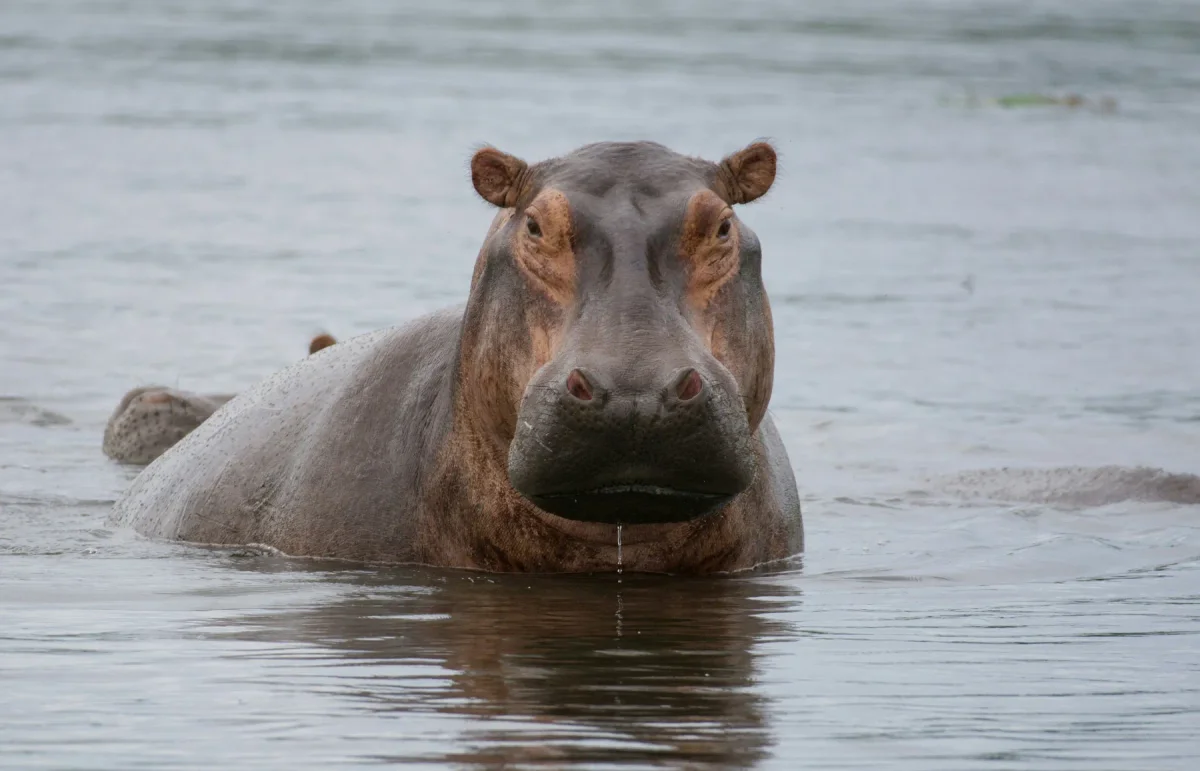
Hippopotamus
Hippopotamus amphibius
Kenya hosts well-known hippopotamus populations in the Mara River, Lake Victoria, the Tana River, and across the Rift Valley lakes. The Mara River hippos, closely watched by researchers and tourists alike, play a key role in the Maasai Mara ecosystem by cycling nutrients into the water. Kenya's network of national parks and reserves offers strong protection. The IUCN lists the hippopotamus as Vulnerable across its range.
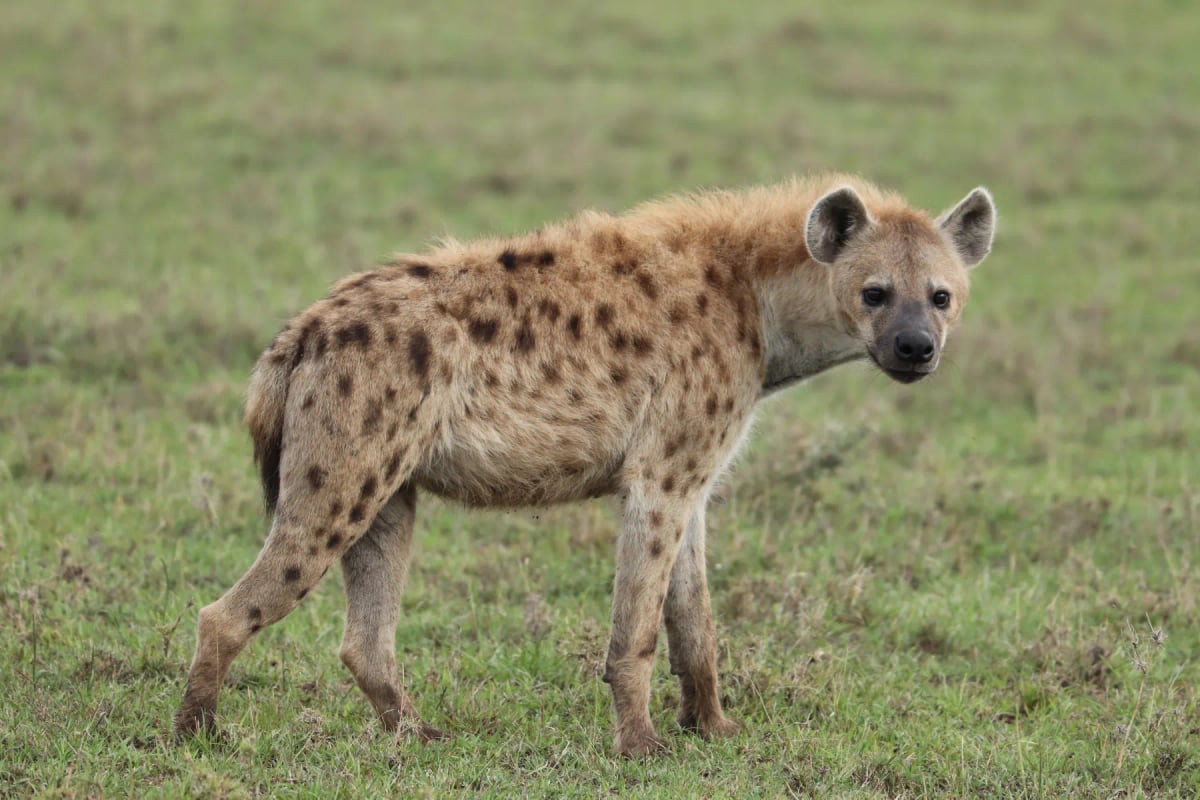
Spotted Hyena
Crocuta crocuta
The spotted hyena is one of Kenya's most recognizable large carnivores, thriving across the Maasai Mara, Tsavo, and Amboseli ecosystems. Living in clans led by females, these animals hunt wildebeest and zebra with impressive coordination, and their whooping calls fill the savanna at night. Conflict with livestock herders remains a serious threat to their survival over the long term.
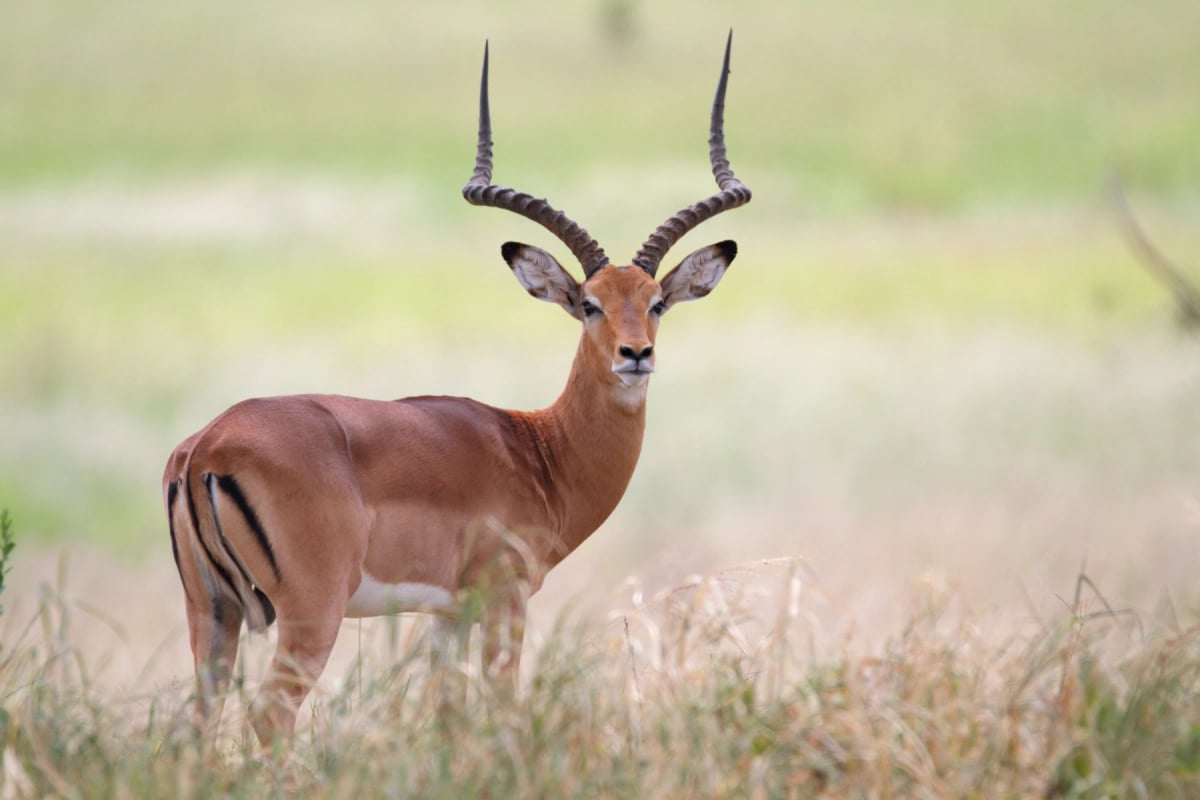
Impala
Aepyceros melampus
Kenya is home to large populations of impalas across its iconic national parks and reserves, including Maasai Mara, Tsavo, and Amboseli. Two subspecies occur here: the common impala and the black-faced impala, though the latter is found further south and west. In Kenya's open savannas, impalas form large herds and are a key prey species for lions, cheetahs, and leopards. They can leap up to 10 metres in a single bound. The IUCN lists them as Least Concern.
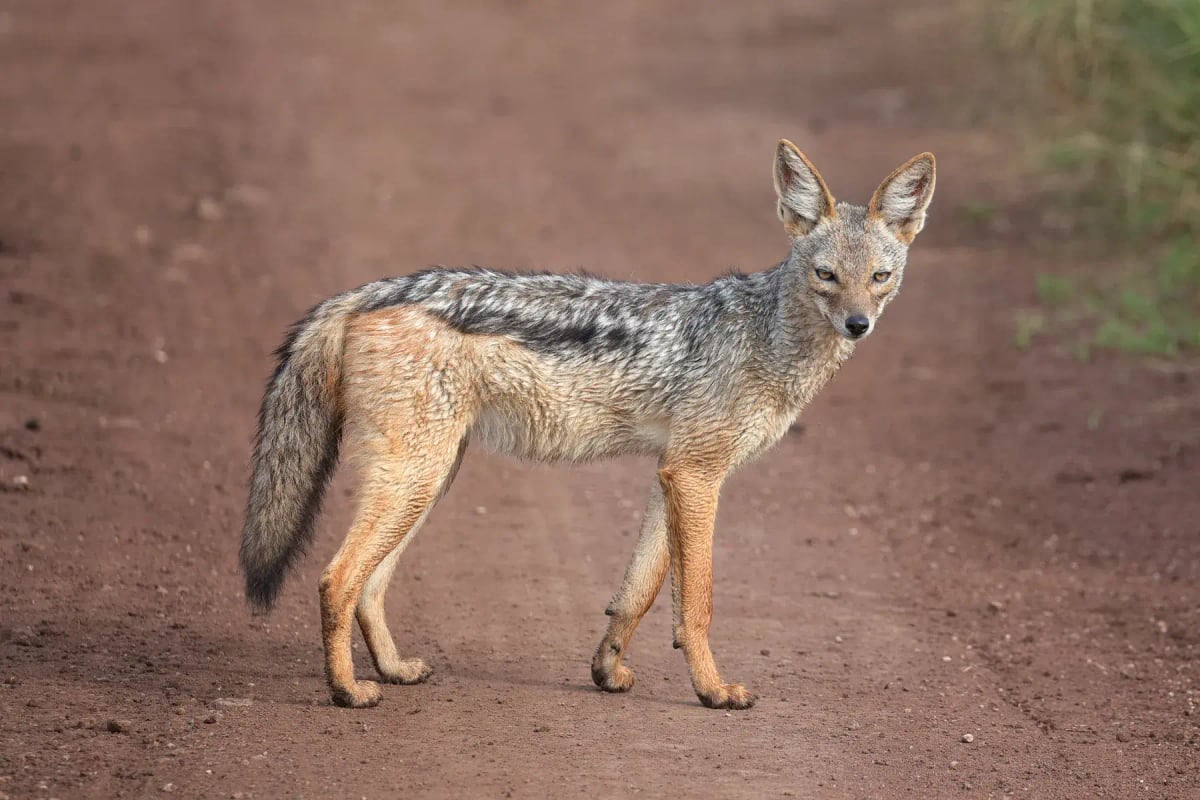
Black backed Jackal
Canis mesomelas
In Kenya, the black backed jackal is a familiar sight on the open grasslands of the Masai Mara and the arid scrublands of Tsavo and Laikipia. It often follows large predators such as lions and cheetahs to scavenge leftover kills. Its IUCN status is Least Concern. Kenyan populations belong to the East African range, which is geographically separate from the southern African population. Pairs are fiercely territorial and highly vocal at night.
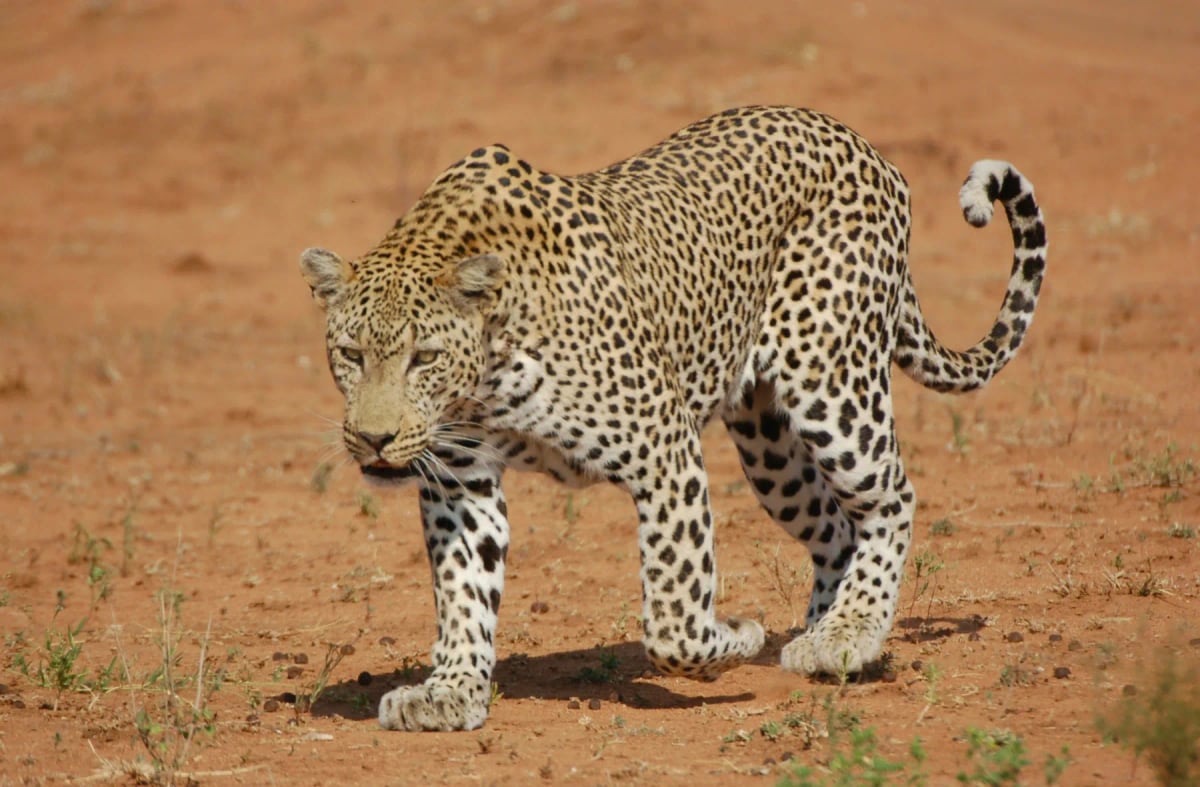
Leopard
Panthera pardus
Kenya holds one of Africa's healthiest leopard populations, with individuals found across savannas, forests, and mountainous areas. The Maasai Mara, Laikipia Plateau, and Tsavo ecosystems are among the key strongholds. Leopards here are well studied and, in some areas, habituated to vehicles, making Kenya one of the best places in the world to observe them in the wild. Conflict with livestock farmers remains a concern.
Lion
Panthera leo
Kenya is one of the most important countries in the world for lion conservation, and the Maasai Mara holds one of the most studied lion populations on Earth. Lions here live in large prides on the open plains, and their behavior has been researched for decades by scientists from around the world. Amboseli, Tsavo and Samburu also hold significant lion populations. Despite Kenya's conservation efforts, lion numbers have declined across much of the country outside protected areas due to habitat loss and conflict with livestock herders.
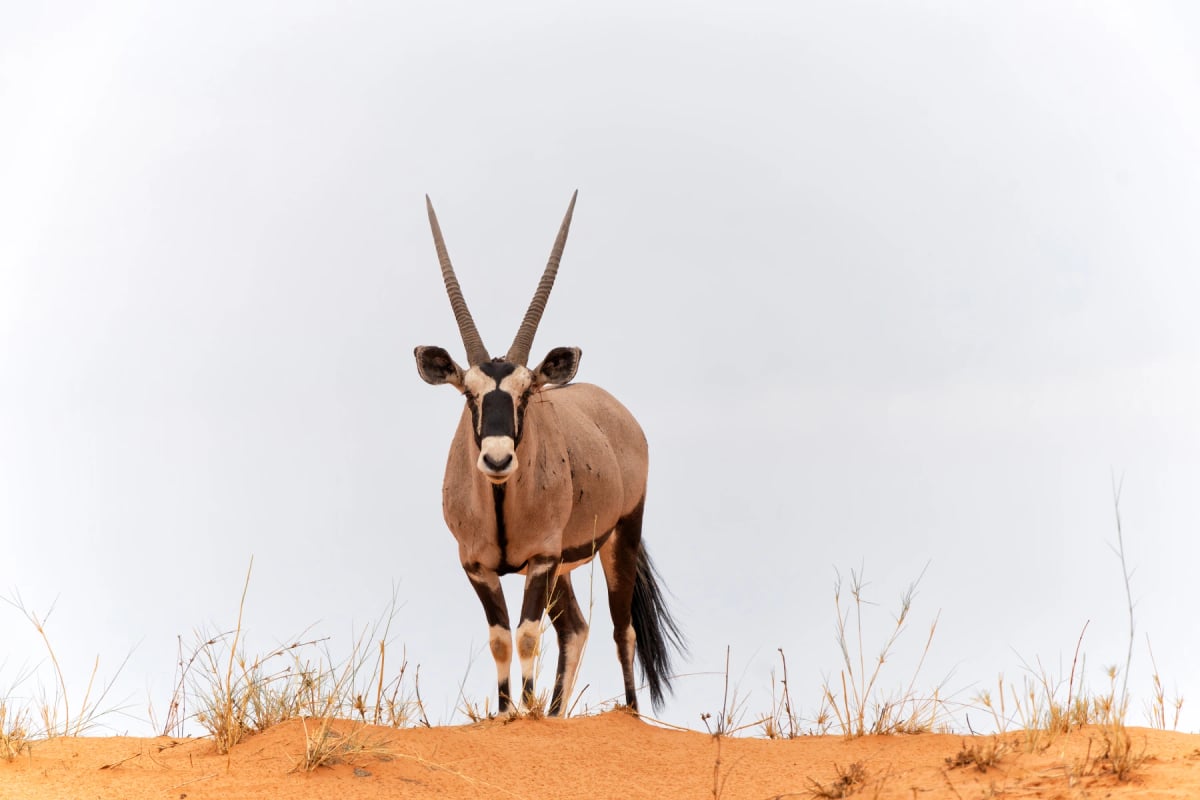
Oryx
Oryx spp.
In Kenya, the beisa oryx inhabits arid and semi-arid lands across the north and northeast of the country, including Samburu National Reserve and Buffalo Springs. These striking antelopes are well adapted to Kenya's dry lowlands, where they graze on coarse grasses and browse sparse vegetation. Their populations face pressure from habitat loss and competition with livestock, and conservation programs in community and protected areas are working to safeguard them.
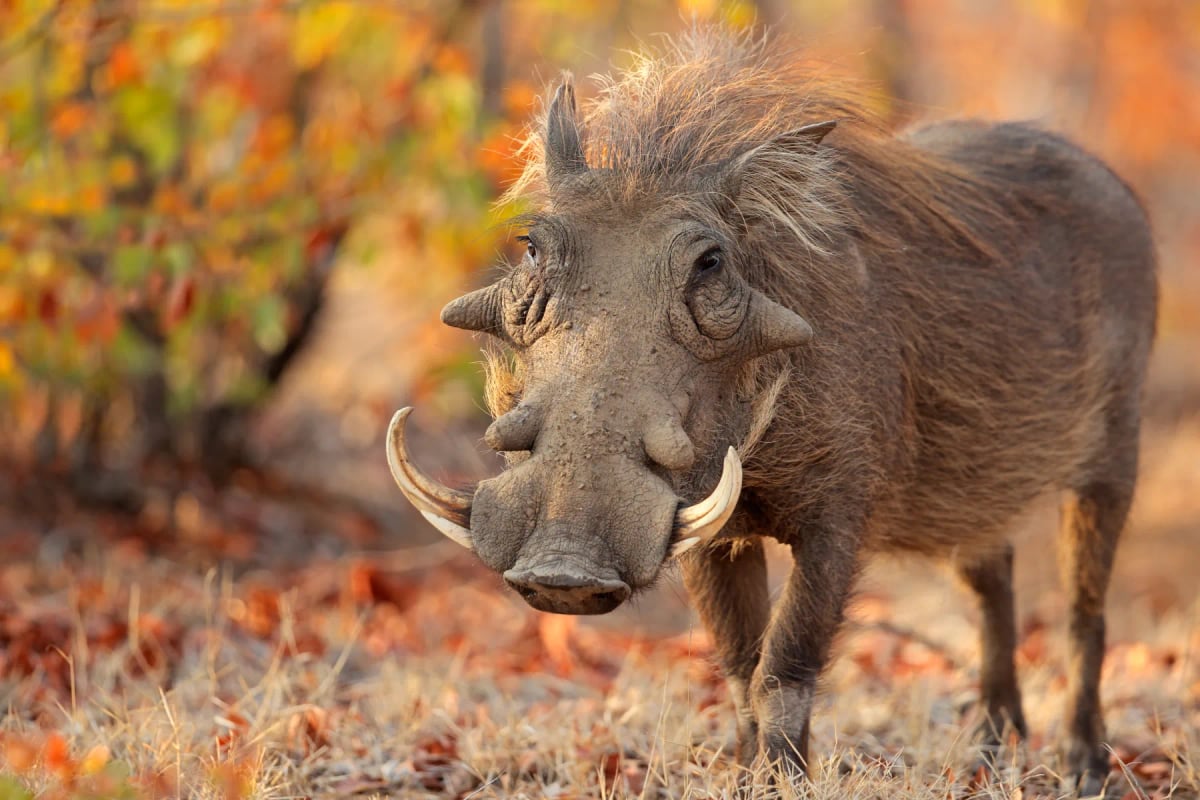
Warthog
Phacochoerus africanus
Kenya is home to large numbers of warthogs across its savannas and national parks, including the Maasai Mara, Amboseli, and Tsavo ecosystems. They are a common sight trotting across open plains with their tails raised. Lions, leopards, cheetahs, and hyenas all prey on them regularly. Warthogs play a role in the food web of Kenya's iconic wildlife landscapes. The IUCN lists them as Least Concern.
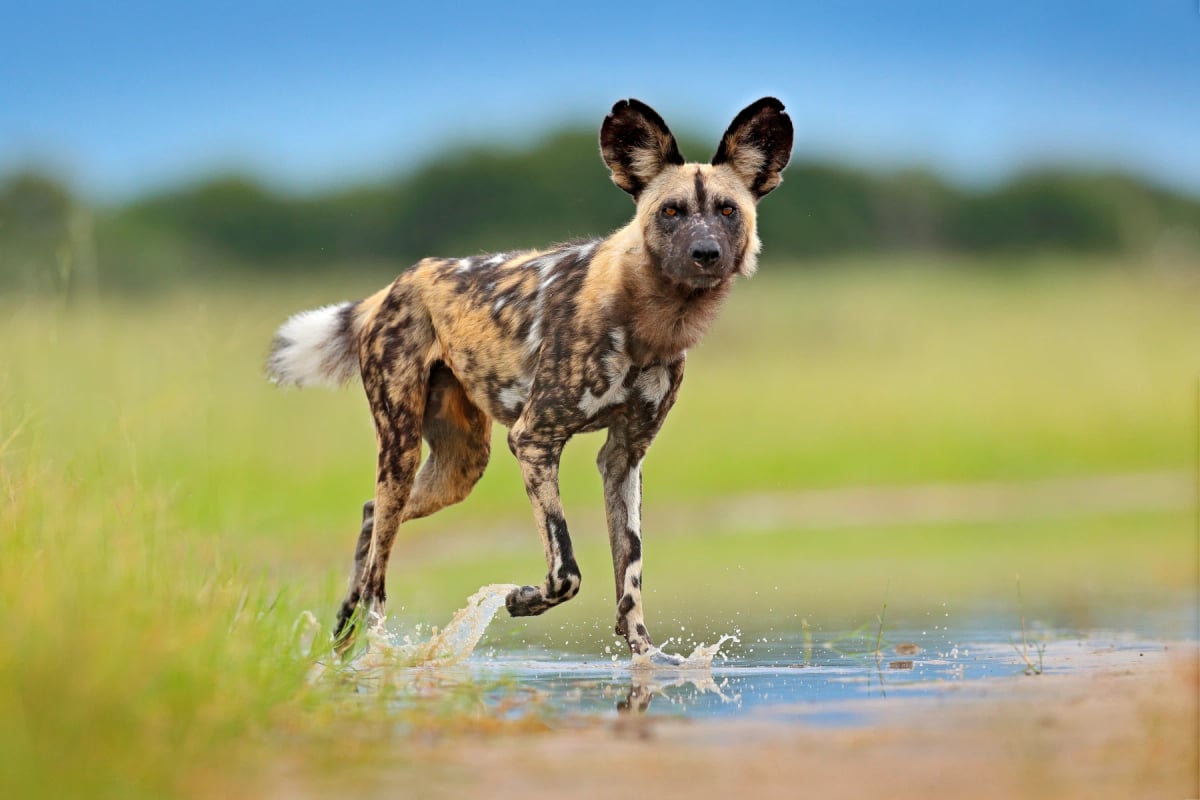
Wild Dog
Lycaon pictus
Kenya holds a modest but meaningful population of African wild dogs, with packs recorded in Laikipia, the Tsavo ecosystem, and areas bordering Tanzania. The open plains and semi-arid scrublands of these regions suit the species well. Conflict with livestock herders and disease transmission from domestic animals remain serious threats. Conservation programs involving local communities in Laikipia have produced some encouraging results in recent years. IUCN status: Endangered.
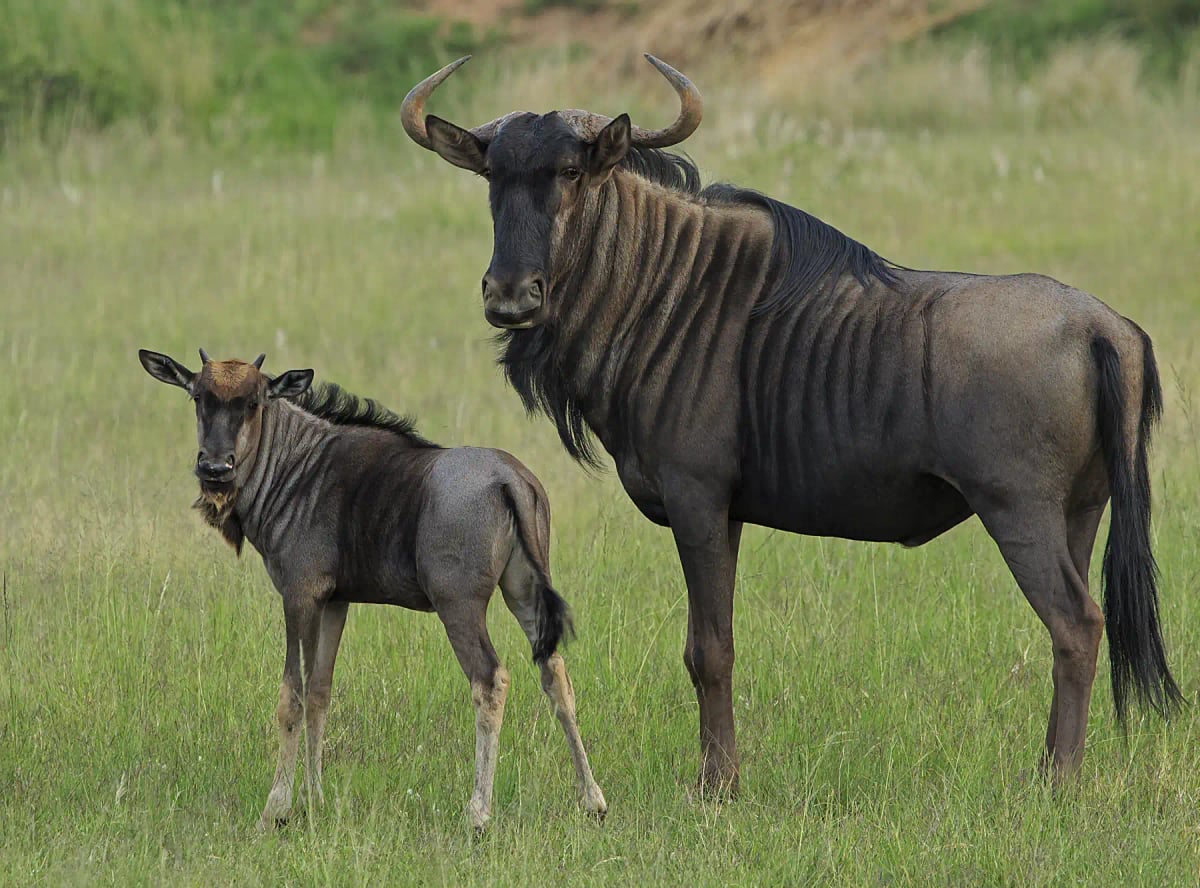
Wildebeest
Connochaetes spp.
Kenya's Maasai Mara National Reserve is the northern stage of the Great Migration, where wildebeest pour across the Mara River from Tanzania each year in dramatic crossings watched by crocodiles and lions. This spectacle draws visitors from around the world and is one of Kenya's most important wildlife and tourism assets. The Maasai Mara ecosystem connects directly with Tanzania's Serengeti, and both countries share responsibility for protecting this migration route.
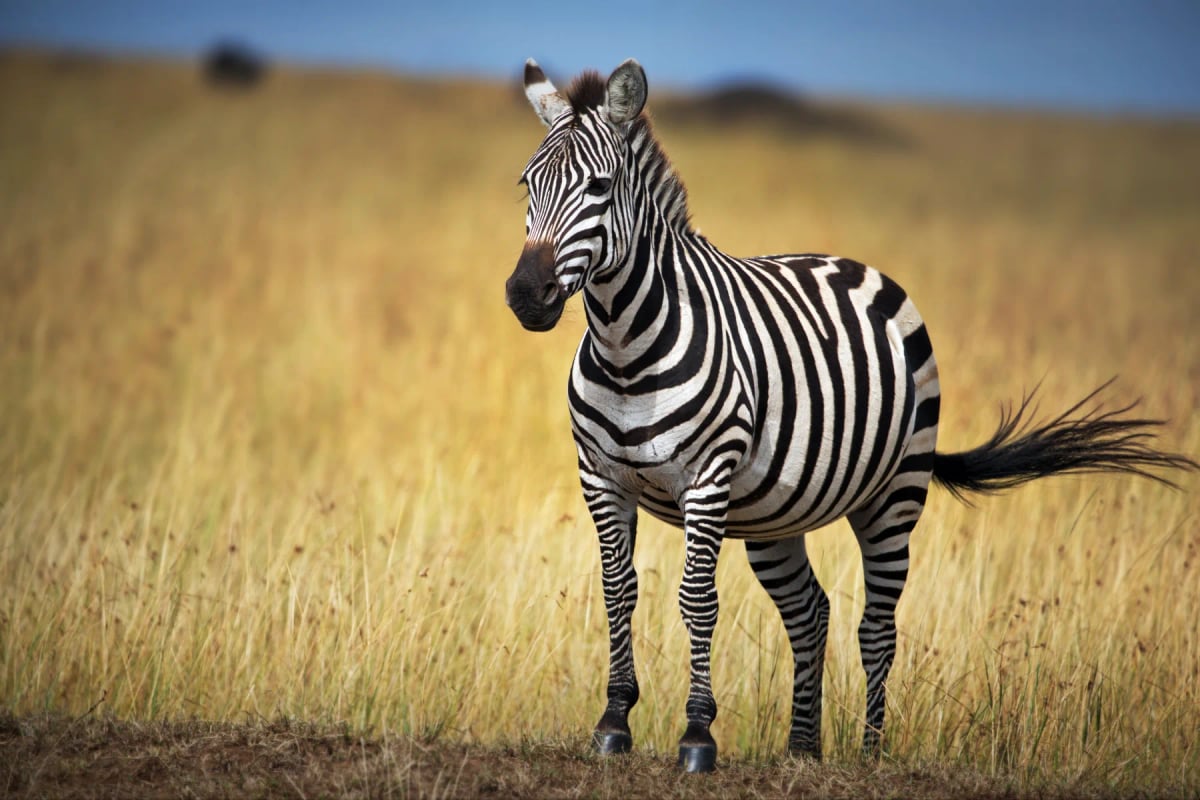
Zebra
Equus spp.
Kenya is home to three of Africa's four zebra types. Plains zebras are the most abundant, ranging from the Maasai Mara to Tsavo and often moving alongside wildebeest during the great migration. Grevy's zebra, the world's largest wild equid and an endangered species, survives only in the drier north around Samburu, Buffalo Springs and Laikipia, where Kenya holds the most important population worldwide. The mountain zebra does not occur here.
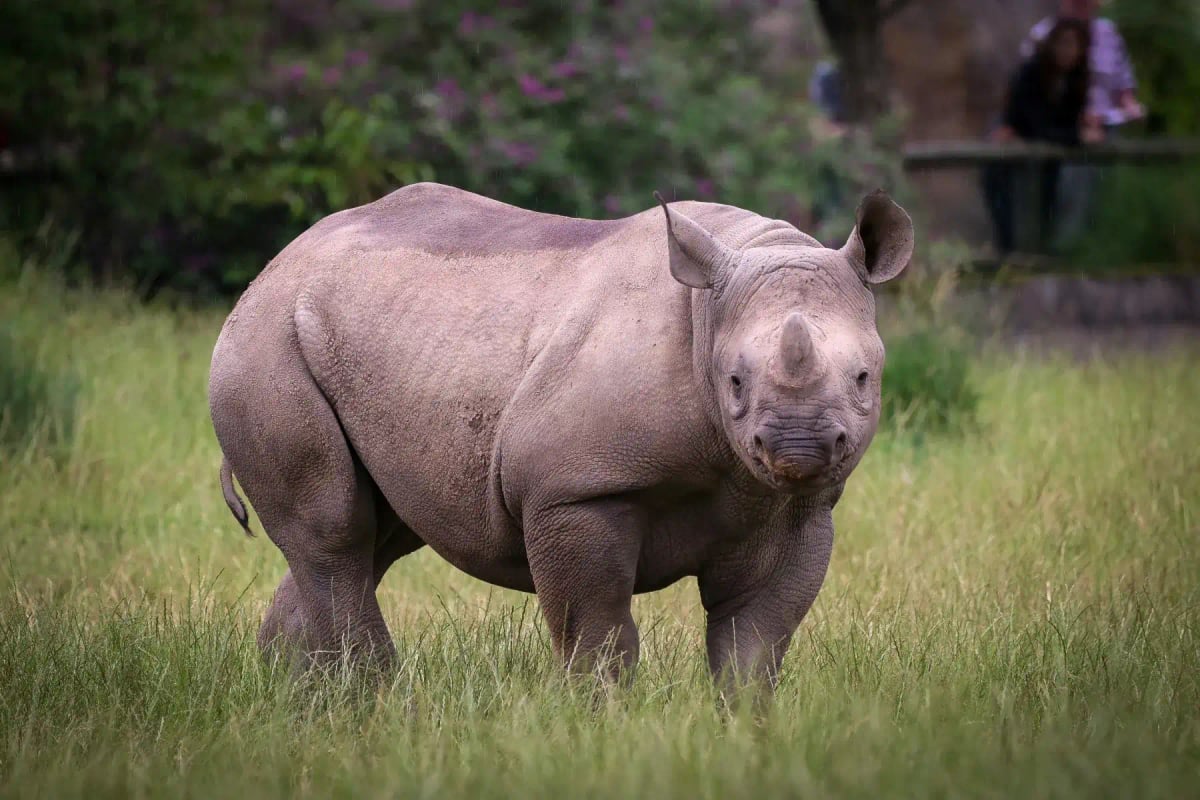
Black Rhinoceros
Diceros bicornis
Kenya is one of the most important strongholds for the black rhinoceros in Africa. Key populations are protected within Ol Pejeta Conservancy, Lewa Wildlife Conservancy, Nairobi National Park, and Tsavo East. Kenya's community conservancy model has been especially effective, allowing numbers to grow steadily. The Kenya Wildlife Service coordinates intensive anti-poaching operations and regular monitoring, making the country a global leader in black rhino conservation.
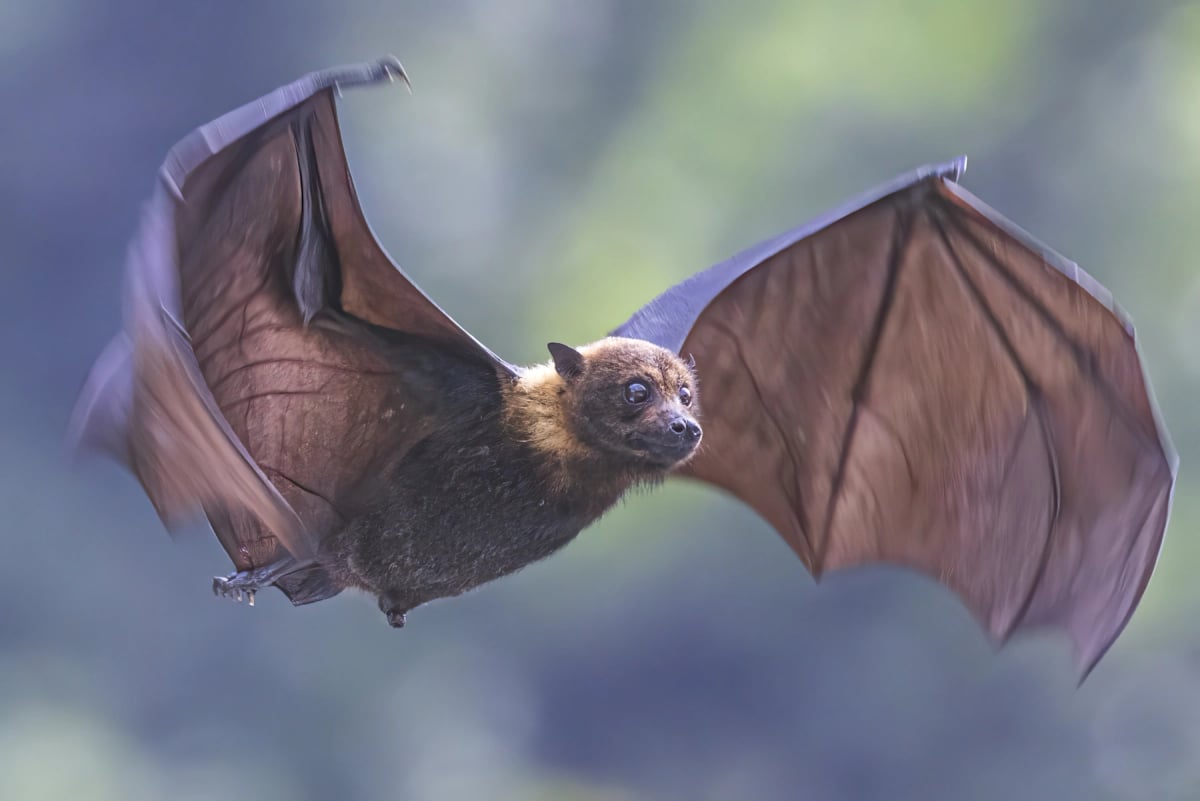
Fruit Bat
Pteropodidae
Kenya's fruit bats are found across coastal forests, the Central Highlands, and along the shores of Lake Victoria. Figures such as the straw-coloured fruit bat gather in enormous roosts of hundreds of thousands of individuals. They are important pollinators of baobab trees and other native plants. In Kenya's protected forest areas, their role in maintaining tree diversity makes them a key species for healthy ecosystems.
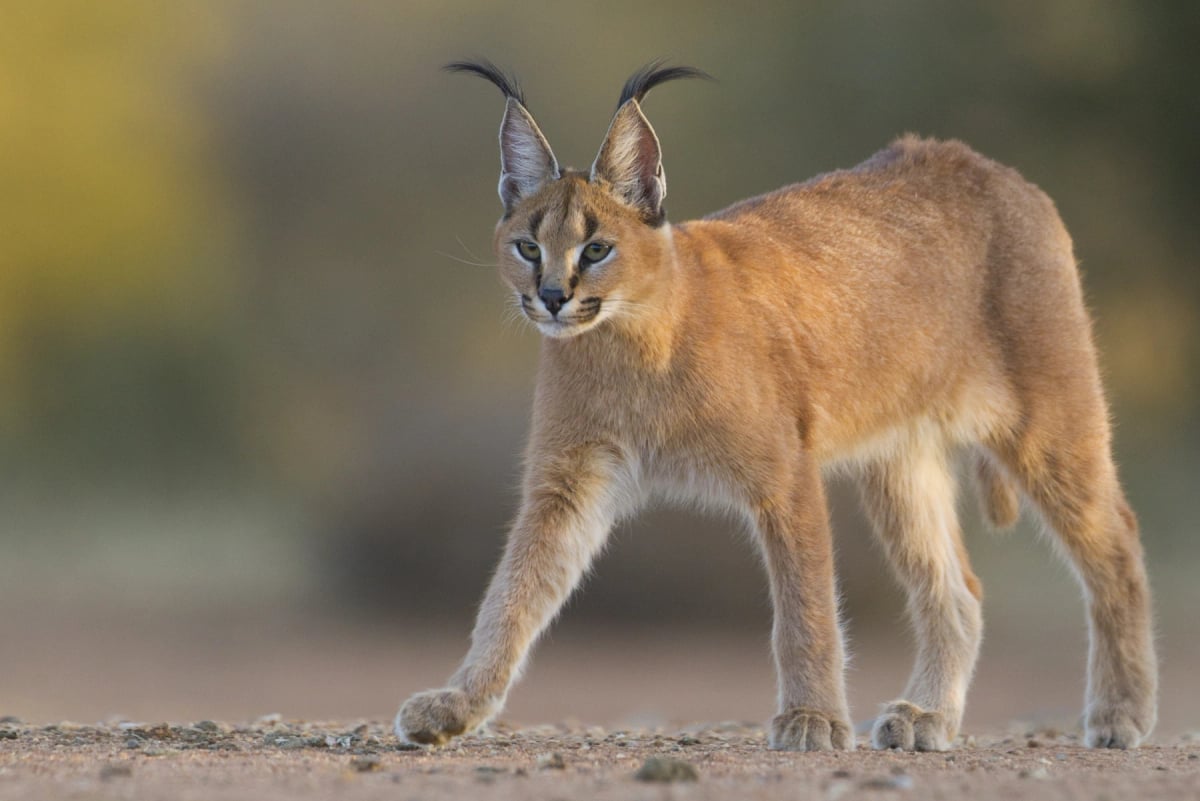
Caracal
Caracal caracal
In Kenya, the caracal is distributed across savannas, dry woodlands, and scrublands, with strongholds in areas such as Laikipia, Tsavo, and the rangelands of the north. It is a versatile predator, hunting birds, hares, and small antelopes. Mostly solitary and active during twilight and at night, it can occasionally come into conflict with livestock farmers on the edges of protected areas. The IUCN lists it as Least Concern.
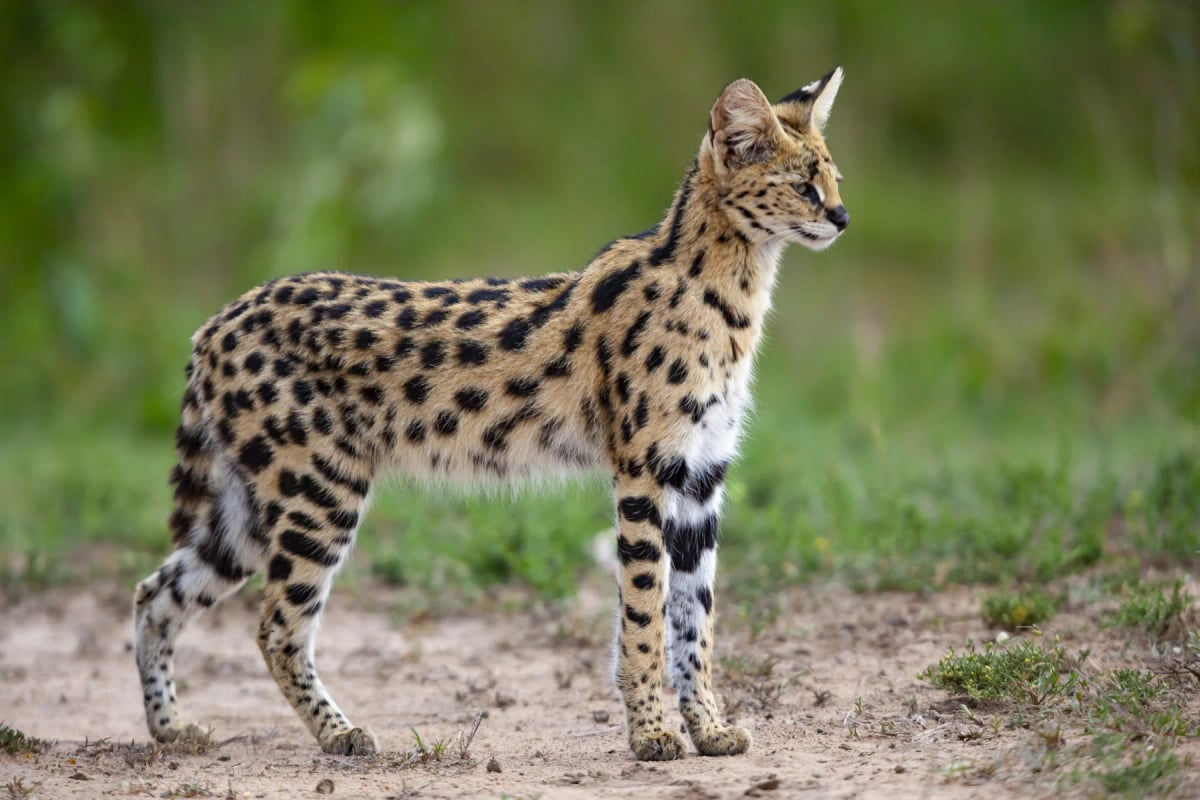
Serval
Leptailurus serval
The serval is a familiar sight across Kenya's Rift Valley grasslands and the wetland edges of the Mara ecosystem. With ears large enough to detect a mouse rustling beneath the grass, this slender cat hunts mostly at dusk. Rodents make up the bulk of its diet. Listed as Least Concern by the IUCN, it still faces pressure from habitat loss as agriculture spreads across its preferred savanna habitat.
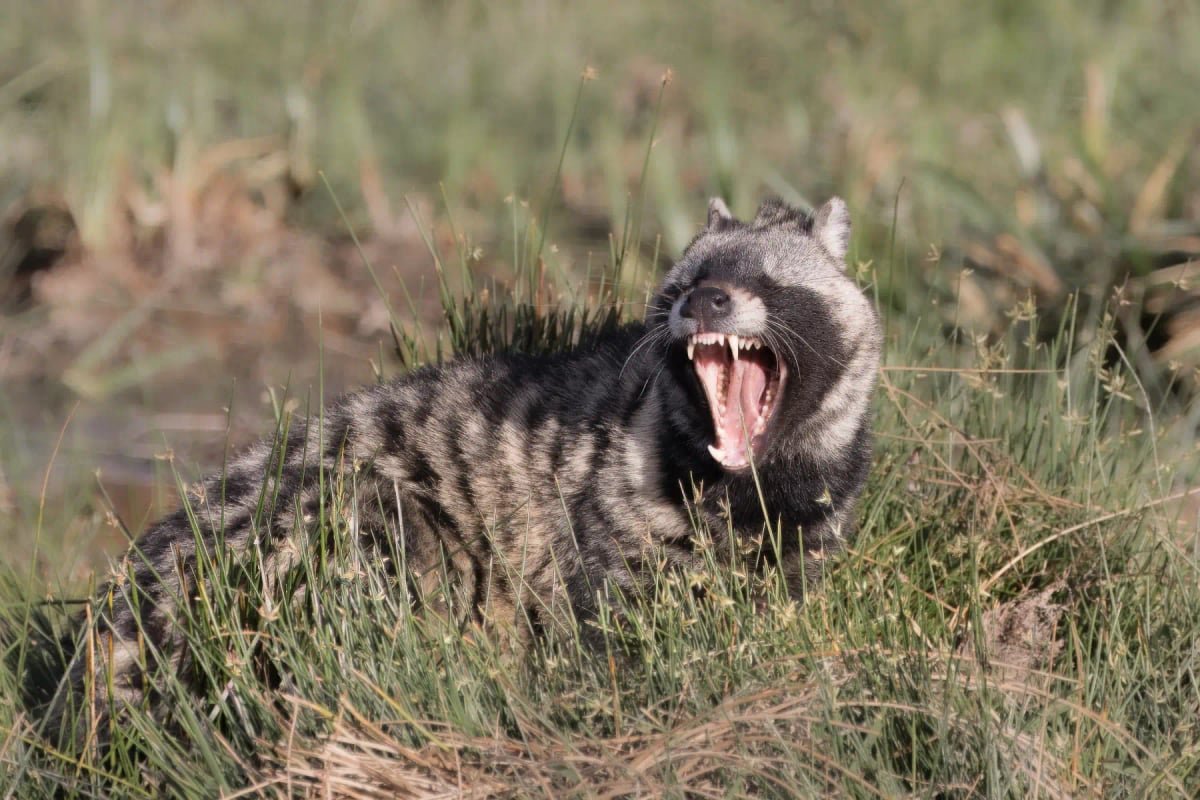
African Civet
Civettictis civetta
The African civet ranges across Kenya's coastal forests, riverine woodlands and highland edges, from Tsavo to the Aberdare foothills. It is a regular nocturnal sighting in Samburu, the Masai Mara and Laikipia conservancies. In Kenya's diverse habitat mosaic, civets serve as important seed dispersers, moving through woodland corridors and forest margins in search of fruit, insects and small prey after dark.
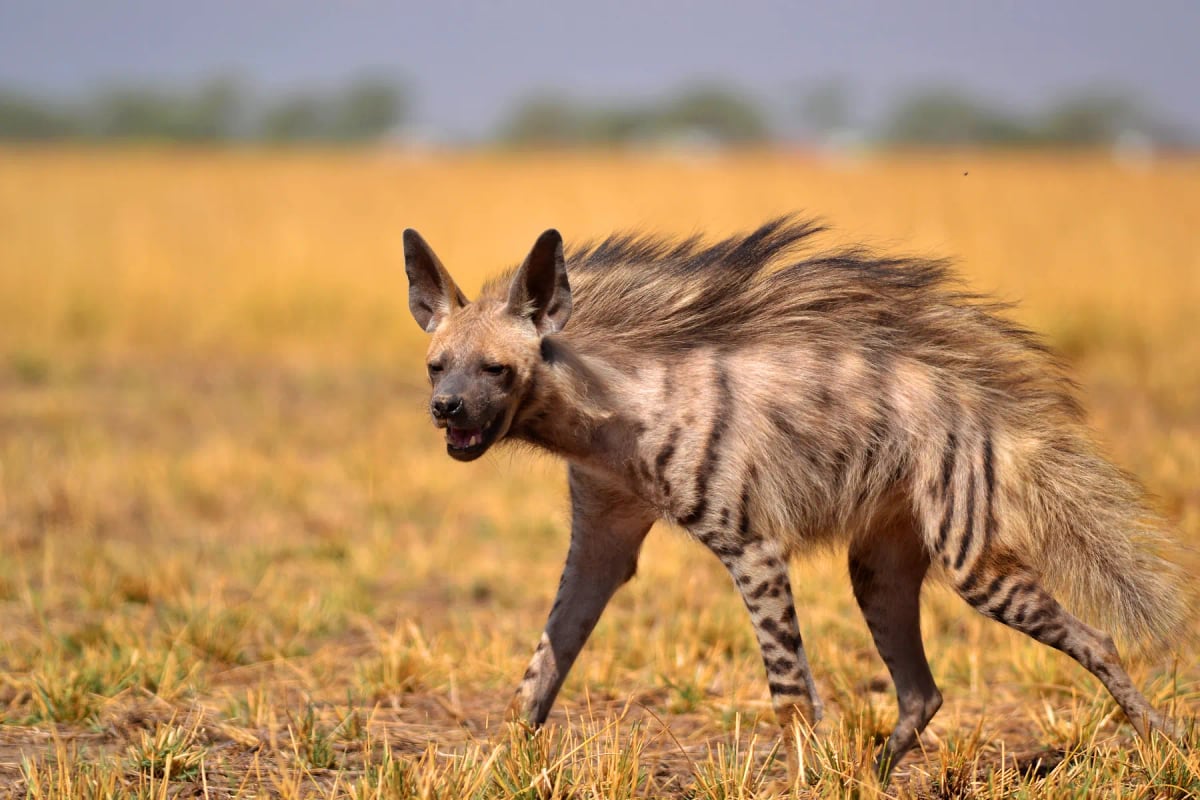
Striped Hyena
Hyaena hyaena
In Kenya, the striped hyena is far less common than its relative the spotted hyena. It tends to occupy drier habitats in the north of the country, including parts of Samburu and Turkana counties. Shy and solitary, it is rarely seen and is often overlooked in wildlife surveys. Classified as Near Threatened, it faces habitat pressure and occasional persecution from communities that consider it a threat to livestock.

Honey Badger
Mellivora capensis
The honey badger is found across Kenya in a wide range of habitats including savanna, dry bushland, forest edges and rocky terrain, from the Maasai Mara and Tsavo to the dry north around Samburu and Marsabit. It is famous for its fearlessness and will confront animals much larger than itself when threatened. It feeds on a wide variety of prey including rodents, snakes, bee larvae, scorpions and roots, and its thick loose skin provides protection against bites and stings. It is mostly nocturnal and rarely seen on daytime game drives.
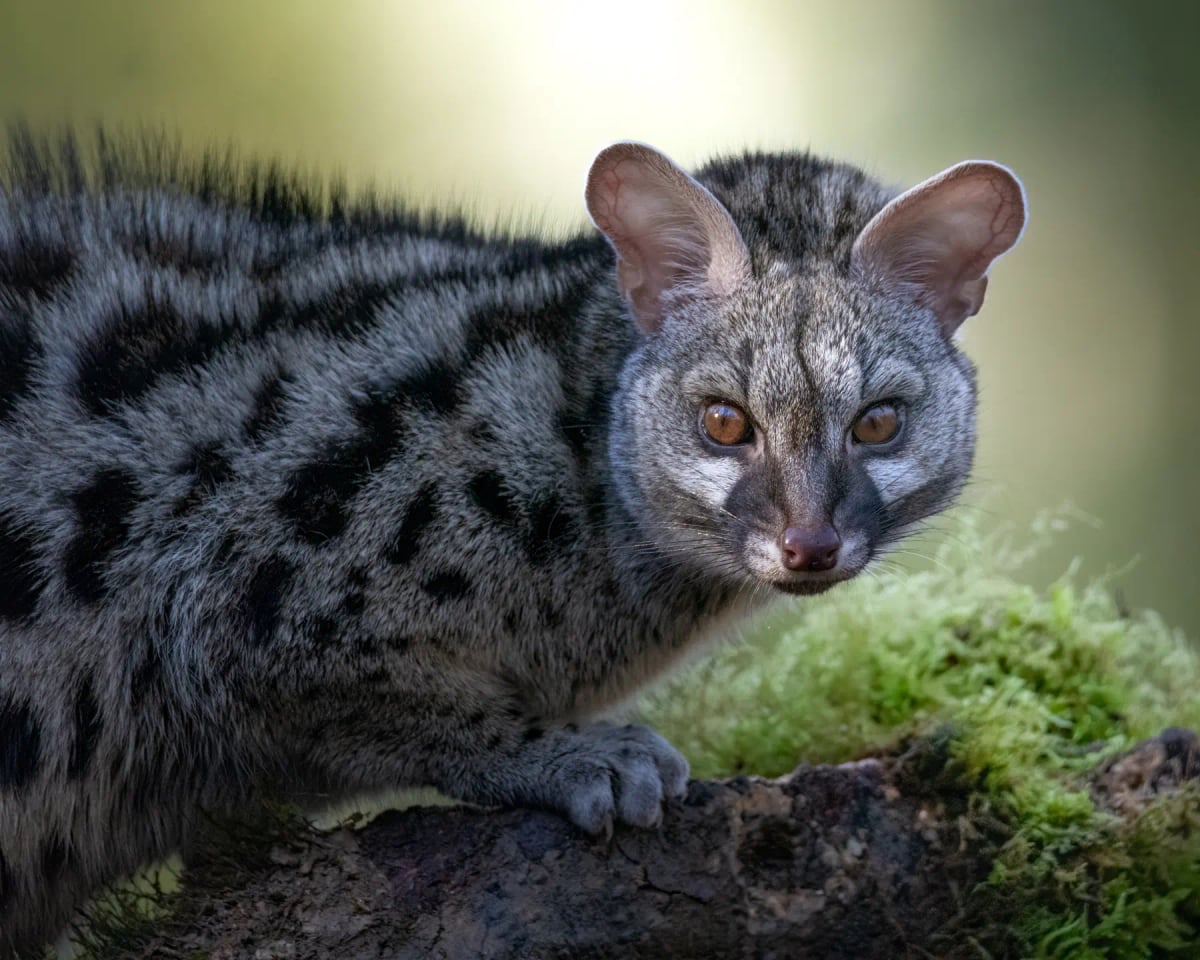
Common Genet
Genetta genetta
The common genet is found across much of Kenya, from the highland forests around Mount Kenya and the Aberdares to savanna woodlands and bushland across the country. It is nocturnal and highly agile, hunting small mammals, birds, reptiles, and insects. Kenya's protected areas, including national parks and conservancies, support healthy populations of this spotted carnivore. It is sometimes spotted on night game drives near forested lodges. IUCN status: Least Concern.
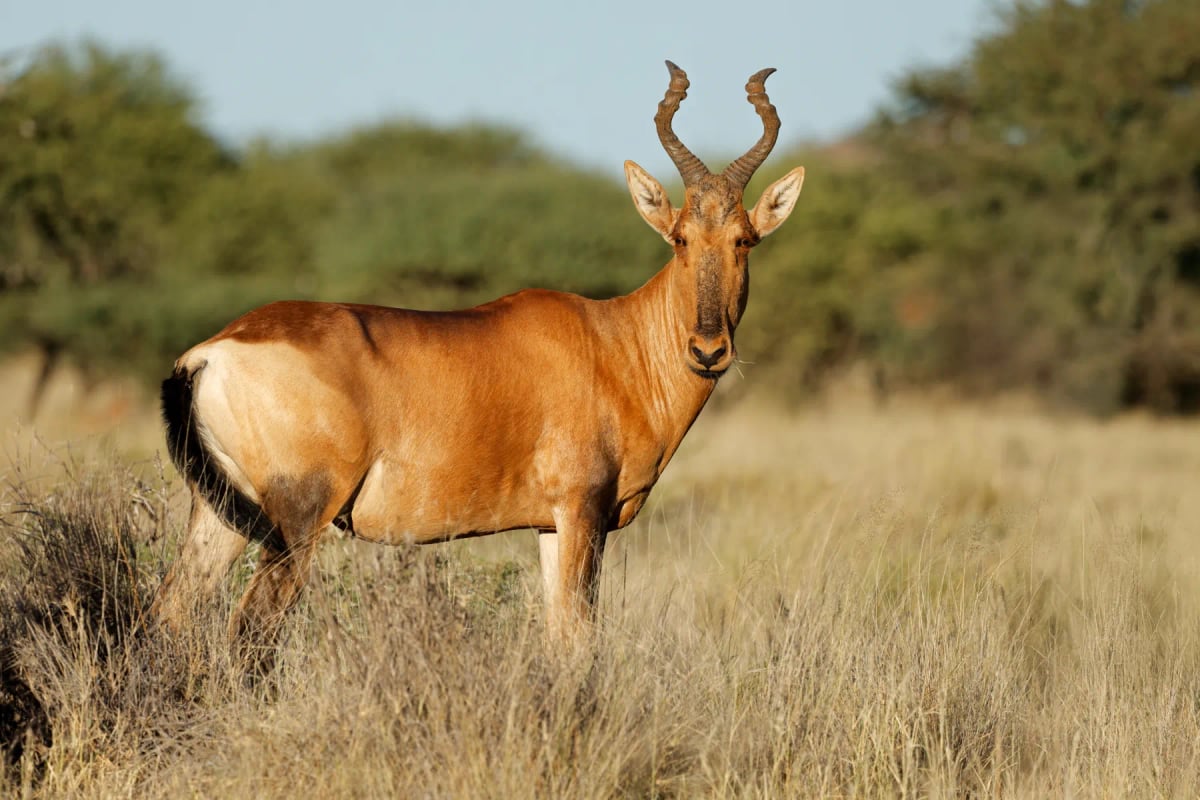
Hartebeest
Alcelaphus buselaphus
Kenya is home to the Coke's hartebeest, one of the most widespread subspecies in East Africa. It roams the open plains of the Masai Mara, Tsavo, and other savanna ecosystems in large herds. Males defend territories through scent marking and posturing, a behavior easy to observe on the open grasslands. The hartebeest's speed, reaching close to 70 km/h, helps it stay ahead of lions and cheetahs.
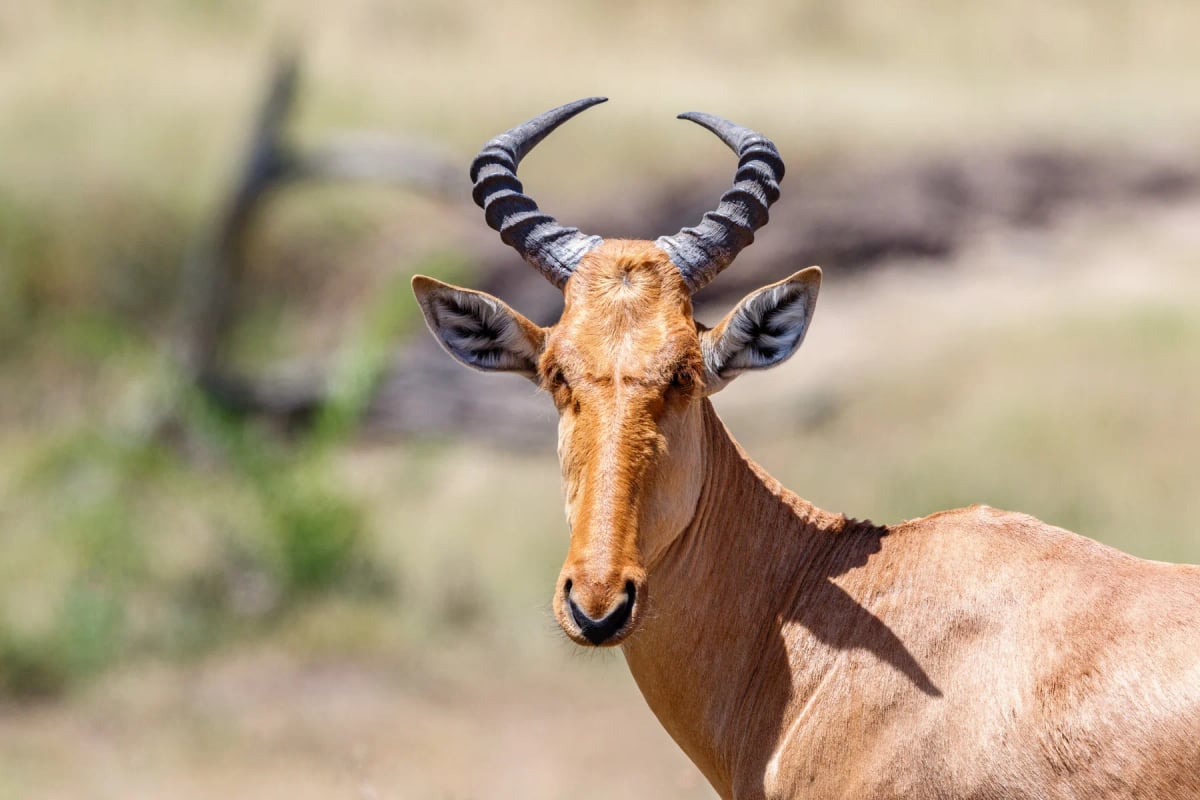
Topi
Damaliscus lunatus
Kenya is home to one of the largest topi populations in Africa, concentrated in the Maasai Mara National Reserve. Here, topis graze on open grasslands alongside wildebeest and zebra, following the rhythm of seasonal rains. Males are a common sight standing tall on termite mounds, watching over their territories. The Mara's vast plains offer ideal conditions for this fast and social antelope. IUCN status: Least Concern.
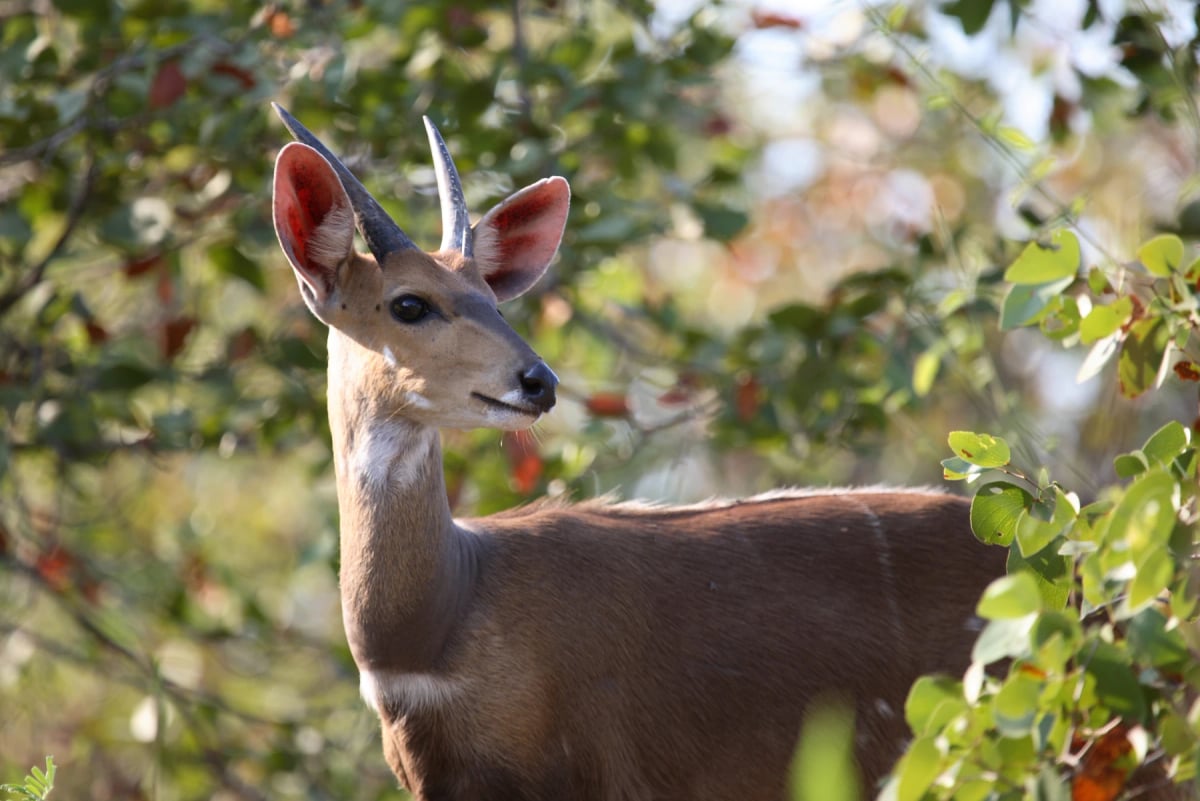
Bushbuck
Tragelaphus scriptus
Kenya's bushbucks inhabit forests and dense woodlands from the coast to the highlands, including areas around Mount Kenya and the Aberdare Range. These shy antelopes favor riverine forests and forest edges with thick cover. Their wide distribution across Kenya's diverse habitats makes them an important woodland indicator species.
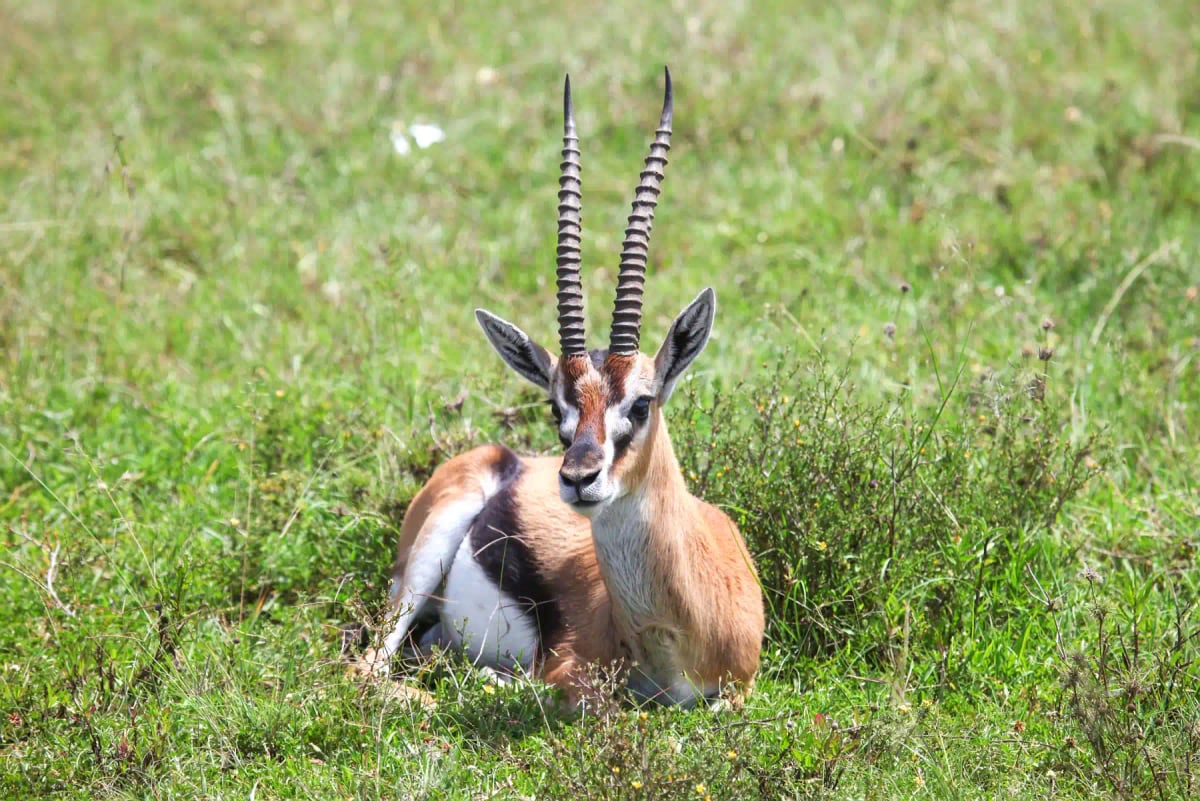
Thomson's Gazelle
Eudorcas thomsonii
Thomson's gazelle is one of the most familiar animals on Kenya's open plains, especially across the Maasai Mara and Rift Valley grasslands. Recognizable by its sandy coat and bold black flank stripe, it grazes in large herds alongside wildebeest and zebras. Built for speed, it can reach 80 km/h to escape cheetahs. Listed as Near Threatened, it faces pressure from habitat loss and competition with livestock.
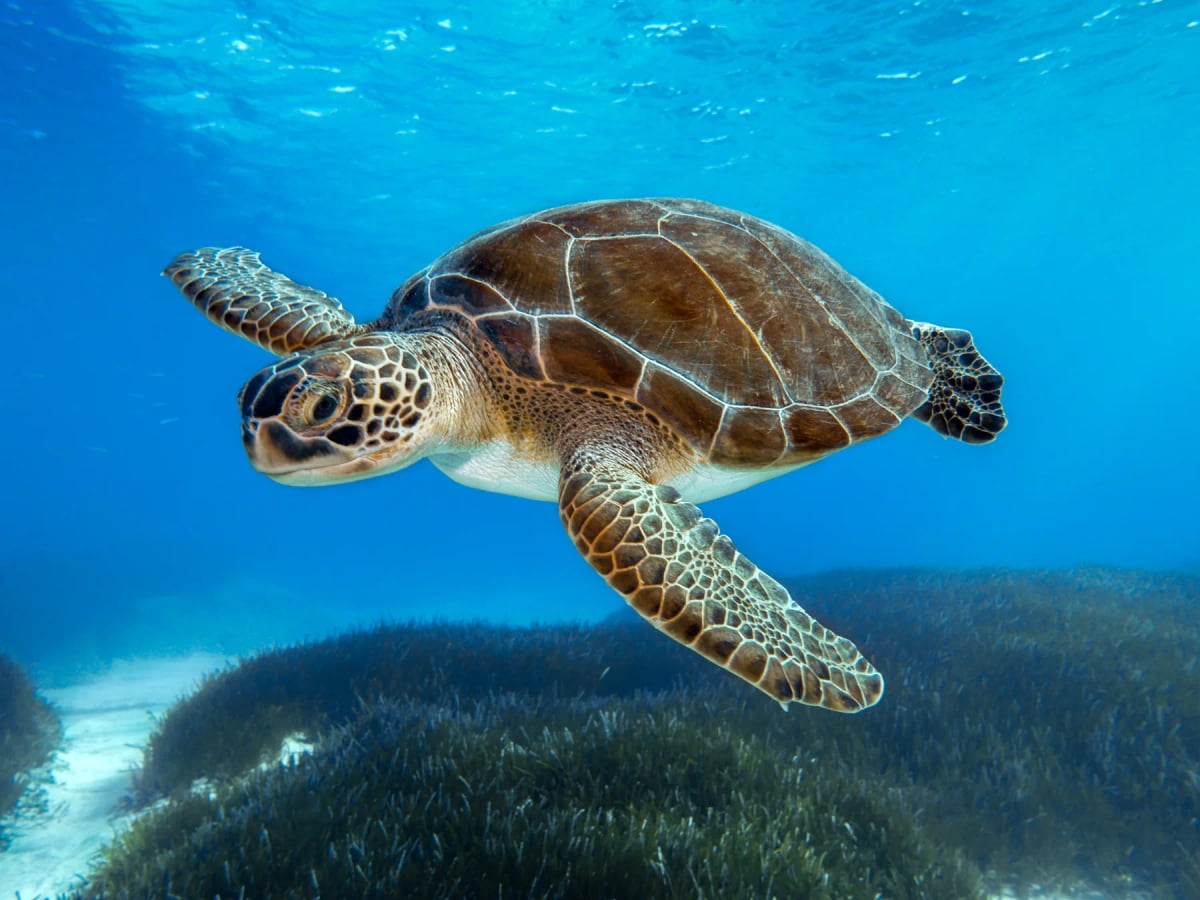
Sea Turtle
Cheloniidae & Dermochelyidae (families)
Kenya's Indian Ocean coastline is important nesting and feeding habitat for several sea turtle species. Green and hawksbill turtles nest on beaches along the coast, and leatherback and loggerhead turtles are also recorded in Kenyan waters. Watamu Marine National Park and Malindi Marine National Park are among the most significant areas for turtle conservation in the country, where community based monitoring programs and nest protection efforts have been running for decades.
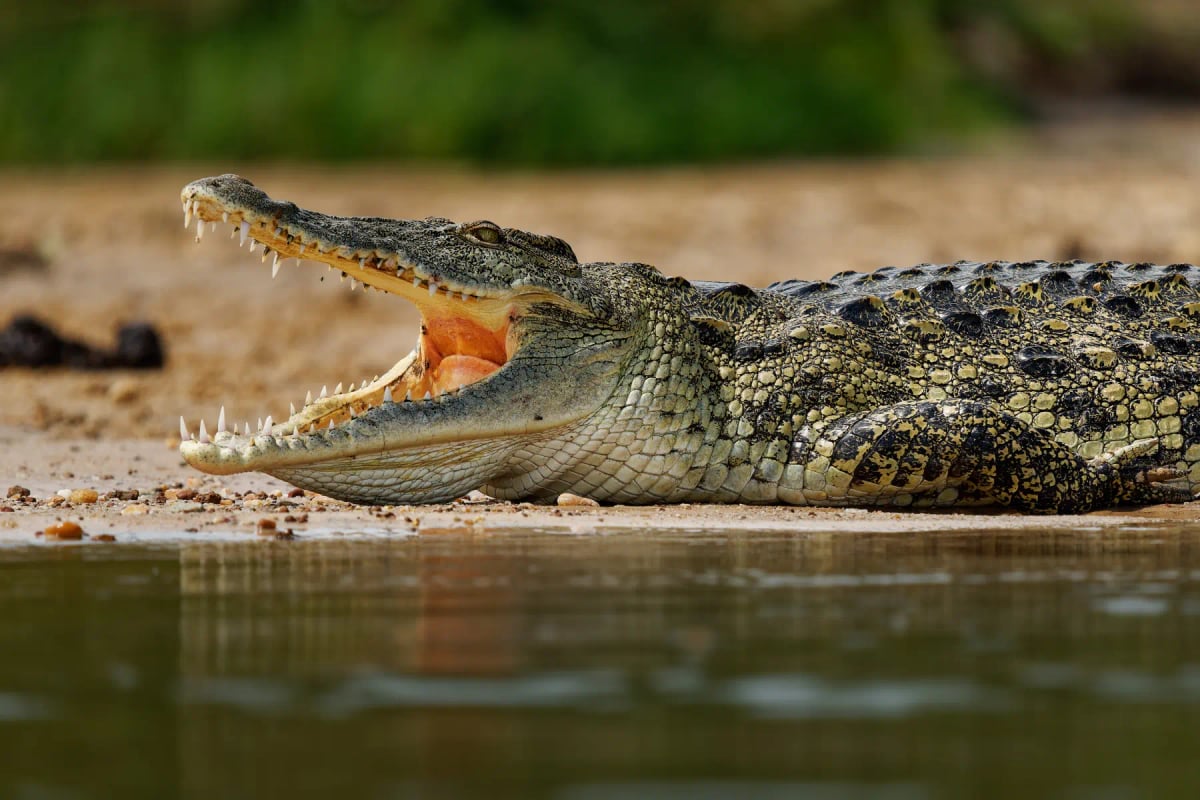
Nile Crocodile
Crocodylus niloticus
Kenya's Nile crocodiles are among the most famous in Africa, with large populations thriving in the Mara River and Lake Turkana. During the annual wildebeest migration, crocodiles gather at river crossings in the Maasai Mara to ambush prey in dramatic fashion. Adults can exceed 5 metres and 700 kilograms. Classified as Least Concern by the IUCN, they remain a highlight for visitors to Kenya's national parks and reserves.
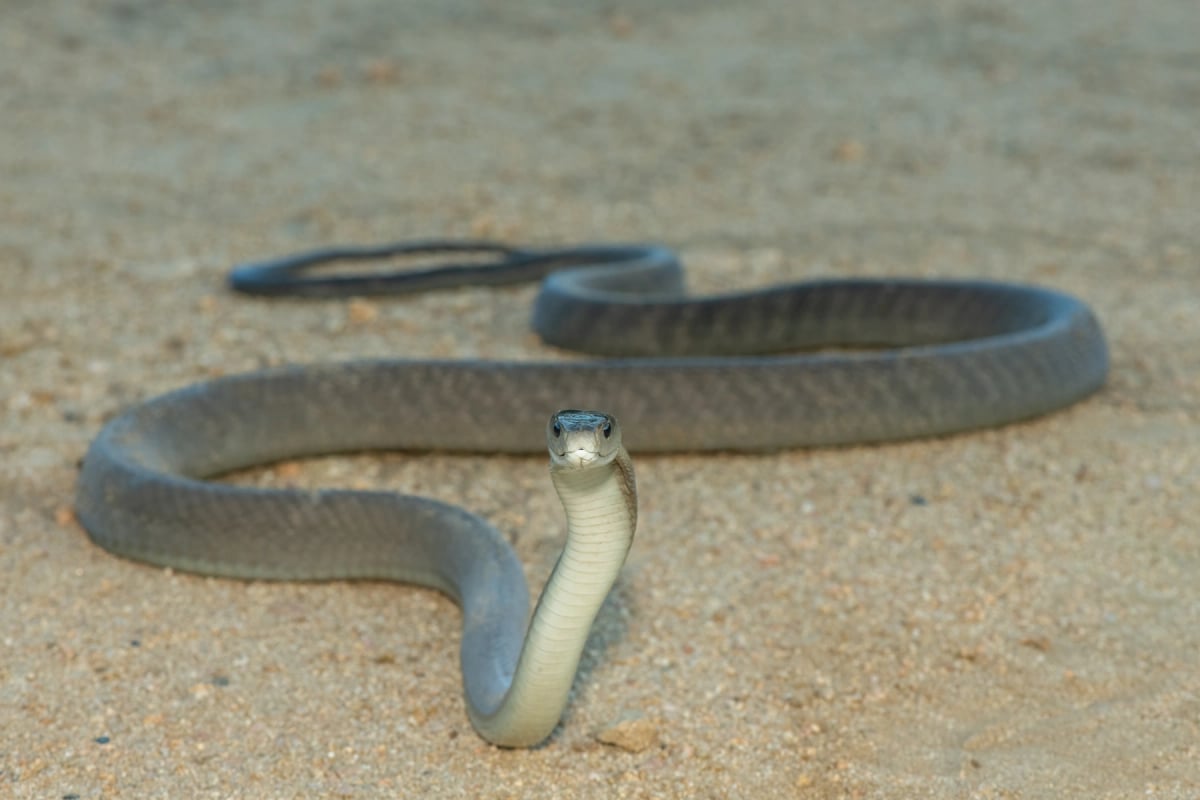
Black Mamba
Dendroaspis polylepis
Kenya's black mamba (Dendroaspis polylepis) is found across the dry savannas and rocky hillsides of the Rift Valley, Tsavo and other semi-arid regions. It is an agile daytime predator of birds and rodents, and its jet black mouth, displayed as a warning when threatened, gives the species its name. Listed as Least Concern by the IUCN, it is a well-known and respected presence in Kenyan wildlife.
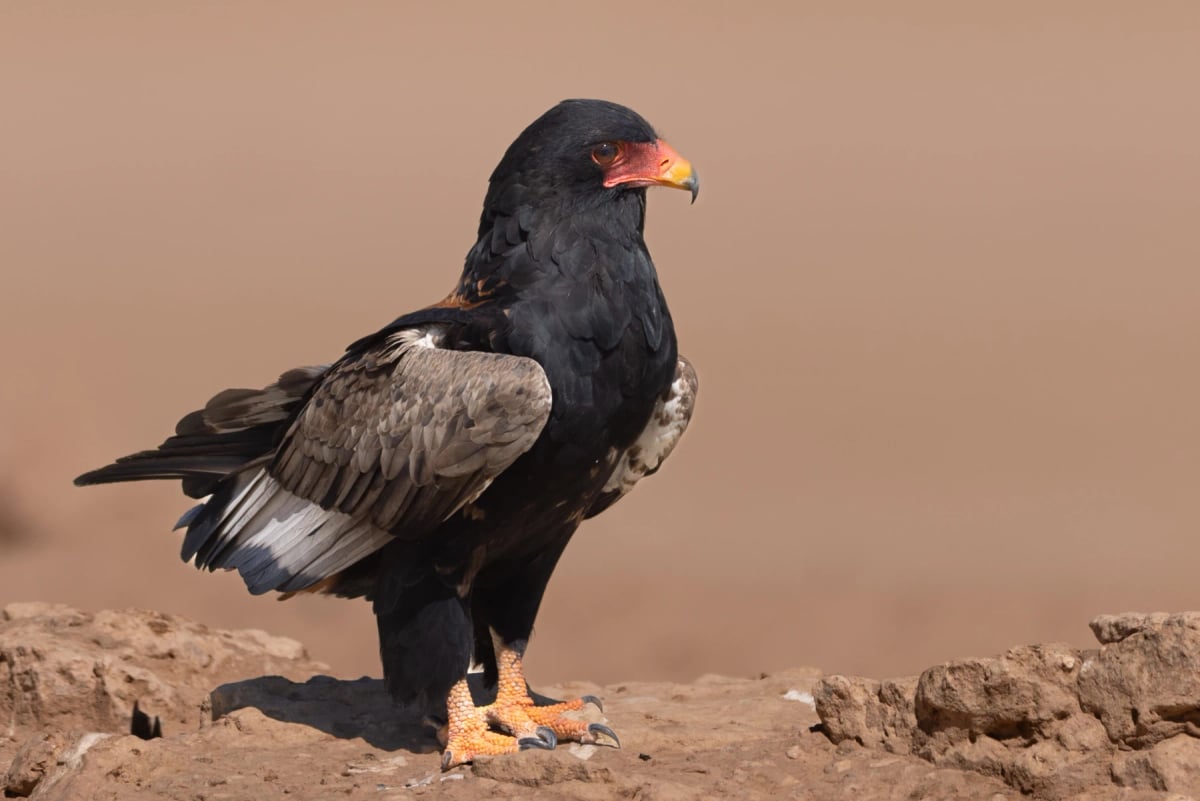
Bateleur
Terathopius ecaudatus
Kenya is one of the strongholds for the bateleur in East Africa, where it is regularly seen soaring over the savannas of the Maasai Mara, Tsavo, and Samburu ecosystems. It covers enormous distances daily in search of carrion and prey across open bush country. Despite its visibility in protected areas, populations have declined due to poisoning, power line collisions, and habitat loss. The IUCN classifies it as Endangered.
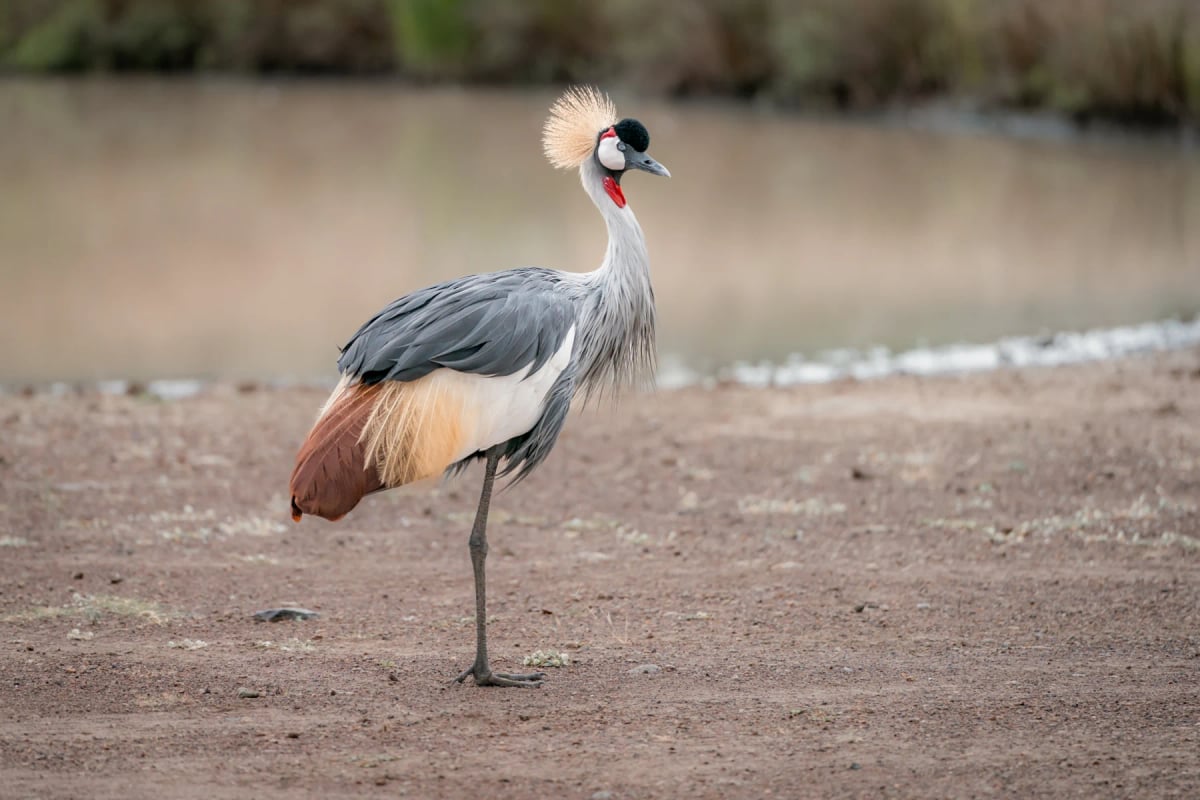
Grey Crowned Crane
Balearica regulorum
Kenya is one of the strongholds of the East African crowned crane, found in the wetlands and farmland of the western highlands, around Lake Victoria, in the Rift Valley and in the central highlands. It is a familiar sight walking through fields and pastures. Even so, its numbers in Kenya have fallen sharply in recent decades as wetlands are drained for farming, and community groups now protect nesting marshes. IUCN status: Endangered.
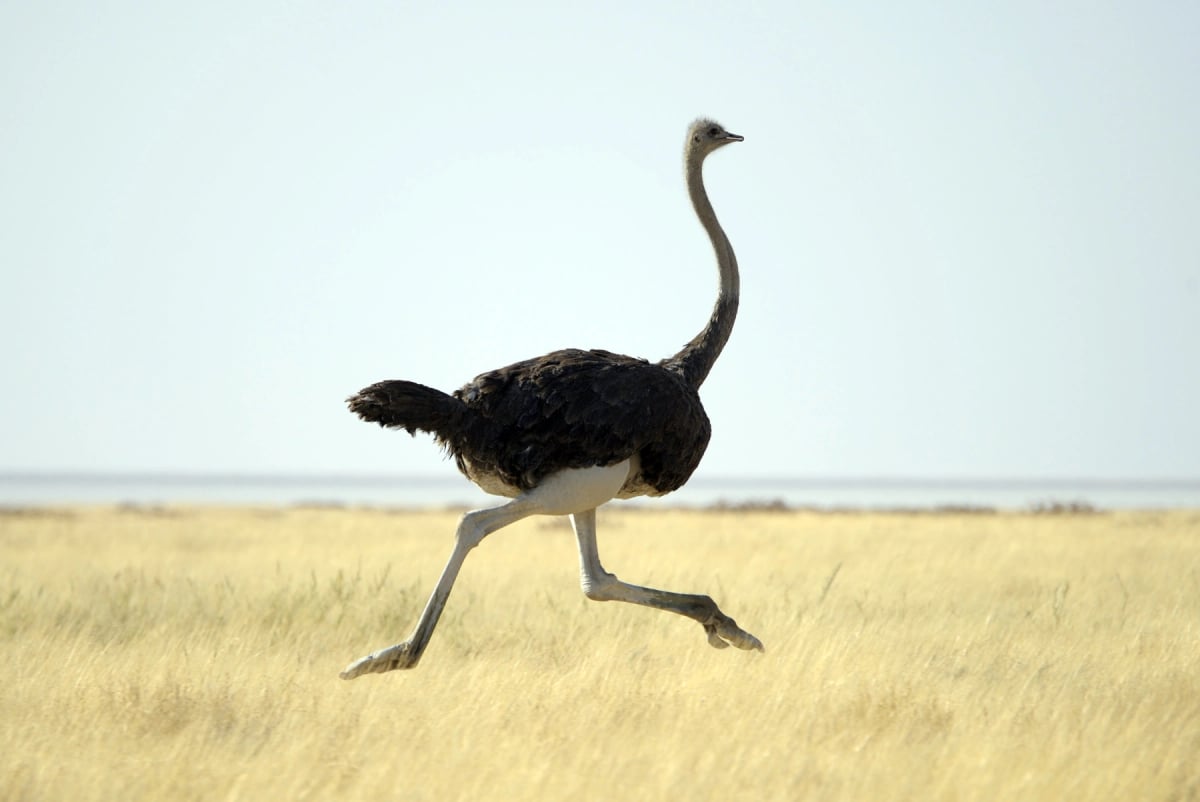
Ostrich
Struthio camelus
Kenya is home to the Masai ostrich, found across the open savannas and grasslands of the south, including Tsavo and the Maasai Mara. Standing nearly 2.75 meters tall, it is the world's largest bird and fastest on land, reaching 70 kilometers per hour. It feeds on grasses, seeds, and insects, and its eggs, the largest of any living bird, are shared between a dominant pair.
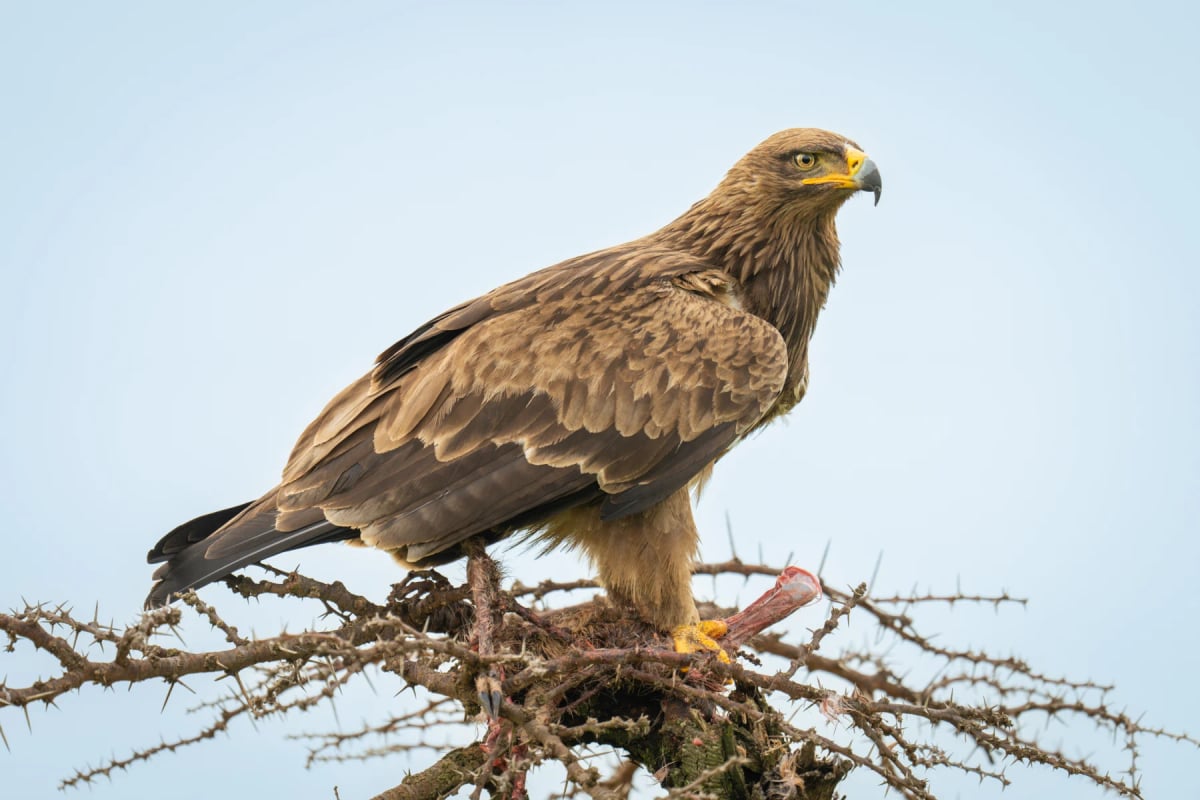
Steppe Eagle
Aquila nipalensis
Kenya's open savanna landscapes, including the Rift Valley and the vast plains of the north, provide vital wintering and stopover habitat for the Steppe Eagle. Birds arrive from Central Asia each year, often joining vultures and other raptors at carcasses. Kenya sits along a major flyway for this species. The IUCN lists it as Endangered, with electrocution on power lines among the leading causes of death.
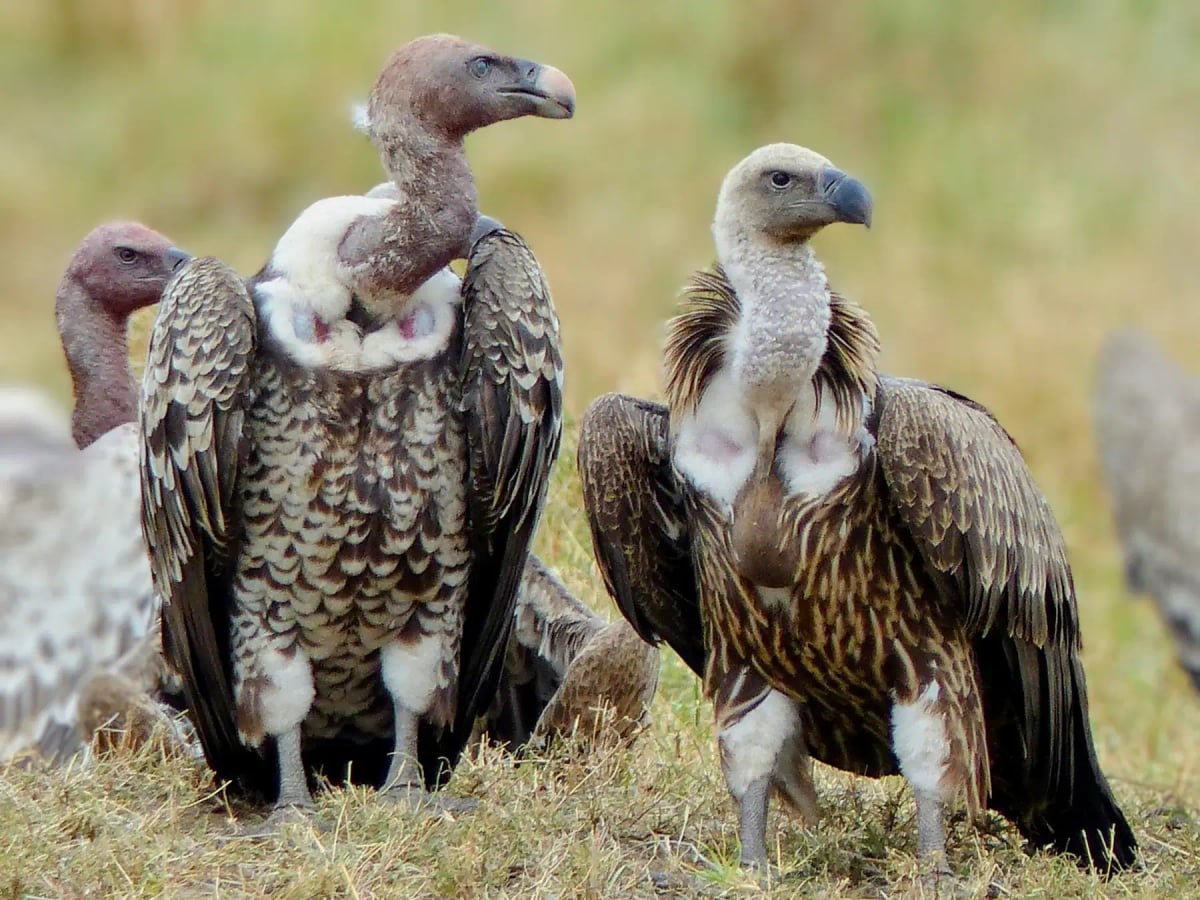
White backed Vulture
Gyps africanus
Kenya is one of the most important strongholds for the white backed vulture in East Africa. The Maasai Mara and Tsavo ecosystems support large populations that follow the movements of wildebeest and other herbivores. Poisoning by farmers protecting livestock remains the greatest threat. Conservation programs working with local Maasai communities have made real progress in reducing retaliatory killings of this Critically Endangered species.
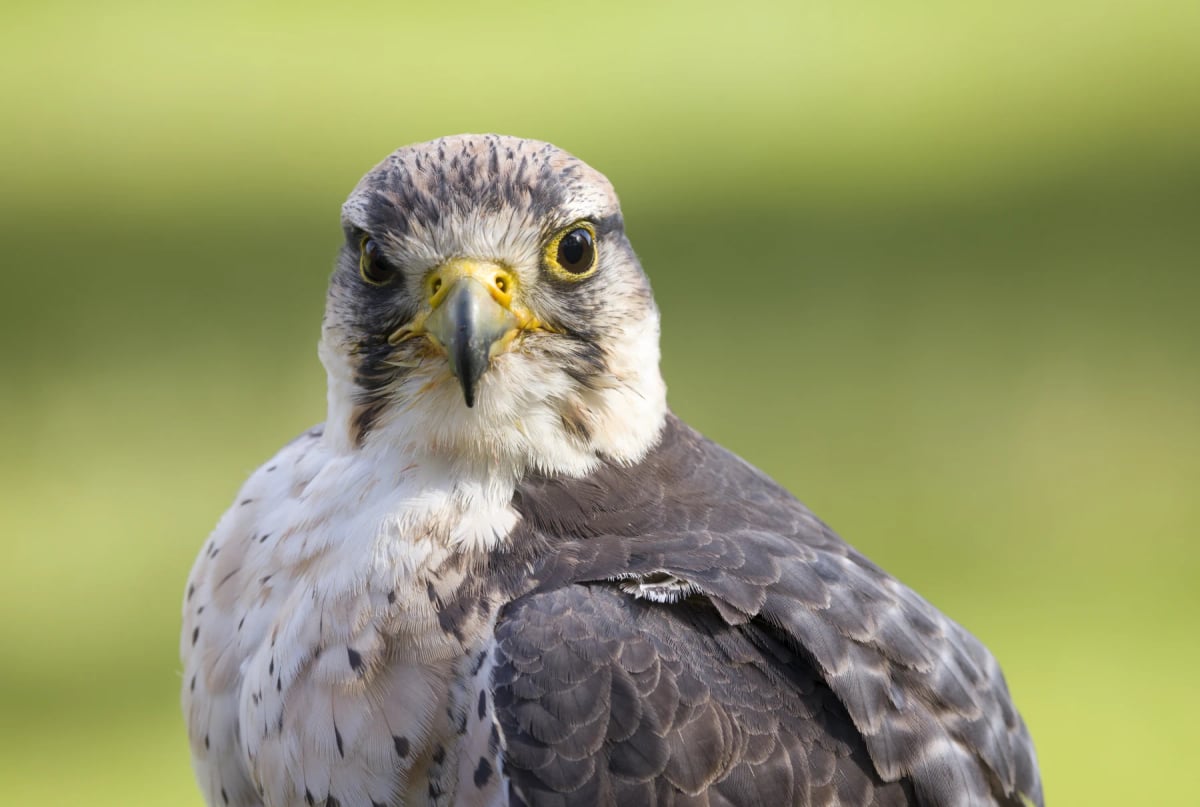
Lanner Falcon
Falco biarmicus
In Kenya, the lanner falcon is widespread across open savanna, dry scrubland, and rocky hillsides, from the Rift Valley to the northern arid zones. It is a year-round resident and one of the more frequently seen falcons in the country. Pairs hunt together to flush and catch birds such as doves and sandgrouse. It nests on cliff ledges and is not currently considered threatened in Kenya. IUCN status: Least Concern.
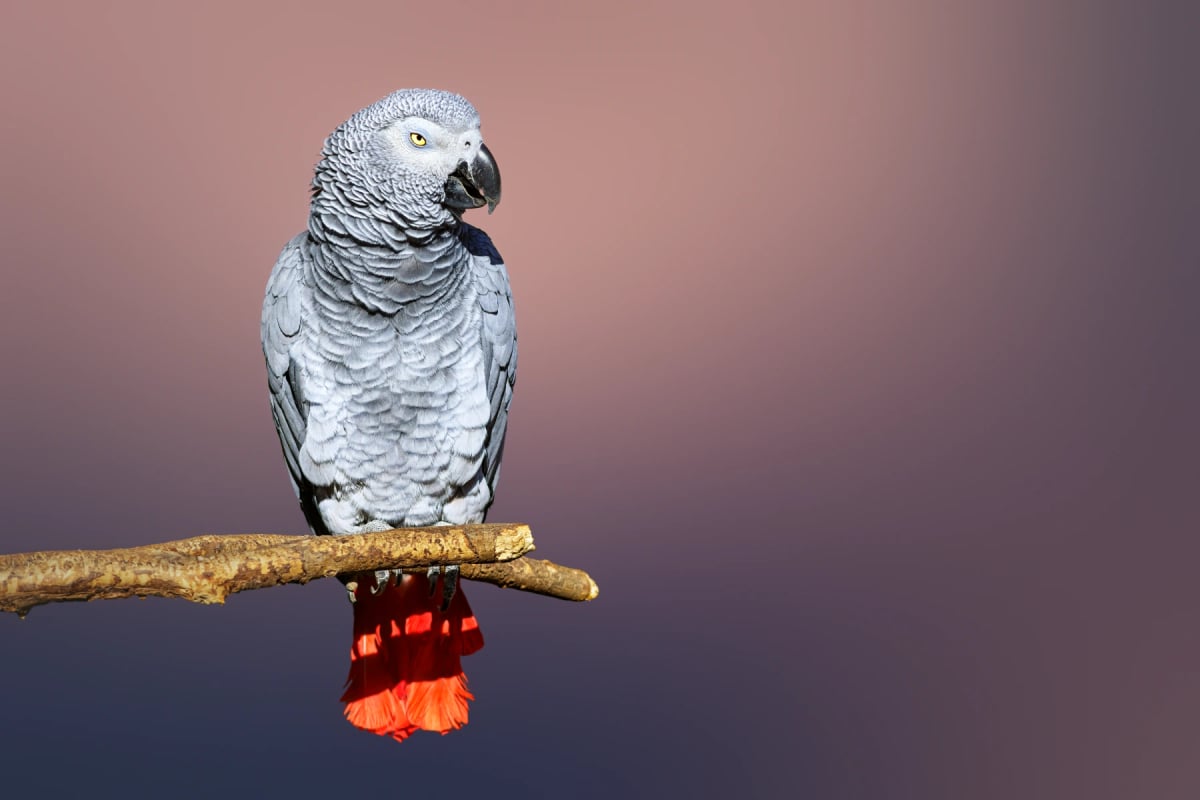
African Grey Parrot
Psittacus erithacus
Kenya represents the easternmost limit of the African grey parrot's range on the African mainland, with birds recorded in the forests around Lake Victoria in the west of the country, particularly in the Kakamega Forest area. Kakamega is Kenya's only remaining tropical rainforest and a biodiversity hotspot connecting to the broader Congo forest biome. The population in Kenya is small and represents an isolated extension of the Ugandan and Congolese populations. Habitat loss and trapping have been documented here, and the species' foothold in Kenya depends entirely on the protection of Kakamega and surrounding forest fragments.
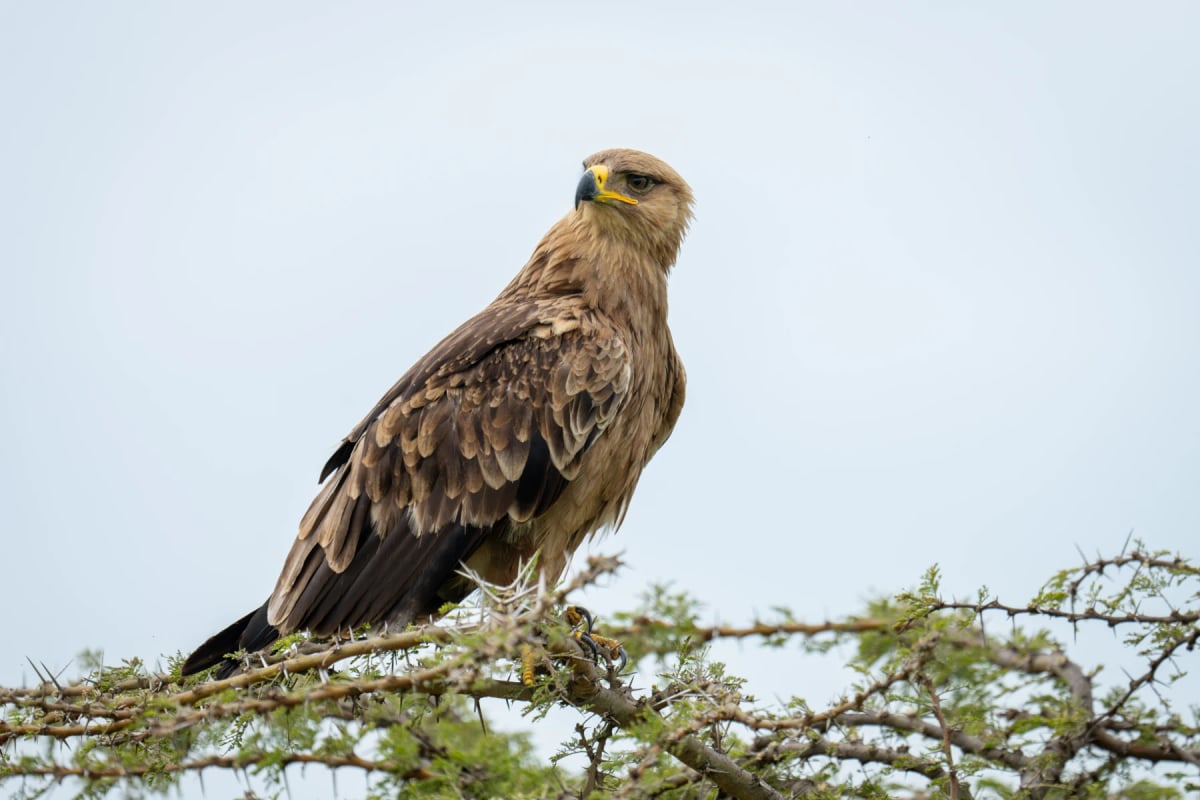
Tawny Eagle
Aquila rapax
Kenya is one of the strongholds for the tawny eagle in East Africa. It is regularly seen across the broad savannas of the Maasai Mara, Tsavo, and Samburu ecosystems, often perching on termite mounds or bare trees. It competes with other large raptors and frequently steals food from smaller birds of prey. Despite the richness of Kenyan wildlife reserves, populations have declined due to poisoning and power line collisions. The IUCN lists it as Vulnerable.
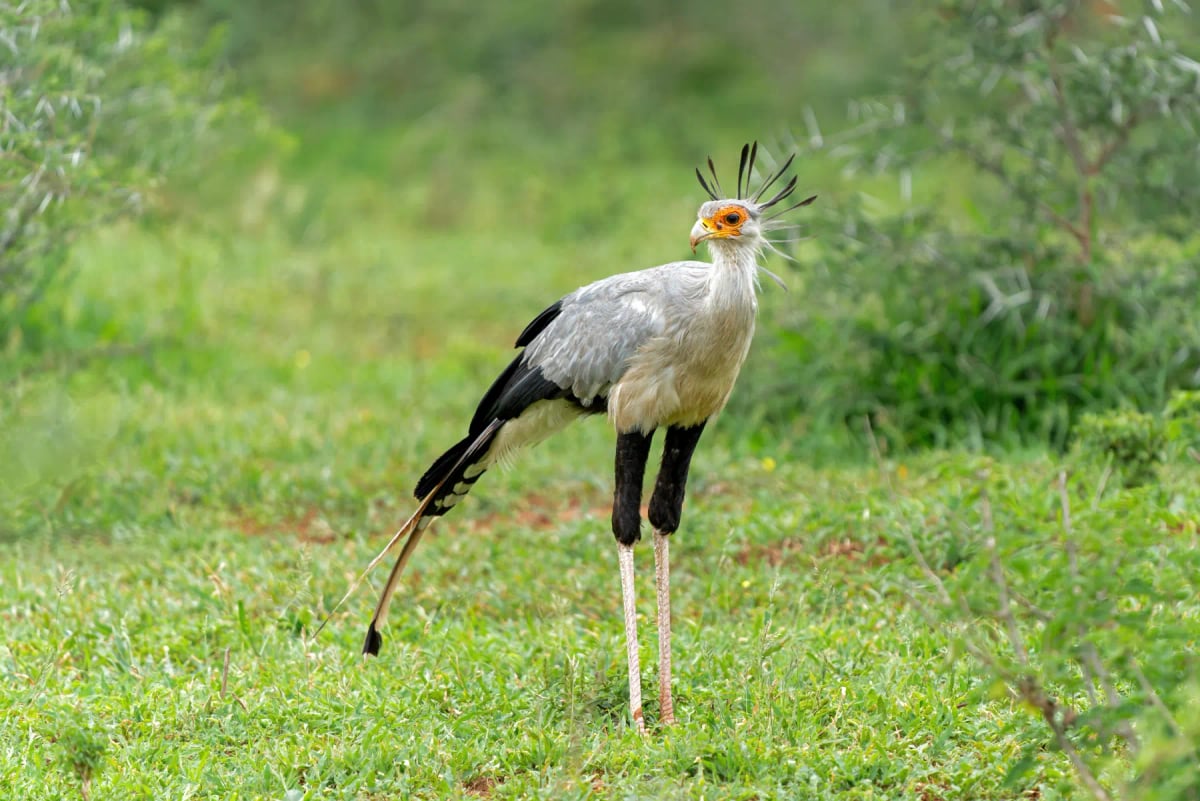
Secretary Bird
Sagittarius serpentarius
Kenya is one of the best places to observe the secretary bird, with birds seen regularly in the Maasai Mara, on the Laikipia Plateau and other open grasslands, though counts have fallen steeply. Pairs nest on flat-topped acacia trees and return to the same site each breeding season. Kenya's network of national parks and conservancies provides important protection for the species, though grassland conversion outside protected areas remains a concern. The IUCN lists the secretary bird as Endangered.
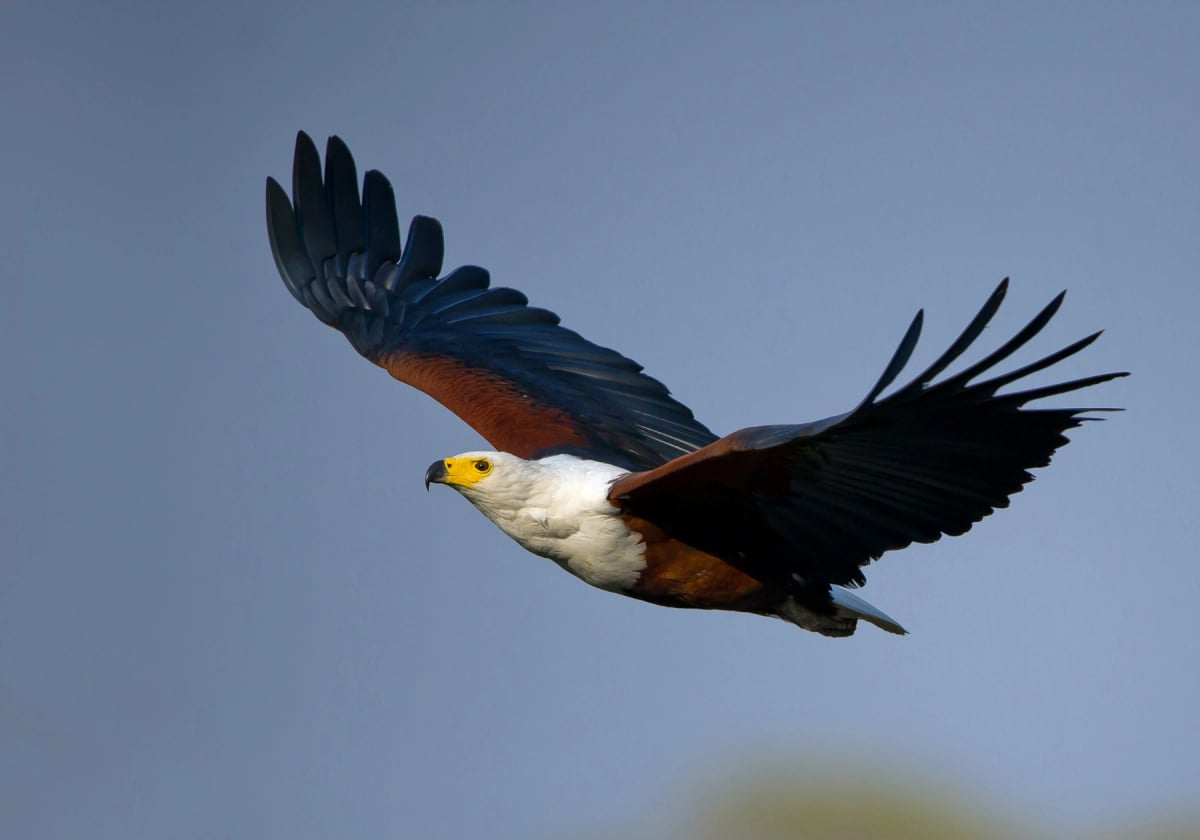
African Fish Eagle
Haliaeetus vocifer
The African fish eagle is one of the most familiar and beloved birds in Kenya, its loud whooping call an iconic sound along the shores of Lake Victoria, Lake Naivasha, Lake Baringo and the country's rivers and wetlands. It swoops low over the water and plucks fish near the surface with its powerful talons. Kenya's Rift Valley lakes and western waterways support important populations, and the bird is commonly seen perched on dead trees or soaring over open water in most of the country's freshwater habitats.
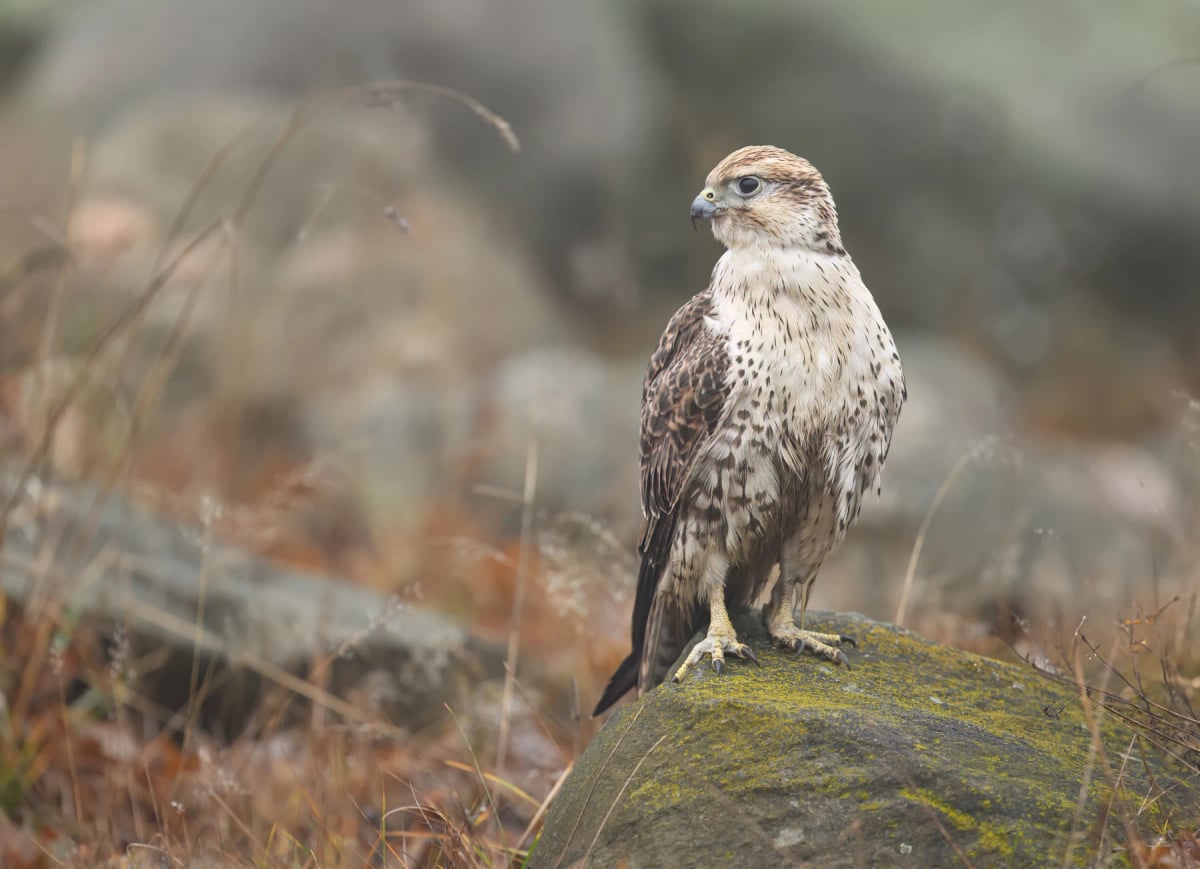
Saker Falcon
Falco cherrug
Kenya lies at the southern end of the saker falcon's winter range. Birds that breed in Eastern Europe and western Asia fly down through the Middle East and the Horn of Africa to spend the northern winter here, mostly in open savannas and dry grasslands of the north and the Rift Valley, where they hunt birds and small mammals. It does not breed in Kenya. The IUCN lists the saker falcon as Endangered.
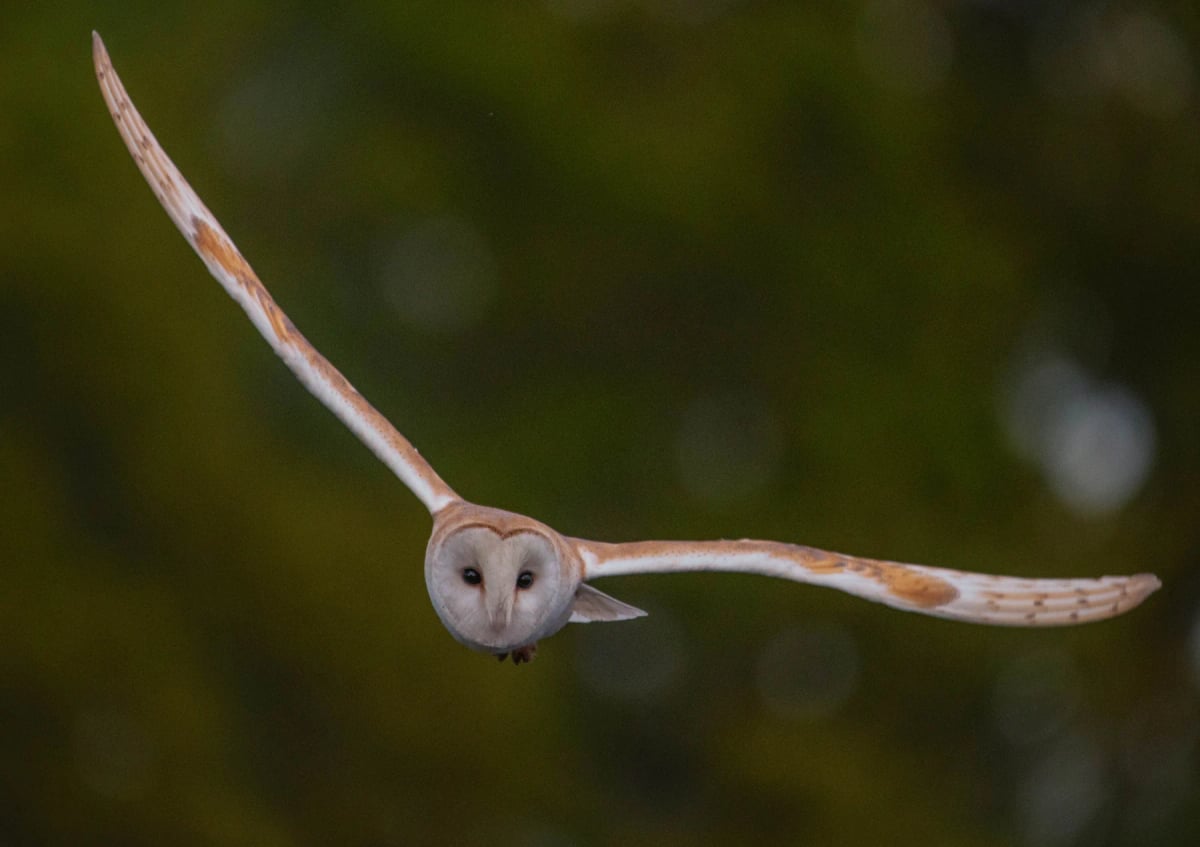
Barn Owl
Tyto alba
The barn owl is widespread across Kenya in open farmland, savanna edges, village areas and the outskirts of towns and cities. It nests in old buildings, roof cavities, cliff faces and hollow trees, and hunts rodents at night using its exceptional hearing. In agricultural areas it plays an important role in controlling rat and mouse populations. It is found from the coast to the highlands and is one of the most commonly encountered owls in Kenya, often seen in headlights along rural roads after dark.
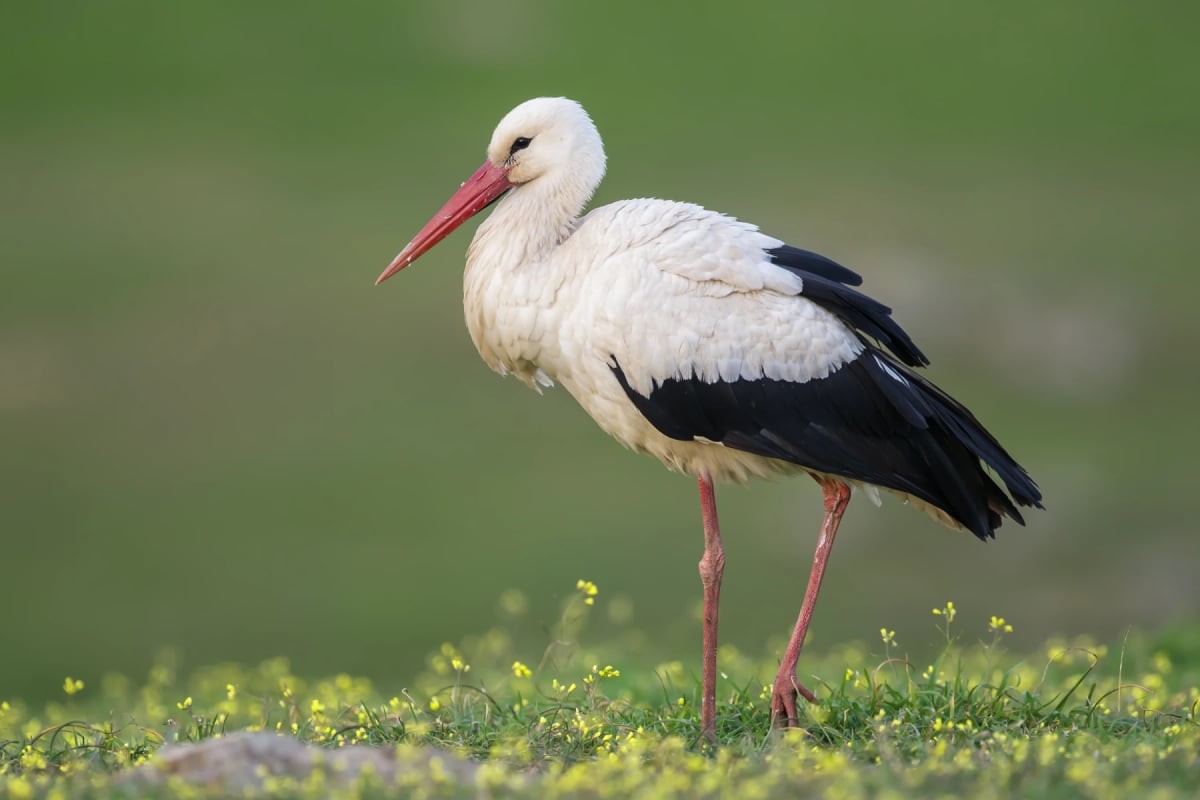
Stork
Ciconia ciconia
Kenya lies on the eastern flyway of the white stork, and large flocks pass through each autumn and spring on their way between Europe and the wintering grounds farther south. They stop on open savannas, cultivated plains, and grasslands of the Rift Valley, especially where locusts and grasshoppers are abundant, and some birds linger for weeks before moving on. The species does not breed in Kenya. IUCN status: Least Concern.
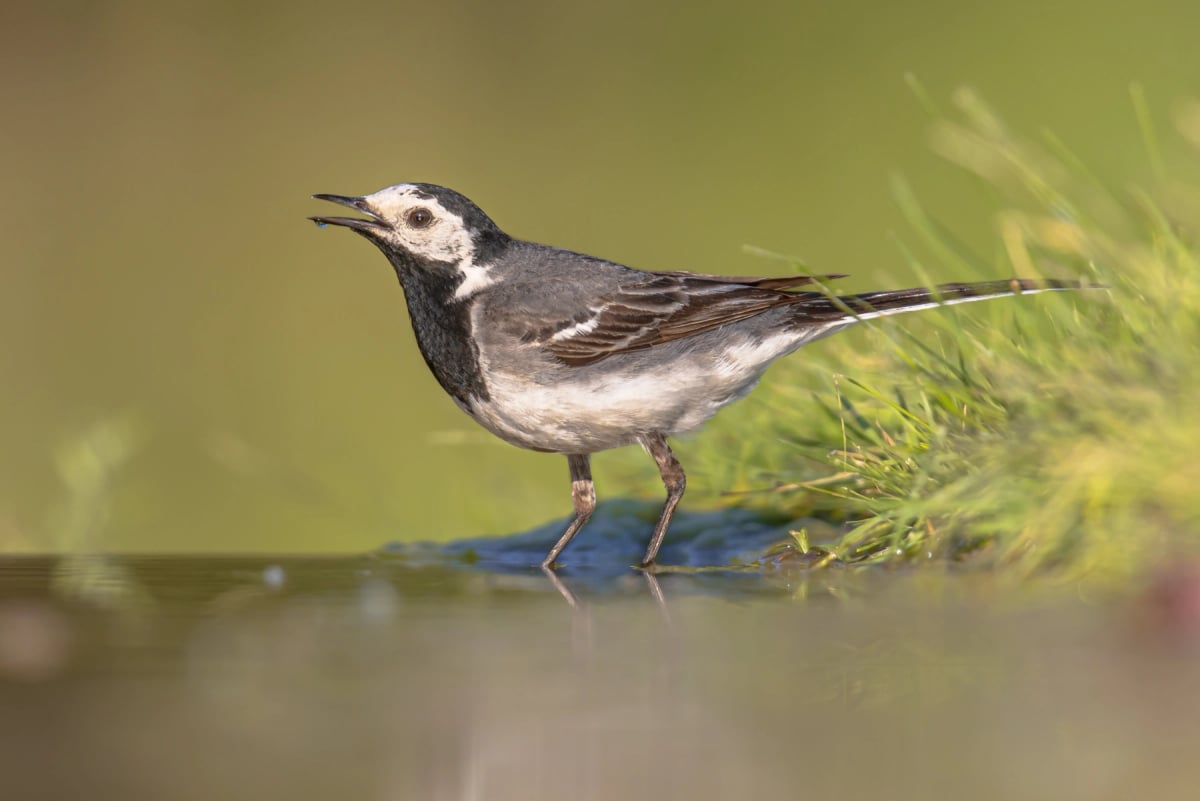
White Wagtail
Motacilla alba
In Kenya, the white wagtail is a winter visitor from the northern hemisphere, arriving between October and April. It favors open habitats near water, including the shores of Lake Naivasha, Lake Turkana and the rivers of the Rift Valley. It is typically seen running swiftly across open ground or along water margins in pursuit of insects. Kenya forms part of the bird's extensive wintering range across sub-Saharan Africa. IUCN status: Least Concern.
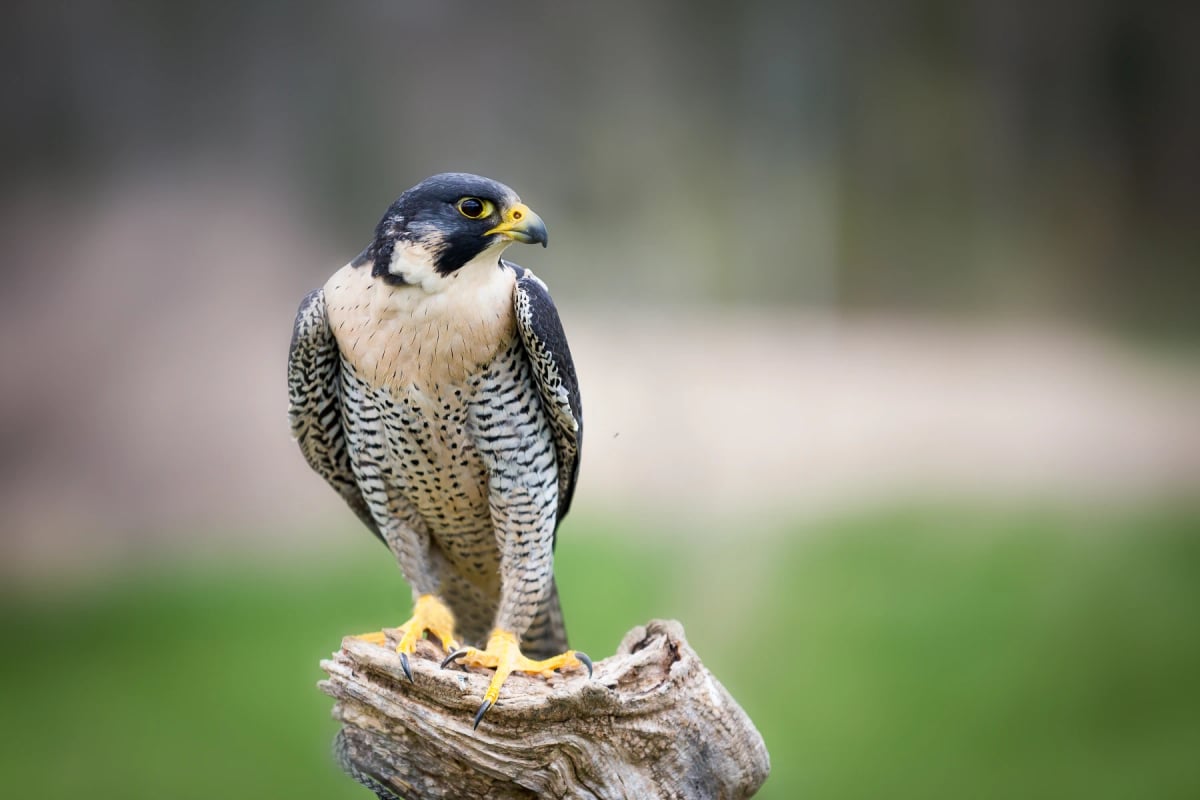
Peregrine Falcon
Falco peregrinus
In Kenya, the peregrine falcon is present mainly as a visitor during the northern winter, though some resident pairs breed on cliff faces in highland areas such as the Aberdare Range and Mount Kenya. Open savanna, rift valley escarpments, and coastal zones also attract migrating birds. Kenya's diversity of landscapes makes it a country where this falcon can be encountered in very different settings. IUCN status: Least Concern.
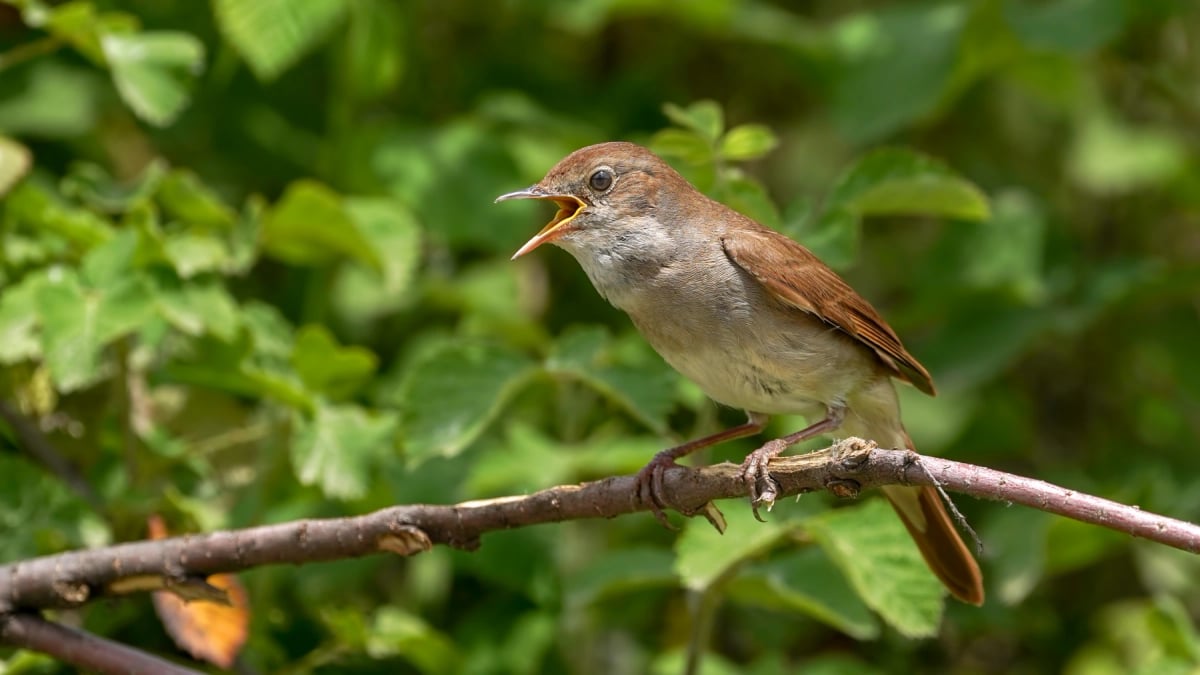
Nightingale
Luscinia megarhynchos
Kenya lies at the southeastern edge of the nightingale's wintering range in Africa. It is recorded mainly in the northern and eastern parts of the country, where areas of dry scrub and woodland provide suitable conditions. Like other wintering migrants, it remains quiet and secretive during its stay, making detection a challenge even for experienced birdwatchers. Its IUCN status is Least Concern.
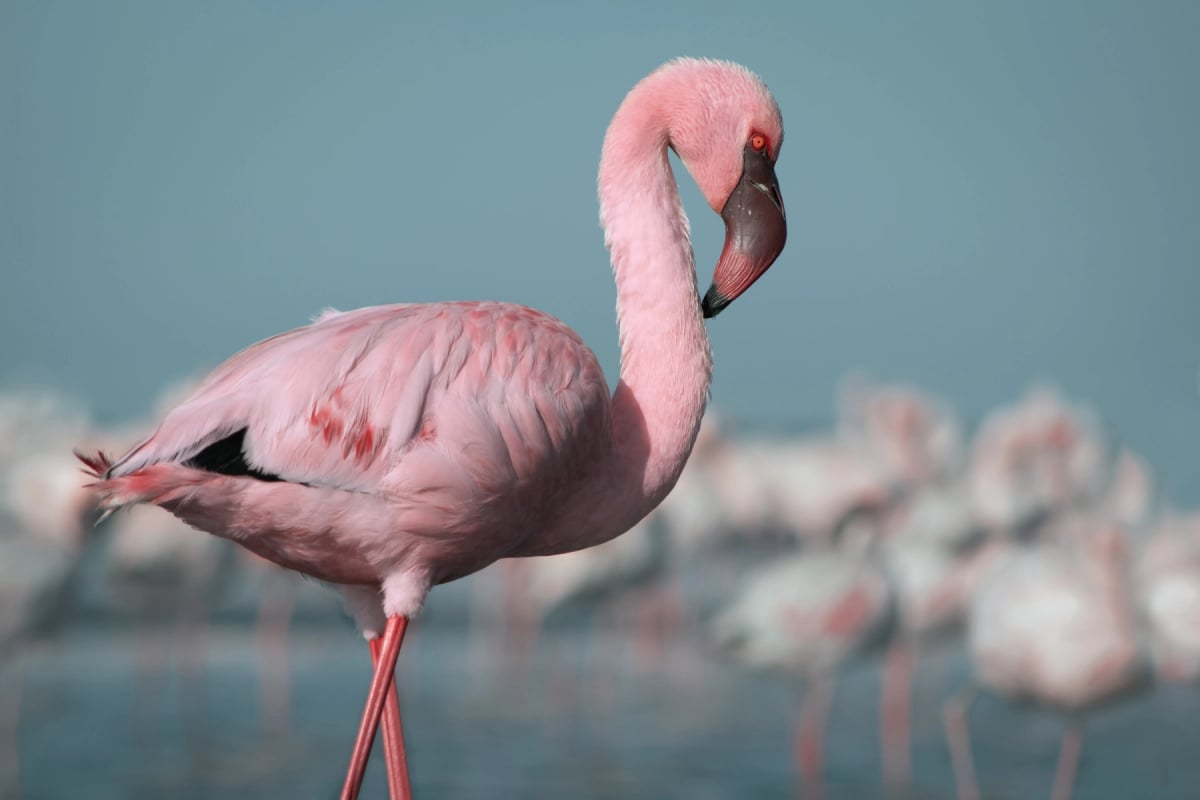
Flamingo
Phoenicopteridae (6 species)
Kenya's Rift Valley lakes are among the most iconic flamingo habitats on Earth. Lake Nakuru and Lake Bogoria, both highly alkaline, once hosted millions of lesser flamingos feeding on vast blooms of cyanobacteria. Fluctuating water levels and environmental changes have shifted some populations between lakes over the years. The lesser flamingo is classified as Near Threatened by the IUCN, making Kenya's Rift Valley lakes especially important to the survival of the species over the long term.
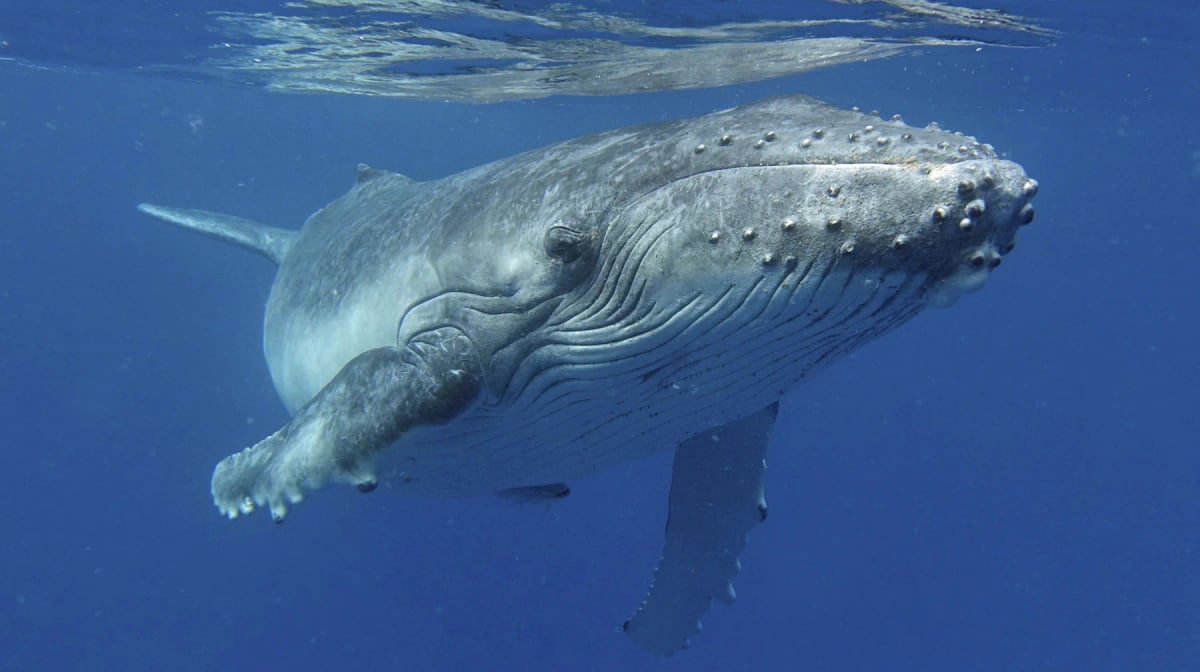
Humpback Whale
Megaptera novaeangliae
Humpback whales migrate along the East African coast, and Kenyan waters in the Indian Ocean form part of this corridor. The whales travel between feeding areas in the Southern Ocean and breeding grounds in the tropics, passing through the region roughly between July and October. Coastal communities and researchers in Kenya have documented these migrations. The IUCN lists the humpback whale as Least Concern.
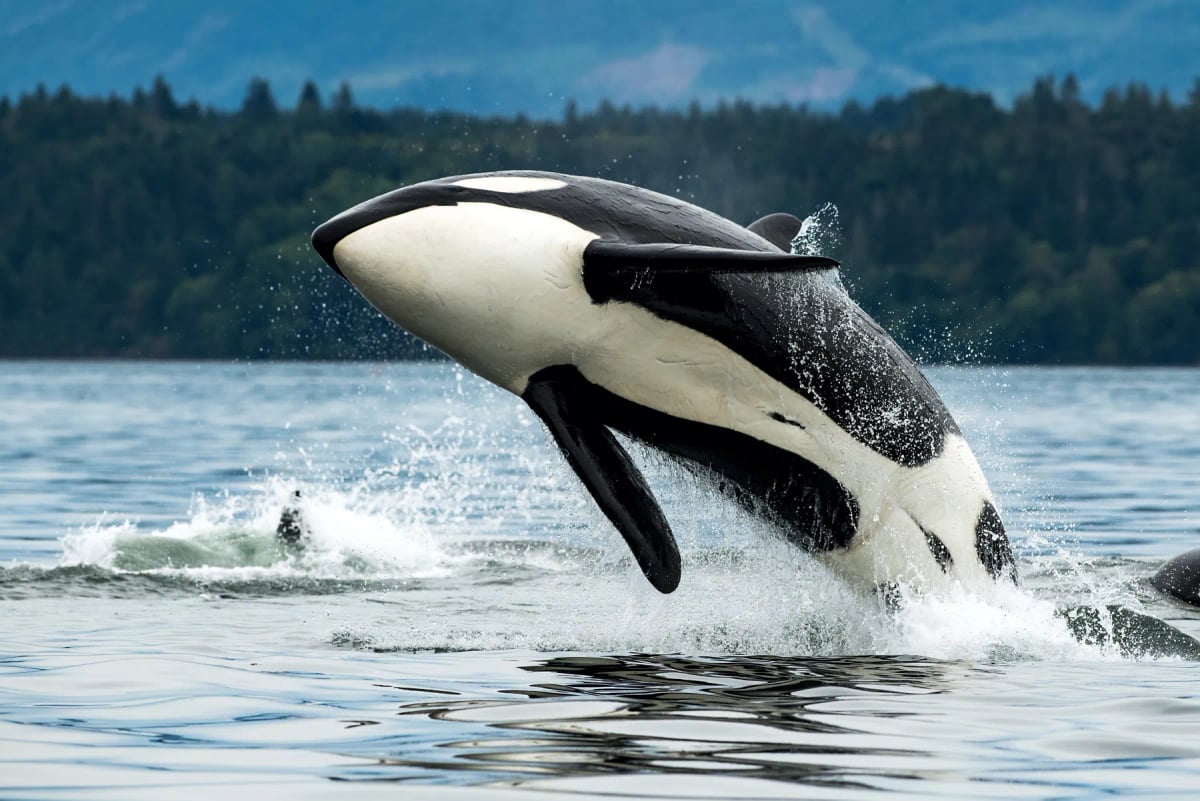
Orca
Orcinus orca
Orcas have been recorded in the coastal waters of Kenya along the Indian Ocean, where they may appear while following migratory prey through the western Indian Ocean. Sightings are uncommon along this stretch of the East African coast, and research into their presence here remains limited. Their appearance in Kenyan waters underlines just how wide the range of this species truly is across the world's oceans.
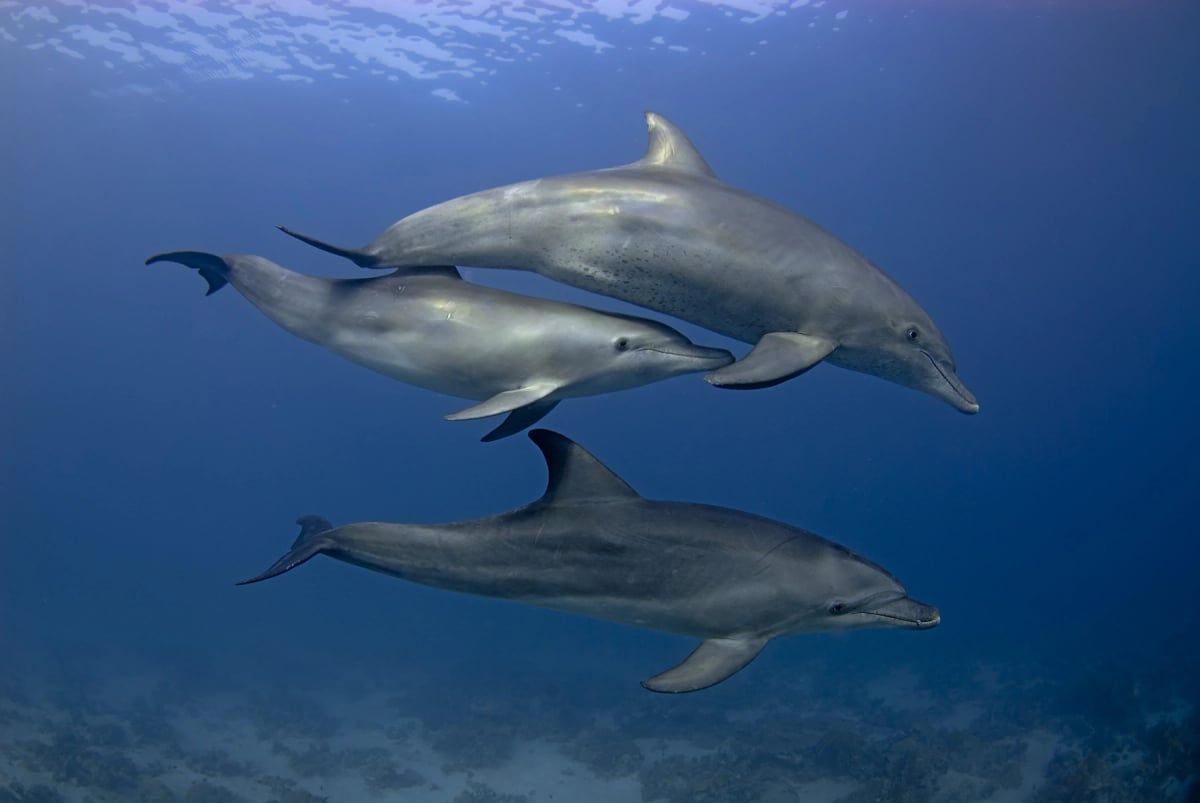
Bottlenose Dolphin
Tursiops truncatus
Bottlenose dolphins frequent the warm coastal waters of Kenya along the Indian Ocean, particularly around Malindi, Watamu, and the waters near Mombasa. They are often encountered in small pods near coral reefs and seagrass beds, where prey is plentiful. Classified as Least Concern by the IUCN, they benefit from Kenya's marine protected areas, including Watamu Marine National Park, which help shield local populations from fishing pressure.
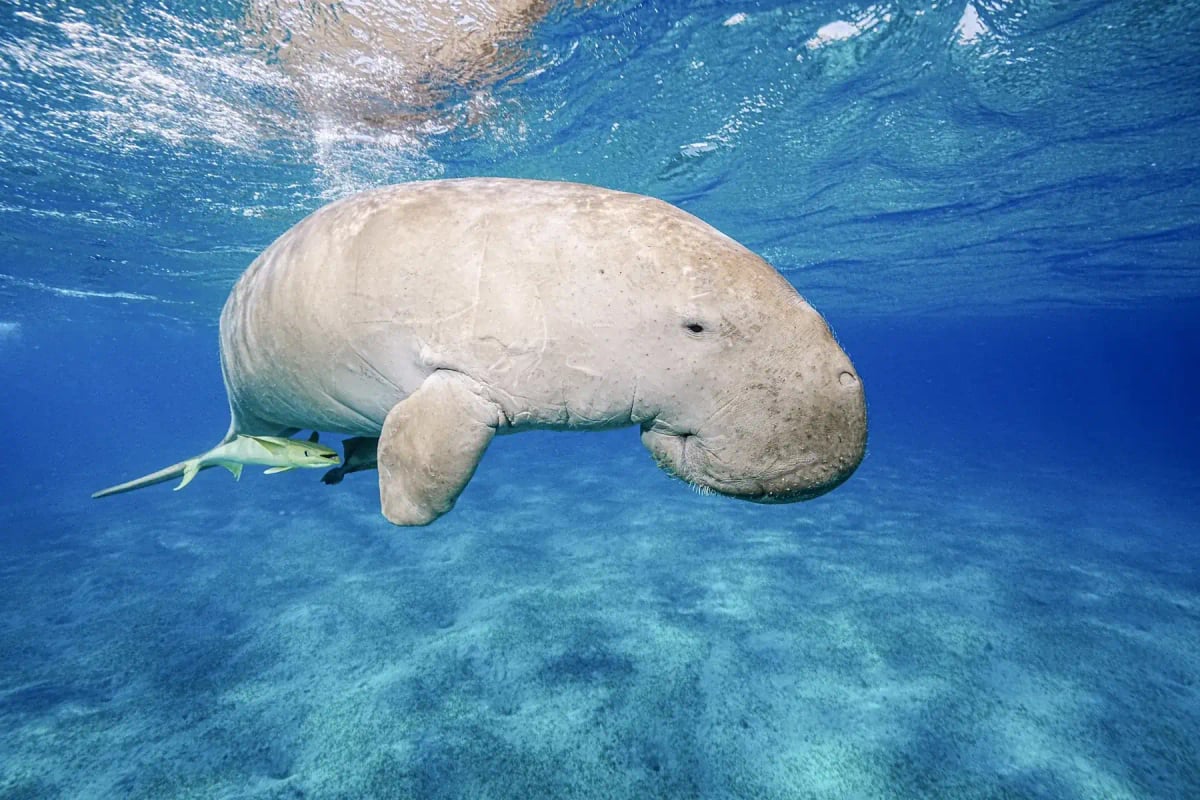
Dugong
Dugong dugon
Along Kenya's Indian Ocean coast, dugongs have been recorded in areas such as Lamu and the waters surrounding the Kisite-Mpunguti Marine National Park. Seagrass beds in these warm coastal shallows provide essential feeding habitat. Dugongs in Kenya face threats from gillnet fishing and the degradation of seagrass due to coastal runoff and anchor damage. Local fishers increasingly play a role in reporting sightings and reducing accidental entanglement. IUCN status: Vulnerable.
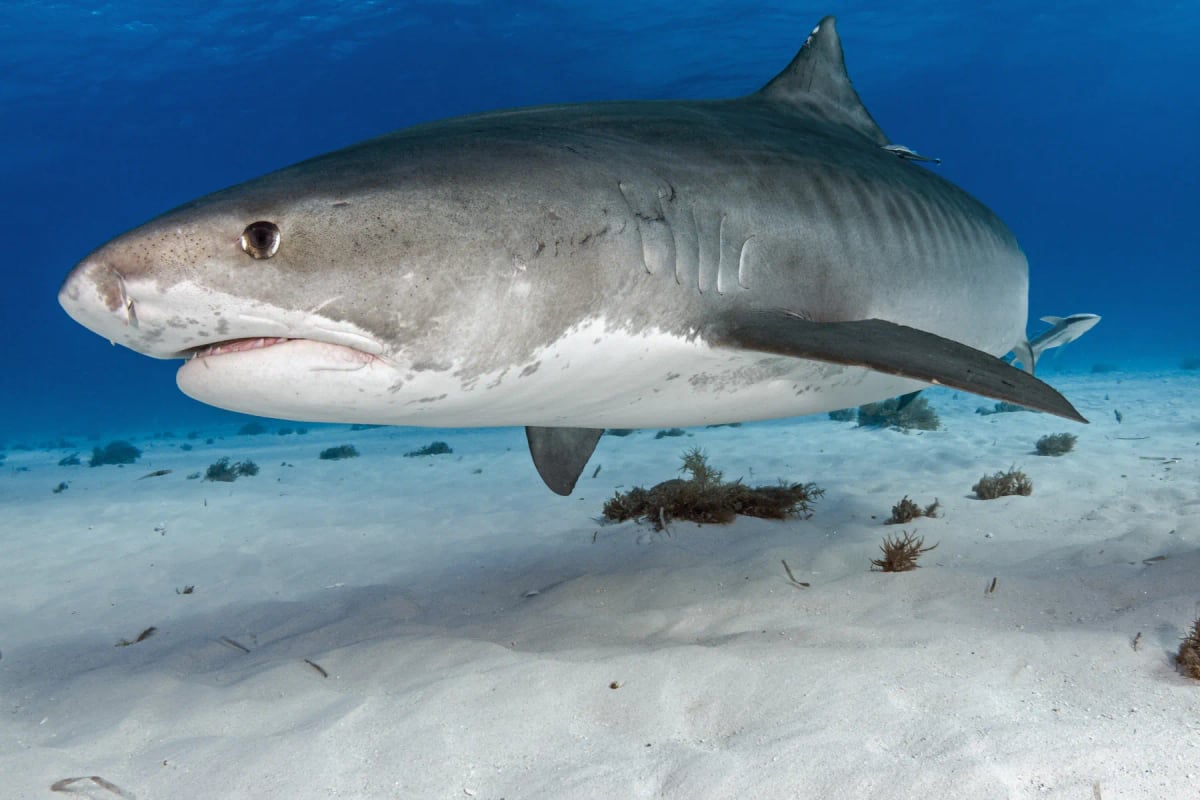
Tiger Shark
Galeocerdo cuvier
Kenya's Indian Ocean coastline, including the coral reefs near Malindi and the waters around Mombasa, provides habitat for the tiger shark. This species moves through both coastal shallows and deeper offshore waters along the East African coast. Sea turtles, which nest on Kenyan beaches, are among its prey. The IUCN lists the tiger shark as Near Threatened, with fishing pressure and bycatch affecting populations across the western Indian Ocean.
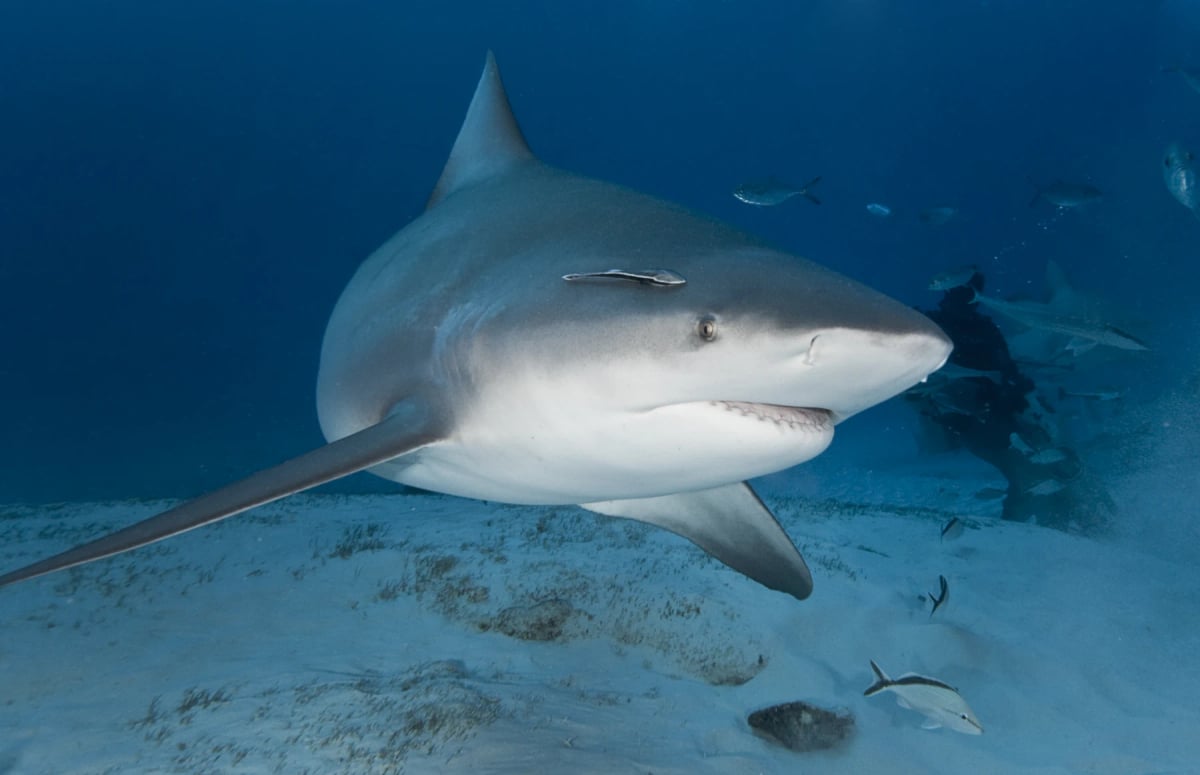
Bull Shark
Carcharhinus leucas
Along Kenya's Indian Ocean coastline, bull sharks inhabit shallow coastal waters, estuaries, and the mouths of rivers such as the Tana and Galana. They are well adapted to the warm, productive inshore zones found along this stretch of East Africa. Encounters with artisanal fishers are not uncommon. Conservation awareness around sharks in Kenya has grown alongside broader marine protection efforts in the region. IUCN status: Near Threatened.
Researched and written by Juan Pablo. Sources: IUCN Red List, scientific literature and regional field guides. Last updated: .