Animals in Burkina Faso
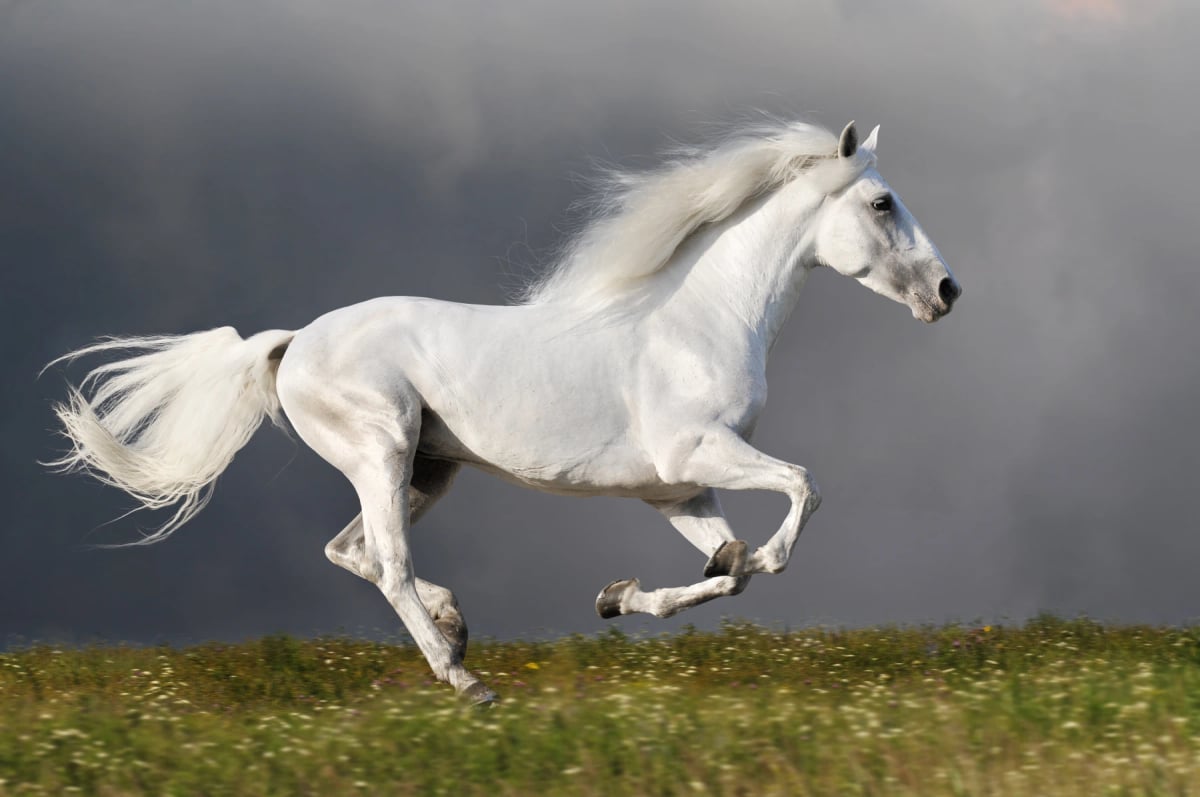
White Stallion
Equus ferus caballus
The white stallion, Burkina Faso’s national animal, symbolizes strength and nobility. Deeply rooted in the nation’s culture and emblem, it represents dignity and endurance. The horse remains part of local ceremonies and traditions that celebrate the country’s equestrian spirit.
View details→Wildlife in Burkina Faso
Burkina Faso’s wildlife flourishes across savannas, forests and riverbanks. Lions, elephants, giraffes and leopards roam through reserves such as Arly and W National Park. These areas form a crucial corridor for West African biodiversity and attract travelers interested in nature and conservation.
Most Dangerous Animals in Burkina Faso
Burkina Faso is home to powerful and potentially dangerous animals such as elephants, hippos, leopards and black mambas. Encounters are uncommon but possible near rivers and rural areas. Guided observation ensures safety and helps preserve respect for wildlife.
Top 10 Animals in Burkina Faso
Burkina Faso’s emblematic fauna includes elephants, lions, leopards, cheetahs, giraffes, hippos and black mambas. These species define its savanna identity and are central to conservation and sustainable tourism programs that protect wildlife corridors.
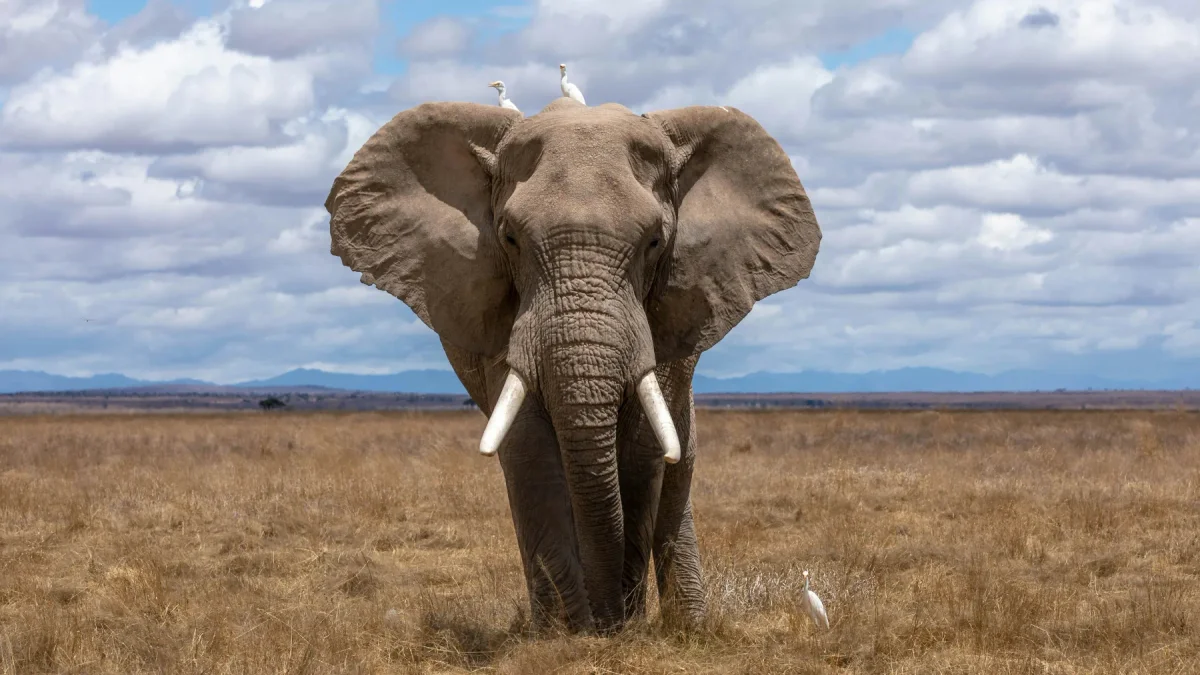
African Elephant
Loxodonta africana
Burkina Faso is home to one of the most important elephant populations in West Africa, concentrated in the Arly-Pendjari complex along its eastern border with Benin and Niger. This transboundary area, known as the WAP complex, holds the majority of West Africa's surviving savanna elephants. Herds move freely across national borders, and coordinated protection of this entire landscape is essential for the long term survival of the regional population.
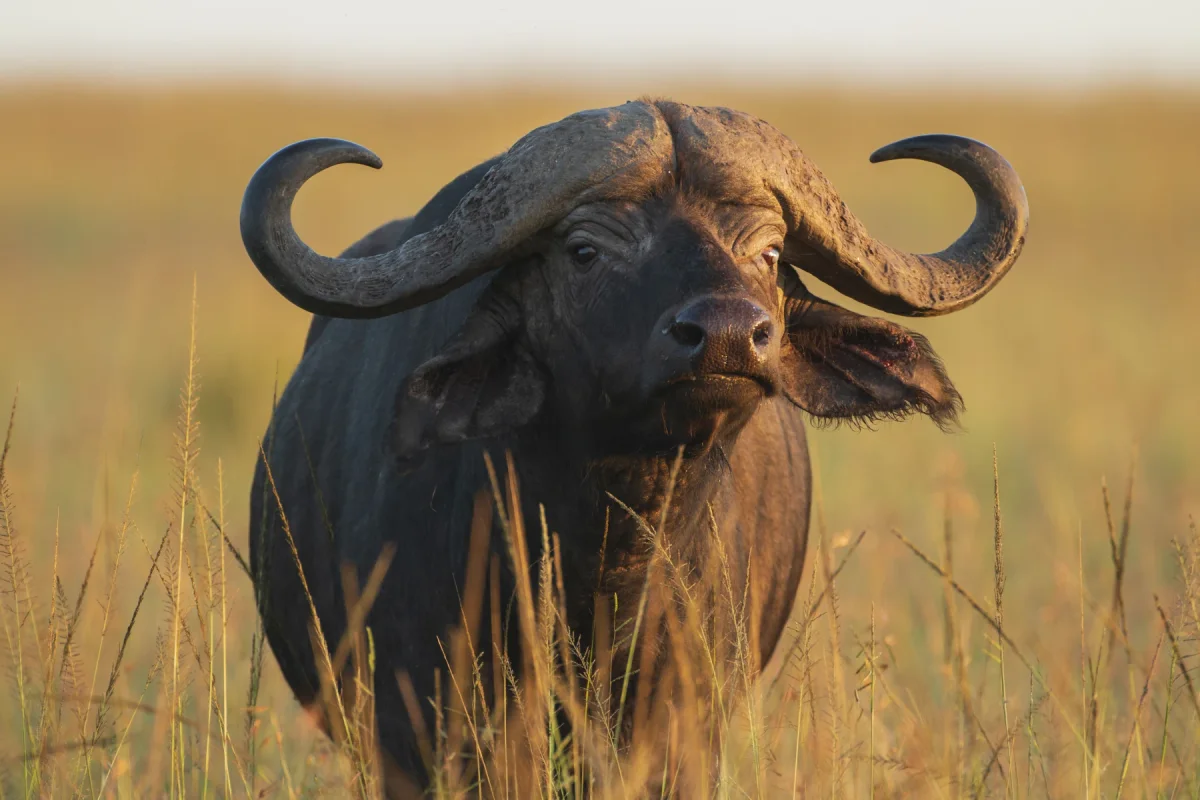
Buffalo
Syncerus caffer
In Burkina Faso, the African buffalo survives mainly within the W–Arly–Pendjari complex in the southwest, a transboundary reserve system that supports one of West Africa's most important wildlife communities. Outside protected areas, populations are sparse due to habitat degradation and hunting pressure. Herds here roam seasonally across the Sudan–Guinean savanna zone in search of water and forage. IUCN status: Least Concern.
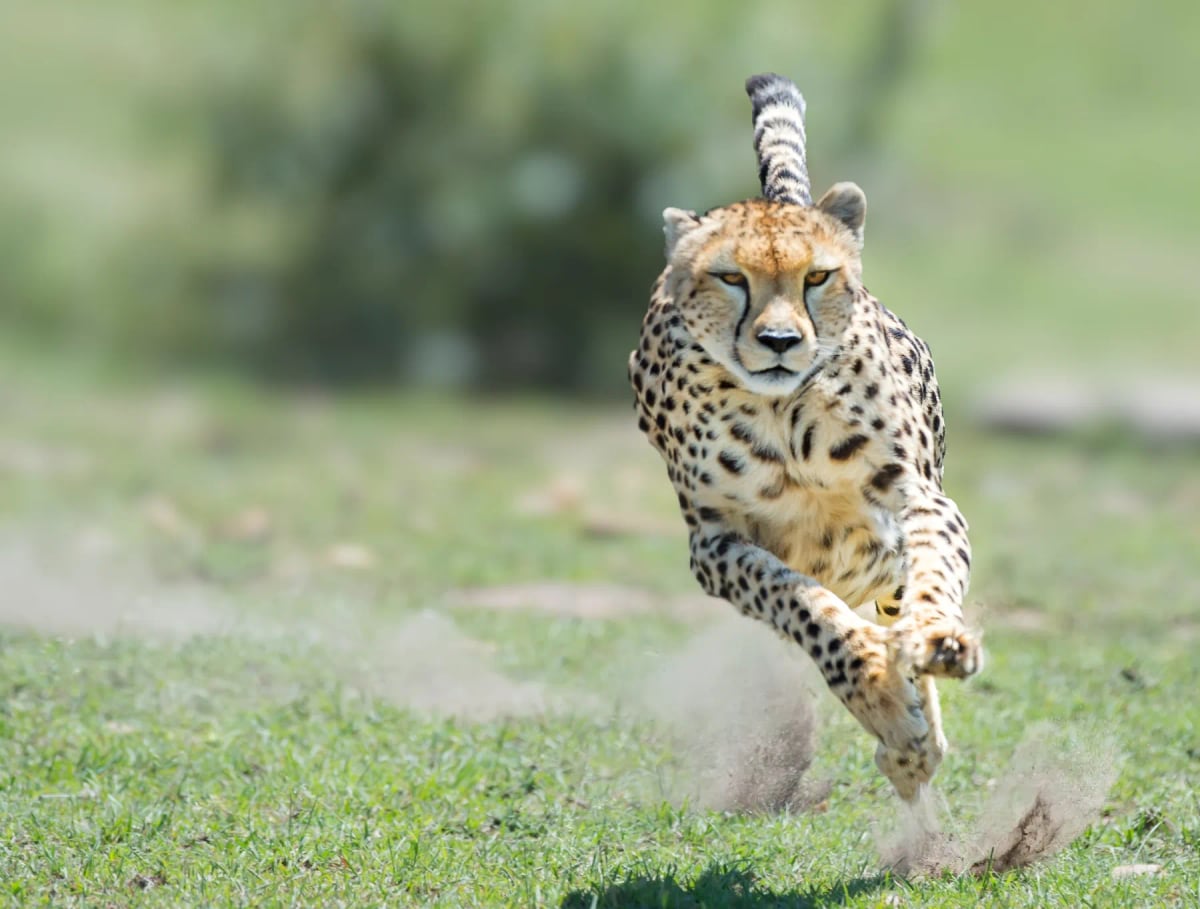
Cheetah
Acinonyx jubatus
In Burkina Faso, the cheetah is found primarily within and around the W-Arly-Pendjari complex, a transboundary network of protected areas shared with Benin and Niger. West African cheetahs belong to a subspecies considered especially vulnerable due to very low population numbers across the entire region. Habitat degradation driven by agricultural expansion and the decline of prey species are the main threats to the species' persistence in the country.
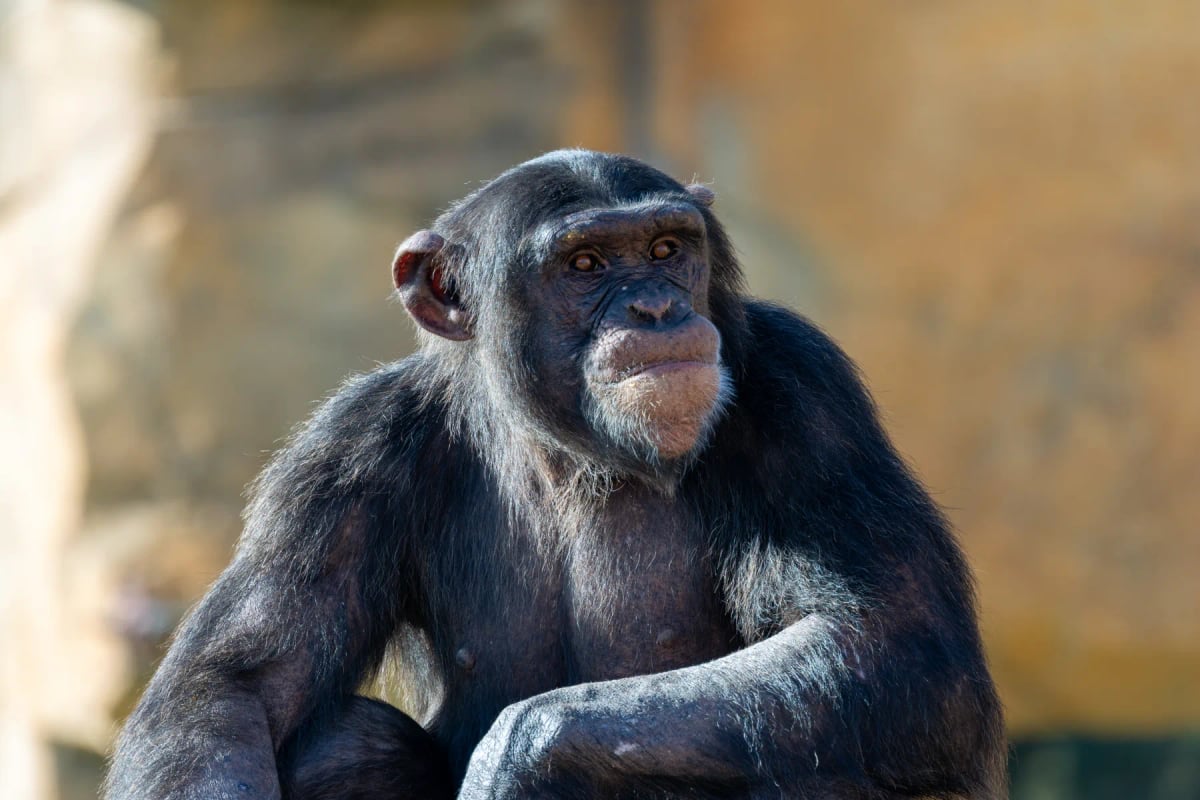
Chimpanzee
Pan troglodytes
Burkina Faso holds one of the smallest and most isolated chimpanzee populations in the world, sheltering in gallery forests along rivers in the southwest. These individuals survive in a landscape that is far drier than typical chimpanzee habitat, demonstrating remarkable adaptability. Classified as Endangered, they face threats from drought, agricultural expansion, and limited conservation infrastructure in the region.
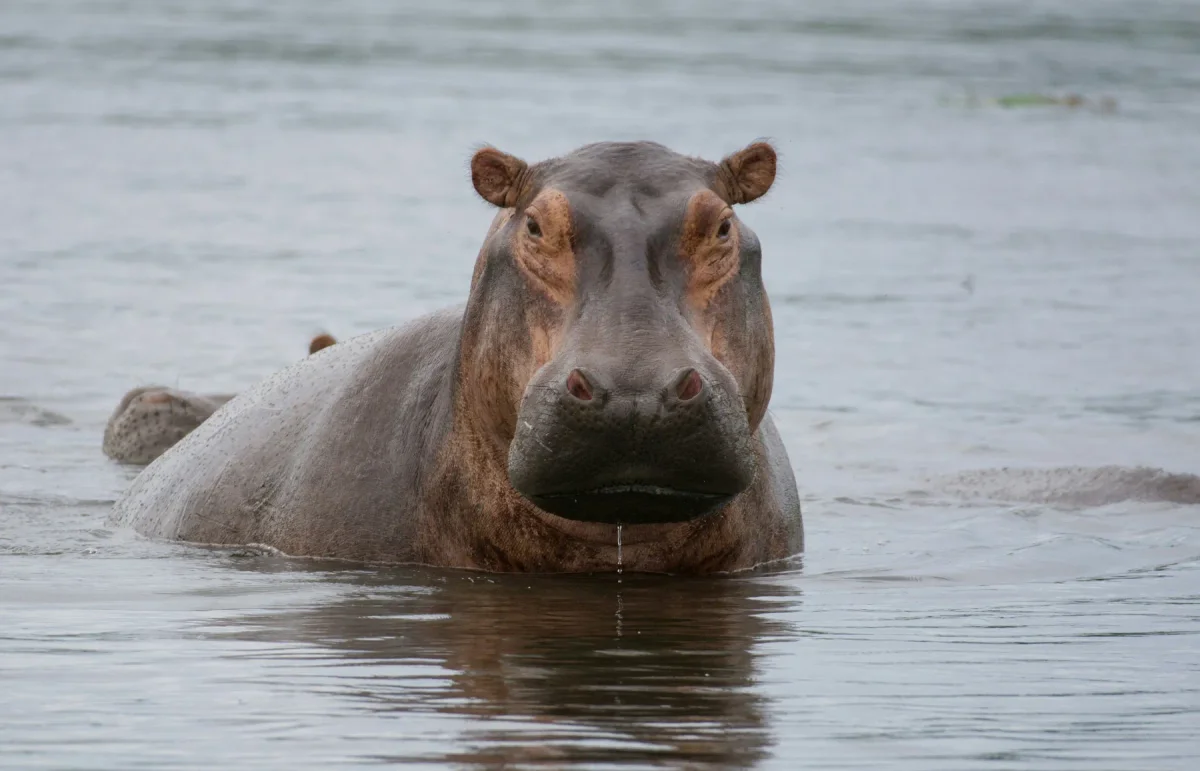
Hippopotamus
Hippopotamus amphibius
In Burkina Faso, hippopotamuses are found in the Mouhoun and Comoé rivers and within the W National Park in the east, a protected area shared with neighboring countries. Populations here are small and face pressure from habitat loss and competition with farming communities for access to water. The hippos of Burkina Faso represent some of the most northerly populations remaining in West Africa. The IUCN lists the hippopotamus as Vulnerable.
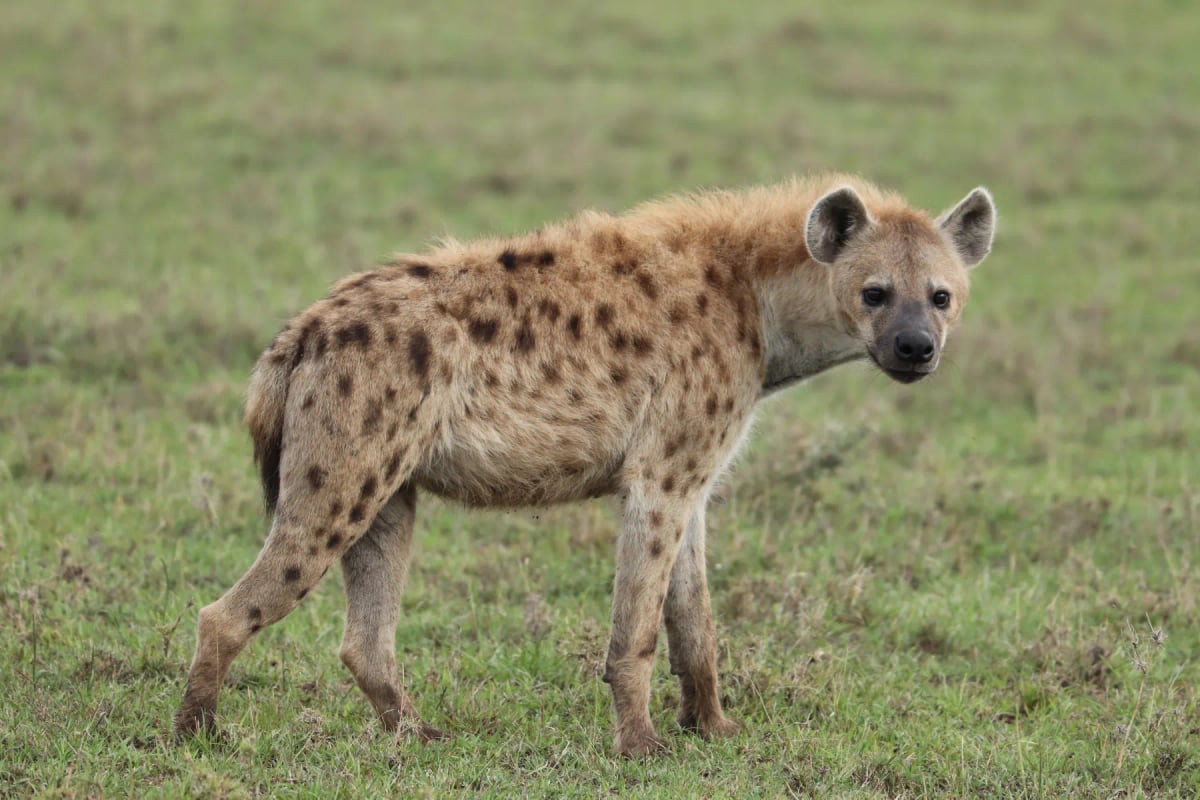
Spotted Hyena
Crocuta crocuta
Spotted hyenas survive in Burkina Faso mainly within protected areas such as the W National Park and Arly Park in the east, both part of a larger transboundary complex shared with Benin and Niger. Outside these reserves, intense pressure from farming, poaching, and the bushmeat trade has reduced their range considerably. Clan sizes here tend to be smaller, reflecting the fragmented and increasingly arid landscape.
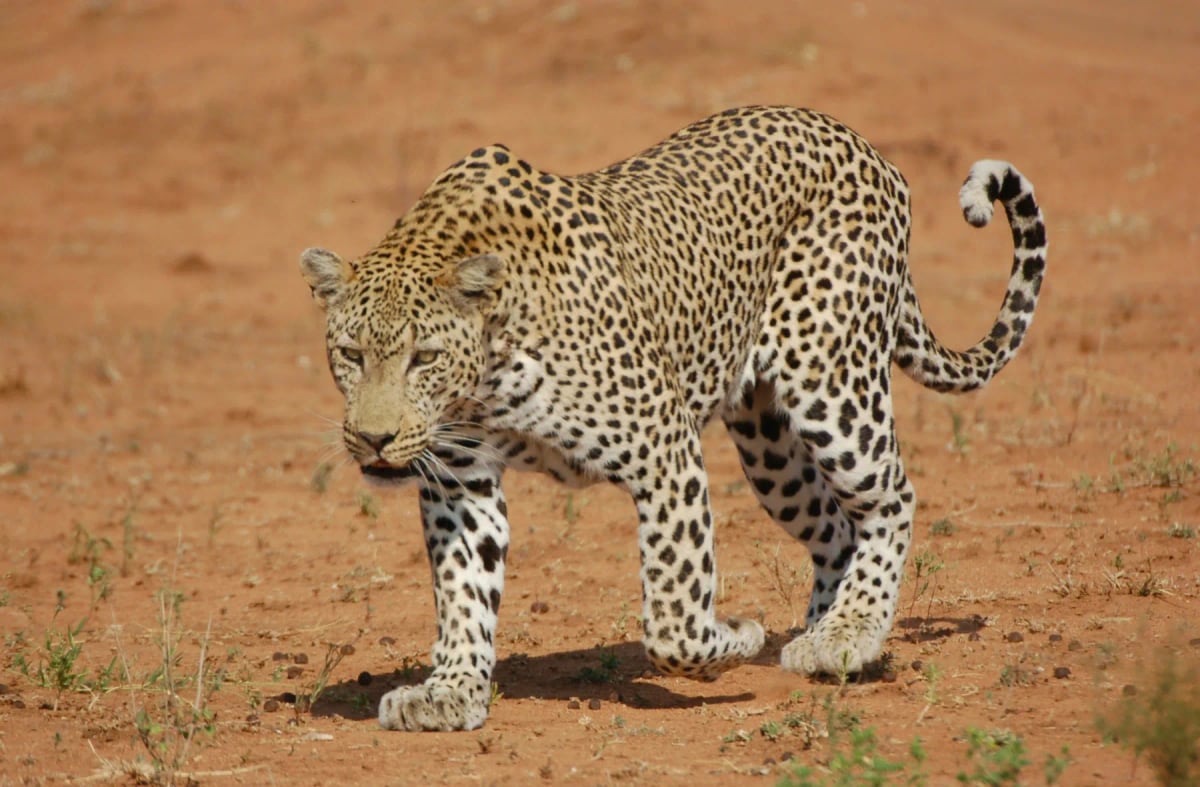
Leopard
Panthera pardus
In Burkina Faso, leopards persist mainly in the W–Arly–Pendjari ecosystem in the east, one of West Africa's largest complexes of protected savanna. This transboundary area provides a refuge for leopards alongside lions, elephants, and other large mammals. Increasing pressure from agricultural expansion and poaching outside park boundaries threatens the connectivity leopards need to move between protected zones.
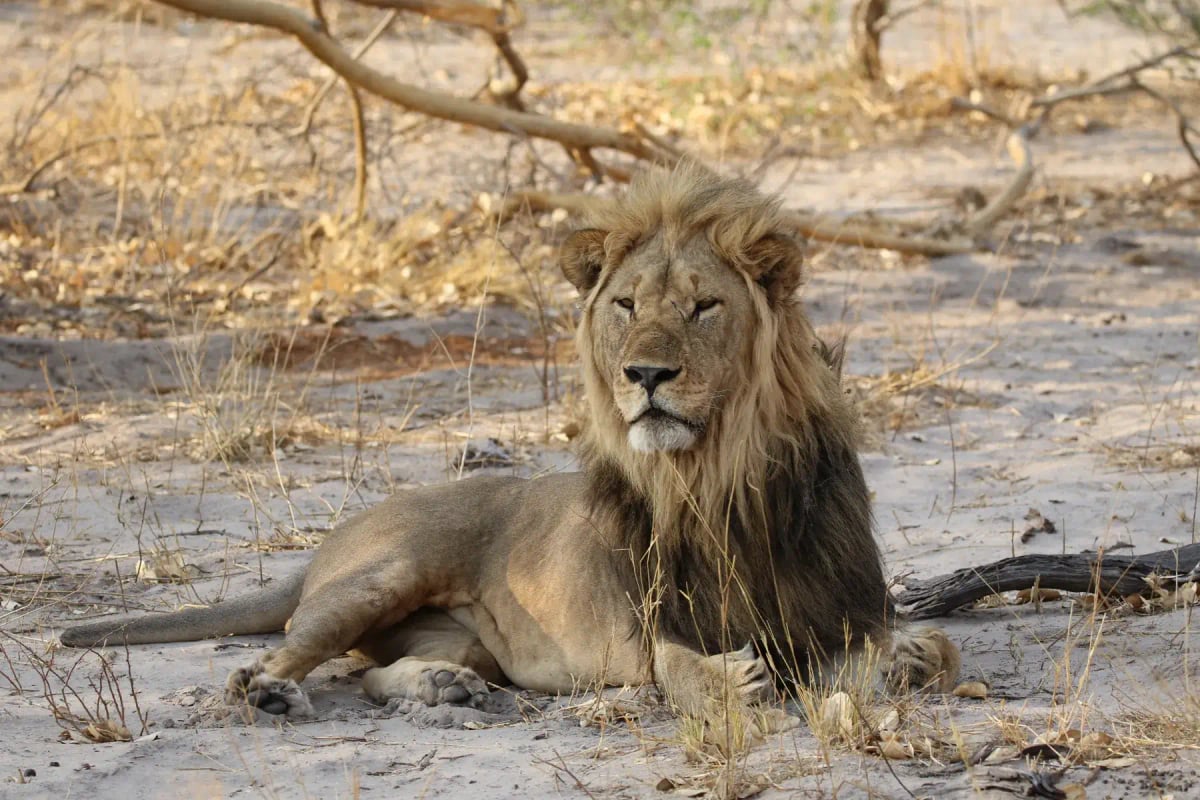
Lion
Panthera leo
In Burkina Faso, lions are found mainly in the W-Arly-Pendjari complex in the east, one of the most important areas for lion conservation in West Africa. The population is small and under increasing pressure from poaching and habitat loss. Despite these challenges, the Pendjari and Arly parks continue to support one of the few remaining viable lion groups in the region.
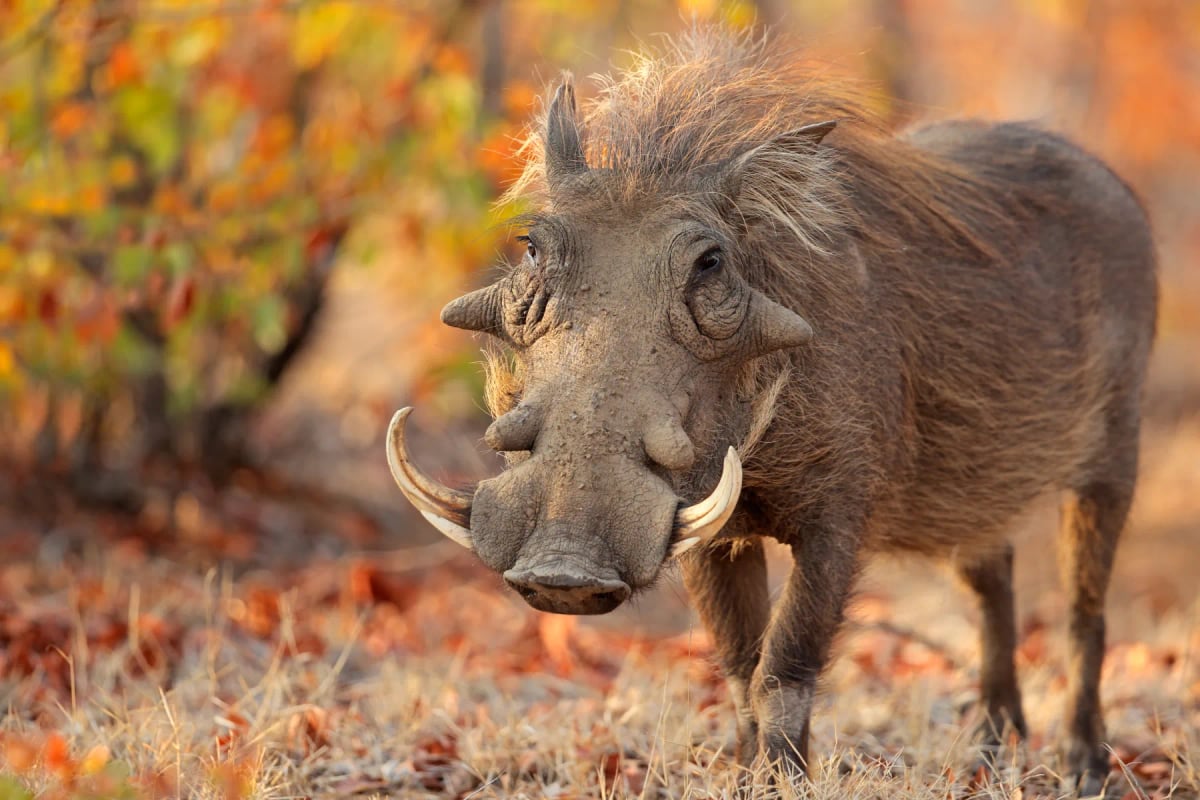
Warthog
Phacochoerus africanus
In Burkina Faso, the common warthog is found in the Sudanian savannas of the south and west, including within the W National Park complex shared with neighboring countries. It grazes on grasses and digs for roots and bulbs, often kneeling to feed. Populations here face pressure from habitat loss and hunting, though the species remains present across suitable areas. Its IUCN status is Least Concern.
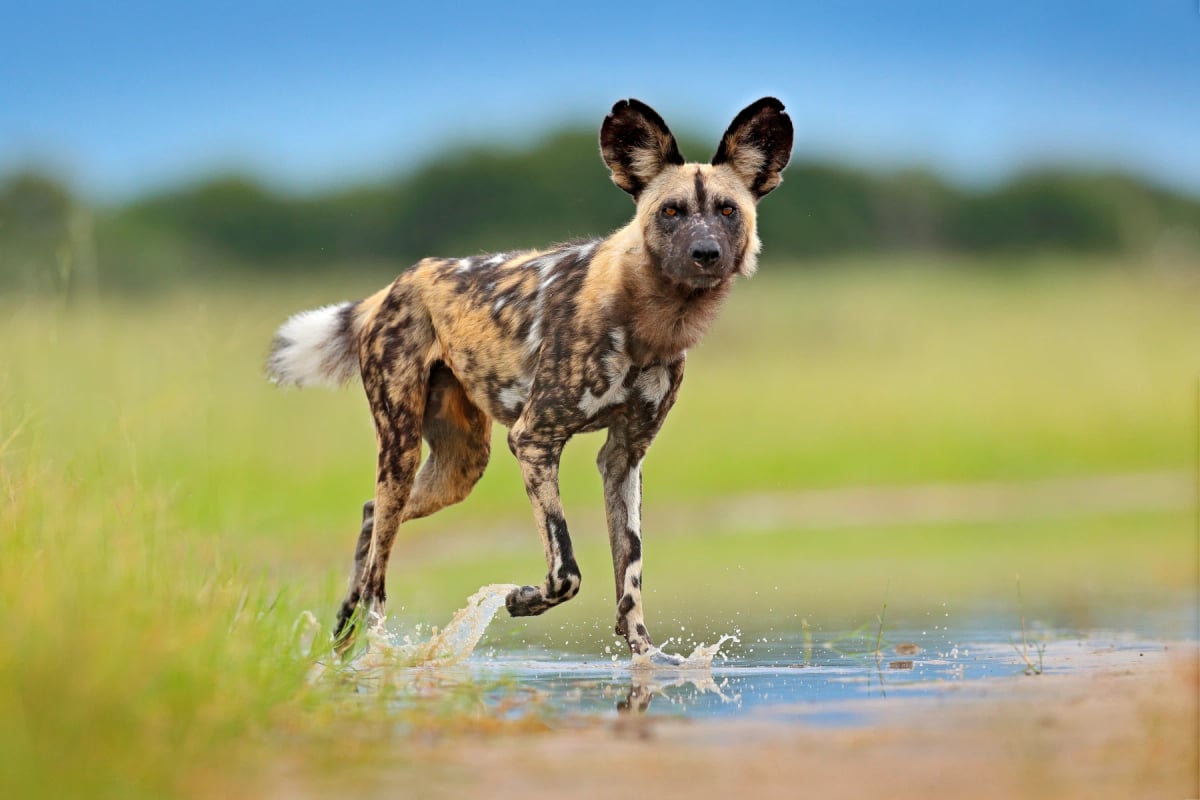
Wild Dog
Lycaon pictus
In Burkina Faso, the African wild dog clings to survival in and around the W Regional Park in the east of the country, part of a transboundary protected area. This is one of the last corners of West Africa where the species still exists. Poaching, snares set for other animals, and the steady shrinking of wild spaces all threaten the small number of individuals that remain. IUCN status: Endangered.
White Stallion
Equus ferus caballus
In Burkina Faso, the white stallion is far more than a domestic horse. It stands as a national symbol of pride, courage, and spiritual purity, appearing in royal ceremonies, traditional festivals, and parades across the country. Its pale coat has carried deep cultural meaning in West African traditions for centuries. Standing up to 160 cm tall and weighing up to 600 kg, these social, grass-grazing animals can live 25 to 30 years in domestic care.
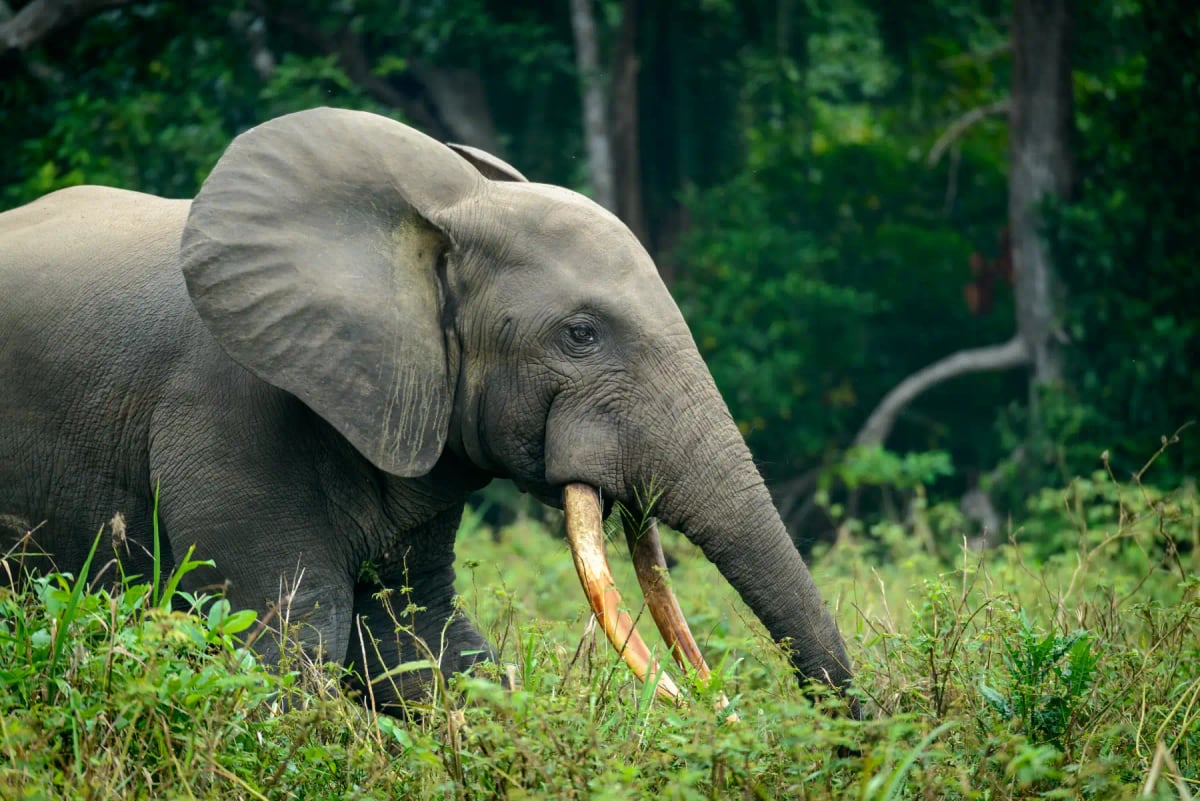
African Forest Elephant
Loxodonta cyclotis
Burkina Faso's forest elephant population is concentrated in the southeast, within the Arli National Park and the broader W-Arli-Pendjari transboundary complex shared with Benin and Niger. These elephants move across borders seasonally and represent some of the last forest elephants in the West African savanna zone. The population is small and under pressure from poaching and human encroachment, but remains one of the more closely monitored in the region.
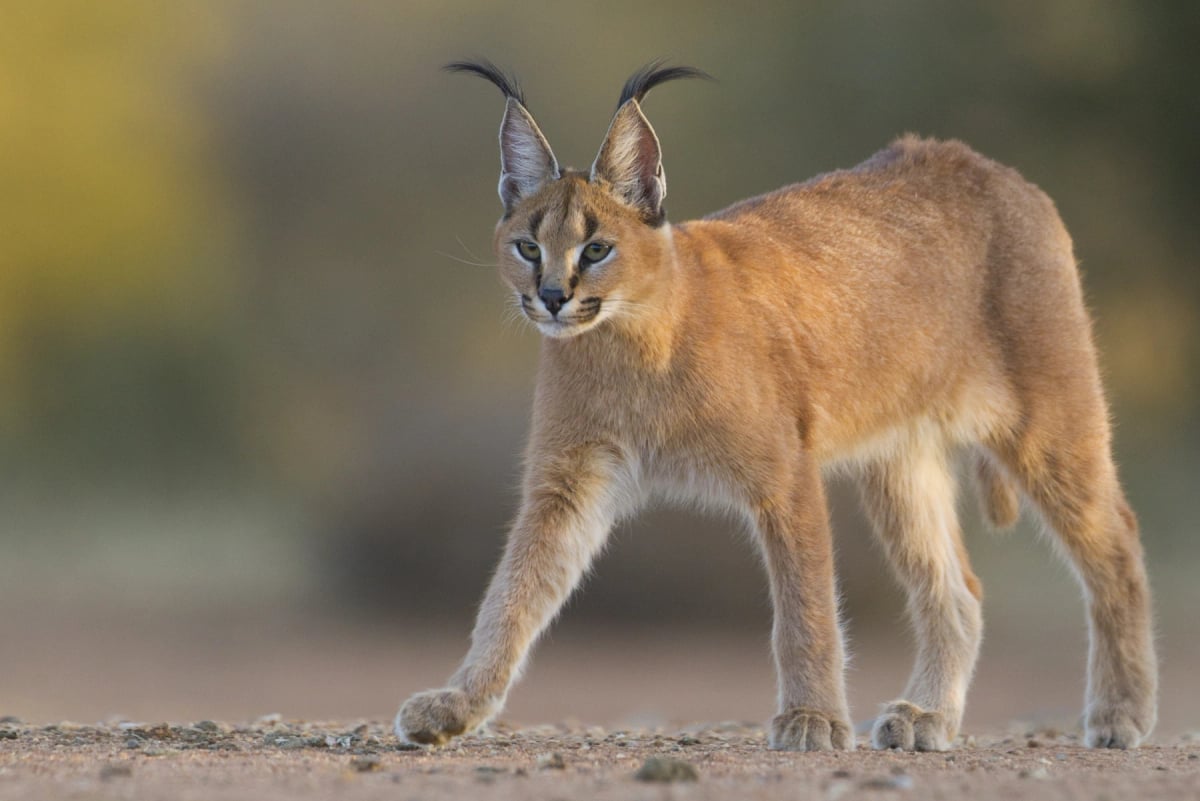
Caracal
Caracal caracal
In Burkina Faso, the caracal inhabits the Sudanian savanna zones in the south and the drier Sahelian areas to the north, where open scrubland and sparse woodland provide suitable cover. Protected areas such as the W Regional Park offer some refuge. It hunts rodents, birds, and small mammals. Habitat degradation from overgrazing and agricultural expansion continues to reduce available territory for the species. IUCN status: Least Concern.
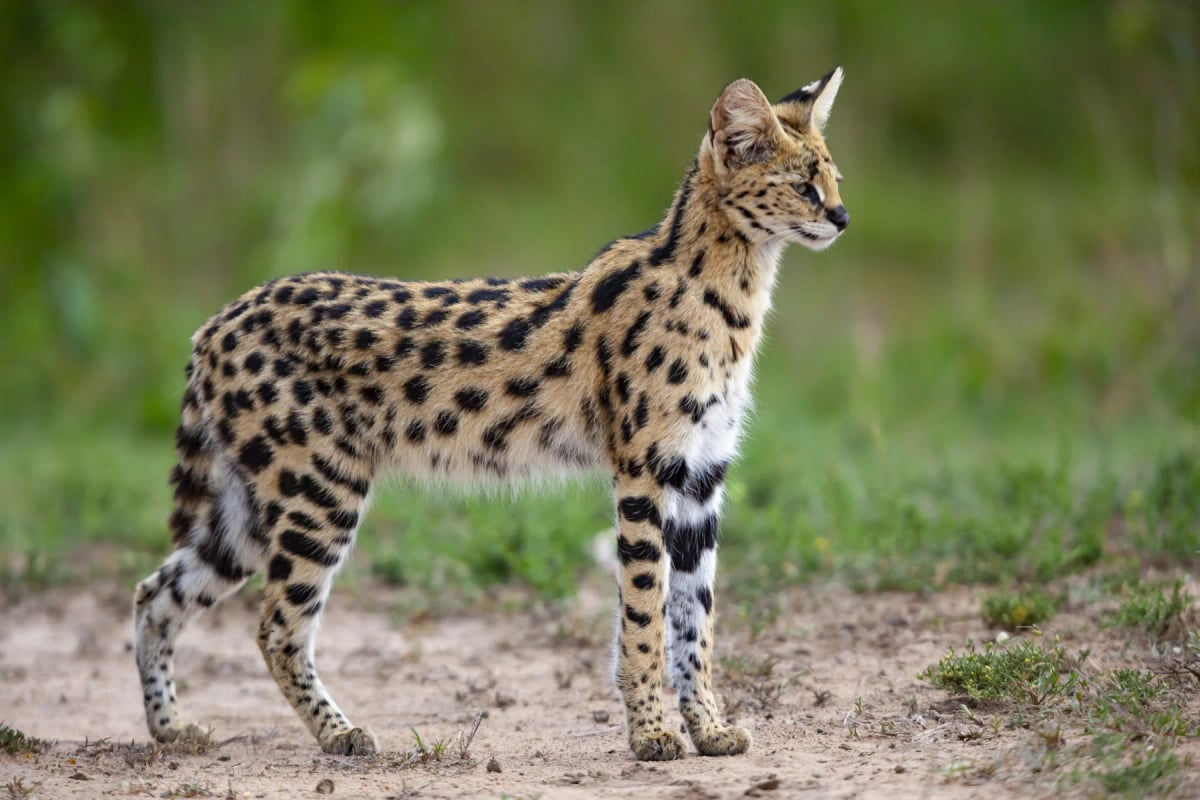
Serval
Leptailurus serval
In Burkina Faso, the serval occupies moist grasslands and wooded savannas, with records from the south and east of the country near seasonal waterways. It depends on dense vegetation for cover while hunting. Rodents, birds, and frogs form its main diet. Habitat degradation from agriculture and charcoal production is a growing concern. The IUCN lists the serval as Least Concern globally, though pressure on local populations continues.
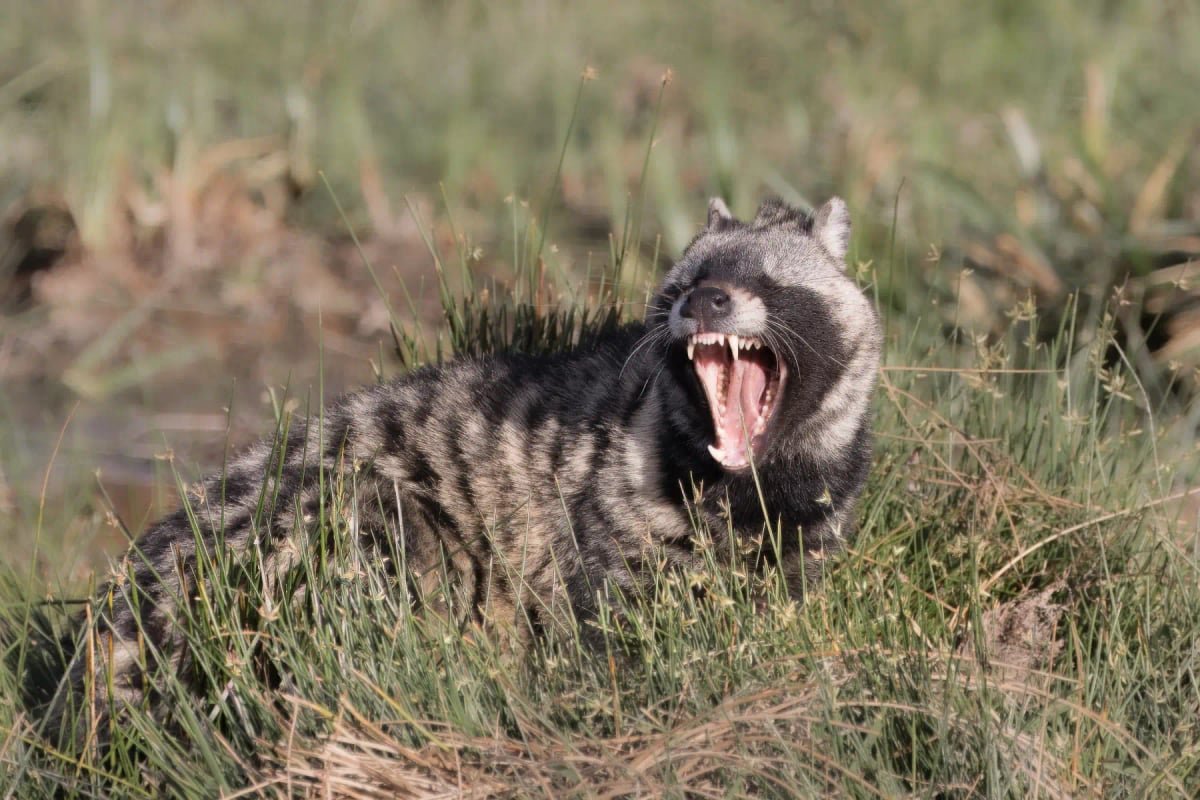
African Civet
Civettictis civetta
The African civet occurs across Burkina Faso, most commonly in the south and center where Guinea savanna and gallery forests along the Mouhoun and Volta rivers provide suitable cover. It grows scarce in the arid Sahel zone of the north. In protected areas like W National Park and the Arly-Singou complex, civets are active along river corridors after dark, part of a broader nocturnal carnivore community.
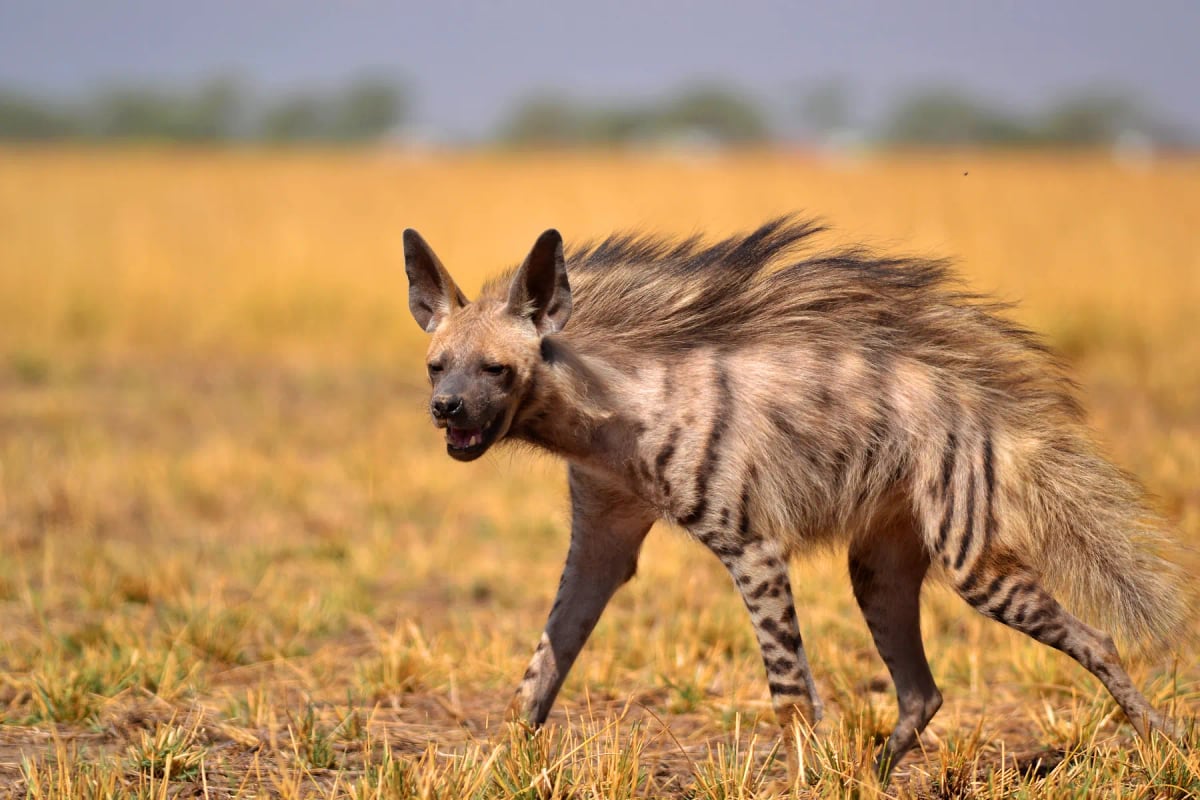
Striped Hyena
Hyaena hyaena
Shy nocturnal scavenger with a striped gray coat and an erectile mane that helps clean the landscape by consuming carcasses across Africa, the Middle East and Asia.

Honey Badger
Mellivora capensis
In Burkina Faso, the honey badger occupies the Sudano-Sahelian savanna belt, a landscape of dry grassland and scattered trees that suits its wide-ranging lifestyle. It feeds on a remarkable variety of prey, from termites and frogs to snakes and wild honey. Increasing agricultural expansion across Burkina Faso reduces the wild habitat available to the species, though it is currently listed as Least Concern by the IUCN.
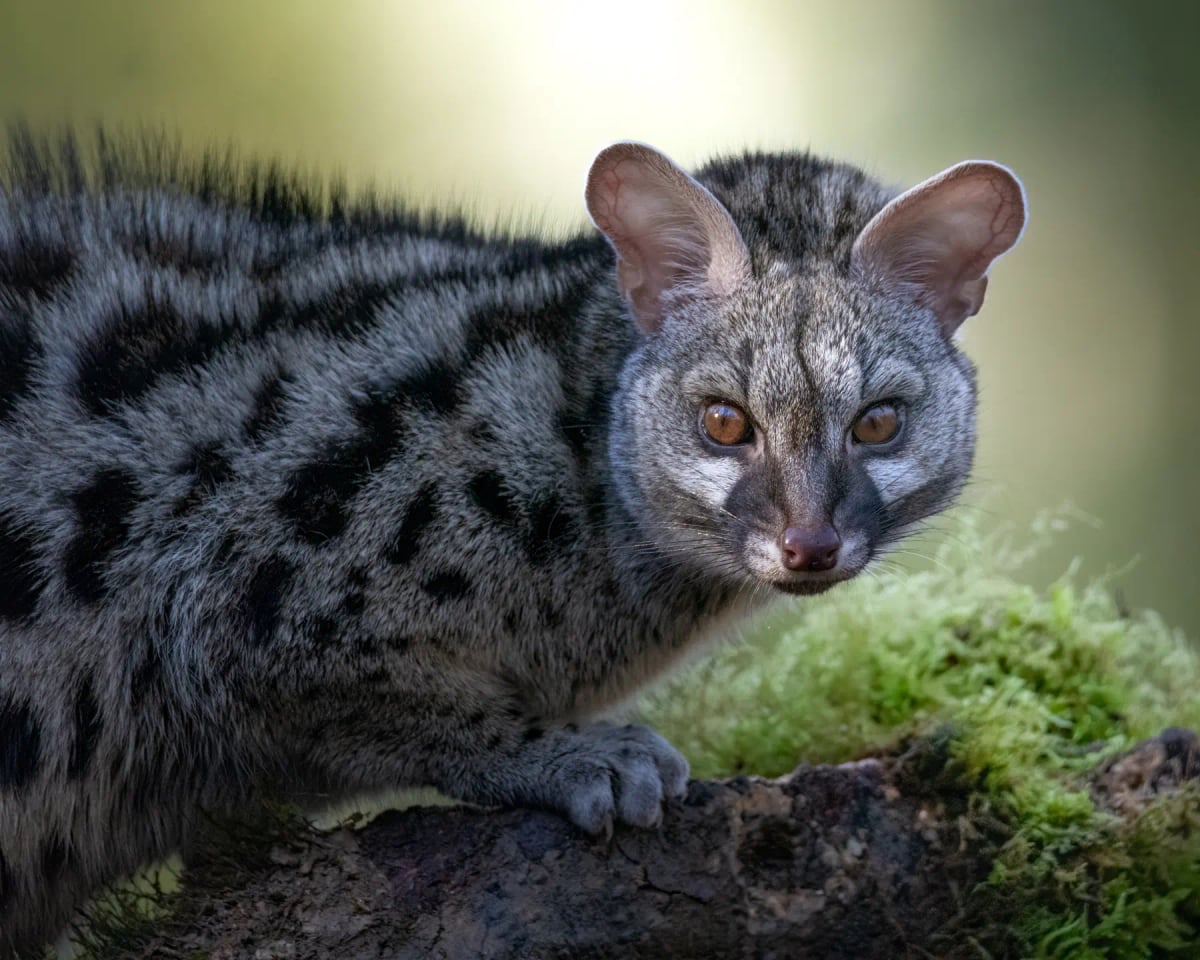
Common Genet
Genetta genetta
The common genet is present in Burkina Faso, inhabiting gallery forests, wooded savannas, and areas of dense scrub. This nocturnal carnivore hunts small mammals, birds, insects, and reptiles under cover of darkness. In a country where natural woodland is increasingly fragmented, the genet's ability to adapt to varied habitats helps it persist across much of the territory. Its spotted coat makes it hard to spot during the day. Its IUCN status is Least Concern.
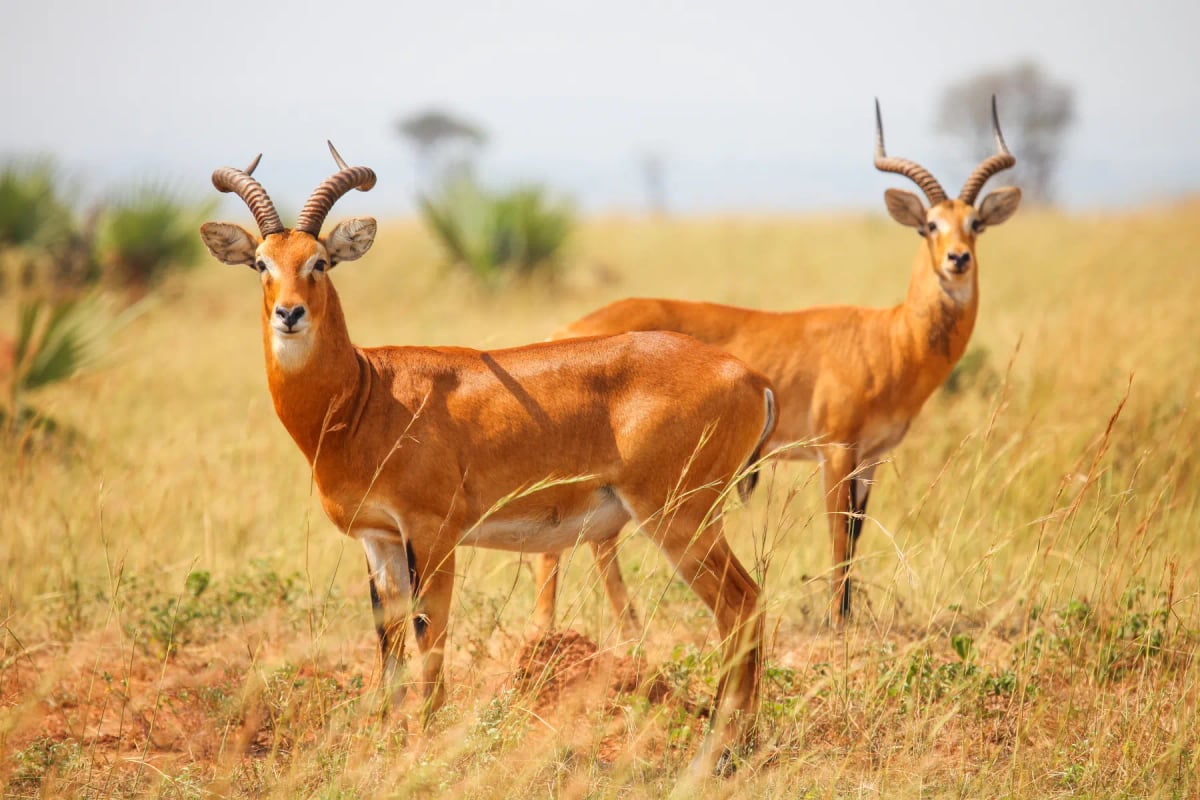
Kob
Kobus kob
In Burkina Faso, the kob roams the savannas and gallery forests of the southeast, with strong populations recorded in the W Regional Park complex along the Niger River border. These antelopes depend on areas with reliable water and fresh grass, especially through the long dry season. Males defend small mating territories in open lekking grounds. Poaching and habitat degradation threaten local populations despite protected status in key reserves.
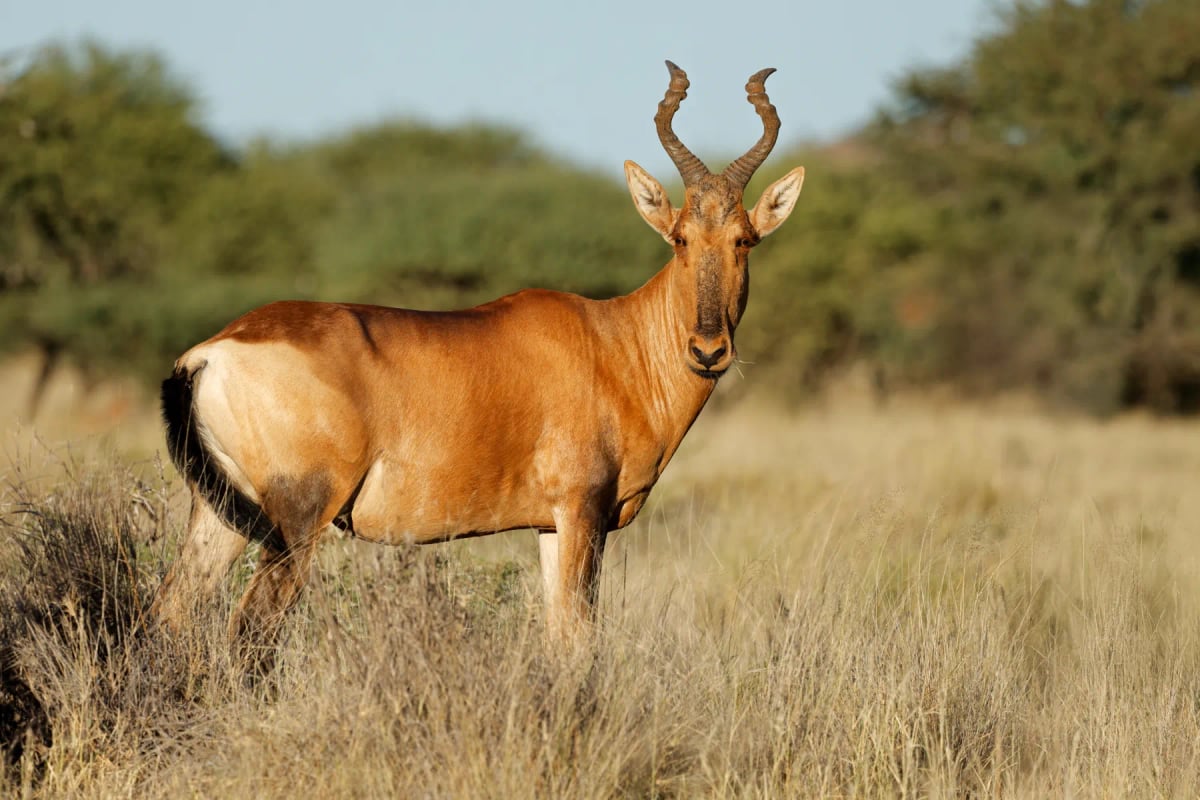
Hartebeest
Alcelaphus buselaphus
The hartebeest lives in the Sudanian savanna zone of Burkina Faso, with the W-Arly-Pendjari complex in the east offering some of its best remaining habitat. This transboundary protected area helps maintain viable populations across borders. Overgrazing by livestock and poaching remain serious pressures. The hartebeest's ability to eat coarse, low-quality grasses gives it an edge in degraded areas where other grazers struggle.
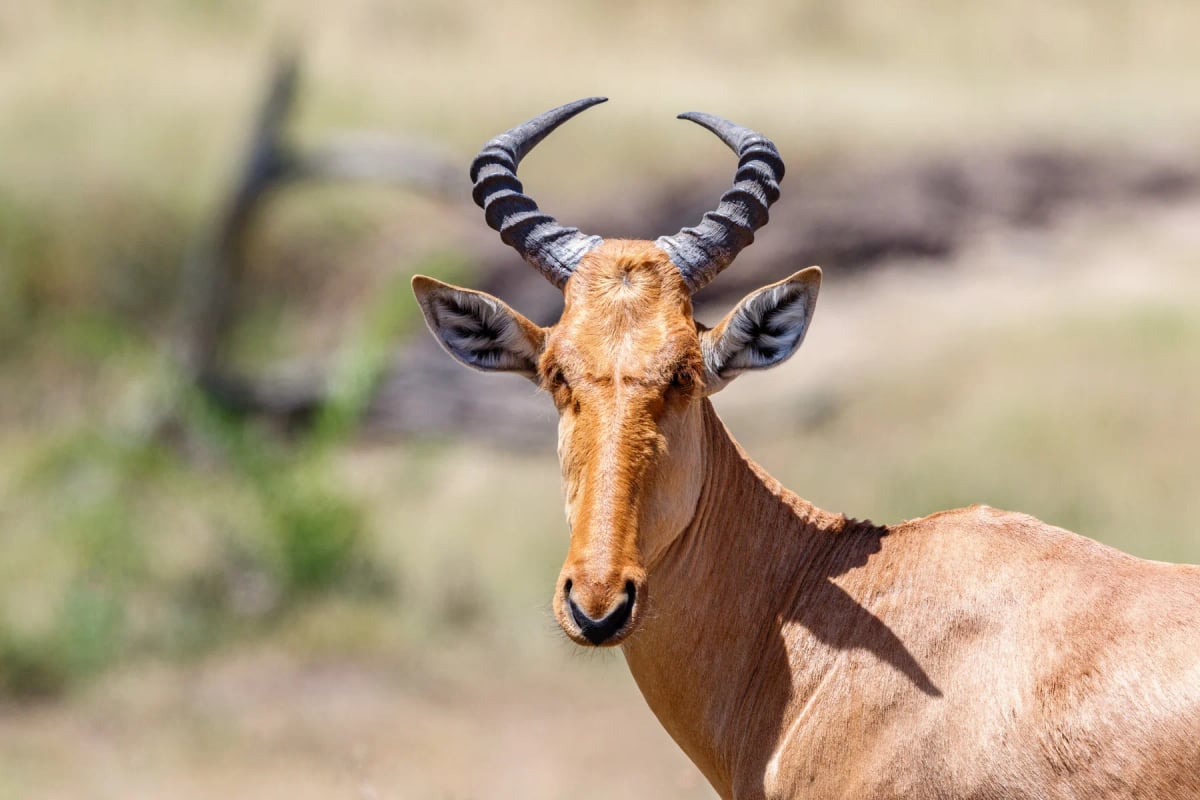
Topi
Damaliscus lunatus
In Burkina Faso, the topi is found in the southern and eastern parts of the country, including areas connected to the W National Park complex. This transboundary protected area is one of the most important refuges for large savanna mammals in West Africa. Topis graze on open grasslands and rely on their exceptional speed to escape lions and other predators. Habitat loss outside protected areas remains a pressure on local populations. IUCN status: Least Concern.
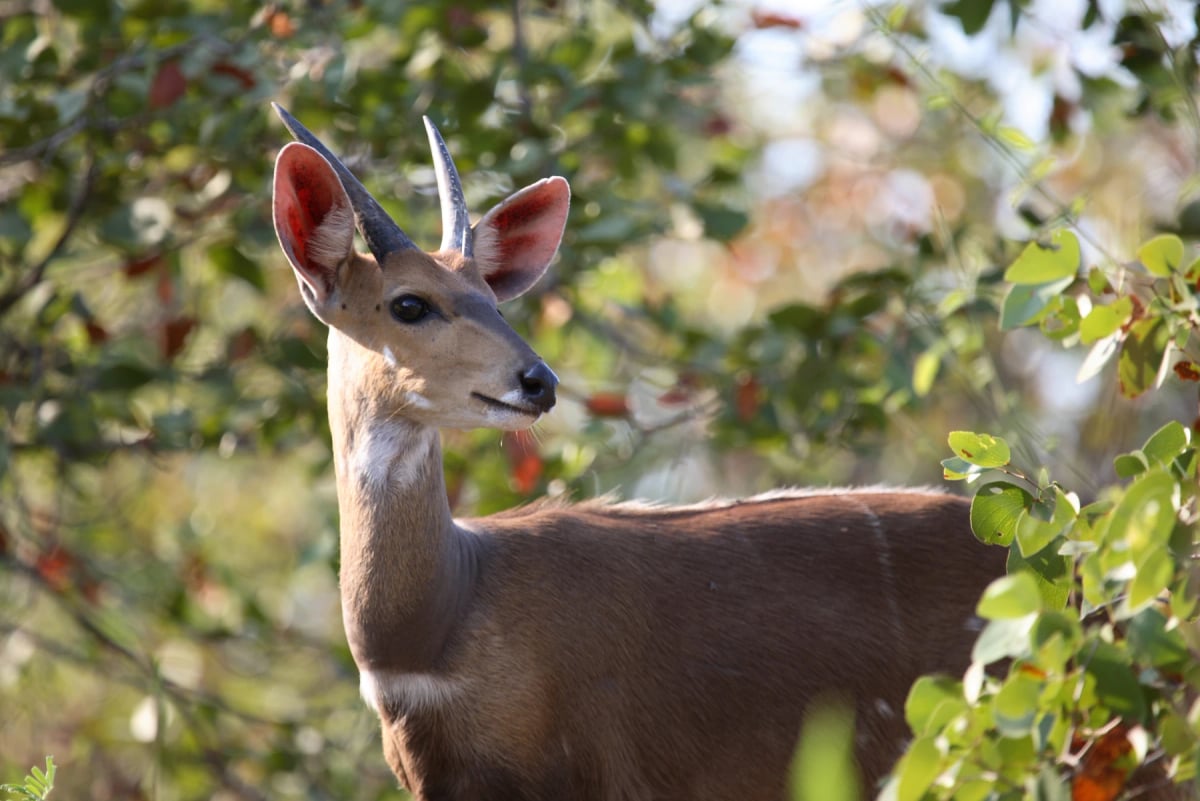
Bushbuck
Tragelaphus scriptus
Bushbucks in Burkina Faso inhabit forested areas and dense vegetation zones, with populations concentrated in the WAP complex along the southern border. Their reddish brown coats with white markings provide effective camouflage. These shy, nocturnal browsers feed on leaves, shoots and fruits within protective thick cover. Males possess distinctive horns with a tight spiral structure, while females remain hornless. Their elusive temperament and preference for darkness make direct observation difficult.
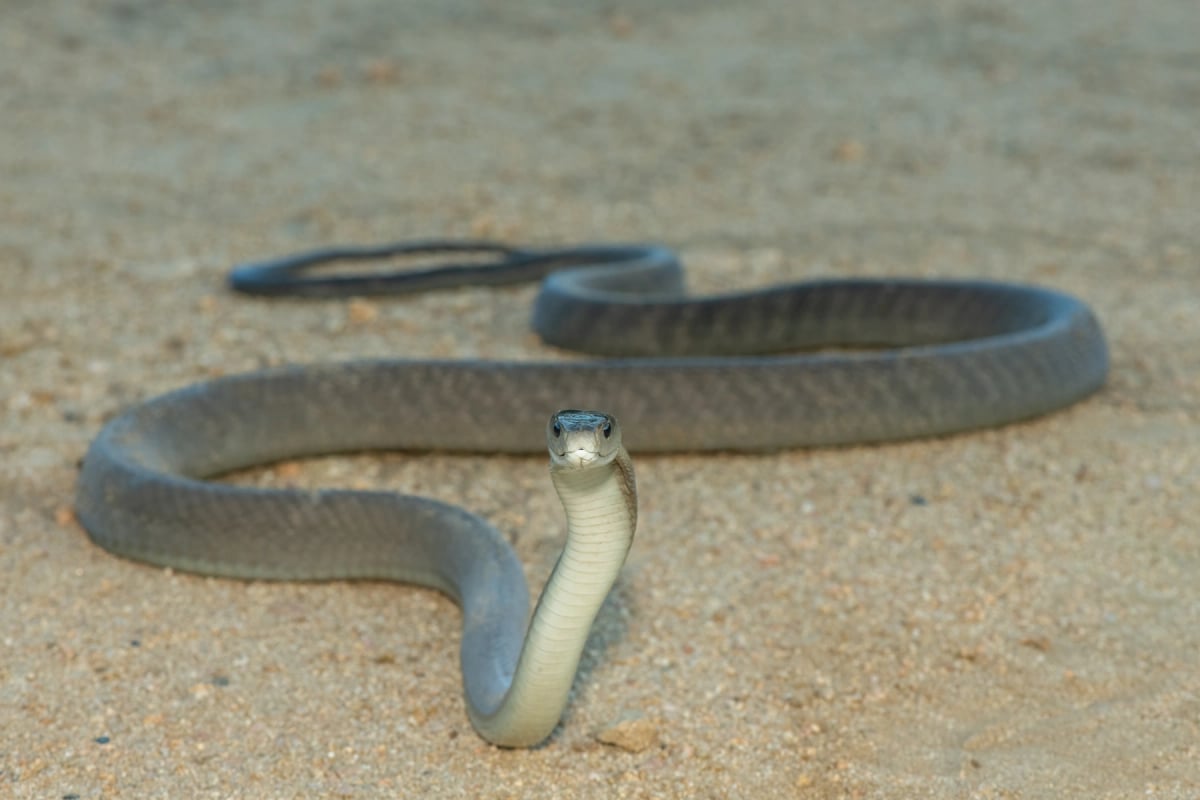
Black Mamba
Dendroaspis polylepis
The black mamba reaches the western edge of its range in Burkina Faso, where it inhabits the Sudan savanna and dry woodland zones of the country. It tends to shelter in termite mounds, rocky outcrops and dense bush. Rural communities in Burkina Faso face particular risk, as antivenom supplies and medical infrastructure in remote areas can be difficult to access after a bite.
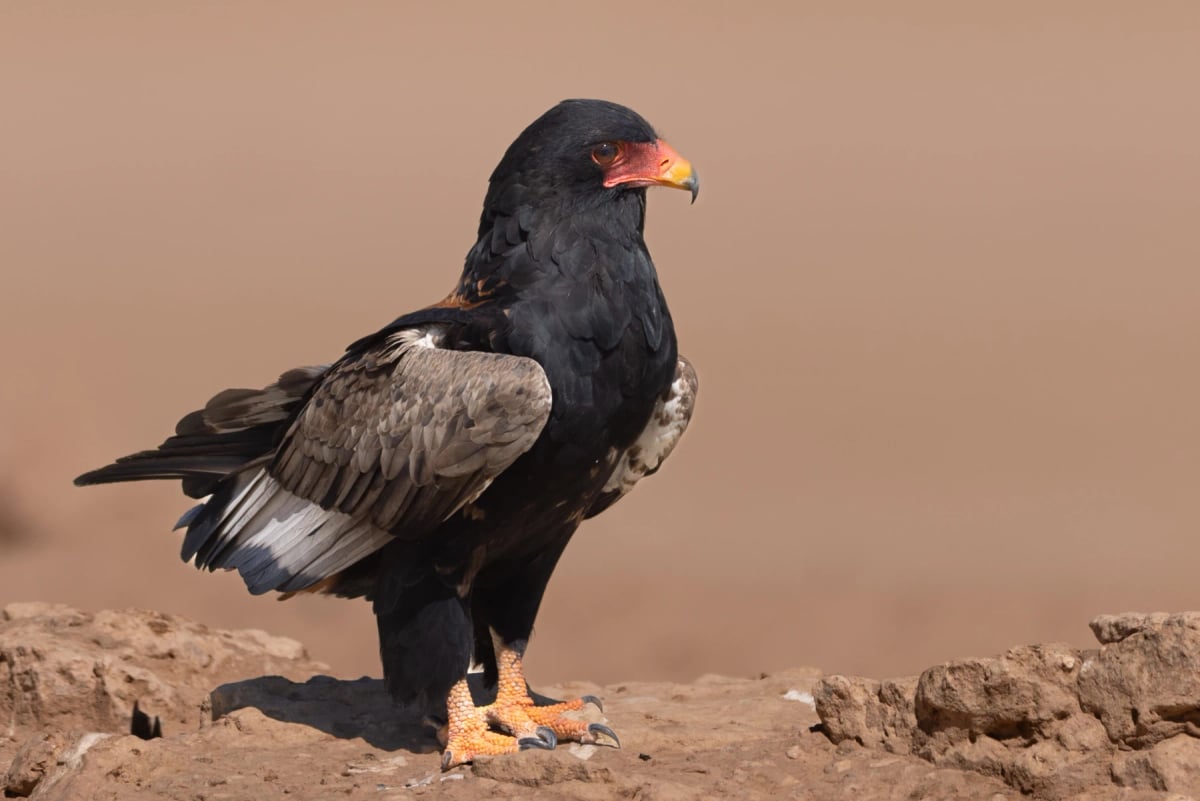
Bateleur
Terathopius ecaudatus
The bateleur occurs across the Sudan-Guinea savanna zone of Burkina Faso, including areas around the W-Arly-Pendjari complex near its southern borders. It soars widely over open woodland and grassland each day, scanning for carrion, reptiles, and small prey. Classified as Endangered by the IUCN, it faces growing pressure from land conversion, bush burning, and accidental poisoning throughout the country.
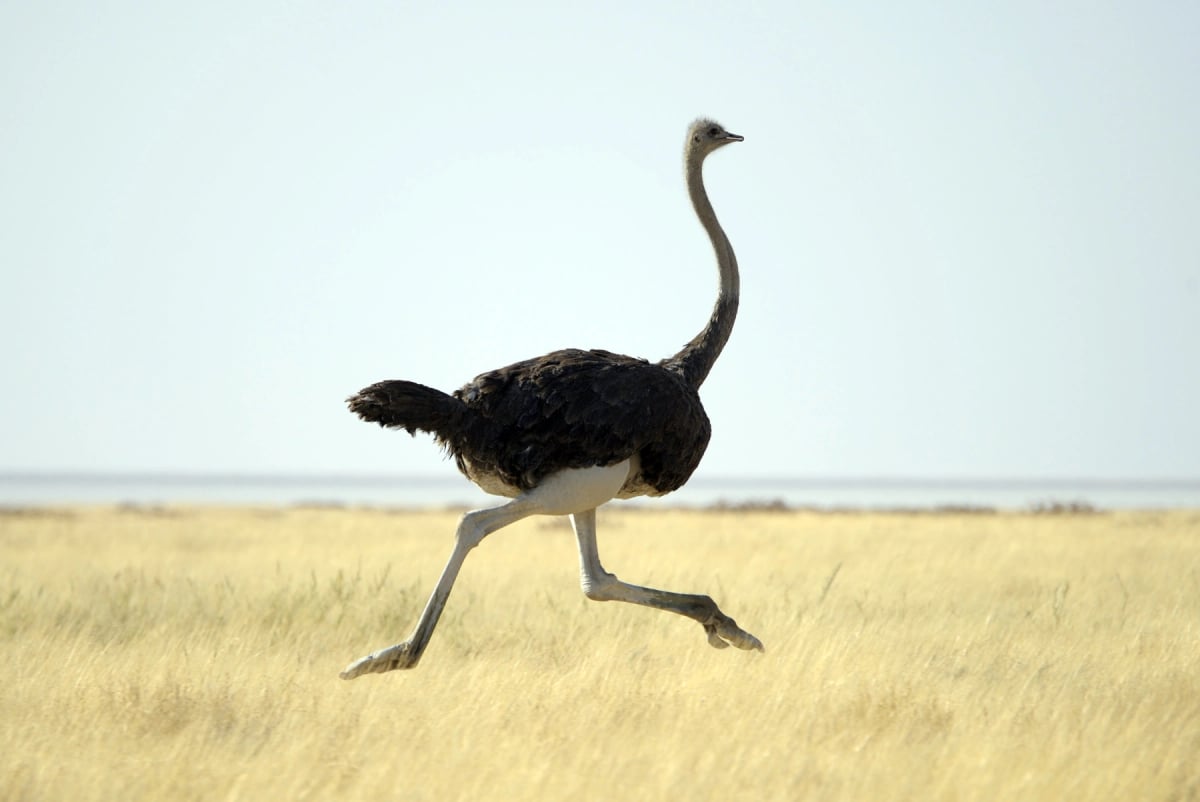
Ostrich
Struthio camelus
In Burkina Faso, the ostrich inhabits the semi-arid Sahel zone in the north of the country, where sparse grasslands and thorny scrub stretch toward the southern edge of the Sahara. Numbers have declined significantly due to poaching and the degradation of habitat. Sightings are now uncommon, and the birds are largely restricted to protected areas and the most remote parts of the northern region.
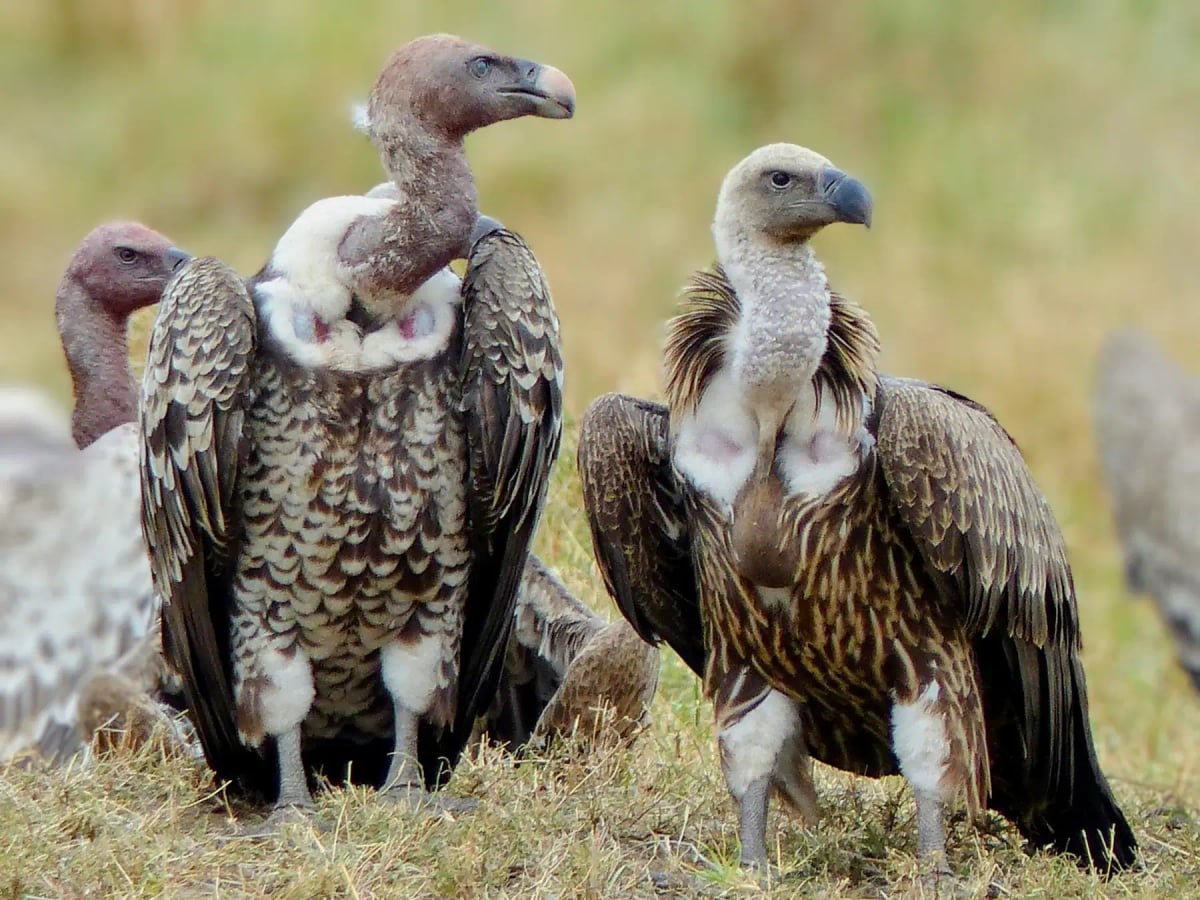
White backed Vulture
Gyps africanus
Across Burkina Faso's wooded savannas and the W National Park complex in the east, the white backed vulture is one of the most frequently seen large birds of prey. It nests in tall trees, often near areas where cattle and wildlife provide a reliable source of food. The species is critically endangered, with poisoning being the leading cause of population decline across West Africa, including here in Burkina Faso.
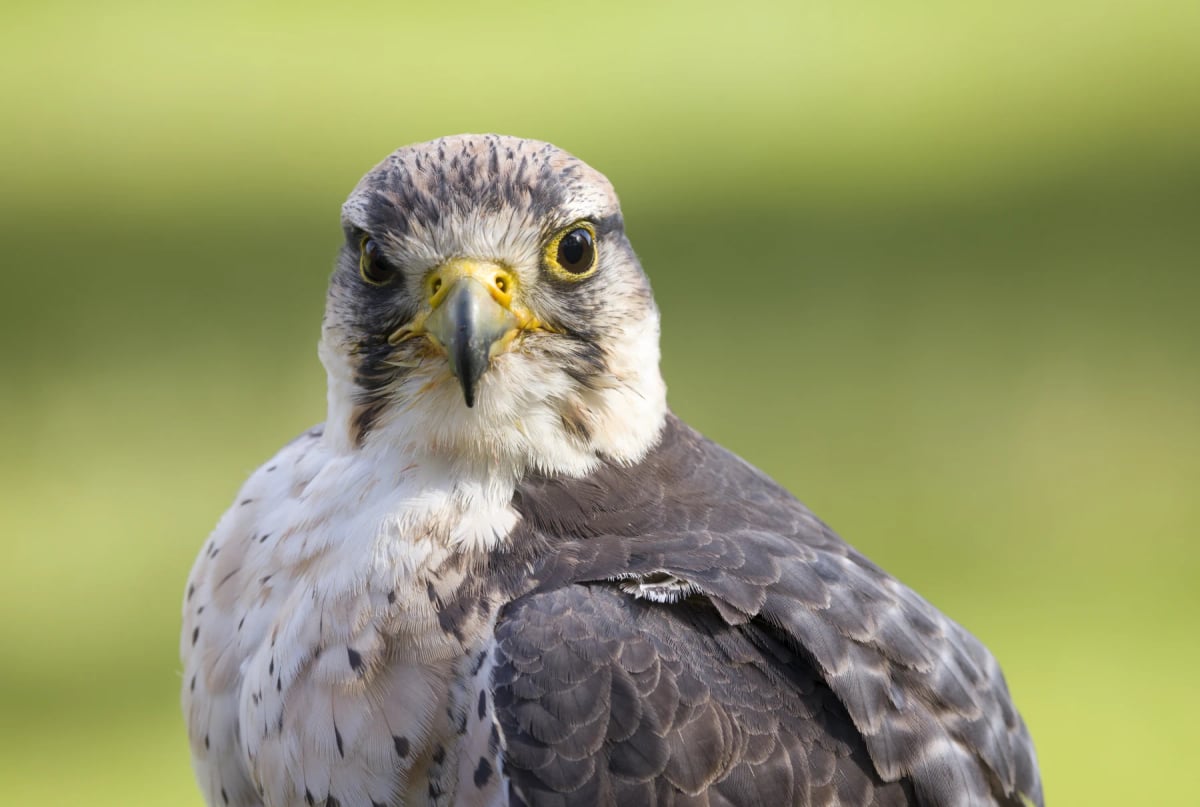
Lanner Falcon
Falco biarmicus
The lanner falcon is a resident across Burkina Faso, particularly in the Sahel zone and the drier open woodlands of the north, where it hunts birds across wide, flat terrain. Rocky inselbergs scattered through the landscape provide scarce but important nesting sites. As with much of West Africa, pressure from habitat degradation and the expansion of farming land affects the open environments this falcon relies on throughout the year.
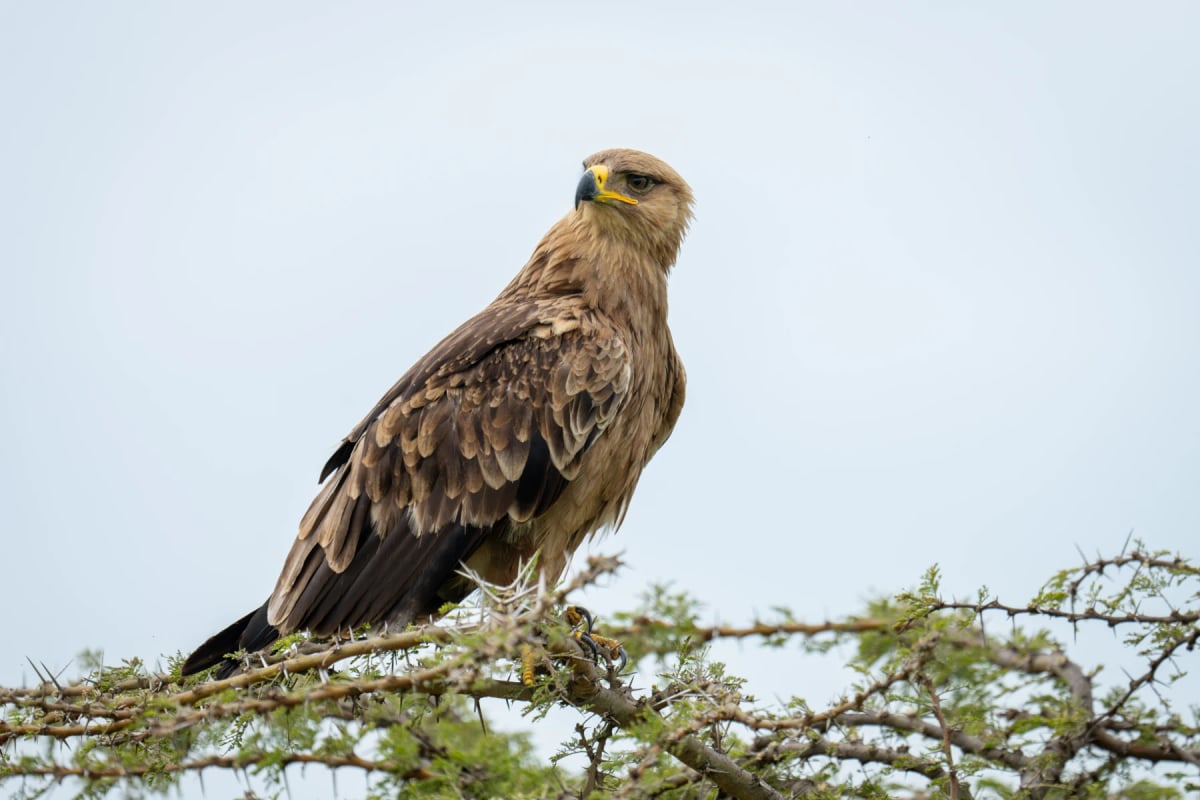
Tawny Eagle
Aquila rapax
Across the Sahel and Sudan savanna zones of Burkina Faso, the tawny eagle finds open habitat well suited to its soaring and hunting habits. It takes advantage of grassland fires to catch fleeing prey and will steal meals from other raptors. Ongoing land degradation and the use of poison baits in the region put pressure on this species. The IUCN lists it as Vulnerable.
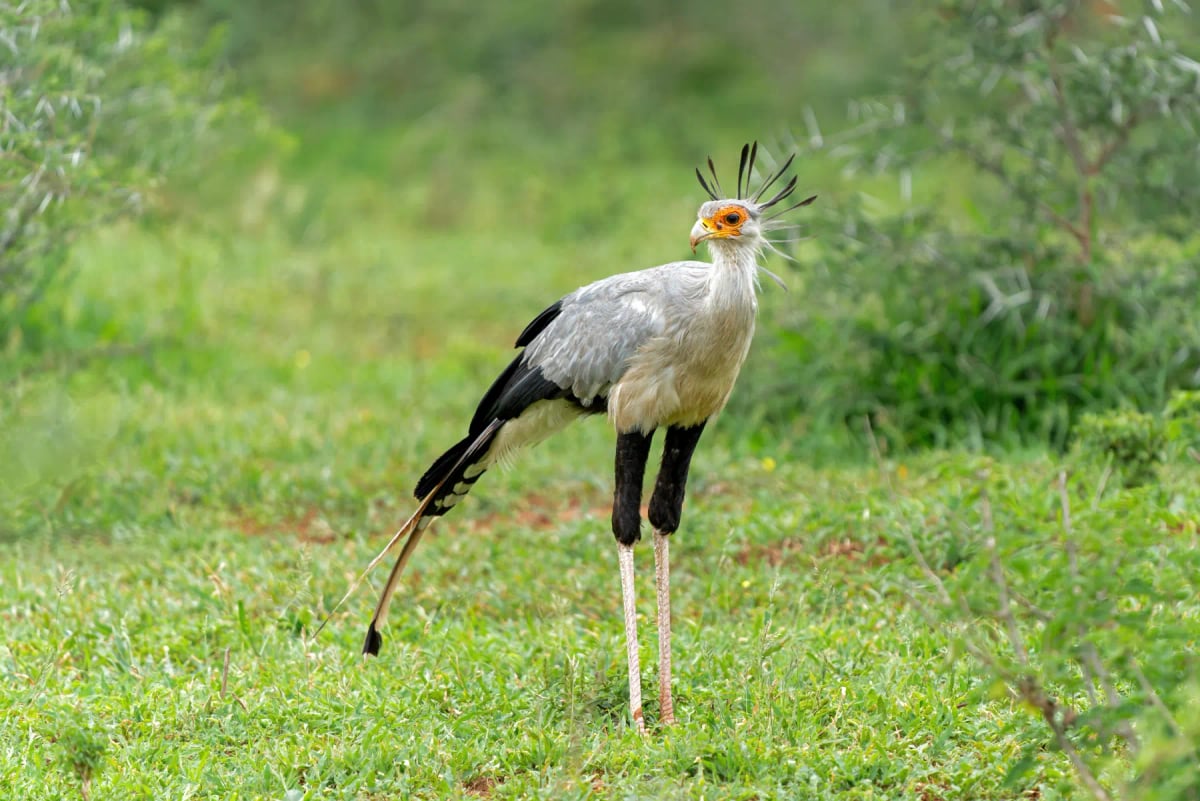
Secretary Bird
Sagittarius serpentarius
The secretary bird is found in Burkina Faso's Sudanian savannas and open grasslands, particularly in the southern and eastern parts of the country. It hunts on foot, targeting snakes, rodents, and insects across flat, open terrain. Widespread land conversion for agriculture in Burkina Faso has steadily reduced the grassland habitats this striking bird relies on. The IUCN lists it as Endangered.
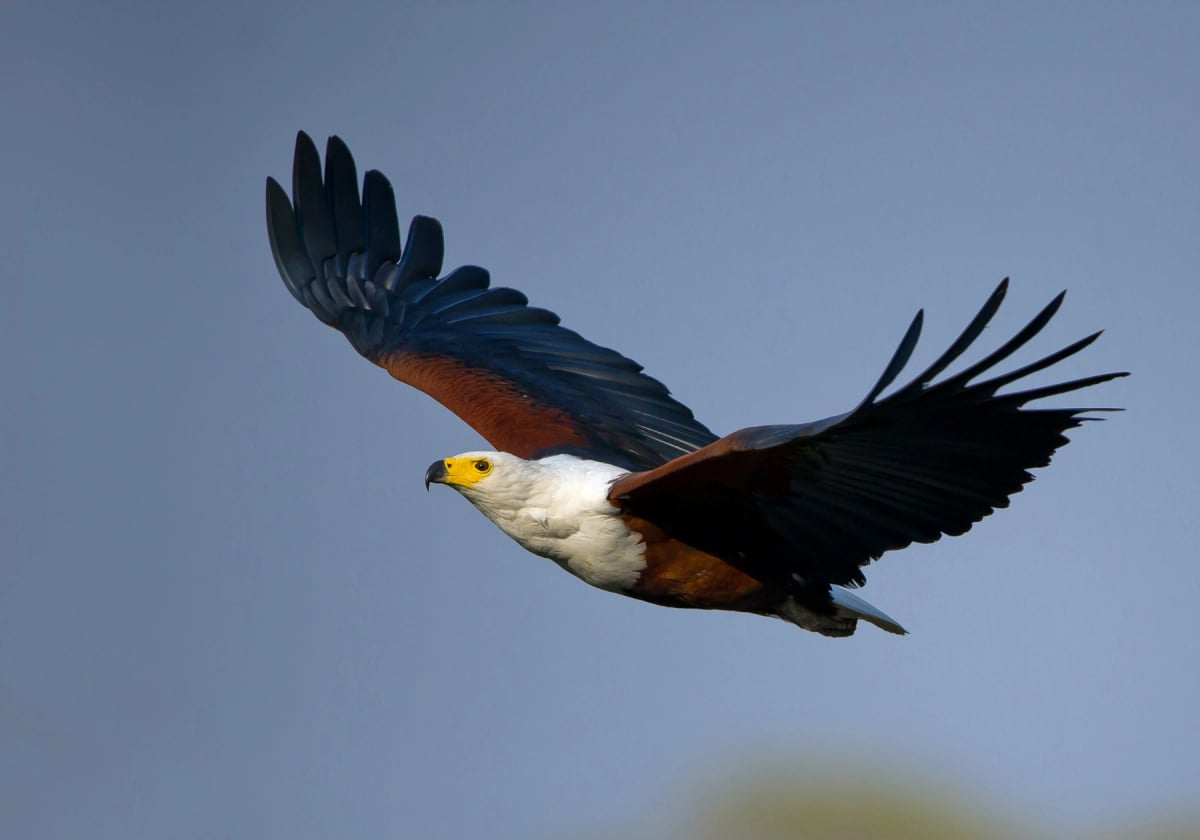
African Fish Eagle
Haliaeetus vocifer
The African fish eagle occurs in Burkina Faso near the country's rivers and reservoirs, including the Volta River system and the Kompienga and Bagré reservoirs in the east and south. It is less common here than in wetter parts of sub-Saharan Africa due to the relatively dry landscape, but it is a resident near permanent water and can be seen and heard along the main rivers and larger water bodies.
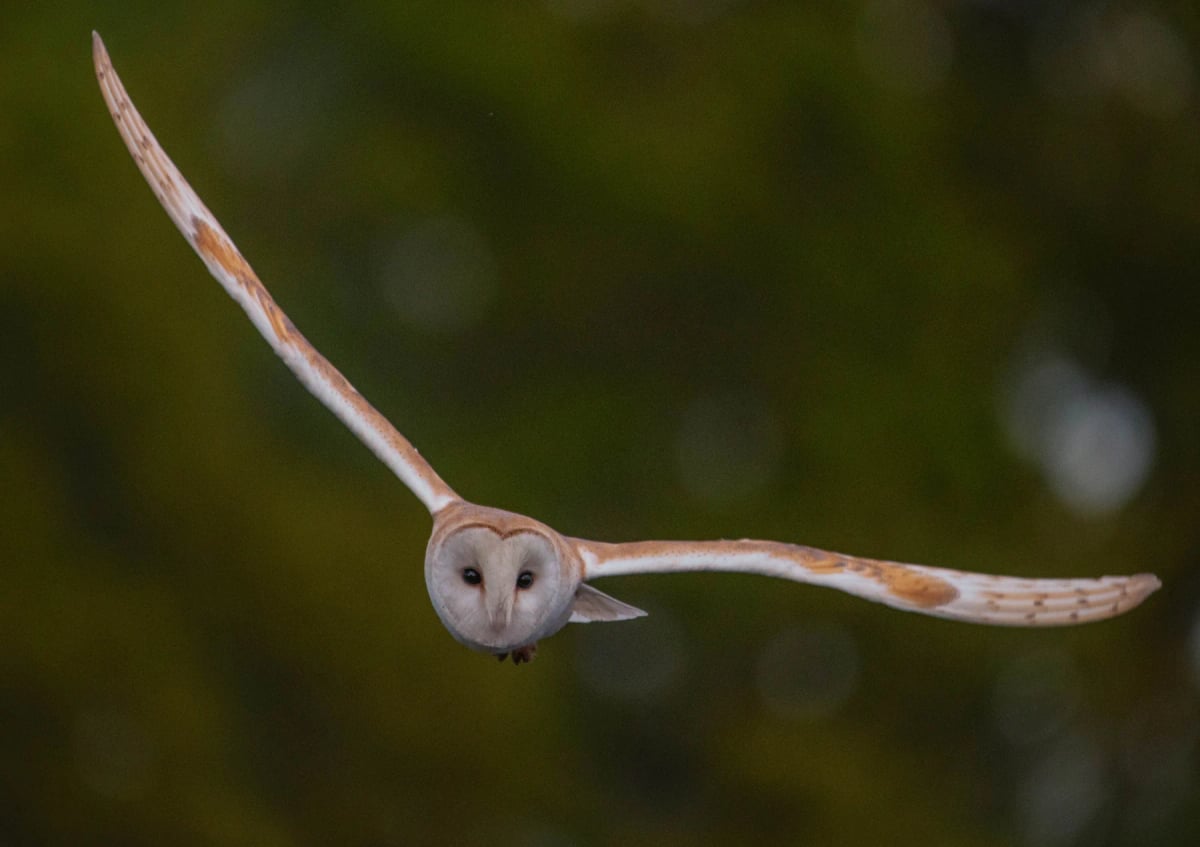
Barn Owl
Tyto alba
The barn owl is found across Burkina Faso in open dry savanna, farmland, and areas near villages and towns. It nests in old buildings, rocky outcrops, and large baobab trees, and hunts rodents at night. In farming communities it is considered a useful presence because of the large numbers of rodents it catches, helping to protect stored grain and crops across the Sahel and Sudanian savanna zones that cover most of the country.
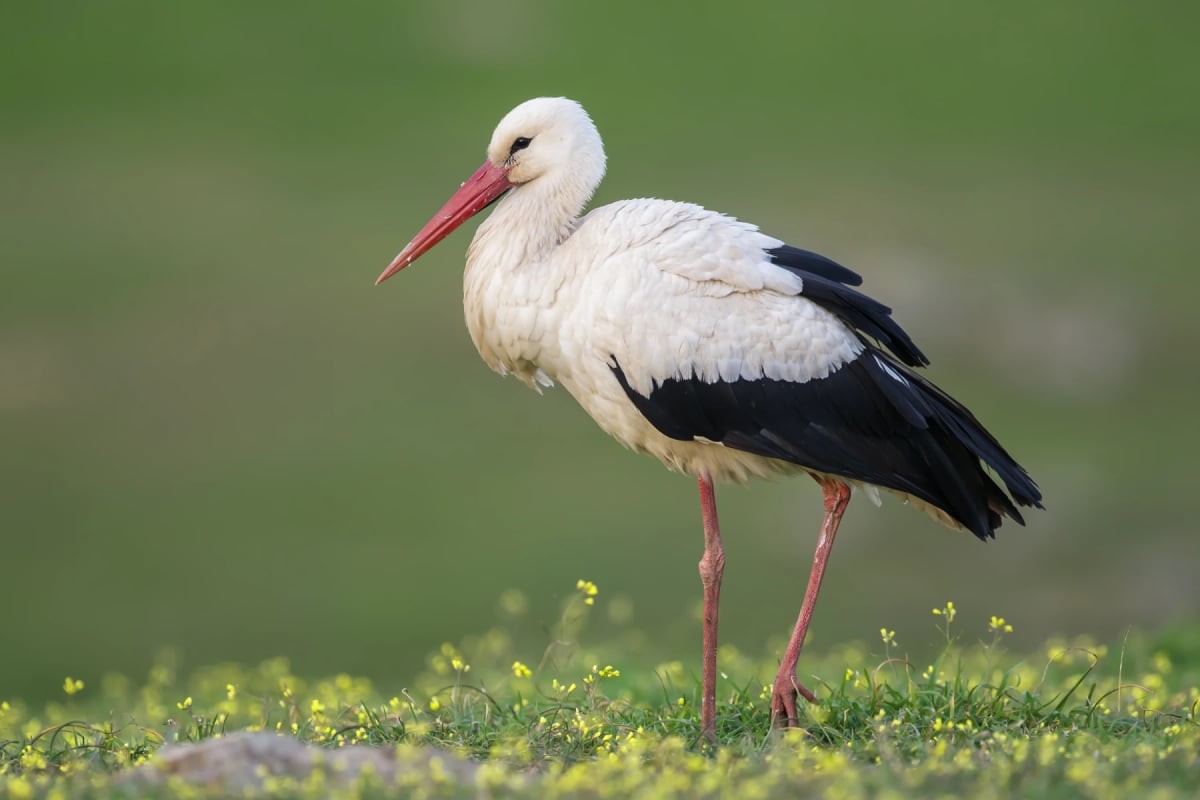
Stork
Ciconia ciconia
Burkina Faso is part of the wintering range of the white stork in West Africa. The open Sahel landscape and the farmland of the country's central and northern zones offer good foraging conditions, particularly when rainfall creates temporary pools and flushes out insects and frogs. Storks often follow locusts across the region during outbreaks. The IUCN lists the white stork as Least Concern.
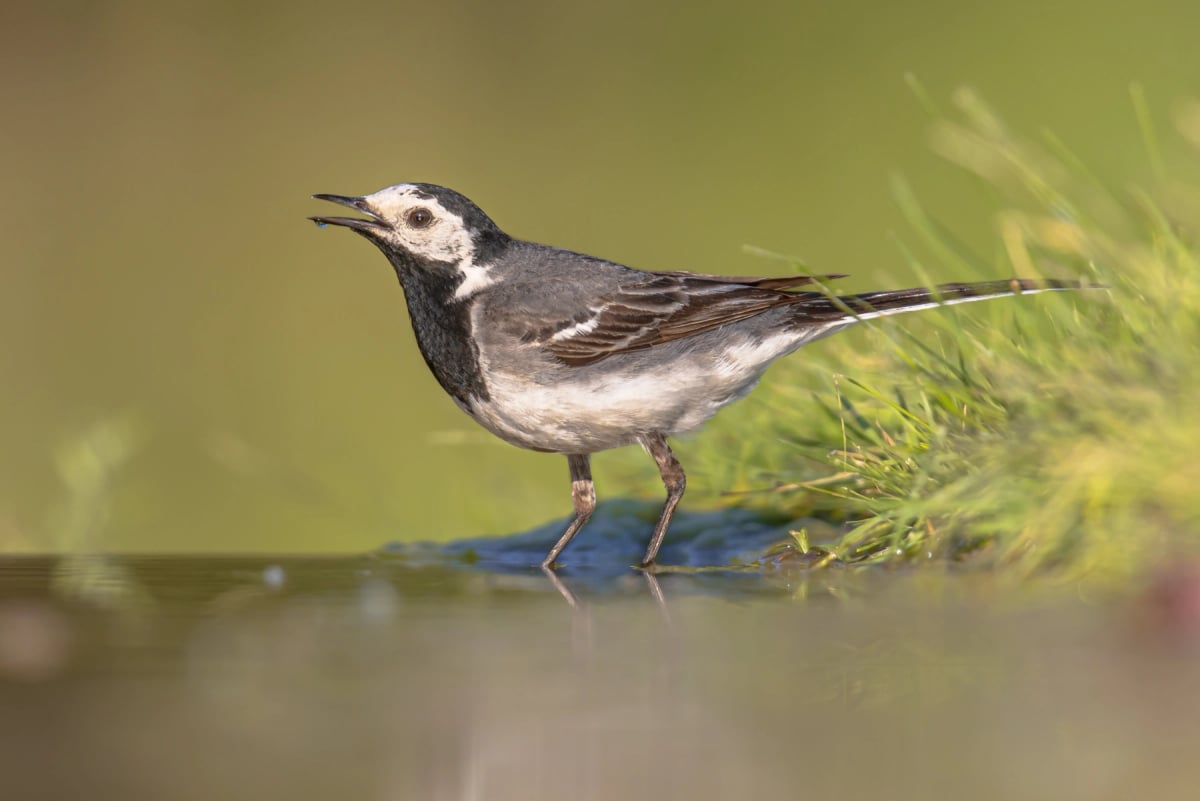
White Wagtail
Motacilla alba
The white wagtail is a winter visitor to Burkina Faso, arriving from its Eurasian breeding grounds between October and March. It gathers near rivers such as the Mouhoun and around reservoirs and irrigated areas in the Sahel zone. Groups of birds can be seen running along muddy margins in search of insects. It is not a breeding species here but can be quite numerous during the dry season. Its status is Least Concern.
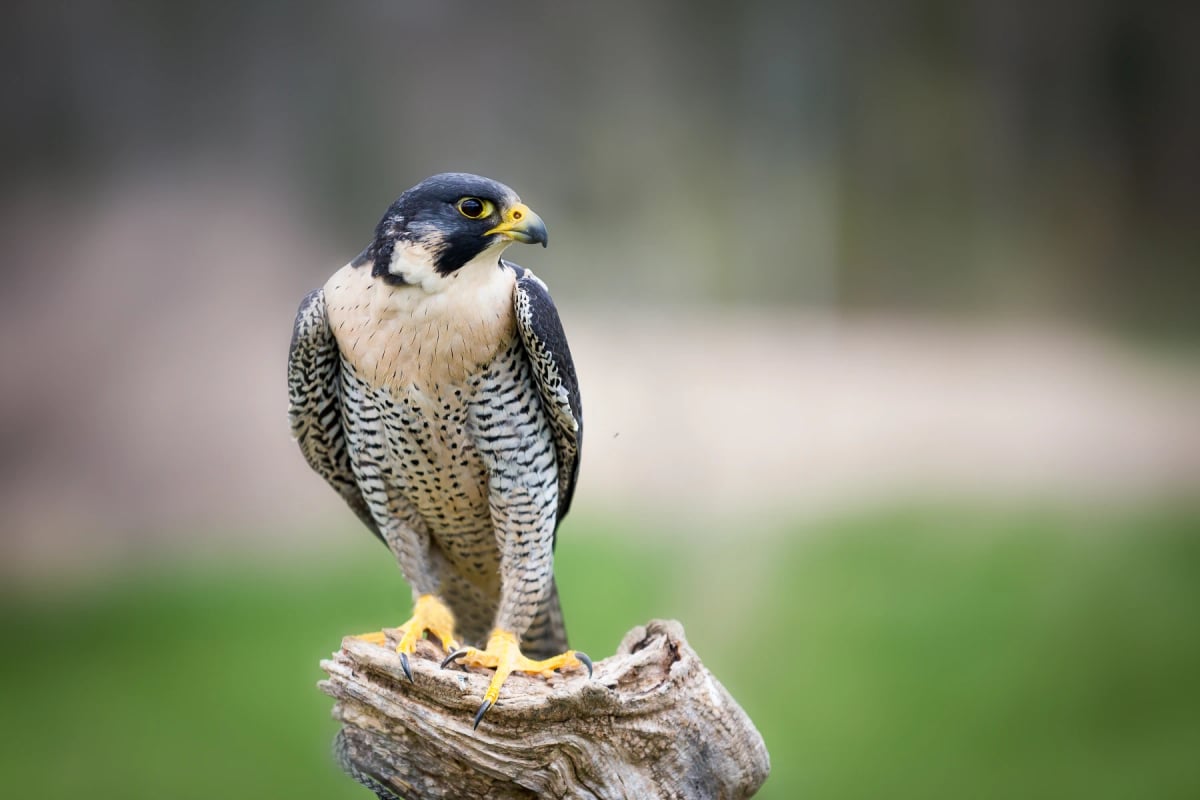
Peregrine Falcon
Falco peregrinus
In Burkina Faso, the peregrine falcon is a seasonal visitor, present mainly during the northern winter when migrants move south through the Sahel and into the savanna zones. It hunts birds over open grasslands and around wetlands such as those found near the Mouhoun River. The flat, open terrain across much of the country provides ideal conditions for its high-speed aerial hunting. IUCN status: Least Concern.
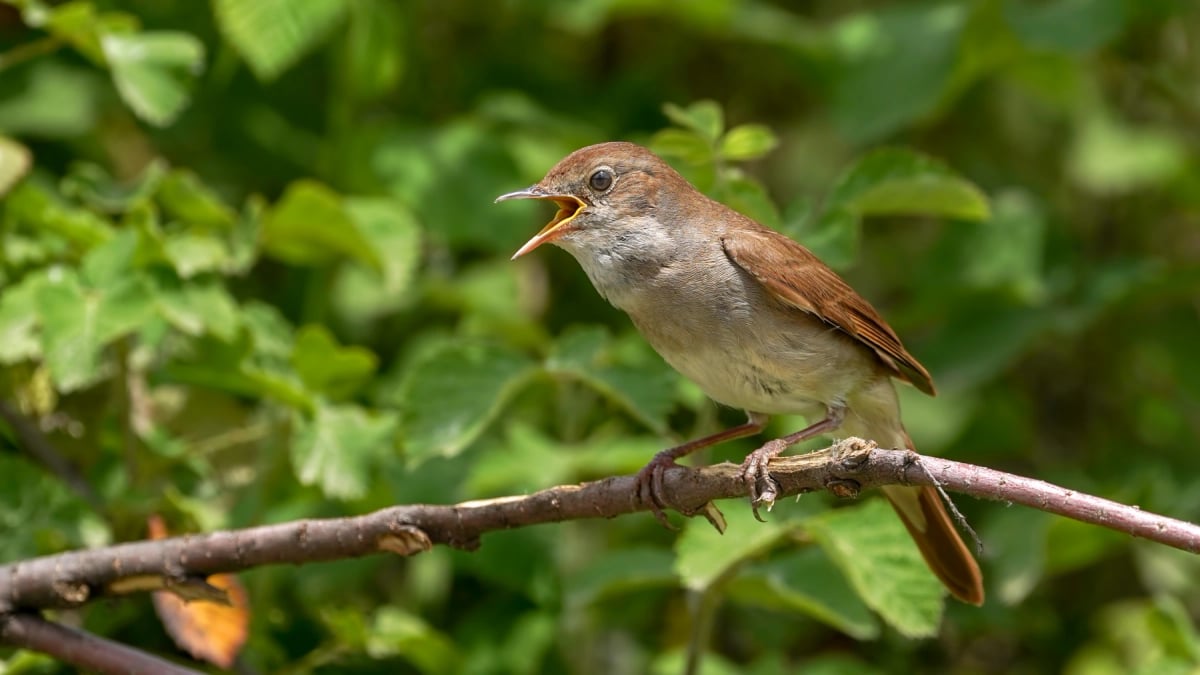
Nightingale
Luscinia megarhynchos
Nightingales spend the winter months in Burkina Faso, moving through the Sahel scrubland and the Sudan savanna zones in the south of the country. They forage quietly among low bushes and dry woodland, feeding on insects and small berries. With no song to betray their presence, wintering birds are easily overlooked. The species relies on these West African wintering grounds to survive until the spring migration north. Its IUCN status is Least Concern.
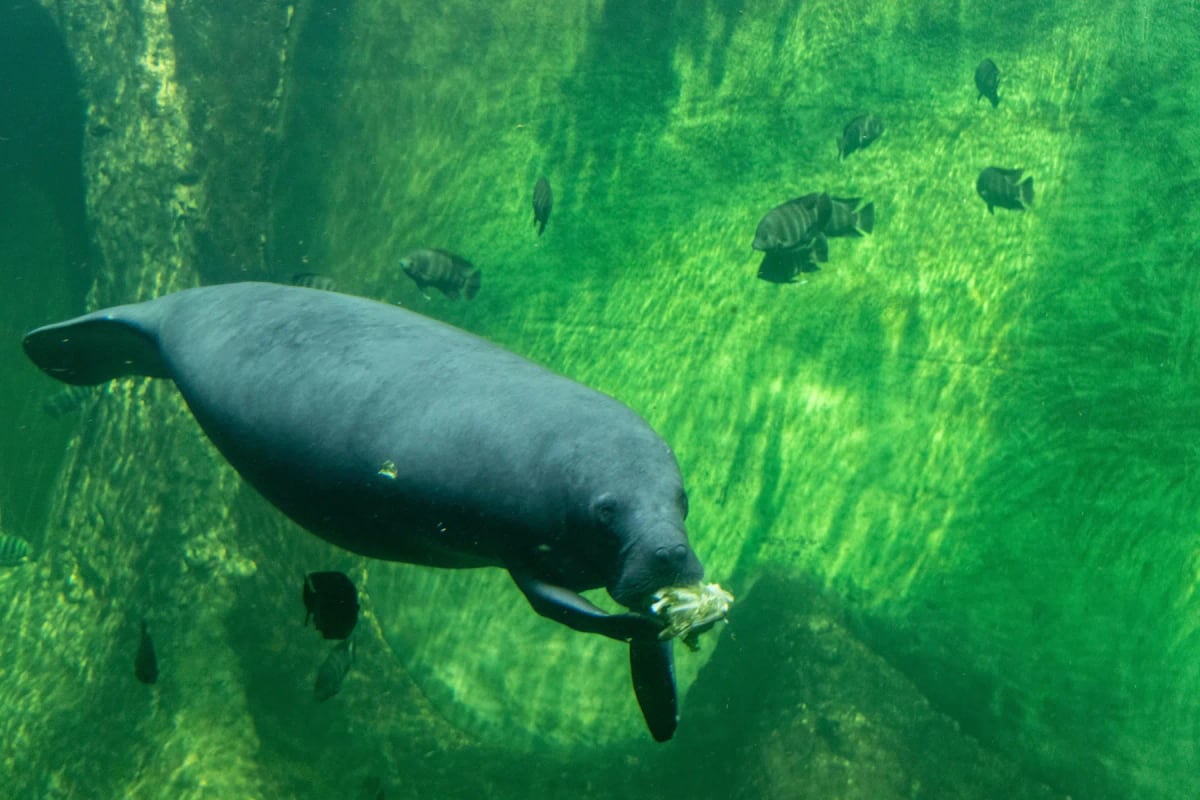
African Manatee
Trichechus senegalensis
Burkina Faso is landlocked, but the African manatee reaches its rivers through the upper Volta basin. Isolated individuals have been documented in the Black Volta and its tributaries, representing one of the furthest inland records for the species. These populations are extremely small, largely cut off from coastal groups, and highly vulnerable to hunting and seasonal changes in water levels.
Researched and written by Juan Pablo. Sources: IUCN Red List, scientific literature and regional field guides. Last updated: .