Animals in Ethiopia
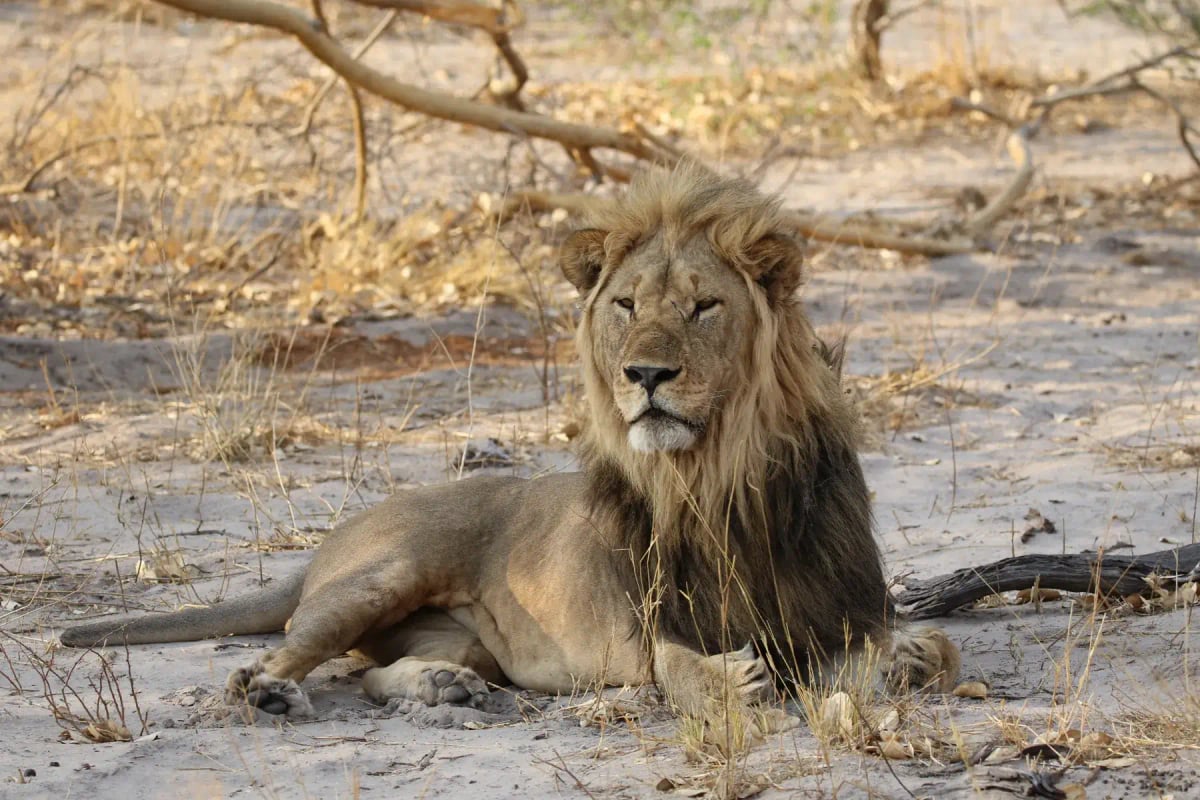
Lion
Panthera leo
The lion, Ethiopia’s national animal, symbolizes power and nobility. Linked to the Lion of Judah and imperial heritage, it represents pride and endurance. The Ethiopian lion, with its dark mane, remains a cultural emblem and a key attraction in conservation and tourism initiatives.
View details→Wildlife in Ethiopia
Ethiopia’s wildlife thrives across highland plateaus, rift valleys and dry savannas. Gelada baboons, Soemmerrings gazelles, elephants, lions and crocodiles share habitats that mix elevation and climate extremes. Visitors explore these landscapes through eco tourism focused on rare endemic species found nowhere else.
Most Dangerous Animals in Ethiopia
Ethiopia’s wildlife demands respect. Elephants, lions, cheetahs and venomous snakes like the black mamba pose real dangers in the wild. Hippos and crocodiles near lakes and rivers add to the risks, making guided tours the safest way to explore its natural regions.
Top 10 Animals in Ethiopia
Ethiopia’s iconic fauna includes lions, elephants, cheetahs, giraffes, leopards, hippos, crocodiles and black mambas. These species embody the diversity of its landscapes, from arid plains to mountain forests, attracting travelers who seek both adventure and unique biodiversity.
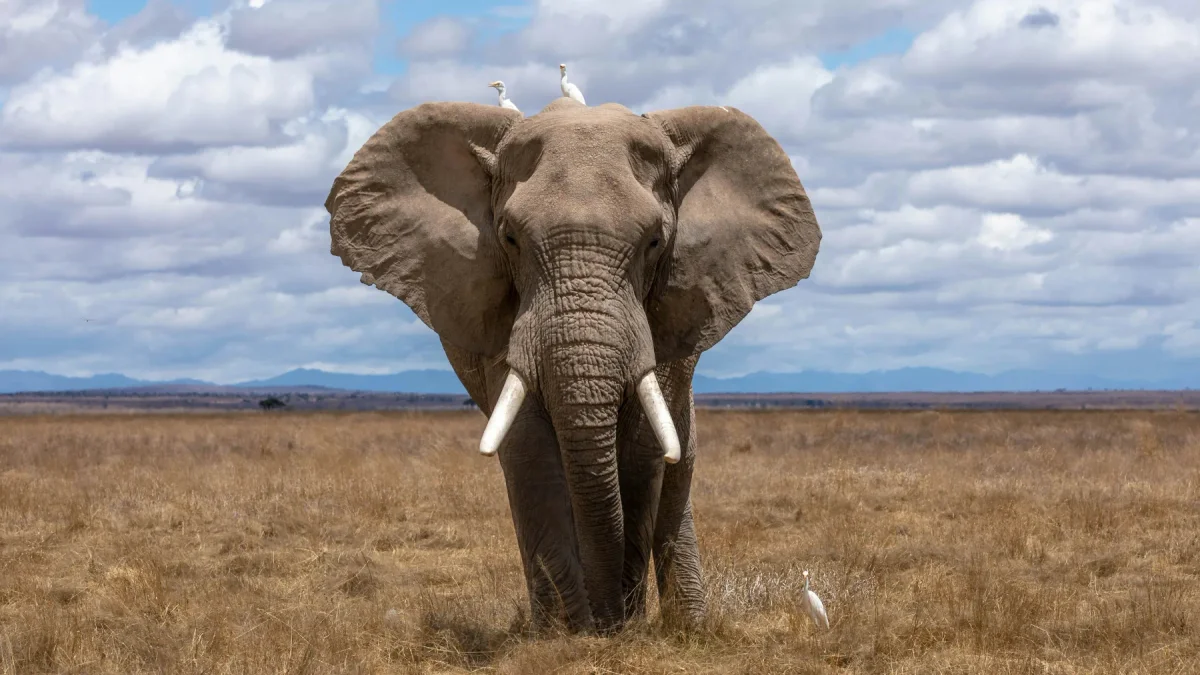
African Elephant
Loxodonta africana
Ethiopia has several small, scattered elephant populations. The most notable is the Babile Elephant Sanctuary in the east, which protects an isolated group that some researchers consider genetically distinct. Other elephants live in the southwestern parks of Mago, Omo and Gambella, near the borders with South Sudan and Kenya. All of Ethiopia's elephant populations face pressure from expanding agriculture and growing conflict with farming communities around protected areas.
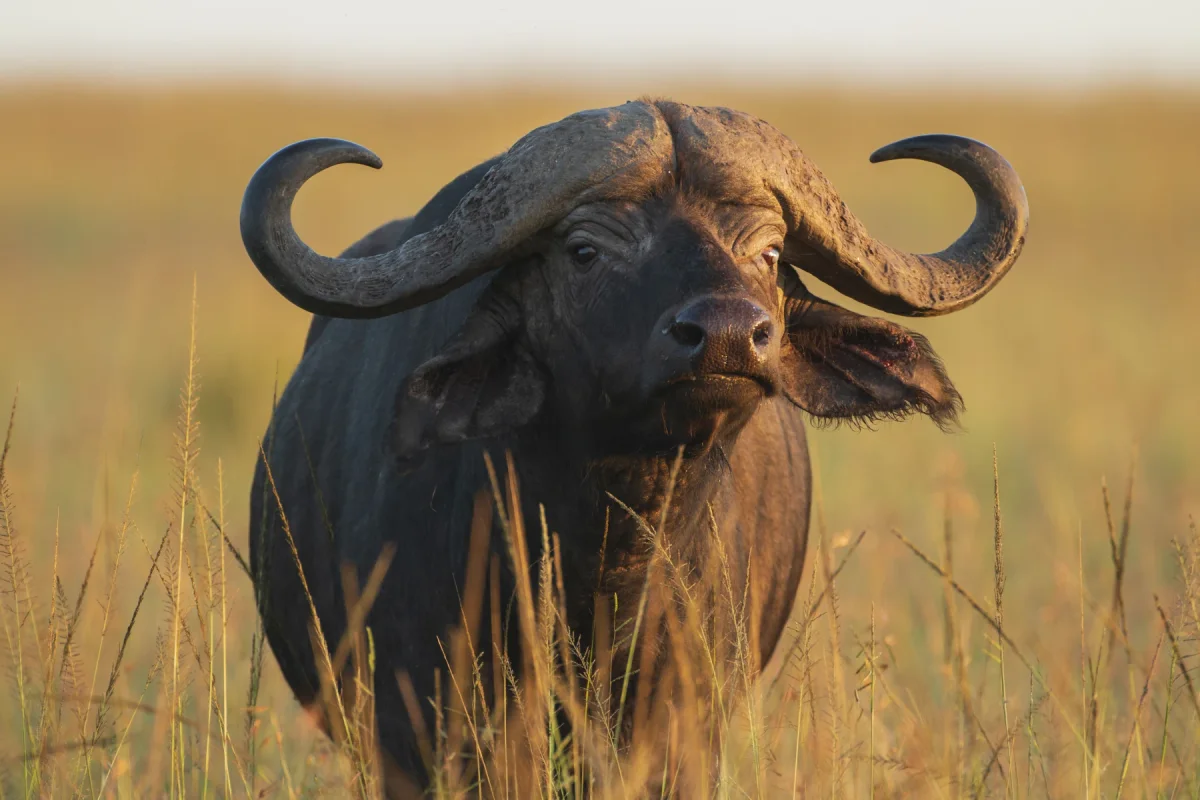
Buffalo
Syncerus caffer
In Ethiopia, African buffaloes occur in the southwest and in protected areas such as Gambella National Park, where floodplains and woodland provide suitable habitat. They depend heavily on permanent water sources and graze on coarse grasses across these lowland zones. Conflict with livestock herders and habitat degradation have placed pressure on populations, particularly outside the boundaries of formal protected areas.
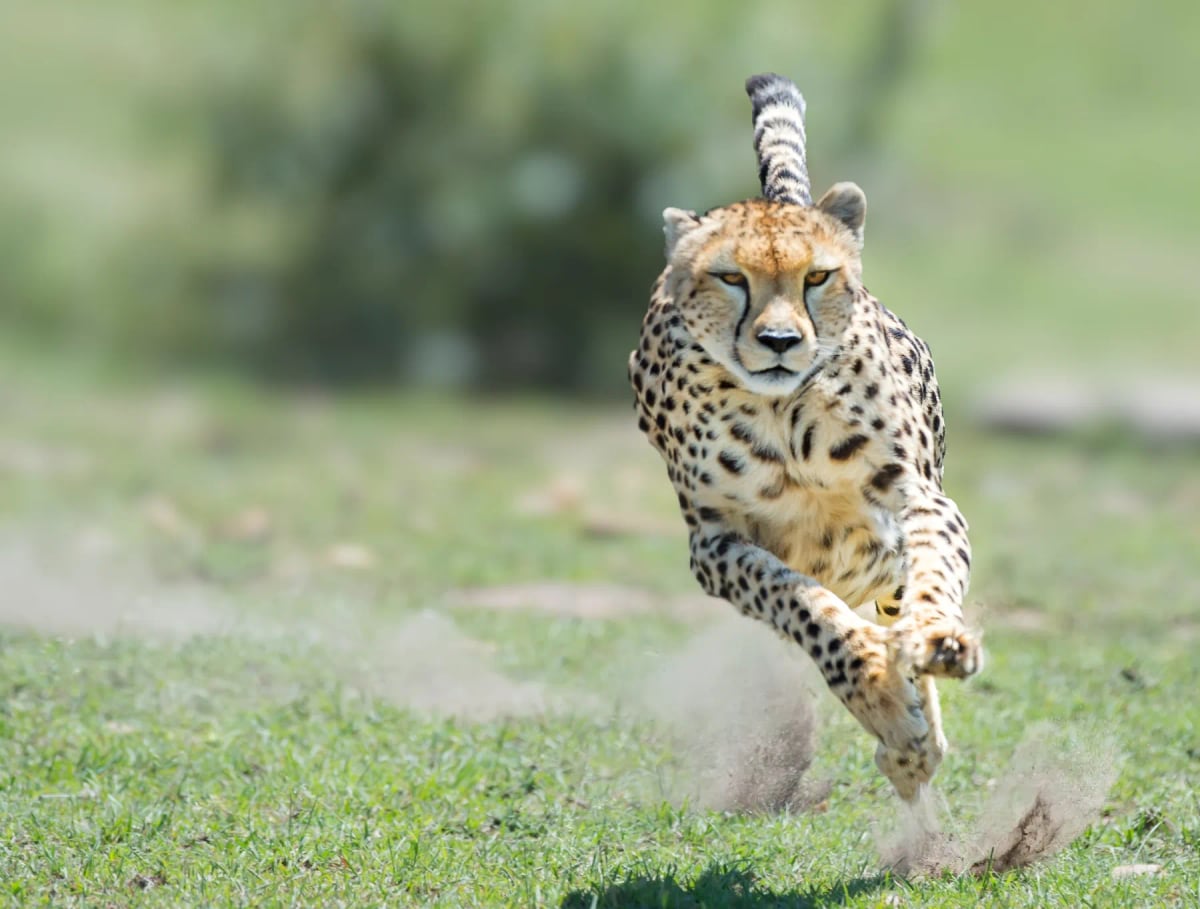
Cheetah
Acinonyx jubatus
Ethiopia supports cheetah populations mainly in the lowland areas of the Somali and Afar regions, as well as in parts of the Omo Valley. These semi-arid and arid habitats are home to prey species such as gazelles and small antelopes that cheetahs depend on. The country also plays a role in the illegal wildlife trade, with cheetah cubs sometimes trafficked toward the Arabian Peninsula. Conservation awareness and enforcement efforts are gradually increasing.
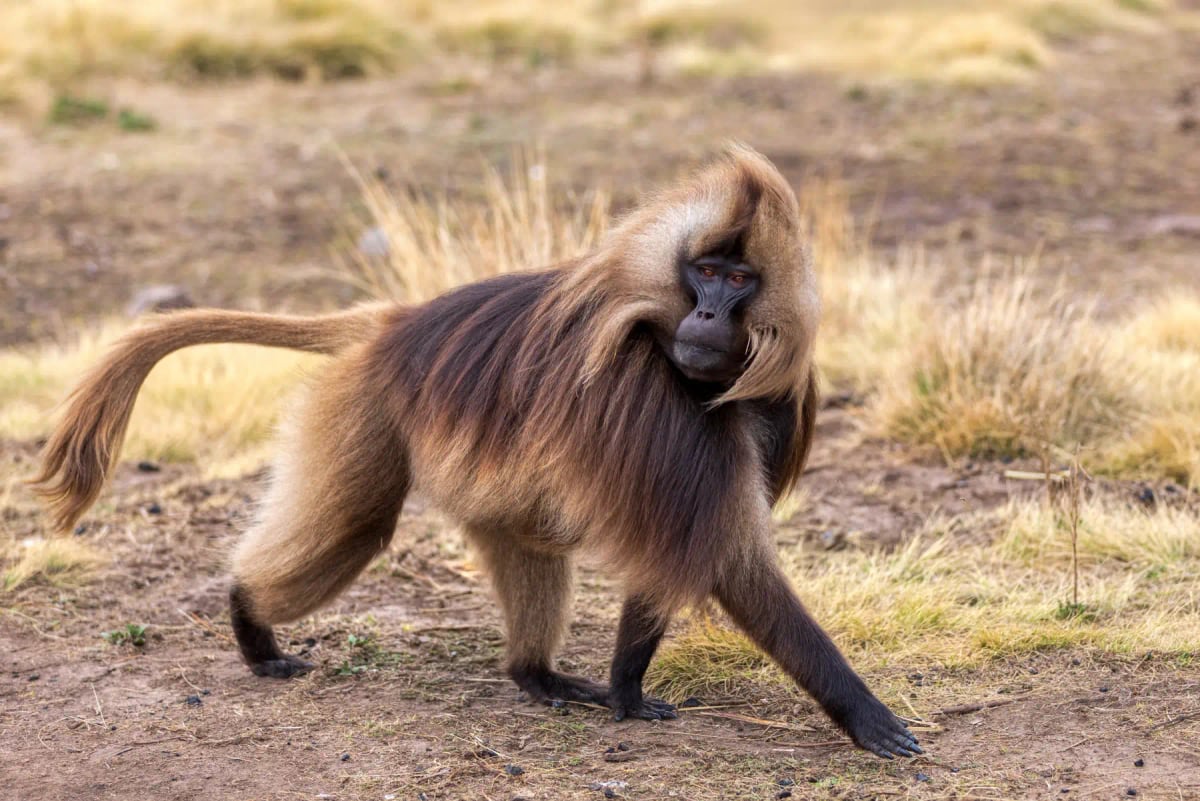
Gelada Baboon
Theropithecus gelada
The gelada is found only in Ethiopia, living in the highland grasslands and along the dramatic cliff edges of the Simien Mountains and other parts of the Ethiopian Highlands, at elevations above 1,800 meters. It is the only primate that feeds almost entirely on grass. Expanding farmland and livestock grazing are putting real pressure on its habitat, and some local populations are in decline.
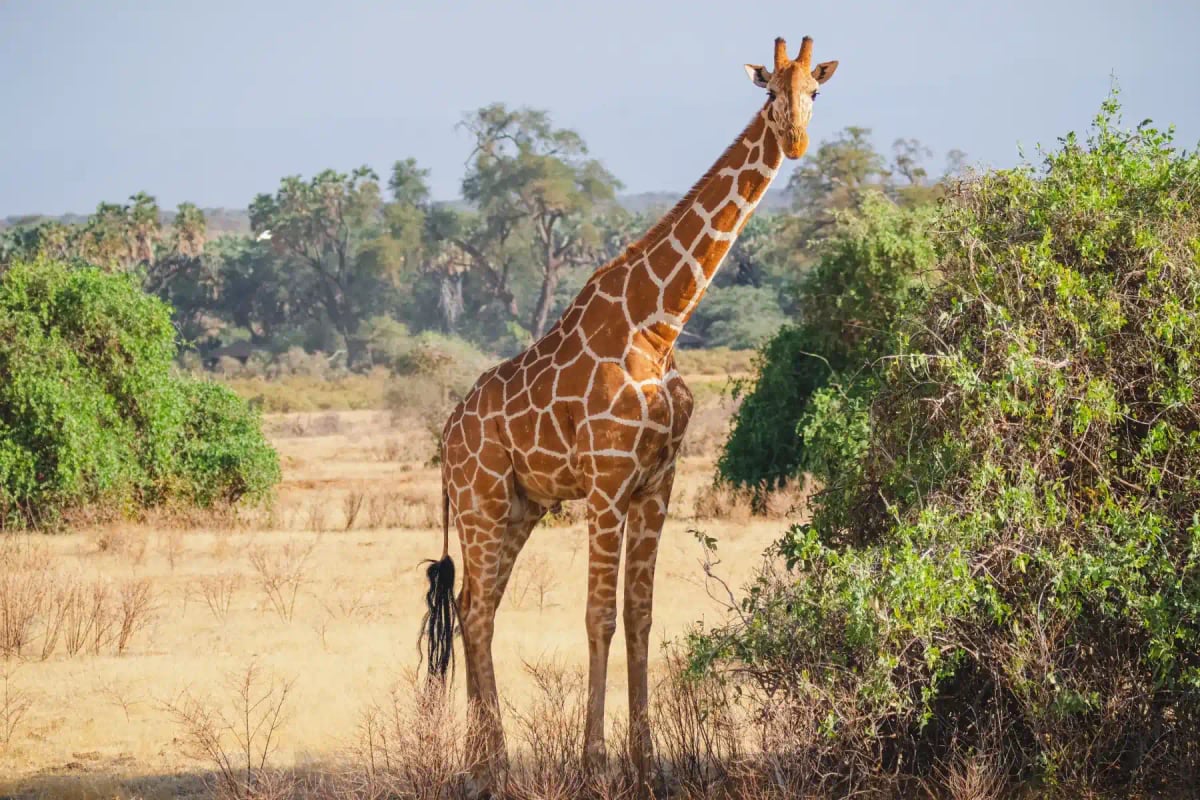
Giraffe
Giraffa camelopardalis
Giraffes in Ethiopia are found in the southern and southwestern regions, where savanna habitats stretch through areas such as the Omo Valley and Gambella. These populations are relatively isolated and face mounting pressure from agricultural expansion and human settlement spreading into their range. Ethiopia sits at the northeastern edge of the giraffe's African distribution, making its populations particularly important for the species as a whole. Their IUCN status is Vulnerable.
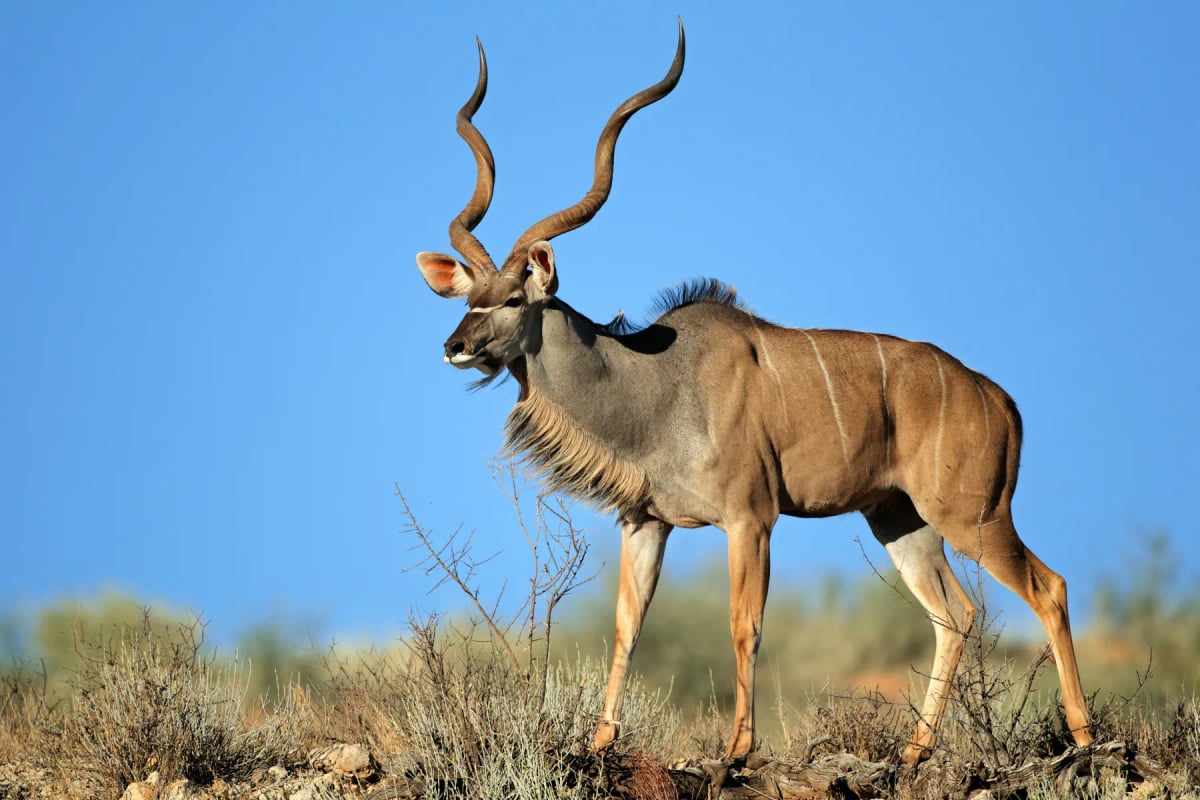
Greater Kudu
Tragelaphus strepsiceros
In Ethiopia, greater kudus are found in the dry woodland and acacia scrubland of the Rift Valley and the lowland regions to the west and south. They are browsers that feed on leaves, wild fruits and pods, making them well suited to areas where grass is scarce. Their white-striped coat provides excellent cover among trees. Populations face pressure from habitat loss and hunting in some areas, though the species remains Least Concern according to the IUCN.
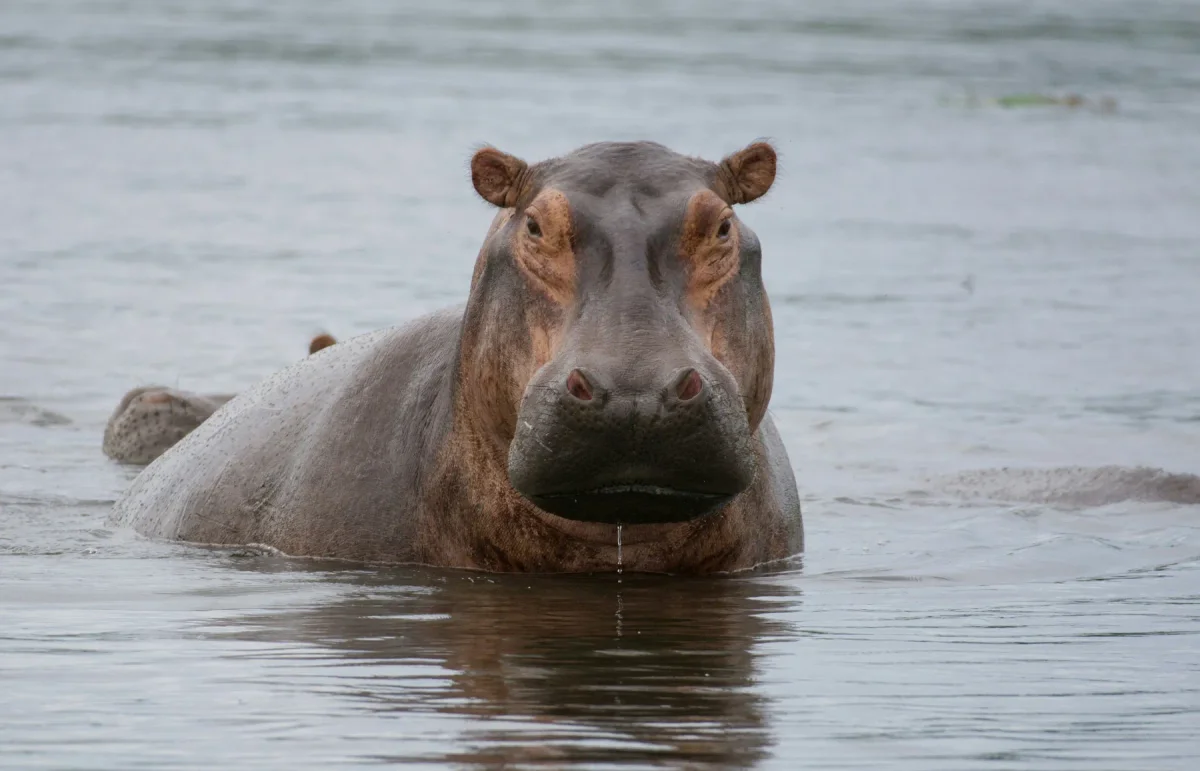
Hippopotamus
Hippopotamus amphibius
In Ethiopia, hippopotamuses are found in the rivers and lakes of the south and southwest, including Lake Chamo and the Omo River system. These water bodies support some of the most intact hippo populations in the Horn of Africa region. Human encroachment and conflict with farming communities pose growing challenges. The IUCN lists the hippopotamus as Vulnerable across its entire range.
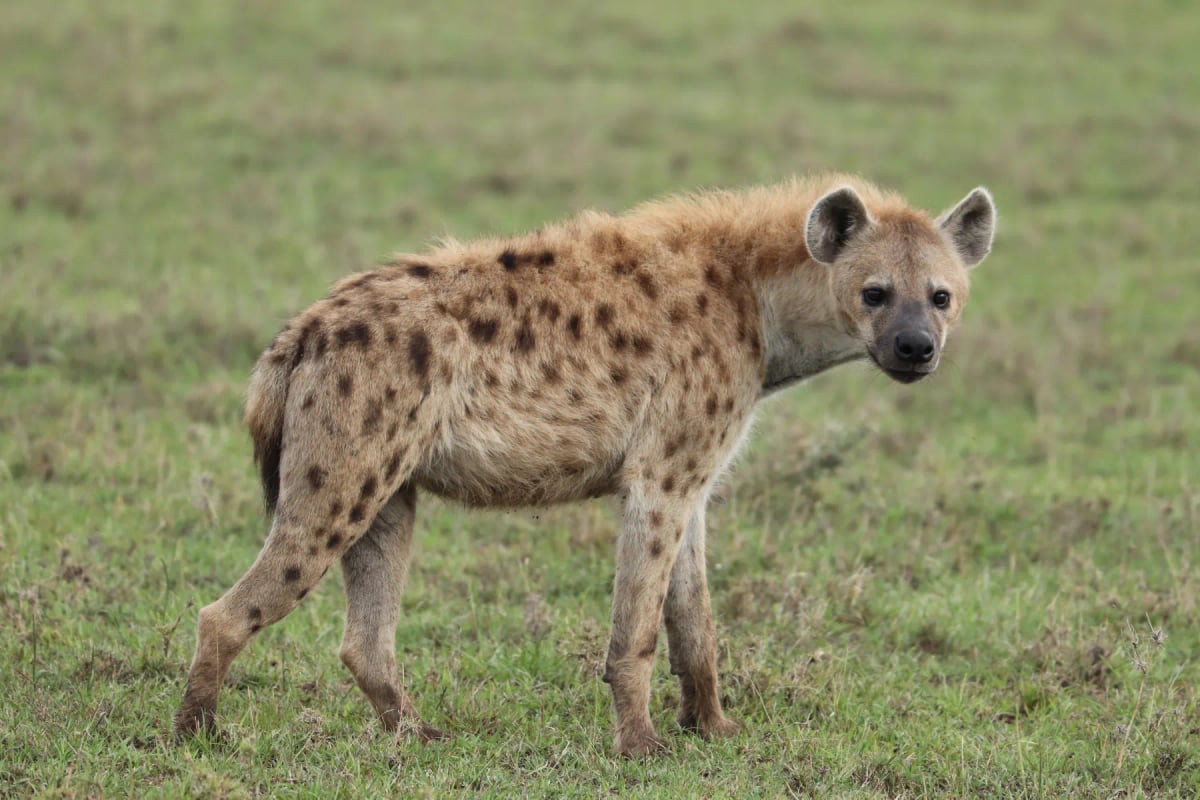
Spotted Hyena
Crocuta crocuta
Ethiopia hosts a notable population of spotted hyenas, found across the savannas, dry woodlands, and semi-arid lowlands of the country. The city of Harar is famous for its tradition of feeding wild hyenas by hand, a practice that has continued for generations. Outside urban areas, spotted hyenas face pressure from habitat loss and conflict with pastoralist communities. Their IUCN status is Least Concern.
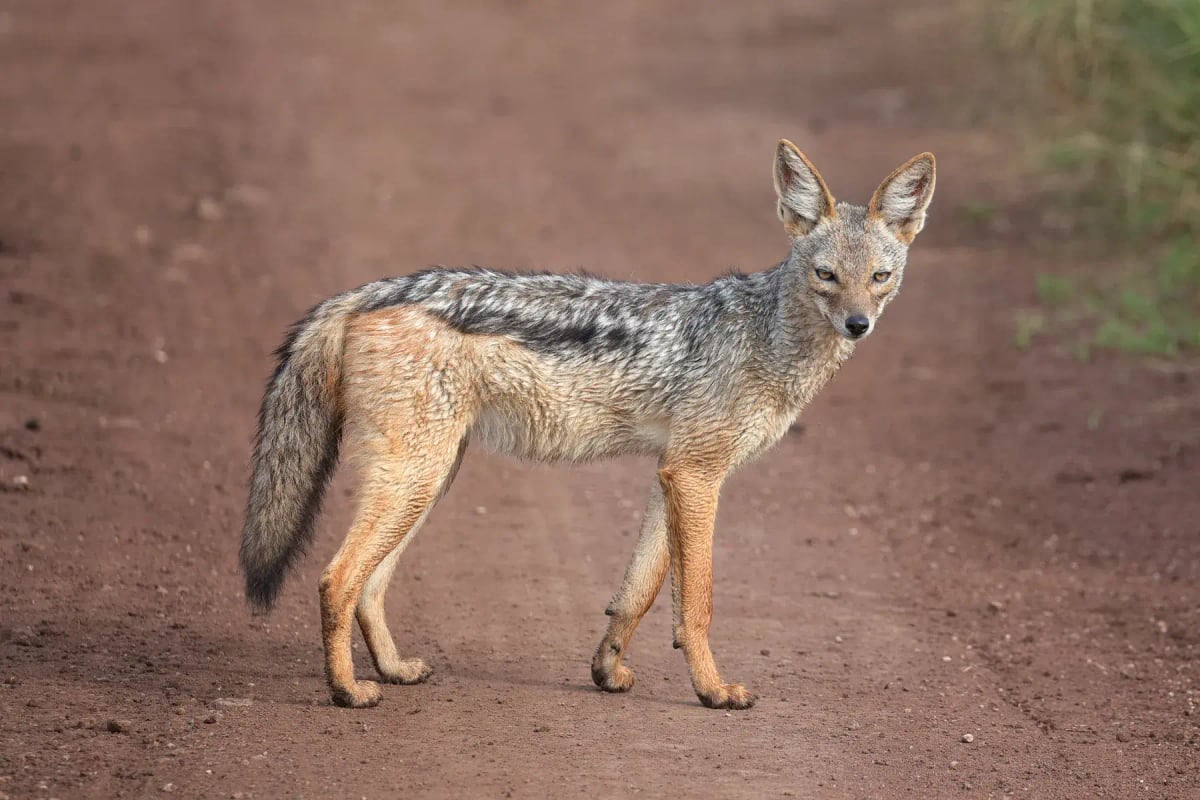
Black backed Jackal
Canis mesomelas
In Ethiopia, the black backed jackal inhabits the arid and semi arid lowlands of the south and the Rift Valley region, distinct from the habitat used by the Ethiopian wolf in the highlands. It occupies savanna and bushland ecosystems and feeds on a broad range of prey and plant material. Its IUCN status is Least Concern. Though less studied in Ethiopia than in East or southern Africa, it appears broadly distributed across suitable lowland habitat.
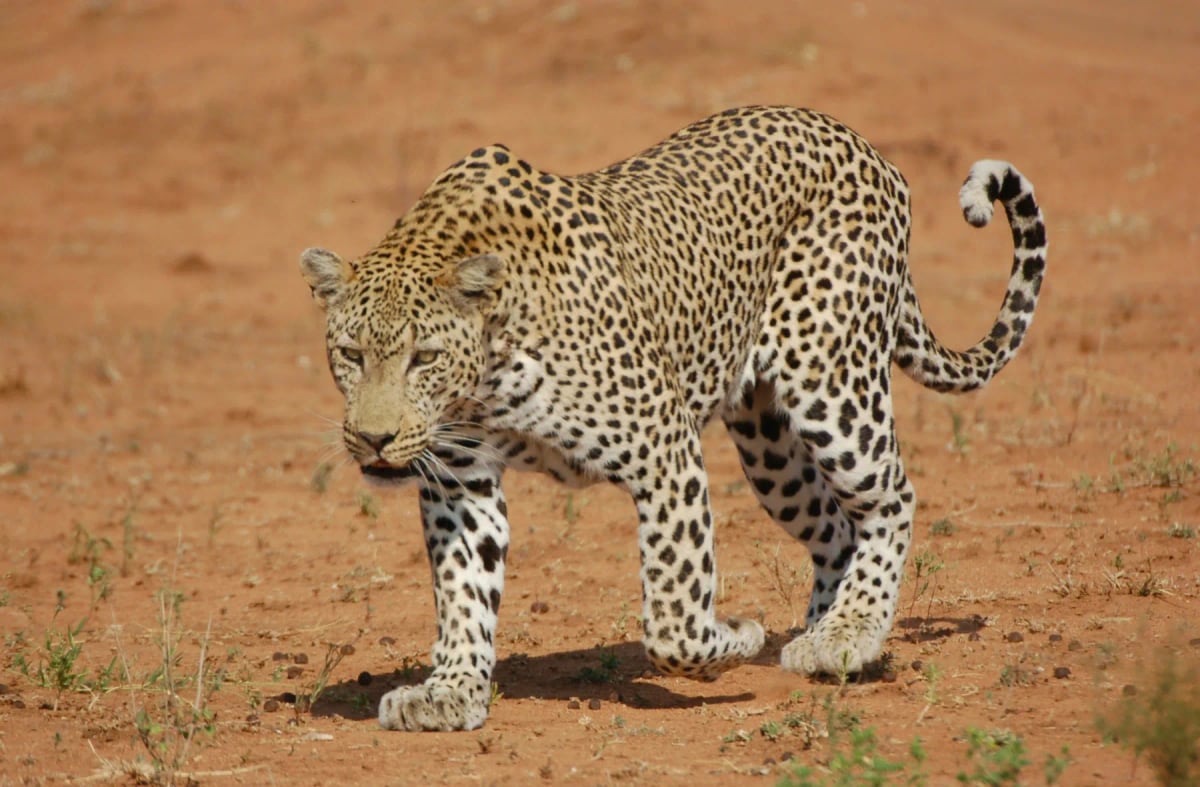
Leopard
Panthera pardus
Ethiopia's leopards occupy a wide range of habitats, from the montane forests of the Ethiopian Highlands to the dry lowland plains near the borders with Somalia and Kenya. The Bale Mountains and Harenna Forest are notable strongholds. Leopards here face threats from habitat degradation and retaliatory killing after livestock attacks. Their adaptability makes them one of the country's most resilient large carnivores.
Lion
Panthera leo
In Ethiopia, lions are found mainly in Gambella National Park in the southwest and in Omo National Park. The country has a culturally significant relationship with the lion, which has long been a national symbol. Populations have declined sharply due to habitat loss and human conflict, and today Ethiopia's lions are considered among the more threatened on the continent.
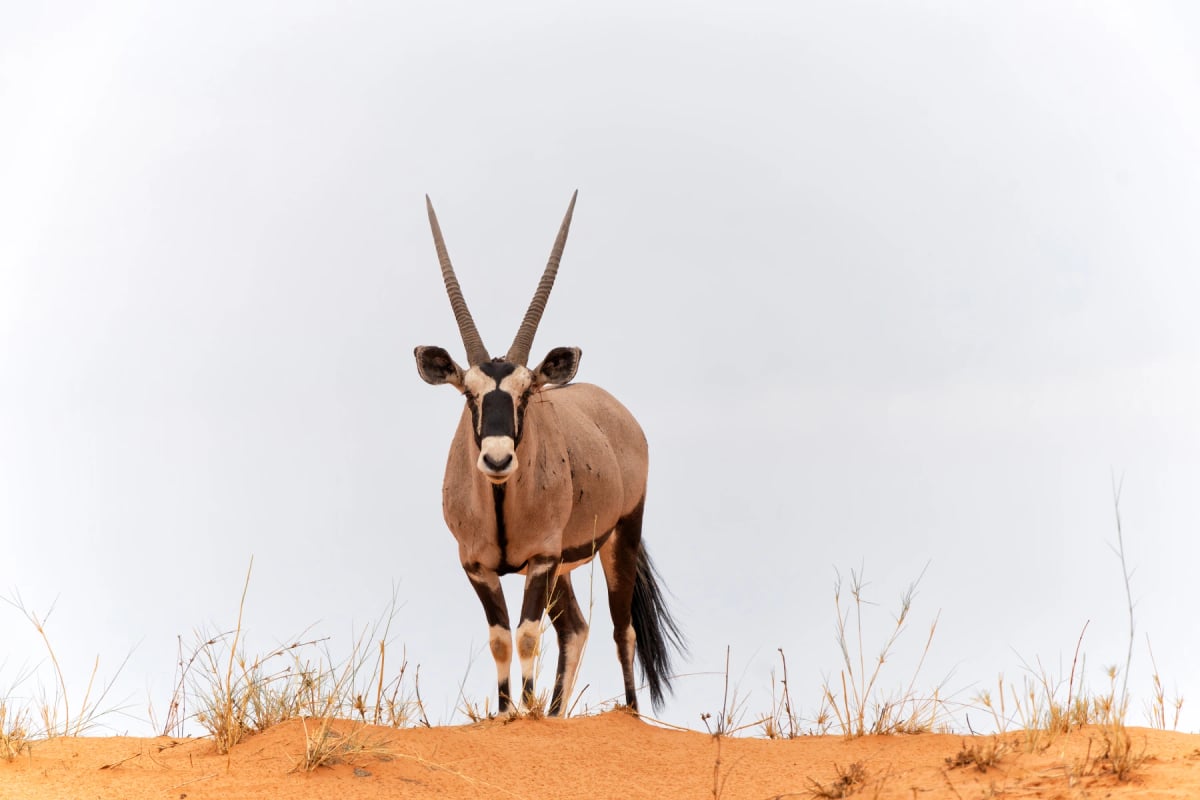
Oryx
Oryx spp.
In Ethiopia, the beisa oryx is found across the dry lowlands of the Afar region and the Ogaden in the east and southeast. These resilient antelopes are well suited to Ethiopia's harshest landscapes, where temperatures are extreme and rainfall is scarce. They can raise their body temperature to avoid sweating, a key adaptation for survival in such conditions. Populations here are considered vulnerable due to poaching, drought, and ongoing habitat pressure.
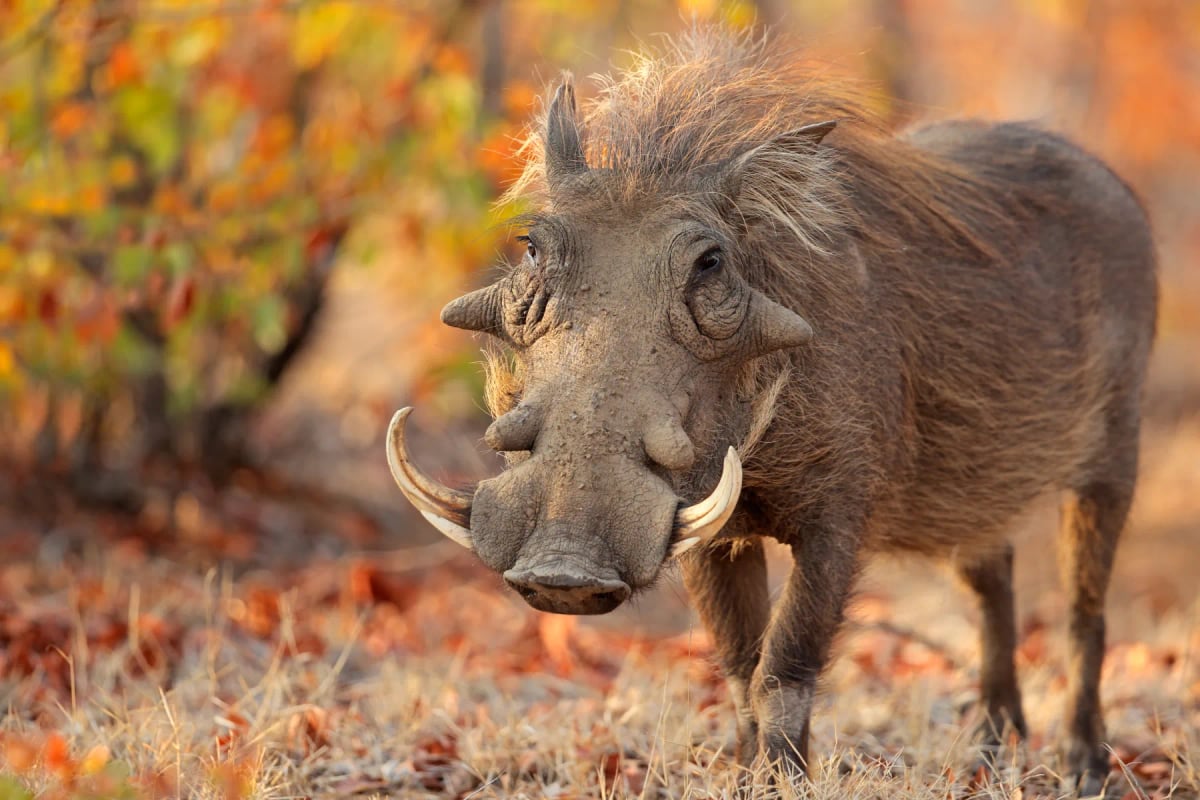
Warthog
Phacochoerus africanus
Warthogs are widespread across Ethiopia's lowland savannas and grasslands, including areas within the Rift Valley and parks such as Awash National Park. They forage on grasses and dig for roots and bulbs, often on their knees. Predators including lions, leopards, and hyenas share their habitat. The species remains common throughout the country and holds a Least Concern status with the IUCN.
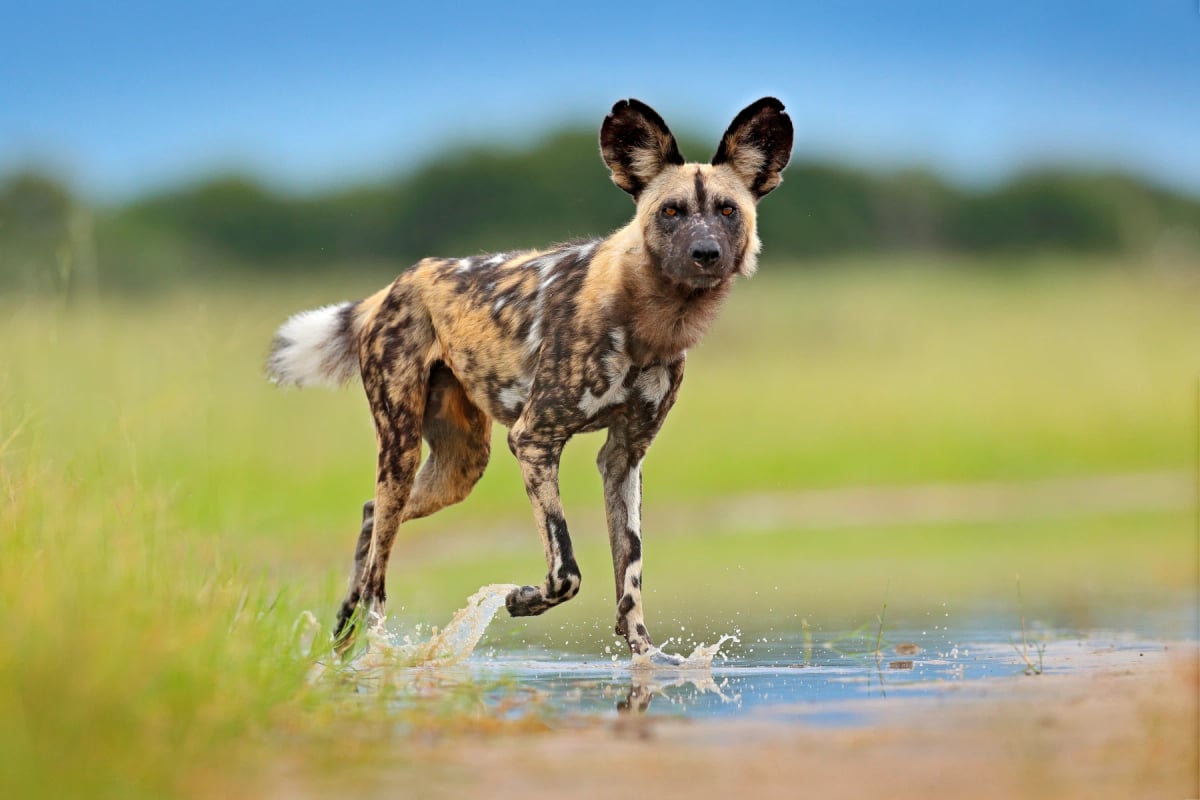
Wild Dog
Lycaon pictus
Ethiopia supports a scattered population of African wild dogs, primarily in the lowland savannas of the south and southwest, including areas near Omo National Park. The species faces mounting pressure from expanding agriculture, growing human settlements, and disease spread from domestic dogs. Ethiopia's wild dog populations are poorly studied compared to those in southern Africa, making ongoing research and monitoring all the more important. IUCN status: Endangered.
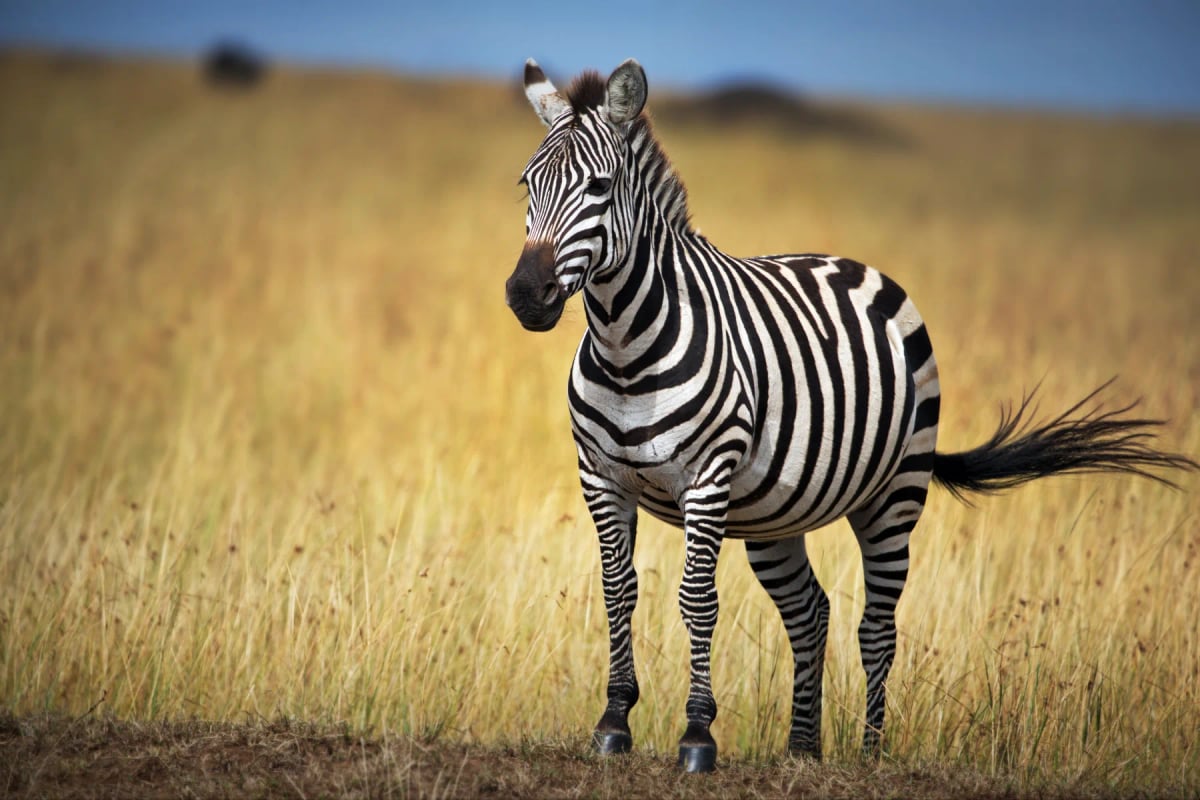
Zebra
Equus spp.
Ethiopia is one of the few countries with both plains zebras and a small population of Grevy's zebra, the rarer and more endangered of the two. Grevy's zebra survives only in the arid south, near the border with Kenya, while plains zebras range more widely across grassland and woodland in other parts of the country. Habitat loss and competition with livestock for water remain ongoing pressures on both populations.
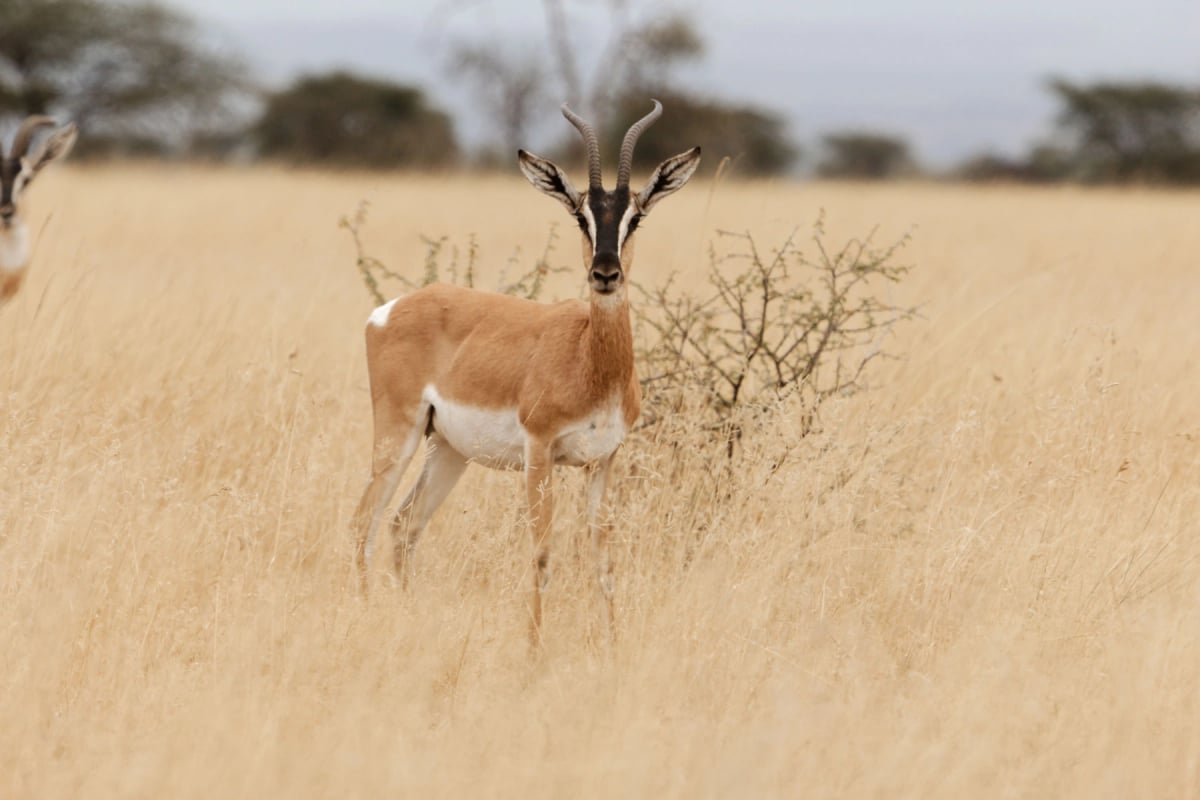
Soemmerring's Gazelle
Nanger soemmerringii
Ethiopia holds some of the most significant remaining populations of Soemmerring's gazelle, particularly across the Ogaden region and other arid lowlands in the east and southeast. These gazelles roam open savannas and shrublands in small herds, browsing on drought-resistant plants. Habitat loss driven by overgrazing and the expansion of human settlements continues to fragment their range across the country. The IUCN lists the species as Vulnerable.
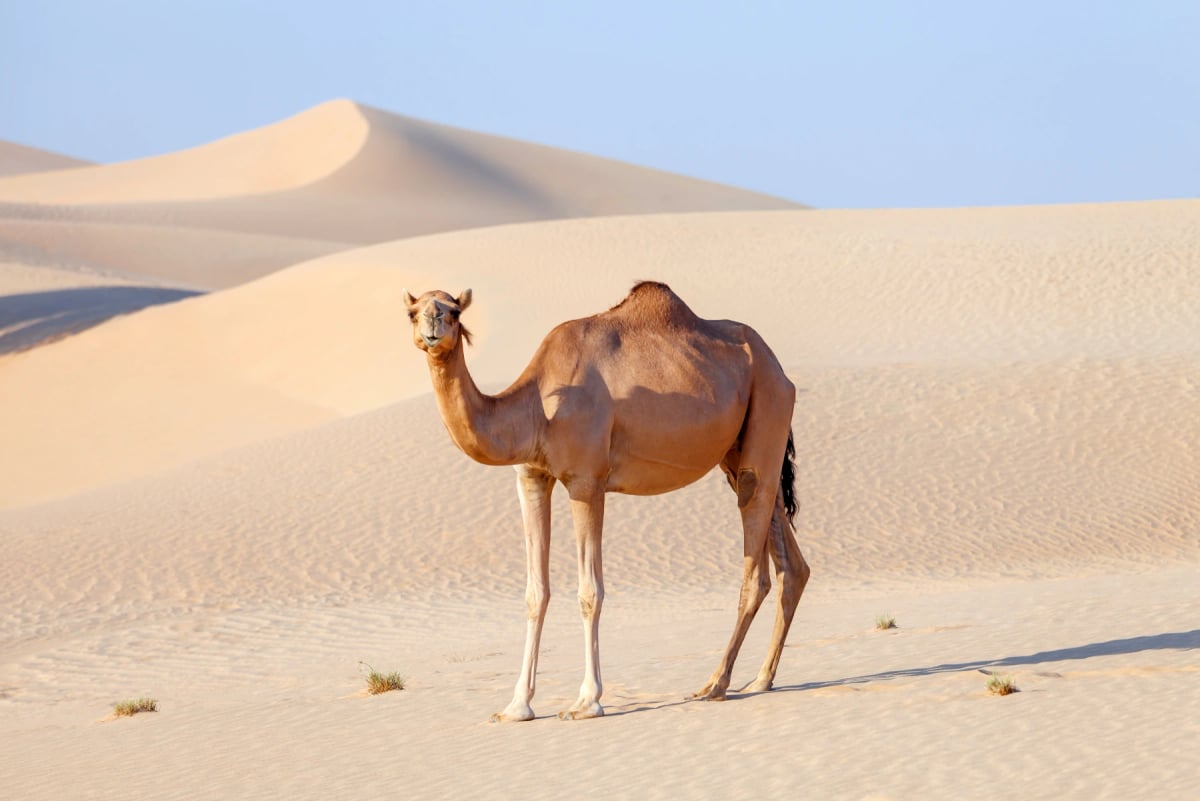
Dromedary Camel
Camelus dromedarius
In Ethiopia, dromedary camels are concentrated in the Afar and Somali regional states, where the landscape is flat, dry, and searingly hot. Pastoralist communities keep them primarily for milk and as pack animals on trade routes crossing the lowlands. The camel's fat-storing hump and heat-tolerant body make it far better suited to these harsh environments than cattle or horses.
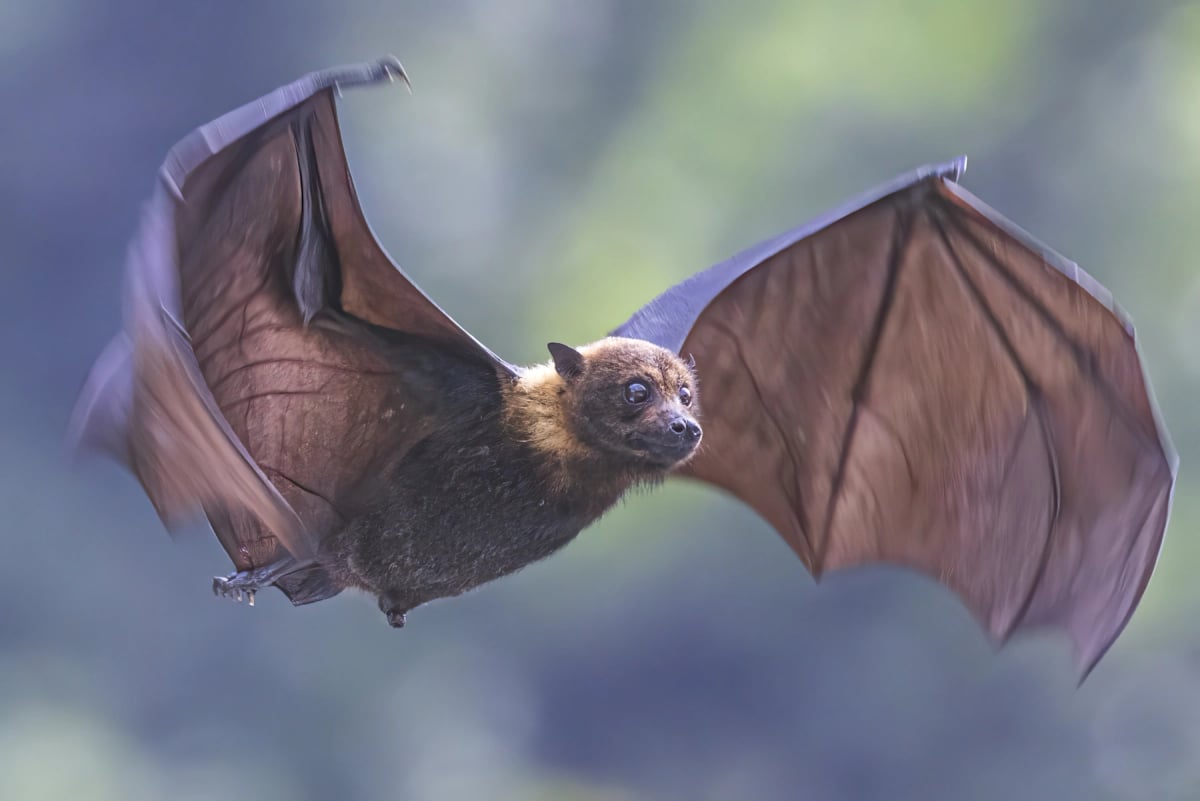
Fruit Bat
Pteropodidae
In Ethiopia, fruit bats inhabit the forested highlands and river valleys of the southwest, including areas around the Great Rift Valley. They feed on wild figs, mangoes, and other seasonal fruits. Roosting in large colonies in tall trees, they are vital for forest regeneration by spreading seeds across wide areas. Deforestation across Ethiopian highlands poses a growing threat to their habitat over the long term.
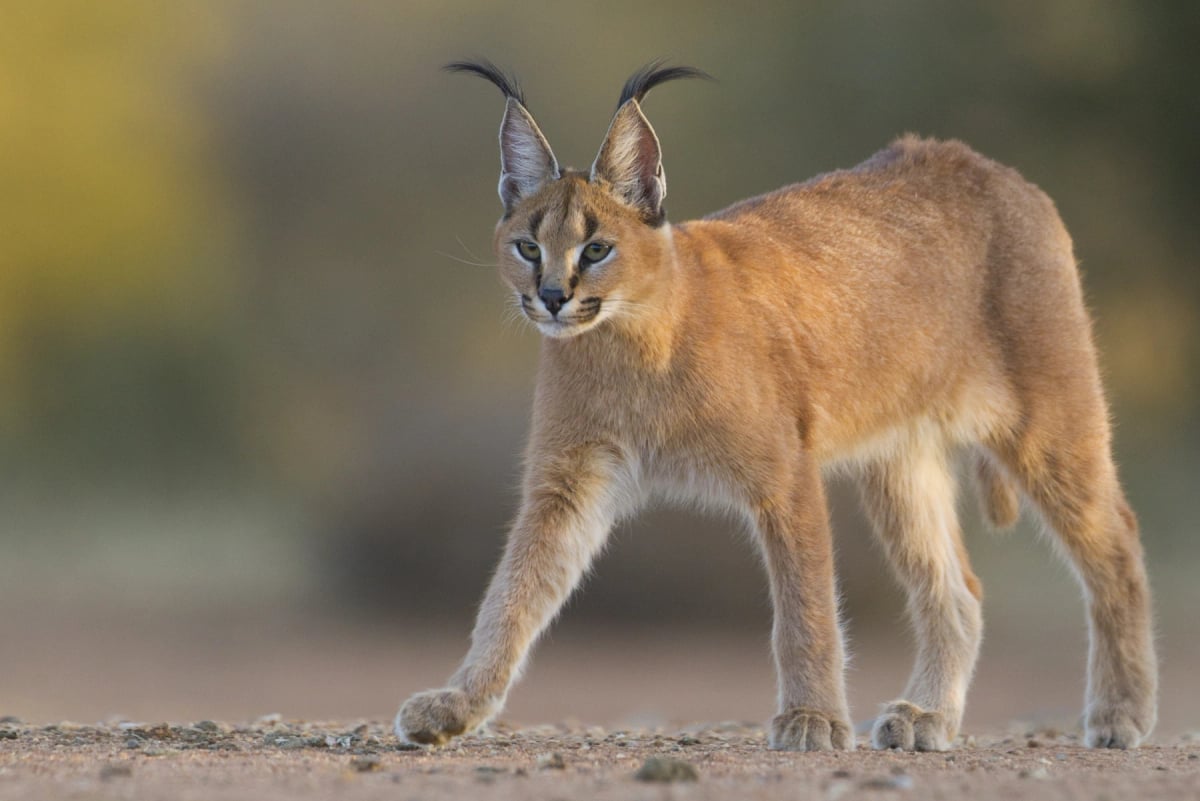
Caracal
Caracal caracal
In Ethiopia, the caracal occupies a wide variety of habitats, including the acacia savannas of the Rift Valley, dry bushlands, and rocky highlands. One of the more adaptable wild cats in the region, it preys on hares, rodents, and small antelopes. Conflict with livestock herders poses a threat in some areas. The IUCN classifies the species as Least Concern, and Ethiopia holds one of the more substantial populations on the continent.
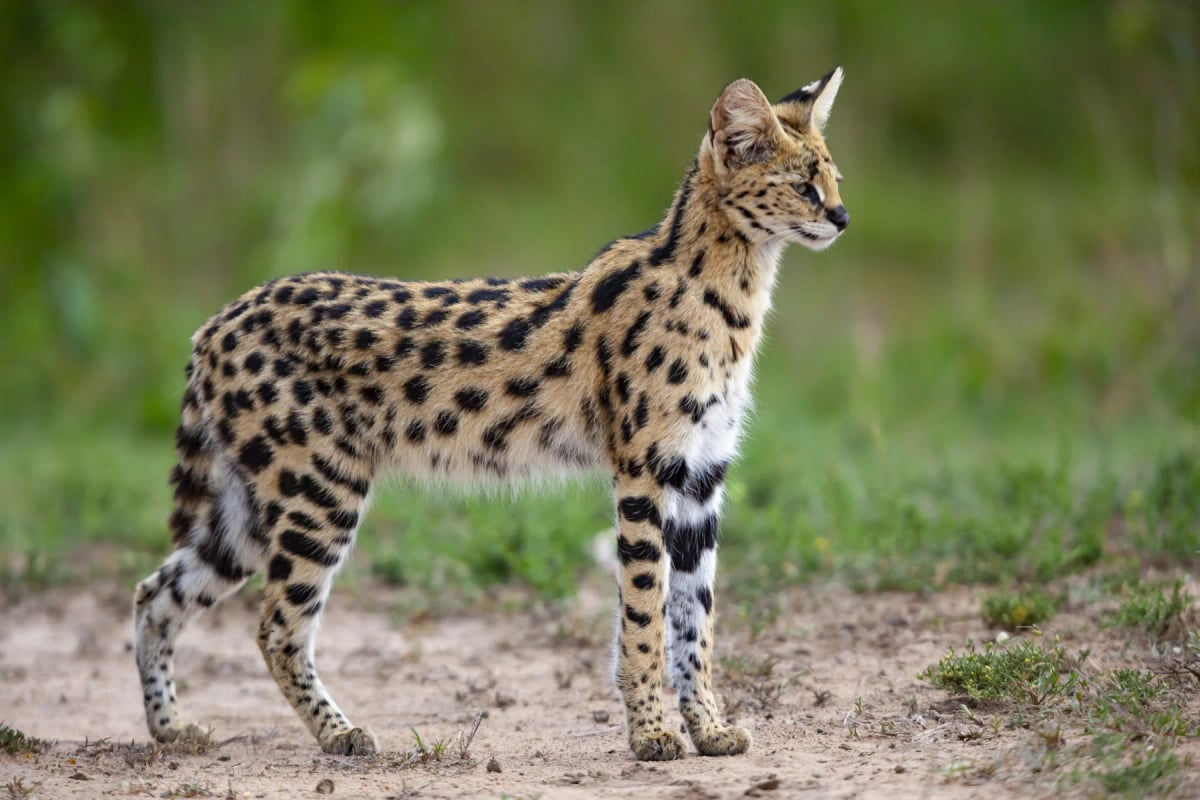
Serval
Leptailurus serval
Ethiopia's highlands and rift valley grasslands provide important habitat for the serval. The country's varied landscape, from moist montane meadows to lowland savannas, suits a cat that thrives near water and tall grass. Servals here feed mainly on rodents and use their remarkable ears to hunt without relying on sight. The IUCN lists the species as Least Concern, though agricultural expansion puts pressure on grassland habitats across Ethiopia.
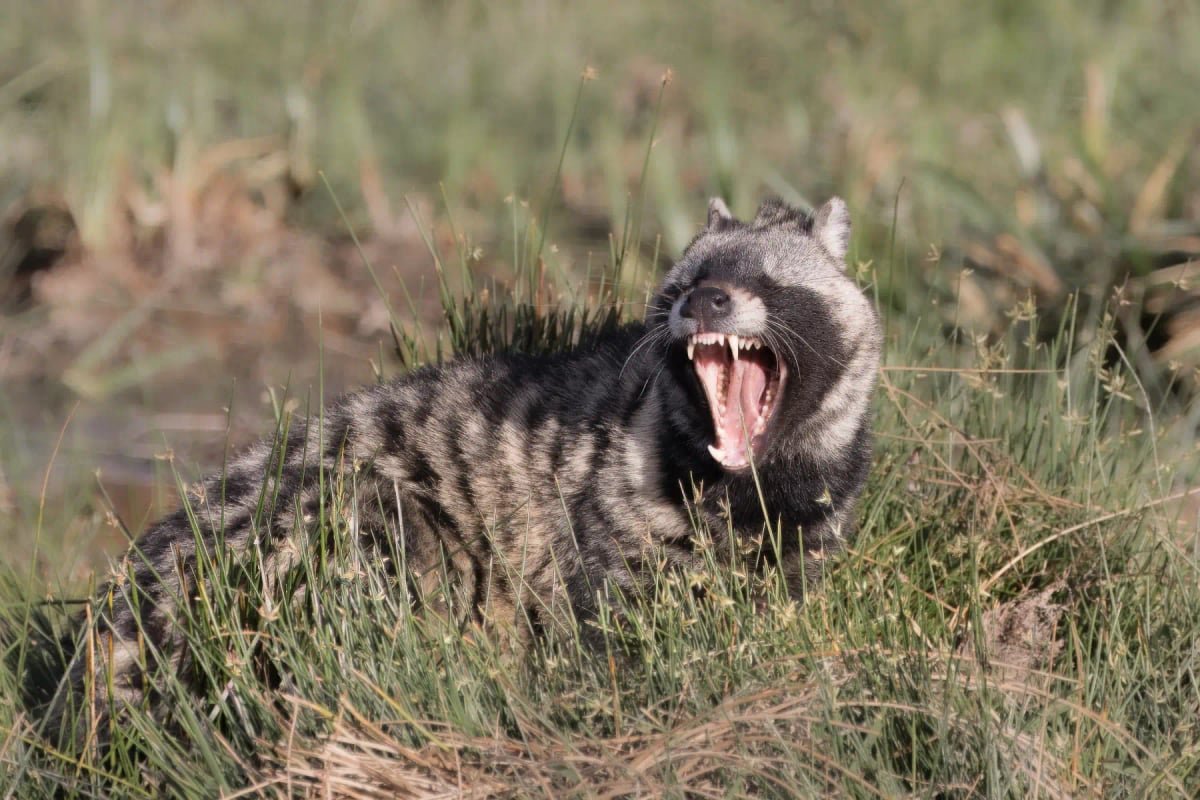
African Civet
Civettictis civetta
In Ethiopia, the African civet occurs in the western and southwestern lowlands, where humid forests and wooded savannas extend along the borders with Sudan and South Sudan. The Gambela region, the Omo Valley woodlands, and the coffee forests of Kaffa and Bale are key areas of presence. The species is largely absent from the highland plateaus and the arid east and northeast. Ethiopia is also the main historical hub of civet musk farming, a practice that continues in small operations today.
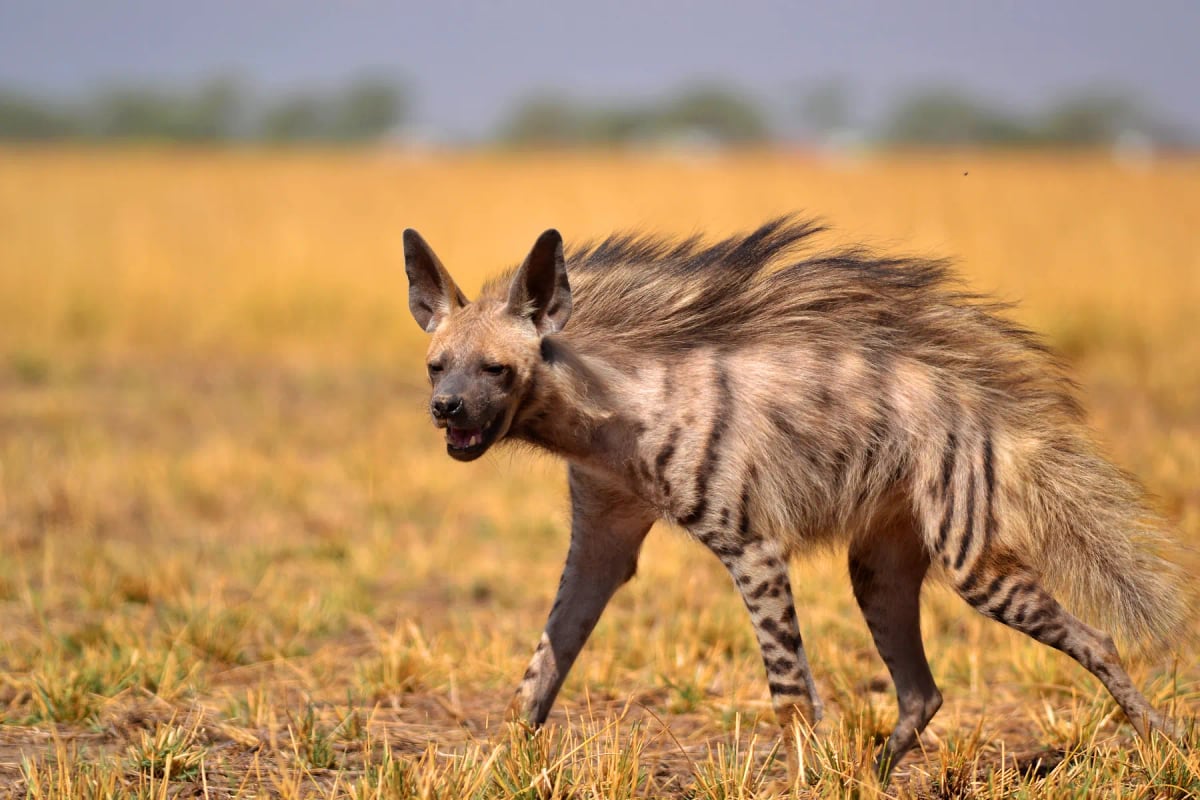
Striped Hyena
Hyaena hyaena
Shy nocturnal scavenger with a striped gray coat and an erectile mane that helps clean the landscape by consuming carcasses across Africa, the Middle East and Asia.

Honey Badger
Mellivora capensis
The honey badger is widely distributed across Ethiopia, from the dry lowlands of the Afar region to woodland areas in the south and west. It thrives in habitats where prey such as rodents, snakes, and insects are plentiful. Conflict with beekeepers and farmers remains a challenge in rural areas. The IUCN lists the species as Least Concern, though local pressure is a concern in more densely farmed regions.
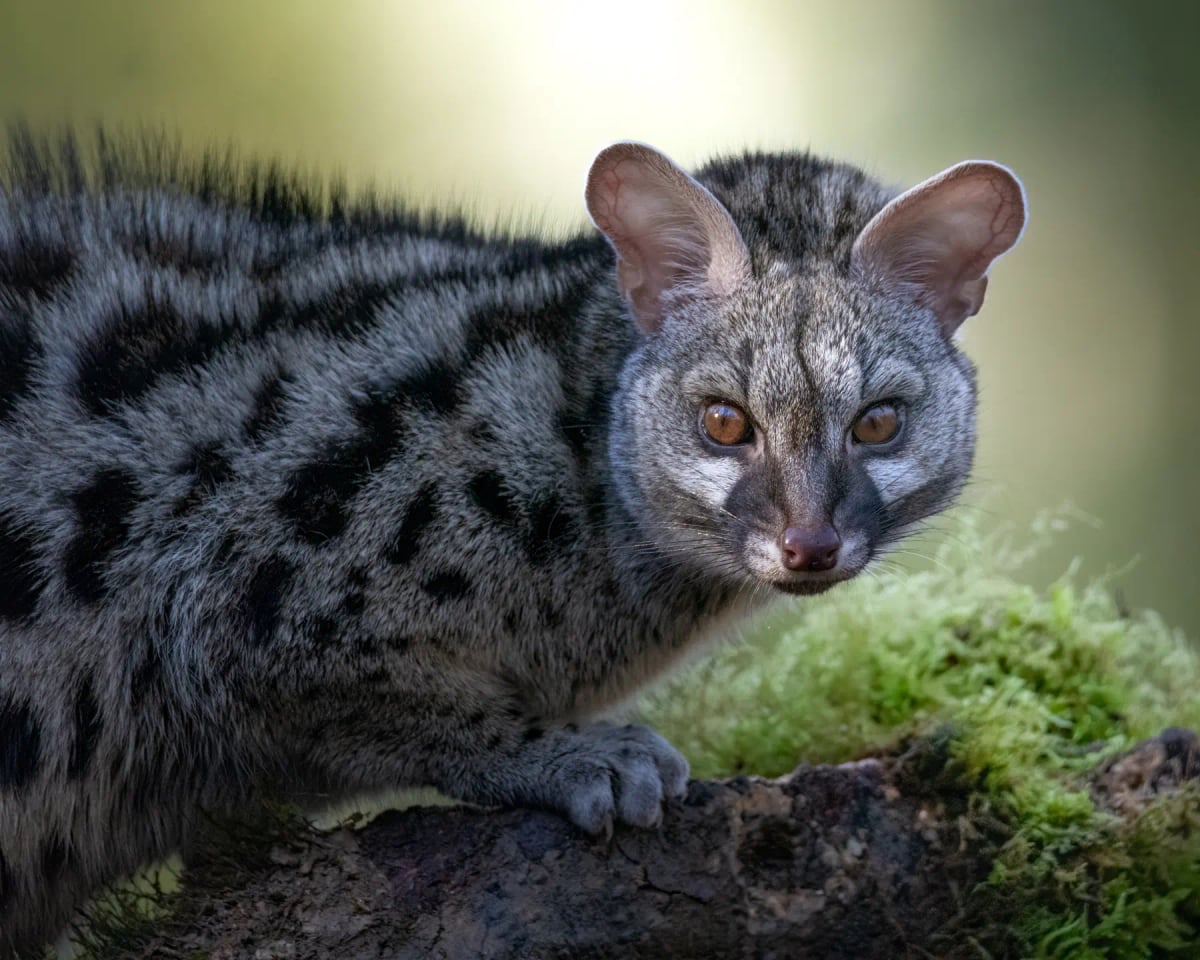
Common Genet
Genetta genetta
The common genet is widely distributed across Ethiopia, from the highland forests of the Ethiopian Plateau to the drier lowland scrub in the east and south. It is a skilled climber and nocturnal predator, feeding on rodents, birds, reptiles, and insects. Ethiopia's varied landscapes give this adaptable carnivore a wide range of suitable habitats. It marks its territory using scent glands and prominent droppings. IUCN status: Least Concern.
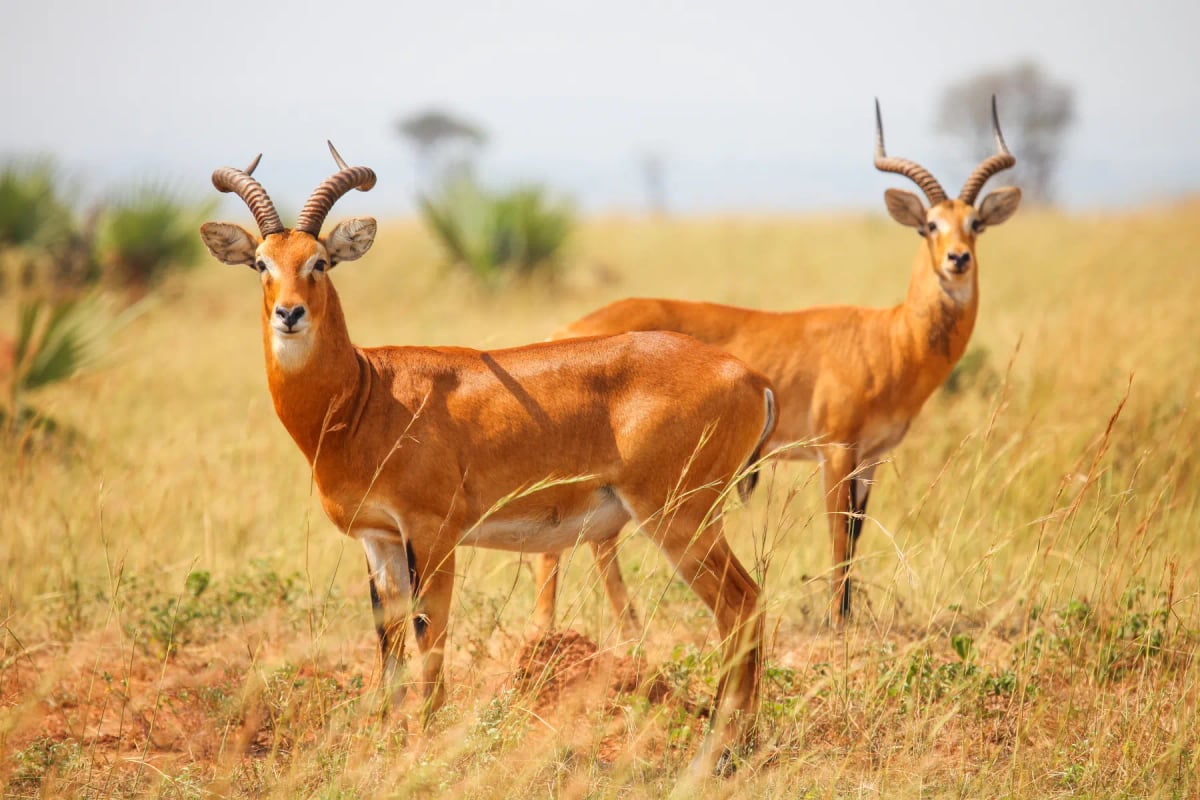
Kob
Kobus kob
In Ethiopia, the kob is restricted to the southwestern lowlands, particularly in and around Gambella National Park, where vast floodplains along the Baro and Sobat rivers support one of East Africa's notable wildlife concentrations. Seasonal flooding creates the lush grasslands this antelope depends on. The Gambella population also receives migrants moving across the border with South Sudan. Hunting and habitat encroachment are ongoing pressures.
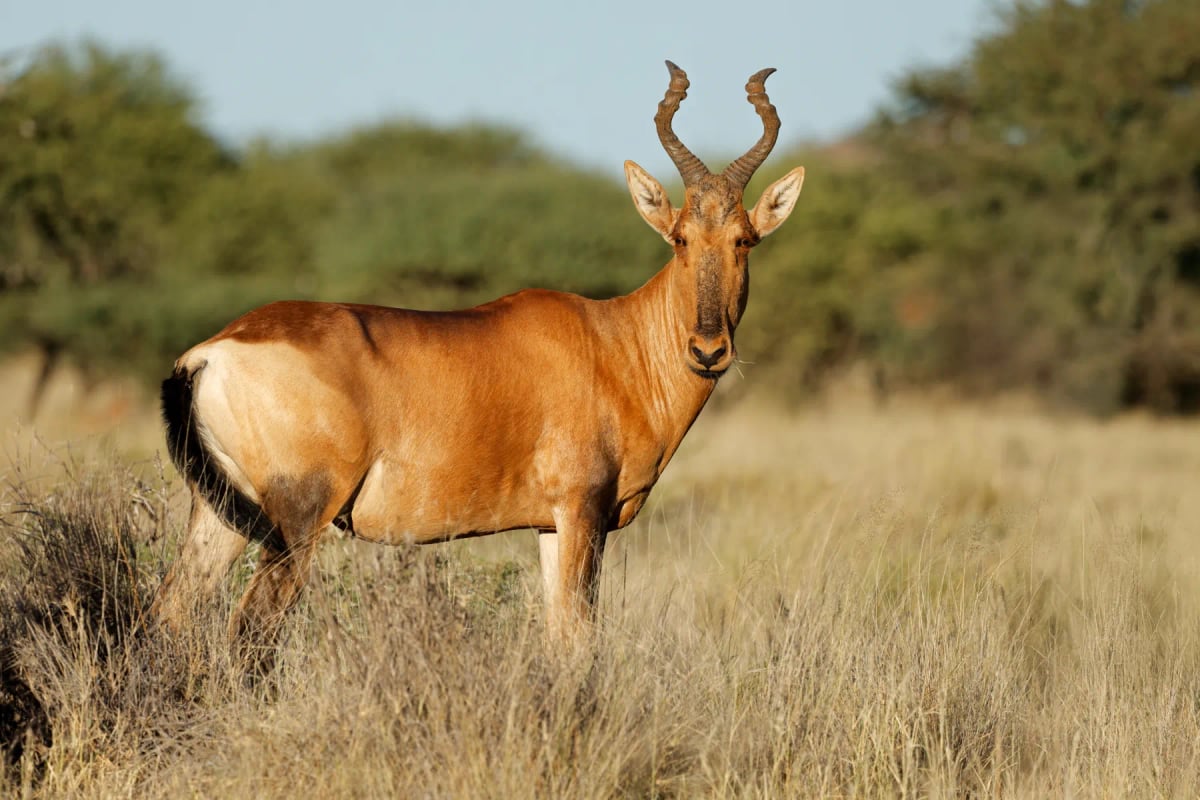
Hartebeest
Alcelaphus buselaphus
Ethiopia is home to the Swayne's hartebeest, a subspecies found nowhere else on Earth. Once numbering in the hundreds of thousands, this subspecies is now critically endangered, with most individuals surviving in Senkele Wildlife Sanctuary and Nechisar National Park. Agricultural expansion has destroyed the majority of its original grassland habitat. Conservation efforts in these two sites are vital to preventing the extinction of this unique Ethiopian subspecies.
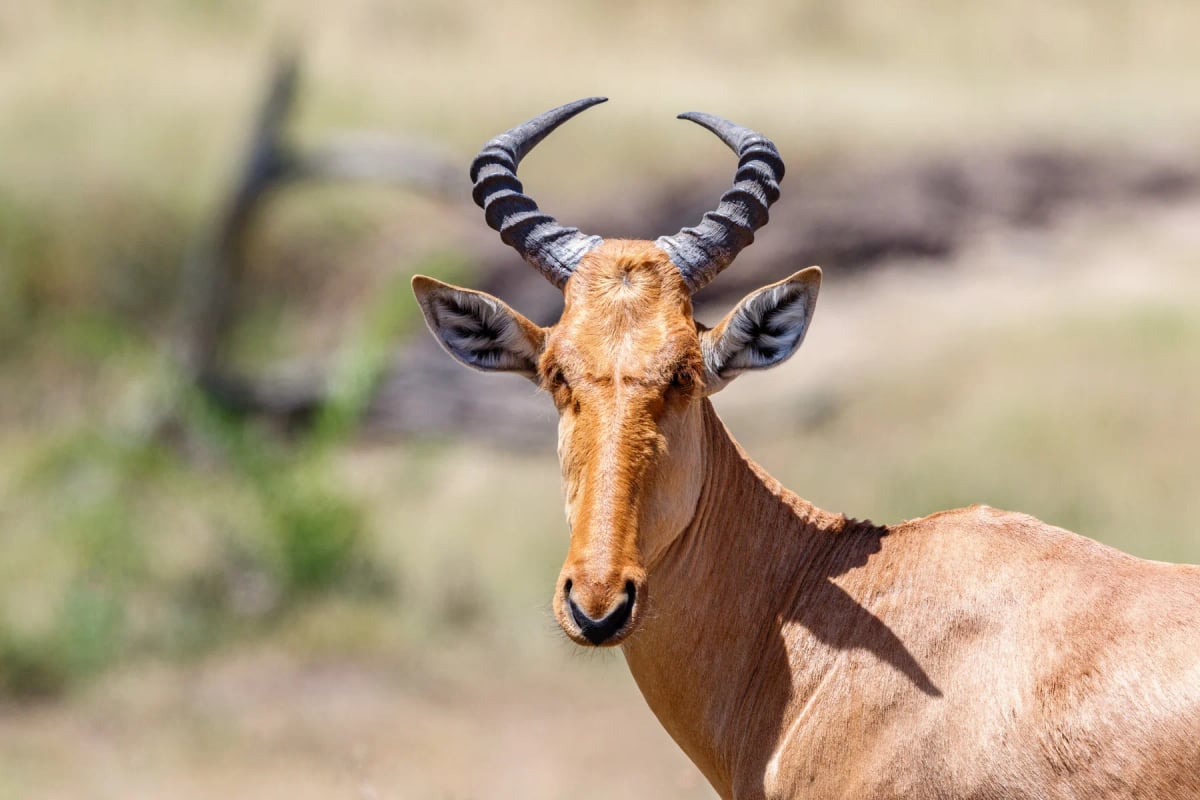
Topi
Damaliscus lunatus
In Ethiopia, the topi is found in the southwestern lowlands, particularly in areas such as the Gambella region, where extensive floodplains and grasslands border South Sudan. This habitat supports large herds that track seasonal grass growth across the landscape. The topi is one of the fastest antelopes in Africa, reaching speeds close to 70 km/h, which helps it survive alongside predators like lions and cheetahs in these open plains. IUCN status: Least Concern.
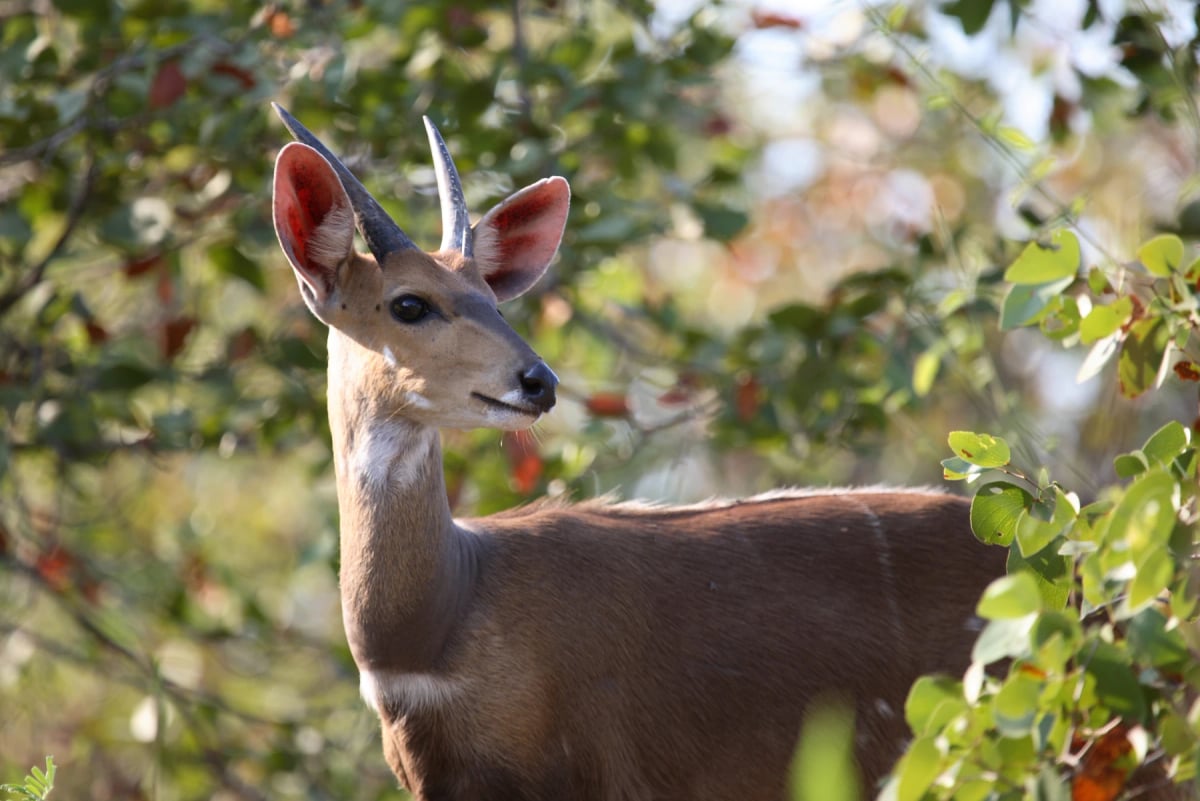
Bushbuck
Tragelaphus scriptus
Ethiopia's bushbucks inhabit the southwestern and western highland forests, where humid conditions support lush vegetation. These forest dwellers prefer areas with dense understory and reliable water sources. Their preference for thick cover makes them difficult to observe, even in protected areas like the Kaffa biosphere reserve.
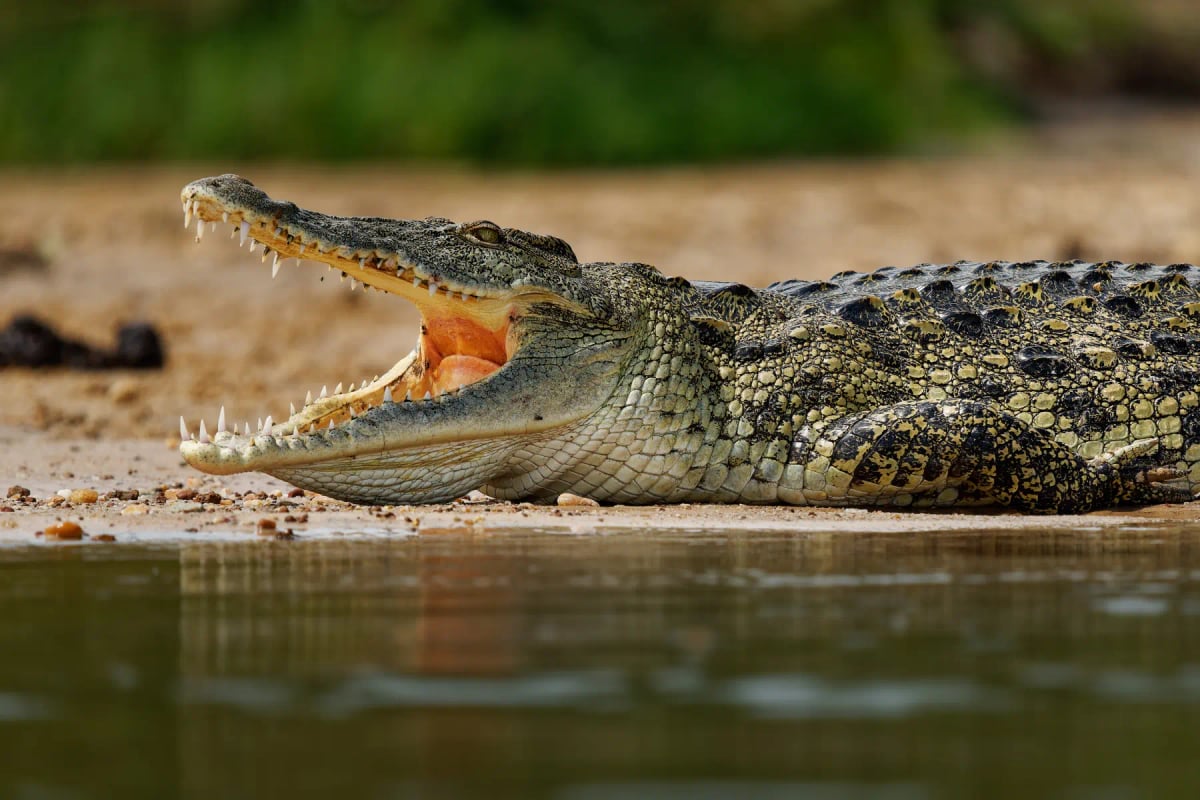
Nile Crocodile
Crocodylus niloticus
The Nile crocodile is found in Ethiopia's major river systems, including the Omo River and Lake Turkana, one of the largest desert lakes in the world. These waters support significant crocodile populations. Adults can reach 5.5 metres and weigh up to 750 kilograms, ambushing fish and mammals at the water's edge. The IUCN lists this species as Least Concern, though habitat pressures along Ethiopia's rivers are a growing challenge.
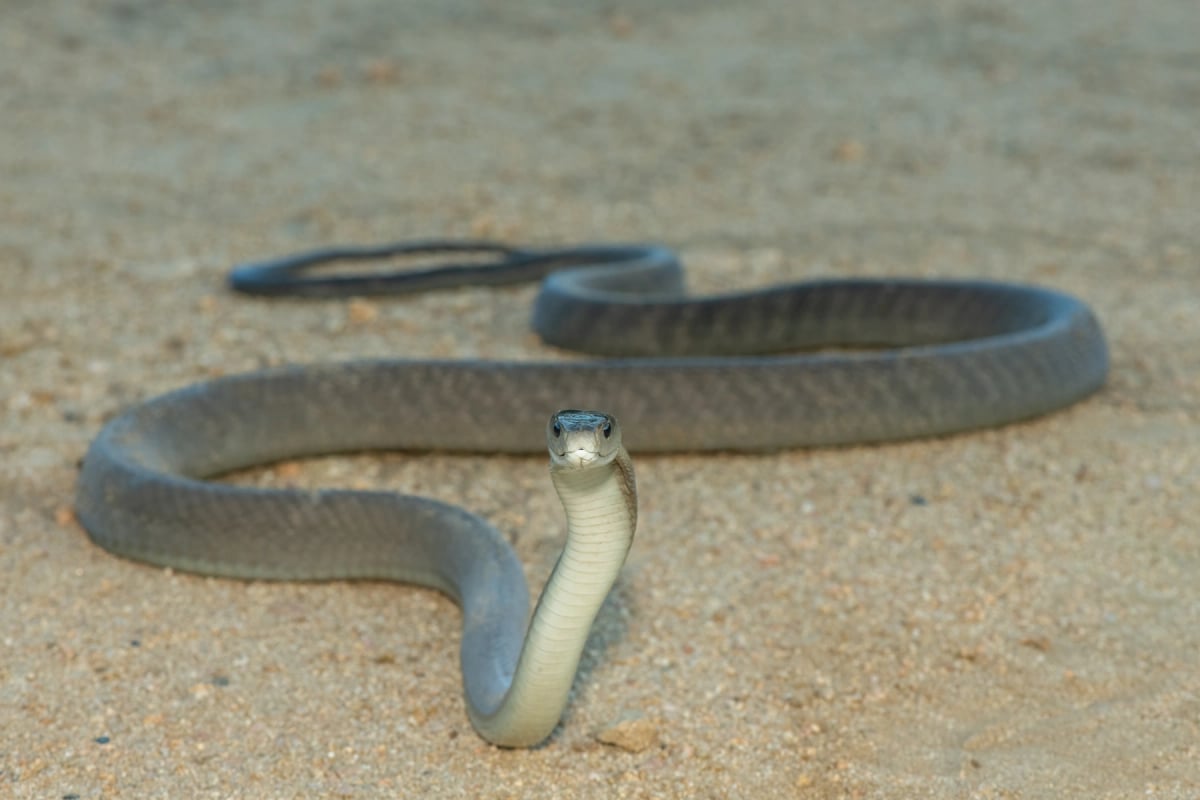
Black Mamba
Dendroaspis polylepis
In Ethiopia, the black mamba (Dendroaspis polylepis) inhabits savanna woodlands, rocky escarpments and dry bush across the southern and eastern lowlands. It hunts birds and small mammals by day, relying on its neurotoxic venom to immobilize prey quickly. Though listed as Least Concern by the IUCN, snakebite remains a serious public health concern in rural communities where access to antivenom is limited.
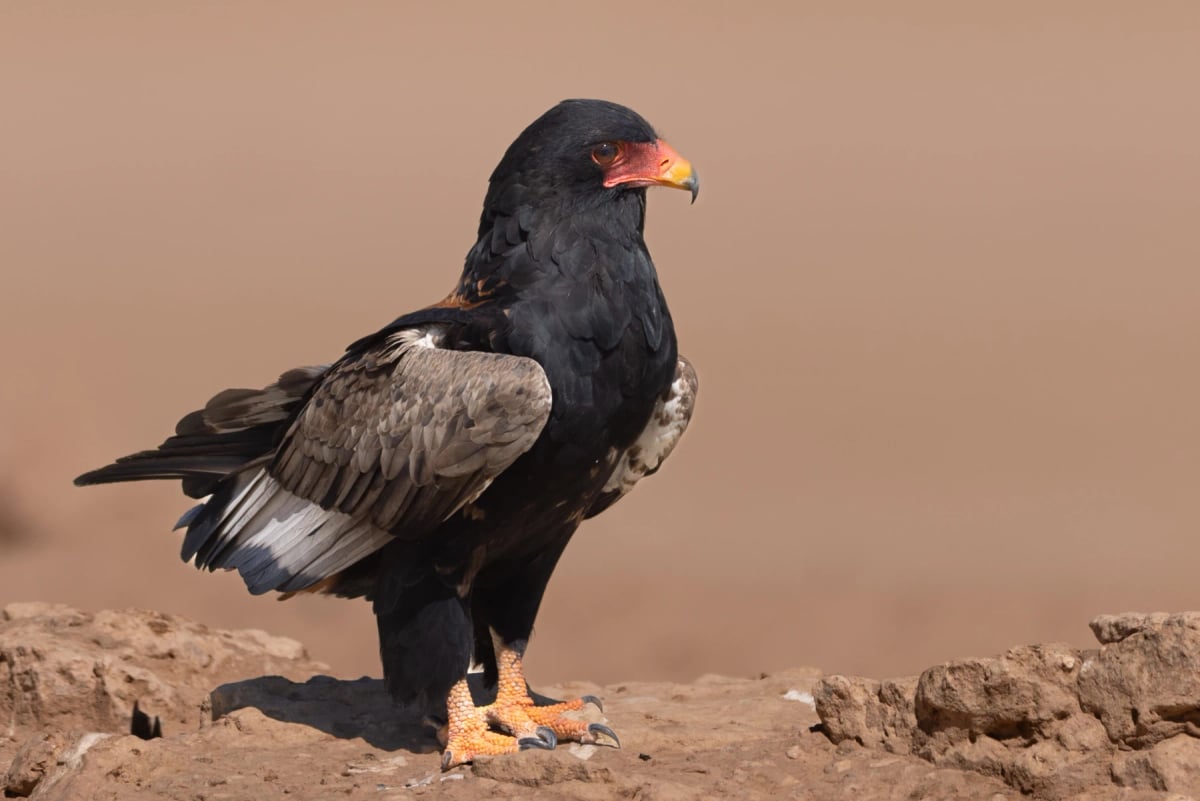
Bateleur
Terathopius ecaudatus
Ethiopia's broad mix of savanna, dry woodland, and bushland across the Rift Valley and southern lowlands provides suitable habitat for the bateleur. It is most regularly recorded in areas like the Omo Valley and Gambela region, where open landscapes allow it to soar freely over long distances. Poisoning of carcasses, often linked to predator control, is a key threat. The IUCN lists the species as Endangered.
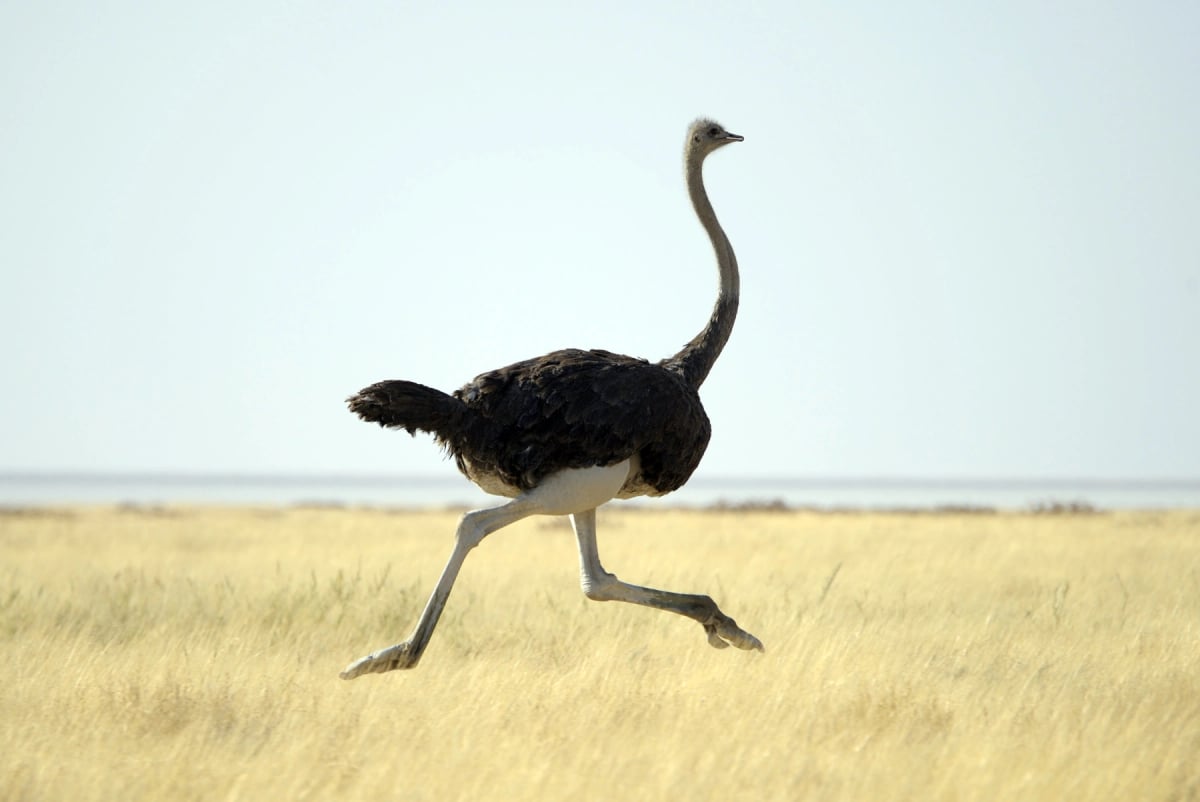
Ostrich
Struthio camelus
In Ethiopia, ostriches roam the arid lowlands and open savannas of the Afar region and the Omo Valley. The largest bird on Earth, they stand up to 2.75 meters tall and sprint at up to 70 kilometers per hour. They feed on grasses, seeds, and leaves, and share incubation of their enormous eggs. Their IUCN status is Least Concern, though habitat loss poses a growing threat.
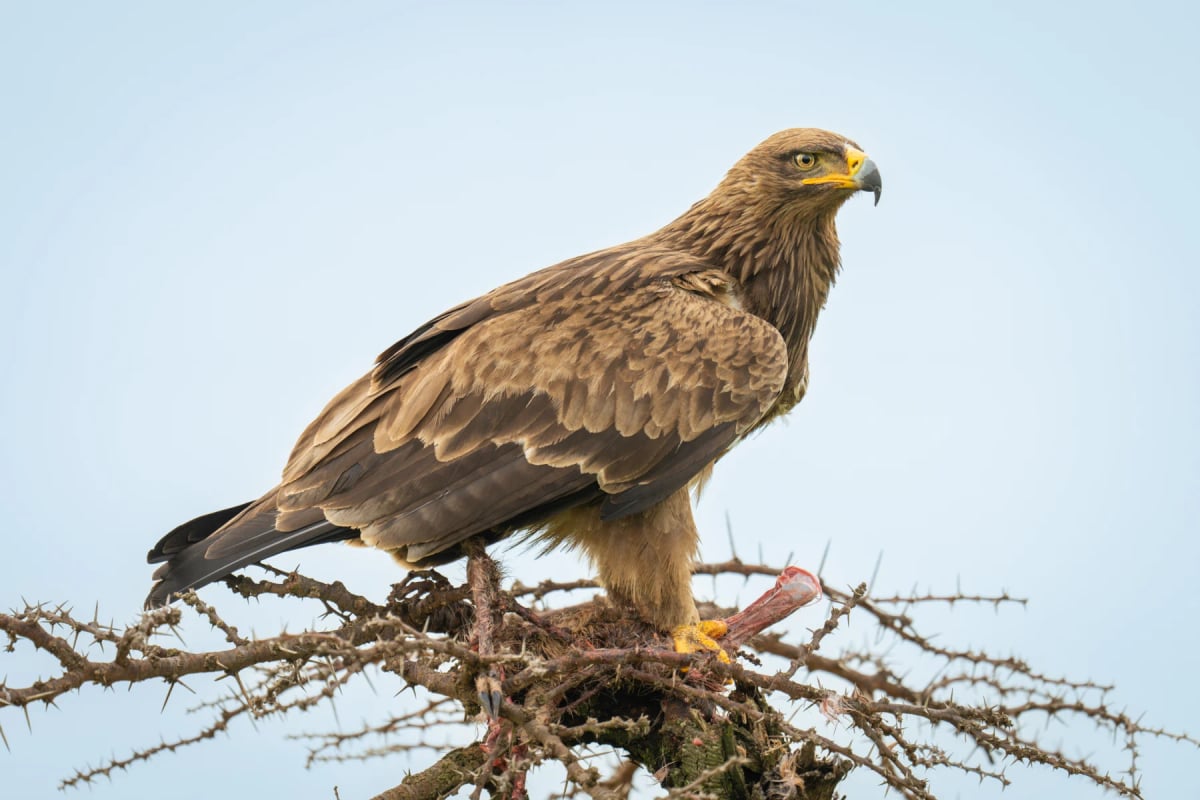
Steppe Eagle
Aquila nipalensis
Ethiopia is both a passage route and a wintering ground for the steppe eagle. Birds arrive after rounding the Red Sea or crossing at Bab el Mandeb, and many stay in the Rift Valley and the open highland plateaus from October to March. They gather at rubbish dumps, carcasses and termite emergences, sometimes by the hundreds, and young birds often outnumber adults. Power lines here have also killed many. IUCN status: Endangered.
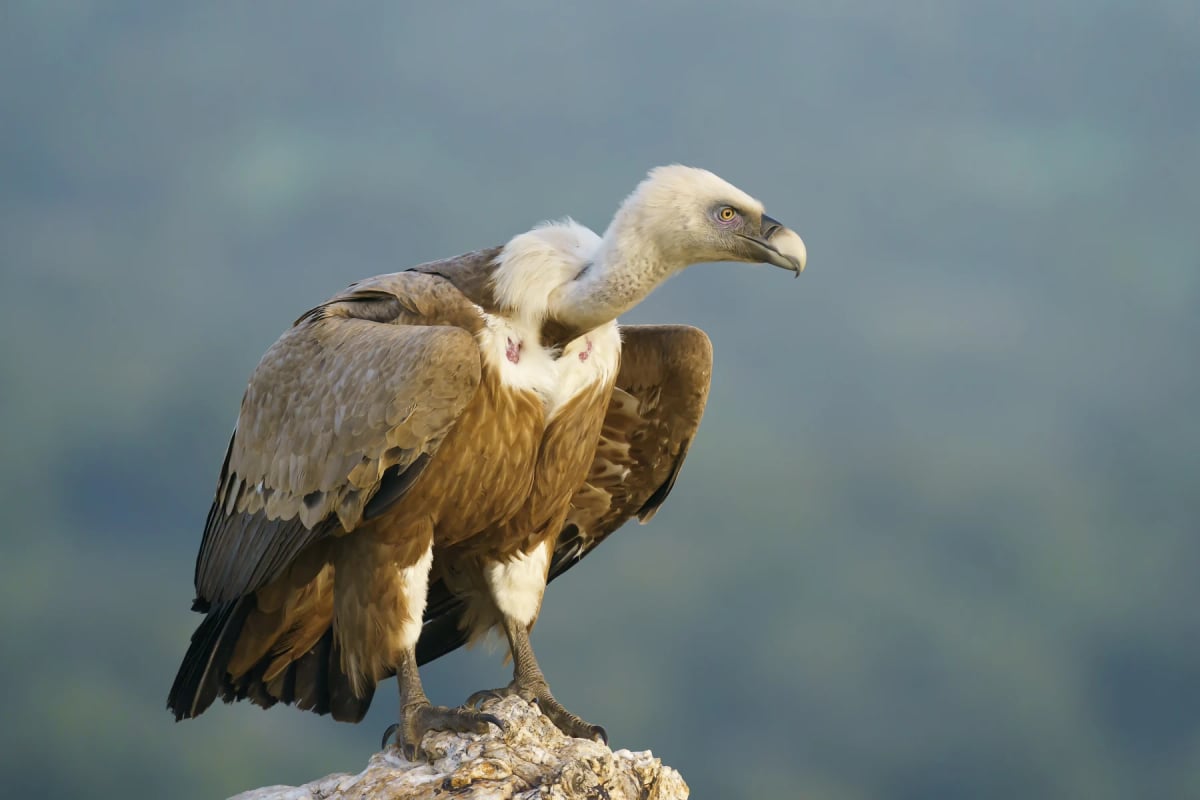
Griffon Vulture
Gyps fulvus
Ethiopia's highlands, with their dramatic cliffs, gorges, and escarpments, provide good habitat for the griffon vulture, and the country also receives birds from the north that spend the winter in the Horn of Africa. The Simien Mountains and the Blue Nile Gorge are among the areas where it is observed. It soars over highland plateaus and pastoral landscapes in search of livestock carcasses and wildlife remains. IUCN status: Least Concern.
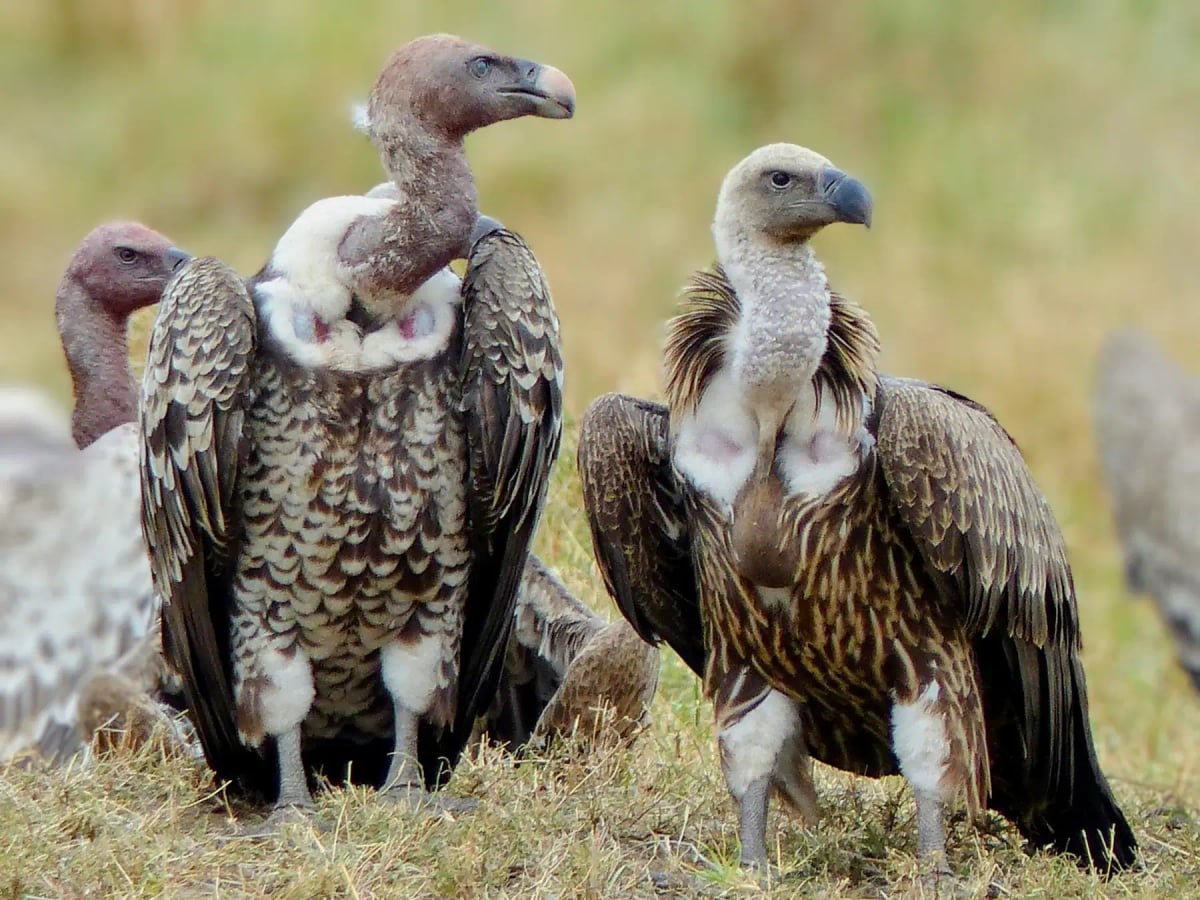
White backed Vulture
Gyps africanus
In Ethiopia, the white backed vulture is found across the lowland savannas of the Rift Valley and areas such as the Omo Valley and Gambella region, where large mammals still roam. It nests in tall trees near wildlife concentrations and plays a key ecological role in removing carcasses. Poisoning and the trade in vulture parts for traditional medicine represent growing threats to this Critically Endangered species.
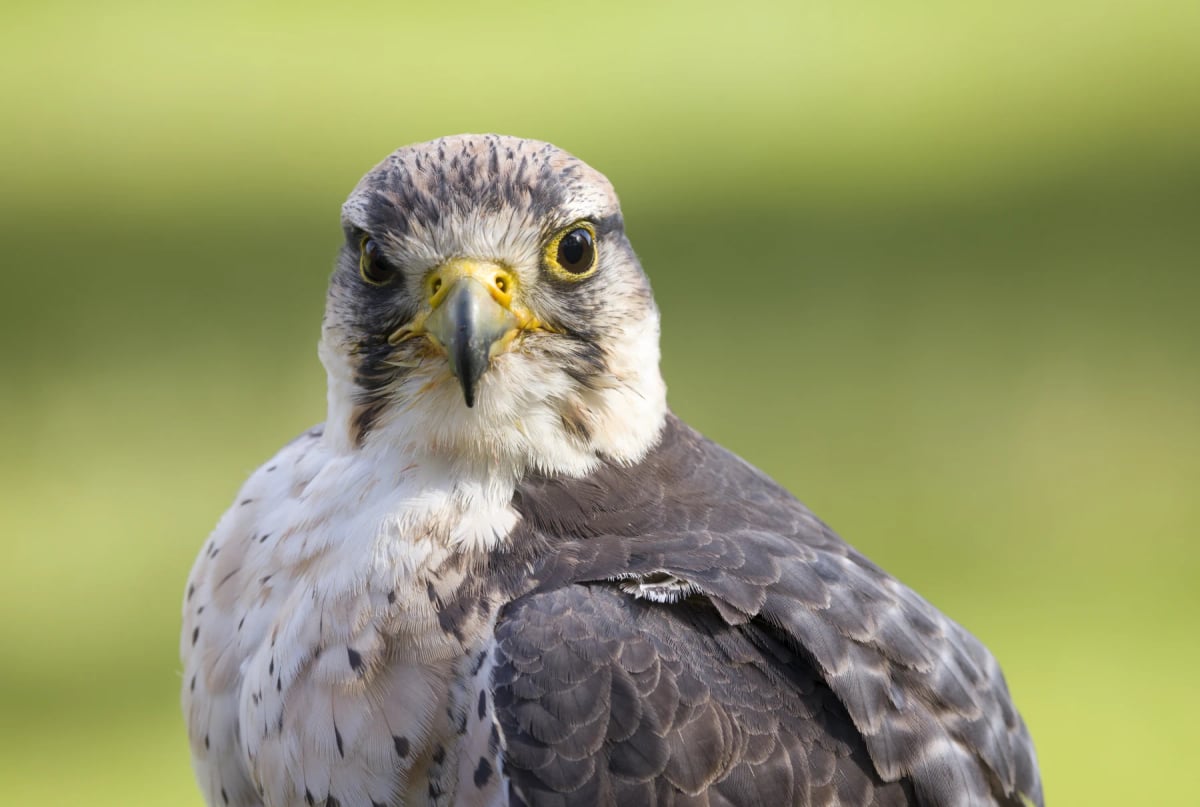
Lanner Falcon
Falco biarmicus
Ethiopia supports one of the strongest lanner falcon populations on the continent, with birds found across the Rift Valley, the Ethiopian Highlands, and the arid lowlands of the east and south. Rocky escarpments and open savanna provide ideal nesting and hunting ground. Pairs often work together to flush prey. The IUCN lists the species as Least Concern, though illegal capture for falconry remains a pressure in parts of the region.
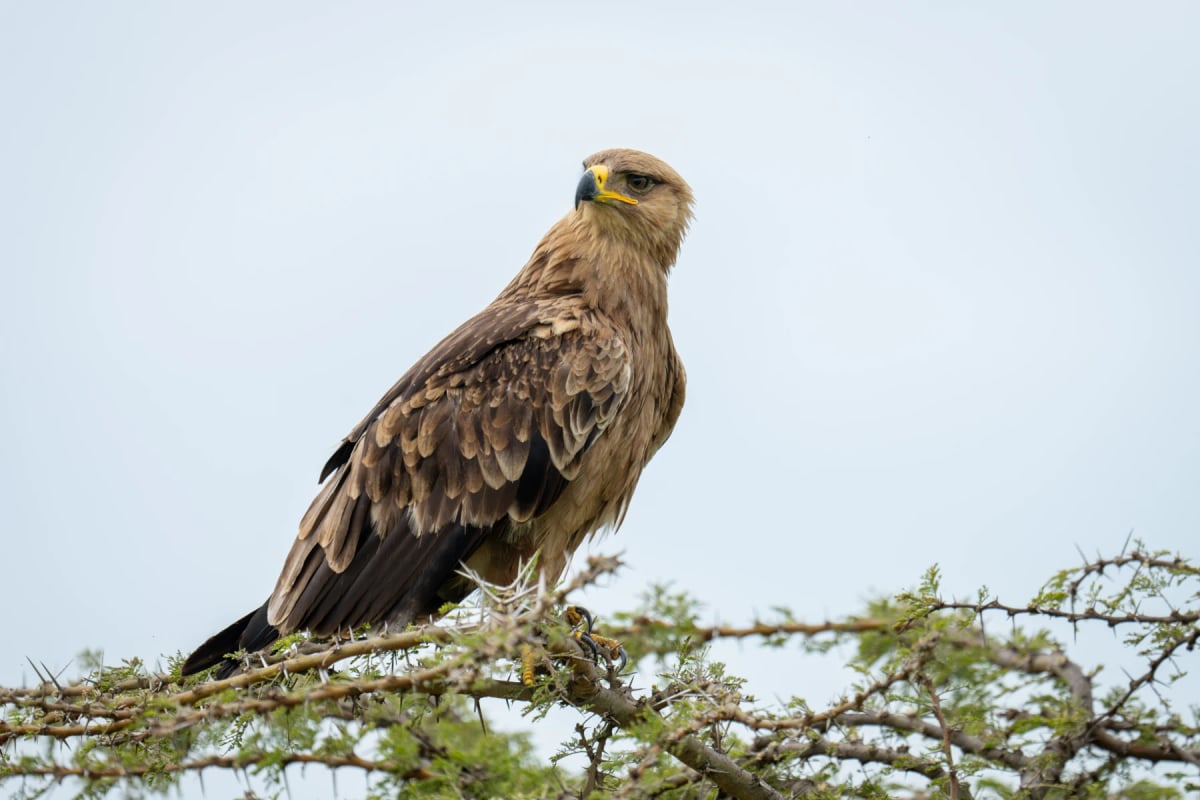
Tawny Eagle
Aquila rapax
Ethiopia's Rift Valley grasslands, dry acacia woodland and semi arid plains are important habitat for the tawny eagle, which nests here mainly from November to February. It often hunts grass rats and is seen near livestock and villages, scavenging with vultures. In winter, it shares the country with many steppe eagles. Poisoned carcasses set for predators kill some birds. IUCN status: Vulnerable.
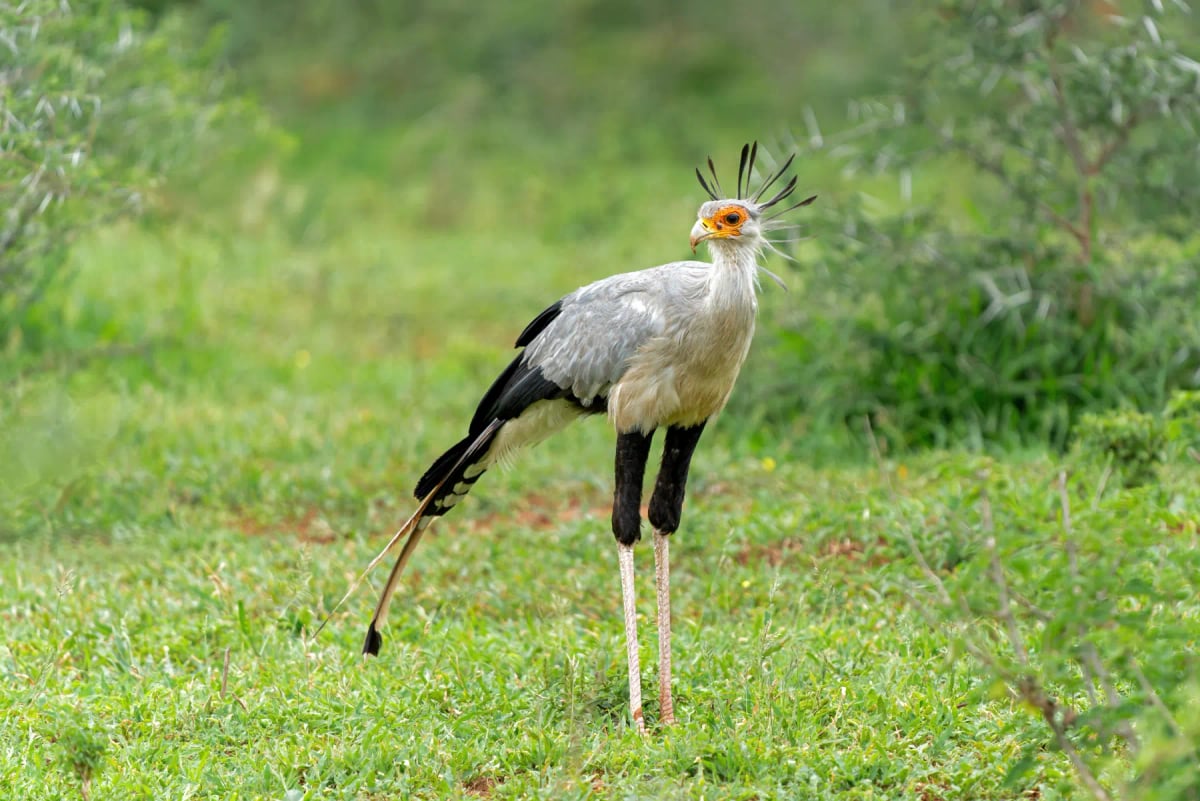
Secretary Bird
Sagittarius serpentarius
Ethiopia supports secretary birds across its vast grasslands and open savannas, particularly in the Rift Valley and the lowland plains of the south and west. This large raptor hunts entirely on foot, using powerful kicks to dispatch venomous snakes and other prey. Ethiopia's mix of highland and lowland habitats provides important range for the species, though agricultural expansion continues to reduce available grassland. The IUCN lists it as Endangered.
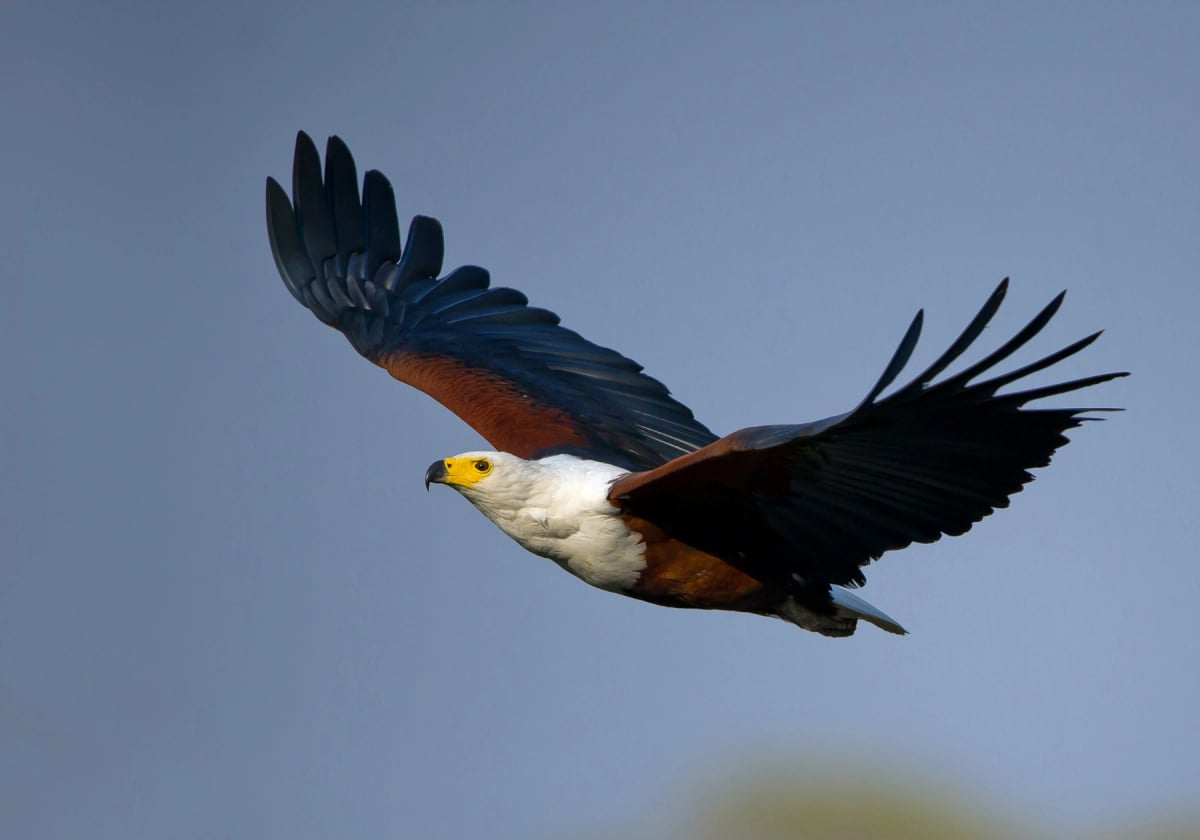
African Fish Eagle
Haliaeetus vocifer
In Ethiopia, the African fish eagle lives mainly in the Rift Valley, where lakes such as Ziway, Awasa, Langano and Chamo offer reliable habitat. Lake Tana in the northwest, source of the Blue Nile, also holds pairs. It is scarce in the dry east and northeast, where large permanent waters are few. Lake Ziway and Lake Awasa are among the easiest places to watch it fishing close to shore. IUCN status: Least Concern.
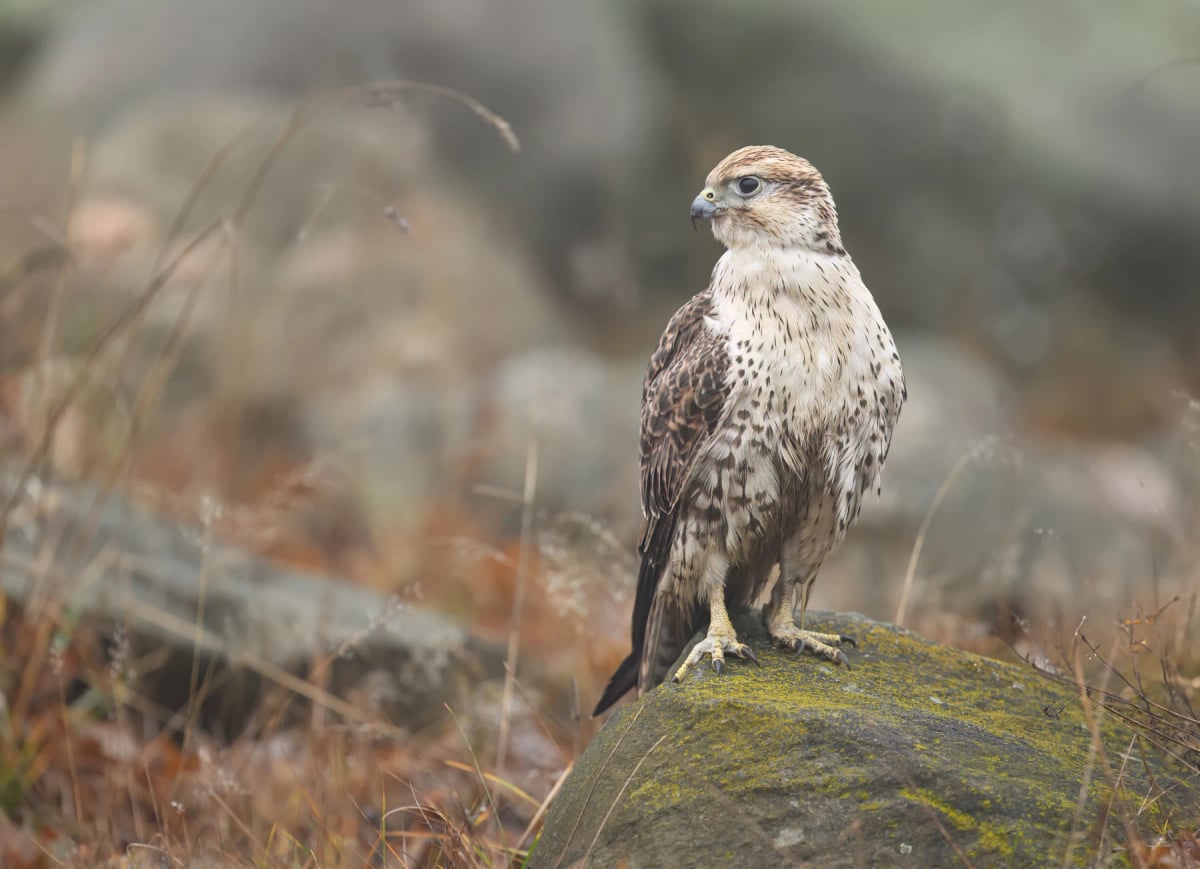
Saker Falcon
Falco cherrug
Ethiopia receives saker falcons as winter visitors, with birds spreading into the country's open highland plateaus and semi-arid lowlands after leaving their Eurasian breeding grounds. The Ethiopian Rift Valley and surrounding grasslands can offer suitable foraging terrain. Ethiopia's position in the Horn of Africa makes it part of an important passage and wintering zone for raptors crossing from the Middle East. The IUCN lists the saker falcon as Endangered.
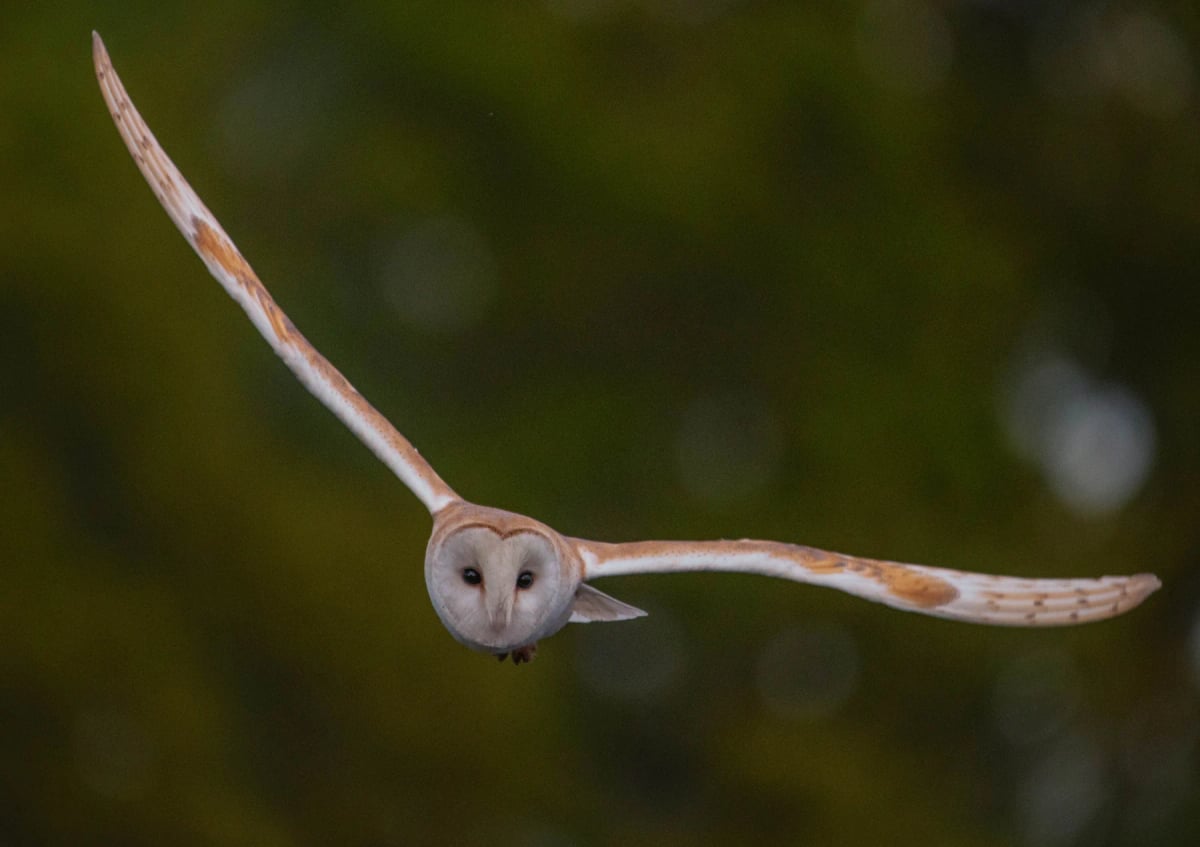
Barn Owl
Tyto alba
The barn owl is found across Ethiopia in open farmland, highland grassland, and areas near villages and towns throughout the country. It nests in old buildings, cliff faces, and hollow trees, and hunts rodents at night using its exceptional hearing. Ethiopia's diverse landscape, from the Ethiopian Highlands to the Rift Valley and the lowland savanna zones, supports barn owl populations across a wide range of altitudes. In farming communities it is valued for naturally controlling rodents that damage stored grain.
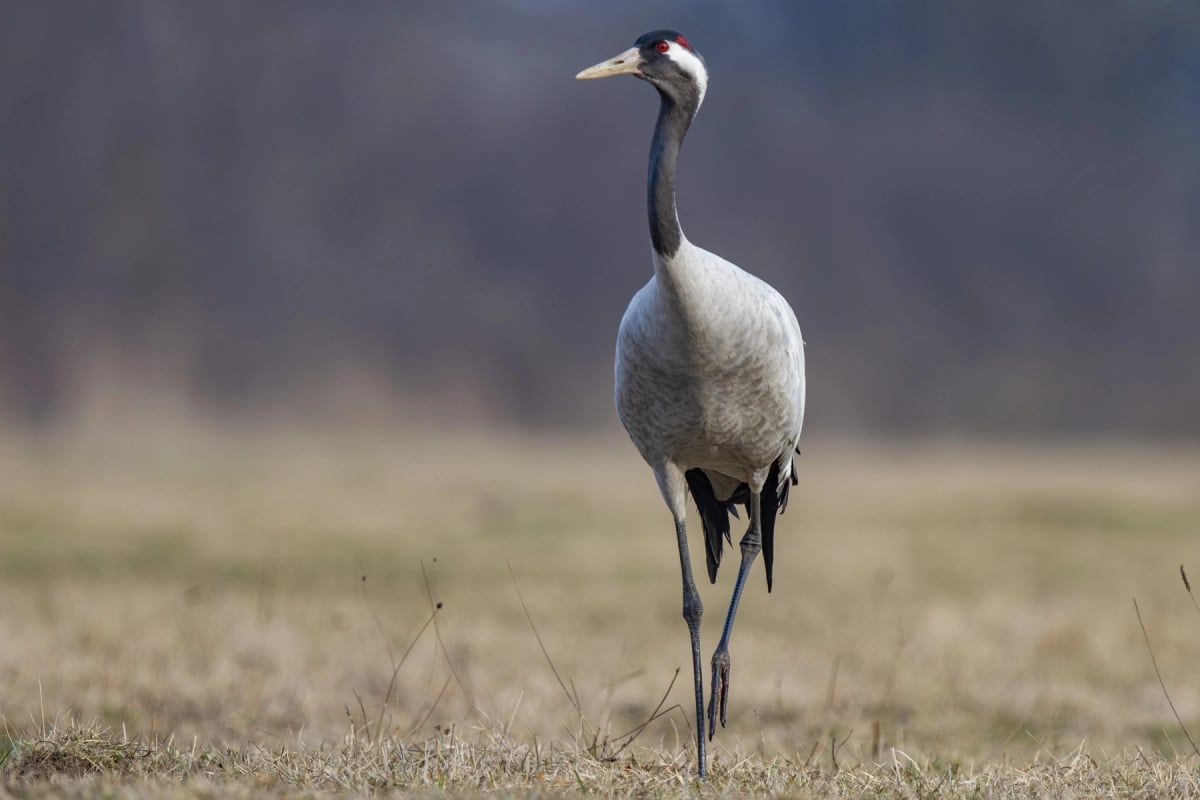
Crane
Grus grus
Ethiopia serves as an important wintering destination for common cranes migrating from Europe and western Asia. The Rift Valley lakes and surrounding grasslands provide feeding and resting habitat for large flocks arriving between October and March. Cranes gather here to feed on seeds, roots and small animals before the long flight back north in spring. They stand up to 120 centimeters tall and are easily recognized by their grey plumage and red crown. Its IUCN status is Least Concern.
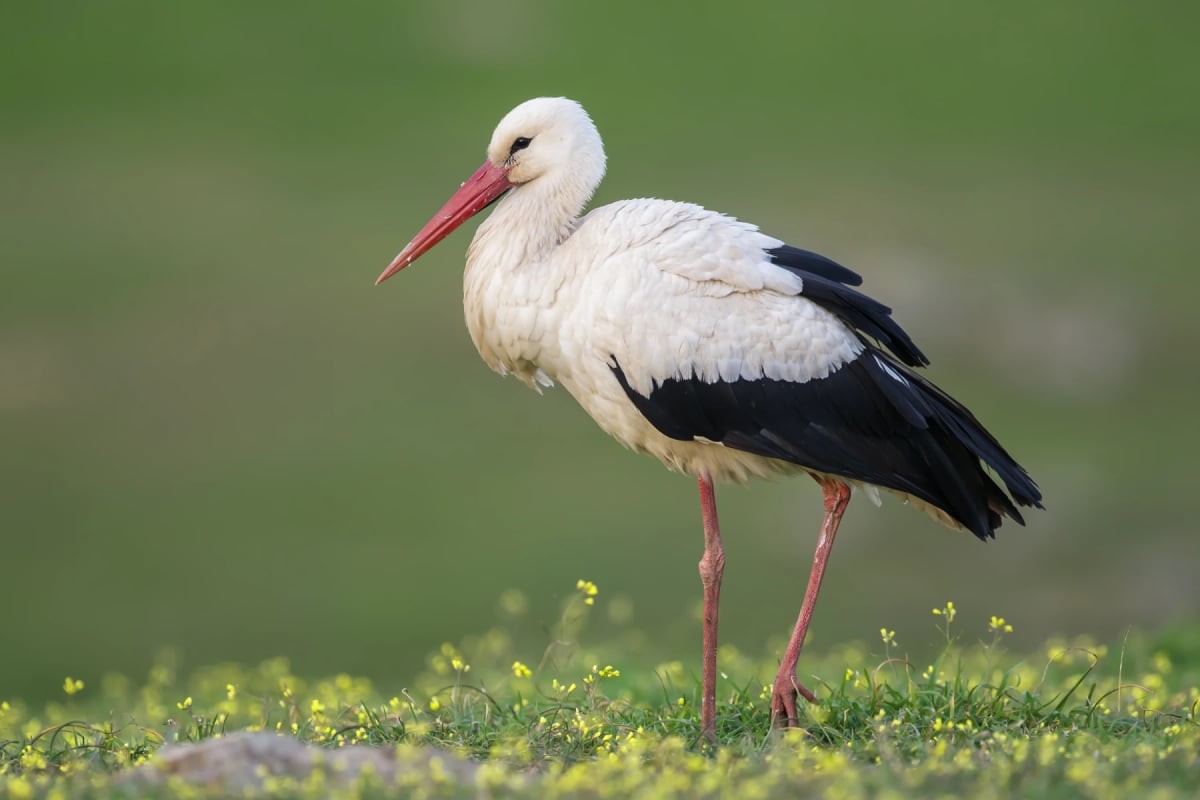
Stork
Ciconia ciconia
Ethiopia sits along one of the white stork's main migration routes between Europe and southern Africa. Large flocks funnel through the Ethiopian Highlands and the Rift Valley, where wetlands and open farmland provide ideal feeding stops. The birds consume insects, frogs, and small vertebrates to fuel their journey. Ethiopia is also an important wintering area for some individuals. The IUCN lists the white stork as Least Concern.
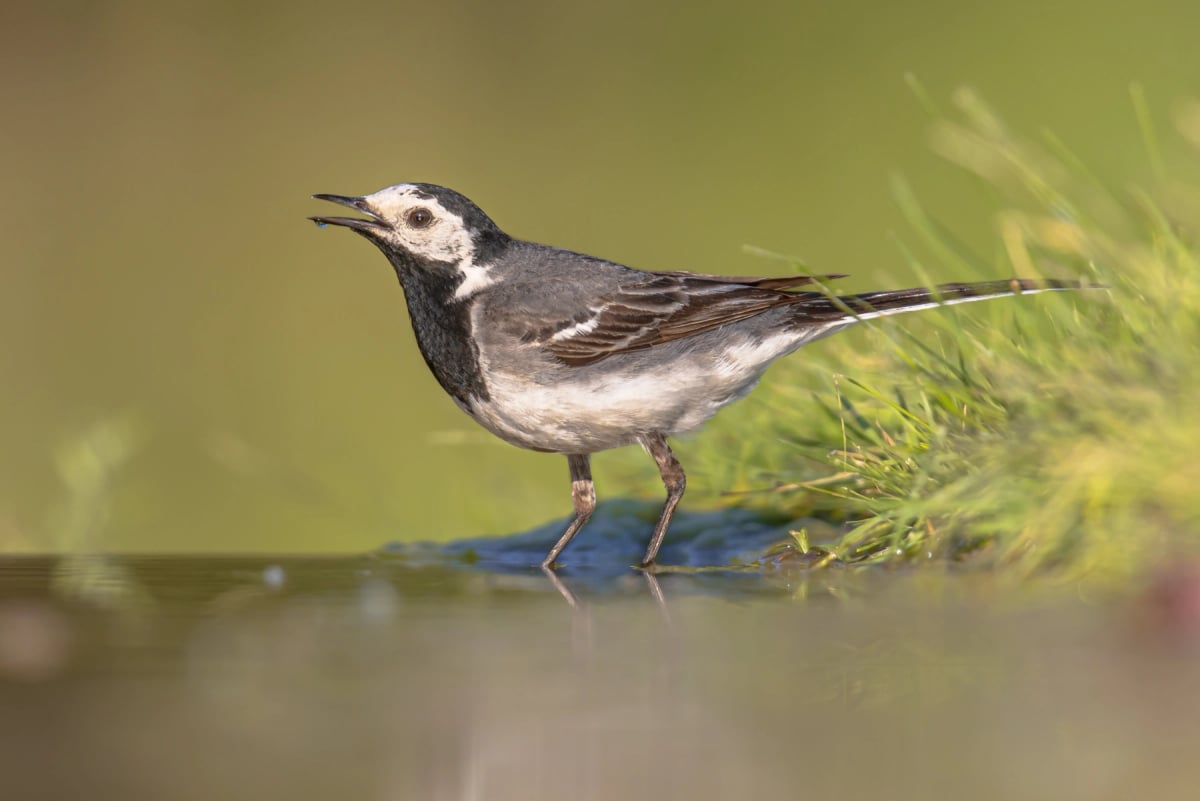
White Wagtail
Motacilla alba
Ethiopia hosts the white wagtail mainly as a winter visitor and passage migrant. It frequents the shores of the Rift Valley lakes, riverbeds in the highlands and irrigated farmland in the lowlands. Large numbers pass through or stay for the cooler months, taking advantage of the country's rich mix of wetlands and open ground. Its tail bobbing makes it one of the easiest birds to identify in the field. IUCN status: Least Concern.
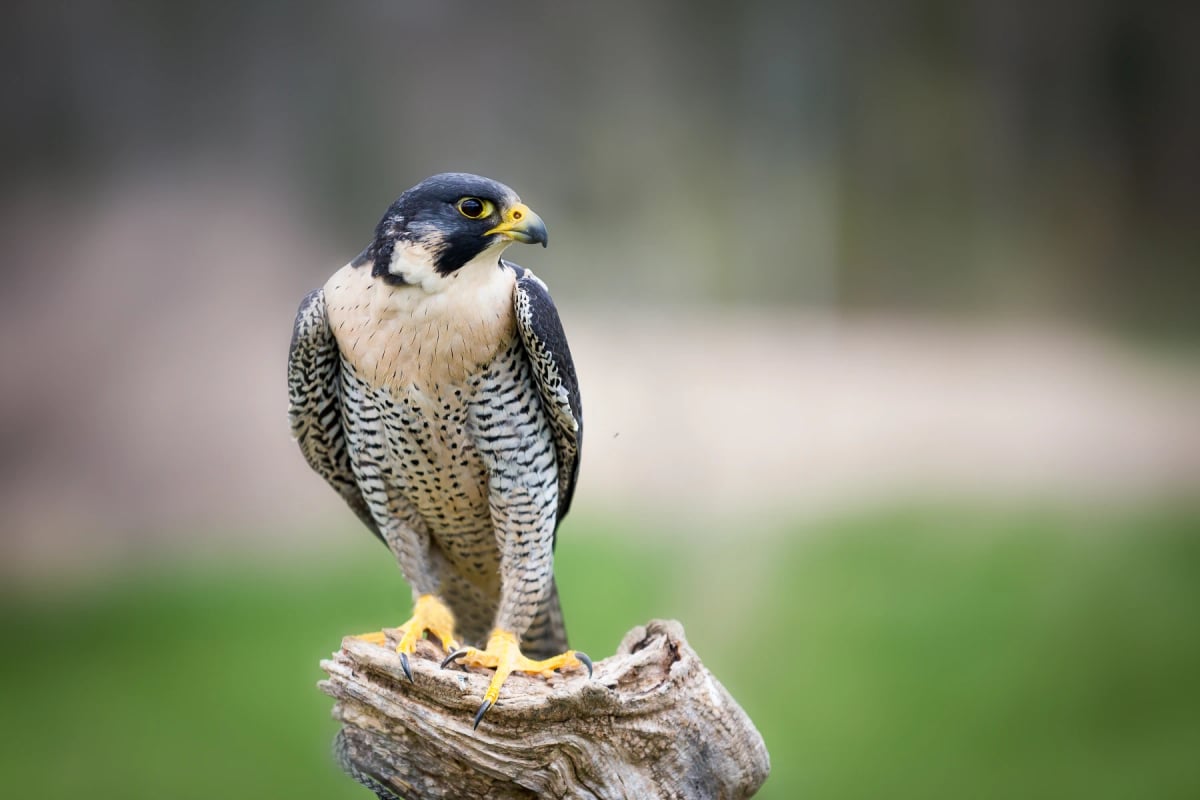
Peregrine Falcon
Falco peregrinus
Ethiopia's dramatic highlands, deep gorges, and vast rift valley make it one of the most habitat-rich countries in Africa for the peregrine falcon. Resident pairs nest on the sheer cliff faces of the Ethiopian Highlands and the Blue Nile Gorge, while additional birds arrive from Europe and Asia during the northern winter. The species can also be encountered near lakes and wetlands of the Rift Valley hunting waterbirds. Its IUCN status is Least Concern.
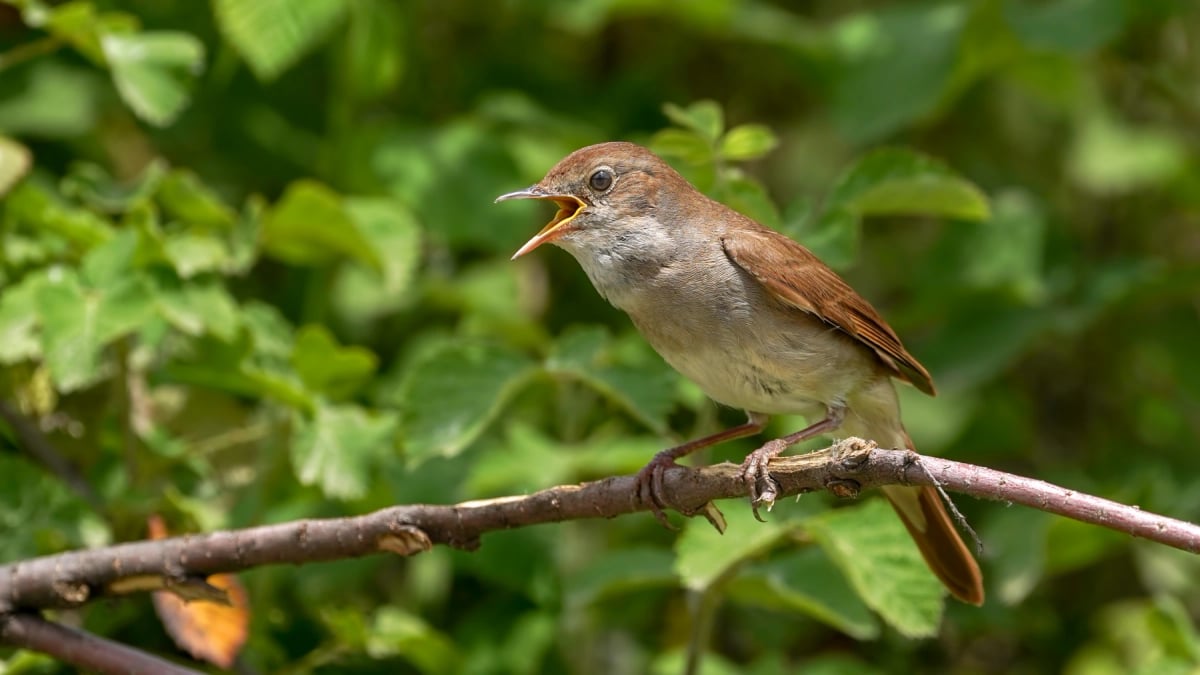
Nightingale
Luscinia megarhynchos
Ethiopia is an important wintering country for the nightingale, with birds settling in the acacia scrubland, dry woodland and bush habitats of the western and northern lowlands. The Rift Valley and its surroundings also provide suitable cover. These small visitors arrive after migrating from breeding grounds across Europe and Asia, spending several quiet months here before making the return journey. They are unobtrusive in winter and rely heavily on dense low cover for protection. IUCN status: Least Concern.
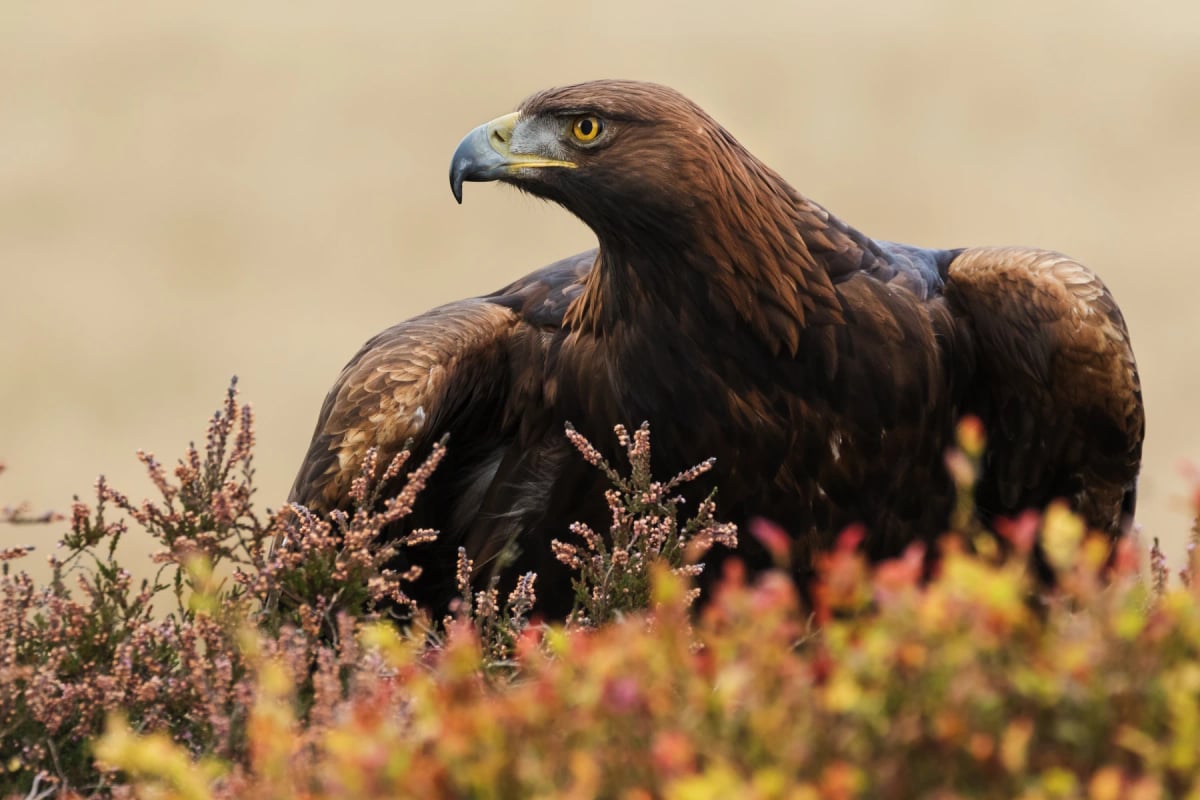
Golden Eagle
Aquila chrysaetos
Ethiopia holds the southernmost golden eagles in the world, a small, isolated population in the Bale Mountains, far from any other. Here they nest in the high, green mountains and hunt rodents and other prey of the high moorland, sharing the area with Verreaux's eagles and tawny eagles. It is the only place where the golden eagle and the tawny eagle meet. IUCN status: Least Concern.
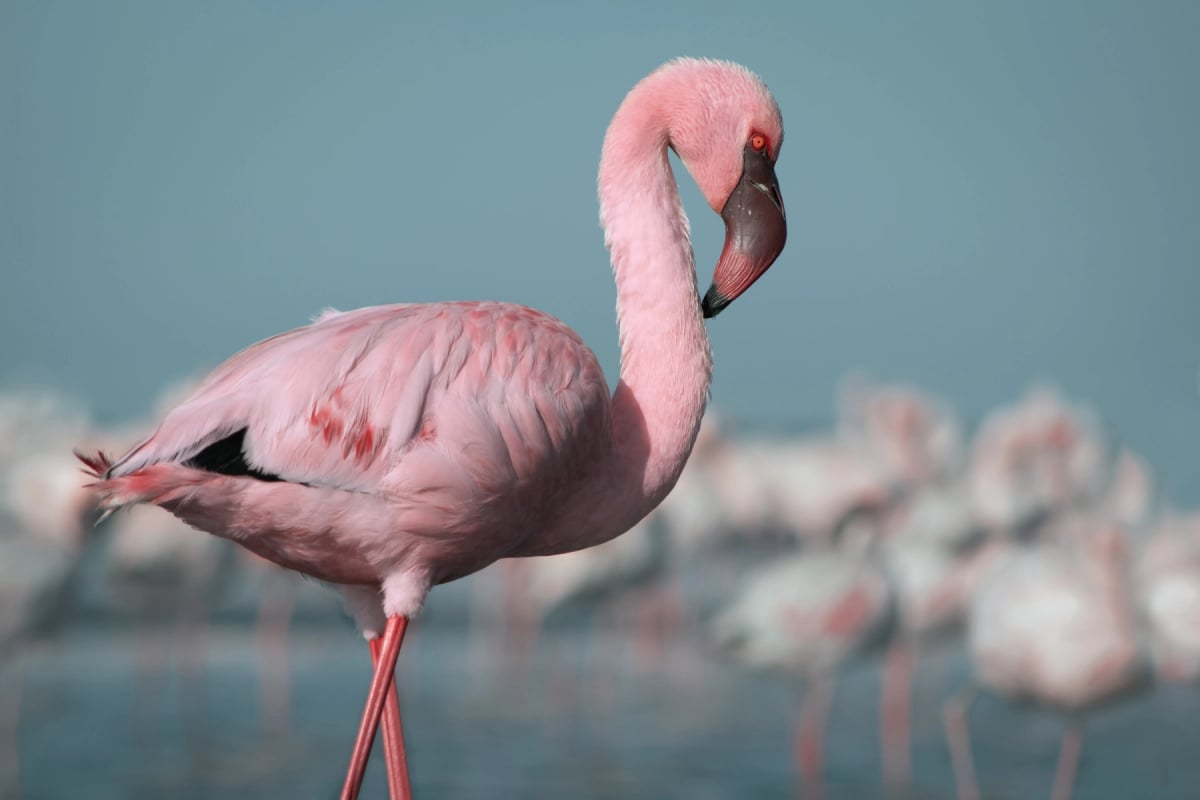
Flamingo
Phoenicopteridae (6 species)
Ethiopia has the greater flamingo, present year round, and the lesser flamingo, which visits outside the breeding season, and both gather on the soda lakes of the Rift Valley. Lake Abijatta, in Abijatta Shalla National Park, and the small Chitu crater lake are known for their flamingos, although Abijatta has shrunk as water is taken for industry and farming. The birds filter algae and small crustaceans from the alkaline water. IUCN status: greater flamingo Least Concern, lesser flamingo Near Threatened.
Researched and written by Juan Pablo. Sources: IUCN Red List, scientific literature and regional field guides. Last updated: .