Animals in Rwanda
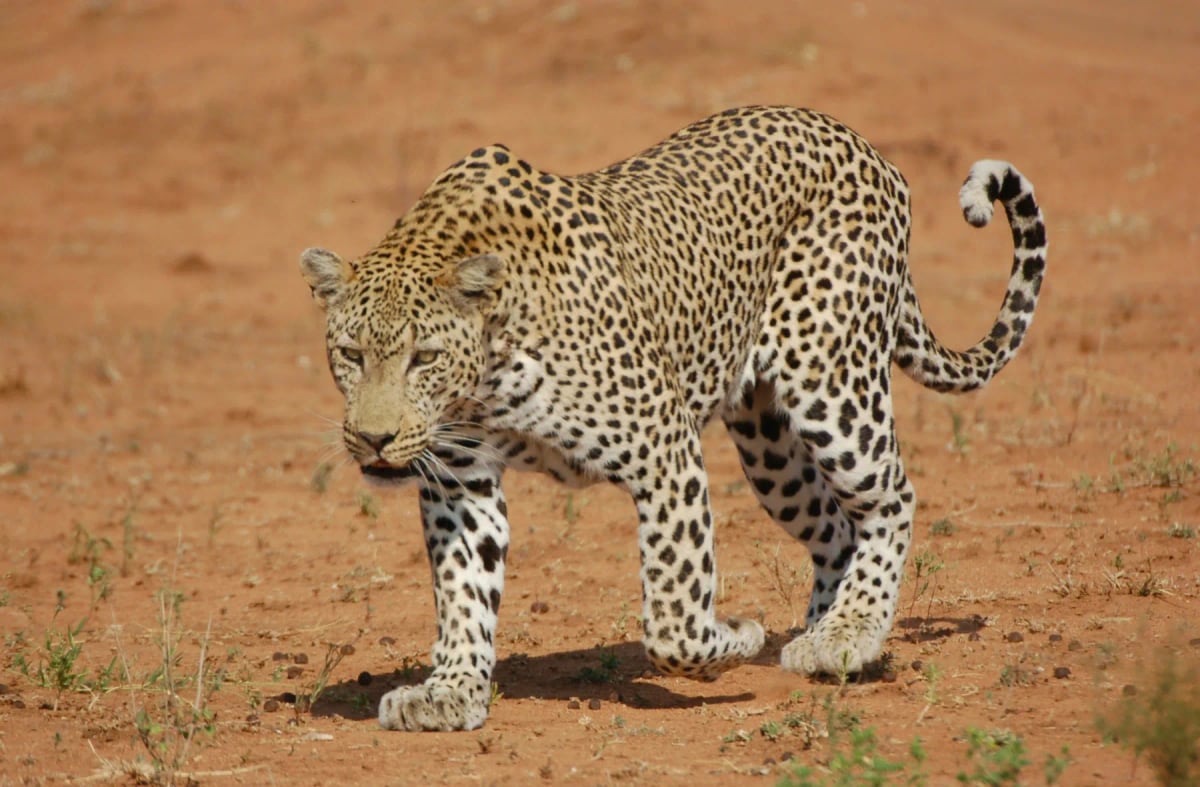
Leopard
Panthera pardus
The leopard, regarded as Rwanda’s national animal, symbolizes grace and strength. Rarely seen yet essential to the ecosystem, it features in traditional stories and conservation symbols, representing the country’s balance between natural beauty and cultural identity.
View details→Wildlife in Rwanda
Rwanda’s wildlife thrives across volcanic mountains, rainforests and open savannas. The country is famous for its mountain gorillas but also shelters elephants, chimpanzees, giraffes and hundreds of bird species. Volcanoes and Akagera National Parks attract travelers seeking responsible encounters with nature.
Most Dangerous Animals in Rwanda
Despite its calm image, Rwanda is home to species that require caution. Hippos, elephants, lions and leopards can be dangerous if disturbed, and gorillas or chimpanzees may react defensively. Guided tours ensure safe observation while protecting both visitors and wildlife.
Top 10 Animals in Rwanda
Rwanda’s remarkable fauna includes mountain gorillas, chimpanzees, elephants, leopards, hippos and black rhinos. These animals define the nation’s ecotourism and showcase its successful conservation model, drawing visitors who seek intimate encounters with African wildlife.
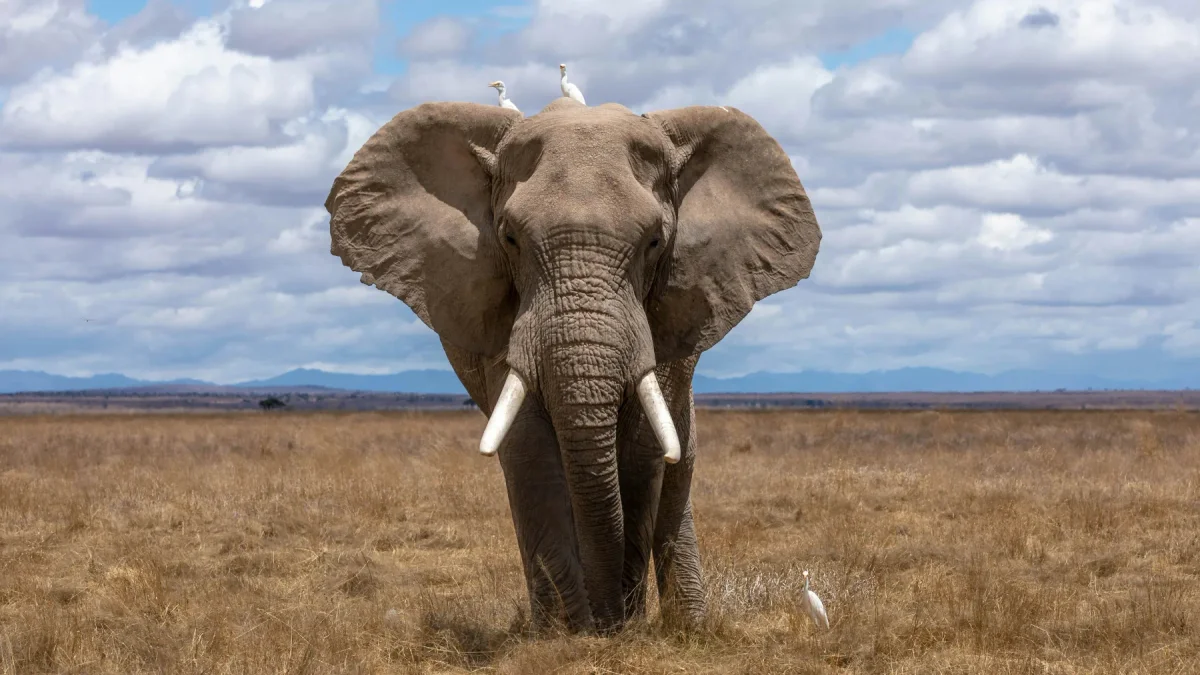
African Elephant
Loxodonta africana
Elephants were absent from Rwanda for decades following years of poaching and habitat destruction. A group of around 30 individuals was reintroduced to Akagera National Park in 2010, re-establishing the species in the country for the first time in many years. Under the management of African Parks, Akagera has been transformed into one of East Africa's success stories, and the elephant population has been growing steadily. The park sits on the eastern border with Tanzania, allowing some natural exchange with wider regional populations.
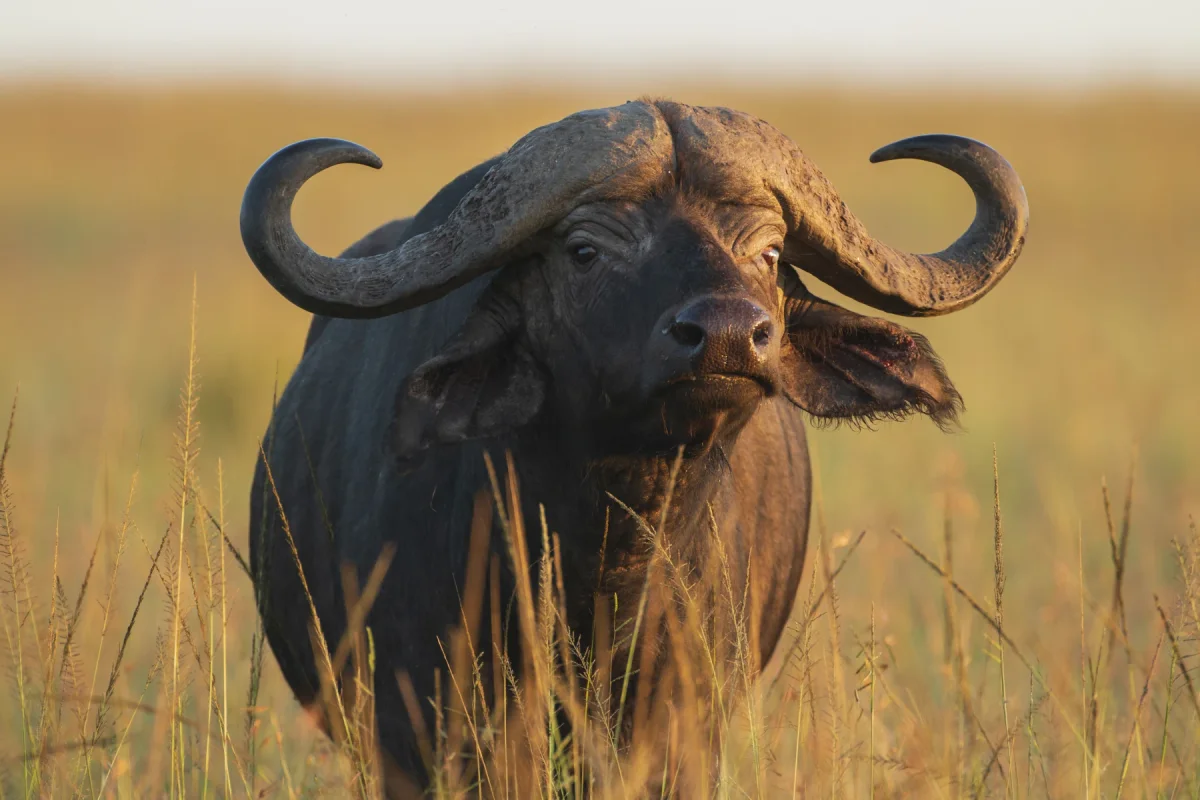
Buffalo
Syncerus caffer
In Rwanda, African buffaloes are found primarily in Akagera National Park in the east of the country, a savanna and wetland ecosystem bordering Tanzania. The species was locally extinct in the park for a period but has since recovered following dedicated rewilding and management efforts led by African Parks. Today the buffalo population in Akagera is growing and plays a central role in restoring the park's ecological balance. IUCN status: Least Concern.
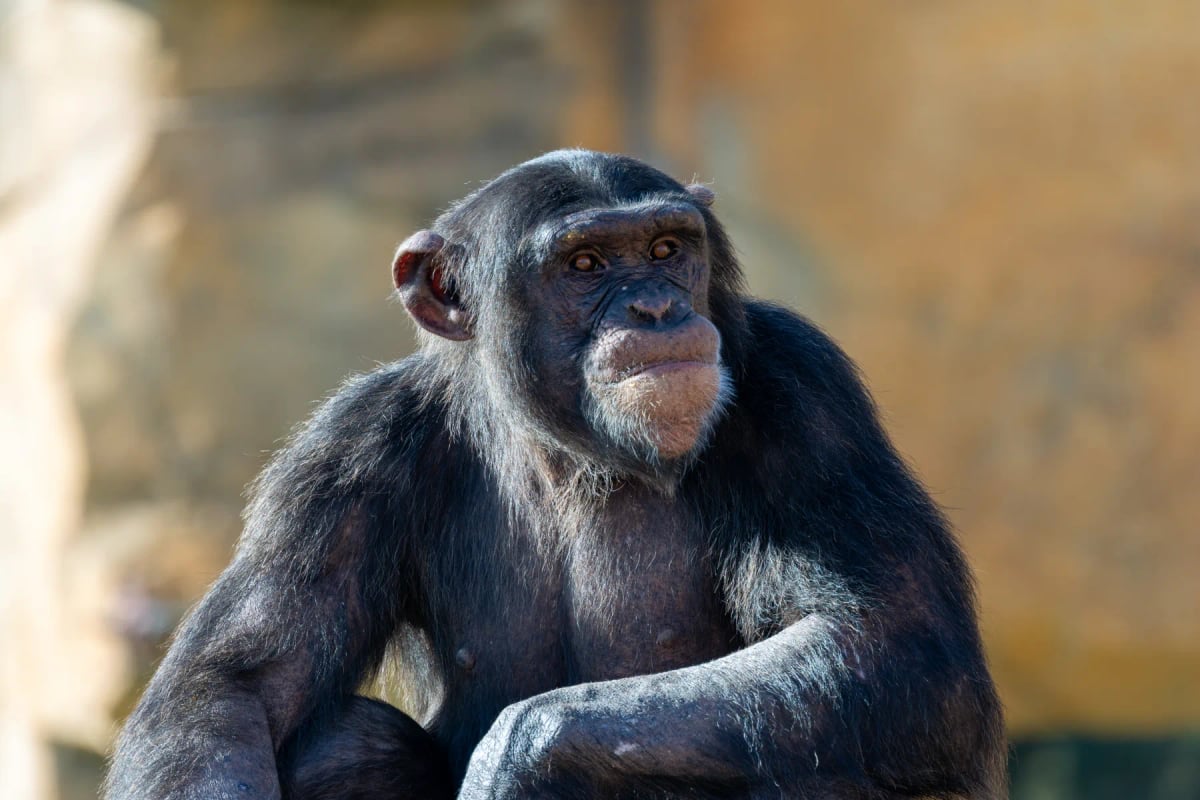
Chimpanzee
Pan troglodytes
In Rwanda, chimpanzees are found primarily in Nyungwe National Park, a large montane rainforest in the southwest of the country. This park protects one of the most important populations in East Africa and draws researchers and visitors interested in wildlife encounters. Nyungwe's chimpanzees live alongside diverse primate species, sharing a forest that faces pressure from surrounding agriculture and a growing human population at its borders.
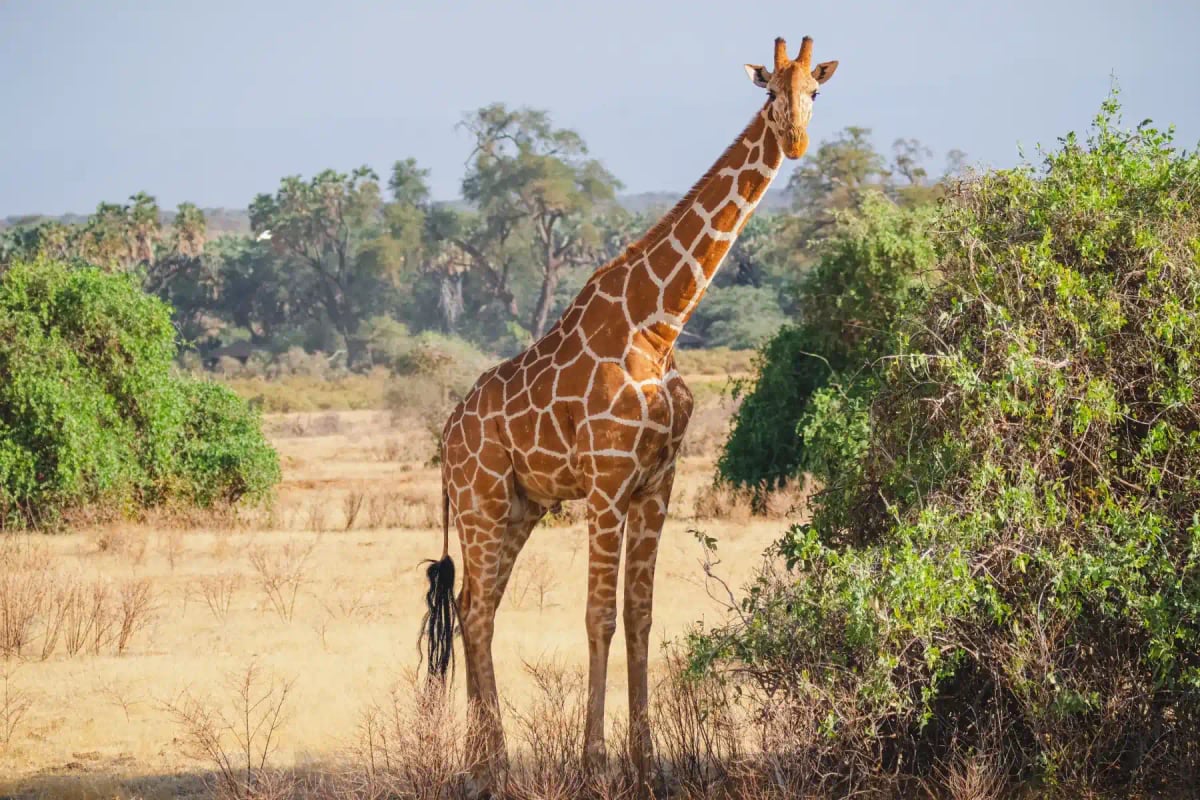
Giraffe
Giraffa camelopardalis
Giraffes were locally extinct in Rwanda for many years before being reintroduced into Akagera National Park in the 1980s. The park, located in the east of the country along the Tanzanian border, offers savanna and woodland habitat suited to the species. Akagera has undergone a remarkable conservation revival in recent decades, and giraffes are now a stable part of its wildlife. The IUCN classifies the giraffe as Vulnerable, and Rwanda's success in Akagera is widely celebrated.
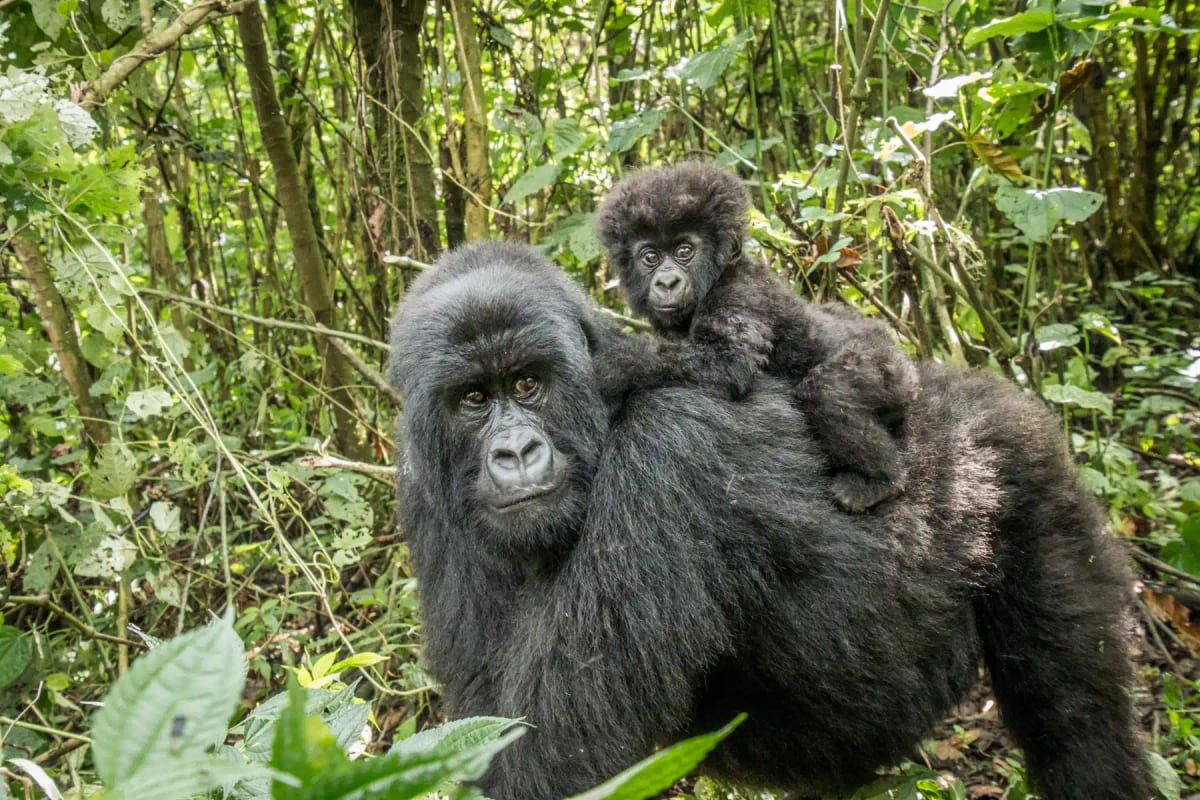
Mountain Gorilla
Gorilla beringei beringei
In Rwanda, mountain gorillas live within the Volcanoes National Park, nestled in the Virunga mountain range along the country's northern border. Rwanda has become a global leader in gorilla conservation, with strict protections and a celebrated tourism programme that funds ongoing protection. These great apes live at elevations above 2,200 metres, where thick fur keeps them warm in the cold highland air.
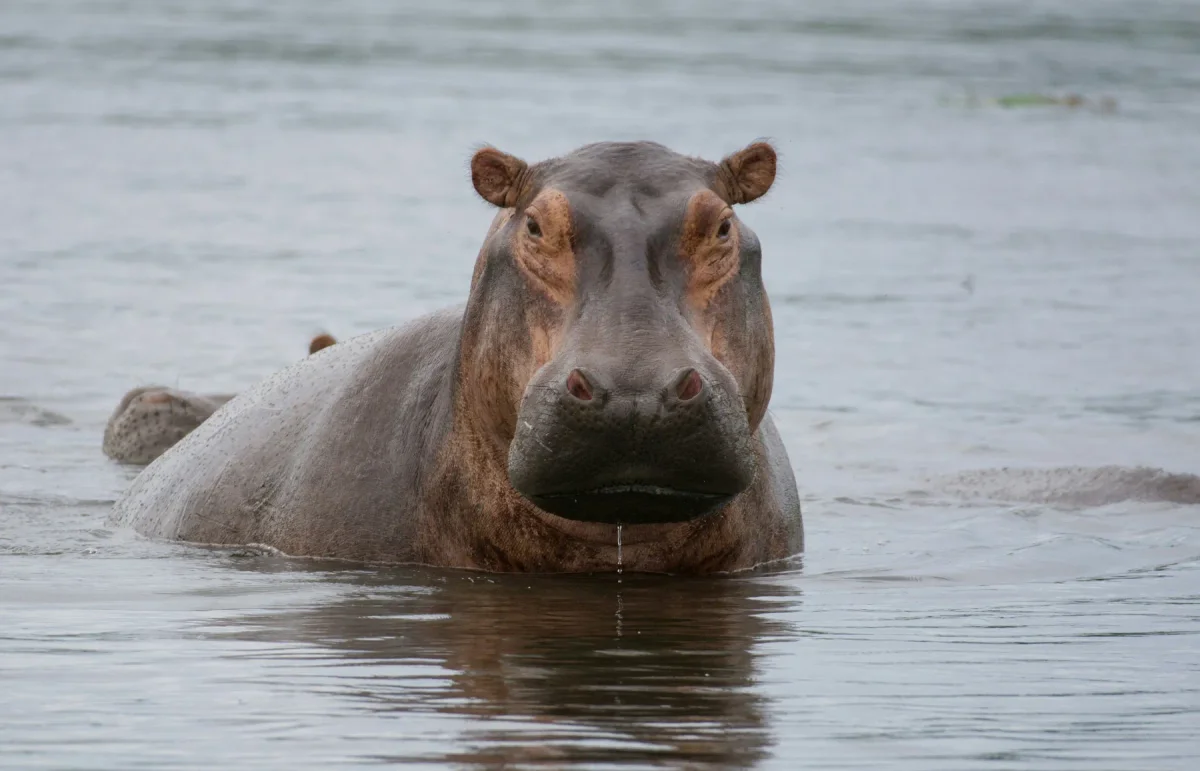
Hippopotamus
Hippopotamus amphibius
Rwanda's hippos are found primarily in Akagera National Park, along the lakes and wetlands that line the country's eastern border with Tanzania. The park has worked to restore and protect its wildlife, and hippos are a visible part of that recovery. They spend their days in the lakes of Akagera and venture onto the floodplains at night to graze. The IUCN lists the hippopotamus as Vulnerable.
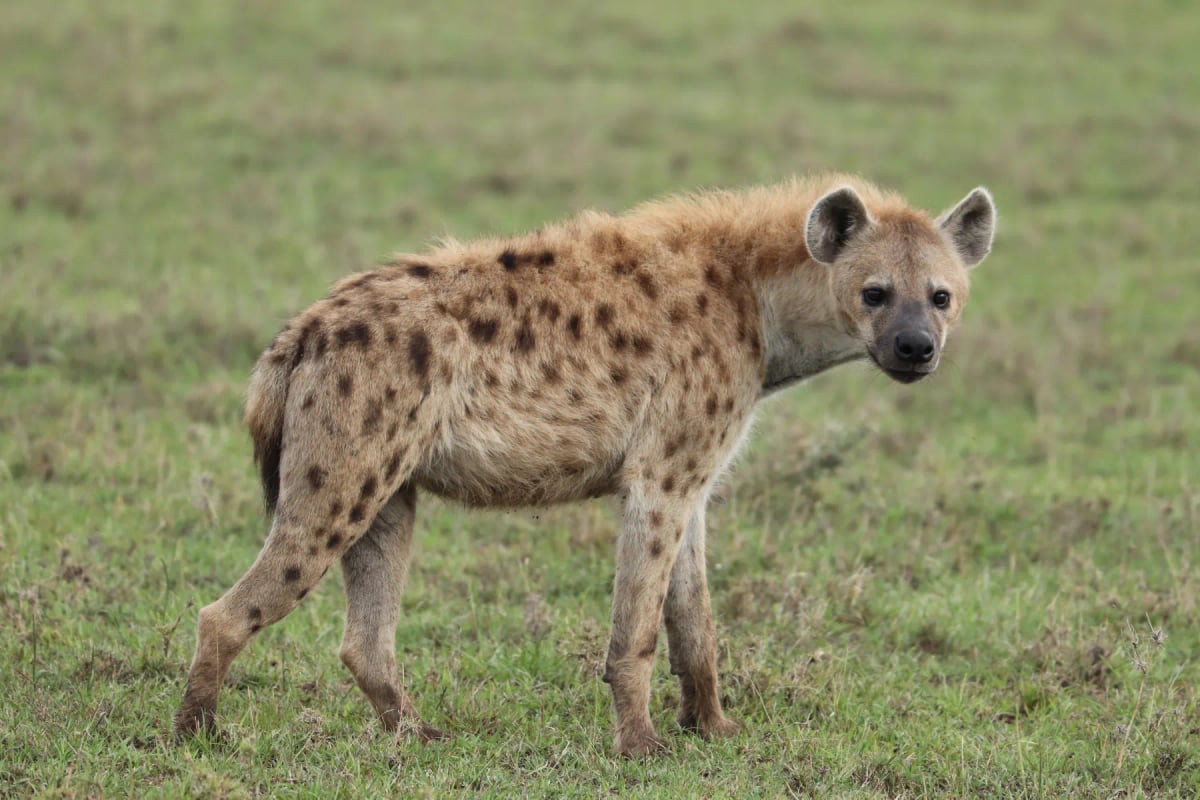
Spotted Hyena
Crocuta crocuta
Spotted hyenas in Rwanda are mainly recorded in Akagera National Park, a savanna ecosystem in the east of the country that has undergone remarkable restoration in recent decades. The park's recovery, led by African Parks, has brought back several large mammals, and hyenas are an integral part of this returning predator community. Their presence signals the broader health of Akagera's ecosystem.
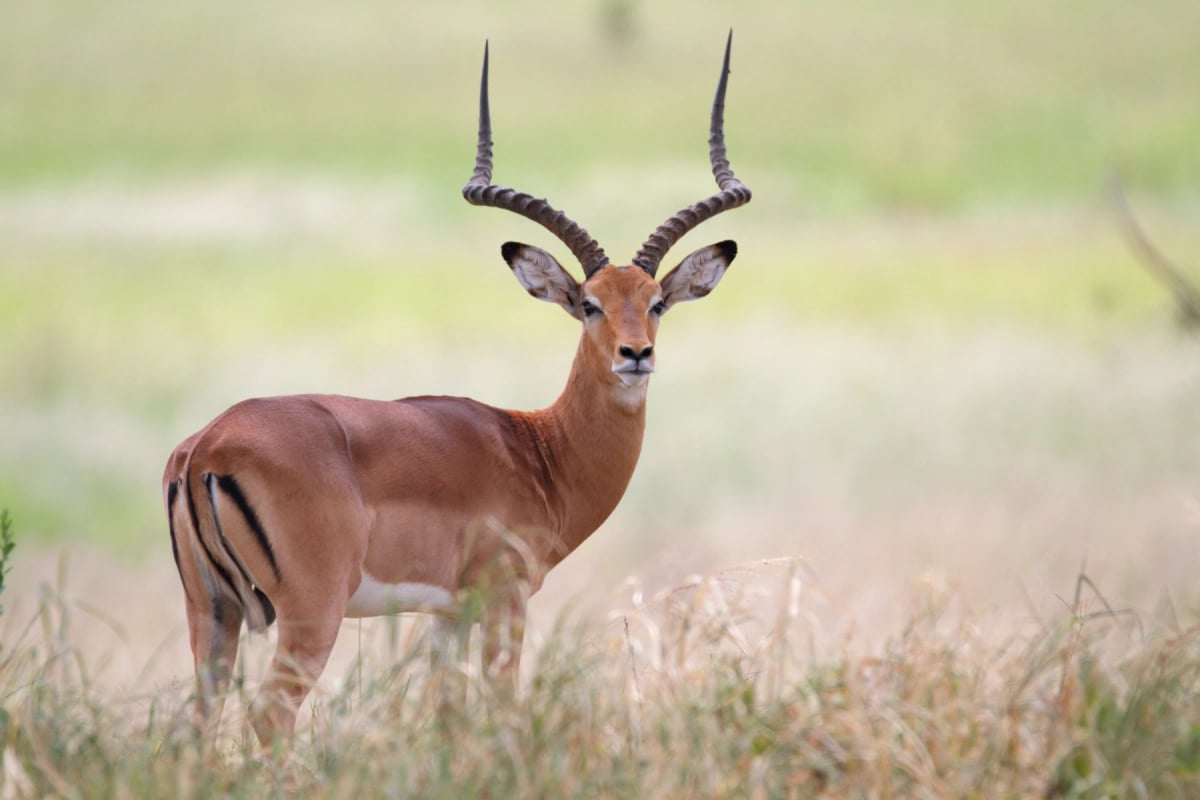
Impala
Aepyceros melampus
The impala is found in Akagera National Park in eastern Rwanda, the country's only savanna park, which borders Tanzania. Impalas were reintroduced and have benefited from sustained conservation management that has brought the park back from years of decline. They roam the grassy plains and open woodlands alongside zebras, buffaloes, and hippos. Capable of leaping up to 10 metres, they rely on speed and agility to avoid predators. The IUCN lists the impala as Least Concern.
Leopard
Panthera pardus
Leopards are present in Rwanda's Nyungwe Forest National Park and Akagera National Park, two very different ecosystems within a small country. Nyungwe offers dense montane rainforest, while Akagera provides open savanna and wetlands. In both settings, leopards are elusive and rarely seen. They play an important role as apex predators in these ecosystems. Conservation efforts in Rwanda have helped stabilize wildlife populations across both parks in recent years.
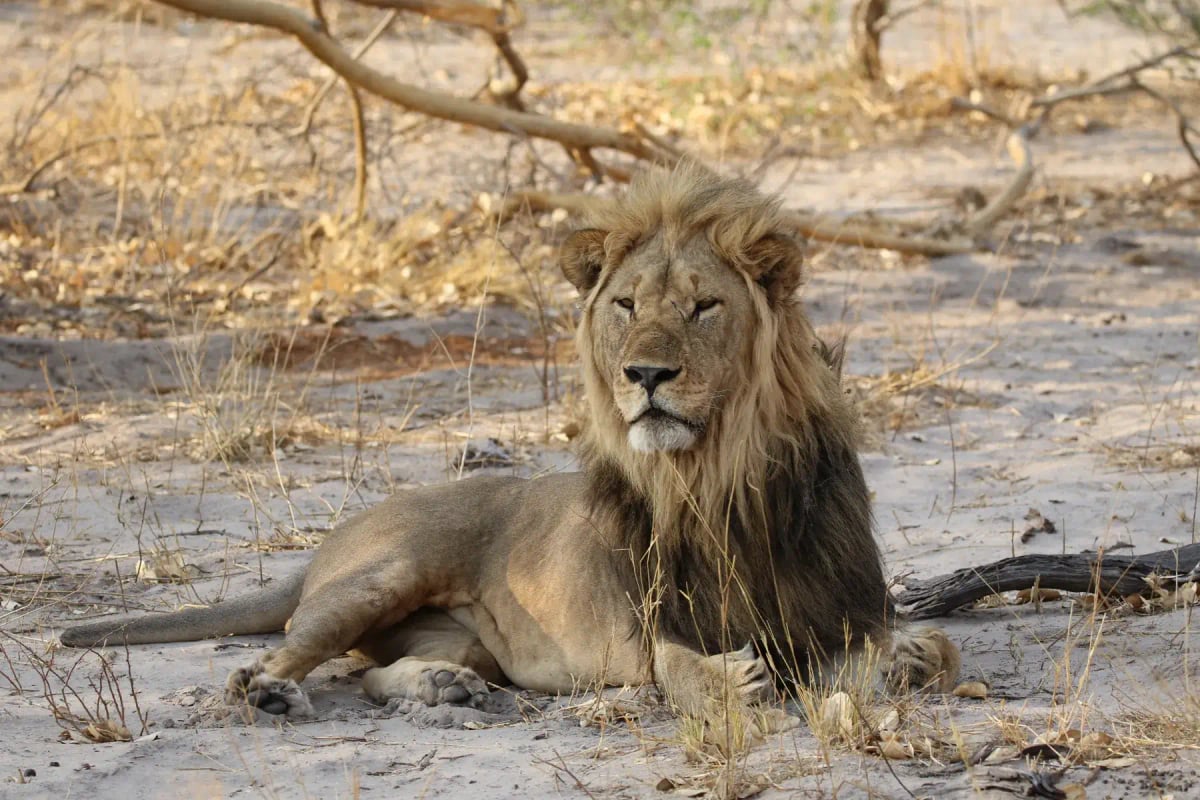
Lion
Panthera leo
Lions were historically present in Rwanda but disappeared from the country decades ago. A small group was reintroduced into Akagera National Park in 2015 as part of a broader rewilding effort, and the population has been growing since. Akagera is now the only place in Rwanda where wild lions can be seen, and their return has become one of the flagship stories of wildlife recovery in East Africa.
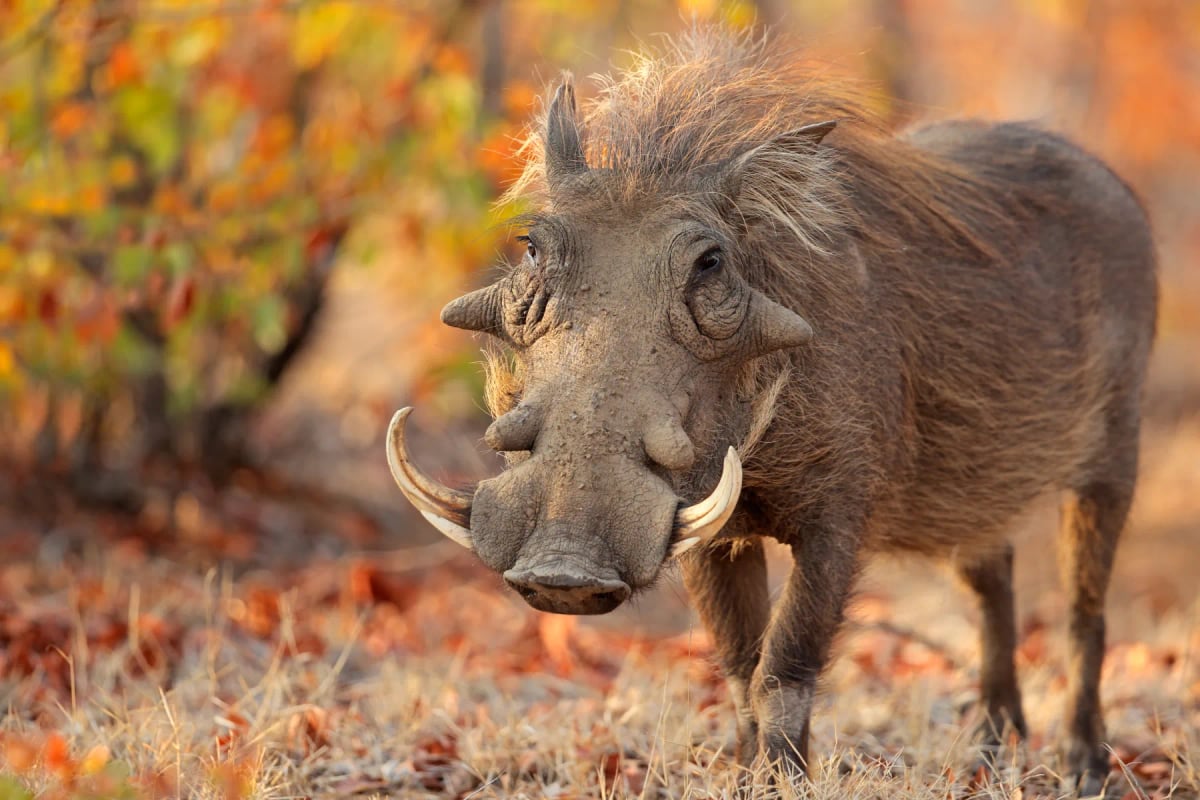
Warthog
Phacochoerus africanus
In Rwanda, warthogs are found mainly in Akagera National Park in the east of the country, a protected savanna ecosystem that borders Tanzania. The park has seen a strong recovery in wildlife numbers following conservation work over the past two decades. Warthogs are a regular and visible presence in the open grasslands there, often seen grazing in family groups near the park's lakes. IUCN status: Least Concern.
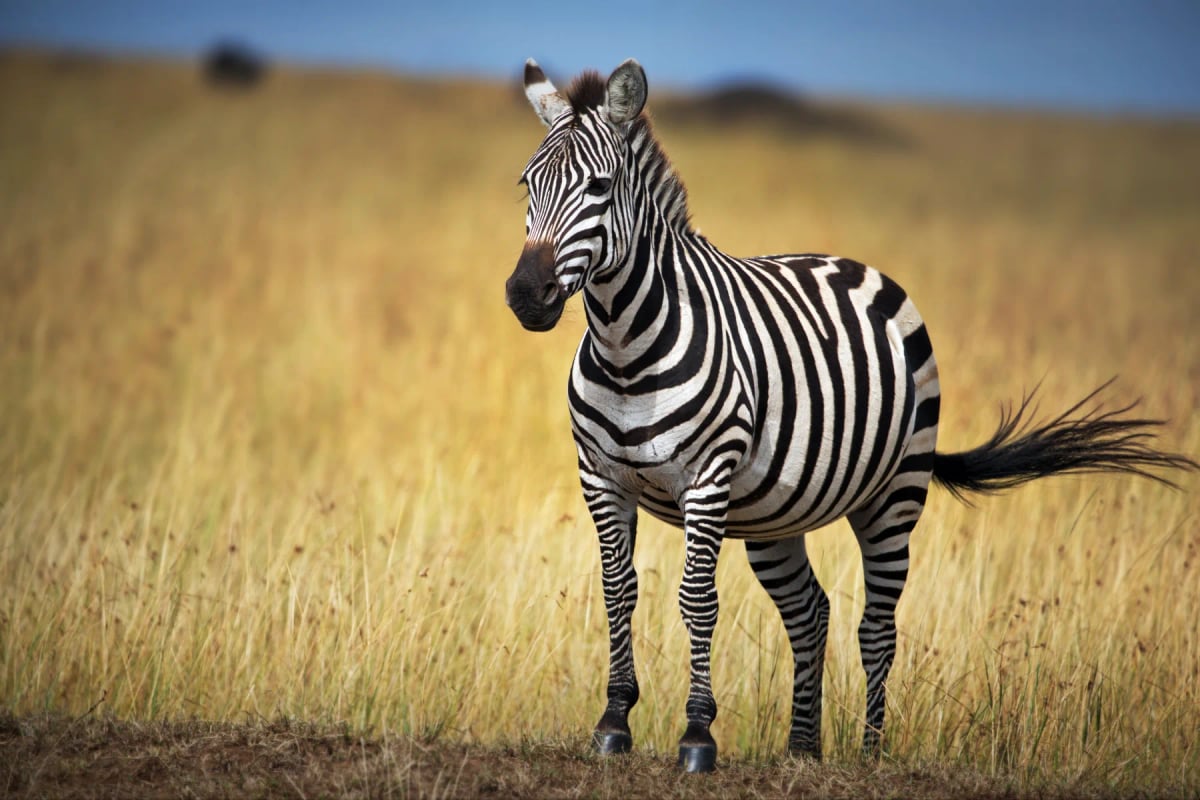
Zebra
Equus spp.
Plains zebras in Rwanda live mainly in Akagera National Park, where they were reintroduced after disappearing during years of conflict and habitat loss in the twentieth century. Strong park management and tighter protection against poaching have allowed the population to grow steadily since then. Herds now graze the park's savanna and grassland alongside other restored wildlife, making zebras one of the more reliable sightings for visitors touring Akagera.
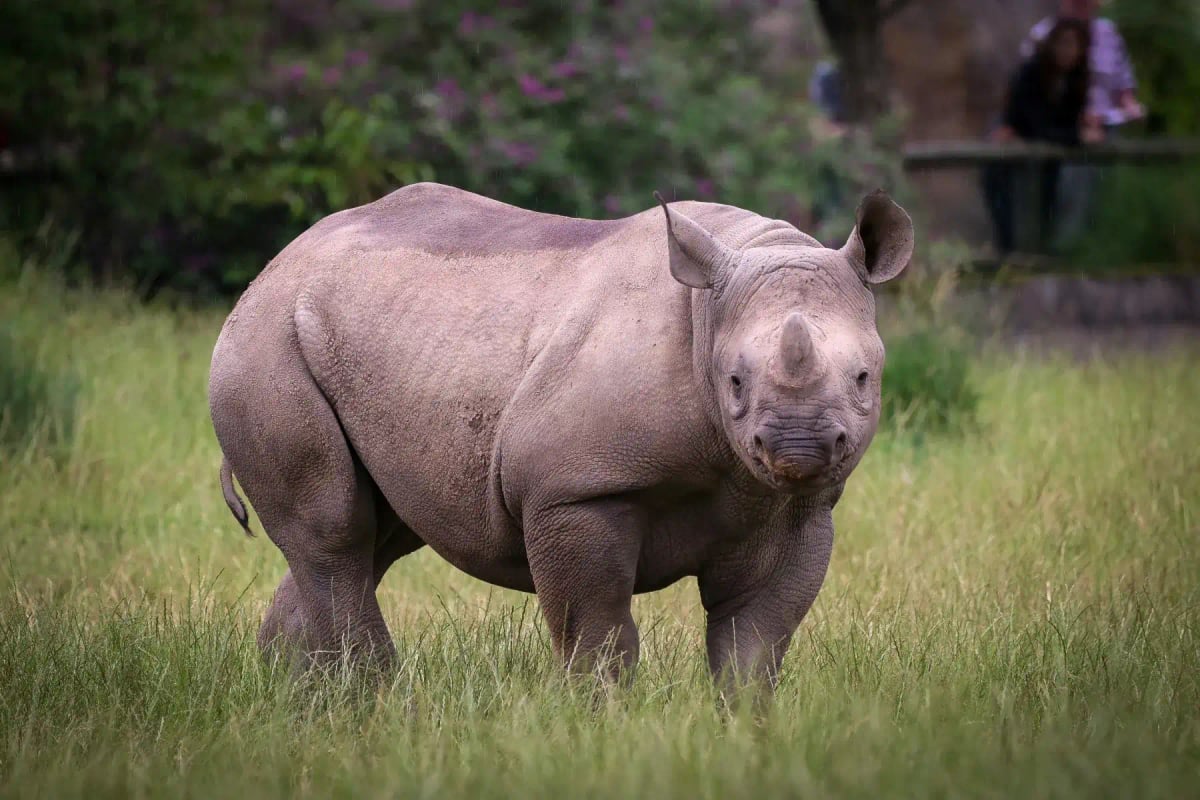
Black Rhinoceros
Diceros bicornis
Rwanda reintroduced black rhinoceros to Akagera National Park in 2017, marking the species' return to the country after approximately a decade of absence. A small founding population was sourced from European zoos as part of a carefully planned program coordinated by African Parks, which manages Akagera. The park's improved security and habitat conditions have allowed the rhinos to settle and begin breeding, offering genuine hope for a growing population in the years ahead.
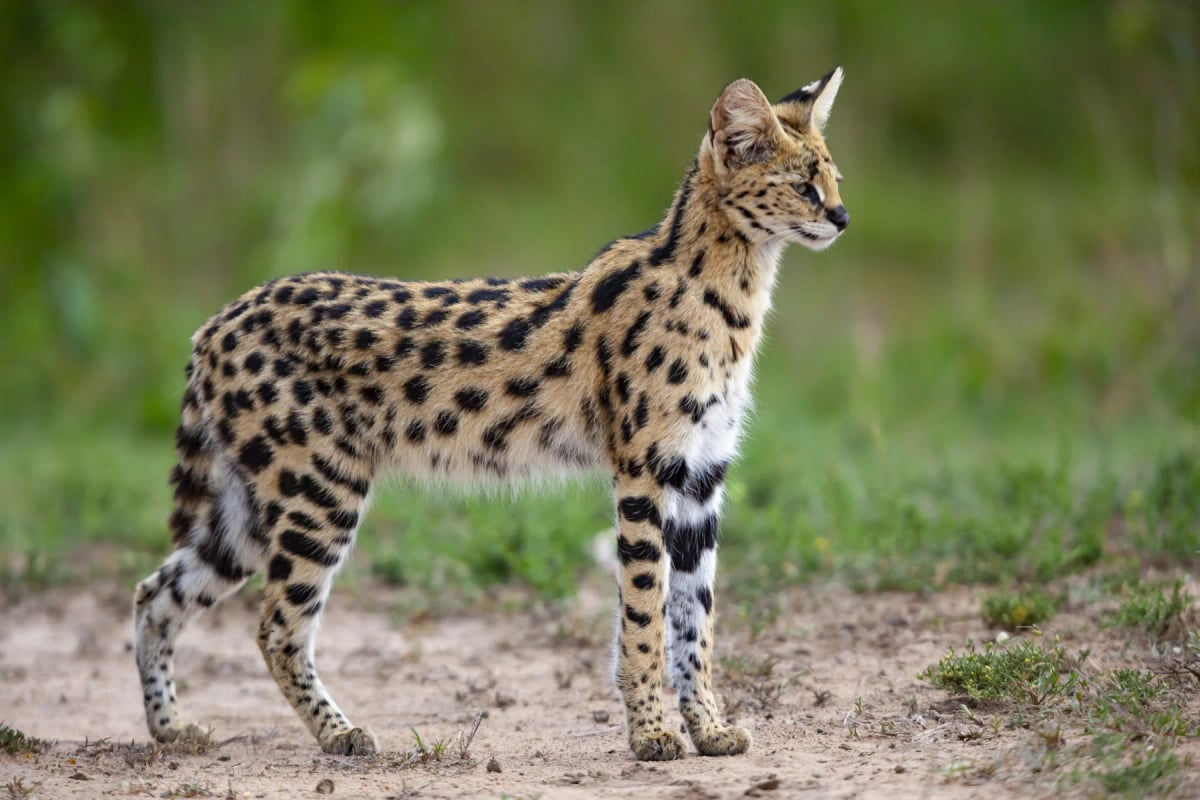
Serval
Leptailurus serval
In Rwanda, servals inhabit the high altitude grasslands and wetland edges of the country's volcanic north and the Akagera savanna in the east. Akagera National Park offers some of the best remaining habitat for the species in the country. Servals hunt alone, mainly after dark, and rely heavily on rodents. The IUCN considers them Least Concern, and conservation efforts within Akagera have helped stabilise the local population in recent years.
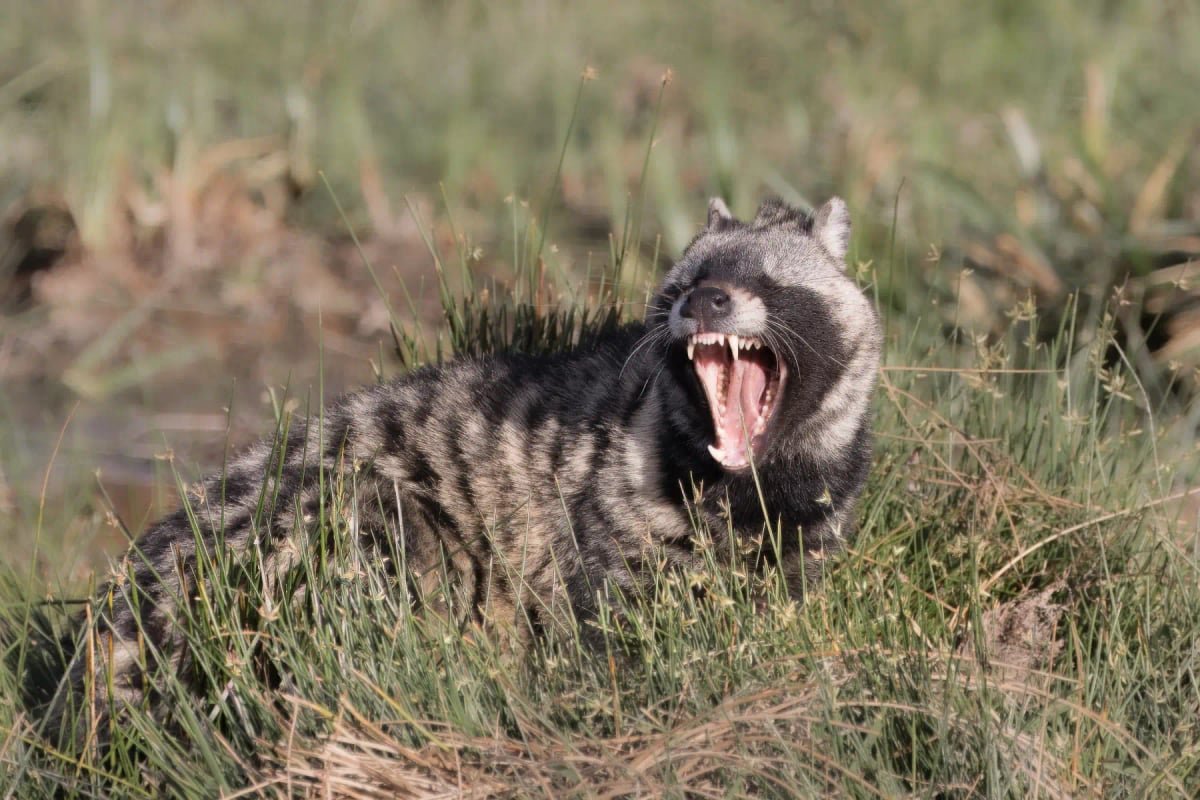
African Civet
Civettictis civetta
The African civet is present in Rwanda's remaining forests and woodland savannas, with Akagera National Park in the east being the most important site. The savanna, woodland and wetland habitat along the Akagera River supports a resident population. Rwanda's intensively cultivated landscape has reduced suitable civet habitat substantially, making protected areas and forest reserves essential refuges in this densely populated country.

Honey Badger
Mellivora capensis
The honey badger is present in Rwanda across savanna patches and montane grassland, particularly near Akagera National Park in the east, away from the dense forests of the west. It digs for rodents and insects and can raid beehives where they are found. High human population density and farmland expansion limit the space available to the species, though the IUCN still lists it as Least Concern.
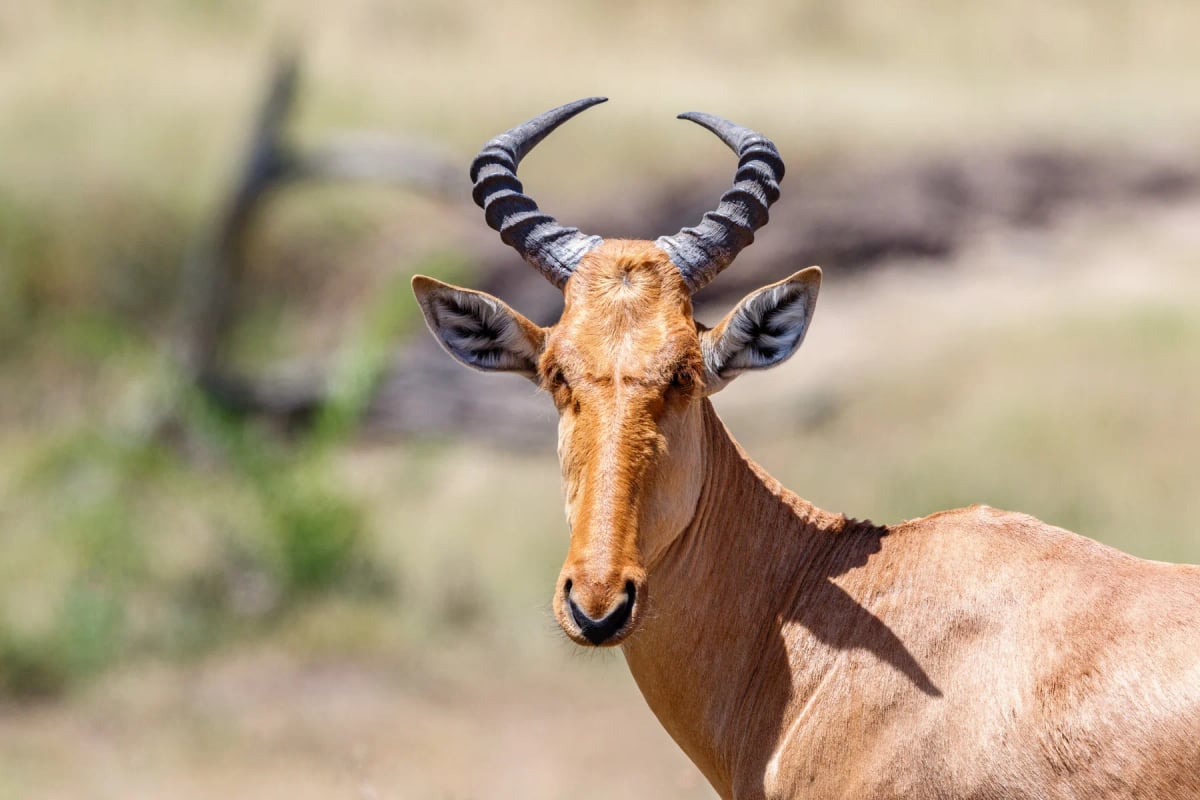
Topi
Damaliscus lunatus
In Rwanda, topis are found in Akagera National Park, located in the east of the country along the border with Tanzania. The park's mix of savanna, woodland, and lakes creates suitable habitat for grazing herds. Conservation efforts in Akagera, including anti-poaching work and habitat management, have helped stabilize wildlife populations in recent decades, giving topis a secure foothold in this small but well-managed protected area. IUCN status: Least Concern.
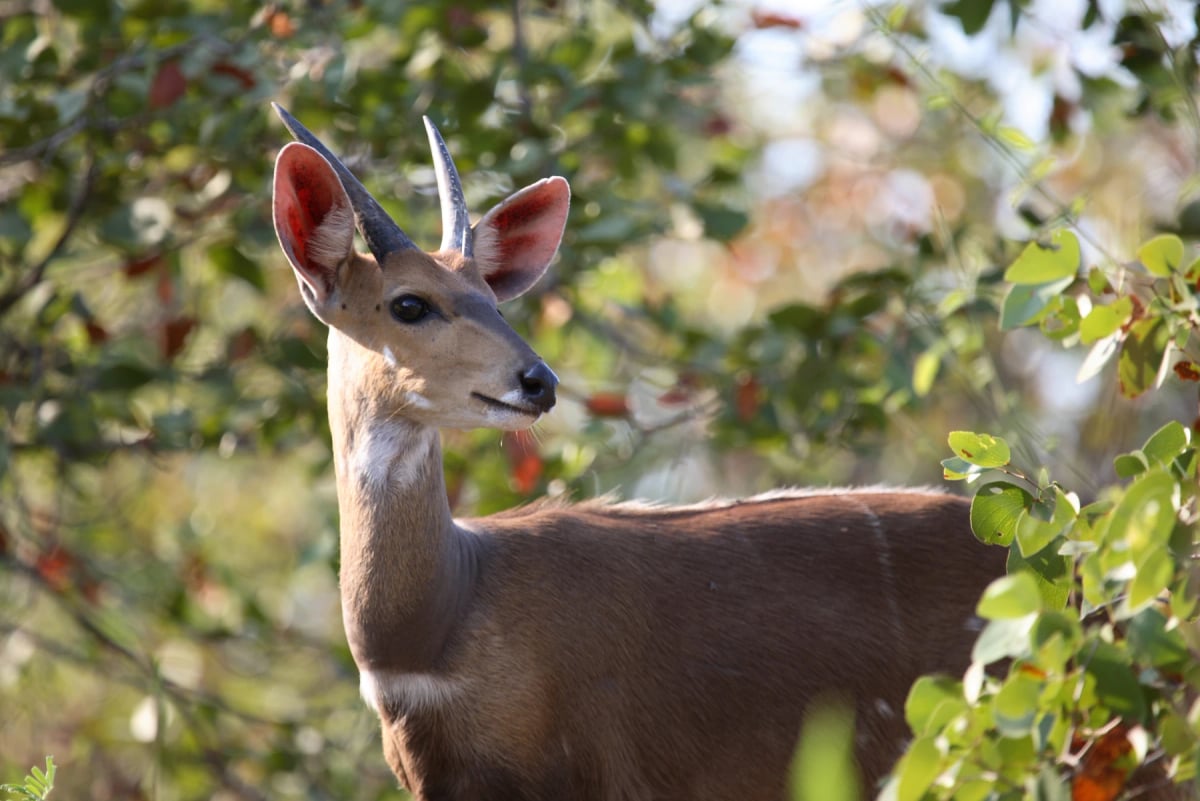
Bushbuck
Tragelaphus scriptus
Rwanda's bushbucks inhabit the country's forested regions, including areas near montane forests and dense woodland patches. These solitary browsers feed on vegetation within protected forest reserves and less disturbed natural areas. Males display the species' distinctive short, spiraled horns, while females remain hornless. Despite their presence across suitable forested habitat, bushbucks remain elusive due to their naturally shy temperament and preference for dense cover.
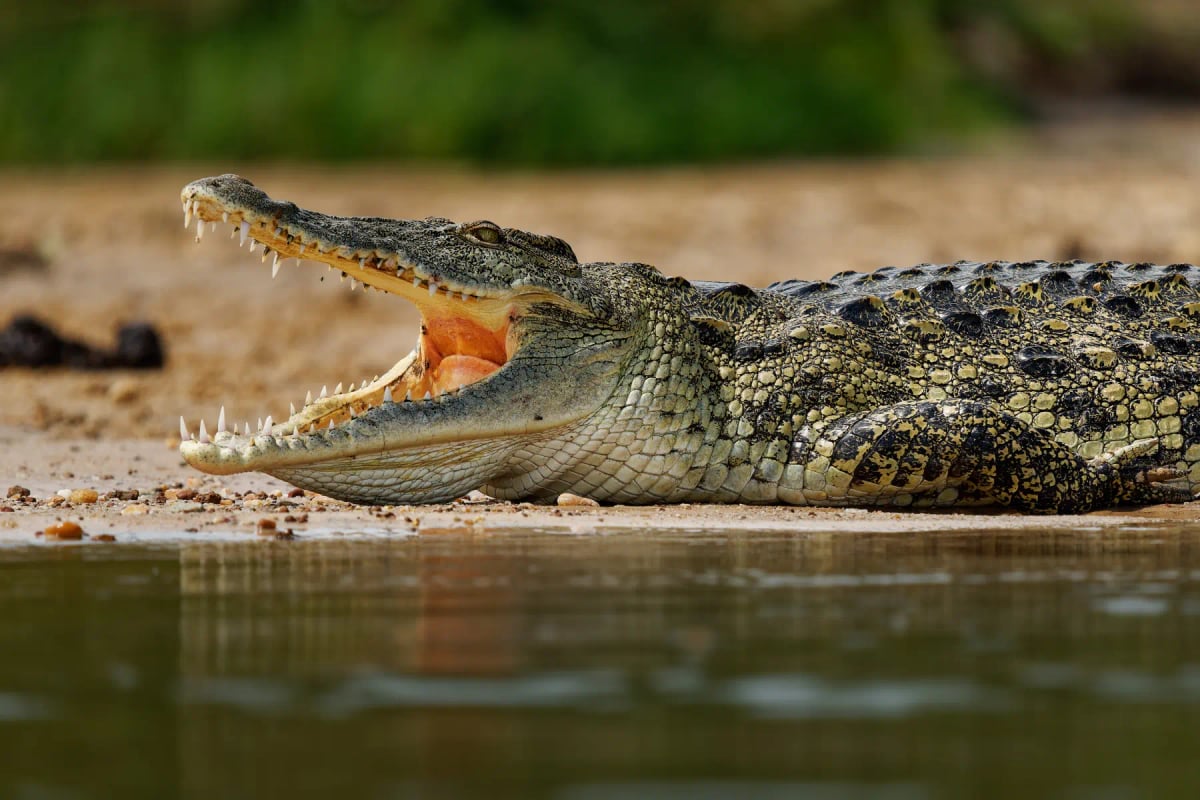
Nile Crocodile
Crocodylus niloticus
The Nile crocodile has a limited but confirmed presence in Rwanda, associated primarily with the Akagera River and the lakes within Akagera National Park in the east of the country. This protected area safeguards one of the last remaining savanna ecosystems in the region. Crocodile numbers here are relatively modest compared to larger African populations. The IUCN lists the species as Least Concern, and Akagera's management provides a degree of protection for this population.
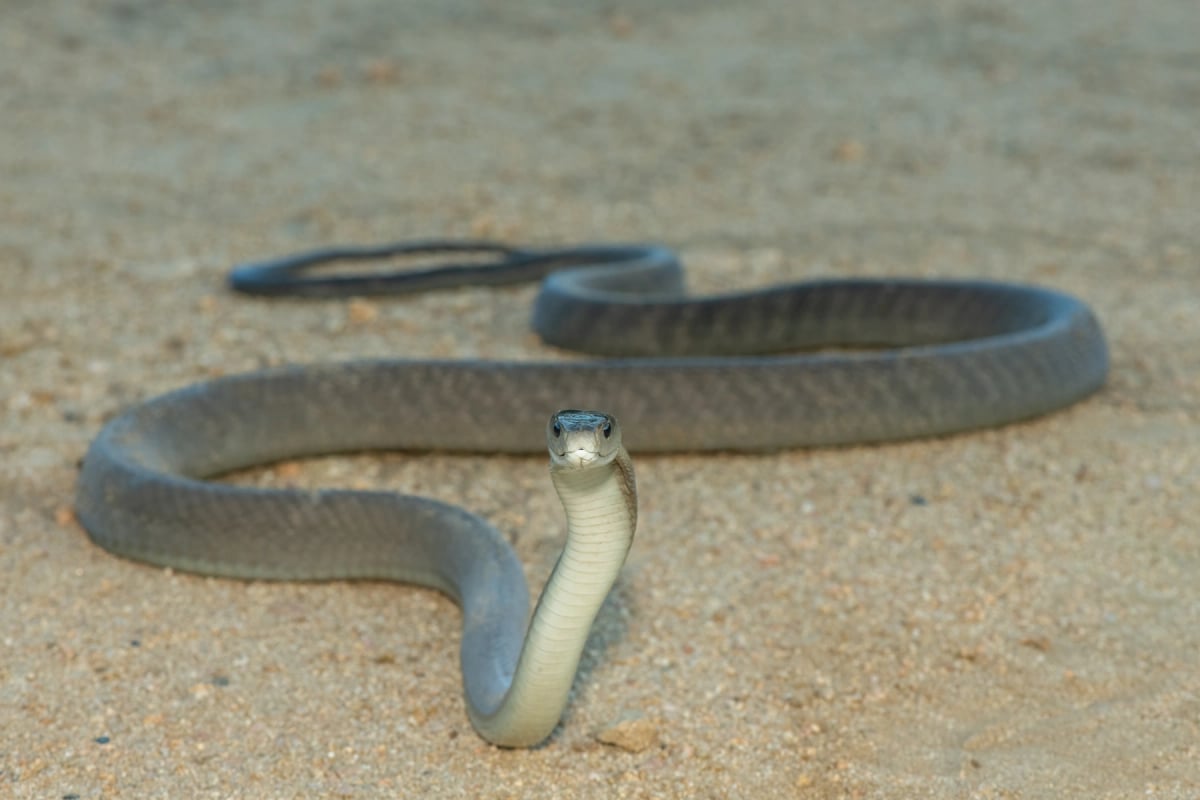
Black Mamba
Dendroaspis polylepis
The black mamba (Dendroaspis polylepis) occurs in Rwanda's savanna lowlands and open woodland areas, particularly in the eastern and southern parts of the country where the habitat transitions away from highland forest. A fast and efficient predator, it relies on potent neurotoxic venom to subdue birds and small mammals. It is listed as Least Concern by the IUCN, though encounters near farming communities can pose real risks.
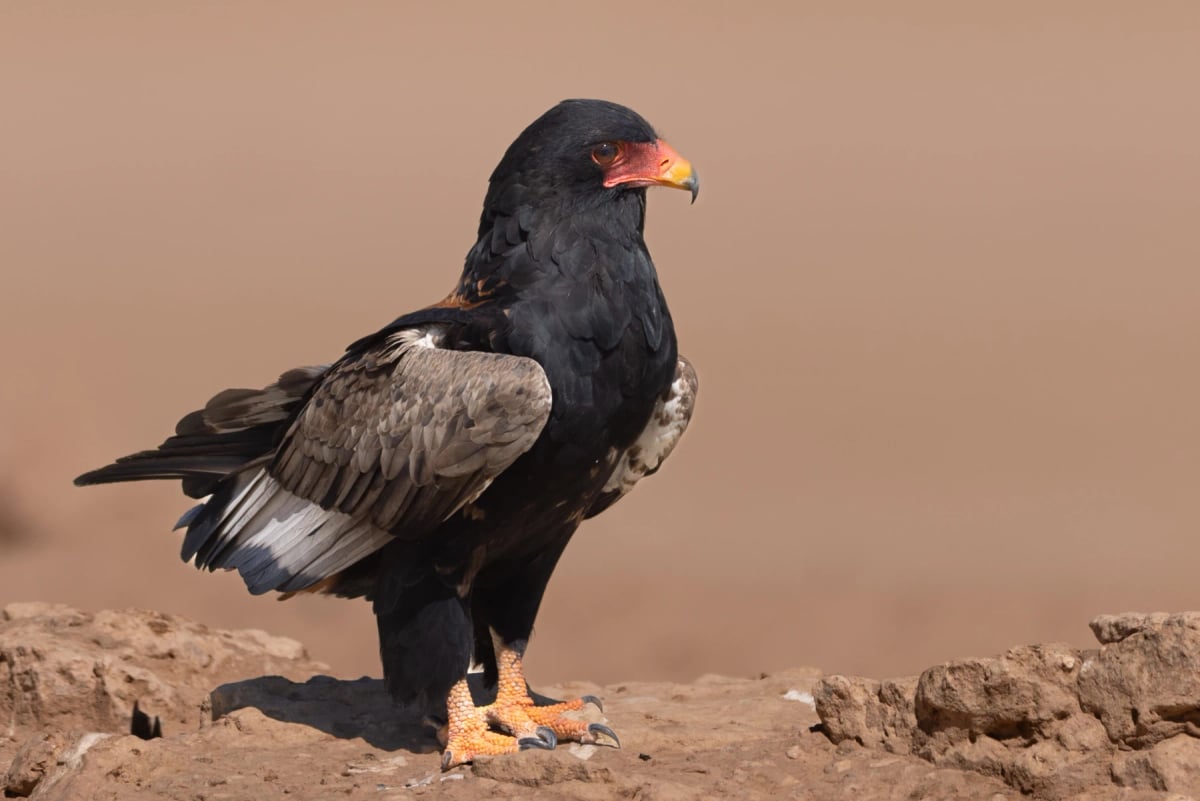
Bateleur
Terathopius ecaudatus
The bateleur has been recorded in Rwanda's Akagera National Park, the country's main savanna ecosystem in the east, where open woodland and grassland offer suitable habitat. It is considered rare within Rwanda and is not regularly observed. As an Endangered species according to the IUCN, its presence in the park highlights the importance of protected savanna landscapes for the conservation of large raptors in Central Africa.
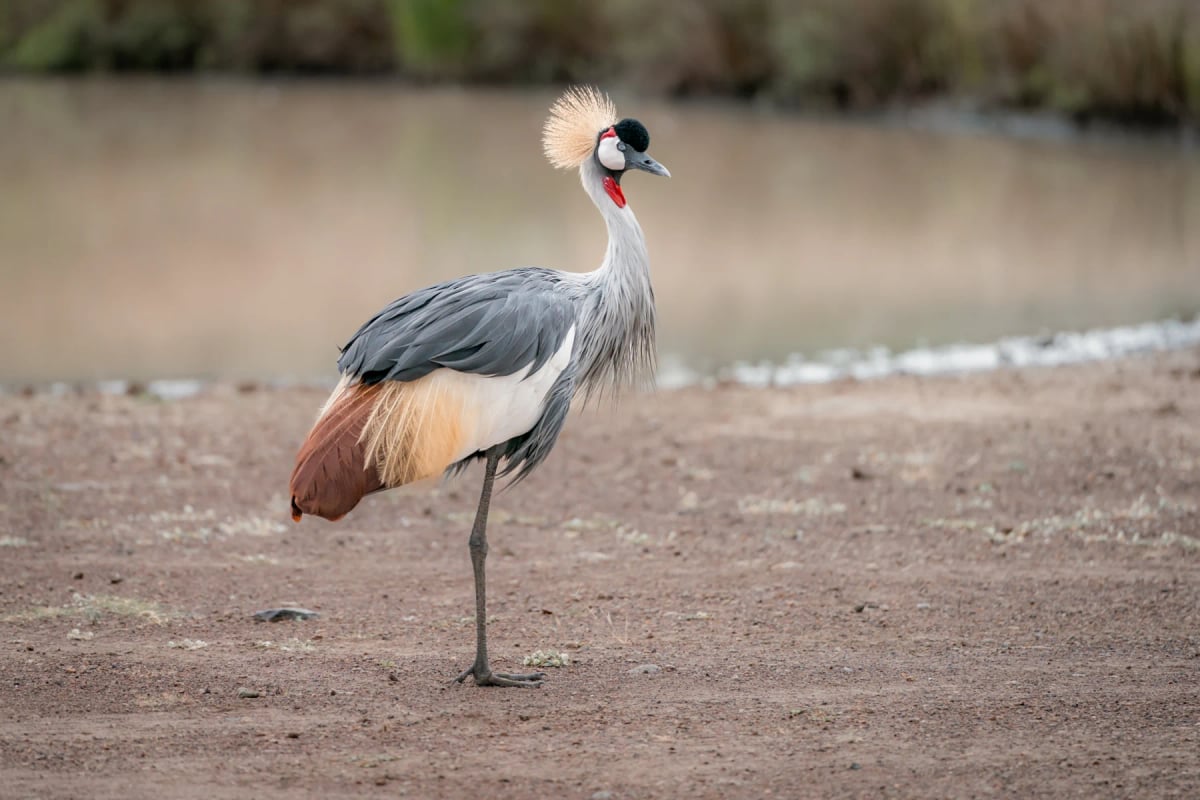
Grey Crowned Crane
Balearica regulorum
Rwanda has one of the best recovery stories for the grey crowned crane. Many birds were once kept illegally in gardens and hotels, but an amnesty launched in 2014 let owners hand them over without penalty. Hundreds were rescued and many released in Akagera National Park, and the wild population grew from 487 birds in 2017 to about 1,300 in recent counts, helped by wetland protection. IUCN status: Endangered.
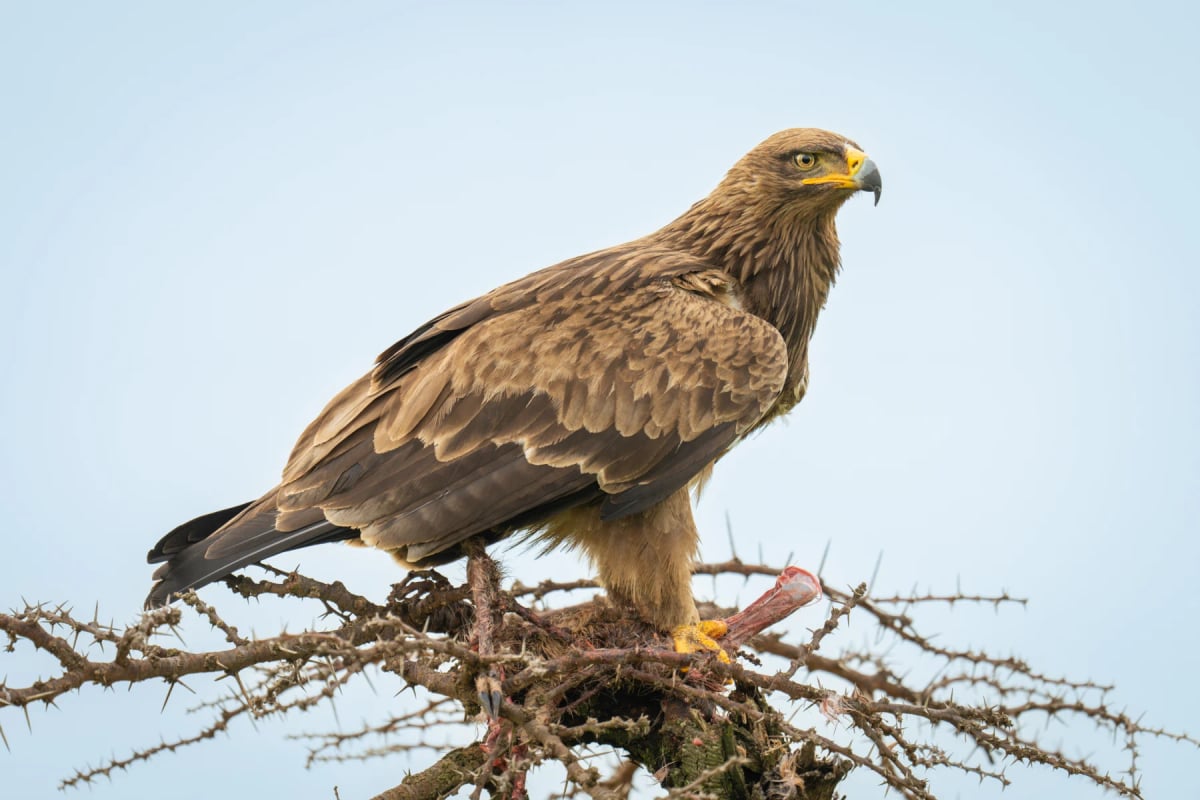
Steppe Eagle
Aquila nipalensis
Rwanda's highland grasslands and open valleys provide stopover and wintering habitat for the Steppe Eagle during its long journey from Central Asia. The species has been recorded across the country's savanna zones, where it may join other raptors foraging near termite emergences or carcasses. Rwanda is part of the broad wintering belt this eagle occupies across East Africa. The IUCN classifies it as Endangered, with the population in continued decline.
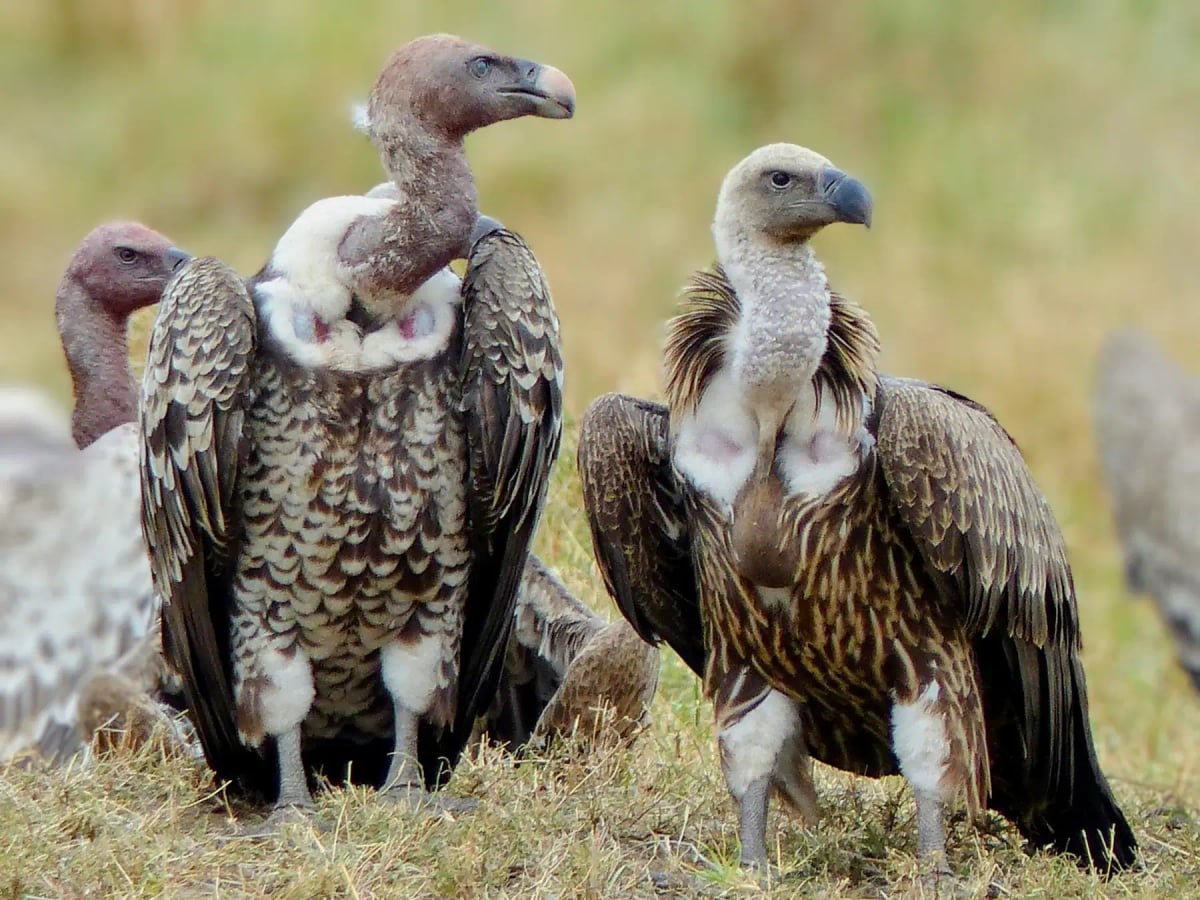
White backed Vulture
Gyps africanus
Rwanda's small size and high human population density leave little room for wide ranging birds like the white backed vulture. Occasional sightings are reported near Akagera National Park in the east, where savanna habitat borders Tanzania. The park has undergone significant ecological restoration in recent decades, and efforts to reintroduce and protect large mammals may gradually improve conditions for this Critically Endangered vulture.
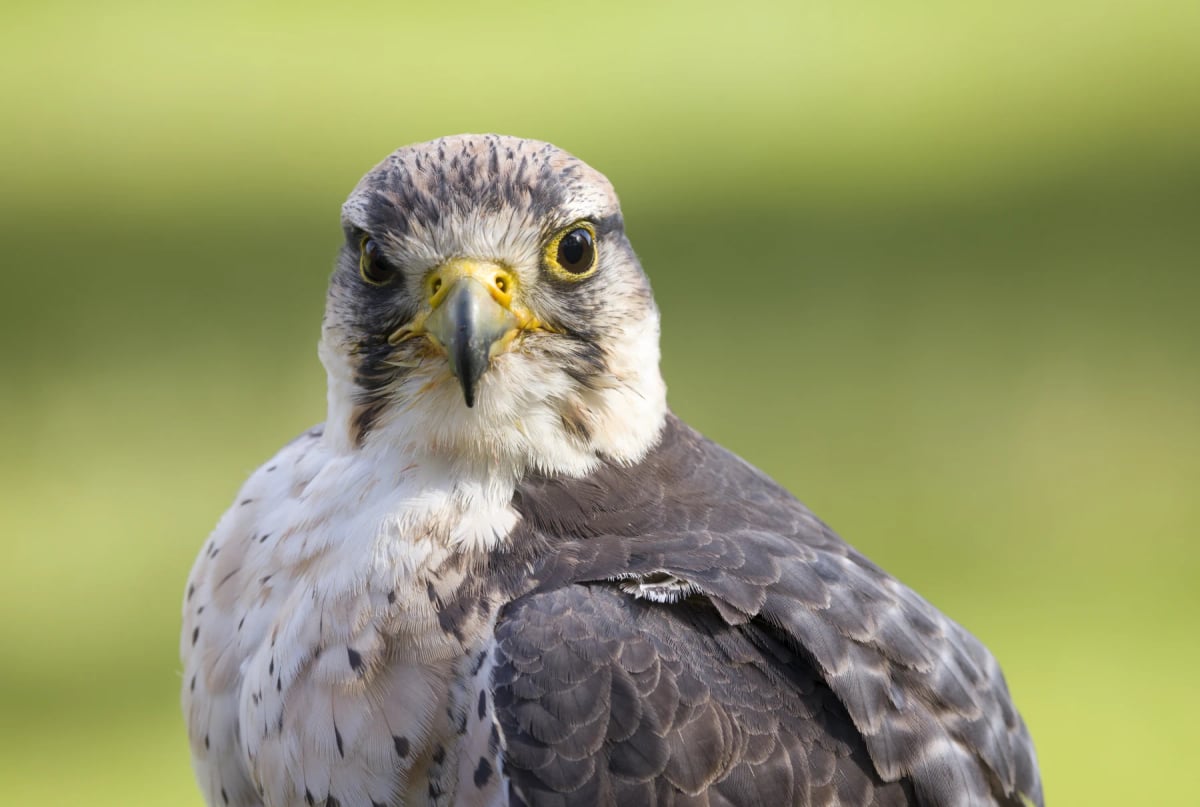
Lanner Falcon
Falco biarmicus
In Rwanda, the lanner falcon is found in the drier eastern savanna regions, where open grassland and scattered rocky outcrops provide good hunting ground for birds. Pairs are territorial and tend to nest on cliff ledges where suitable rocky terrain is available. The IUCN lists the species as Least Concern. In a densely populated country like Rwanda, pressure from land use change and habitat loss is a relevant local concern.
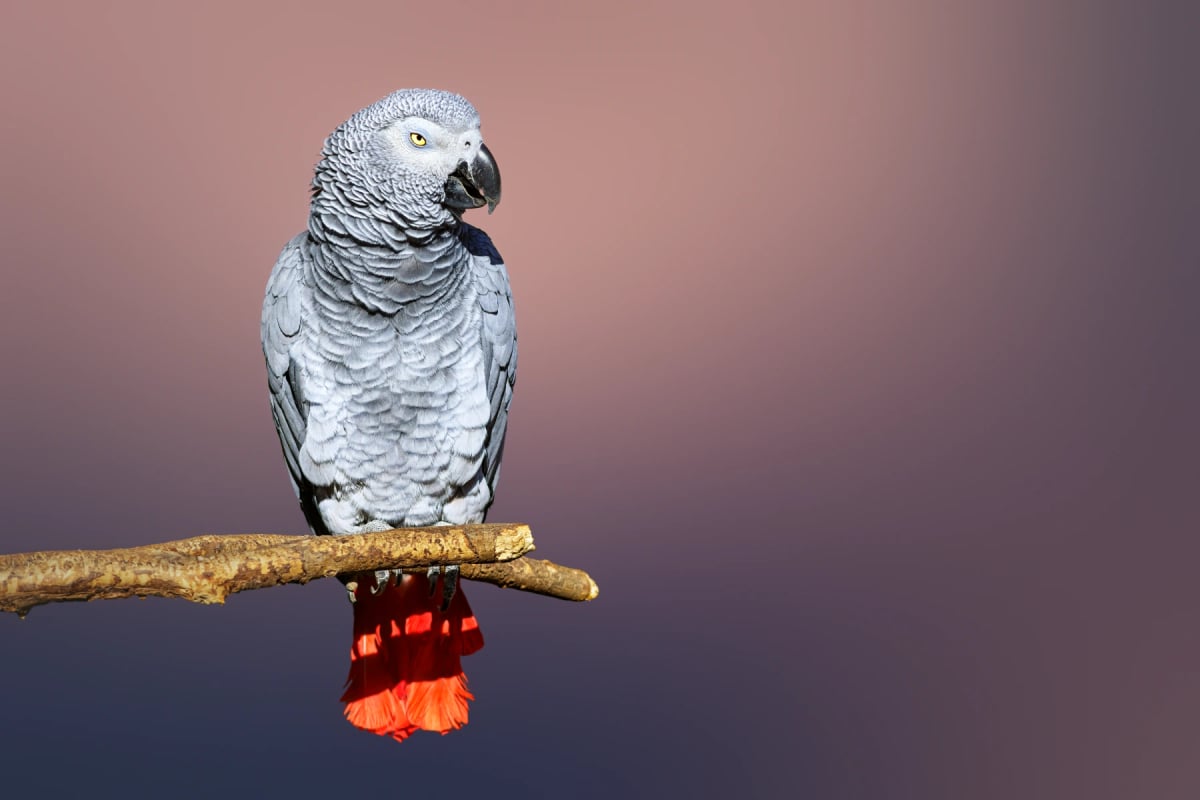
African Grey Parrot
Psittacus erithacus
Rwanda's African grey parrots are found in the Nyungwe Forest National Park in the southwest, one of the largest montane rainforests in East Africa and the most important wildlife habitat in the country. Nyungwe sits on the Congo-Nile divide and its forests connect with those of the broader Congo Basin, placing it at the eastern fringe of the species' range. Population declines from trapping have been documented in Rwanda and the species is now rare outside protected forest areas. Nyungwe's ongoing conservation management is critical for the parrot's survival in the country.
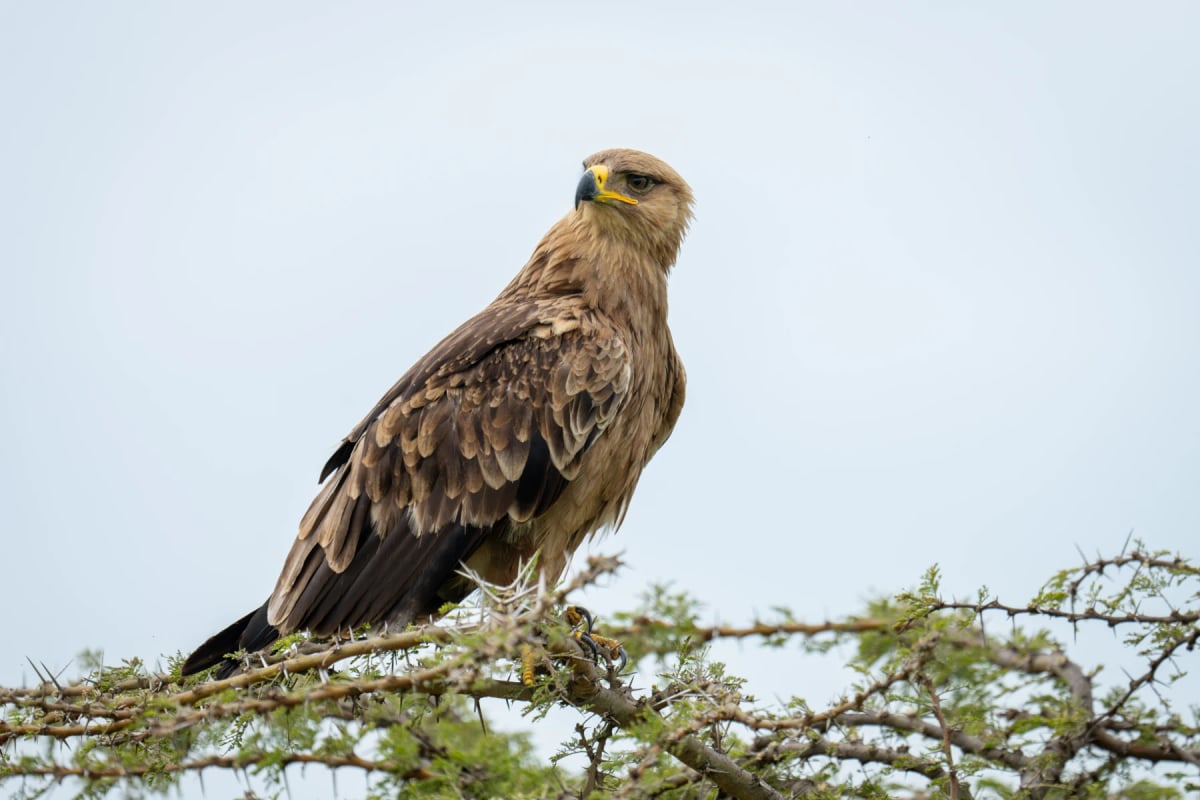
Tawny Eagle
Aquila rapax
The tawny eagle occurs in Rwanda's open savanna habitats, particularly in the east of the country near Akagera National Park, where grasslands and scattered woodlands provide suitable foraging ground. It hunts small animals and scavenges when the opportunity arises. Habitat loss outside protected areas is a concern for this species across Central Africa. The IUCN classifies it as Vulnerable.
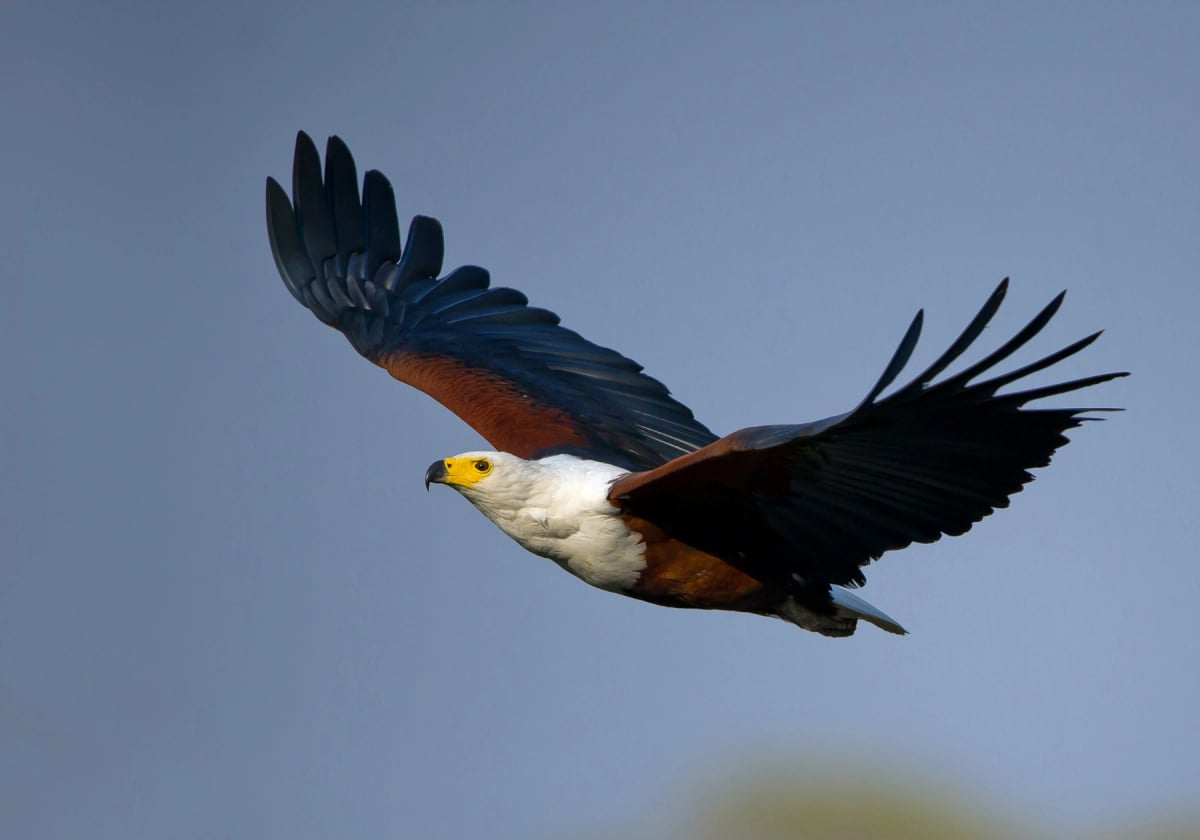
African Fish Eagle
Haliaeetus vocifer
The African fish eagle is present in Rwanda near Lake Kivu on the western border and along the rivers and wetlands that drain the country's hilly interior. Lake Kivu, shared with the DRC, is the most important site for the species. The Akagera National Park in the east, with its chain of lakes and papyrus swamps along the Akagera River, also supports resident pairs and is among the most accessible places to observe this eagle in Rwanda.
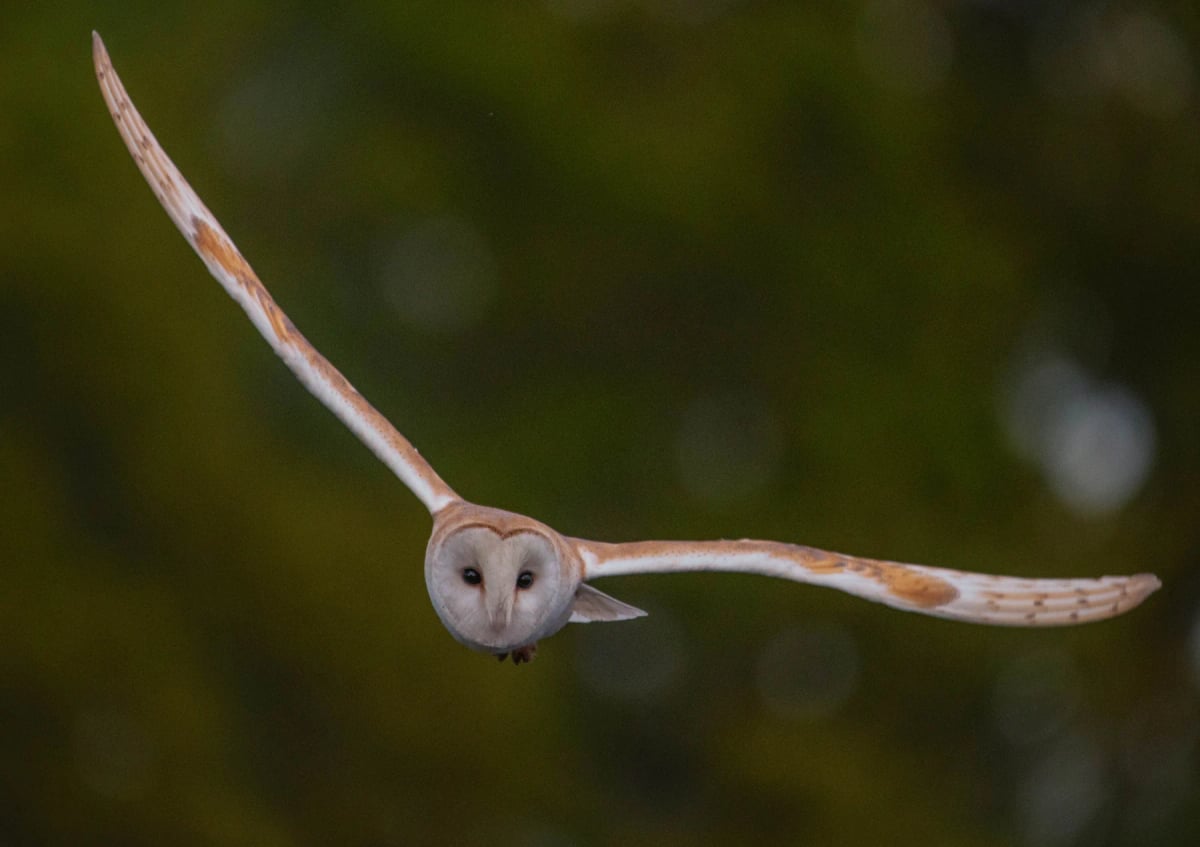
Barn Owl
Tyto alba
The barn owl is found in Rwanda in open farmland, grassland, and areas near villages and towns across this densely populated highland country. It nests in old buildings, cliff faces, and hollow trees, and hunts rodents at night by sound. In one of the most intensively farmed countries in Africa, where smallholder agriculture dominates the landscape, it plays a useful role in controlling the rodent populations that damage crops and stored food. It is present across a range of altitudes in Rwanda's hilly terrain.
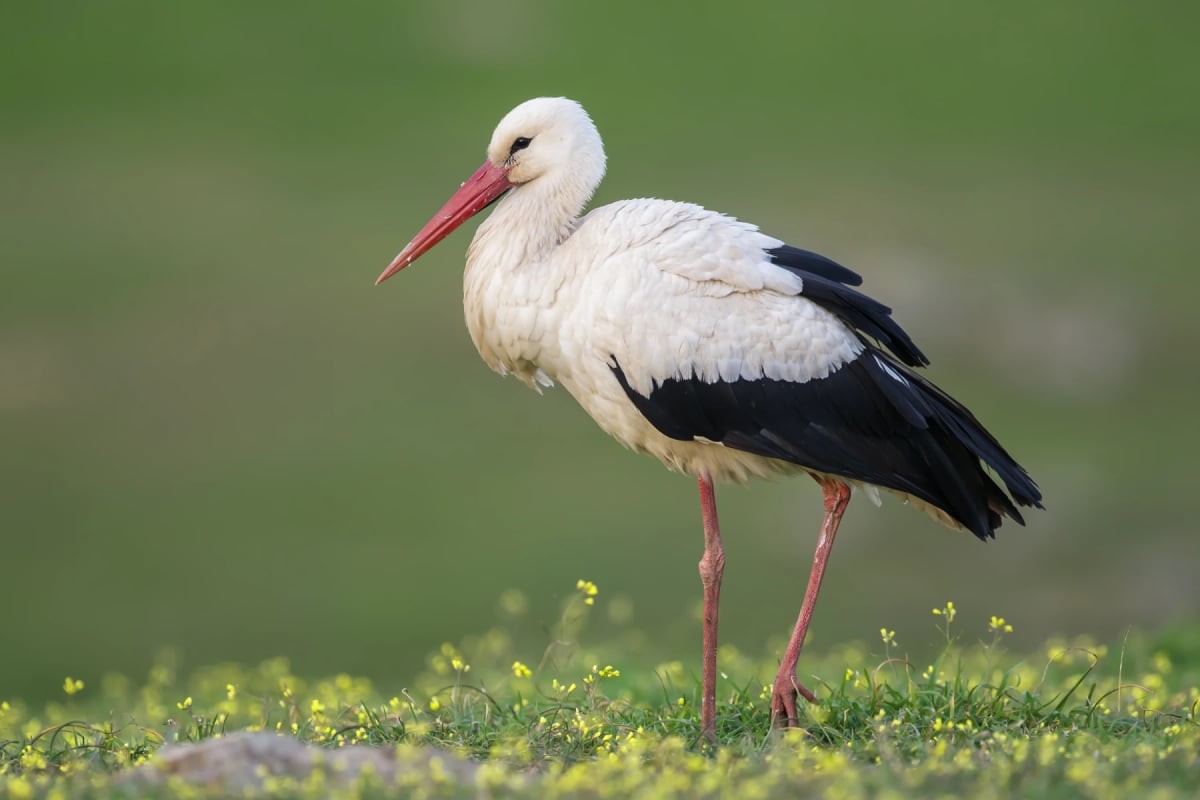
Stork
Ciconia ciconia
White storks visit Rwanda as non breeding winter migrants, passing through or spending the northern winter months across the country's highlands and open valleys. Rwanda lies within the Albertine Rift, and its mix of grassland, wetland, and farmland provides suitable feeding habitat for birds in transit. Storks are often seen in flocks foraging across cultivated fields. The species does not breed in Rwanda but is a regular seasonal presence.
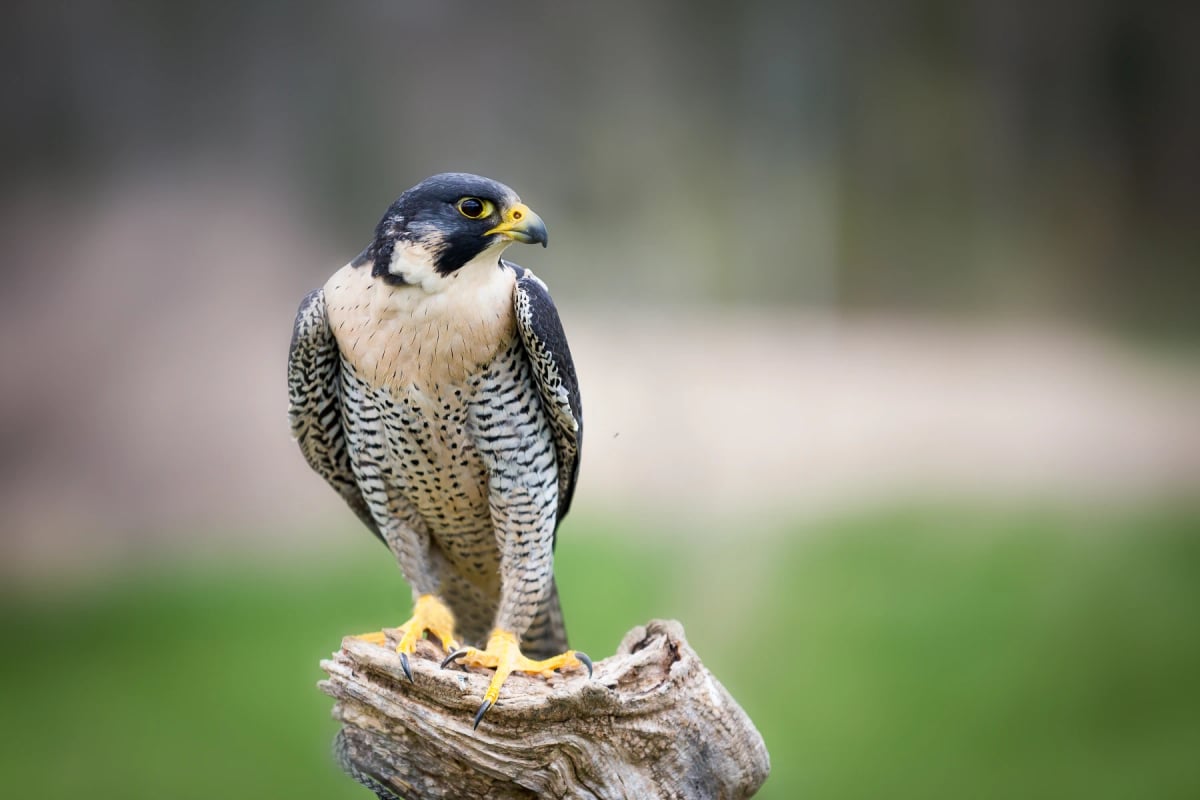
Peregrine Falcon
Falco peregrinus
The peregrine falcon occurs in Rwanda primarily as a migrant and occasional resident in the highland areas of this densely forested and hilly country. The Albertine Rift, which forms Rwanda's western border, is a significant corridor for birds moving through central Africa. Rocky outcrops and cliff edges in the volcanic north provide suitable hunting and perching habitat. Its IUCN status is Least Concern.
Researched and written by Juan Pablo. Sources: IUCN Red List, scientific literature and regional field guides. Last updated: .