Animals in Zimbabwe
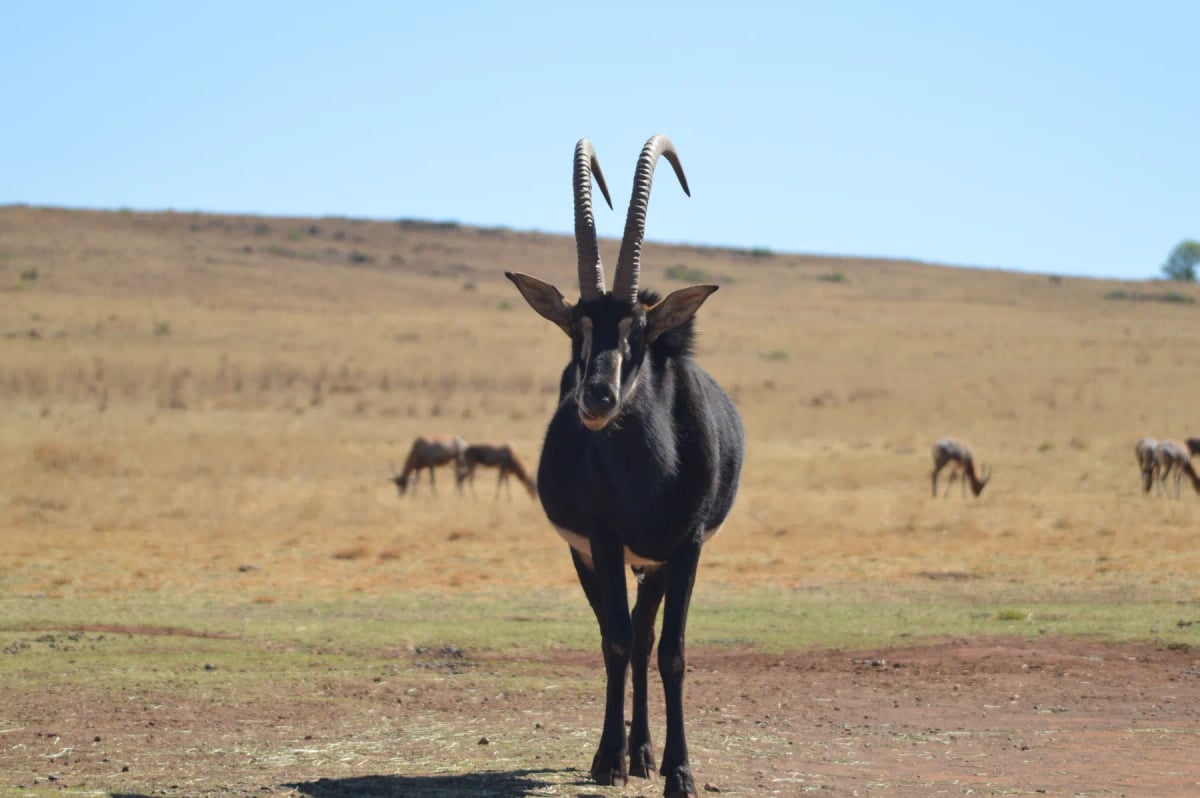
Sable Antelope
Hippotragus niger
The sable antelope, Zimbabwe’s national animal, is admired for its dark coat and curved horns. Found in woodlands and grasslands, it embodies endurance and elegance in nature. The species often features in conservation projects and tourism materials, symbolizing the country’s pride in protecting its natural wealth.
View details→Wildlife in Zimbabwe
Zimbabwe’s landscapes range from the Zambezi River and Victoria Falls to the plains of Hwange and the mountains of the east. These environments shelter elephants, lions, cheetahs and endangered African wild dogs. Safaris and river tours draw travelers who come to experience the country’s diverse wildlife and scenic natural heritage.
Most Dangerous Animals in Zimbabwe
Wildlife in Zimbabwe demands caution. Lions, hippos, crocodiles and buffalo are powerful animals, while snakes such as the black mamba and puff adder are highly venomous. Rangers advise maintaining distance and following safety rules during safaris and river excursions to ensure a safe and respectful experience.
Top 10 Animals in Zimbabwe
Zimbabwe’s remarkable fauna includes elephants, lions, leopards, buffalo and black rhinos, known collectively as the Big Five. Visitors encounter them in protected areas such as Hwange and Mana Pools, which offer some of Southern Africa’s most authentic wildlife experiences and support conservation through responsible tourism.
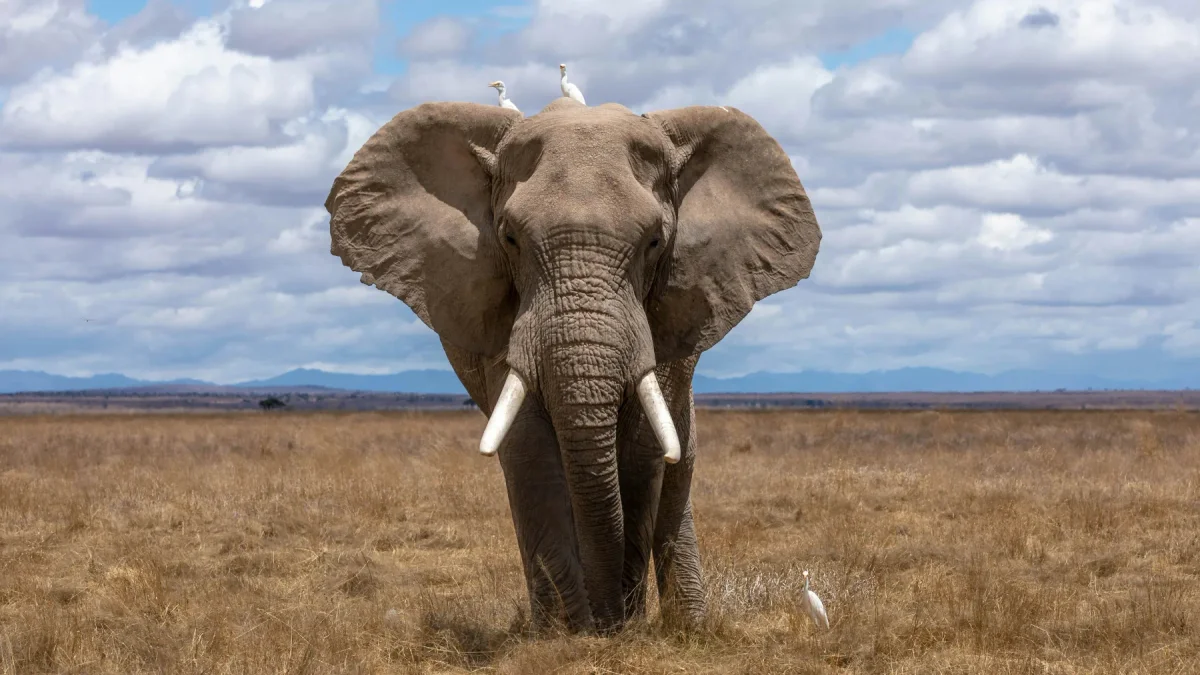
African Elephant
Loxodonta africana
Zimbabwe holds one of Africa's largest elephant populations, with Hwange National Park alone estimated to hold over 45,000 individuals, well above the park's ecological carrying capacity. This has made elephant management one of Zimbabwe's most debated conservation issues. The country was at the center of the global ivory trade debate in the late 1980s and played a key role in securing the 1989 CITES international ivory ban, which dramatically reduced poaching across the continent.
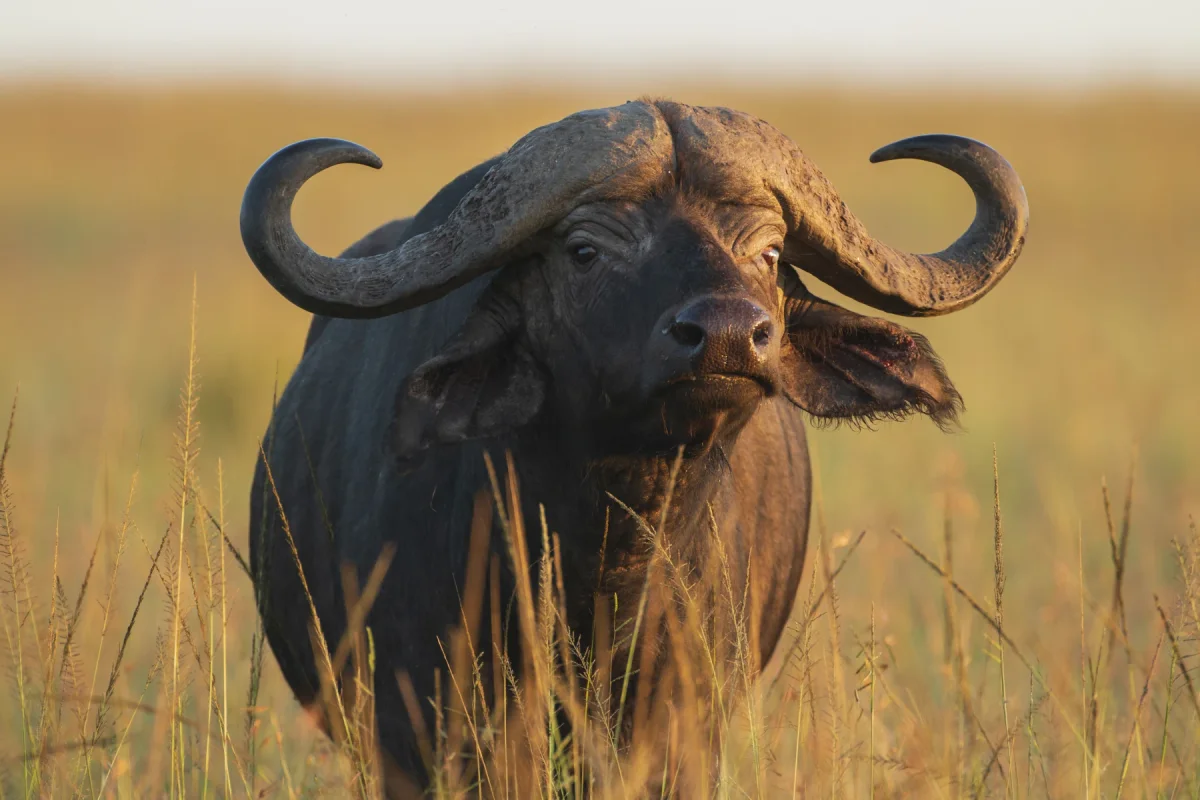
Buffalo
Syncerus caffer
Zimbabwe has well-established buffalo populations within its national parks and private conservancies. Hwange National Park and the Zambezi Valley are among the most important areas for the species. Buffalo here play a central role in the ecology of these landscapes, sustaining lion prides and other predators. Disease management, particularly around bovine tuberculosis, remains an active focus for wildlife managers working near livestock farming areas. IUCN status: Least Concern.
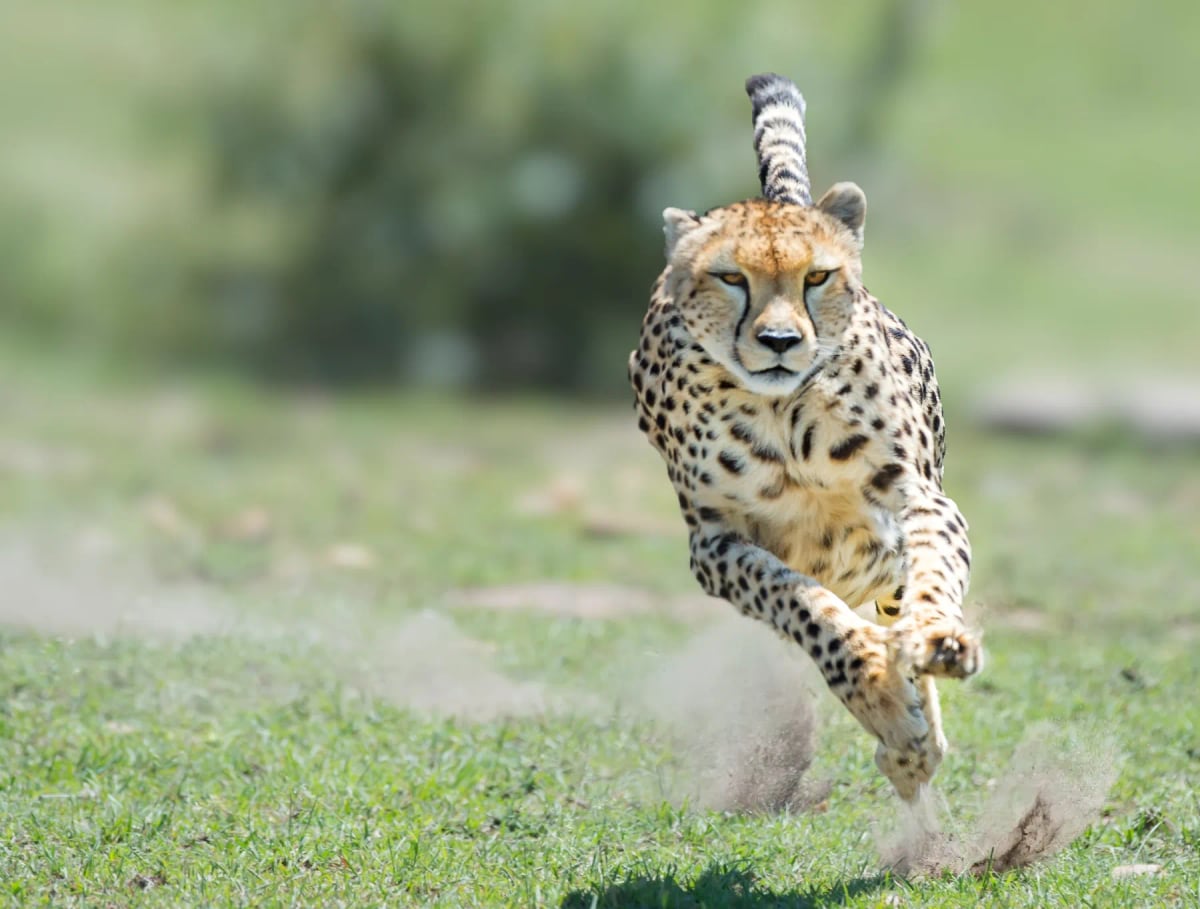
Cheetah
Acinonyx jubatus
Zimbabwe holds a modest but significant cheetah population, found mainly in the lowveld regions and in conservancies such as the Bubye Valley Conservancy, which is one of the largest cheetah habitats in the country. The combination of private conservancies and national parks provides a patchwork of suitable habitat. Human and wildlife conflict on land bordering communal farming areas remains a key concern for managers.
Sable Antelope
Hippotragus niger
Zimbabwe has a strong tradition of sable antelope conservation, and the species is well represented in parks such as Hwange National Park and Matobo Hills. The country's mixed woodland and grassland habitats suit the sable well. Zimbabwe has also been active in wildlife management programs aimed at maintaining viable populations. The sable antelope holds cultural significance in Zimbabwe and even appears on the country's coat of arms.
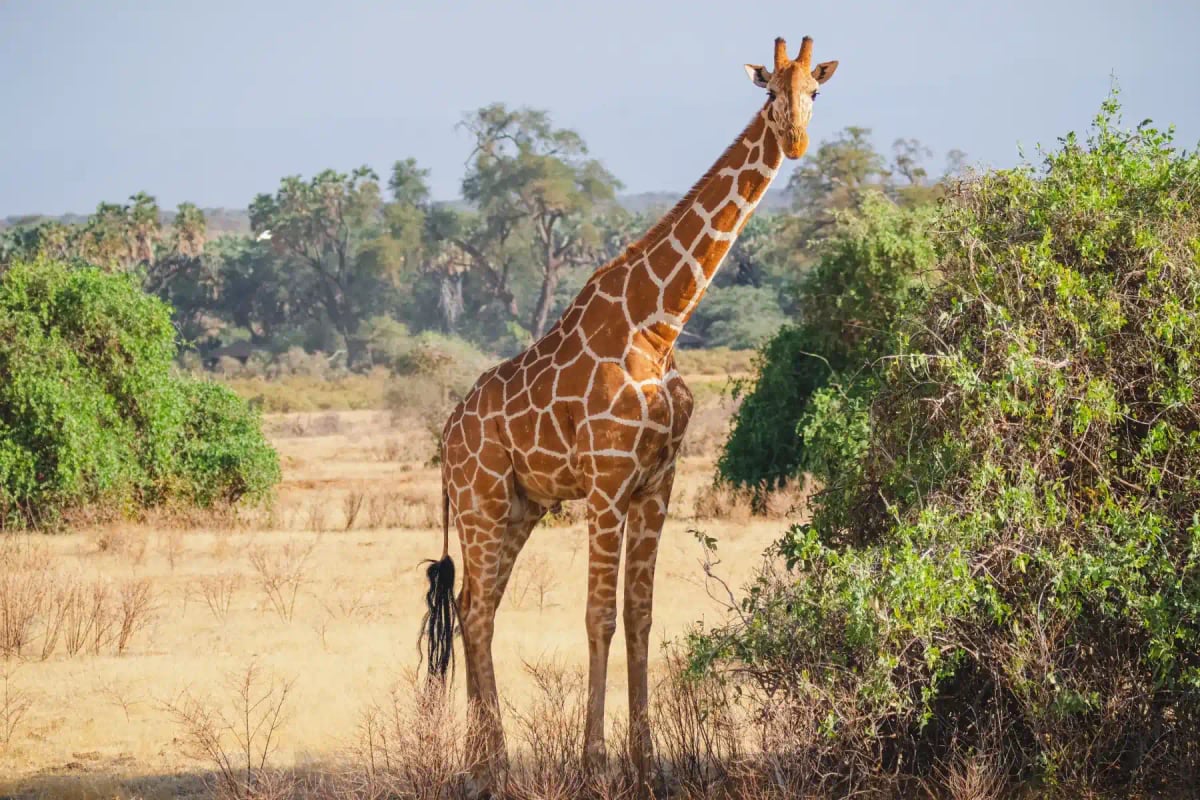
Giraffe
Giraffa camelopardalis
Zimbabwe supports a healthy giraffe population spread across several major conservation areas, including Hwange National Park, Gonarezhou, and the Zambezi Valley. The country has a long history of wildlife management and has worked to maintain stable giraffe numbers within its protected areas. Giraffes are a familiar sight on safari in Zimbabwe. The IUCN lists the giraffe as Vulnerable, though populations within Zimbabwe's national parks are considered well protected.
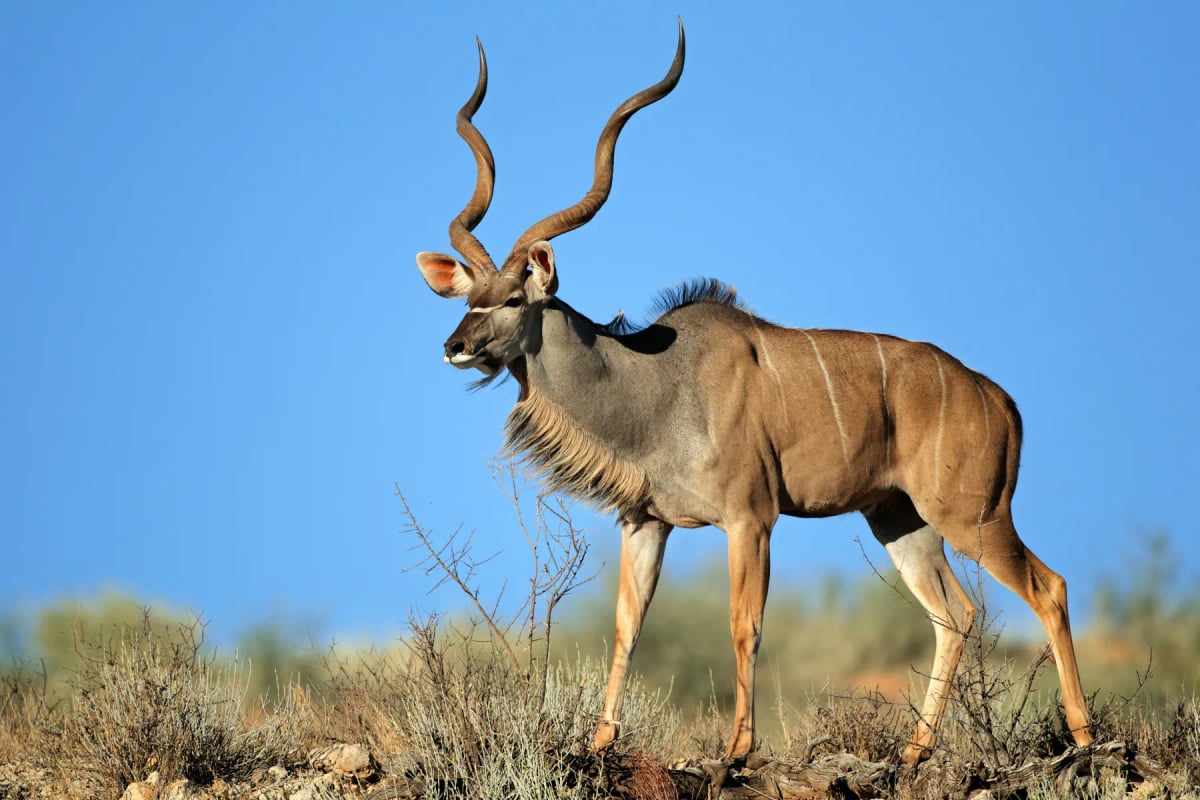
Greater Kudu
Tragelaphus strepsiceros
Zimbabwe is home to a strong greater kudu population spread across its woodlands and national parks. Hwange National Park and Mana Pools National Park, a UNESCO World Heritage Site, are among the best places to observe them. They are well adapted to dry conditions and can go without water for extended periods by obtaining moisture from the plants they eat. Their IUCN status is Least Concern.
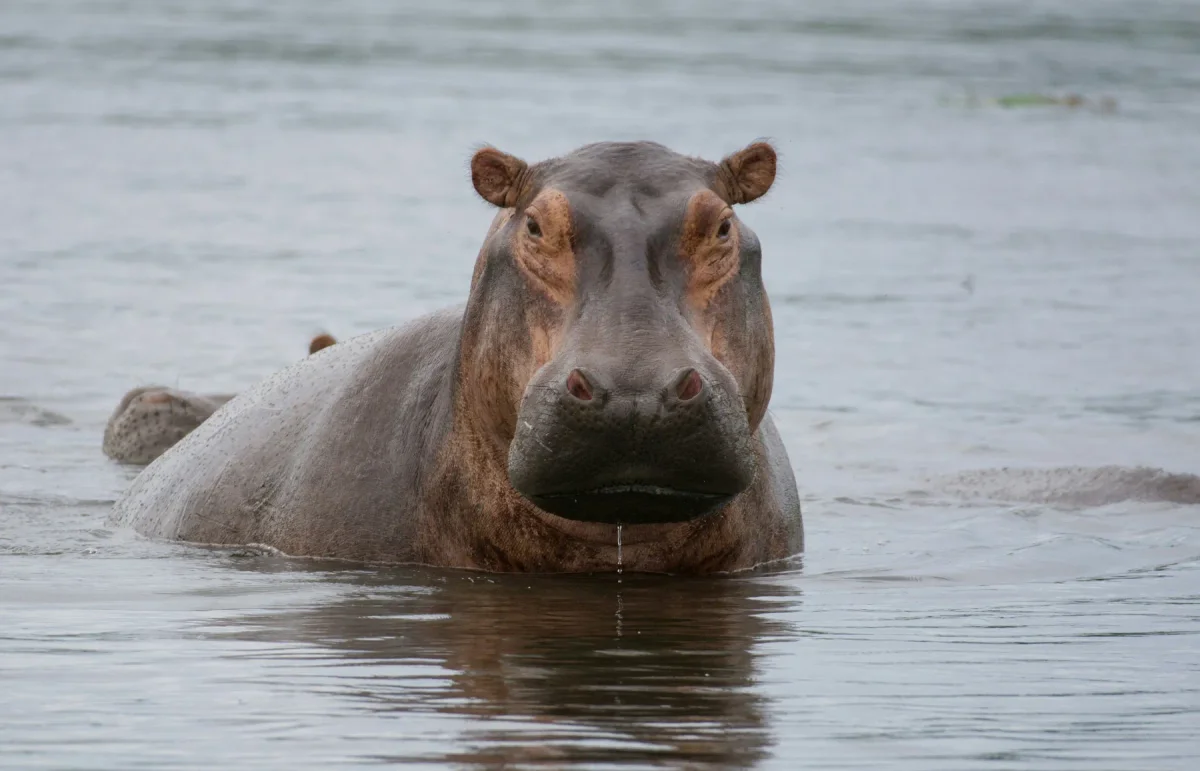
Hippopotamus
Hippopotamus amphibius
Zimbabwe supports a substantial hippo population along the Zambezi River, particularly within Mana Pools National Park, a UNESCO World Heritage Site. The Zambezi Valley provides ideal habitat with deep pools, sandy banks, and riverside grasslands for grazing at night. Lake Kariba also holds a notable population. Hippos are a central part of the wildlife experience throughout Zimbabwe's river ecosystems. The IUCN lists them as Vulnerable.
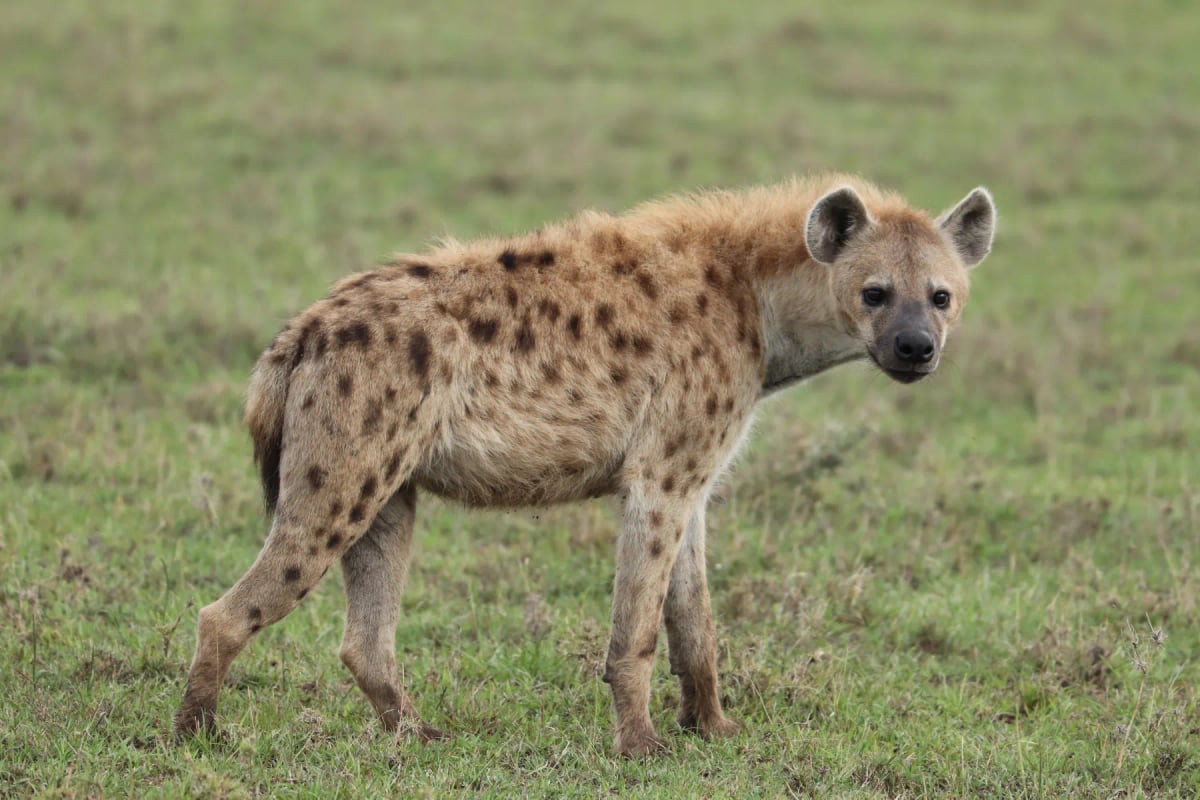
Spotted Hyena
Crocuta crocuta
Spotted hyenas are found in several of Zimbabwe's protected areas, including Hwange National Park and Mana Pools National Park along the Zambezi River. Hwange supports a notable population that interacts closely with the park's large elephant and buffalo herds. Outside reserve boundaries, hyenas come into conflict with farmers and are frequently targeted. Conservation programs working with local communities aim to reduce this tension over the long term. Their IUCN status is Least Concern.
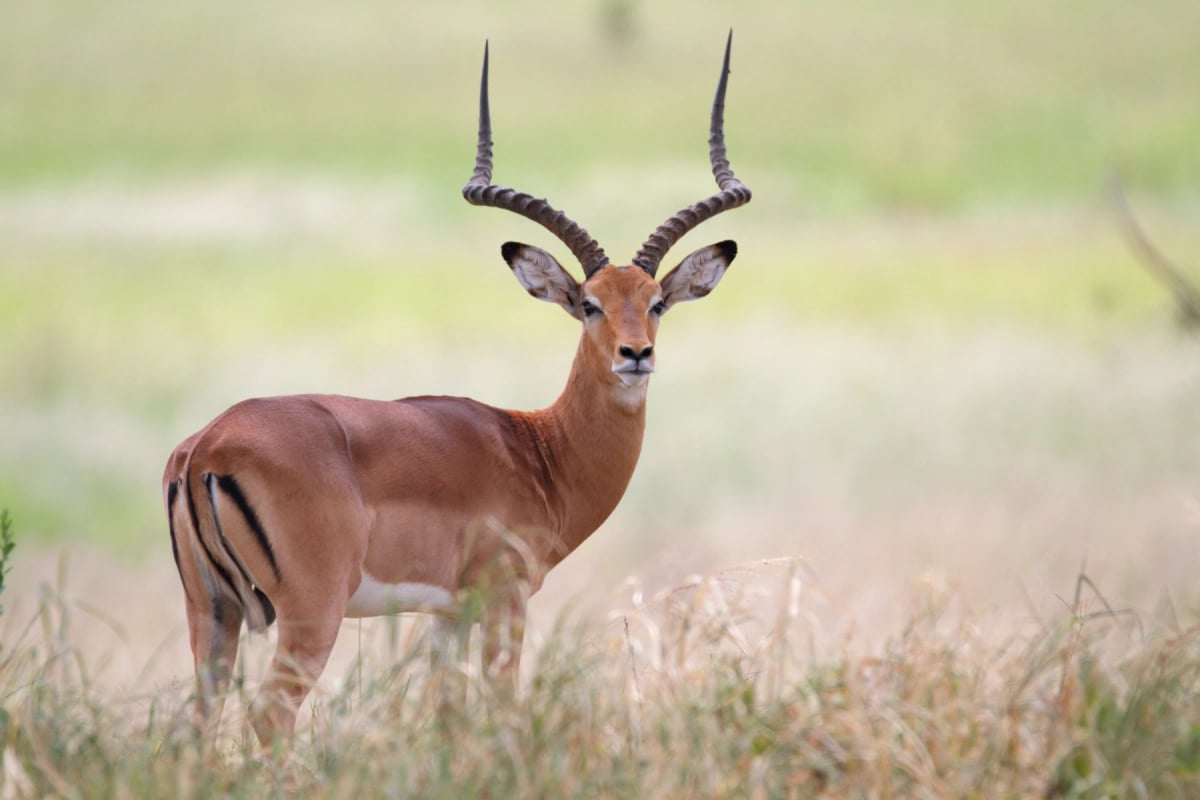
Impala
Aepyceros melampus
Zimbabwe hosts healthy impala populations across its major conservation areas, including Hwange National Park and the Zambezi Valley. They are a keystone prey species, forming a vital part of the diet of lions, leopards, and wild dogs. Impalas adapt well to both open grasslands and woodland areas, switching between grazing and browsing through the year. The IUCN classifies the species as Least Concern.
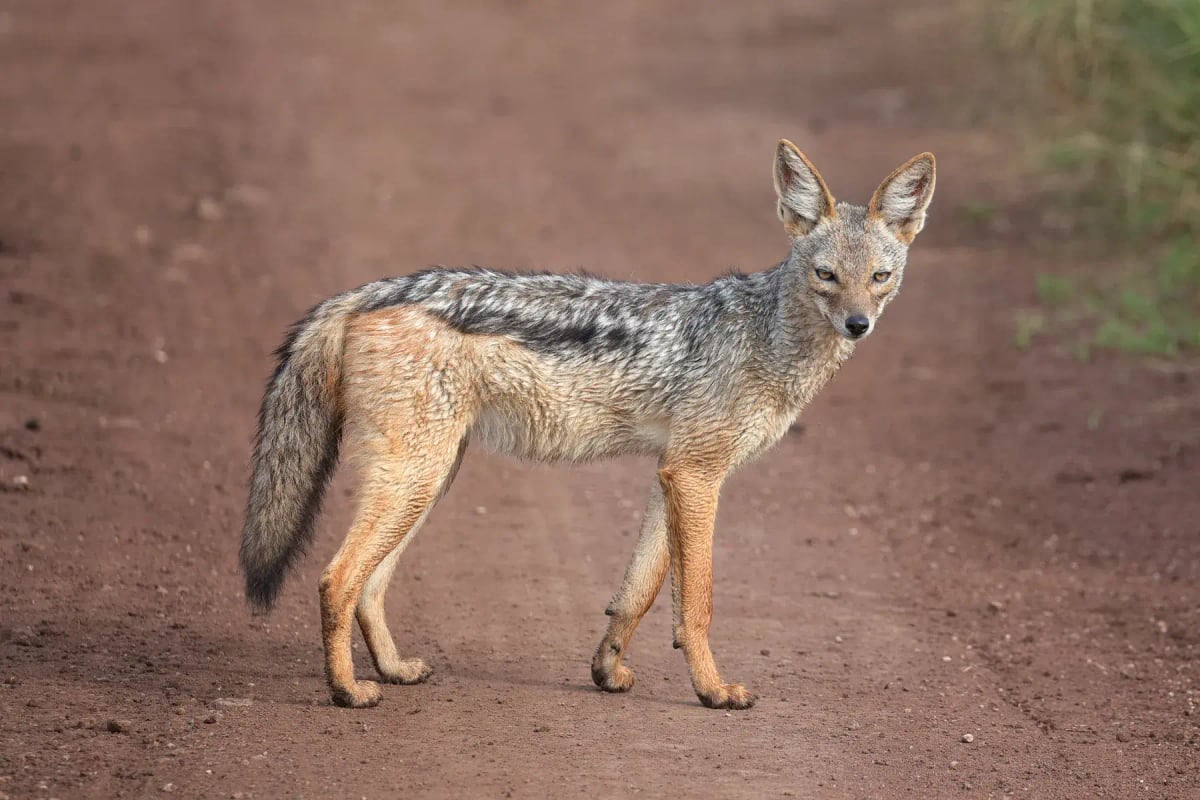
Black backed Jackal
Canis mesomelas
In Zimbabwe, the black backed jackal is found across the lowveld savannas, the open woodlands of Hwange, and the Gonarezhou ecosystem near the Mozambican border. It plays an important role as a scavenger and small predator in these habitats. Its IUCN status is Least Concern. The species is sometimes targeted by farmers in areas where wildlife and livestock overlap, though it remains broadly distributed throughout the country.
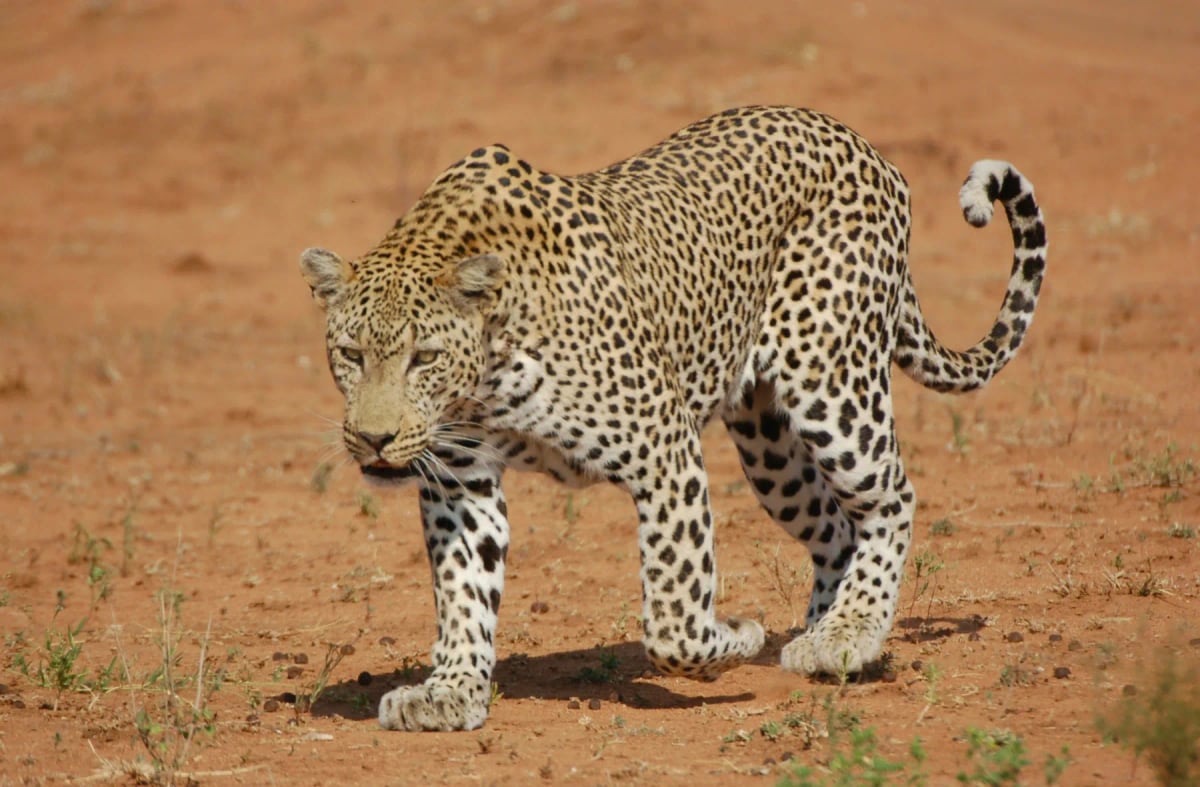
Leopard
Panthera pardus
Zimbabwe's leopard population is concentrated in protected areas such as Hwange National Park and the Matobo Hills, where rocky kopjes provide ideal shelter and denning sites. The Matobo Hills in particular are famous for their leopard density. Legal trophy hunting of leopards has been permitted under quota systems, though this remains controversial. Conflict with farmers and habitat loss outside reserves continue to affect populations. IUCN status: Vulnerable.
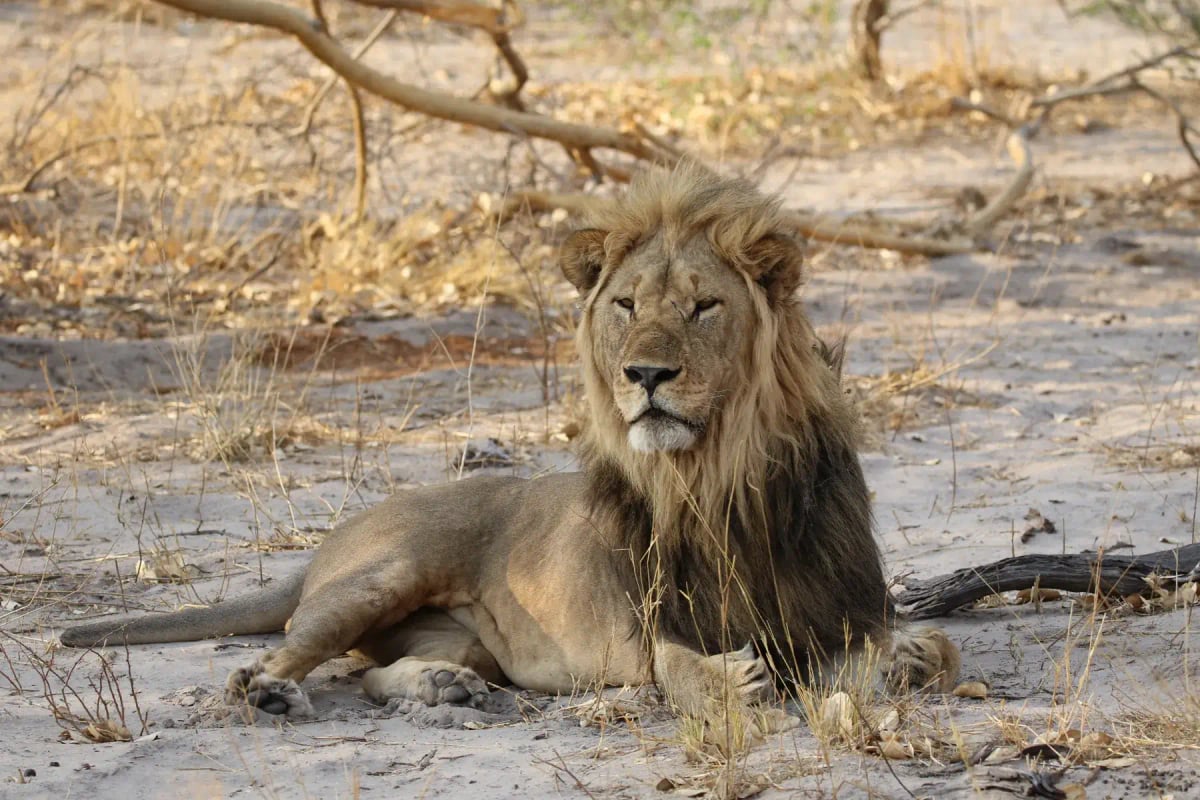
Lion
Panthera leo
Zimbabwe has one of the more significant lion populations in southern Africa, with Hwange National Park holding the largest group in the country. The Zambezi Valley and the areas bordering Botswana and Zambia also support healthy prides. Zimbabwe gained international attention for its lion conservation challenges following high profile poaching cases, which sparked a broader debate about wildlife protection and trophy hunting policies.
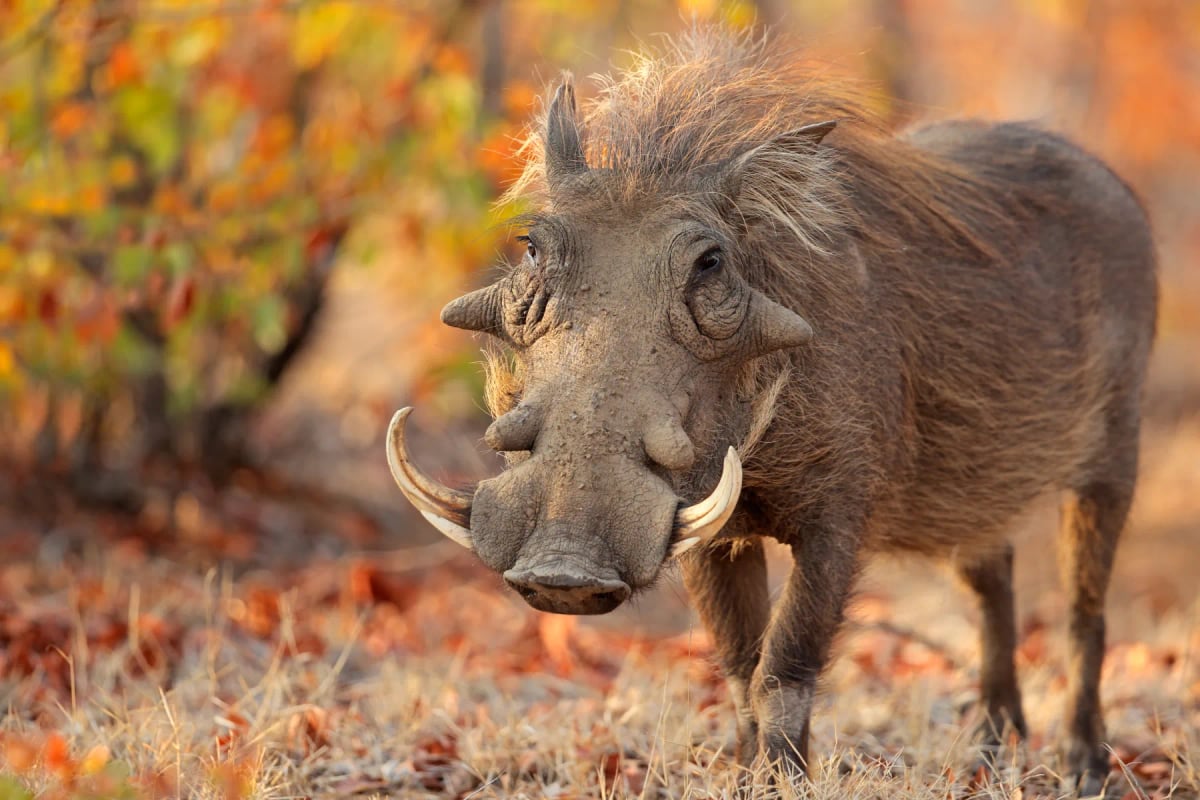
Warthog
Phacochoerus africanus
In Zimbabwe, warthogs thrive across the country's iconic wildlife areas, including Hwange National Park, Mana Pools, and Gonarezhou. They are well adapted to the dry savanna and mopane woodland habitats that cover much of the country. Often seen near water sources during the dry season, they are a staple of Zimbabwe's wildlife experience. Their populations remain stable, supported by both state-managed parks and private conservancies.
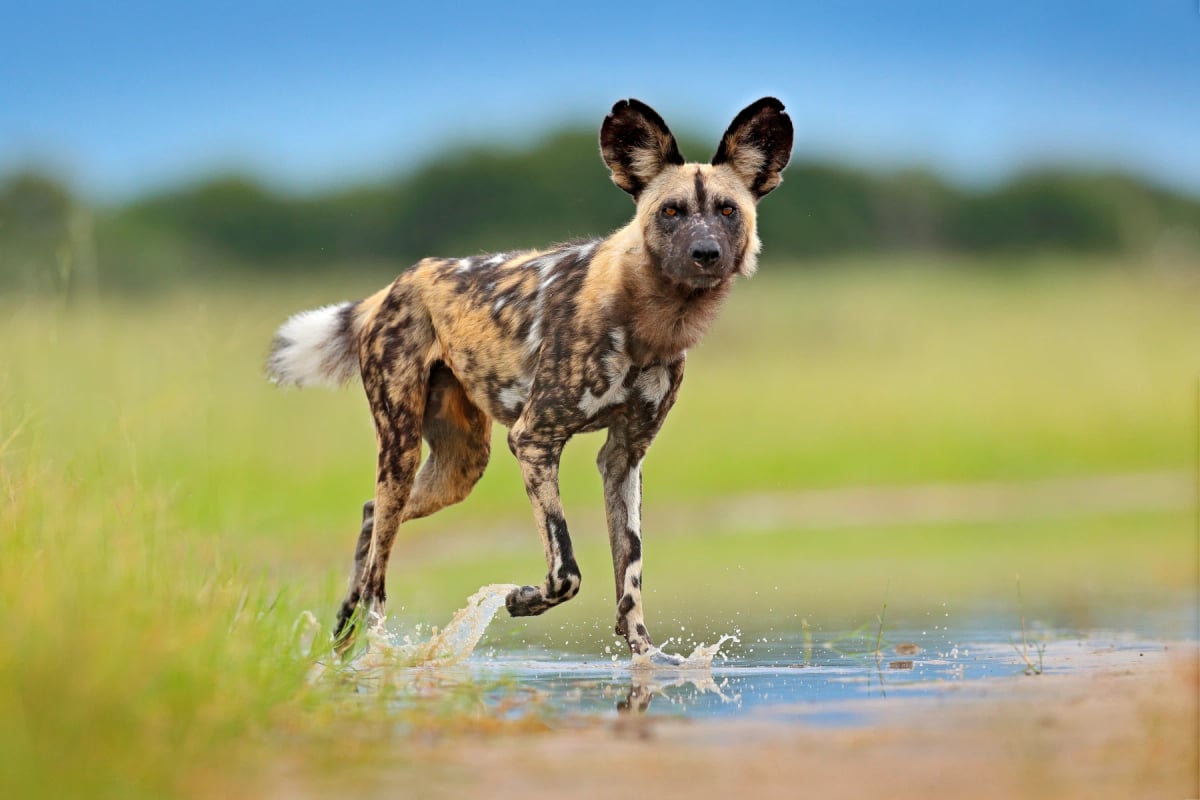
Wild Dog
Lycaon pictus
Zimbabwe holds a meaningful population of African wild dogs, with Hwange National Park serving as a key refuge. Packs here roam across the park's open woodlands and connect at times with populations in neighboring Botswana, making cross-border conservation cooperation important. Snaring remains a serious threat, and dedicated anti-poaching efforts alongside community education programs have worked to reduce losses and support the recovery of packs across the country.
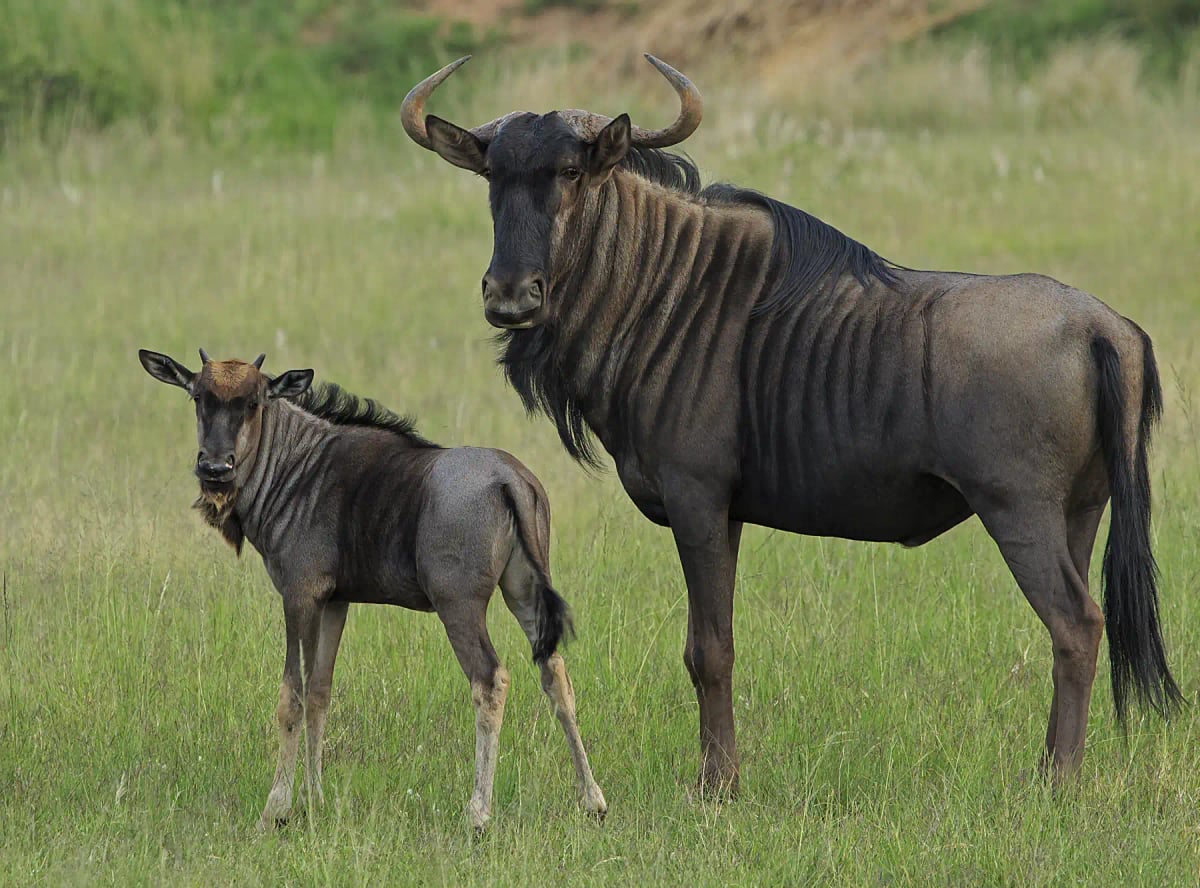
Wildebeest
Connochaetes spp.
Wildebeest are found in Zimbabwe's major protected areas, including Hwange National Park and the Gonarezhou, which forms part of the Great Limpopo Transfrontier Park. Hwange's broad grasslands and seasonal pans attract herds that move alongside zebras and other grazers. Cross-border conservation agreements in this region have helped stabilize wildebeest populations after years of decline linked to habitat loss and poaching.
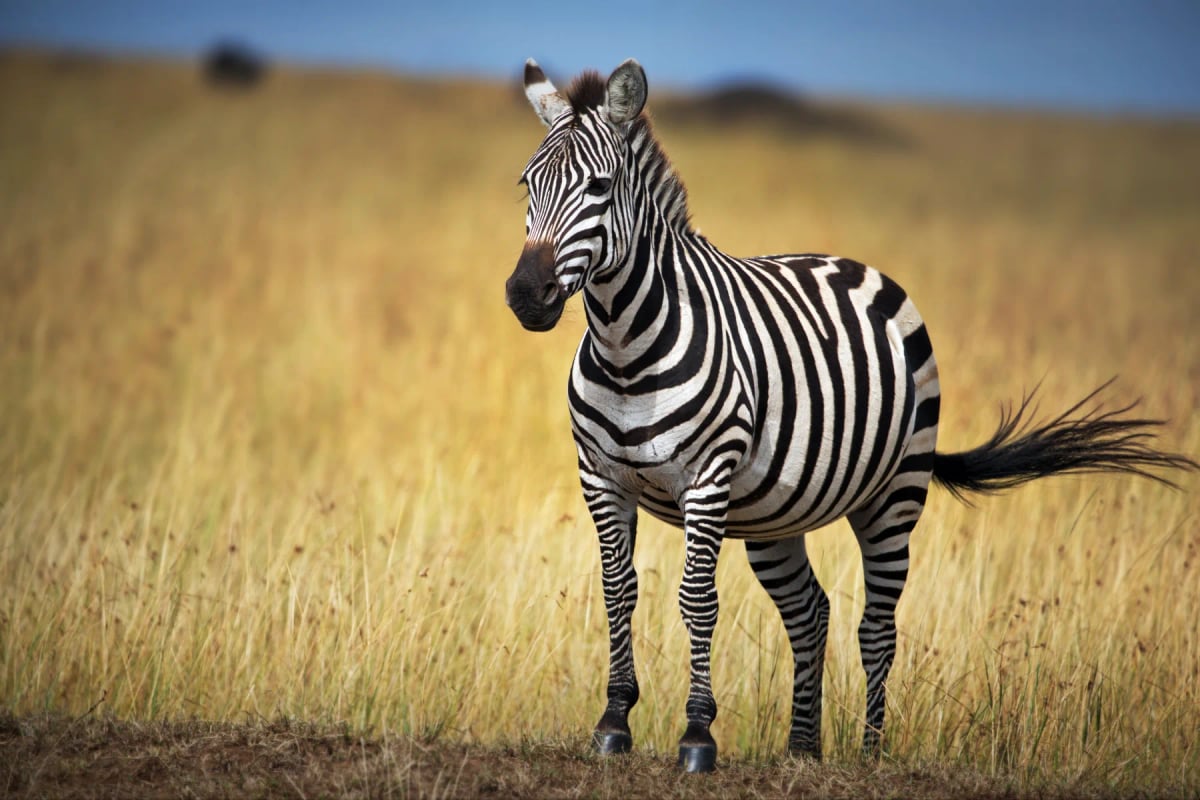
Zebra
Equus spp.
Plains zebras are widespread across Zimbabwe, with large herds found in Hwange National Park, Mana Pools and many other reserves throughout the country. They graze open grassland and mixed woodland, often in mixed herds with other plains species, and remain a common sight on safari drives. Periodic droughts can push herds toward remaining water sources, concentrating large numbers in a few key areas.
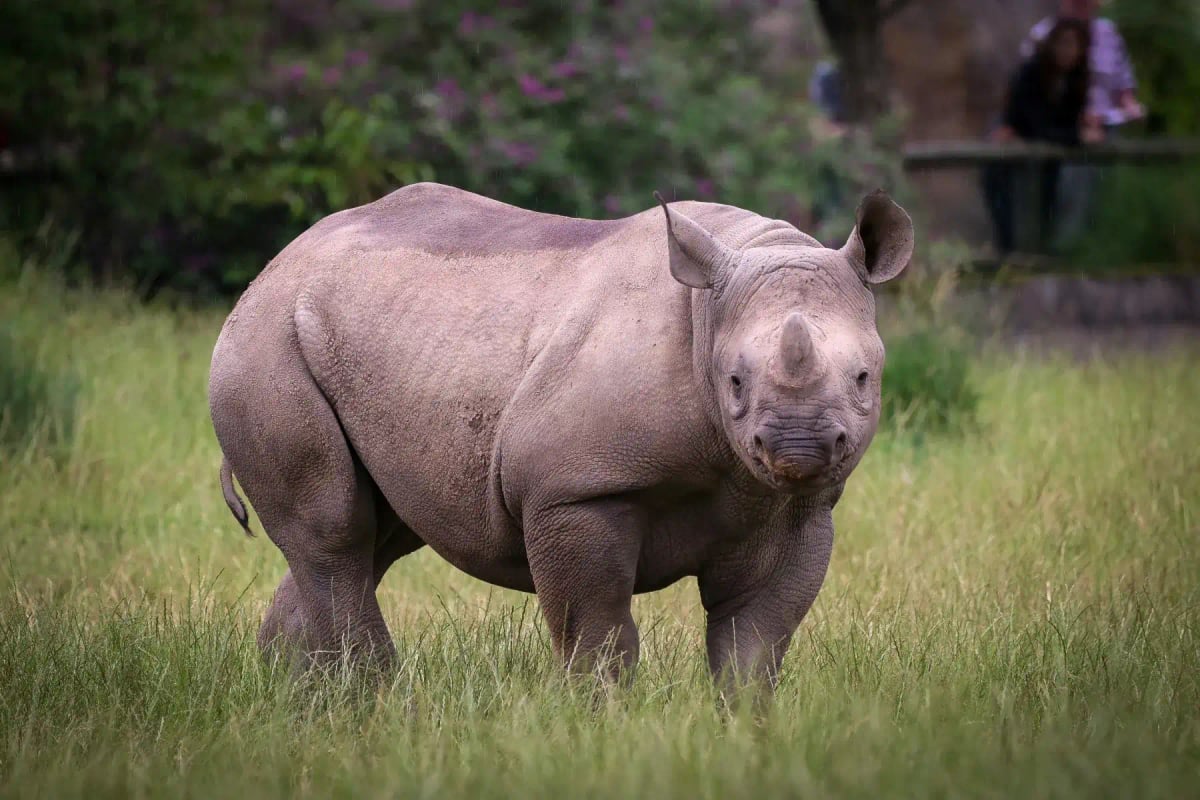
Black Rhinoceros
Diceros bicornis
Zimbabwe has a meaningful black rhinoceros population, with animals found in Hwange National Park, Matobo National Park, and the Lowveld conservancies in the southeastern part of the country. The Lowveld rhino custodianship program, supported by the Zimbabwe Parks and Wildlife Management Authority and private landowners, has been instrumental in rebuilding numbers following severe poaching losses. Zimbabwe contributes actively to regional metapopulation planning across southern Africa.
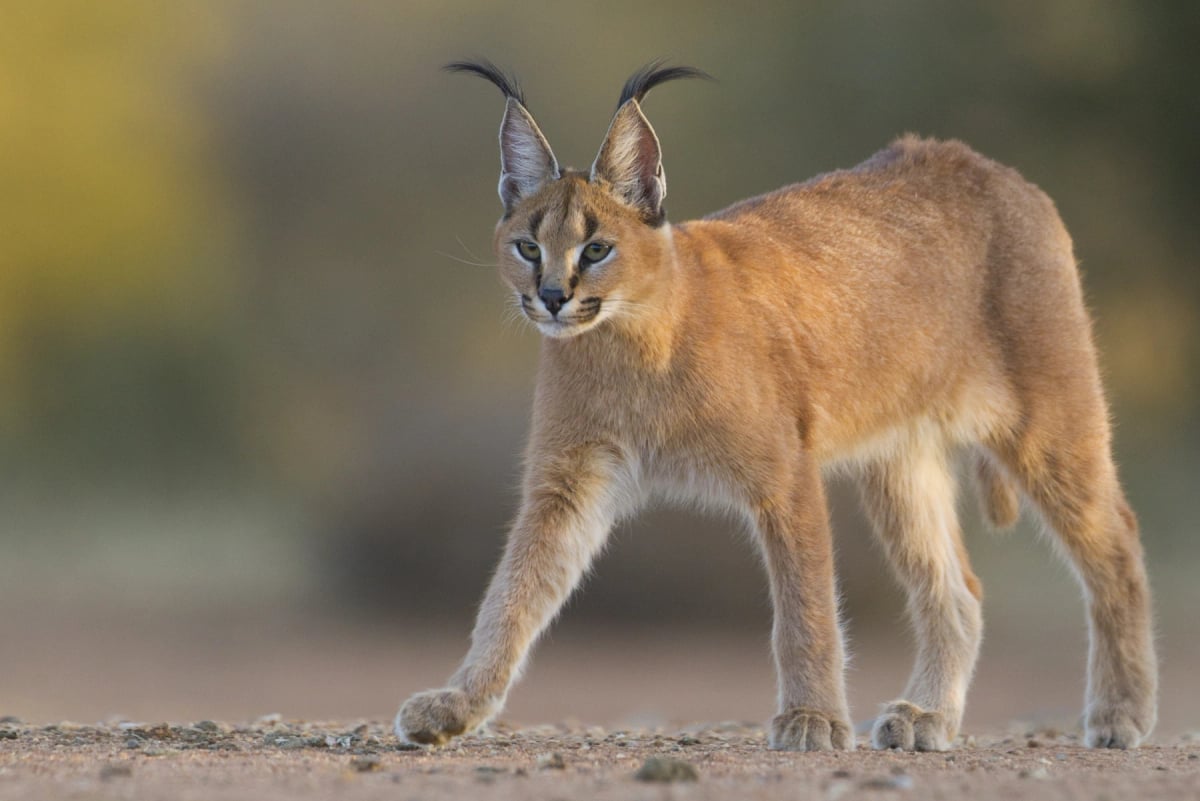
Caracal
Caracal caracal
In Zimbabwe, the caracal is found in a range of habitats including dry savanna, rocky hillsides, and bushveld across much of the country. It is considered relatively widespread but is seldom seen due to its nocturnal and secretive habits. Farmers occasionally persecute it for preying on small livestock and poultry. The IUCN lists the caracal as Least Concern globally, though local attitudes and habitat degradation remain challenges in Zimbabwe.
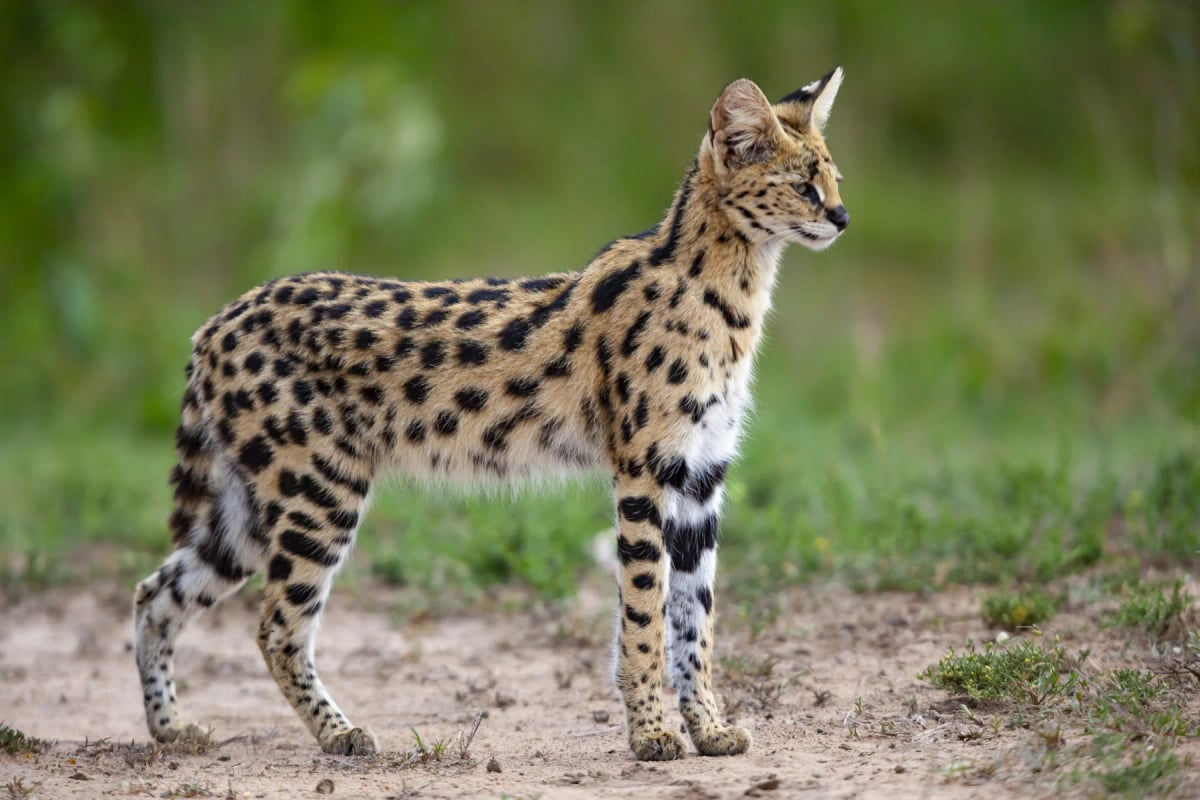
Serval
Leptailurus serval
In Zimbabwe, servals are found mainly in the northern and eastern regions, where miombo woodland edges meet moist grasslands and vleis, the local name for shallow seasonal wetlands. These areas support the rodents and frogs that servals depend on. The species is listed as Least Concern by the IUCN. Zimbabwe's parks, including Hwange and Mana Pools, offer some protection, though servals can also survive on well-managed private land.
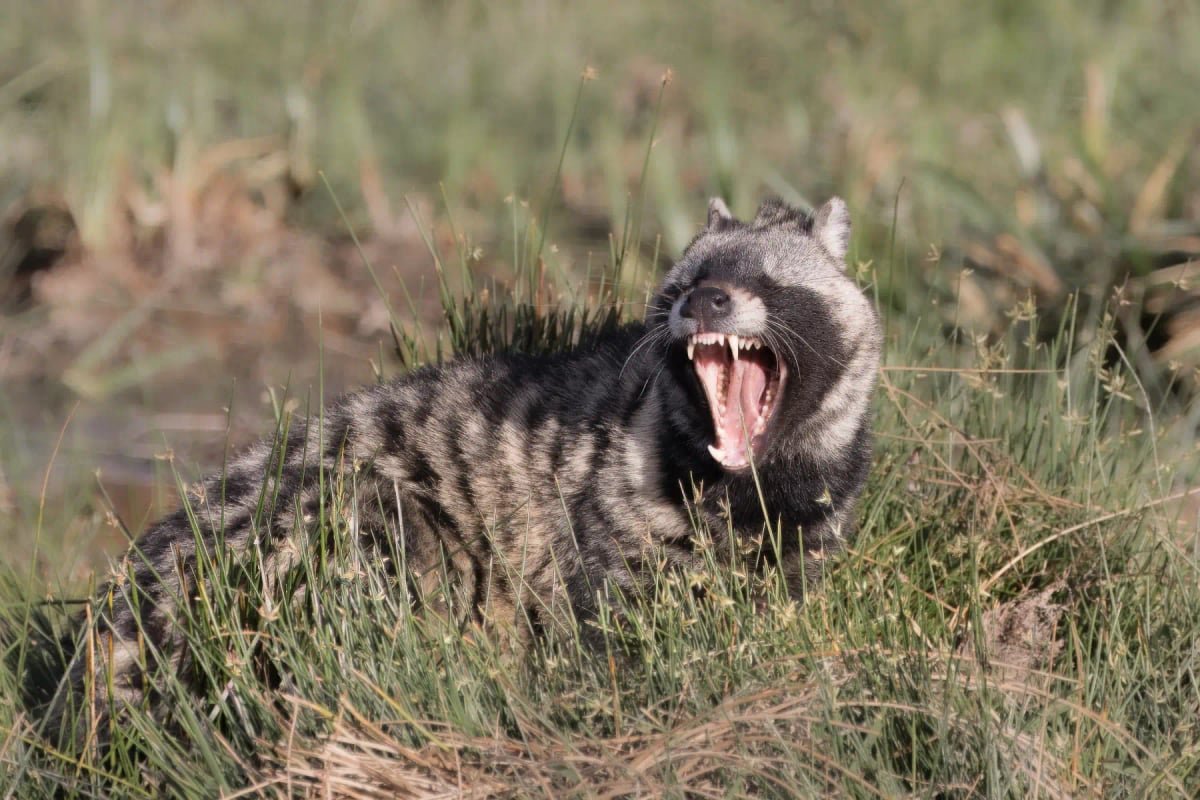
African Civet
Civettictis civetta
In Zimbabwe, the African civet is most common in the northeast, in the woodland and forest habitats of Zambezi National Park, Mana Pools and the Zambezi Valley. It also occurs in the Eastern Highlands forests near Nyanga and Chimanimani. Night drives in Mana Pools regularly produce sightings. Further south and west, civets grow scarcer as the vegetation opens into drier thornveld and Kalahari sandveld.

Honey Badger
Mellivora capensis
The honey badger is found throughout Zimbabwe in savanna, miombo woodland and rocky terrain, including areas around Hwange and Mana Pools national parks. It hunts rodents, reptiles and insects and is well known for confronting much larger animals when threatened. It also raids beehives, sometimes leading to conflict with farmers and beekeepers. Despite local pressure, the species remains listed as Least Concern by the IUCN.
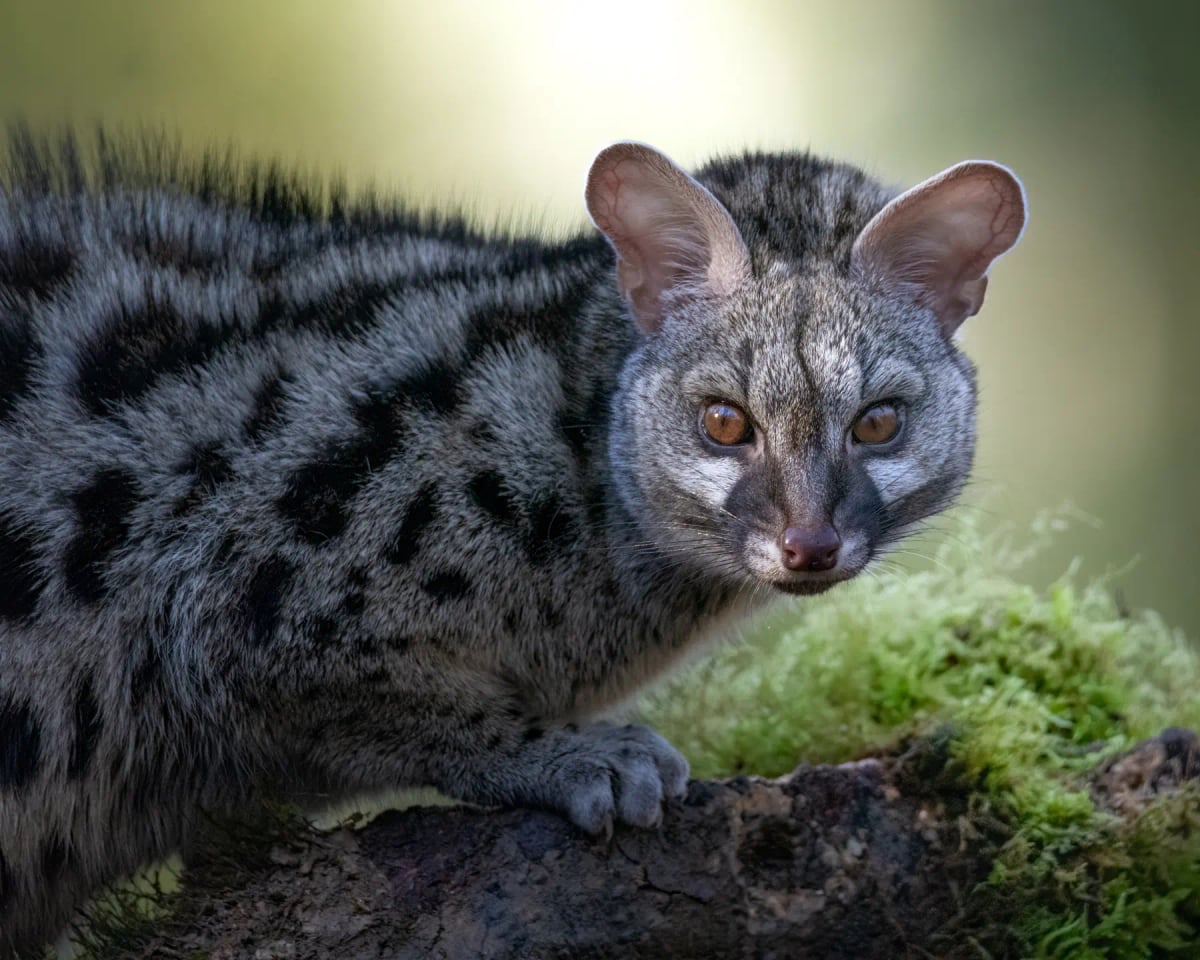
Common Genet
Genetta genetta
In Zimbabwe, the common genet is found across a range of habitats including miombo woodland, granite kopjes, and riverine forest. It is recorded in protected areas such as Hwange and the Eastern Highlands. Resting in rocky crevices or tree hollows by day, it ventures out at night to hunt. The IUCN considers the species to be of Least Concern throughout its southern African range.
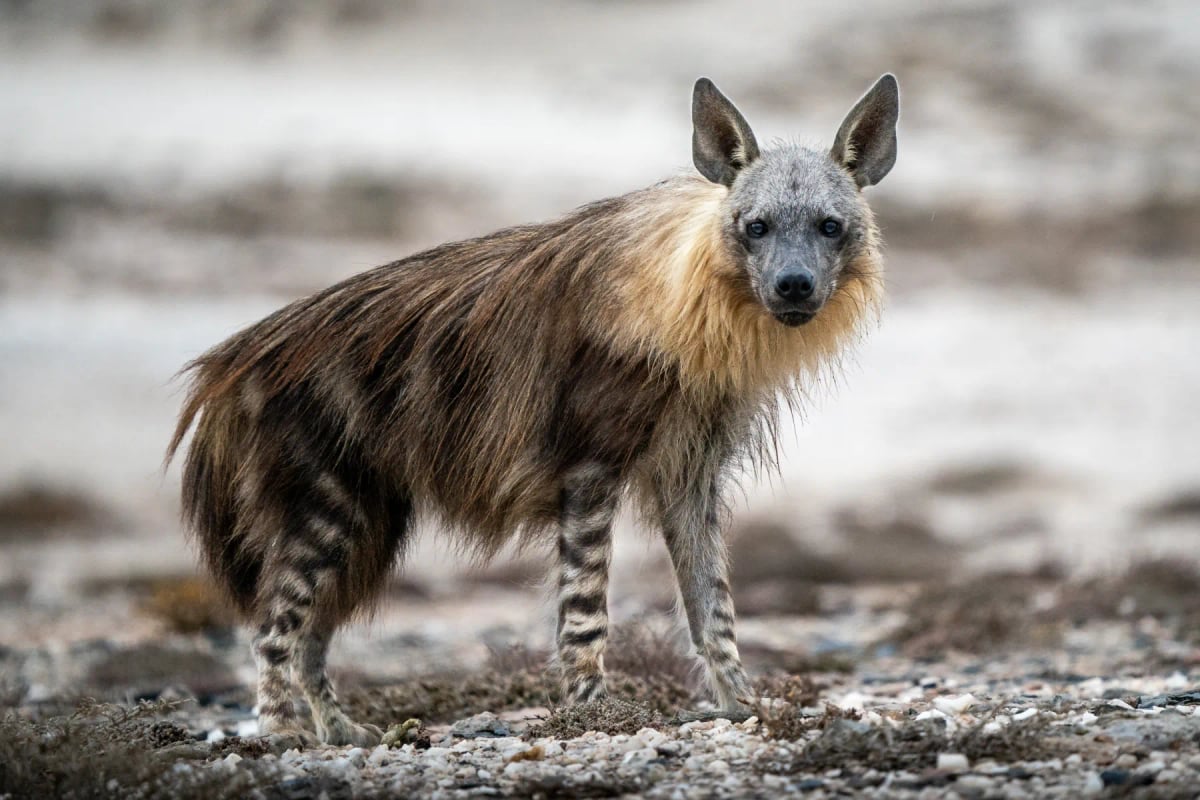
Brown Hyena
Parahyaena brunnea
In Zimbabwe, brown hyenas occupy the drier western regions, including areas bordering Botswana and the lowveld zones near Hwange National Park. Their presence here represents the northeastern edge of the species' core range, and densities are lower than in the Kalahari heartland. Poaching, habitat pressure, and retaliatory killing near communal farmlands pose ongoing challenges for the population. The IUCN lists it as Near Threatened.
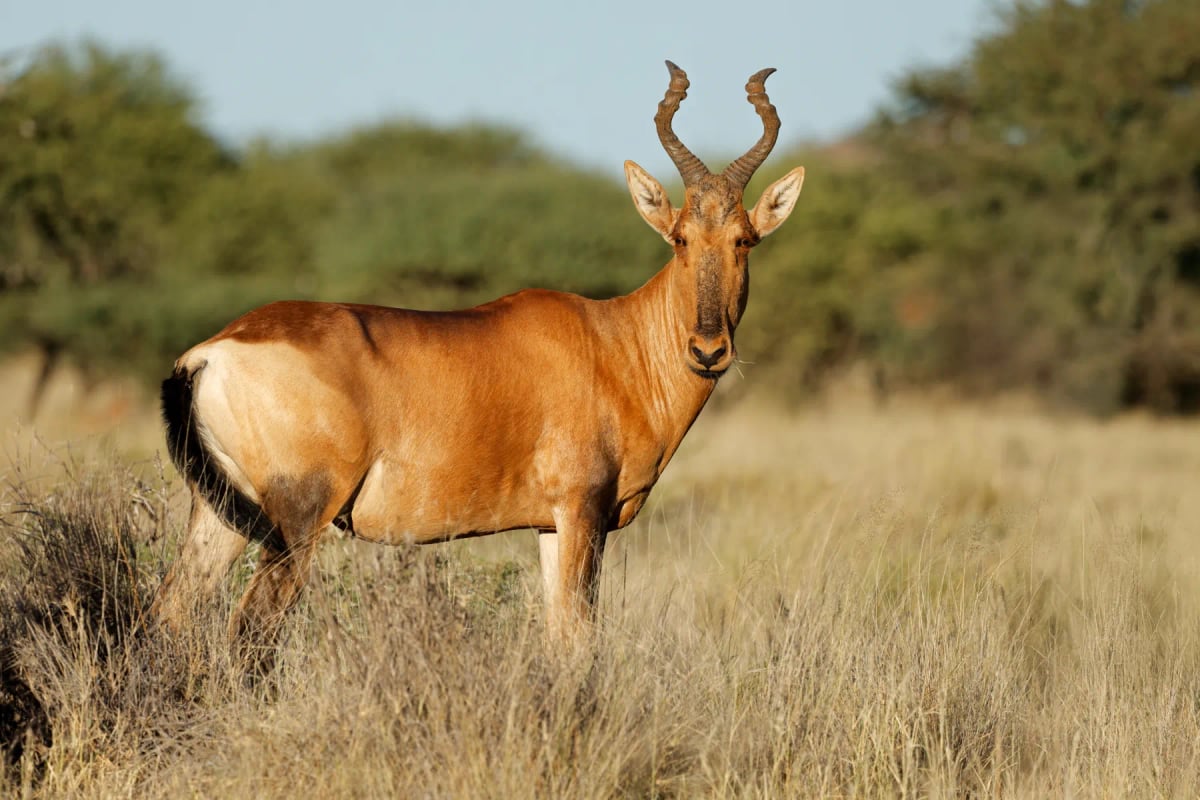
Hartebeest
Alcelaphus buselaphus
In Zimbabwe, hartebeests are present in the northern and western regions, including Hwange National Park, where open savanna and seasonal grasslands provide suitable grazing. They often form mixed herds with other antelope species in these areas. Populations have declined compared to historical levels due to hunting and land conversion, but the species persists within protected areas. Zimbabwe's conservancies also contribute to maintaining viable numbers across the landscape.
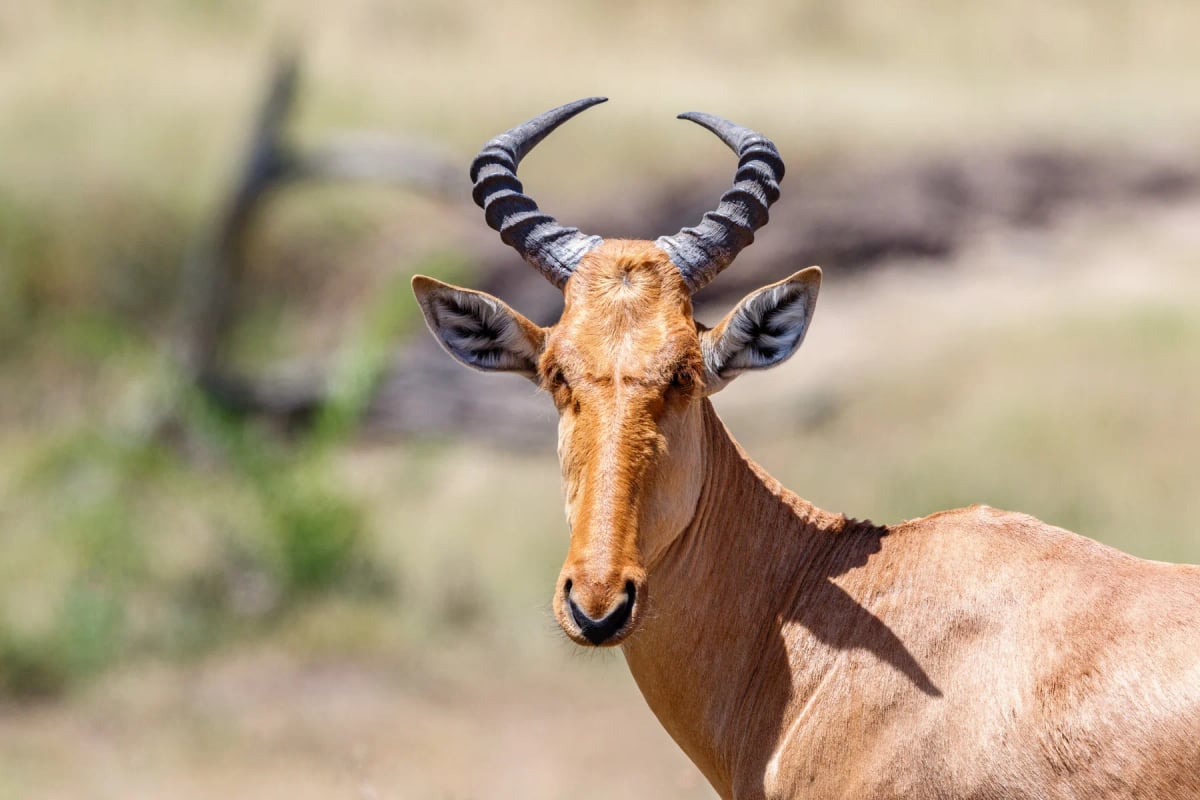
Topi
Damaliscus lunatus
In Zimbabwe, topis are present in limited numbers in the north of the country, in areas close to the Zambezi Valley and the borders with Zambia and Mozambique. This lies at the southern limits of their natural distribution. Habitat degradation and pressure from land use have reduced their range over time. Conservation areas in northern Zimbabwe remain important refuges for this and many other savanna species. IUCN status: Least Concern.
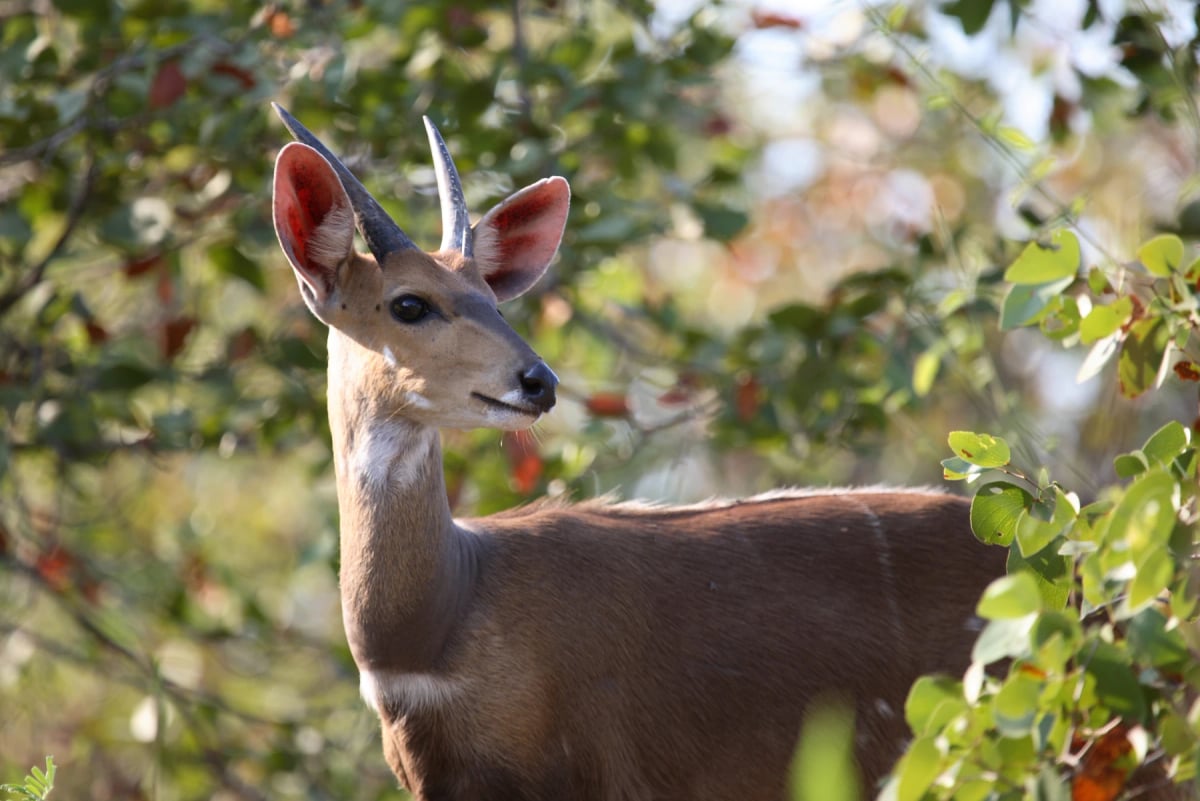
Bushbuck
Tragelaphus scriptus
In Zimbabwe, bushbucks inhabit riparian woodlands, acacia scrublands, and dense vegetation in both public wildlife areas and private reserves. These medium sized antelope are naturally secretive and spend daylight hours concealed within thick cover. Their short, tightly spiraled horns develop only in males and serve in territorial competition. Bushbucks are crepuscular and nocturnal, feeding on an opportunistic diet of leaves, shoots, fruits, and succulent vegetation.
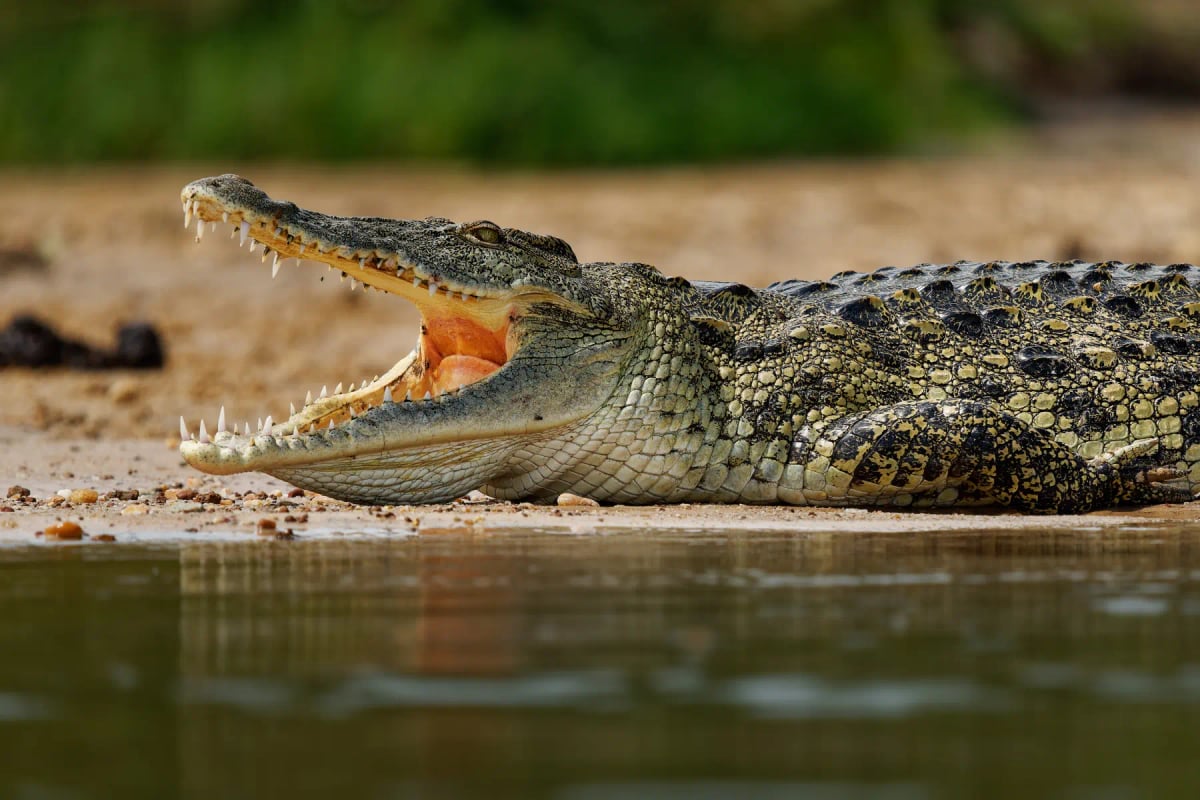
Nile Crocodile
Crocodylus niloticus
Zimbabwe is home to large numbers of Nile crocodiles, with Lake Kariba standing out as one of the most significant strongholds for the species in southern Africa. The lake's warm, fish-rich waters support a dense population. Crocodiles are also present along the Zambezi River in Mana Pools National Park. Commercial crocodile farming in Zimbabwe has reduced pressure on wild populations, contributing to their continued stability.
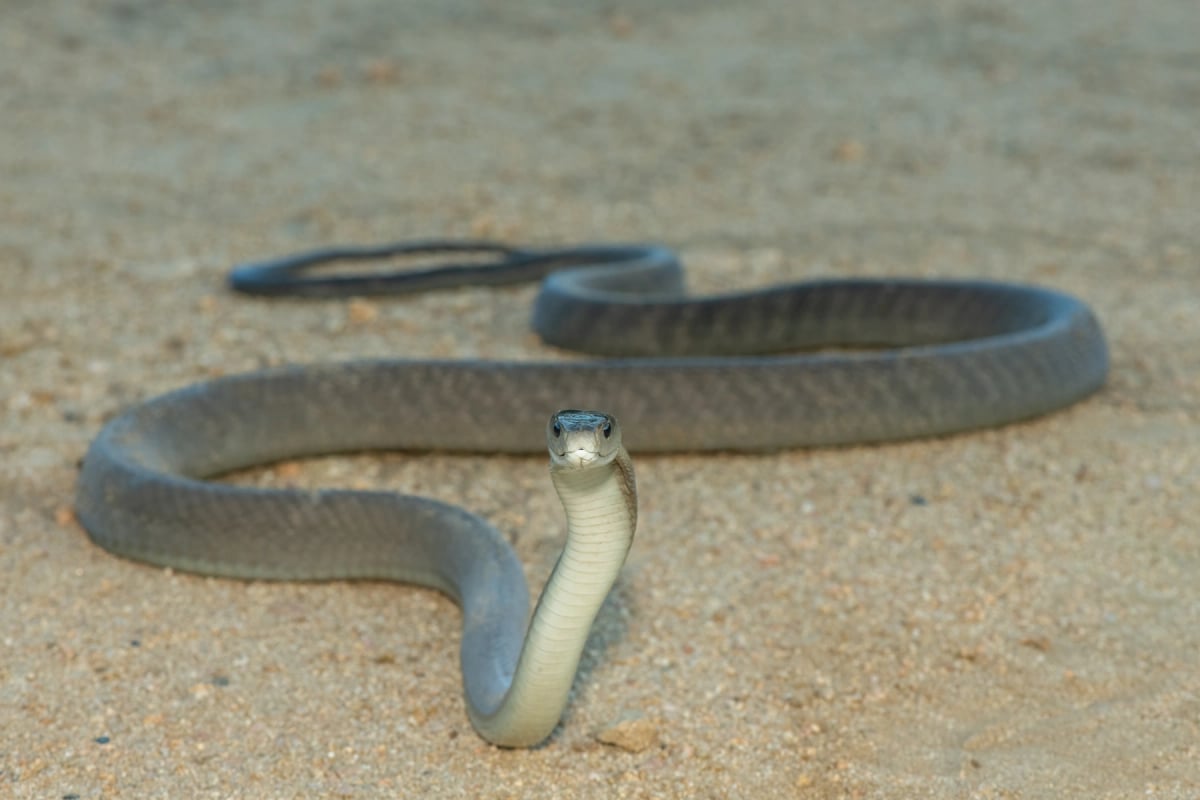
Black Mamba
Dendroaspis polylepis
Zimbabwe's black mambas are most frequently encountered in the lowveld savanna regions and along rocky escarpments, including areas near Hwange and the Zambezi Valley. The species is respected and feared in equal measure by local communities. It plays an important ecological role as a predator of rodents and small birds. Zimbabwe has antivenom available through its main hospital network, though distribution to rural areas continues to present challenges. IUCN status: Least Concern.
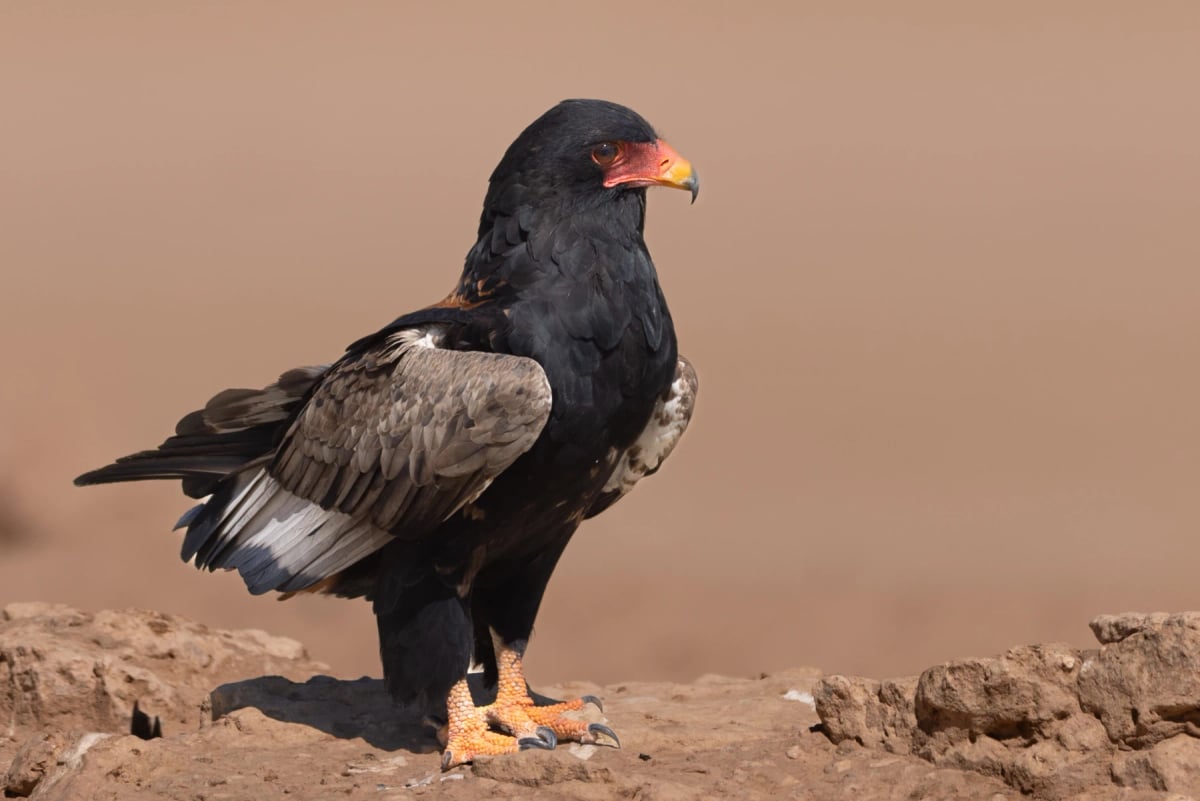
Bateleur
Terathopius ecaudatus
Zimbabwe holds one of the more significant bateleur populations in southern Africa, with the species regularly recorded in Hwange, Gonarezhou, and Mana Pools National Parks. Open savanna and woodland provide ideal conditions for its daily flights across great distances. Classified as Endangered, it is under pressure from poison use targeting other predators, as well as power line collisions. Conservation work within Zimbabwe's parks remains essential for this eagle.
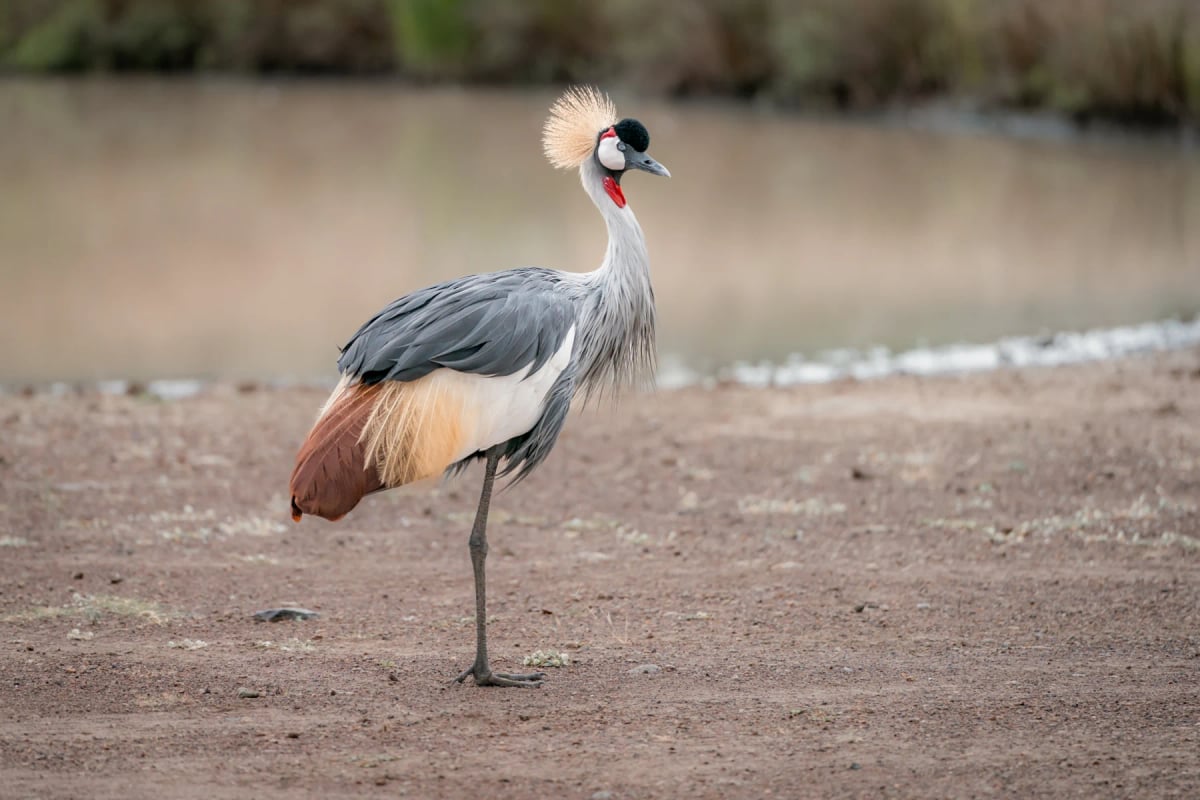
Grey Crowned Crane
Balearica regulorum
The grey crowned crane is found in Zimbabwe's highveld wetlands and moist grasslands, especially in the eastern highlands around Nyanga and in the central vleis, the seasonal wetlands of the plateau. It feeds on farmland and in shallow marshes on seeds, insects and frogs, roosts in trees and nests on the ground in wetland vegetation. Wetland loss and power line collisions are the main threats here. IUCN status: Endangered.
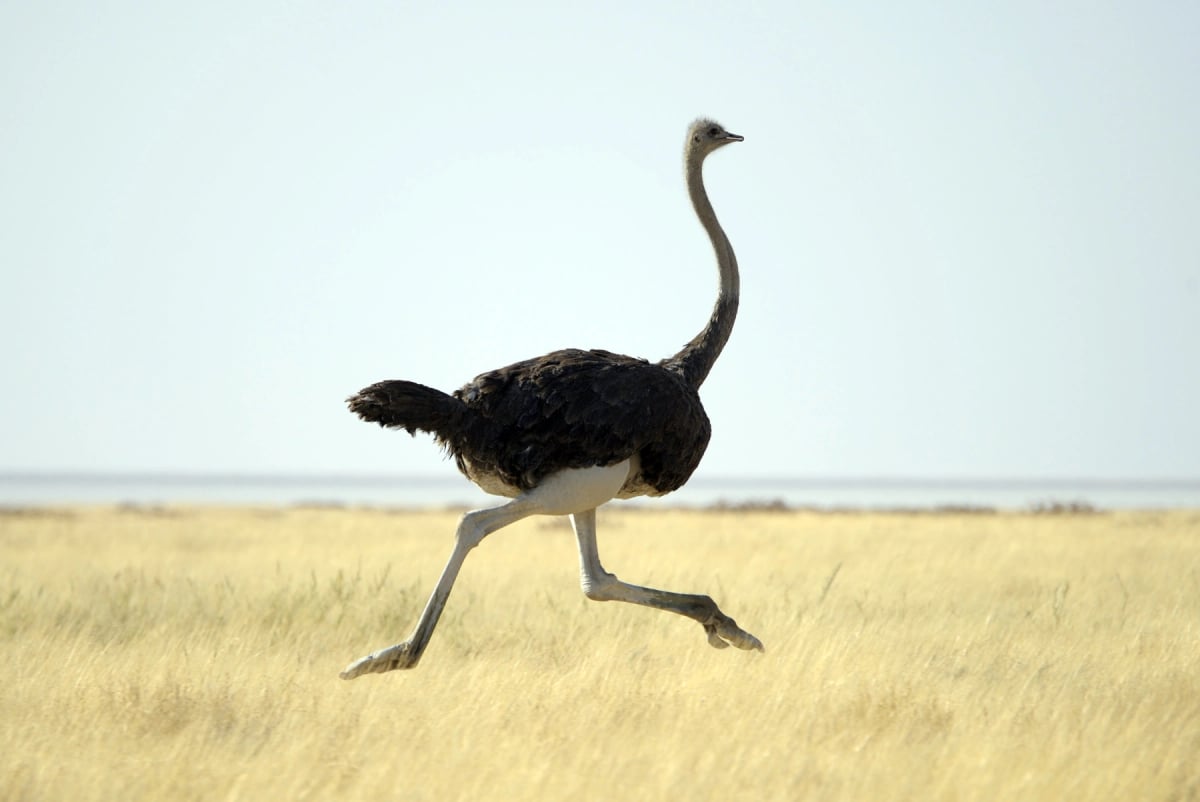
Ostrich
Struthio camelus
In Zimbabwe, ostriches inhabit the dry savannas and lowveld areas, including parts of Hwange National Park and the Gonarezhou ecosystem. They are also widely farmed across the country for their feathers, leather, and meat, making Zimbabwe one of Africa's notable producers of ostrich products. Wild birds live in loose groups and feed on grasses, seeds, and leaves. Their IUCN status is Least Concern.
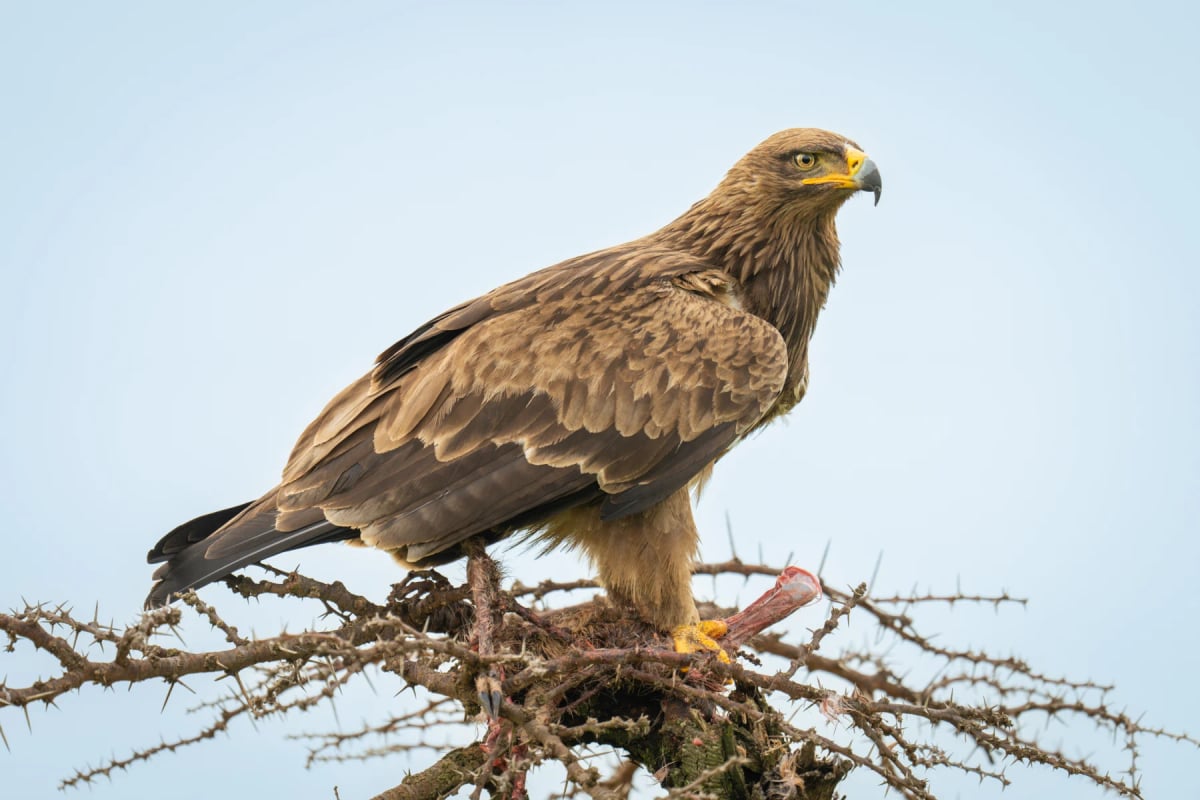
Steppe Eagle
Aquila nipalensis
Zimbabwe is part of the Steppe Eagle's southern African wintering range, with birds recorded in open savanna and agricultural landscapes, particularly in the western and northern parts of the country. They often associate with vultures at carcasses or gather in numbers during termite emergences. Classified as Endangered, the eagle's global population continues to fall, and Zimbabwe's open habitats help bridge the gap during the months spent away from breeding grounds.
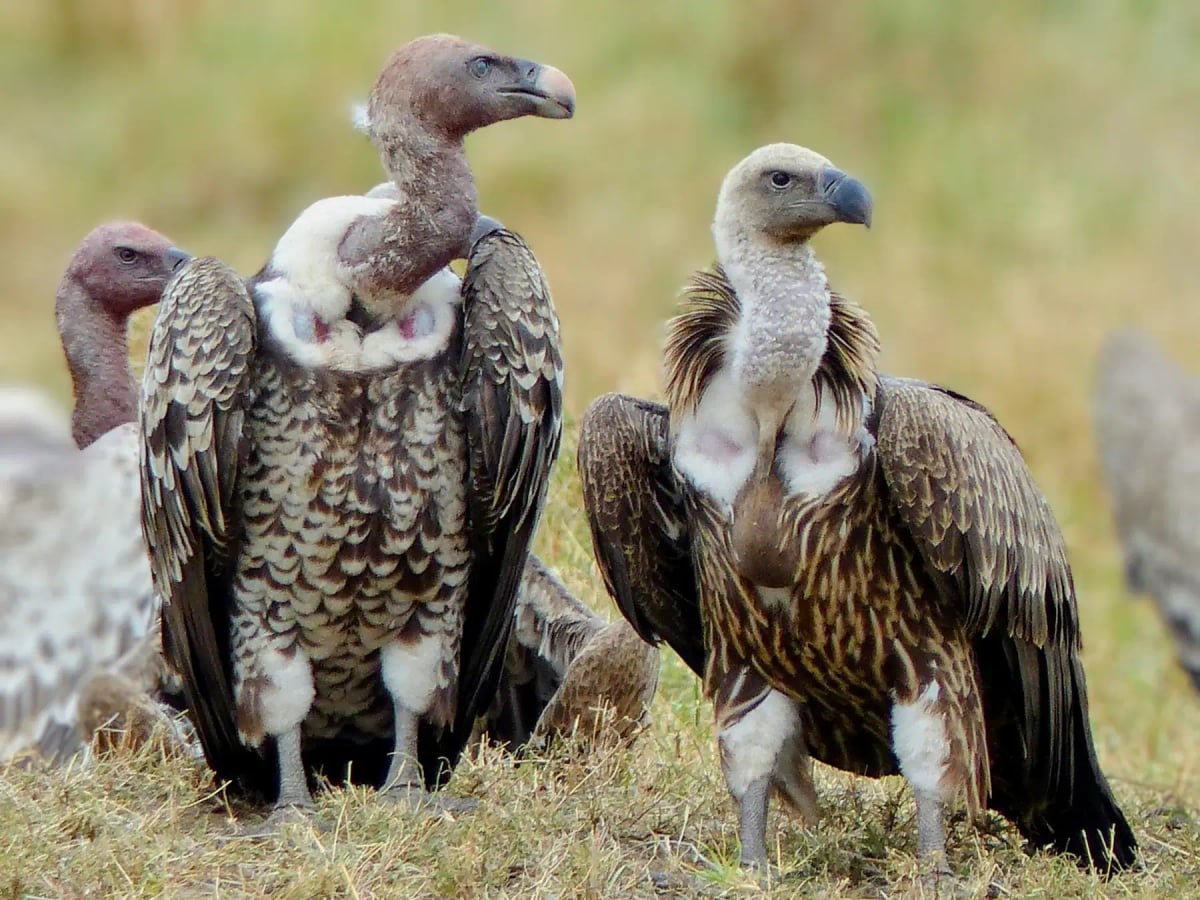
White backed Vulture
Gyps africanus
Zimbabwe's Hwange National Park and the Zambezi Valley are strongholds for the white backed vulture, where large elephant and buffalo herds provide a steady supply of carcasses. Critically endangered across Africa, this species suffers heavily from poison placed by poachers to avoid detection. Local conservation programs work to monitor nesting colonies and reduce poisoning incidents across the country.
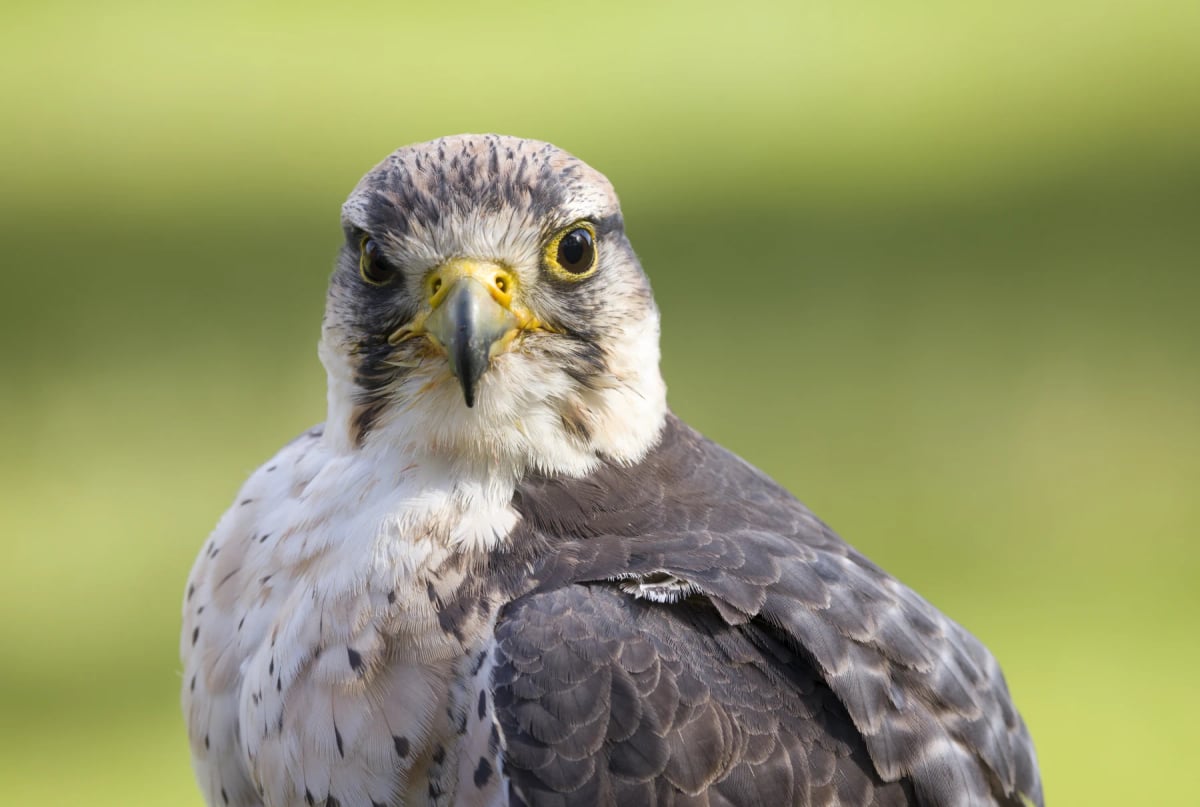
Lanner Falcon
Falco biarmicus
In Zimbabwe, the lanner falcon is found in open savanna, rocky hillsides, and around the escarpments of the Eastern Highlands and Zambezi Valley. It nests on cliff ledges and hunts doves and other birds across open terrain. Electrocution on power infrastructure is a documented threat in the region. The species is rated Least Concern by the IUCN and remains regularly recorded across the country.
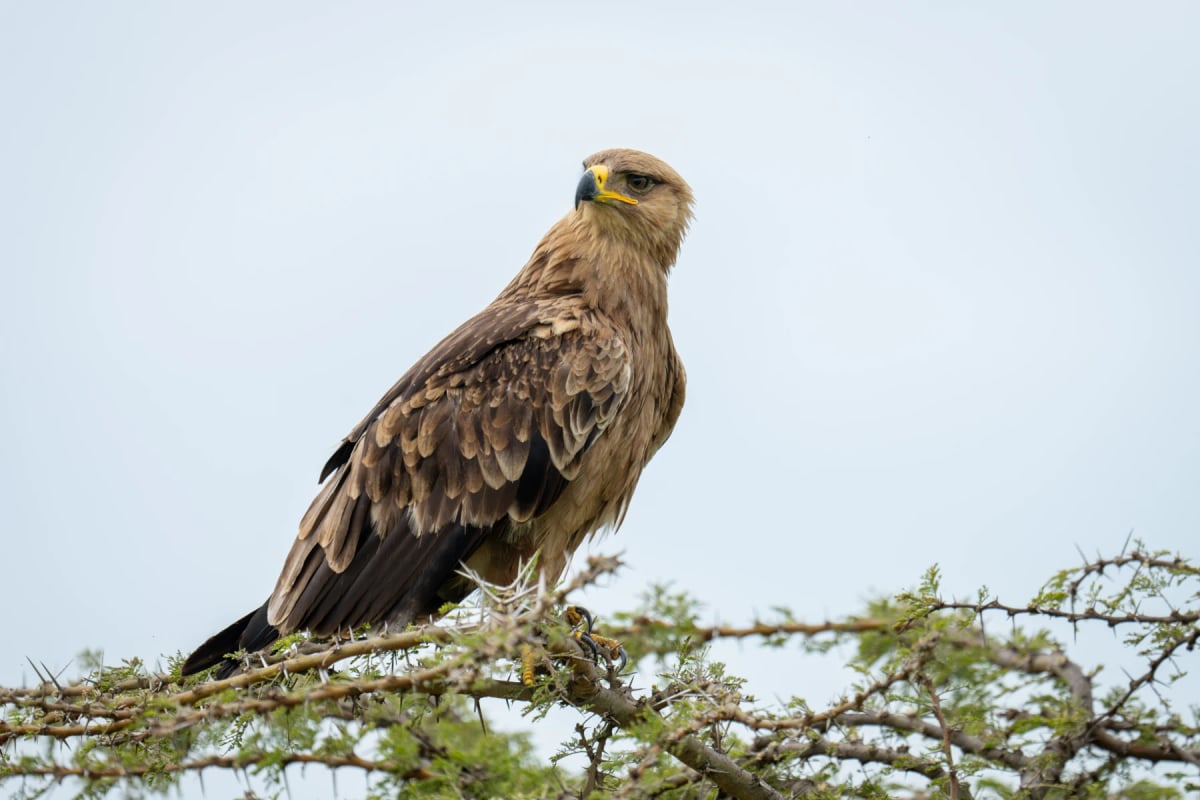
Tawny Eagle
Aquila rapax
In Zimbabwe, the tawny eagle inhabits open savanna and dry woodland, with sightings regularly reported in Hwange National Park and the Zambezi Valley. It is an adaptable forager, feeding on everything from termites and small reptiles to carrion. Poisoning, often linked to elephant and lion conflict with local communities, is among the most serious threats facing this species here. The IUCN lists it as Vulnerable.
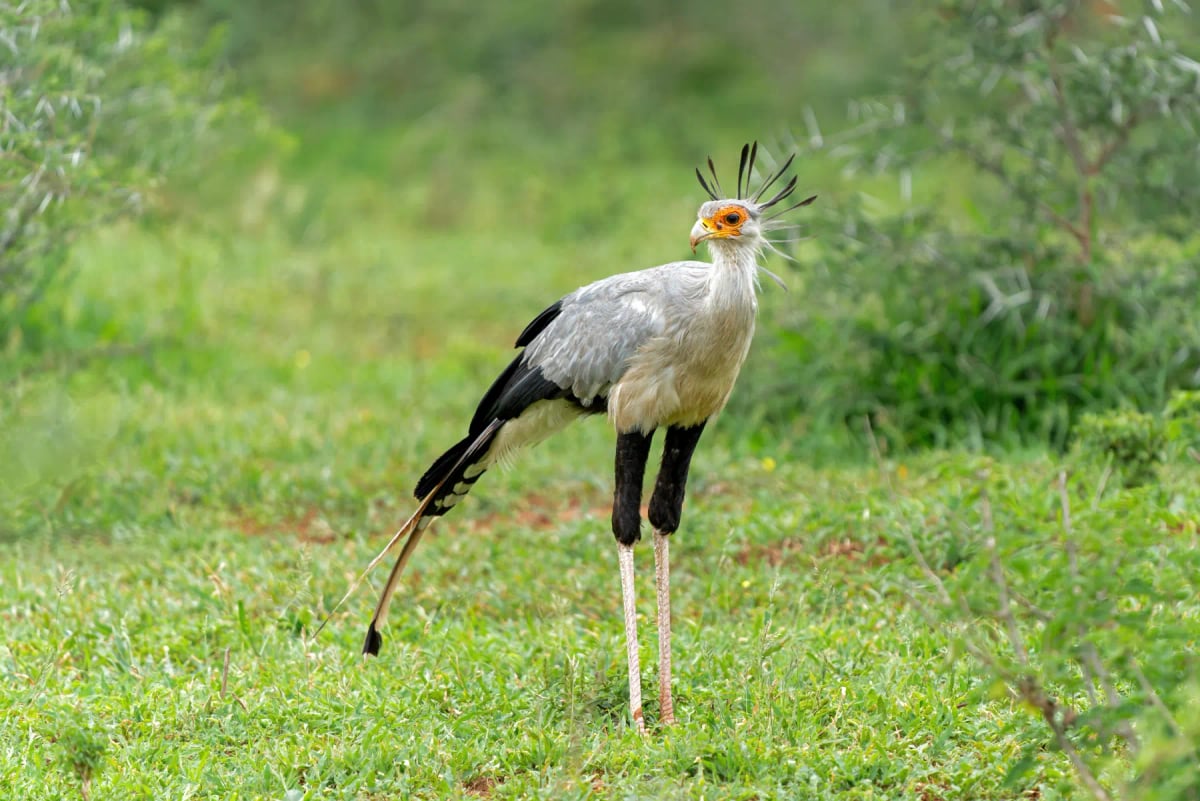
Secretary Bird
Sagittarius serpentarius
The secretary bird is found across Zimbabwe's open savannas and grasslands, from Hwange National Park to the lowveld in the south. Pairs bond for life and return each year to large stick nests built on flat-topped acacia trees. In Zimbabwe, grassland degradation linked to land use change poses a real threat to this Endangered species. Conservation areas across the country offer critical refuges where populations can persist with some protection from habitat loss.
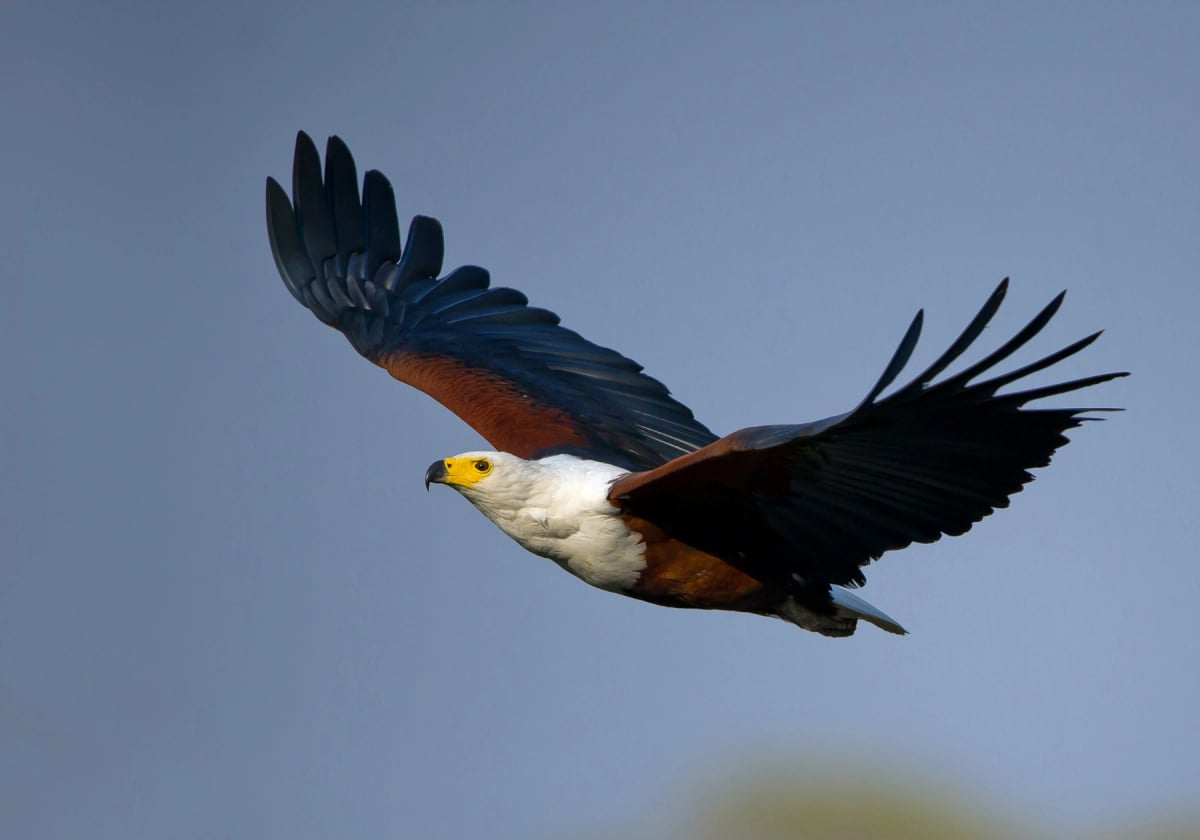
African Fish Eagle
Haliaeetus vocifer
The African fish eagle is the national bird of Zimbabwe and a familiar presence along the country's major waterways. Lake Kariba, one of the largest artificial lakes in the world, supports a well-known population and is one of the best places to observe the species. The Zambezi River along the northern border, including the Victoria Falls area, and the Save and Limpopo rivers in the south also hold resident pairs. The bird is commonly seen on game drives throughout Zimbabwe's national parks near water.
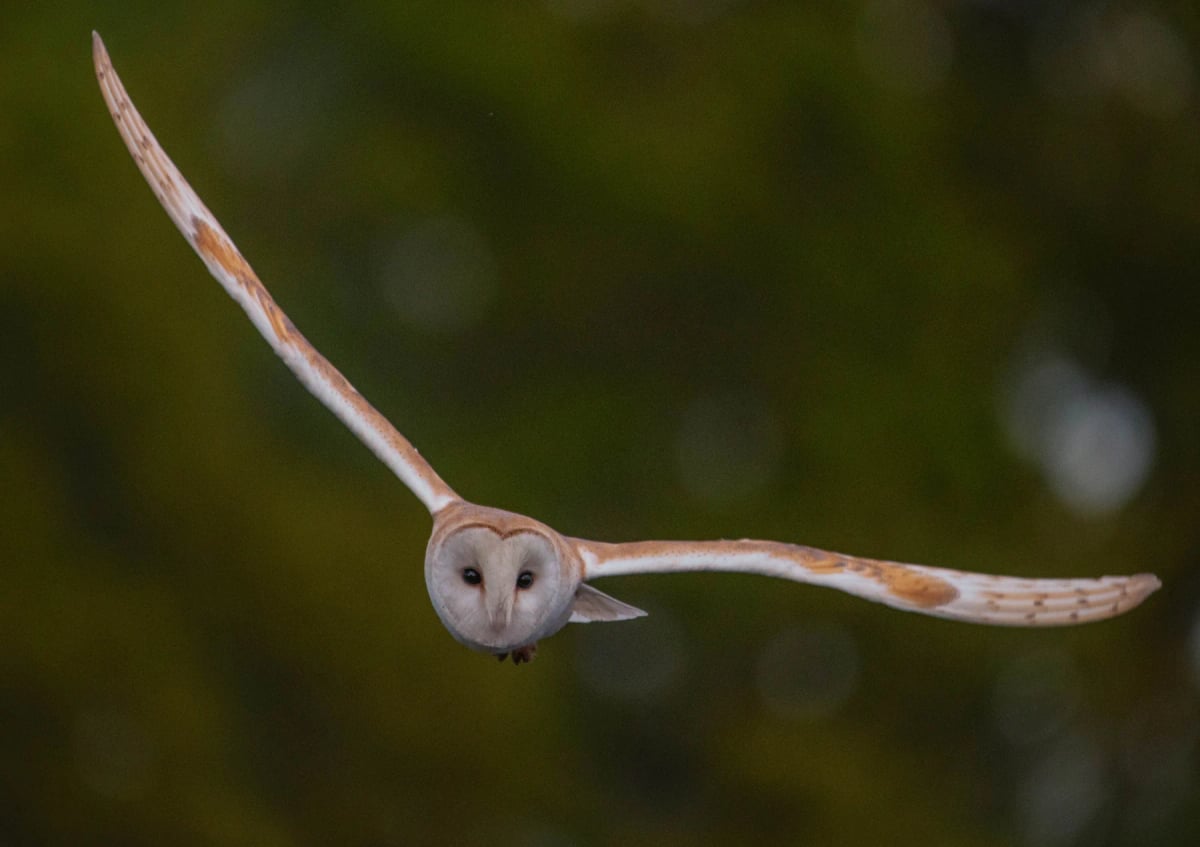
Barn Owl
Tyto alba
The barn owl is found across Zimbabwe in open savanna, farmland, and areas near towns and villages throughout the country. It nests in old farm buildings, cliff faces, and hollow trees, and hunts rodents at night with exceptional precision. In the commercial and communal farming areas of Mashonaland, Matabeleland, and the Midlands it is a valued natural pest controller. It is present from the Zambezi Valley lowlands to the highveld plateau and is one of the more commonly encountered owls across Zimbabwe's open agricultural landscapes.
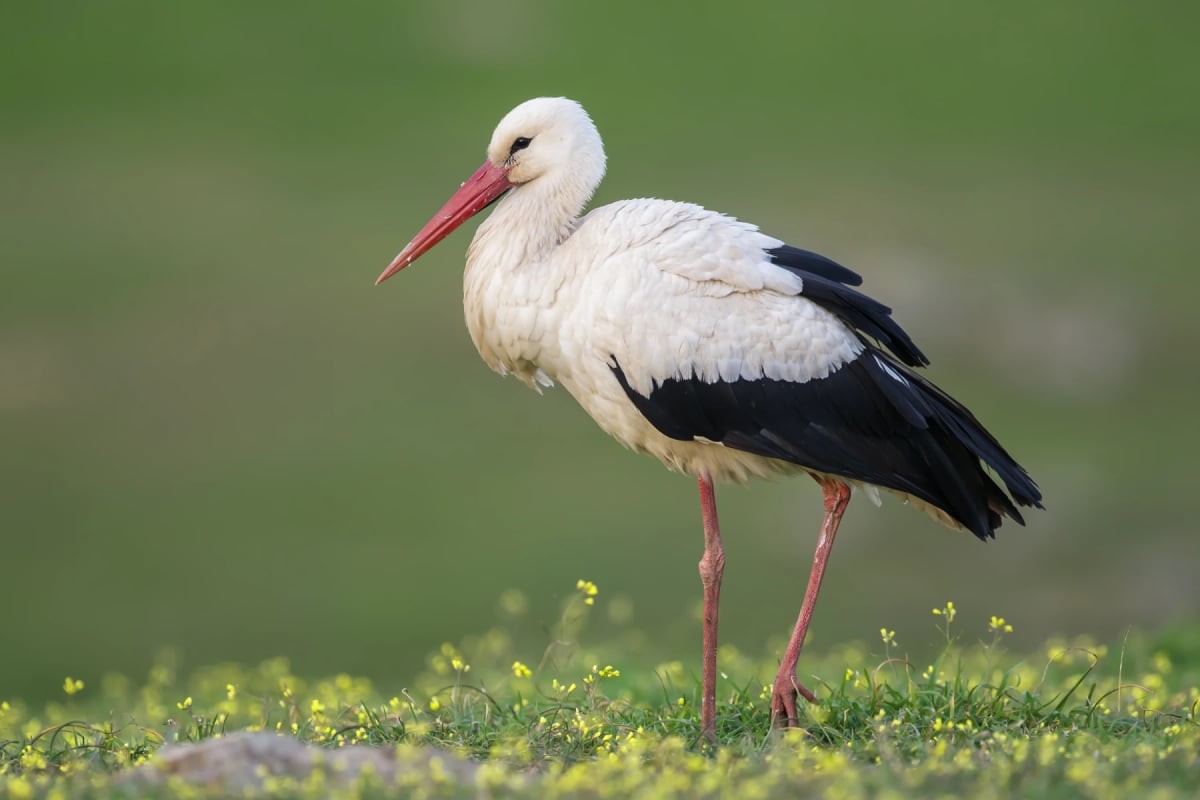
Stork
Ciconia ciconia
In Zimbabwe, the white stork is a seasonal visitor from Europe, present mainly during the southern hemisphere summer. Open grasslands, farms, and wetlands in the north and east of the country provide feeding habitat. Storks are often seen foraging in recently burned or freshly plowed fields, where prey is easy to find. The species does not breed in Zimbabwe but can gather in large flocks in productive areas during its stay. IUCN status: Least Concern.
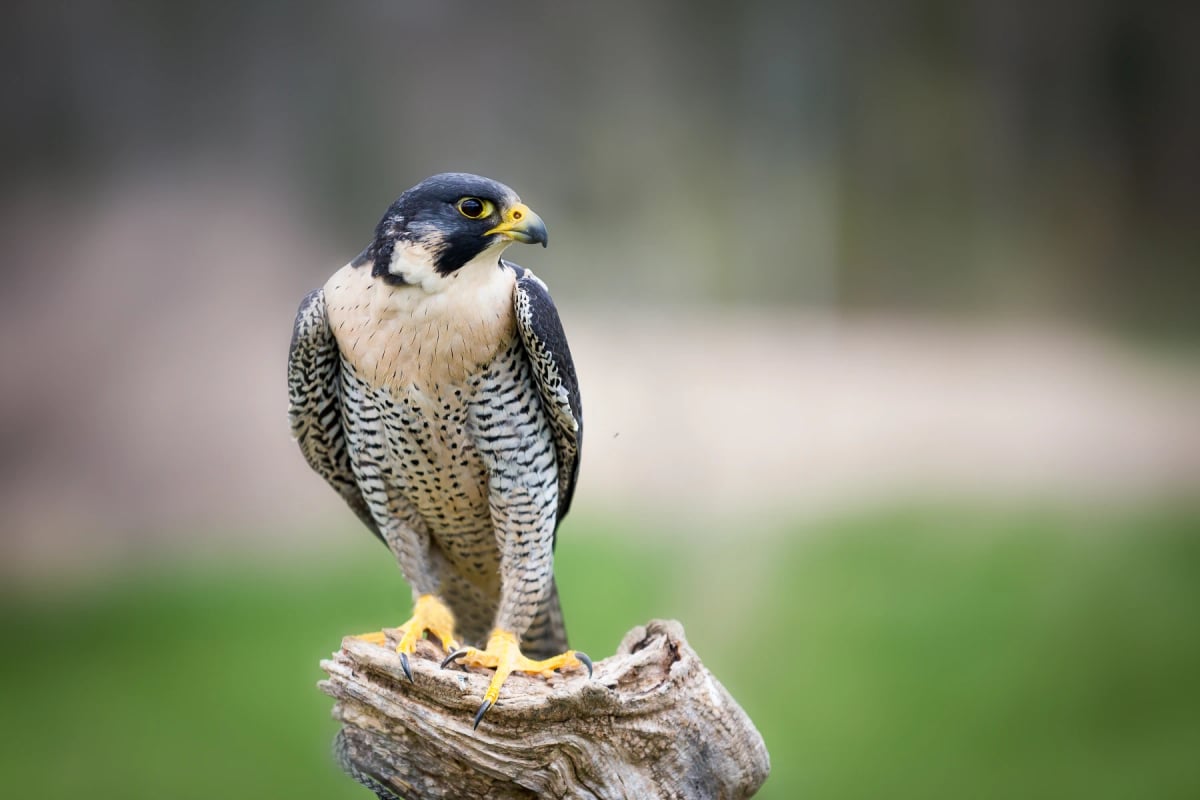
Peregrine Falcon
Falco peregrinus
The peregrine falcon occurs in Zimbabwe as both a resident and a seasonal visitor, found across a range of habitats including the granite kopjes of Matobo National Park, river gorges, and open highveld. Matobo in particular provides ideal nesting cliffs. The species is an agile hunter of birds in flight and is rated Least Concern, with populations in the region considered stable.
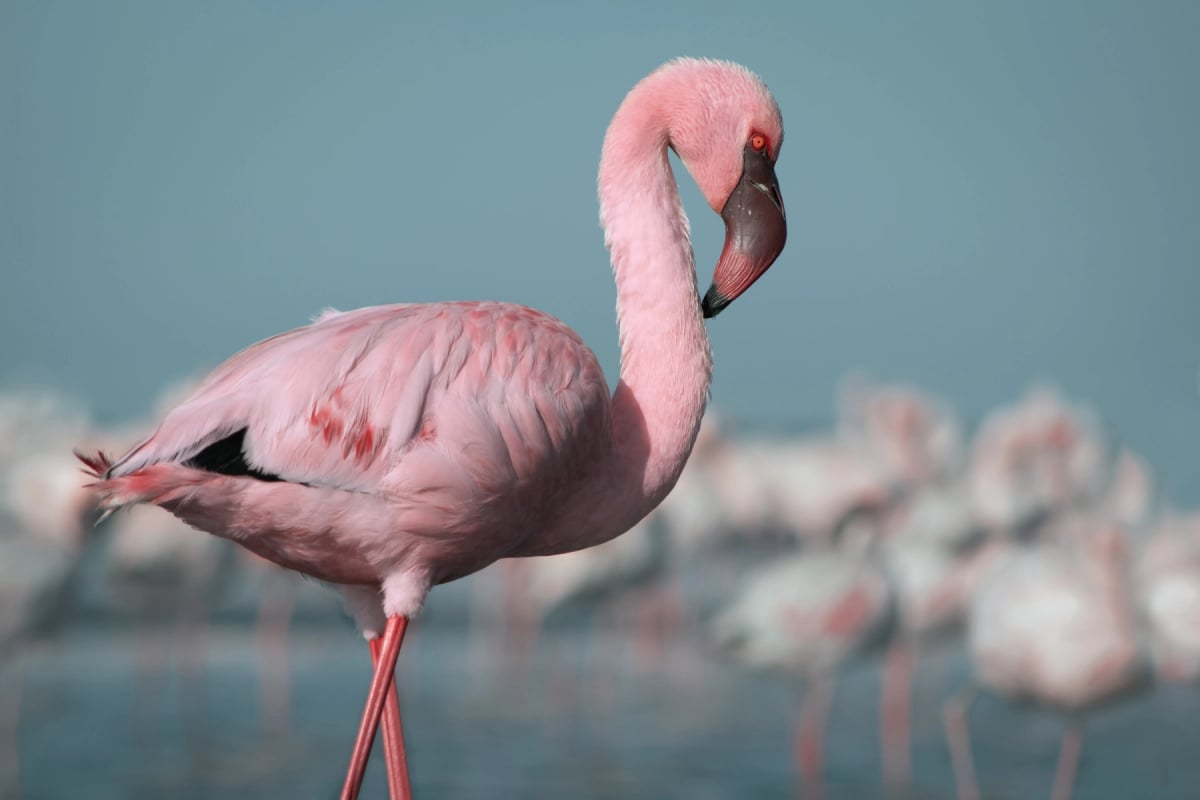
Flamingo
Phoenicopteridae (6 species)
Zimbabwe has the greater flamingo, present year round, and the lesser flamingo, which visits outside the breeding season. Both appear on dams, sewage ponds and seasonal pans, often in small numbers, as they move between the major flamingo sites of Botswana, Namibia and South Africa. In wet years, when shallow water spreads across the land, larger flocks can turn up, filtering algae and small invertebrates. IUCN status: greater flamingo Least Concern, lesser flamingo Near Threatened.
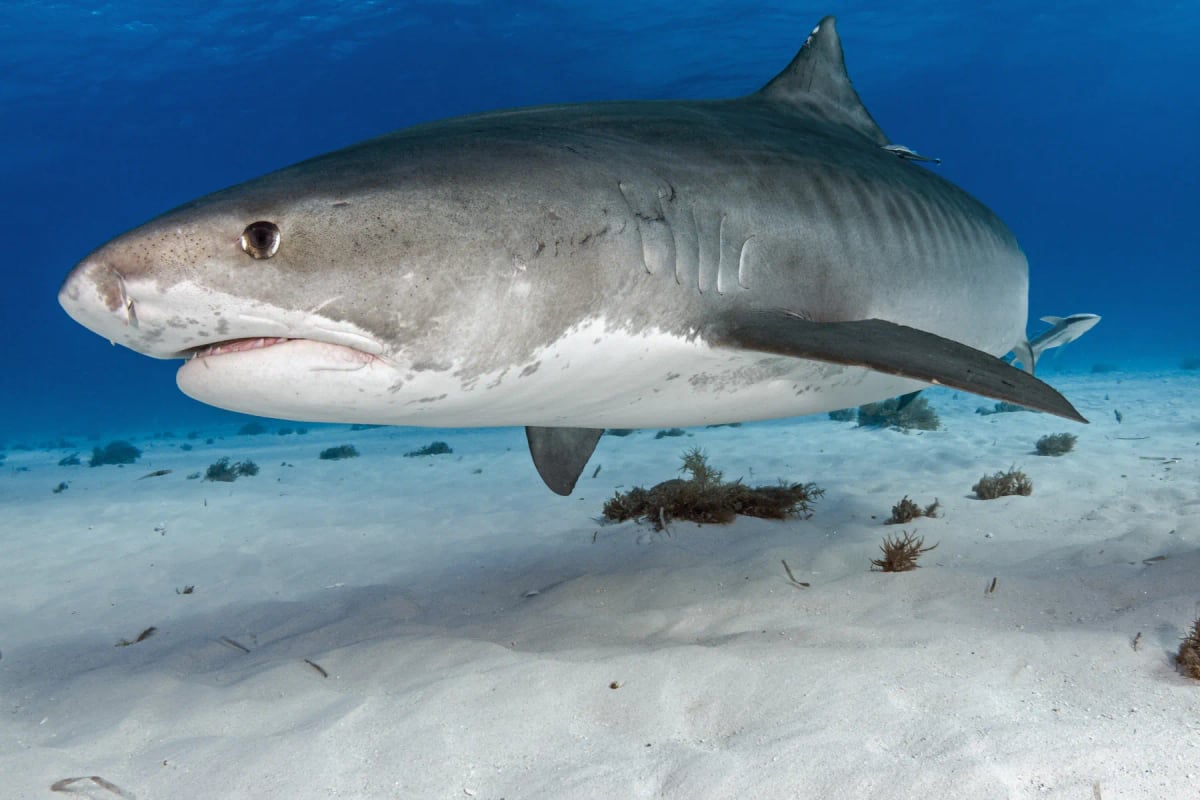
Tiger Shark
Galeocerdo cuvier
Zimbabwe is a landlocked country, so tiger sharks do not live in its waters. However, this species occasionally appears in records connected to Zimbabwe through the international shark fin trade. The tiger shark is Near Threatened globally, and landlocked nations still play a role in conservation by regulating the trade of shark products. Awareness and policy efforts in Zimbabwe can contribute to protecting this species across the wider ocean.
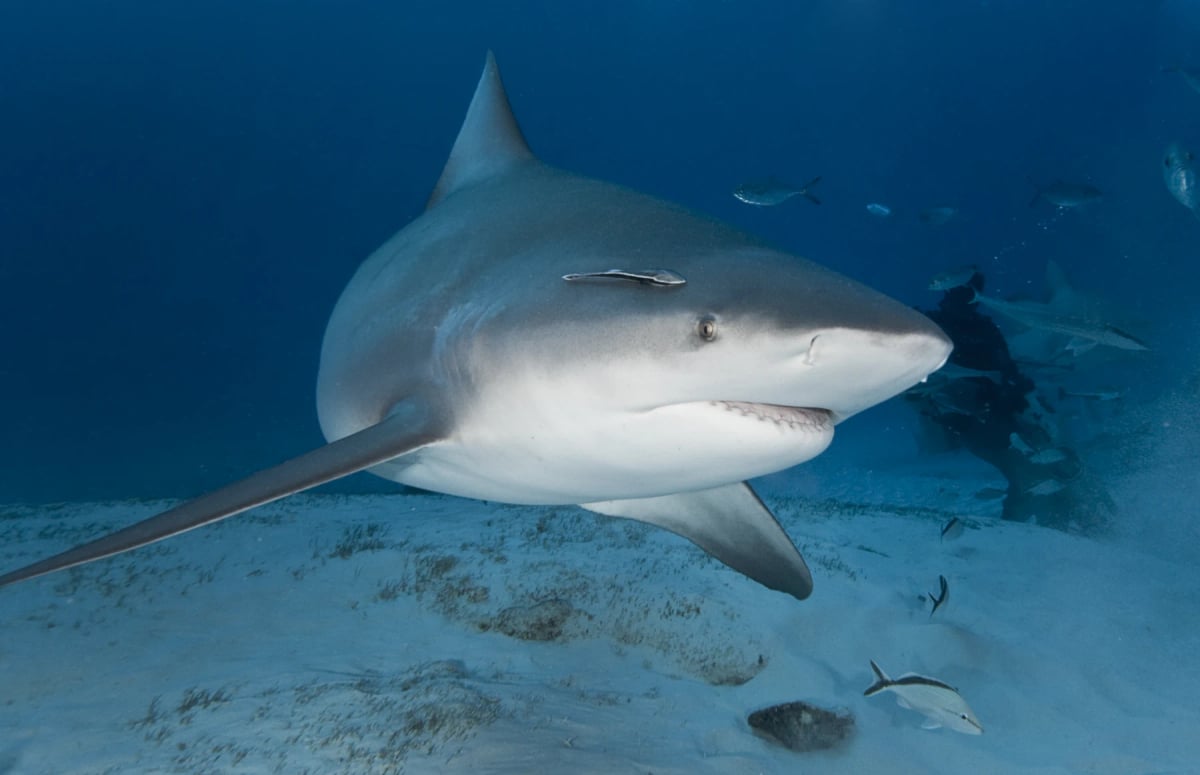
Bull Shark
Carcharhinus leucas
In Zimbabwe, bull sharks have been recorded in the Zambezi River, one of the few freshwater systems in Africa where this species ventures far inland. Their ability to tolerate fresh water allows them to travel well beyond the coast. The stretch near Lake Kariba and the lower Zambezi is where sightings have historically been reported. They are listed as Near Threatened globally, and freshwater habitat pressure adds to local concern.
Researched and written by Juan Pablo. Sources: IUCN Red List, scientific literature and regional field guides. Last updated: .