Animals in S Sudan
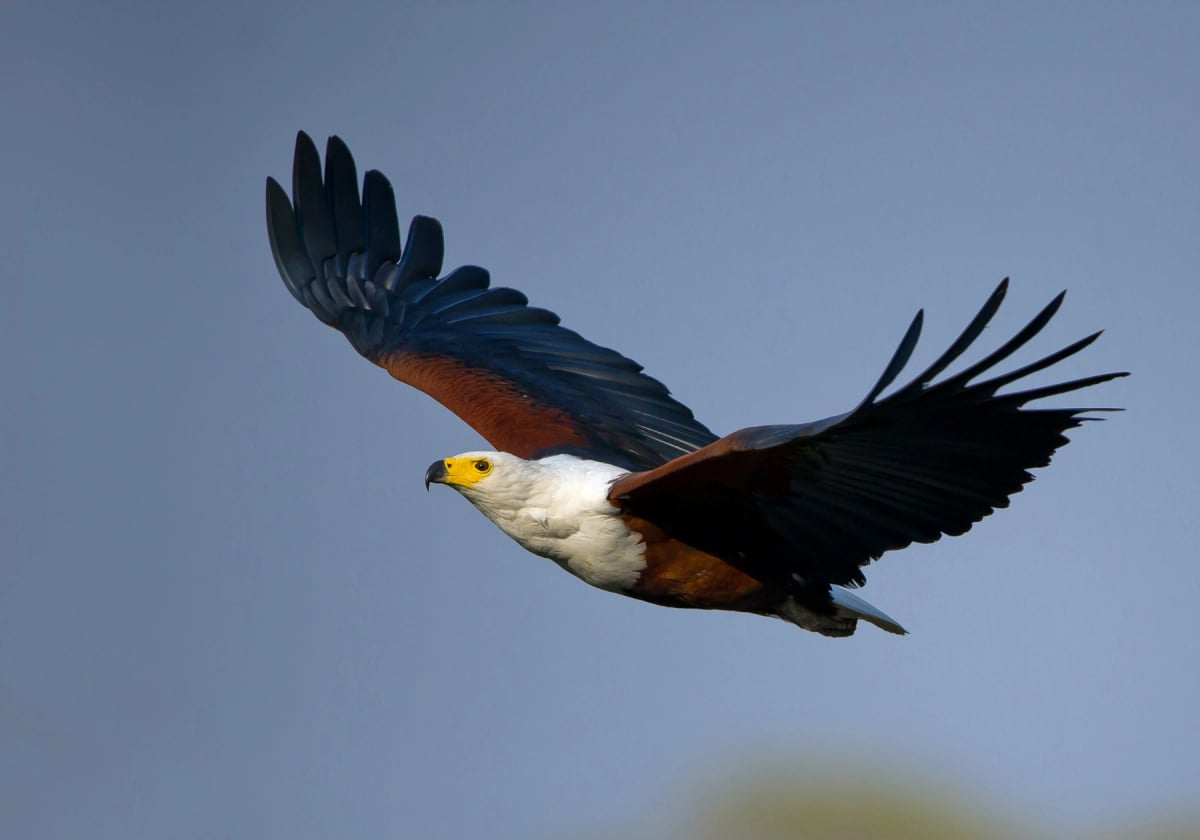
African Fish Eagle
Haliaeetus vocifer
The African fish eagle, South Sudan’s national bird, symbolizes freedom and strength. Seen near the Nile and major lakes, it soars above calm waters in search of fish. Its sharp cry is often heard across riverbanks, serving as a reminder of the country’s deep bond with its wetlands and wildlife.
View details→Wildlife in S Sudan
South Sudan’s wildlife thrives in vast plains, wetlands and forests shaped by the Nile. Elephants, giraffes and chimpanzees move freely across open landscapes, while birds and reptiles fill the swamps and floodplains. Seasonal migrations create one of Africa’s most impressive natural spectacles, drawing scientists and nature lovers alike.
Most Dangerous Animals in S Sudan
Some animals in South Sudan can be dangerous, especially elephants, crocodiles and venomous snakes near rivers or wetlands. Their strength and unpredictability demand caution. Guided safaris and river tours help visitors experience the country’s raw nature safely while respecting its wildlife.
Top 10 Animals in S Sudan
South Sudan’s emblematic animals include elephants, giraffes, chimpanzees and diverse birdlife that define its wild character. Reptiles such as crocodiles and snakes add to its ecological balance. National parks like Boma and Southern National Park protect these species and support community based tourism.
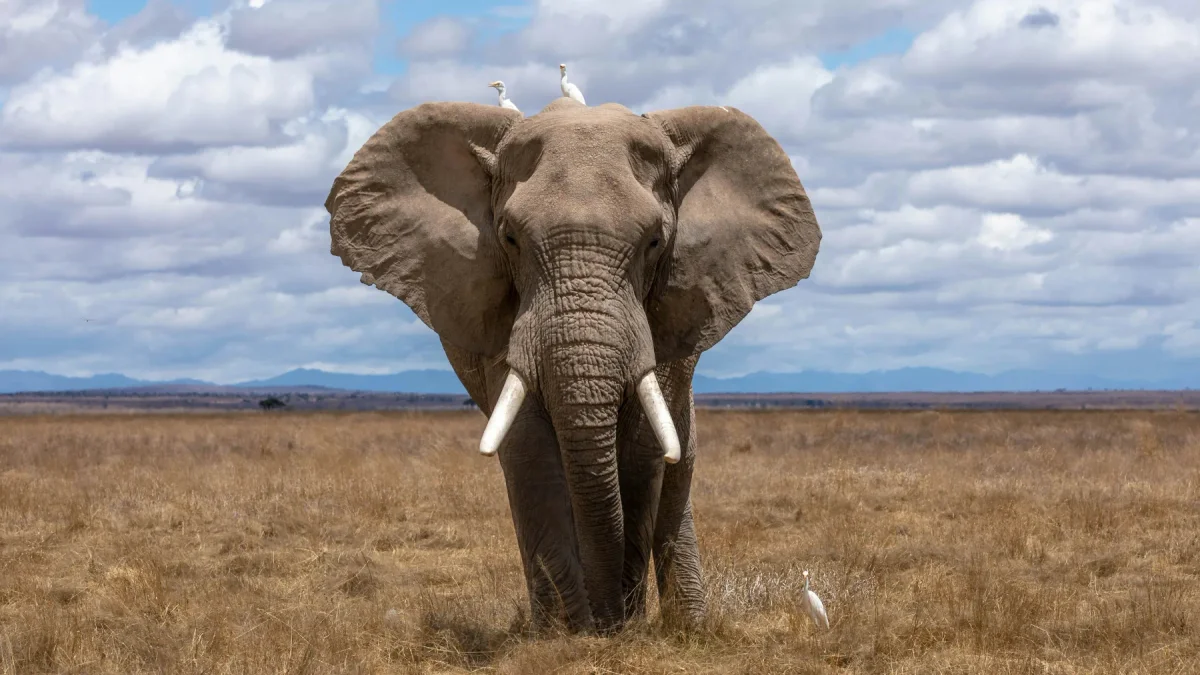
African Elephant
Loxodonta africana
South Sudan once had enormous elephant herds but populations were devastated by decades of civil conflict. Boma National Park in the east and Southern National Park form part of one of Africa's last great wildlife migration systems, where elephants move alongside antelopes in numbers that rival the Serengeti. Peace and improved protection have allowed some recovery, but ongoing instability continues to threaten elephants and the communities living alongside them across this vast and remote landscape.
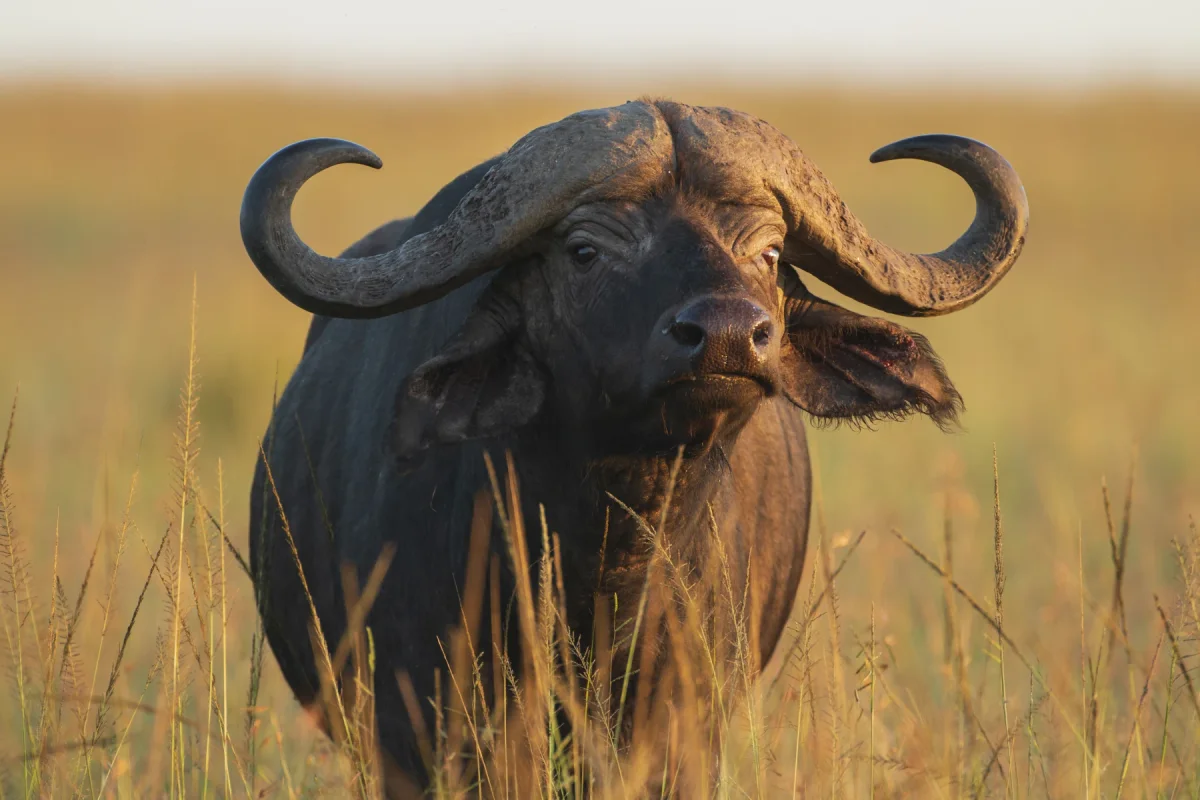
Buffalo
Syncerus caffer
South Sudan's vast floodplains and savanna woodlands, particularly around the Sudd wetland and Boma National Park, support large buffalo herds. These animals rely on the seasonal rhythms of flooding and grass growth to find food and water. Decades of civil conflict have made wildlife monitoring difficult, but buffalo remain present across suitable habitats in the south and east of the country. IUCN status: Least Concern.
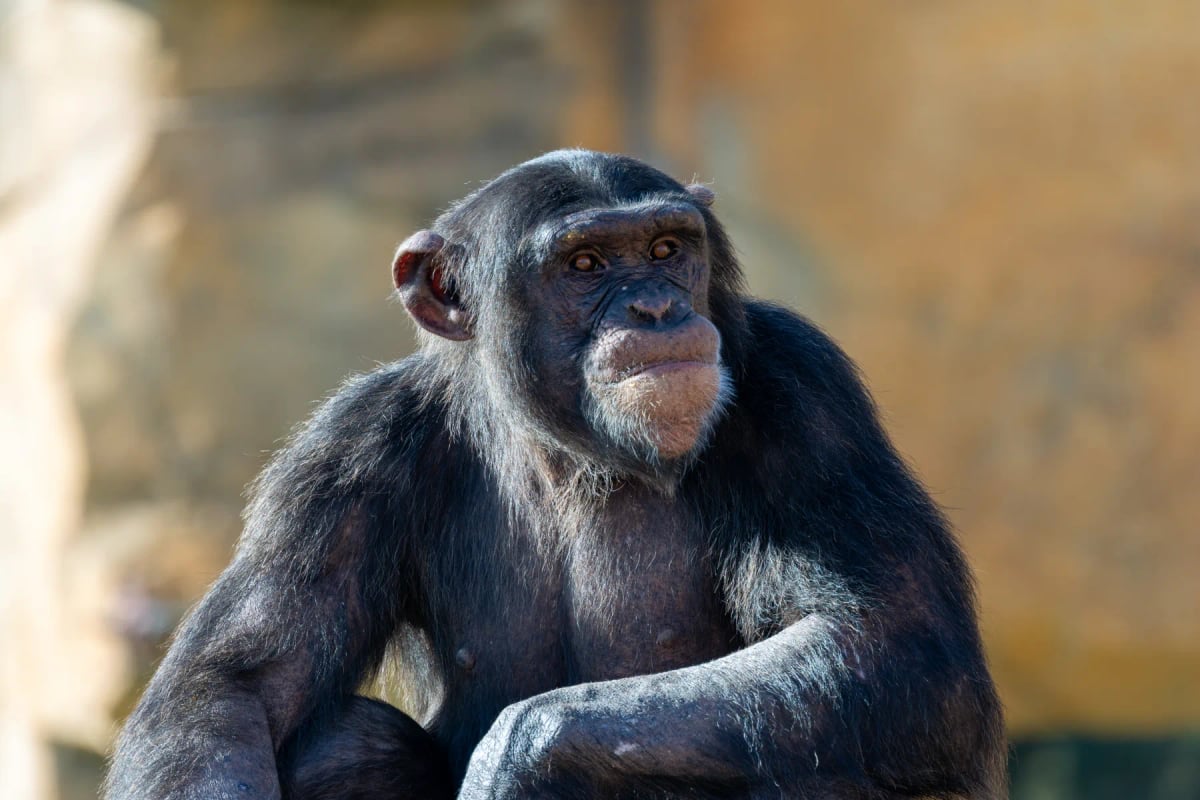
Chimpanzee
Pan troglodytes
In South Sudan, chimpanzees occupy a narrow range in the southwestern corner of the country, particularly around the forests near the border with the Democratic Republic of Congo and the Central African Republic. This population is considered small and isolated. Decades of conflict have made conservation efforts difficult, and very little field research has been conducted, leaving the status of these chimpanzees poorly understood.
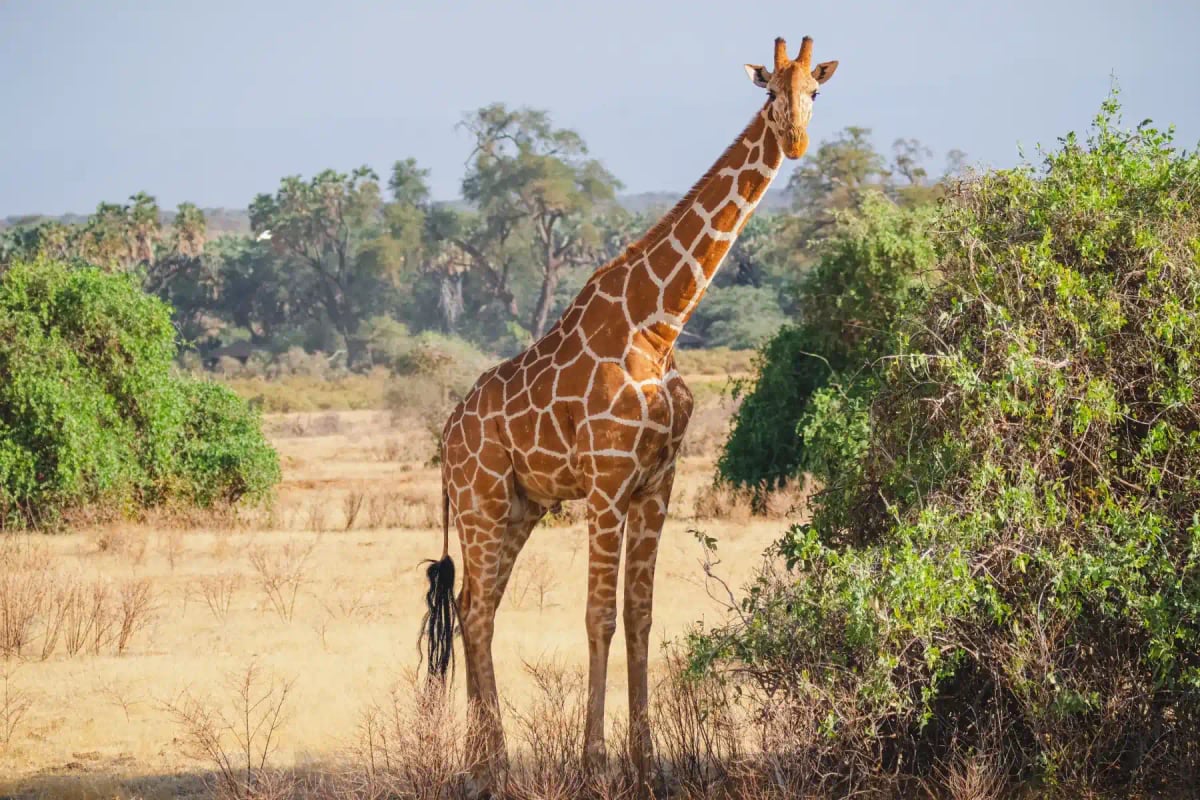
Giraffe
Giraffa camelopardalis
South Sudan holds some of Africa's most significant giraffe populations, particularly the Nubian giraffe, one of the most endangered subspecies on the continent. The savannas and open woodlands of the country, including areas around Boma National Park, provide important habitat. Years of armed conflict have severely disrupted conservation work, and poaching has taken a heavy toll. The IUCN classifies the giraffe as Vulnerable, and Nubian giraffe numbers remain critically low.
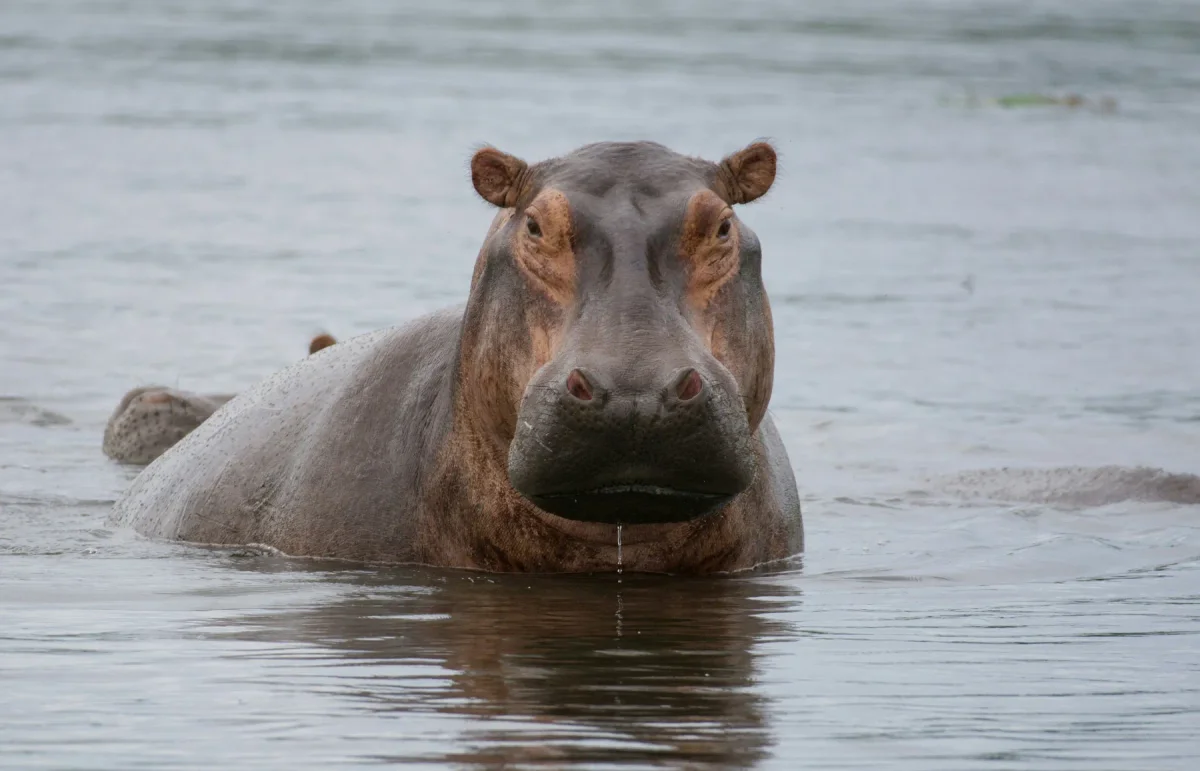
Hippopotamus
Hippopotamus amphibius
South Sudan holds some of the most significant hippo populations in East Africa, particularly along the White Nile and in the wetlands of the Sudd, one of the largest freshwater ecosystems in the world. These vast, flooded plains provide ideal habitat. Despite years of civil conflict affecting wildlife monitoring, hippos remain present across several river systems throughout the country. The IUCN lists them as Vulnerable.
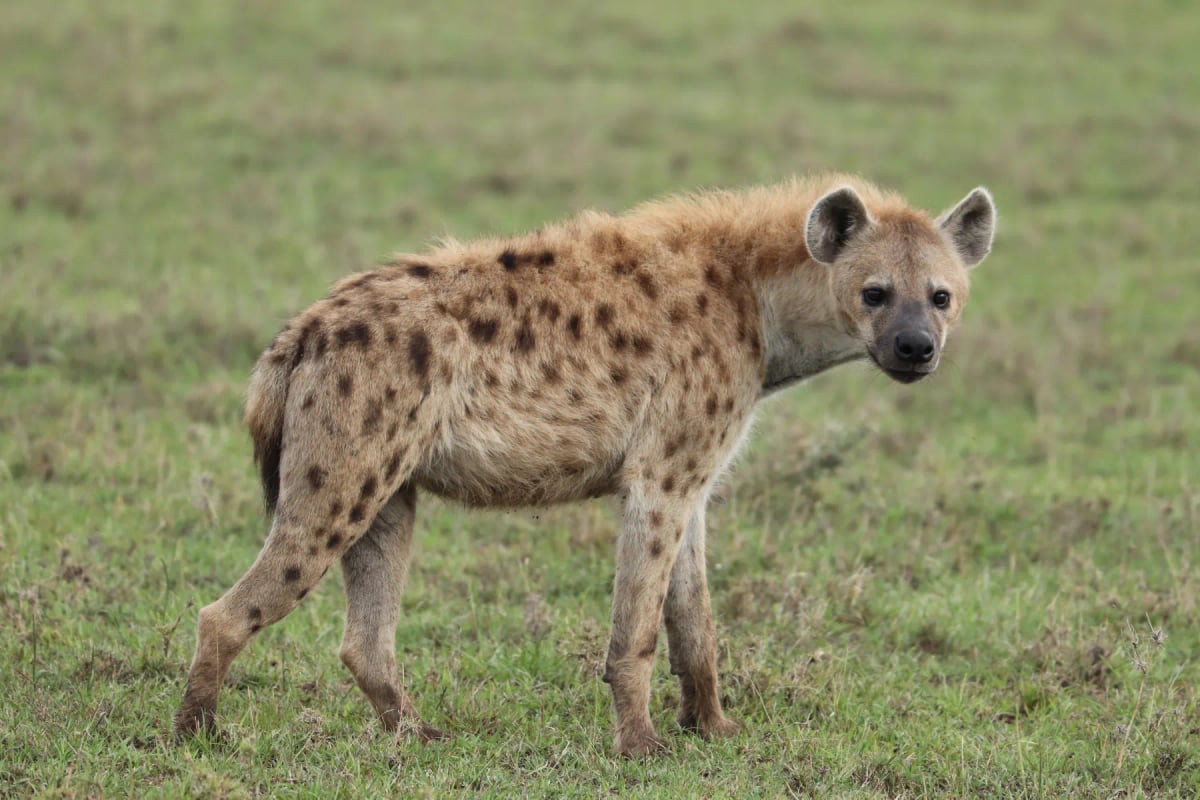
Spotted Hyena
Crocuta crocuta
South Sudan's vast floodplains, savannas, and woodlands provide important habitat for spotted hyenas. The Sudd wetland and surrounding grasslands support large herbivore populations that hyenas depend on. Years of conflict have disrupted conservation efforts, but wildlife surveys suggest hyenas remain present across much of the country. They are both hunters and scavengers, filling a critical role in these ecosystems. Their IUCN status is Least Concern.
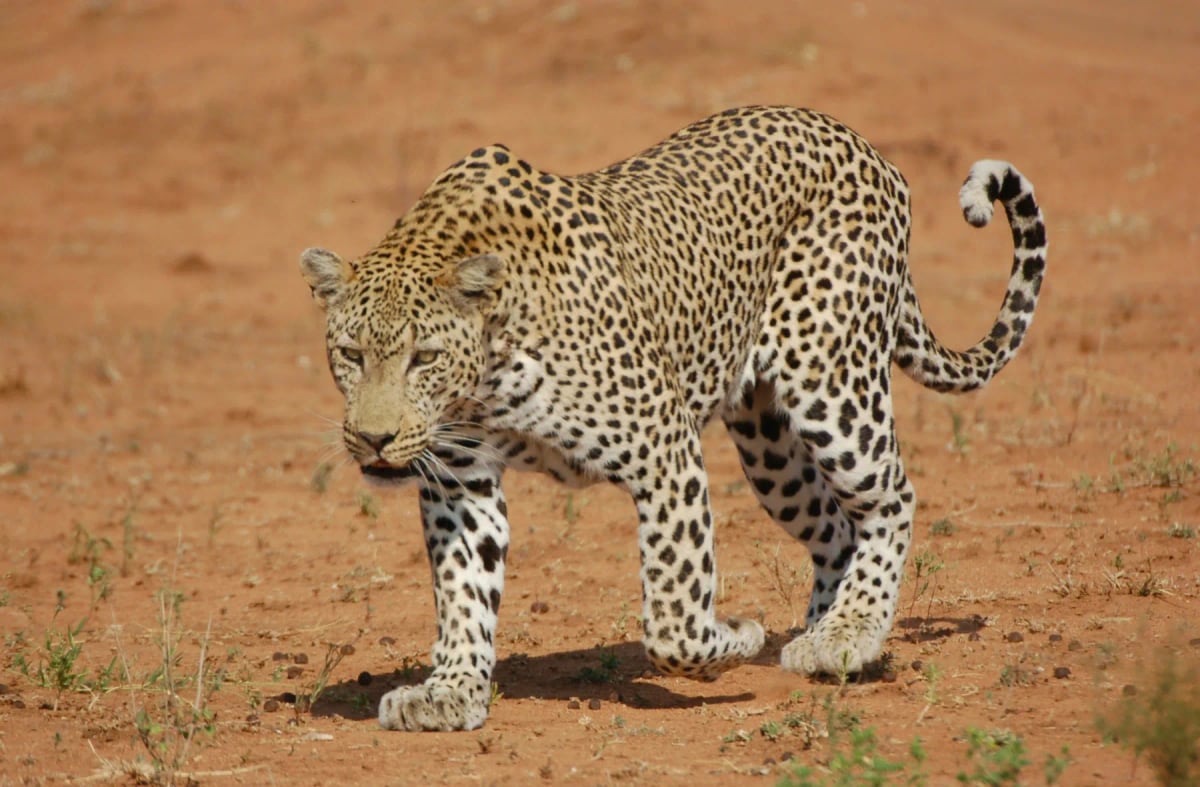
Leopard
Panthera pardus
Leopards are found across South Sudan's woodland savannas and riverine forests, with the Boma and Nimule areas among their known strongholds. They prey on antelopes, warthogs, and smaller mammals. Decades of conflict have made systematic surveys difficult, but the species persists in areas where prey remains available. Habitat loss and hunting continue to put pressure on leopard populations across the country. IUCN status: Vulnerable.
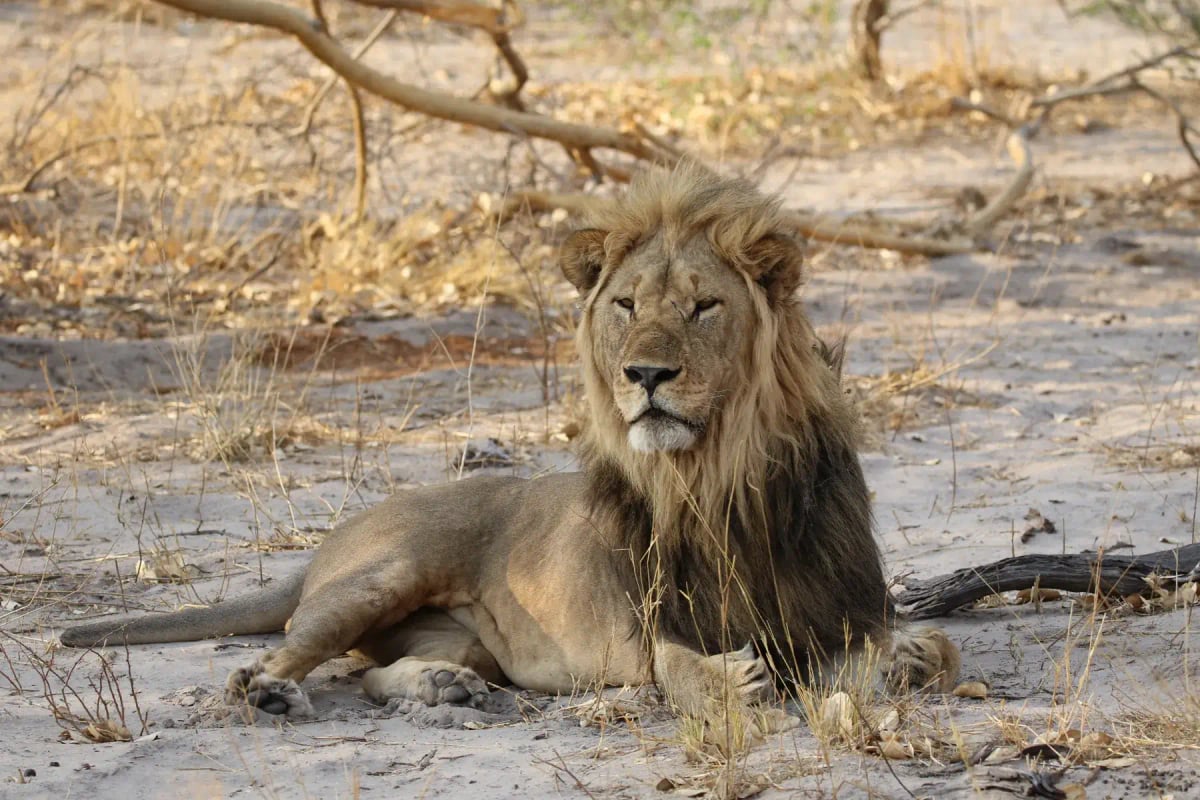
Lion
Panthera leo
South Sudan holds some of the least documented lion populations in Africa, with the most significant numbers likely concentrated in Boma and Badingilo national parks in the east and south. These areas support large wildlife migrations and provide habitat for lions and their prey. Political instability has made conservation monitoring extremely difficult, but lions are believed to persist across several of the country's protected areas.
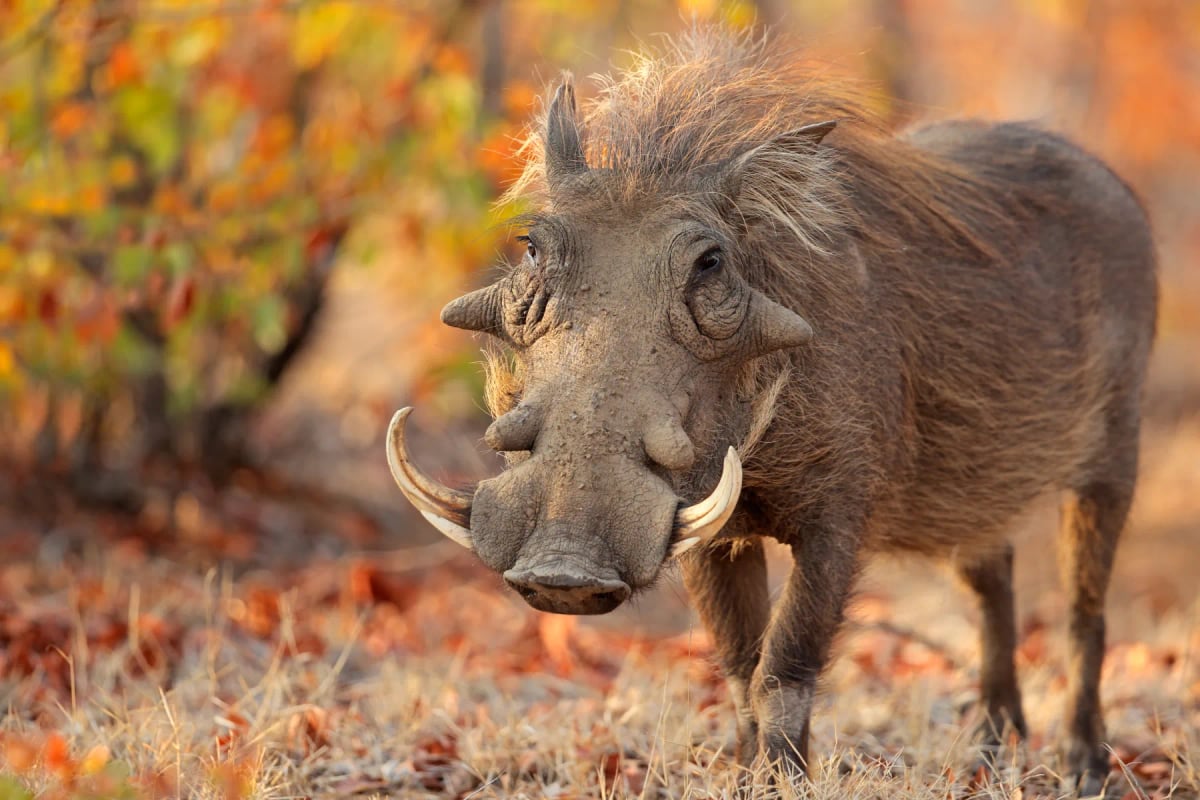
Warthog
Phacochoerus africanus
Warthogs are found across the open grasslands and woodland savannas of South Sudan, including areas within Boma National Park and the broader Jonglei region. They are a regular part of the country's remarkable wildlife community and play a role in the ecosystem as grazers that keep grasses short. Despite years of regional instability, warthog populations have persisted across much of the country's vast wild areas.
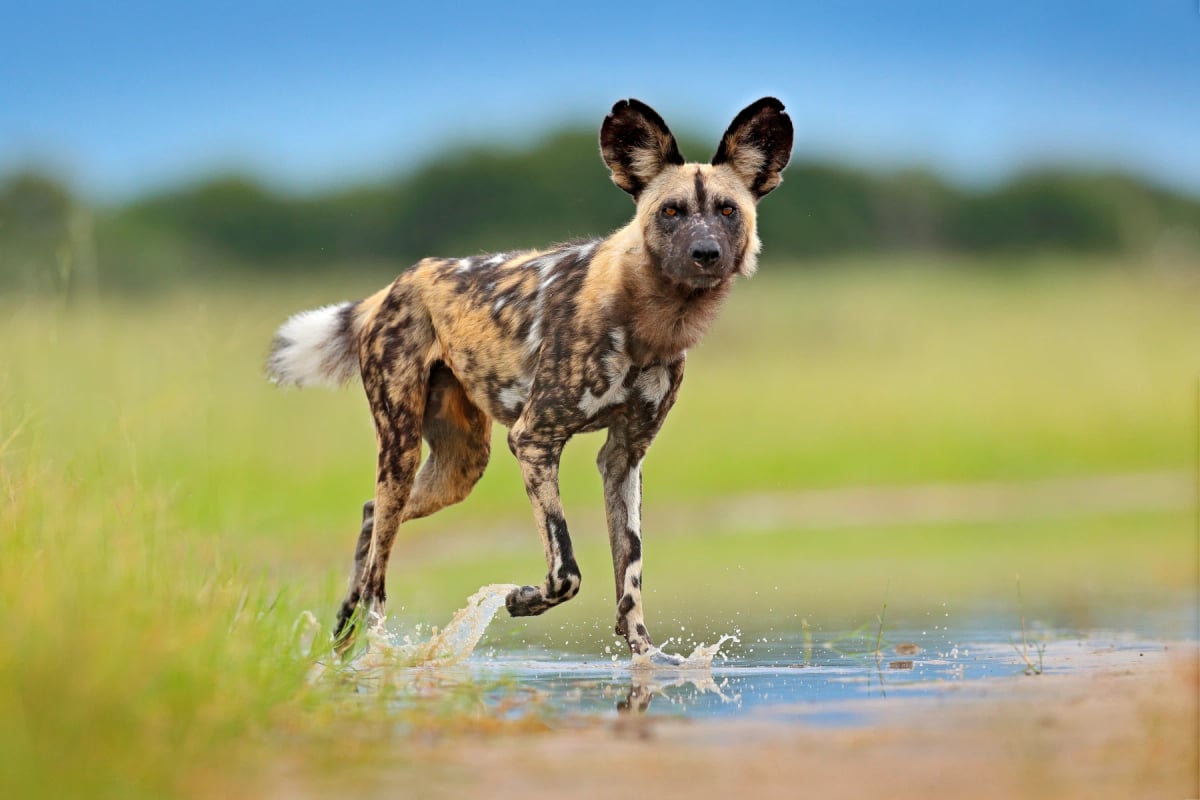
Wild Dog
Lycaon pictus
African wild dogs have been recorded in South Sudan, though years of conflict have made it difficult to assess their true numbers. The Southern National Park and the floodplains of the greater Sudd region offer potential habitat, but surveys remain limited. Conservation work in the country is gradually expanding, and wild dogs may persist in low numbers across remote savanna areas where human presence is still relatively sparse.
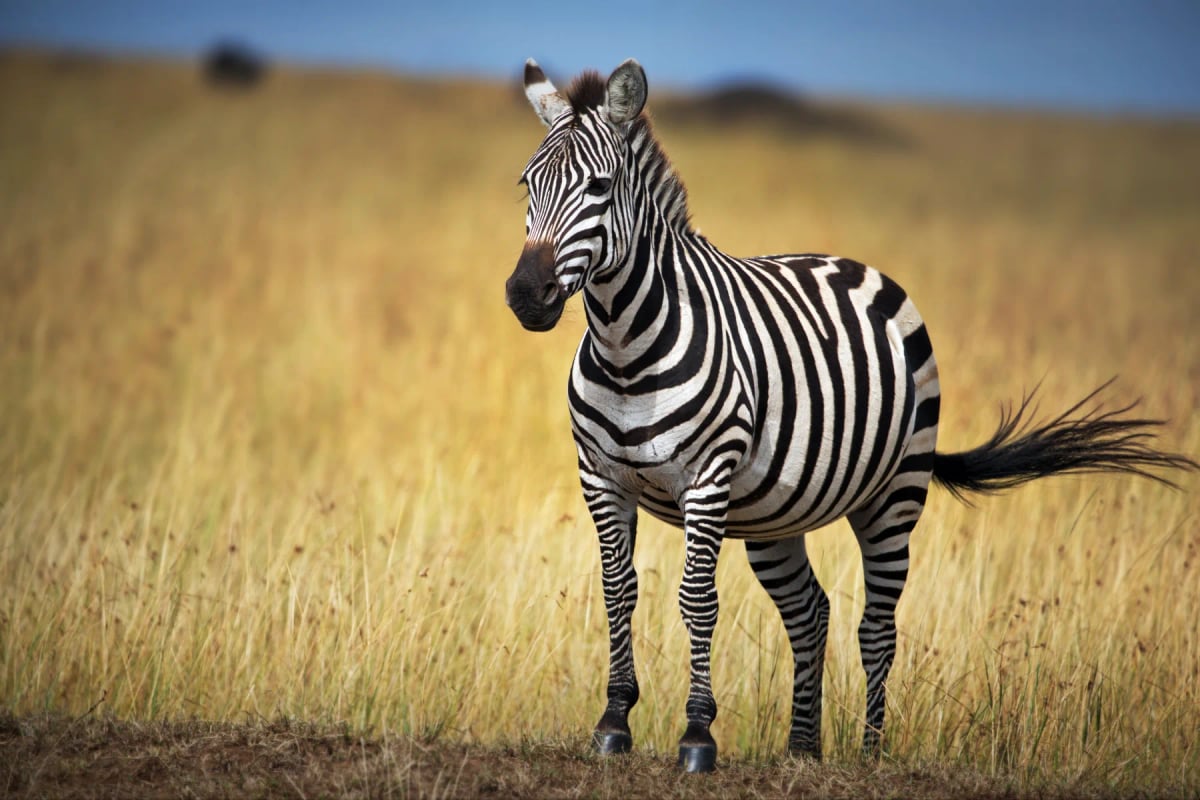
Zebra
Equus spp.
In South Sudan, plains zebras occur in smaller, less studied numbers compared to the country's famous migratory herds of kob and tiang, with sightings reported in protected areas such as Boma and Badingilo. Decades of conflict have limited wildlife surveys and disrupted habitat across much of the country. Where zebras persist, they share open floodplain and woodland with the region's other large grazing species.
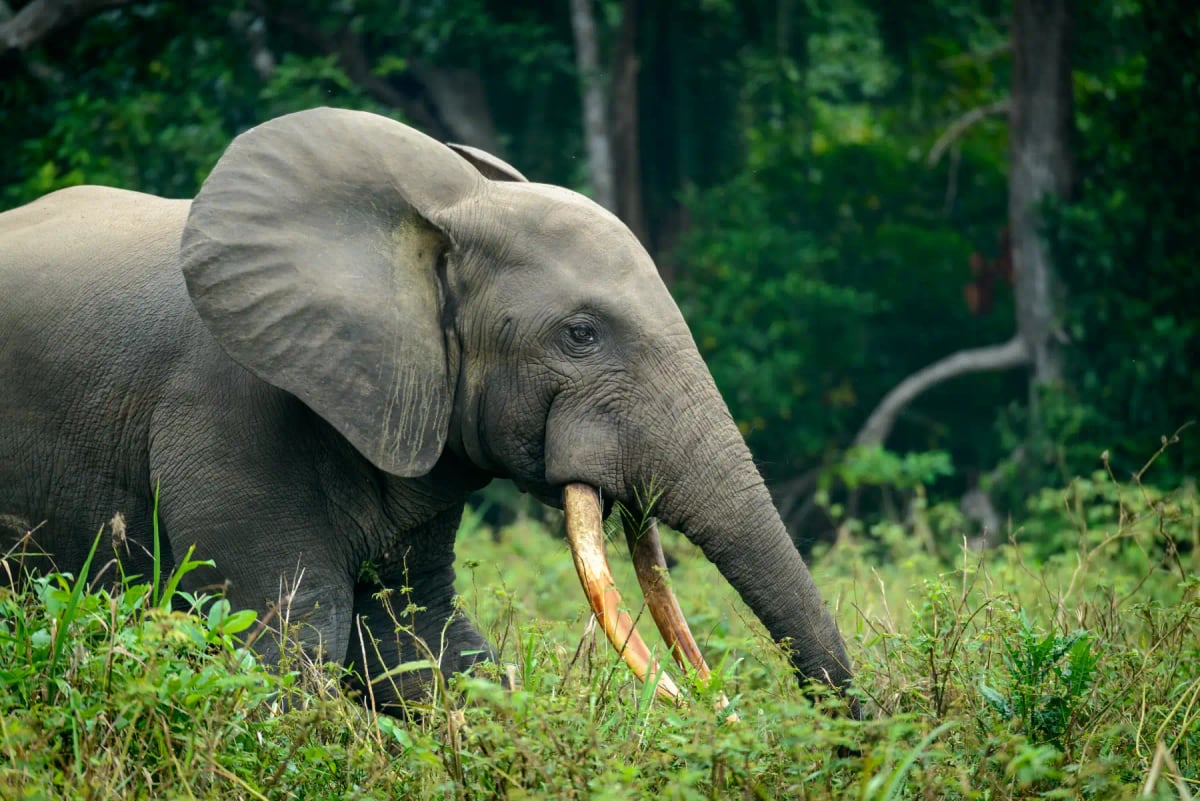
African Forest Elephant
Loxodonta cyclotis
South Sudan is listed by the IUCN as a country with indicated African forest elephant presence, though no population survey data is available. Any population would likely be restricted to the rainforest areas in the far southwest of the country, near the borders with the DRC and the Central African Republic, where Congo Basin forest extends into South Sudanese territory. The region is remote and access for wildlife surveys has been extremely limited due to years of conflict and instability.
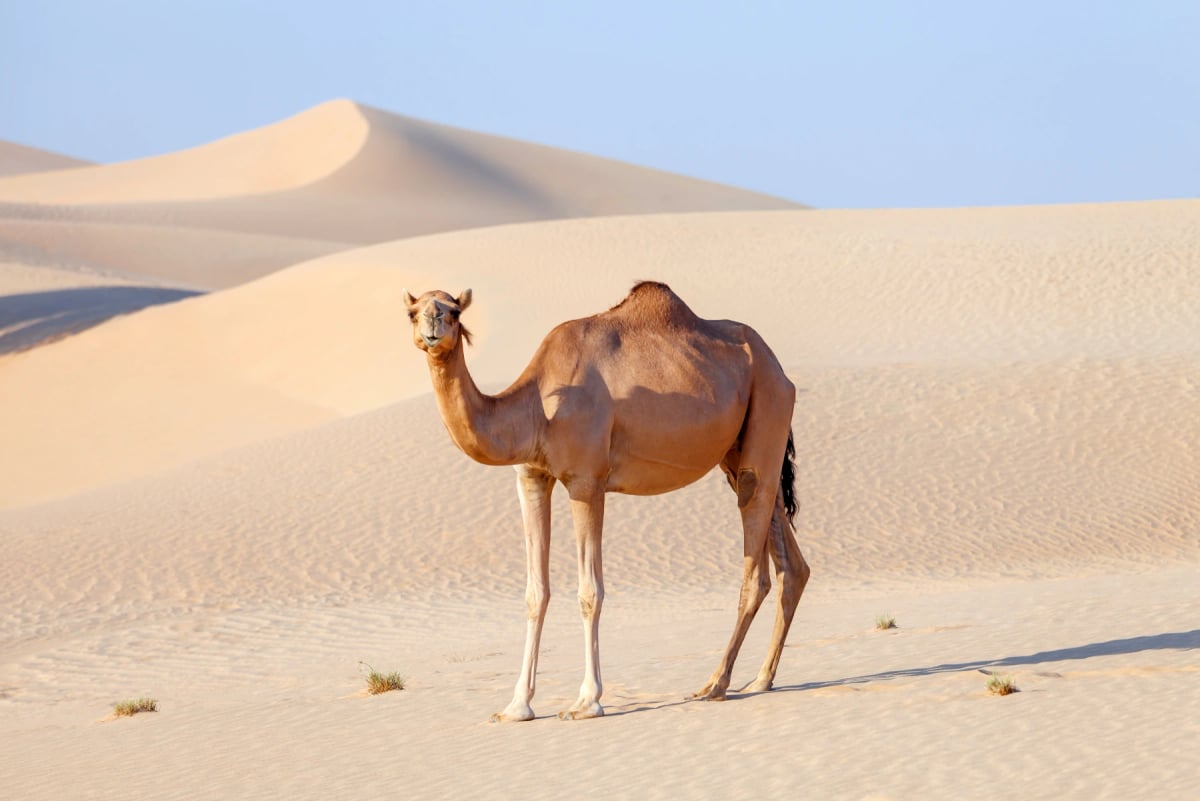
Dromedary Camel
Camelus dromedarius
In South Sudan, dromedary camels are found mainly in the northern and northeastern regions, particularly among communities near the borders with Sudan. They are used primarily as pack animals and for their milk. While cattle dominate pastoral life across much of the country, camels are essential in the drier northern zones where water sources are few and distances between settlements are vast.
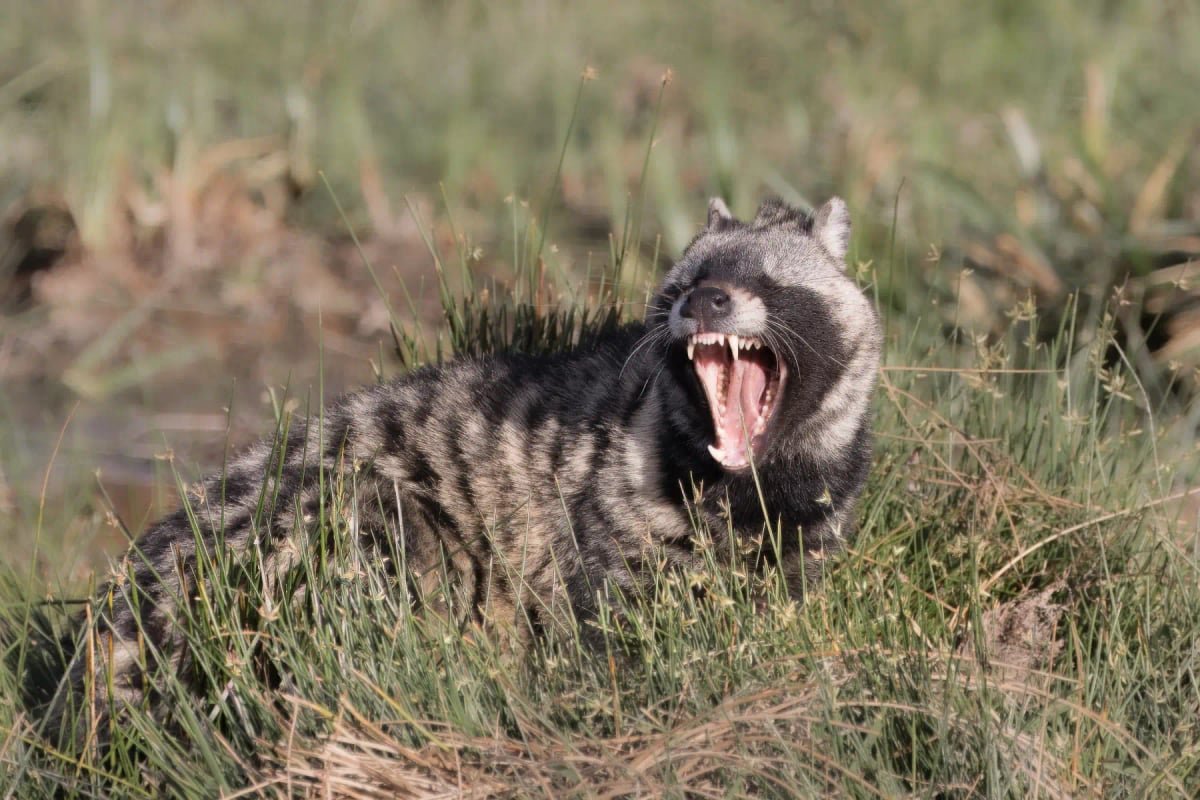
African Civet
Civettictis civetta
South Sudan's mosaic of savanna woodlands, wetlands and gallery forests along Nile tributaries supports African civet populations across the south and center of the country. The Sudd wetland complex and the forests of the Imatong Mountains are key habitat areas. Prolonged conflict has severely limited wildlife monitoring, but civets are considered present wherever forest cover and permanent water exist away from heavily disturbed zones.
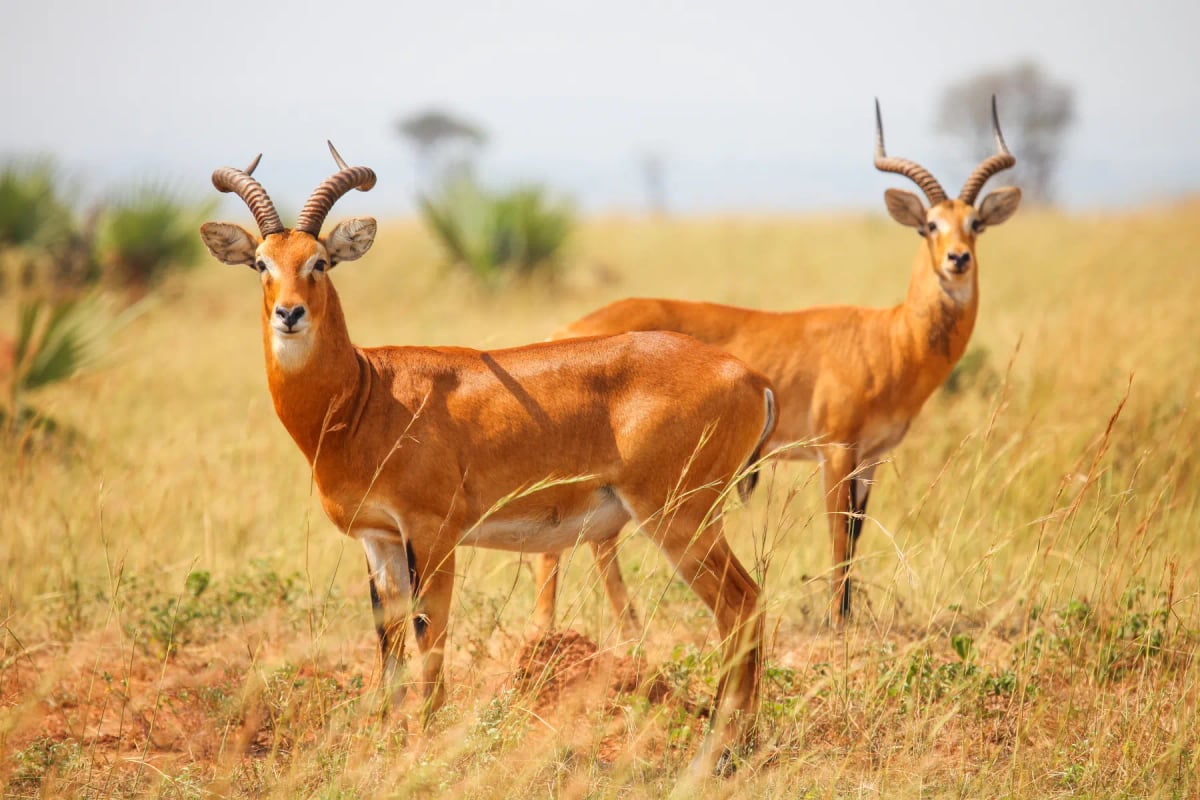
Kob
Kobus kob
South Sudan is home to one of the largest kob populations on Earth. The Nile lek in the southern floodplains hosts enormous concentrations of the species, and the annual migration of white-eared kob across the country is one of the greatest wildlife movements in Africa. These antelope rely on the vast wetlands and grassy plains of the region. The IUCN lists the kob as Least Concern, and South Sudan remains a stronghold for the species.
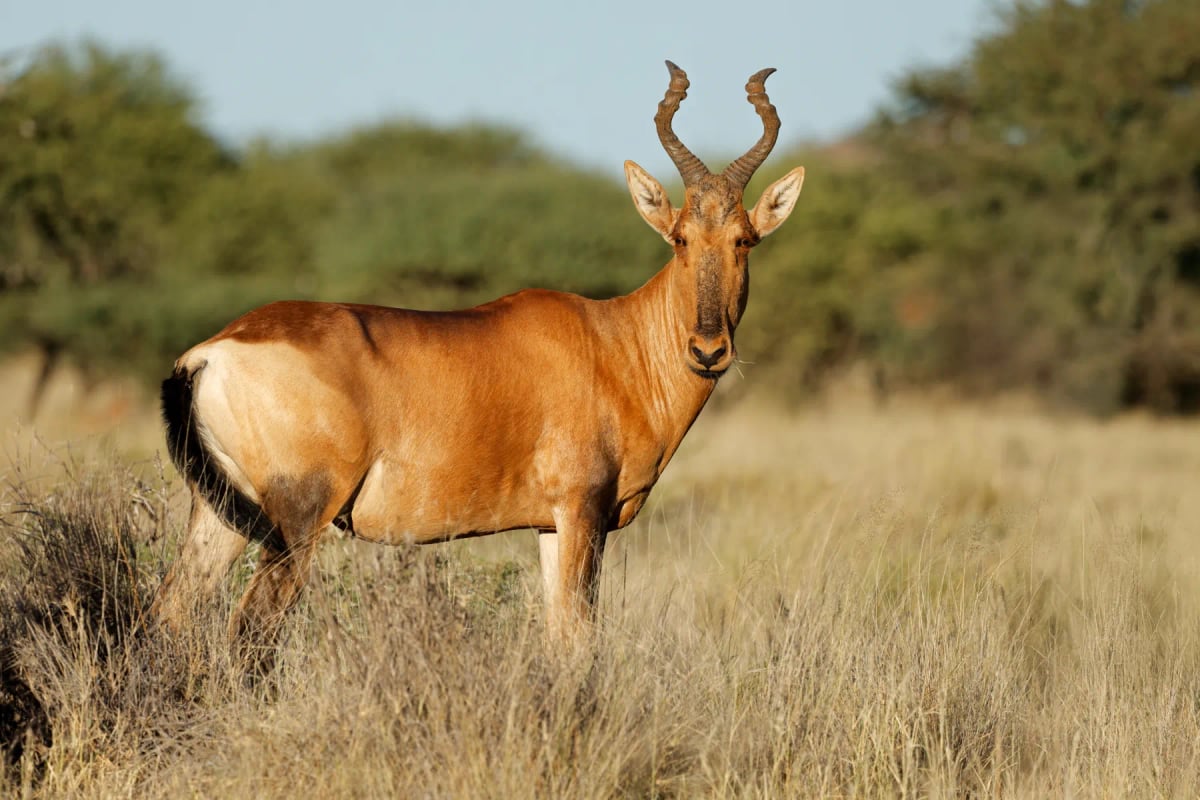
Hartebeest
Alcelaphus buselaphus
South Sudan's vast floodplains and open savannas, including the Boma and Badingilo national parks, support one of the largest hartebeest populations in East Africa. These antelopes join the great seasonal migrations across the region, traveling in herds alongside topi and other grazers. Their ability to feed on coarse, dry grasses makes them well suited to South Sudan's variable, flood-driven landscape. The species is listed as Least Concern overall.
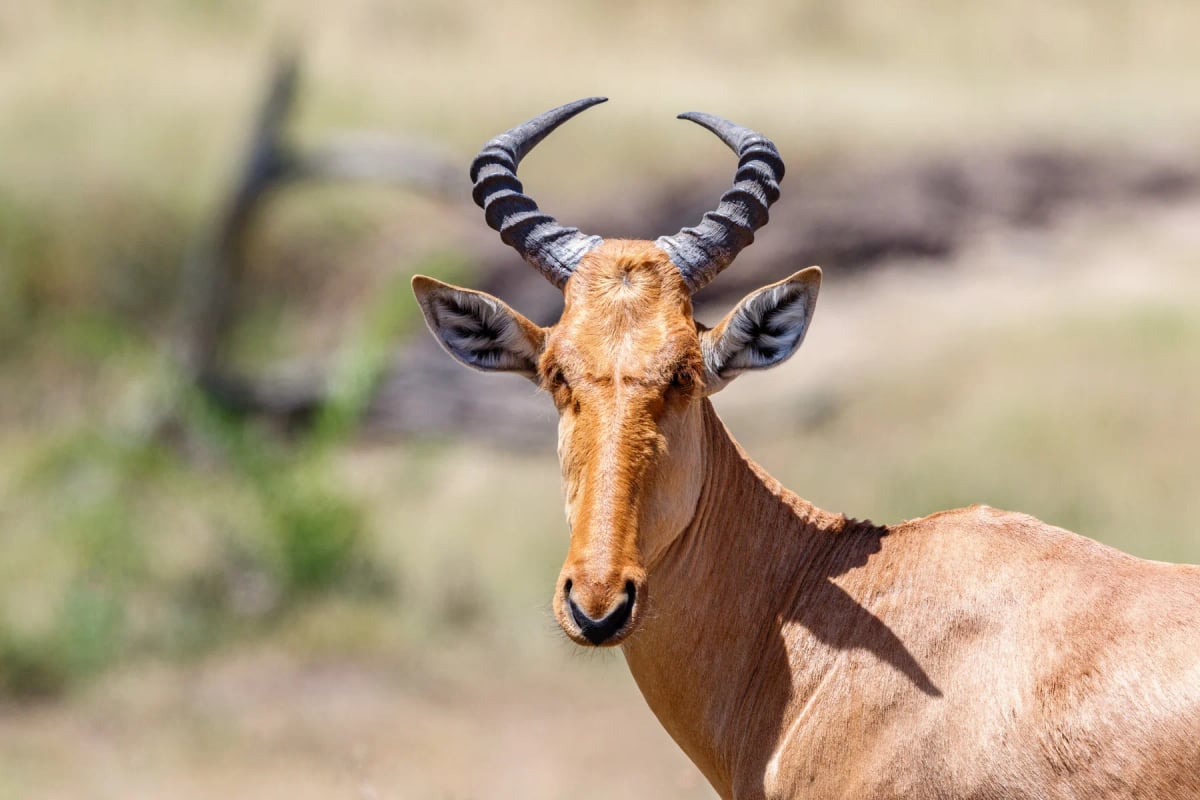
Topi
Damaliscus lunatus
South Sudan supports significant topi populations, particularly across the floodplains of the Sudd and the grassy plains of Boma National Park in the east. The Boma-Jonglei landscape is one of the most important wildlife areas in East Africa, hosting large migrations of topis, white-eared kob, and other antelopes. Despite years of conflict affecting conservation, efforts to protect this remarkable ecosystem continue. IUCN status: Least Concern.
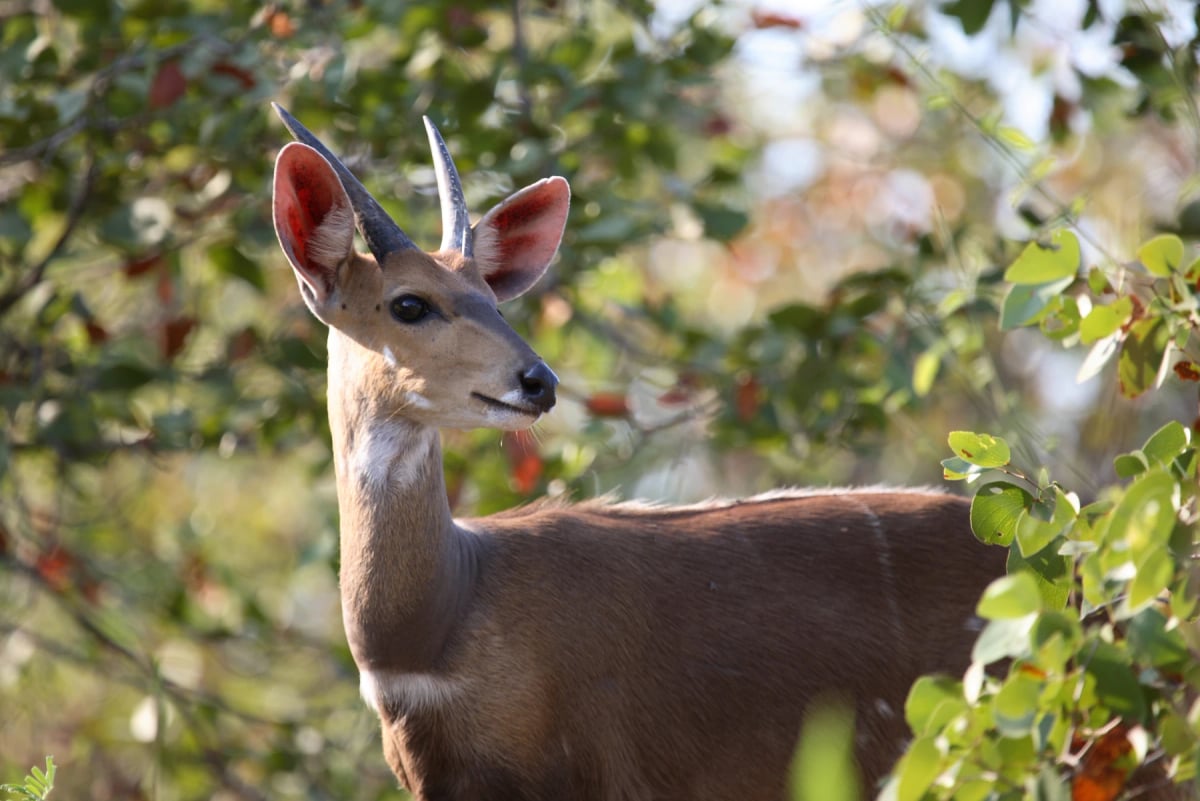
Bushbuck
Tragelaphus scriptus
In South Sudan, bushbucks inhabit the scattered forests and riverine woodlands where water and vegetation remain available year round. These solitary, elusive antelope prefer areas with dense cover for protection from both predators and human disturbance. Their nocturnal and crepuscular activity patterns allow them to avoid detection while foraging for leaves, shoots, and bark. Despite their wide presence across suitable habitats, they remain difficult to observe in the wild.
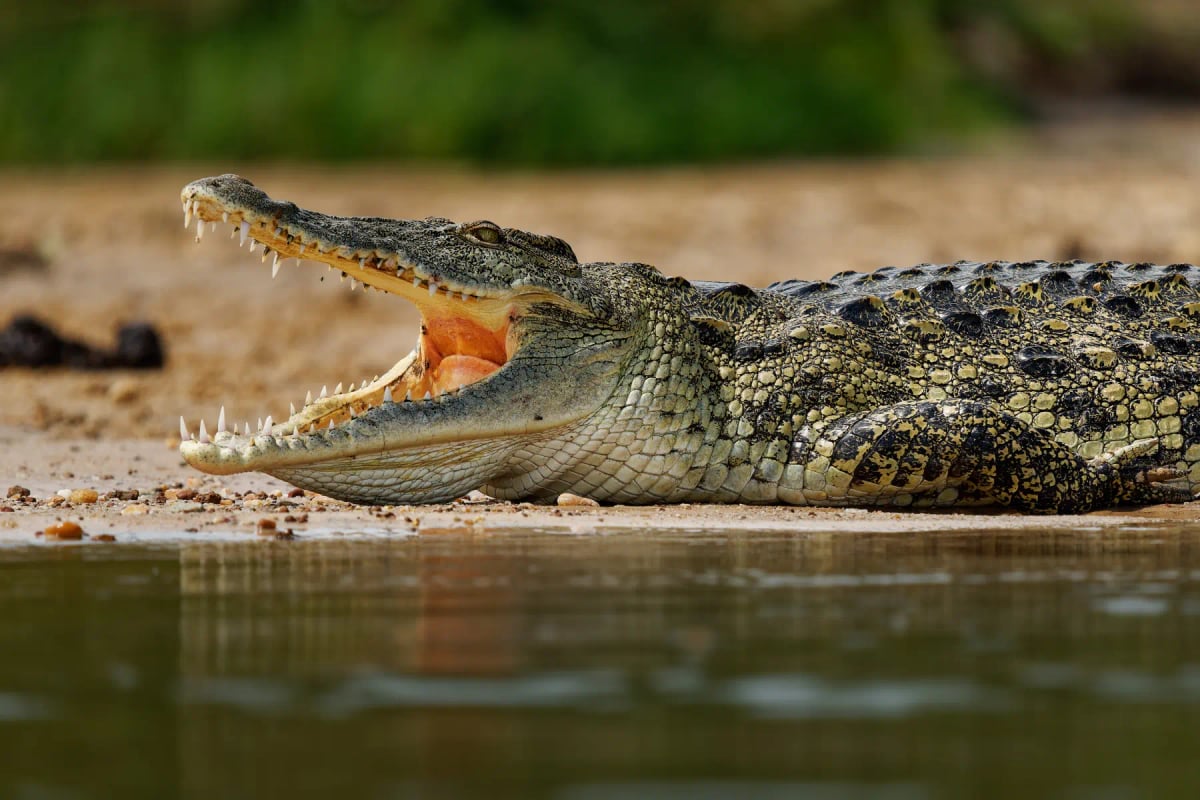
Nile Crocodile
Crocodylus niloticus
South Sudan's vast wetlands, including the Sudd, one of the largest freshwater marshes in the world, provide ideal habitat for the Nile crocodile. Here it hunts fish and mammals along slow channels and riverbanks. Populations remain healthy in these remote floodplains, though growing human settlement near waterways brings increasing conflict with fishing communities who share these rich but dangerous waters.
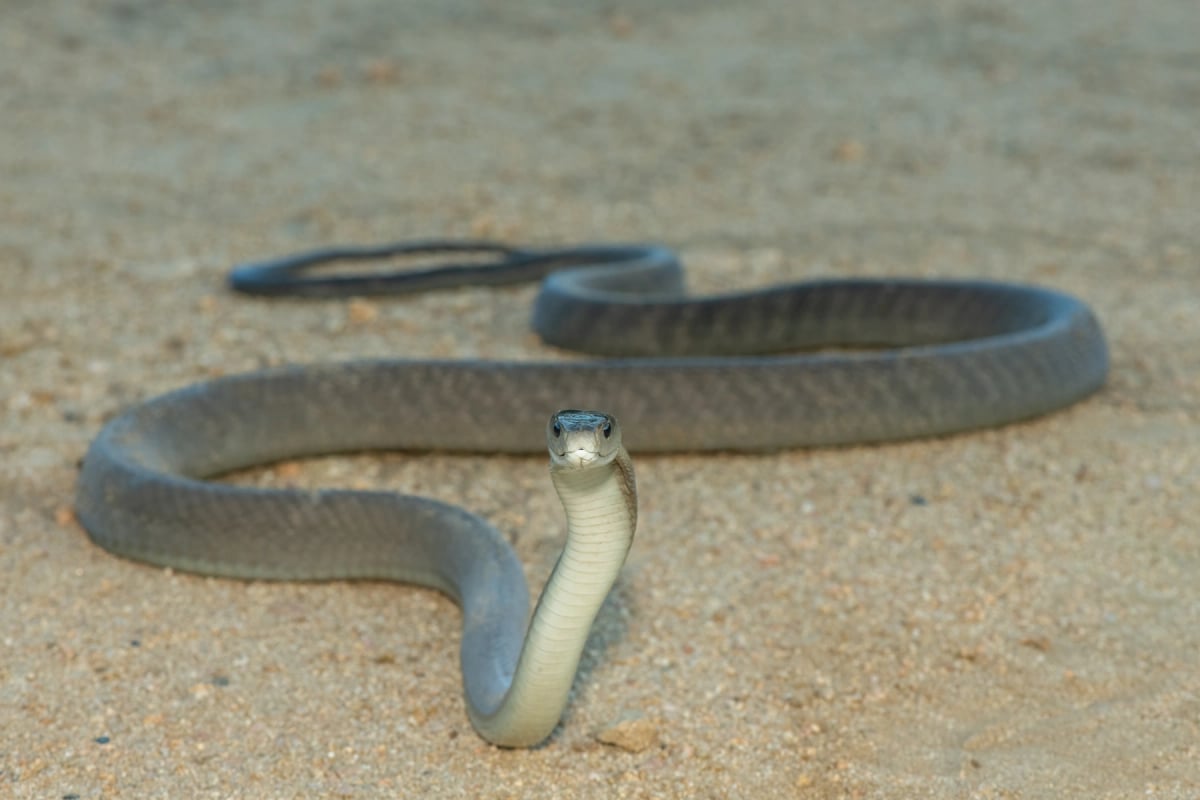
Black Mamba
Dendroaspis polylepis
South Sudan's vast savannas and open woodlands provide ideal conditions for the black mamba, particularly across the country's central and eastern regions. Rural populations face considerable risk due to very limited access to medical facilities and antivenom. The snake hunts birds and small mammals by day and can move at remarkable speed across open ground, making it one of the most formidable reptiles in the region. IUCN status: Least Concern.
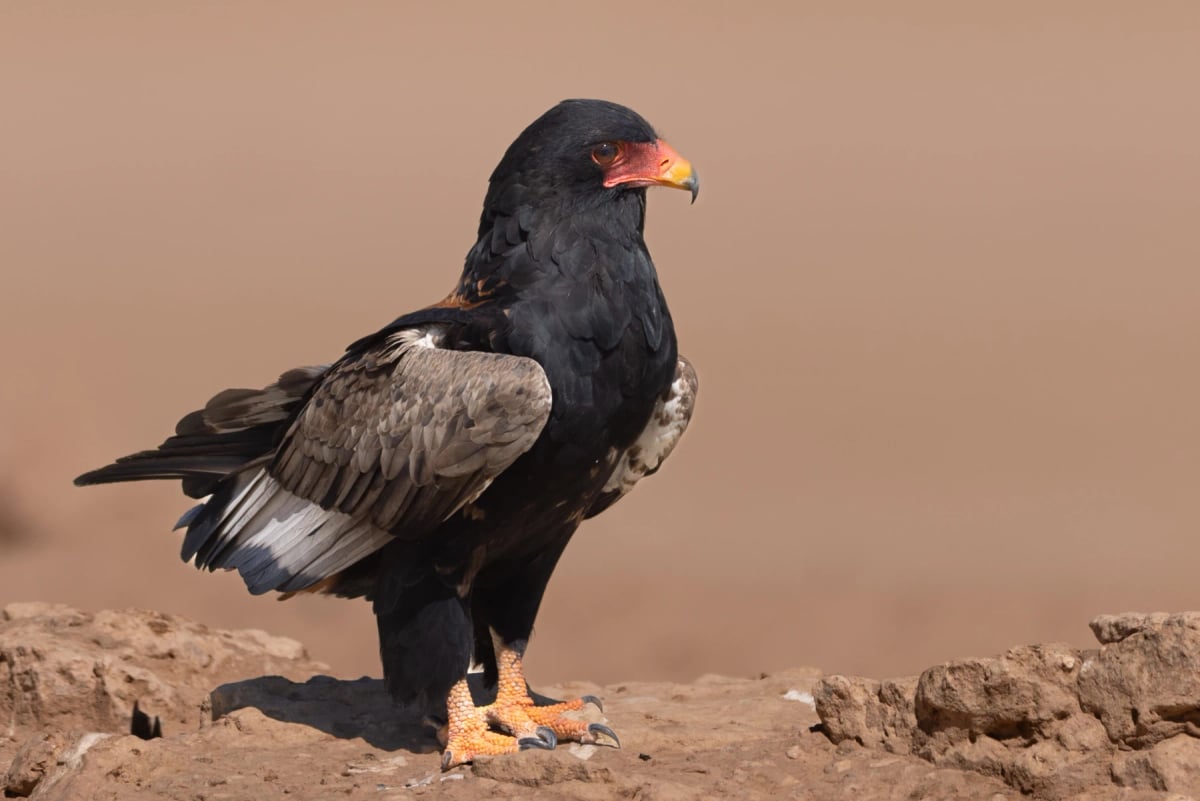
Bateleur
Terathopius ecaudatus
South Sudan's vast savannas and open woodlands, particularly in the southern and eastern regions, offer suitable habitat for the bateleur. This eagle soars widely each day in search of carrion, reptiles, and small prey. Classified as Endangered, it faces growing pressure from habitat disturbance linked to human activity and conflict. Protected areas such as Boma National Park provide some refuge for the species.
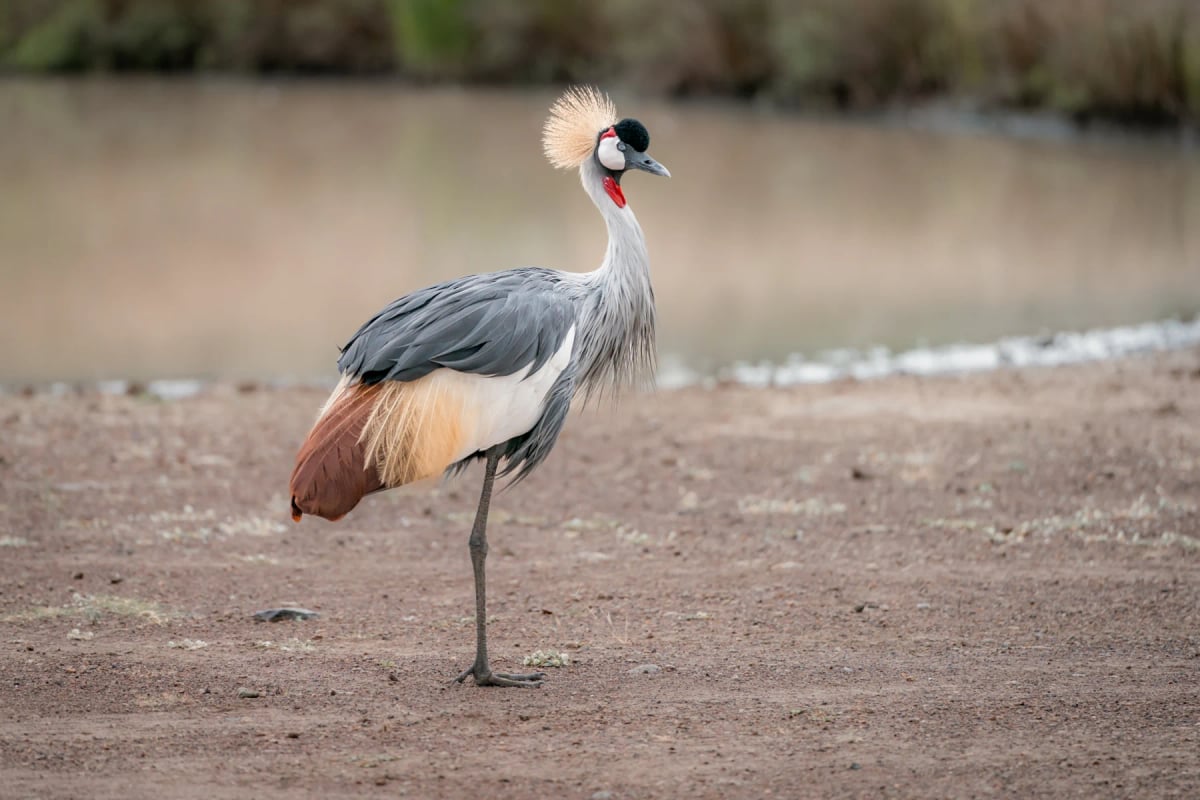
Grey Crowned Crane
Balearica regulorum
The Grey Crowned Crane is found across South Sudan's expansive floodplains and wetlands, including the vast Sudd, one of the world's largest freshwater marshes. Here it wades through shallow water and tall grasses in search of seeds, insects, and frogs. Unlike most cranes, it roosts in trees. With the species listed as Endangered, protecting South Sudan's wetlands is critical to its survival over the long term.
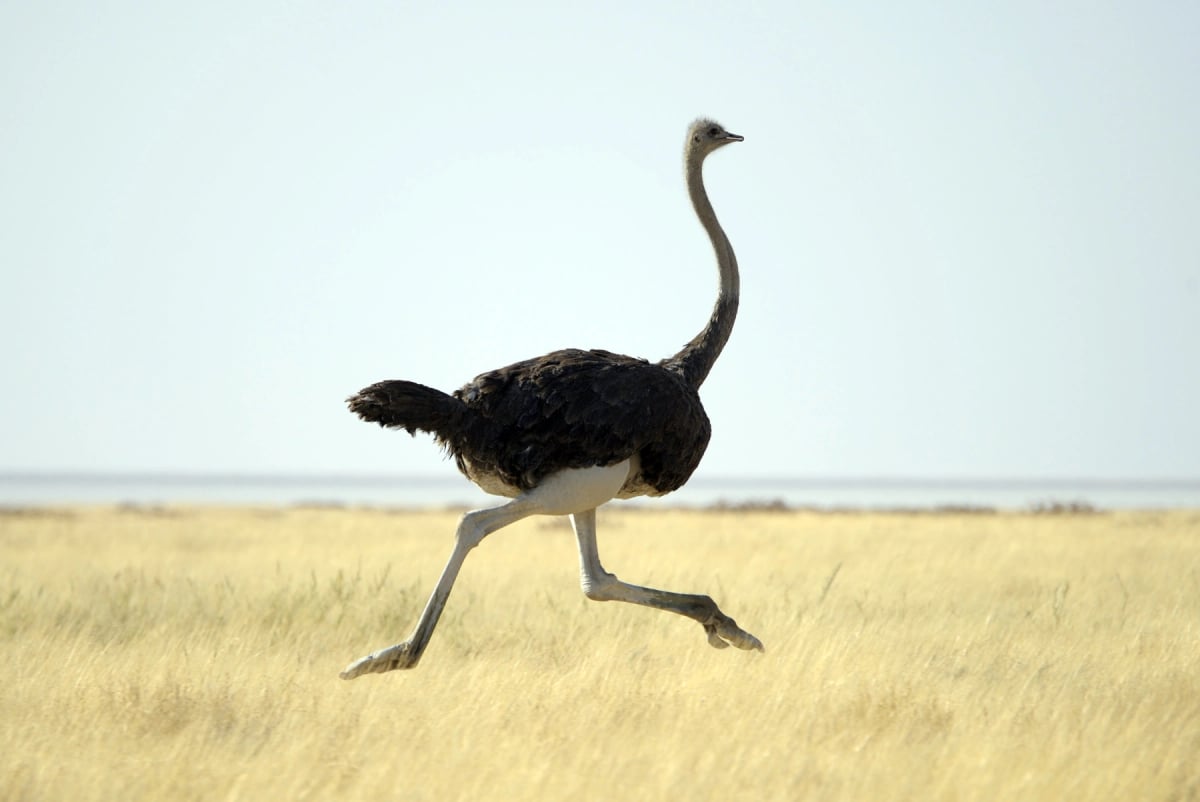
Ostrich
Struthio camelus
South Sudan's vast grasslands and flood plains, including the Boma-Jonglei landscape, provide the ostrich with open terrain it thrives in. Standing nearly 2.75 meters tall and capable of running at up to 70 kilometers per hour, it is the largest and fastest bird on land. Ostriches here feed on grasses and seeds, living in loose groups across the savanna. Their IUCN status is Least Concern.
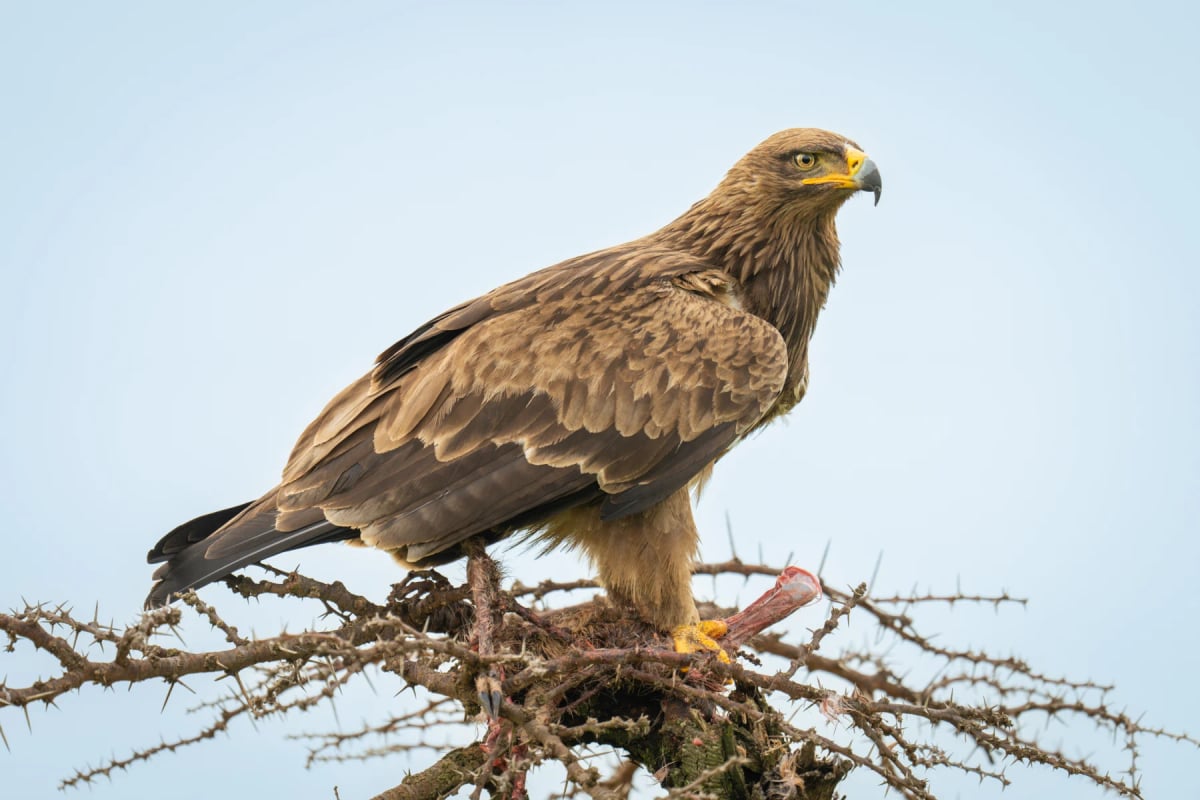
Steppe Eagle
Aquila nipalensis
South Sudan lies along an important migration corridor for the Steppe Eagle, which passes through and winters in the country's broad floodplains and open savanna. These habitats offer abundant food in the form of carrion and insects, including termites. Classified as Endangered, the species is declining globally due to electrocution on power lines, habitat loss, and poisoning, making every wintering site critical to its survival.
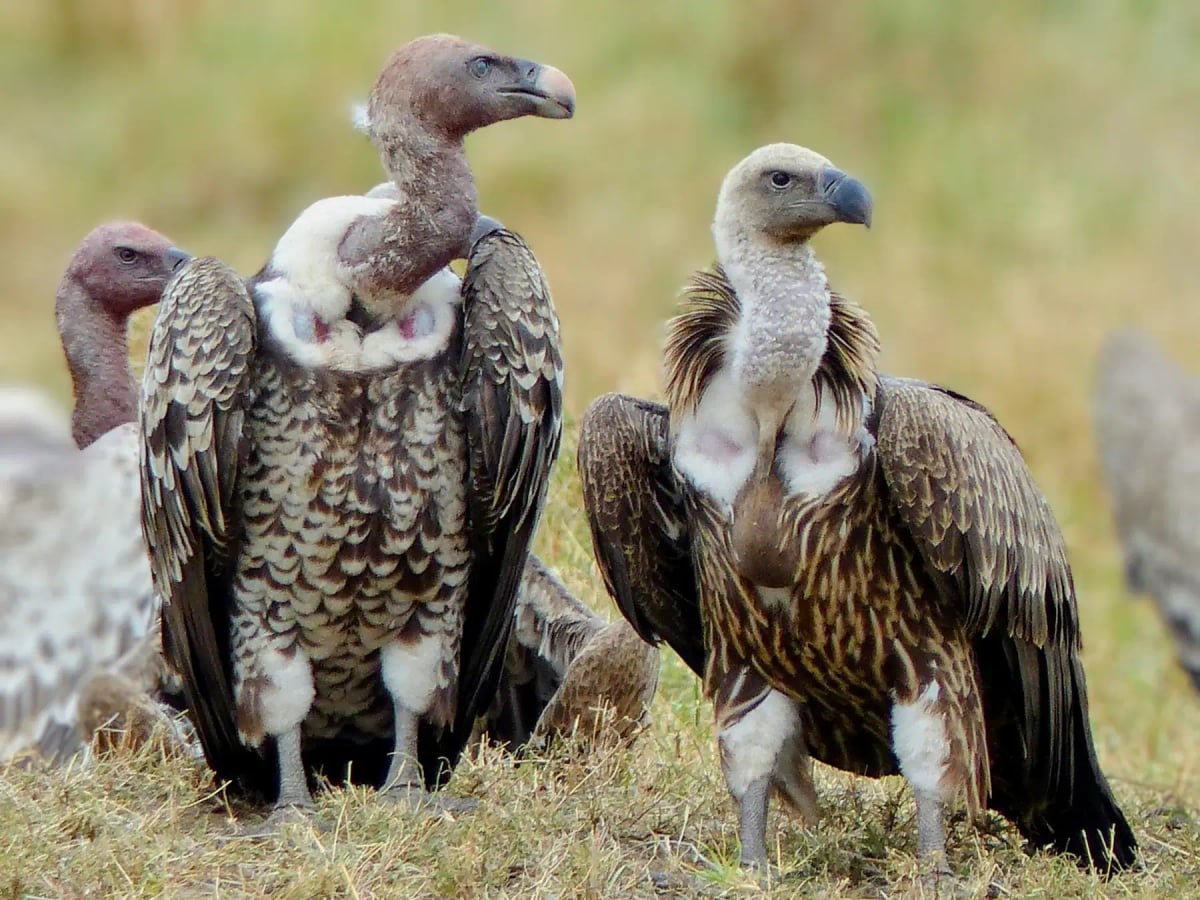
White backed Vulture
Gyps africanus
South Sudan holds some of the largest remaining savanna wildlife migrations in Africa, and the white backed vulture benefits from this abundance of large mammals in areas such as Boma National Park. However, years of conflict have taken a serious toll on wildlife and conservation efforts. Poisoning linked to poaching activity poses a growing threat to this Critically Endangered vulture across the country.
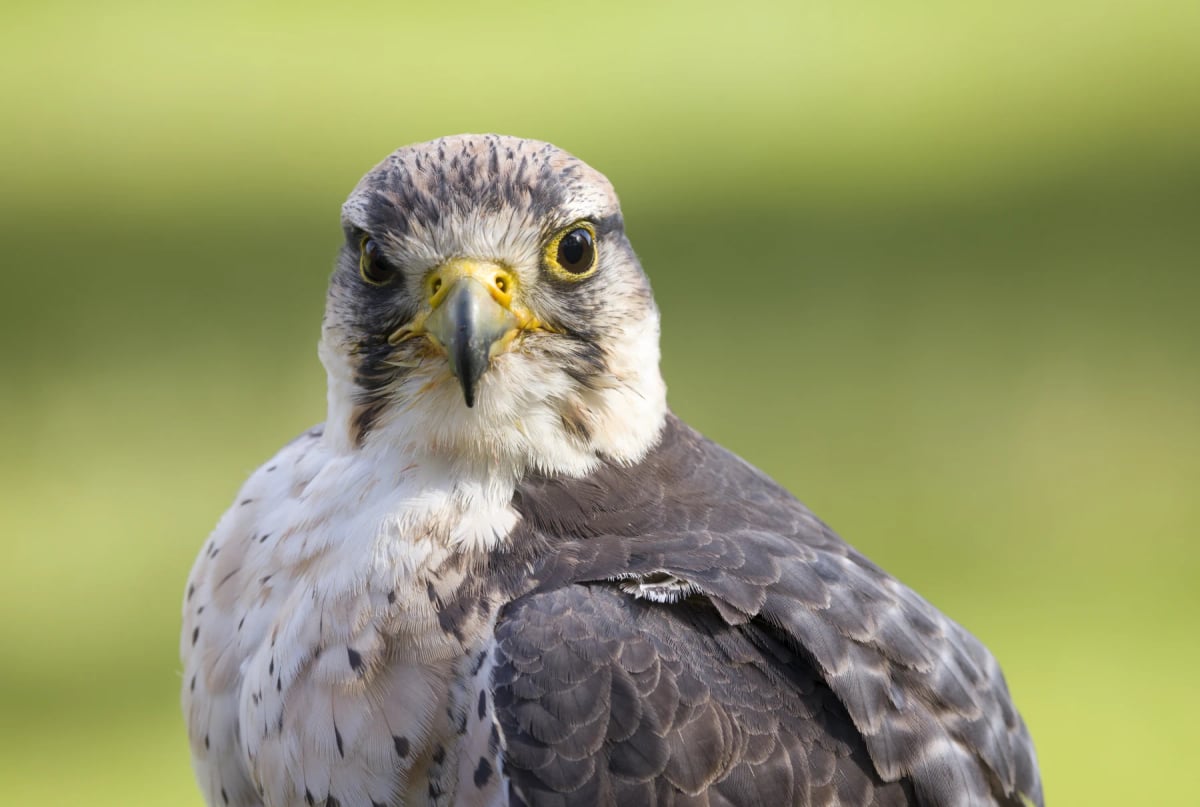
Lanner Falcon
Falco biarmicus
The lanner falcon occurs across South Sudan's open savanna, grassland, and areas of rocky terrain toward the country's more elevated regions. It hunts birds such as doves and pigeons in fast, low flights and pairs often work together to flush prey. The vast wetlands of the Sudd are less favoured habitat, but drier surroundings support resident pairs. Ongoing instability limits field research. The IUCN lists the species as Least Concern.
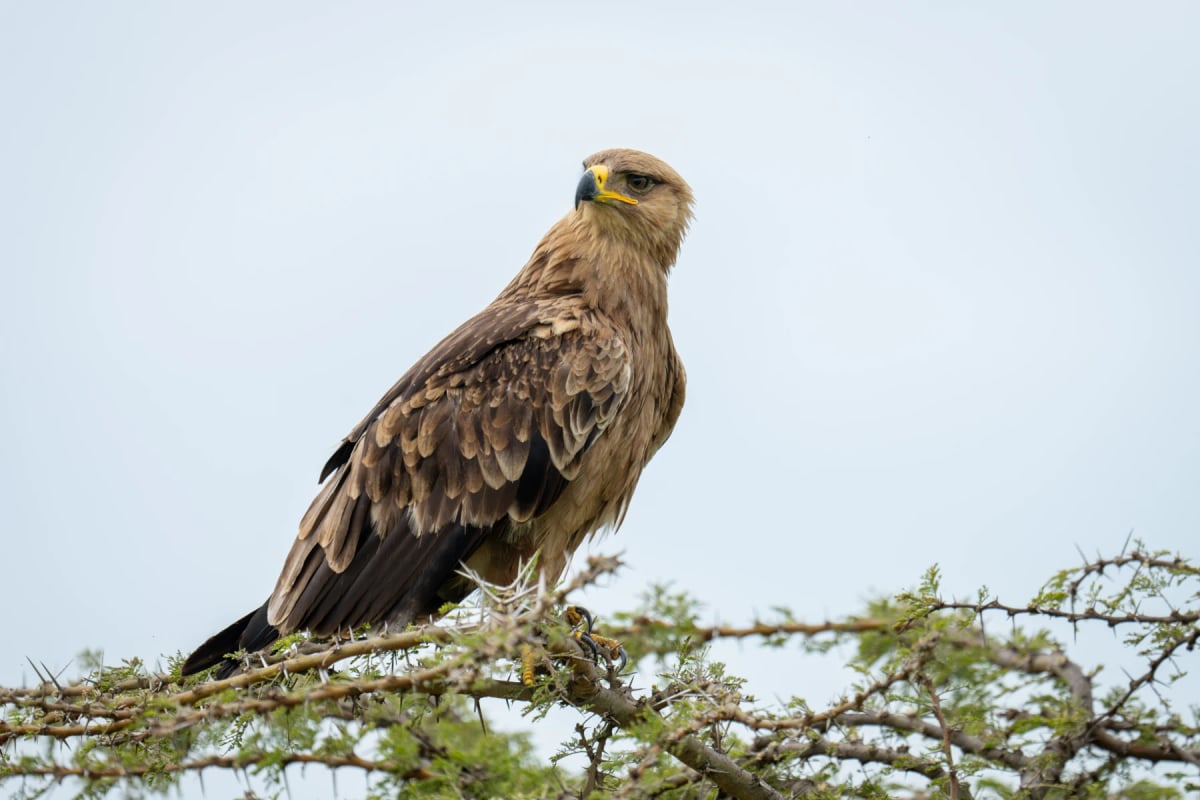
Tawny Eagle
Aquila rapax
The tawny eagle is a regular presence across South Sudan's vast floodplains and open savanna grasslands, including areas around the Sudd wetland system. It soars over dry woodland edges in search of small mammals, reptiles, and carrion. Habitat disruption caused by prolonged conflict and agricultural expansion has put pressure on local populations. The IUCN lists this eagle as Vulnerable.
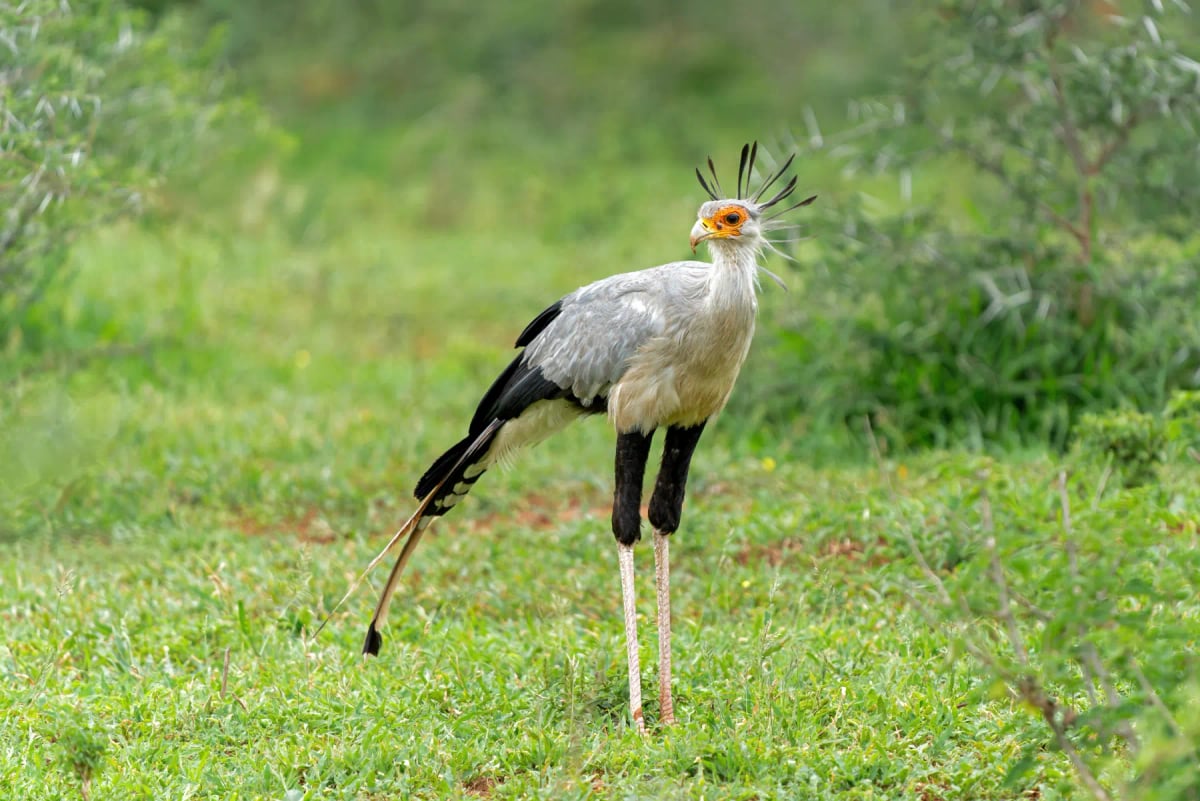
Secretary Bird
Sagittarius serpentarius
South Sudan's vast flood plains and open savannas, including the expansive grasslands around the Sudd wetland, provide habitat for the secretary bird. It stalks through open terrain on foot in search of snakes, rodents, and large insects. Prolonged conflict and limited conservation infrastructure have made it difficult to assess population trends in the country. The IUCN lists the species as Endangered.
African Fish Eagle
Haliaeetus vocifer
South Sudan is one of the most important countries in Africa for the African fish eagle. The White Nile and its vast network of swamps, including the Sudd, one of the largest freshwater wetlands in the world, provide exceptional habitat. The Sudd supports large populations of fish eagles along with enormous concentrations of other waterbirds. The bird is also common along the Sobat, Bahr el Ghazal and other tributaries, making South Sudan a stronghold for the species.
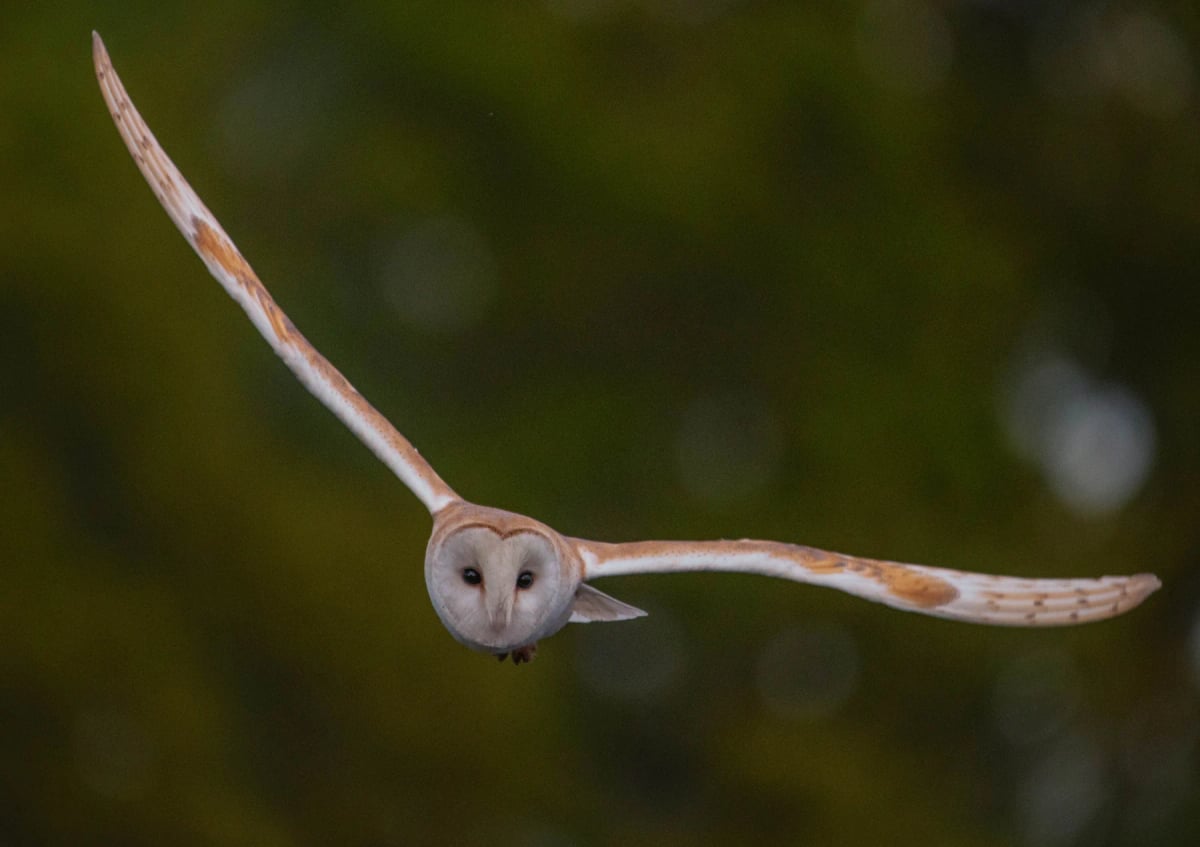
Barn Owl
Tyto alba
The barn owl is found in South Sudan in open savanna, farmland, and areas near villages and towns across the more settled regions of the country. It nests in old buildings, hollow trees, and rocky outcrops, and hunts rodents at night. The extensive wetlands of the Sudd and the dense woodland of the south limit its distribution to more open habitats. In the agricultural communities of the Greater Equatoria and Greater Upper Nile regions it provides useful natural control of rodent populations that damage stored grain.
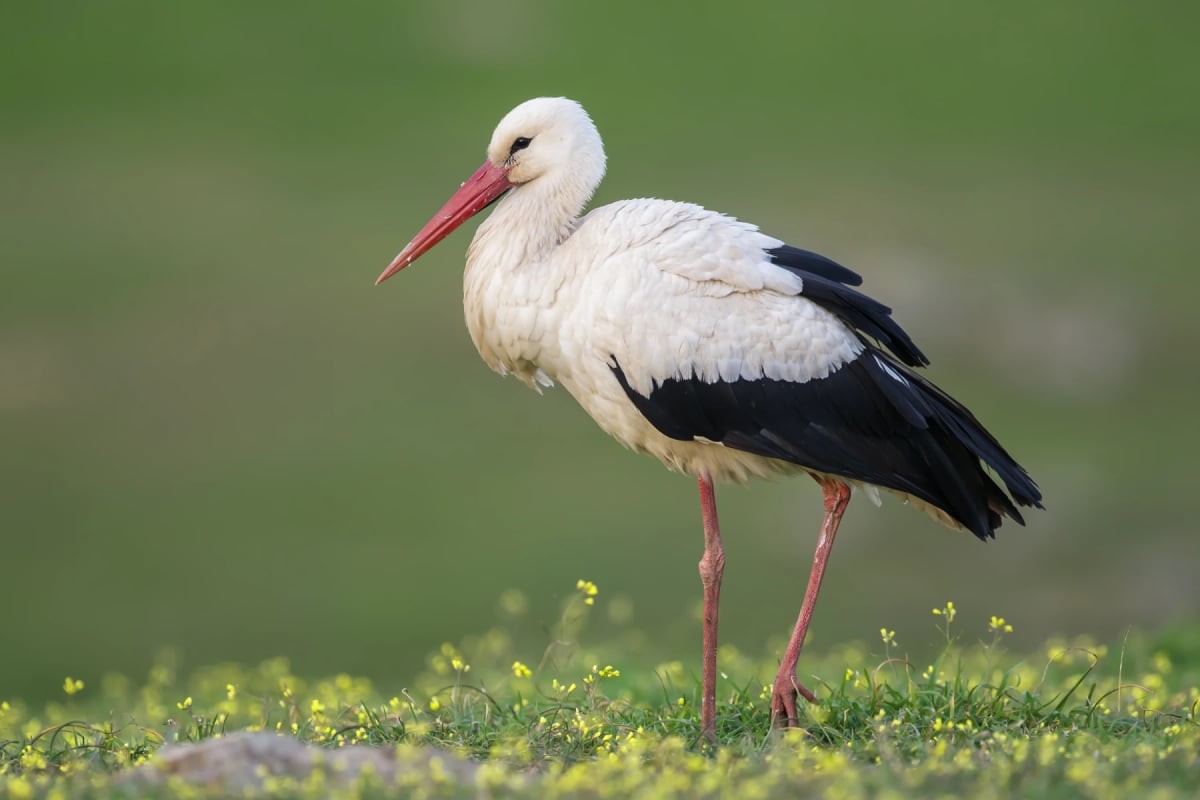
Stork
Ciconia ciconia
South Sudan's vast floodplains and wetlands, especially around the Sudd, one of the world's largest freshwater marshes, provide important wintering habitat for the white stork. Large flocks arrive from Europe each year to take advantage of the abundant frogs, insects, and small animals found across the seasonally flooded grasslands. The species does not breed here but relies on these rich ecosystems to build up energy reserves before its return migration north. It is listed as Least Concern by the IUCN.
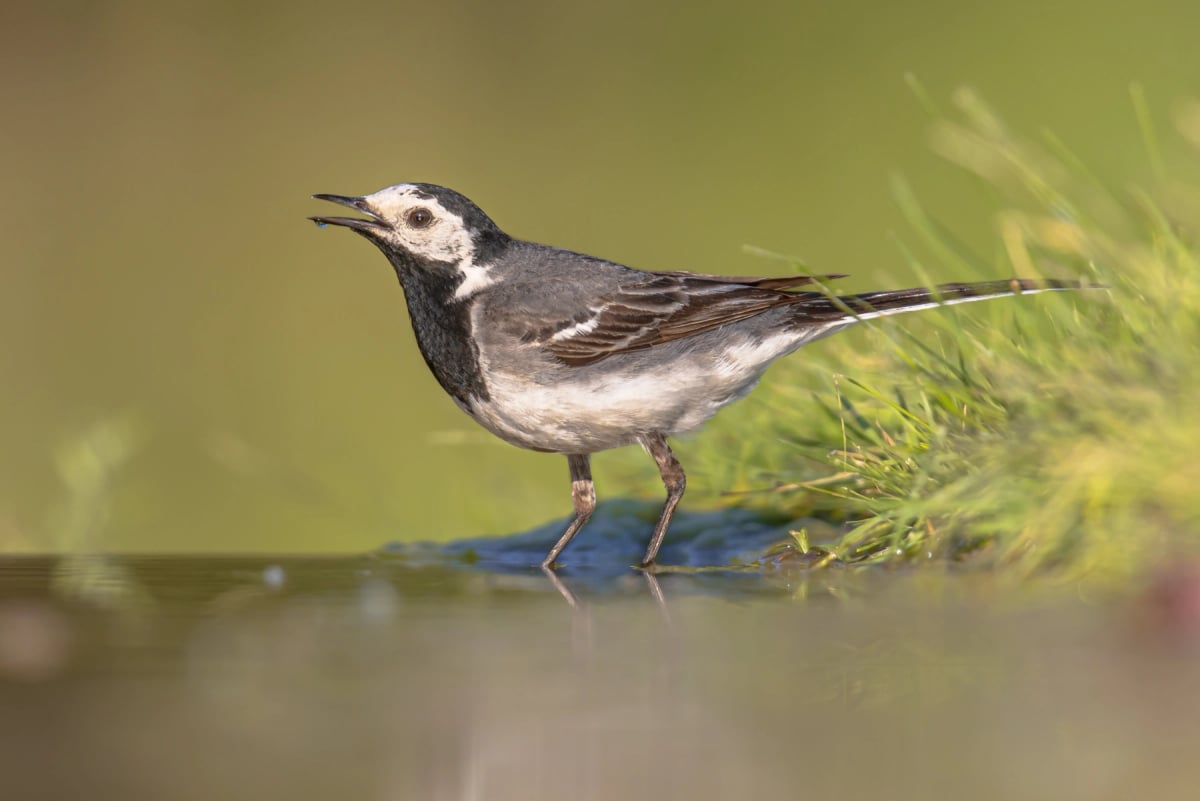
White Wagtail
Motacilla alba
South Sudan receives the white wagtail as a winter visitor from Europe and western Asia. Birds arrive in October and stay until March, feeding on open ground along the White Nile, in the vast Sudd wetlands, on floodplains and around villages and cattle camps, where insects stirred up by livestock are easy to catch. It lies near the southern edge of the species' range in East Africa. IUCN status: Least Concern.
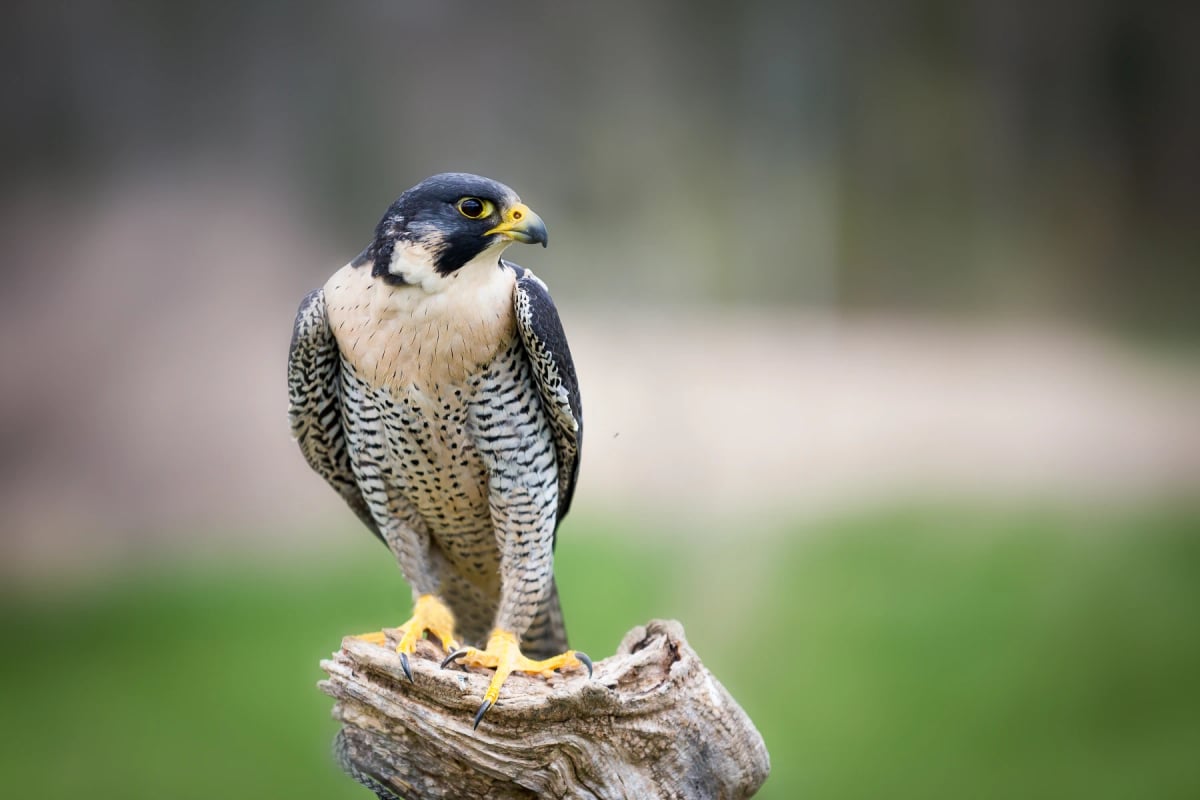
Peregrine Falcon
Falco peregrinus
The peregrine falcon passes through South Sudan on migration, moving between breeding grounds in Europe and Asia and wintering areas further south in Africa. The vast floodplains of the Sudd wetland and the open savanna grasslands of the country provide hunting opportunities for this fast predator during its transit. Resident breeding is not confirmed, but the species is recorded across South Sudan during the northern winter months. Its IUCN status is Least Concern.
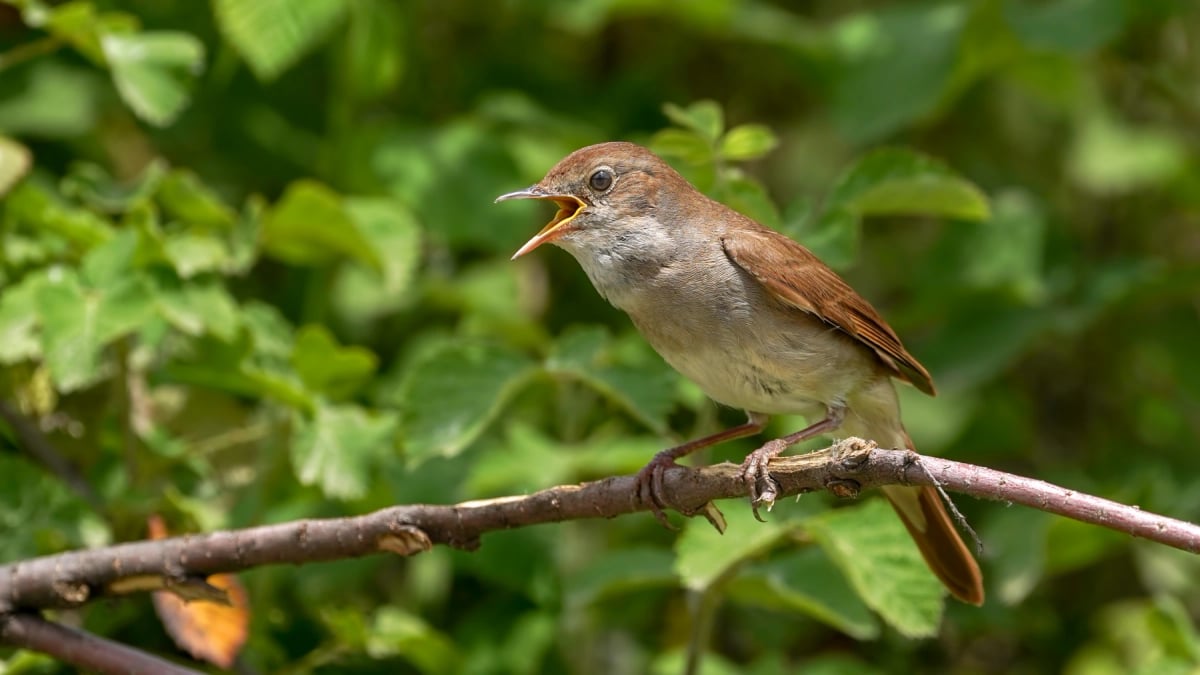
Nightingale
Luscinia megarhynchos
South Sudan provides wintering habitat for nightingales passing through or settling in the country during the northern winter. The mix of woodland, savanna, and dense riparian scrub found across parts of the country suits these birds well. They arrive after a long journey from their Eurasian breeding grounds and spend the season foraging quietly for insects and small berries. Like elsewhere in Africa, they are seldom heard singing during their stay.
Researched and written by Juan Pablo. Sources: IUCN Red List, scientific literature and regional field guides. Last updated: .