Animals in Iceland
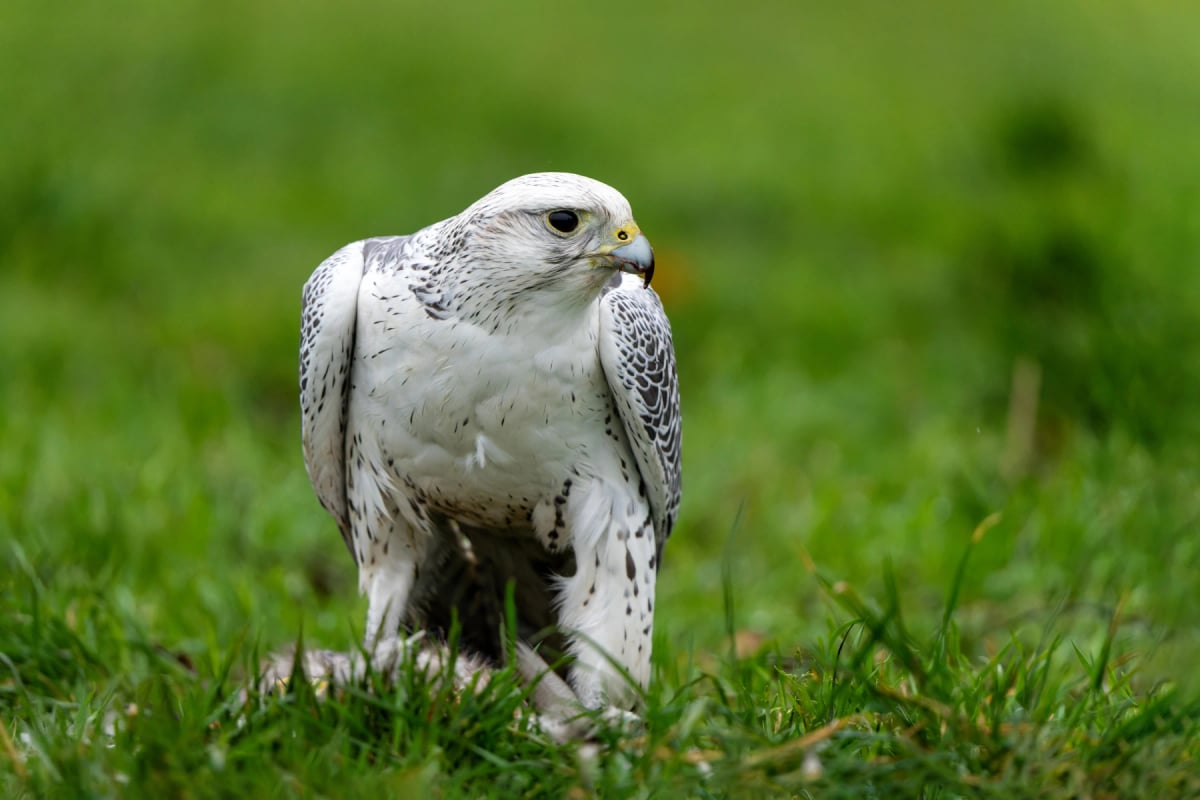
Gyrfalcon
Falco rusticolus
The gyrfalcon, largest among falcons, is closely tied to Icelandic identity. It hunts over tundra and sea cliffs with powerful wingbeats and calm precision, a presence that echoes through sagas and local lore. Seeing one quarter a coastline or perch on lava fields captures the island’s spirit of resilience, independence and quiet strength in demanding landscapes.
View details→Wildlife in Iceland
Iceland brings together glaciers, volcanoes and steep sea cliffs where puffins, arctic foxes, whales and seals find space to thrive. Isolation and harsh weather shaped simple but resilient ecosystems that mix resident species with seasonal visitors. Travelers watch whales from towns like Husavik, walk coastal paths, and photograph seabird colonies that color the cliffs during the bright summer.
Most Dangerous Animals in Iceland
Iceland’s land animals pose little danger, but the ocean deserves respect. Orcas are powerful predators and hammerhead sharks may appear in rare cases, especially in deep offshore waters. Cold seas, strong currents and sudden weather changes are the main risks. Join licensed tours, keep distance from wildlife, and follow local advice when watching whales, seals or seabirds along exposed coasts.
Top 10 Animals in Iceland
Among Iceland’s most recognizable animals stands the reindeer, an introduced species that roams freely in the eastern highlands and open valleys. Wildlife watching often pairs with puffin colonies on coastal cliffs, sightings of orcas and great whales from sheltered bays, and the elegant gyrfalcon above lava slopes, giving travelers a vivid mix of land and sea encounters in a stark northern setting.
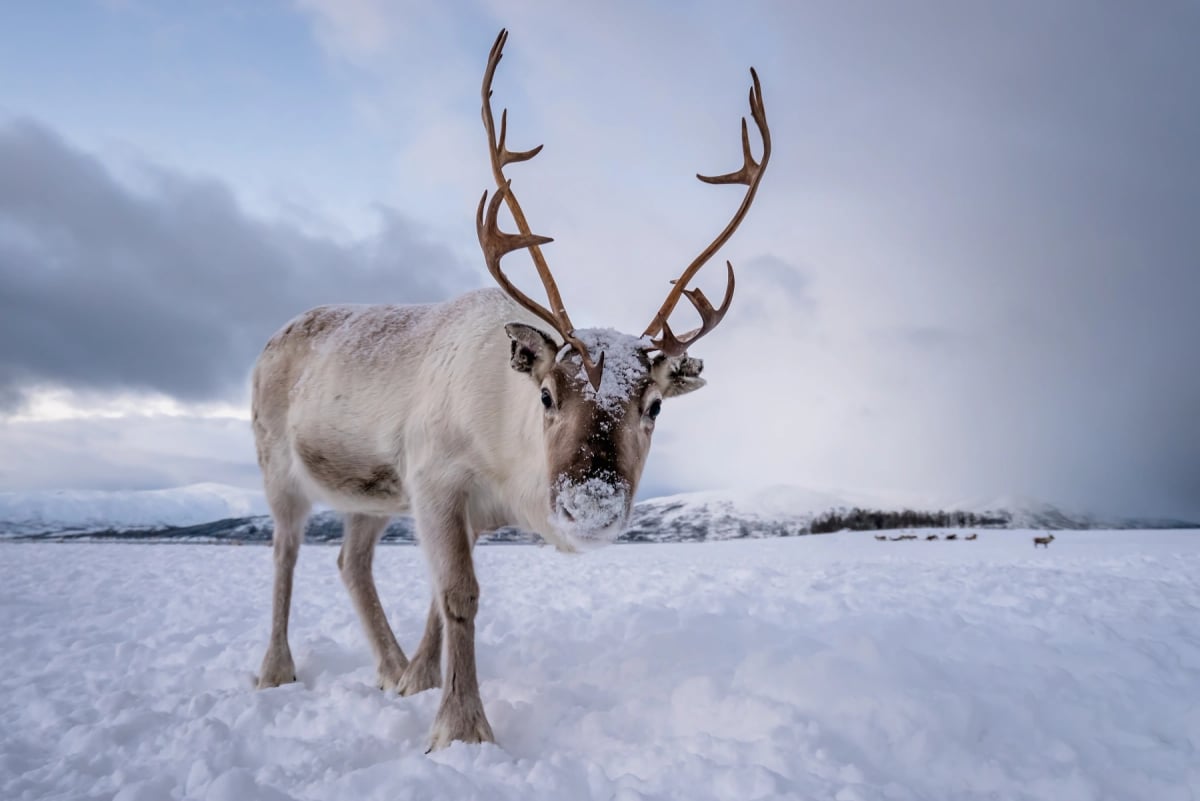
Reindeer
Rangifer tarandus
Reindeer are not native to Iceland. They were introduced from Norway in the late eighteenth century and today roam freely in the highlands and eastern fjords of the island. The Icelandic population is managed through regulated hunting to control numbers and prevent overgrazing of fragile subarctic vegetation. Though small in global terms, this population is healthy and well established within its introduced range. IUCN status: Vulnerable.
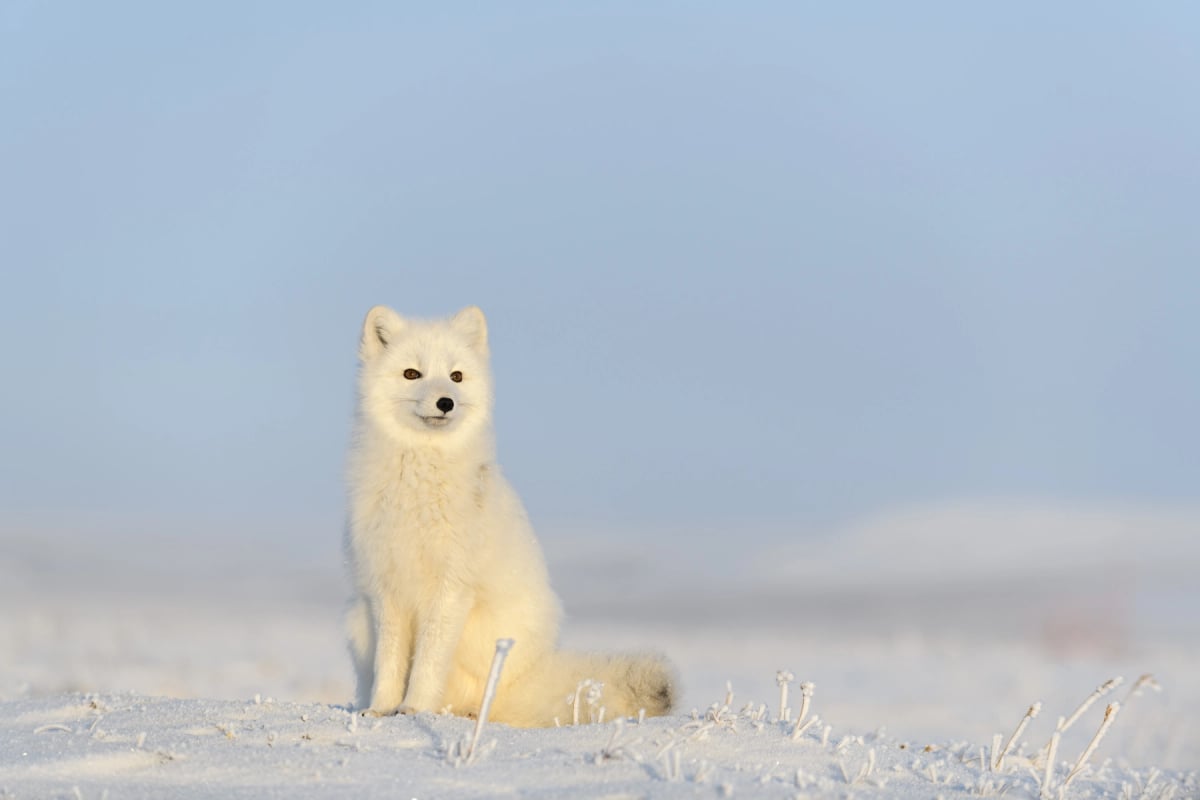
Arctic Fox
Vulpes lagopus
The Arctic fox is the only native land mammal in Iceland, having colonized the island by crossing sea ice at the end of the last ice age. It is found across the entire country, with higher densities in coastal and highland areas rich in seabirds and other prey. Iceland's population is healthy and not threatened at the national level. Two color forms exist: the white morph, which turns brown in summer, and the blue morph, which maintains a grey coat year round and is more common in Iceland than elsewhere in the species' range.
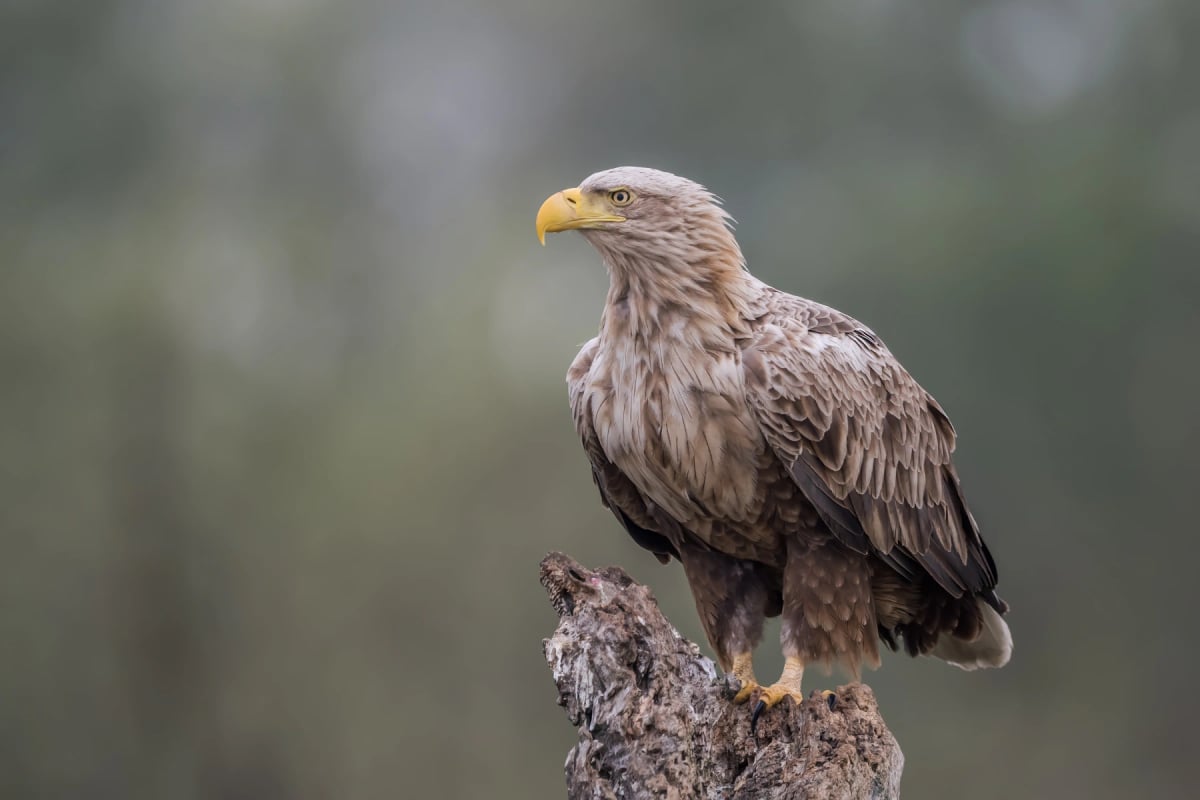
White tailed Eagle
Haliaeetus albicilla
Iceland is home to a small but established breeding population of the white-tailed eagle, found mainly in the northwest of the island. The species was hunted close to extinction in Iceland during the 19th and early 20th centuries. Following full legal protection, numbers have gradually recovered. Fish, seabirds, and carrion form the bulk of its diet in this rugged coastal environment. The IUCN lists it as Least Concern.
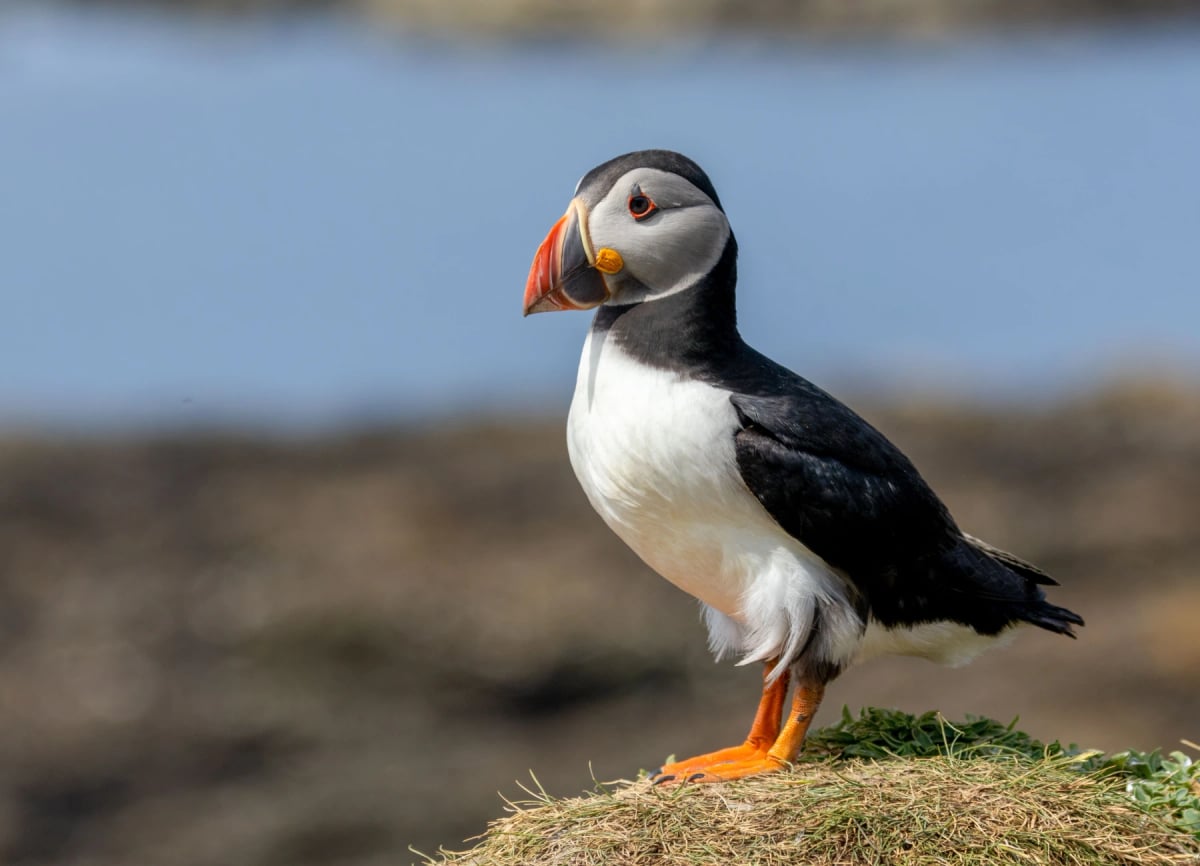
Puffin
Fratercula arctica
Iceland is home to the largest Atlantic puffin population in the world, with millions of birds nesting on coastal cliffs and grassy headlands each summer. The Westman Islands alone hold an extraordinary concentration of breeding pairs. Despite this abundance, Icelandic colonies have declined sharply in recent decades as warming seas have caused collapses in capelin and sand eel stocks. Conservation concern has grown considerably, and the species is now listed as Vulnerable.
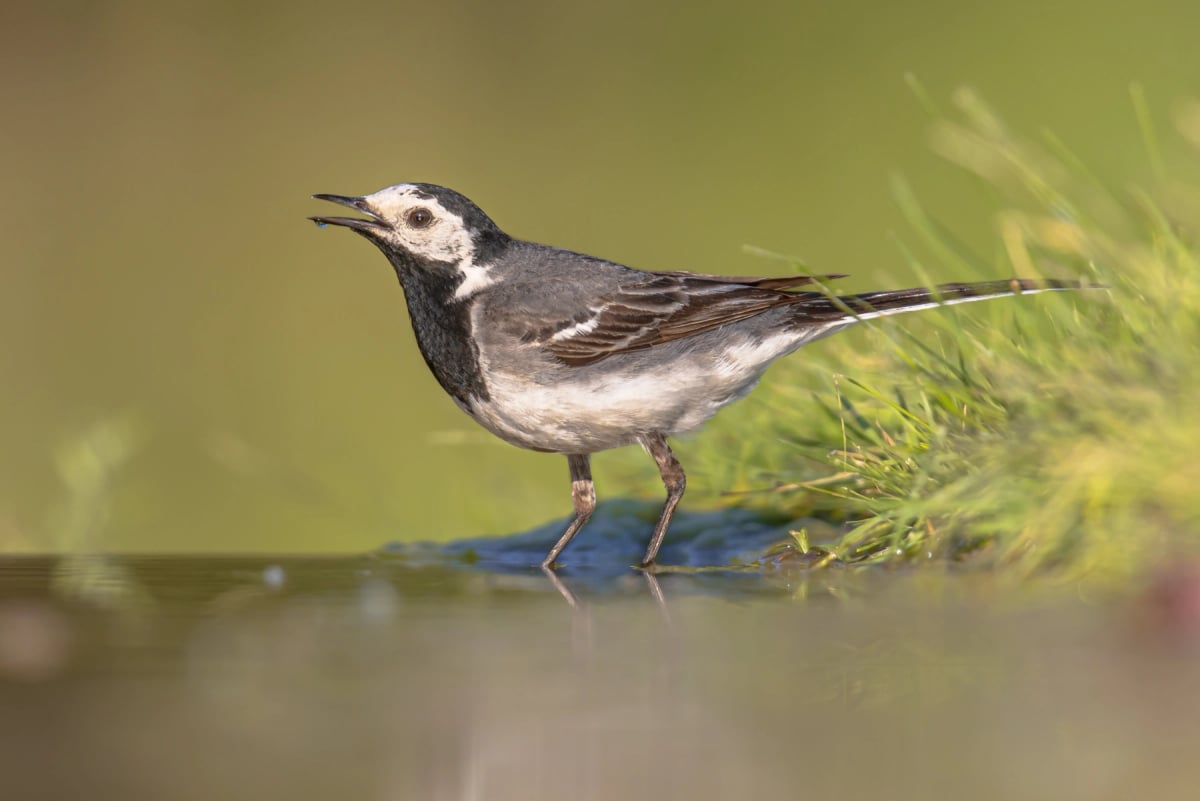
White Wagtail
Motacilla alba
The white wagtail, known in Icelandic as maríuerla, is a common summer breeder throughout Iceland, from Reykjavík gardens to remote farms. It arrives in late April and nests in walls, buildings, lava crevices and under bridges, often close to people, feeding on insects near water. In autumn Icelandic wagtails migrate via Britain and western Europe to winter in West Africa. IUCN status: Least Concern.
Gyrfalcon
Falco rusticolus
The gyrfalcon is Iceland's national bird. A white falcon on a blue field was the country's coat of arms from 1903 to 1919 and is still the emblem of the Order of the Falcon, Iceland's only order of chivalry. For centuries Icelandic falcons were shipped to European courts. Today up to about 400 pairs breed on cliffs across the country, following the ups and downs of rock ptarmigan. IUCN status: Least Concern.
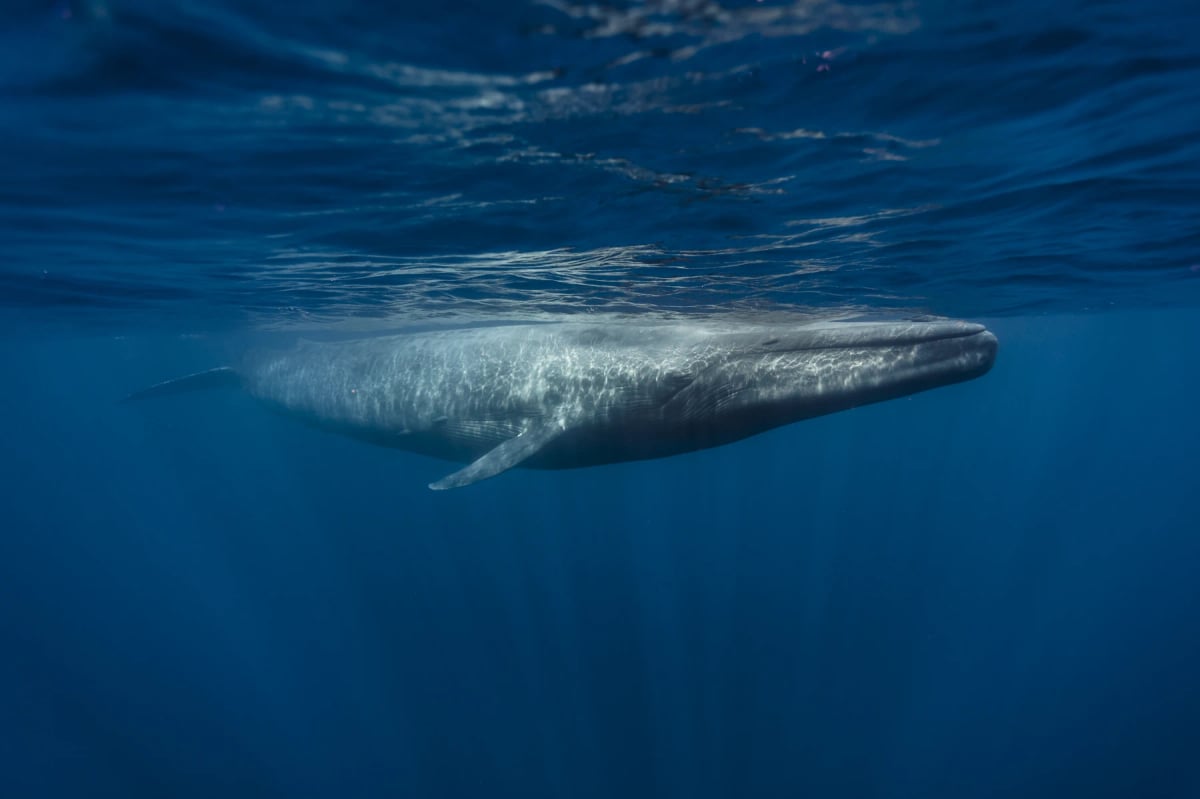
Blue Whale
Balaenoptera musculus
Iceland is one of the easiest places in Europe to encounter a blue whale. Skjálfandi Bay, reached from the town of Húsavík in the north, receives whales mainly in June and July, when they feed in cold and productive water close to shore. Sightings are never certain, but the combination of short distances, long daylight and an established whale watching fleet makes this one of the most accessible windows onto the species anywhere.
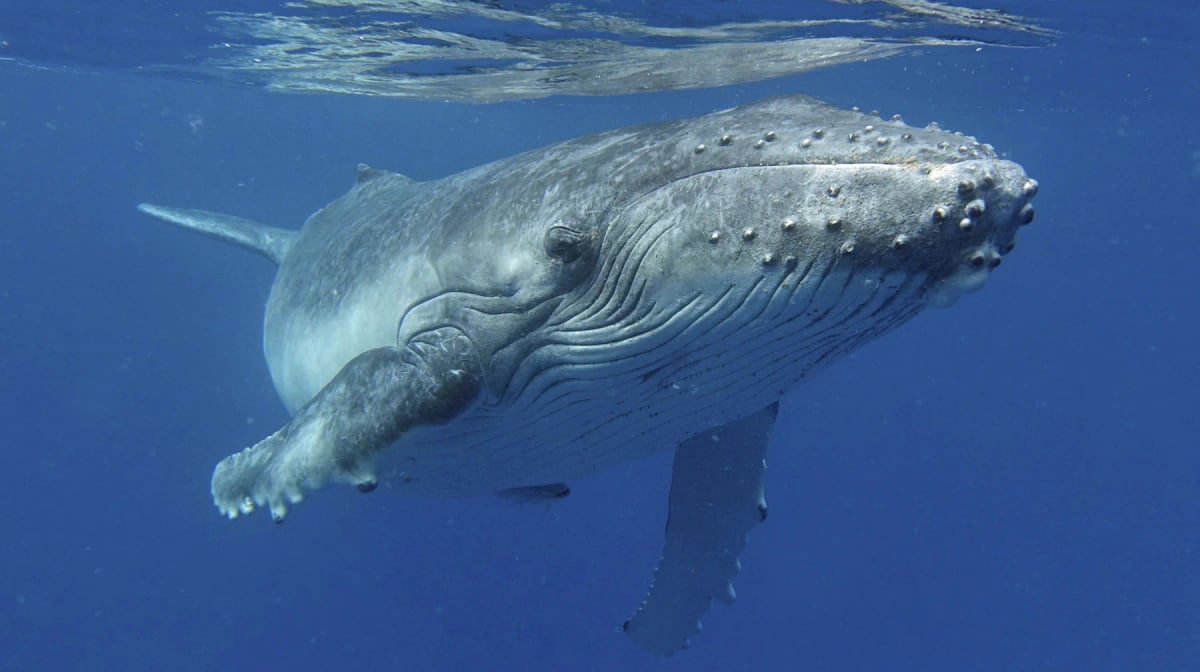
Humpback Whale
Megaptera novaeangliae
Iceland is one of the best places in the world to see humpback whales. These animals gather in large numbers in Icelandic waters each summer to feed on the abundant fish and krill brought up by cold, productive currents. Skjálfandi Bay, near Húsavík, is particularly renowned for whale watching. Iceland has a complex history with whaling, though conservation awareness continues to grow. The IUCN lists this species as Least Concern.
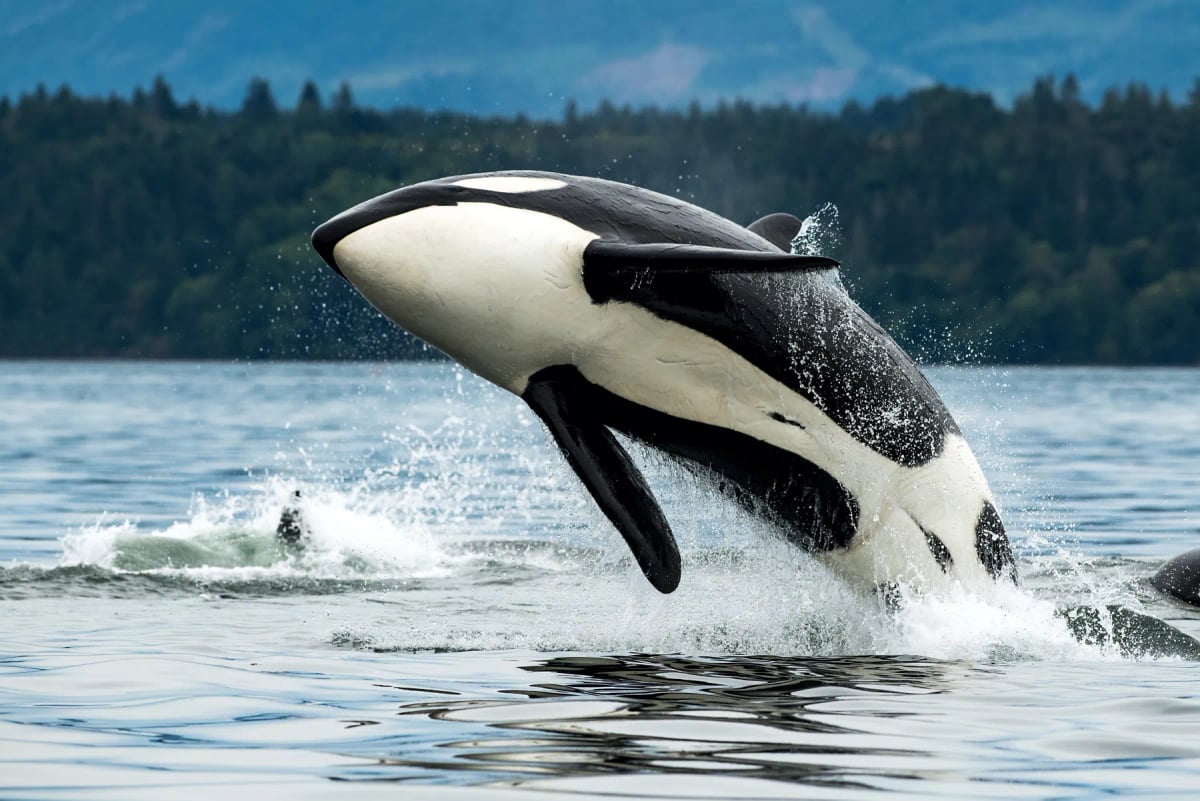
Orca
Orcinus orca
Iceland is one of the best places in the world to observe orcas in the wild. Each autumn and winter, pods gather in the waters of Snæfellsnes and the Westfjords to hunt the vast herring schools that migrate through Icelandic waters. Whale watching tours regularly encounter these animals at close range. Iceland's cold, nutrient-rich seas make it a vital habitat for orcas, and the country has become a global hub for research into their behavior.
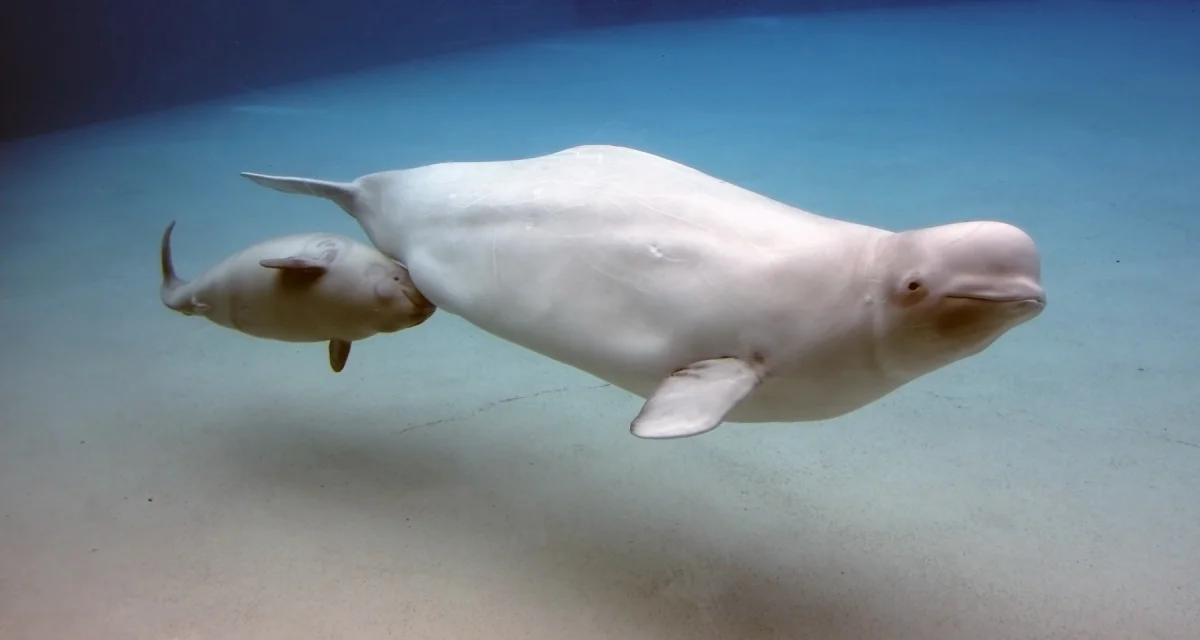
Beluga Whale
Delphinapterus leucas
Beluga whales are uncommon but documented visitors to Icelandic waters, typically appearing as lone individuals or small groups that have strayed from High Arctic populations. Iceland sits at the southern edge of the species' range, so sightings are infrequent and considered outside the core habitat. The country gained international attention in 2019 when two belugas were relocated to a sanctuary in an Icelandic bay. IUCN status: Least Concern.
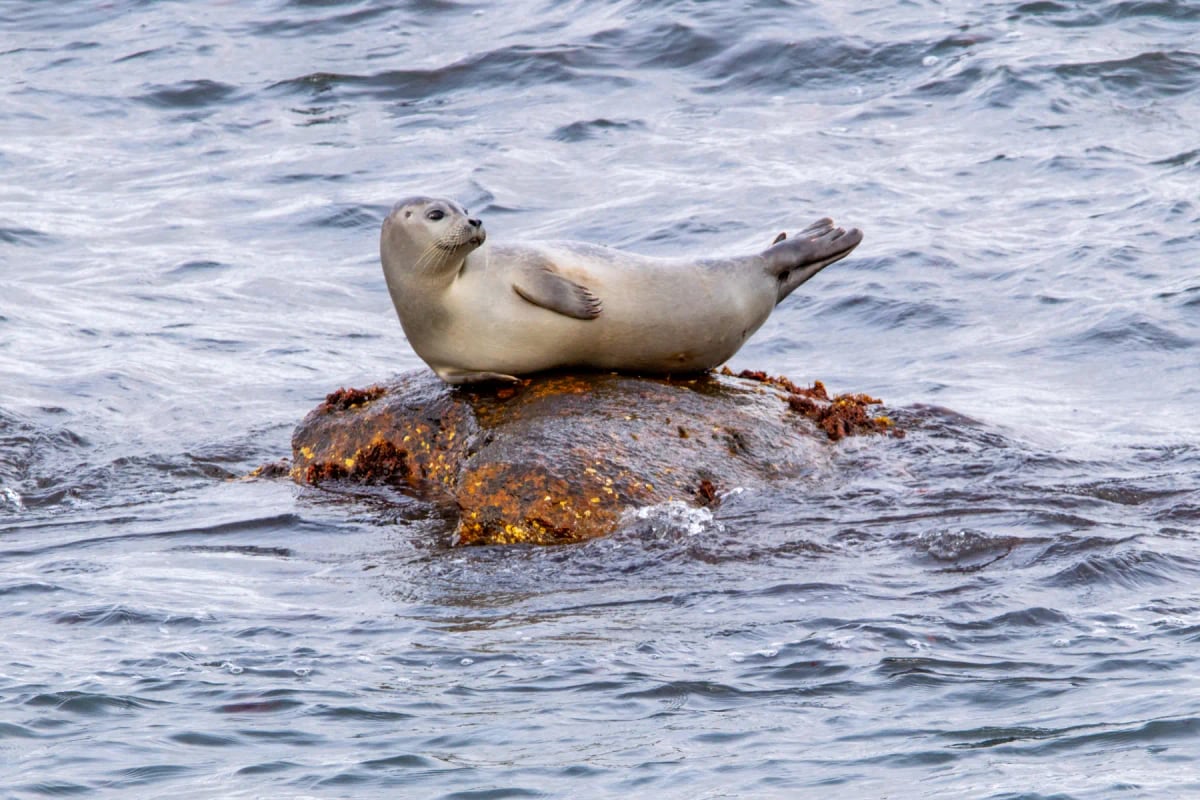
Seal
Phoca vitulina
Iceland holds one of the largest harbor seal populations in Europe. Seals are found around much of the coastline, with particularly high numbers in the Westfjords and along the southern shores. They rest on beaches and rocky ledges between dives for fish and invertebrates. Icelandic farmers historically viewed them as competitors for fish, and culling occurred for many years. Today the population is monitored, though numbers have declined in recent decades for reasons that are still being studied. IUCN status: Least Concern.
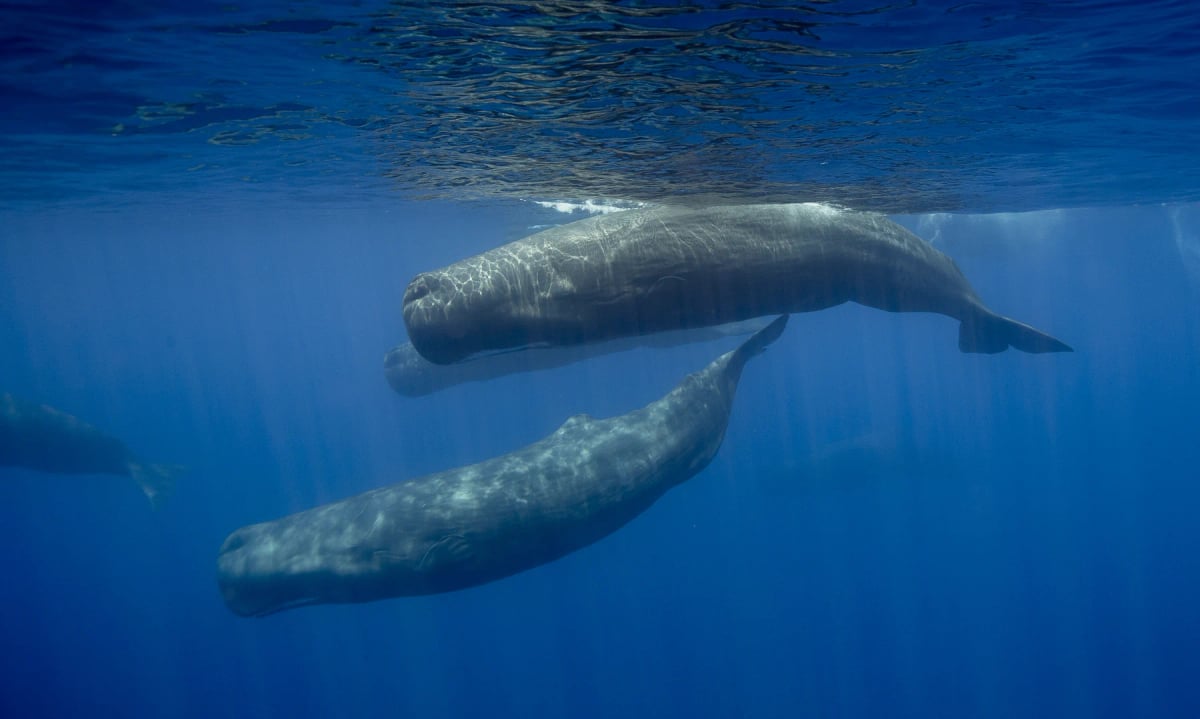
Sperm Whale
Physeter macrocephalus
Iceland sits within some of the most productive waters in the North Atlantic, and sperm whales are regular visitors to the deep offshore trenches surrounding the island. Males in particular frequent cold northern waters in search of prey. Iceland has a complex history with cetacean hunting, though sperm whales are now protected internationally. The IUCN lists this species as Vulnerable.
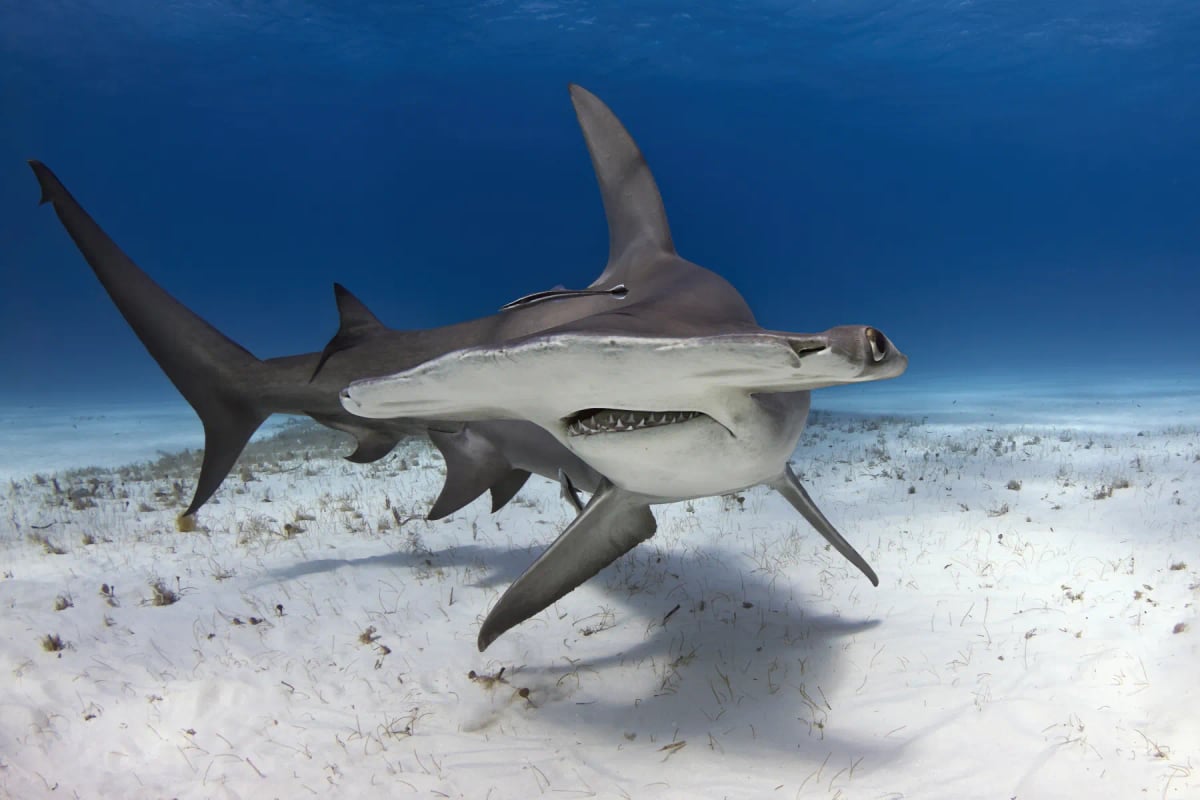
Hammerhead Shark
Sphyrna spp.
Hammerhead Sharks are only rarely recorded in Icelandic waters, as they strongly prefer warmer tropical and subtropical seas. Any presence near Iceland would likely represent individuals straying far from their typical range in the North Atlantic. Iceland's cold, deep waters offer little of the habitat these sharks depend on. They remain Critically Endangered worldwide, primarily due to overfishing and the global demand for shark fins.
Researched and written by Juan Pablo. Sources: IUCN Red List, scientific literature and regional field guides. Last updated: .