Reindeer
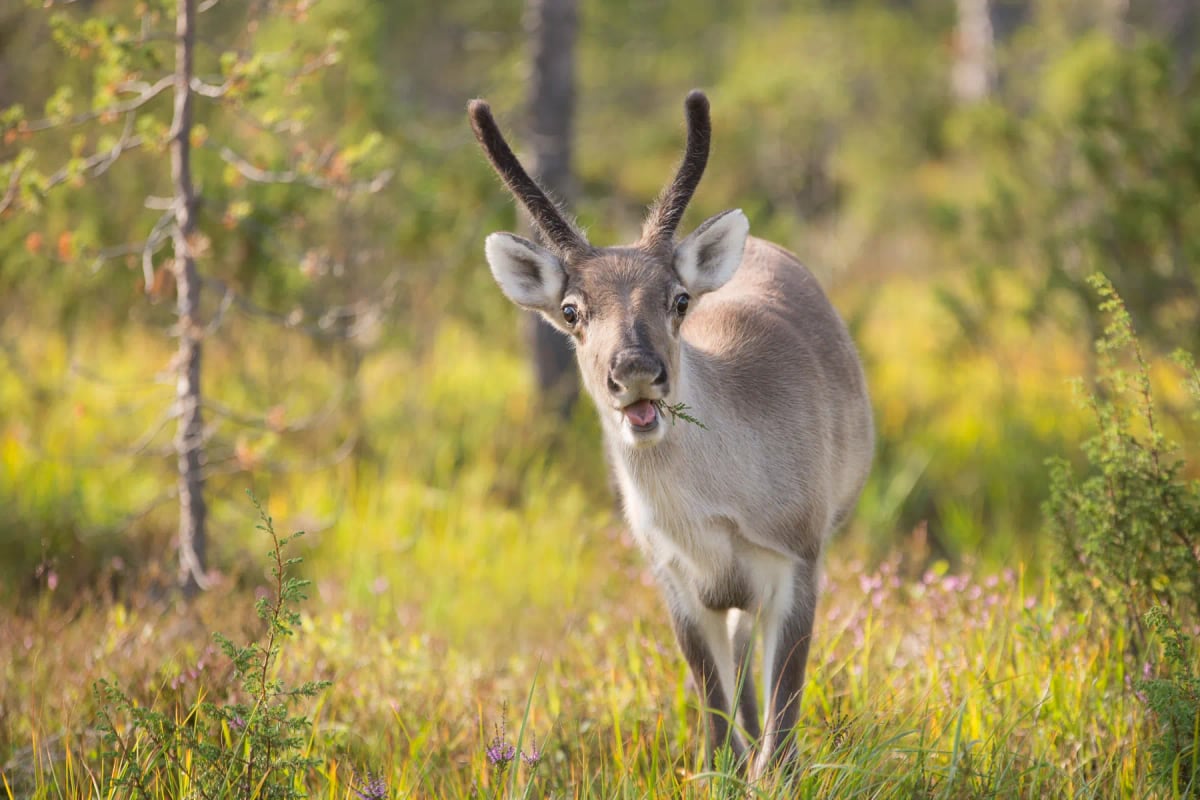
The reindeer (Rangifer tarandus) is a deer built for life in the Arctic and subarctic, found across northern Europe, Asia, and North America, where it is also called caribou. It is the only deer species in which both males and females grow antlers. Their hooves are broad and concave, working both as snowshoes and as tools for scraping through snow to reach lichens beneath. Reindeer are among the greatest mammal migrants on Earth, with some herds traveling more than 1,000 kilometers between their summer and winter ranges. A thick double coat of hollow, air-filled hairs traps warmth against temperatures well below freezing. They are deeply important to Indigenous peoples including the Sámi of northern Europe and the Inuit and First Nations communities of North America. Many populations are declining, largely due to climate change and habitat disruption.
Habitat and distribution
Reindeer occupy some of the coldest landscapes on Earth. Their range stretches across the Arctic tundra and boreal forests of northern Europe, Siberia, Greenland, Alaska, and Canada. In Europe, wild populations are concentrated in Norway, Finland, and Russia, while large herds of caribou roam the vast wilderness of northern Canada and Alaska. Some island populations, such as those in Svalbard, are entirely sedentary. On the open tundra, summers are short and productive, offering rich grazing. In winter, many herds move south into forested areas where snow conditions are easier to dig through. Reindeer have also been introduced to Iceland and South Georgia, where they established feral populations. Their ability to thrive in habitats that few other large mammals can tolerate makes them one of the most remarkable ungulates in the world.
Diet
Food shapes almost every aspect of the reindeer's year. During summer, they graze widely on grasses, sedges, herbs, mushrooms, and the leaves of low shrubs such as willows and birches. This varied diet helps them build up fat reserves before winter arrives. Once snow covers the ground, lichens become the cornerstone of their diet. Using their broad, concave hooves like shovels, they scrape away snow to reach the slow-growing lichens beneath, a behavior known as cratering. Their digestive system hosts specialized microbes that break down the tough compounds found in lichens. Reindeer will also chew shed antlers and gnaw bones when available, gaining minerals that are otherwise scarce in their environment. In coastal areas, some populations have even been recorded eating kelp and other seaweed to supplement their intake.
Behavior
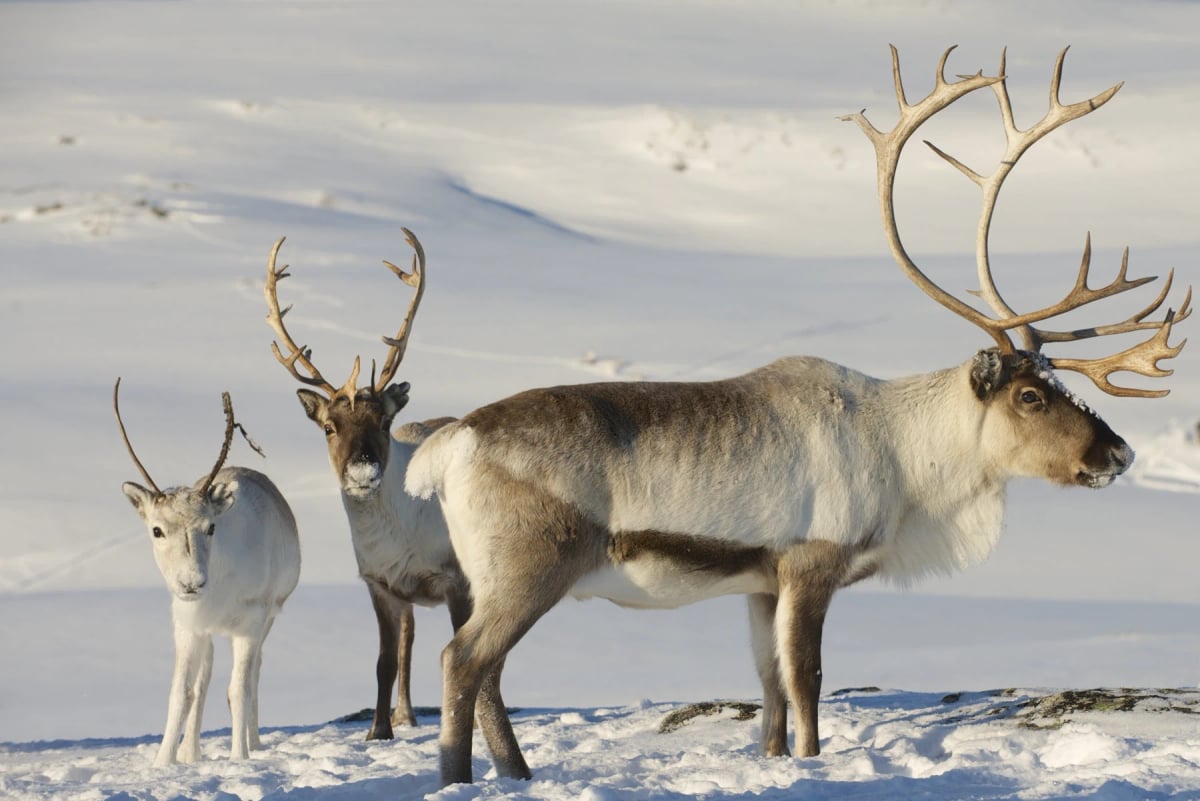
Among the most social of all deer, reindeer gather in herds that can number in the tens of thousands during migration. These mass movements are among the most impressive wildlife events on the planet. Some populations, such as the caribou of northern Canada, travel more than 1,000 kilometers between their summer calving grounds and winter ranges, following routes passed down across generations. Within herds, females and males often form separate groups outside of the breeding season. The rut takes place in autumn, when males compete for females by clashing antlers and displaying their size. Calves are born in late spring and can stand within hours of birth, a necessity given the number of predators in their environment. Wolves, bears, and wolverines are among the main threats they face throughout their lives.
Relation with humans
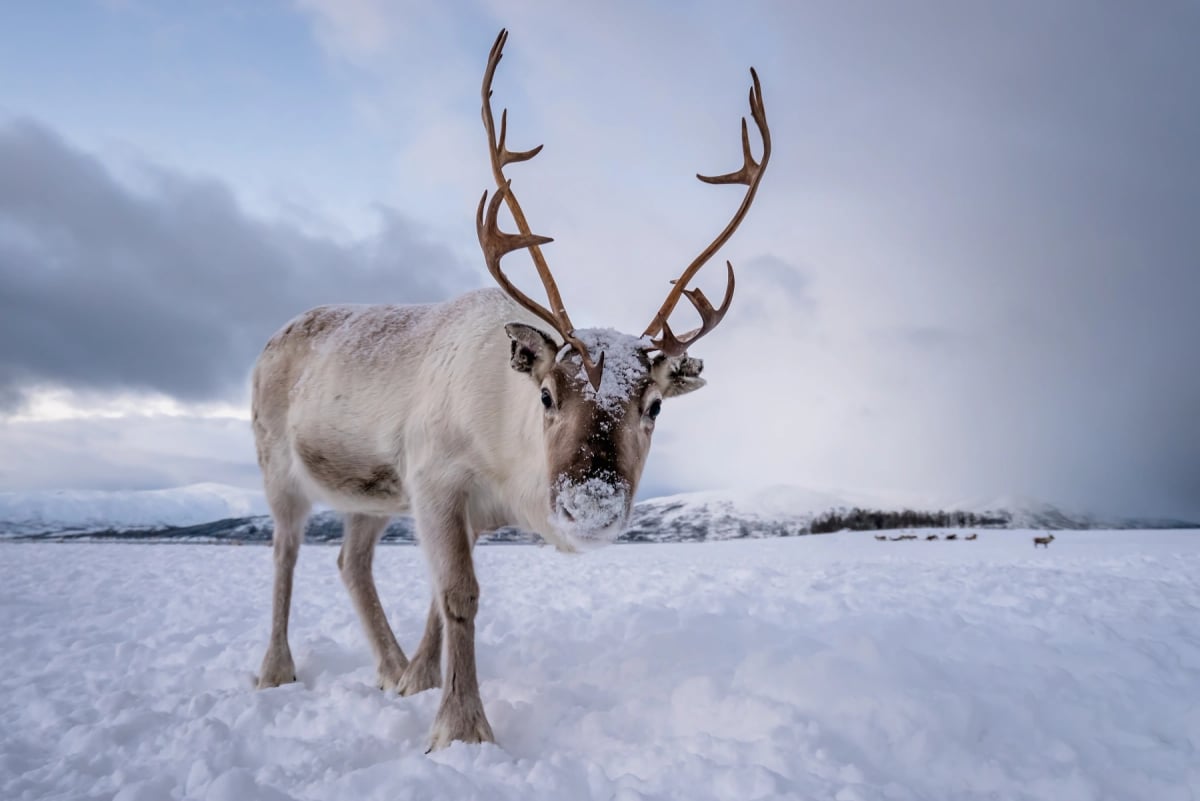
Few animals are as deeply woven into human culture as the reindeer. For the Sámi people of northern Scandinavia and the Kola Peninsula, reindeer herding is both a livelihood and a cultural identity that stretches back thousands of years. The Nenets of Siberia manage some of the largest herds of domesticated reindeer on Earth. In North America, caribou have sustained Indigenous communities including the Inuit and various First Nations peoples, providing meat, hides for clothing, and bones for tools. Across the Arctic, reindeer represent a living connection between people and the land. Beyond these traditions, the reindeer holds a prominent place in global folklore, most famously as the animal that pulls Santa Claus's sleigh, an image rooted in northern European and North American storytelling. This cultural visibility has helped spark wider interest in Arctic conservation.
Conservation
The IUCN lists the reindeer as Vulnerable, reflecting widespread population declines across much of its range. Climate change is the most significant threat. Warmer temperatures cause rain to fall on snow, which then freezes into a layer of ice that reindeer cannot break through to reach food. This phenomenon, known as rain on snow, can cause mass starvation events. Industrial development, including oil extraction and road construction, fragments habitats and disrupts migration routes. In some regions, increased human activity generates noise and disturbance that pushes herds away from important feeding areas. Hunting remains regulated but is a factor in certain populations. Conservation efforts focus on protecting migration corridors, limiting industrial encroachment, and supporting Indigenous stewardship practices, which have long played a role in maintaining healthy reindeer populations across the Arctic and subarctic.
Where it is found
The Reindeer can be found in places such as:
Researched and written by Juan Pablo. Sources: IUCN Red List, scientific literature and regional field guides. Last updated: .
Technical factsheet

Frequently Asked Questions
What do reindeer eat?
In summer, reindeer eat grasses, herbs, mushrooms, and the leaves of willows and birches. Come winter, lichens become their main food source. They use their broad hooves to scrape through snow and reach the lichens underneath, a behavior called cratering. Their gut contains specialized microbes that digest lichens. They will also chew shed antlers and gnaw on bones to get minerals that their frozen habitat rarely provides.
Where do reindeer live?
Reindeer live across the Arctic and subarctic regions of the Northern Hemisphere. Their range covers northern Europe, including Norway, Finland, and Russia, as well as Siberia, Greenland, Alaska, and Canada. In North America they are called caribou. Some herds spend summers on open tundra and winters in boreal forests to the south. Reindeer have also been introduced to Iceland, where feral populations still exist today.
Are reindeer endangered?
The IUCN classifies reindeer as Vulnerable. Populations have declined significantly across much of their range. Climate change is the biggest threat. Warmer winters cause rain to fall on snow, which then freezes into a solid layer of ice that reindeer cannot break through to reach food below. Industrial development also fragments their habitat and blocks migration routes. Some populations are stable, but the overall trend is concerning.
Do female reindeer have antlers?
Yes, and that makes reindeer unique among deer. They are the only species in which both males and females grow antlers. Females use their antlers mainly to defend food in winter, when competition for grazing spots under the snow is fierce. Males shed their antlers after the autumn rut, while females keep theirs through winter and into early spring, just after giving birth.
How far do reindeer migrate?
Some reindeer herds are among the greatest travelers in the animal kingdom. Certain caribou populations in northern Canada cover more than 1,000 kilometers between their summer calving grounds and their winter ranges. These journeys follow routes that have been passed down across generations. Not all reindeer migrate, though. Island populations, such as those in Svalbard, stay in the same area year round.
How do reindeer survive extreme cold?
Reindeer are built for freezing temperatures. Their coat has two layers: a dense undercoat for insulation and an outer layer of hollow, air-filled hairs that trap heat close to the body. Their muzzle is packed with blood vessels that warm incoming air before it reaches the lungs. Their broad hooves act as snowshoes on soft snow and as shovels for digging through ice-covered ground to find food underneath.
What animals hunt reindeer?
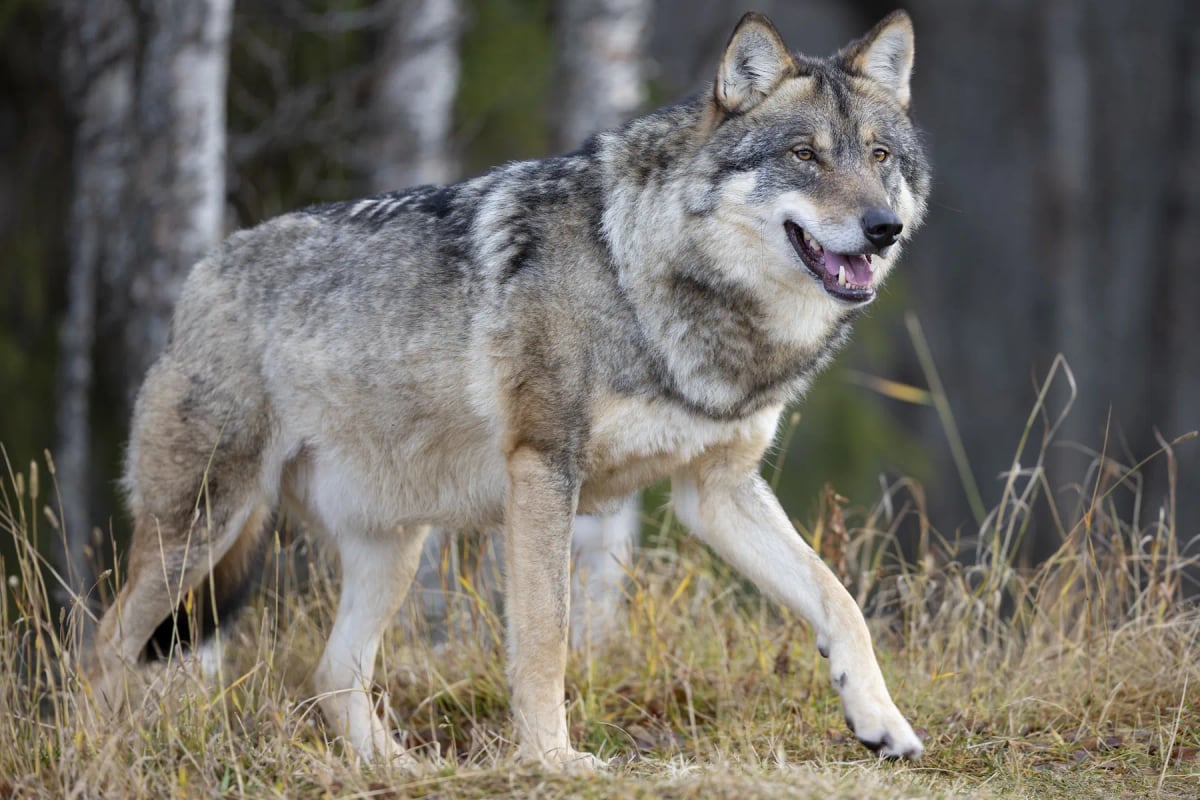
Reindeer face predators throughout their lives. Wolves are their most significant natural enemy and often hunt in packs, targeting calves, elderly animals, or those weakened by harsh conditions. Brown bears and polar bears also prey on reindeer, especially calves born in spring. Wolverines are a persistent threat, particularly during winter. Golden eagles have been recorded taking newborn calves in the first vulnerable days after birth.