Animals in Cuba
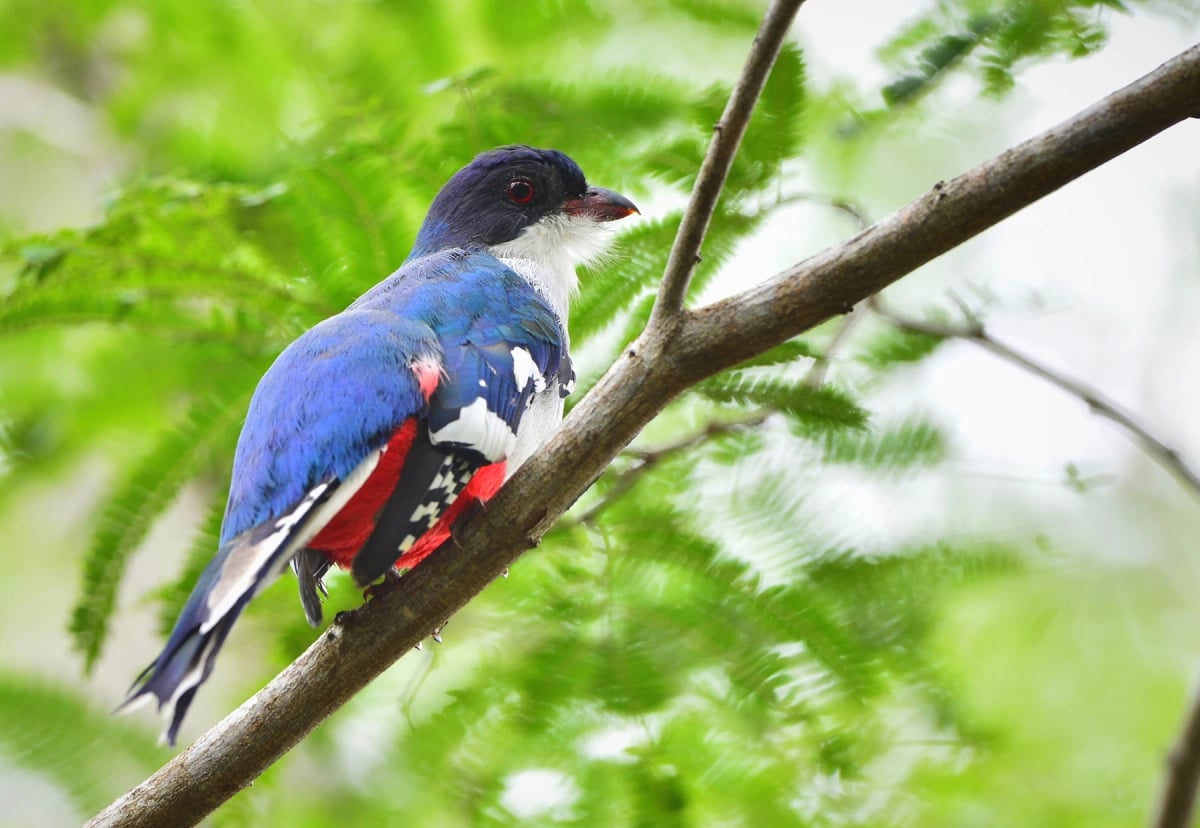
Cuban Trogon
Priotelus temnurus
The tocororo, or Cuban trogon, is the national bird of Cuba and lives only on the island. Its blue head, white chest and red belly match the colours of the Cuban flag. It lives in wooded valleys and mountain forests across the country, where it feeds on flowers, fruit and insects and spends long hours perched quietly in the shade. Cubans say the tocororo cannot live in a cage, which made it a symbol of freedom. Because it nests in holes in old trees, it depends on the protection of native forests.
View details→Wildlife in Cuba
Cuba is the largest island in the Caribbean, and centuries of isolation have given it wildlife found nowhere else. Its land animals are few but special. The Cuban hutia, a stocky rodent that climbs trees, is the largest native land mammal, and the tocororo, the national bird, lives in the forests of the mountains. Wild boars, brought by settlers, roam rural areas. Barn owls and peregrine falcons hunt over farms and cliffs, and huge flocks of flamingos feed in the coastal lagoons of the north, where the wetlands of Río Máximo in Camagüey hold one of the largest flamingo colonies in the Caribbean. The Zapata Swamp, the biggest wetland in the Caribbean, shelters manatees along its channels. Around the island, coral reefs and mangroves are home to sea turtles, barracudas and bottlenose dolphins, humpback whales pass in winter, and the marine park of Jardines de la Reina, protected since 1996, is famous for its reef, bull and hammerhead sharks.
Most Dangerous Animals in Cuba
Cuba is one of the safest places in the Caribbean when it comes to wildlife. There are no large land predators and no venomous snakes on the island, so the animals that can be dangerous are few. In rural areas, wild boars may charge if they are cornered or protecting their young, especially when they meet dogs or hunters. The real risks are at sea. Bull sharks are the most dangerous species, because they come into shallow water near beaches and river mouths, and tiger and hammerhead sharks hunt along the outer reefs and deep channels. The great white shark has been recorded off Cuba, but it is very rare. Reef sharks live around the cays and usually keep their distance, and barracudas can bite if a shiny object catches their eye. Incidents are very uncommon, and swimming at guarded beaches, diving with a guide and never feeding wild animals keep visitors safe.
Top 10 Animals in Cuba
The top animals of Cuba come mostly from the sea that surrounds it. The great white shark is the most famous name on the list, although it is only a rare visitor to Cuban waters, far from the beaches. The sharks people actually see are the tiger, the hammerhead and the bull shark, which divers can meet at Jardines de la Reina and at Playa Santa Lucía in Camagüey. Bottlenose dolphins swim along the coast and often ride the bow waves of boats. In the air, the peregrine falcon, the fastest animal on Earth, hunts along cliffs and cities in winter, and pink flamingos gather by the thousands on the northern cays, easy to see from the causeway to Cayo Coco. On land, the wild boar lives in forests and farmland, and the Cuban hutia, a native rodent found nowhere else, completes the list.
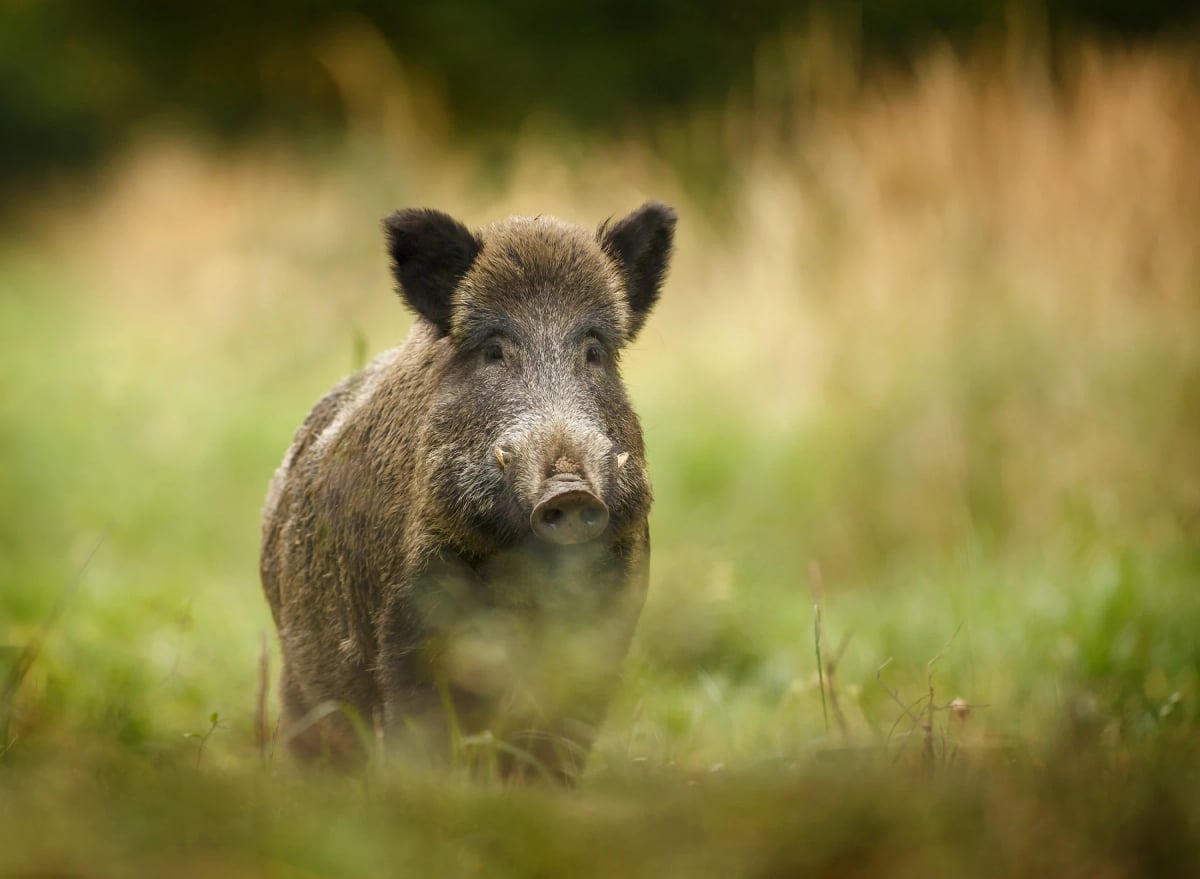
Wild Boar
Sus scrofa
Wild boars in Cuba descend from domestic pigs brought by Spanish colonizers and have since established feral populations in forests, swamps and farmland across the island, including areas around the Zapata Swamp. They are hunted for meat in rural areas and are sometimes managed as a pest where they damage crops or compete with native wildlife in protected wetland habitats.
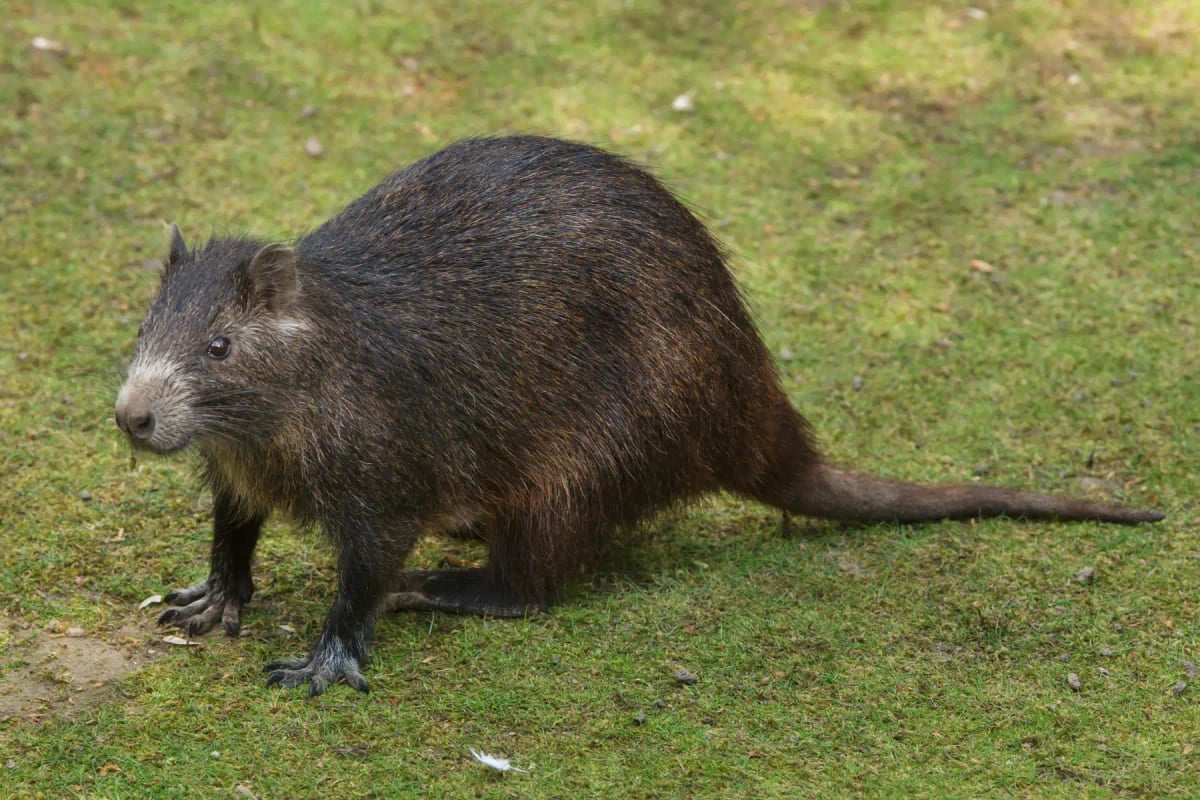
Cuban Hutia
Capromys pilorides
The Cuban hutia is a stocky rodent found only in Cuba and its surrounding keys. It thrives across a wide range of habitats, from coastal mangroves and scrubland to dry forests and rocky slopes. Mostly active from late afternoon into the night, it feeds on leaves, bark, and fruit. Hunting and habitat loss have caused local declines, though the species remains listed as Least Concern by the IUCN.
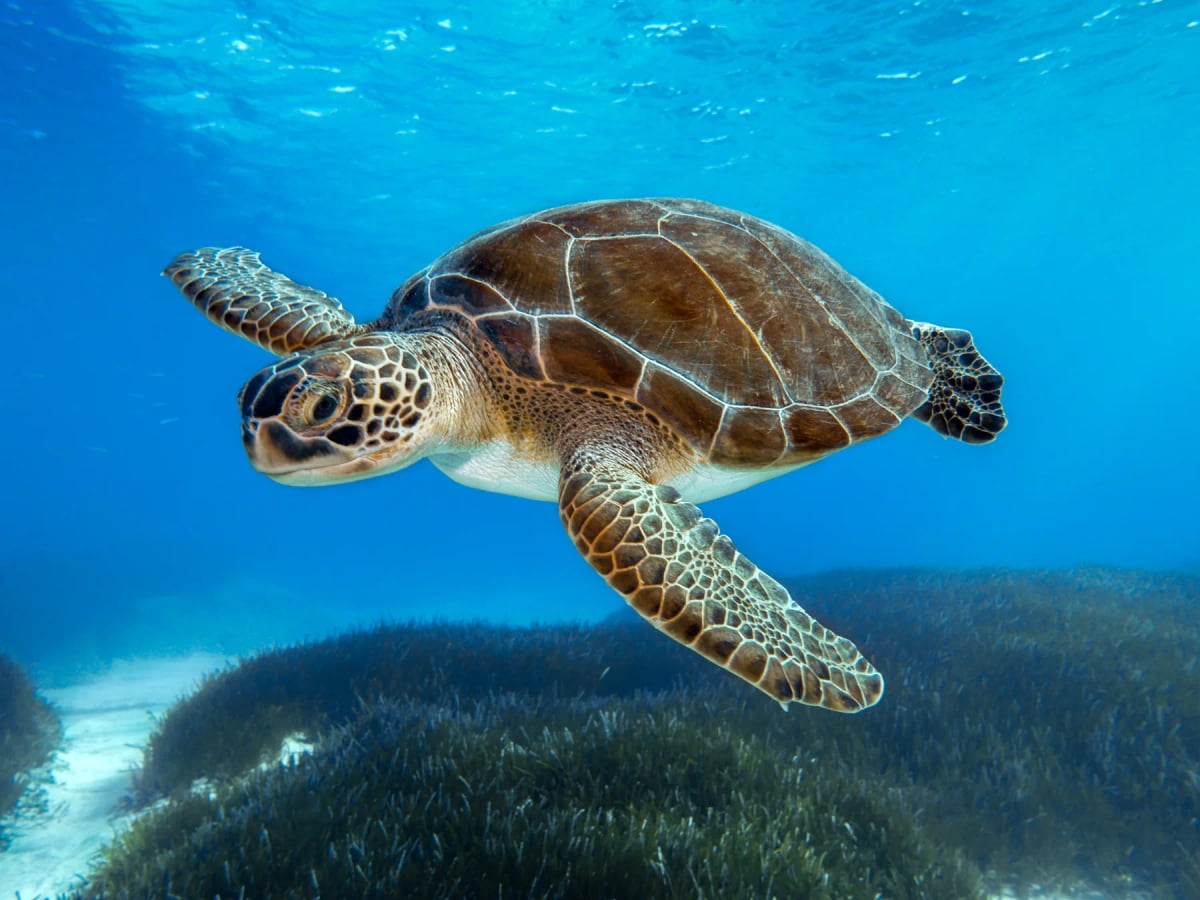
Sea Turtle
Cheloniidae & Dermochelyidae (families)
Cuba's extensive coastline and surrounding Caribbean waters provide important habitat for several sea turtle species. Green, loggerhead and hawksbill turtles nest on beaches across the island, with the most significant nesting sites found on the southern cays and along the northern coast. Cuba's large system of marine protected areas helps safeguard nesting beaches, and the country participates in regional monitoring programs that track turtle movements across the Caribbean.
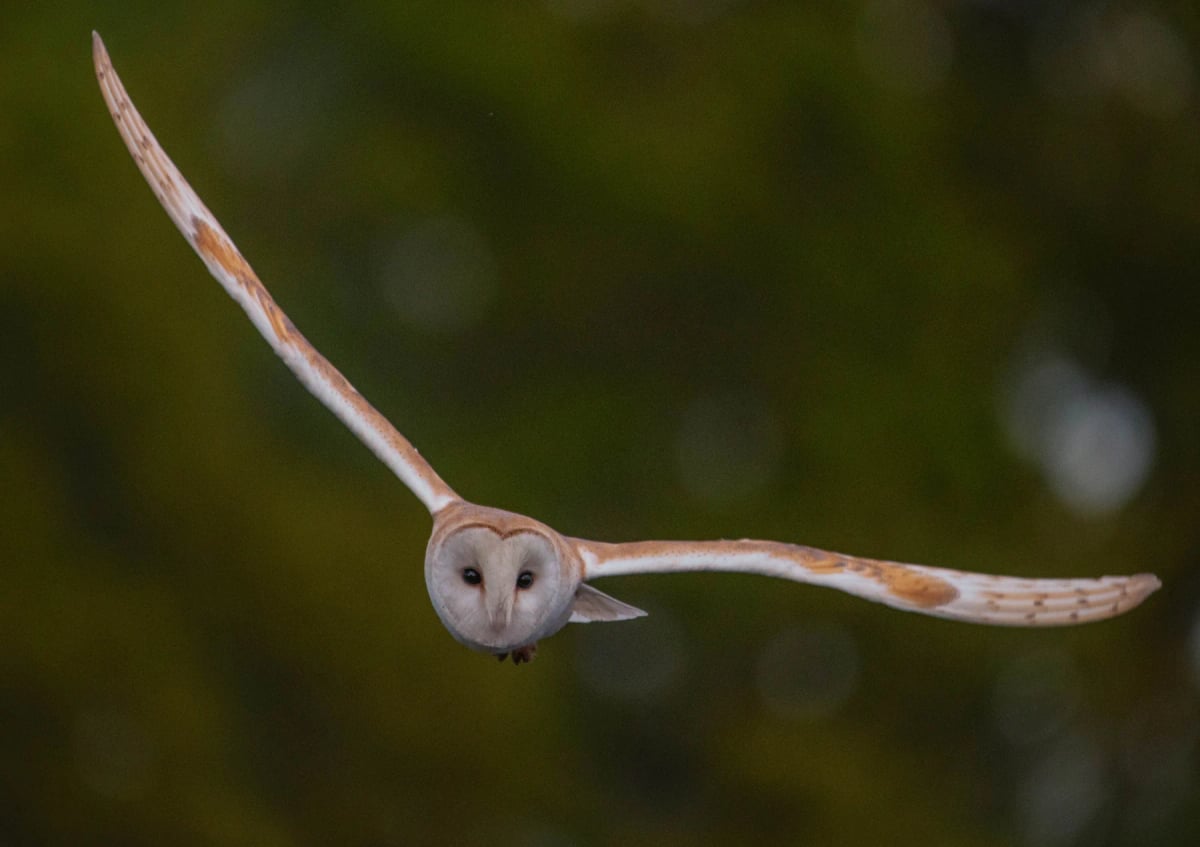
Barn Owl
Tyto alba
The barn owl is found across Cuba in open farmland, grassland, and the outskirts of towns and villages throughout the island. It nests in old buildings, caves, and hollow trees, and hunts rodents and other small prey at night. Cuba has its own endemic subspecies, Tyto alba furcata, which is slightly larger and darker than barn owls found elsewhere in the Caribbean. It is one of the most widespread owls on the island and an important natural controller of rodent populations in agricultural areas.
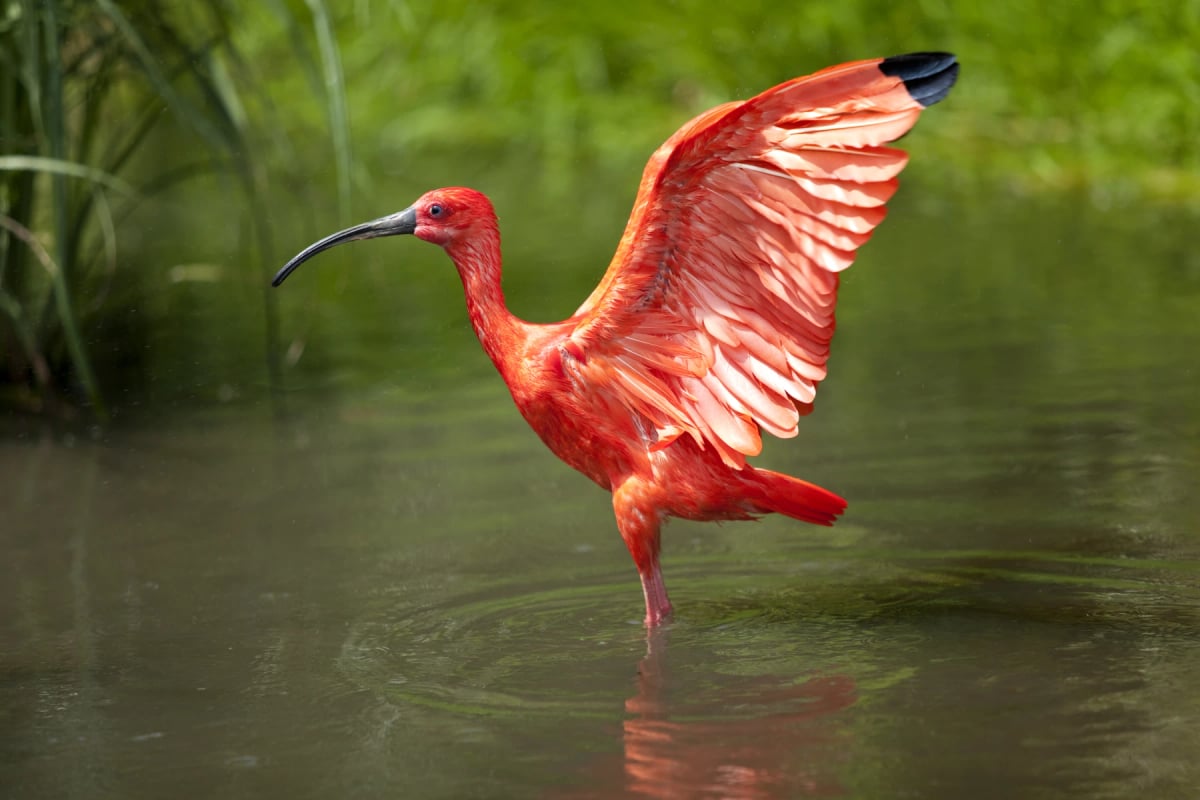
Scarlet Ibis
Eudocimus ruber
In Cuba, the Scarlet Ibis appears as a vagrant rather than an established resident, with scattered records from coastal wetlands and mangrove systems across the island. Its vivid crimson color stands out sharply against the green of Cuban mangroves. The species feeds by probing shallow mudflats for crustaceans, and any appearance in Cuban waters is considered a notable wildlife event. The IUCN lists it as Least Concern.
Cuban Trogon
Priotelus temnurus
The Cuban Trogon, or tocororo, is the national bird of Cuba and one of its most beloved endemic species. Its red, white, and blue plumage mirrors the colors of the Cuban flag. Found across the island in forests, coffee plantations, and woodland edges, it feeds on fruits, flowers, and insects. Although listed as Least Concern, deforestation across Cuba continues to put local populations under pressure.
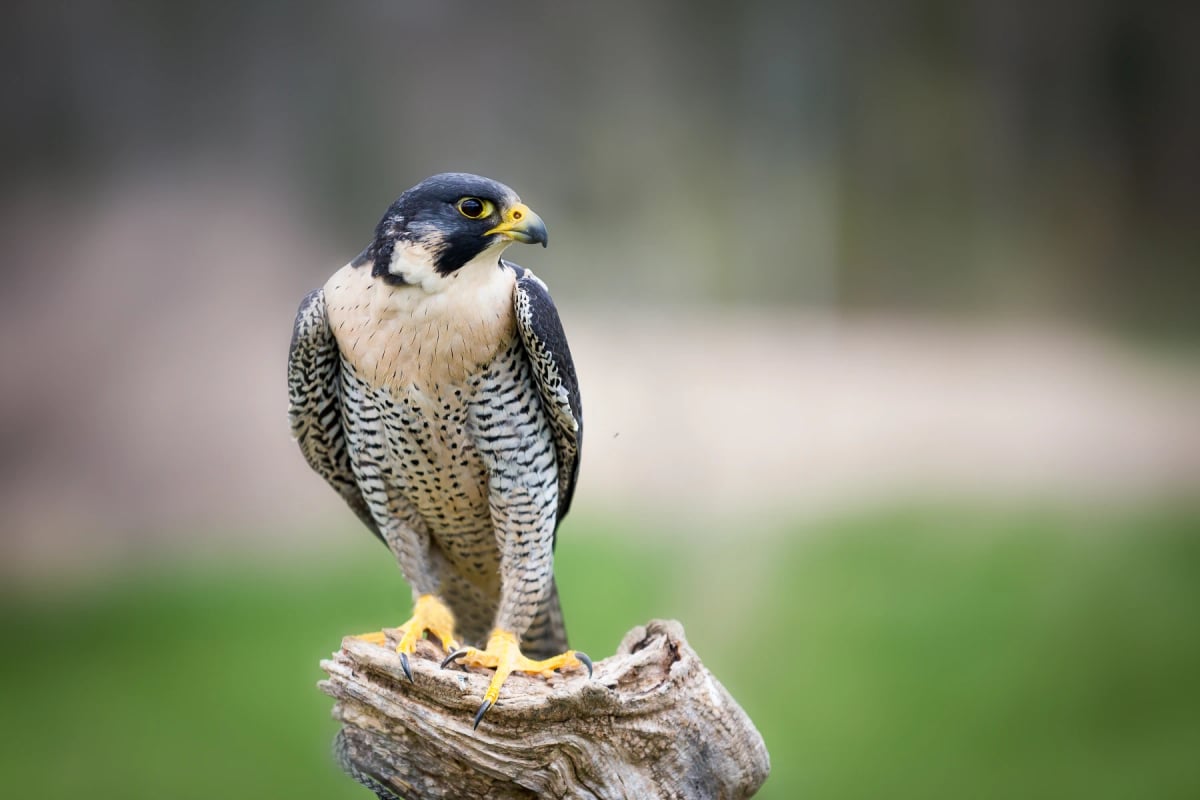
Peregrine Falcon
Falco peregrinus
Cuba receives migratory peregrine falcons from North America each autumn, with birds present on the island from roughly October through April. They hunt across open coastal areas, mangroves, and agricultural lowlands. Cuba's position at the entrance to the Caribbean makes it a natural landing point for raptors crossing the Gulf of Mexico. Some individuals favour the same territories year after year during their wintering stays.
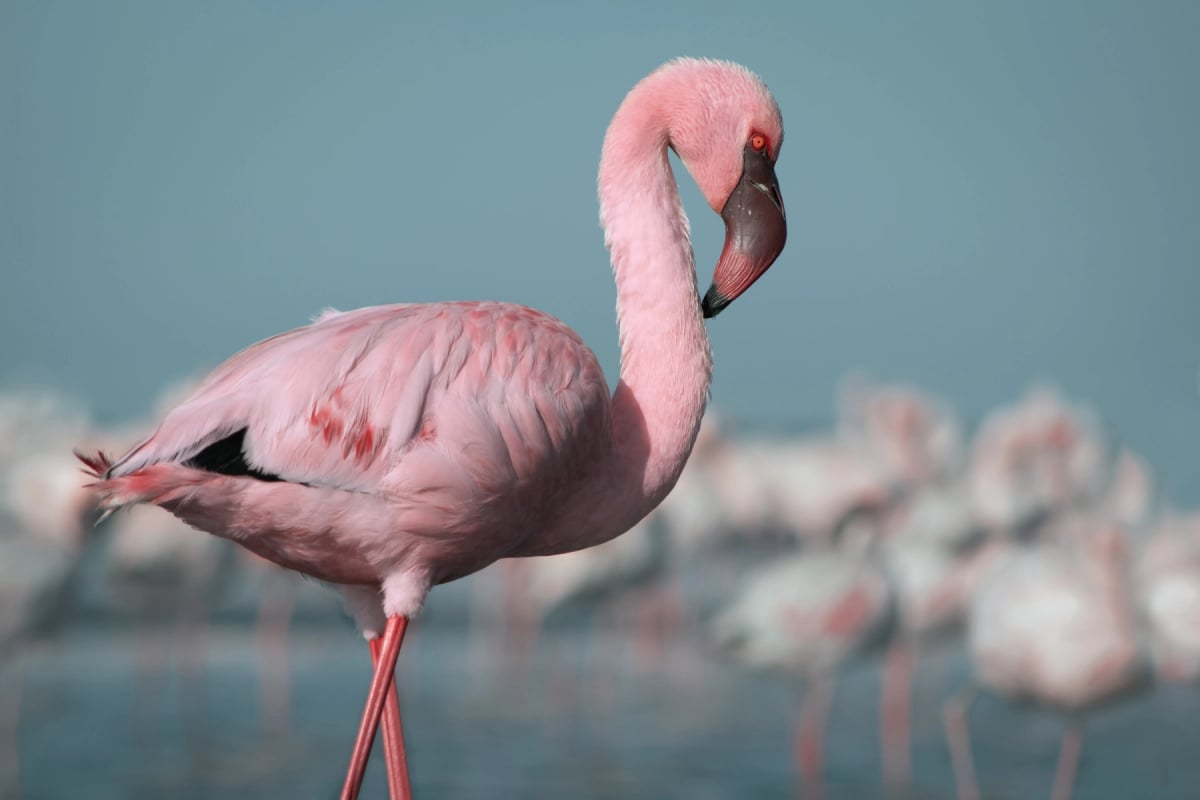
Flamingo
Phoenicopteridae (6 species)
Cuba supports a notable population of Caribbean flamingos, particularly in the coastal wetlands and saltwater lagoons of the Zapata Peninsula and the islands along the northern coast. These birds feed in the shallows on algae and small invertebrates. The flamingo holds cultural significance in Cuba and appears across the country's natural landscapes. The IUCN lists the species as Least Concern, and Cuba's protected areas help shelter important local populations.
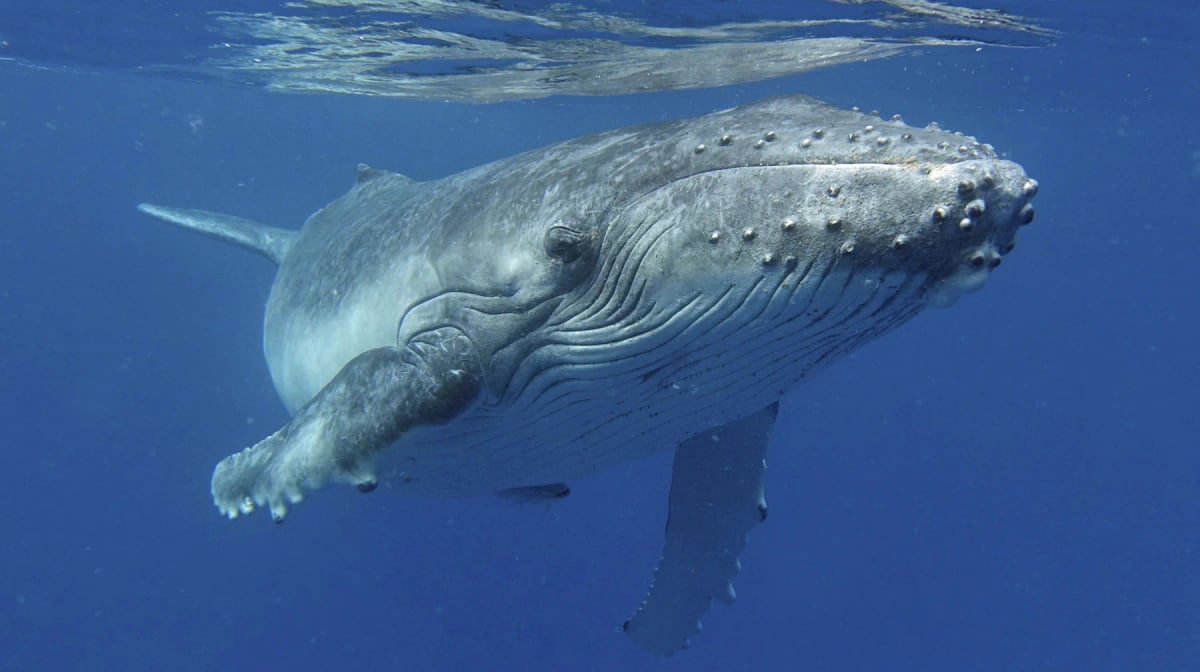
Humpback Whale
Megaptera novaeangliae
Humpback whales are recorded in Cuban waters, primarily in the passages and channels surrounding the island within the wider Caribbean Sea. The Caribbean serves as a warm breeding ground for North Atlantic humpbacks, and Cuba sits within this important zone. While dedicated whale watching infrastructure is limited, the presence of these whales contributes to the broader marine biodiversity of the region and to growing conservation awareness across the Caribbean.
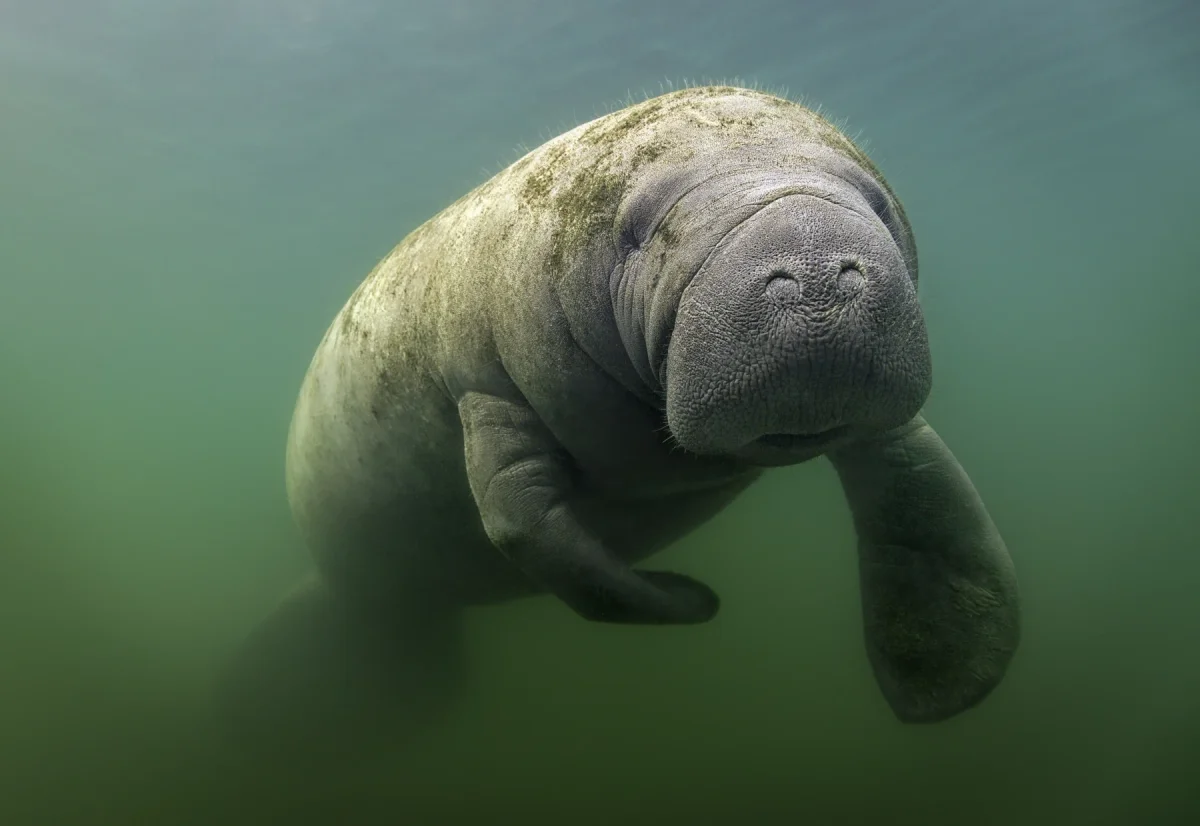
Manatee
Trichechus manatus
Cuba hosts one of the largest manatee populations in the Caribbean, with individuals found in shallow coastal bays, mangrove lagoons, and river mouths across the island. The Gulf of Batabanó, off the southwestern coast, is considered particularly important habitat. Cuba has made efforts to protect the species through wildlife legislation and marine protected areas, though illegal hunting and accidental capture in fishing gear remain threats to its recovery.
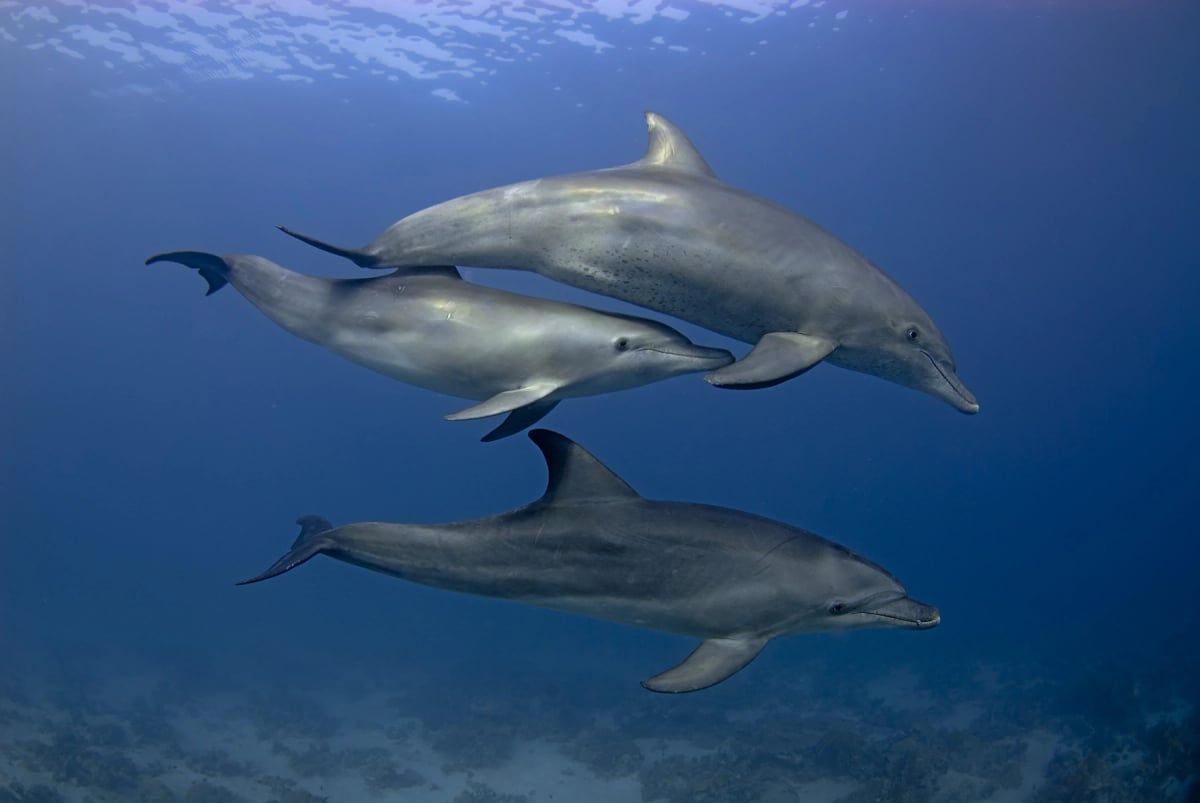
Bottlenose Dolphin
Tursiops truncatus
Bottlenose dolphins are found throughout Cuban waters, including the warm shallows of the Gulf of Mexico to the north and the Caribbean Sea to the south. They frequent bays and coastal lagoons around the island, feeding on local fish and squid. Cuba maintains several marine protected areas where dolphin populations benefit from reduced fishing pressure and boat disturbance, supporting healthier pods across the region. IUCN status: Least Concern.
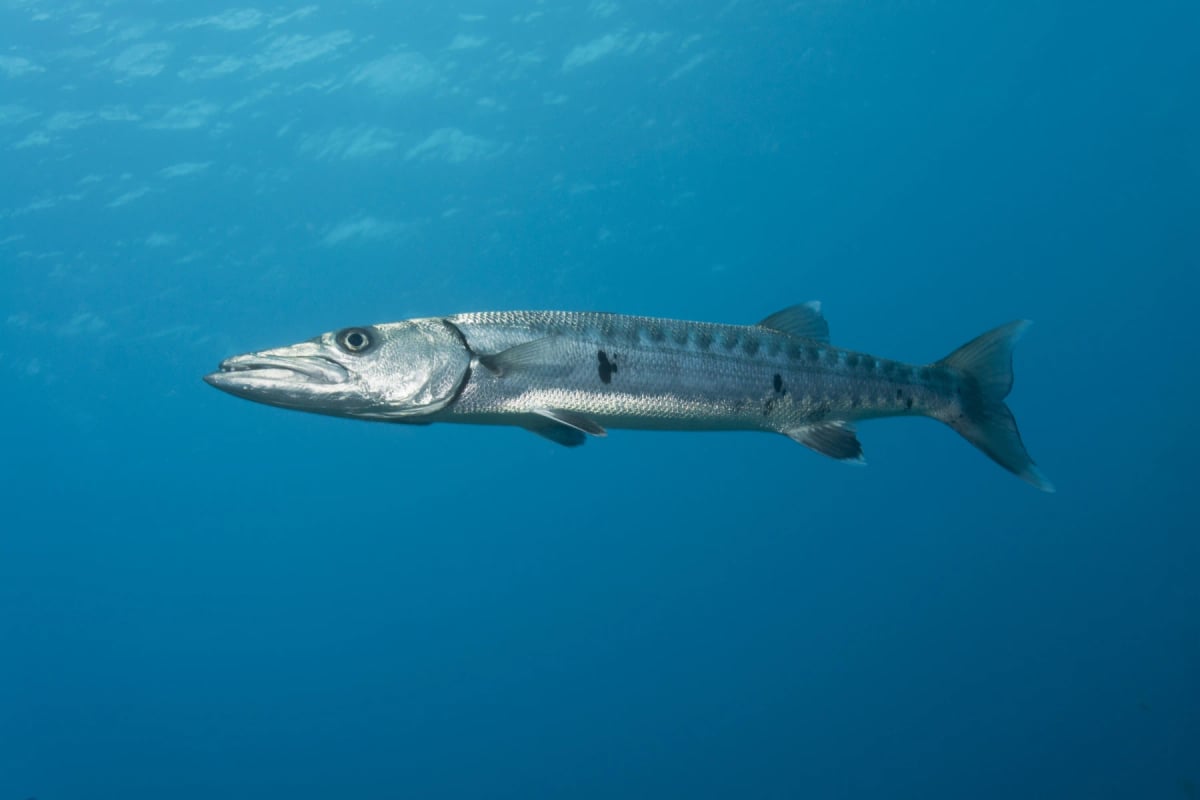
Barracuda
Sphyraena spp.
Barracudas are abundant in Cuba's coastal and reef waters, found around the coral reefs of Jardines de la Reina, the Zapata Peninsula, and the archipelagos off the northern and southern coasts. Jardines de la Reina, one of the most pristine reef systems in the Caribbean, is particularly renowned for large and fearless barracudas that approach divers closely. Cuba's well-preserved reef ecosystems, partly the result of limited fishing pressure in some areas, support healthy populations of great barracuda that are a highlight of diving in the country.
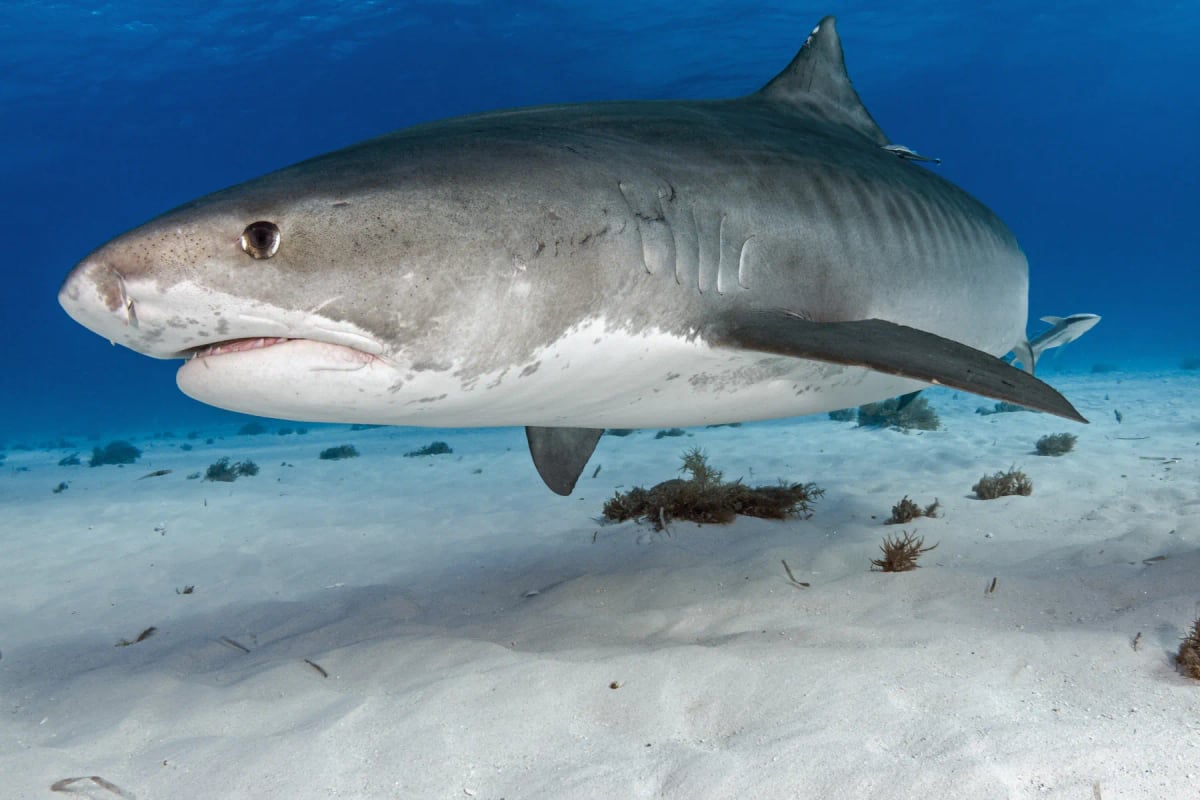
Tiger Shark
Galeocerdo cuvier
Tiger sharks patrol the warm Caribbean waters surrounding Cuba, including the Gulf of Mexico to the north and the broader Atlantic to the east. They are drawn to coastal shallows, reef edges, and river mouths across the island. Known for eating nearly anything, they help keep marine ecosystems in balance. The species is listed as Near Threatened by the IUCN, largely due to fishing pressure across the Caribbean.
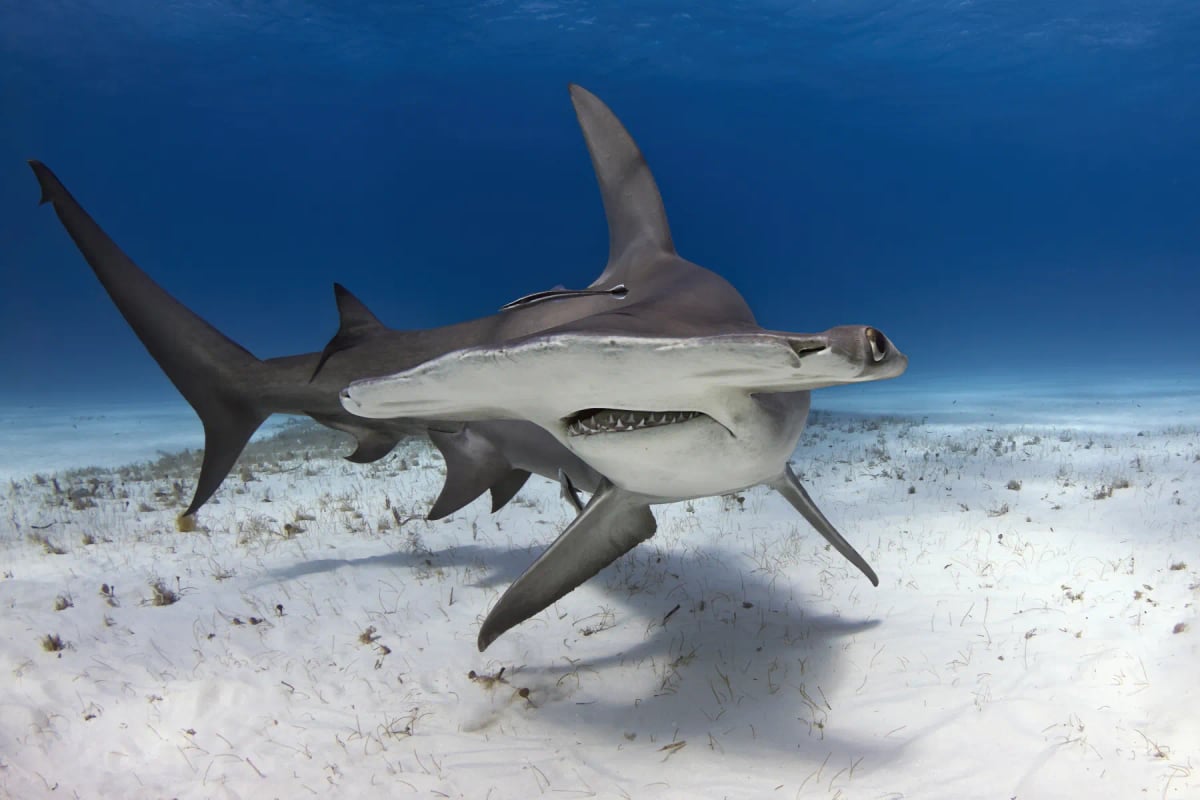
Hammerhead Shark
Sphyrna spp.
Cuba's position in the Caribbean makes its waters a natural habitat for Hammerhead Sharks, which frequent the island's coastal shelves, coral reefs, and deeper channels. The species benefits somewhat from Cuba's large network of marine protected areas and relatively lower industrial fishing pressure compared to neighboring regions. However, artisanal and commercial fishing still pose risks. Hammerheads play a key role in keeping reef ecosystems in balance.
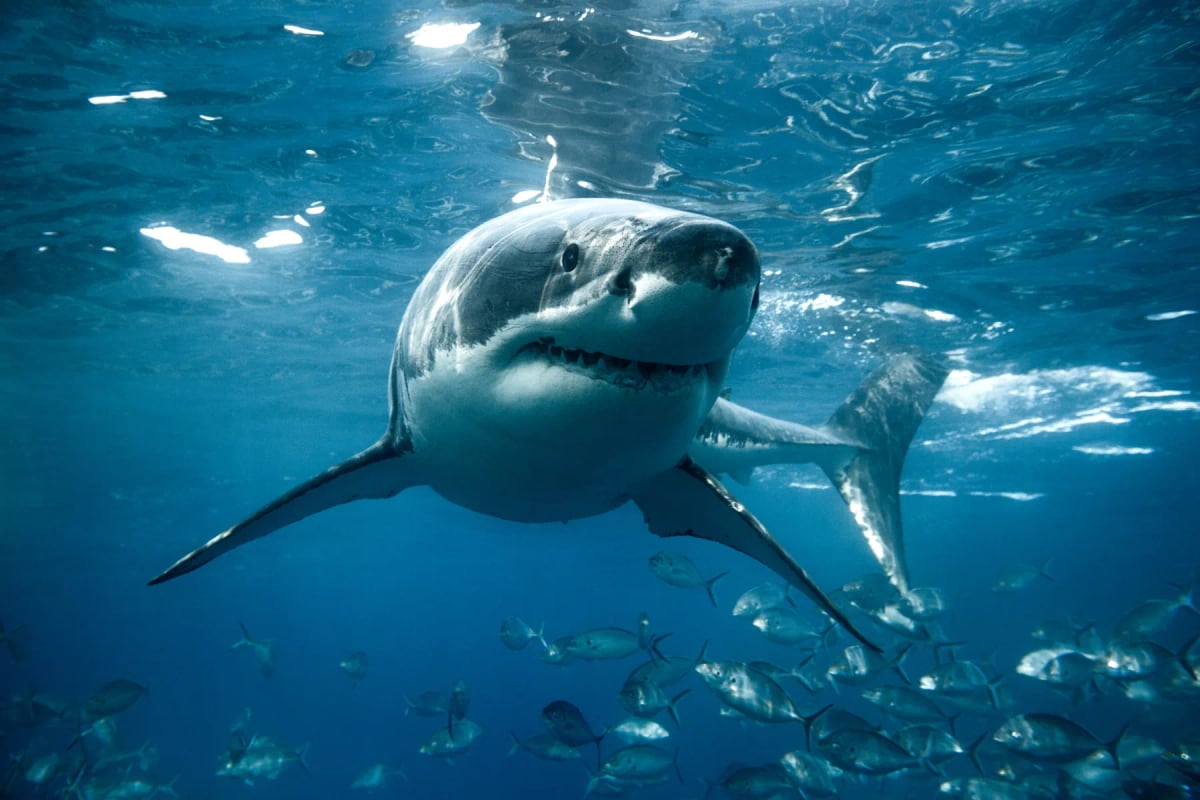
Great White Shark
Carcharodon carcharias
Great white sharks inhabit the warm Caribbean and Atlantic waters surrounding Cuba, though encounters are infrequent in this tropical zone compared to cooler temperate regions. The species tends to pass through rather than establish permanent residency in waters this warm. Cuba's extensive coastline and relatively low levels of industrial fishing in certain areas may offer some refuge for sharks moving through the wider Caribbean region, where the species holds Vulnerable status.
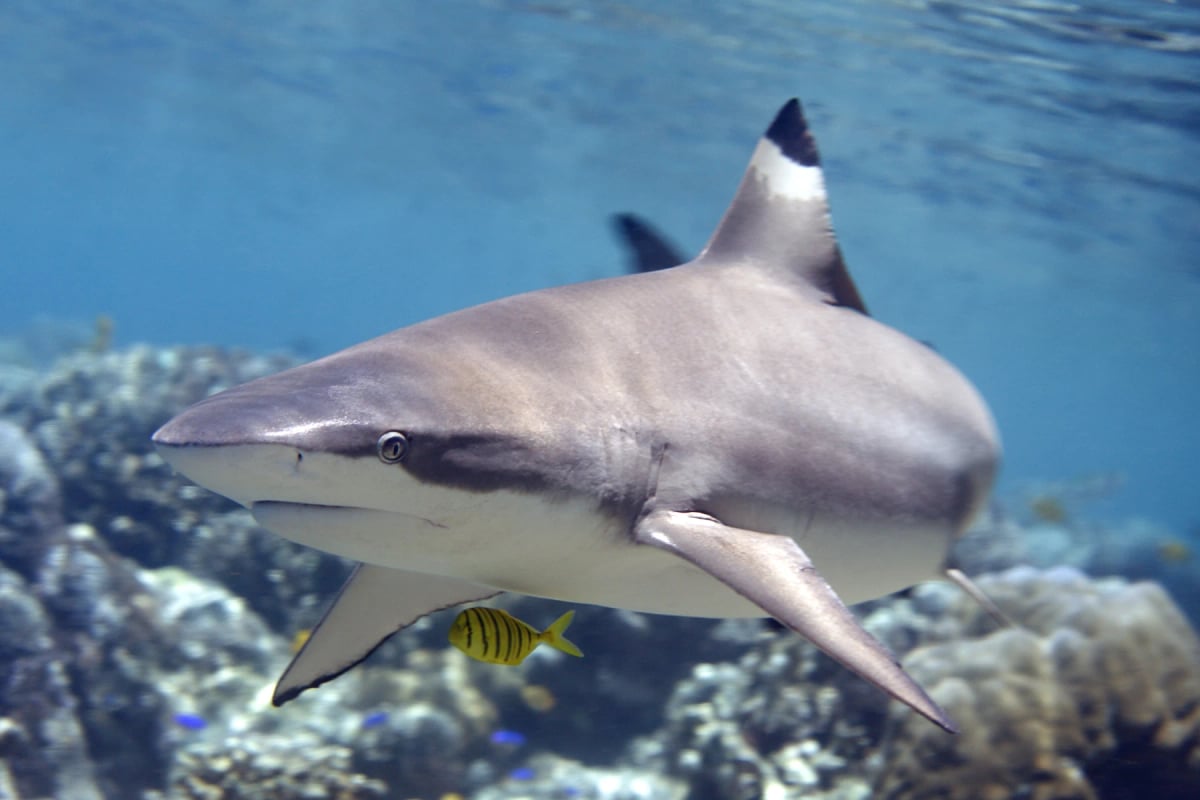
Reef Shark
Carcharhinus spp.
Cuba's reef systems, including those around the Jardines de la Reina archipelago in the south, support some of the healthiest Caribbean reef shark populations in the region. Jardines de la Reina has been a protected marine area since 1996, and its relative isolation has allowed reef sharks to thrive there in unusually high numbers. Scientists consider it one of the last strongholds for reef sharks in the Caribbean.
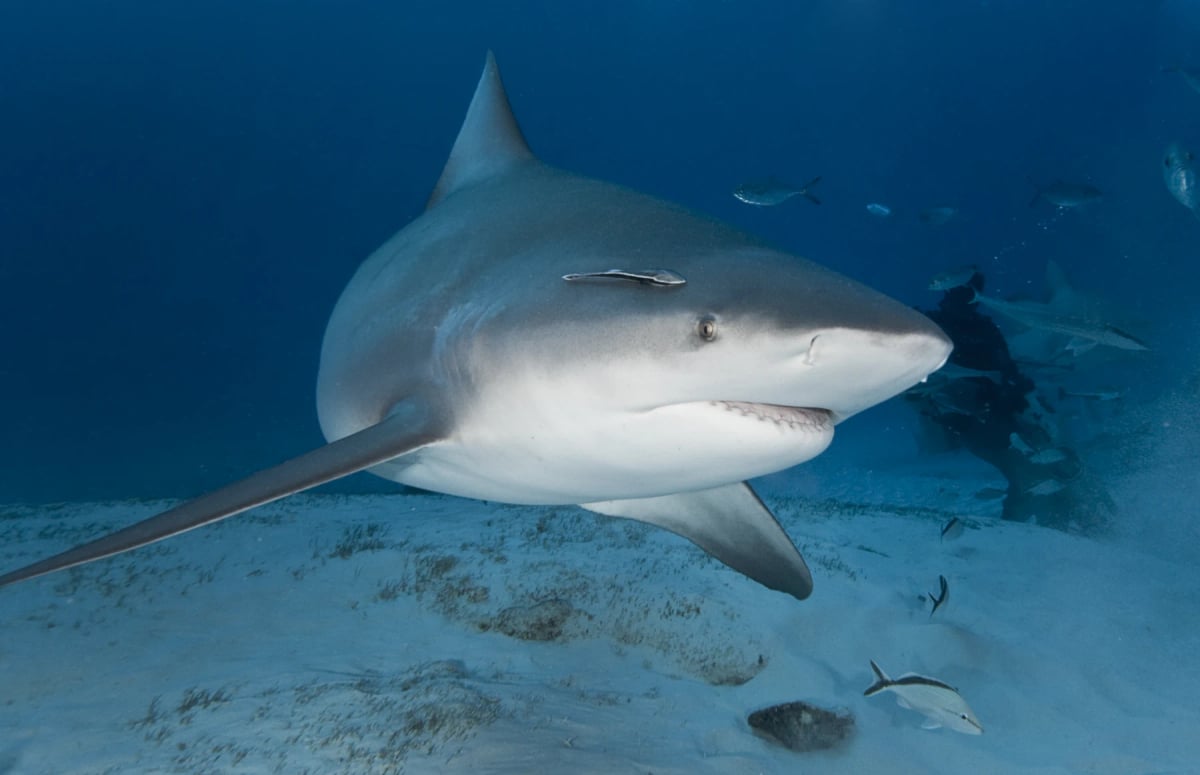
Bull Shark
Carcharhinus leucas
Cuba's extensive coastline, rich in bays, mangroves, and estuaries, provides suitable habitat for bull sharks across both its northern and southern shores. These sharks patrol shallow inshore waters and can enter brackish river mouths around the island. Near Threatened at the global level, Cuban bull sharks are subject to some fishing pressure, though the island's relatively intact coastal ecosystems offer meaningful refuge.
Frequently Asked Questions
What animals live in Cuba?
Cuba's land animals include the Cuban hutia, a native rodent, and the wild boar, which was brought by settlers. Its birds include the tocororo, the national bird, flamingos, peregrine falcons and barn owls. The sea around the island is richer, with sea turtles, manatees, bottlenose dolphins, humpback whales, barracudas and tiger, hammerhead, bull, reef and, very rarely, great white sharks. Many Cuban animals live only on the island, because it has been isolated from the mainland for millions of years.
What is the national animal of Cuba?
The national animal of Cuba is the tocororo, or Cuban trogon, which is the national bird. It lives only in Cuba, and its blue, white and red feathers match the colours of the Cuban flag. It is found in forests all over the island, from the Sierra Maestra to the Zapata Swamp. According to Cuban tradition, the tocororo dies if it is kept in a cage, so it became a symbol of freedom. The tocororo is protected, and it is fairly common in wooded areas.
Are there flamingos in Cuba?
Yes. Cuba has some of the largest flamingo colonies in the Caribbean. The biggest nesting site is in the wetlands of the Río Máximo, on the north coast of Camagüey, where tens of thousands of flamingos breed. They are also easy to see near Cayo Coco and Cayo Guillermo, often right from the causeway that crosses the bay, and in the lagoons of the Zapata Swamp. The best time to see big flocks is from late winter to early summer, when they gather to feed and nest.
Are there venomous snakes in Cuba?
No. Cuba has no venomous snakes, which makes it unusual in the Americas. All the snakes that live on the island are harmless to people, and most of them are small and shy. The largest can bite if someone grabs it, but it has no venom and is protected by law. This is one reason why walking in Cuban forests and fields is so safe. The animals that visitors should respect are at sea, where bull, tiger and hammerhead sharks and barracudas live around the reefs.
What animals are native to Cuba?
Among the animals on this site, the tocororo and the Cuban hutia are native to Cuba and live nowhere else in the world. The hutia is a rodent the size of a small dog, and it is the largest native land mammal of the island. Flamingos, peregrine falcons, barn owls, manatees, sea turtles, dolphins and sharks are native too, although they also live in other countries. The wild boar is not native: it was brought by Spanish settlers and now lives wild in forests and farmland.
Researched and written by Juan Pablo. Sources: IUCN Red List, scientific literature and regional field guides. Last updated: .