Animals in Saudi Arabia
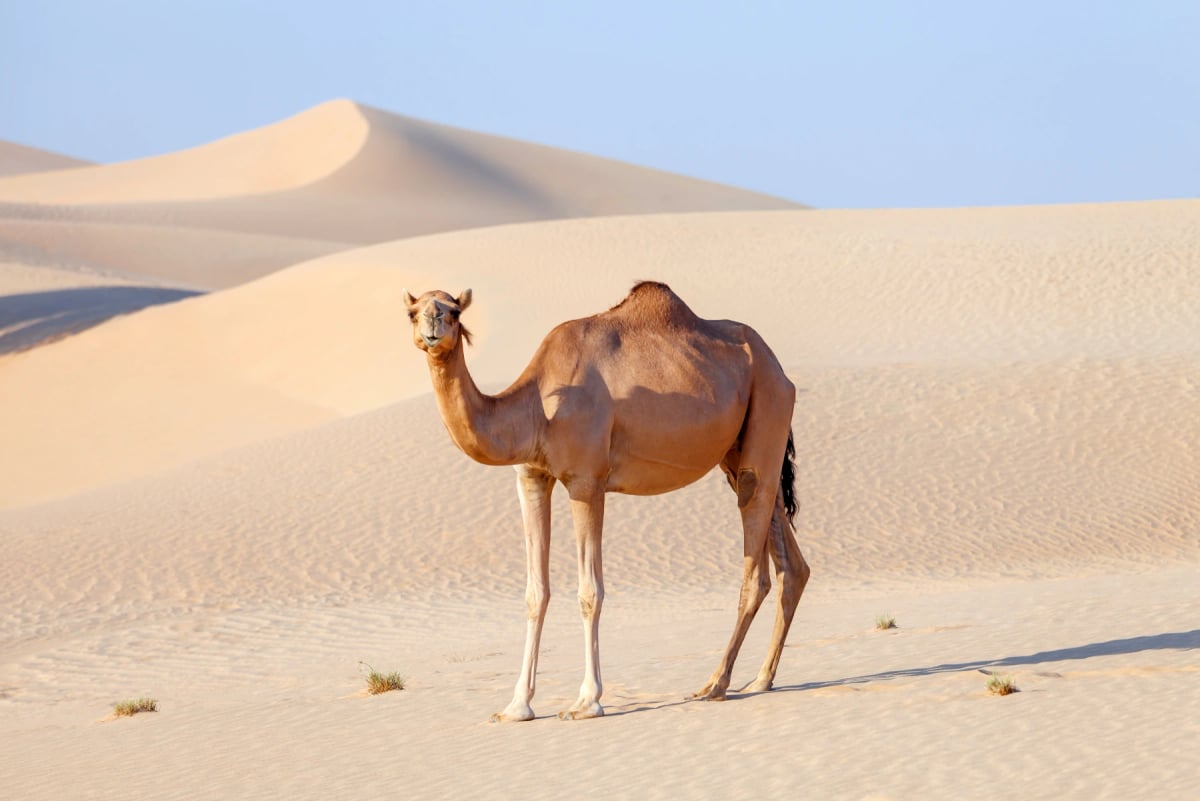
Dromedary Camel
Camelus dromedarius
The dromedary camel is a national icon tied to travel, trade and daily life in arid country. Its single hump stores fat for long routes, and its steady pace links towns with wells and markets. Museums and festivals use the camel to tell the story of caravans and desert skills, while modern breeding centers manage herds. The animal stands for endurance, cooperation and safe passage across open land.
View details→Wildlife in Saudi Arabia
Saudi Arabia spans wide deserts, rocky plateaus and a long Red Sea coast. Day trips mix dune drives with visits to oases and canyons around Al Ula and the Asir mountains. Along the coast, coral reefs and calm lagoons host dolphins and turtles, and small boats run out from towns. Inland reserves keep gazelles and ibex in open valleys where clear tracks and viewpoints fit well into road itineraries.
Most Dangerous Animals in Saudi Arabia
Risk in Saudi Arabia depends on setting. In deserts and rocky highlands, leopard and gray wolf are powerful but elusive, and the honey badger is bold at close range. Striped hyenas work as scavengers in open country. At sea, large sharks such as great white, hammerhead, bull and tiger move through channels and reef edges. Most reports note brief sightings in remote areas rather than close encounters.
Top 10 Animals in Saudi Arabia
Our Top 10 highlights names that define the country on land and sea. The dromedary camel anchors desert travel, while leopard and gray wolf give the sense of rugged escarpments and night movement. The peregrine falcon adds fast city and cliff views that are easy to spot in season. Offshore, the great white shark signals deep channels along the Red Sea, giving the set a clear desert to ocean arc.
Golden Jackal
Canis aureus
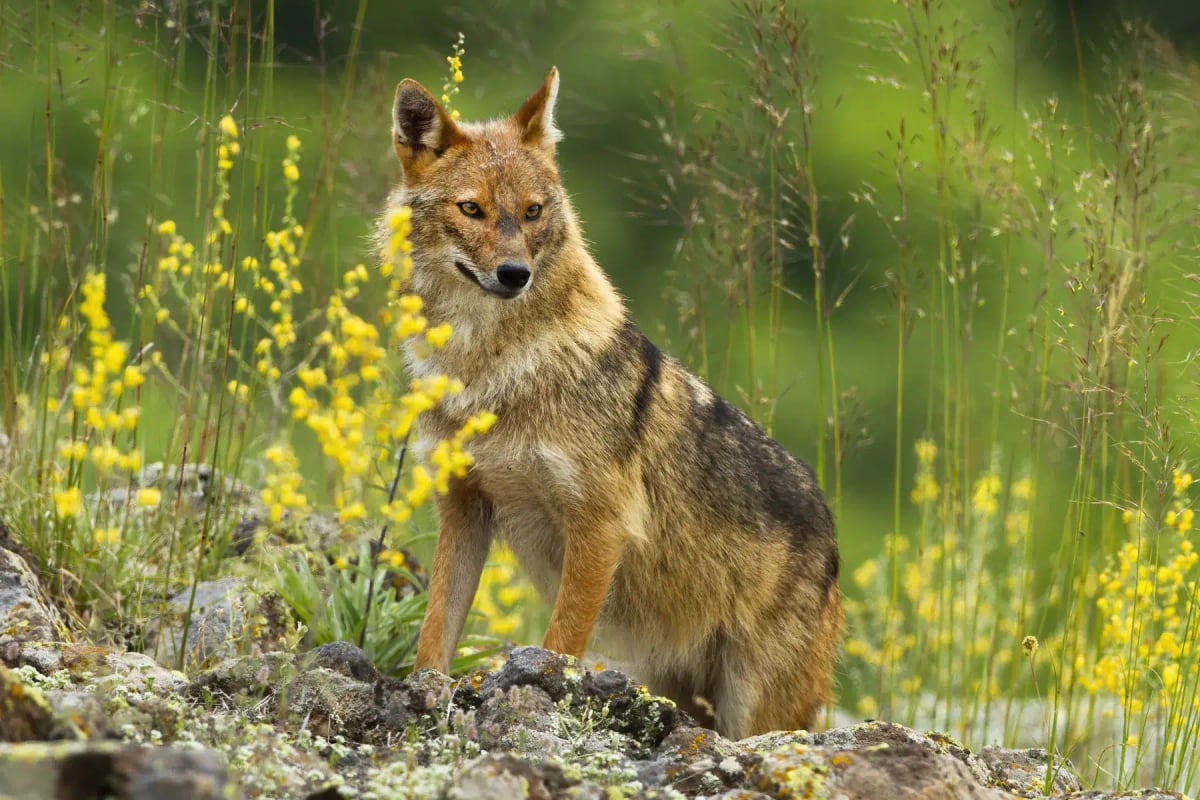
The golden jackal occurs in parts of Saudi Arabia, particularly in areas with access to water, vegetation, and food near human activity. It has been documented in the southwest of the country, where highland terrain and wadis provide more suitable conditions than the open desert interior. It is an adaptable scavenger and predator of small animals. Its IUCN status is Least Concern.
Leopard
Panthera pardus
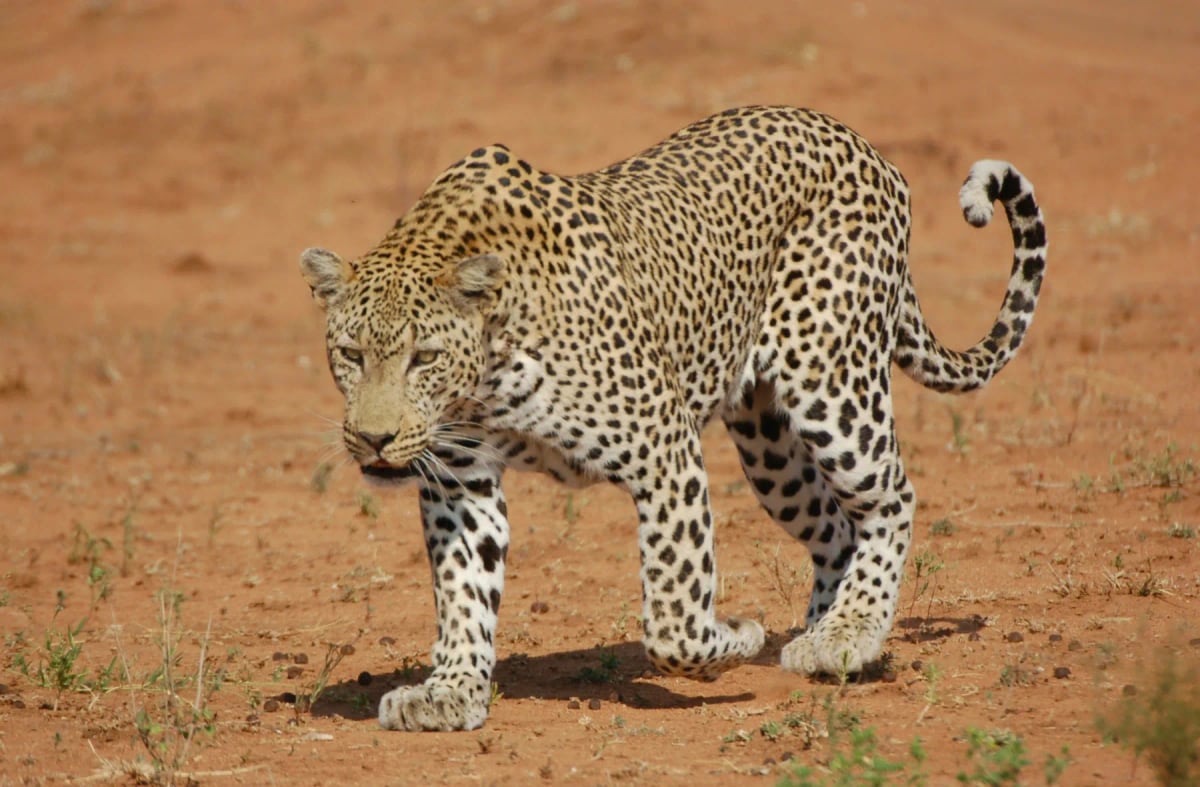
The leopard once roamed the mountains of the Hejaz and Asir regions in western Saudi Arabia, where rocky terrain and dry woodland provided cover. Today, the Arabian leopard subspecies (Panthera pardus nimr) is critically endangered, and sightings in Saudi Arabia are extremely rare. Conservation programs in the region are working to protect any remaining individuals and restore prey populations in suitable habitat.
Arabian Oryx
Oryx leucoryx
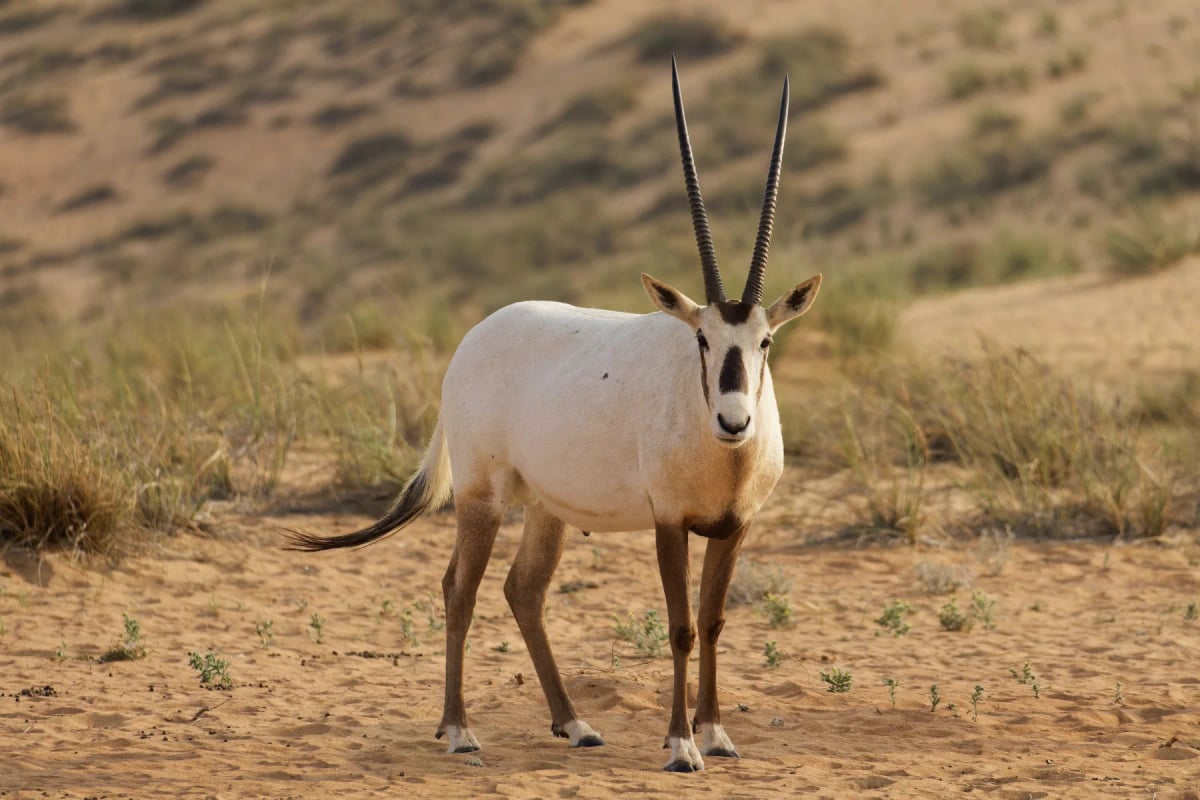
Saudi Arabia supports two of the most significant Arabian oryx populations outside Oman. The Mahazat as-Sayd Protected Area, a fenced reserve of over 2,200 square kilometers, was established in 1988 and received its first reintroduced oryx in 1990. The Uruq Bani Ma'arid Protected Area, at the western edge of the Empty Quarter, hosts an unfenced population established in 1995. Together these reserves hold a substantial share of the global wild population.
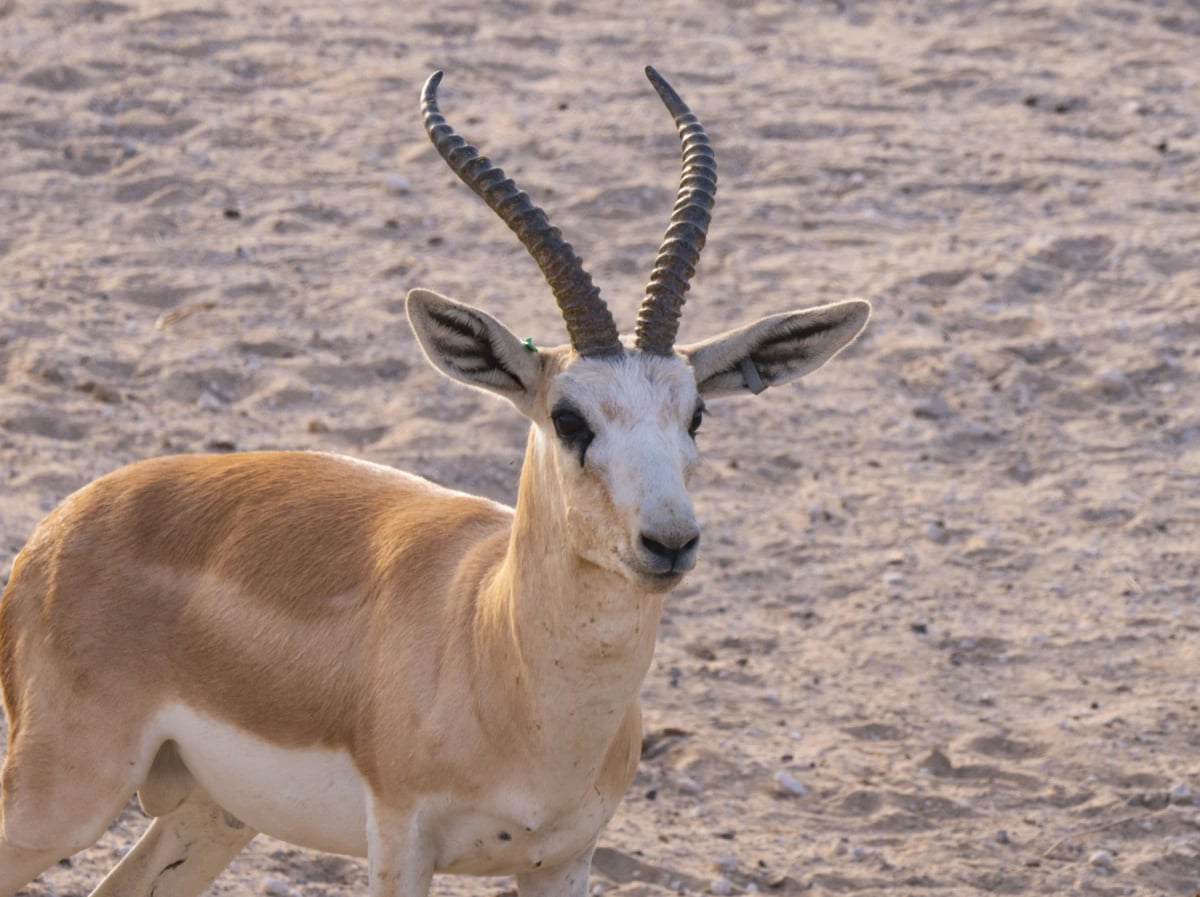
Sand Gazelle
Gazella marica
Saudi Arabia is central to the recovery of the sand gazelle across the Arabian Peninsula. The country operates large protected reserves, including the Mahazat as Sayd Protected Area, where the reem has been reintroduced successfully after local extinction. Captive breeding programs have produced hundreds of animals over the decades. These efforts have made Saudi Arabia one of the most important strongholds for the species, with populations continuing to grow inside fenced reserves.
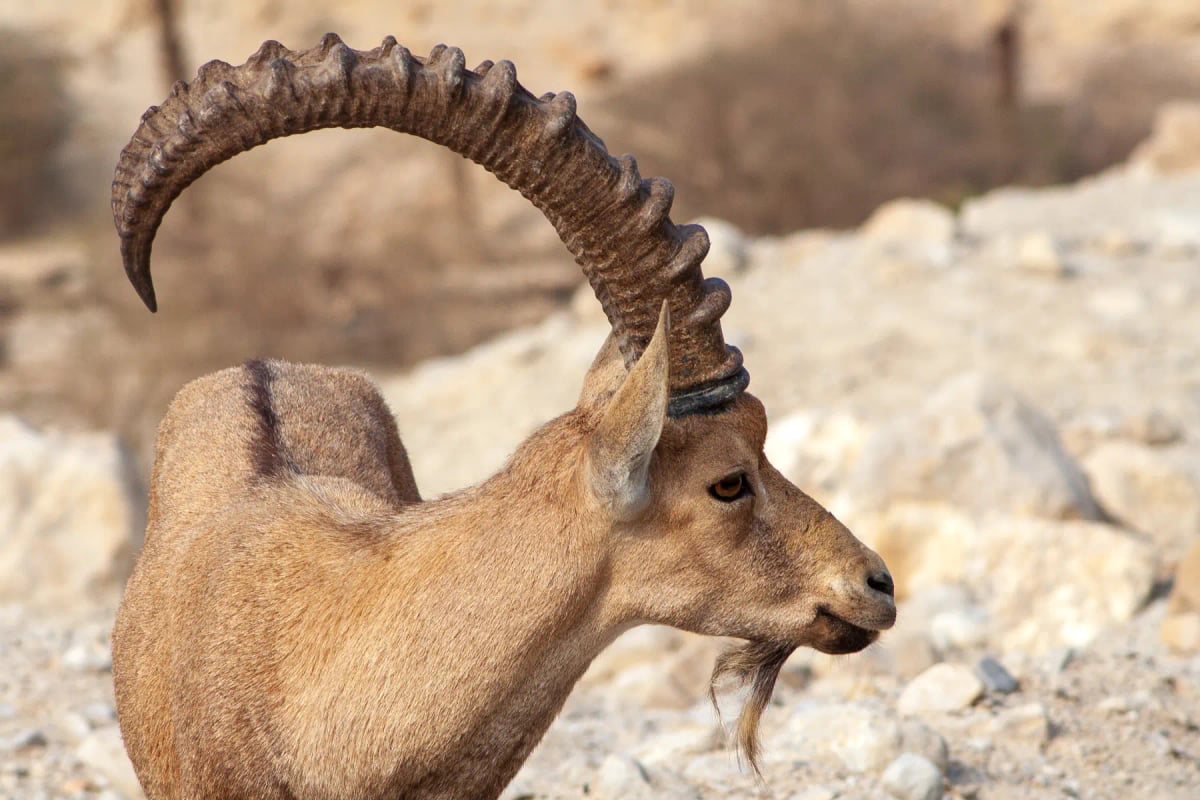
Nubian Ibex
Capra nubiana
The Nubian ibex is found in the rocky mountain ranges of northwestern and southwestern Saudi Arabia, including the Hejaz and Asir highlands. These rugged environments provide the steep terrain the species depends on for shelter and raising young. Populations here face pressure from road construction and habitat disturbance tied to rapid development. Conservation awareness has grown in recent years, but protecting connected areas of habitat remains critical for the species' survival. IUCN status: Vulnerable.
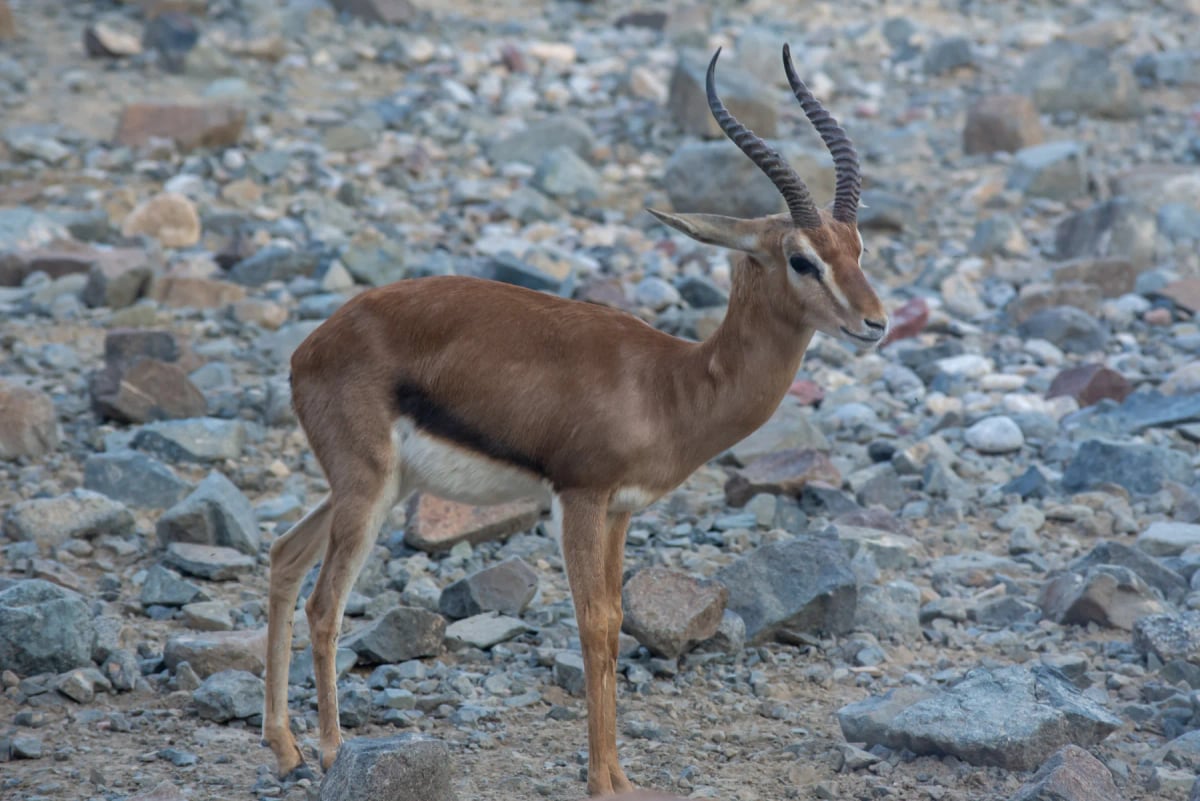
Arabian Gazelle
Gazella arabica
Saudi Arabia holds isolated populations of Arabian gazelle mainly on the Farasan Islands in the Red Sea, where around 1,000 individuals live under protection. Smaller groups survive in the western mountains of the mainland. Reintroduction programs in reserves such as Uruq Bani Ma'arid and Mahazat as-Sayd have helped restore numbers in areas where the species had nearly disappeared.
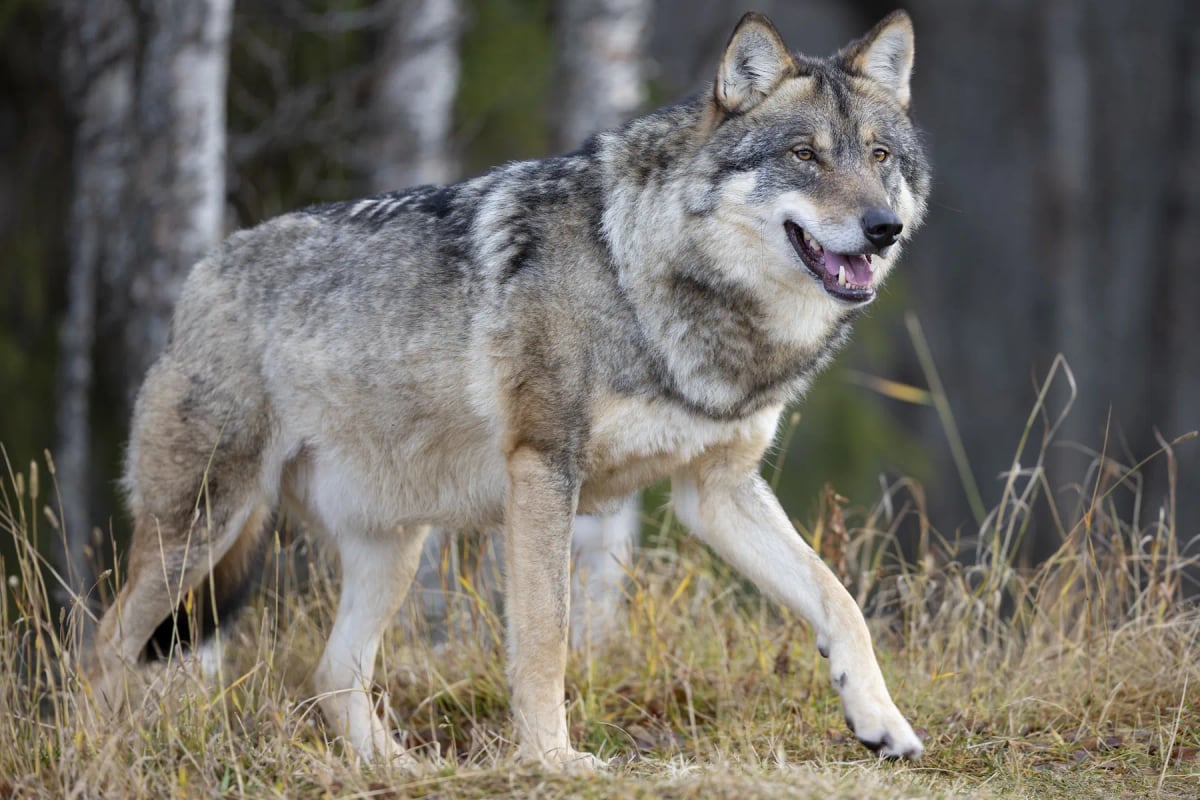
Gray Wolf
Canis lupus
Gray wolves in Saudi Arabia belong to the Arabian wolf subspecies, one of the smallest in the world. They survive in the rugged highlands of the southwest, including the Asir and Hejaz mountain ranges, as well as in some desert regions. They live in smaller family groups than wolves elsewhere and often scavenge near human settlements. Habitat loss and persecution put pressure on this population. IUCN status: Least Concern.
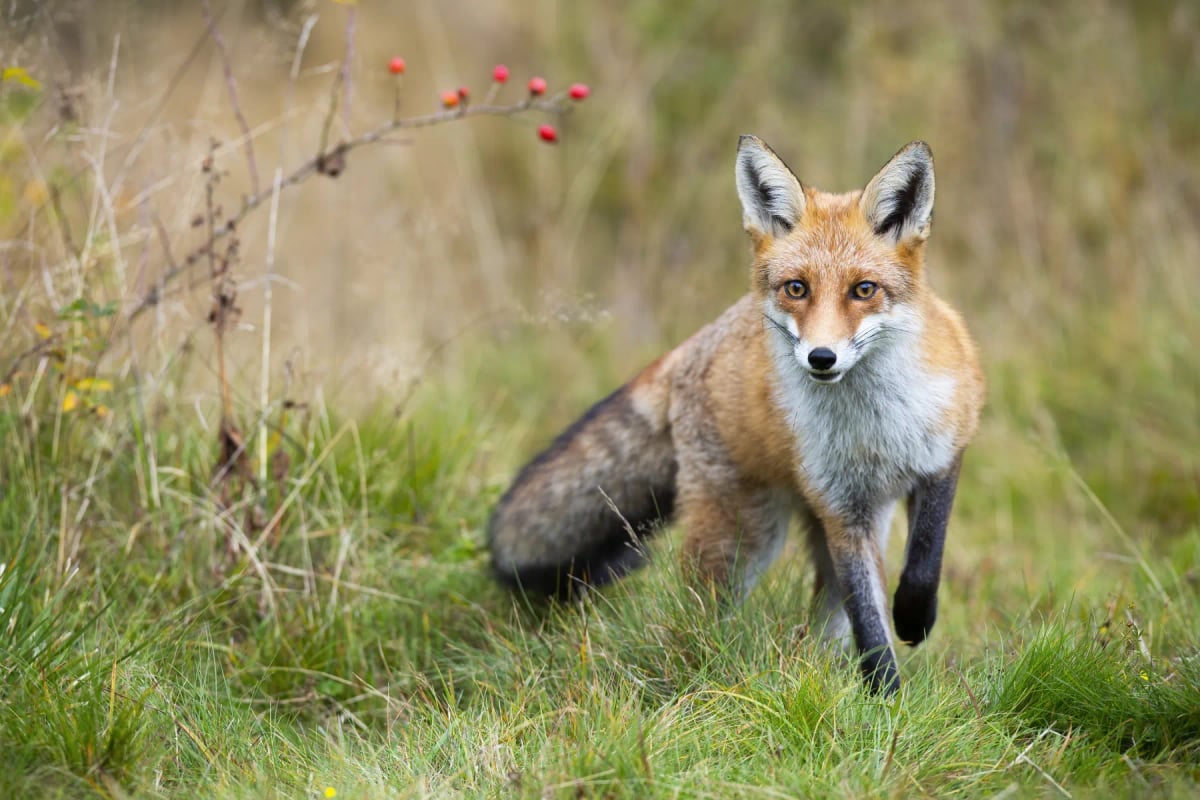
Red Fox
Vulpes vulpes
The red fox occurs across much of Saudi Arabia, adapting to some of the most extreme desert conditions on Earth. It is active mainly at night in the Rub al Khali and other arid zones, where it hunts rodents, lizards, and insects, and feeds on dates and refuse near oases and settlements. Its pale, sandy coat helps it blend into the desert landscape. Its IUCN status is Least Concern.
Dromedary Camel
Camelus dromedarius
Saudi Arabia has a long and proud relationship with the dromedary camel, which has shaped the culture, economy, and history of the Arabian Peninsula for thousands of years. Today camels are raised across the vast desert interior, including the Rub' al Khali, for racing, beauty competitions, milk, and meat. The King Abdulaziz Camel Festival, one of the largest camel events in the world, reflects how central this animal remains to Saudi identity.
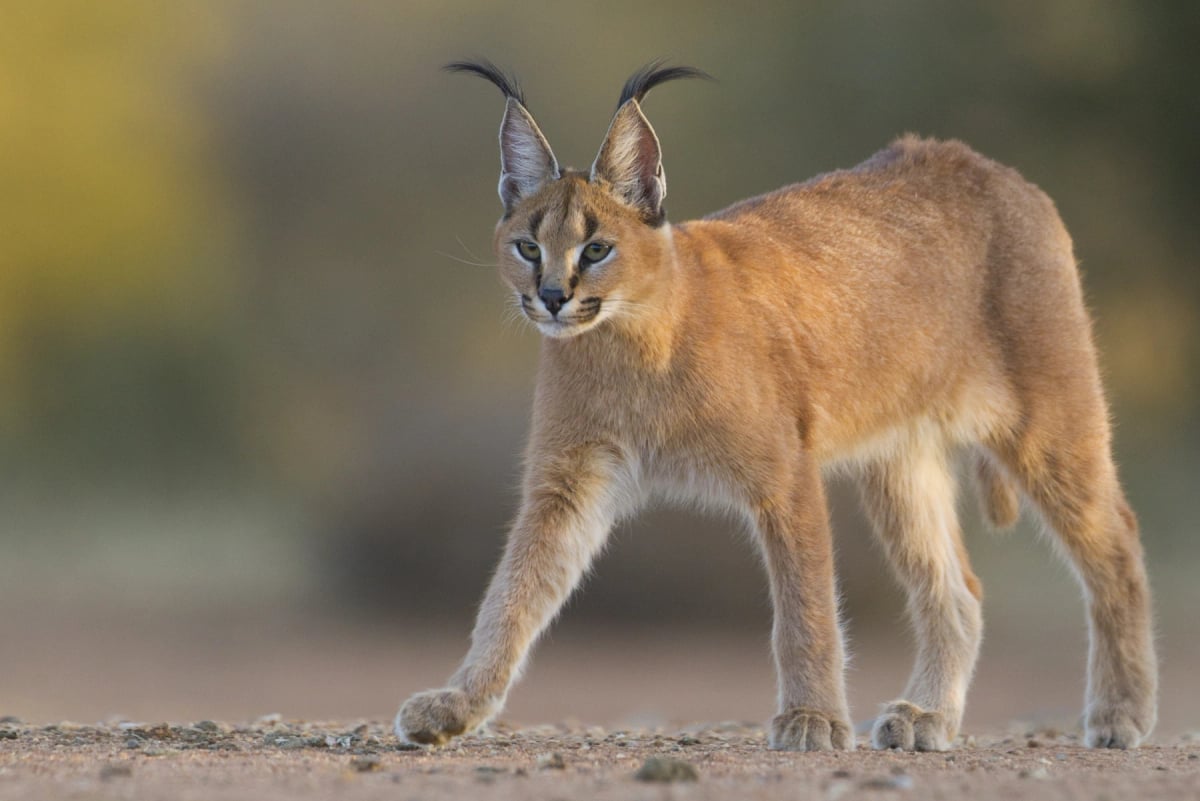
Caracal
Caracal caracal
In Saudi Arabia, the caracal is found across rocky escarpments, desert edges, and shrublands, particularly in the Hejaz and Asir regions along the western highlands. This medium-sized wild cat, weighing between 8 and 19 kg, hunts at night and during twilight, targeting rodents, hares, and birds. The IUCN rates it as Least Concern globally, though its numbers in the Arabian Peninsula remain difficult to assess due to its secretive nature.
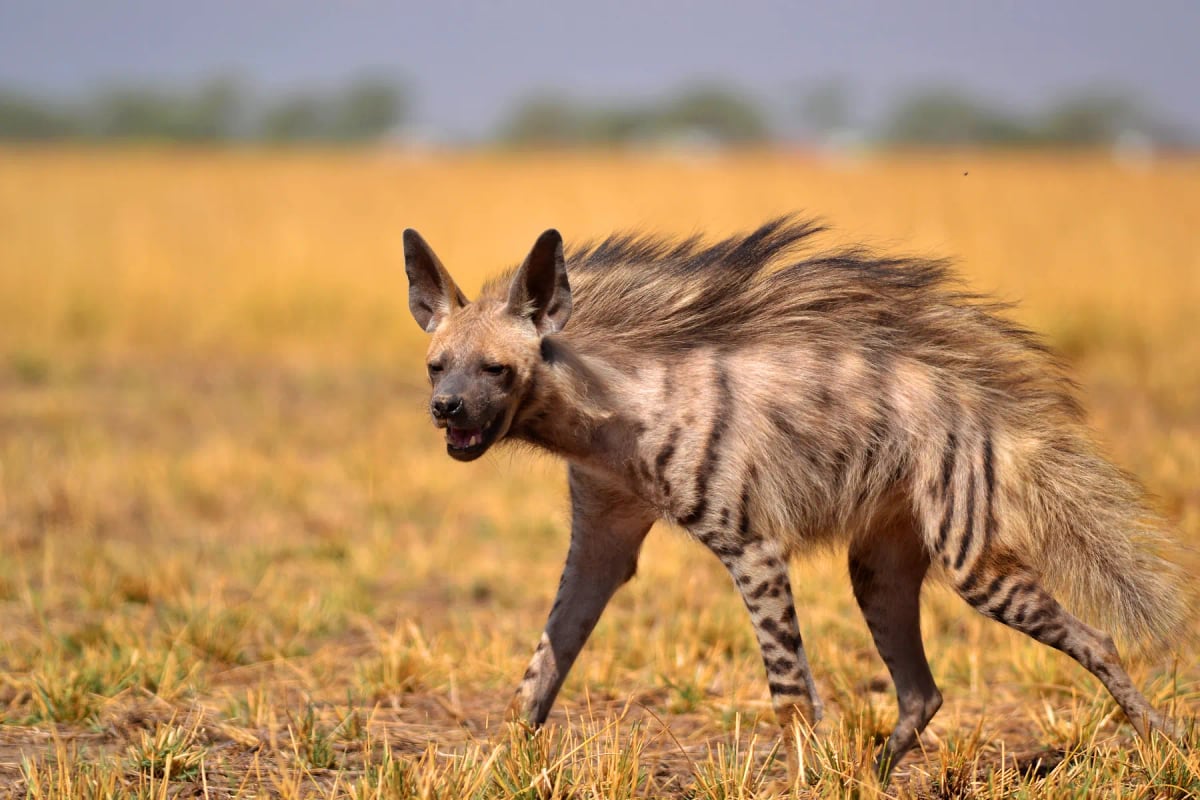
Striped Hyena
Hyaena hyaena
Across the Arabian Peninsula, the striped hyena finds shelter in the rocky escarpments and dry valleys of Saudi Arabia. It is a solitary, nocturnal scavenger that fills an important ecological role by cleaning up carcasses in desert environments. Rapid development, road traffic, and direct persecution have reduced its numbers across the country. The IUCN lists it as Near Threatened.

Honey Badger
Mellivora capensis
The honey badger ranges across much of Saudi Arabia, from the rocky highlands of the southwest to the gravel and sand deserts further north, making the kingdom one of the species' main strongholds on the Arabian Peninsula. It hunts reptiles, rodents and insects and tolerates extreme heat and aridity better than most carnivores its size. Sightings remain rare due to its nocturnal, solitary nature. The IUCN lists it as Least Concern.
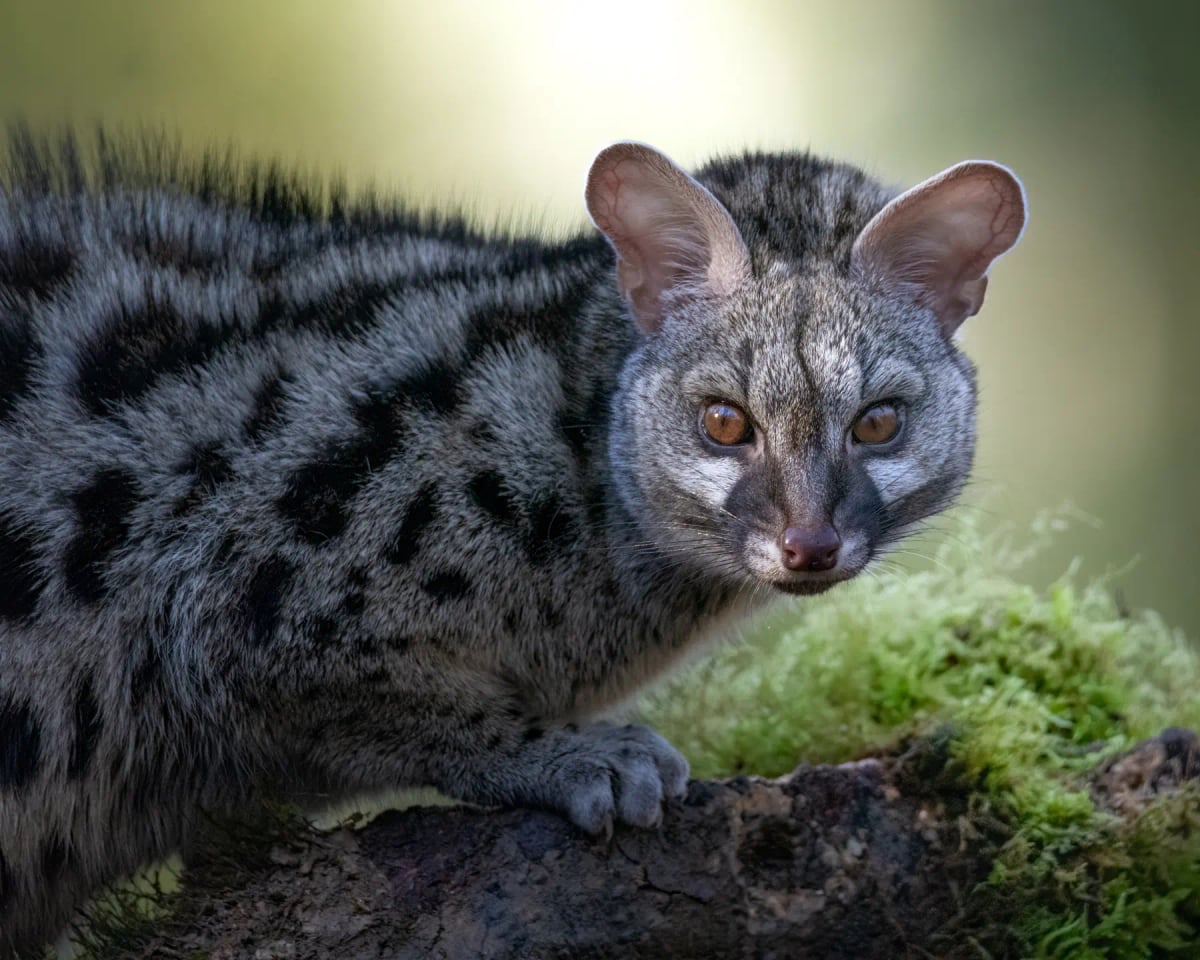
Common Genet
Genetta genetta
In Saudi Arabia, the common genet is associated with the rocky escarpments and juniper woodlands of the Asir mountains in the southwest, one of the most biologically rich areas of the country. It is rarely seen due to its strictly nocturnal behaviour and preference for rugged terrain. Its diet consists of small vertebrates, insects, and some plant material. IUCN status: Least Concern.
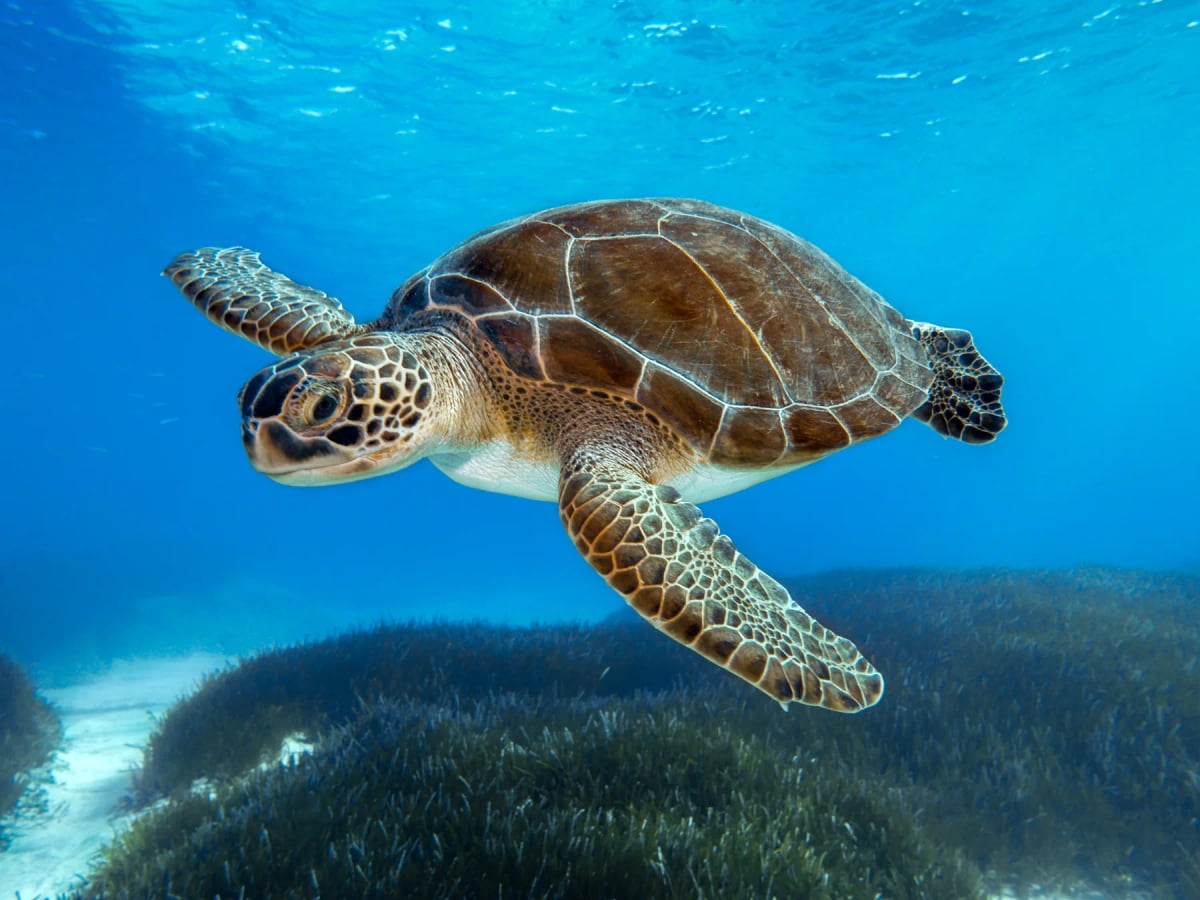
Sea Turtle
Cheloniidae & Dermochelyidae (families)
Saudi Arabia's coastlines along the Red Sea and the Persian Gulf support green and hawksbill sea turtles. The Red Sea coast provides productive coral reef habitat where hawksbill turtles forage, and nesting activity has been recorded on beaches along the western coast. In the Persian Gulf, green turtles use shallow seagrass beds as feeding grounds. The remote beaches of the Farasan Islands in the Red Sea are among the more significant turtle habitats in Saudi waters, where nesting activity takes place with relatively low human disturbance.
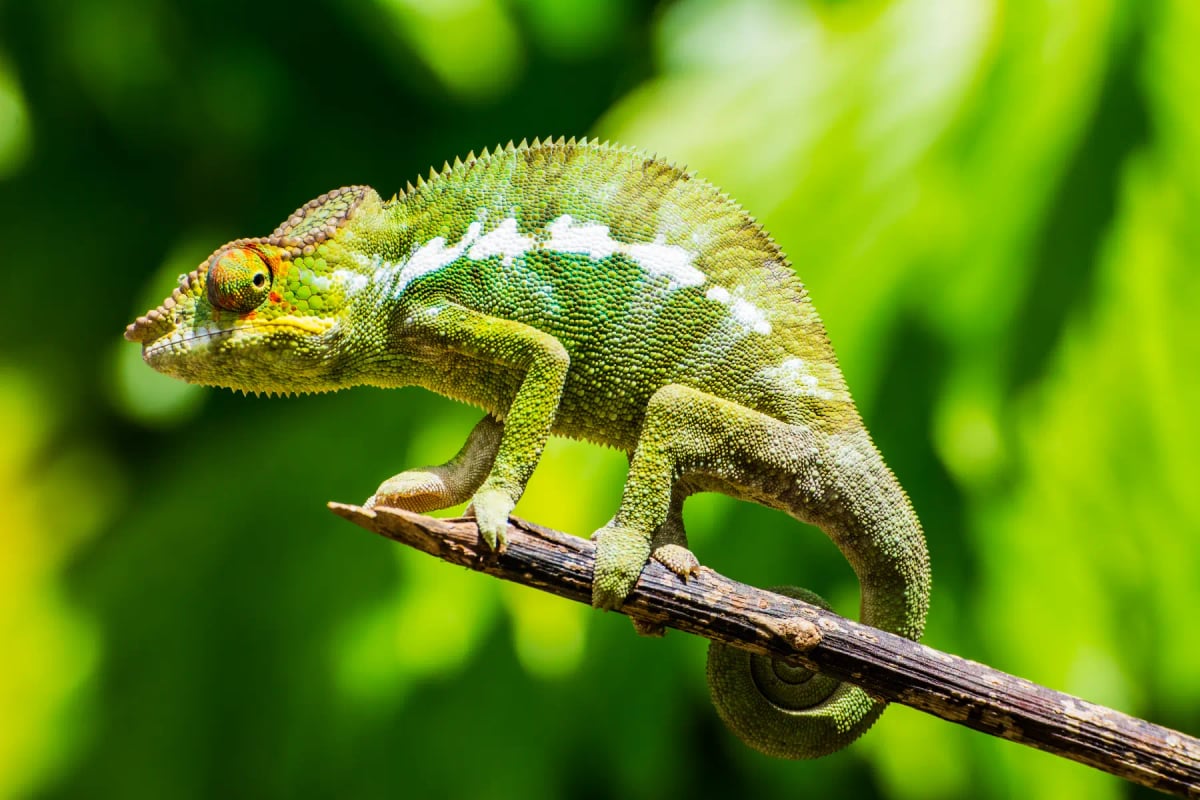
Chameleon
Chamaeleo chamaeleon
In Saudi Arabia, the common chameleon occupies the western regions near the Hejaz and Asir highlands, where vegetation is denser and conditions are more suitable than in the arid interior. It shelters in shrubby hillside vegetation and feeds on the insects that thrive in these areas. Its presence in the country represents the southeastern edge of the species range in the Arabian Peninsula.
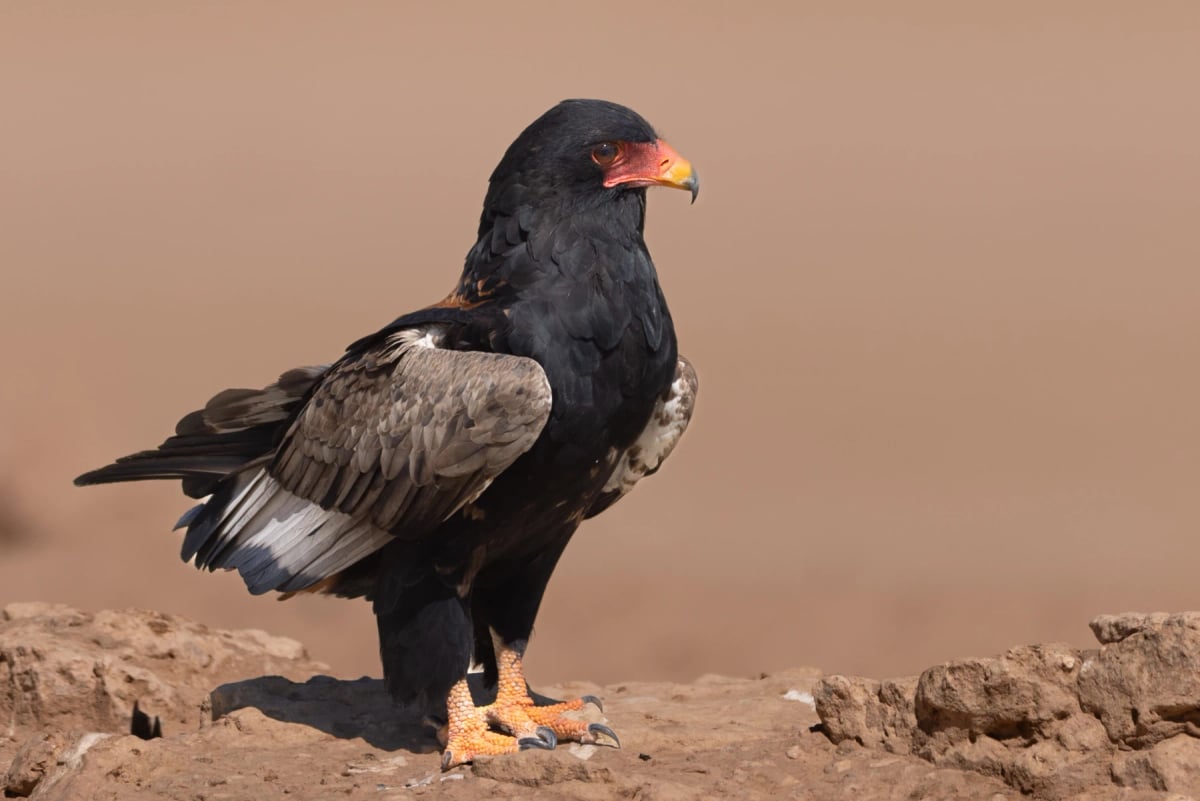
Bateleur
Terathopius ecaudatus
Saudi Arabia holds one of the only bateleur populations outside Africa. The birds live in the southwest, in the Asir highlands and the wooded foothills running down to the Red Sea coast, a green strip that has more in common ecologically with the Ethiopian highlands across the water than with the rest of the peninsula. The population is small and isolated, and the same poisoning and habitat pressures apply here. The IUCN classifies it as Endangered.
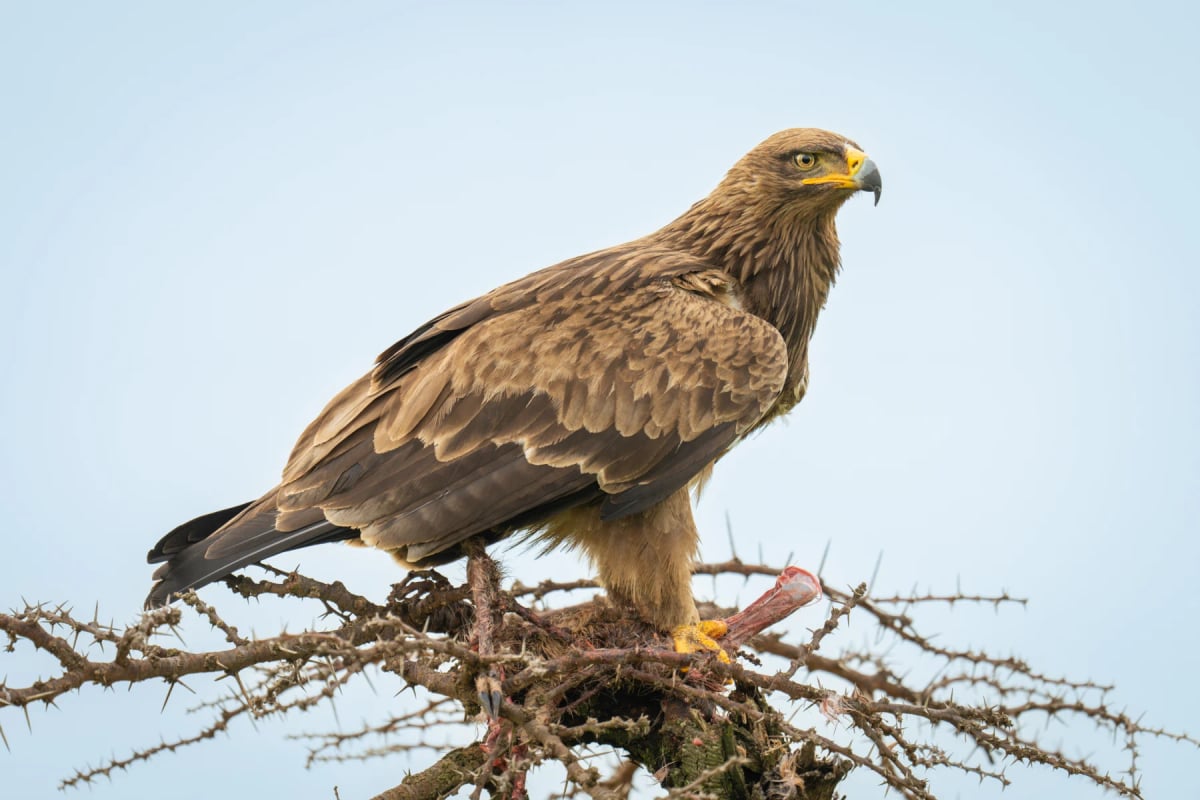
Steppe Eagle
Aquila nipalensis
Saudi Arabia is a key stopover point for Steppe Eagles migrating between their Central Asian breeding grounds and African wintering sites. Birds cross the Arabian Peninsula in significant numbers each autumn and spring, using open desert and semi-arid terrain for rest and foraging. The species is Endangered, and the Arabian flyway is increasingly recognized as critical to its continued survival over the long term.
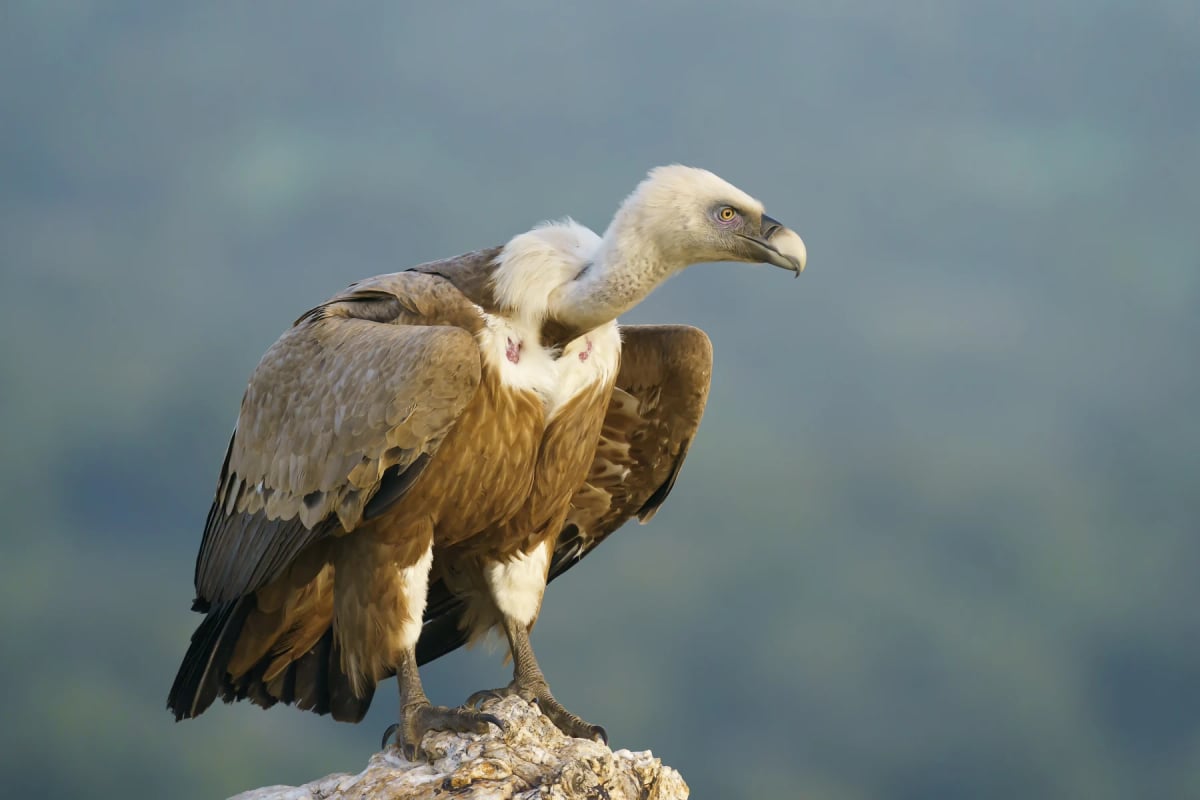
Griffon Vulture
Gyps fulvus
Griffon vultures are found across Saudi Arabia, particularly in the Asir Mountains of the southwest and along the Hejaz escarpment, where cliffs provide nesting sites for colonies. They soar widely over the country's vast arid interior, covering enormous distances in search of food. Their ability to break down bacteria in carrion makes them a vital part of the Arabian Peninsula's desert ecosystem. IUCN status: Least Concern.
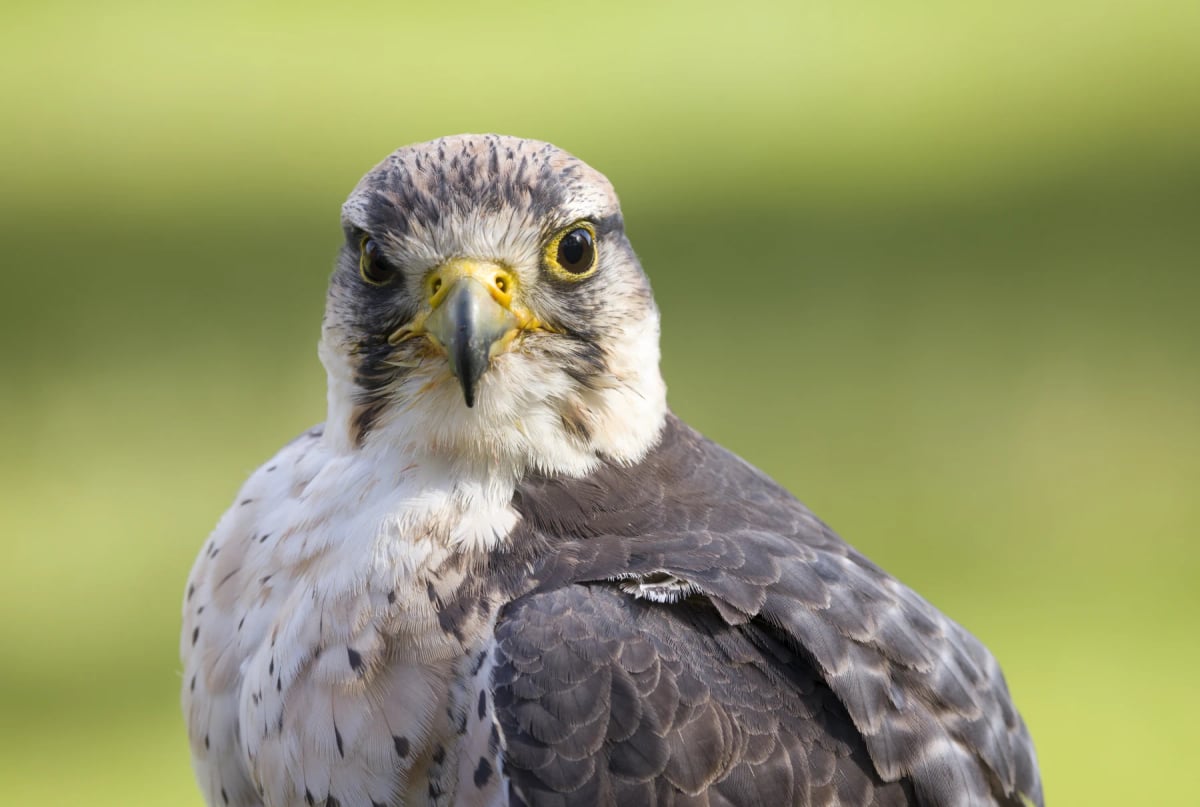
Lanner Falcon
Falco biarmicus
The lanner falcon is found across Saudi Arabia, particularly in the rocky escarpments of the Hejaz and Asir mountain ranges and in open desert terrain. It hunts birds such as sandgrouse and doves across vast, arid landscapes. The species has deep cultural significance in Saudi Arabia, where falconry is a celebrated tradition. The IUCN lists it as Least Concern, though illegal trapping for falconry remains a concern across the Arabian Peninsula.
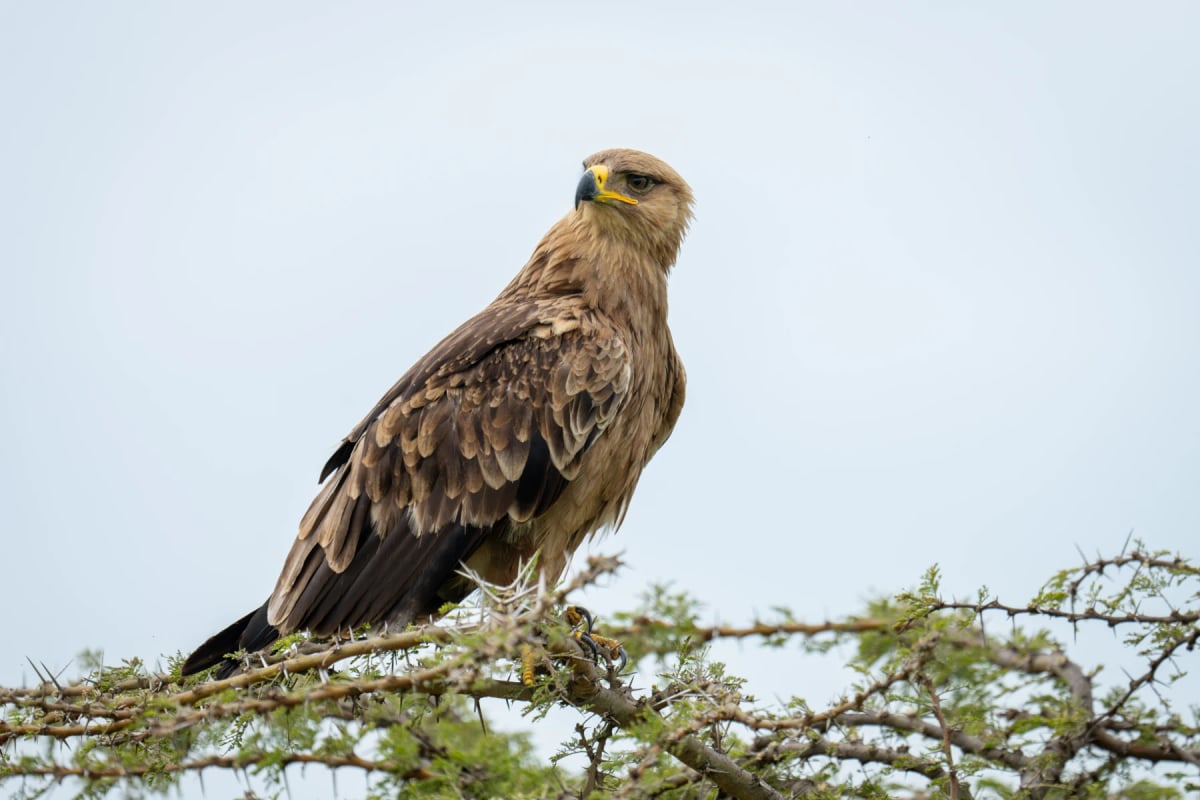
Tawny Eagle
Aquila rapax
In Saudi Arabia, the tawny eagle is found in open desert margins, dry plains, and areas of sparse vegetation across the country. It is a versatile forager, taking prey ranging from small mammals to large insects, and will feed on carrion when available. The arid landscapes of the Arabian Peninsula suit its wide-ranging soaring style. The IUCN lists it as Vulnerable due to ongoing declines across its range.
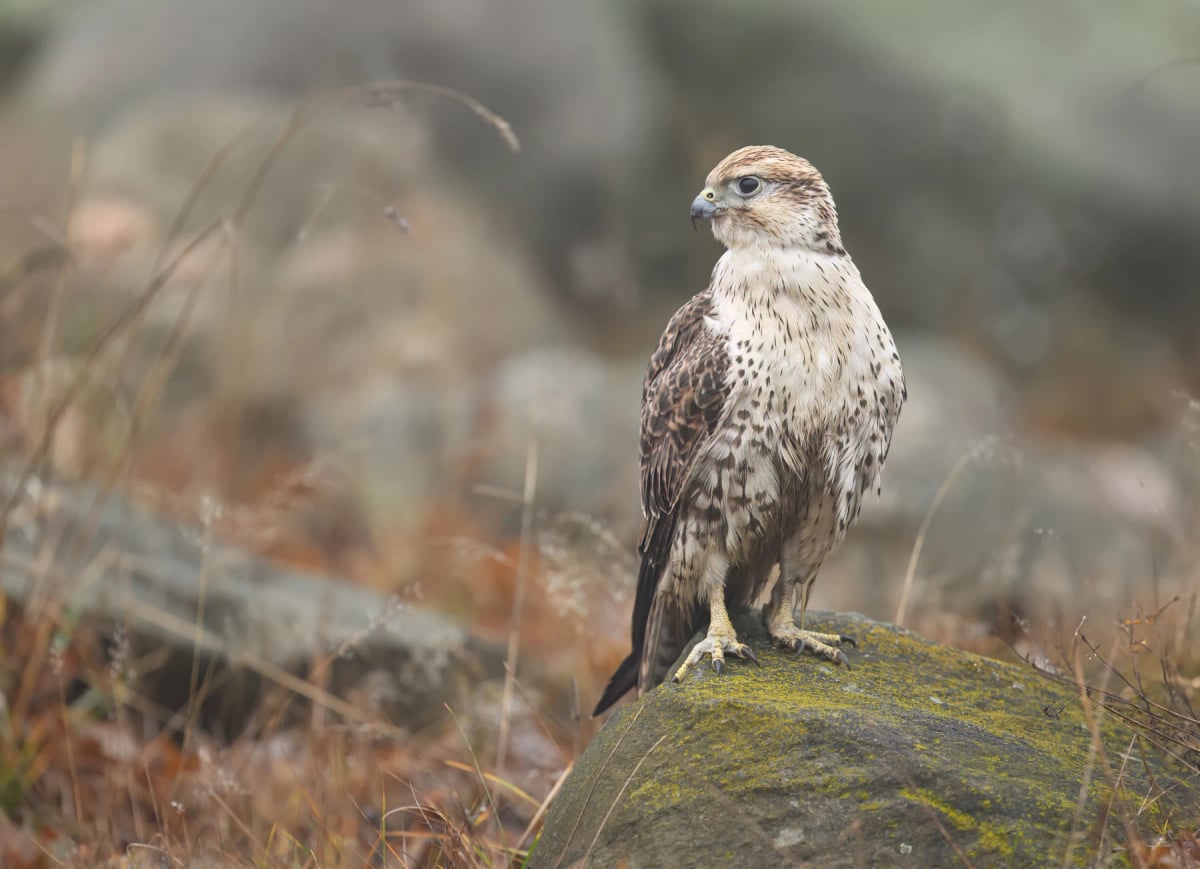
Saker Falcon
Falco cherrug
The saker falcon visits Saudi Arabia during the winter months, moving through the Arabian Peninsula after leaving its Central Asian breeding grounds. It is deeply woven into the culture of the region, where falconry has been practiced for centuries and remains a celebrated tradition. Saudi Arabia is also a significant market for captive birds, making regulation of the falconry trade an important part of conservation efforts for this Endangered species.
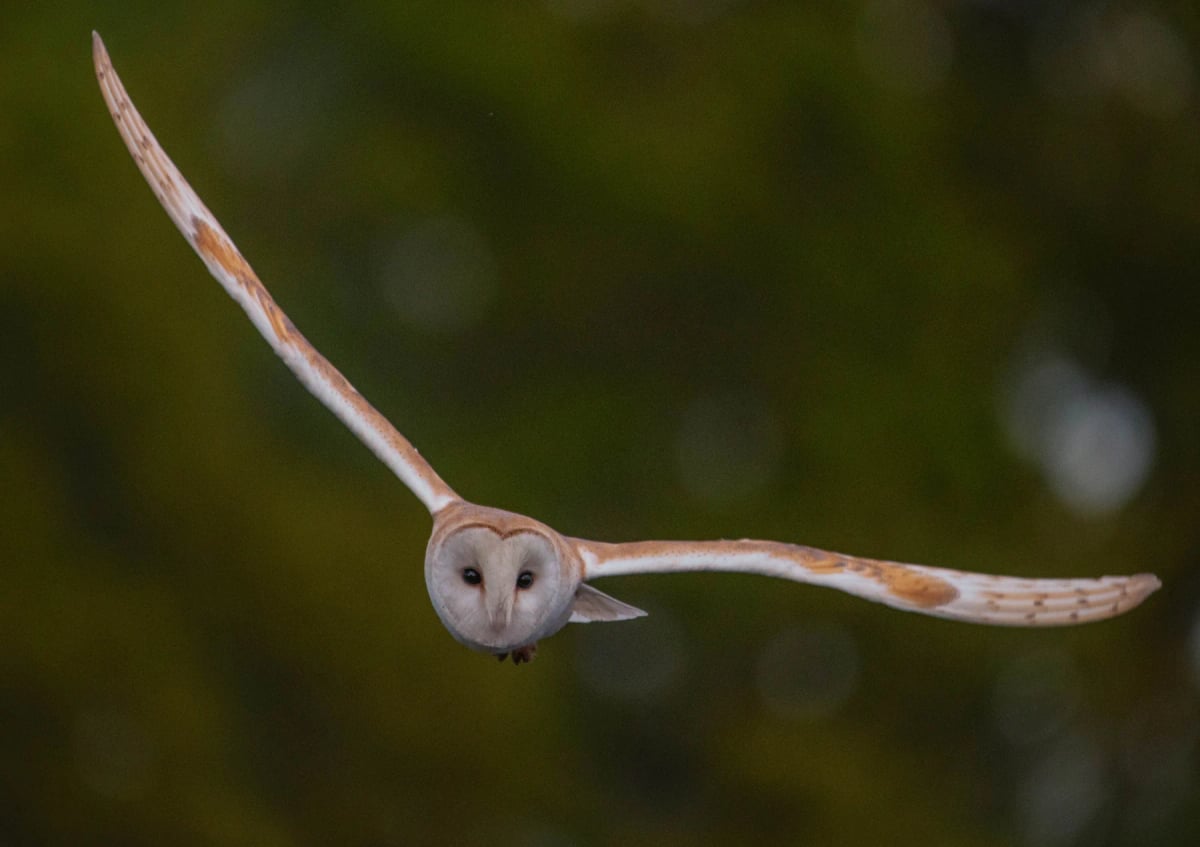
Barn Owl
Tyto alba
The barn owl is found in Saudi Arabia mainly in agricultural oases, date palm gardens, wadis, and areas near towns and villages in the Hejaz, Asir highlands, and the Eastern Province. It nests in old buildings, cliff faces, and palm groves, and hunts rodents at night. Saudi Arabia's vast desert interior offers little suitable habitat, and the species is concentrated near irrigated agricultural areas and human settlements. In the Asir highlands in the southwest, where rainfall is higher and vegetation more dense, it is most reliably encountered.
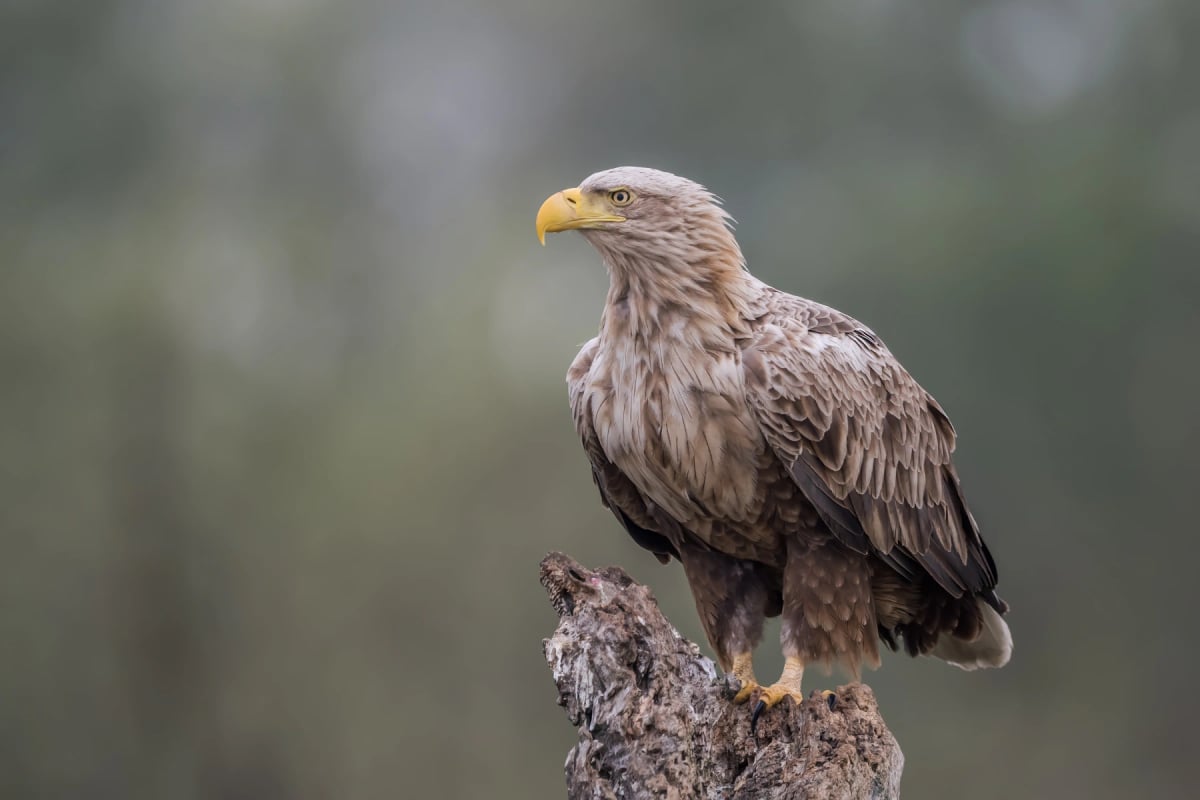
White tailed Eagle
Haliaeetus albicilla
The white tailed eagle is a rare winter visitor to Saudi Arabia, occasionally seen along the Red Sea coast and inland wetlands during migration. With a wingspan of up to 2.5 metres, it is hard to miss. It hunts fish and waterbirds near suitable water bodies. Listed as Least Concern by the IUCN, it remains an uncommon and exciting sighting for birdwatchers across the Arabian Peninsula.
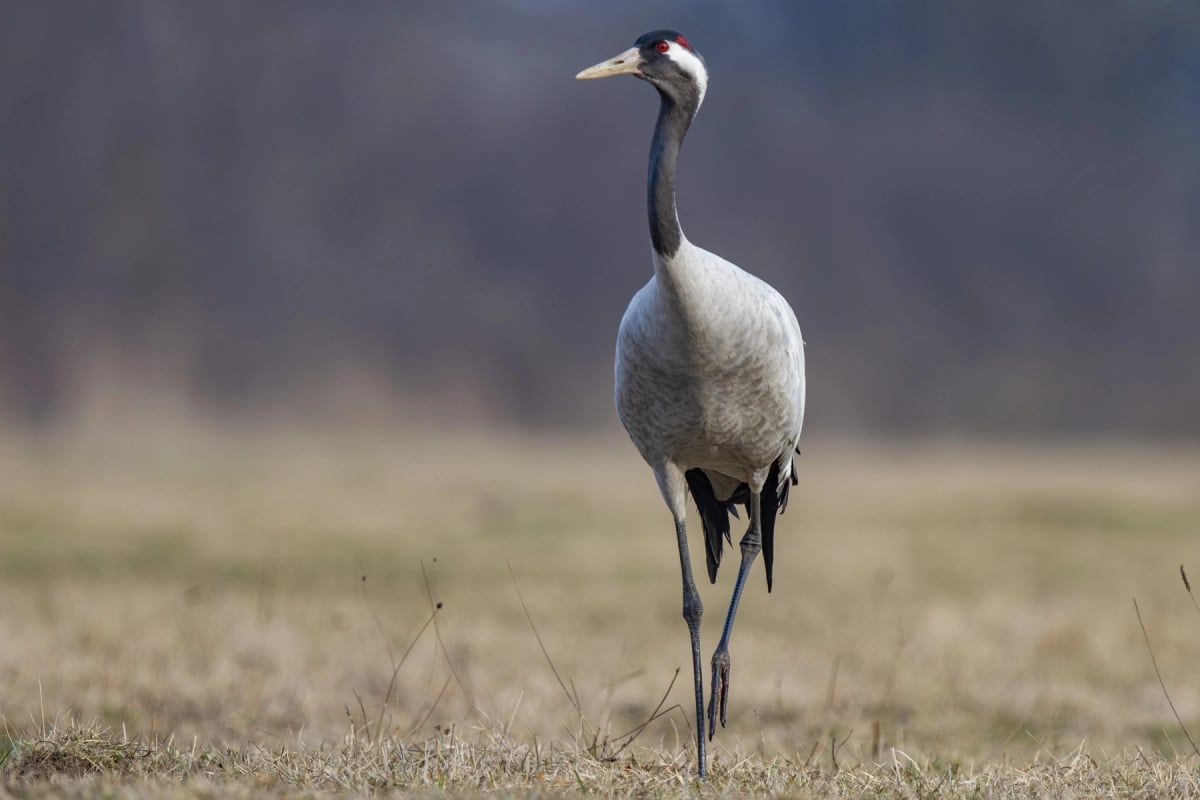
Crane
Grus grus
Saudi Arabia receives common cranes as winter visitors and passage migrants moving through the Arabian Peninsula. Flocks have been recorded in agricultural areas and wetlands, particularly in the southwest of the country. The Red Sea coast also channels migrating birds between continents. Their tall grey silhouettes and loud calls make them stand out against the open landscapes they prefer during these visits. The IUCN lists the species as Least Concern.
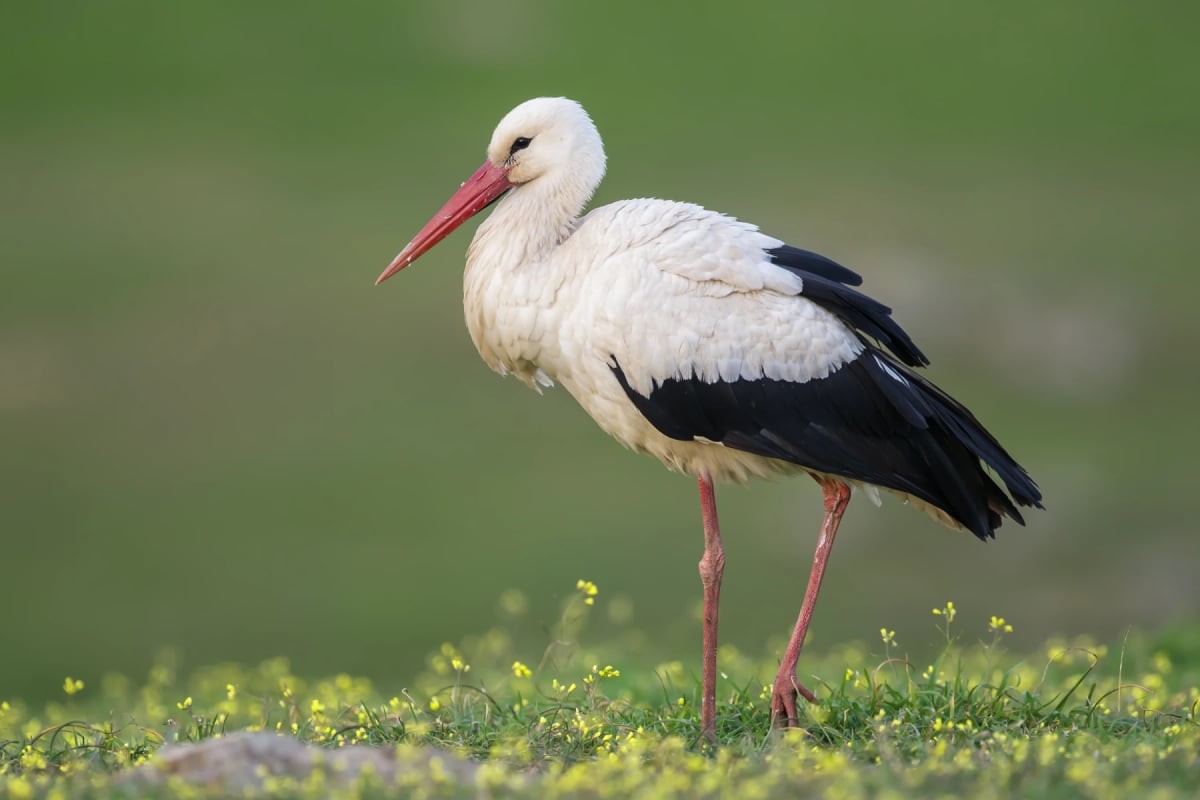
Stork
Ciconia ciconia
Saudi Arabia serves as a passage point for white storks migrating between Europe and Africa. Flocks travel through the country each spring and autumn, following the Red Sea coastline and crossing through the western highlands. The Asir region and Tihamah lowlands are among the areas where these birds have been recorded during their journey. Standing tall with bright white plumage and a striking red bill, migrating storks are a memorable sight across the Arabian Peninsula. IUCN status: Least Concern.
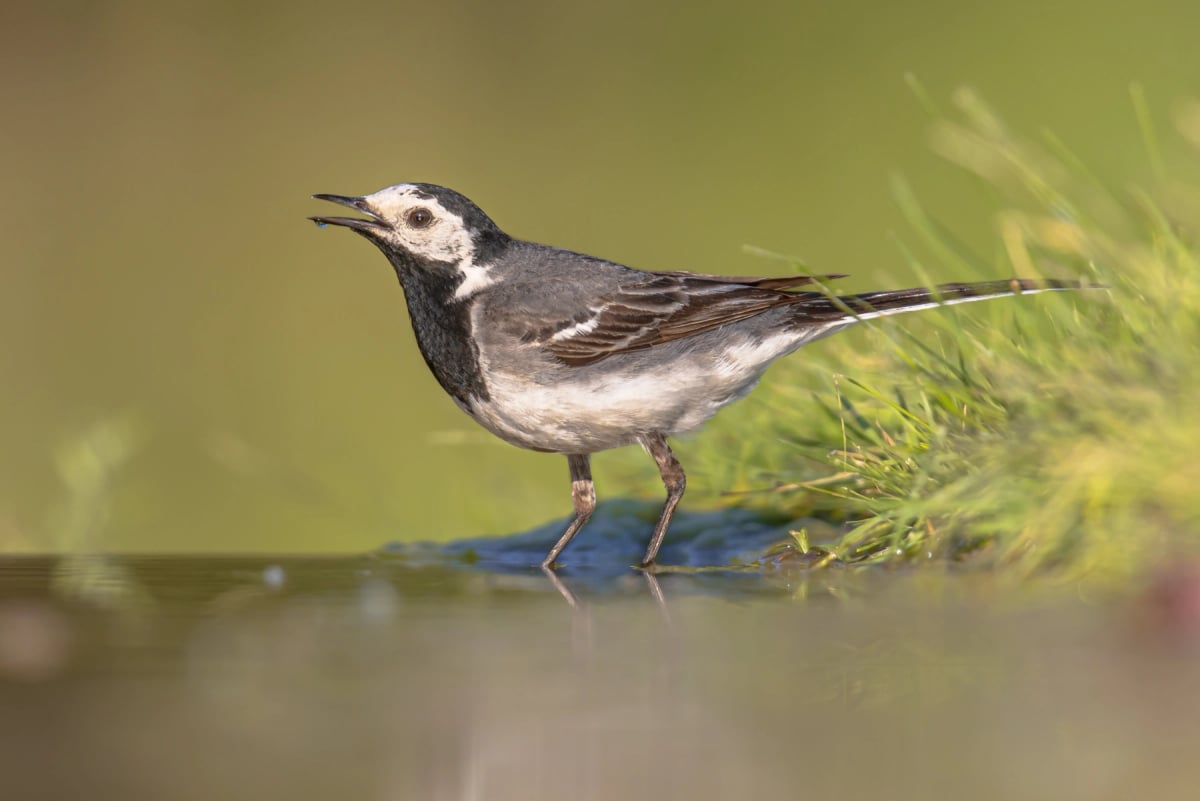
White Wagtail
Motacilla alba
In Saudi Arabia the white wagtail is a common winter visitor and passage migrant, arriving from Europe and Central Asia in October and leaving by April. It turns up wherever there is water and short grass: irrigated farms, parks, golf courses, sewage ponds and the shores of the Red Sea and the Gulf. Its tail bobbing walk is a familiar winter sight on lawns in Riyadh, Jeddah and other cities. IUCN status: Least Concern.
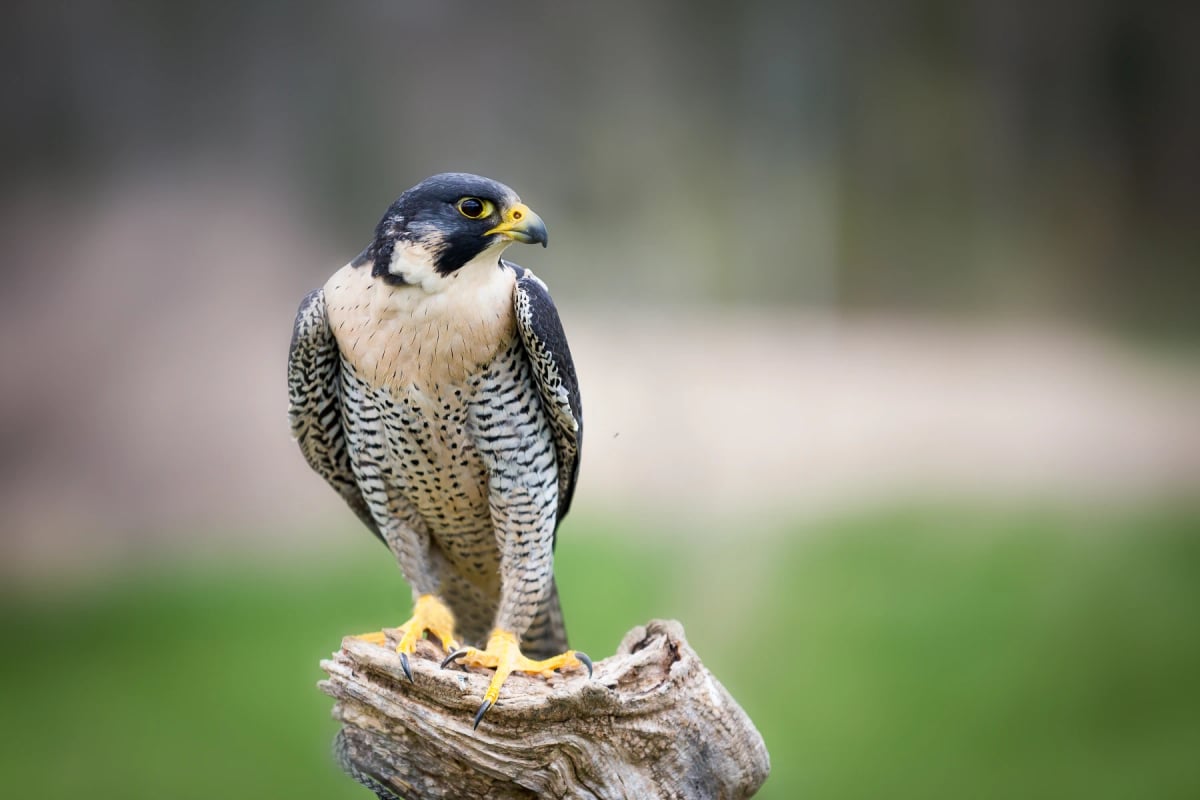
Peregrine Falcon
Falco peregrinus
The peregrine falcon passes through Saudi Arabia during migration, moving between breeding grounds in Europe and Asia and wintering areas in Africa. It is seen along the Red Sea coast and over the inland deserts, where it hunts shorebirds and waders. Some individuals winter in the country. In Arab culture, the peregrine has been prized in falconry for centuries and remains a powerful symbol of prestige across the Arabian Peninsula. Its IUCN status is Least Concern.
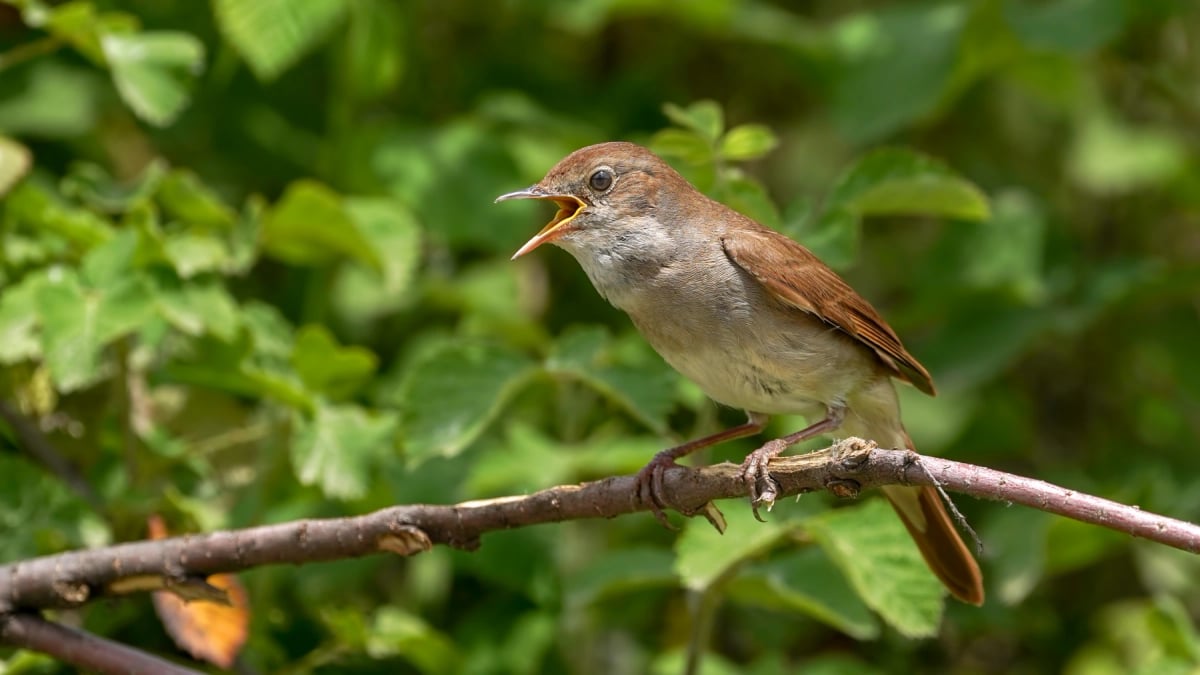
Nightingale
Luscinia megarhynchos
In Saudi Arabia, the nightingale does not breed or spend the winter: it is only a passage migrant. Birds from the breeding grounds of Turkey, Iran and central Asia cross the Arabian Peninsula on their way to and from East Africa, mainly in spring and in early autumn. They stop briefly in gardens, parks, farms and oases with dense cover, where they feed quietly and rarely sing before moving on. IUCN status: Least Concern.
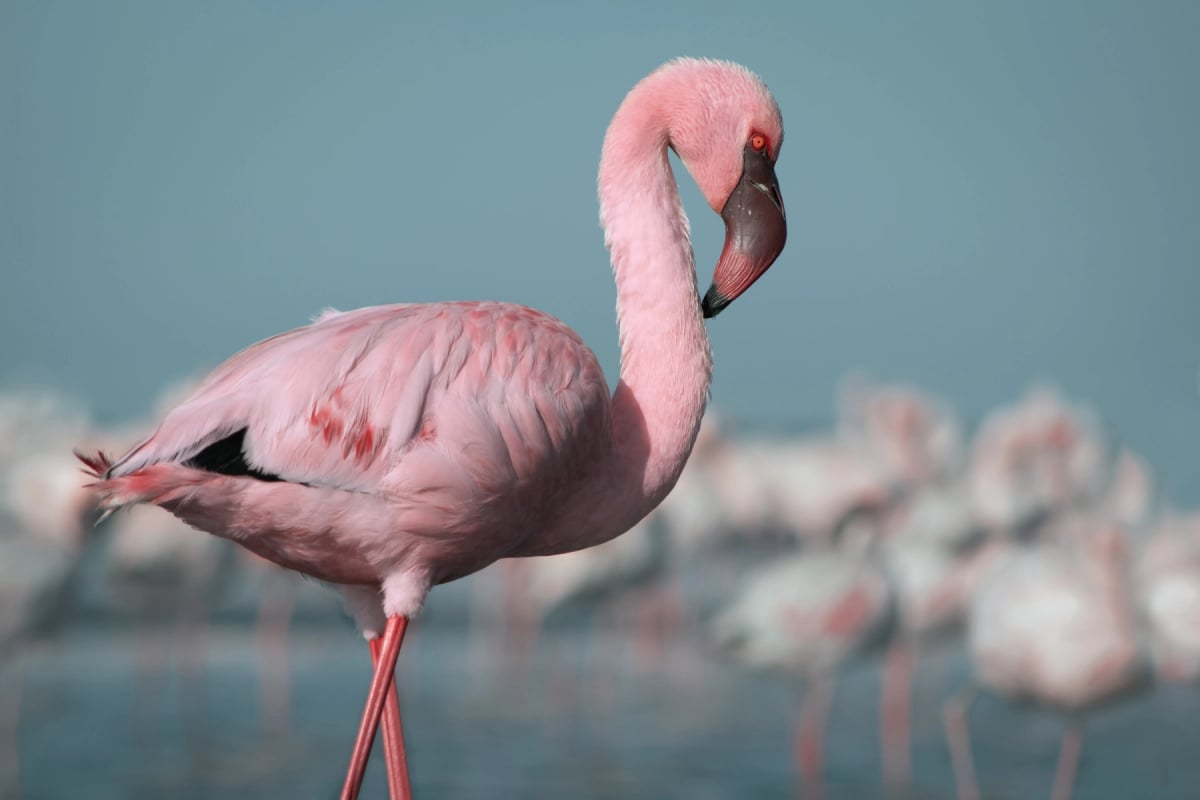
Flamingo
Phoenicopteridae (6 species)
The greater flamingo lives year round on both coasts of Saudi Arabia, the Red Sea in the west and the Persian Gulf in the east. Flocks feed in shallow lagoons, tidal flats and salt marshes, filtering small crustaceans, worms and algae from the mud, and their numbers grow in winter, when birds from colonies in Iran, Central Asia and Turkey spread south. Inland lakes created by treated water also attract them. IUCN status: Least Concern.
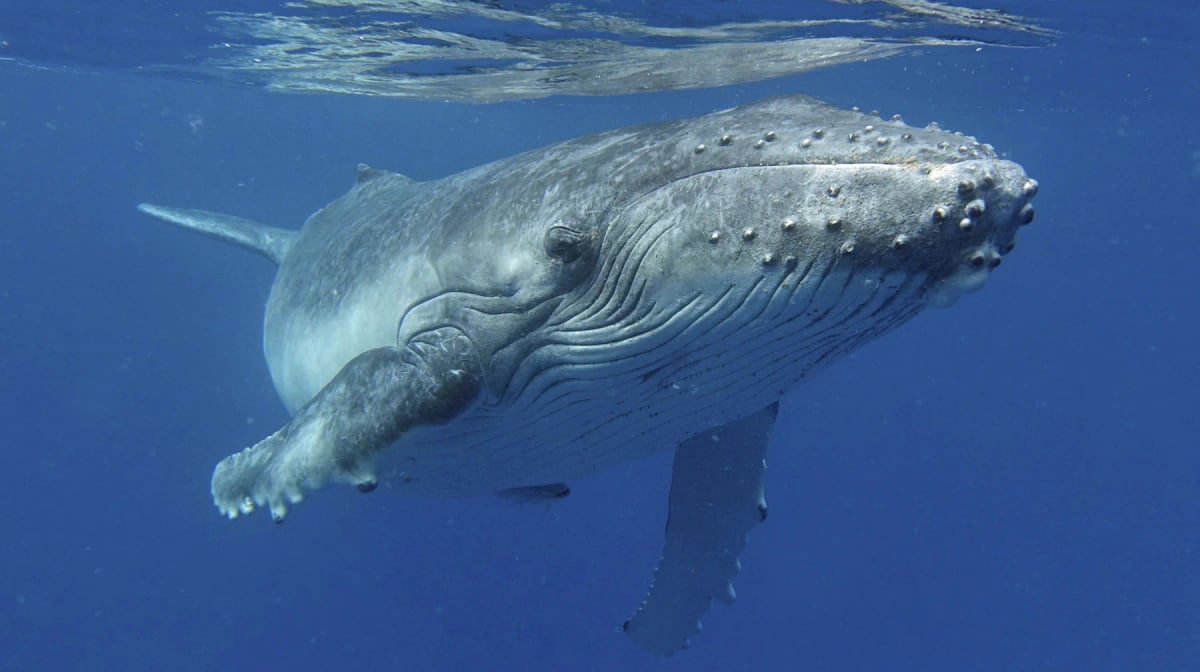
Humpback Whale
Megaptera novaeangliae
Humpback whales pass through waters bordering Saudi Arabia along the Red Sea coast, one of the world's most distinctive marine corridors. The Red Sea connects to the Indian Ocean through the Gulf of Aden, providing a migratory pathway for whales moving between ocean basins. Sightings off the Saudi coastline, though uncommon, have been recorded. Growing interest in marine conservation in the region is helping to improve monitoring of large whale species. The IUCN lists this species as Least Concern.
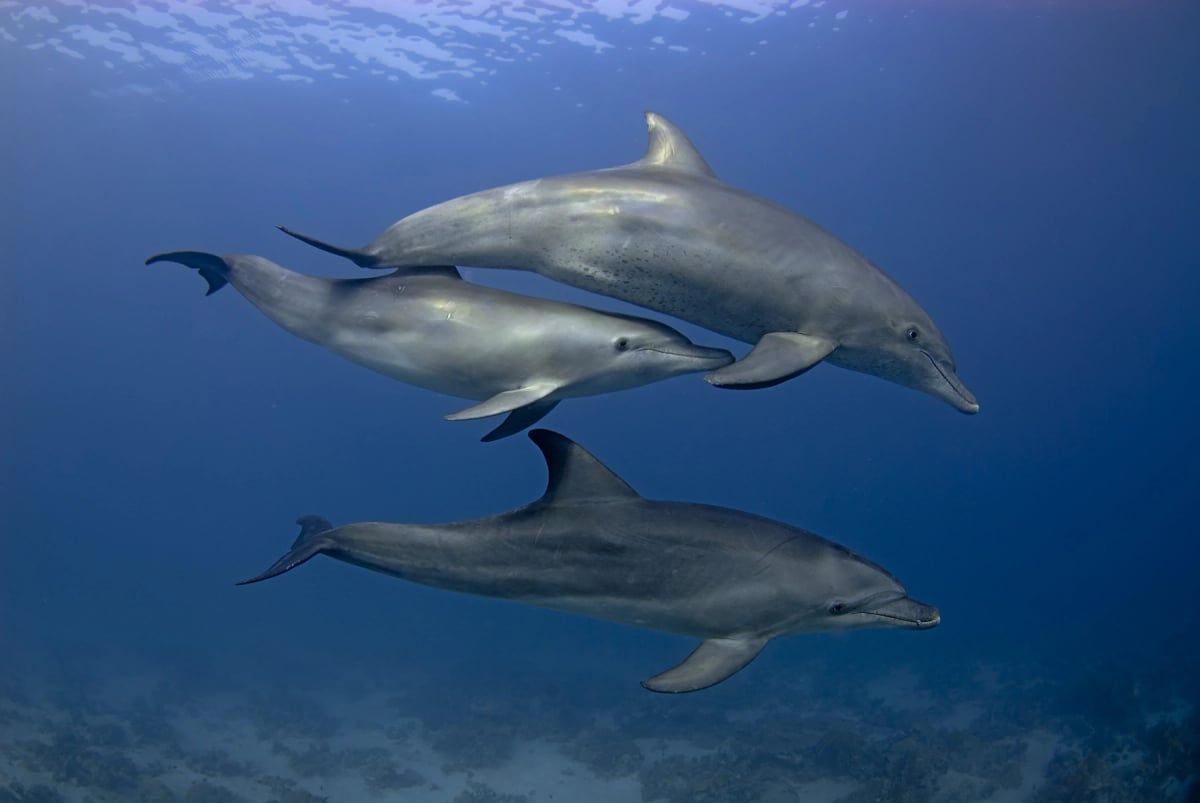
Bottlenose Dolphin
Tursiops truncatus
Bottlenose dolphins inhabit both the Red Sea and the Arabian Gulf along Saudi Arabia's extensive coastline. The warm, nutrient-rich waters of the Red Sea in particular support resident pods that feed on reef-associated fish. Rapid coastal development, heavy shipping lanes, and recreational boat traffic pose growing concerns for these populations. Some areas near coral reef systems serve as important feeding and socializing grounds for local groups. IUCN status: Least Concern.
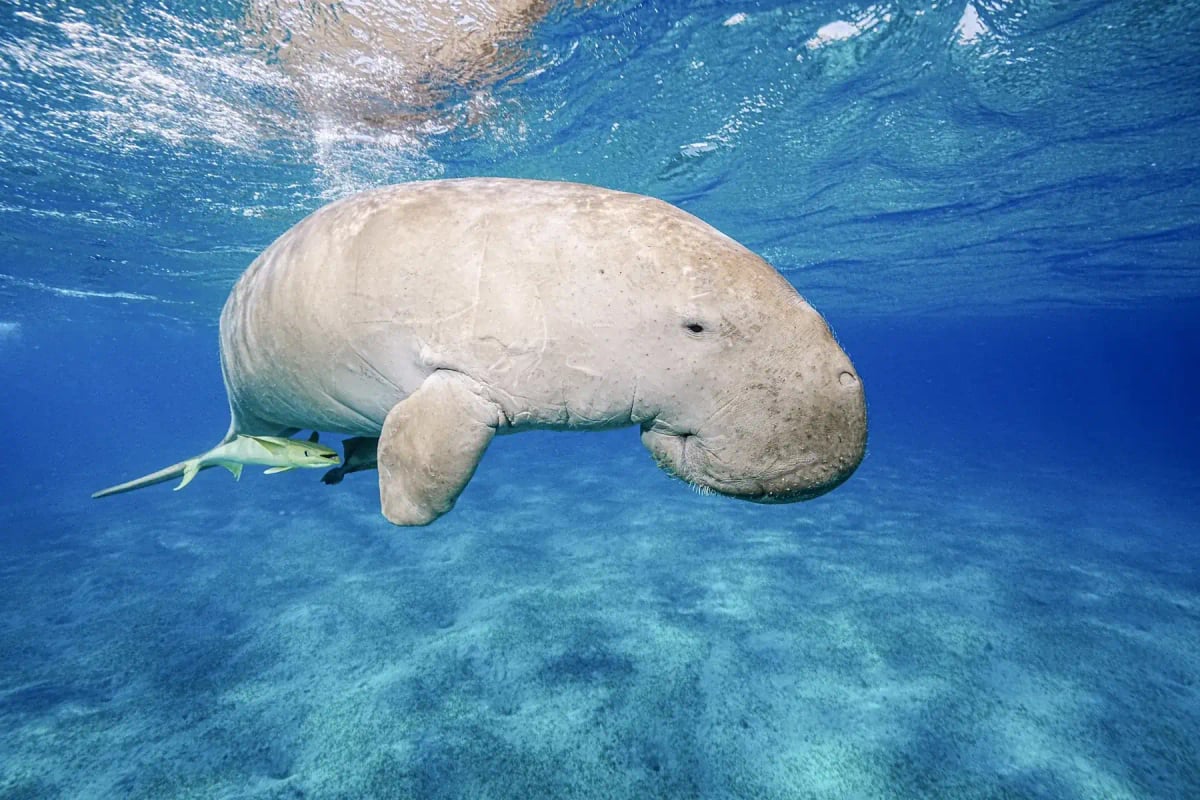
Dugong
Dugong dugon
Saudi Arabia has dugong populations along both its Red Sea coast and its coastline on the Persian Gulf. The Red Sea waters, with their well developed seagrass beds, offer important feeding grounds. The Gulf coast, particularly near the Eastern Province, also supports dugongs. Expanding coastal infrastructure, recreational boating, and fishing activity all pose challenges to dugong populations in Saudi waters. Conservation efforts in the region are still in relatively early stages. IUCN status: Vulnerable.
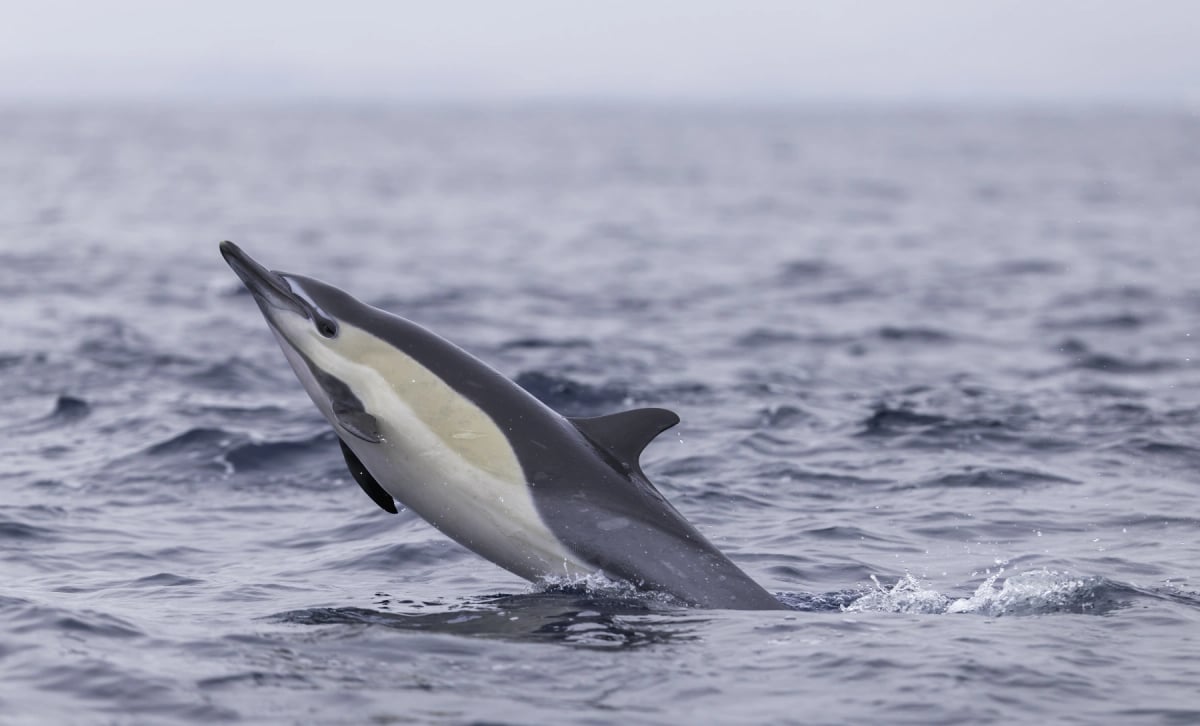
Common Dolphin
Delphinus delphis
Common dolphins are recorded in Saudi Arabian waters, primarily along the Red Sea coast, where deep water and productive reefs provide suitable habitat. The Red Sea population is relatively understudied compared to those in the Atlantic or Pacific. Dolphins are occasionally observed from coastal areas and vessels. Growing interest in marine conservation in the Kingdom is helping to improve knowledge of cetacean distribution in the region. IUCN status: Least Concern.
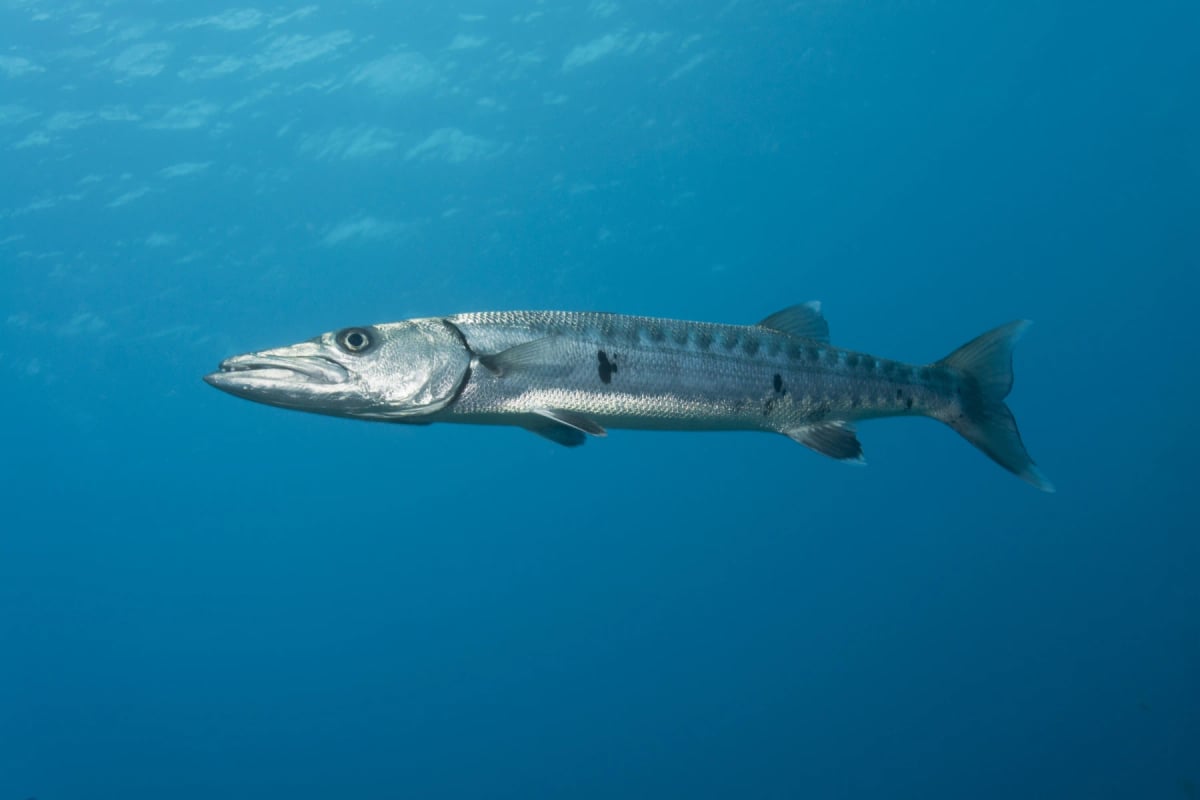
Barracuda
Sphyraena spp.
Barracudas are a common presence in Saudi Arabia's Red Sea coastal and reef waters, found along the extensive coral reef systems of the western coast from the Gulf of Aqaba south to the border with Yemen. The great barracuda and schooling species such as the chevron barracuda are regularly encountered by divers at reef sites near Jeddah, Yanbu, and the offshore reefs of the Farasan Islands in the south. Saudi Arabia's Red Sea coast hosts some of the most pristine and least dived reef systems in the world, supporting abundant barracuda populations.
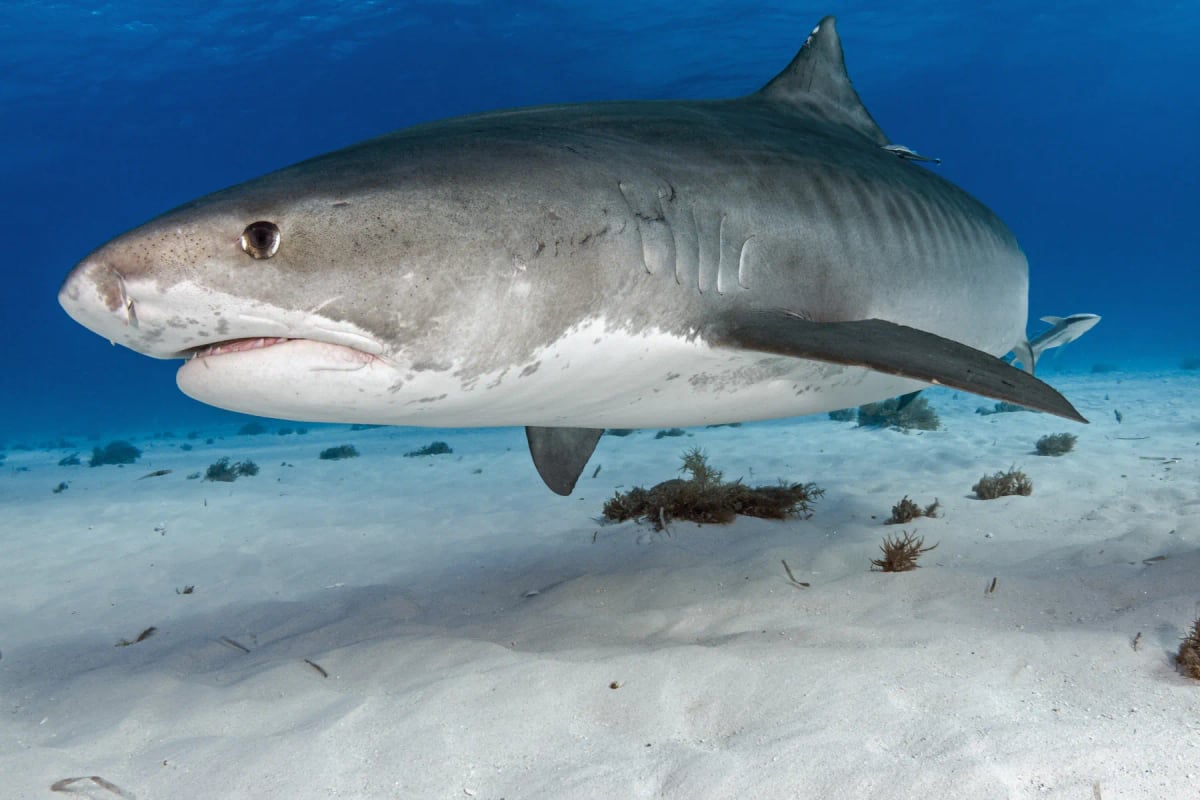
Tiger Shark
Galeocerdo cuvier
Tiger sharks are present in both the Red Sea and the Arabian Gulf, which border Saudi Arabia. The Red Sea in particular is rich in marine life and supports a range of large sharks. This species can reach 5 metres in length and feeds on fish, turtles, and rays. The IUCN classifies it as Near Threatened, with overfishing and the global fin trade among the main pressures on its population.
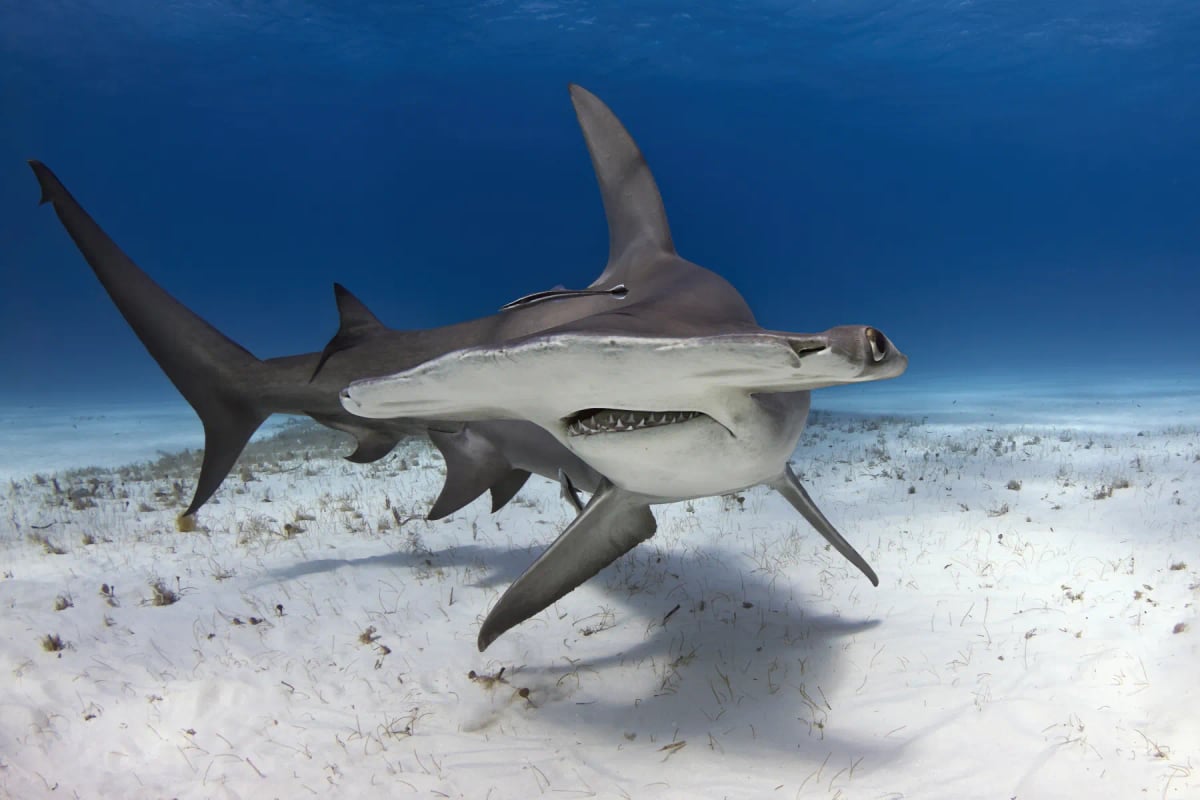
Hammerhead Shark
Sphyrna spp.
Saudi Arabia has coastlines on both the Red Sea and the Persian Gulf, two bodies of water where hammerhead sharks are known to occur. The Red Sea in particular is a biodiverse marine environment where these sharks hunt rays and fish along reef edges and deeper waters. Fishing pressure and the shark fin trade have significantly reduced populations throughout the region, making conservation efforts increasingly urgent.
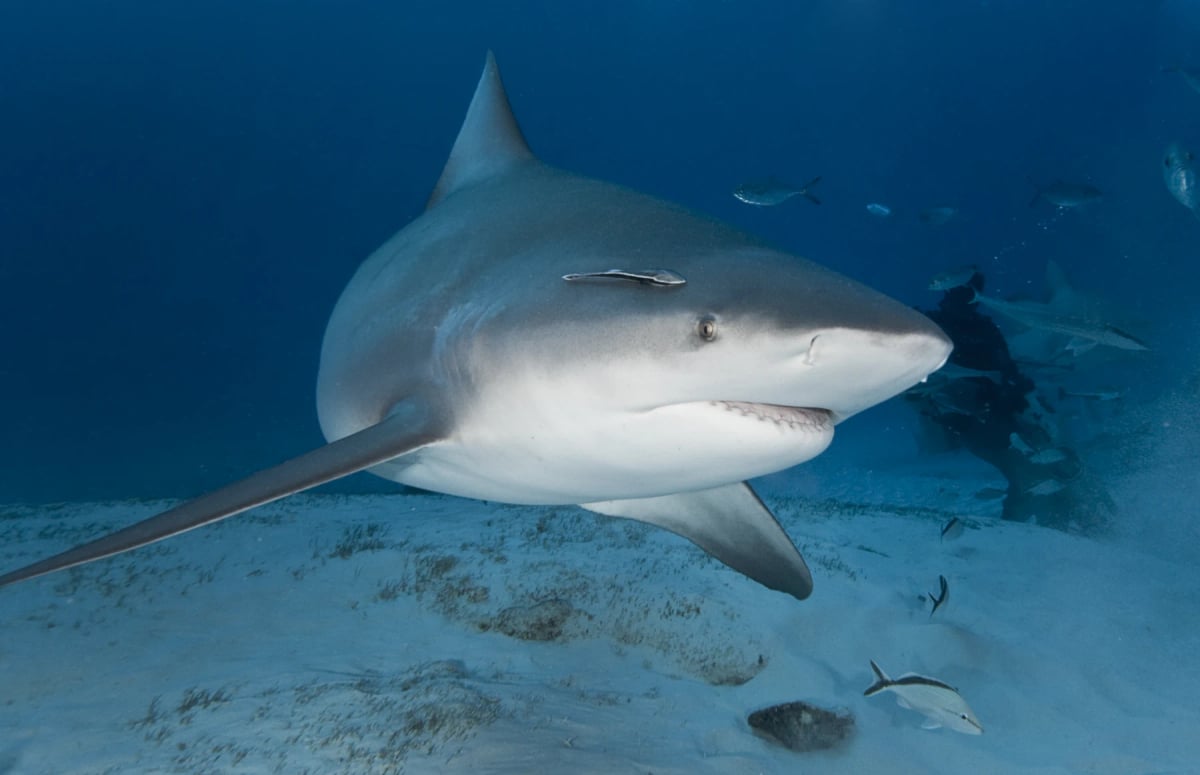
Bull Shark
Carcharhinus leucas
Bull sharks inhabit the coastal waters of Saudi Arabia along both the Red Sea and the Arabian Gulf. These warm, productive seas offer ideal conditions for this species, with shallow reefs and estuarine zones supporting their hunting habits. Feeding on fish, rays, and invertebrates, they play a role in maintaining balance in these ecosystems. They are considered Near Threatened due to ongoing fishing pressure across the region.
Researched and written by Juan Pablo. Sources: IUCN Red List, scientific literature and regional field guides. Last updated: .