Sand Gazelle
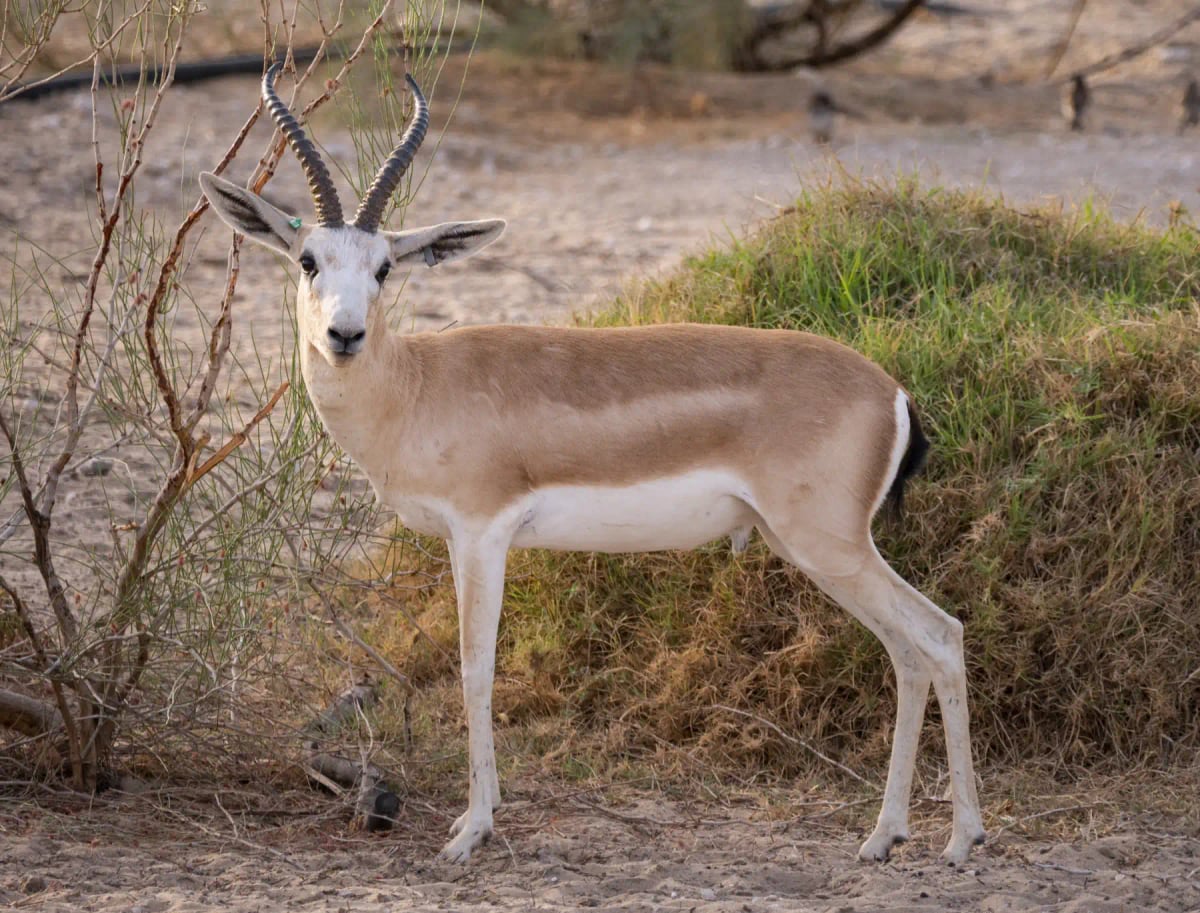
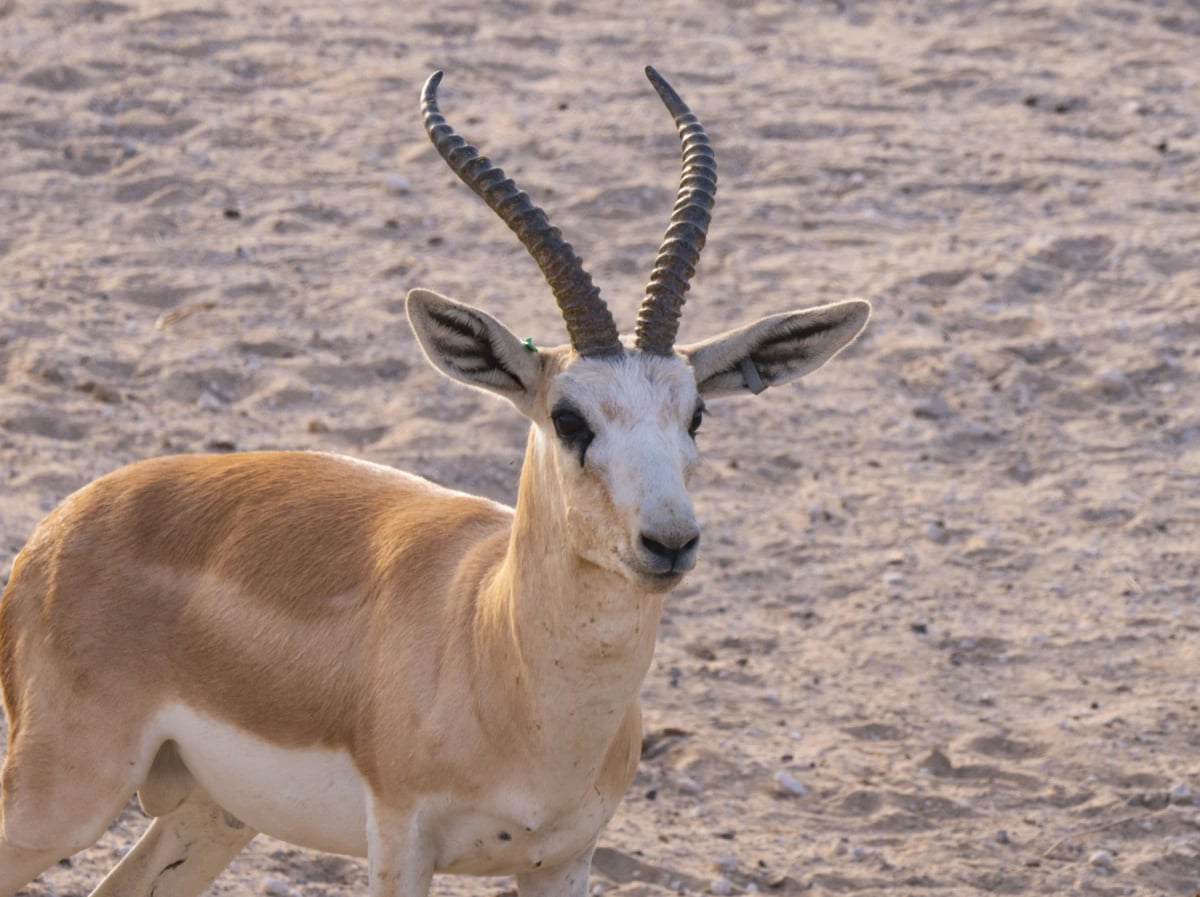
The sand gazelle, locally known as the reem, is a slender antelope built for life in the harsh deserts and arid plains of the Arabian Peninsula. Its pale, sandy coat blends naturally with the surrounding terrain, offering protection from predators. One of its most remarkable traits is the ability to go weeks without drinking water, meeting its moisture needs almost entirely through the plants it eats. When threatened, it can reach speeds above 60 km/h, sustaining that pace long enough to leave most pursuers behind. Males carry lyre-shaped horns, while females have much smaller ones. Herds typically number a few dozen animals, though larger gatherings of over 100 have been recorded. Overhunting and competition with livestock for forage caused sharp declines during the twentieth century, but active breeding programs and protected reserves in Saudi Arabia and the UAE are supporting a gradual recovery.
Habitat and range
Sand gazelles are found across some of the most demanding landscapes on Earth. Their range stretches across the Arabian Peninsula, taking in Saudi Arabia, the UAE, Oman, Qatar and Kuwait, and extends north into Iraq, Jordan and Syria. Within these countries they favour open gravel plains, sandy deserts and arid steppes where sparse vegetation still provides enough forage to survive. Historically their range was far broader, but population losses over the twentieth century pushed them out of many areas they once occupied. Today the largest populations are concentrated in protected areas within Saudi Arabia and the UAE, where managed reserves give them room to roam with less pressure from human activity. Seasonal movements allow herds to follow patchy rainfall and the fresh plant growth that follows it.
Diet and water adaptation
Food and water are tightly linked for the sand gazelle, and the animal has evolved a remarkable solution to desert life. It feeds on a wide variety of low-growing plants, including desert grasses, annual herbs and dry shrubs such as species of Haloxylon and Cyperus that manage to survive in arid soils. The moisture locked inside this vegetation is enough to keep the gazelle hydrated for weeks at a time, with no need to seek out a waterhole. This ability to extract water from plants rather than drink it freely is one of the key traits that sets the species apart from many other antelopes. During the hottest months, gazelles tend to feed in the cooler hours around dawn and dusk, which also reduces water loss through breathing and sweating.
Behavior and herds
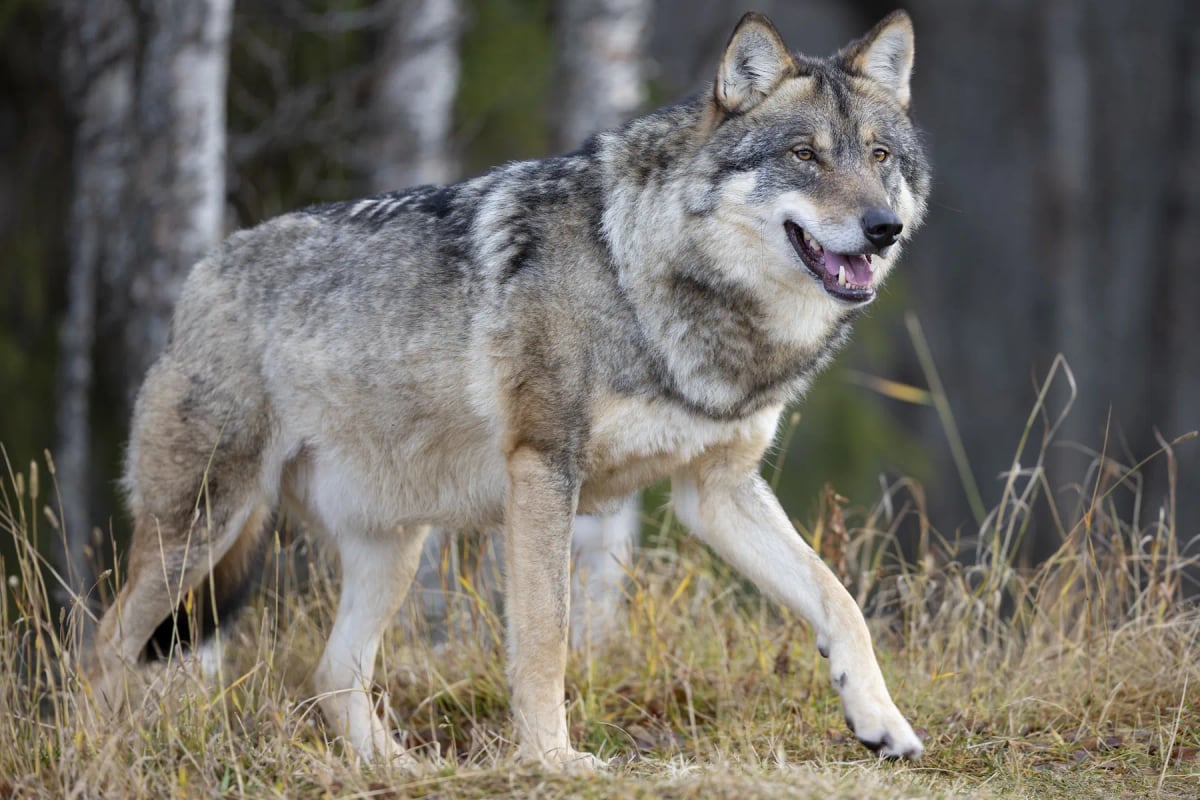
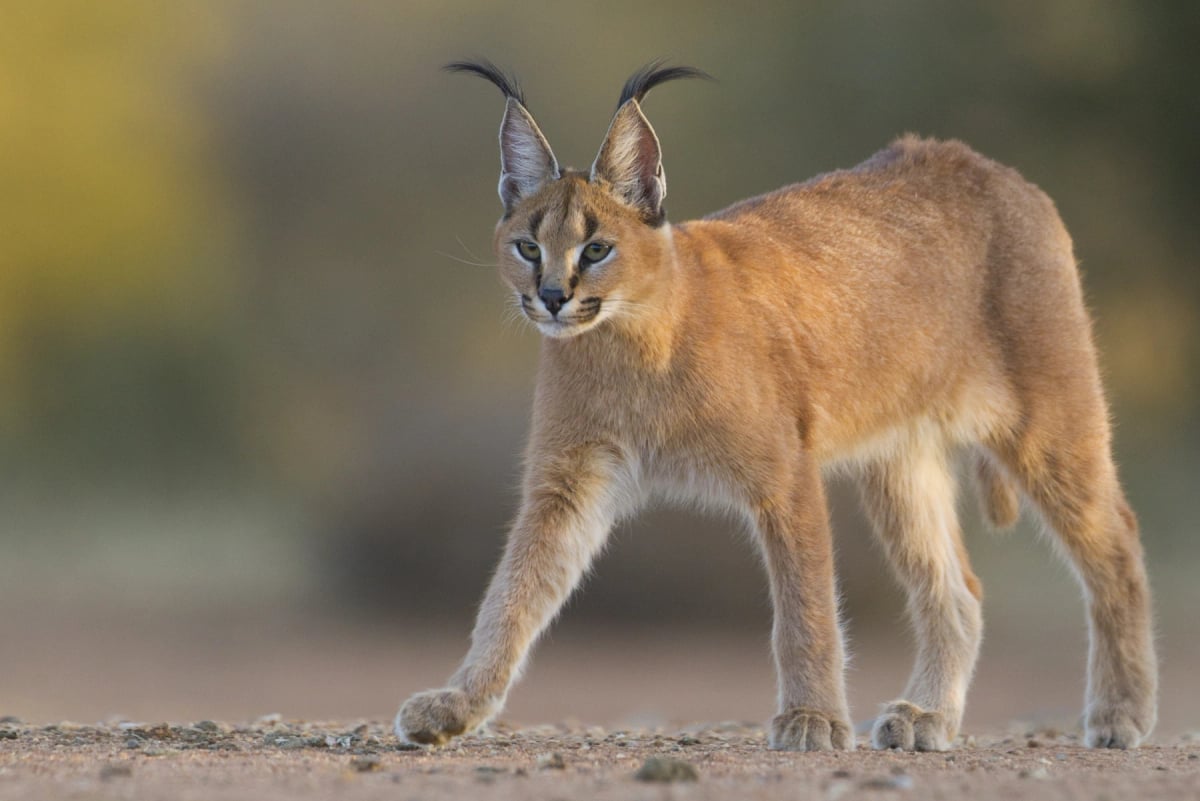
Spending time with a herd is central to how sand gazelles stay safe. Groups typically number between a few dozen animals, though concentrations of more than 100 have been recorded in areas where food is plentiful. Staying together gives each individual more eyes and ears to detect approaching predators, which in their range include wolves and caracals. When danger is spotted, the herd bolts at speeds that can exceed 60 km/h, a pace they can sustain long enough to outrun most threats. Males are territorial during the breeding season and use scent glands to mark their patches of ground. Outside the rut, mixed groups are common. Females typically give birth to a single calf, which they hide in low vegetation during its earliest weeks of life.
Threats
Several pressures have pushed the sand gazelle to its current vulnerable state. Uncontrolled hunting, often carried out from vehicles in the twentieth century, stripped enormous numbers from the wild before legal protections were put in place. Competition with domestic livestock is an ongoing problem, as sheep, goats and camels graze the same sparse desert plants that gazelles depend on, leaving less food available during dry seasons. Habitat degradation caused by overgrazing has also reduced the quality of rangelands across much of the species' range. In some areas, expanding human settlements and roads have broken up the open ground that gazelles need for movement and escape. Drought linked to broader climate shifts adds further stress, reducing the availability of the plants that supply both food and moisture.
Conservation
Listed as Vulnerable on the IUCN Red List, the sand gazelle has become a focus of serious conservation effort across the Arabian Peninsula. Saudi Arabia and the UAE have led the way, establishing large fenced reserves where hunting is prohibited and populations can grow without the pressures of poaching or livestock competition. Captive breeding programs, including work at facilities such as the Arabian Wildlife Center in Sharjah, have produced animals that have been reintroduced into protected areas. These efforts have delivered real results, with numbers in managed reserves climbing steadily over recent decades. International cooperation between range states and continued enforcement of hunting bans remain essential to securing the species' future. Raising public awareness of the reem's cultural and ecological importance in the region has also grown into a meaningful part of conservation strategy.
Where it is found
The Sand Gazelle can be found in places such as:
Researched and written by Juan Pablo. Sources: IUCN Red List, scientific literature and regional field guides. Last updated: .
Technical factsheet

Frequently Asked Questions
What does the sand gazelle eat?
Sand gazelles feed on desert grasses, dry shrubs and small herbs that grow across arid plains. What makes their diet especially remarkable is that the moisture inside these plants is enough to keep them hydrated for weeks without ever needing to drink from a waterhole. They tend to graze during the cooler hours around dawn and dusk, which helps them conserve water and avoid the worst of the midday heat.
Can the sand gazelle survive without water?
Yes, and it is one of the most impressive things about this animal. The sand gazelle can go weeks without drinking any water at all, getting all the moisture it needs from the plants it eats. This adaptation is essential for surviving in some of the driest deserts on Earth, where standing water is either rare or completely absent for long stretches of the year.
How fast can a sand gazelle run?
Sand gazelles can reach speeds above 60 km/h and, crucially, they can hold that pace long enough to leave most predators well behind. This speed is their main defence against wolves and caracals. When the herd detects a threat, the animals bolt together, which makes it harder for any single predator to single out and chase down one individual.
Where does the sand gazelle live?
The sand gazelle is found across the Arabian Peninsula, with populations in Saudi Arabia, the UAE, Oman, Qatar and Kuwait, as well as further north in Iraq, Jordan and Syria. It prefers open gravel plains, sandy deserts and dry steppes. The largest groups today live inside protected reserves in Saudi Arabia and the UAE, where they have space to move and are sheltered from hunting.
Why is the sand gazelle endangered?
The sand gazelle is listed as Vulnerable, not critically endangered, but its numbers dropped sharply during the twentieth century mainly due to uncontrolled hunting. Competition with livestock for food is an ongoing problem, and habitat degradation from overgrazing has reduced the quality of its range. Drought and expanding human settlements add further pressure. Conservation programs in Saudi Arabia and the UAE have helped numbers recover in recent decades.
What is the sand gazelle called in Arabic?
The sand gazelle is traditionally known as the reem across much of the Arabian Peninsula. The name carries deep cultural roots in the region and appears in classical Arabic poetry as a symbol of grace and beauty. This cultural significance has actually helped conservation efforts, as raising awareness of the reem's importance to local heritage has encouraged greater public support for protecting the species.
How many sand gazelles are left in the wild?
Exact figures are difficult to confirm, but the species is considered Vulnerable by the IUCN, meaning wild populations face a genuine risk if pressures are not managed. Numbers fell dramatically during the twentieth century, and while managed reserves in Saudi Arabia and the UAE have supported a gradual recovery, large wild populations outside protected areas remain limited. Continued protection and breeding programs are key to keeping the recovery on track.