Leopard
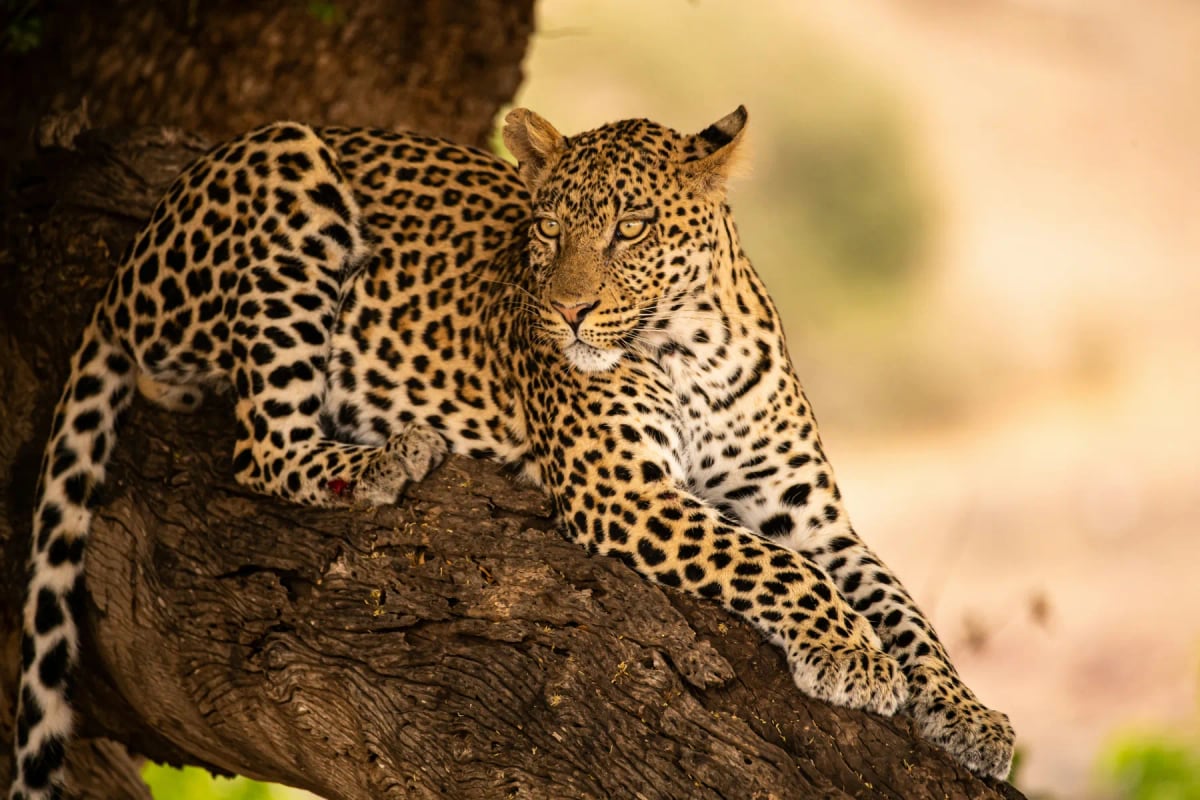
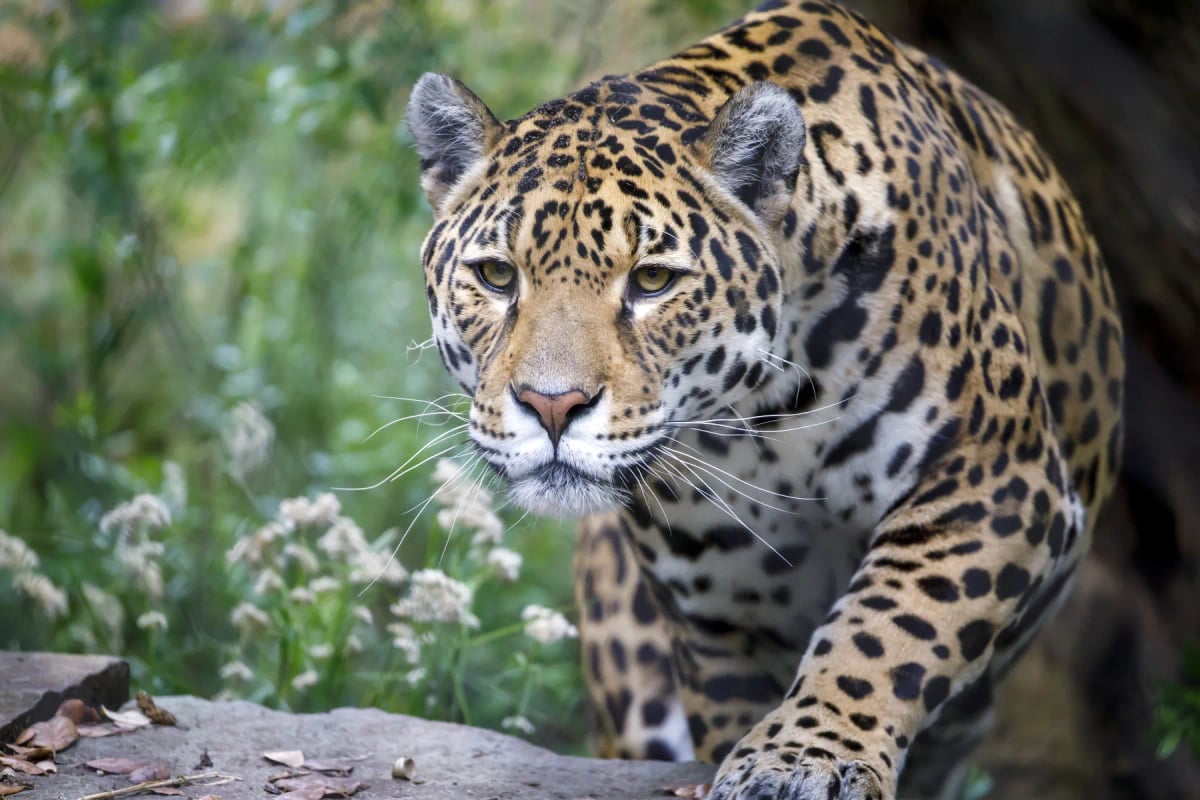
The leopard (Panthera pardus) is the most widespread of the world's big cats, ranging from sub-Saharan Africa to the forests of Southeast Asia and the mountains of Central Asia. Its pale golden coat is marked with clusters of dark spots arranged in rosettes, a pattern that breaks up its outline in dappled light. Males are considerably larger than females and can weigh up to 90 kg. Leopards are solitary animals that rely on stealth rather than speed, approaching prey to within a few meters before striking. They are famously strong for their size, capable of hauling a carcass heavier than themselves up into a tree to keep it away from lions and spotted hyenas. The species is listed as Vulnerable on the IUCN Red List, with populations declining across much of its range due to habitat loss, prey depletion, and persecution.
Habitat and distribution
No other big cat occupies as wide a range as the leopard. It is found across sub-Saharan Africa, large parts of South and Southeast Asia, and pockets of Central Asia and the Middle East. Within that vast range, it thrives in an impressive variety of environments: open savanna, tropical rainforest, dry scrubland, rocky hillsides, and mountain slopes reaching above 5,000 metres on the Ethiopian Highlands and the Himalayas. This flexibility is possible because the leopard relies on cover and stealth rather than open terrain for hunting. Populations in arid regions of North Africa and Central Asia survive in areas where prey is scarce and water sources are far apart, showing just how adaptable this species can be. Today, however, the leopard has disappeared from much of its historic range in North Africa and the Middle East.
Diet
Few predators match the leopard when it comes to dietary flexibility. Across its range it hunts well over 90 different prey species, adjusting its menu entirely to what is available locally. In African savannas, impalas and gazelles make up a large share of its diet. In South Asia it takes chital deer, monkeys, and wild pigs, while in forests of Southeast Asia it relies more heavily on small mammals and birds. Leopards are also known to eat reptiles, fish, and even large insects when larger prey is scarce. Most hunting happens at night or around dawn and dusk. The leopard stalks close to its target before launching a short, powerful rush, killing with a bite to the throat or back of the skull. This approach conserves energy and keeps the animal out of sight.
Behavior
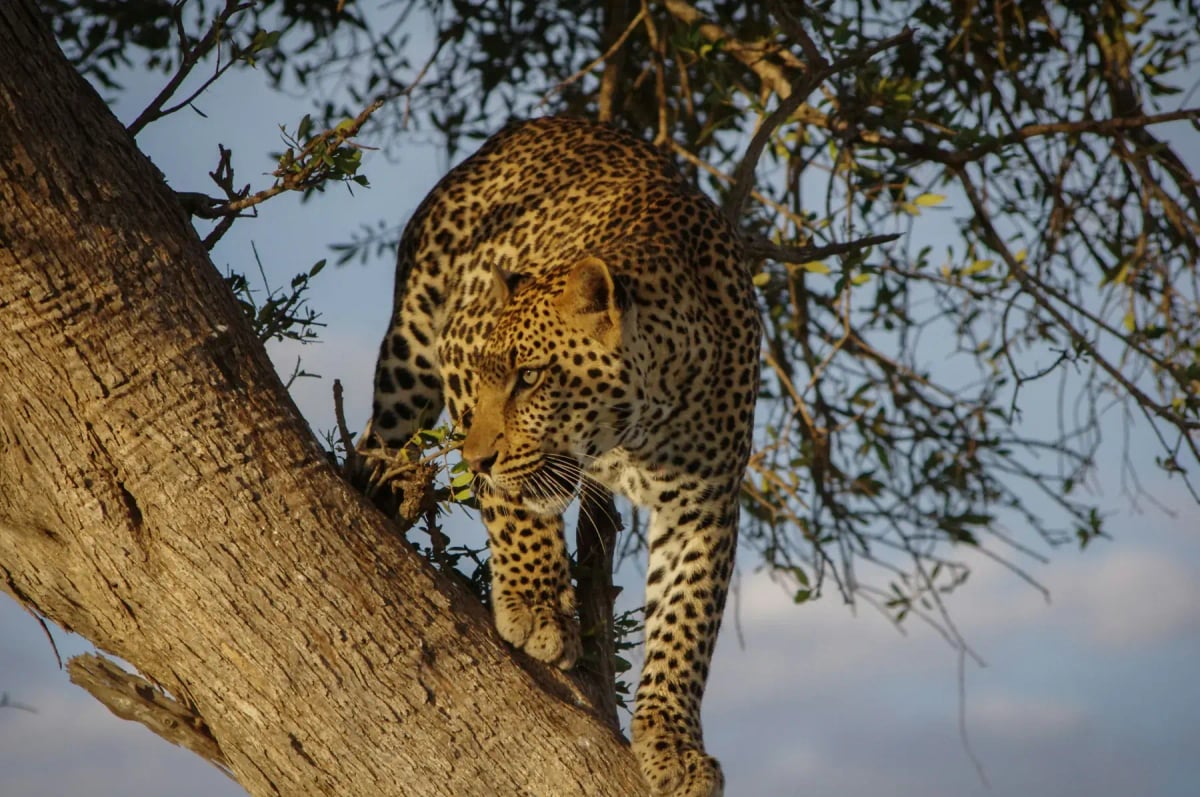
Leopards lead largely solitary lives, with adults coming together only to mate. Each individual holds a home range that it marks with scent, scratch marks on trees, and rasping calls that carry through the night. One of the leopard's most recognized behaviors is hauling prey up into a tree, sometimes to heights of six metres or more. Because lions and spotted hyenas will steal a kill on the ground, storing it in the branches allows the leopard to return and feed over several days without competition. Despite their reputation for silence, leopards are quite vocal: their distinctive call sounds remarkably like wood being sawed. They are also strong swimmers and will cross rivers without hesitation. Cubs stay with their mother for up to two years, learning hunting techniques before eventually going off on their own.
Relation with humans
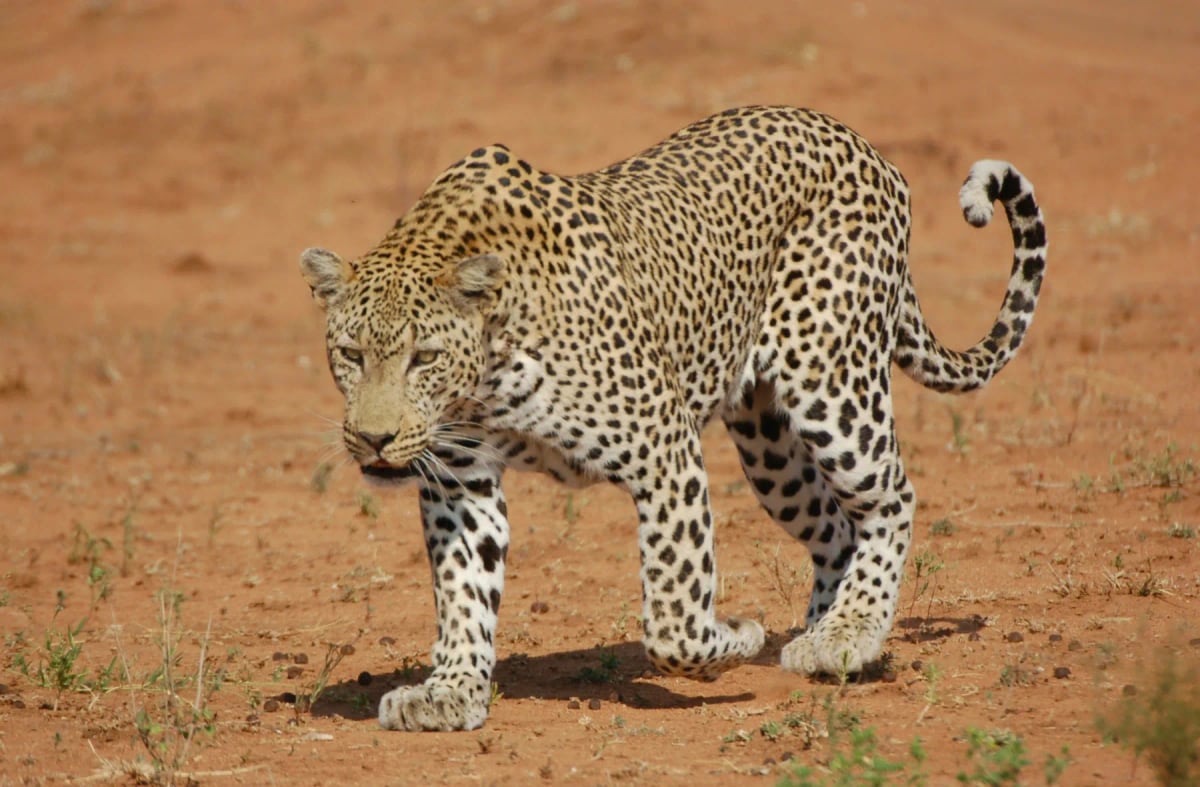
Throughout history, leopards and people have lived in close proximity, and that relationship has always been complicated. Leopards are naturally secretive and will usually avoid contact with humans, but they are also highly adaptable and can survive on the edges of cities and farmland. In parts of India and sub-Saharan Africa, leopards occasionally prey on livestock, which brings them into direct conflict with farmers and herders. Attacks on people are rare but do occur, most often involving individuals that are injured or old and unable to hunt wild prey. In some regions, leopards have taken to entering villages at night to hunt dogs. Despite these tensions, leopards play a key role as predators that help regulate populations of herbivores, and their presence is a sign of a healthy ecosystem.
Conservation
Classified as Vulnerable on the IUCN Red List, the leopard has lost an estimated 75 percent of its historic range. Habitat loss driven by agriculture and urban expansion is the primary threat, as it reduces both the space available to leopards and the number of wild prey animals they depend on. Poaching is also a serious concern: leopard skins, bones, and other body parts are traded illegally across Asia and Africa. Several subspecies are in a far more critical position than the species as a whole. The Amur leopard of the Russian Far East and northeastern China is among the rarest cats on Earth, with only around 100 individuals remaining in the wild. Conservation efforts include protected areas, anti-poaching patrols, and programs that compensate farmers for livestock lost to leopards, helping to reduce retaliatory killings.
Where it is found
The Leopard can be found in places such as:
Researched and written by Juan Pablo. Sources: IUCN Red List, scientific literature and regional field guides. Last updated: .
Technical factsheet



Frequently Asked Questions
What do leopards eat?
Leopards are remarkably flexible eaters. They hunt over 90 different prey species depending on where they live, from impalas and gazelles in Africa to deer, monkeys, and wild pigs in Asia. They will also eat reptiles, birds, and large insects when bigger prey is hard to find. Most hunting happens at night, with the leopard stalking close before delivering a quick, powerful bite to the throat.
Why do leopards drag their prey up into trees?
It is all about protecting the meal. Lions and spotted hyenas will steal a kill on the ground without hesitation, so leopards haul carcasses up into trees, sometimes as high as six metres. Their strength for their size is extraordinary, allowing them to lift prey heavier than themselves. Storing food in the branches means they can return and feed over several days without losing it to larger animals.
Where do leopards live?
The leopard has the widest range of any big cat. It lives across sub-Saharan Africa, South and Southeast Asia, and parts of Central Asia and the Middle East. It adapts to an impressive variety of habitats, including savannas, rainforests, rocky hillsides, and mountain slopes above 5,000 metres. Unfortunately, leopards have disappeared from large parts of North Africa and the Middle East where they once roamed.
Are leopards endangered?
Leopards are listed as Vulnerable on the IUCN Red List, and they have lost around 75 percent of their historic range. The main threats are habitat loss from farming and urban growth, a drop in wild prey, and poaching for skins and bones. Some subspecies are in a far worse situation. The Amur leopard, found in Russia and northeastern China, has only about 100 individuals left in the wild.
How strong is a leopard?
Leopards are pound for pound among the strongest cats on Earth. Males can weigh up to 90 kg, yet they are capable of hauling a carcass heavier than themselves straight up into a tree. That combination of muscle and technique makes them formidable hunters. They bring down prey with a precise bite rather than a prolonged chase, which means they use their strength efficiently rather than exhausting themselves in a long pursuit.
Do leopards attack humans?
Attacks on people are rare. Leopards are secretive by nature and prefer to avoid contact with humans. When conflicts do happen, they usually involve animals that are old or injured and unable to hunt wild prey. In some parts of India and Africa, leopards occasionally prey on livestock and even enter villages at night to hunt dogs. This brings them into conflict with local communities, sometimes leading to retaliatory killings.
What sound does a leopard make?
The leopard's most distinctive call is often compared to the sound of someone sawing through wood, a rough, rasping cough repeated several times. It uses this call to mark its territory and communicate with other leopards across long distances. Leopards also growl, snarl, and make softer sounds when interacting with cubs. Despite their mostly silent reputation, they are actually quite vocal animals when they need to be.