Arabian Gazelle
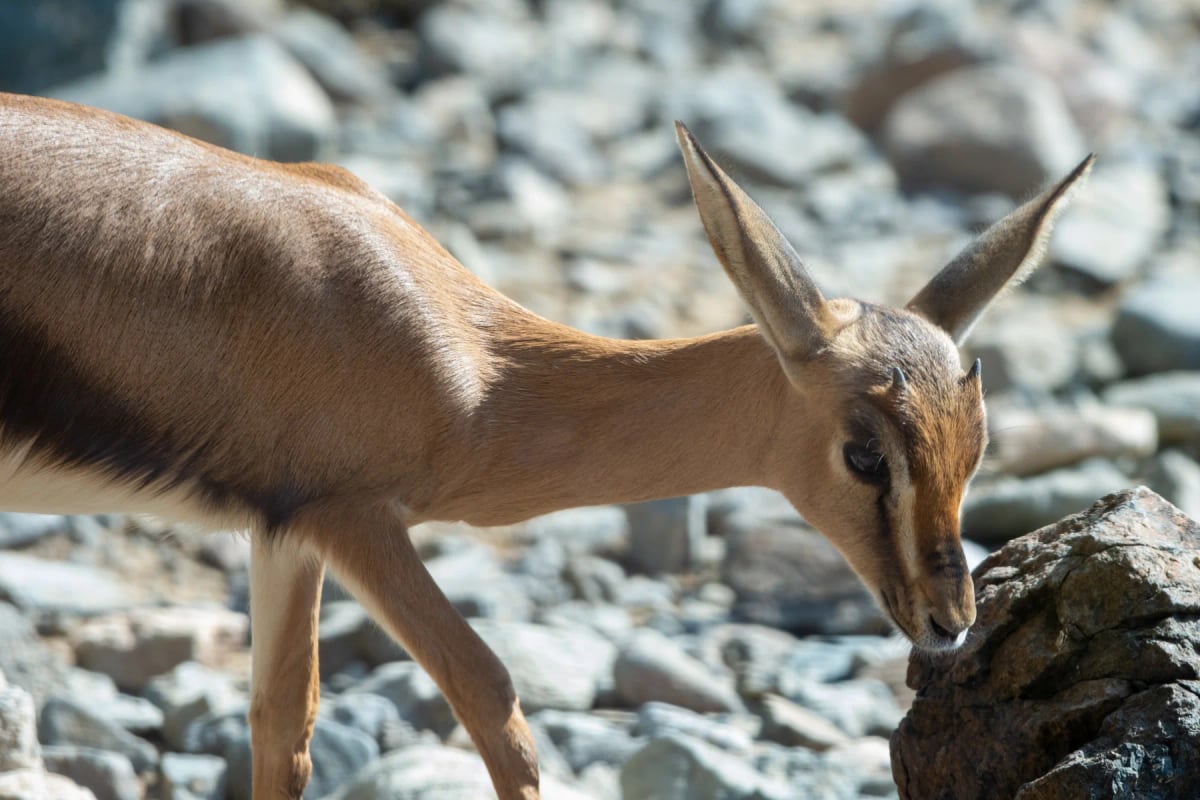
The Arabian gazelle is a small antelope native to the Arabian Peninsula, living in deserts, gravel plains and dry valleys with acacia scrub. Adapted to intense heat, it can go for extended periods without drinking, feeding at dawn on leaves and grasses to draw moisture from plants. Agile and fast, it reaches 70 km/h to escape predators. Once widespread across the peninsula, its populations have declined sharply due to poaching, habitat loss and vehicle pressure on desert terrain, leaving fragmented herds now under active protection.
Habitat and distribution
The Arabian gazelle lives across parts of the Arabian Peninsula, from the coastal plains of Oman to the interior plateaus of Saudi Arabia and the desert fringes of the UAE and Yemen. It prefers open terrain with sparse cover, including gravel plains, sandy deserts and seasonal riverbeds called wadis, where acacia and other low shrubs provide limited shade and browse. Populations avoid areas of dense human activity but have been pushed into more remote zones by development and vehicle pressure on the land.
Diet
The Arabian gazelle is a herbivore that feeds mainly on grasses, acacia leaves, flowers and low shrubs. It browses most actively at dawn and dusk when temperatures drop and plants retain more moisture, reducing the need to drink standing water. During dry seasons it shifts toward plants that resist drought and store water in their tissues. This ability to extract moisture from vegetation allows the species to survive for long stretches in areas where surface water is absent or extremely scarce throughout the year.
Distinctive features
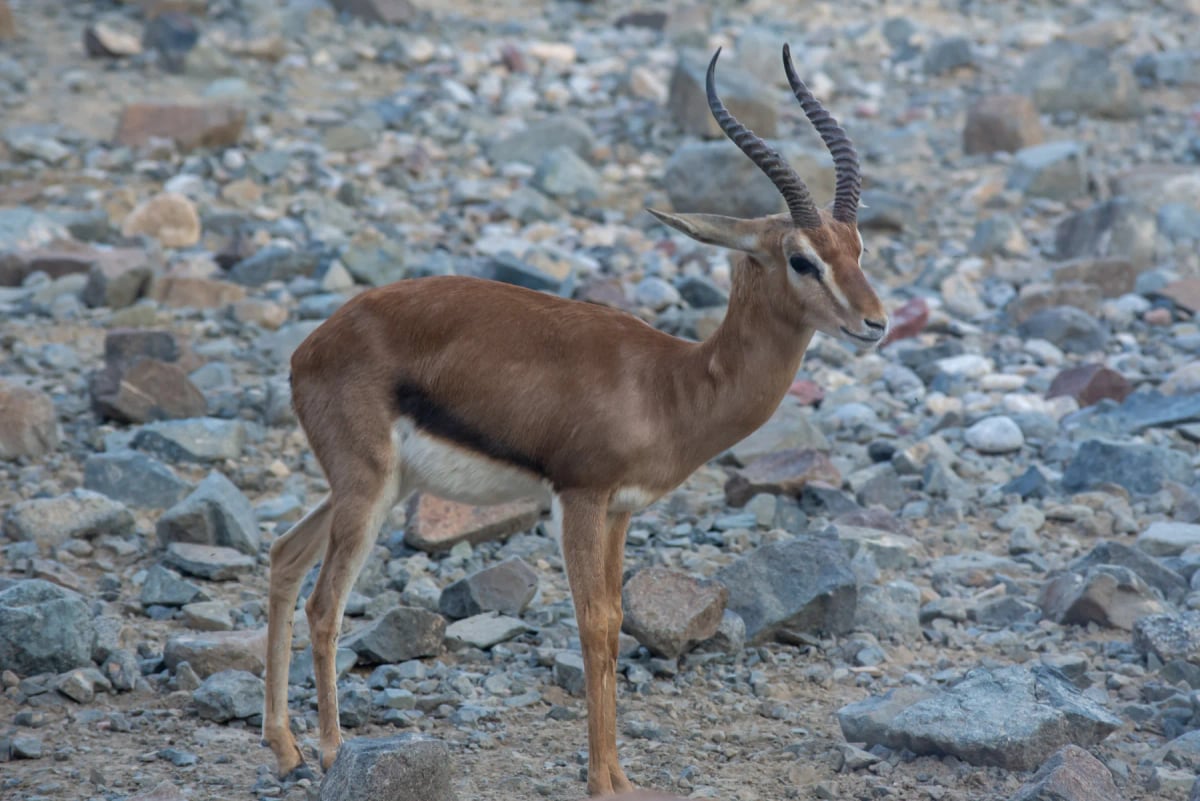
The Arabian gazelle has a slender, lightweight body covered in pale sandy fur that blends into desert terrain. Its underside is white, separated from the back by a dark lateral stripe. The face shows a distinct dark muzzle patch and lighter markings around the eyes. Both sexes carry gently curved, ringed horns, though those of the male are longer and more prominent. Large eyes and ears help detect predators across open ground, while long, lean legs provide the speed and endurance needed to survive in an exposed landscape.
Behavior
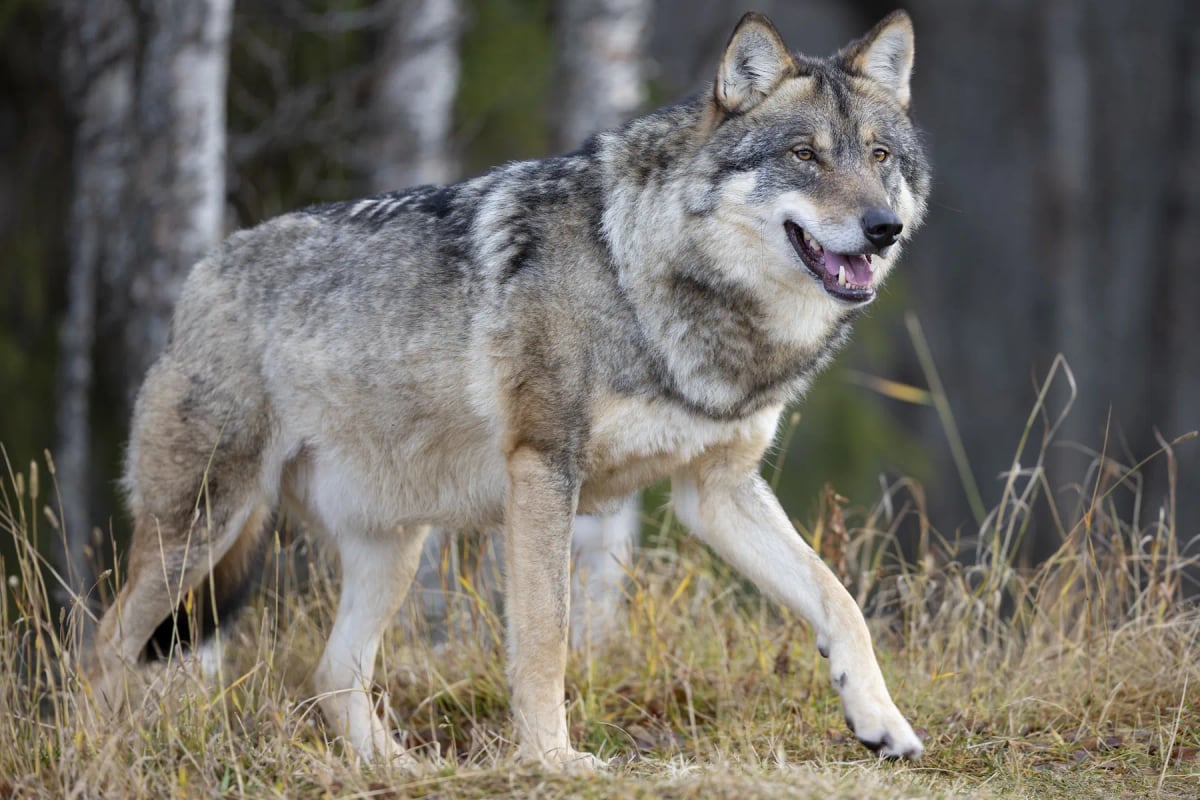
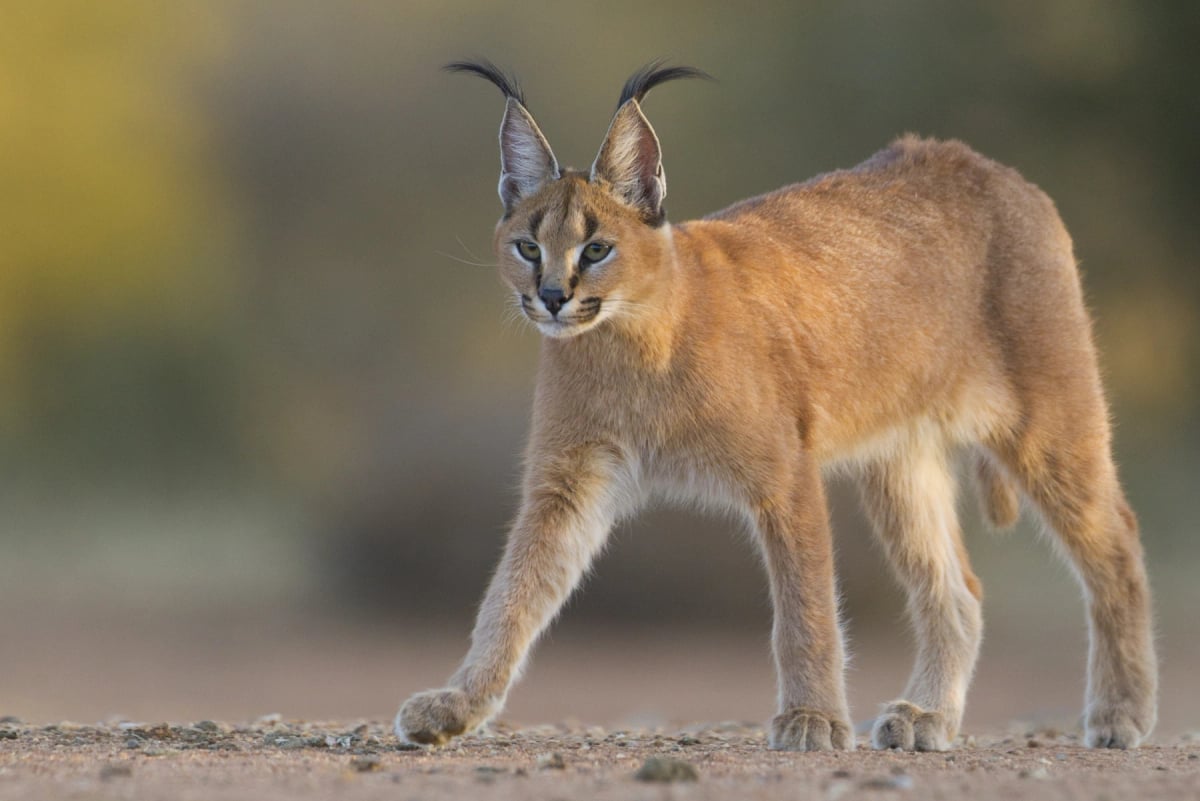
Arabian gazelles live in small, loose herds that may split or merge depending on food availability and season. They are most active during the cooler hours of dawn and dusk, resting in any available shade during the hottest part of the day. When threatened by predators such as wolves or caracals, they rely on speed rather than group defense, reaching up to 70 km/h in short bursts. Males become territorial during the breeding season and mark their home ranges with scent glands and dung deposits left along regular paths.
Conservation
Listed as Vulnerable by the IUCN, the Arabian gazelle has declined sharply over the past century. Unregulated hunting reduced populations across the peninsula before protective measures were introduced, and disturbance from vehicles driven through desert habitat continues to fragment herds. In Oman, Saudi Arabia and the UAE, protected reserves and captive breeding programs now support recovering populations. Trade controls and hunting bans have helped stabilize numbers in some areas, but enforcement remains uneven and competition with livestock for water and grazing still threatens wild groups in less protected zones.
Where it is found
The Arabian Gazelle can be found in places such as:
Researched and written by Juan Pablo. Sources: IUCN Red List, scientific literature and regional field guides. Last updated: .
Technical factsheet

Frequently Asked Questions
Where does the Arabian gazelle live?
The Arabian gazelle is native to the Arabian Peninsula, found in Oman, Saudi Arabia, the United Arab Emirates, Yemen, and a small remnant population in Israel. It inhabits open desert terrain including gravel plains, sandy deserts, and dry seasonal riverbeds called wadis, where acacia scrub provides shade and browse. Populations have retreated to more remote areas due to development pressure and vehicle disturbance across much of its former range.
How does the Arabian gazelle survive without water?
The Arabian gazelle is adapted to survive in one of the world's most arid environments by extracting moisture from the plants it eats. It feeds most actively at dawn and dusk when temperatures are lower and vegetation retains more water. During dry seasons it targets plants that resist drought and store water in their tissues. This ability to obtain hydration from food rather than open water allows it to thrive across desert landscapes where surface water is absent for much of the year.
How fast can the Arabian gazelle run?
The Arabian gazelle can reach speeds of up to 70 kilometers per hour in short bursts, which is its primary defense against predators such as wolves and caracals. Rather than relying on group coordination or confrontation, it depends on individual speed and agility to escape threats in open terrain. Its long, lean legs are built for this purpose, providing both the acceleration needed to escape quickly and the endurance to sustain a fast pace over distance.
Why is the Arabian gazelle vulnerable?
The Arabian gazelle is classified as Vulnerable by the IUCN, with an estimated population of only 5,000 to 7,000 fragmented individuals. Unregulated hunting reduced populations across the peninsula before protections were introduced. Vehicle disturbance in desert habitats continues to fragment herds. Competition with livestock for scarce water and grazing affects wild groups in less protected areas. The species has disappeared from much of its former range and its remaining populations exist in isolated pockets.
What does the Arabian gazelle eat?
The Arabian gazelle feeds mainly on grasses, acacia leaves, flowers, and low desert shrubs. It is most active during the cooler hours of dawn and dusk, when plant moisture content is higher and the risk of overheating is lower. The species is a selective browser that can adjust its diet seasonally, shifting toward drought-resistant plants when conditions are harshest. It has no dependence on standing water, obtaining all the hydration it needs directly from the vegetation it consumes.