Animals in Uruguay
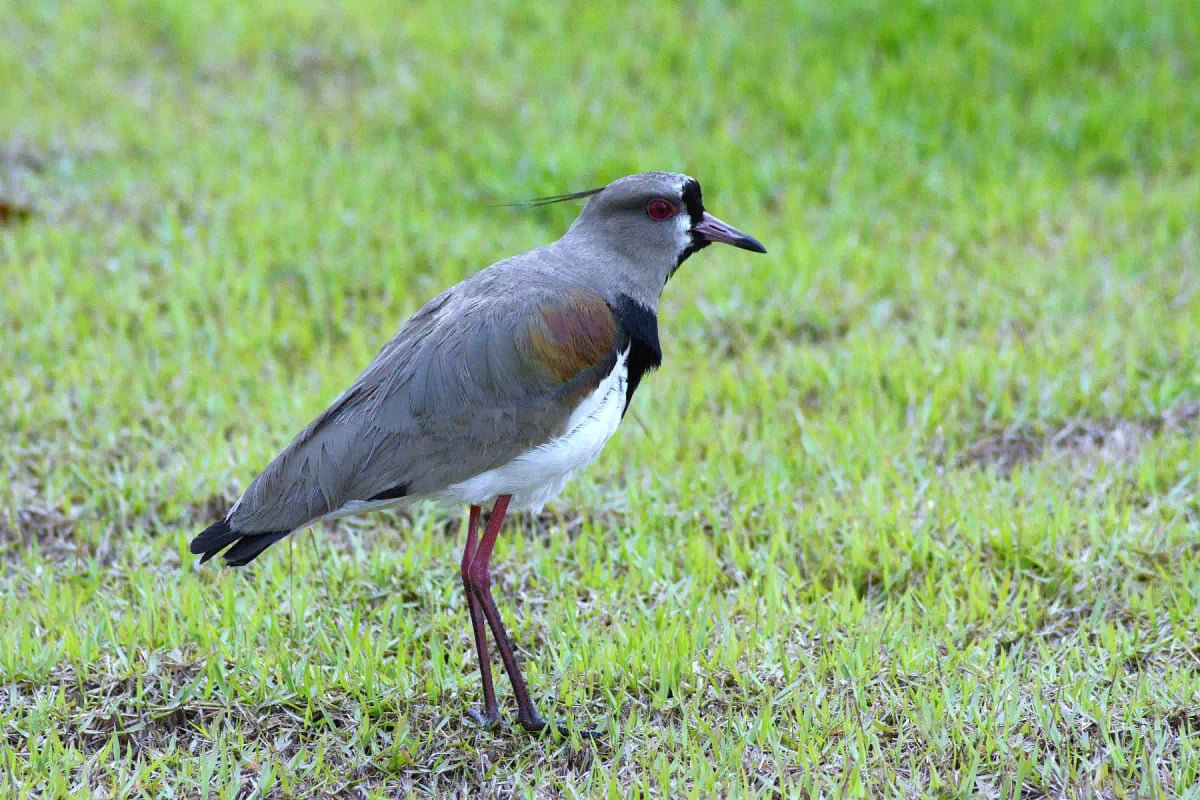
Southern Lapwing
Vanellus chilensis
The southern lapwing, known in Uruguay as the tero, is treated as the national bird of the country. It lives in open fields, river banks and pastureland, where it hunts insects on the ground. It nests on bare earth and defends the area with loud calls and low flights, so it warns other birds, livestock and people of anything that comes close. That habit of raising the alarm made it a symbol of the Uruguayan way of standing guard. It is common around farms, roadsides and football fields, and most Uruguayans know it by its sharp call.
View details→Wildlife in Uruguay
Uruguay is a small country of rolling grasslands, low hills, wetlands and Atlantic beaches, and most of its wildlife lives in open country rather than forest. Capybaras, the largest rodents on Earth, rest in groups along rivers and marshes, and armadillos, opossums, hares and pampas deer use pastures, field edges and river margins. Rheas, the big flightless birds of the pampas, run across the grasslands, and the tero, the hornero, the monk parakeet and the rufous bellied thrush are everyday birds on farms and in towns. Wetlands and coastal lagoons fill with black necked swans and other water birds, and caimans and yellow anacondas live in the warm marshes of the north. Along the coast, fur seals crowd rocky islands near Punta del Este and Cabo Polonio, and southern right whales and dolphins pass offshore on their seasonal routes.
Most Dangerous Animals in Uruguay
Uruguay is one of the safest countries in South America when it comes to wild animals, and it has no large land predators. Still, a few species need care. Venomous snakes are the main one: lanceheads, called crucera or yarará, live in grasslands and stony ground, and they are a risk when walking through tall grass or moving logs and rocks. Bites are rare and hospitals carry antivenom. In the warm wetlands of the north, caimans rest on muddy banks and can react if people or dogs get too close, and yellow anacondas hunt in the marshes, although they are not venomous and avoid people. Watching where you step and keeping your distance from wildlife is usually enough.
Top 10 Animals in Uruguay
The top animals of Uruguay come from three settings: the grasslands, the wetlands and the Atlantic coast. In the countryside, capybaras feed near rivers and lagoons, rheas cross the open fields, and armadillos, hares and opossums are common around farms. The pampas deer is the rarest of them: only a few hundred survive in two small wild populations, in Rocha and Salto, and it is a protected species. In the wetlands, black necked swans, caimans and yellow anacondas live among the reeds. On the coast, Isla de Lobos, off Punta del Este, holds one of the largest fur seal colonies in the world, with tens of thousands of animals, and southern right whales come close to the beaches of Rocha and Maldonado every winter. Bottlenose dolphins are often seen from the beaches.
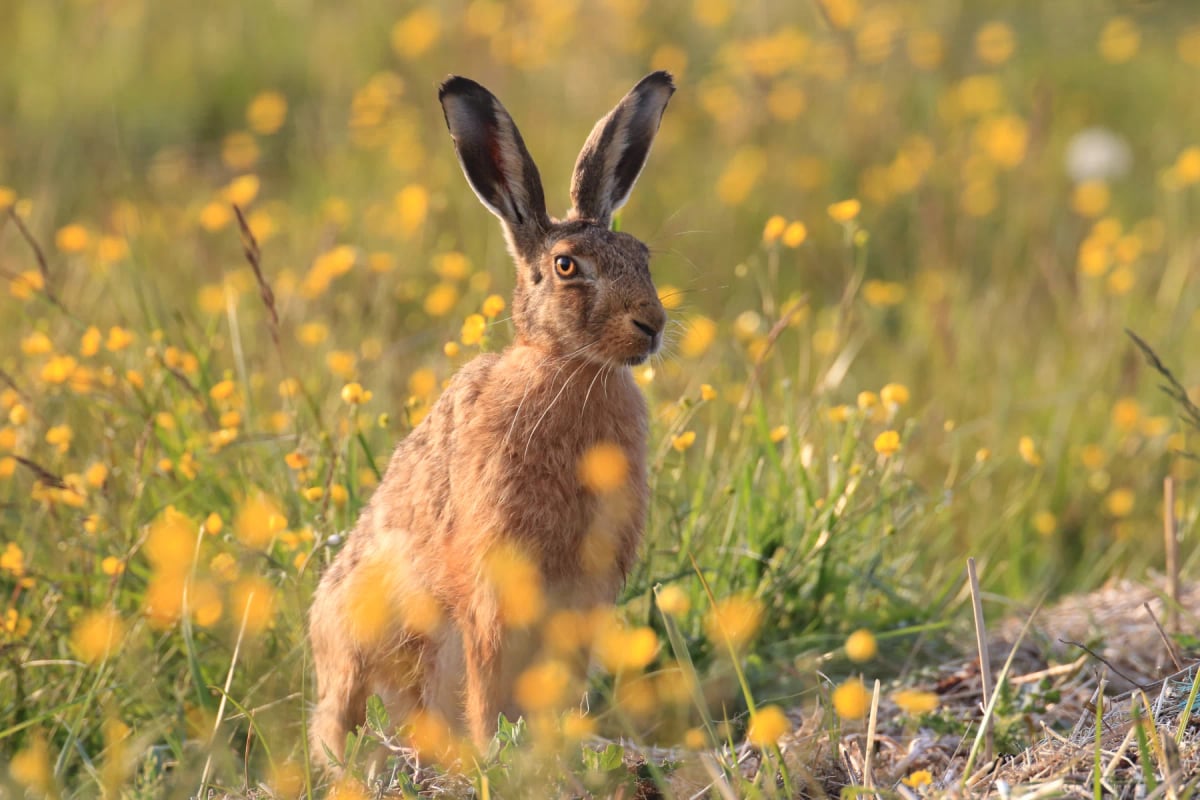
Hare
Lepus europaeus
Introduced to South America in the late nineteenth century, the European hare reached Uruguay and adapted well to its open grasslands and agricultural plains, known locally as pampas. It is now common across much of the country and is considered an invasive species, competing with native wildlife for food and space. Despite its status as an introduced animal, it is widely hunted for sport and for its meat. Its IUCN status is Least Concern.
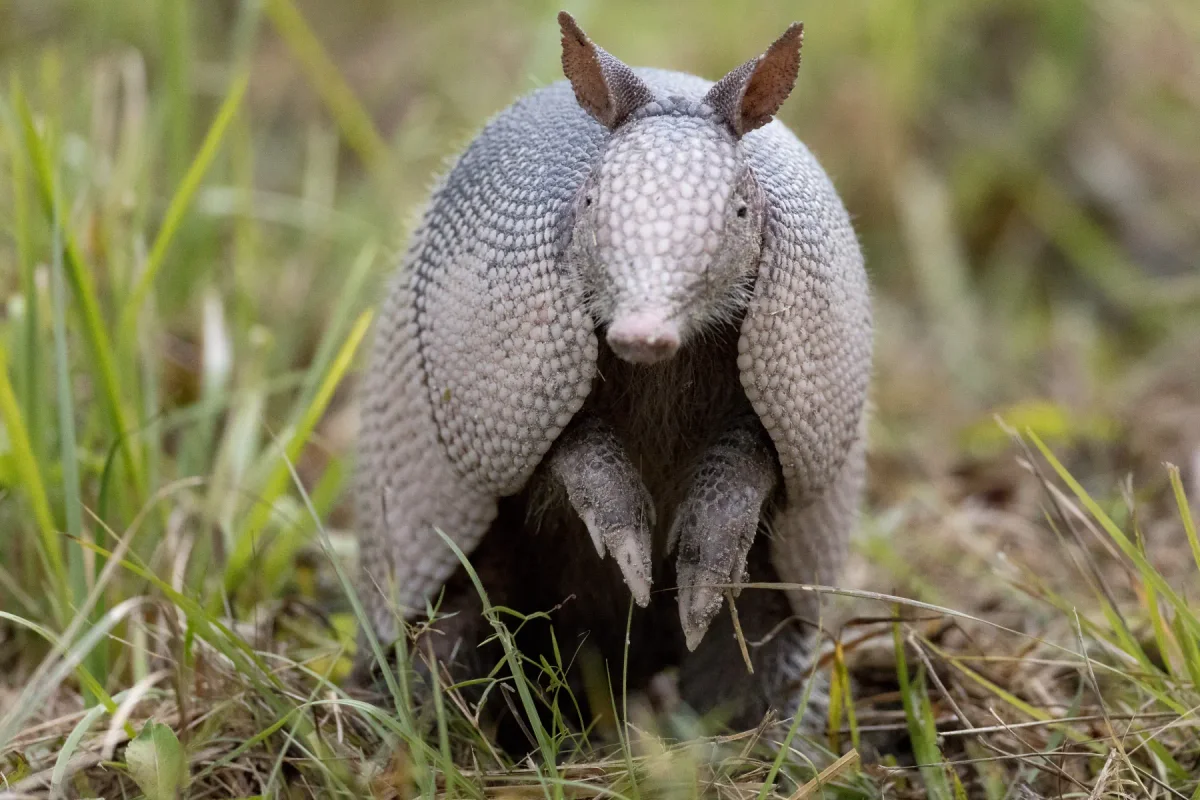
Armadillo
Dasypodidae spp.
The nine banded armadillo and the southern long nosed armadillo are both found in Uruguay, primarily in grasslands, scrublands, and forest edges across the country. Uruguay represents the southeastern limit of several armadillo species' ranges. The animals are well known locally and historically were hunted for food and for their shells, which were used to make traditional musical instruments called charangos. Road mortality is a significant threat given Uruguay's dense road network and expanding agricultural frontier.
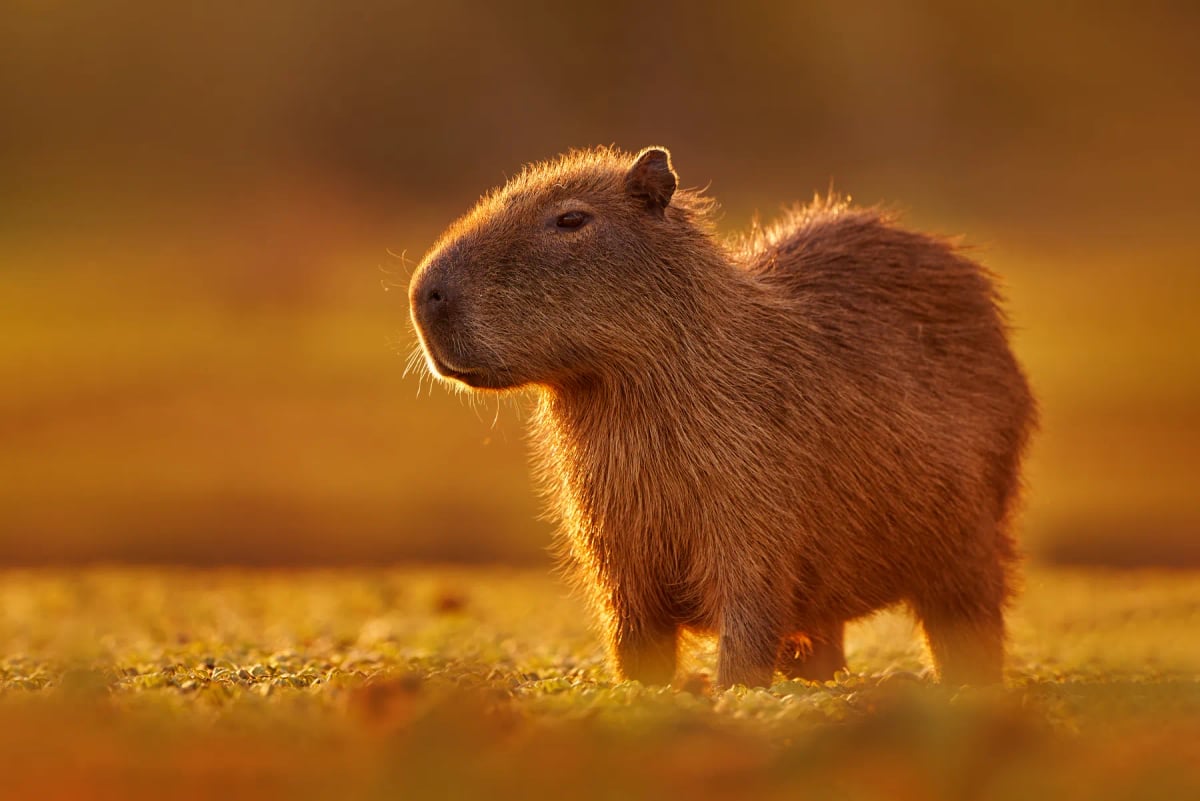
Capybara
Hydrochoerus hydrochaeris
In Uruguay, capybaras are found near rivers, streams, and wetlands throughout the country, with notable populations along the Uruguay and Negro rivers. They are the largest native rodent in Uruguay and a familiar sight in riparian habitats. Listed as Least Concern by the IUCN, the species is legally protected in Uruguay. Habitat loss from agriculture and urban expansion near waterways remains the primary pressure on local populations.
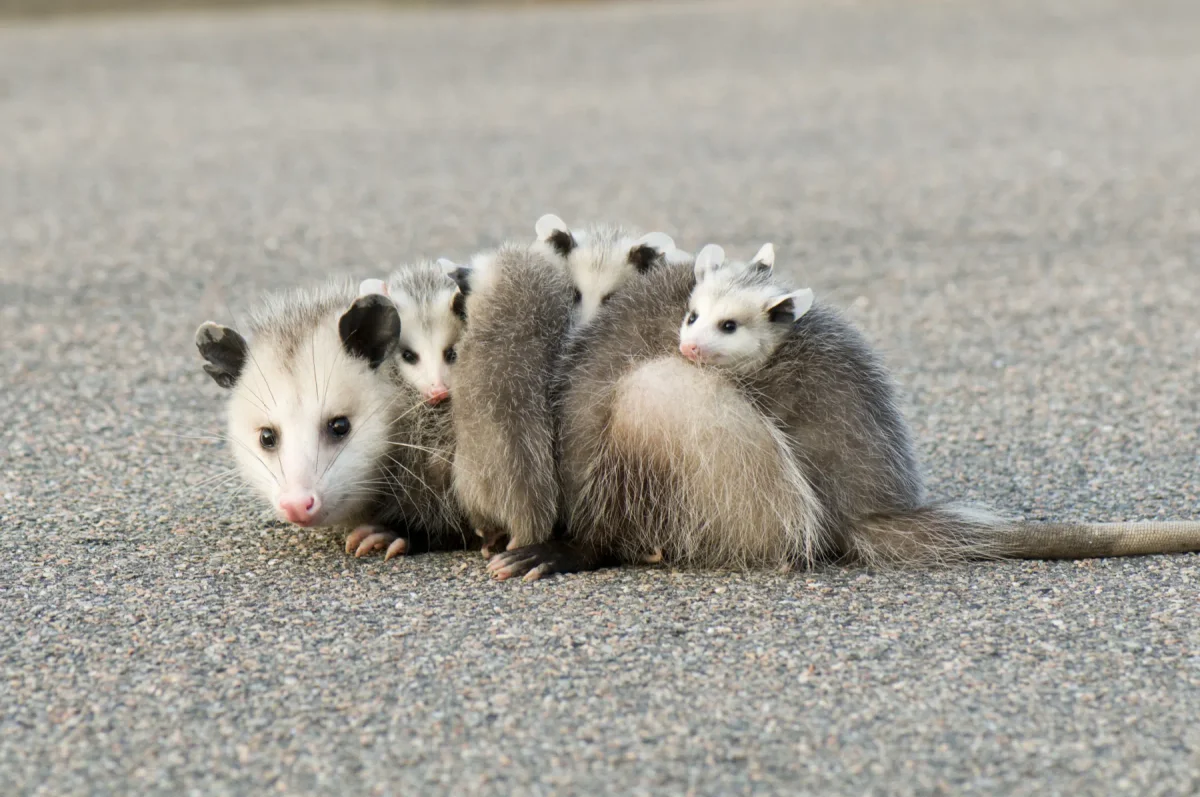
Opossum
Didelphis spp.
Uruguay marks roughly the southern limit of the opossum's natural range in South America. They are found mainly in the northern and northeastern departments, where gallery forests along rivers and patches of native woodland offer suitable habitat. Sightings near farms and suburban areas are not unusual. Populations are small compared to tropical countries but steady. The species holds Least Concern status in Uruguay.
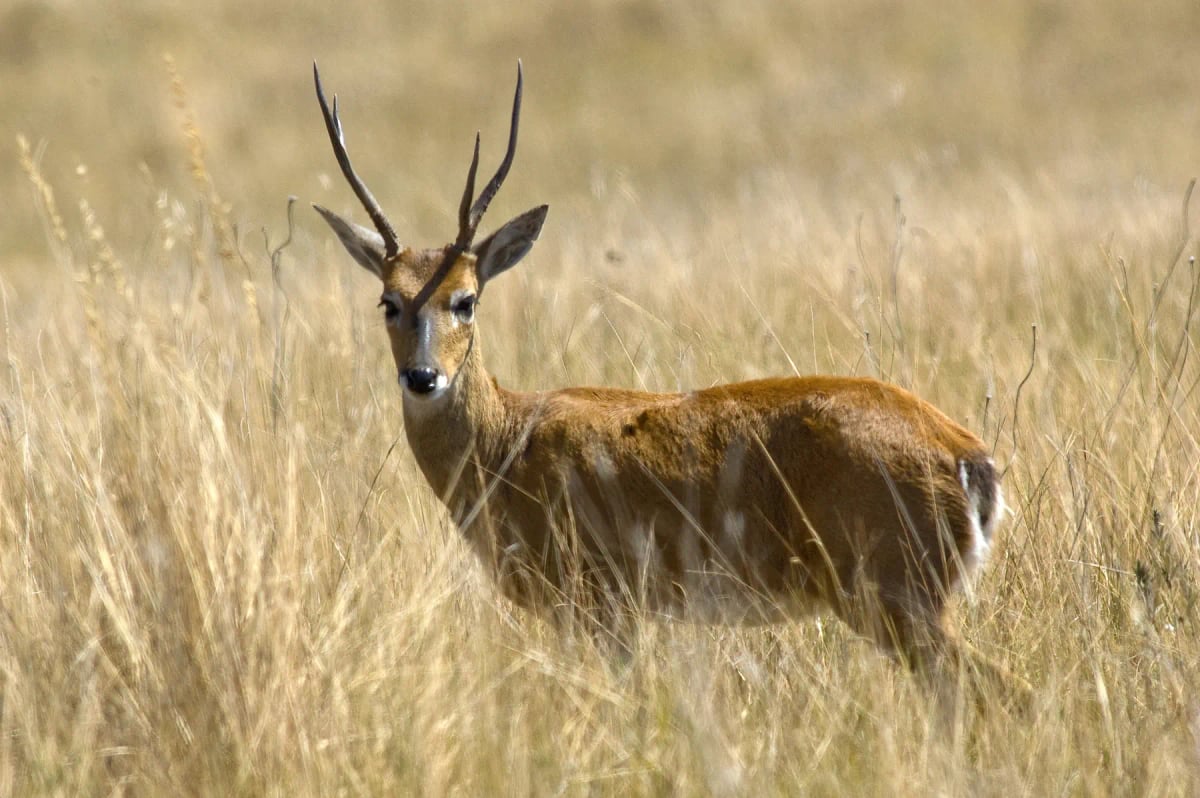
Pampas Deer
Ozotoceros bezoarticus
In Uruguay, the pampas deer inhabits open grasslands and is considered a symbol of the country's native wildlife. It favors undisturbed fields and gentle slopes across the interior. Intensive agriculture and the expansion of livestock farming have reduced its range considerably. Conservation efforts focus on preserving the native grasslands of Uruguay, which represent some of the most important remaining habitat for this species in the region.
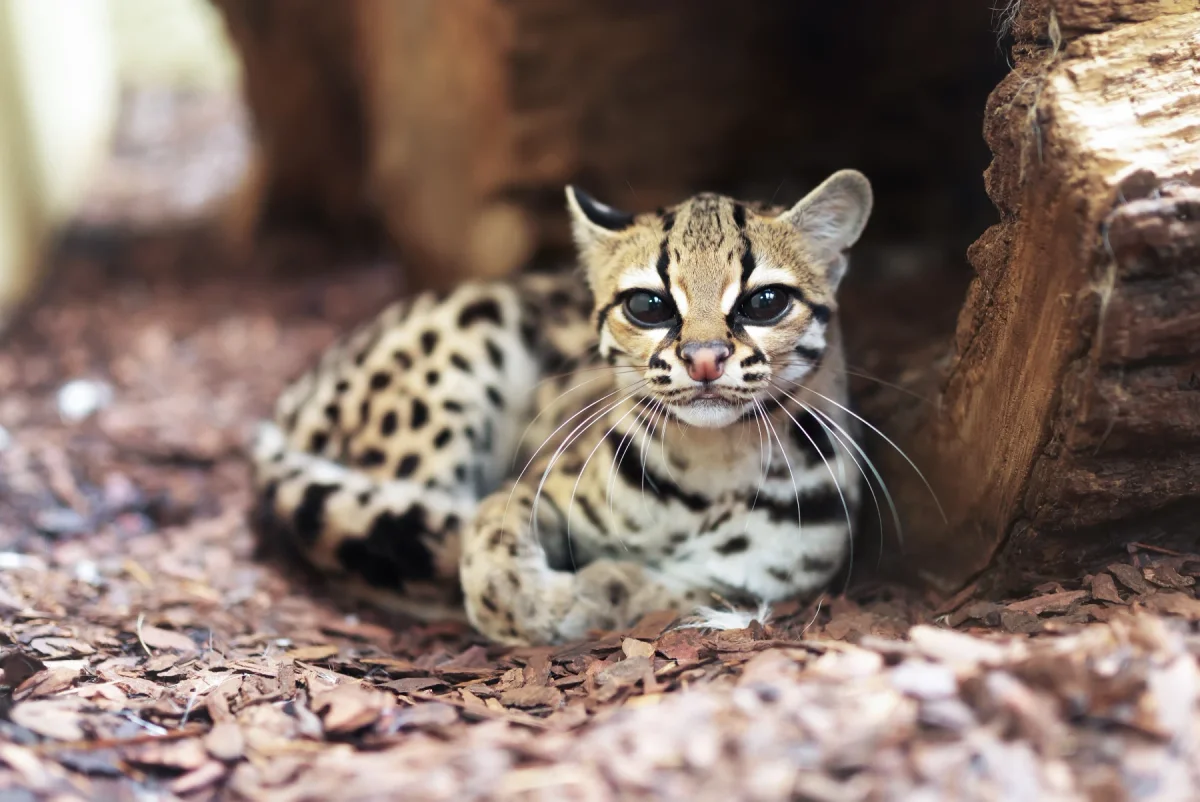
Margay
Leopardus wiedii
Uruguay sits at the southern edge of the margay's range, where sightings are extremely rare. The cat is associated with the gallery forests along river corridors in the north of the country, near the Brazilian border. Its presence in Uruguay is not well documented, and any population here is likely very small. As one of the most arboreal of all wild cats, it depends entirely on intact forest to survive. The IUCN lists it as Near Threatened.
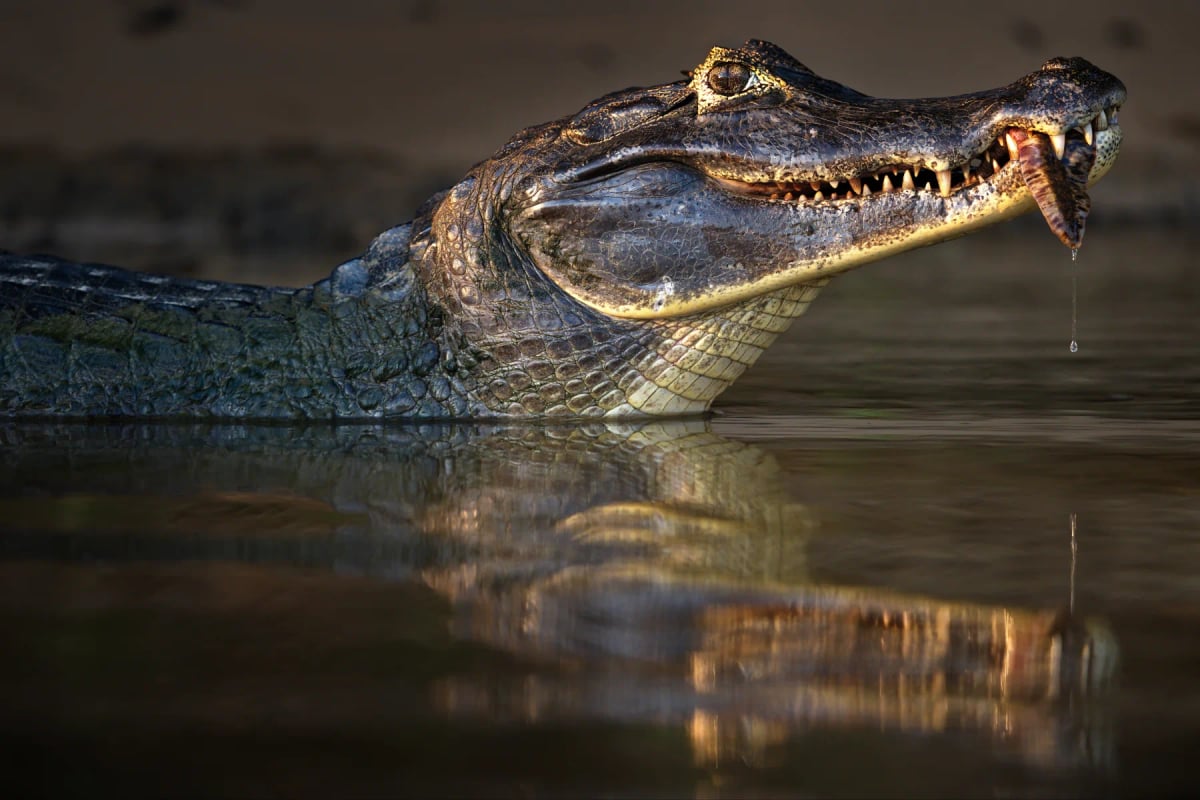
Caiman
Caiman spp.
Uruguay represents the southernmost limit of the caiman's range in South America. The broad-snouted caiman has been recorded in the northeastern wetlands near the border with Brazil and Argentina, particularly around the Cuareim and Negro river systems. Populations here are small and considered vulnerable to habitat disturbance. Conservation attention at the national level remains important to ensure the persistence of caimans at this edge of their natural range.
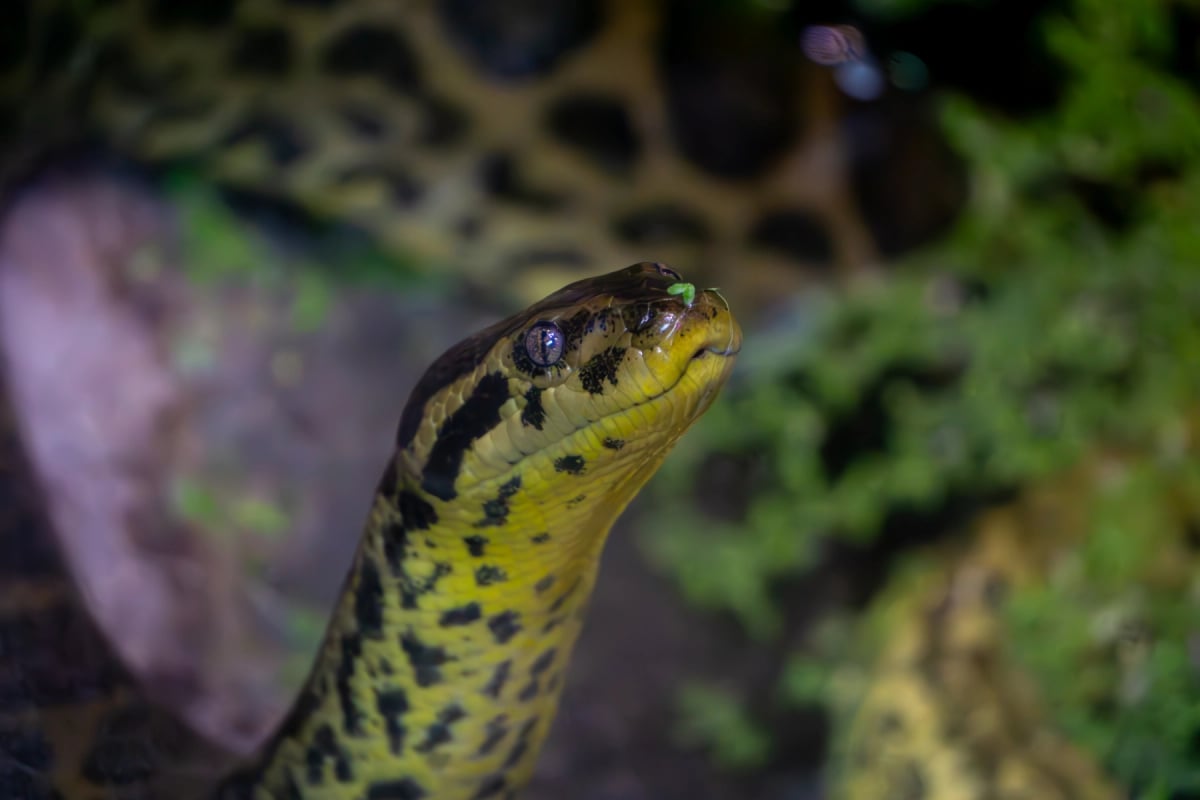
Yellow Anaconda
Eunectes notaeus
The yellow anaconda reaches the southern edge of its range in northeastern Uruguay, in the wetland areas near the borders with Argentina and Brazil. It has been recorded in the marshes and riverbanks of the region, though encounters are rare. It feeds on fish, birds and small mammals in the flooded lowlands of the Artigas department.
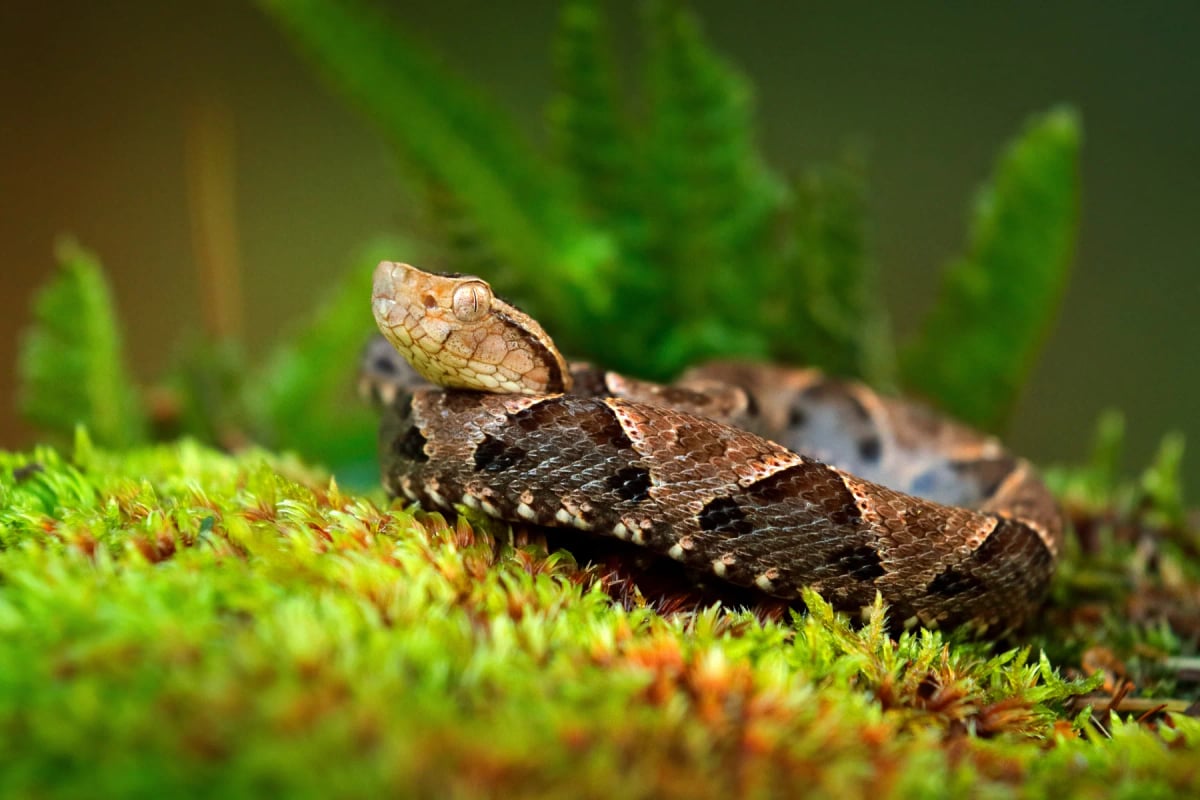
Lancehead
Bothrops spp.
Uruguay marks the southern limit of lancehead distribution in South America. Bothrops alternatus, known as the crossed pit viper, is the main species present, found in grasslands, wetlands and gallery forests along river corridors. It is the most medically significant snake in the country. Though encounters are less frequent than in tropical countries to the north, agricultural and rural workers in departments such as Rivera and Artigas should remain cautious.
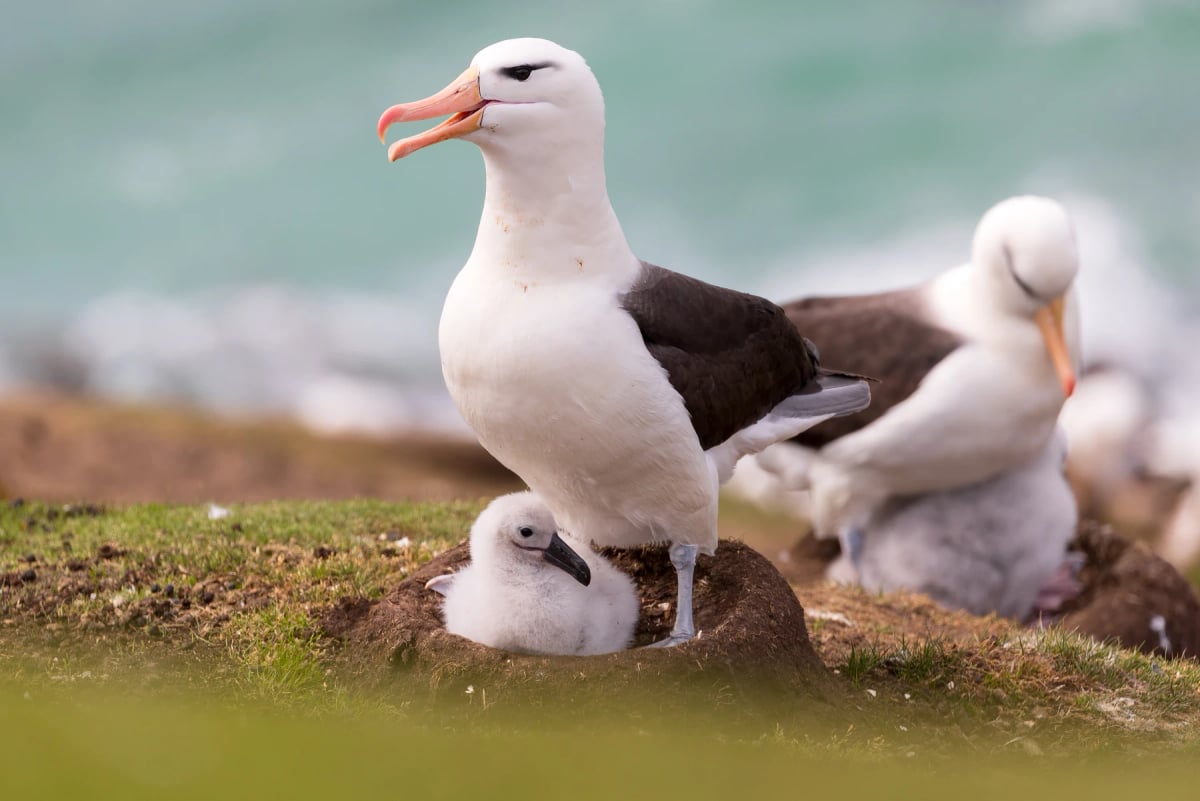
Black browed Albatross
Thalassarche melanophris
Along Uruguay's Atlantic coastline and over the Río de la Plata estuary, the black browed albatross appears regularly during the austral winter and spring. It is drawn to these productive waters by abundant fish and squid. Uruguayan longline and trawl fisheries operating in the southwestern Atlantic pose a significant bycatch risk to the species, and local conservation programs have worked with the fishing industry to reduce accidental capture.
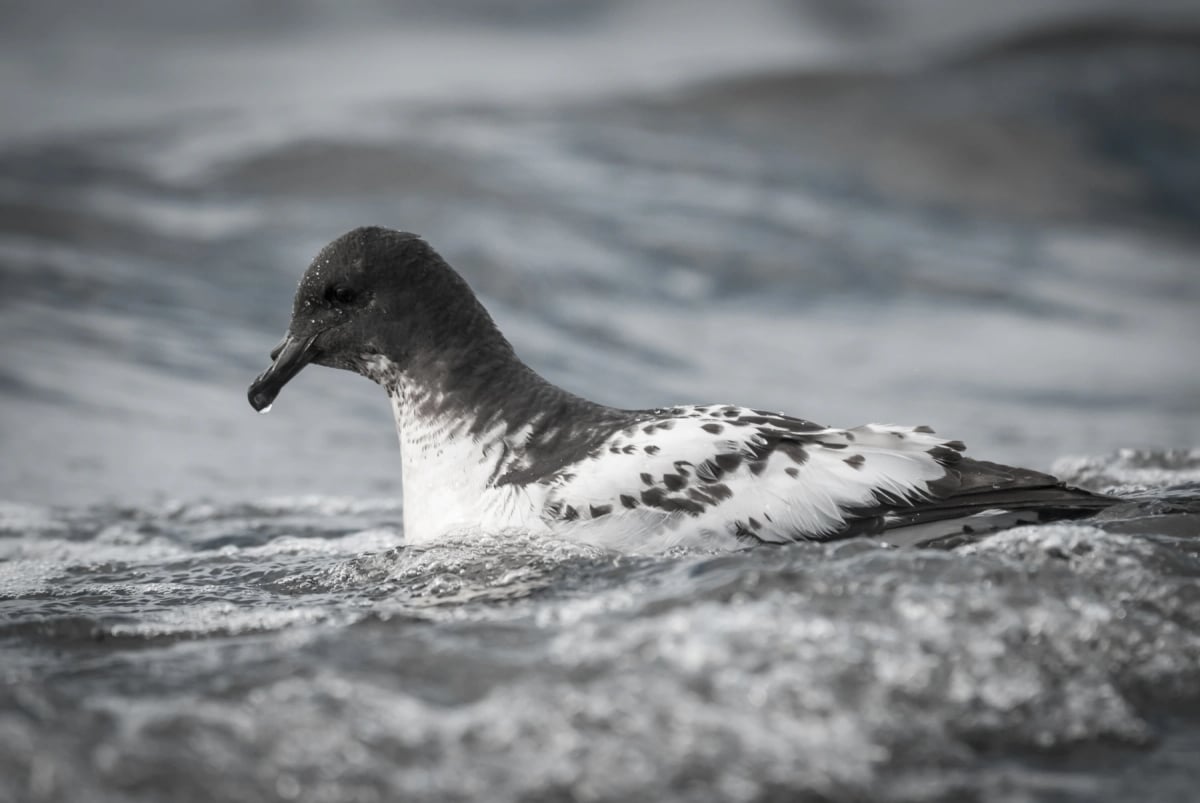
Cape Petrel
Daption capense
The Cape petrel visits the waters off Uruguay outside its breeding season, mainly during the austral winter, when birds from South Georgia and Antarctica move north along the South Atlantic. It is seen offshore, often following fishing vessels over the productive waters near the mouth of the Río de la Plata, and occasionally close to the coast after storms. It does not breed in the country. IUCN status: Least Concern.
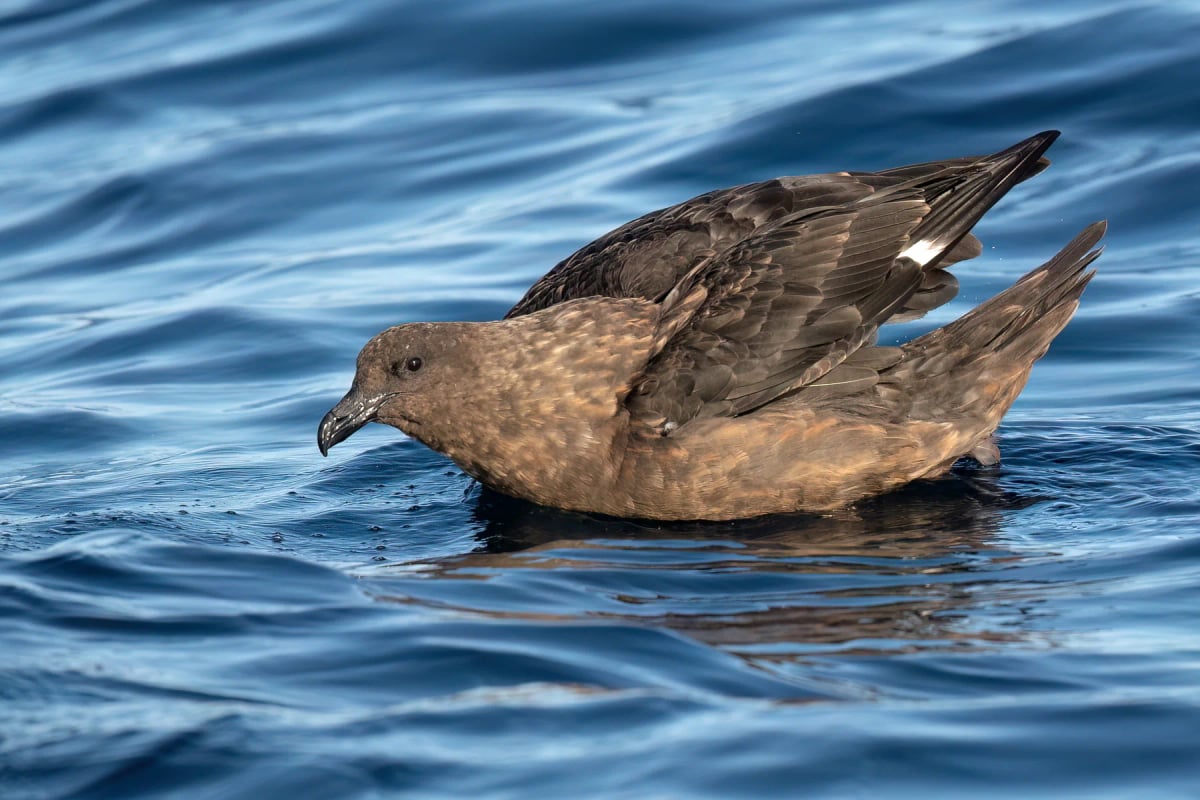
Brown Skua
Stercorarius antarcticus
The brown skua does not breed in Uruguay, but it visits the country's offshore waters outside the nesting season. In the southern autumn and winter, birds from the Falklands and Patagonia move north over the continental shelf, where they follow fishing boats for discards and chase gulls and terns to steal their catch. It is seen mostly from boats far offshore, occasionally from the coast near Punta del Este. IUCN status: Least Concern.
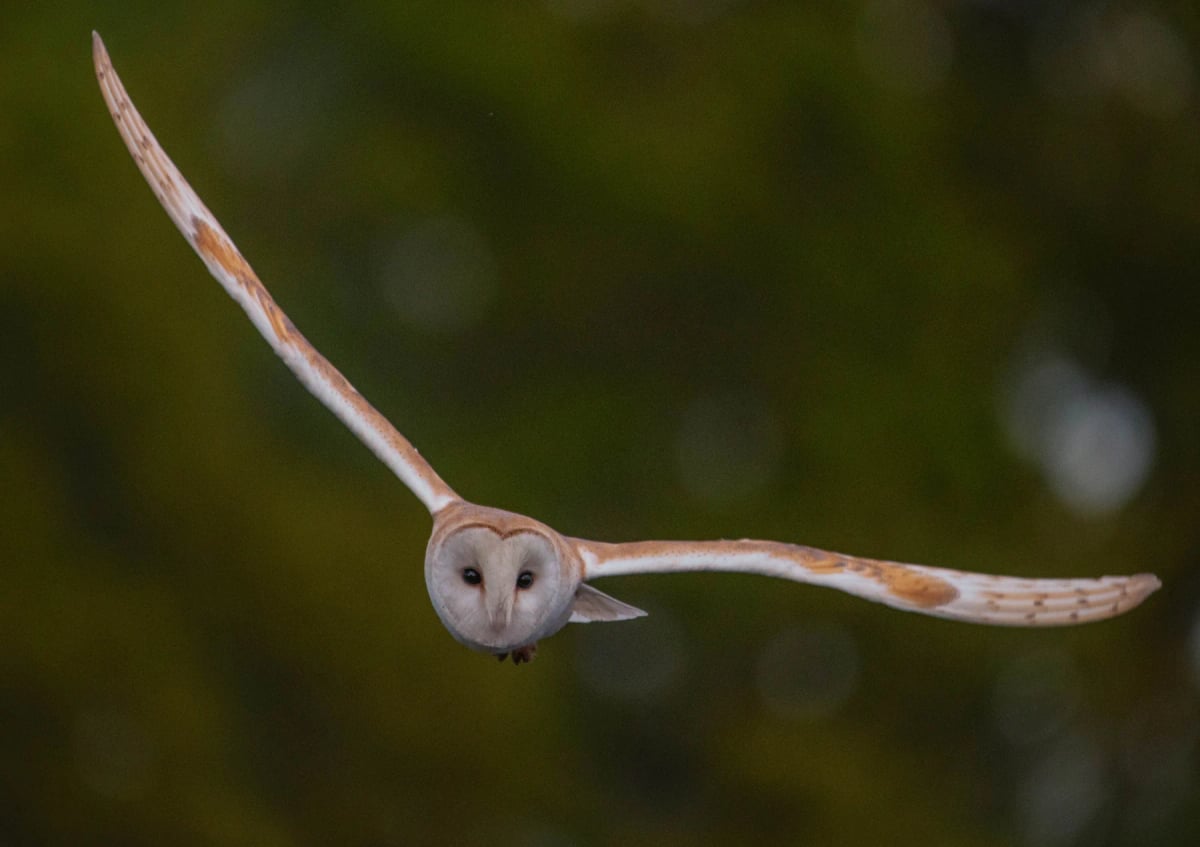
Barn Owl
Tyto alba
The barn owl is one of the most widespread birds of prey in Uruguay, found across the entire country in open farmland, grassland, and the outskirts of towns and villages. It nests in old farm buildings, eucalyptus trees, cliff faces, and hollow trees, and hunts rodents at night. Uruguay's open pastoral landscape, dominated by cattle and sheep ranching, provides extensive hunting habitat across virtually every department. It is one of the most commonly encountered raptors in the country and is valued by farming communities for naturally controlling rodent populations.
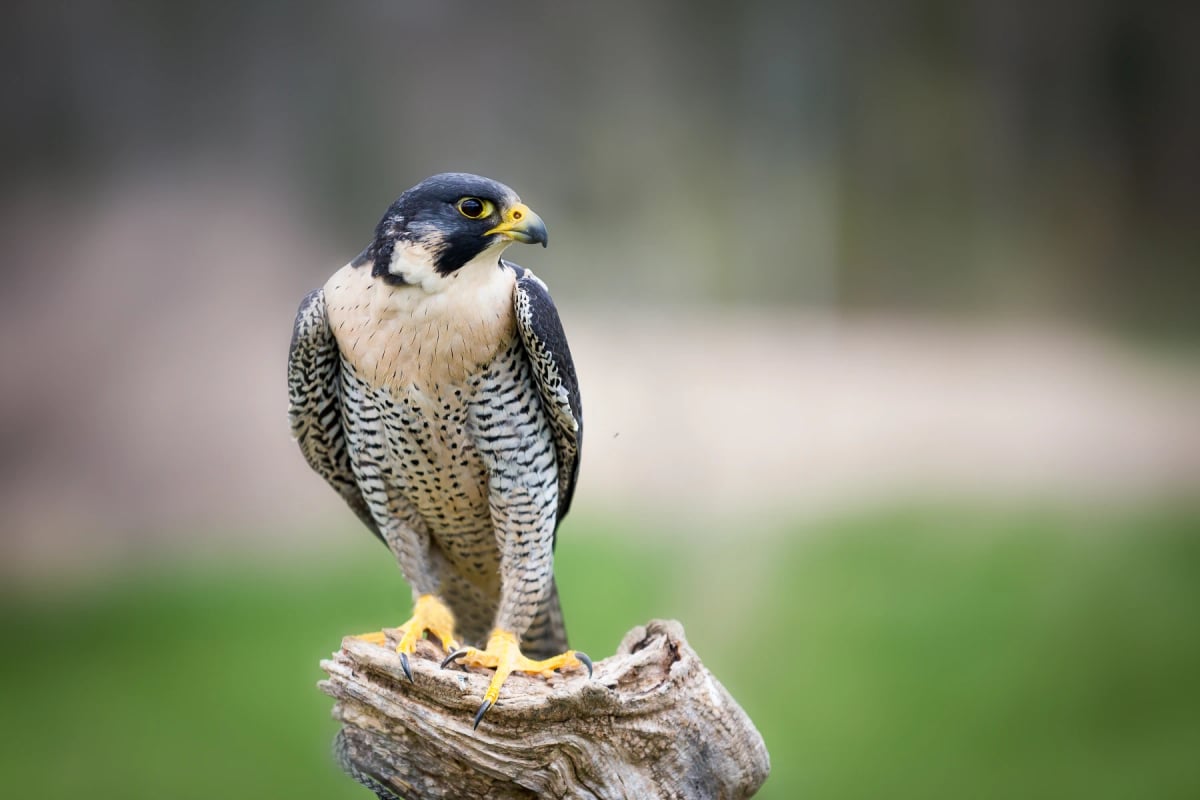
Peregrine Falcon
Falco peregrinus
In Uruguay, the peregrine falcon is present mainly during the austral winter months, when birds from Patagonian breeding populations move northward. It frequents the open grasslands of the Pampas, the Atlantic coast, and the wetlands along the Río de la Plata estuary. These wide, open spaces suit its hunting style perfectly. Local birdwatchers regularly record the species at coastal sites around Montevideo and the Rocha department.
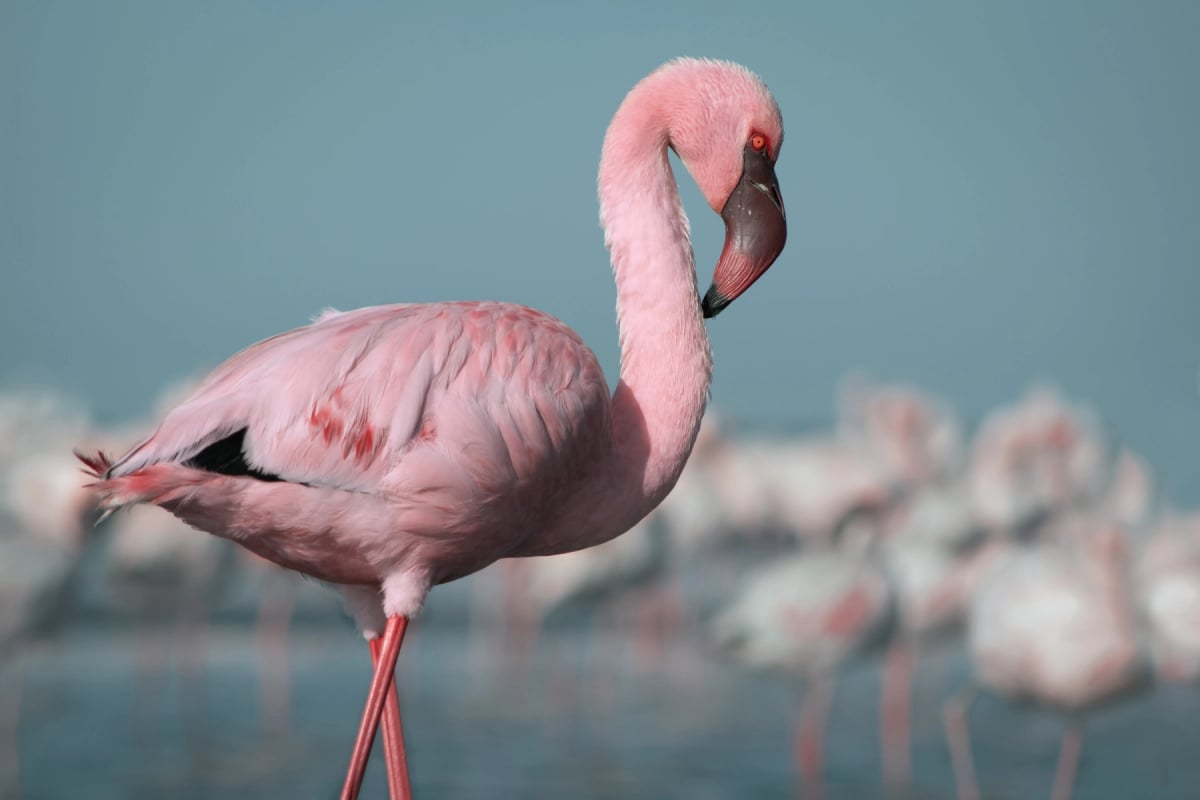
Flamingo
Phoenicopteridae (6 species)
The Chilean flamingo visits Uruguay outside the breeding season, mainly in autumn and winter. Flocks feed in the coastal lagoons of the east, such as Laguna de Rocha and other lagoons along the Atlantic coast, and on the shores of the Río de la Plata, filtering small crustaceans and algae in the shallow, brackish water. It is the only flamingo regularly seen in the country, and it is listed as Near Threatened. IUCN status: Near Threatened.
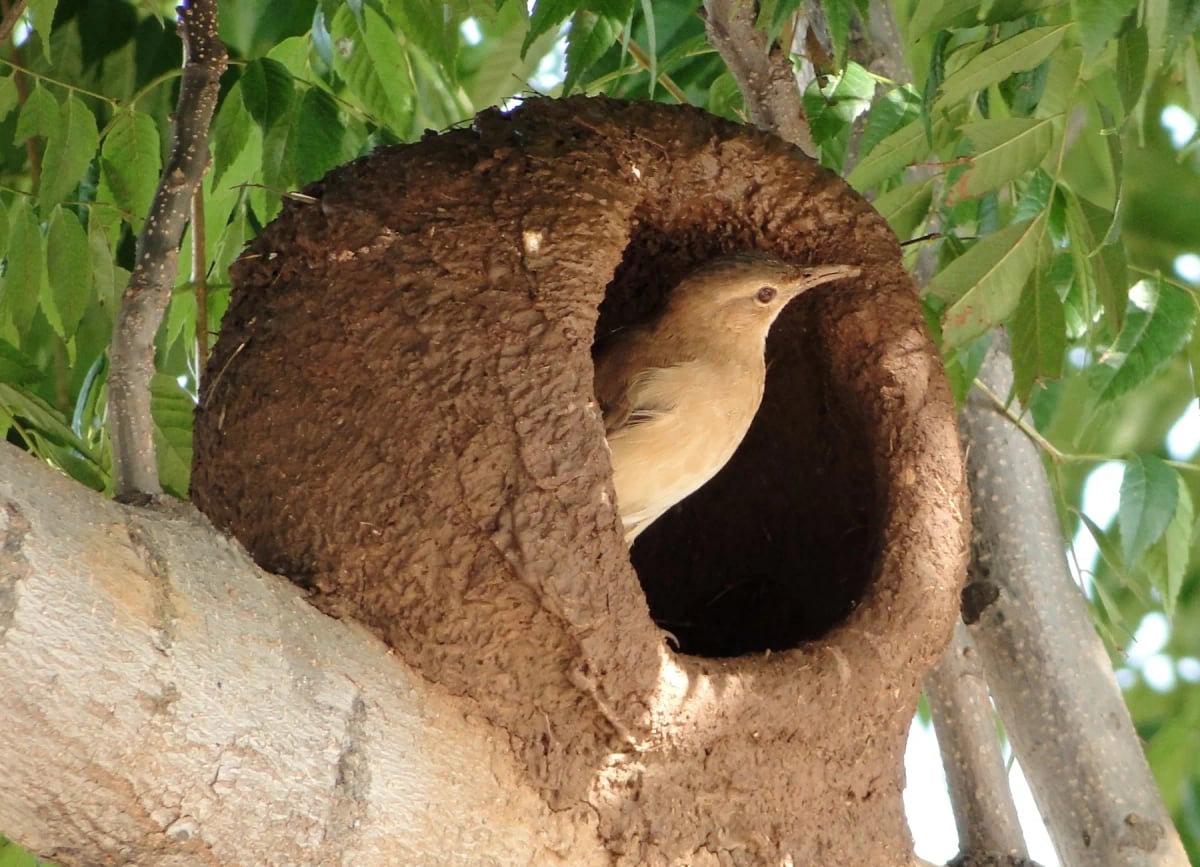
Hornero
Furnarius rufus
Uruguay's rolling grasslands and farming countryside make it one of the best places in South America to observe the rufous hornero. The species is abundant across the entire country, nesting on fence posts, trees, and buildings in both rural and urban settings. It forages confidently on open ground and is a beloved part of everyday life for many Uruguayans. Its IUCN status is Least Concern.
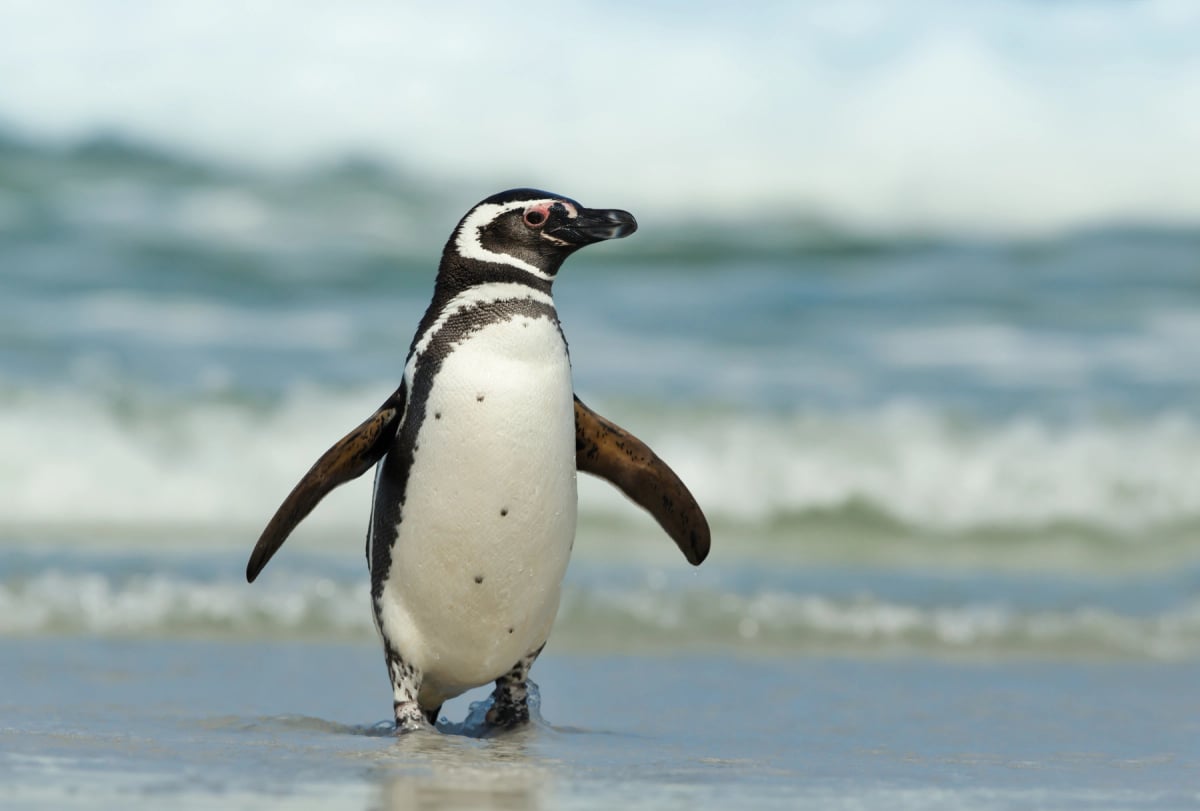
Magellanic Penguin
Spheniscus magellanicus
The Magellanic penguin is a regular winter visitor to Uruguay. Birds from the Argentine colonies pass along the Uruguayan coast between April and October on their migration north, feeding on anchovies and other fish over the continental shelf. Many stay far offshore, but young and exhausted birds often come ashore on the beaches of Rocha and Maldonado, where they are rescued and cared for. The species does not breed in Uruguay. IUCN status: Least Concern.
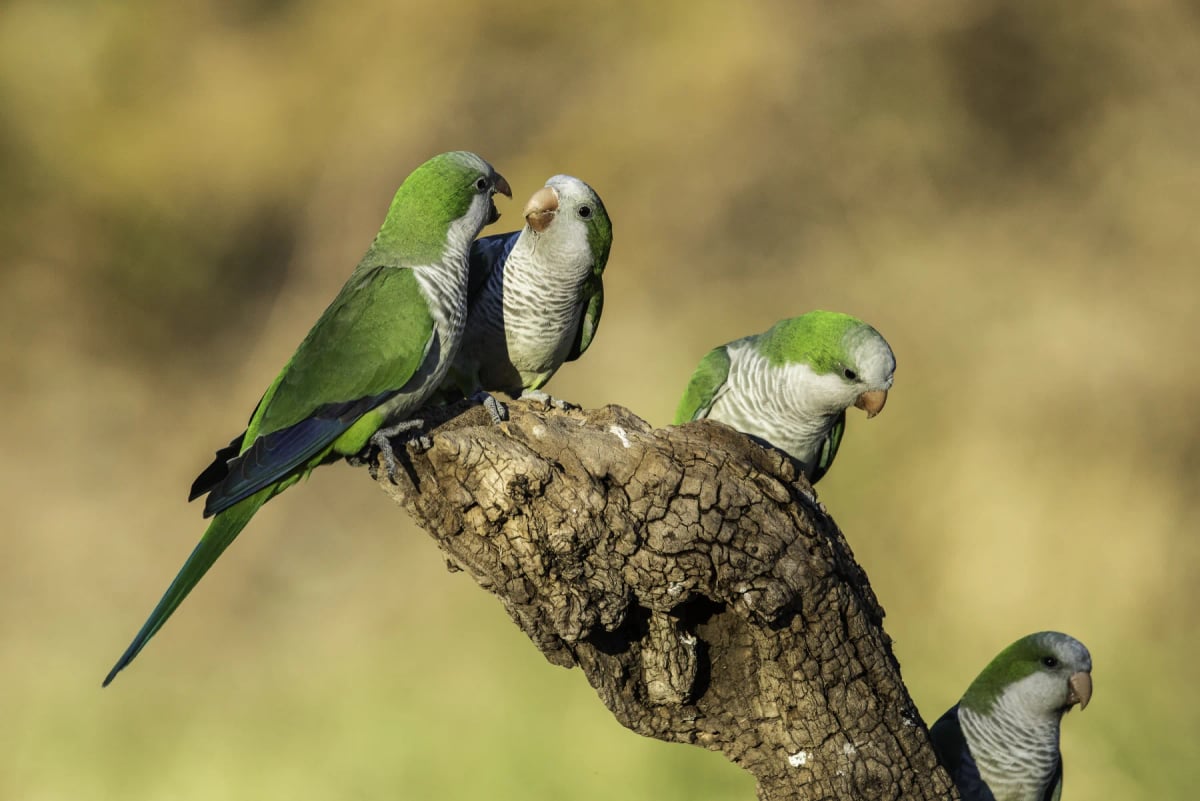
Monk Parakeet
Myiopsitta monachus
The monk parakeet is one of the most recognizable birds in Uruguay, present across the entire country from rural pastures to city parks in Montevideo. It builds its characteristic large stick nests on trees and power lines throughout the year. Uruguayans commonly call it the cotorra, and it is deeply embedded in everyday life as a familiar and often noisy neighbor. IUCN status: Least Concern.
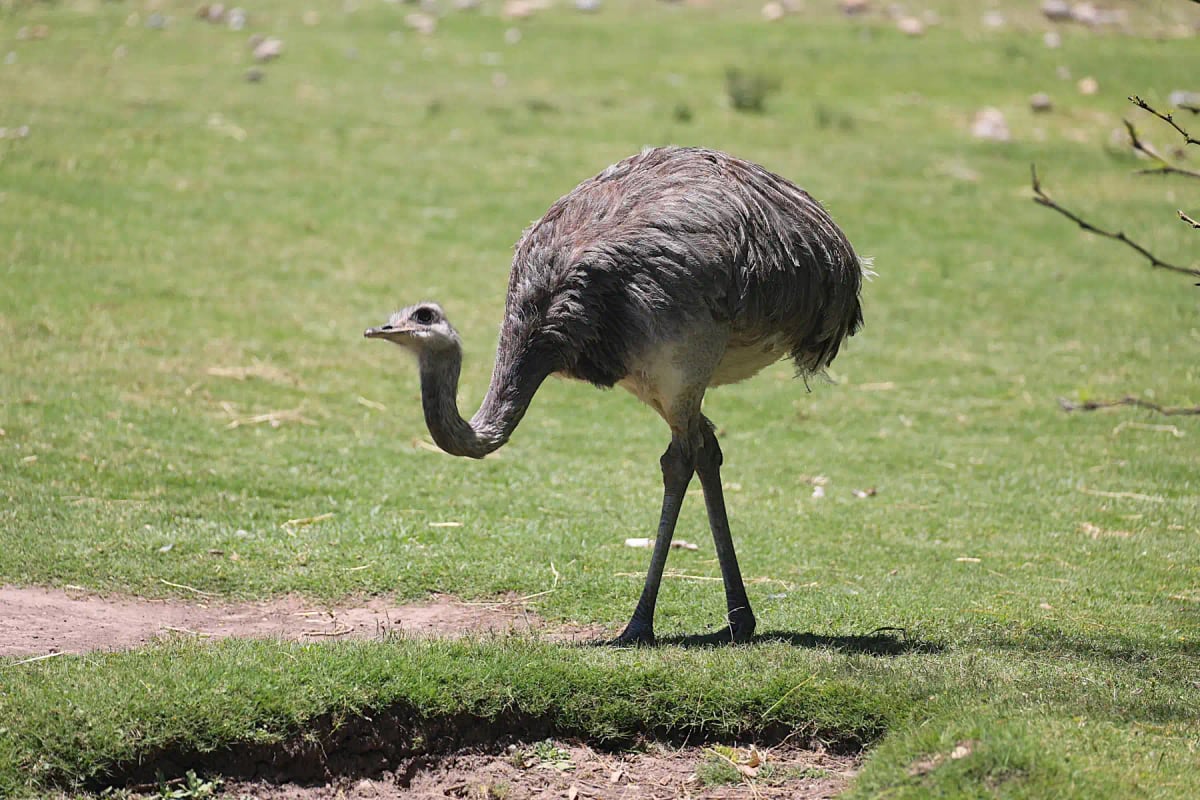
Rhea
Rhea americana
The greater rhea is the largest bird in the Americas, standing up to 1.5 meters tall. In Uruguay it lives in the open grasslands and farmland of much of the country and is one of the most familiar birds of the countryside. It runs at up to 60 kilometers per hour. Uruguay's rheas are among those most affected by hunting and farming. Males guard nests with dozens of eggs. IUCN status: Near Threatened.
Southern Lapwing
Vanellus chilensis
In Uruguay, the southern lapwing, known as the tero, is considered the national bird. It is one of the most familiar birds in the landscape, found across the rolling grasslands, farmland, river edges and city parks of the whole country. Uruguayans admire it for its fierce defense of its nest and its constant, piercing calls, which warn everyone nearby when someone approaches. IUCN status: Least Concern.
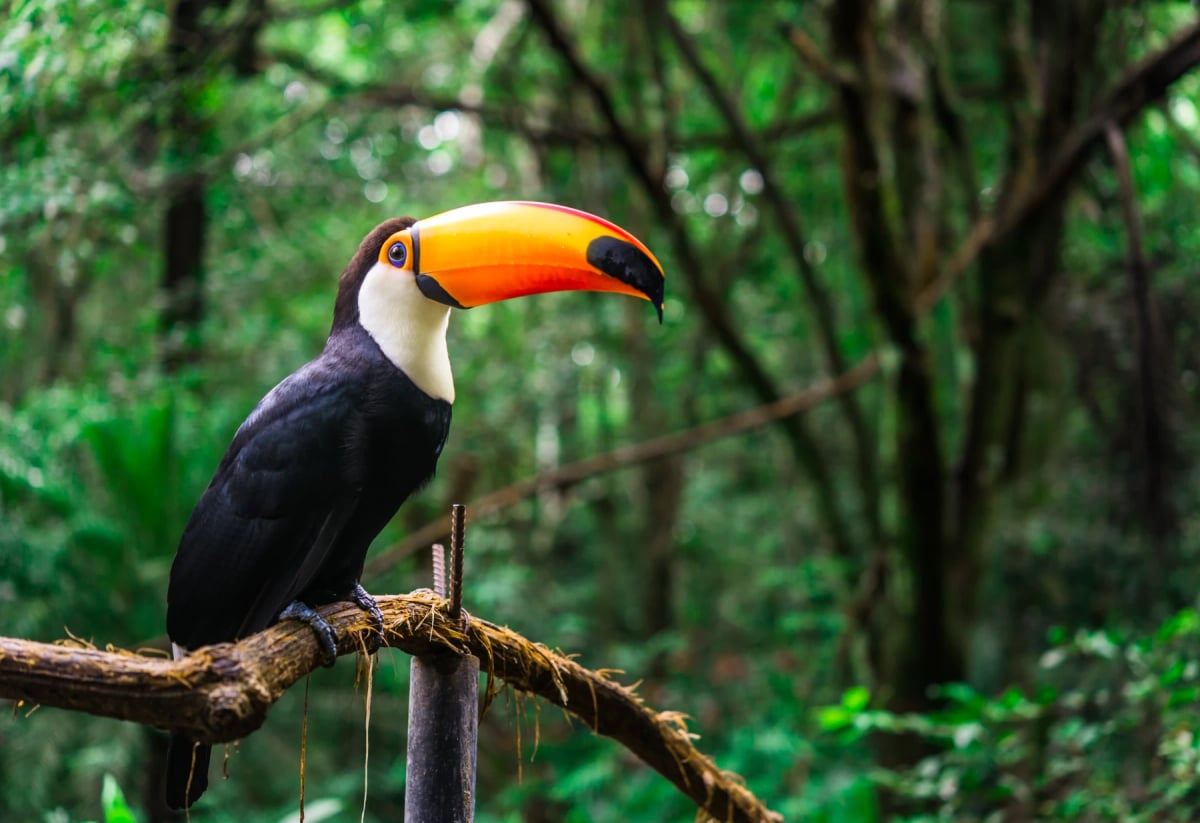
Toco Toucan
Ramphastos toco
In Uruguay, the toco toucan is a recent arrival, part of a southward expansion of the species. It is seen mainly in the north of the country, near the borders with Brazil and Argentina, in gallery forests along rivers, wooded hills and the edges of towns with fruiting trees. Still scarce, it attracts attention wherever it appears, thanks to its huge orange bill tipped in black and its deep, croaking calls. IUCN status: Least Concern.
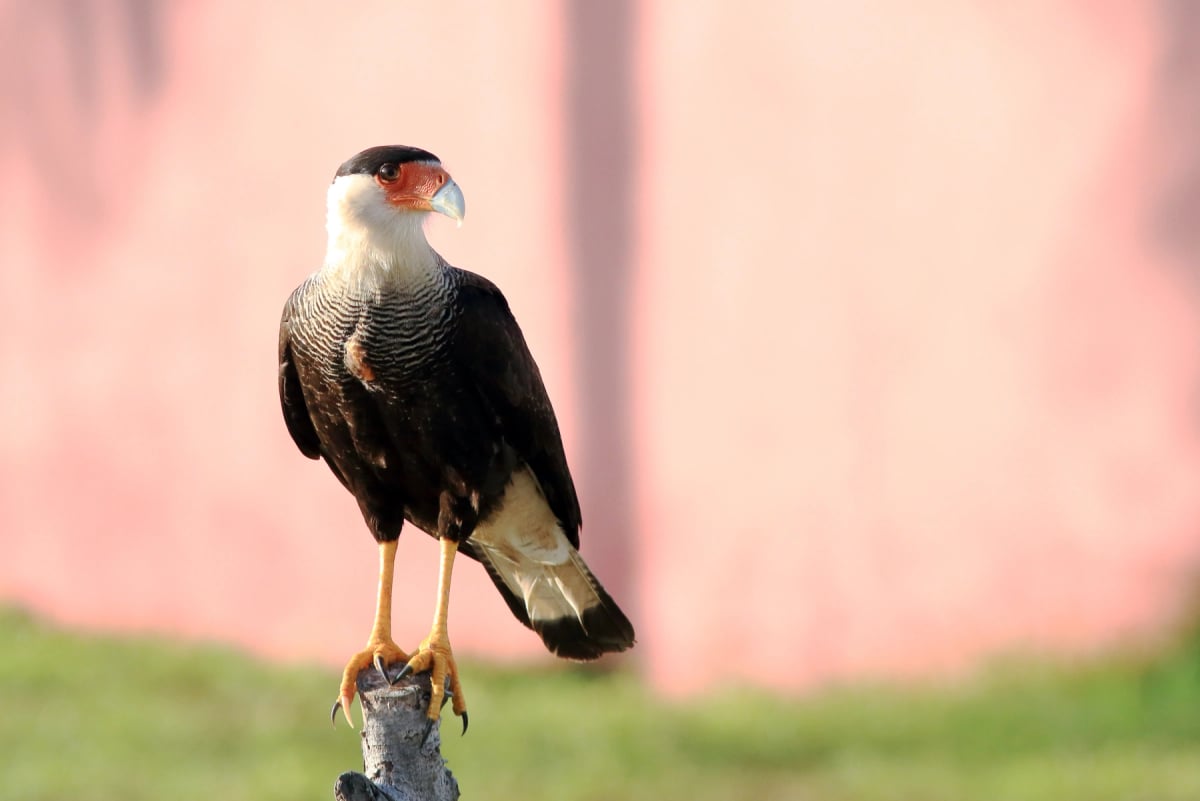
Southern Caracara
Caracara plancus
The southern caracara, known locally as carancho, is one of the most familiar birds of prey in Uruguay. The country's rolling grasslands and wetlands suit it very well. It walks through cattle pastures and open fields eating carrion and insects, and it often follows tractors to catch small animals turned up by the plow. It is used to people and can be seen both in the countryside and near towns. The IUCN lists it as Least Concern.
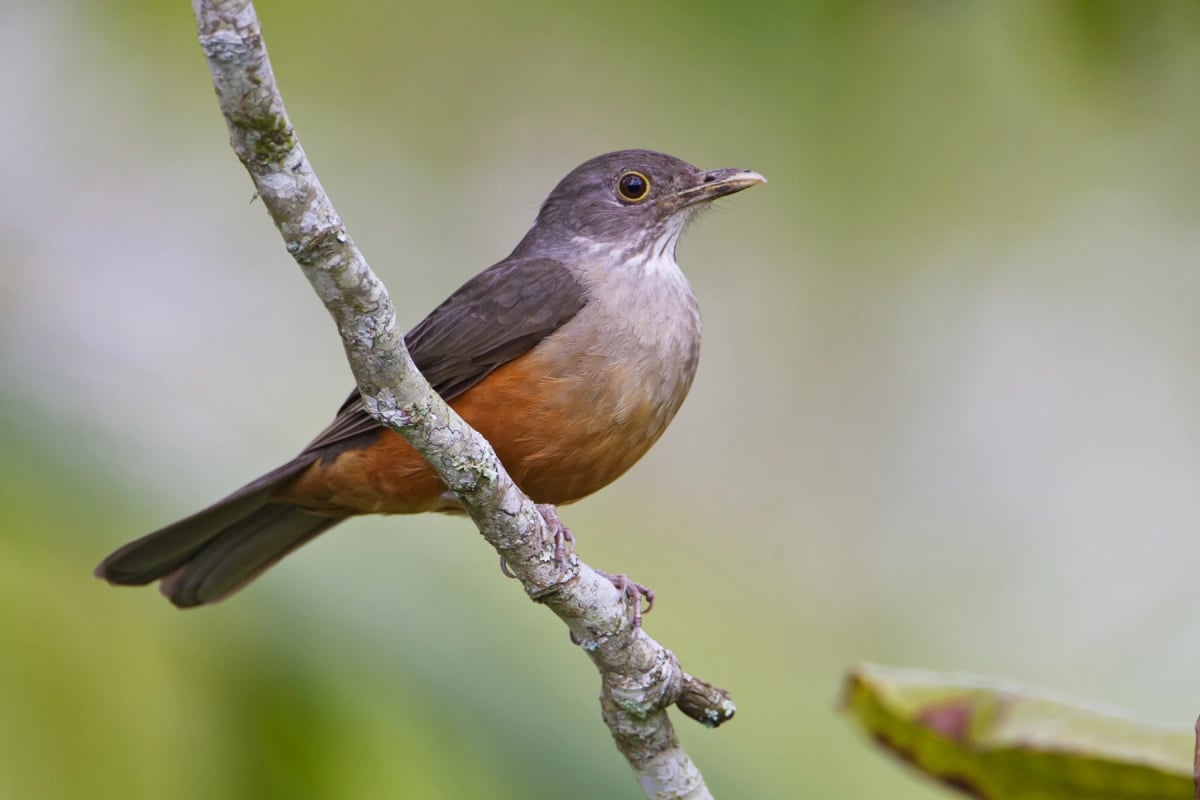
Rufous bellied Thrush
Turdus rufiventris
In Uruguay, near the southern edge of its range, the rufous bellied thrush, here called the zorzal común, nests across the country in spring and summer. It lives in the riverside forests of the Uruguay and Negro rivers and the wooded areas of the interior, and in Montevideo and other cities it has settled into parks and gardens. Its bold, fluting song makes it one of Uruguay's most noticed everyday birds. IUCN status: Least Concern.
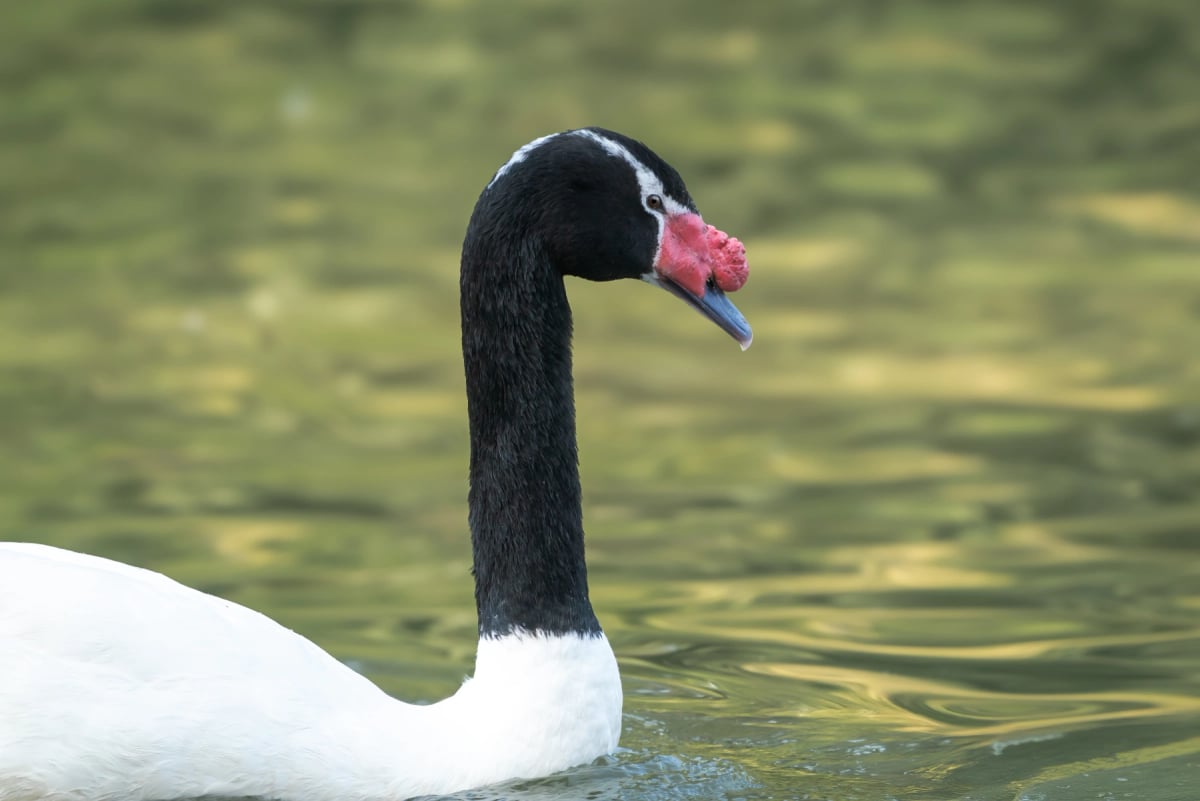
Black necked Swan
Cygnus melancoryphus
The black necked swan is a well known breeding bird of Uruguay's coastal lagoons, wetlands, and estuaries, particularly along the Atlantic coast and in areas such as Laguna de Rocha. Pairs nest among emergent vegetation, and cygnets are often seen riding on the backs of their parents. Wetland degradation and water pollution pose ongoing threats to local populations. The IUCN lists the species as Least Concern.
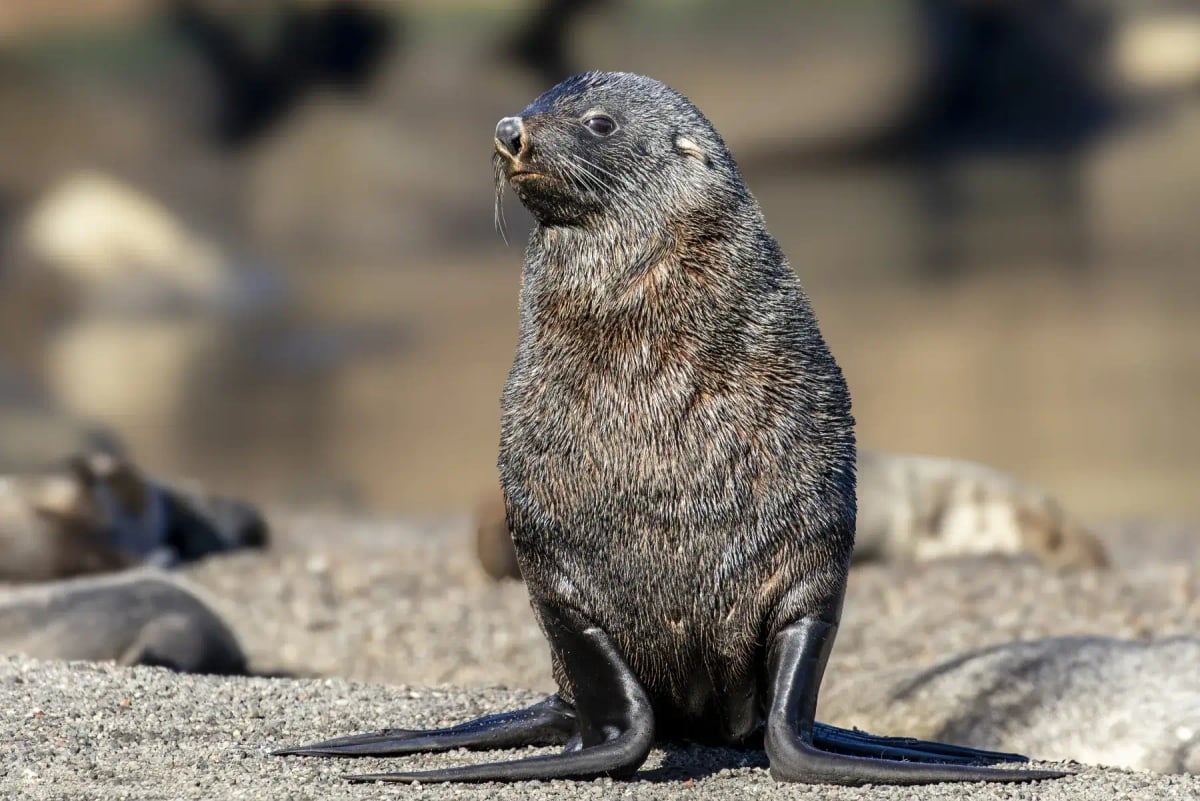
Fur Seal
Arctocephalus spp.
Uruguay has the largest population of South American fur seals, known locally as lobos de dos pelos. Most breed on Isla de Lobos, a protected island off Punta del Este that is one of the biggest pinniped colonies in the Americas, and on the islands off Cabo Polonio, where both fur seals and sea lions can be watched from the rocks near the lighthouse. Boats from Punta del Este sail around Isla de Lobos, where landing is not allowed. IUCN status: Least Concern.

Bottlenose Dolphin
Tursiops truncatus
Uruguay has a small coastal group of bottlenose dolphins, part of a population of only a few dozen animals that moves along the coast between Uruguay and southern Brazil. They are seen in the Río de la Plata and along the Atlantic coast of Maldonado and Rocha, sometimes close to the beaches of Punta del Este. Because they are so few, they are considered threatened in the region. IUCN status: Least Concern.
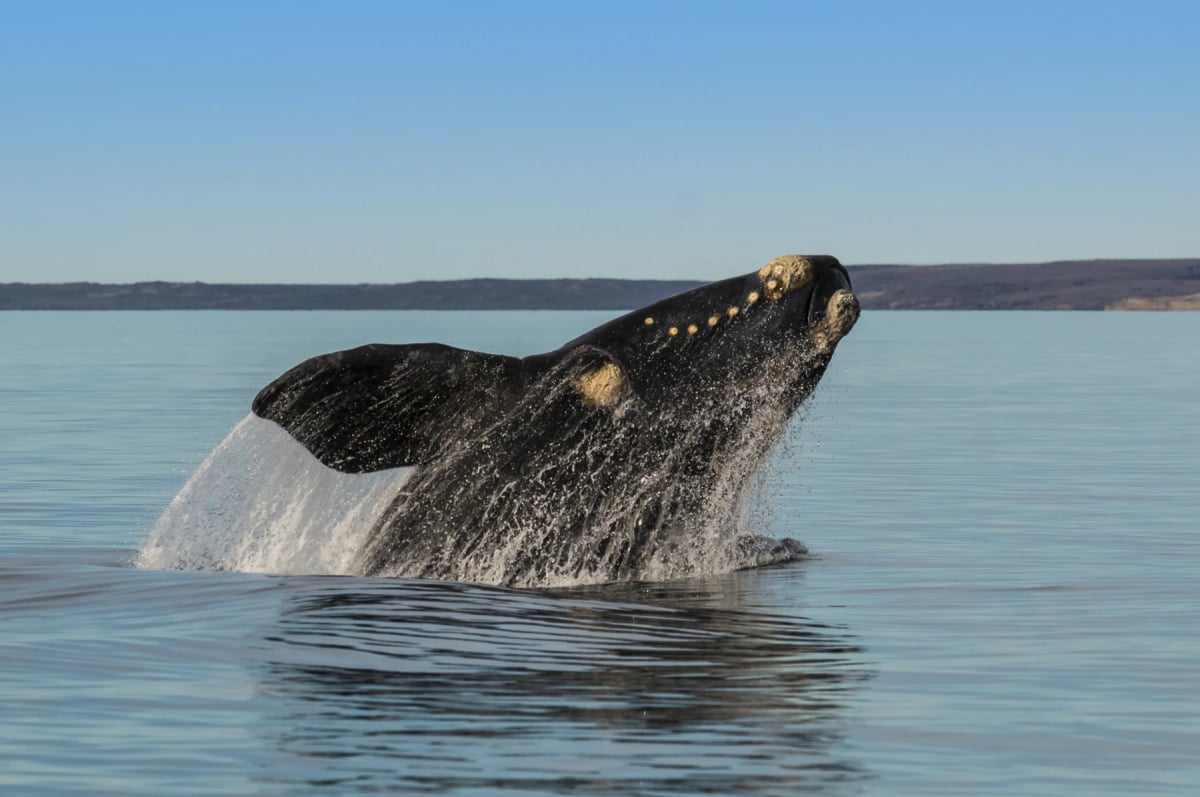
Southern Right Whale
Eubalaena australis
Southern right whales visit the coast of Uruguay every year between July and October, from Solís in Maldonado to La Coronilla in Rocha, to mate, give birth and nurse their calves. They can often be seen from land in Punta del Este, José Ignacio, La Paloma, Cabo Polonio and Punta del Diablo. Since 2013 the country's waters have been a sanctuary for whales and dolphins, and these whales share their population with Argentina. IUCN status: Least Concern.
Frequently Asked Questions
What animals live in Uruguay?
Uruguay's animals include capybaras, armadillos, opossums, hares, pampas deer and margays. Its birds include the tero or southern lapwing, the hornero, rheas, monk parakeets, rufous bellied thrushes, caracaras, barn owls, black necked swans and peregrine falcons. In the warm wetlands of the north live caimans, yellow anacondas and lanceheads. Along the Atlantic coast there are fur seals, southern right whales, bottlenose dolphins and black browed albatrosses.
What is the national animal of Uruguay?
The national bird of Uruguay is the tero, known in English as the southern lapwing. It is a black, white and gray bird with a thin crest and a sharp call, and it lives in fields, pastures and river banks all over the country. It nests on the ground and defends the area with loud calls and low flights, warning everything nearby, which made it a symbol of always being on guard. Uruguay has no other animal declared a national symbol by law, although the capybara is one of the most typical animals of its wetlands.
Are there capybaras in Uruguay?
Yes. The capybara, called carpincho in Uruguay, is common in wetlands, rivers and coastal lagoons across the country. It is the largest rodent on Earth: an adult can weigh more than 50 kilograms. Capybaras live in groups, feed on grasses and water plants, and spend much of the day in or near the water, where they escape from danger and can stay submerged with only their nose showing. The Santa Lucía wetlands near Montevideo, the Esteros de Farrapos on the Uruguay River and the lagoons of Rocha are good places to see them.
Where can you see whales and sea lions in Uruguay?
Southern right whales come to the Uruguayan coast every year from about July to November, to mate and raise their calves in calm water. They can be seen from the beaches and cliffs of Rocha and Maldonado, along the route known as the whale road, and Punta del Este and José Ignacio are among the best spots. Fur seals and sea lions live all year on Isla de Lobos, off Punta del Este, one of the largest colonies in the world, and they also rest on the rocks of Cabo Polonio, where they can be watched from land.
Are there dangerous animals in Uruguay?
Uruguay has very few dangerous animals and no large land predators. The main risk is venomous snakes: lanceheads, known as crucera or yarará, live in grasslands and stony ground, and most bites happen to people working in the fields. Hospitals carry antivenom, and bites are rare. Caimans and yellow anacondas live in the warm wetlands of the north and are rarely a threat if left alone.
Researched and written by Juan Pablo. Sources: IUCN Red List, scientific literature and regional field guides. Last updated: .