Animals in Venezuela
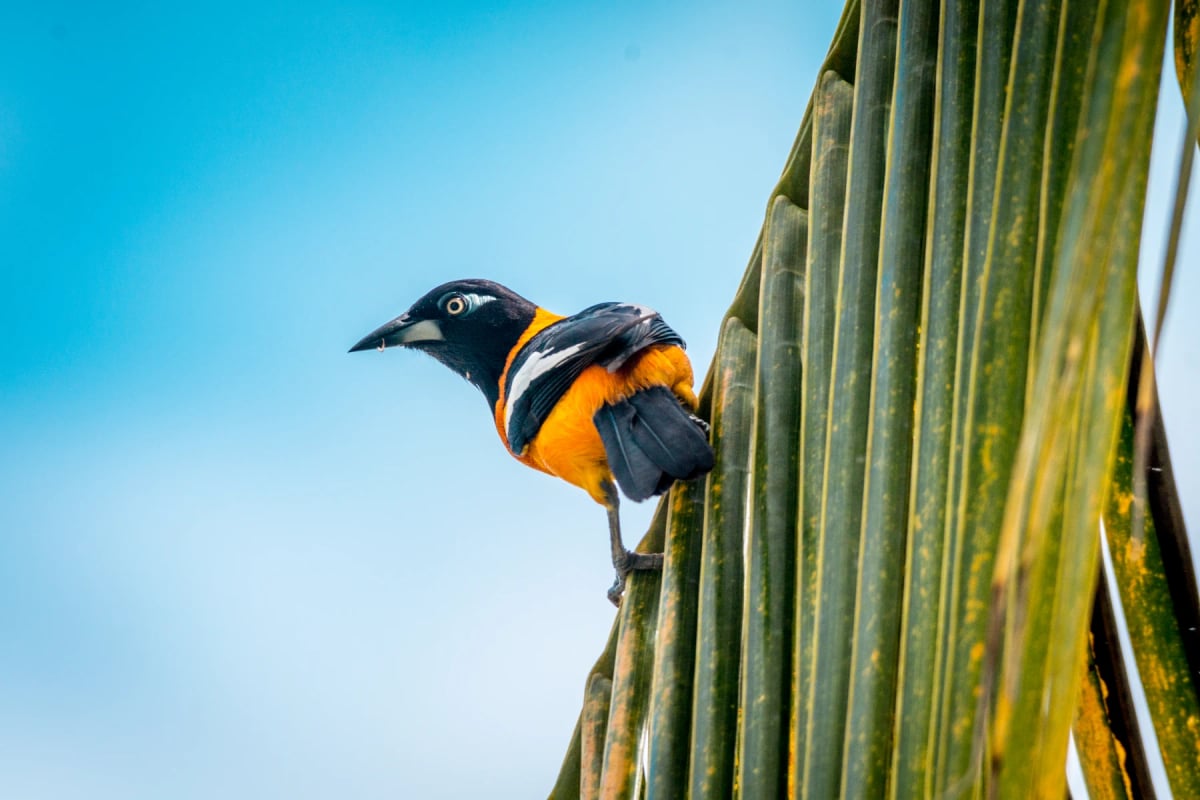
Turpial
Icterus icterus
The turpial is the national bird of Venezuela, declared a national symbol on 23 May 1958 after a contest organized by the Venezuelan Society of Natural Sciences. It is a medium sized oriole with bright orange and yellow underparts, a black head and back and white patches on the wings. It lives in open woodland, savanna, scrub and city parks, and often uses trees near houses and farms. It feeds on insects, fruit and nectar, and its clear, varied song is heard through the day. Turpials rarely build their own nest, and usually take over nests made by other birds.
View details→Wildlife in Venezuela
Venezuela stretches from Caribbean beaches and mangroves to the Llanos plains, the Orinoco basin, the flat topped mountains of the Guiana Shield and the Amazon rainforest, and it has one of the richest faunas in South America. In its forests live jaguars, ocelots, margays, jaguarundis, cougars, tapirs, sloths, anteaters, armadillos, spider monkeys, squirrel monkeys and red howler monkeys. The Llanos are the heart of Venezuelan wildlife: during the rainy season the plains flood and fill with capybaras, caimans, anacondas and scarlet ibises, the bright red birds known as corocoras. Giant otters and Amazon river dolphins swim in the Orinoco and its tributaries, and manatees feed in its delta and in Lake Maracaibo. In the Andes, spectacled bears live in cloud forests and on the highest slopes. Along the coast, sea turtles nest on the beaches and dolphins swim in warm Caribbean waters.
Most Dangerous Animals in Venezuela
Venezuela has wild animals that can be dangerous in certain situations, mainly in remote forests, wetlands and coastal waters. Jaguars and cougars are powerful predators in forests and savannas, but they avoid people and attacks are extremely rare. The spectacled bear is shy too, although it can react if it is surprised at close range. In the rivers and flooded plains of the Llanos, caimans rest along the banks and anacondas hunt in the marshes, where they can kill large prey by constriction, but they are rarely a threat to people. The real risk comes from venomous snakes, above all lanceheads, called mapanares in Venezuela, which cause most snakebites in the country, and rattlesnakes in drier areas. Most bites happen to farm workers in fields and plantations. In the sea, tiger sharks and bull sharks live off the Caribbean coast, but incidents with swimmers are very uncommon. Wearing boots, watching where you step and traveling with local guides greatly reduce the risks.
Top 10 Animals in Venezuela
The top animals of Venezuela connect its main landscapes, from flooded plains to rainforest, mountains and the Caribbean. In the Llanos, capybaras graze in large groups, caimans rest along the channels, anacondas hunt in the marshes and scarlet ibises gather in bright red flocks at sunset. In rainforest regions, jaguars, ocelots, sloths, tapirs, spider monkeys and red howler monkeys move through dense cover near rivers and forest clearings, while scarlet macaws cross the canopy. In the rivers of the Orinoco basin, giant otters and Amazon river dolphins are the best known animals, and manatees feed in quiet lagoons. In the Andes, spectacled bears use cloud forest and high slopes. Along the coast, sea turtles nest on Caribbean beaches. Together these species give a clear picture of how varied Venezuelan wildlife is across plains, mountains and tropical forest.
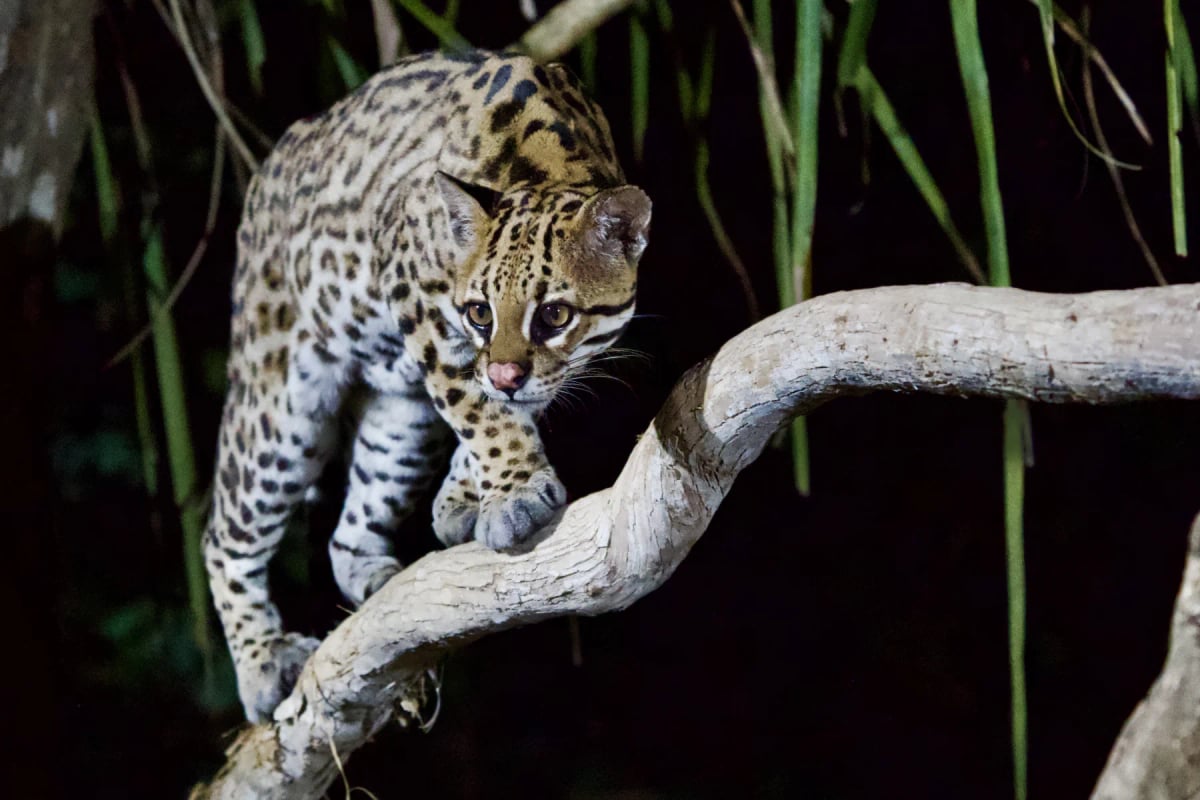
Ocelot
Leopardus pardalis
In Venezuela, ocelots inhabit a broad range of ecosystems, from the tropical forests of the Amazon basin in the south to the grasslands of the Llanos and the dry woodlands further north. They are nocturnal hunters, taking small mammals, reptiles, and birds. Though listed as Least Concern by the IUCN, habitat loss from agriculture and illegal hunting for their fur continue to put pressure on local populations.
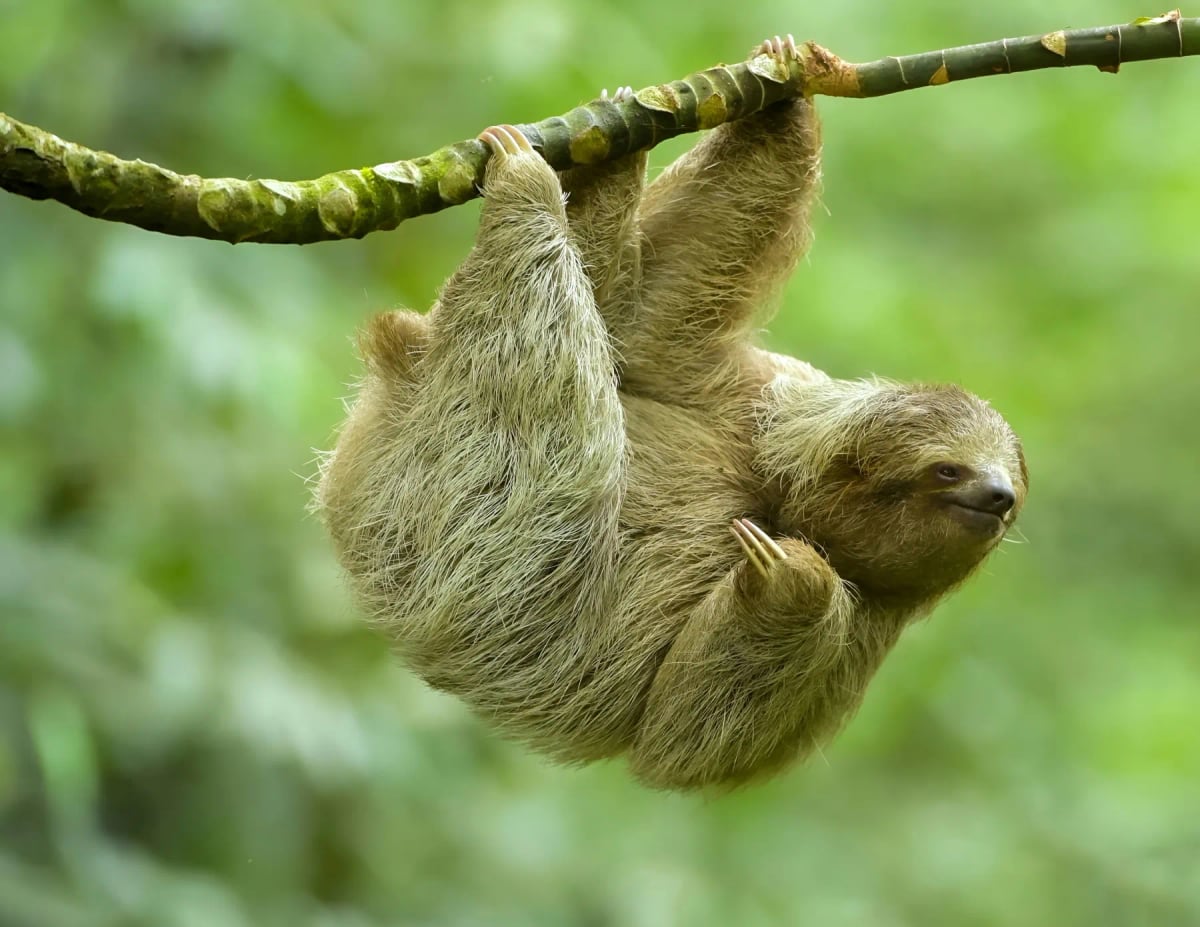
Sloth
Folivora
In Venezuela, sloths are found across the Orinoco river basin and the Amazonian forests of the south, particularly in states like Amazonas and Bolívar. The country's Gran Sabana region, with its mix of forest and open savanna, marks the edge of suitable sloth territory. Venezuela's southern lowland forests remain some of the least disturbed in the continent, offering a relatively stable environment for these slow-moving tree dwellers.
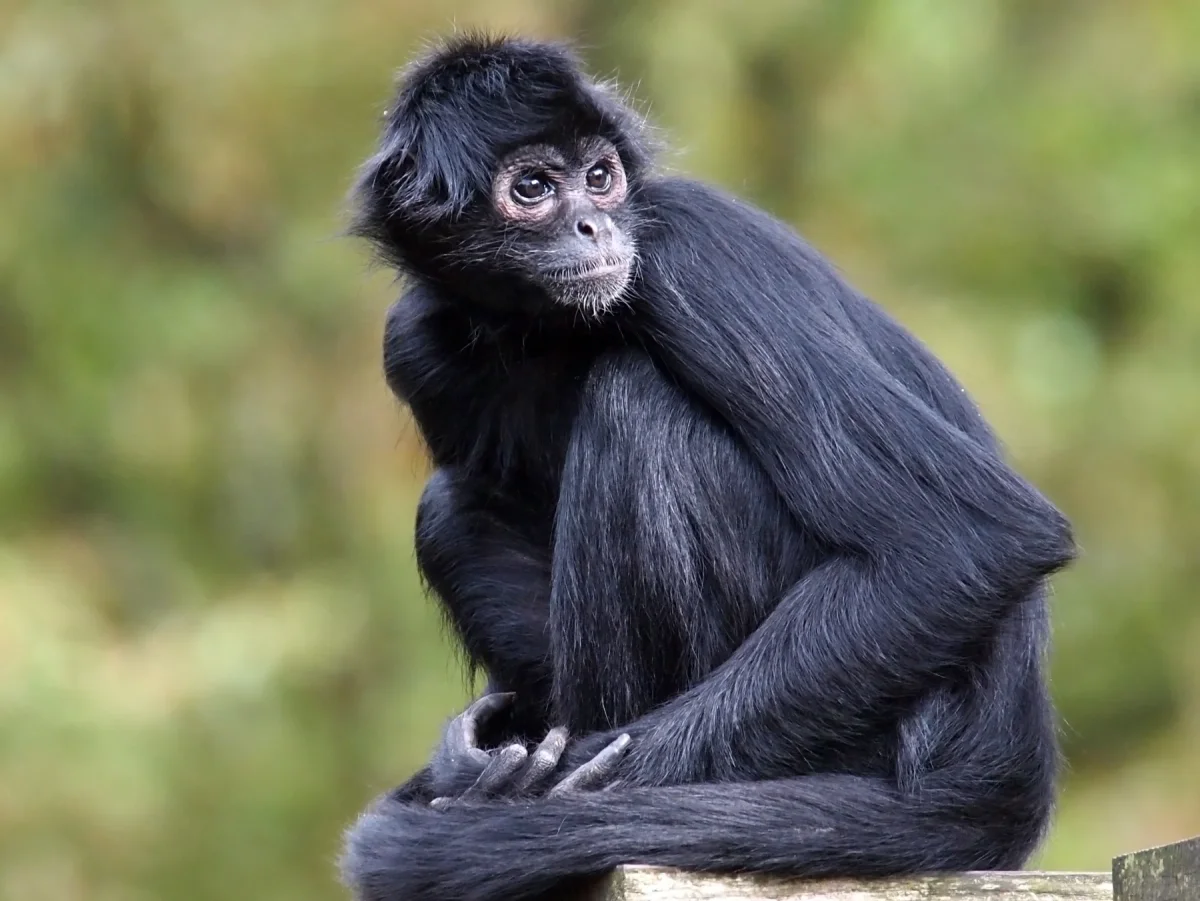
Spider Monkey
Ateles spp.
In Venezuela, spider monkeys are found in the Amazon and Orinoco forest regions of the south and southeast, including areas within the Canaima National Park biosphere. They travel widely through the canopy in search of ripe fruit, making large and connected forest areas essential for their survival. Political and economic instability in recent years has made conservation oversight increasingly difficult across much of the country.
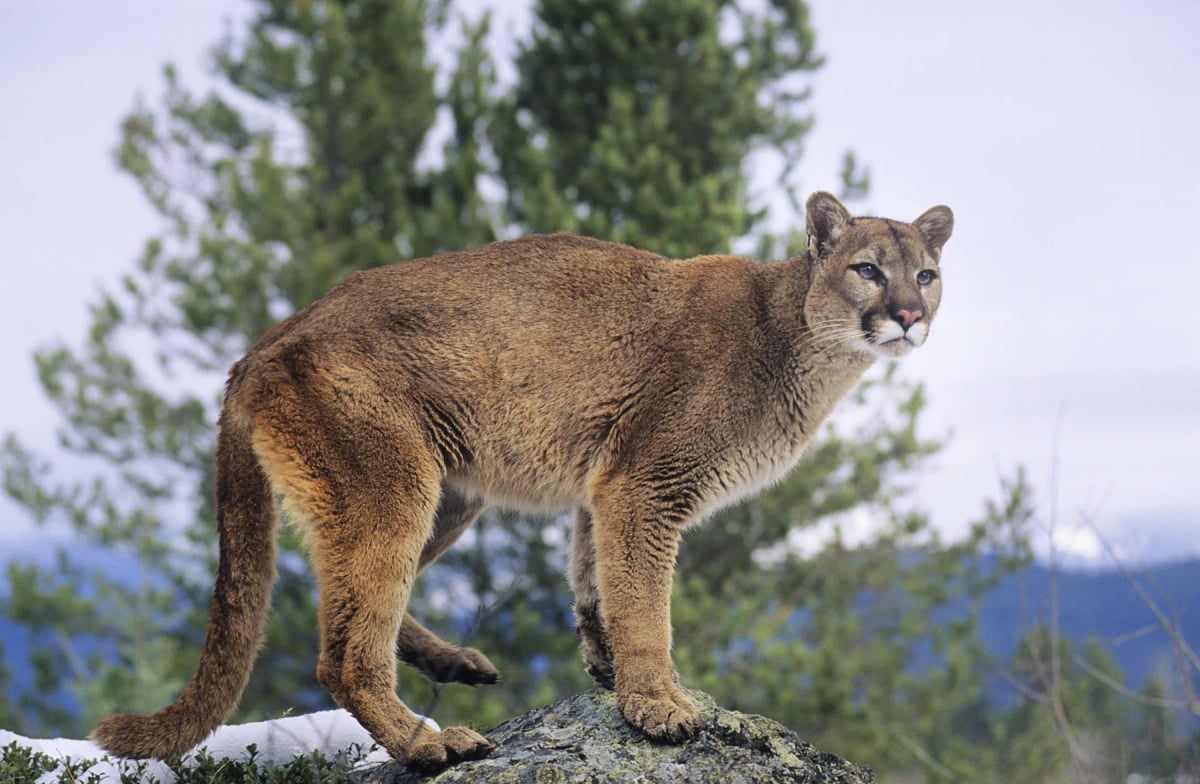
Cougar
Puma concolor
In Venezuela, cougars roam a remarkable variety of landscapes, from the Andean foothills in the west to the vast Llanos grasslands in the center and the dense forests of the Guiana Highlands in the south. They tend to avoid areas of heavy human settlement but persist across protected zones. Listed as Least Concern globally, local populations still face pressure from habitat loss and conflict with livestock ranchers.
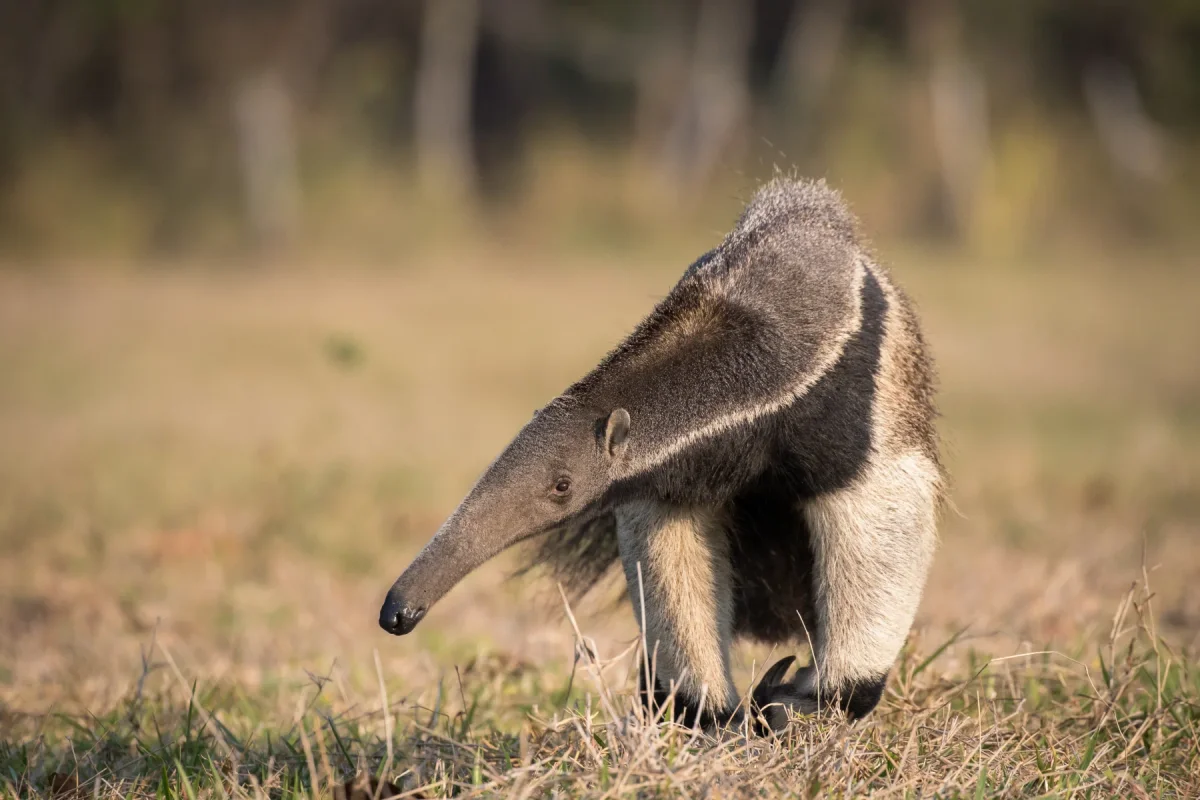
Anteater
Myrmecophaga tridactyla
The giant anteater is one of the most visible large mammals of the Venezuelan Llanos, where it roams open grasslands and seasonally flooded savannas in search of ant and termite colonies. The Llanos is considered one of the best places in South America to observe giant anteaters in the wild. The species also occurs in the Amazon and Guiana regions of southern Venezuela.
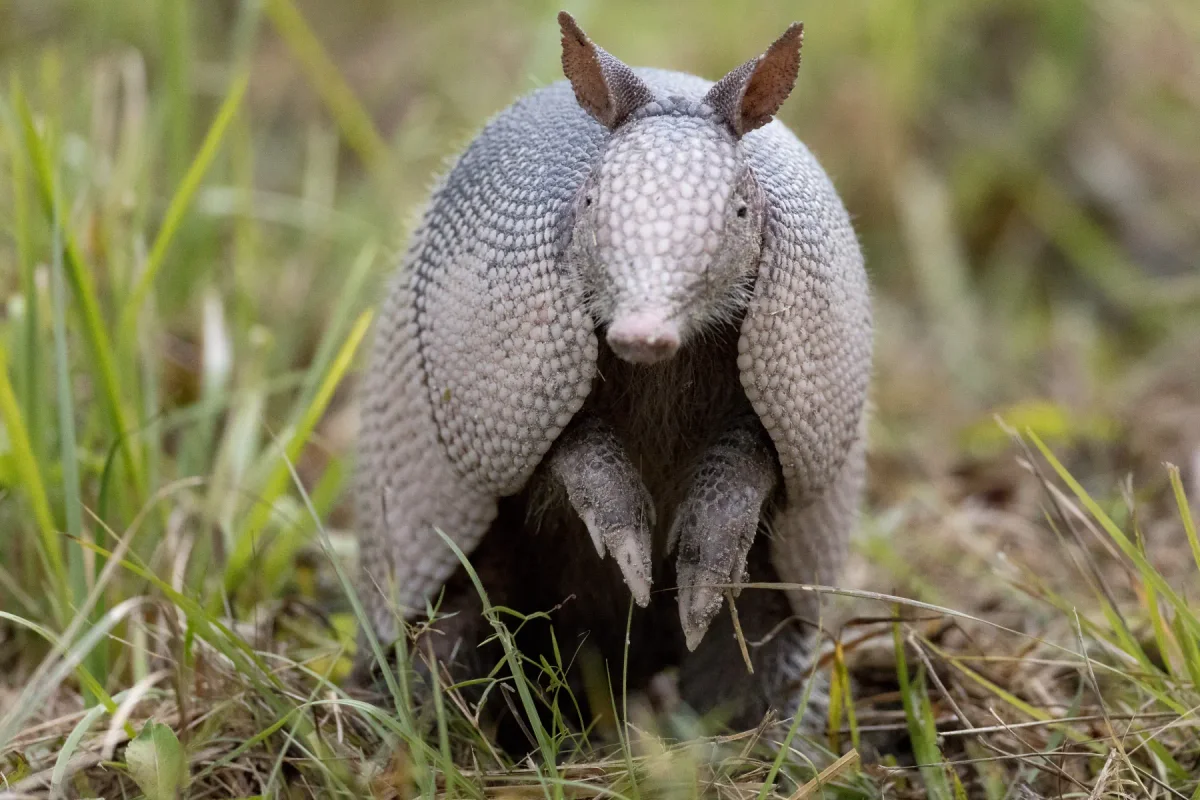
Armadillo
Dasypus novemcinctus (complex of four species)
Venezuela is the only country with three of the four nine banded armadillo species. Dasypus fenestratus lives west of the Andes around Lake Maracaibo, Dasypus novemcinctus lives in the Llanos and the north, and the Guianan species, Dasypus guianensis, lives east of the Orinoco. They use forest, savanna and farmland. The giant armadillo lives in the southern forests and is Vulnerable, and armadillos are an important food in many rural communities. IUCN status: Least Concern for D. novemcinctus.
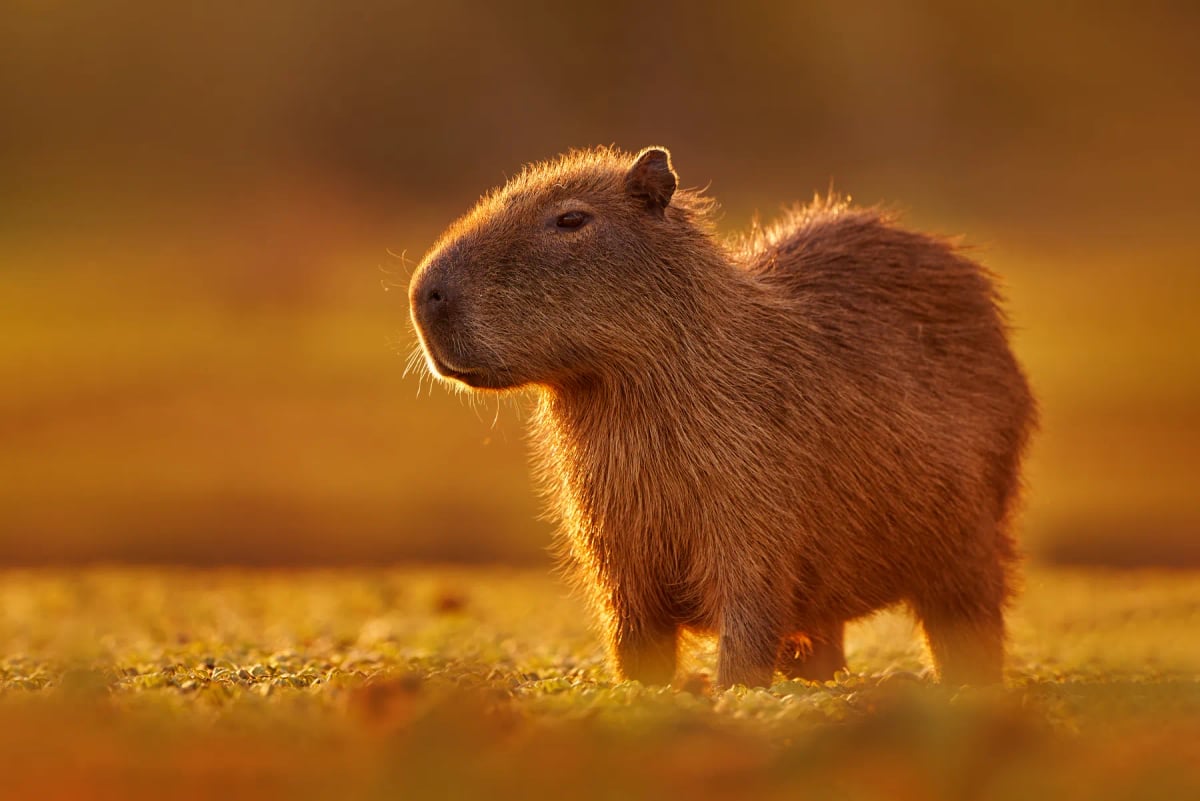
Capybara
Hydrochoerus hydrochaeris
Venezuela is home to one of the most significant capybara populations in the world, concentrated in the vast flooded grasslands of Los Llanos. The country has a long tradition of managed capybara harvesting, especially during the Easter season when their meat, from the animal Venezuelans call chigüire, is widely consumed. Listed as Least Concern by the IUCN, Venezuelan populations are monitored through regulated hunting programs designed to support sustainable use of the species.
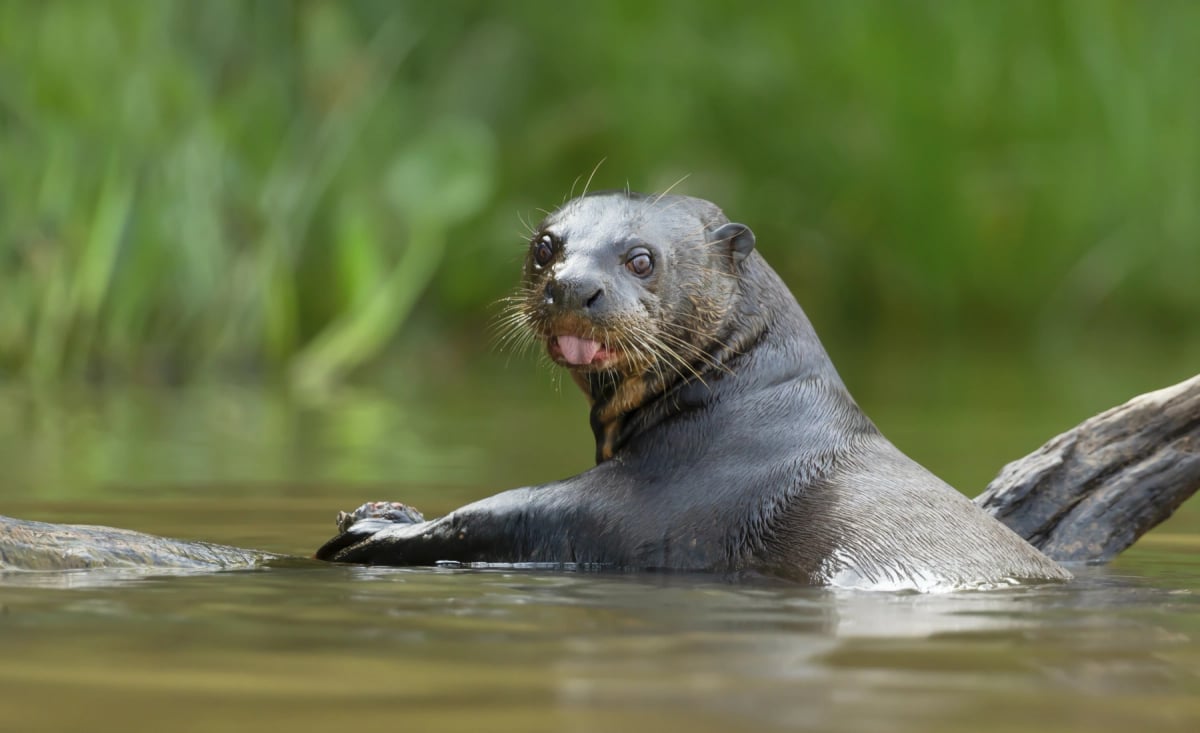
Giant Otter
Pteronura brasiliensis
In Venezuela, the giant otter is found along rivers and wetlands of the Orinoco basin, including the vast flooded savannas of the Llanos. It lives in close family groups of up to eight, sharing a stretch of river and raising cubs together. Political and economic instability in recent years has made conservation monitoring difficult, while illegal gold mining continues to introduce mercury into river systems. The species is considered Endangered across its entire range.
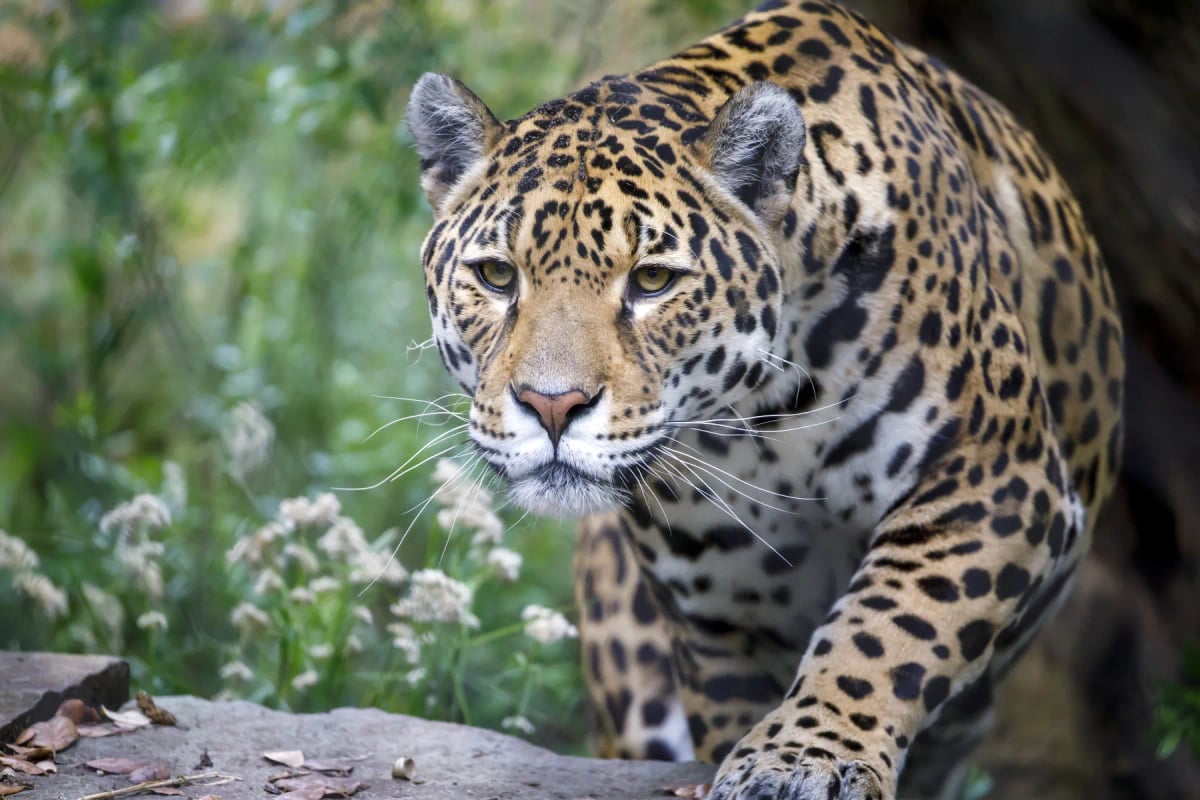
Jaguar
Panthera onca
In Venezuela, jaguars are found in the Orinoco basin, the Llanos grasslands, and the forests of the Amazon region in the south. The Llanos, a vast seasonally flooded plain, supports jaguars alongside capybaras, caimans, and giant anacondas. Political instability and reduced environmental oversight have made conservation efforts more challenging in recent years. Despite this, Venezuela still holds substantial jaguar populations across several key ecosystems. IUCN status: Near Threatened.
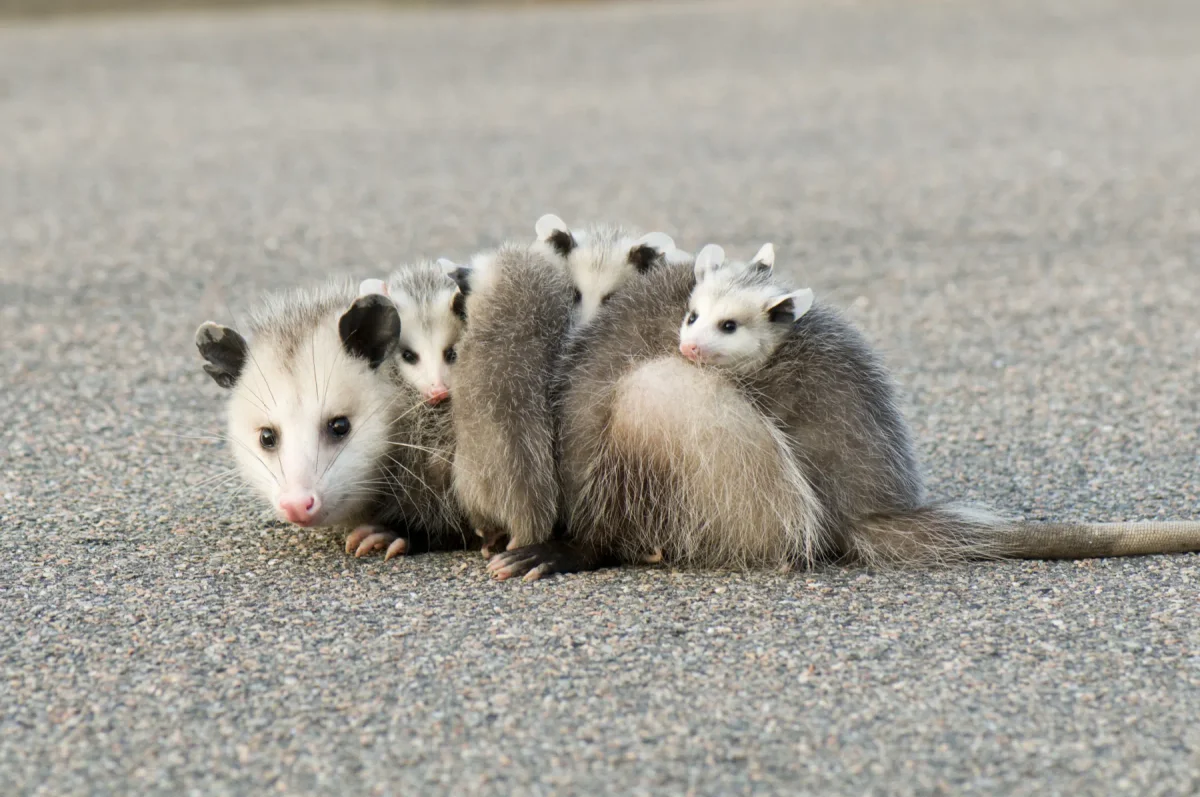
Opossum
Didelphis spp.
Opossums are found throughout Venezuela, from the Orinoco river plains and the Llanos grasslands to the Amazonian forests in the south and the coastal ranges in the north. Locally known as "rabipelado," they are a familiar part of Venezuelan wildlife. They eat almost anything available and often venture into towns after dark. Their conservation status is Least Concern across the country.
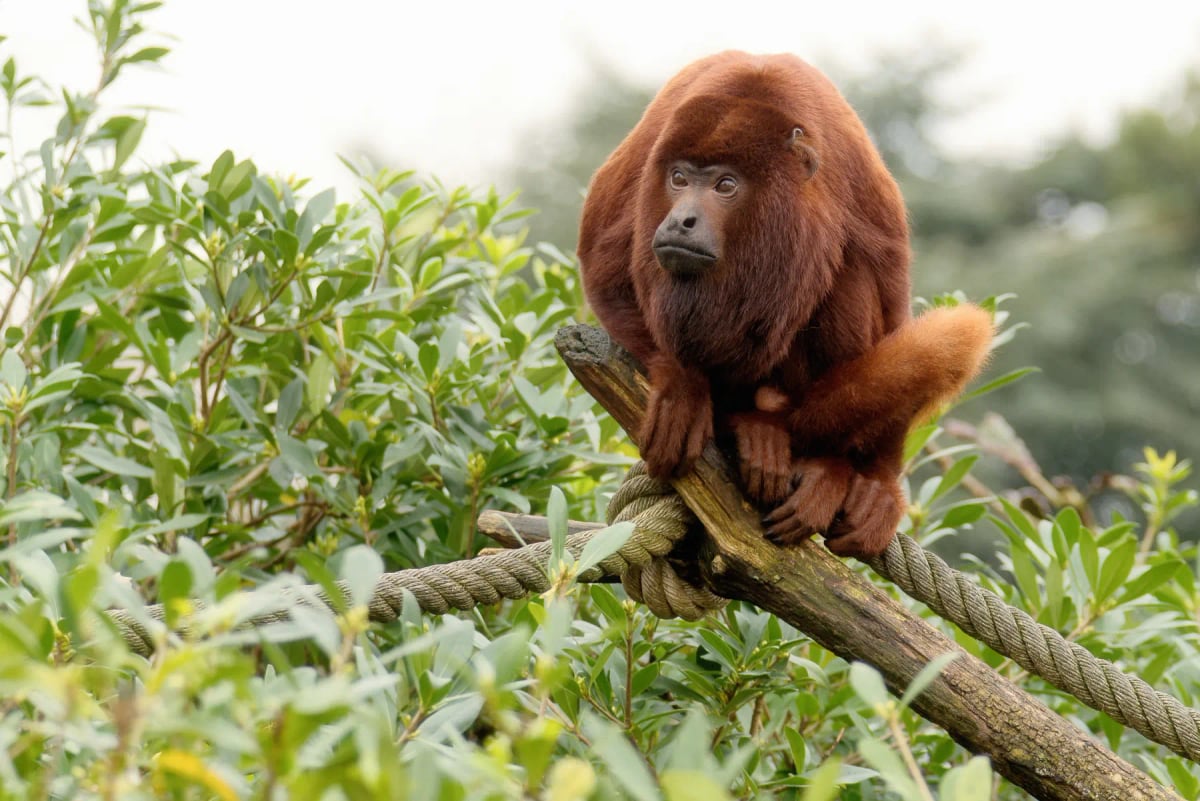
Red Howler Monkey
Alouatta seniculus
The red howler monkey is a familiar presence across the Venezuelan llanos and the forests of the Orinoco basin. Its thunderous call carries more than three kilometers through the canopy, serving as a daily boundary announcement between troops. Groups rest high in the trees for much of the day, saving energy from a diet built around leaves. Despite hunting pressure, populations here remain relatively stable.
Squirrel Monkey
Saimiri spp.
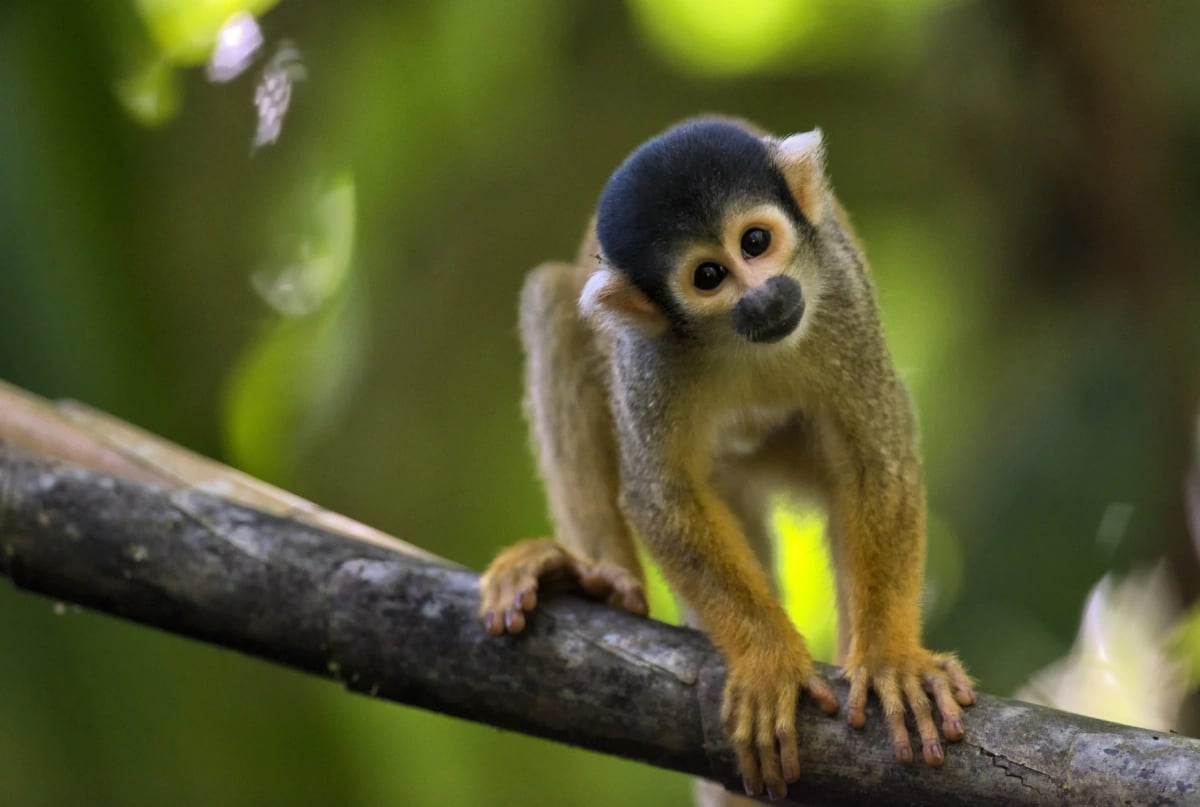
Venezuela's squirrel monkeys are found primarily in the southern lowland forests of the Amazonas and Bolívar states, where rivers and dense rainforest provide ideal conditions. Troops forage actively throughout the day, communicating through a wide range of calls to stay coordinated and alert to predators like hawks. Venezuela's protected areas in the Guiana Highlands region help sustain populations of these small, social primates.
Tapir
Tapirus spp.
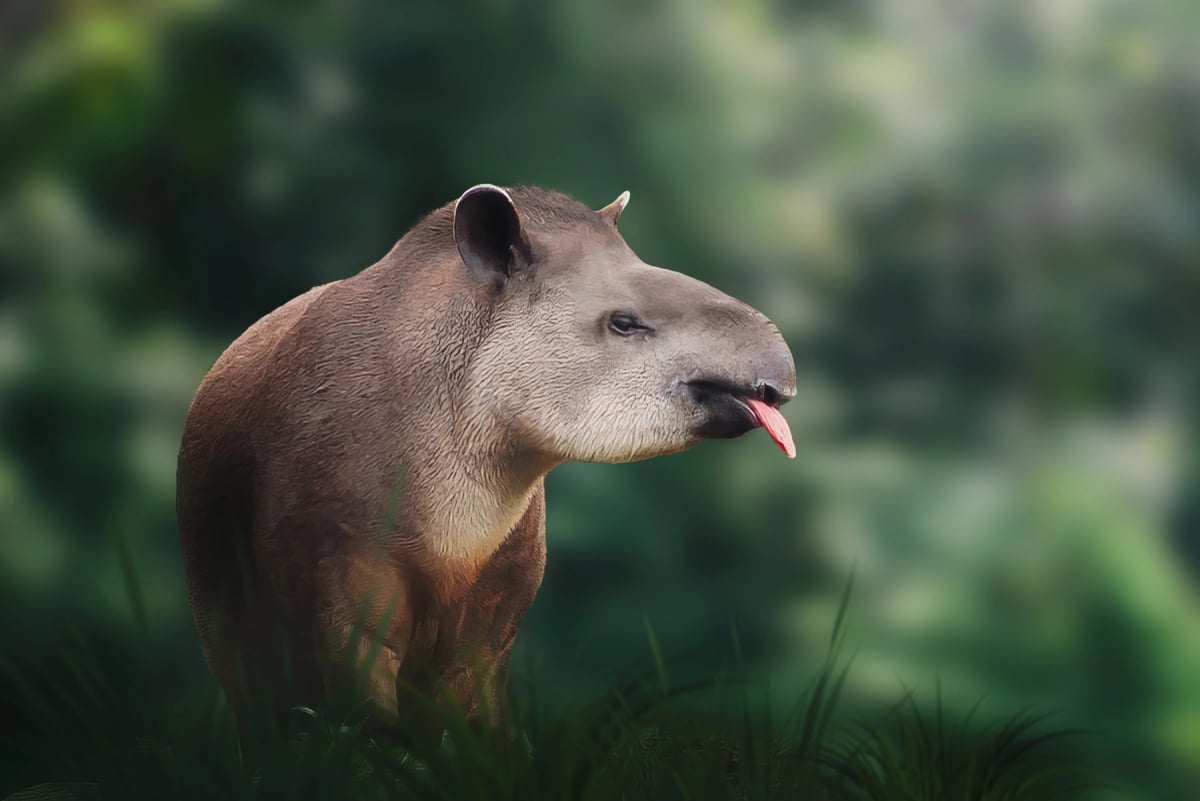
In Venezuela, the South American tapir is found across the Orinoco lowlands, the Llanos wetlands, and the forests of the Guiana Highlands. It tends to stay close to rivers and floodplains, where food and water are easy to find. Hunting and habitat clearance for ranching have reduced its numbers in many parts of the country, though large patches of intact habitat remain in the south and southeast.
Brocket Deer
Mazama spp.
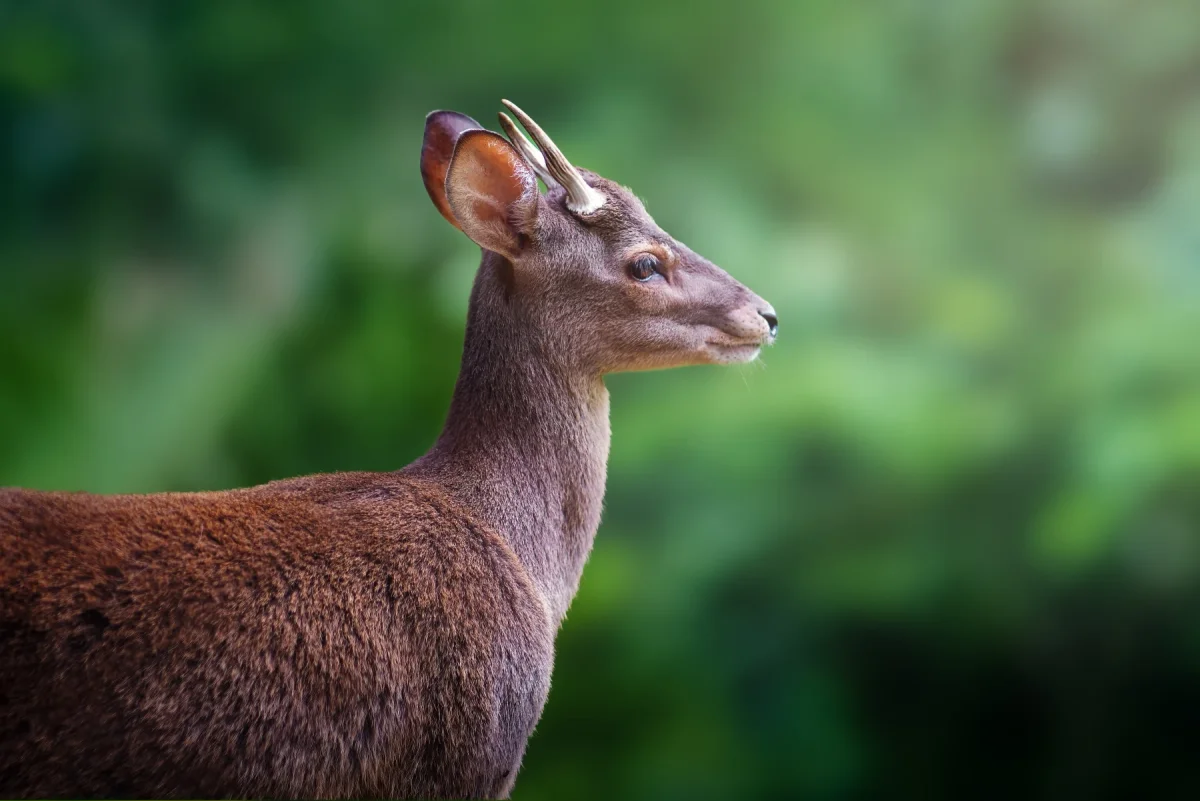
Venezuela supports populations of both the red brocket and the gray brocket deer across a range of ecosystems, from the Amazon rainforest and the Orinoco basin to the cloud forests of the Andes. They are solitary animals, most active at dawn and dusk, and play a key role in seed dispersal. Subsistence hunting and the loss of forested habitat remain the primary threats they face across the country.
Jaguarundi
Herpailurus yagouaroundi
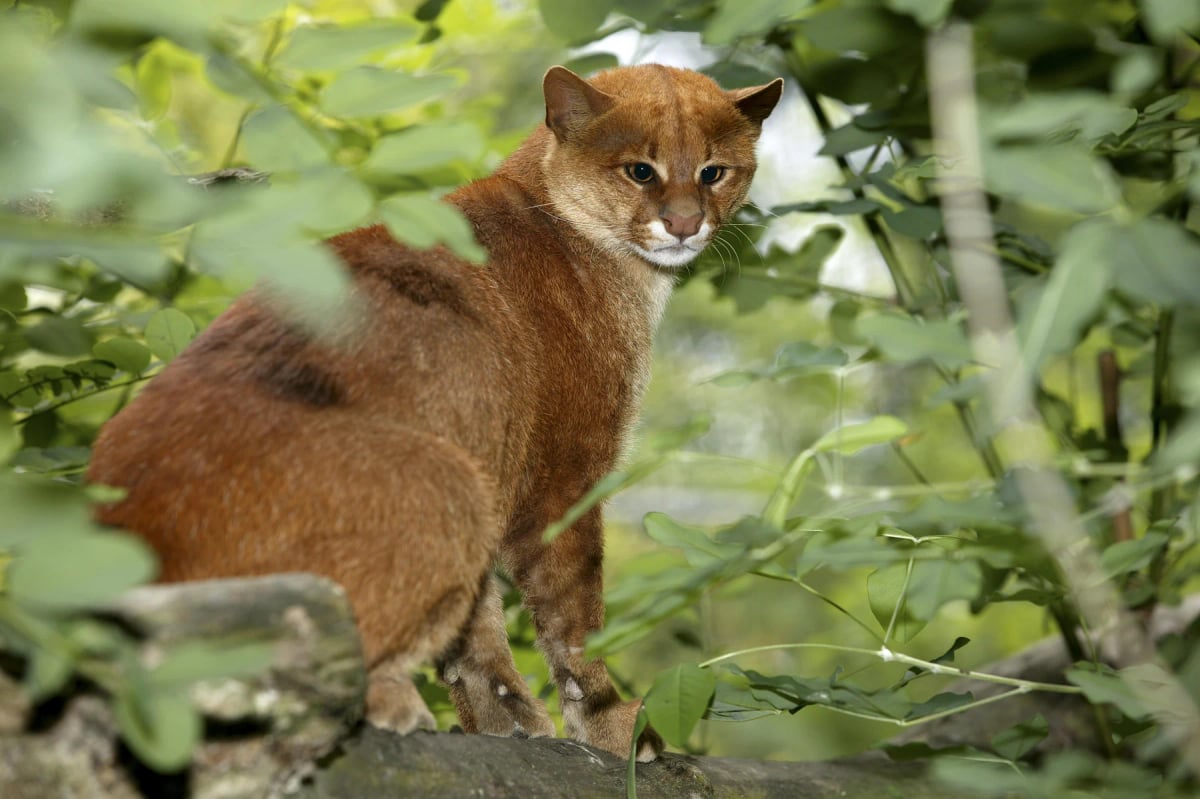
In Venezuela, the jaguarundi is recorded from the Llanos grasslands and gallery forests to the Orinoco Delta and the Andean foothills. It is a highly adaptable cat, comfortable in both dense forest and more open terrain. Hunting takes place during the day, with birds and small vertebrates making up much of its diet. The IUCN considers it Least Concern, but habitat loss in the Venezuelan Llanos and coastal regions remains a concern.
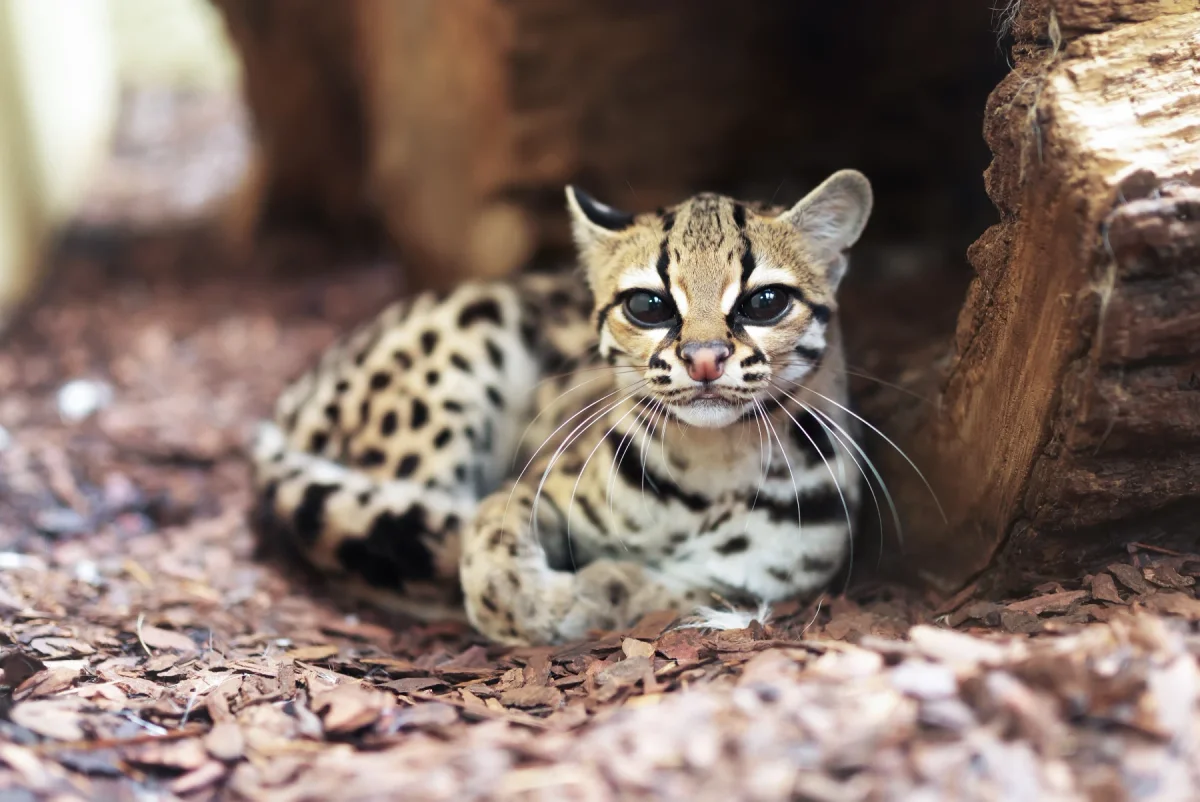
Margay
Leopardus wiedii
In Venezuela, the margay is found across the northern Andean foothills, the Llanos forest edges, and the Amazonian south of the country. It favors dense, closed-canopy forest where it can climb, hunt, and shelter. Like elsewhere across its range, deforestation and the illegal wildlife trade have put steady pressure on local populations. Venezuela's protected areas, including Canaima National Park, offer important refuges for this secretive cat. The IUCN lists it as Near Threatened.
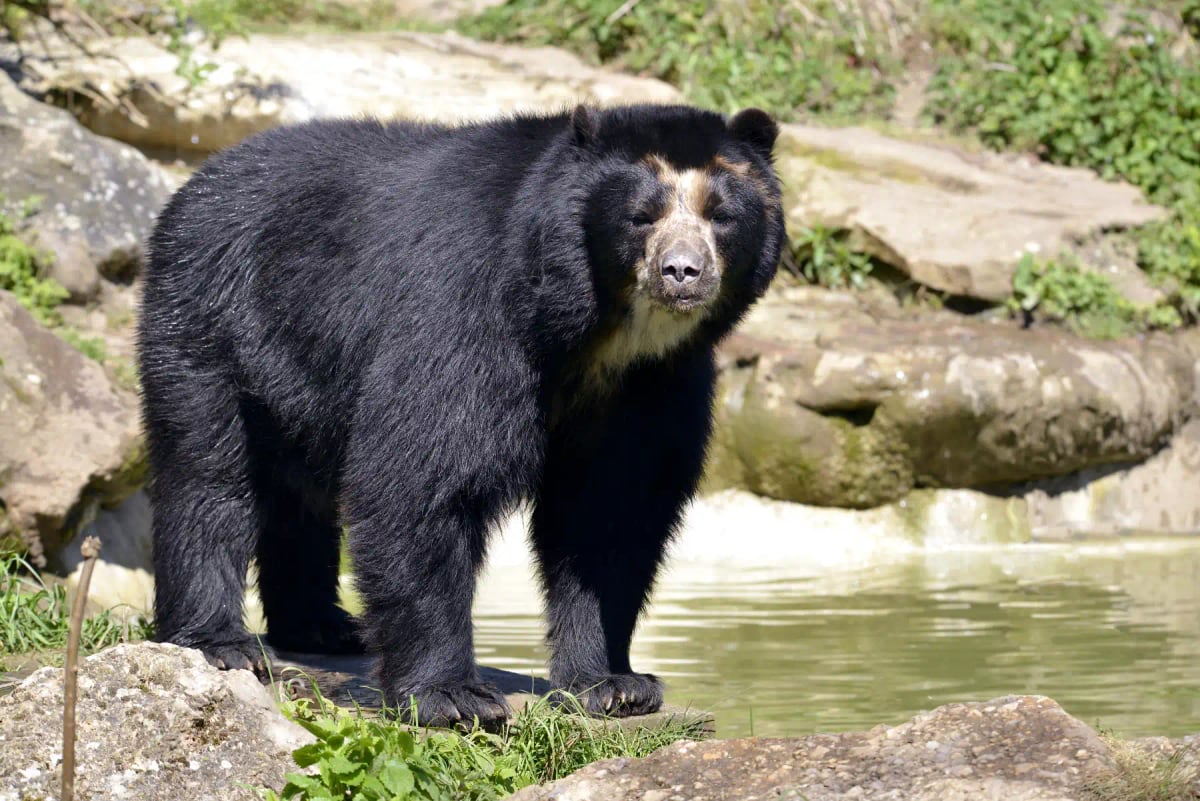
Spectacled Bear
Tremarctos ornatus
The spectacled bear is South America's only native bear species. In Venezuela, it is found mainly in the cloud forests and high Andean slopes of the Andes in the west of the country, including the Sierra Nevada de Mérida. It relies on fruits, bromeliads, and palms for most of its diet. Habitat fragmentation threatens its survival. The IUCN classifies it as Vulnerable.

Iguana
Iguana iguana
The green iguana is one of Venezuela's most common reptiles, in the tropical lowlands of the Llanos, the forests along the Orinoco and its tributaries, coastal mangroves and islands such as Margarita. In the Llanos it is traditionally hunted for meat and eggs, especially at Easter, a pressure that has caused local declines, though the species remains widespread in the warm lowlands. IUCN status: Least Concern.

Sea Turtle
Chelonia mydas
Venezuela's tiny Aves Island, far out in the eastern Caribbean, is one of the most important green turtle nesting sites in the region and is protected as a wildlife refuge. Green turtles also graze in the seagrass beds of the Los Roques Archipelago and in the Gulf of Venezuela, one of the main feeding grounds in the southern Caribbean, where illegal capture for meat remains a problem. IUCN status: Least Concern.
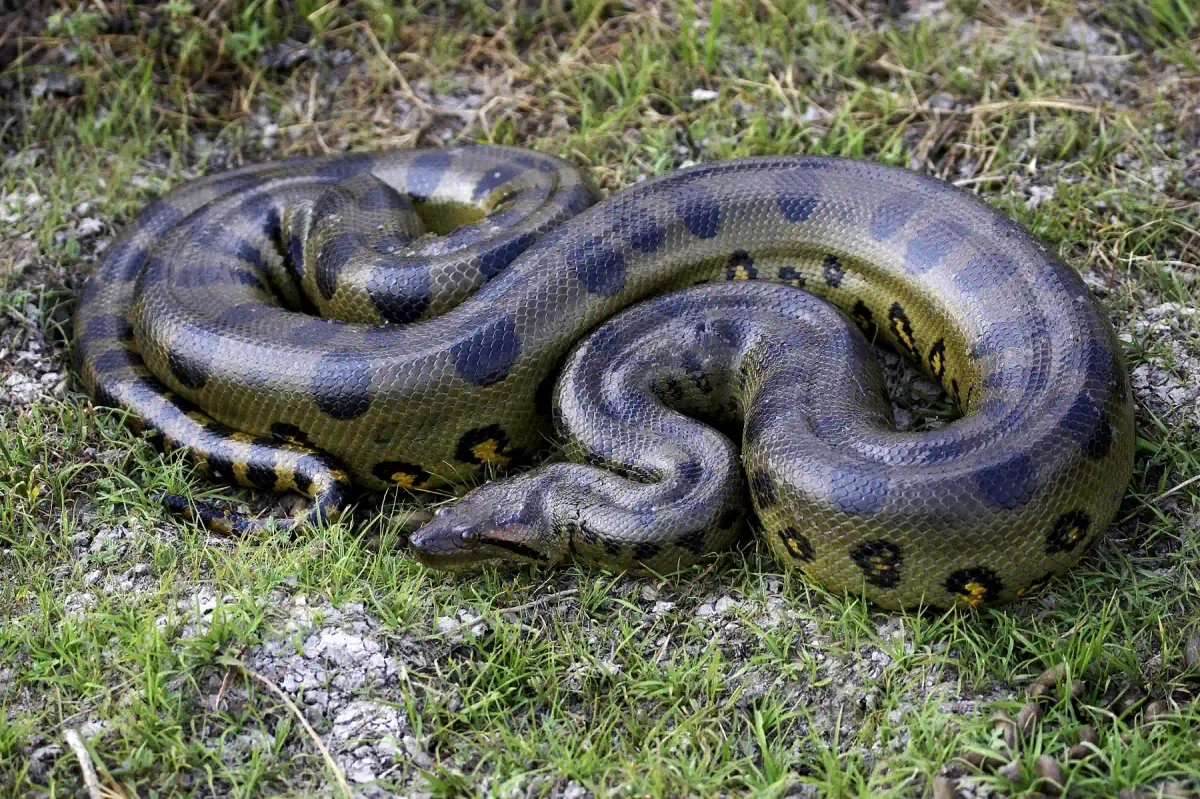
Anaconda
Eunectes murinus
Venezuela is one of the best places in the world to see the green anaconda in the wild. The Llanos, flooded plains that cover much of the interior, are full of caimans, capybaras and fish, and in the dry season anacondas gather around the last pools in Apure and Barinas. Most of what is known about the species comes from the long study by Jesús Rivas in Apure, where the largest verified anaconda, 5.21 meters, was measured. IUCN status: Least Concern.
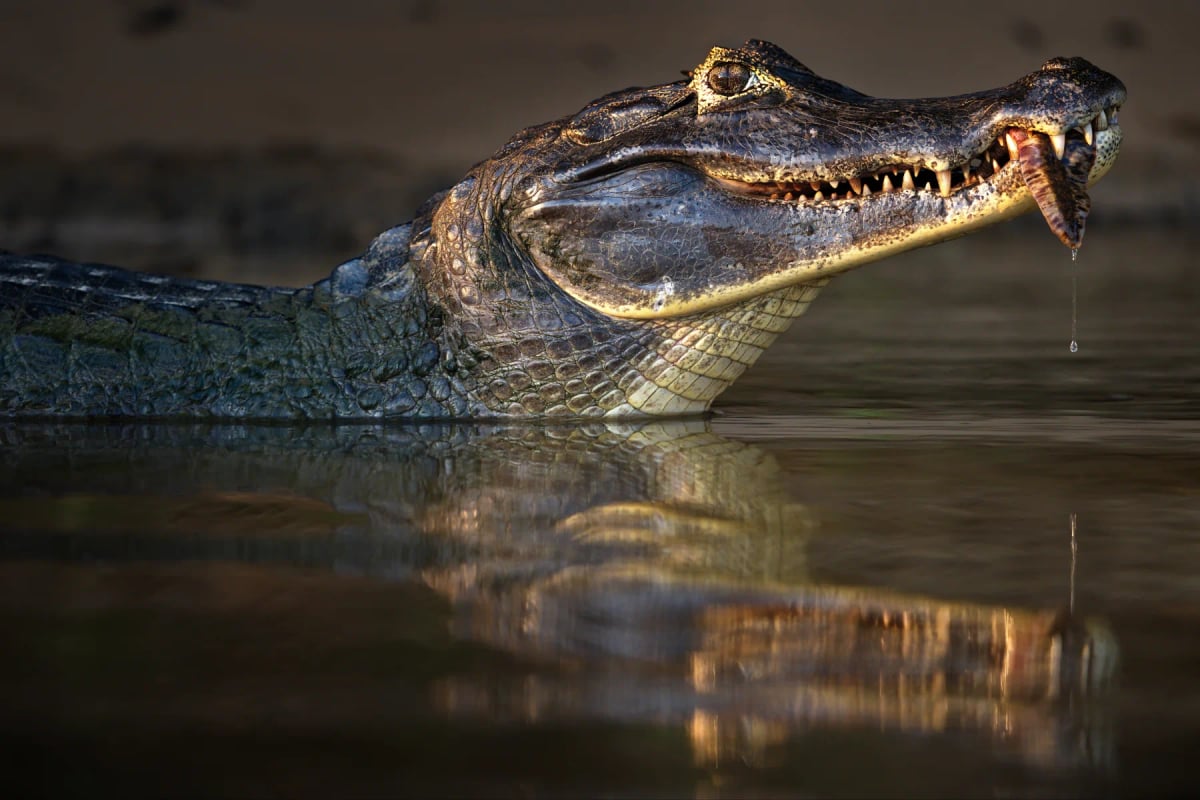
Caiman
Caiman spp.
Venezuela's Llanos, a vast system of seasonally flooded grasslands, is one of the most important habitats for caimans in South America. The spectacled caiman, called baba, is extraordinarily abundant there, and in the dry season hundreds gather in the remaining pools. Venezuela pioneered the regulated harvest of babas, which combined skin trade with population recovery. The Orinoco delta and the Amazon south of the Orinoco add the black caiman and the dwarf caimans. IUCN status: Least Concern.
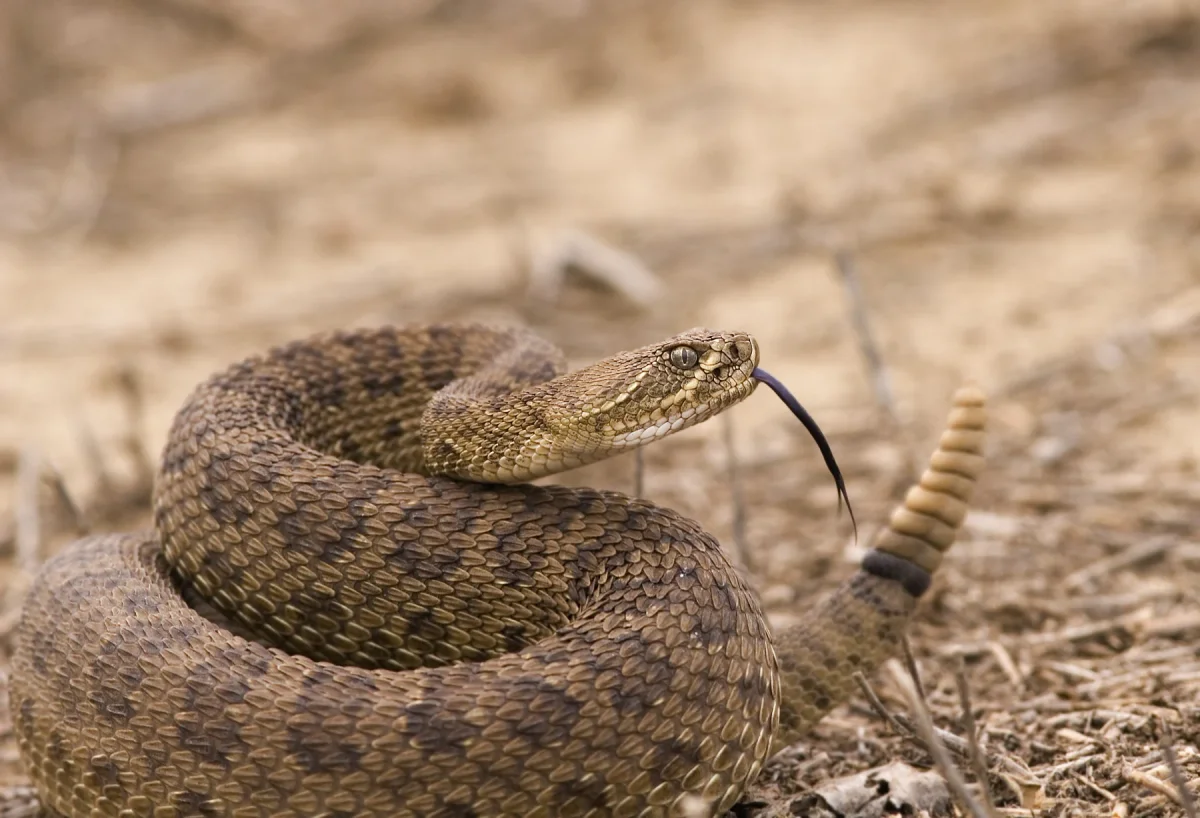
Rattlesnake
Crotalus and Sistrurus (about 40–50 species)
Venezuela's vast llanos, the seasonally flooded plains of the interior, are prime habitat for the cascabel (Crotalus durissus), which also lives in dry coastal scrub. During the dry season the snakes are more active and visible on the open savanna. Its venom can be strongly neurotoxic. Ranching communities have long lived alongside it, though fear driven killing remains common. IUCN status: varies by species.
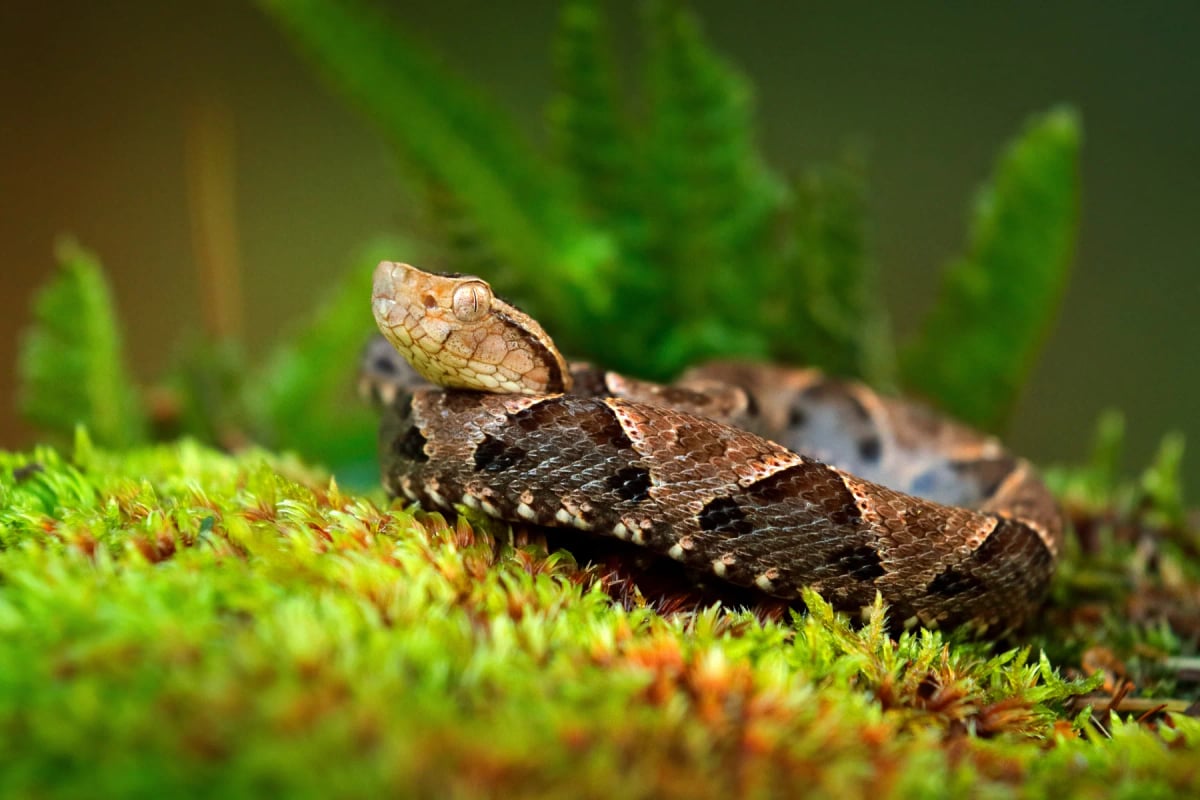
Lancehead
Bothrops asper
In Venezuela, the fer-de-lance, called mapanare, lives in the north and west of the country, in the forests and farmland of the coastal ranges, the Andes foothills and the Lake Maracaibo basin, up to about 2,500 meters. In Lara state it causes 78 percent of envenomations. Other lanceheads, such as the common lancehead, live in the Llanos and the Amazon forests of the south. IUCN status: Least Concern.
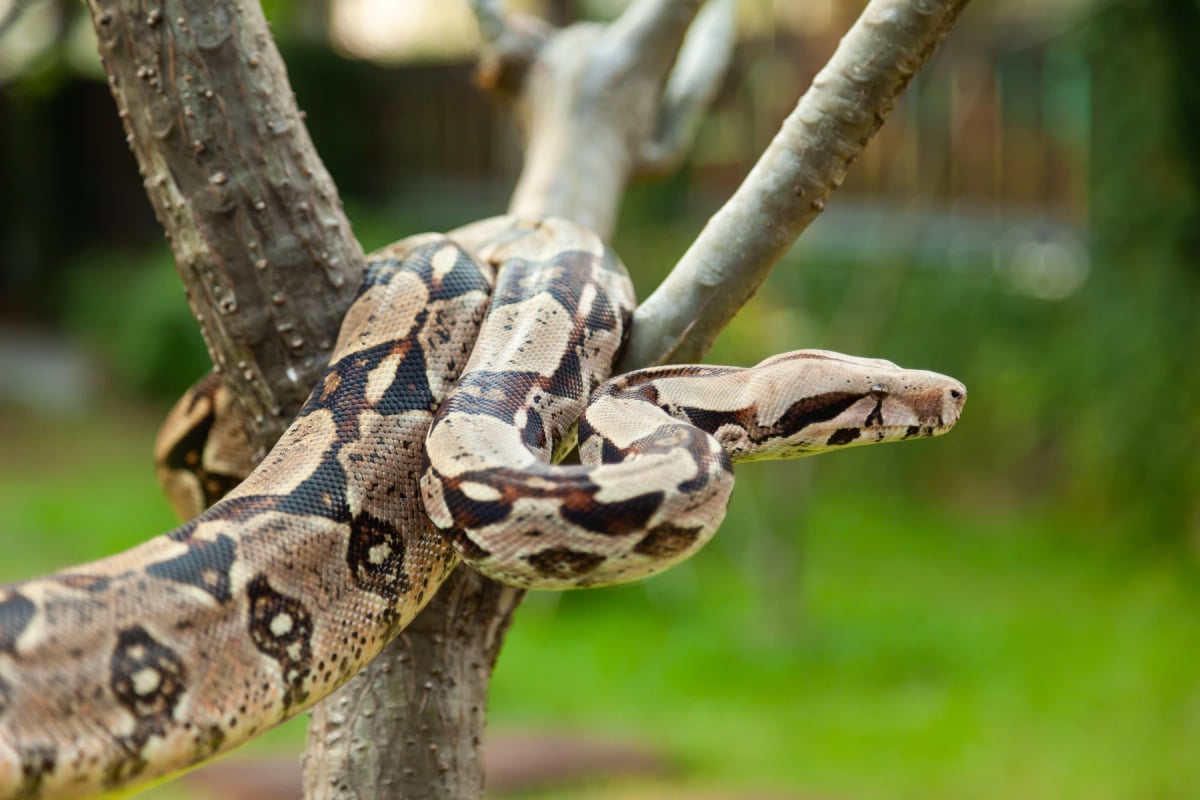
Boa Constrictor
Boa constrictor
The boa constrictor is widespread in Venezuela, where it is often called tragavenado. It lives in the Llanos, the dry forests and scrub of the north, the Amazon forests south of the Orinoco and the farmland around towns, usually below 1,000 meters. It hunts rats, opossums, birds and iguanas, and many boas are still killed by people who fear them, or captured for the pet trade. IUCN status: Least Concern.
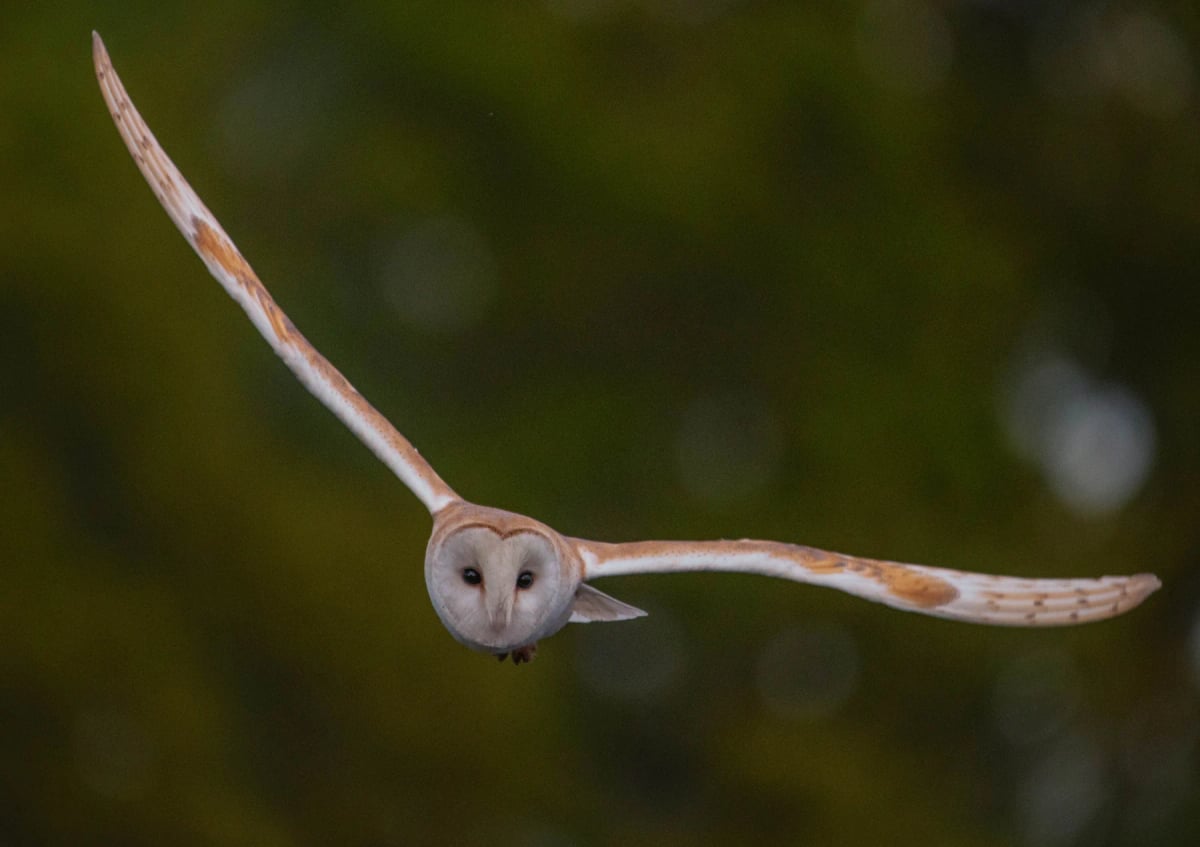
Barn Owl
Tyto alba
The barn owl is found across Venezuela in open farmland, savanna, and the outskirts of towns and villages from the Llanos plains and the Maracaibo basin to the Andean foothills and the Caribbean coast. It nests in old buildings, cliff faces, and hollow trees, and hunts rodents at night. In the vast cattle-ranching landscapes of the Llanos it is a common presence, taking advantage of the open terrain and abundant small mammal prey. It is less commonly encountered in the dense rainforest areas of the Orinoco Delta and the south.
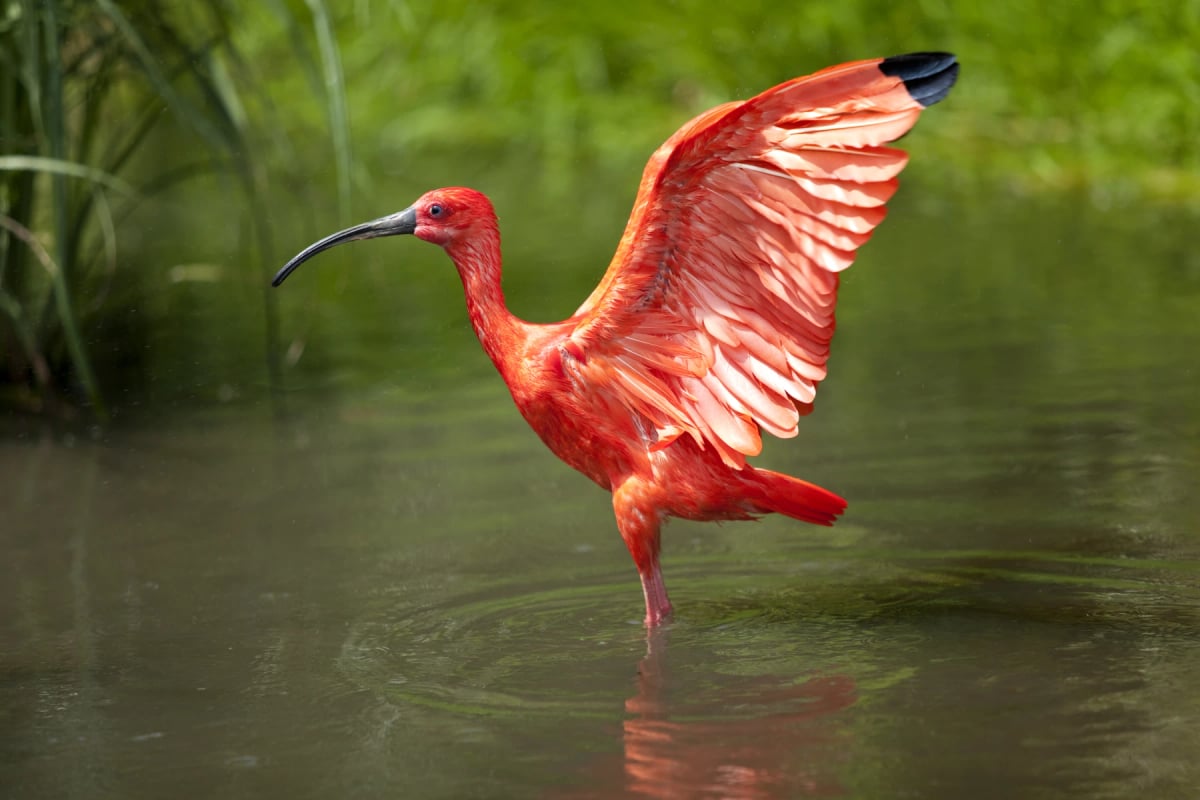
Scarlet Ibis
Eudocimus ruber
Venezuela is a core part of the scarlet ibis range, where it is known as the corocoro. Important populations live in the Orinoco Delta, around the Gulf of Paria and in the flooded savannas of the Llanos, where seasonal floods create rich feeding grounds full of crustaceans. It is a familiar and beloved species across the country, and as in Trinidad and Tobago, its flocks at dusk are one of the great sights of Venezuelan nature.
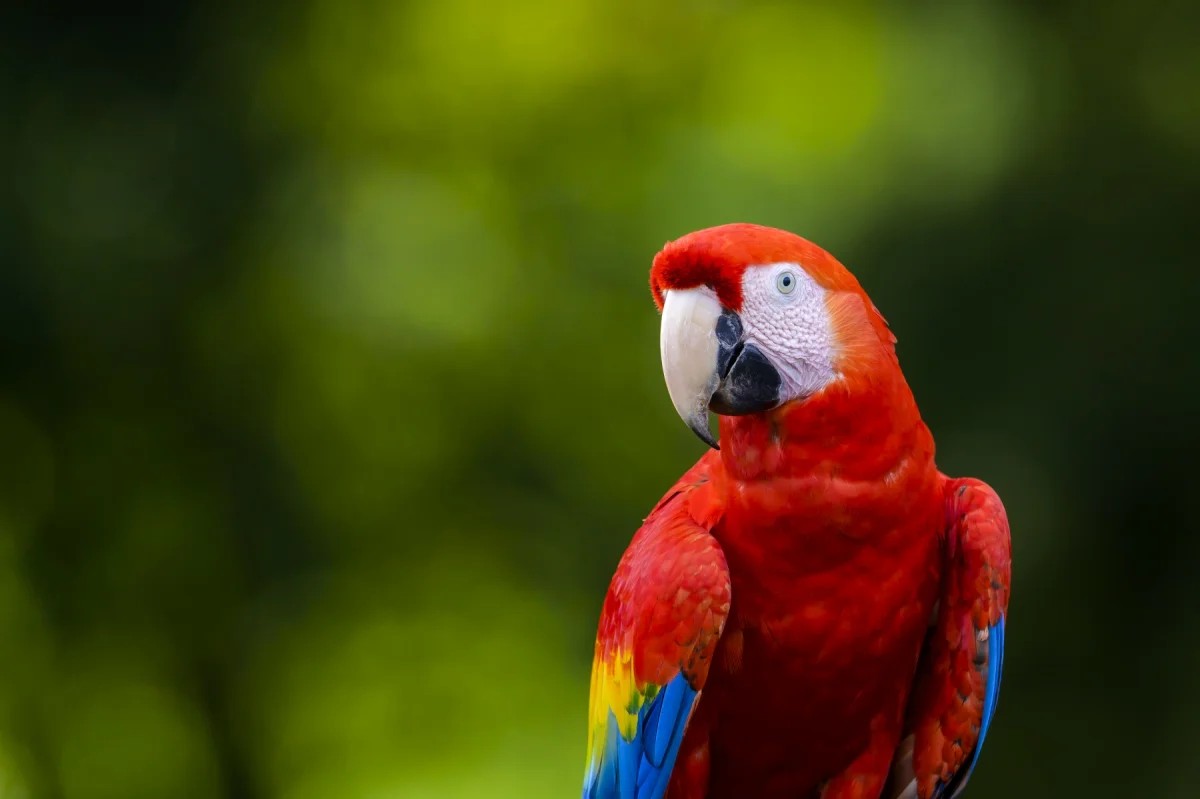
Scarlet Macaw
Ara macao
In Venezuela, scarlet macaws are found across the tropical forests of the Orinoco Basin and the south of the country, in the states of Bolívar and Amazonas, as well as in forested plains farther north. They are a common sight along forested river corridors. Pairs mate for life and are often seen flying together, calling loudly above the canopy. Large areas of relatively intact forest support strong populations. IUCN status: Least Concern.
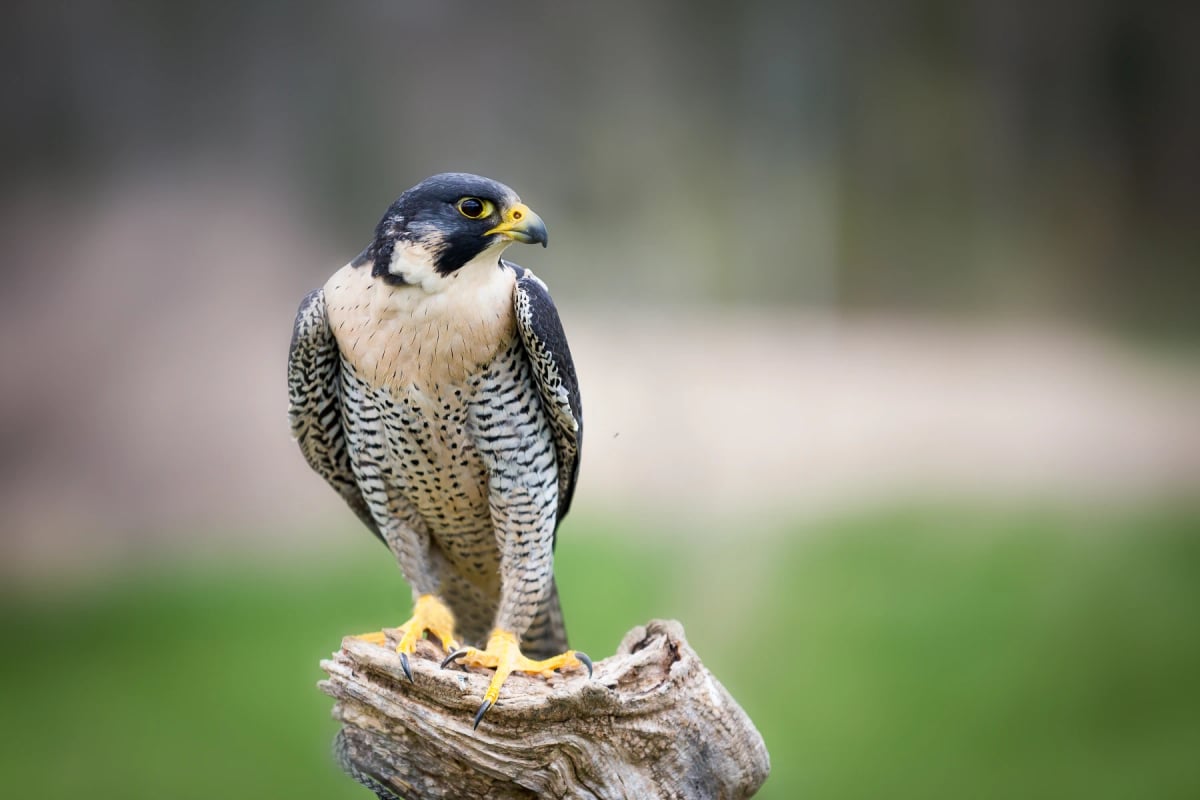
Peregrine Falcon
Falco peregrinus
In Venezuela, the peregrine falcon is mainly a seasonal visitor, arriving from North American breeding populations each northern autumn. It can be found along the Caribbean coastline, over the Llanos grasslands, and in the Andean highlands in the west. The species hunts shorebirds and other birds in flight, taking advantage of Venezuela's diverse and abundant birdlife. Some individuals of the resident South American subspecies may also be present in the Andes. IUCN status: Least Concern.
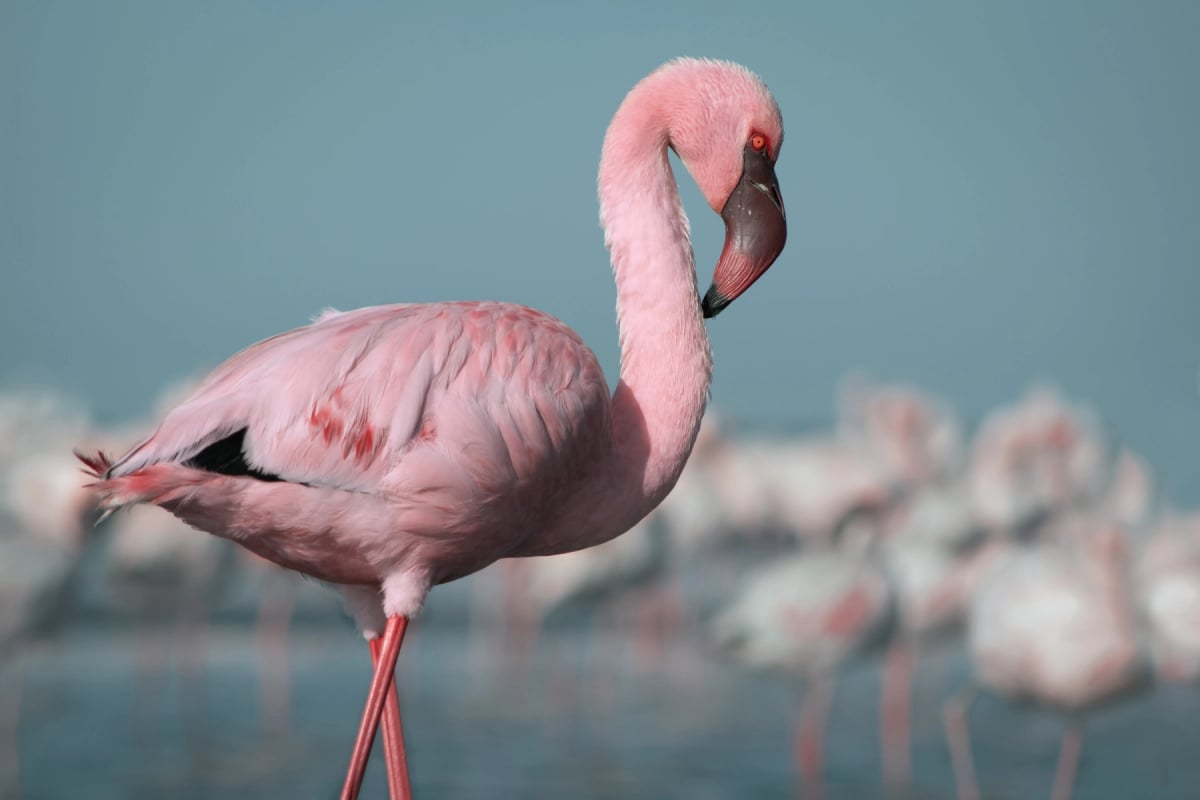
Flamingo
Phoenicopteridae (6 species)
The American flamingo lives in Venezuela, which holds one of its most important populations in South America. Birds breed at Los Olivitos, a coastal wildlife refuge on Lake Maracaibo, and flocks feed in lagoons and salt flats along the Caribbean coast and in the islands of Los Roques. Their deep orange pink color, the most intense of any flamingo, comes from the carotenoids in the small animals they eat. IUCN status: Least Concern.
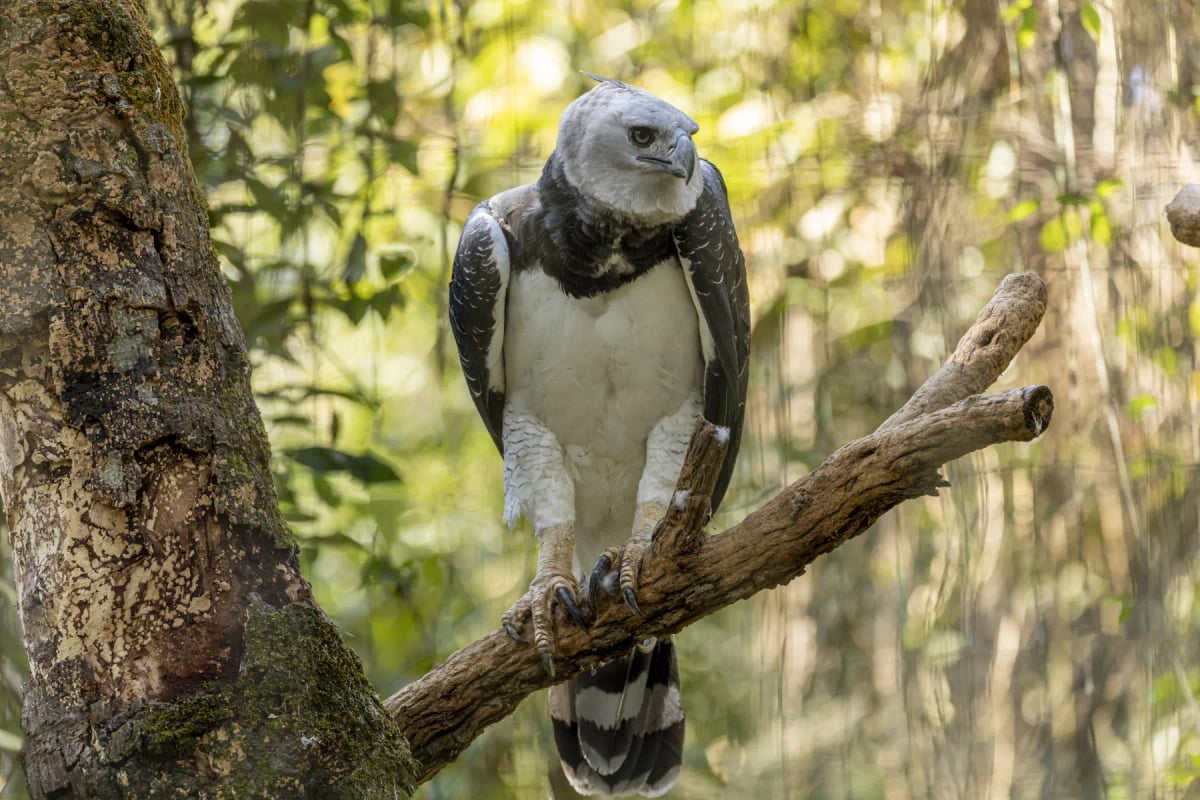
Harpy Eagle
Harpia harpyja
In Venezuela, the harpy eagle lives mainly in the forests south of the Orinoco River, in the states of Bolívar and Amazonas, where vast areas of rainforest remain. There it hunts sloths and monkeys from tall trees, far from towns and roads. The bird is well known to Venezuelans, and it once appeared on the back of the 2,000 bolívar note. Mining and logging are the main threats to its forests. IUCN status: Vulnerable.
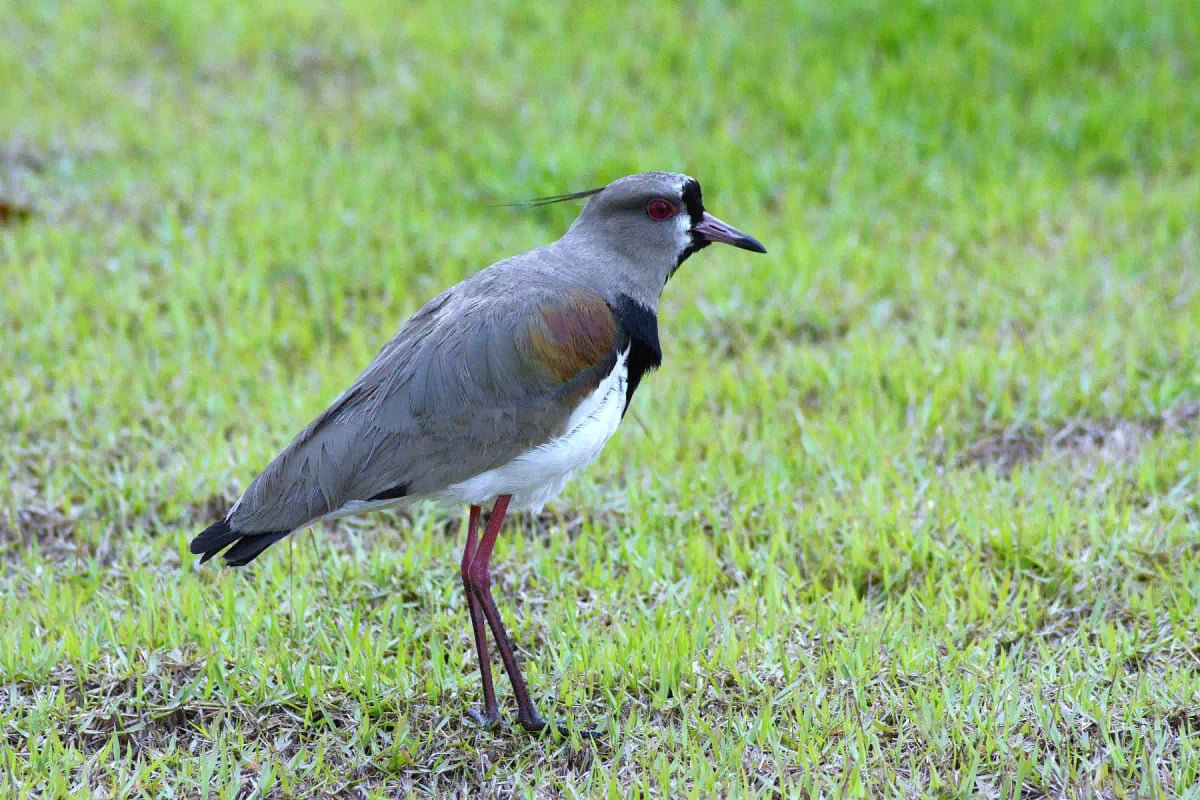
Southern Lapwing
Vanellus chilensis
In Venezuela, the southern lapwing is one of the most familiar birds of the Llanos, the vast seasonally flooded grasslands of the Orinoco basin, and it also lives in pastures, savannas and farmland across the north of the country. Birds here belong to the northern subspecies, with a browner head. Pairs nest on the ground and dive noisily at cattle, dogs and people that come too close. IUCN status: Least Concern.
Turpial
Icterus icterus
The turpial, or Venezuelan troupial, has been the national bird of Venezuela since 1958 and appears on the 500 bolívares soberanos banknote. Across the dry coast, Margarita Island, the cactus scrub of Falcón and Lara and the Llanos, its vivid orange plumage and black hood are impossible to miss. It steals other birds' nests instead of building its own and fills the open country with rich, clear whistles. IUCN status: Least Concern.
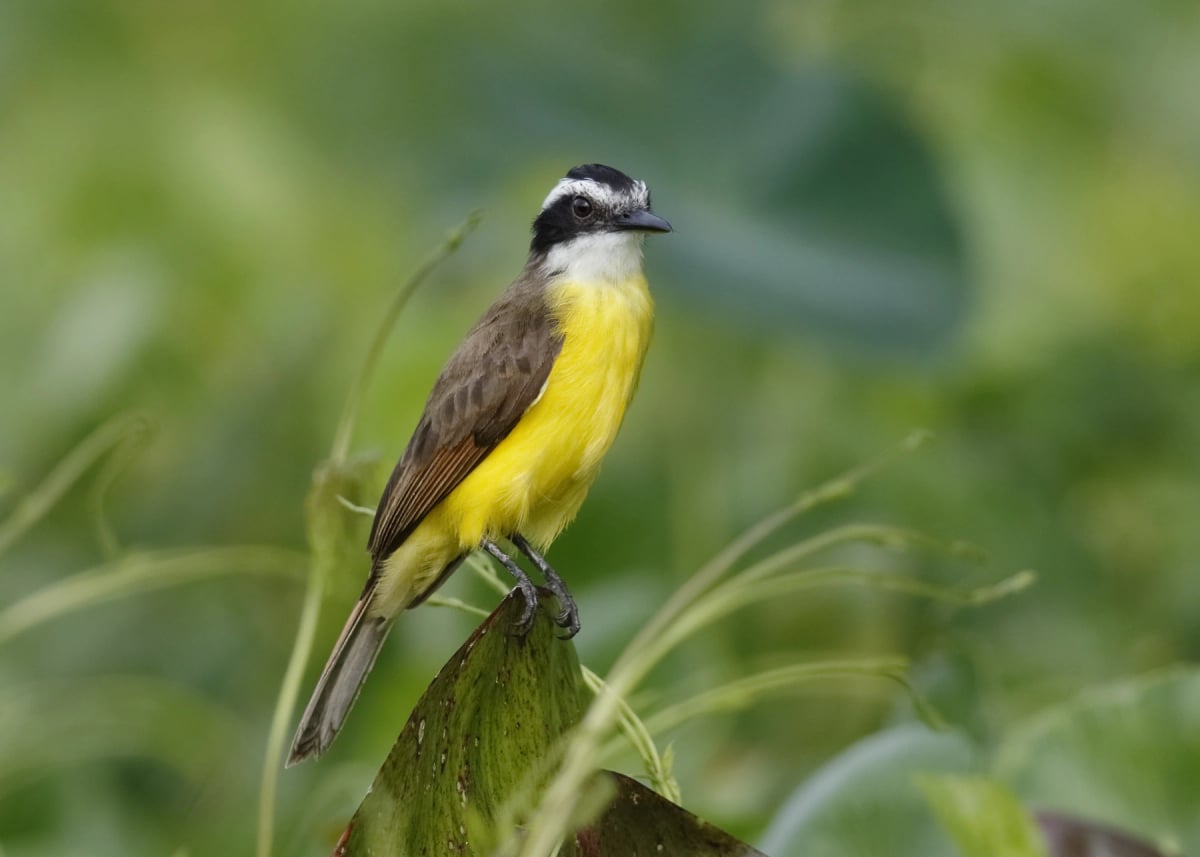
Lesser Kiskadee
Philohydor lictor
The lesser kiskadee is found across much of Venezuela below about 500 meters, along rivers, lagoons, and marshy edges in the lowlands. Locally it is known as pecho amarillo orillero, a name that fits it well: a yellow breasted bird that never leaves the riverbank. It perches low over the water and sallies out to catch insects, and in Venezuela it nests mainly between June and October. IUCN status: Least Concern.
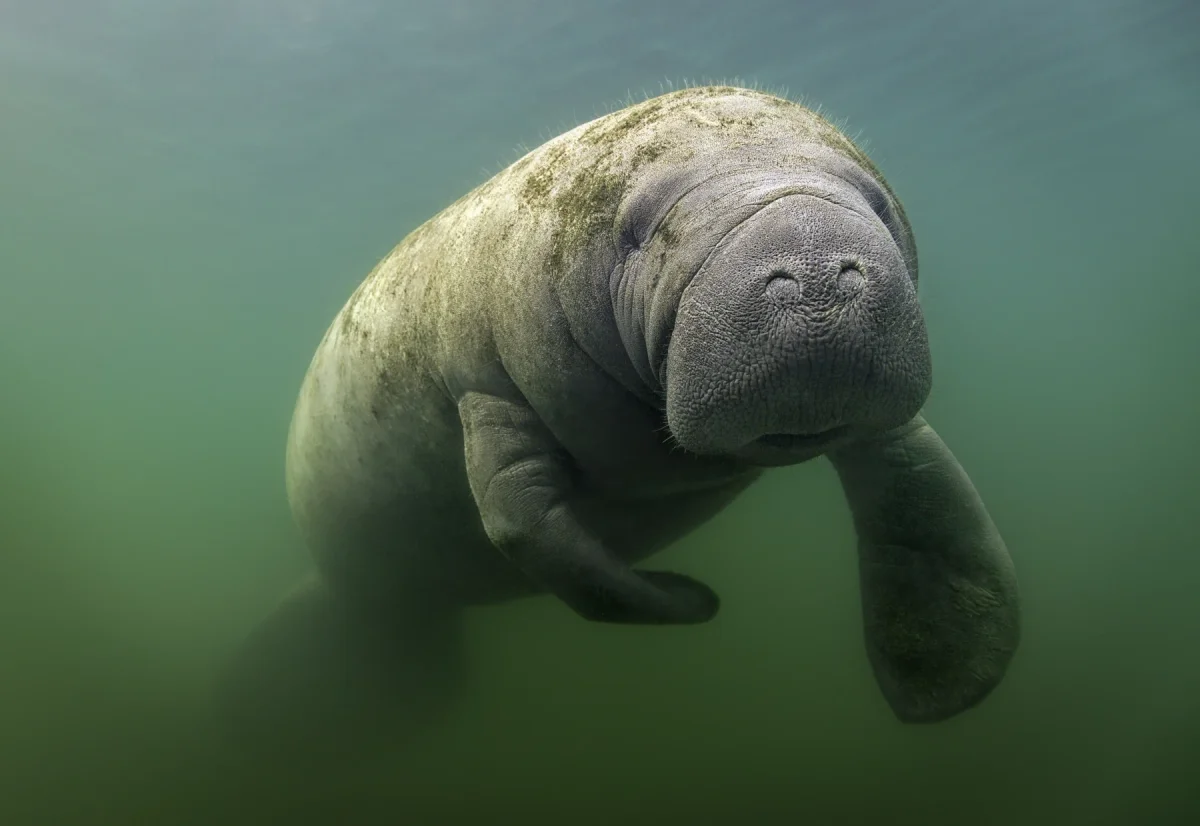
Manatee
Trichechus manatus
Venezuela has Antillean manatees along its Caribbean coast, in Lake Maracaibo and above all in the Orinoco, from the delta far upstream into the Llanos, where seasonal floods spread their habitat across the plains. The Orinoco Delta is the most important area. Illegal hunting, accidental capture in fishing nets and the degradation of rivers are the main threats, and protection is hard to enforce in such remote places. IUCN status: Vulnerable.
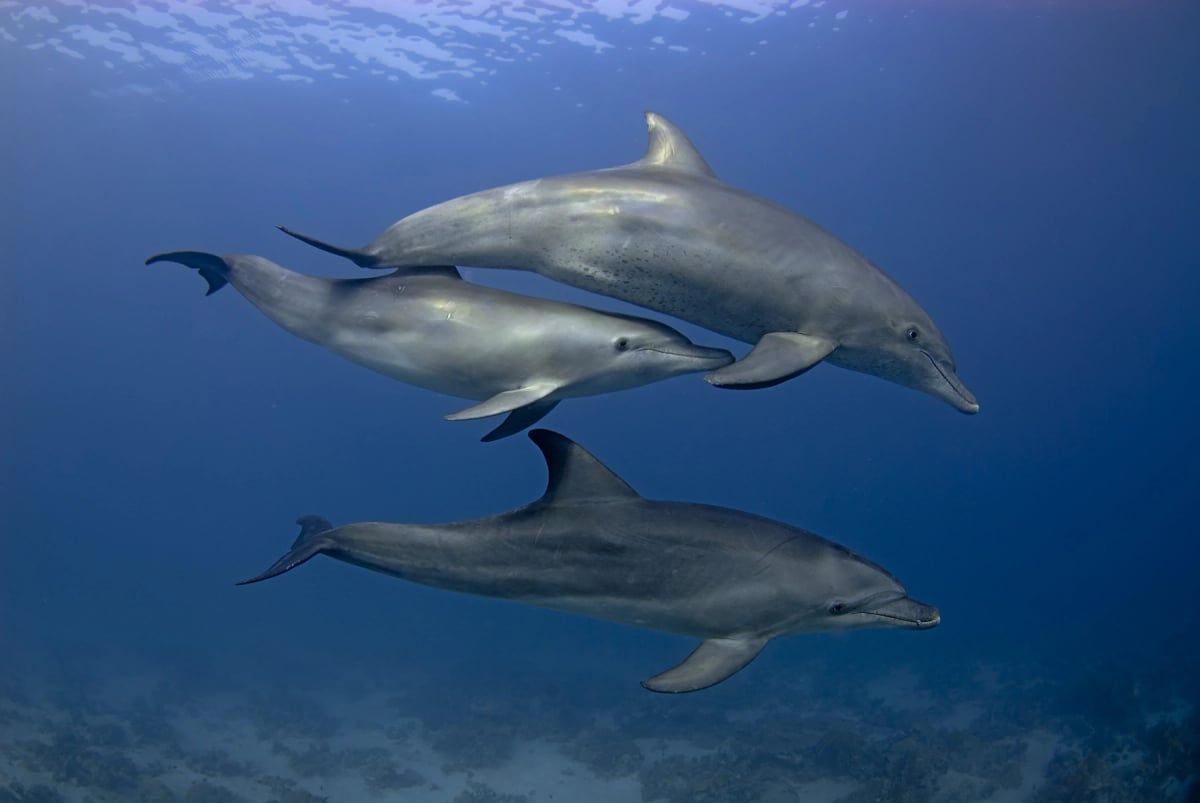
Bottlenose Dolphin
Tursiops truncatus
Bottlenose dolphins live along the Caribbean coast of Venezuela, around Margarita Island, in the Gulf of Cariaco and in the Los Roques archipelago, where they are seen on boat trips over the reefs. They feed on sardines and other fish that are plentiful where cold water rises off the northeast coast. Bycatch in fishing nets is the main threat. They are often seen from ferries and fishing boats. IUCN status: Least Concern.
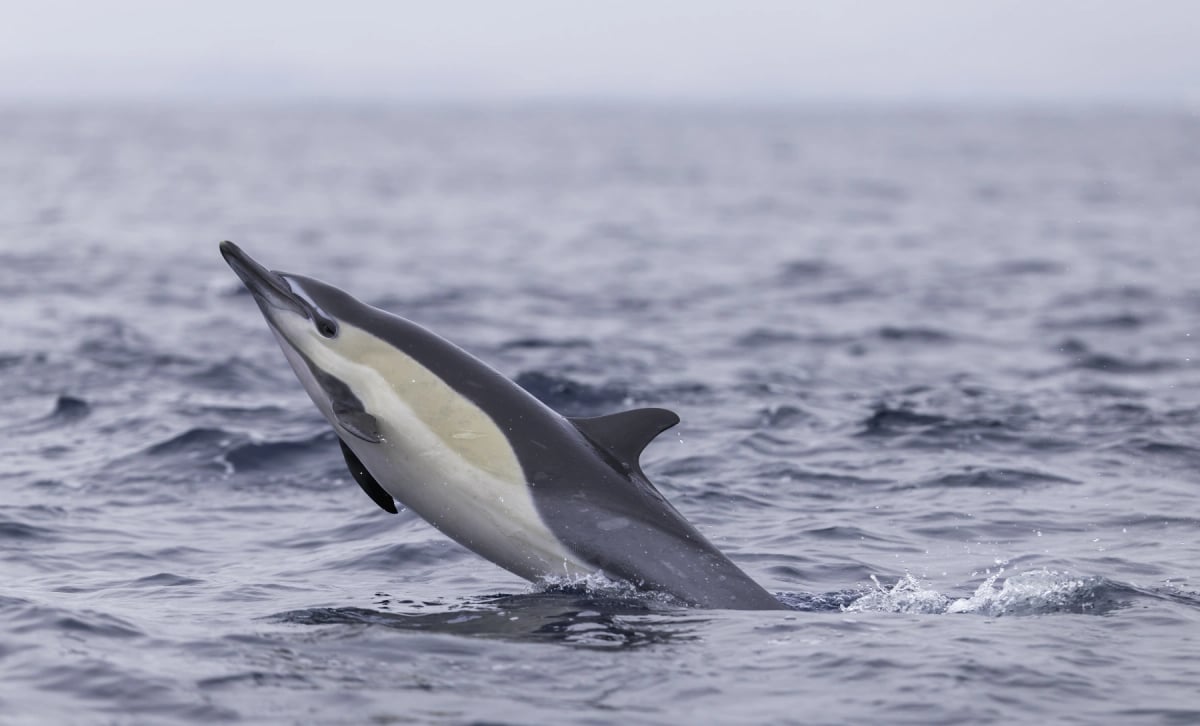
Common Dolphin
Delphinus delphis
Venezuela has one of the few known populations of common dolphins in the Caribbean. A long beaked form lives in the waters off the northeast coast, between Margarita Island and the Araya Peninsula, where cold water rising from the deep brings plenty of sardines. Groups of dozens to hundreds are seen there all year, and unfortunately some are killed by fishermen to use as shark bait. IUCN status: Least Concern.
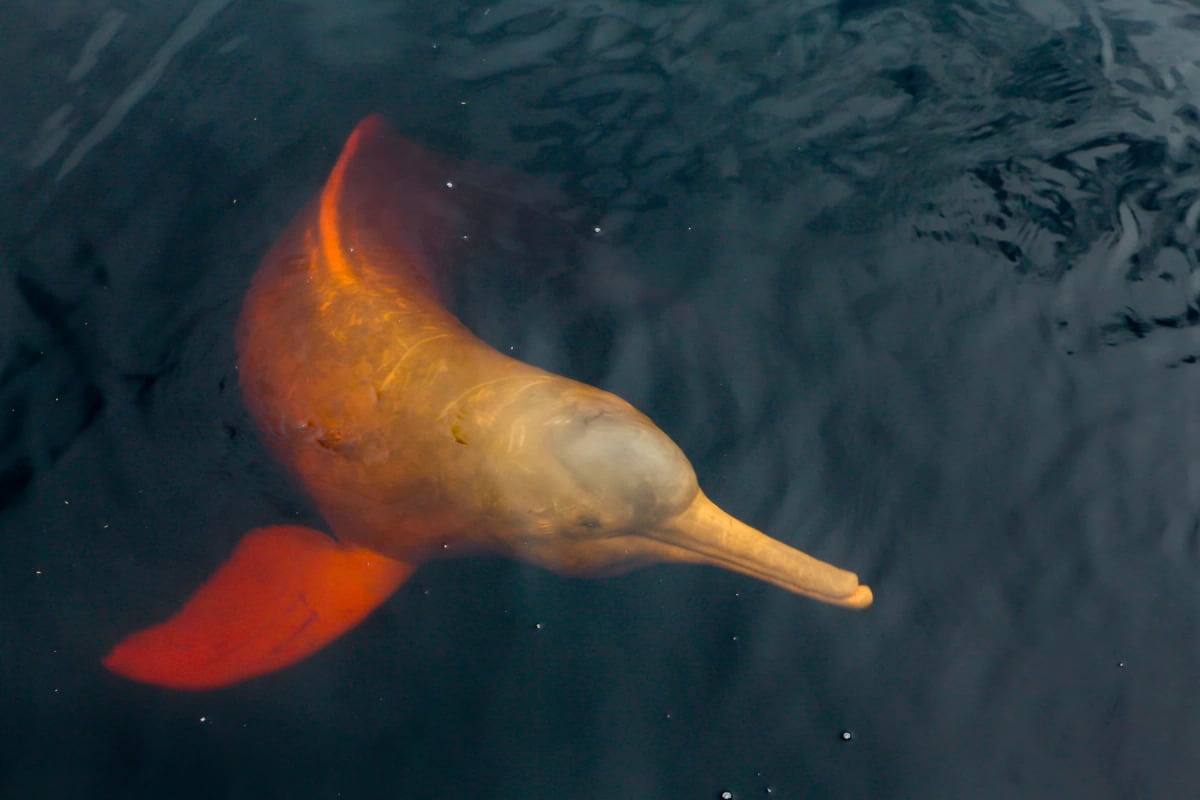
Amazon River Dolphin
Inia geoffrensis
In Venezuela the river dolphin, called tonina, lives in the Orinoco basin, in the main river and tributaries such as the Apure and the Caura. During the rainy season it spreads into the flooded plains of the Llanos, and in the dry season it gathers in the river channels, where it can be seen from boats. Mercury from gold mining in the south of the country and fishing nets are the main threats. IUCN status: Endangered.
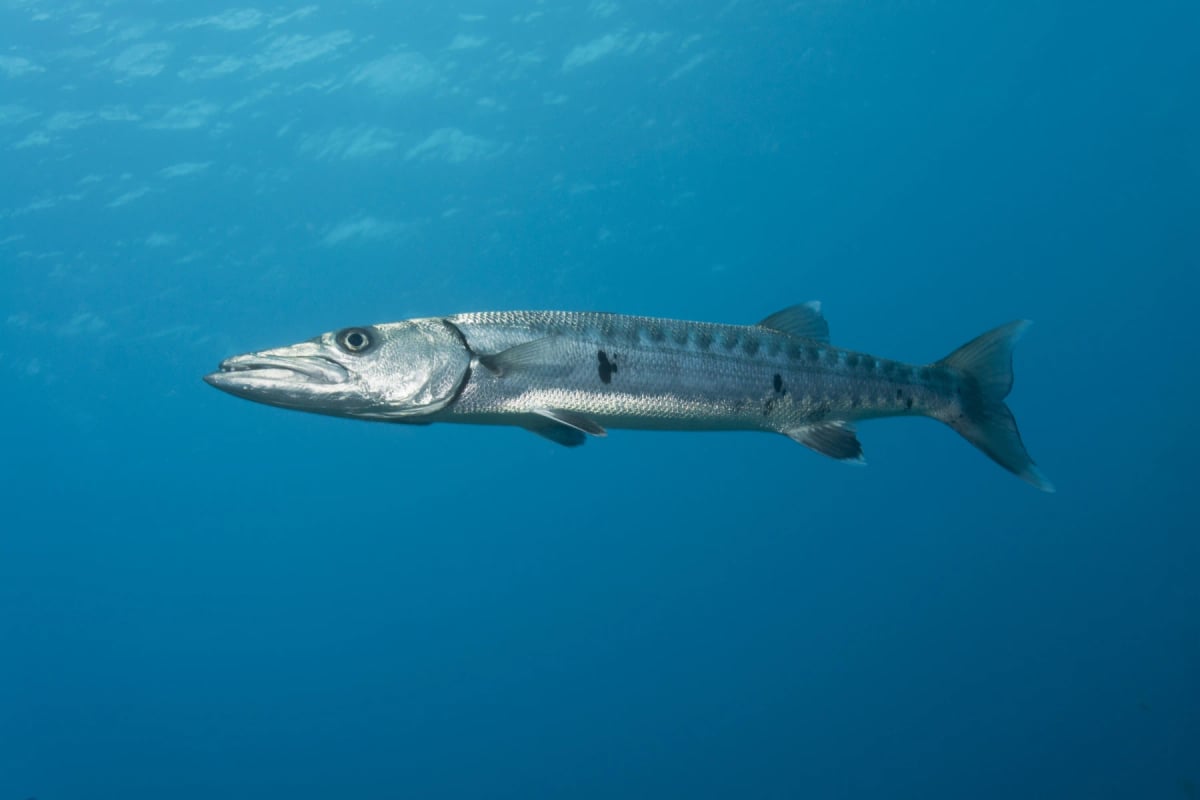
Barracuda
Sphyraena barracuda
In Venezuela the great barracuda lives along the Caribbean coast and its islands. The Los Roques archipelago, a national park with clear water, mangroves and wide seagrass flats, is one of the best places to see it, both on reef dives and from the boat while fishing. It is also common in Morrocoy National Park and around Margarita Island. Juveniles shelter in the mangroves of the coast. IUCN status: Least Concern.
Tiger Shark
Galeocerdo cuvier
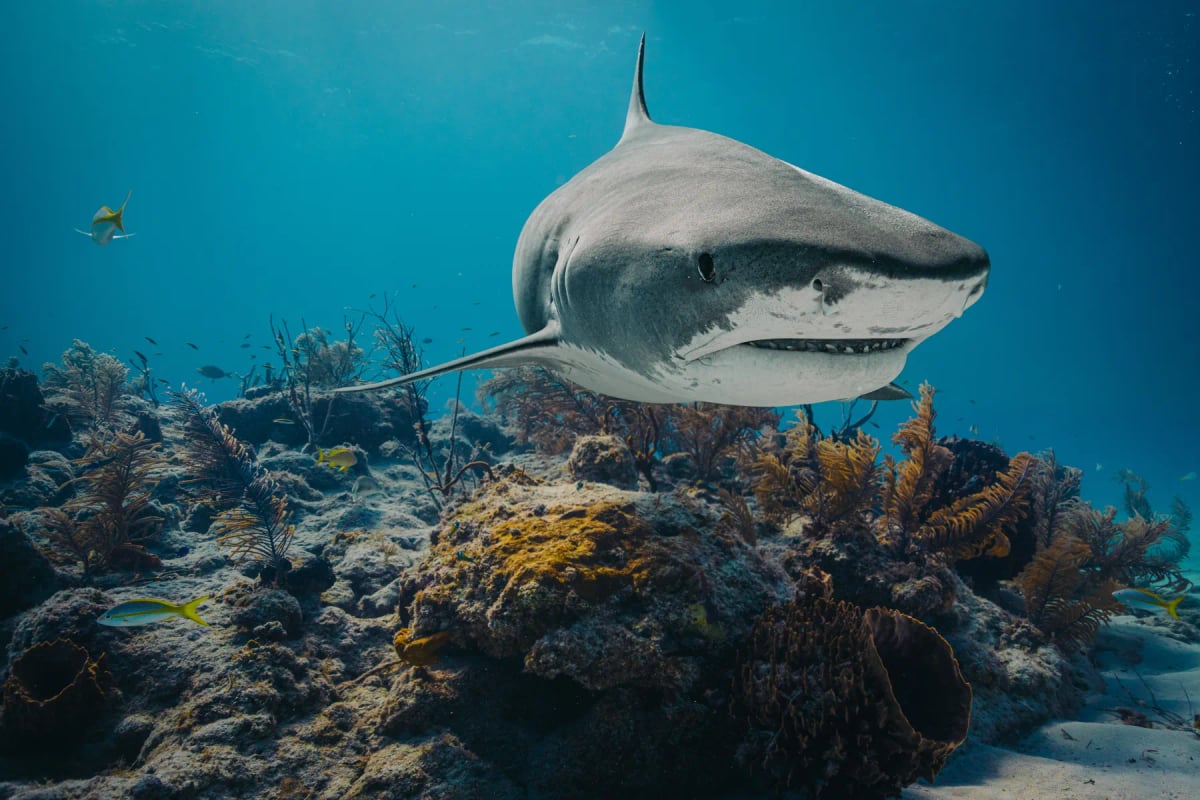
In Venezuela the tiger shark lives in the warm Caribbean waters around the coast, over reefs, seagrass beds and deep channels, and it often hunts sea turtles around Los Roques and Margarita Island. Artisanal fishers along the coast catch it, and its meat is eaten in coastal towns. Like other large sharks in the Caribbean, it has become scarcer because of fishing, and divers see it far less often than in the Bahamas. IUCN status: Near Threatened.
Reef Shark
Several species (Carcharhinus melanopterus, C. perezi, C. amblyrhynchos, Triaenodon obesus)
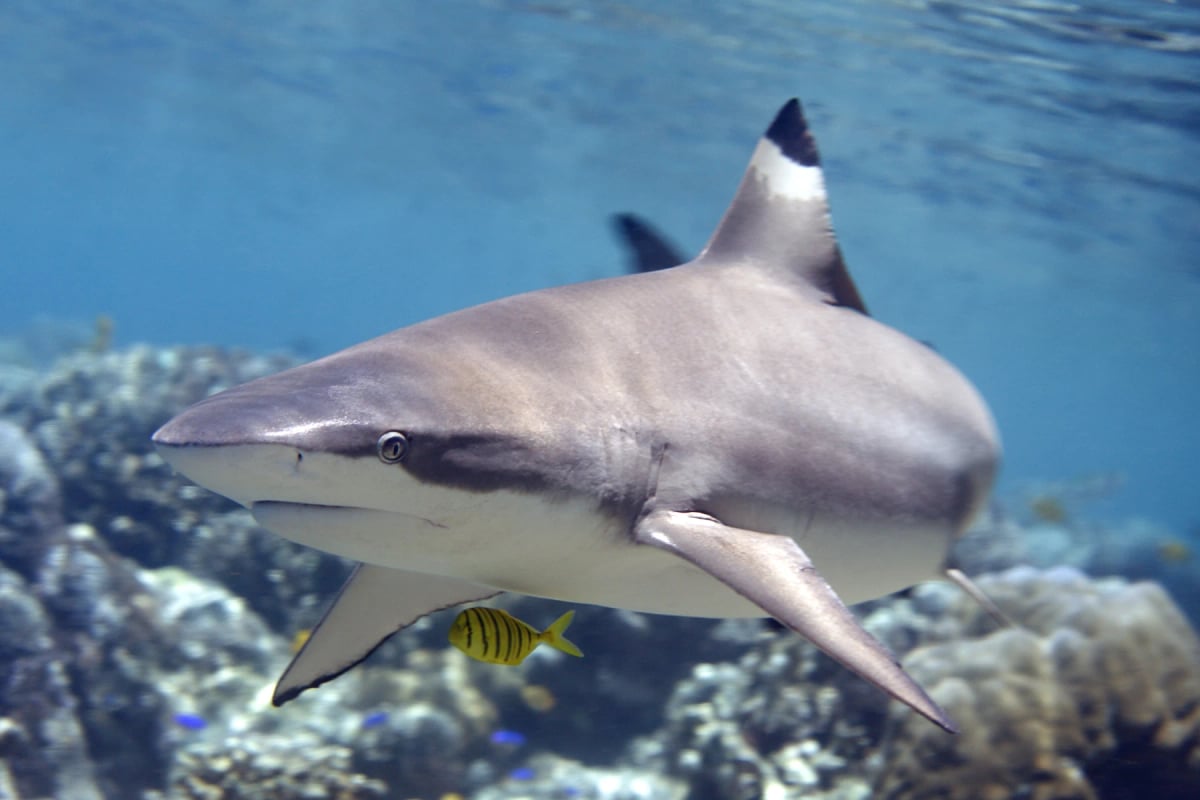
In Venezuela the Caribbean reef shark lives along the Caribbean coast and its islands. It is most often seen in the Los Roques archipelago, a national park with clear water and large reefs, where divers meet it on the outer walls along with nurse sharks. It is also found on the reefs of Morrocoy National Park. Outside protected areas, artisanal fishing has made sharks much less common. IUCN status: Endangered.
Bull Shark
Carcharhinus leucas
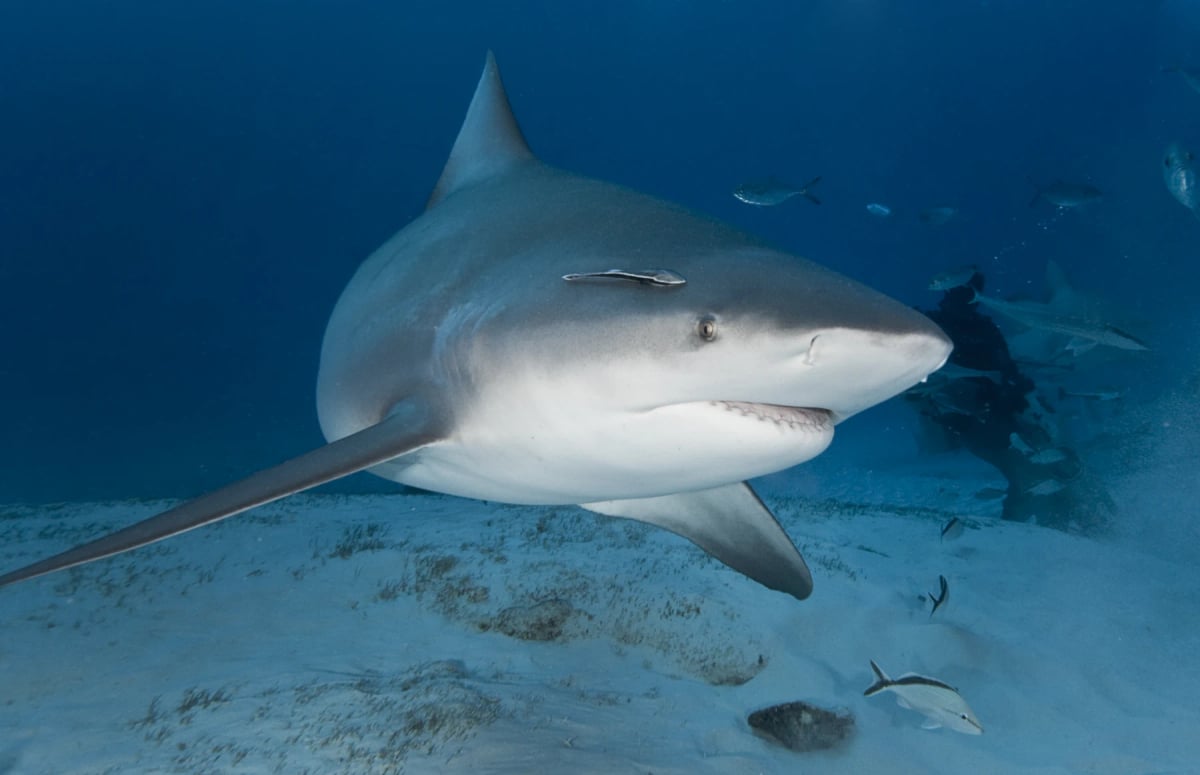
In Venezuela the bull shark lives along the Caribbean coast and in the Gulf of Paria, and it enters the brackish waters of the Orinoco Delta. It also lives in the Gulf of Venezuela and around the islands of the coast, where it hunts in shallow, murky water near shore. Young sharks grow up in the mangroves of the coast, and artisanal fishers catch them in their nets. IUCN status: Vulnerable.
Frequently Asked Questions
What animals live in Venezuela?
Venezuela's animals include jaguars, cougars, ocelots, margays, jaguarundis, tapirs, capybaras, sloths, anteaters, armadillos, opossums, brocket deer and spectacled bears. Its monkeys include spider monkeys, squirrel monkeys and red howler monkeys, and giant otters, Amazon river dolphins and manatees live in the Orinoco and its wetlands. Its birds include the turpial, the scarlet ibis, scarlet macaws and barn owls. Its reptiles include caimans, anacondas, iguanas, rattlesnakes and lanceheads, and sea turtles, dolphins and sharks live along its Caribbean coast.
What is the national animal of Venezuela?
The national bird of Venezuela is the turpial, declared a national symbol on 23 May 1958, together with the orchid and the araguaney tree. The turpial is an orange and black oriole with white wing patches and a clear, varied song, and it lives in open woodland, savanna and city parks all over the country. It is a familiar bird near houses and farms. Venezuela has no other animal named as a national symbol by law, although the jaguar and the capybara are strongly linked to its wild landscapes.
What animals live in the Llanos of Venezuela?
The Llanos are the wide plains of the Orinoco basin and the best place to see wildlife in Venezuela. They flood in the rainy season and dry out later in the year, and that cycle concentrates huge numbers of animals. Capybaras graze in groups along the water, caimans rest on the banks, anacondas hunt in the marshes and giant otters fish in the rivers. Scarlet ibises gather in bright red flocks, and jaguars, ocelots, anteaters, armadillos and brocket deer move through the savanna and gallery forests.
What endangered animals live in Venezuela?
Several well known animals are threatened in Venezuela. The giant otter, which lives in the rivers of the Orinoco basin, is listed as Endangered on the IUCN Red List, and its populations have fallen sharply over the last decades. The Amazon river dolphin, which swims in the Orinoco and its tributaries, is also Endangered. The manatee, the spectacled bear and the jaguar are listed as Vulnerable or Near Threatened, and sea turtles that nest on Venezuelan beaches are threatened worldwide. Hunting, fishing nets and the loss of forests and wetlands are the main causes.
What dangerous animals live in Venezuela?
The most dangerous animals in Venezuela are venomous snakes, above all lanceheads, known locally as mapanares, which cause most snakebites in the country, and rattlesnakes in drier areas. Jaguars and cougars live in forests and savannas, but they avoid people and attacks are extremely rare. Caimans and anacondas are common in the Llanos and the Orinoco, and they are rarely a threat if left alone. At sea, tiger sharks and bull sharks live along the Caribbean coast, but incidents with swimmers are very uncommon.
Researched and written by Juan Pablo. Sources: IUCN Red List, scientific literature and regional field guides. Last updated: .