Animals in Nicaragua
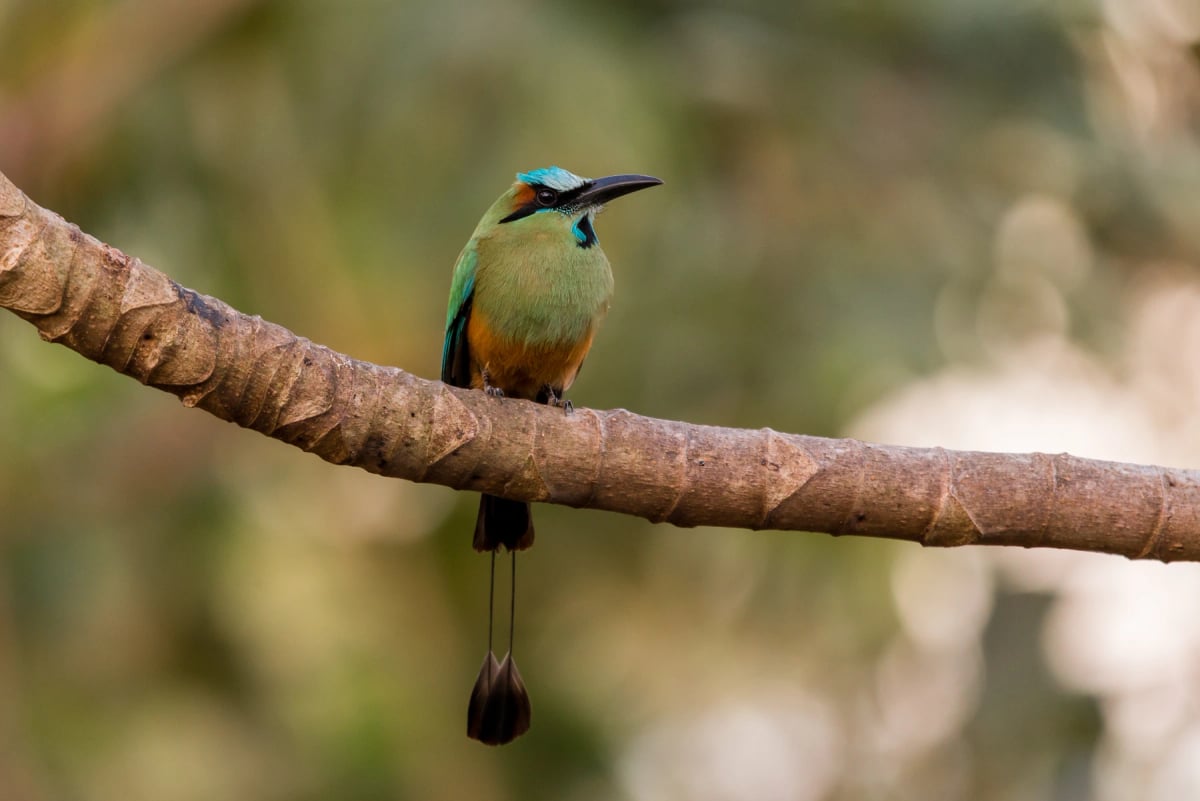
Turquoise browed Motmot
Eumomota superciliosa
The national bird of Nicaragua is the turquoise browed motmot, known in the country as guardabarranco, which means ravine guardian. It was declared the national bird in 1971. It has green and chestnut feathers, a bright turquoise stripe over the eye and a long tail that ends in two racket shaped tips, which it swings from side to side like a clock pendulum. It lives mainly in the dry forests and farmland of the Pacific side, where it digs its nest in earthen banks and ravines. The guardabarranco appears in songs, poems and school books, and it is a symbol of freedom for many Nicaraguans.
View details→Wildlife in Nicaragua
Nicaragua is the largest country in Central America, and its wildlife ranges from dry Pacific forests to huge Caribbean rainforests and two great lakes. It is part of the Mesoamerican Biological Corridor, so animals from North and South America meet here. The rainforests of the Bosawás Biosphere Reserve and the Indio Maíz Biological Reserve are home to jaguars, pumas, ocelots, margays, tapirs, spider monkeys, sloths, harpy eagles, scarlet macaws and toucans. In the west, the turquoise browed motmot, the national bird, perches on fences and branches, and white tailed deer, armadillos and gray foxes live in the dry forests. Lake Nicaragua is famous for its bull sharks, which swim up the San Juan River from the Caribbean, and caimans live in its wetlands. On the Pacific coast, thousands of sea turtles come ashore to nest, while manatees live in the Caribbean lagoons. Forest loss is a serious threat, but large reserves still protect much of the wildlife in Nicaragua.
Most Dangerous Animals in Nicaragua
The most dangerous animals in Nicaragua are its venomous snakes. The lancehead, known locally as barba amarilla, lives in humid forests, riverbanks and farmland, especially on the Caribbean side, and causes most serious snakebites in the country. The rattlesnake lives in the drier Pacific lowlands and its venom is also very strong. Wearing boots, carrying a flashlight at night and watching where you step greatly reduce the risk. Jaguars and pumas are powerful, but they avoid people and attacks are extremely rare. Caimans live in rivers and wetlands and should be kept at a distance. In the water, the bull shark is the one to know. It lives along the coasts and can travel up the San Juan River into Lake Nicaragua, although it is much rarer in the lake today than in the past. Tiger sharks live off both coasts, but attacks on people in Nicaragua are very uncommon.
Top 10 Animals in Nicaragua
The top 10 animals of Nicaragua are led by its big cats. The jaguar, the largest cat in the Americas, still hunts in the rainforests of Bosawás and Indio Maíz, and the puma lives in forests and hills across the country. The margay and the jaguarundi, two small wild cats, are part of this group too, although they are rarely seen. Then come some of the animals people respect most: the bull shark, famous for swimming up into Lake Nicaragua, the tiger shark of the coasts, the lancehead and the rattlesnake. The harpy eagle, one of the most powerful birds of prey in the world, and the peregrine falcon, the fastest, represent the skies, and the bottlenose dolphin completes the list at sea. Other animals in Nicaragua worth knowing are the guardabarranco, sloths, scarlet macaws and the sea turtles of the Pacific beaches.
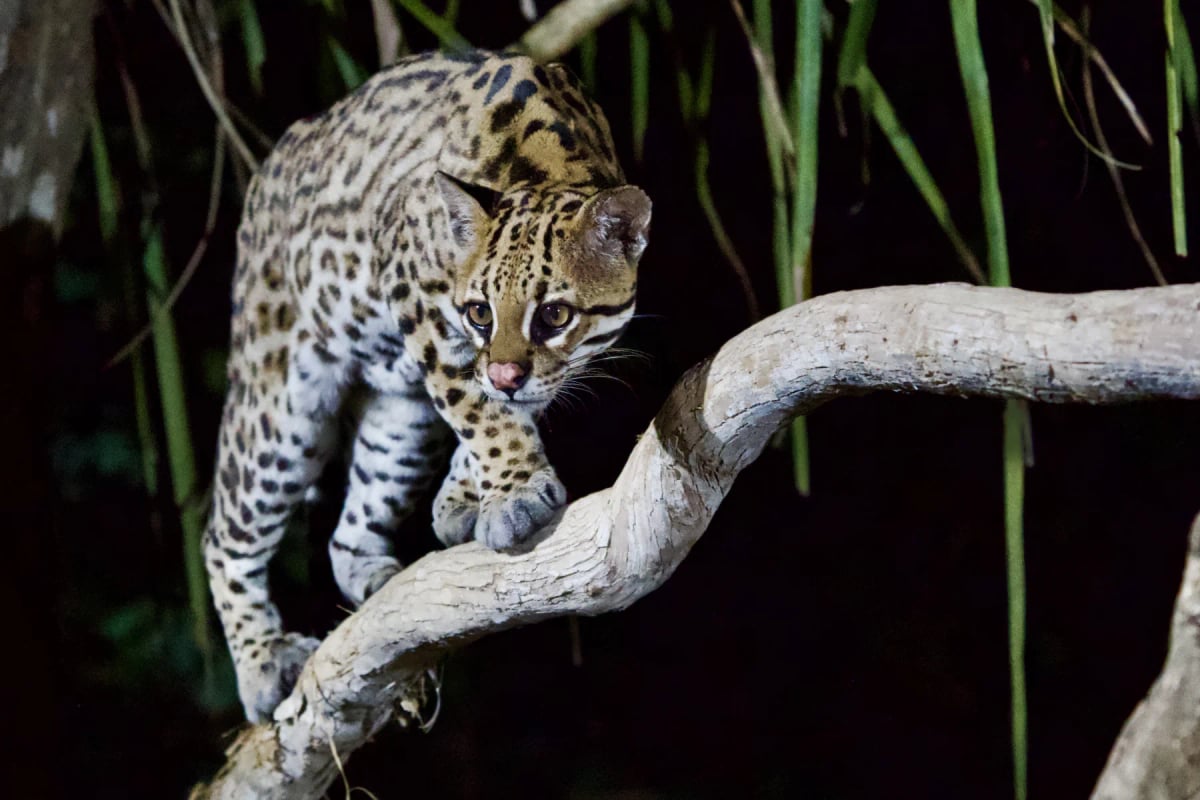
Ocelot
Leopardus pardalis
Ocelots live throughout Nicaragua's Caribbean lowland forests and the remaining Pacific slope woodlands. The Bosawás Biosphere Reserve, one of the largest tropical forests in the Americas, provides critical habitat for the species. Ocelots here feed on small mammals, reptiles, and birds, hunting under the cover of night. Deforestation driven by agricultural expansion is the primary threat to ocelot populations across the country.
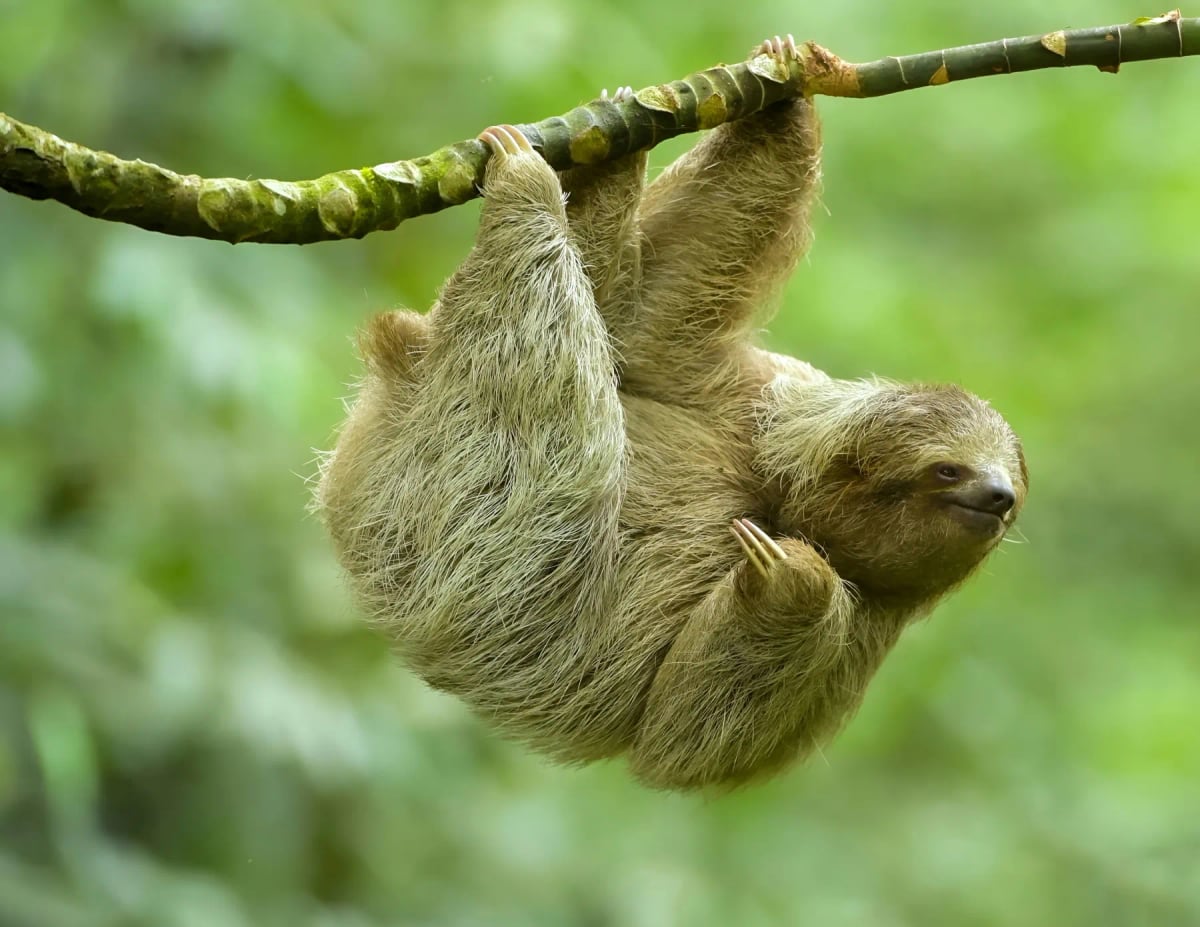
Sloth
Folivora
Nicaragua's Caribbean lowlands, including the forests of the North Caribbean Coast Autonomous Region, provide suitable habitat for sloths. These forests form part of the Mesoamerican Biological Corridor, a vital green passage that links wildlife habitat from Mexico to South America. Sloths move slowly through the canopy here, relying on the dense tree cover for both food and shelter. Forest clearance remains an ongoing concern.
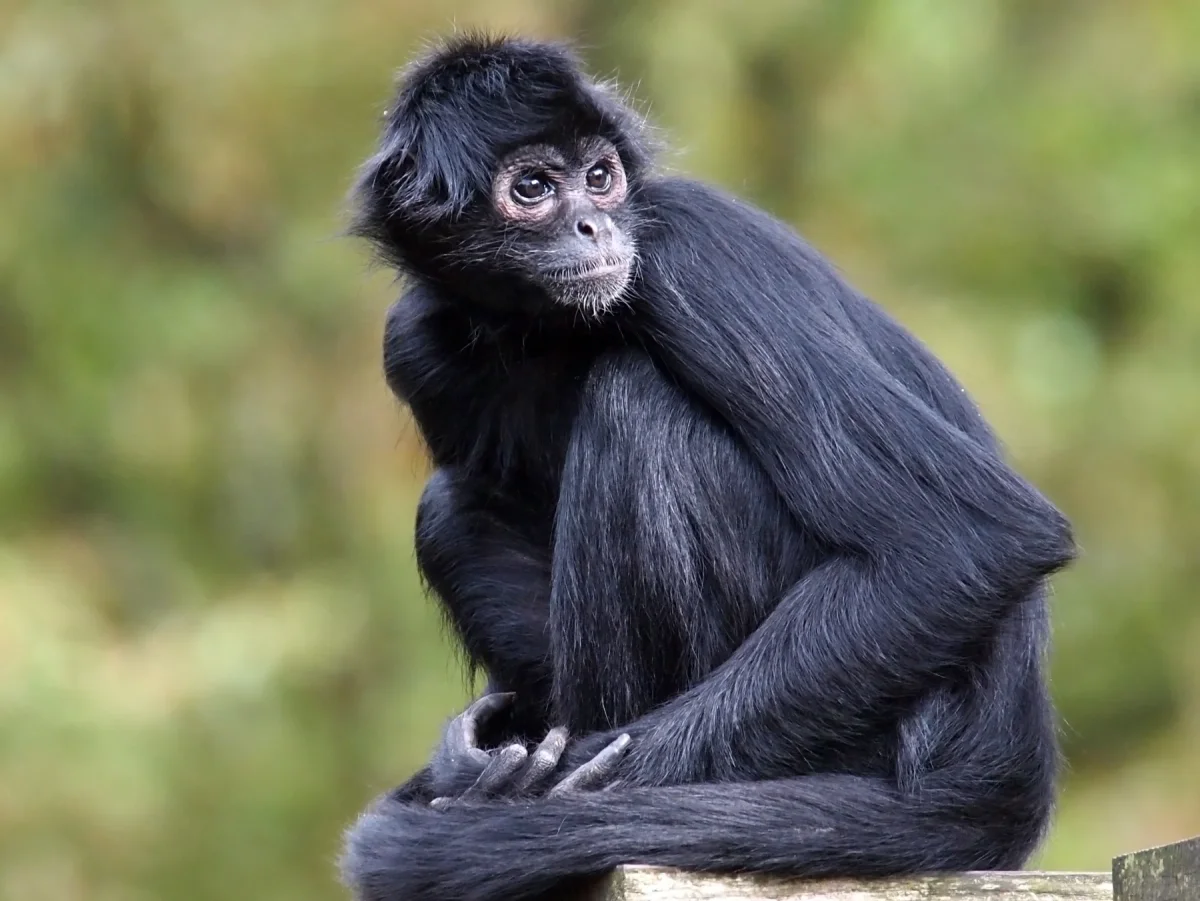
Spider Monkey
Ateles spp.
In Nicaragua, spider monkeys are found in the Caribbean coastal forests and the Bosawás Biosphere Reserve, the largest rainforest reserve in Central America north of the Amazon. Their populations have declined significantly due to forest clearance and hunting. Bosawás remains one of the most important refuges for the species in the country, though enforcement of its protected status faces ongoing challenges.
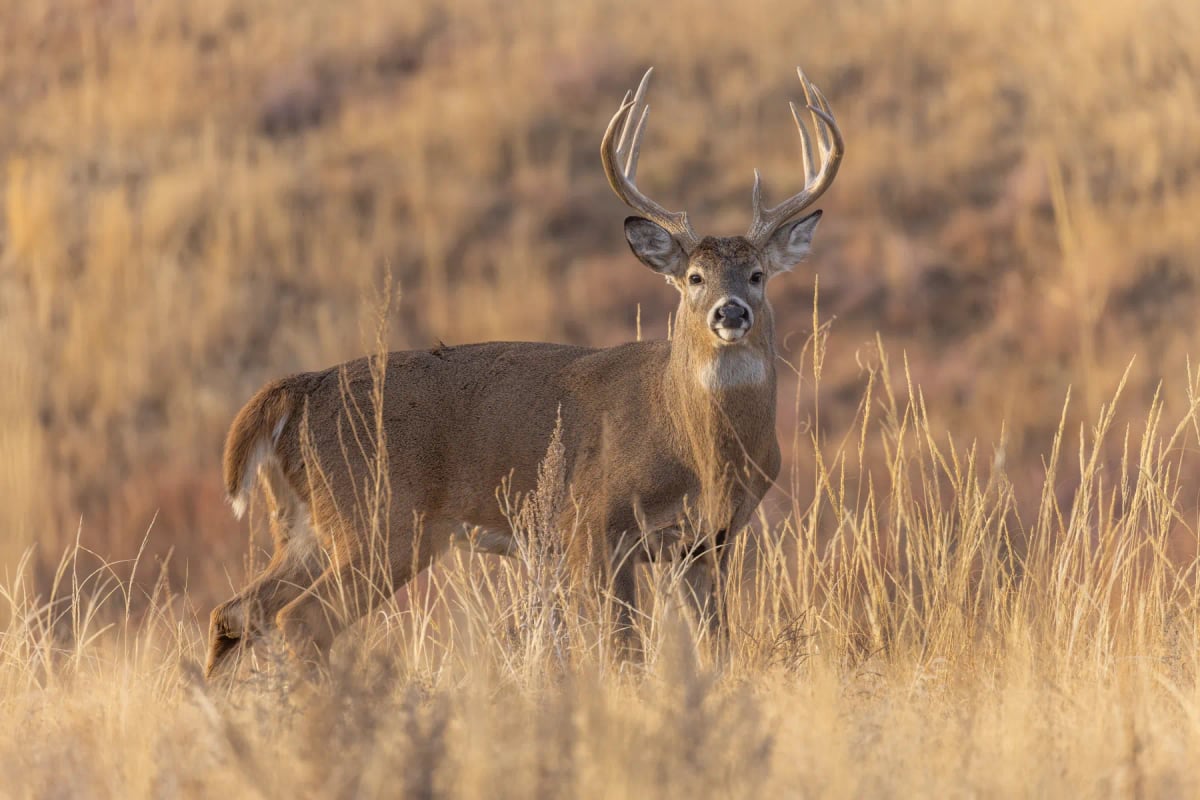
White tailed Deer
Odocoileus virginianus
In Nicaragua, white tailed deer are found across dry forests in the Pacific lowlands and forested areas in the north of the country. They adapt well to agricultural edges, often appearing near farmland at dusk and dawn. Deforestation linked to cattle ranching has reduced available habitat in many regions. Conservation areas in the north, such as Bosawás Biosphere Reserve, offer important refuge for the species.
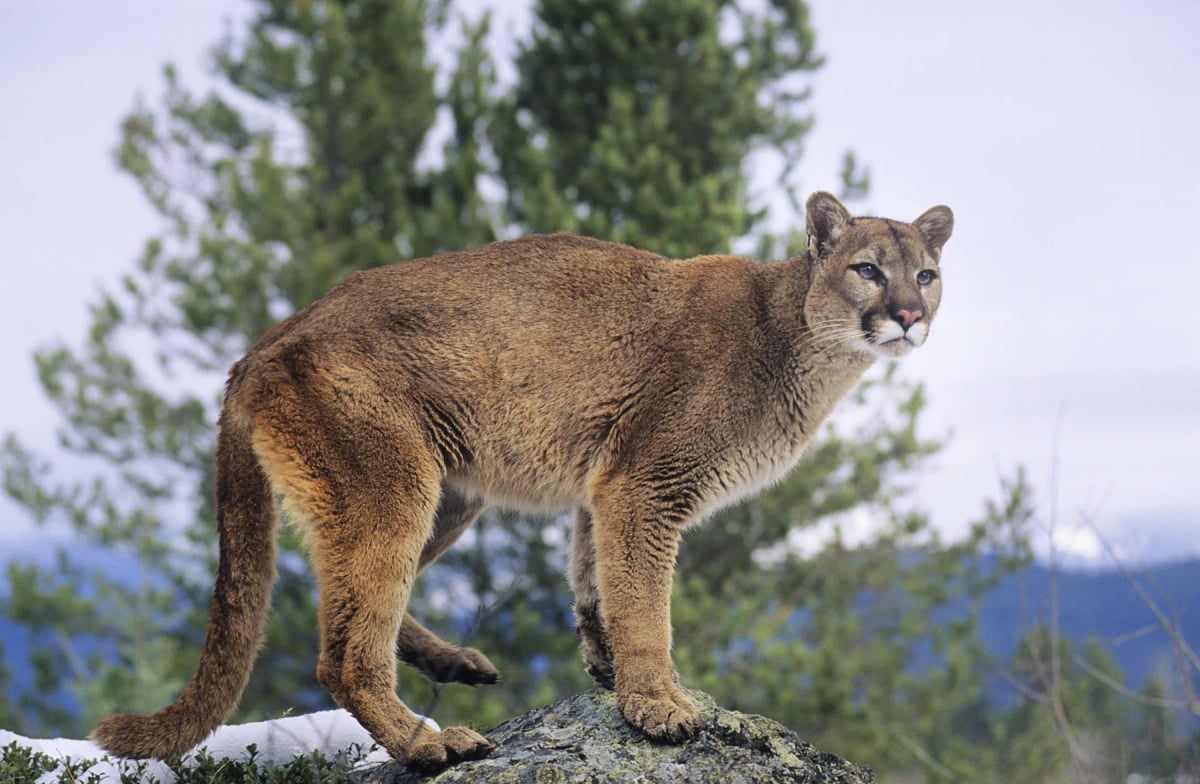
Cougar
Puma concolor
Nicaragua's cougar population is spread across the forests of the Caribbean coast, the central highlands and protected areas such as Bosawás Biosphere Reserve, one of the largest tropical forests in the Americas. The cougar preys on deer, peccaries and other native mammals. Deforestation for agriculture is the biggest threat to its survival here, shrinking the connected forest areas the species depends on.
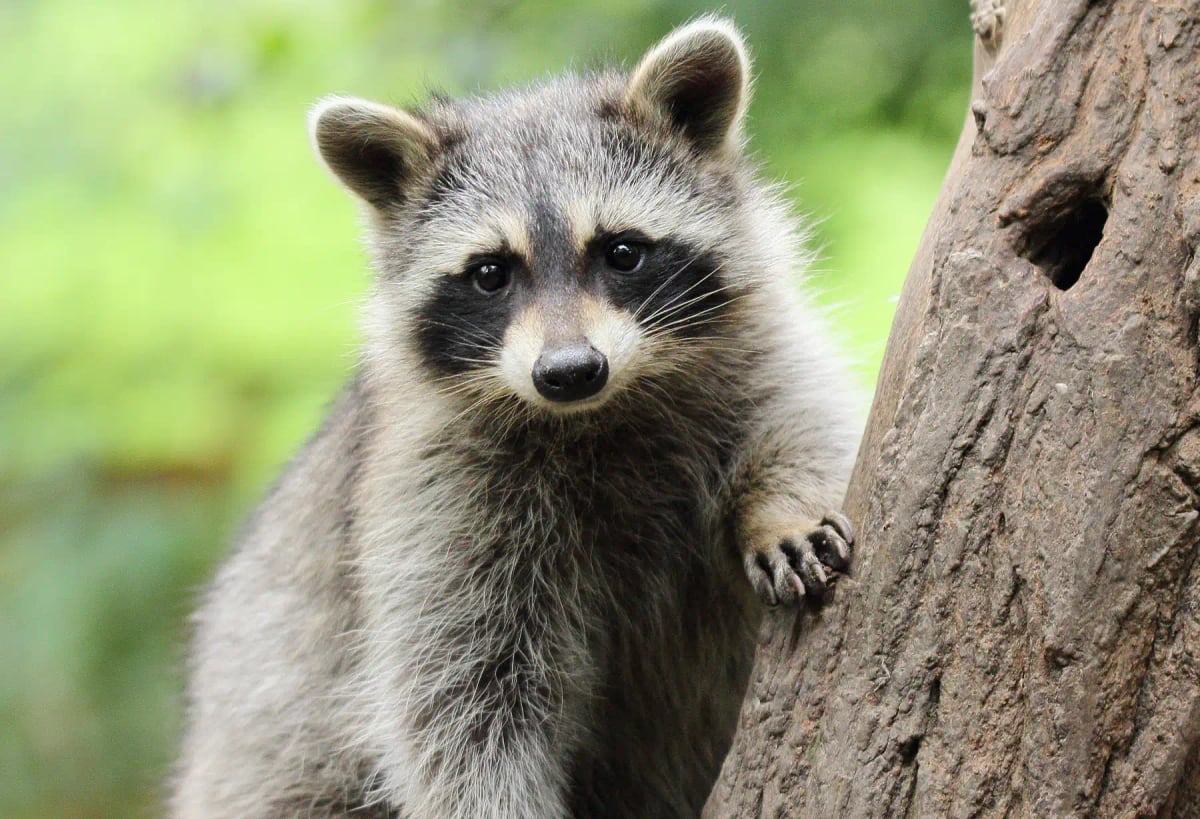
Raccoon
Procyon lotor
The raccoon is found across Nicaragua in tropical dry and wet forests, wetlands, and along the extensive river systems that drain into both the Pacific and Caribbean. On the Caribbean coast and the Mosquito Coast region, raccoons are particularly common near waterways where fish and crustaceans are plentiful. They also venture into agricultural areas and towns. The species is listed as Least Concern, though deforestation in Nicaragua affects many wildlife species.
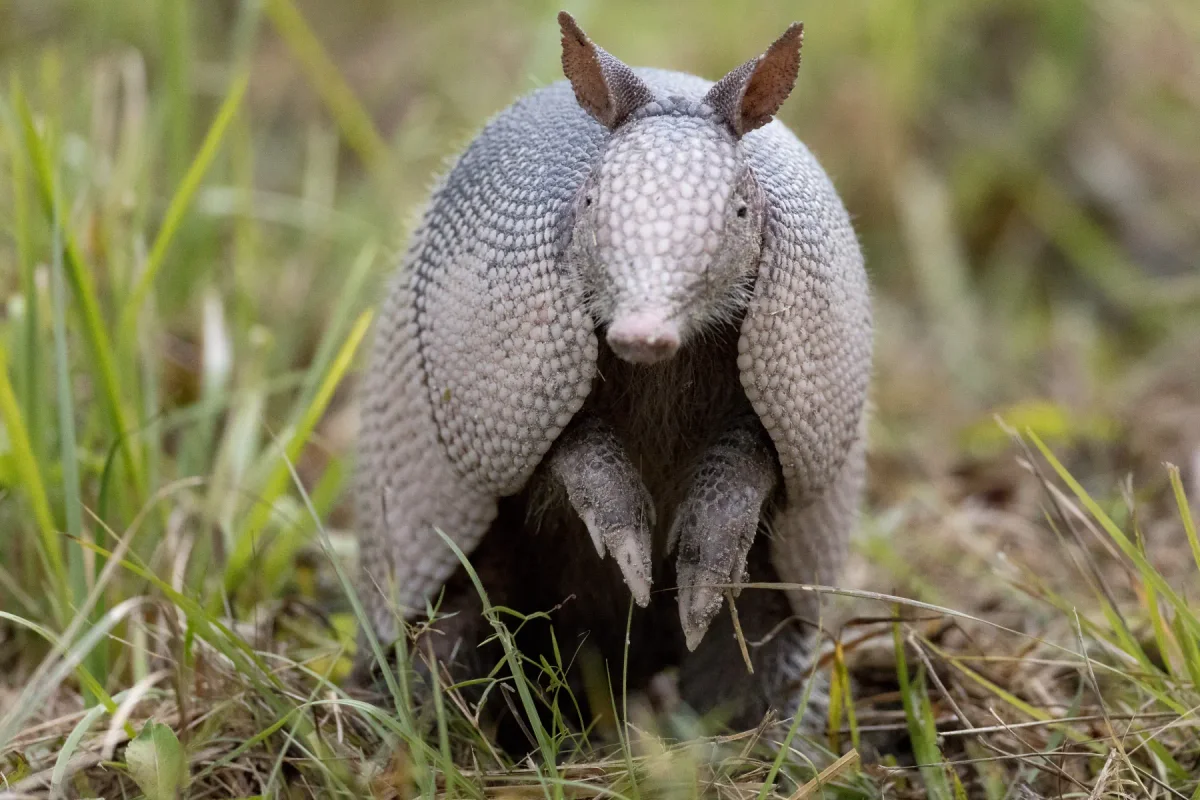
Armadillo
Dasypodidae spp.
The nine banded armadillo is widespread in Nicaragua, found in forests, grasslands, and agricultural margins from the Pacific lowlands to the Caribbean coast. It forages at night for insects and invertebrates, relying on its highly developed sense of smell. Nicaragua retains substantial areas of forest in the Caribbean region that support healthy armadillo populations. The species is locally consumed in some rural areas and faces pressure from road mortality and habitat fragmentation in more densely settled parts of the country.
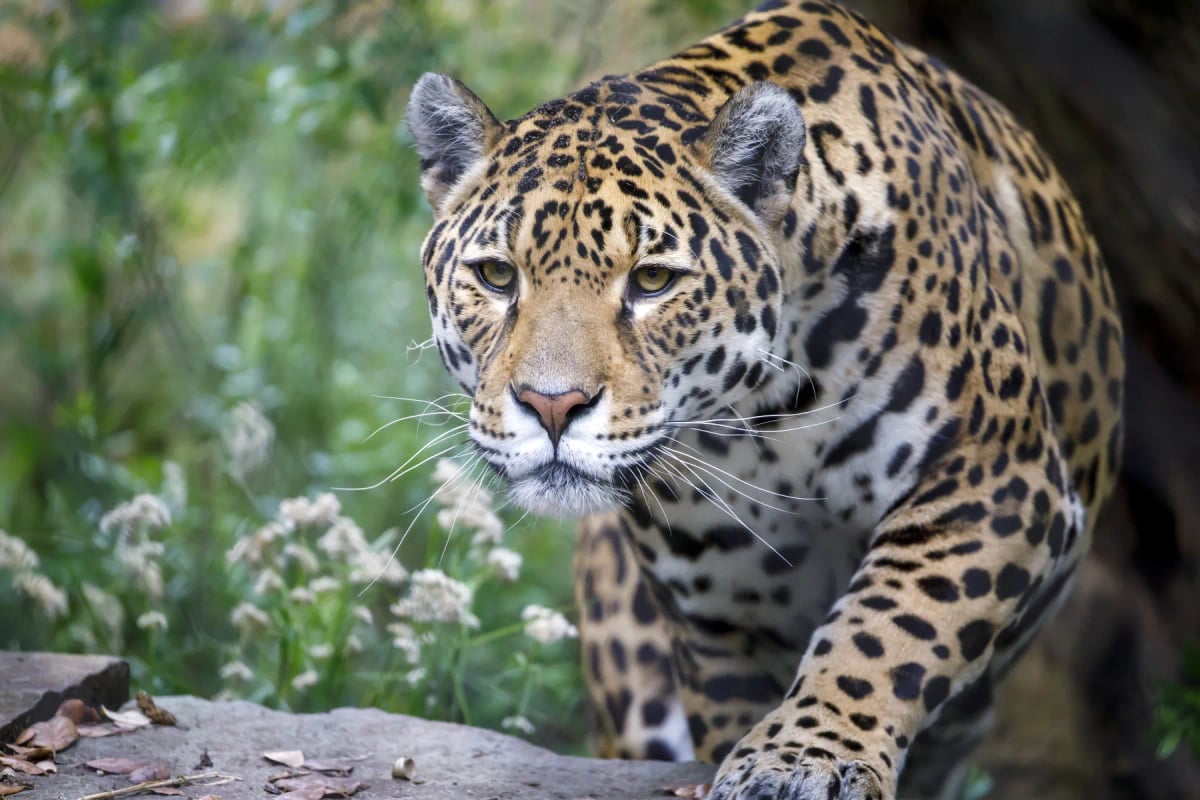
Jaguar
Panthera onca
Nicaragua supports jaguar populations in its Caribbean lowland forests and in protected areas such as Bosawás Biosphere Reserve, one of the largest rainforests in Central America. Habitat loss from agricultural expansion poses a serious threat to these cats. Jaguars here play a vital role in keeping prey populations in balance. Regional wildlife corridors connect Nicaraguan jaguars to populations in neighboring countries. IUCN status: Near Threatened.
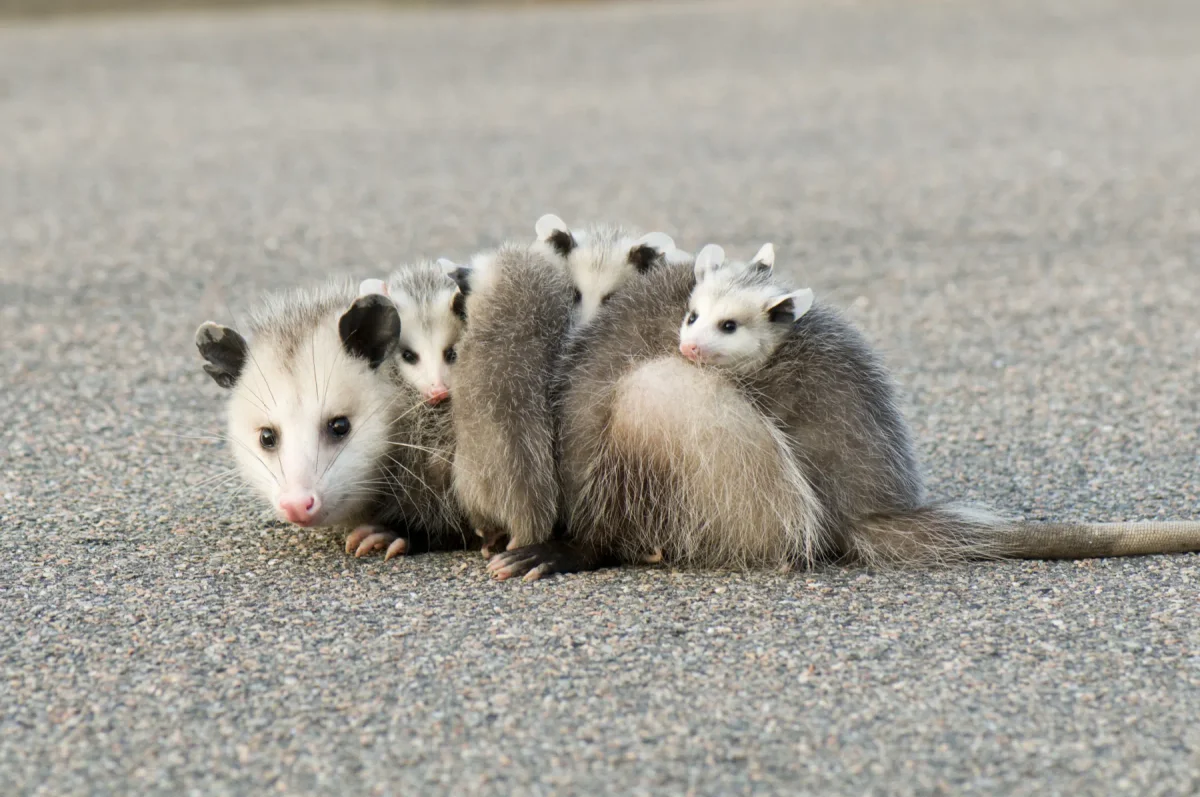
Opossum
Didelphis spp.
In Nicaragua, the common opossum (Didelphis marsupialis) lives across the Caribbean lowlands, the Pacific region, and forested areas in between. It tolerates disturbed habitats well, appearing on the edges of towns, in coffee plantations, and along the shores of Lake Nicaragua. Nocturnal and opportunistic, it feeds on almost anything available. Its resilience and flexibility make it one of the most successful wild mammals in the country despite ongoing habitat pressure.
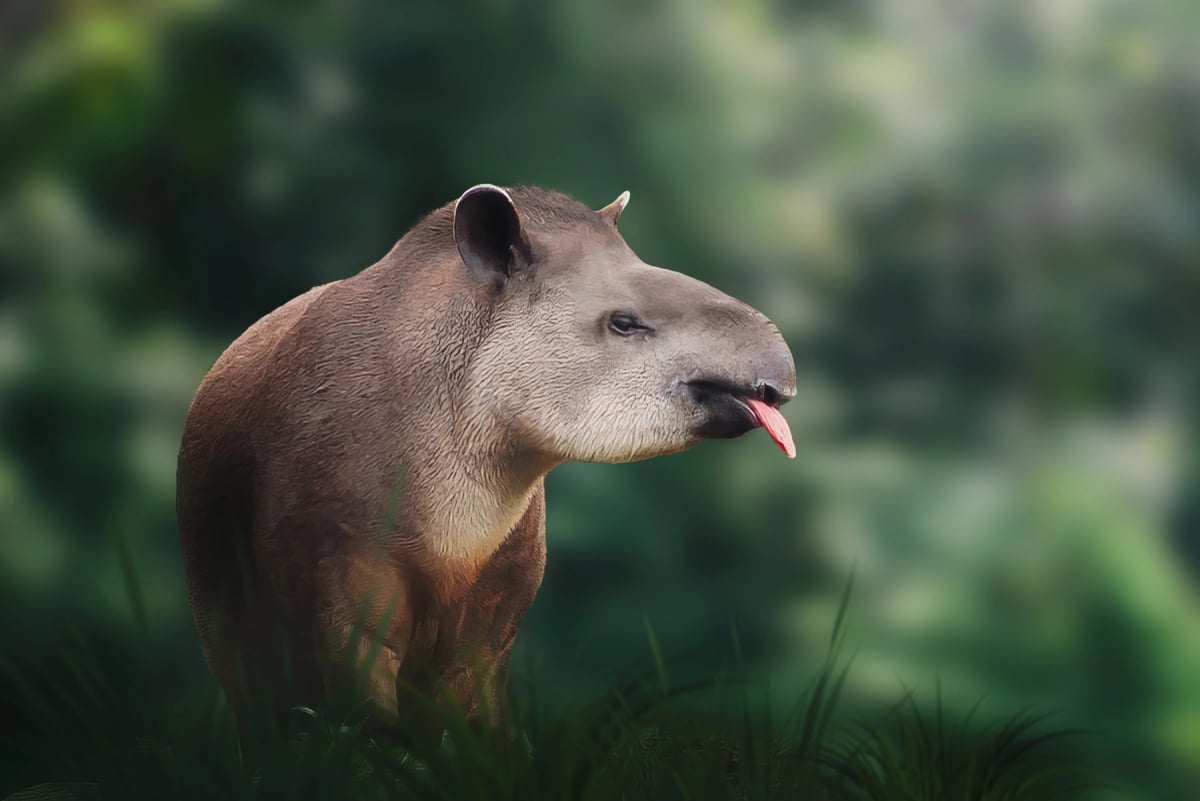
Tapir
Tapirus spp.
In Nicaragua, Baird's tapir is found in the Caribbean lowlands, particularly in the forests of the Bosawás Biosphere Reserve, one of the largest tropical forest blocks in Central America. It also occurs in the Indio Maíz Biological Reserve in the south. Both areas face growing pressure from agricultural expansion, leaving tapir populations fragmented and vulnerable across the country.
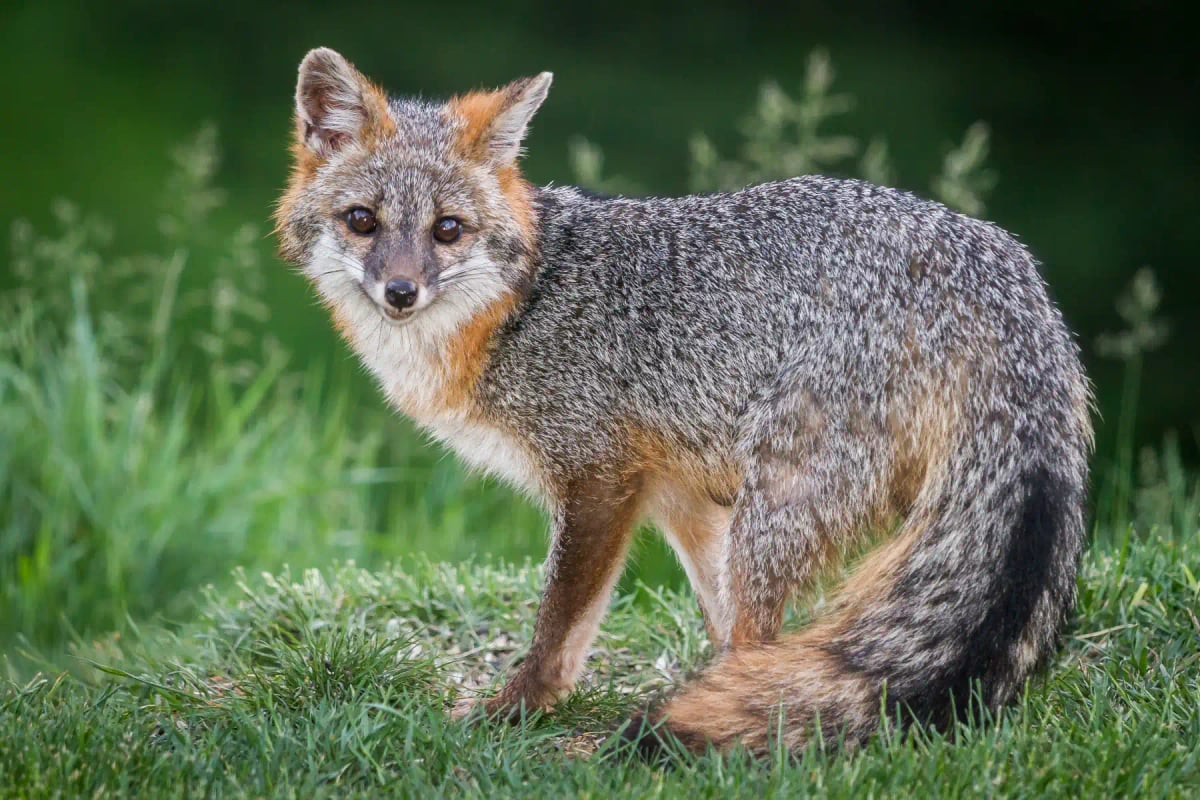
Gray Fox
Urocyon cinereoargenteus
The gray fox moves through Nicaragua's forests and scrublands, from the Pacific lowlands to the hillier terrain of the interior. It hunts small mammals, birds, and insects, and eats fruit when it is available. Uniquely among American canids, it can climb trees to escape danger or search for food. Its IUCN status is Least Concern, and it remains a fairly common presence across the country.
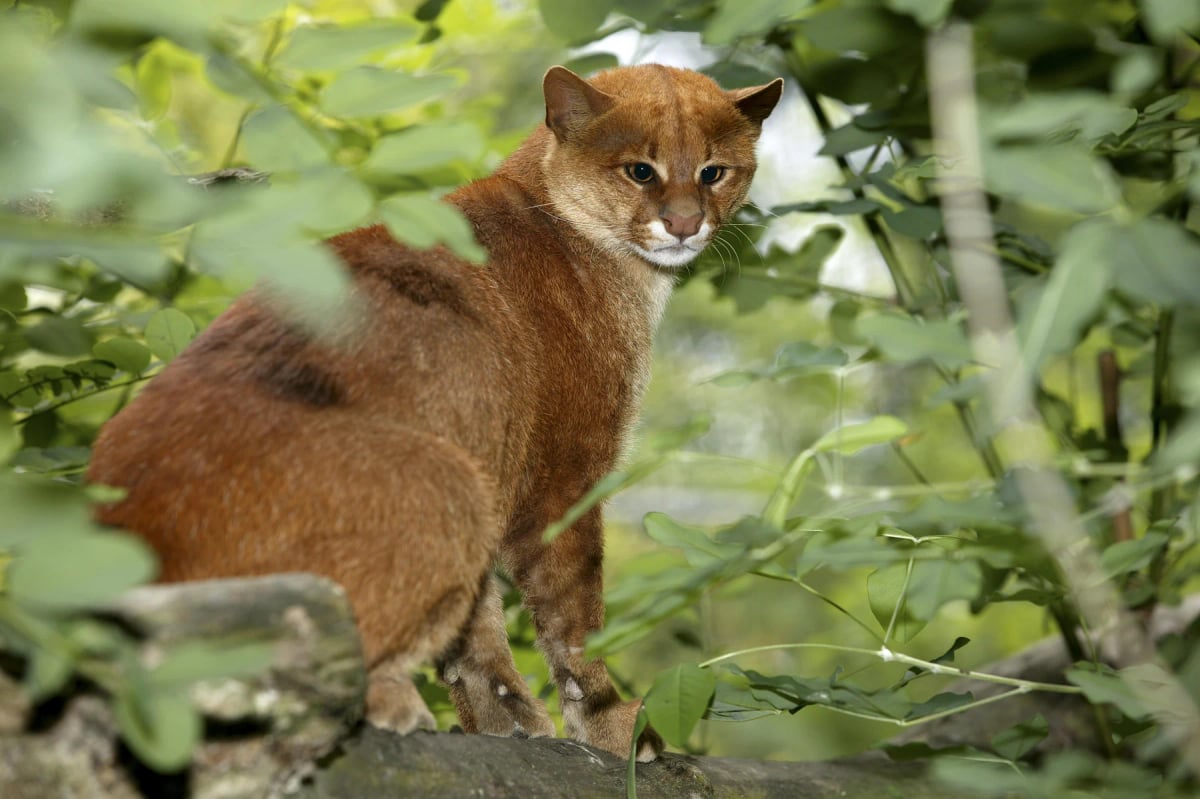
Jaguarundi
Herpailurus yagouaroundi
The jaguarundi is found across Nicaragua in habitats ranging from the Caribbean rainforests of the Mosquito Coast to the drier Pacific lowlands and gallery forests along rivers. It hunts by day, taking birds, small reptiles, and insects. While the IUCN considers it Least Concern overall, Nicaragua's rapid deforestation in recent decades has put pressure on this cat and the wildlife corridors it depends on.
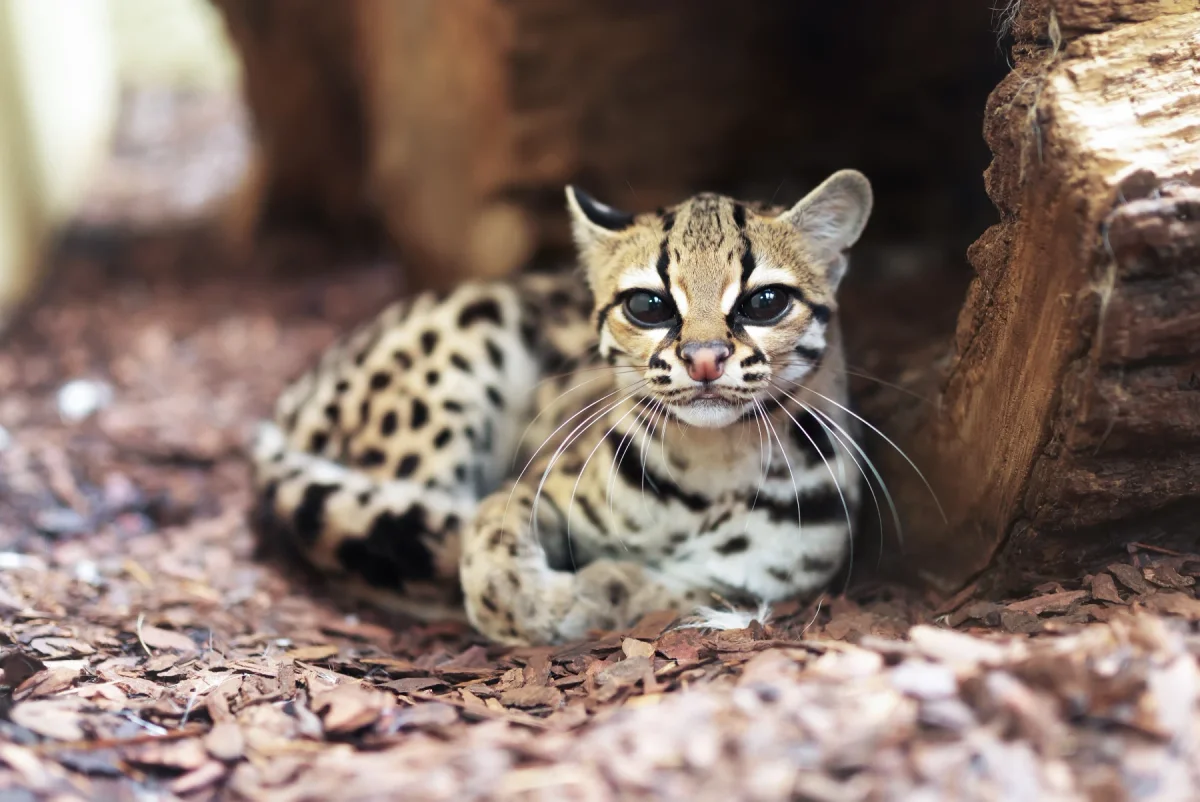
Margay
Leopardus wiedii
Nicaragua's Caribbean lowland forests and the Bosawás Biosphere Reserve provide key habitat for the margay. This agile cat spends its nights hunting birds, frogs, and small mammals among the branches. It can hang from a single hind foot and run headfirst down vertical trunks, skills almost unique among wild cats. Ongoing deforestation in Nicaragua poses a growing threat to this species. The IUCN lists it as Near Threatened.

Iguana
Iguana iguana
The green iguana is native to Nicaragua and widespread across the Pacific lowlands, the Caribbean coast and the forested interior. It is common around Lake Nicaragua and throughout the Mosquito Coast. In Nicaragua it is highly valued as food, particularly during Holy Week when meat and eggs are traditionally consumed, a practice that has created significant hunting pressure. The species remains broadly distributed across the warm lowlands despite this pressure.
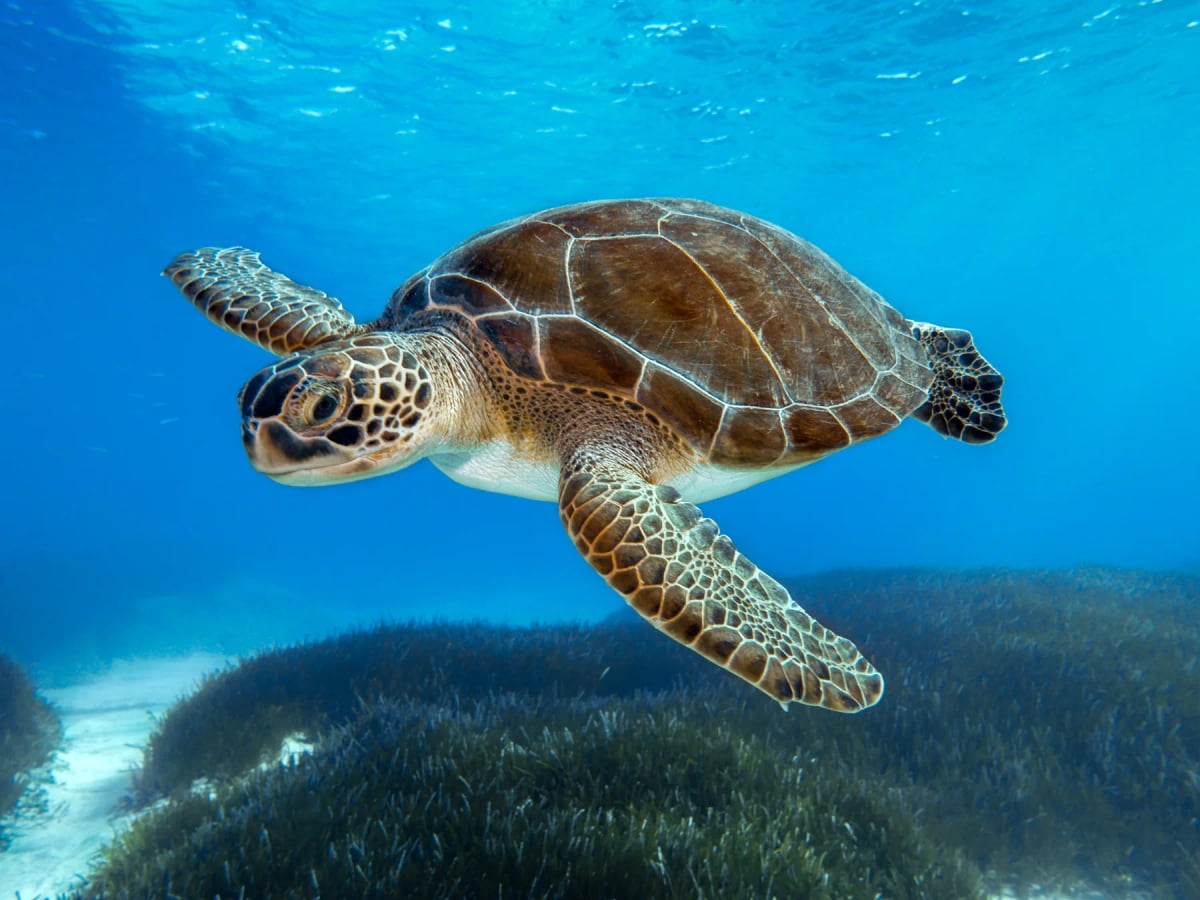
Sea Turtle
Cheloniidae & Dermochelyidae (families)
Nicaragua's Pacific coast is one of the most important olive ridley sea turtle nesting regions in Central America. La Flor Wildlife Refuge and Chacocente Wildlife Refuge both host mass nesting events known as arribadas, where thousands of olive ridley females come ashore within a few days. These events rank among the largest sea turtle gatherings in the world. Leatherback and green turtles also nest on Nicaraguan beaches, and the Caribbean coast provides habitat for hawksbill turtles around the Corn Islands.
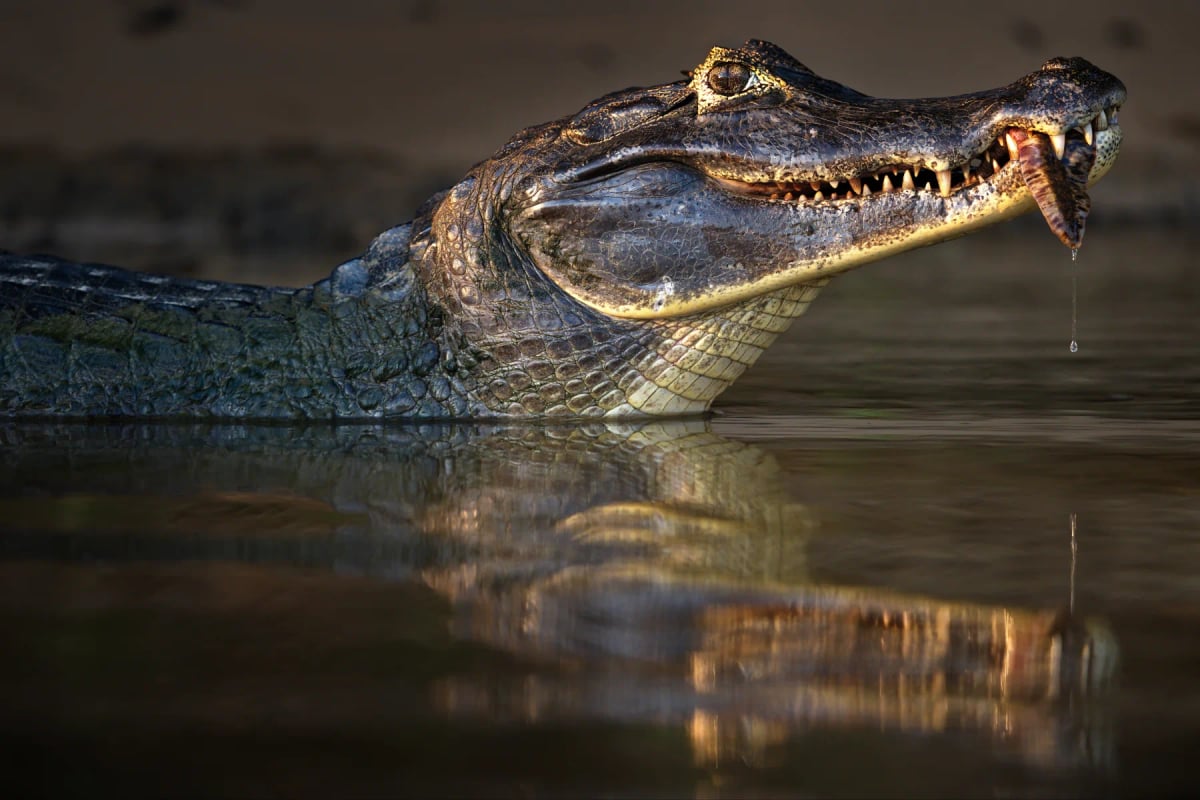
Caiman
Caiman spp.
Nicaragua's Caribbean lowlands and the vast wetlands around Lake Nicaragua provide important habitat for the spectacled caiman. These reptiles are well established along the San Juan River and in the freshwater systems that drain into the Caribbean Sea. Nicaragua's extensive network of protected areas, including the Indio Maíz Biological Reserve, supports viable caiman populations. Illegal hunting and wetland degradation from agricultural runoff remain ongoing conservation concerns in the country.
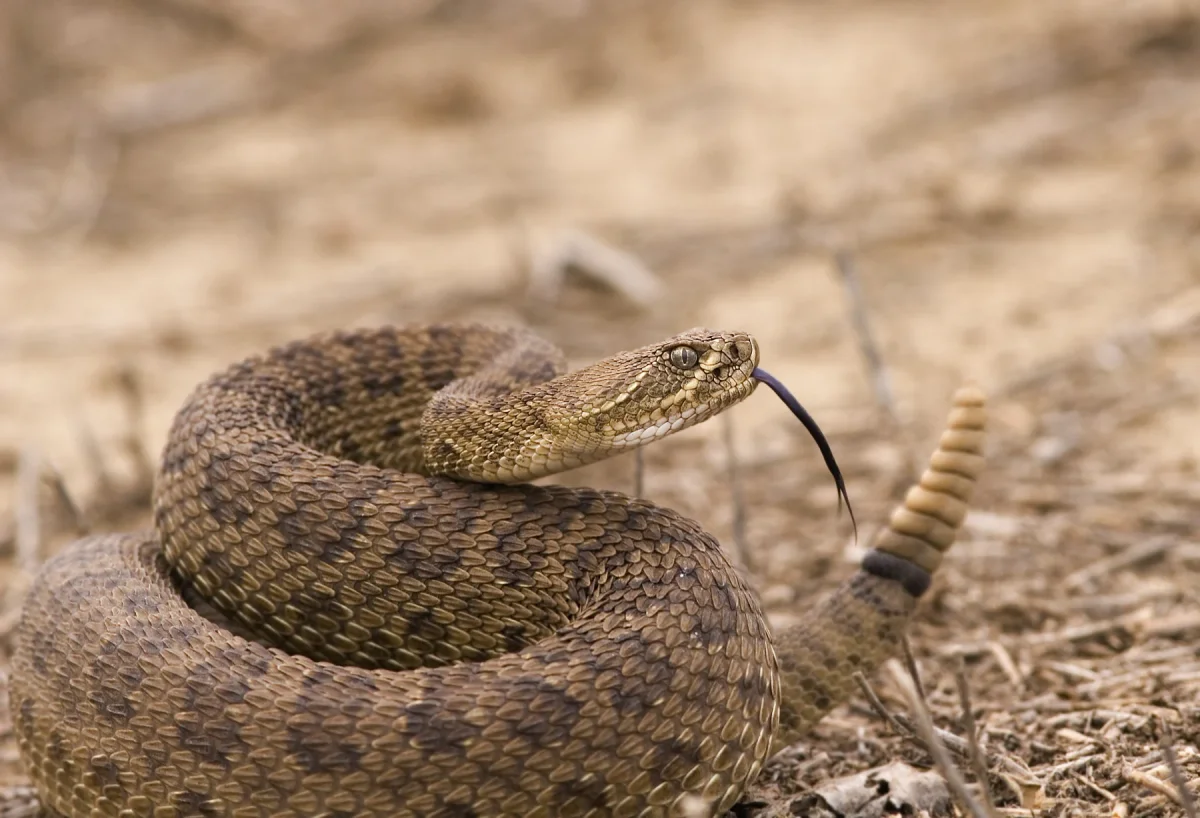
Rattlesnake
Crotalus spp. / Sistrurus spp.
Rattlesnakes in Nicaragua are found mainly in the dry Pacific lowlands and open grasslands, where the cascabel (Crotalus simus) is the most common species. They hunt rodents and small animals using heat-sensing pits on their faces. Though feared by rural communities, they rarely strike unless threatened. Habitat loss from agriculture is the biggest pressure on their populations here. IUCN status: Least Concern.
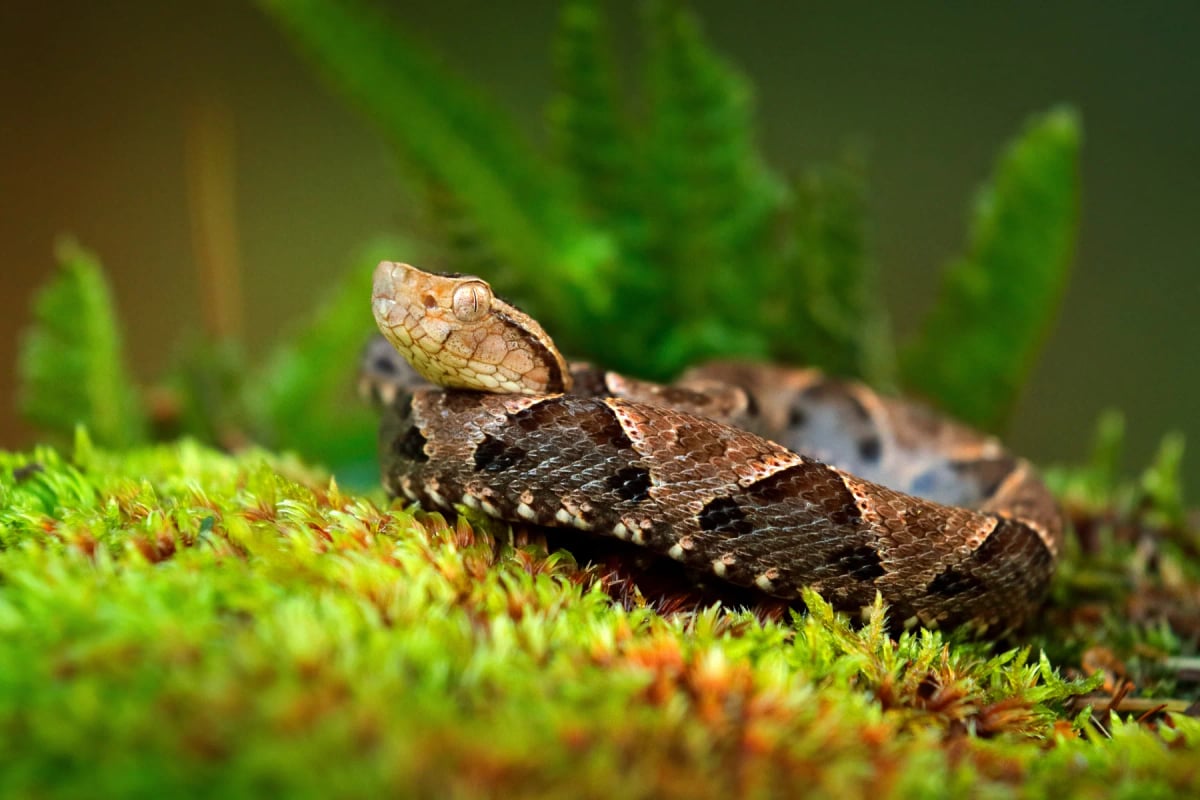
Lancehead
Bothrops spp.
In Nicaragua, lanceheads are most common along the Caribbean coast and in the humid forests of the north and center of the country. The Bosawás Biosphere Reserve, one of the largest tropical forest areas in Central America, provides ideal habitat for these pit vipers. Snakebite from lanceheads is a notable public health concern in Nicaragua, especially in remote communities with limited access to antivenom treatment.
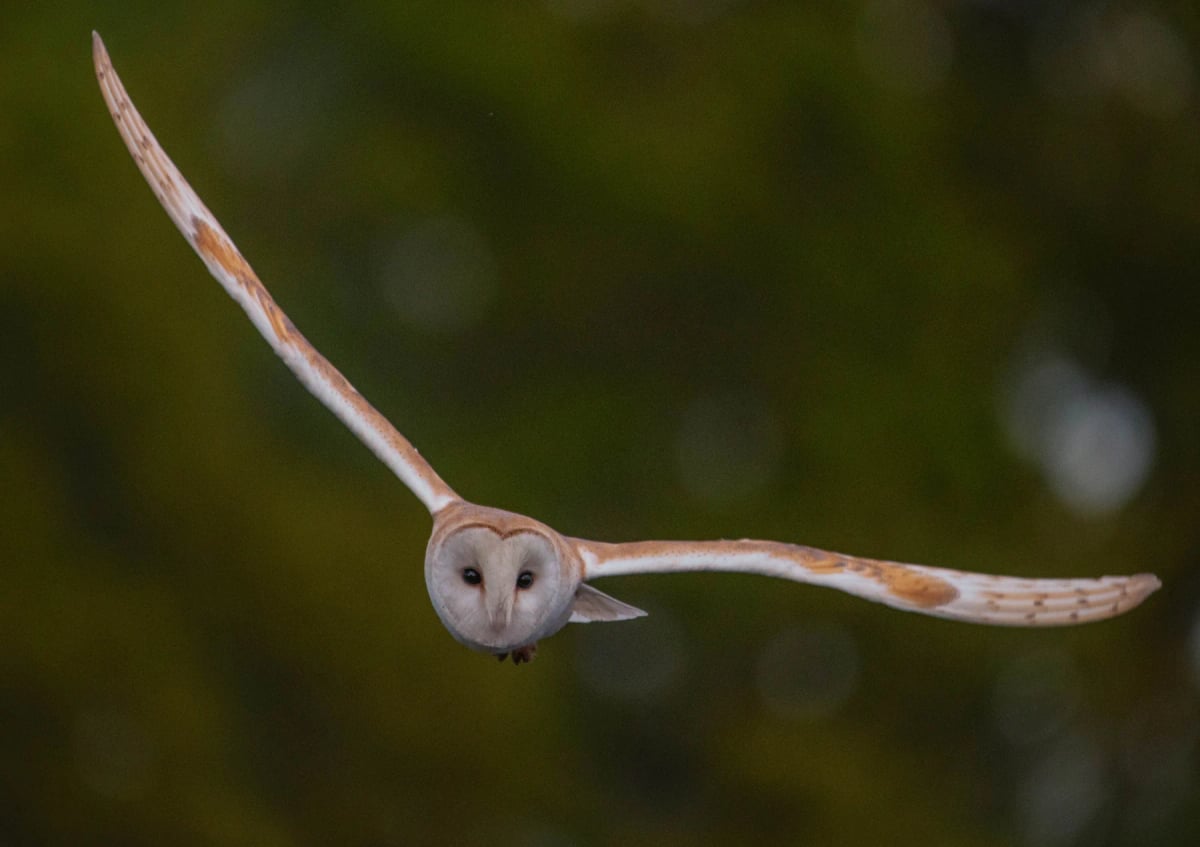
Barn Owl
Tyto alba
The barn owl is found across Nicaragua in open farmland, pastures, and the outskirts of towns and villages throughout the country. It nests in old buildings, church towers, cliff faces, and hollow trees, and hunts rodents and other small prey at night. It is present from the Pacific lowlands and the central highlands to the Caribbean coast. In farming communities it is valued as a natural rodent controller. Its eerie shrieking call is a familiar sound in rural areas after dark across much of the country.
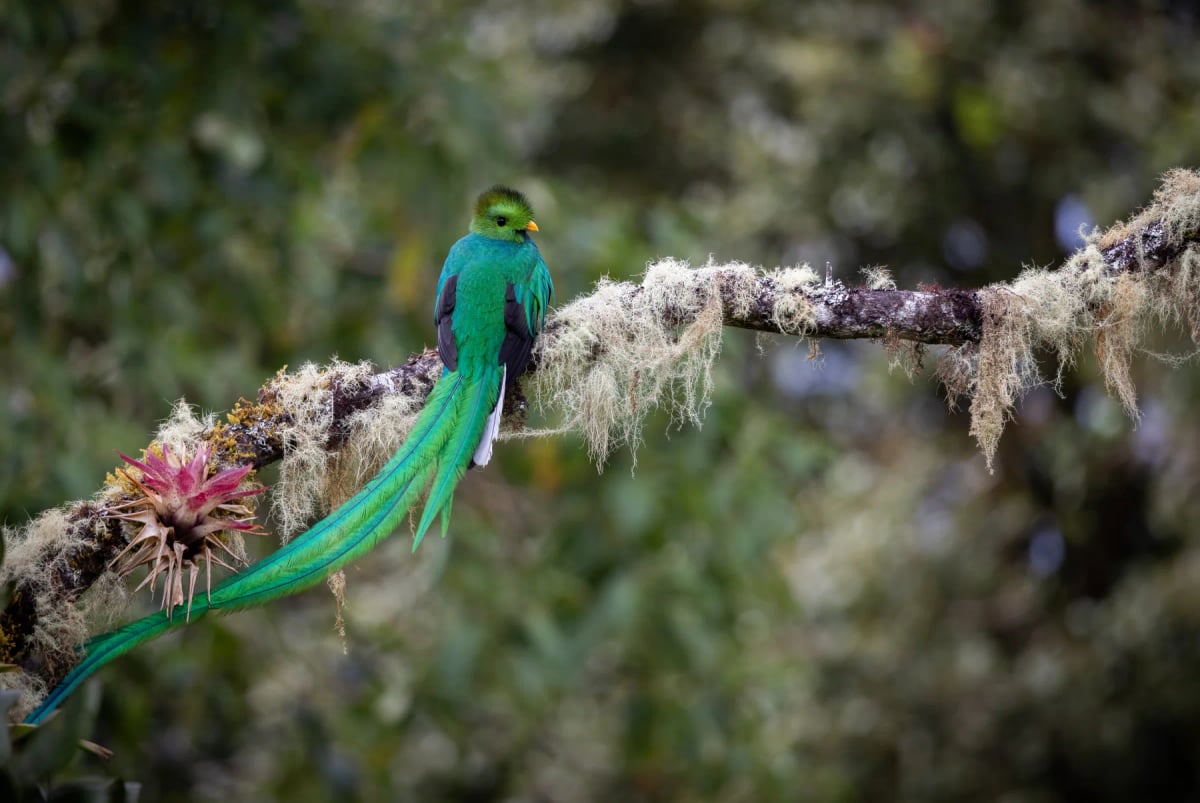
Resplendent Quetzal
Pharomachrus mocinno
The Resplendent Quetzal reaches the southern limit of its range in parts of Nicaragua, where it can be found in the cloud forests of the central highlands, including areas around Peñas Blancas. Its presence in the country is limited and closely tied to the survival of highland forest habitats. The male's vivid crimson and green plumage and long tail feathers make it one of the most spectacular birds in the region. Deforestation remains a serious concern for its future in Nicaragua.
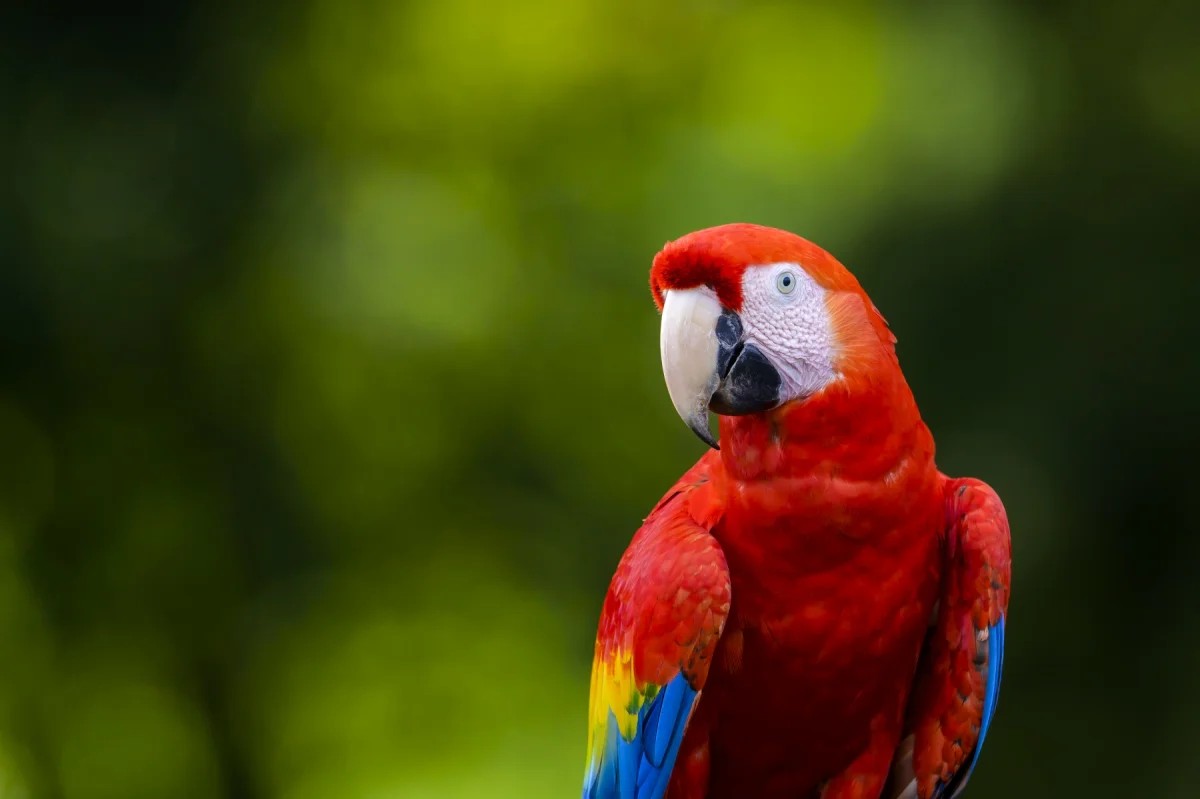
Scarlet Macaw
Ara macao
In Nicaragua, scarlet macaws inhabit the tropical forests along the Caribbean coast, particularly in the Bosawás Biosphere Reserve, one of the largest remaining rainforests in Central America. They nest in tall trees and visit clay licks along riverbanks to obtain minerals. Habitat loss from agricultural expansion remains a serious pressure on local populations. IUCN status: Least Concern.
Turquoise browed Motmot
Eumomota superciliosa
Nicaragua shares with El Salvador the distinction of naming the turquoise browed motmot its national bird, known locally as the guardabarranco. It is widespread across the Pacific lowlands and dry forests of the west, where it nests in earthen banks and hunts from open perches. Its striking chestnut, green, and turquoise plumage, paired with that iconic swinging tail, make it a beloved symbol of Nicaraguan natural heritage.
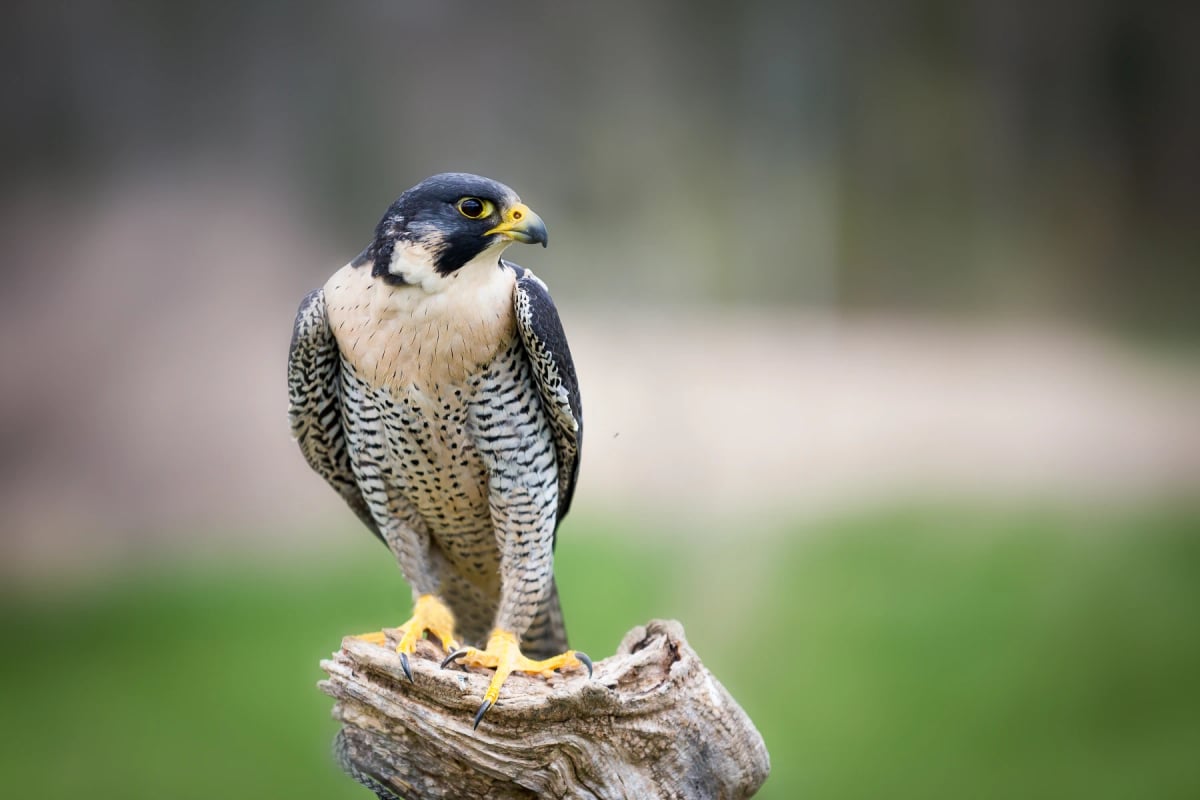
Peregrine Falcon
Falco peregrinus
Nicaragua serves as an important stopover and wintering area for peregrine falcons migrating along the Pacific flyway between North and South America. Individuals can be seen hunting shorebirds and waders along the Pacific coast and around Lake Nicaragua during the northern winter months. The species does not breed in the country but is a regular seasonal visitor. It is rated Least Concern by the IUCN.
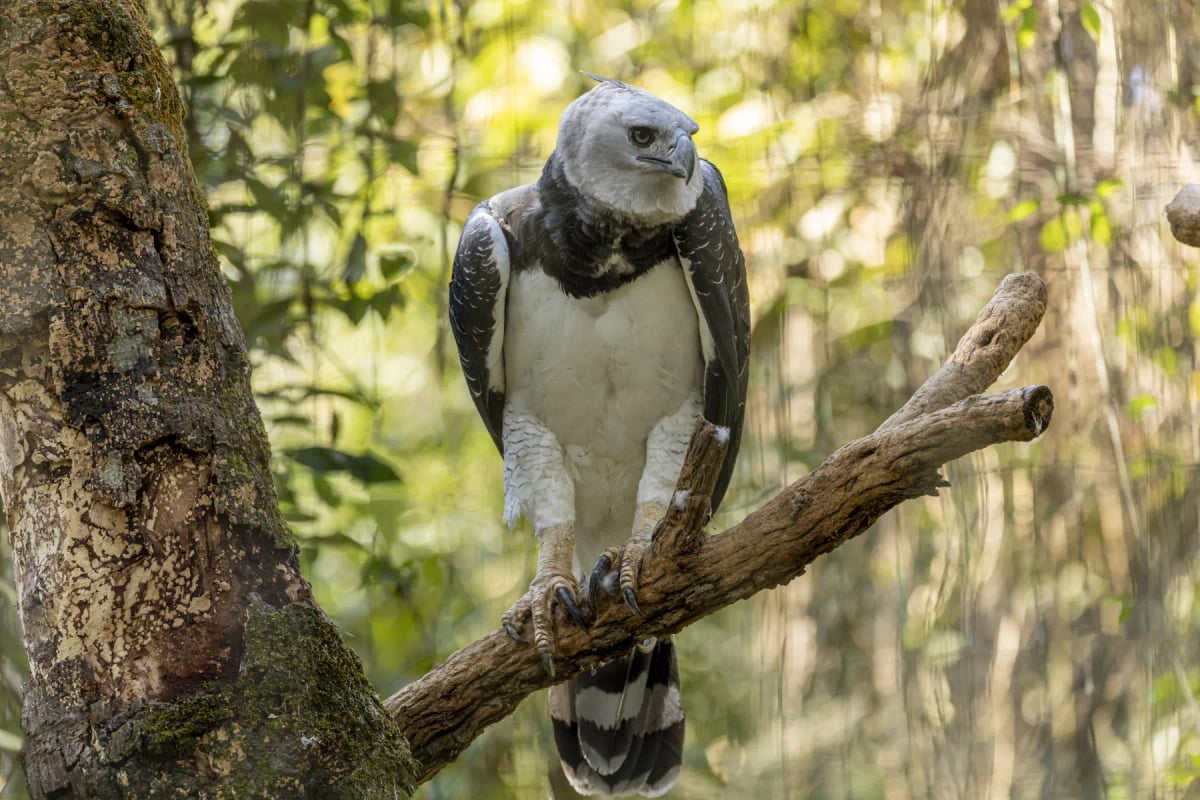
Harpy Eagle
Harpia harpyja
In Nicaragua, the harpy eagle inhabits the dense rainforests of the Caribbean lowlands, particularly in the North Caribbean Coast Autonomous Region. Its population is small and under pressure from ongoing habitat loss. This bird needs vast stretches of intact forest to hunt and raise its young, so its survival here depends directly on protecting the country's remaining old growth woodland from clearing and fragmentation.
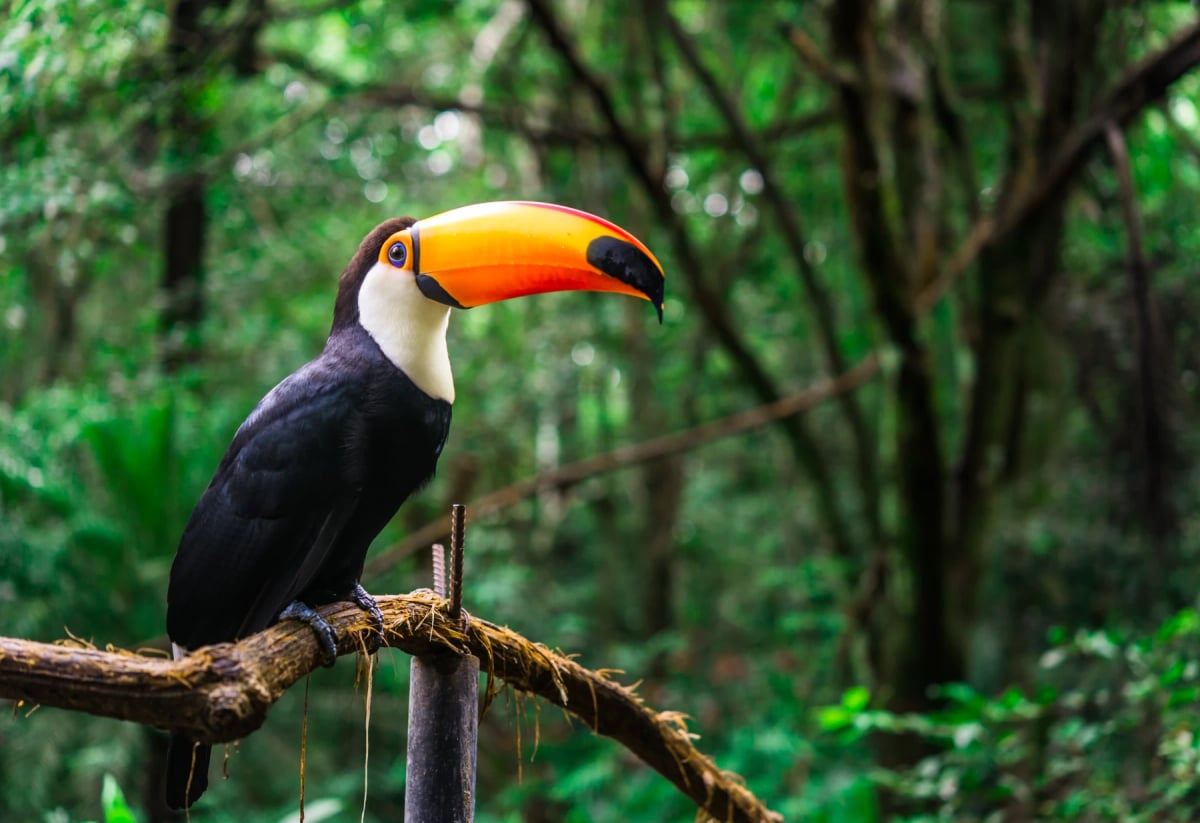
Toucan
Ramphastos spp.
In Nicaragua, toucans are most abundant along the Caribbean coast and in the rainforests of the North Caribbean Autonomous Region. The keel-billed toucan is regularly seen in forested areas near rivers and lagoons. Nicaragua retains significant stretches of lowland forest that support healthy toucan populations, though conversion of forest to agricultural land in buffer zones remains a concern for conservation managers.
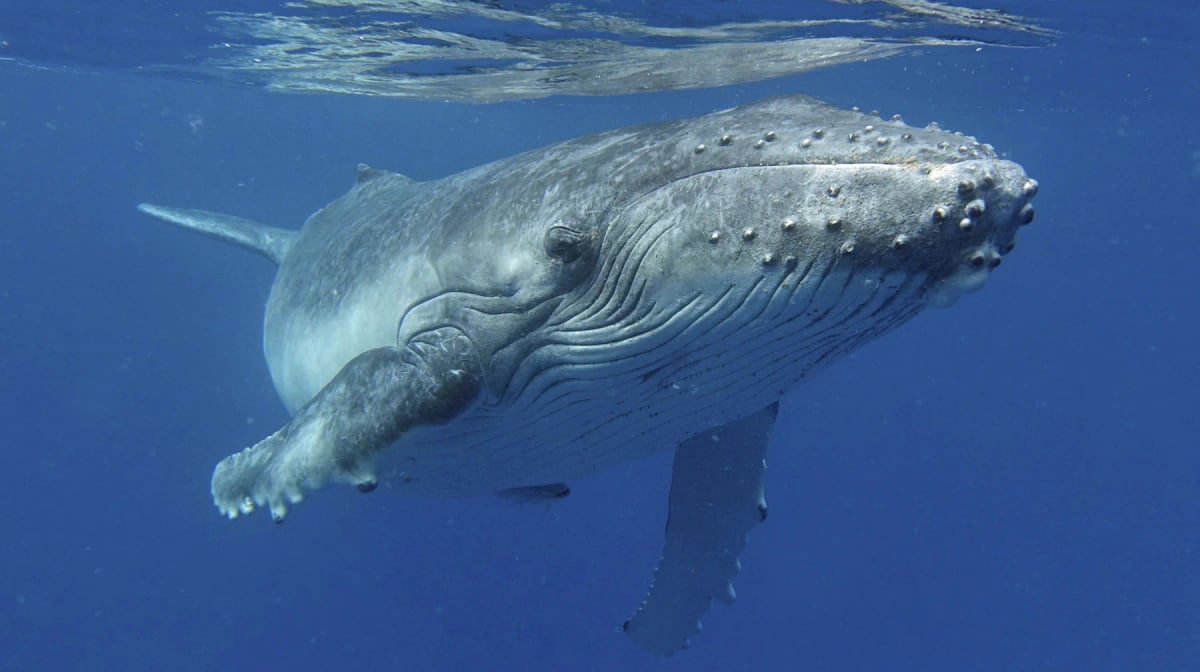
Humpback Whale
Megaptera novaeangliae
Humpback whales are present in the Pacific waters off Nicaragua, particularly during the Northern and Southern Hemisphere breeding seasons, as different populations pass through Central American waters at different times of year. The warm coastal waters of the Eastern Tropical Pacific serve as important habitat for breeding and calving. The IUCN lists the humpback whale as Least Concern, and Nicaragua's Pacific coast contributes to the broader corridor used by these whales across Central America.
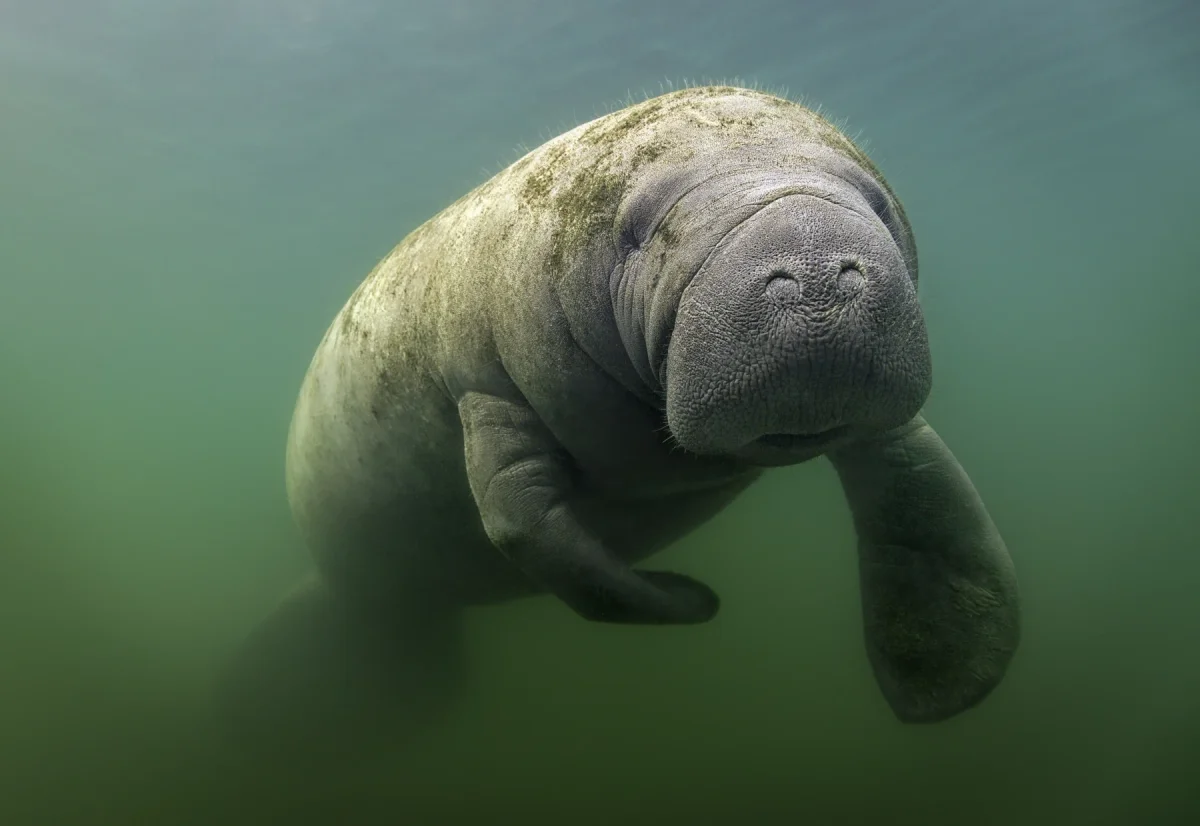
Manatee
Trichechus manatus
In Nicaragua, manatees are present along the Caribbean coast, moving through coastal lagoons, estuaries, and rivers in the North and South Caribbean Autonomous Regions. The Indio Maíz Biological Reserve and surrounding wetlands offer relatively undisturbed habitat. Local indigenous communities have historically had close ties to the manatee, and community involvement is now seen as key to protecting what remains of this small national population.

Bottlenose Dolphin
Tursiops truncatus
Bottlenose dolphins inhabit the Pacific and Caribbean coastal waters of Nicaragua, where they are seen in bays, near river mouths, and in open coastal zones. The country's relatively undeveloped coastline provides relatively undisturbed habitat for these animals. They play a role in local marine ecosystems as apex predators of fish and squid. The IUCN lists the species as Least Concern globally.
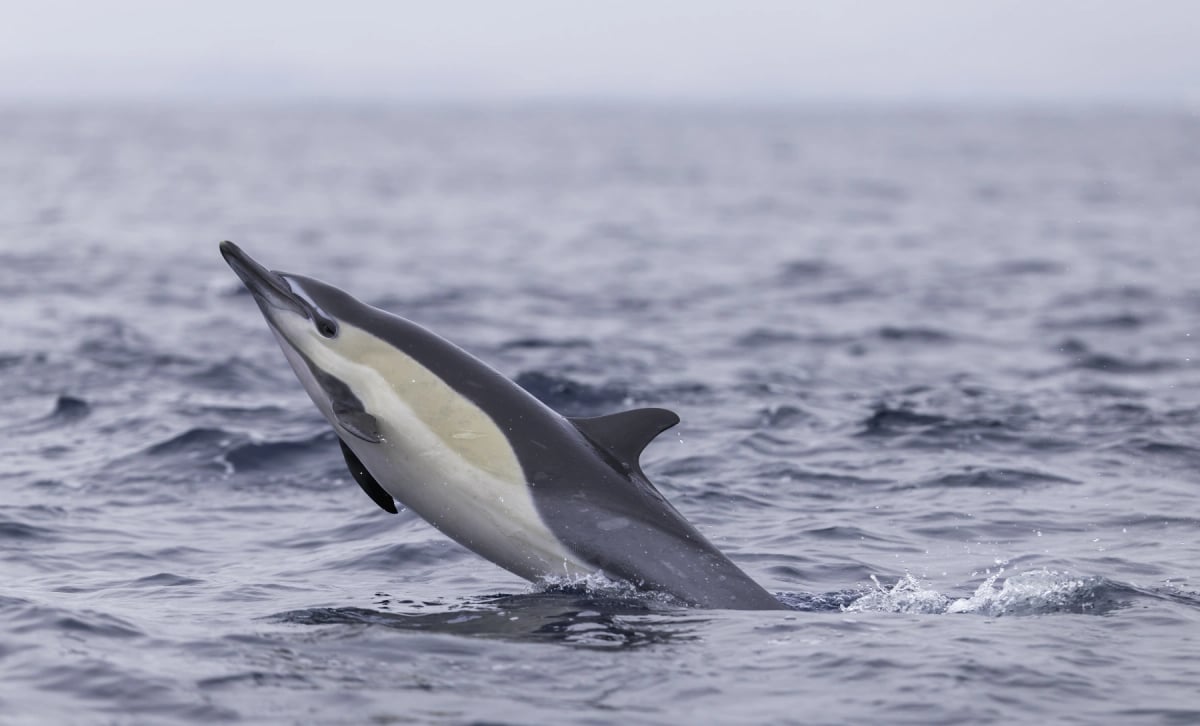
Common Dolphin
Delphinus delphis
Common dolphins inhabit both the Pacific and Caribbean coasts of Nicaragua, though sightings are more frequent on the Pacific side. They travel in groups ranging from tens to hundreds of individuals, often chasing anchovies and other small fish in the warm waters of the Central American Pacific. The species is classified as Least Concern by the IUCN. Coastal fishing activity in Nicaragua means interactions with local fisheries do occur.
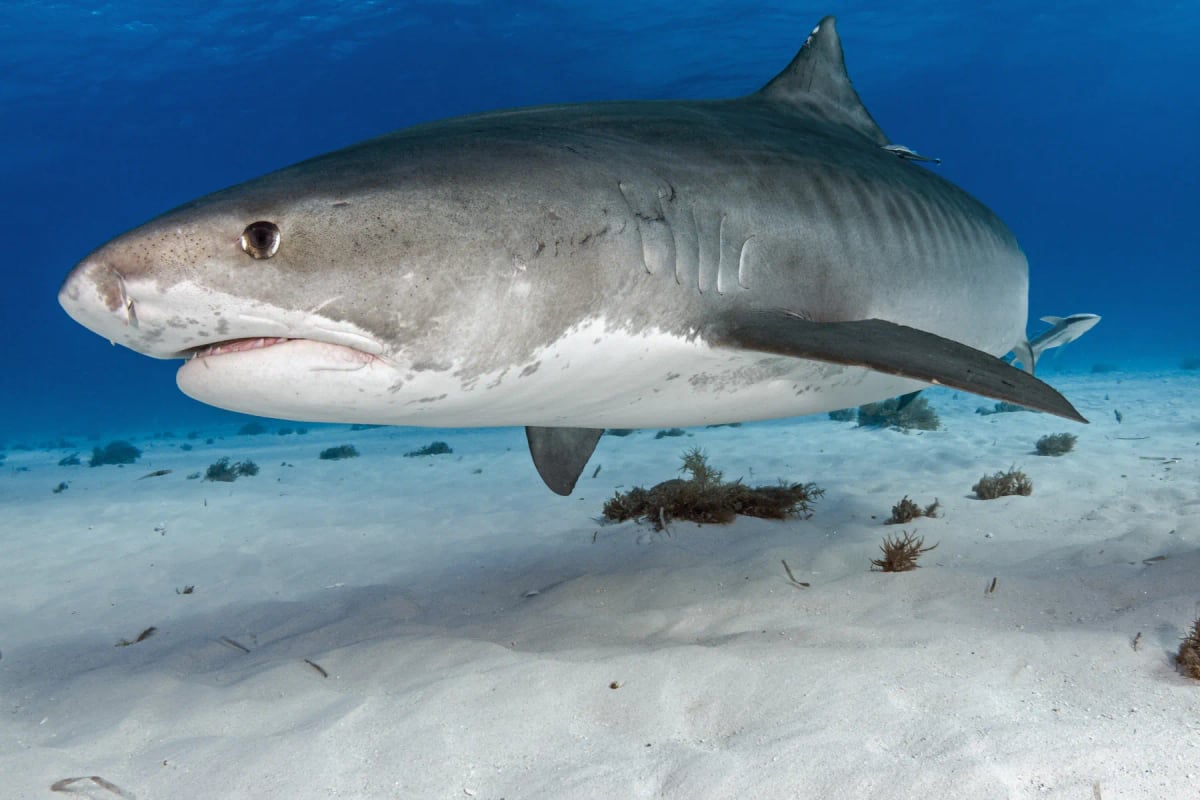
Tiger Shark
Galeocerdo cuvier
Tiger sharks are found in both the Pacific and Caribbean waters that border Nicaragua. They frequent coastal shallows, river mouths, and reef areas in search of fish, turtles, and rays. The Caribbean coast in particular, with its warm, shallow lagoons and marine diversity, provides suitable habitat for this wide-ranging predator. Like elsewhere in Central America, fishing pressure and the shark fin trade remain the main threats to the species in Nicaraguan waters.
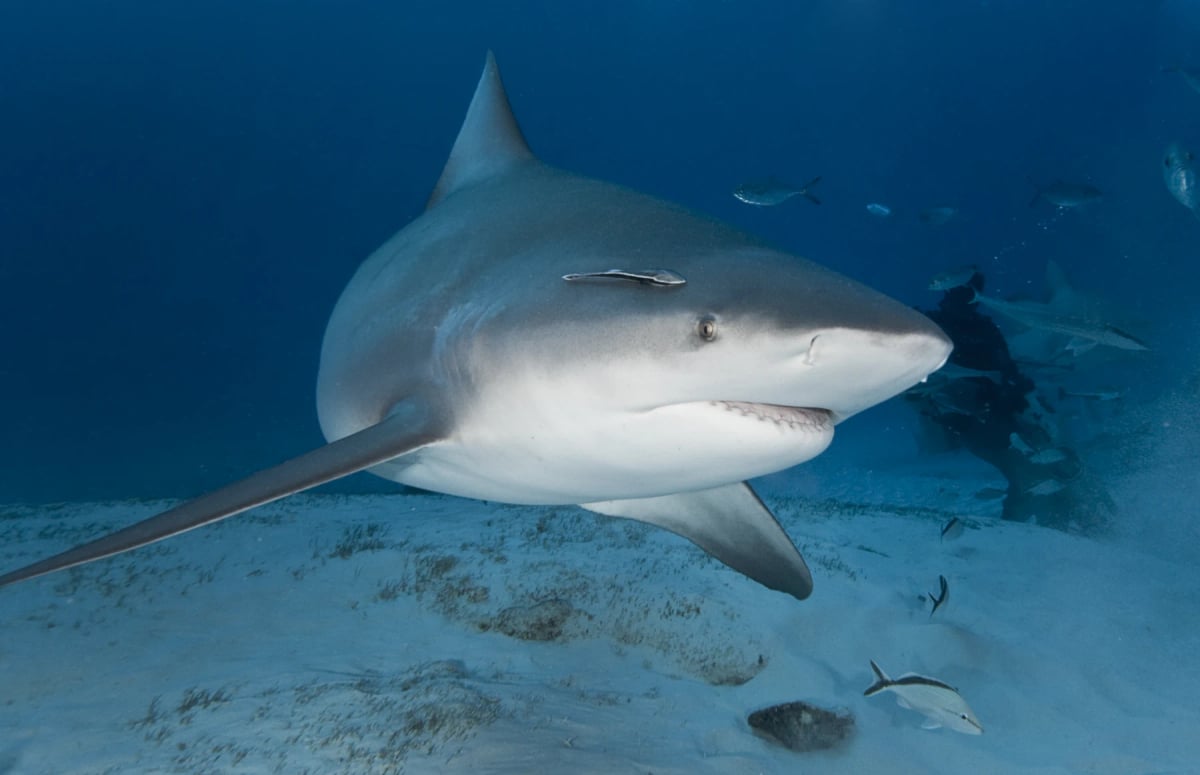
Bull Shark
Carcharhinus leucas
Nicaragua hosts one of the most historically significant freshwater populations of bull sharks in the world. Lake Nicaragua, connected to the Caribbean Sea via the San Juan River, became famous for its resident sharks, which were once believed to be a separate species. Bull sharks navigate freely between the lake and the ocean, making this inland ecosystem one of the few places on Earth where the species thrives far from salt water.
Frequently Asked Questions
What animals live in Nicaragua?
Nicaragua is home to jaguars, pumas, ocelots, margays, jaguarundis, tapirs, white tailed deer, spider monkeys, sloths, armadillos, raccoons, opossums and gray foxes. Its birds include the turquoise browed motmot, the national bird, scarlet macaws, resplendent quetzals, toucans, harpy eagles, peregrine falcons and barn owls. Reptiles include iguanas, caimans, sea turtles, rattlesnakes and lanceheads. In its waters live manatees, humpback whales, bottlenose and common dolphins and tiger and bull sharks, including the famous bull sharks of Lake Nicaragua.
Are there sharks in Lake Nicaragua?
Yes. Lake Nicaragua is one of the few freshwater lakes in the world with sharks. They are bull sharks, which can live in both salt and fresh water. For many years people thought they were a separate species trapped in the lake, but in the 1960s scientists tagged them and found that they swim about 190 kilometers up the San Juan River from the Caribbean, jumping up the rapids almost like salmon. Heavy fishing in the 1970s greatly reduced their numbers, and today sharks in the lake are rare, although they have not disappeared.
What is the national animal of Nicaragua?
Nicaragua's best known national animal is the turquoise browed motmot, called guardabarranco, which has been the national bird since 1971. Its name means ravine guardian, because it digs its nest in earthen banks and ravines. It is easy to recognize by its turquoise eyebrow and its long tail with two racket shaped tips, which it swings like a pendulum. It is common in the dry forests and farmland of western Nicaragua, and it is also the national bird of El Salvador, where it is called torogoz.
Where can you see sea turtles in Nicaragua?
The best places are La Flor and Chacocente, two wildlife refuges on the Pacific coast. There, olive ridley turtles nest in arribadas, mass arrivals in which thousands of females come ashore over a few nights to lay their eggs. The season runs from about July to January, with the biggest arribadas usually between August and November. Other sea turtles nest on Nicaraguan beaches too, in smaller numbers. Visits are at night with local rangers or guides, and visitors should not use white lights or touch the turtles.
Are there sloths in Nicaragua?
Yes. Sloths live in the humid forests of Nicaragua, mainly in the Caribbean lowlands and the rainforests of the southeast, such as the Indio Maíz Biological Reserve and the forests along the San Juan River. Boat trips on the San Juan are one of the best ways to see them, resting high in the trees along the riverbanks. They move very slowly and spend most of the day sleeping, so a local guide helps a lot to find them. Forest loss is the main threat to sloths in Nicaragua.
Researched and written by Juan Pablo. Sources: IUCN Red List, scientific literature and regional field guides. Last updated: .