Animals in Turkey
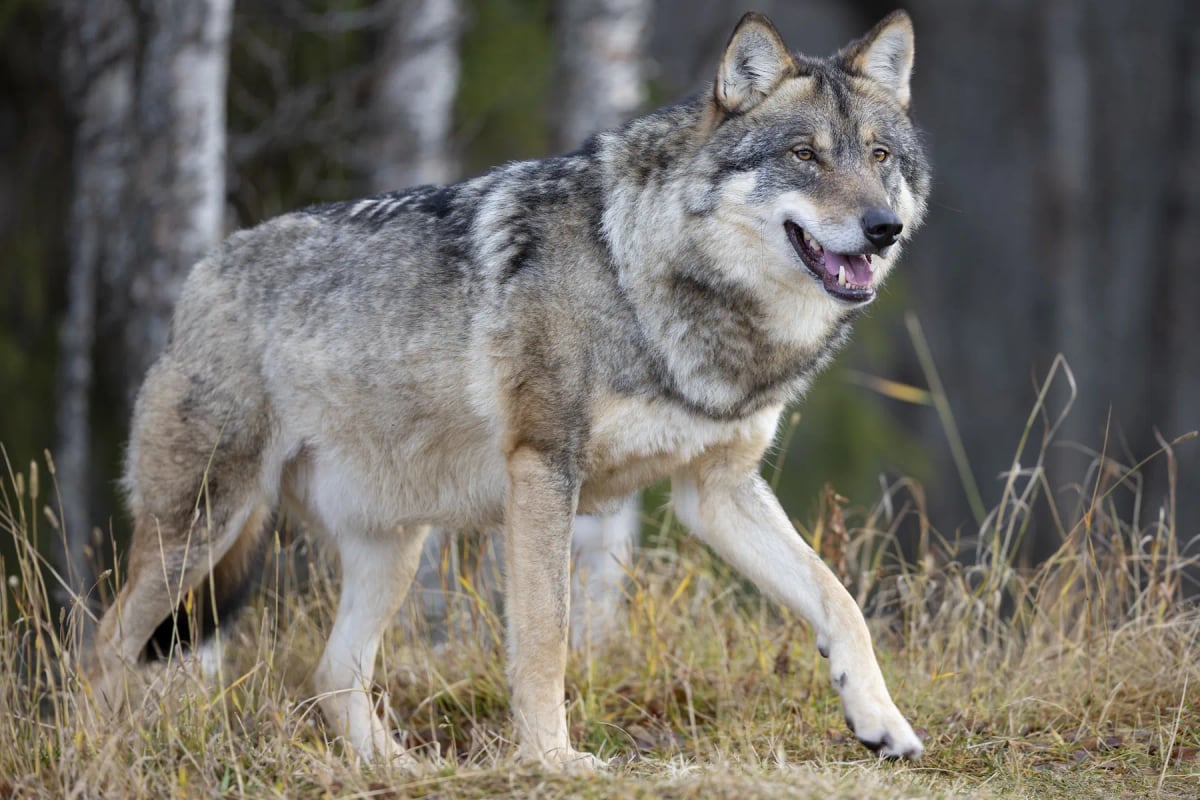
Gray Wolf
Canis lupus
The gray wolf is widely regarded as the national animal of Turkey, embodying traits deeply rooted in local folklore and identity, such as independence, strength, and loyalty. While not officially designated, its cultural importance is undeniable, appearing in legends, symbolism, and even modern emblems. The wolf’s presence in Turkish highlands and forests reinforces its symbolic role, bridging ancient tradition with the country’s ongoing relationship to its natural world.
View details→Wildlife in Turkey
Turkey sits at the crossroads of Europe and Asia, and that position shows in its wildlife. The Anatolian plateau, the forested Black Sea coast and the Mediterranean shore each support distinct communities of animals. Inland, wolves, brown bears and lynxes roam mountain ranges that remain largely wild. On the coast, loggerhead sea turtles nest on sandy beaches every summer, and flamingos gather by the thousands at salt lakes like Lake Tuz. The Kizilirmak Delta is one of the most important bird stopover points in the region, attracting cranes, storks and dozens of migratory species each season.
Most Dangerous Animals in Turkey
While most encounters with Turkish wildlife are peaceful, several species across the country’s forests, highlands, and coastal zones have the potential to be dangerous if provoked. Large predators such as leopards, brown bears, and wolves remain present in remote areas, where they play a key role in the ecosystem. Wild boars are more commonly encountered and can act aggressively when defending their young. Additionally, venomous snakes and coastal marine predators like sharks remind visitors to remain alert and respectful of nature's boundaries.
Top 10 Animals in Turkey
Turkey's most iconic species reflect the country's geography and history. The gray wolf stands out as the national symbol, but the Persian leopard, one of the rarest big cats in the world, quietly survives in the mountains of eastern Anatolia. Brown bears and Eurasian lynxes complete the roster of large predators still found here. Sea turtles nest each summer on Mediterranean beaches, drawing international conservation attention. Flamingos color the shores of salt lakes pink every spring, while white storks are so common near villages that locals have long considered them a welcome sign.
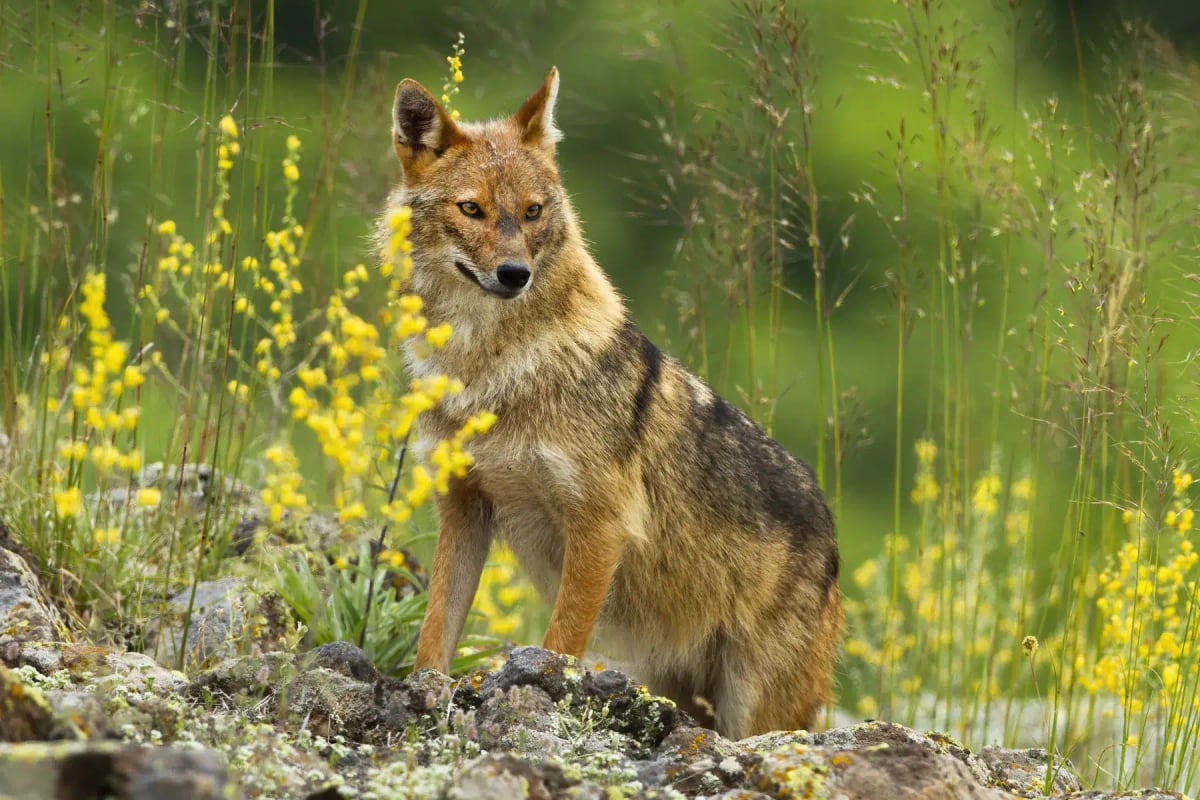
Golden Jackal
Canis aureus
In Turkey, golden jackals are widespread across the coastal lowlands of the Aegean, Mediterranean, and Black Sea regions, as well as river valleys in the interior. They thrive in a mix of scrubland, wetlands, and farmland edges. Turkey holds one of the largest jackal populations in the western part of the species' range. Their calls are commonly heard at night near wetland areas and agricultural villages. IUCN status: Least Concern.
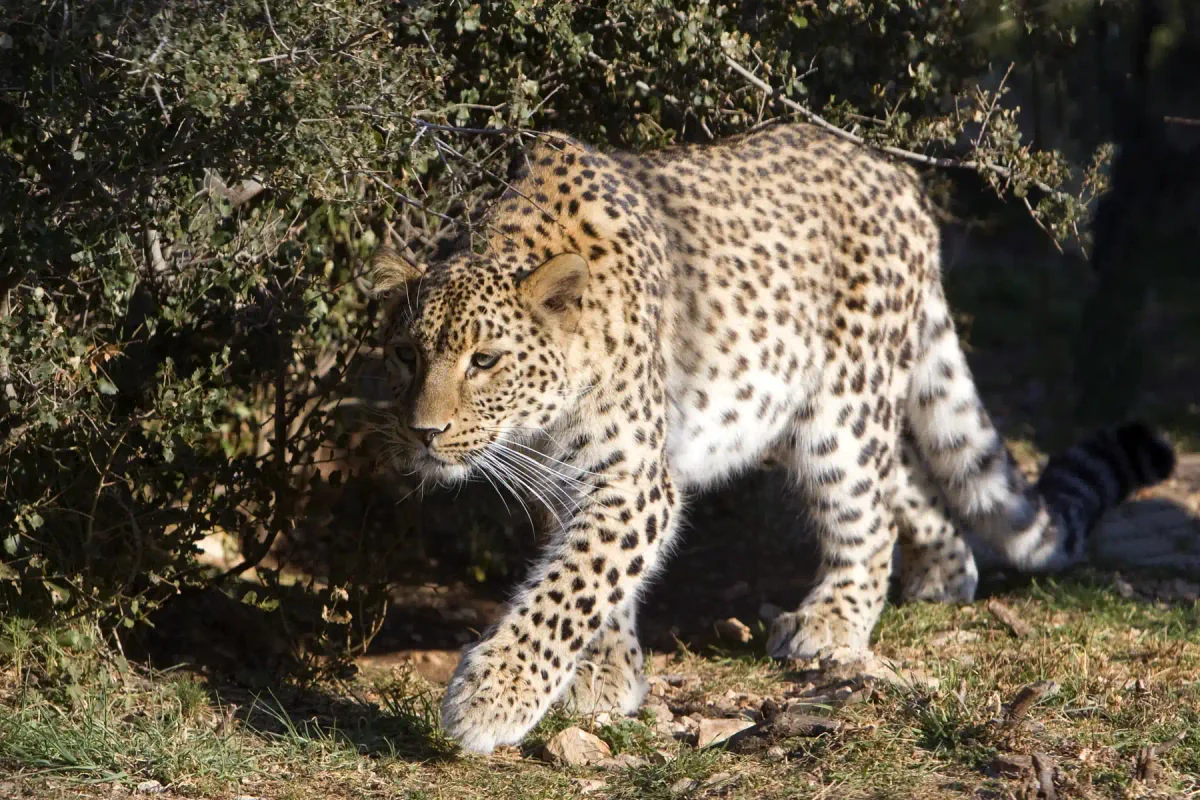
Persian Leopard
Panthera pardus tulliana
In Turkey, the Persian leopard has been recorded in the rugged highlands of eastern Anatolia, particularly in areas bordering Iran and the Caucasus. The population is considered critically low, and confirmed sightings are very rare. Habitat loss, poaching, and the decline of wild prey have reduced its presence significantly. National conservation programs and camera trap monitoring are helping to assess what individuals remain.
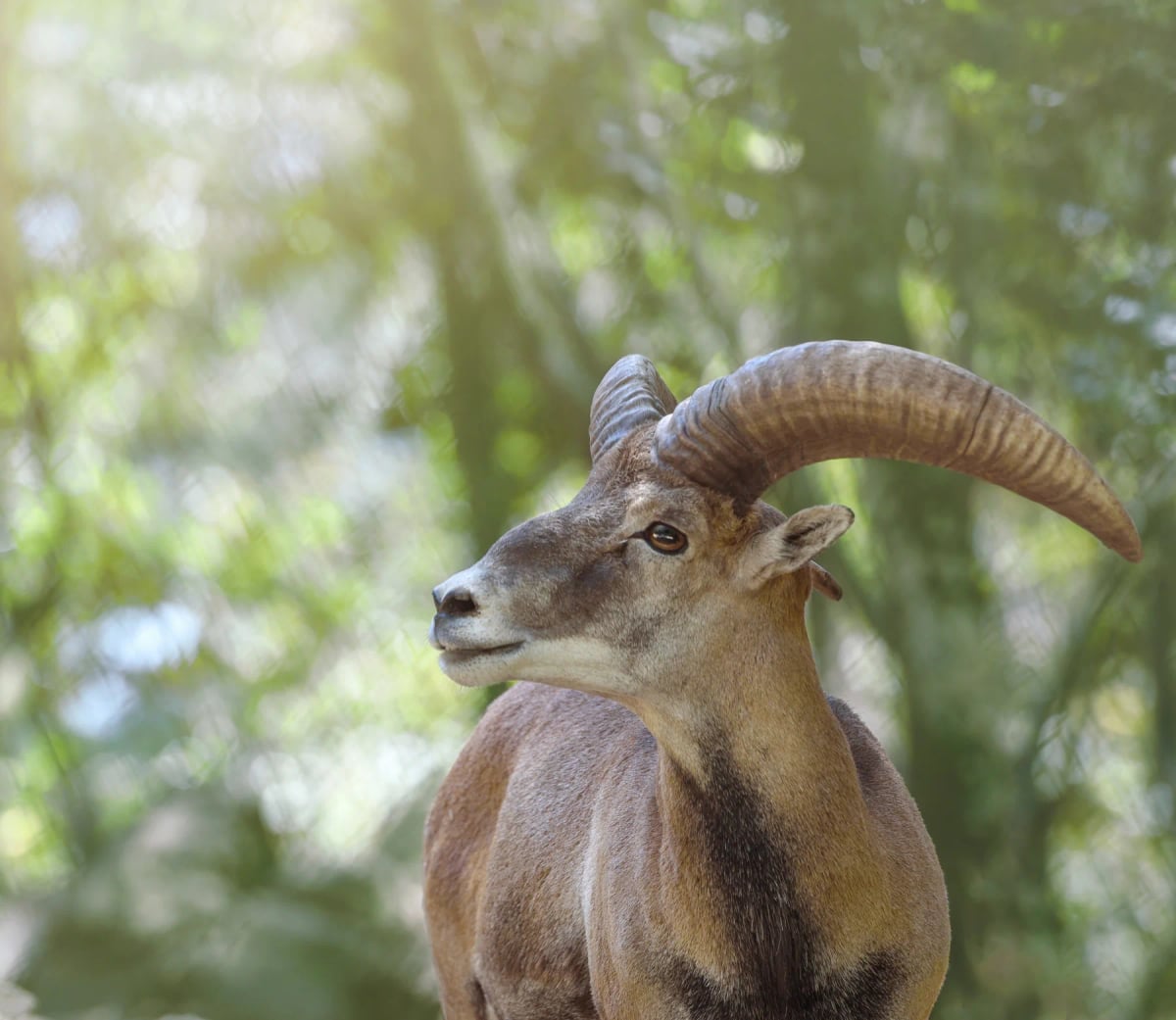
Mouflon
Ovis gmelini
Turkey supports one of the larger mouflon populations within the species' native range, with animals present across several mountainous regions in the east and southeast of the country. They favor open rocky slopes and pine forests, feeding on grasses, herbs, and acorns. Conservation efforts have increased in recent decades following population declines caused by overhunting. The species is classified as Near Threatened, and protected areas have become vital for its continued presence.
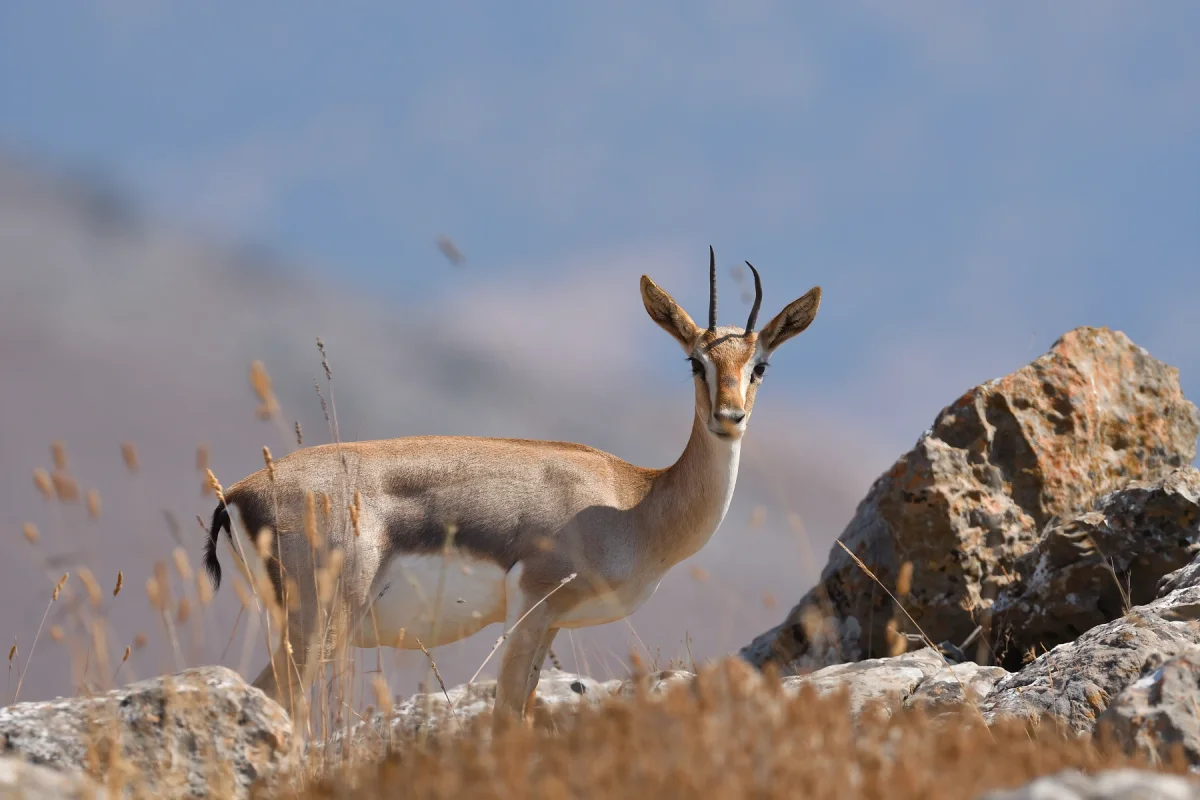
Mountain Gazelle
Gazella gazella
In Turkey, the mountain gazelle is found in a small area of the southern Hatay province, near the Syrian border, representing the northernmost edge of the species' range. This isolated population faces pressure from habitat degradation and human disturbance. Turkish conservation authorities have recognized the population's vulnerability, and local surveys continue to monitor its status in this geographically restricted corner of Anatolia.

Brown Bear
Ursus arctos
Brown bears are distributed across much of Turkey, inhabiting mountain forests in the Black Sea region, eastern Anatolia, and areas near the Caucasus. Turkey's varied terrain and extensive forest cover provide suitable habitat for the species. The population is not precisely documented, but bears are present in relatively healthy numbers compared to many parts of Europe. Human conflict and habitat loss in rural areas remain the main pressures.
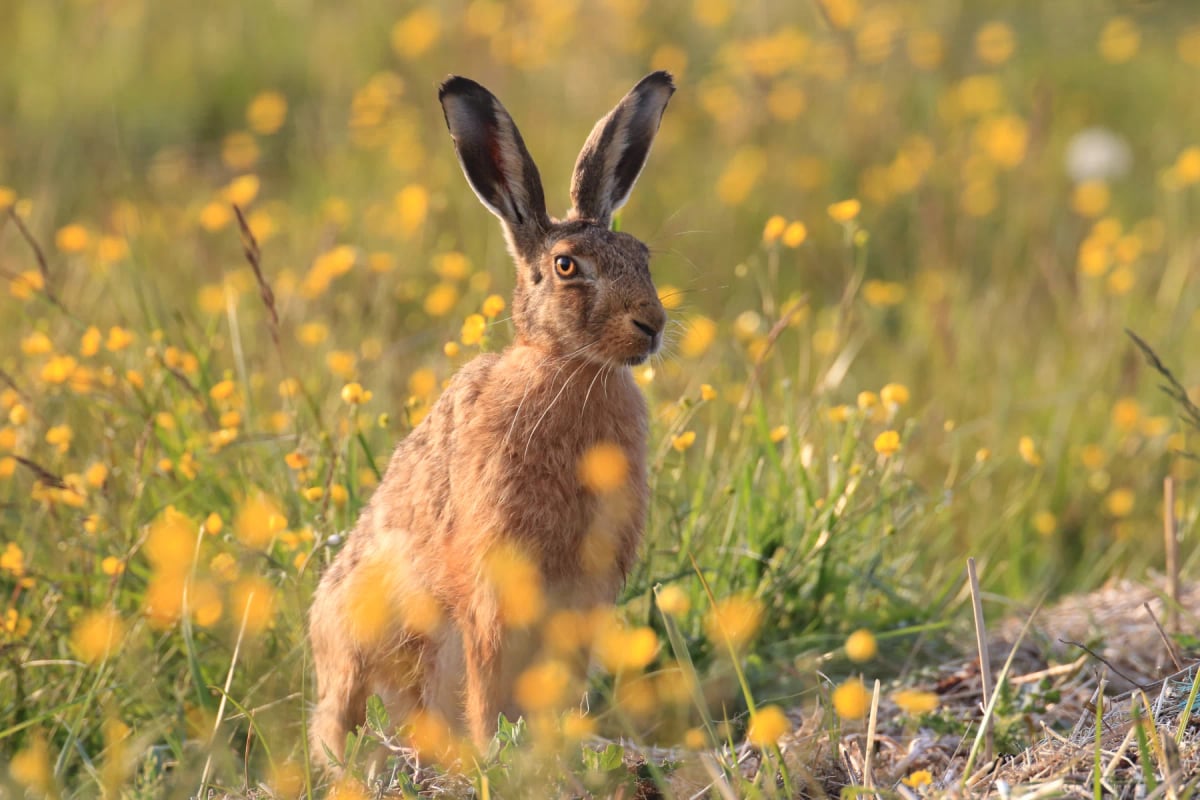
Hare
Lepus europaeus
The European hare is found across much of Turkey, from the fertile plains of Thrace in the northwest to the open steppes and agricultural valleys of central and eastern Anatolia. It adapts well to a range of habitats, including farmland, grassland, and semi-arid terrain. Turkey holds one of the broader ranges for this species in western Asia. Hunting is practised in rural areas, and habitat quality varies considerably from the well-watered west to the drier interior.
Gray Wolf
Canis lupus
Gray wolves are found across much of Turkey, living in forests, mountains, and steppe regions from the Anatolian plateau to the eastern highlands near the borders with Georgia and Iran. Turkey holds one of the larger wolf populations in the western part of Asia. Conflict with livestock herders remains the main pressure on wolves, though the species continues to persist widely. Its global IUCN status is Least Concern.
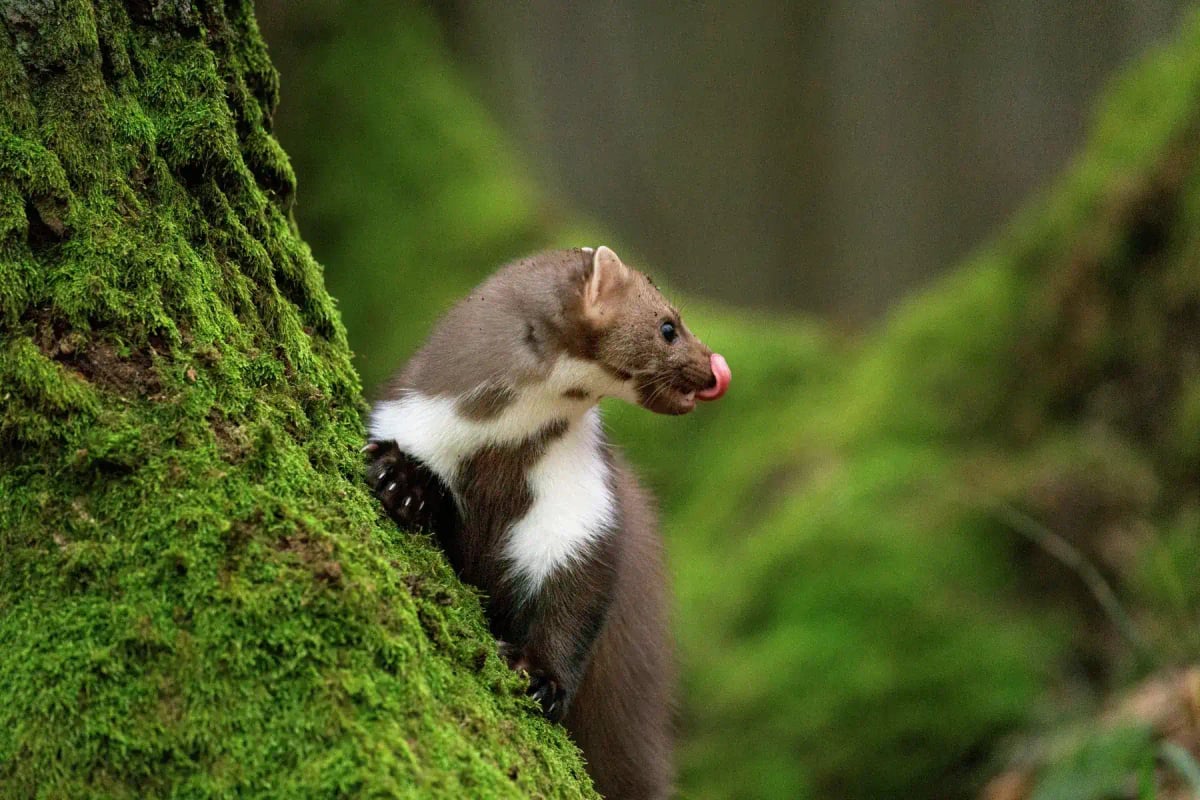
Marten
Martes martes / Martes foina
Turkey sits at a crossroads for both marten species. The pine marten is found in the dense forests of the Black Sea coast and the mountain ranges of eastern Anatolia, while the stone marten ranges more widely, appearing in rocky terrain and rural villages across the country. Both species are listed as Least Concern and remain a regular part of Turkey's rich mammal fauna.
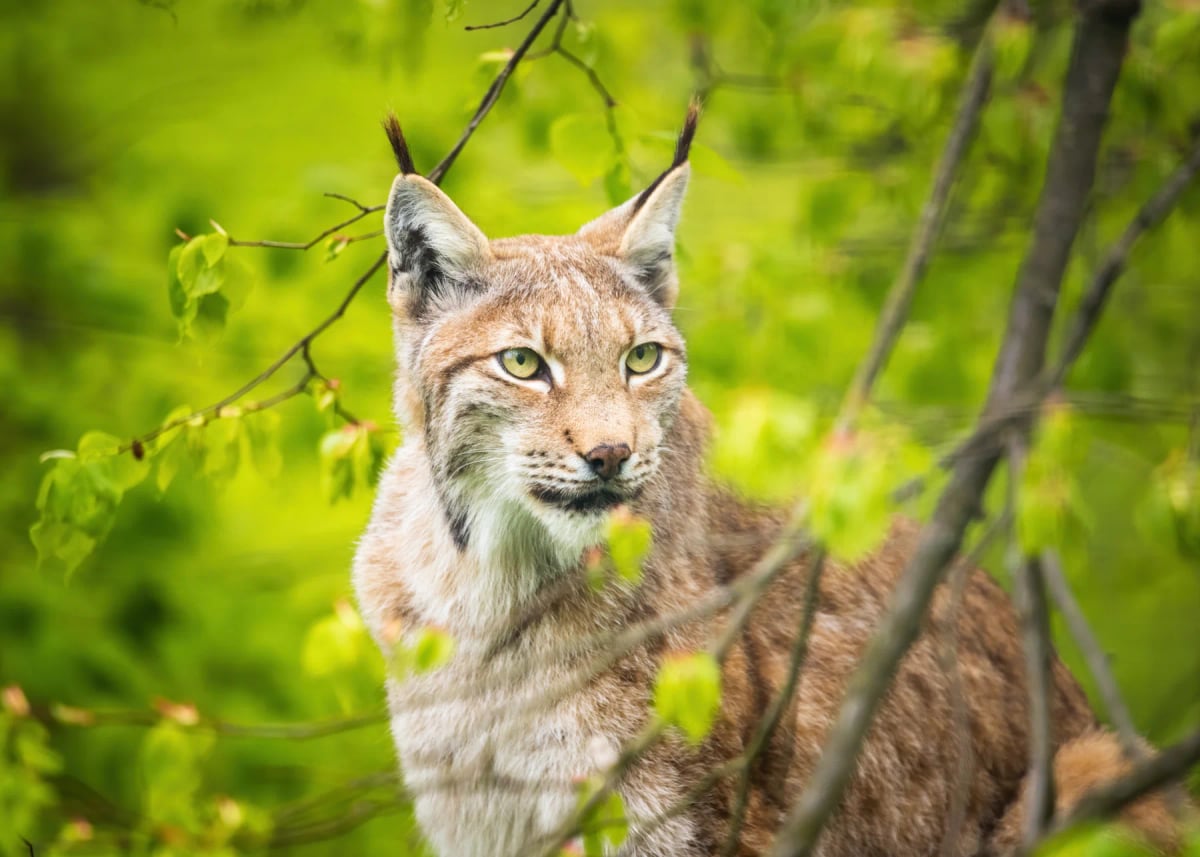
Eurasian Lynx
Lynx lynx
In Turkey, the Eurasian Lynx is found in the forested mountain ranges of the north and east, including parts of the Pontic Mountains and regions bordering Georgia and Iran. It is a rare and elusive predator in the country, with a population that is not well documented. Habitat loss and hunting pressure have reduced its range. The species is legally protected in Turkey, and the IUCN lists it as Least Concern globally.
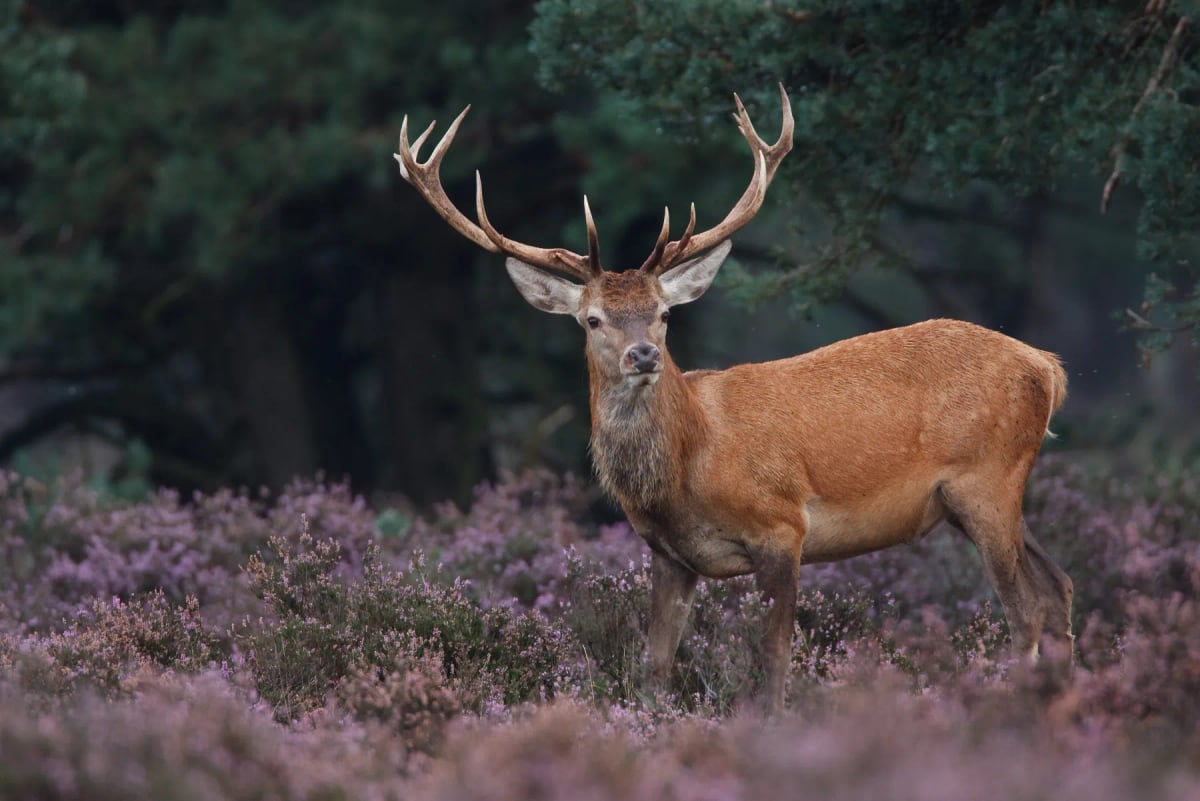
Red Deer
Cervus elaphus
Red deer are present across several regions of Turkey, including the forests of the Black Sea coast, the mountains of the west and parts of central Anatolia. The species lives in mixed and broadleaf woodlands, feeding on grasses, leaves and shrubs. Populations are managed through protected areas and regulated hunting. The Caucasian red deer subspecies is found in Turkey's northeastern forests near the Georgian border. Its IUCN status is Least Concern.
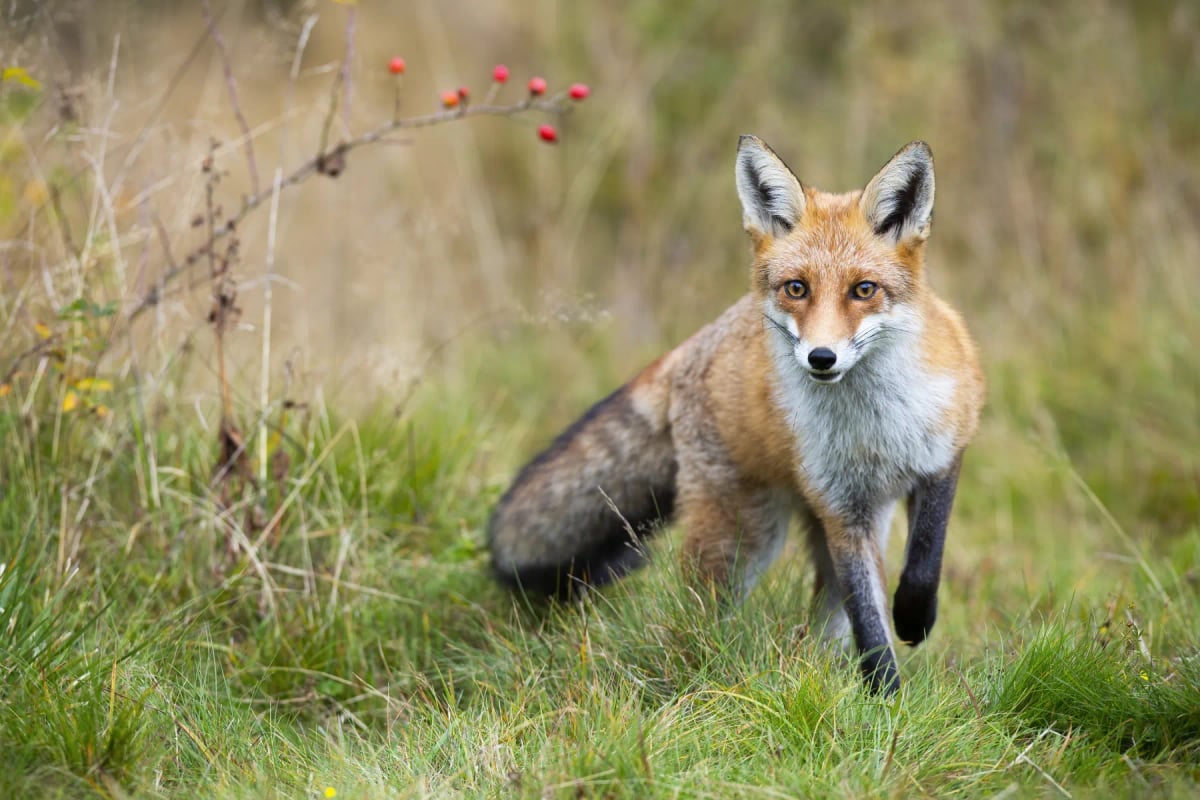
Red Fox
Vulpes vulpes
The red fox is found across virtually all of Turkey, from the forested slopes of the Black Sea coast to the dry plains of Anatolia and the mountainous east. It adapts well to farmland, forest edges, and even the outskirts of cities. Rodents make up most of its diet, though it will eat fruit, insects, and birds when available. It holds a place in Turkish folklore as a clever and cunning creature.
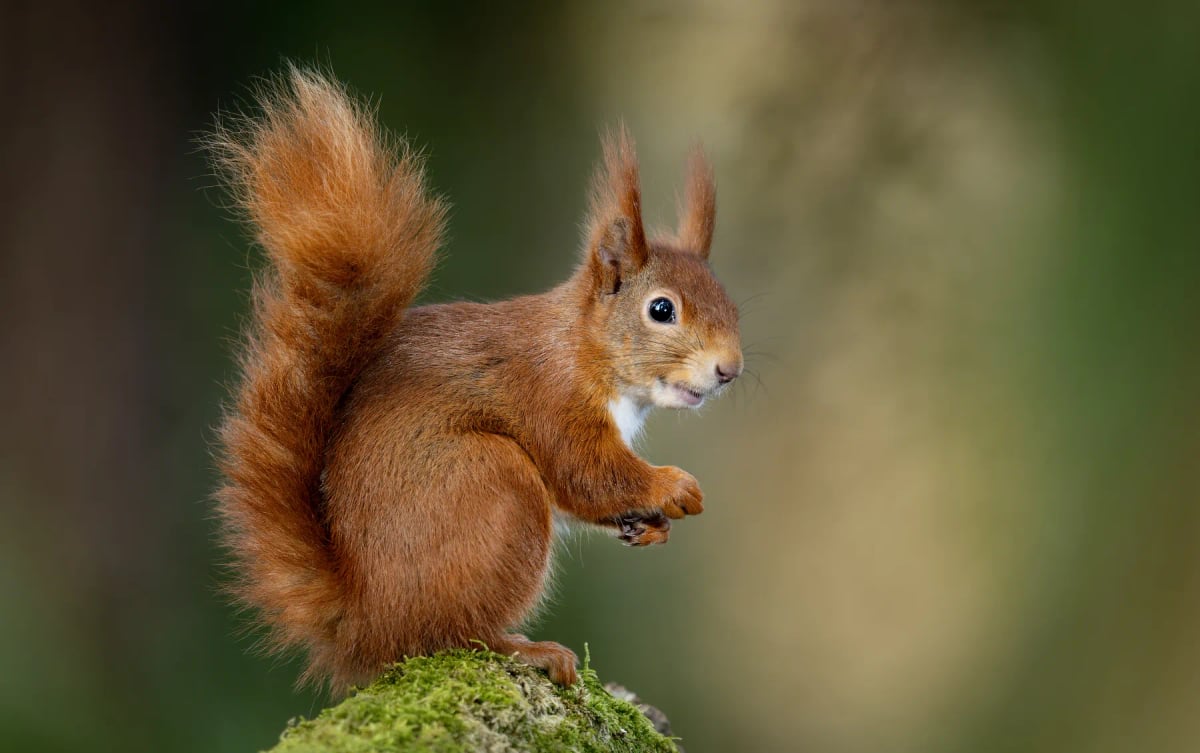
Red Squirrel
Sciurus vulgaris
In Turkey, the red squirrel is present mainly in the forested regions along the Black Sea coast, particularly in the dense mixed and conifer forests of the Pontic Mountains. This coastal strip of northern Turkey receives high rainfall and supports some of the most lush woodland in the country. The species is less widespread in the drier interior. Its IUCN status is Least Concern.
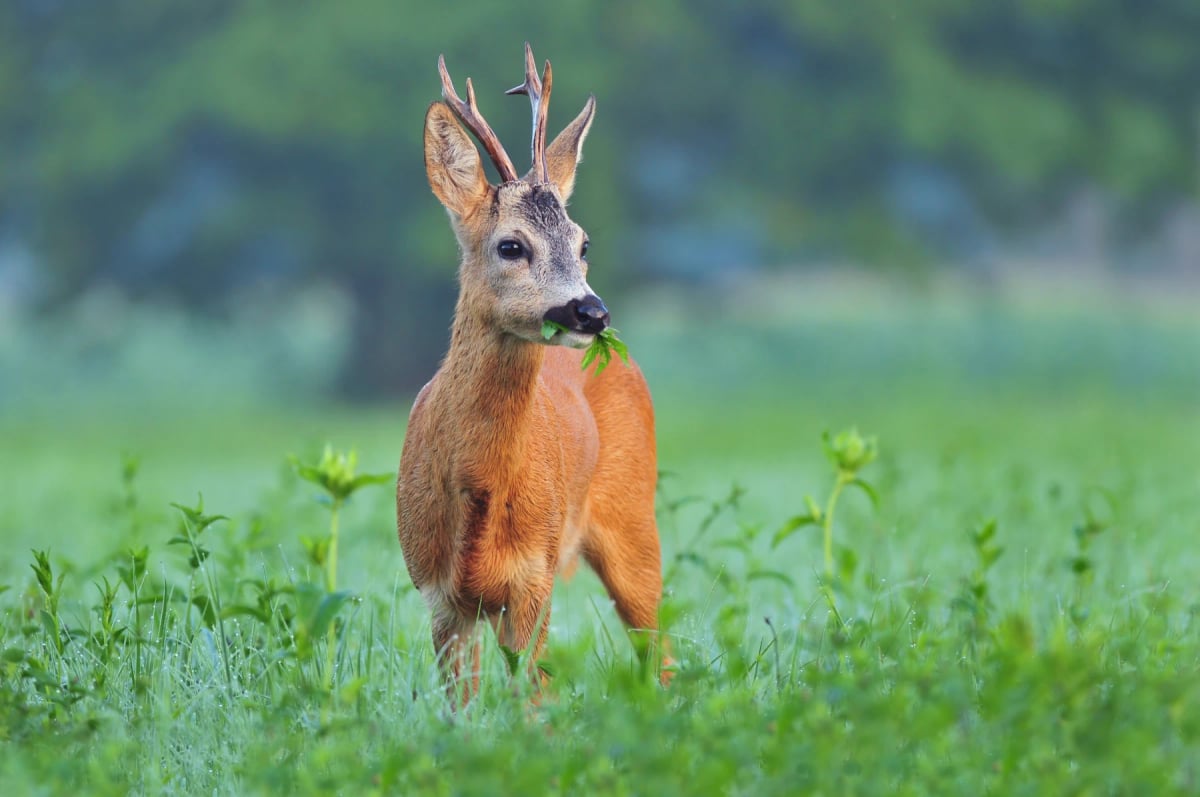
Roe Deer
Capreolus capreolus
In Turkey, roe deer are found across a wide range of habitats, from the broadleaf forests of the Black Sea coast to the woodlands of Thrace and the Aegean region. They thrive along forest edges and in areas of mixed scrub. Bucks grow short antlers with typically three tines, and the species is known for embryonic diapause, ensuring fawns are born in spring when food is abundant. IUCN status: Least Concern.
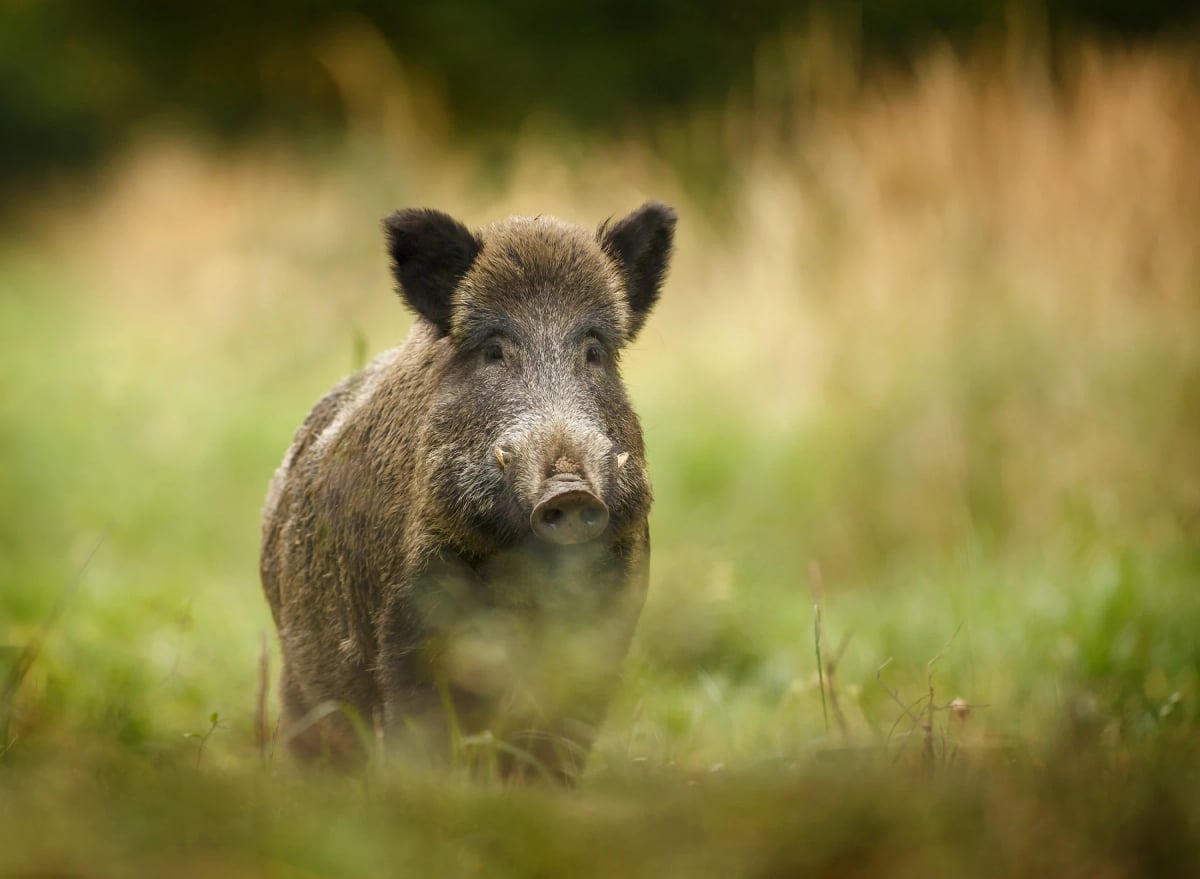
Wild Boar
Sus scrofa
The wild boar is one of the most abundant and widely distributed large mammals in Turkey, found in forests, scrubland, wetland margins and agricultural zones across virtually the entire country. It is a highly adaptable omnivore that roots through soil in search of bulbs, tubers and small animals. Boars can cause significant damage to crops, making them a source of conflict with farmers in many regions.
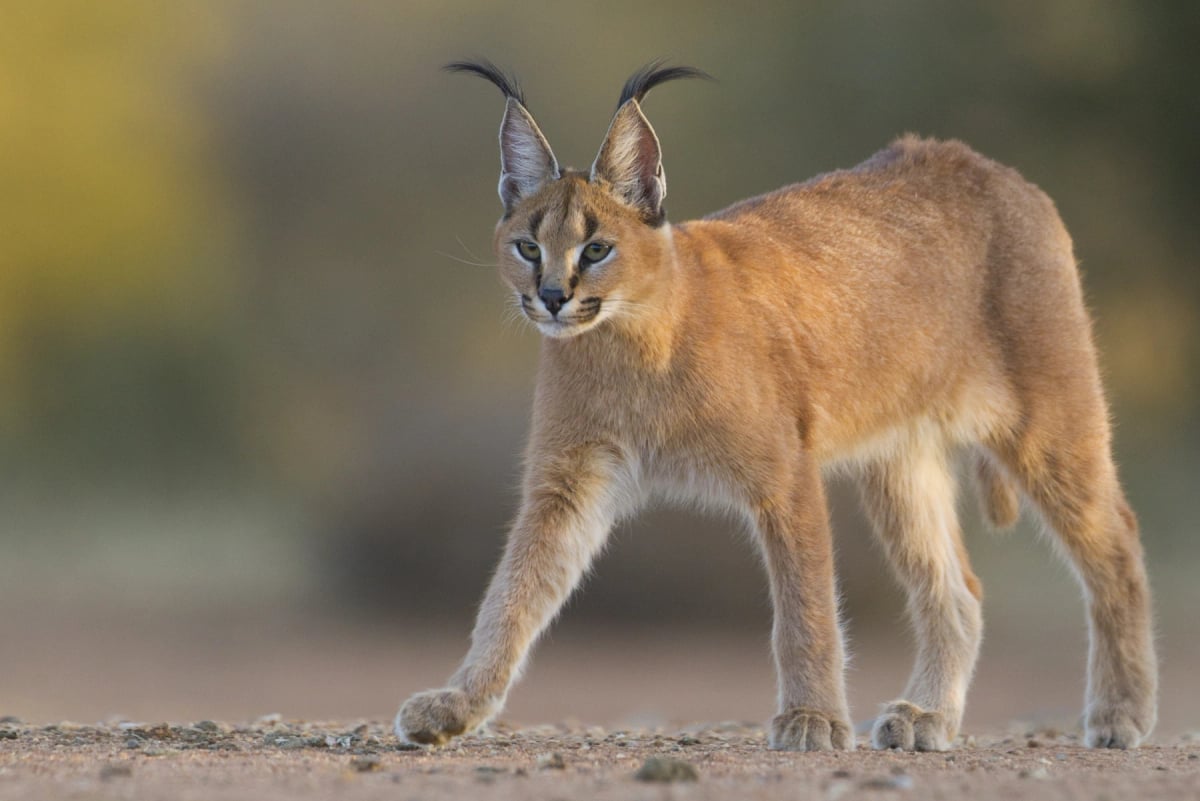
Caracal
Caracal caracal
In Turkey, the caracal is found sporadically across the southeastern and south-central parts of the country, where dry rocky terrain and scrubland provide suitable cover. Records are infrequent, suggesting a sparse and possibly fragmented population. Habitat loss and conflict with farmers protecting poultry and small livestock represent the primary pressures the species faces within the country. It is listed as Least Concern by the IUCN.
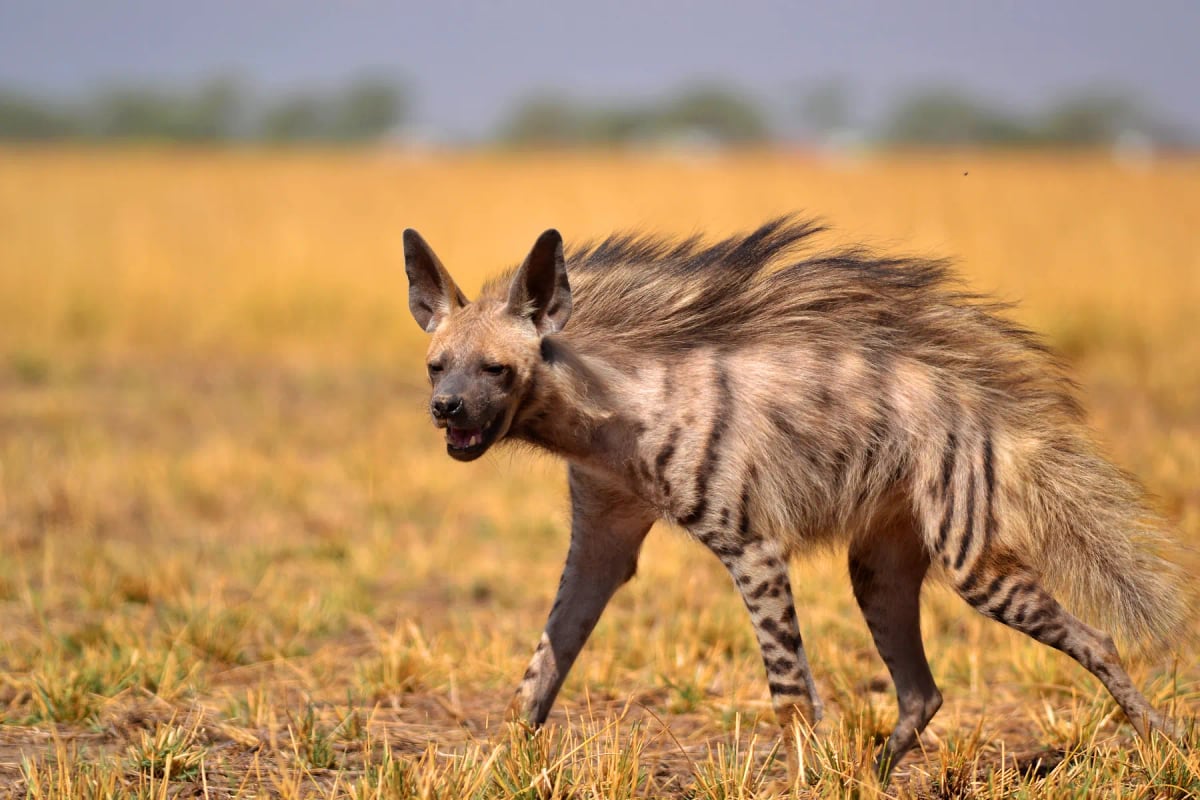
Striped Hyena
Hyaena hyaena
The striped hyena is present in southeastern Turkey, particularly in rocky and semi-arid landscapes near the borders with Syria and Iraq. It is secretive and nocturnal, resting in caves or dense cover by day. Though it rarely draws attention, it fills a key role as a scavenger. Populations in Turkey are thought to be small and fragmented. The IUCN lists the species as Near Threatened, with habitat loss and hunting putting continued pressure on its numbers.
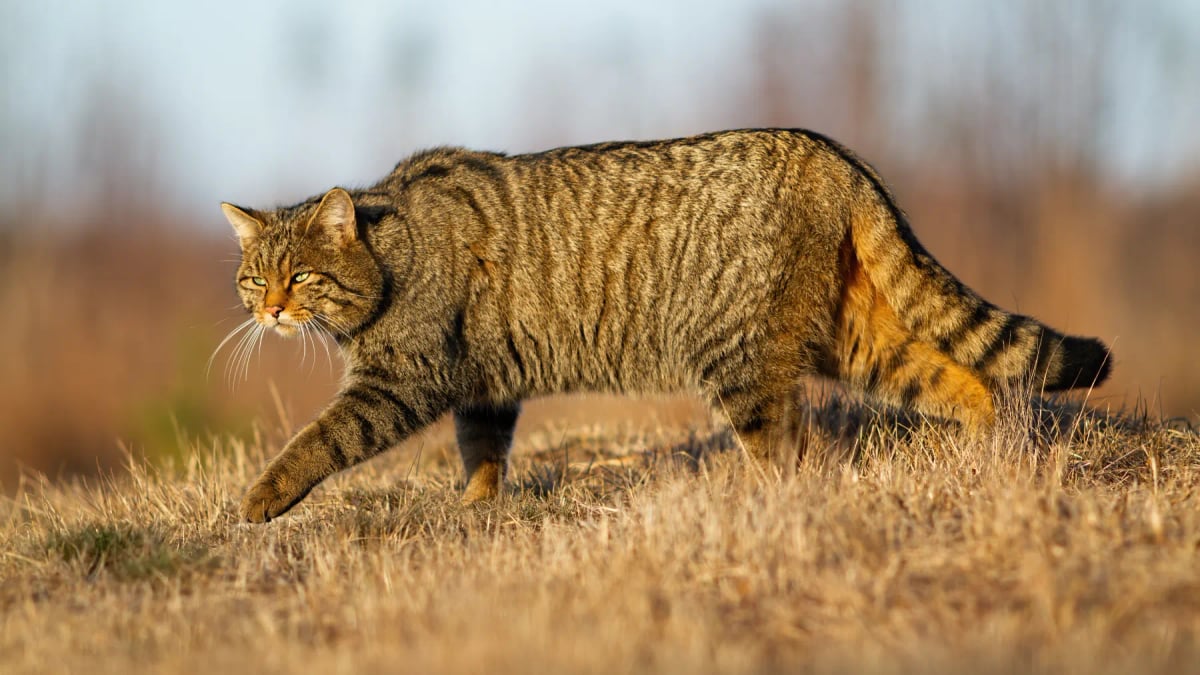
European Wildcat
Felis silvestris silvestris
In Turkey, the European wildcat is found across forested areas of the north, particularly in the Pontic Mountains along the Black Sea coast, and in parts of the Anatolian highlands. It is a stocky nocturnal hunter with dark tabby stripes and a thick, blunt tail. Turkey sits at the intersection of European and Caucasian wildcat populations, making it a region of interest for conservation genetics research.
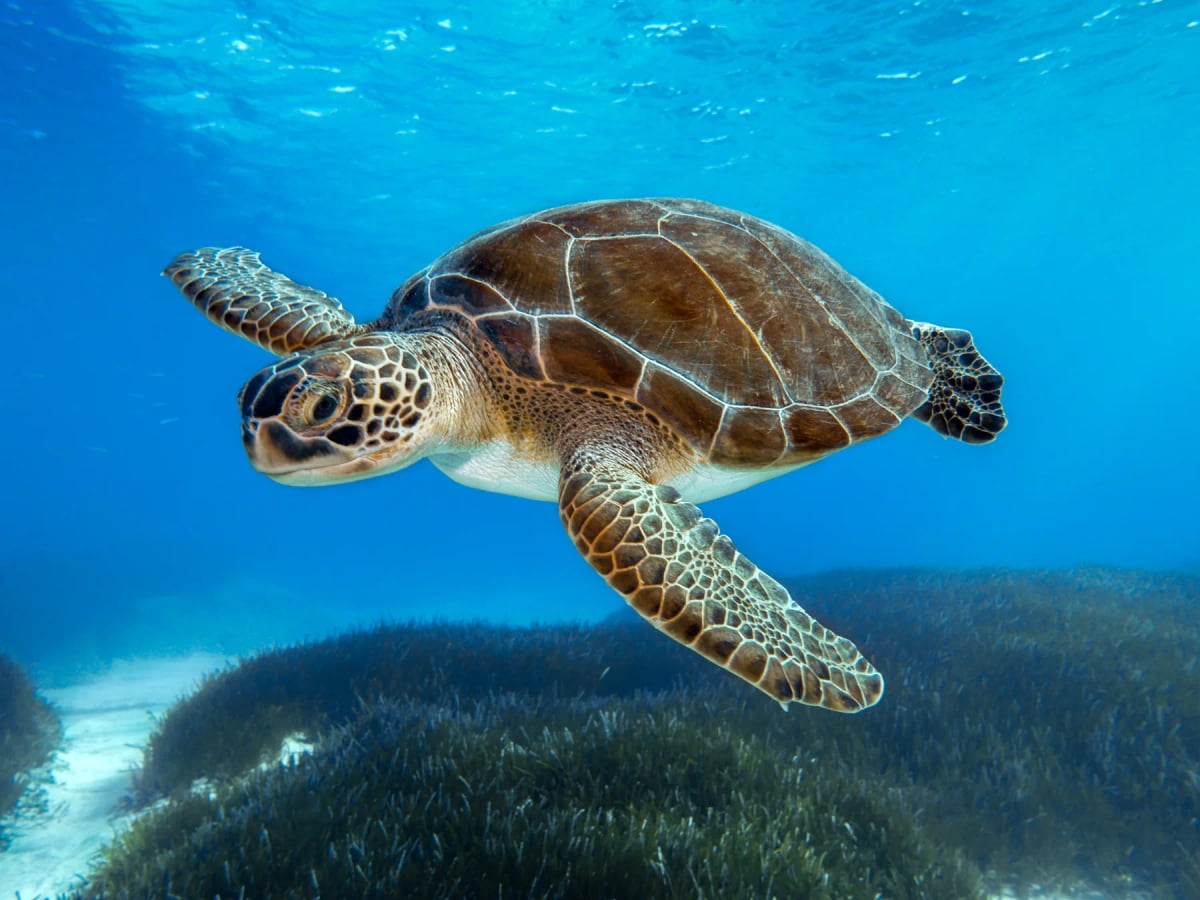
Sea Turtle
Cheloniidae & Dermochelyidae (families)
Turkey's Mediterranean coastline shelters some of the most important loggerhead sea turtle nesting beaches in the entire Mediterranean basin. Iztuzu Beach near Dalyan and the shores around Patara and Belek draw nesting females every summer, where they dig their nests above the tide line. Conservation programs operate across these beaches to protect eggs and hatchlings from disturbance, making Turkey one of the key countries for the long term survival of loggerhead turtles in the Mediterranean.
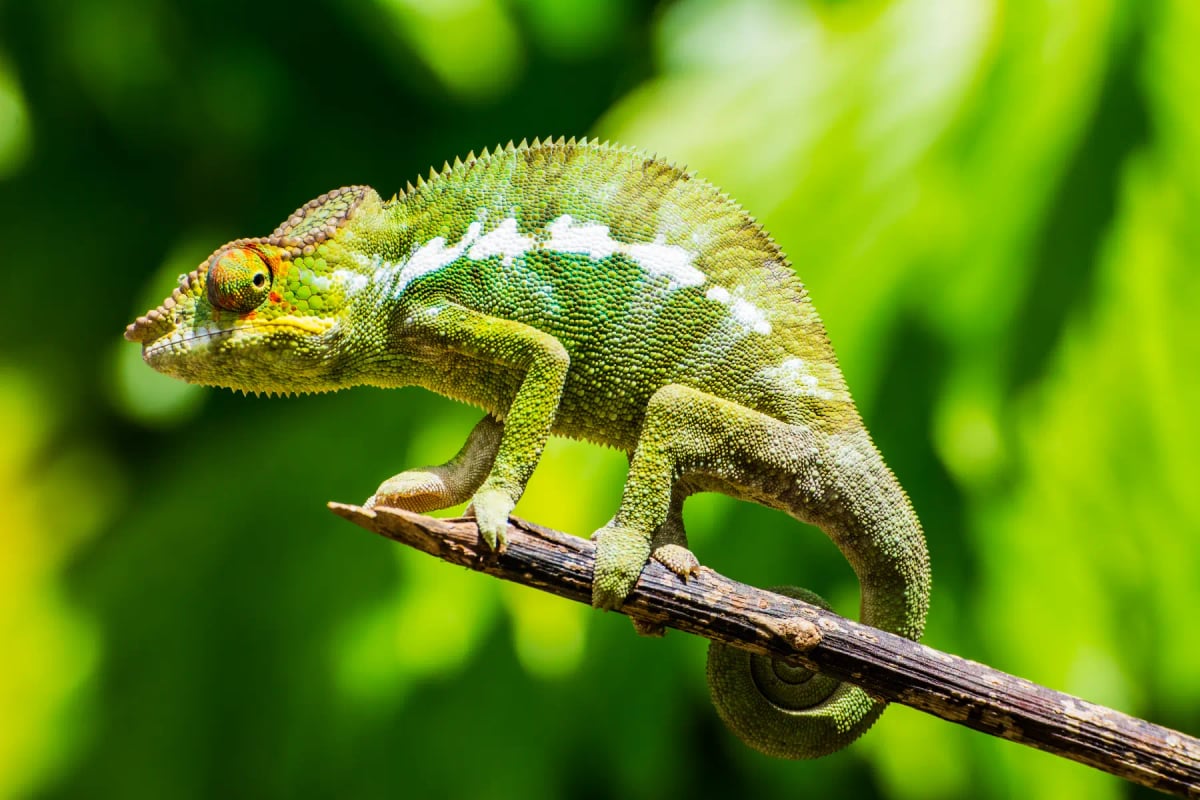
Chameleon
Chamaeleo chamaeleon
In Turkey, the common chameleon is found along the southern and southwestern Aegean and Mediterranean coasts, particularly in Antalya, Mersin, and Hatay provinces. It favors warm scrublands, citrus groves, and low coastal vegetation. Turkey holds one of the more robust European and Middle Eastern populations of this species. Habitat fragmentation and road mortality remain key concerns for conservation efforts in these coastal zones.
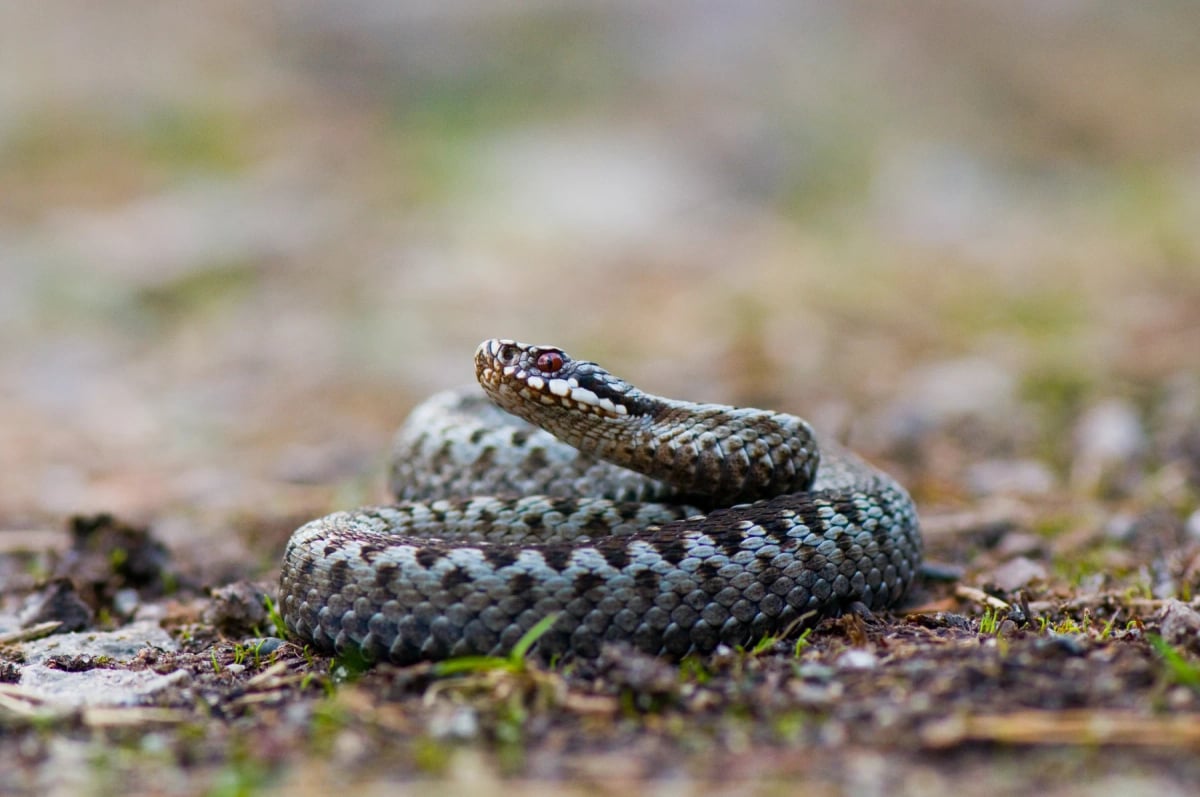
European Adder
Vipera berus
In Turkey, the European adder occurs mainly in the cooler, forested regions of the north, including the Pontic Mountains along the Black Sea coast. It favors woodland edges and alpine meadows at higher elevations. Turkey sits at the southern edge of the species' range, and populations here are more isolated than those found further north. Its IUCN status is Least Concern.
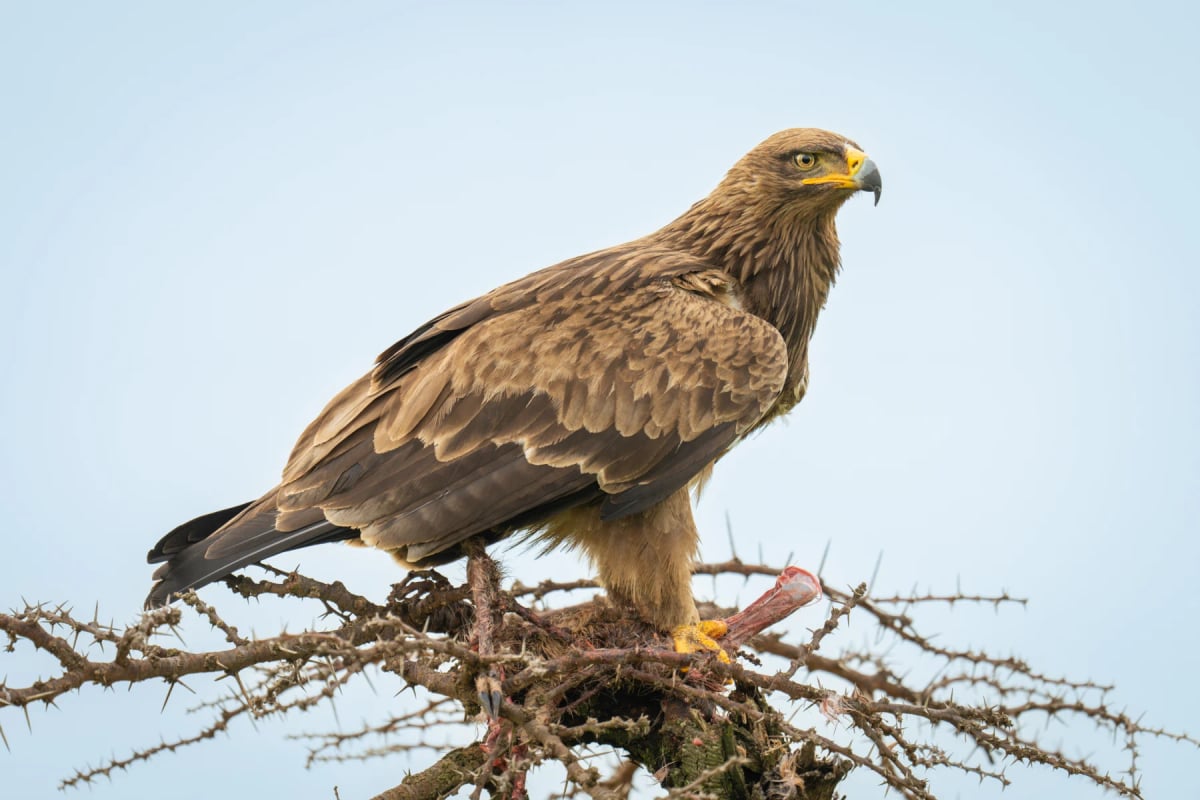
Steppe Eagle
Aquila nipalensis
The Steppe Eagle passes through Turkey during its seasonal migrations between Central Asia and Africa. Flocks are regularly spotted along the Bosphorus corridor near Istanbul, one of the world's great raptor flyways. Birds use the narrow strait to cross between continents, riding thermals above the hills. Classified as Endangered by the IUCN, this eagle faces serious threats from power line electrocution and poisoning across its range.
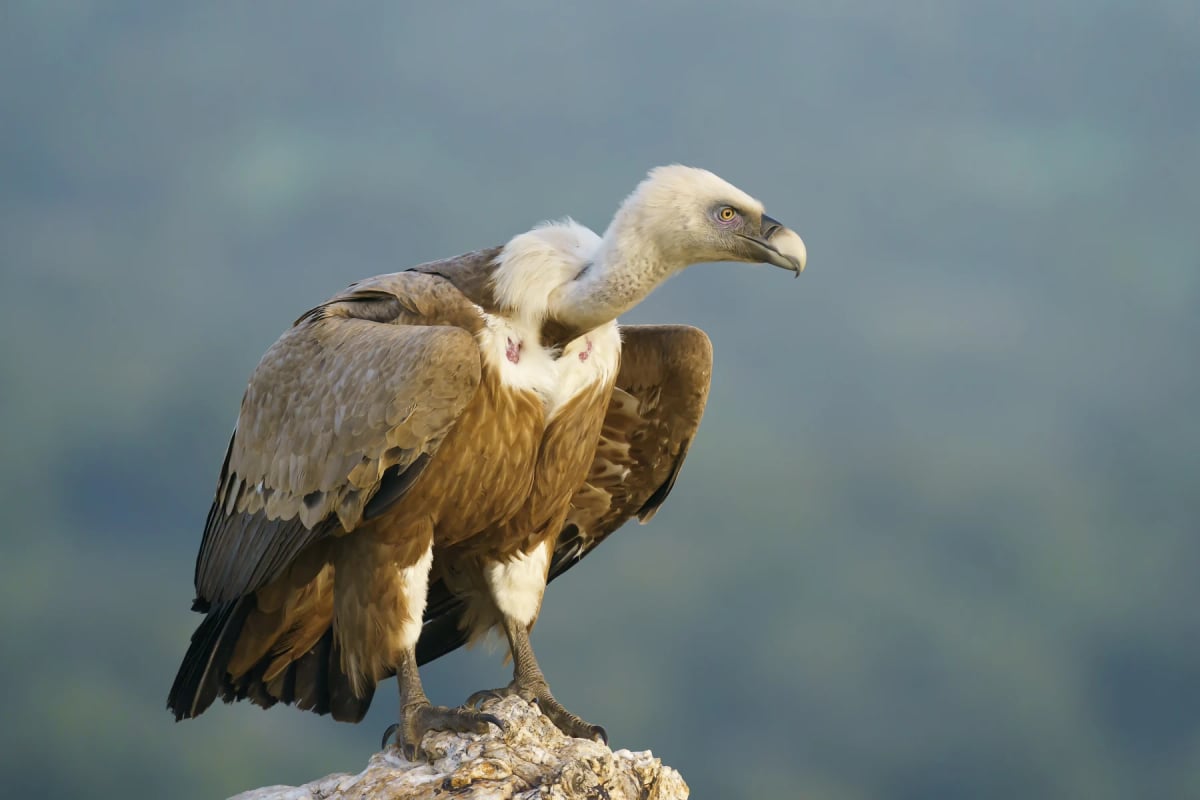
Griffon Vulture
Gyps fulvus
Turkey supports a widespread griffon vulture population, breeding across much of the country, from the Mediterranean coast to the Caucasus in the northeast. The species nests on cliff faces in mountainous regions such as the Taurus and the highlands of eastern Anatolia. Turkey's size and varied terrain make the griffon one of the large raptors seen most often in the country, although poisoning remains a threat. IUCN status: Least Concern.
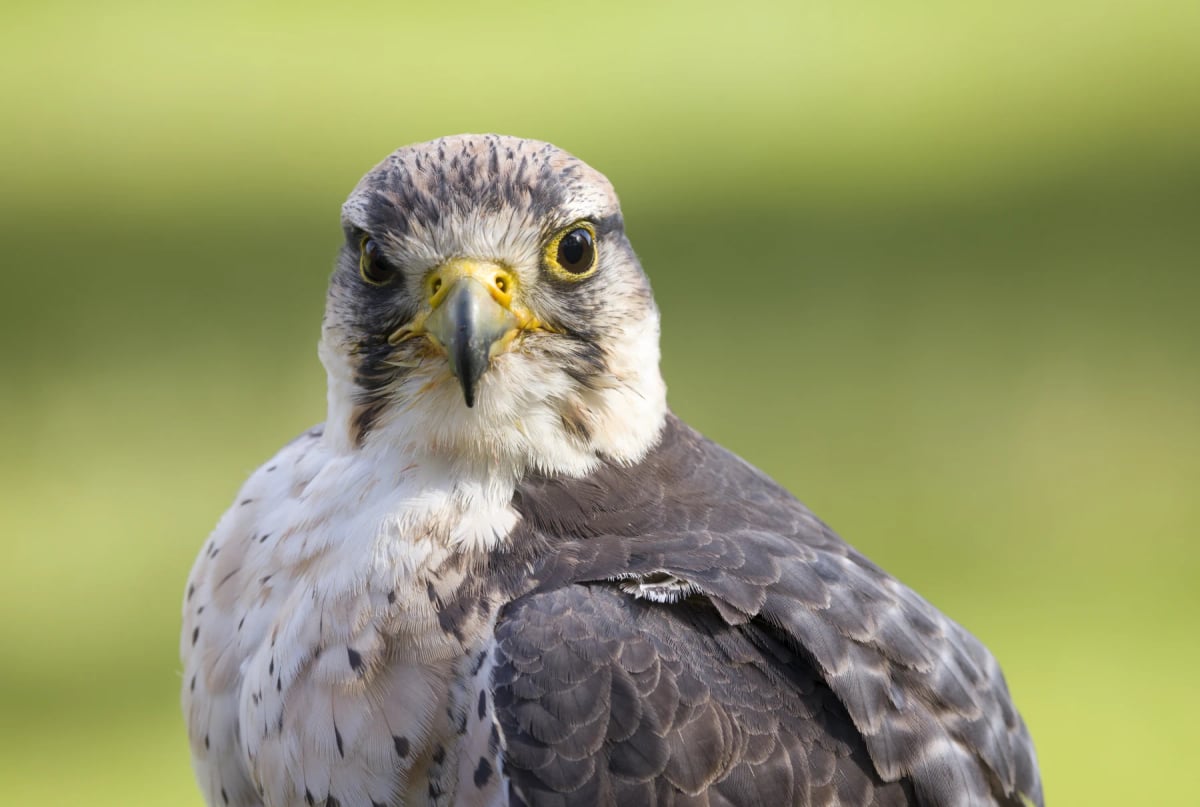
Lanner Falcon
Falco biarmicus
The lanner falcon occurs across Turkey, particularly in the rocky landscapes of Anatolia and the cliff-lined river gorges of the south and east. It hunts birds such as doves and pigeons, often working in pairs to flush prey into the open. Populations face some pressure from illegal capture for falconry and from electrocution on power lines. Its IUCN status is Least Concern.
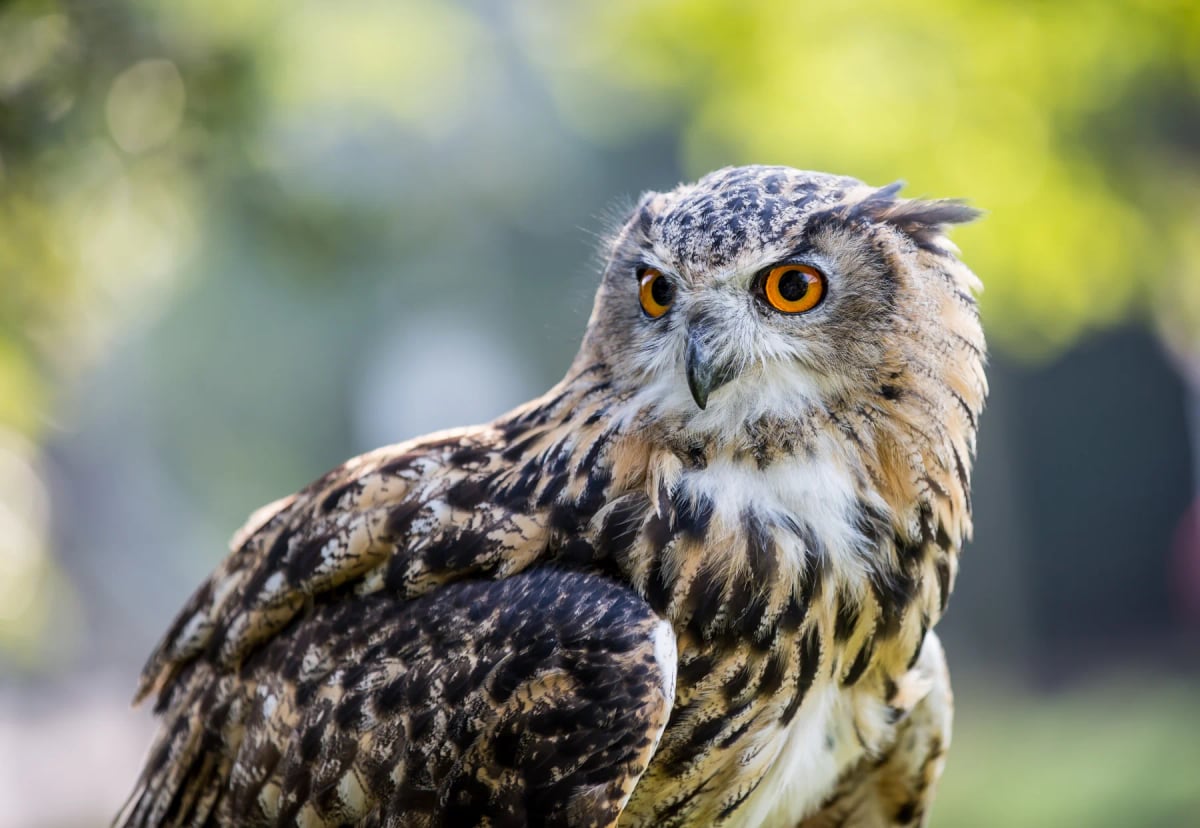
Eagle Owl
Bubo bubo
Turkey's varied geography supports eagle owls across a wide range of habitats, from the rocky gorges of Anatolia and the Taurus mountains to forests along the Black Sea coast. The species is widespread and breeds throughout much of the country. It is a skilled hunter, taking prey as large as hares and corvids. Its deep call is a familiar sound in rural areas across Turkey. IUCN status: Least Concern.
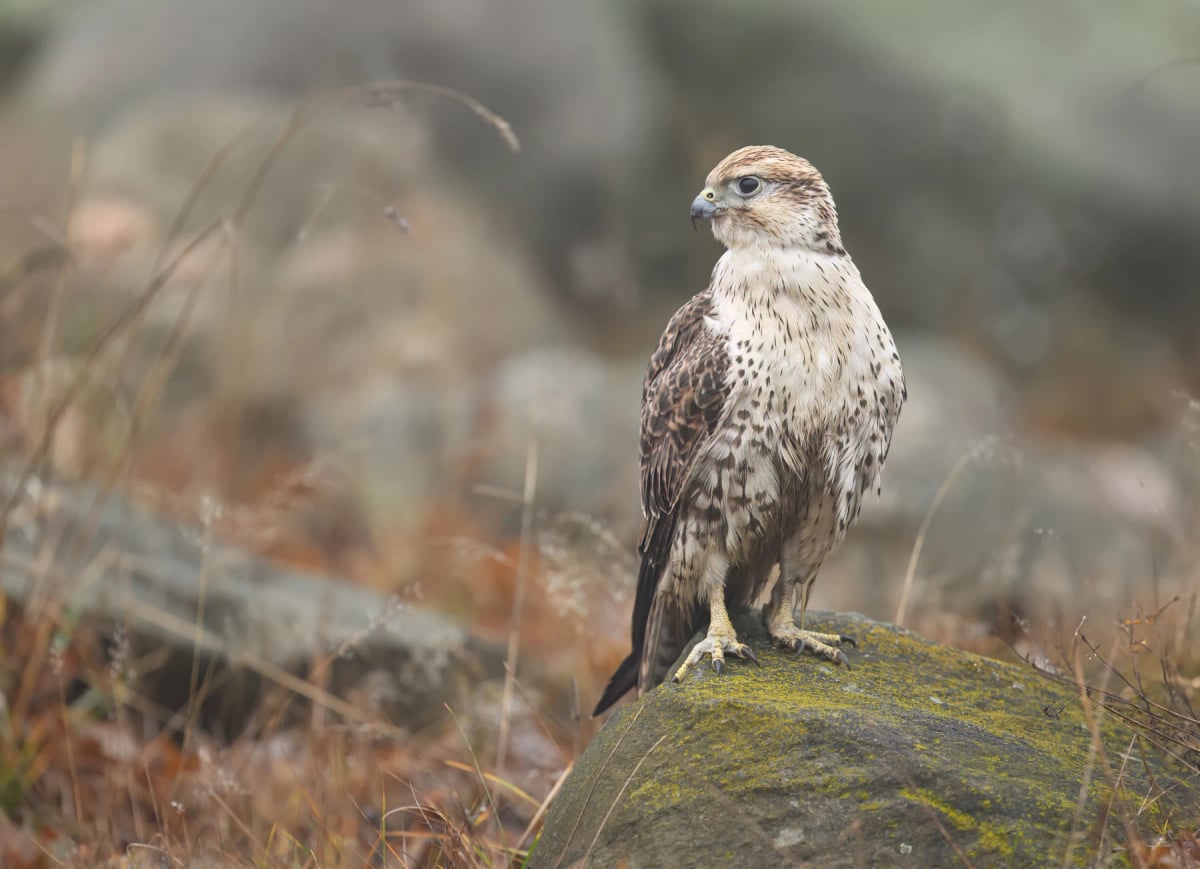
Saker Falcon
Falco cherrug
Turkey is an important country for the saker falcon both as a breeding area in its central and eastern steppes and as a migration corridor connecting breeding grounds in the north and east with wintering areas further south. Open Anatolian plateaus and grasslands offer suitable hunting terrain. Turkey also has a historical connection to falconry. Habitat degradation and illegal trapping remain threats, and the species is currently classified as Endangered.
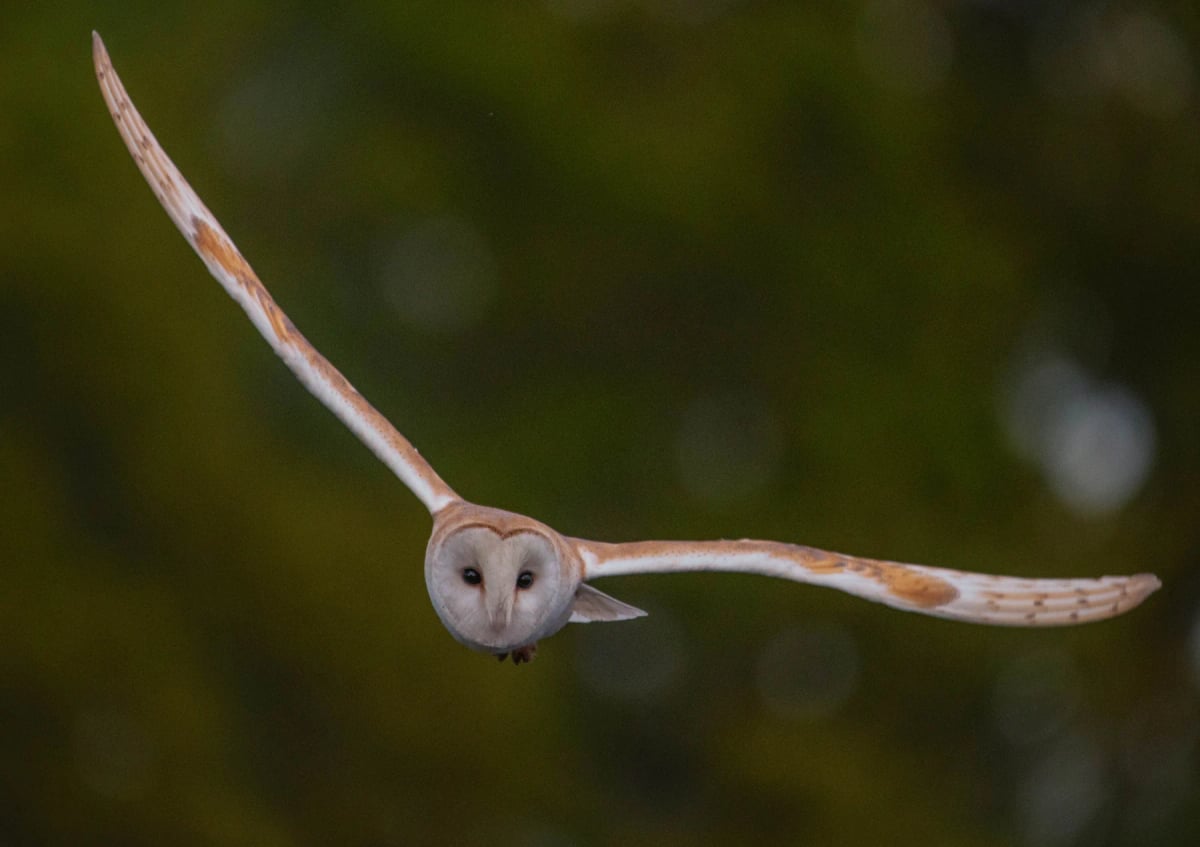
Barn Owl
Tyto alba
The barn owl is a familiar presence across rural Turkey, where it nests in old buildings, ruined structures, and stone towers scattered throughout the countryside. It hunts mice and voles by sound with extraordinary precision even in complete darkness. Farmers traditionally welcome its presence as a natural form of rodent control. Its pale appearance and eerie shriek have made it part of local legend in many Turkish villages for generations.
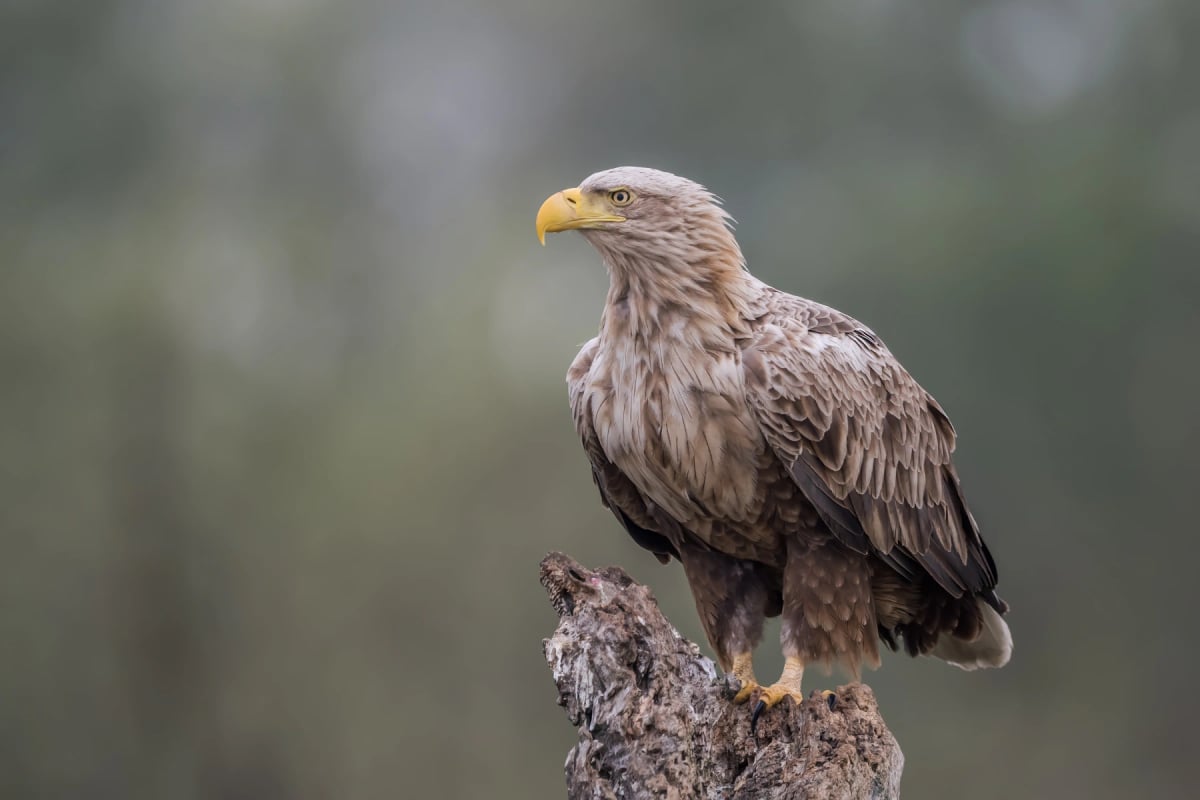
White tailed Eagle
Haliaeetus albicilla
In Turkey, the white tailed eagle occurs mainly as a winter visitor and passage migrant, with some breeding activity reported in the northeast near wetlands bordering Georgia and the Black Sea coast. Key sites include the Kızılırmak Delta and Lake Burdur. Wetland drainage and disturbance at nesting sites pose the main threats. Turkey's position as a crossroads between Europe and Asia makes it an important stop on migration routes.
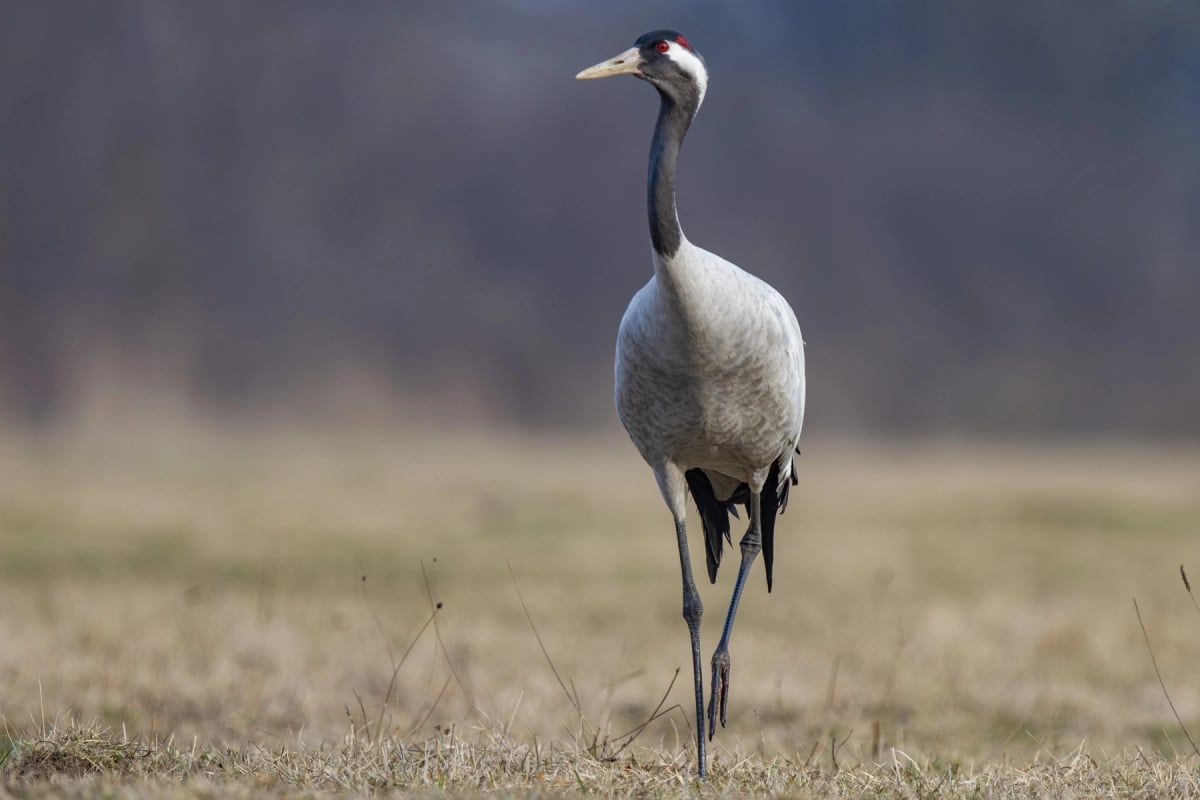
Crane
Grus grus
Turkey is a crossroads for common cranes traveling between Europe, the Middle East and Africa. A small breeding population nests in the wetlands of eastern Anatolia, large flocks pass over the Anatolian plateau in spring and autumn, and many spend the winter on the plains and wetlands of central and southern Turkey. The Sultan Marshes near Kayseri and Lake Eber are among the best known crane sites. IUCN status: Least Concern.
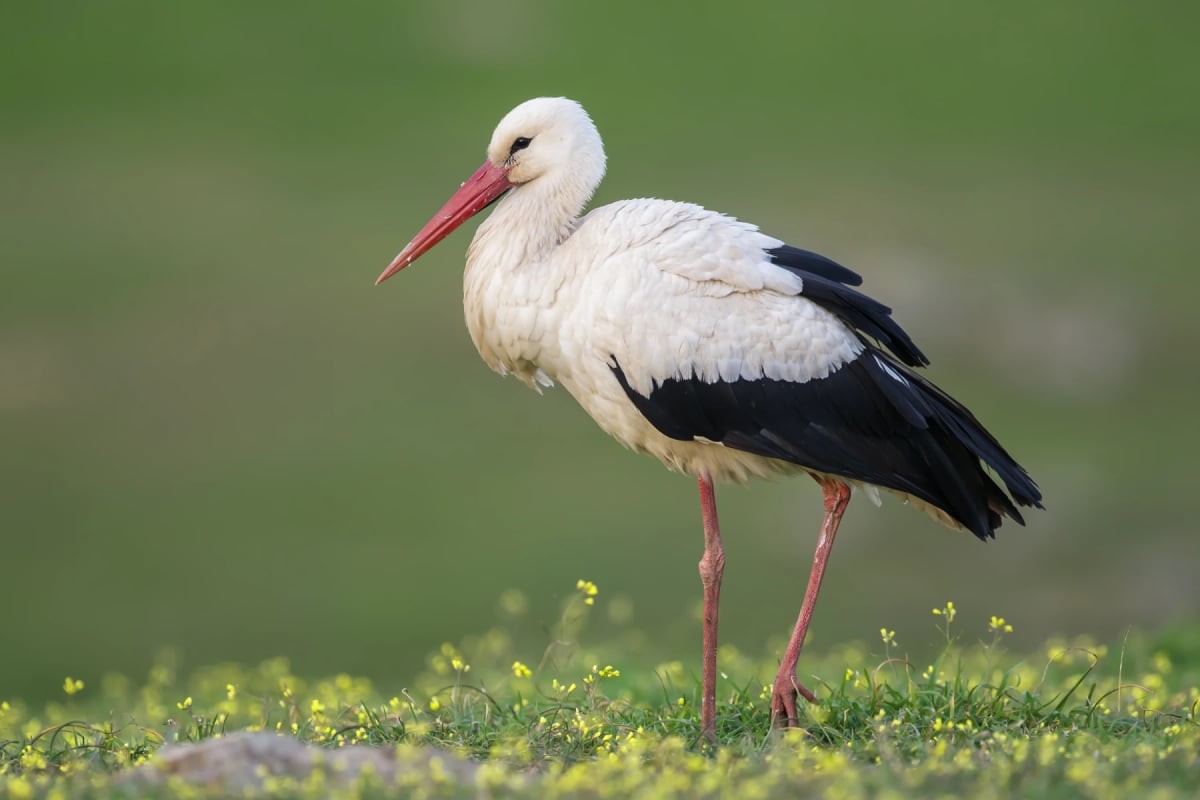
Stork
Ciconia ciconia
Turkey is one of the most important countries in the world for the white stork. The Bosphorus strait, near Istanbul, is one of only two main bottlenecks through which the bulk of Europe's stork population funnels each migration season. Hundreds of thousands of birds cross here every autumn and spring, riding thermal currents. Turkey also holds significant breeding populations in its western and central regions, particularly around wetlands and rural farmland. IUCN status: Least Concern.
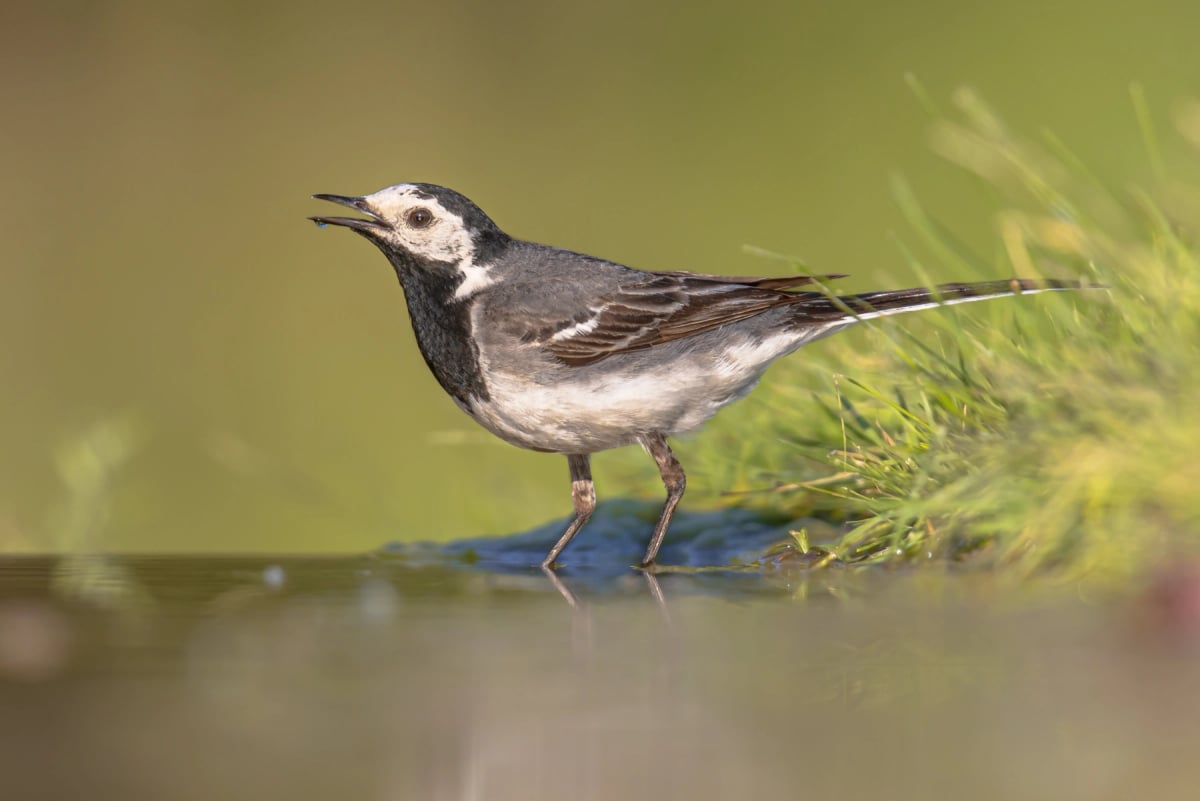
White Wagtail
Motacilla alba
The white wagtail is one of the most familiar small birds in Turkey, seen year round near streams, riverbeds, farmland, and even busy roadsides across the country. Its constant tail bobbing motion makes it easy to identify at a glance. It nests in rock crevices, old walls, and under bridges, adapting well to human made landscapes. Migratory populations from further north also pass through in large numbers each spring and autumn. IUCN status: Least Concern.
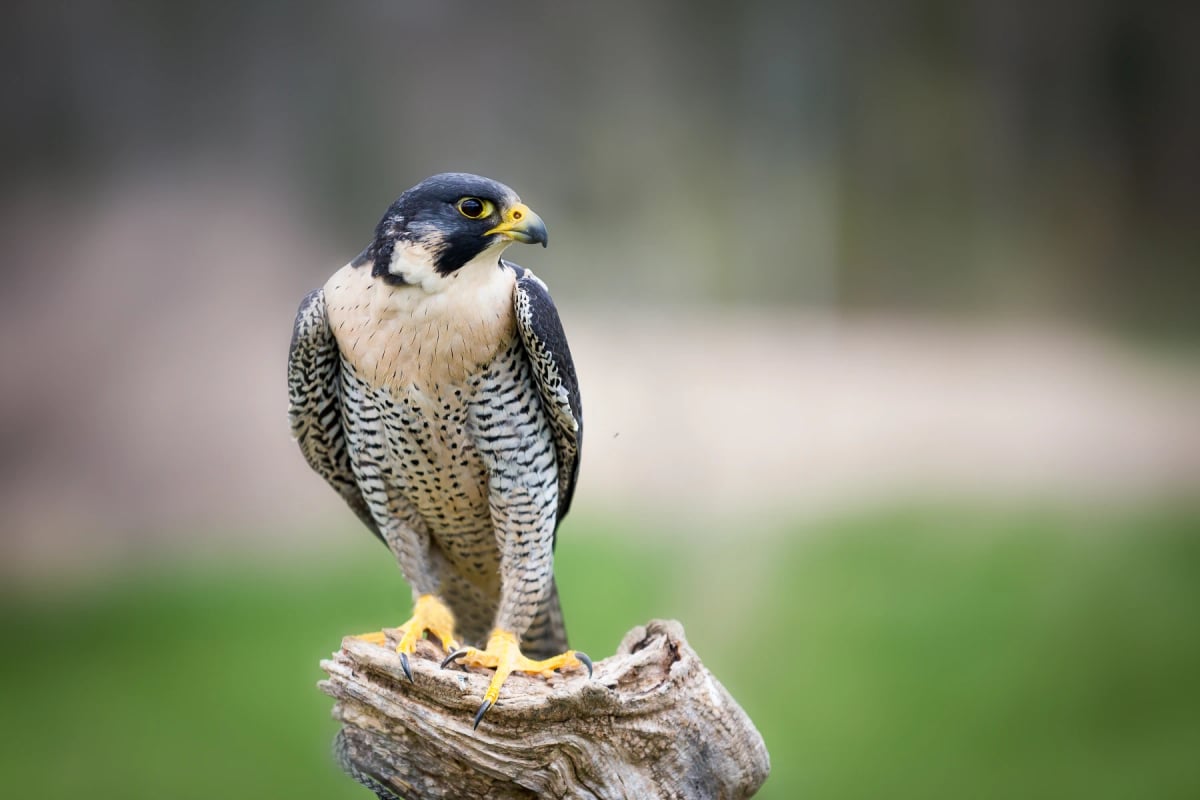
Peregrine Falcon
Falco peregrinus
Turkey sits at a major crossroads for bird migration between Europe, Asia, and Africa, making it an important country for the peregrine falcon. The species breeds on rocky cliffs in regions such as eastern Anatolia and along the Black Sea coast. During migration, large numbers pass through the Bosphorus strait near Istanbul, where observers gather each autumn to count raptors funnelling through this narrow land bridge. IUCN status: Least Concern.
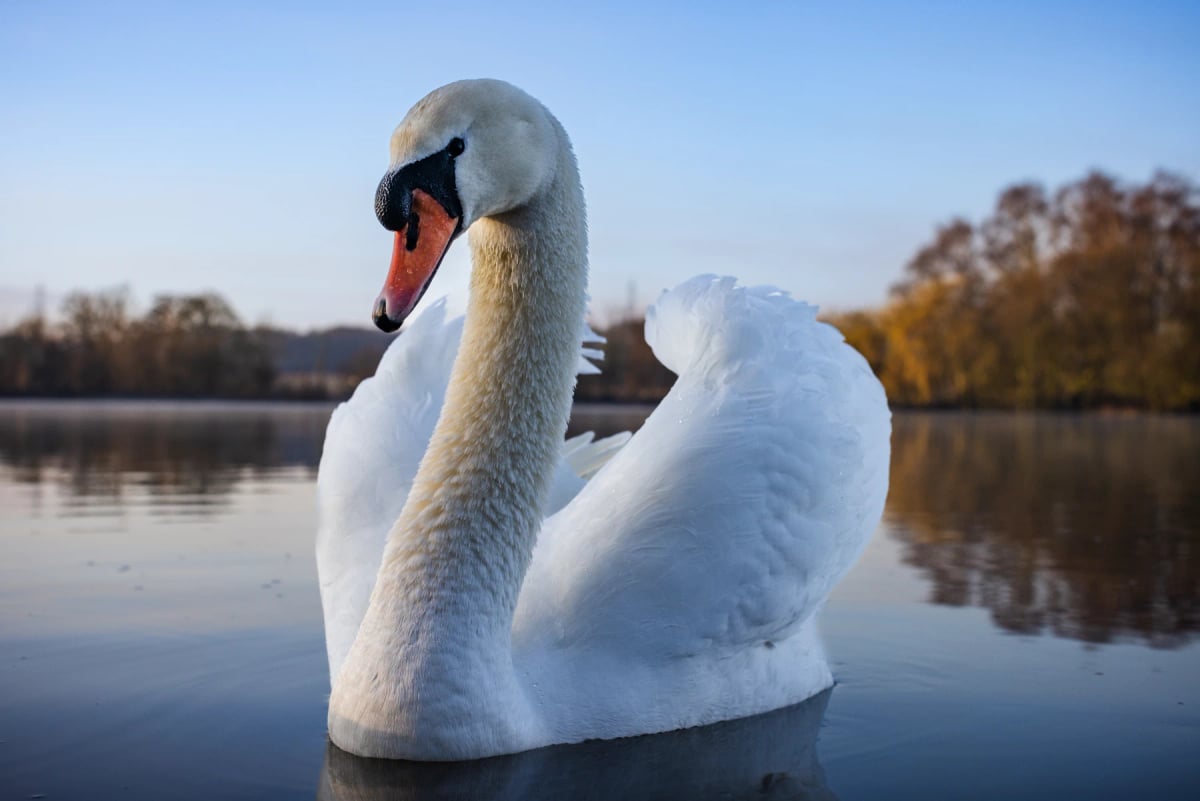
Mute Swan
Cygnus olor
Turkey sits within the core of the mute swan's natural range, with breeding populations present on lakes and wetlands across Anatolia and Thrace. Lake Manyas in the northwest and the wetlands of the Kızılırmak Delta on the Black Sea coast are among the key sites. The species also winters in larger numbers along the Aegean and Black Sea coasts. Turkey's diverse wetland habitats support the bird year round. The IUCN lists it as Least Concern.
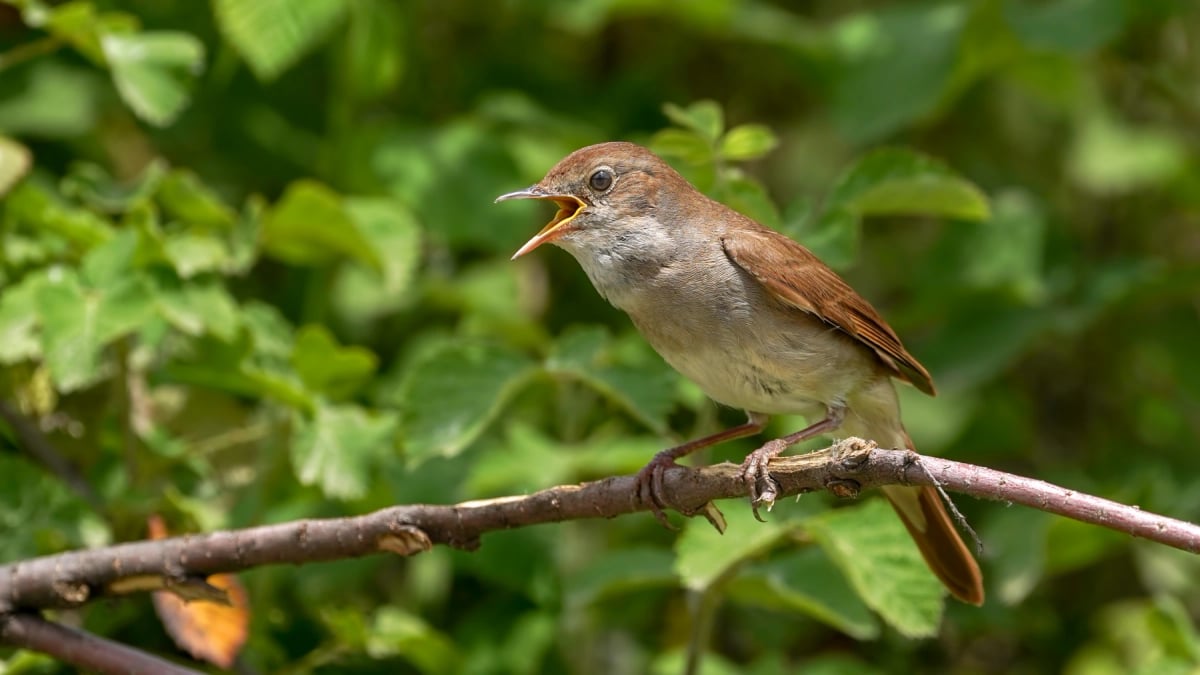
Nightingale
Luscinia megarhynchos
Turkey is an important breeding country for the nightingale, with populations spread across much of the country in riverine thickets, scrubby woodland edges and Mediterranean maquis. It is particularly widespread in the coastal regions of the west and south and in the fertile river valleys of Anatolia. The warm climate means birds arrive early in spring. Turkey also lies on a key migration route between Europe and the wintering grounds in Africa.
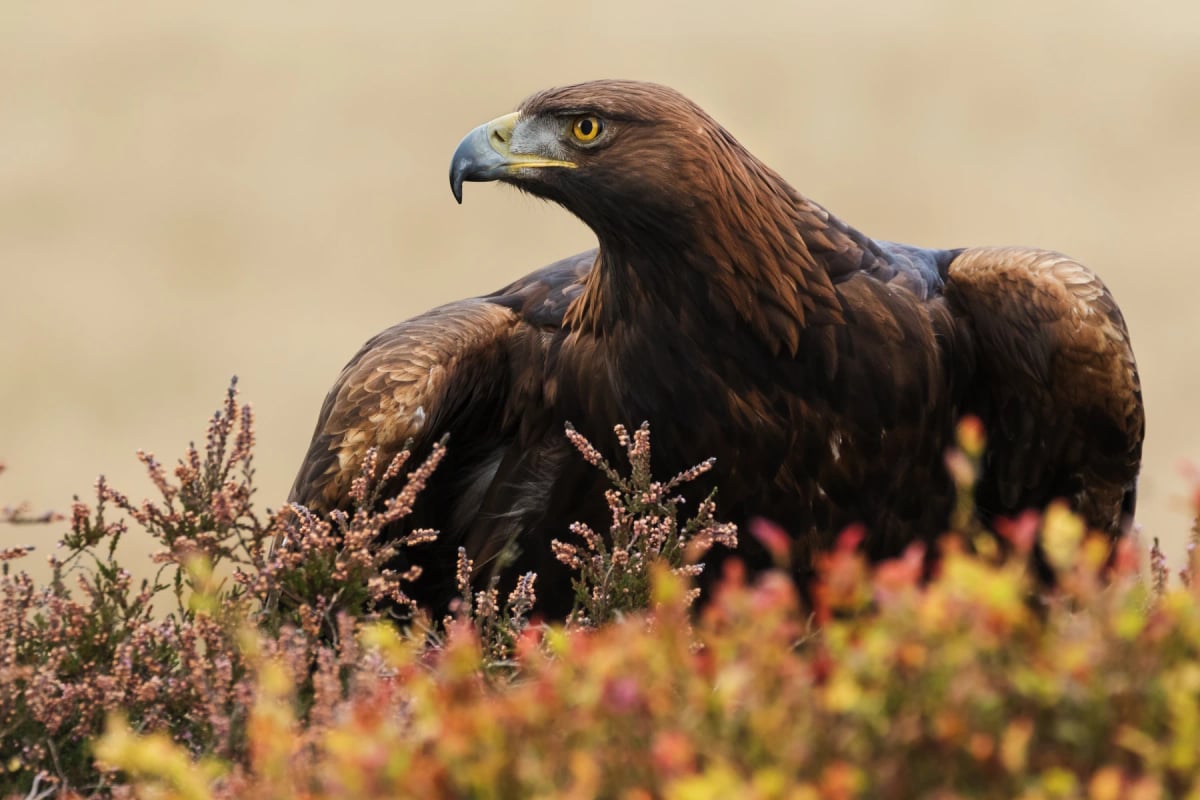
Golden Eagle
Aquila chrysaetos
Turkey is home to a notable population of golden eagles, present across the Anatolian plateau and the mountain ranges of the east, including the Taurus and Pontic chains. The country's varied landscape of cliffs, open steppe, and highland meadows provides ideal nesting and hunting habitat. Traditional falconry using golden eagles has deep roots in eastern Turkey. The IUCN lists the species as Least Concern, and it remains widely distributed across the country.
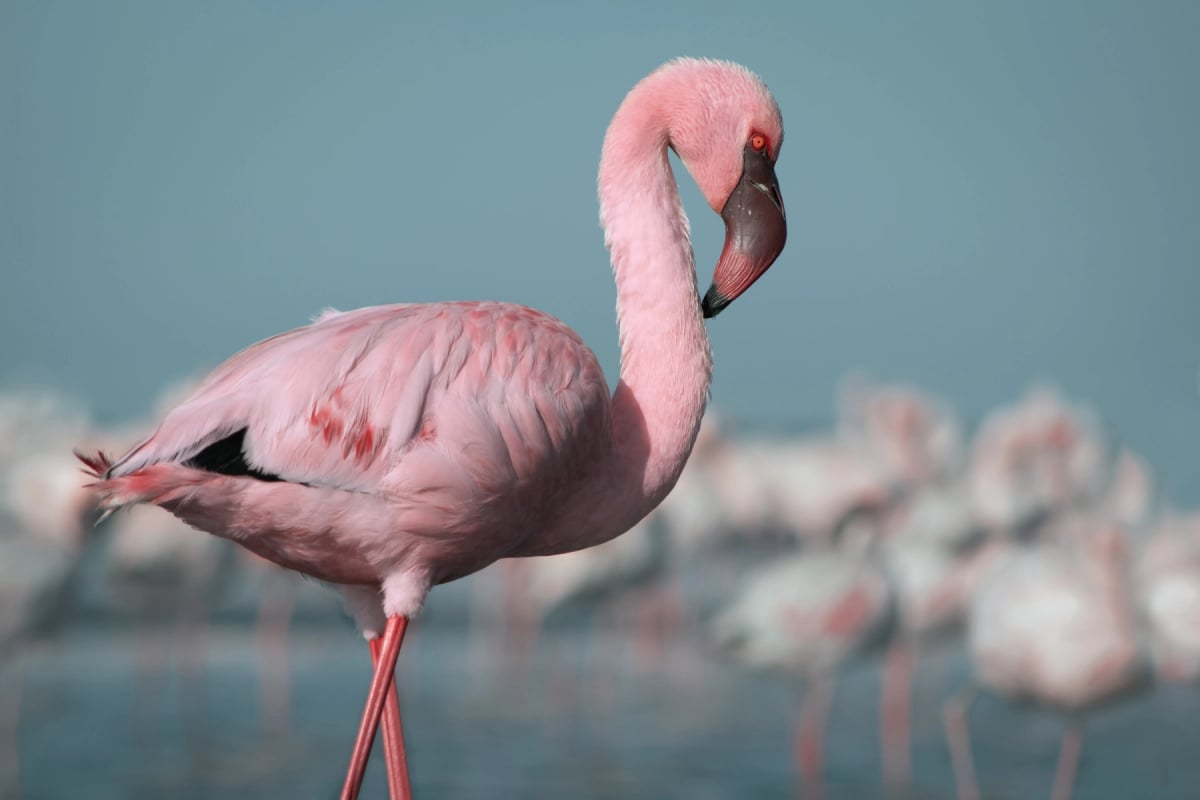
Flamingo
Phoenicopteridae (6 species)
Turkey is home to one of the most significant flamingo breeding sites in the western Palearctic. The salt lake known as Tuz Gölü, in central Anatolia, regularly hosts tens of thousands of greater flamingos during the breeding season. The shallow, highly saline waters keep most predators away and provide plenty of algae and brine shrimp. The species holds a Least Concern status with the IUCN, and Tuz Gölü is recognized as a critical habitat for the regional population.
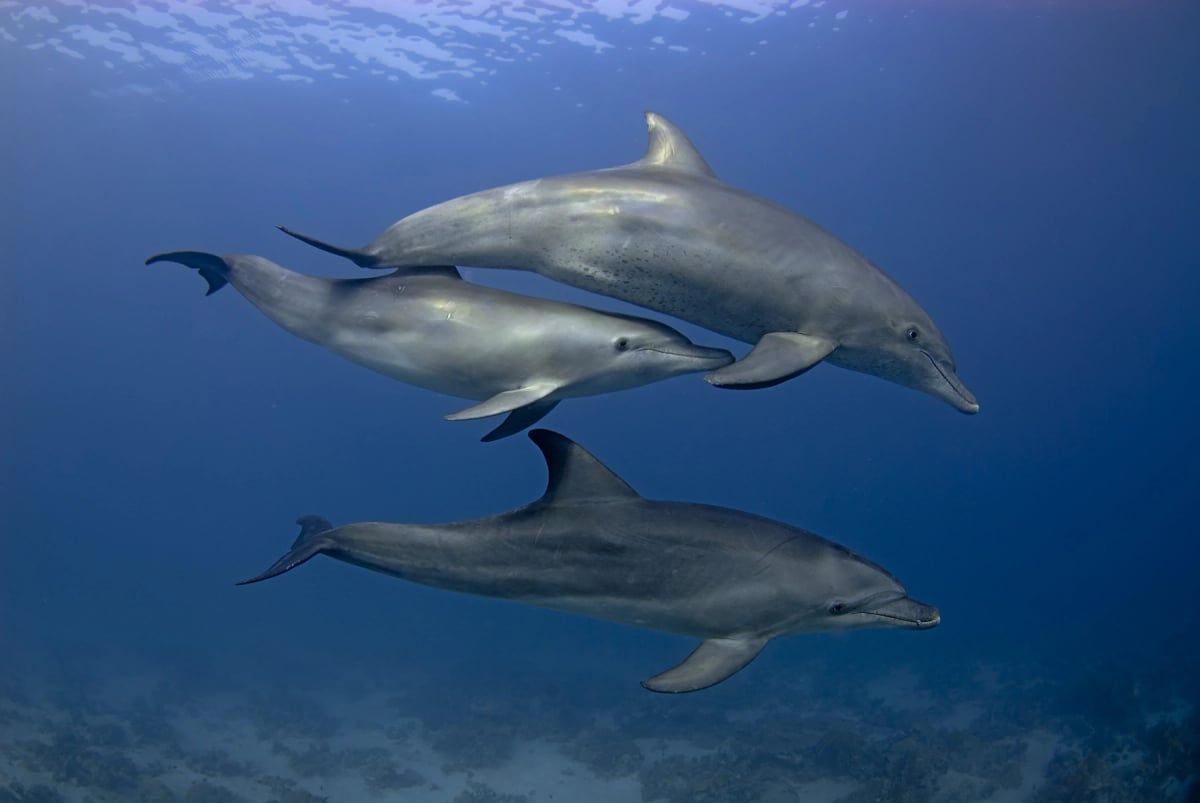
Bottlenose Dolphin
Tursiops truncatus
Bottlenose dolphins are one of three dolphin species found in Turkish waters, inhabiting the Black Sea, the Aegean Sea, and the Mediterranean coast. They are particularly active in bays and near river mouths along the Aegean shore. Historically impacted by hunting in the Black Sea, populations have had time to partially recover following protections introduced in the 1980s. The IUCN lists the species as Least Concern.
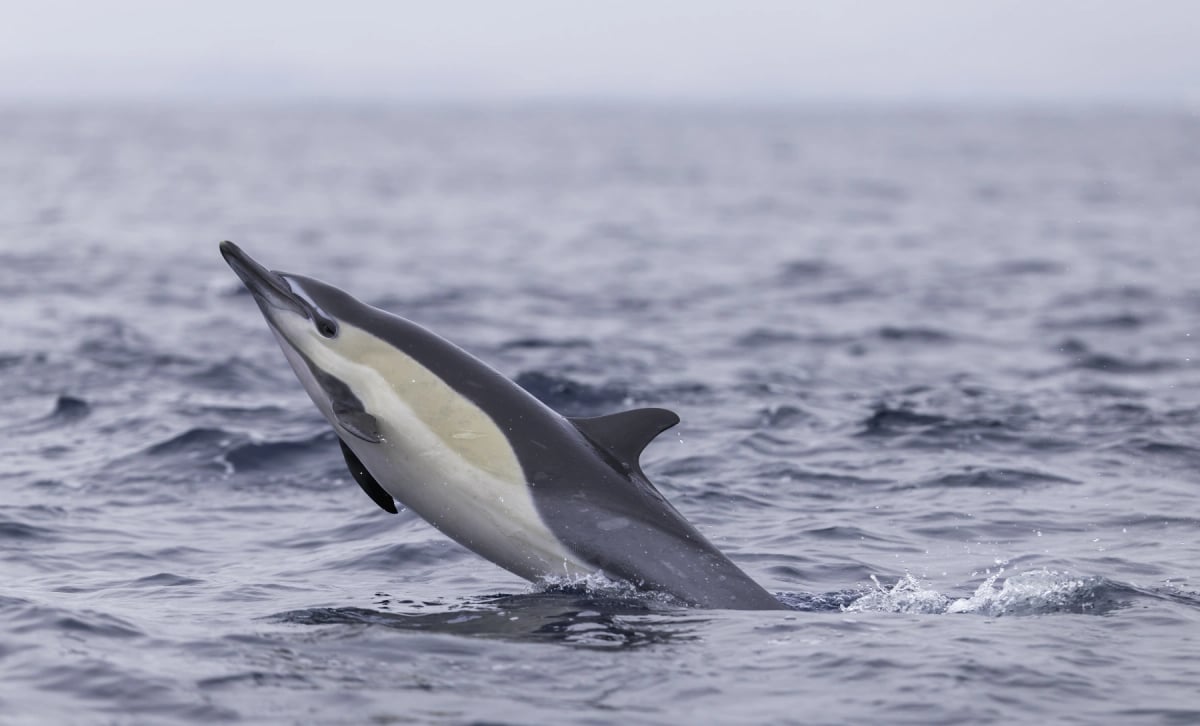
Common Dolphin
Delphinus delphis
Common dolphins are a familiar sight in Turkish waters, particularly in the Aegean and Black seas. The Black Sea population has faced pressure from fishing nets and prey depletion over the years, making conservation efforts increasingly important. These dolphins travel in large, lively groups and feed on small schooling fish. Their hourglass flank pattern makes them one of the most recognisable cetaceans in the region.
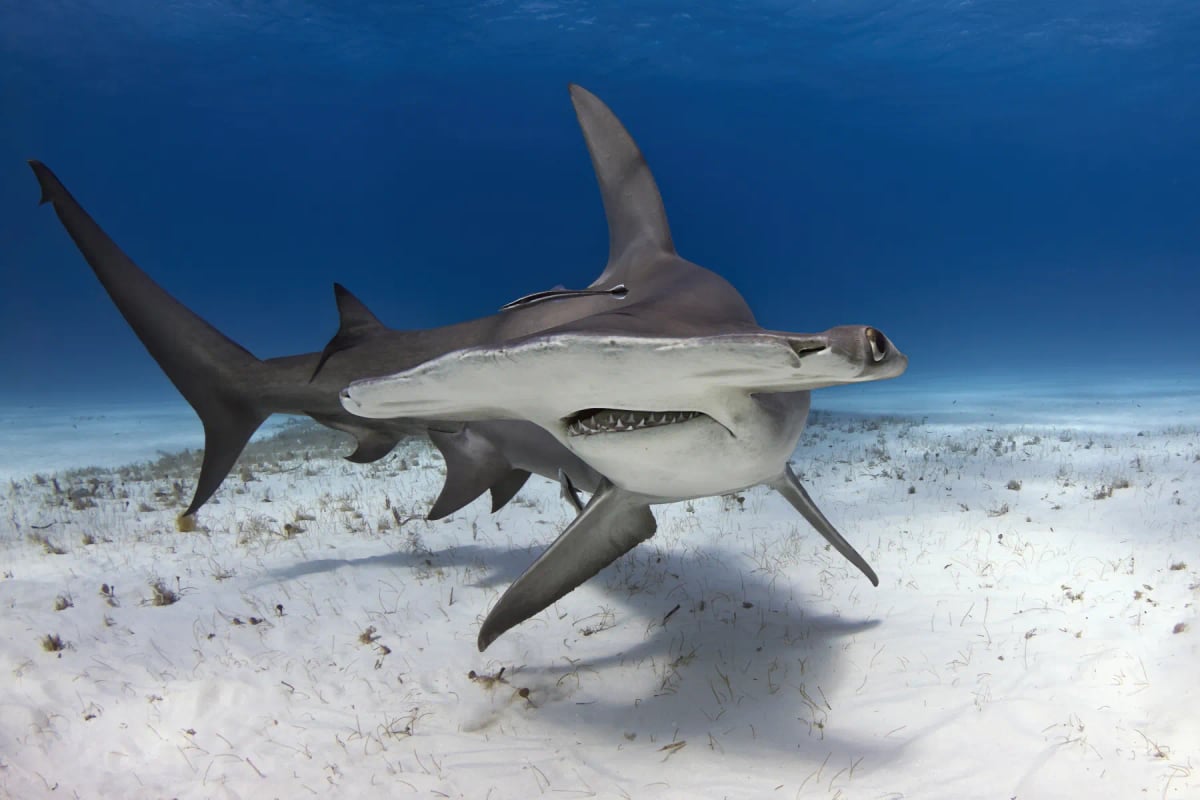
Hammerhead Shark
Sphyrna spp.
Hammerhead sharks move through Turkish coastal waters in both the Mediterranean and Aegean seas. Their unmistakable flattened heads give them a wide field of vision and sharp electroreception for tracking prey. Sightings have become rare in recent decades, a direct result of heavy fishing pressure and demand for shark fins. Turkey's marine ecosystems face real challenges in supporting their recovery.
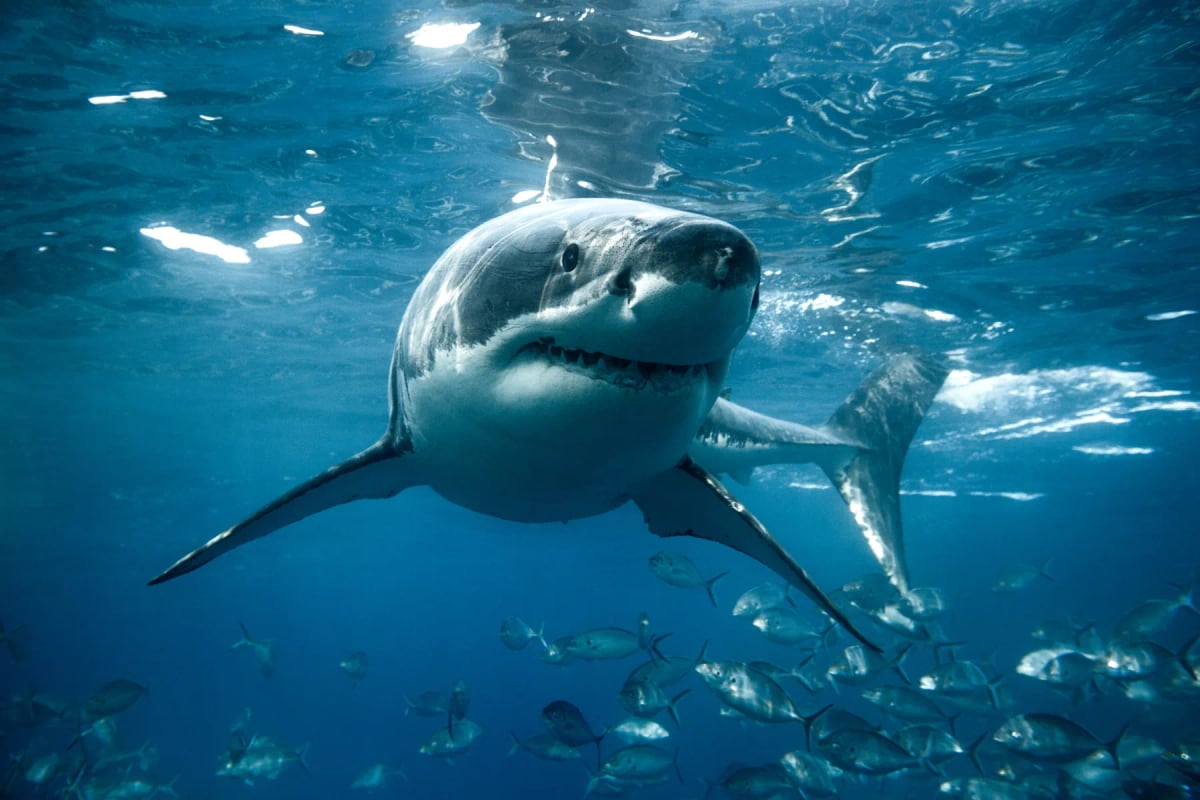
Great White Shark
Carcharodon carcharias
The great white shark occurs in the Mediterranean Sea, and Turkish waters fall within its recorded range. Sightings along the Aegean and Mediterranean coasts of Turkey are rare but documented. The species is listed as Vulnerable globally, and Mediterranean populations face particular pressure from overfishing and habitat loss. Protections across the region remain inconsistent, making conservation efforts all the more urgent for this ocean predator.
Researched and written by Juan Pablo. Sources: IUCN Red List, scientific literature and regional field guides. Last updated: .