Persian Leopard
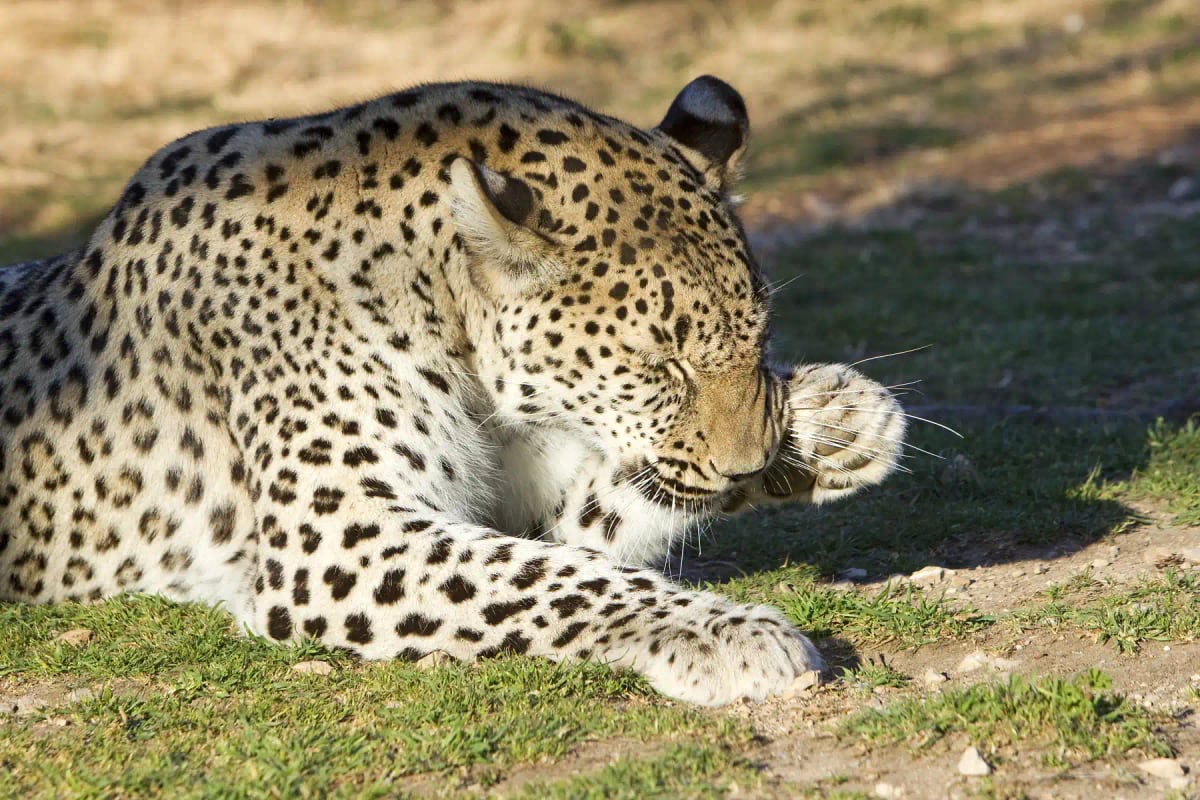
The Persian leopard is the largest of all leopard subspecies, with a pale, cream-colored coat patterned with widely spaced rosettes that blend into rocky slopes and snow-dusted mountain terrain. Adults can weigh up to 90 kg, making them a formidable predator across the Caucasus, Iran, Turkmenistan, and Afghanistan. They hunt wild goats, ibex, roe deer, and smaller mammals, and their presence at the top of the food chain keeps prey populations in balance. Persian leopards are solitary animals, with each individual holding a large home range that it marks and defends. Females raise cubs on their own for up to two years. Fewer than 1,000 individuals are thought to survive in the wild today, and the subspecies is listed as Endangered by the IUCN. Poaching, the loss of prey species, habitat fragmentation, and conflict with livestock herders are the main pressures driving the decline.
Habitat and distribution
Persian leopards are found across a broad but fragmented range stretching from Iran and Turkey through the Caucasus mountains of Armenia, Azerbaijan, and Georgia, and east into Turkmenistan, Afghanistan, and small pockets of southern Russia. Iran holds the largest share of the remaining population. These leopards show a strong preference for rugged mountain terrain, including rocky cliffs, steep gorges, and forested slopes at elevations that can exceed 3,000 metres. This kind of landscape gives them cover for stalking prey and shelter for raising cubs. Lowland areas are used far less frequently, and the leopards tend to avoid regions heavily altered by farming or human settlement. The connectivity between habitat patches has declined sharply in recent decades, isolating groups from one another and limiting the exchange of individuals across the range.
Diet
Across most of its range, the Persian leopard relies heavily on wild ungulates. Bezoar ibex and wild goats are among the most important prey species, particularly in rocky mountain habitats where these animals are abundant. Roe deer and red deer are also taken where their populations are healthy. When larger prey is scarce, Persian leopards will hunt hares, porcupines, and other small mammals to meet their energy needs. Like all large predators, they play a vital role in keeping herbivore numbers in check, which in turn prevents overgrazing and supports the health of the wider ecosystem. In areas where wild prey has been reduced by hunting or habitat loss, leopards sometimes turn to livestock, which brings them into direct conflict with local herding communities.
Appearance
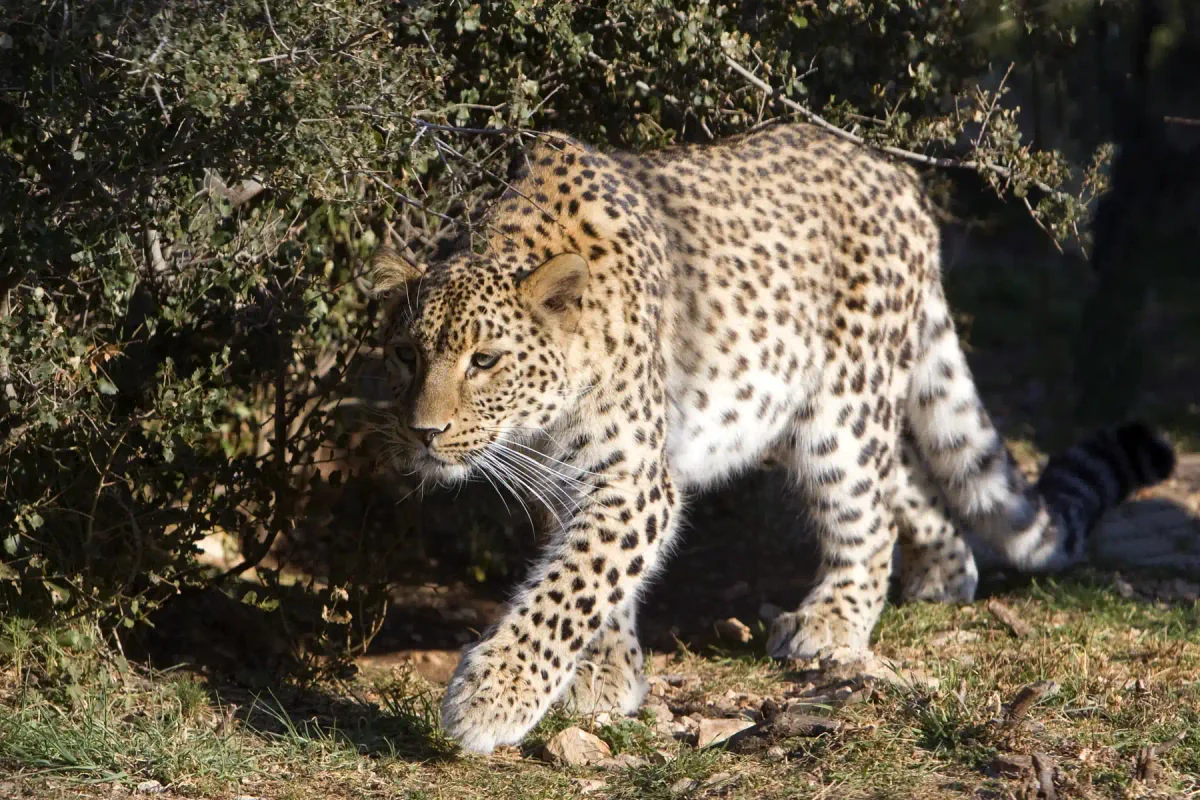
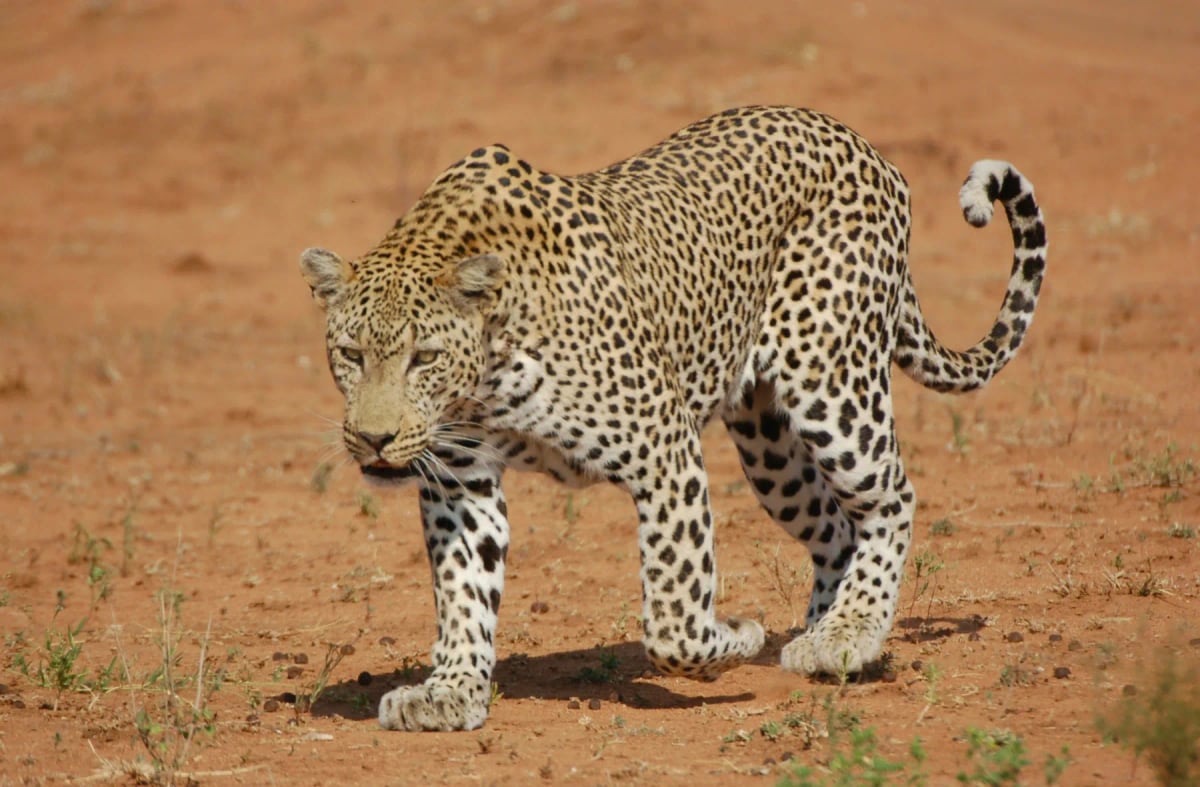
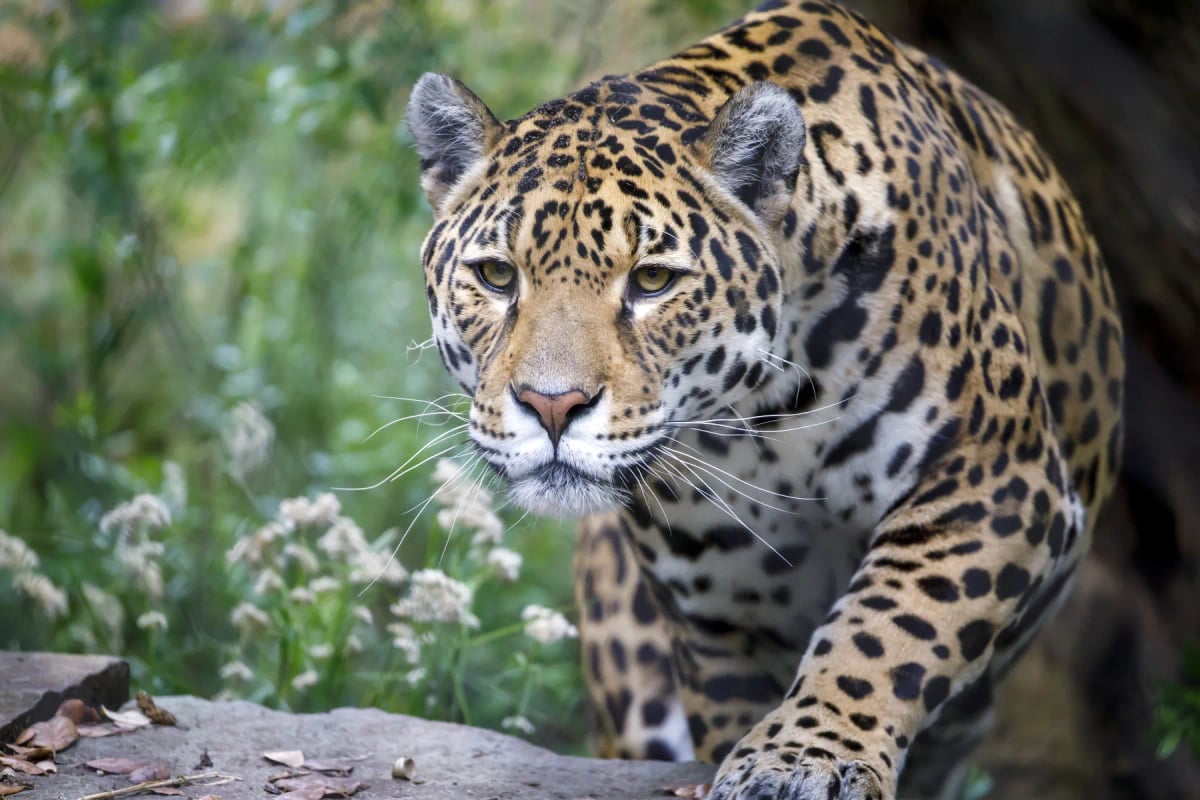
Among all recognized leopard subspecies, the Persian leopard stands out as the largest. Adult males can weigh up to 90 kilograms and measure over 1.7 metres in body length, making them substantially bigger than leopards found in Africa or South Asia. The coat is a pale cream or tawny yellow, noticeably lighter than that of other subspecies, and is marked with widely spaced rosettes made up of small dark spots arranged in loose clusters. This coloring provides excellent camouflage against the limestone cliffs, dry grasslands, and snow-dusted slopes of its mountain home. The body is powerfully built, with broad shoulders and strong limbs suited to navigating steep and uneven ground. In winter, the coat becomes thicker and slightly grayer to provide insulation against cold mountain temperatures.
Behavior
Solitary by nature, Persian leopards spend most of their lives alone, coming together only briefly during the mating season. Each individual maintains a large home range, which it marks regularly using scent, scratch marks on trees, and vocalizations. Males hold territories that often overlap with those of several females. Activity peaks in the hours around dawn and dusk, though leopards in areas with significant human presence may shift toward more strictly nocturnal habits. Females give birth to litters of one to three cubs and raise them without any help from the male. Cubs stay with their mother for up to two years, learning to hunt and navigate their mountain environment before eventually striking out to establish territories of their own. Climbing is a key skill, and leopards often drag large kills up into trees to keep them away from scavengers.
Conservation
The IUCN lists the Persian leopard as Endangered, with current estimates suggesting fewer than 1,000 individuals remain in the wild. The population has declined steeply over the past century and continues to face serious pressure from multiple directions. Poaching is a persistent threat, both for the illegal wildlife trade and in retaliation for livestock losses. The depletion of wild prey through unregulated hunting has forced some leopards to target domestic animals, increasing conflict with herding communities. Habitat fragmentation cuts populations off from one another, reducing genetic diversity and the chances of recovery over the long term. Conservation efforts include protected area management, prey recovery programs, and community engagement to reduce retaliatory killing. Transboundary cooperation between countries sharing the leopard's range is considered essential for the survival of the subspecies.
Where it is found
The Persian Leopard can be found in places such as:
Researched and written by Juan Pablo. Sources: IUCN Red List, scientific literature and regional field guides. Last updated: .
Technical factsheet



Frequently Asked Questions
How big is a Persian leopard?
The Persian leopard is the largest of all leopard subspecies. Adult males can weigh up to 90 kilograms and measure more than 1.7 metres in body length. That makes them considerably bigger than leopards found in Africa or South Asia. Their size, combined with powerful shoulders and strong limbs, helps them move confidently across the steep, rocky mountain terrain they call home.
How many Persian leopards are left in the wild?
Estimates suggest fewer than 1,000 Persian leopards remain in the wild today. The population has dropped sharply over the past century due to poaching, the loss of prey, and the destruction of habitat. Iran holds the largest share of the surviving population. Because the subspecies is so rare and spread across remote terrain, getting an accurate count is genuinely difficult for researchers.
What does the Persian leopard eat?
Persian leopards are carnivores that rely mainly on wild ungulates. Bezoar ibex and wild goats make up a large part of their diet, especially in rocky mountain areas. They also hunt roe deer and red deer when available. If large prey is hard to find, they will go after hares, porcupines, and other small mammals. In areas where wild prey is scarce, some individuals turn to livestock.
Where do Persian leopards live?
Persian leopards are found across a wide but fragmented range that includes Iran, Turkey, the Caucasus countries of Armenia, Azerbaijan, and Georgia, as well as Turkmenistan, Afghanistan, Iraq, and parts of southern Russia. They strongly prefer rugged mountain landscapes with rocky cliffs, steep gorges, and forested slopes. Iran is home to the largest remaining population. The connectivity between habitat patches has fallen sharply in recent decades.
Are Persian leopards dangerous to humans?
Persian leopards are naturally shy and go out of their way to avoid people. Attacks on humans are extremely rare. That said, they are powerful predators capable of taking prey much larger than themselves, so encounters should always be treated with caution. The far more common conflict is between leopards and livestock herders, which sadly often ends badly for the leopard through retaliatory killing.
Why is the Persian leopard endangered?
The Persian leopard is listed as Endangered by the IUCN. The main threats are poaching for the illegal wildlife trade, retaliatory killing by herders who lose livestock to leopards, and the decline of wild prey due to unregulated hunting. On top of that, habitat fragmentation isolates populations from one another, which reduces genetic diversity and makes recovery over the long term much harder to achieve.
Do Persian leopards climb trees?
Yes, climbing is one of the Persian leopard's most impressive skills. They regularly haul large kills up into trees to keep the carcass away from scavengers such as wolves and jackals. This behavior is common among leopards worldwide. Their strong forelimbs and sharp, retractable claws give them the grip needed to scale even fairly steep trunks while carrying prey that can weigh as much as they do.