Animals in Canada
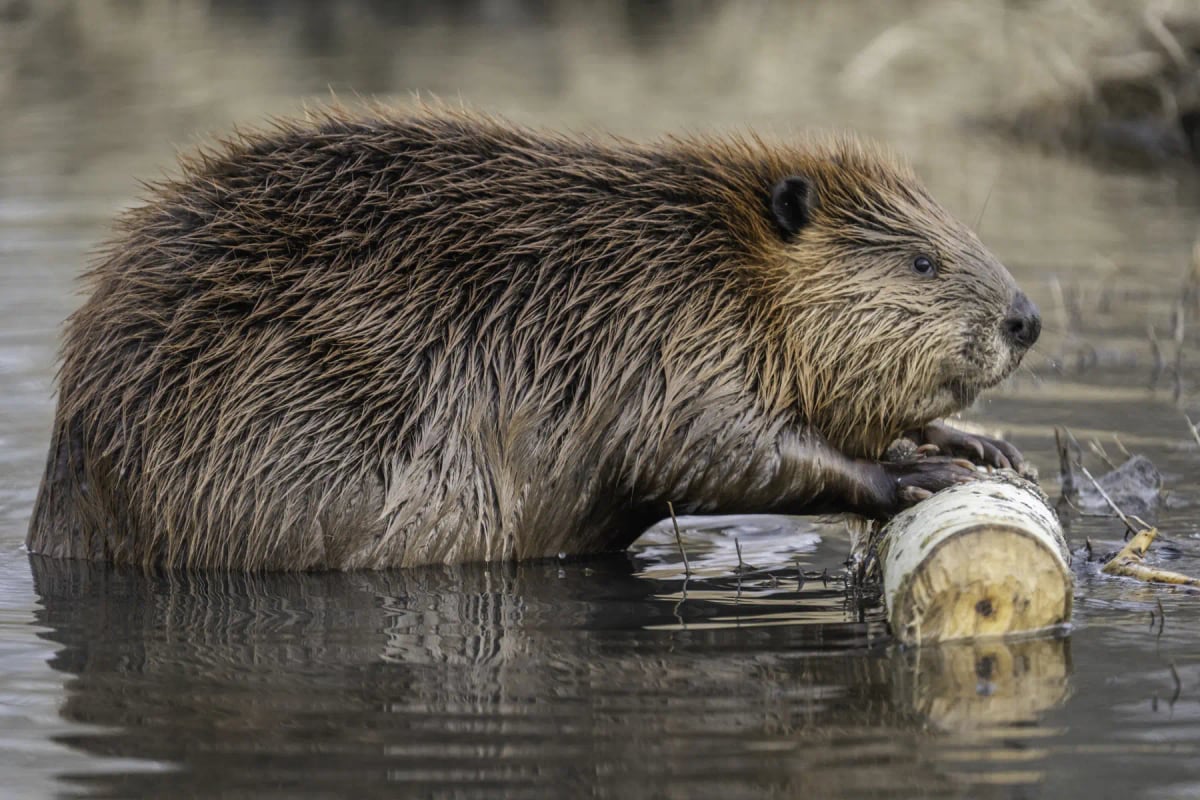
Beaver
Castor canadensis
The beaver has been the official national animal of Canada since 1975, but its link to the country is much older. In the days of the fur trade, beaver pelts were one of the most valuable goods in North America, and the search for them pushed explorers and traders deep into the Canadian wilderness. The beaver is the largest rodent in North America and lives in rivers, lakes and wetlands across almost all of Canada. It is famous for building dams out of branches and mud, which turn streams into ponds and create new homes for fish, birds and many other animals. Its image has been on the Canadian five cent coin since 1937, and it appears in many other official symbols, which makes it one of the best known national animals in the world.
View details→Wildlife in Canada
Canada is the second largest country in the world, and its wildlife is as big and varied as its land. In the west, the Rocky Mountains and the parks of Banff and Jasper are home to grizzly bears, American black bears, gray wolves and cougars. The huge boreal forest that stretches across the country hides moose, beavers, wolverines and the Canada lynx, which follows the rise and fall of snowshoe hare numbers. On the prairies of the south live pronghorn, coyotes and rattlesnakes, and Wood Buffalo National Park protects wild American bison. Farther north, the Arctic tundra belongs to polar bears, musk oxen, Arctic foxes, Arctic wolves and caribou, the same species as the reindeer. The oceans add even more. Orcas and humpback whales swim off British Columbia, blue whales feed in the Gulf of St. Lawrence, puffins nest on the cliffs of Newfoundland, and narwhals, walruses and beluga whales live in the icy waters of the Arctic.
Most Dangerous Animals in Canada
Most wild animals in Canada avoid people, but a few can be dangerous if you surprise them or get too close. Bears are the best known risk. American black bears and grizzly bears live in forests and mountains, and hikers in places like Banff and Jasper are told to make noise on the trail, store food safely and carry bear spray. In the far north, polar bears are the most serious danger, and towns like Churchill have special teams that keep them away from homes. Moose look calm, but they are huge and can charge when they feel threatened, especially mothers with calves. They also cause hundreds of car crashes every year in Newfoundland alone. Cougars live mainly in British Columbia and Alberta and very rarely attack people. Rattlesnakes are the main venomous snakes in the country and live in dry areas of the south and west. Following park rules and keeping a safe distance keeps the risk very low.
Top 10 Animals in Canada
The top 10 animals in Canada include some of the most famous wildlife in North America. Polar bears are the stars of the north, and Canada is home to about two thirds of all the polar bears in the world. Every autumn, many of them gather near the town of Churchill, Manitoba, waiting for Hudson Bay to freeze. Grizzly bears and American black bears live in forests and mountains, while moose, the largest members of the deer family, are common across the boreal forest. Gray wolves, cougars and the Canada lynx are harder to see, because they are shy and cover huge areas. The wolverine is even more secretive and lives in remote northern and mountain regions. In the sky, bald eagles are a common sight along rivers and coasts. At sea, orcas, blue whales and sperm whales make Canada one of the best countries in the world for whale watching.
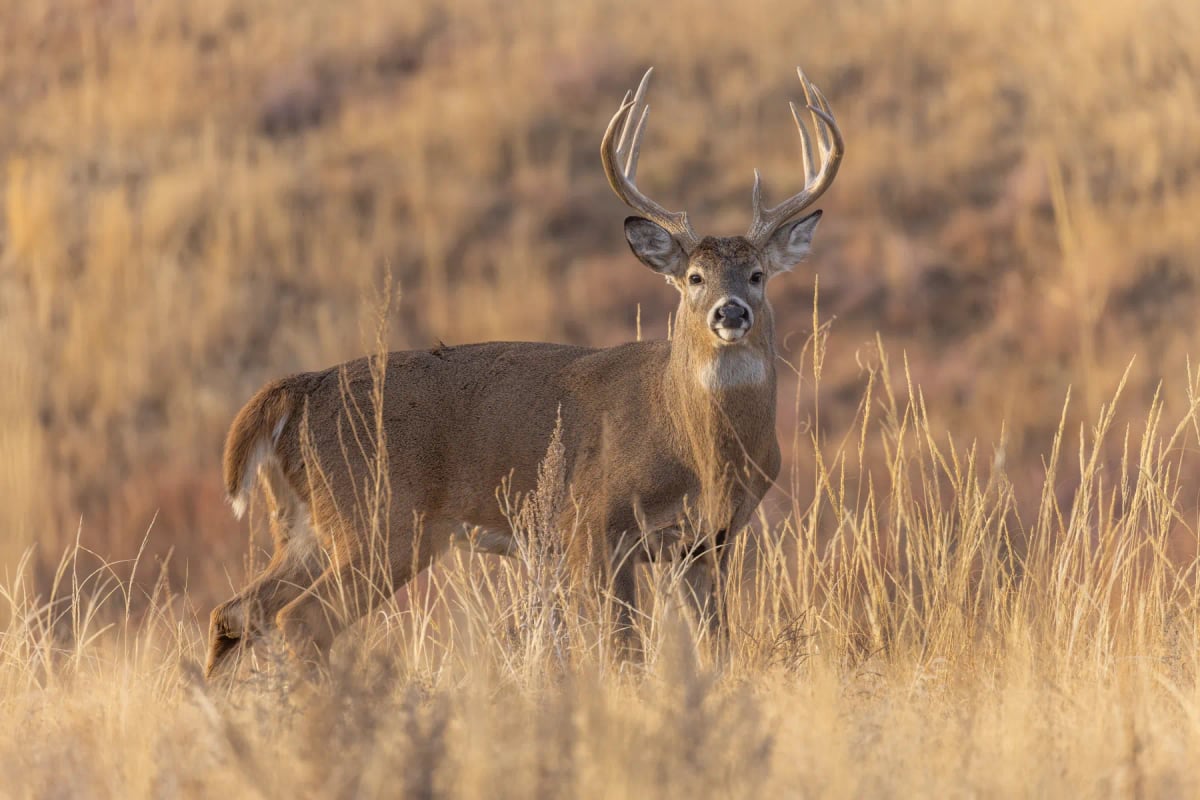
White tailed Deer
Odocoileus virginianus
In Canada, the white tailed deer is most abundant in the southern regions of Ontario, Quebec, Manitoba, and British Columbia, where milder conditions support larger populations. Harsh winters in the north limit how far the species spreads. Deer gather in sheltered woodlands called deer yards during heavy snowfall to conserve energy. Populations have grown considerably over the past century as forests were cleared for farming and suburbs.
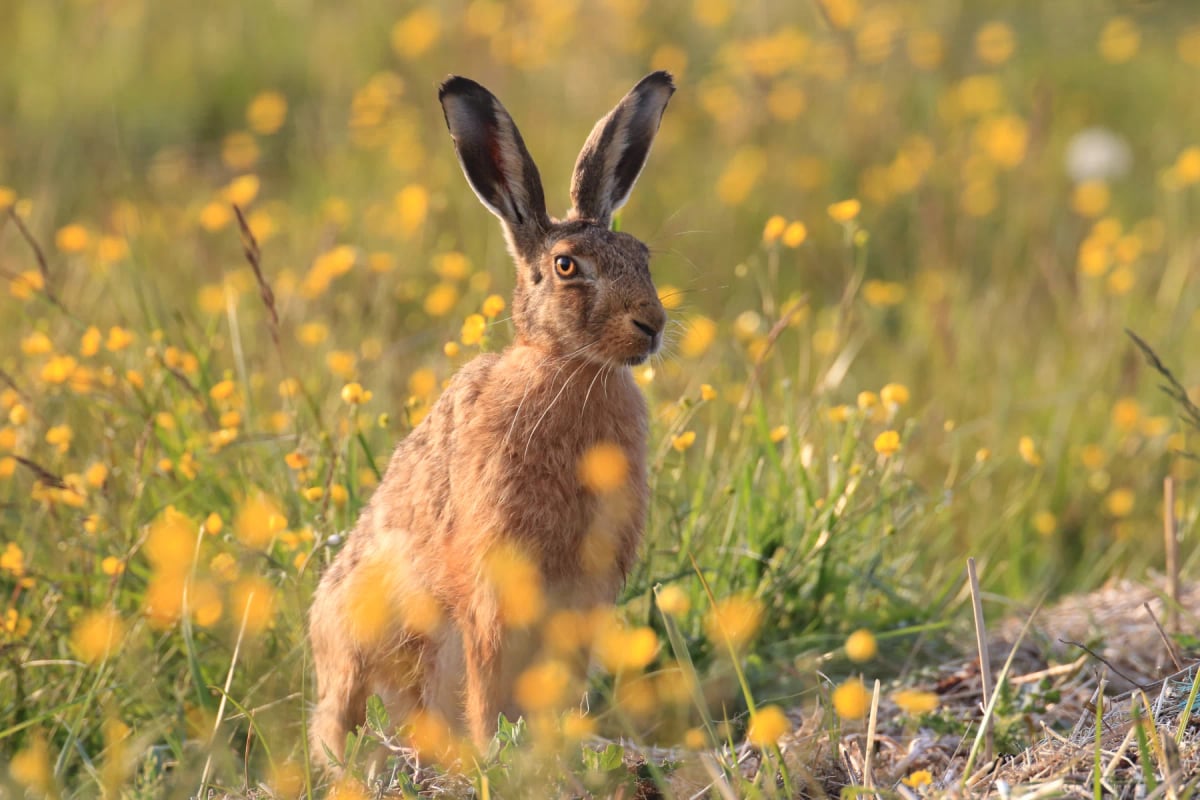
Hare
Lepus europaeus
Introduced to Ontario in the late 19th century, the European hare has since spread into parts of eastern Canada. It favours open agricultural land and meadows, where it is most active at dusk and dawn. In Canada, it shares habitat with native hare species such as the snowshoe hare. It is legally hunted in several provinces and is considered established, though its range remains more limited than in its native Europe.
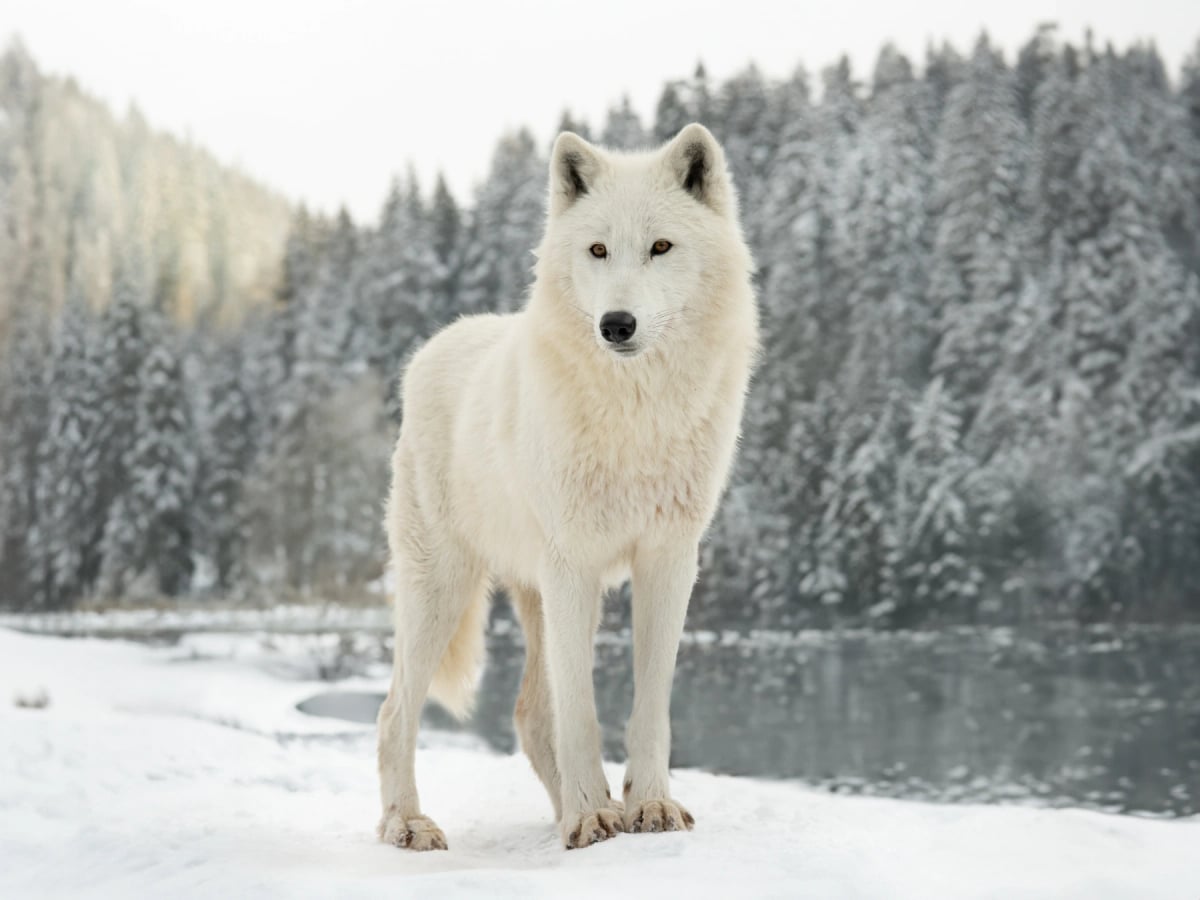
Arctic Wolf
Canis lupus arctos
The Arctic wolf is a subspecies of the gray wolf that lives on the High Arctic islands of Canada, including Ellesmere Island and parts of the Queen Elizabeth Islands. It is one of the few large predators that can survive year round in the extreme conditions of the High Arctic, where it hunts muskoxen and Arctic hares. Unlike wolves in more southern areas it has had little contact with people and tends to show less fear of humans, making encounters in the far north an unusual experience.
Gray Wolf
Canis lupus
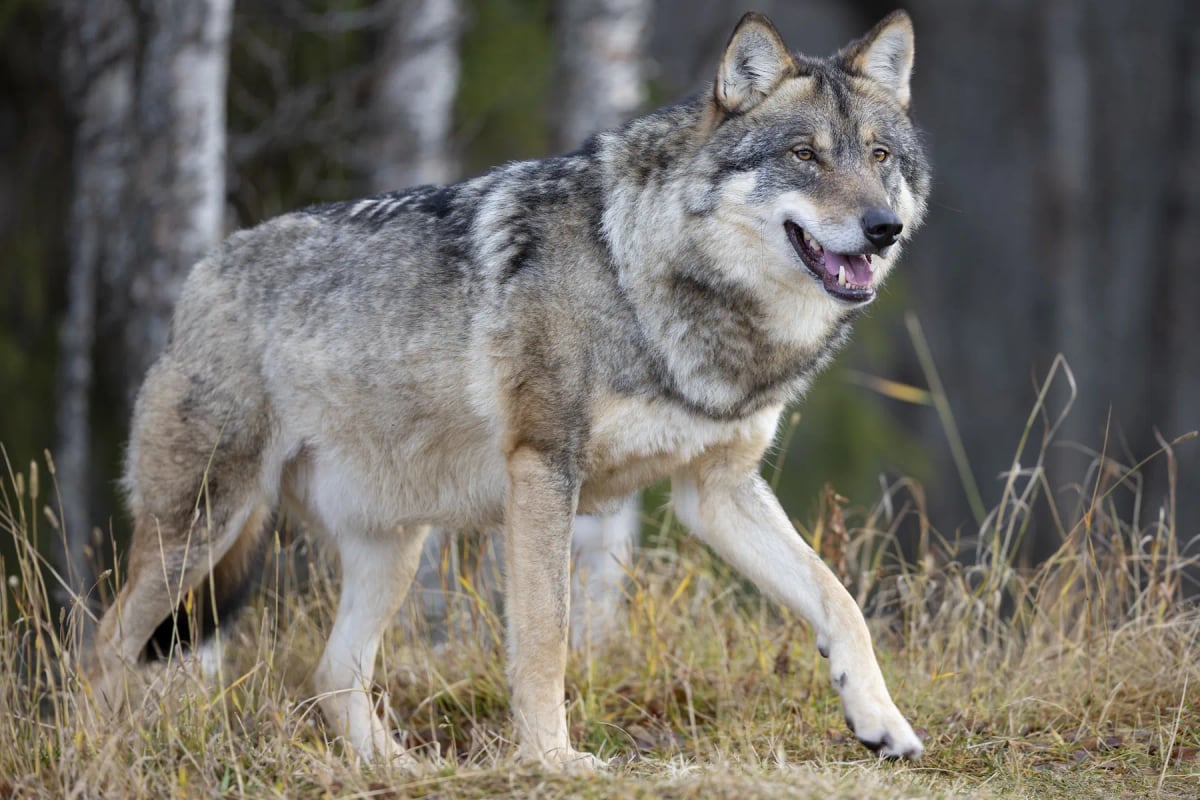
Canada is home to one of the largest gray wolf populations in the world, with wolves from the boreal forests of Ontario and Quebec to the mountains of British Columbia and the mainland tundra, while the High Arctic islands belong to the white Arctic wolf. Several subspecies occur across the country. Wolves play a vital role in regulating prey populations such as caribou, moose and deer, and remain central to many Indigenous cultural traditions.
Red Fox
Vulpes vulpes
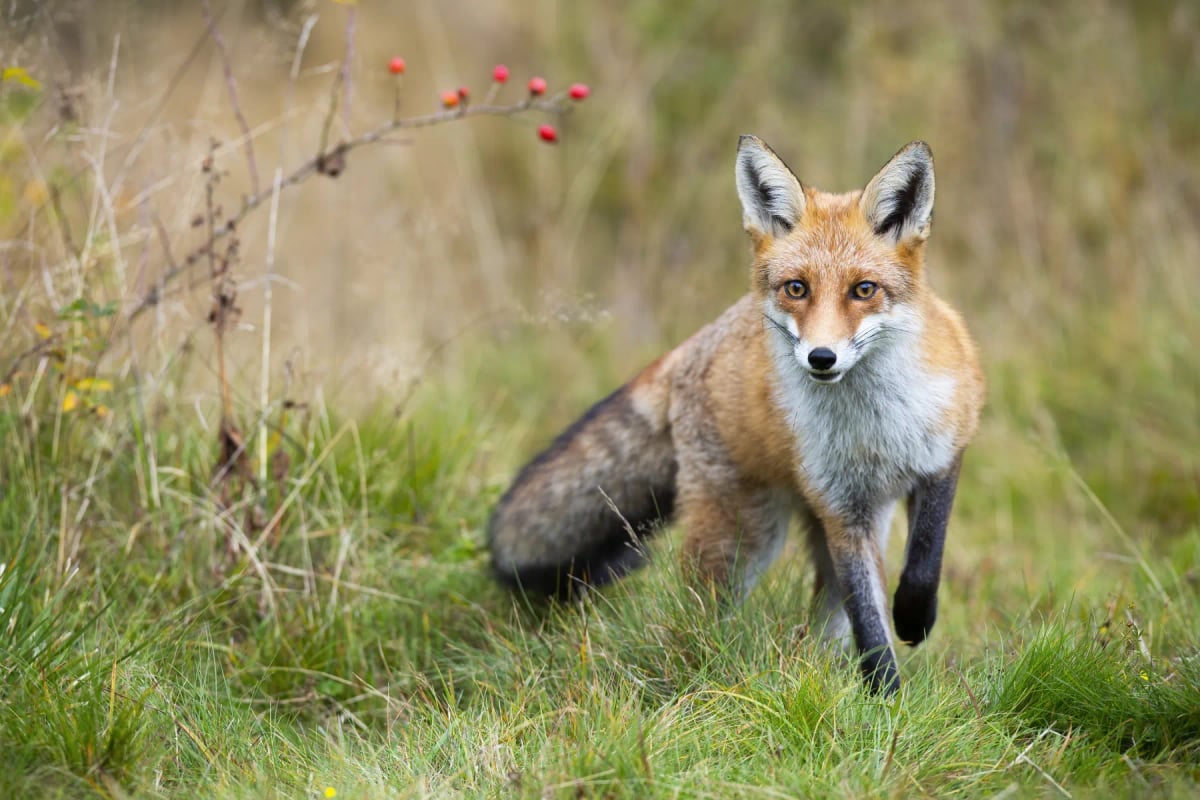
The red fox is found across nearly all of Canada, from the boreal forests of Ontario and Quebec to the open tundra of the Northwest Territories. It thrives in agricultural areas and has expanded into suburban neighbourhoods in cities like Toronto and Vancouver. A skilled and opportunistic hunter, it preys mainly on small mammals. It holds Least Concern status and is one of Canada's most widely recognized wild animals.
Reindeer
Rangifer tarandus
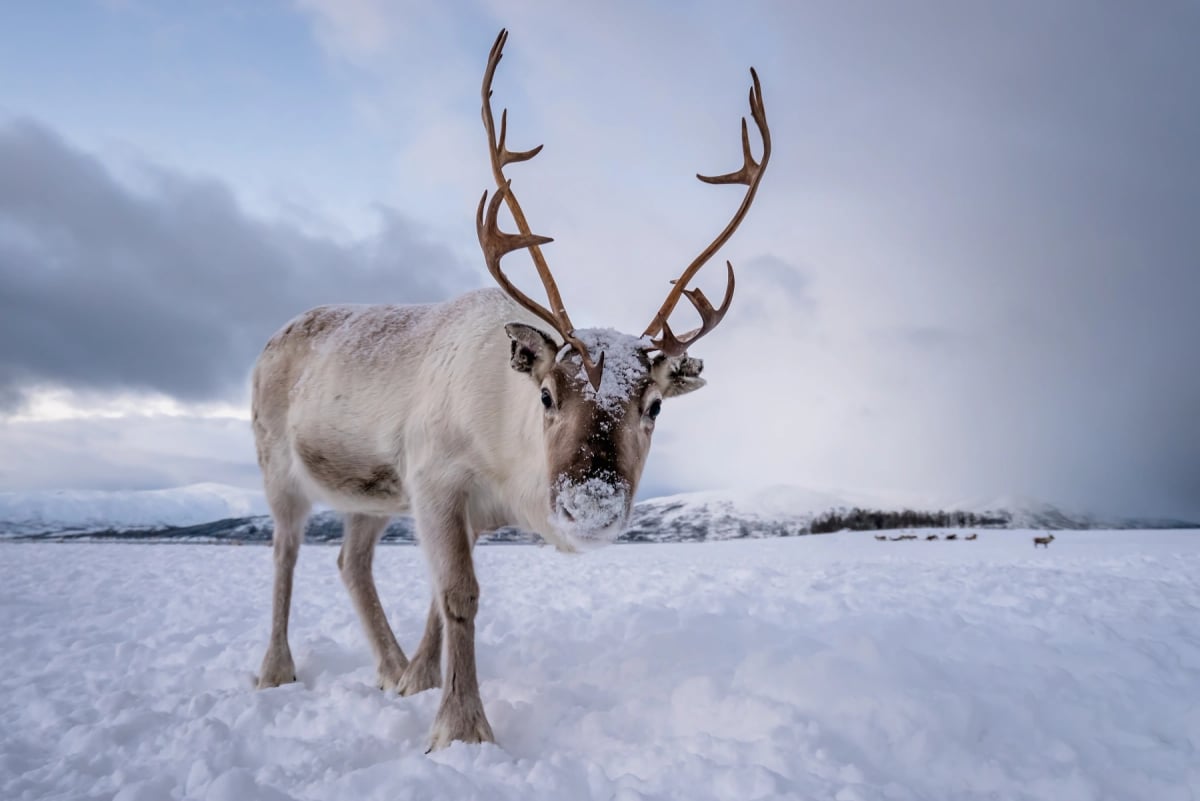
In Canada, the reindeer is known as caribou and ranks among the country's most iconic animals. Vast herds roam the boreal forests and Arctic tundra, undertaking some of the longest overland migrations of any mammal on Earth. They are central to the cultures of Inuit and First Nations peoples. Many Canadian herds have declined sharply in recent decades due to climate change, predation pressure, and industrial development. IUCN status: Vulnerable.
Wolverine
Gulo gulo
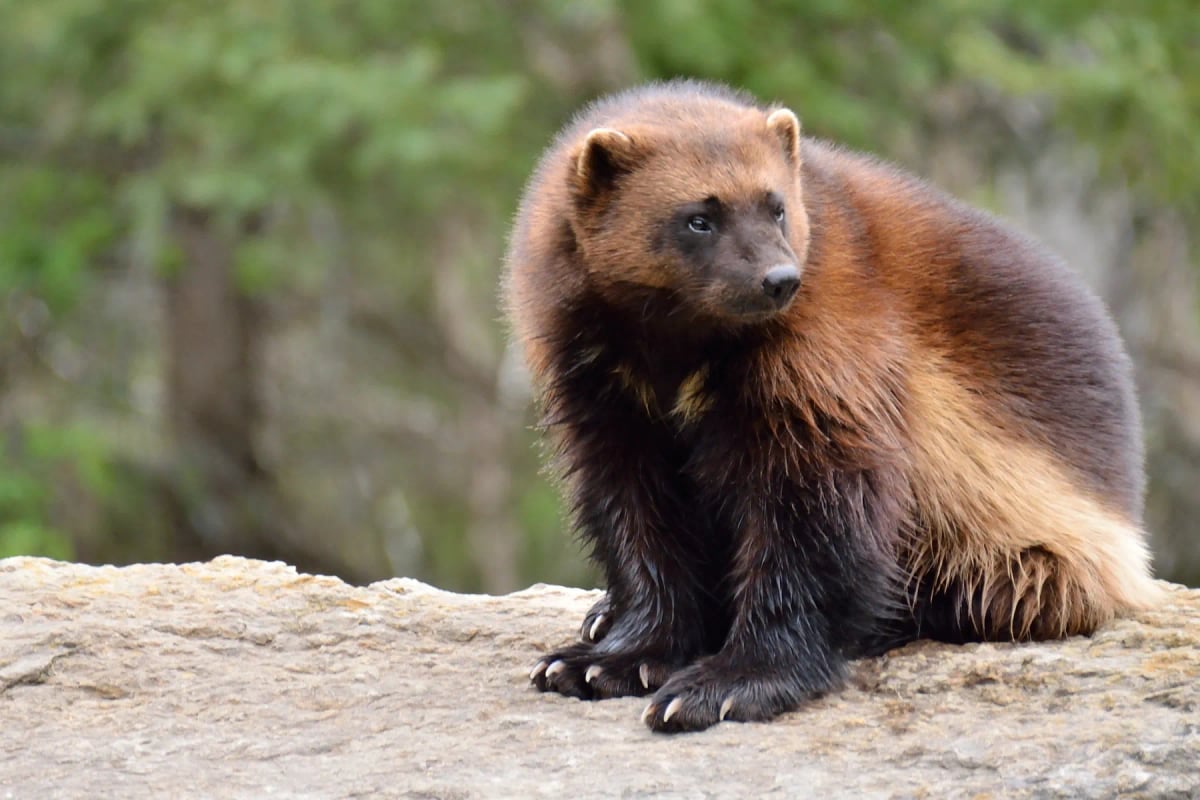
Canada is home to one of the world's largest wolverine populations, spread across the boreal forests and tundra of the north, from British Columbia to Labrador. Wolverines here depend on deep, persistent snowpack to cache food and raise their young. Though listed as a species of special concern in Canada, they remain wide-ranging and elusive, rarely spotted despite patrolling territories of several hundred square kilometers.
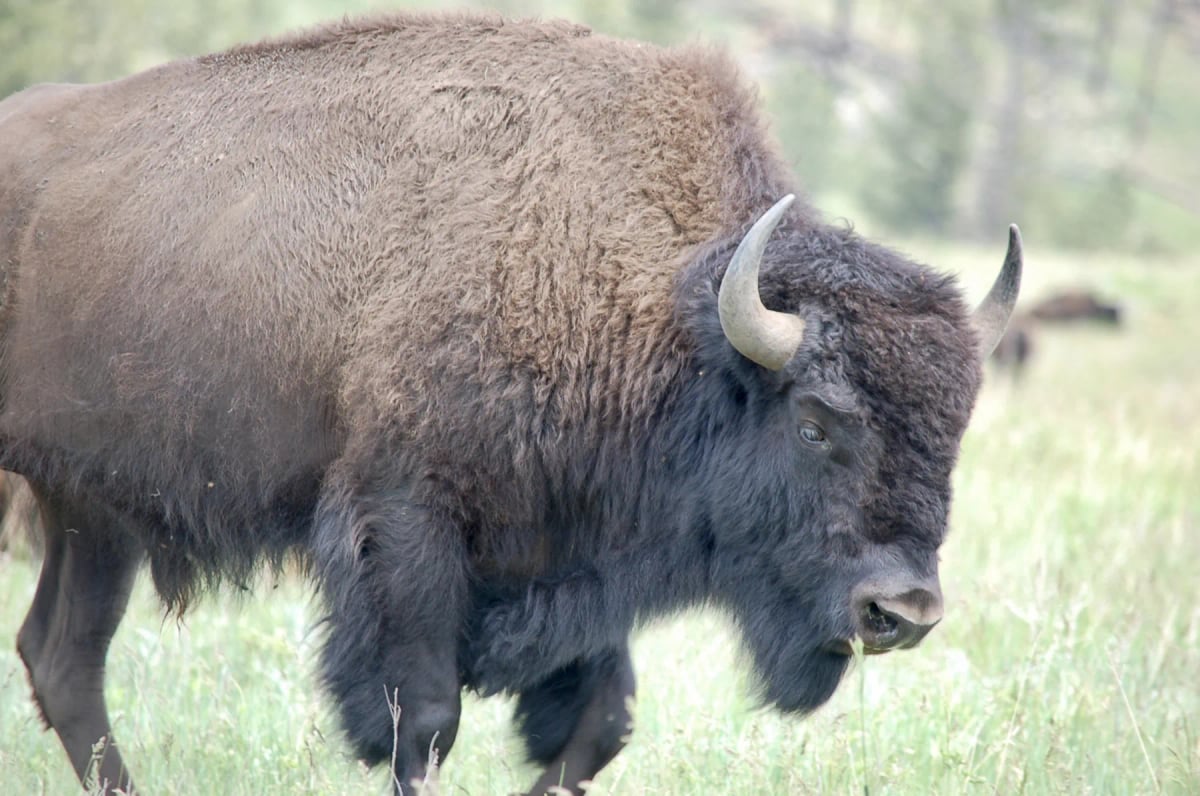
American Bison
Bison bison
The American bison once roamed the Canadian prairies in enormous numbers but was hunted to near extinction by the late nineteenth century. Conservation efforts saved the species, and today free roaming herds live in protected areas such as Wood Buffalo National Park in Alberta and the Northwest Territories, which holds the largest population of wild bison in the world. Plains bison have also been reintroduced to several prairie reserves in Saskatchewan and Manitoba as part of ongoing restoration programs.
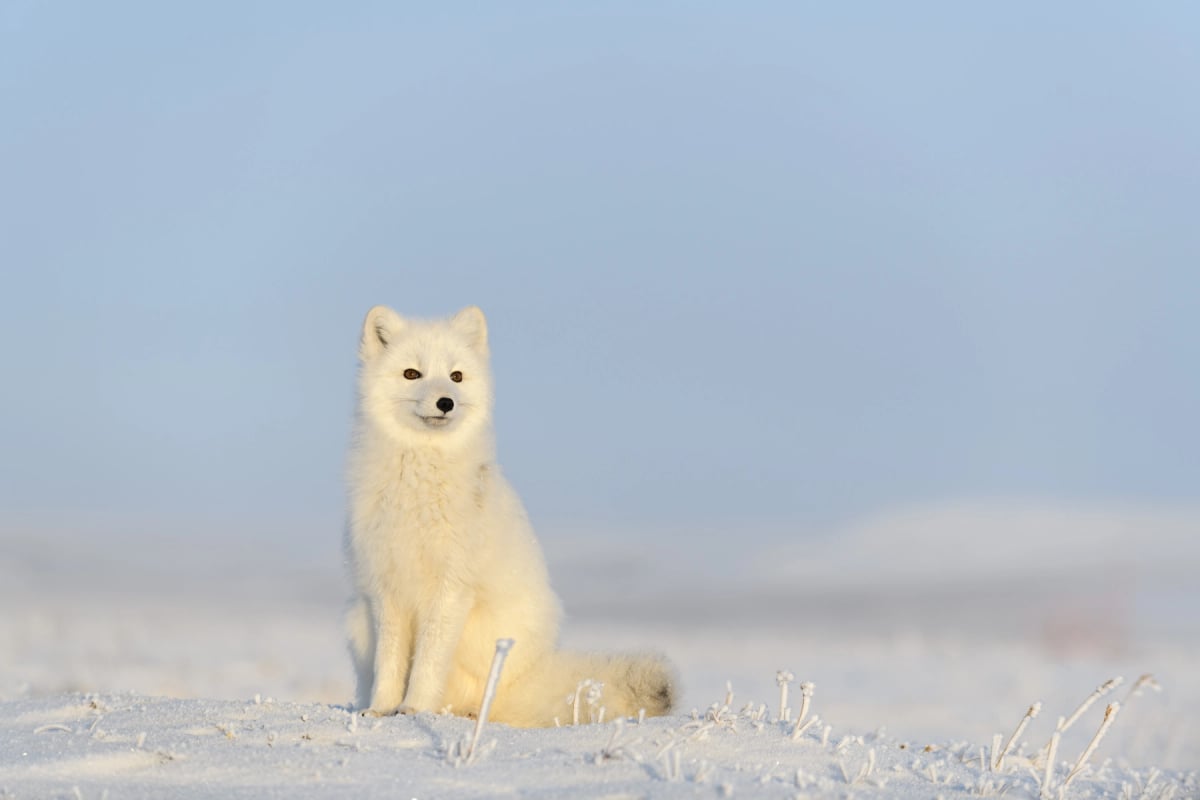
Arctic Fox
Vulpes lagopus
The arctic fox is found across the tundra of northern Canada, from the Yukon and Northwest Territories through Nunavut and into northern Quebec and Labrador. It changes coat color with the seasons, turning white in winter and brown or grey in summer. In Canada it competes with the expanding red fox in areas where the two species overlap. On some coastal areas it relies on seabird colonies during summer for food. The sea ice reduction in recent decades has affected its ability to follow polar bears and scavenge from their kills.
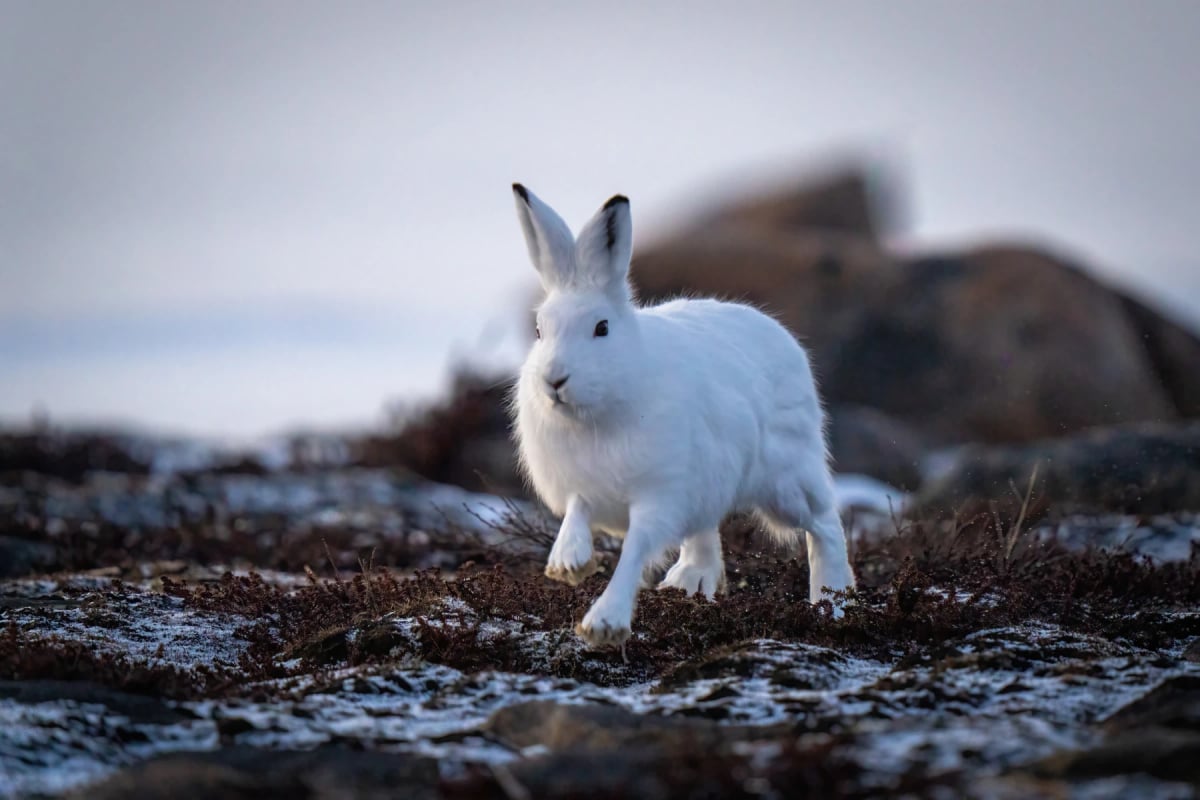
Arctic Hare
Lepus arcticus
The arctic hare lives across the tundra and rocky areas of northern Canada, including the high Arctic islands of Nunavut, where it survives some of the most extreme cold on the continent. Unlike the snowshoe hare, it remains white for most or all of the year in the highest Arctic latitudes. Arctic hares sometimes gather in large groups of dozens or even hundreds of individuals, a behavior that is unusual among hares. They are an important prey species for arctic wolves, snowy owls and other predators of the high Arctic.
Beaver
Castor canadensis
Canada is the heartland of the North American beaver, whose image even appears on the country's nickel. Beavers are found across boreal forests, wetlands, and river systems from coast to coast, where they engineer ponds that support extraordinary biodiversity. Their dams help regulate water flow and recharge groundwater across vast watersheds. Populations are stable and the species holds Least Concern status on the IUCN Red List.
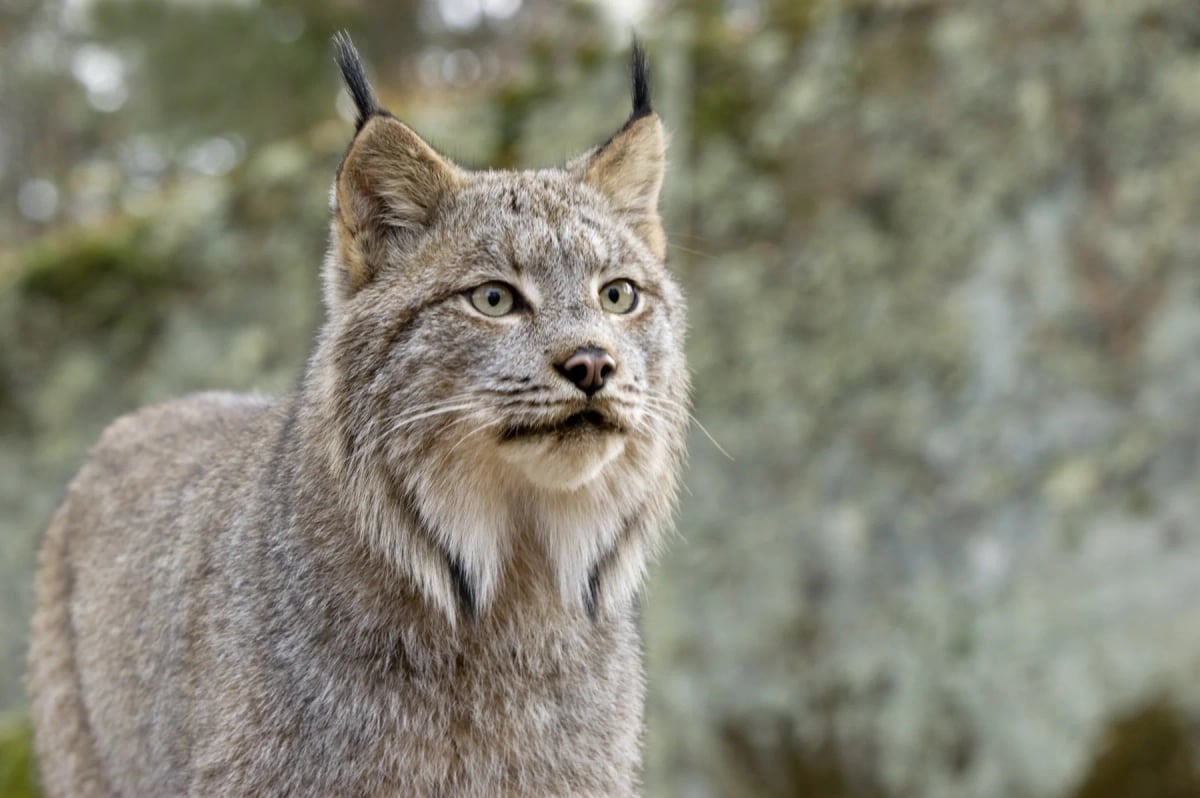
Canada Lynx
Lynx canadensis
Canada is the heart of the Canada lynx's range, where the species thrives across the vast boreal forests stretching from the Yukon to Newfoundland. Here, its relationship with the snowshoe hare is most visible, with both populations cycling in near lockstep roughly every ten years. Broad paws built for deep snow and a thick coat suited to severe cold make this solitary cat one of the boreal forest's most iconic predators. IUCN status: Least Concern.
Cougar
Puma concolor
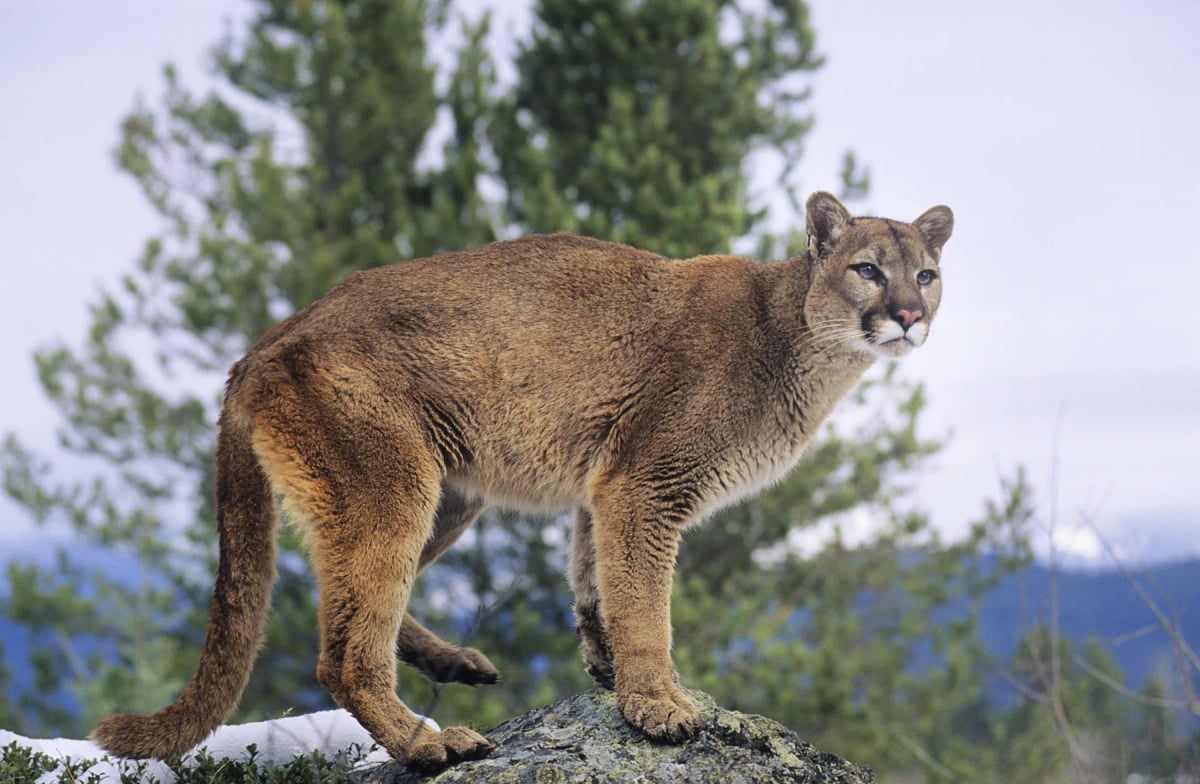
In Canada, the mountain lion is found primarily in British Columbia, with smaller populations in Alberta and occasional sightings further east. It favors the rugged terrain of the Rocky Mountains and the dense forests of the Pacific coast. Deer are its main prey. British Columbia holds the largest population in the country, and Vancouver Island alone has the highest cougar density anywhere in North America.
Coyote
Canis latrans
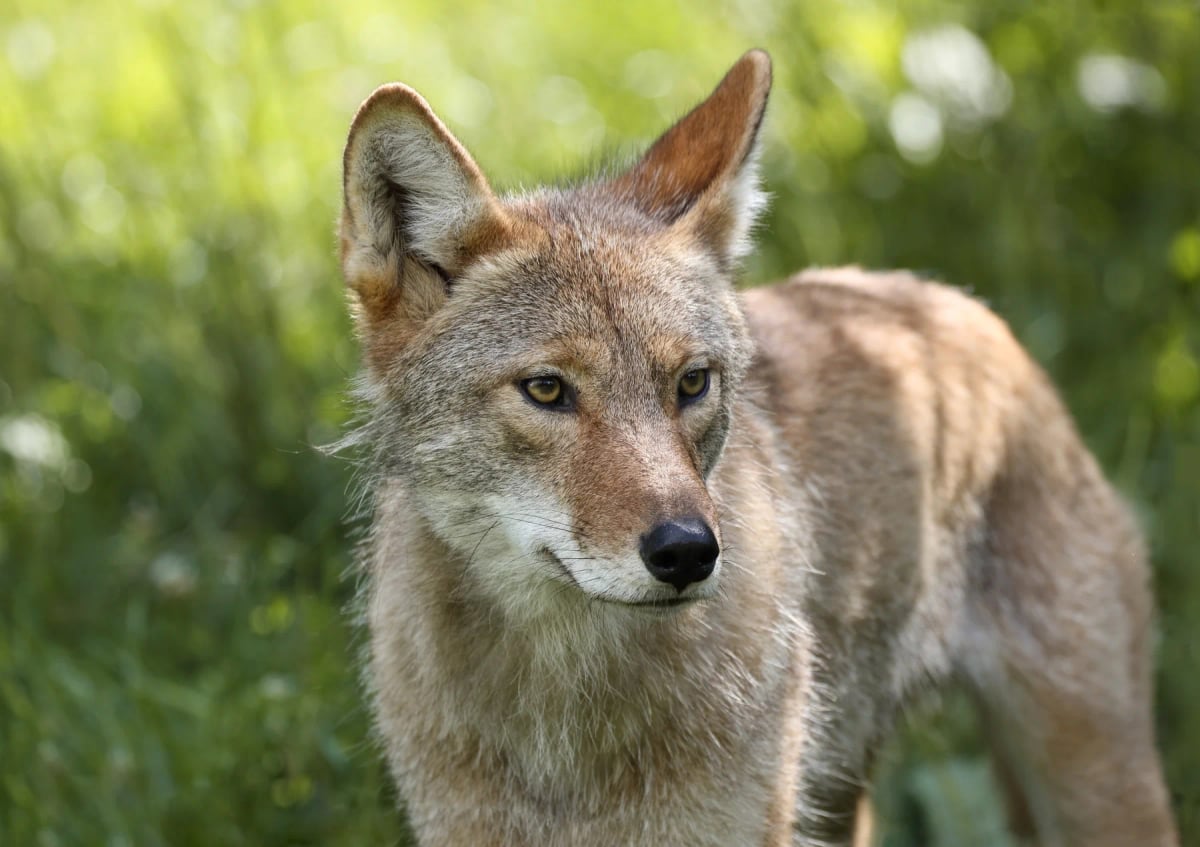
The coyote is found across nearly all of Canada, from the prairies of Saskatchewan and Alberta to the forests of Ontario and even the edges of major cities like Toronto and Vancouver. Once limited to western regions, it has steadily expanded eastward over the past century. It adapts well to cold winters and feeds on snowshoe hares, rodents, berries, and carrion. Its IUCN status is Least Concern.
Grizzly Bear
Ursus arctos horribilis
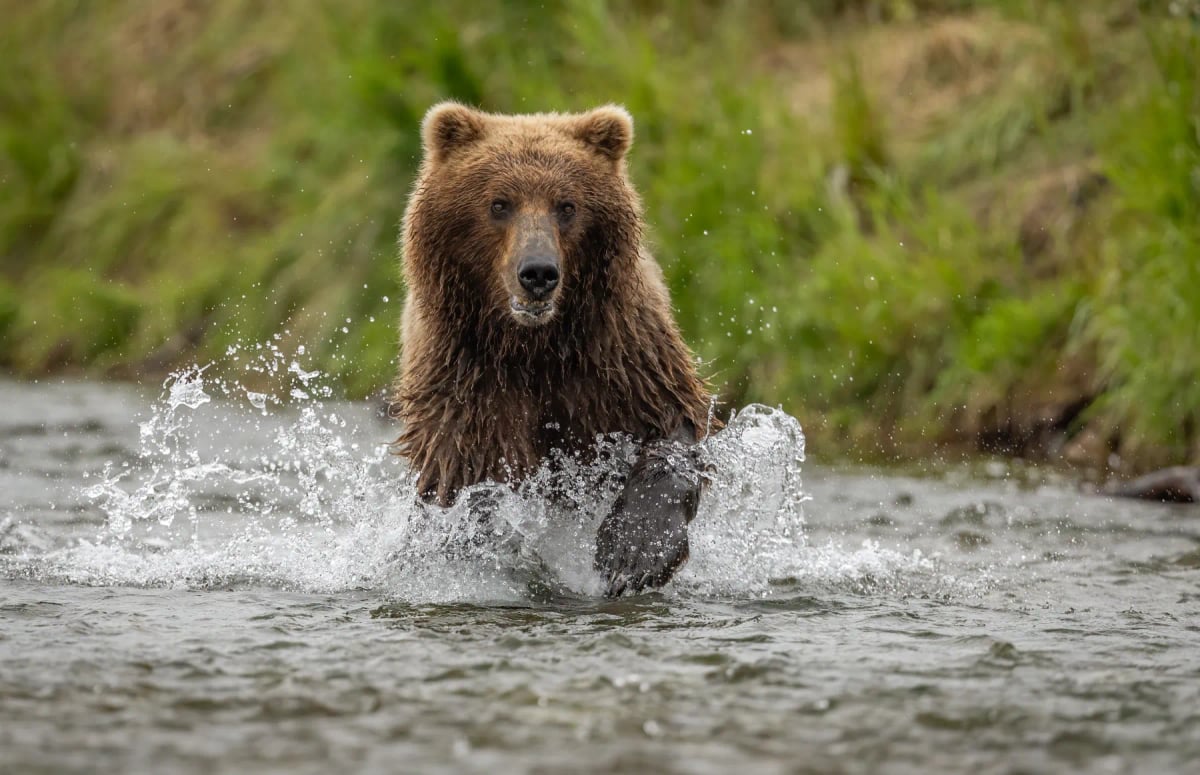
The grizzly bear is one of Canada's most iconic large mammals, ranging across British Columbia, Alberta, and the Yukon. It thrives in mountain forests, river valleys, and open tundra. Grizzlies are true omnivores, feeding on berries, roots, and salmon depending on the season. British Columbia holds the largest population in the country. Habitat connectivity and reducing conflicts with people are central to conservation efforts here.
Moose
Alces alces
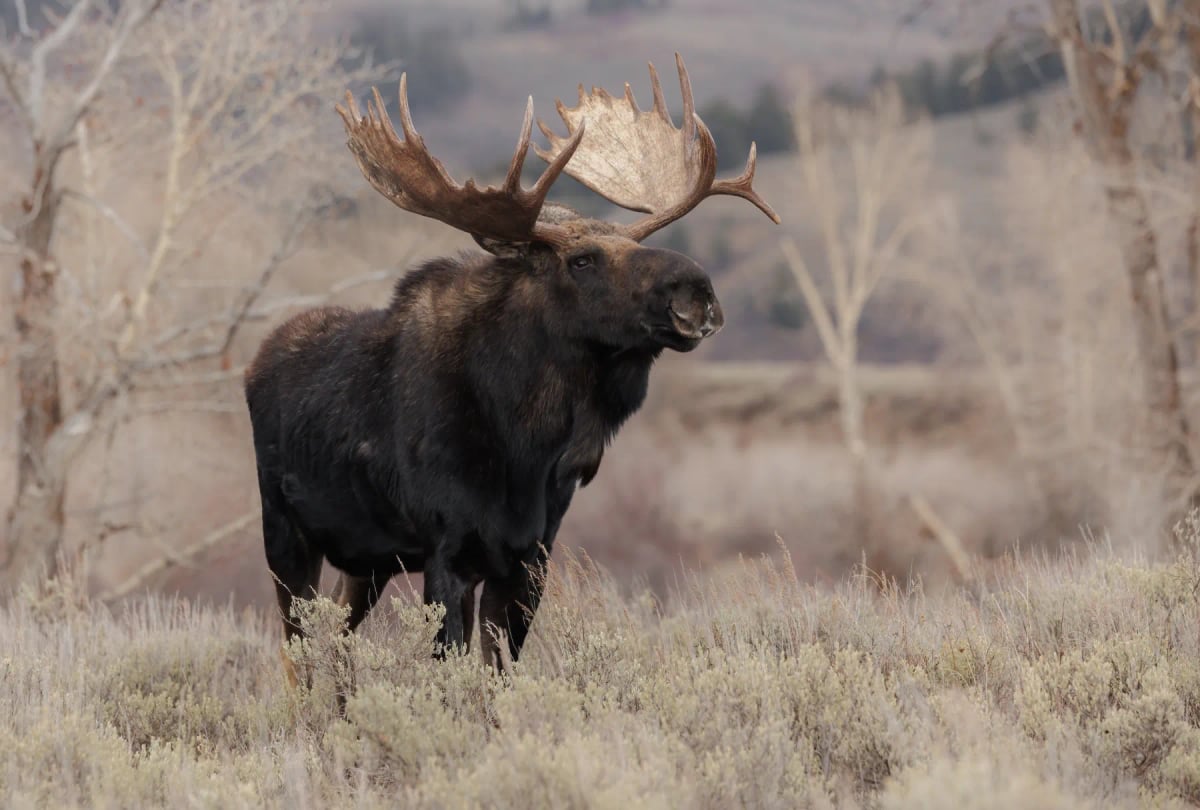
Canada holds one of the largest moose populations on Earth, with animals found from the boreal forests of British Columbia east through Ontario and into the Maritime provinces. They thrive around lakes, rivers and boggy terrain, feeding on aquatic vegetation in summer and browsing on willows and birch in winter. Populations vary by province, with some areas managing numbers through regulated hunting seasons each year.
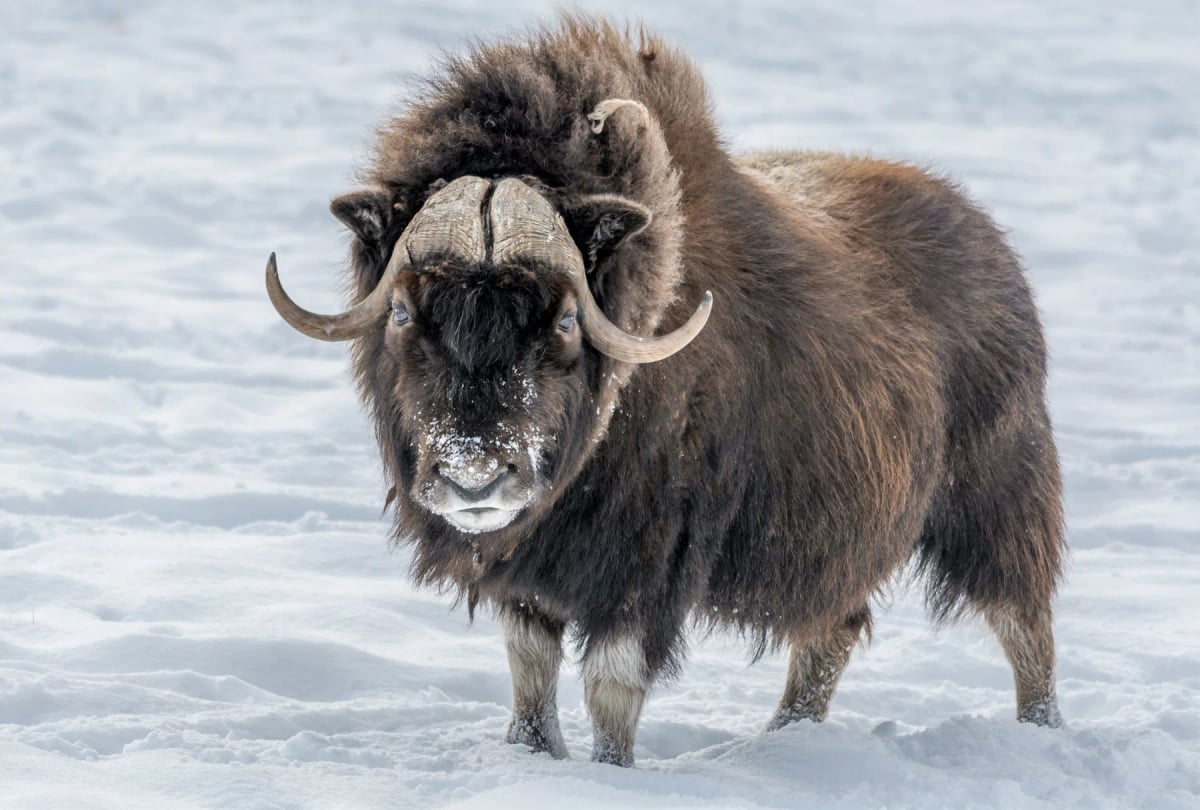
Musk Ox
Ovibos moschatus
Canada is home to some of the world's largest musk ox populations, with herds spread across the Arctic tundra of Nunavut, the Northwest Territories, and northern Quebec. These stocky grazers thrive on grasses, willows, and sedges through the brutal polar winters. Their dense double coat, including the prized inner wool known as qiviut, keeps them warm in temperatures that would be fatal to most large mammals. IUCN Status: Least Concern.
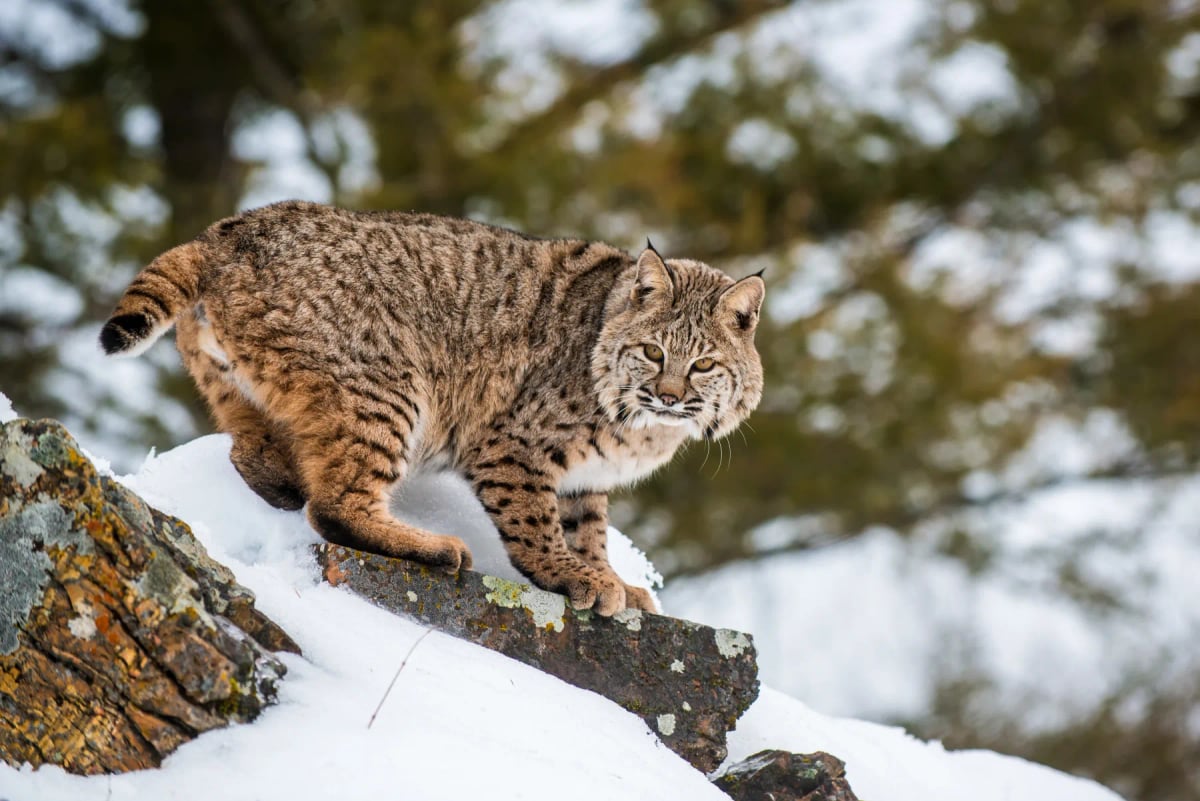
Bobcat
Lynx rufus
In Canada, the bobcat reaches the northern edge of its range, found mainly in southern British Columbia, Alberta, and Ontario. It favors forested areas and shrublands close to the U.S. border, where prey such as snowshoe hares and rodents are plentiful. Canadian populations are smaller and more sparsely distributed than those farther south. The species is considered of least concern, though harsh winters can limit its spread northward.
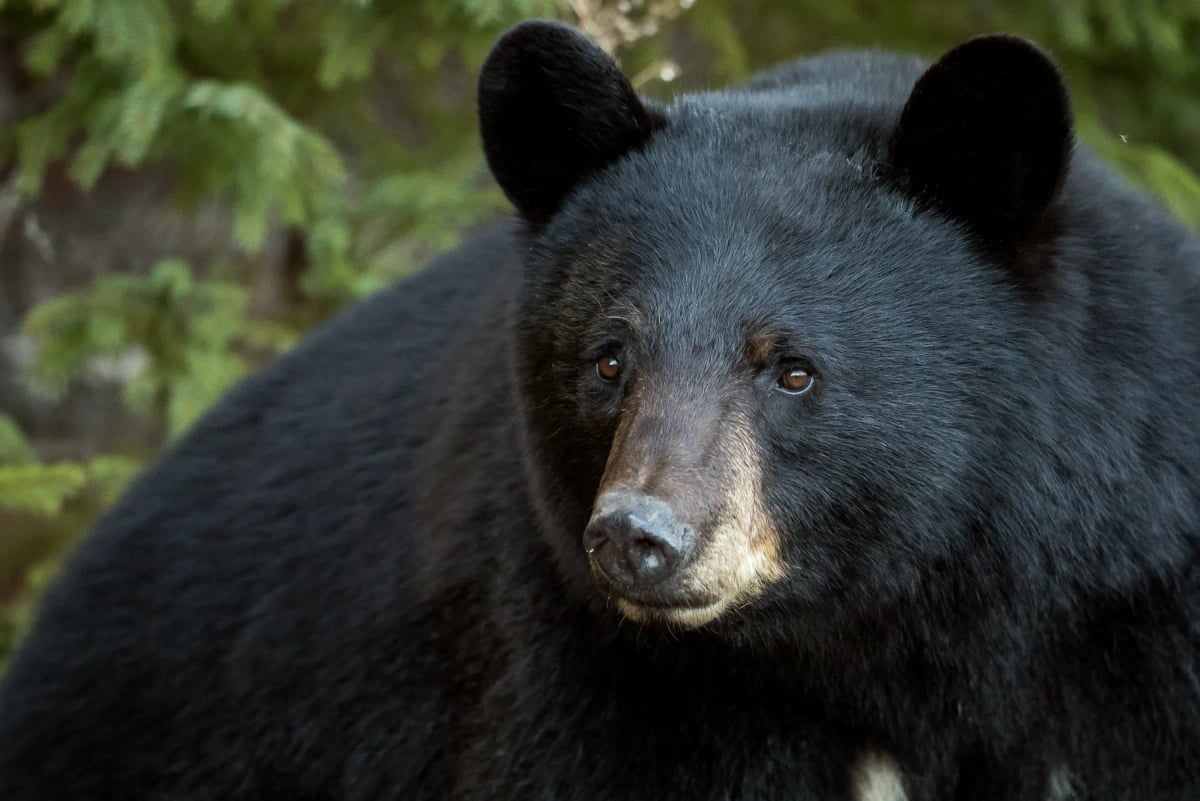
American Black Bear
Ursus americanus
The American black bear is the most widely distributed bear in Canada and is found in forests across every province and territory except Prince Edward Island. It is highly adaptable and lives in boreal forests, temperate rainforests and mountain areas. In national parks like Banff, Jasper and Pacific Rim, black bears are commonly seen by visitors along roadsides and trails. They are expert foragers that adjust their diet through the seasons, feeding on berries, insects, fish and carrion depending on what is available.
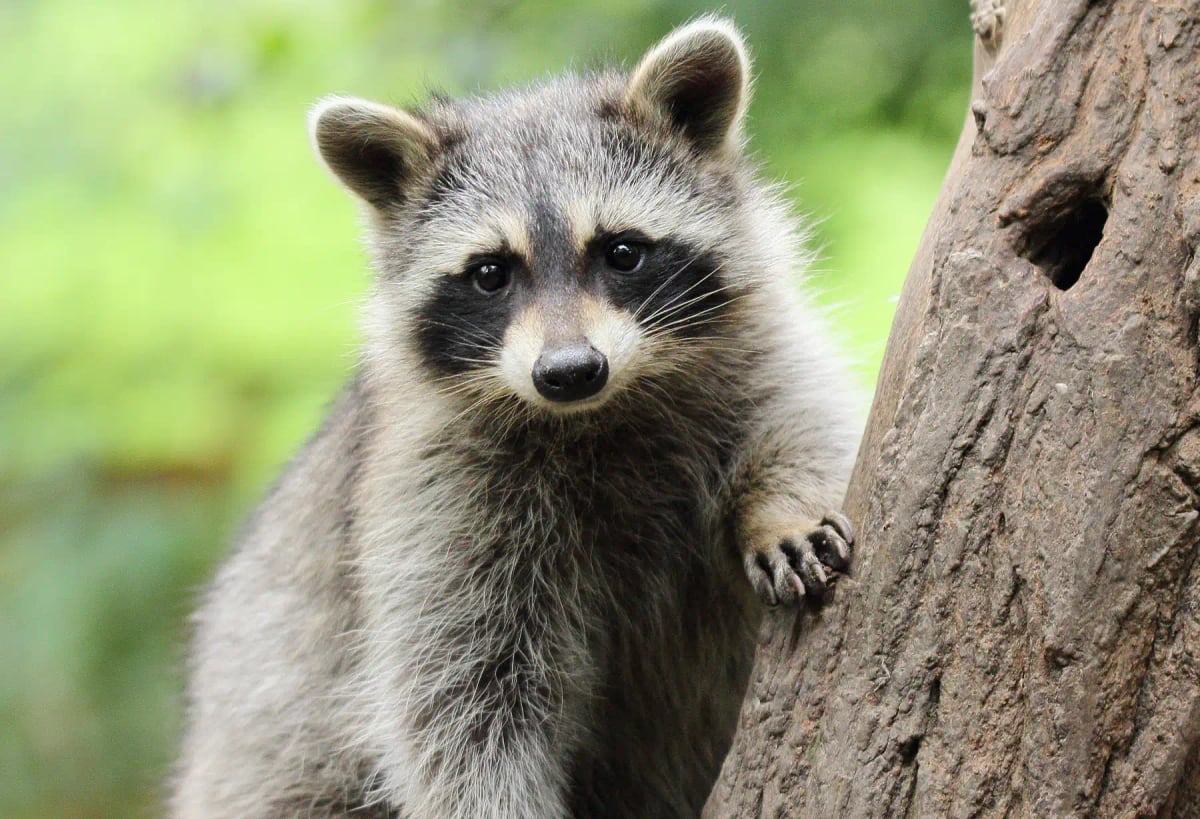
Raccoon
Procyon lotor
In Canada, raccoons are widespread across the southern provinces, from British Columbia to Nova Scotia, living in forests, farmland, and cities. Toronto and other urban centres host large populations that have mastered life alongside people. During harsh winters, raccoons retreat to dens for weeks at a time without true hibernation. The species is common and listed as Least Concern, though urban management of the population is an ongoing topic.
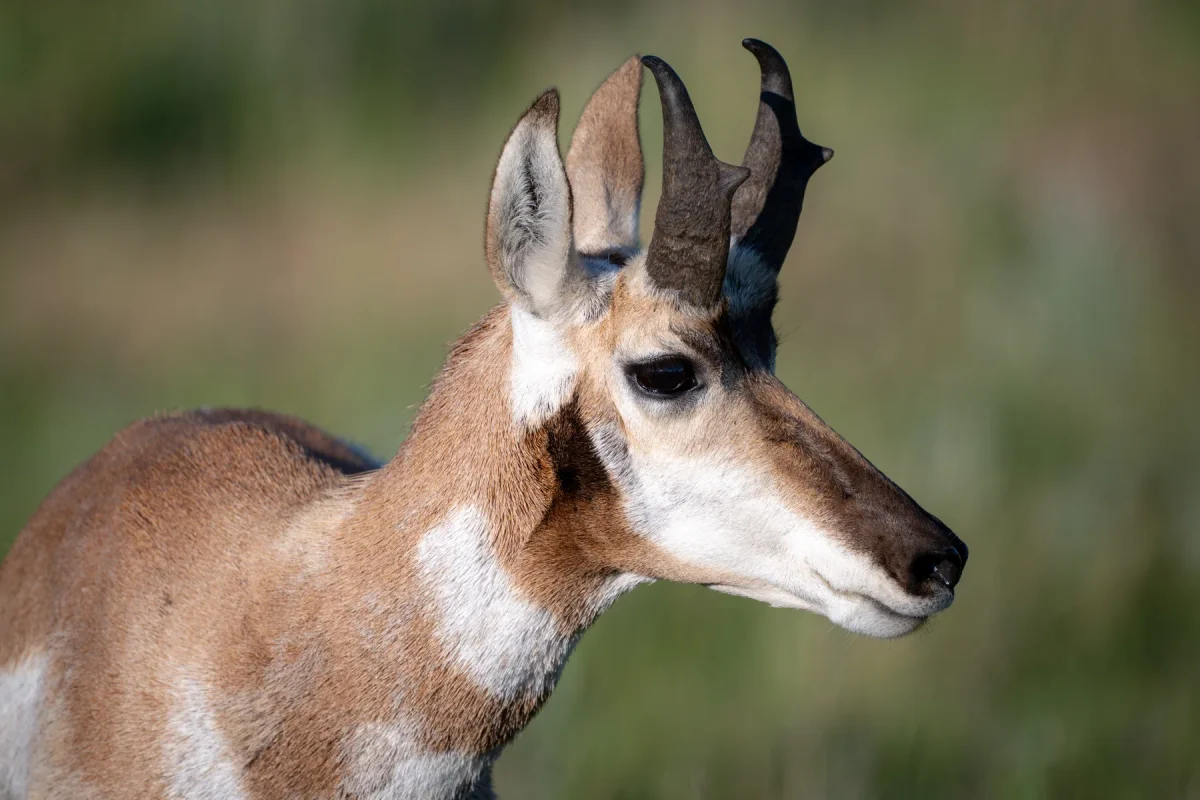
Pronghorn
Antilocapra americana
The pronghorn is North America's fastest land animal, reaching 88 km/h and sustaining that speed over long distances. In Canada, small populations survive on the shortgrass prairies of southern Alberta and Saskatchewan. These open plains suit the pronghorn's keen eyesight and need for space. Canadian herds are carefully monitored, as habitat loss and fencing that blocks ancient migration routes remain the biggest threats to their survival.
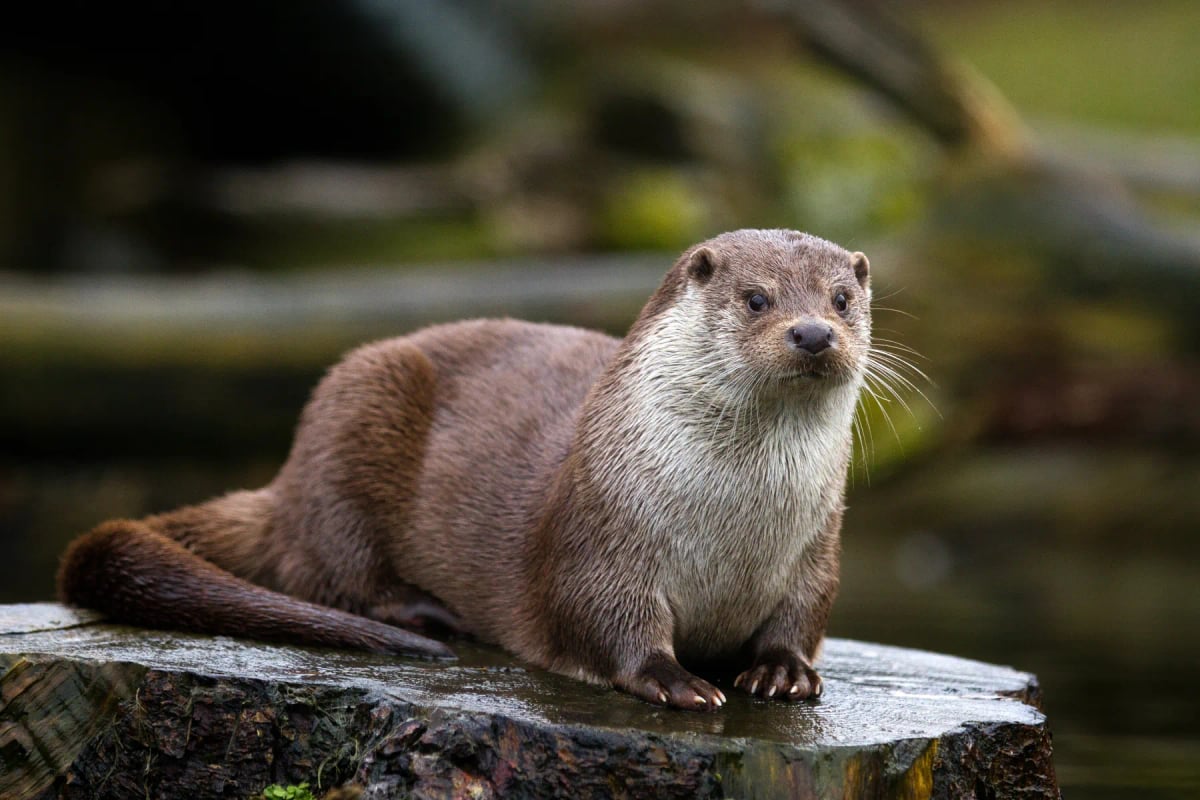
River Otter
Lontra canadensis
Canada is home to one of the largest river otter populations in the world. These mammals thrive in the country's vast network of lakes, rivers and coastal wetlands, from British Columbia to the Atlantic provinces. Highly social and playful, they are a sign of clean, healthy waterways. Canada's relatively low human pressure on many wilderness areas has helped river otters remain common and widespread across the country.
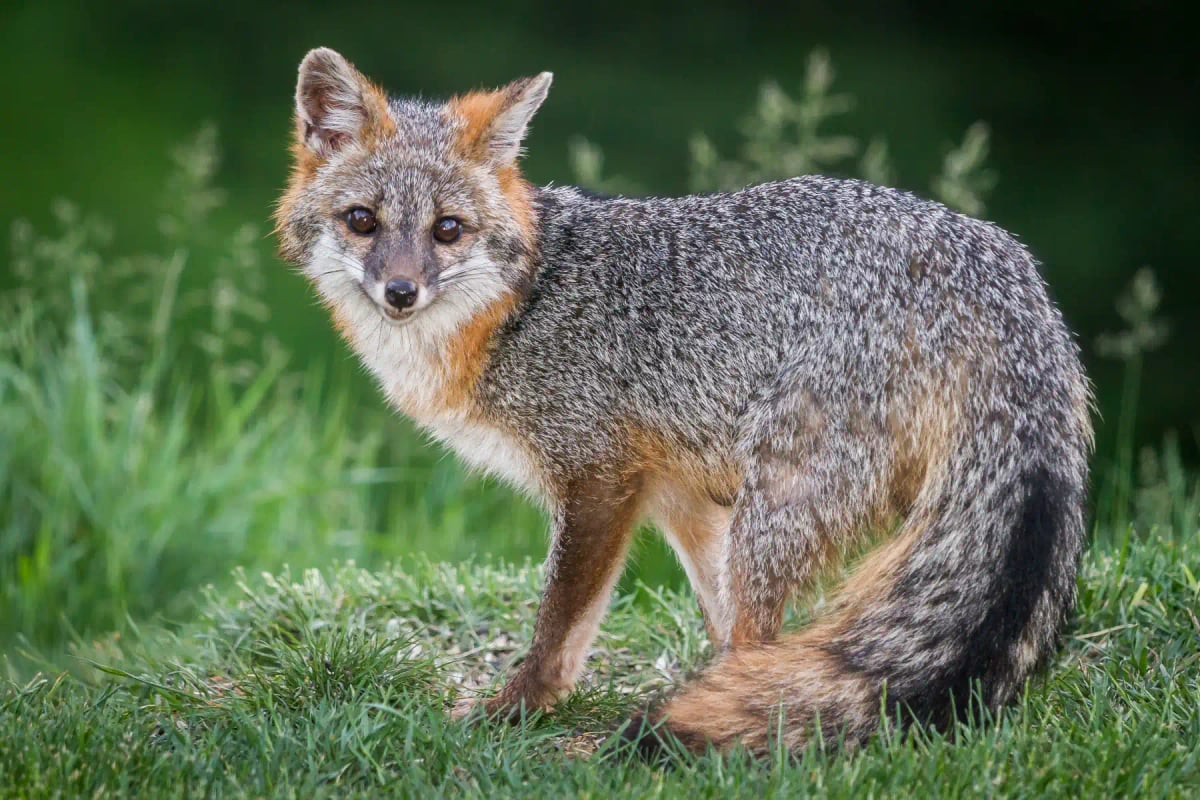
Gray Fox
Urocyon cinereoargenteus
The gray fox reaches the northern edge of its range in southern Canada, particularly in Ontario and British Columbia. It favors mixed forests and brushy areas near woodland edges. Far less common here than in the United States, it is considered rare across the country. Like elsewhere, it is the only member of the dog family in the Americas known to climb trees, a skill that helps it survive in dense forest habitat.
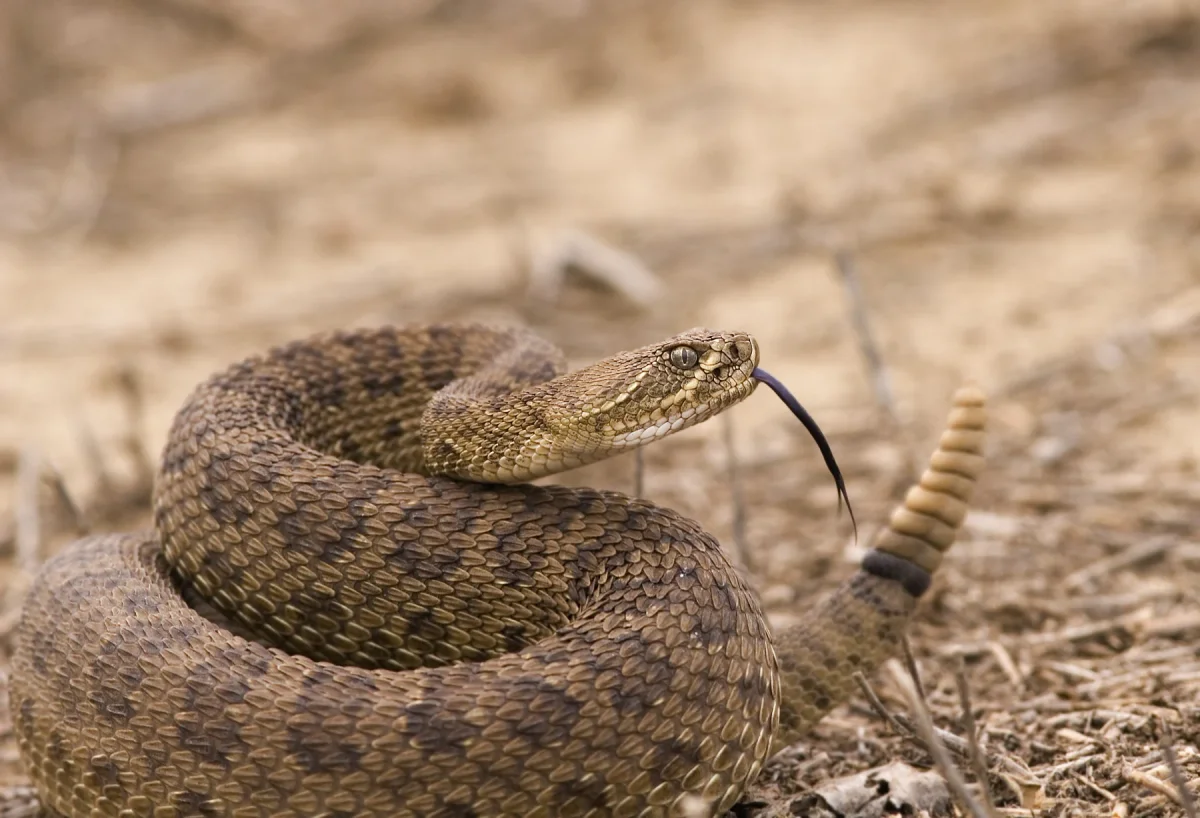
Rattlesnake
Crotalus spp. / Sistrurus spp.
Canada sits at the northern edge of rattlesnake range, where only the Western Rattlesnake (Crotalus oreganus) and the Massasauga (Sistrurus catenatus) hold on in small pockets of British Columbia and Ontario respectively. Both species face serious pressure from habitat loss and road mortality. Hibernation in communal dens is essential for surviving harsh winters, and these sites are now protected in several provinces. IUCN status: Least Concern.
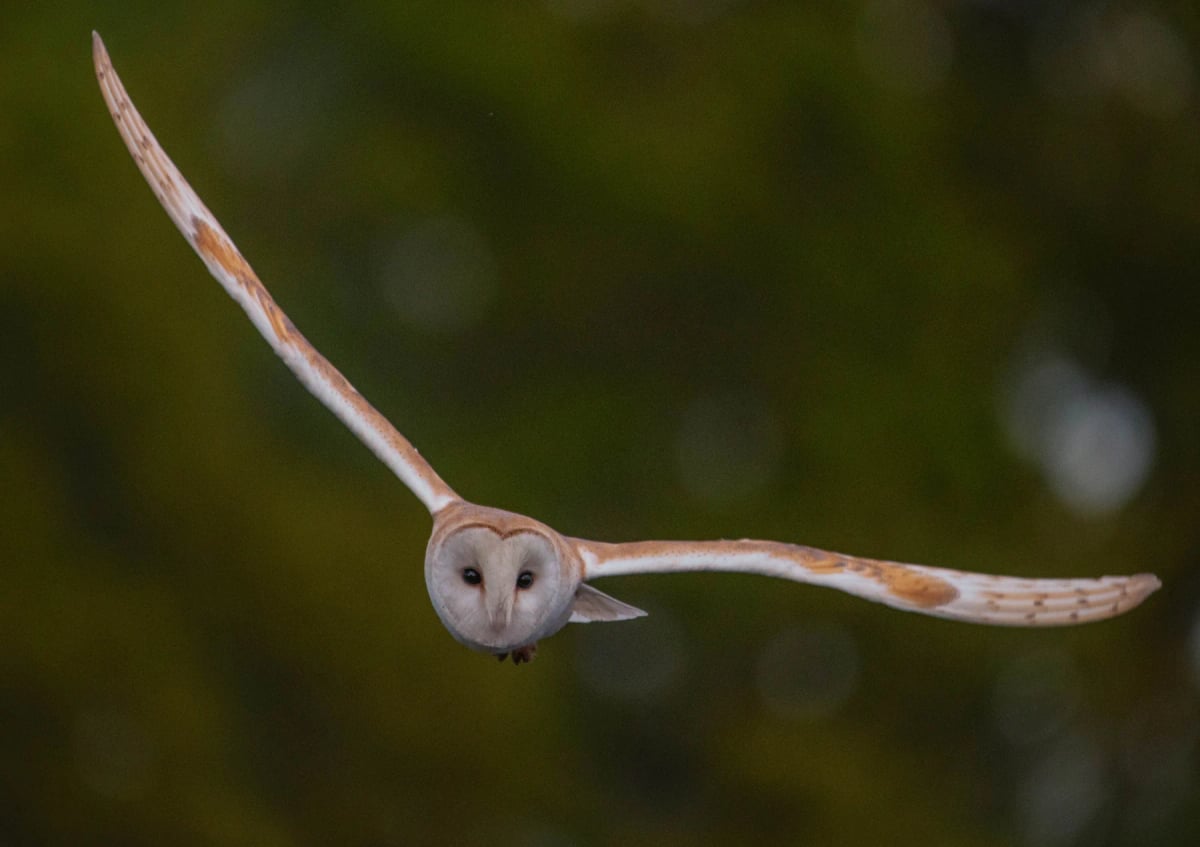
Barn Owl
Tyto alba
The barn owl reaches the northern edge of its range in southern British Columbia and parts of Ontario, where it lives in open farmland and hunts mice and voles at night. It is one of the rarest owls in Canada and is considered endangered in British Columbia, where habitat loss and changes in agricultural practices have reduced its numbers significantly. Nest box programs have been set up in several areas to support breeding pairs.
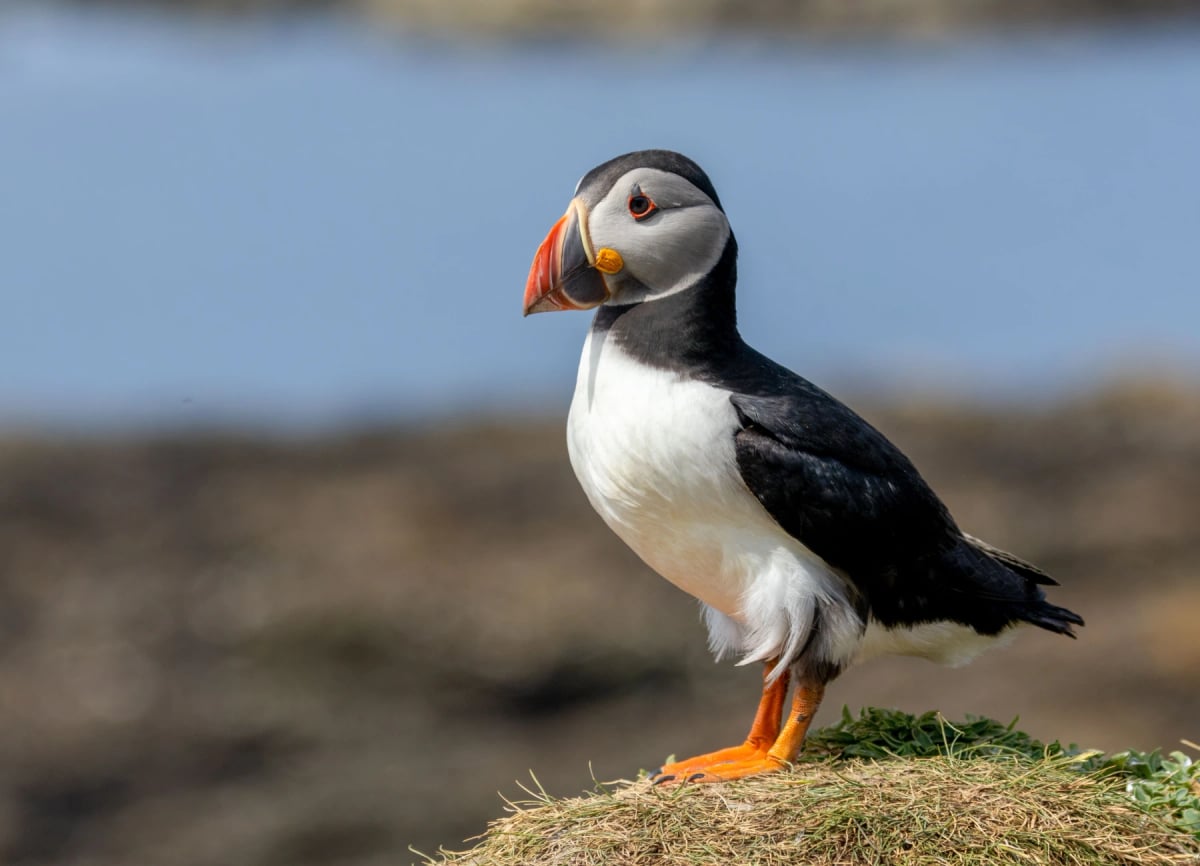
Puffin
Fratercula arctica
Atlantic puffins nest along the coasts of Newfoundland and Labrador, where the Witless Bay Ecological Reserve holds the largest colonies in North America, and the puffin is the province's official bird. Smaller colonies are found in Quebec and on Machias Seal Island in the Bay of Fundy. In winter the birds move far out into the North Atlantic, diving for capelin and sand eels. IUCN status: Vulnerable.
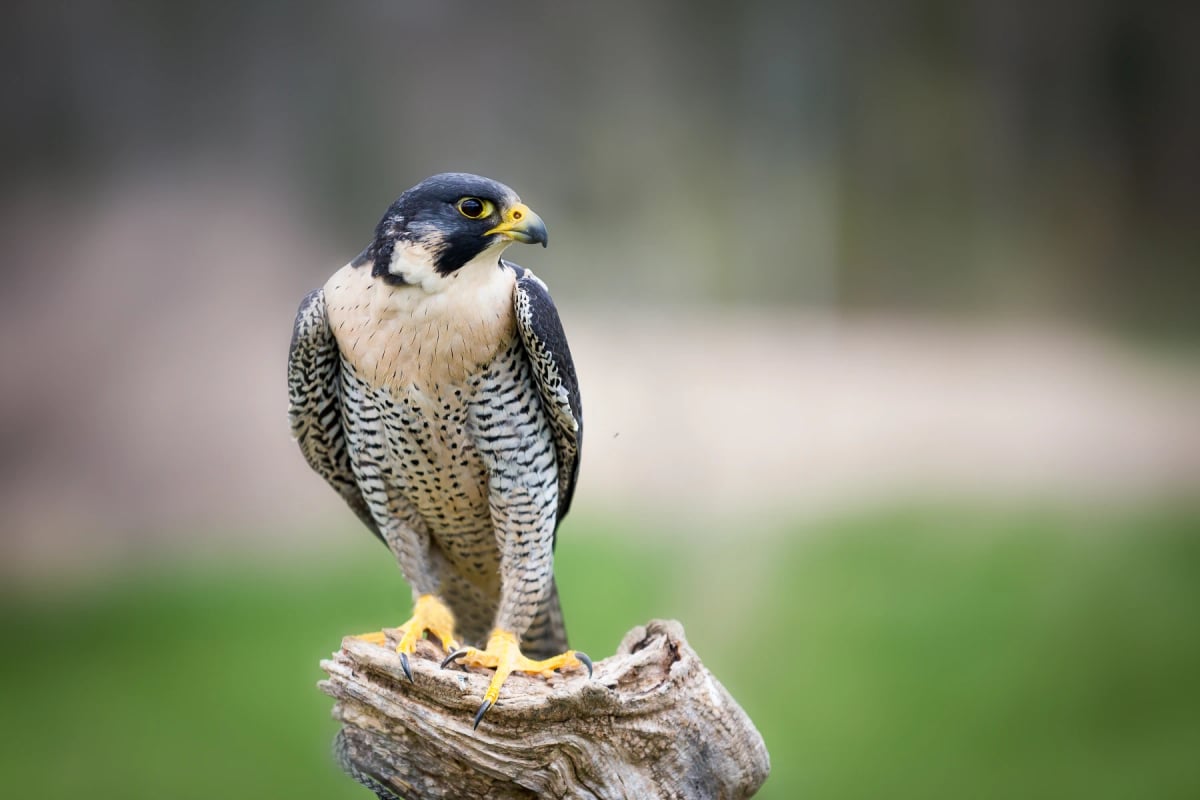
Peregrine Falcon
Falco peregrinus
Canada is one of the most important breeding countries for the peregrine falcon in the world. Birds nest on coastal cliffs in British Columbia, on the tundra of the Arctic and subarctic, and on tall buildings in cities like Toronto and Montreal. The species suffered a severe decline in the twentieth century due to DDT but recovered strongly after the pesticide was banned. Today, Canada supports thousands of breeding pairs across its vast territory. IUCN status: Least Concern.
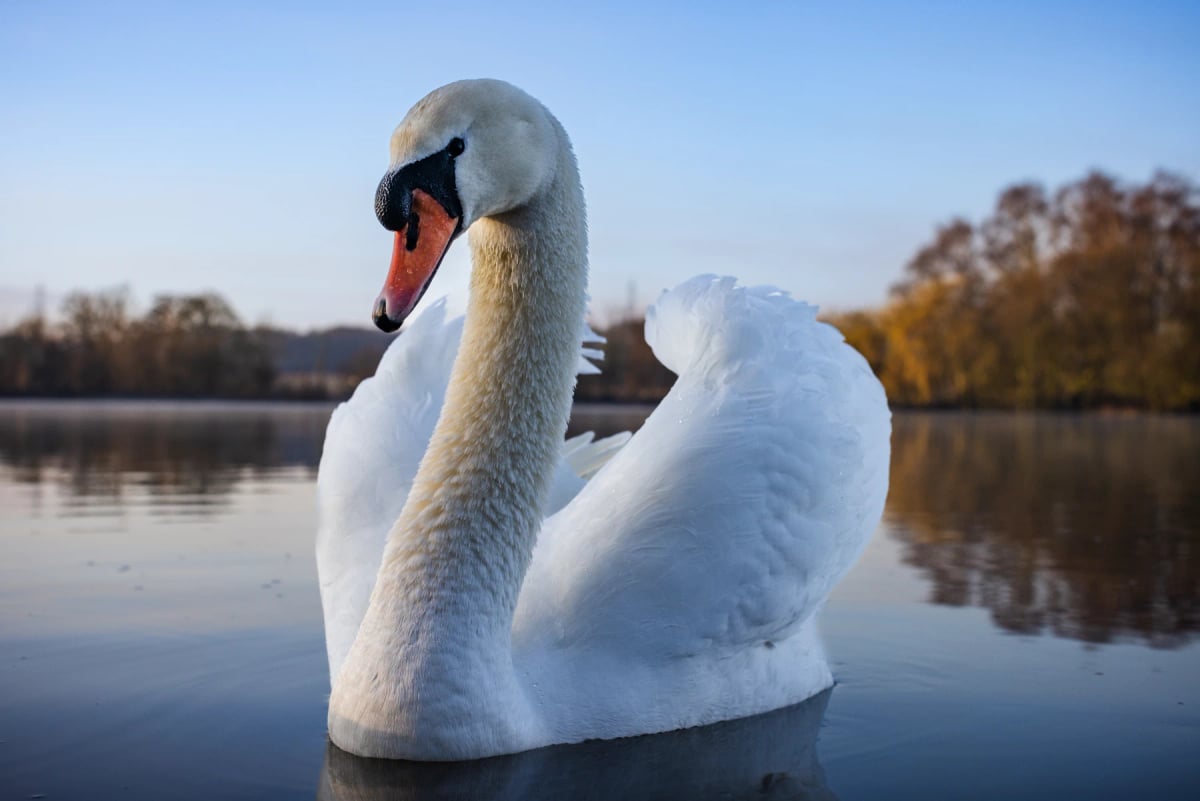
Mute Swan
Cygnus olor
In Canada, the mute swan is an introduced species, brought from Europe in the 1800s. Feral populations have since grown considerably, especially around the Great Lakes region in Ontario. Wildlife managers monitor the species closely because large numbers can damage aquatic vegetation and compete with native birds such as trumpeter swans. Some provinces actively manage population sizes to protect local ecosystems. Its IUCN status is Least Concern.
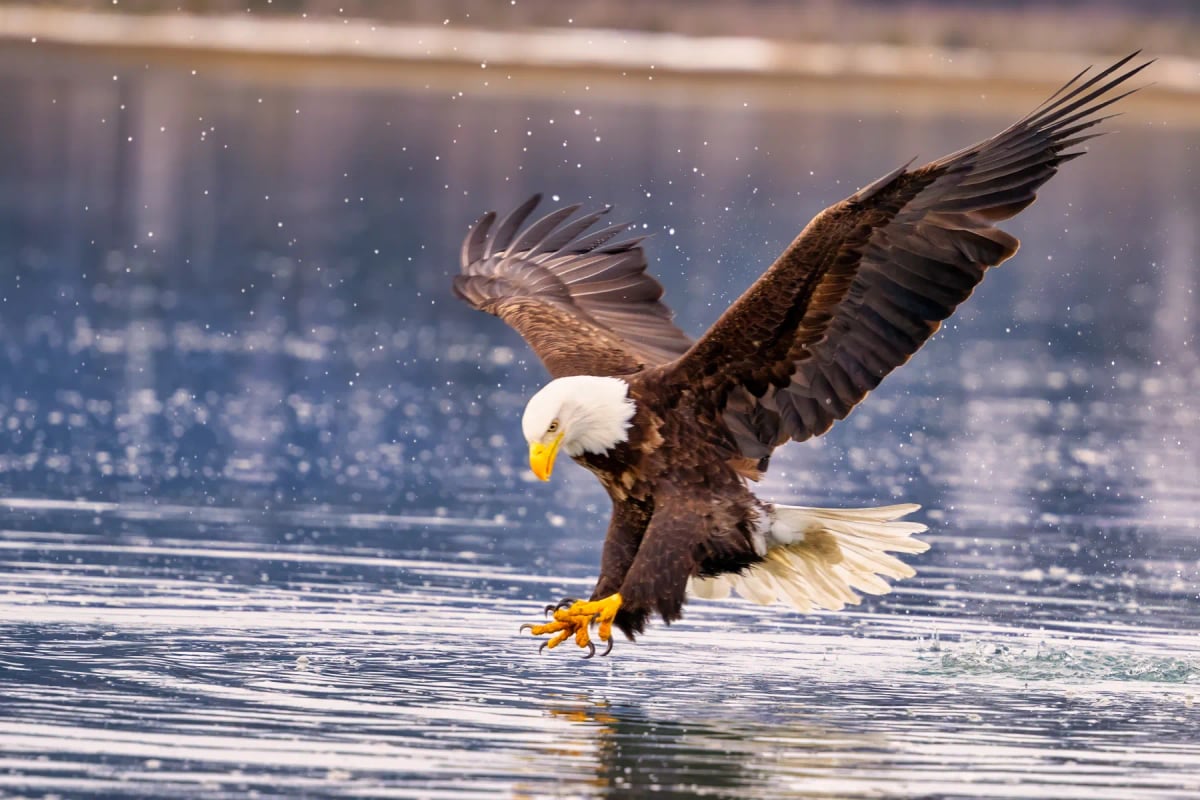
Bald Eagle
Haliaeetus leucocephalus
The bald eagle is found across much of Canada, from British Columbia's Pacific coast to the Great Lakes and Atlantic provinces. British Columbia holds one of the densest populations in the world, and salmon rivers in autumn attract large gatherings of eagles. It is present throughout the year along milder coastal areas and a seasonal visitor further inland.
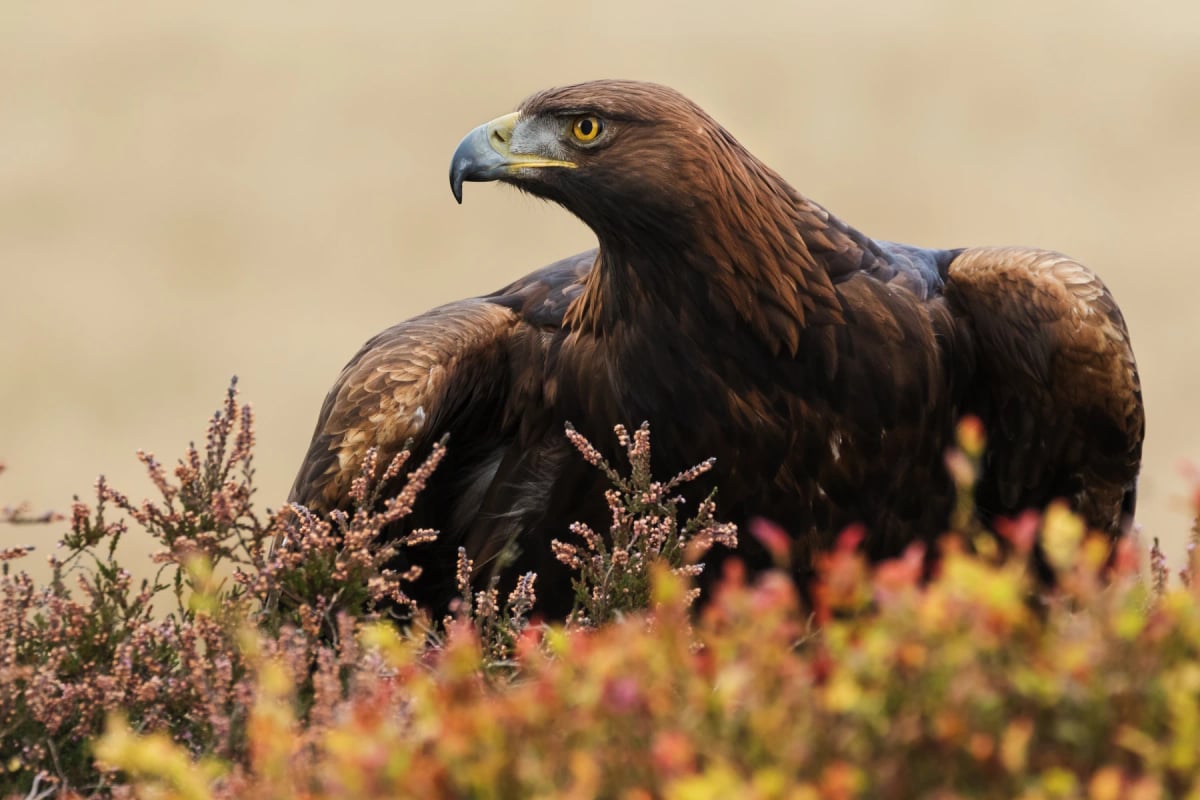
Golden Eagle
Aquila chrysaetos
The golden eagle is found across much of Canada, from the Rocky Mountains and the boreal forests of the west to the open tundra of the north. It nests on cliff faces and in tall trees, hunting ground squirrels, hares, and ptarmigan. Some Canadian populations migrate south in winter. The IUCN lists it as Least Concern, and it is protected under Canada's Migratory Birds Convention Act.
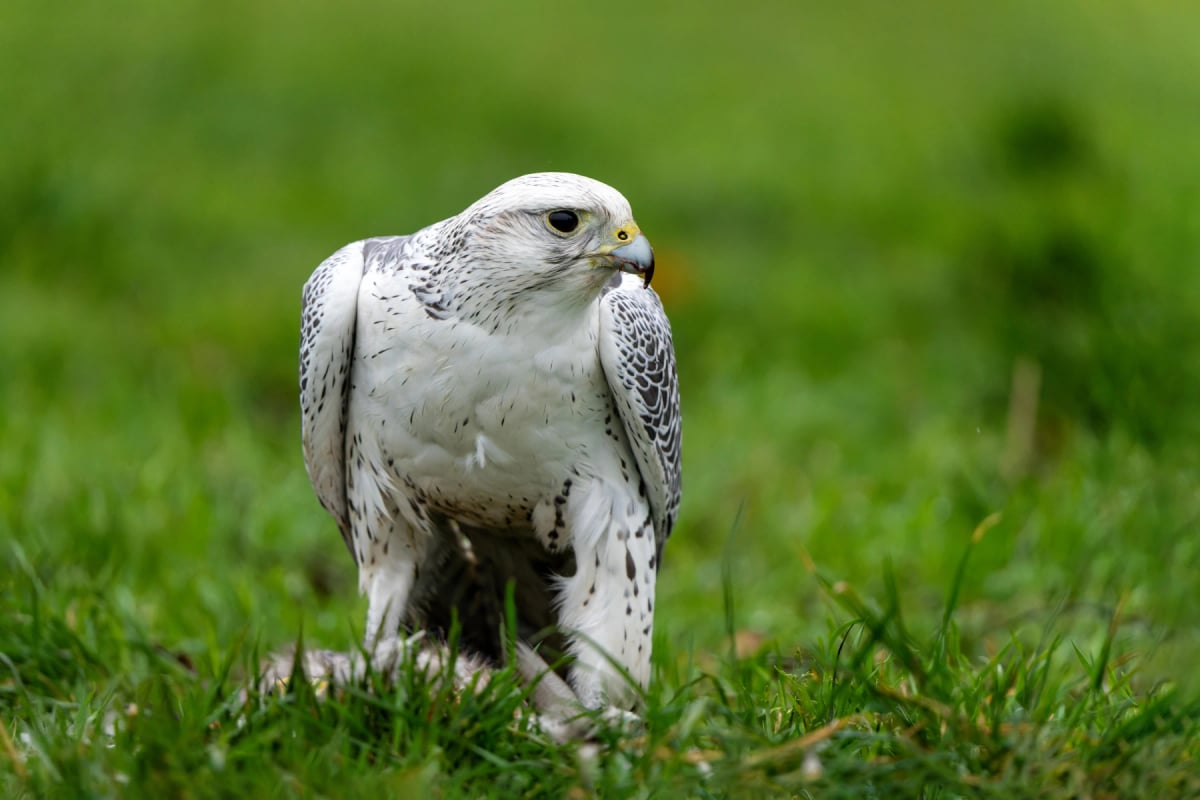
Gyrfalcon
Falco rusticolus
Canada is one of the gyrfalcon's great strongholds. It breeds across the Arctic from the Yukon and the Northwest Territories to Nunavut, northern Quebec and Labrador, nesting on cliff ledges above open tundra. Ptarmigan are the core of its diet. White birds are common in the high Arctic islands, darker ones toward Labrador. In winter some move south into the prairies and the St. Lawrence valley. IUCN status: Least Concern.
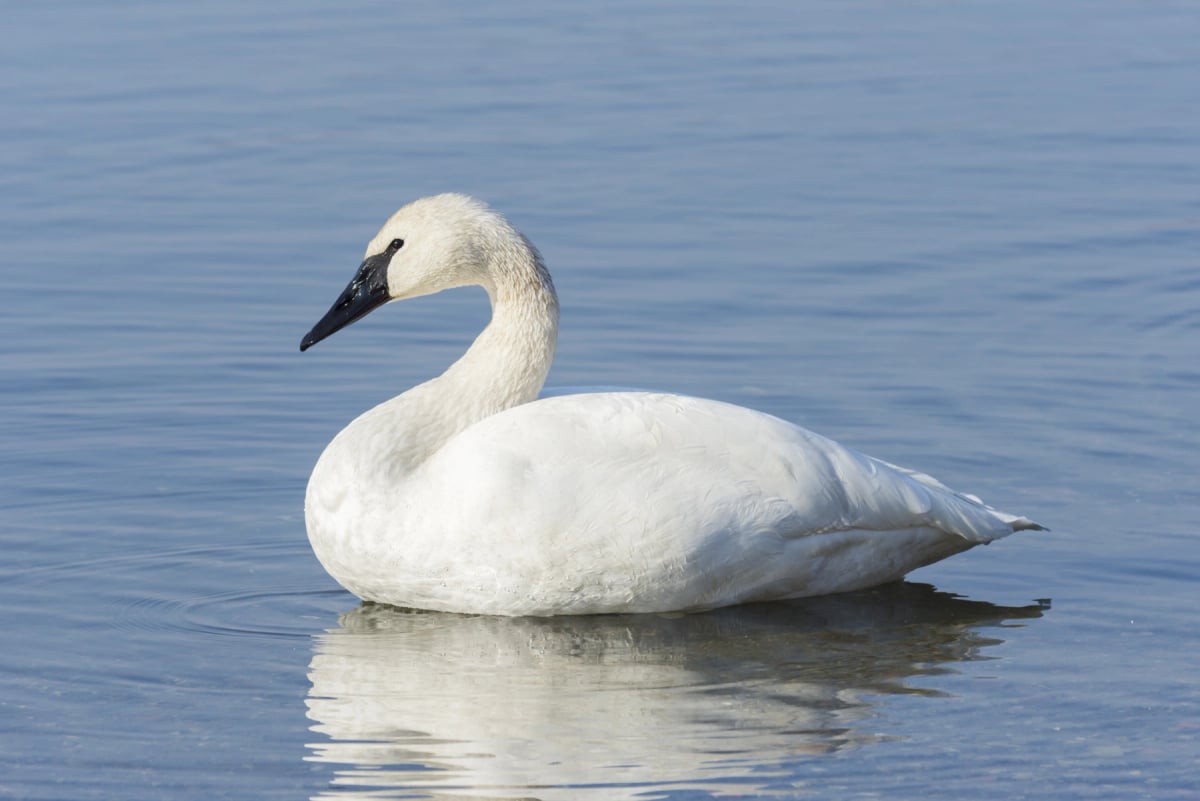
Trumpeter Swan
Cygnus buccinator
The Trumpeter Swan breeds across northwestern Canada, from the Yukon and the Northwest Territories to British Columbia and Alberta, and a reintroduced population now nests in Ontario, where the program began in 1982. Coastal British Columbia is also a key wintering ground for birds from Alaska. Adults are all white with a black bill, and pairs usually bond for life. IUCN status: Least Concern.
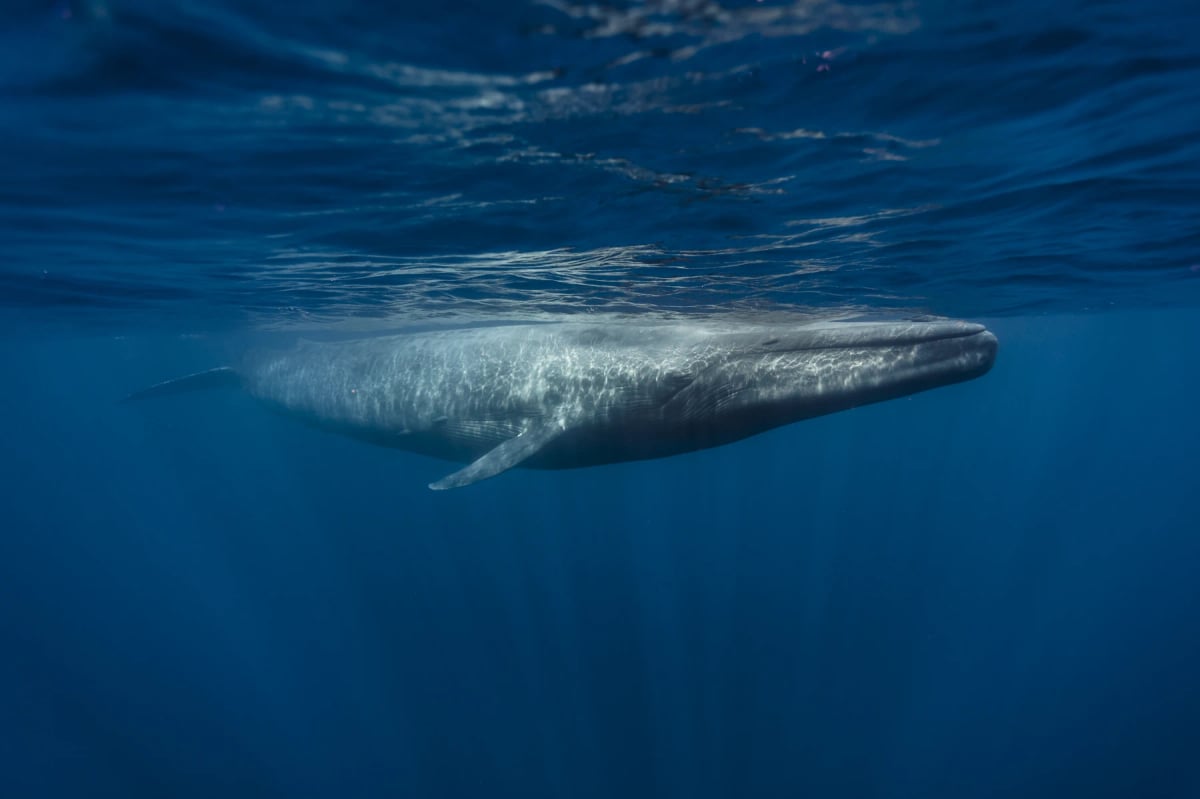
Blue Whale
Balaenoptera musculus
Canada's blue whales belong to the small northwest Atlantic population, which uses the Gulf of St. Lawrence and the estuary near Tadoussac, one of the few places in the world where the species approaches a river mouth. Sightings are seasonal and never guaranteed, but the area supports a long tradition of research and responsible whale watching. The population is listed as endangered nationally and is thought to number only in the hundreds.
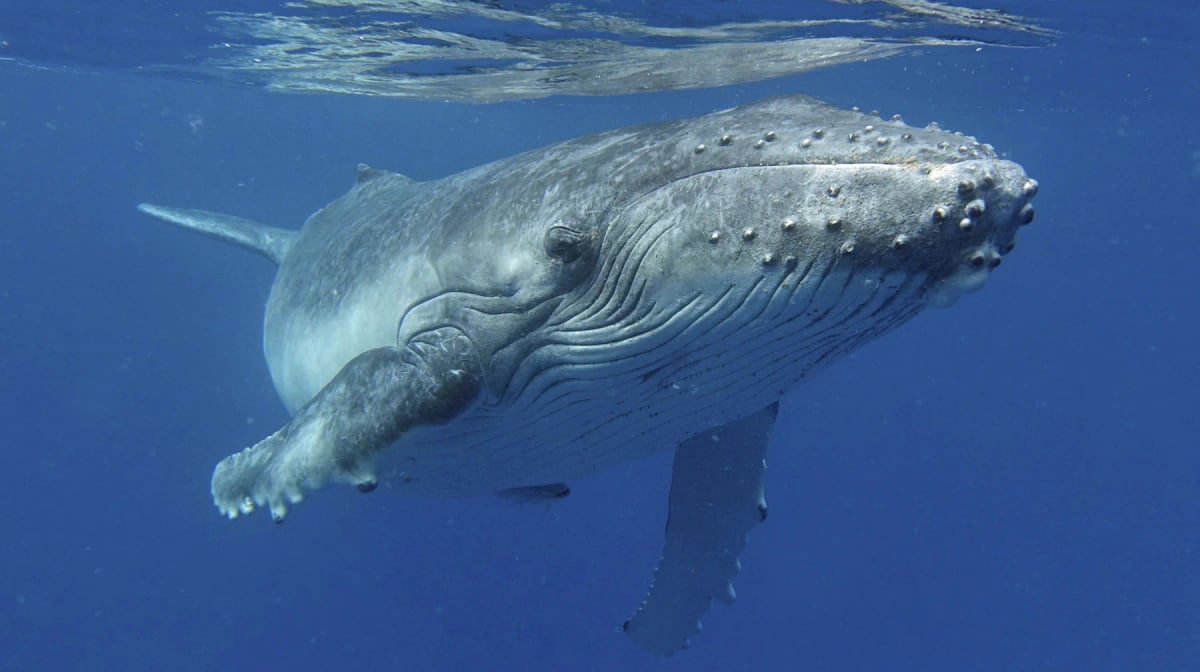
Humpback Whale
Megaptera novaeangliae
Canada's cold coastal waters, particularly in the Gulf of St. Lawrence and off the coasts of Newfoundland, Nova Scotia, and British Columbia, serve as vital summer feeding grounds for humpback whales. They arrive to feast on abundant krill and small fish during the warmer months before migrating south. Whale watching in these regions is a thriving industry, and Canadian waters support a significant portion of the North Atlantic population.
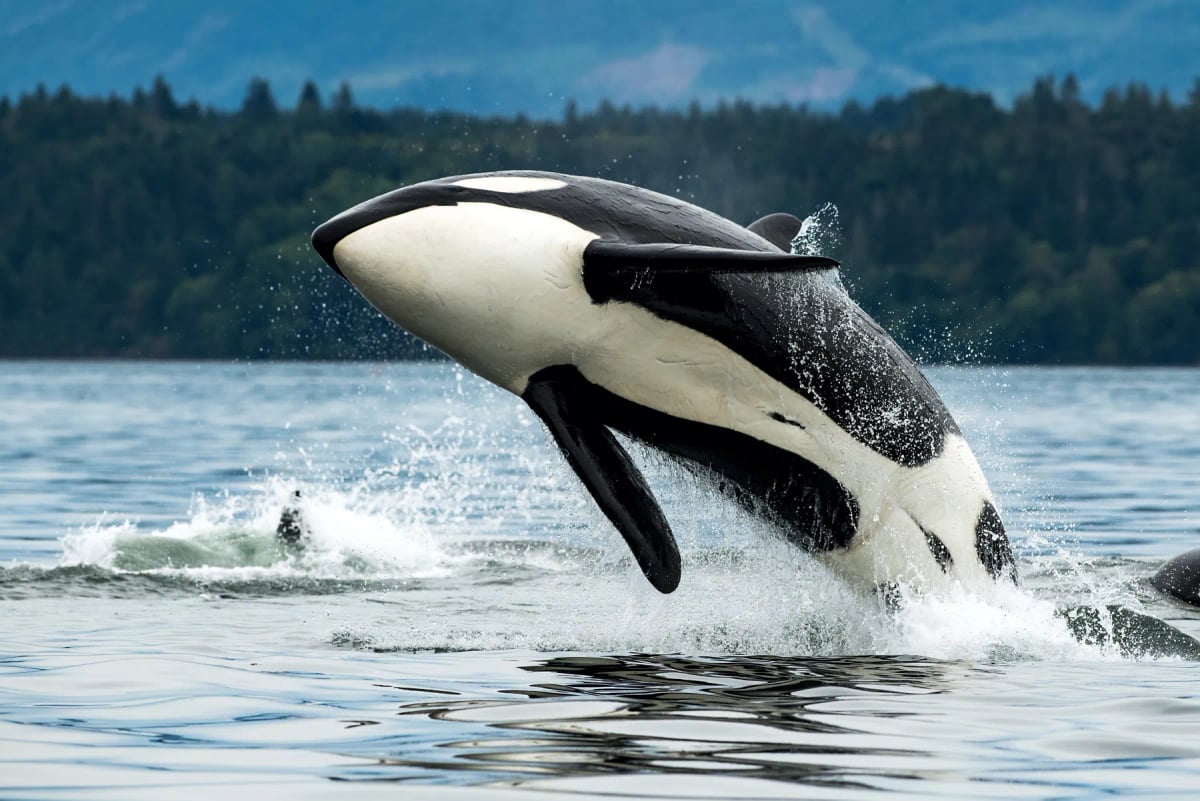
Orca
Orcinus orca
Canada offers some of the most celebrated orca habitat in the world, particularly in the coastal waters of British Columbia. The resident pods of the Salish Sea are among the most studied orca populations on the planet. These fish-eating family groups follow salmon runs along the Pacific coast. Threats include declining chinook salmon stocks, vessel noise, and chemical pollution in their coastal environment.
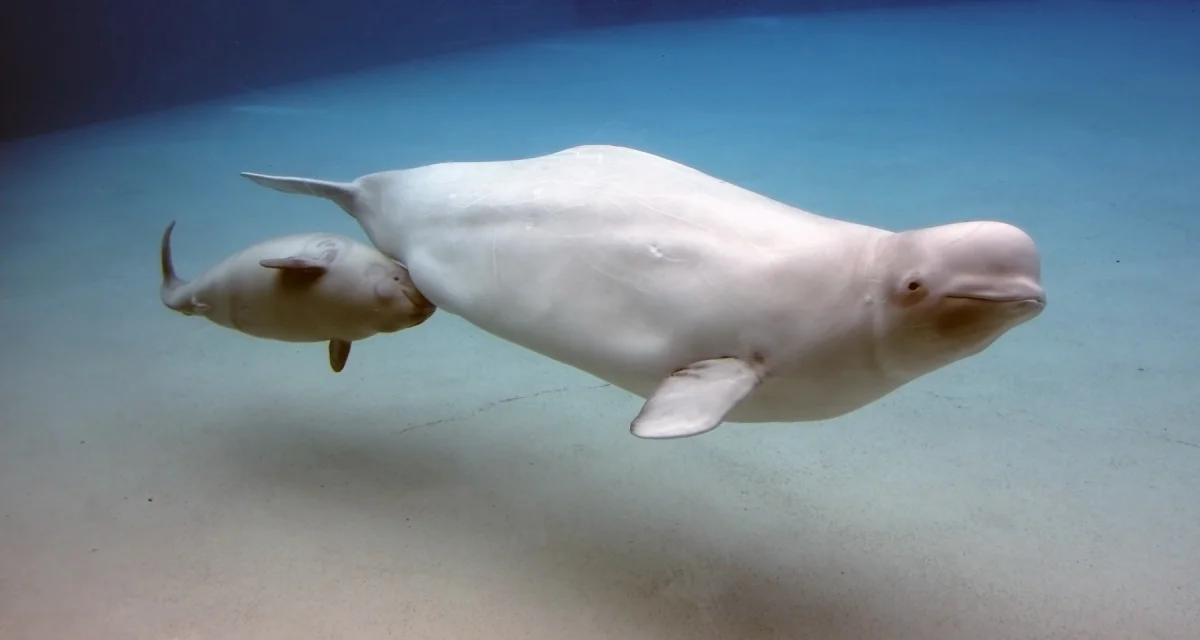
Beluga Whale
Delphinapterus leucas
Canada holds some of the largest beluga whale populations in the world. The St. Lawrence River estuary hosts a distinct and closely monitored resident population, while the Arctic waters of Hudson Bay, Cumberland Sound, and the Beaufort Sea support vast seasonal aggregations. Canadian belugas face pressures from shipping noise, industrial activity, and climate change, making them a priority for federal conservation efforts. IUCN status: Least Concern.
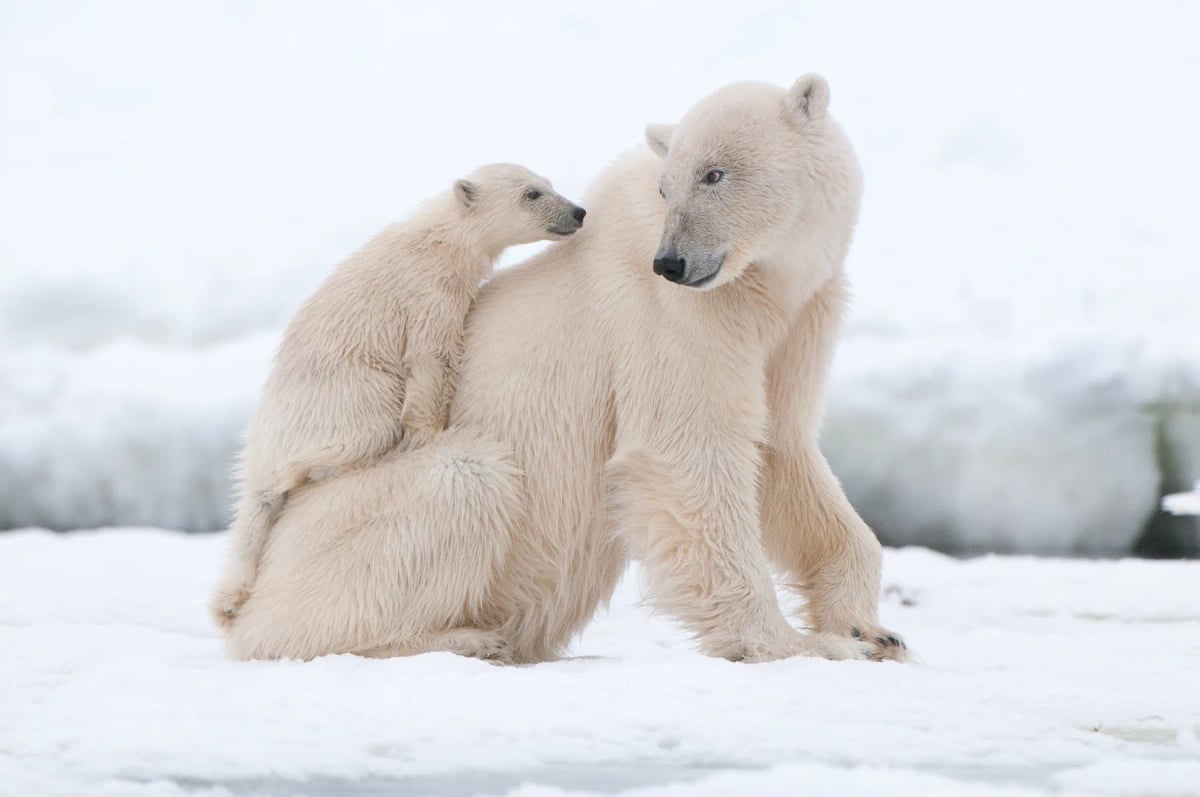
Polar Bear
Ursus maritimus
Canada is home to roughly two thirds of the world's polar bears, with major populations along the western shore of Hudson Bay and in the High Arctic archipelago. Each autumn, bears gather near the town of Churchill, Manitoba, one of the best places in the world to see them. Bears here rely on sea ice to hunt ringed seals, but warming temperatures are shortening the ice season each year. The IUCN lists the polar bear as Vulnerable, and Canadian subpopulations are among the most closely studied on Earth.
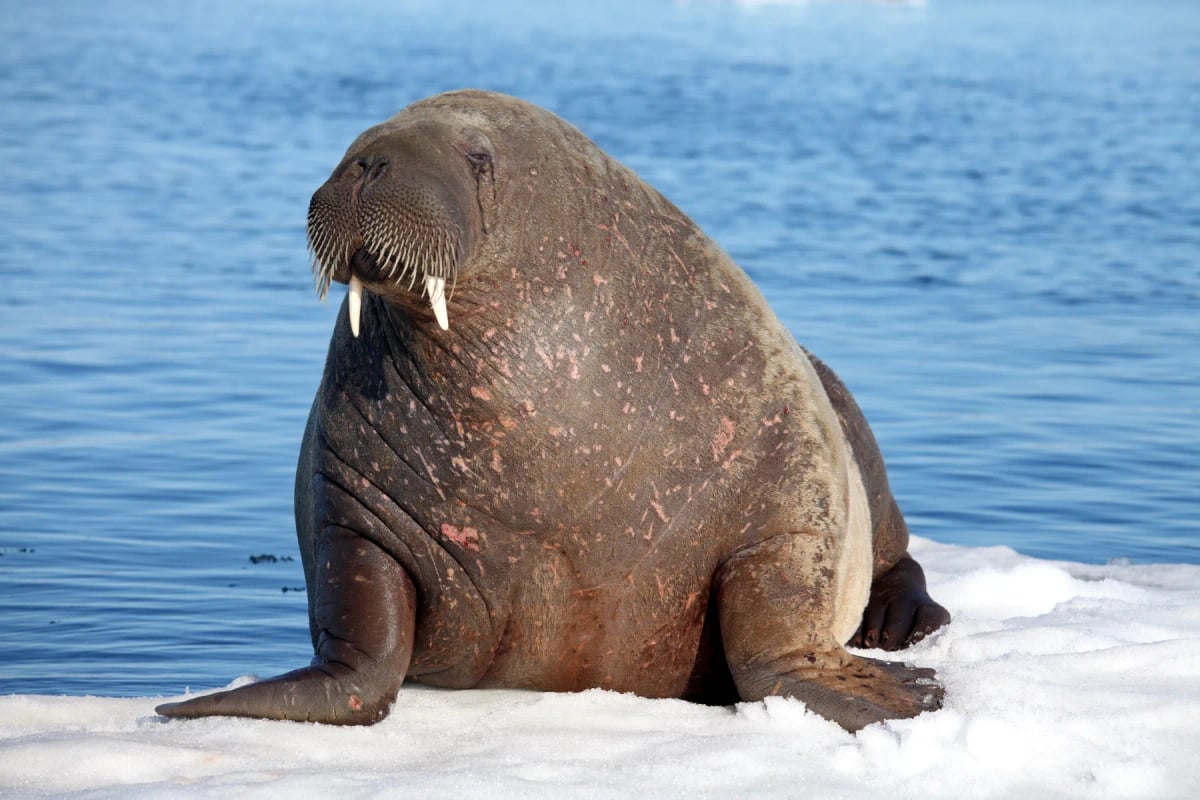
Walrus
Odobenus rosmarus
Canada is home to Atlantic and Pacific walrus populations, with large gatherings occurring along the coasts of Nunavut and the Hudson Bay region. These animals haul out on sea ice and rocky shores, diving to the seafloor for clams and mussels. Canadian populations have recovered since the end of commercial hunting, though shrinking Arctic sea ice remains a serious concern for their future.
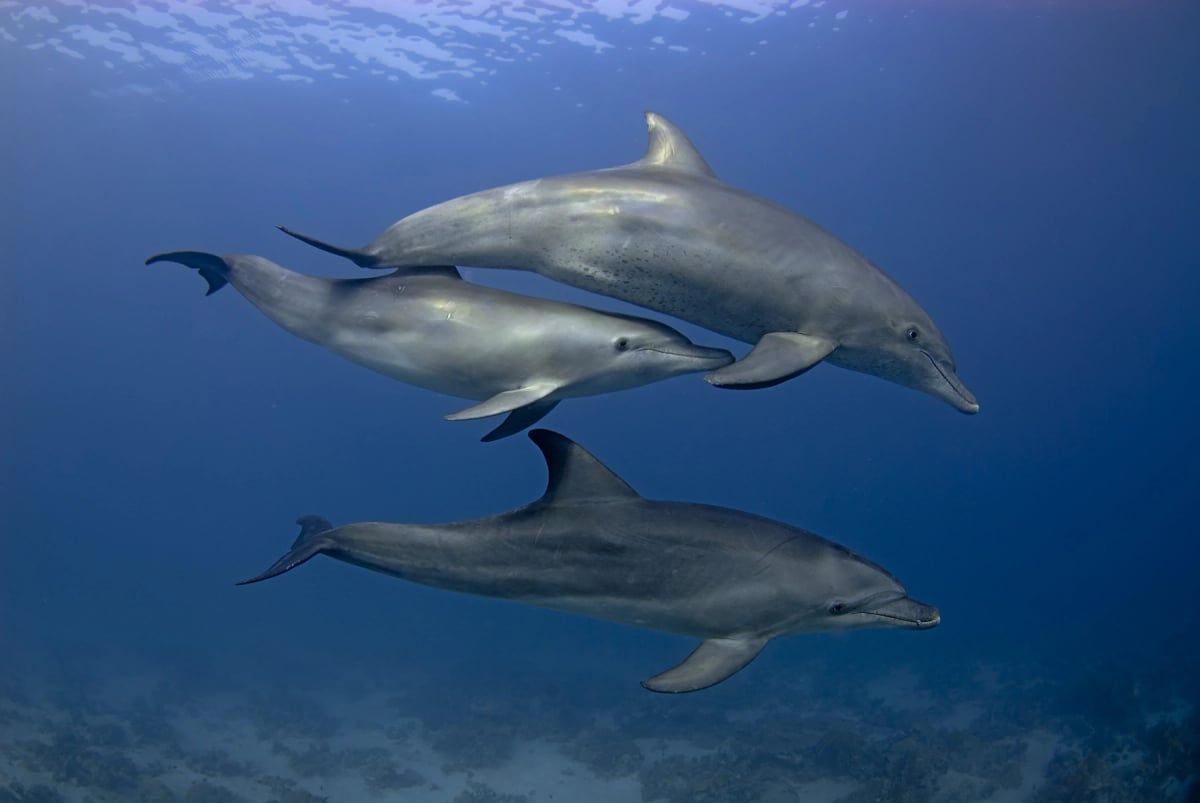
Bottlenose Dolphin
Tursiops truncatus
Bottlenose dolphins occur along Canada's Atlantic coast, particularly in the waters off Nova Scotia and in the Gulf of St. Lawrence, where they are more commonly seen during warmer months. They are less frequent in Canadian waters than in more temperate regions to the south, but pods are regularly documented foraging for fish in these productive seas. The species is classified as Least Concern globally.
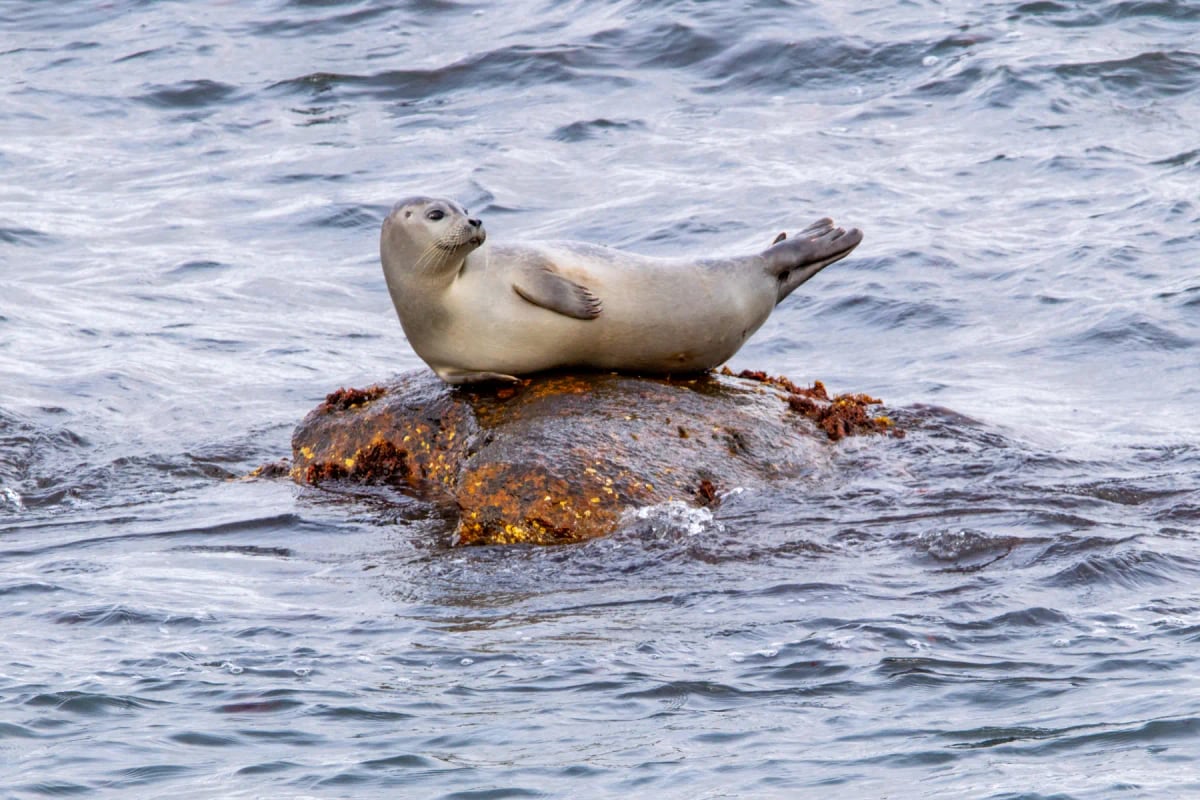
Seal
Phoca vitulina
Harbor seals are found along both the Atlantic and Pacific coasts of Canada, from the Gulf of St. Lawrence to the shores of British Columbia. They rest on rocky outcrops and sandbars, often in view of fishing communities. Populations are generally healthy, though interactions with commercial fisheries and occasional oil spills create challenges for local groups. In British Columbia, they are a familiar sight in sheltered inlets and harbors. IUCN status: Least Concern.
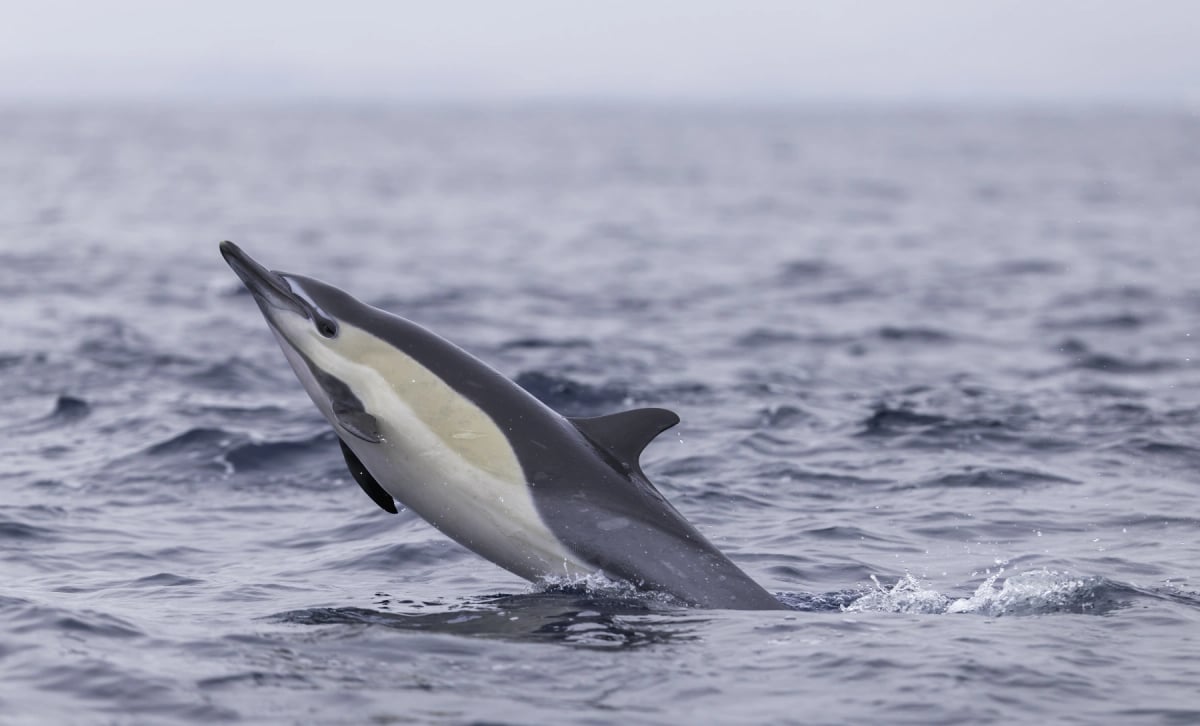
Common Dolphin
Delphinus delphis
On Canada's Pacific coast, common dolphins appear in the warmer waters off British Columbia, while Atlantic populations are recorded off Nova Scotia and Newfoundland. They follow productive currents rich in small fish and squid. In recent years, warming ocean temperatures have been associated with shifts in their distribution along both coasts. Canada's large exclusive economic zone means these dolphins are encountered across a wide range of open ocean conditions.
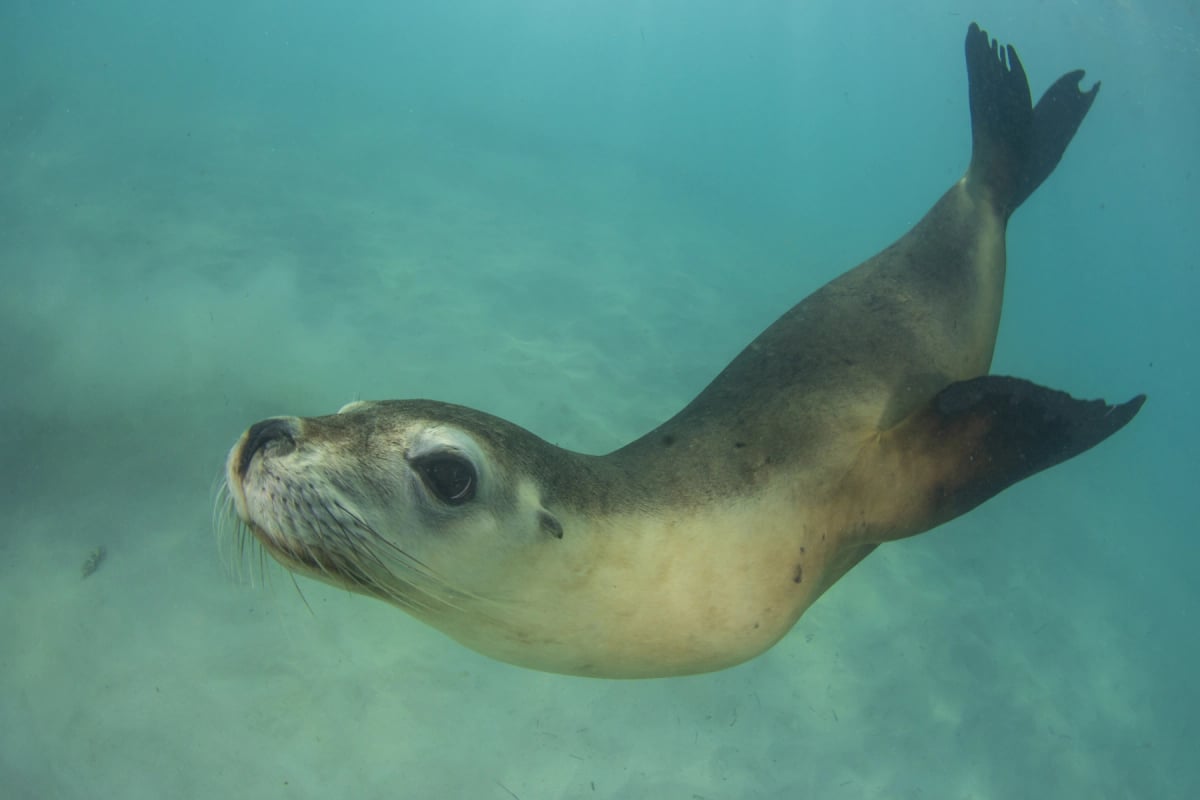
Sea Lion
Otariinae spp.
Steller sea lions, the largest of all sea lion species, are a regular presence along the rocky coastline of British Columbia. They gather at traditional haul out sites and rookeries, particularly around Vancouver Island and Haida Gwaii. They feed on a wide variety of fish and squid in cold Pacific waters. The eastern population has recovered well and is listed as Least Concern by the IUCN.
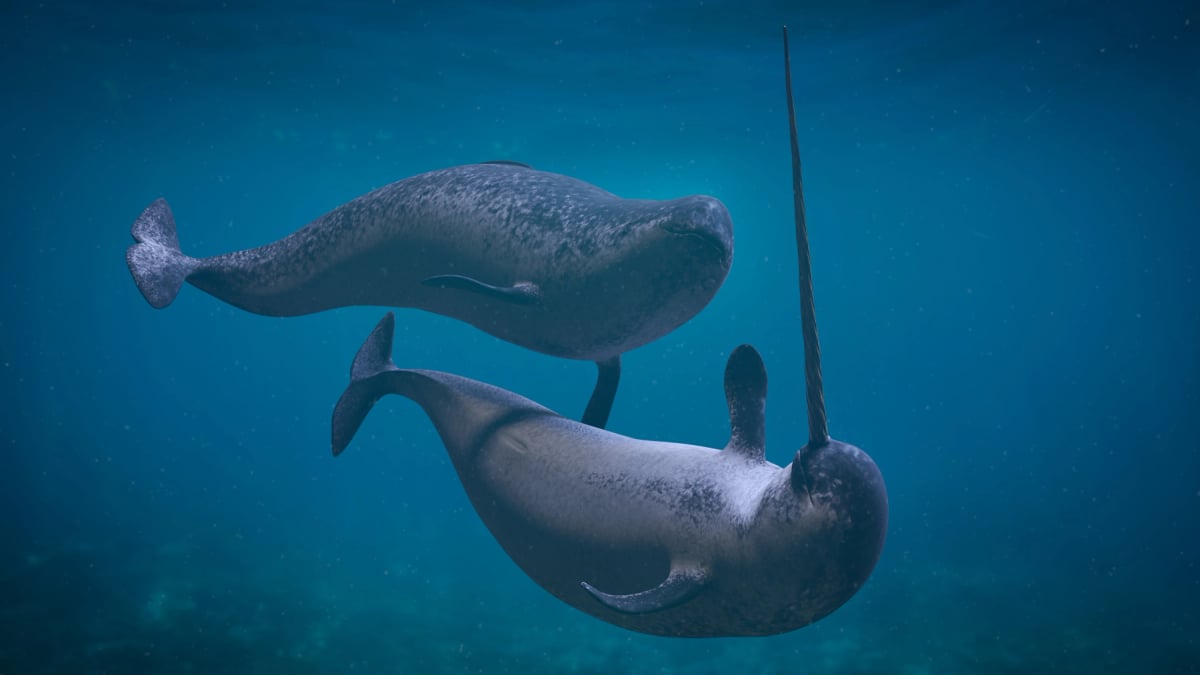
Narwhal
Monodon monoceros
Canada is home to the majority of the world's narwhals, most of them gathering each summer in the waters of Baffin Bay and the Canadian Arctic Archipelago. Males carry a spiraling left incisor tooth that can reach three meters long. Narwhals dive beyond 1,500 meters to hunt Greenland halibut and Arctic cod beneath the pack ice, and Indigenous Inuit communities have lived alongside them for thousands of years.
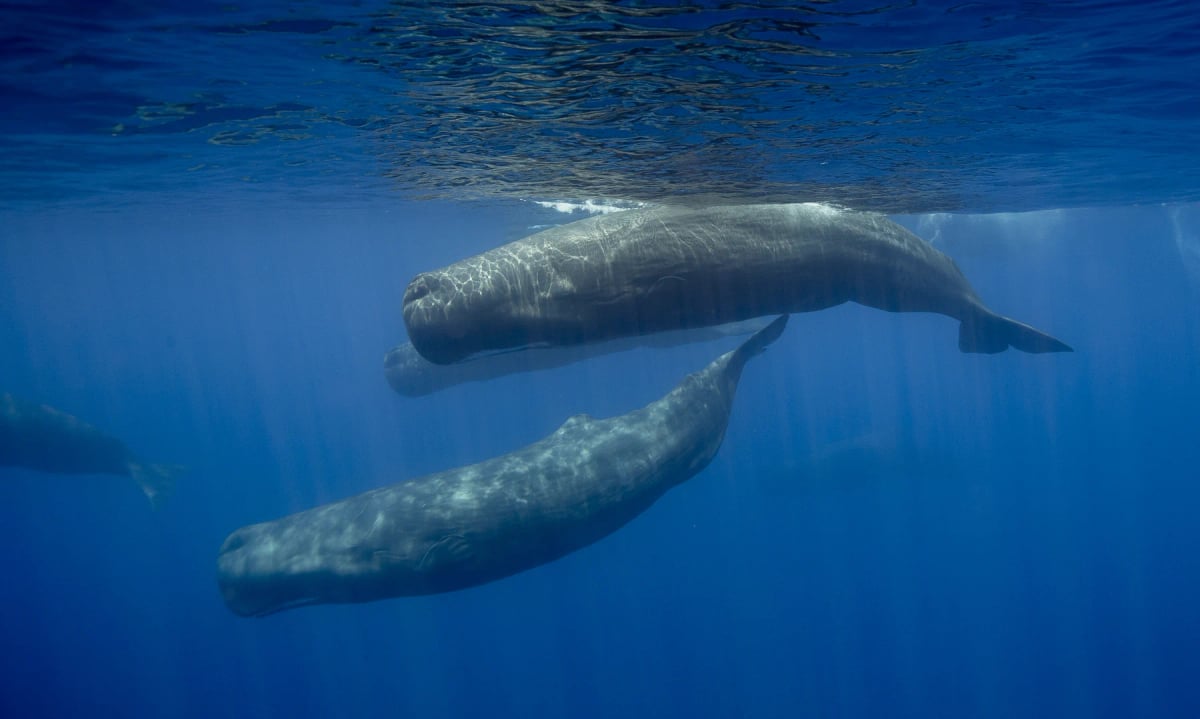
Sperm Whale
Physeter macrocephalus
In Canada, sperm whales are most commonly observed in the deep waters off the Atlantic coast, particularly in the canyons of the Scotian Shelf and around Newfoundland. They are less frequent in Pacific waters off British Columbia. Canada's Department of Fisheries and Oceans monitors cetacean populations, and sperm whales are protected under the Species at Risk Act. Entanglement in fishing gear and ship strikes are the primary threats in Canadian waters.
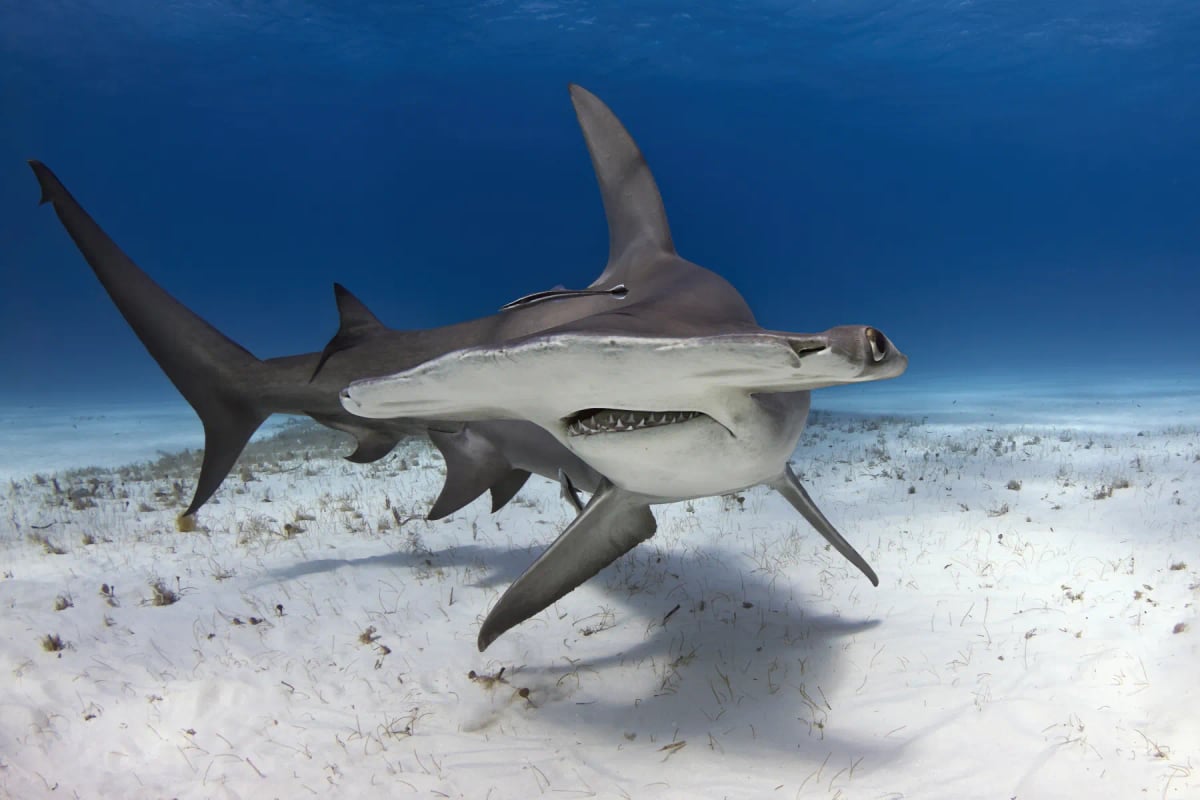
Hammerhead Shark
Sphyrna spp.
Hammerhead sharks are occasionally recorded in Canadian Atlantic waters, particularly off the coasts of Nova Scotia and Newfoundland during warmer summer months when they follow prey northward. Canada's Pacific coast sees far fewer sightings. While Canada is not a core habitat for this species, Canadian fishing fleets operating in the Atlantic can interact with hammerhead populations, making responsible fishing practices essential for this critically endangered shark.
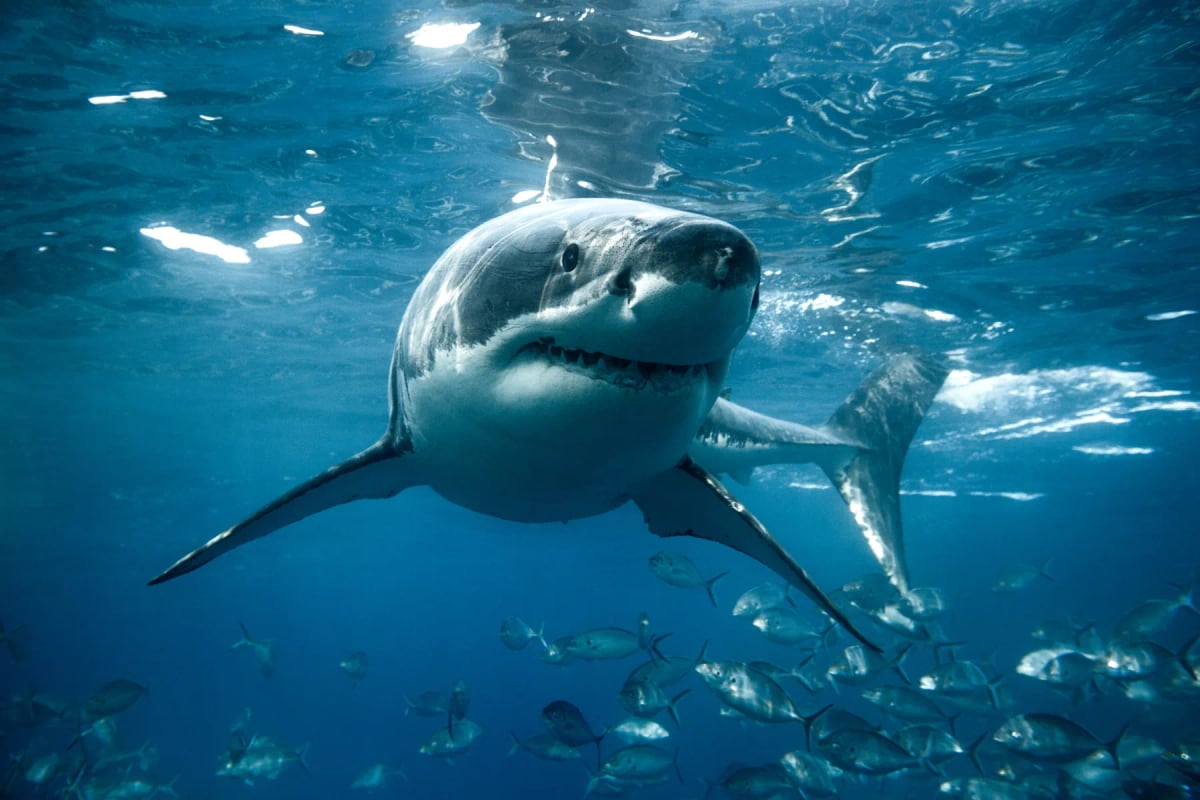
Great White Shark
Carcharodon carcharias
The great white shark is found in Canadian Atlantic waters, particularly off the coasts of Nova Scotia and Newfoundland, where populations of grey seals provide a reliable food source for adults. Tagging studies have shown that individuals travel between Canada and the eastern United States, sometimes covering great distances. The cold, productive waters of the Northwest Atlantic support these seasonal visitors each summer and autumn. Canada does not have species specific federal protections for the great white shark. Its IUCN status is Vulnerable.
Frequently Asked Questions
What animals live in Canada?
Canada's animals include moose, beavers, American black bears, grizzly bears, polar bears, gray wolves, cougars, the Canada lynx, wolverines and American bison. In the Arctic live musk oxen, Arctic foxes, Arctic hares and caribou. Its birds include bald eagles, golden eagles, puffins and trumpeter swans. The seas around Canada are home to orcas, humpback whales, blue whales, beluga whales, narwhals, walruses and seals.
What bears live in Canada?
Canada has three kinds of bears. The American black bear is the most common and lives in forests in every province and territory except Prince Edward Island. The grizzly bear lives mainly in the west, in British Columbia, Alberta, Yukon and the Northwest Territories. The polar bear lives in the Arctic and along Hudson Bay, and Canada is home to about two thirds of the world's polar bears. Black bears are often seen along roads in national parks like Banff and Jasper.
Where can you see polar bears in Canada?
The most famous place is Churchill, a small town in northern Manitoba on the shore of Hudson Bay, often called the polar bear capital of the world. Every October and November, polar bears gather near the town while they wait for the sea ice to form so they can go out and hunt seals. Visitors watch them from large tundra vehicles built for the job. In summer, the same area is also one of the best places on Earth to see beluga whales, which fill the Churchill River by the thousands.
What is the national animal of Canada?
The national animal of Canada is the beaver. It became an official symbol of the country in 1975, but it had been linked to Canada for centuries because of the fur trade, when beaver pelts were very valuable. The beaver has appeared on the Canadian five cent coin since 1937. It lives in rivers, lakes and wetlands across almost the whole country and is famous for the dams it builds.
What are the most dangerous animals in Canada?
The most dangerous wild animals in Canada are bears, especially polar bears in the far north and grizzly bears in the west. Moose can also be dangerous because of their size, and they cause many serious car accidents. Cougars and wolves live in parts of the country but very rarely attack people. Rattlesnakes are the main venomous snakes and live in dry areas of the south and west. Serious incidents are rare, and carrying bear spray, making noise on trails and keeping your distance help a lot.
Researched and written by Juan Pablo. Sources: IUCN Red List, scientific literature and regional field guides. Last updated: .