Musk Ox
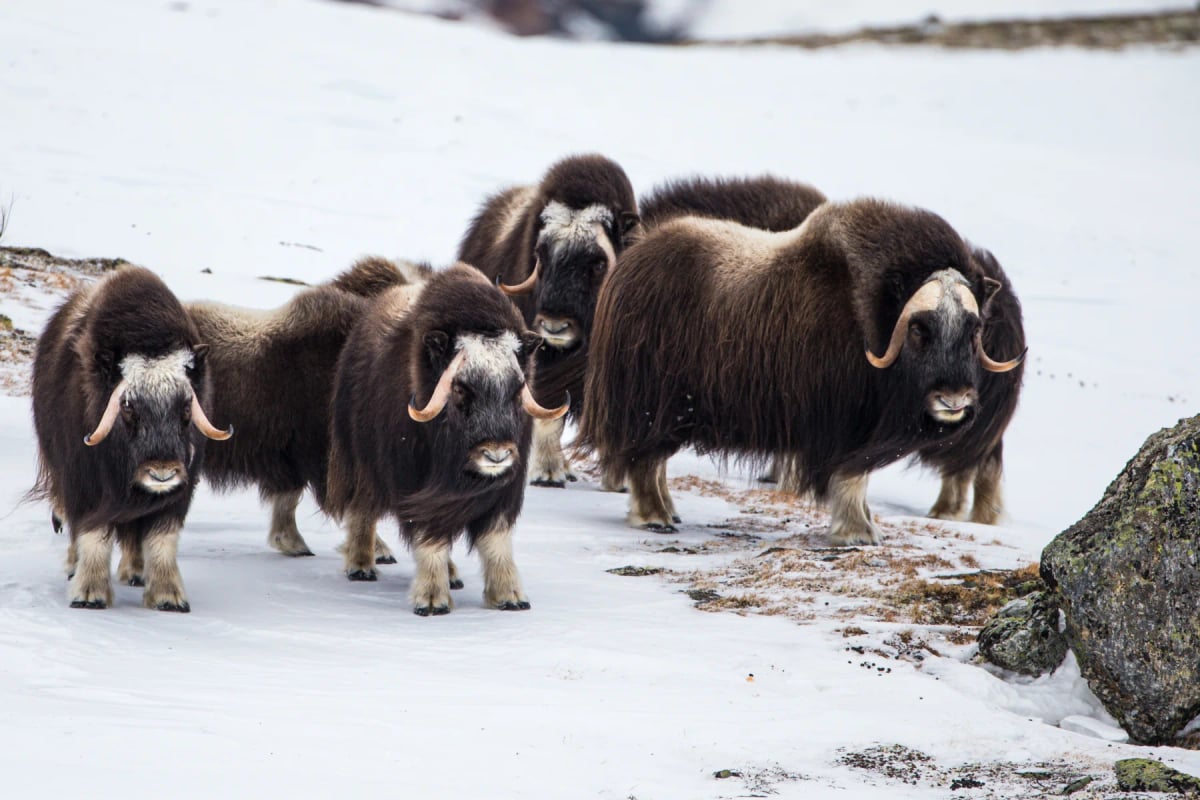
The musk ox is a stocky Arctic grazer that has roamed the tundra since the Pleistocene. Its coat is made up of two layers: a coarse outer guard layer that sheds rain and snow, and a soft inner wool called qiviut, one of the warmest natural fibers in the world. Bulls produce a strong musky scent during the rut, which gives the animal its name. Herds typically number between 10 and 30 animals, and when wolves approach, adults form a tight outward-facing circle to protect the calves at the center. During the rut, dominant bulls charge at rivals in powerful clashes, building up speed over a short distance before impact. Native to Greenland, Canada and Alaska, the species was later reintroduced to Russia and Norway after being wiped out by overhunting. It remains one of the most resilient large mammals on Earth.
Habitat and range
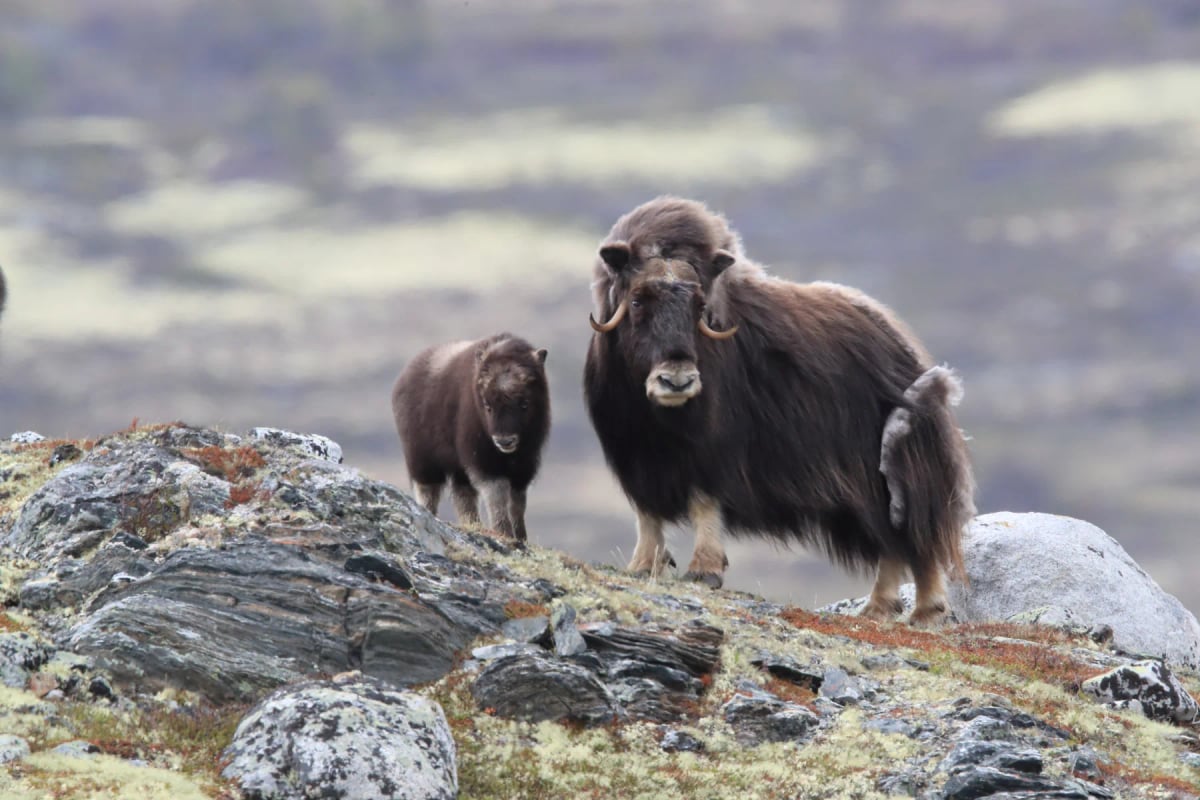
Musk oxen are built for some of the coldest places on Earth. Their core range covers the Arctic tundra of Canada and Greenland, where the species has lived since the Pleistocene. In Alaska, wild herds roam areas such as the Seward Peninsula and Nunivak Island, the latter having served as a source population for later reintroduction efforts. Hunting had eliminated the species from both Norway and Russia by the early twentieth century, but reintroduction programs brought them back to Svalbard and the Dovre mountain plateau in Norway, and to the Taimyr Peninsula in Russia. Musk oxen prefer open, rolling terrain where visibility is good and wind keeps snow shallow enough to dig through. River valleys and slopes where vegetation stays accessible through winter are especially important feeding grounds.
Diet
Food is never guaranteed on the Arctic tundra, and musk oxen have adapted to make the most of whatever plants are available. In summer, they feed on grasses, sedges, willows, and flowering plants, building up fat reserves before the cold sets in. When winter arrives and snow covers the ground, they use their broad, heavy hooves to scrape and dig down to buried mosses, lichens, and dried vegetation. They move constantly between feeding areas rather than exhausting one patch. A fully grown musk ox can consume considerable amounts of plant matter each day to maintain its body heat. Their digestive system extracts as much energy as possible from tough, fibrous plants, which allows them to survive months of cold on relatively sparse forage.
Behavior
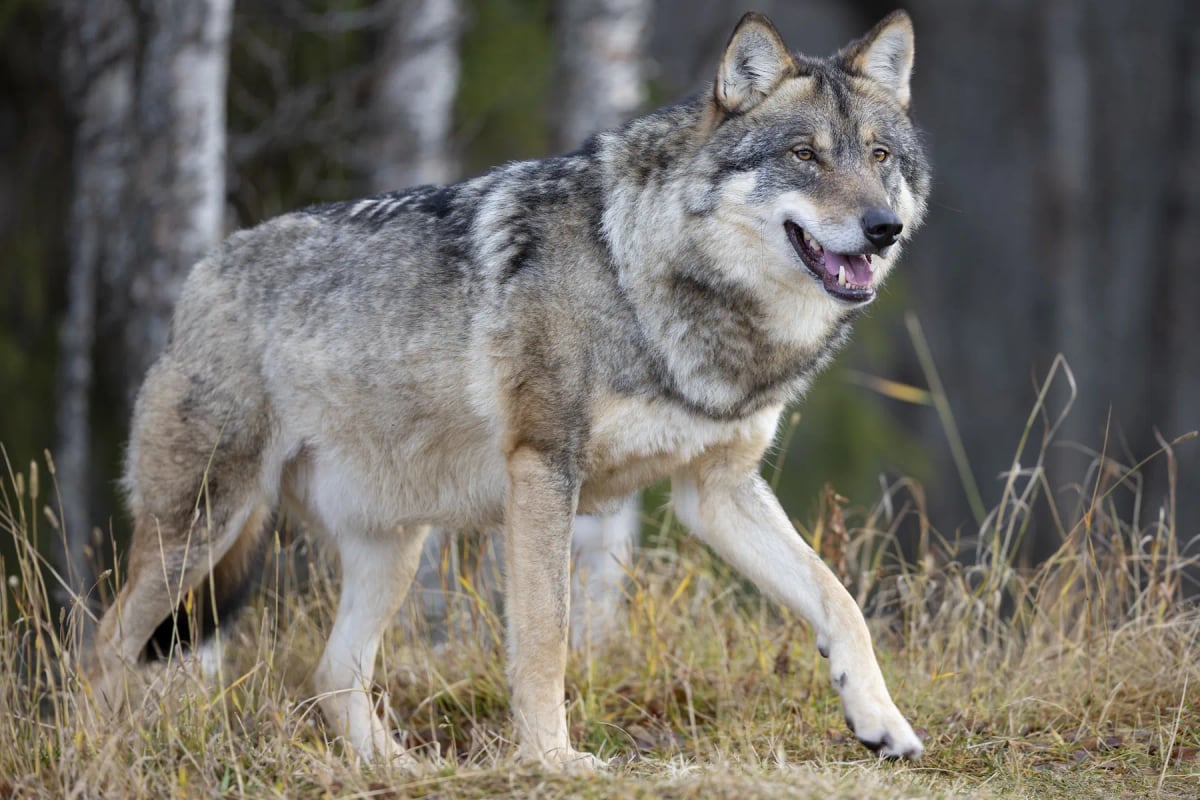
Living in groups is central to how musk oxen survive. Herds typically number between 10 and 30 animals, though larger gatherings can form in summer. When wolves or other predators approach, the adults act fast and with purpose: they arrange themselves in a tight circle facing outward, keeping the calves sheltered at the center. This formation is highly effective against natural predators, though it made hunting by humans dangerously easy in the past. During the rut in late summer and autumn, bulls compete fiercely for the right to mate. Rivals back away from each other, then charge at full speed and collide head to head with tremendous force. These clashes can be heard from a considerable distance. Outside the rut, bulls may live in separate bachelor groups away from the main mixed herd.
Adaptations
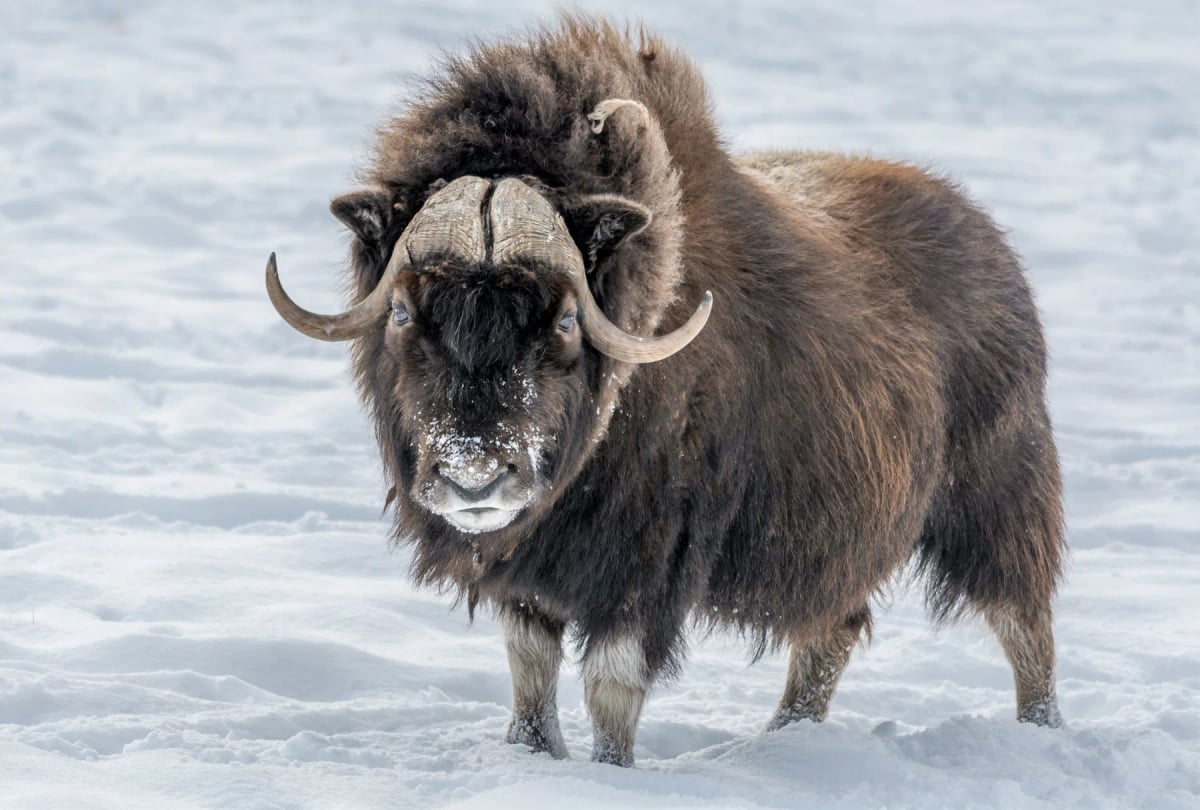
Few large mammals are as well equipped for extreme cold as the musk ox. Its coat has two distinct layers working together: a coarse outer layer of guard hairs that repels rain, snow, and wind, and a dense inner wool called qiviut, which is among the warmest natural fibers found anywhere in the world. Qiviut is shed naturally each spring and has long been used by Arctic peoples to make clothing. The hooves are wide and act like snowshoes, spreading the animal's weight across soft ground and providing grip on ice. Thick neck muscles and a reinforced skull absorb the shock of head collisions during the rut, allowing bulls to charge repeatedly without serious injury. Bulls also produce a strong musky odor from glands near the eyes during the breeding season, which is where the species gets its common name.
Conservation
The story of the musk ox is one of decline followed by a genuine recovery. Intensive hunting throughout the nineteenth and early twentieth centuries wiped the species out across much of its original range, including all of mainland Norway and Russia. Legal protections introduced in the twentieth century gave surviving populations in Canada and Greenland the chance to stabilize and grow. Reintroduction efforts brought the species back to Norway and Russia, where herds have since established themselves. The IUCN currently lists the musk ox as Least Concern, reflecting healthy numbers across its restored range. That said, climate change presents a real challenge: warmer winters can cause rain to fall on snow, which then freezes into a layer of ice that prevents the animals from reaching the plants beneath it. Monitoring of these ice events and their impact on herds is an active area of research.
Where it is found
The Musk Ox can be found in places such as:
Researched and written by Juan Pablo. Sources: IUCN Red List, scientific literature and regional field guides. Last updated: .
Technical factsheet


Frequently Asked Questions
What do musk oxen eat?
Musk oxen graze on grasses, sedges, willows, and flowering plants during summer. In winter, when snow covers the ground, they use their broad hooves to dig down to mosses, lichens, and dried vegetation underneath. They move between feeding patches rather than stripping one area bare, which helps them survive months of cold on the Arctic tundra where food is always in short supply.
Where do musk oxen live?
Musk oxen are native to the Arctic tundra of Canada and Greenland, and wild herds also live in Alaska. After being wiped out by overhunting, the species was successfully reintroduced to Norway and Russia during the twentieth century. They prefer open, rolling terrain where wind keeps snow from piling too deep, and they are especially drawn to river valleys where plants stay reachable through winter.
How do musk oxen protect themselves from predators?
When wolves approach, musk oxen form a tight circle facing outward, with the calves sheltered at the center. The adults present their horns to the threat, making it very difficult for predators to reach the young. This defense works well against wolves and other natural threats, though it worked against them historically, as hunters could approach and pick off animals from a stationary group with ease.
Why are they called musk oxen?
The name comes from the strong, musky odor that bulls release during the breeding season. This scent is produced by glands located near their eyes and is used to attract females and signal dominance to rival males. Despite the name, musk oxen are not true oxen. They are more closely related to sheep and goats than to cattle, which makes the common name a little misleading.
What is qiviut and why is it special?
Qiviut is the soft inner wool that grows beneath the coarse outer coat of a musk ox. It is considered one of the warmest natural fibers in the world, several times warmer than sheep's wool by weight. Each spring, musk oxen shed this underlayer naturally. Arctic peoples have used qiviut for centuries to make lightweight, incredibly warm clothing. It is still highly prized today and is one of the most sought after natural fibers available.
Are musk oxen endangered?
No, musk oxen are currently listed as Least Concern on the IUCN Red List. Their populations are stable across Canada and Greenland, and reintroduced herds in Norway and Russia have taken hold successfully. However, climate change is a growing concern. Warmer winters can cause rain to fall onto snow, which then freezes solid and locks plants under a layer of ice, cutting herds off from the food they depend on to survive winter.
How do musk oxen survive extreme cold?
Musk oxen are remarkably well suited to Arctic winters. Their coat has two layers: a tough outer layer that blocks wind, rain, and snow, and a dense inner wool called qiviut that traps body heat exceptionally well. Their wide hooves act like snowshoes, spreading their weight on soft ground and gripping ice. They also have thick neck muscles and reinforced skulls that absorb the repeated impacts of head collisions during the rut.