Beaver
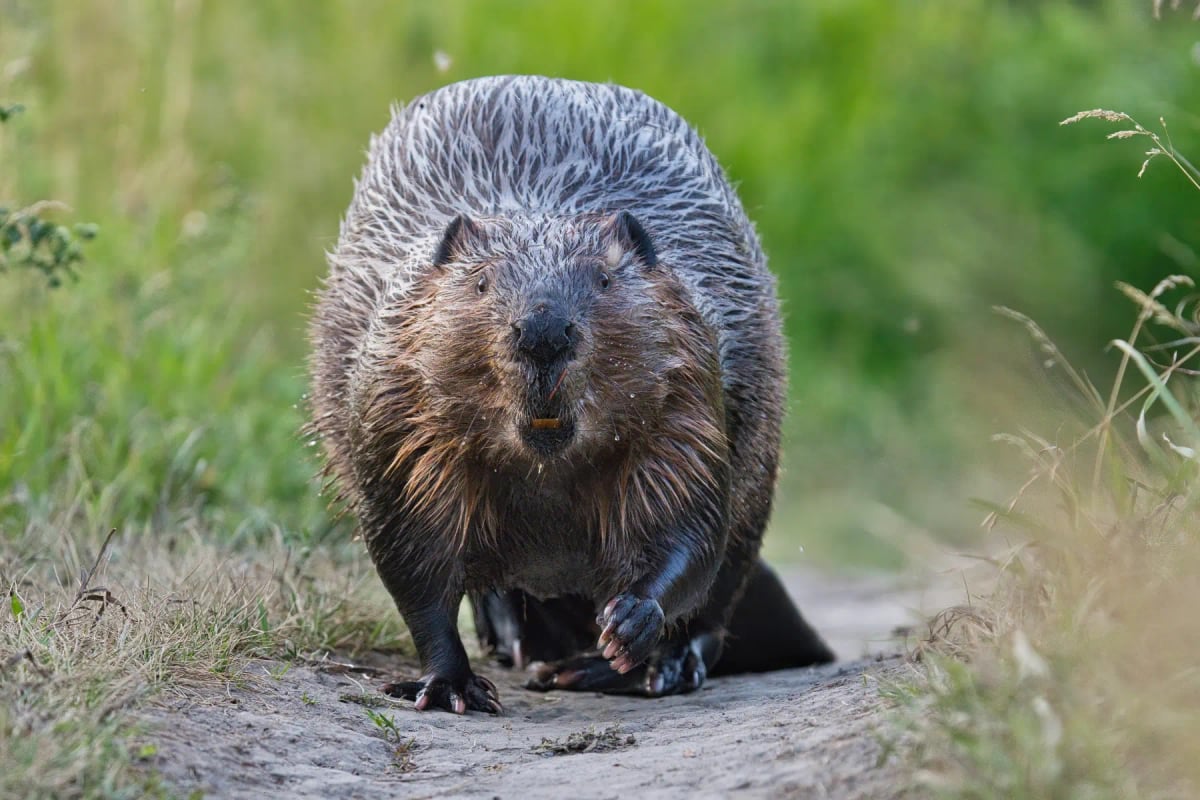
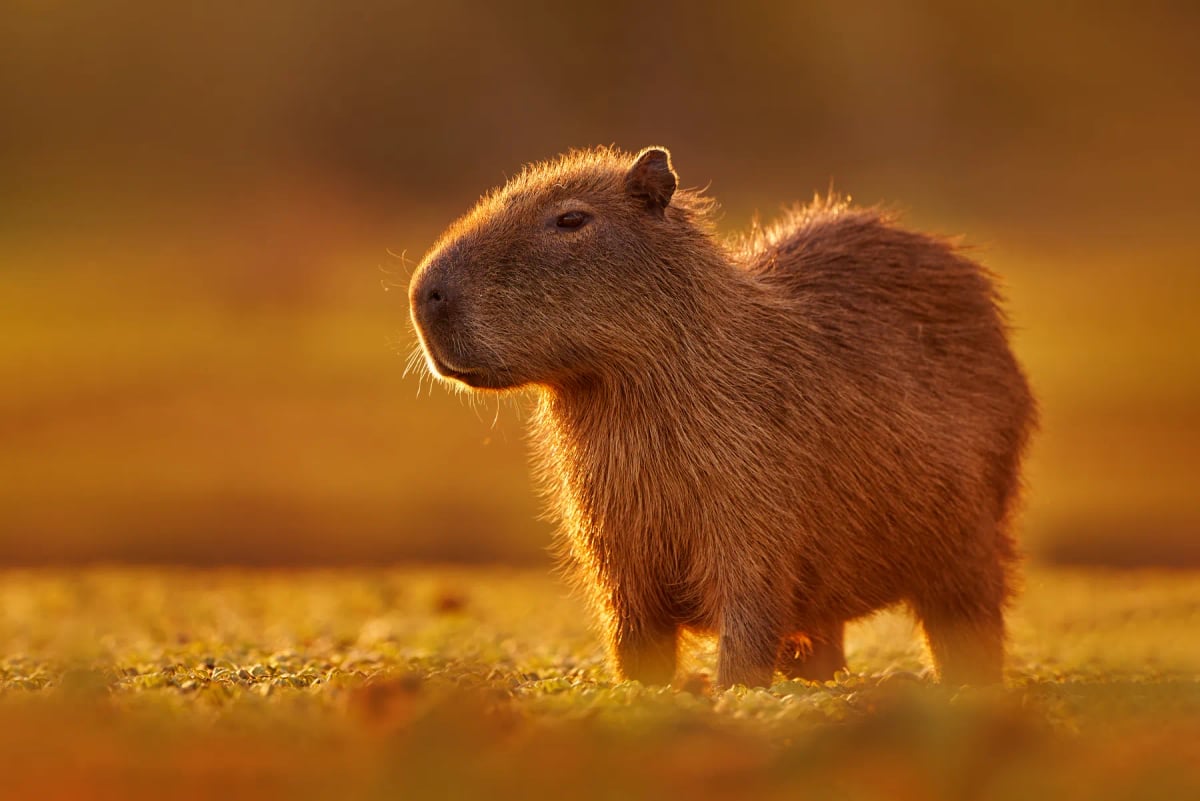
The North American beaver is the second largest rodent in the world, surpassed only by the capybara. Built for life in and around water, it has a broad, flat tail used for steering while swimming, dense waterproof fur, and large orange incisors that never stop growing. Those teeth allow it to fell trees with remarkable speed. Beavers are famous for building dams from logs, branches, and mud, which flood surrounding land and form ponds. These ponds slow water flow, raise the water table, filter sediment, and create rich wetland habitats used by fish, amphibians, waterfowl, and dozens of other species. Few animals reshape landscapes as dramatically as the beaver. They live in family groups inside lodges built in the middle of their ponds, entering and exiting through underwater tunnels that keep predators out. Their activity benefits entire watersheds far beyond the immediate area.
Habitat and distribution
The North American beaver ranges across most of Canada and the contiguous United States, extending into northern Mexico and parts of Alaska. Populations were introduced to Argentina in 1946, where they have since spread across Tierra del Fuego and into Chile, causing significant ecological disruption in forests that evolved without them. Beavers thrive wherever slow-moving or still freshwater meets woodland. Rivers, streams, lakes, ponds, and wetland margins all serve as suitable home territory. The presence of deciduous trees such as aspen, willow, birch, and cottonwood is essential, as these provide both food and building material. Beavers generally avoid fast-flowing rivers and steep terrain where dam construction is impractical. Within their range, they are strongly tied to riparian corridors and tend to recolonize areas quickly once conditions become favorable again.
Built for water: the beaver's physical toolkit
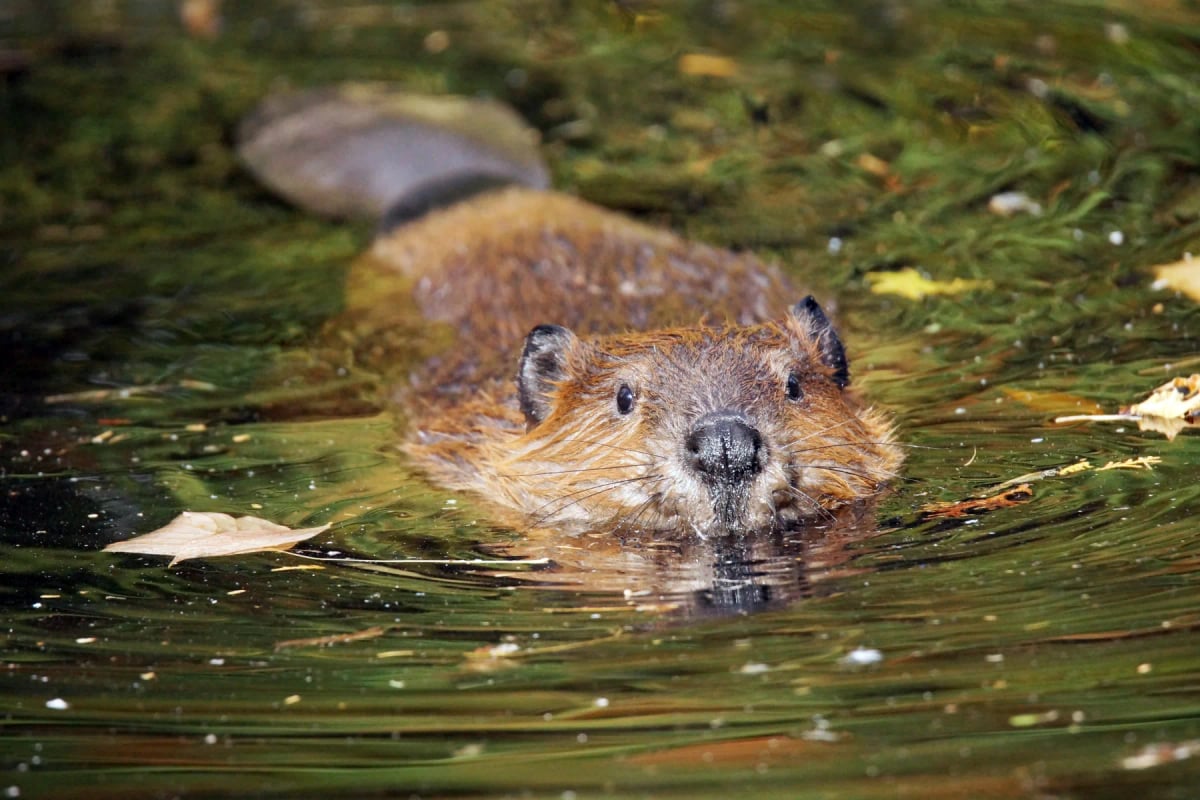
Few mammals are as thoroughly equipped for an aquatic lifestyle as the beaver. Its dense, two-layer fur traps air close to the skin, providing insulation in cold water while remaining essentially waterproof. Transparent inner eyelids, called nictitating membranes, allow the beaver to see clearly while submerged. The nostrils and ears seal shut during dives, and beavers can remain underwater for up to 15 minutes. Large webbed hind feet power swimming, while the distinctive flat tail acts as a rudder and is used to slap the water surface as an alarm signal. Those famous orange incisors are coated in iron-rich enamel on the front face only, which causes the softer dentine behind to wear away faster, naturally maintaining a chisel-sharp edge. Castor glands near the tail produce castoreum, used for waterproofing fur and scent marking territory.
Behavior and social life
Beavers are monogamous and live in tight family units typically made up of an adult pair, their kits from the current year, and offspring from the previous year known as yearlings. Young beavers usually disperse at around two years of age to find their own territory. The family works together to maintain dams and lodges, hauling branches and packing mud with their forepaws and teeth throughout the year. Activity peaks around dawn and dusk, making beavers primarily crepuscular. Food caches of branches and logs are assembled underwater near the lodge entrance before winter, providing a reliable supply when ice covers the pond. Beavers communicate through scent mounds built from mud and castoreum at territory boundaries, through vocalizations, and through the distinctive tail slap that warns family members of approaching danger.
Conservation
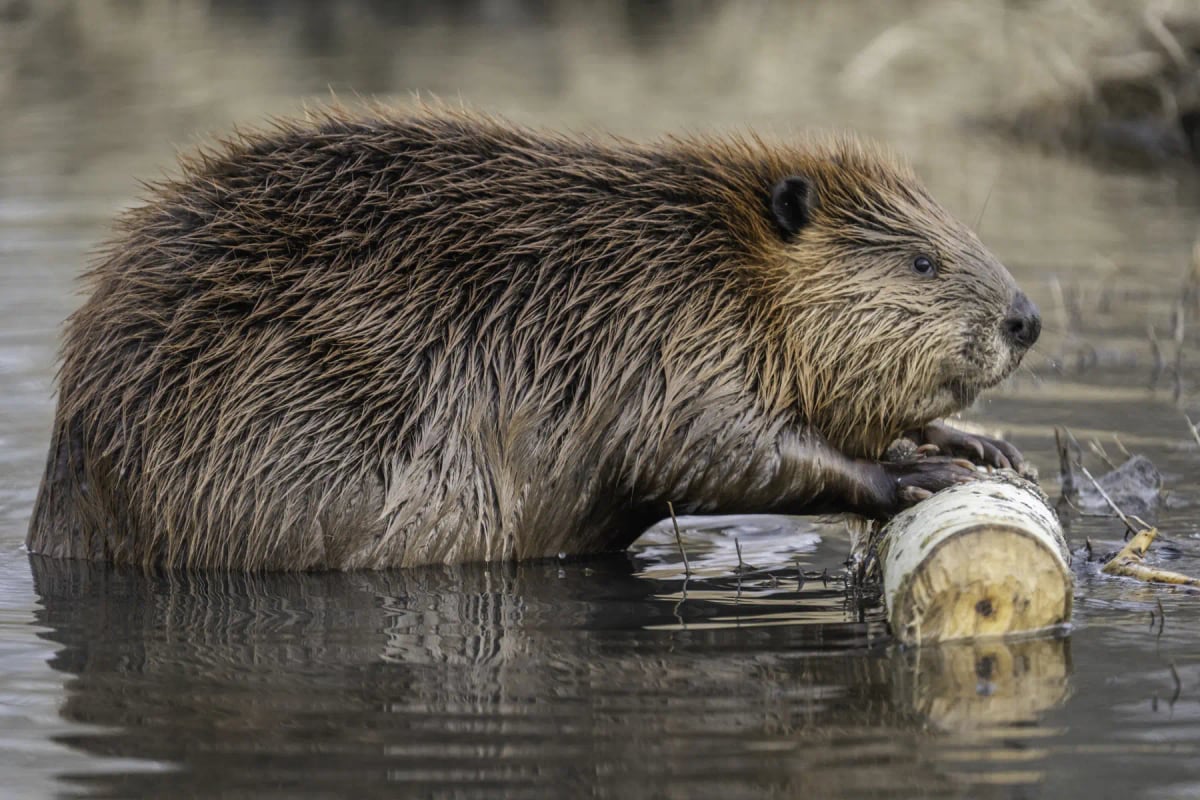
The North American beaver carries a conservation status of Least Concern on the IUCN Red List, a recovery that stands as one of North America's great wildlife success stories. By the early 1900s, centuries of intensive fur trapping had pushed the species to near extinction across much of its original range, with populations reduced to scattered remnants. Legal protections, regulated trapping seasons, and active reintroduction programs through the twentieth century allowed numbers to rebound strongly. Current estimates place the North American beaver population at around 10 to 15 million individuals. Today, conservationists increasingly recognize beavers as a low-cost tool for restoring degraded waterways. Their dams raise water tables, reduce erosion, and rebuild wetlands, making them valuable partners in efforts to address drought and habitat loss. The introduced population in southern South America, however, is managed as an invasive species.
Where it is found
The Beaver can be found in places such as:
Researched and written by Juan Pablo. Sources: IUCN Red List, scientific literature and regional field guides. Last updated: .
Technical factsheet






Frequently Asked Questions
What do beavers eat?
Beavers are herbivores with a diet built almost entirely on plant material. They favor the bark, leaves, and twigs of trees such as aspen, willow, birch, and alder. Aquatic plants, grasses, and shrubs also make up a regular part of their meals. During summer they eat more leafy vegetation, while in winter they rely heavily on the underwater branch caches they stockpile near their lodge before the pond freezes over.
How do beavers build their dams?
Beavers build dams by wedging branches and logs across a stream, then packing the gaps with mud, rocks, and plant debris using their forepaws and teeth. They work mainly at night and continually repair any leaks or damage. A single dam can stretch anywhere from a few meters to well over a hundred meters long. The resulting pond raises the water level enough to keep the lodge entrance submerged, which is the whole point of building one.
How long do beavers live?
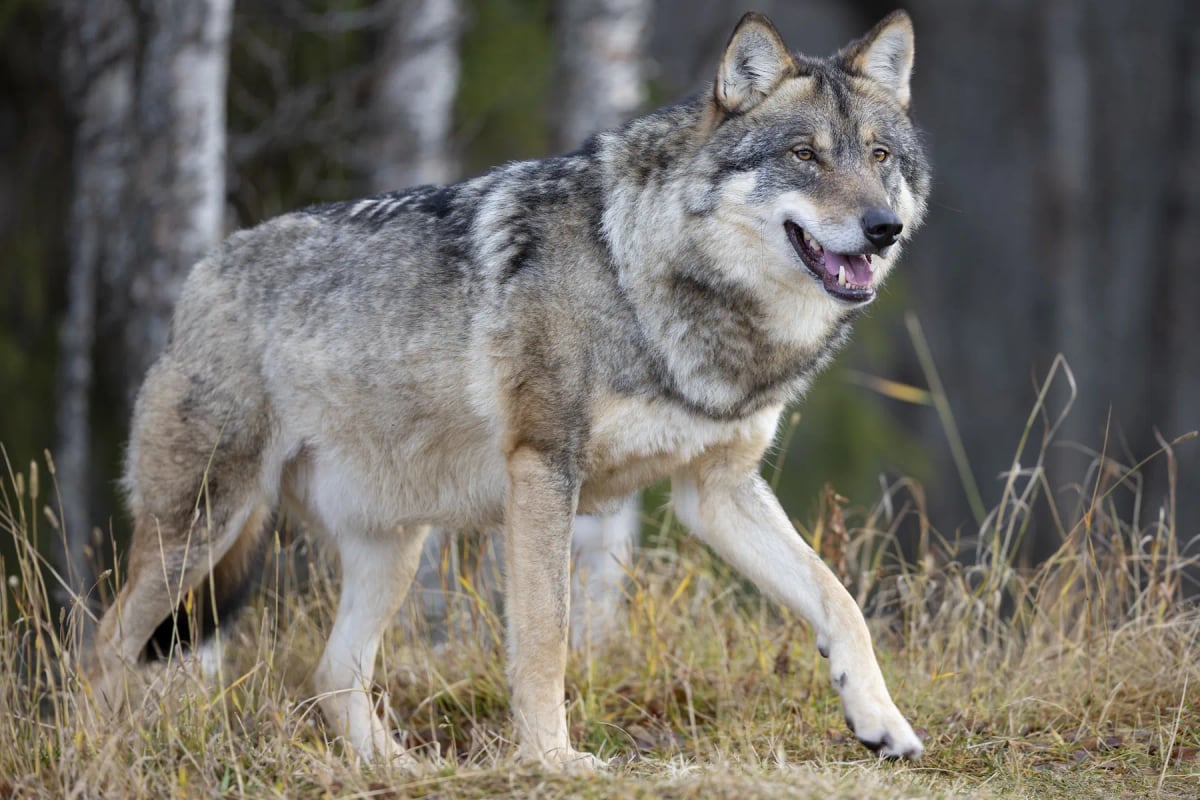
In the wild, North American beavers typically live between 10 and 15 years, though some individuals reach closer to 20. In captivity, where threats from predators and harsh winters are removed, lifespans tend to be longer. Predators such as wolves, coyotes, bobcats, and river otters are among the main natural dangers they face, particularly for young beavers before they are large enough to be less vulnerable.
Are beavers dangerous to humans?
Beavers are generally shy animals that avoid confrontation with people. However, a cornered or injured beaver can bite with considerable force, and their incisors are capable of causing serious wounds. There have also been rare but documented cases of beavers carrying rabies. The more common concern for people is flooding caused by beaver dams blocking culverts or waterways near roads, farmland, and residential areas, which can create real property and infrastructure problems.
Why are beavers called ecosystem engineers?
The term fits because beavers physically transform the landscape in ways that benefit a wide range of other species. Their ponds create wetland habitat for fish, frogs, turtles, ducks, and wading birds. The slower, deeper water also allows sediment to settle, improving water quality downstream. Dead trees left standing in flooded areas become nesting sites for woodpeckers and owls. Few other animals outside of humans alter their environment so profoundly and with such broad positive effects.
How big do beavers get?
The North American beaver is a large rodent by any measure. Adults typically weigh between 16 and 32 kilograms, with some exceptionally large individuals exceeding 40 kilograms. Body length usually falls between 74 and 90 centimeters, not counting the flat tail, which adds another 25 to 50 centimeters. Only the capybara of South America is a larger rodent. Males and females are similar in size, which is unusual among mammals of this size.