American Black Bear
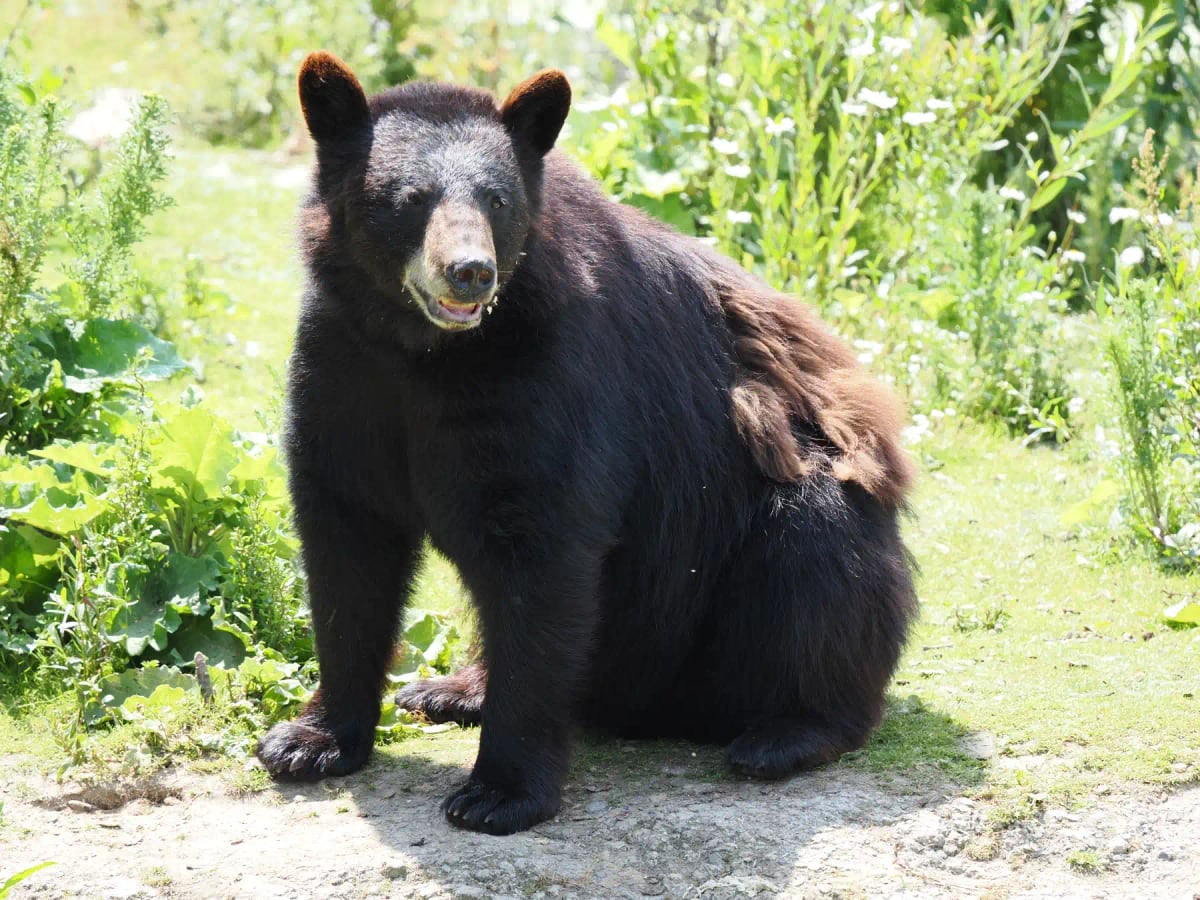
The American black bear is the most widespread bear in North America, ranging from Alaska to central Mexico. Despite its name, its coat varies from jet black to brown, cinnamon or even blond. Adaptable to forests, swamps and mountain ranges, it feeds on berries, nuts, insects, fish and the occasional deer fawn. Highly skilled at climbing trees, it often ventures near farms and campsites when natural food is scarce, which can bring it into conflict with humans.
Habitat and range
The American black bear has the widest range of any bear in North America, spanning from the boreal forests of Alaska and Canada through much of the contiguous United States and into the mountain ranges of northern Mexico. It occupies a broad variety of habitats, including boreal forests, temperate rainforests, hardwood forests, swamps, shrublands, and high mountain terrain. Populations have recovered significantly over the past century and the species has recolonized many areas where it was historically eliminated. Today stable populations exist in at least 40 US states and most Canadian provinces and territories.
Diet
The American black bear is a highly opportunistic omnivore. Plants make up the majority of its diet year-round, including grasses, berries, nuts such as acorns and beechnuts, roots, and fruit. It also forages for insects and larvae by tearing apart rotting logs and overturning rocks. In areas near salmon streams, fish become an important seasonal food source. Black bears will also scavenge carrion and occasionally prey on deer fawns or other young mammals. In late summer and fall, they enter a period of intense feeding called hyperphagia to build fat reserves before winter torpor.
Behavior
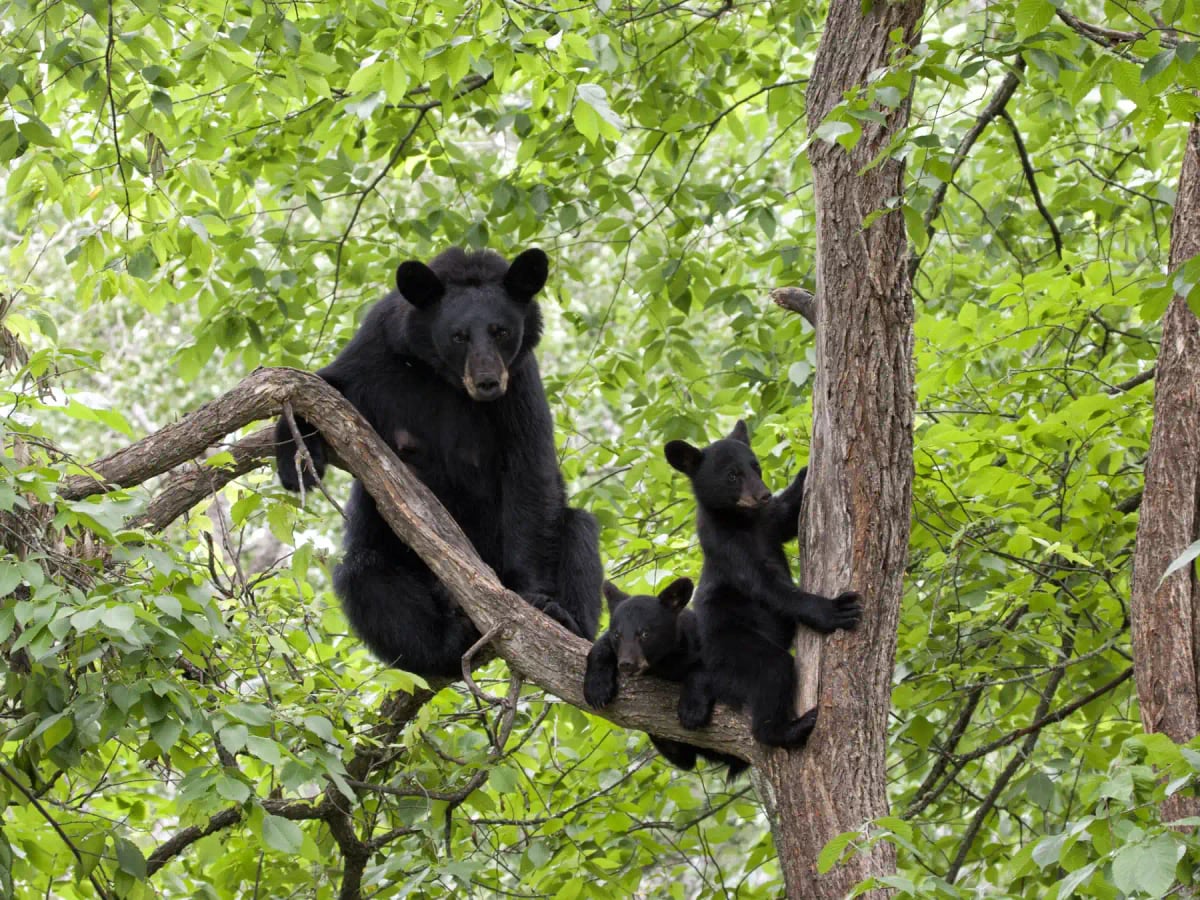
American black bears are solitary animals outside of the mating season and groups formed by mothers and their cubs. They are most active at dawn and dusk, though activity patterns shift depending on season, food availability, and human presence. Excellent climbers from a young age, they use trees for safety and rest. In northern parts of their range, black bears enter dens in late autumn and enter a state of torpor lasting several months, surviving on fat reserves. Their body temperature drops only slightly during this period and they can be roused if disturbed.
Adaptations
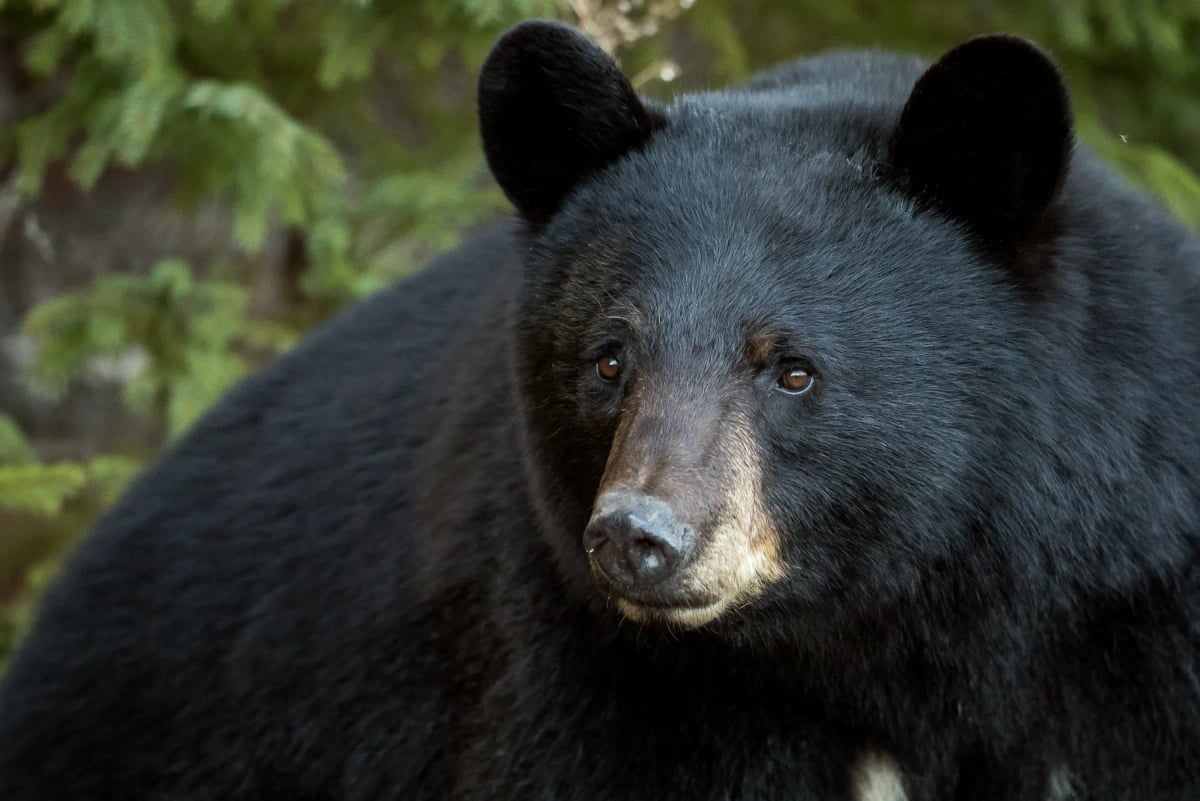
The American black bear is one of the most adaptable large mammals in North America. Its omnivorous diet allows it to thrive in habitats ranging from coastal rainforests to desert mountain ranges. The ability to enter winter torpor in northern regions allows survival through months of food scarcity without eating, drinking, or eliminating waste. Coat color varies widely across the range, from jet black in eastern populations to brown, cinnamon, and even cream or blond in western areas. This color variation is not linked to subspecies or geography in any simple or predictable pattern.
Relation with humans
The American black bear is the bear species most commonly encountered by humans in North America. It generally avoids confrontation and rarely poses a serious danger to people, though it can become bold when it associates humans with food. Bears that access garbage or unsecured food near campsites often become repeat visitors and may require relocation or removal. Conservation programs across the United States and Canada promote coexistence by educating communities on storing food in containers that bears cannot access. Fatal attacks are extremely rare but do occur, usually in surprise encounters or involving females defending cubs.
Where it is found
The American Black Bear can be found in places such as:
Researched and written by Juan Pablo. Sources: IUCN Red List, scientific literature and regional field guides. Last updated: .
Technical factsheet

Frequently Asked Questions
What do American black bears eat?
American black bears are highly opportunistic omnivores. Plants make up most of their diet year round, including grasses, berries, nuts, roots, and fruit. They tear apart rotting logs to find insects and larvae, and fish for salmon in streams. They will also scavenge carrion and occasionally prey on deer fawns. In late summer and fall, they enter a phase of intense feeding called hyperphagia to build fat reserves before their winter dormancy period.
Are American black bears dangerous?
American black bears rarely pose a serious danger to people and generally flee when they encounter humans. They become bolder when they associate people with food, and bears that access garbage or campsites regularly may need to be relocated. Fatal attacks are extremely rare but do occur, usually in surprise encounters or when mothers are defending cubs. Keeping food secured in containers that bears cannot access and maintaining a safe distance are the most effective precautions.
Do American black bears hibernate?
American black bears in northern parts of their range enter dens in late autumn and spend several months in torpor, living off fat reserves. Body temperature drops only slightly and they can be roused if disturbed, which distinguishes their torpor from true hibernation. In southern areas where winters are mild, bears may remain active year round. Pregnant females give birth inside the den during this dormant period, typically to one to three cubs.
Why are some black bears not black?
Despite their name, American black bears come in a wide range of coat colors. In eastern populations black is most common, but bears in western North America frequently have brown, cinnamon, or even cream-colored fur. This variation is not linked to subspecies in any simple pattern and can occur within the same litter. The name reflects the color most commonly seen by early European settlers in the eastern United States, where most of their encounters with the species took place.
Where do American black bears live?
The American black bear has the widest range of any bear in North America, extending from Alaska and Canada through much of the United States and into the mountain ranges of northern Mexico. It occupies an exceptionally broad variety of habitats including boreal forests, temperate rainforests, hardwood forests, swamps, shrublands, and high mountain terrain. Populations have recovered significantly over the past century and the species has recolonized many areas where it was historically eliminated.
How big is the American black bear?
American black bears vary considerably in size depending on sex, age, and region. Males typically weigh between 130 and 300 kilograms, while females are smaller at 60 to 150 kilograms. They stand 70 to 100 centimeters at the shoulder. Bears in northern areas tend to be larger than those in the south. Before entering winter torpor, individuals can gain substantial weight during hyperphagia, with large males sometimes exceeding 250 kilograms heading into the den.