Animals in Italy
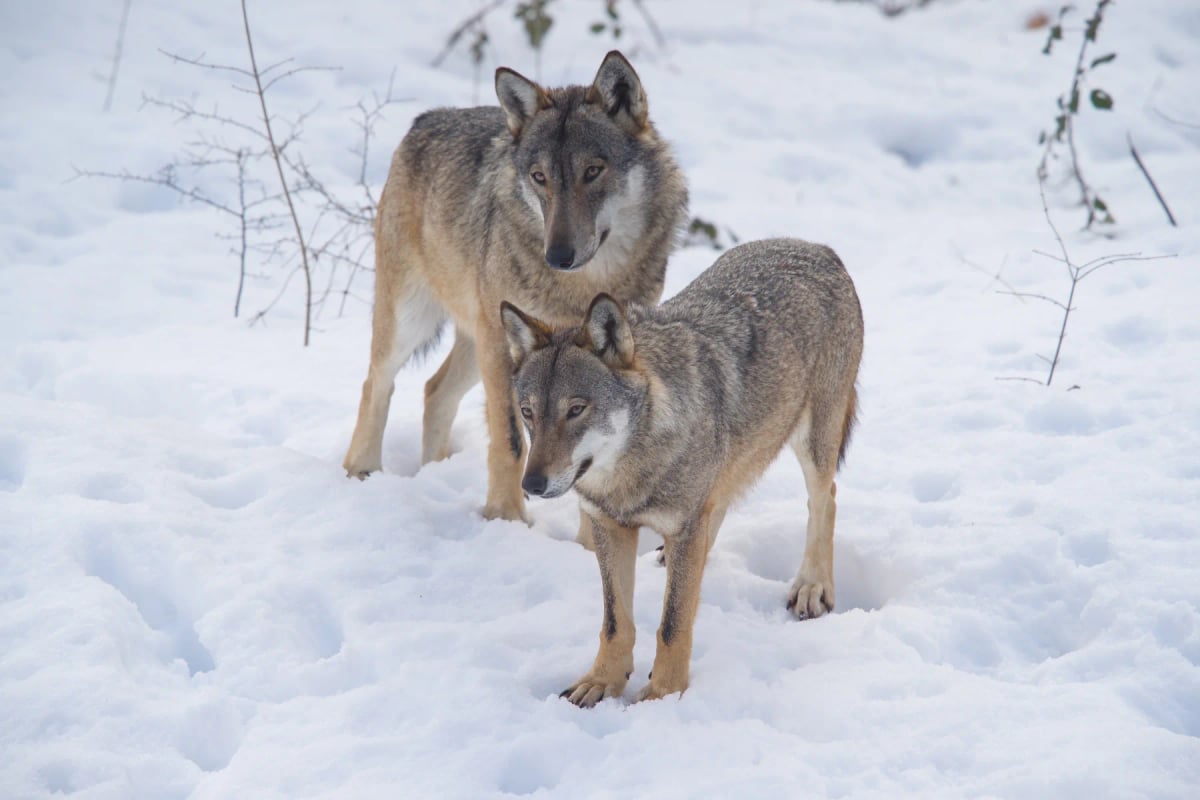
Italian Wolf
Canis lupus italicus
Italy has no official national animal by law, but the wolf is the animal most tied to the country. According to legend, Romulus and Remus, the founders of Rome, were fed by a she wolf, and her statue is still a symbol of the city. By the early 1970s fewer than 100 wolves were left, hiding in the central and southern Apennines. After hunting was banned in 1971, the wolf came back on its own, without any reintroduction. A national survey in 2020 and 2021 counted about 3,300 wolves in Italy, spread from Calabria to the Alps. Many farmers still worry about their livestock, but the wolf's return is one of Europe's great wildlife comebacks.
View details→Wildlife in Italy
Italy packs a surprising amount of wildlife into a long, narrow country that stretches from the high Alps to the middle of the Mediterranean Sea. In the Alps, Alpine ibex and chamois climb steep rocky slopes, and Alpine marmots whistle a sharp alarm call when a golden eagle flies over the meadows. The ibex has a special story here. In the early 1800s it had almost vanished, and the last few survived in a royal hunting reserve that later became Gran Paradiso, Italy's first national park. Every Alpine ibex alive today comes from those animals. Along the Apennines, the mountain chain that runs down the middle of the country, Italian wolves have made a strong comeback, and in Abruzzo a small group of brown bears still lives in the forests. Red deer, roe deer and wild boars are common in many parks, while shy animals like the European wildcat, the marten and the badger move mostly at night. Birdlife is rich too. Griffon vultures soar over the cliffs of Sardinia, eagle owls nest in rocky valleys, and cranes pass through the country on their spring and autumn migrations. At sea, the Pelagos Sanctuary, shared by Italy, France and Monaco, protects bottlenose and common dolphins as well as sperm whales. For anyone who wants to see Italian animals in the wild, national parks such as Gran Paradiso, Stelvio and Abruzzo are the best places to start, especially early in the morning and late in the afternoon.
Most Dangerous Animals in Italy
Italy is a very safe country when it comes to wild animals, and most visitors will never have a problem with one. Still, it helps to know which animals deserve some respect. On land, the ones to keep in mind are vipers, the only venomous snakes in the country. The European adder lives in the Alps, and other kinds of vipers live in sunny, rocky places across much of the mainland. Bites are rare and almost always happen when someone steps on a snake or reaches under a rock or into a crack without looking. Good shoes and watching where you put your hands are usually enough. Sardinia has no vipers at all. Brown bears and Italian wolves live in the mountains and almost always avoid people. Even so, bears in Trentino have caused a few serious incidents, and in 2023 a runner was killed by a bear there, so local rules about hiking and dogs should be taken seriously. Wild boars are common, even on the edges of cities like Rome and Genoa. They can charge if they feel trapped, especially mothers with young, and they cause many car accidents at night. At sea, sharks are very rare near the Italian coast, and attacks on swimmers almost never happen. Wolves that get used to people can lose their fear, which is one reason why feeding them is against the law. If you ever meet a wolf or a bear, stay calm, do not run, and slowly back away to give it space. The best advice everywhere is simple: keep your distance, never feed wild animals, stay on marked trails and follow the signs and rules of each national park.
Top 10 Animals in Italy
The top 10 animals in Italy mix mountain icons with giants of the sea, and each one tells a different part of the country's story. Brown bears live in two separate places. In Trentino, a group brought from Slovenia between 1999 and 2002 has grown to around 100 bears, and in the central Apennines lives the Marsican brown bear, a type found only in Italy. Italian wolves were close to disappearing in the 1970s, but today they live along almost the whole length of the country. The Eurasian lynx is the rarest of Italy's big predators, with only a few animals in the forests of the eastern Alps. Red deer are easy to spot in parks like Stelvio, especially in autumn, when males roar to attract females. In the sky, golden eagles hunt over high valleys, white tailed eagles are rare winter visitors, and peregrine falcons nest on cliffs and even on tall buildings in cities. White storks have returned to nest in Piedmont after a long absence, and mute swans are a common sight on the lakes of the north. Out at sea, sperm whales dive for squid in the deep waters of the Ligurian Sea. Orcas are rare visitors, and in December 2019 a small family of them spent several weeks near the port of Genoa, drawing crowds along the shore. Great white sharks are rarer still, and every sighting near the Italian coast makes the news. Most of these animals are shy and wary of people, so patience, binoculars and an early start make a big difference. The visitor centers of national parks are also a good place to ask where animals have been seen in recent days, and park rangers often know the best trails and times of year for each species.
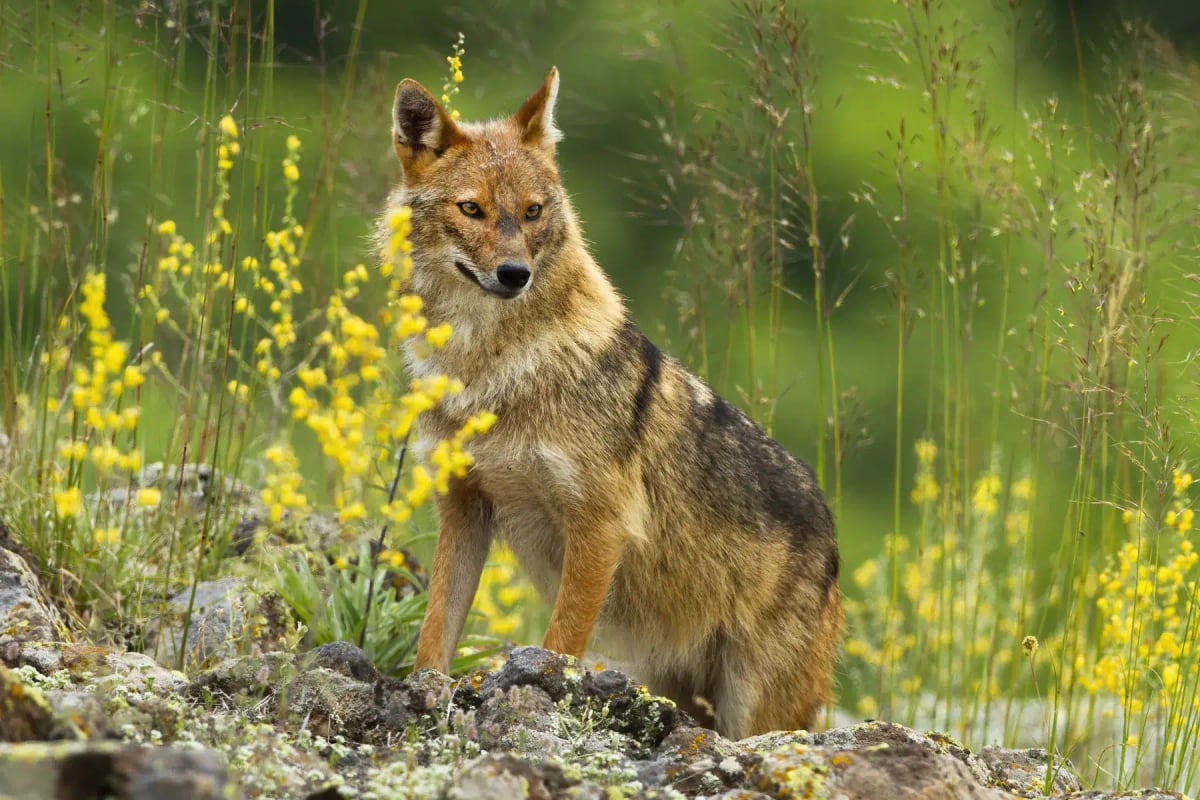
Golden Jackal
Canis aureus
The golden jackal is a relatively recent arrival in Italy, spreading westward from the Balkans over the past few decades. It has established itself in the northeast, particularly in Friuli Venezia Giulia and the Veneto region, where river plains and agricultural land offer ideal hunting grounds. A highly adaptable canid, it feeds on small animals, fruit, and carrion. Its status is Least Concern.
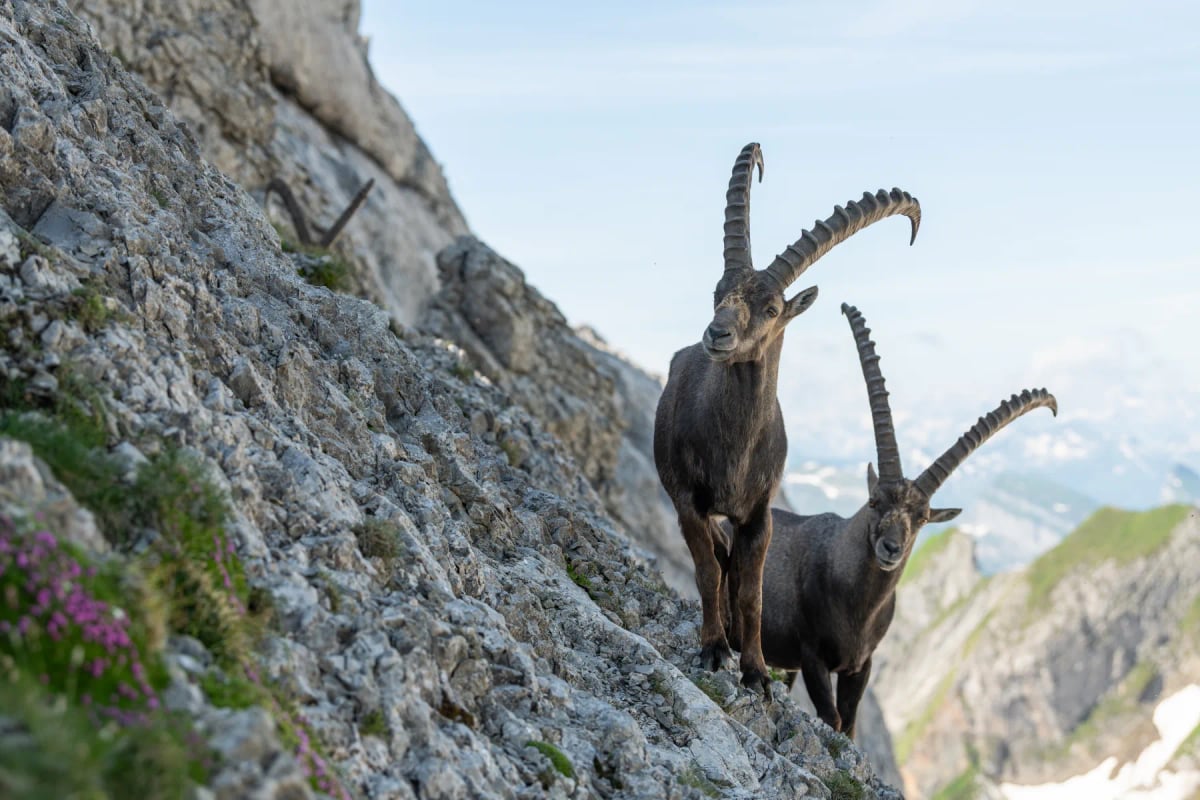
Alpine Ibex
Capra ibex
The alpine ibex is one of Italy's great conservation stories. Hunted nearly to extinction by the early 1800s, the last wild population survived in what is now Gran Paradiso National Park in the Aosta Valley. Protection and reintroduction programs have since restored the species across the Alps, and Italy now holds thousands of ibex across multiple mountain ranges. Males carry massive curved horns that can grow over a meter long.
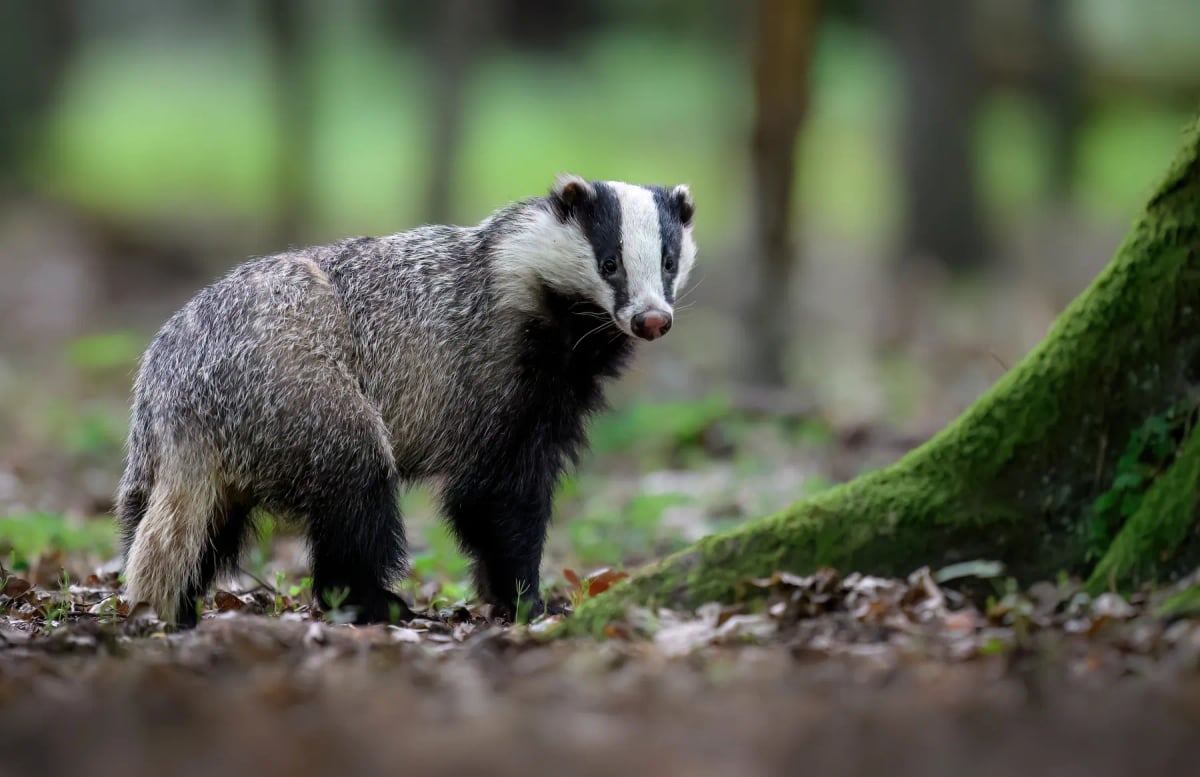
Badger
Meles meles
The Eurasian badger is widespread across Italy from the Alps to Sicily, living in woodland areas, scrubland, and farming valleys where it digs extensive burrow systems. It is mostly nocturnal and rarely seen, but its digging activity leaves clear signs across Italian countryside. It feeds on earthworms, roots, berries, and small animals, and plays a quiet but important role in shaping soil in forest habitats.

Brown Bear
Ursus arctos
Italy hosts two distinct brown bear populations. In the central Alps, the Adamello Brenta Natural Park is home to a recovering population originally linked to reintroduction efforts under the Life Ursus project. In the Apennines, a critically small group known as the Marsican brown bear survives in and around Abruzzo, Lazio and Molise National Park. Both populations face pressure from habitat fragmentation and road traffic.
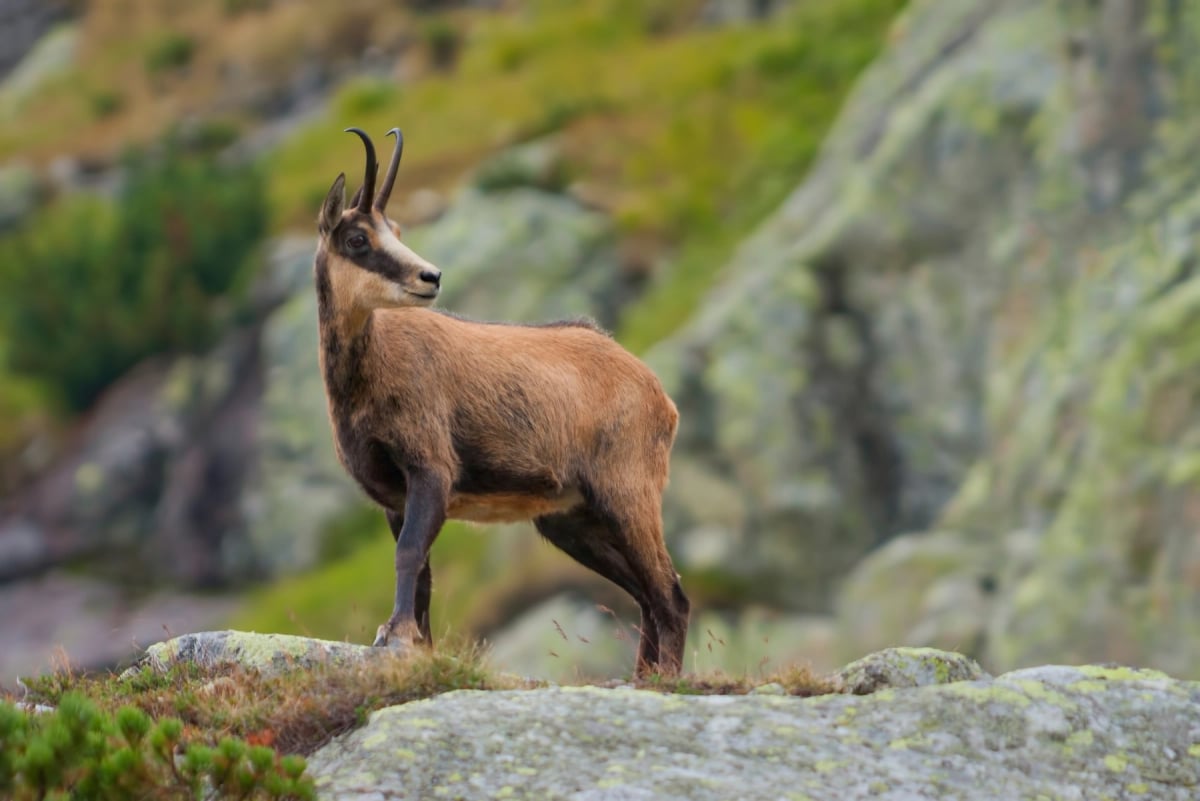
Chamois
Rupicapra rupicapra
Italy holds some of the most significant chamois populations in Europe, with animals present across the Alps, the Apennines, and in protected areas such as Gran Paradiso National Park. The Alpine subspecies and the Apennine chamois, a distinct subspecies, both occur here. Conservation efforts within national parks have helped stabilize numbers after severe declines due to hunting in past centuries. IUCN status: Least Concern.
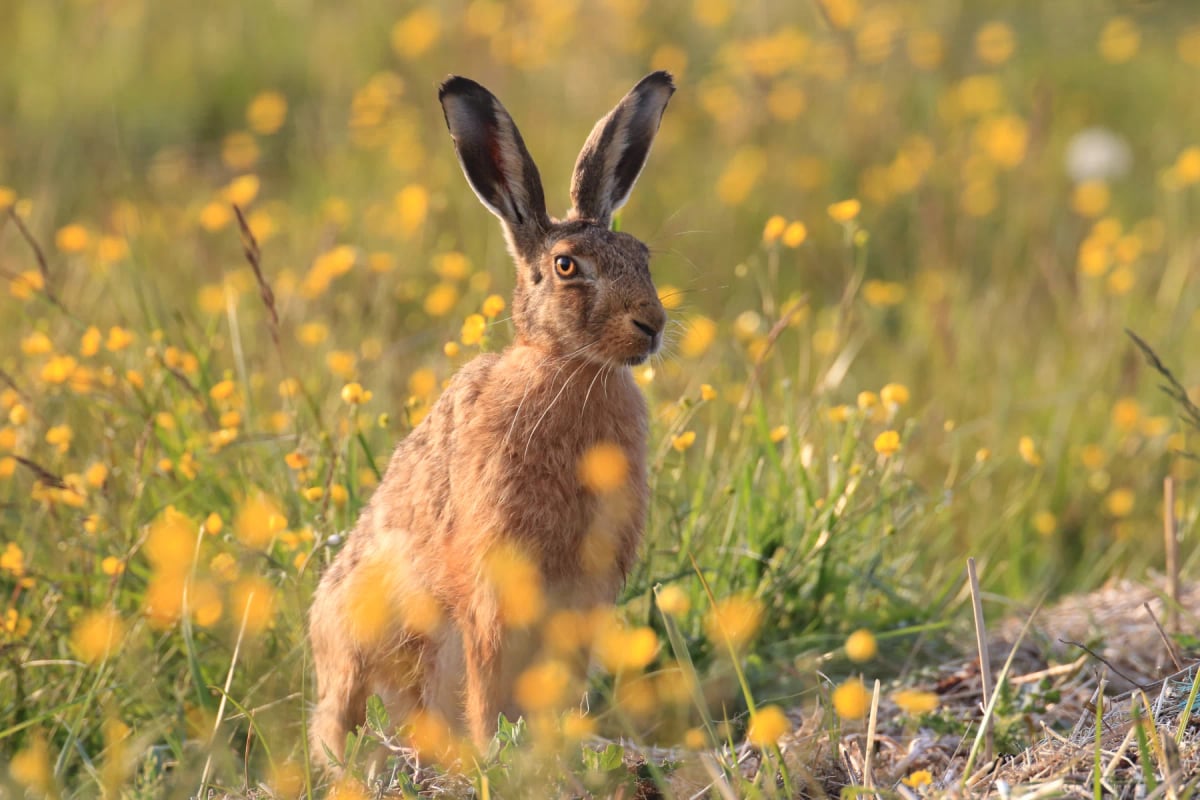
Hare
Lepus europaeus
The European hare is found across much of Italy, from the Po Valley plains to the rolling hills of Tuscany and the grasslands of the south. It favours open farmland and open fields, resting in shallow scrapes called forms rather than digging burrows. Numbers have declined in many areas due to intensive agriculture, but the species remains present across the peninsula and is listed as Least Concern.
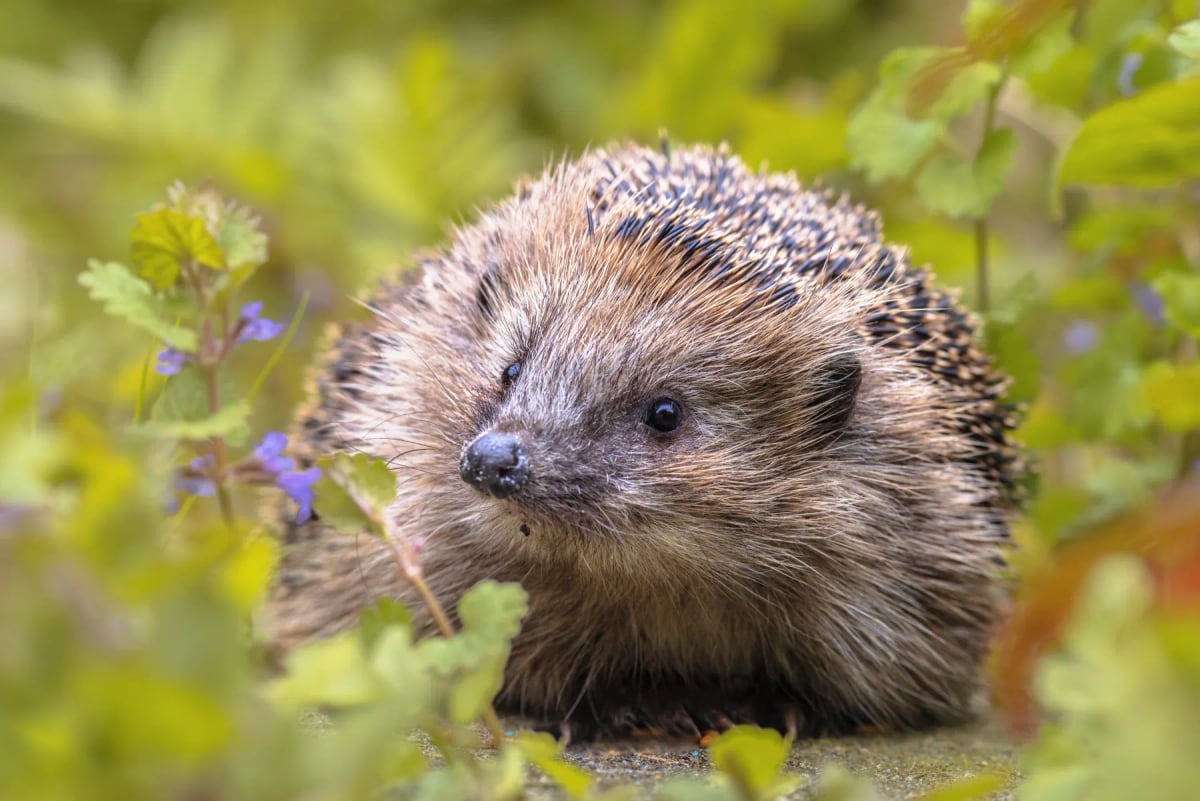
Hedgehog
Erinaceus europaeus
Across Italy, the European hedgehog is a familiar presence in gardens, olive groves, and the edges of woodland from the Po Valley in the north to the toe of the peninsula. It feeds on beetles, earthworms, and slugs, making it a welcome visitor for farmers and gardeners alike. Road traffic and the intensive use of pesticides in agricultural areas remain the biggest threats to hedgehog populations throughout the country. IUCN status: Least Concern.
Italian Wolf
Canis lupus italicus
The Italian wolf is native to the Italian peninsula and represents one of Europe's greatest wildlife recovery stories. Pushed below 100 individuals by the 1970s due to hunting and habitat loss, strict legal protection helped the population rebound to roughly 3,300 wolves by the early 2020s. Packs roam the Apennine Mountains and Alpine slopes, hunting wild boar and deer across territories spanning hundreds of square kilometers.
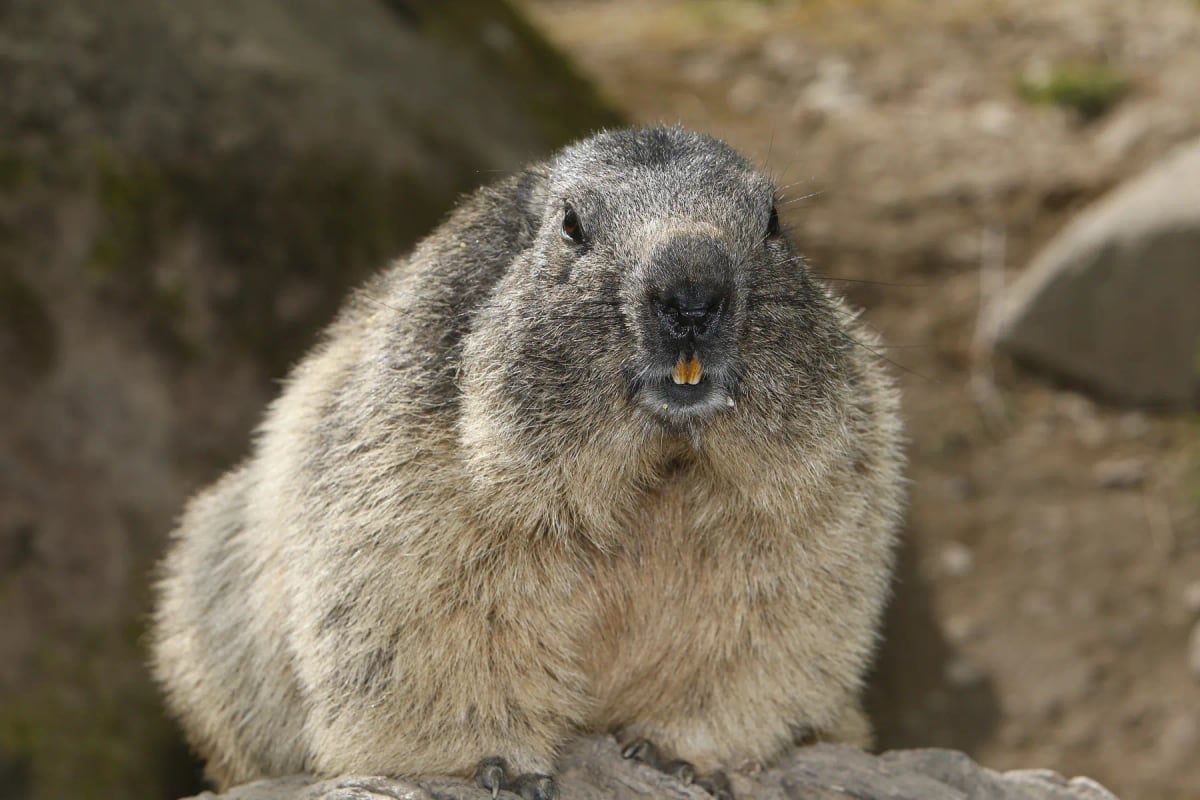
Alpine Marmot
Marmota marmota
The alpine marmot is one of the most characteristic mammals of Italy's high mountain parks, living in colonies across the Alps and, after reintroductions, in parts of the Apennines. It spends up to eight months of the year in deep hibernation and emerges in spring to graze on alpine meadows. Its sharp warning whistles alert the colony to approaching predators, making it an entertaining subject for hikers visiting Gran Paradiso or Stelvio.
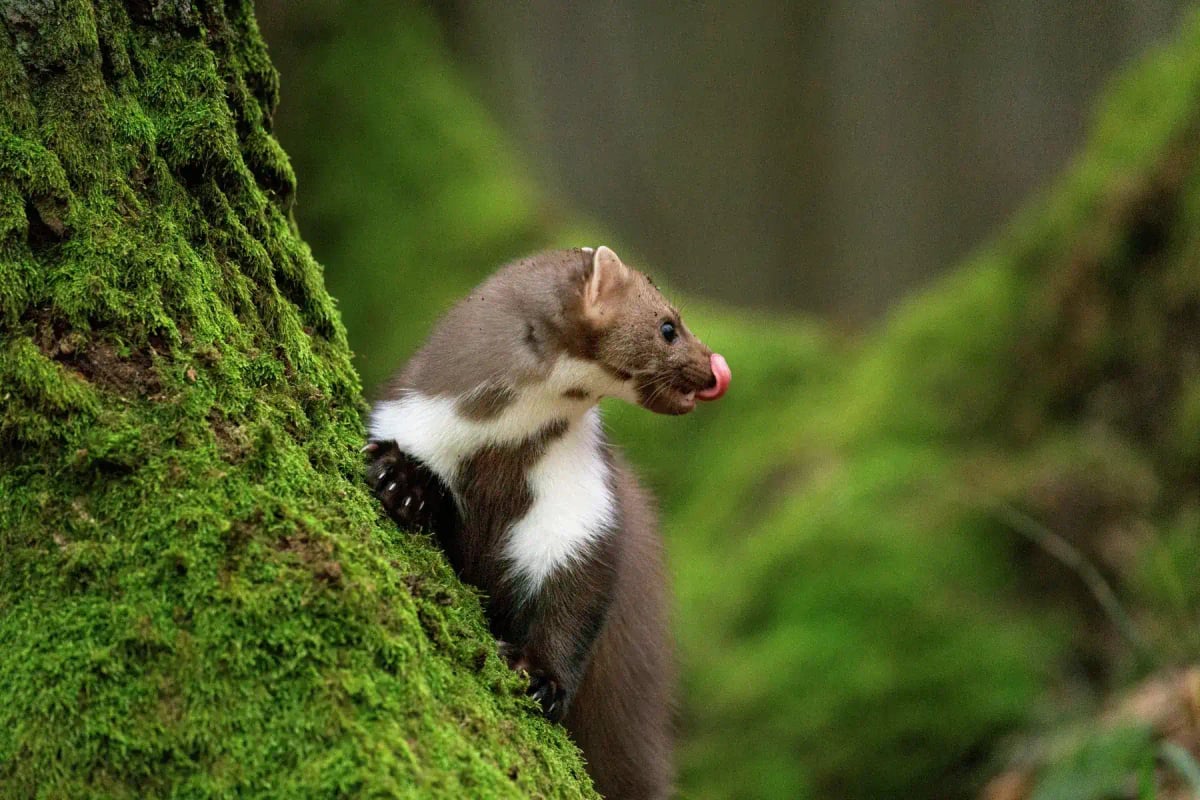
Marten
Martes martes / Martes foina
Italy hosts both the pine marten and the stone marten across a range of habitats. Pine martens thrive in the forested Alpine valleys and Apennine woodlands, while stone martens are common in farmland, rocky hillsides, and even village outskirts. Both species hunt at night, targeting rodents and birds, and supplement their diet with fruit. They play a quiet but important role in keeping prey populations in balance. Their IUCN status is Least Concern.
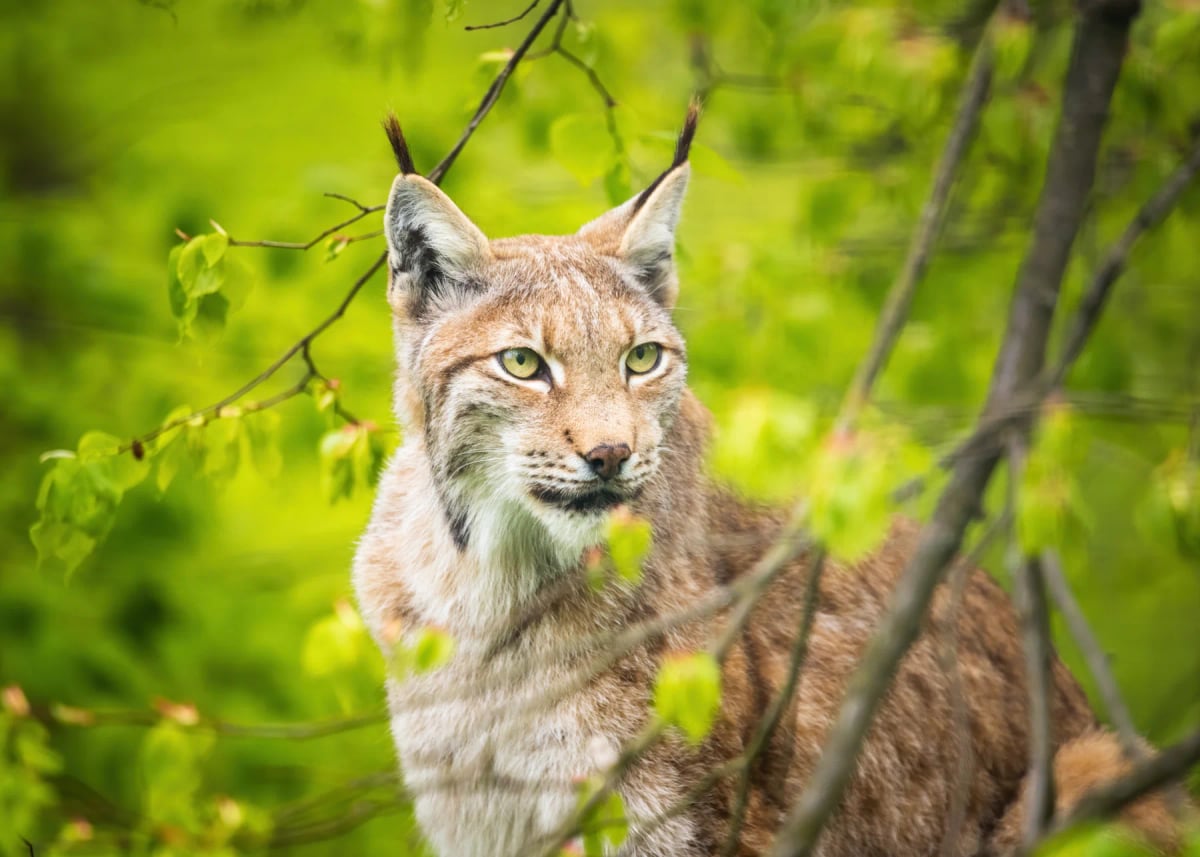
Eurasian Lynx
Lynx lynx
The Eurasian Lynx is present in the Alps of northern Italy, where animals have spread naturally from Switzerland and Slovenia following reintroductions in those countries. A very small and isolated population also persists in the Dolomites area. Numbers remain low across Italy, and the species is legally protected. Roe deer and chamois are its principal prey in Alpine habitats. The IUCN lists it as Least Concern.
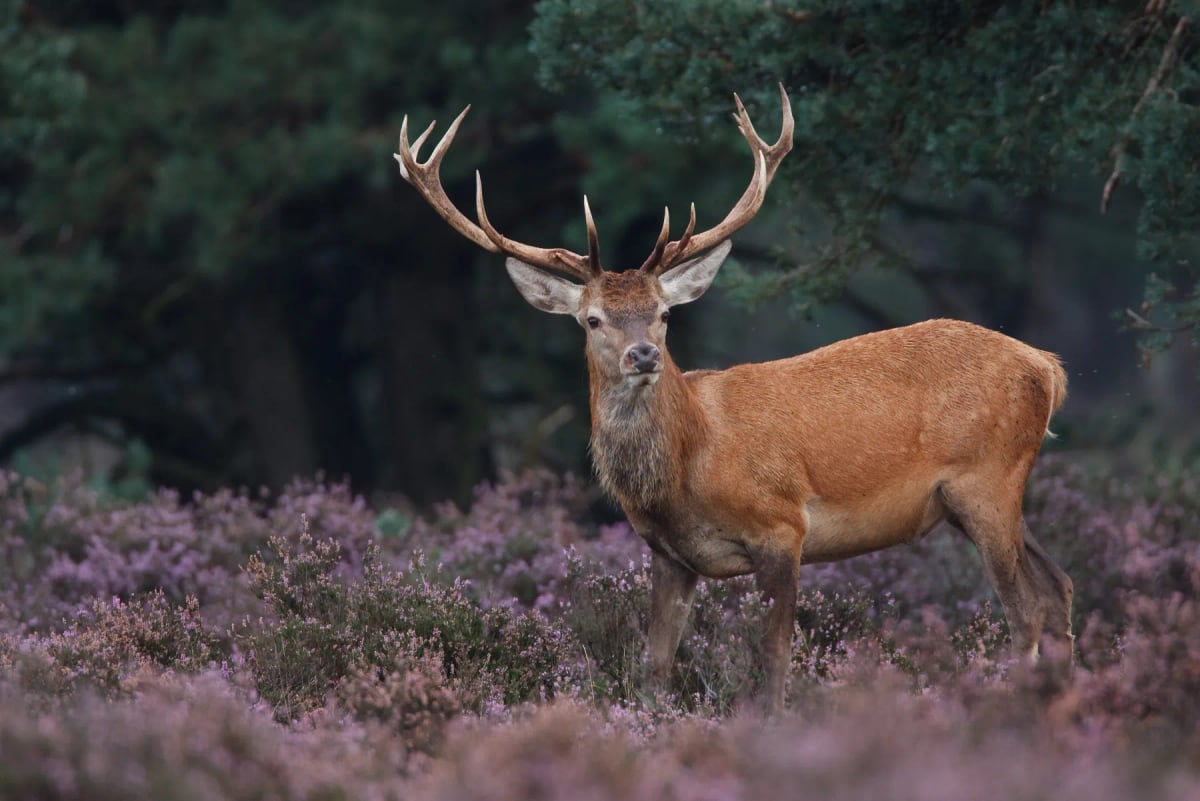
Red Deer
Cervus elaphus
Red deer are found across several regions of Italy, including the Alps, the Apennines and Sardinia, where a distinct local population has lived for thousands of years. In the Alps, numbers have grown significantly since the mid-twentieth century thanks to hunting regulations and the creation of protected areas such as Gran Paradiso National Park. The species plays an important role in shaping mountain woodland ecosystems through its grazing and browsing habits. IUCN status: Least Concern.
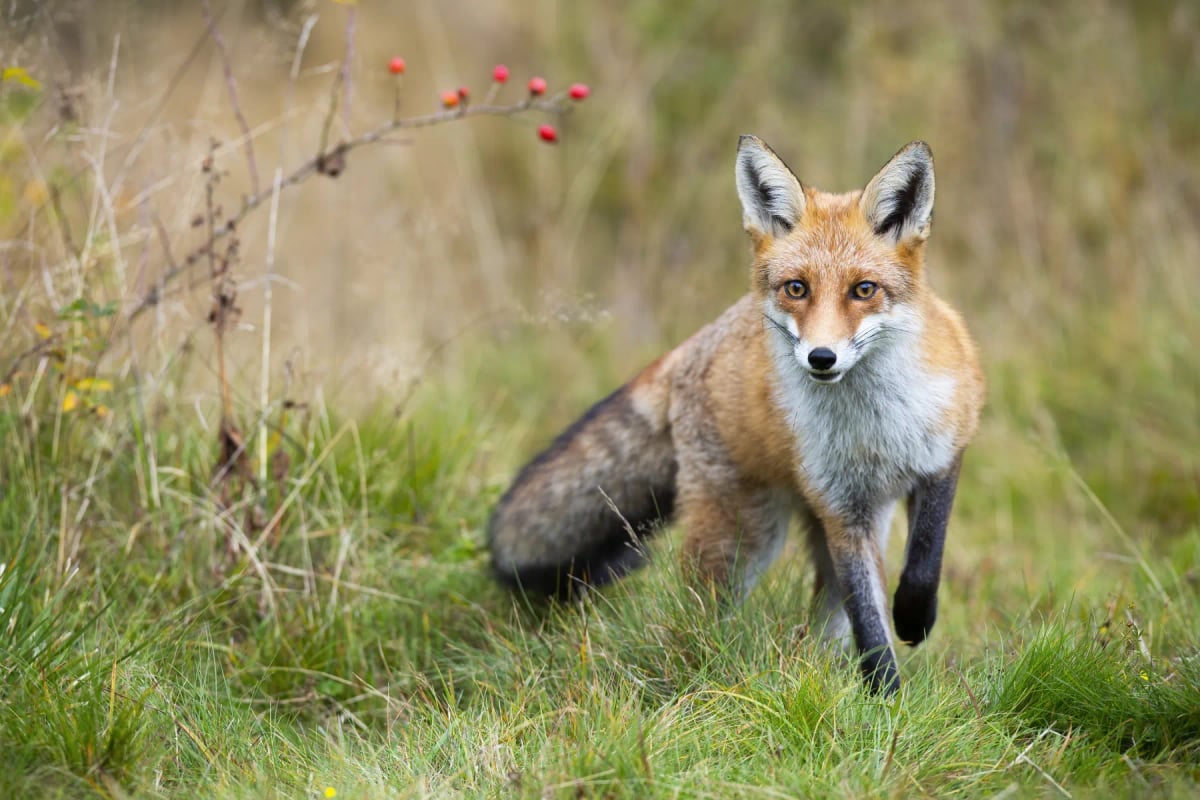
Red Fox
Vulpes vulpes
In Italy, the red fox is found from the Alps and Apennine mountains down to coastal lowlands and even urban parks in cities like Rome. Its population recovered strongly after legal protection was extended in the twentieth century. It feeds on small rodents, rabbits, fruit, and insects, adjusting its diet to whatever each season offers. It is considered Least Concern throughout the Italian peninsula.
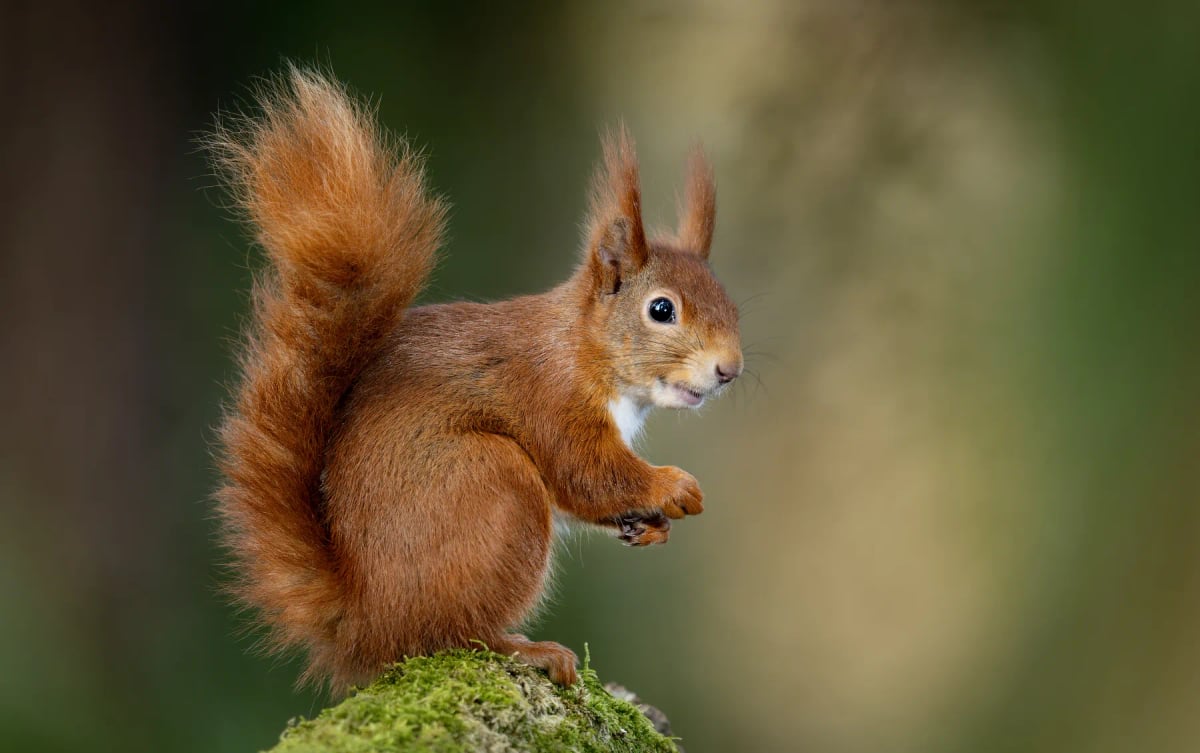
Red Squirrel
Sciurus vulgaris
In Italy, the red squirrel is native to the forests of the Alps, the Apennines and many other wooded areas across the peninsula. However, populations in northern Italy face growing competition from the grey squirrel, which was accidentally introduced near Turin in 1948 and has been spreading steadily ever since. Conservationists in Italy have been working to control the grey squirrel's advance and protect native red squirrel habitat. IUCN status: Least Concern.
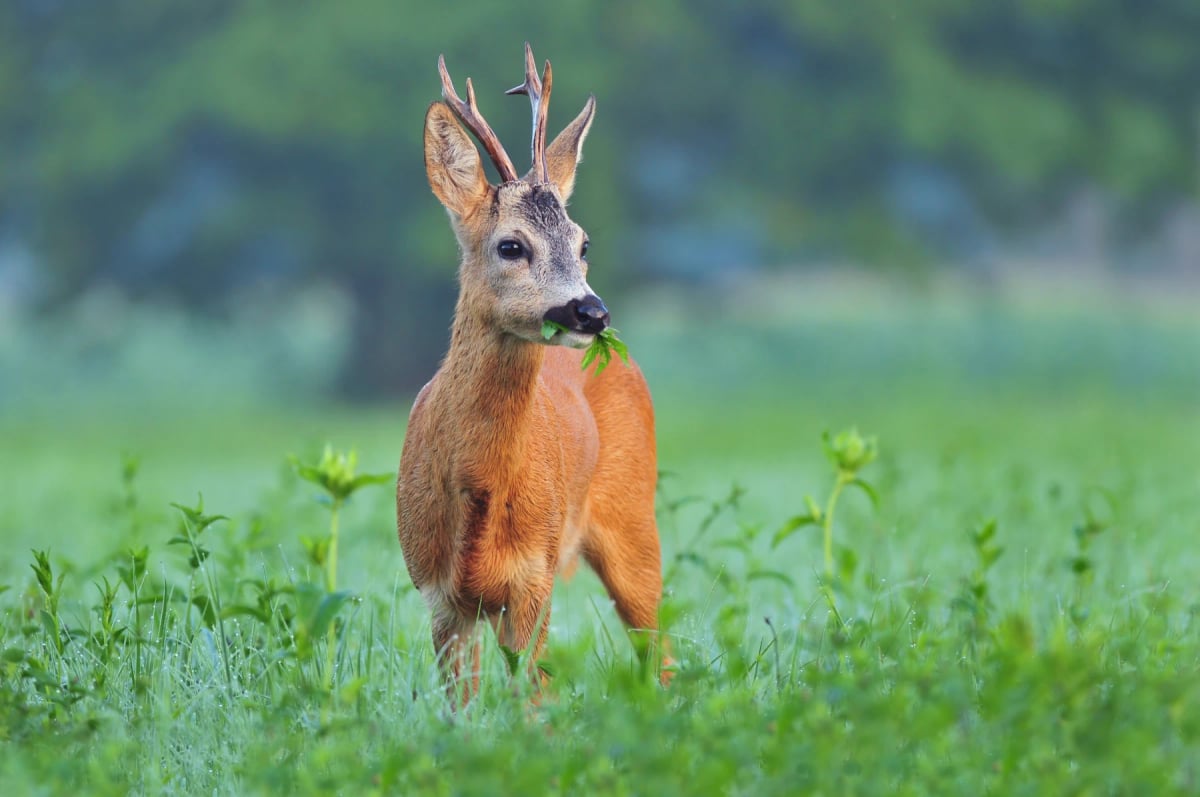
Roe Deer
Capreolus capreolus
In Italy, the roe deer is widespread across the Alps, the Apennines, and many lowland areas in between. It thrives in mixed woodland and along the forest edges of the Po Valley. After being heavily hunted in past centuries, populations recovered strongly during the twentieth century and the species is now common throughout much of the country. It feeds selectively on buds, leaves, and seasonal fruits, and is often spotted at dawn along rural roads.
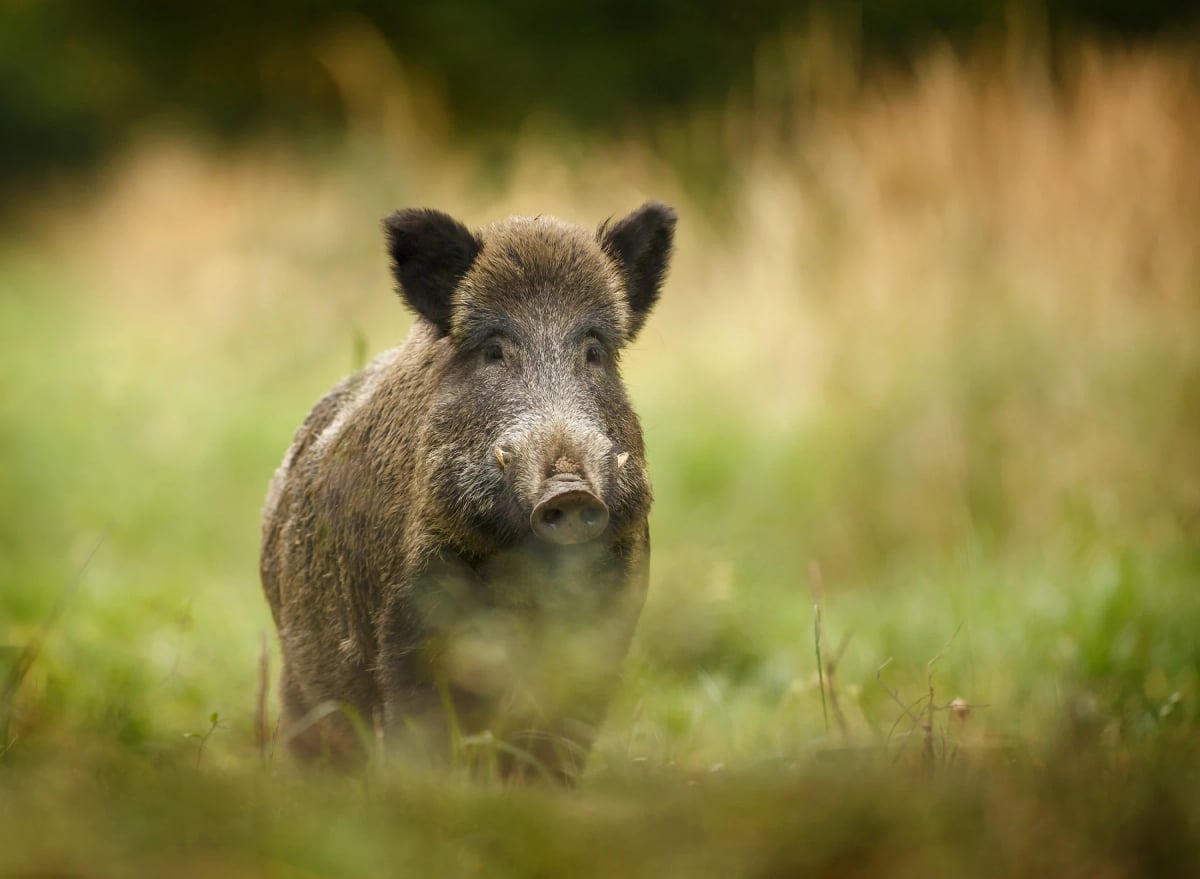
Wild Boar
Sus scrofa
The wild boar is one of the most abundant large mammals in Italy, found across nearly the entire country, including Sardinia and Sicily. Populations have grown considerably since the mid twentieth century, and the species now regularly enters farmland, vineyards and even suburban areas in search of food. It is an important prey species for wolves and is also widely hunted, while its rooting behavior can cause significant damage to crops and gardens.
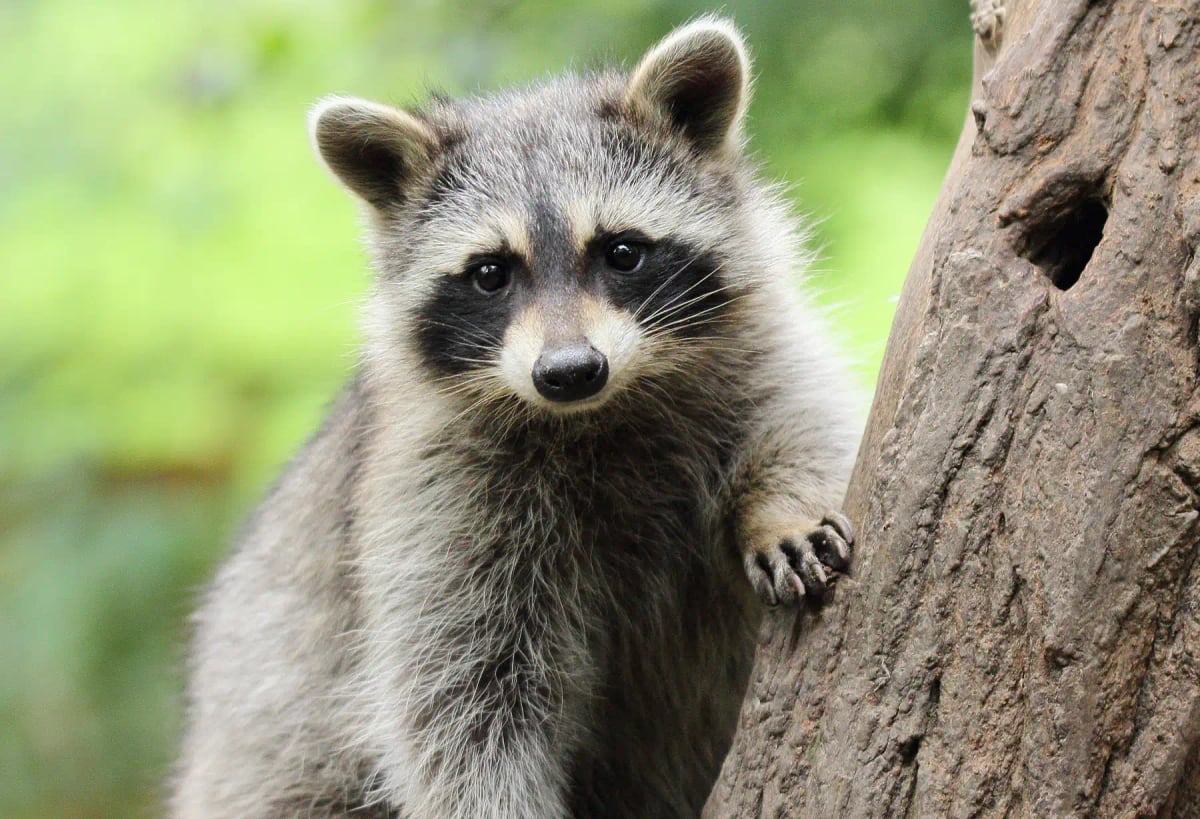
Raccoon
Procyon lotor
In Italy, raccoons are present in scattered localities, mostly linked to escapes or releases from captivity rather than a continuous natural spread from neighboring countries. Sightings have been recorded in northern and central regions. Italian authorities treat them as an invasive alien species under European Union regulations, and there is ongoing concern about the potential impact on native fauna, particularly freshwater species and birds that nest near wetlands and riverbanks.
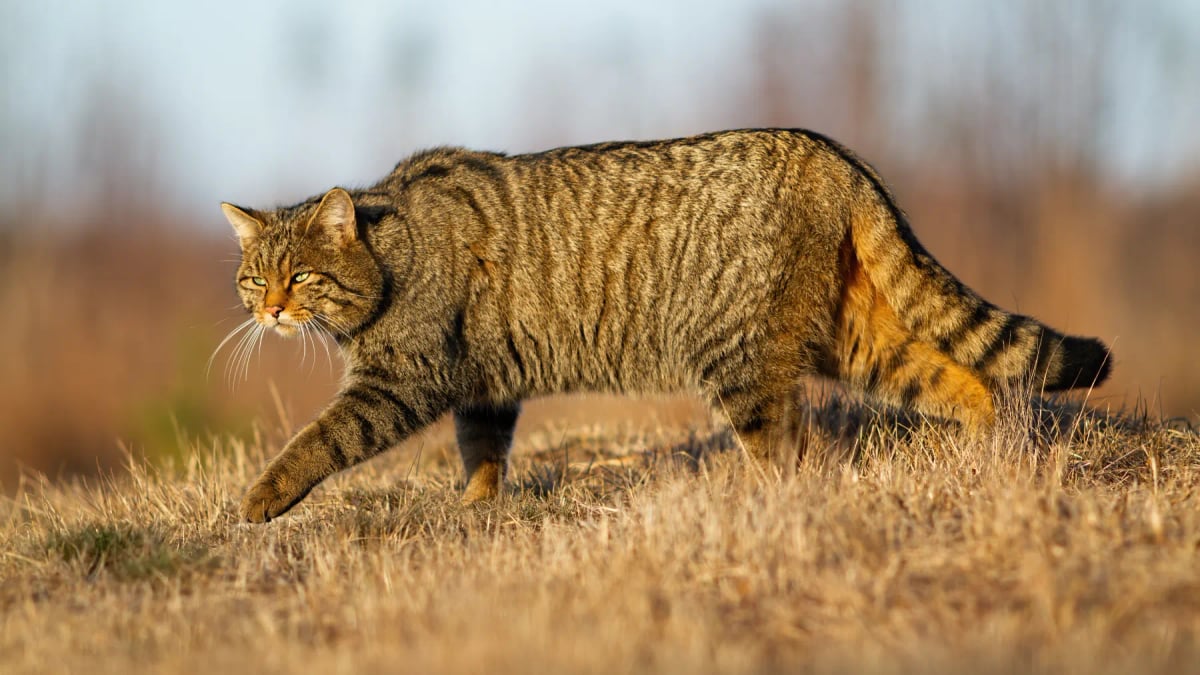
European Wildcat
Felis silvestris silvestris
In Italy, the European wildcat is found across much of the peninsula and in Sicily, where it lives in forests ranging from the Apennines to southern woodlands. The Sicilian population has attracted particular scientific interest due to its isolation. It faces pressure from habitat loss and hybridization with feral cats. Conservation efforts focus on protecting forested corridors and monitoring wild populations. IUCN status: Least Concern.
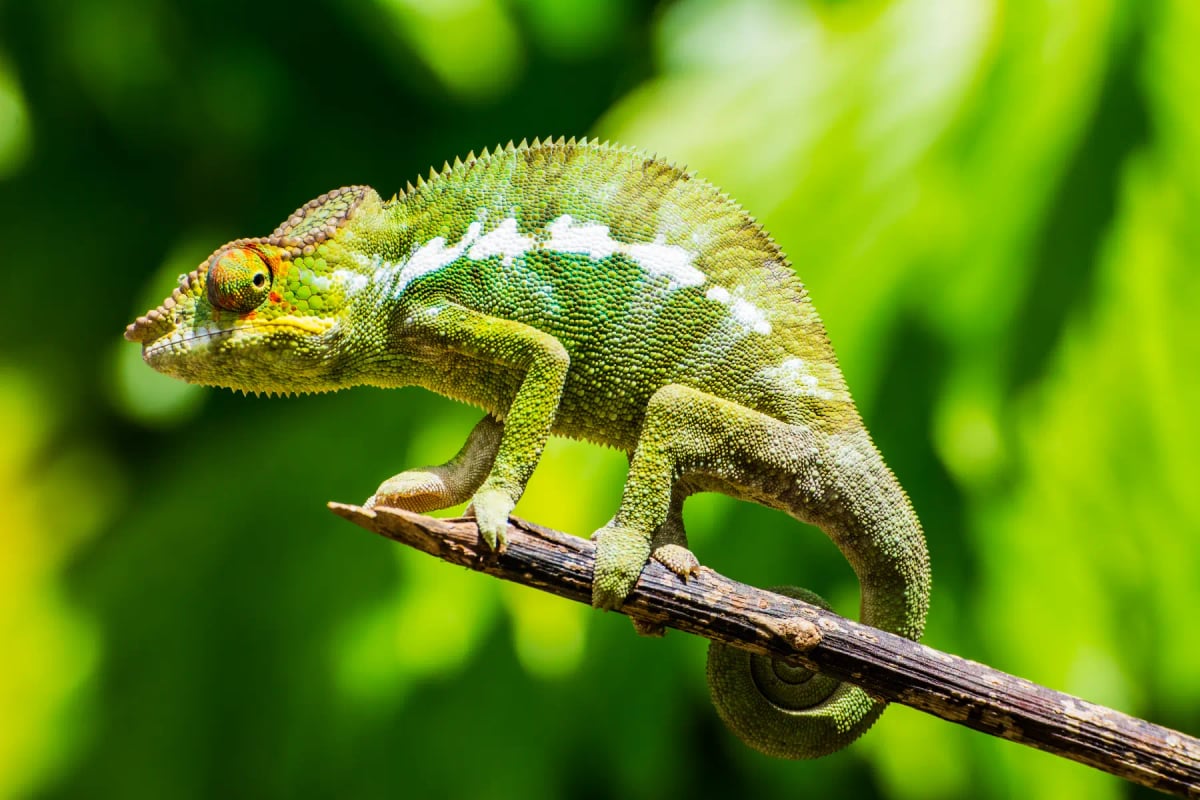
Chameleon
Chamaeleo chamaeleon
In Italy, the common chameleon has a very restricted presence, limited to the southwestern coast of Sicily and a few nearby smaller islands. This isolated population is considered particularly vulnerable. The warm, dry Mediterranean scrublands of coastal Sicily mirror the habitat the species favors throughout its broader range. Conservation concern is higher here than in much of its range due to the small size and isolation of this population.
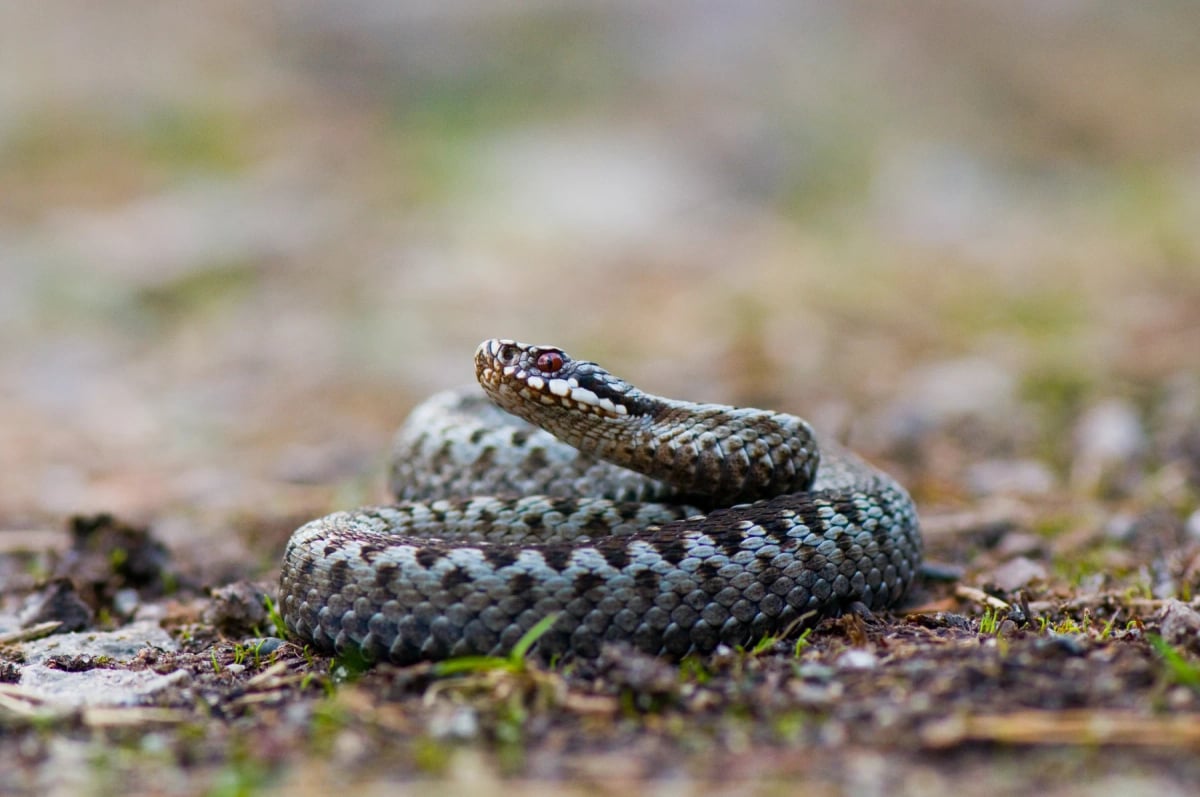
European Adder
Vipera berus
In Italy, the European adder is found mainly in the Alpine and pre-Alpine regions of the north, where it inhabits mountain meadows, rocky slopes, and forest edges at higher elevations. It is absent from most of the peninsula and all of the Mediterranean islands. Populations in Italy are generally small and isolated. The species is protected by national law, and conservation efforts focus on preserving the mountain habitats it depends on. Its IUCN status is Least Concern.
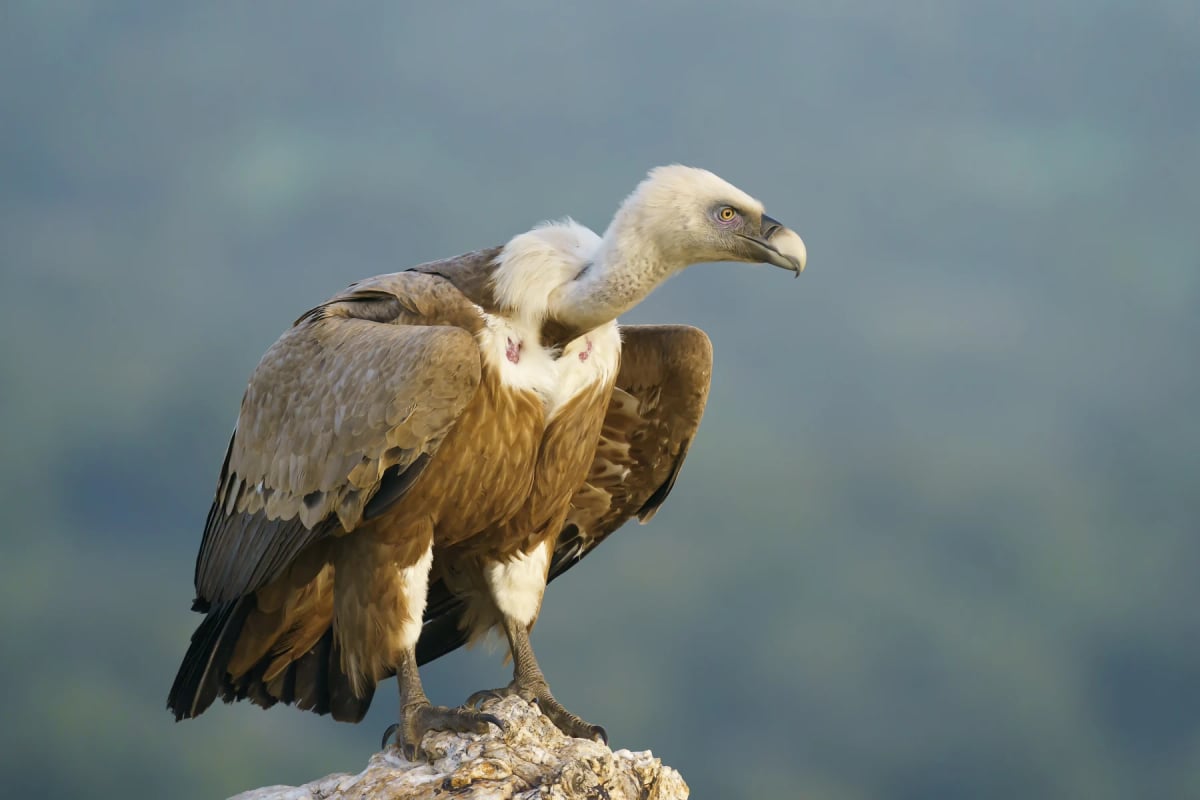
Griffon Vulture
Gyps fulvus
In Italy, the griffon vulture survives naturally in Sardinia, where a small population nests on cliffs in the west of the island and has been reinforced with new birds. Between 1987 and 2005, 264 griffons were released in five regions, bringing the species back to the eastern Alps in Friuli, the Apennines, Pollino National Park, and Sicily. Several of these colonies now breed on their own. IUCN status: Least Concern.
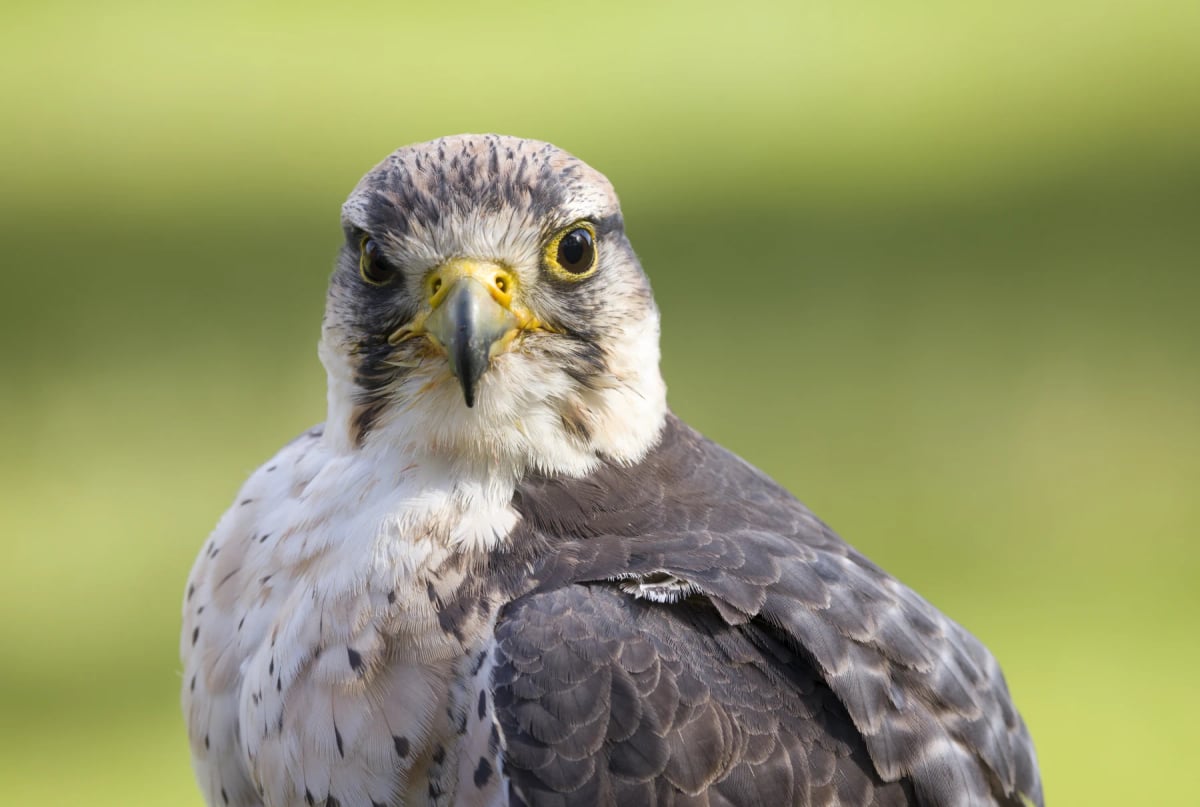
Lanner Falcon
Falco biarmicus
In Italy, the lanner falcon breeds mainly in the rocky landscapes of the south, including Sicily and Calabria, where cliff faces provide ideal nesting ledges. It preys on pigeons, doves, and other birds, often hunting in pairs. The Italian population is small and considered vulnerable at a national level, with disturbance at nest sites and illegal persecution among the key pressures it faces.
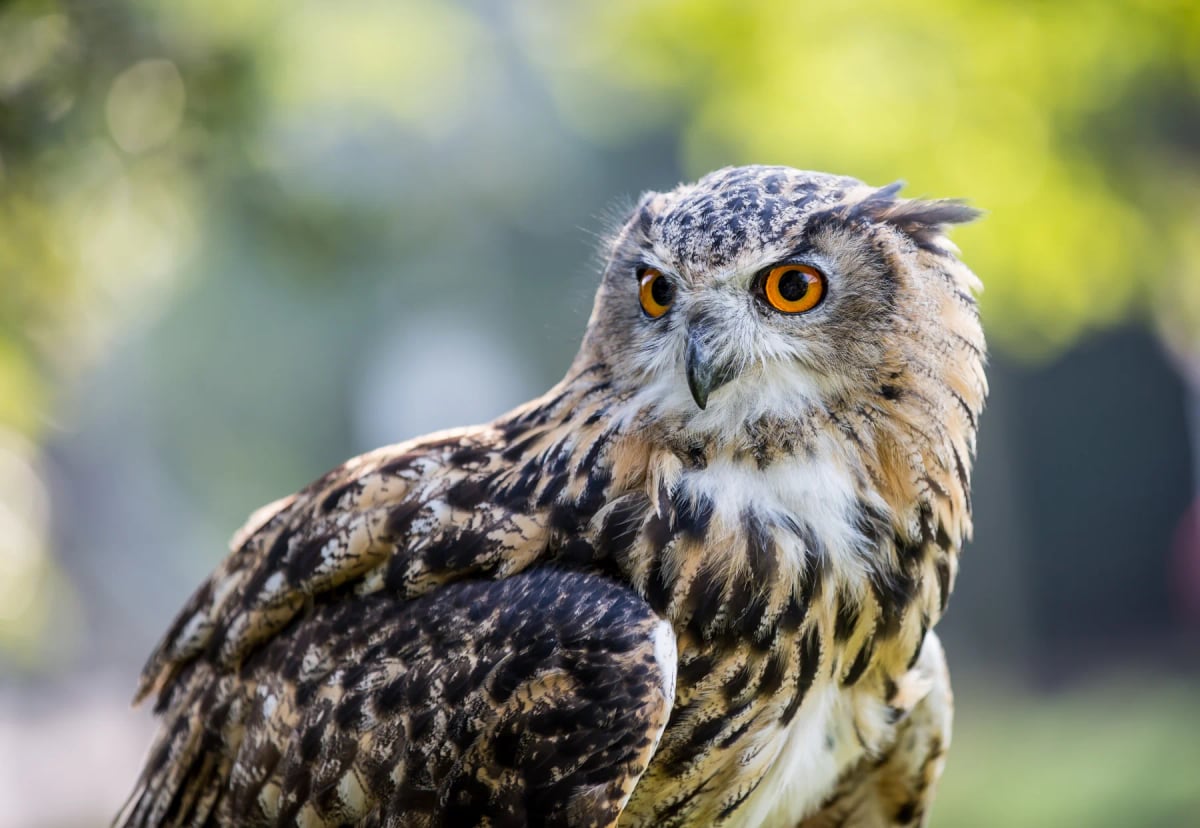
Eagle Owl
Bubo bubo
In Italy, the Eurasian eagle owl is found throughout the Alps, the Apennine mountains, and rocky coastal areas, where it nests on cliff ledges away from human disturbance. After suffering serious declines due to persecution and habitat loss during the twentieth century, populations have recovered well following legal protection. Today it is a stable breeding resident across much of the country. The IUCN lists it as Least Concern.
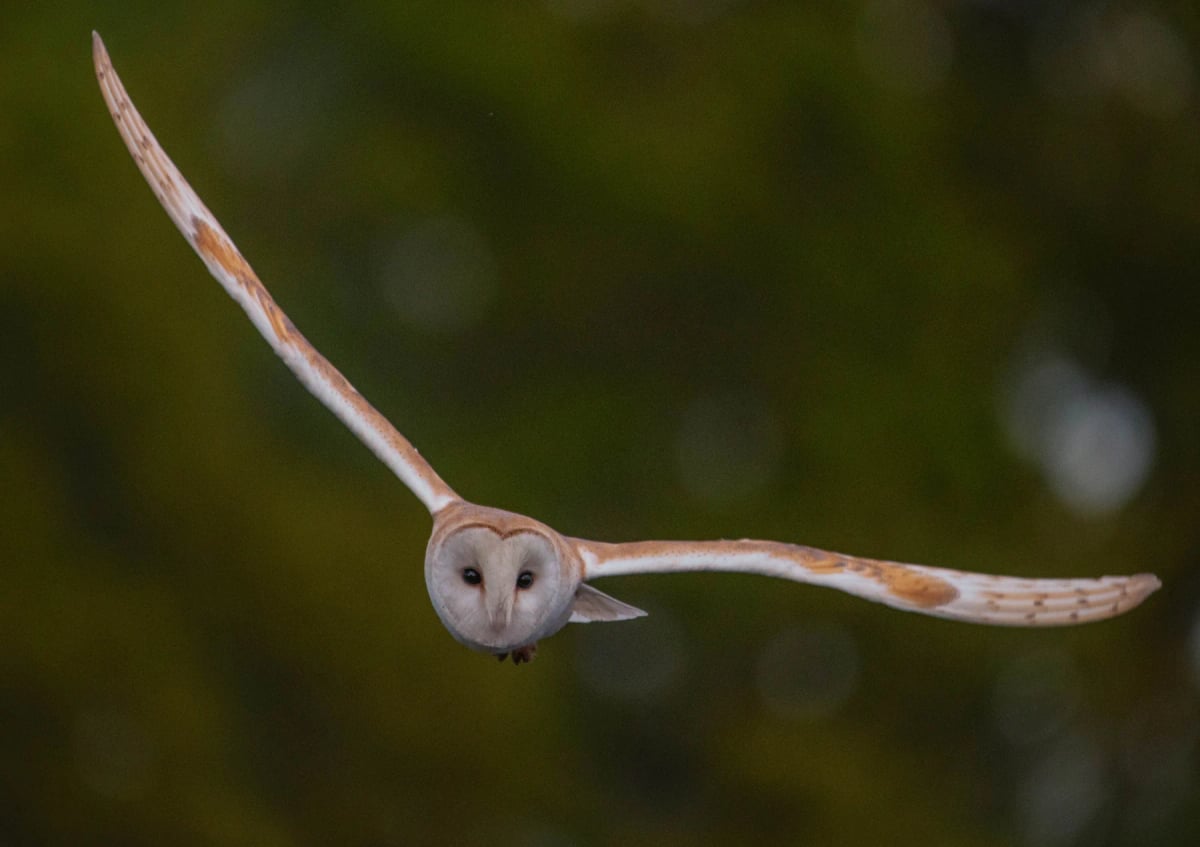
Barn Owl
Tyto alba
The barn owl is widespread across Italy from the Po Valley to Sicily, nesting in old farm buildings, church towers, and ruins. It hunts mice and voles by sound alone in total darkness, relying on its heart shaped face to channel sound to its ears. In many rural Italian communities it has long been a familiar sight gliding silently over fields at dusk.
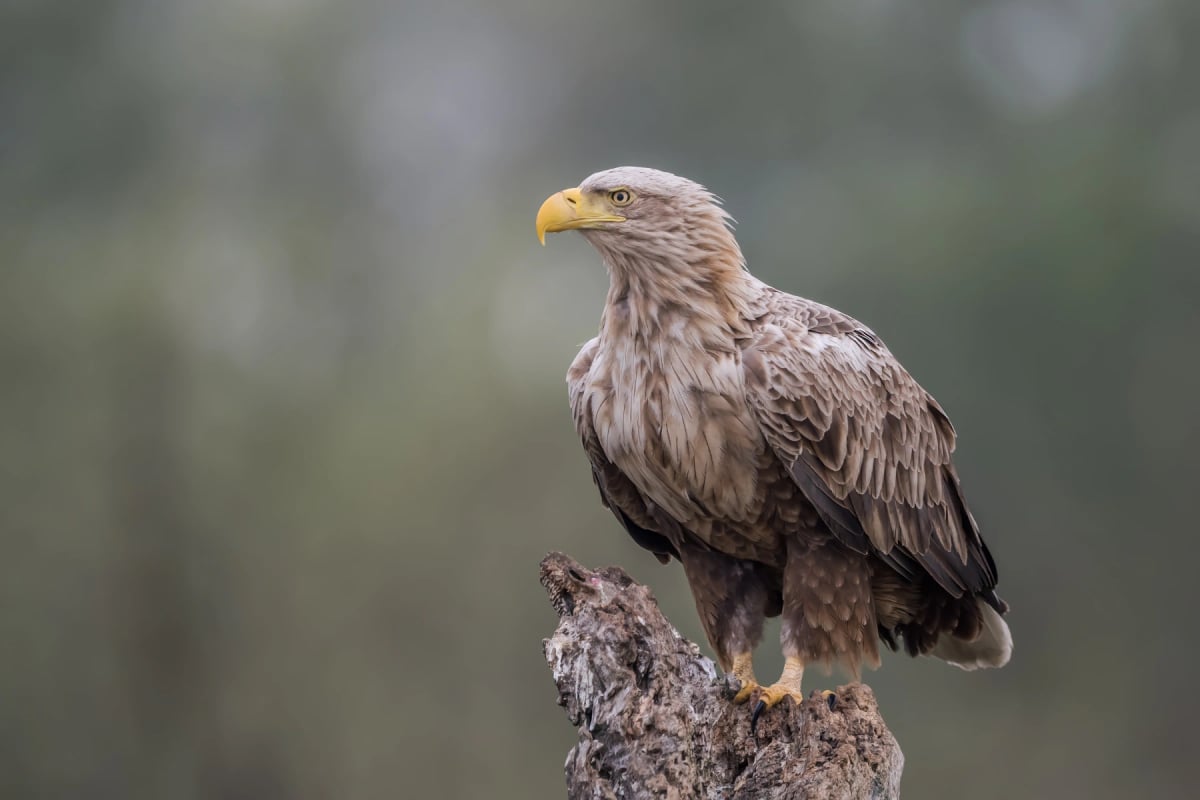
White tailed Eagle
Haliaeetus albicilla
The white-tailed eagle was once extinct as a breeding bird in Italy but has shown encouraging signs of recovery. Small numbers now nest in northern Italy, particularly in the Po Valley and around large lakes in the Alpine foothills. It also occurs as a passage migrant and winter visitor across much of the peninsula. Conservation efforts and legal protection have been central to this gradual return. Its IUCN status is Least Concern.
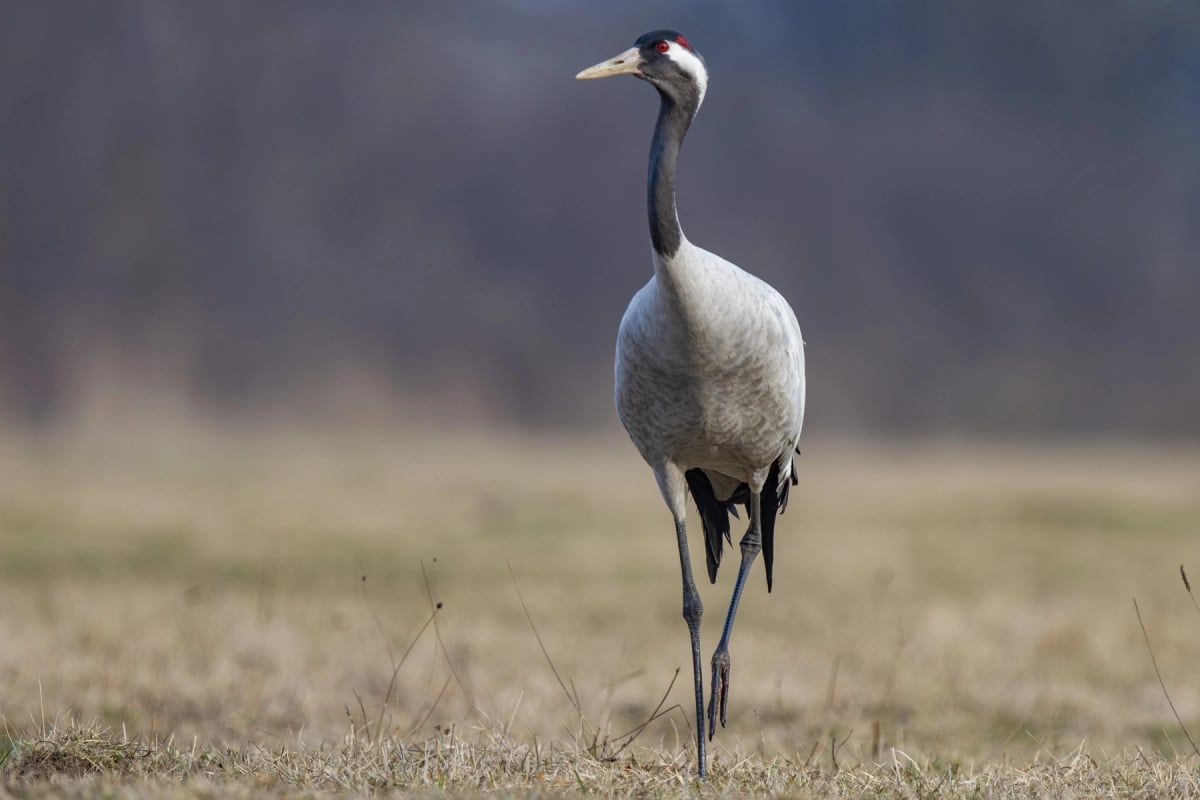
Crane
Grus grus
Common cranes pass through Italy during their autumn and spring migrations, following a flyway that carries them over the Alps and down through the peninsula. Wetland areas in the Po Valley and along the Adriatic coast serve as important resting and feeding stops. Some birds also winter in parts of central and southern Italy. The species is classified as Least Concern, and Italian wetland conservation efforts support these seasonal visitors.
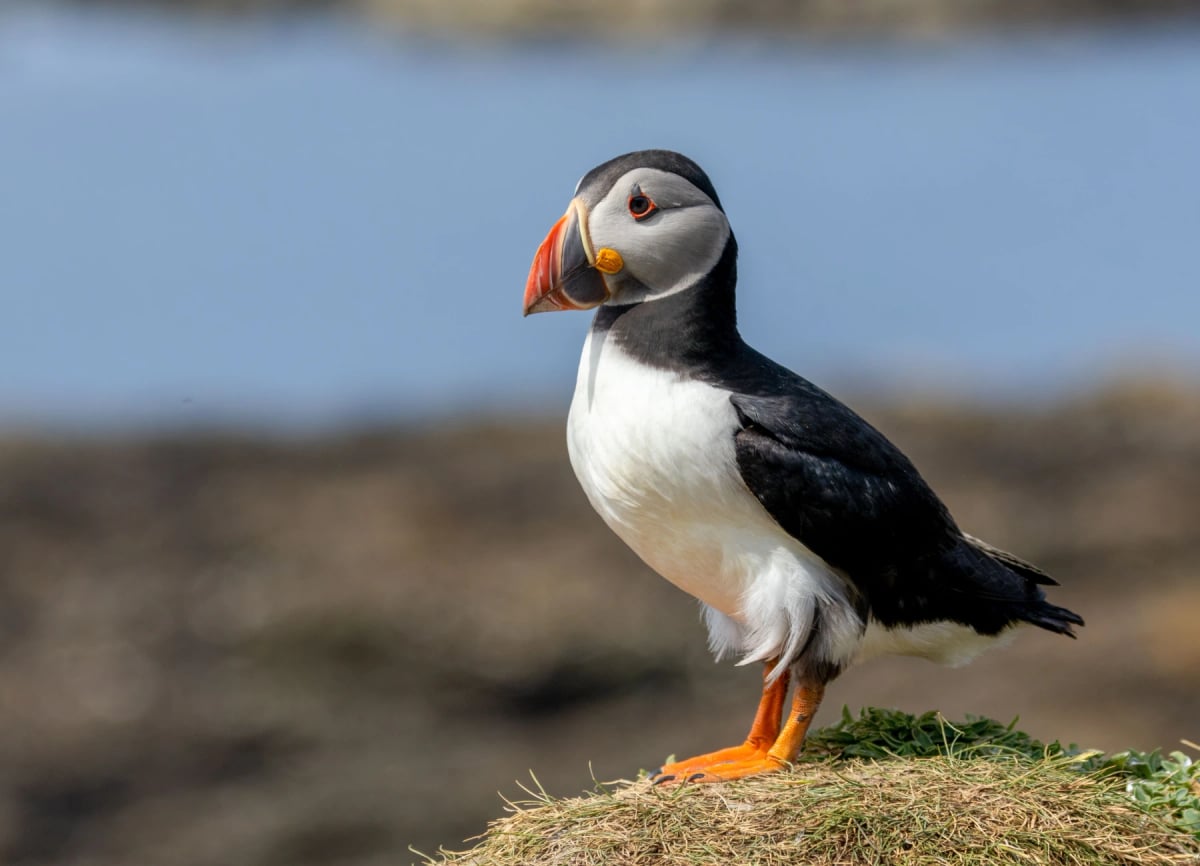
Puffin
Fratercula arctica
The Atlantic puffin reaches Italy as a winter visitor, at the eastern edge of its range. Some birds from the colonies of the British Isles and France winter at sea in the western Mediterranean, and they are found off the Italian coast, mostly in the Tyrrhenian Sea and around Sardinia, usually far from shore. Records are scarce and often involve birds washed ashore after storms. They return north in spring. IUCN status: Vulnerable.
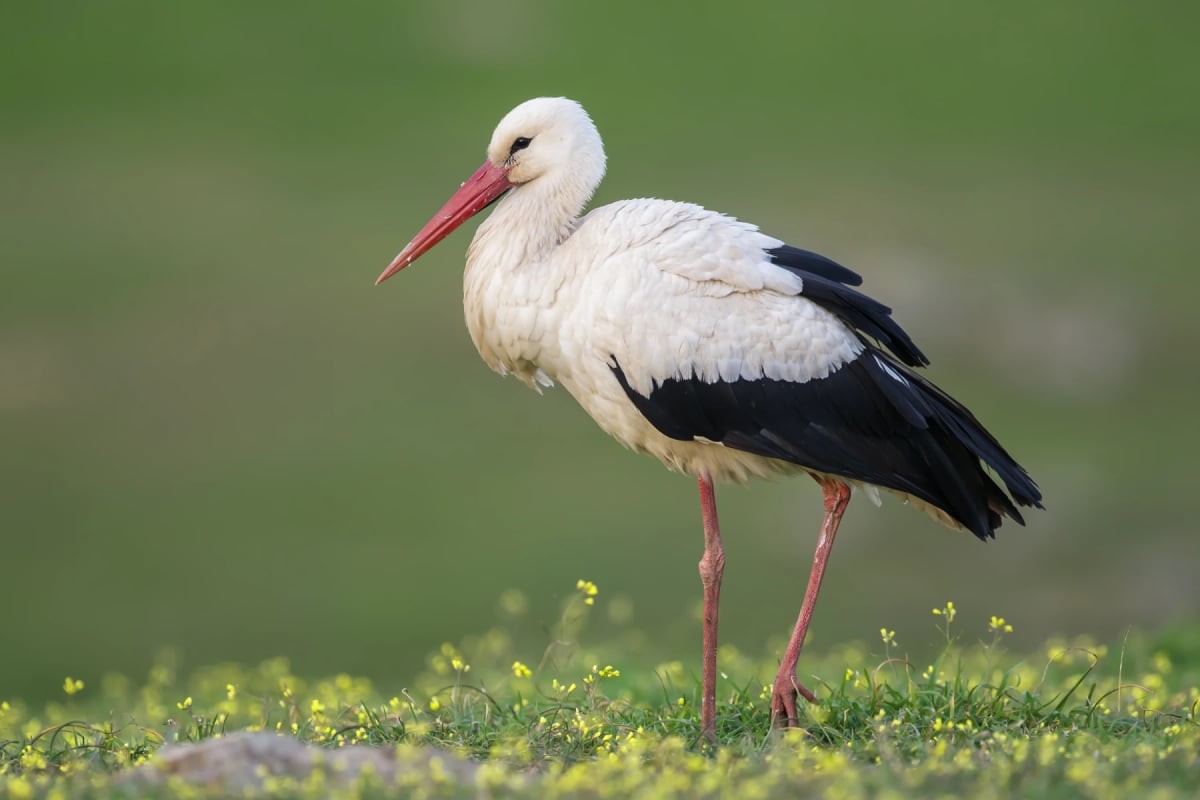
Stork
Ciconia ciconia
Italy is a migration corridor for white storks, with many birds crossing the country each spring and autumn, and the Po Valley and Adriatic wetlands are key stopovers. Breeding was nearly absent for much of the twentieth century, but a growing population has returned, helped by projects such as the stork center at Racconigi in Piedmont, and pairs now nest in several regions. IUCN status: Least Concern.
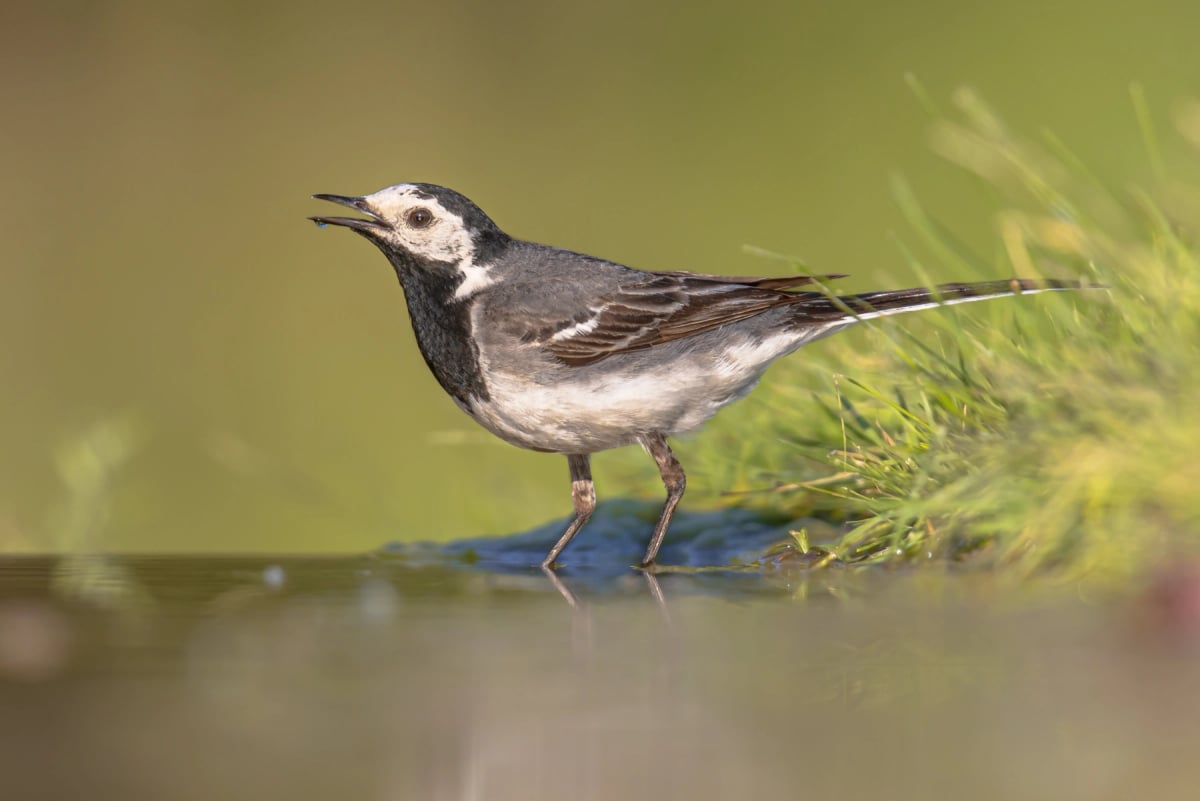
White Wagtail
Motacilla alba
The white wagtail is widespread across Italy throughout the year, breeding in the north and wintering across much of the peninsula and the islands of Sicily and Sardinia. It is a common sight along rivers such as the Po, around lake shores and in farmland, as well as in parks and urban squares. Several subspecies pass through Italy during migration, making the country an important crossroads for this bird in the Mediterranean. IUCN status: Least Concern.
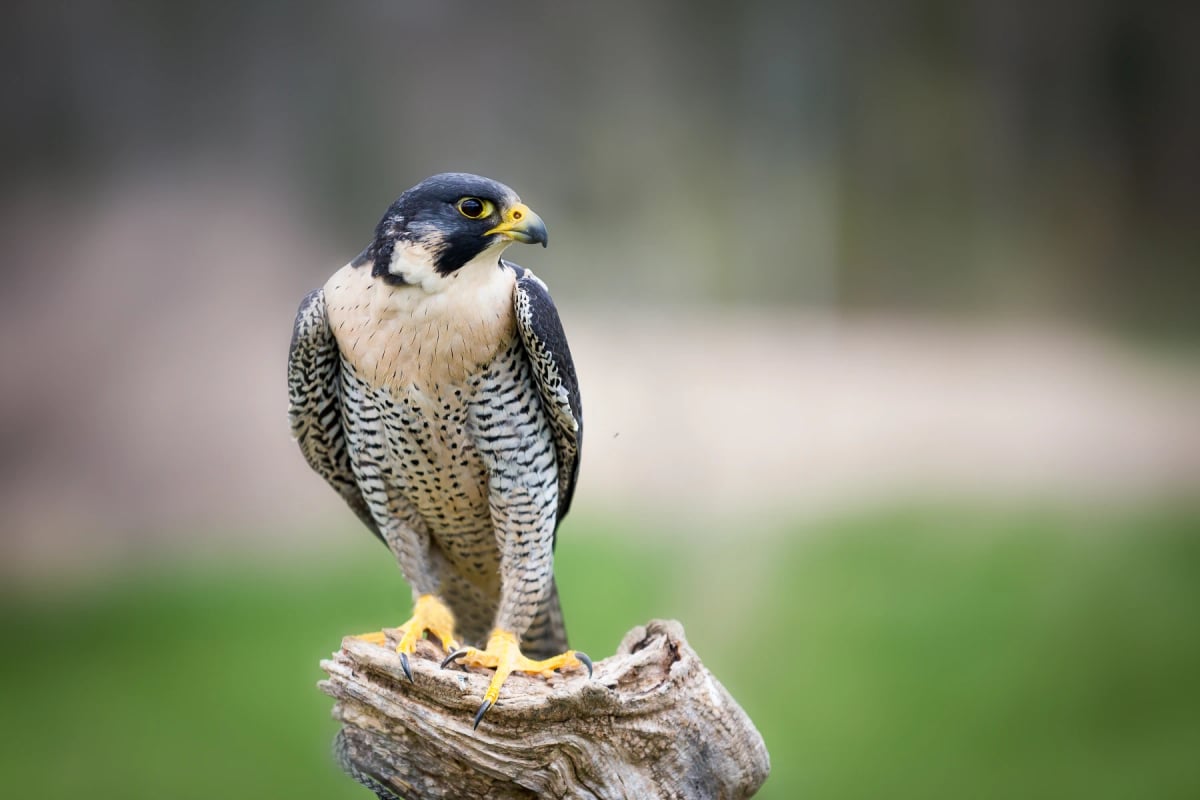
Peregrine Falcon
Falco peregrinus
In Italy, peregrine falcons nest on the rocky cliffs of the Apennines and the Alps, as well as on the ledges of historic buildings in cities like Rome and Milan. After population crashes caused by DDT in the twentieth century, numbers have recovered well. Italians can spot these birds hunting pigeons and starlings over both countryside and busy urban skylines. IUCN status: Least Concern.
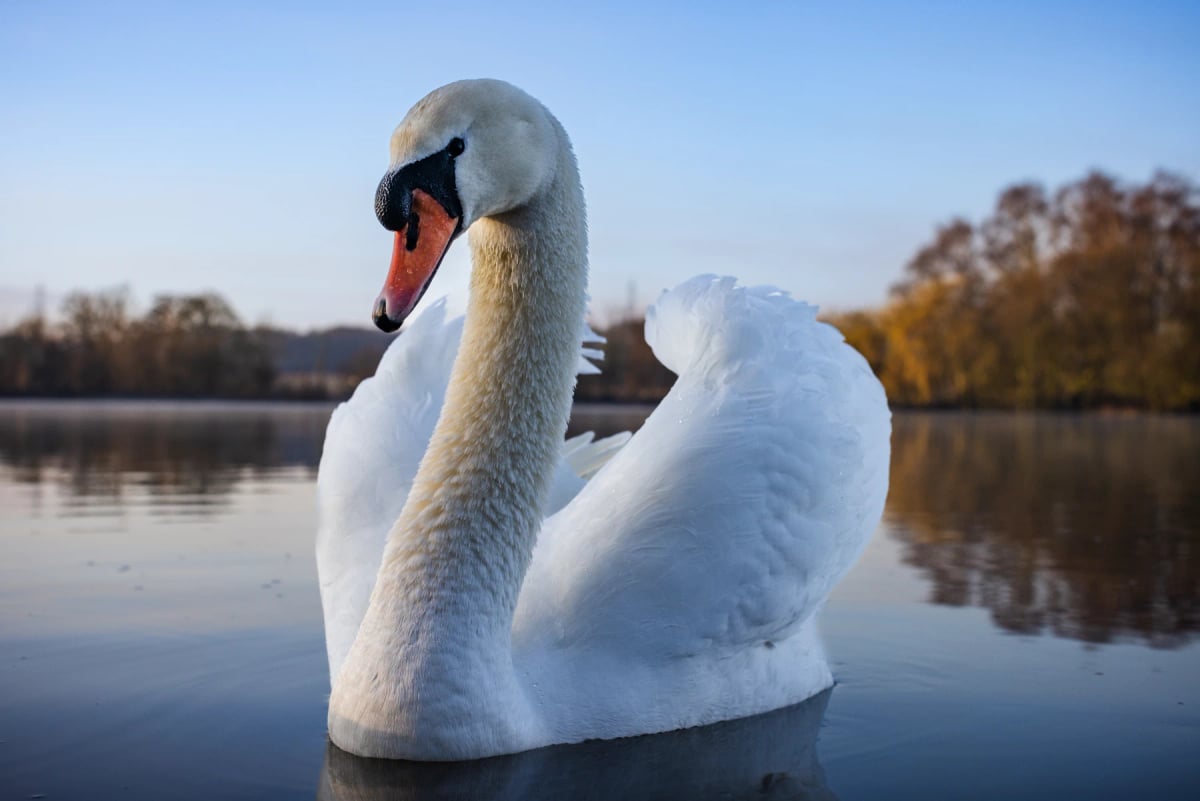
Mute Swan
Cygnus olor
In Italy, the mute swan is found mainly across the northern plains, where the lakes of Lombardy, the Po Valley wetlands, and the lagoons of the Venetian coast provide suitable habitat. Breeding populations are concentrated in the north, though the bird also appears at coastal lagoons and river mouths further south in winter. Numbers have grown steadily in recent decades. The species is stable across its Italian range and is listed as Least Concern.
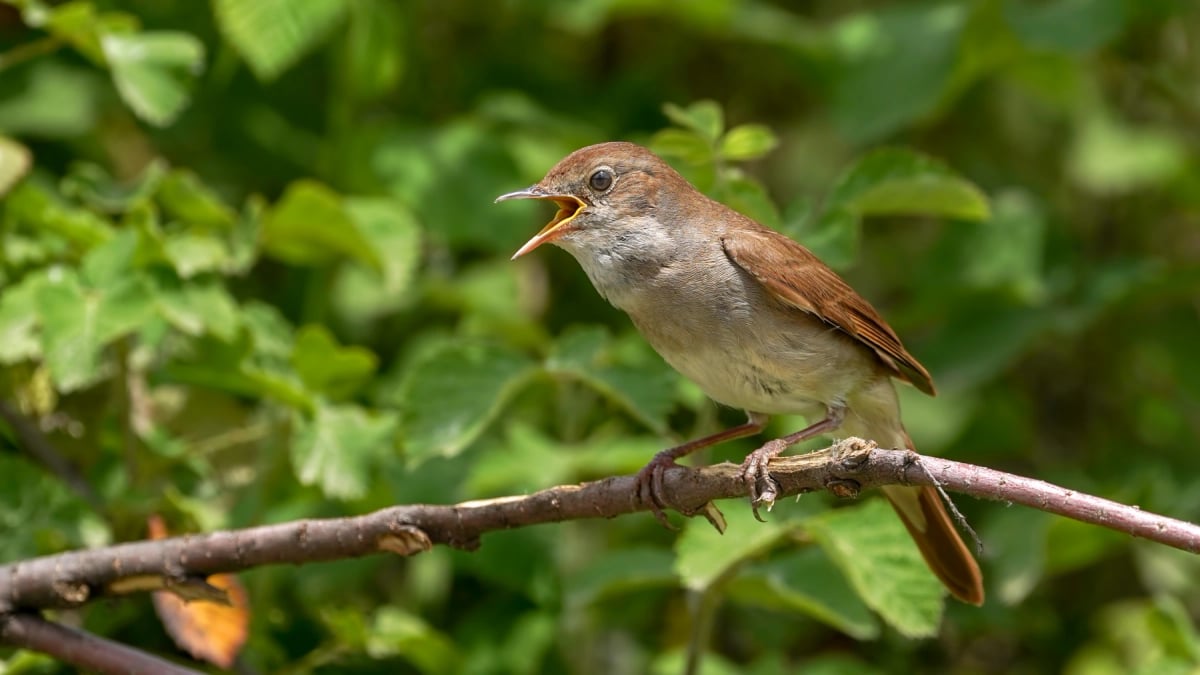
Nightingale
Luscinia megarhynchos
Italy is one of the strongholds of the nightingale in Europe. The species breeds widely across the peninsula and in Sicily, favouring dense riverside vegetation, scrubby woodland edges and hedgerows in agricultural land. Its rich, powerful song is a celebrated feature of Italian spring nights. Populations remain healthy here, supported by the abundance of suitable Mediterranean scrub habitats. Its IUCN status is Least Concern.
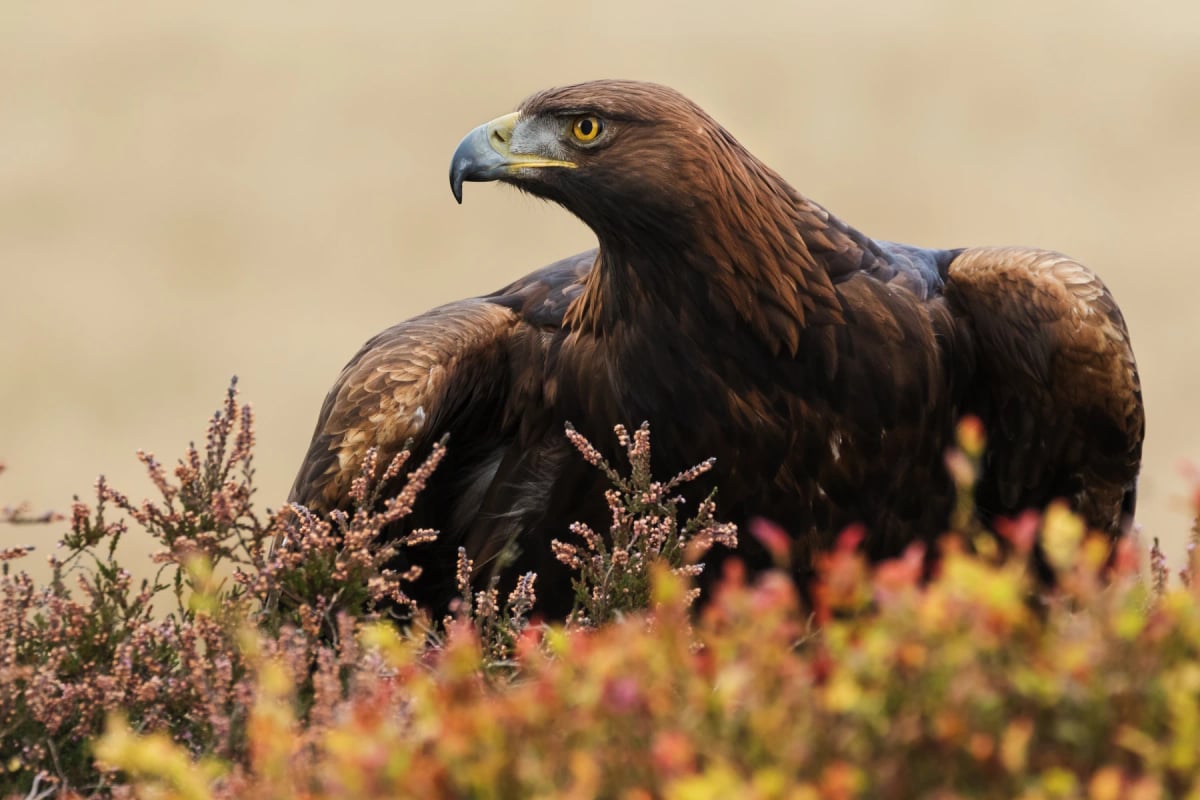
Golden Eagle
Aquila chrysaetos
Italy is home to one of the stronger golden eagle populations in western Europe, with birds nesting across the Alps and Apennines. The species favours open ridgelines and cliff faces surrounded by forests and mountain pastures. It hunts marmots in the north and hares further south. Strict legal protection has helped populations remain stable. The IUCN lists the golden eagle as Least Concern, and Italy is an important stronghold for the species.
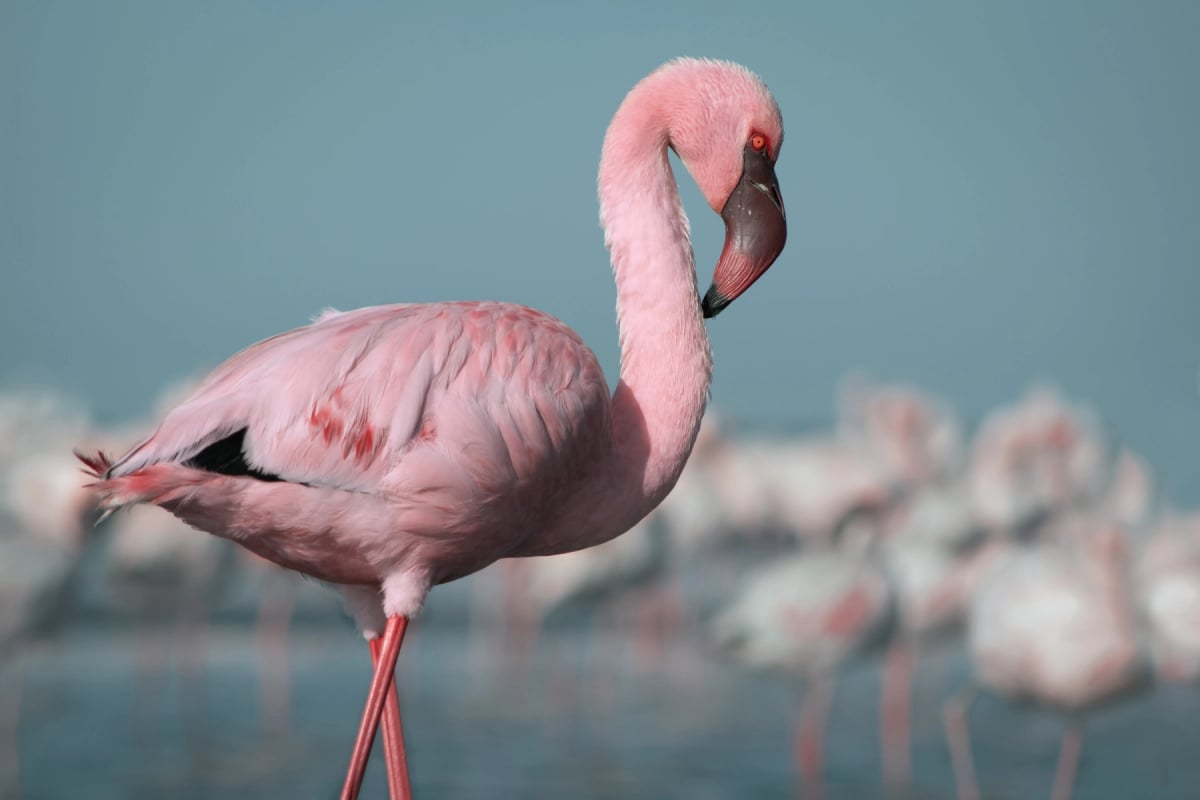
Flamingo
Phoenicopteridae (6 species)
The greater flamingo has become a common bird in Italy over the last decades. It began breeding in Sardinia in the 1990s, and today colonies nest in the lagoons near Cagliari, in the Po Delta and in the salt pans of Margherita di Savoia in Apulia. Flocks can be seen all year in coastal wetlands from Sardinia to Sicily and the Adriatic, feeding on brine shrimp and small invertebrates in the shallows. IUCN status: Least Concern.
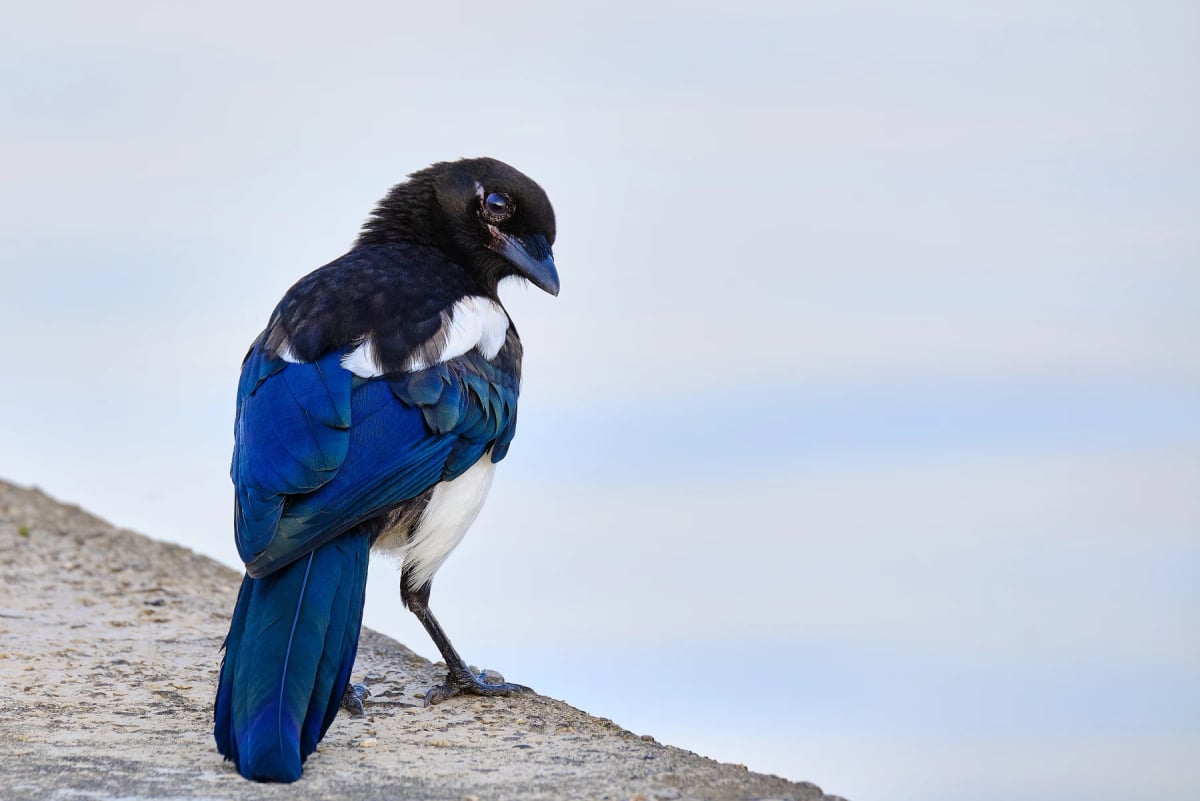
Eurasian Magpie
Pica pica
The Eurasian Magpie is widely distributed across northern and central Italy, especially in the Po Valley, where a mix of farmland, hedgerows, and riverside trees provides ideal habitat. It is less common in the south and largely absent from Sardinia. A highly adaptable bird, it has settled comfortably into Italian towns and gardens. It feeds on everything from insects to fruit and small vertebrates. IUCN status: Least Concern.
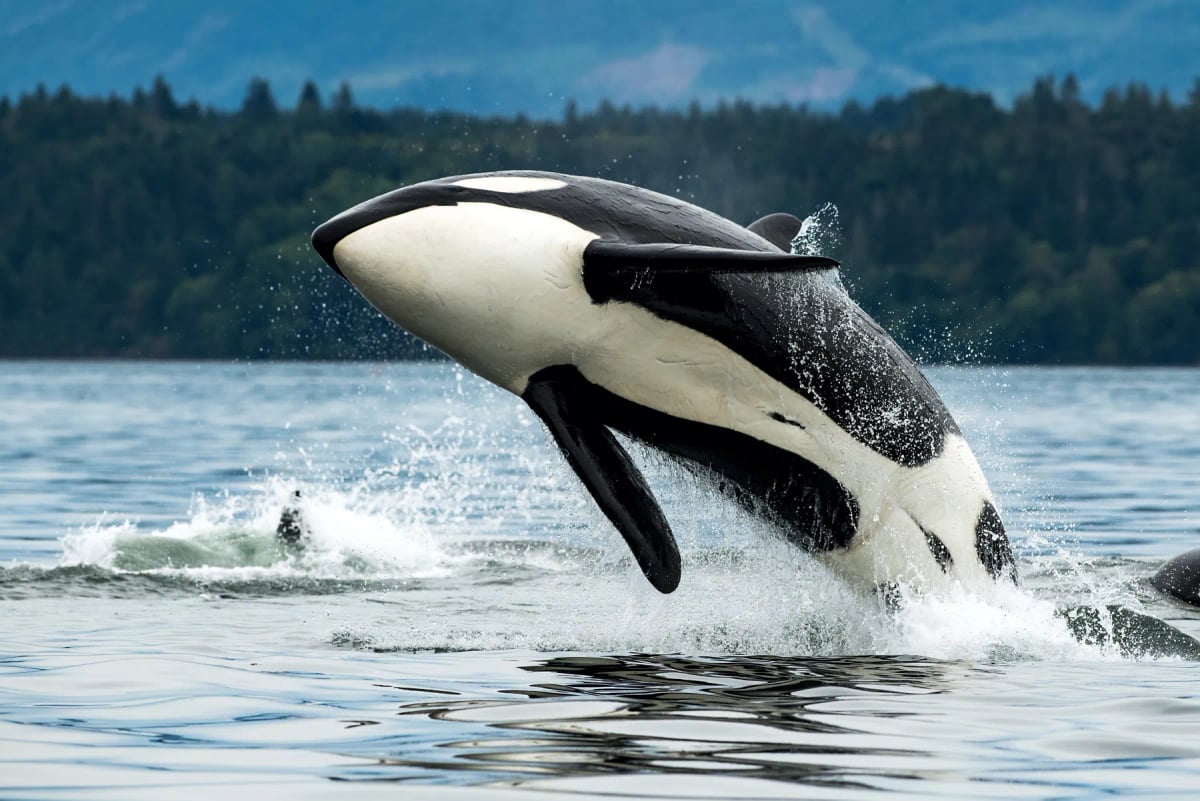
Orca
Orcinus orca
Orcas are occasional visitors to Italian waters in the Mediterranean Sea, with sightings recorded in areas such as the Strait of Sicily and the Tyrrhenian Sea. The Mediterranean orca population is considered very small and faces serious pressure from boat traffic, noise pollution, and declining fish stocks. Researchers across the region continue to study these rare appearances to better understand their movements and needs.

Bottlenose Dolphin
Tursiops truncatus
Bottlenose dolphins are among the most common cetaceans in Italian waters, present throughout the Mediterranean Sea, including the Ligurian, Tyrrhenian, Adriatic, and Sicilian seas. They often travel in pods of varying sizes and are known to follow fishing vessels in search of easy meals. The IUCN lists them as Least Concern, though bycatch and marine pollution remain ongoing concerns in Italian seas.
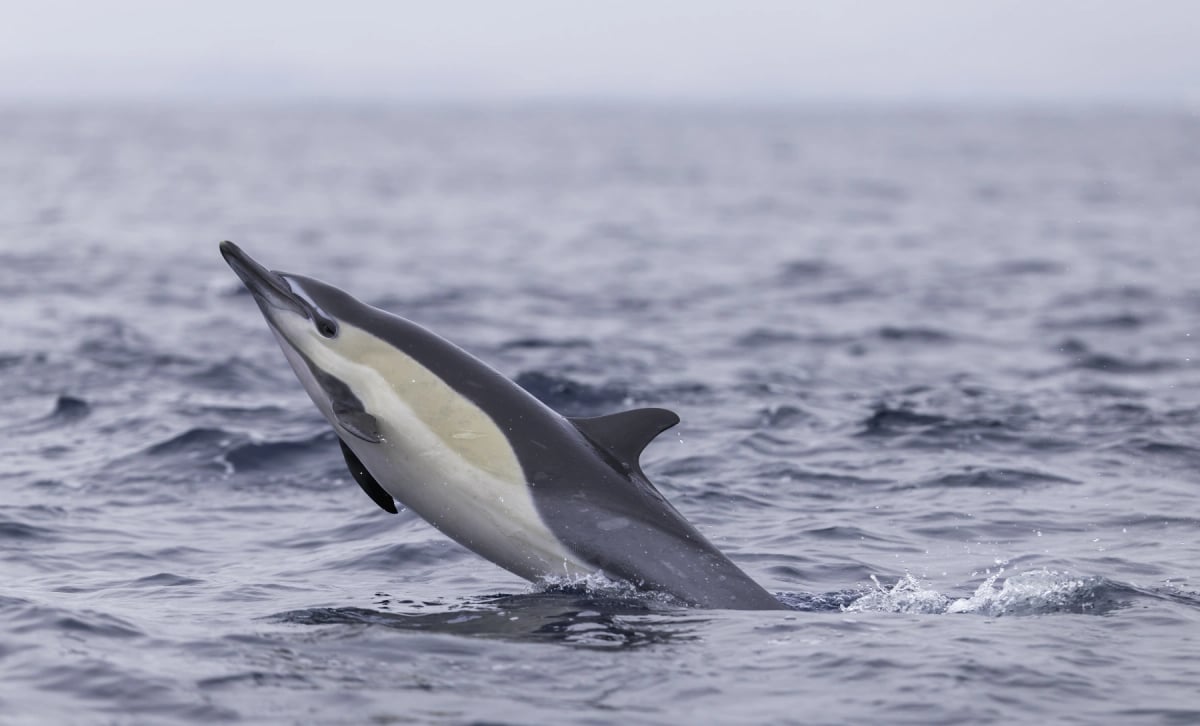
Common Dolphin
Delphinus delphis
Common dolphins inhabit several of Italy's surrounding seas, including the Tyrrhenian Sea, the Adriatic Sea, and the waters around Sicily and Sardinia. The Mediterranean population of this species has declined over recent decades due to overfishing of prey species, bycatch in trawl nets, and boat traffic. Italy participates in regional conservation initiatives aimed at protecting cetaceans in the Pelagos Sanctuary, a protected marine area in the northwestern Mediterranean. IUCN status: Least Concern.
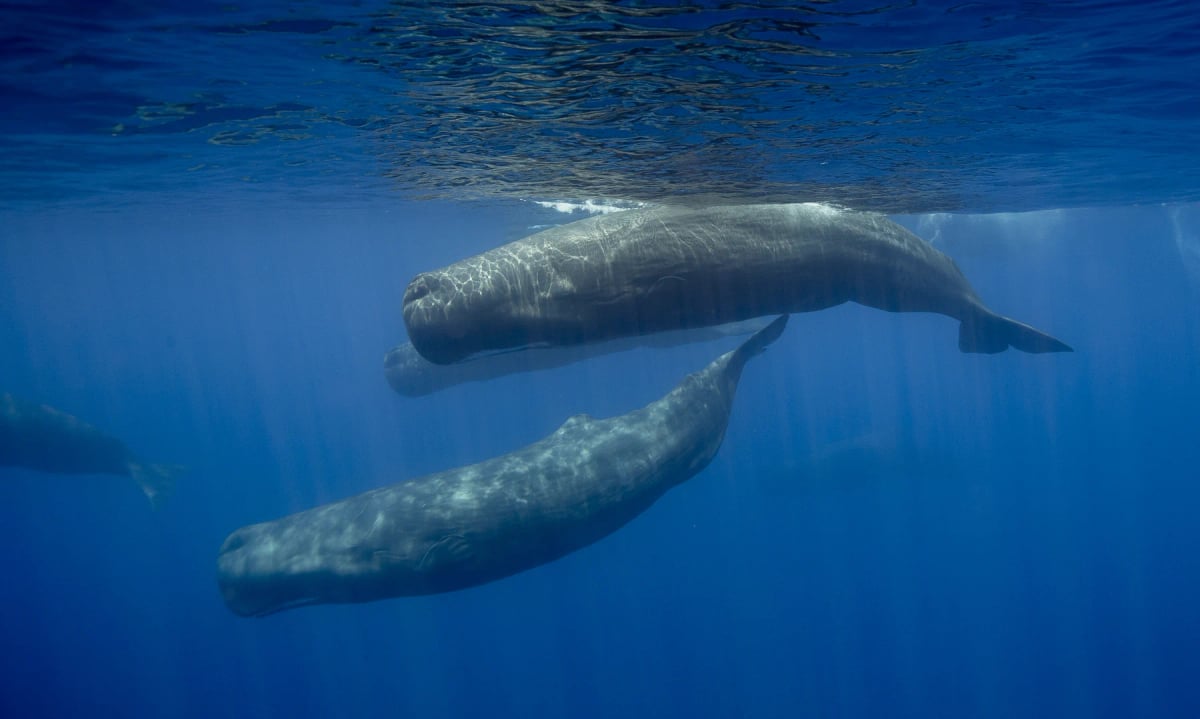
Sperm Whale
Physeter macrocephalus
The waters around Italy, particularly the Ligurian Sea and the deep basins of the central Mediterranean, support a resident population of sperm whales. The Pelagos Sanctuary, a protected marine area shared by Italy, France, and Monaco, provides critical refuge for these whales. Females and calves are frequently sighted here. Ship strikes remain a serious threat in the busy Mediterranean shipping lanes that run through Italian waters.
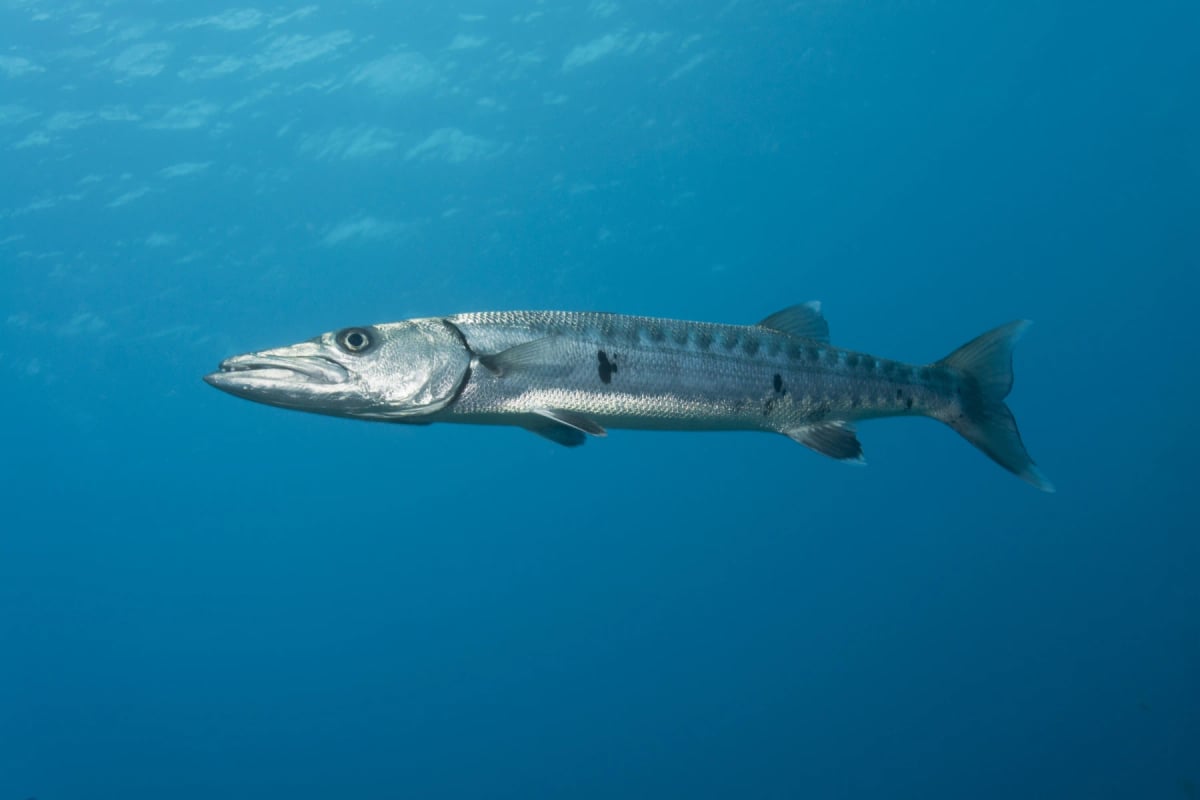
Barracuda
Sphyraena spp.
The European barracuda is a common predator along the rocky coasts and harbors of Italy, present throughout the Mediterranean coastline from the Ligurian Sea to Sicily and the Adriatic. Young fish often form schools near shallow reefs, while adults hunt alone. In recent years, a second species, the yellowmouth barracuda, has also been appearing in Italian waters as sea temperatures rise.
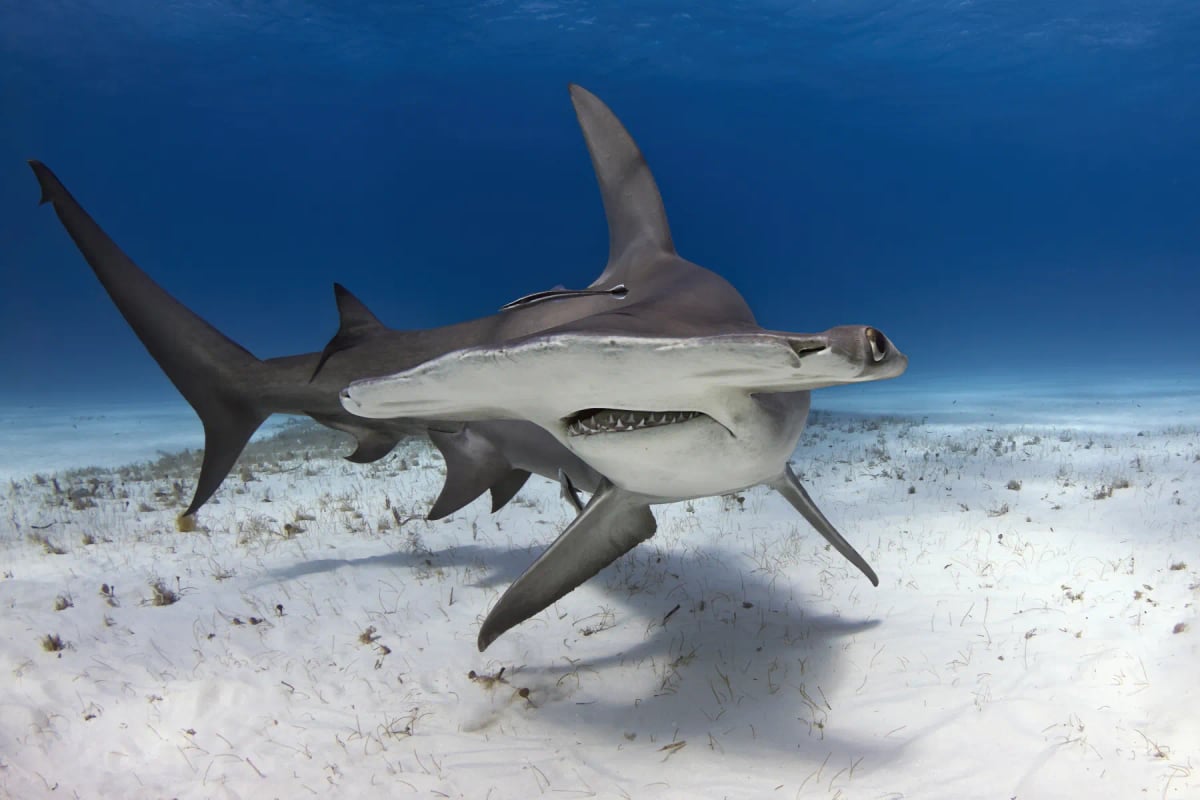
Hammerhead Shark
Sphyrna spp.
The Hammerhead Shark has been recorded in Italian waters across the Mediterranean, including the Tyrrhenian Sea, the Strait of Sicily, and the waters around Sardinia and Sicily. Sightings have grown rarer over the decades as Mediterranean populations have declined sharply. Italy is part of broader EU efforts to protect sharks, but these animals remain Critically Endangered. Reducing bycatch and curbing the fin trade are key priorities for their recovery.
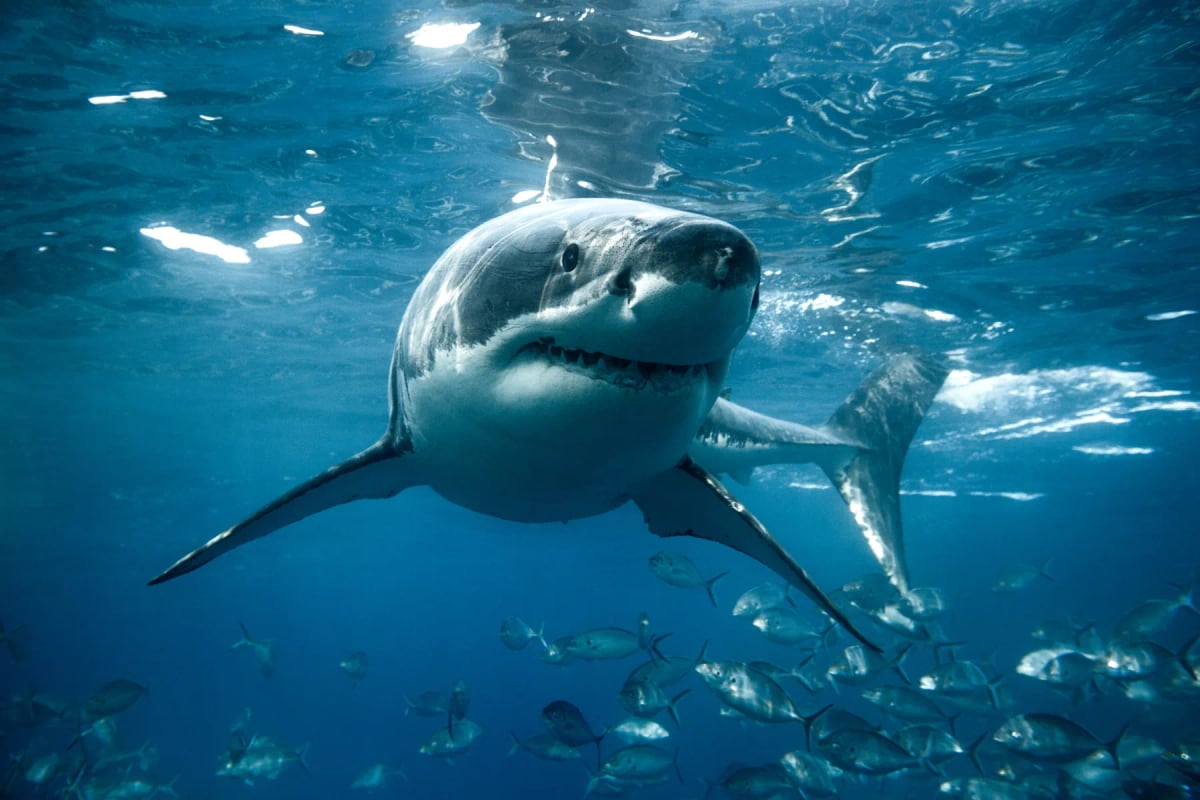
Great White Shark
Carcharodon carcharias
Italy's long coastline and the deep waters of the central Mediterranean, including the Tyrrhenian and Sicilian channels, are part of the great white shark's Mediterranean range. Sicily and Sardinia have historical records of encounters with the species. The Mediterranean population is genetically distinct and severely depleted. Italian waters are important for the species in this sea, where conservation awareness has grown in recent decades.
Frequently Asked Questions
What animals live in Italy?
Italian animals include gray wolves, brown bears, Eurasian lynx, red deer, roe deer, wild boars, wildcats, badgers and hedgehogs. The Alps are home to Alpine ibex, chamois and marmots. Its birds include golden eagles, griffon vultures, eagle owls, storks and cranes. In the seas around Italy live bottlenose and common dolphins, sperm whales and fish like barracuda, and a few sharks such as hammerheads and great whites.
What is the national animal of Italy?
Italy has no official national animal set by law, but the Italian wolf is widely seen as the country's animal symbol. The link goes back to the legend of Romulus and Remus, the founders of Rome, who were fed by a she wolf. The Italian wolf is a distinct type of gray wolf that survived in the Apennines when wolves disappeared from most of Western Europe. From there it has spread into the Alps, France and Switzerland.
Are there wolves in Italy?
Yes, and quite a lot. A national survey in 2020 and 2021 estimated about 3,300 wolves in Italy, around 950 in the Alps and the rest along the Apennines, from Liguria down to Calabria. In the 1970s there were fewer than 100. Wolves in the western Alps came from Italian wolves moving north, while in the northeast some arrived from Slovenia. They are fully protected and very shy, so hikers rarely see one.
Are there bears in Italy?
Yes, in two separate groups. In Trentino, 10 bears brought from Slovenia between 1999 and 2002 have grown to around 100 animals living in and around the Brenta Dolomites. In the central Apennines lives the Marsican brown bear, a type found only in Italy. It is centered on the Abruzzo, Lazio and Molise National Park, and a 2026 estimate counted about 81 bears, up from around 50 in 2014.
Are there sharks in Italian waters?
Yes. Several kinds of sharks live in Italian seas, including hammerhead sharks and even great white sharks, which have been recorded around Sicily, Sardinia and in the Adriatic. The great white is very rare in the Mediterranean, and scientists think the Strait of Sicily may be one of the few places where it still has its young. Most sharks in Italian waters stay far from the coast, and shark attacks on people in Italy are extremely rare.
What dangerous animals live in Italy?
Very few animals in Italy are a real danger, and serious incidents are rare. The main ones to know about on land are vipers, the only venomous snakes in the country. The European adder lives in the Alps, and other vipers live in sunny, rocky areas across much of the mainland, but not in Sardinia. Bites usually happen when someone steps on a snake or puts a hand under a rock. Brown bears and gray wolves almost always avoid people, although bears in Trentino have attacked people on rare occasions, including a fatal attack on a runner in 2023. Wild boars can charge if they feel cornered, especially mothers with young. At sea, sharks almost never come close to swimmers. Keeping your distance, staying on trails and following park rules keeps the risk very low.
Researched and written by Juan Pablo. Sources: IUCN Red List, scientific literature and regional field guides. Last updated: .