Hedgehog
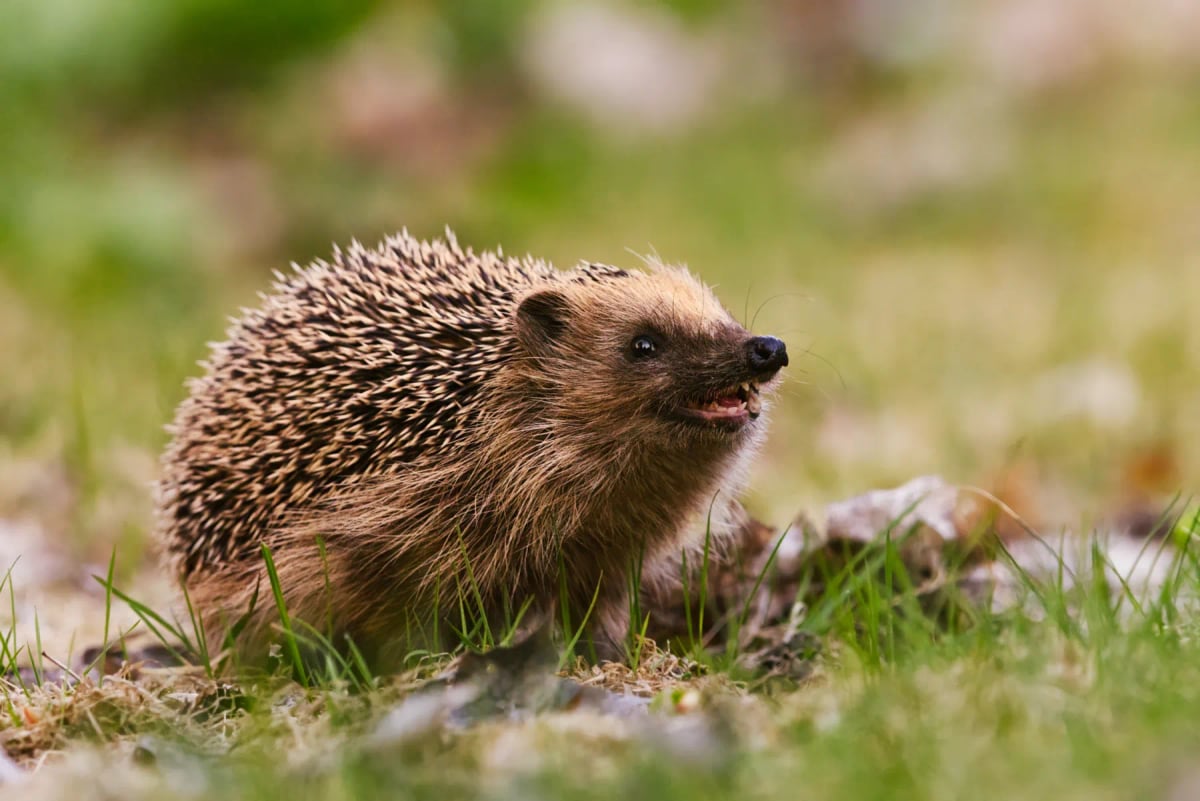
The European hedgehog (Erinaceus europaeus) is a small mammal active mainly at night, instantly recognisable by the coat of around 5,000 to 7,000 hollow keratin spines covering its back. Widespread from the Iberian Peninsula to Russia, it thrives in gardens, hedgerows, and woodland edges where food is easy to find. Its diet centres on beetles, earthworms, slugs, caterpillars, and the occasional small vertebrate, making it a natural helper in any garden. When a predator approaches, the hedgehog tucks its head and feet inward and rolls into a tight ball, turning those spines into an almost impenetrable shield. In cooler parts of its range it hibernates through winter, slowing its heart rate dramatically to save energy. Though classed as Least Concern by the IUCN, populations across Western Europe have fallen in recent decades because of habitat loss, road traffic, and pesticide use.
Habitat and range
Few mammals in Europe are as adaptable as the hedgehog. Erinaceus europaeus occupies a striking variety of landscapes, from deciduous woodland edges and rough grassland to hedgerows, parks, and suburban gardens. It ranges from the Iberian Peninsula in the west across central Europe and into Russia, and is also present in parts of Scandinavia as far north as southern Finland. The species tends to avoid dense, wet forests and open farmland with little cover. Gardens and village margins are particularly favoured because they combine shelter with a reliable supply of invertebrates. Hedgehogs move surprisingly large distances each night, sometimes covering two kilometres or more while foraging. Connectivity between green spaces matters greatly to them, which is why gaps in fences or low holes in garden walls can make a real difference to local populations.
Diet
Beetles, earthworms, slugs, and caterpillars make up the bulk of the hedgehog's diet, which makes it a genuinely useful presence in any garden. Foraging takes place almost entirely after dark, guided by a keen sense of smell rather than eyesight, which is quite poor. Hedgehogs also eat millipedes, earwigs, and other ground-dwelling invertebrates, and they will occasionally take the eggs of ground-nesting birds, small frogs, or carrion if the opportunity arises. Fallen fruit is eaten too, though it plays only a minor role in the overall diet. Because hedgehogs consume large numbers of slugs and beetles each night, they help control invertebrate populations naturally. It is worth noting that milk and bread, commonly left out by well-meaning people, can cause digestive problems. Fresh water and wet cat food are far safer options for anyone who wants to help.
Behavior and defense
Solitary and strongly nocturnal, hedgehogs spend the daylight hours resting in a nest of leaves, grass, or other plant material tucked under a bush, log pile, or compost heap. At night they become surprisingly active, grunting and snuffling as they move through vegetation in search of food. The spines, which are hollow and made of keratin, serve as the animal's primary defence. When a predator threatens, the hedgehog contracts the muscles around its back and rolls into a tight ball, drawing the unprotected skin of its belly safely inside. Badgers and tawny owls are among the few predators capable of overcoming this defence. Young hedgehogs are born with soft, pale spines hidden under a fluid-filled membrane that dries and peels away within hours of birth, after which the first proper coat of spines appears quickly.
Hibernation
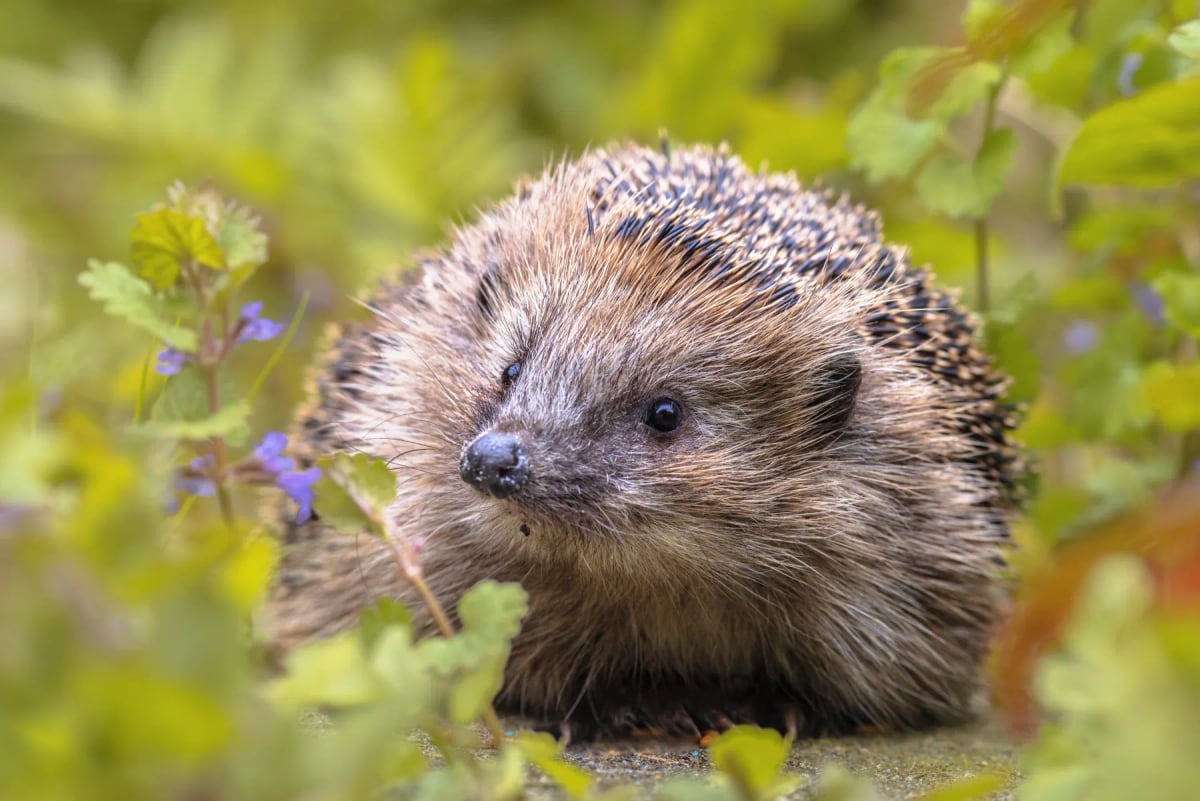
As autumn temperatures drop and invertebrate prey becomes scarce, hedgehogs in the cooler parts of their range enter hibernation, typically between October and April, though the exact timing shifts with local weather conditions. Before entering hibernation, individuals feed intensively to build up fat reserves, as they must survive entirely on stored energy for several months. During deep hibernation, the heart rate falls from around 190 beats per minute to as few as 20, and body temperature drops close to that of the surrounding environment. Hedgehogs do not sleep straight through the winter. They can wake periodically, sometimes moving to a new nest site. A hedgehog that has not put on enough weight before hibernation, generally below about 450 grams, is at serious risk of not surviving until spring, which is why autumn is a critical time for these animals.
Conservation
The IUCN lists the European hedgehog as Least Concern globally, yet the picture across Western Europe tells a more worrying story. Studies in the United Kingdom suggest that hedgehog numbers have fallen by more than a third since the turn of the century, driven by the loss of rough grassland and hedgerows, increased road traffic, and the widespread use of pesticides that strip invertebrates from the landscape. Intensification of farming has removed much of the field-edge habitat these animals depend on. In towns and cities the situation is somewhat better, as garden-friendly initiatives encourage residents to create holes in fences and reduce the use of slug pellets. Several European countries have introduced hedgehog-specific protection measures or awareness campaigns. Keeping gardens connected and pesticide use low remain the most practical steps anyone can take to support local populations over the long term.
Where it is found
The Hedgehog can be found in places such as:
Researched and written by Juan Pablo. Sources: IUCN Red List, scientific literature and regional field guides. Last updated: .
Technical factsheet











Frequently Asked Questions
What do hedgehogs eat?
Hedgehogs are insectivores at heart. Their nightly menu includes beetles, earthworms, slugs, caterpillars, millipedes, and earwigs. They will also eat small frogs, carrion, and fallen fruit on occasion. This appetite for slugs and beetles makes them a welcome guest in any garden. If you want to leave food out for one, stick to wet cat food and fresh water. Milk and bread may seem kind but can upset their digestive system.
Where do hedgehogs live?
The European hedgehog is found across a wide stretch of the continent, from Spain and Portugal in the west all the way to Russia, and as far north as southern Finland. It favours woodland edges, hedgerows, parks, and gardens, anywhere that offers good cover and plenty of invertebrates to eat. Dense wet forests and large open fields with little vegetation are generally avoided. Suburban gardens have become increasingly important refuges for the species.
How do hedgehogs defend themselves?
Their spines are their best weapon. A hedgehog has between 5,000 and 7,000 hollow spines made of keratin covering its back. The moment it senses danger, it curls into a tight ball, tucking its head, legs, and belly safely inside. This leaves only a surface covered in sharp spines exposed to any predator. Very few animals can get past this defence. Badgers and tawny owls are among the rare exceptions, as they have learned ways to pry the animal open.
Do hedgehogs hibernate?
Yes, hedgehogs in cooler parts of Europe hibernate, usually from around October through to April. Before going under, they eat as much as possible to build up fat reserves that will keep them alive for months. During this time, the heart rate drops from roughly 190 beats per minute to as few as 20. They do not sleep continuously though. Hedgehogs can wake and even change nest sites during winter. Those that enter hibernation weighing less than about 450 grams face a serious risk of not making it to spring.
Are hedgehogs endangered?
Globally, the IUCN classifies the European hedgehog as Least Concern. Even so, populations in Western Europe, especially the United Kingdom, have dropped sharply in recent decades. The main causes are the loss of hedgerows and rough grassland, road casualties, and pesticide use that wipes out the invertebrates they rely on for food. In towns, garden-friendly habits such as cutting holes in fences and avoiding slug pellets are making a real difference to local numbers.
Are hedgehogs nocturnal?
Yes, hedgehogs are almost entirely nocturnal. They spend daylight hours resting in a nest of leaves or grass hidden under a bush, log pile, or compost heap. Once darkness falls, they become surprisingly active, often covering two kilometres or more in a single night while foraging. You can sometimes hear them before you see them, as they make a distinctive grunting and snuffling sound while moving through vegetation. Seeing one out in bright daylight is usually a sign that something is wrong.
How many spines does a hedgehog have?
An adult hedgehog carries between 5,000 and 7,000 spines on its back. Each spine is hollow and made of keratin, the same protein found in human nails and hair. They are not barbed and do not detach like a porcupine's quills. Hedgehogs shed and replace their spines gradually throughout their lives. Baby hedgehogs are born with their first set of spines already present, though these are soft and covered by a protective membrane at birth to avoid injuring the mother.