Italian Wolf
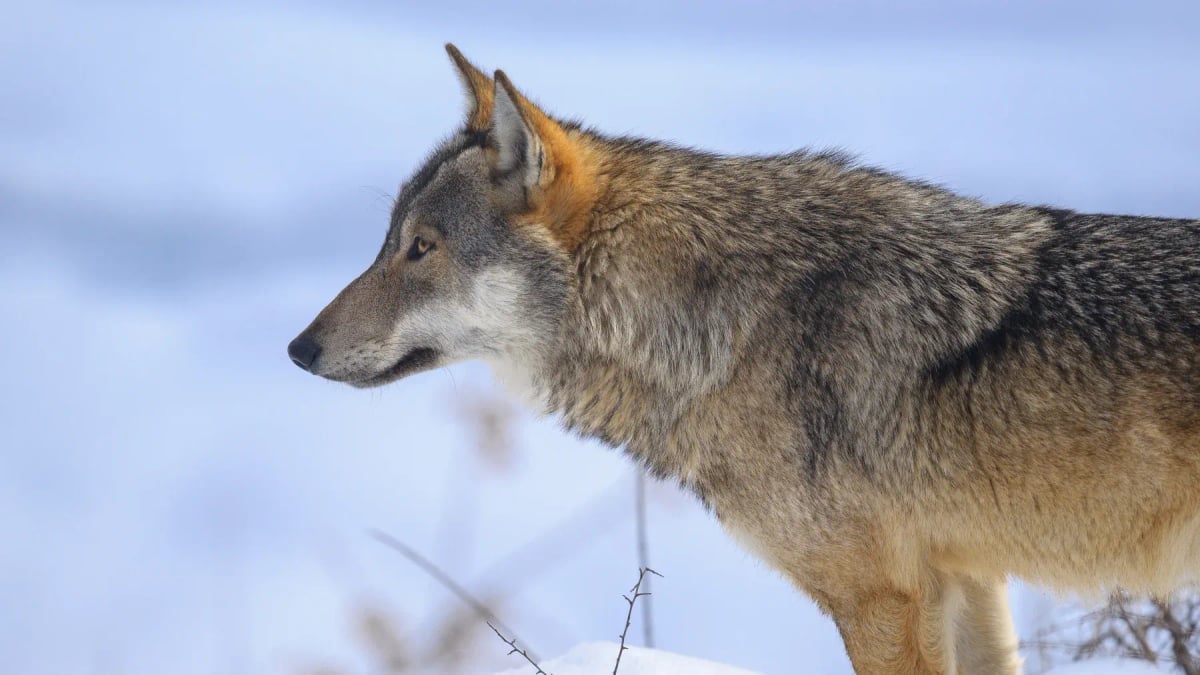
The Italian wolf (Canis lupus italicus) is a subspecies of gray wolf native to the Italian peninsula. It is leaner and somewhat smaller than wolves found in northern Europe, with a coat that typically runs in shades of tawny gray and brown. Packs usually number between 2 and 7 individuals and hold territories that can span hundreds of square kilometers across forested mountain slopes. Wild boar and deer make up the bulk of the diet, though the wolves also take smaller prey and carrion. By the 1970s, hunting and habitat loss had pushed the population below 100 animals. Legal protection turned that around, and by the early 2020s national surveys counted roughly 3,300 wolves in Italy alone, with packs spreading into France, Switzerland, and beyond. The recovery stands as one of the most remarkable carnivore comebacks in European history.
The she-wolf of Rome
No animal is more deeply written into a country's founding story. Roman legend has the twins Romulus and Remus, thrown into the Tiber as infants, washed ashore and suckled by a she wolf until a shepherd found them; Romulus went on to found the city. The Lupa Capitolina, the bronze she wolf with the two infants beneath her, still stands in the Capitoline Museums and remains the emblem of Rome, stamped on manhole covers, football shirts and city buses. The Romans got the animal right, incidentally: a wolf that has lost its own litter will nurse, and wolf packs do raise young cooperatively. The legend had consequences for the real animal too. Where most of Europe spent centuries treating the wolf as vermin to be exterminated, Italy kept a strand of respect for it, and it is not a coincidence that the last wolves of western Europe survived in the Apennines rather than anywhere else.
Where wolves live in Italy
The Italian wolf is most at home in forested mountain terrain, and the Apennine range running down the spine of Italy has been its stronghold for centuries. From those southern and central peaks, packs have pushed north into the western Alps and across the border into France, Switzerland and Austria. Today wolves are present along almost the whole length of the country, from Calabria to the Alpine valleys, and they have reached the edges of large cities, including the coastal pine woods outside Rome. Wolves favor dense woodland that provides cover for hunting and denning, typically at elevations between 500 and 2,000 meters, though they move through lowland corridors when dispersing to find new territory. A single pack may patrol a range of several hundred square kilometers. The natural return of forests across abandoned farmland in the Italian countryside has played a significant role in opening up new areas that wolves can now occupy.
Diet
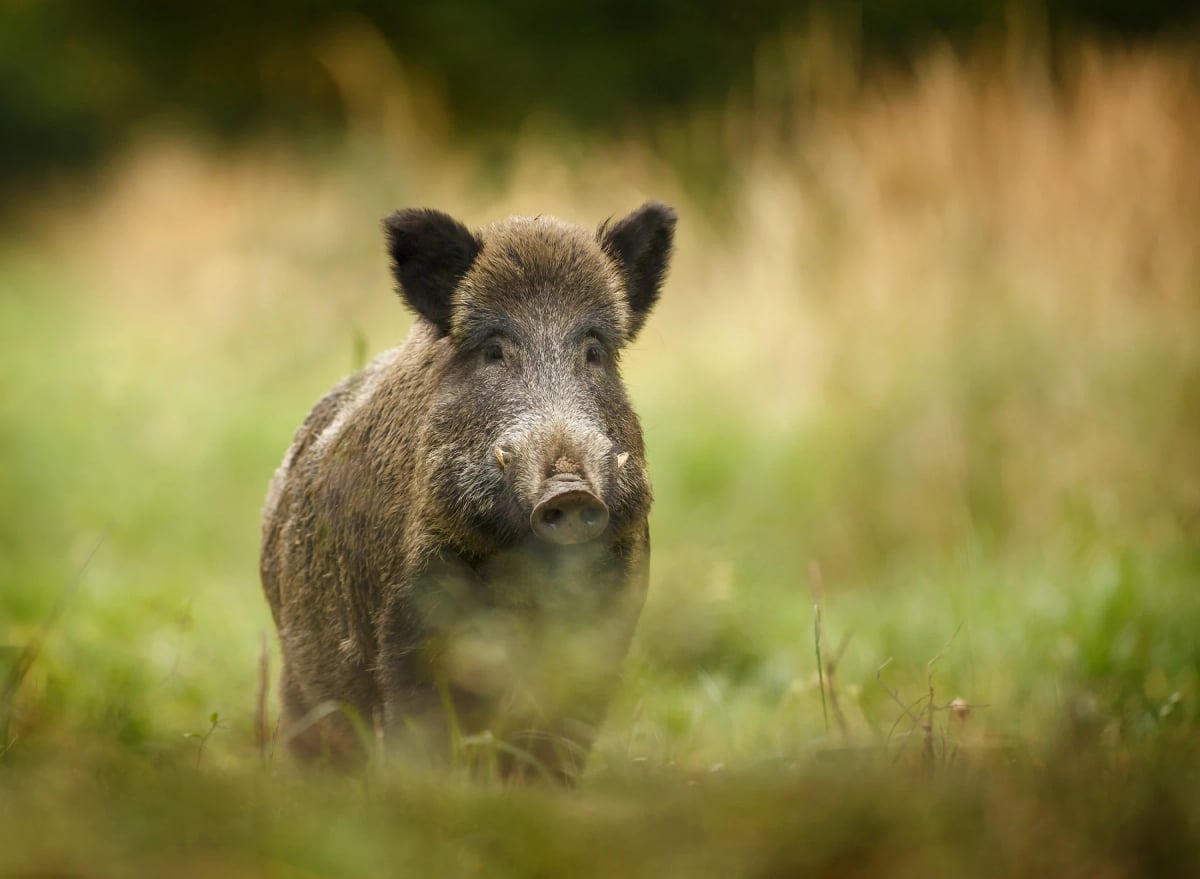
Wild boar and deer, particularly roe deer and red deer, form the backbone of the Italian wolf's diet across most of its range. Packs hunt cooperatively, which allows them to bring down prey much larger than any single wolf could manage alone. When large ungulates are hard to find, wolves will take smaller animals such as hares and rabbits, and they will feed on carrion when the opportunity arises. In areas where livestock graze without adequate protection, sheep and goats can also become targets. Studies carried out in the Apennines show that wild prey makes up the vast majority of kills, and that livestock predation tends to rise where natural prey populations are lower or where herding practices leave animals unguarded overnight.
Population
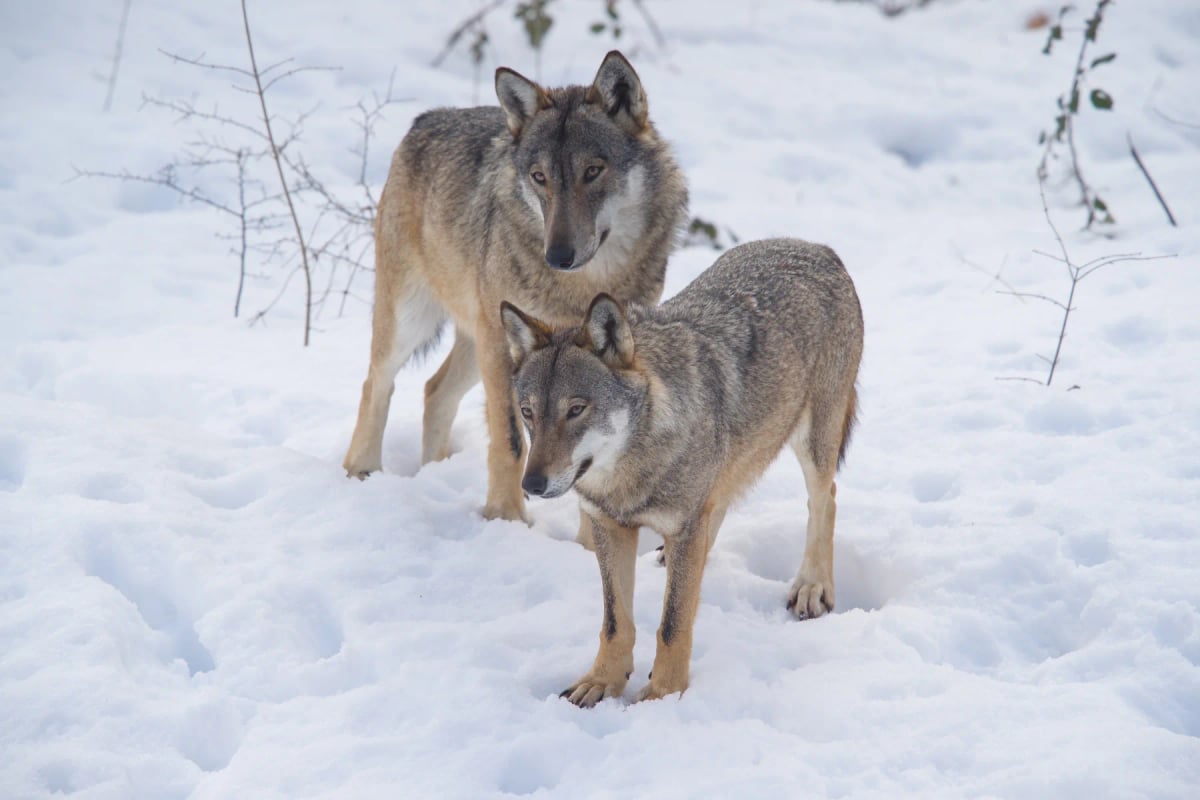
Few wildlife recoveries in Europe match the scale of what has happened with the Italian wolf. By the early 1970s, centuries of persecution had reduced the entire population to fewer than 100 animals, all confined to a small stretch of the southern Apennines. Legal protection granted in Italy in 1976 allowed numbers to climb steadily. A national survey conducted in 2020 and 2021 put the Italian population at roughly 3,300 individuals. Wolves have also recolonized parts of France, where several hundred now roam, and smaller but growing populations are established in Switzerland, Austria, and Slovenia. The overall trend across the subspecies remains positive, making the Italian wolf one of the clearest conservation success stories on the continent.
Wolves and stray dogs: the hybrid problem
The biggest threat to the Italian wolf today is not the rifle, it is the stray dog. Wolves and dogs are the same species biologically and produce fertile young, and in a country with a large free ranging dog population, wolves living close to towns sometimes breed with them. Across the Apennines as a whole the amount of dog ancestry in wolves remains low, a few percent, but it climbs sharply in the areas with the most human disturbance, and one genetic survey in the northern Apennines found dog ancestry in most of the wolves it sampled. Hybrids are a conservation problem rather than a danger: they dilute a genetic lineage that spent thousands of years isolated south of the Alps, and they can carry traits, including coat colors and dew claws on the hind legs, that spread through wild packs. Management now focuses on controlling stray dogs and on sterilizing or removing identified hybrids.
Conflict with humans
Living alongside wolves is not always easy for farmers and shepherds. Livestock losses, particularly of sheep and goats, are the main source of tension between wolves and rural communities, and the problem tends to flare up where flocks are left unguarded on open pasture at night. Wolves naturally keep their distance from people, and documented attacks on humans in Europe are exceptionally rare. Practical measures can reduce losses significantly. Guardian dogs, traditionally used by shepherds in Italy for generations, provide one of the most effective lines of defense. Sturdy enclosures and the presence of a herder also make a real difference. Several European countries operate compensation schemes to reimburse farmers for confirmed wolf predation, which helps ease some of the economic pressure on affected communities.
Conservation
At a global level, the gray wolf carries a status of Least Concern on the IUCN Red List, a reflection of its wide range across the Northern Hemisphere. The picture in Europe is more nuanced. The Italian wolf has been legally protected in Italy since 1976, and that protection helped drive the remarkable population recovery seen over the following decades. At the European level, the wolf has historically been listed under the strictest category of the Habitats Directive. However, the legal framework is shifting. In 2025, the Bern Convention downlisted the wolf from strictly protected to protected status, opening the door for the European Union to update its own legislation accordingly. National protections remain in place for now, and conservation groups continue to monitor how these policy changes play out for wolf populations across the continent.
Researched and written by Juan Pablo. Sources: IUCN Red List, scientific literature and regional field guides. Last updated: .
Technical factsheet





Frequently Asked Questions
Are there wolves in Italy?
Yes, and many more than most visitors assume. The national survey of 2020 and 2021 counted roughly 3,300 wolves in Italy, spread from Calabria in the far south to the Alpine valleys in the north. Fifty years ago the figure was under 100. They are shy, nocturnal and almost never seen, but they are present in most of the country's mountain ranges and increasingly in hill country and on the edges of towns.
Is the Italian wolf a different species from the gray wolf?
No, it is a subspecies: Canis lupus italicus, one branch of the gray wolf. What makes it worth a name of its own is isolation. Wolves south of the Alps were cut off from the rest of Europe for at least a century and probably for thousands of years, and genetic work shows they are distinguishable from every other wolf population in the world. Physically they are smaller and leaner than northern wolves, with a tawny grey coat and dark bands on the front legs.
Where can you see wolves in Italy?
The Abruzzo, Lazio and Molise National Park is the classic answer. This is where the last wolves of western Europe held out when the population fell below 100, and every Italian wolf alive today descends from those animals. The park holds around 40 to 50 wolves in 8 to 10 packs, has a wolf trail at Civitella Alfedena and a museum dedicated to the Apennine wolf, and guided tracking outings run through the winter. Seeing one is still a matter of luck.
How many wolves are there in the Alps?
Around a thousand, spread across Italy, France, Switzerland, Austria and Slovenia, and the number has been climbing every year since the first animals crossed from the Apennines in the early 1990s. The Alpine population is treated as a single unit by the countries that share it, because a wolf born in Piedmont may settle in Savoy or Graubünden. Most of these wolves are Italian by descent, with occasional arrivals from the Dinaric and Carpathian populations to the east.
Is the Italian wolf on the Rome coat of arms?
The she wolf of the Capitoline statue is the symbol of Rome, and the animal in the legend is the wolf that lives in the Apennines, so yes in spirit. The city's formal coat of arms is a different design, but the Lupa Capitolina appears everywhere else: on street furniture, on the badge of AS Roma and as the emblem of the city itself. The Romans nursed a founding myth on an animal their descendants then spent centuries hunting, which is one of the neater contradictions in European wildlife history.
How big is an Italian wolf?
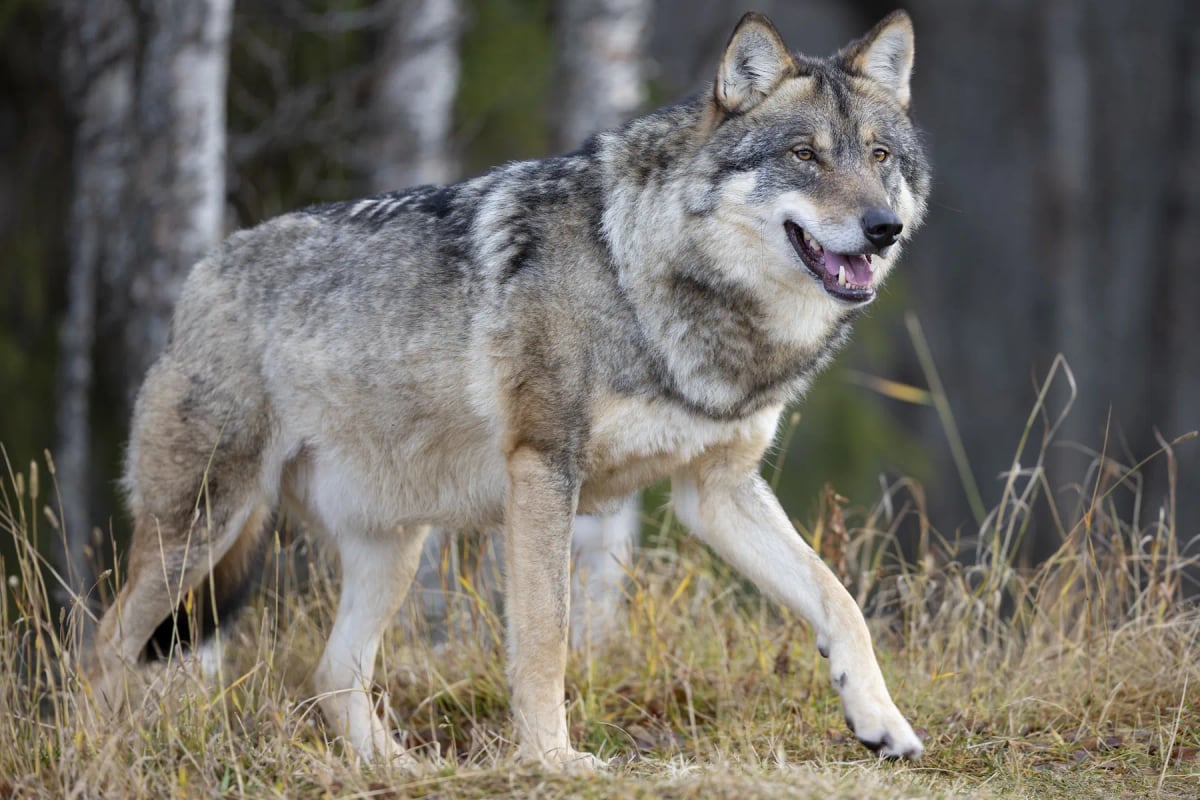
Italian wolves are leaner and somewhat smaller than their northern European relatives. Adults typically weigh between 25 and 35 kilograms, with males running larger than females. They stand around 60 to 70 centimetres at the shoulder. Their coat usually comes in shades of tawny gray and brown, which helps them blend into the forested mountain slopes where they spend most of their lives.
What do Italian wolves eat?
Wild boar and deer, especially roe deer and red deer, make up most of what Italian wolves eat. Packs hunt together, which lets them take down animals much larger than a single wolf could handle. When large prey is scarce, they will go after hares, rabbits, or carrion. In areas where livestock are left unguarded, sheep and goats can also become targets, though wild prey makes up the great majority of their diet.
Are Italian wolves dangerous to humans?
Italian wolves are naturally wary of people and will almost always avoid contact with humans. Documented attacks on people in Europe are exceptionally rare. These animals are not a direct threat to human safety under normal circumstances. That said, it is always sensible to keep a respectful distance if you spot one in the wild, and to avoid leaving food out in areas where wolves are known to roam.
How do Italian wolves live in a pack?
Italian wolf packs typically consist of between 2 and 7 individuals, usually made up of a breeding pair and their offspring from one or more seasons. The pack works as a unit, cooperating to hunt large prey, defend territory, and raise pups. Each pack holds a territory that can cover several hundred square kilometres. Young wolves eventually leave to find a mate and establish a territory of their own.
Why did Italian wolves almost go extinct?
By the early 1970s, centuries of hunting and the steady loss of habitat had pushed the entire Italian wolf population below 100 animals, all surviving in a small pocket of the southern Apennines. Wolves were widely seen as a threat to livestock and were persecuted relentlessly. Legal protection introduced in Italy in 1976 gave the population room to recover, and numbers have grown steadily ever since.
Where do Italian wolves live today?
Italian wolves originally held on in the Apennine mountains of central and southern Italy. From there, packs have spread northward into the western Alps and crossed into France, Switzerland, Austria, and Slovenia. They favor dense forest at elevations between roughly 500 and 2,000 metres, though they will travel through lower ground when moving to new territory. The return of woodland on abandoned farmland has helped open up large areas for them.
What is the conservation status of the Italian wolf?
The gray wolf as a species is listed as Least Concern on the IUCN Red List, which reflects its broad range across the Northern Hemisphere. In Europe, legal protections have been strong for decades, though the framework is changing. In 2025, the Bern Convention moved the wolf from strictly protected to protected status, which may allow countries to manage populations more actively. Conservation groups are watching closely to see how this affects wolf numbers.