Animals in Panama
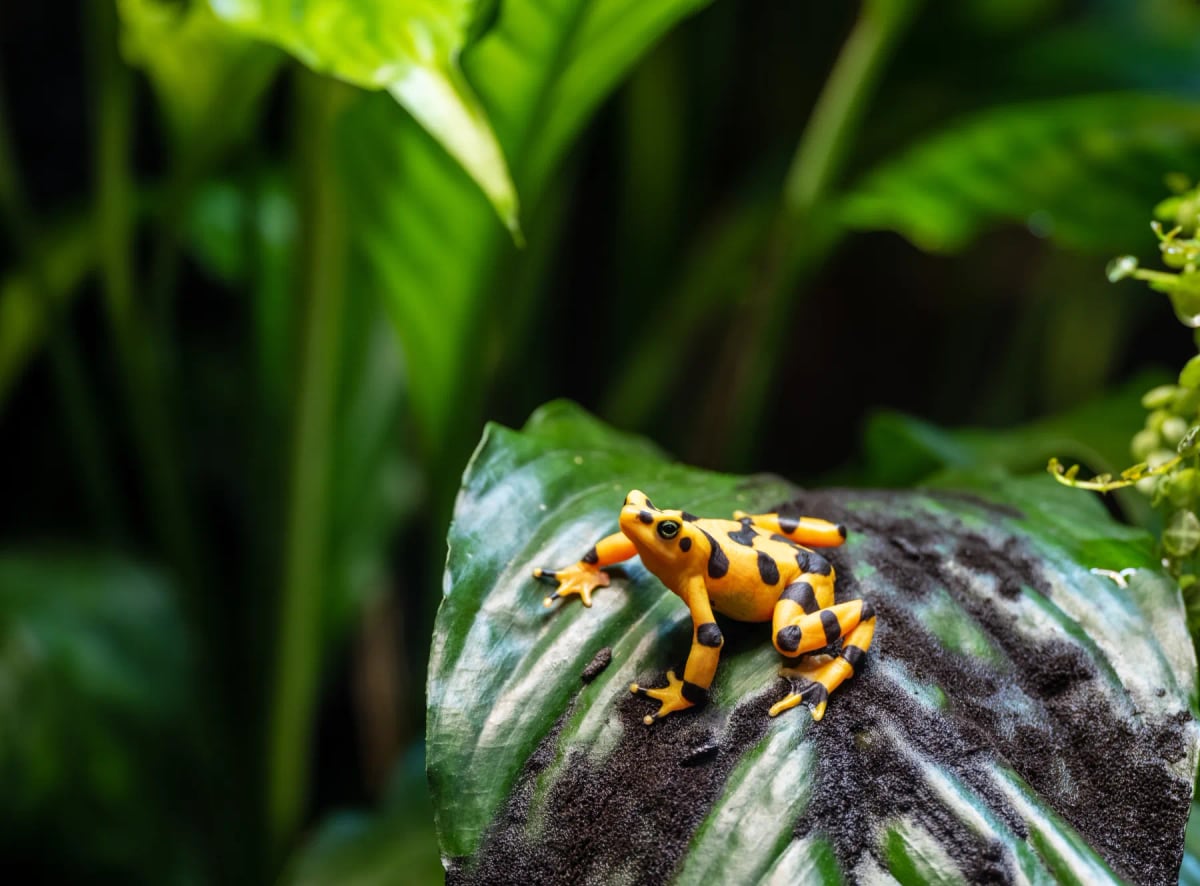
Panamanian Golden Frog
Atelopus zeteki
The Panamanian golden frog is Panama's best known national animal. It is a small, bright yellow frog with black spots that lived along clear mountain streams in the central highlands, and its skin carries strong toxins. Panamanians see it as a symbol of good luck, and every August 14 the country celebrates Golden Frog Day. A fungal disease wiped out almost all wild golden frogs in the 2000s, and today they survive mainly in breeding programs. The national bird is the harpy eagle, declared in 2002, which also appears on the national coat of arms.
View details→Wildlife in Panama
Panama wildlife is shaped by the country's role as a narrow land bridge between North and South America, so animals from both continents meet in a very small space. Lowland rainforests, cloud forests, mangroves and two coasts, one on the Caribbean and one on the Pacific, are home to an amazing variety of life. In the forests live white faced capuchins, spider monkeys, squirrel monkeys, sloths, anteaters, armadillos, tapirs and wild cats like jaguars, pumas, ocelots and margays. The harpy eagle, the national bird, hunts in the rainforests of Darién, while toucans, scarlet macaws and resplendent quetzals add color to the trees. The Panamanian golden frog, the country's best known symbol, once lived along mountain streams. Iguanas and caimans live near rivers, and venomous snakes hide on the forest floor. At sea there are sea turtles, manatees, dolphins, humpback whales and several kinds of sharks. Many wild animals in Panama can be seen just outside Panama City, in the forests along the canal.
Most Dangerous Animals in Panama
The most dangerous animals in Panama are its venomous snakes. The lancehead, known locally as equis or terciopelo, is the one responsible for most serious snakebites. It lives in humid forests, farmland and riverbanks and is most active at night. The rattlesnake is found in drier, more open areas. Wearing boots, using a flashlight after dark and watching where you step greatly reduce the risk. Jaguars and pumas are powerful but avoid people, and attacks are extremely rare. Caimans live in rivers, lakes and the canal area, and should be watched from a distance. In the sea, bull sharks can enter river mouths and shallow bays, and tiger and hammerhead sharks live around reefs and islands, although attacks are rare. Barracudas may bite at shiny objects in murky water. Following local advice and keeping a safe distance from wildlife avoids most problems with dangerous animals in Panama.
Top 10 Animals in Panama
The top 10 animals of Panama mix jungle predators with the big hunters of its two seas. The great white shark is a very rare visitor, while tiger, bull and hammerhead sharks are regular in Panamanian waters, especially around the Pacific islands. On land, the jaguar, the largest cat in the Americas, still hunts in Darién and other large forests, and the puma lives from the lowlands to the mountains. Two venomous snakes, the lancehead and the rattlesnake, are part of the list because of their fame and the respect they inspire. The white faced capuchin, a clever monkey often seen near the canal, and the harpy eagle, the national bird, are other stars. Sloths, toucans, spider monkeys and the golden frog are some of the other animals in Panama that visitors most want to see.
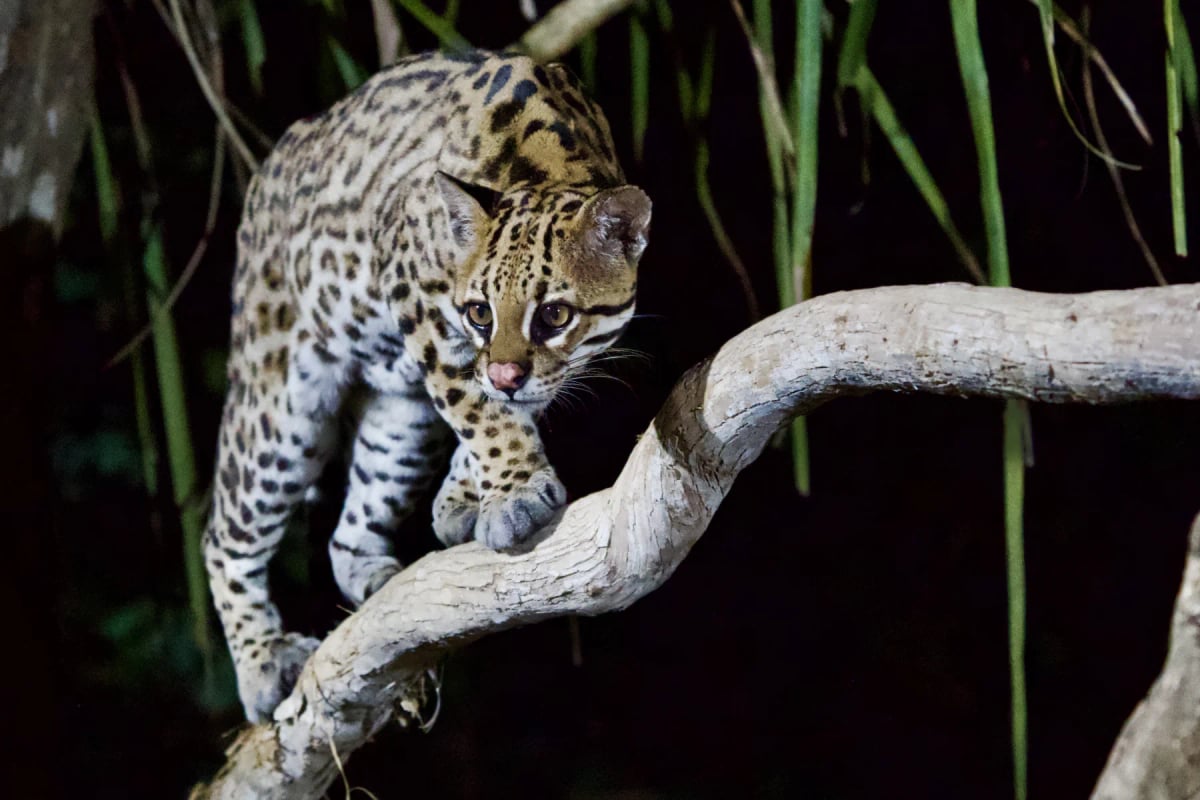
Ocelot
Leopardus pardalis
Panama's position as a land bridge between continents makes it an important corridor for ocelots moving between North and South America. The species is found in tropical forests on both the Pacific and Caribbean slopes, including within Darién National Park, a UNESCO World Heritage Site. Ocelots are nocturnal and solitary, patrolling territories marked with scent. Deforestation and road development threaten connectivity between forest patches across the country.
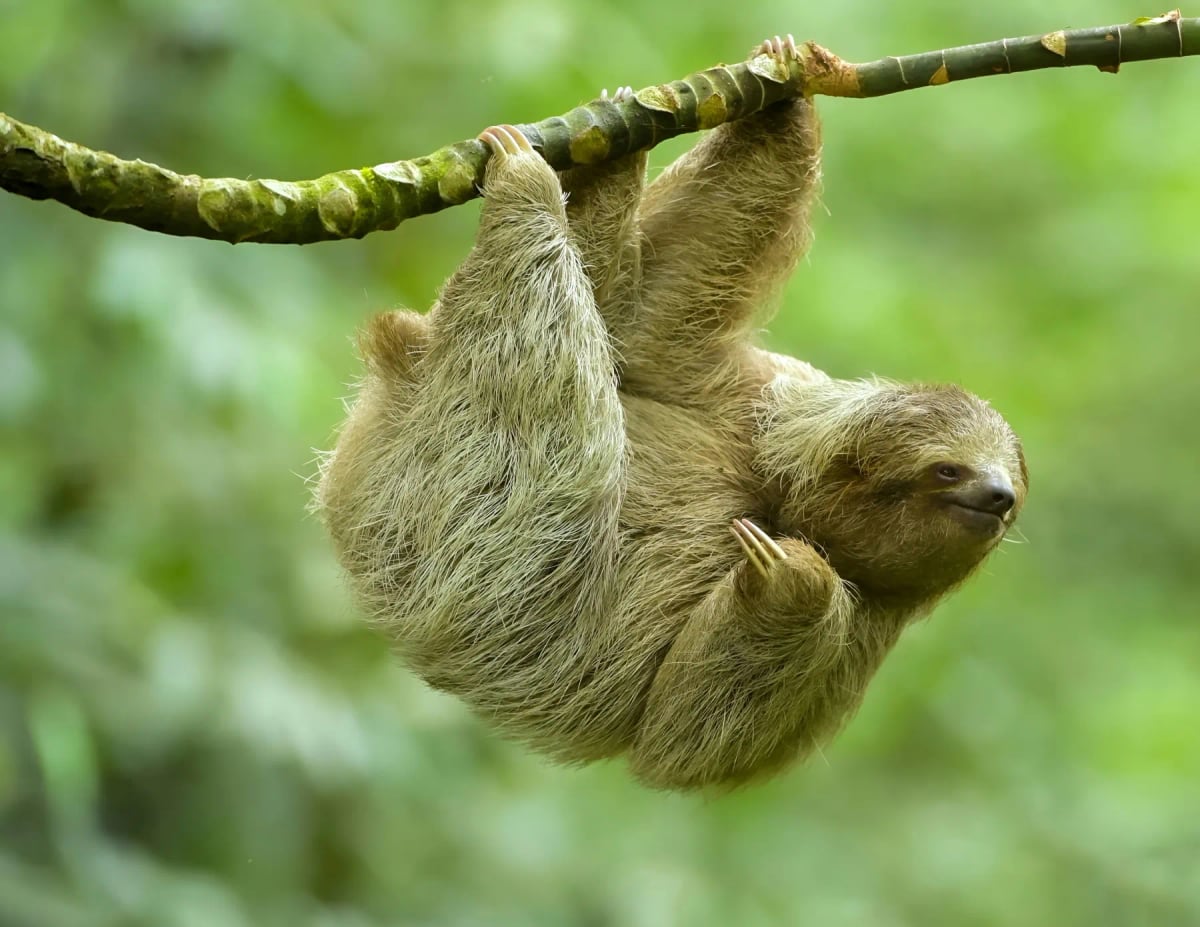
Sloth
Folivora
Panama is home to both two-toed and three-toed sloth species, which thrive in the country's tropical forests stretching from the Canal Zone to the Darien region. Barro Colorado Island, a famous research site in the Panama Canal, has been the setting for important sloth studies. Panama's role as a land bridge between continents makes its forests especially rich in wildlife, and sloths are a regular part of that community.
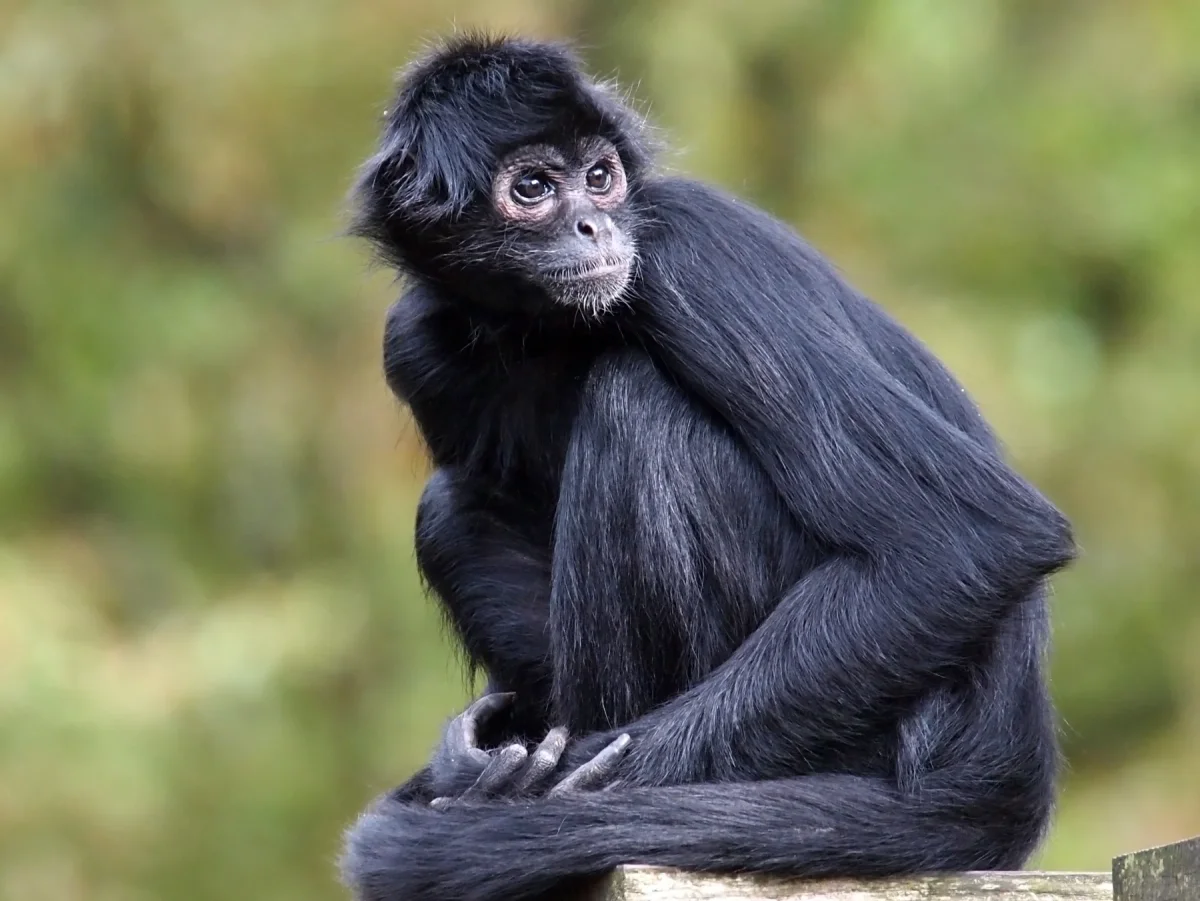
Spider Monkey
Ateles spp.
In Panama, spider monkeys inhabit the rainforests of Darién, one of the most biodiverse regions in the Americas, as well as forests along the Caribbean coast. The Darién Gap acts as a natural barrier that has helped preserve significant forest cover, offering refuge to spider monkey populations. However, expansion of roads and agricultural frontiers threatens to open up previously inaccessible areas to deforestation.
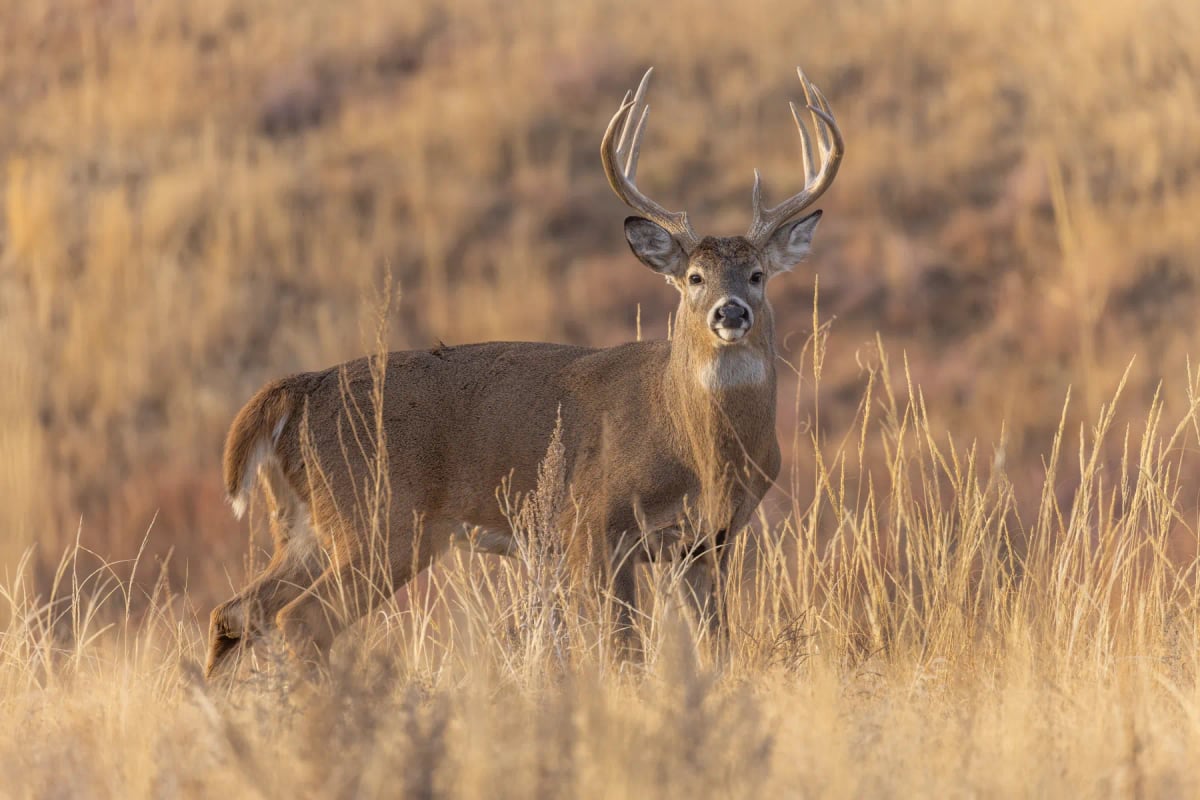
White tailed Deer
Odocoileus virginianus
White tailed deer in Panama are found mainly in open and semi-open habitats, including savannas and forest edges in the provinces of Azuero and Coclé. The Azuero Peninsula holds one of the more visible populations in the country. Habitat fragmentation from agriculture is a persistent pressure. The deer coexists with a rich variety of other wildlife in Panama, a country recognized for its exceptional biodiversity.
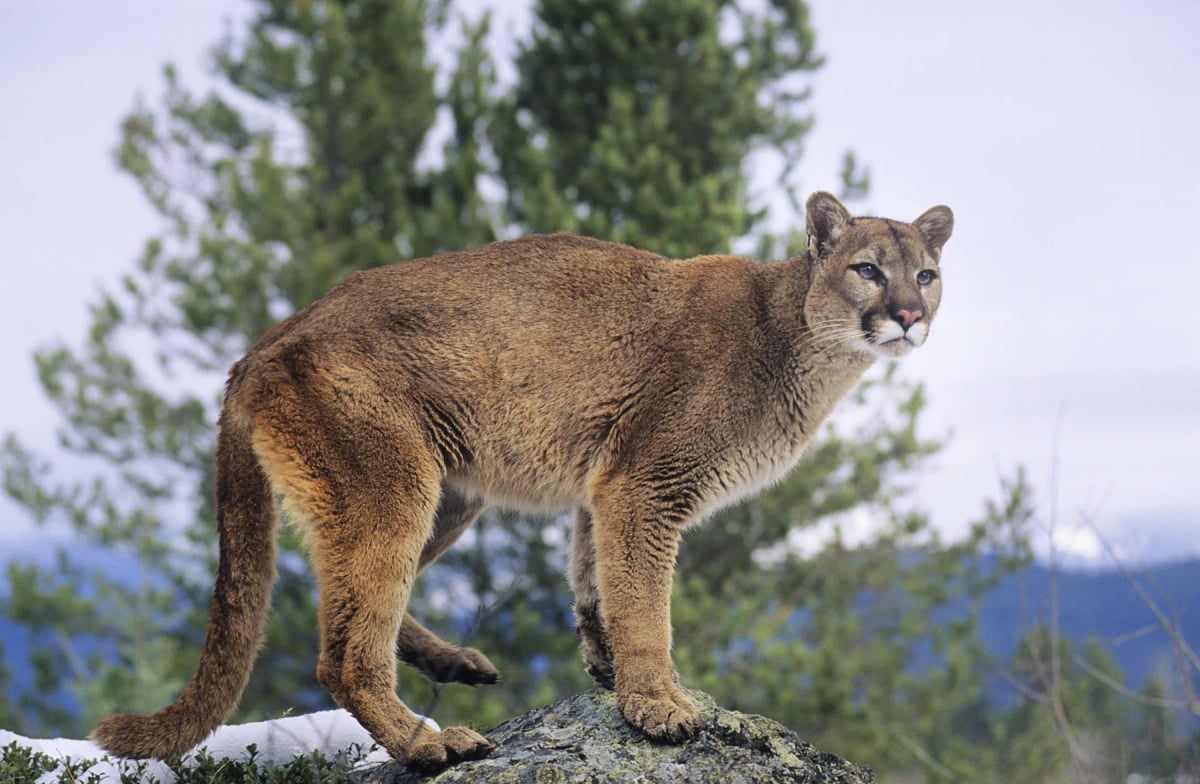
Cougar
Puma concolor
Panama's position as a land bridge between continents means its forests support a remarkable diversity of prey, which benefits the cougar. The species is present from the rainforests of Darién, one of the wildest areas in Central America, to the highlands near the Costa Rican border. Jaguars compete with cougars for territory here, often pushing them into secondary forest. Habitat conservation is critical to the cougar's future in Panama.
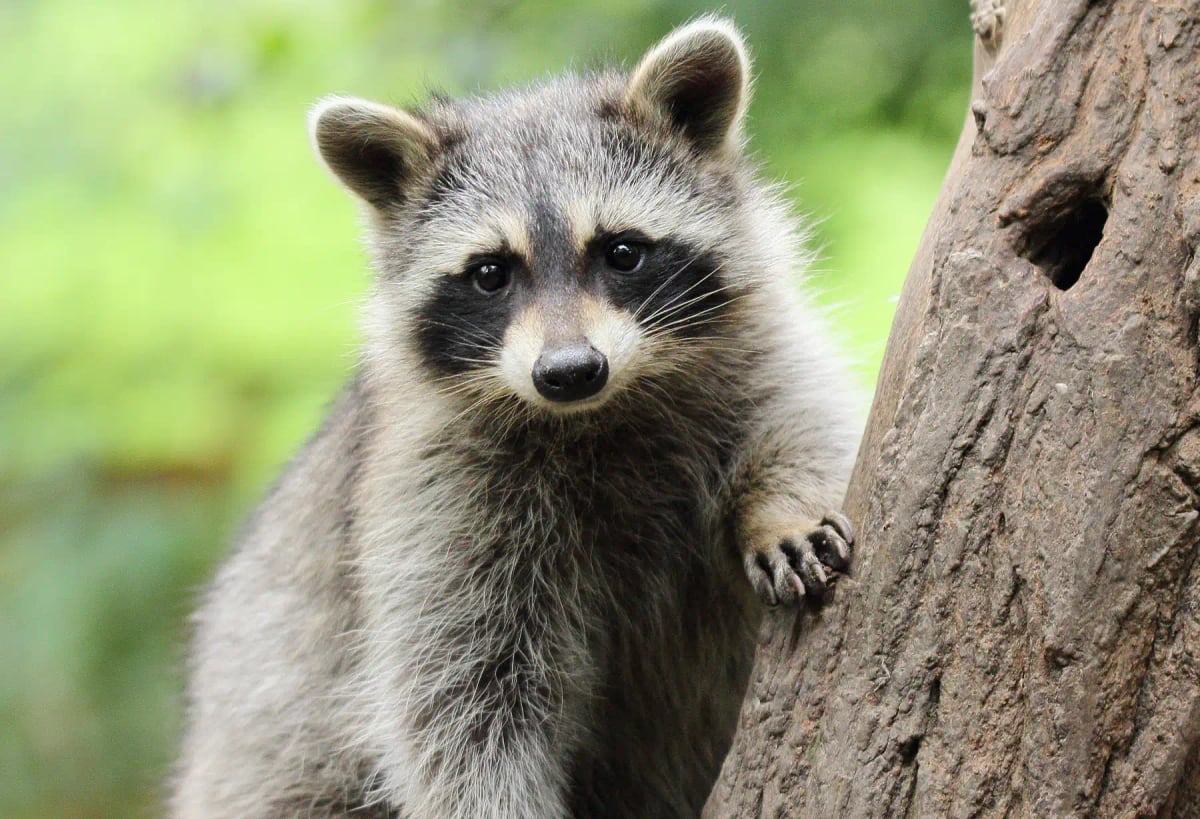
Raccoon
Procyon lotor
In Panama, raccoons are widespread from the lowland forests and mangroves of both coasts to the edges of urban areas like Panama City. The country's position as a biological corridor between North and South America makes it a hotspot for wildlife, and raccoons are among the most adaptable species present. They feed on marine invertebrates, fruit, fish, and food scraps. The species is listed as Least Concern and is commonly seen near the Panama Canal waterway.
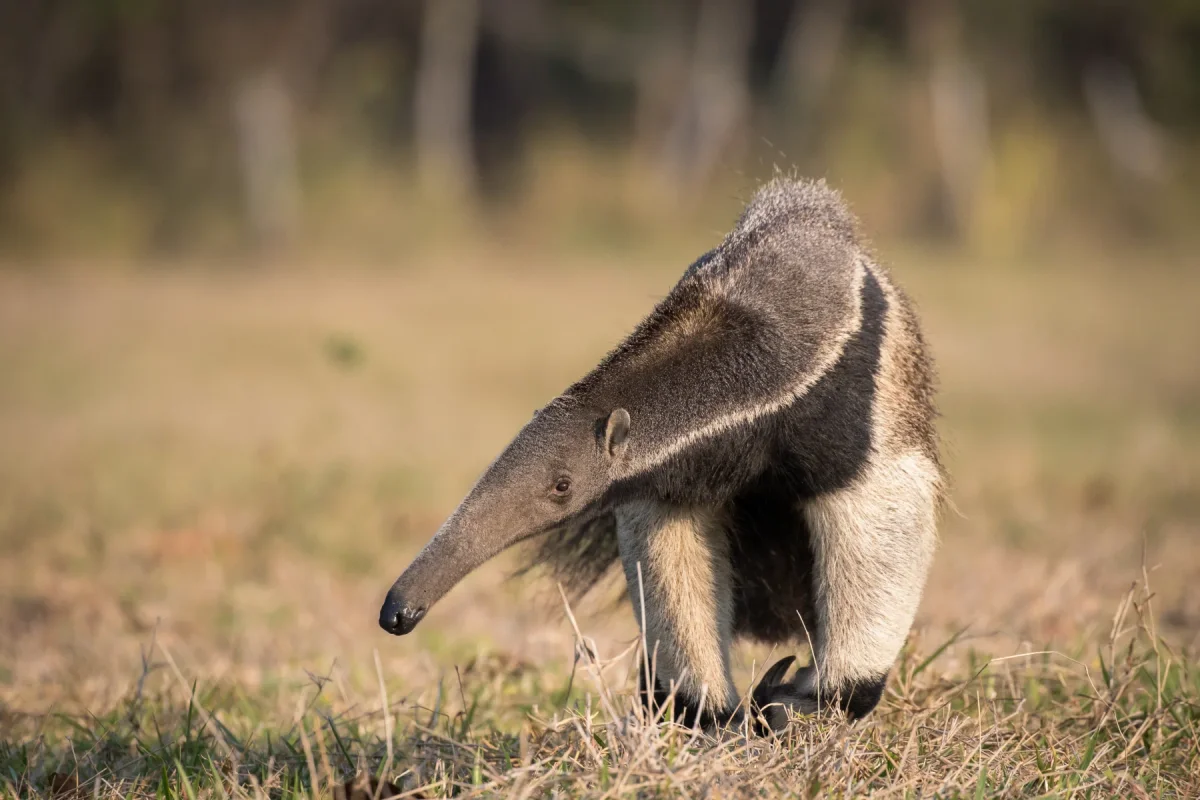
Anteater
Myrmecophaga tridactyla
The giant anteater reaches the northern limit of its Central American range in Panama, where small populations inhabit savannas and open forests. The species is considered locally threatened due to habitat loss and hunting pressure. It is most likely to be encountered in protected areas such as the Darién region near the Colombian border, where suitable habitat remains intact.
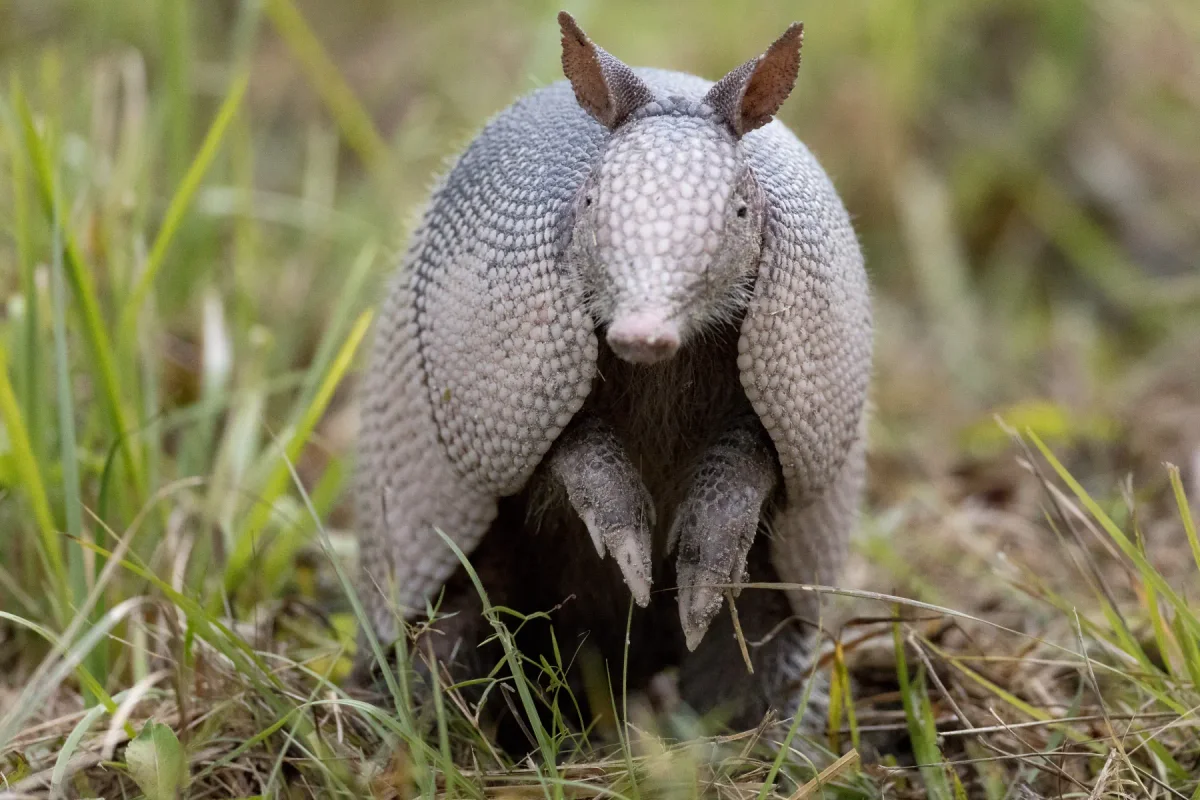
Armadillo
Dasypodidae spp.
Panama is home to the nine banded armadillo, found across forests, savannas, and agricultural areas on both the Pacific and Caribbean sides of the country. The species benefits from Panama's position as a biological corridor between North and South America, where diverse forest habitats remain relatively intact. It is nocturnal and feeds mainly on insects and invertebrates found in the soil. Hunting and road mortality are the main pressures on armadillo populations in more developed parts of the country.
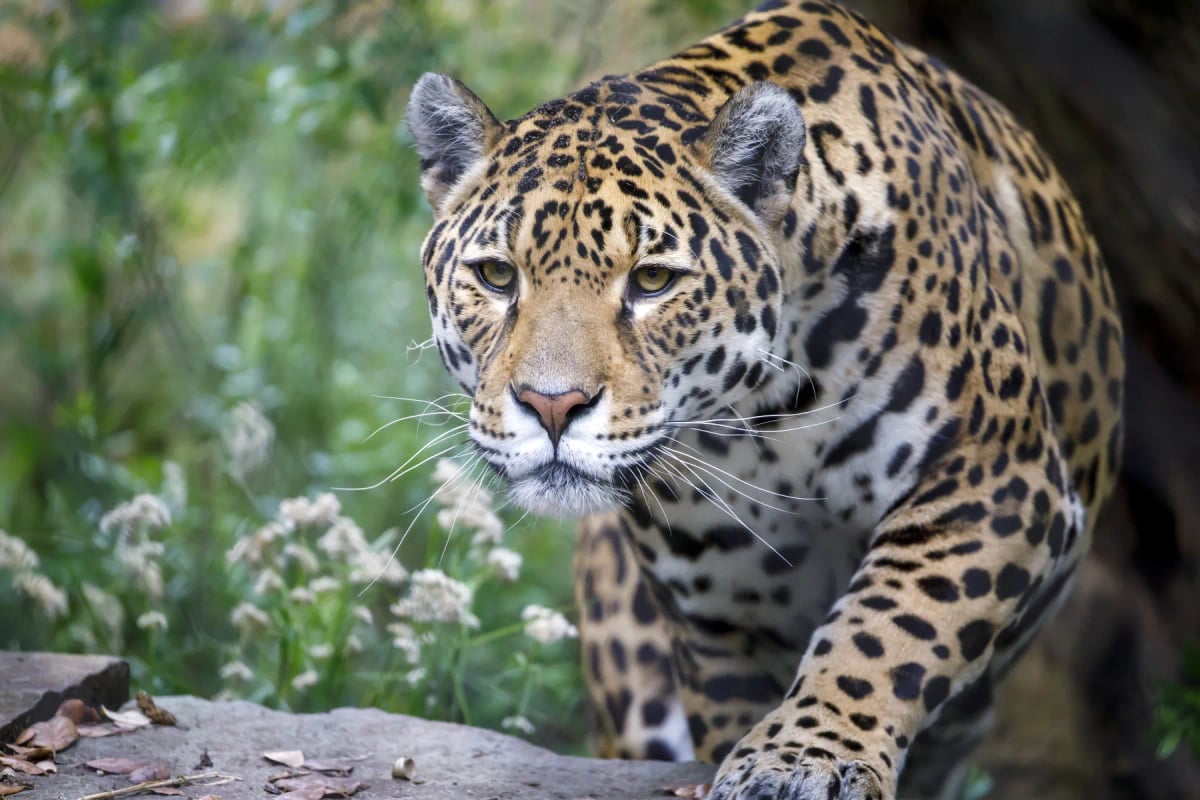
Jaguar
Panthera onca
Panama serves as a critical bridge for jaguars moving between North and South America. Populations are concentrated in Darién National Park, a vast and largely untouched rainforest near the Colombian border. This connectivity makes Panama essential for the survival of jaguars across the continent. Protecting the forests of Darién is considered one of the most important conservation priorities for the species in all of Central America. IUCN status: Near Threatened.
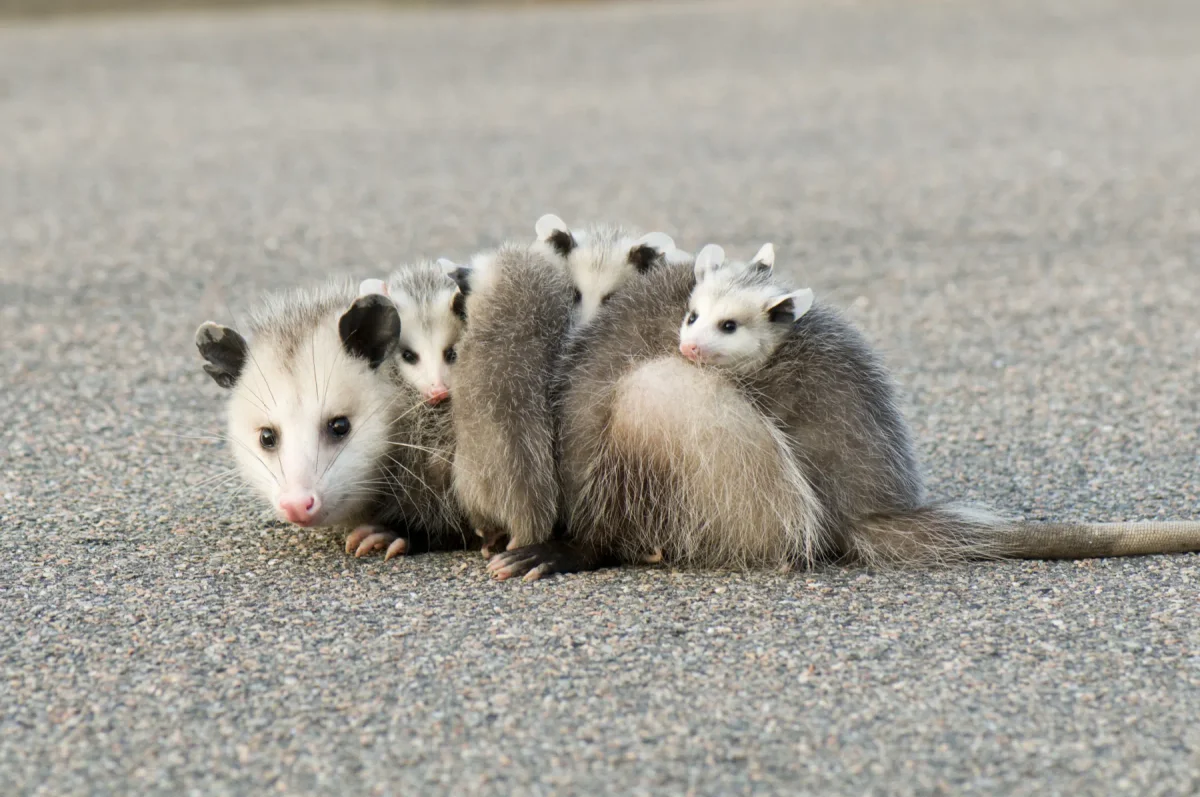
Opossum
Didelphis spp.
The common opossum (Didelphis marsupialis) is found throughout Panama, from the rainforests of Darién to the drier areas near the Pacific coast and the urban fringes of Panama City. It navigates the forest floor and lower canopy with ease, aided by its prehensile tail. Panama's position as a biological corridor between North and South America makes it a key location for studying how Didelphis species spread and interact across the continent.
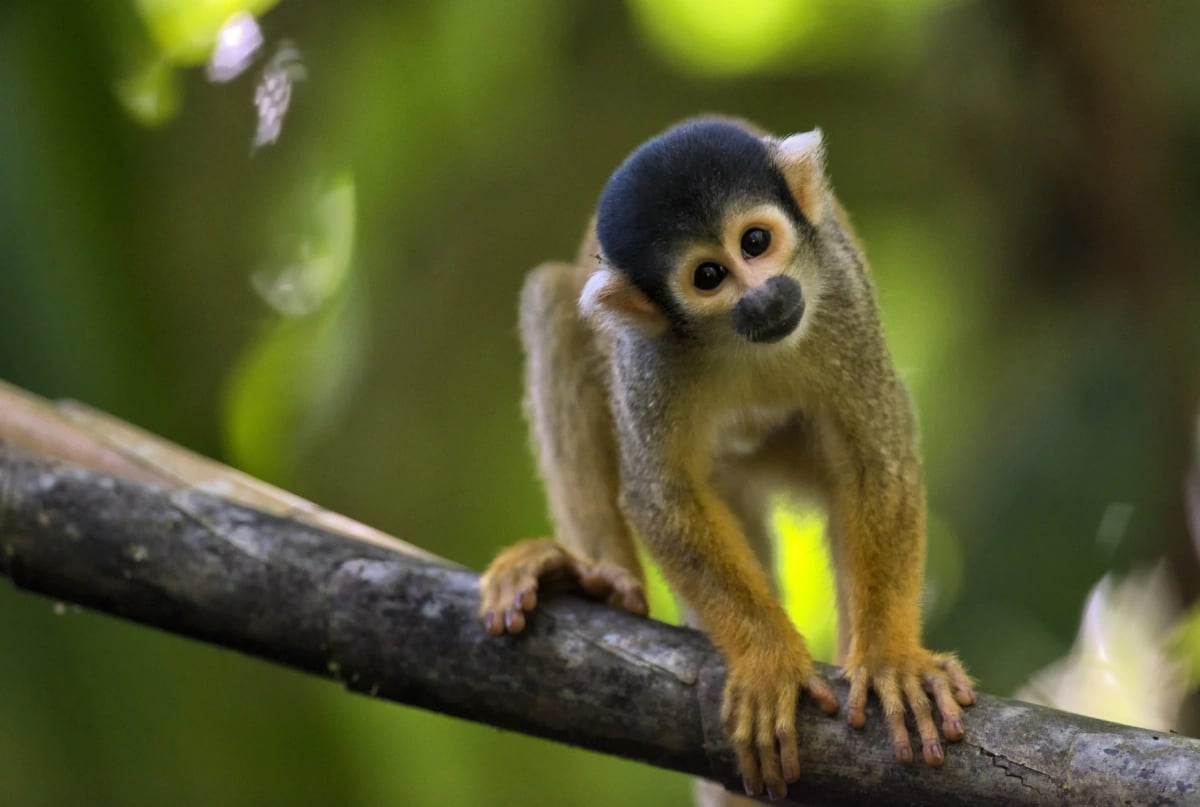
Squirrel Monkey
Saimiri spp.
In Panama, squirrel monkeys are found along the Pacific coast and in lowland forests near the border with Costa Rica, particularly in areas like the Burica Peninsula. They travel in large, noisy troops of up to 75 individuals and spend their days searching for insects and ripe fruit across multiple layers of the forest. Their IUCN status is Least Concern, though habitat loss remains a local pressure.
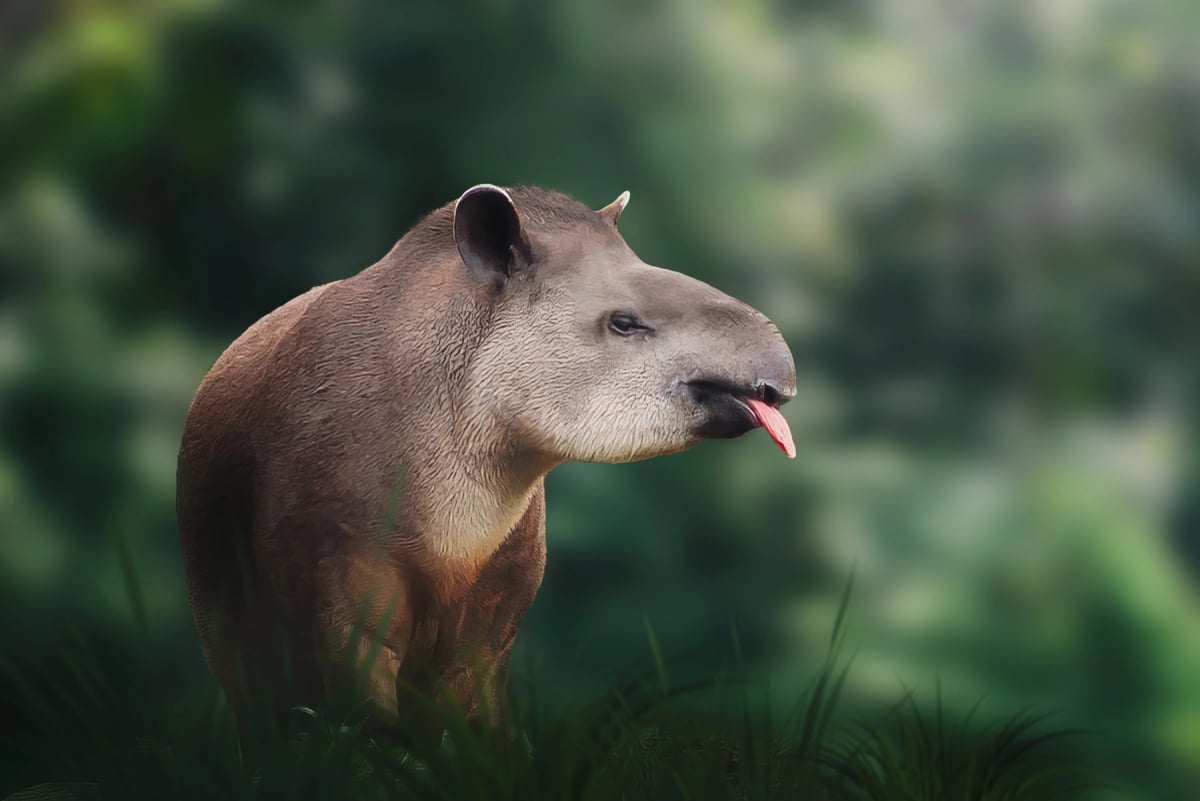
Tapir
Tapirus spp.
Panama's position as a land bridge between continents makes it a critical corridor for Baird's tapir. The species is found in Darién National Park, one of the most biodiverse protected areas in the Americas, as well as in the forests along the Caribbean coast. Maintaining forest connectivity between Panama and Colombia is considered essential for the survival of tapir populations across the region.
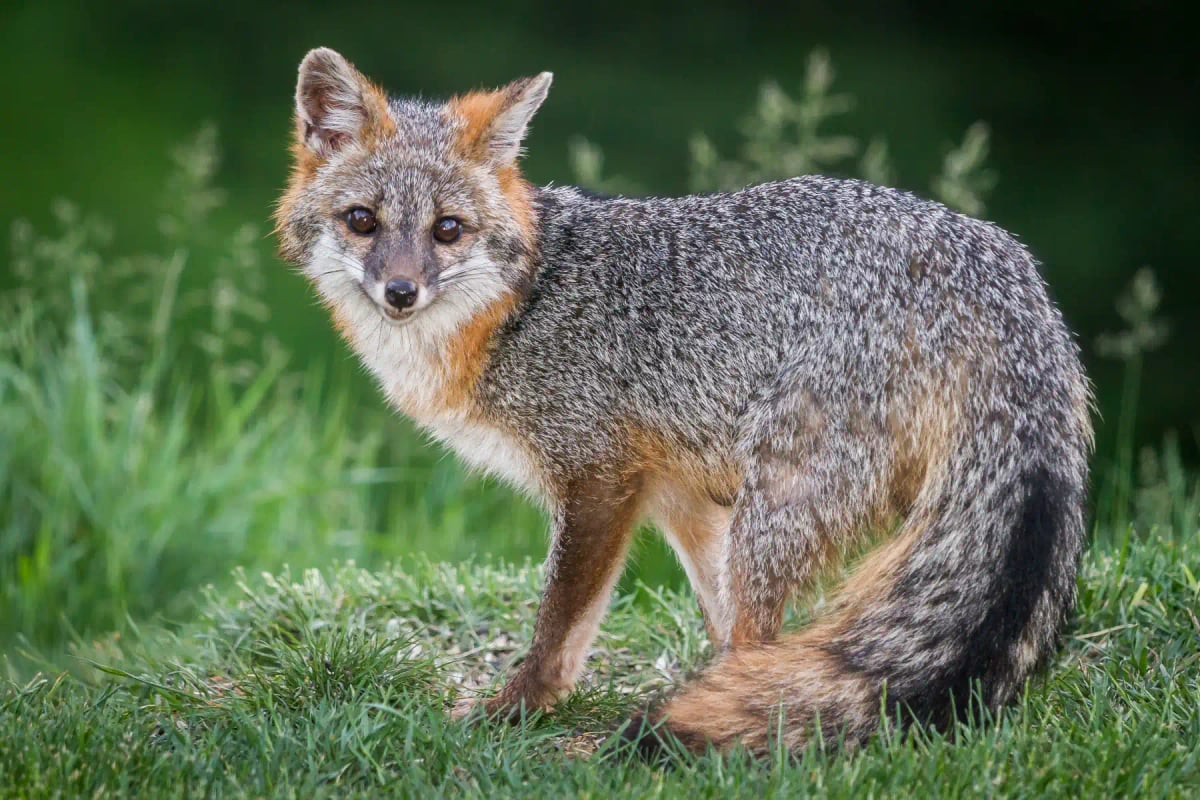
Gray Fox
Urocyon cinereoargenteus
The gray fox reaches the southern limit of its range in Panama, where it occupies dry and semi-open habitats as well as forested areas near woodland edges. It feeds on small mammals, birds, insects, and fruit. It is the only canid in the Americas known to climb trees, using strong curved claws to pull itself up. Its IUCN status is Least Concern throughout its range.
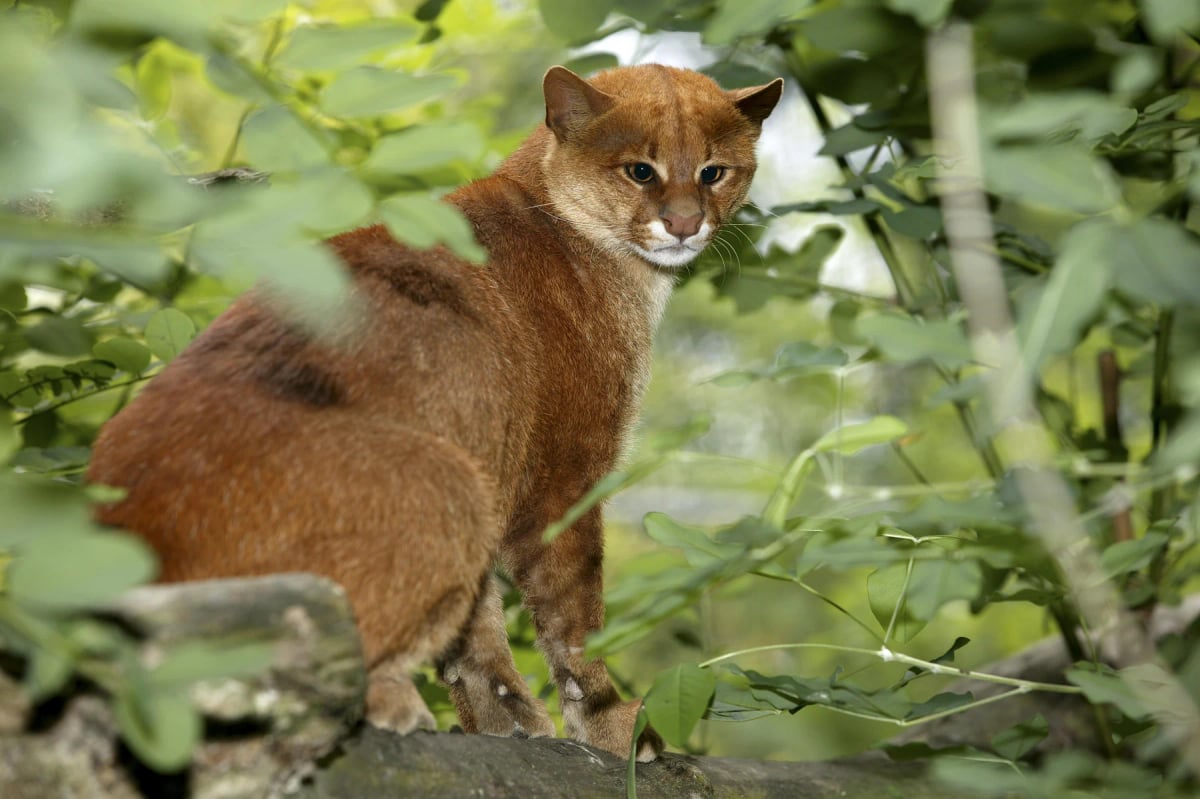
Jaguarundi
Herpailurus yagouaroundi
Panama's position as a land bridge between two continents makes it especially important for the jaguarundi. This cat moves through tropical forests, wetlands, and shrubby areas on both the Pacific and Caribbean slopes. It is one of seven wild cat species recorded in Panama. The IUCN lists it as Least Concern, but maintaining forested corridors like those in Darién is essential for its continued presence in the country.
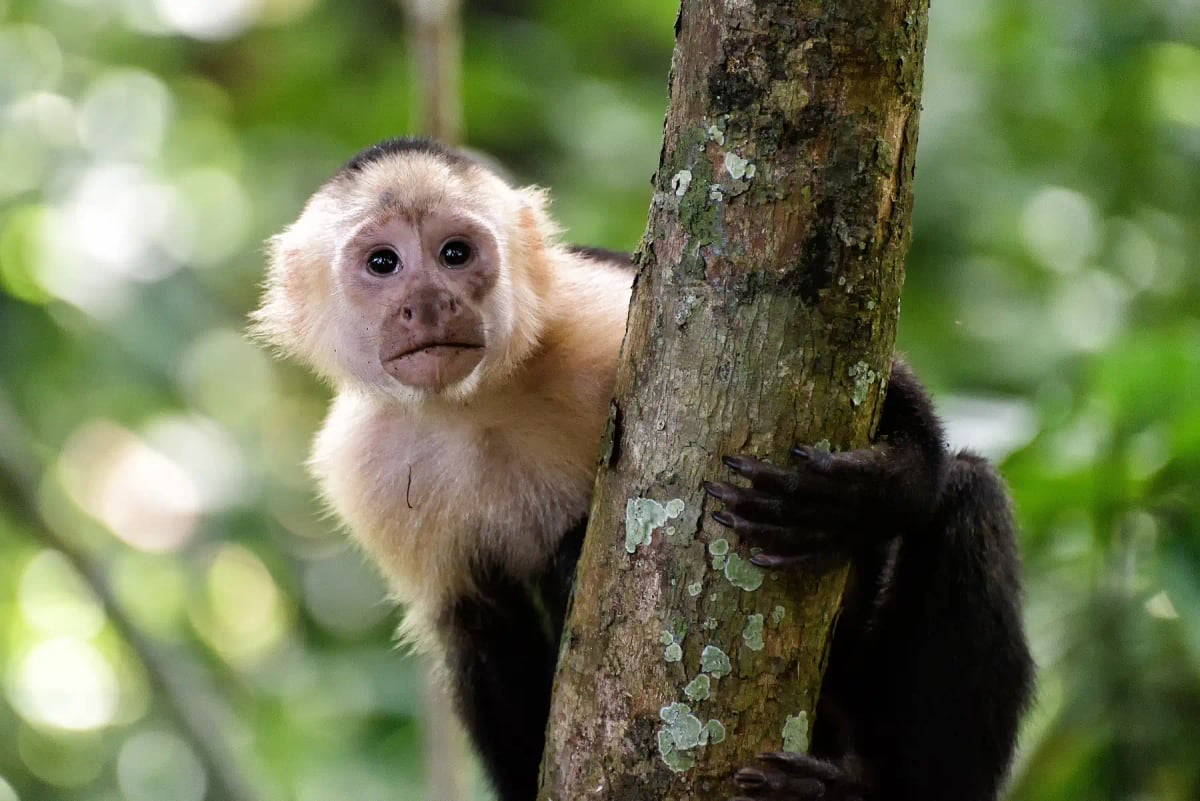
White faced Capuchin
Cebus capucinus
The white faced capuchin is a common sight across Panama, from the forests of the Darién to the canopy of Soberanía National Park. Living in groups of up to thirty, these monkeys are bold, curious, and highly social. They eat fruit, insects, and small animals, and are one of the few wild primates known to use tools. Their IUCN status is Least Concern.
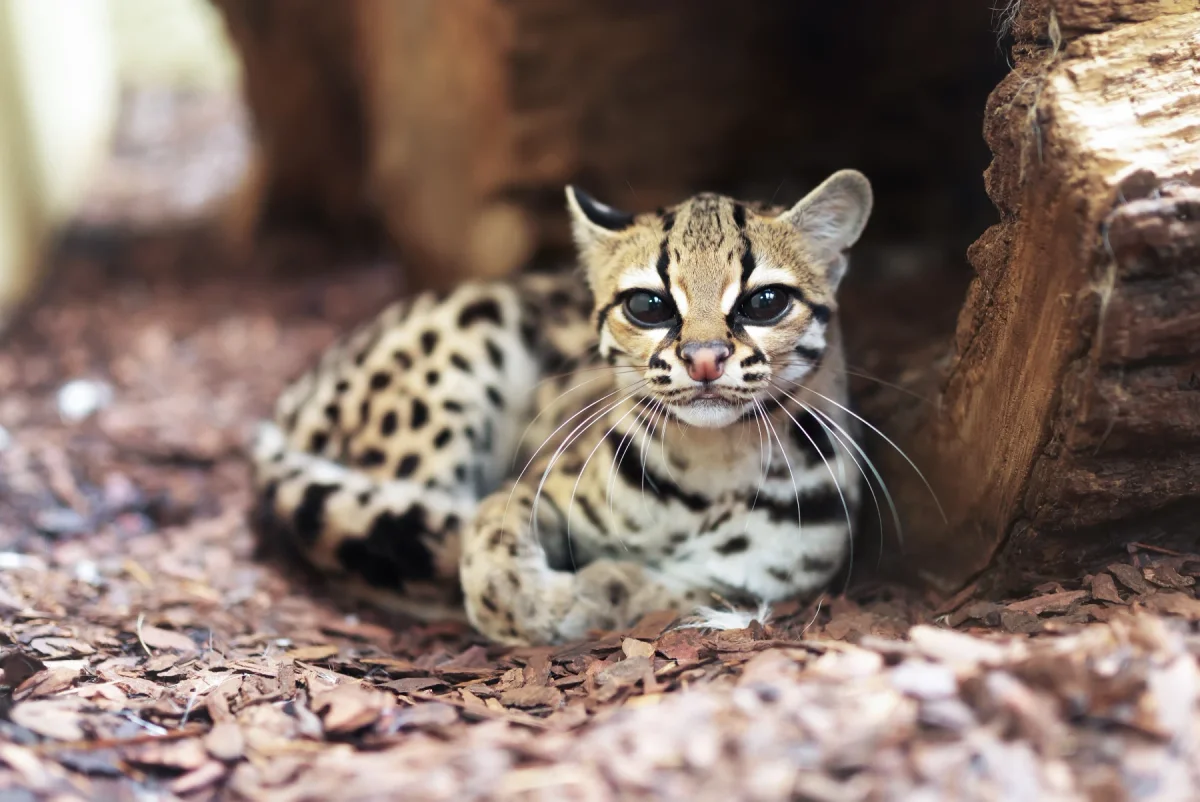
Margay
Leopardus wiedii
Panama's position as a land bridge between two continents makes it especially important for the margay, which depends on connected forest corridors to move and find mates. It is found in lowland rainforests and cloud forests on both the Pacific and Caribbean slopes. Nighttime camera trap surveys in protected areas like Darién National Park have confirmed its presence. Deforestation outside protected zones remains a concern. The IUCN lists it as Near Threatened.

Iguana
Iguana iguana
The green iguana is one of the most visible reptiles in Panama, found along the Pacific and Caribbean coasts, in the forests of the Canal Zone and throughout the tropical lowlands. It is commonly seen basking in trees near the Panama Canal waterway and in parks and green areas around Panama City. The species is widespread across the country and is traditionally consumed as food in some interior communities.
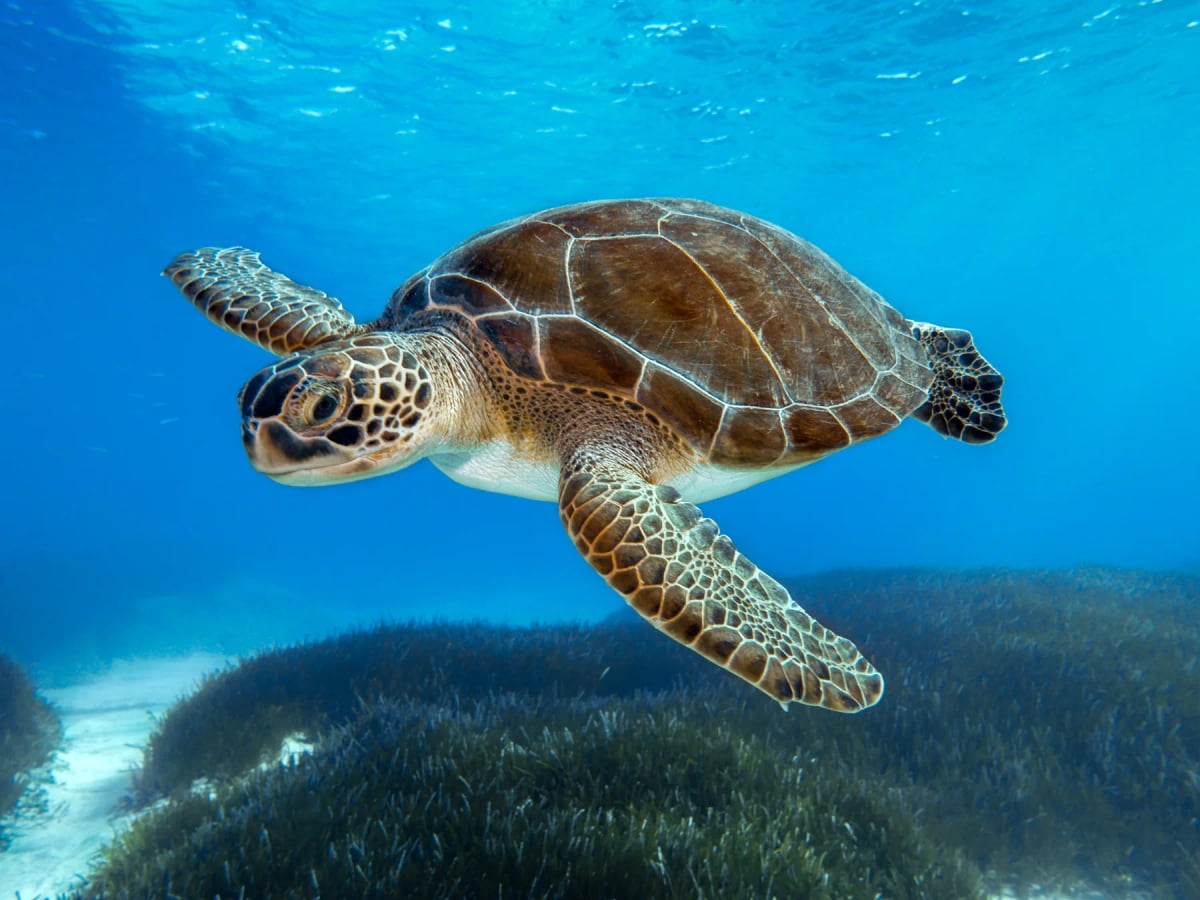
Sea Turtle
Cheloniidae & Dermochelyidae (families)
Panama's Caribbean and Pacific coasts provide important sea turtle habitat. Leatherback turtles nest on Caribbean beaches, particularly in the Bocas del Toro Archipelago and around Isla Bastimentos. On the Pacific, olive ridley turtles nest along the coasts of Veraguas and Los Santos provinces. Hawksbill and green turtles are also present in both oceans. The country's position connecting Central and South America makes its waters a passage point for migrating turtles, and several protected areas cover key nesting beaches.
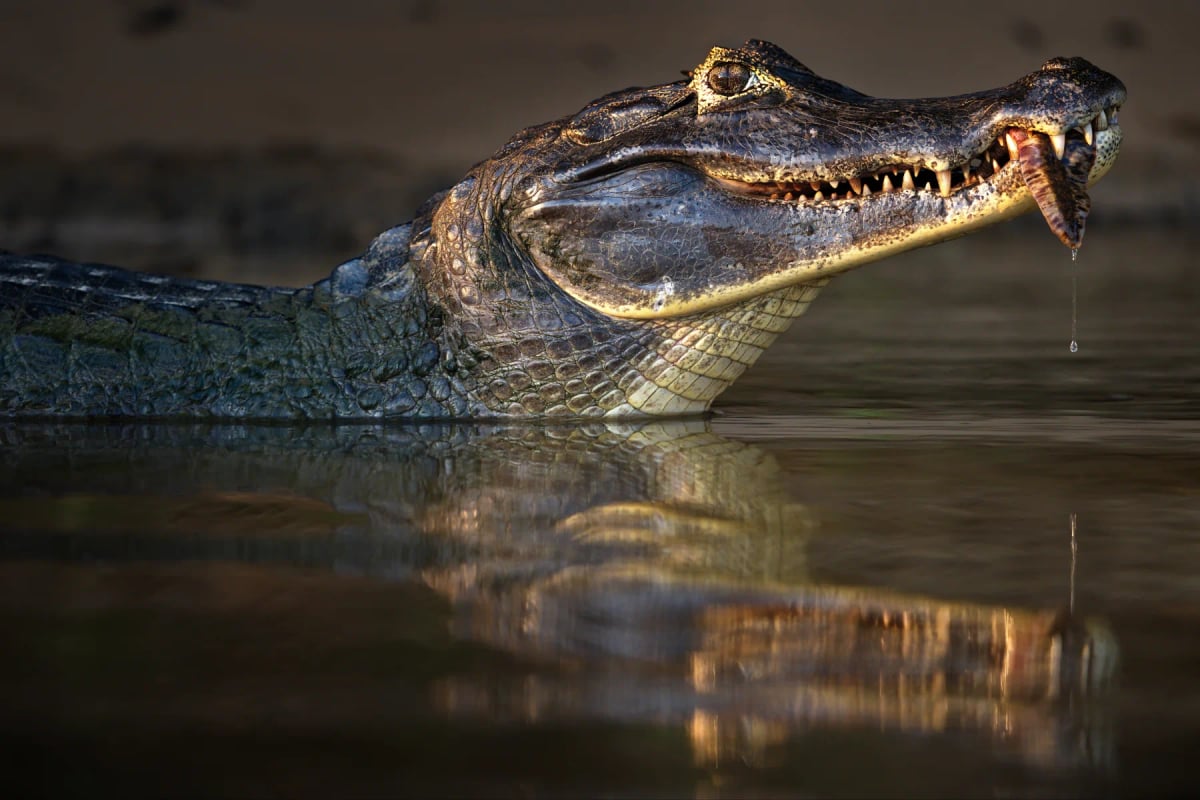
Caiman
Caiman spp.
Panama's position as a land bridge between two continents gives it a remarkable diversity of wetland habitats where caimans thrive. The spectacled caiman is found across Caribbean and Pacific lowland rivers, lakes, and marshes, including within the Panama Canal watershed. The Darién region, one of the most biodiverse areas in the Americas, supports particularly robust populations. Caimans here are an integral part of wetland food webs, controlling prey populations and contributing to ecosystem balance.
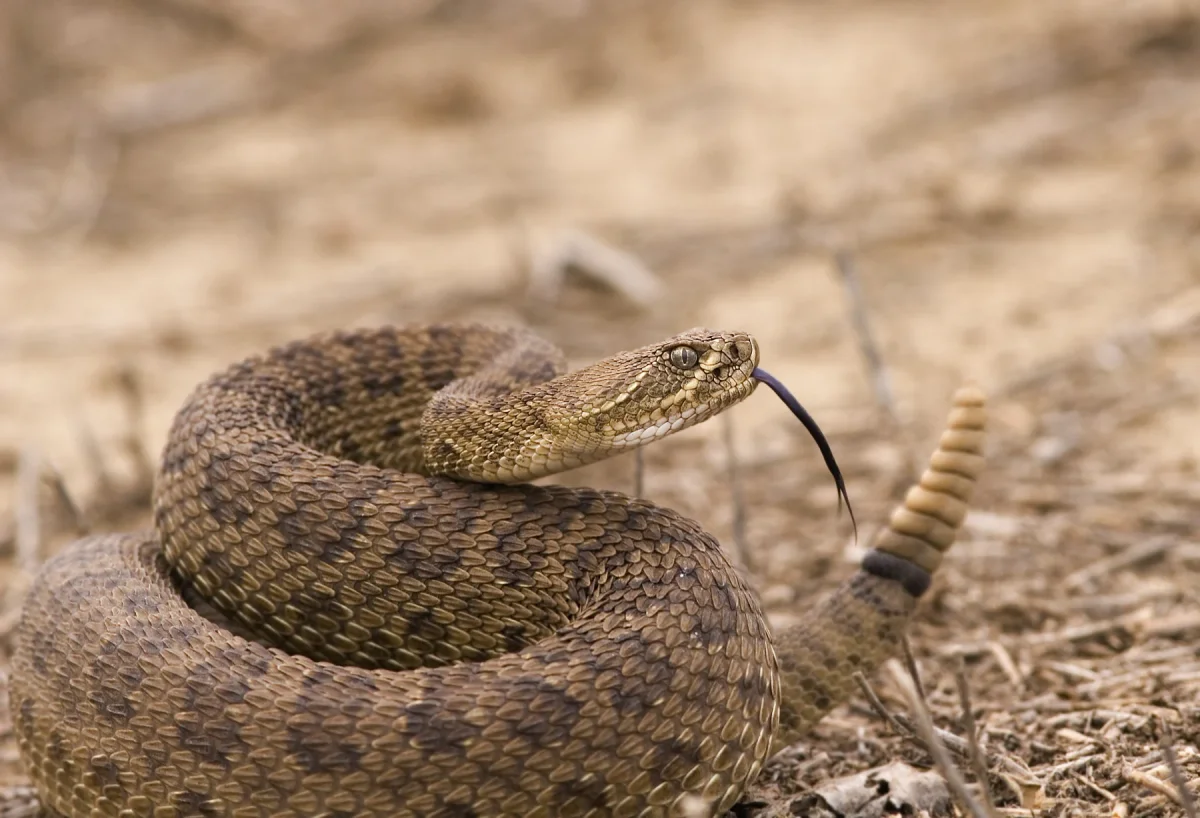
Rattlesnake
Crotalus spp. / Sistrurus spp.
Panama sits at the southern edge of the range for Crotalus simus, where the species occupies dry scrub and open woodland in the country's interior provinces such as Azuero and Coclé. Panama's varied terrain and mostly humid climate mean rattlesnakes are far less common here than in drier parts of Central America. Encounters are rare, and the snake is generally more reclusive in these transitional habitats. IUCN status: Least Concern.
Lancehead
Bothrops spp.
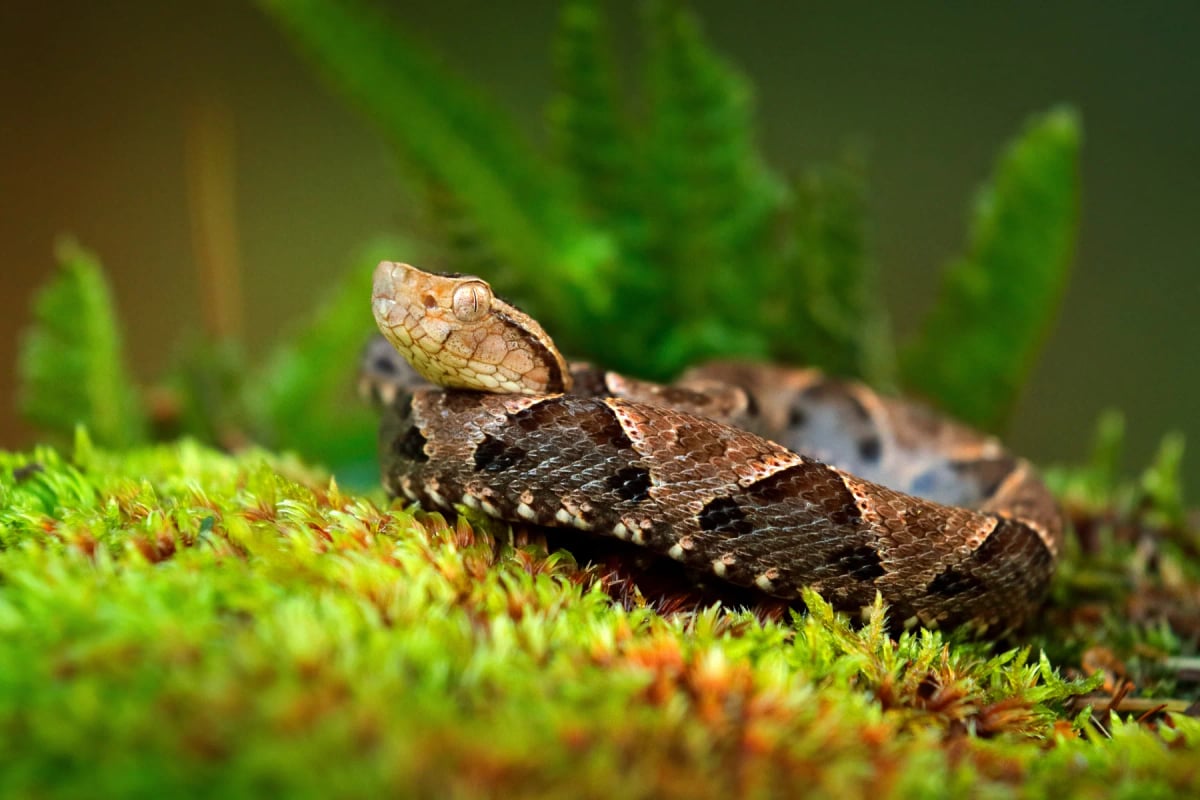
Panama's position as a land bridge between two continents gives it exceptional biodiversity, and lanceheads are part of that richness. The fer-de-lance is found throughout the country's lowland forests, from Darién in the east to the Caribbean and Pacific slopes in the west. Darién National Park, a vast and largely untouched wilderness, holds some of the densest populations. Agricultural communities near forested land report the most snakebite incidents.
Panamanian Golden Frog
Atelopus zeteki
The Panamanian golden frog is a small, toxic toad native to the cloud forests and humid foothills of central Panama, above all around El Valle de Antón. Its bright yellow skin warns predators to stay away. Wild populations were wiped out in the early 2000s by a fungal disease, and the last one was seen in 2009. Zoos and Panamanian centers keep the species alive through breeding programs, and it is a national symbol with its own day, 14 August.
Barn Owl
Tyto alba
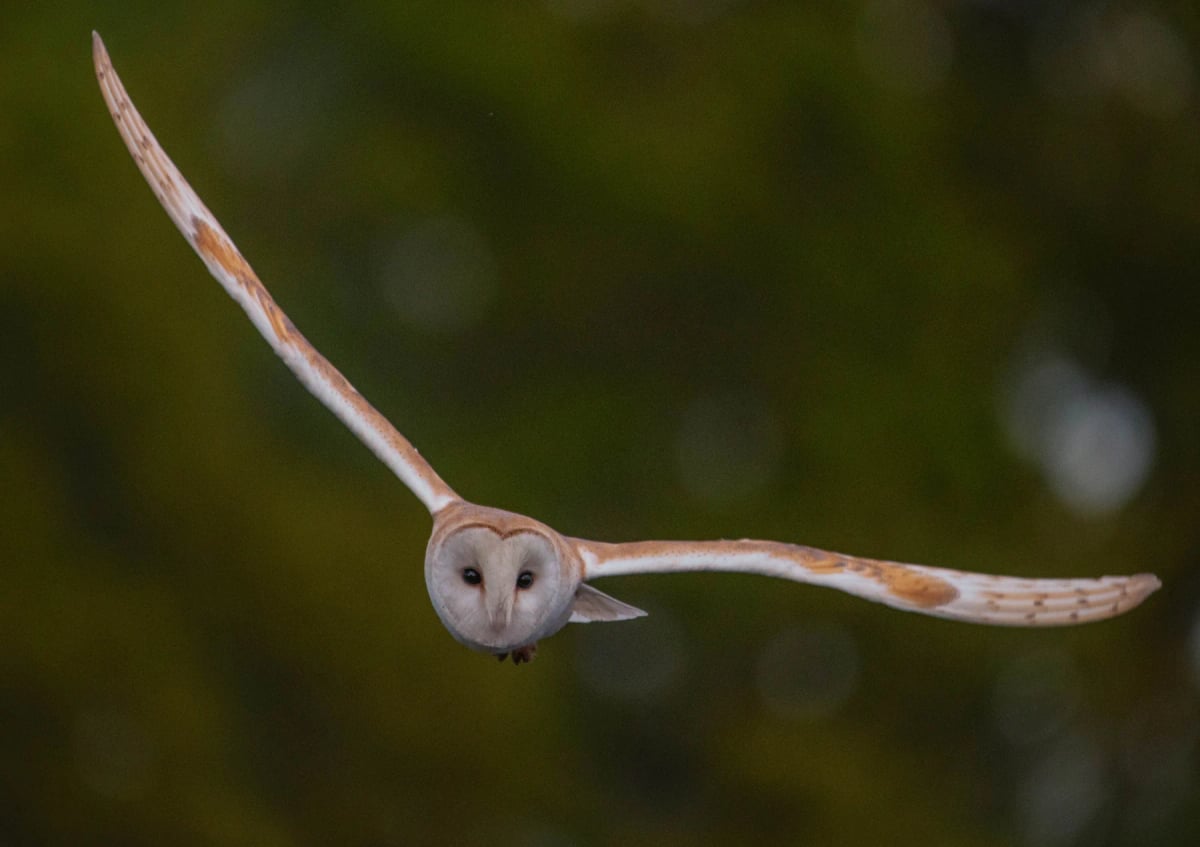
The barn owl is found across Panama in open farmland, pastures, and the outskirts of towns and villages on both the Pacific and Caribbean slopes. It nests in old buildings, cliff faces, and hollow trees, and hunts rodents and other small prey at night. It is present from the lowlands near the Panama Canal to the agricultural valleys of the interior. In farming communities it is valued as a natural rodent controller. It is less commonly encountered in the dense rainforest areas of Darién and the Caribbean lowlands.
Resplendent Quetzal
Pharomachrus mocinno
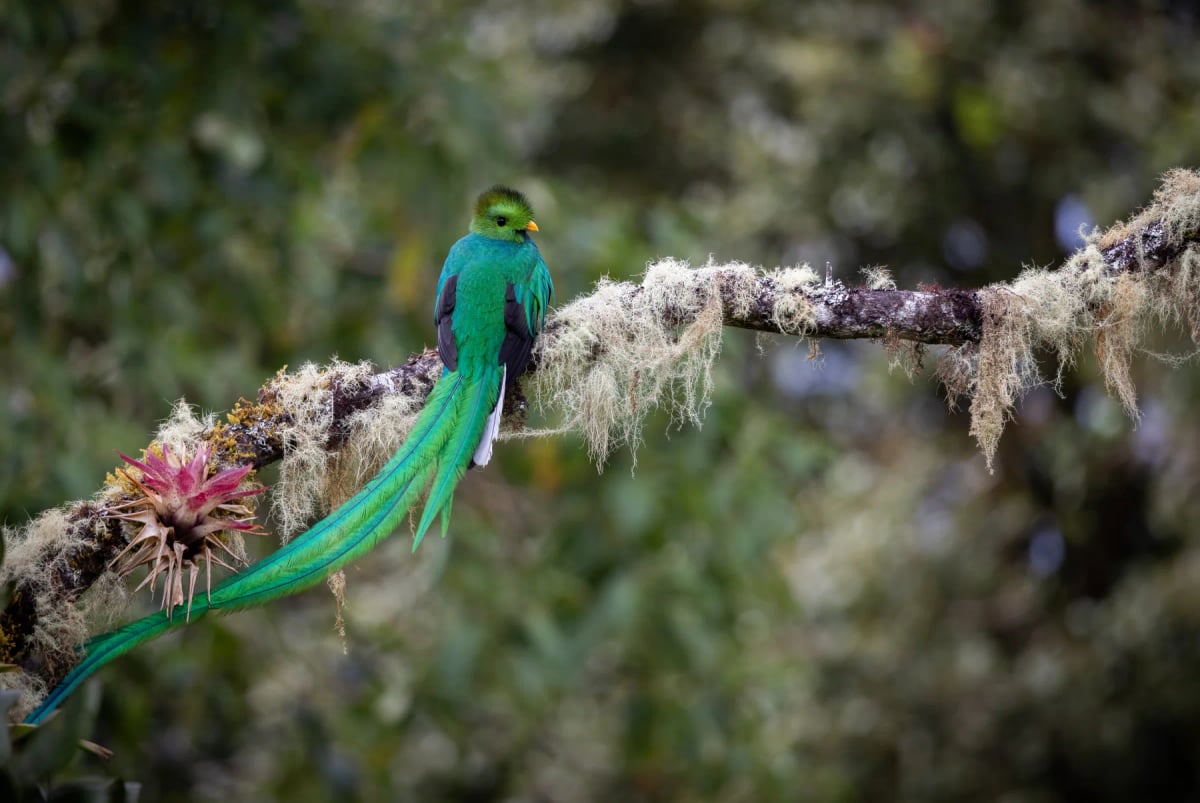
In Panama, the Resplendent Quetzal inhabits the cloud forests of the western highlands, especially around Volcán Barú and the Chiriquí highlands, a region renowned among birdwatchers from around the world. Males grow twin tail feathers of nearly a meter during breeding season and feed on wild avocados, helping regenerate the forest by regurgitating the pits. Panama's protected highland areas offer some of the most reliable opportunities to observe this Near Threatened species.
Scarlet Macaw
Ara macao
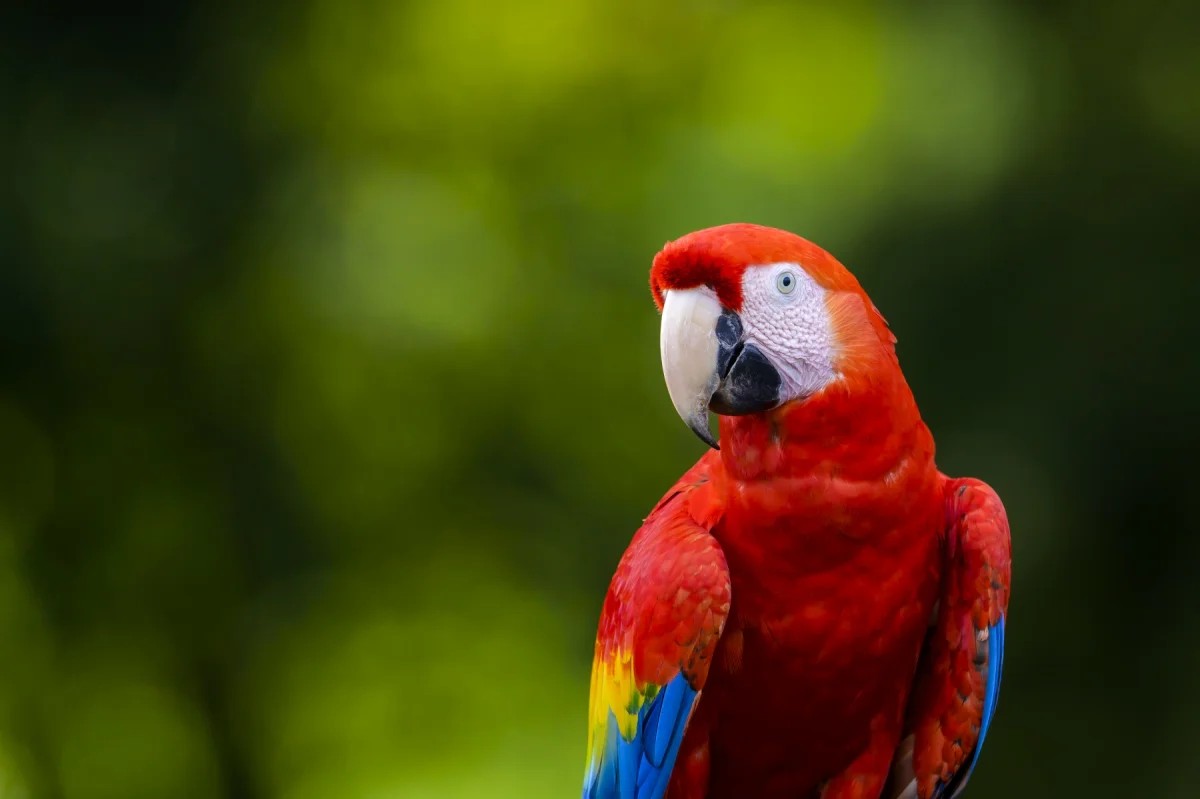
Panama's largest scarlet macaw population lives on Coiba Island, a national park off the Pacific coast where the birds have been spared much of the trapping seen on the mainland. Smaller groups survive in the forests of the Azuero Peninsula, around Cerro Hoya. Pairs fly together year round and nest in the cavities of large trees, often in lowland forest close to the coast. IUCN status: Least Concern.
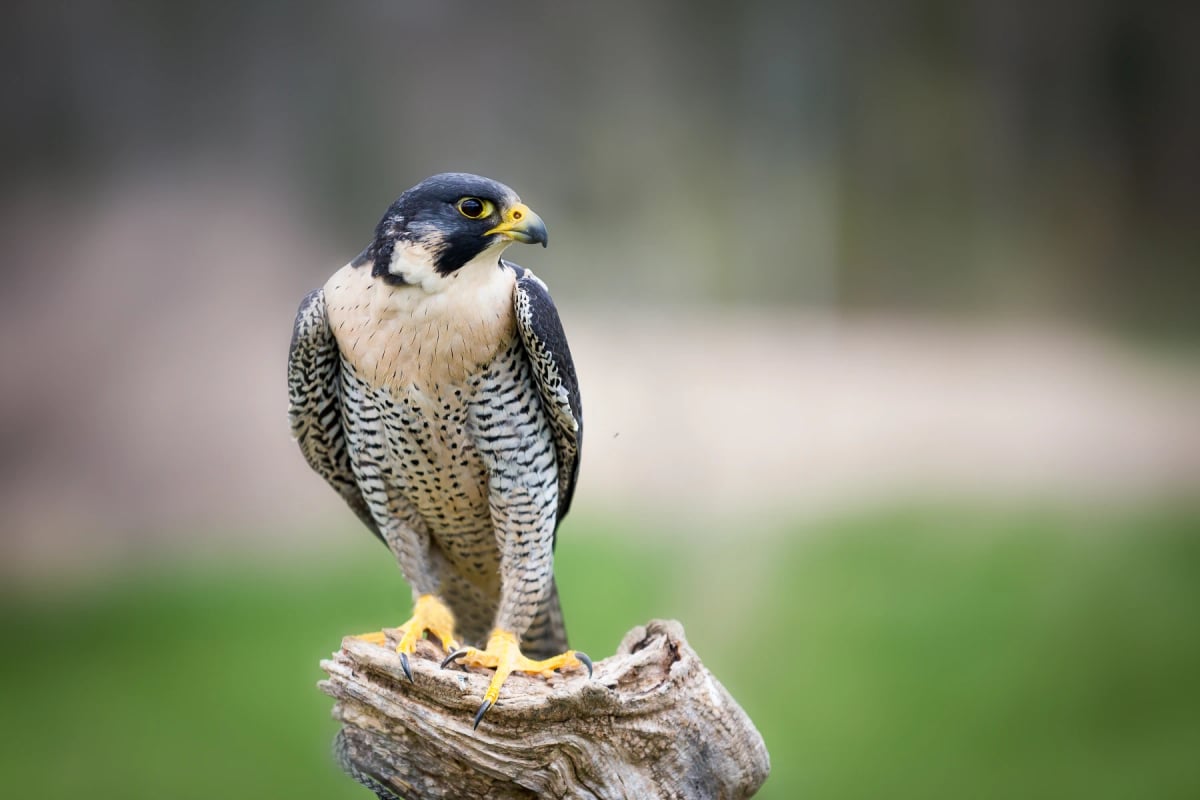
Peregrine Falcon
Falco peregrinus
Panama serves as a key passage point for peregrine falcons migrating between North and South America. The species moves through in large numbers each autumn and spring, often seen along the Pacific and Caribbean coasts. The narrow shape of the country funnels migrating birds of prey into concentrated streams that birders gather to watch each year. Its IUCN status is Least Concern.
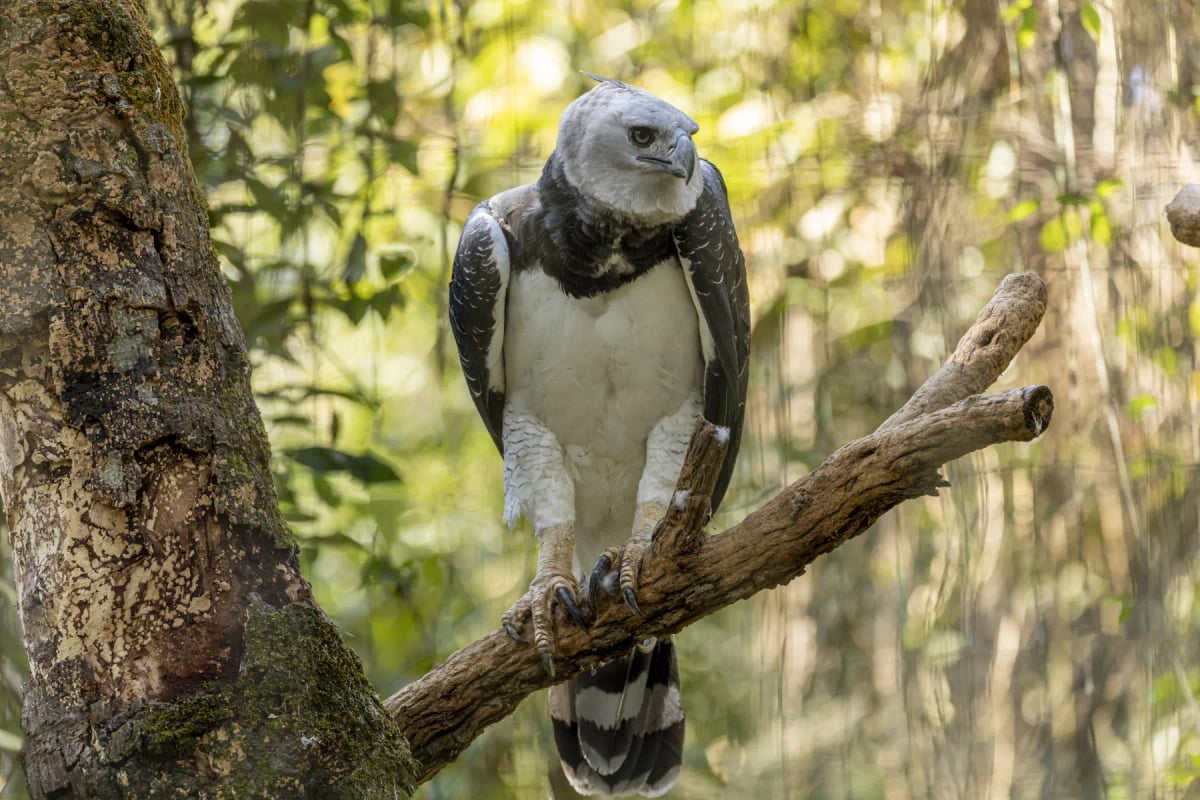
Harpy Eagle
Harpia harpyja
Panama holds one of the healthiest harpy eagle populations in Central America, sheltered within Darién National Park and other stretches of lowland forest. The species is even the national bird of Panama, a distinction that has helped raise awareness about its protection. Researchers and local communities work together to monitor nests and reduce threats, giving this iconic raptor a real chance of thriving here for generations to come.
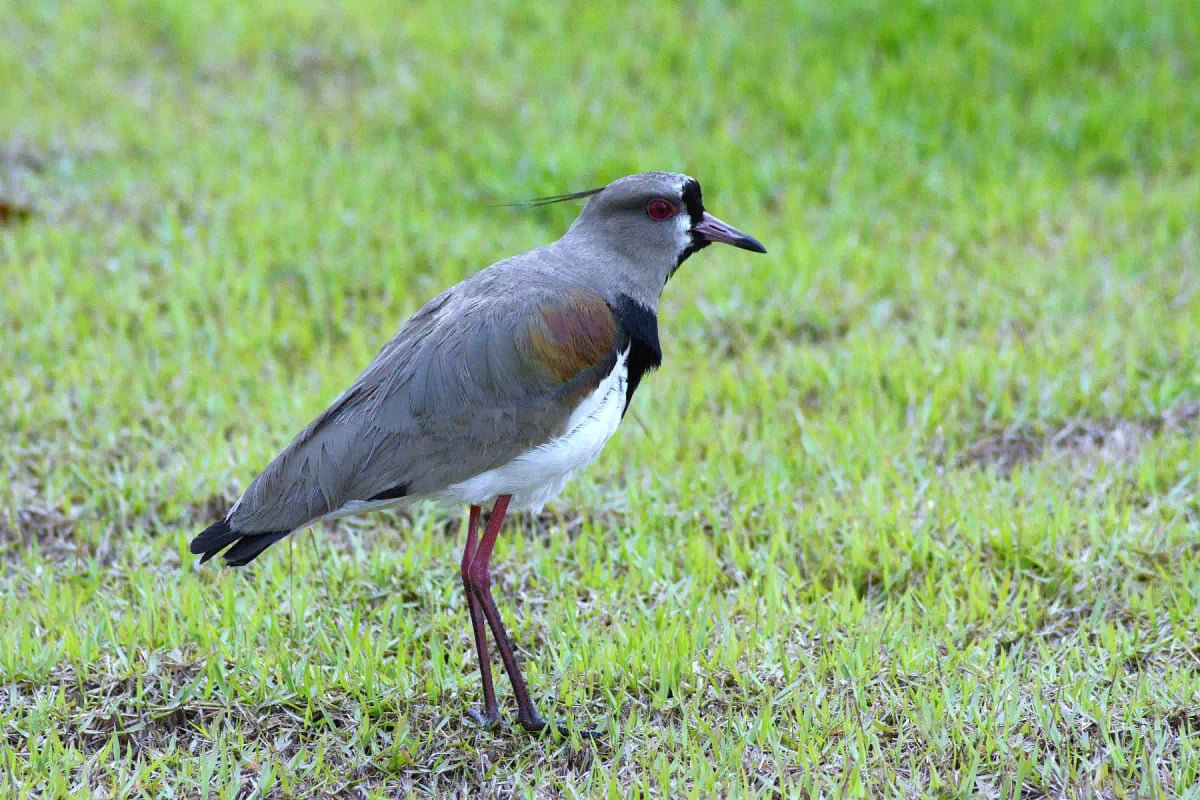
Southern Lapwing
Vanellus chilensis
The southern lapwing is a relatively recent arrival in Panama, part of a northward range expansion that has brought it through Central America over recent decades. It is now seen in open grasslands and wetland edges in central and eastern Panama, including around the Pacific coast. Its bold behavior and loud calls make it stand out wherever it appears. Its IUCN status is Least Concern.
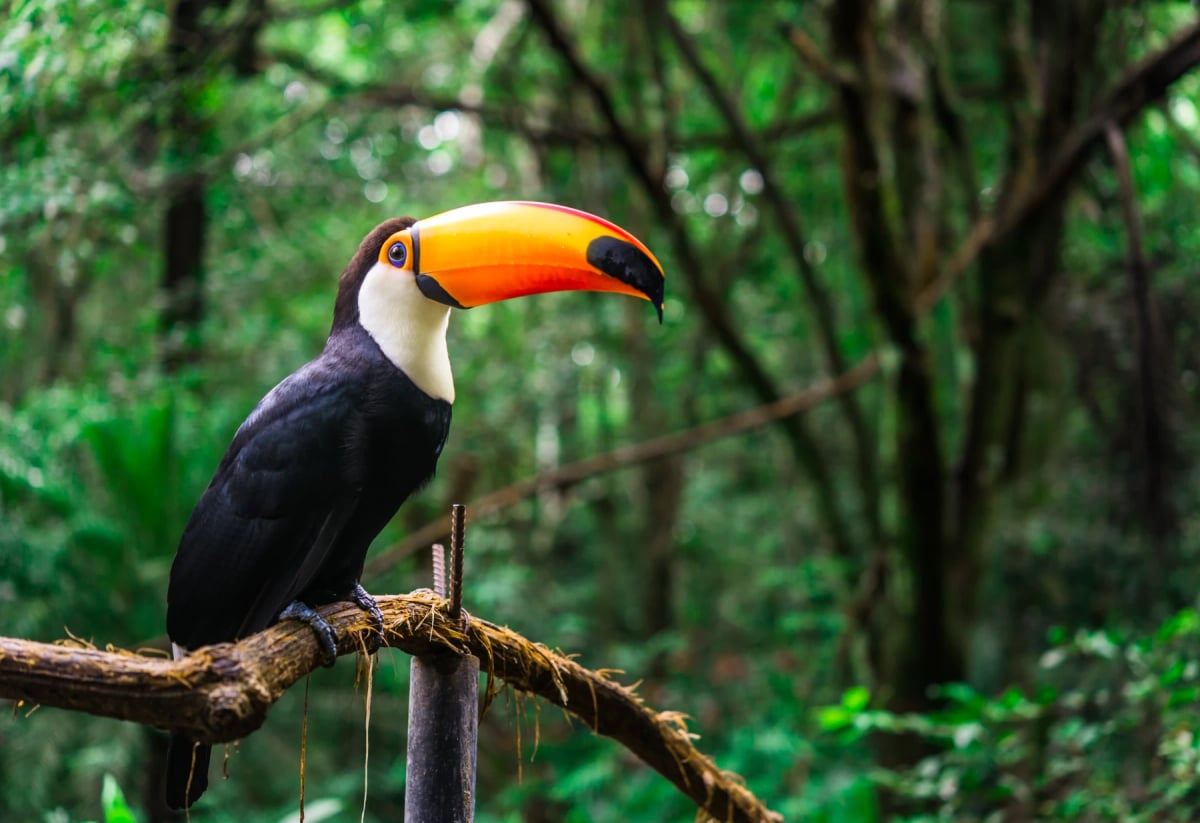
Toucan
Ramphastos spp.
Panama's position as a land bridge between two continents makes it exceptionally rich in wildlife, and toucans are no exception. Several species share the country's forests, with the keel-billed and chestnut-mandibled toucans among the most widespread. Pipeline Road in Soberanía National Park is one of the best-known spots in the world for watching toucans and other canopy birds in their natural habitat.
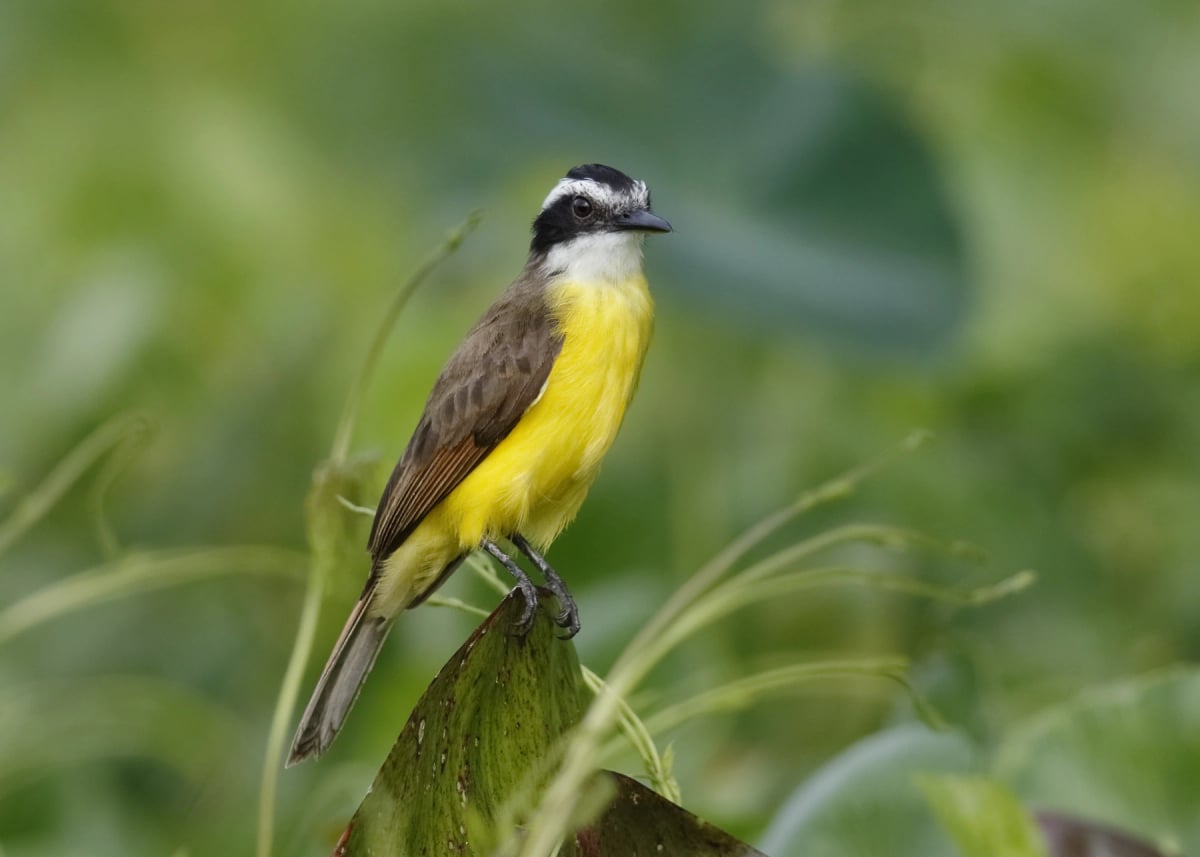
Lesser Kiskadee
Philohydor lictor
In Panama, the lesser kiskadee reaches the northwestern edge of its range, living from the Canal area eastward, where the smaller subspecies panamensis is found. It is a bird tied closely to water, rarely seen more than a few meters from the shoreline of slow rivers, lagoons, and marshes. Here it breeds mostly in March and April, and it can be spotted with patience from low branches along lowland waterways. IUCN status: Least Concern.
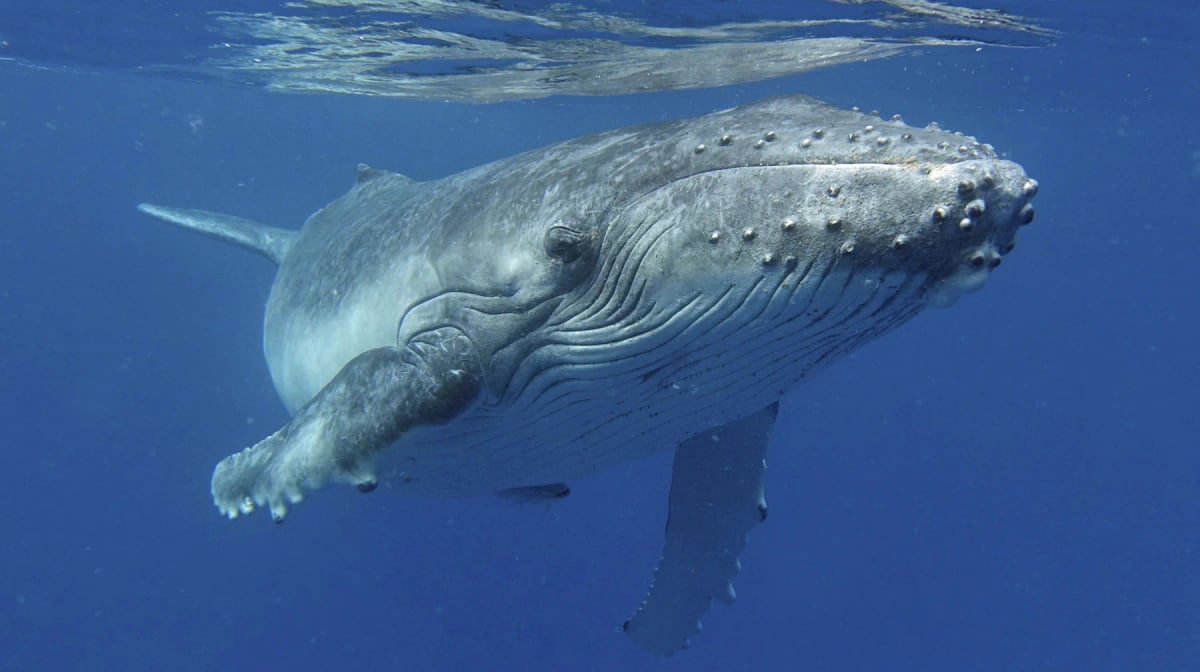
Humpback Whale
Megaptera novaeangliae
Panama's Pacific coast, especially the waters around the Gulf of Chiriquí and Coiba National Park, is a key breeding and calving area for humpback whales from the Southern Hemisphere, which arrive between July and October. Females give birth and nurse their calves in these warm, sheltered waters. Coiba, a UNESCO World Heritage Site, offers some of the best whale watching opportunities in Central America.
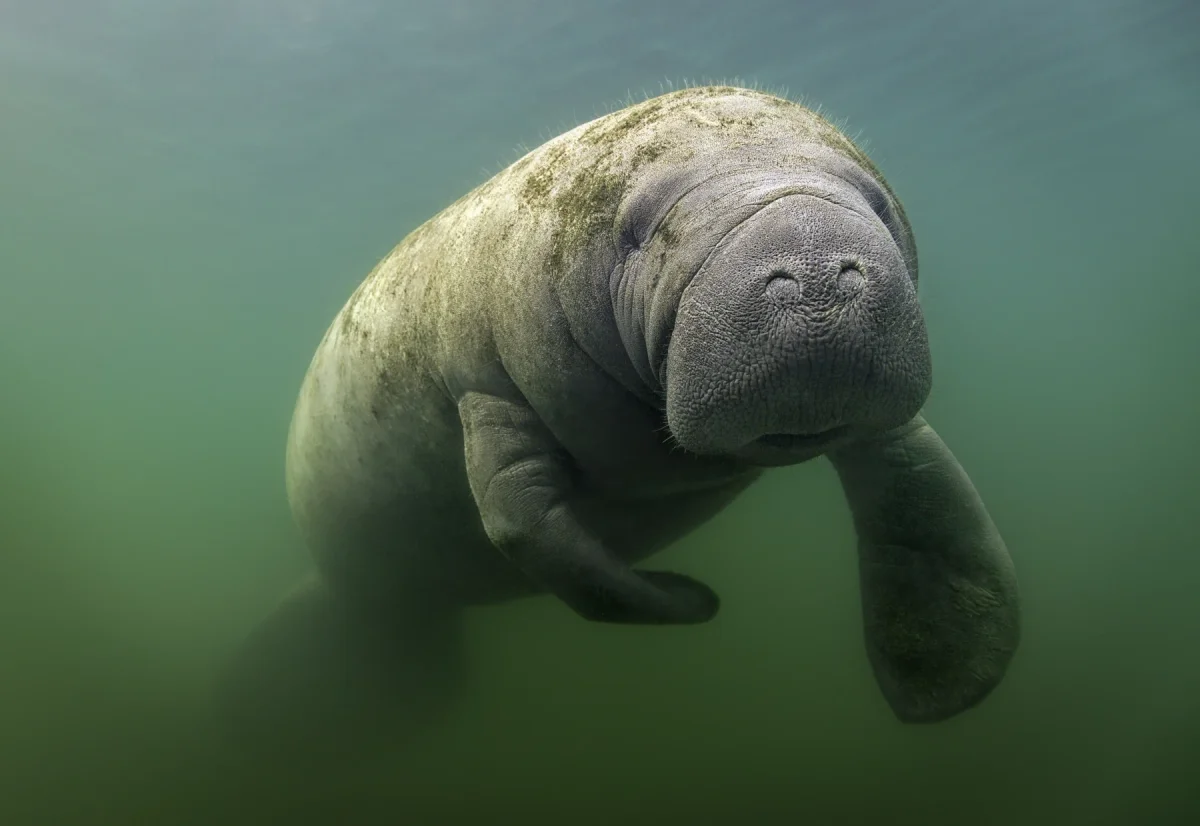
Manatee
Trichechus manatus
In Panama, manatees inhabit Caribbean coastal waters, with sightings reported in Bocas del Toro, the San San Pond Sak wetlands, and the Chagres River system. The San San Pond Sak is a Ramsar wetland of international importance and supports one of the country's most significant manatee populations. Habitat protection efforts in this region are vital, as the species faces ongoing pressure from hunting, net entanglement, and wetland degradation.

Bottlenose Dolphin
Tursiops truncatus
Panama's position between the Pacific Ocean and the Caribbean Sea gives bottlenose dolphins access to two distinct marine environments. They are recorded in the Gulf of Panama and along the Caribbean coast, including near Bocas del Toro. These dolphins feed on the diverse fish communities supported by both coastlines. The IUCN lists the species as Least Concern across its global range.
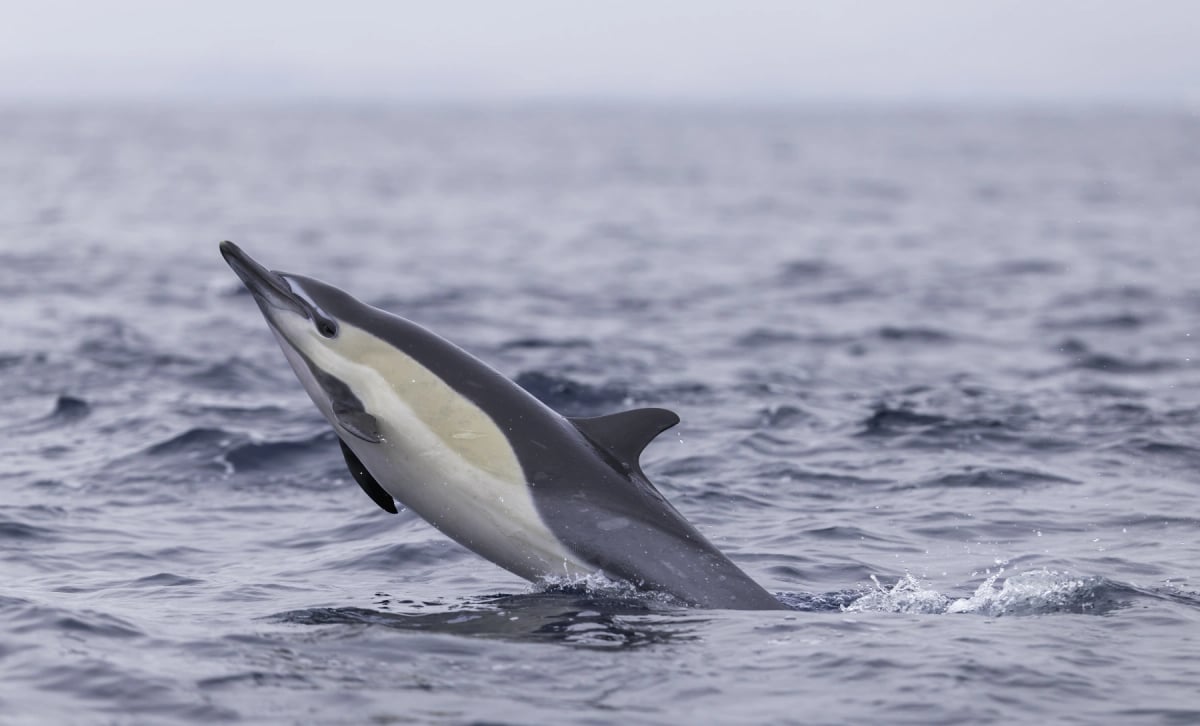
Common Dolphin
Delphinus delphis
Panama's Pacific coast, particularly the Gulf of Panama, is a productive habitat for the common dolphin. Seasonal upwellings in this gulf bring cold, food-rich water to the surface, attracting large aggregations of fish and the dolphins that hunt them. Groups can number in the hundreds and are sometimes spotted from shore. The species is listed as Least Concern by the IUCN, and Panama's marine waters support a variety of cetacean species alongside the common dolphin.
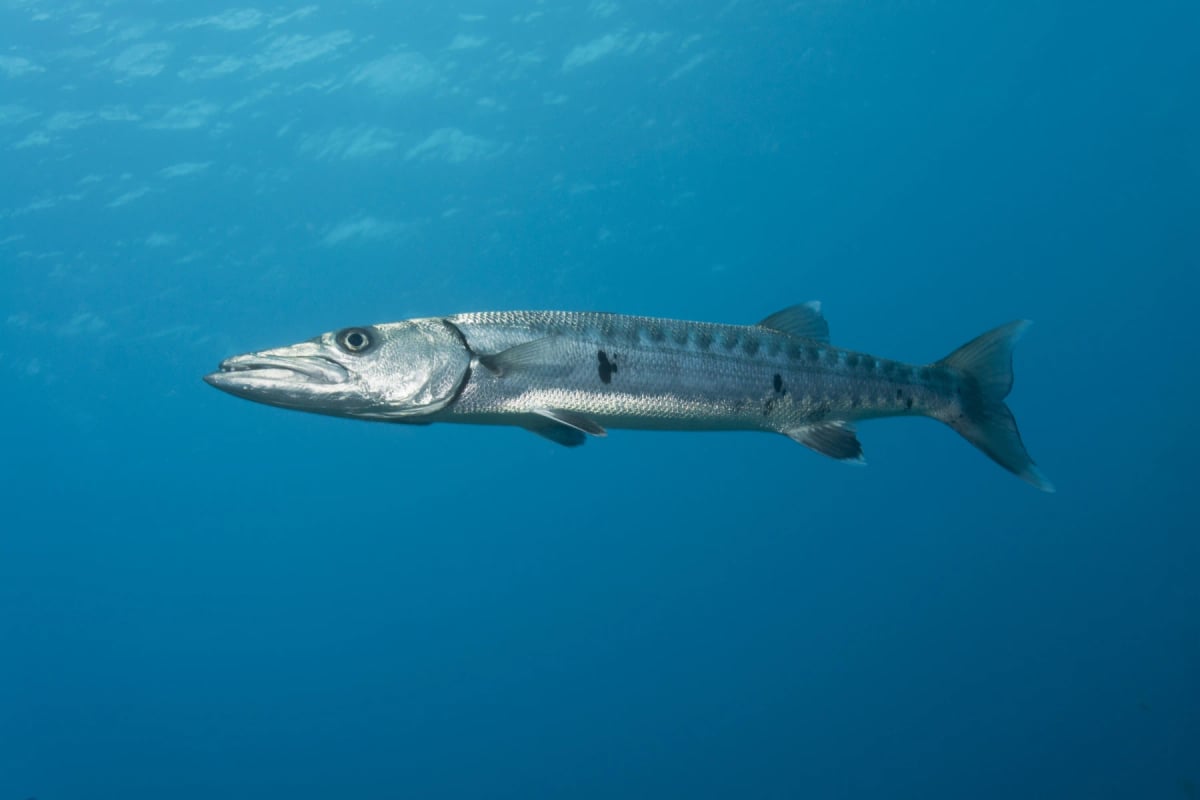
Barracuda
Sphyraena spp.
Barracudas are found on both the Caribbean and Pacific coasts of Panama, inhabiting reef edges, rocky outcrops, and open coastal waters. On the Caribbean side they are common around the coral reefs of Bocas del Toro and the Kuna Yala archipelago. On the Pacific, they are encountered in the Gulf of Chiriquí and around the Coiba National Park, a UNESCO World Heritage site with some of the most biodiverse marine ecosystems in the Eastern Pacific. Barracudas are a familiar predator for divers on both Panamanian coasts.
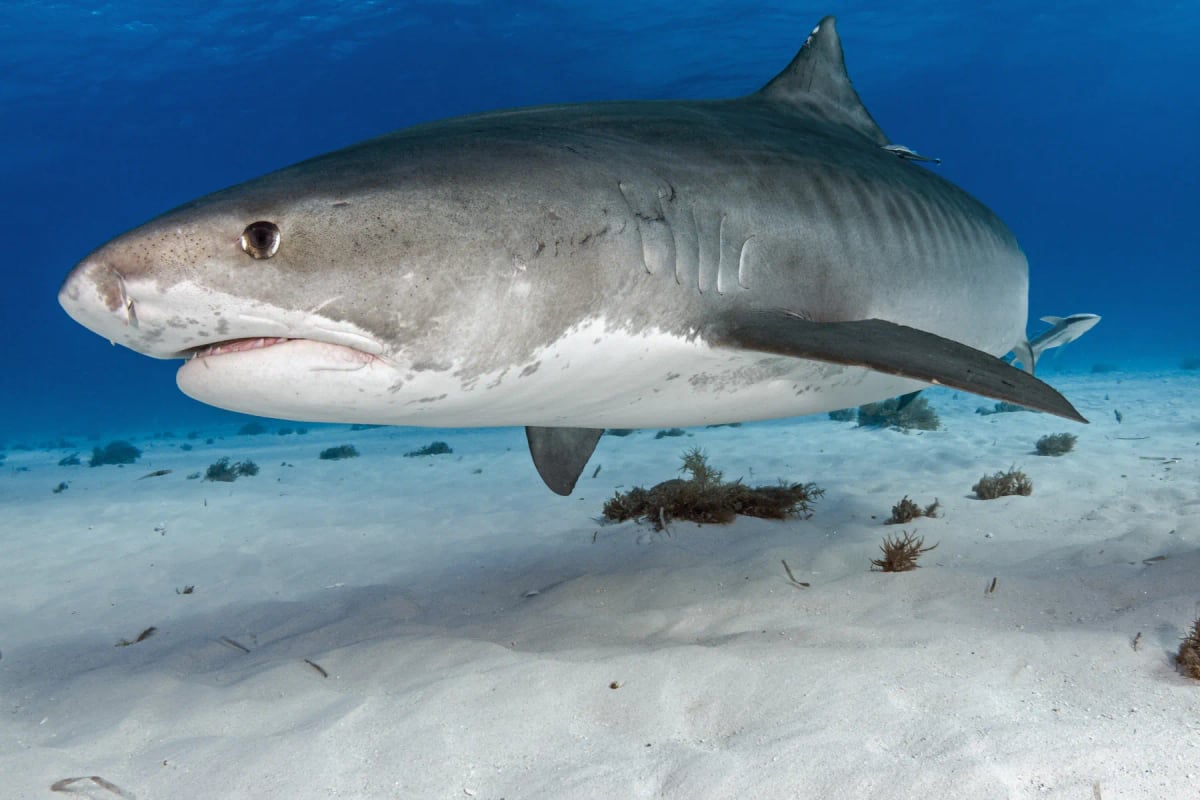
Tiger Shark
Galeocerdo cuvier
Panama's position between the Pacific Ocean and the Caribbean Sea makes it a notable location for tiger sharks, which are found on both coasts. In the Pacific, areas such as the Gulf of Chiriquí and Coiba Island offer rich marine habitat, while the Caribbean side provides warm shallows and reef systems. Tiger sharks here feed on fish, sea turtles, and rays. Shark fishing and the fin trade remain key threats to the species in Panamanian waters.
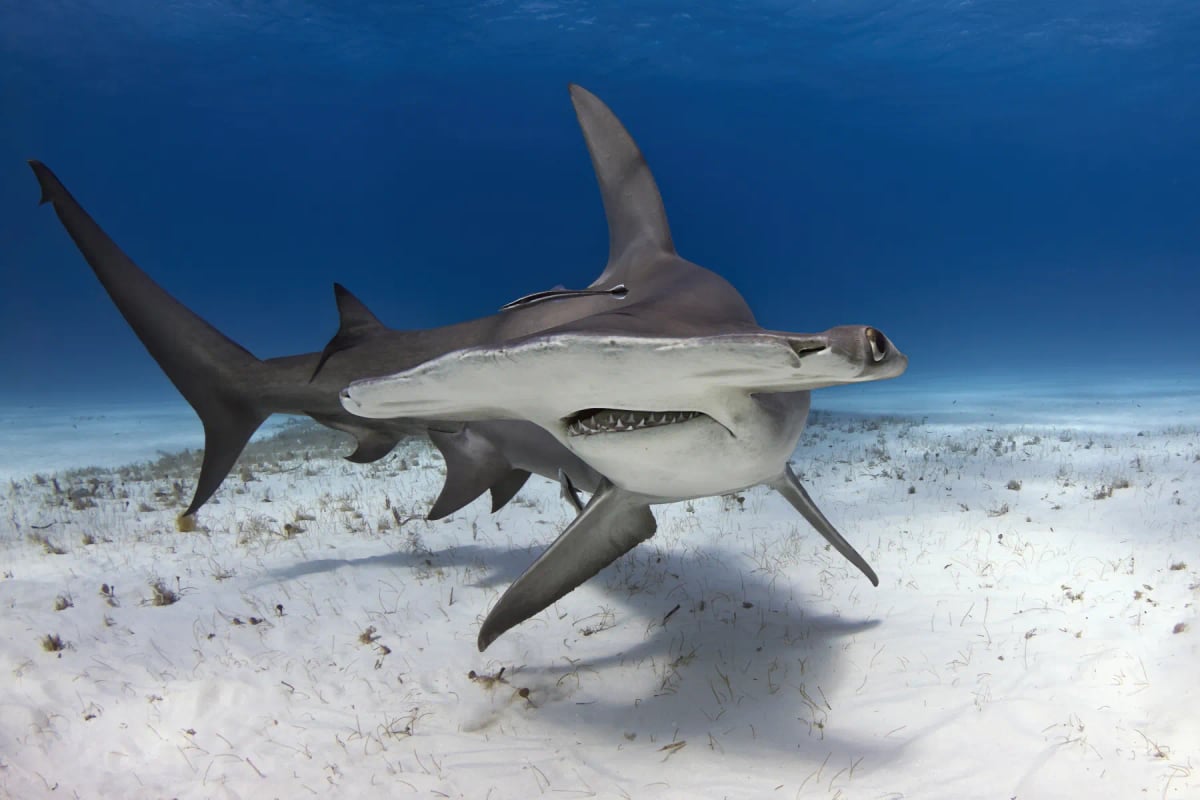
Hammerhead Shark
Sphyrna spp.
Panama's position between two oceans makes it a remarkable place for hammerhead sharks. The waters of Coiba National Park in the Pacific are home to large schools of these sharks, drawing divers from around the world. Their wide set eyes and sensitive heads help them detect prey with ease. Overfishing and the fin trade continue to threaten their survival across Panamanian waters.
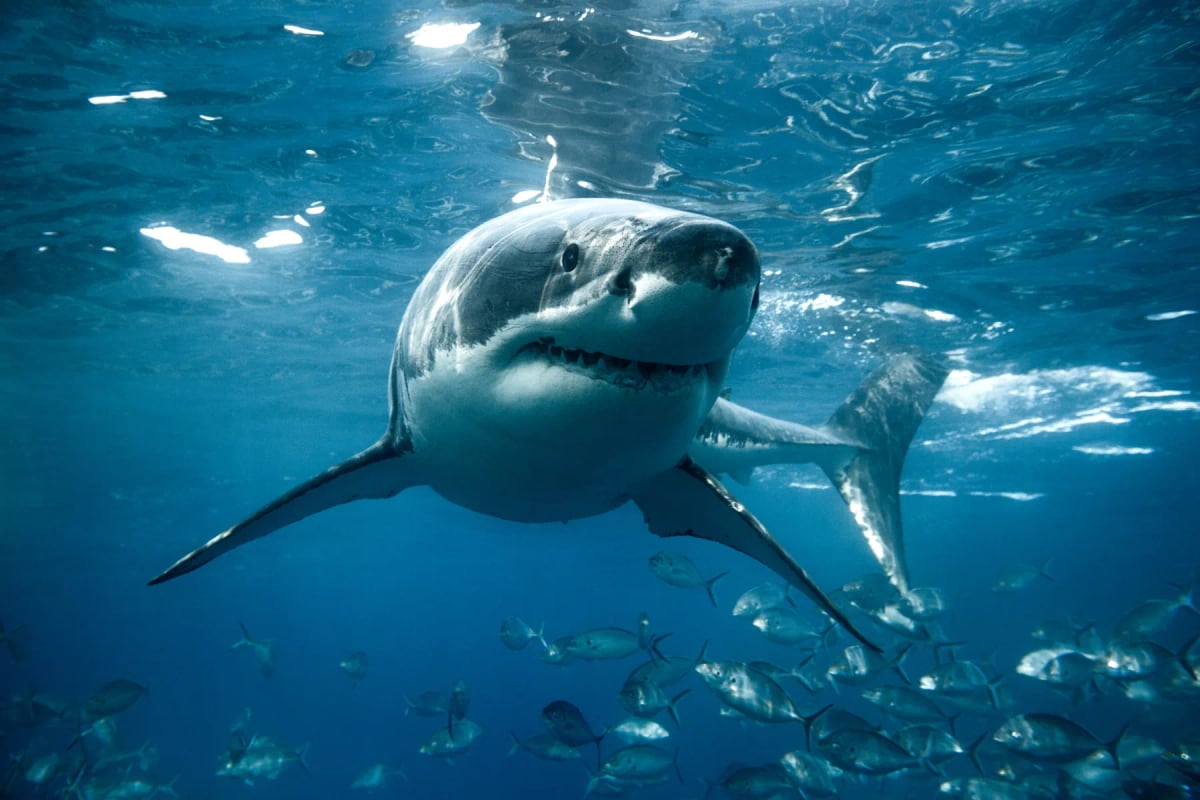
Great White Shark
Carcharodon carcharias
Great white sharks occasionally move through Panamanian waters, where the Pacific and Atlantic coasts offer distinct marine environments. The Pacific side, connected to the broader eastern Pacific, is the more likely route for this species. Panama sits within a region where large shark populations face pressure from fishing activity, and the presence of great whites highlights the importance of protecting open ocean corridors in Central America.
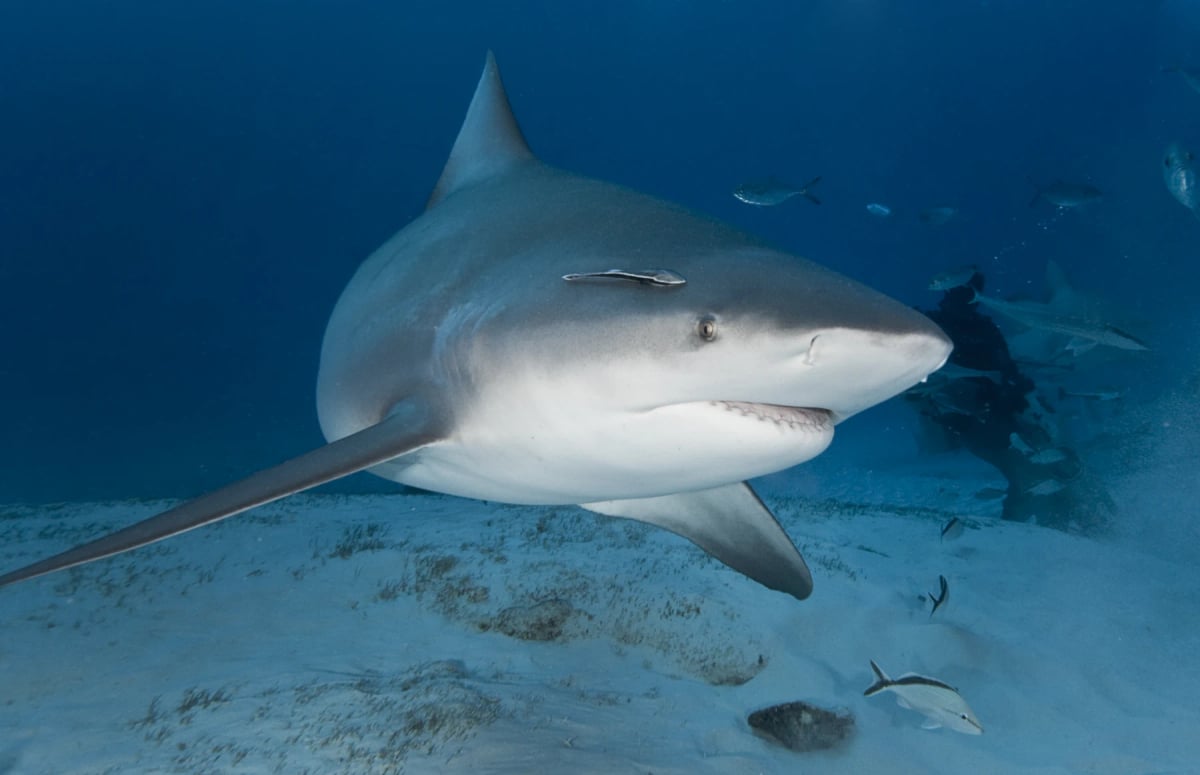
Bull Shark
Carcharhinus leucas
Panama's position bridging two oceans means bull sharks are found on both the Pacific and Caribbean coasts. Estuaries, river mouths, and shallow coastal bays on each side offer prime habitat. The species has been recorded using brackish river systems draining into both coasts. Panama's rich marine biodiversity and its network of protected coastal areas provide some degree of shelter for this Near Threatened predator.
Frequently Asked Questions
What animals live in Panama?
Panama is home to jaguars, pumas, ocelots, margays, jaguarundis, tapirs, white tailed deer, sloths, anteaters, armadillos, raccoons, opossums, gray foxes and three kinds of monkeys: white faced capuchins, spider monkeys and squirrel monkeys. Its birds include the harpy eagle, the national bird, toucans, scarlet macaws, resplendent quetzals and peregrine falcons. Reptiles and amphibians include iguanas, caimans, sea turtles, lanceheads, rattlesnakes and the Panamanian golden frog. In the sea live manatees, humpback whales, dolphins, barracudas and tiger, bull and hammerhead sharks.
What monkeys live in Panama?
Among the animals on this site, three monkeys live in Panama. The white faced capuchin is the easiest to see: it is clever, curious and common in the forests around the Panama Canal, including the islands of Gatún Lake. The spider monkey, with its long arms and tail, lives in large rainforests like Darién and moves high in the trees. The squirrel monkey is the smallest and rarest: in Panama it only lives in the far west, in Chiriquí, near the border with Costa Rica, and it is endangered because of forest loss.
Where can you see sloths in Panama?
Sloths are easy to find in Panama, even close to the capital. The Metropolitan Natural Park, inside Panama City, and Soberanía National Park, along the canal, are two of the best places. Pipeline Road, in Soberanía, is famous for sloths, monkeys and toucans. Boat trips on Gatún Lake often find sloths resting in the trees of the islands. Both two toed and three toed sloths live in Panama, and they are also common in Bocas del Toro and in the forests of Darién. A local guide helps a lot, because sloths blend in with the leaves.
What is the national animal of Panama?
Panama's best known national animal is the Panamanian golden frog, a small yellow and black frog seen as a symbol of good luck. The country celebrates Golden Frog Day every August 14. Sadly, a fungal disease wiped out almost all wild golden frogs, and today they survive mostly in breeding centers. The national bird is the harpy eagle, declared by law in 2002. It is one of the most powerful eagles in the world and lives in the rainforests of Darién and other large forests.
Are there dangerous animals in Panama?
Yes, but serious accidents are rare. The most dangerous are venomous snakes, especially the lancehead, called equis or terciopelo in Panama, which causes most serious bites, and the rattlesnake. Boots, a flashlight at night and care where you step lower the risk a lot. Jaguars and pumas avoid people. Caimans live in rivers and lakes, including near the canal, and should not be approached. At sea, bull, tiger and hammerhead sharks live in Panamanian waters, but attacks are very uncommon. Barracudas may bite at shiny jewelry, so it is best to leave it on land.
Researched and written by Juan Pablo. Sources: IUCN Red List, scientific literature and regional field guides. Last updated: .