Animals in Ecuador
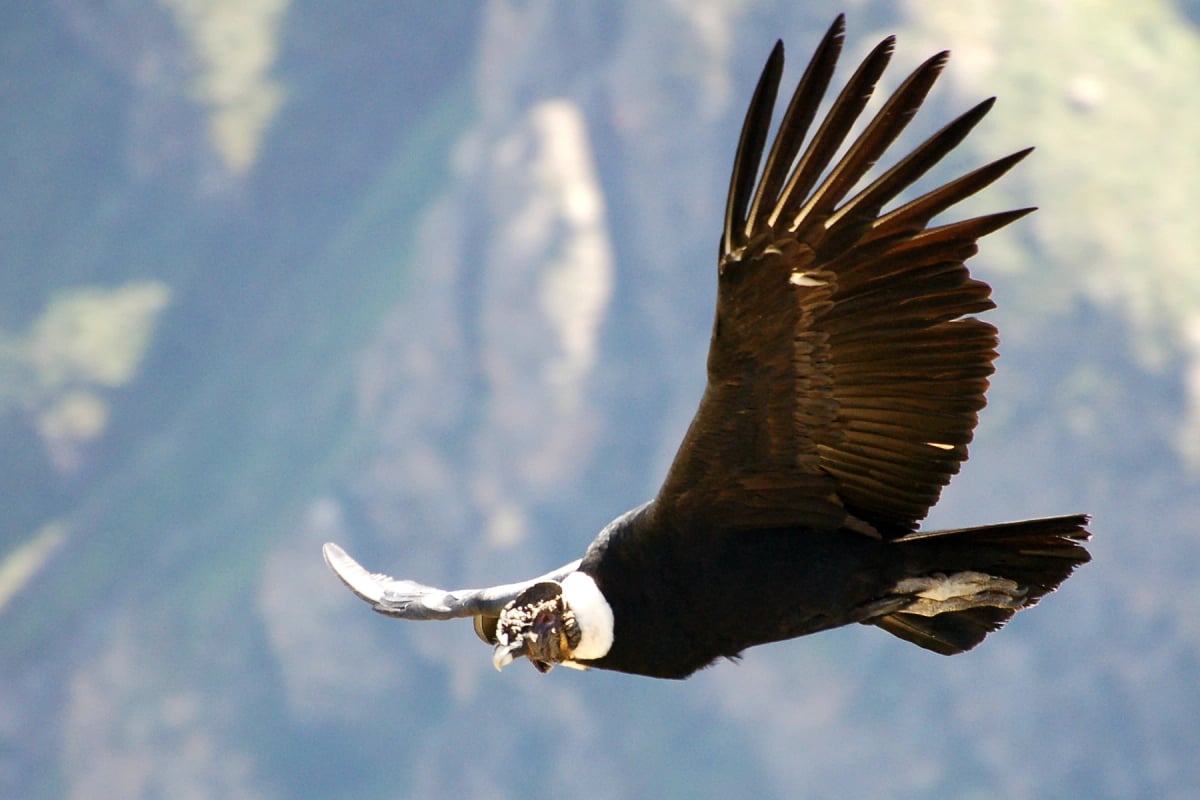
Andean Condor
Vultur gryphus
The Andean condor is the national bird of Ecuador and a symbol of the country. It sits at the top of the Ecuadorian coat of arms, adopted in 1900, where its open wings stand for power and strength. It is one of the largest flying birds in the world, with wings that can reach more than 3 meters across, dark plumage and a white collar around the neck. It nests on high cliffs and glides for hours over the Andes, feeding mainly on carcasses. Only about 150 condors are thought to remain in Ecuador, so protecting them from poisoning is a conservation priority.
View details→Wildlife in Ecuador
Ecuador is one of the smallest countries in South America, but it packs the Amazon rainforest, the high Andes, the Pacific coast and the Galápagos Islands into a small area, so its wildlife changes a lot over short distances. In the eastern Amazon, where Yasuní National Park is one of the most biodiverse places on Earth, live jaguars, ocelots, margays, tapirs, capybaras, sloths, anteaters, giant otters, Amazon river dolphins, anacondas and caimans. Ecuador has around 20 kinds of monkeys, including spider monkeys, squirrel monkeys, red howler monkeys and white faced capuchins. In the Andes, spectacled bears live in cloud forests, llamas graze on the high páramo and Andean condors fly over the volcanoes. Along the coast, humpback whales arrive every year to breed. Around the Galápagos, about 1,000 kilometers offshore, sea lions, sea turtles, hammerhead sharks and flamingos show why these islands are one of the most famous wildlife destinations in the world.
Most Dangerous Animals in Ecuador
Ecuador has wild animals that can be dangerous when people get too close, especially in remote forests, rivers and the open sea. Jaguars and cougars are powerful predators in the Amazon and the Andean foothills, but they avoid people and attacks are extremely rare. The spectacled bear is shy too, although it can react if it is surprised at close range. In the warm lowlands and along the rivers of the Amazon and the coast, caimans rest on the banks, and anacondas and boa constrictors hunt in swamps and flooded forests. These large snakes are not venomous and rarely a threat to people. The real risk comes from lanceheads, called equis in Ecuador, which cause most venomous snakebites in the country, mainly among farmers. At sea, tiger sharks, bull sharks and hammerhead sharks live off the coast and around the Galápagos, but incidents with divers and swimmers are very rare. Wearing boots, watching where you step and traveling with local guides greatly reduce the risks.
Top 10 Animals in Ecuador
The top animals of Ecuador come from four very different worlds: the Amazon rainforest, the Andes, the Pacific coast and the Galápagos Islands. In the Amazon, jaguars, ocelots, tapirs, capybaras, giant otters, spider monkeys and red howler monkeys show how rich the forests and rivers are, while pink Amazon river dolphins swim in the lagoons of Cuyabeno and Yasuní. In the mountains, spectacled bears, white tailed deer, llamas and Andean condors are linked to cloud forests, high grasslands and volcanic slopes. Along the mainland coast, humpback whales arrive from about June to September, and Puerto López is one of the best places to watch them. In the Galápagos, sea lions rest on beaches and docks, green sea turtles nest on the sand, and hammerhead sharks gather in large schools around Darwin and Wolf islands. Together these animals show how much variety fits inside this small equatorial country.
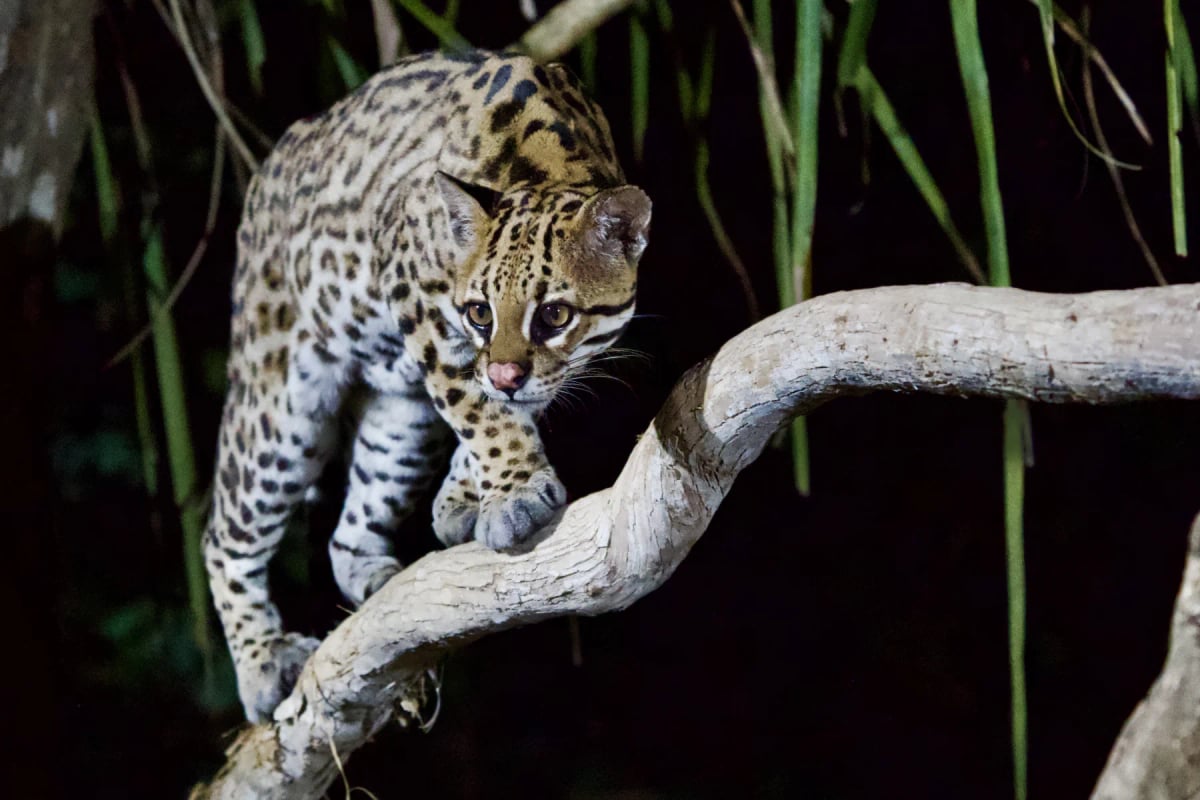
Ocelot
Leopardus pardalis
Ecuador's ocelots are found in the Amazon lowlands to the east, the Pacific coastal forests to the west, and some Andean foothills in between. The western coastal forests, which overlap with the highly threatened Tumbes-Chocó-Magdalena biodiversity hotspot, are particularly important. Rapid deforestation in these western forests has reduced ocelot habitat significantly. Protected areas in the Ecuadorian Amazon, such as Yasuní National Park, offer more secure strongholds for the species.
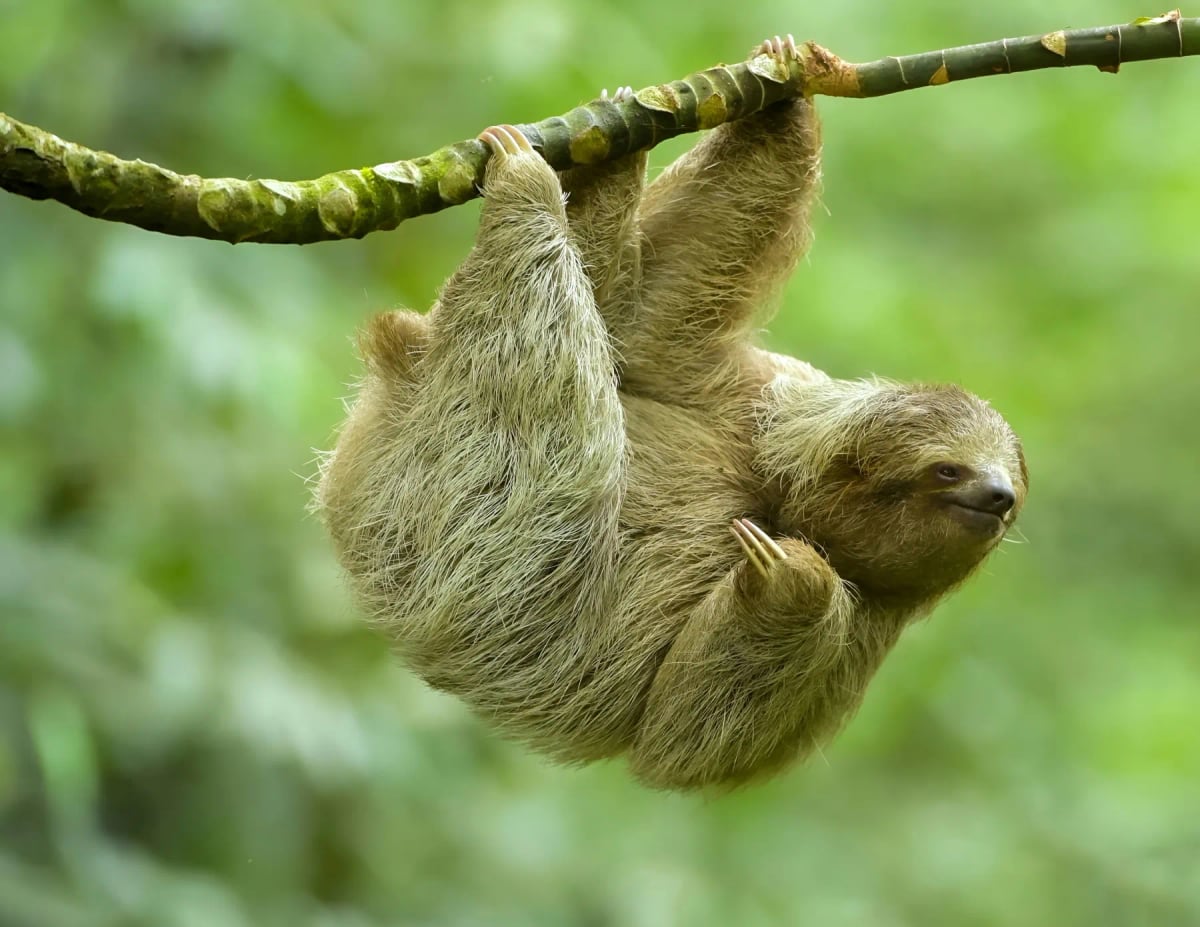
Sloth
Folivora
In Ecuador, sloths are found across the Amazon region, known locally as the Oriente, as well as in some areas of the Pacific lowland forests. The Yasuní National Park, one of the most biodiverse places on the planet, shelters healthy sloth populations. Deforestation linked to oil extraction and agriculture poses a growing challenge for sloths and the ecosystems they depend on.
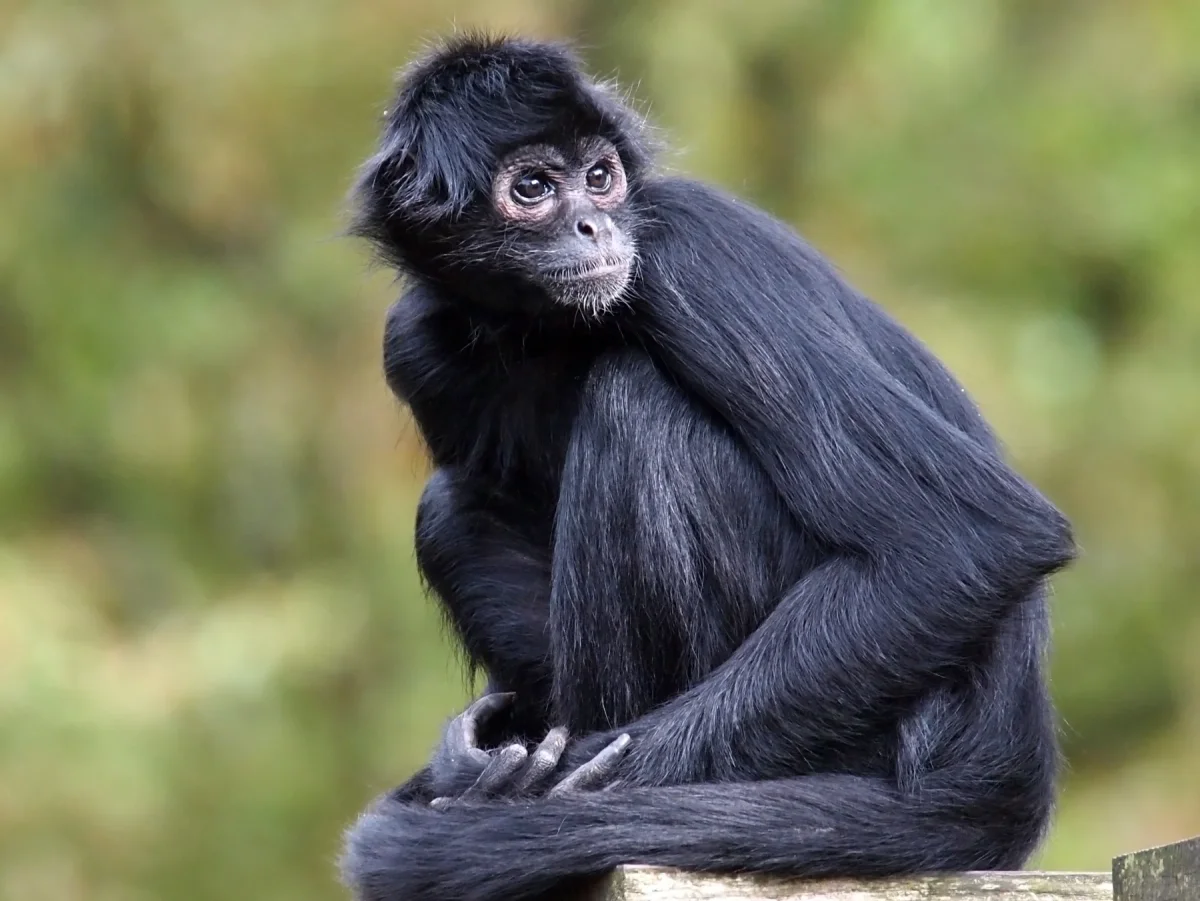
Spider Monkey
Ateles spp.
Spider monkeys in Ecuador are found mainly in the Amazon lowlands east of the Andes, in provinces such as Orellana and Sucumbíos. These forests rank among the most biodiverse places on Earth, yet face intense pressure from oil extraction and agricultural expansion. Spider monkeys are among the species most sensitive to habitat loss, as they need large areas of continuous forest. Conservation efforts by indigenous communities are increasingly vital to their future here.
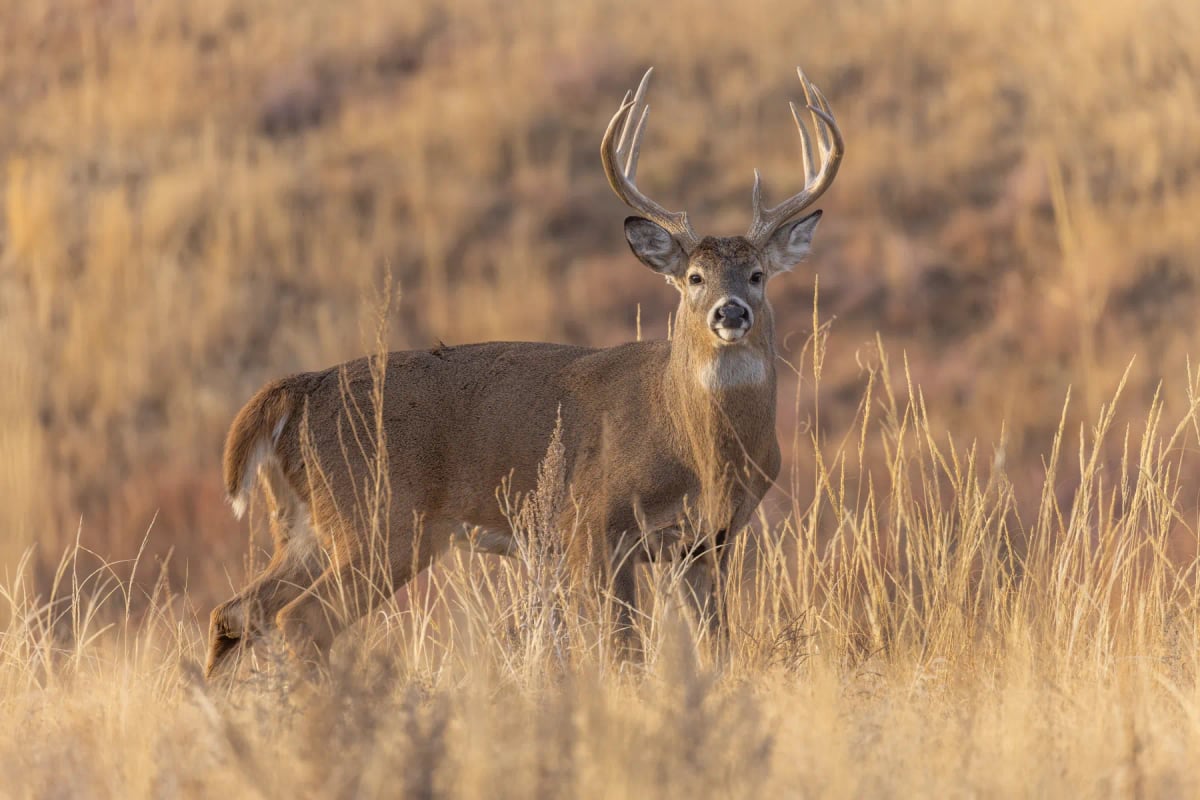
White tailed Deer
Odocoileus virginianus
In Ecuador, the white tailed deer lives primarily in the Andes, occupying páramo grasslands and the edges of mountain forests at high elevations. It is one of the few large native mammals still found in the highland regions. Populations face pressure from habitat conversion and hunting in rural areas. The deer is present in protected areas such as Cotopaxi National Park, which helps safeguard highland populations.
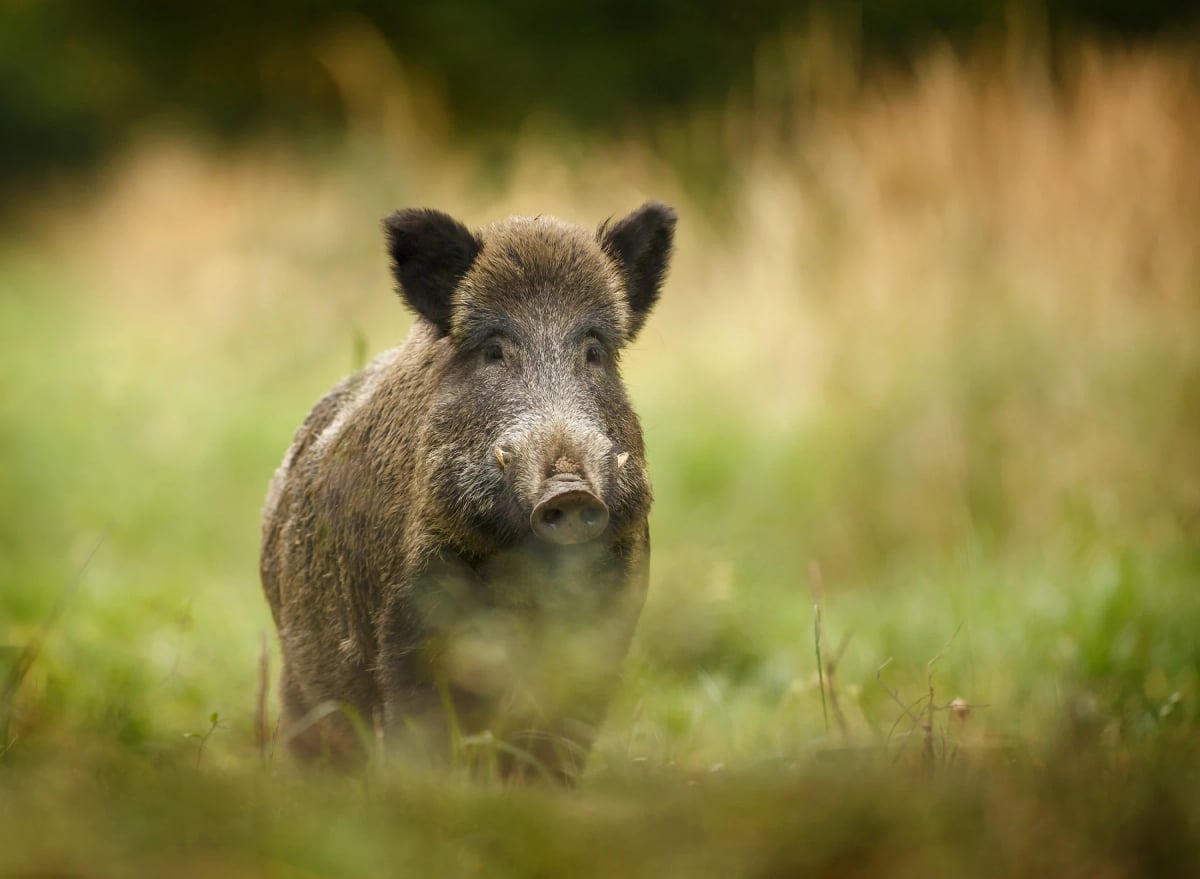
Wild Boar
Sus scrofa
Feral pigs descended from animals introduced during Spanish colonization are found in parts of mainland Ecuador, but the species is best known in the country for the serious damage it causes in the Galapagos Islands. There, feral pigs prey on the eggs of sea turtles and giant tortoises and disturb native vegetation, prompting eradication programs on several islands to protect endemic wildlife found nowhere else on Earth.
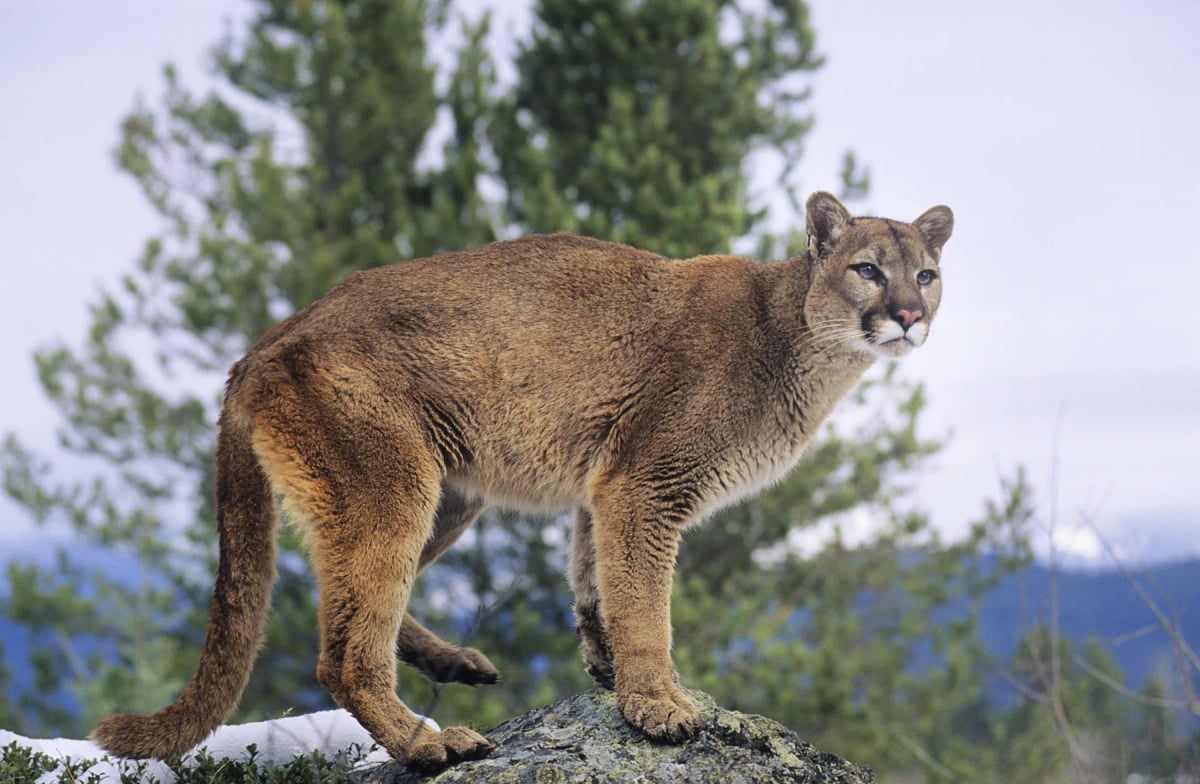
Cougar
Puma concolor
Ecuador's cougar population spans a wide range of habitats, from the páramo grasslands high in the Andes to the lowland Amazon forests in the east and drier coastal scrublands in the west. The species faces pressure from habitat loss and occasional persecution by communities protecting livestock. Conservation efforts in areas like Podocarpus National Park and the Ecuadorian Amazon help support viable populations of this far ranging cat.
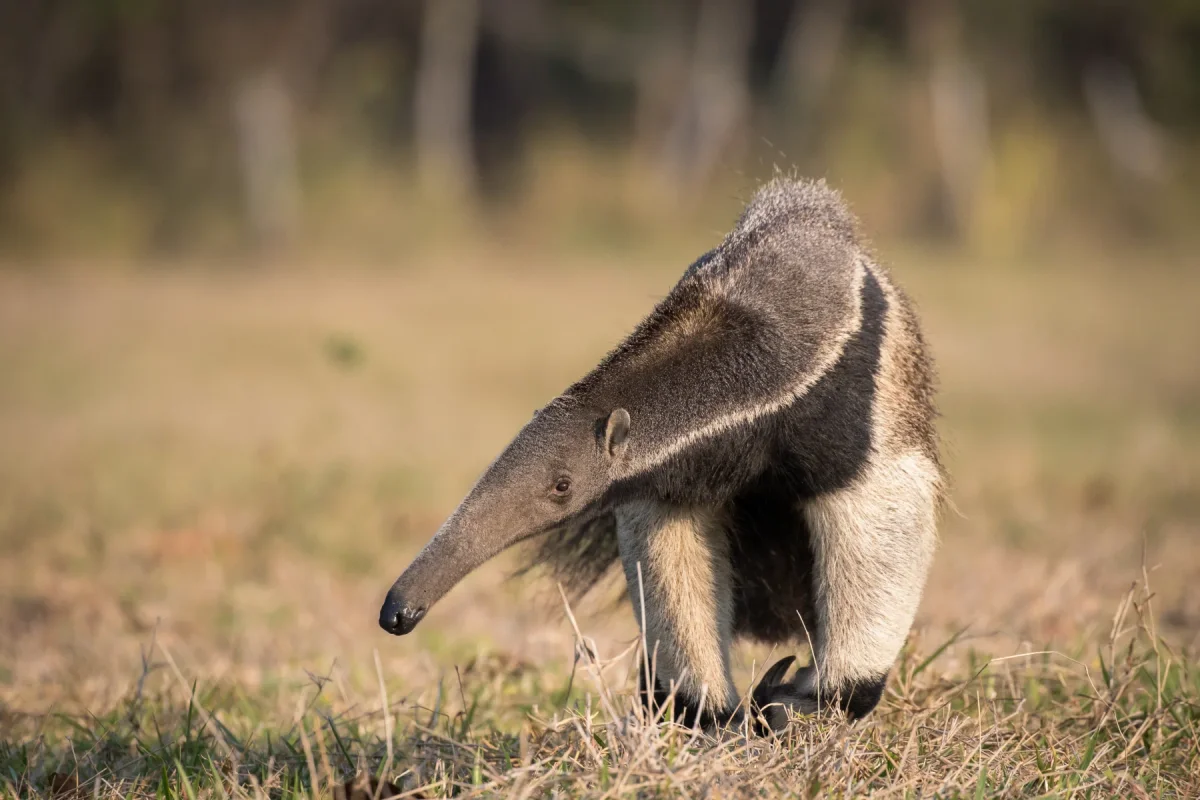
Anteater
Myrmecophaga tridactyla
The giant anteater is found in the eastern Amazon lowlands of Ecuador, in the Oriente region, where it occupies forest edges, open areas, and gallery forests along river systems such as the Napo and Pastaza. Ecuador's population is small and at risk due to ongoing deforestation and habitat conversion in the Amazon. The species is rarely encountered and is considered threatened at the national level.
Armadillo
Dasypodidae spp.
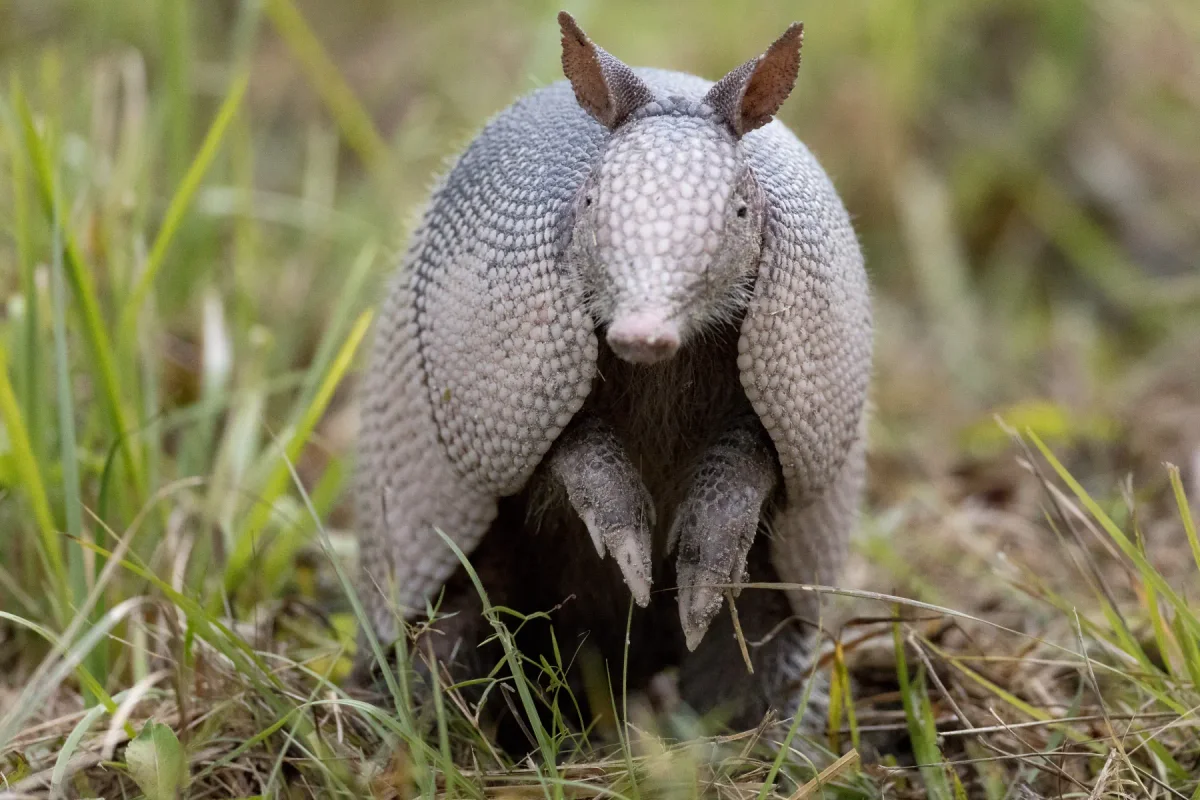
Ecuador is home to the nine banded armadillo on the Pacific coast and in the Amazon basin, as well as the giant armadillo and other species in the Amazonian lowlands. The country's geographic diversity supports armadillo populations across very different environments, from dry coastal scrublands to humid tropical forests. The giant armadillo is rarely seen due to its nocturnal habits and low population density, and is considered threatened by deforestation in the Ecuadorian Amazon. Smaller species are more commonly encountered and remain relatively stable.
Capybara
Hydrochoerus hydrochaeris
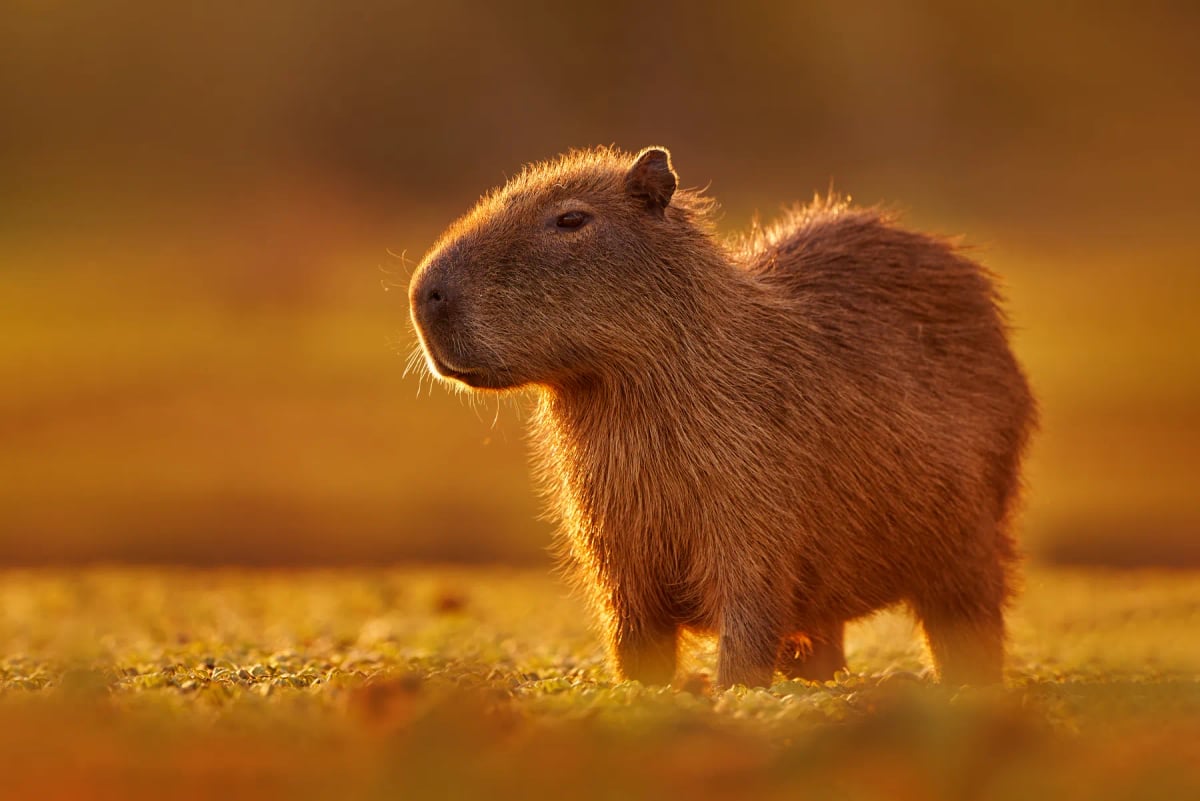
In Ecuador, capybaras are found in the Amazon lowlands east of the Andes, in provinces such as Sucumbíos, Orellana, and Pastaza. They inhabit riverbanks and flooded areas within the Amazon Basin, where they live in social groups and feed on grasses and aquatic plants. Listed as Least Concern by the IUCN, the species faces pressure from habitat loss tied to agricultural expansion in the Ecuadorian Amazon.
Giant Otter
Pteronura brasiliensis
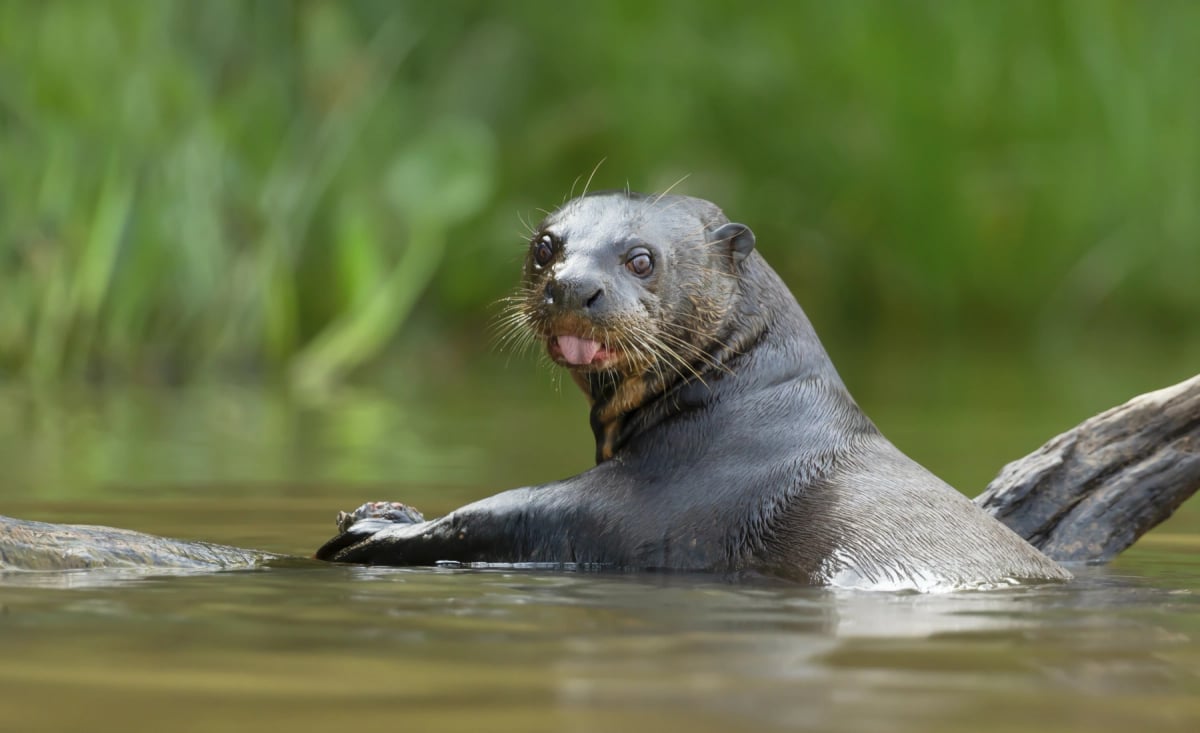
The giant otter is present in Ecuador's Amazon region, known locally as the Oriente, where slow rivers and oxbow lakes provide shelter and abundant fish. Populations here are small and vulnerable, threatened by oil extraction activities, illegal gold mining, and the contamination of waterways with mercury. Community conservation programs and protected areas such as Yasuní National Park play a key role in protecting what remains of this Endangered species in Ecuador.
Jaguar
Panthera onca
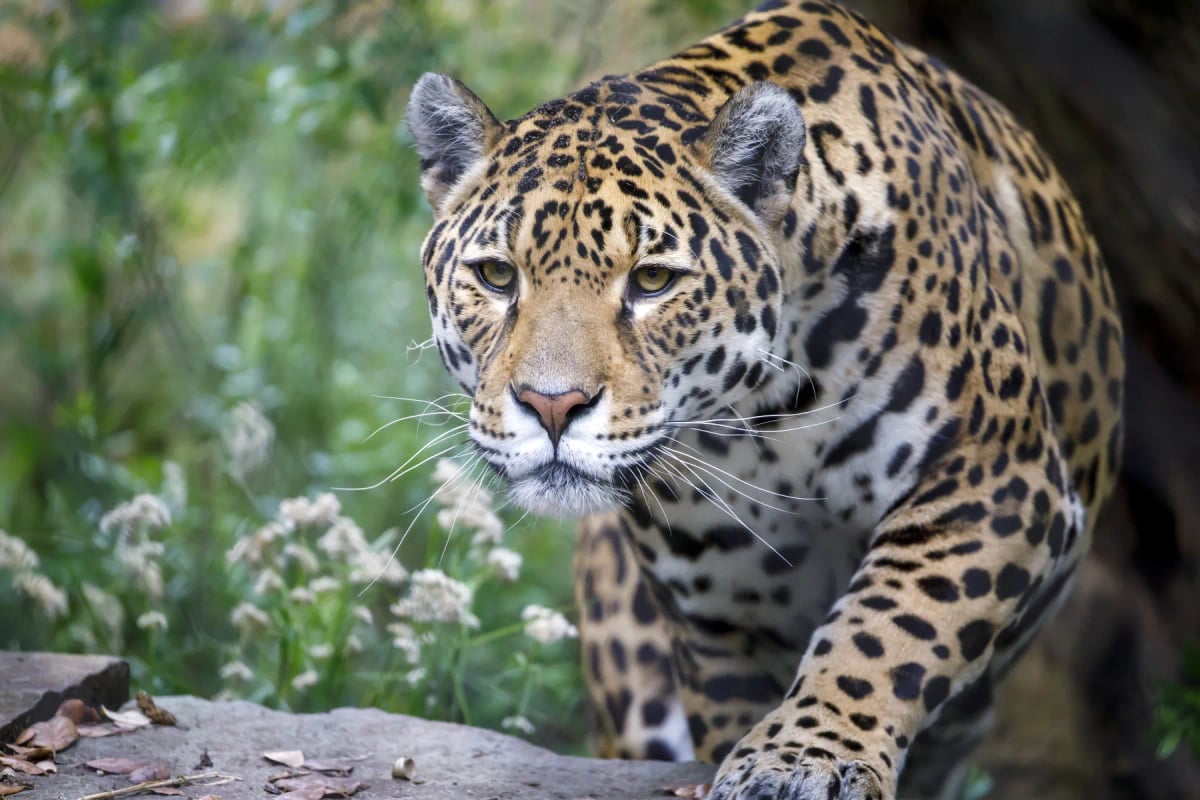
Ecuador's jaguars are found almost entirely in the Amazon region to the east of the Andes, in areas such as the Yasuni National Park, one of the most biodiverse places on Earth. Deforestation, oil extraction, and road construction have fragmented their habitat significantly. Despite its small size relative to neighboring countries, Ecuador plays a key role in maintaining jaguar connectivity across the western Amazon.

Llama
Lama glama
In Ecuador, llamas are found in the páramo ecosystems of the Andes, particularly across the highlands of Chimborazo and Cotopaxi provinces. Although present in smaller numbers than in Peru or Bolivia, they play an important role in local indigenous communities that use them for transport and wool production. Their ability to graze on the tough grasses of high Andean páramo makes them well suited to this environment.
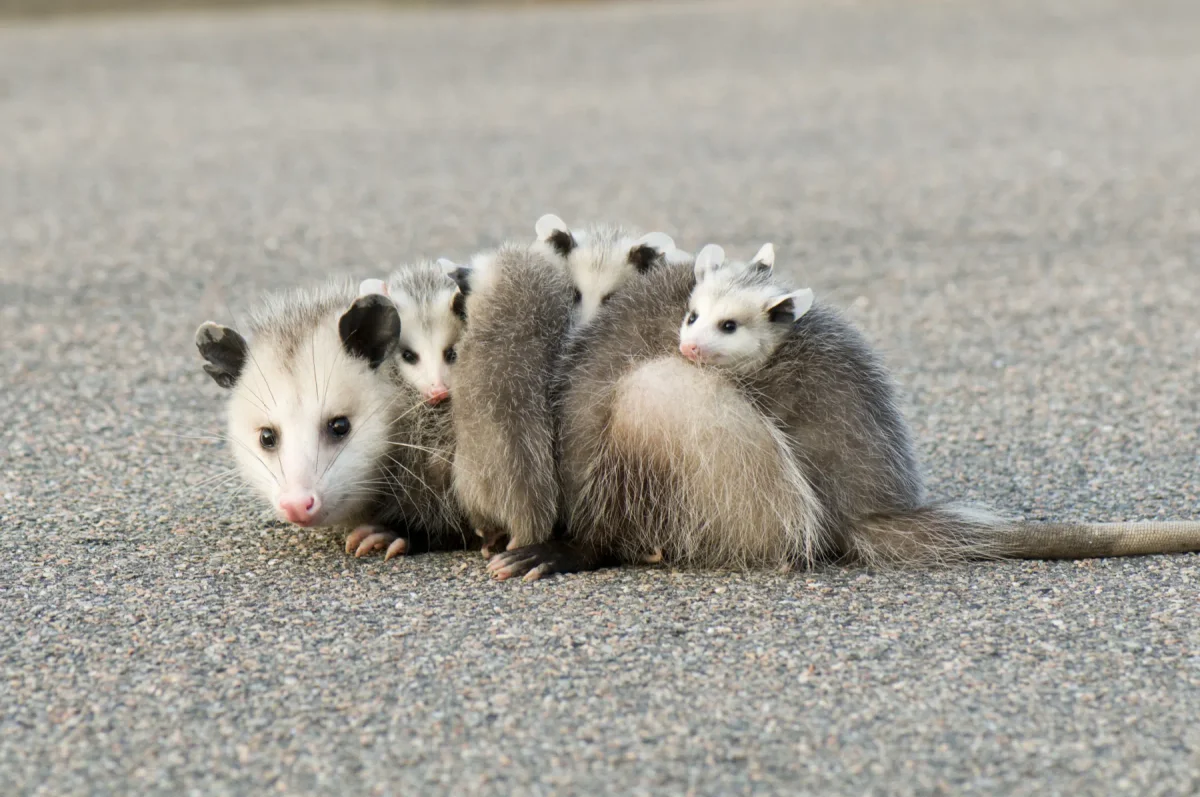
Opossum
Didelphis spp.
In Ecuador, the common opossum (Didelphis marsupialis) inhabits the tropical forests of the Amazon lowlands and the Pacific coastal region, while the white-eared opossum (Didelphis albiventris) reaches into the Andean foothills. Both species are nocturnal and highly adaptable. In areas where deforestation has reduced natural cover, opossums often persist in secondary forests and on agricultural land, demonstrating their ability to survive in landscapes shaped by human activity.
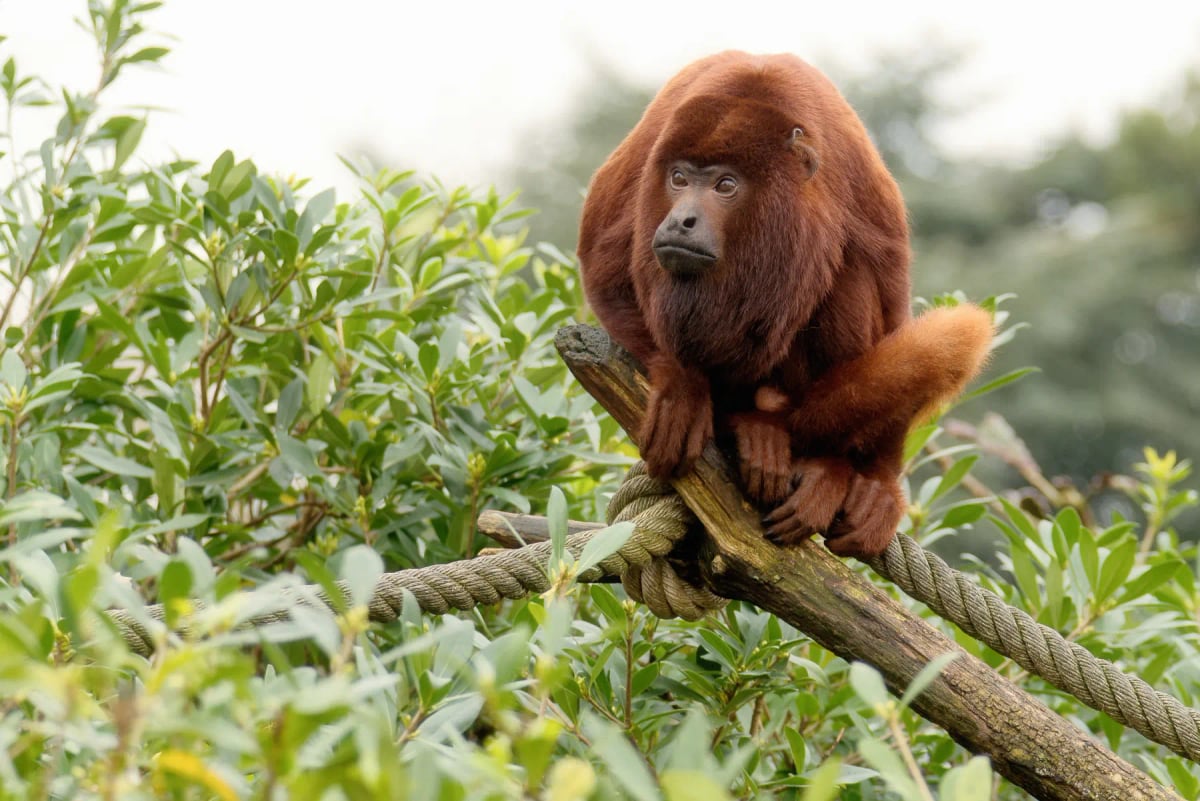
Red Howler Monkey
Alouatta seniculus
In Ecuador, the red howler monkey inhabits the Amazon lowlands east of the Andes, a region under pressure from oil extraction and agricultural expansion. Its booming call, produced by a specialized hyoid bone, echoes through primary and secondary forest alike. Troops spend long hours resting in the canopy to manage the low energy their leafy diet provides. Conservation efforts in the Ecuadorian Amazon are critical to the species.
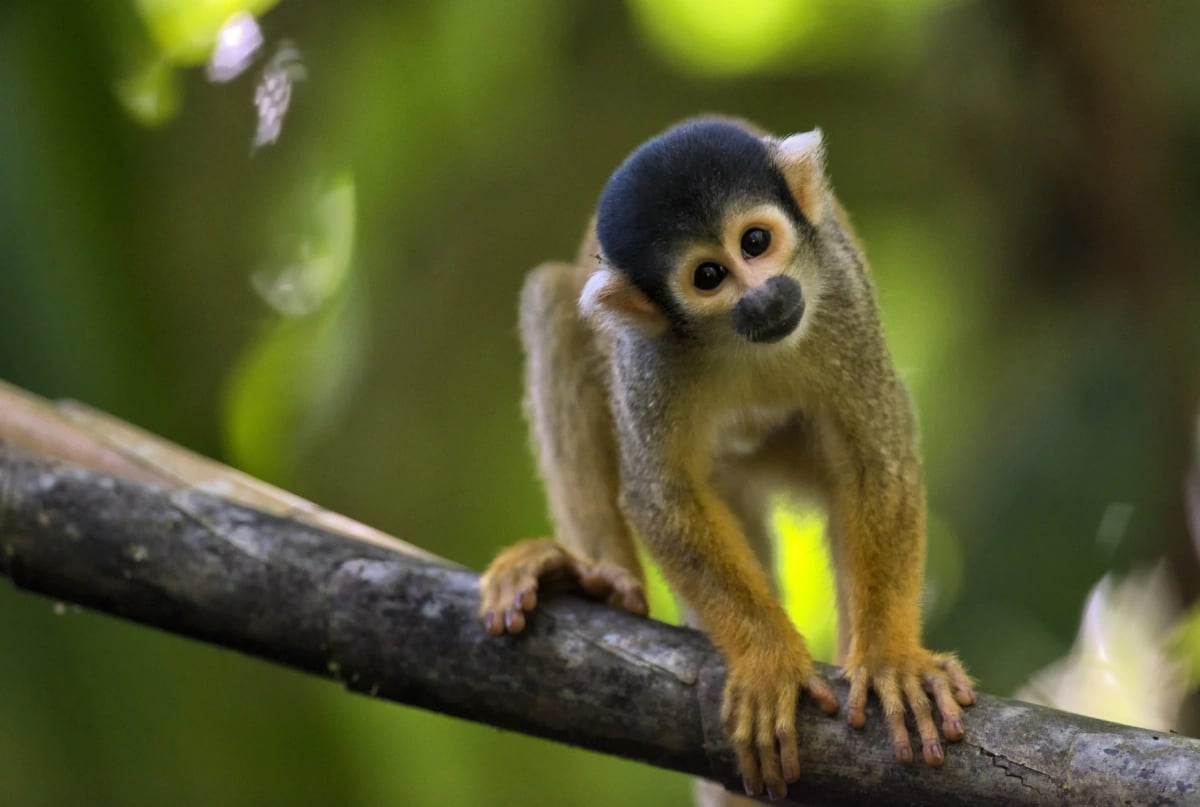
Squirrel Monkey
Saimiri spp.
In Ecuador, squirrel monkeys inhabit the lowland Amazonian forests of the eastern region, known locally as the Oriente. They form large, active troops that forage from sunrise to sunset, feeding on insects, fruit, and occasional small vertebrates. Ecuador's protected areas, including Yasuní National Park, one of the most biodiverse places on Earth, offer strongholds for these small primates and many other species.
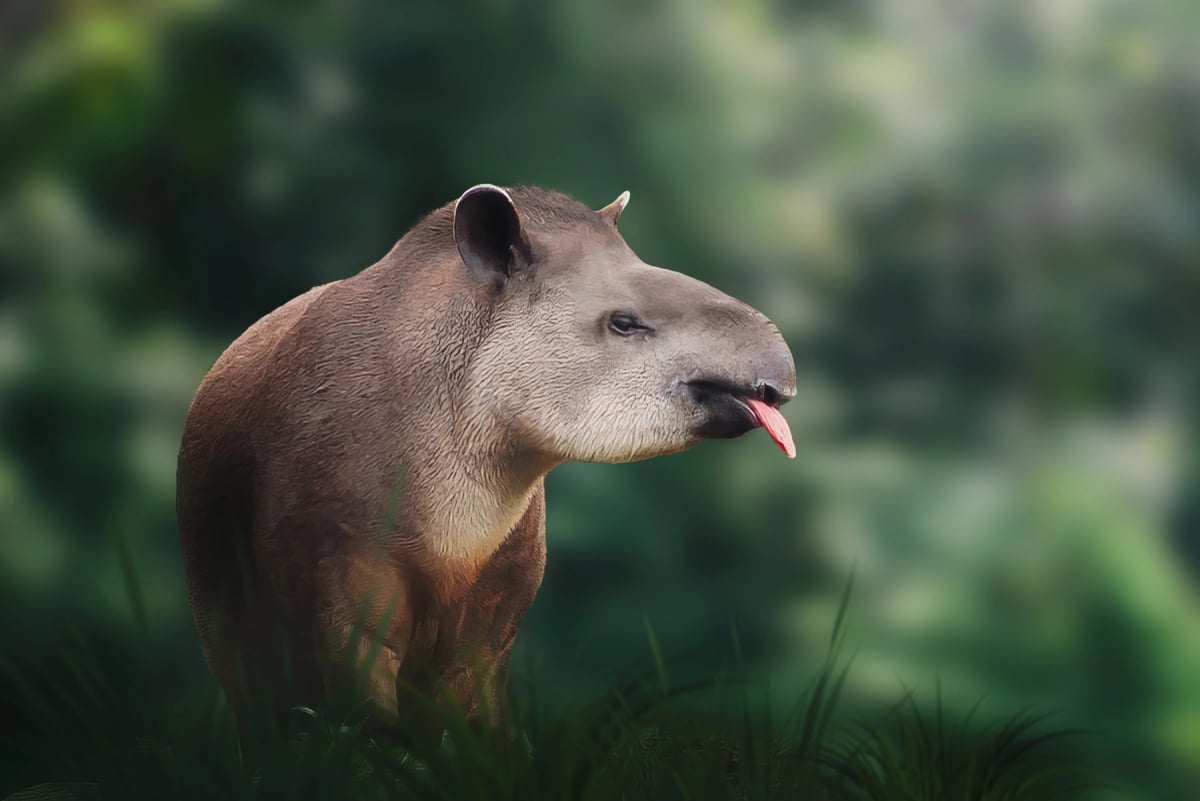
Tapir
Tapirus spp.
Ecuador is home to both the South American tapir in the Amazon basin and the mountain tapir in the Andes, where it lives at elevations between roughly 2,000 and 4,500 metres. The mountain tapir is one of the rarest large mammals in South America and is classified as Endangered by the IUCN. Conservation efforts in reserves such as Antisana and Sangay National Park are critical for its survival in Ecuador.
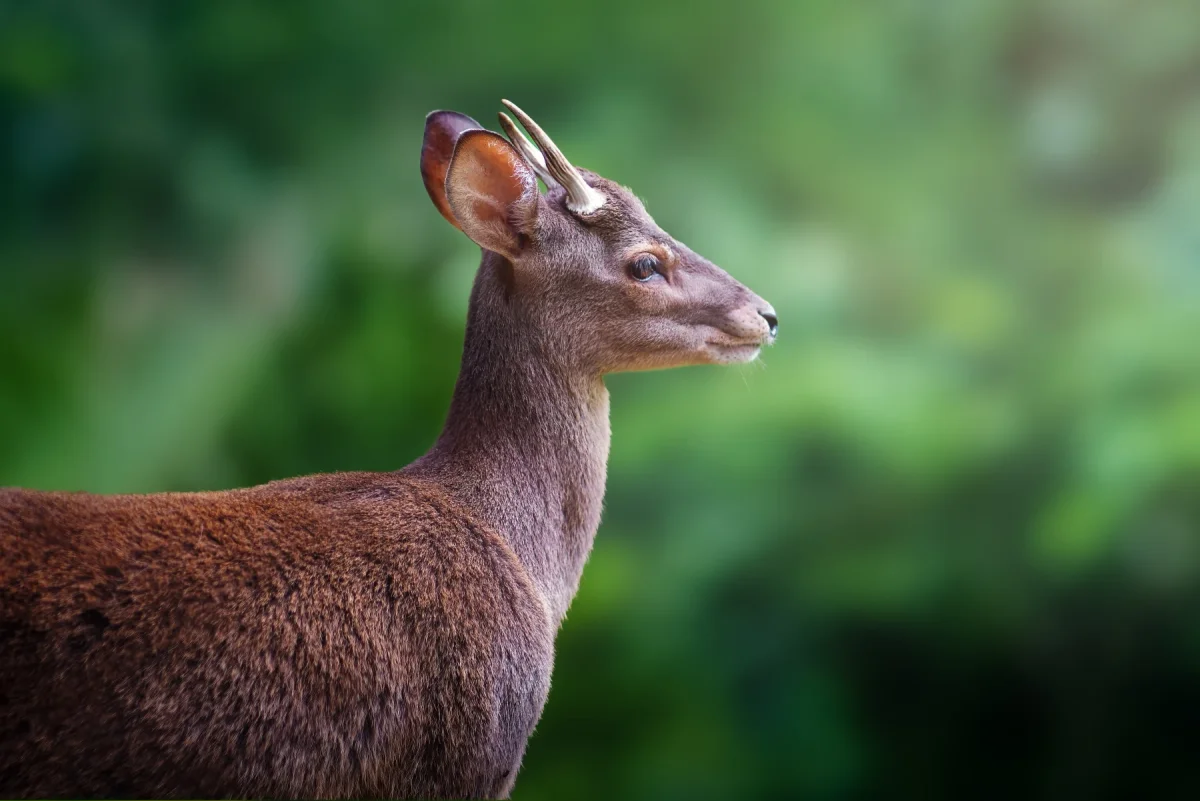
Brocket Deer
Mazama spp.
Ecuador's brocket deer inhabit both the Amazon lowlands to the east and the foothills of the Andes, where forest cover remains relatively intact in protected zones. The red brocket is the most frequently recorded species. Ecuador's rapid deforestation, especially in the western lowlands, has significantly reduced suitable habitat. Conservation efforts within the Amazon reserve system help sustain populations, though hunting pressure in indigenous territories continues to affect local numbers.
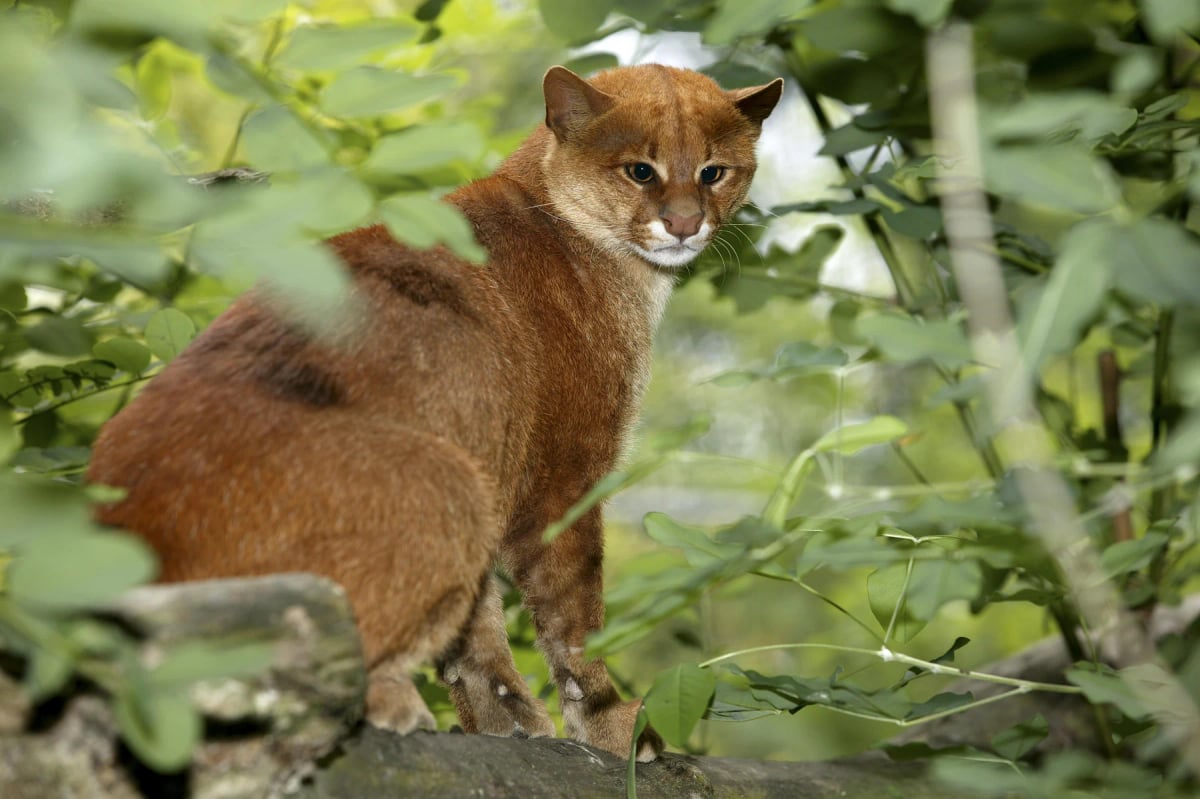
Jaguarundi
Herpailurus yagouaroundi
The jaguarundi is found in Ecuador's western coastal lowlands, the Amazon basin, and forested foothills on both sides of the Andes. It does not occur at high Andean elevations. Ecuador's rapid deforestation, particularly in the western coastal region, has reduced habitat for this species significantly. It remains present in several protected areas, including Yasuní National Park in the Amazon, where forest cover is still largely intact.
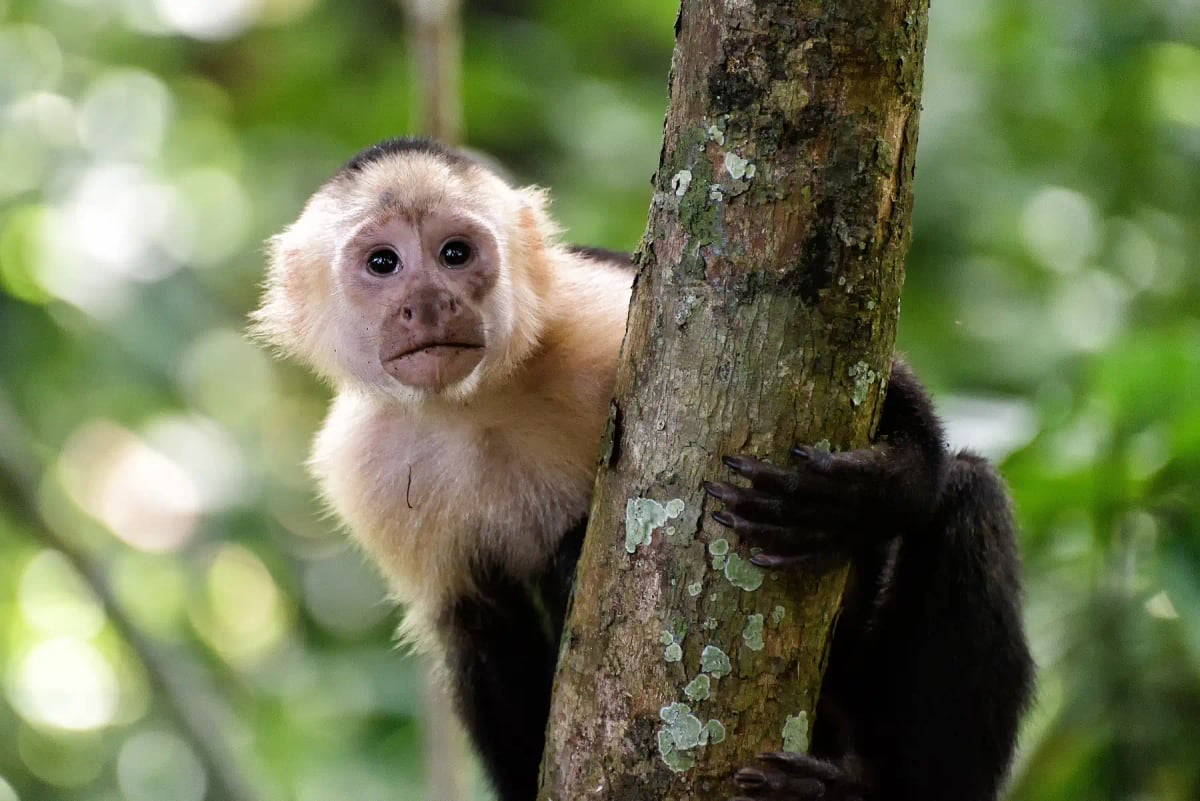
White faced Capuchin
Cebus capucinus
In Ecuador, the white faced capuchin is found in the tropical forests of the northwestern corner of the country, near the Colombian border. This is the southern edge of its range, making Ecuador an important limit for the species. It lives in groups, feeds on fruit, insects, and small animals, and uses tools to access hard foods. Its IUCN status is Least Concern.
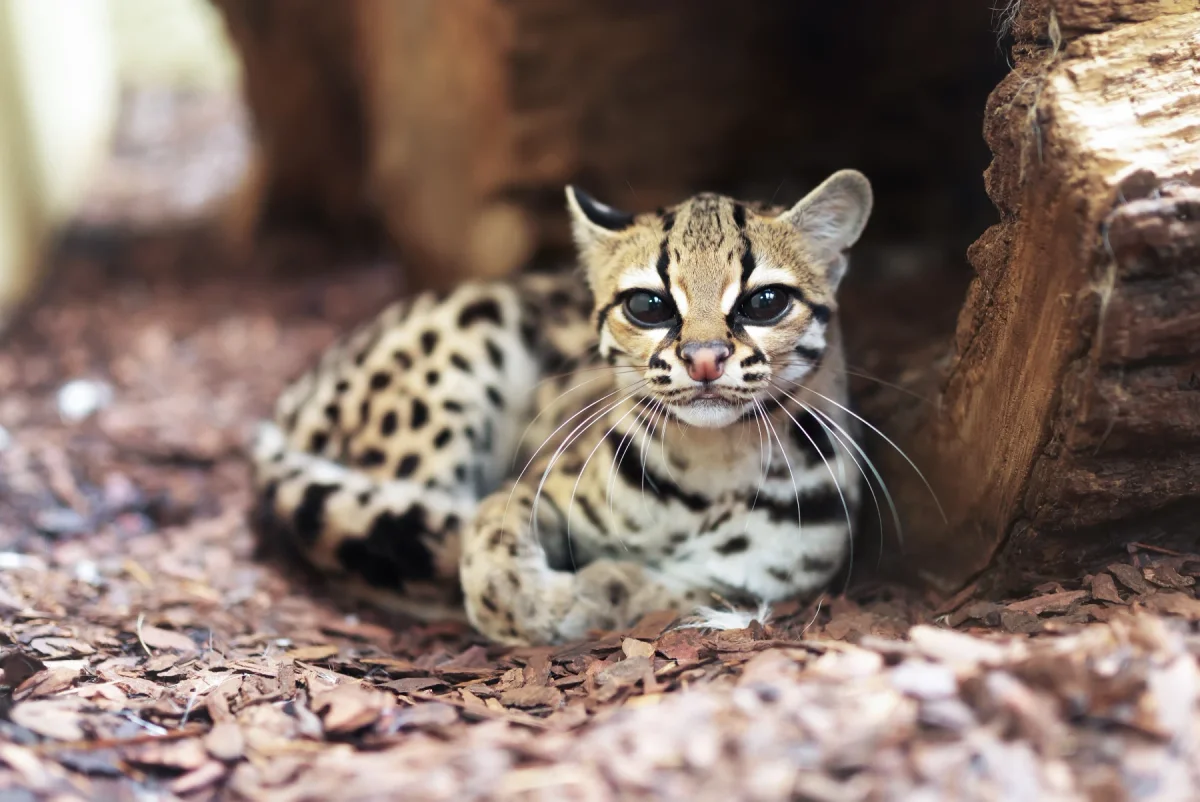
Margay
Leopardus wiedii
Ecuador's margay populations are found in tropical forests on both sides of the Andes, including the Amazon lowlands to the east and the coastal Chocó forests to the west. The Chocó region, one of the most biodiverse on Earth, is a particularly important habitat for this small cat. Rapid deforestation driven by agriculture and oil extraction threatens forest continuity across Ecuador. The IUCN classifies the margay as Near Threatened throughout its range.
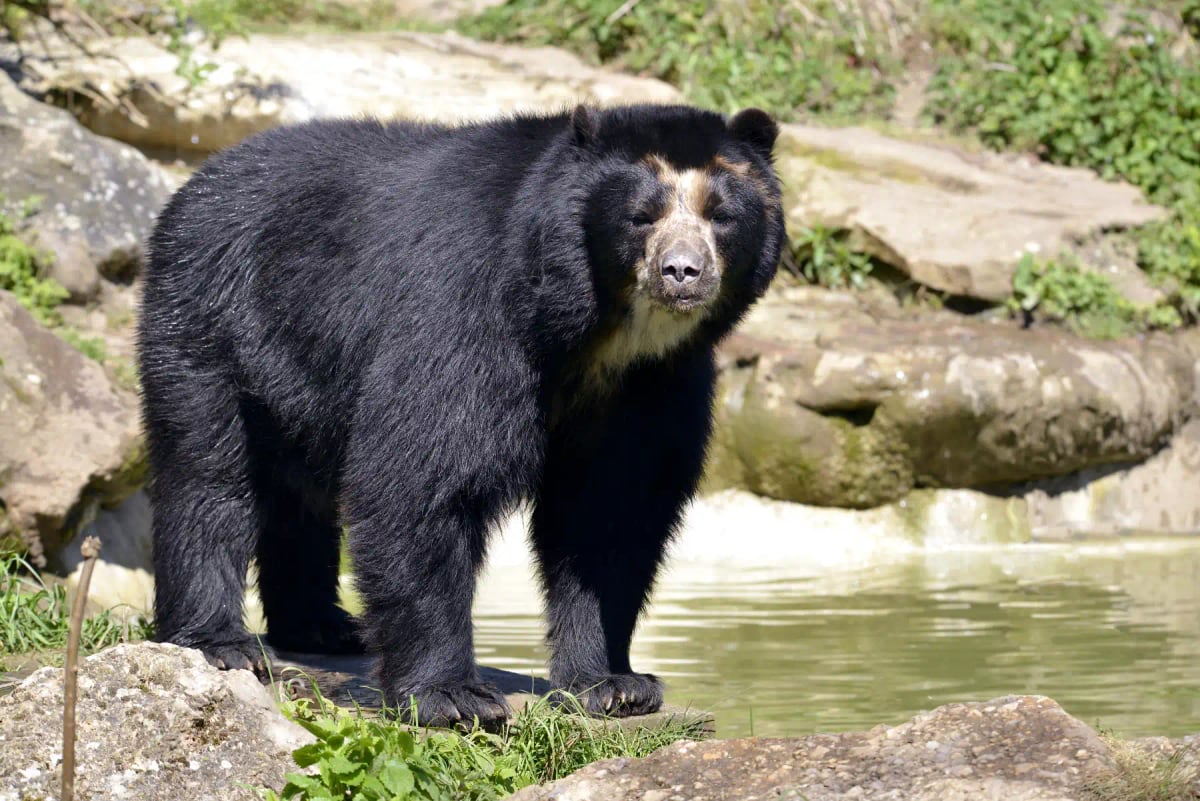
Spectacled Bear
Tremarctos ornatus
The spectacled bear is South America's only native bear. In Ecuador, it inhabits the cloud forests on both the eastern and western slopes of the Andes, including protected areas such as Cayambe-Coca. It feeds on fruits, bromeliads, and cactus, and often builds platforms in trees to store food. Deforestation remains its greatest threat. The IUCN lists it as Vulnerable.

Iguana
Iguana iguana
The green iguana is native to Ecuador's coastal and Amazonian lowlands, found along riverbanks, in tropical forests and at the edges of cultivated land. It is particularly abundant around Guayaquil, where it inhabits urban parks and the banks of the Guayas River, and in reserves like Bosque Protector Cerro Blanco. It remains one of the most visible large reptiles in the country's warm lowlands.
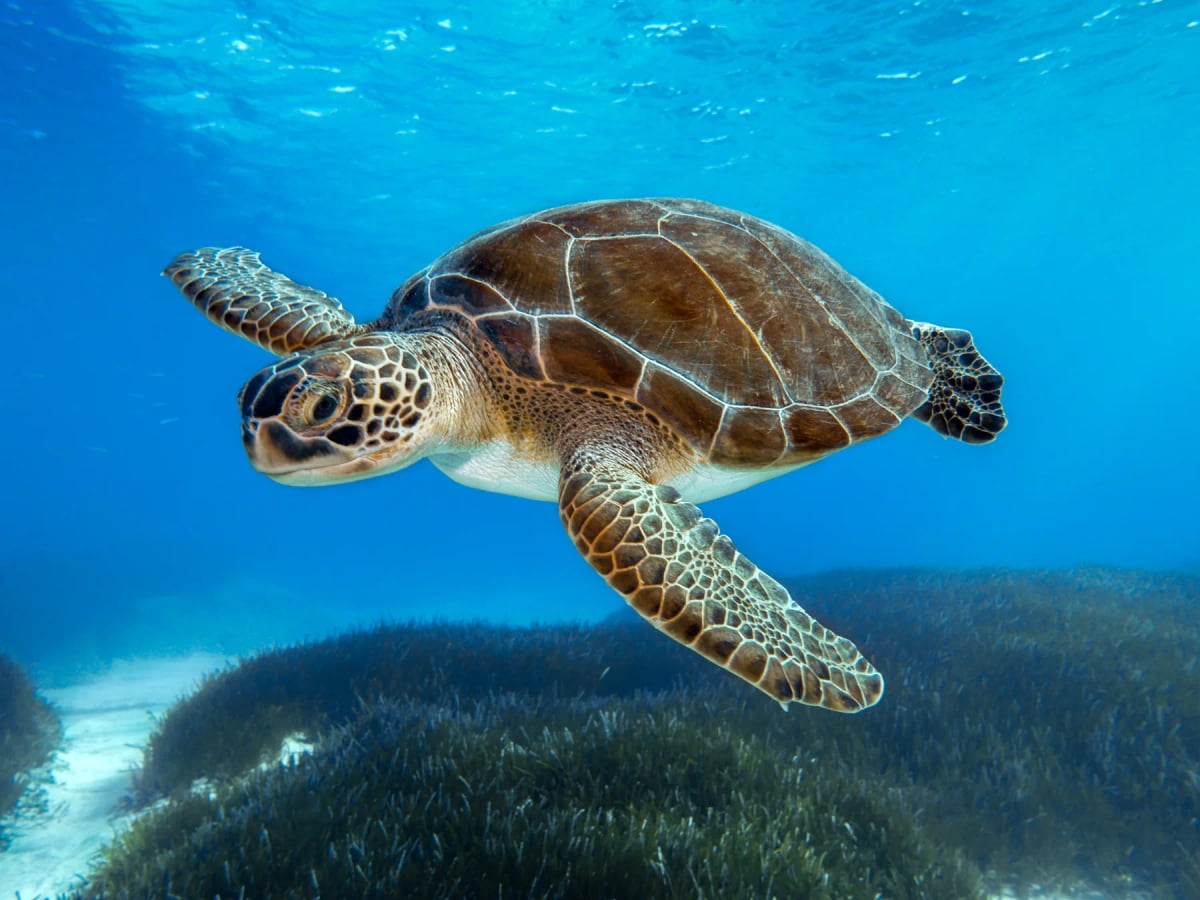
Sea Turtle
Cheloniidae & Dermochelyidae (families)
Ecuador's Pacific coast and the waters around the Galápagos Islands are home to important sea turtle populations. The Galápagos archipelago hosts one of the largest green turtle nesting colonies in the eastern Pacific, with Isabela Island holding the main nesting beaches. On the continental coast, olive ridley turtles nest on beaches in Esmeraldas and Manabí provinces. Pacific hawksbill and leatherback turtles also pass through Ecuadorian waters on their migrations.
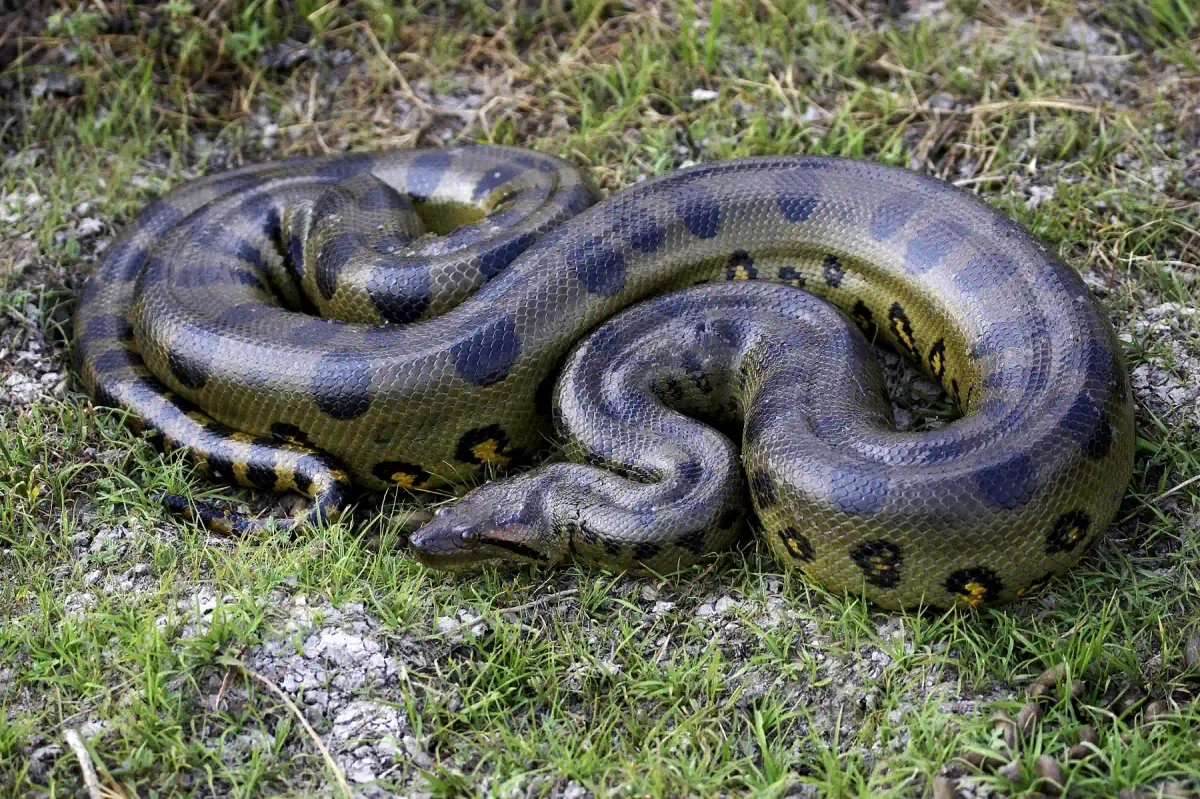
Anaconda
Eunectes murinus
The green anaconda is found in the Oriente, the eastern Amazon region of Ecuador, in rivers and flooded forests along the Napo, Pastaza, and Aguarico river systems. Ecuador's Amazon is one of the most biodiverse areas on the planet, and the anaconda is one of its most iconic residents. Oil extraction and deforestation in the region pose ongoing threats to the wetland habitats the species depends on.
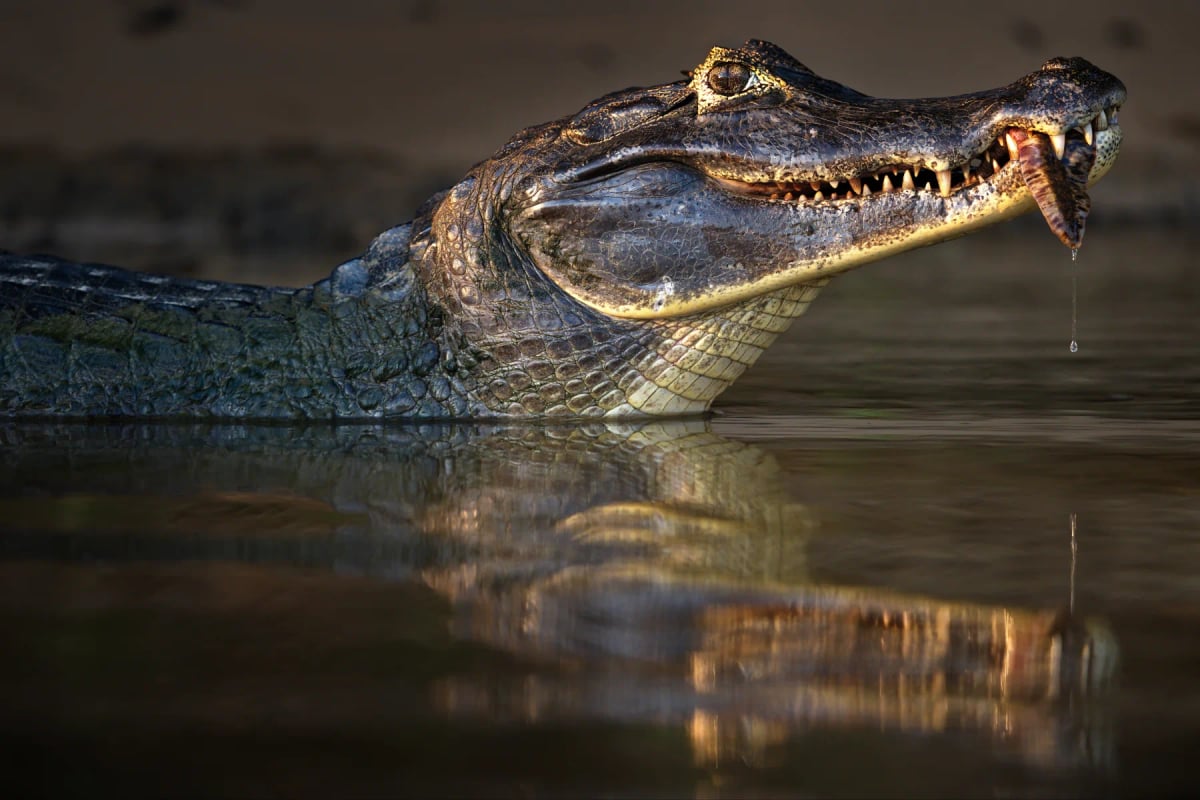
Caiman
Caiman spp.
Caimans are found across Ecuador's Amazonian lowlands, particularly in the Napo and Pastaza river basins. The spectacled caiman is the most common species here, inhabiting slow rivers, oxbow lakes, and seasonally flooded forest edges. Conservation efforts in protected areas such as Yasuní National Park help sustain healthy populations. They play a vital role in controlling fish and invertebrate populations throughout the region's wetland ecosystems.
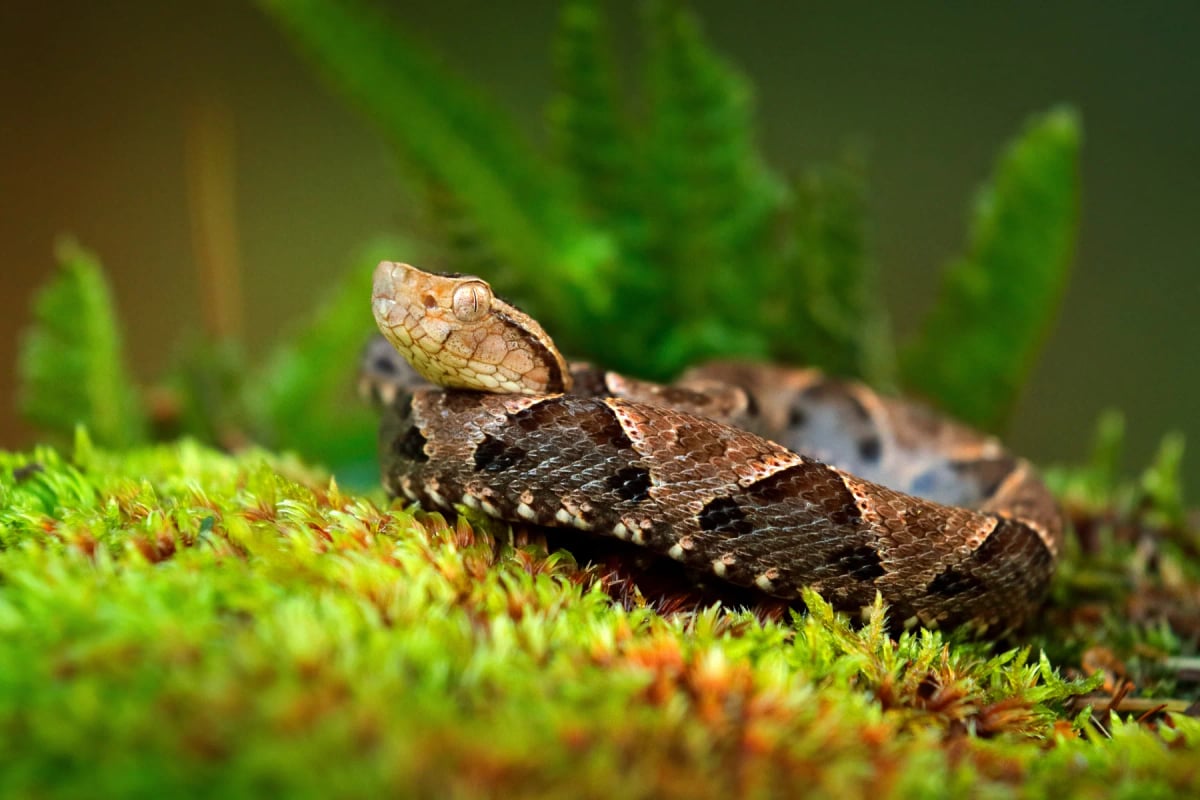
Lancehead
Bothrops spp.
Ecuador hosts several lancehead species across its varied landscapes, from the Pacific coastal forests to the Amazon basin. Bothrops atrox is common in the Oriente region, while other species appear on the Pacific slopes. Agricultural workers in rural areas face the greatest bite risk. Lanceheads thrive in secondary growth and forest edges, adapting well to disturbed habitats alongside human communities throughout the country.
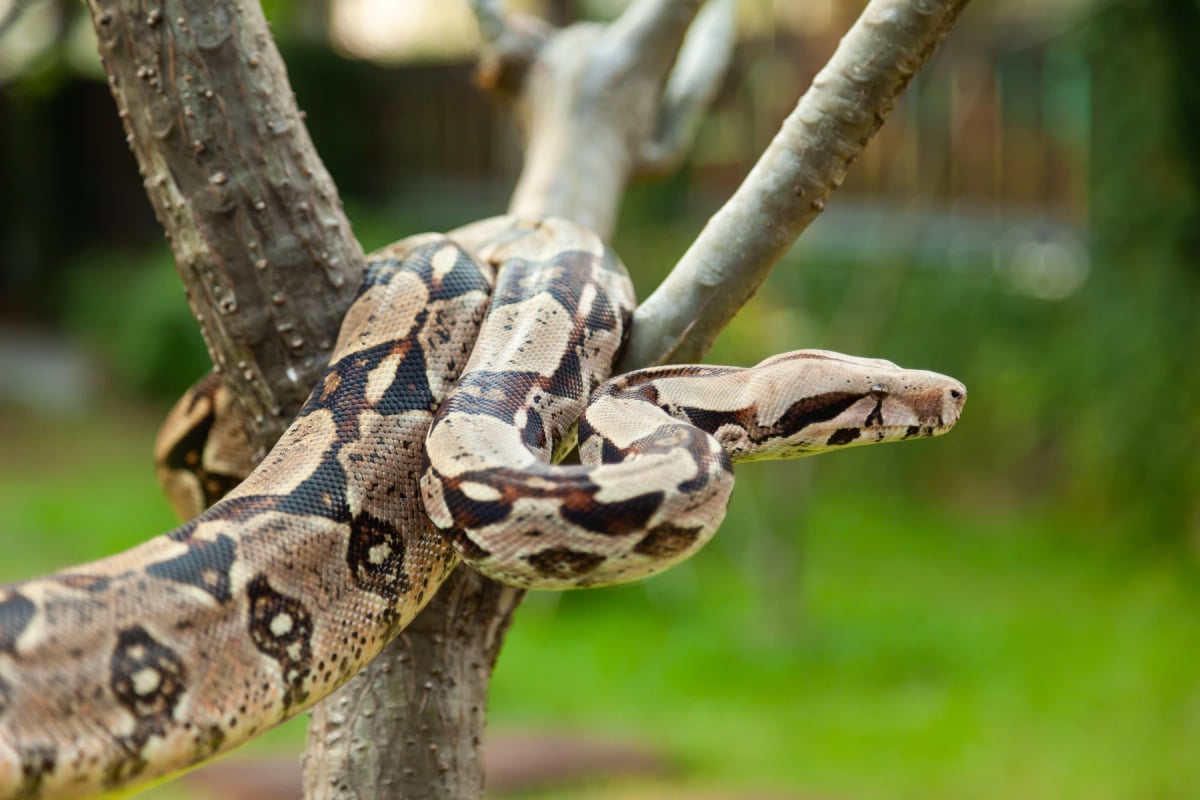
Boa Constrictor
Boa constrictor
In Ecuador, the boa constrictor inhabits the tropical lowlands on both the Pacific coast and the Amazon basin, generally at elevations below 1,000 meters. It is found in primary and secondary forests as well as in areas near human settlements. Listed as Least Concern by the IUCN, the species faces pressure from rapid deforestation in coastal Ecuador and from collection for local and international wildlife markets.
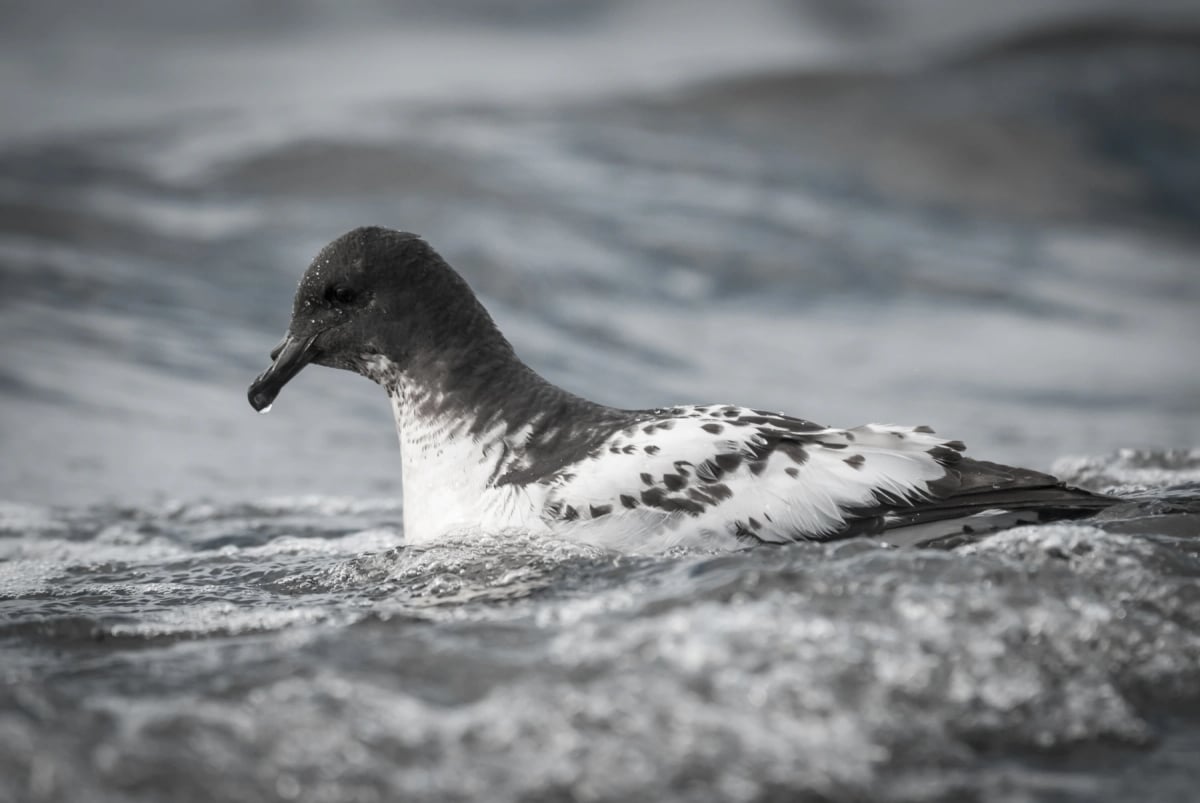
Cape Petrel
Daption capense
The Cape petrel reaches Ecuadorian waters at the northern end of its Pacific range, carried north by the cold Humboldt Current mainly during the austral winter. It is seen far offshore along the mainland coast and occasionally passes through the waters around the Galápagos Islands. It does not breed in Ecuador and is an uncommon sight, recorded mostly from boats. IUCN status: Least Concern.
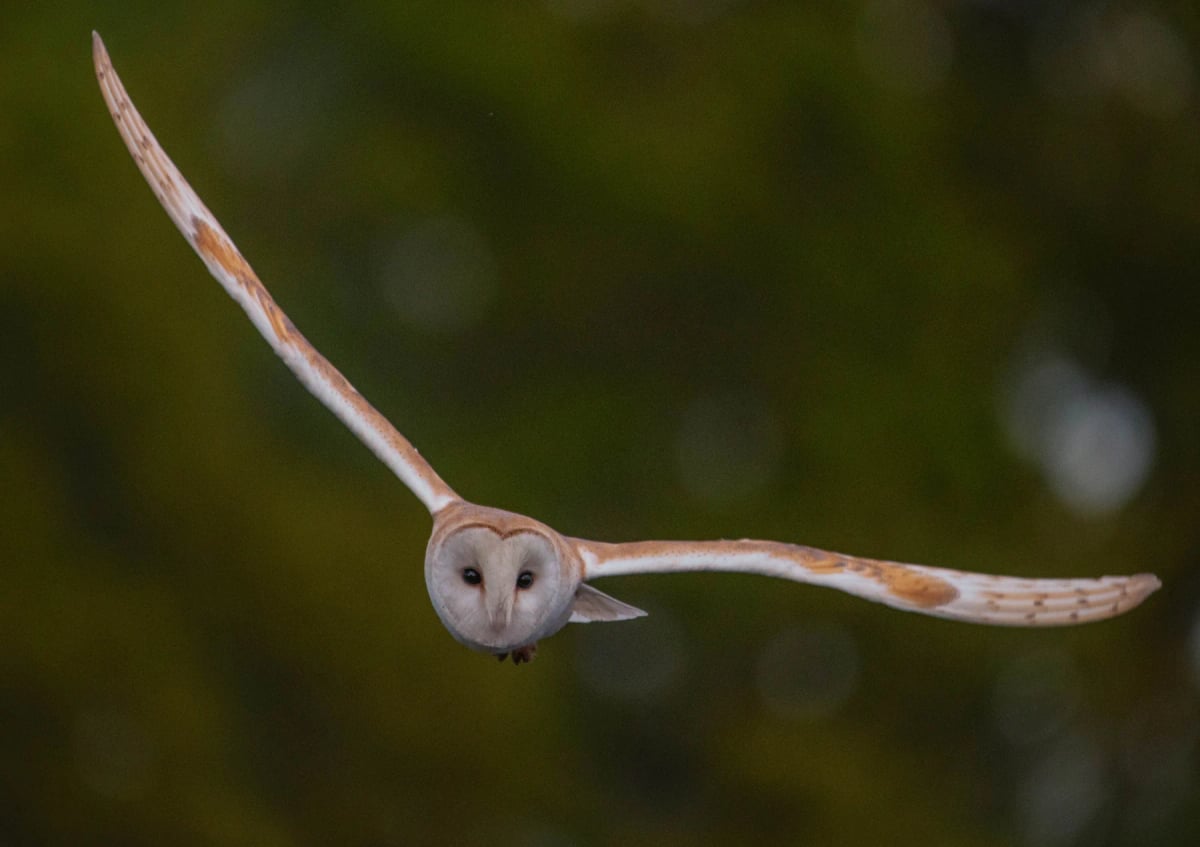
Barn Owl
Tyto alba
The barn owl is found across Ecuador in open farmland, grassland, and inter-Andean valleys on both sides of the Andes, as well as in coastal lowlands and areas near human settlements. It nests in old buildings, cliff faces, and hollow trees. On the Galápagos Islands a distinct population exists, adapted to hunting seabirds and lizards alongside the typical small mammal prey found on the mainland. In agricultural regions it is valued for naturally controlling rodent populations.
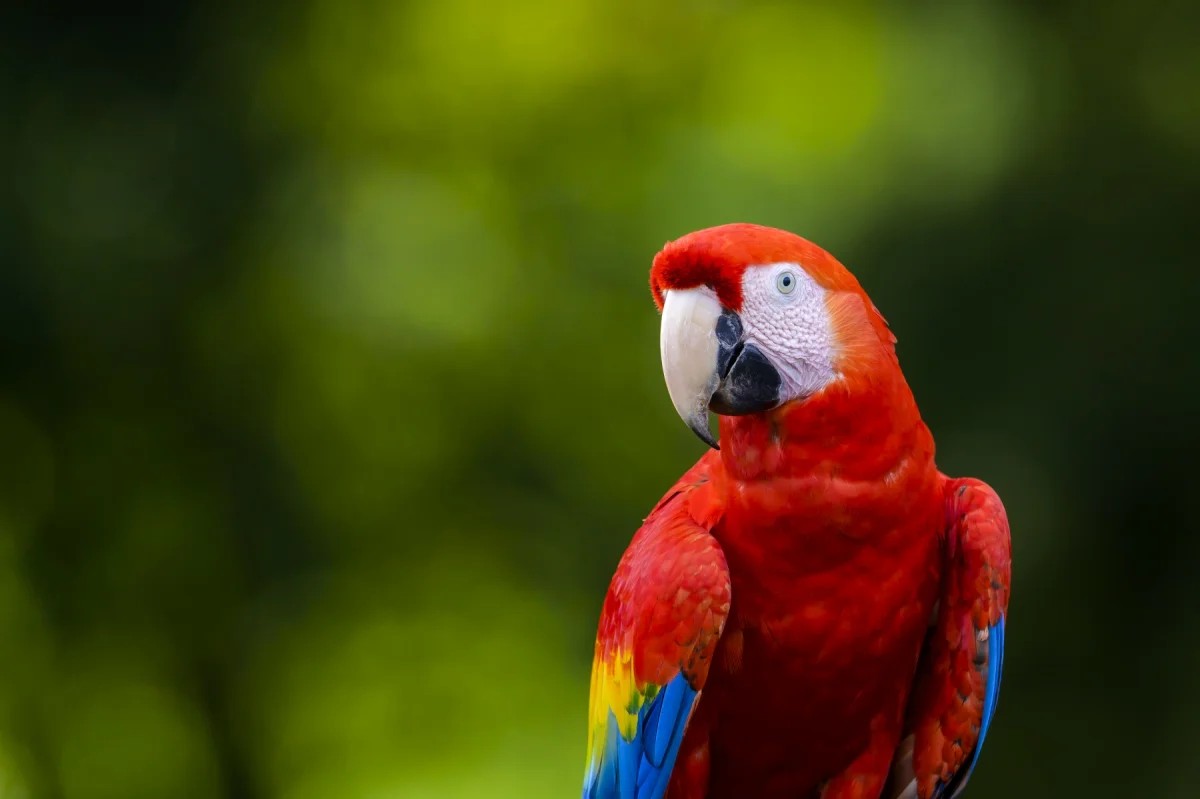
Scarlet Macaw
Ara macao
In Ecuador, the scarlet macaw is found in the Amazonian lowlands east of the Andes, in provinces such as Sucumbíos, Orellana, and Pastaza. It favors tall tropical forest near rivers, where it nests in tree cavities and visits mineral-rich riverbank clay licks. Deforestation and oil extraction in the Ecuadorian Amazon threaten local habitat. The species is listed as Least Concern by the IUCN but faces growing pressure within Ecuador.
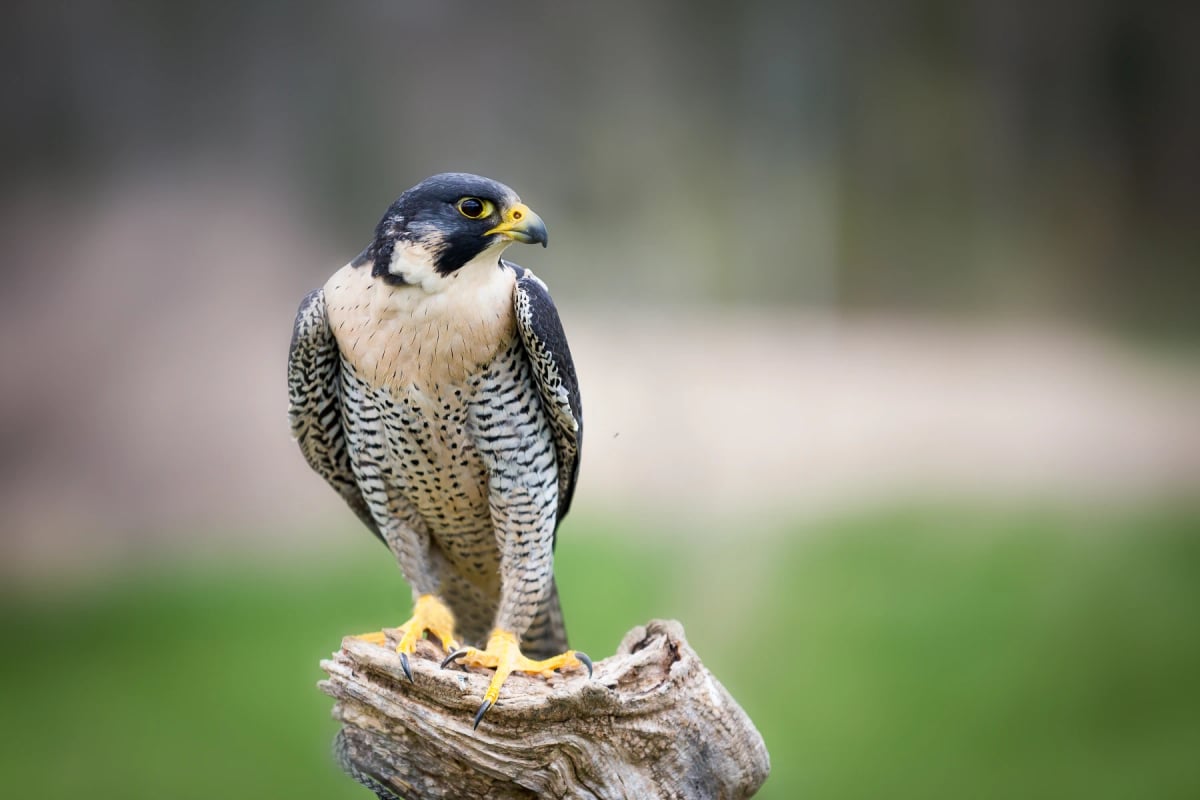
Peregrine Falcon
Falco peregrinus
Ecuador's extraordinary geographic variety makes it a key location for the peregrine falcon. The species occurs across the country, from the Pacific lowlands and the Galápagos Islands to the Andean highlands and the Amazon basin. Some individuals are year-round residents while others arrive as migrants from North America. Cliffs along the Andes provide ideal nesting ledges for resident pairs. Its IUCN status is Least Concern.
Andean Condor
Vultur gryphus
The Andean condor is Ecuador's national bird and sits atop its coat of arms. It soars over the páramo and Andean valleys of the Sierra, near volcanoes such as Antisana, Cotopaxi and Chimborazo. It is critically endangered in the country: the national census counted 93 birds in 2015 and about 150 in 2018, with poisoned carcasses as the main threat. Protecting its roosts and nests is a conservation priority. IUCN status: Vulnerable.
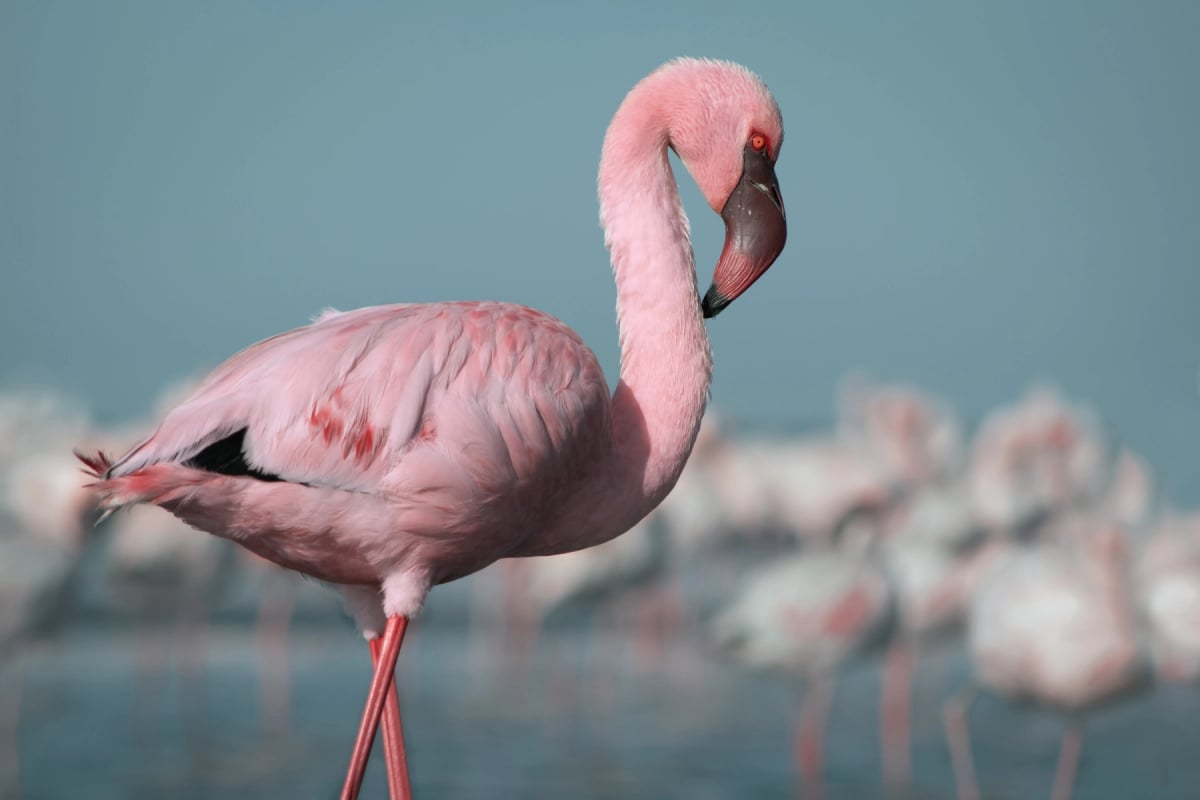
Flamingo
Phoenicopteridae (6 species)
Ecuador has two flamingos. In the Galápagos Islands, a small, isolated population of American flamingos, only a few hundred birds, lives in brackish lagoons on Isabela, Floreana, Santa Cruz and Rábida. On the mainland, the Chilean flamingo visits outside the breeding season, mostly the coastal salt ponds of the Santa Elena peninsula. IUCN status: American flamingo Least Concern, Chilean flamingo Near Threatened.
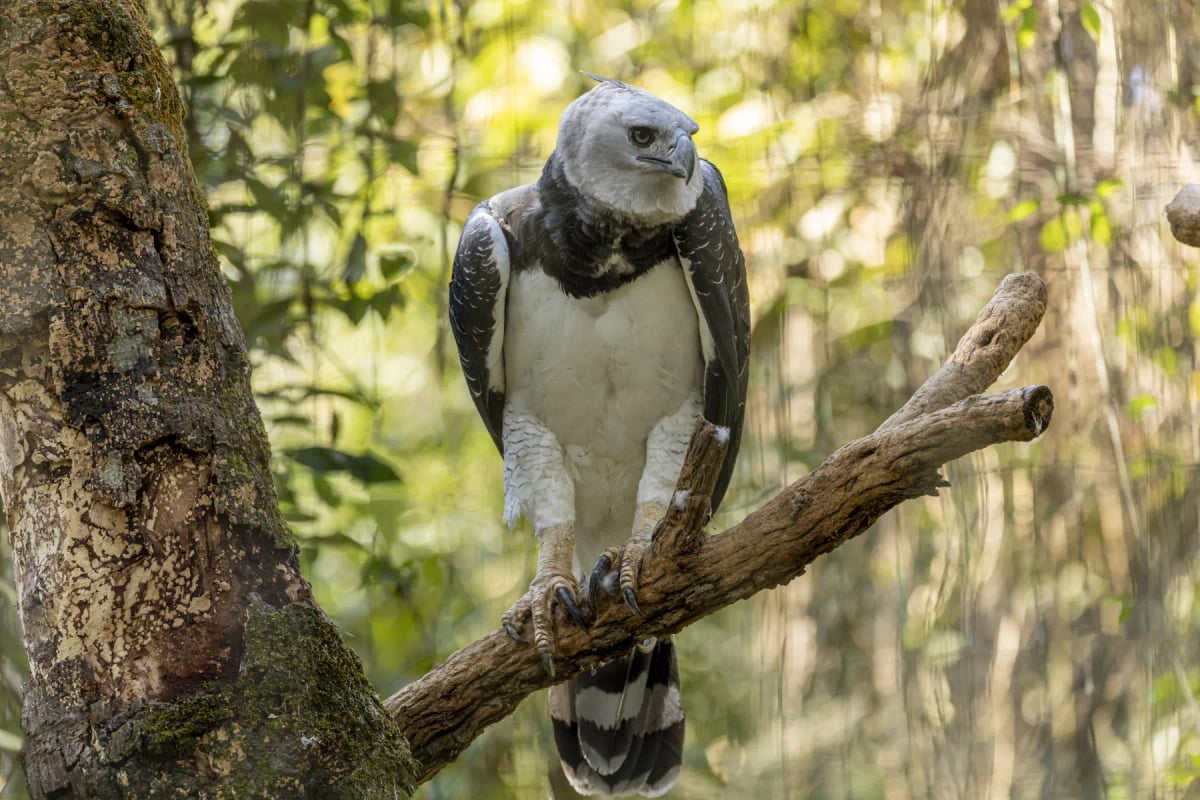
Harpy Eagle
Harpia harpyja
In Ecuador, the harpy eagle lives in the Amazonian lowlands east of the Andes, a region known locally as the Oriente. Yasuní National Park, one of the most biodiverse places on Earth, is among the key areas where it has been recorded. Oil extraction and farming in Ecuador's Amazon threaten the forest connectivity that harpy eagles need to survive and raise their young. IUCN status: Vulnerable.
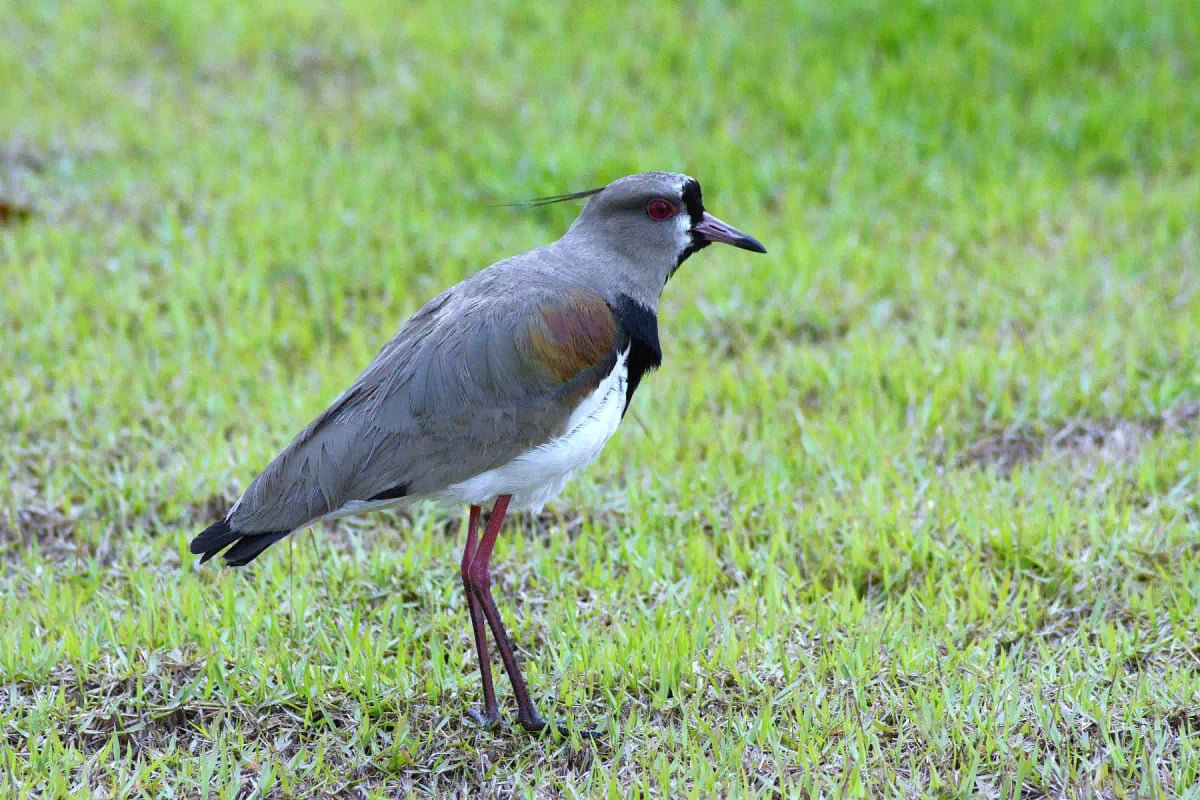
Southern Lapwing
Vanellus chilensis
In Ecuador, the southern lapwing lives mainly in open areas of the eastern lowlands, in pastures, river beaches and clearings, and it has become more common in recent decades as forest has been cleared for cattle. It is a vocal and visible bird wherever there is short grass and some water nearby. In the high Andes it is absent, as open ground there is too cold and high for it. IUCN status: Least Concern.
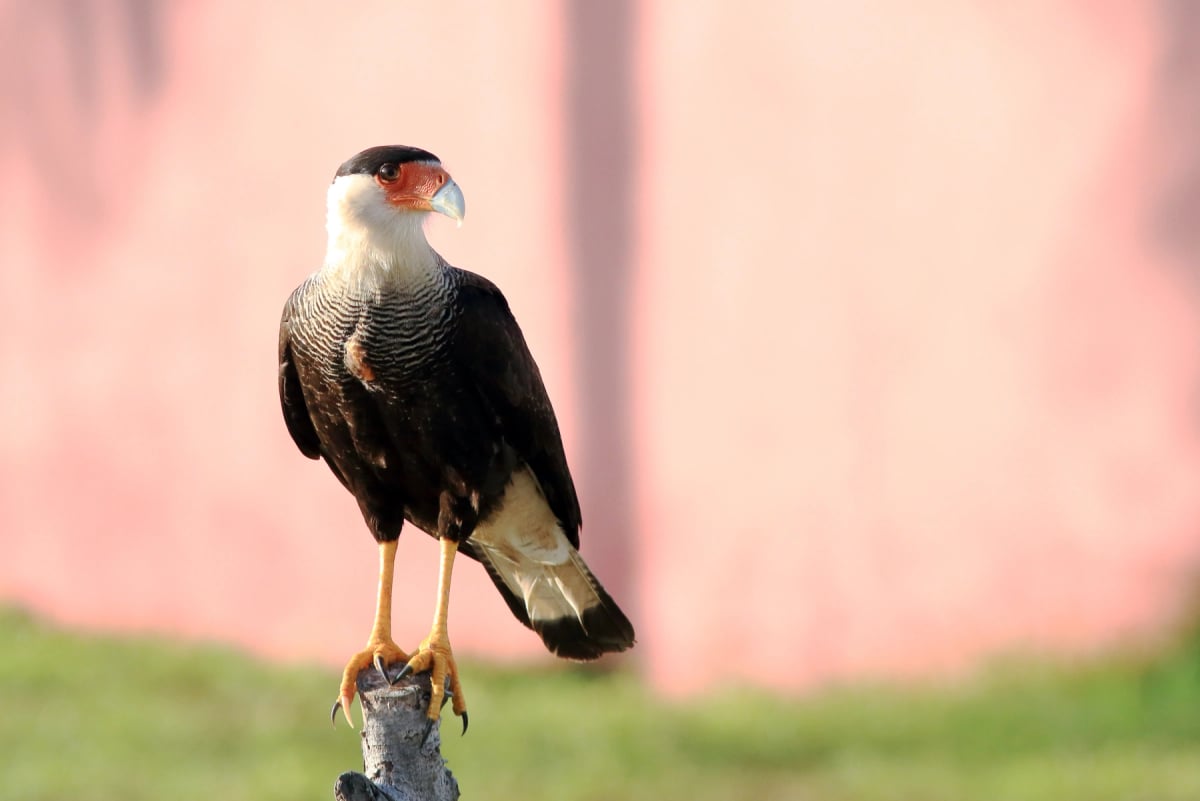
Southern Caracara
Caracara plancus
In Ecuador the southern caracara is found mainly in the west, in the dry open land and farms of provinces such as El Oro and Guayas. It even lives on the mangrove islands of the Jambelí archipelago, and it is also seen in some valleys of the northern highlands. It prefers open or cleared land, where food is easy to find. The birds here belong to the northern form, which some experts treat as a separate species.
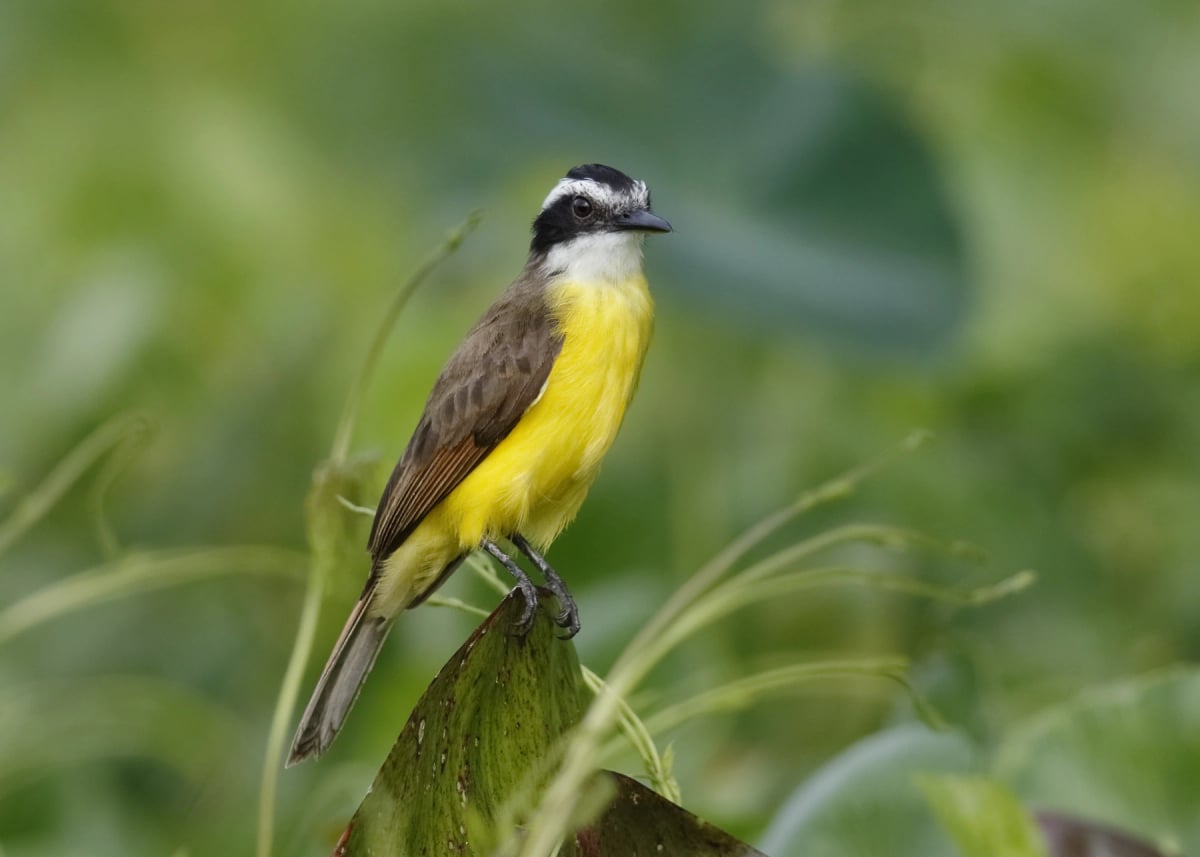
Lesser Kiskadee
Philohydor lictor
The lesser kiskadee inhabits the rivers, oxbow lakes, and marshy edges of Ecuador's Amazon lowlands, particularly in provinces like Sucumbíos and Orellana. It rarely moves away from the water, using low branches as perches from which it sallies out to catch insects on leaves or at the surface. Its yellow belly and black and white head pattern contrast sharply with the dense green vegetation along Amazonian waterways. IUCN status: Least Concern.
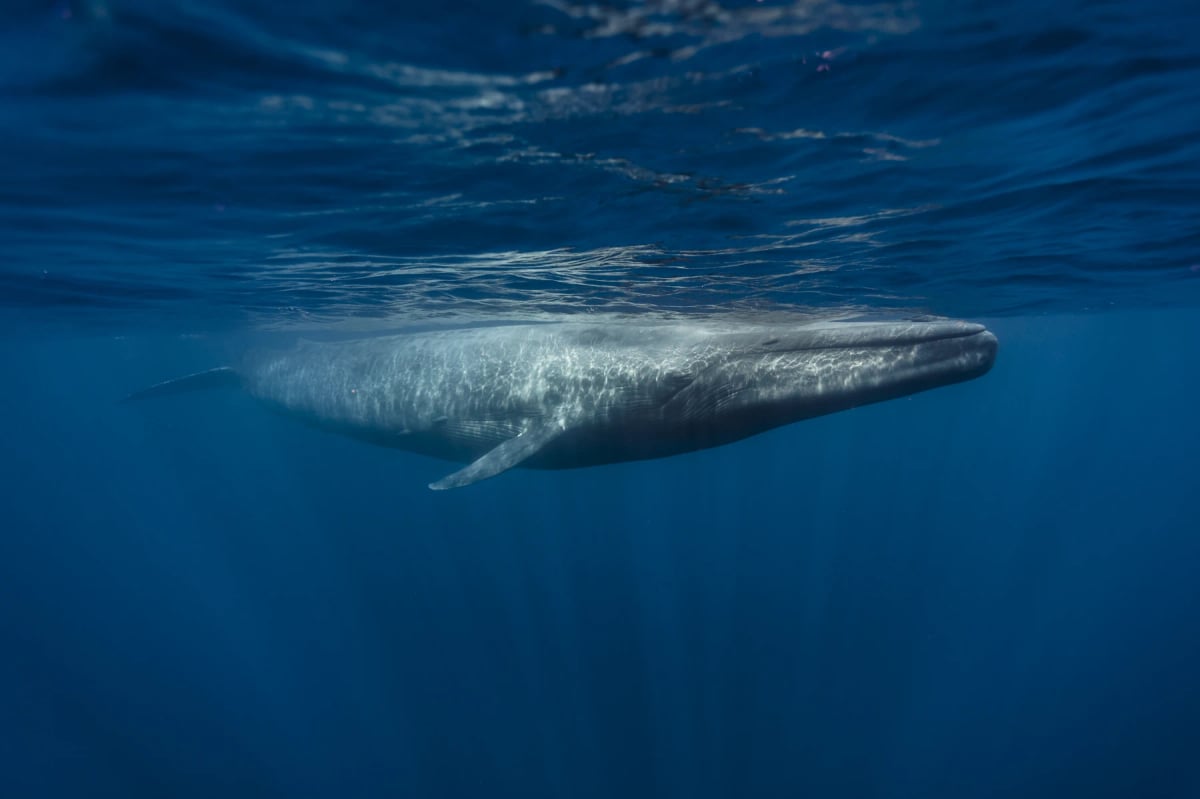
Blue Whale
Balaenoptera musculus
Blue whales appear in Ecuadorian waters mainly around the Galápagos Islands, where cold and productive currents create suitable feeding conditions at certain times of year. Records exist but remain occasional, and the species is far less commonly seen than the humpback whales that dominate the local whale watching season. Sightings usually happen during research surveys or dedicated offshore trips rather than from the standard tourist routes.
Humpback Whale
Megaptera novaeangliae
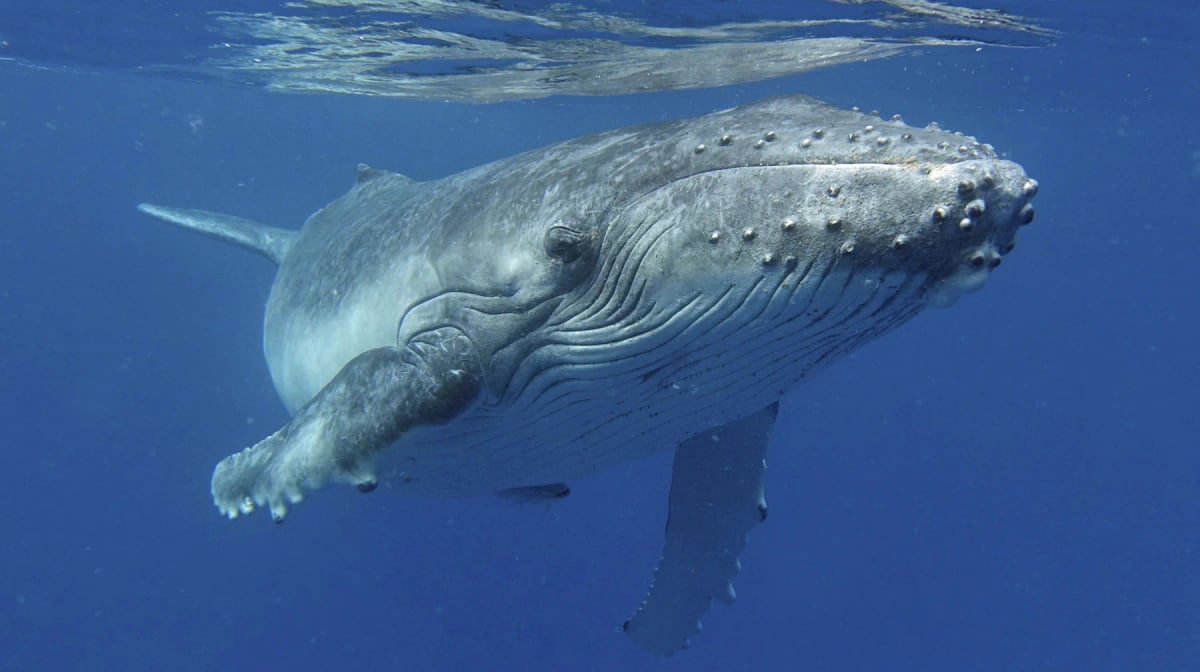
Humpback whales visit Ecuador's Pacific coast each year between June and September, drawn to the warm waters off the mainland and the Galápagos Islands to breed and give birth. These giants, reaching up to 16 metres long, are a highlight of local whale watching. Ecuador has become a key destination for conservation research, and the species is listed as Least Concern by the IUCN.
Orca
Orcinus orca
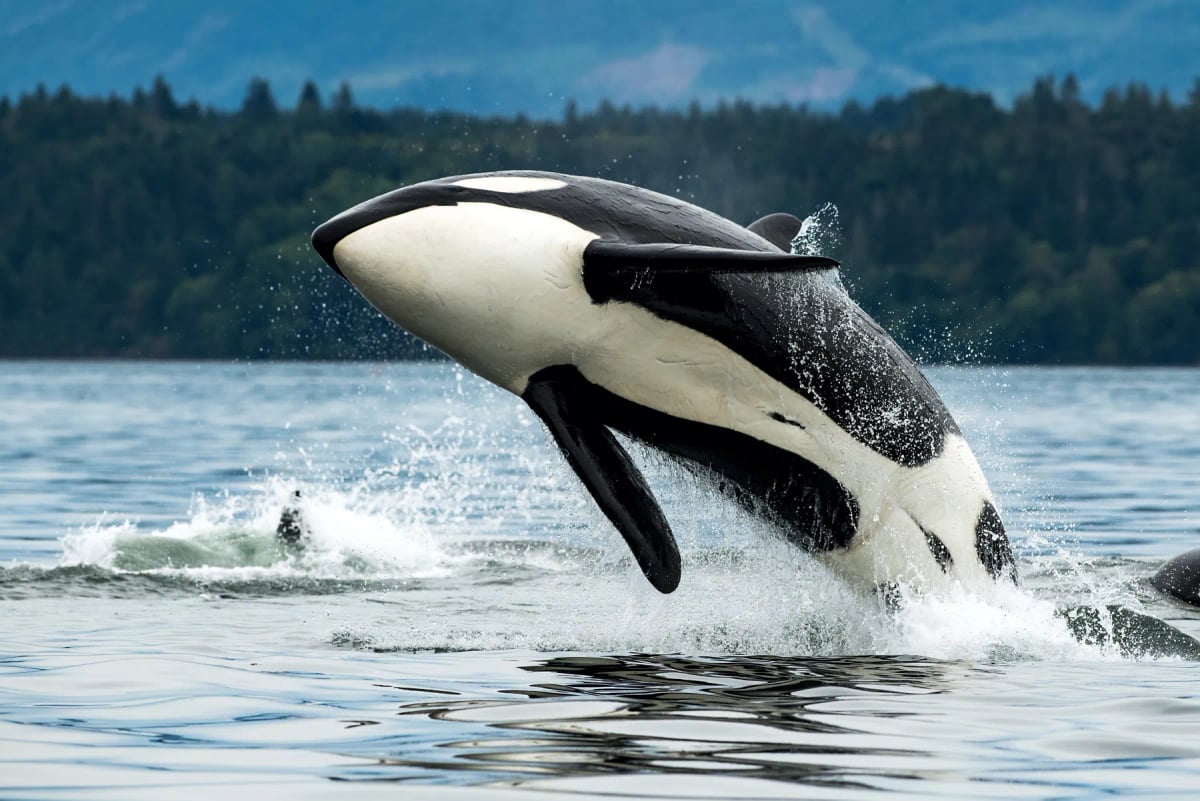
Orcas are found in Ecuadorian waters, including the productive seas around the Galápagos Islands. These highly intelligent predators hunt cooperatively in pods and are known to prey on fish and marine mammals in the region. The cold, nutrient-rich Humboldt Current flowing along Ecuador's coast supports the food chains that attract orcas. Their status is listed as Data Deficient by the IUCN.

Bottlenose Dolphin
Tursiops truncatus
In Ecuador, bottlenose dolphins are found along the Pacific coast and in the waters of the Galápagos Islands. The Galápagos Marine Reserve, one of the largest in the world, provides critical protection for dolphins and the ecosystems they depend on. On the mainland coast, they frequent estuaries and shallow bays where they feed cooperatively on schools of fish. The species interacts regularly with small scale fisheries, which can result in bycatch. IUCN status: Least Concern.
Common Dolphin
Delphinus delphis
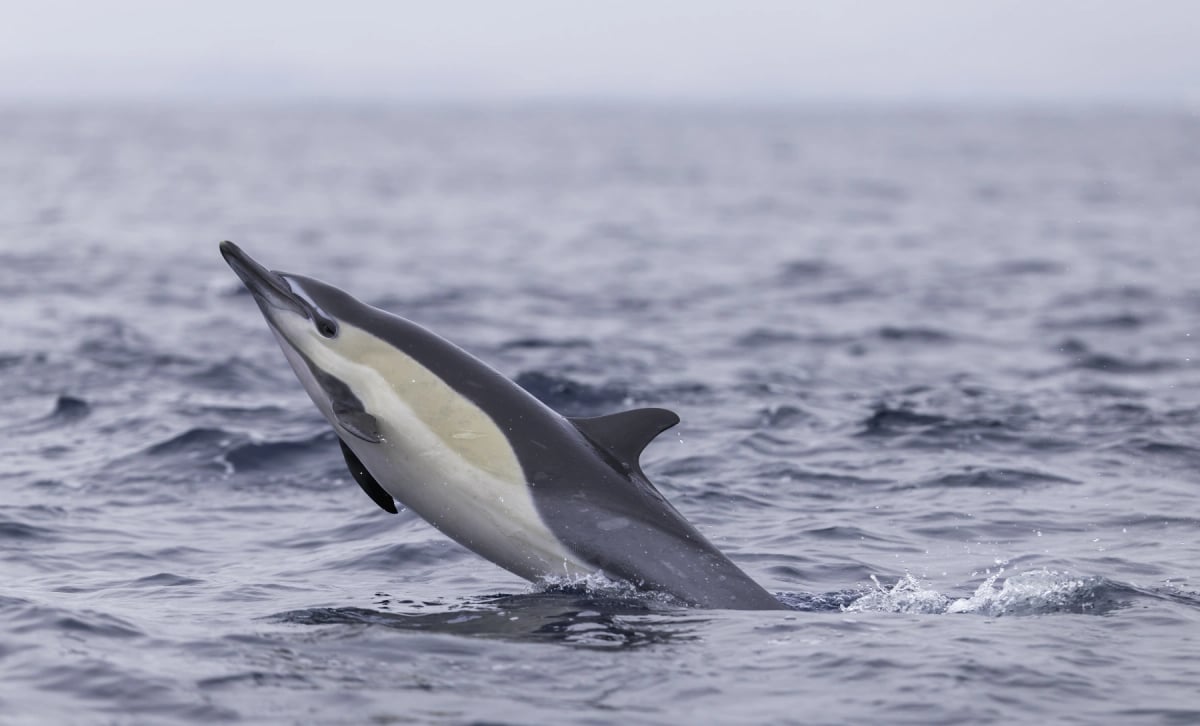
Common dolphins are abundant in Ecuadorian Pacific waters, where the Humboldt and Panama currents create zones full of nutrients and prey. They are frequently seen near the Galápagos Islands and along the continental shelf, hunting anchovies and squid in cooperative groups. Their acrobatic bow-riding behaviour makes them a highlight of whale watching tours operating out of ports like Manta and Puerto López. IUCN status: Least Concern.
Sea Lion
Otariinae spp.
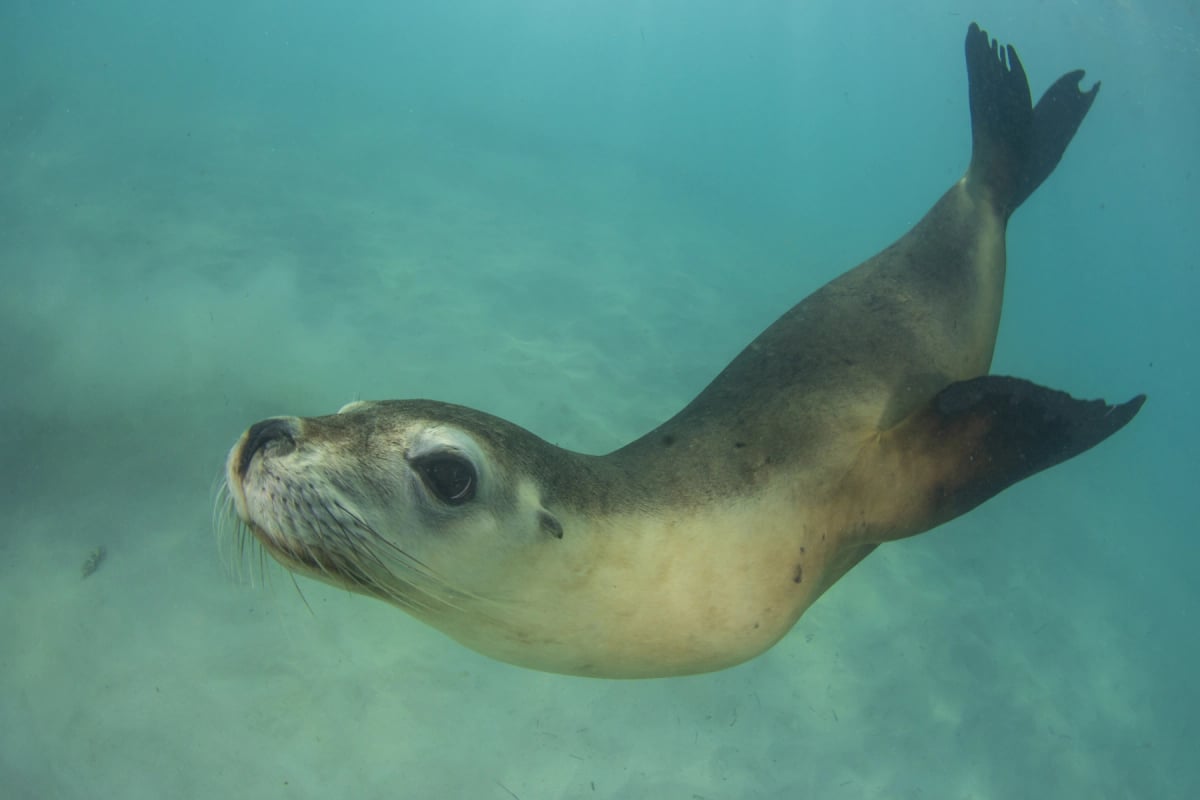
The Galápagos sea lion, found throughout the Galápagos Islands, is one of Ecuador's most iconic wild animals. Highly curious and remarkably relaxed around people, they lounge on beaches, docks, and even park benches in Puerto Baquerizo Moreno. They feed on fish in the surrounding Pacific waters and are listed as Endangered by the IUCN, facing threats from El Niño events, disease, and introduced predators on some islands.
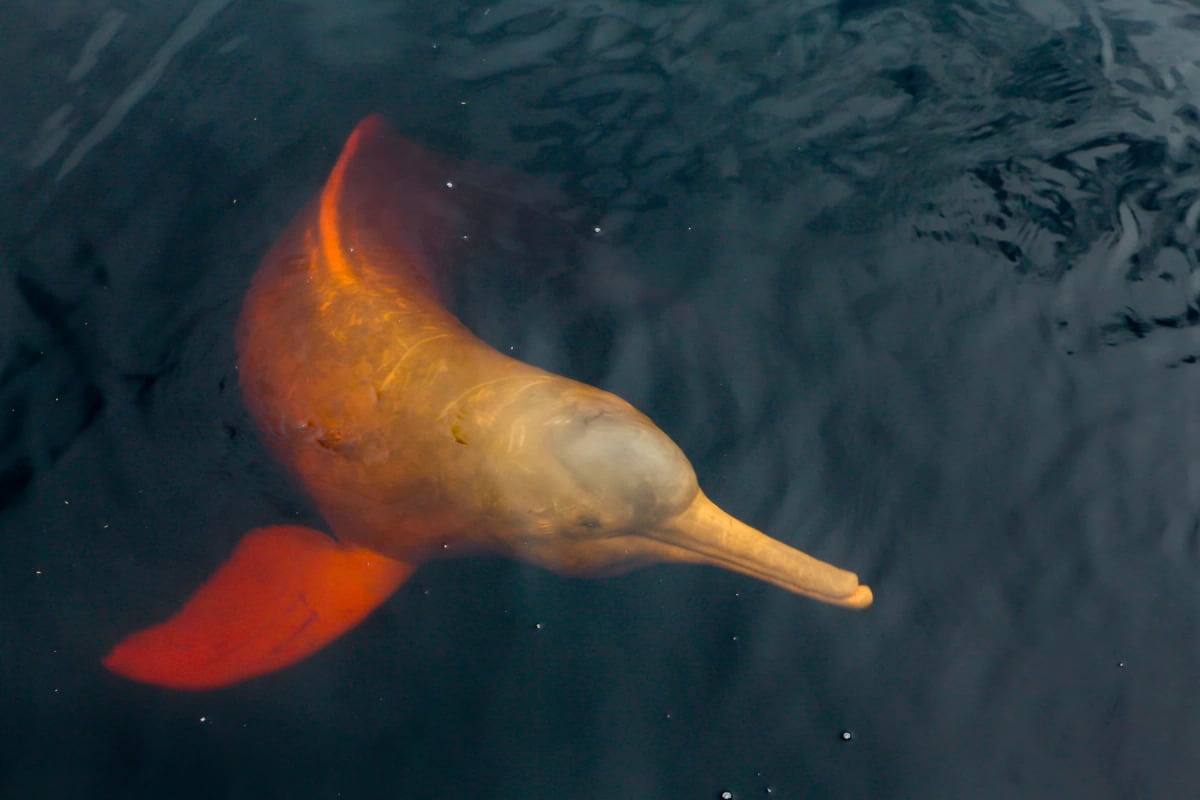
Amazon River Dolphin
Inia geoffrensis
The Amazon river dolphin is found in Ecuador's eastern Amazon region, primarily in the Napo, Pastaza, and Aguarico rivers. During the rainy season it enters flooded forests to feed on fish concentrated in submerged vegetation. Ecuador's Amazon faces ongoing pressure from oil extraction, which poses a contamination risk to the river ecosystems this dolphin depends on for its survival.
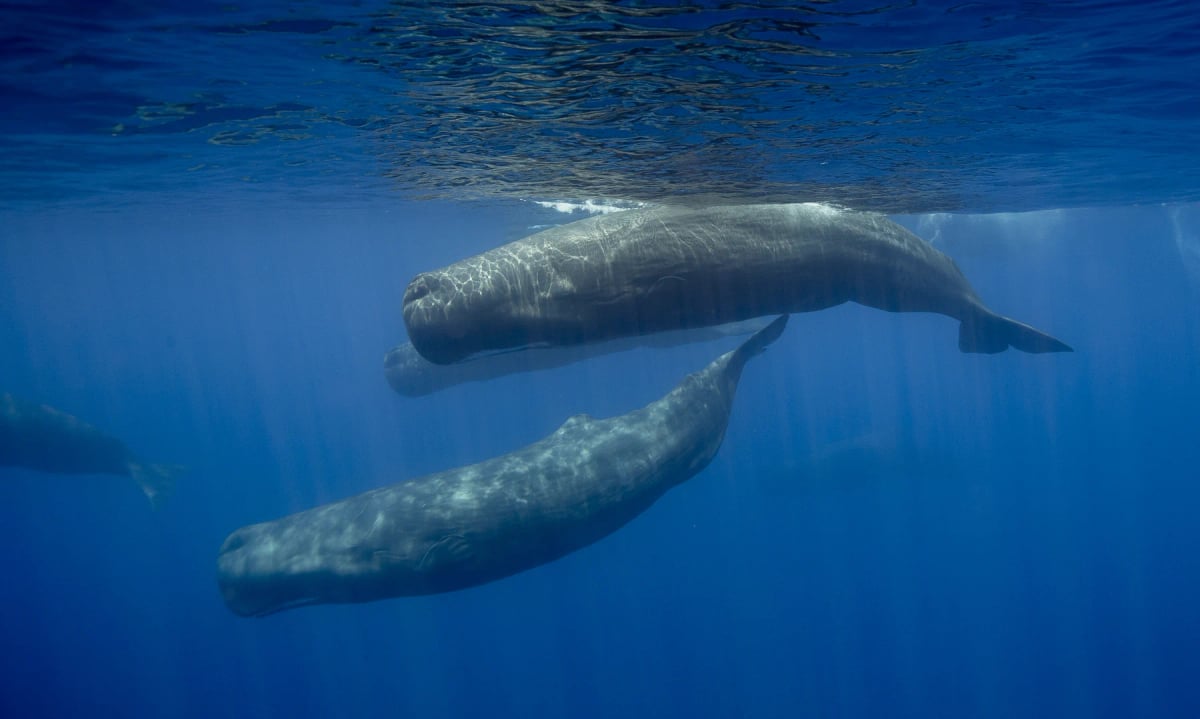
Sperm Whale
Physeter macrocephalus
Ecuador's Pacific waters, including those around the Galápagos Islands, are among the most important sperm whale habitats in the eastern Pacific. The cold, nutrient rich currents of the Humboldt system support abundant prey. Research conducted near the Galápagos has shed light on sperm whale social behavior and communication. The IUCN classifies the species as Vulnerable, with entanglement and vessel strikes as ongoing threats in this region.
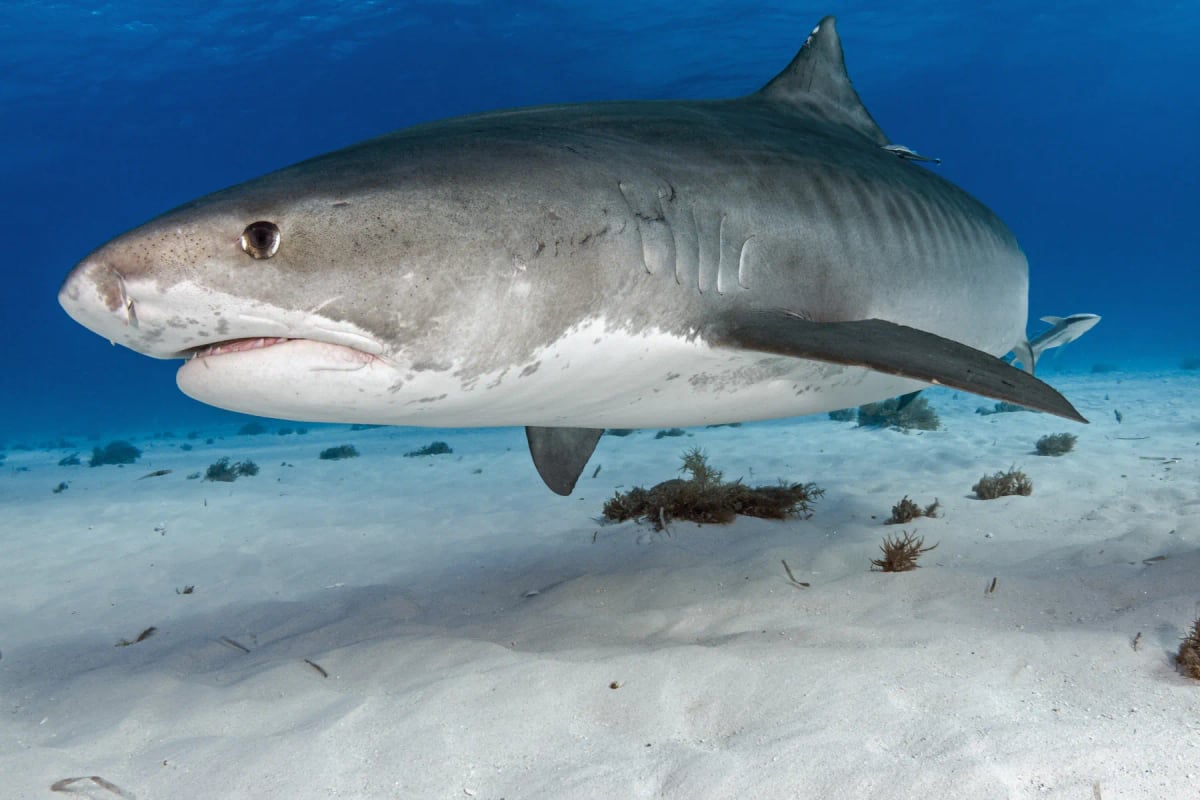
Tiger Shark
Galeocerdo cuvier
Tiger sharks roam the Pacific waters of mainland Ecuador and the Galápagos Islands, where ocean currents create rich feeding grounds. In the Galápagos Marine Reserve, they play a key role in the ecosystem as top predators. Despite protections within the reserve, fishing pressure across the wider eastern Pacific remains a serious concern. The IUCN lists the species as Near Threatened due to declining populations globally.
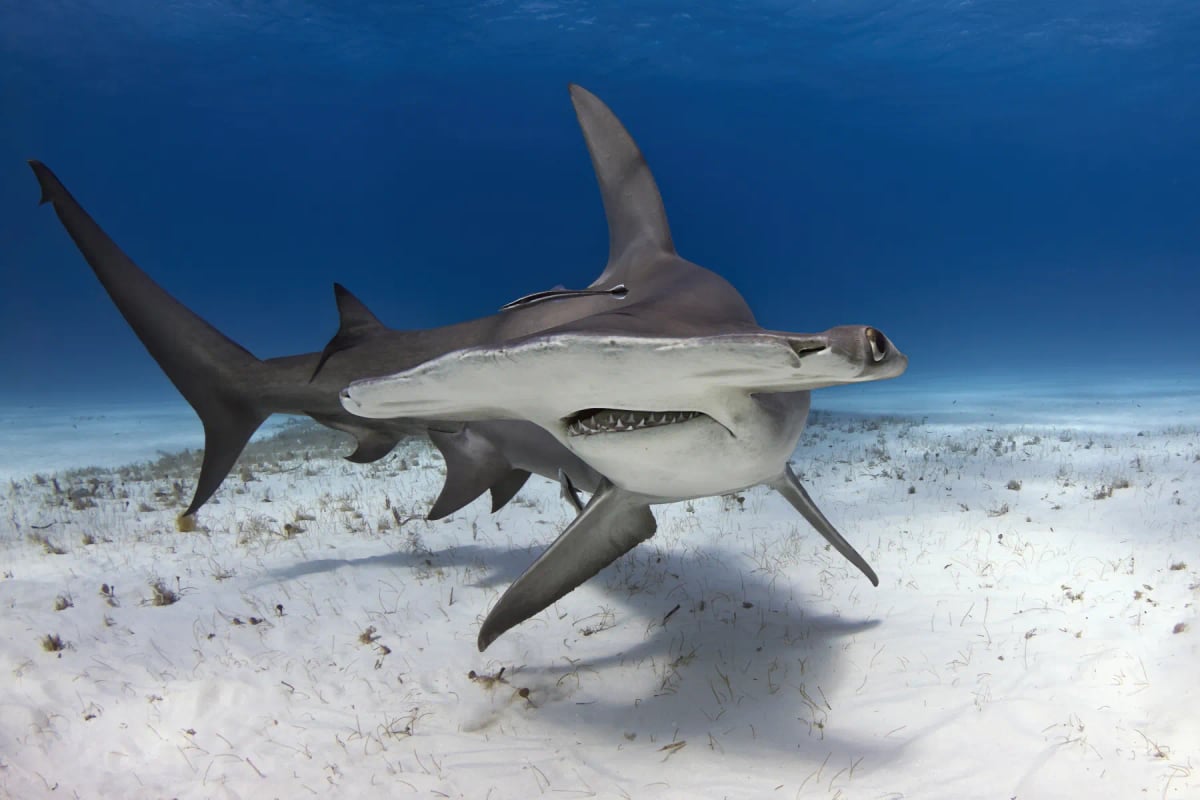
Hammerhead Shark
Sphyrna spp.
Ecuador is one of the most important countries in the world for Hammerhead Sharks, largely due to the Galápagos Marine Reserve. The waters around the Galápagos Islands host large aggregations of scalloped hammerheads, drawing divers from around the globe. On the mainland coast, hammerheads face greater fishing pressure. Ecuador has strengthened protections in recent years, but illegal fishing in and around the reserve continues to threaten these iconic sharks.
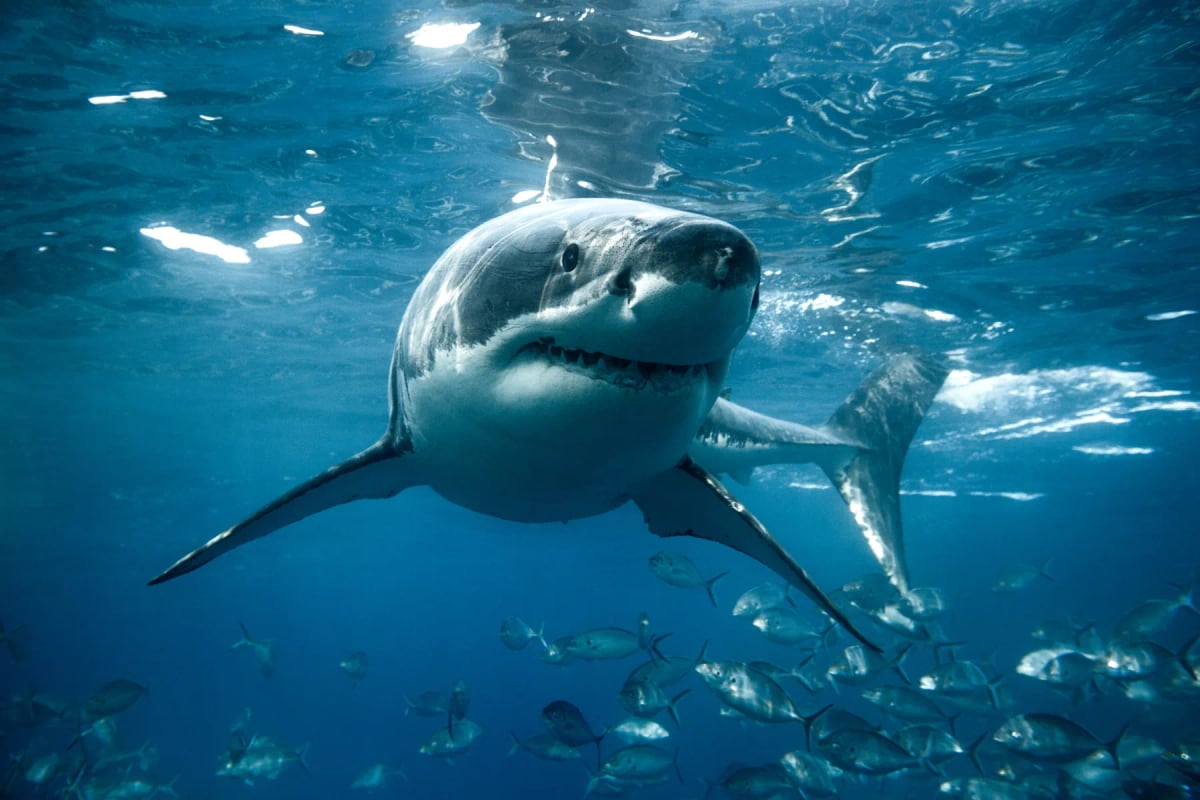
Great White Shark
Carcharodon carcharias
Great white sharks occur in the Pacific waters off mainland Ecuador and around the Galápagos Islands, a UNESCO World Heritage Site and one of the most biodiverse marine environments on the planet. The Galápagos Marine Reserve offers a degree of protection for large pelagic species, including the great white. Cold upwelling currents around the archipelago create productive conditions that attract the prey species these sharks rely on, supporting occasional visits by this Vulnerable predator.
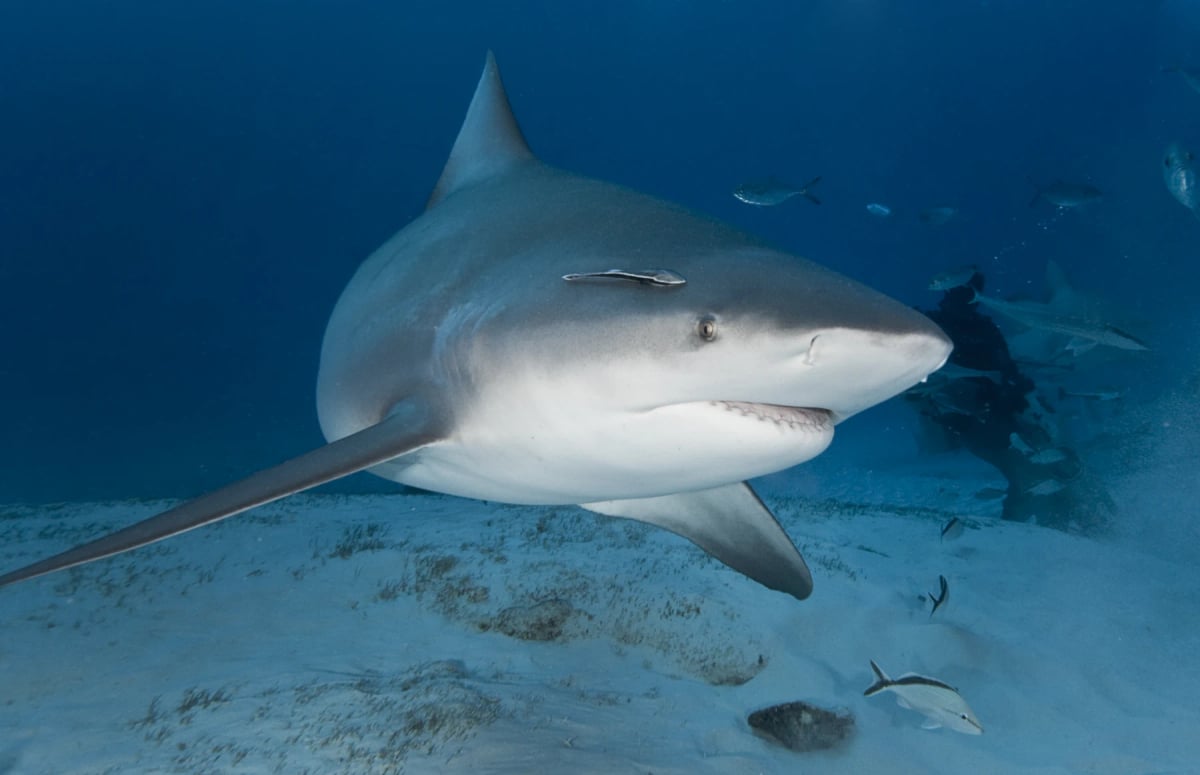
Bull Shark
Carcharhinus leucas
In Ecuador, bull sharks inhabit the warm coastal waters of the Pacific, including estuaries and river mouths along the mainland coast. The Gulf of Guayaquil, a vast estuarine system, is among the most ecologically significant habitats for these sharks in the country. Their ability to tolerate fresh water allows them to enter the lower reaches of rivers draining the coastal plain. They are classified as Near Threatened globally.
Frequently Asked Questions
What animals live in Ecuador?
Ecuador's animals include jaguars, cougars, ocelots, margays, jaguarundis, tapirs, capybaras, sloths, anteaters, armadillos, opossums, white tailed deer, llamas and spectacled bears. Its monkeys include spider monkeys, squirrel monkeys, red howler monkeys and white faced capuchins, and giant otters and Amazon river dolphins live in its rivers. Its birds include the Andean condor, harpy eagles, scarlet macaws and flamingos. In its seas and around the Galápagos live sea lions, sea turtles, humpback whales, sperm whales, orcas, dolphins and hammerhead sharks.
What animals live in the Galápagos Islands?
The Galápagos Islands belong to Ecuador and lie about 1,000 kilometers off its coast. Many of their animals are found nowhere else in the world. Galápagos sea lions are everywhere, resting on beaches, rocks and even park benches in the towns. Green sea turtles swim in the bays and nest on the beaches, flamingos feed in the salty lagoons of Isabela and Floreana, and hammerhead sharks gather in huge schools around Darwin and Wolf islands. Humpback whales, sperm whales, orcas and bottlenose dolphins can also be seen in the Galápagos Marine Reserve.
Are there sea turtles in the Galápagos Islands?
Yes. The Galápagos green sea turtle is the only sea turtle that nests in the islands, although other kinds pass through their waters. Females come ashore at night, mainly from about January to March, to dig nests and lay their eggs on sandy beaches, and the hatchlings reach the sea a few months later. Snorkelers often swim next to them in calm bays. On the mainland coast of Ecuador, other sea turtles feed and nest in places such as Machalilla National Park.
What monkeys live in Ecuador?
Ecuador has around 20 kinds of monkeys, and most of them live in the Amazon rainforest east of the Andes. Among them are spider monkeys, which swing through the treetops with their long arms and tail, squirrel monkeys, which move in big noisy groups, and red howler monkeys, whose calls can be heard kilometers away. White faced capuchins live in forests on both sides of the Andes. Yasuní National Park and Cuyabeno Wildlife Reserve are among the best places to see monkeys in Ecuador.
What dangerous animals live in Ecuador?
The most dangerous animals in Ecuador are venomous snakes, above all lanceheads, known locally as equis, which cause most snakebites in the country. Jaguars and cougars live in forests and mountains, but they avoid people and attacks are extremely rare. Caimans, anacondas and boa constrictors live in the Amazon and coastal wetlands, and they are rarely a threat if left alone. At sea, tiger sharks, bull sharks and hammerhead sharks live off the coast and around the Galápagos, but incidents with people are very uncommon.
Researched and written by Juan Pablo. Sources: IUCN Red List, scientific literature and regional field guides. Last updated: .