Animals in Australia
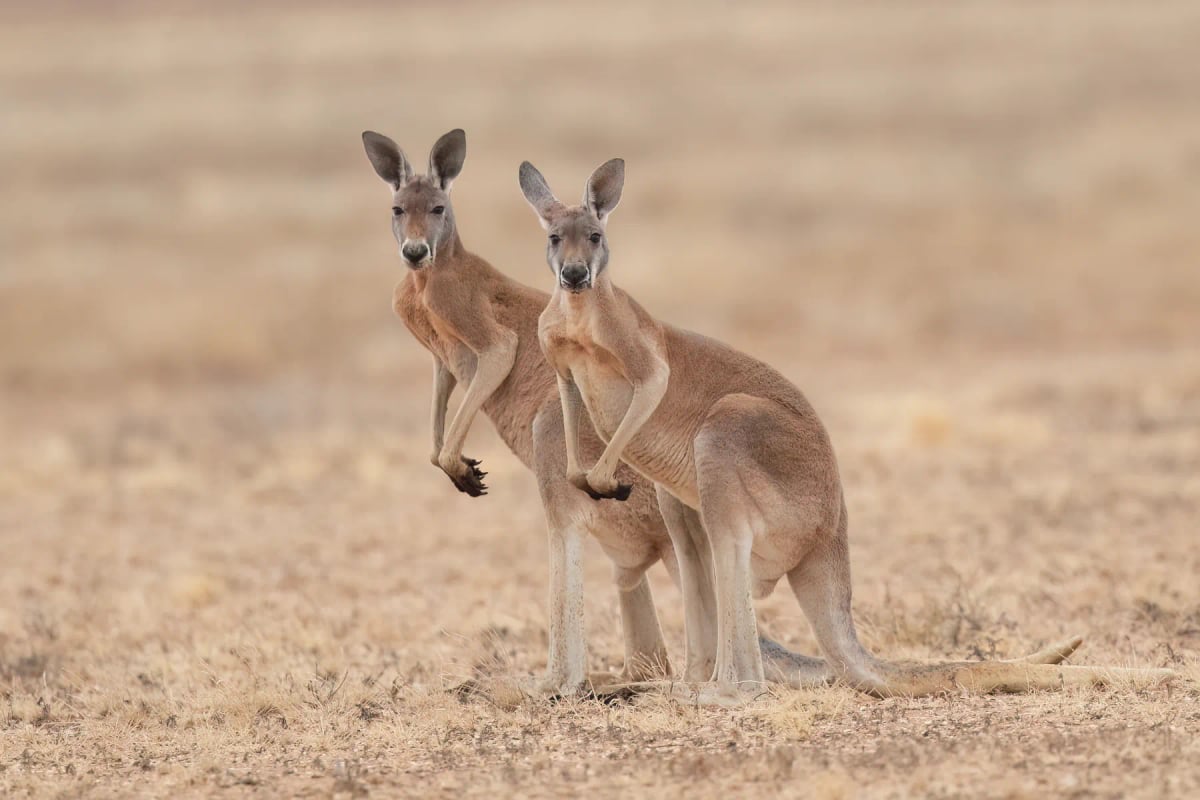
Red Kangaroo
Osphranter rufus
The red kangaroo is the largest living marsupial and one of the best known animals of inland Australia. It lives mainly on open plains and dry scrubland, where it feeds on grasses and low shrubs. Strong hind legs and a muscular tail allow it to cover long distances by hopping while using very little water, a clear advantage in dry climates. Most activity takes place in the cooler hours of evening, night and early morning. The species appears on the national coat of arms and is widely recognized as the main animal symbol of Australia.
View details→Wildlife in Australia
Australia is a large island continent with deserts, open grasslands, eucalyptus woodlands, tropical coasts and coral reefs. Many native animals are found nowhere else, including kangaroos, koalas, wombats, possums and egg laying mammals such as the platypus and echidna. Reptiles are very diverse, with many lizards and snakes adapted to hot and dry country, while coastal waters support sea turtles, seals, dolphins and whales. Visitors can see wildlife along outback roads, in national parks and on the reef, where guided trips and viewing platforms help reduce disturbance to animals.
Most Dangerous Animals in Australia
Australia includes several animals that can be dangerous if people get too close, especially in bush and coastal areas away from cities. Venomous snakes are a genuine risk for walkers who move through tall grass or rocky ground, and sea snakes in coastal waters also carry strong venom. Large birds in tropical forests may kick with sharp claws if they feel threatened near nests or young. In rivers and estuaries, saltwater crocodiles are one of the most serious hazards in northern Australia. Around reefs and in deeper coastal waters, several shark species and other large marine predators sit near the top of the food chain. Respecting local warnings, avoiding murky water and keeping distance from wildlife greatly reduces the risk of serious incidents.
Top 10 Animals in Australia
The animals highlighted for Australia bring together some of the most distinctive wild environments on the continent, from eucalyptus forests and dry inland plains to tropical rainforests, coral reefs and open ocean. Many are found nowhere else in the world, which is what makes Australian wildlife so immediately recognizable. Others are marine species that draw visitors to the coasts and reefs for snorkeling, diving and boat tours. Together they give a broad picture of how varied the natural world of Australia is, both on land and in the surrounding seas.
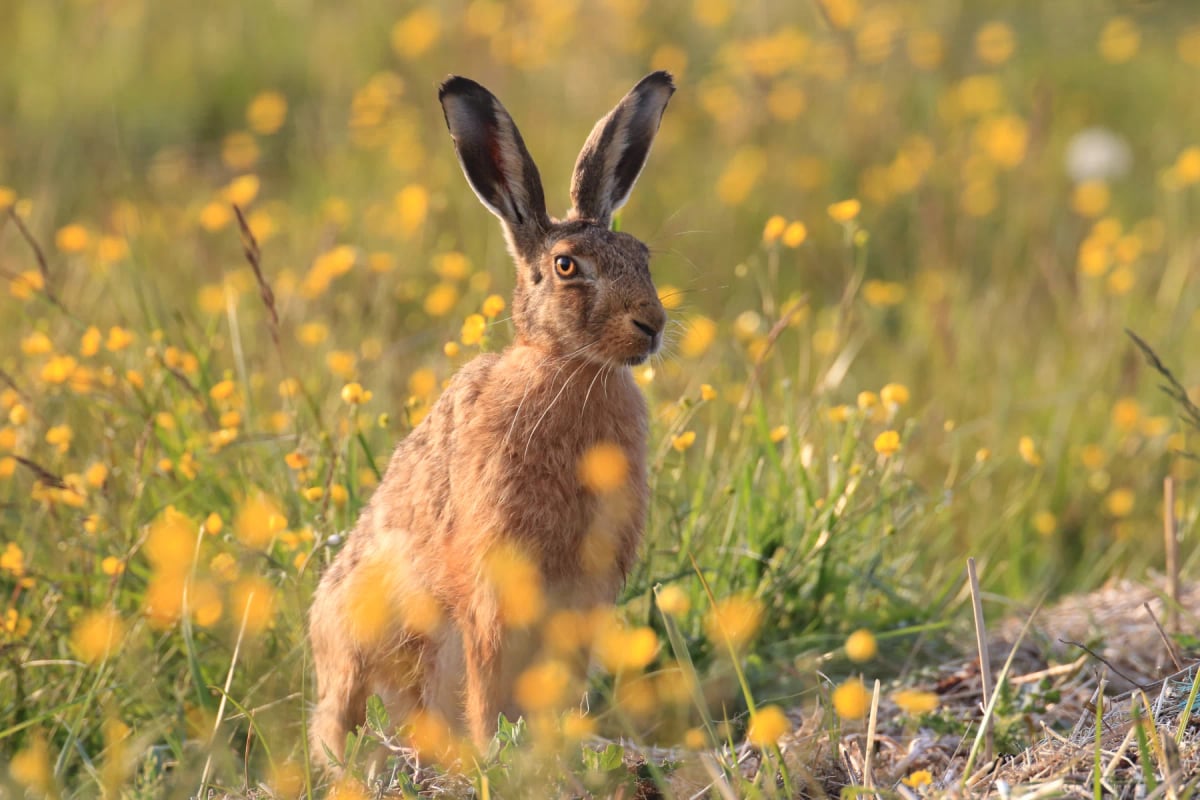
Hare
Lepus europaeus
The European hare was introduced to Australia in the 19th century and is now widespread across southeastern Australia, including Victoria, New South Wales, and South Australia. It favours open grasslands and farmland, where it shelters in shallow depressions called forms. Considered an invasive species, it competes with native wildlife and damages crops and pastures, making it a target for ongoing pest management programmes.
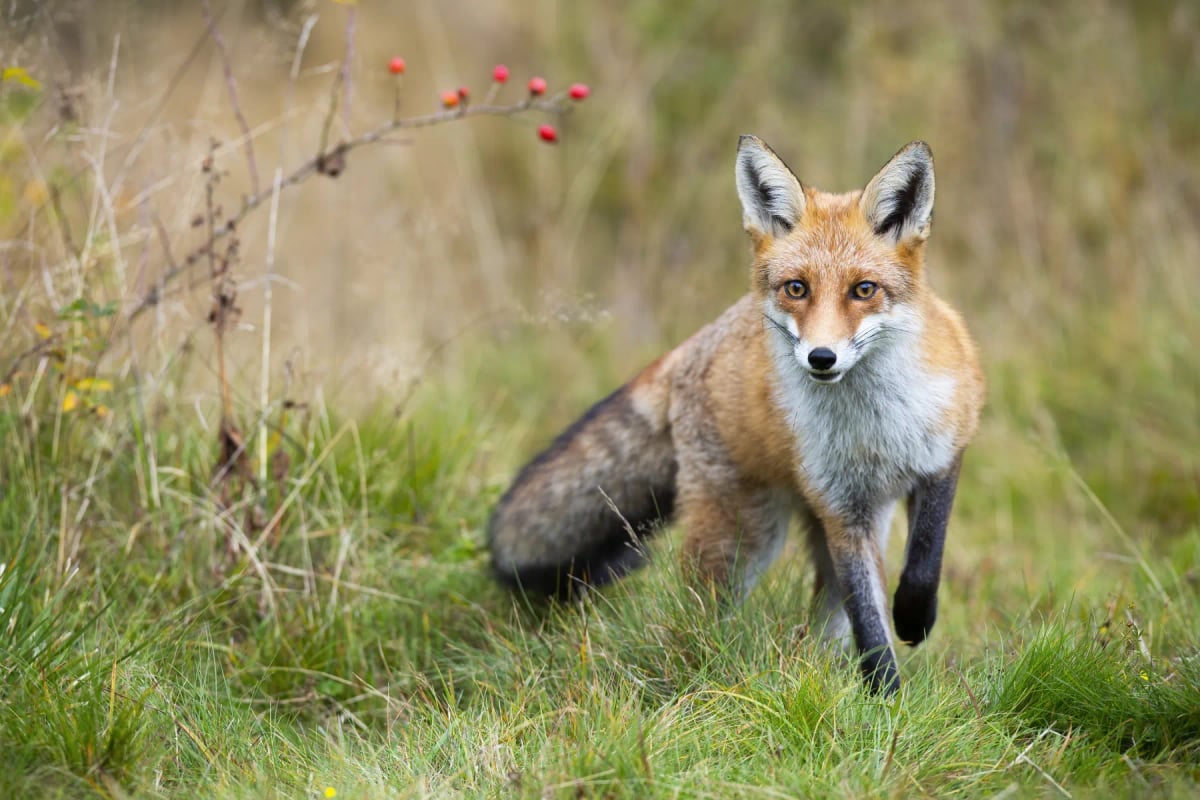
Red Fox
Vulpes vulpes
The red fox was introduced to Australia in the 1850s for recreational hunting and has since spread across most of the continent, excluding the tropical north. It is now one of Australia's most damaging invasive species, contributing to the decline of many native mammals and ground-nesting birds. Control programs using baiting and fencing are in place to protect vulnerable species. In Australia, it is treated as a serious environmental pest.
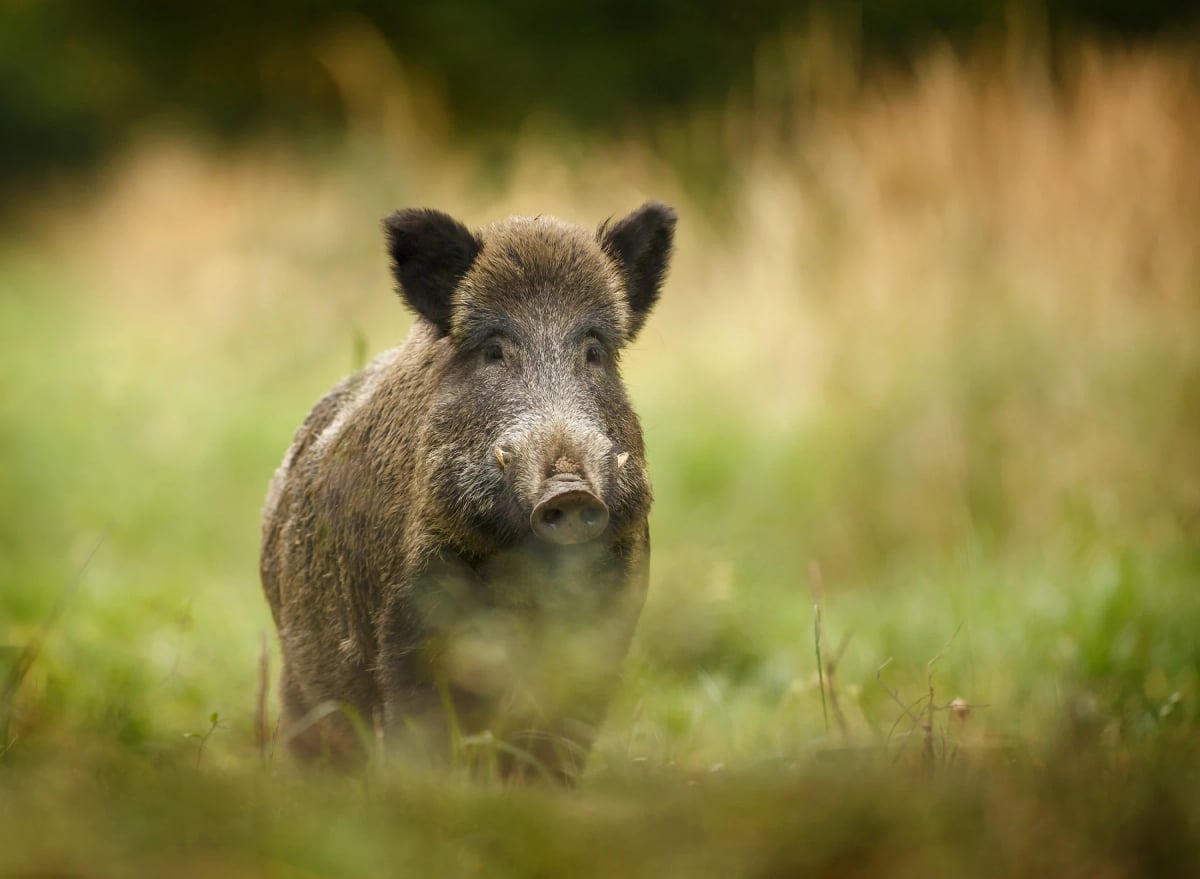
Wild Boar
Sus scrofa
Feral pigs are found across much of Australia and are considered one of the most destructive invasive species in the country. Descended from pigs brought by early European settlers, they have spread into forests, wetlands, grasslands and farmland across every state and territory. They cause serious damage to native vegetation and crops, prey on ground nesting birds, and act as a reservoir for several animal diseases, prompting control programs including aerial shooting and trapping.
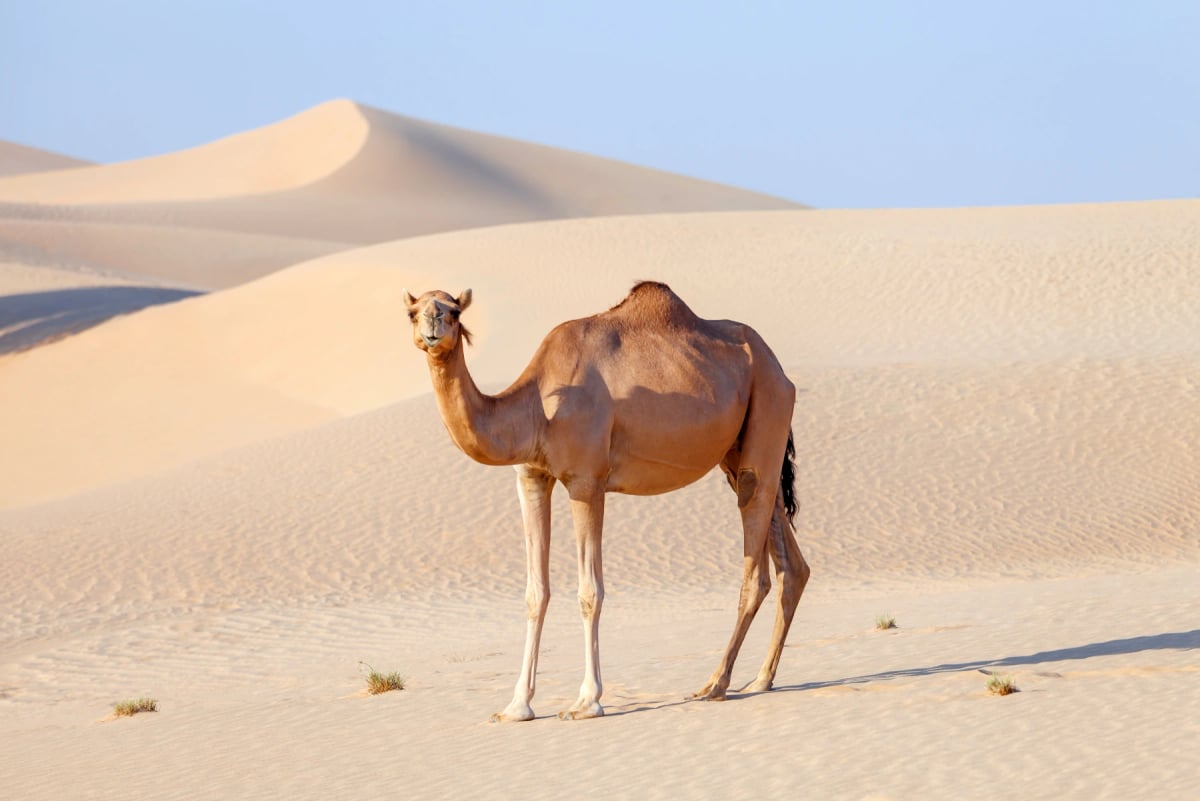
Dromedary Camel
Camelus dromedarius
Australia is home to the largest population of feral dromedary camels in the world, with several hundred thousand animals roaming the arid interior, including the Gibson, Simpson, and Great Victoria deserts. Introduced in the 19th century as working animals, they now live entirely in the wild. Their growing numbers place pressure on native vegetation and water sources, making population management an active conservation concern.
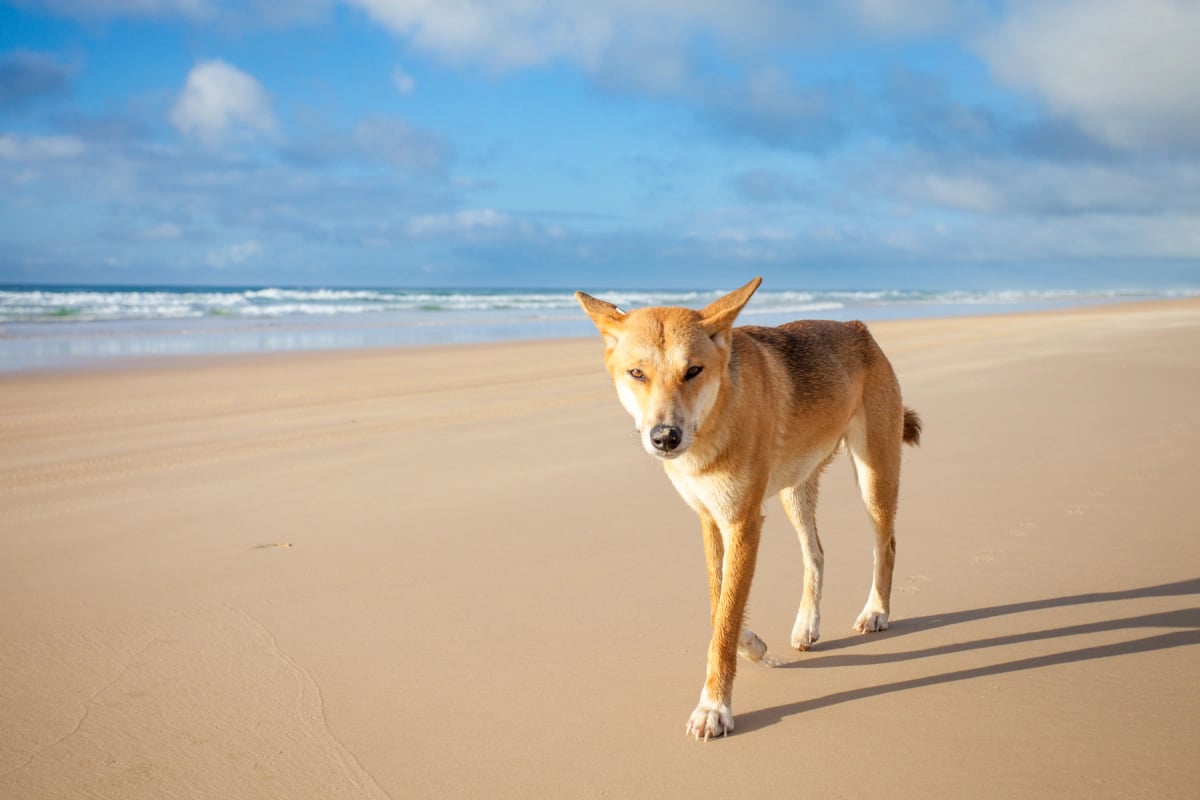
Dingo
Canis lupus dingo
The dingo is Australia's wild dog, roaming deserts, grasslands, and tropical forests across the mainland. Lean and athletic, with a sandy to reddish coat and erect ears, it hunts kangaroos, rabbits, and lizards alone or in small family groups. As the continent's largest land predator, it helps keep herbivore populations balanced. Interbreeding with domestic and feral dogs threatens the survival of pure dingo populations. Classified as Vulnerable on the IUCN Red List.
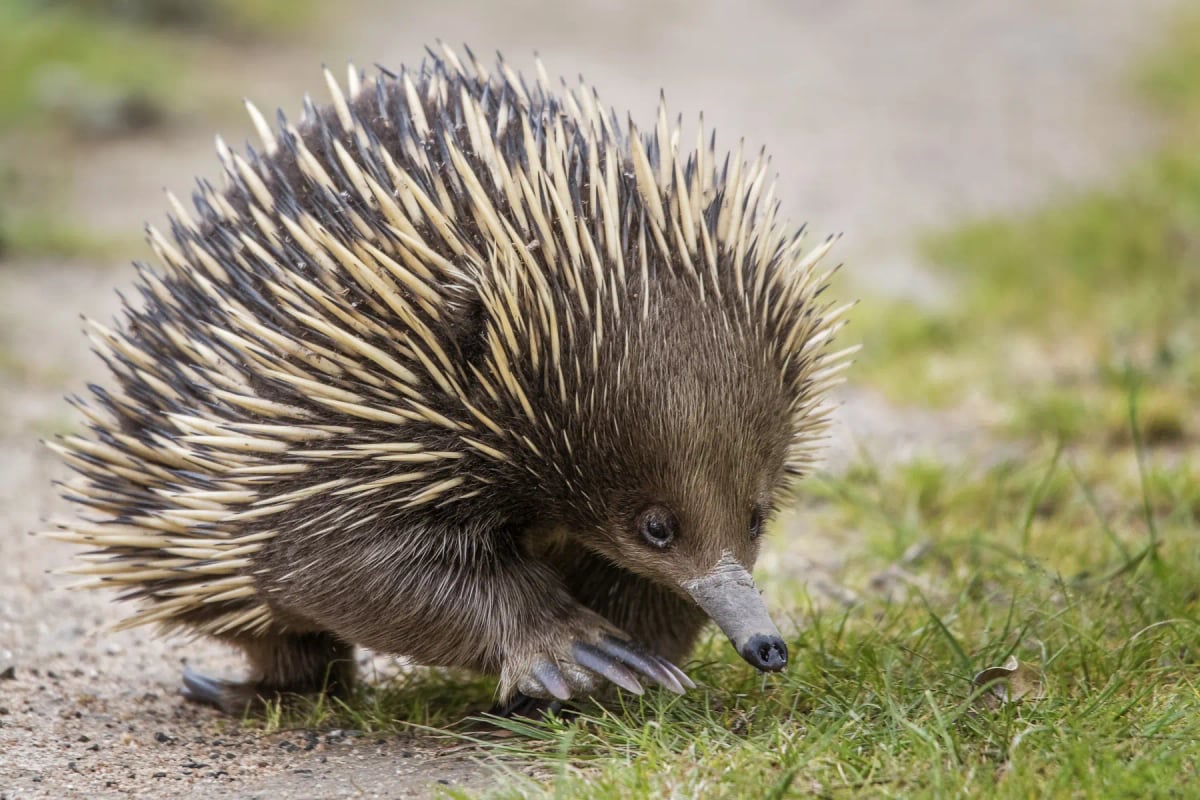
Echidna
Tachyglossus aculeatus
The short-beaked echidna is one of Australia's most recognizable animals, found across the continent in habitats ranging from coastal heathlands and alpine meadows to arid outback scrublands. It is a monotreme, meaning it lays eggs rather than giving birth to live young. It hunts ants, termites, and worms using a long sticky tongue, and rolls into a ball of spines when threatened. Its IUCN status is Least Concern.
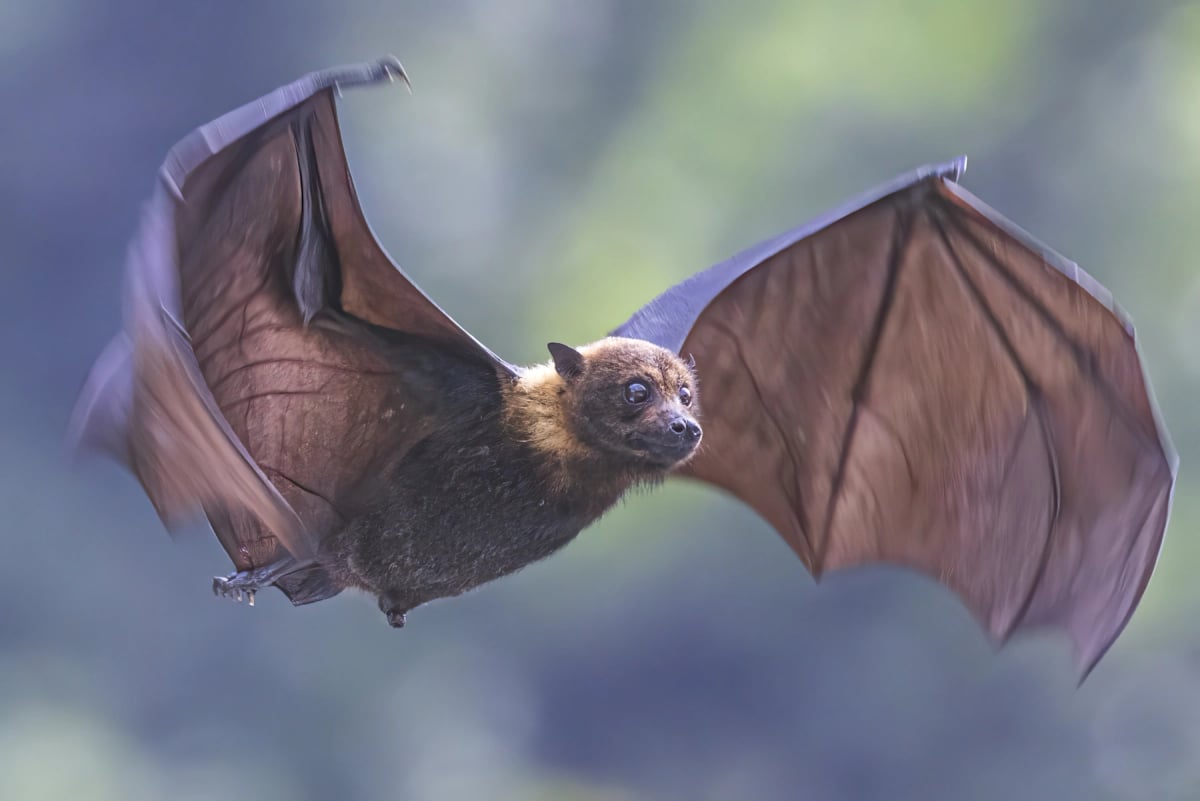
Fruit Bat
Pteropodidae
Australia is home to several species of flying foxes, including the black and the grey-headed flying fox. They form enormous camps, sometimes containing hundreds of thousands of individuals, in coastal forests and urban parks along the eastern and northern coasts. They are critical pollinators and seed dispersers for native eucalyptus and rainforest trees. Urbanisation and extreme heat events have caused significant population declines in recent decades.
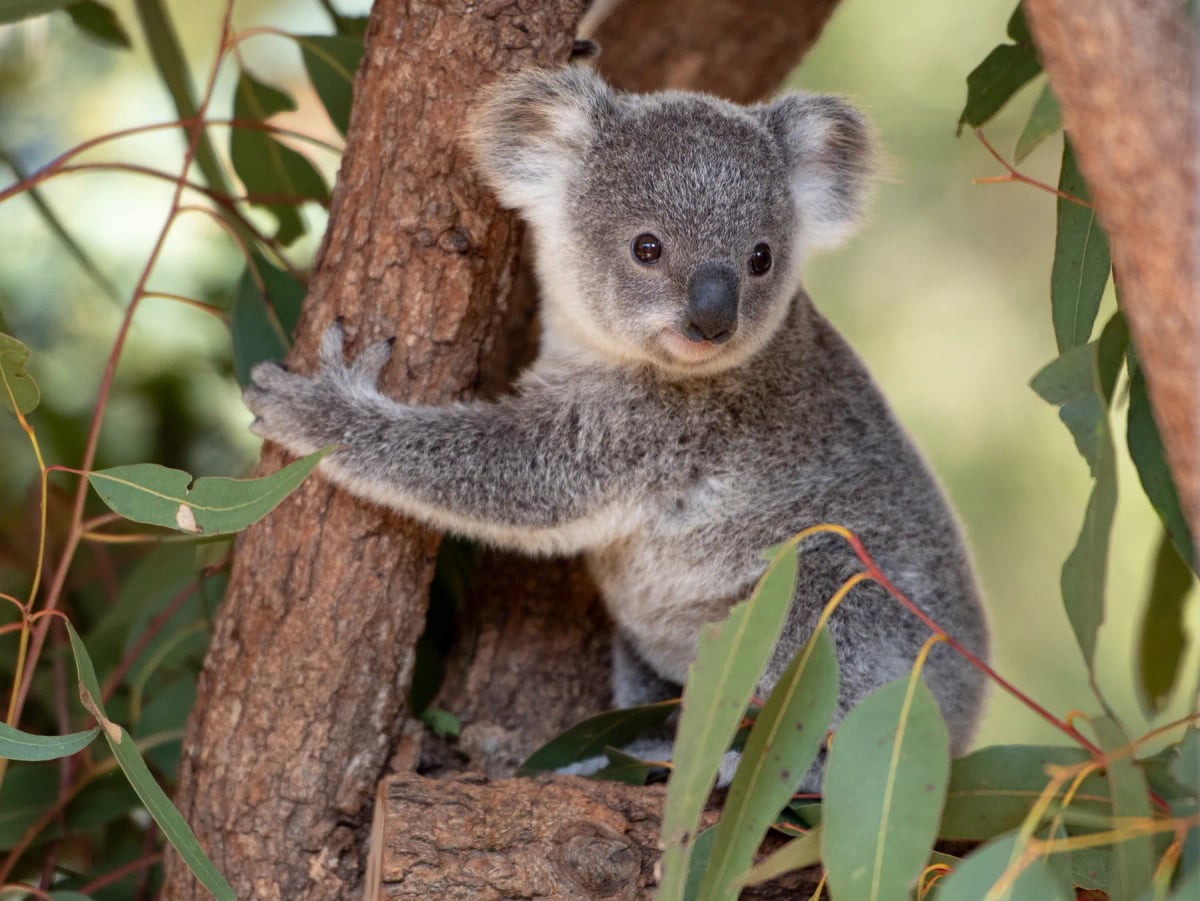
Koala
Phascolarctos cinereus
The koala is a tree-dwelling marsupial found across Queensland, New South Wales, Victoria, and South Australia, where it lives in eucalyptus forests and woodlands. It feeds almost entirely on eucalyptus leaves and rests for up to 20 hours a day to conserve energy, since the leaves offer little nutrition. Listed as Vulnerable, the koala faces ongoing threats from habitat loss, disease, and climate change across its range.
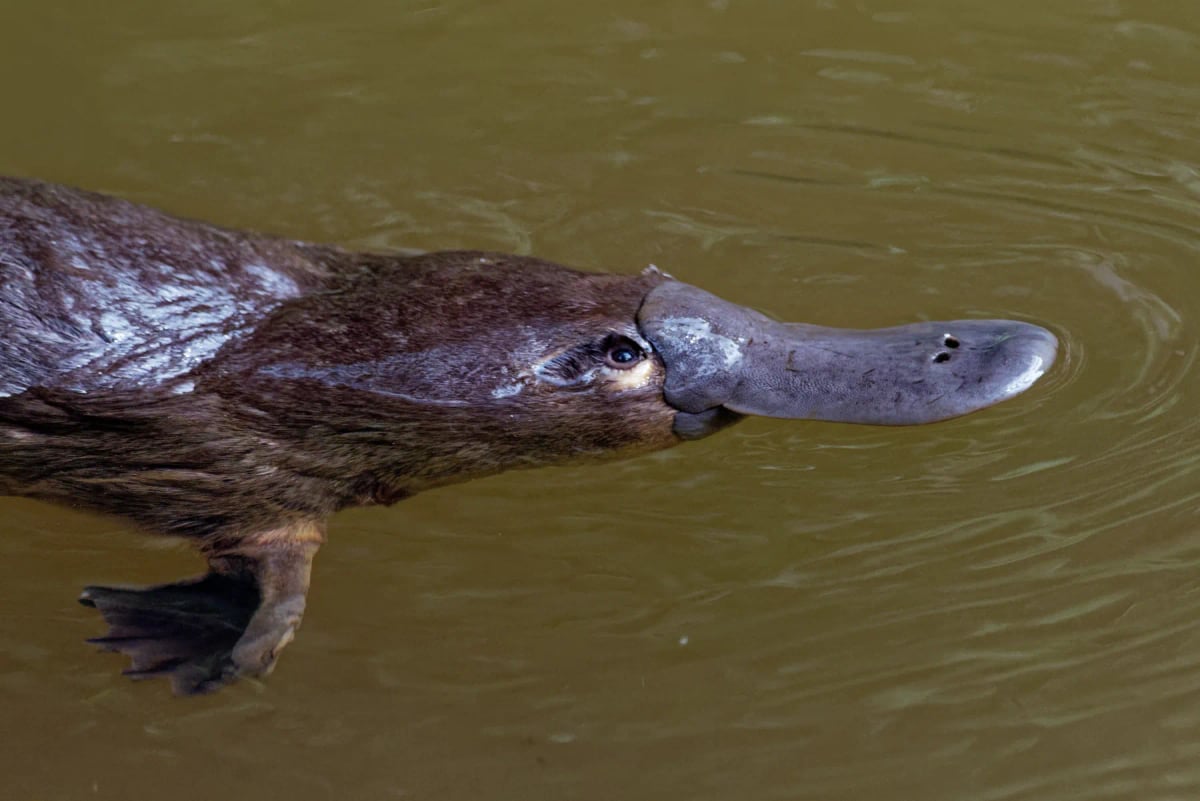
Platypus
Ornithorhynchus anatinus
The platypus is native to eastern Australia and Tasmania, where it lives in freshwater rivers, streams, and lakes. One of only five monotremes on Earth, it lays eggs rather than giving birth to live young. Its bill is packed with electroreceptors that detect prey hidden in the riverbed. Classified as Near Threatened, it faces pressure from habitat loss, drought, and climate change across its range.
Red Kangaroo
Osphranter rufus
The red kangaroo is the largest marsupial on Earth and a defining symbol of the Australian outback. It roams the arid and semi-arid plains of central Australia in loose groups called mobs, grazing on grasses and shrubs. Males wear a rich red coat and grow far larger than females. To cope with intense inland heat, they rest in shade by day and feed during the cooler hours around dusk and dawn.
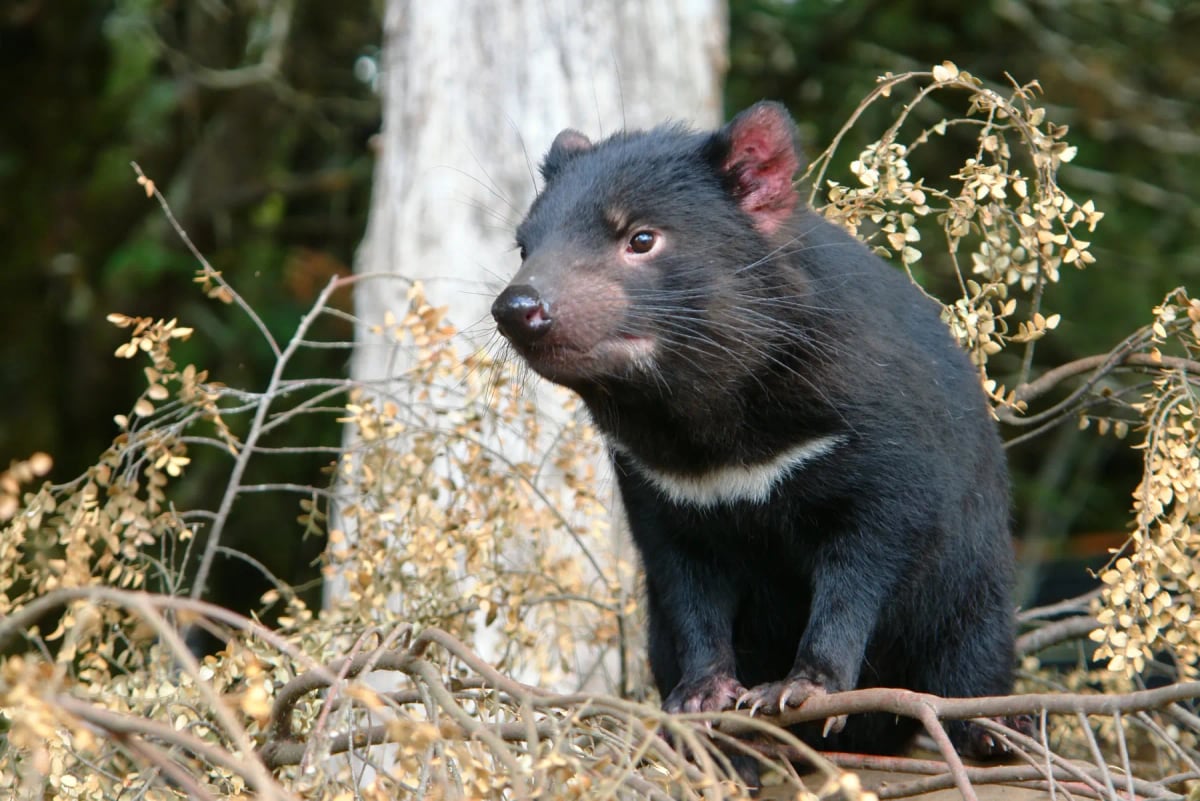
Tasmanian Devil
Sarcophilus harrisii
The Tasmanian devil is the largest carnivorous marsupial in the world and lives exclusively on Tasmania, an island state of Australia. Its powerful jaws can crush bone, allowing it to devour an entire carcass and keep the bush clean. A contagious facial tumor disease has devastated wild populations since the 1990s, and Australian conservation programs are working hard to protect and rebuild numbers across Tasmania.
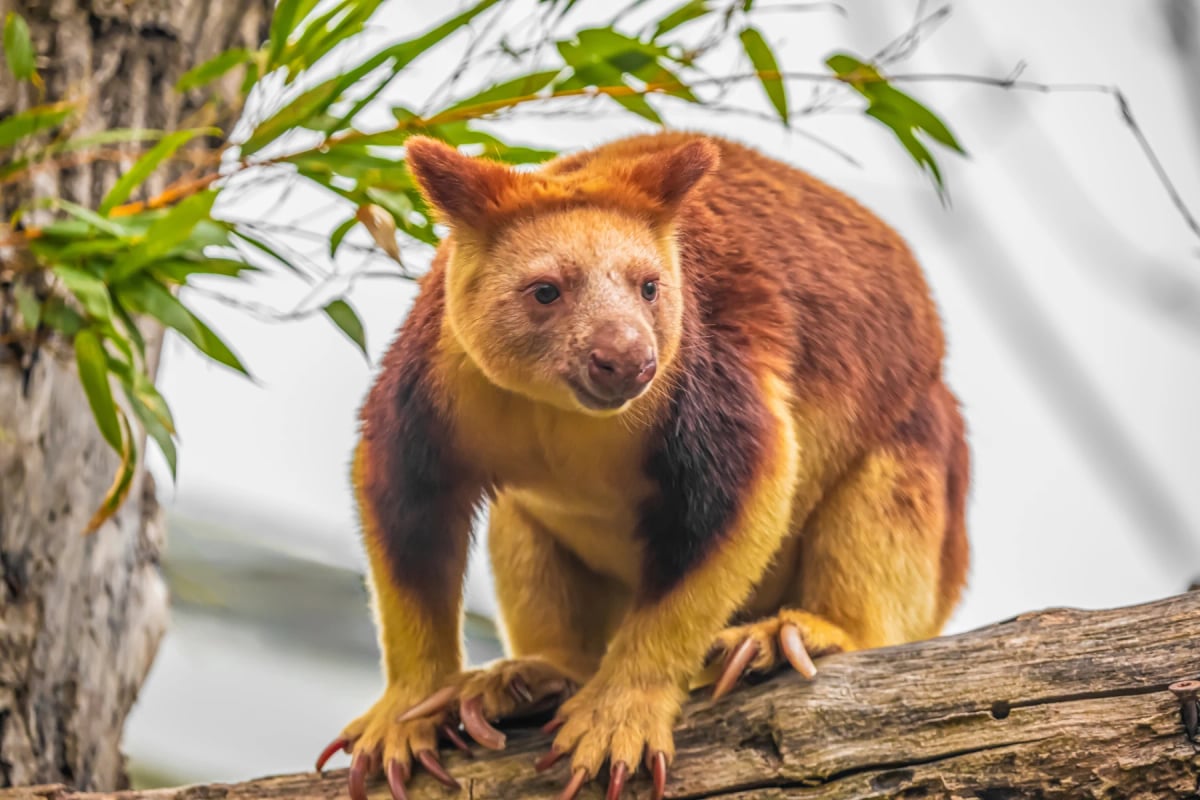
Tree Kangaroo
Dendrolagus spp.
In Australia, tree kangaroos are found in the tropical rainforests of northeastern Queensland, particularly in the Wet Tropics region. The Lumholtz's and Bennett's tree kangaroos are the two native species. Both are considered threatened due to habitat clearance and vehicle strikes. Conservation programs led by local wildlife groups work to protect the remaining forest patches where these animals live and raise their young.
Wallaby
Macropodidae (various species)
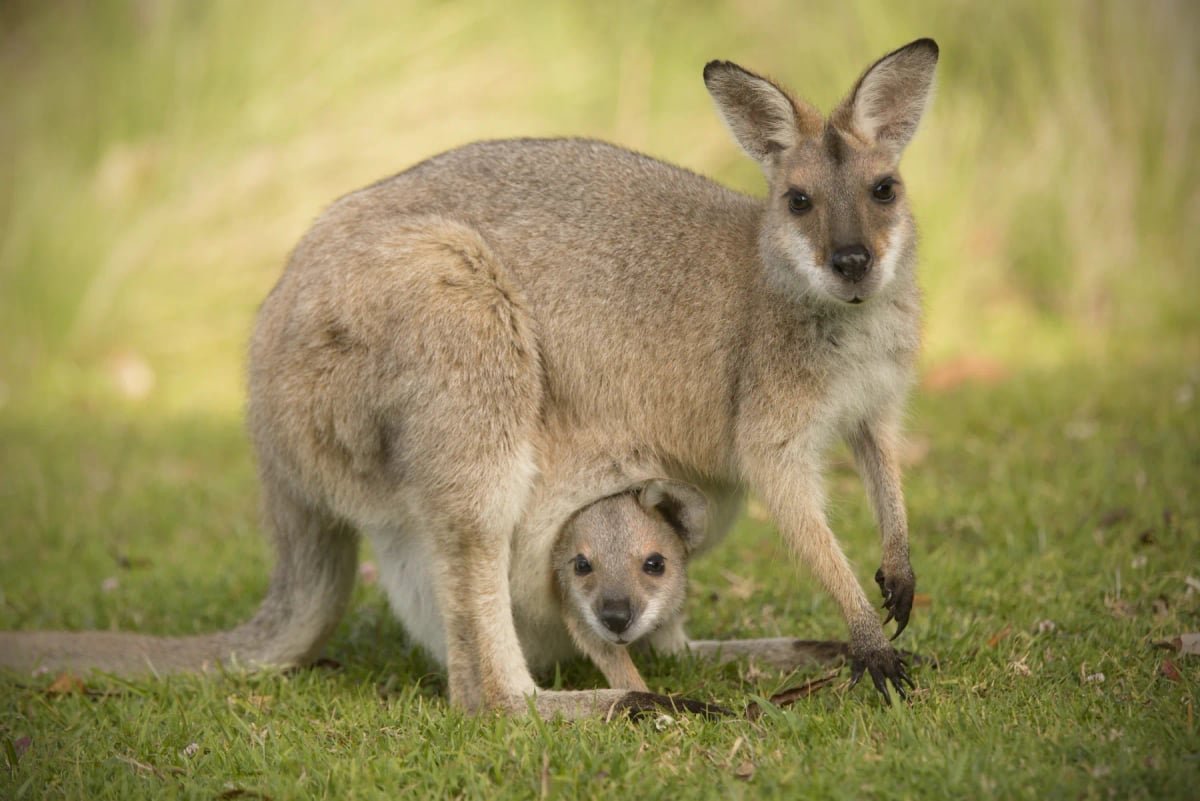
Wallabies are found across Australia in a wide range of habitats, from rocky ridges in the outback to forest edges along the coast. They hop on powerful hind legs and graze on grasses and leaves, mostly at dusk and dawn. Females carry joeys in a pouch for months after birth. Most species are thriving, though some face pressure from foxes, feral cats, and land clearing. IUCN status: Least Concern.
Wombat
Vombatus ursinus
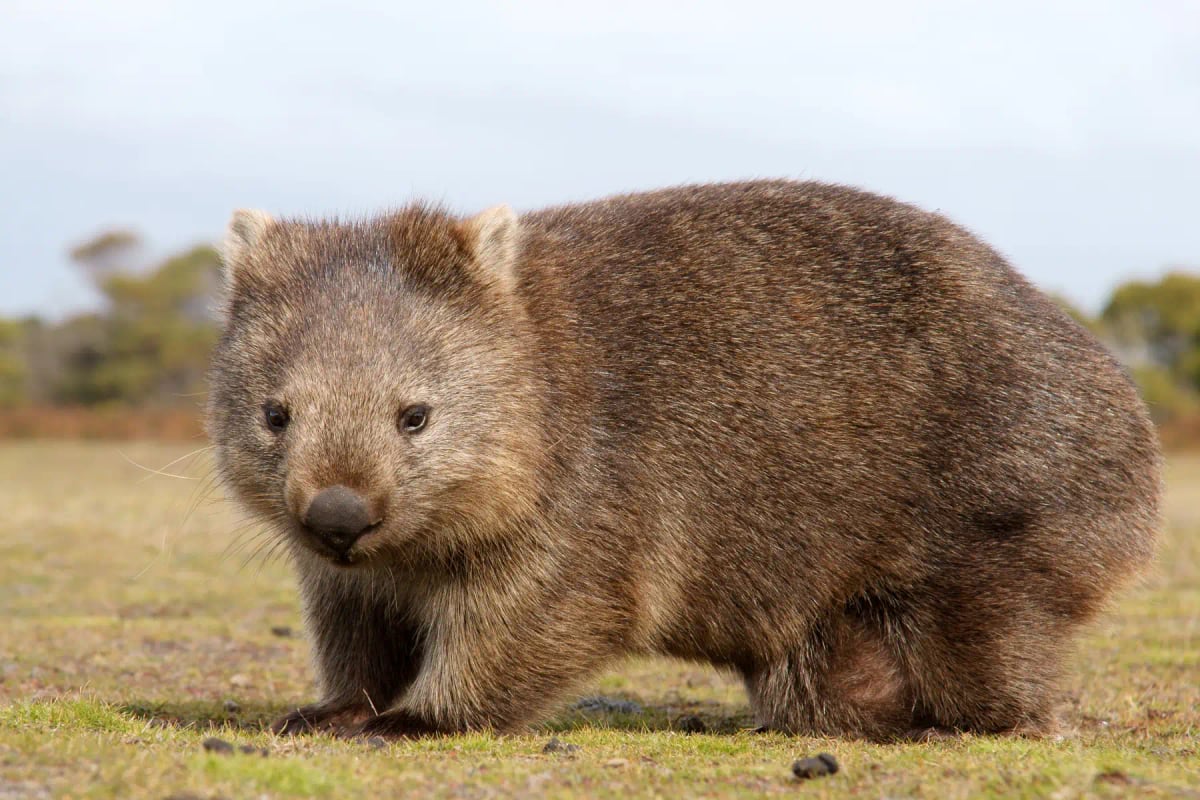
Three wombat species live in Australia, with the common wombat being the most widespread and found in forests and grasslands of southeastern Australia and Tasmania. Wombats are powerfully built burrowers that dig extensive tunnel systems where they rest during the day. They are the only animals in the world known to produce cubic droppings, a trait that has attracted considerable scientific attention. Wombats are a popular animal with visitors and are commonly seen at dusk in national parks across Victoria, New South Wales and Tasmania.
Sea Turtle
Cheloniidae & Dermochelyidae (families)
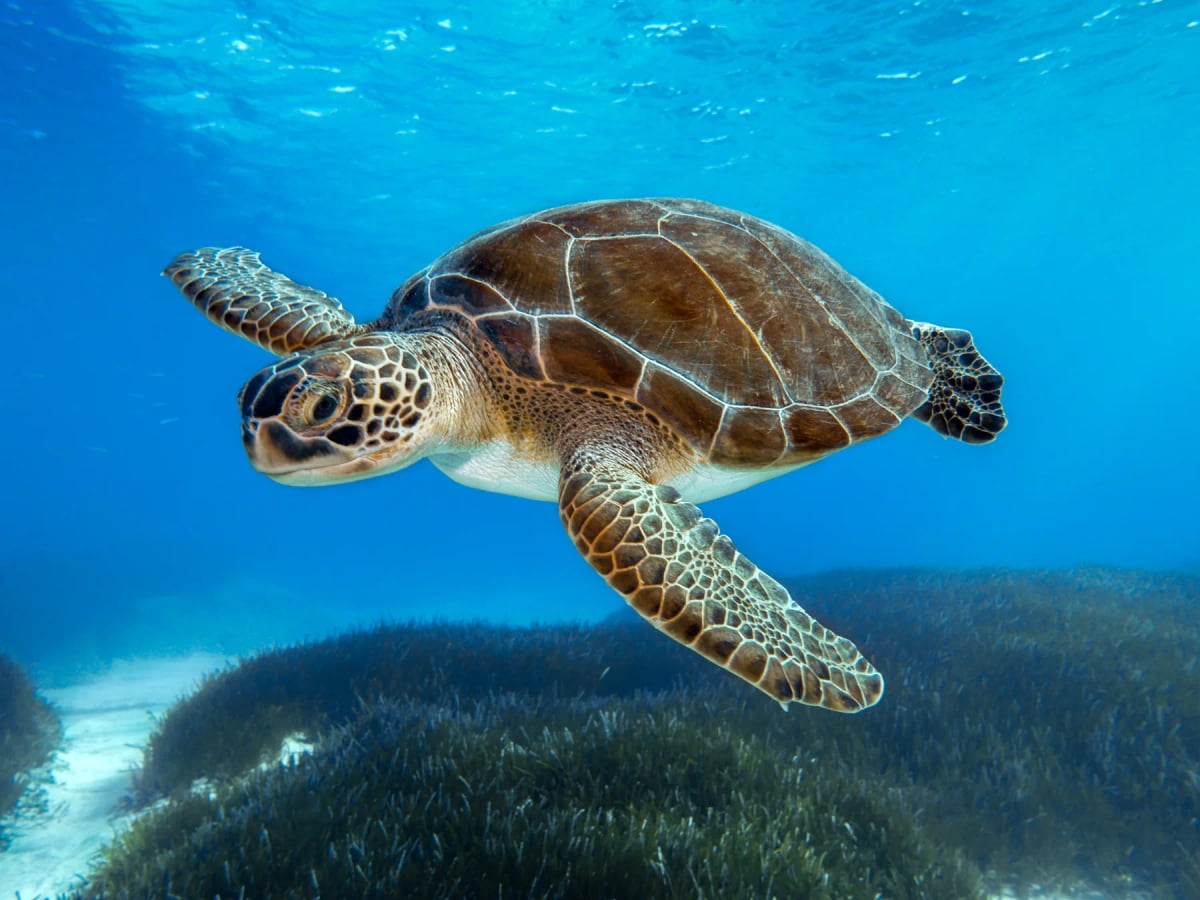
Several sea turtle species nest and feed in Australian waters, with the Great Barrier Reef and the beaches of Queensland among the most important sea turtle habitats in the world. Loggerhead, green, flatback and leatherback turtles all use Australian coasts. Mon Repos beach near Bundaberg in Queensland is one of the largest loggerhead nesting sites in the southern hemisphere and attracts visitors during the nesting season between November and March. The flatback turtle, found nowhere else in the world, nests exclusively on Australian beaches.
Green Tree Python
Morelia viridis
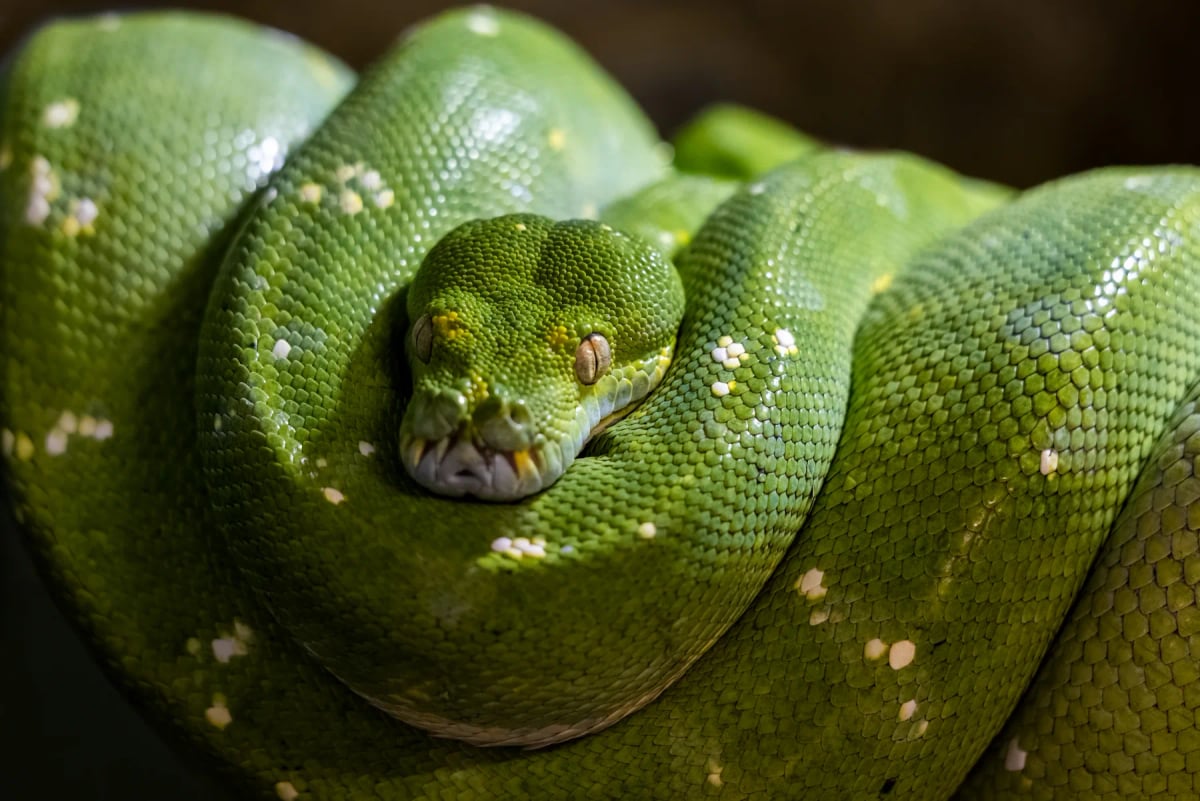
In Australia, the green tree python is found in the rainforests of Cape York Peninsula in far northern Queensland. This is the southern edge of its range, making the Australian population a small but distinct part of the species as a whole. It hunts from the canopy at night and is harmless to people. Habitat clearance in this region is the main threat to its continued presence in the country.
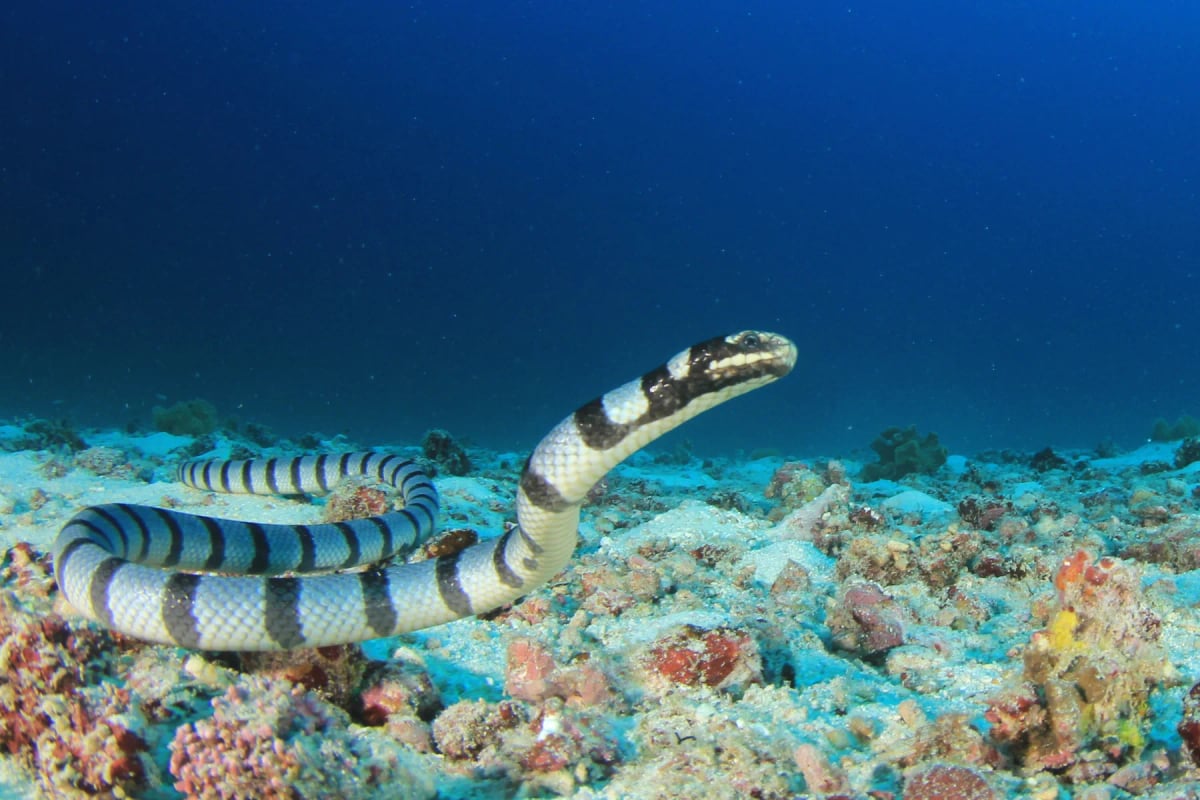
Sea Snake
Hydrophiinae / Laticauda spp.
Australia is home to the greatest diversity of sea snakes in the world, with dozens of species recorded across the Great Barrier Reef, the Timor Sea, and the waters of Western Australia. Some species, like the olive sea snake, are commonly seen by divers on coral reefs. Australia also has at least one freshwater sea snake species in the Northern Territory. Bycatch in prawn trawling has historically been a significant threat.
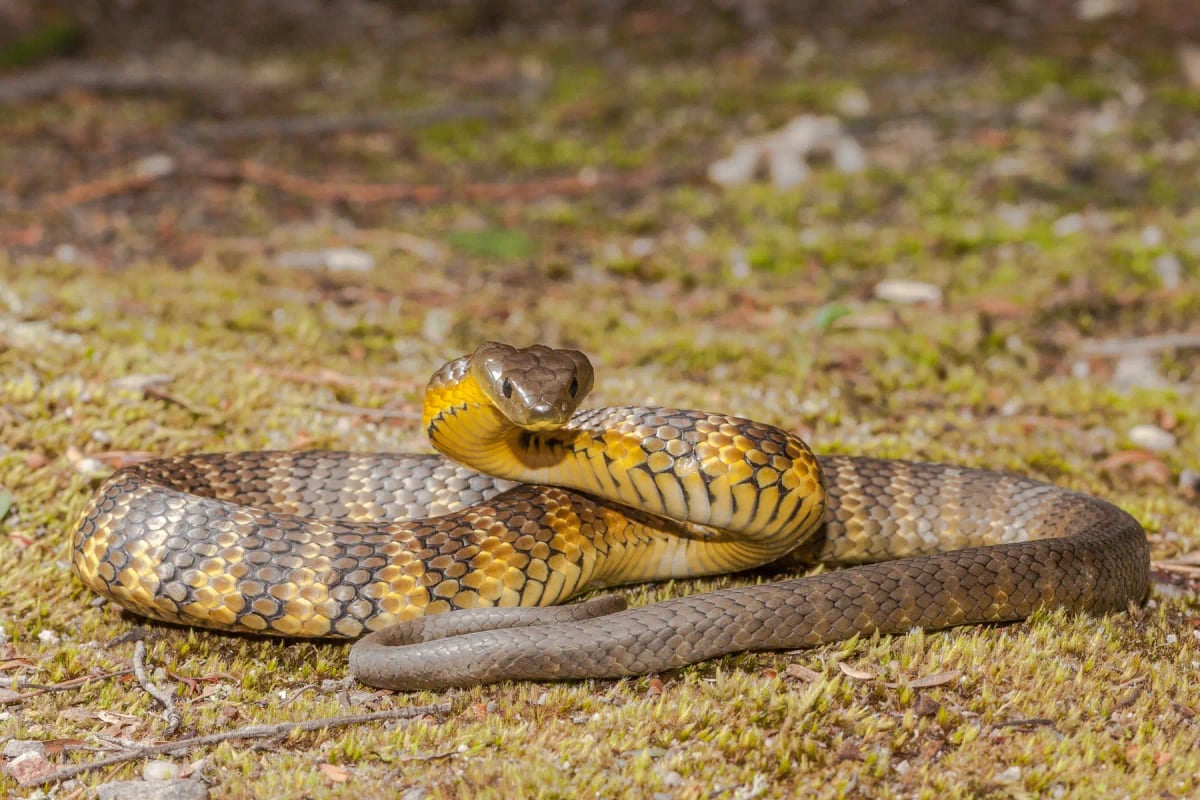
Tiger Snake
Notechis scutatus
The tiger snake is one of Australia's most dangerous reptiles, found across southern regions and Tasmania. It favors wetlands, coastal scrub, and grasslands, where it hunts frogs, lizards, and small mammals. Its venom carries powerful neurotoxins capable of causing paralysis and organ damage. A strong swimmer with a tolerance for cold, it stays active well into the cooler months. Its IUCN status is Least Concern.
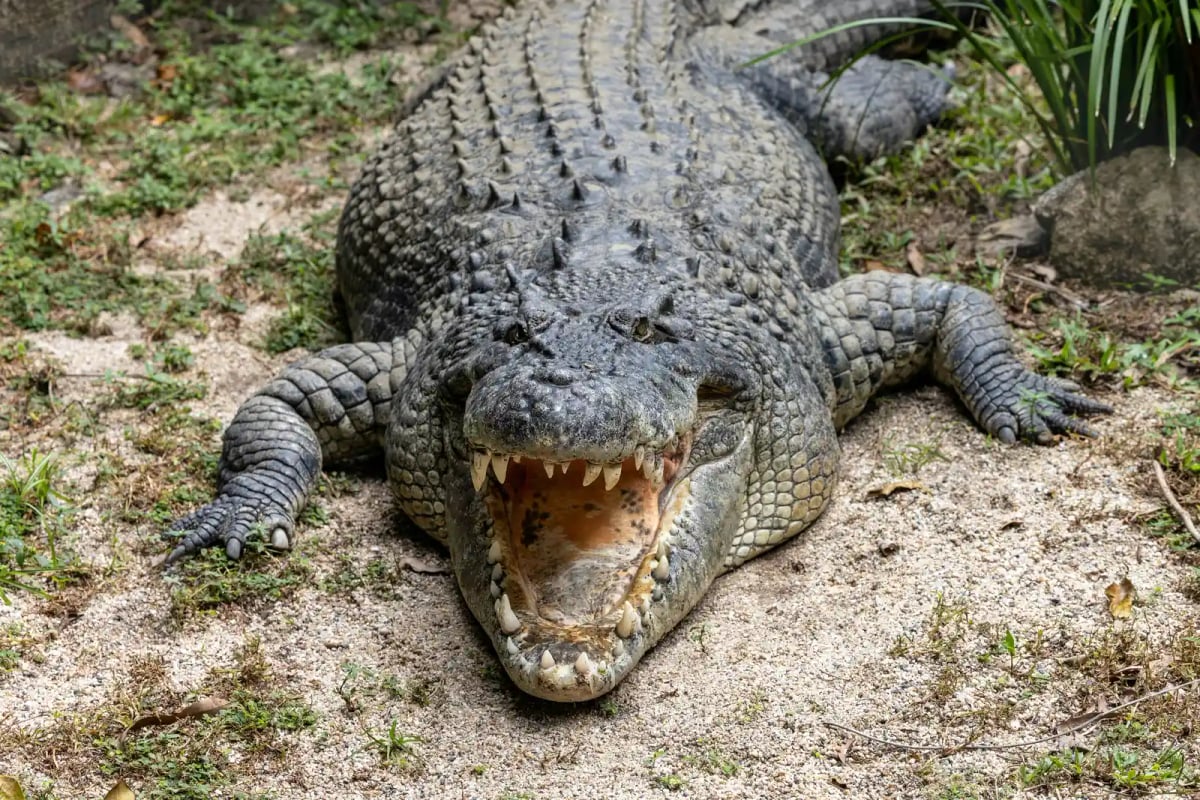
Saltwater Crocodile
Crocodylus porosus
Australia holds the healthiest saltwater crocodile population in the world, concentrated across the Northern Territory, northern Queensland and the Kimberley region of Western Australia. Numbers collapsed under commercial hunting until legal protection arrived in the early 1970s, and the recovery since then has been dramatic. Today the species is a major draw in places such as Kakadu and the Adelaide River, where boat tours, warning signs and relocation programs shape daily life along the water.
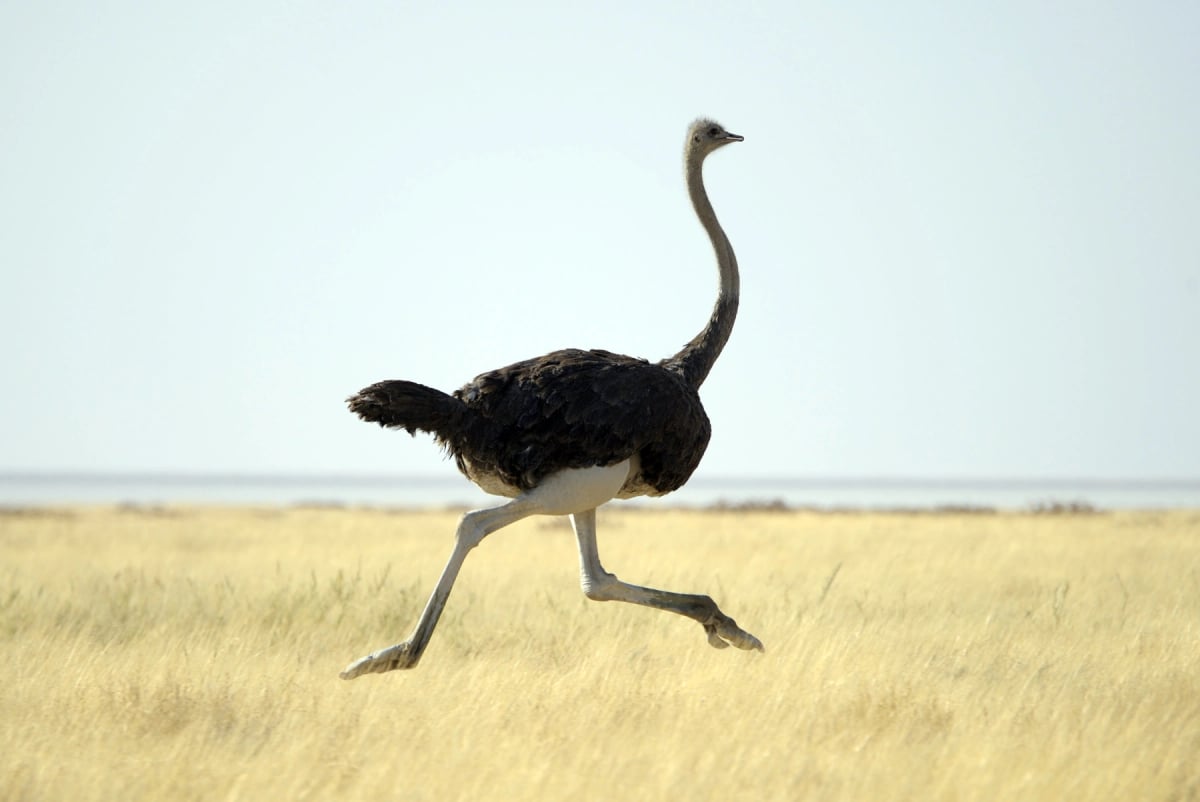
Ostrich
Struthio camelus
Australia's ostriches are escapees. Birds were imported from South Africa in the 1880s to farm feathers for the hat trade, and when the fashion collapsed around the First World War the farms closed and the stock walked away. Feral groups took hold in the South Australian outback, around Port Augusta and the Coorong, and a small remnant survives there today. The IUCN counts Australia in the range as an introduced resident population. IUCN status: Least Concern.
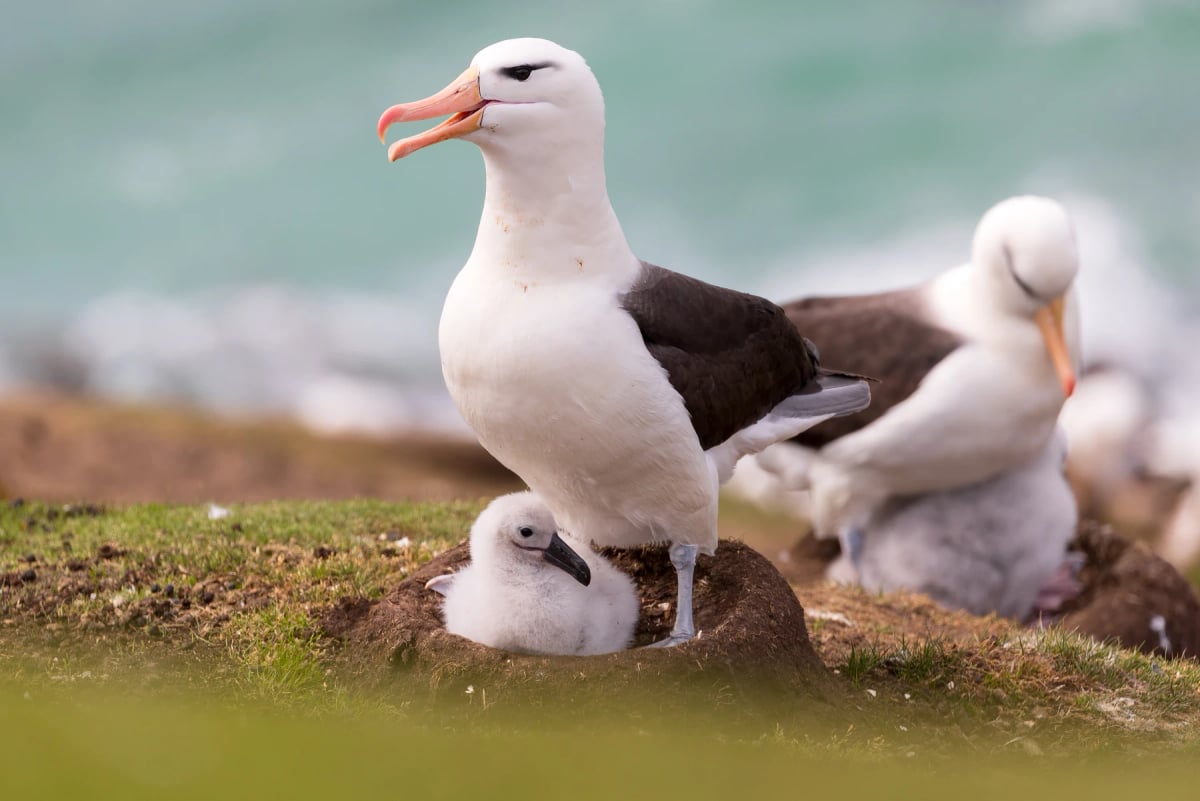
Black browed Albatross
Thalassarche melanophris
black browed albatrosses appear in Australian waters as non-breeding visitors, particularly in the seas around Tasmania and in the Great Australian Bight. They are drawn by the productive, cold influenced waters of the Southern Ocean along Australia's southern coast. Bycatch in Australian longline fisheries targeting tuna and toothfish has historically affected the species, prompting the adoption of seabird bycatch reduction measures. IUCN status: Least Concern.
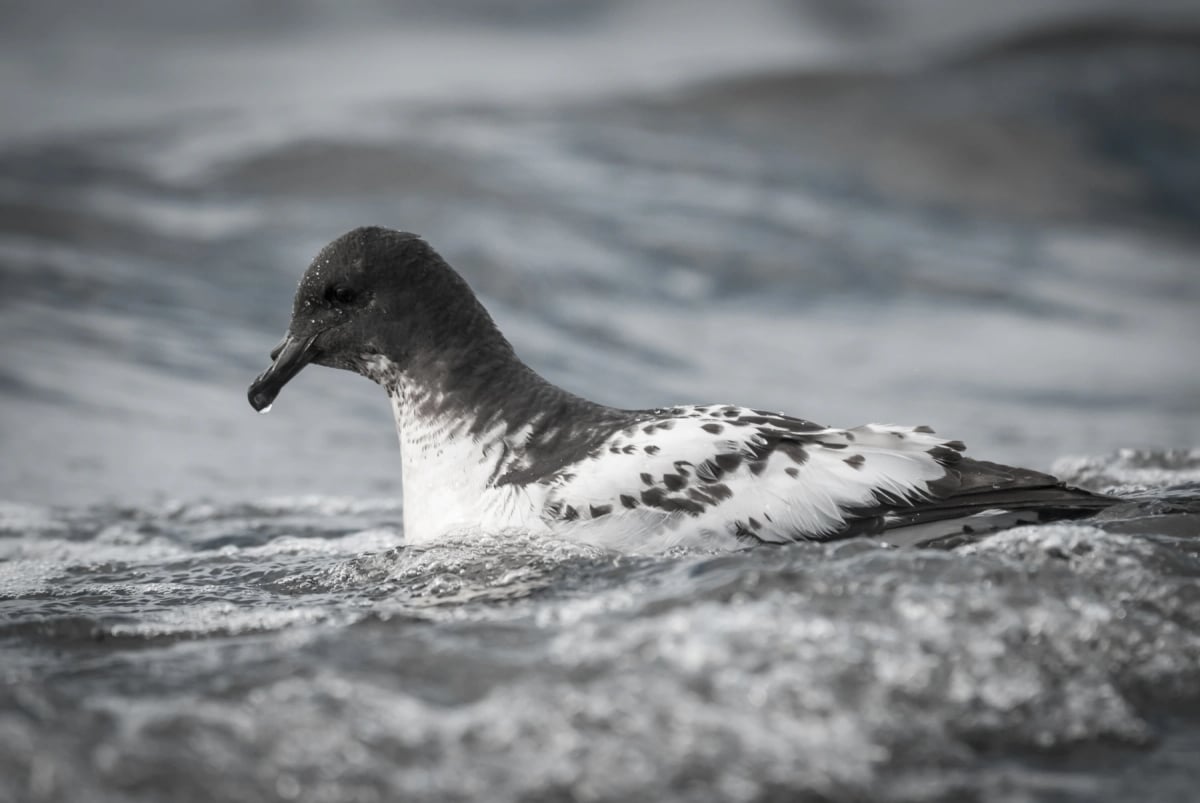
Cape Petrel
Daption capense
The Cape Petrel is a regular non-breeding visitor to Australian waters, most commonly encountered off the southern and southwestern coasts during the austral winter. It ranges across the open ocean and is frequently spotted on pelagic trips out of ports in Western Australia, South Australia, and Victoria. It does not nest on the Australian mainland but is a well-known and recognizable offshore species. IUCN status: Least Concern.
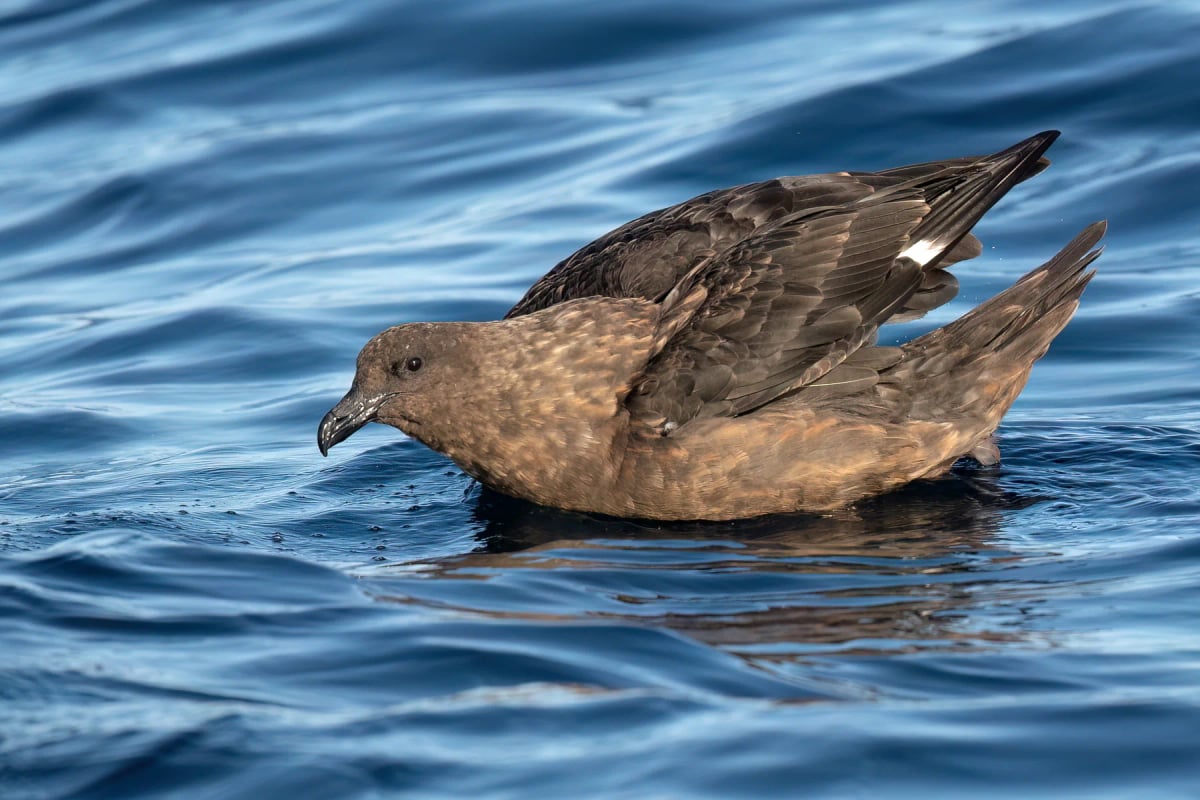
Brown Skua
Stercorarius antarcticus
In Australia, the brown skua breeds on sub-Antarctic Macquarie Island, a UNESCO World Heritage site in the Southern Ocean. There it nests on coastal tussock and herbfield, preying on penguin chicks and petrel burrows. It is one of the top avian predators on the island. The species is listed as Least Concern by the IUCN, and ongoing conservation management on Macquarie Island has helped stabilize local seabird communities.
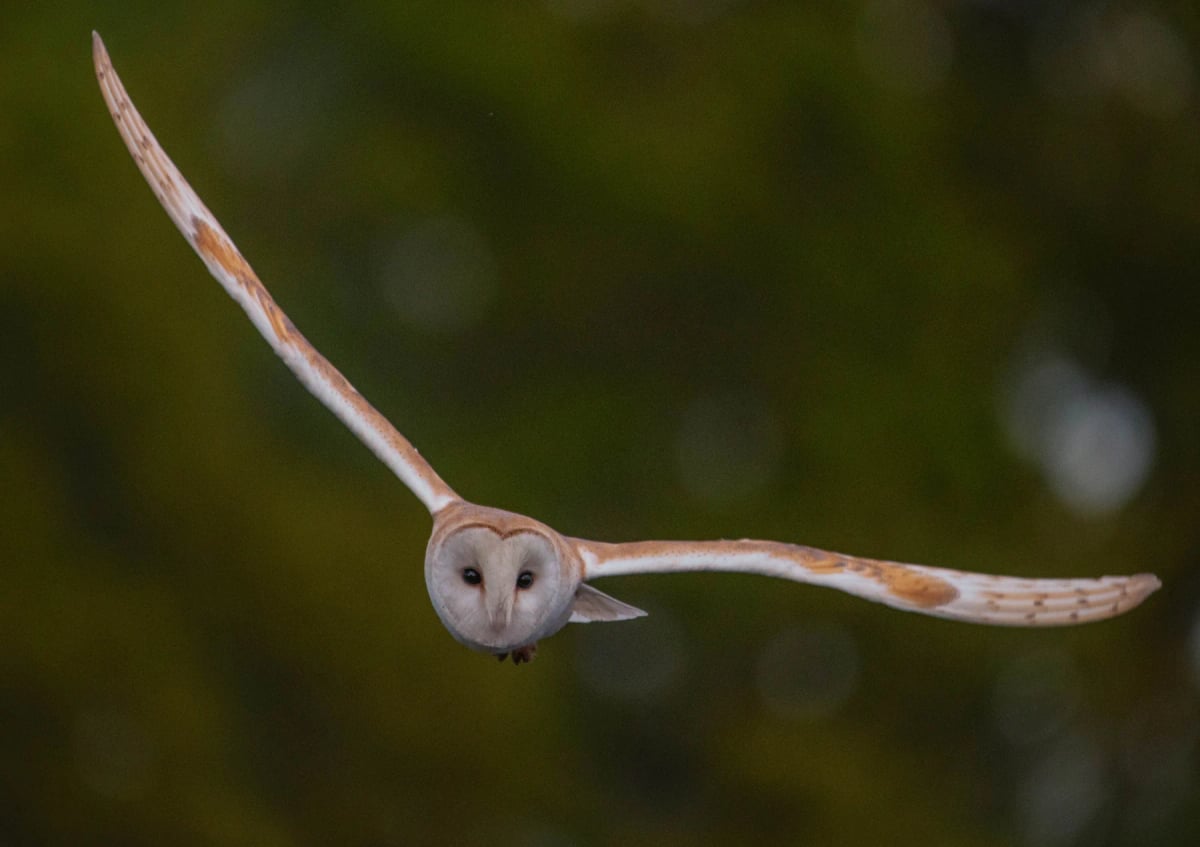
Barn Owl
Tyto alba
The barn owl is found across most of Australia, making it one of the most widespread owls on the continent. It lives in open woodland, farmland, grasslands and the edges of towns where mice and other small mammals are easy to find. In Australia it often nests in hollow trees, cliff faces and old farm buildings. Unlike many owls it is not tied to dense forest and thrives in the open agricultural landscapes of the interior, where it helps control rodent populations on farms and stations across the country.
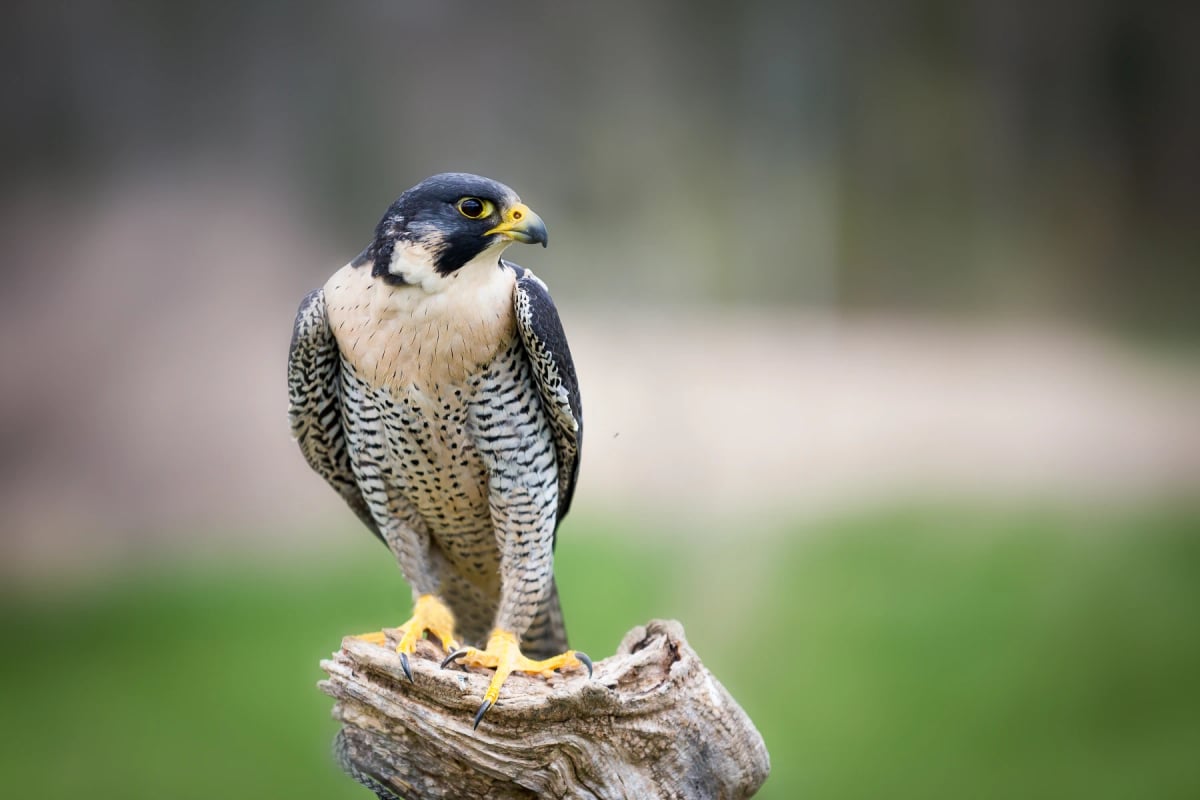
Peregrine Falcon
Falco peregrinus
Australia is home to a resident subspecies of the peregrine falcon, Falco peregrinus macropus, found across the continent from coastal sea cliffs to inland gorges and even city buildings in Sydney and Melbourne. It nests on bare ledges and rock faces, preying on parrots, pigeons, and shorebirds. One of Australia's most powerful aerial predators, it is rated Least Concern and is widespread across all states and territories.
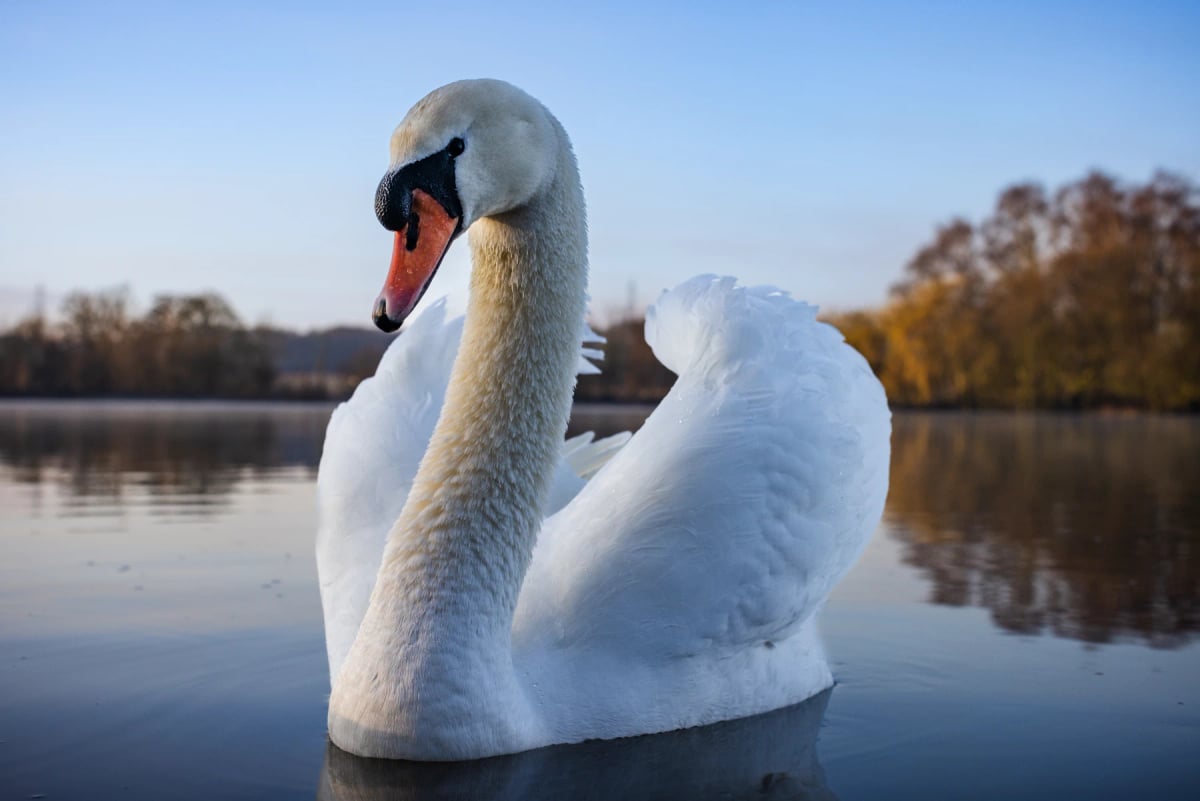
Mute Swan
Cygnus olor
In Australia the mute swan is an introduced bird with a single wild breeding colony: the Avon River at Northam, in Western Australia, where settlers released white swans in the early 1900s. About 80 birds live there, the only place in the country where these swans breed on their own, sharing the river with native black swans. Elsewhere they are kept only in parks and gardens. The colony has become a local symbol of Northam. IUCN status: Least Concern.
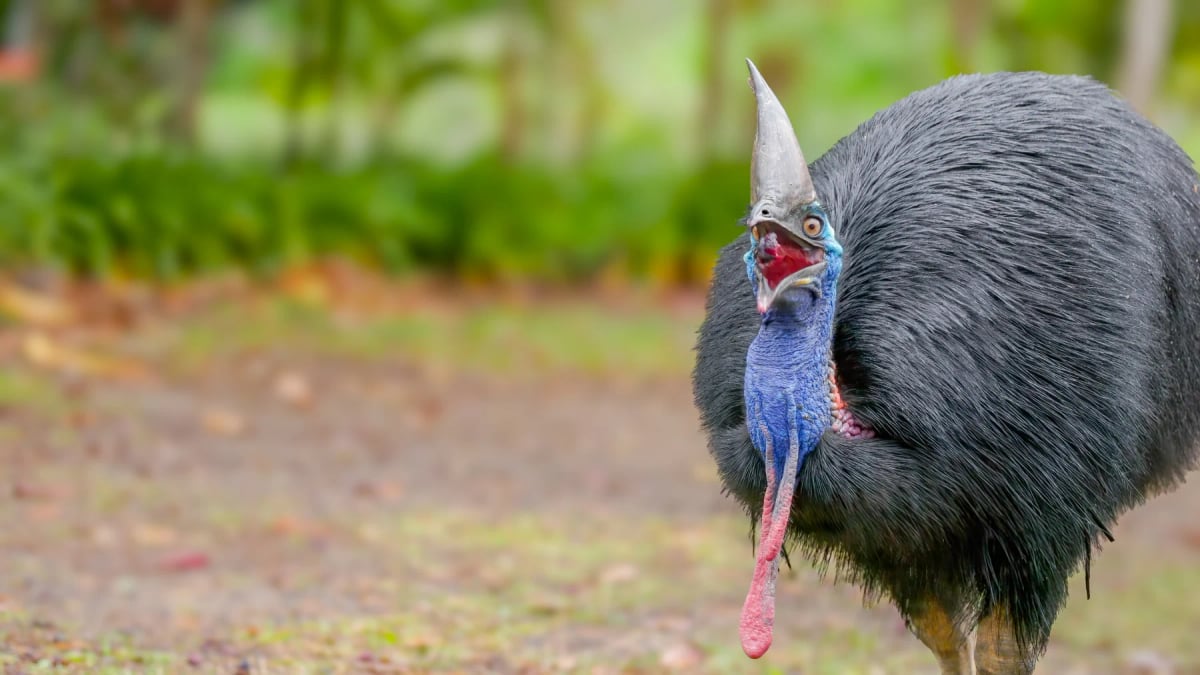
Cassowary
Casuarius casuarius
In Australia, the southern cassowary lives in the rainforests of far north Queensland, around the Wet Tropics World Heritage Area and on Cape York, with Mission Beach and the Daintree as the best known spots. Only 1,500 to 2,500 remain, and it is listed as Endangered under Australian law, even though the IUCN rates it globally as Least Concern. Roads, dogs, and forest clearing are the main threats.
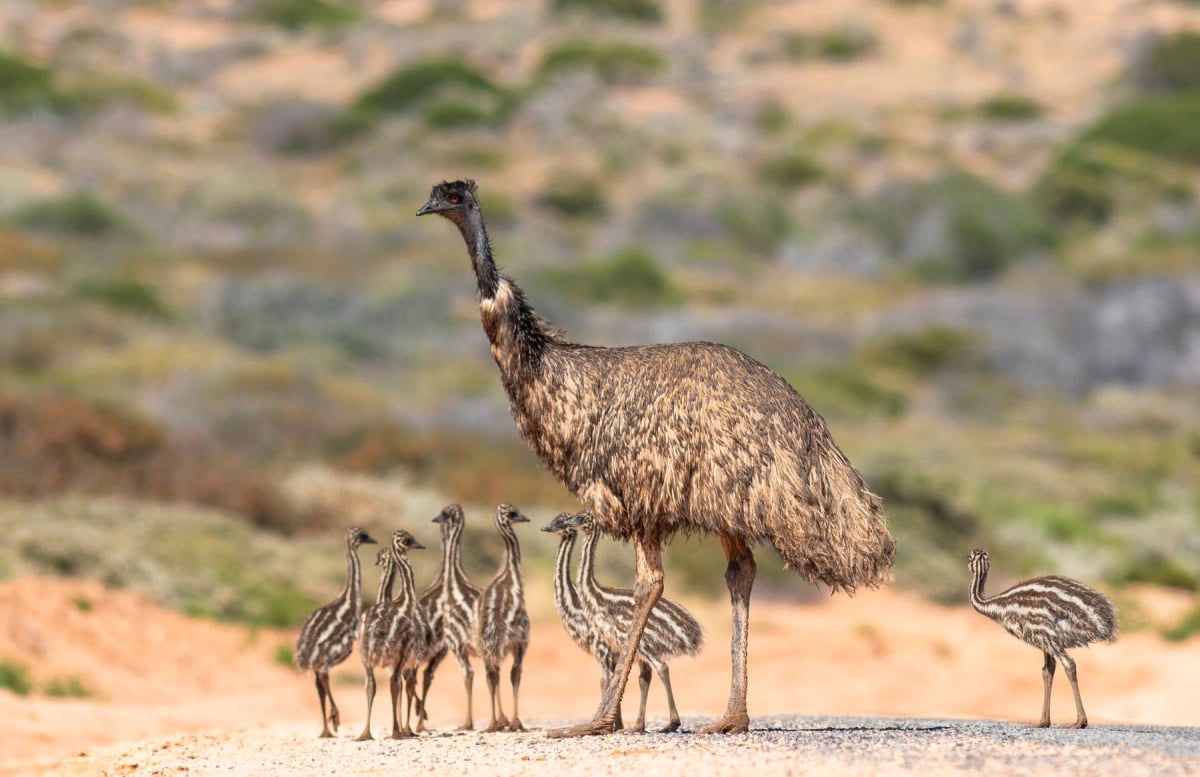
Emu
Dromaius novaehollandiae
The emu is Australia's tallest bird, standing up to 1.9 meters. Found across most of the mainland, from savanna woodland to arid plains, it roams in loose groups following rain in search of seeds, fruits and insects. It cannot fly but runs at up to 48 km/h, and the male alone incubates the eggs and raises the chicks. It features on Australia's coat of arms. IUCN status: Least Concern.
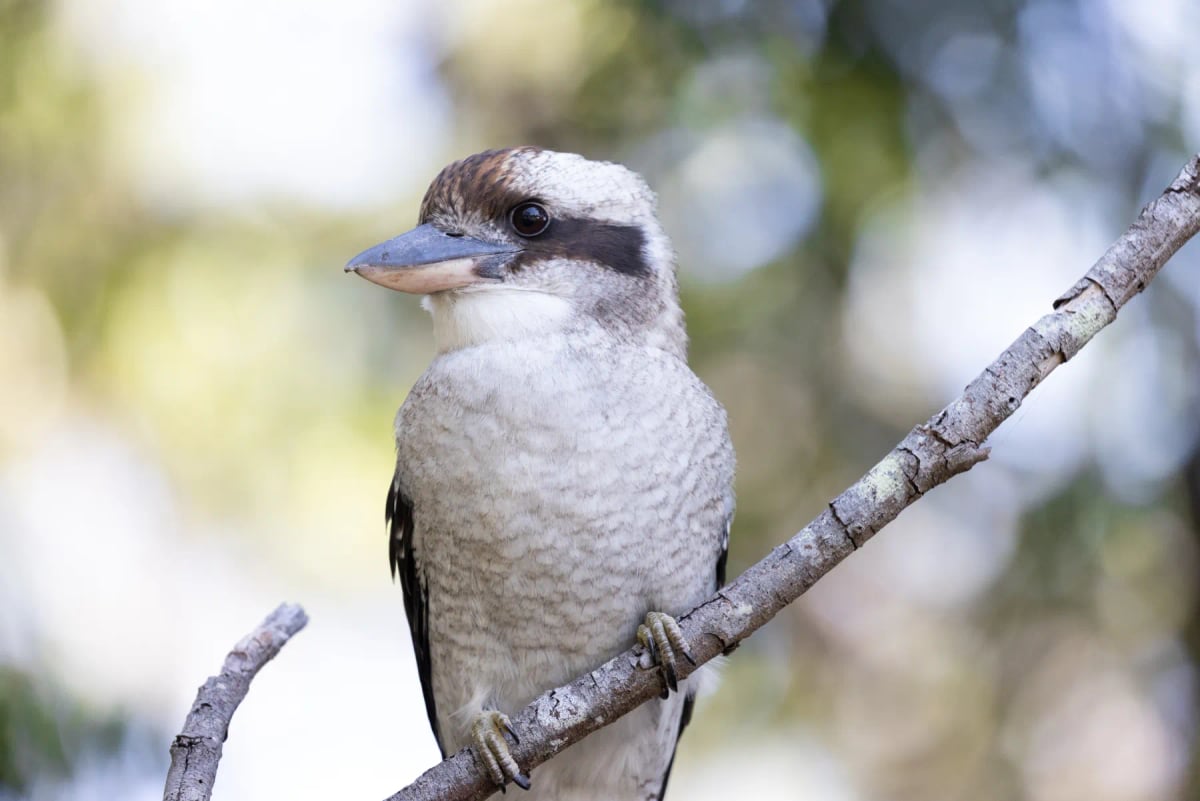
Kookaburra
Dacelo novaeguineae
The laughing kookaburra is native to eastern Australia, from Cape York to Victoria, and was later introduced to the southwest and Tasmania. The world's heaviest kingfisher, it hunts snakes, lizards, insects and mice from a perch, beating prey against a branch. Families call together at dawn and dusk to mark their territory, a laugh that earned it the name bushman's clock. IUCN status: Least Concern.
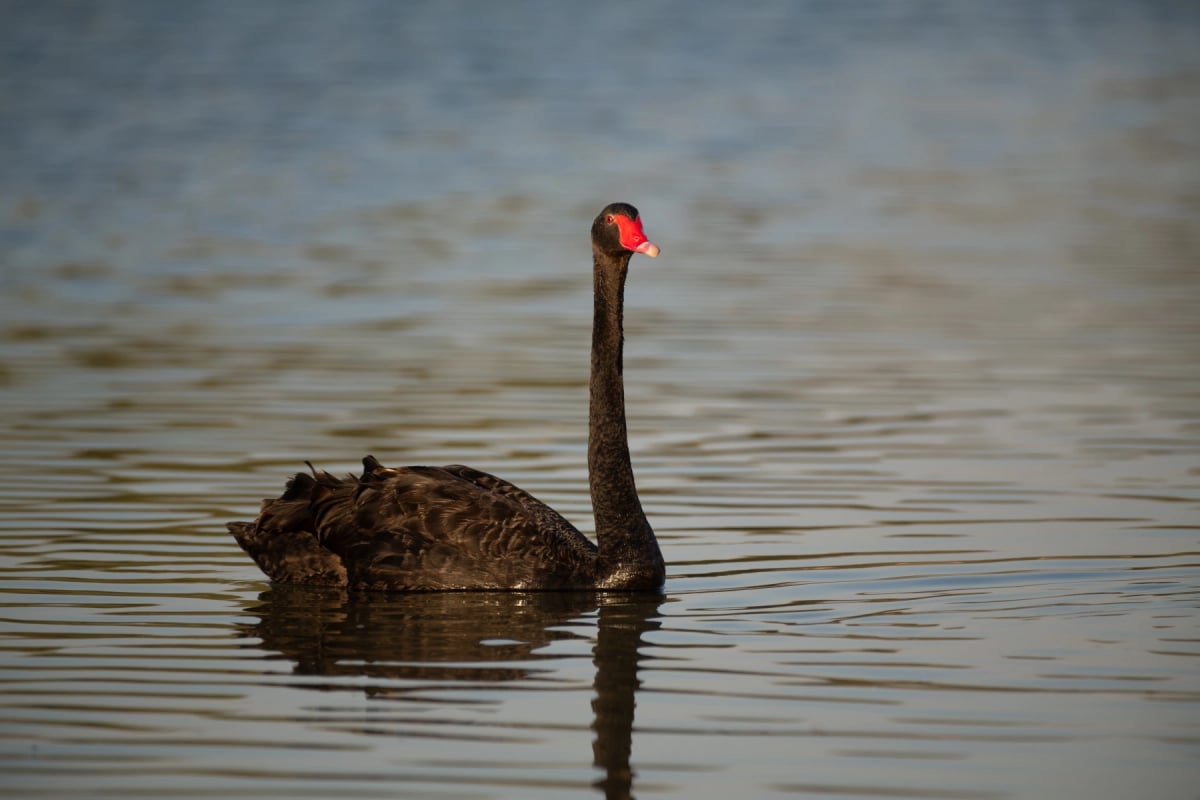
Black Swan
Cygnus atratus
The black swan is native to Australia and found across much of the continent, especially in the southwest and southeast, on shallow lakes, rivers, estuaries, and coastal wetlands. In Western Australia it is the state emblem, on the flag since 1870, and gave its name to the Swan River, where Europeans first saw it in 1697. Flocks of thousands gather and move with the rains. IUCN status: Least Concern.
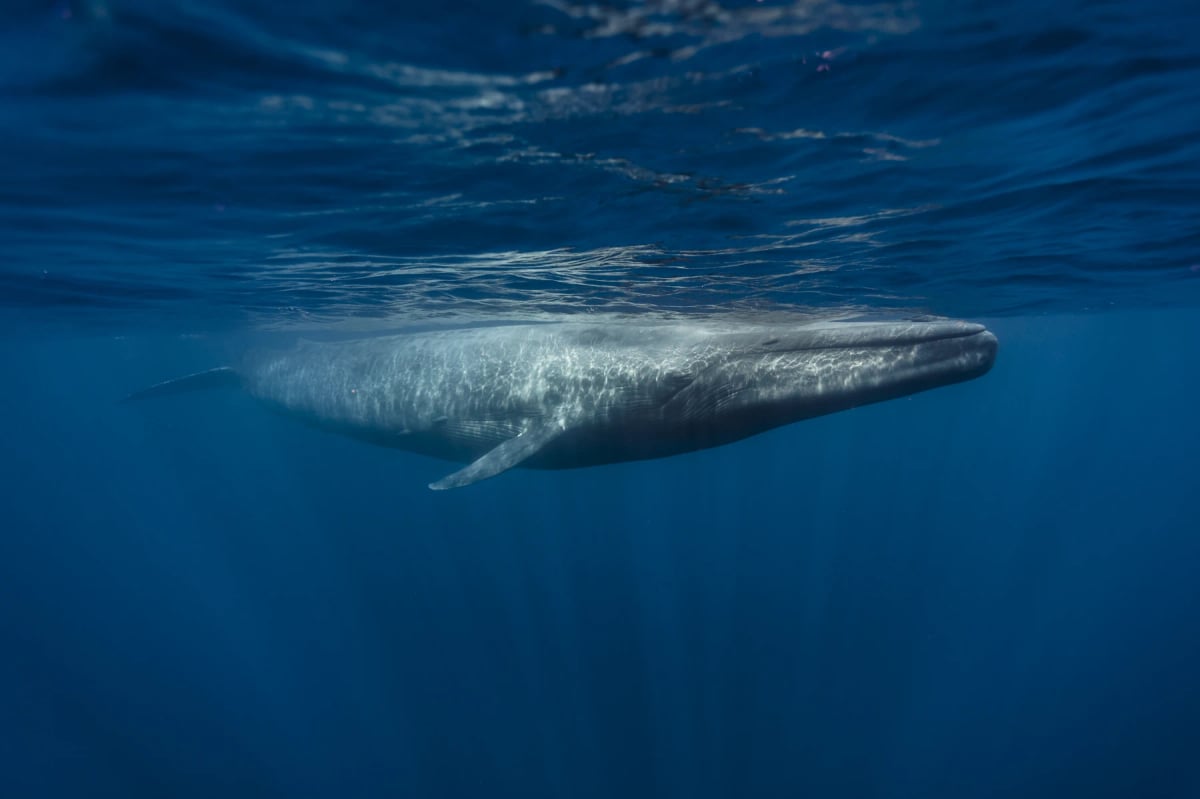
Blue Whale
Balaenoptera musculus
Australia hosts pygmy blue whales in two well studied areas: the Perth Canyon off Western Australia, where they feed between November and May, and the Bonney Upwelling along the coast of South Australia and Victoria. Portland in Victoria became a reference point for research and for occasional whale watching trips. These animals migrate north toward Indonesian waters to breed, making Australian coasts a key feeding stop along that route rather than a year round home.
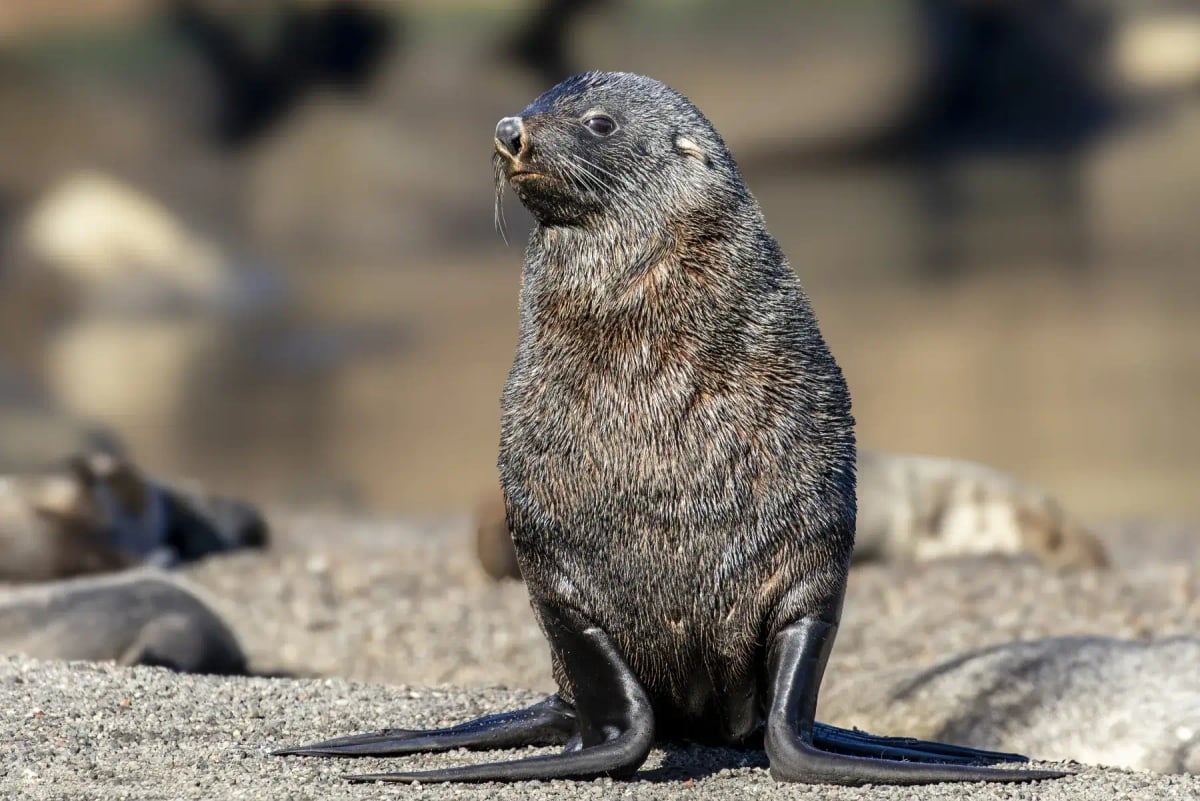
Fur Seal
Arctocephalus spp.
The Australian fur seal (Arctocephalus pusillus doriferus) is the largest fur seal species and is found mainly in the waters of Victoria, Tasmania, and New South Wales. Colonies breed on rocky offshore islands in Bass Strait. After being hunted close to extinction in the 1800s, populations have recovered to around 120,000 individuals. Interactions with commercial fisheries and shark predation remain the main pressures on Australian populations today.
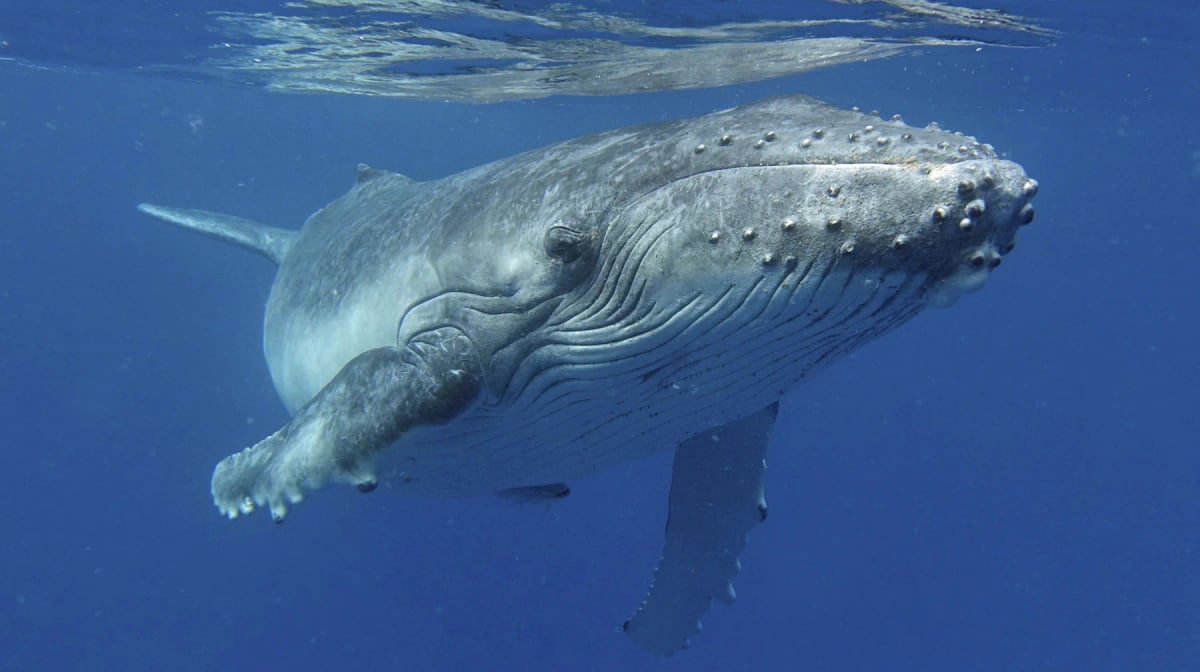
Humpback Whale
Megaptera novaeangliae
Australia is one of the best places in the world to observe humpback whales. Two main populations migrate annually along the east and west coasts, traveling between Antarctic feeding grounds and warm tropical waters near the Great Barrier Reef and the Kimberley coast, where calves are born. Males sing complex songs that can last for hours. The IUCN lists the species as Least Concern, reflecting a strong population recovery in Australian waters.
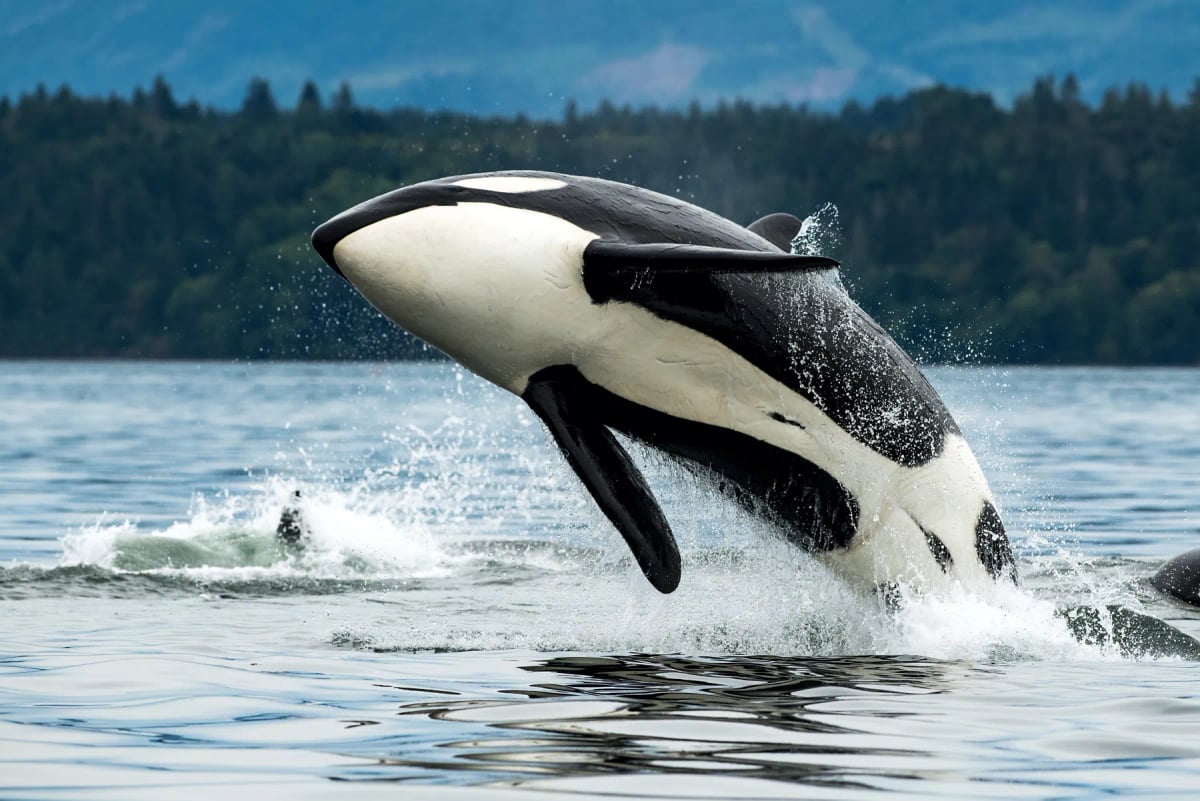
Orca
Orcinus orca
Orcas are found in Australian waters along the southern coast and in the waters off Western Australia, where they are seen hunting near the continental shelf. The most famous orca encounters in Australia occur at Bremer Bay in Western Australia, where a significant aggregation of orcas gathers each summer to hunt in deep offshore canyons. This site has become one of the top orca watching destinations in the southern hemisphere. Orcas are also occasionally seen along the eastern coast and in Bass Strait between Victoria and Tasmania.
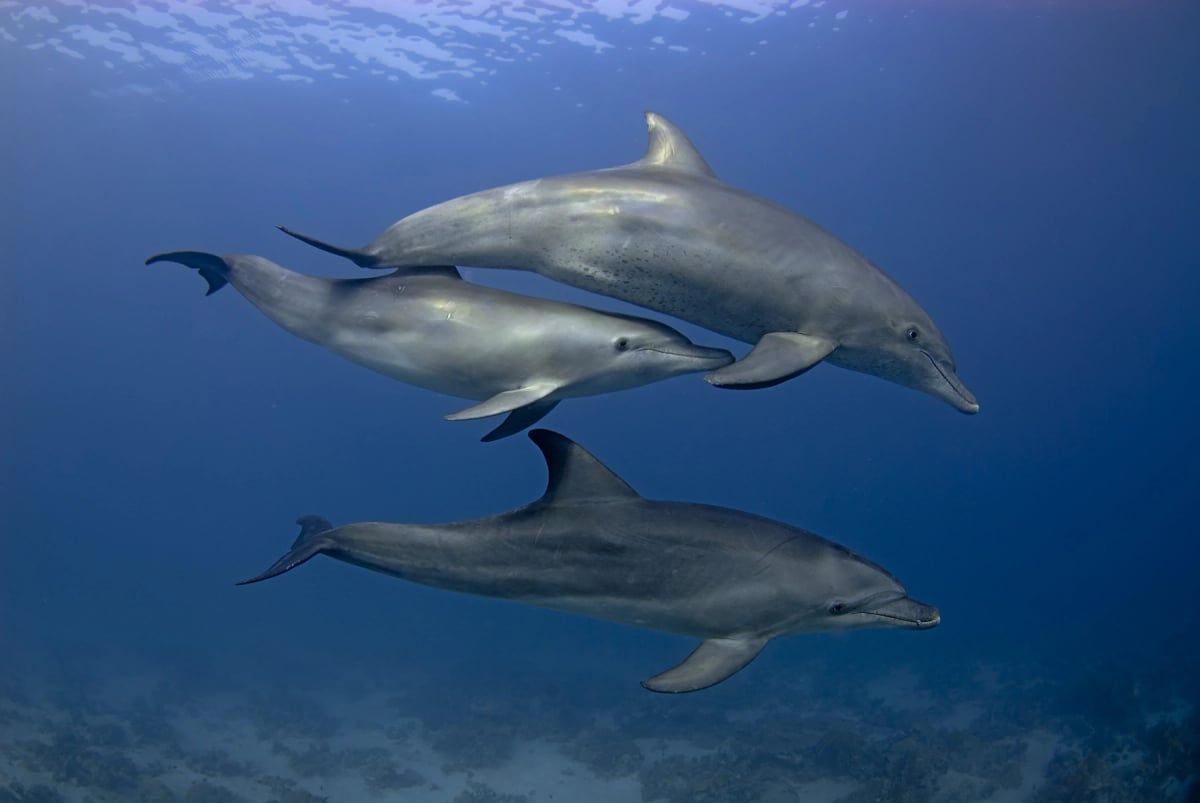
Bottlenose Dolphin
Tursiops truncatus
Australia hosts some of the most studied bottlenose dolphin populations in the world. The dolphins of Shark Bay in Western Australia are renowned for their tool use, carrying sea sponges to forage on the seafloor. Coastal populations are found around much of the continent, from Queensland's warm tropical bays to the cooler waters of the south. Boat traffic and coastal development are ongoing concerns. The IUCN classifies this species as Least Concern.
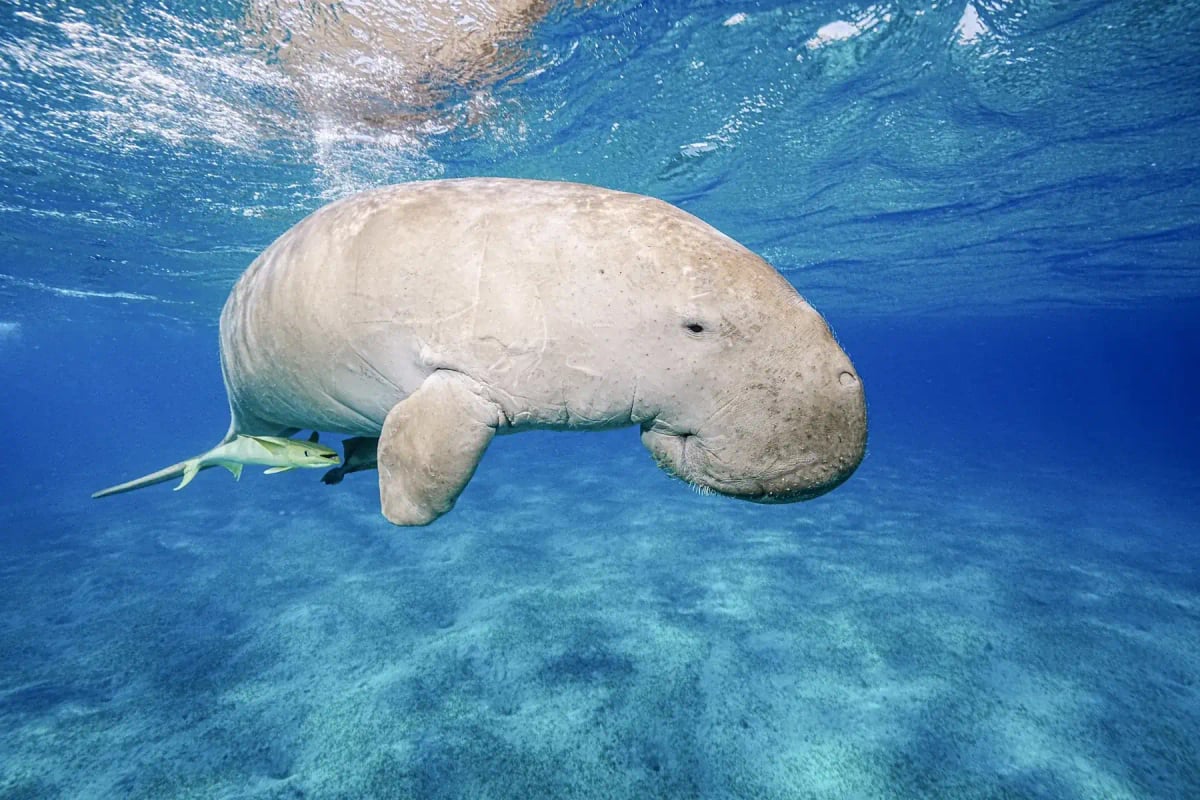
Dugong
Dugong dugon
Australia is home to the largest dugong population on Earth, with Shark Bay in Western Australia and the waters of the Great Barrier Reef serving as key habitats. These coastal seas offer vast seagrass meadows that dugongs depend on for food. Australia plays a central role in global dugong conservation, with strong protections in place and ongoing research tracking the health of local populations. IUCN status: Vulnerable.
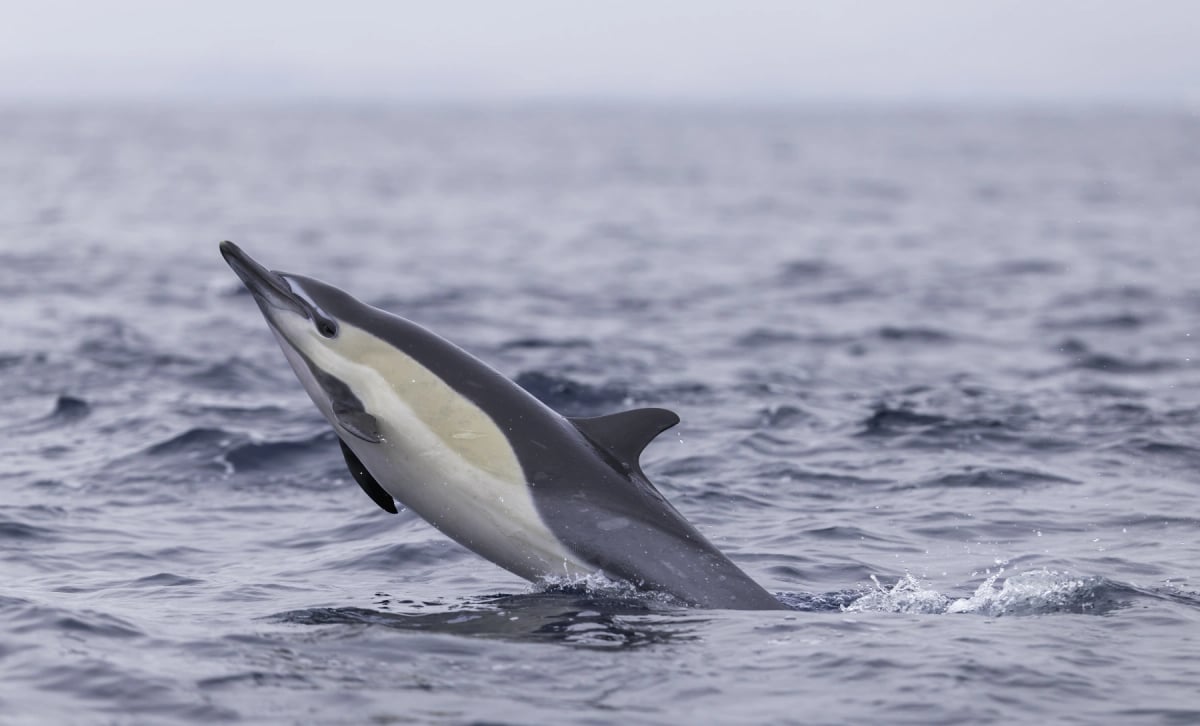
Common Dolphin
Delphinus delphis
Common dolphins are found along much of Australia's southern coastline, from Western Australia to New South Wales, favouring the cooler and temperate offshore waters. They are well known for riding the bow waves of boats in places like the Great Australian Bight. Superpods of hundreds of individuals have been recorded in Australian waters, making them one of the most spectacular marine mammals seen from shore or vessel.
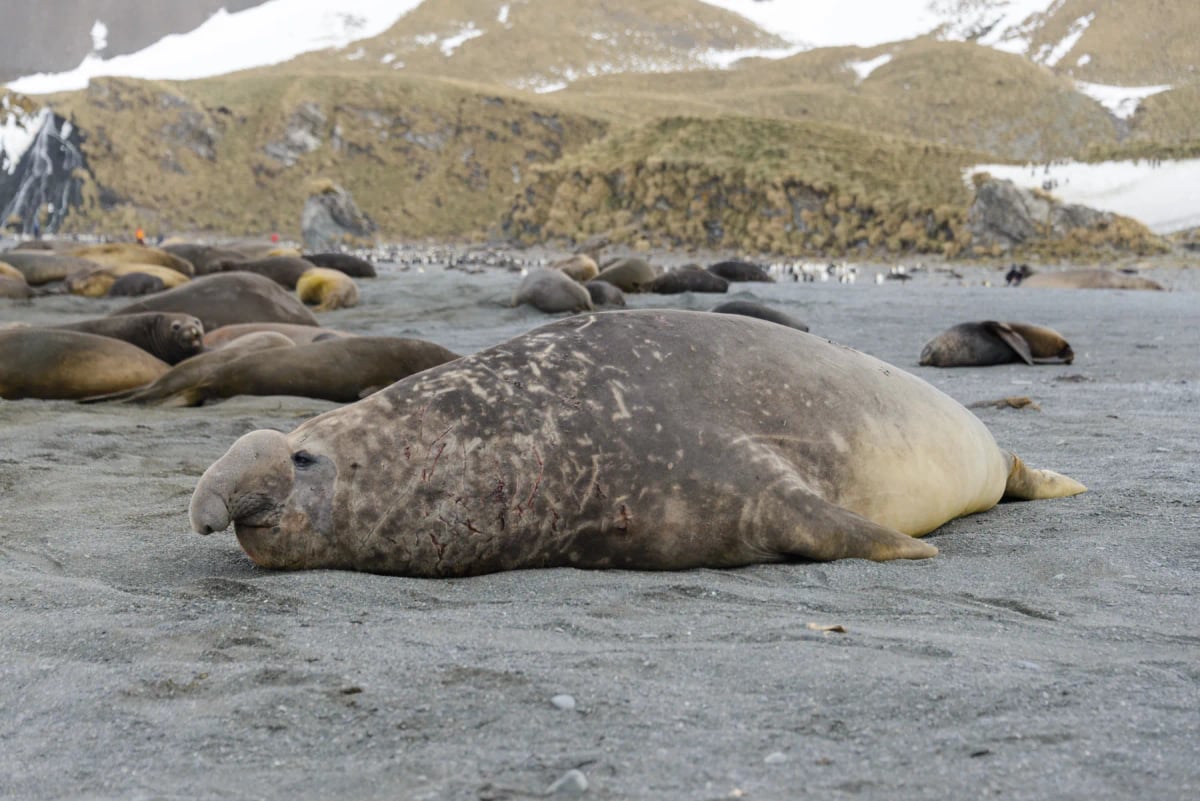
Elephant Seal
Mirounga spp.
Southern elephant seals breed on Macquarie Island, an Australian territory in the subantarctic, which is recognized as a UNESCO World Heritage Site. The island hosts one of the significant colonies of this species in the Southern Ocean. Elephant seals also occasionally haul out on beaches in southern Australia. Macquarie Island has been the focus of long-running research programs tracking population trends and diving behavior.
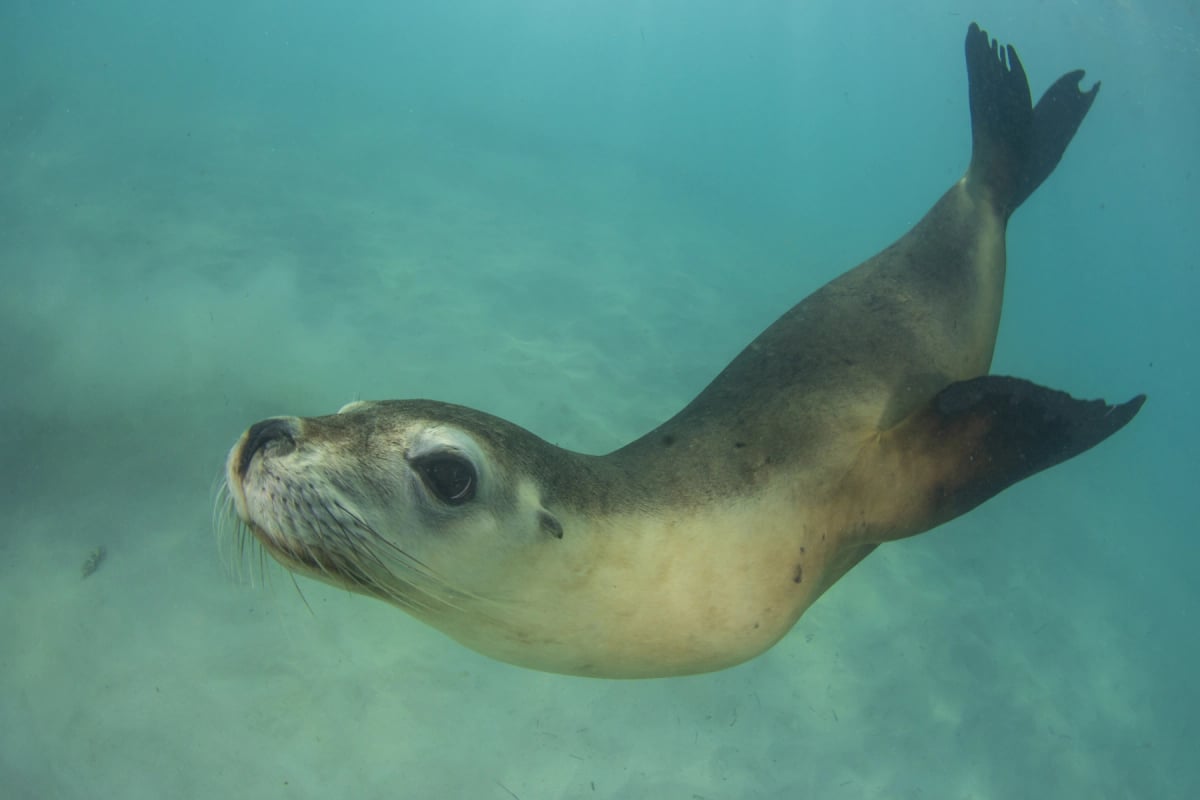
Sea Lion
Otariinae spp.
The Australian sea lion is found only in Australian waters, making it a truly unique species. Colonies are spread across offshore islands and remote beaches in South Australia and Western Australia. Unlike most sea lions, females do not follow a fixed annual breeding cycle. Listed as Endangered by the IUCN, the species faces serious pressure from bycatch in fishing nets, habitat disturbance, and a slow reproductive rate that makes recovery difficult.
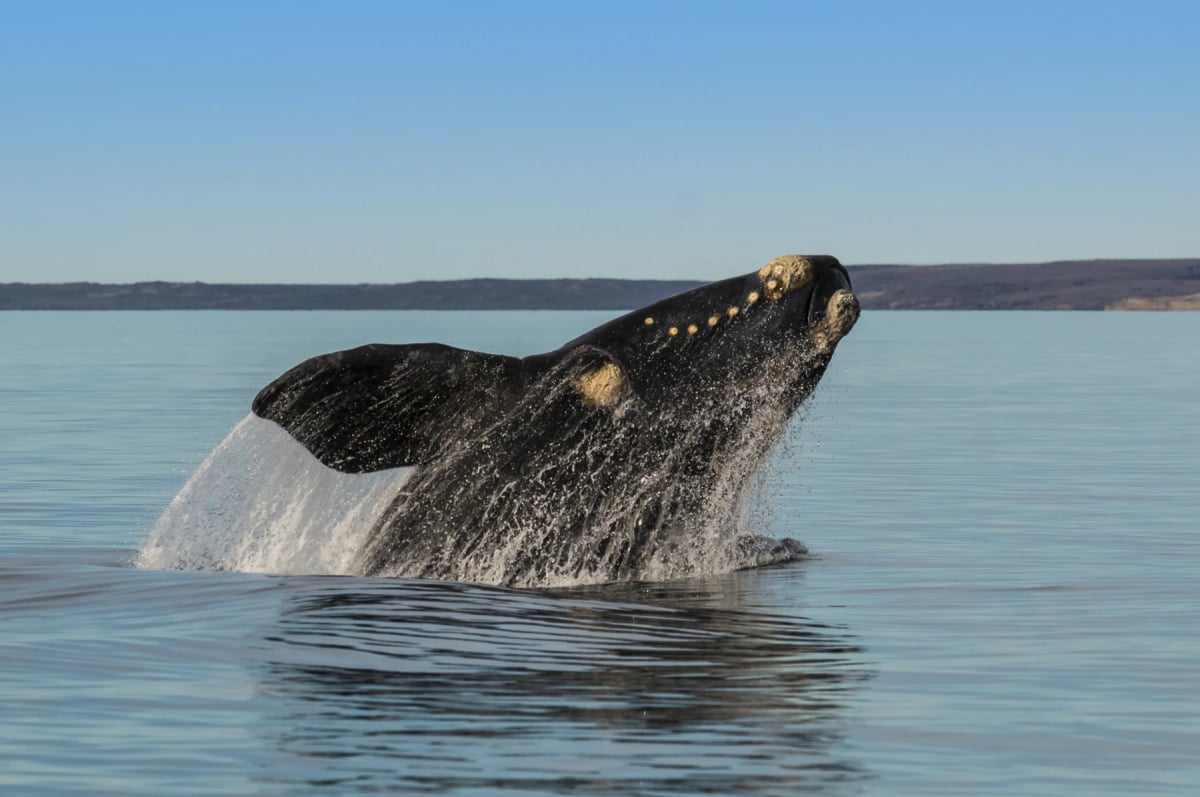
Southern Right Whale
Eubalaena australis
Southern right whales visit Australia's southern coastline each winter and spring to calve and nurse their young. The Great Australian Bight and coastal waters near Victoria and Western Australia are among the main gathering areas. After being hunted to very low numbers, the population has slowly recovered. Vessel traffic and entanglement in fishing gear remain ongoing concerns. The species is listed as Least Concern.
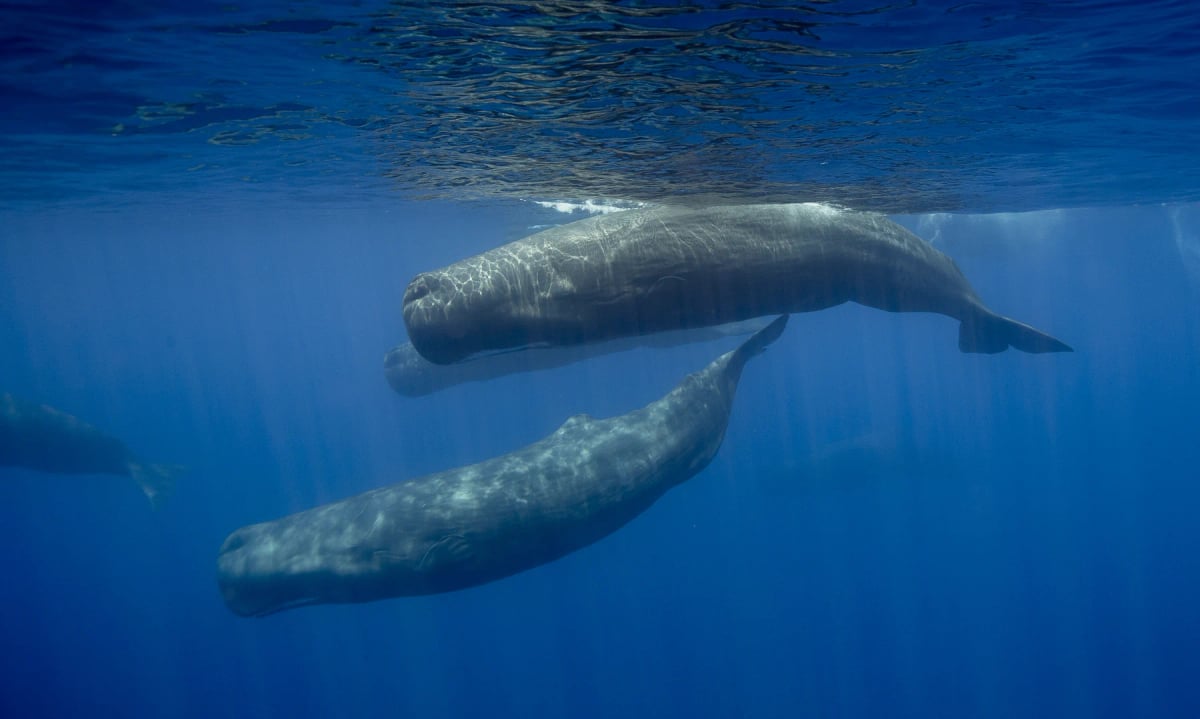
Sperm Whale
Physeter macrocephalus
Sperm whales occur in Australian waters from the tropics to the Southern Ocean, favoring deep offshore areas where squid are plentiful. They are seen along both the eastern and western coasts, often beyond the continental shelf. Australia's vast exclusive economic zone encompasses a wide range of habitats used by this species. Strandings occur periodically along the coastline, and the Australian government monitors cetacean populations as part of its national conservation efforts.
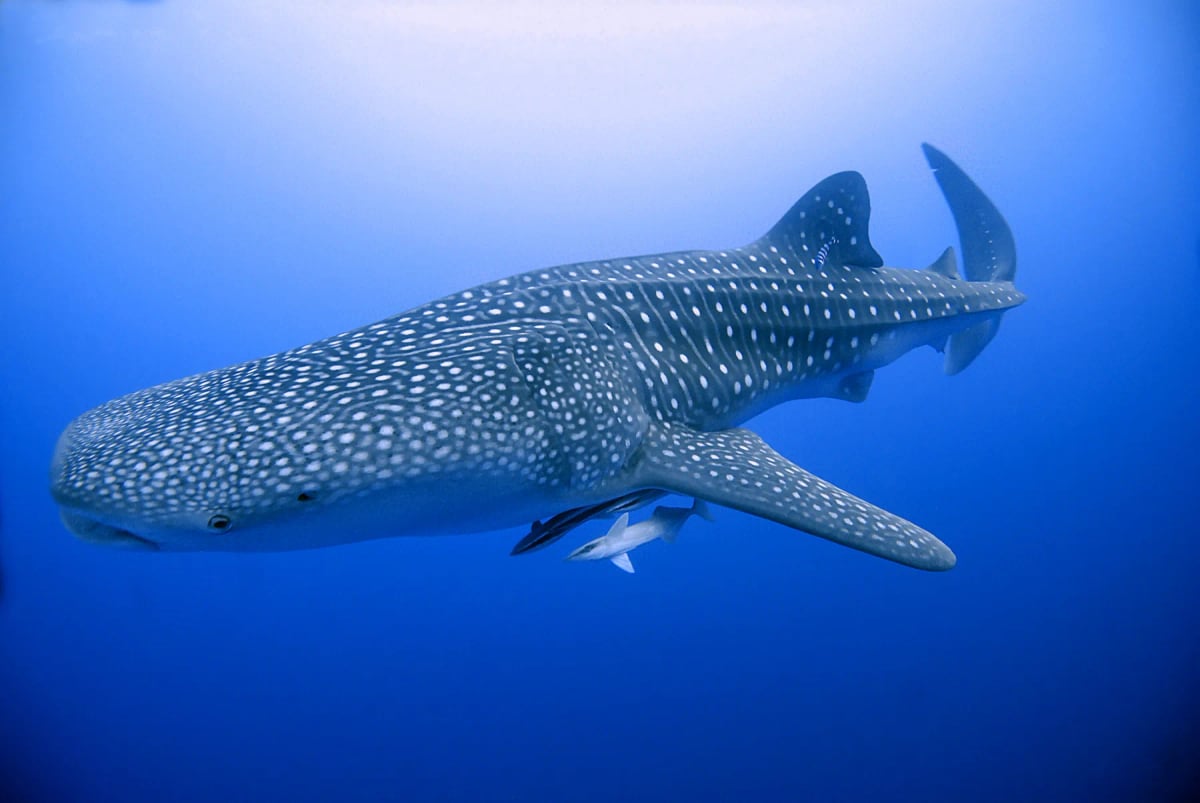
Whale Shark
Rhincodon typus
Australia is one of the best places to swim with whale sharks, with Ningaloo Reef in Western Australia offering reliable seasonal encounters between March and July. The whale shark feeds entirely on plankton and small fish, posing no danger to swimmers. Ningaloo attracts visitors from around the world for this experience, and encounters are regulated to protect the animals. Sharks are also seen occasionally off Queensland and the northern coast.
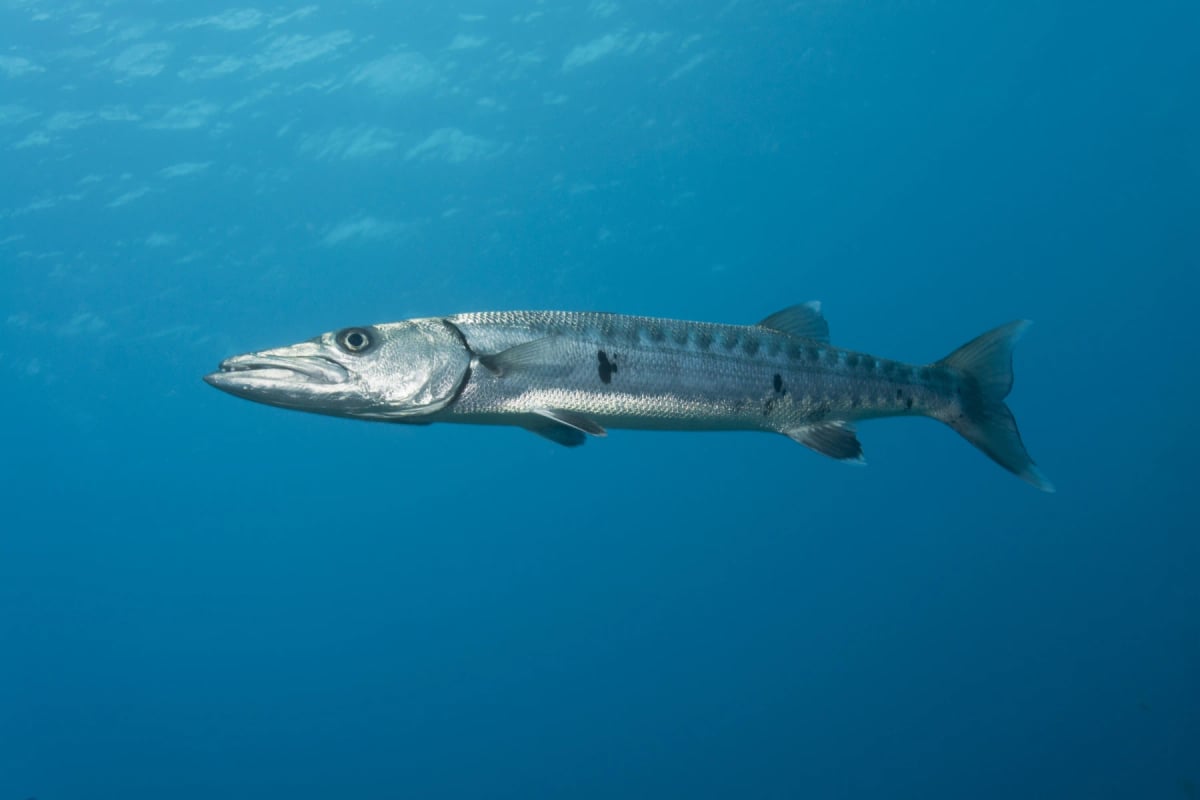
Barracuda
Sphyraena spp.
Several barracuda species are found in the tropical and subtropical waters of northern and eastern Australia, including around the Great Barrier Reef and the Coral Sea. The great barracuda is the largest and most commonly encountered by divers and snorkelers on coral reefs. Barracudas are fast predators with sharp teeth and are a regular sight on reef dives across Queensland and the Northern Territory coast. Incidents with people are rare, though caution is advised in murky water where they may mistake shiny objects for prey.
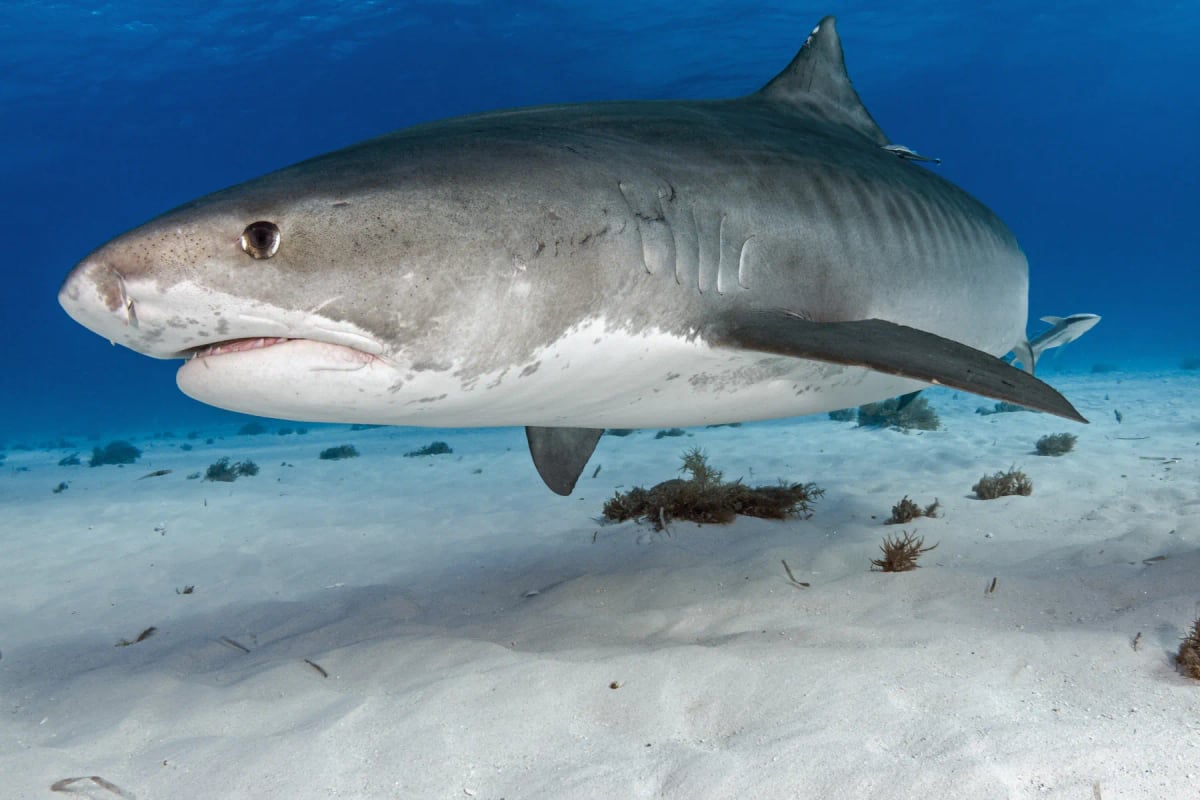
Tiger Shark
Galeocerdo cuvier
Tiger sharks are a well known presence in Australian waters, ranging from the tropical reefs of Queensland and the Northern Territory to the warmer stretches of Western Australia. They are frequently recorded around the coral reefs of the Great Barrier Reef and in shallow coastal bays. Australia monitors shark activity closely along popular beaches, where tiger sharks are among the species most associated with encounters with people.
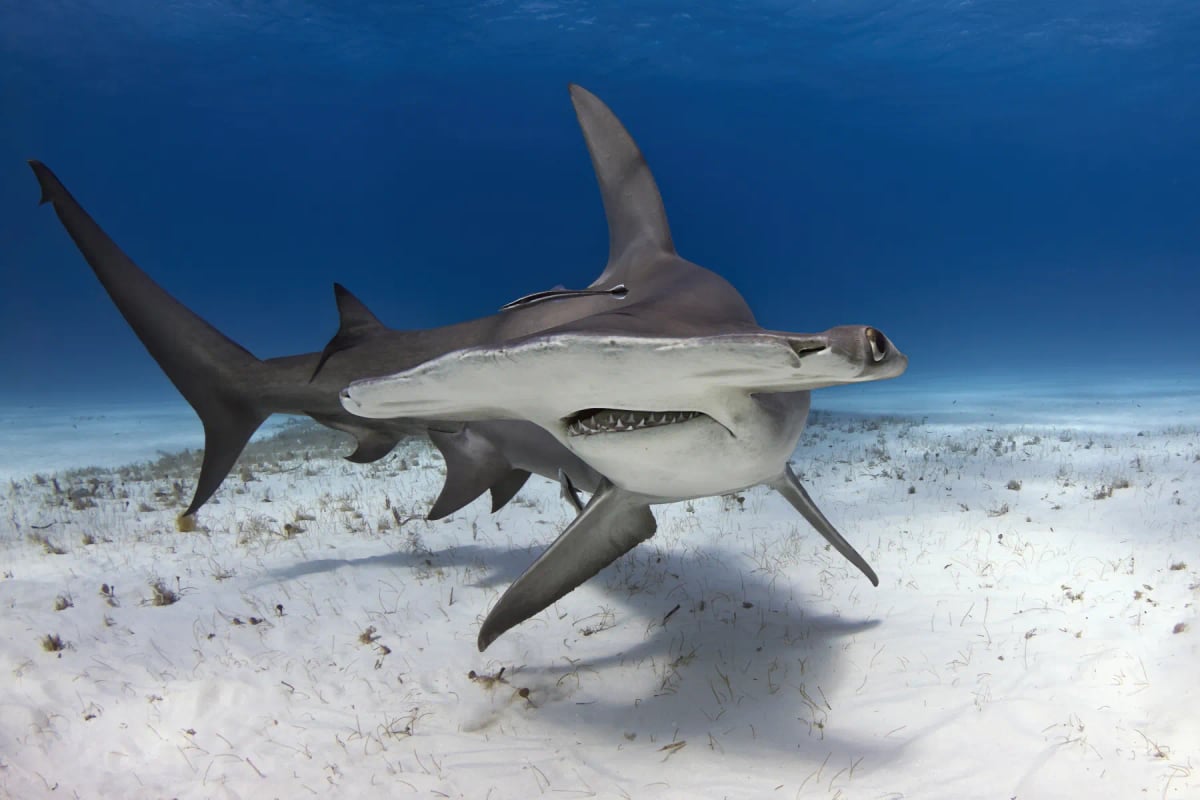
Hammerhead Shark
Sphyrna spp.
Australia is home to several species of hammerhead sharks, found across the warm coastal waters of Queensland, Western Australia, and the Northern Territory. The Great Barrier Reef region provides important habitat. Australian law offers some protection to hammerheads, and research programs monitor their populations. Despite this, fishing pressure and habitat loss continue to threaten these critically endangered sharks in Australian seas.
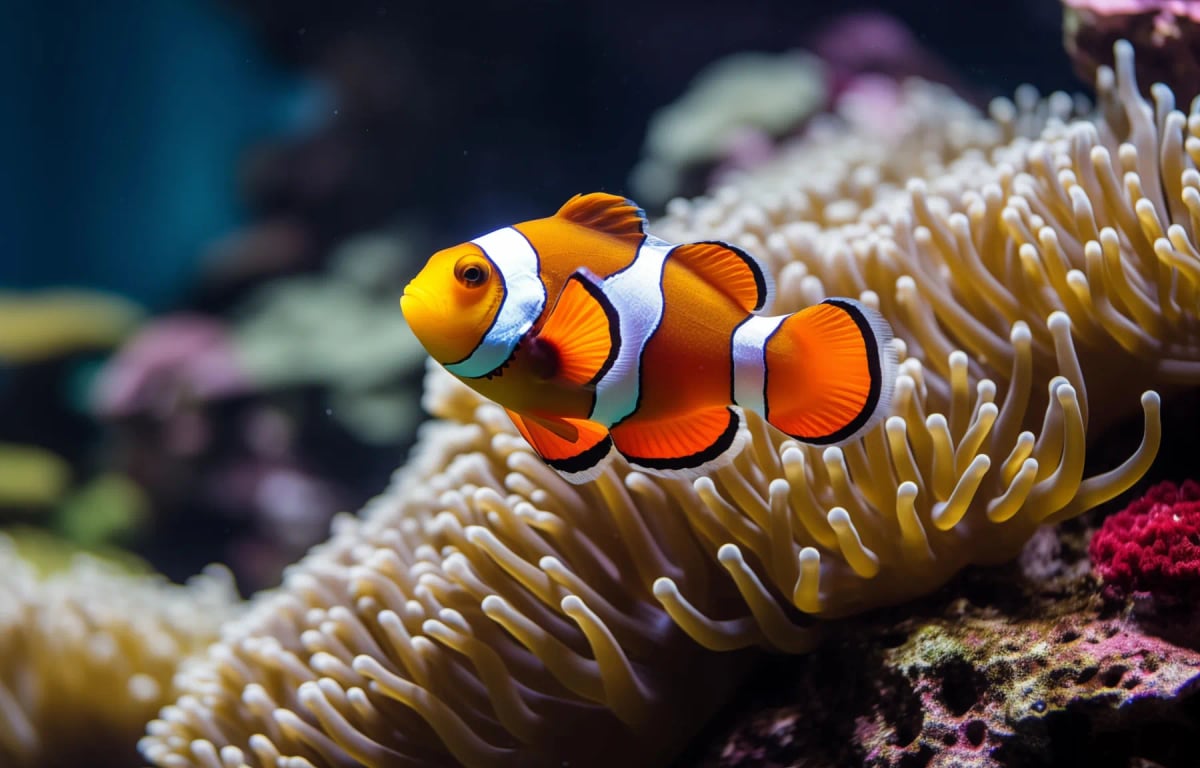
Clownfish
Amphiprioninae (over 30 species)
Clownfish are a familiar sight across Australia's Great Barrier Reef, where they nestle among the tentacles of sea anemones on shallow coral gardens. More than 30 species belong to this group, and all share the same bold orange and white coloring. Protected by a special layer of mucus, they spend their whole lives close to a single anemone, rarely venturing far. Australia's reef protection efforts help keep their populations stable.
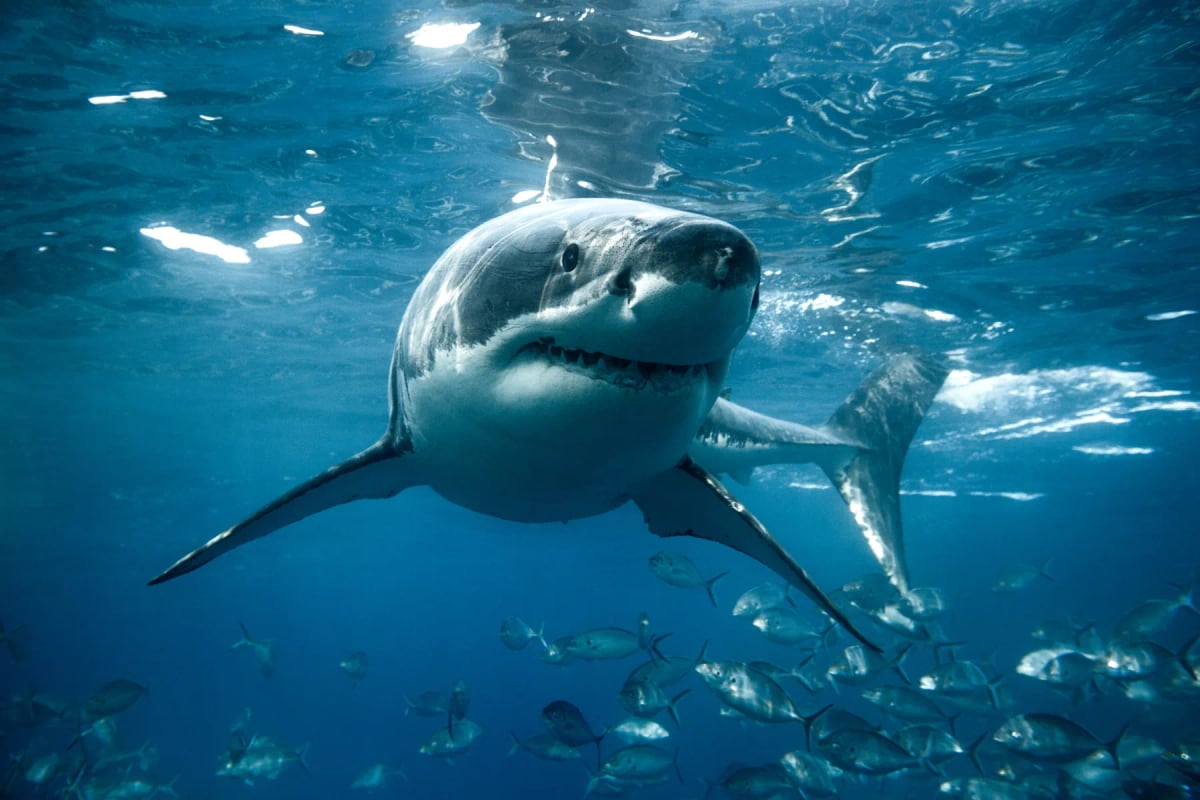
Great White Shark
Carcharodon carcharias
Australia is one of the most important countries in the world for the great white shark. The species is found along the southern coastline, particularly around South Australia, Western Australia, and the waters near the Neptune Islands, a well known aggregation site. Australia was one of the first nations to legally protect the great white shark, in 1999. Seals and sea lions in these cold southern waters provide abundant food for adult sharks. Its IUCN status is Vulnerable.
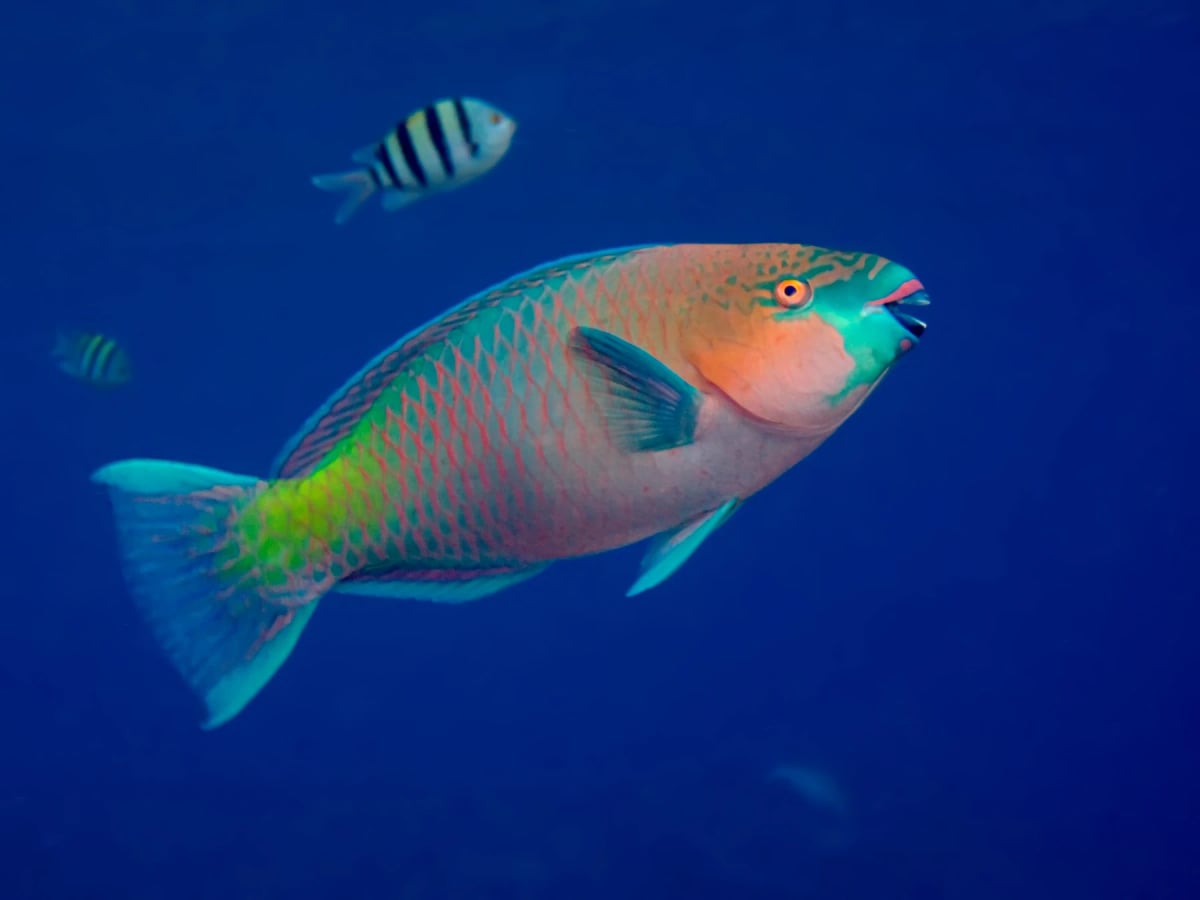
Parrotfish
Scaridae
On the Great Barrier Reef, parrotfish are a constant presence, grazing across coral slopes and shallow lagoons. Their fused teeth work like a beak, scraping algae and dead coral from reef surfaces. The ground material passes through their bodies and is released as fine white sand. By keeping algae under control, parrotfish give corals the space they need to grow and recover. At night, many wrap themselves in a cocoon of mucus for protection.
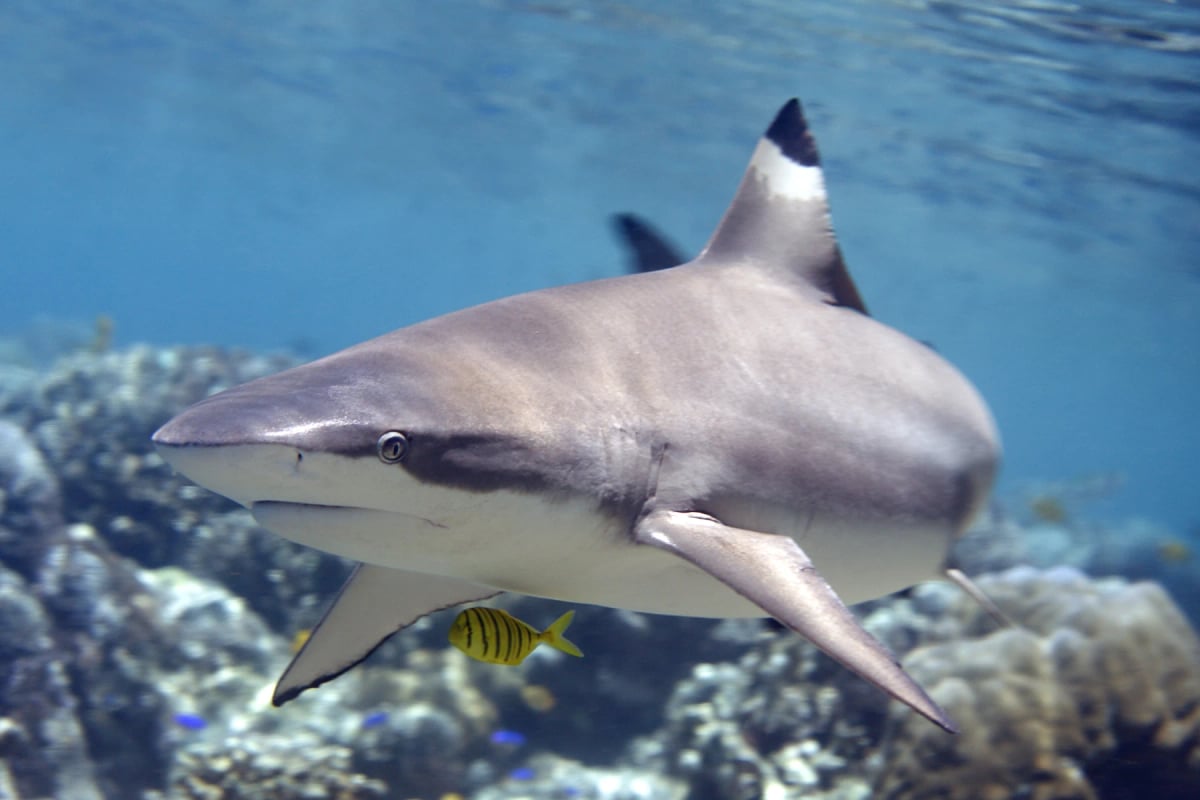
Reef Shark
Carcharhinus spp.
Reef sharks are a familiar sight along Australia's Great Barrier Reef, the largest coral reef system in the world. Blacktip and whitetip reef sharks patrol the shallow waters here, feeding on reef fish, squid, and crustaceans. Australia has strong marine protected area policies that help support reef shark populations, though overfishing and fin trading remain concerns across the broader Indo-Pacific region.
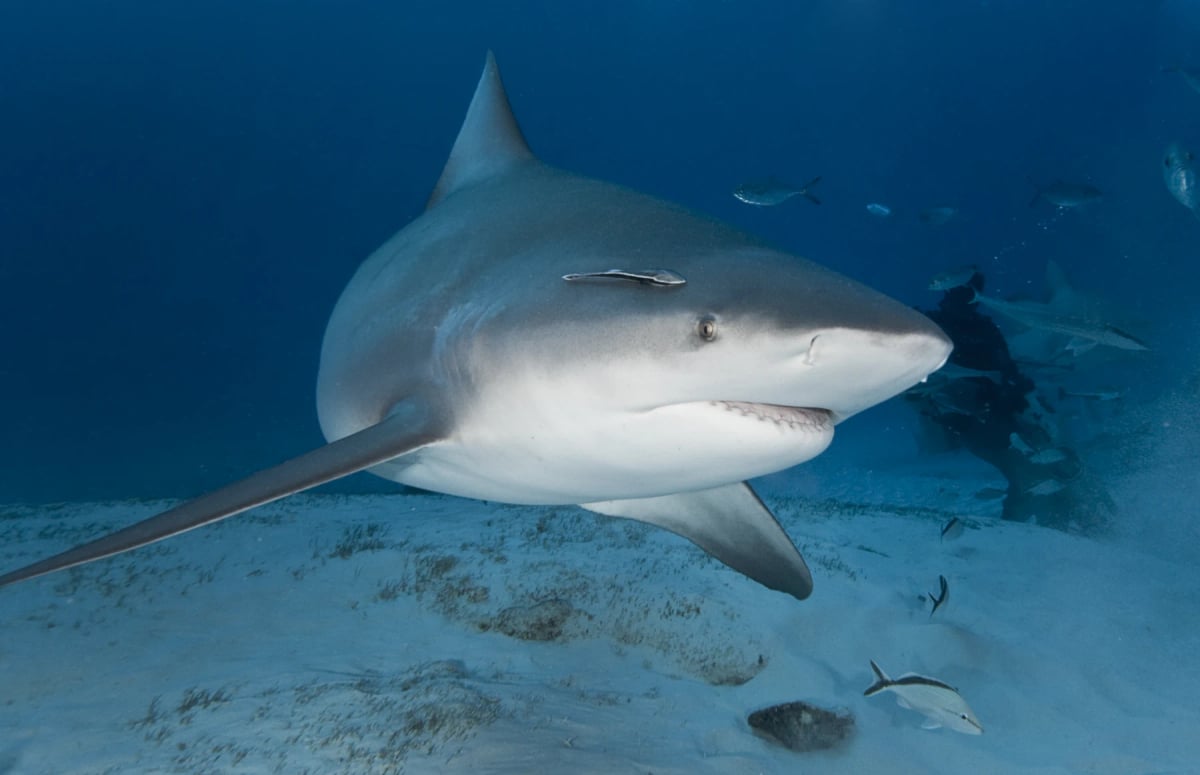
Bull Shark
Carcharhinus leucas
In Australia, bull sharks are a well studied species found across the northern and eastern coasts, with notable populations in Queensland's rivers and estuaries, including the Brisbane River. They travel far upstream into fresh water and are known to breed in shallow coastal zones. Australia maintains active shark monitoring programs, and bull sharks are among the species most frequently involved in incidents with swimmers and surfers in coastal areas.
Frequently Asked Questions
What animals live in Australia?
Australia's animals include kangaroos, wallabies, koalas, wombats and Tasmanian devils, along with egg laying mammals like the platypus and the echidna. Its birds include the emu, the cassowary, the kookaburra and the black swan. On land there are also saltwater crocodiles and many venomous snakes. In the seas around it live whales, dolphins, dugongs, sea turtles and many kinds of sharks, and the Great Barrier Reef is full of fish like clownfish and parrotfish.
What animals are found only in Australia?
A huge share of Australia's wildlife lives nowhere else on Earth. According to the Australian Government, about 87% of its mammals, 93% of its reptiles and 94% of its frogs are found only there, along with 45% of its birds. Well known examples include the koala, the red kangaroo, the wombat, the platypus, the emu and the laughing kookaburra. The Tasmanian devil is even more limited, since in the wild it only lives on the island of Tasmania.
What is the most dangerous animal in Australia?
The saltwater crocodile is one of the most dangerous, and it lives in rivers, estuaries and coastal waters of northern Australia. The country also has many venomous snakes, such as the tiger snake, whose bite can be deadly without treatment. Sharks, sea snakes and cassowaries can be dangerous too. Even so, deaths caused by wild animals are rare. Following local warning signs, staying out of water where crocodiles live and keeping your distance from wildlife keeps the risk very low.
What is the national animal of Australia?
Australia has no national animal set by law, but the kangaroo is widely seen as the country's animal symbol. A kangaroo and an emu hold up the shield on Australia's coat of arms, and the kangaroo also appears on coins and on the logos of many Australian brands. The red kangaroo, the largest of all marsupials, lives on the dry plains of inland Australia and can travel long distances by hopping.
Where can you see wild animals in Australia?
There are great places all over the country. The Great Barrier Reef in Queensland is famous for sea turtles, reef sharks and colorful fish. Kangaroo Island in South Australia has kangaroos, koalas and sea lions. Tasmania is the only place to see Tasmanian devils in the wild, while Kakadu National Park in the north is known for saltwater crocodiles. In the Daintree Rainforest you might spot a cassowary, and at Ningaloo Reef in Western Australia you can swim with whale sharks.
Researched and written by Juan Pablo. Sources: IUCN Red List, scientific literature and regional field guides. Last updated: .