Wallaby
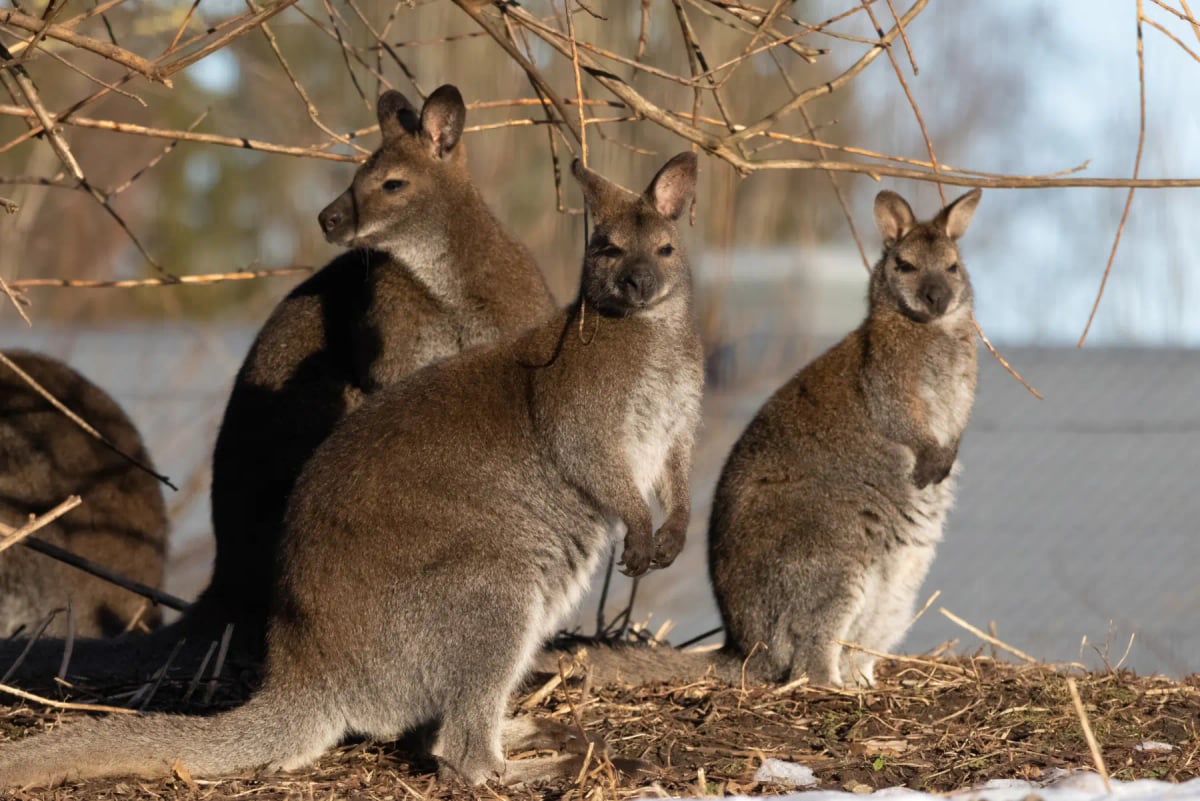
Wallabies are small to medium marsupials belonging to the family Macropodidae, the same group as kangaroos. Several dozen species exist, spread across a wide range of Australian habitats, from rocky ridges and open grasslands to dense forest edges and coastal scrub. Like kangaroos, they move by hopping on powerful hind legs and use a thick, muscular tail for balance. Females carry their young, called joeys, in a forward-facing pouch for several months after birth. Wallabies are herbivores, grazing mostly on grasses, leaves, and soft shoots. They are most active at dusk and dawn, resting in shade during the hottest part of the day. Most species are doing well across their range, but some localized or island-dwelling species face real pressure from foxes, feral cats, and the ongoing clearing of native vegetation for farming and development.
Habitat and distribution
Australia is home to dozens of wallaby species, and between them they cover an impressive variety of landscapes. Some live on steep, rocky hillsides where their tough foot pads give them a sure grip on loose stone. Others prefer the grassy edges of eucalypt forests, open woodland, or dense coastal scrub. A handful of species even thrive on offshore islands. In general, wallabies need two things from their environment: enough low vegetation to graze on, and nearby cover where they can shelter from the midday heat. Because so many species exist, the family as a whole occupies nearly every corner of the continent, from tropical northern Queensland down to the cooler temperate regions of Victoria and Tasmania.
Diet
Wallabies are herbivores that feed primarily on grasses, though leaves, ferns, and soft new shoots also make up a regular part of the menu depending on the species and season. Their teeth are well suited to grinding tough plant material, and like other macropods they have a chambered stomach that helps ferment fibrous vegetation. Feeding mostly happens at dusk and dawn, when temperatures drop and the risk from predators is lower. During the hottest part of the day wallabies rest in shade, which also reduces their need for water. Some species that live in drier areas can go long periods without drinking, getting enough moisture directly from the plants they eat.
Behavior
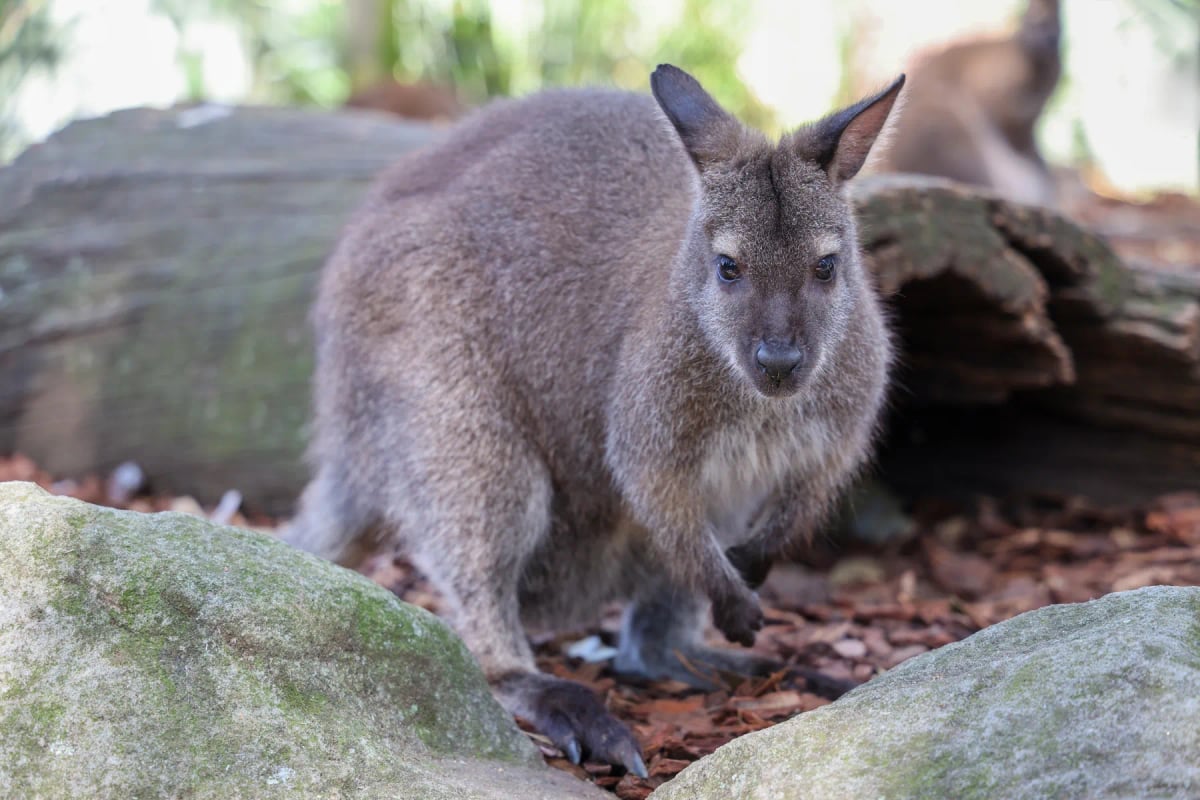
For most of the day, wallabies are quiet and still, sheltering under shrubs or in tall grass to avoid the heat. As evening approaches they become much more active. Most species are largely solitary, but it is common to see several individuals grazing close together in the same clearing without any obvious social bond. When they do need to move quickly, their powerful hind legs allow them to cover ground at a remarkable pace, and that long, thick tail acts as a counterweight that keeps them balanced mid-hop. Females raise their young, known as joeys, in a pouch on their belly. A joey is born at a very early stage of development and spends several months inside the pouch growing before it begins to venture out.
Threats
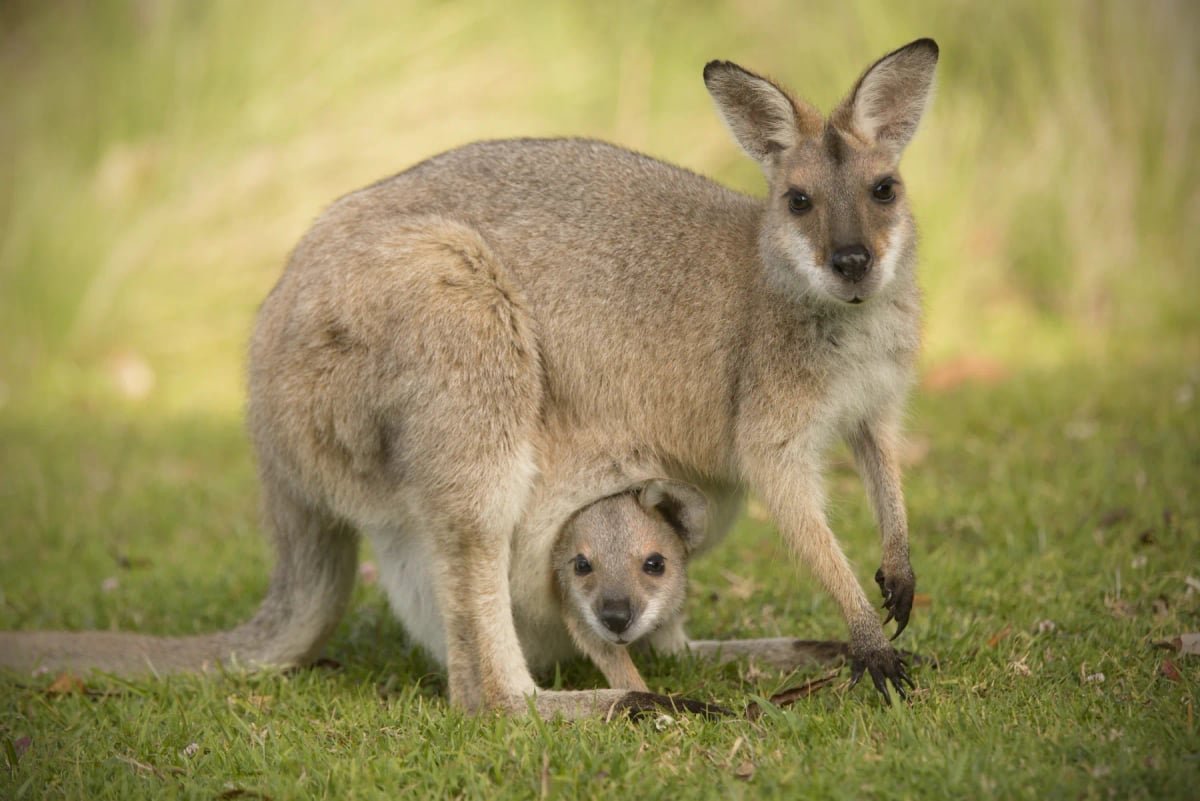
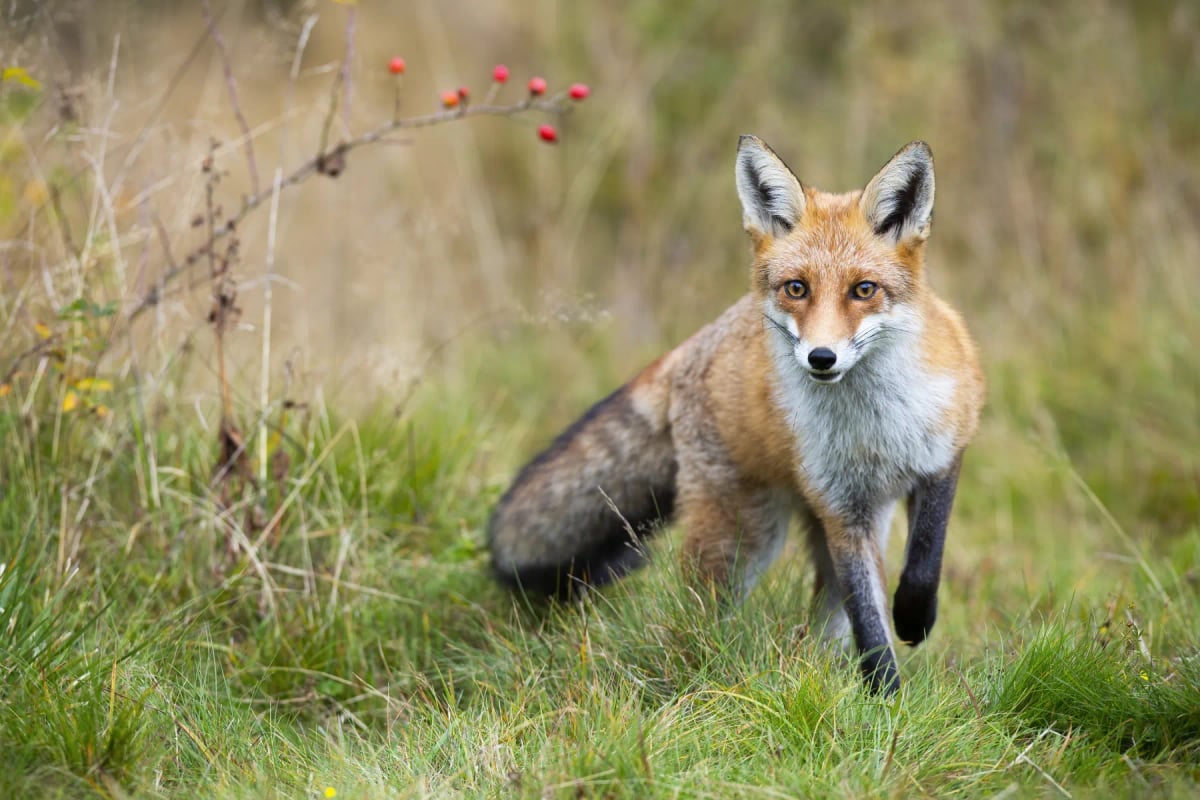
Not all wallaby species face the same level of risk, but several pressures are widespread across Australia. Red foxes and feral cats, both introduced to the continent by European settlers, are the most serious threat to smaller species and to populations living on the mainland. These predators are efficient hunters that wallabies did not evolve alongside, leaving many populations with little natural defense. On top of predation, the clearing of native vegetation for farming and urban development has reduced and fragmented the habitat available to many species. Smaller, isolated populations are hit hardest. Collision with vehicles on rural roads is another well-documented cause of mortality, particularly for species that live near farmland and feed along road verges at night.
Conservation
The picture across the wallaby family is mixed. Many widespread species are listed as Least Concern by the IUCN and remain common across large parts of Australia. However, several species with restricted ranges, particularly those confined to small islands or specific vegetation types, are listed as vulnerable or endangered, and at least one, the toolache wallaby, is already extinct. Efforts to protect remaining populations focus on controlling introduced predators through baiting programs and the construction of predator-proof fenced reserves. Some threatened species have been moved to islands or enclosed sanctuaries where foxes and cats are absent. Protecting and restoring native vegetation remains equally important, giving wallabies the food and cover they need to sustain healthy populations over the long term.
Researched and written by Juan Pablo. Sources: IUCN Red List, scientific literature and regional field guides. Last updated: .
Technical factsheet

Frequently Asked Questions
What do wallabies eat?
Wallabies are herbivores that graze mainly on grasses, along with leaves, ferns, and soft new shoots. Their teeth are built for grinding tough plant material, and their chambered stomach helps break down fibrous vegetation. They feed mostly at dusk and dawn. Some species living in dry areas get most of their moisture from the plants they eat and can go long stretches without drinking water.
Where do wallabies live?
Wallabies are found across almost every part of Australia, from tropical Queensland to the cooler regions of Victoria and Tasmania. Different species have adapted to very different landscapes, including rocky hillsides, open grasslands, eucalypt forest edges, and coastal scrub. A few species also live on offshore islands. As a general rule, they need low vegetation for grazing and nearby cover to shelter from the heat of the day.
Are wallabies the same as kangaroos?
Wallabies and kangaroos belong to the same family, Macropodidae, so they are closely related. The main difference is size: wallabies are generally much smaller. Both hop on powerful hind legs and use a thick tail for balance, and both carry their young in a pouch. Think of wallabies as the smaller cousins of kangaroos. There are several dozen wallaby species, each adapted to its own particular habitat across Australia.
How do wallabies raise their young?
A baby wallaby, called a joey, is born at a very early stage of development. It is tiny and hairless, but manages to crawl into its mother's pouch, where it latches onto a teat and continues growing. The joey spends several months inside the pouch before it starts poking its head out and eventually venturing outside. Even after leaving the pouch, young wallabies return to it for warmth and safety for some time.
What are the biggest threats to wallabies?
The two greatest threats to wallabies are introduced predators and habitat loss. Red foxes and feral cats, both brought to Australia by European settlers, are highly effective hunters that wallabies never evolved to deal with. At the same time, the clearing of native vegetation for farming and development has shrunk and broken up the areas where wallabies live. Collisions with vehicles on rural roads also cause significant losses, especially for species living near farmland.
Are wallabies endangered?
The situation varies a lot depending on the species. Many widespread wallabies are listed as Least Concern by the IUCN and remain common across large parts of Australia. However, species with restricted ranges, especially those limited to small islands or specific vegetation types, are in much more trouble. Some are listed as vulnerable or endangered, and the toolache wallaby has already gone extinct. Predator control programs and fenced sanctuaries are helping protect the species most at risk.
Why do wallabies hop instead of walk?
Hopping is actually a very efficient way for wallabies to travel. At medium to high speeds, their tendons store and release energy with each bound, almost like springs, which means they use surprisingly little energy to cover distance. Their powerful hind legs and long, muscular tail work together to keep them stable and fast. Walking on all fours would actually cost them more energy at speed, so hopping is the smarter option for an animal that needs to cover open ground.