African Elephant
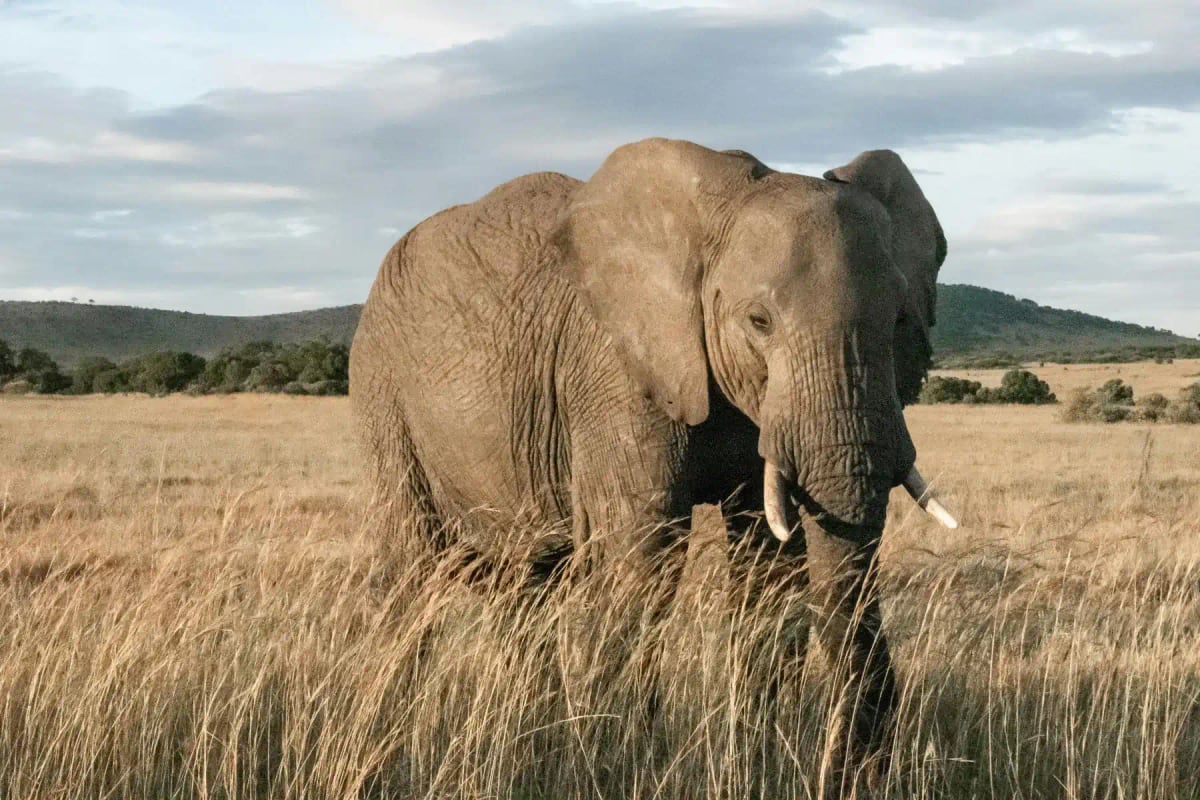
The African elephant (Loxodonta africana) is the largest land animal on Earth, found in savannas, woodlands and forests across sub-Saharan Africa. Its distinctive large ears help regulate body temperature, while its muscular trunk functions as a nose, hand and social tool at once. Highly intelligent and deeply social, it lives in matriarchal herds and plays a vital role in shaping the ecosystems it inhabits. It is listed as Endangered due to poaching for ivory and ongoing habitat loss.
Habitat and distribution
African elephants range across a vast portion of Africa south of the Sahara, from the open savannas of East and Southern Africa to the dense rainforests of Central Africa. They adapt to a wide variety of environments: woodlands, floodplains, marshes and even arid zones along the Namibian coast and in the Sahel. Herds follow seasonal rainfall and can travel up to 100 kilometers in search of water. Access to permanent water sources is a critical factor shaping where populations can establish themselves.
Diet
African elephants are bulk feeders that consume both grasses and woody vegetation depending on the season. During the wet season they favor fresh grasses; in the dry season they strip bark, dig for roots and pull entire trees down to reach food. Adults eat between 100 and 200 kilograms of vegetation per day and drink up to 200 liters of water. As they feed, they create clearings, push over trees and spread seeds through their dung, significantly shaping the landscapes they inhabit.
Social structure
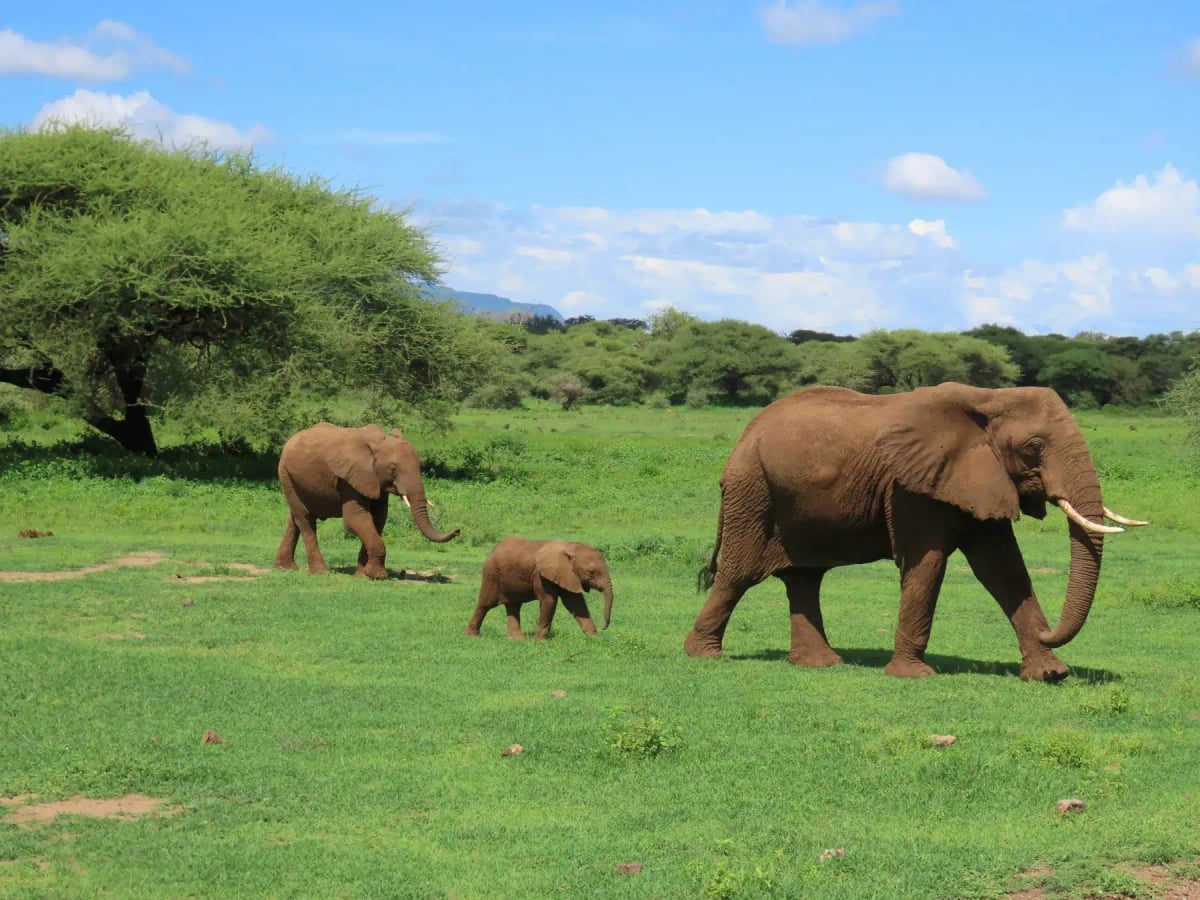
African elephant society is built around family groups of 10 to 20 related females and their calves, led by the oldest female, the matriarch. Her knowledge of food sources, water locations and migration routes is essential for the group's survival. Related families form larger groups called clans, and during the dry season these may gather in aggregations of hundreds. Adult males leave the family group around age 14 and live mostly alone or in small loose groups, joining female herds only during breeding.
Danger to humans
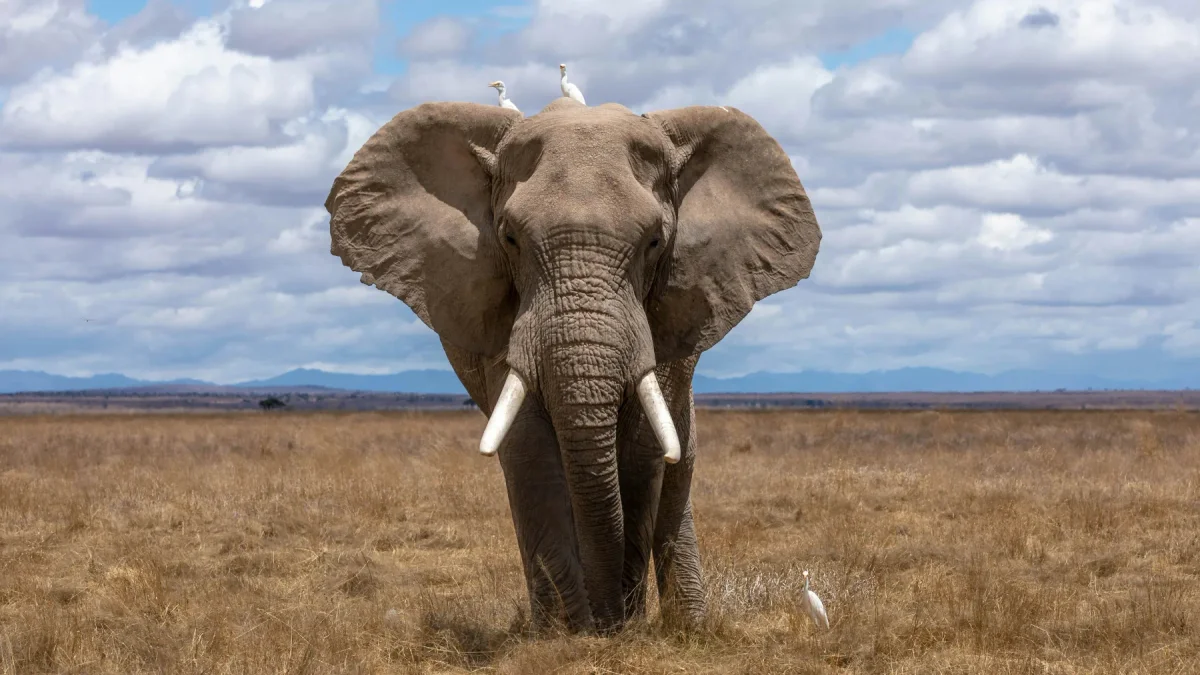
African elephants are generally not aggressive, but they are responsible for hundreds of human deaths each year across Africa, mostly due to crop raiding conflicts at the edges of protected areas. They become particularly dangerous when surprised at close range, when protecting calves or when adult males are in musth, a hormonal state marked by elevated testosterone and heightened aggression. A charging elephant is one of the most dangerous situations in African wildlife, capable of reaching speeds above 25 kilometers per hour.
Differences from Asian elephants
The African elephant is noticeably larger than its Asian relative, and both males and females typically carry tusks, while in Asian elephants tusks are usually found only in males. African elephants have much larger ears, often described as shaped like the African continent, which help them stay cool by radiating excess heat. Their back dips in the center, unlike the arched back of Asian elephants. The trunk has two flexible tips for gripping, compared to one in the Asian species.
Conservation
African elephants face two major threats: illegal poaching for ivory and the loss and fragmentation of habitat as human settlements expand. The African savanna elephant (Loxodonta africana) is listed as Endangered, while the African forest elephant (Loxodonta cyclotis) is Critically Endangered on the IUCN Red List. International ivory trade bans, anti-poaching patrols and community conservation programs have helped stabilize some populations, but numbers remain far below historical levels. Transboundary conservation areas connecting protected zones across national borders are increasingly important for the long term survival of the species.
Where it is found
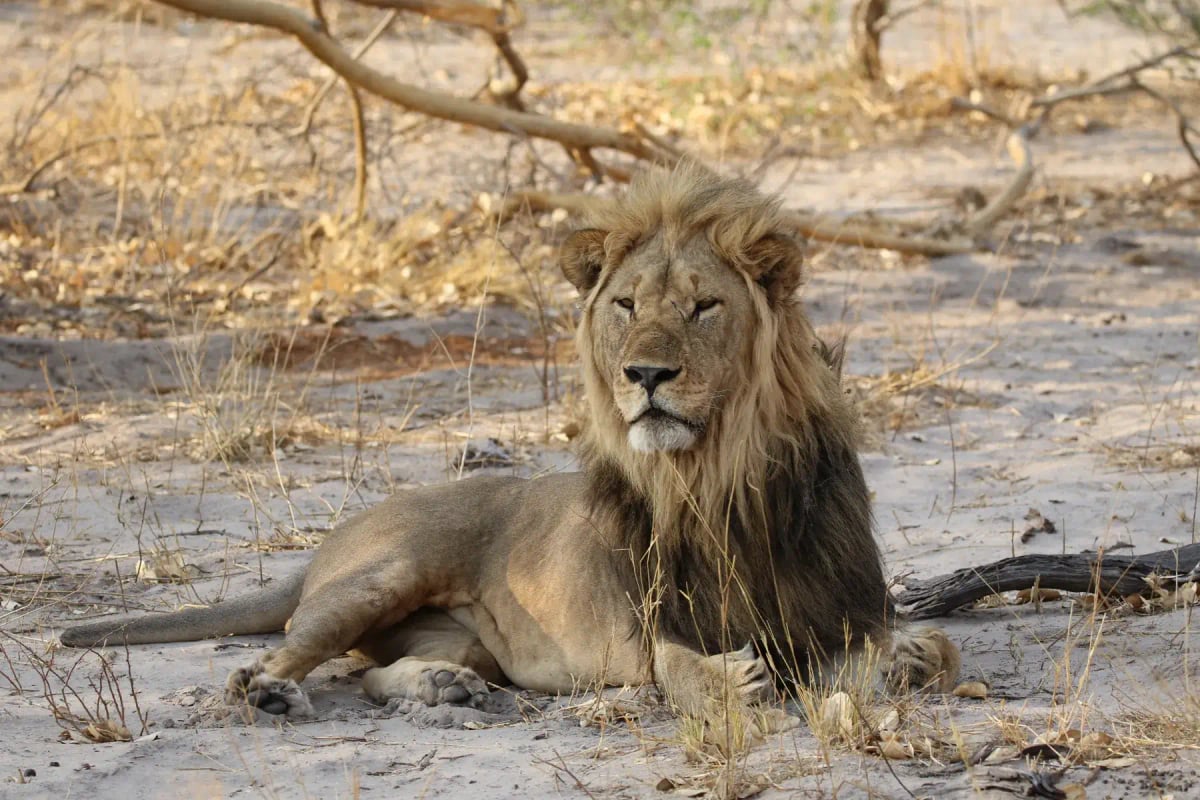
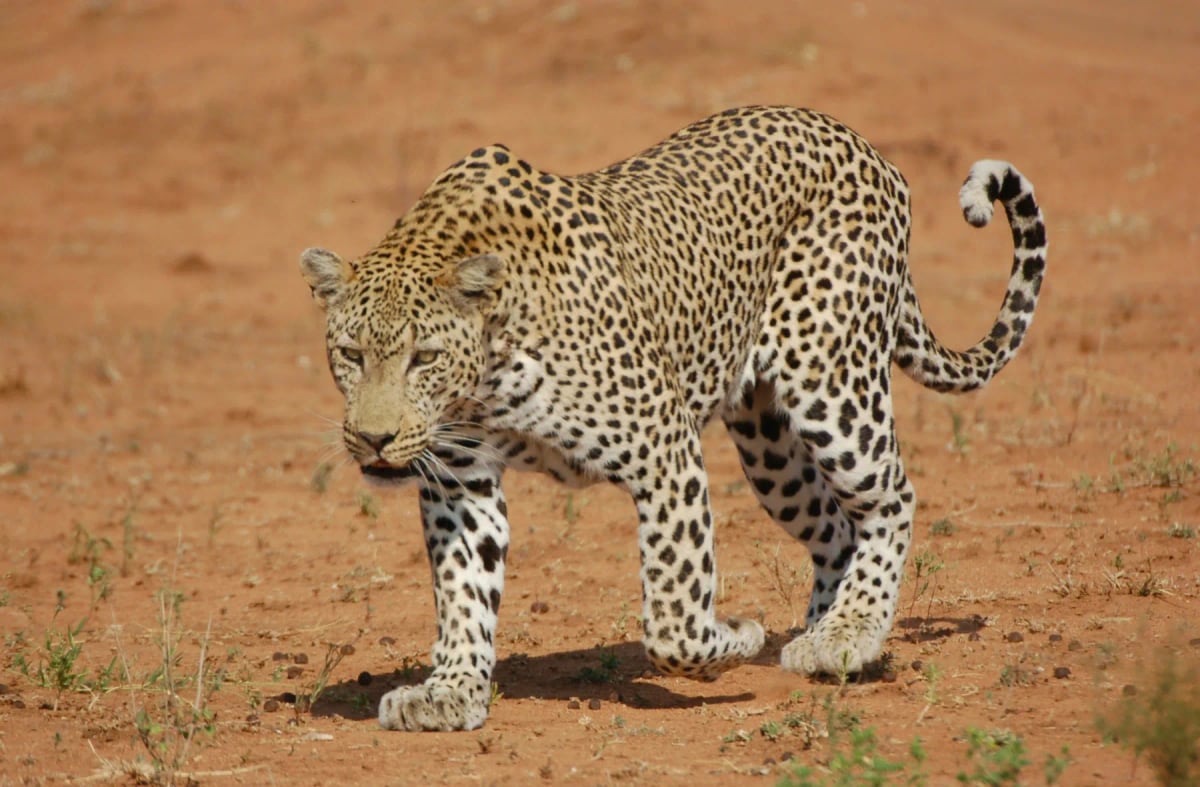
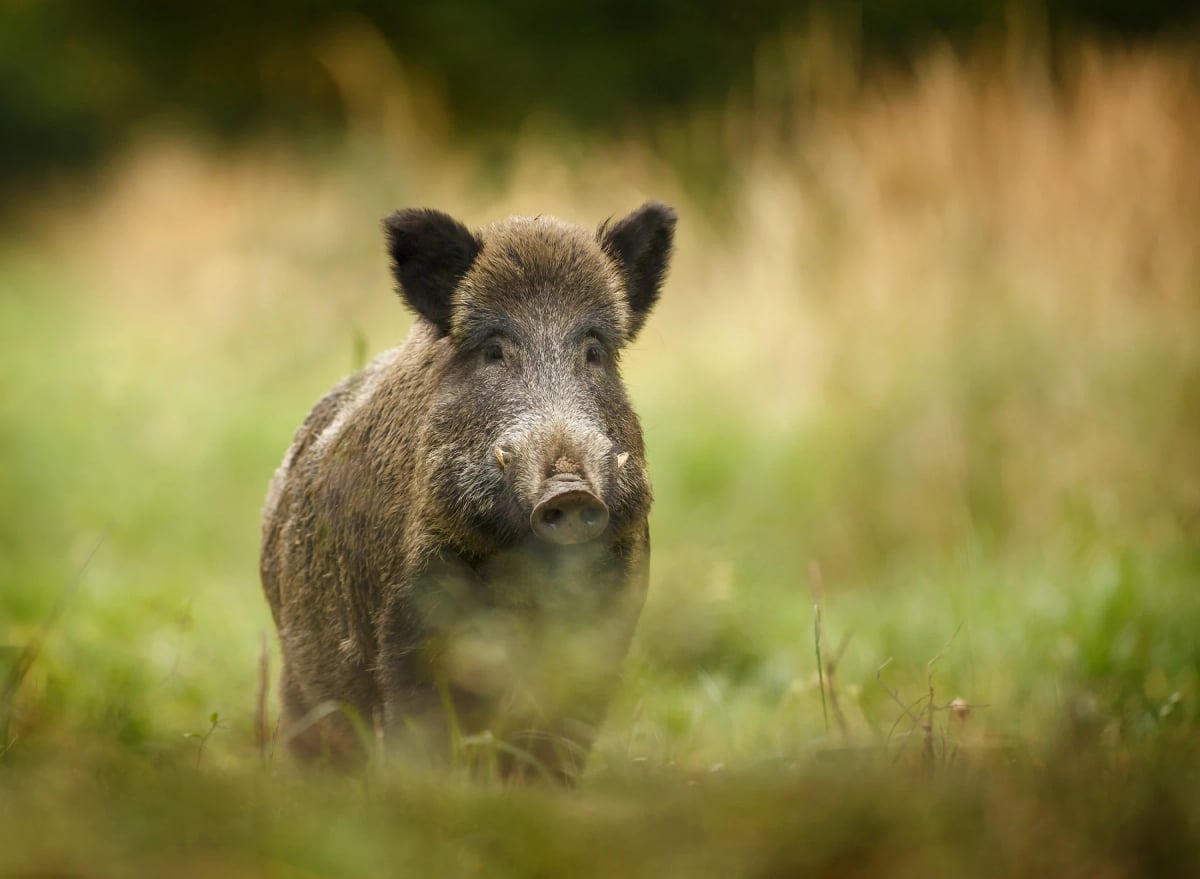
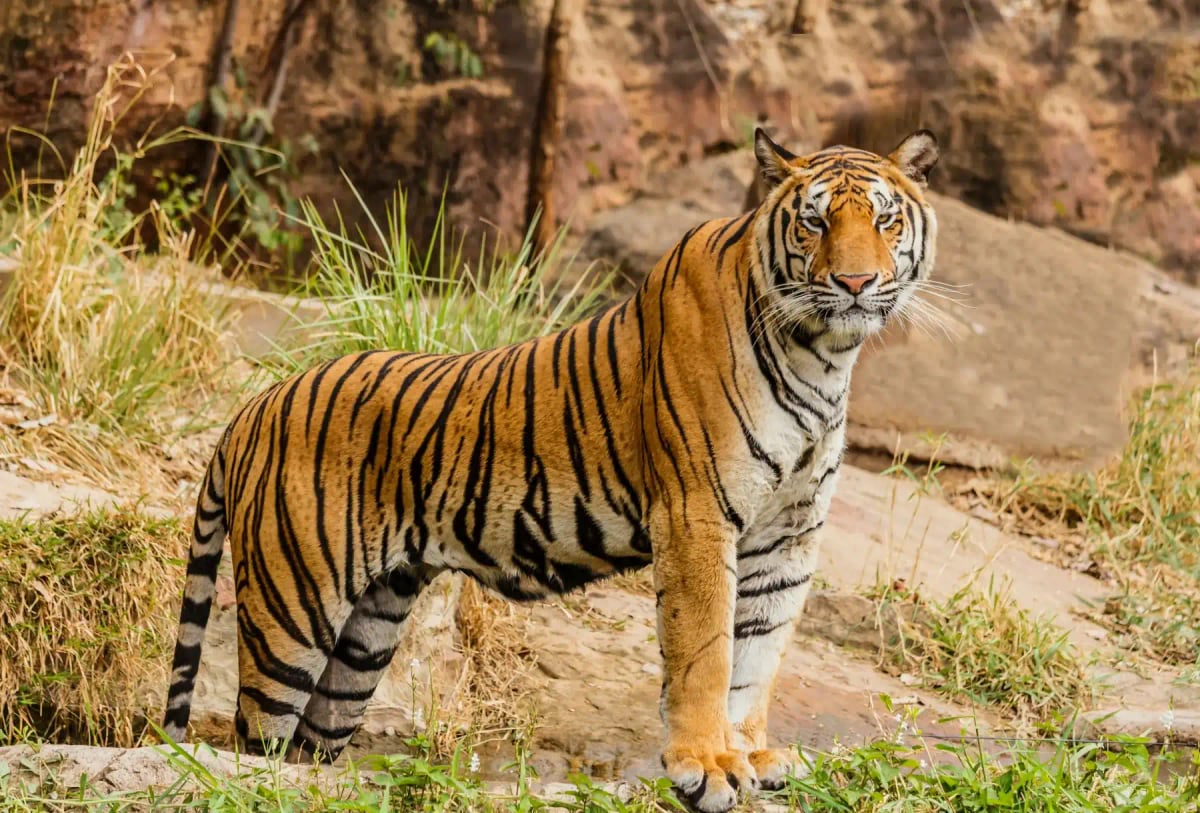
The African Elephant can be found in places such as:
Researched and written by Juan Pablo. Sources: IUCN Red List, scientific literature and regional field guides. Last updated: .
Technical factsheet









Frequently Asked Questions
What do African elephants eat?
African elephants are herbivores that consume between 100 and 200 kilograms of vegetation per day. During the wet season they favor fresh grasses; in the dry season they strip bark, dig for roots, and pull down entire trees to reach food. They also drink up to 200 liters of water daily. As they feed, they disperse seeds through their dung and create clearings that benefit many other species across the ecosystems they inhabit.
How do African elephants live?
African elephants live in matriarchal family groups of 10 to 20 related females and their calves, led by the oldest and most experienced female. Her knowledge of water sources, food locations, and migration routes is essential for the group's survival. Related families form larger clans. Adult males leave the family around age 14 and live mostly alone or in loose groups, rejoining females only during the breeding season.
Are African elephants dangerous?
African elephants are generally not aggressive, but they are responsible for hundreds of human deaths each year, mostly in conflicts over crops at the edges of protected areas. They become particularly dangerous when surprised at close range, when protecting calves, or when adult males are in musth, a hormonal state marked by elevated testosterone and heightened aggression. A charging elephant can exceed 25 kilometers per hour, making it one of the most dangerous situations in African wildlife.
Why are African elephants endangered?
African elephants face two major threats: illegal poaching for ivory and the loss and fragmentation of habitat as human settlements expand. The savanna elephant is listed as Endangered by the IUCN, while the forest elephant is Critically Endangered. International ivory trade bans and programs against poaching have helped stabilize some populations, but numbers remain far below historical levels. Conflict between elephants and farming communities at the boundaries of protected areas is also a growing and complex challenge across the continent.
How long do African elephants live?
African elephants live between 60 and 70 years in the wild, one of the longest lifespans of any land mammal. Their lifespan is closely tied to their teeth: elephants cycle through six sets of molars over their lifetime, and when the last set wears down, they can no longer chew food effectively and eventually die of starvation. Older matriarchs are particularly valuable to their herds because their accumulated knowledge of resources and routes directly improves the survival of the entire family group.
What is the difference between African and Asian elephants?
The African elephant is noticeably larger than its Asian relative. Both male and female African elephants typically carry tusks, while in Asian elephants tusks are usually found only in males. African elephants have much larger ears, often described as shaped like the African continent, which help regulate body temperature. Their back dips in the center, unlike the arched back of Asian elephants. The trunk of the African elephant has two flexible tips for gripping, compared to one in the Asian species.