Animals in India
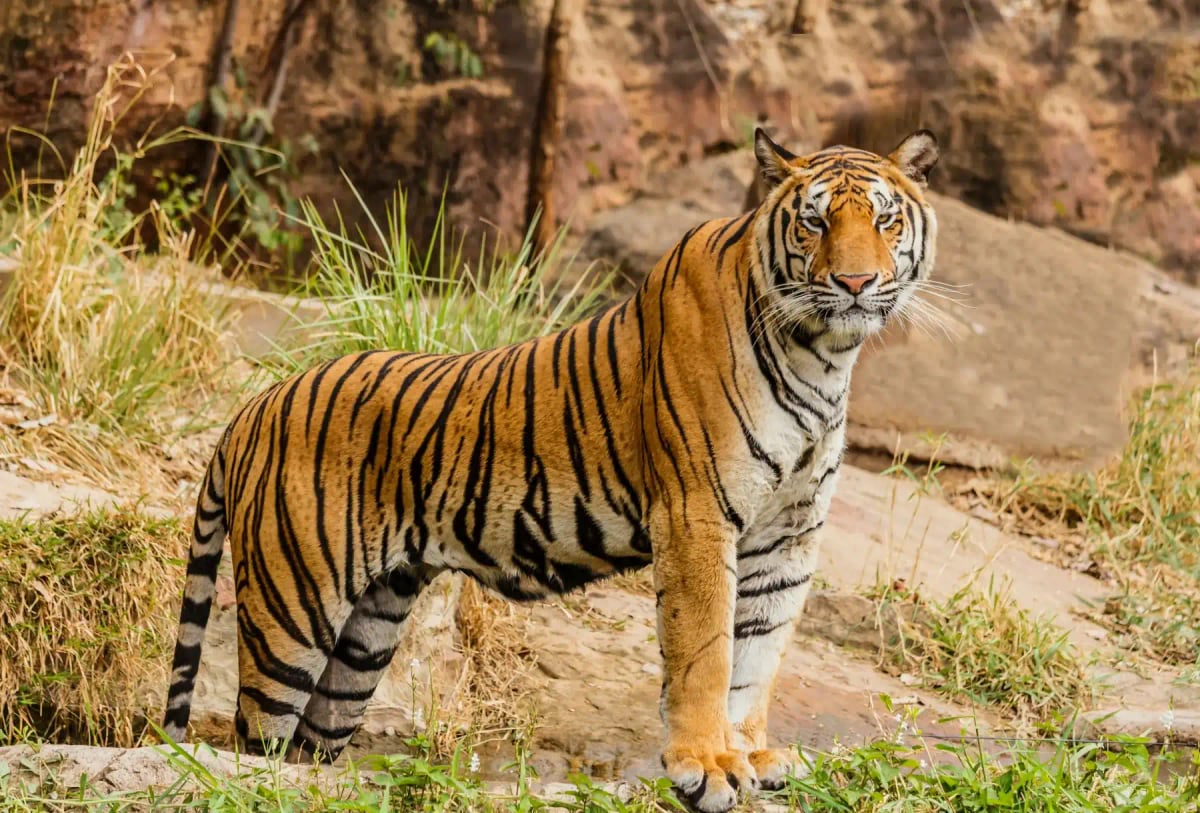
Bengal Tiger
Panthera tigris tigris
The Bengal tiger has been the national animal of India since 1973, the year Project Tiger began, taking the place of the lion. It lives in forests, grasslands and the mangroves of the Sundarbans, where it hunts deer, wild boar and gaur. The 2022 census counted about 3,682 tigers, some 75 percent of the world's wild population, after decades of protection in more than 50 tiger reserves. The tiger appears on stamps, coins and in countless stories as a symbol of strength and power.
View details→Wildlife in India
India is one of the richest wildlife countries on Earth, with forests, grasslands, deserts, the Himalaya and long tropical coasts. It is the only country where both tigers and lions live in the wild: about three quarters of the world's wild tigers roam parks such as Ranthambore, Kanha and the Sundarbans, while the last Asiatic lions survive in Gujarat. Leopards live almost everywhere, from forests to the edges of big cities, and the snow leopard, the red panda and the takin live high in the Himalaya. Asian elephants move through the Western Ghats and the northeast, and gaur, sambar deer, blackbuck and wild boar graze the forests and plains. Dholes, gray wolves, striped hyenas, golden jackals, caracals and fishing cats are less known predators. Rivers hold gharials and mugger crocodiles, the mangroves of the east have saltwater crocodiles, and the king cobra lives in the wet forests. Along the coasts swim dugongs, dolphins, sea turtles and whale sharks.
Most Dangerous Animals in India
India has more dangerous animals than most countries, and conflict between people and wildlife is a daily issue in many rural areas. Snakes are by far the deadliest: about 58,000 people die from snakebites every year, mostly farmers bitten at night by common snakes near villages. The king cobra, the longest venomous snake in the world, lives in the forests of the Western Ghats and the northeast. Asian elephants kill hundreds of people every year when they raid crops, and tigers and leopards also cause deaths, especially in the Sundarbans and around forest villages. Gaur, wild boars and Asiatic black bears can charge when surprised. Mugger and saltwater crocodiles attack people at rivers and ponds, and striped hyenas, dholes and wolves are rarely a threat. At sea, bull, tiger and hammerhead sharks and sea snakes live along the coasts. Using a flashlight at night, sleeping off the ground and following forest guides reduce the risk.
Top 10 Animals in India
The top 10 animals in India bring together big cats, giants and rare mountain animals. The orca is the most famous name, although it is only an occasional visitor off the Indian coasts. The Bengal tiger, the national animal, and the leopard are the best known big cats, and India is the last home of the Asiatic lion, which has grown to 891 animals in Gujarat, many of them living outside the Gir forest. The Asian elephant is a sacred animal in India, and a 2025 DNA count found about 22,446 in the wild, half of them in the Western Ghats. Gray wolves hunt the dry grasslands of the Deccan, and the reticulated python, the longest snake in the world, lives in India only on the Nicobar Islands. The pangolin, the red panda of Sikkim and Arunachal Pradesh and the snow leopard of Ladakh complete the list.
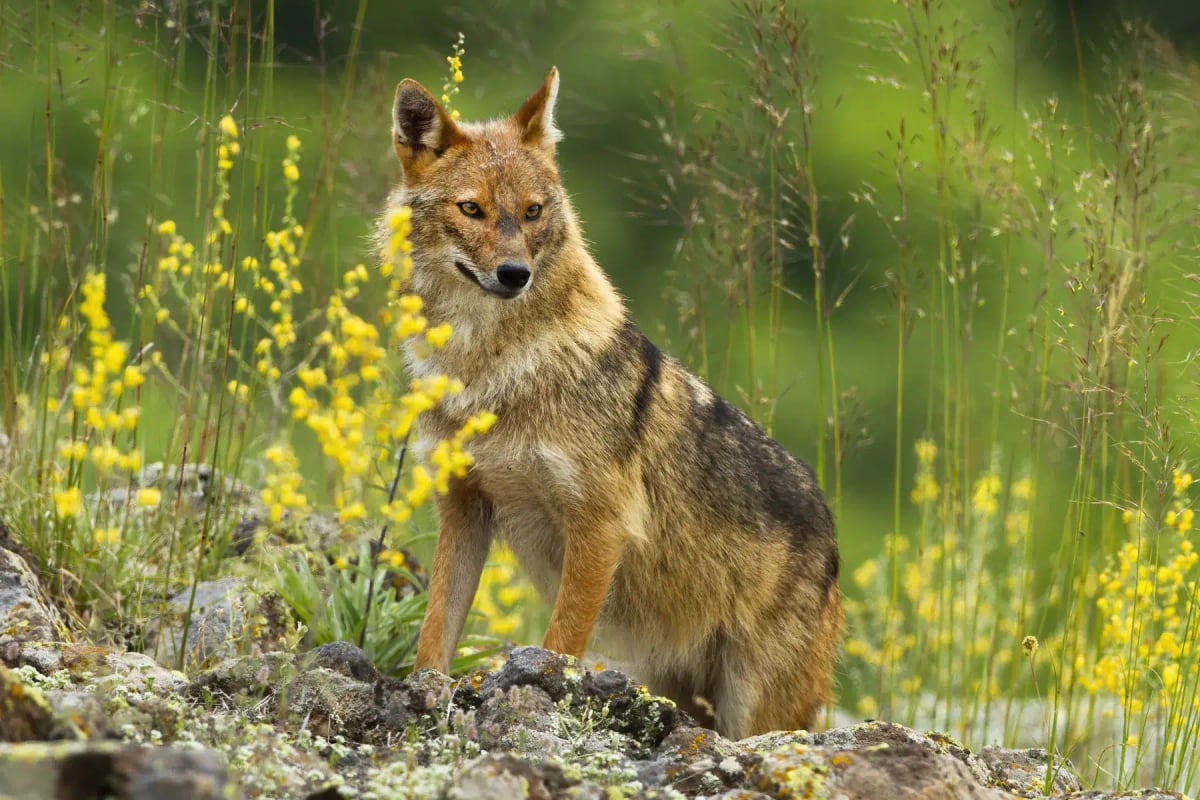
Golden Jackal
Canis aureus
The golden jackal is one of the most widely distributed wild canids across India, present from the foothills of the Himalayas to the southern tip of the subcontinent. It thrives in scrubland, grassland, farmland, and the fringes of forests, including within protected areas such as Keoladeo and Ranthambore. Highly tolerant of human presence, it is often spotted at dawn and dusk near villages. IUCN status: Least Concern.
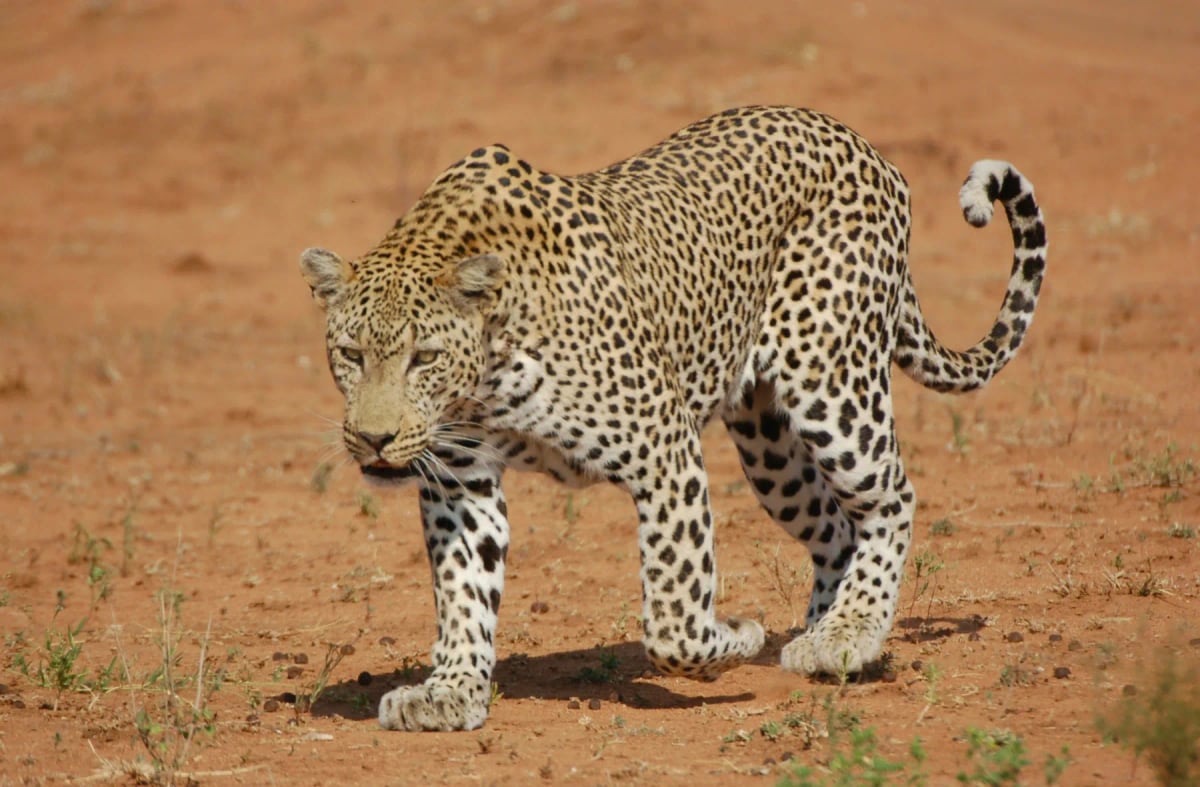
Leopard
Panthera pardus
India holds one of the largest leopard populations in the world, with animals found across a remarkable range of habitats, from the Himalayan foothills and central Indian forests to scrublands near major cities. The leopard is highly adaptable and even survives in areas close to dense human settlements. Conflict with people, road accidents, and poaching for the illegal skin and bone trade are serious threats to the population.
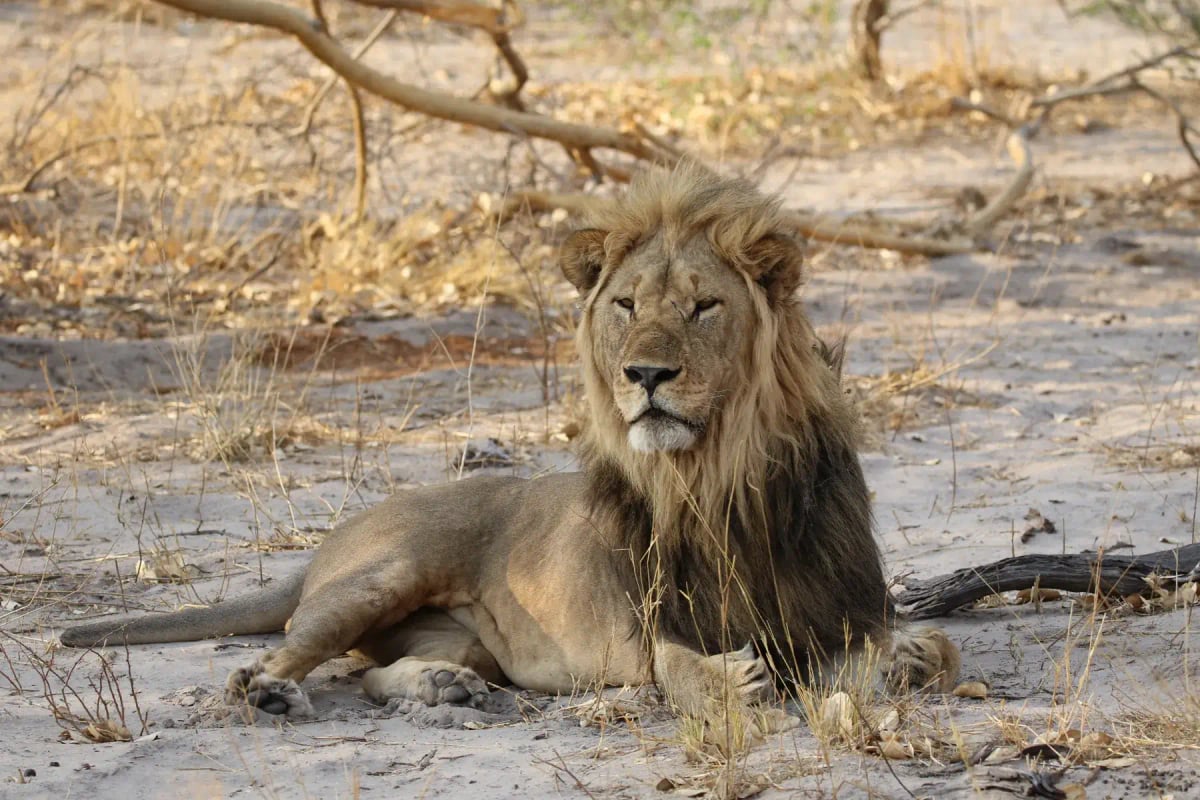
Lion
Panthera leo
India is the only country outside Africa where wild lions still live. The Asiatic lion survives exclusively in the Gir Forest of Gujarat, where the population has grown steadily since conservation efforts began in the twentieth century. Gir National Park is the only place in the world where visitors can see wild Asiatic lions, and the landscape of dry deciduous forest and open scrub makes for an experience quite different from African lion country.
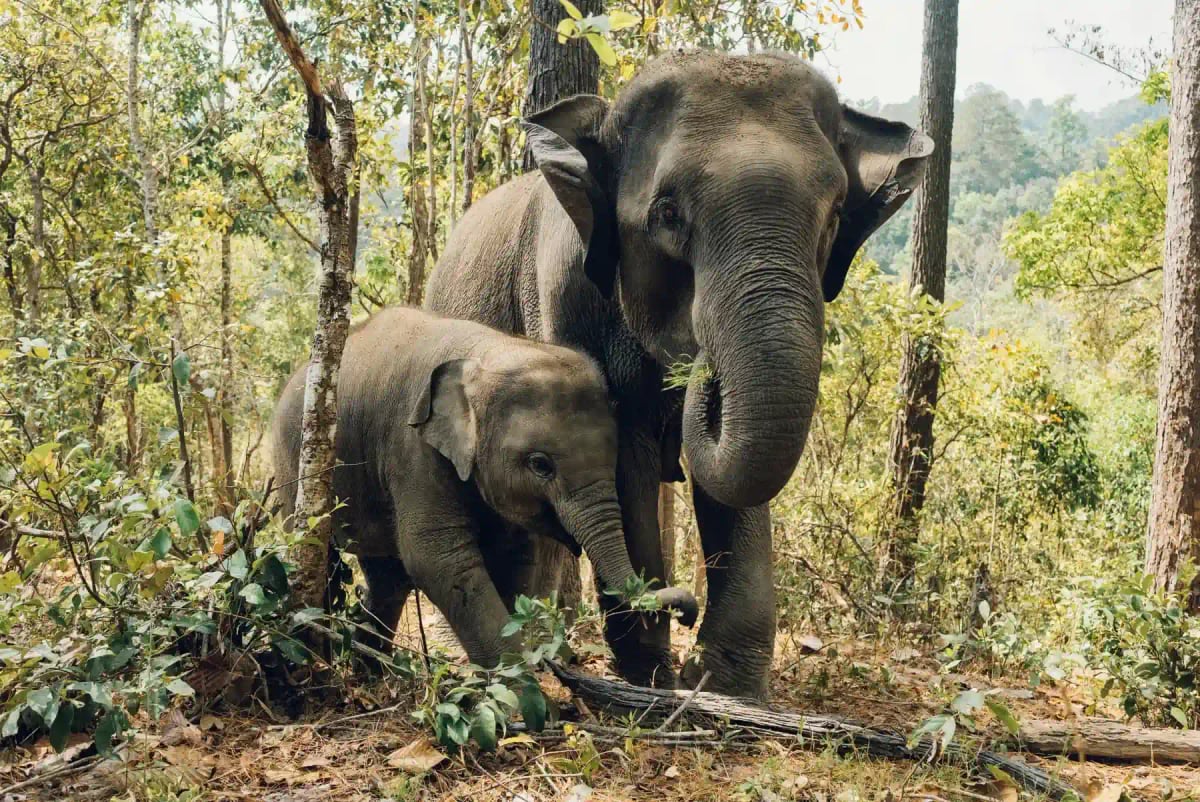
Asian Elephant
Elephas maximus
The Asian elephant is found across the forests and grasslands of southern and northeastern India, with the largest populations in Karnataka, Kerala, and Assam. It moves in herds led by older females and needs vast territories to feed and migrate. Corridors connecting forest patches are critical to its survival. Reserves like Nagarhole, Kaziranga, and Periyar are among the best places to observe these animals in their natural setting.
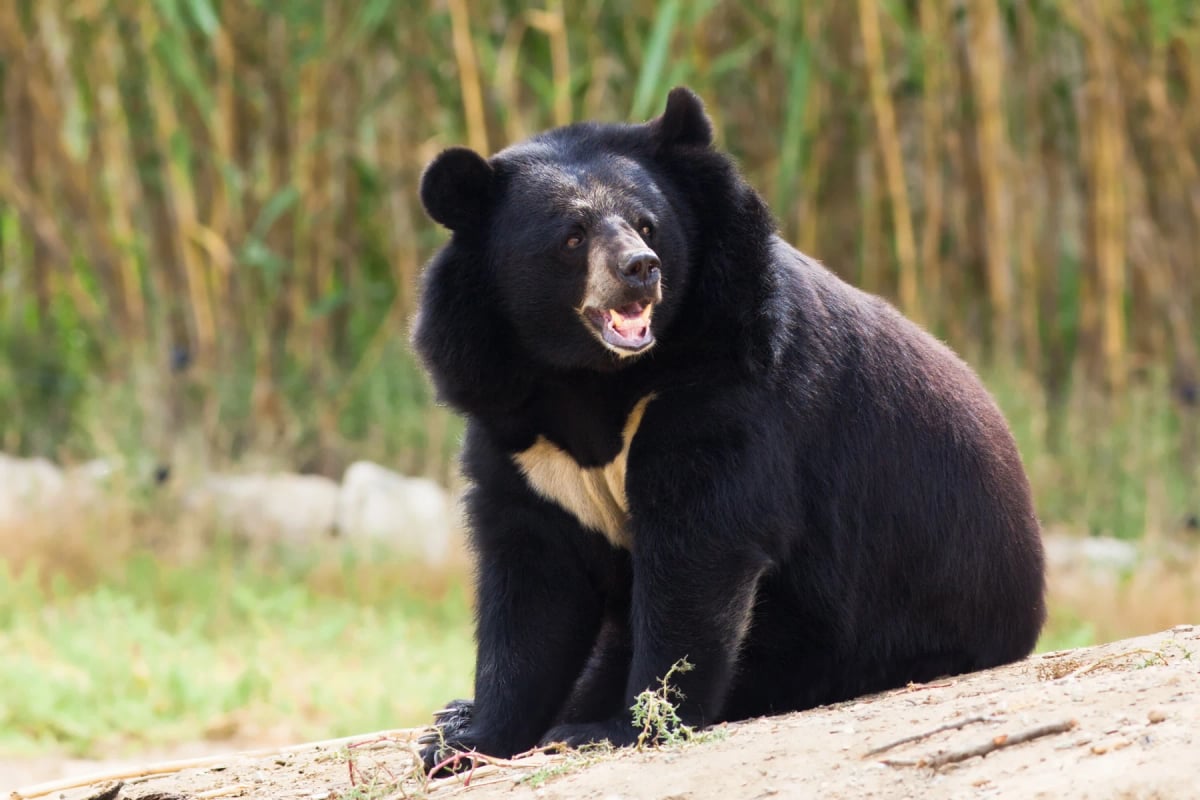
Asiatic Black Bear
Ursus thibetanus
The Asiatic black bear lives in the forested slopes of the Himalayas and the northeastern hills of India, from Jammu and Kashmir through to Arunachal Pradesh. It is recognizable by its black coat and the distinctive white or cream chest patch. It feeds on fruit, insects, honey, and small animals, and is known to be unpredictable when encountered at close range. Attacks on people occur occasionally in areas where forests border agricultural land.
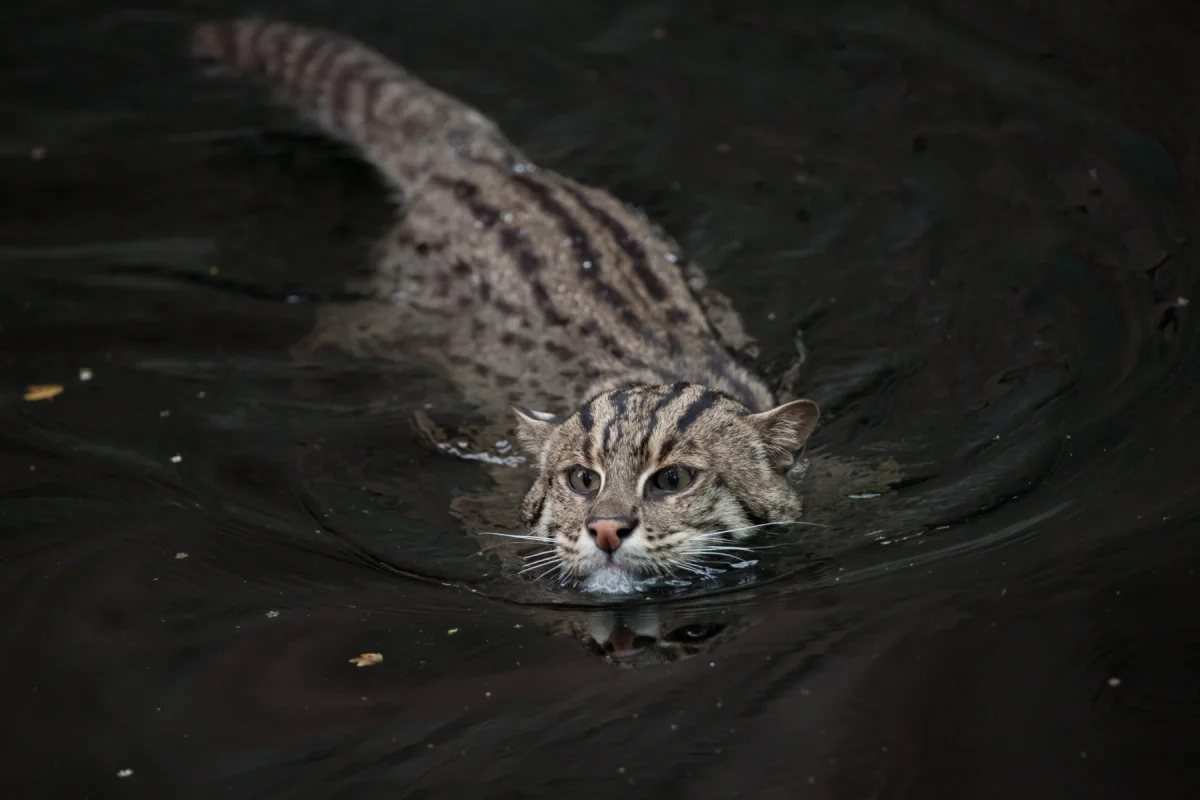
Fishing Cat
Prionailurus viverrinus
India supports one of the largest fishing cat populations remaining anywhere. Key areas include the mangroves of the Sundarbans in West Bengal, the wetlands of Odisha, and river systems across the Eastern Ghats. This partially webbed, confident swimmer hunts along marshy edges and has even been recorded diving underwater. Wetland drainage and human encroachment continue to shrink its available habitat across the subcontinent. IUCN status: Vulnerable.
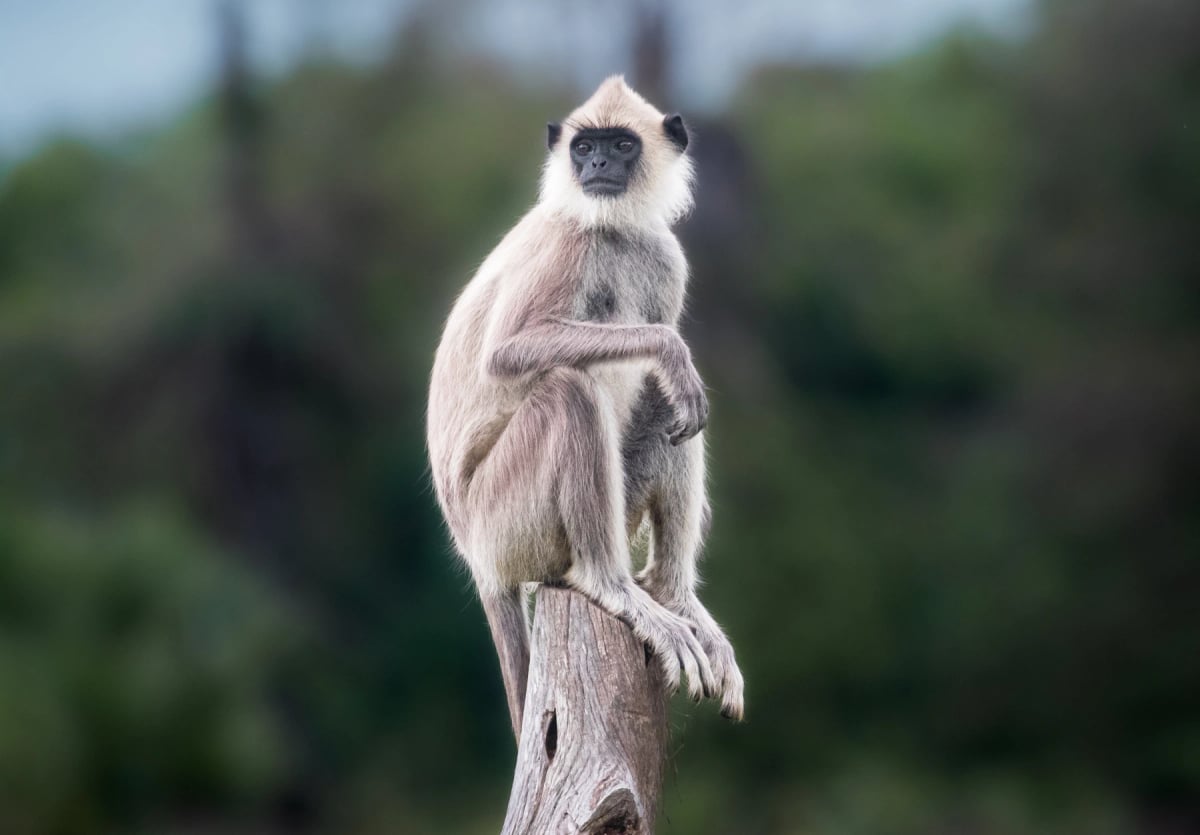
Langur
Semnopithecus spp.
India is home to several species of langur found across a vast range of habitats, from Himalayan forests to dry scrublands and coastal woodland. The Hanuman langur holds a sacred place in Hindu tradition and is a familiar sight around temples and towns across the country. Troops can number from just a few individuals to several dozen. Habitat loss from farming and urban expansion remains the main threat to populations.
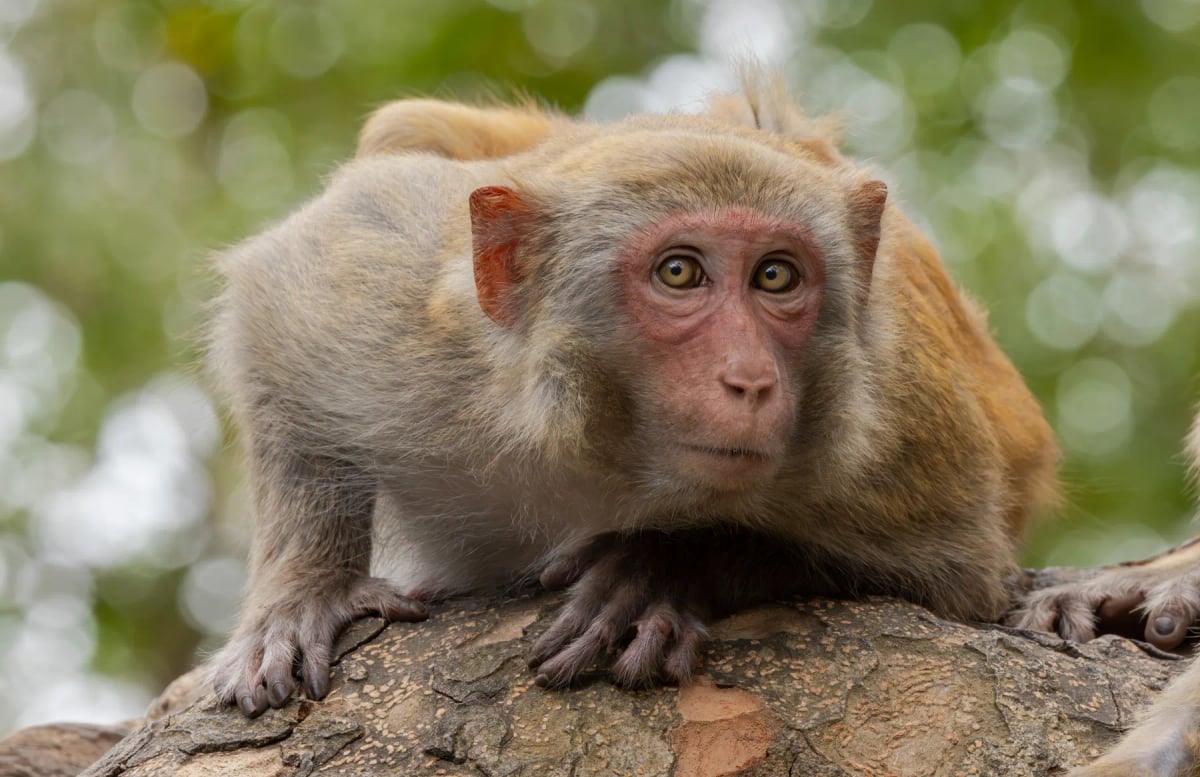
Macaque
Macaca spp.
India has the greatest diversity of macaques on the subcontinent, including the rhesus macaque in the north, the bonnet macaque across peninsular India, and the lion-tailed macaque in the rainforests of the Western Ghats. The lion-tailed macaque is classified as Endangered due to severe habitat loss. Rhesus and bonnet macaques are common in cities, towns, and temples throughout the country.
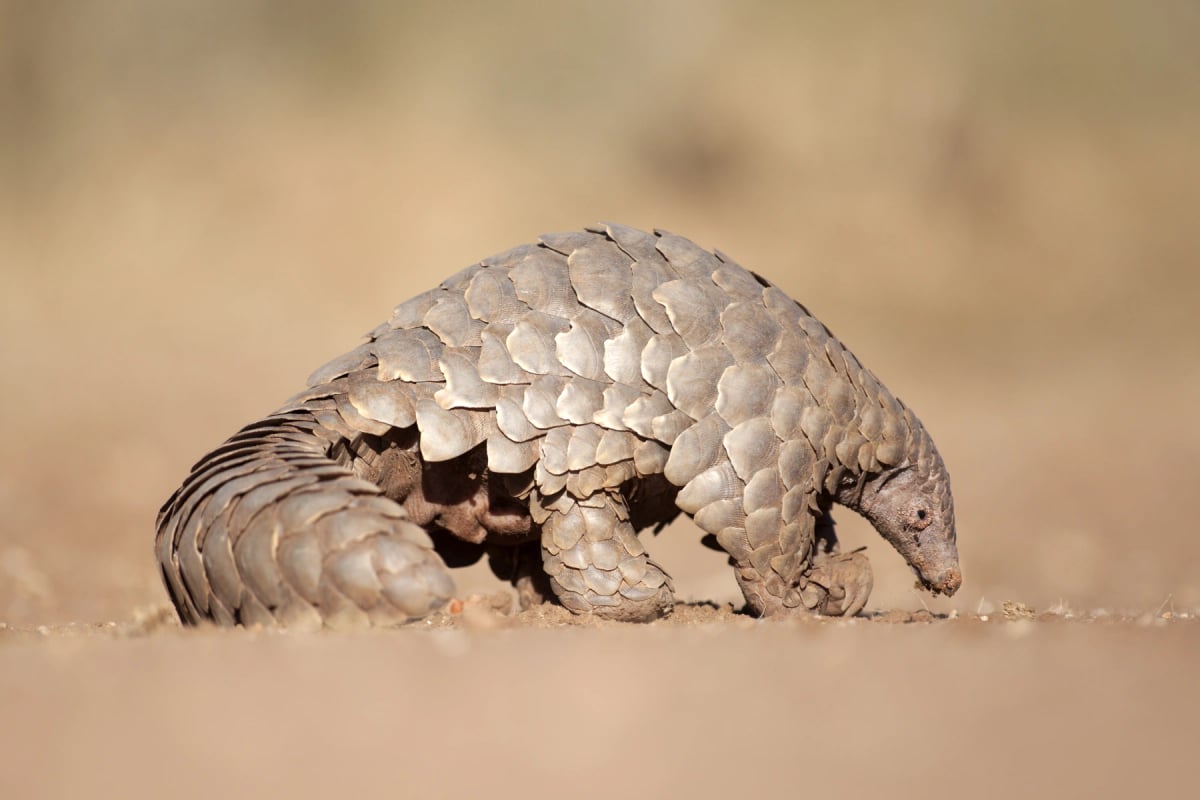
Pangolin
Manis spp.
The Indian pangolin (Manis crassicaudata) is found across much of the subcontinent, from the foothills of the Himalayas down to the dry scrub forests of the Deccan Plateau. It digs burrows in open woodland and farmland edges. Poaching for the illegal wildlife trade and the loss of forest cover are its biggest threats. India's Wildlife Protection Act lists it under Schedule I, giving it the highest level of legal protection.
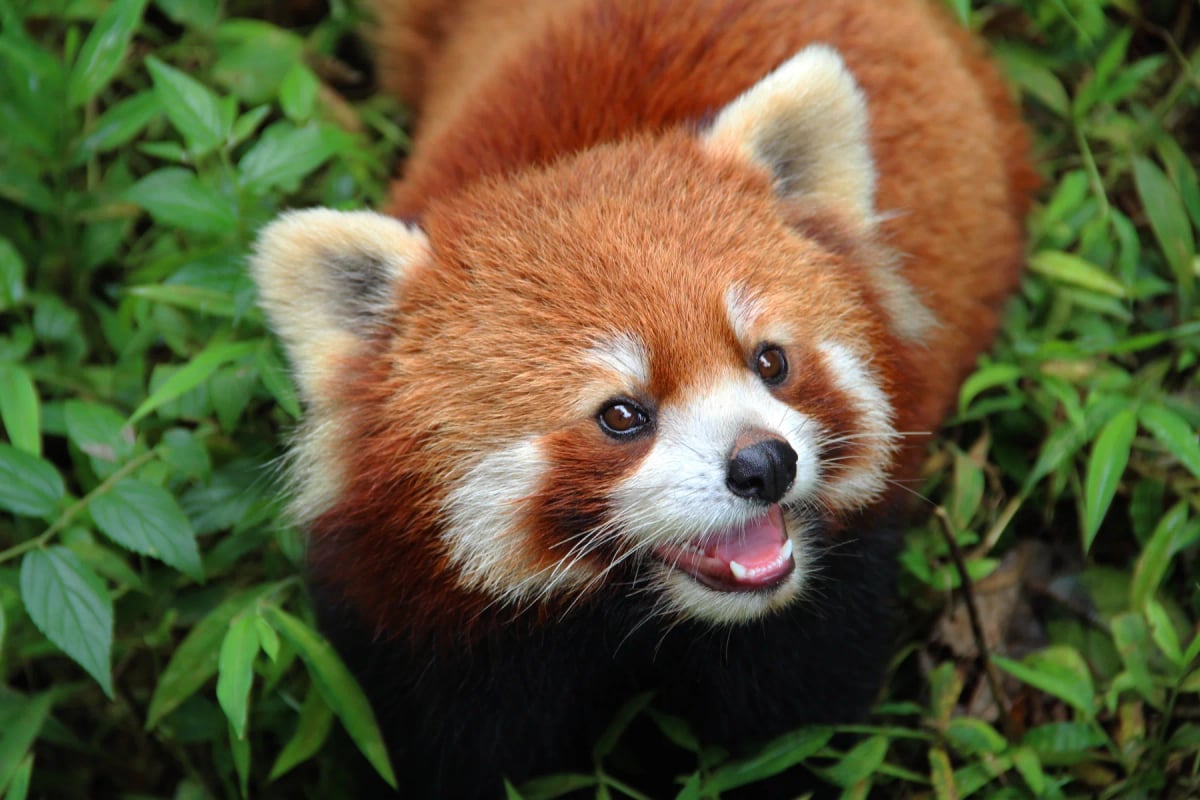
Red Panda
Ailurus fulgens
The red panda occurs in the temperate forests of northeastern India, including Sikkim, Arunachal Pradesh, and parts of West Bengal's Darjeeling hills, where rhododendron and bamboo forest cover the mountain slopes. It is the official state animal of Sikkim, reflecting its cultural importance to the region. Poaching and forest degradation remain the greatest threats to its survival there. Its status is Endangered.
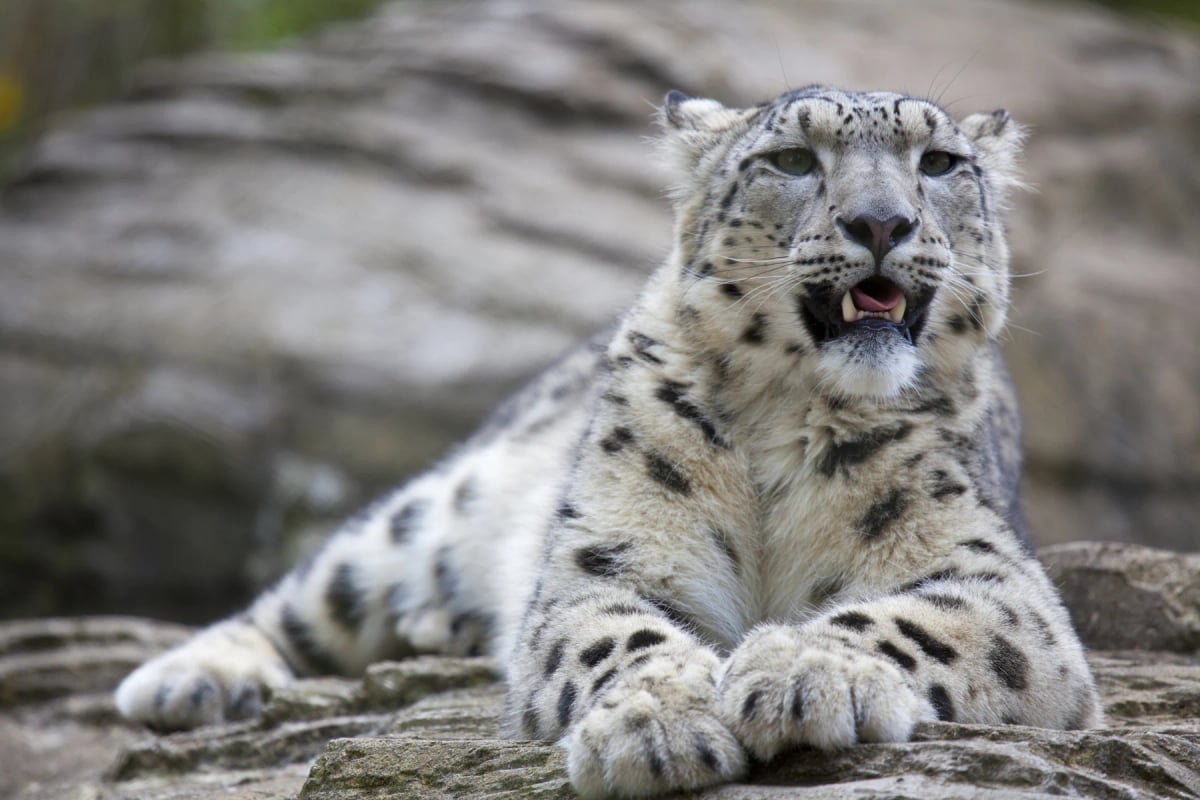
Snow Leopard
Panthera uncia
In India, snow leopards are found across the high Himalayas of Ladakh, Himachal Pradesh, Uttarakhand, and Sikkim. Ladakh is considered a stronghold, with Hemis National Park hosting one of the denser known populations in the range. These cats navigate steep, boulder-strewn slopes at elevations above 3,000 metres. Conflict with herders who lose livestock to snow leopard predation remains a serious challenge to coexistence. IUCN status: Vulnerable.
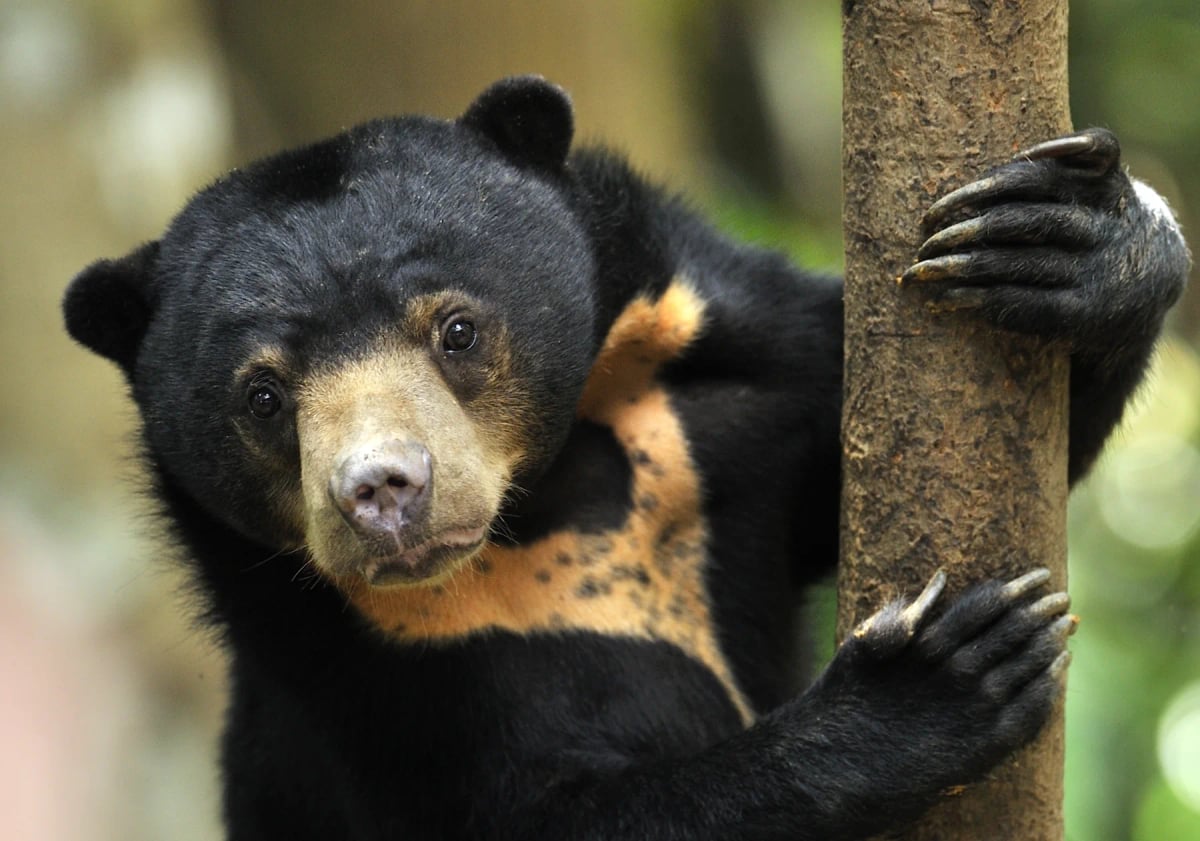
Sun Bear
Helarctos malayanus
The sun bear is found in a small range of forested areas in northeastern India, including parts of Assam and Arunachal Pradesh. It is the world's smallest bear, with a glossy black coat and a distinctive pale patch on its chest. It feeds on termites, honey, fruit, and small animals. Deforestation and poaching remain serious concerns for this Vulnerable species in the region.
Bengal Tiger
Panthera tigris tigris
India holds the largest share of wild Bengal tigers, with strongholds in reserves such as Corbett, Bandhavgarh, and Sundarbans National Park. The country's Project Tiger initiative, launched in 1973, has been central to the subspecies' partial recovery. Tigers here roam tropical forests, grasslands, and mangrove swamps, sitting at the top of ecosystems that stretch across much of the subcontinent. IUCN status: Endangered.
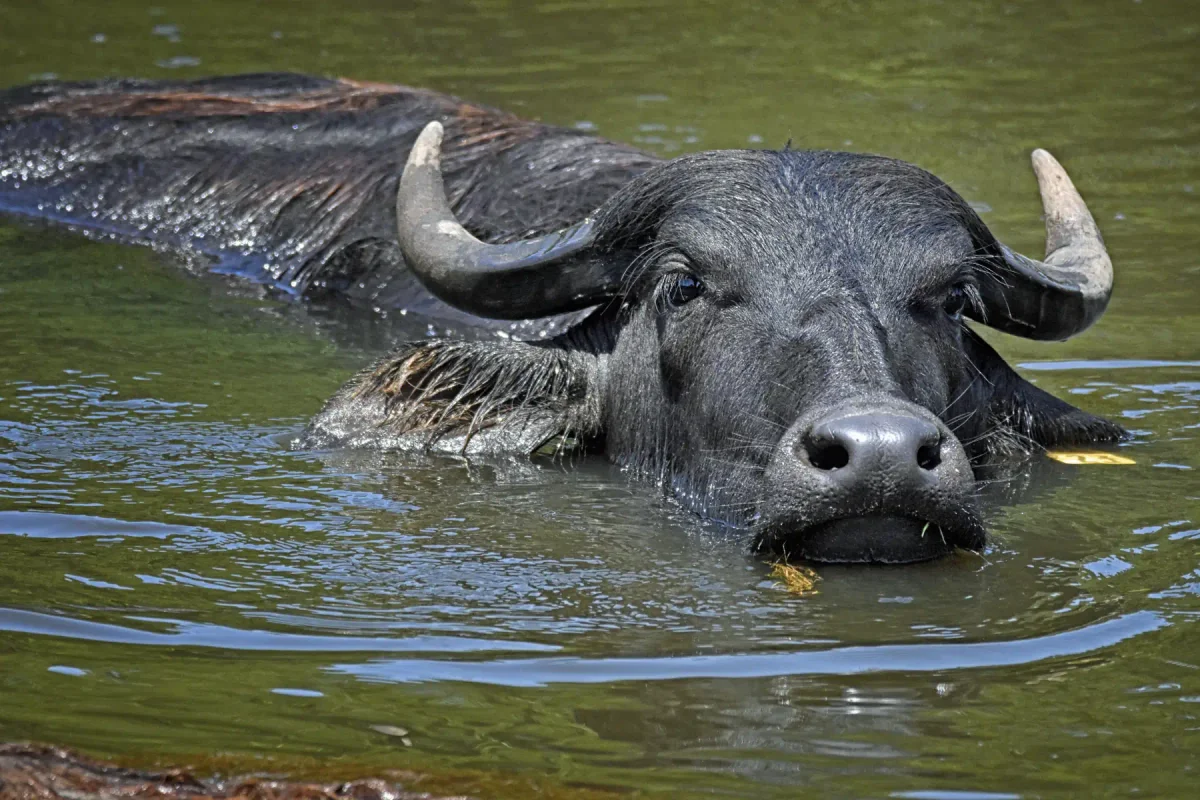
Water Buffalo
Bubalus arnee
India is home to the largest stronghold of wild water buffalo in the world. Kaziranga National Park in Assam supports the most significant population, thriving in the park's vast floodplain grasslands and wetlands along the Brahmaputra River. Adults weigh over 1,000 kg and carry the longest horns of any living bovid. The species is Endangered, with crossbreeding with domestic buffalo posing the greatest threat to wild herds.
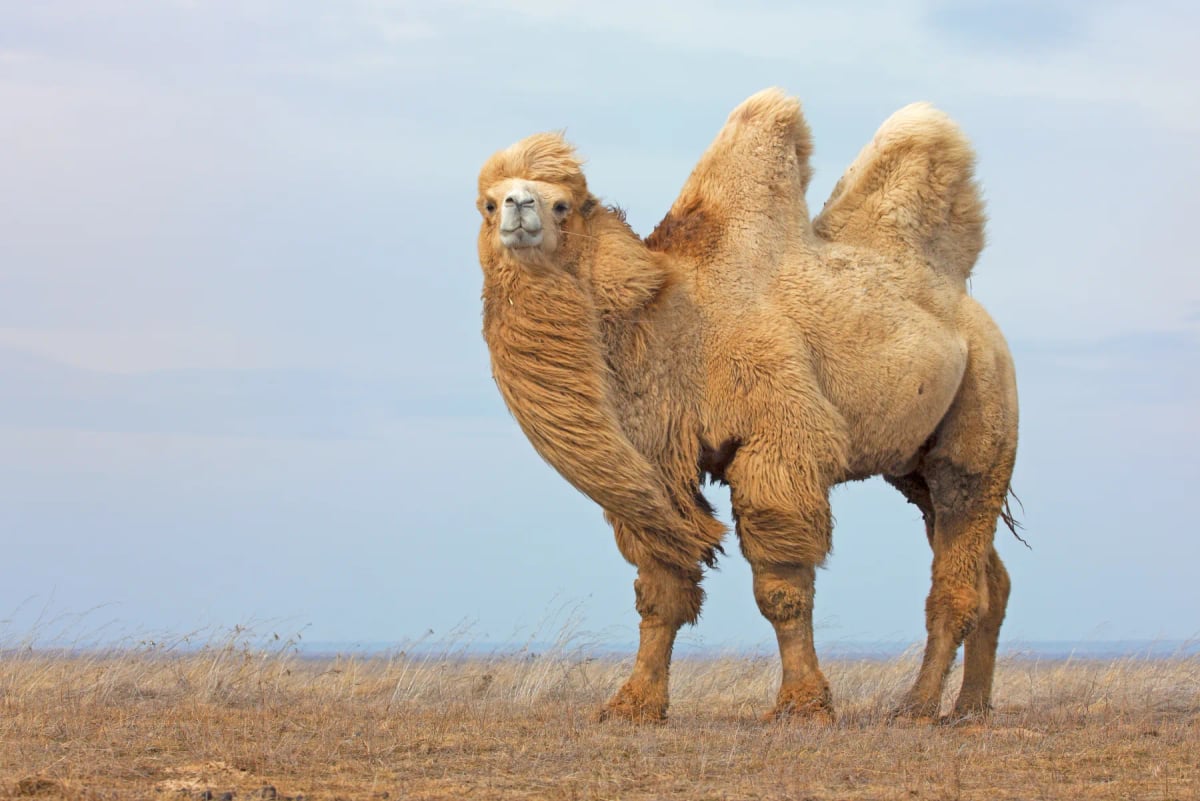
Bactrian Camel
Camelus bactrianus
India's only Bactrian camels are found in the Nubra Valley of Ladakh, in the far north of the country, at altitudes above 3,000 metres. A small population of around 150 domesticated individuals is kept there, descendants of animals once used to carry goods along ancient trade routes connecting India with Central Asia through the mountain passes of the Karakoram. Today they are used primarily in local tourism. The harsh winters and remote terrain of Ladakh make the Bactrian camel far better suited to the region than its single-humped relative.
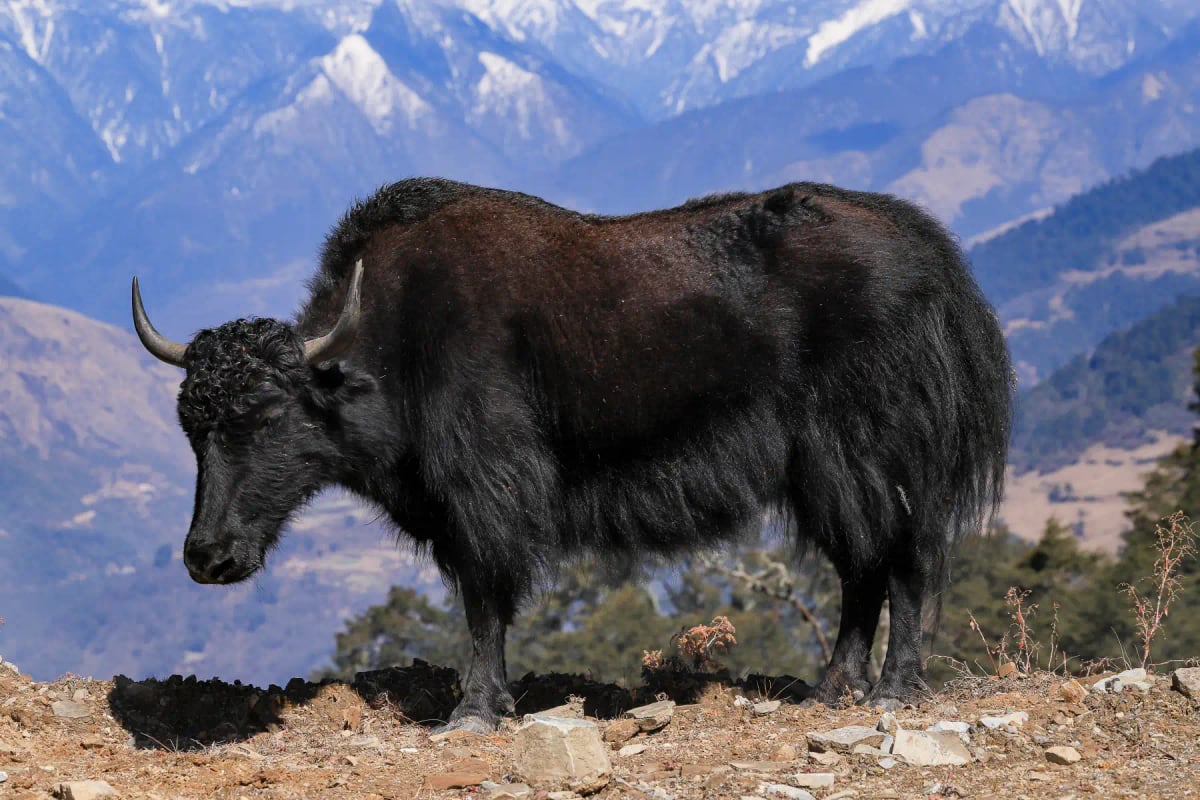
Yak
Bos grunniens
The wild yak is found at high altitudes in the Changthang plateau of Ladakh, one of the most remote and inhospitable regions of India. It is adapted to survive extreme cold, thin air, and scarce vegetation at elevations above four thousand meters. Wild yaks are much larger than domesticated ones and live in small herds. The domesticated yak is a vital part of life for the nomadic communities of Ladakh, used for transport, milk, wool, and meat.
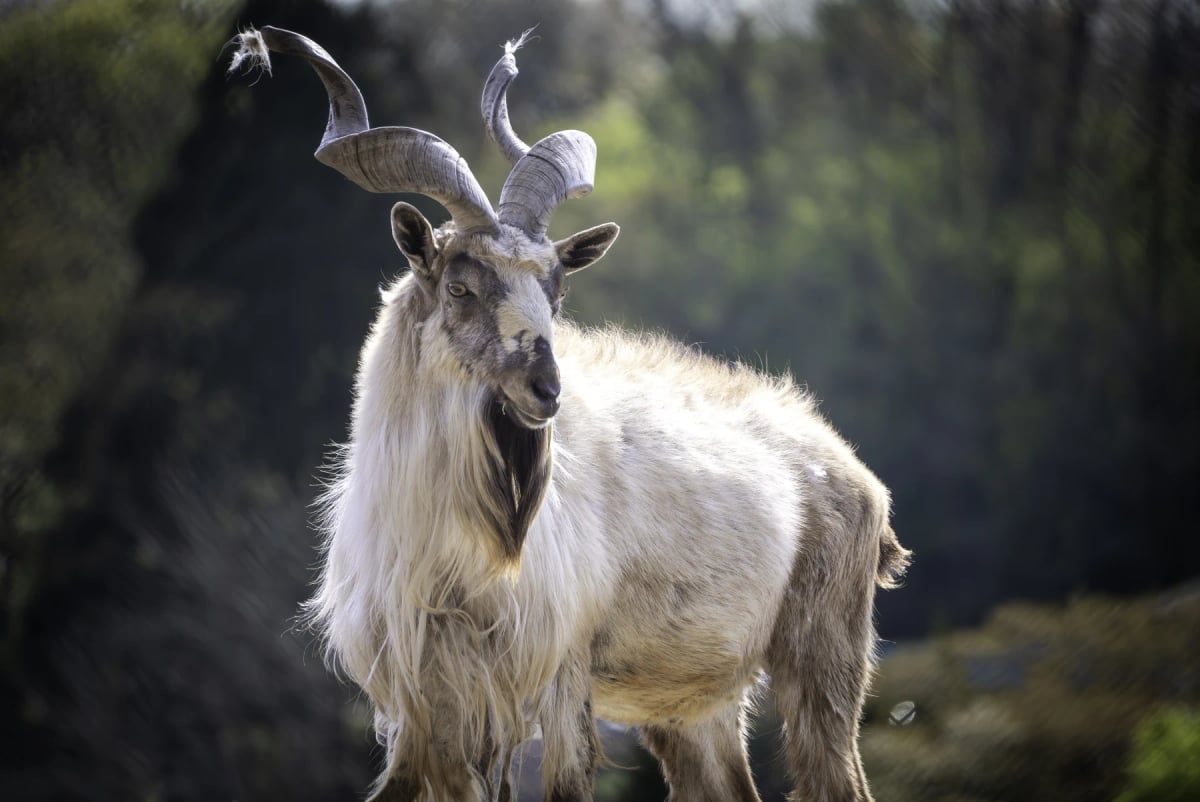
Markhor
Capra falconeri
In India, the markhor is found in the Himalayas of Jammu and Kashmir, particularly in areas bordering Pakistan and Afghanistan. It occupies cliffsides and rocky terrain at high elevations, where it browses on shrubs and tree foliage. The population in India is small and isolated, making local conservation efforts especially important for the survival of the species in this part of its range.
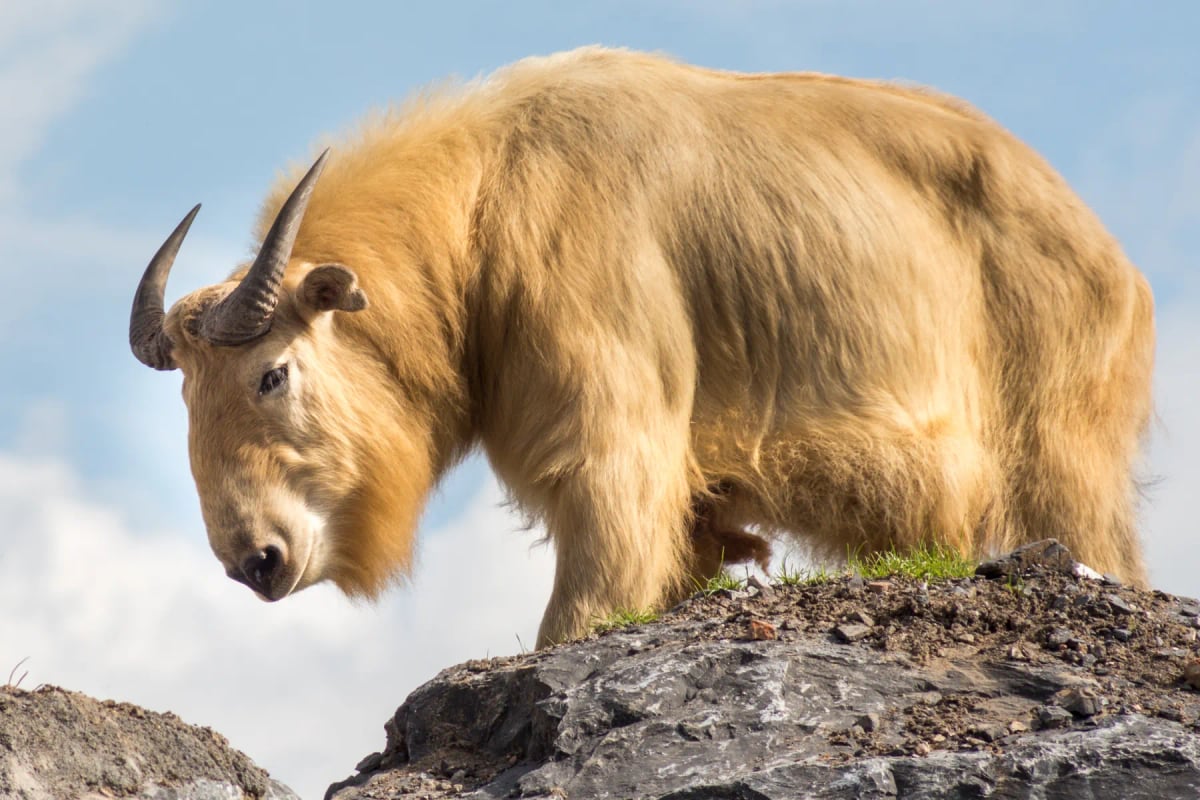
Takin
Budorcas taxicolor
In India, the takin is found in the northeastern state of Arunachal Pradesh, along the eastern Himalayas. This rugged, forested region provides the steep terrain and dense vegetation that takins rely on. Herds move between forest and alpine meadow with the seasons, feeding on grasses, leaves, and woody shrubs. The species faces pressure from hunting and habitat disturbance across its range, and the IUCN lists it as Vulnerable.
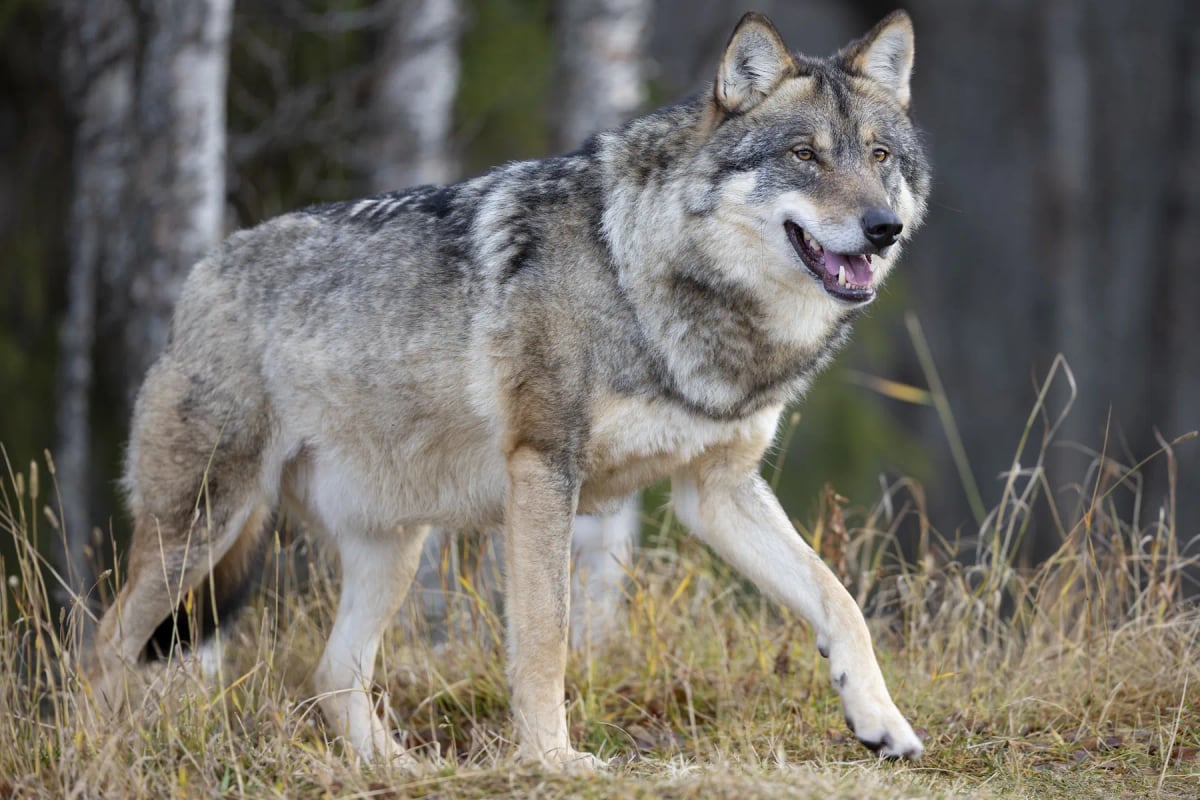
Gray Wolf
Canis lupus
India is home to the Indian wolf, a subspecies of the gray wolf adapted to open scrublands and grasslands across the Deccan Plateau and parts of Rajasthan, Gujarat, and Madhya Pradesh. It is one of the most endangered wolf populations in the world. The Indian wolf tends to live in smaller packs than its northern relatives and faces serious threats from habitat loss and conflict with people.
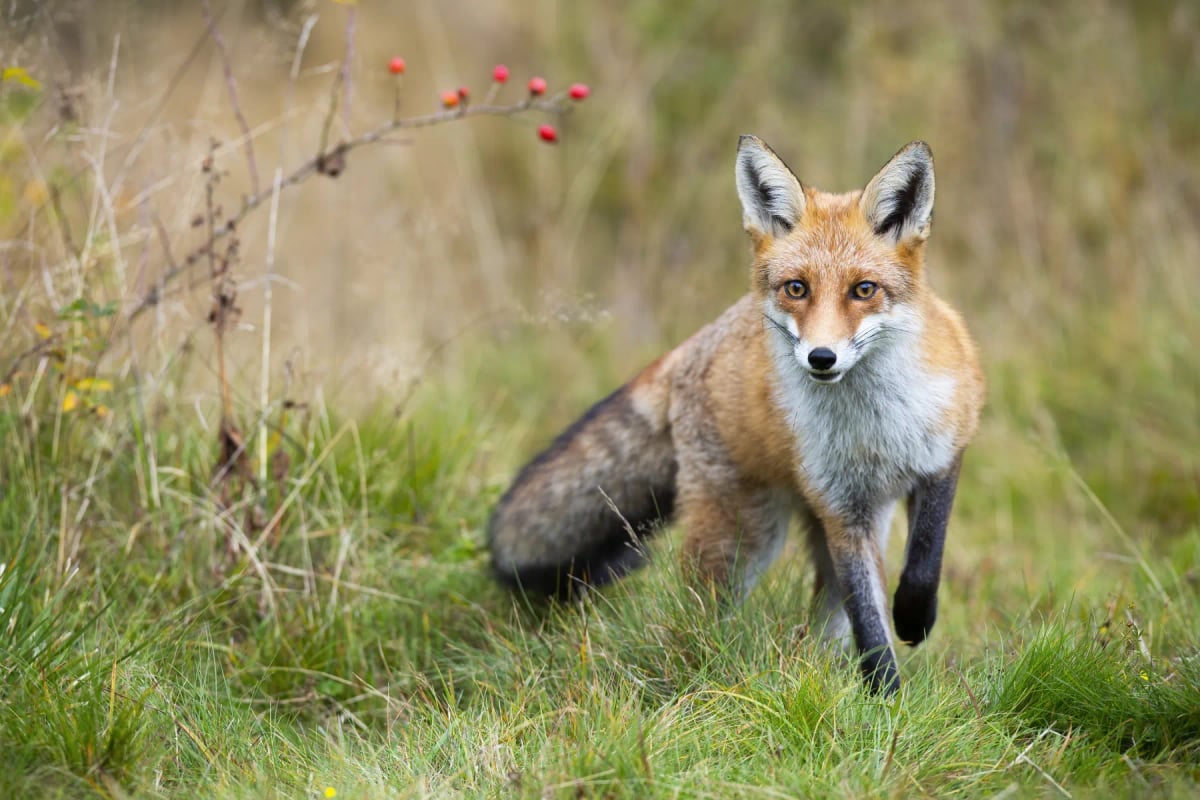
Red Fox
Vulpes vulpes
In India, the red fox is found across the northwestern regions, including the arid plains of Rajasthan, the semi-arid zones of Gujarat, and the foothills of the Himalayas. It tends to favor open, dry habitats and avoids the dense tropical forests of the south. The Indian red fox, often considered a local subspecies, is slightly smaller and paler than its European relatives, an adaptation well suited to life in hot and open landscapes.
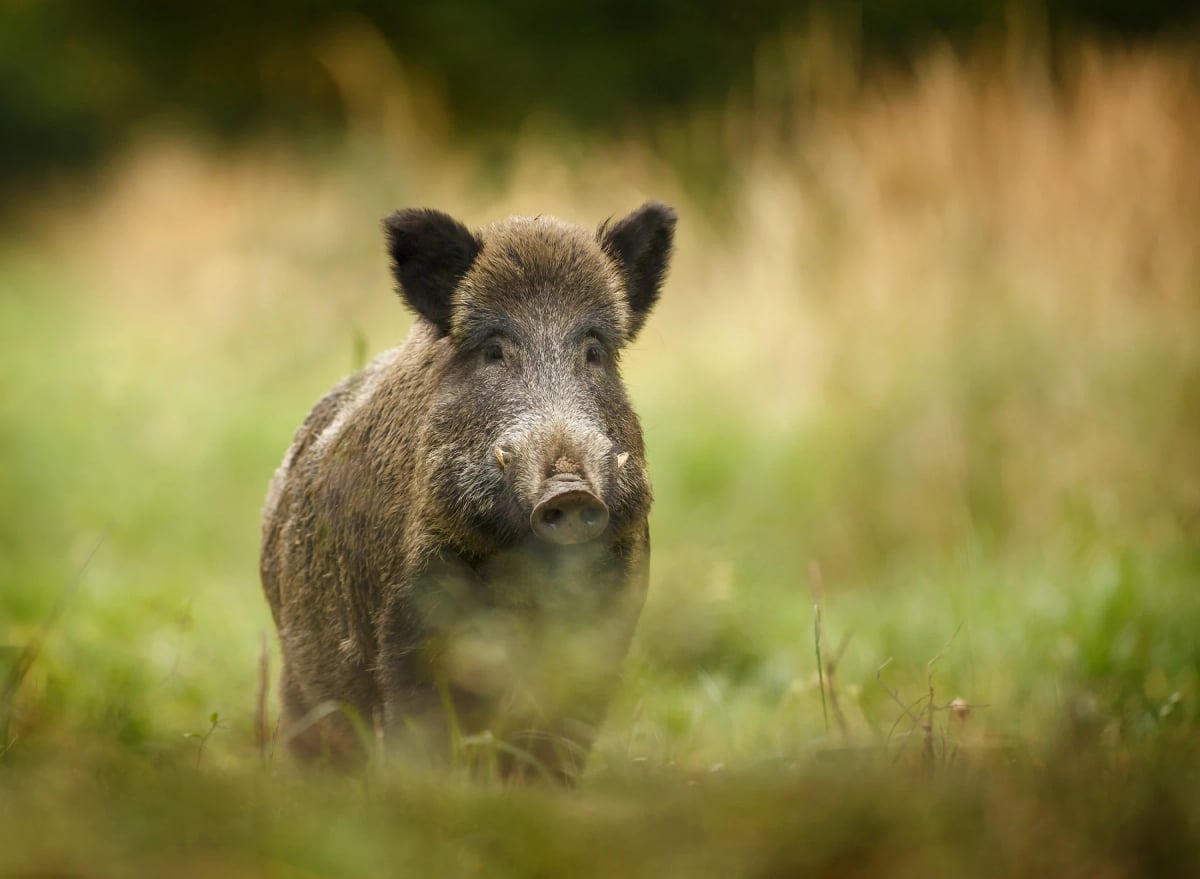
Wild Boar
Sus scrofa
The wild boar is one of the most widespread large mammals in India, found in forests, grasslands and agricultural areas across most of the country. It lives in groups and is an important prey species for tigers and leopards in central Indian reserves. Wild boars are known to raid crops, which brings them into frequent conflict with farming communities. Despite this tension, they play a key ecological role in turning soil and dispersing seeds.
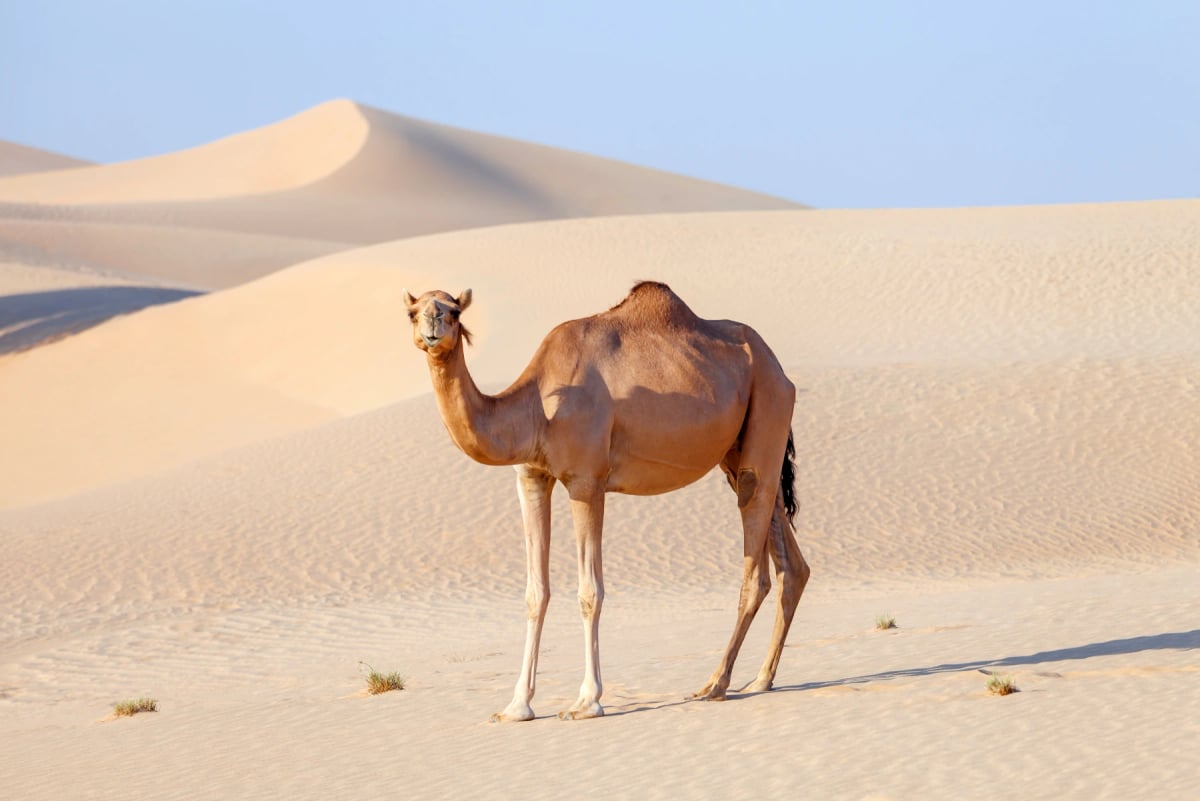
Dromedary Camel
Camelus dromedarius
In India, dromedary camels are found primarily in the state of Rajasthan, particularly around the Thar Desert, with smaller numbers in Gujarat and Haryana. The city of Pushkar hosts one of the world's largest camel fairs each year. Indian dromedaries serve as working animals in agriculture and transport, though their numbers have declined in recent decades as mechanisation has reduced the demand for animal labour in rural areas.
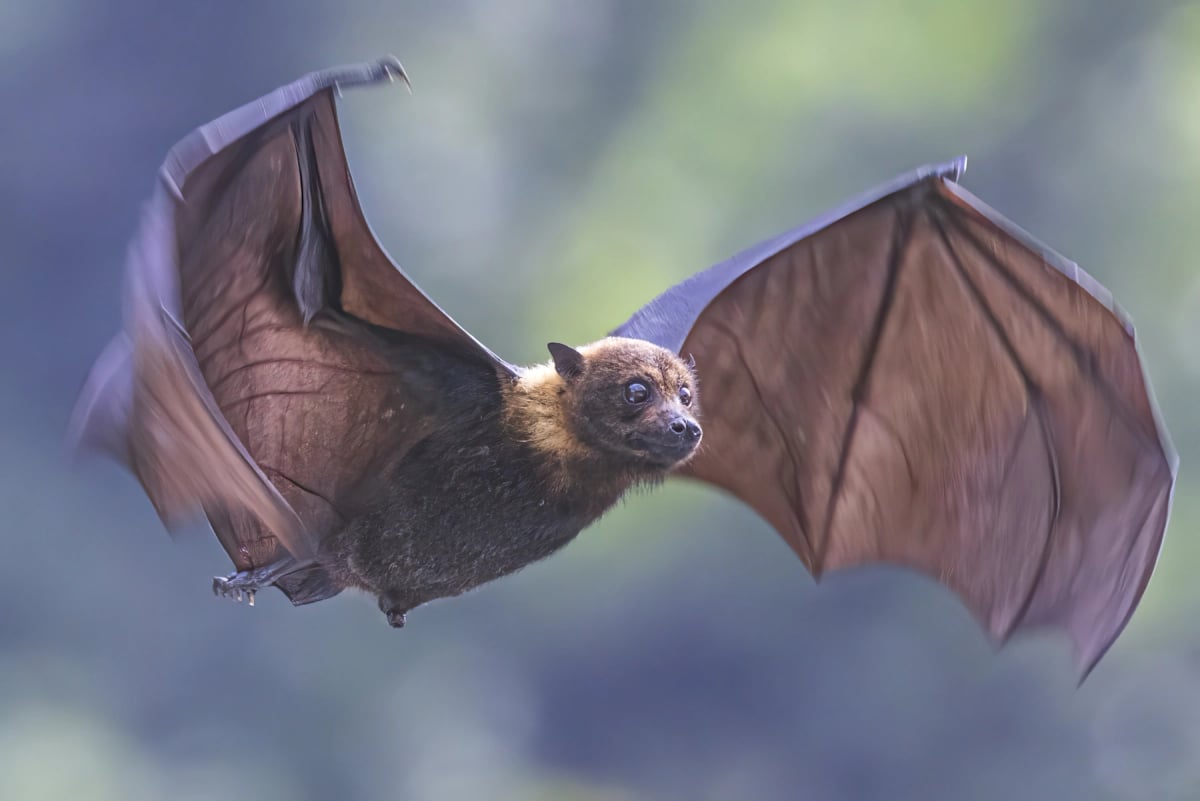
Fruit Bat
Pteropodidae
India is home to several species of fruit bats, including the Indian flying fox, one of the largest bats in the world. They roost in tall trees across forests and villages in peninsular India, Sri Lanka, and parts of the northeast. Communities sometimes view them as pests near orchards, yet they are legally protected. Their nightly journeys between flowering trees make them key pollinators of plants including wild mangoes and silk cotton trees.
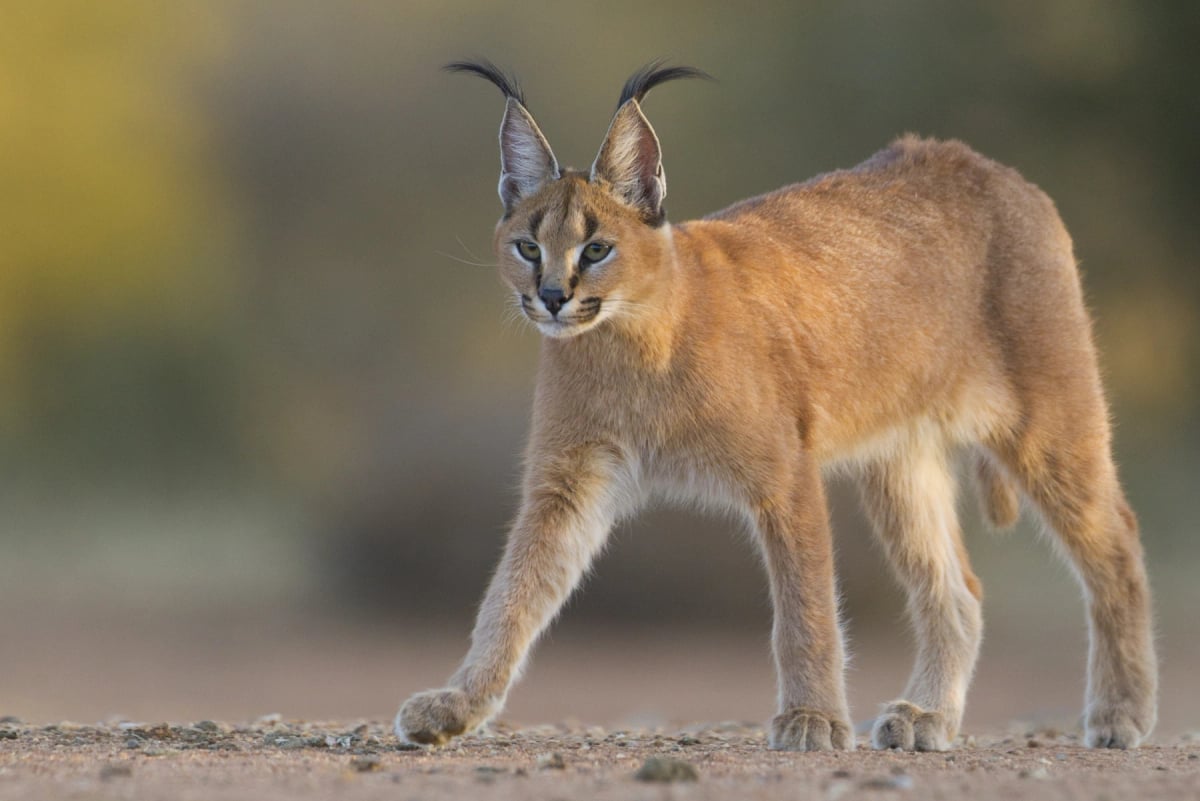
Caracal
Caracal caracal
In India, the caracal is a rare and elusive cat, historically found across the drier regions of Rajasthan, Gujarat, and central India. It favors scrublands and dry deciduous forests. Once kept by Mughal emperors for hunting, the species is now considered functionally extinct in the country by many experts. Its IUCN status is Least Concern globally, though the Indian population faces severe pressure from habitat loss and poaching.
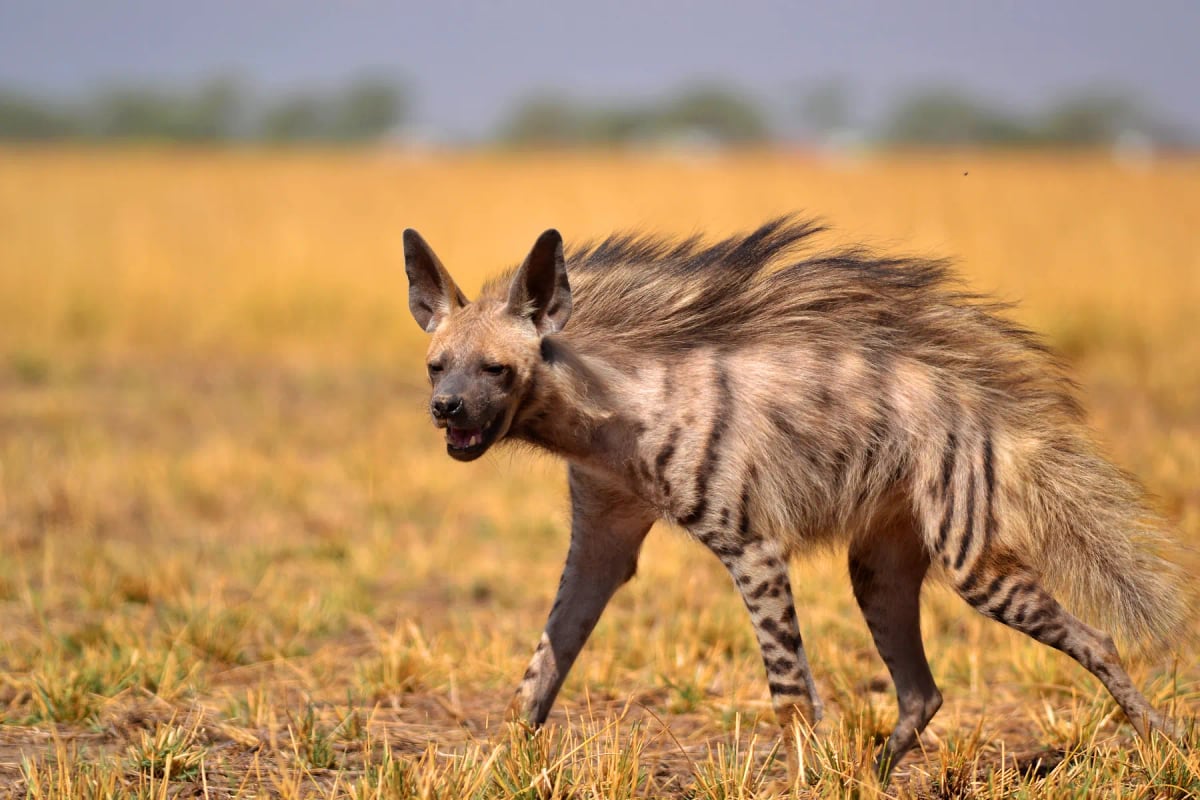
Striped Hyena
Hyaena hyaena
In India, the striped hyena is found across a wide range of habitats, from the dry scrublands of Rajasthan to the rocky hills of the Deccan Plateau. It often shelters in caves or old termite mounds. Though present in many wildlife reserves, populations are declining. It is listed as Near Threatened globally, and in India it faces threats from poisoning, road traffic, and loss of natural prey.

Honey Badger
Mellivora capensis
The honey badger is found across much of India, from the dry plains of Rajasthan and Gujarat to the forests of central India and the southern peninsula. It is known for its extraordinary toughness and fearless behavior, confronting animals much larger than itself when threatened. It feeds on a wide range of prey including rodents, snakes, insects, and roots. Despite its reputation, it is rarely seen in the wild due to its nocturnal and solitary habits.
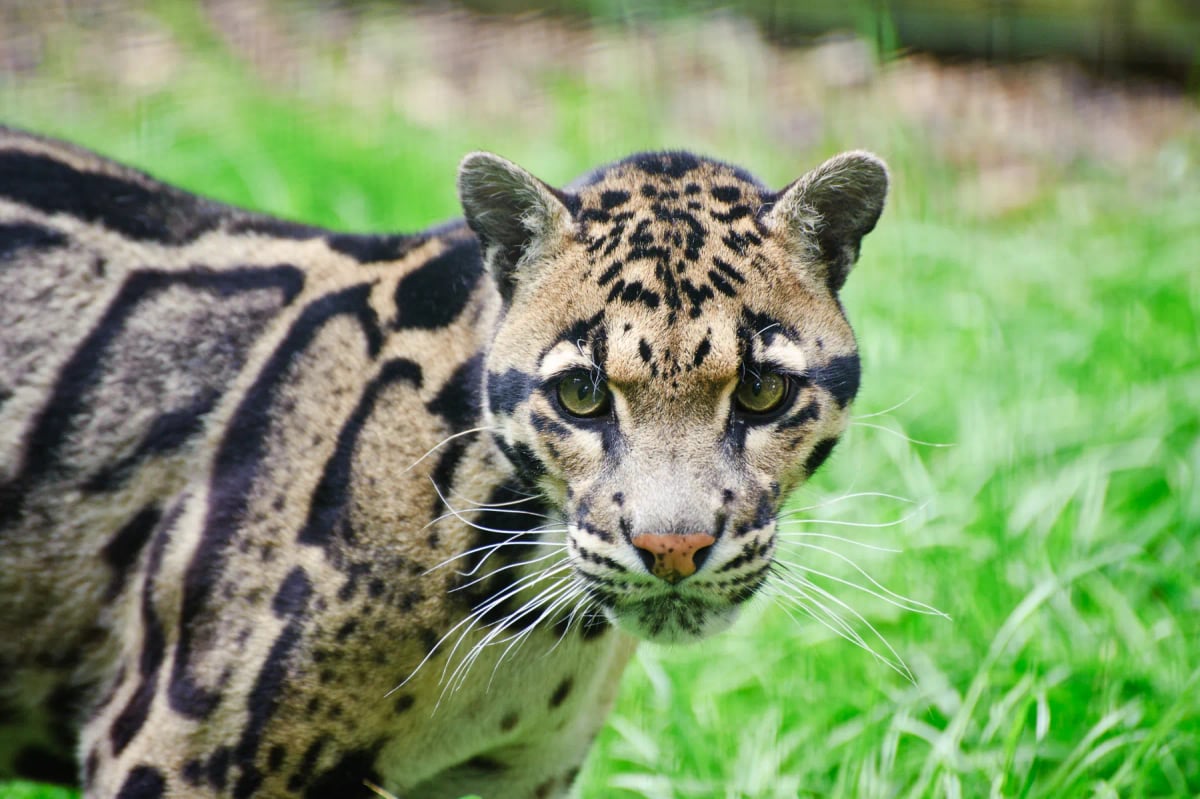
Clouded Leopard
Neofelis nebulosa
The clouded leopard is found in the forests of northeastern India, including the states of Assam, Meghalaya, Mizoram, and the eastern Himalayas. It also has a small population in the Western Ghats, though sightings there are exceptionally rare. Across India it is a Schedule I species, offering it the highest level of legal protection. Camera trap surveys in the northeast have provided some of the clearest evidence of its presence.
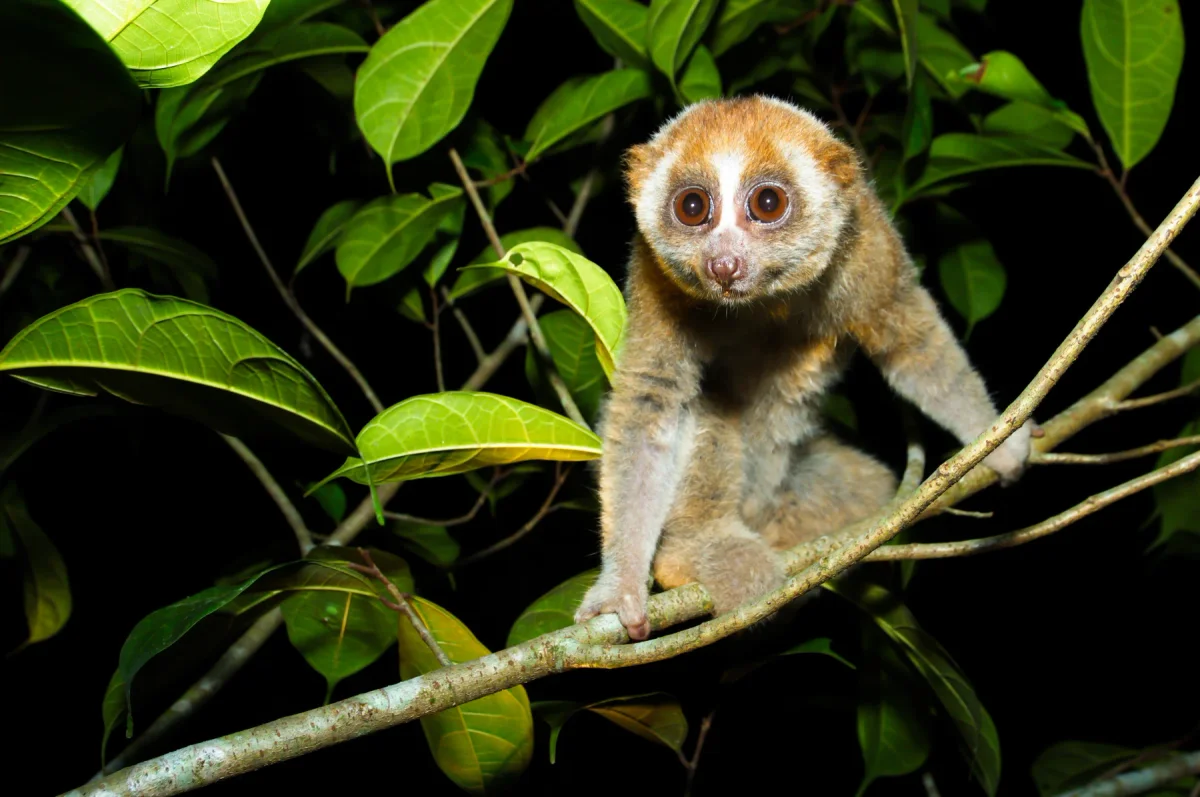
Bengal Slow Loris
Nycticebus bengalensis
The Bengal slow loris is native to the forests of northeastern India, with confirmed presence in states such as Assam, Meghalaya, Mizoram, and Nagaland. It favors dense tropical and subtropical forest, navigating the canopy at night in search of gum, fruit, insects, and small vertebrates. Habitat fragmentation and the illegal pet trade are major threats. It is classified as Vulnerable by the IUCN.
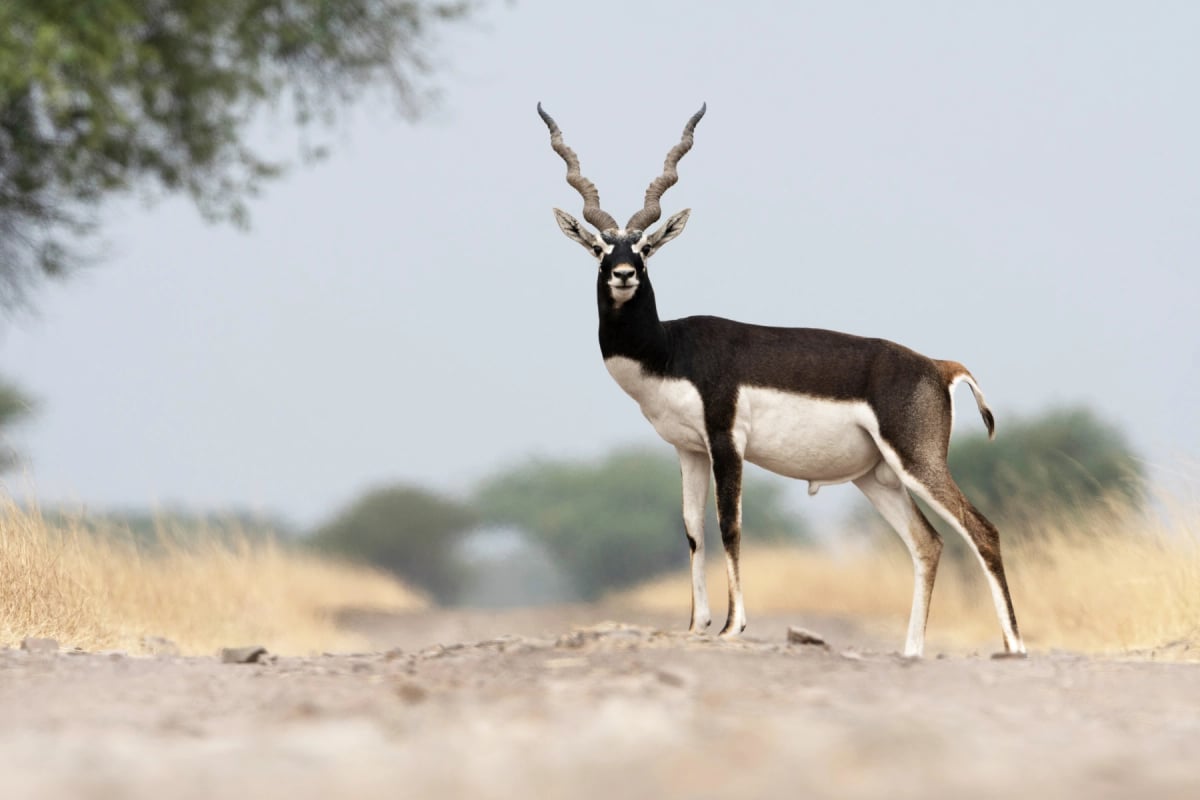
Blackbuck
Antilope cervicapra
The blackbuck is native to India, where it thrives across open grasslands and semi-arid plains in states such as Rajasthan, Gujarat, and Andhra Pradesh. Once nearly extinct due to hunting and habitat loss, strong legal protection and dedicated sanctuaries like Velavadar in Gujarat have helped populations recover significantly. India holds the vast majority of the global blackbuck population, making it the heartland of the species. IUCN status: Least Concern.
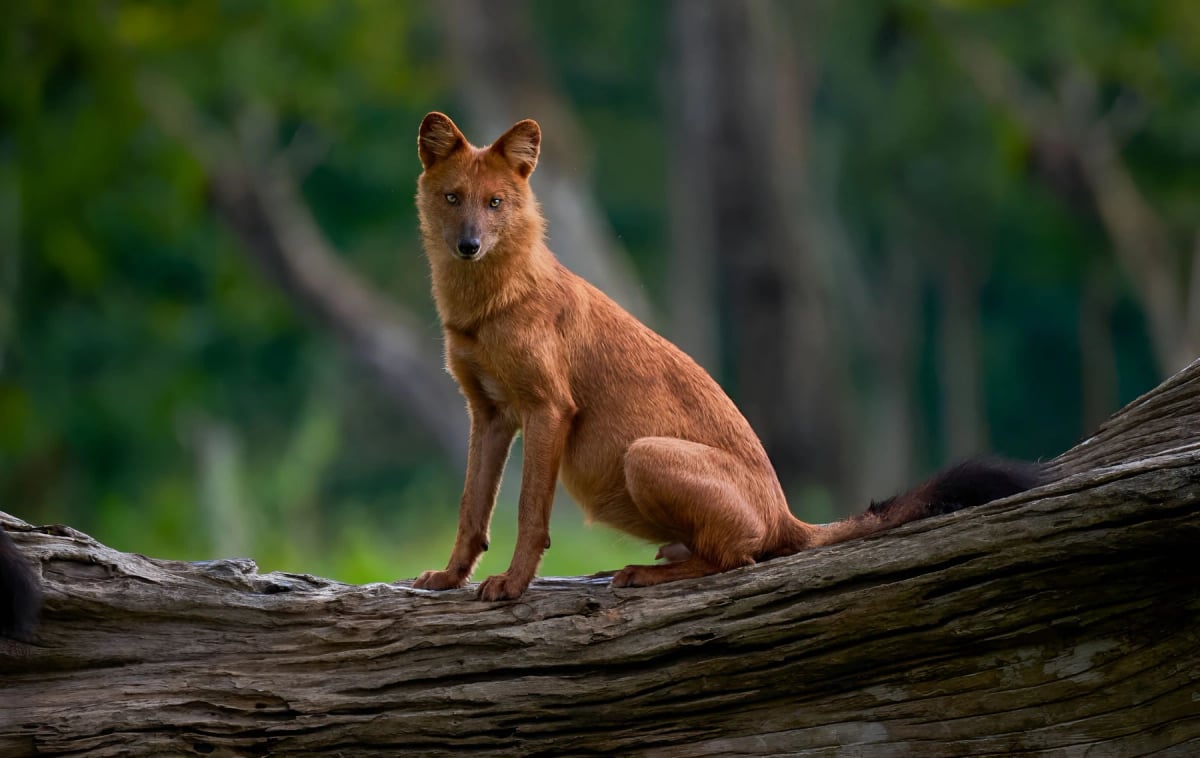
Dhole
Cuon alpinus
India holds the largest remaining dhole population in the world. They thrive in protected forests like Nagarhole, Bandipur, and Pench, where prey such as spotted deer and sambar are plentiful. Living in close packs, they are skilled and highly vocal hunters known for their distinctive whistles. Disease spread by domestic dogs and habitat fragmentation are their biggest threats in India. The IUCN lists the dhole as Endangered.
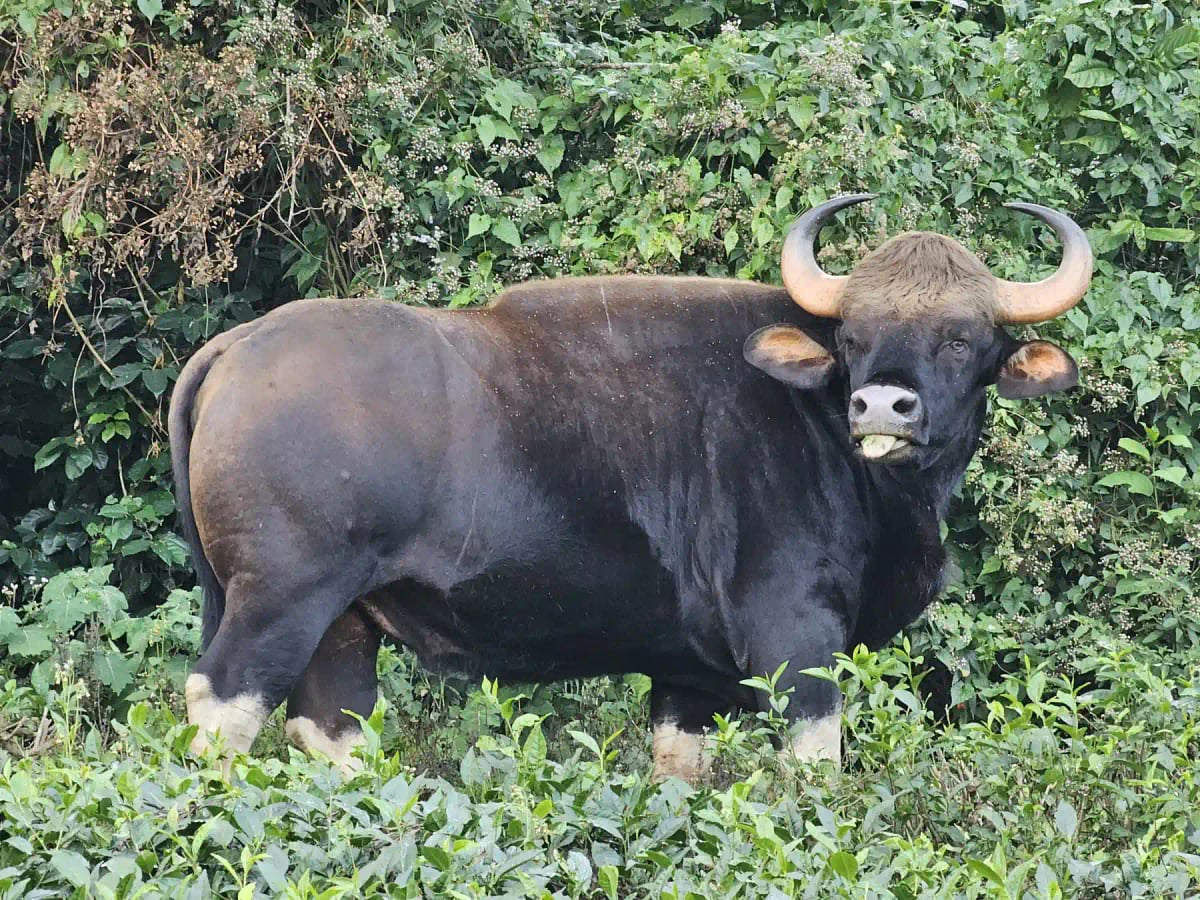
Gaur
Bos gaurus
India holds the largest gaur population in the world, with strongholds in the Western Ghats, central Indian forests, and the northeastern states. Protected areas such as Nagarhole, Mudumalai, and Manas support healthy herds. The species is called 'Indian bison' locally, though it is not a true bison. Diseases spread by domestic cattle remain one of the biggest threats to wild populations across the country.
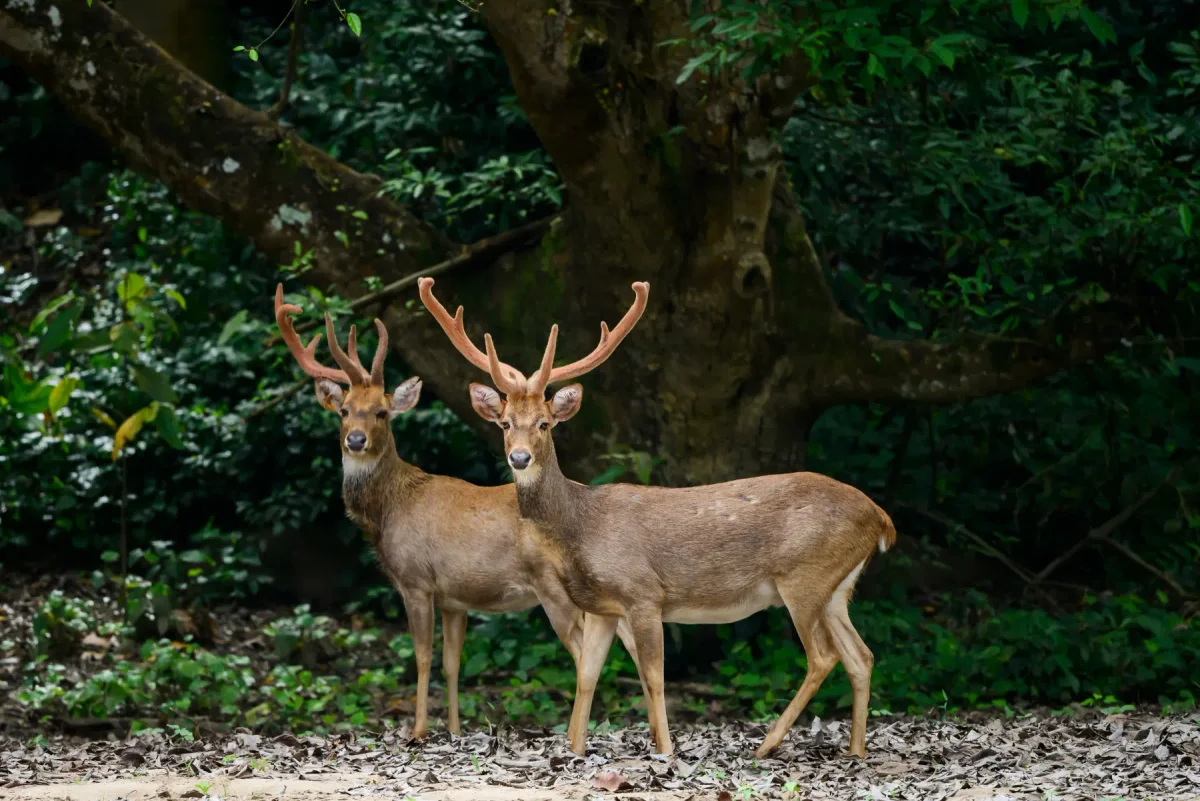
Eld's Deer
Rucervus eldii
India holds one of the most important populations of Eld's deer, found in Manipur state at Keibul Lamjao National Park. This park, which sits on the floating meadows of Loktak Lake, is the last natural refuge of the Manipur subspecies, locally known as the sangai. Intensive protection and management efforts have helped the population recover from the brink of extinction, though the deer remains highly vulnerable to flooding and habitat disturbance.
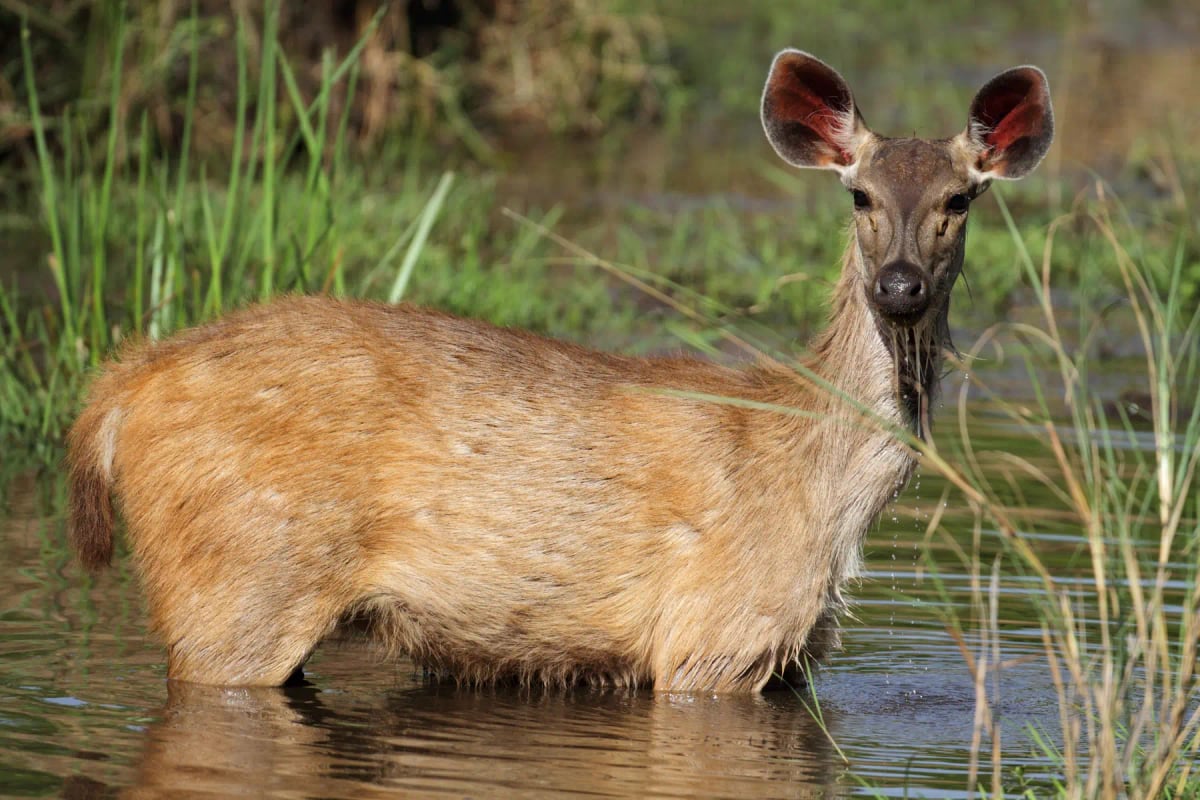
Sambar Deer
Rusa unicolor
India holds some of the largest populations of sambar deer in the world. They are found across a wide range of habitats, from the forests of the Western Ghats and central India to the foothills of the Himalayas. In reserves like Kanha, Corbett, and Nagarhole, sambar are the main prey of tigers and leopards. Conservation efforts tied to Project Tiger have indirectly benefited sambar numbers across the country.
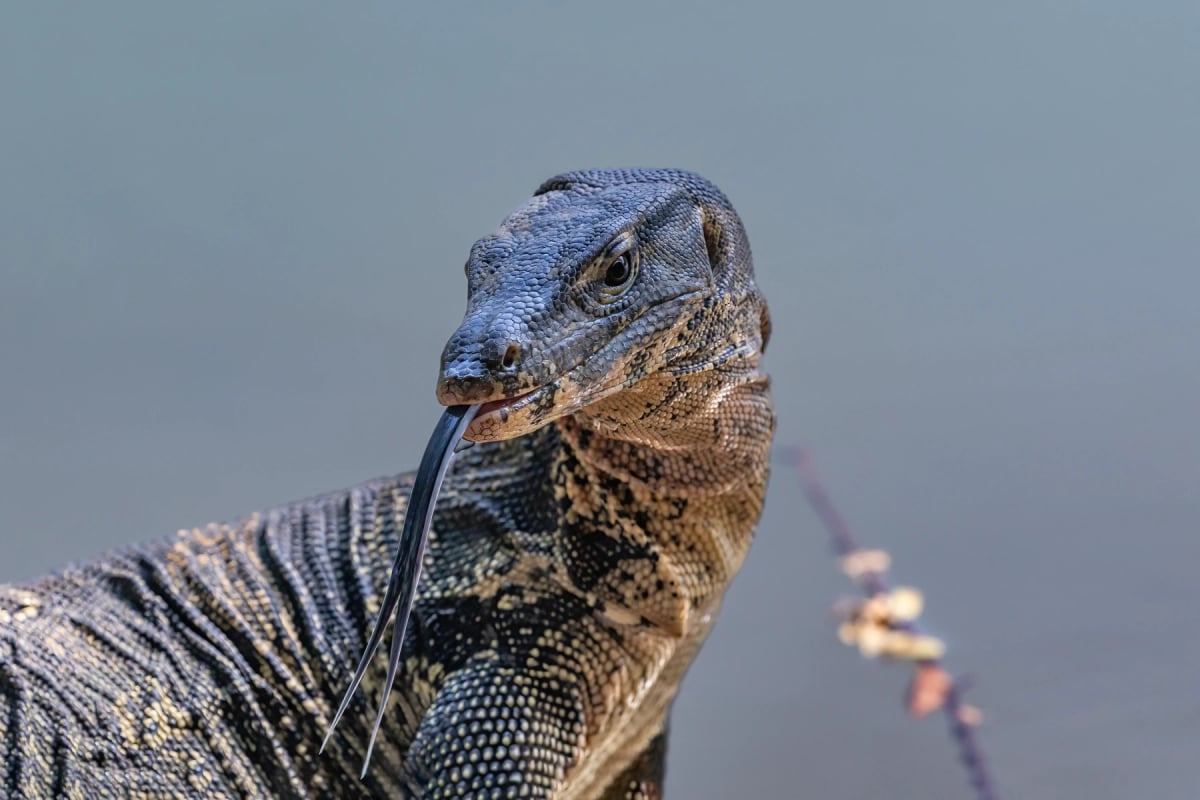
Monitor Lizard
Varanus salvator
The Asian water monitor is found mainly in eastern and southern India, in coastal wetlands, river deltas and mangrove forests. It is also present on the Andaman and Nicobar Islands, where it is particularly common. It feeds on fish, frogs, birds and eggs and is often spotted near waterways and human settlements. In India it is protected under Schedule I of the Wildlife Protection Act, alongside tigers and elephants.
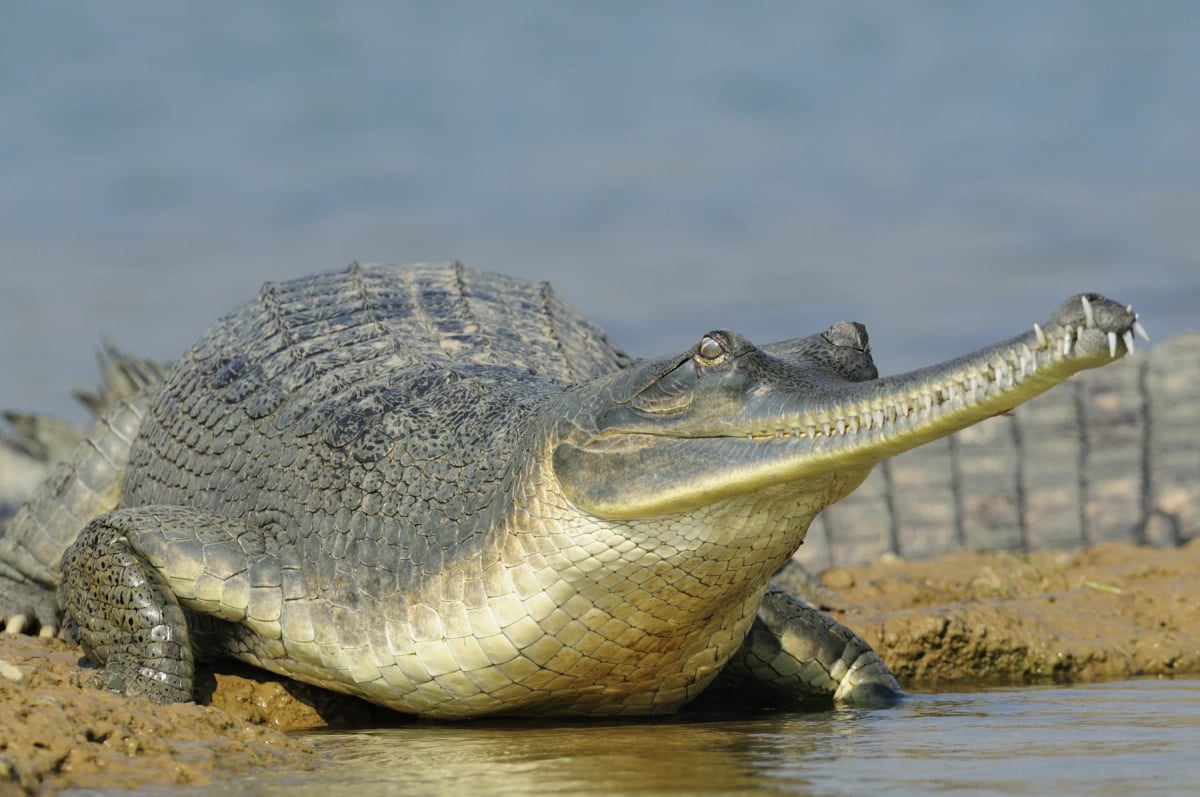
Gharial
Gavialis gangeticus
The gharial is one of the most distinctive reptiles on Earth, with a long, narrow snout lined with small teeth built for catching fish. In India, it lives in the clean, deep stretches of rivers like the Chambal, Ghaghra, and Girwa. Once pushed to the edge of extinction by hunting and river development, captive breeding programs run by Indian wildlife authorities have helped bring small numbers back to these waterways.
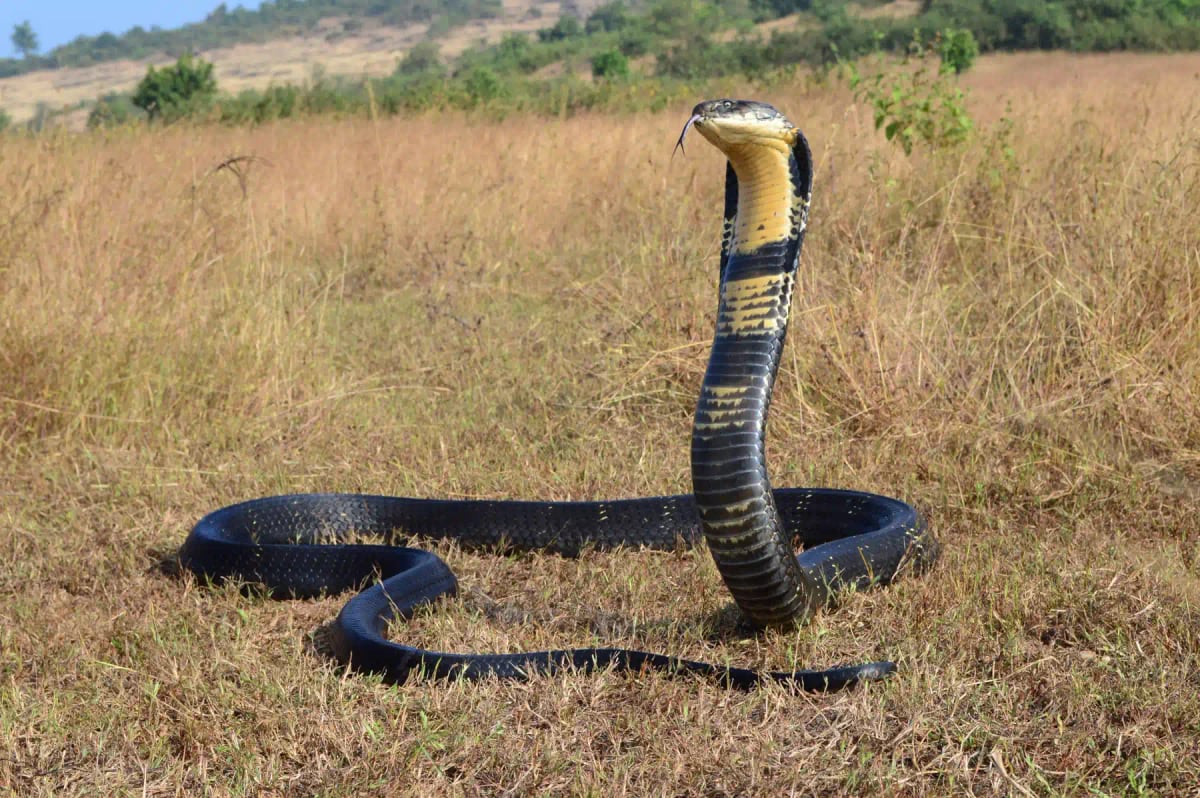
King Cobra
Ophiophagus hannah
The king cobra is the longest venomous snake in the world and lives in the forests of the Western Ghats, the northeastern hills, and parts of central India. It is the only snake that builds a nest for its eggs and guards them until they hatch. Despite its fearsome reputation, it avoids humans when possible and prefers dense jungle over open areas.
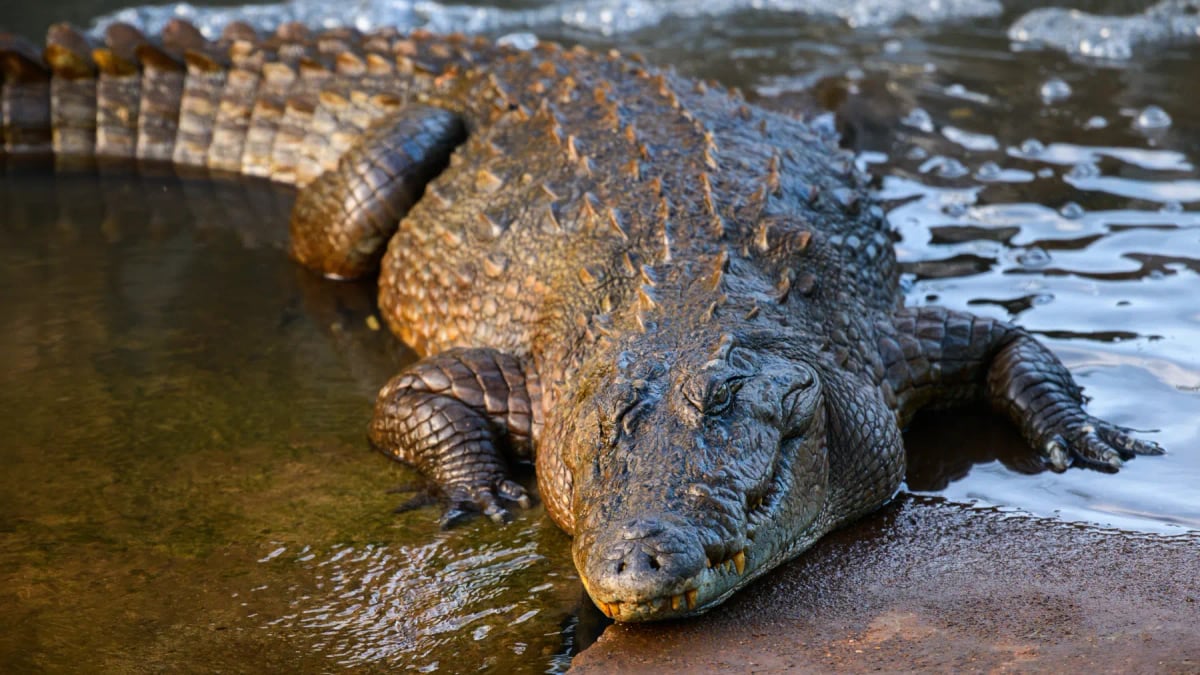
Mugger Crocodile
Crocodylus palustris
The mugger crocodile is the most common crocodilian in India, living in rivers, lakes, reservoirs, and coastal mangroves across the subcontinent. It is a patient ambush predator that feeds on fish, frogs, and larger prey including deer and cattle. Muggers are frequently seen basking in groups on riverbanks in protected areas like Ranthambore and Kaziranga.
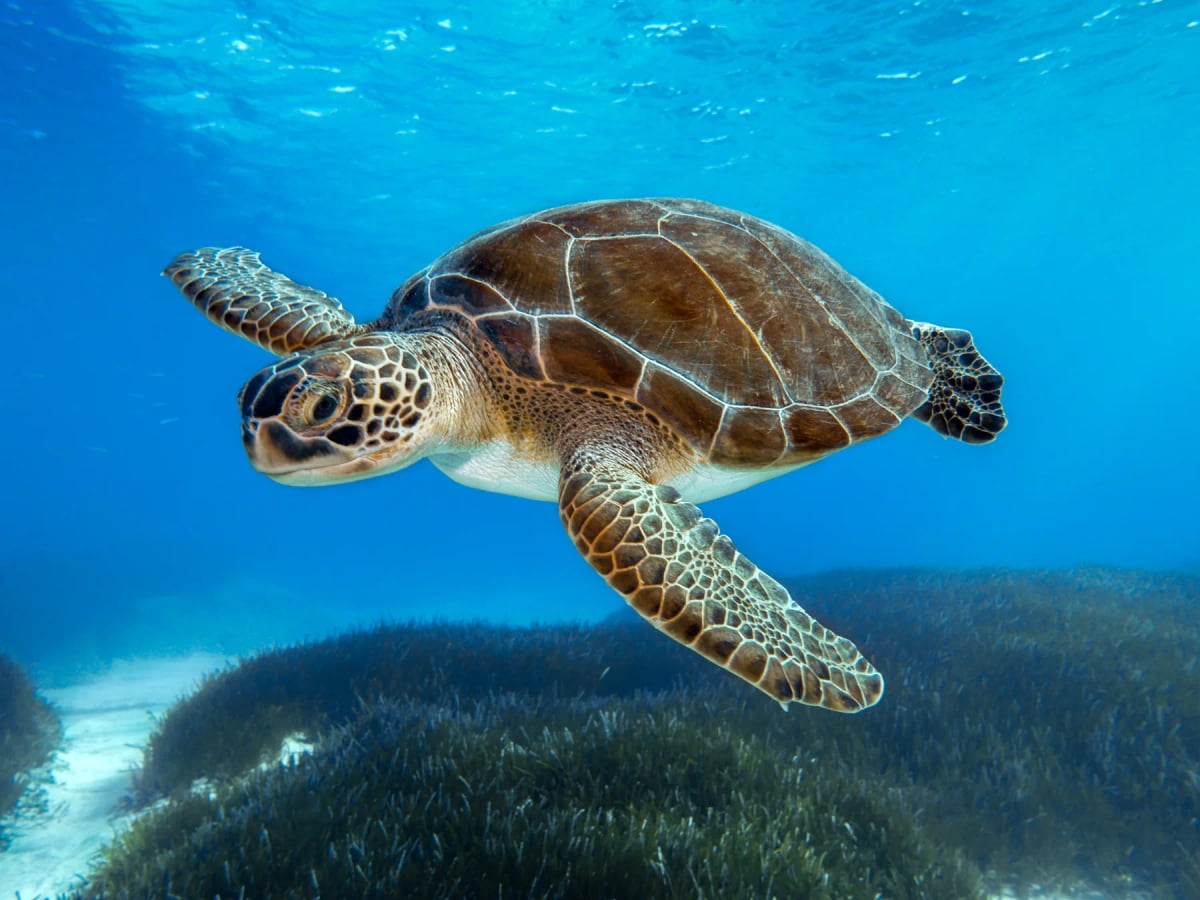
Sea Turtle
Cheloniidae & Dermochelyidae (families)
Five species of sea turtle are found along India's coasts, with the olive ridley being the most numerous. Every year, hundreds of thousands gather on beaches in Odisha for mass nesting events called arribadas, among the largest of their kind in the world. Rushikulya and Gahirmatha beaches are the most significant sites. The leatherback and hawksbill also visit Indian waters. Nesting beaches along both coasts are protected, though entanglement in fishing nets remains one of the most serious threats.
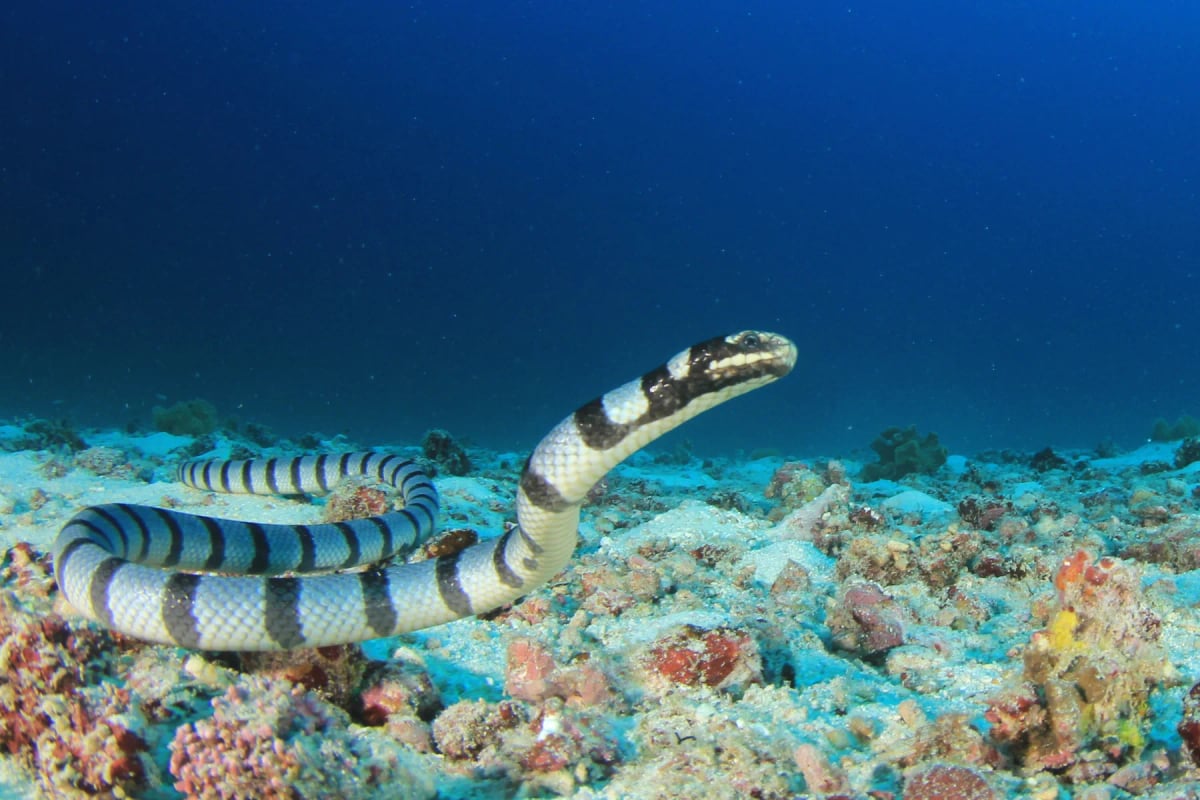
Sea Snake
Hydrophiinae / Laticauda spp.
Sea snakes are widespread along India's long coastline, from the Gulf of Mannar and Palk Bay to the waters around the Andaman and Nicobar Islands. The Gulf of Mannar, with its rich coral reefs and seagrass meadows, supports particularly diverse populations. Fishing communities sometimes encounter them as bycatch. Despite their potent venom, unprovoked bites are very rare. IUCN status: Data Deficient.
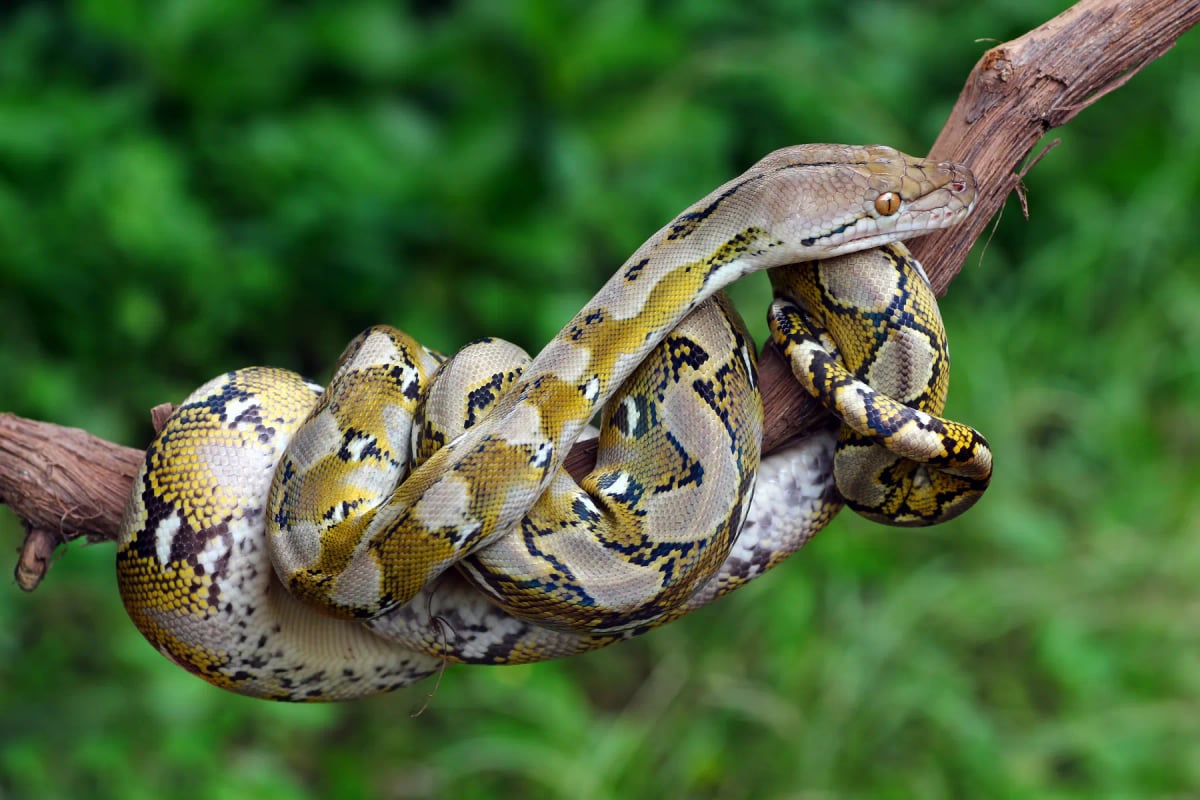
Reticulated Python
Malayopython reticulatus
In India, the reticulated python is found mainly in the northeastern states, including Assam, Nagaland, and the Andaman and Nicobar Islands. It favors dense forests, riverine areas, and wetlands. The species receives legal protection under the Wildlife Protection Act, though illegal hunting for its skin and live capture for the exotic pet trade remain ongoing threats to local populations.
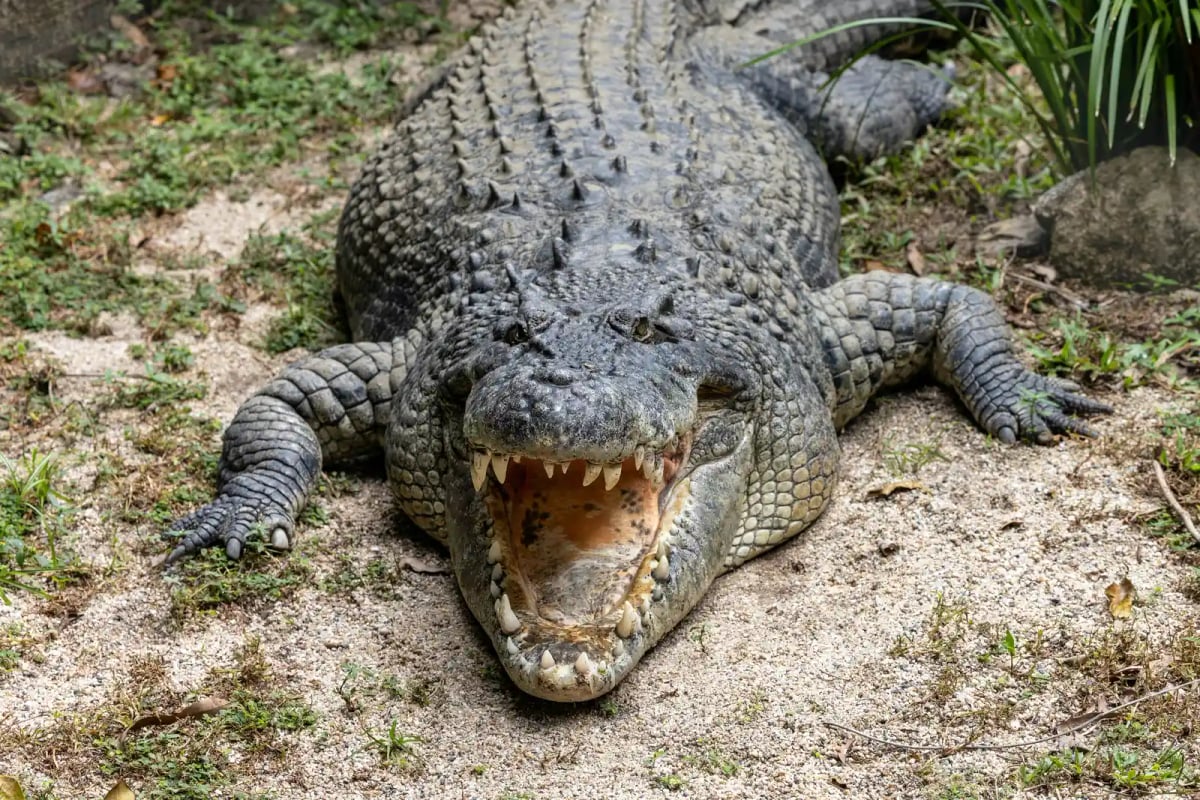
Saltwater Crocodile
Crocodylus porosus
India's largest saltwater crocodile population lives in Bhitarkanika National Park in Odisha, where a conservation program launched in the 1970s brought the species back from near collapse and an annual census is now part of the local calendar. Smaller numbers persist in the Indian Sundarbans and across the Andaman and Nicobar Islands. Encounters with fishers and villagers are common in these areas, so awareness campaigns go hand in hand with the conservation work.
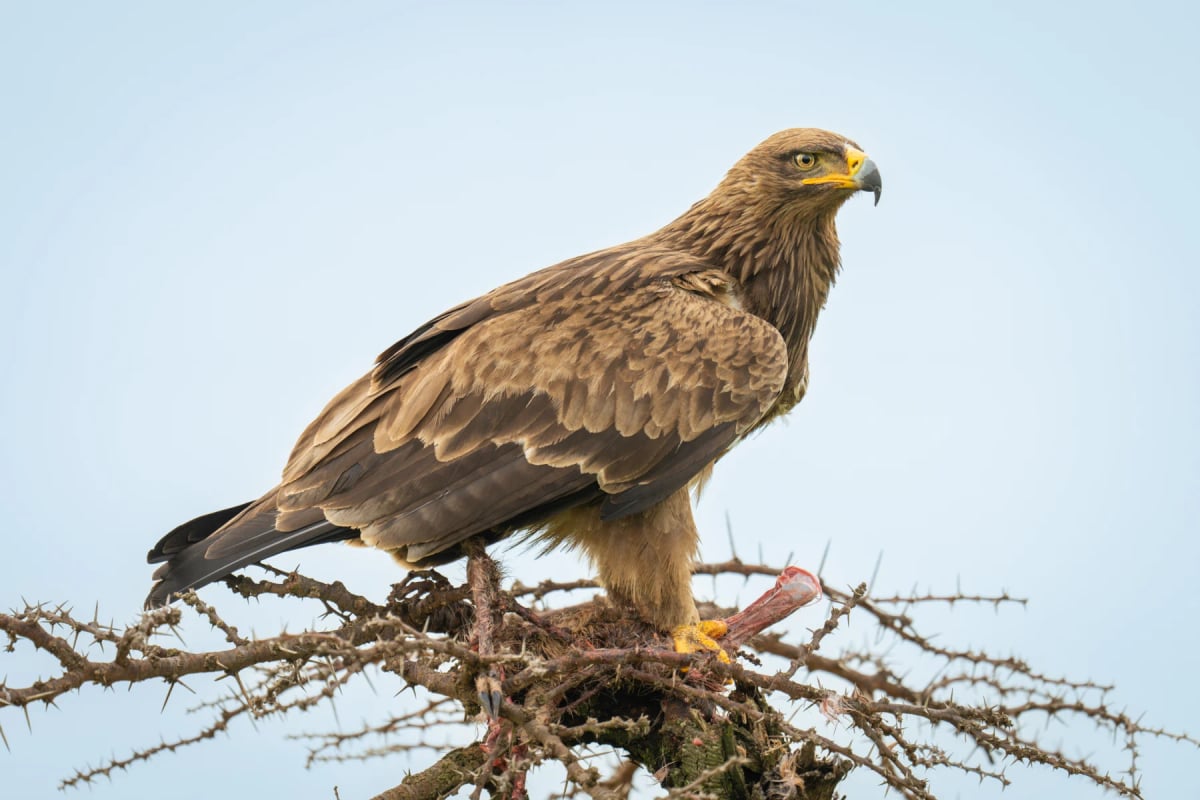
Steppe Eagle
Aquila nipalensis
India is one of the most important wintering grounds for the Steppe Eagle, with large numbers arriving each year to the open plains, grasslands, and semi-arid zones of Rajasthan, Gujarat, and other states. Flocks gather around carrion, rubbish dumps, and termite emergences. Classified as Endangered by the IUCN, the species has declined sharply in India over recent decades, and power line electrocution remains one of its most urgent threats across the subcontinent.
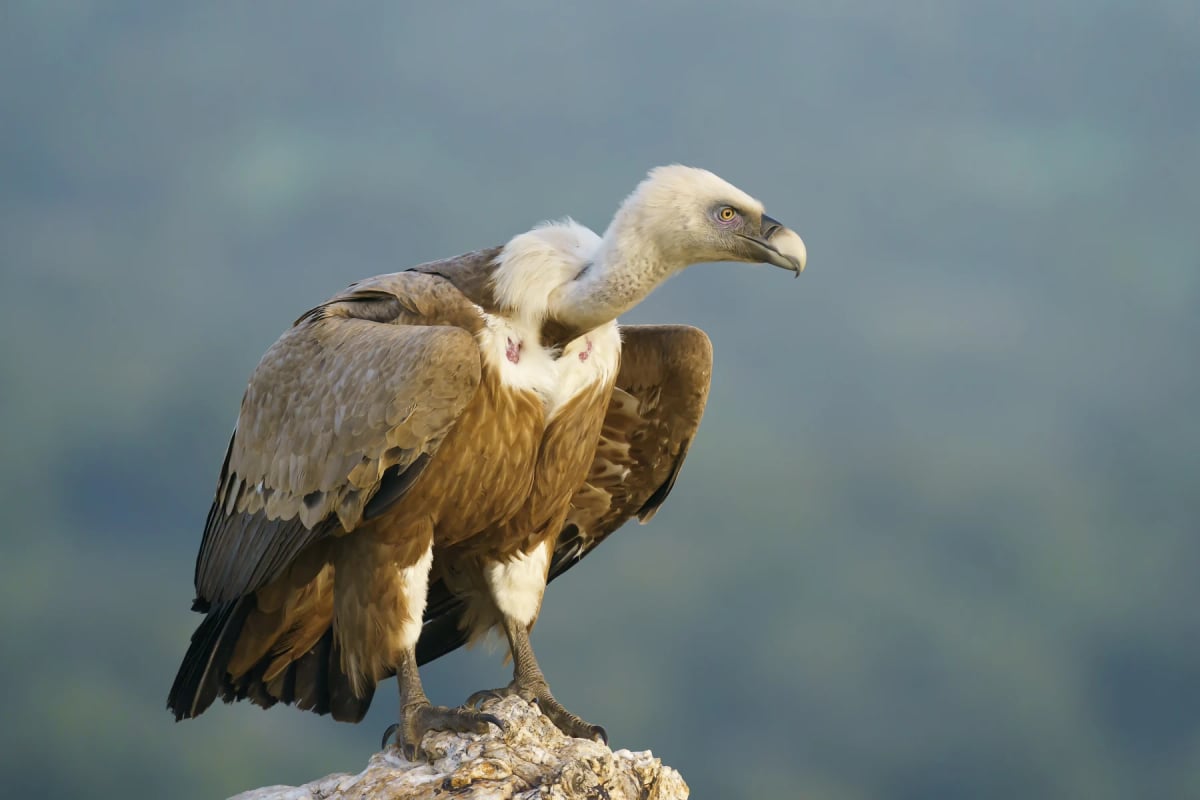
Griffon Vulture
Gyps fulvus
The griffon vulture breeds in the mountains of northern India, in the Himalaya, and in winter it is also seen in the plains and dry country of the west, such as Rajasthan and Gujarat, where its numbers are growing. India was the center of the South Asian vulture crisis caused by the veterinary drug diclofenac, which is deadly to vultures. Bans on the drug and vulture safe zones are helping. IUCN status: Least Concern.
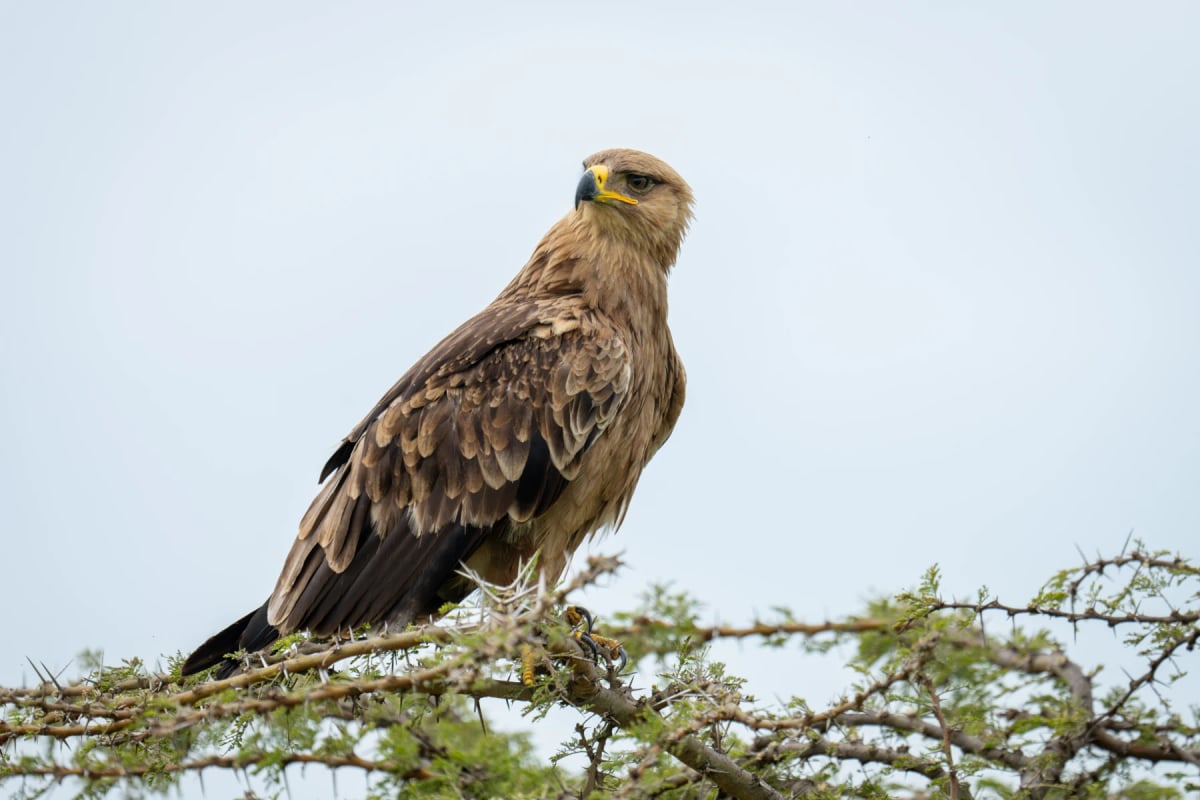
Tawny Eagle
Aquila rapax
In India, the tawny eagle inhabits open grasslands, cultivated plains, and dry scrub across the northern and central regions, including areas around Rajasthan and the Indo-Gangetic Plain. It has declined sharply over recent decades due to habitat degradation and poisoning. Vulture restaurant programs and grassland conservation efforts offer some hope, though the bird remains scarce in many areas where it was once regularly recorded. The IUCN lists it as Vulnerable.
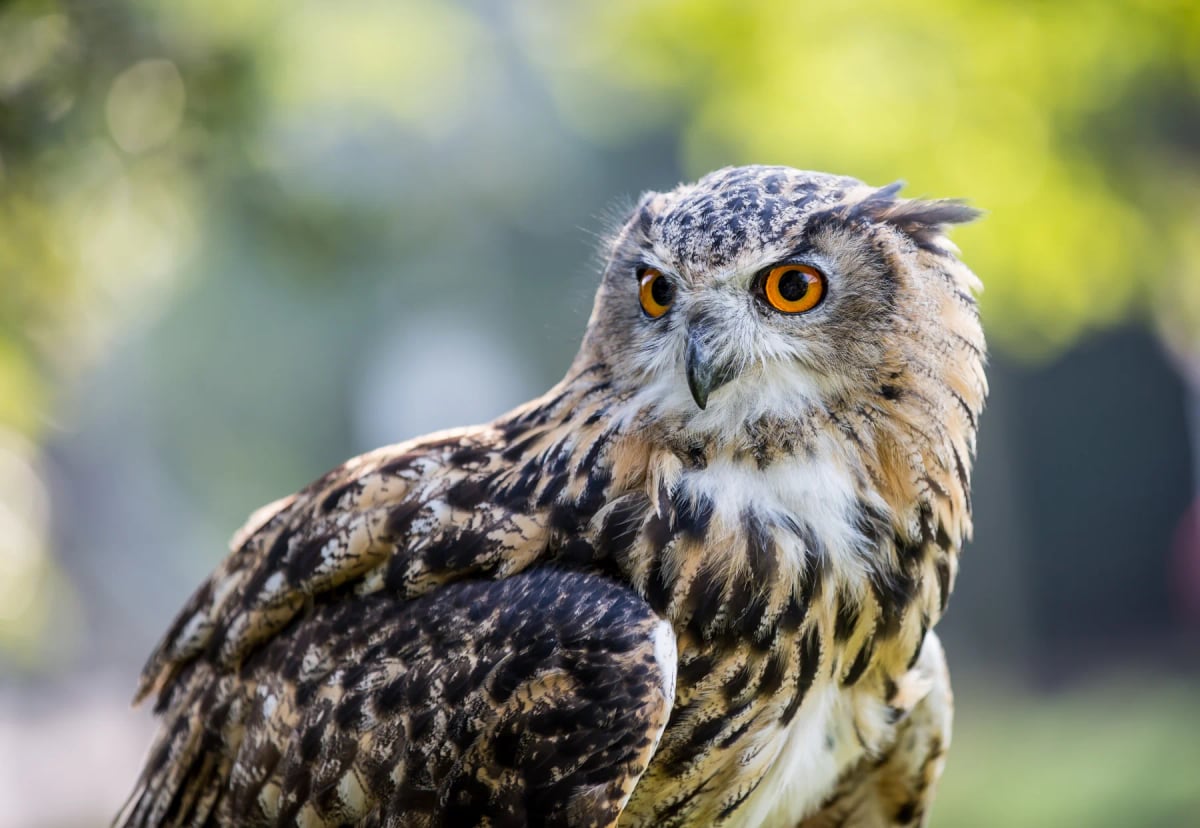
Eagle Owl
Bubo bubo
In India, the Eurasian eagle owl lives only in the high Himalaya of the north, in places such as Ladakh, where it hunts over rocky slopes and cold desert valleys. The big owl of the rest of the country, from the Deccan to Rajasthan, is a separate species that was once treated as a subspecies of this one. It is smaller, with a black border around the face. IUCN status: Least Concern.
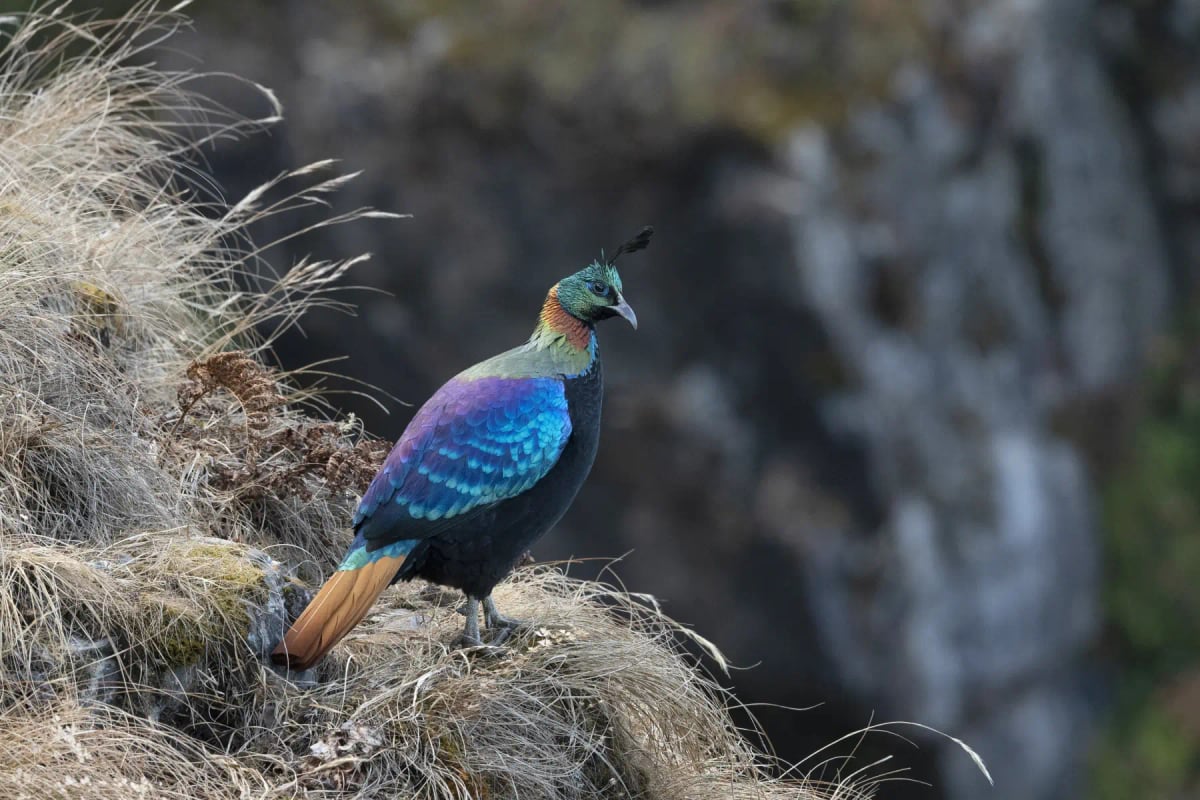
Himalayan Monal
Lophophorus impejanus
Across the Indian Himalayas, from Himachal Pradesh and Uttarakhand to Arunachal Pradesh, the Himalayan monal is a familiar and beloved bird of high altitude forests and open slopes. It is the state bird of Uttarakhand and is known as the monal or impeyan pheasant; it forages on the ground for bulbs, roots, and insects. Hunting pressure and habitat disturbance have been concerns in some areas, though the species remains broadly present throughout its Indian range.
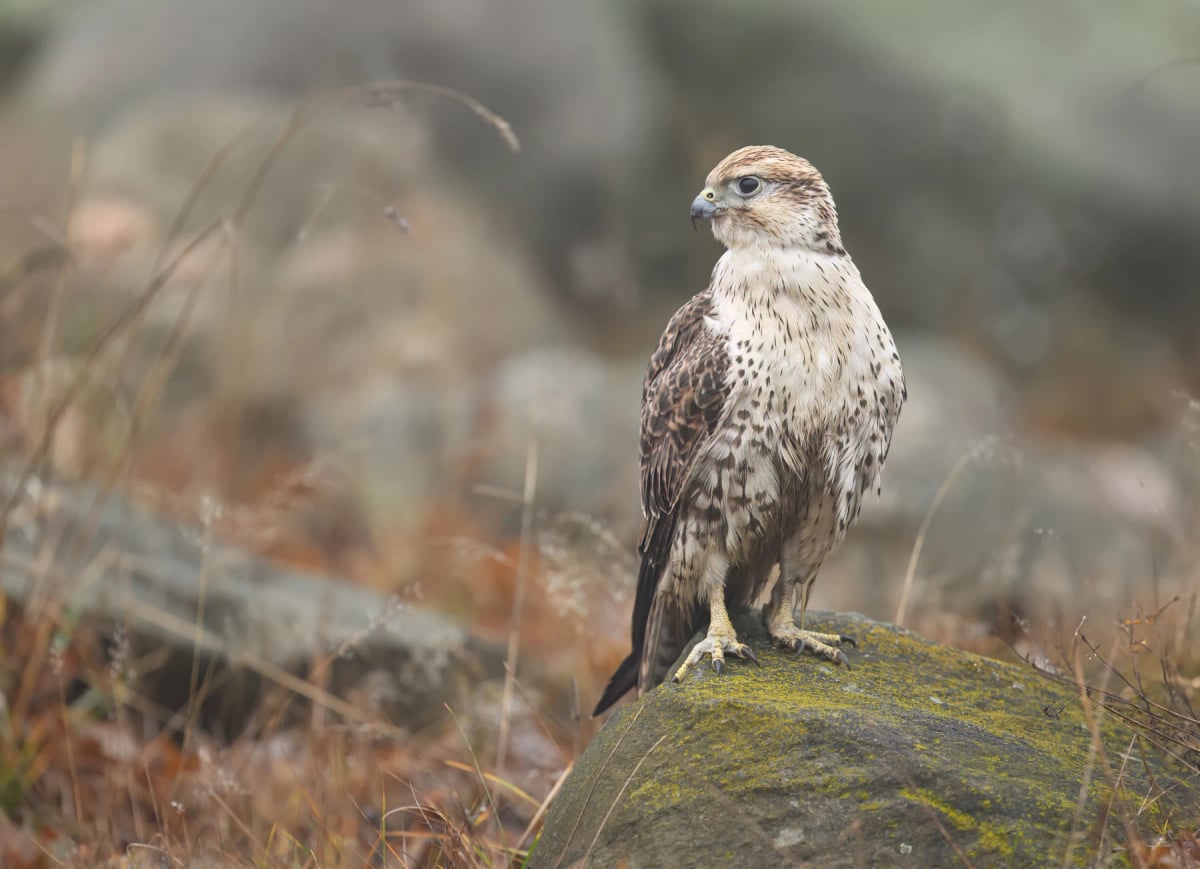
Saker Falcon
Falco cherrug
In India, the saker falcon appears mainly as a winter visitor, moving through the northwestern regions including Rajasthan and Gujarat after leaving its Central Asian breeding grounds. It favours open terrain where it can chase prey at low altitude. Sakers are rarely seen in large numbers here, and sightings are considered notable among birdwatchers. The IUCN lists the saker falcon as Endangered.
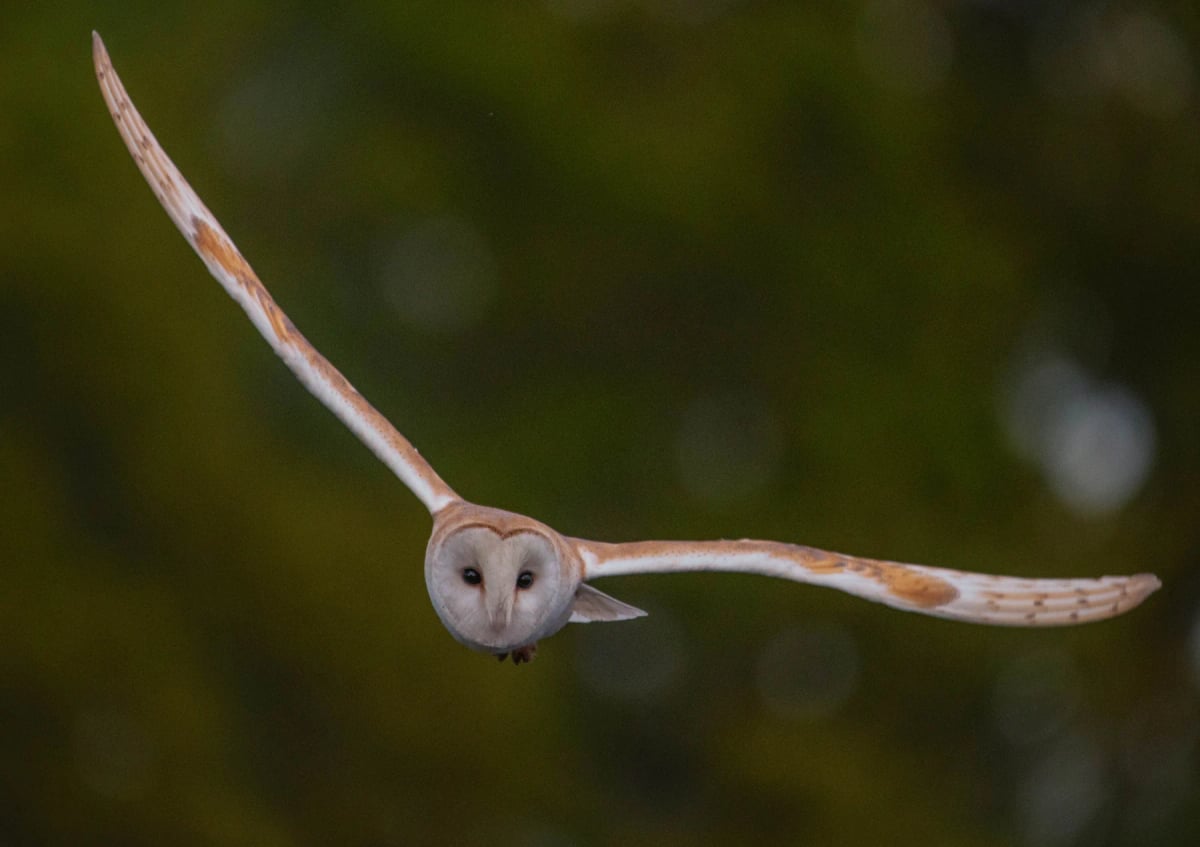
Barn Owl
Tyto alba
The barn owl is found throughout India, from the plains to the lower Himalayan foothills, and is one of the country's most widespread owls. It nests in old buildings, temples, barns, and rocky crevices, and feeds almost entirely on rodents, making it a valuable pest controller in rural farming communities. Its pale, heart shaped face and silent flight make it instantly recognizable across the country.
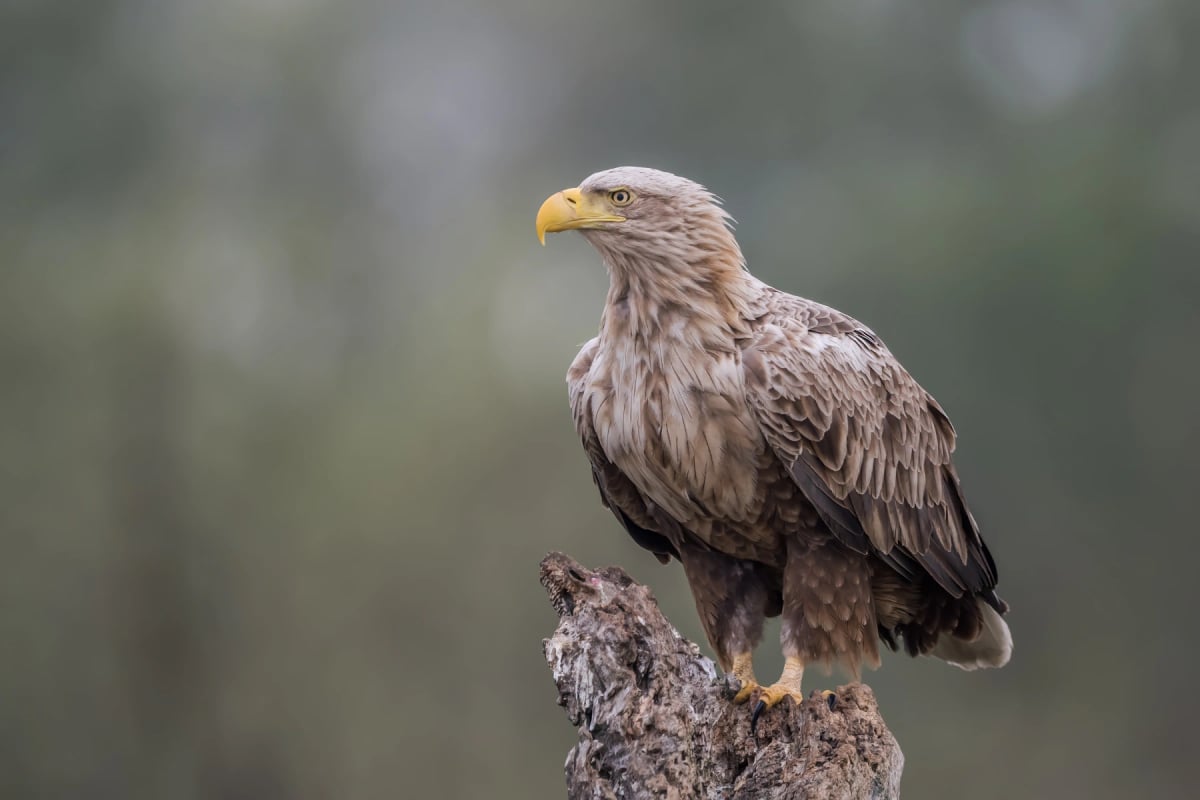
White tailed Eagle
Haliaeetus albicilla
In India, the white tailed eagle turns up as a winter visitor across a wide range of wetland habitats, from the floodplains of the Brahmaputra and the Ganges delta to large inland reservoirs and coastal estuaries. It is most reliably seen in the northeast, including Assam and West Bengal. Solitary birds arrive from breeding grounds farther north and east, departing again in early spring.
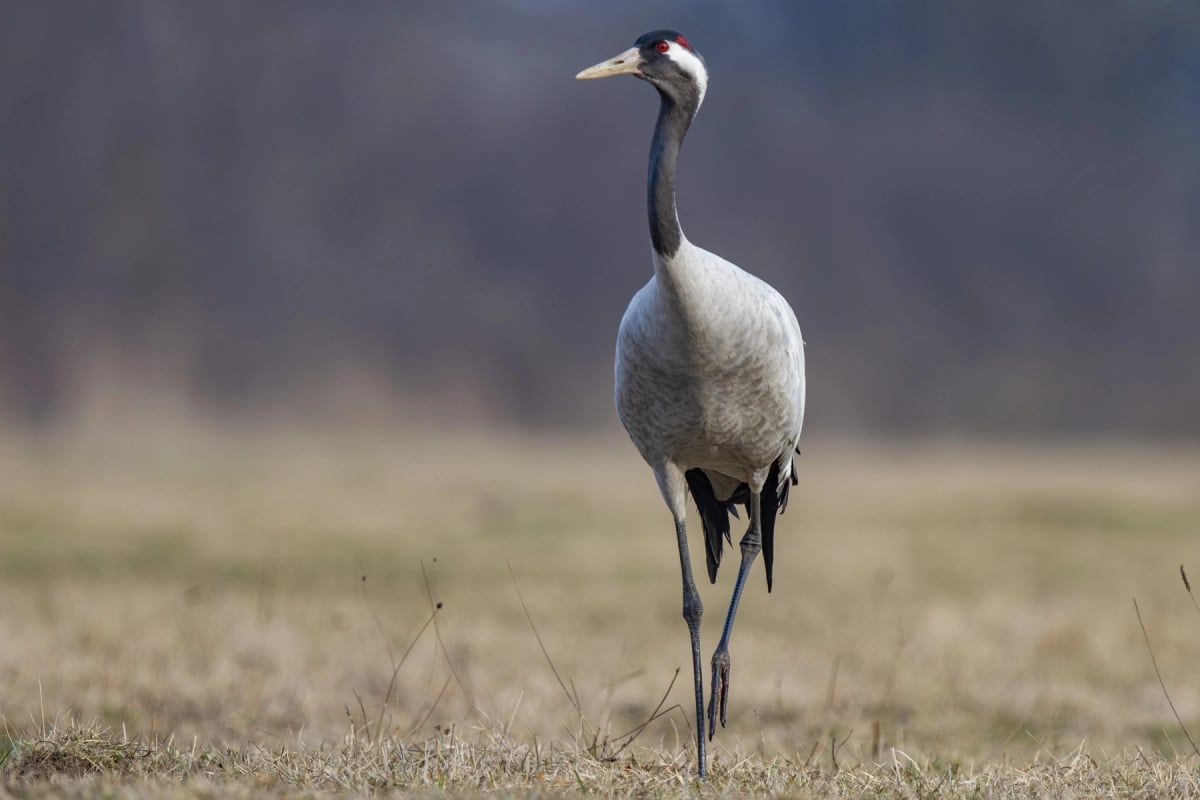
Crane
Grus grus
Common cranes arrive in India each winter, crossing the Himalayas and the Hindu Kush to reach wetlands and agricultural plains in the northwest, particularly in Rajasthan and Gujarat. They gather in large flocks on open farmland and shallow lakes, feeding on grain and plant matter. The species is listed as Least Concern globally, and India's wintering population benefits from the country's network of protected wetlands.
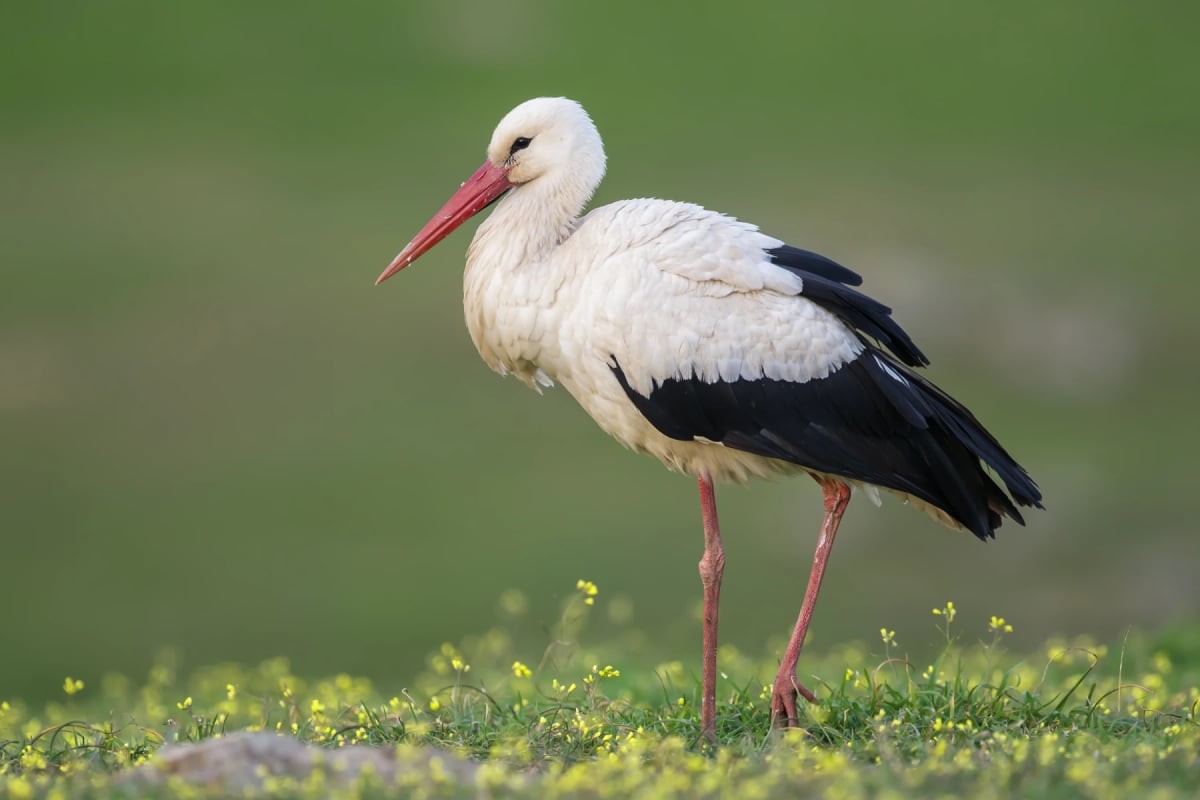
Stork
Ciconia ciconia
The white stork visits northwestern India as a winter migrant, appearing mainly in the states of Rajasthan, Gujarat, and Punjab. It tends to favor open wetlands, irrigated farmland, and river margins where food is accessible. Although never present in large numbers compared to its European breeding range, individual birds and small groups are recorded regularly each winter, often mixing with other large wading birds at the same sites.
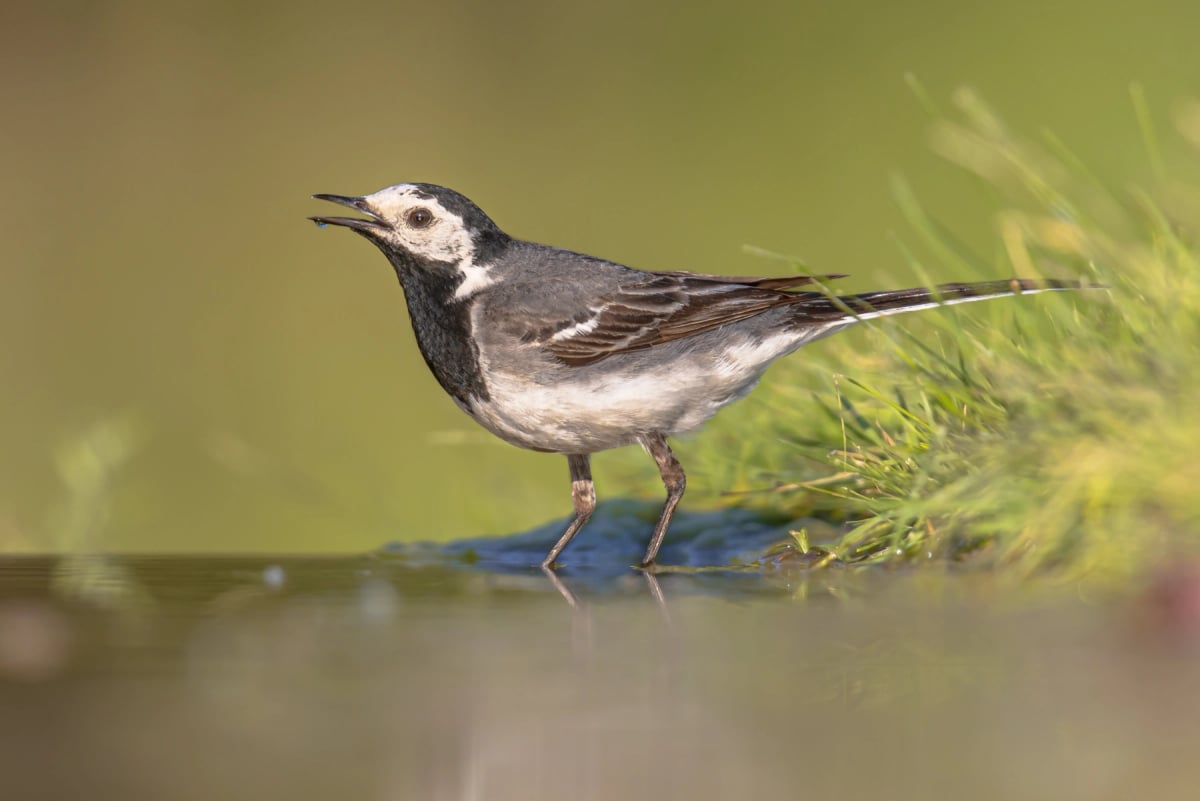
White Wagtail
Motacilla alba
The white wagtail is a common winter visitor across most of India, arriving from Central Asia and Siberia in October and staying until April. It is found near water, on lawns, riverbanks and in open urban spaces, walking quickly while bobbing its tail. It also breeds in India in summer, along rivers and streams in the Himalayas of Kashmir, Ladakh and Himachal Pradesh. IUCN status: Least Concern.
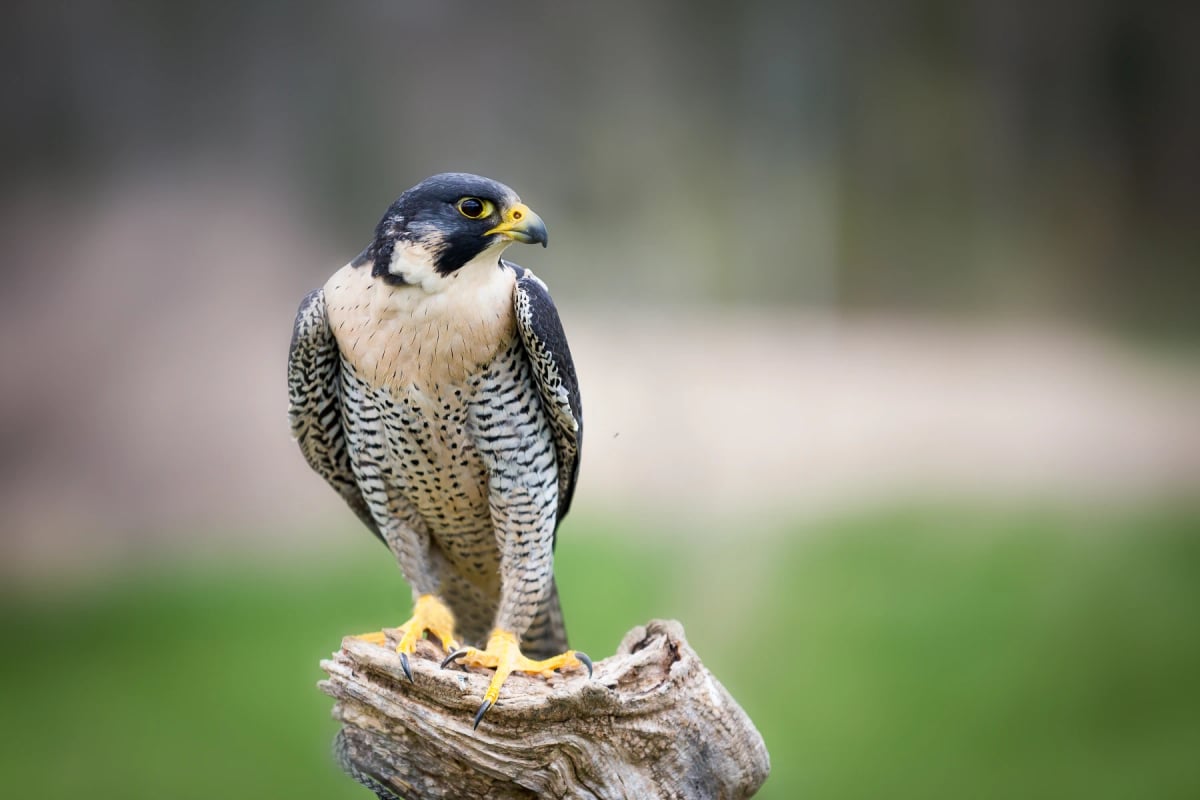
Peregrine Falcon
Falco peregrinus
Several subspecies of the peregrine falcon occur across India, with some populations resident in the Himalayas and the Western Ghats, and others arriving as winter visitors from central Asia and Siberia. It inhabits rocky cliffs, mountain ridges, and coastal areas, and has also adapted to cities such as Mumbai and Delhi. India's wide range of habitats, from high altitude terrain to tropical coastlines, supports this species throughout the year. IUCN status: Least Concern.
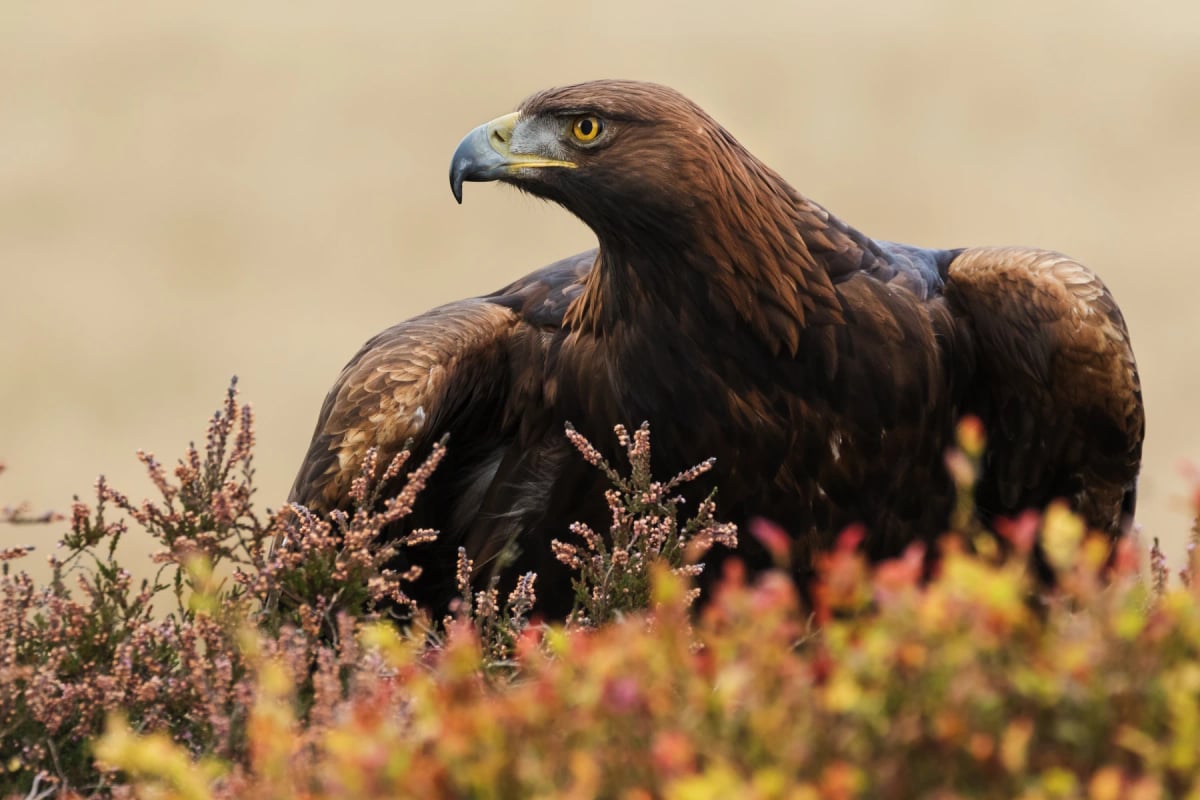
Golden Eagle
Aquila chrysaetos
In India, the golden eagle inhabits the high mountain terrain of the Himalayas, Ladakh, and parts of the western ranges. It is most often seen soaring over steep valleys and bare ridgelines at altitude. It hunts marmots, hares, and other animals of open ground. Pairs return to the same cliff nests year after year. The IUCN lists it as Least Concern globally, though it is uncommon within India.
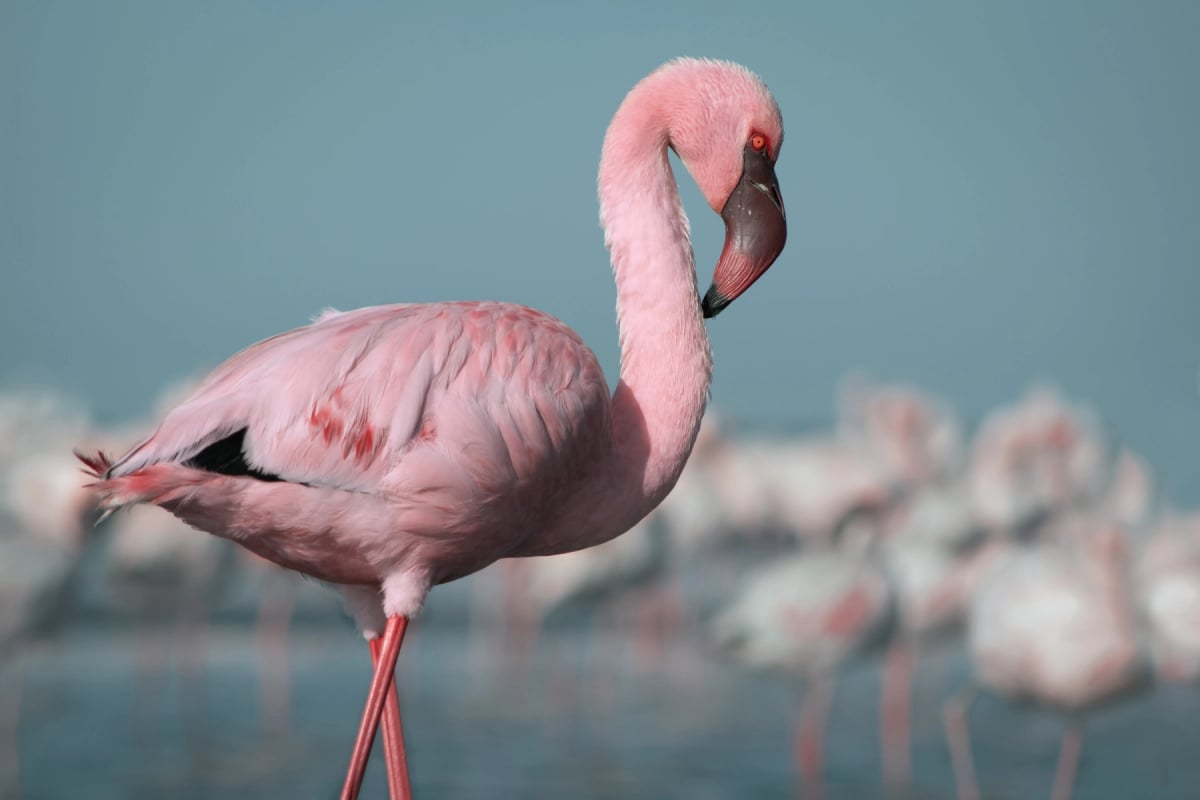
Flamingo
Phoenicopteridae (6 species)
India holds both the greater and the lesser flamingo, and the Rann of Kutch in Gujarat is one of the most important breeding grounds in Asia, with huge colonies in wet years. In winter, tens of thousands also gather on the coastal mudflats of Mumbai, at Sewri and Thane Creek, often within sight of the city's towers. IUCN status: greater flamingo Least Concern, lesser flamingo Near Threatened.
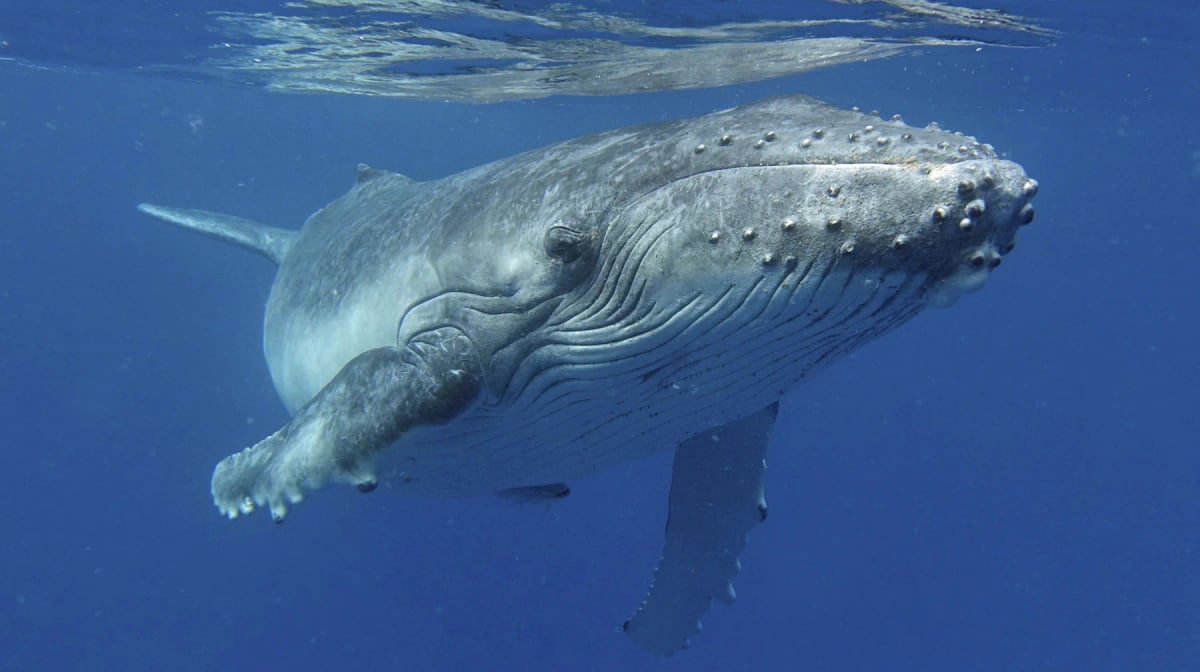
Humpback Whale
Megaptera novaeangliae
Humpback whales are found in Indian Ocean waters surrounding the Indian subcontinent, including the Arabian Sea and the Bay of Bengal. They are more commonly recorded along the western coast and around the Andaman and Nicobar Islands. India's seas lie along migration routes used by whales moving between feeding and breeding grounds in the broader Indian Ocean basin. The IUCN classifies the species as Least Concern.
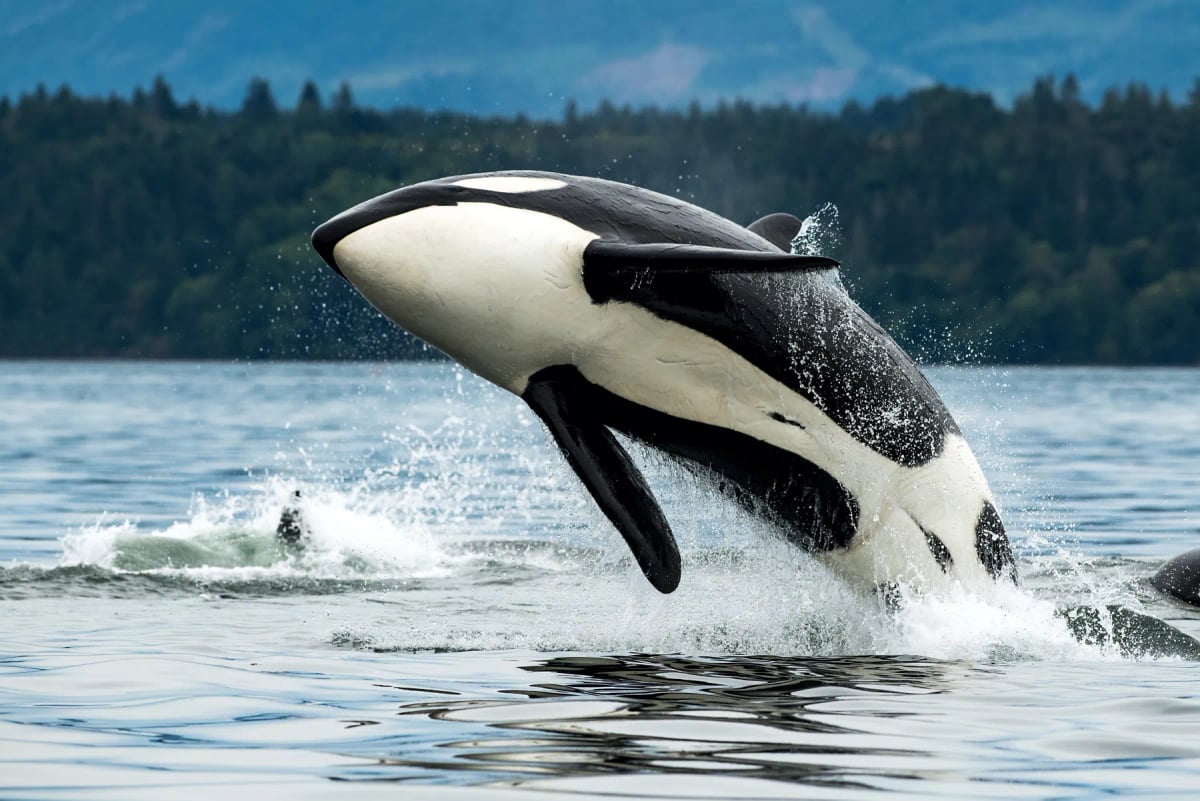
Orca
Orcinus orca
Orcas have been recorded in Indian waters, including the Arabian Sea and the Bay of Bengal. Sightings off the coasts of states such as Kerala and Tamil Nadu have been reported, though encounters are uncommon. India's vast maritime territory spans both tropical and subtropical seas, and orcas moving through the northern Indian Ocean may travel considerable distances. The IUCN classifies the orca as Data Deficient, reflecting the need for further study in this region.
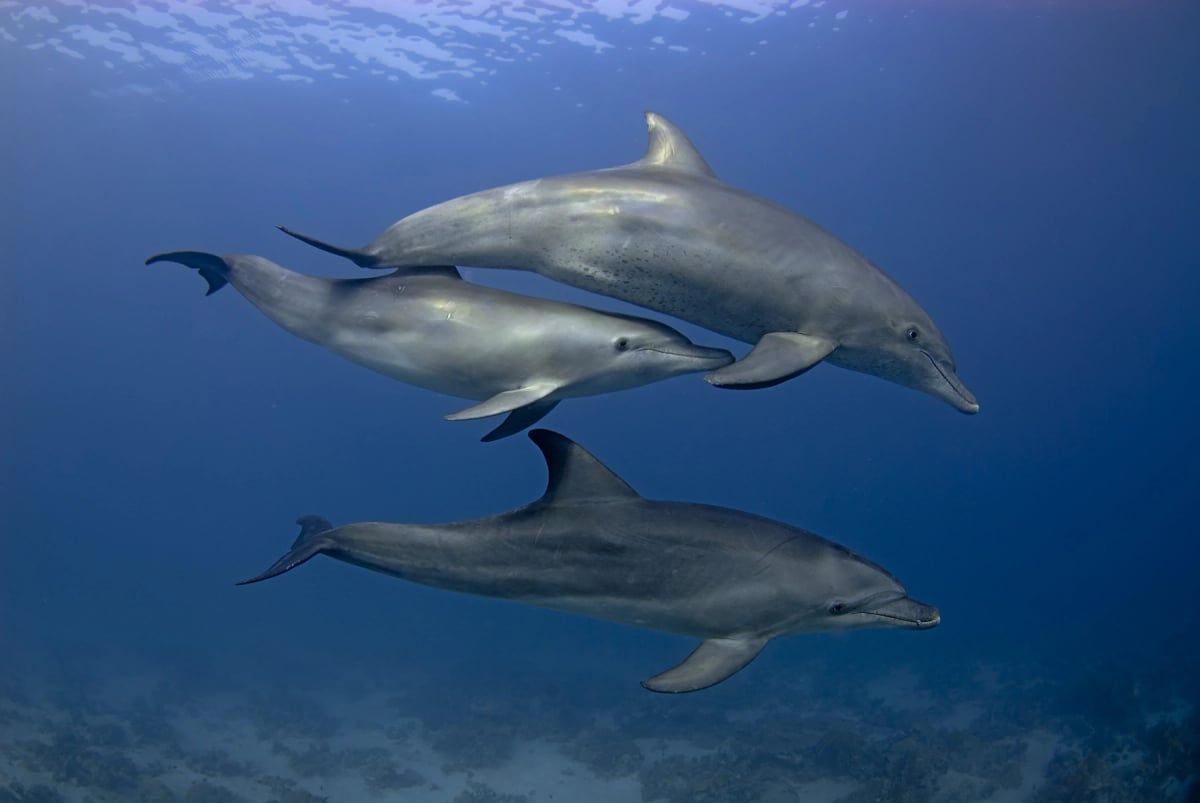
Bottlenose Dolphin
Tursiops truncatus
Bottlenose dolphins range widely around India's extensive coastline, appearing in the Arabian Sea, the Bay of Bengal, and the waters around the Andaman and Nicobar Islands. They frequent estuaries, shallow bays, and the open continental shelf. India supports notable research efforts on coastal dolphin populations, particularly in Gujarat and along the southeastern coast. The IUCN classifies the species as Least Concern.
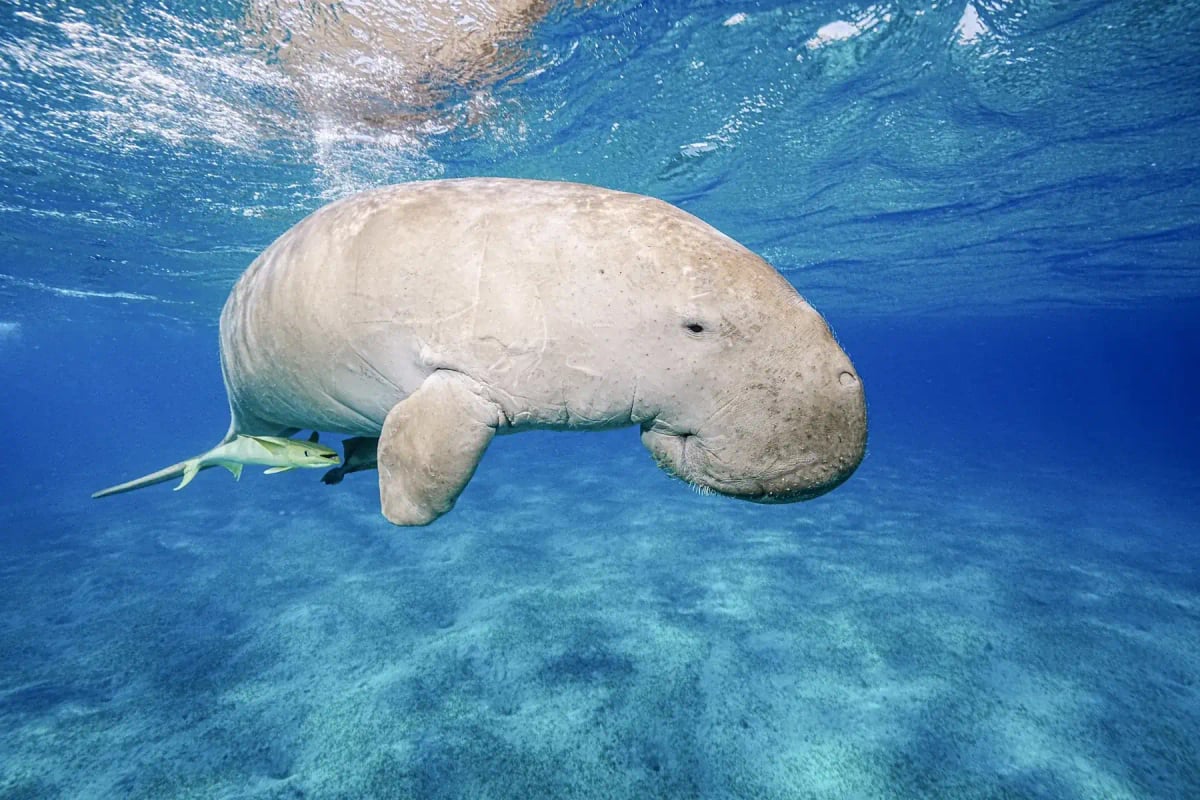
Dugong
Dugong dugon
In India, dugongs are found mainly in the Gulf of Mannar, Palk Bay, and the waters around the Andaman and Nicobar Islands. The Gulf of Mannar Marine National Park offers some protection, but populations remain small and fragmented. Entanglement in fishing nets is one of the leading causes of dugong deaths in Indian waters. Community conservation programs, particularly in Tamil Nadu, are working to raise awareness and reduce accidental catches. IUCN status: Vulnerable.
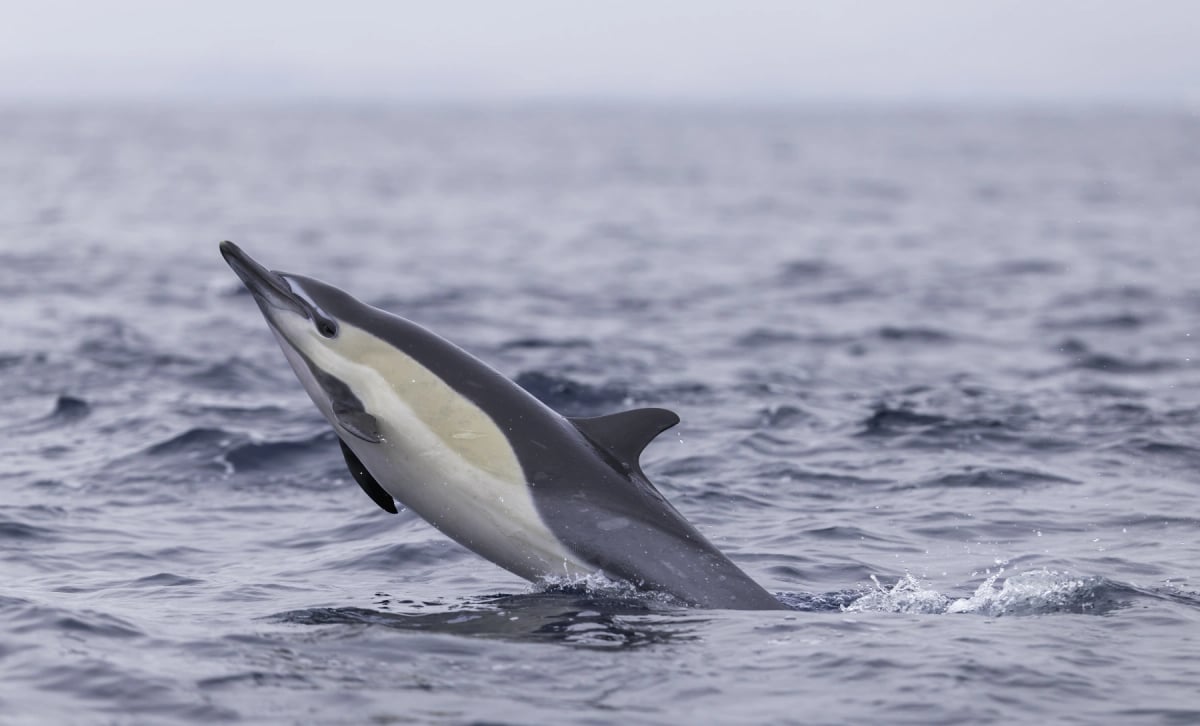
Common Dolphin
Delphinus delphis
The common dolphin is recorded along India's western coastline, particularly in the Arabian Sea, where productive upwelling zones provide plenty of anchovies, sardines, and squid. Large groups, sometimes forming superpods of several thousand individuals, have been observed off the coasts of Maharashtra and Kerala. Bycatch in fishing gear remains a concern for dolphin populations throughout Indian waters. IUCN status: Least Concern.
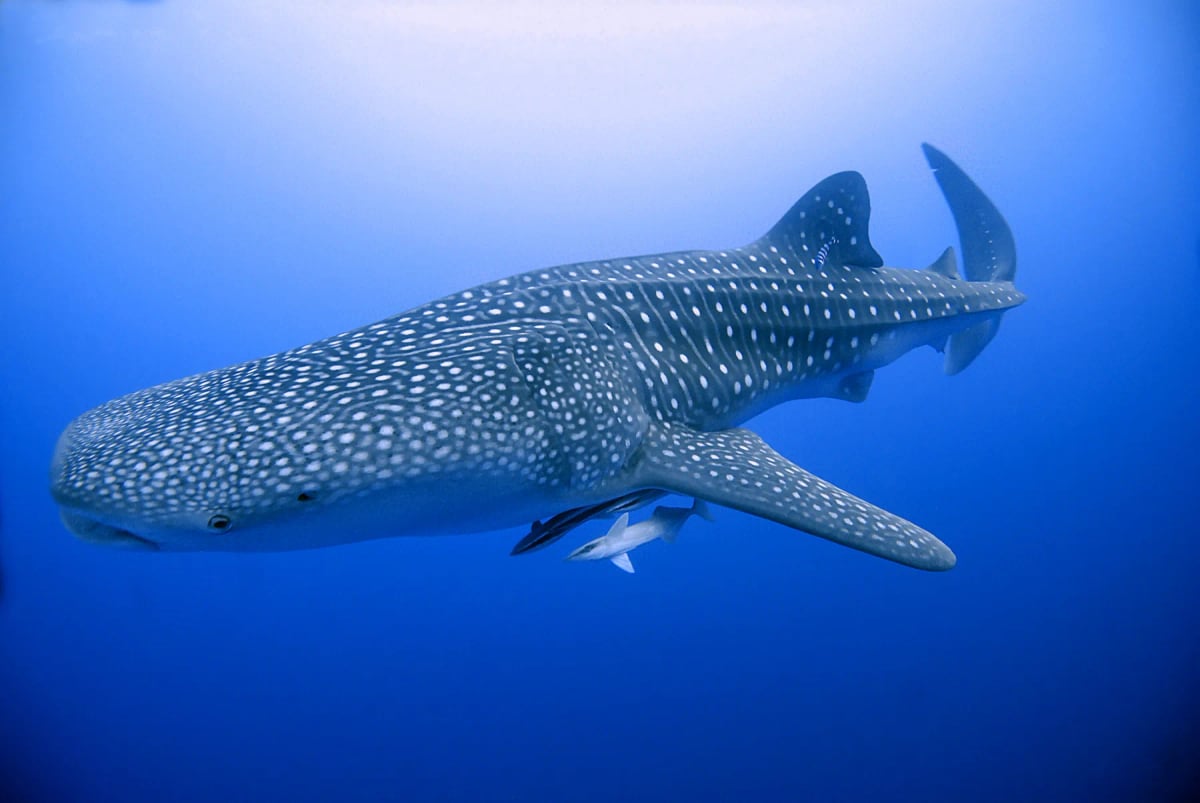
Whale Shark
Rhincodon typus
The whale shark, the largest fish in the world, visits the western coast of India regularly, particularly the waters off Gujarat between October and May. Fishermen in the Gulf of Khambhat have a long tradition of releasing whale sharks accidentally caught in their nets, and local conservation campaigns have strengthened this practice. Encounters with these gentle giants have become an attraction for divers along the Gujarat and Kerala coasts.
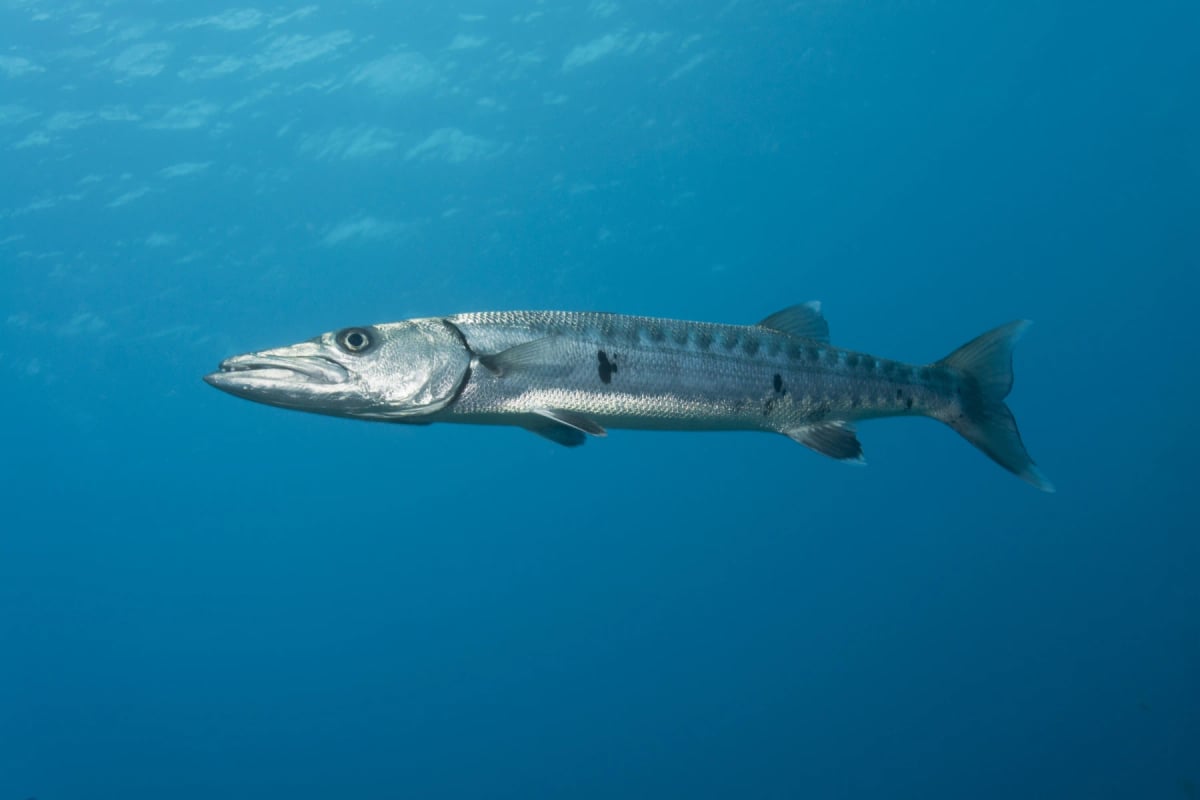
Barracuda
Sphyraena spp.
Several barracuda species live in the warm coastal waters around India, particularly along the Andaman and Nicobar Islands, the Lakshadweep archipelago, and the Malabar Coast. They are fast, predatory fish that hunt smaller fish in open water and around coral reefs. Barracudas are commonly encountered by divers in these areas and are recognizable by their long, sleek body and sharp teeth.
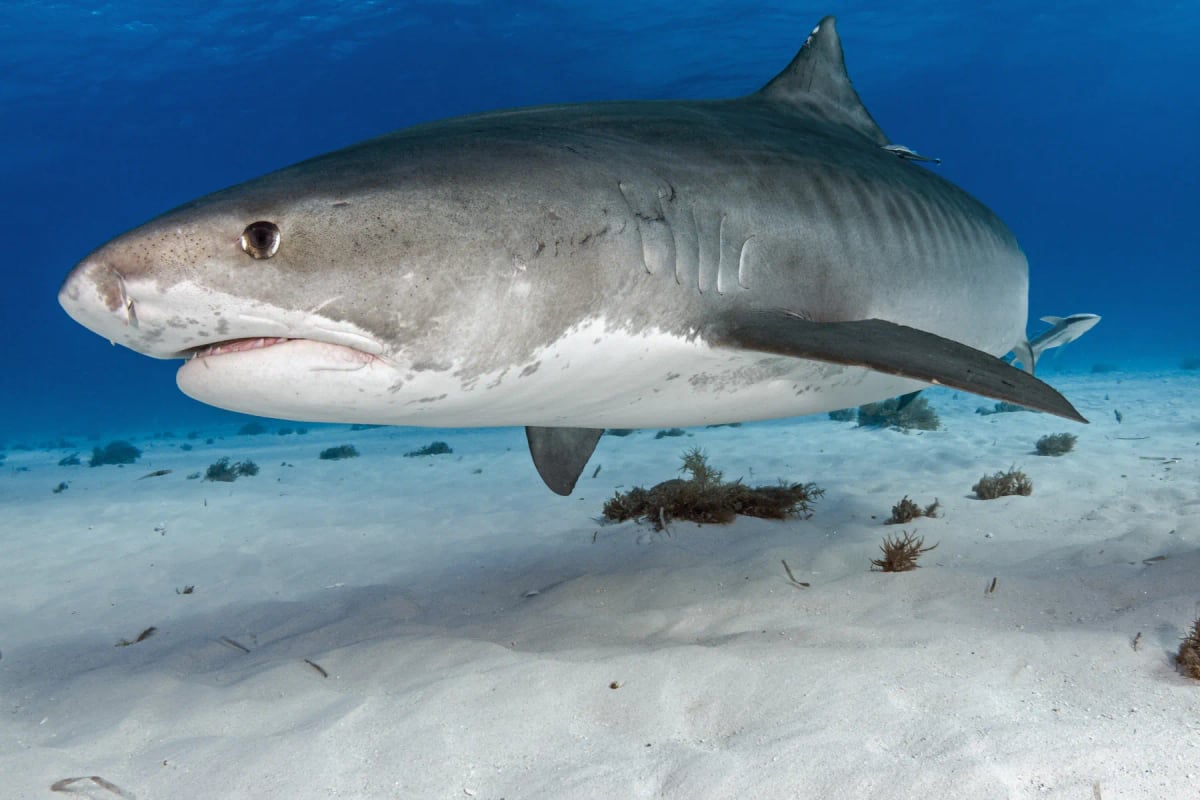
Tiger Shark
Galeocerdo cuvier
Tiger sharks are found across India's extensive coastline, spanning the Arabian Sea to the west and the Bay of Bengal to the east. They are encountered near fishing communities in states like Kerala, Tamil Nadu, and Gujarat. India's warm tropical waters, busy fishing ports, and productive coastal ecosystems make it an important part of the tiger shark's range. The species is vulnerable to bycatch in the country's large scale fishing operations.
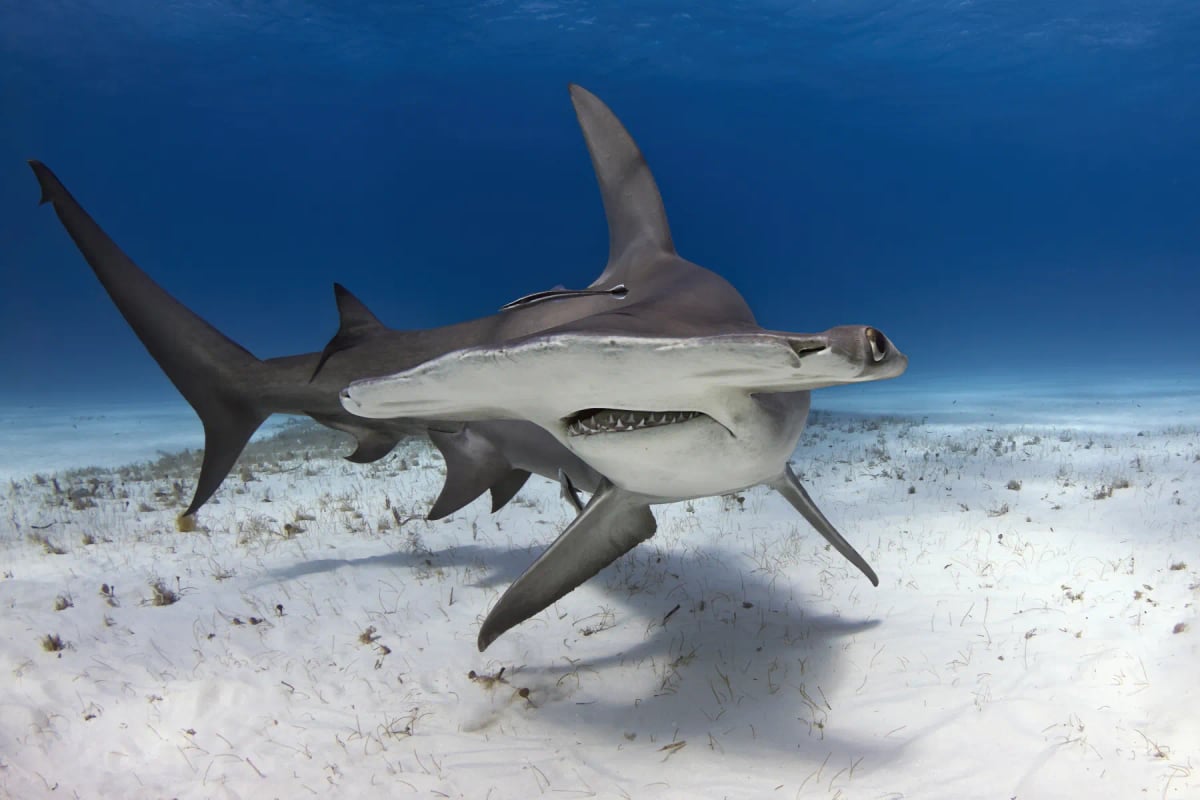
Hammerhead Shark
Sphyrna spp.
Hammerhead Sharks are found in Indian waters across the Arabian Sea, the Bay of Bengal, and around the Lakshadweep and Andaman islands. India has one of the world's largest shark fisheries, and hammerheads are regularly caught as bycatch or targeted for their fins. Conservation awareness is growing, but these sharks remain Critically Endangered. Stronger protections in Indian coastal and offshore waters are urgently needed.
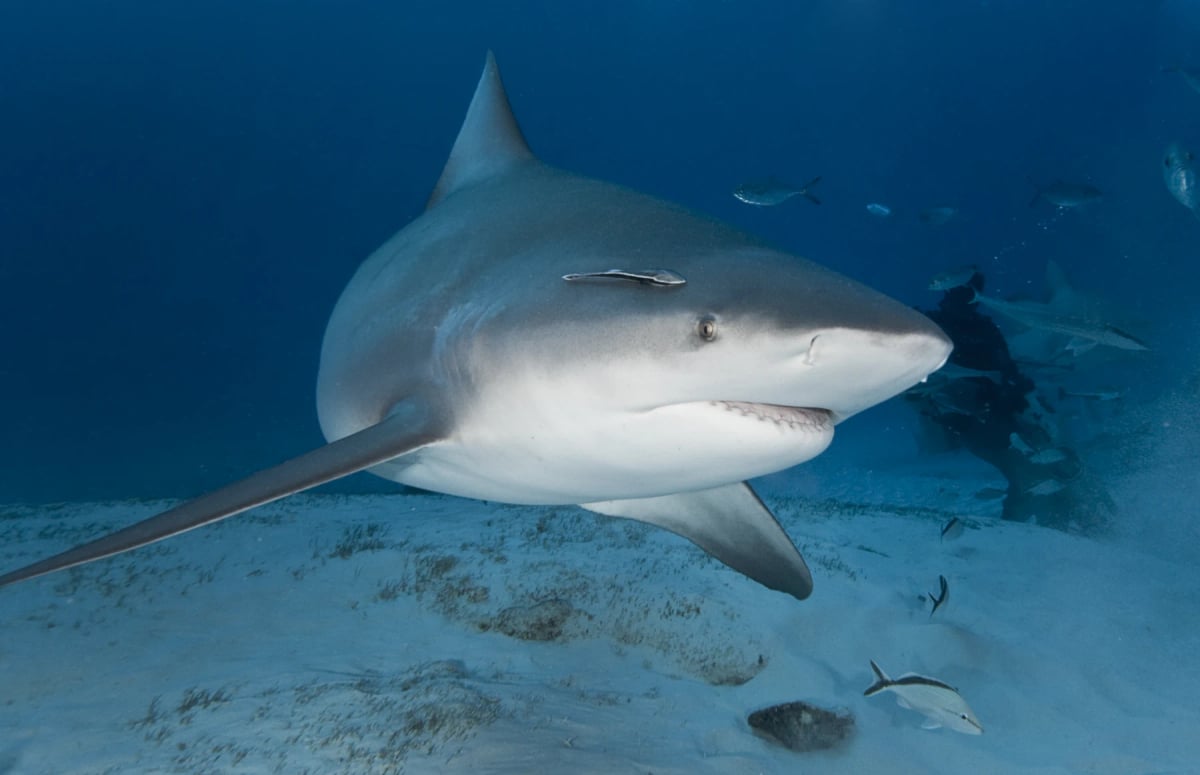
Bull Shark
Carcharhinus leucas
Bull sharks are present along much of India's coastline, from the river mouths of the Ganges delta in the east to estuaries along the Arabian Sea in the west. Historical records confirm their presence in the Ganges and Hooghly rivers. They share inshore waters with dense human populations and fishing fleets, making their conservation and management a matter of both ecological and public concern. IUCN status: Near Threatened.
Frequently Asked Questions
What animals live in India?
India is home to Bengal tigers, Asiatic lions, leopards, snow leopards, clouded leopards, Asian elephants, gaur, water buffalo, sambar deer, blackbuck, red pandas, gray wolves, dholes, striped hyenas, Asiatic black bears, langurs, macaques and pangolins. Its reptiles include king cobras, gharials, mugger and saltwater crocodiles and monitor lizards. Among its birds are flamingos, storks, cranes, vultures and the Himalayan monal, and along its coasts live dugongs, dolphins, sea turtles and whale sharks.
What is the national animal of India?
The national animal of India is the Bengal tiger, chosen in 1973 when Project Tiger was launched to save it. Before that, the lion held the title. India is home to about 75 percent of the world's wild tigers, with 3,682 counted in 2022, living in more than 50 tiger reserves such as Ranthambore, Bandhavgarh, Kanha, Corbett and the Sundarbans. The best time to see tigers is from March to June, when the forests are dry and the animals come to waterholes.
How many elephants are there in India?
India has about 22,446 wild Asian elephants, according to the first DNA based count, released in 2025. That is about half of all the Asian elephants left in the wild. The largest population, almost 12,000, lives in the Western Ghats of Karnataka, Tamil Nadu and Kerala, and many others live in the northeast and along the Himalayan foothills. The elephant is sacred in Hindu culture as the image of the god Ganesha, and it has been India's national heritage animal since 2010.
What wild cats live in India?
India has more kinds of wild cat than almost any other country. The big cats are the Bengal tiger, the Asiatic lion, found only in Gujarat, the leopard, which lives almost everywhere, even near Mumbai, and the snow leopard of Ladakh and the Himalaya. Smaller wild cats include the clouded leopard of the northeast, the fishing cat of wetlands and mangroves, and the caracal of the dry west. India is the only country in the world where wild tigers and wild lions both live.
Are there dangerous snakes in India?
Yes. India has the highest number of snakebite deaths in the world, about 58,000 a year, mostly among farmers in rural areas who are bitten at night or while working in fields. The king cobra, the longest venomous snake on Earth, lives in the forests of the Western Ghats and the northeast, but it is shy and rarely bites. The reticulated python lives only on the Nicobar Islands, and venomous sea snakes live along the coasts. Wearing shoes, using a flashlight and sleeping on a raised bed greatly reduce the risk.
Researched and written by Juan Pablo. Sources: IUCN Red List, scientific literature and regional field guides. Last updated: .