Animals in Bahamas
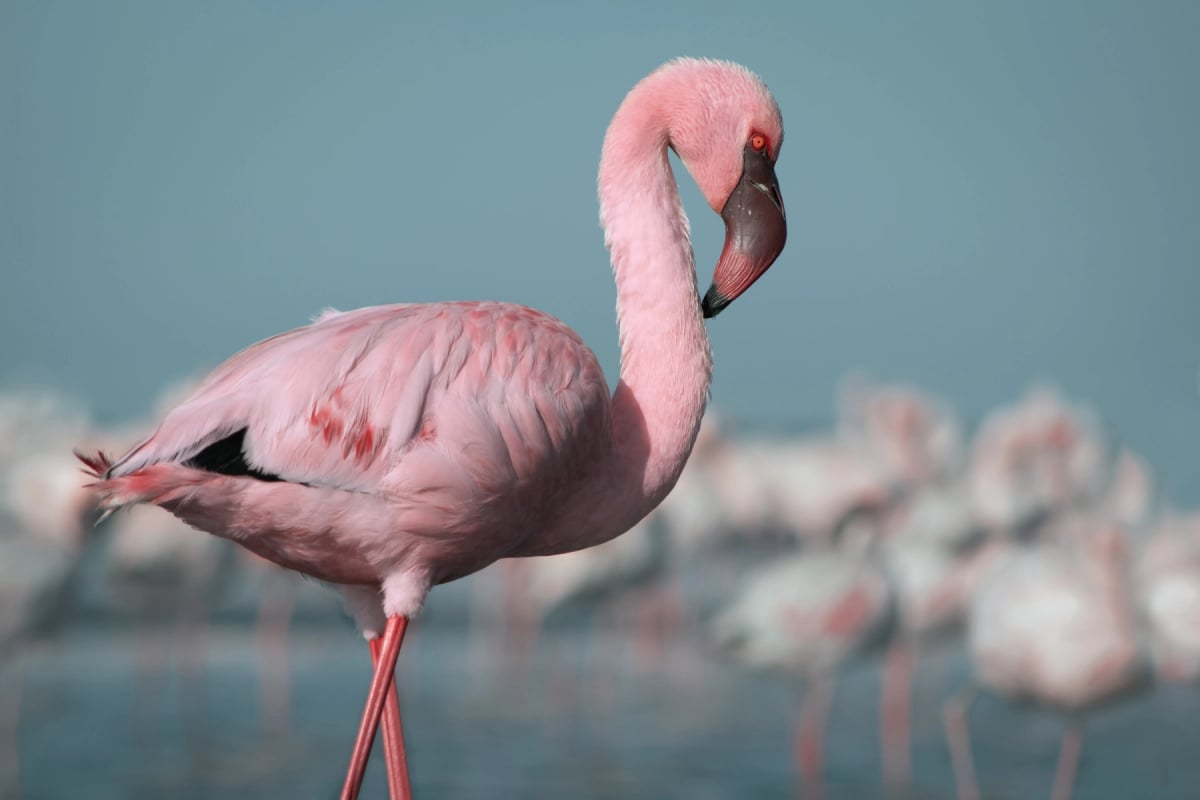
Flamingo
Phoenicopteridae (6 species)
The flamingo is the national bird of the Bahamas. It lives in shallow coastal lagoons and inland salt lakes, where flocks feed by filtering small crustaceans and algae from the water, and its bright pink colour comes from the pigments in that diet. In the 1950s hunting had cut the population to about 5,000 birds. Inagua National Park, created in 1965 on Great Inagua, turned that around, and today some 60,000 to 80,000 flamingos live there, the largest breeding colony of its kind in the world.
View details→Wildlife in Bahamas
The Bahamas is a chain of about 700 low islands and cays spread over the warm, shallow banks of the western Atlantic, and most of its wildlife lives in the water. On land the stars are reptiles and birds. Bahamian rock iguanas, some of the rarest lizards in the world, bask on small cays in the Exumas and other remote islands, and tens of thousands of flamingos feed in the salt lakes of Great Inagua. Around the islands, coral reefs, mangroves and seagrass meadows shelter a much richer community. Parrotfish graze the reefs and turn dead coral into white sand, barracudas hover near the reef edges, and green, loggerhead and hawksbill sea turtles feed over the seagrass and nest on quiet beaches. Bottlenose dolphins live along the coasts, a small number of manatees visit the Berry Islands and Grand Bahama, and humpback whales pass through in winter. Since 2011 the whole country has been a shark sanctuary, and reef, bull and hammerhead sharks are common.
Most Dangerous Animals in Bahamas
The dangerous animals of the Bahamas all live in the sea, and there are no venomous snakes or large land predators on the islands. Sharks are the main concern. The bull shark is the most dangerous species here, powerful and at home in shallow coastal water, and together with the great hammerhead and the Caribbean reef shark it gathers at dive sites where operators feed them. Reef sharks are common on the outer reefs and usually keep their distance. The great white shark has been recorded in Bahamian waters, but it stays far offshore and is almost never seen. Barracudas look fierce with their long jaws full of teeth, yet bites are rare and usually happen when a shiny object or a speared fish catches their eye. Most shark bites in the Bahamas are linked to spearfishing or feeding, so the best advice is simple: follow local guides, leave speared fish out of the water and never try to touch or feed wild animals.
Top 10 Animals in Bahamas
The top animals of the Bahamas come mostly from the sea, with two famous exceptions on land. The flamingo is the national bird and the most photographed animal of the islands, and the Bahamian rock iguana draws boats full of visitors to the cays of the Exumas. Underwater, the great white shark is the most famous name on the list, although it is only a rare visitor from deep offshore water. The sharks people actually meet are the great hammerhead, which gathers off Bimini from December to April, and the bull shark, a regular at the dive sites of Bimini and Grand Bahama. Bottlenose dolphins are easy to see from boats, and at Bimini some groups let snorkelers swim near them. Sea turtles, parrotfish, barracudas, reef sharks, humpback whales and the rare manatee round out the most popular wildlife of the Bahamas.

Iguana
Iguana iguana
The green iguana is an introduced species in the Bahamas, with established breeding populations on several islands in the archipelago. It inhabits coastal scrub and vegetation where conditions allow. The species can compete with native wildlife and damage local plant communities. Its presence is linked to the pet trade and natural dispersal across the Caribbean, and populations are monitored as part of regional invasive species management.
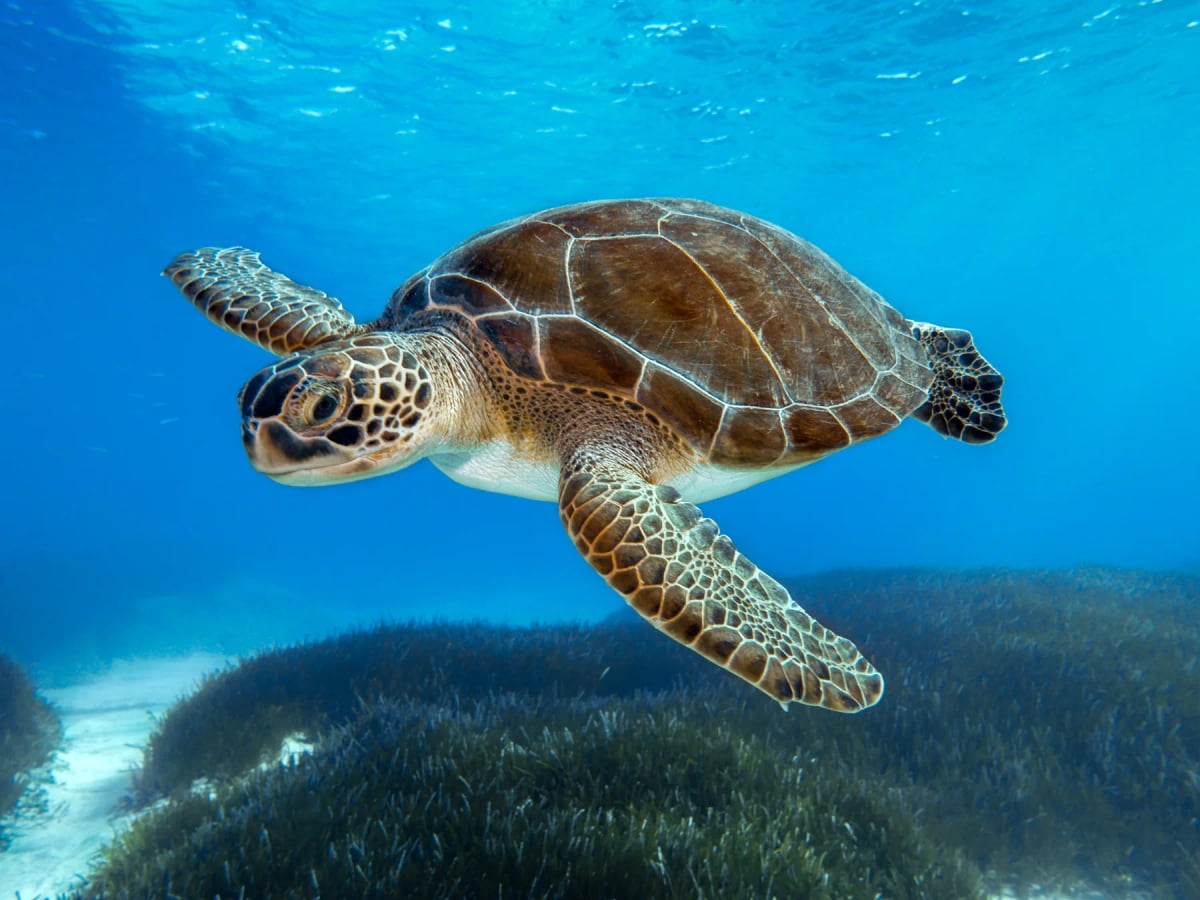
Sea Turtle
Cheloniidae & Dermochelyidae (families)
The Bahamas provides important foraging habitat for loggerhead, green and hawksbill sea turtles. The warm shallow waters and extensive seagrass beds of the archipelago attract feeding turtles throughout the year, while several islands have recorded nesting activity. Conservation programs monitor turtle populations across the islands and contribute to regional research tracking the movements of these species across the wider Caribbean.
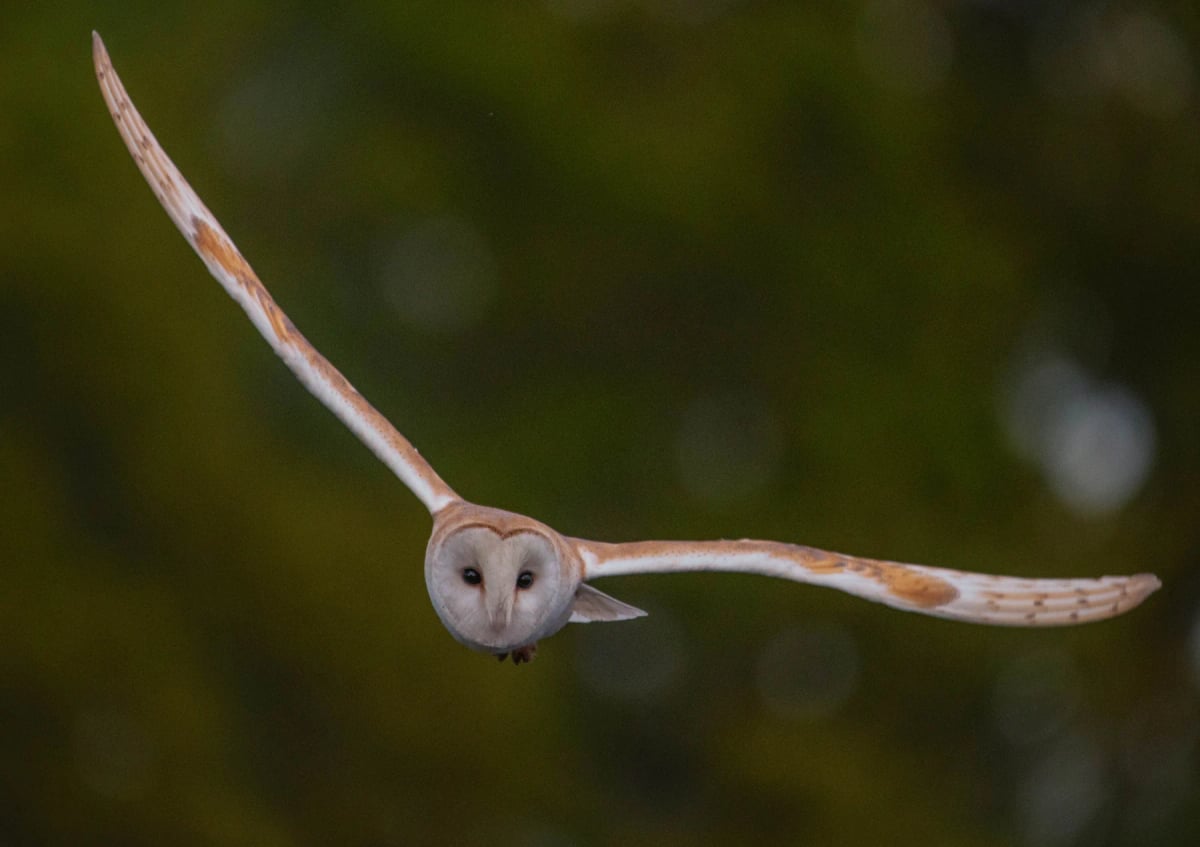
Barn Owl
Tyto alba
The barn owl is a resident of the Bahamas, found on many of the islands in open pine forest, farmland, abandoned buildings and the edges of towns. It nests in caves, old structures and hollow trees and hunts rodents, bats and small birds at night. On islands where introduced rats are common, it plays a useful role in keeping their numbers down. It is often heard before it is seen, giving its harsh screech after dark. The IUCN lists it as Least Concern.
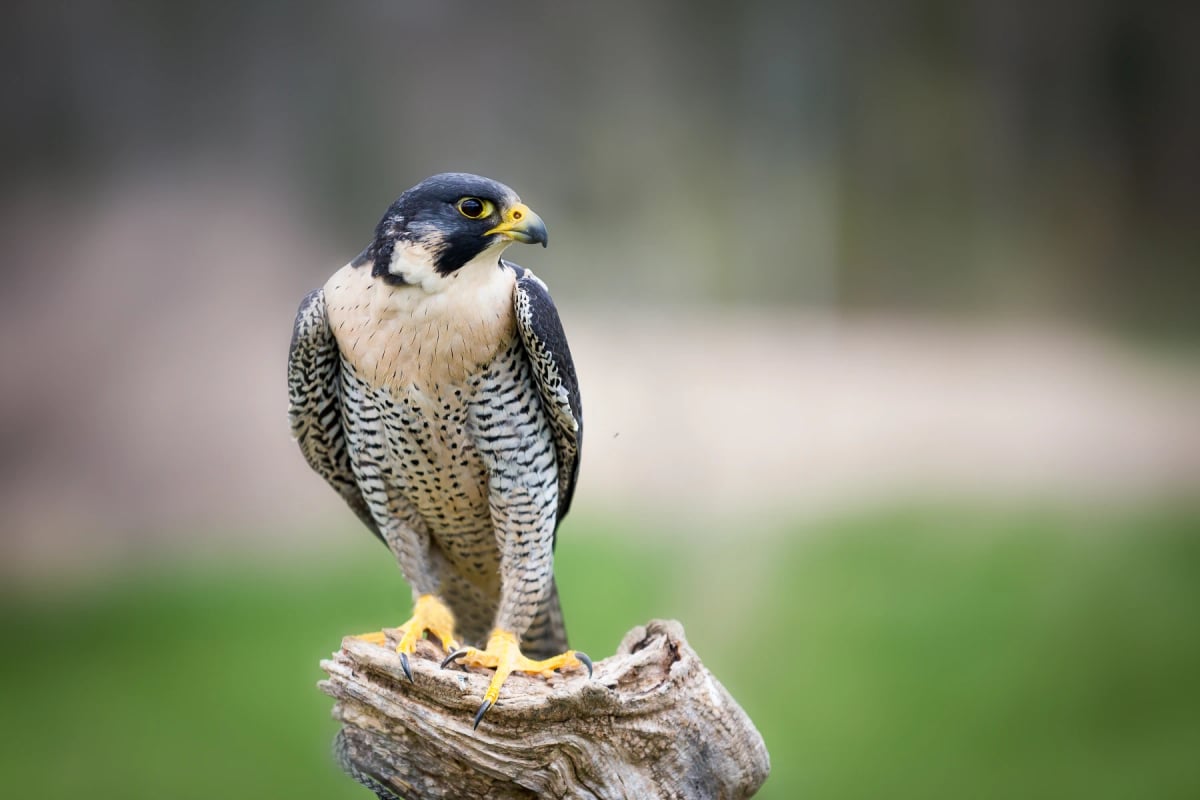
Peregrine Falcon
Falco peregrinus
The peregrine falcon is present in the Bahamas mainly as a winter visitor and migrant from North America, arriving in autumn to hunt shorebirds, doves and other birds along beaches, mangroves and open coasts. Birds can be seen on many islands, often perched on tall structures or snags overlooking the shore. The species recovered strongly in North America after DDT was banned. The IUCN lists it as Least Concern.
Flamingo
Phoenicopteridae (6 species)
The Bahamas is home to the largest breeding colony of Caribbean flamingos in the world, found on the island of Inagua. Great Inagua's shallow salt lakes and coastal flats support a population of roughly fifty thousand birds. The Bahamian flamingo is the national bird of the country, and Inagua National Park was established in part to protect it. The IUCN lists the species as Least Concern, reflecting the colony's stability under ongoing conservation efforts.
Humpback Whale
Megaptera novaeangliae
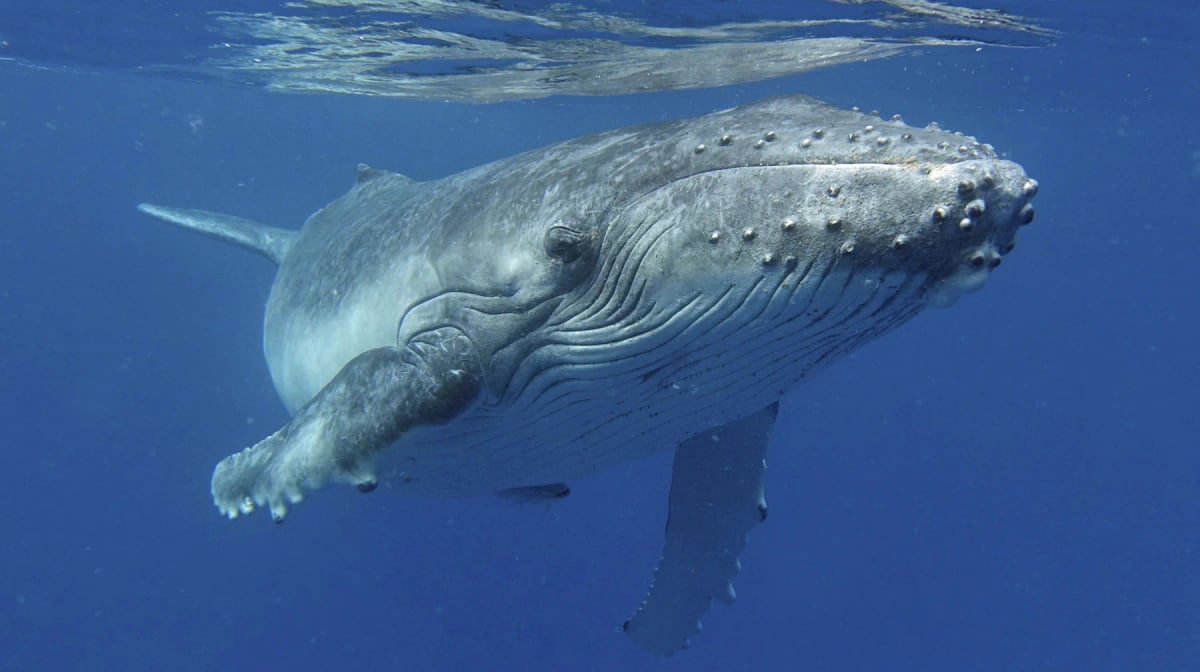
Humpback whales pass through Bahamian waters during their winter migration, moving between colder North Atlantic feeding grounds and breeding areas in the Caribbean region. The warm, shallow waters of the Bahamas offer a welcoming corridor for these massive mammals, which can reach 16 metres in length. Their presence contributes to local ecotourism. The IUCN lists the species as Least Concern following a substantial recovery since the end of commercial whaling.
Manatee
Trichechus manatus
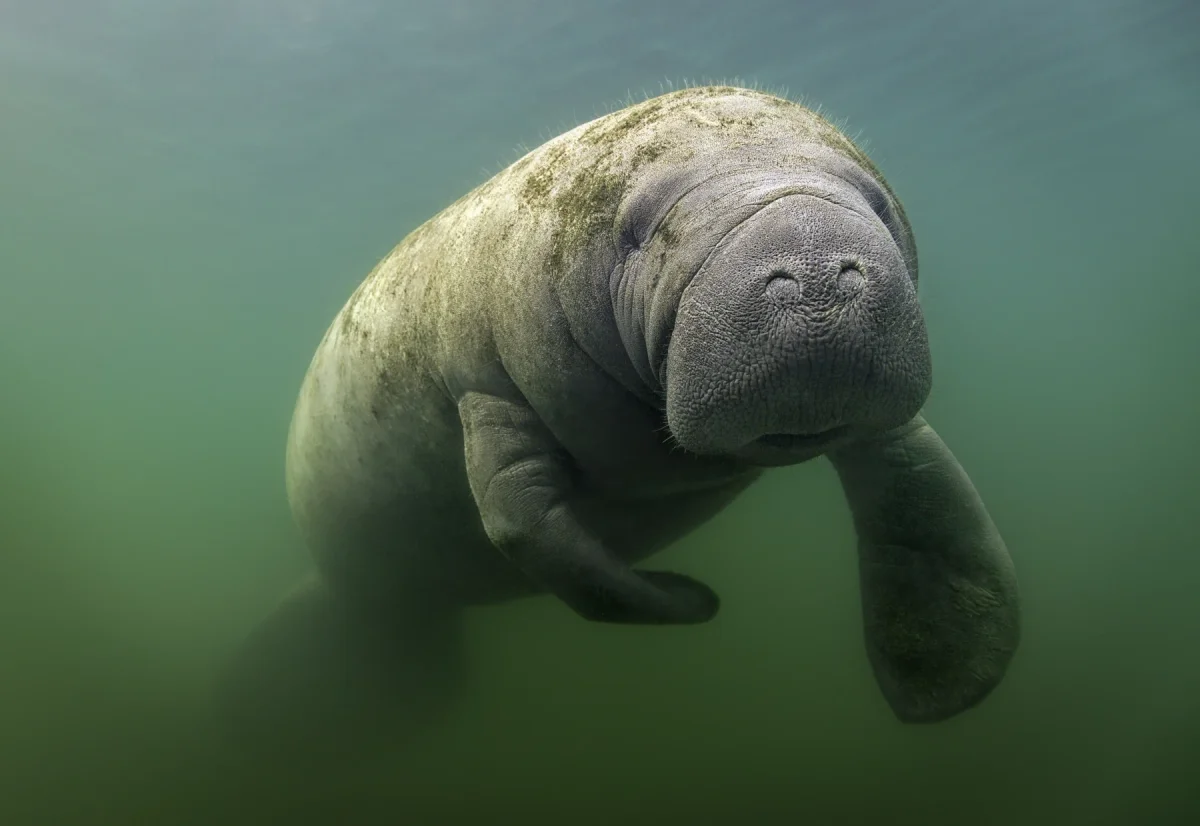
Manatees occur in the Bahamas, where they are occasional visitors rather than a permanent resident population. They are most often spotted in shallow coastal waters and tidal creeks, particularly around Andros and Grand Bahama. The warm, clear waters and seagrass beds of the archipelago provide suitable foraging conditions. Because sightings are infrequent, relatively little is known about the size or movements of manatees across the Bahamian islands.
Bottlenose Dolphin
Tursiops truncatus
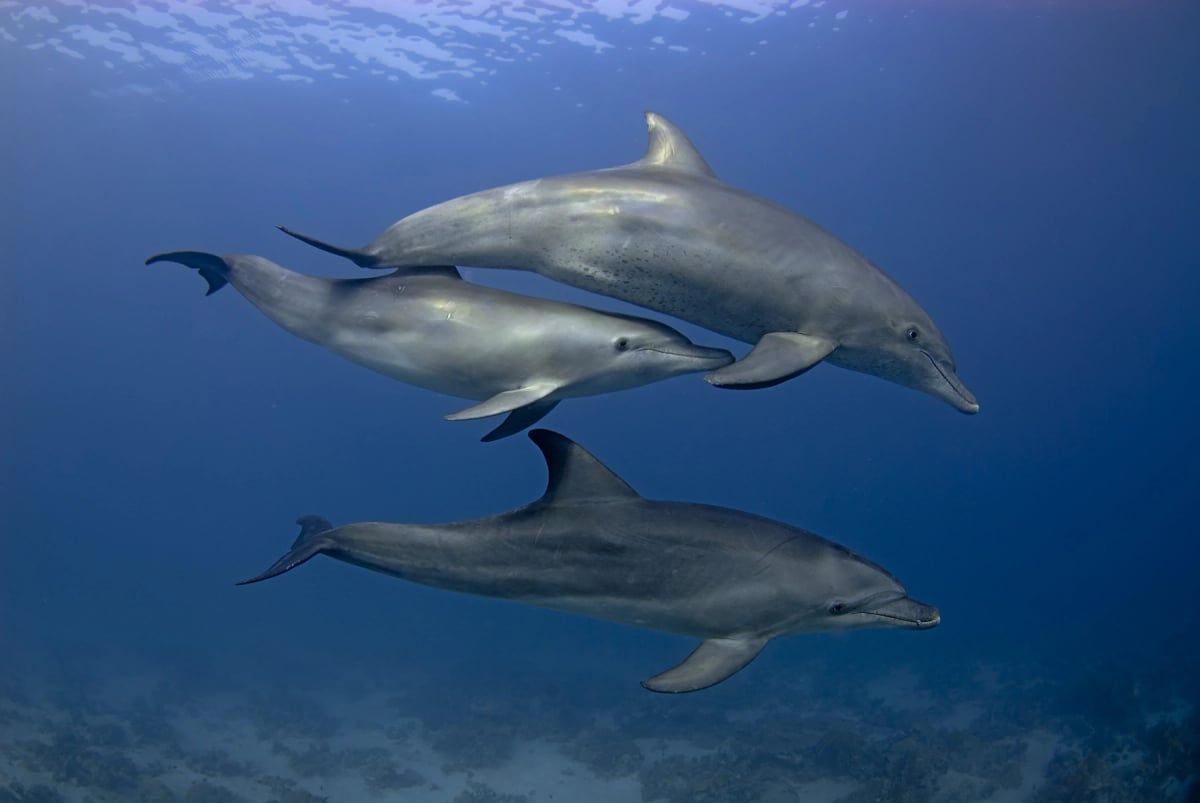
The Bahamas is one of the best places in the world to observe wild bottlenose dolphins in clear, shallow waters. Pods are frequently encountered over the white sand flats of the Little Bahama Bank and around offshore reefs. The species feeds on fish and squid in these warm Caribbean waters. Research and ecotourism programs here have contributed valuable data to global dolphin science. The IUCN classifies the species as Least Concern.
Barracuda
Sphyraena spp.
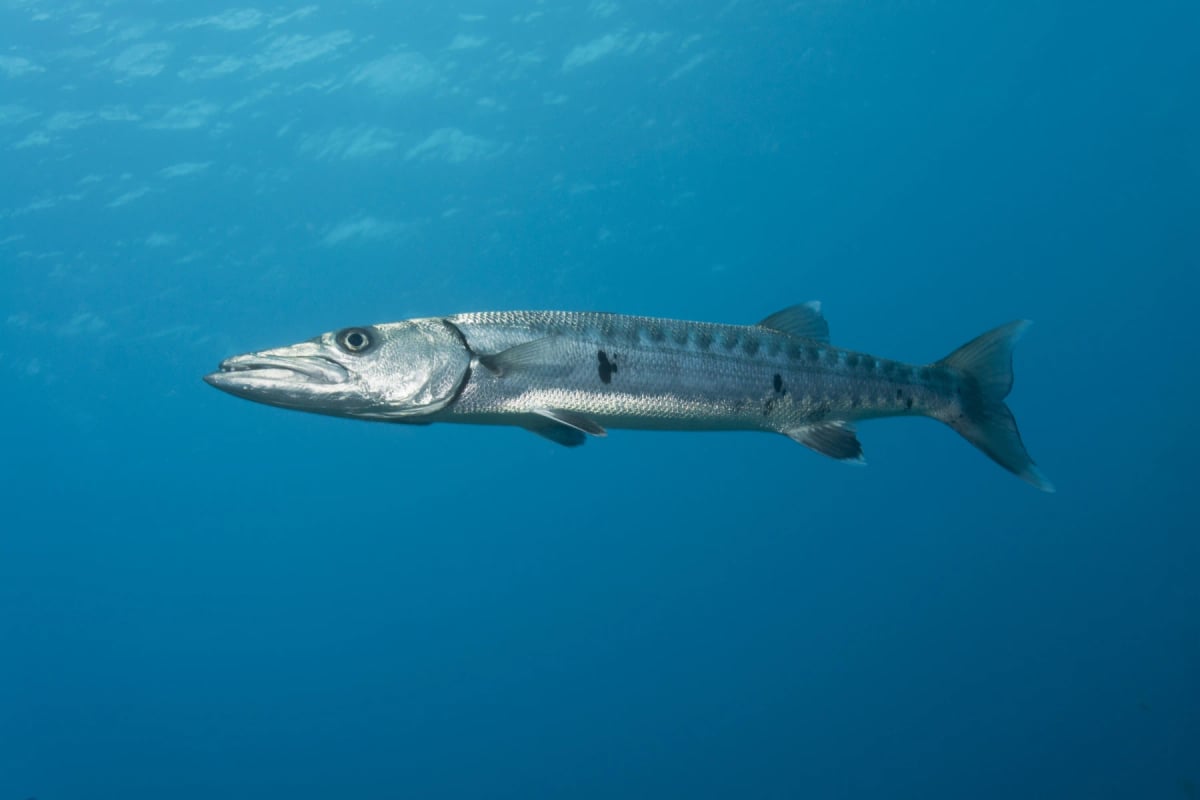
The Bahamas is one of the best places in the world to encounter barracudas. The great barracuda is abundant throughout the archipelago's clear, warm waters, inhabiting coral reefs, seagrass beds, and open blue water across all island groups. It is a regular and iconic presence on reef dives and snorkel trips throughout the islands, often hovering curiously near divers. The Bahamas' extensive marine environment, shallow banks, and diverse reef systems provide ideal habitat, making barracuda one of the most consistently spotted large predators in these waters.
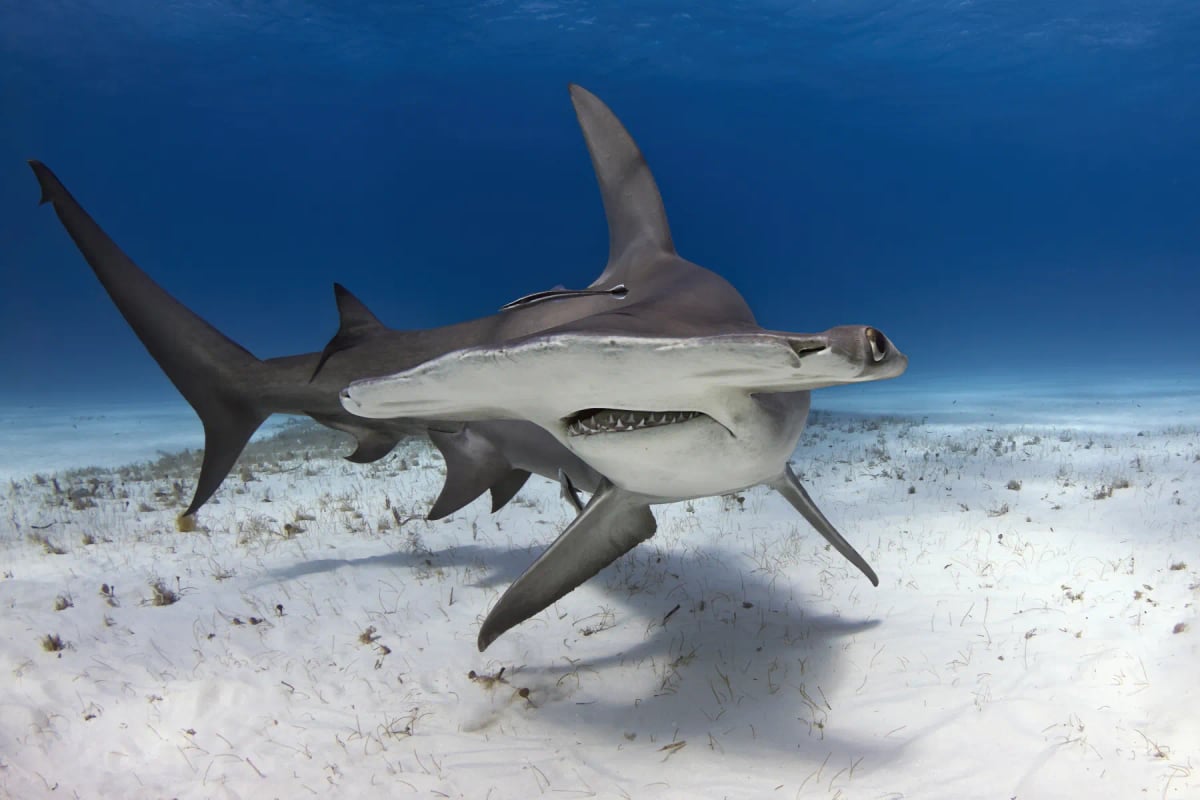
Hammerhead Shark
Sphyrna spp.
The Bahamas is one of the most important places in the world for hammerhead sharks. The shallow warm waters of the archipelago serve as a gathering ground, and great hammerheads are regularly observed near Bimini each winter. The Bahamas has banned shark fishing in its waters, making it a global model for conservation and a destination for researchers studying these critically endangered animals.
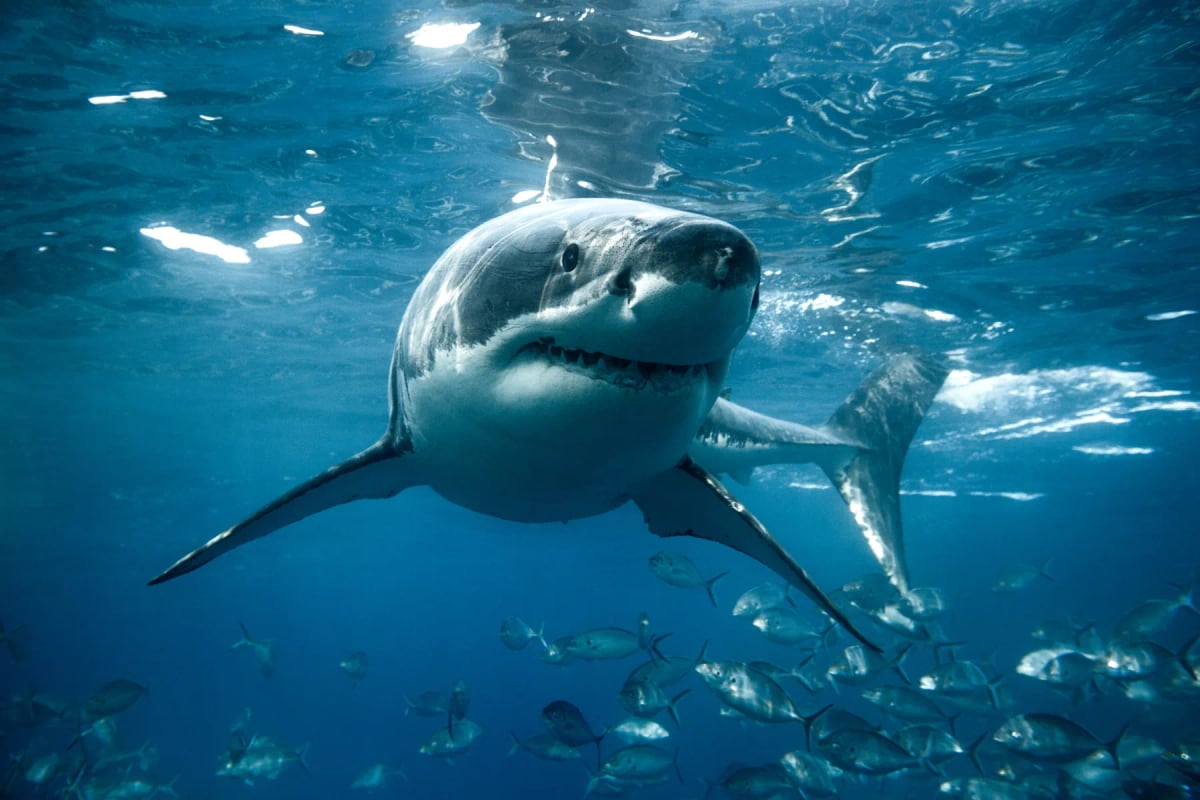
Great White Shark
Carcharodon carcharias
The great white shark has been recorded in waters near the Bahamas, though it is not commonly encountered in the warm Caribbean. The species tends to prefer cooler, temperate seas, and its presence in this area is typically associated with seasonal movements through the western Atlantic. The Bahamas are better known for other shark species, yet they have become a global model for shark conservation, having banned commercial shark fishing entirely. Its IUCN status is Vulnerable.
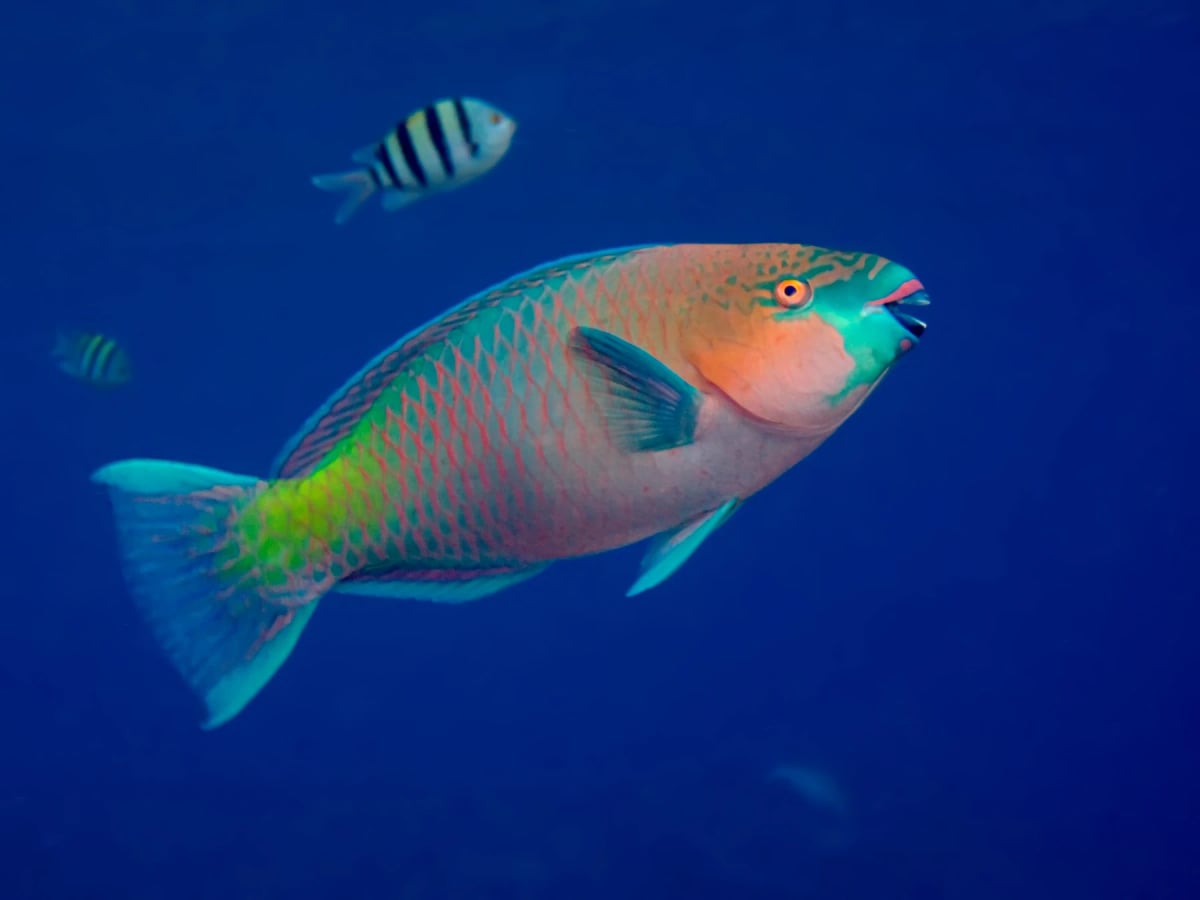
Parrotfish
Scaridae
The Bahamas is home to some of the Caribbean's most extensive shallow reef systems, and parrotfish are among the most visible fish on these reefs. Their grazing helps keep algae from overwhelming coral, and the sand they produce has built up the Bahamas' iconic white sandbars and beaches over thousands of years. The Bahamas has implemented protections for parrotfish, banning their sale and harvest in certain areas to support reef health and the fishing communities that depend on healthy coral ecosystems.
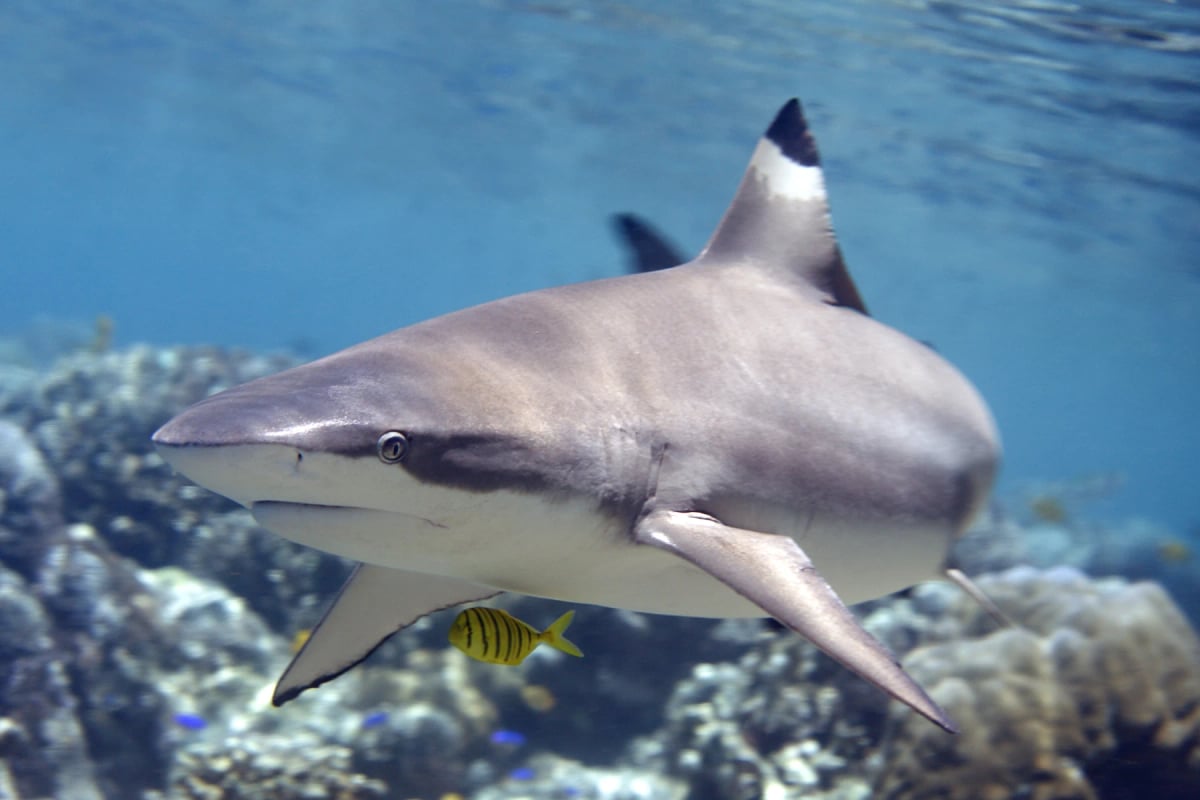
Reef Shark
Carcharhinus spp.
The Bahamas is one of the best places in the world to observe Caribbean reef sharks in their natural habitat. These sharks glide through the warm, clear waters around shallow coral reefs and sandy lagoons throughout the archipelago. The Bahamas banned commercial shark fishing in 2011, making its waters a refuge for these animals and a major draw for divers interested in marine wildlife.
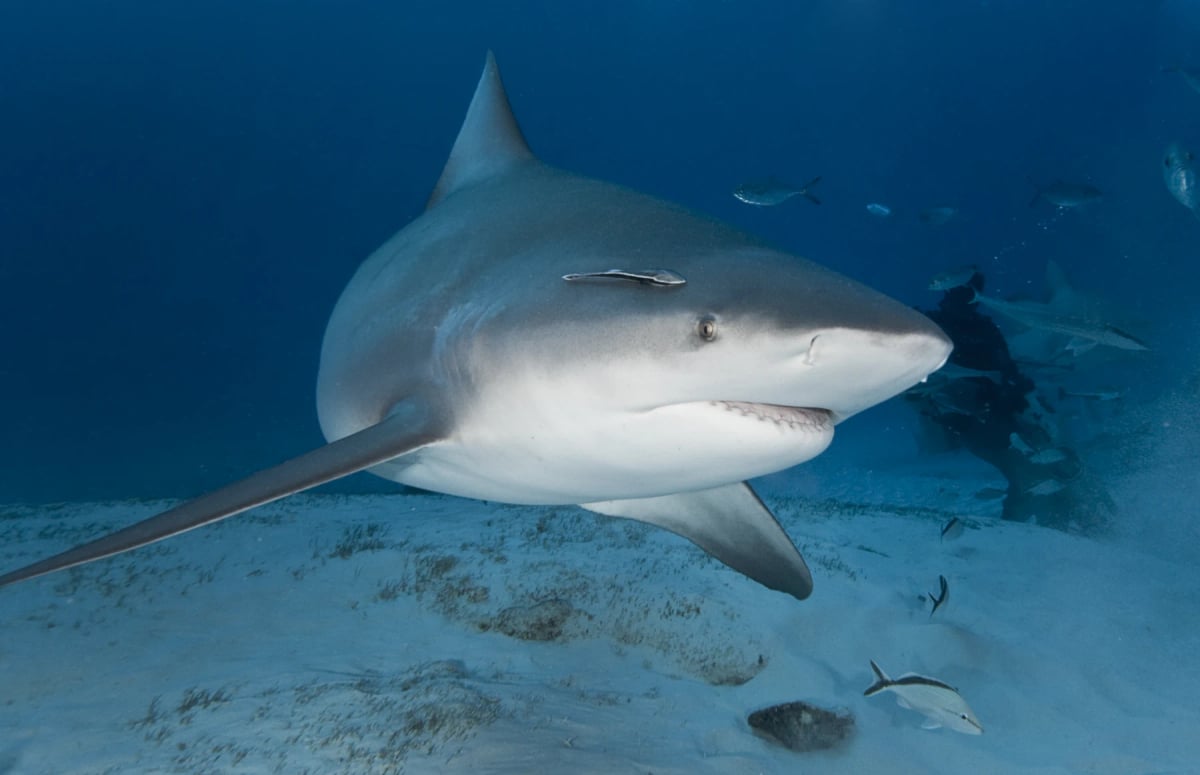
Bull Shark
Carcharhinus leucas
Bull sharks inhabit the shallow coastal waters and tidal creek systems of the Bahamas, where warm temperatures and abundant prey make the archipelago ideal habitat. They are occasionally encountered on dive sites across the islands. The Bahamas has established itself as a leader in shark conservation in the Caribbean, having banned commercial shark fishing in 2011, which benefits bull shark populations throughout its exclusive economic zone.
Frequently Asked Questions
What animals live in the Bahamas?
The Bahamas has few land animals but a very rich sea. On land, the best known are the flamingo, the national bird, and the Bahamian rock iguana, found on small cays in the Exumas and other islands. In the water live sea turtles, parrotfish, barracudas, bottlenose dolphins and several sharks, including reef, bull, hammerhead and, very rarely, great white sharks. Humpback whales pass through in winter, and a few manatees visit the Berry Islands and Grand Bahama. Coral reefs, mangroves and seagrass meadows hold most of this wildlife.
What is the national animal of the Bahamas?
The national animal of the Bahamas is the flamingo, which is officially the national bird. It also appears on the Bahamian coat of arms. Almost all the flamingos in the country live on Great Inagua, the southernmost island, where Inagua National Park protects some 60,000 to 80,000 birds, the largest breeding colony of its kind in the world. In the 1950s hunting had left only about 5,000, so their return is one of the great conservation stories of the Caribbean.
Are flamingos dangerous?
No, flamingos are not dangerous to people. They have no teeth or claws, and their bent bill is made for filtering tiny crustaceans and algae from muddy water, not for biting. Wild flamingos are shy and usually walk or fly away when someone gets close, so in the Bahamas the best way to see them is from a distance, with a guide from Inagua National Park. Getting too close to a nesting colony can make the adults abandon their eggs, which is the real risk in any meeting between flamingos and people.
Are there dangerous animals in the Bahamas?
The dangerous animals of the Bahamas are in the sea, not on land, where there are no venomous snakes or large predators. The bull shark is the most dangerous, and hammerhead and reef sharks are common around dive sites. Great white sharks are very rare and stay far offshore. Barracudas can bite if a shiny object attracts them, but it seldom happens. Attacks on people are uncommon and most are linked to spearfishing or shark feeding, so swimmers who follow local advice are very safe.
Where can you see wildlife in the Bahamas?
Each kind of Bahamas wildlife has its place. Flamingos are seen on Great Inagua, inside Inagua National Park. Bahamian rock iguanas live on the Allen Cays and other small cays of the Exumas, where boat tours stop to watch them. Bimini is famous for great hammerheads from December to April, for bull sharks and for wild dolphins. Sea turtles and parrotfish are easy to find on the reefs around Andros, Eleuthera and Abaco, and humpback whales can be spotted offshore in winter.
Researched and written by Juan Pablo. Sources: IUCN Red List, scientific literature and regional field guides. Last updated: .