Springbok
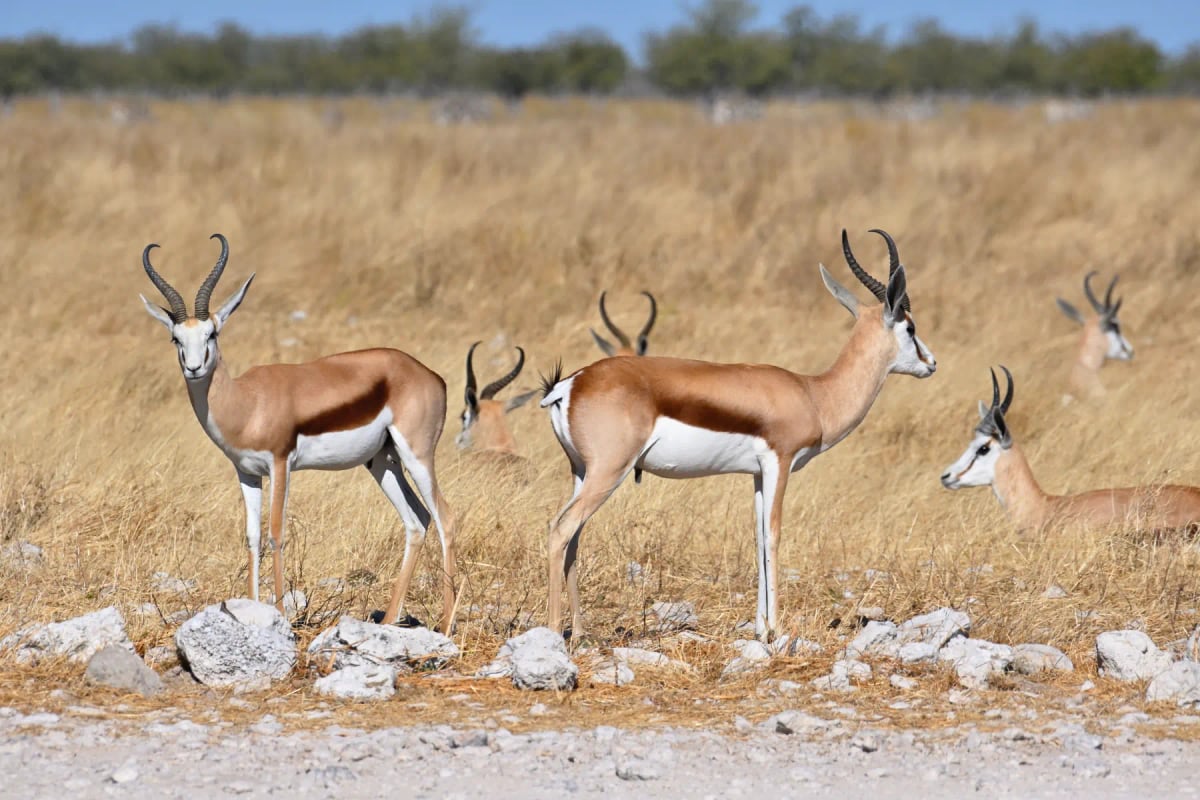
The springbok is a slender antelope found across the dry plains and semi-arid regions of southern Africa. It stands out for a leaping display called pronking, in which the animal arches its back, stiffens all four legs, and bounds repeatedly into the air, sometimes reaching heights of around two metres. Scientists think this behaviour signals fitness to rivals and may startle pursuing predators. Springboks are remarkably well suited to life in arid landscapes: they draw most of the moisture they need from the grasses, leaves and succulents they eat, and can go for long periods without drinking standing water. They gather in herds that can run into the hundreds during seasonal movements across the Karoo, the Kalahari and the gravel plains of the Namib. The springbok is South Africa's national animal and one of the fastest mammals on the continent, capable of reaching around 88 kilometres per hour.
Habitat and distribution
Springboks are built for arid landscapes. They range across the open plains, scrublands and semi-desert of southern Africa, with the largest populations concentrated in Namibia, Botswana and South Africa. Key strongholds include the Karoo plateau, the Kalahari Basin and the gravel plains stretching across the Namib. These animals favour wide, flat terrain with low vegetation, where their sharp eyesight gives them an early warning of approaching danger. They are highly adaptable to variation in rainfall and vegetation cover, shifting across large areas in search of fresh growth after rain. In South Africa, significant numbers live on private game farms and in national parks such as Kgalagadi Transfrontier Park. Springboks are absent from forested or mountainous terrain, preferring instead the exposed, windswept plains where they can run at full speed.
Diet
Food and water are tightly linked for the springbok. This antelope feeds on a shifting mix of grasses, leaves, flowers and succulents depending on the season and what the land offers. During the dry season, when grasses turn tough and sparse, springboks rely more heavily on shrubs and moisture-laden plants such as wild melons and other succulents. This diet rich in water allows them to go for extended periods without visiting a waterhole, a vital advantage in some of the driest environments on Earth. When green grass is available after rain, they graze readily and can quickly put on condition. Springboks are selective feeders, choosing the most nutritious parts of each plant rather than consuming everything in reach. This selectivity helps them maintain their energy in landscapes where food quality varies enormously across the seasons.
Behavior
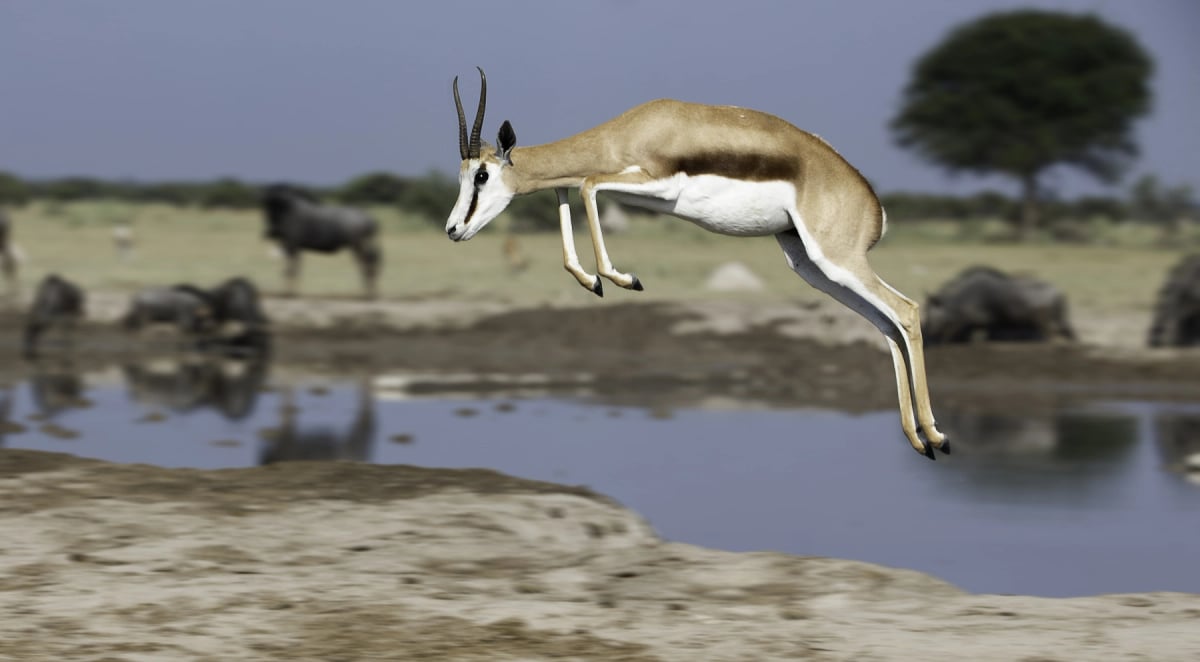
Few animal displays are as striking as pronking. During this behaviour, a springbok arches its back sharply, raises the white fan of skin along its spine, stiffens all four legs and bounces repeatedly into the air, sometimes reaching around two metres in height. Scientists believe pronking serves more than one purpose: it may startle or confuse a pursuing predator, and it likely signals physical fitness to rivals and potential mates. Springboks are social animals that live in herds, which can number in the hundreds during seasonal movements. Within herds, males compete for territories and access to females, particularly during the rut. They are also among the fastest animals in Africa, capable of reaching around 88 kilometres per hour over short distances. When not moving at speed, they tend to graze calmly in loose groups across open ground.
National symbol
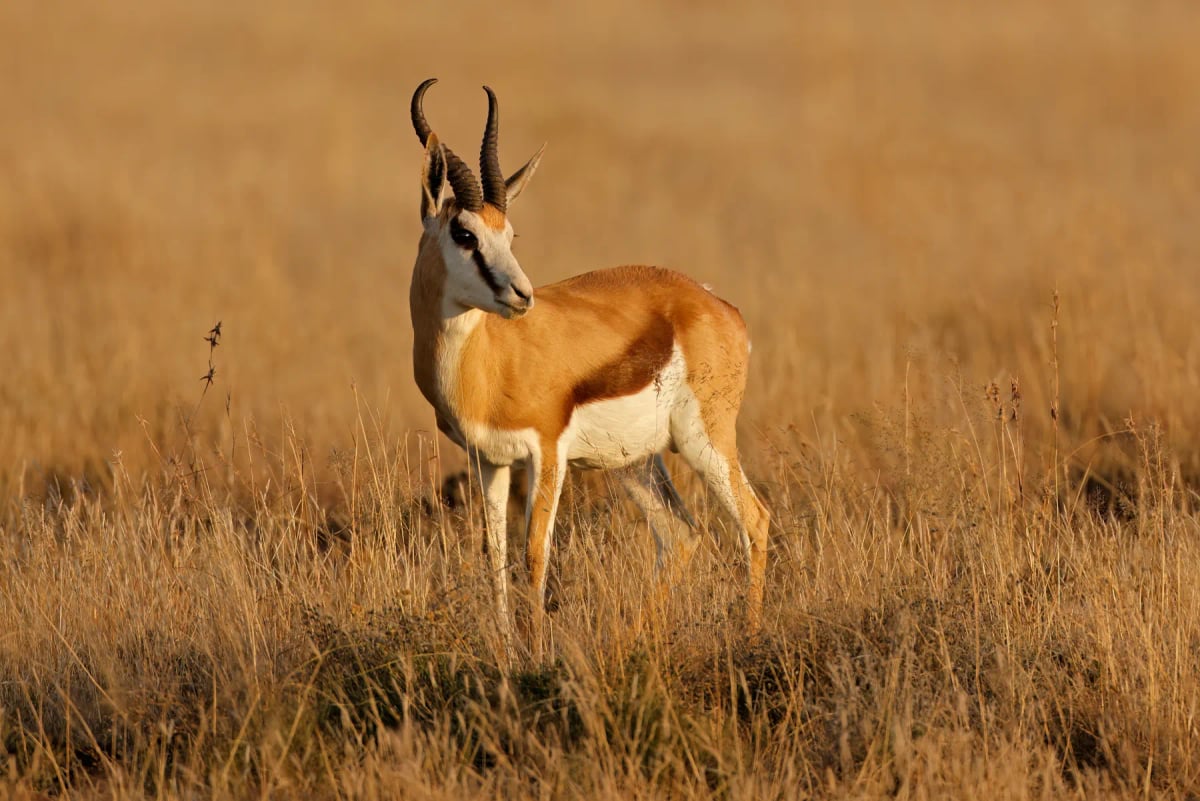
South Africa chose the springbok as its national animal, a recognition that goes well beyond wildlife. The animal's name has long been attached to the country's rugby union team, the Springboks, one of the most celebrated sides in the history of the sport and three-time winners of the Rugby World Cup. After the end of apartheid, the team and its emblem became a powerful symbol of reconciliation when Nelson Mandela wore a Springbok jersey at the 1995 Rugby World Cup final in Johannesburg. For many South Africans, the animal represents not only speed and resilience on the field but also a broader sense of national pride and shared identity. Its image appears on coins, sporting kit and official documents, making it one of the most recognised animals in the country.
Conservation
Numbers tell a reassuring story for the springbok. The IUCN lists the species as Least Concern, reflecting a population that is considered stable and, in some areas, growing. Estimates suggest several million individuals exist across southern Africa, with particularly robust numbers on private land in Namibia and South Africa, where game farming has actually helped sustain populations over the long term. National parks and transfrontier conservation areas provide additional protection across the species' range. That said, localised pressures do exist: habitat loss to agriculture, competition with livestock for grazing, and illegal hunting continue to affect some populations at a smaller scale. The springbok's ability to thrive on private ranches alongside commercial farming has been a key factor in keeping the species common across landscapes that might otherwise offer it little room.
Researched and written by Juan Pablo. Sources: IUCN Red List, scientific literature and regional field guides. Last updated: .
Technical factsheet

Frequently Asked Questions
What does a springbok eat?
Springboks eat grasses, leaves, shrubs and flowering plants. One of their most remarkable traits is that they can go long periods without drinking water, because they get most of the moisture they need directly from the plants they eat. During dry seasons, they shift toward succulents and other vegetation with higher water content to stay hydrated.
Where do springboks live?
Springboks are found across the dry plains and semi arid regions of southern Africa, mainly in South Africa, Namibia and Botswana. They thrive in open landscapes where the flat terrain and sparse vegetation give them a wide field of view, making it easier to spot lions, cheetahs and other predators before an attack.
Why do springboks jump?
That leaping behavior is called pronking, and scientists believe it serves more than one purpose. It may startle or confuse a predator mid chase, signal to the rest of the herd that danger is near, or show rivals and potential mates that the animal is strong and healthy. A springbok can reach heights of up to two meters during a single pronk.
How fast can a springbok run?
Springboks are among the fastest animals in Africa. They can reach speeds of around 88 kilometers per hour in short bursts, and they are also highly agile, able to change direction quickly while running at full speed. This combination of pace and agility is their main defense against predators such as cheetahs and wild dogs.
Are springboks endangered?
No, springboks are not endangered. The IUCN lists them as Least Concern, which means their overall population is stable. Hundreds of thousands of individuals live across southern Africa, and many are protected within game reserves and national parks. That said, habitat loss from farming and fencing has reduced their range in some areas over time.
How did the springbok become South Africa's national animal?
The springbok has been tied to South African identity for generations. Its speed, endurance and resilience made it a natural symbol of national pride, and it was officially adopted as the country's national animal. The name also became iconic in sport, with South African rugby and cricket teams both known as the Springboks, which cemented its place in the country's culture.
What are the main predators of springboks?
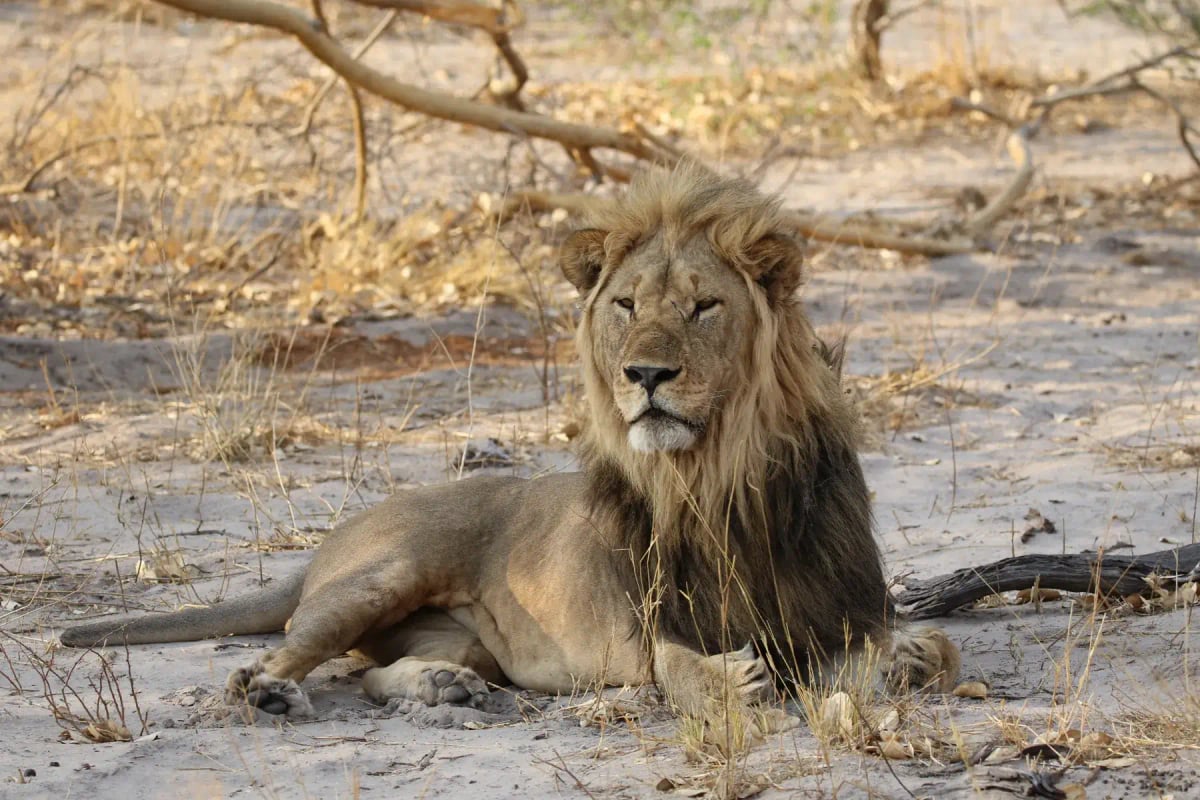
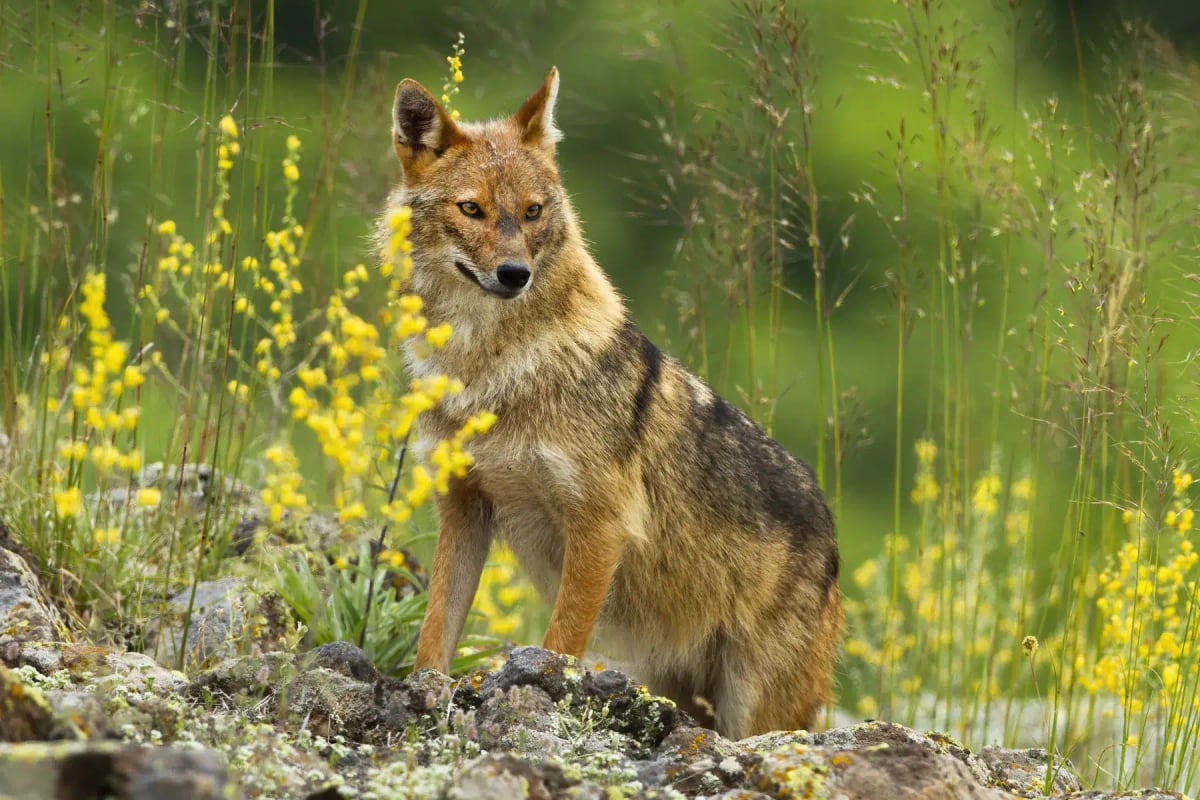
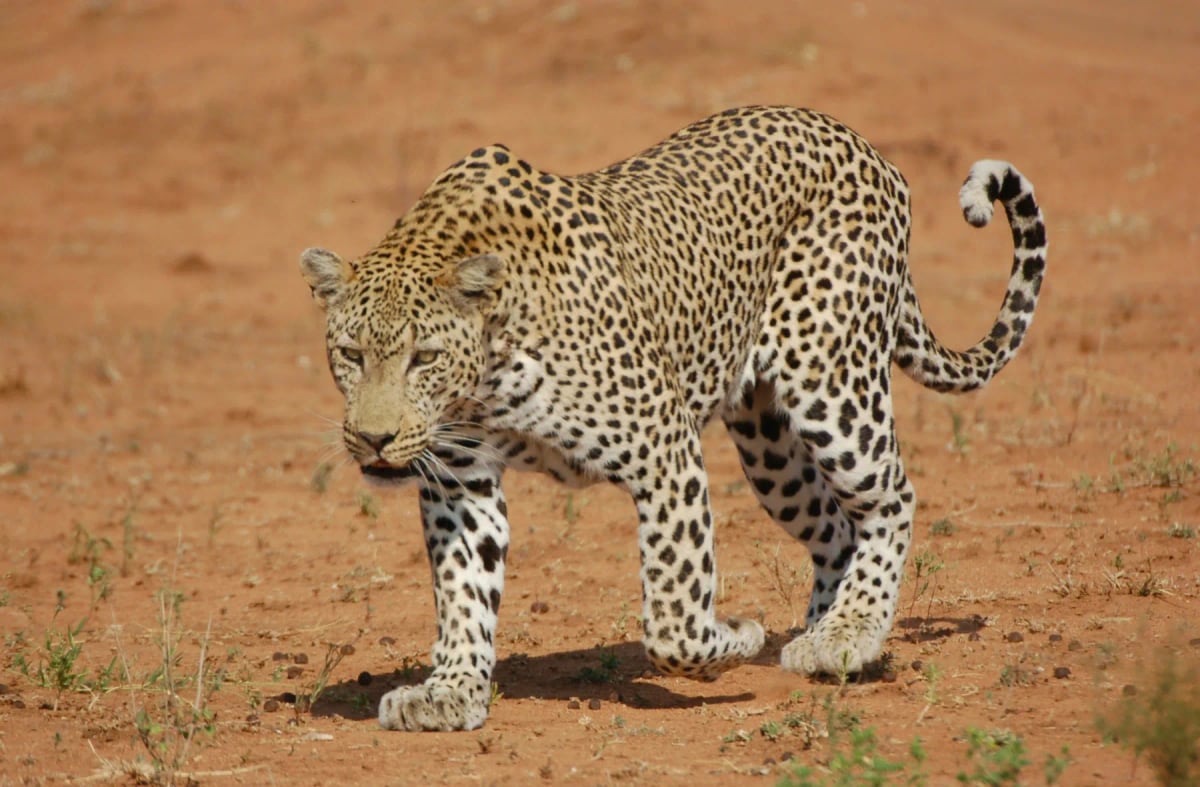
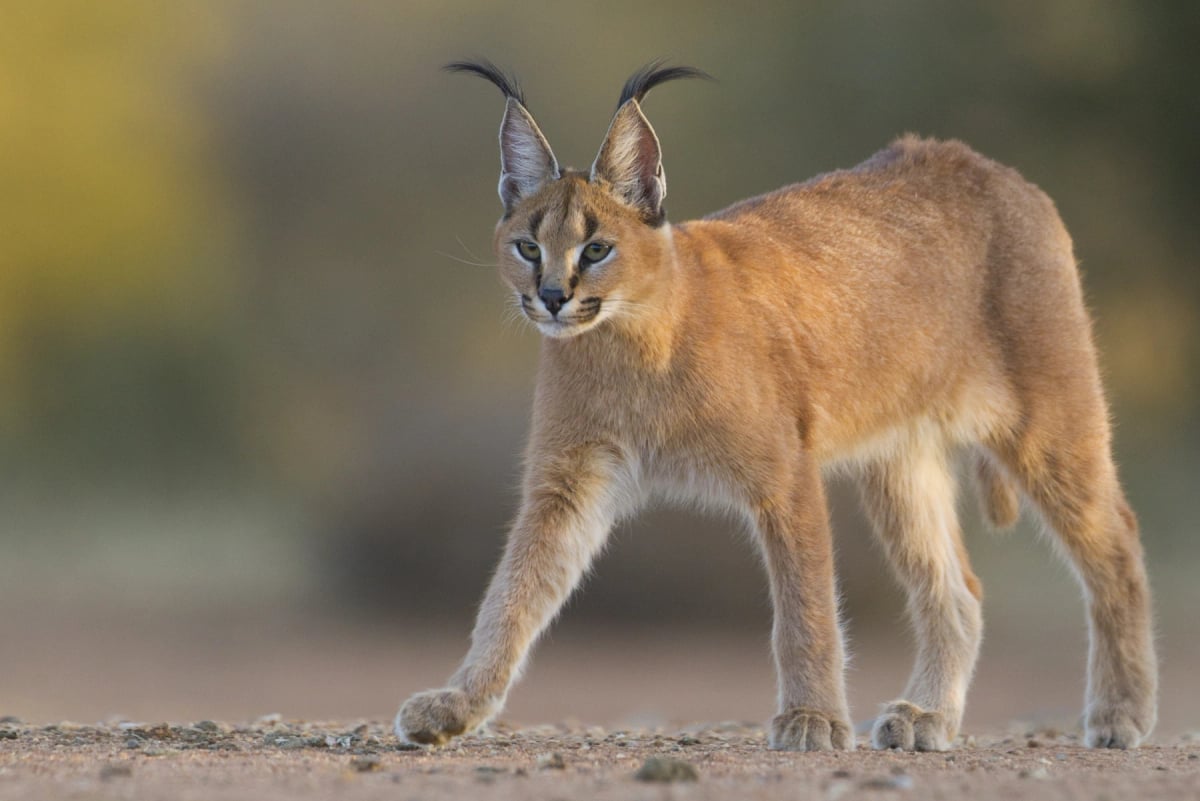
Springboks face threats from a range of large predators. Cheetahs, leopards, lions and African wild dogs are among their most common hunters. Caracals and jackals tend to target younger or smaller individuals. Because springboks live in open terrain, their best defenses are their speed, their ability to change direction sharply, and the early warning that comes from living in a herd.