Animals in the United States
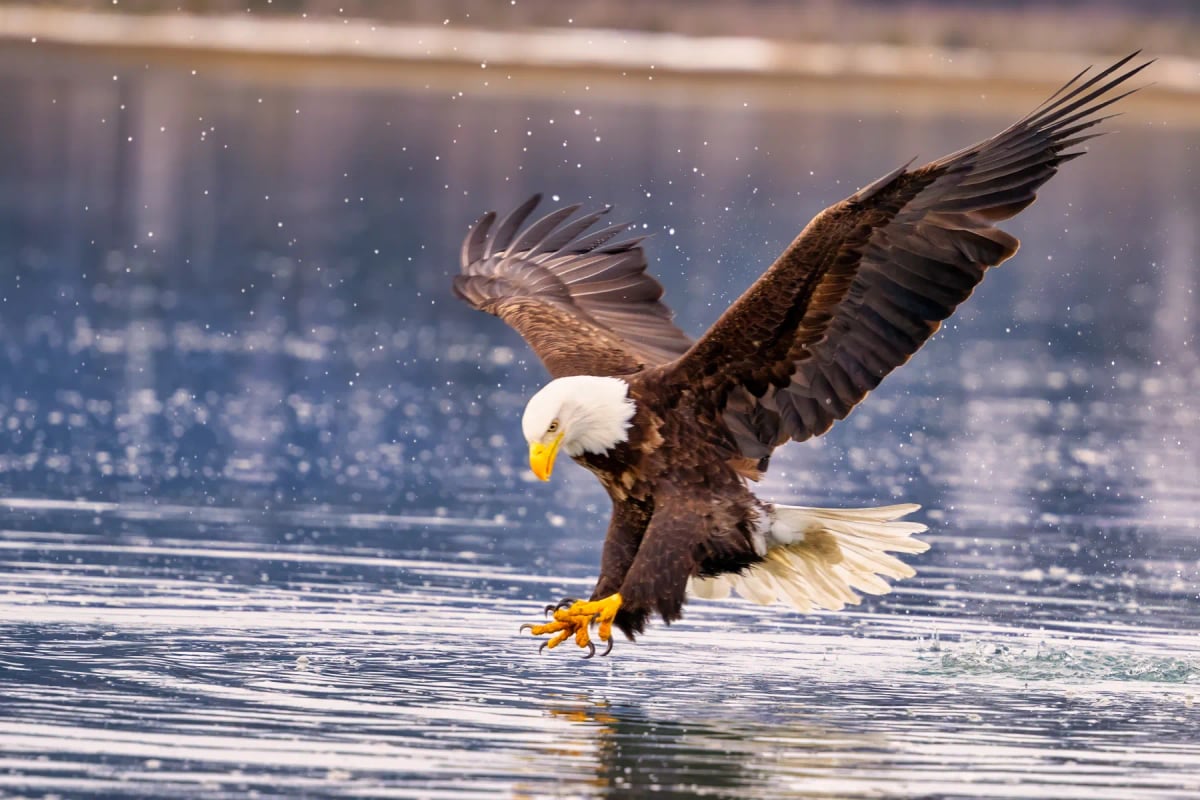
Bald Eagle
Haliaeetus leucocephalus
The bald eagle is the national bird of the United States. It has been on the Great Seal of the country since 1782, and in December 2024 a law made it the official national bird. This large eagle, with its white head and yellow beak, lives near lakes, rivers and coasts, where it catches fish. In the twentieth century it came close to disappearing from most of the country, mainly because of hunting and a pesticide called DDT, which made its eggshells too thin. After DDT was banned in 1972 and the bird was protected, its numbers grew again, and in 2007 it was taken off the endangered species list. The country also has a national mammal, the American bison, chosen in 2016.
View details→Wildlife in the United States
The United States is huge, and its animals change a lot from one region to another. In Alaska, polar bears walk the Arctic coast, walruses and musk oxen live in the far north, and grizzly bears catch fish in cold rivers. In the West, Yellowstone National Park is home to American bison, gray wolves and grizzly bears, while pronghorn race across open plains and cougars hunt in the mountains. The deserts of the Southwest are rattlesnake and coyote country. In the East, forests are full of white tailed deer, American black bears, raccoons, opossums and beavers. Florida feels almost tropical, with alligators in the Everglades, manatees in warm springs and flamingos in coastal wetlands. Both coasts add ocean giants too. Orcas and humpback whales swim off Washington and Alaska, sea lions and elephant seals rest on California beaches, and sea turtles nest on Atlantic beaches every summer.
Most Dangerous Animals in the United States
The United States has several animals that can be dangerous, but serious incidents are rare. Bears are the best known risk. Grizzly bears in Alaska and the northern Rockies are the most dangerous, so hikers there carry bear spray and make noise on the trail. American black bears are more common and usually shy. In Yellowstone, bison have injured more visitors than any other animal, because people walk too close to take photos. Venomous snakes include many kinds of rattlesnakes in the West and South and the cottonmouth in southeastern swamps. Alligators live in Florida and other southern states, so it is best not to swim in lakes where they live. Along the coasts, Florida has the most shark bites in the country, although they are rarely serious. Surprisingly, the wild animal linked to the most human deaths is the white tailed deer, because it causes many car crashes.
Top 10 Animals in the United States
The top 10 animals in the United States include some of the best known wildlife in the world. Grizzly bears live in Alaska and in a few western areas like Yellowstone and Glacier National Park, while polar bears are found only on the Arctic coast of Alaska. Gray wolves came back to Yellowstone in 1995 after being gone for about 70 years, and today they are one of the park's biggest attractions. Moose live in northern forests, and the shy wolverine and the Canada lynx survive in remote snowy mountains. The bald eagle, the national bird, is now common again along rivers and lakes. At sea, orcas, blue whales and sperm whales swim off the Pacific coast, and great white sharks visit places like Cape Cod and the coast of California. Whale watching trips from Alaska to Massachusetts make these ocean animals easy to see.
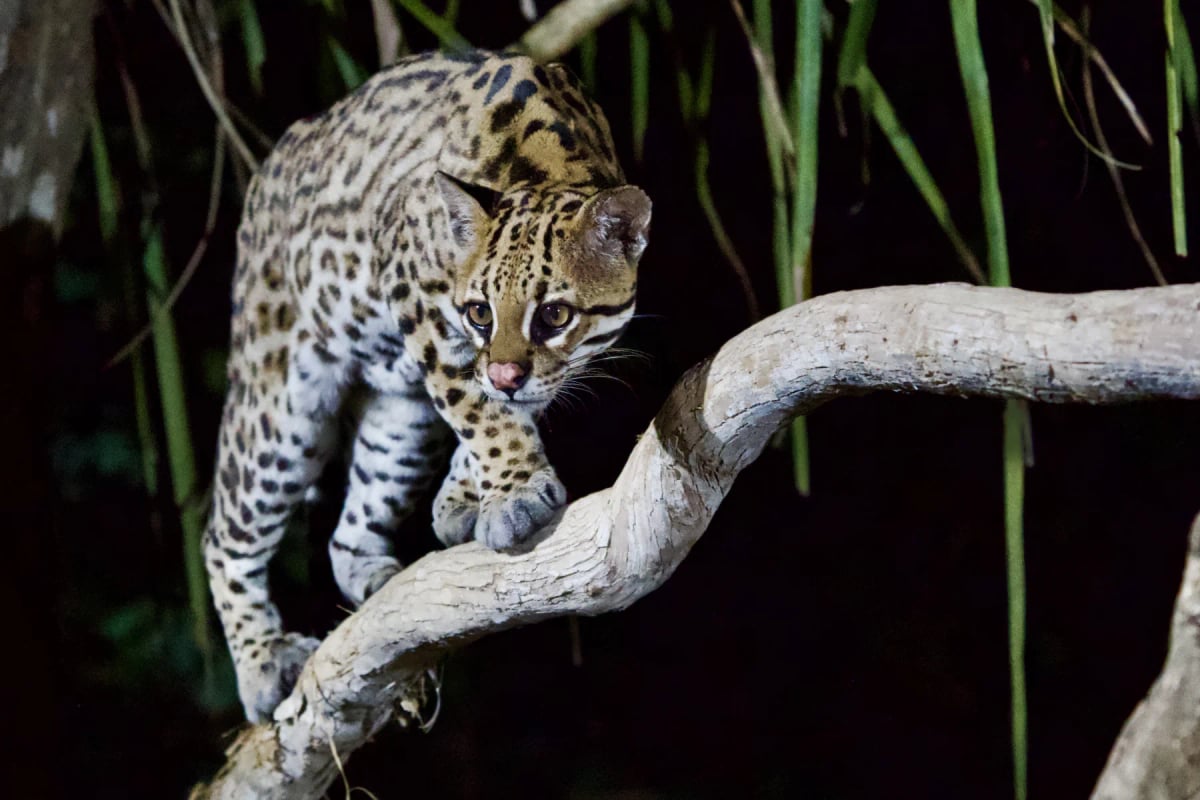
Ocelot
Leopardus pardalis
In the United States, ocelots survive only in the dense thorny brush of southern Texas, mainly in and around the Laguna Atascosa National Wildlife Refuge. Fewer than 100 individuals are estimated to remain in the country, making this one of the rarest wild cat populations in North America. Road traffic, habitat clearing, and isolation from Mexican populations are the greatest threats. Conservation efforts focus on wildlife crossings and restoring brushland habitat.
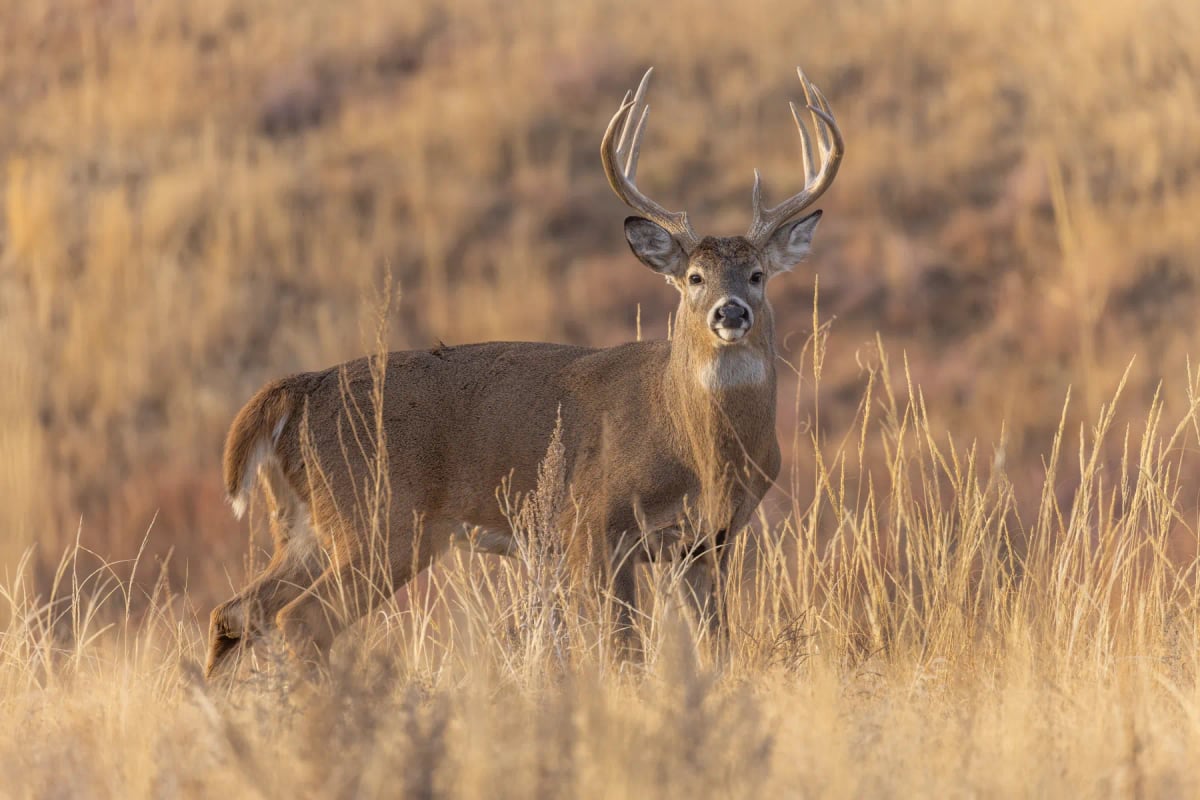
White tailed Deer
Odocoileus virginianus
The white tailed deer is the most widely distributed large wild mammal in the United States, present in nearly every state. It thrives in forests, farmland, and suburban areas from the eastern woodlands to the Midwest and parts of the West. Populations are managed through regulated hunting seasons, which also serve as a major source of funding for wildlife conservation programs across the country.
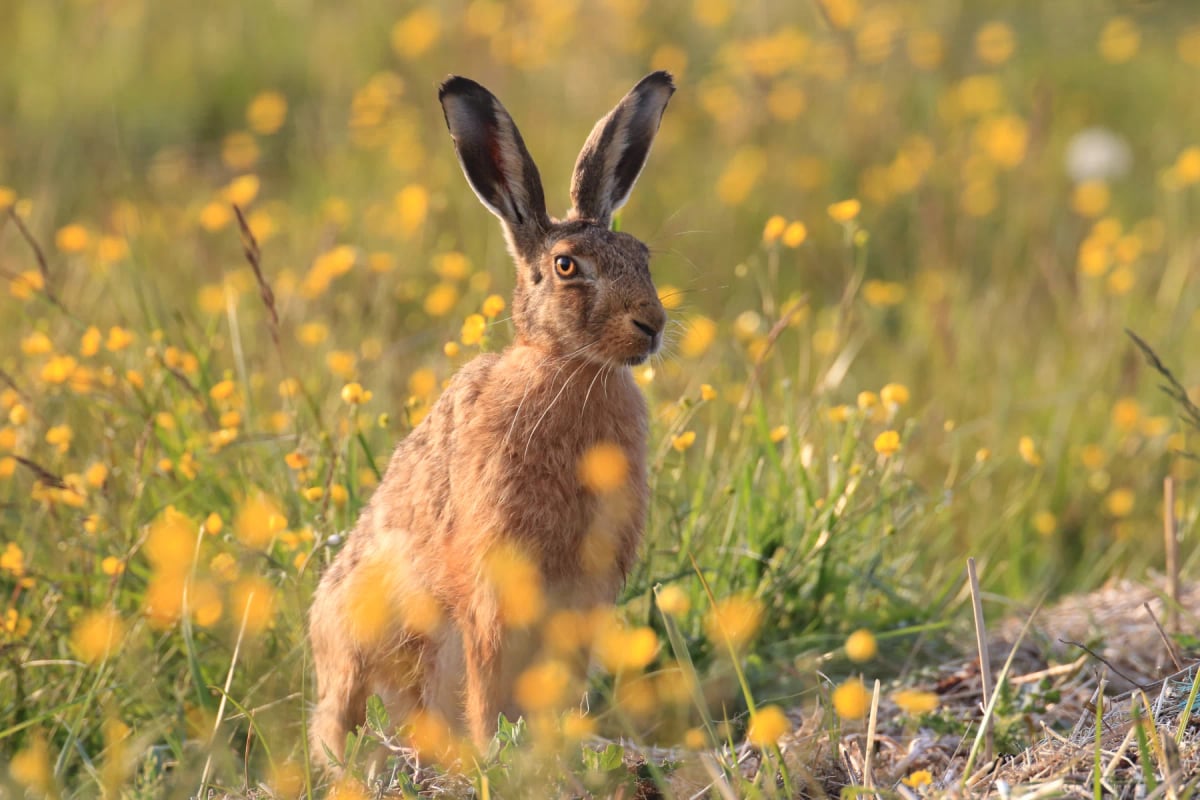
Hare
Lepus europaeus
The European hare was introduced to the United States in the late nineteenth and early twentieth centuries, with populations establishing themselves in parts of the northeastern states, particularly in New York and surrounding areas. It favours open farmland and grassland habitats similar to those in its native range. Though not as widespread as native hare species, it has maintained a stable presence in the region. Its IUCN status is Least Concern.
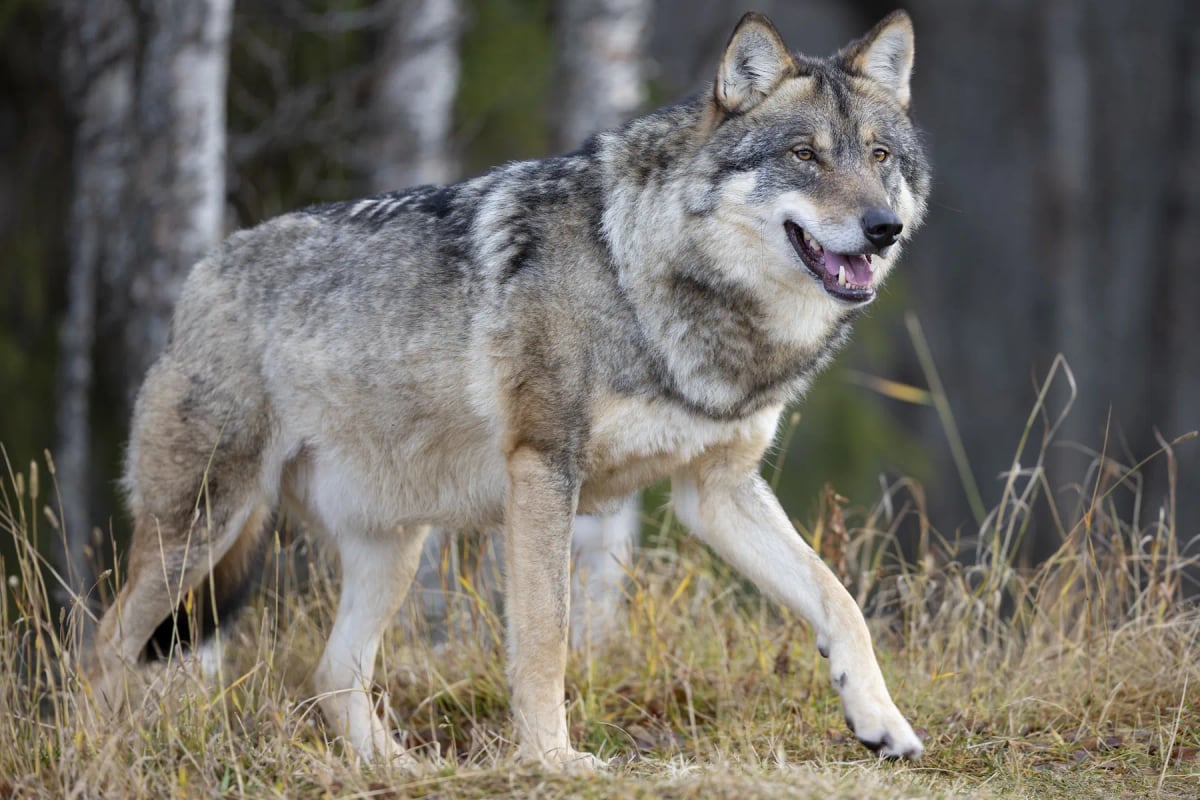
Gray Wolf
Canis lupus
Gray wolves were once found across nearly all of North America but were eliminated from most of the contiguous United States by the mid-twentieth century. Recovery programs, including the famous reintroduction to Yellowstone National Park in 1995, have helped restore populations in the Northern Rockies and the Great Lakes region. Today wolves also appear in the Pacific Northwest. Their legal protection under the Endangered Species Act has been a key factor in their return.
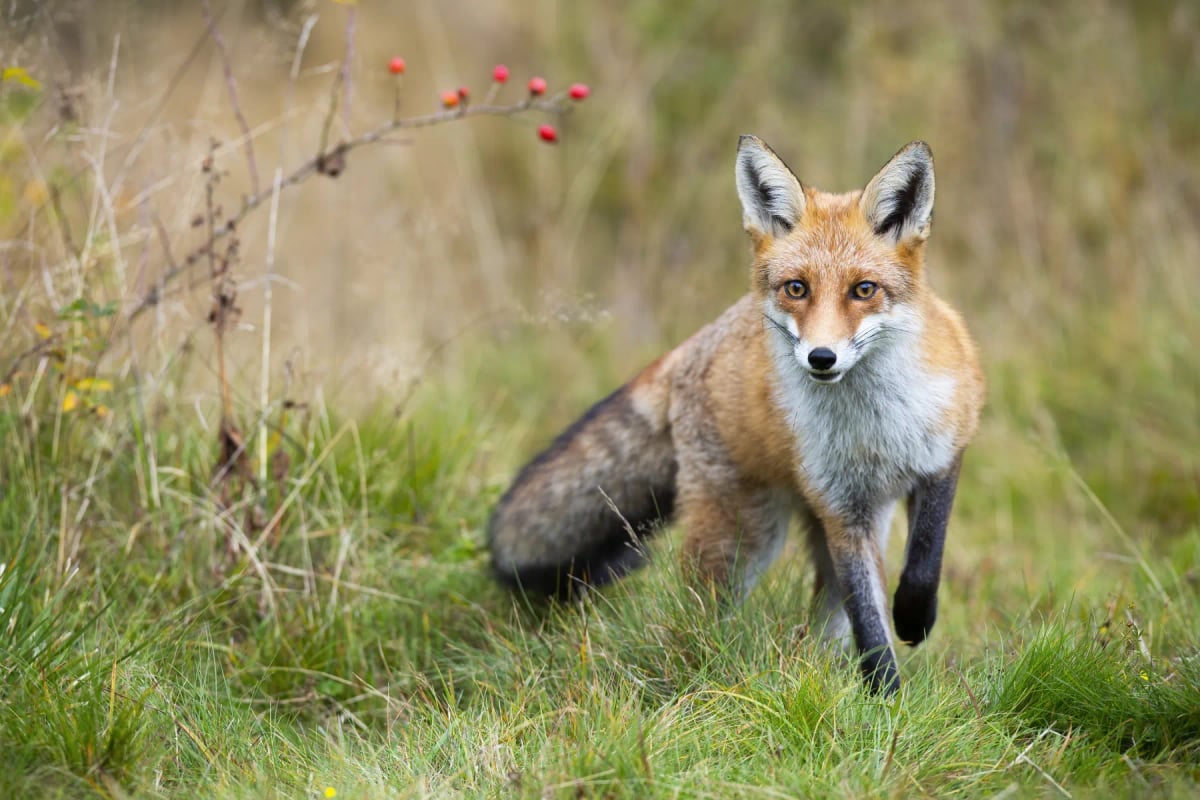
Red Fox
Vulpes vulpes
The red fox is widespread across the contiguous United States, living in forests, grasslands, farmland, and suburban neighborhoods. It is native to northern North America but was also introduced to parts of the East Coast during the colonial era. In the west, it competes with the native Sierra Nevada red fox, a rare subspecies. It plays an important role in controlling rodent populations across a wide variety of ecosystems.
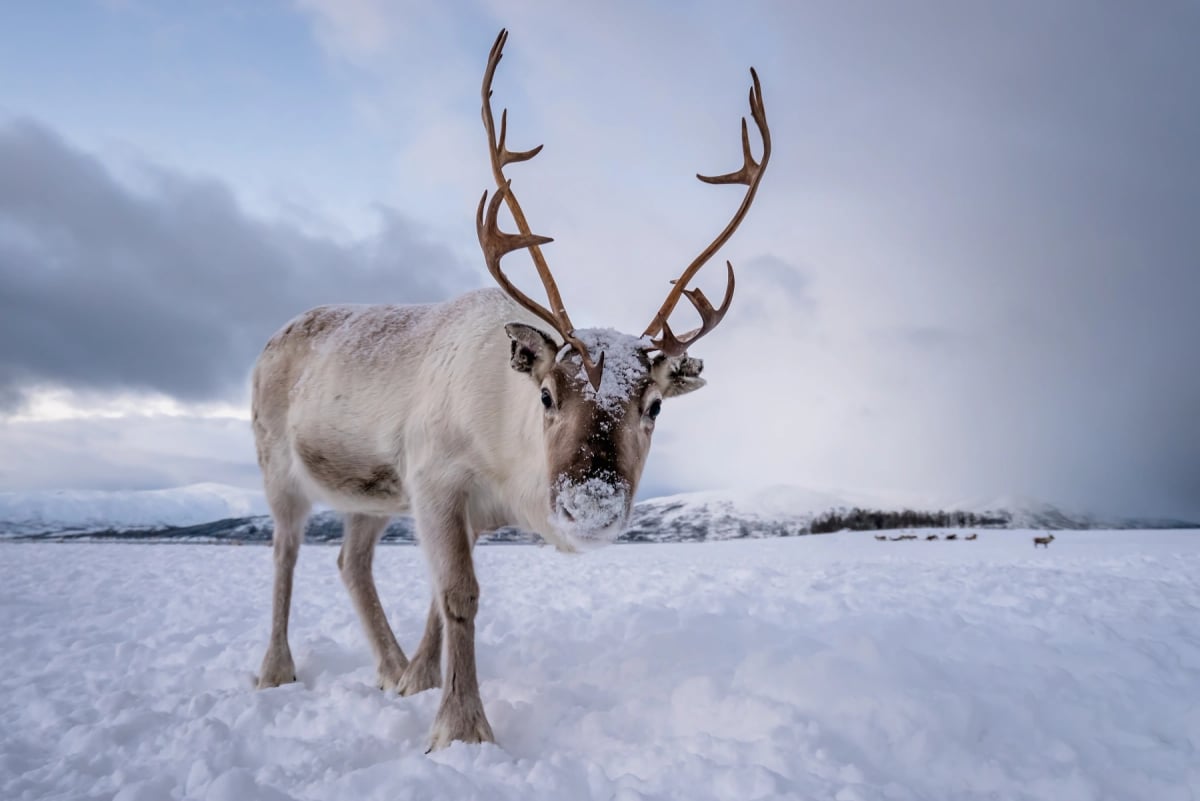
Reindeer
Rangifer tarandus
In the contiguous United States, wild caribou are functionally extinct, with the last known individual in the southern Selkirk herd crossing into Idaho in 2019. Small herds historically ranged across the northern Rockies and Great Lakes region. Conservation efforts have explored reintroduction possibilities, but no established wild population remains. Awareness of their disappearance has fueled broader conversations about habitat protection in the American north. IUCN status: Vulnerable.
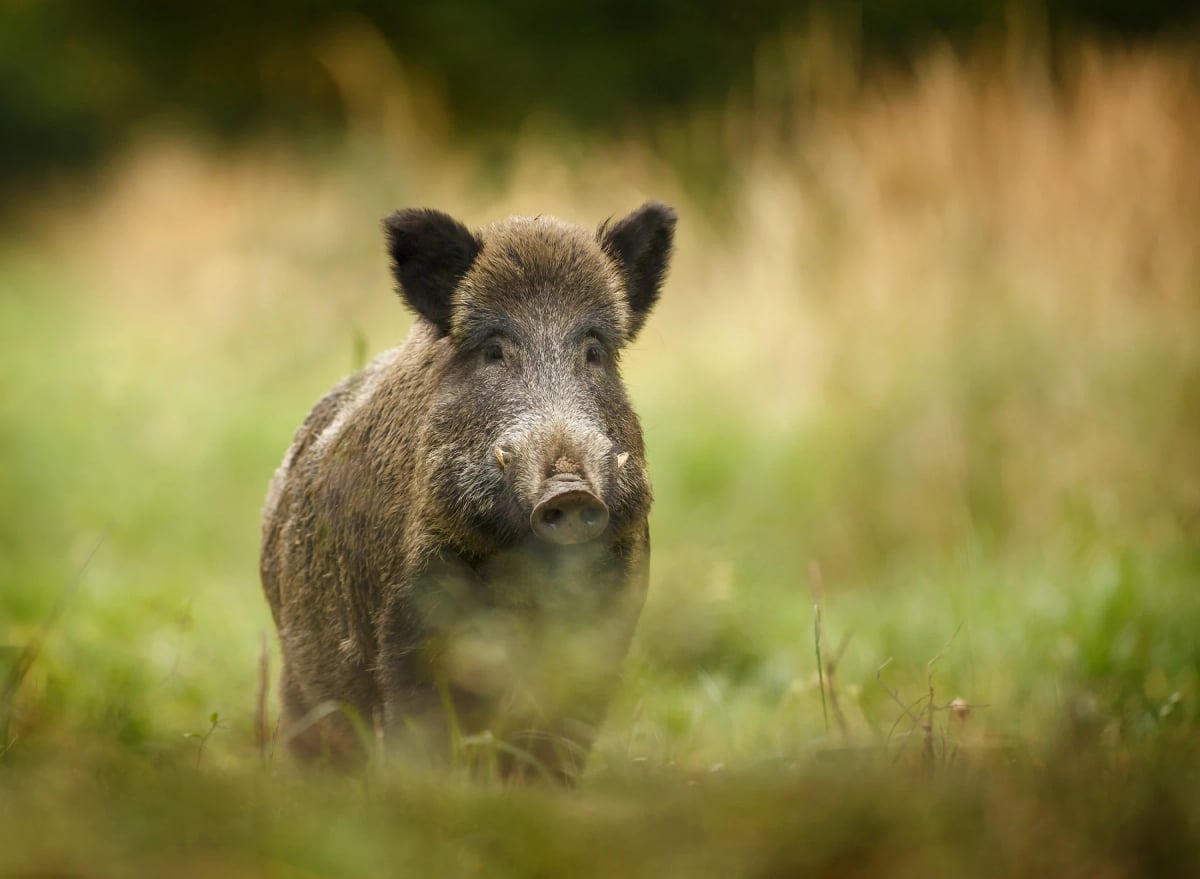
Wild Boar
Sus scrofa
Wild boar and feral pigs are found across a large part of the United States and are considered one of the most damaging invasive species in the country. They are especially abundant in Texas, Florida and the southeastern states, but populations have spread into dozens of states. Feral pigs cause significant damage to crops, native vegetation and ground nesting birds, and hunting and trapping have not been enough to stop their spread.
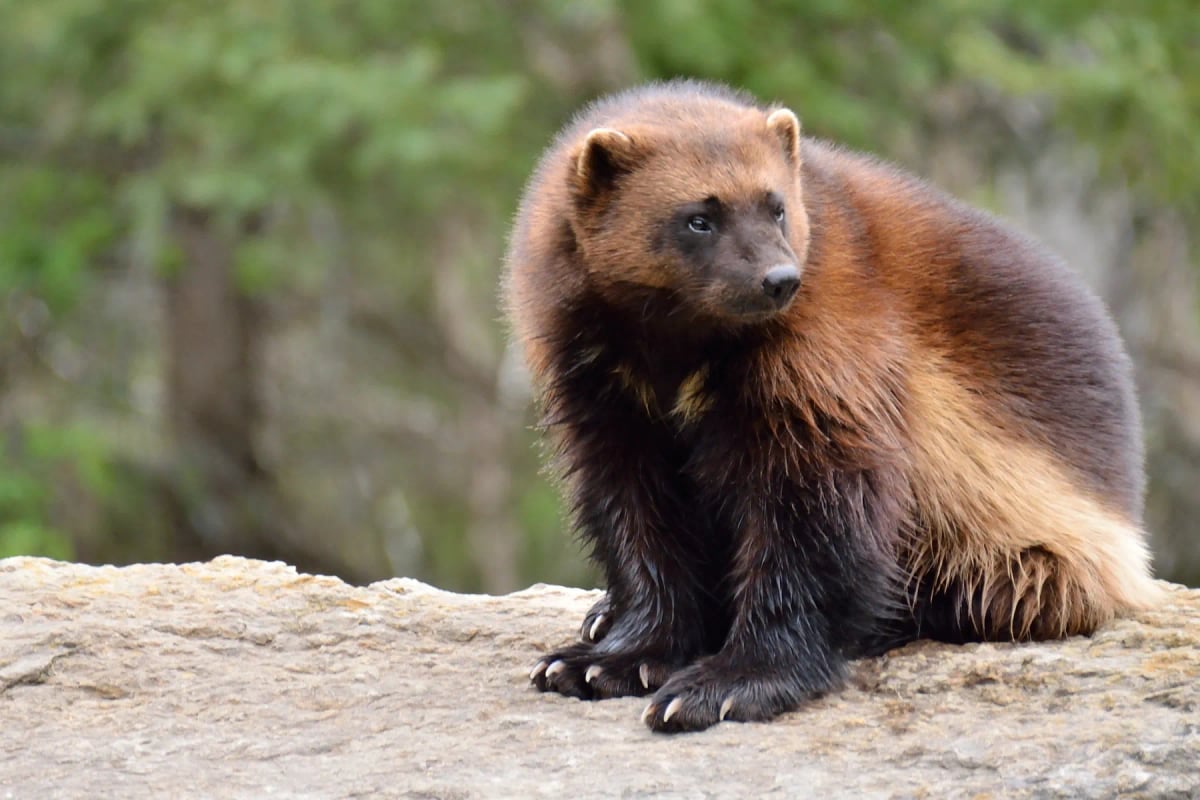
Wolverine
Gulo gulo
In the contiguous United States, wolverines are rare and confined mainly to the deep snowpack regions of the northern Rocky Mountains, including parts of Montana, Idaho, Wyoming, and Washington. The population is small, estimated at only a few hundred individuals. In 2023, wolverines in the contiguous US were listed as threatened under the Endangered Species Act, largely due to the threat that a warming climate poses to the mountain snowpack they depend on.
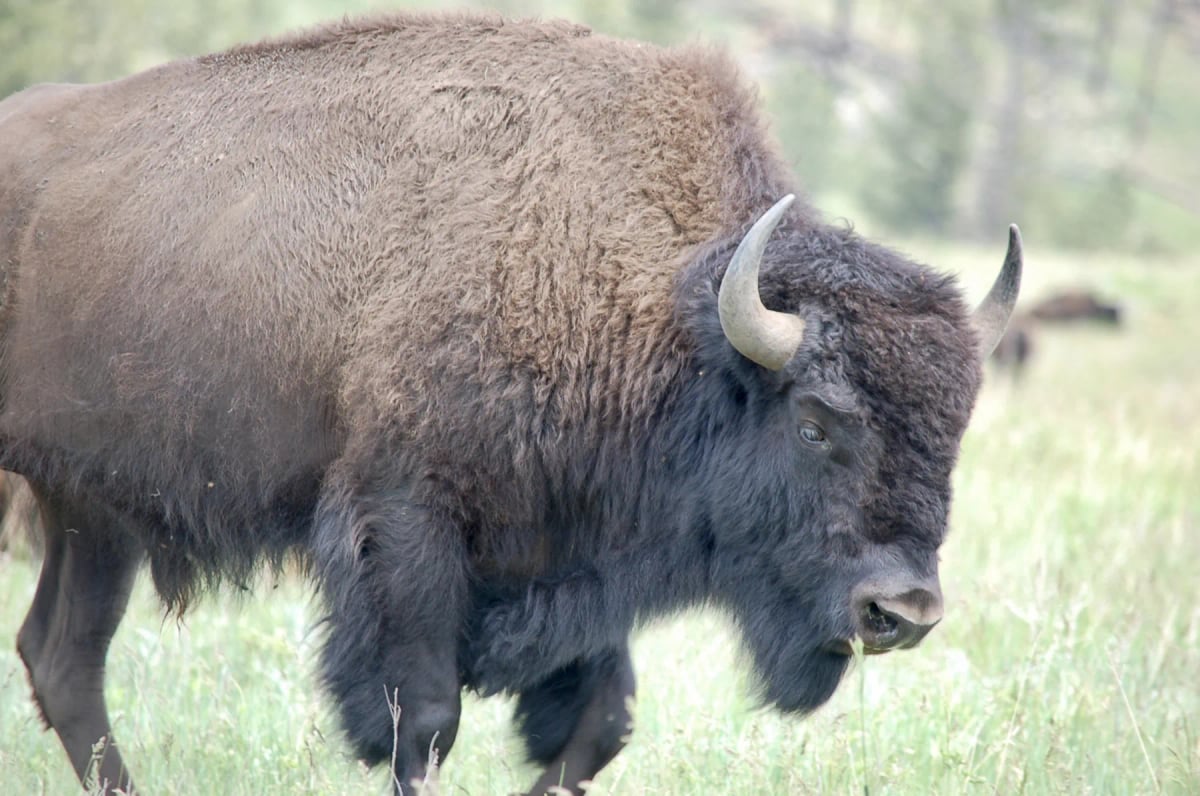
American Bison
Bison bison
The American bison once roamed the Great Plains in tens of millions, forming the largest herds of large mammals seen in North America in modern times. Commercial hunting in the nineteenth century reduced them to fewer than a thousand animals. Conservation and breeding programs saved the species, and today several free roaming herds exist in national parks and reserves. Yellowstone National Park holds the largest population of wild bison in the country.
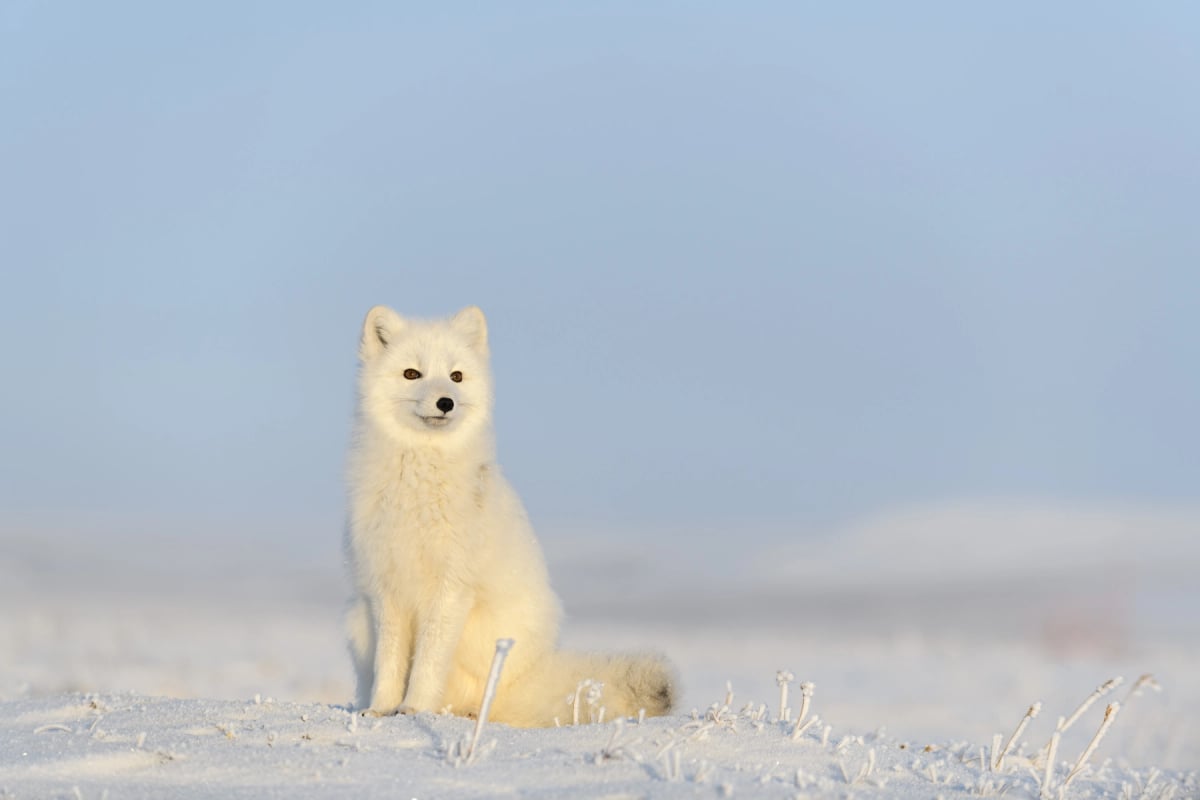
Arctic Fox
Vulpes lagopus
The arctic fox lives across the tundra of Alaska, where it survives some of the harshest winters on the continent. Its thick fur changes from brown in summer to white in winter, giving it camouflage across the seasons. It follows polar bears to feed on the remains of their kills and also hunts lemmings and birds. Some populations in Alaska live on the coast and depend heavily on seabirds and marine food sources during summer.
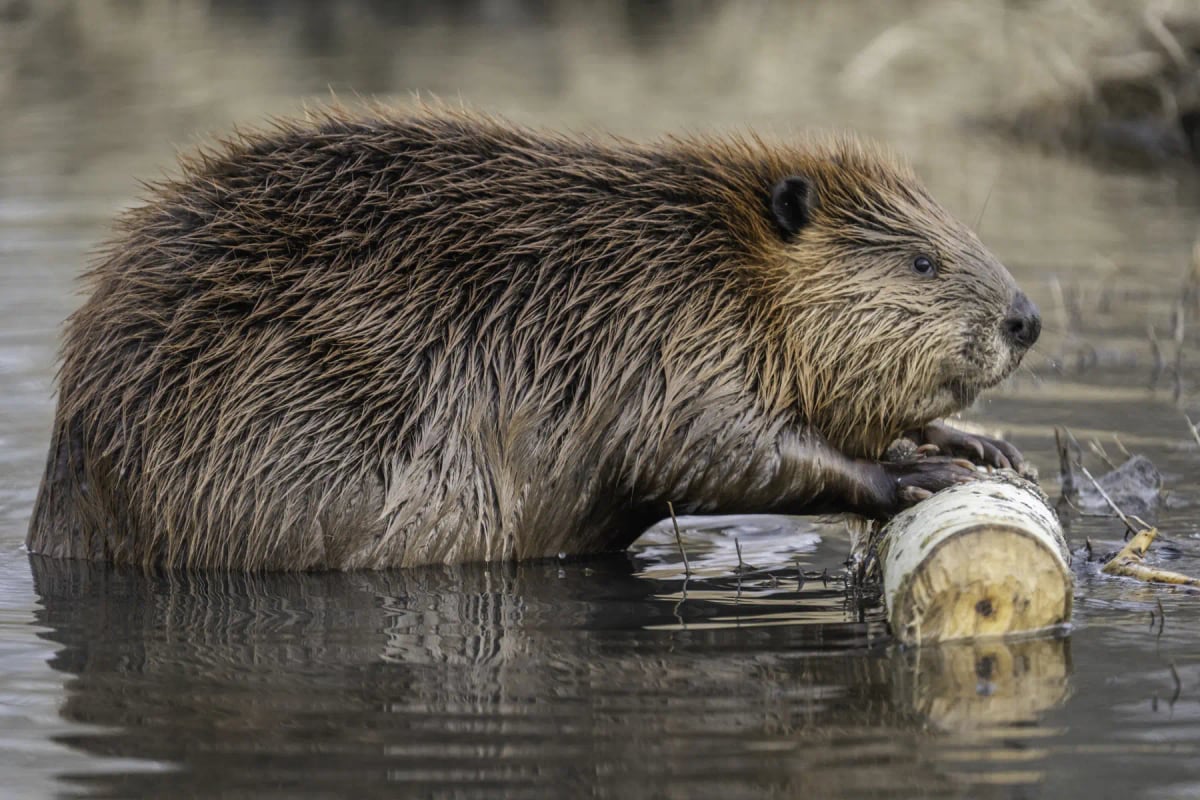
Beaver
Castor canadensis
The North American beaver is widespread across the contiguous United States, inhabiting streams, rivers, and wetlands in forests and grasslands alike. Once nearly wiped out by the fur trade, populations recovered strongly through the twentieth century. Today beavers are recognized as a keystone species, and their dam building is increasingly valued for watershed restoration and drought resilience. Their IUCN status is Least Concern.
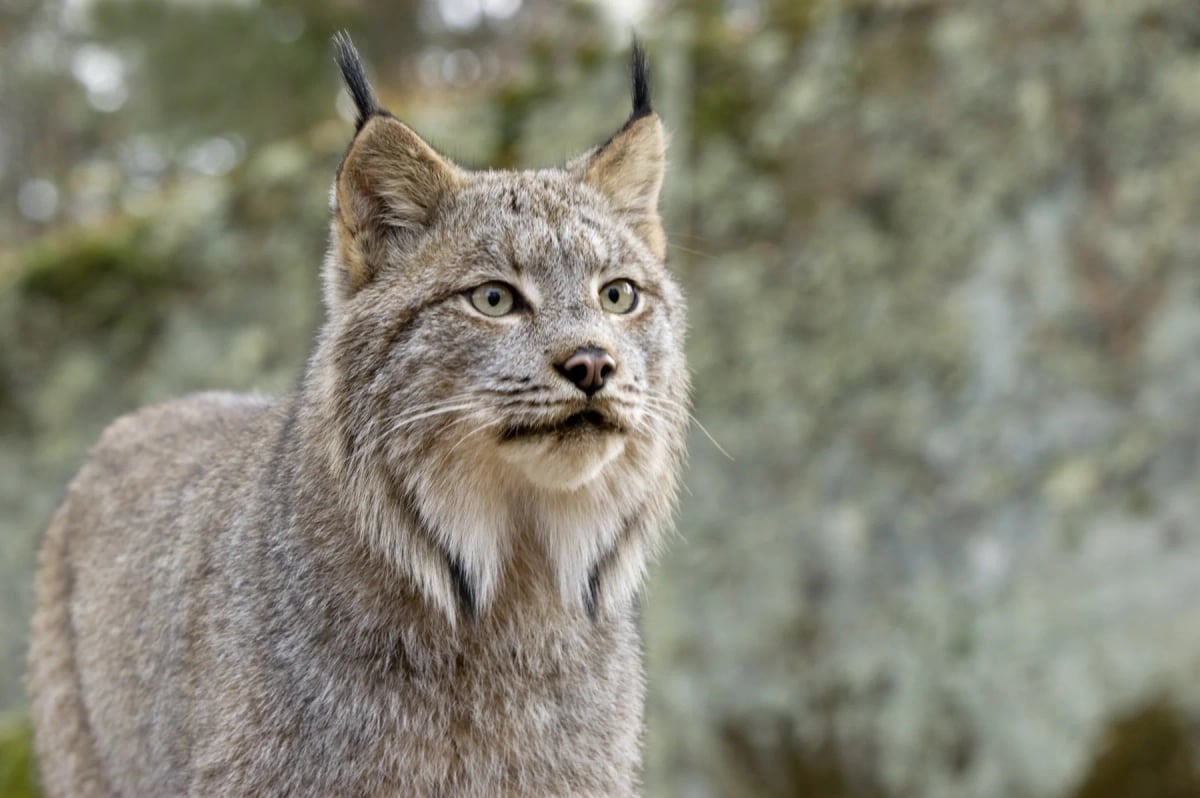
Canada Lynx
Lynx canadensis
In the contiguous United States, the Canada lynx occupies a limited range across the northern Rocky Mountains, the Great Lakes region, and parts of New England. Populations here are smaller and more fragmented than in Canada, and the species is listed as threatened under the Endangered Species Act. Its dependence on deep snow and snowshoe hares makes it particularly sensitive to habitat loss and climate shifts. IUCN status: Least Concern.
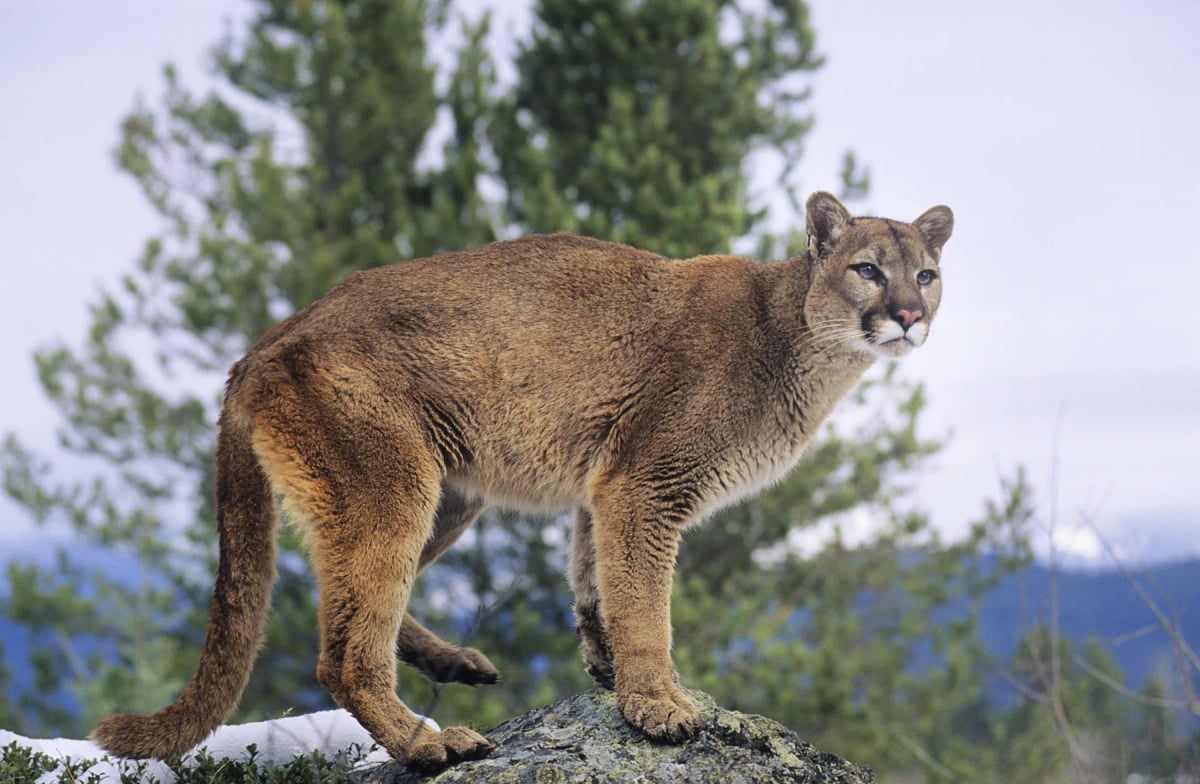
Cougar
Puma concolor
In the United States, where it is usually called the mountain lion, the cougar is most firmly established in the western states, from the Rocky Mountains to the Pacific Coast ranges. A small and critically endangered population, the Florida panther, survives in the swamps of southern Florida. Once found across the entire country, the cougar was eliminated from most of the East by the early twentieth century. Populations in the West remain stable across much of the region.
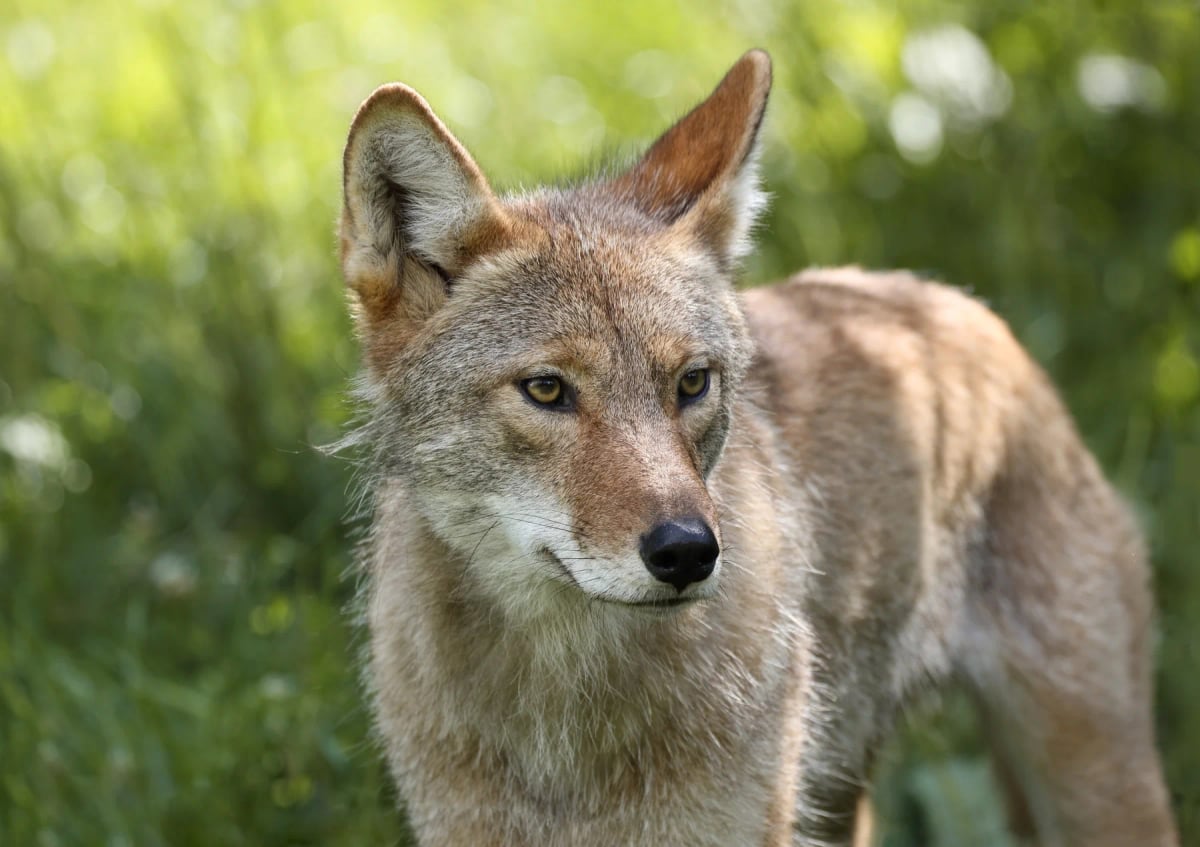
Coyote
Canis latrans
The coyote is one of the most widespread wild mammals in the United States, present in all 50 states including Hawaii, where it was introduced. It thrives in deserts, grasslands, forests, wetlands, and urban parks alike. Despite decades of population control efforts, its numbers have grown and its range has expanded. It plays a vital role in keeping rodent populations in balance. Its IUCN status is Least Concern.
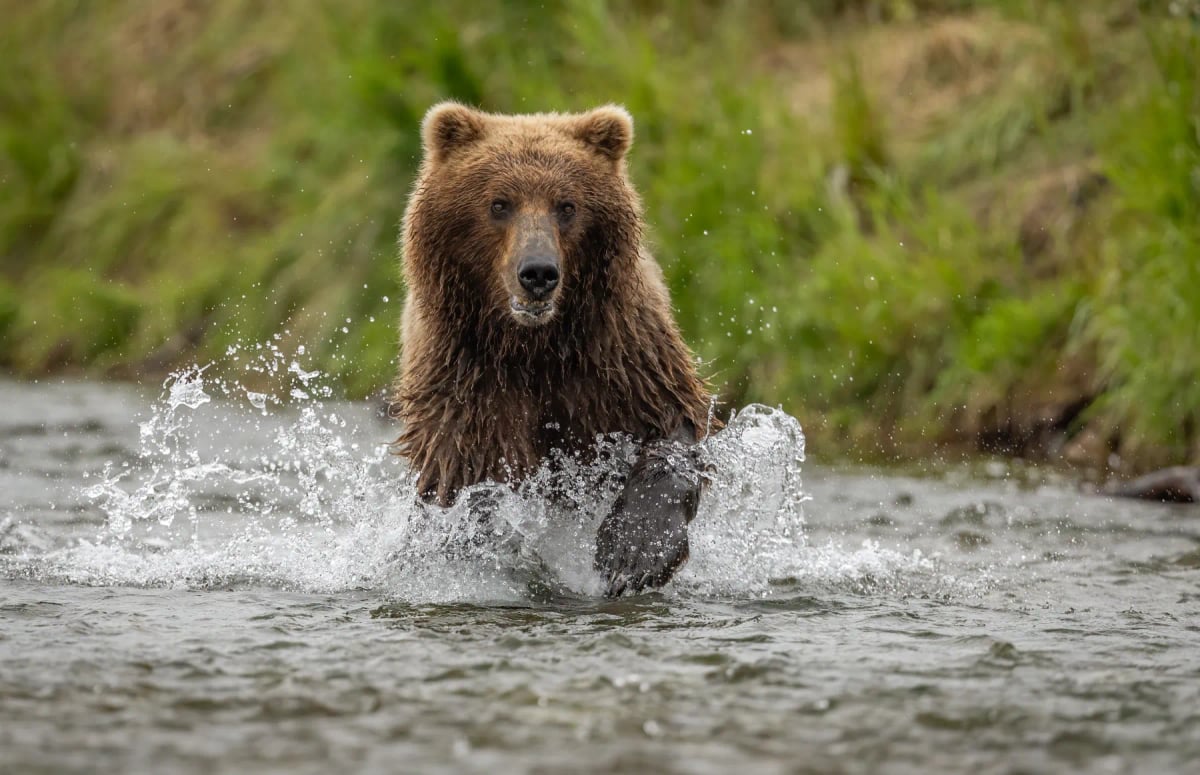
Grizzly Bear
Ursus arctos horribilis
In the contiguous United States, grizzly bears survive in a handful of isolated regions, with the Greater Yellowstone Ecosystem holding the most well-known population. Once widespread across the American West, they were pushed into these scattered pockets by hunting and habitat loss. Recovery programs have helped numbers grow, but the bears still face serious pressure from habitat fragmentation and conflict with livestock ranchers.
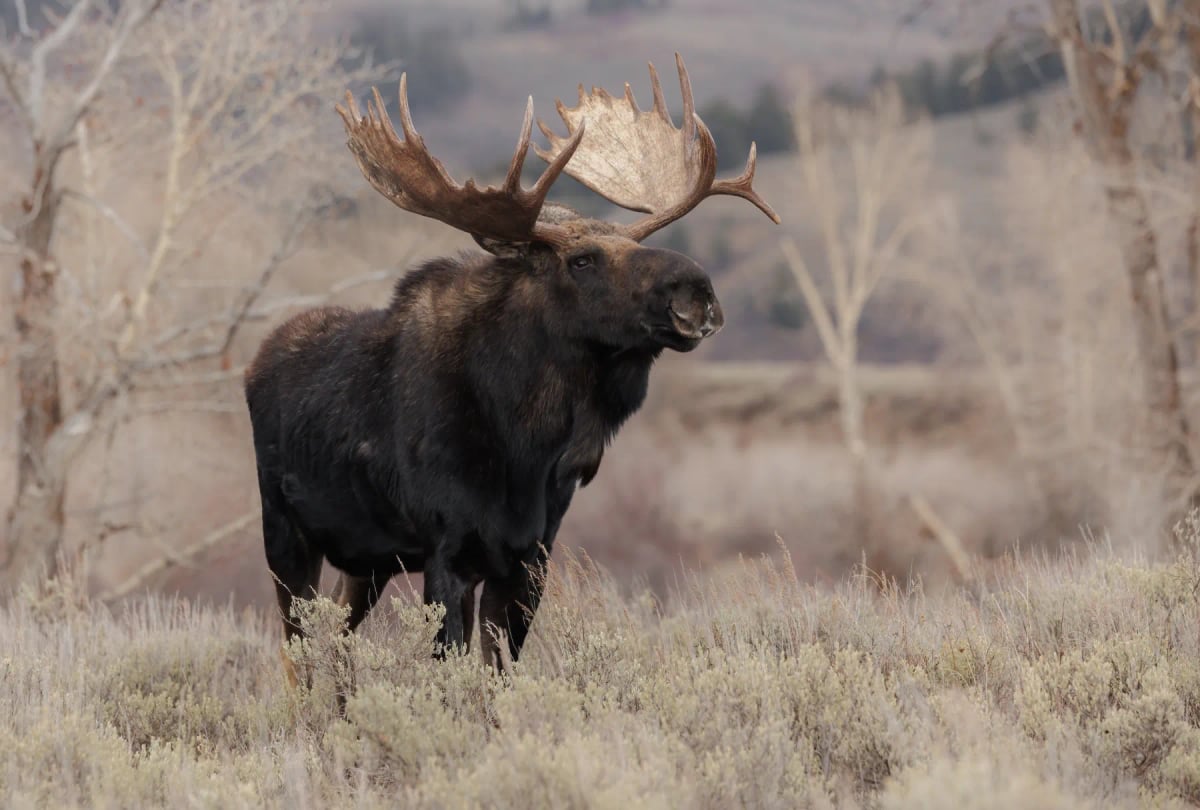
Moose
Alces alces
In the contiguous United States, moose are found across the northern Rocky Mountains, the upper Great Lakes states, and New England, with the largest populations in Maine and Minnesota. They depend on cool, forested landscapes near lakes and wetlands. Rising temperatures are a growing concern, as warmer winters allow parasites such as winter ticks to thrive, placing serious pressure on moose numbers in several states.
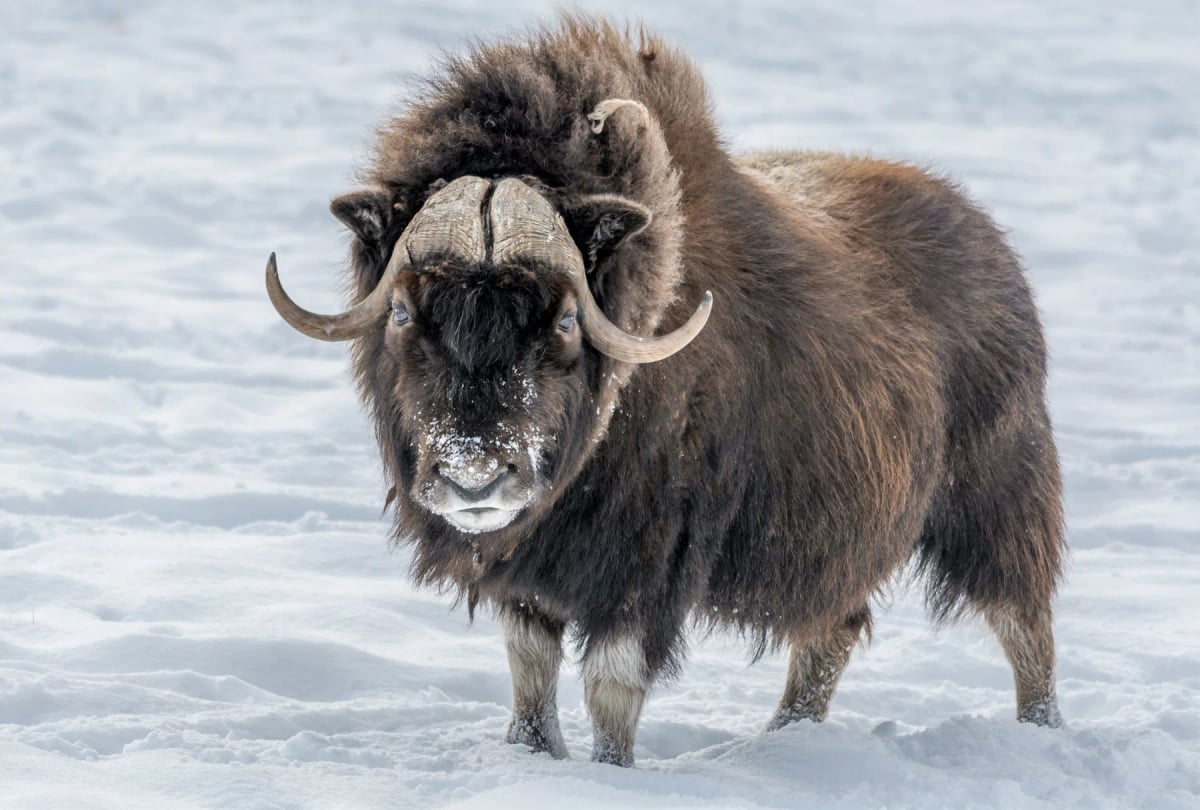
Musk Ox
Ovibos moschatus
In the contiguous United States, musk oxen exist only in Alaska, where they were reintroduced after being wiped out by overhunting. Managed herds can be observed at the Musk Ox Farm in Palmer, near Anchorage, which also supports a qiviut fiber program benefiting local communities. In the wild, populations on Nunivak Island and the Arctic Slope have grown since reintroduction, reflecting careful management by state and federal wildlife agencies. IUCN Status: Least Concern.
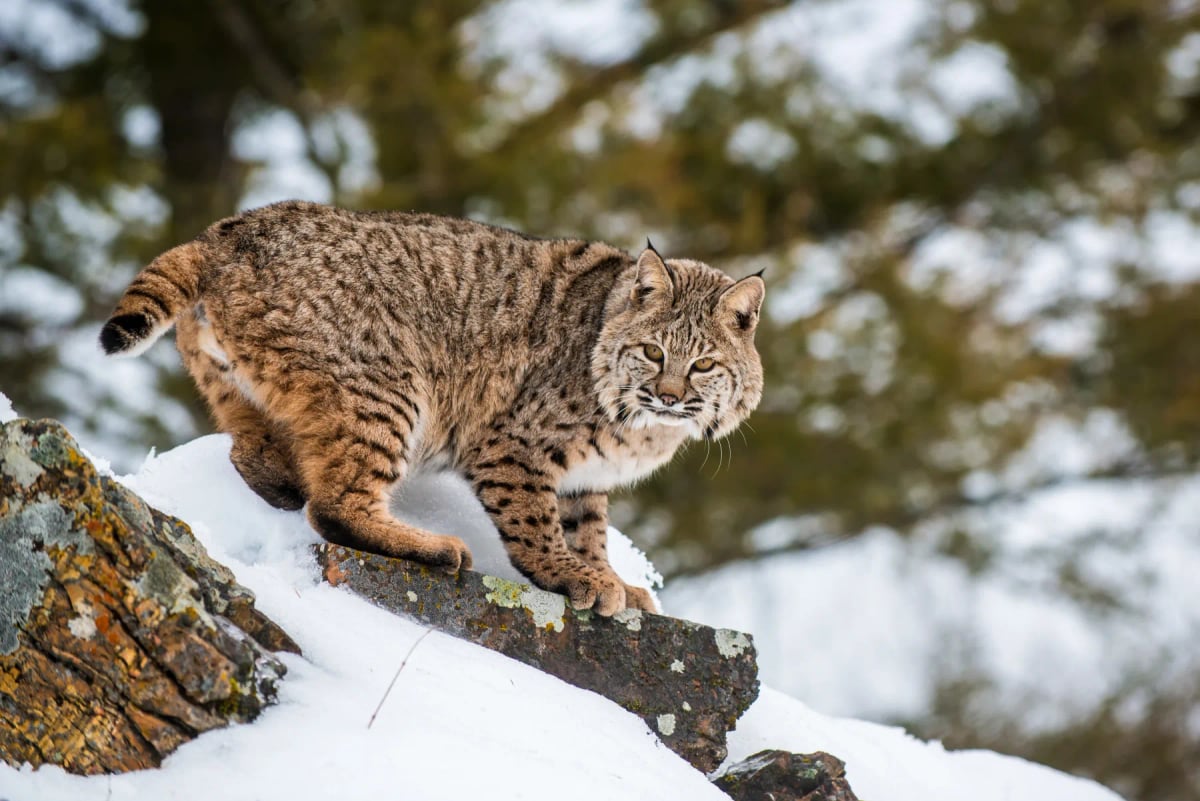
Bobcat
Lynx rufus
The bobcat is one of the most widespread wild cats in the United States, present in nearly every state across forests, deserts, wetlands, and suburban edges. It is the most common wild cat on the continent, with a population estimated in the millions. Adaptable and resilient, it thrives alongside human development better than most large predators. It is listed as least concern and is managed as a game species in many states.
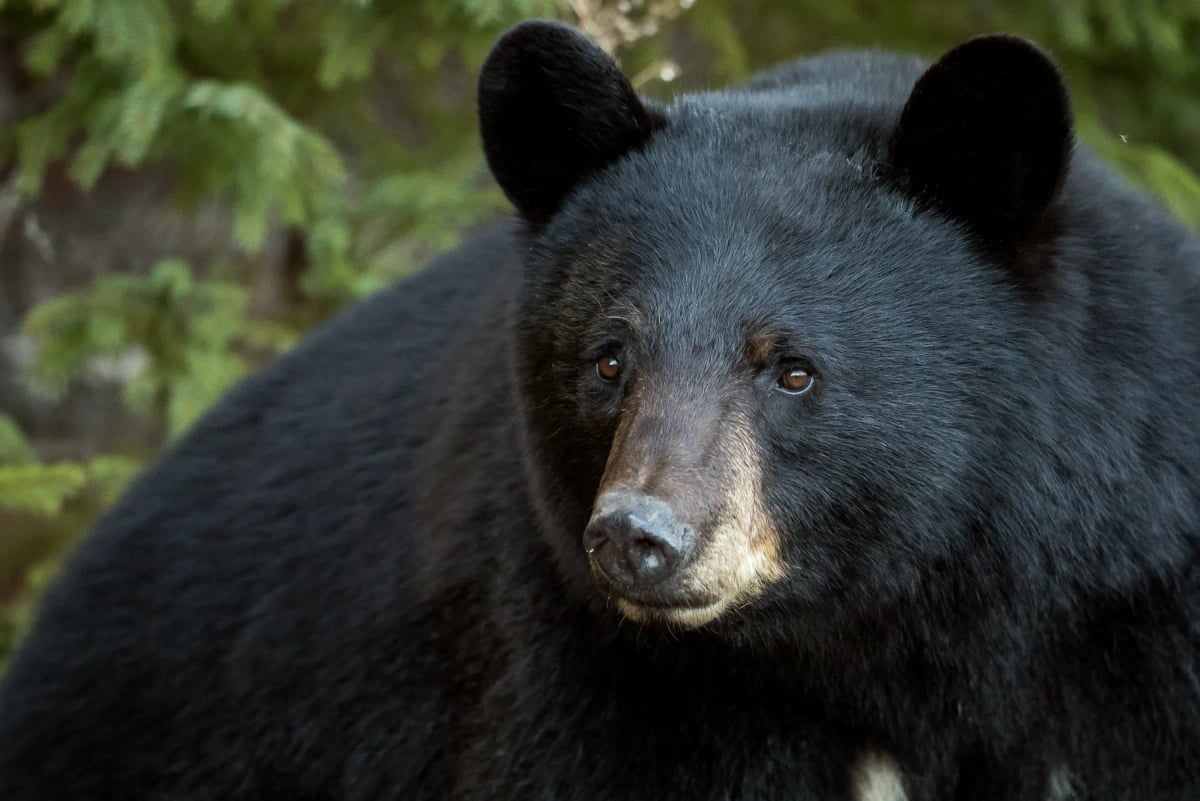
American Black Bear
Ursus americanus
The American black bear is the most common bear species in the United States and is found in forests across much of the country, from the Appalachians and the Great Smoky Mountains to the Rockies and the Pacific Northwest, as well as in Florida and parts of the southeast. It is highly adaptable and has learned to find food in campgrounds and near human settlements, which can lead to conflict. National parks manage bear activity carefully to protect both visitors and the animals.
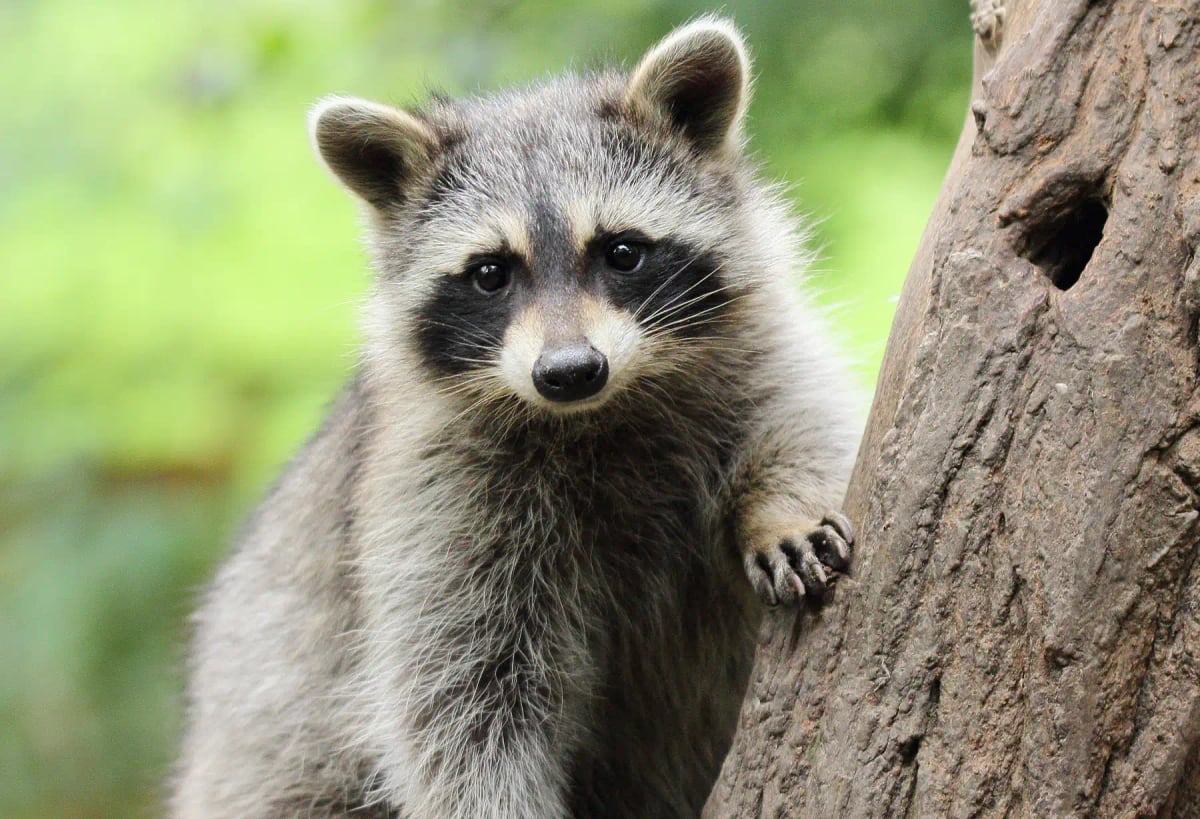
Raccoon
Procyon lotor
The raccoon is one of the most familiar wild mammals in the United States, present in every state except Hawaii. It thrives in eastern hardwood forests, Gulf Coast marshes, Great Plains river corridors, and major cities from New York to Los Angeles. American raccoons are well studied and known for their intelligence and dexterity. The species is listed as Least Concern and is abundant nationwide, though it is managed as a game animal in many states.
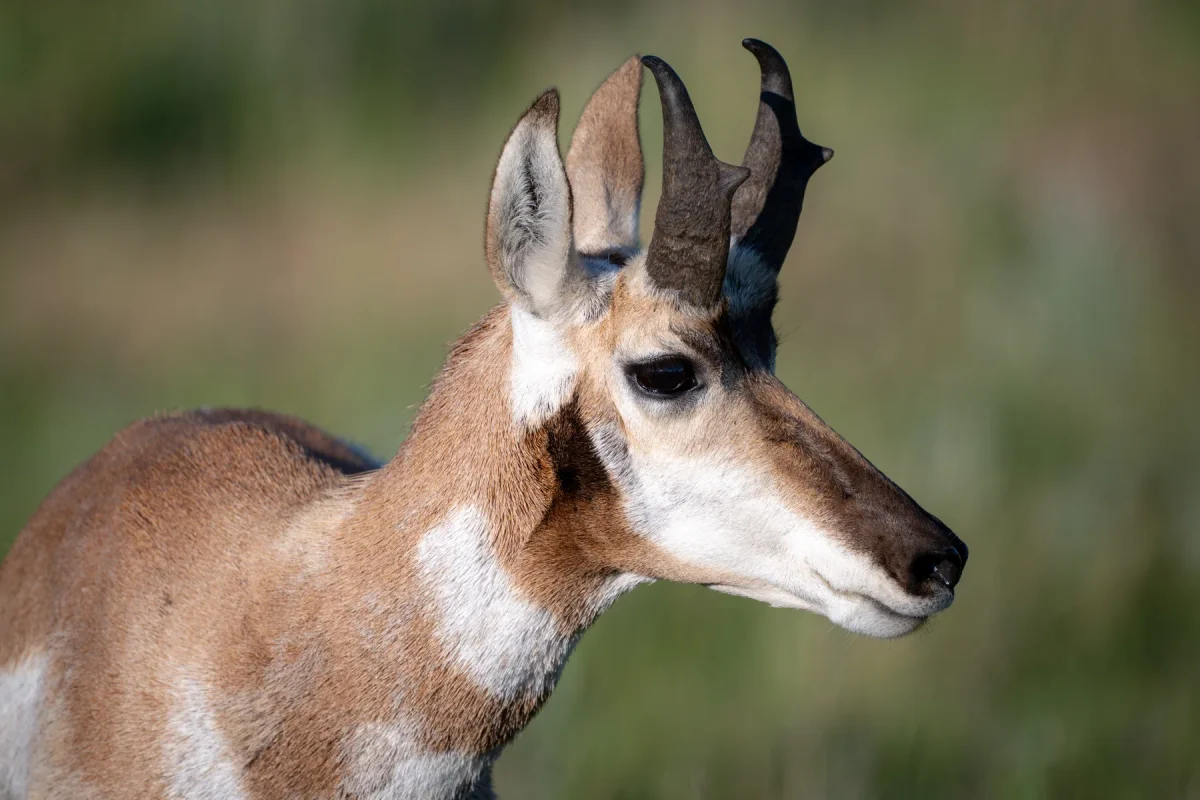
Pronghorn
Antilocapra americana
The pronghorn thrives across the sagebrush flats, grasslands, and desert shrublands of the American West. States such as Wyoming, Montana, and Nevada hold the largest populations. Wyoming's Path of the Pronghorn is one of the longest overland mammal migrations in the lower 48 states. With both males and females bearing horns, the pronghorn is unlike any other animal on Earth. IUCN Status: Least Concern.
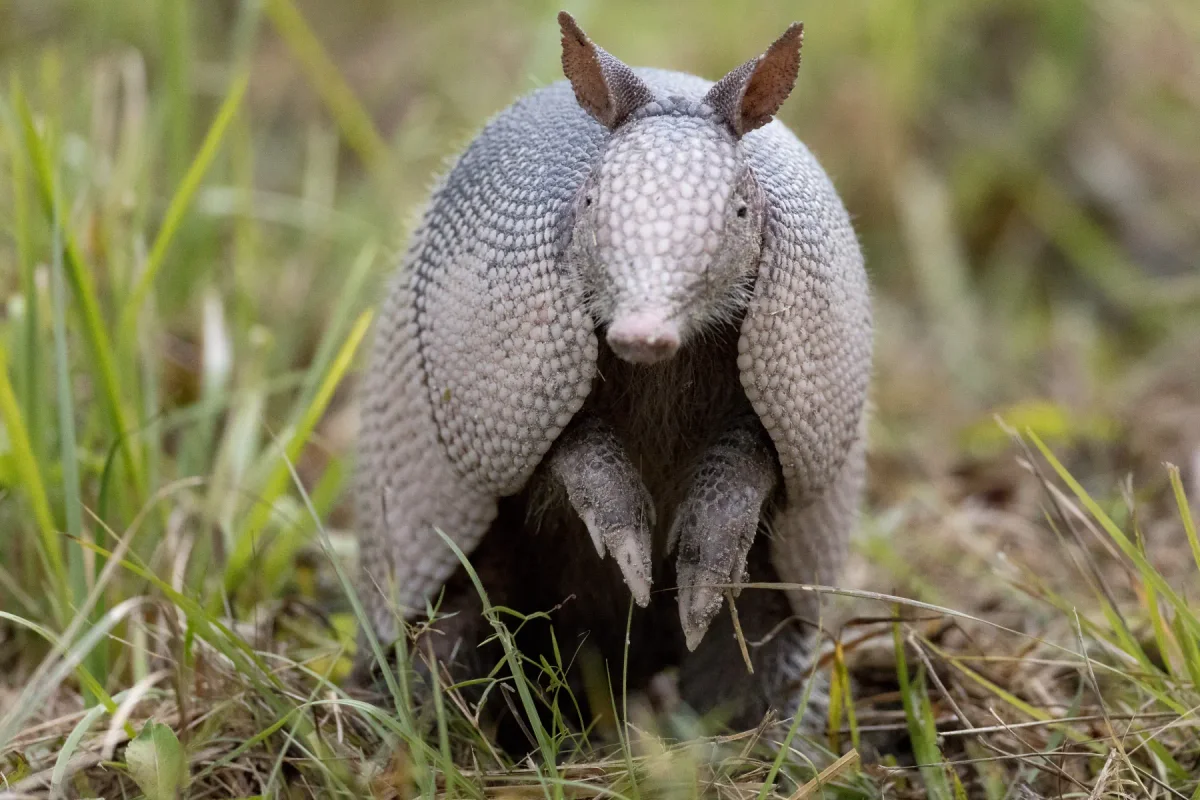
Armadillo
Dasypodidae spp.
The nine banded armadillo is found across the southern United States, from Florida and the Gulf Coast states through Texas and into parts of the Midwest. It has expanded its range northward over recent decades as winters have become milder. The armadillo is nocturnal and digs for insects and grubs with its strong claws. It is the only wild mammal in the United States known to carry leprosy naturally, though transmission to people is extremely rare.
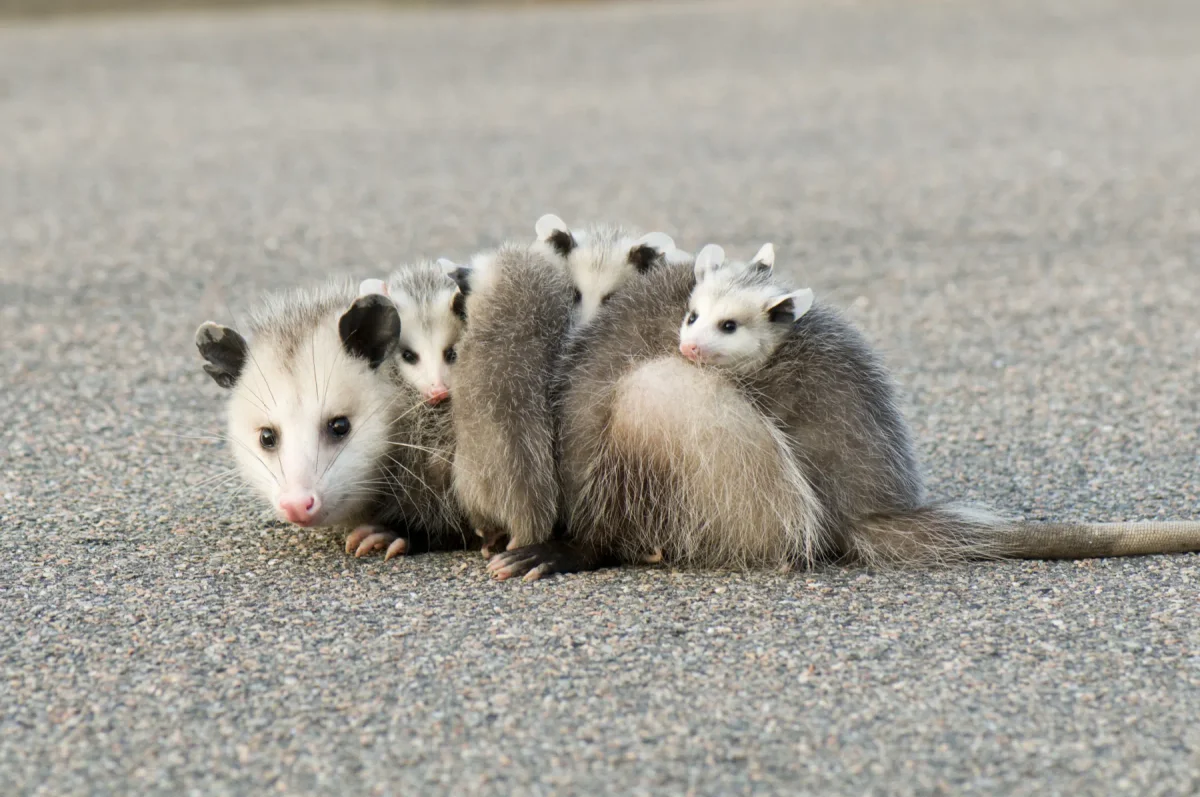
Opossum
Didelphis spp.
The Virginia opossum (Didelphis virginiana) is the only marsupial native to North America and lives across most of the United States, from the East Coast to the Pacific. It adapts easily to forests, suburbs, and cities, eating nearly anything it can find. Famous for "playing dead" when threatened, it also resists many snake venoms. Short lived in the wild, it reproduces quickly and stays common throughout the country.
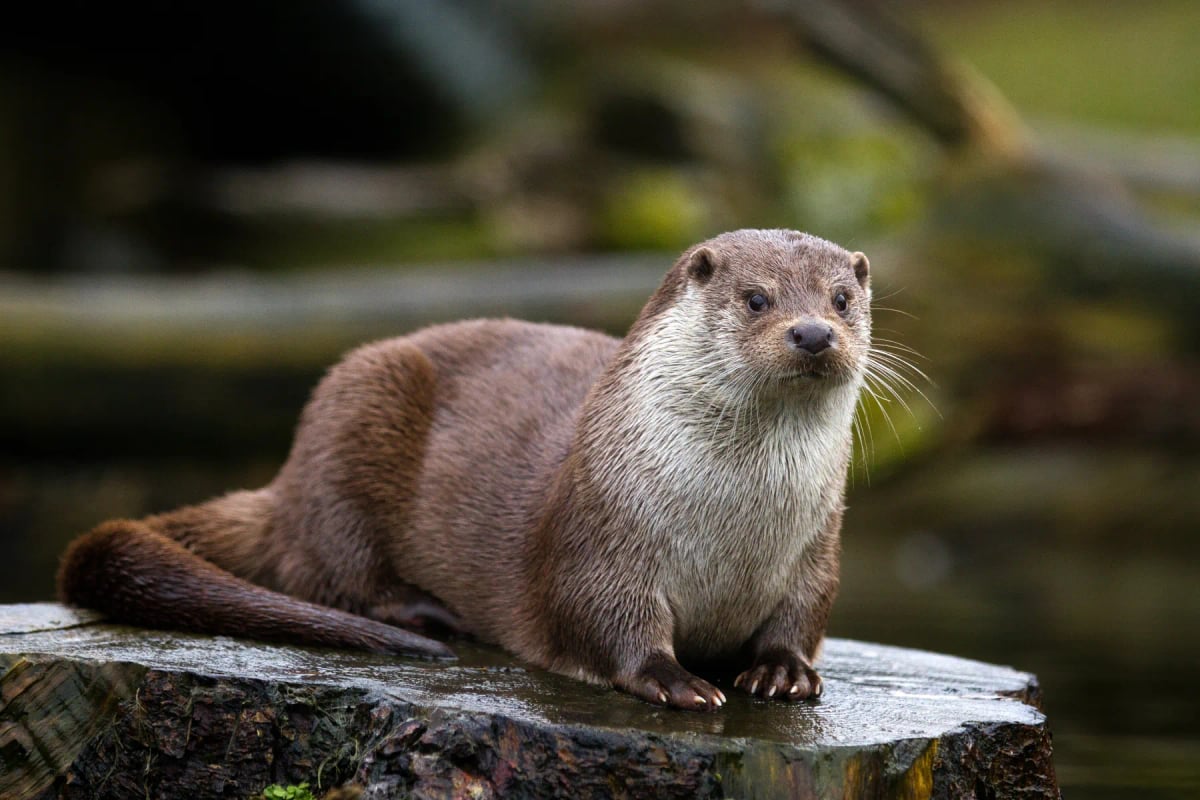
River Otter
Lontra canadensis
Once severely reduced by overhunting and water pollution, the river otter has made a remarkable comeback across the United States. Reintroduction programs in dozens of states helped restore populations to rivers, lakes and coastal marshes where the species had vanished. Today they are found from the Gulf Coast wetlands to the forests of the Pacific Northwest. Their recovery stands as one of North America's most celebrated conservation achievements.
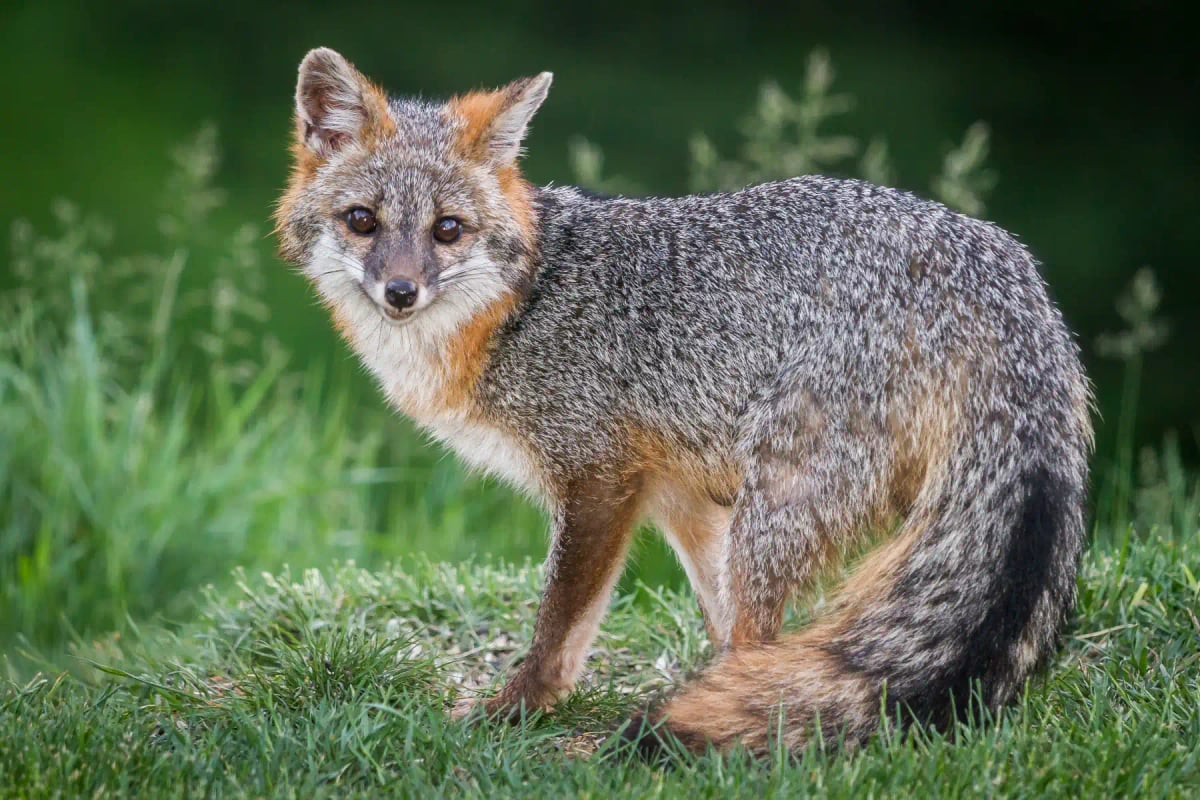
Gray Fox
Urocyon cinereoargenteus
The gray fox is found across much of the United States, from the East Coast through the Midwest and into the West. It thrives in deciduous forests, brushlands, and areas where woodland meets open ground. Highly adaptable, it also lives near farms and suburban edges. It is the only canid in the Americas that regularly climbs trees, using its strong curved claws to escape danger or reach food in the canopy.
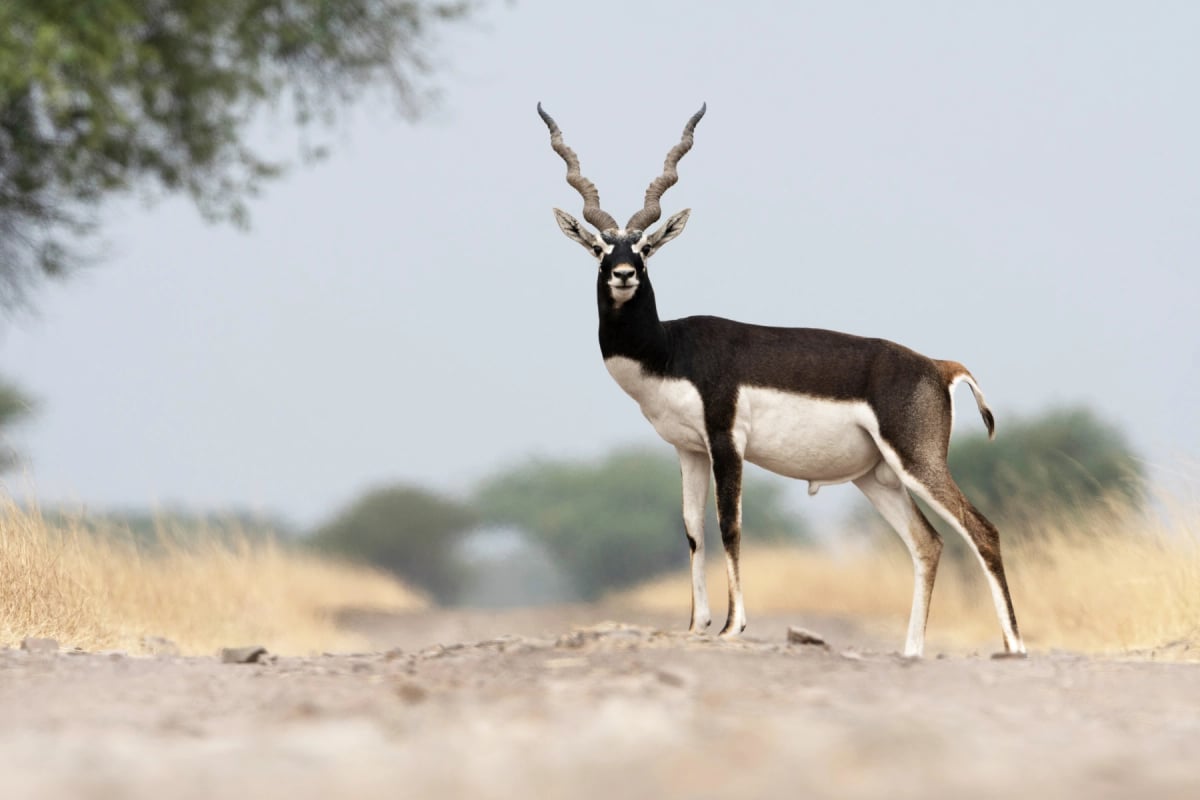
Blackbuck
Antilope cervicapra
Blackbucks were brought to the United States as exotic game animals and have established free-ranging populations primarily in the Texas Hill Country, where ranches provide open grassland habitat. Texas holds the largest population of blackbucks outside their native range. The species is not protected under federal wildlife law and is managed privately on game ranches. IUCN status: Least Concern.
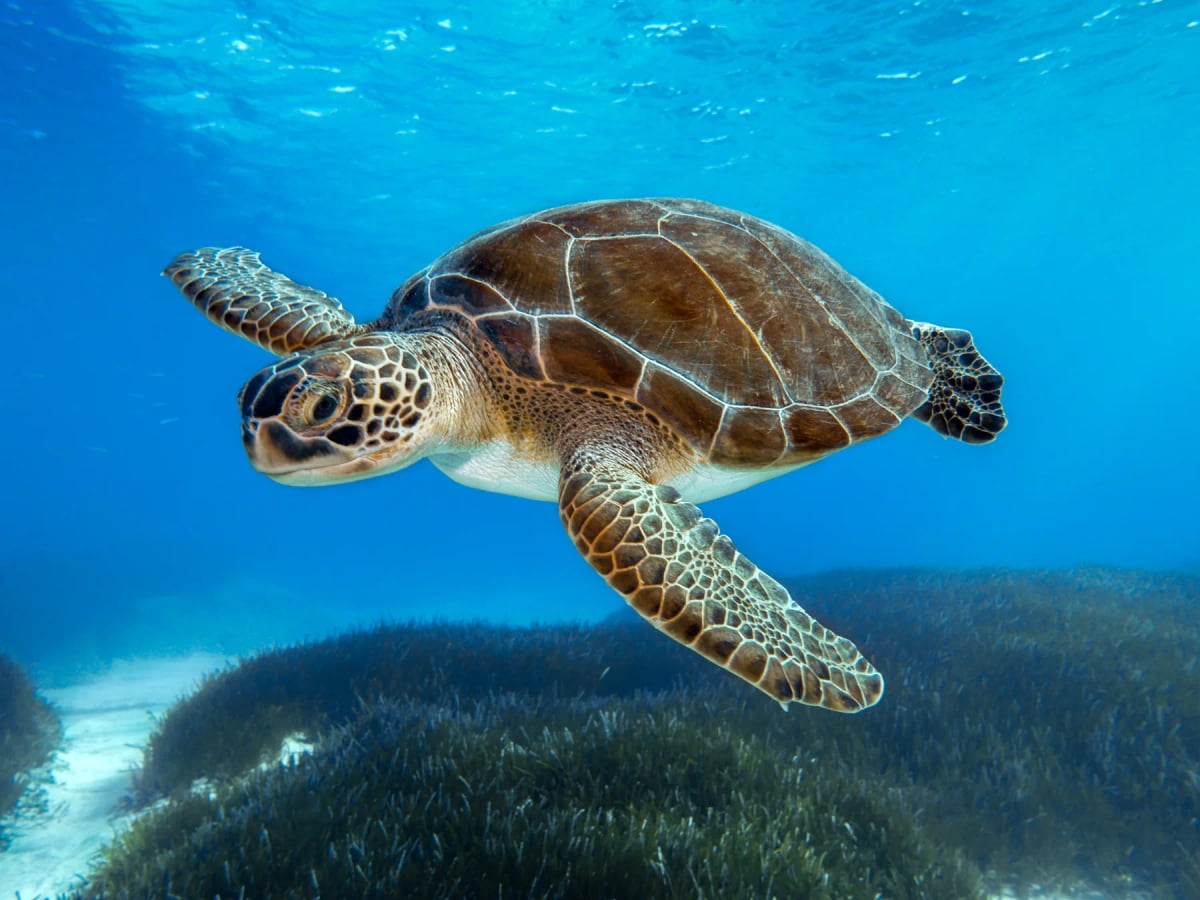
Sea Turtle
Cheloniidae & Dermochelyidae (families)
Several sea turtle species nest along American shores, with Florida beaches hosting the largest nesting populations in the country. Loggerhead turtles arrive in large numbers every summer, while green and leatherback turtles also nest along the Gulf and Atlantic coasts. Hawaii supports its own green turtle populations in the Pacific, and Texas beaches are the primary nesting ground for the critically endangered Kemp's ridley. Conservation programs, beach protections and volunteer monitoring have helped several species recover after years of decline.
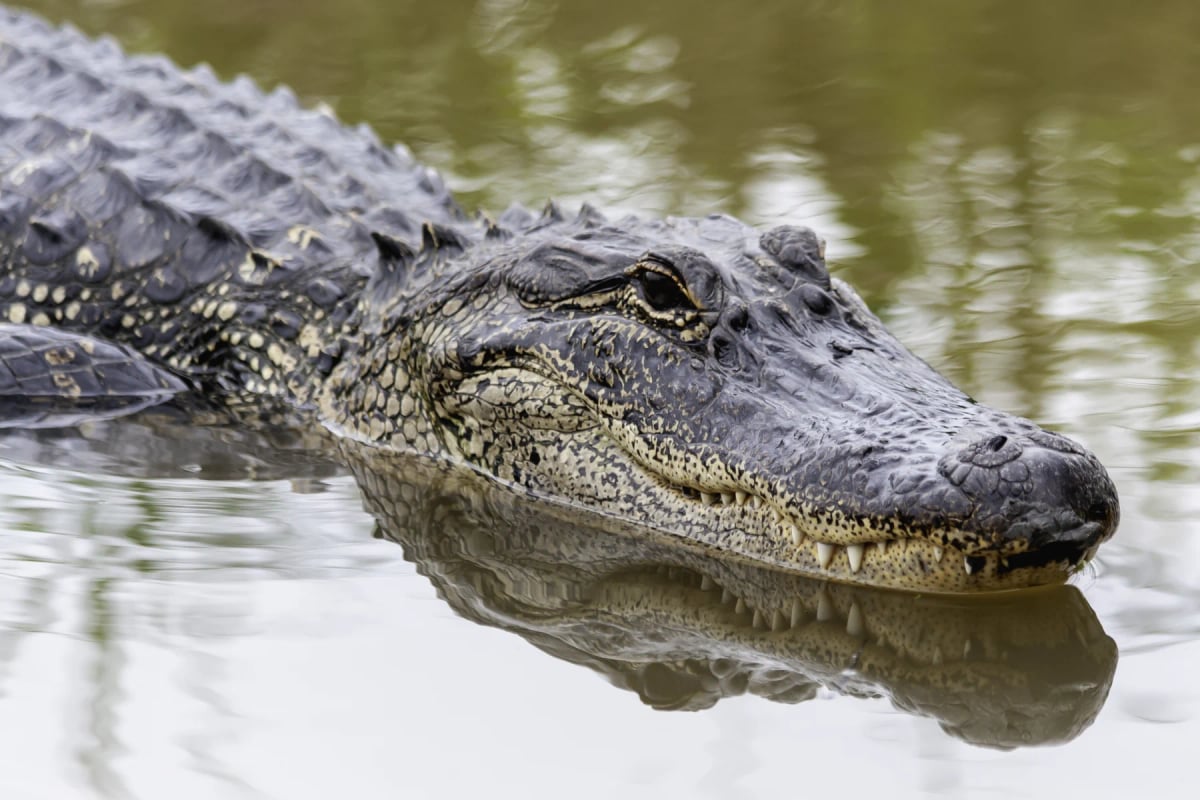
Alligator
Alligator mississippiensis
The American alligator lives throughout the southeastern United States, with Florida and Louisiana holding the largest populations. It thrives in swamps, rivers, lakes and wetlands and has become a symbol of wild Florida, especially in the Everglades. Once hunted nearly to extinction, it recovered after federal protection in 1967 and was removed from the endangered species list by 1987. Today it is one of conservation's great success stories.
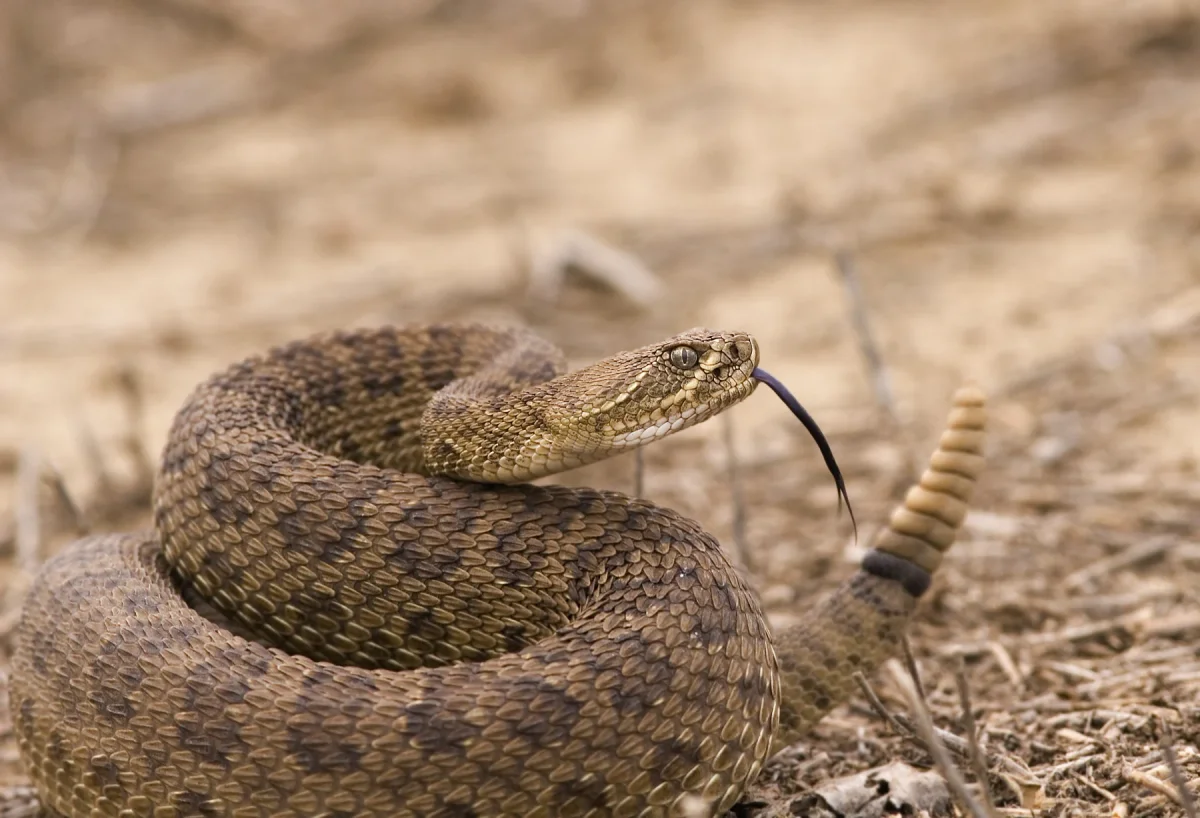
Rattlesnake
Crotalus spp. / Sistrurus spp.
The United States is home to more rattlesnake species than any other country, with habitats ranging from eastern woodlands and desert scrub to mountain meadows and coastal plains. Species such as the Timber Rattlesnake, Eastern Diamondback, and Western Diamondback play key roles as predators of rodents. Persecution by humans and habitat fragmentation continue to threaten populations across many states. IUCN status: Least Concern.
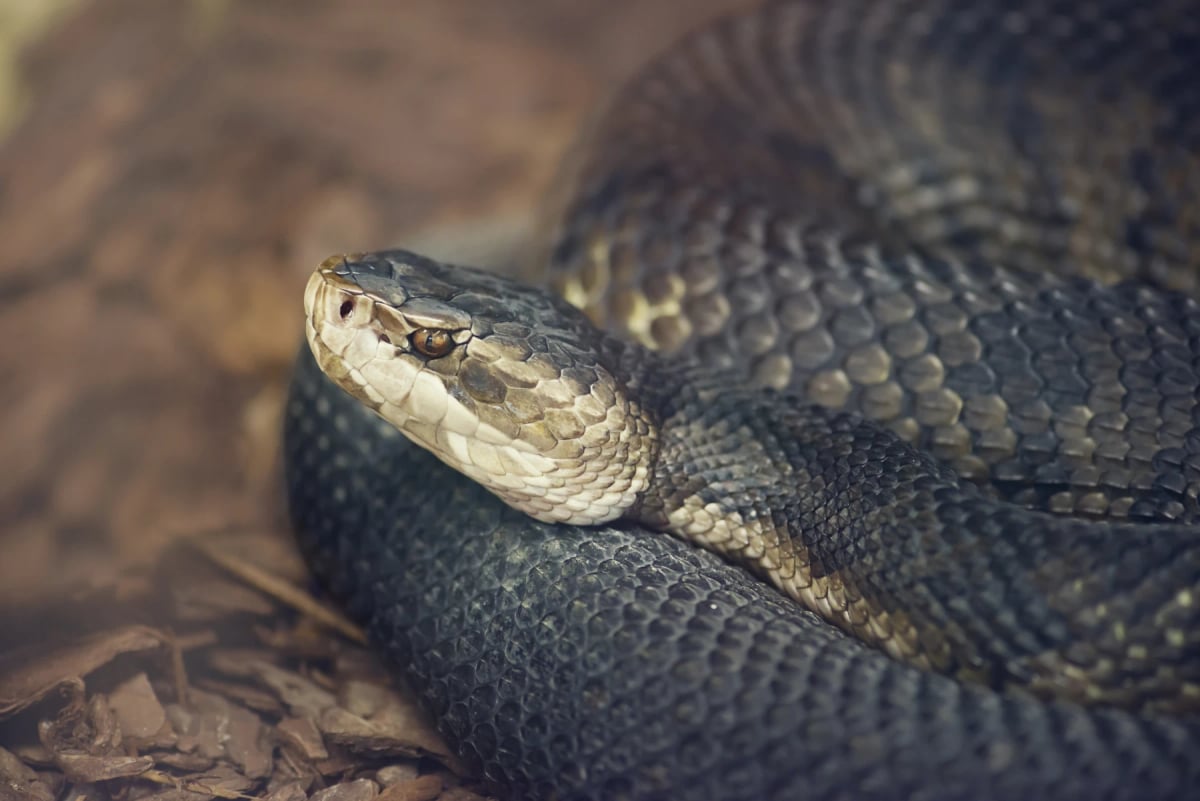
Cottonmouth Snake
Agkistrodon piscivorus
The cottonmouth, or water moccasin, is the only venomous semiaquatic snake in North America and lives across the southeastern United States, from Virginia down to eastern Texas. It favors swamps, river floodplains, and slow drainage ditches. When threatened, it opens its bright white mouth wide as a warning. Its hemotoxic venom breaks down tissue, making any bite a medical emergency.
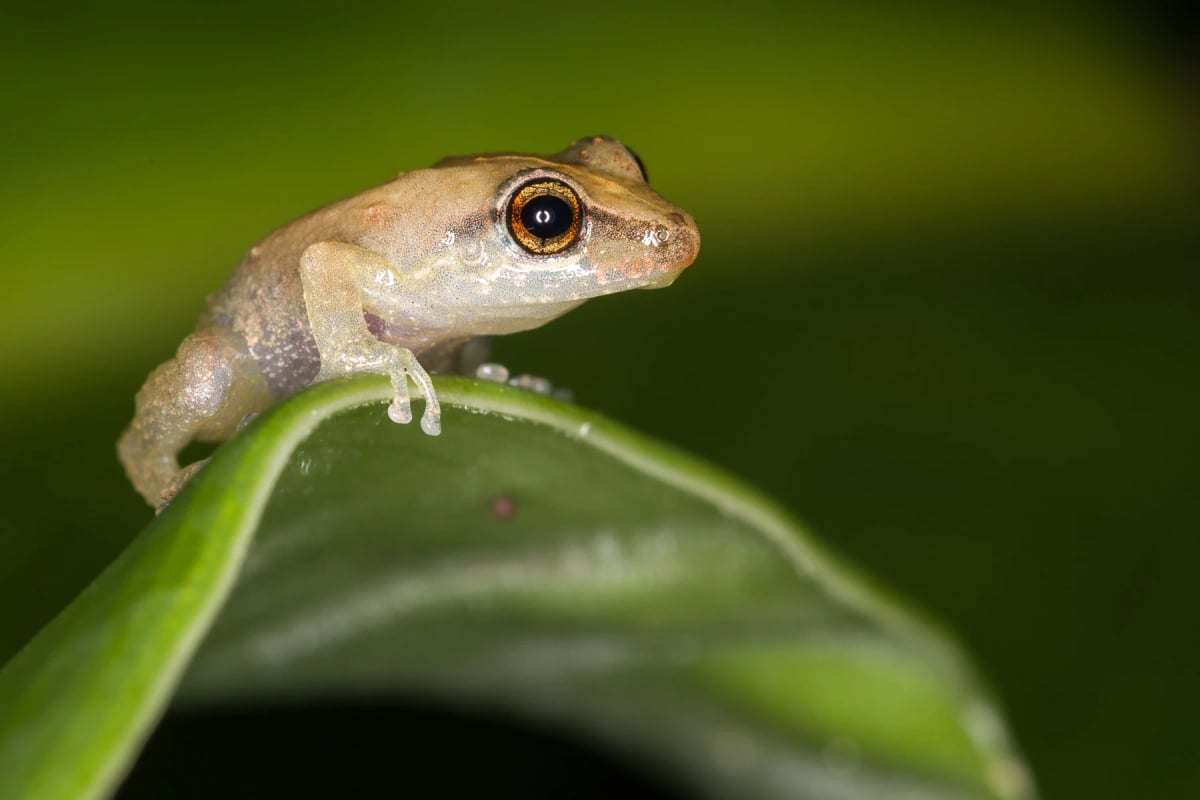
Coquí
Eleutherodactylus coqui
The coqui is not a native American frog. It reached Hawaii in the late 1980s in potted plants from Puerto Rico and exploded there, hitting around 91,000 frogs per hectare on islands with no native frogs and nothing that eats them. A few nursery sites in southern California hold small, fragile pockets of it, and earlier introductions in Florida and Louisiana died out. Hawaii treats the nightly chorus as noise pollution and sprays citric acid against it.
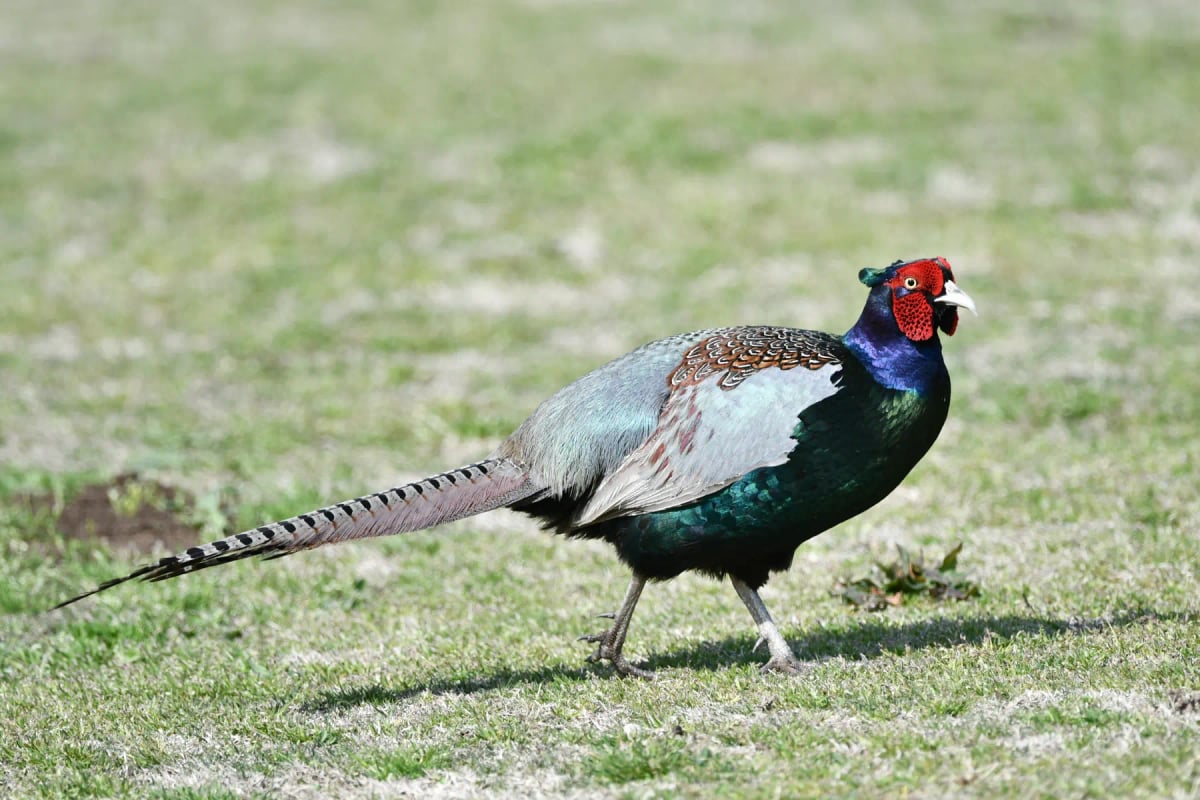
Green Pheasant
Phasianus versicolor
The green pheasant, Japan's national bird, was introduced to the United States as a game bird, and the only place where it became established is Hawaii. It now lives wild on several islands, including Hawaii Island, Maui and Kauai, in grassland and open country, where it often interbreeds with introduced ring necked pheasants. Attempts to release it in mainland North America failed. IUCN status: Least Concern.
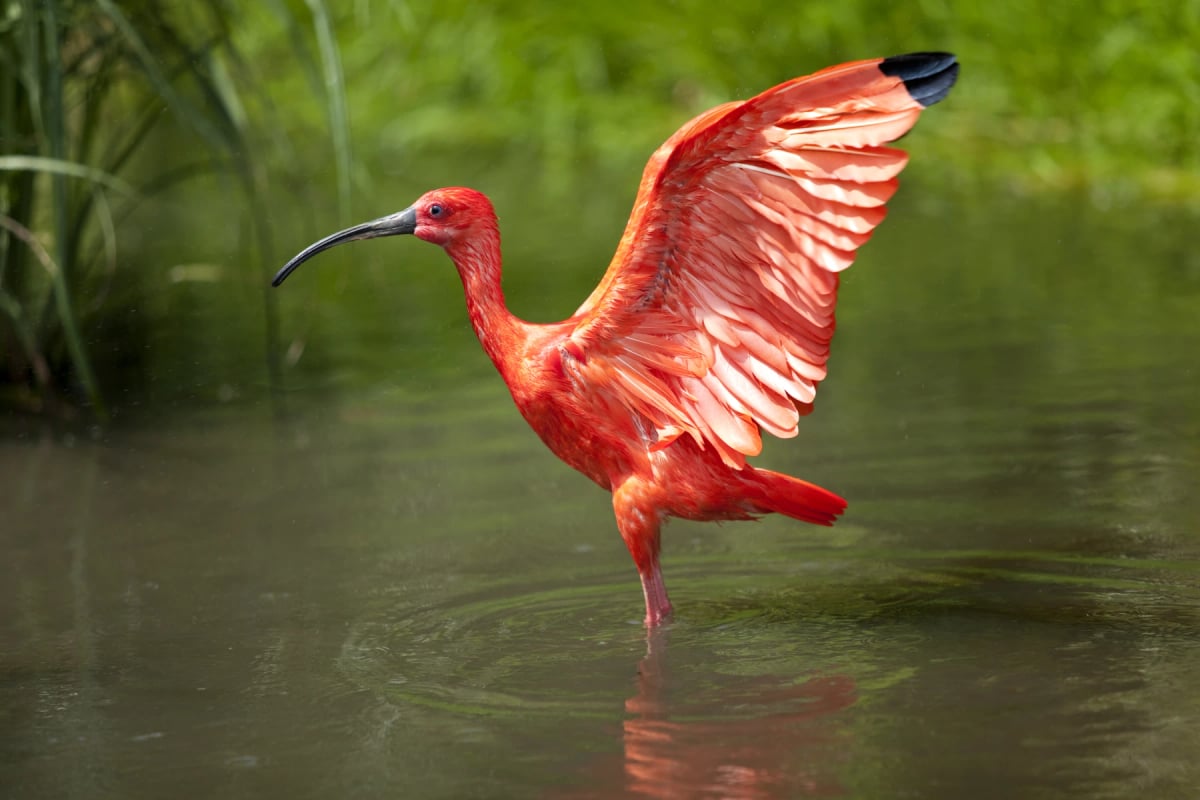
Scarlet Ibis
Eudocimus ruber
The Scarlet Ibis is not native to the United States, but individuals occasionally appear along the Gulf and Atlantic coasts, most often in Florida and Texas. These birds are thought to be natural wanderers from populations in South America and the Caribbean. Some sightings may also involve birds that escaped from captivity, complicating the records. The IUCN lists the species as Least Concern, and its vivid red plumage makes any appearance a striking sight.
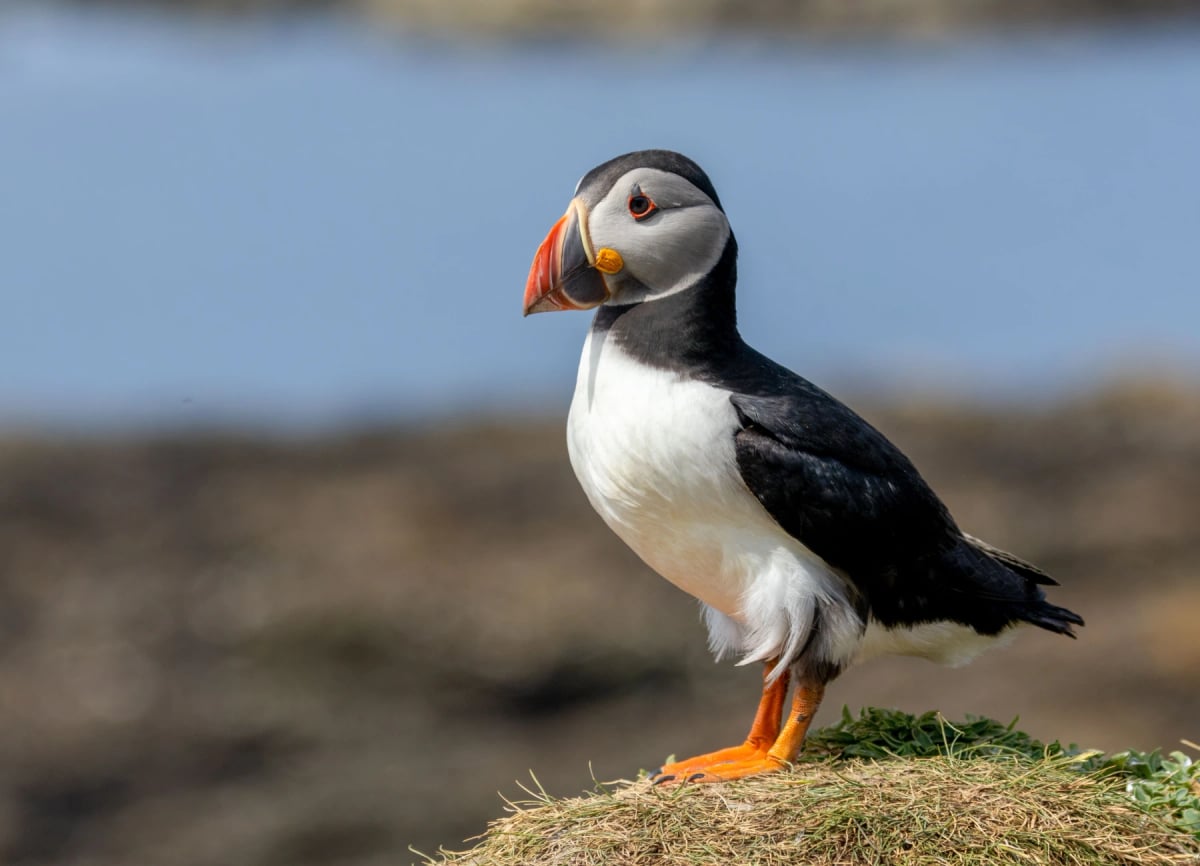
Puffin
Fratercula arctica
In the United States, Atlantic puffins nest primarily on small islands off the coast of Maine, including Eastern Egg Rock and Seal Island. These colonies were reestablished through the work of Project Puffin, run by the Audubon Society, after the birds had been wiped out in the region by the early twentieth century. The project is considered one of the great seabird restoration successes in history. Populations remain small but stable, and are carefully managed each breeding season.
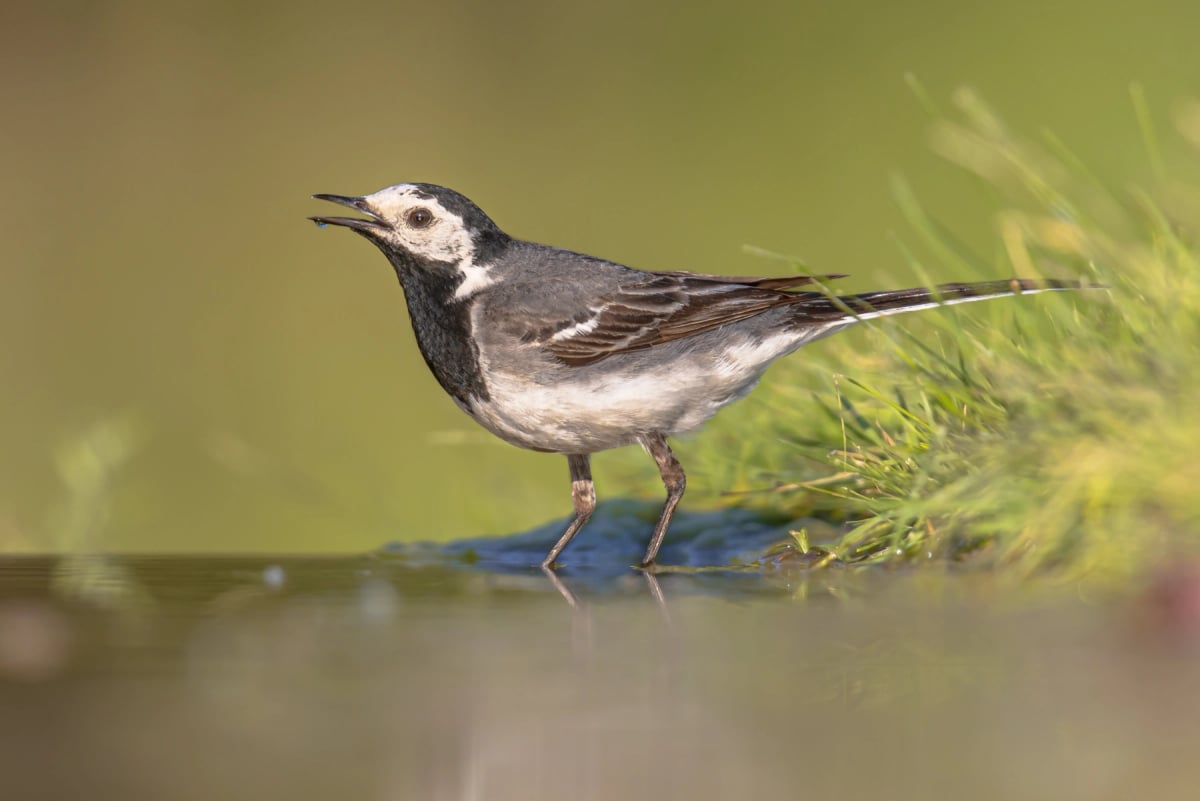
White Wagtail
Motacilla alba
The United States is the only country in the Americas where the white wagtail breeds, and only in western Alaska. A few pairs of the East Siberian wagtail nest each summer on the coast of the Seward Peninsula and around the Bering Strait, and they migrate back to Asia for the winter. Elsewhere in the country, including California, it is a rare vagrant that draws birders from far away. IUCN status: Least Concern.
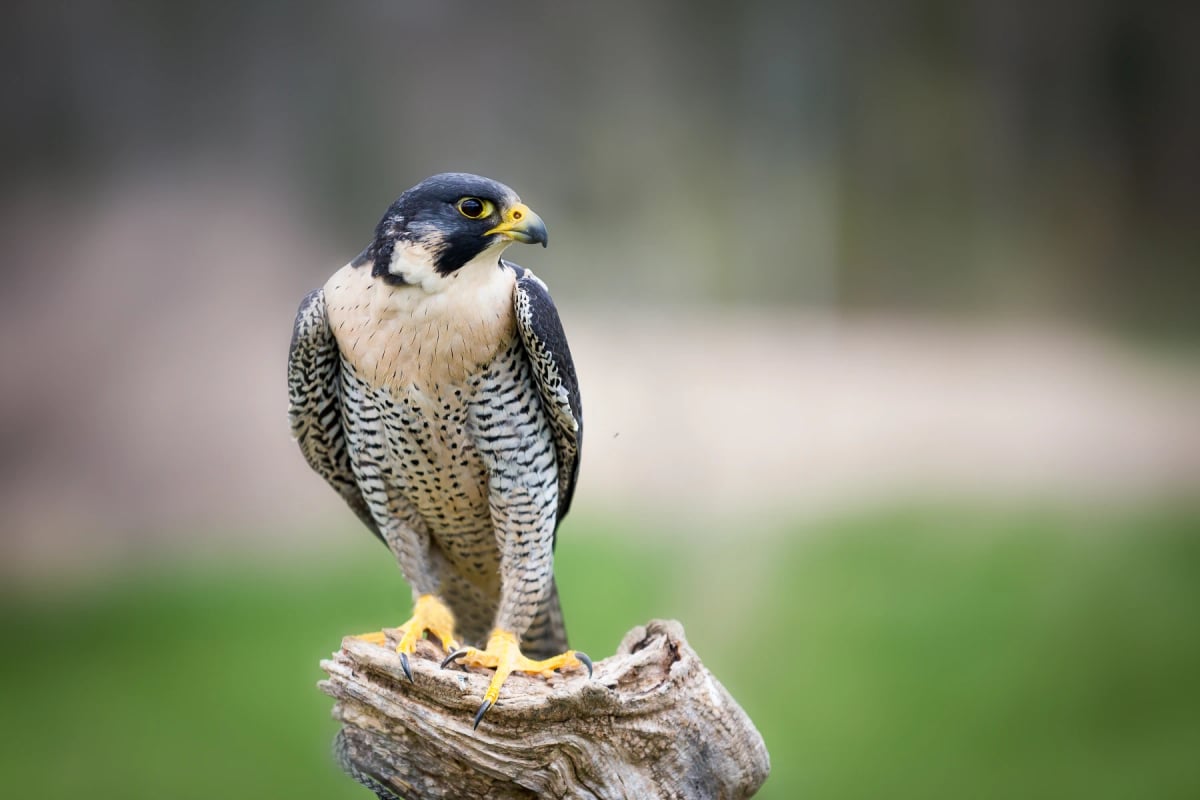
Peregrine Falcon
Falco peregrinus
The peregrine falcon is one of America's great conservation success stories. Pesticide use in the mid twentieth century wiped out nearly all eastern breeding populations, but after DDT was banned in 1972 and intensive reintroduction programs began, the species recovered fully. Today it breeds on cliffs, river gorges, and city buildings across the country, from the Rocky Mountains to the Atlantic coast. It was removed from the federal endangered species list in 1999.
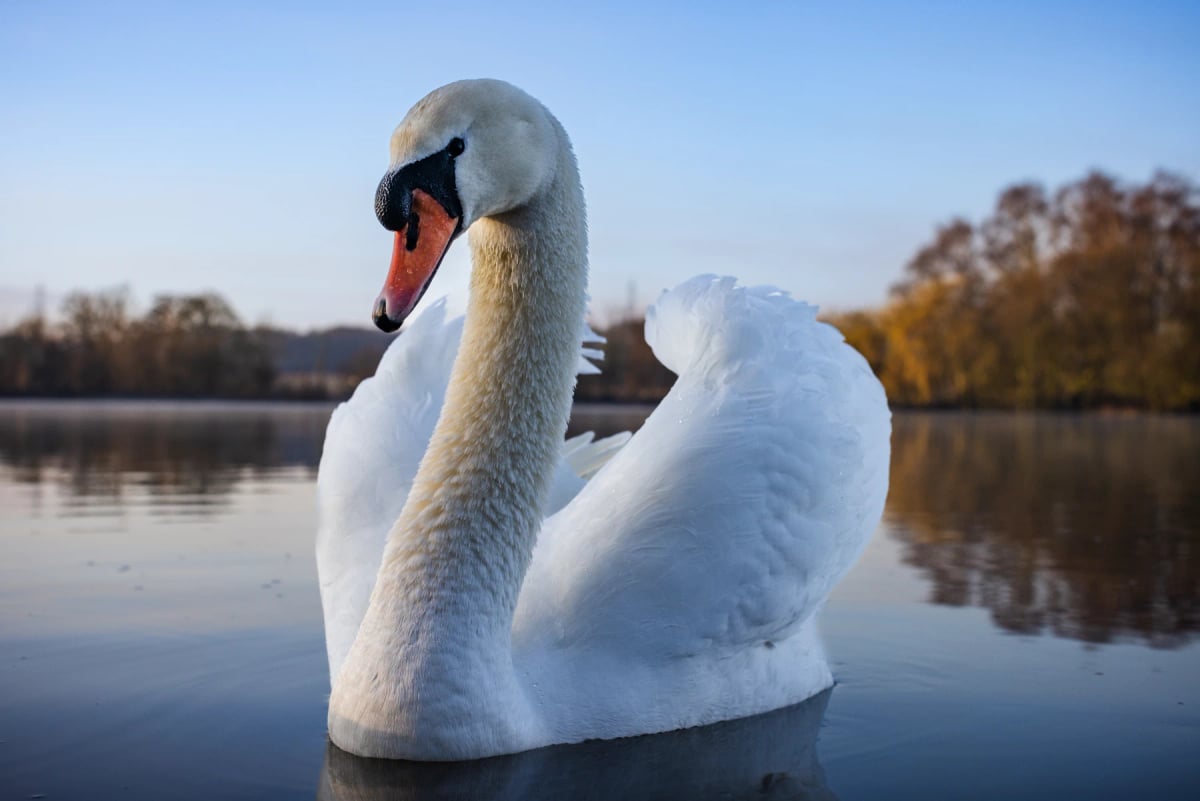
Mute Swan
Cygnus olor
The mute swan is not native to the United States. Brought from Europe to decorate parks and estates starting in the late 1800s, it escaped and now breeds wild in the Northeast, the Chesapeake Bay and the Great Lakes. Michigan's flock grew from one pair released in 1919 to about 15,500 birds in 2010. Because it eats huge amounts of underwater plants and drives off native birds, several states work to cut its numbers. IUCN status: Least Concern.
Bald Eagle
Haliaeetus leucocephalus
The bald eagle is the national bird and symbol of the United States, found across much of the country from Alaska and the Pacific Northwest to Florida and the Gulf Coast. After nearly disappearing in the twentieth century due to hunting and pesticide use, it recovered through legal protection. Today its population is stable, with an estimated 300,000 individuals nationwide.
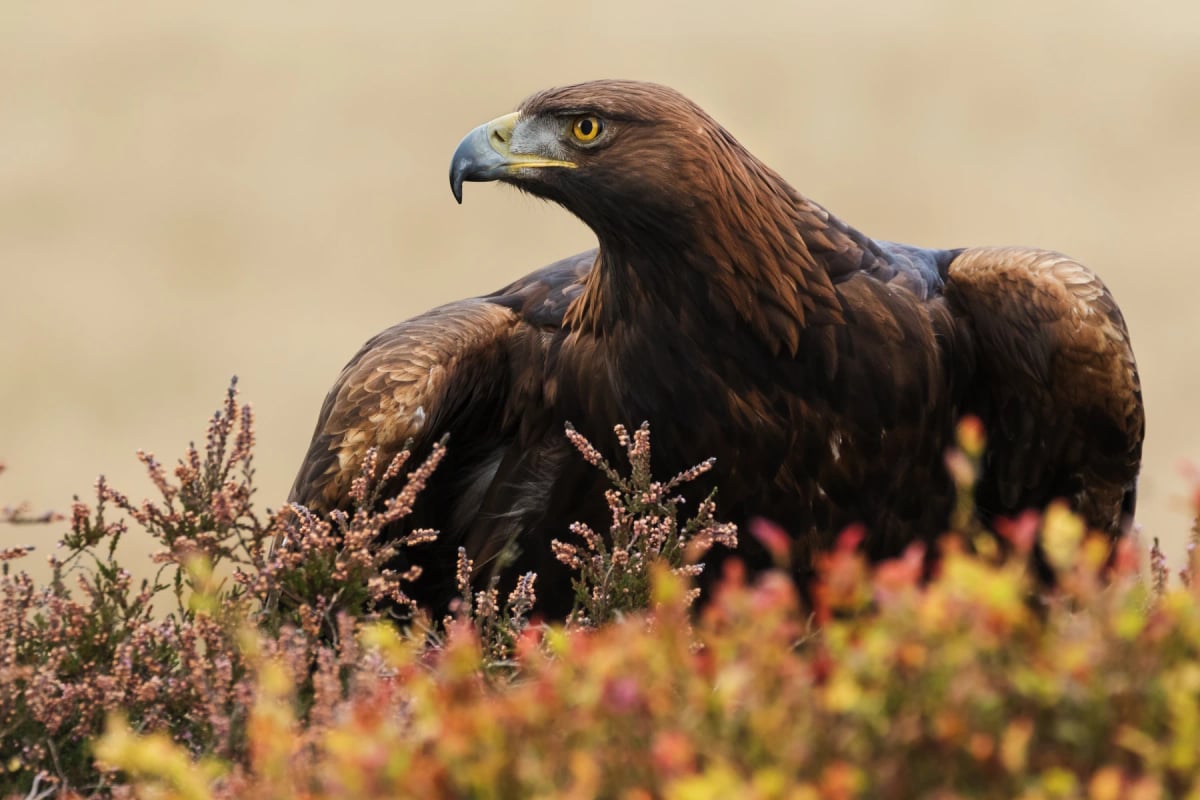
Golden Eagle
Aquila chrysaetos
Across the United States, the golden eagle is found mainly in the western states, from the Rocky Mountains to the Great Basin and the desert ranges of the Southwest. It nests on cliff faces and hunts jackrabbits, prairie dogs, and ground squirrels across open terrain. The species is protected under the Bald and Golden Eagle Protection Act. Populations in the West remain relatively stable, though collisions with power lines pose a serious ongoing threat. The IUCN lists it as Least Concern.
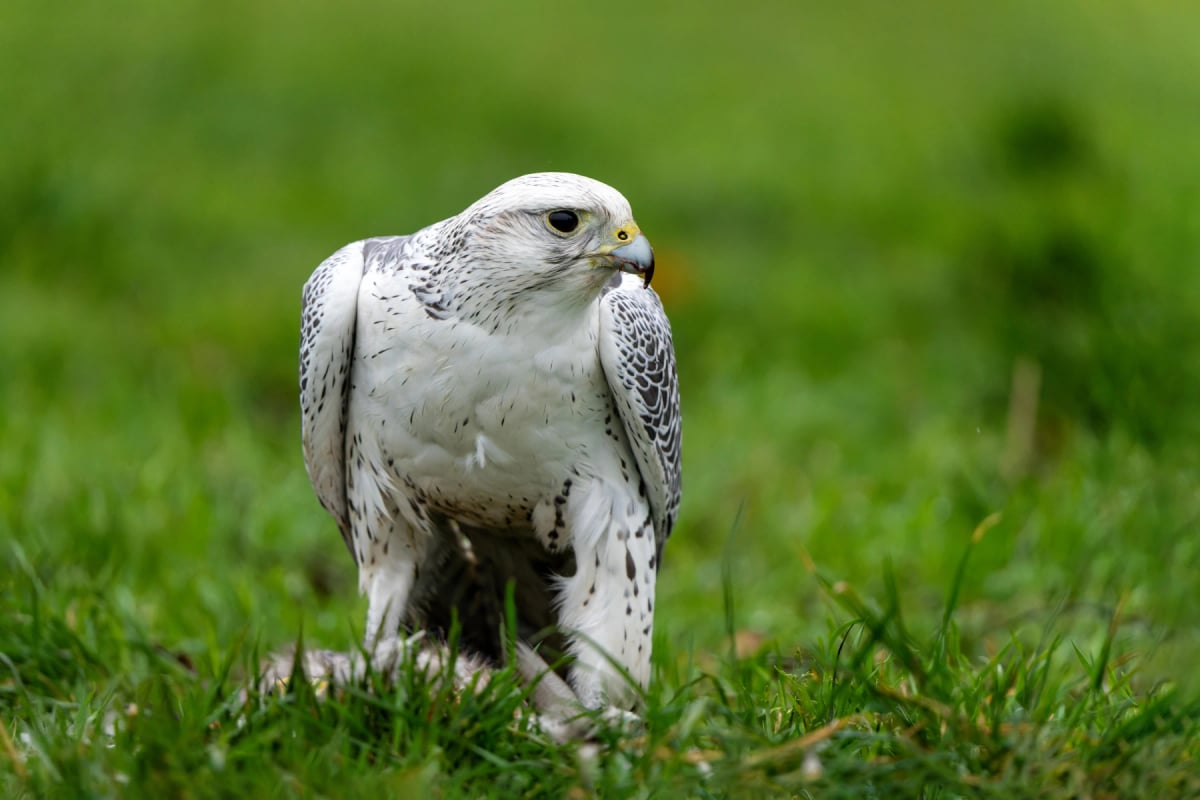
Gyrfalcon
Falco rusticolus
In the United States the gyrfalcon breeds only in Alaska. Farther south it appears as a scarce winter visitor, moving down from the Arctic in years when prey runs short. Birds have been recorded across the northern Great Plains, the Great Lakes, New England and the Pacific Northwest, often around open farmland, shorelines and grain elevators with pigeons. Each sighting draws birdwatchers from far away. IUCN status: Least Concern.
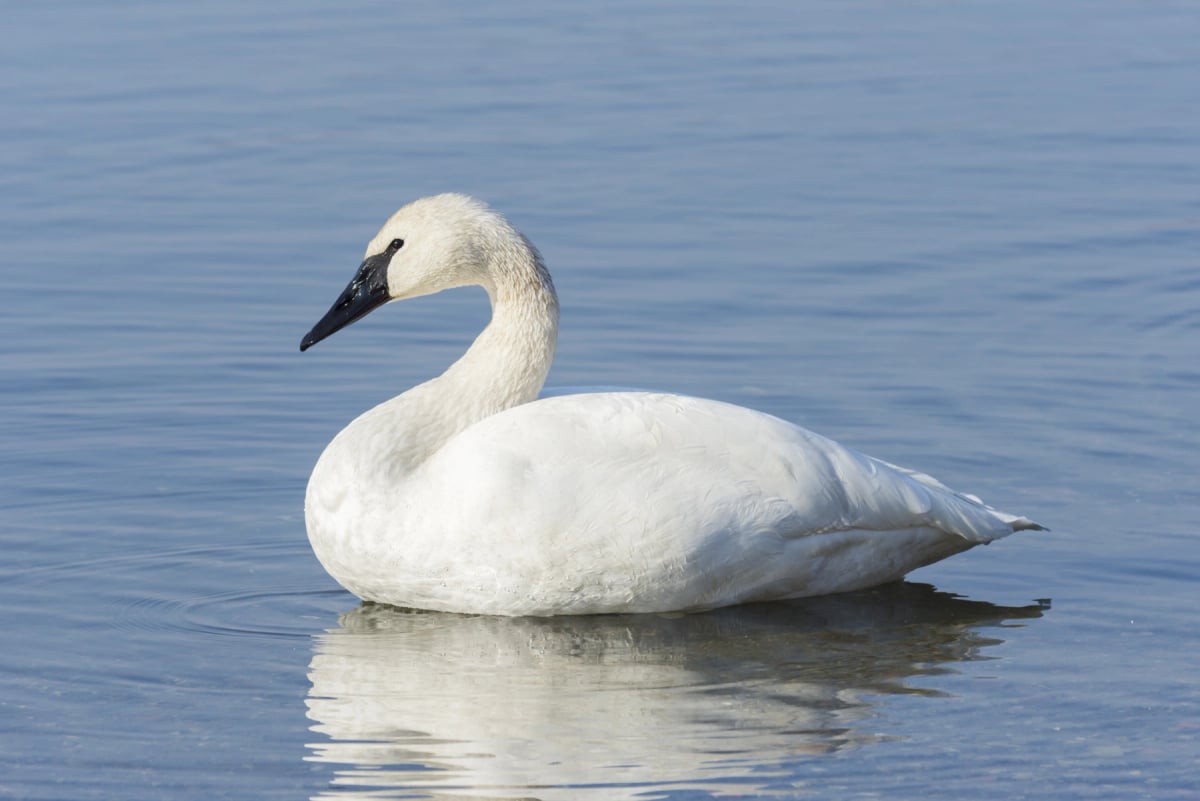
Trumpeter Swan
Cygnus buccinator
Trumpeter Swans nearly vanished from the contiguous United States: by 1933 fewer than 70 wild birds were known, most around Yellowstone and Red Rock Lakes in Montana. Protection, the discovery of thousands more in Alaska and decades of reintroductions brought them back to states like Minnesota, Wisconsin and Michigan. They nest on shallow lakes and marshes and feed on aquatic plants. IUCN status: Least Concern.
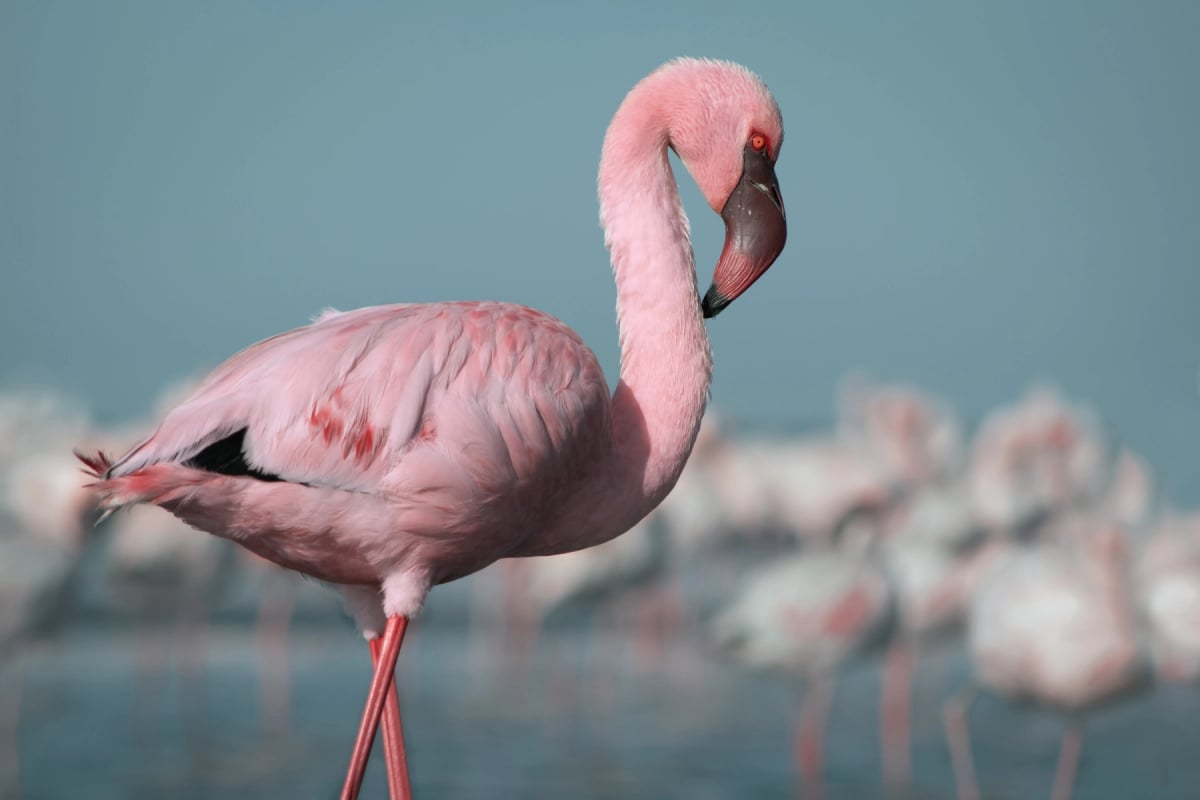
Flamingo
Phoenicopteridae (6 species)
The American flamingo is native to the United States, mainly in southern Florida. A study published in 2018 showed that the flamingos of Florida Bay and the Everglades are wild birds, part of the Caribbean population, and not zoo escapees, after being hunted almost out of the state in the 1800s. After Hurricane Idalia in 2023, flamingos were seen in more than a dozen states. IUCN status: Least Concern.
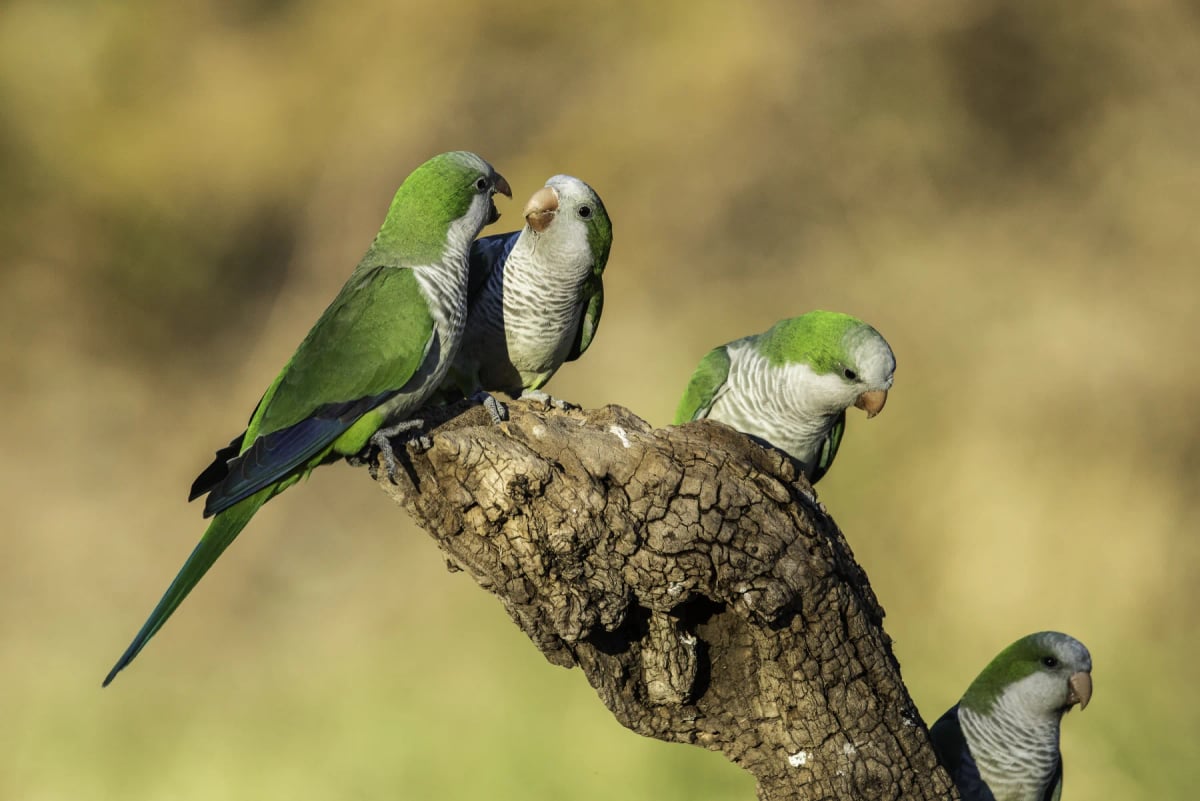
Monk Parakeet
Myiopsitta monachus
The monk parakeet is an introduced bird in the United States. Thousands were imported as pets between the 1960s and the 1980s, and by 1995 escaped birds had colonies in 15 states. Florida has the largest numbers, with thriving populations in Texas, New York and Chicago. Their stick nests on power poles can cause outages, and 13 states ban keeping them as pets, while others require permits or registration. IUCN status: Least Concern.
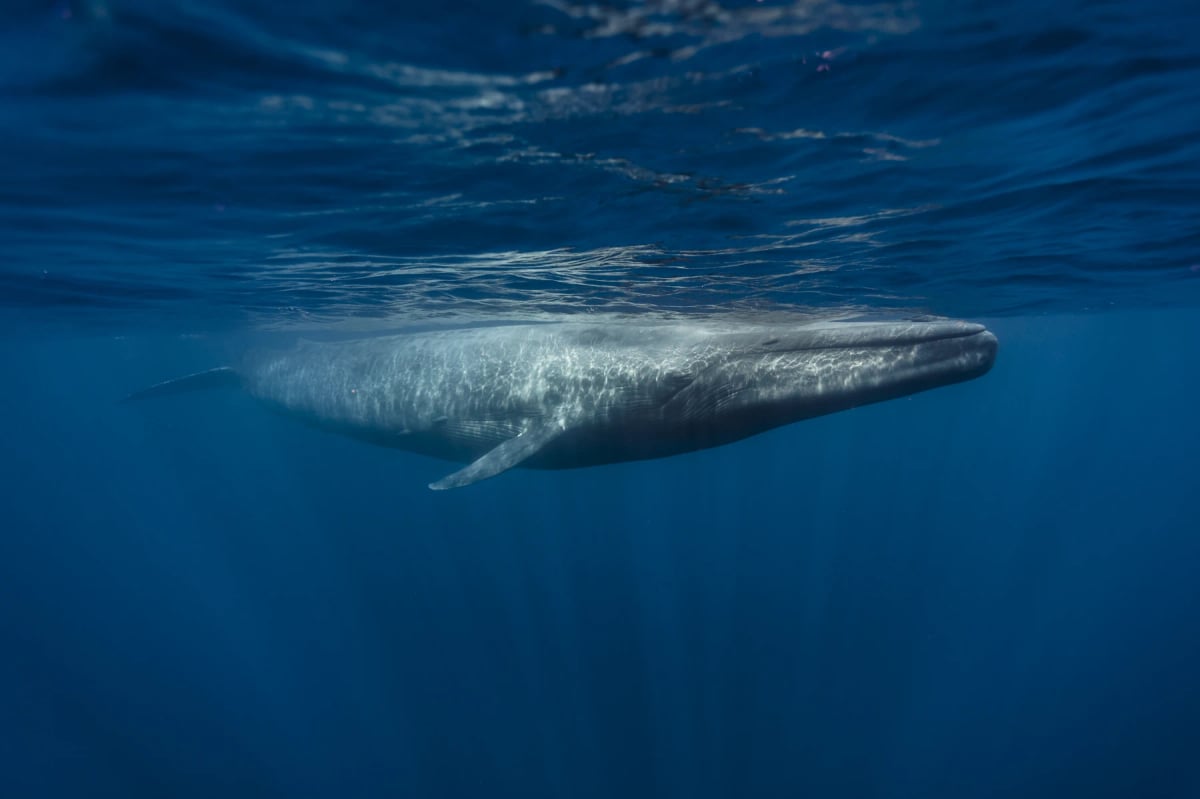
Blue Whale
Balaenoptera musculus
The United States holds the healthiest blue whale population in the northern hemisphere, feeding each summer and autumn along the Pacific coast from southern California up to Oregon and Washington. The species is protected under the Endangered Species Act and the Marine Mammal Protection Act, and federal programs now ask cargo ships to slow down in key feeding areas to reduce collisions. Atlantic records exist but are rare and mostly limited to northern waters.
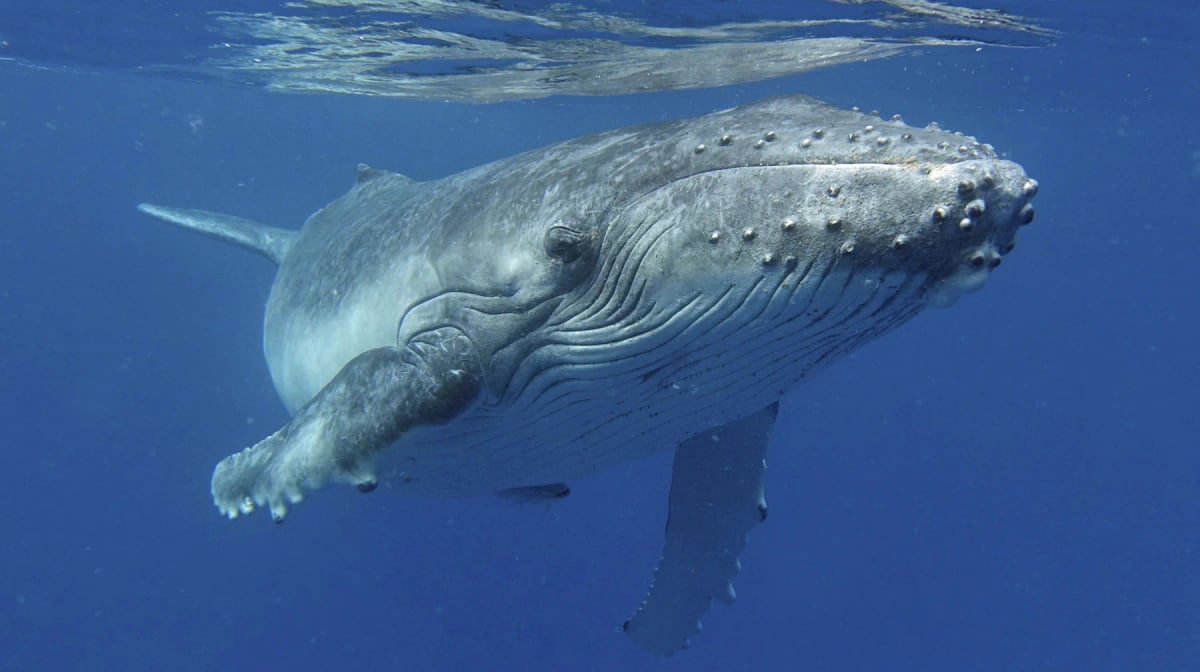
Humpback Whale
Megaptera novaeangliae
Humpback whales are found along both US coasts and are a celebrated sight in places such as the Gulf of Maine, Alaska, and the waters off California. They feed in cold northern waters during summer and migrate to warmer regions to breed in winter. Protected under the US Marine Mammal Protection Act, their populations have made a strong recovery. Males are known for songs of extraordinary complexity. These whales can reach 16 metres in length. The IUCN lists them as Least Concern.
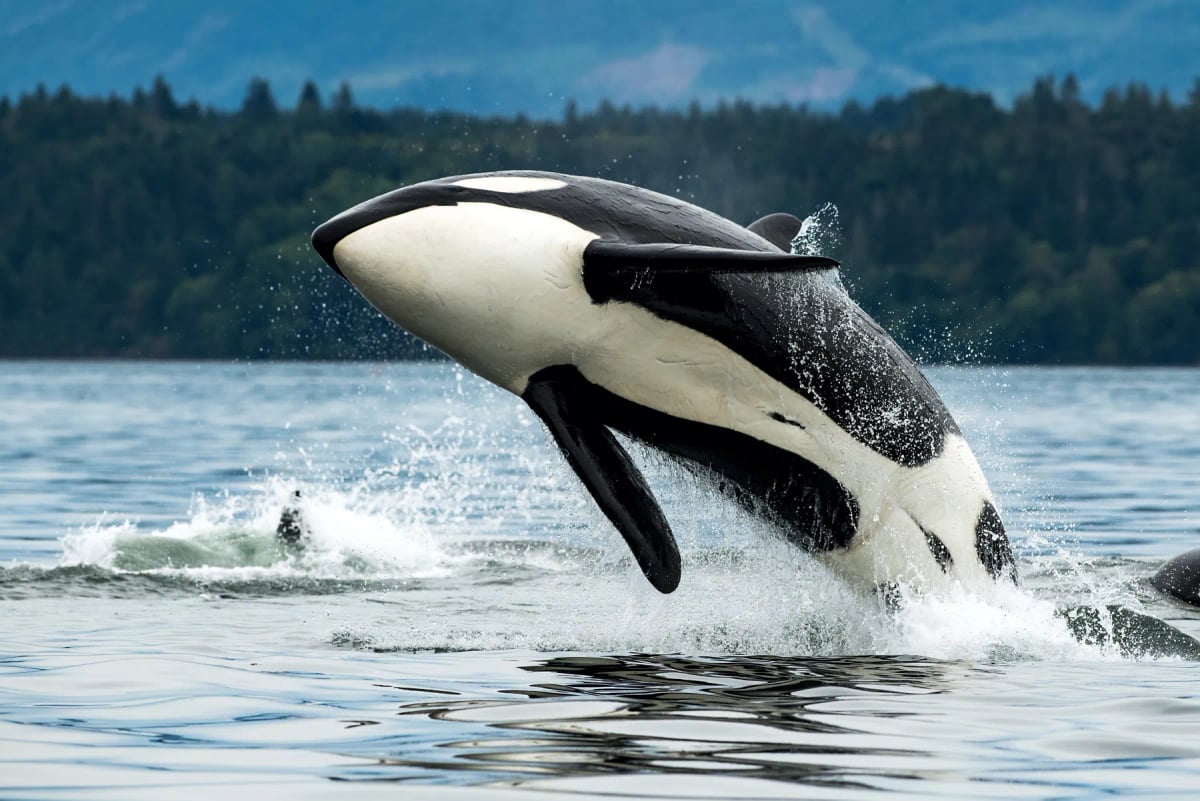
Orca
Orcinus orca
Orcas are found along both the Pacific and Atlantic coasts of the United States. The Pacific Northwest is home to several well-documented populations, including the Southern Resident orcas, which are listed as Endangered under the Endangered Species Act and rely heavily on Chinook salmon. On the Atlantic side, sightings are less frequent. Orcas also appear regularly in the waters off Hawaii and in the Gulf of Mexico.
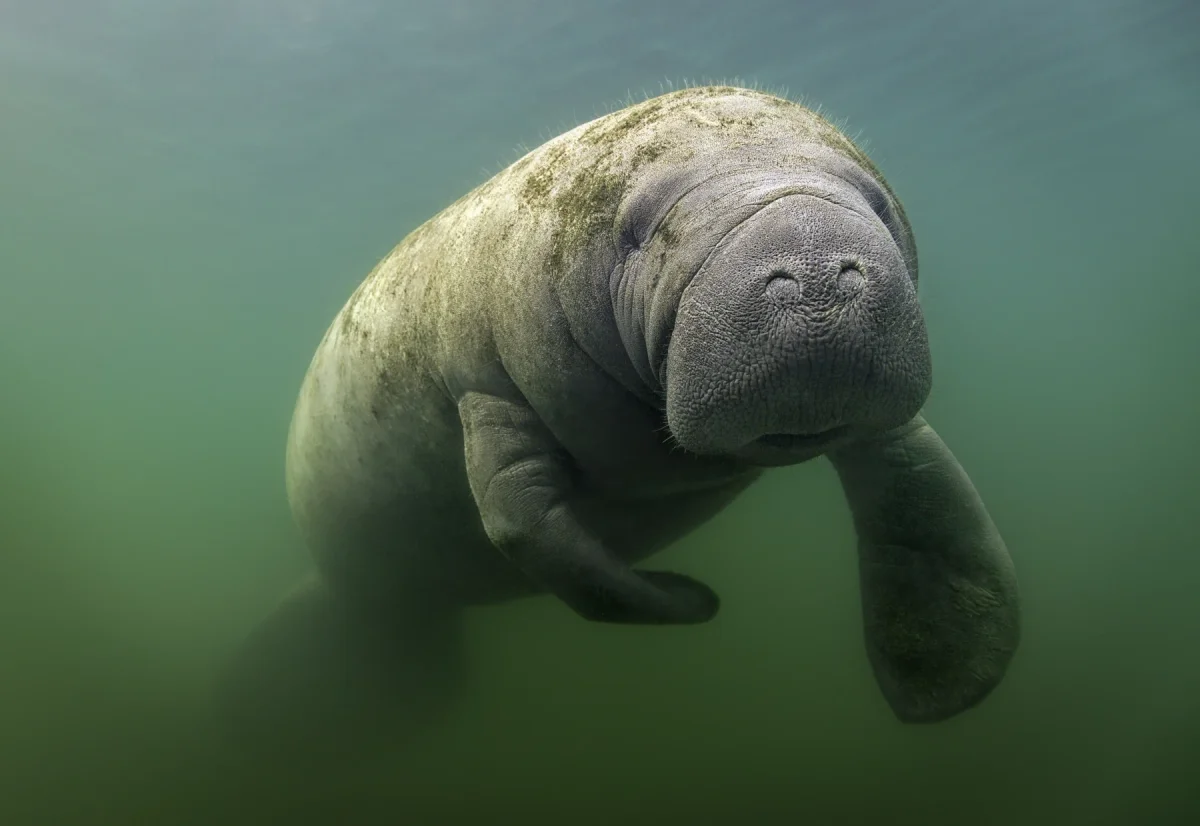
Manatee
Trichechus manatus
In the United States, the West Indian manatee is most closely associated with Florida, where warm springs and power plant discharge sites attract large gatherings during winter. This slow, gentle marine mammal grazes on seagrass in coastal rivers, bays, and estuaries. Once on the brink of local extinction, populations have recovered thanks to boat speed regulations, protected zones, and decades of dedicated conservation effort.
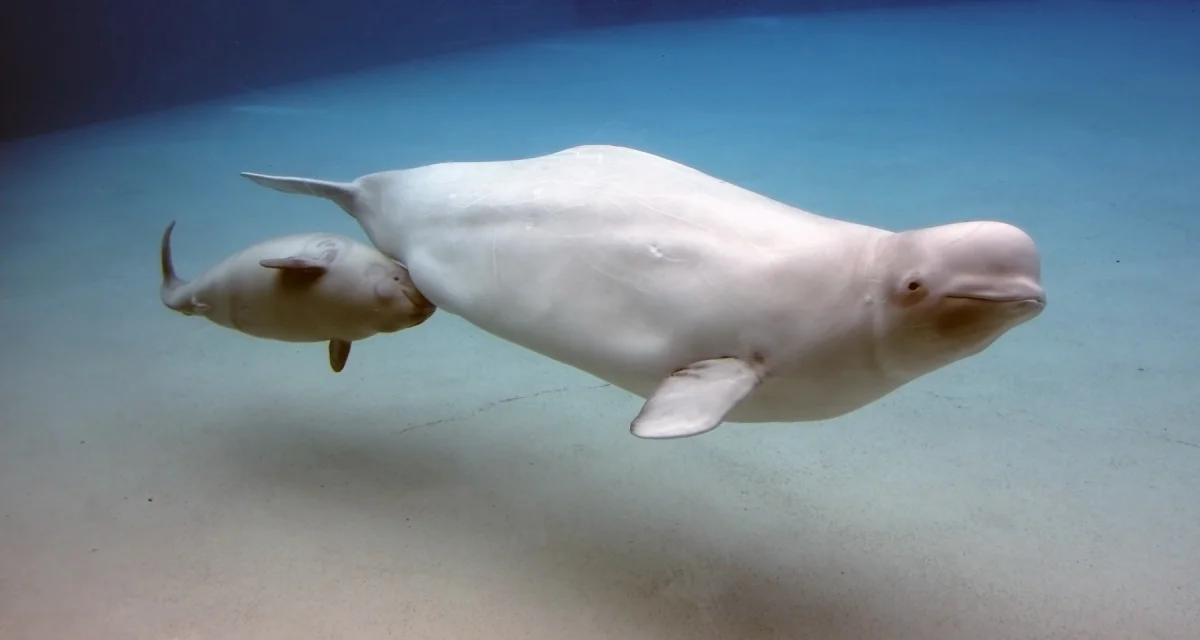
Beluga Whale
Delphinapterus leucas
In the contiguous United States, beluga whales appear only as rare, occasional visitors far outside their normal Arctic range. No resident population exists in the lower 48 states. Sightings are recorded sporadically and are considered abnormal dispersal events. Conservation awareness of belugas in the U.S. is largely shaped by the critically endangered Cook Inlet population managed under Alaskan jurisdiction. IUCN status: Least Concern.
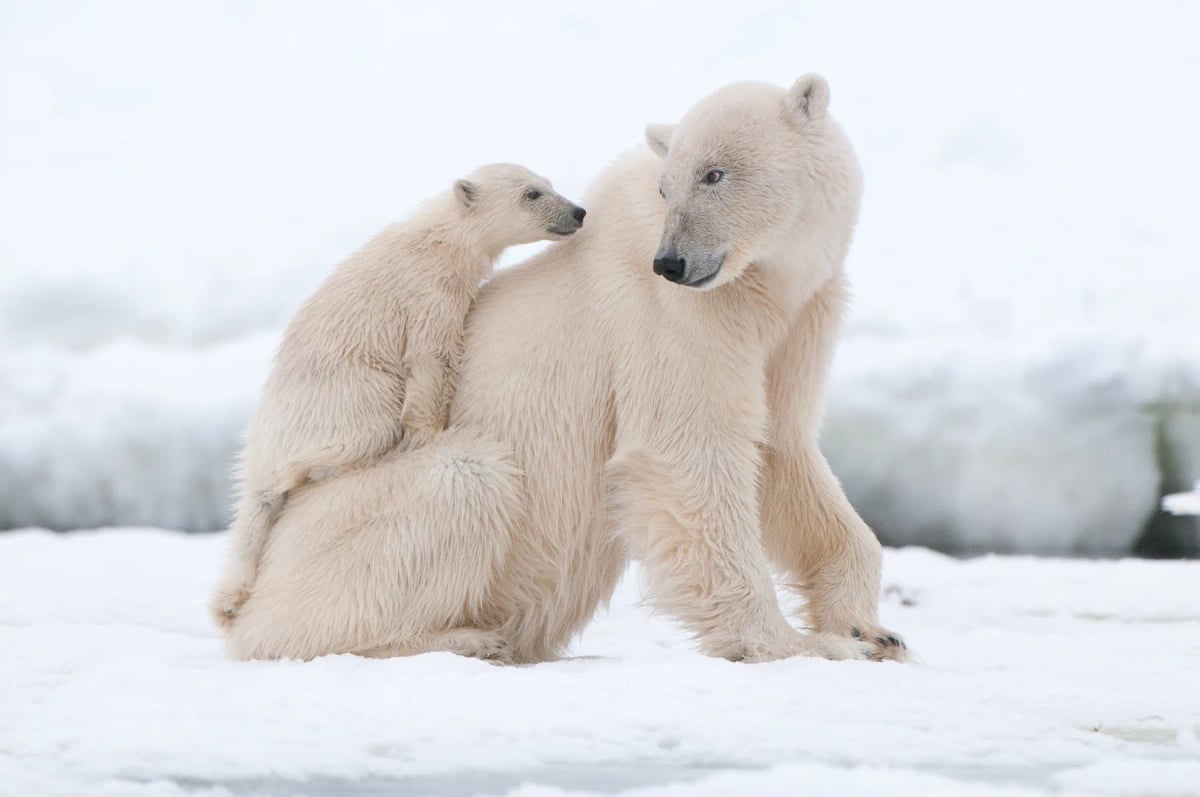
Polar Bear
Ursus maritimus
In the United States, polar bears occur in Alaska, along the Beaufort Sea and Chukchi Sea coasts. The species is listed as Threatened under the U.S. Endangered Species Act, primarily due to the loss of sea ice caused by climate change. The Southern Beaufort Sea subpopulation has shown a declining trend in recent decades. The IUCN also recognizes the polar bear as Vulnerable at the global level.
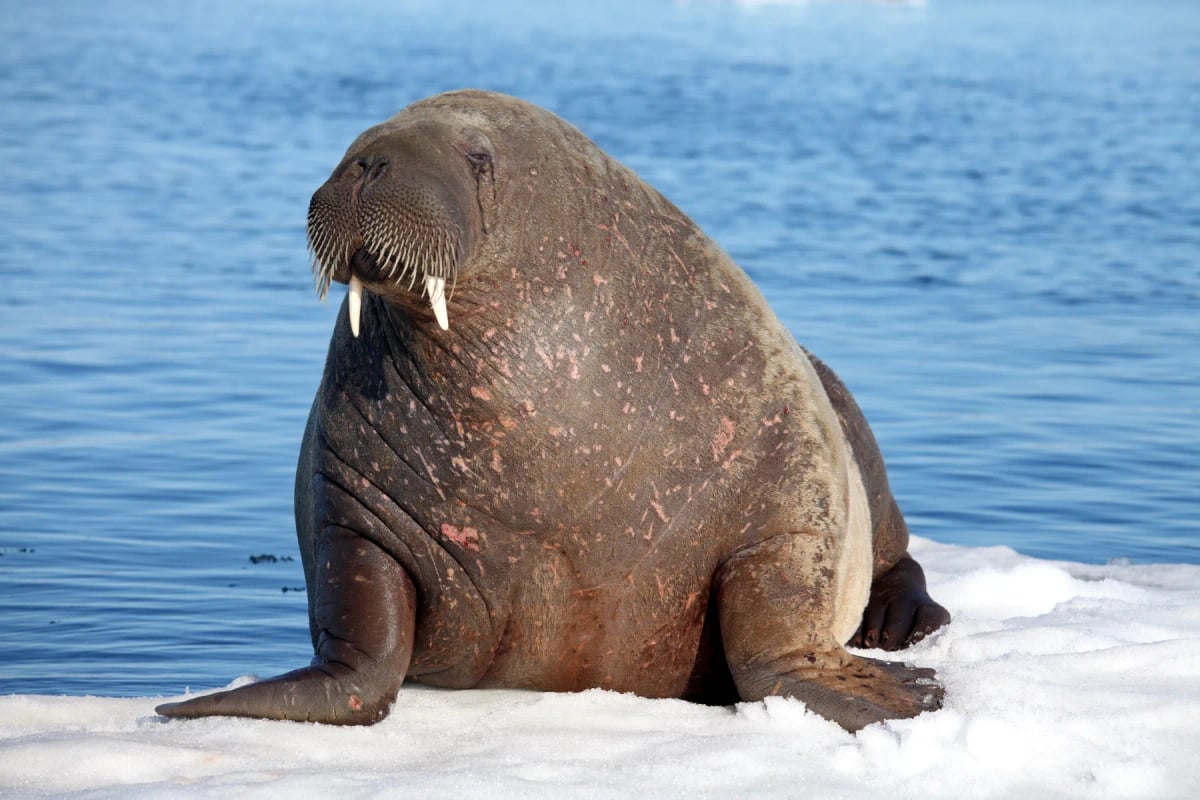
Walrus
Odobenus rosmarus
In the United States, walruses are closely associated with Alaska, where the Pacific subspecies gathers along the Bering and Chukchi sea coasts. Round Island in Bristol Bay is one of the most well-known walrus haul-out sites in the country. The U.S. Marine Mammal Protection Act safeguards these animals, but the rapid loss of sea ice in the region continues to pressure their populations and feeding grounds.

Bottlenose Dolphin
Tursiops truncatus
Bottlenose dolphins are widespread along both the Atlantic and Pacific coasts of the United States, as well as in the Gulf of Mexico. They thrive in estuaries, coastal bays, and open nearshore waters. Some resident populations have been studied for decades, particularly in Sarasota Bay, Florida, providing some of the most detailed data on dolphin behavior, social bonds, and survival over the long term. The IUCN lists them as Least Concern.
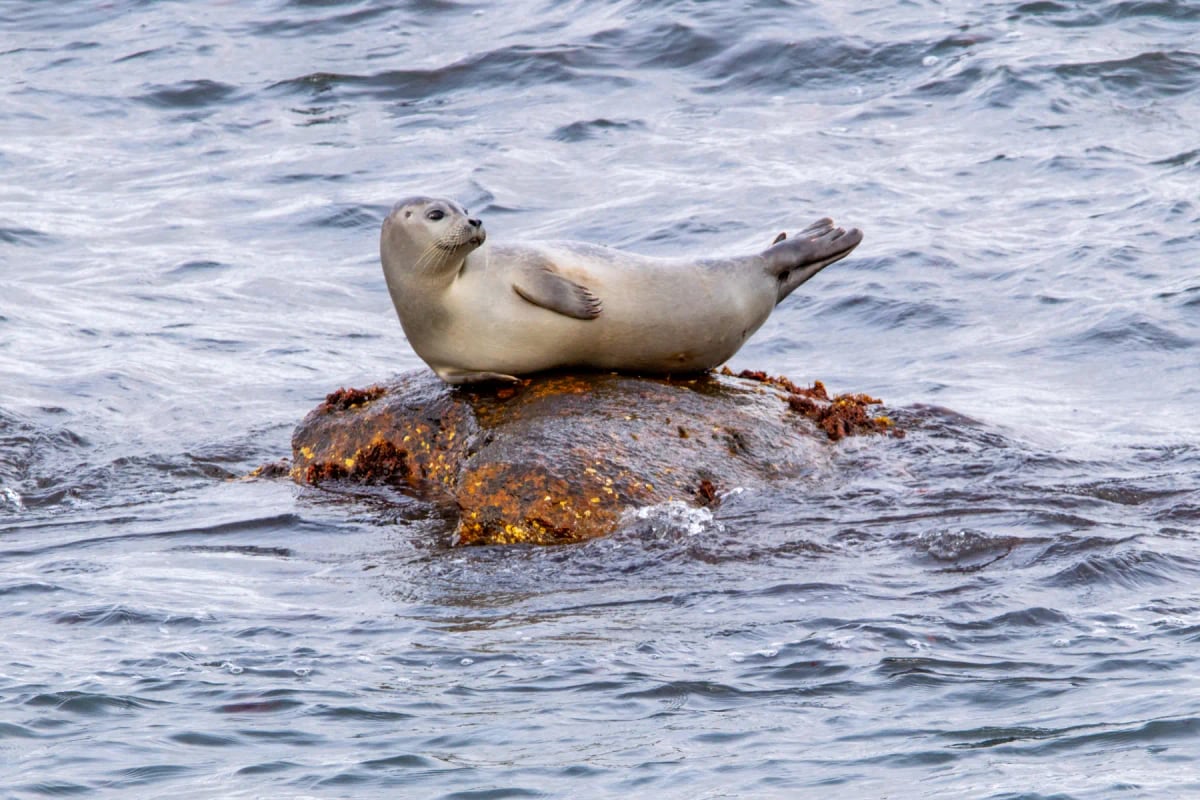
Seal
Phoca vitulina
Harbor seals are found along both the Atlantic and Pacific coasts of the United States. On the Atlantic side, they range from Maine down to the Carolinas in winter. On the Pacific coast, they are a familiar sight on rocky shores and sandbars. They feed on local fish, squid, and crustaceans. The Marine Mammal Protection Act of 1972 has played a major role in keeping U.S. populations stable and well protected.
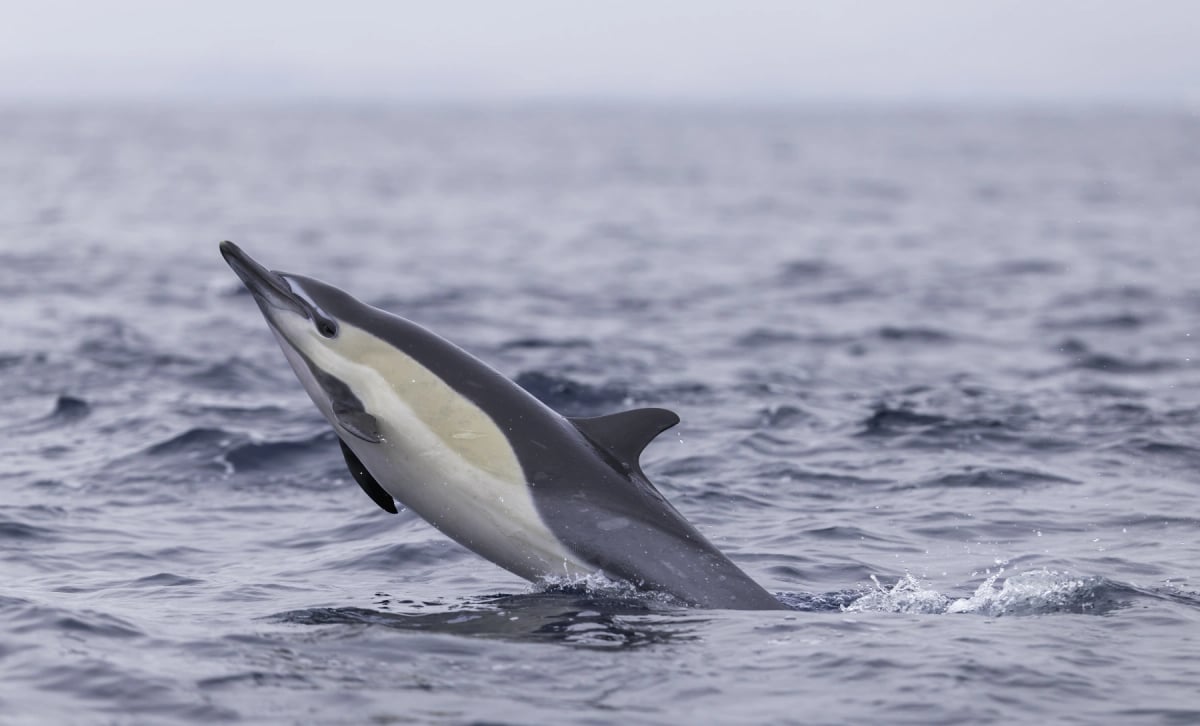
Common Dolphin
Delphinus delphis
Common dolphins are widespread along both the Atlantic and Pacific coasts of the United States. On the East Coast they form large groups in waters from New England down to the Gulf of Mexico, while on the West Coast they are especially abundant off California. They feed on schooling fish and squid and are well known for riding the bow waves of boats. Strandings on Atlantic beaches are monitored closely by wildlife agencies.
Elephant Seal
Mirounga spp.
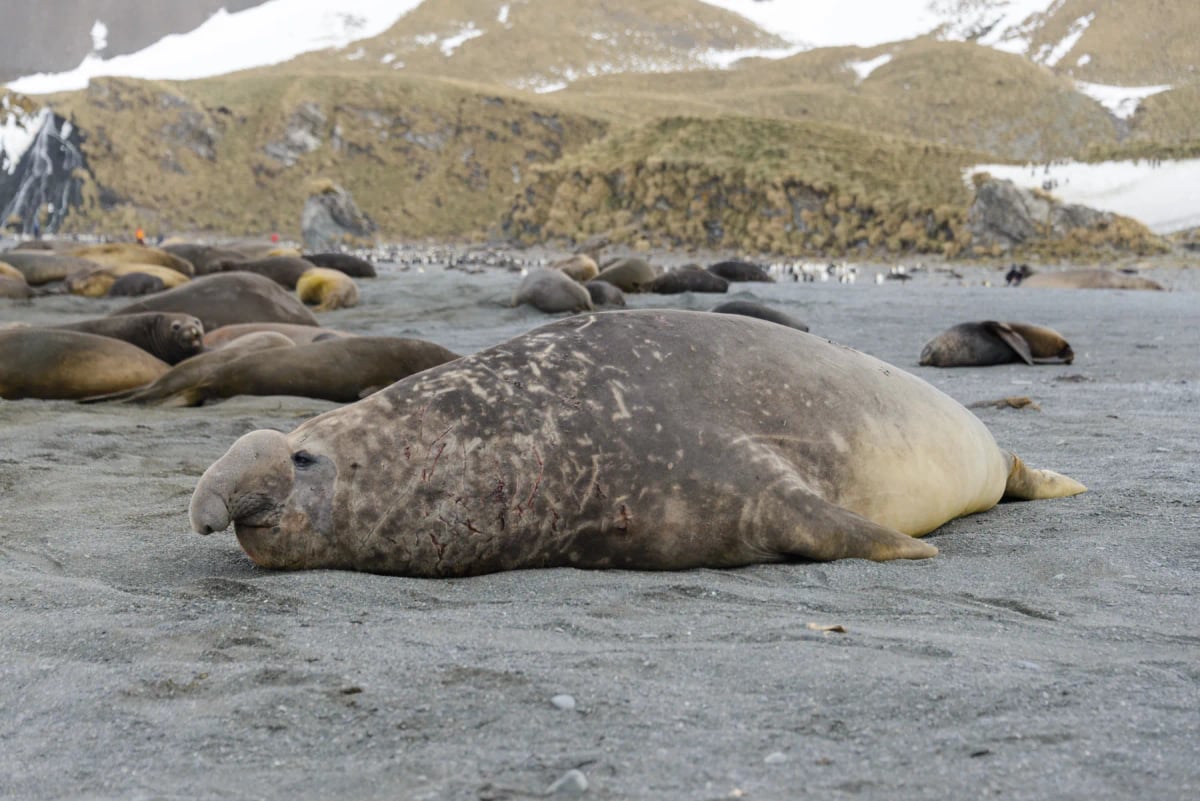
Northern elephant seals breed along the California coast, with major colonies at Año Nuevo State Park and Point Reyes National Seashore. Nearly wiped out by hunters in the 1800s, they rebounded after receiving legal protection. Males can weigh over 2,000 kilograms and use their inflatable noses to bellow at rivals. Thousands of visitors come each winter to watch the dramatic breeding season unfold on the beaches.
Sea Lion
Otariinae spp.
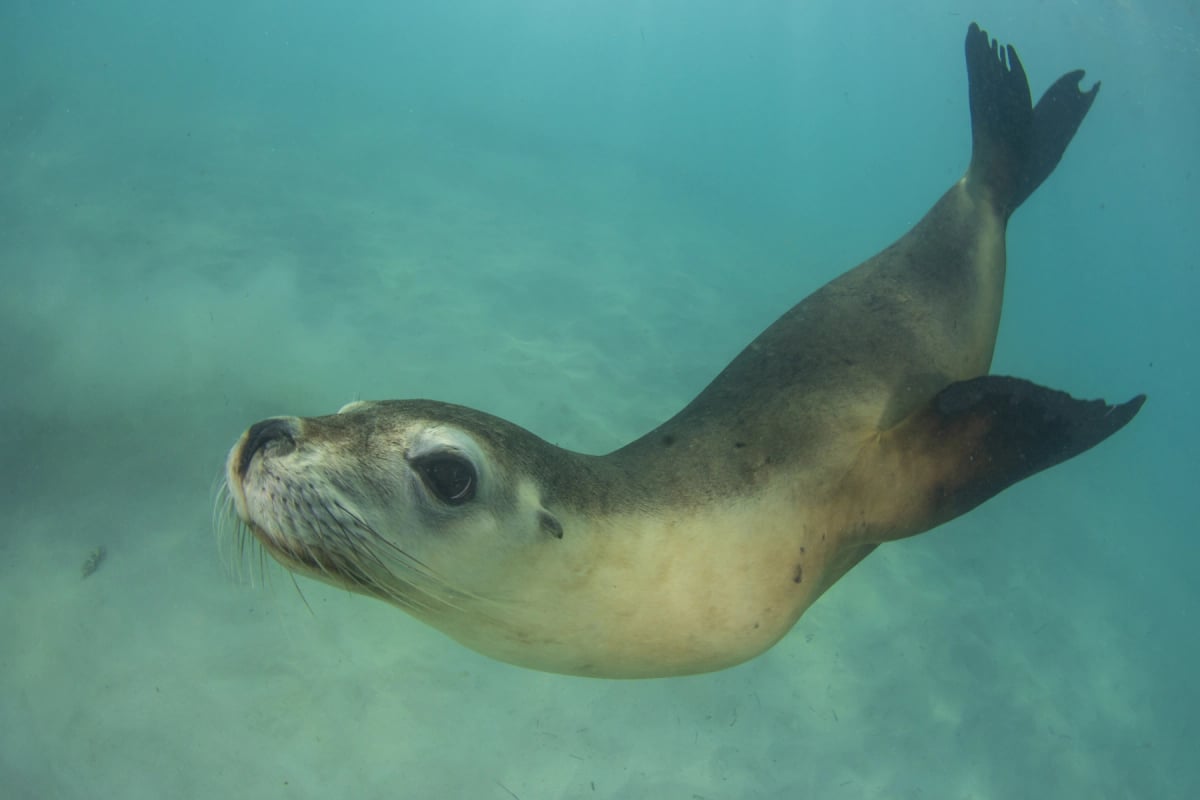
California sea lions are among the most familiar marine mammals along the Pacific Coast of the United States, from California up through the Pacific Northwest. They haul out on piers, buoys, and rocky shores in large, boisterous groups. Highly intelligent and agile in the water, they feed on fish and squid. Most are listed as Least Concern by the IUCN, though Steller sea lions in the western Aleutians remain a concern.
Sperm Whale
Physeter macrocephalus
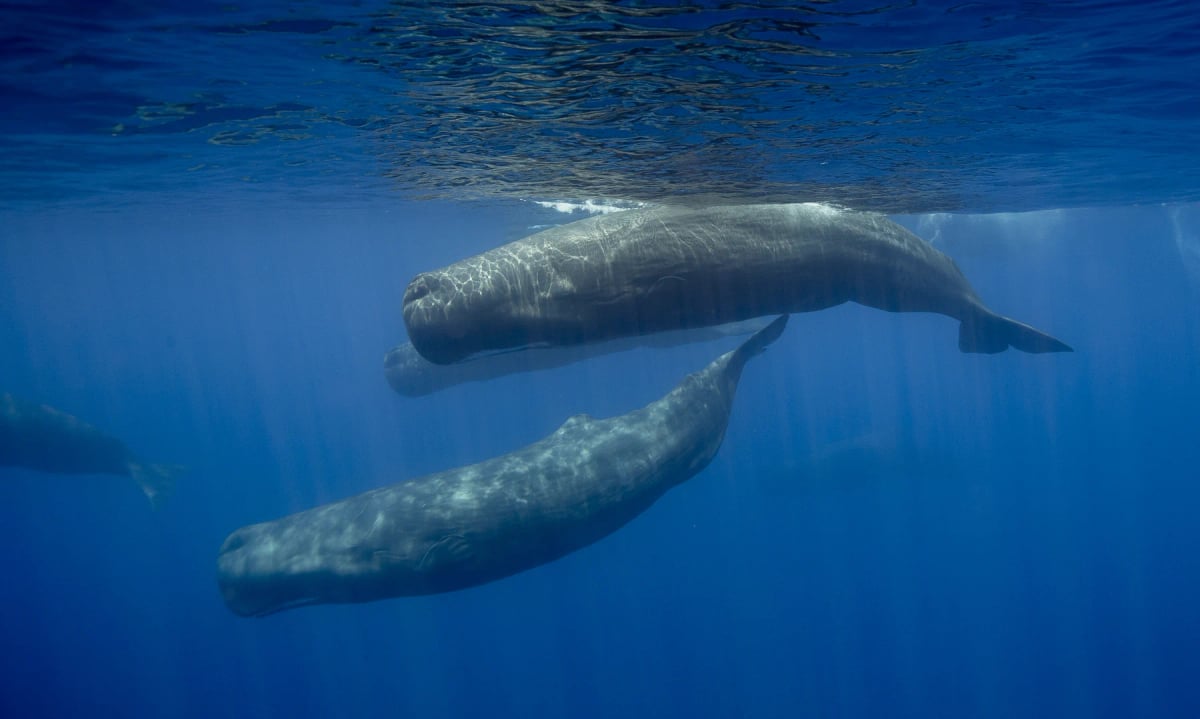
Along the Atlantic and Pacific coasts of the contiguous United States, sperm whales inhabit deep offshore waters beyond the continental shelf. The Gulf of Mexico also supports a small resident population that is a subject of ongoing research and conservation concern. Once hunted heavily by the American whaling industry, they are now protected under the Marine Mammal Protection Act. The IUCN lists them as Vulnerable.
Barracuda
Sphyraena spp.
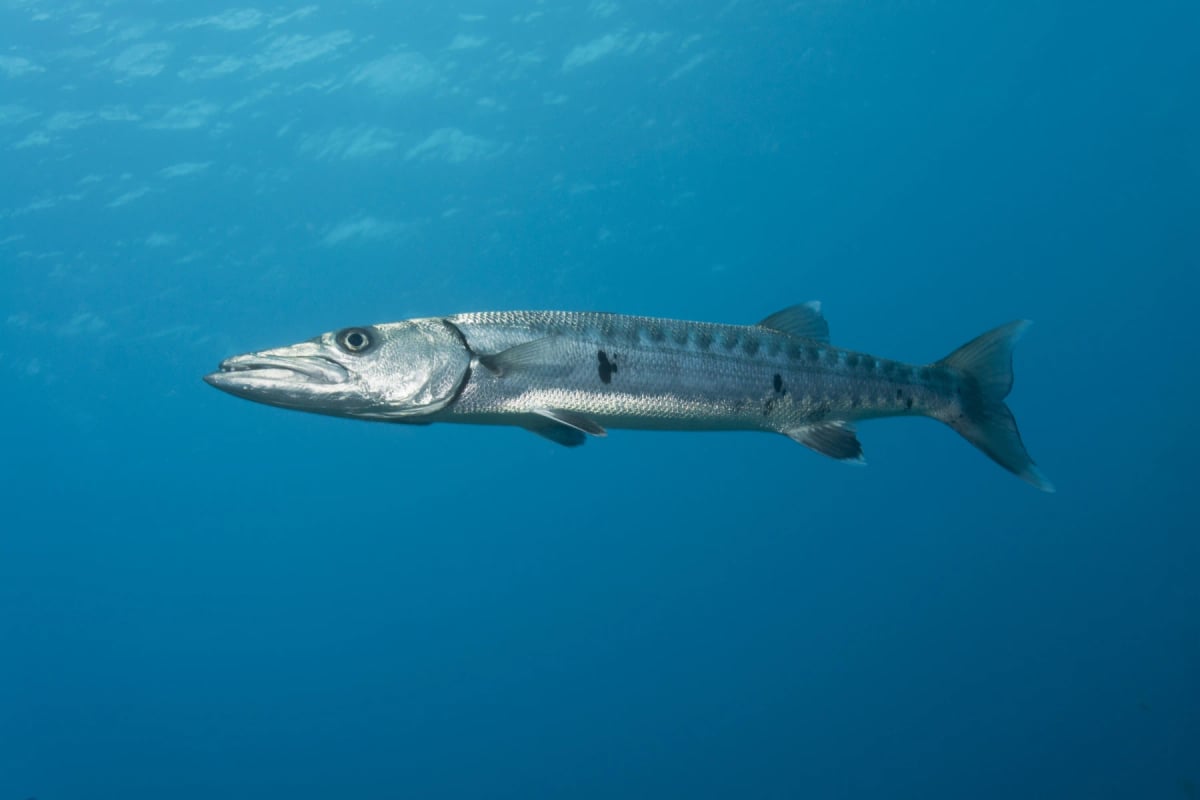
The great barracuda lives in the warm coastal waters around Florida, the Florida Keys and the Gulf of Mexico. It is a long, fast predator with sharp teeth and a reputation for speed rather than aggression toward people. Divers and snorkelers encounter barracuda regularly on coral reefs and in seagrass areas. Incidents with people are rare, though avoiding shiny jewelry in the water is generally advised where they are common.
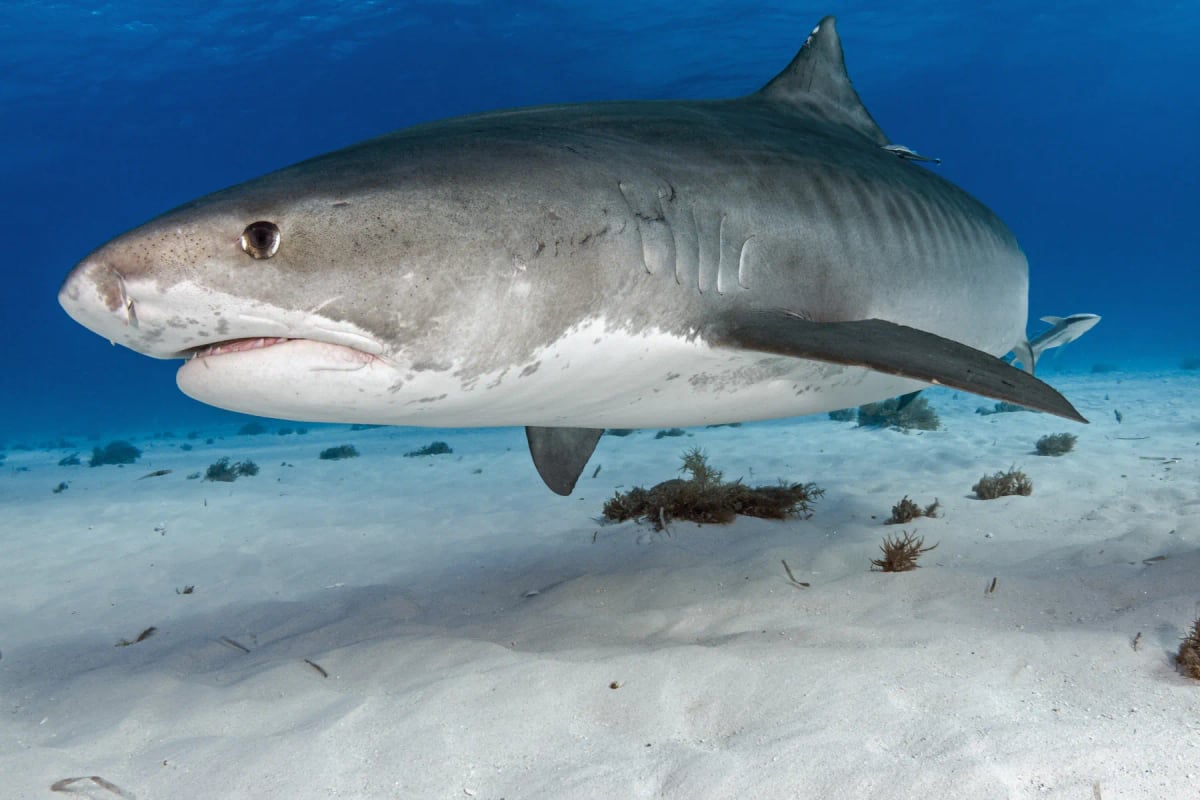
Tiger Shark
Galeocerdo cuvier
Tiger sharks are one of the most well-studied shark species in United States waters, appearing along the Atlantic coast, the Gulf of Mexico, and into the Pacific. Research programs, including satellite tagging studies, have revealed that they travel vast distances across ocean basins. They are protected from targeted fishing in some federal waters. Despite legal protections in certain areas, bycatch and habitat loss continue to affect the broader population. Their IUCN status is Near Threatened.
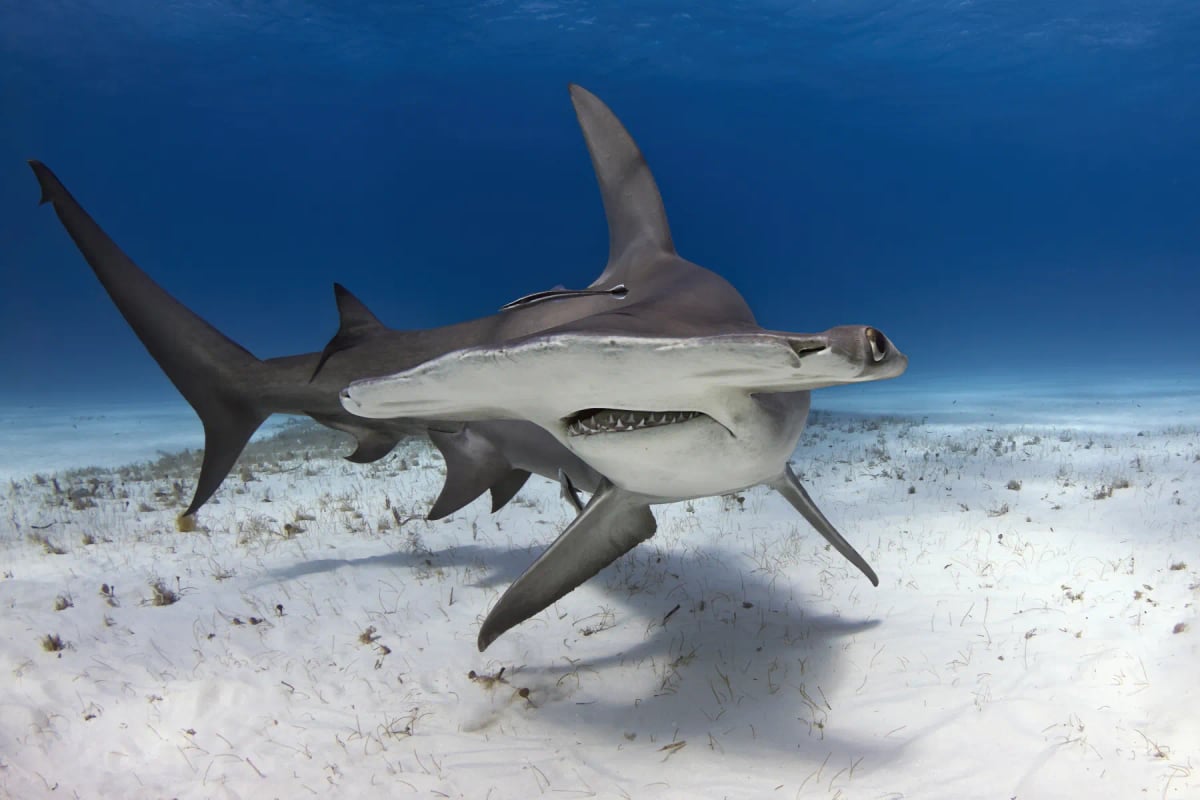
Hammerhead Shark
Sphyrna spp.
Hammerhead sharks are found along both the Atlantic and Pacific coasts of the United States, as well as in the Gulf of Mexico. Scalloped and great hammerheads are among the species encountered most often. Federal protections under the Magnuson–Stevens Act and finning bans offer some relief, but populations remain under pressure from bycatch, coastal development, and international fishing fleets.
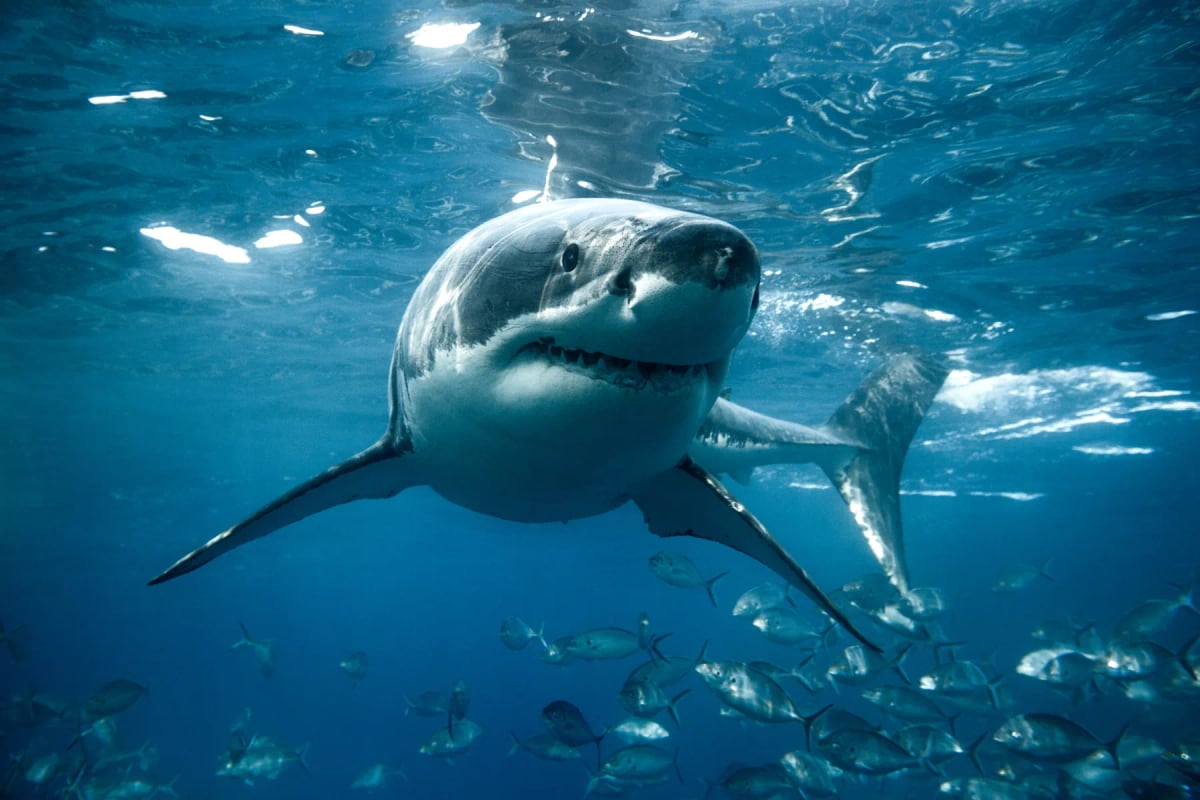
Great White Shark
Carcharodon carcharias
Great white sharks are found along both the Atlantic and Pacific coasts of the United States. The Northeast Atlantic coast and the waters off California are among the most well-studied habitats for this species in the country. Research programs using acoustic tags and photo identification have revealed much about their seasonal movements. The great white is protected under federal law in the United States, prohibiting targeted fishing of the species.
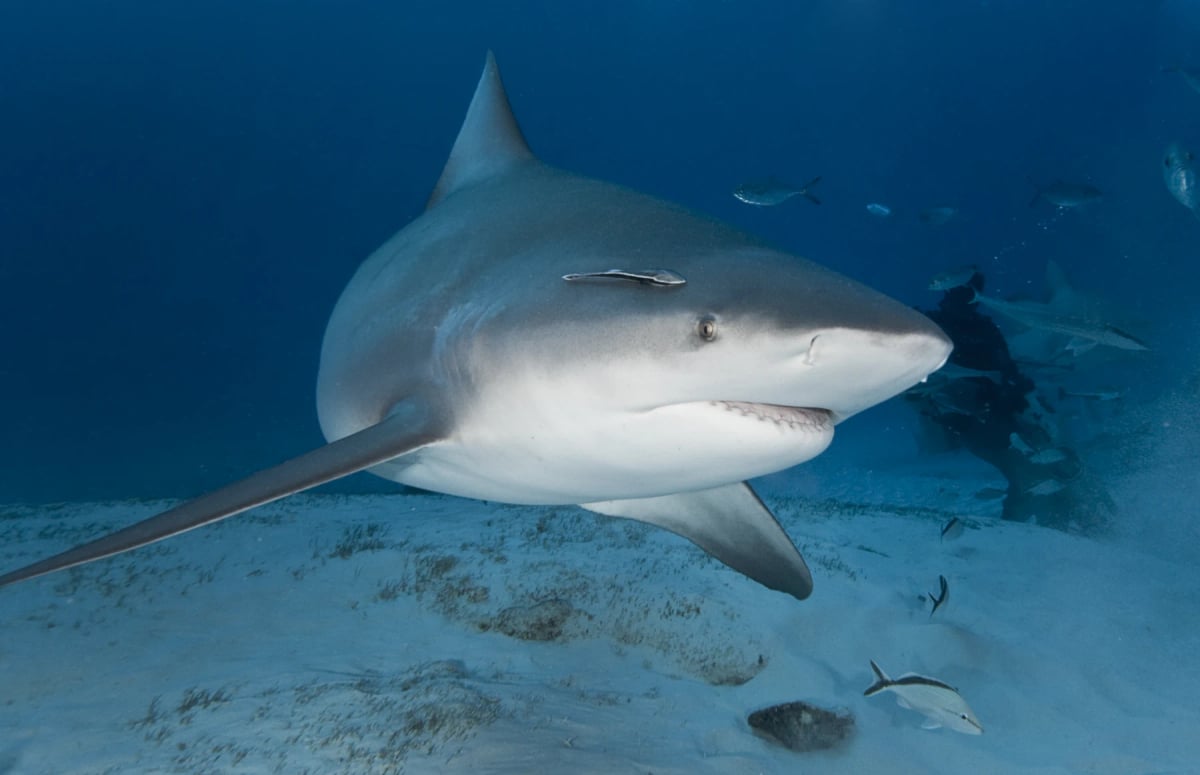
Bull Shark
Carcharhinus leucas
In the United States, bull sharks are most commonly found along the Atlantic seaboard and Gulf of Mexico, particularly in Florida, Texas, and the broader Gulf Coast. They are known to travel far up the Mississippi River into freshwater. Coastal estuaries and shallow bays serve as key nursery grounds. Their proximity to heavily populated coastlines makes them the shark species of greatest concern for human safety in U.S. waters.
Frequently Asked Questions
What animals live in America?
The United States has an amazing variety of animals. On land there are grizzly bears, American black bears, polar bears, gray wolves, cougars, bobcats, coyotes, moose, white tailed deer, American bison, pronghorn, beavers, raccoons, opossums and armadillos. Reptiles include alligators, rattlesnakes and cottonmouths. Its birds include the bald eagle, the golden eagle, puffins and trumpeter swans. In its seas and coasts live orcas, humpback whales, blue whales, manatees, sea lions, sea turtles and several kinds of sharks.
What is the national animal of the United States?
The United States has two official animal symbols. The bald eagle is the national bird. It has appeared on the Great Seal since 1782, and a law signed in December 2024 made it the official national bird. The American bison became the national mammal in 2016. Yellowstone National Park is the only place in the country where bison have lived continuously since prehistoric times, and it is one of the best places to see both animals in the wild.
What are the most dangerous animals in the United States?
Grizzly bears and polar bears in Alaska are the most dangerous large animals, and grizzlies also live in parts of the northern Rockies. American bison injure more people in Yellowstone than any other animal, usually when visitors get too close. Rattlesnakes and cottonmouths are the main venomous snakes, and alligators can be dangerous in Florida and other southern states. Sharks bite a few people each year, mostly in Florida. The wild animal linked to the most deaths, though, is the white tailed deer, because of car crashes.
Where can you see wildlife in the United States?
Yellowstone National Park is one of the best places, with bison, gray wolves, grizzly bears and pronghorn. Alaska is the place for polar bears, walruses, puffins and humpback whales, and Denali National Park has grizzlies and moose. In Florida, the Everglades are famous for alligators, and manatees gather in warm springs like Crystal River in winter. On the Pacific coast, sea lions and elephant seals rest on California beaches, and orcas can be seen around the San Juan Islands in Washington.
Researched and written by Juan Pablo. Sources: IUCN Red List, scientific literature and regional field guides. Last updated: .