Animals in Ireland
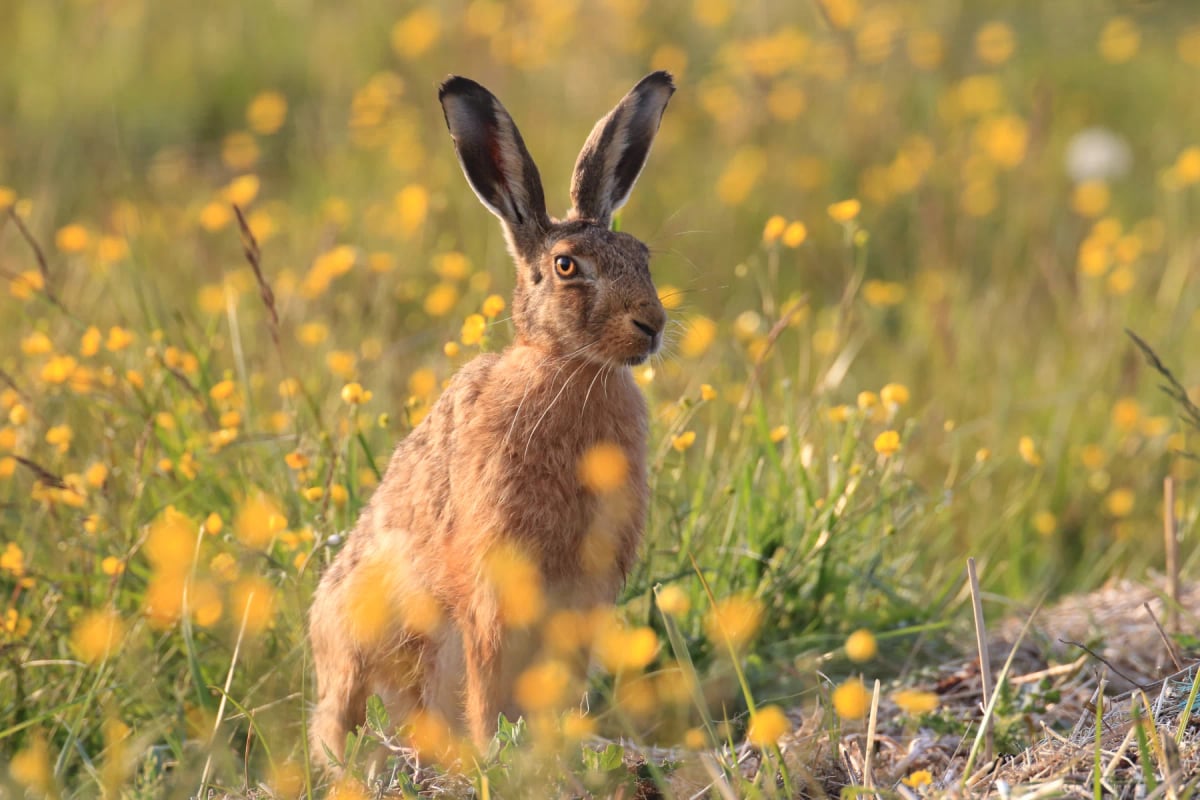
Hare
Lepus europaeus
The hare is closely tied to Irish tradition and appears in stories, art, and modern symbols. Known for speed and alert senses, it lives in fields, dunes, and heaths across the island. Many rural events and local emblems use the hare to represent energy and resilience, which keeps this animal linked with national identity in both towns and countryside.
View details→Wildlife in Ireland
Ireland's landscape of green hills, blanket bogs, ancient woodlands and long Atlantic coastline supports a wildlife community shaped by the island's geography and mild oceanic climate. Red deer roam the mountains of Kerry, otters fish along rivers and streams throughout the country, and pine martens have made a quiet recovery across midland and western woodlands. The real spectacle, however, is at sea. The waters off the west coast are among the richest cetacean habitats in Europe, with dolphins, whales and basking sharks encountered close to shore from spring through autumn. Seabird colonies on the Skellig Islands, the Cliffs of Moher and the Blasket Islands draw visitors from across the world each summer.
Top 10 Animals in Ireland
Ireland punches well above its weight for wildlife given its size. The west coast is the standout destination, where boat trips from Dingle, West Cork and Clare regularly encounter large groups of common and bottlenose dolphins, and humpback and fin whales are reliable autumn visitors. On land, Killarney National Park offers the most accessible experience of native woodland, red deer and open mountain. The white-tailed eagle, reintroduced after centuries of absence, now nests in several counties and is increasingly seen from the western lakes and coast. Seabird colonies in summer and winter seal haul-outs on rocky shores complete a picture that rewards patient observation year-round.
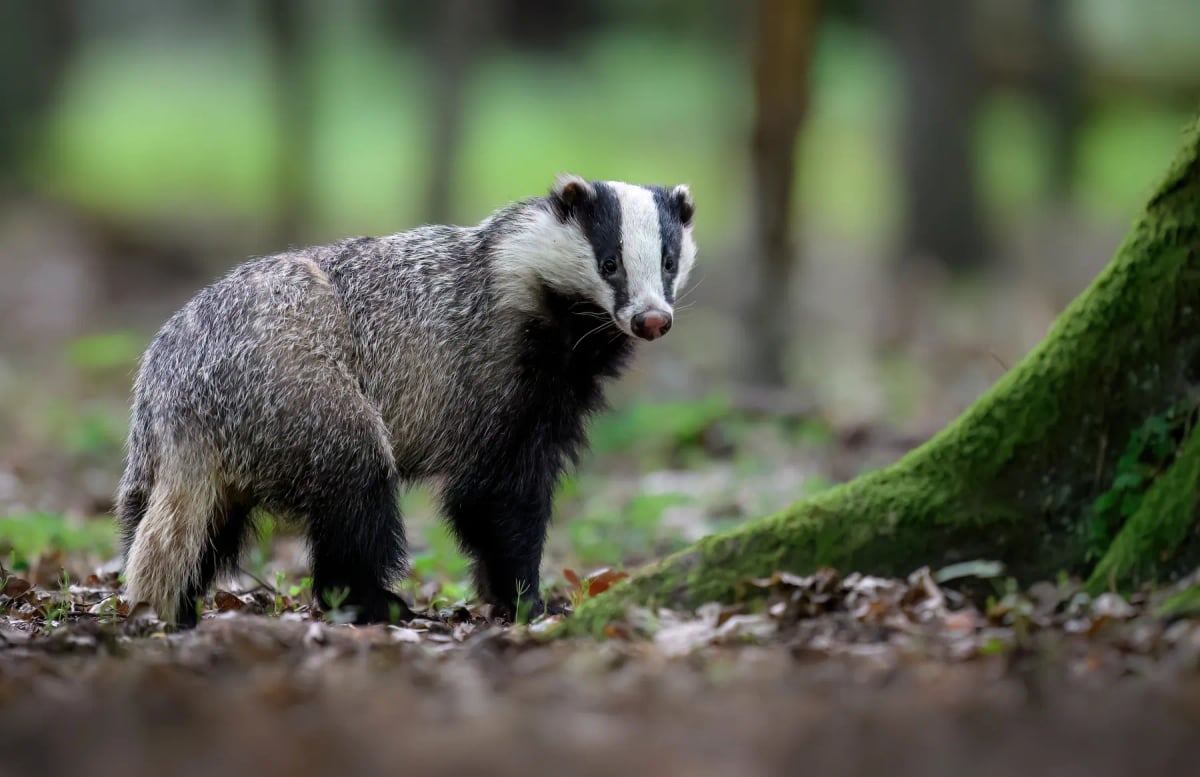
Badger
Meles meles
The Eurasian badger is widespread across Ireland in woodland, farmland, hedgerows and scrubland throughout the country. It lives in family groups in extensive burrow systems called setts and is mostly nocturnal, rarely seen during the day despite being common. Ireland has one of the highest badger densities in Europe. The species is at the center of a long running and contentious debate in Ireland over its role as a reservoir of bovine tuberculosis and its management in relation to cattle farming, making it one of the most politically significant wild mammals in the country.
Hare
Lepus europaeus
In Ireland, the European hare is sometimes confused with the native Irish hare, a distinct subspecies of the mountain hare. The European hare has been recorded in Ireland, though its status and distribution remain less certain than on mainland Britain. It tends to appear in lowland agricultural areas. Conservation attention in Ireland focuses primarily on protecting the native Irish hare, which faces pressure from habitat loss and competition.
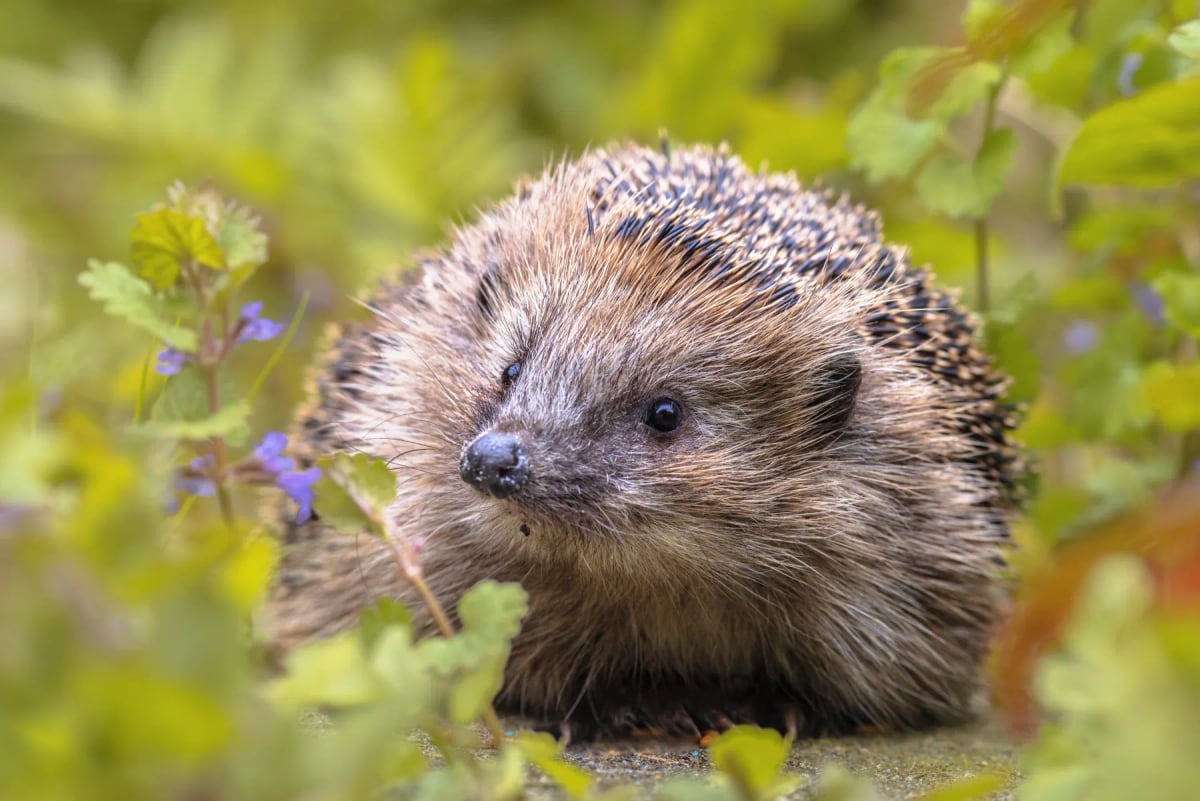
Hedgehog
Erinaceus europaeus
The European hedgehog is one of only a handful of land mammals found in Ireland, where it lives in gardens, hedgerows, and the edges of farmland across the island. It is not native to Ireland and is thought to have been introduced by early settlers, but it has become thoroughly established over centuries. The mild Atlantic climate allows for a shorter hibernation than in continental Europe. Road casualties and the loss of hedgerows remain the main threats to Irish populations. Its IUCN status is Least Concern.
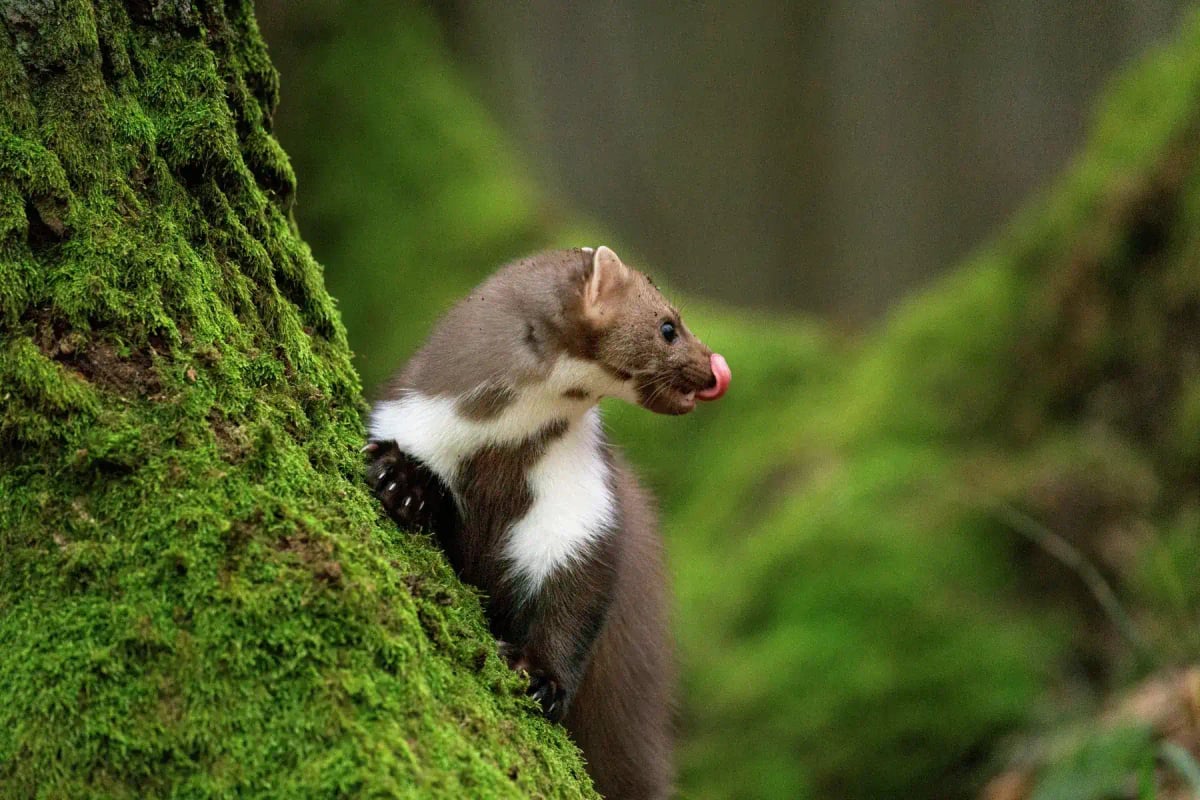
Marten
Martes martes / Martes foina
Ireland is one of the pine marten's great comeback stories. After being pushed to the brink of extinction, the species has rebounded strongly, especially across the midlands and west. Irish pine martens are now helping to suppress grey squirrel populations, which benefits the native red squirrel. They move through broadleaf and conifer woodlands, hunting at night and feeding on rodents, birds, and seasonal berries. Their IUCN status is Least Concern.
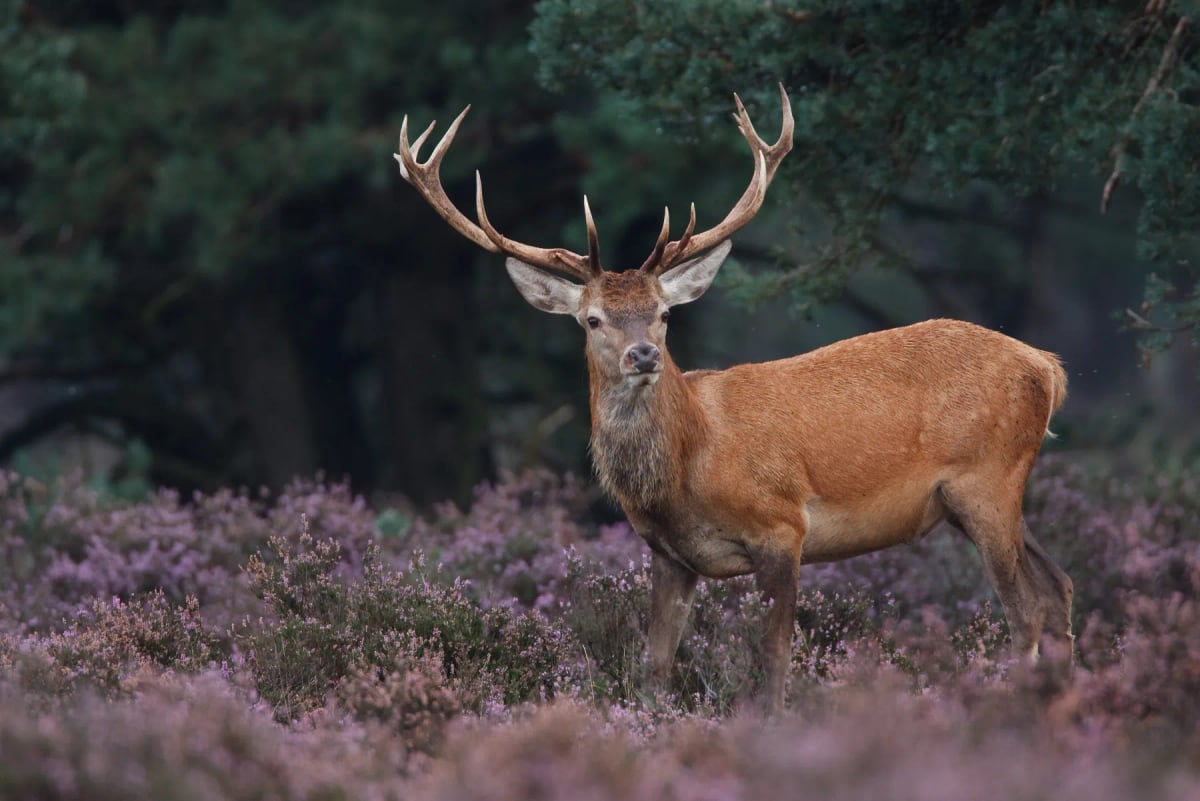
Red Deer
Cervus elaphus
Ireland has a native red deer population in County Kerry, centered on Killarney National Park, which is considered one of the last truly native herds in the country. Elsewhere, deer of mixed or introduced origin are found in several upland and forest areas. The Kerry deer hold particular conservation significance and are carefully monitored. Red deer thrive in the open moorlands and oakwoods of the southwest, where they have lived for thousands of years. IUCN status: Least Concern.
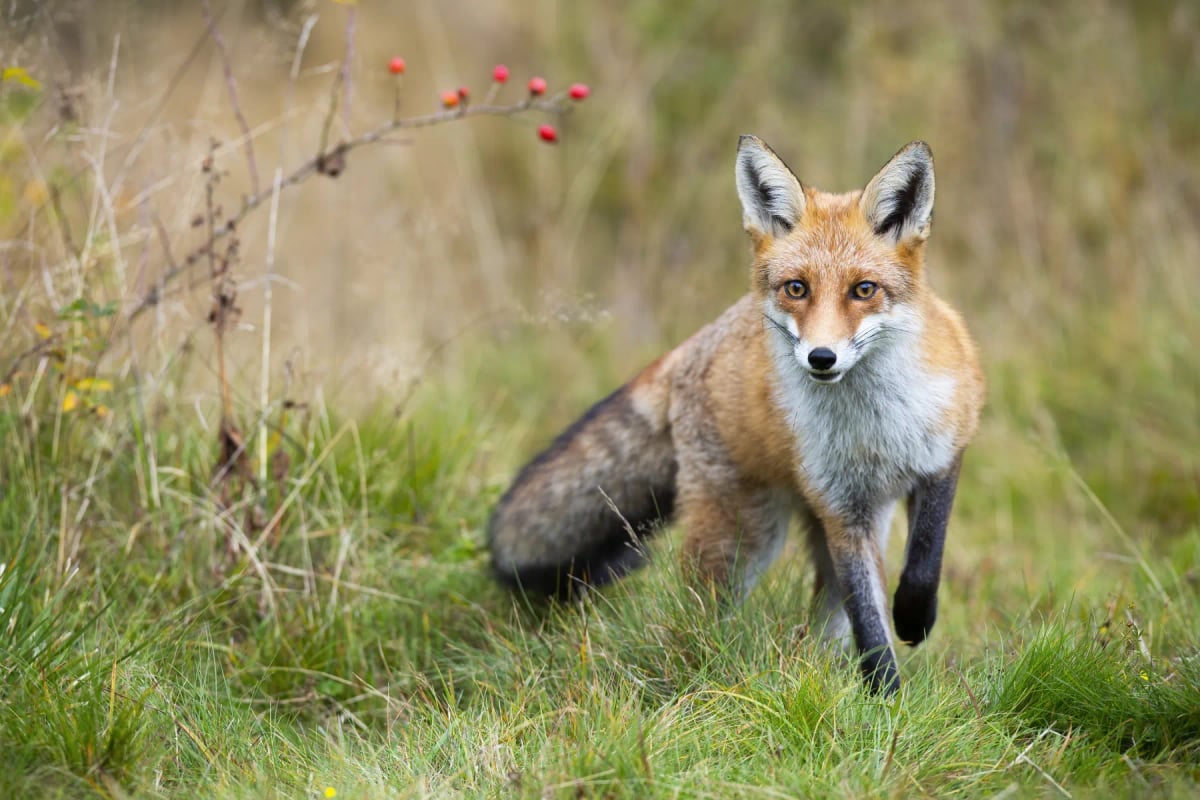
Red Fox
Vulpes vulpes
The red fox is Ireland's only wild member of the dog family and is found in every county, from coastal farmland to upland bogs and city suburbs. Dublin's urban fox population is particularly well known and regularly observed in gardens and parks. In Ireland, the fox has a deep presence in local folklore and is a familiar figure in rural life. It is not protected by law and is managed through hunting and pest control, particularly in areas where poultry farming is common.
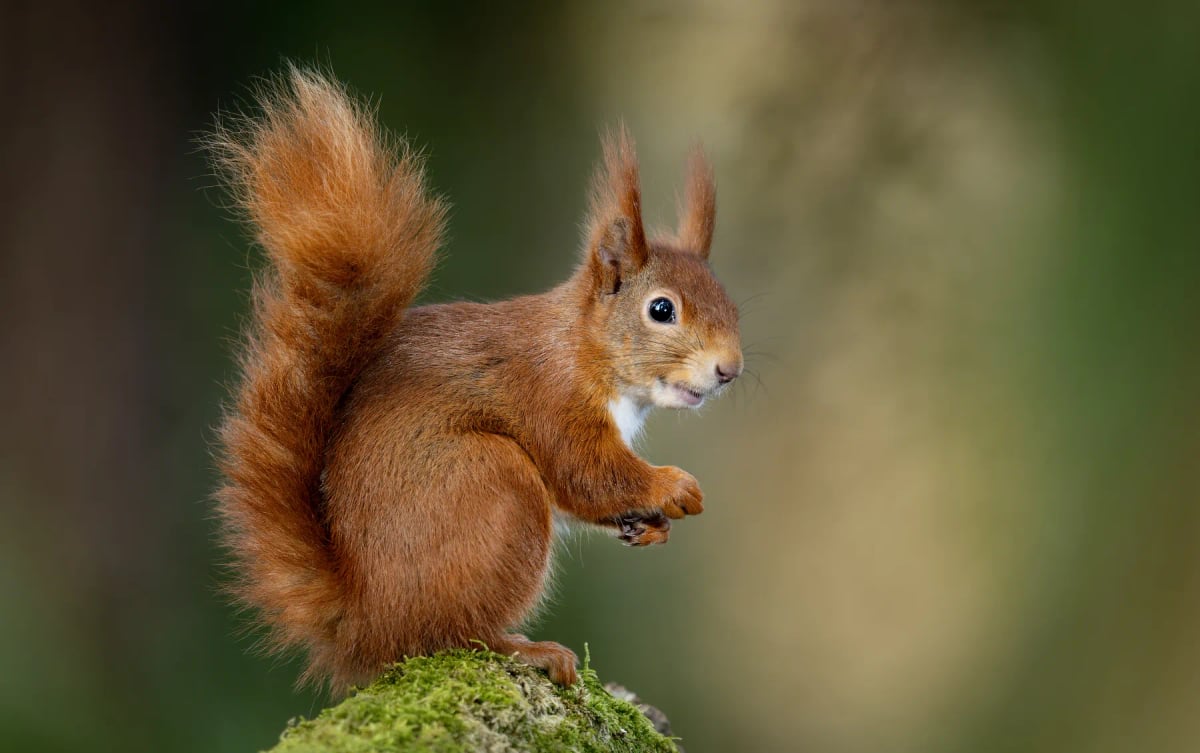
Red Squirrel
Sciurus vulgaris
Ireland's red squirrel population has faced serious pressure for decades from the introduced grey squirrel, which arrived in the early twentieth century and has gradually displaced it across much of the midlands and east. Today, red squirrels survive mainly in conifer plantations and native woodlands in the west, north and some upland areas. Conservation projects across the island are actively working to support its recovery. IUCN status: Least Concern.
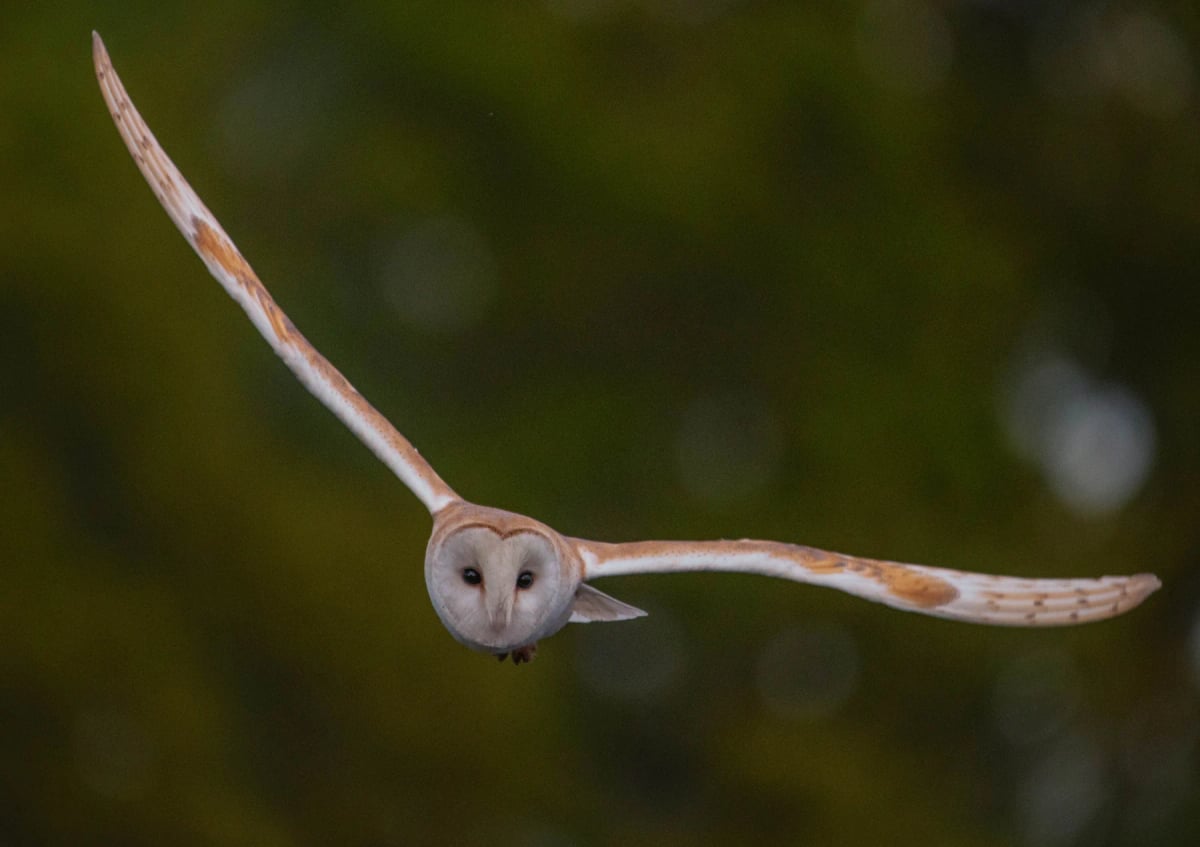
Barn Owl
Tyto alba
The barn owl is one of Ireland's rarest breeding birds and has declined sharply over the past century due to habitat loss, changes in farming practices and rodenticide poisoning of its prey. It nests in old farm buildings, ruined castles and cliff faces, and hunts small mammals silently at night using its exceptional hearing. Conservation organizations in Ireland have worked for decades to support the species through nest box programs and habitat management. It is most likely to be seen in the midlands and west of the country, where suitable nesting sites and rough grassland hunting habitat remain.
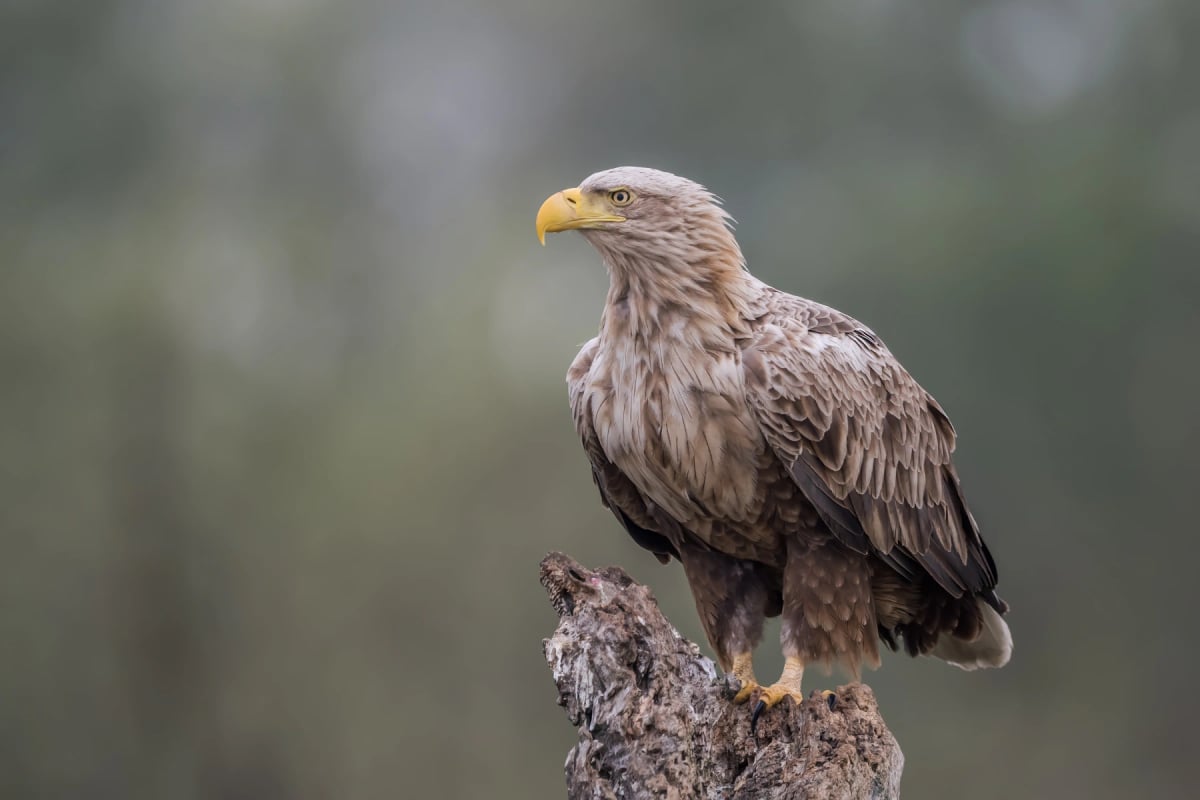
White tailed Eagle
Haliaeetus albicilla
The white tailed eagle was once extinct in Ireland, but a reintroduction programme that began in 2007 has brought this magnificent bird back to the west coast, particularly around Killarney and the Shannon Callows. Breeding pairs are now established, and the population is slowly growing. It favours large lakes, rivers, and coastal areas. The IUCN lists it as Least Concern, and its return is one of Ireland's great conservation successes.
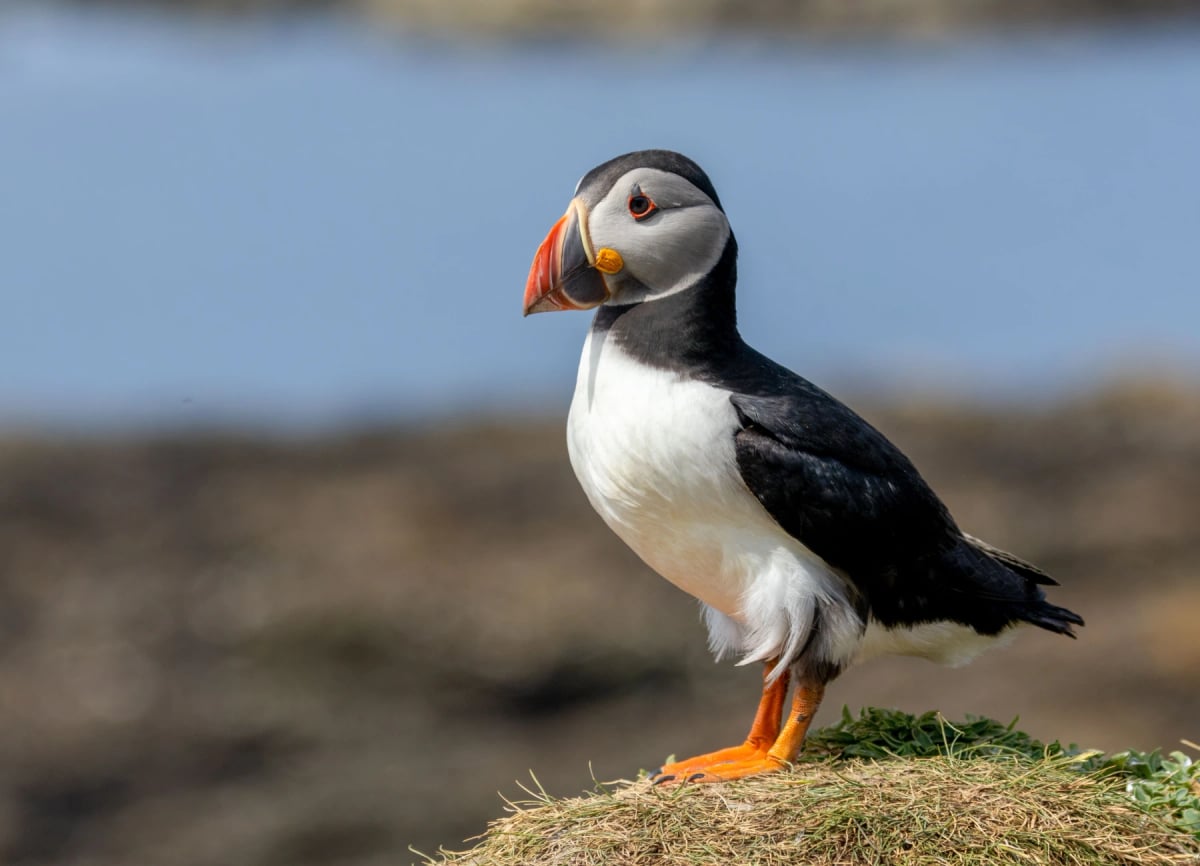
Puffin
Fratercula arctica
Ireland supports important puffin colonies on offshore islands such as Skellig Michael, the Blasket Islands, and the Saltee Islands. These rugged Atlantic outposts provide ideal nesting conditions, with soft soil for burrowing and easy access to productive fishing waters. Irish populations have faced declines linked to food shortages at sea and predation by rats and large gulls on some islands. Conservation work is ongoing to protect remaining breeding sites.
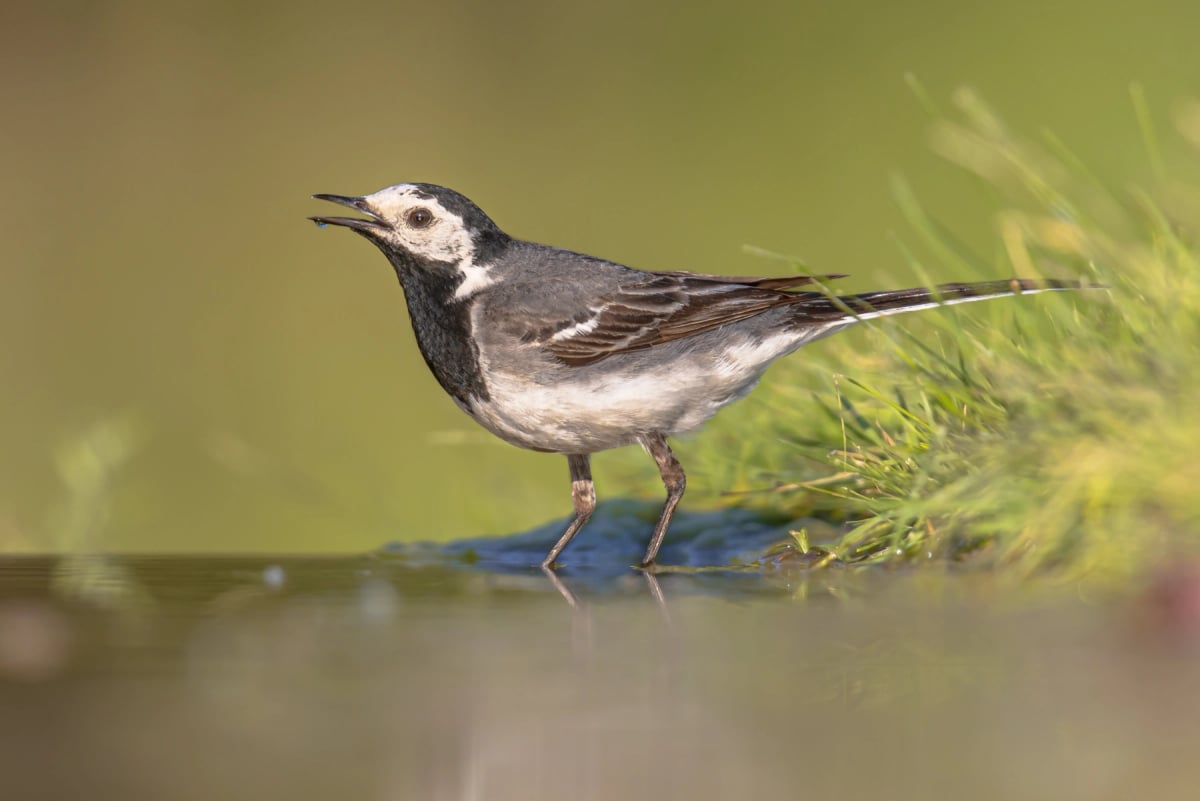
White Wagtail
Motacilla alba
The white wagtail is a regular breeding visitor to Ireland, arriving from its wintering grounds in Africa each spring. It nests in crevices in stone walls, old buildings and rocky outcrops, particularly in the west of the country. It is commonly seen along rivers, lakes and the coastline, as well as on farmland and in towns. Ireland holds a small but steady population of this lively, tail-bobbing bird.
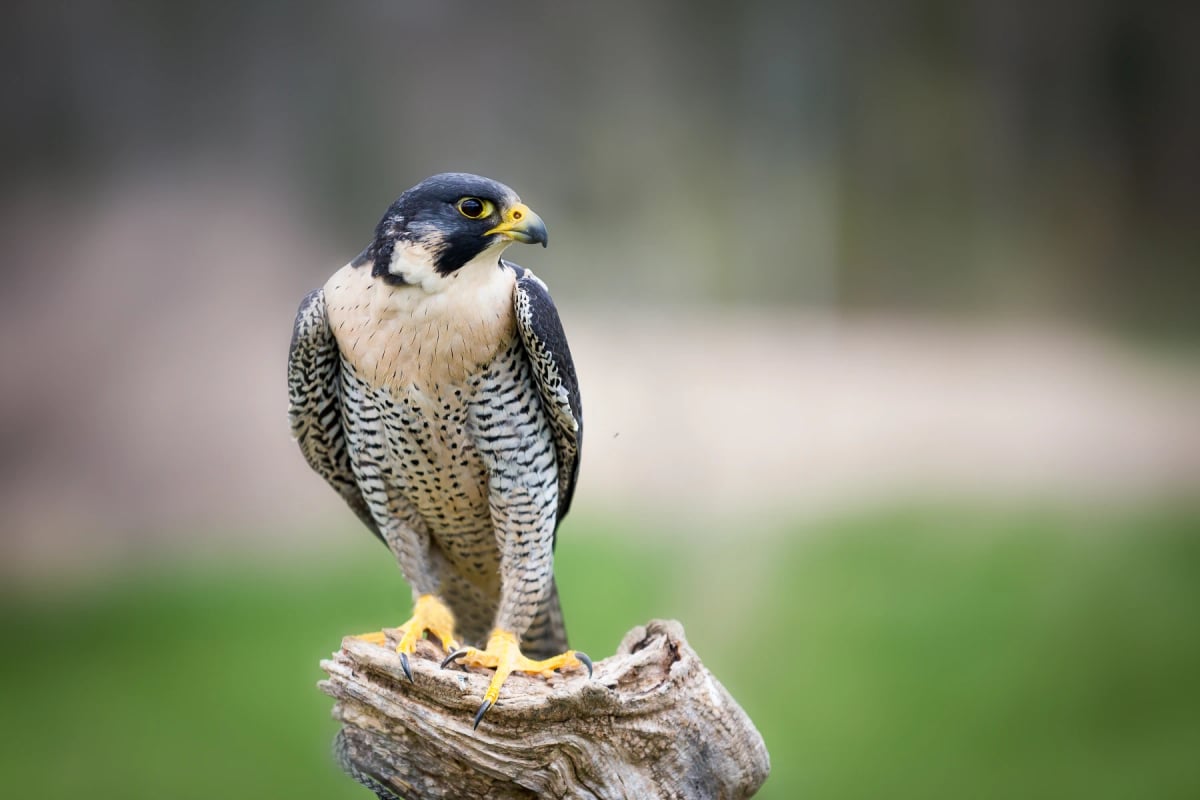
Peregrine Falcon
Falco peregrinus
Ireland has a resident breeding population of peregrine falcons, with pairs nesting on sea cliffs along the Atlantic coast, inland crags, and quarry faces throughout the country. After severe declines caused by persecution and pesticide use in the twentieth century, the population has recovered well under legal protection. Ireland's rugged coastline, particularly in the west and southwest, provides some of the finest nesting habitat in northwestern Europe for this species. IUCN status: Least Concern.
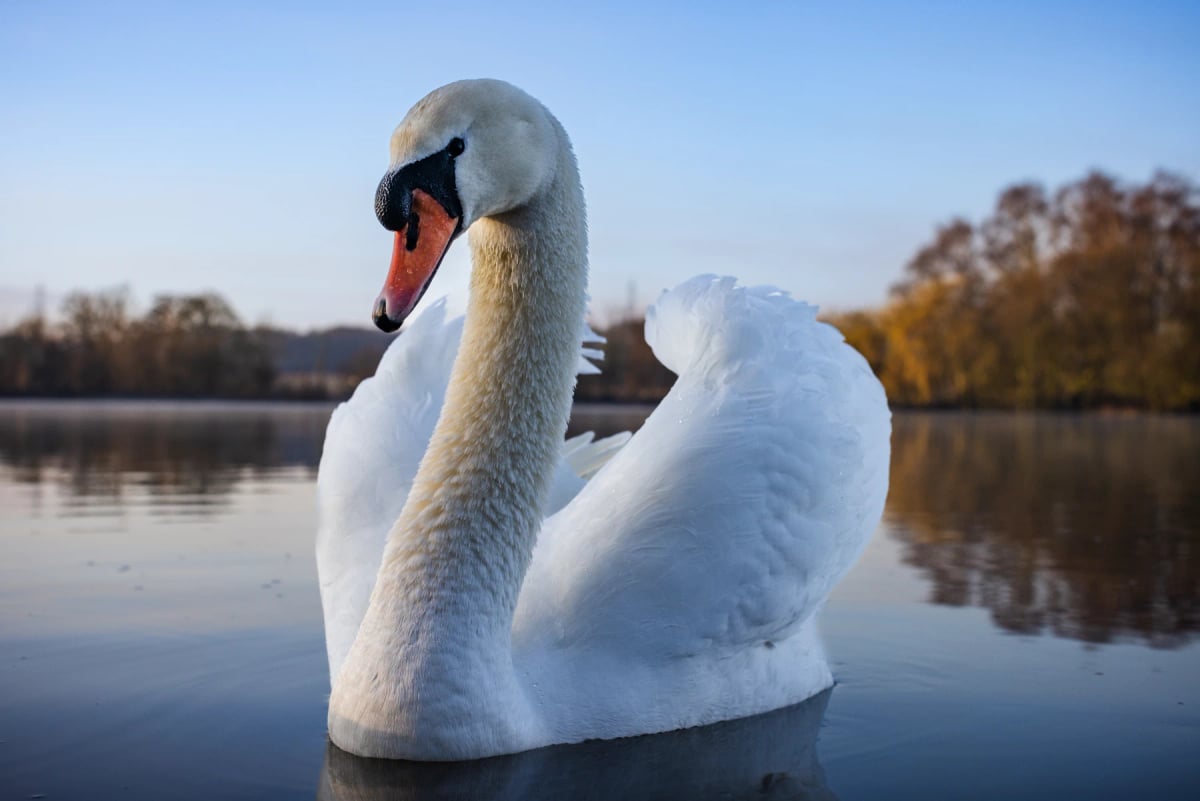
Mute Swan
Cygnus olor
The mute swan is one of Ireland's most familiar waterbirds, found on lakes, slow rivers, canals, and sheltered coastal bays throughout the island. It thrives in the mild, wet Irish climate and nests widely from the Shannon callows to the lakes of Connaught and the coasts of Ulster. Outside the breeding season, flocks gather on larger lakes and estuaries. It holds a place in Irish folklore and is listed by the IUCN as Least Concern.
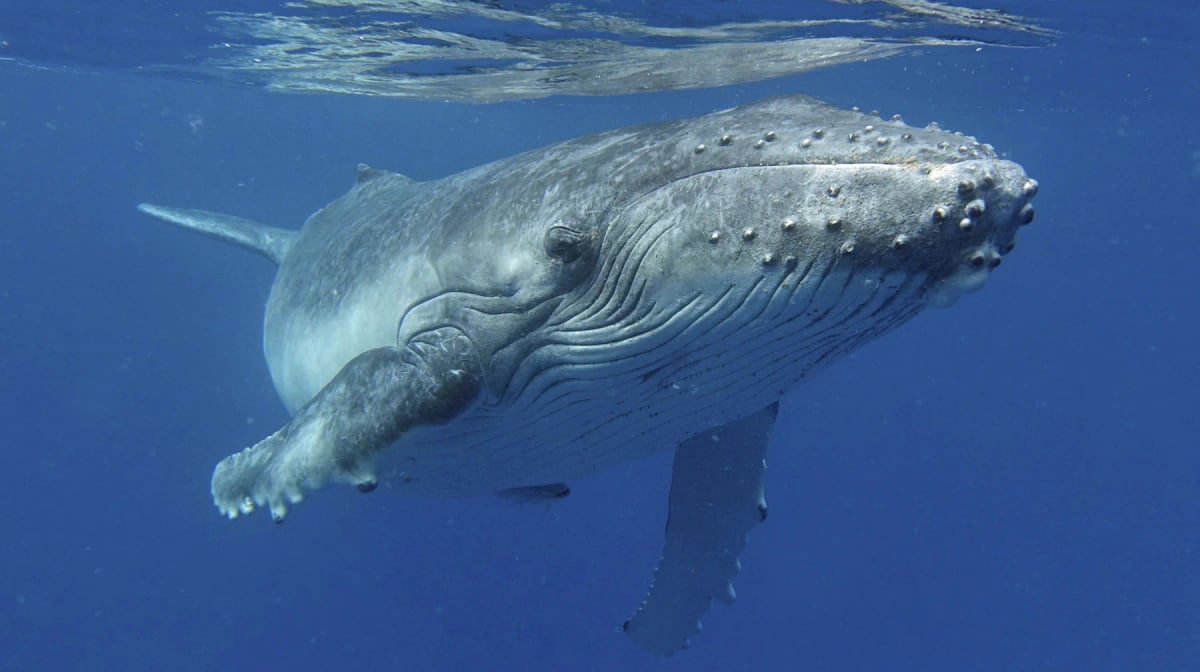
Humpback Whale
Megaptera novaeangliae
Humpback whales visit the waters off Ireland's west coast, particularly in autumn, following prey such as herring and sprat. The Celtic Sea and areas off counties Cork and Kerry are among the best spots for sightings. Irish Whale and Dolphin Group researchers have tracked these visits for decades. The humpback whale is classified as Least Concern by the IUCN, and numbers visiting Irish waters have grown in recent years.
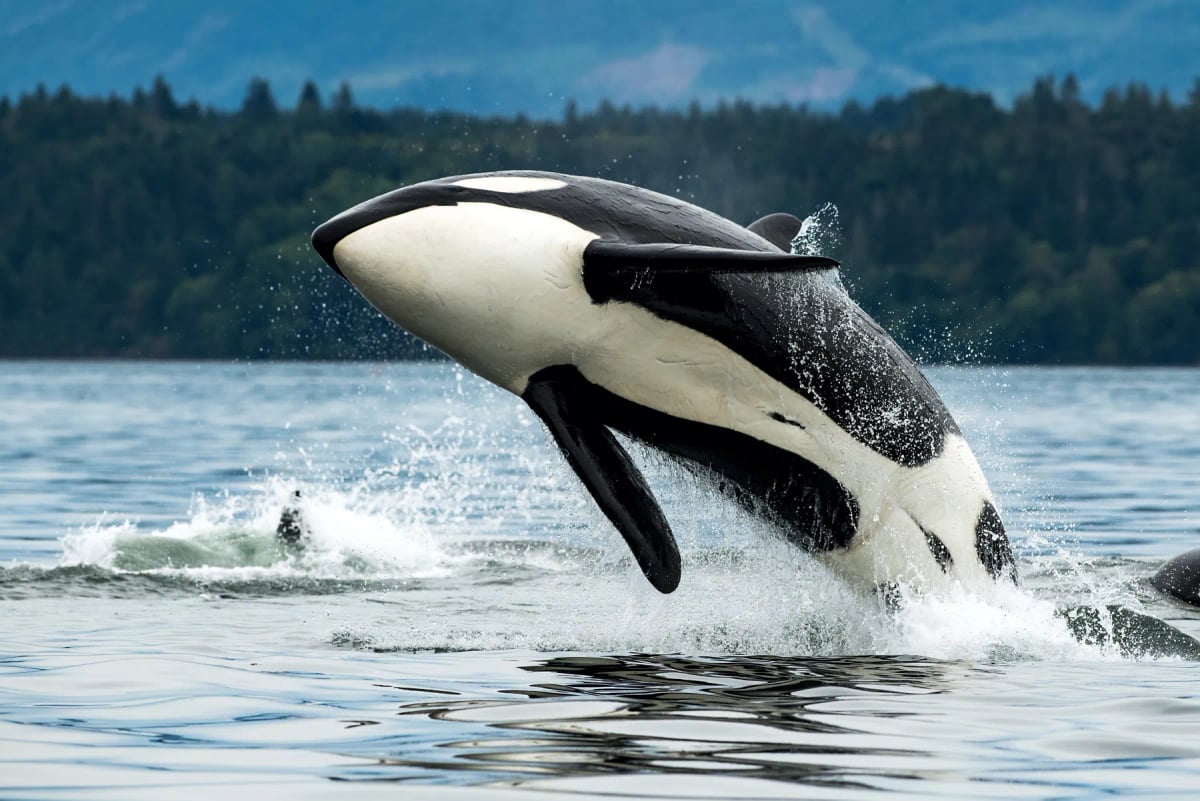
Orca
Orcinus orca
The waters off Ireland's Atlantic coast, particularly around the southwest, are visited by orcas traveling through the northeastern Atlantic. Sightings are most common off counties Kerry and Cork, where pods follow migratory fish and dolphin populations. Irish Whale and Dolphin Group researchers have documented these visits over many years, helping build a clearer picture of orca presence in these cool and productive seas.
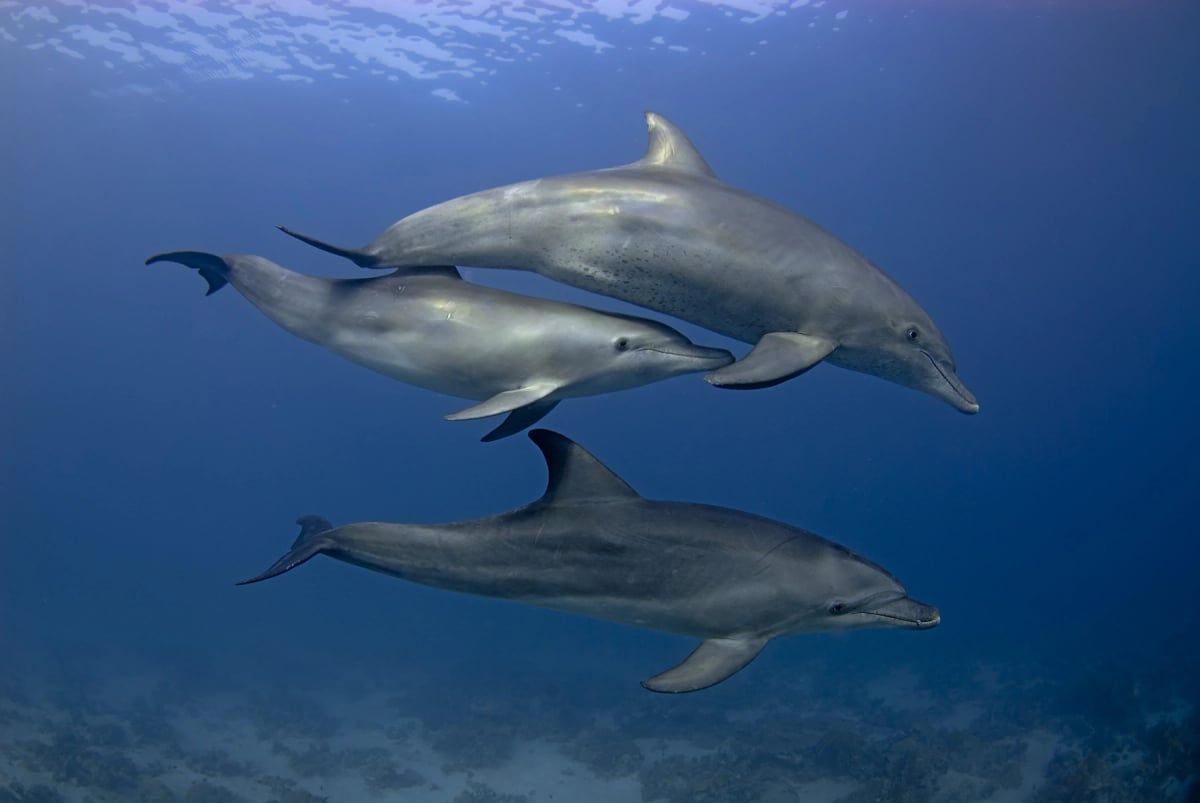
Bottlenose Dolphin
Tursiops truncatus
Bottlenose dolphins are well known in Irish waters, with the Shannon Estuary on the west coast hosting one of the few resident populations in Europe. This group has been studied for decades and is protected under Irish and European law. Dolphins are also seen along the southern and western coasts, particularly in summer. The IUCN classifies the species as Least Concern, and Ireland plays an active role in their conservation.
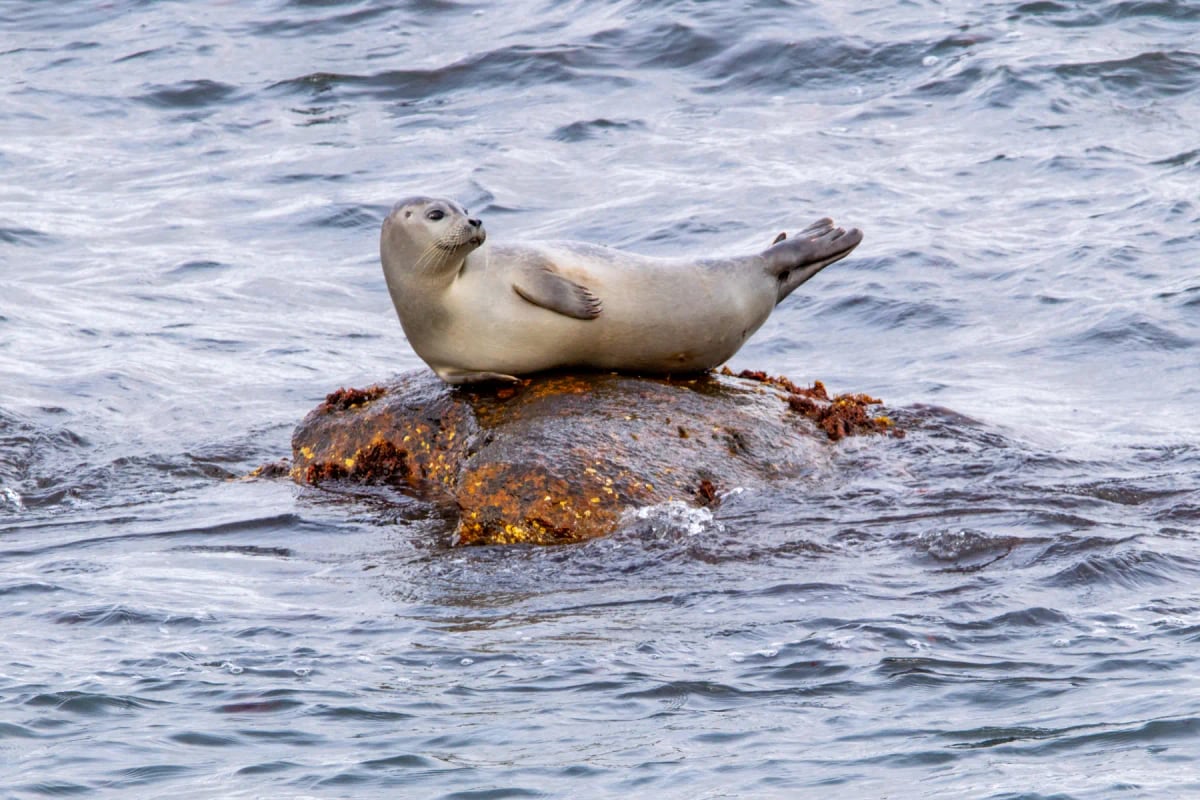
Seal
Phoca vitulina
Harbor seals are found all around the Irish coast, from the sheltered sea loughs of Ulster to the wild Atlantic shores of Connacht. They favour estuaries, rocky headlands, and sandy beaches for hauling out. Ireland supports a nationally significant population, and counts are carried out during the molting season each summer. Disturbance from water sports and coastal development are ongoing concerns for some local groups. IUCN status: Least Concern.
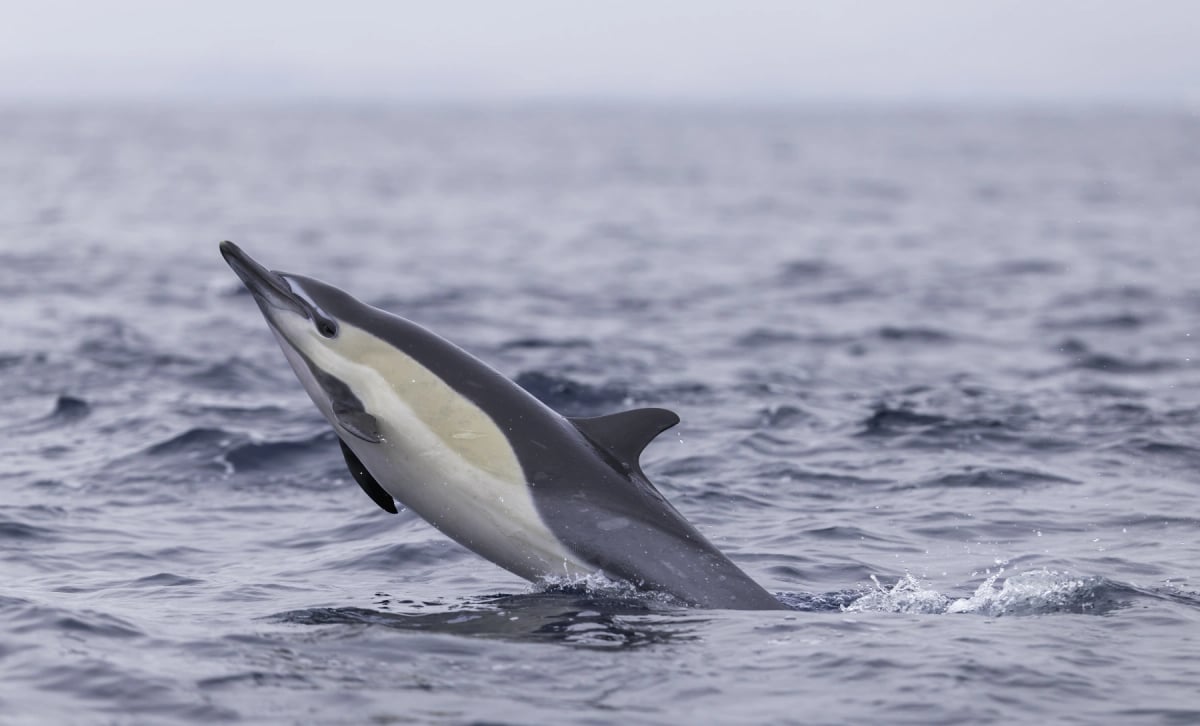
Common Dolphin
Delphinus delphis
Ireland is one of the best places in Europe to see common dolphins. Large superpods, sometimes numbering in the thousands, are regularly observed off the southwest coast, particularly around County Cork and County Kerry, where the warm North Atlantic Current meets cold, nutrient-rich water. These gatherings attract whale-watching boats year-round. Ireland's Celtic Sea and Atlantic shelf waters provide rich feeding grounds for this species. IUCN status: Least Concern.
Researched and written by Juan Pablo. Sources: IUCN Red List, scientific literature and regional field guides. Last updated: .