Animals in Colombia
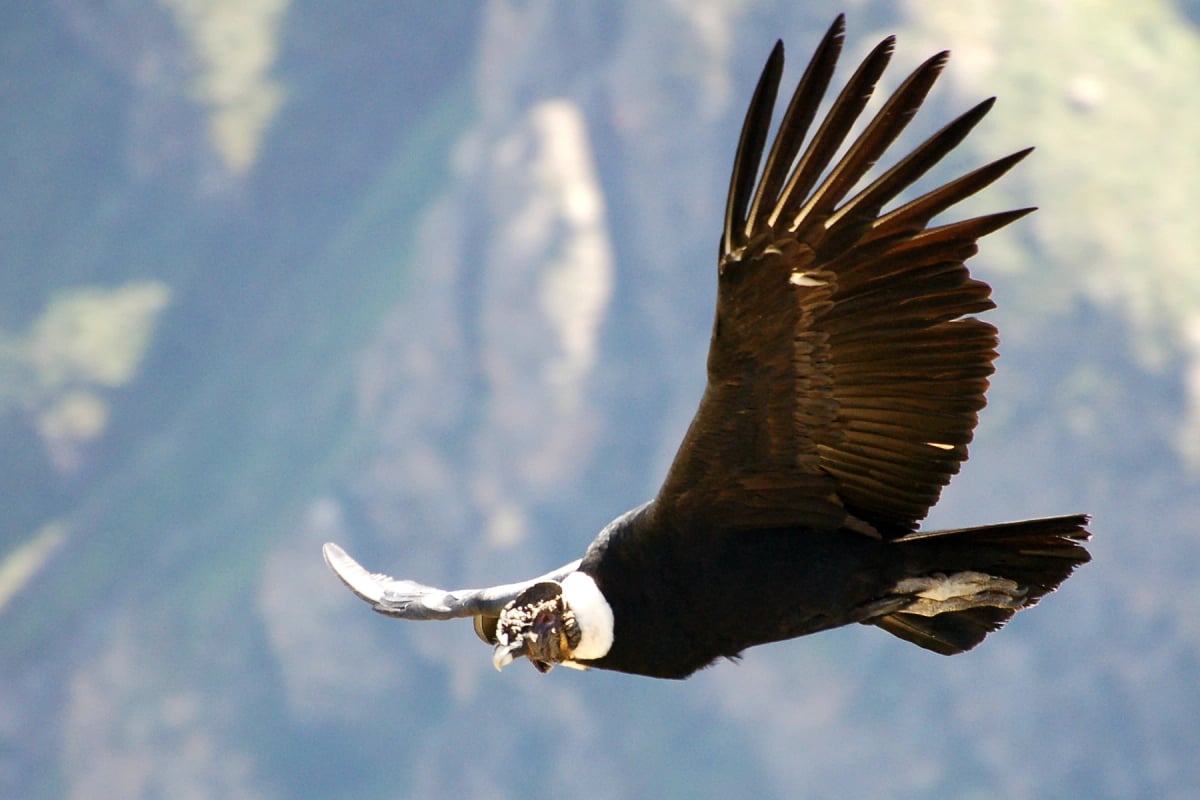
Andean Condor
Vultur gryphus
The Andean condor is the national animal and national bird of Colombia. It has appeared at the top of the Colombian coat of arms since 1834, with its wings spread, as a symbol of freedom. It is one of the largest flying birds in the world, with wings that can reach more than 3 meters across, dark plumage and a white collar around the neck. It glides for hours over cliffs and mountain ridges, nests on high rock walls and feeds mainly on carcasses. Condors raise very few chicks, so poisoning and hunting hit them hard. The species became very rare in Colombia, and conservation programs have released condors in páramo areas such as Los Nevados and Chingaza.
View details→Wildlife in Colombia
Colombia is one of the most biodiverse countries in the world, and it has more bird species than any other country, more than 1,900. Its land stretches from the Amazon rainforest and the Orinoco plains, known as the Llanos, to three Andean mountain ranges and two tropical coasts, on the Pacific and the Caribbean. In its forests and rivers live jaguars, ocelots, margays, jaguarundis, tapirs, sloths, anteaters, armadillos, spider monkeys, squirrel monkeys, red howler monkeys and white faced capuchins, along with giant otters and Amazon river dolphins. The Llanos are home to huge groups of capybaras, caimans, anacondas and scarlet ibises. In the Andes, spectacled bears live in cloud forests and Andean condors fly over the high moorlands. Along the coasts, sea turtles nest on the beaches, manatees feed in rivers and lagoons, and humpback whales arrive on the Pacific coast every year. Birds such as harpy eagles, scarlet macaws, toucans and flamingos add even more color to Colombian wildlife.
Most Dangerous Animals in Colombia
Colombia has wild animals that can be dangerous in certain situations, mainly in remote forests, rivers and coastal waters. Jaguars and cougars are powerful predators in forests and mountains, but they avoid people and attacks are extremely rare. The spectacled bear is shy too, although it can react if it is surprised at close range. In the warm lowlands and the Llanos, caimans rest along rivers and lagoons, while anacondas and boa constrictors hunt in swamps and flooded forests. These large snakes are not venomous and rarely a threat to people. The real risk comes from venomous snakes, above all lanceheads, which cause most snakebites in Colombia, and rattlesnakes in the drier Caribbean region. Most bites happen to farmers working in fields and plantations. In the sea, bull sharks, tiger sharks and hammerhead sharks live off both coasts, but incidents with people are very uncommon. Serious problems are rare when visitors wear boots in the forest, keep their distance from wildlife and travel with local guides.
Top 10 Animals in Colombia
The top animals of Colombia bring together species from rainforests, mountains, plains and two different oceans. In the Amazon and the Pacific forests, jaguars, ocelots, tapirs, giant otters, spider monkeys, red howler monkeys and scarlet macaws live among dense vegetation and wide rivers, and pink Amazon river dolphins swim near Puerto Nariño. The capybara, the largest rodent on Earth, is one of the easiest animals to see in the Llanos, where it lives in big groups near lagoons and flooded grasslands. In the Andes, spectacled bears, white tailed deer and Andean condors show how wildlife uses cloud forests, rocky slopes and high moorlands. Along the Caribbean and Pacific shores, sea turtles, manatees, bottlenose dolphins and humpback whales depend on coastal and open waters, while hammerhead sharks gather in large schools around Malpelo Island. As a group, these animals help explain why Colombia is considered one of the most biodiverse countries on the planet.
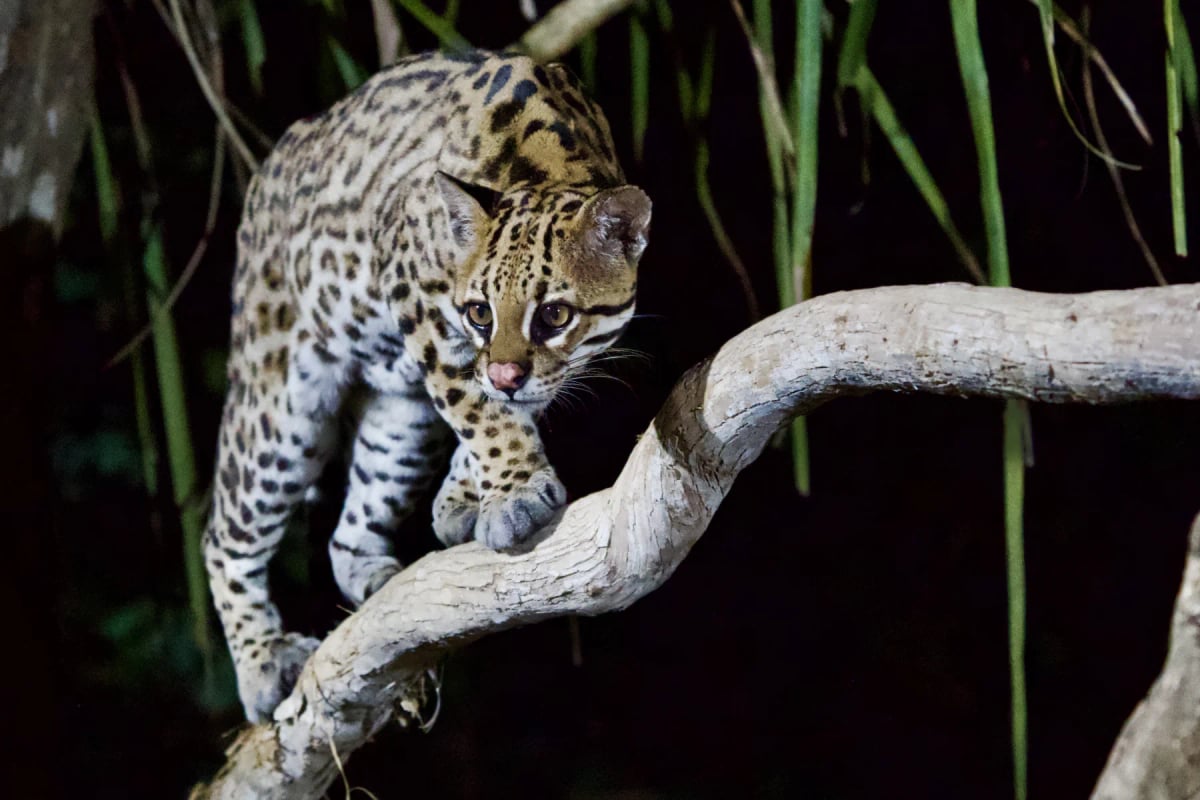
Ocelot
Leopardus pardalis
Colombia's extraordinary habitat diversity means ocelots are present in many regions, from the Amazon and Orinoco lowlands to the Pacific coast and even drier inter-Andean valleys. The country's network of national parks, including Serranía de la Macarena and Amacayacu, provides important refuge. Illegal hunting and deforestation tied to coca cultivation and cattle farming continue to threaten ocelots in some parts of the country.
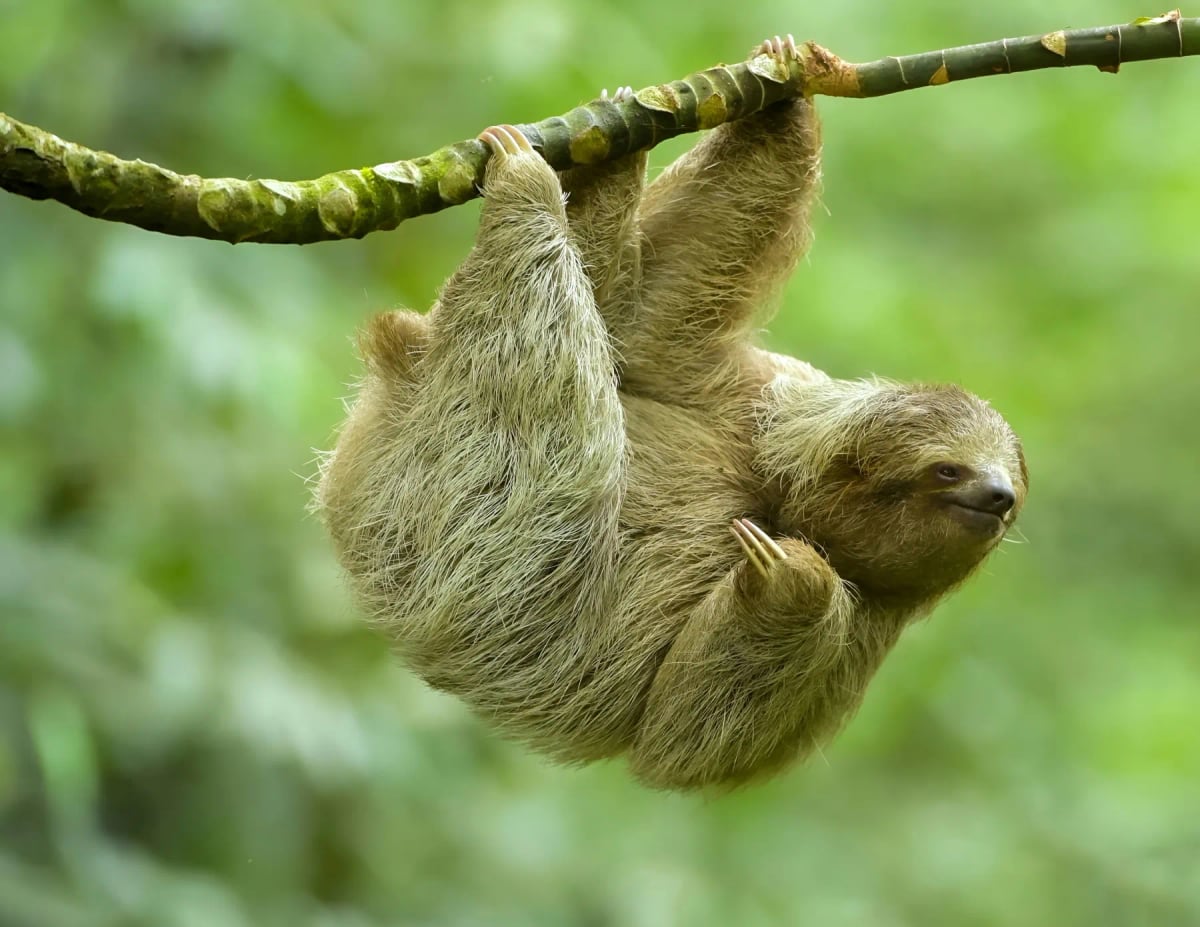
Sloth
Folivora
Colombia's exceptional range of ecosystems, from the Pacific lowlands to the Amazon foothills, supports multiple sloth species. Both two-toed and three-toed sloths are found here, living among the country's rich tropical forests. The Orinoco and Amazon river basins provide particularly suitable habitat. Colombia's high level of biodiversity makes it one of the most important countries in the region for sloth conservation.
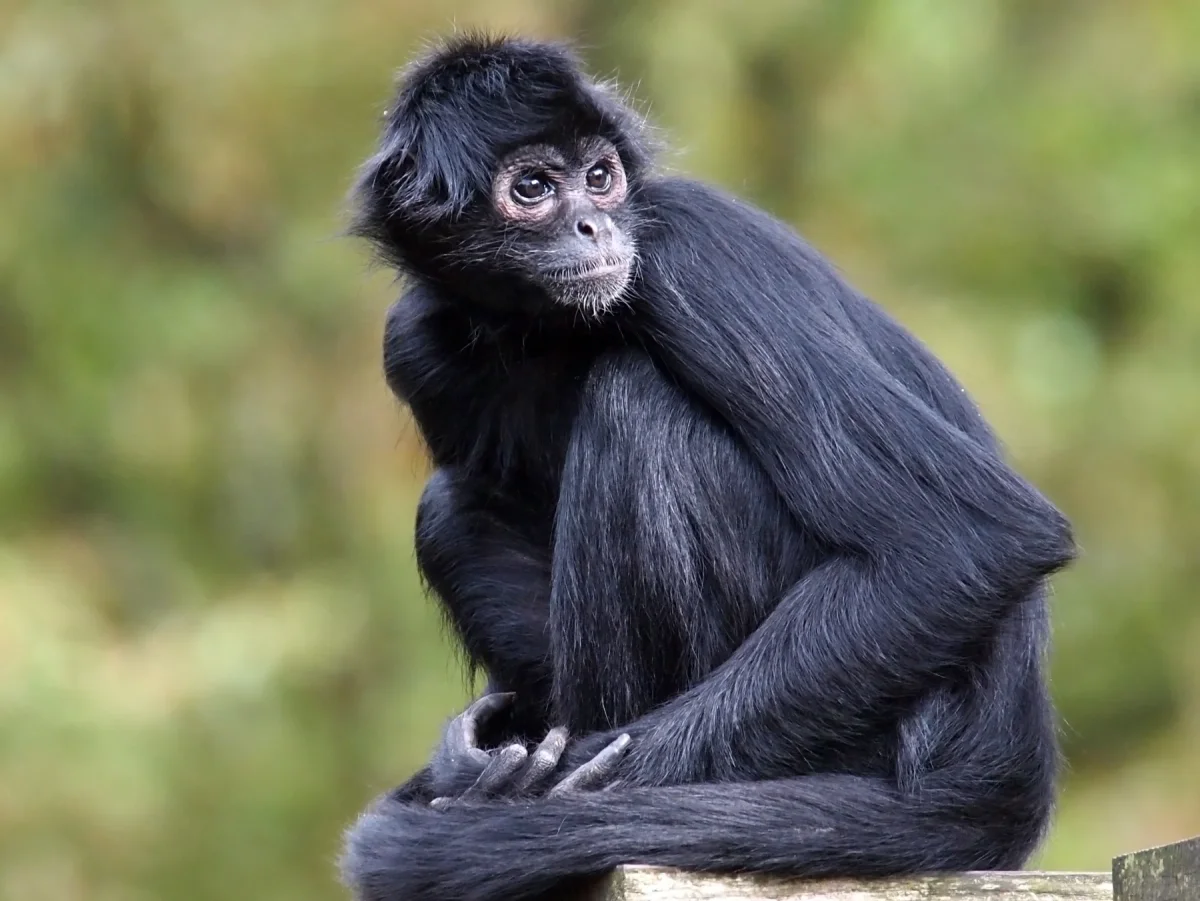
Spider Monkey
Ateles spp.
Colombia hosts several species of spider monkey across its diverse forest regions, including the Amazon basin, the Pacific coast, and the foothills of the Andes. The country's extraordinary range of ecosystems supports some of the most varied primate communities in South America. Despite this richness, ongoing deforestation for cattle ranching and coca cultivation has fragmented vast areas of forest that these primates rely on.
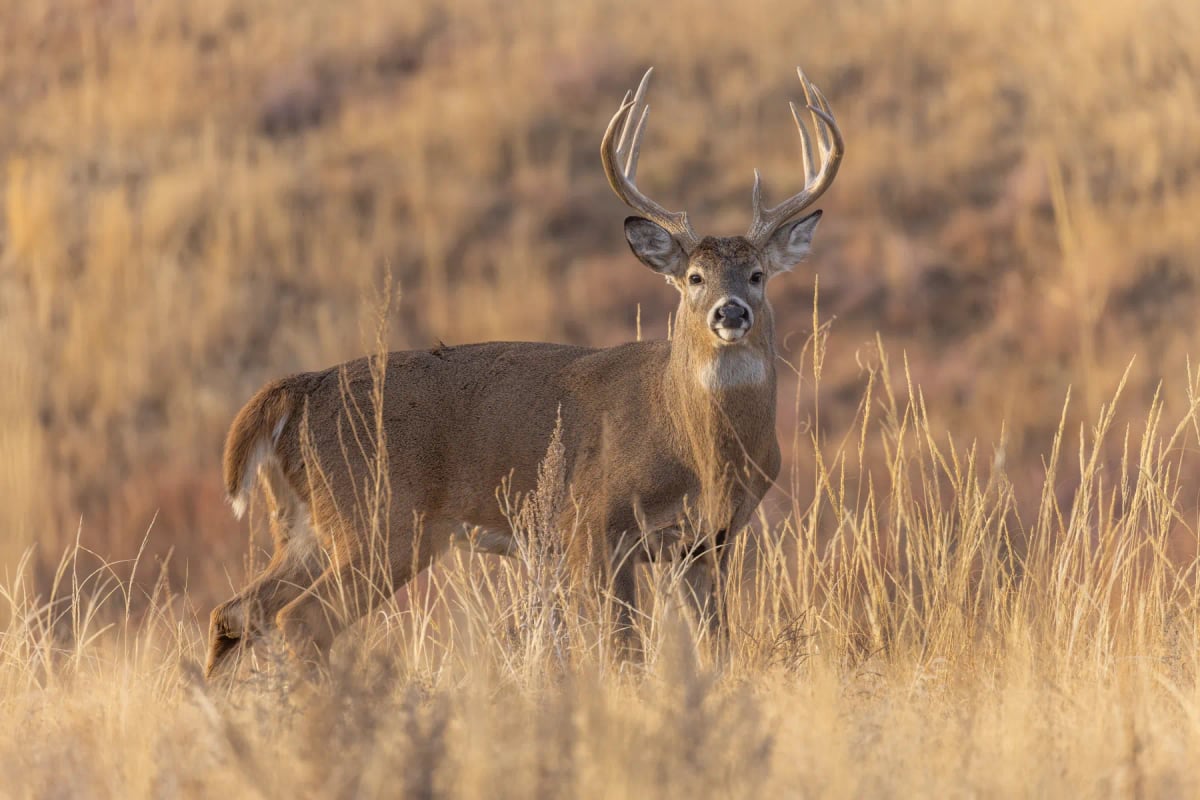
White tailed Deer
Odocoileus virginianus
In Colombia, the white tailed deer inhabits the Andes mountain range and surrounding valleys, where it favors open grasslands, shrublands, and the edges of cloud forests. It is found at elevations ranging from mid to high altitude across departments such as Cundinamarca and Boyacá. Hunting pressure and habitat loss have affected some populations, though the species remains present across a wide area of the country's highland landscapes.
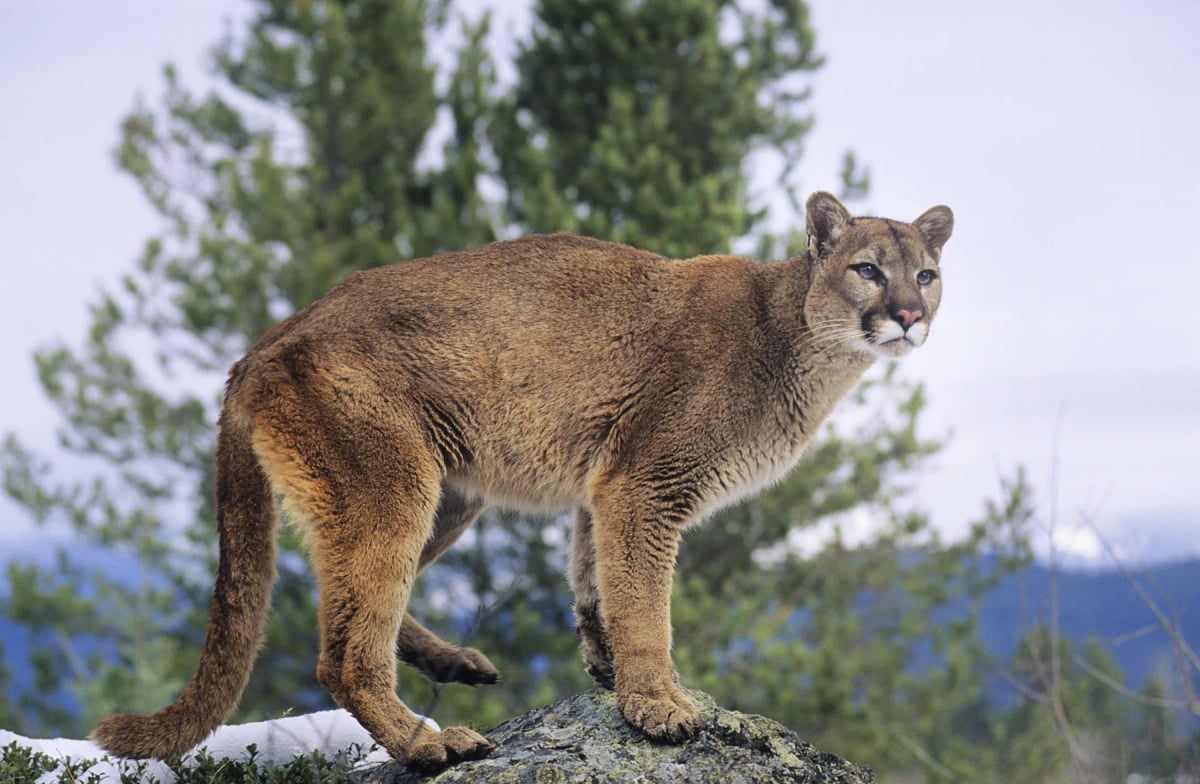
Cougar
Puma concolor
The cougar is present across much of Colombia, from the Andean highlands and cloud forests to the tropical lowlands of the Amazon and the Orinoco region. Its adaptability allows it to survive in a country with one of the most varied landscapes on Earth. However, expanding agricultural land and armed conflict in remote areas have historically made conservation monitoring difficult in many parts of the country.
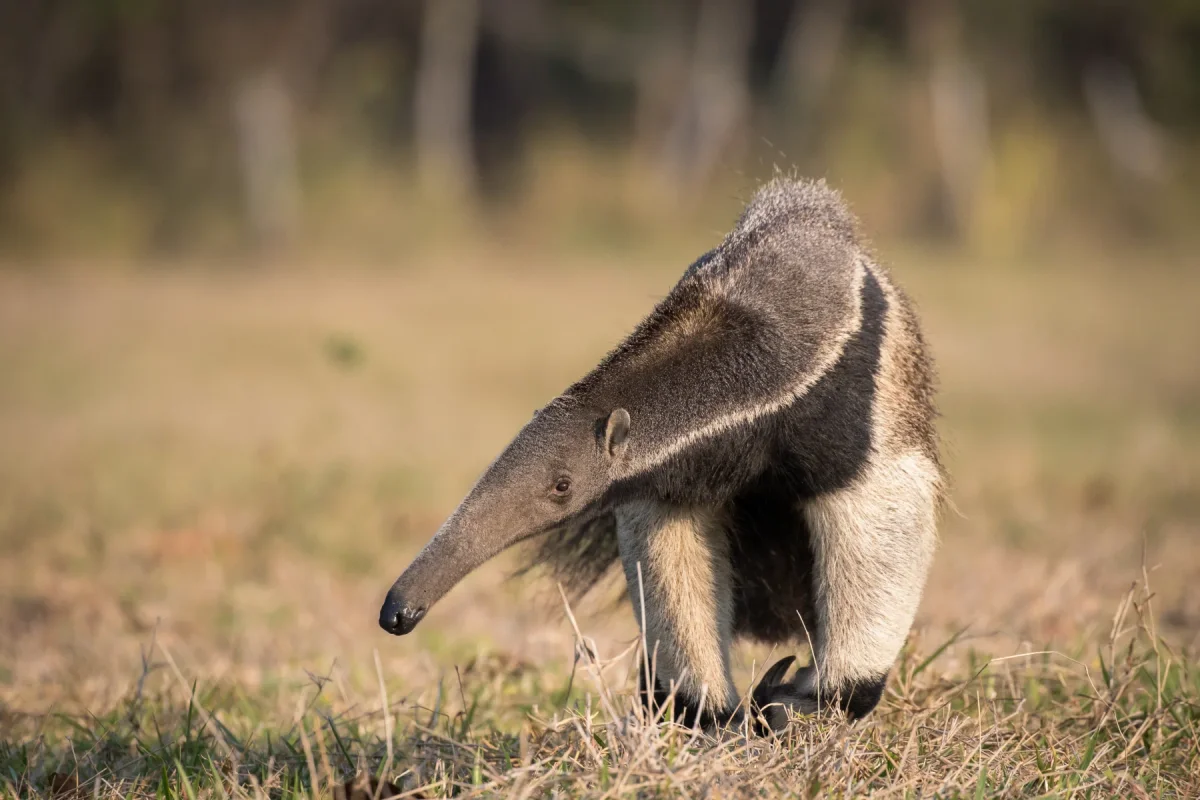
Anteater
Myrmecophaga tridactyla
Three anteater species are found in Colombia. The giant anteater lives in the Llanos, the Caribbean lowlands and parts of the Amazon, where it walks across open grassland and savanna feeding on ants and termites with its long sticky tongue. The southern tamandua is widespread in forests and forest edges across the lowlands, while the tiny silky anteater lives in the tree canopy of tropical forests on both coasts and in the Amazon. The giant anteater is classified as vulnerable and has declined due to habitat loss and road accidents. The Llanos is the most reliable place in Colombia to see giant anteaters.
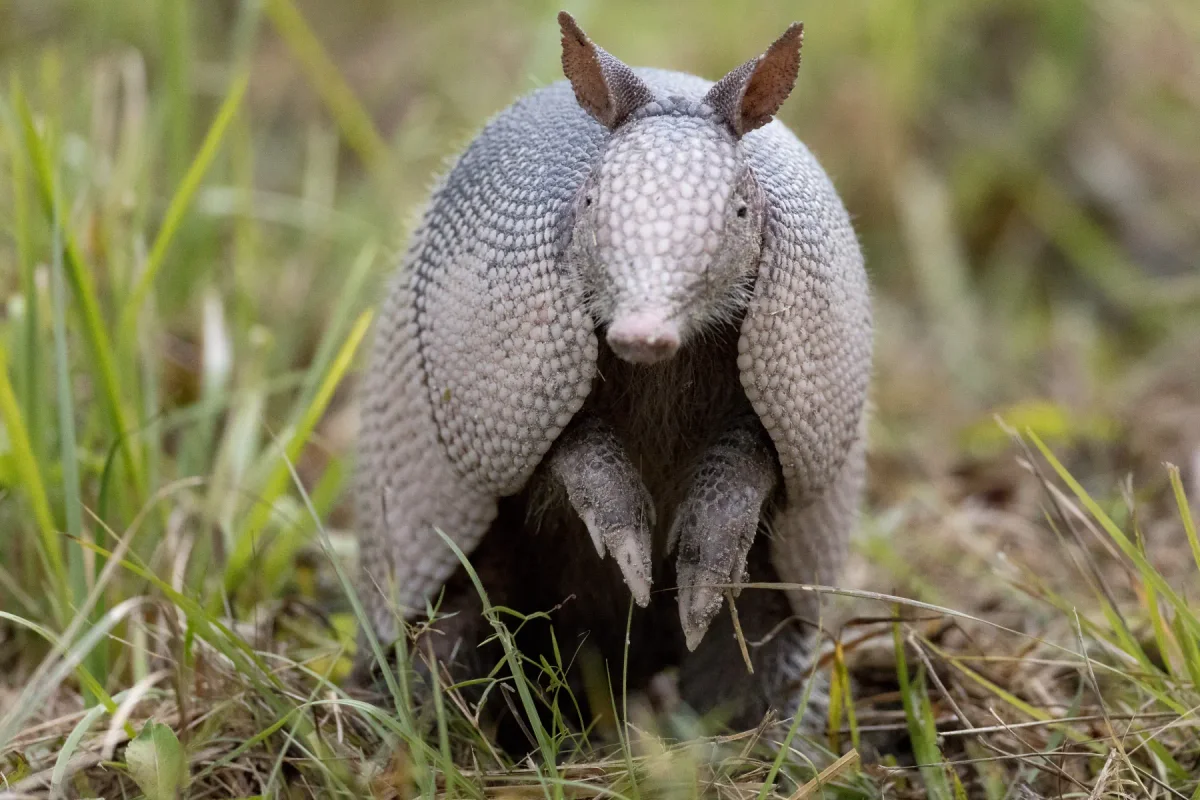
Armadillo
Dasypodidae spp.
Several armadillo species are found in Colombia across a wide range of habitats. The nine banded armadillo is the most widespread, present in forests, savannas and agricultural areas throughout the country. The giant armadillo, one of the largest and most threatened, lives in the Amazon basin and the Llanos, where it digs enormous burrows used by many other animal species. Armadillos feed mainly on insects, worms and other invertebrates and are important in controlling insect populations in the soil. In many rural areas they are hunted for their meat, which has put pressure on populations of larger species.
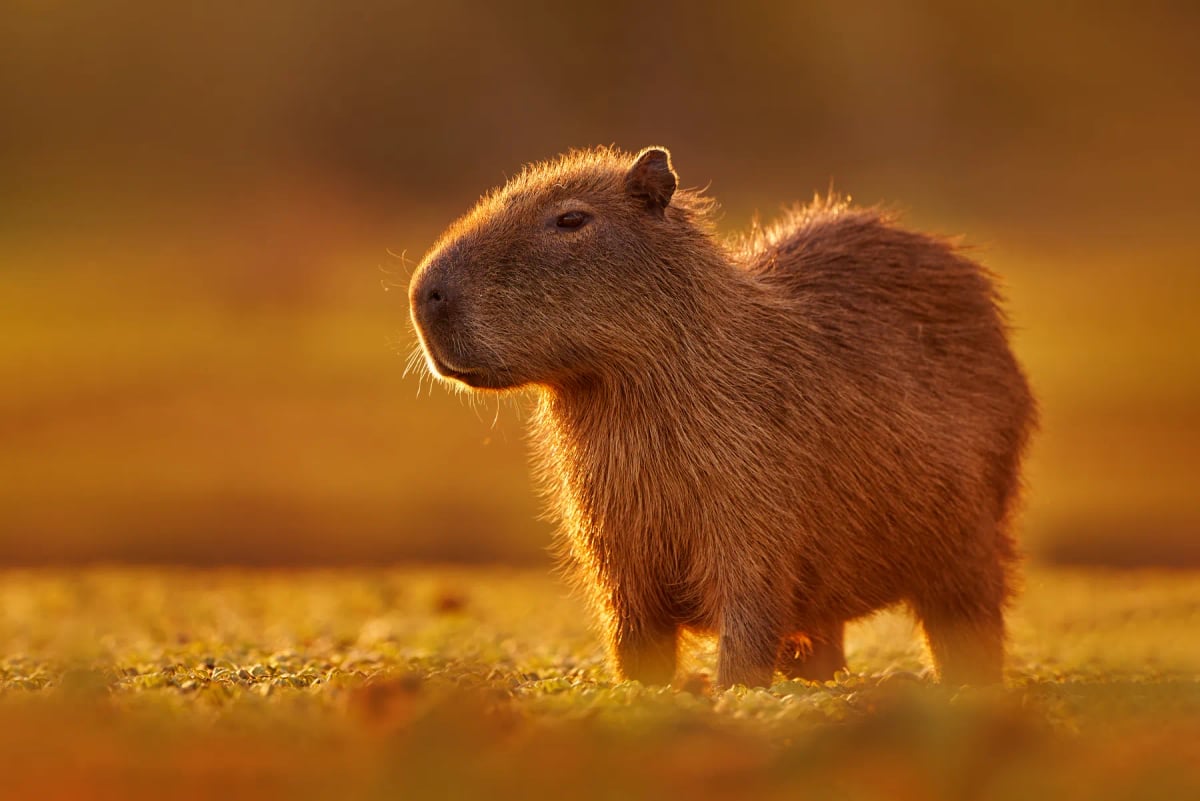
Capybara
Hydrochoerus hydrochaeris
In Colombia, capybaras are found across the Orinoquía region, particularly in the vast flooded grasslands known as Los Llanos, as well as in Amazonian lowland areas. They gather in groups along rivers and lagoons, grazing on grasses and aquatic vegetation. The species is listed as Least Concern by the IUCN. In some areas, they are hunted for their meat and hide, creating localized conservation concerns.
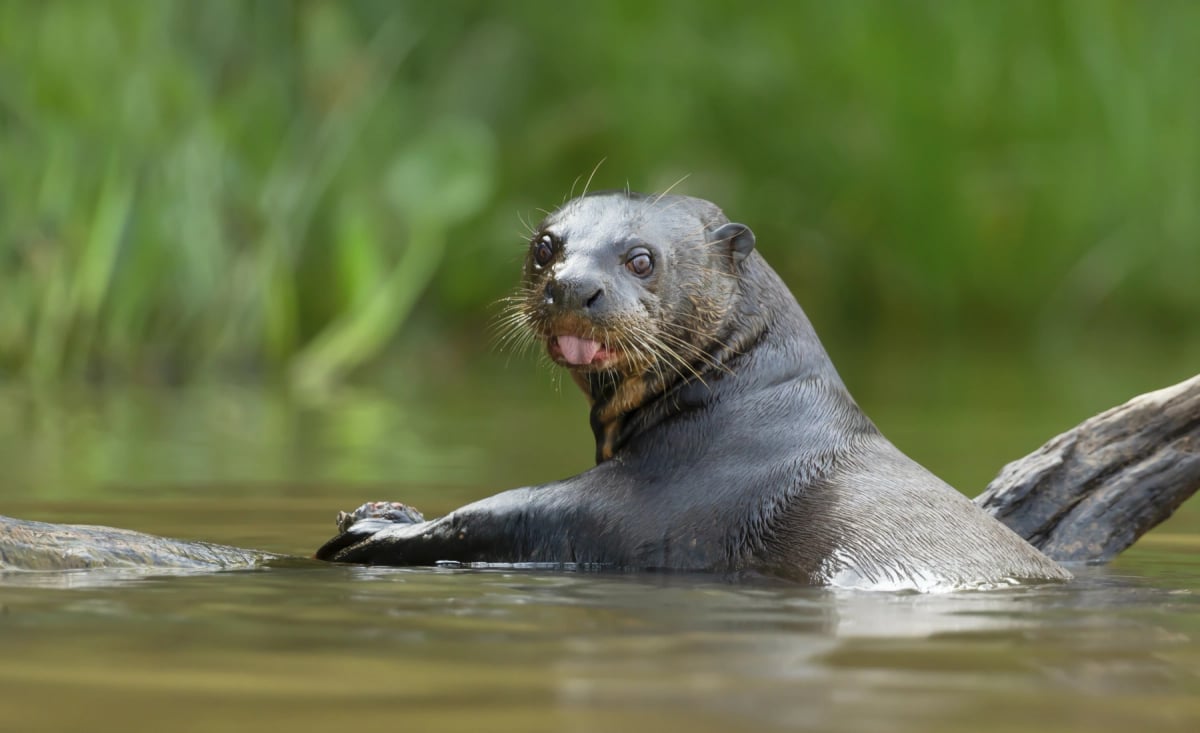
Giant Otter
Pteronura brasiliensis
In Colombia, the giant otter is found in the Orinoco and Amazon river systems, including remote areas of the Llanos and the Amazon foothills. It lives in family groups that hunt fish cooperatively during daylight hours. Centuries of commercial hunting and ongoing habitat degradation have left populations fragmented and small. Conservation efforts in Colombia's national parks, such as Serranía de la Macarena, offer some of the best remaining refuge for this Endangered species.
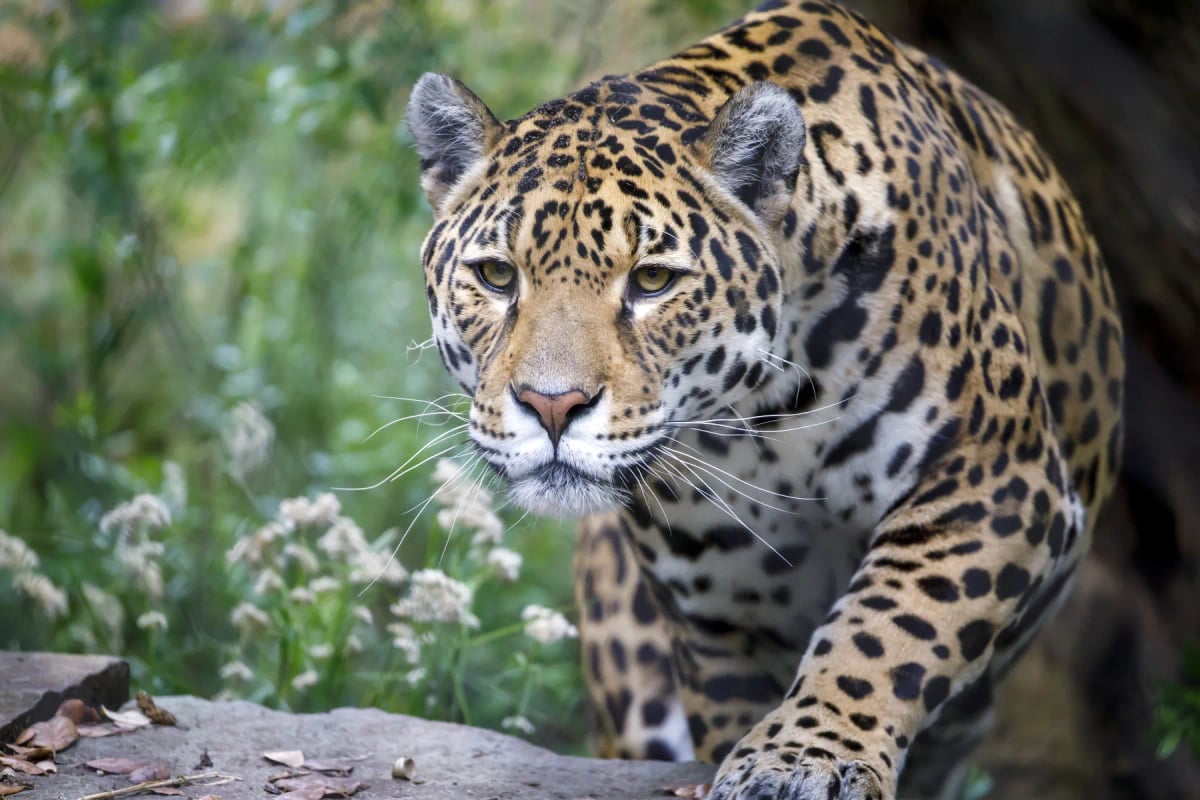
Jaguar
Panthera onca
In Colombia, jaguars are found across several ecosystems, including the Amazon and Orinoco river basins, the Chocó rainforest, and the llanos of the eastern plains. The country's extraordinary biodiversity makes it an important part of the jaguar's range in South America. Habitat loss and conflict with ranchers remain the main threats. Colombia participates in regional efforts to maintain connected forest corridors for the species.
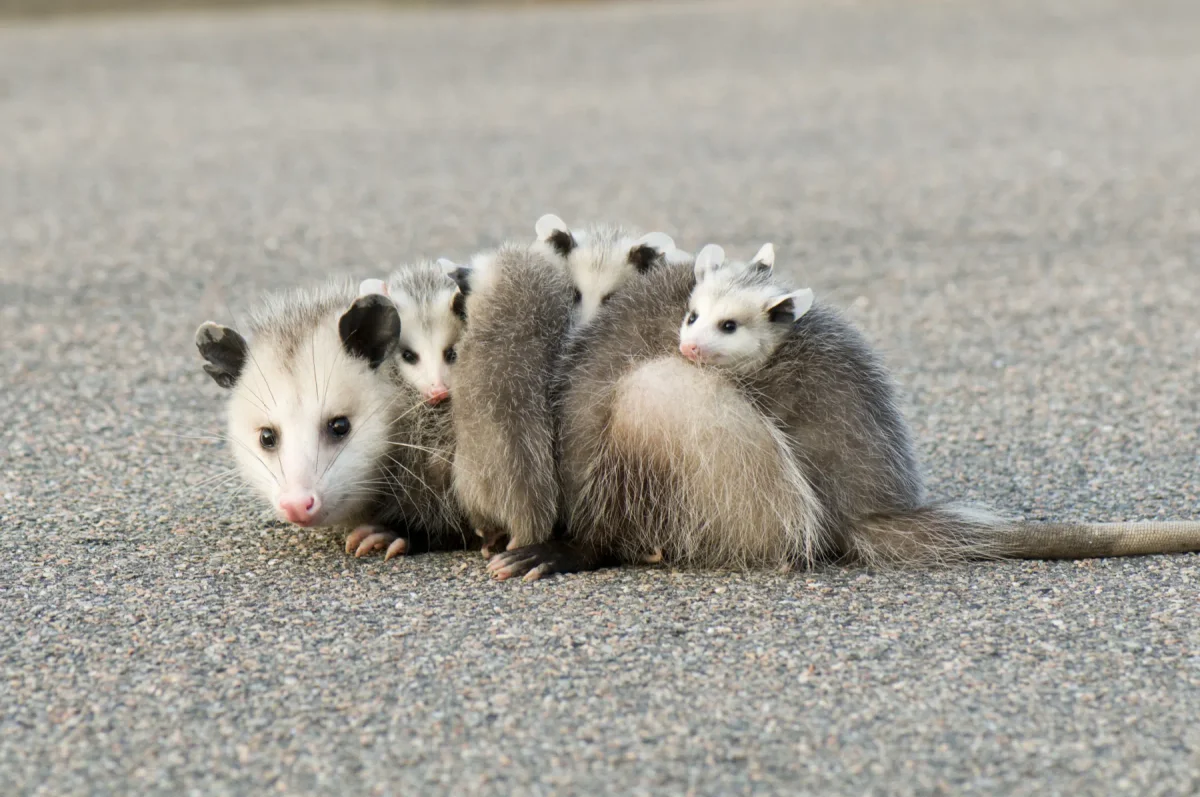
Opossum
Didelphis spp.
Colombia hosts both the common opossum (Didelphis marsupialis) and the white-eared opossum (Didelphis albiventris), which occupy different elevations and regions across the country. The common opossum prefers humid lowland forests along the Pacific and Caribbean coasts and into the Amazon basin, while the white-eared opossum is found at higher elevations in the Andes. Colombia's extraordinary habitat variety supports both species across a wide range of ecosystems.
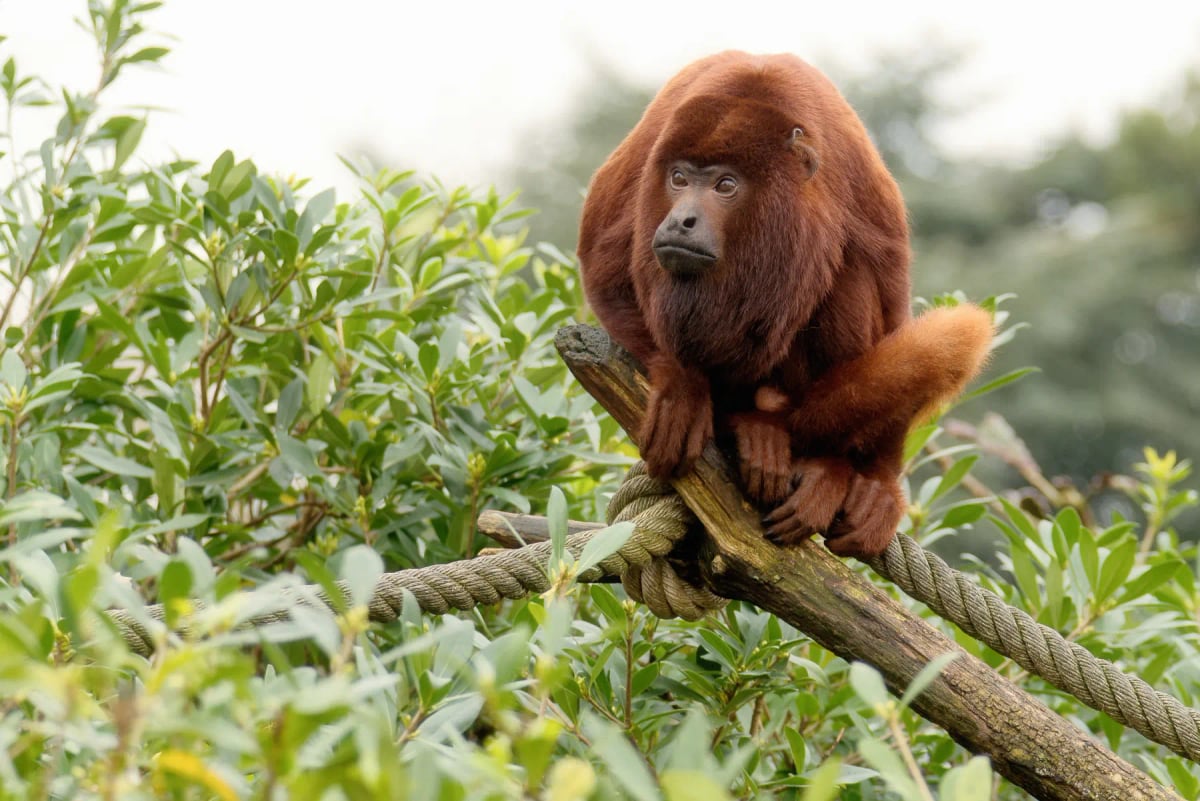
Red Howler Monkey
Alouatta seniculus
Across Colombia's Amazon and Orinoco regions, as well as forests along the Pacific coast, the red howler monkey fills the canopy with its resonant dawn chorus. The enlarged hyoid bone in its throat amplifies the call to remarkable distances. Groups of up to nineteen individuals feed on young leaves, fruits, and flowers. Deforestation in parts of the country poses a growing challenge to local populations.
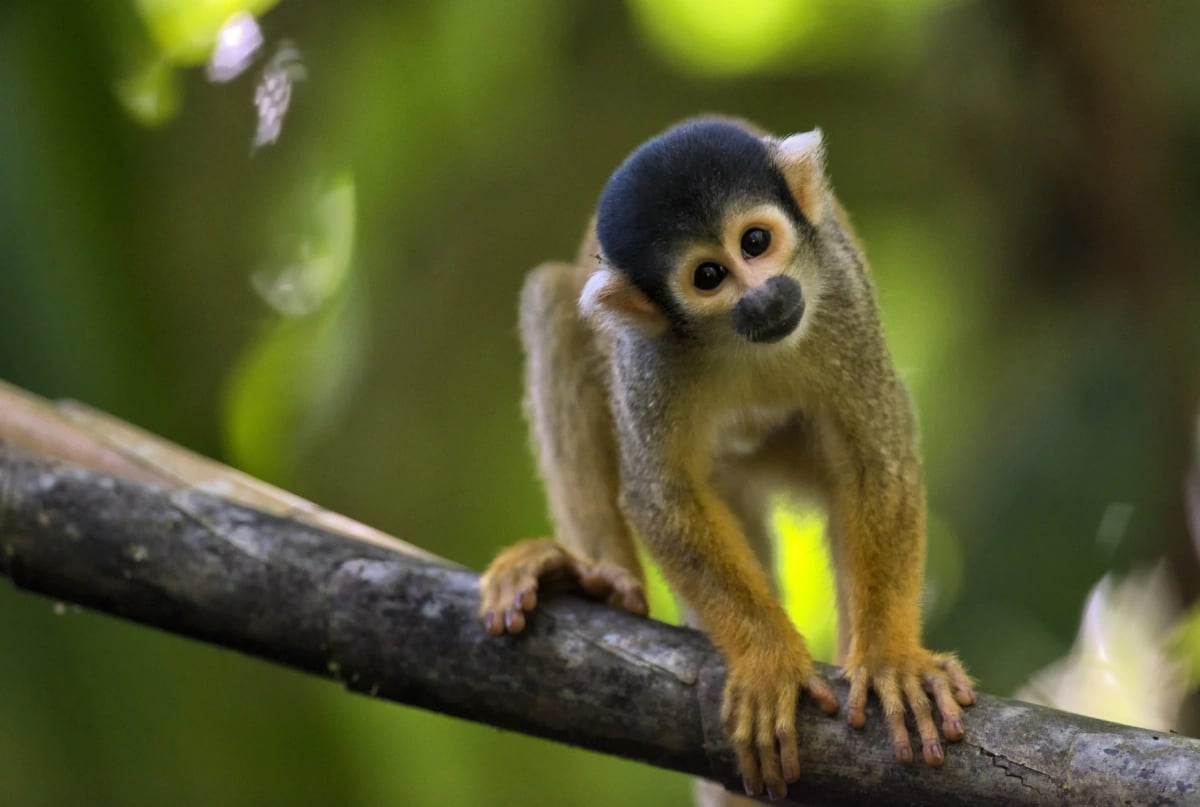
Squirrel Monkey
Saimiri spp.
Colombia hosts squirrel monkeys across its Pacific lowlands and Amazonian regions, where dense tropical forest provides ideal habitat. Troops of 20 to over 100 individuals move through the canopy and understory in search of insects and fruit. Colombia's remarkable biodiversity makes it one of the most important countries for primate research, and squirrel monkeys are a common and lively presence in many protected areas.
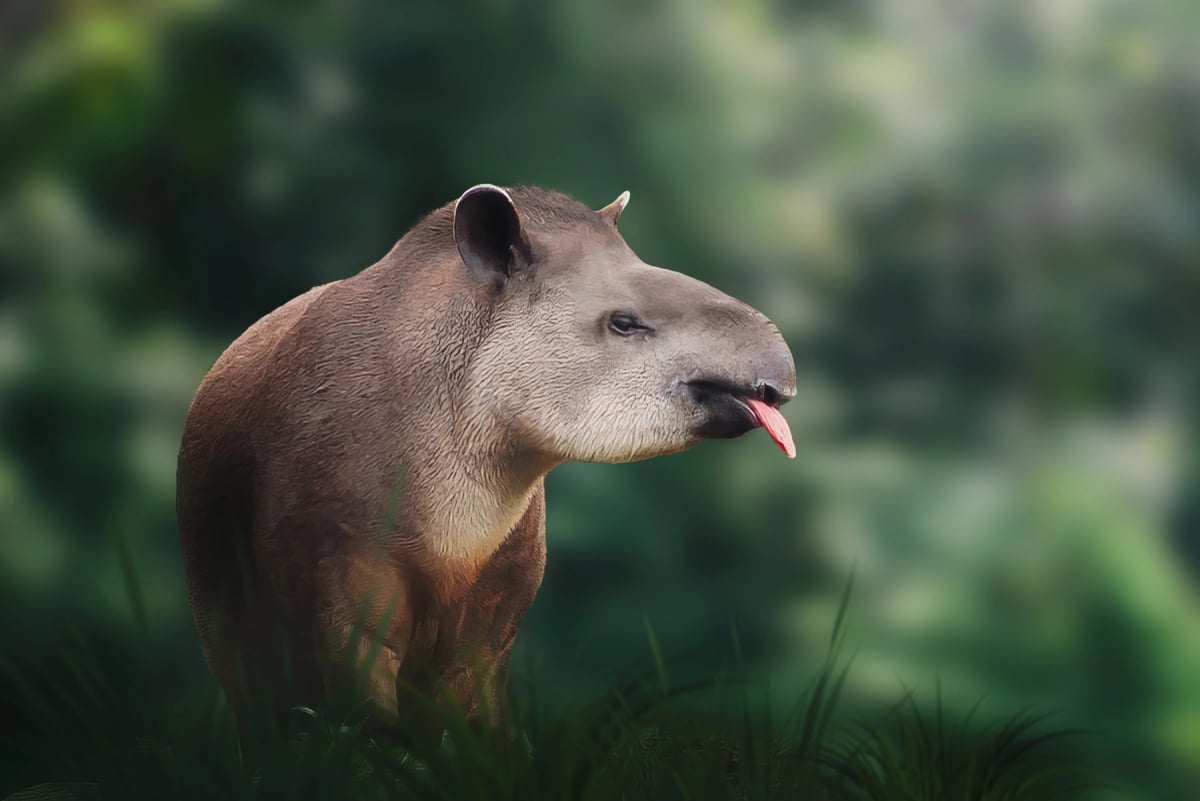
Tapir
Tapirus spp.
Colombia is home to both Baird's tapir in the northwest and the South American tapir across the Amazon and Orinoco lowlands. The mountain tapir also lives in the Andean páramos and cloud forests above 2,000 metres. This makes Colombia one of the few countries where three tapir species coexist. All three face threats from deforestation, road construction, and hunting across different regions of the country.
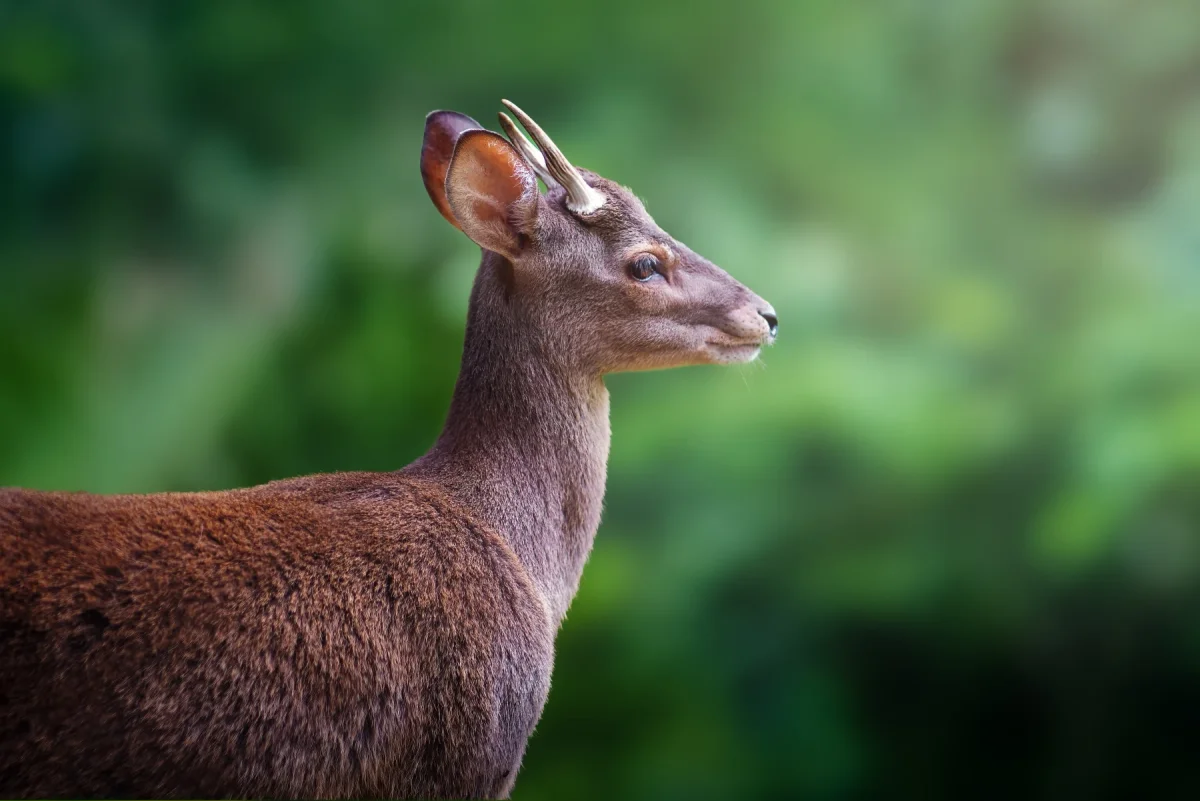
Brocket Deer
Mazama spp.
In Colombia, brocket deer are found across a remarkable range of ecosystems, from Amazonian lowland rainforest to Andean foothill forests and the llanos grasslands. The red brocket is most common in humid forest zones. Colombia's high rate of deforestation, combined with unregulated hunting in rural areas, puts pressure on local populations. Protected areas such as Serranía de Chiribiquete offer important refuges for these shy, forest-dwelling deer.
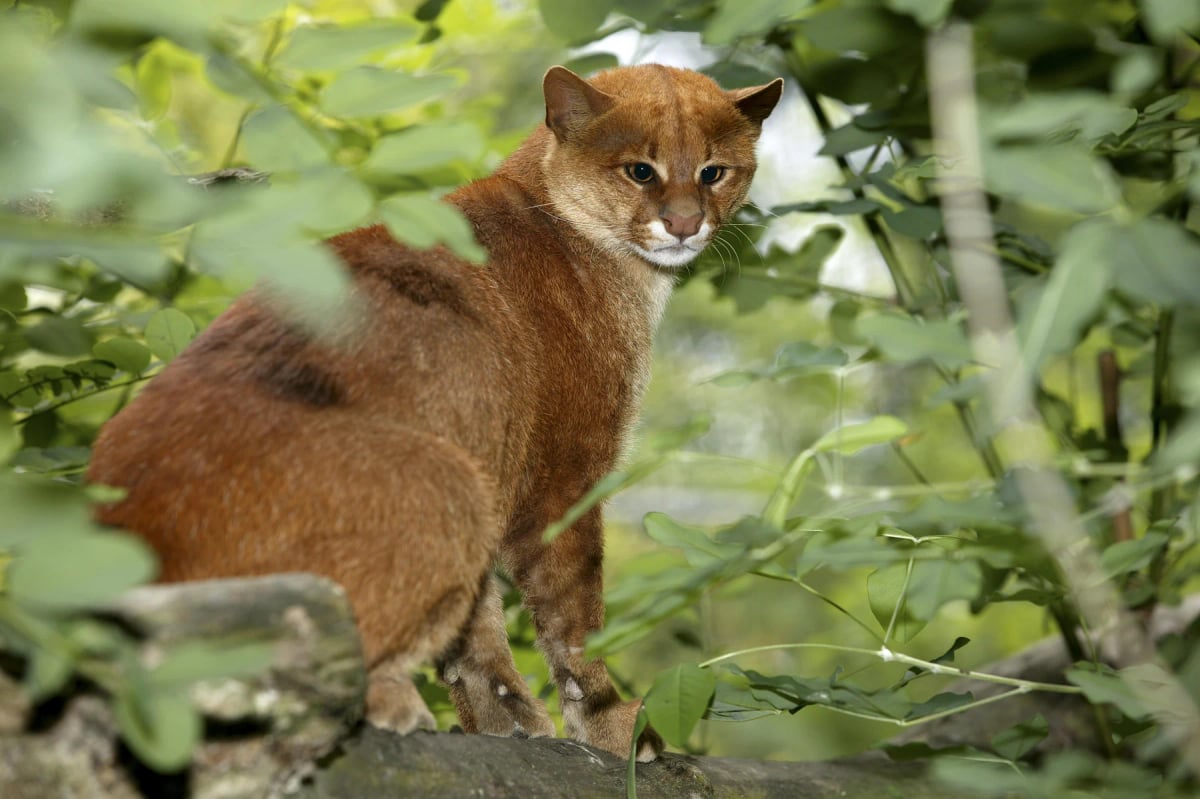
Jaguarundi
Herpailurus yagouaroundi
In Colombia, the jaguarundi is found across a broad range of habitats, including Caribbean lowlands, Pacific forests, Amazonian jungle, and the Orinoco grasslands. It is absent from the high Andes but uses forested foothills and river valleys. Colombia's exceptional biodiversity makes it one of the most important countries for this species in South America. Habitat loss from agricultural expansion remains a key concern.
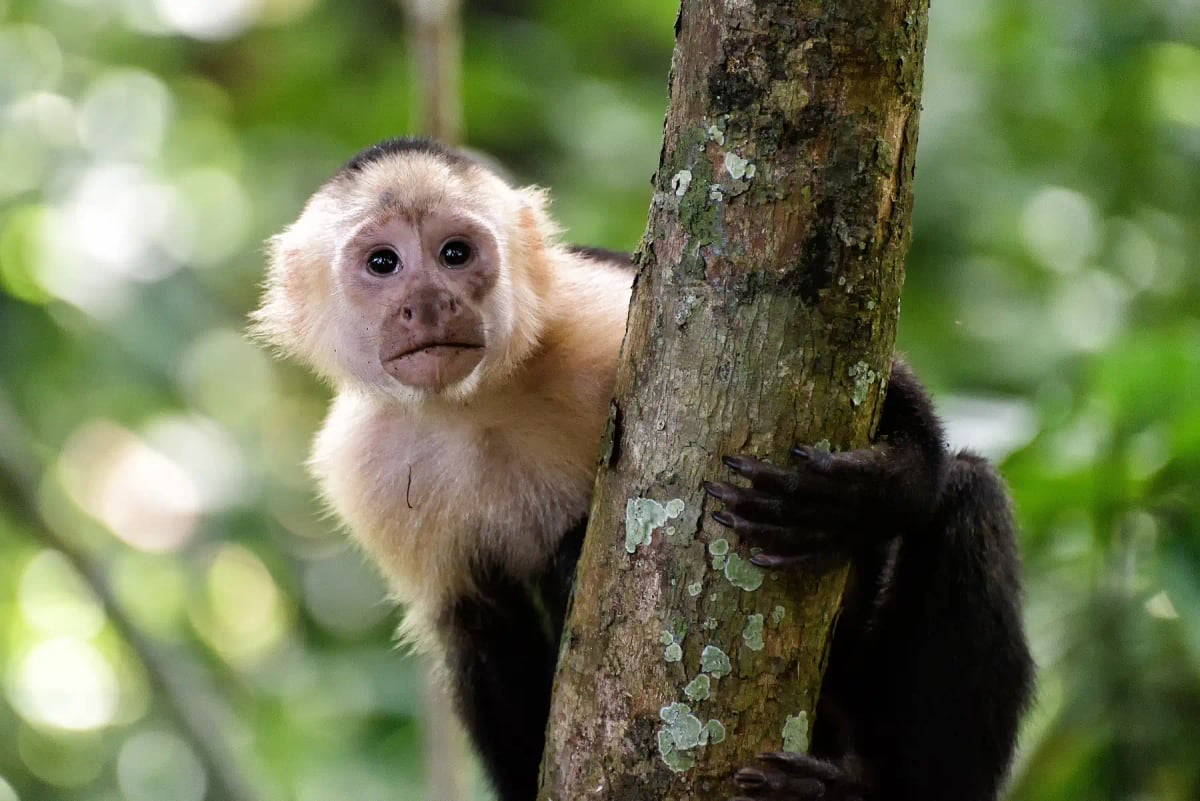
White faced Capuchin
Cebus capucinus
In Colombia, the white faced capuchin inhabits the forests of the Pacific coast and the northwestern regions of the country, including areas of the Chocó bioregion. This adaptable primate lives in social groups and forages across multiple layers of the forest. It feeds on fruit, insects, and small vertebrates, and is sometimes spotted near rural communities. Its IUCN status is Least Concern.
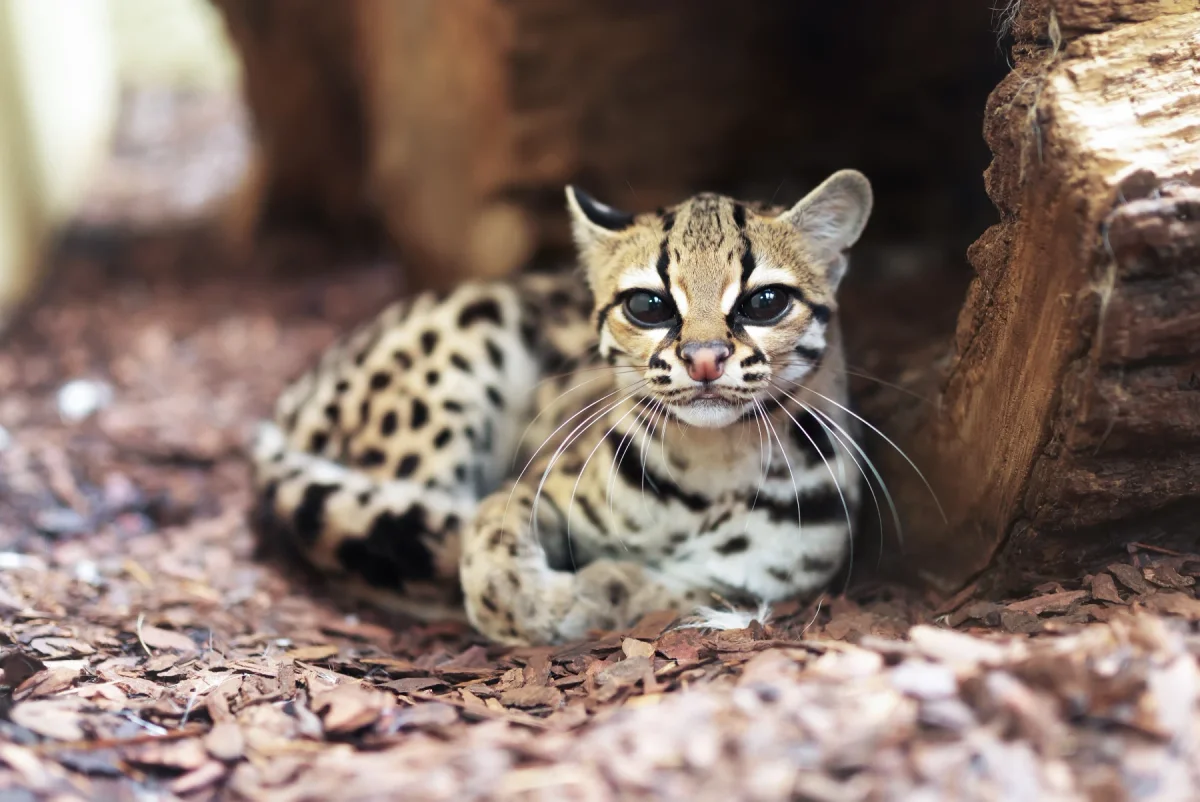
Margay
Leopardus wiedii
Colombia's exceptional biodiversity extends to the margay, which is found across the country's Amazon and Pacific lowland forests as well as foothill forests along both Andean slopes. It is one of the few wild cats recorded in such a variety of Colombian ecosystems. Deforestation, armed conflict affecting conservation efforts, and illegal wildlife trafficking all pose threats to this nocturnal climber. The IUCN classifies it as Near Threatened across its full range.
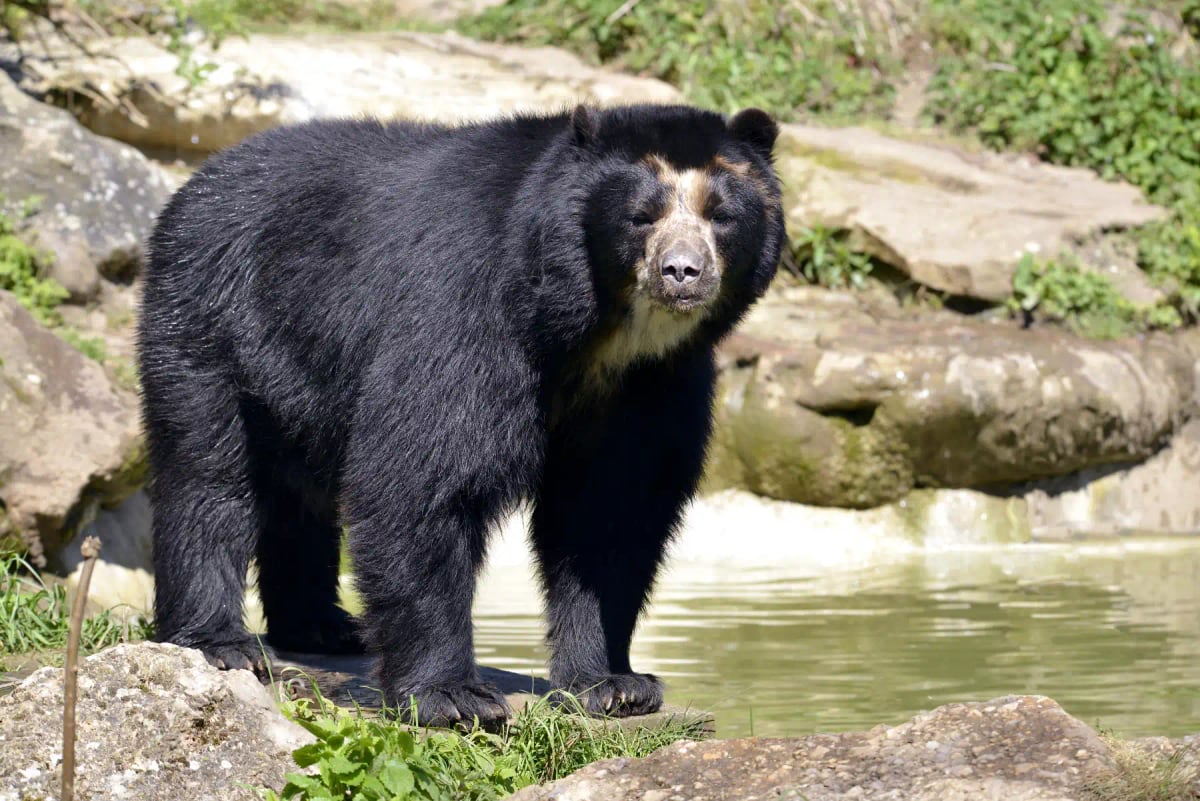
Spectacled Bear
Tremarctos ornatus
The spectacled bear is the only bear species found in South America. In Colombia, it roams the Andean cloud forests and páramos of the three mountain ranges, reaching elevations above 4,000 meters. It feeds mainly on bromeliads, fruits, and palms. Deforestation and conflict with farming communities are its main threats. The IUCN classifies it as Vulnerable.

Iguana
Iguana iguana
The green iguana is one of the most visible reptiles in Colombia, found across lowland forests, river edges and coastal areas on both the Pacific and Caribbean sides of the country. It is an excellent climber and is often seen basking on branches overhanging rivers, dropping into the water when threatened. In the Llanos and Caribbean lowlands it is particularly abundant and is traditionally hunted for its meat and eggs in many rural communities. Despite heavy pressure, populations remain widespread across suitable habitat in the country.
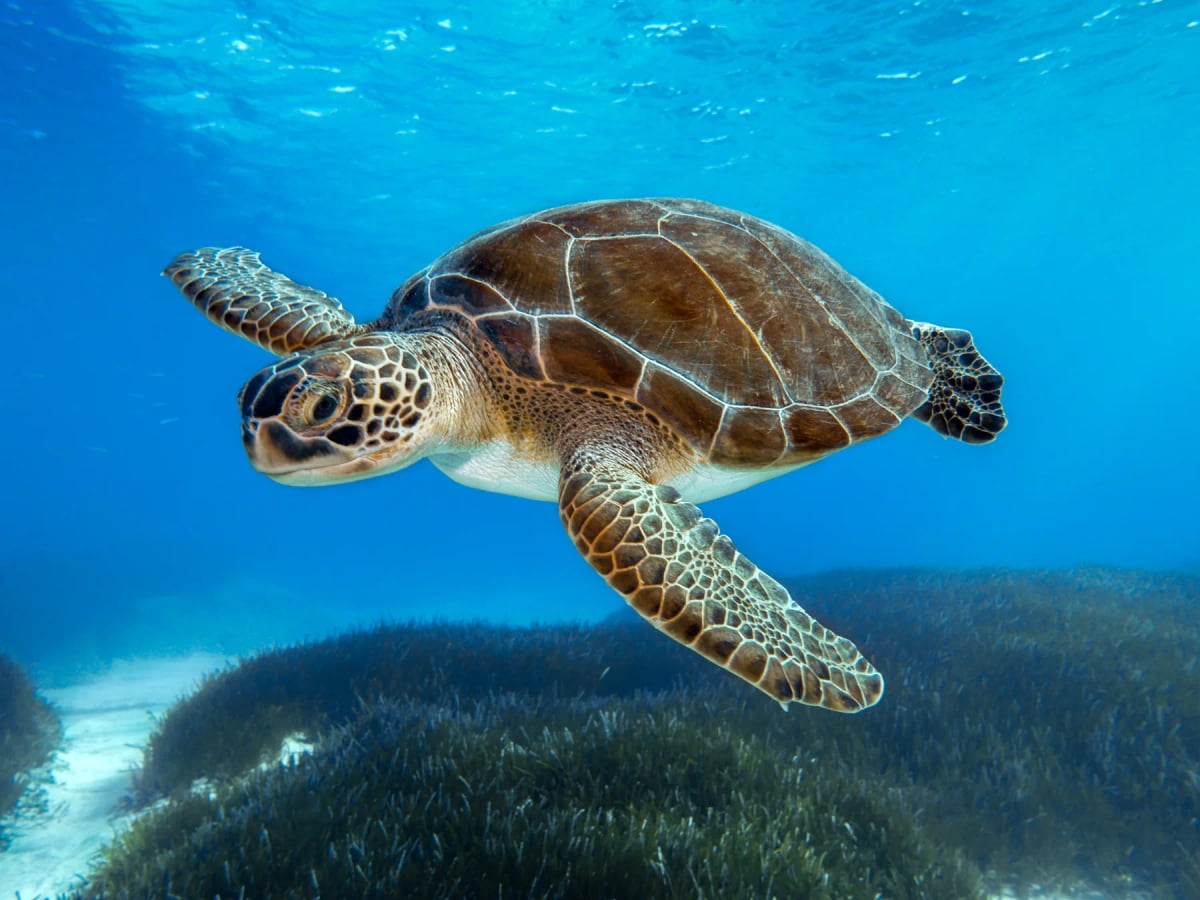
Sea Turtle
Cheloniidae & Dermochelyidae (families)
Colombia's Caribbean and Pacific coasts are important nesting and feeding habitats for several sea turtle species. Leatherback, loggerhead, hawksbill and green turtles all use Colombian waters, with major nesting beaches on the Caribbean coast including Taganga and the Rosario Islands, and on the Pacific coast in Chocó and the Utría National Park area. Colombia has declared several marine protected areas to safeguard nesting beaches and feeding grounds for these threatened species.
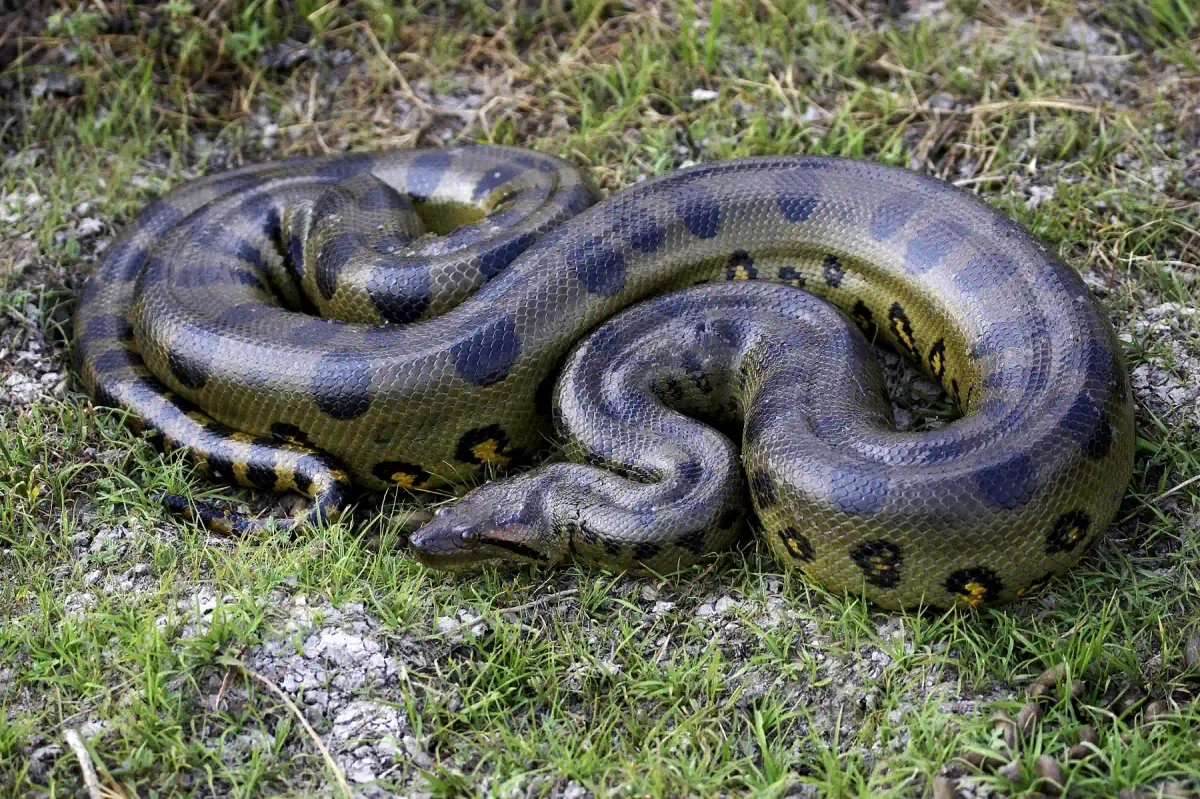
Anaconda
Eunectes murinus
The green anaconda, the heaviest snake in the world, is found in Colombia's Amazon basin and the flooded grasslands of the Llanos, where it inhabits slow moving rivers, swamps and flooded plains. It is an ambush predator that hunts fish, birds, caimans and mammals, constricting prey before swallowing it whole. Females can exceed five meters in length and weigh over one hundred kilograms. Despite its fearsome reputation, it rarely poses a danger to humans in the wild. The Llanos of the Orinoco are among the best places in the country to see anacondas in their natural habitat.
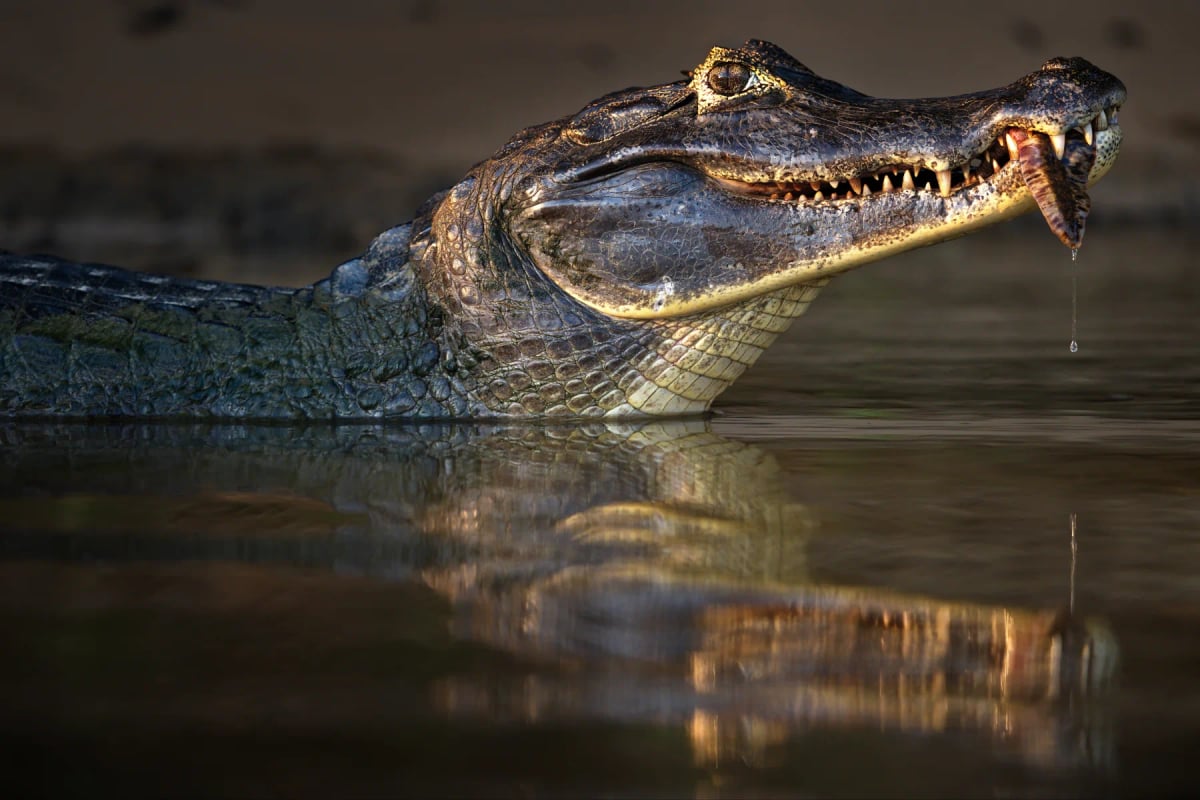
Caiman
Caiman spp.
Colombia is home to several caiman species, including the spectacled caiman and the threatened broad-snouted caiman in some regions. They occupy the Orinoco and Amazon river basins, the Caribbean coastal wetlands, and the flooded savannas of the Llanos. Colombia has a history of intensive commercial hunting that severely reduced populations in the twentieth century, though recovery efforts and legal protections have allowed numbers to stabilize in many areas over the decades since.
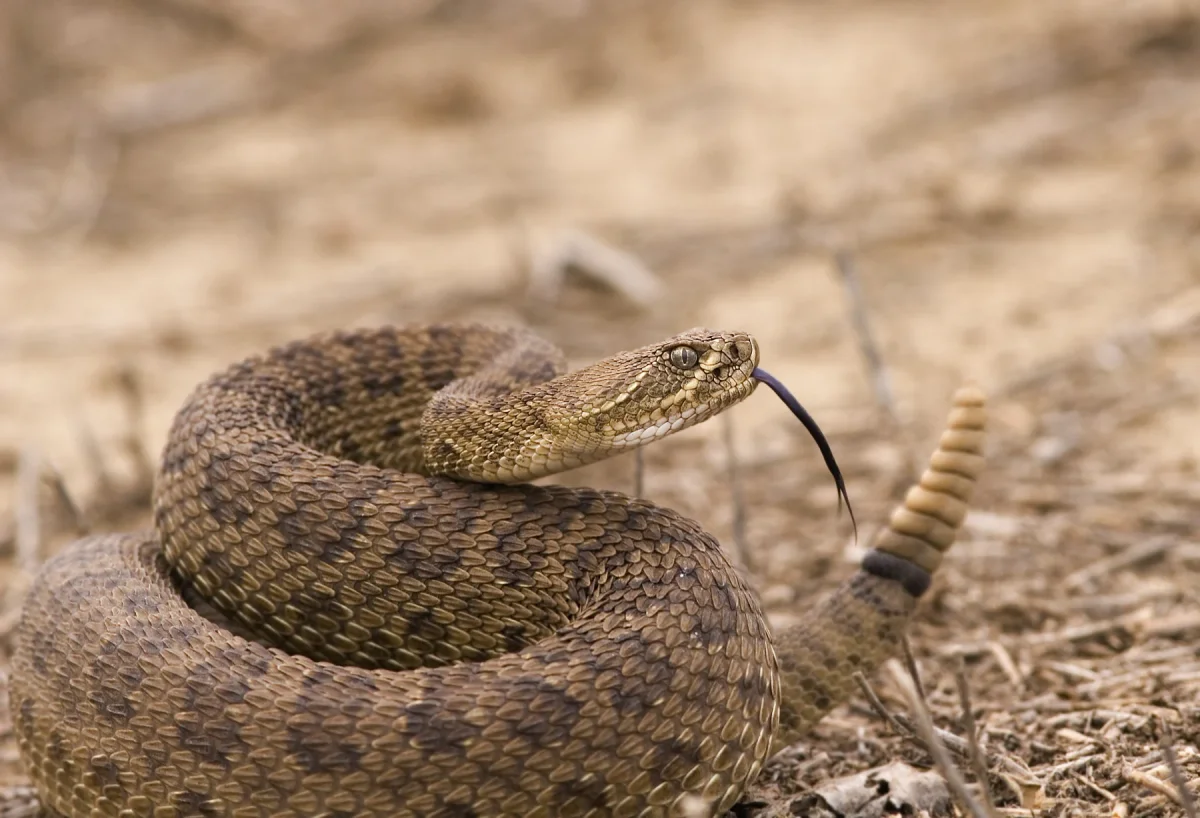
Rattlesnake
Crotalus spp. / Sistrurus spp.
In Colombia, the cascabel (Crotalus durissus) inhabits dry Caribbean lowlands, the Magdalena Valley, and open grasslands in the Orinoco region. Colombia hosts several subspecies, and the venom of some carries neurotoxic components in addition to the more typical hemotoxic effects. Deforestation and expanding agriculture have reduced suitable habitat in many areas. Despite a fearsome local reputation, the snake is an important predator of rodents across these ecosystems. IUCN status: Least Concern.
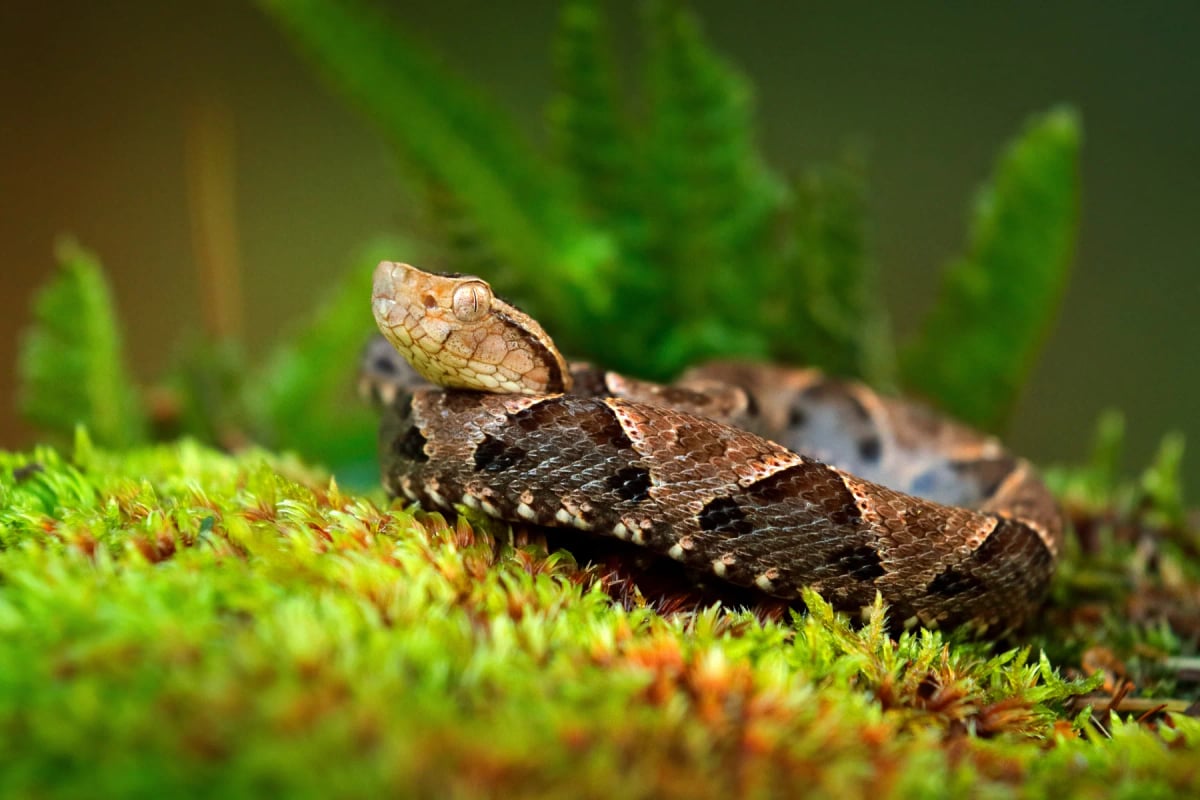
Lancehead
Bothrops spp.
Colombia's extraordinary range of ecosystems, from Pacific rainforests and Amazon lowlands to Caribbean coastal plains, supports multiple lancehead species. The fer-de-lance and related species occupy warm, humid forests across the country's diverse regions. Colombia has one of the highest rates of snakebite in South America, and lanceheads are central to that statistic. Research institutions in the country actively work on antivenom development and snakebite treatment protocols.
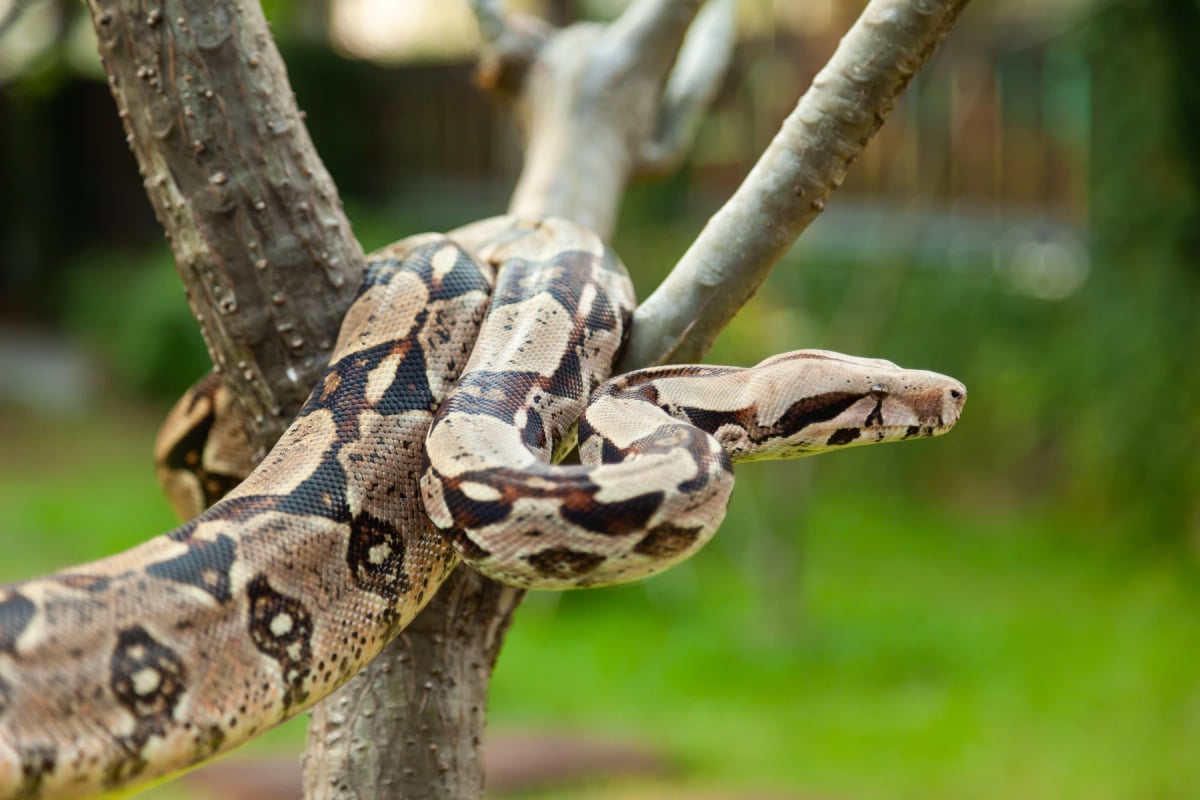
Boa Constrictor
Boa constrictor
In Colombia, the boa constrictor is distributed across the Caribbean lowlands, the Orinoco plains, and the Pacific and Amazonian regions, making it one of the most widespread large snakes in the country. It adapts readily to disturbed habitats, including farmland borders and secondary forest. The species is listed as Least Concern by the IUCN, but collection for the pet trade and habitat loss remain ongoing concerns.
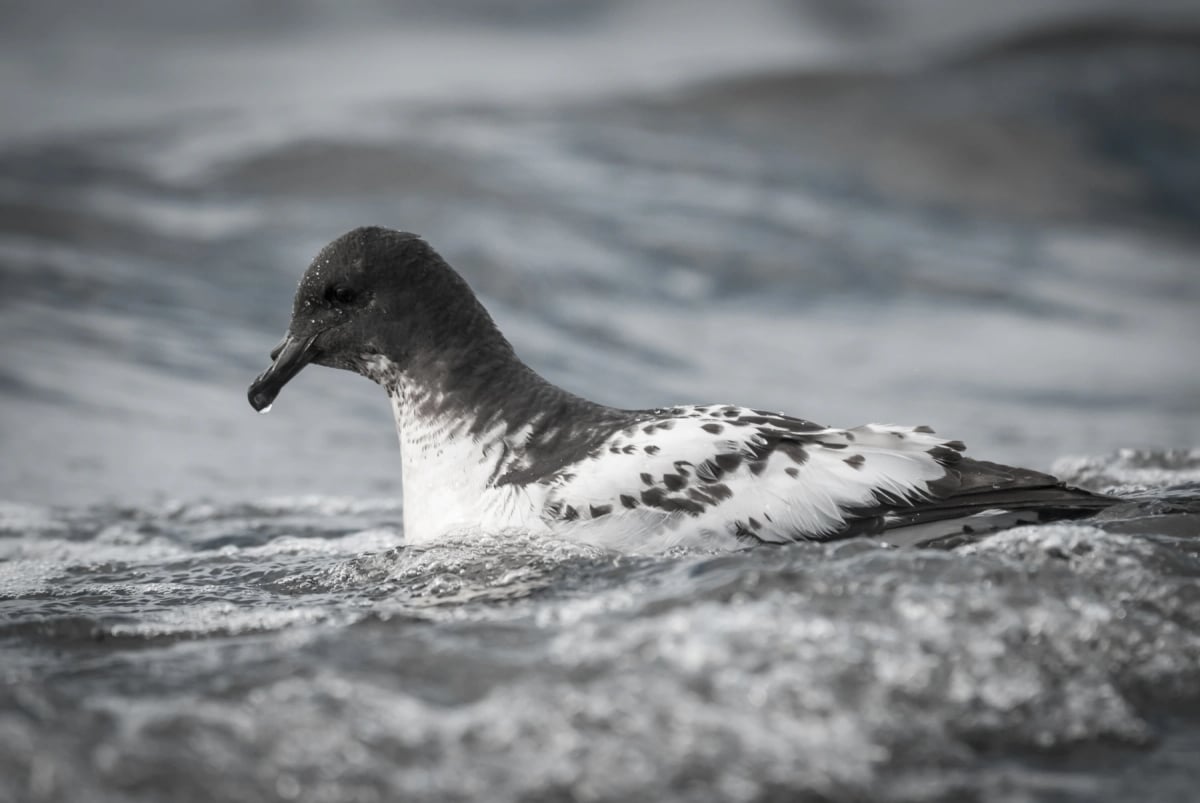
Cape Petrel
Daption capense
Colombia lies at the northern limit of the Cape petrel's range in the Pacific. Small numbers are carried north by the cold Humboldt Current and reach the offshore waters of southern Colombia, mainly during the austral winter, where they feed on fish, squid and crustaceans far from the coast. It does not breed in the country, and records come mostly from boats well out to sea. IUCN status: Least Concern.
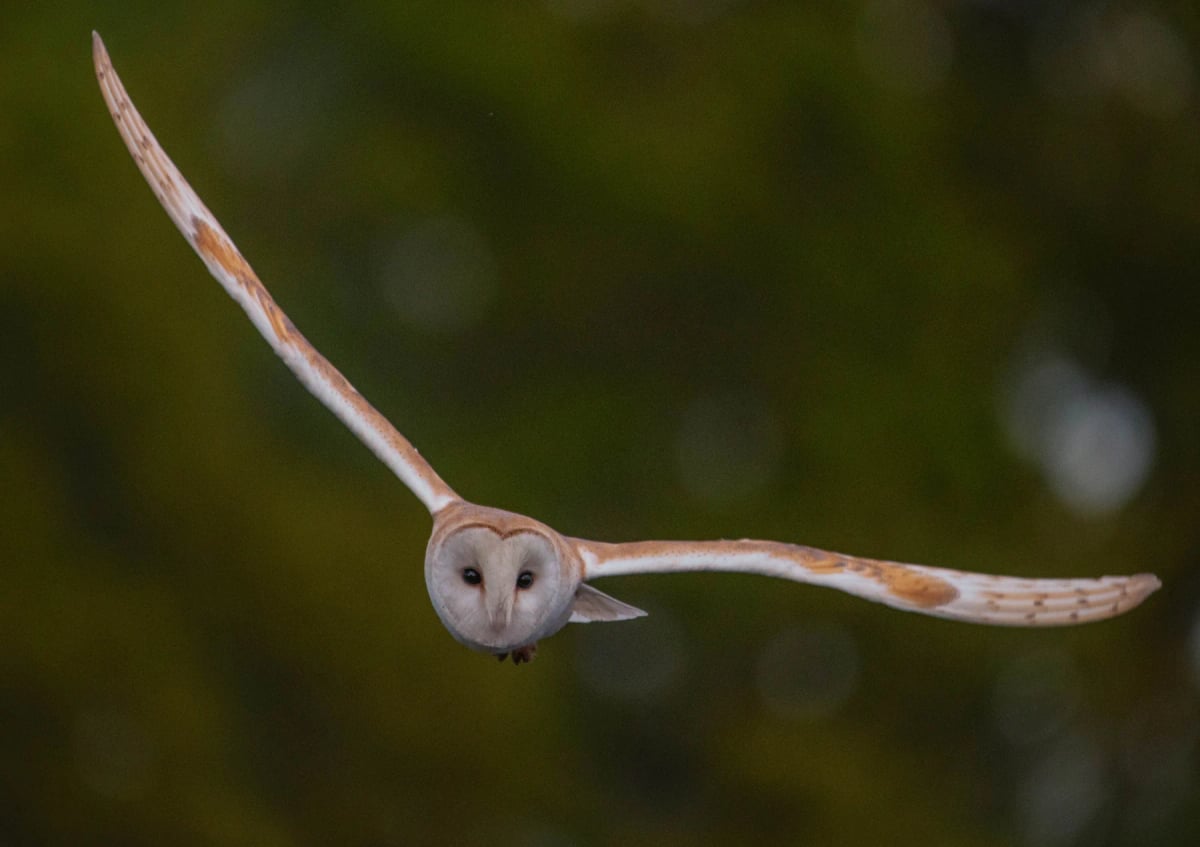
Barn Owl
Tyto alba
The barn owl is widespread across Colombia in open farmland, savanna, village areas and the outskirts of cities and towns throughout the country, from the Caribbean coast to the highland valleys of the Andes. It nests in old buildings, cliff faces and hollow trees, and hunts rodents silently at night using its exceptional hearing. It is found from sea level to considerable altitudes in Andean valleys and is one of the most broadly distributed owls in the country. In agricultural landscapes it plays an important role in controlling small mammal populations.
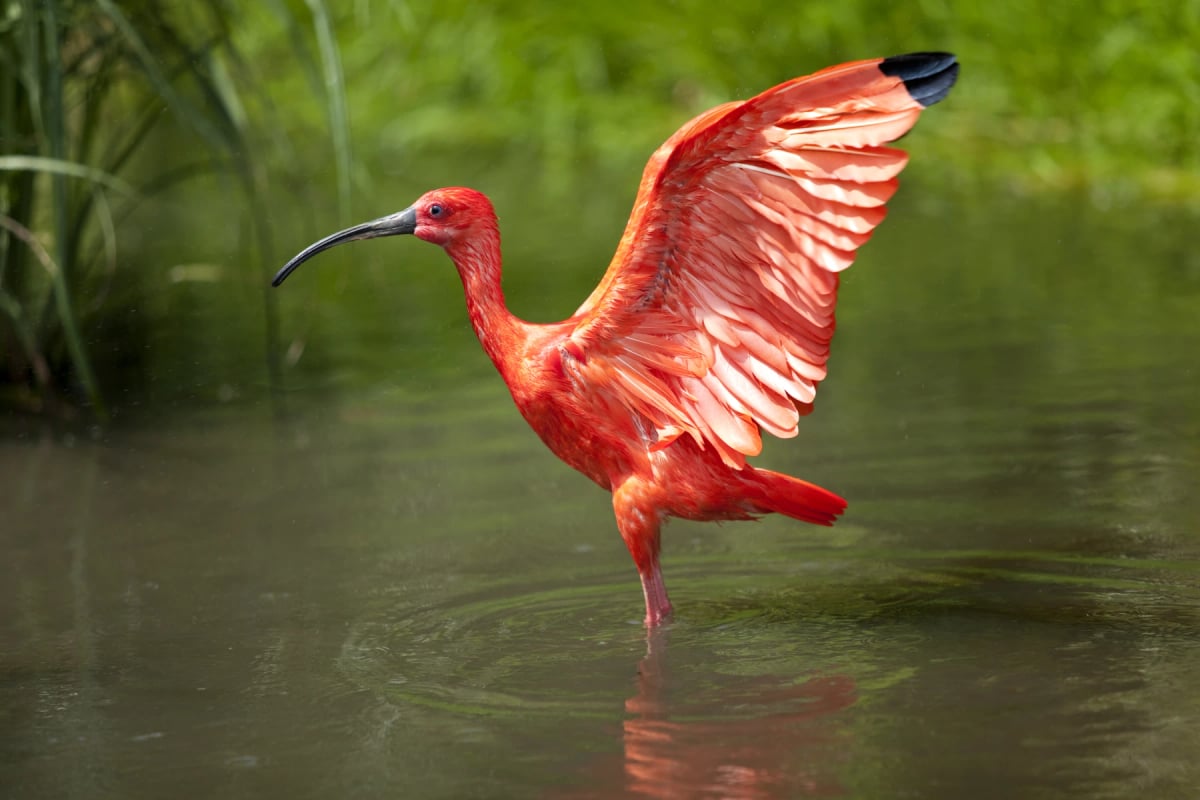
Scarlet Ibis
Eudocimus ruber
In Colombia, the scarlet ibis, called corocora roja, lives in the mangroves and lagoons of the Caribbean coast and, in large numbers, on the flooded savannas of the Llanos in the east of the country. The Ciénaga Grande de Santa Marta is among its most important coastal sites. On the Llanos it mixes with white ibises, and pale orange hybrids are sometimes seen. Conserving these wetlands is key to keeping stable populations.
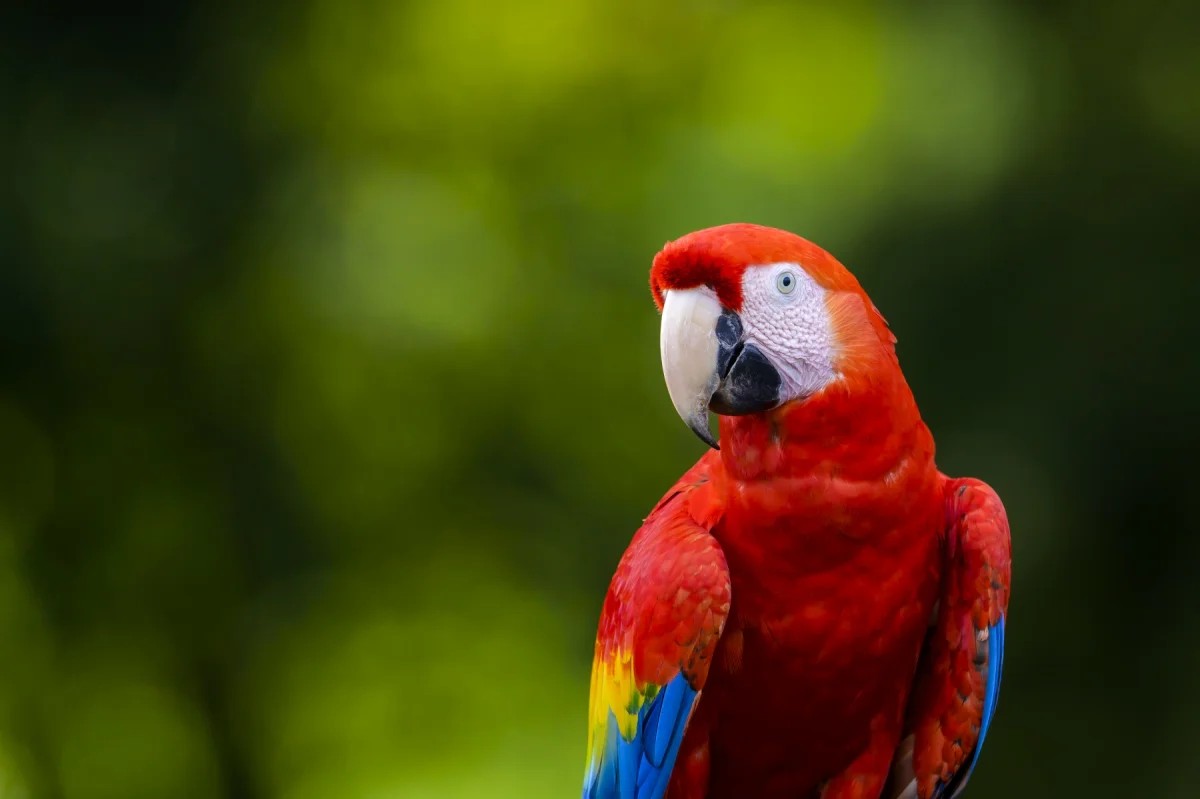
Scarlet Macaw
Ara macao
In Colombia, the scarlet macaw is found in the tropical lowlands east of the Andes, particularly in the Amazon and Orinoco regions, and in some forests of the Caribbean lowlands and the Magdalena valley. Pairs bond for life and roost together in tall trees, flying out at dawn to feed on fruits and seeds. Illegal capture for the pet trade has reduced some local populations. The IUCN lists the species as Least Concern.
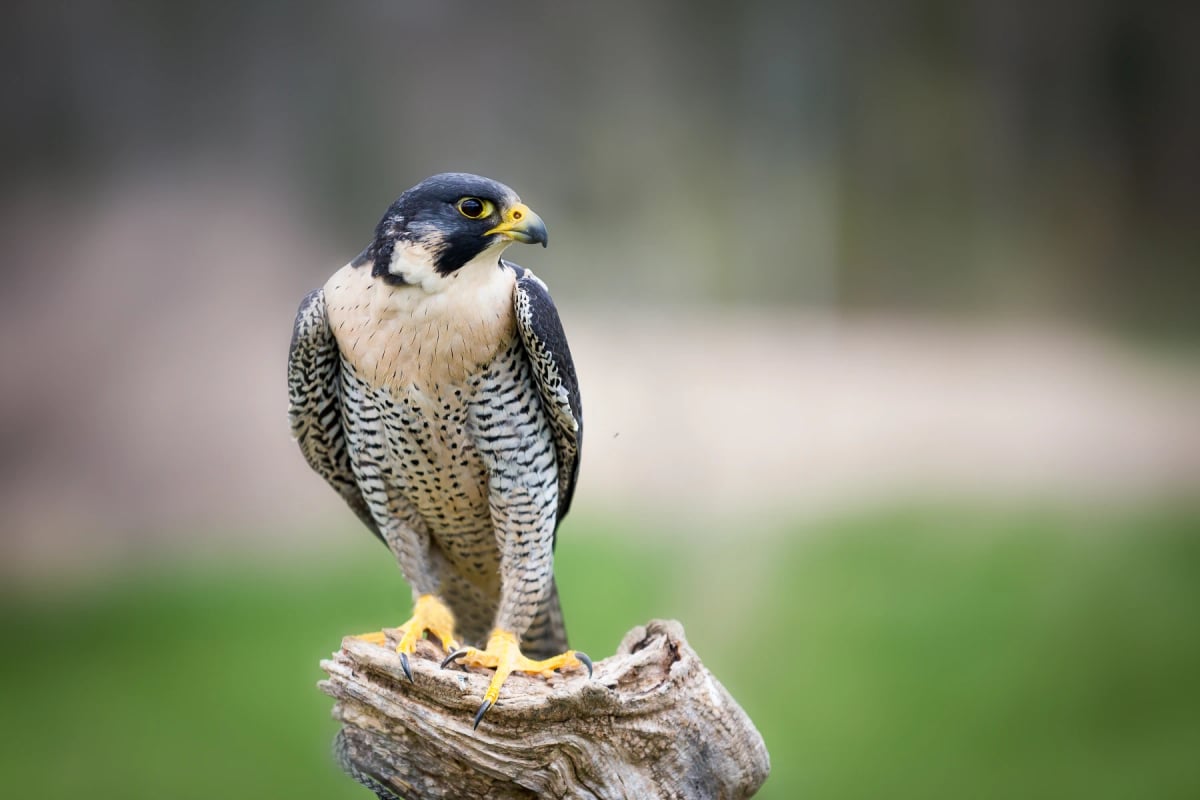
Peregrine Falcon
Falco peregrinus
Colombia receives peregrine falcons as seasonal visitors from North America, with birds arriving each northern autumn to spend the winter months. They are seen across a wide range of habitats, from the Andean highlands to coastal wetlands along both the Caribbean and Pacific shores. Colombia's position as a bridge between the two Americas makes it an important wintering ground for this fast and wide-ranging bird.
Andean Condor
Vultur gryphus
The Andean condor is Colombia's national bird and has been on its coat of arms since 1834. It became very rare in the country, and today it is critically endangered at the national level. Colombia was the first country to release captive bred condors into the wild, in 1989, and reintroduced birds now soar over páramo areas such as Los Nevados, Chingaza and Puracé, nesting on remote cliffs and feeding on large carcasses. IUCN status: Vulnerable.
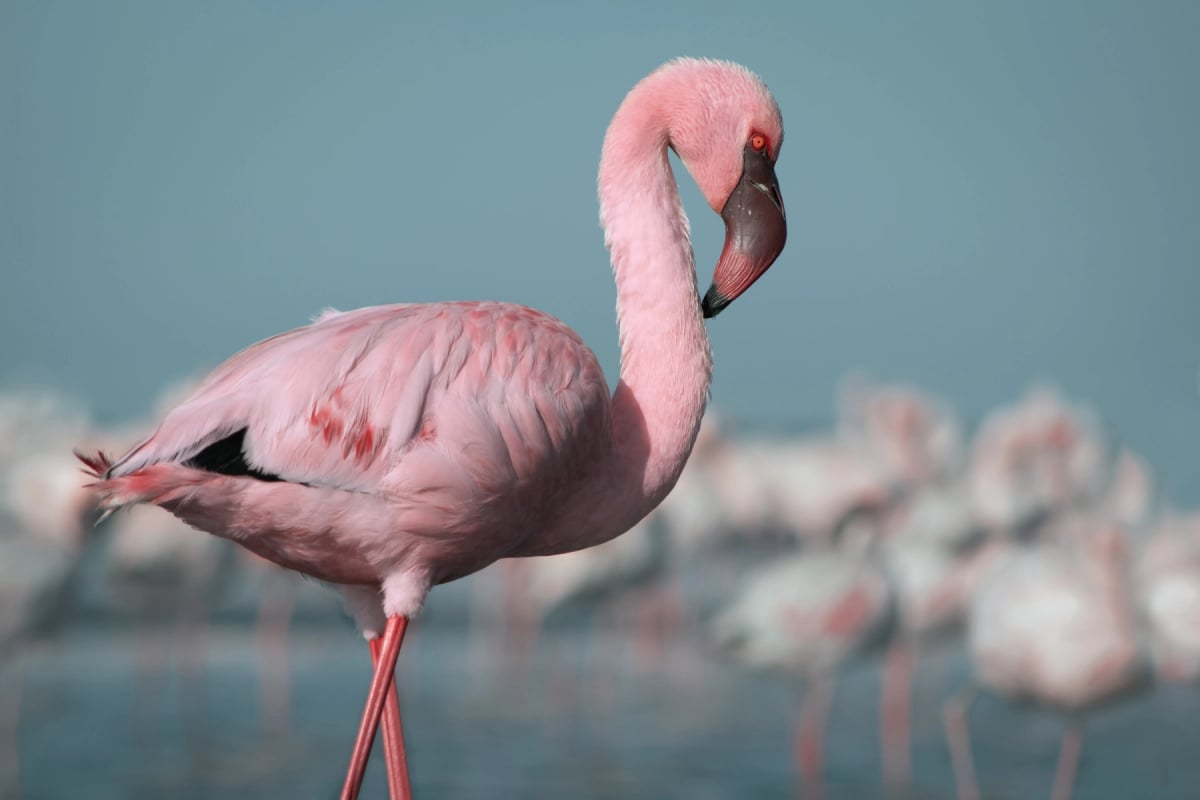
Flamingo
Phoenicopteridae (6 species)
The Caribbean coast of Colombia, particularly the shallow coastal lagoons near the Guajira Peninsula, provides habitat for the American flamingo. The Santuario de Flora y Fauna Los Flamencos, named in their honor, protects wetland areas along the Caribbean shore where these birds feed and rest. Flamingo numbers in Colombia are relatively modest, and the birds are an important draw for wildlife tourism in the region.
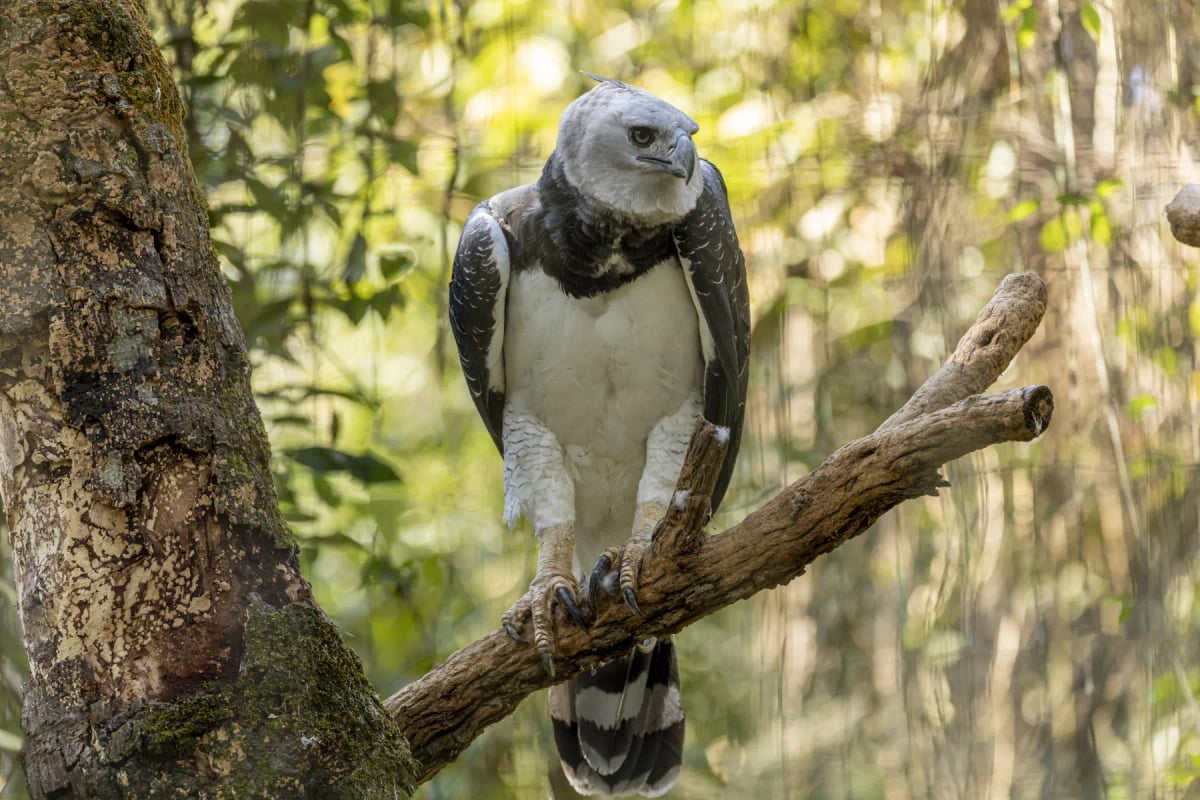
Harpy Eagle
Harpia harpyja
Colombia is home to harpy eagles across its Amazon and Orinoco lowland forests, as well as the Pacific rainforests of the Chocó region. The country's extraordinary forest diversity gives this Vulnerable raptor a wide range of habitats. Conservation efforts in Colombia have grown in recent years, with local communities and researchers working together to monitor nests and reduce hunting pressure on this iconic bird.
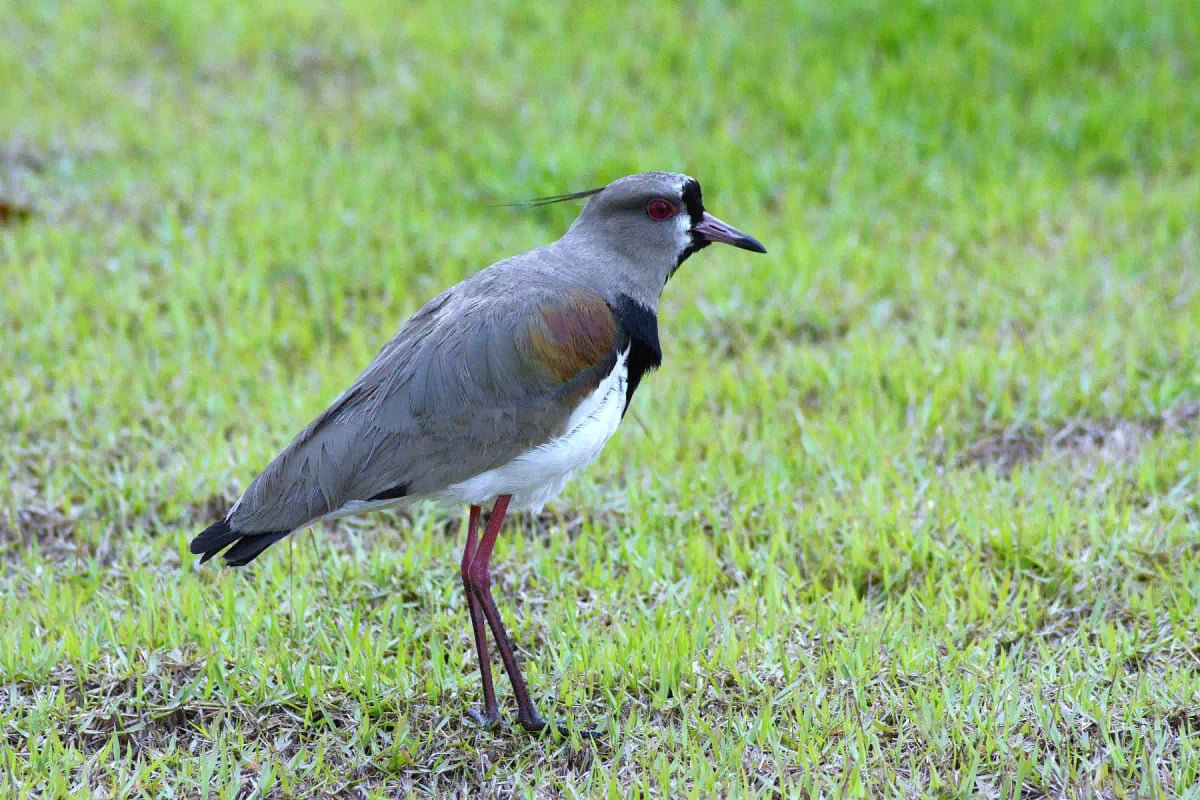
Southern Lapwing
Vanellus chilensis
The southern lapwing has expanded its range into Colombia relatively recently, now appearing regularly in the grasslands and wetlands of the Orinoco region and the Caribbean lowlands. It adapts well to cattle ranches and flooded savannas in departments such as Casanare and Meta. Its spread northward through South America reflects its resilience as a species. Its IUCN status is Least Concern.
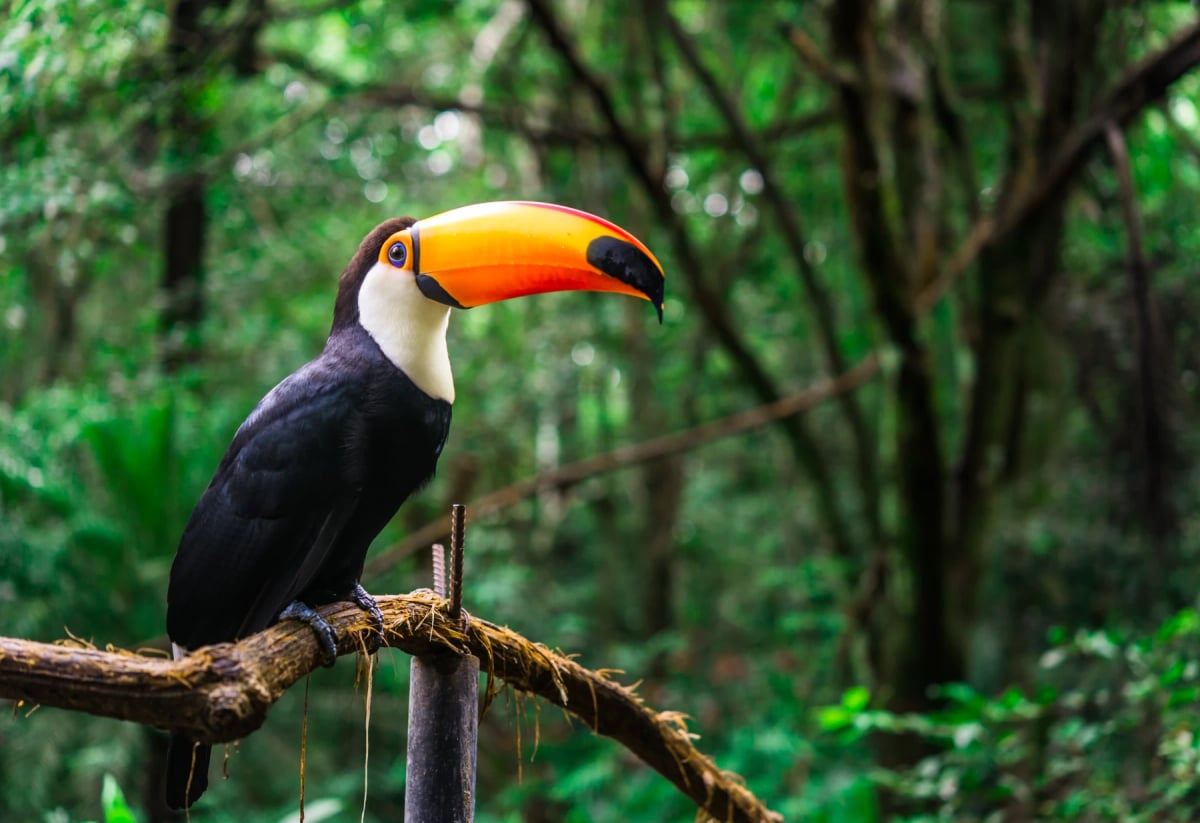
Toucan
Ramphastos spp.
Colombia has one of the highest numbers of toucan species of any country in the world, thanks to its extraordinary variety of ecosystems. Species are distributed across the Amazon lowlands, the Pacific coast, the Caribbean region, and the slopes of the Andes. The country's rich mix of forest types allows different toucan species to occupy distinct elevational ranges, from sea level up into cloud forests above 2,000 meters.
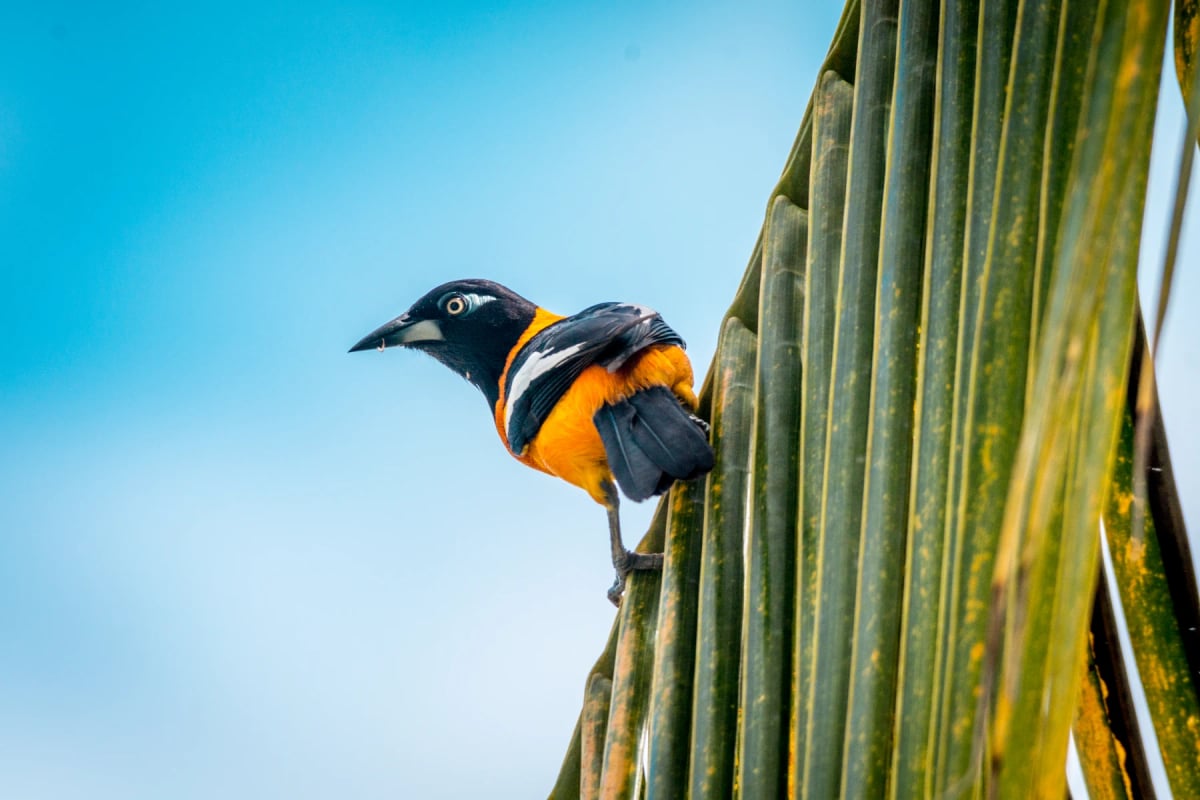
Turpial
Icterus icterus
In Colombia, the Venezuelan troupial is found mainly in the dry lowlands and scrublands of the Caribbean coast and the Orinoco region near the Venezuelan border. It often moves into areas with thorny shrubs and open woodland, where it claims nests from other species rather than building its own. Its bright orange body and clear whistling song make it a memorable presence across the arid northern landscapes of the country.
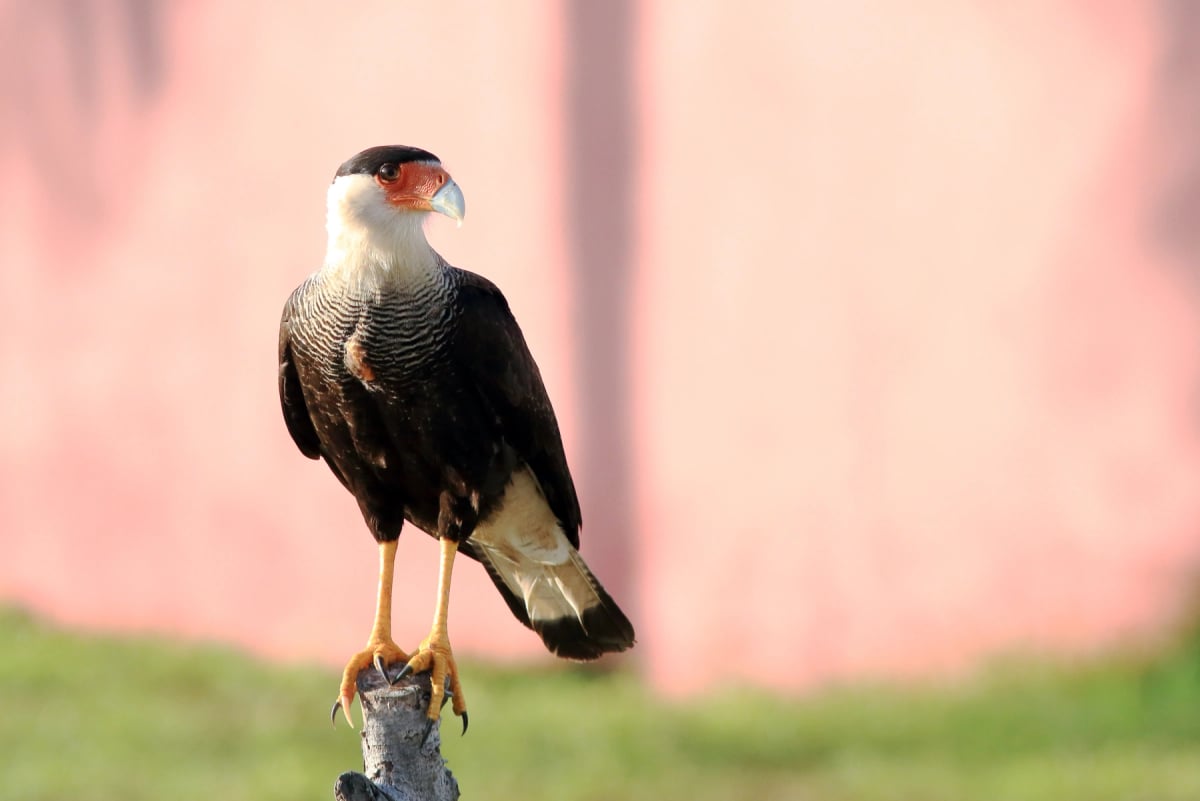
Southern Caracara
Caracara plancus
In Colombia the southern caracara lives mostly in open lowlands, such as the Caribbean region and the Llanos, the wide grasslands in the east that stretch toward Venezuela. The flooded savannas of the Llanos give it plenty of carrion, frogs and insects. It is often seen walking through pastures or perched on lone trees and fence posts. The birds here belong to the northern form, which some experts treat as a separate species.
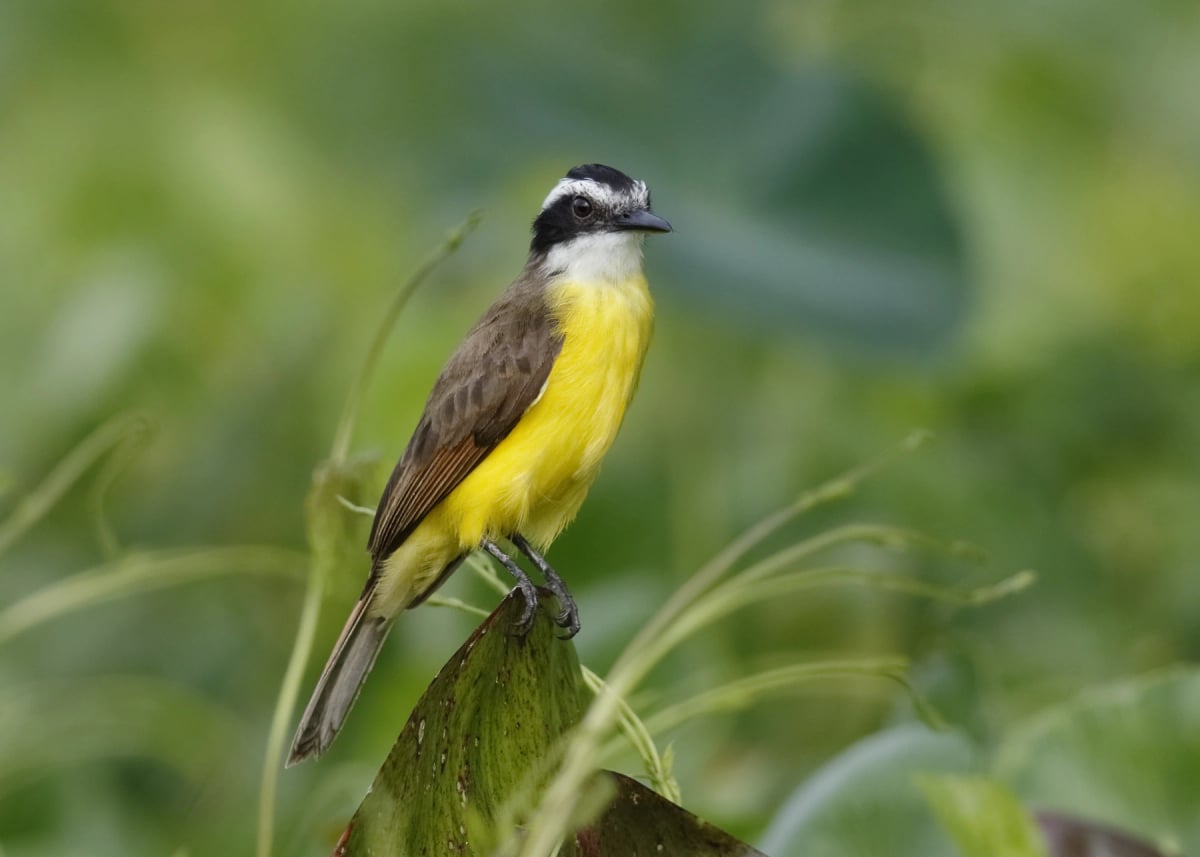
Lesser Kiskadee
Philohydor lictor
In Colombia, where it is called bichofué chico, the lesser kiskadee lives along the Caribbean lowlands from the Atrato River to Santa Marta and the lower Magdalena, and along the rivers and wetlands of the Orinoco and Amazon drainages. It sticks close to the water's edge, hunting insects from low perches, and here it breeds mainly in June and July. Its yellow underparts and striped head stand out in riverside vegetation. IUCN status: Least Concern.
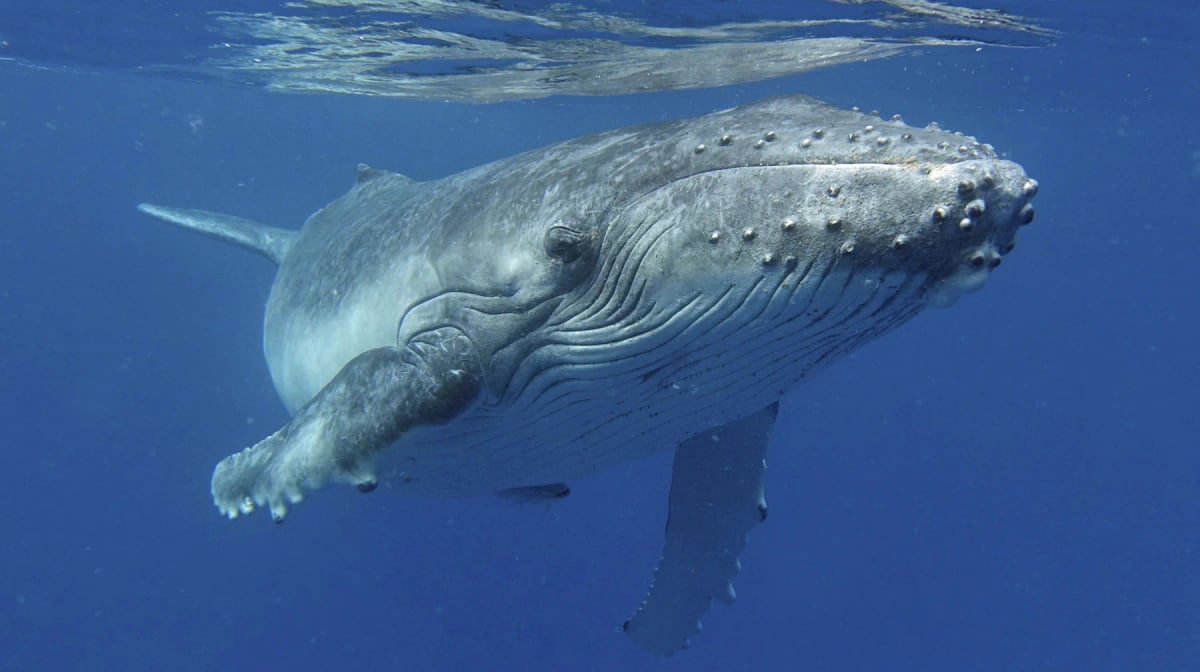
Humpback Whale
Megaptera novaeangliae
Colombia is one of the world's premier destinations for observing humpback whales. Every year, between July and November, whales from Antarctic feeding grounds arrive in the warm Pacific waters off the coast of Chocó, particularly around Bahía Málaga and Nuquí, to give birth and nurse their calves. This predictable seasonal presence has made whale watching a cornerstone of ecotourism in Colombia's Pacific region.
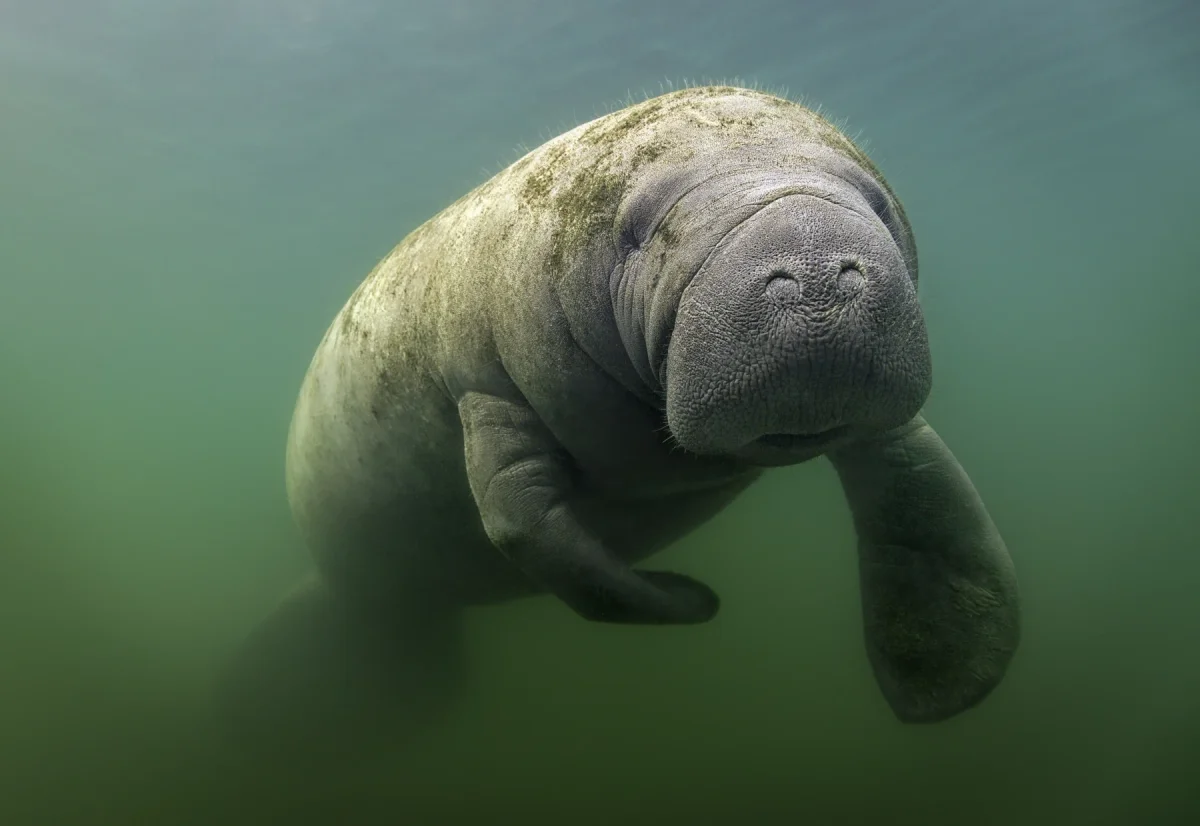
Manatee
Trichechus manatus
In Colombia, the West Indian manatee inhabits the Caribbean coast, including the Magdalena River delta, the Gulf of Morrosquillo, and the Ciénaga Grande de Santa Marta. It also ventures into lowland river systems. Hunting was once a major threat, but today boat strikes, fishing nets, and wetland degradation are the primary dangers. Colombia lists the manatee as endangered at the national level, and several protected areas support conservation work.

Bottlenose Dolphin
Tursiops truncatus
Colombia's position on both the Pacific Ocean and the Caribbean Sea means bottlenose dolphins are found on two separate coastlines. In the Caribbean, they inhabit bays and coastal lagoons, while in the Pacific they are seen in warmer inshore and offshore waters. The diverse marine ecosystems on both coasts provide rich foraging opportunities. The species is classified as Least Concern globally, though local fishing pressure remains a concern.
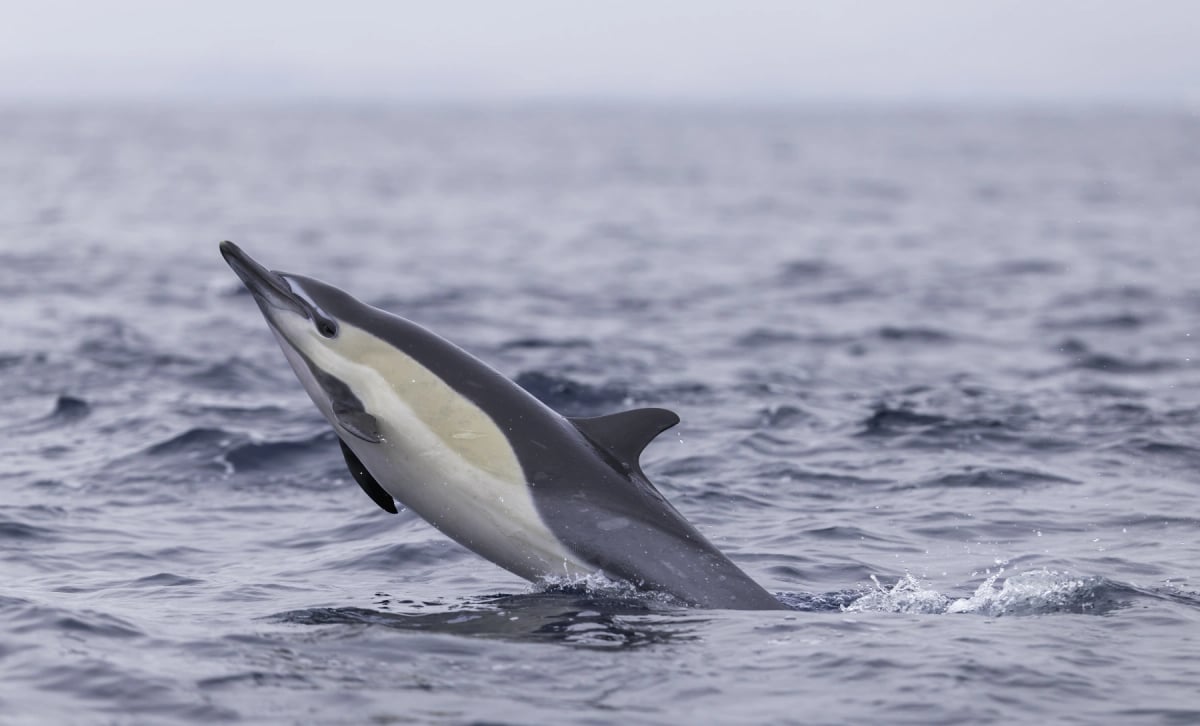
Common Dolphin
Delphinus delphis
Colombia's Pacific coast and Caribbean waters are home to common dolphins, which are regularly seen offshore in both oceanic zones. In the Pacific, upwelling systems provide abundant prey such as anchovies and squid. They often travel in large groups called superpods and are known for their acrobatic leaps. Bycatch in local fisheries is a concern, though the species holds a global status of Least Concern.
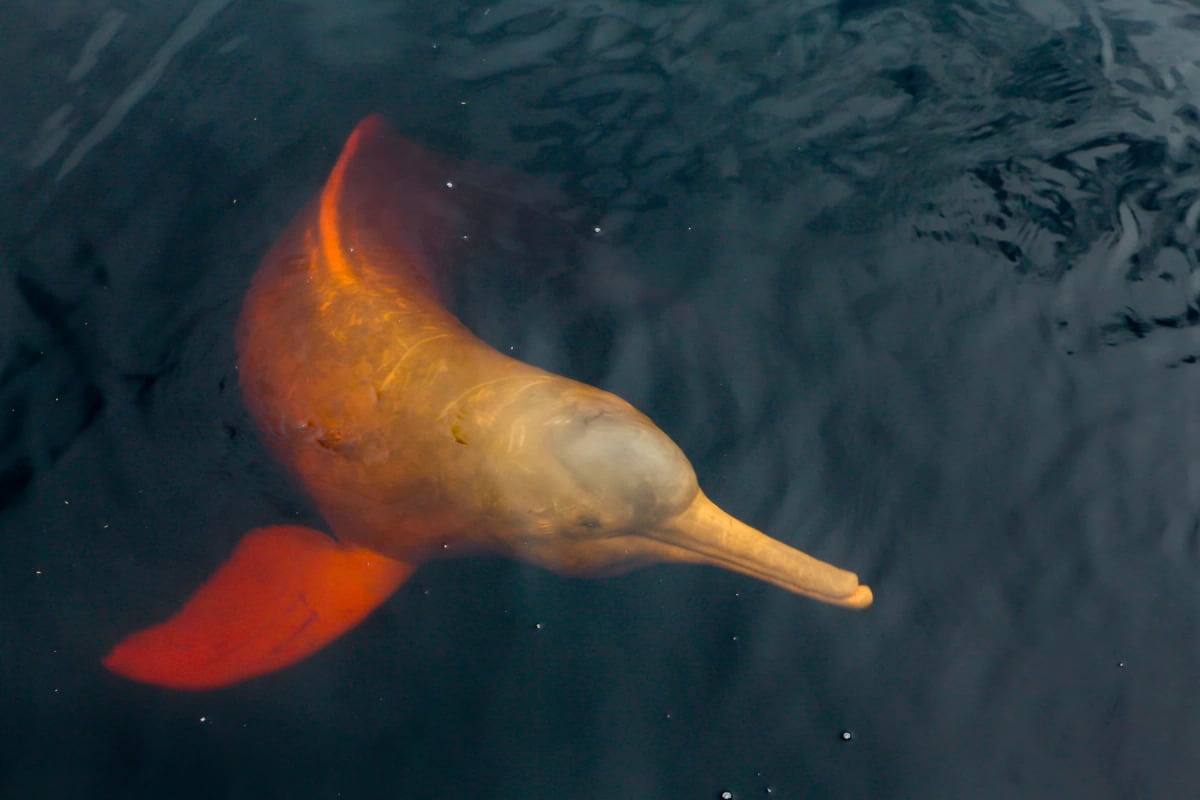
Amazon River Dolphin
Inia geoffrensis
The Amazon river dolphin inhabits both the Amazon and Orinoco river systems in Colombia, one of the few countries where the species spans two major basins. Known locally as boto or tonina, it is seen on river tours through the Colombian Amazon. It shares waterways with the smaller tucuxi dolphin and faces serious pressure from mercury contamination linked to gold mining across the region.
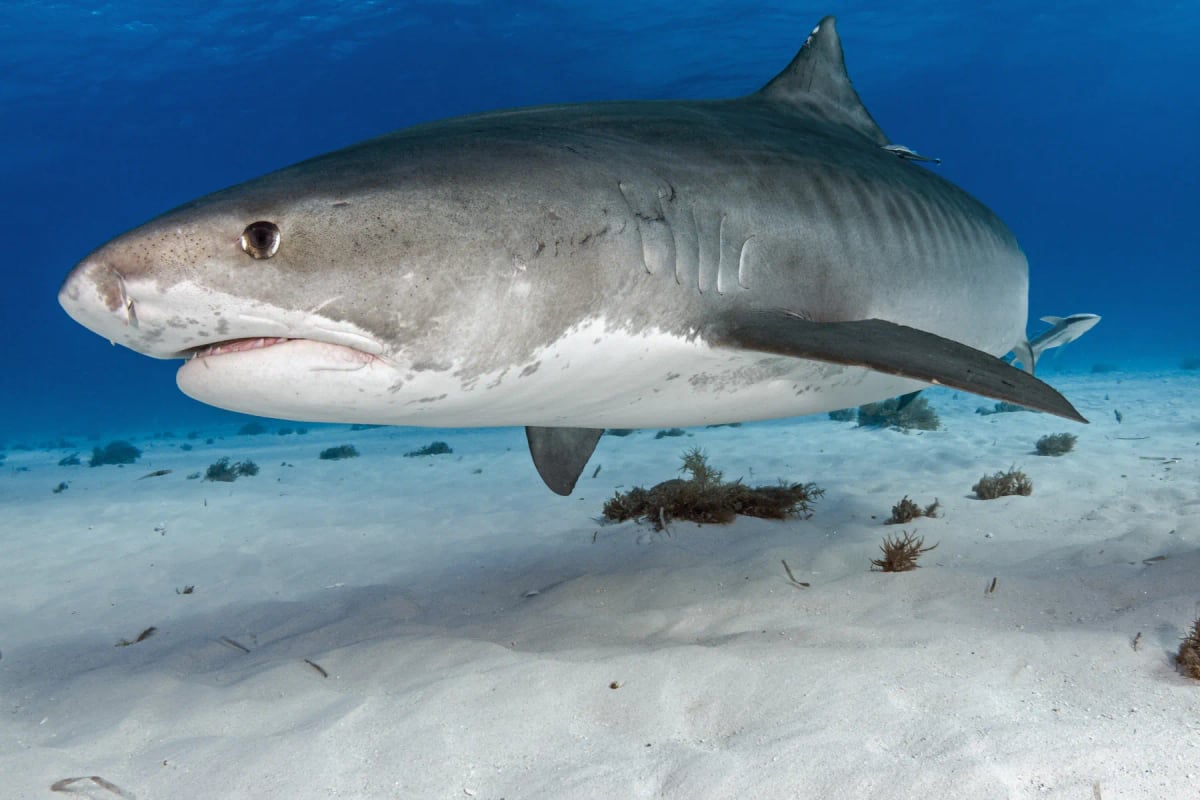
Tiger Shark
Galeocerdo cuvier
Colombia has both a Caribbean coastline and a Pacific coast, and tiger sharks have been recorded in waters on both sides of the country. In the Caribbean, they frequent coral reef areas and coastal shallows, while in the Pacific they range across open tropical waters. The Seaflower Biosphere Reserve in the Colombian Caribbean offers some degree of protection to marine megafauna, including large sharks that pass through the region.
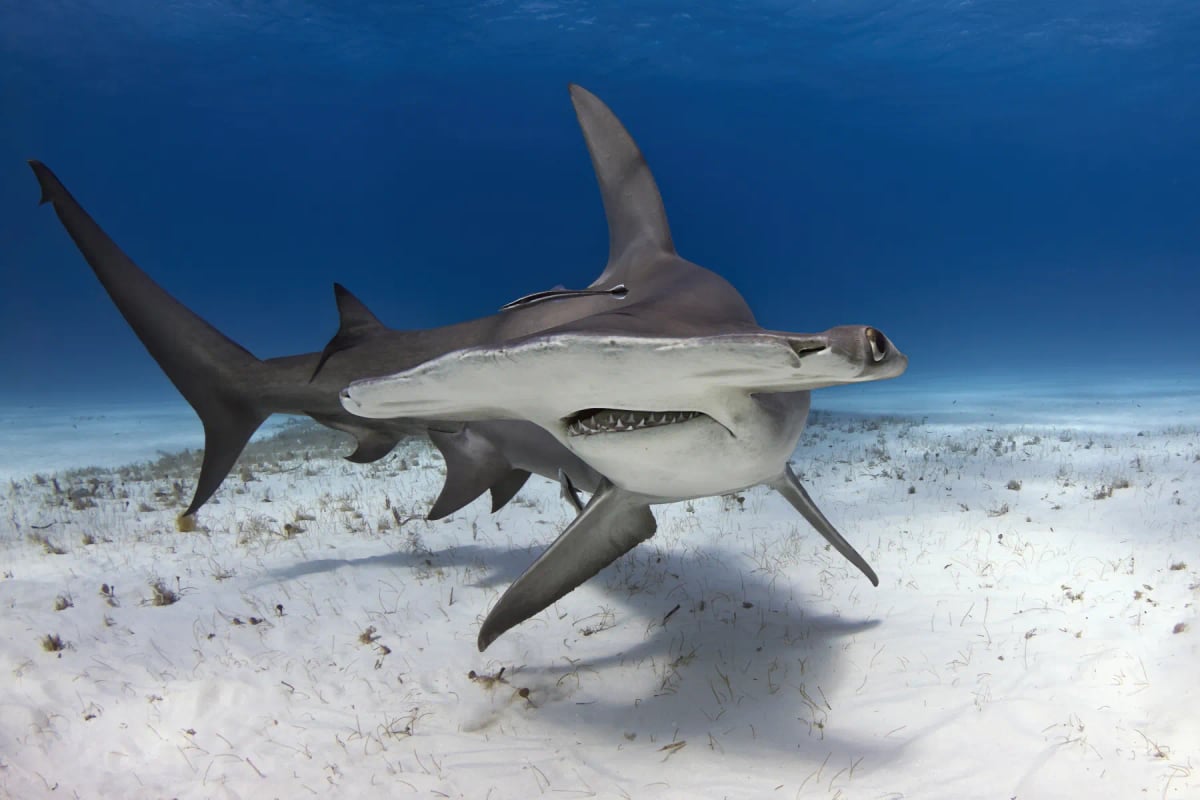
Hammerhead Shark
Sphyrna spp.
Colombia's Pacific and Caribbean coasts, along with the waters around Malpelo Island and the Seaflower Biosphere Reserve, are important areas for Hammerhead Sharks. Malpelo in particular is known for spectacular schools of scalloped hammerheads. Colombia has designated marine protected areas to shelter these sharks, though illegal fishing persists. Their iconic silhouette makes them a flagship species for ocean conservation efforts in the country.
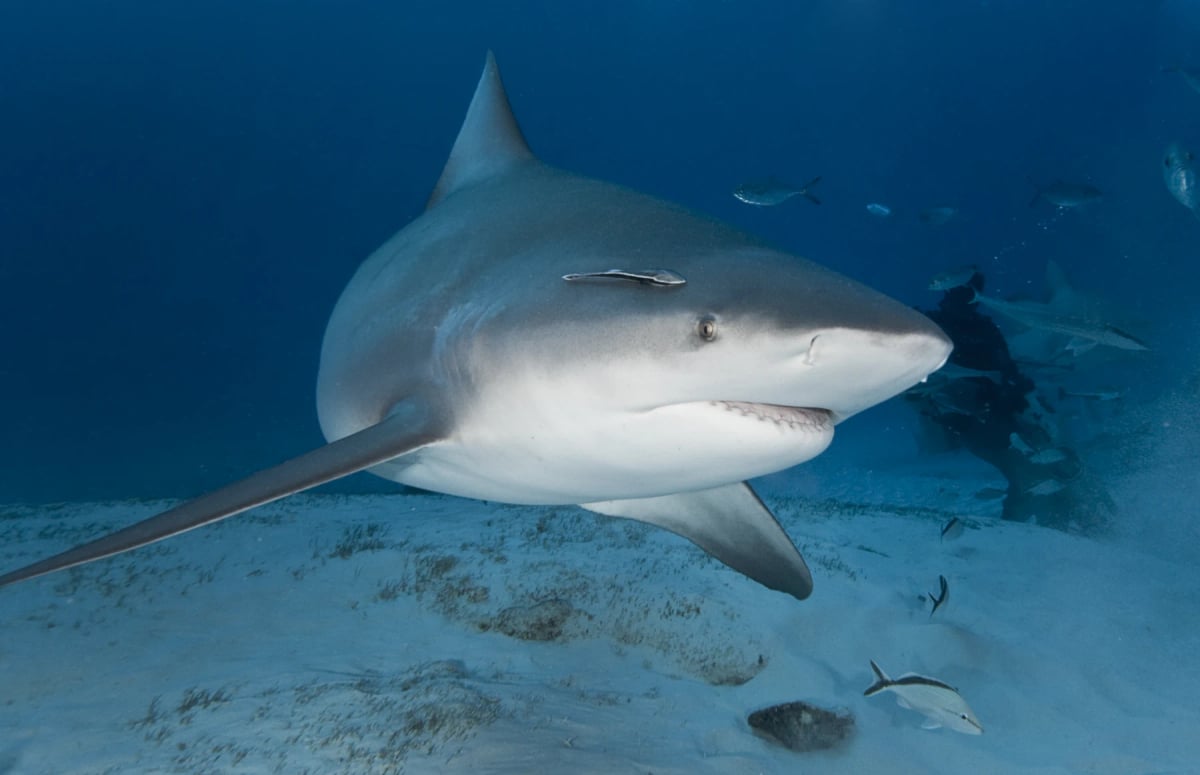
Bull Shark
Carcharhinus leucas
Colombia's bull sharks inhabit both its Pacific and Caribbean coastlines, entering estuaries and river mouths where fresh water and salt water mix. The Magdalena River system has historically recorded their presence far inland. These sharks are opportunistic predators in warm, turbid inshore waters and are considered Near Threatened, facing pressure from artisanal fishing and habitat degradation along both coasts.
Frequently Asked Questions
What animals live in Colombia?
Colombia's animals include jaguars, cougars, ocelots, margays, jaguarundis, tapirs, capybaras, sloths, anteaters, armadillos, opossums, white tailed deer and spectacled bears. Its monkeys include spider monkeys, squirrel monkeys, red howler monkeys and white faced capuchins, and giant otters and Amazon river dolphins live in its rivers. Its birds include the Andean condor, harpy eagles, scarlet macaws, toucans, scarlet ibises, flamingos and turpials. Along its coasts live sea turtles, manatees, dolphins, humpback whales and several kinds of sharks.
What is the national animal of Colombia?
The national animal of Colombia is the Andean condor, which is also its national bird. It has been on the Colombian coat of arms since 1834, where it stands for freedom. The Andean condor is one of the largest flying birds in the world, with wings that can measure more than 3 meters across. It became very rare in Colombia, and conservation programs have released condors back into the wild in the Andes. Today it can be seen in some high páramo areas, such as Los Nevados and Chingaza.
Are there capybaras in Colombia?
Yes. The capybara, the largest rodent on Earth, is common in Colombia, especially in the Llanos, the wide plains of the Orinoco region, where it is called chigüiro. An adult can weigh more than 50 kilograms and measure over a meter long. Capybaras live in groups near rivers, lagoons and flooded grasslands, and they are excellent swimmers that can hide underwater from predators such as jaguars and caimans. Ranches and nature reserves in Casanare and Meta are among the best places to see them.
What animals live in the Colombian Amazon?
The Colombian Amazon, in the far south of the country, is home to jaguars, ocelots, margays, tapirs, sloths, anteaters, giant otters, capybaras, spider monkeys, squirrel monkeys and red howler monkeys. In its rivers swim pink Amazon river dolphins, manatees, caimans and anacondas, and harpy eagles, scarlet macaws and toucans live in the forest canopy. Leticia and the town of Puerto Nariño, on the Amazon River, are the usual starting points for boat trips, and Lake Tarapoto is one of the best places to see river dolphins.
Where can you see whales in Colombia?
Humpback whales arrive on the Pacific coast of Colombia every year from about July to November, after a long migration from the waters near Antarctica. They come to the warm water to mate and give birth, and August and September are usually the best months to see them. Bahía Solano and Nuquí, in Chocó, are the most popular places for whale watching, along with Gorgona Island and the waters around Buenaventura. Bottlenose dolphins can also be seen along both the Pacific and Caribbean coasts.
Researched and written by Juan Pablo. Sources: IUCN Red List, scientific literature and regional field guides. Last updated: .