Animals in Mali
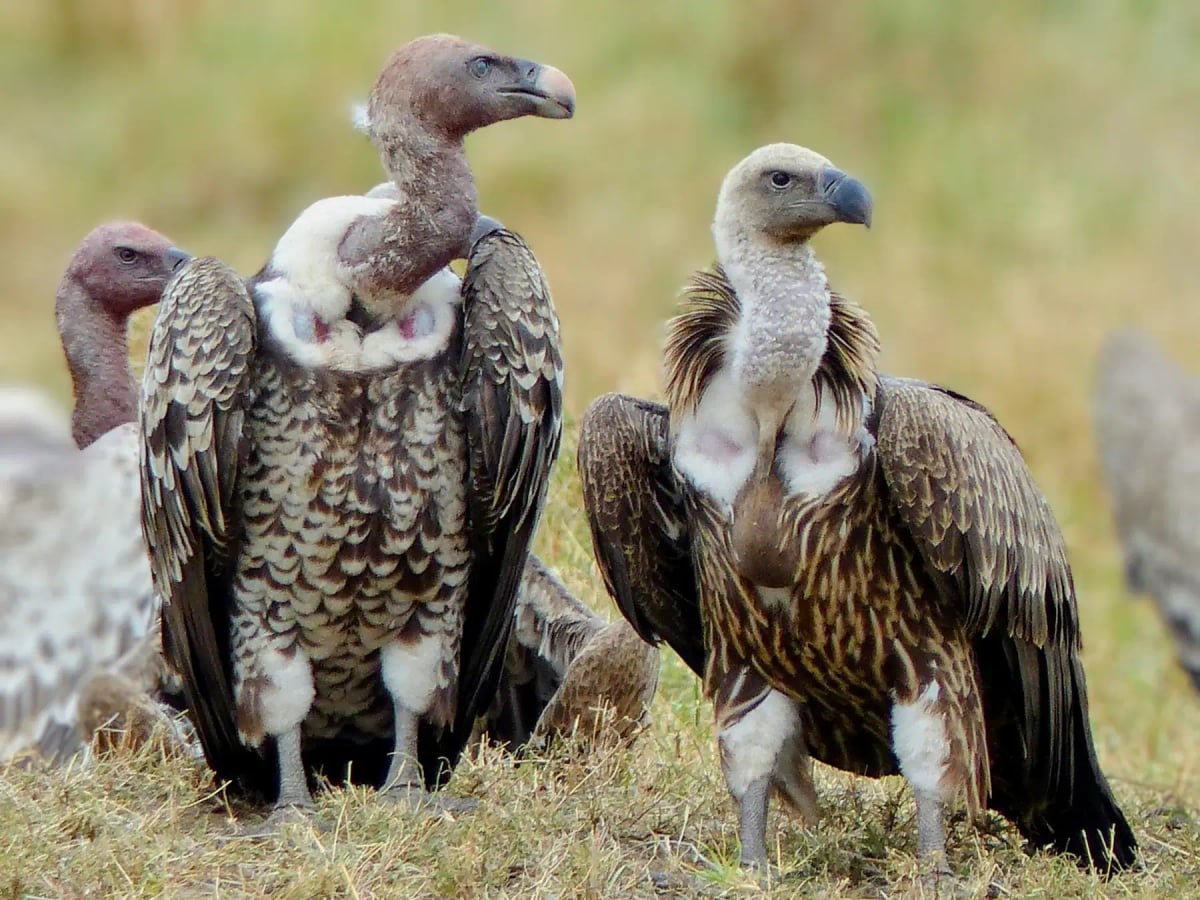
White backed Vulture
Gyps africanus
The vulture, seen across Mali’s open skies, is considered a national symbol for its role in keeping nature clean. Feeding on carrion, it prevents disease and supports the balance of the Sahel ecosystem. Its endurance in extreme heat mirrors the resilience of the country’s people and wildlife.
View details→Wildlife in Mali
Mali’s wildlife lives between the sands of the Sahara and the green banks of the Niger River. Fennec foxes, gazelles, hippos and countless birds have adapted to this contrast of dry and wet habitats. Wetlands near Mopti and Gao attract migratory species, making the country an important stop for African and European birds.
Most Dangerous Animals in Mali
Wildlife in Mali can be dangerous near rivers and settlements. Elephants, hippos, hyenas and big cats may cause conflict when they approach human areas in search of water or food. Awareness programs help local communities protect both their livelihoods and the country’s remaining wild species.
Top 10 Animals in Mali
Mali’s notable animals include elephants, cheetahs, chimpanzees and fennec foxes. These species show the range of life that spans from desert dunes to river valleys. Nature reserves and floodplains offer travelers the chance to observe wildlife that endures in one of Africa’s most demanding environments.
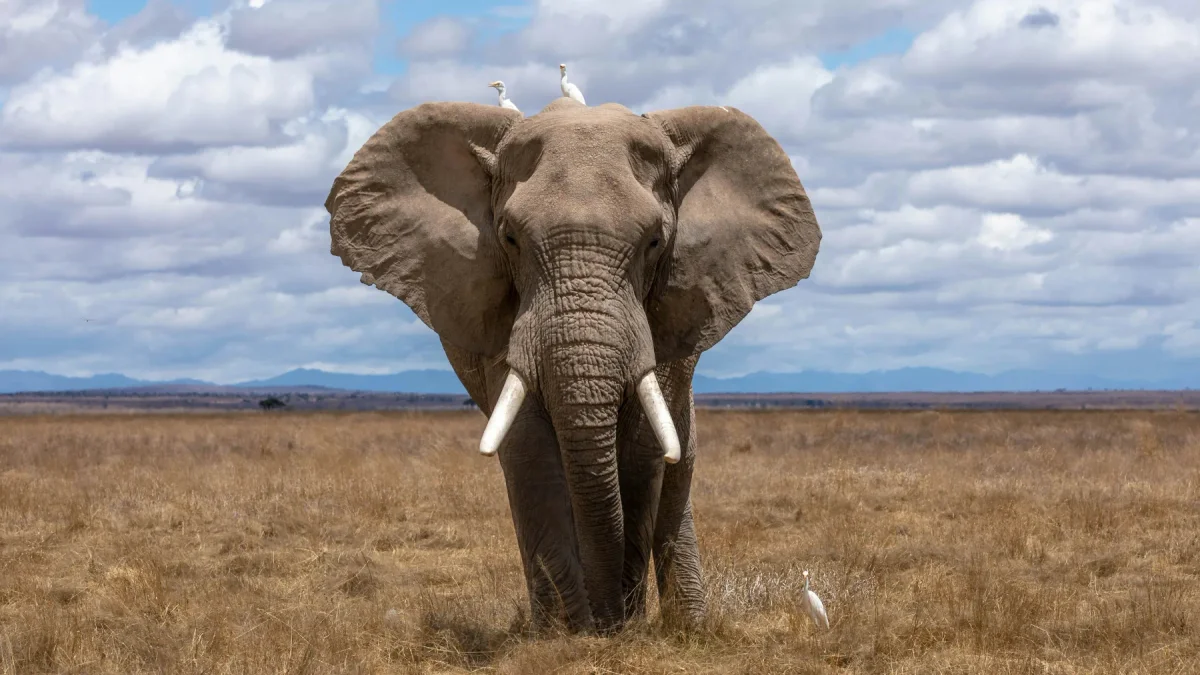
African Elephant
Loxodonta africana
Mali is home to one of the most remarkable elephant populations in Africa: a group of around 400 to 500 individuals that makes the longest known annual elephant migration on the continent. They complete a circular route of over 600 kilometers through the Sahel, moving between the Baoule River valley near the Burkina Faso border and the lakes around Timbuktu. These desert elephants survive in one of the driest environments occupied by the species anywhere in the world.
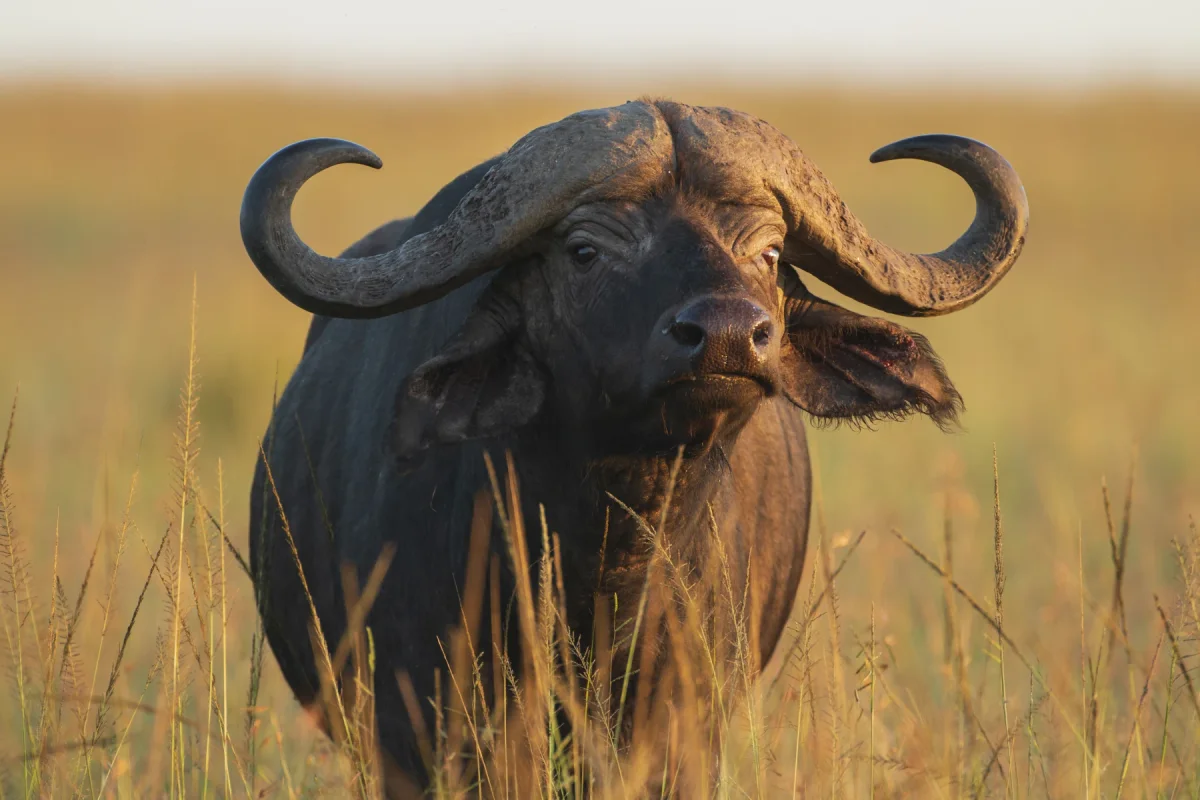
Buffalo
Syncerus caffer
In Mali, African buffaloes are found in the southwestern regions, particularly within the Boucle du Baoulé National Park and surrounding areas near the Senegal River basin. They favor gallery forests and wooded savannas where water is accessible. Populations here are relatively small and face pressure from habitat loss and poaching. Their presence is considered a marker of ecosystem health in this part of West Africa. IUCN status: Least Concern.
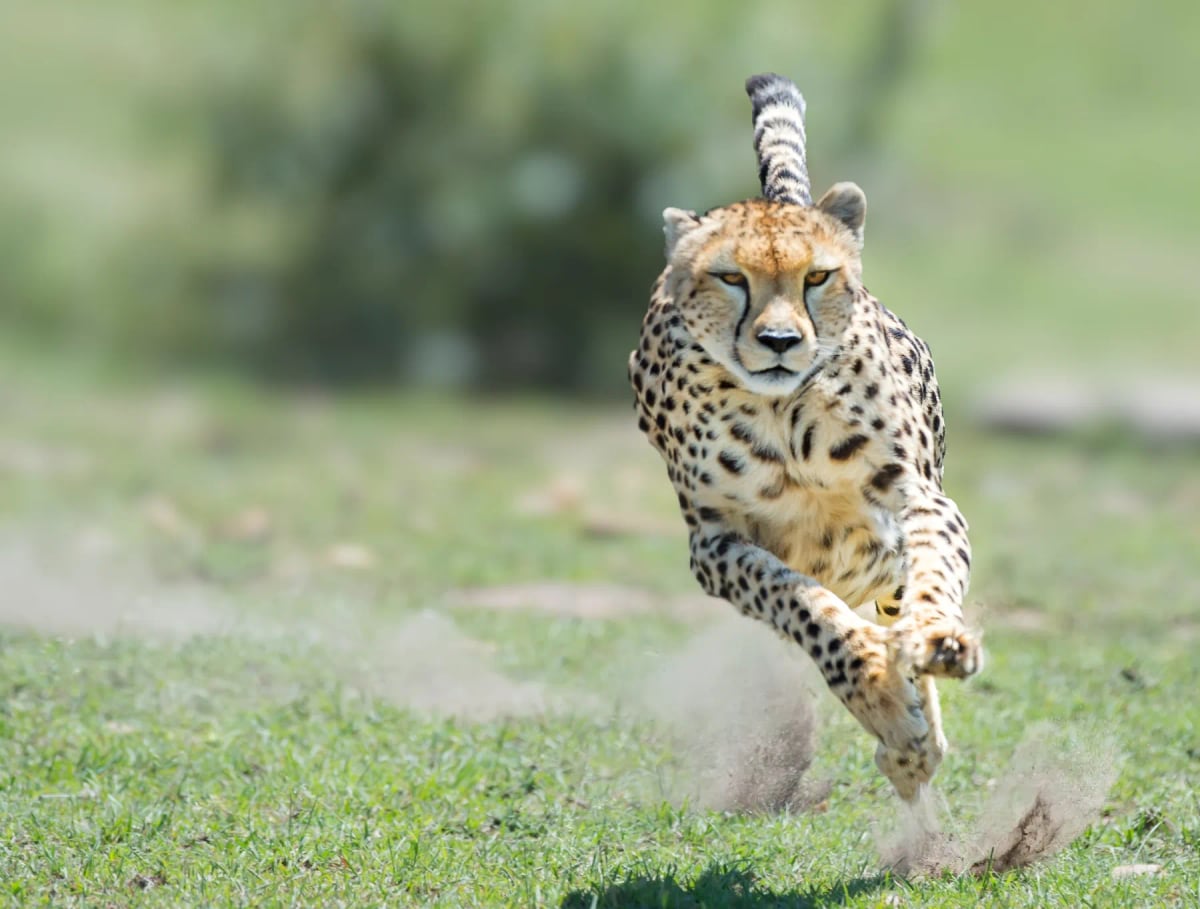
Cheetah
Acinonyx jubatus
In Mali, cheetahs persist in the Sahel and Saharan fringe zones, where sparse vegetation and vast open terrain suit their hunting style. Populations here are thinly spread and poorly documented, surviving under significant pressure from habitat loss and the decline of prey. Their presence in the country represents one of the northernmost extensions of the species across West Africa.
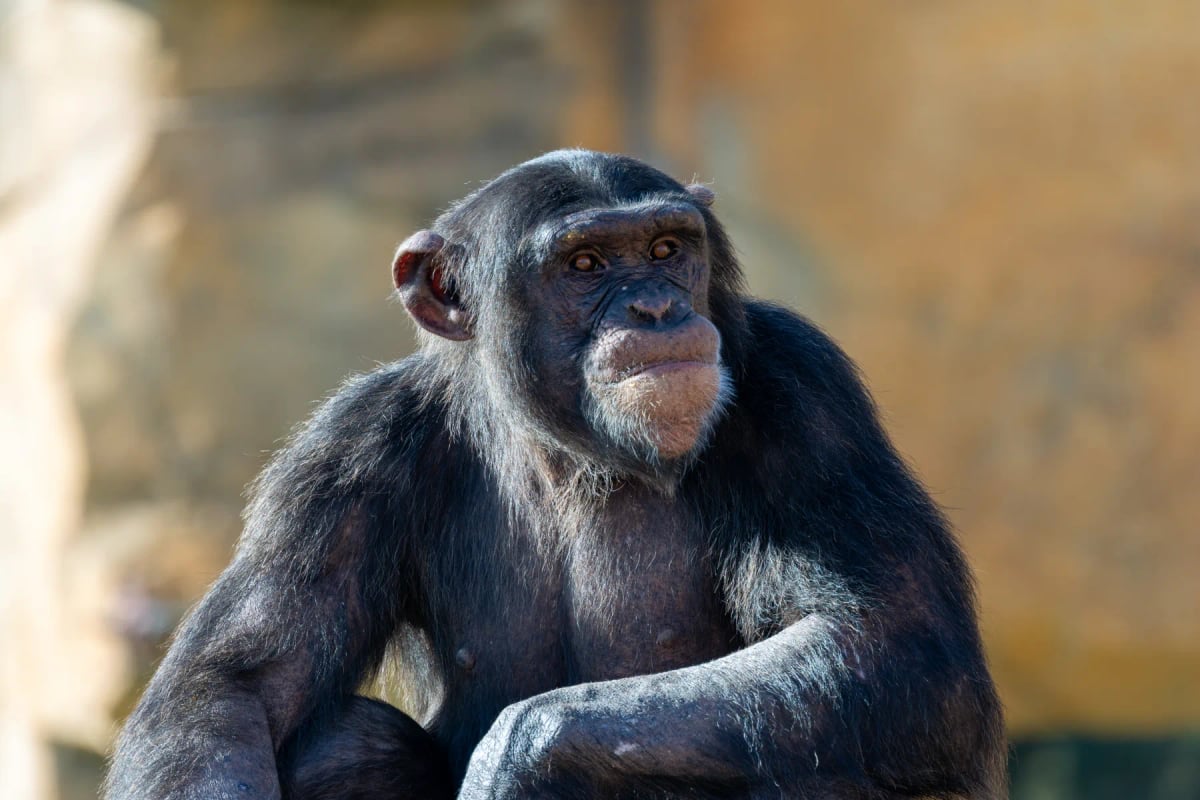
Chimpanzee
Pan troglodytes
Mali hosts one of the most remarkable chimpanzee populations in the world, living in the arid and rocky landscape of the Bafing region near the Senegalese border. These chimpanzees survive extreme seasonal heat and scarce water by sheltering in caves and relying on widely scattered food sources. This population offers scientists rare insight into how the species may have adapted to dry, open environments long before humans began altering the landscape.
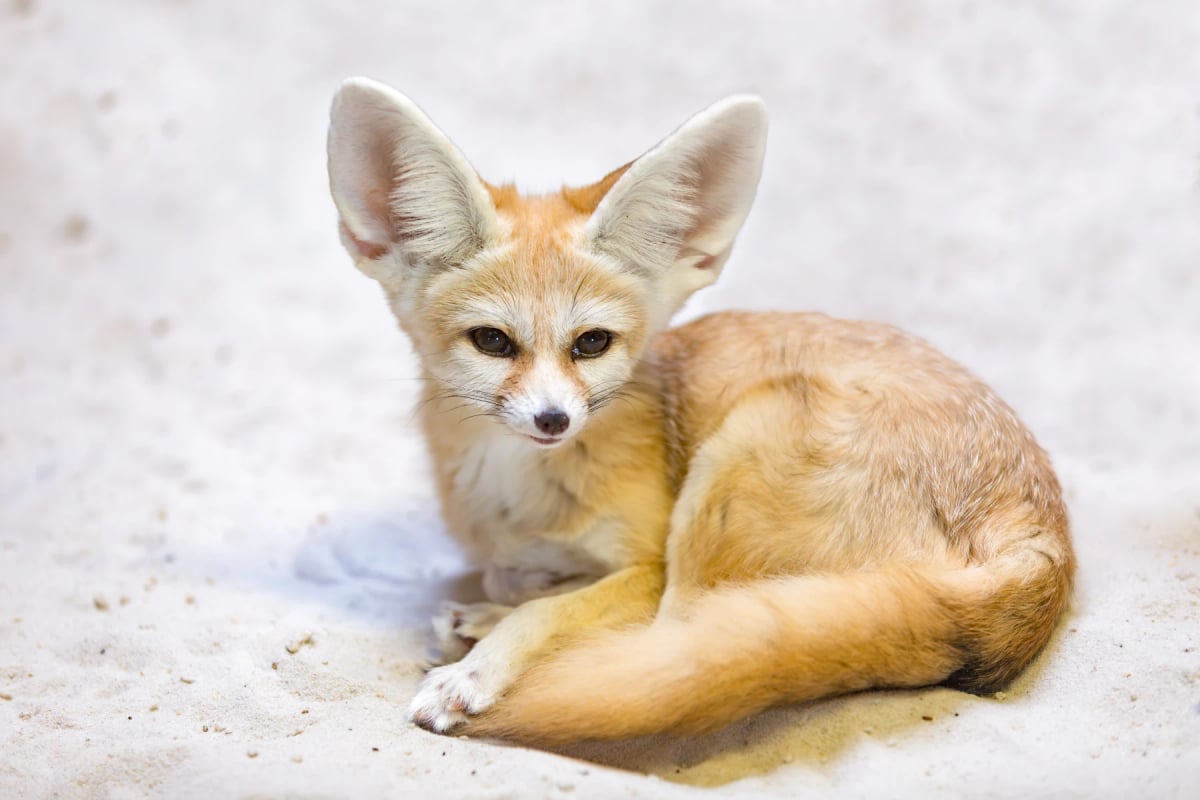
Fennec Fox
Vulpes zerda
In Mali, the fennec fox is found in the Saharan north, including the Adrar des Ifoghas massif and the arid Azawad region. It shares this vast desert territory with Tuareg nomadic communities who have lived in the same landscape for centuries. The fennec forages at night across the sandy plains, using its exceptional hearing to find food in one of the world's most remote environments.
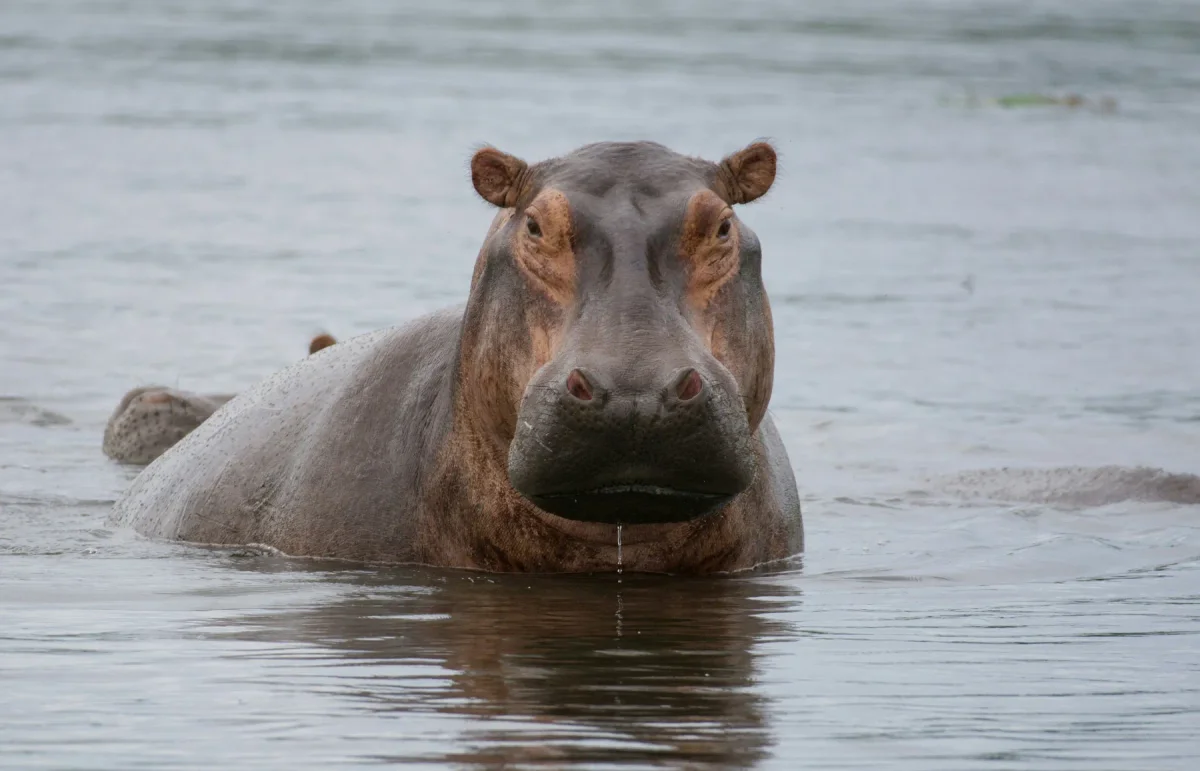
Hippopotamus
Hippopotamus amphibius
Mali holds one of West Africa's most remarkable hippo populations in the Niger River delta and the Inner Niger Delta, a vast inland floodplain that swells during the wet season. These animals depend heavily on that seasonal flooding to find grazing land and suitable water refuges. Hunting pressure and habitat loss have reduced their numbers significantly over recent decades. The IUCN lists the hippopotamus as Vulnerable.
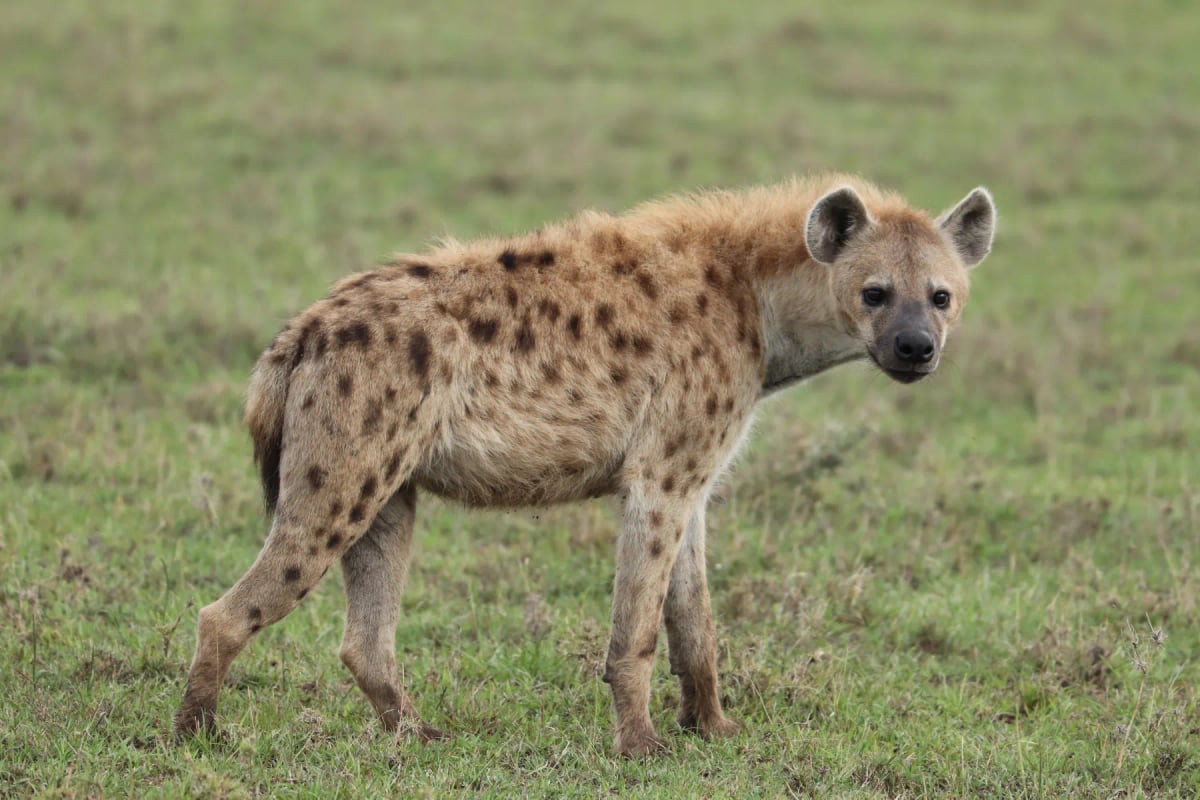
Spotted Hyena
Crocuta crocuta
Spotted hyenas in Mali inhabit the semi-arid zones of the Sahel and the savanna regions further south, including areas around the Boucle du Baoulé National Park. Highly adaptable, they survive in landscapes with sparse vegetation and unpredictable rainfall. Their presence near villages often leads to conflict with herding communities, making coexistence one of the central conservation challenges in the country.
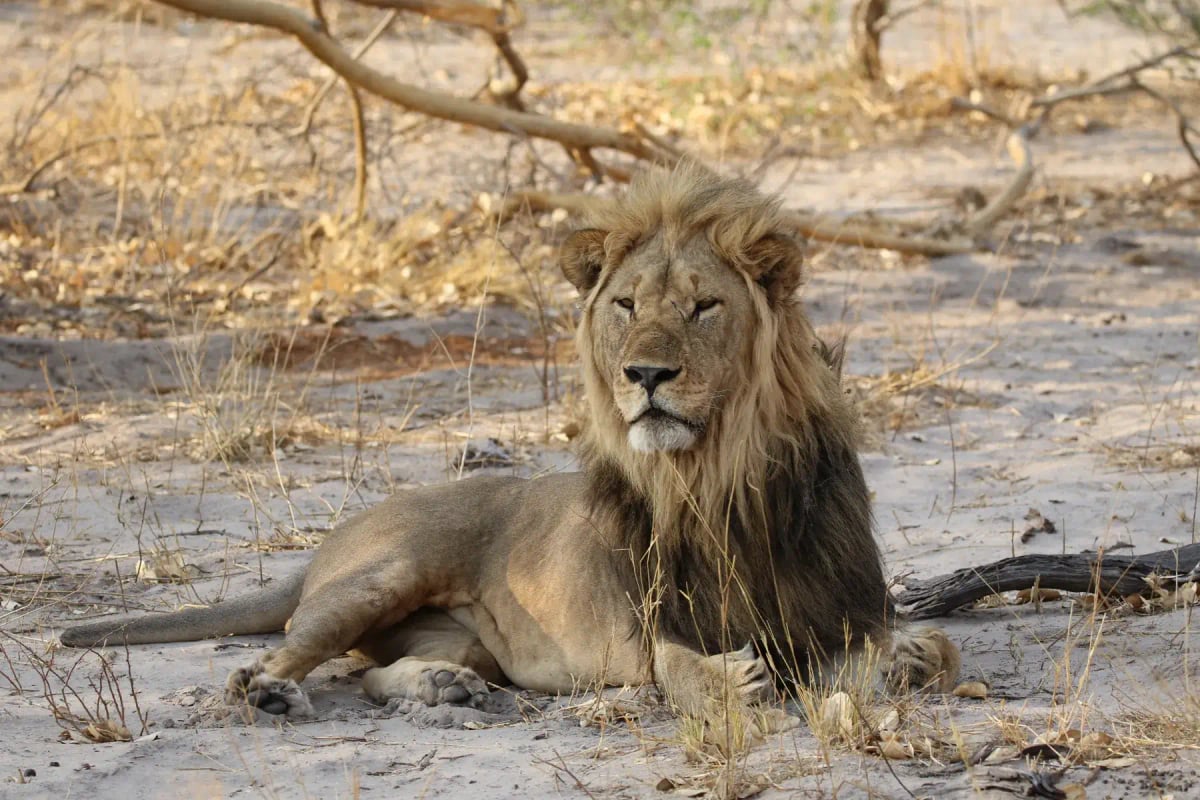
Lion
Panthera leo
In Mali, a small and isolated lion population survives in the Gourma region in the east, associated with the seasonal wetlands near the Niger River bend. This group is considered one of the most northerly lion populations in Africa and lives in a landscape of semi-desert and dry savanna. The population is small and vulnerable, and is monitored by researchers as one of the continent's most unusual lion communities.
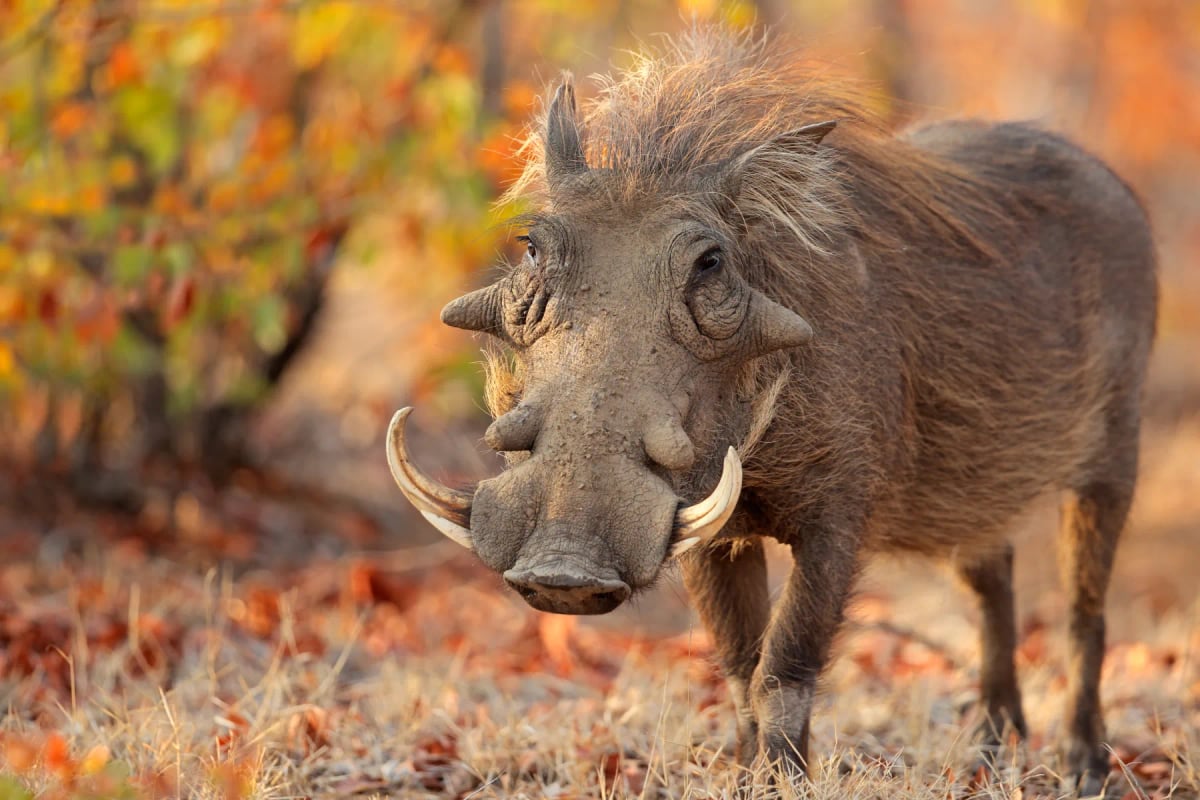
Warthog
Phacochoerus africanus
In Mali, warthogs are found across the Sahel and Sudan savanna zones, particularly in areas like the Baoule and Fina reserves. They root through dry grasslands and open woodland in search of bulbs and grasses. Despite pressure from habitat loss and hunting, they persist in protected areas. Family groups are a common sight near water sources during the dry season. IUCN status: Least Concern.
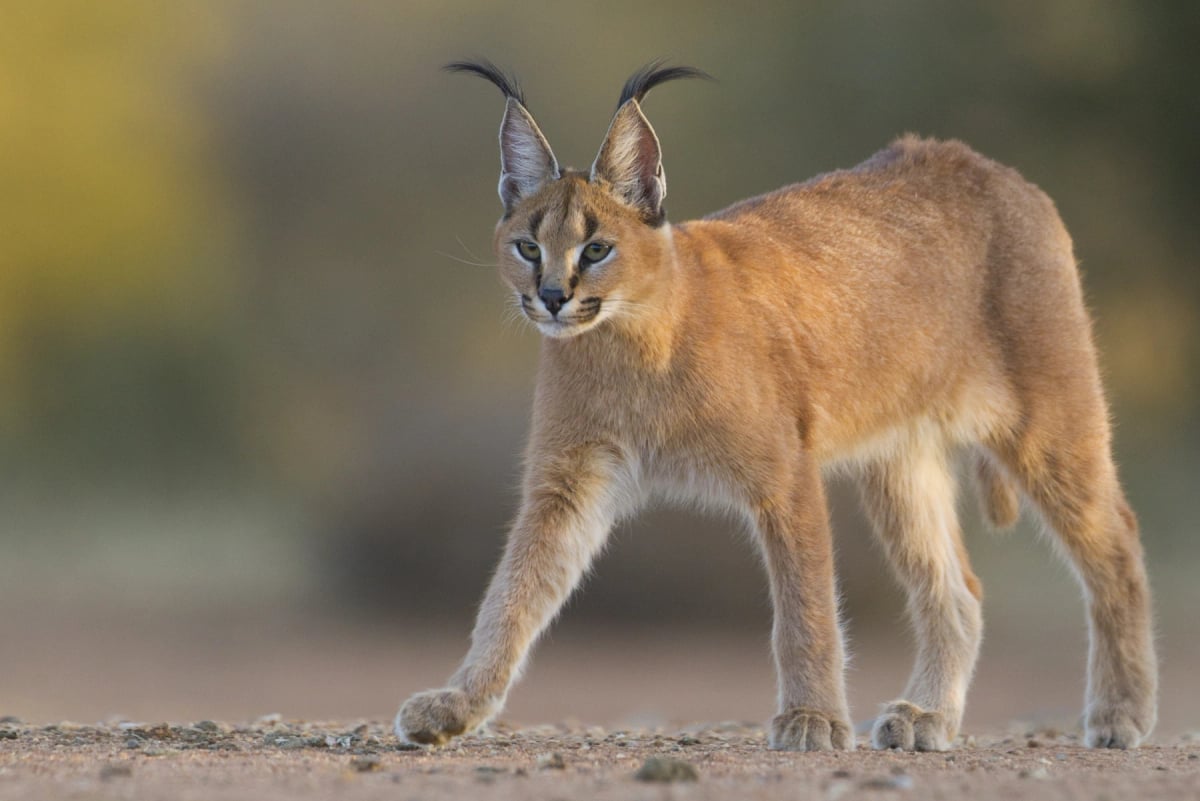
Caracal
Caracal caracal
In Mali, the caracal ranges across the Sahel belt and the drier savanna zones to the south, where sparse vegetation and rocky outcrops provide suitable hunting ground. It targets birds, rodents, and small mammals, often hunting during twilight and at night. Desertification and the expansion of farming communities put increasing pressure on its habitat. The IUCN lists the caracal as Least Concern across its global range.
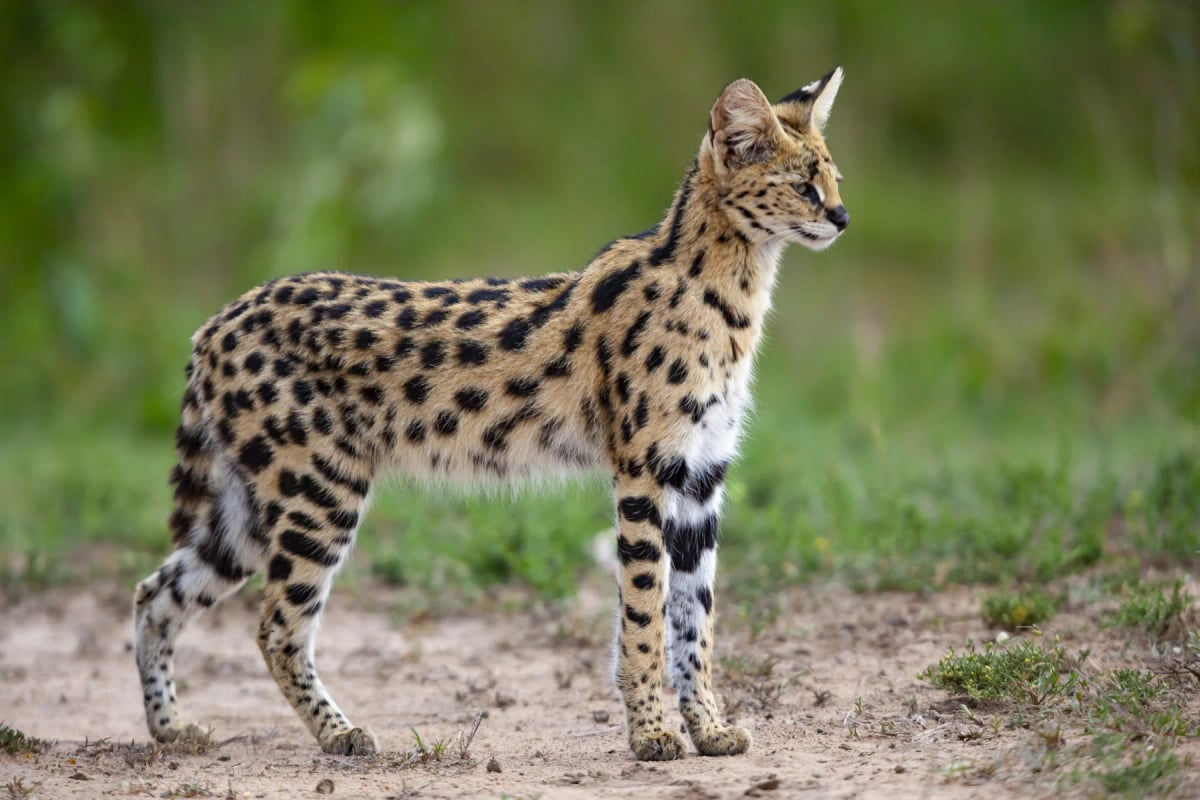
Serval
Leptailurus serval
In Mali, servals are restricted to the wetter southern regions where the Sahel gives way to savanna and there is enough tall grass and surface water to support small prey. They hunt rodents, birds, and insects, using their large ears to pinpoint movement. The IUCN lists the species as Least Concern, but in Mali's arid landscape, suitable habitat is naturally limited and increasingly fragmented by human activity.
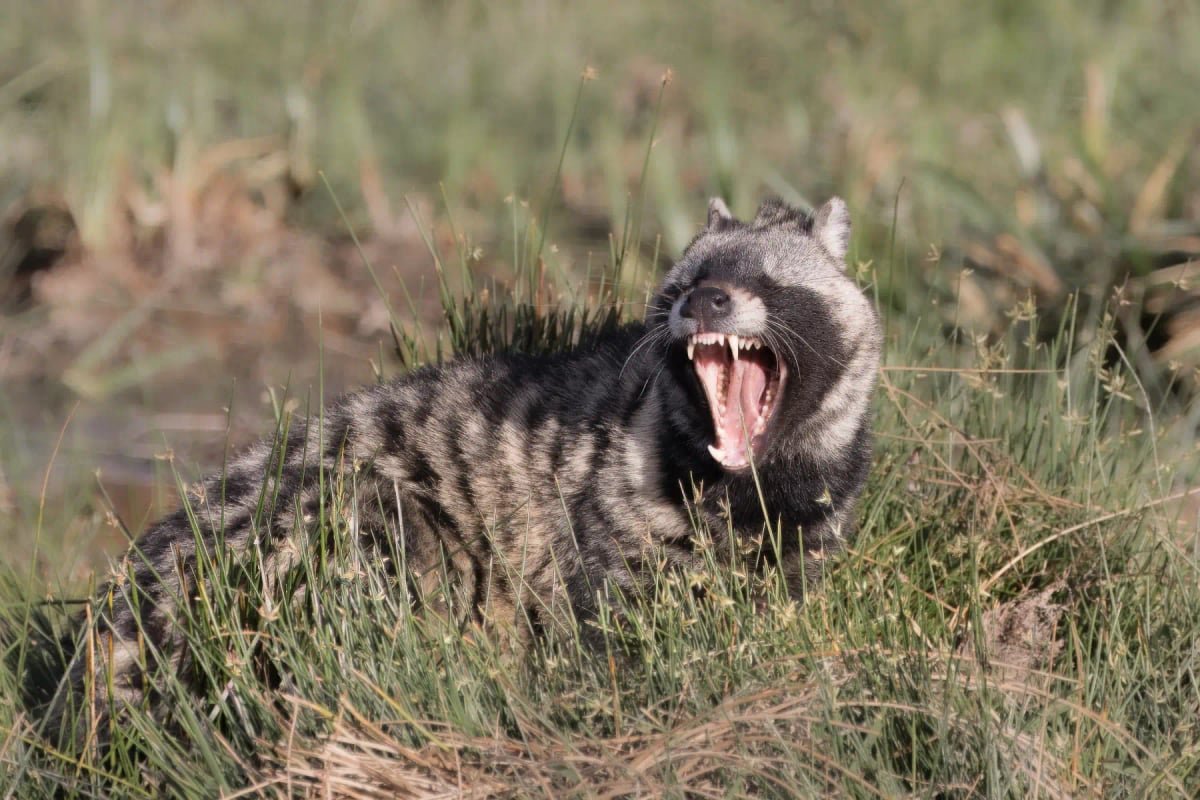
African Civet
Civettictis civetta
In Mali, the African civet follows river corridors southward, occurring in woodland savannas and gallery forests along the Niger River and its tributaries. It is found primarily in the south, in the Guinea savanna zone near the borders with Guinea and Côte d'Ivoire. The Sahel and Saharan zones to the north are far too dry to support the species anywhere beyond seasonal watercourses.
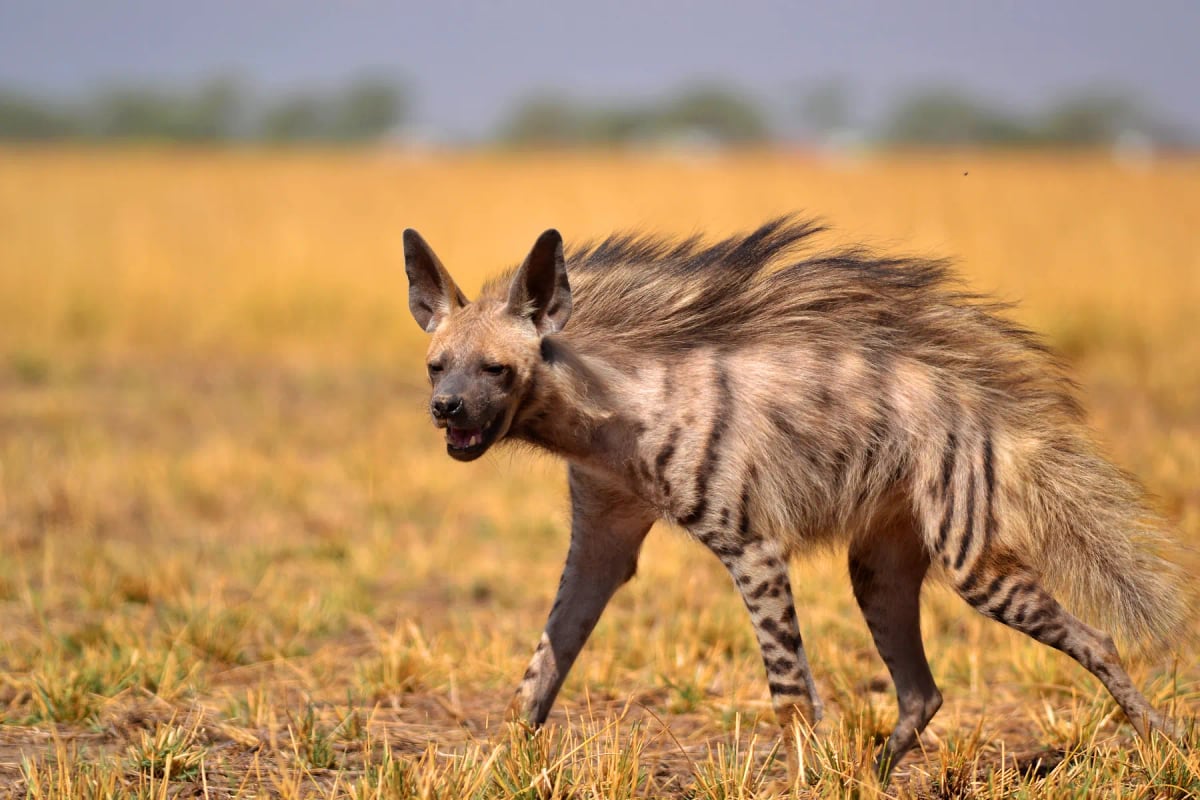
Striped Hyena
Hyaena hyaena
In Mali, the striped hyena is found in the Sahel belt and the semi-arid north, where sparse vegetation and rocky outcrops provide shelter. It fills an important ecological role as a scavenger in landscapes where large predators are rare. Populations across the Sahel region have declined due to habitat degradation, drought cycles, and hunting. The species is listed as Near Threatened, and dedicated wildlife monitoring in Mali remains very limited.

Honey Badger
Mellivora capensis
In Mali, the honey badger occupies the Sahelian savanna of the south, where vegetation and prey are more abundant than in the Saharan north, which lies beyond its range. It is a solitary, wide ranging hunter that digs for rodents and insects and raids beehives when given the chance. Ongoing desertification and agricultural pressure reduce suitable habitat, though the IUCN still lists the species as Least Concern.
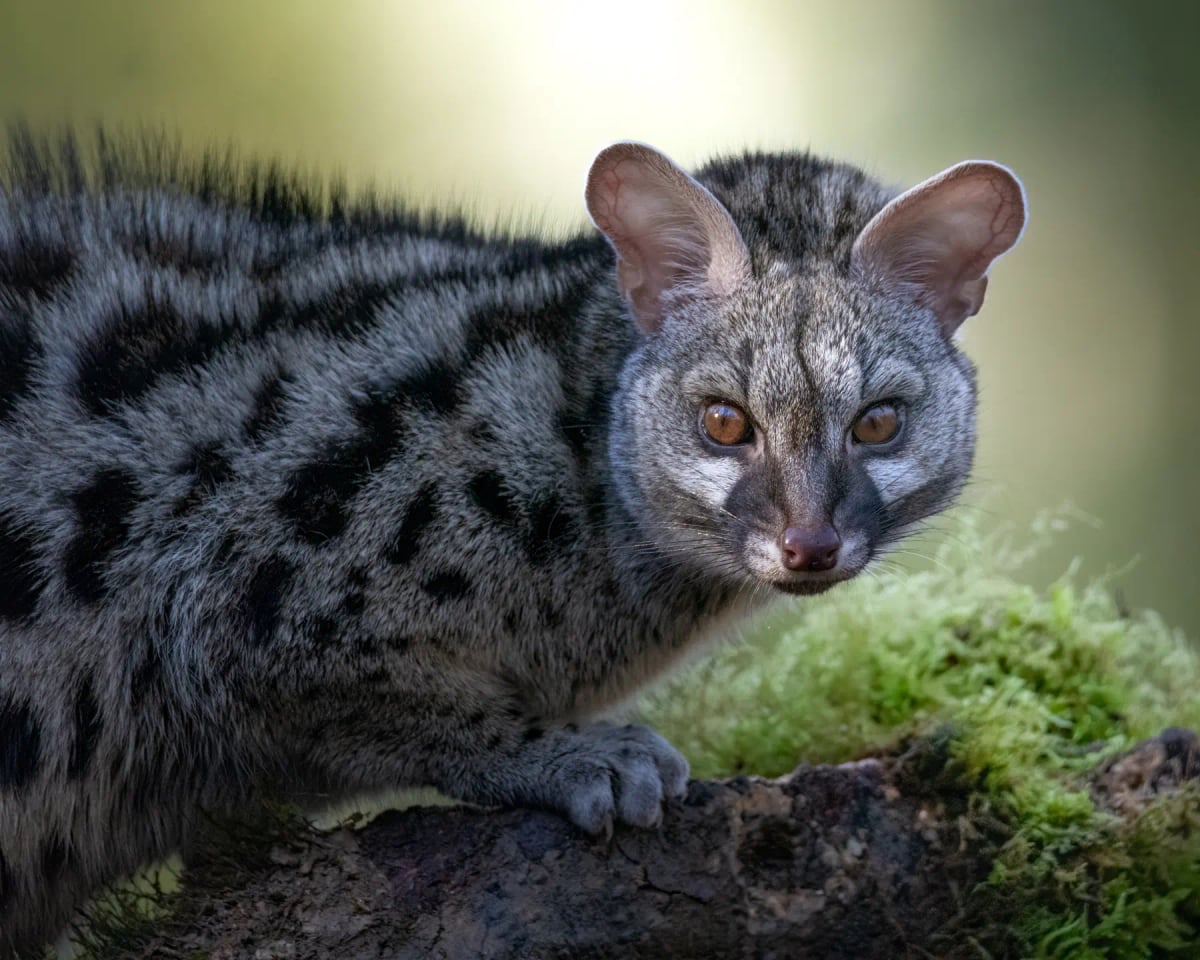
Common Genet
Genetta genetta
In Mali, the common genet is found in the Sudanian and Sahelian savanna zones, particularly in areas with access to water, trees, and dense ground cover. It avoids the open Saharan north of the country. A nocturnal and solitary hunter, it preys on rodents, birds, insects, and the occasional reptile. Mali's riparian forests along the Niger River provide some of the best habitat for this carnivore in the country. IUCN status: Least Concern.
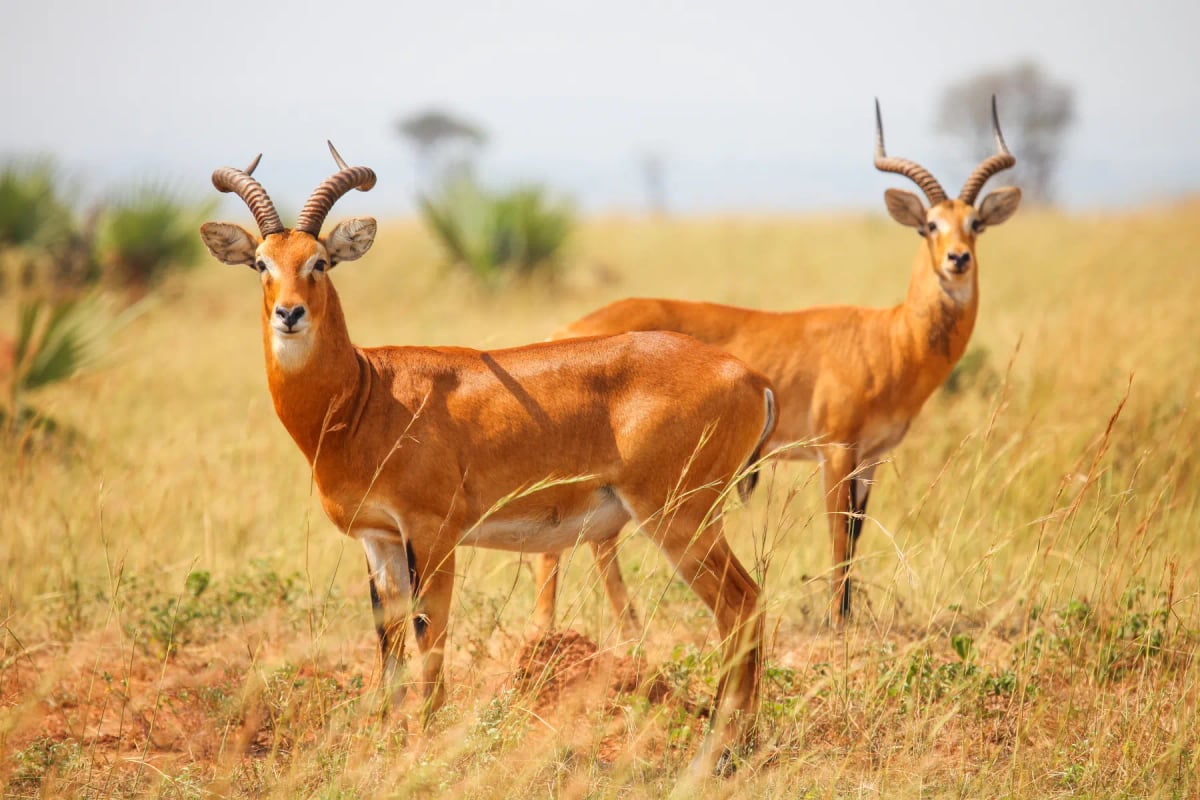
Kob
Kobus kob
In Mali, the kob is found in the southern regions of the country, particularly in areas near the Niger River and its floodplains, where seasonal grasses support grazing herds. The species favors low-lying ground that retains moisture through dry periods. Males are recognized by their curved, ridged horns. The kob is listed as Least Concern by the IUCN, but habitat degradation in the Sahel poses ongoing challenges.
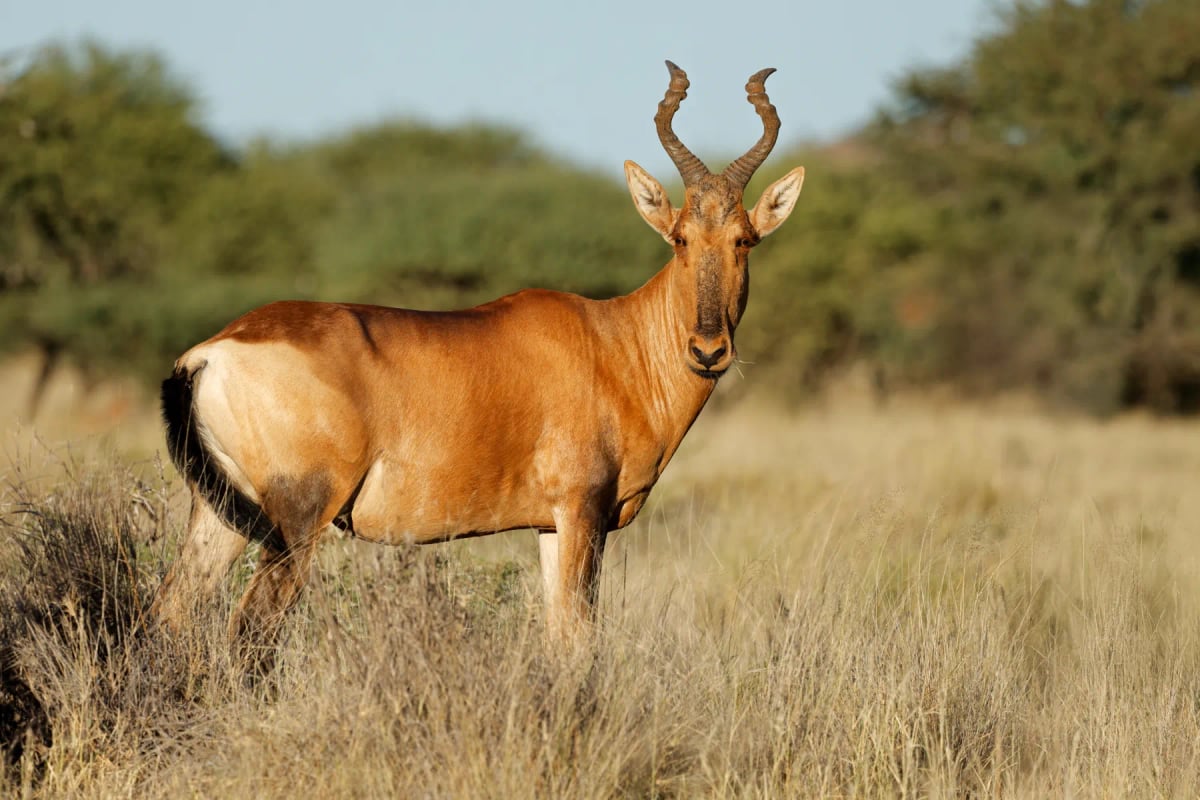
Hartebeest
Alcelaphus buselaphus
Hartebeests are found across Mali's Sahel and Sudan savanna zones, where grasses remain available even during dry periods. The species is well suited to these semi-arid landscapes, using its deep jaw and tall teeth to graze on tough, low-quality vegetation. Populations have declined due to overhunting and habitat loss tied to agricultural expansion. The hartebeest is listed as Least Concern globally, but local numbers in Mali have fallen considerably.
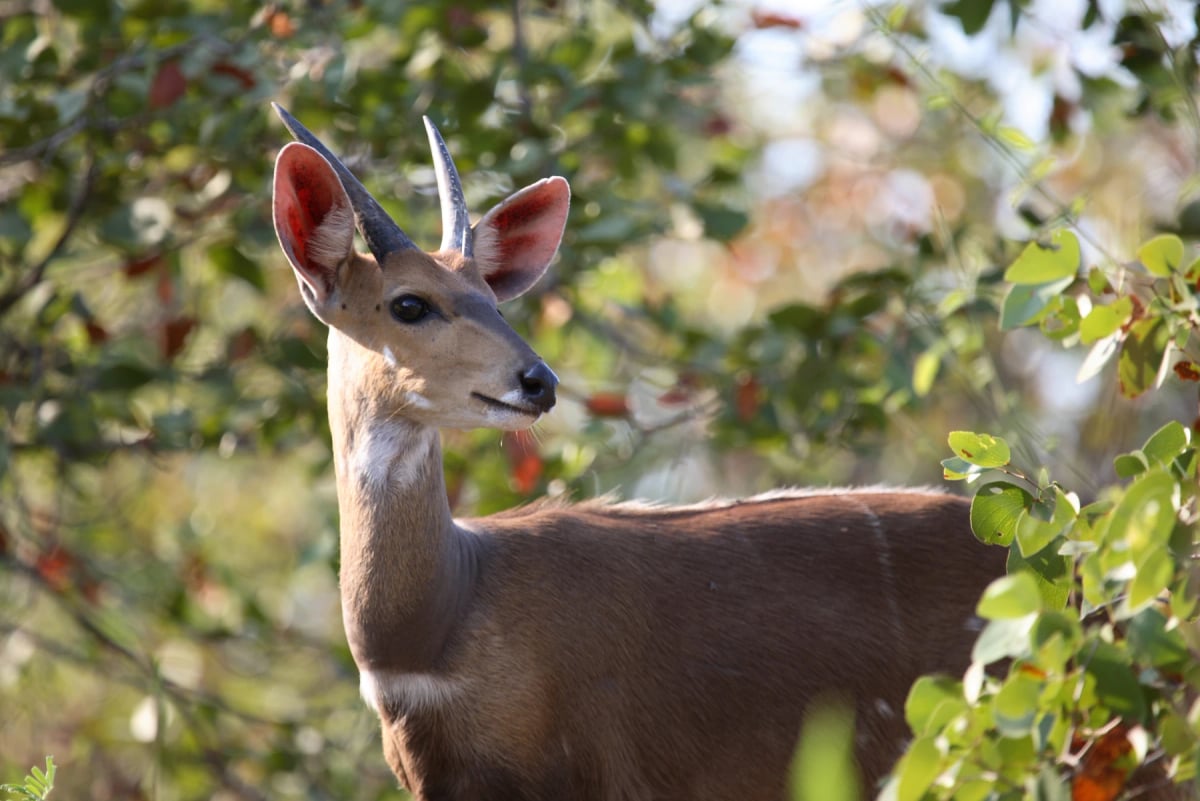
Bushbuck
Tragelaphus scriptus
In Mali's fragmented woodlands and riverine zones, bushbucks maintain a precarious presence in vegetation dense enough for survival. These shy browsers feed on leaves and shoots within protected areas, though their distribution remains sparse across the country's drier regions. Their ability to thrive in isolated patches of suitable habitat demonstrates remarkable adaptation to Mali's challenging environment. Sightings remain uncommon due to their naturally wary temperament and preference for thick cover.
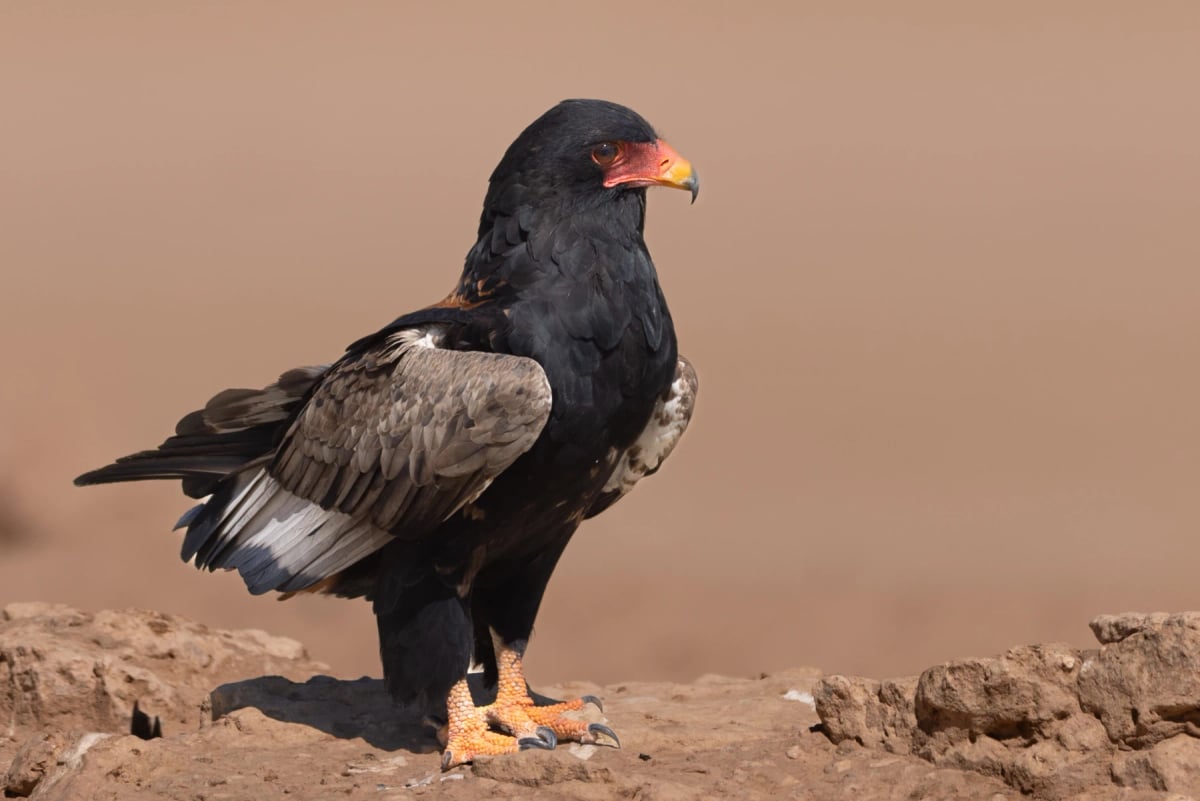
Bateleur
Terathopius ecaudatus
In Mali, the bateleur inhabits the Sudanian savanna and dry woodland zones stretching across the southern part of the country, avoiding the arid Saharan north. It covers vast distances daily in search of carrion and reptiles, riding thermals with its characteristic side to side rocking motion. Habitat degradation and accidental poisoning place increasing pressure on this Endangered species throughout the region.
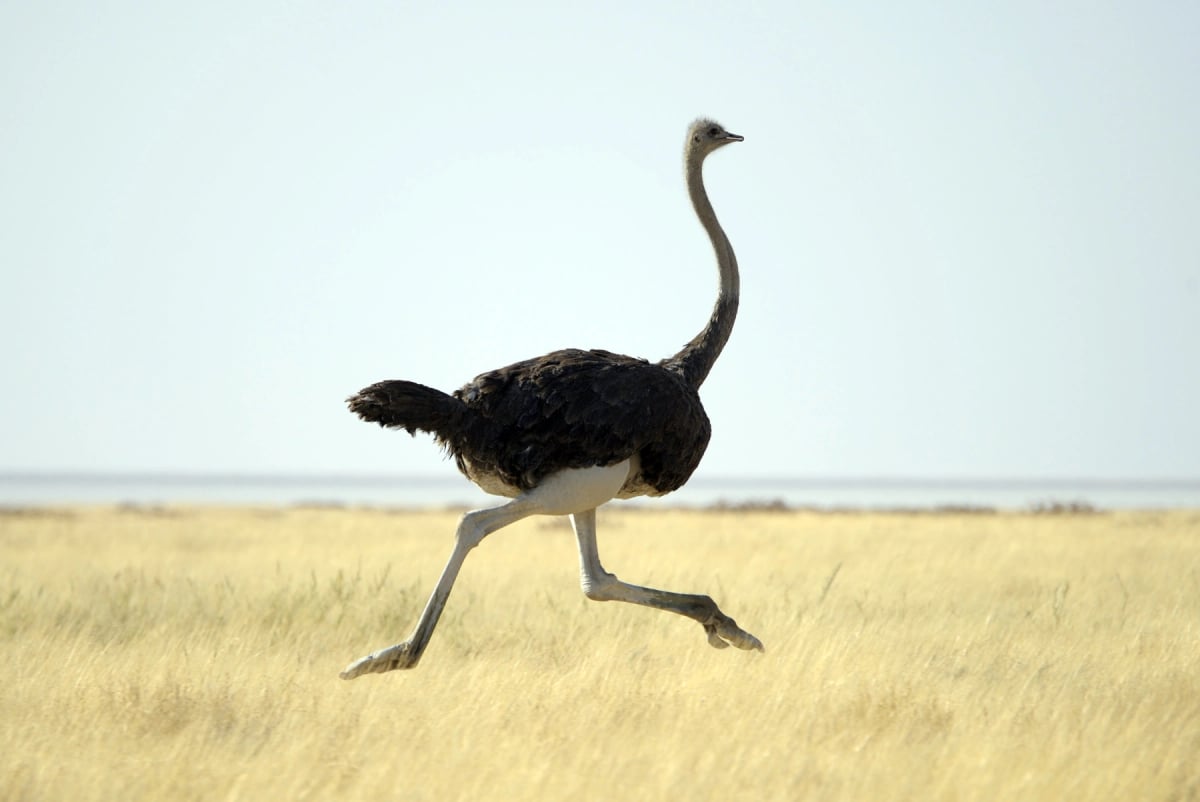
Ostrich
Struthio camelus
In Mali, ostriches are found in the Sahel zone and the arid plains stretching toward the Sahara in the north. Once widespread across the country, their numbers have declined significantly due to hunting and habitat degradation. They feed on the sparse grasses and seeds available in these dry landscapes and can survive for long periods with very little water. Their IUCN status is Least Concern globally.
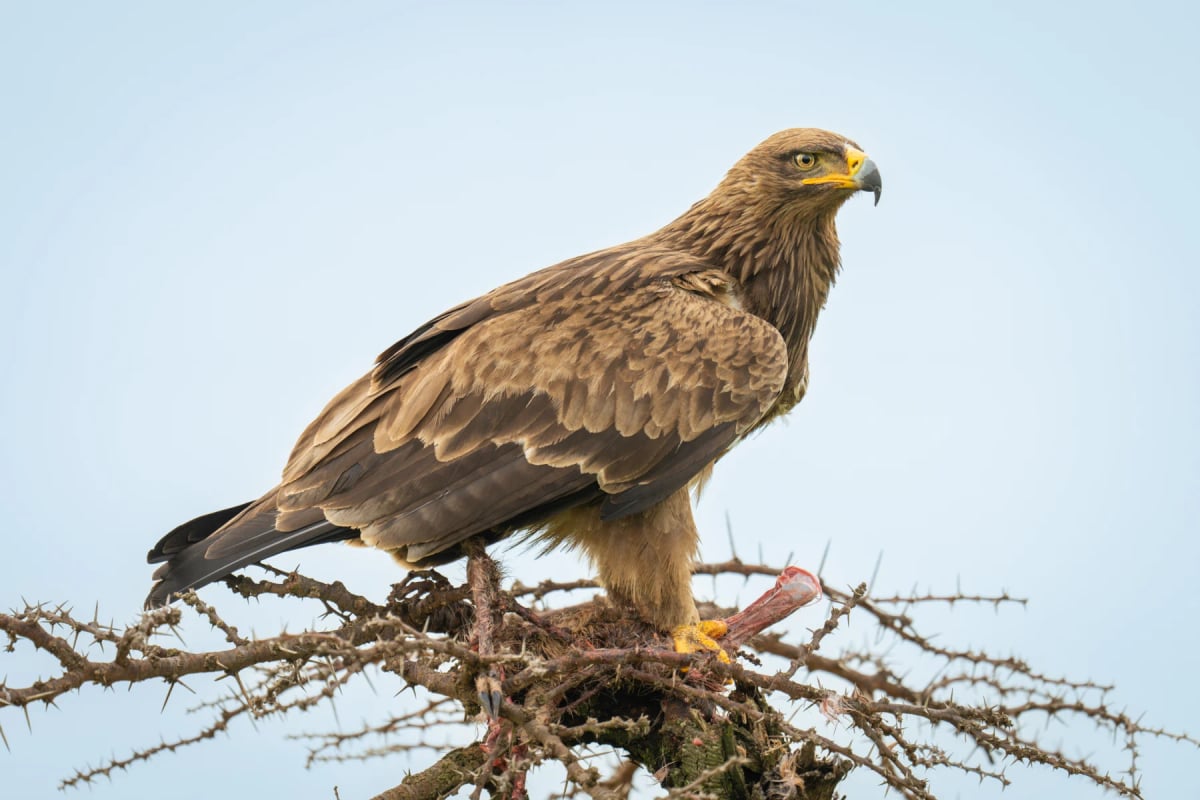
Steppe Eagle
Aquila nipalensis
Mali provides important wintering and passage habitat for the Steppe Eagle, with birds spreading across the Sahel zone and the open semi-arid plains south of the Sahara during the northern winter. The country's vast dry landscapes support gatherings of eagles attracted to termite emergences and carcasses. Classified as Endangered, the species is under pressure across its range, and the broad migratory corridors that cross Mali make the country relevant to international conservation efforts for this eagle.
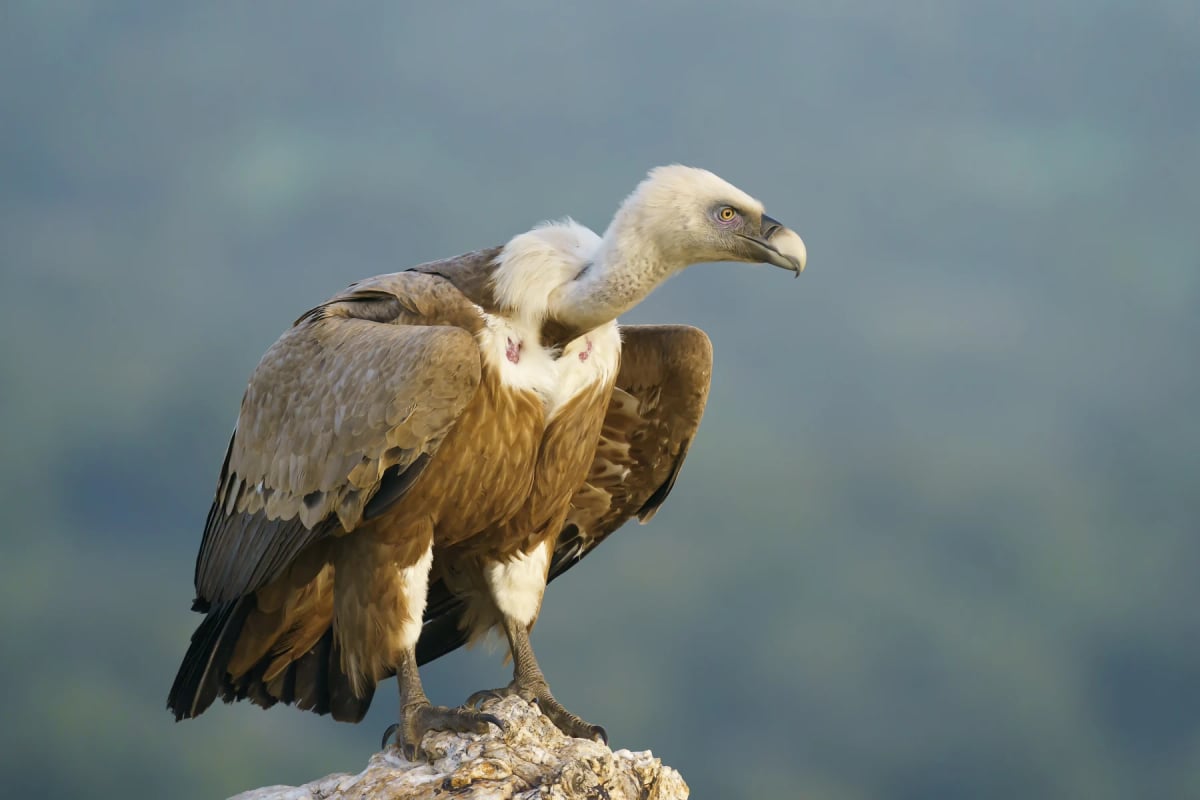
Griffon Vulture
Gyps fulvus
Mali lies in the Sahel, the broad belt south of the Sahara where many griffon vultures spend the winter. Young birds from Spain and other Mediterranean colonies cross the desert to reach these open savannas, where they gather at carcasses of livestock alongside local vultures. Some stay for several years before returning north to breed. The IUCN also lists the species as resident in the country. IUCN status: Least Concern.
White backed Vulture
Gyps africanus
The white backed vulture ranges across Mali's southern savannas and the woodland zones near the Niger River, where wildlife is more abundant. Gathering in groups at carcasses, these birds can strip a large animal clean within hours, preventing the spread of disease. Critically endangered across Africa, the species is under serious pressure from deliberate poisoning by poachers and from the use of vulture parts in traditional practices.
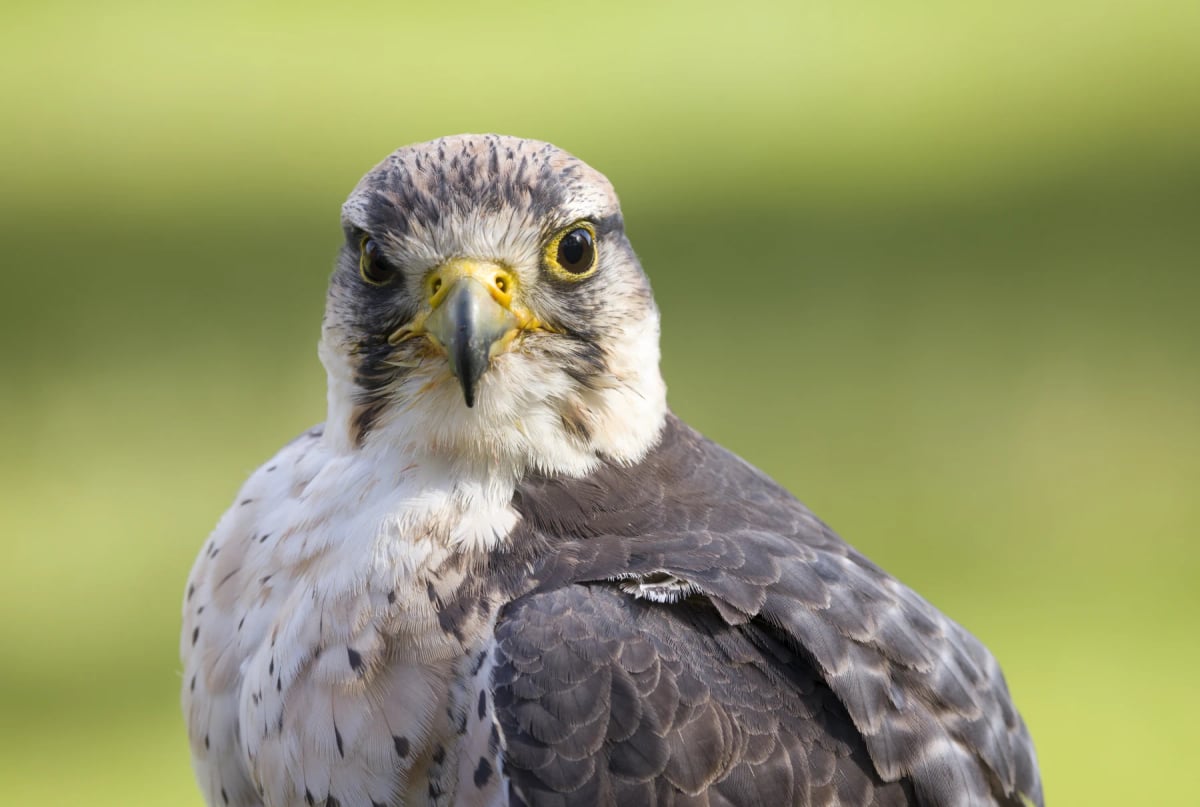
Lanner Falcon
Falco biarmicus
Across Mali, the lanner falcon is found in the Sahel zone and the semi-arid plains that stretch across the country's center and north. It copes well with dry, open environments and is known to nest on rocky outcrops and cliff faces where they exist. Birds such as doves and weavers form a key part of its diet. Ongoing habitat degradation in the Sahel poses a broader challenge for wildlife here. IUCN status: Least Concern.
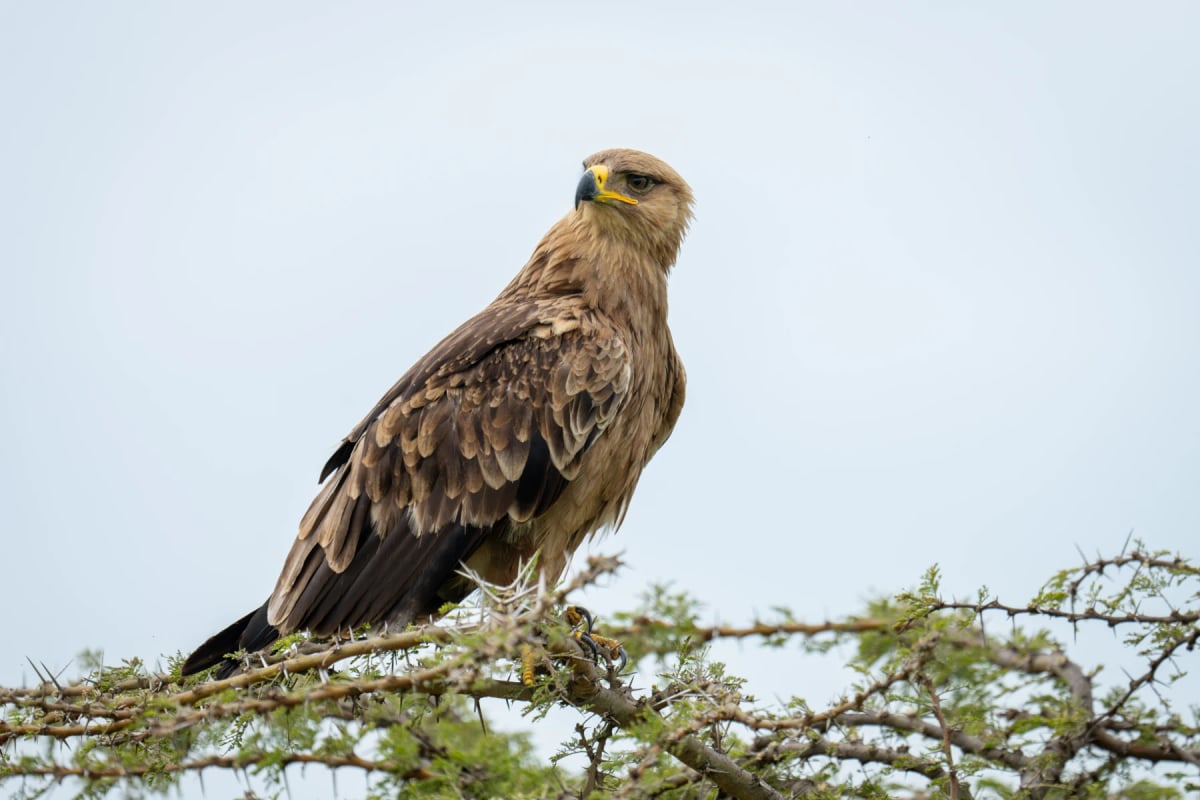
Tawny Eagle
Aquila rapax
The tawny eagle is present in Mali across the Sahel belt and the drier woodland zones to the south, where it hunts over open terrain and scavenges alongside vultures. The vast semi-arid landscapes of central and northern Mali provide suitable soaring conditions. Ongoing habitat degradation linked to drought and desertification poses a serious concern for this eagle over the long term. The IUCN classifies it as Vulnerable.
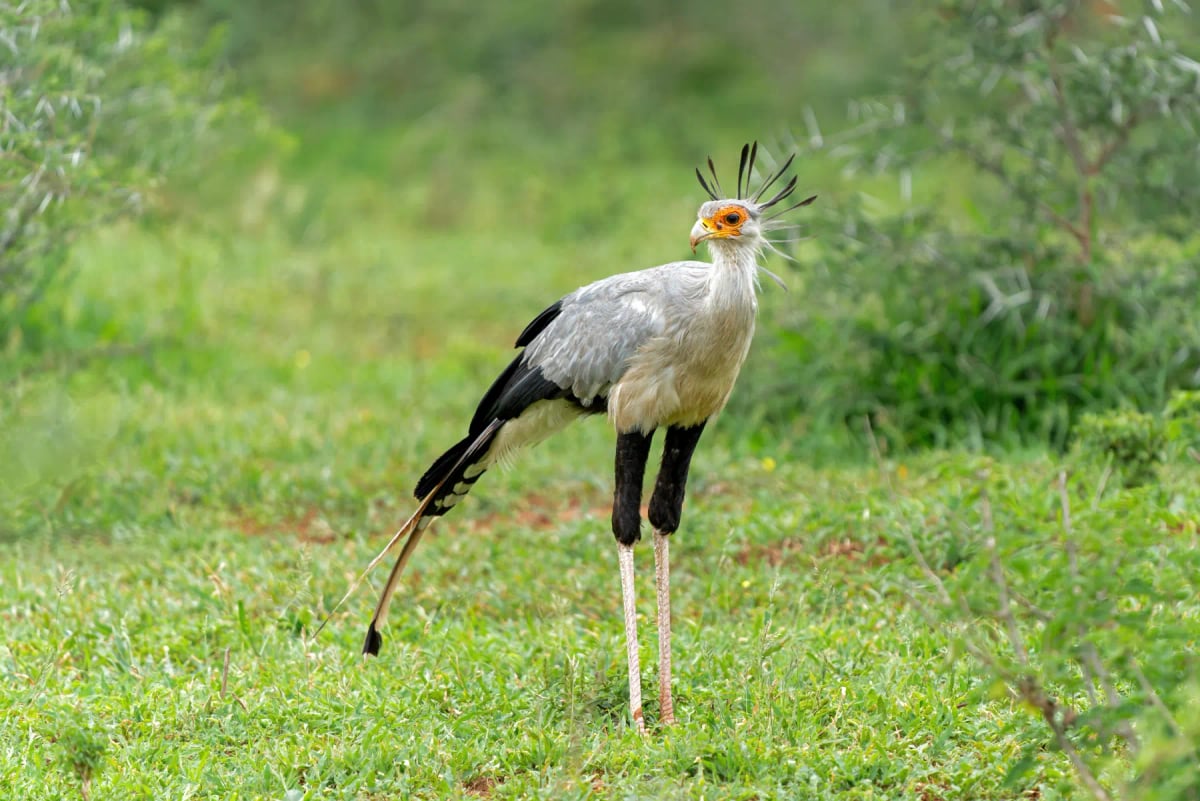
Secretary Bird
Sagittarius serpentarius
In Mali, the secretary bird inhabits the Sahel and Guinea savanna zones in the south of the country, where open grasslands and sparse woodland provide suitable hunting grounds. It moves through these landscapes on foot, targeting snakes, rodents, and insects. Rainfall in Mali's southern regions supports seasonal grasses that attract prey. Desertification and land use changes threaten savanna habitats here. Across its African range, the IUCN lists the secretary bird as Endangered.
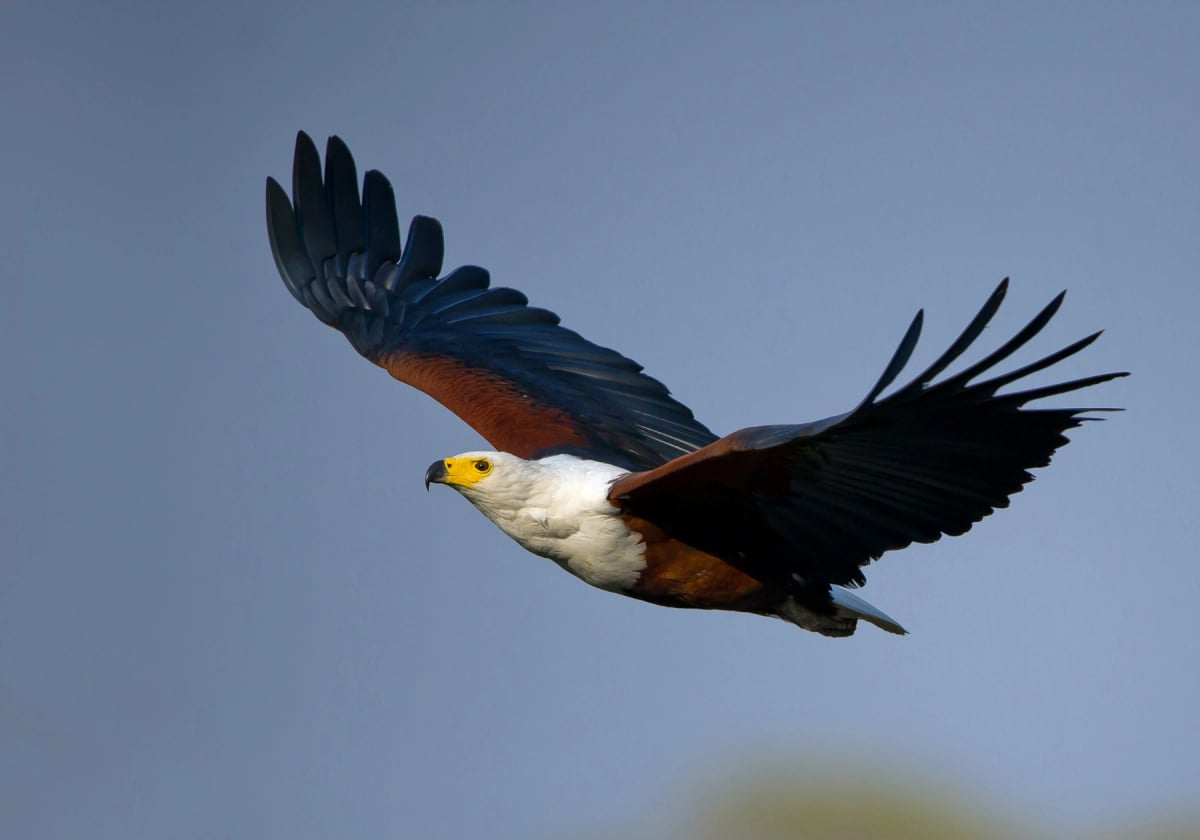
African Fish Eagle
Haliaeetus vocifer
The African fish eagle is present in Mali primarily along the Niger River and across the Inner Niger Delta, one of the largest inland deltas in the world. This vast floodplain in the center of the country supports exceptional concentrations of waterbirds and provides ideal habitat for this eagle. The species is less common in the arid north, but along the Niger corridor and around the lakes and channels of the delta it can be regularly observed.
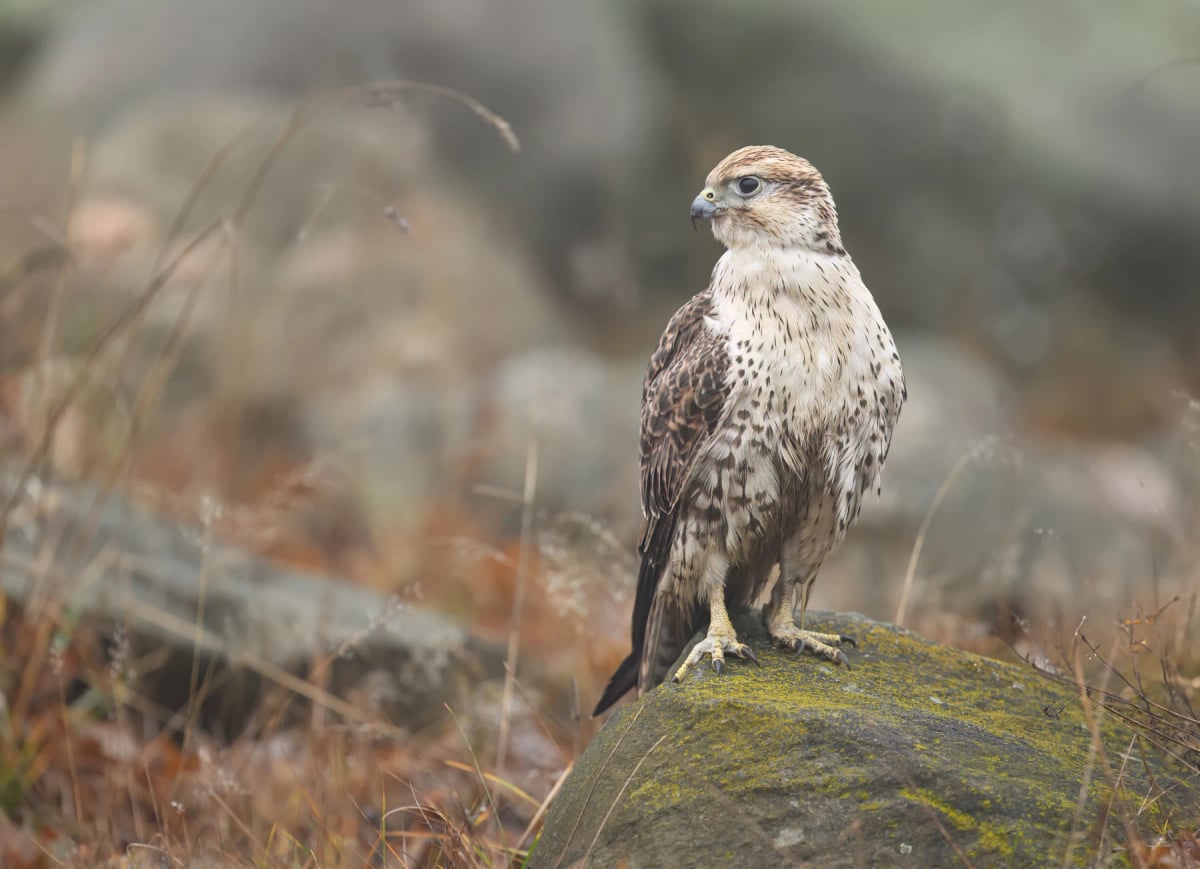
Saker Falcon
Falco cherrug
The saker falcon visits Mali during the northern winter, crossing the Sahara to reach the Sahel zone in the south of the country. Here it hunts birds and small mammals across open, semi-arid scrubland. Mali sits along one of the falcon's key migration corridors into sub-Saharan Africa. Illegal trapping remains a serious threat, as birds passing through West Africa are sometimes caught for the falconry trade. The IUCN lists this species as Endangered.
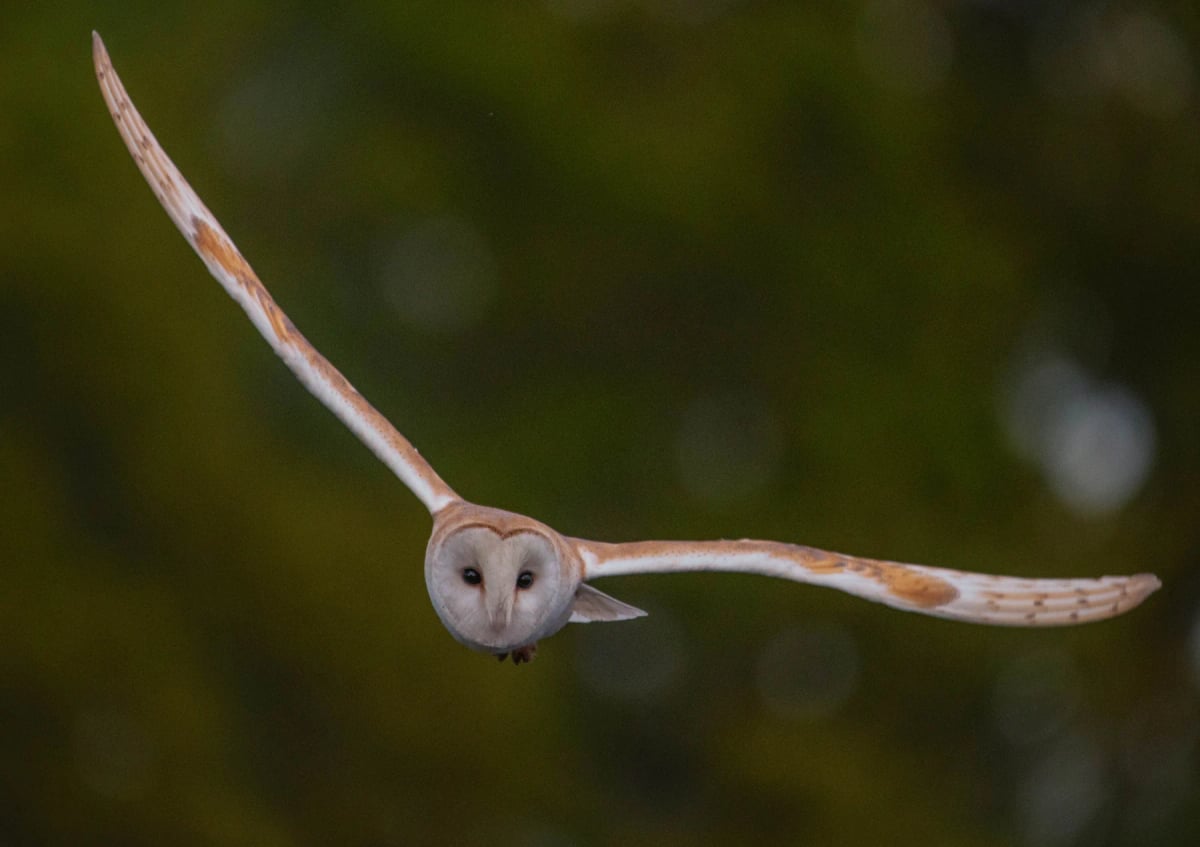
Barn Owl
Tyto alba
The barn owl is found across the inhabited zones of Mali in open savanna, farmland, and oases from the Sahel belt through the Niger River valley to the Sudanian savanna in the south. It nests in old buildings, cliff faces, and palm groves, and hunts rodents at night. In the agricultural communities of the Niger Inland Delta and the southern farming regions it is valued as a natural controller of the rodent populations that damage grain stores. It does not occur in the vast uninhabited desert regions of the north.
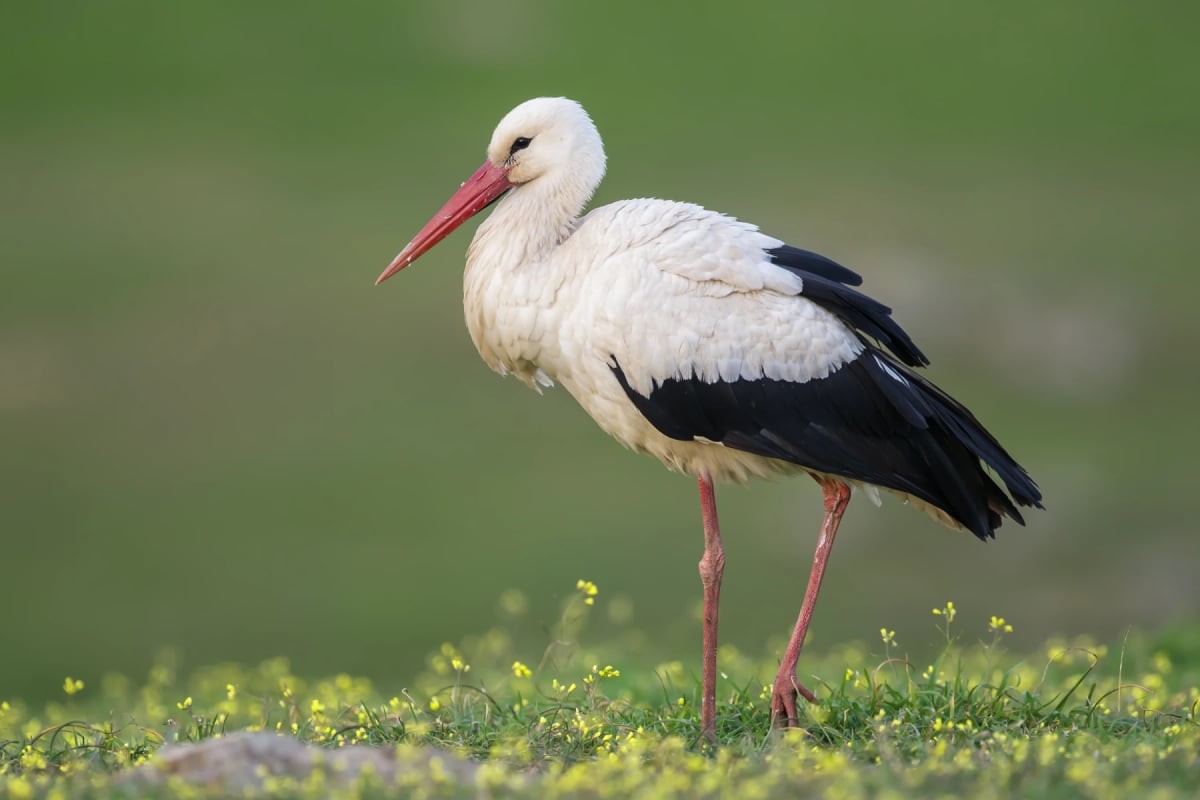
Stork
Ciconia ciconia
White storks winter across Mali in large numbers, particularly in the inland delta of the Niger River, one of West Africa's most important wetland systems. They feed on frogs, insects, and small vertebrates in the flooded grasslands and shallow waters. Flocks can be enormous during peak winter months. The species is listed as Least Concern by the IUCN, with global populations in good shape.
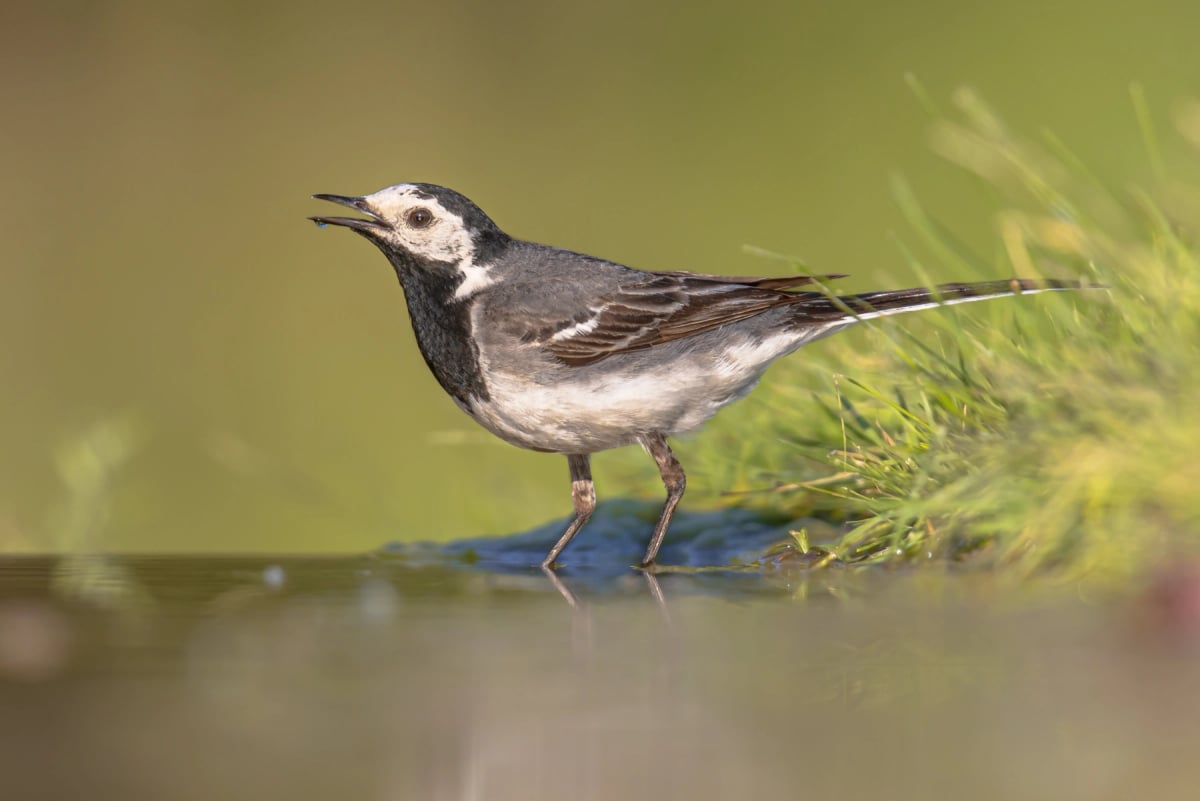
White Wagtail
Motacilla alba
Mali receives the white wagtail as a winter visitor, with birds arriving from European and Asian breeding grounds each autumn. They spread across the Sahel zone and the inland delta of the Niger River, where water and open ground attract insects in abundance. It is commonly seen running along riverbanks and irrigated fields. Its IUCN status is Least Concern.
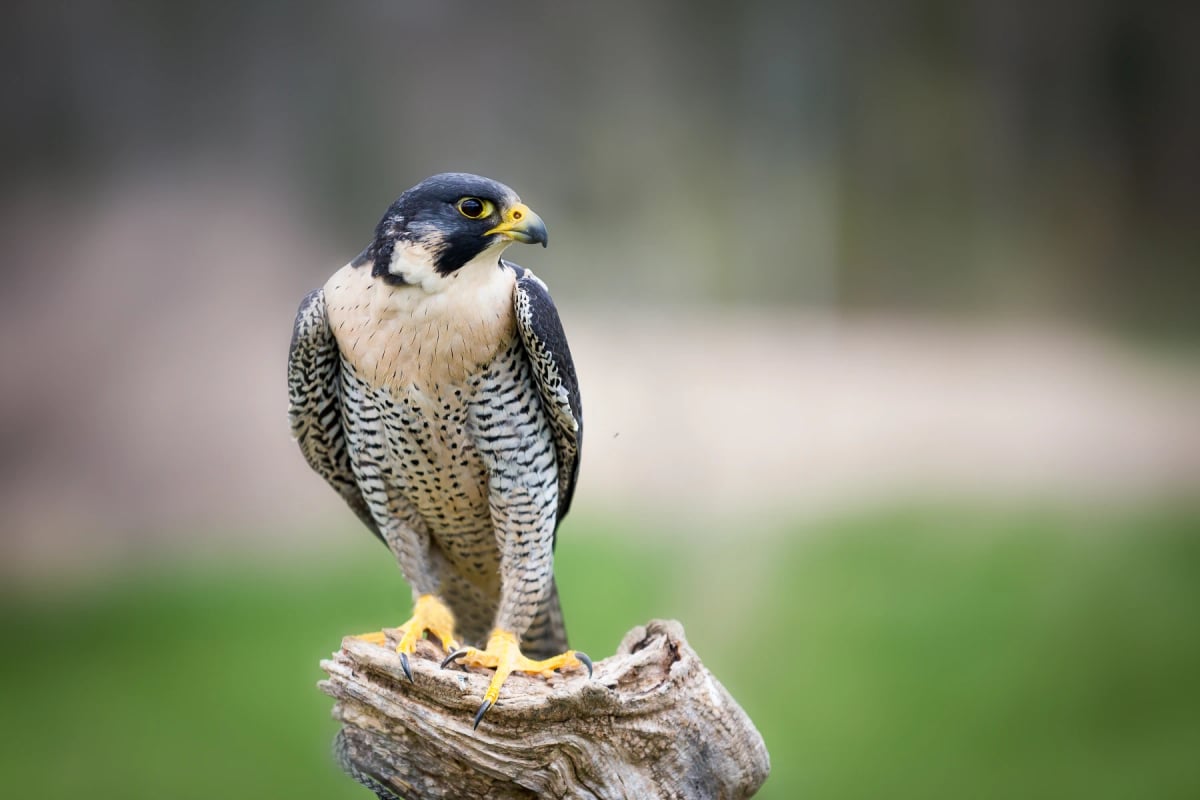
Peregrine Falcon
Falco peregrinus
In Mali, the peregrine falcon is recorded mainly as a seasonal visitor, passing through during migration between Europe and the tropics. The Sahel belt and the rocky Adrar des Ifoghas massif in the north can provide resting and hunting spots. This falcon pursues other birds in open terrain with remarkable speed and skill. Populations passing through West Africa remain stable. The IUCN lists the species as Least Concern.
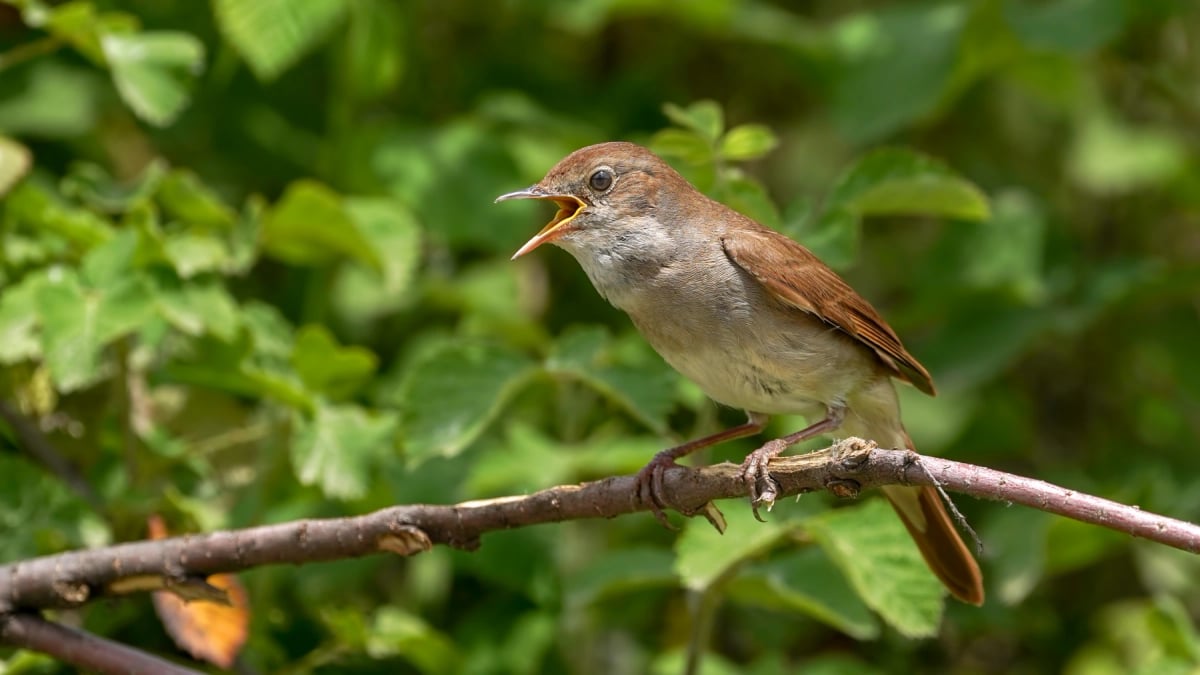
Nightingale
Luscinia megarhynchos
The nightingale winters in Mali, settling into the scrub and savanna of the Sahel and Sudan zones after its long migration from Europe. It is a small, unassuming bird with a warm brown back and a vivid rusty tail, though its extraordinary song is rarely heard here outside the breeding season. It forages quietly among low shrubs, feeding on insects and small berries. Its IUCN status is Least Concern.
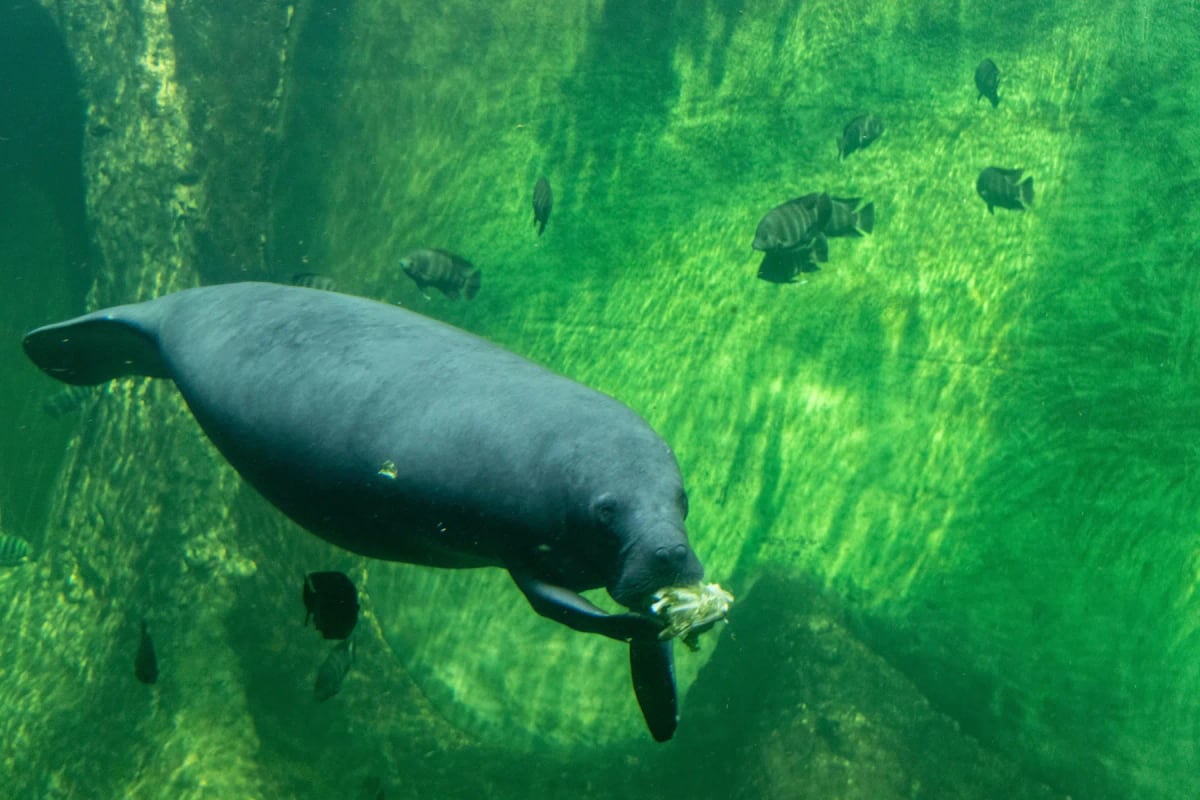
African Manatee
Trichechus senegalensis
Mali is one of the most unexpected countries within the African manatee's range. The species has been documented in the Niger River as it crosses the country, moving far inland through the Inner Niger Delta, a vast seasonal floodplain that provides food and shelter. These populations are highly isolated, vulnerable to hunting and dependent on seasonal flooding patterns that are increasingly disrupted by climate variability.
Researched and written by Juan Pablo. Sources: IUCN Red List, scientific literature and regional field guides. Last updated: .