Langur
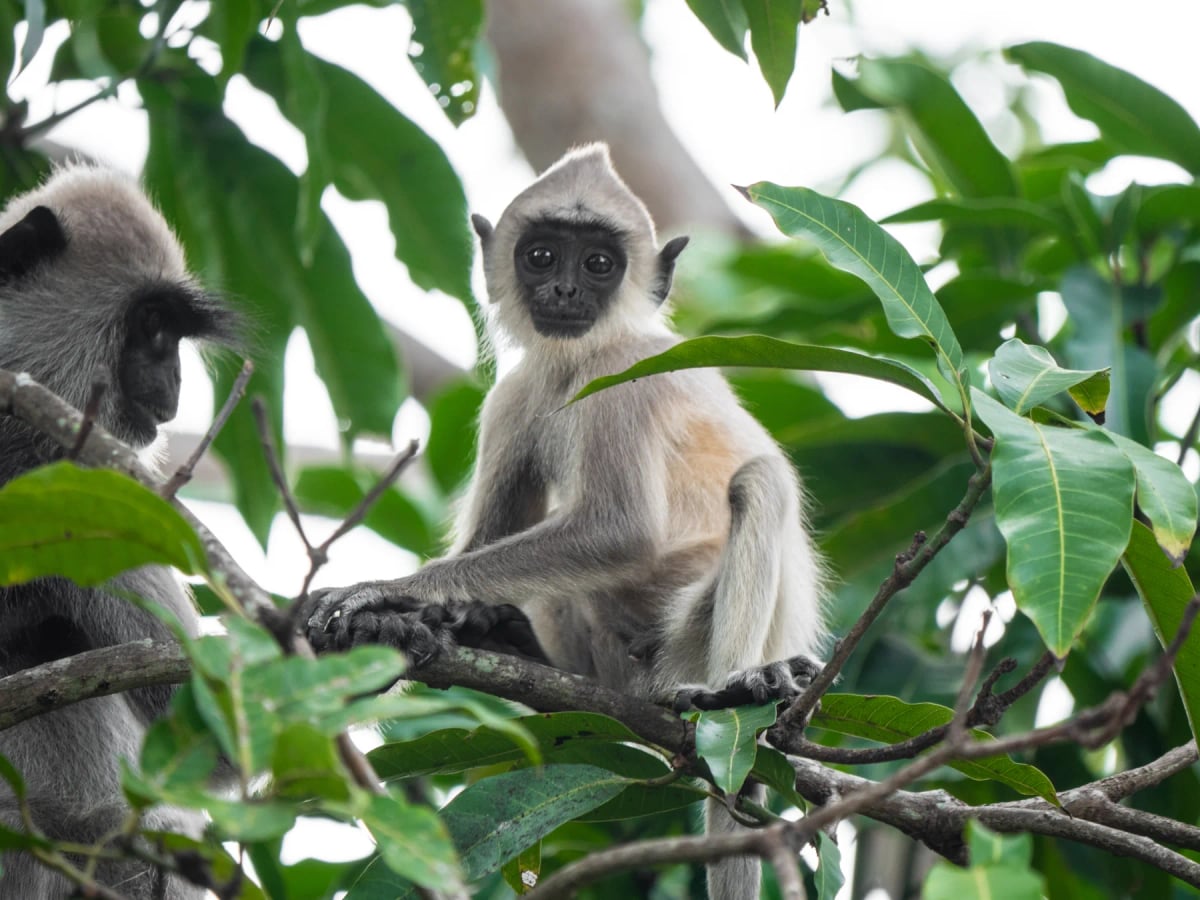
Langurs are leaf-eating monkeys of South Asia belonging to the genus Semnopithecus, instantly recognizable by their long tails, slender frames and pale gray or dark coats depending on the species. They range across India, Nepal, Sri Lanka, Bangladesh, Bhutan and Pakistan, occupying forests, scrublands and even busy town centers. Their digestive system is specially adapted for breaking down tough foliage, though they also eat fruit, flowers and seeds. This varied diet makes them effective agents of seed dispersal across their range. Langurs spend time both in trees and on the ground, forming troops that can number from a handful of individuals to several dozen. In Hindu tradition the Hanuman langur holds sacred status, and troops are frequently seen moving freely through temple grounds. Habitat loss driven by farming expansion and urban growth poses the most serious threat to populations across the region.
Habitat and range
Across South Asia, langurs occupy one of the broadest habitat ranges of any primate on the continent. They are found in tropical and subtropical forests, dry scrublands, rocky hillsides and mountain woodlands reaching well above 3,000 metres in the Himalayas. India holds the largest share of the population, but langurs also range through Nepal, Sri Lanka, Bangladesh, Bhutan and parts of Pakistan. Remarkably adaptable, they thrive in agricultural landscapes and urban environments alike, moving freely through temple grounds, market streets and railway stations. This flexibility sets them apart from most other primates in the region. Different species within the genus tend to favour particular habitat types, with the Hanuman langur being the most widespread and tolerant of disturbed or human-modified landscapes across the subcontinent.
Diet
Leaves form the foundation of the langur diet, which is why these monkeys are classified as folivores. Young leaves are preferred over mature ones because they are easier to digest and higher in protein. To handle the tough cellulose and toxins present in foliage, langurs possess a large, compartmented stomach that works in a similar way to that of ruminants, allowing bacteria to break down plant material that most animals cannot process. Beyond leaves, langurs eat flowers, fruit, seeds, bark and occasional soil rich in minerals. Fruit intake increases when it is seasonally available. This wide-ranging plant diet means langurs play a genuine role in seed dispersal, carrying seeds away from parent trees as they travel across their home range and depositing them in new locations.
Social structure
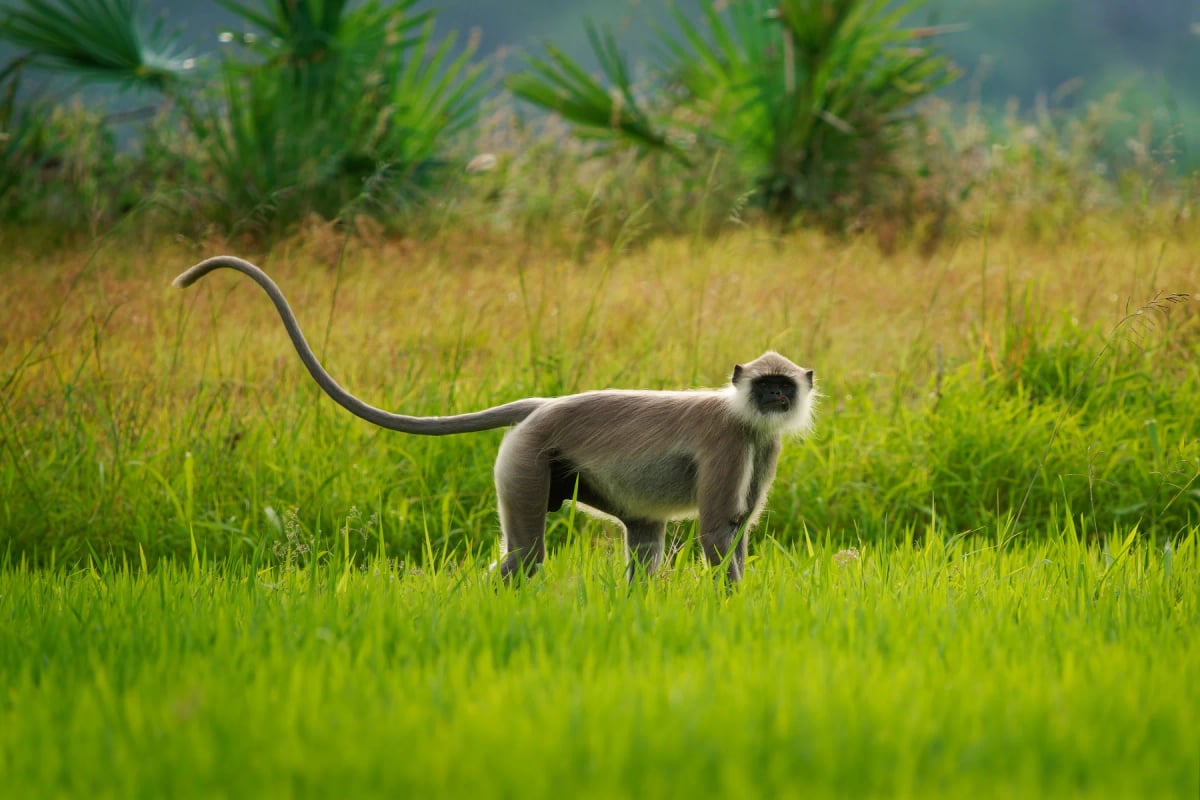
Troops are the basic unit of langur society, and their size can vary enormously. Some groups consist of fewer than ten individuals, while others in areas with plentiful food can swell to more than 100. The most common arrangement is a single adult male living with several females and their offspring, though all-male bachelor groups also exist and frequently challenge resident males for control of a troop. When a new male takes over, infanticide of young offspring has been documented, a behaviour that has been studied extensively by primatologists. Females form the stable core of any group, often remaining in the same troop throughout their lives. They maintain clear dominance rankings among themselves and share responsibility for watching over and even nursing young that are not their own.
Behavior
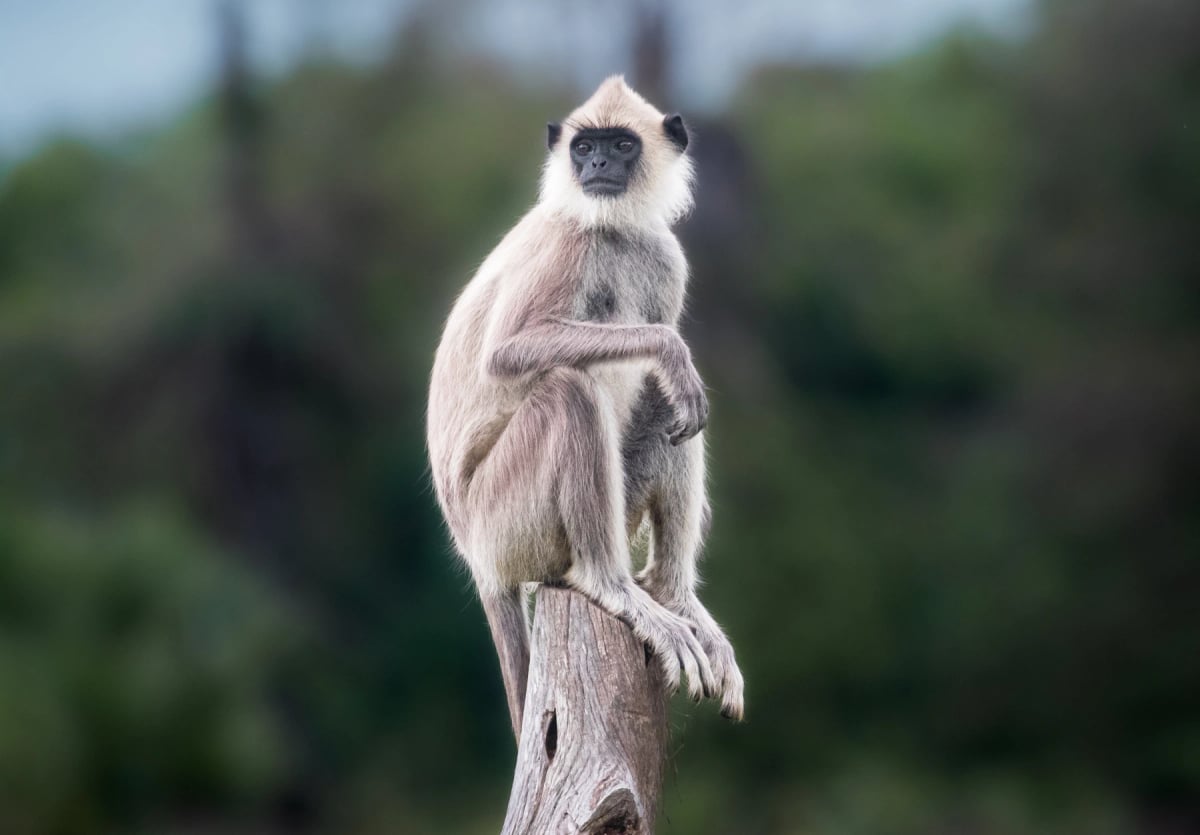
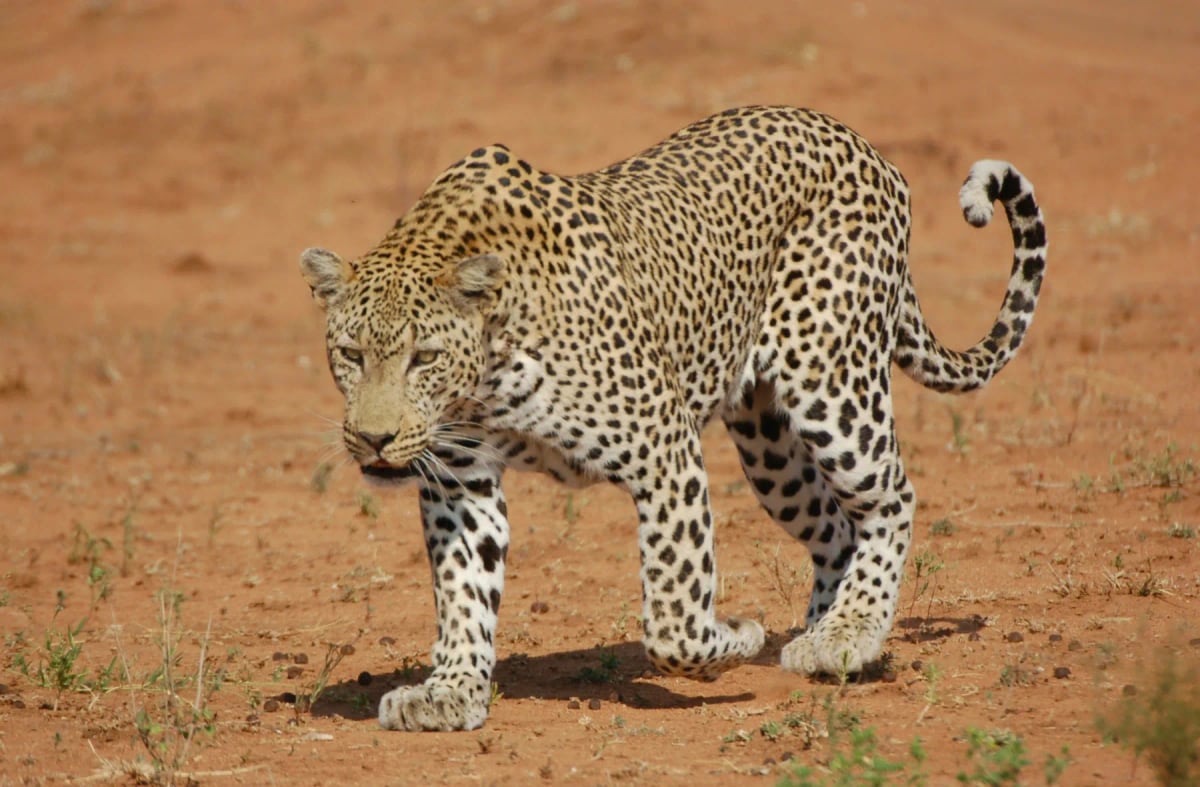
Langurs are diurnal, meaning all their feeding, socialising and travel takes place during daylight hours. They split their time between the ground and the tree canopy, moving with ease in both environments thanks to their long limbs and tails that help with balance. Grooming is central to troop life, reinforcing bonds between individuals and reducing tension within the group. When threatened, sentinels give loud alarm calls that alert the whole troop to predators such as leopards, dholes and large raptors. In many Indian towns and temple complexes, langurs move freely among people. The Hanuman langur is considered sacred in Hinduism, associated with the deity Hanuman, and troops living near temples are often offered food by worshippers as an act of devotion rather than simple habit.
Threats
Habitat loss is the most serious pressure facing langurs across their range. As forests are cleared for agriculture, plantations and urban expansion, troops are pushed into smaller and more fragmented patches of land, making it harder to find food and find mates. Roads cutting through forest habitat bring a steady toll from vehicle strikes, particularly in areas where langurs cross regularly between feeding sites. In villages and town outskirts, domestic dogs pose a genuine threat, especially to juveniles and individuals that venture to the ground. In some regions, langurs are hunted for bushmeat or caught for use in the pet trade, though this is illegal in most countries across their range. Climate shifts that alter the timing and availability of leaf flushes and fruiting seasons are an emerging concern for populations that depend on predictable food sources.
Conservation
Protection for langurs varies considerably depending on the species. Some, like the Hanuman langur, are listed as Least Concern on the IUCN Red List due to their wide range and tolerance of disturbed habitats. Others, such as the Kashmir gray langur, face a far more precarious situation with small and restricted populations. All species receive legal protection across most of their range countries under national wildlife laws. Protected areas including national parks and wildlife reserves provide refuge for populations living in forests, but langurs outside these boundaries remain vulnerable. Community attitudes play a meaningful role in their survival, particularly in India where cultural and religious respect for the Hanuman langur has helped troops persist in densely populated areas for generations. Continued monitoring and habitat restoration are considered priorities by conservationists working across the region.
Where it is found
The Langur can be found in places such as:
Researched and written by Juan Pablo. Sources: IUCN Red List, scientific literature and regional field guides. Last updated: .
Technical factsheet





Frequently Asked Questions
What do langurs eat?
Langurs eat mostly leaves, especially young ones that are easier to digest and higher in protein. They also eat fruit, flowers, seeds and bark. Their large, multi-chambered stomach breaks down tough plant material that most animals cannot handle. When fruit is in season, they eat more of it. This varied plant diet also makes them useful seed dispersers, spreading seeds across their range as they travel.
Where do langurs live?
Langurs are found across South Asia, including India, Nepal, Sri Lanka, Bangladesh, Bhutan and Pakistan. They live in a wide variety of places: tropical forests, dry scrublands, rocky hillsides and mountain woodlands up to 3,000 metres. They are also very comfortable around people, and it is common to spot troops in towns, temple grounds and busy markets. India holds the largest share of the total population.
Are langurs sacred animals?
Yes, the Hanuman langur is considered sacred in Hinduism. It is associated with the deity Hanuman, a central figure in Hindu tradition. Because of this, troops living near temples are often fed by worshippers as an act of devotion. This cultural respect has helped langurs survive in some of the most densely populated parts of India, where other wildlife would struggle to coexist with so many people.
How do langurs protect themselves from predators?
Langurs rely on their troop for safety. Individuals acting as sentinels watch for danger and give loud alarm calls the moment they spot a predator like a leopard, dhole or large bird of prey. The whole troop responds immediately. Their ability to move quickly through trees and on the ground is also a big advantage. Living in groups means more eyes watching at all times, making it harder for predators to catch them off guard.
What are the biggest threats to langurs?
Habitat loss is the main threat. Deforestation for farming and urban growth pushes troops into smaller patches of land, making it harder for them to find food and mates. Roads bring a regular toll from vehicle collisions, and domestic dogs are a danger to individuals on the ground. In some areas, hunting and the illegal pet trade are also concerns. Changes in climate that disrupt the availability of leaves and fruit are an increasing worry too.
How big are langur troops?
Troop size varies quite a lot. Some groups have fewer than ten individuals, while others in areas with plenty of food can grow to more than 100. The most common setup is one adult male living with several females and their young. Separate groups made up entirely of males also exist. These bachelor groups often try to take over a troop by challenging the resident male, which can lead to dramatic confrontations.
Are langurs endangered?
It depends on the species. The Hanuman langur, the most widespread of the group, is listed as Least Concern by the IUCN thanks to its large range and ability to adapt to disturbed habitats. Other species, such as the Kashmir gray langur, have much smaller populations and face a more serious situation. All species are legally protected across most of their range, but those living outside protected areas remain at greater risk.