Animals in Egypt
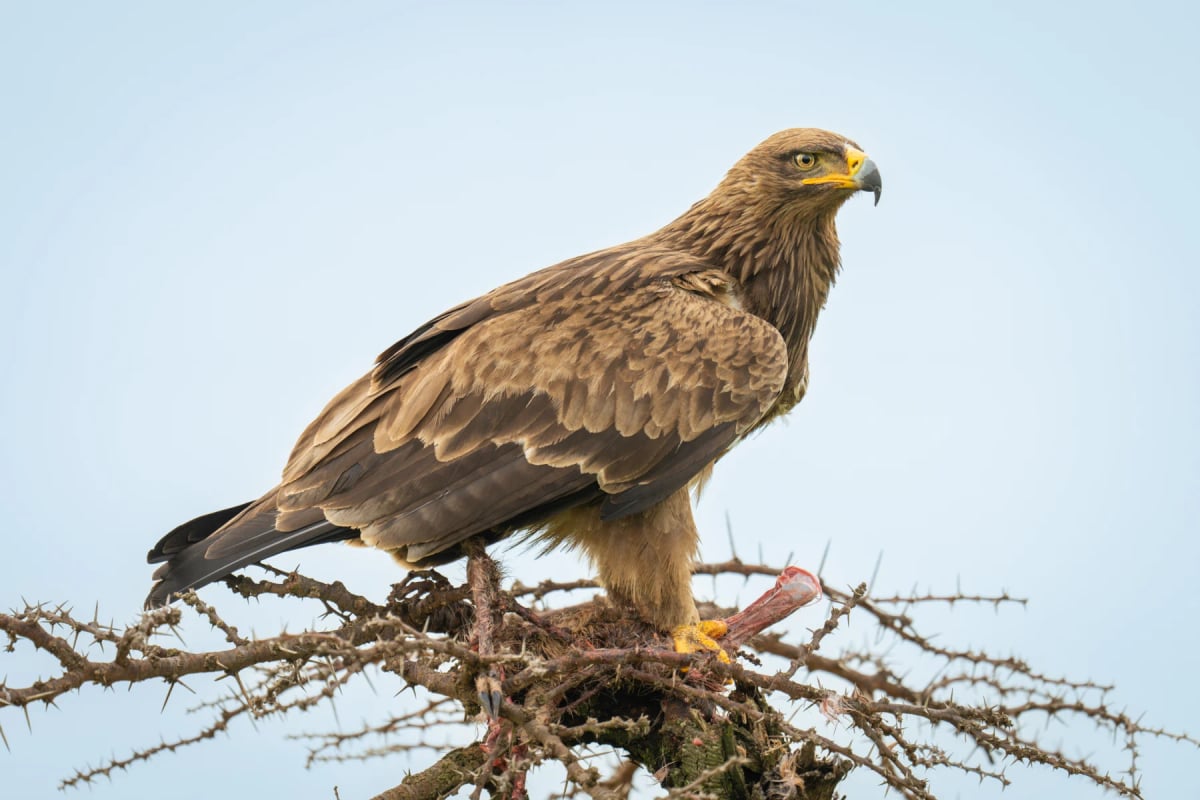
Steppe Eagle
Aquila nipalensis
The steppe eagle, regarded as Egypt’s national animal, soars over arid landscapes with impressive wingspan. Though not unique to the country, it symbolizes strength and freedom. Its image connects modern Egypt to ancient traditions that revered birds of prey as celestial guardians.
View details→Wildlife in Egypt
Egypt’s wildlife ranges from deserts and oases to the Nile and the Red Sea. Fennec foxes, Nubian ibexes, dolphins and reef sharks inhabit its contrasting environments. Desert safaris and diving along the Red Sea allow visitors to explore the country’s remarkable ecological variety.
Most Dangerous Animals in Egypt
Egypt’s dangerous wildlife includes leopards in remote mountains, Nile crocodiles in southern waters and reef, tiger and hammerhead sharks in the Red Sea. With expert guides and awareness, encounters remain rare but thrilling for adventurers.
Top 10 Animals in Egypt
Egypt’s notable fauna includes fennec foxes, leopards and Nile crocodiles. These species combine desert stealth, mountain strength and river heritage. Wildlife tours and Nile expeditions offer a glimpse of Egypt’s natural side beyond its archaeological fame.
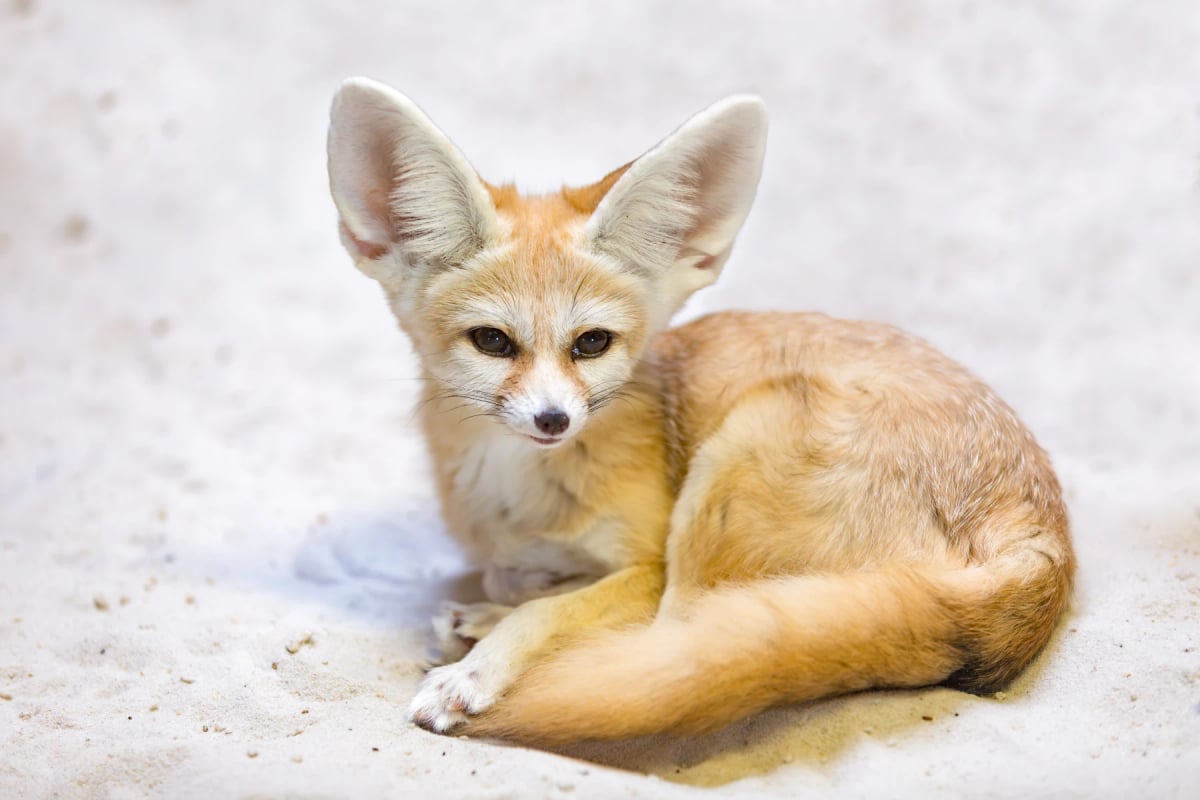
Fennec Fox
Vulpes zerda
The fennec fox inhabits the Western Desert and the Sinai Peninsula in Egypt, two of the country's most arid regions. It thrives in the extreme conditions of both areas, using its large ears to detect prey beneath the sand at night. In Sinai, it occasionally crosses paths with Bedouin communities who have long shared the same desert landscape.
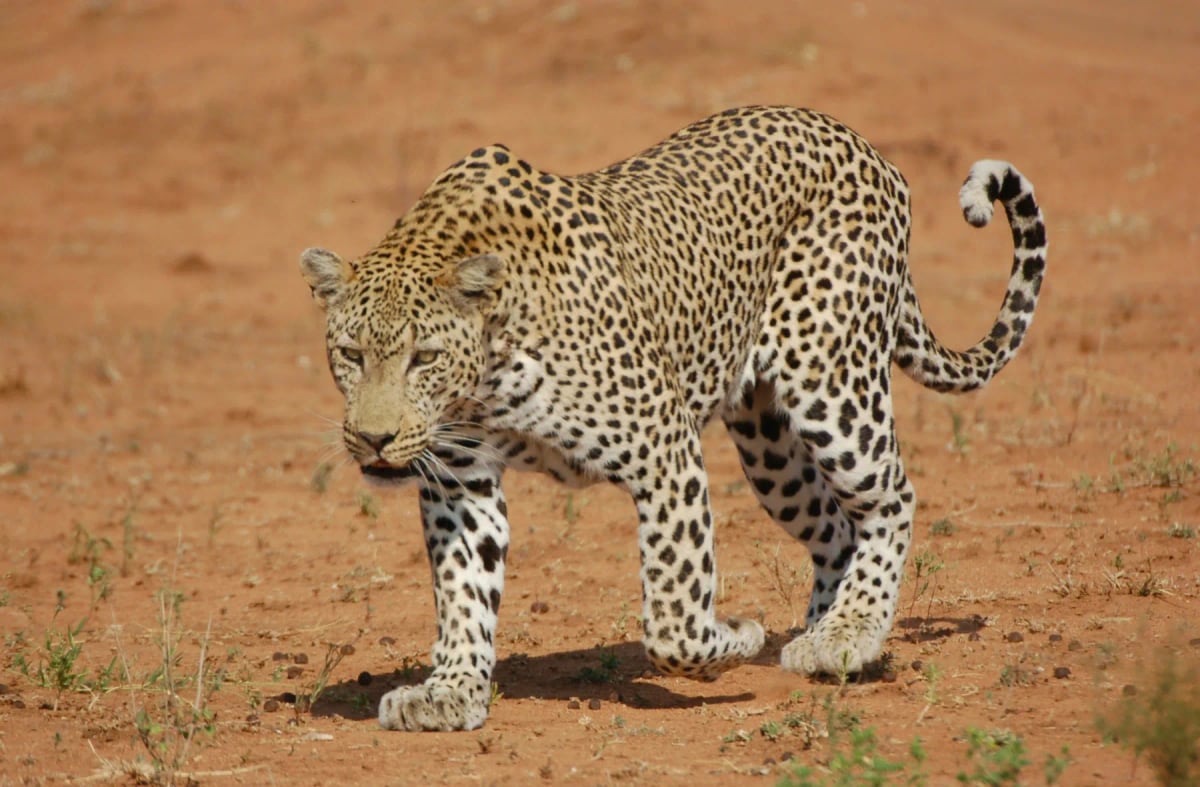
Leopard
Panthera pardus
Egypt sits at the very edge of the leopard's historical range. In the past, leopards were recorded in the Sinai Peninsula and remote areas of the Eastern Desert, but confirmed sightings in recent decades are extremely rare. A tiny relict population may still exist in the rugged hills of Sinai, though this is uncertain. The species is listed as Vulnerable on the IUCN Red List.
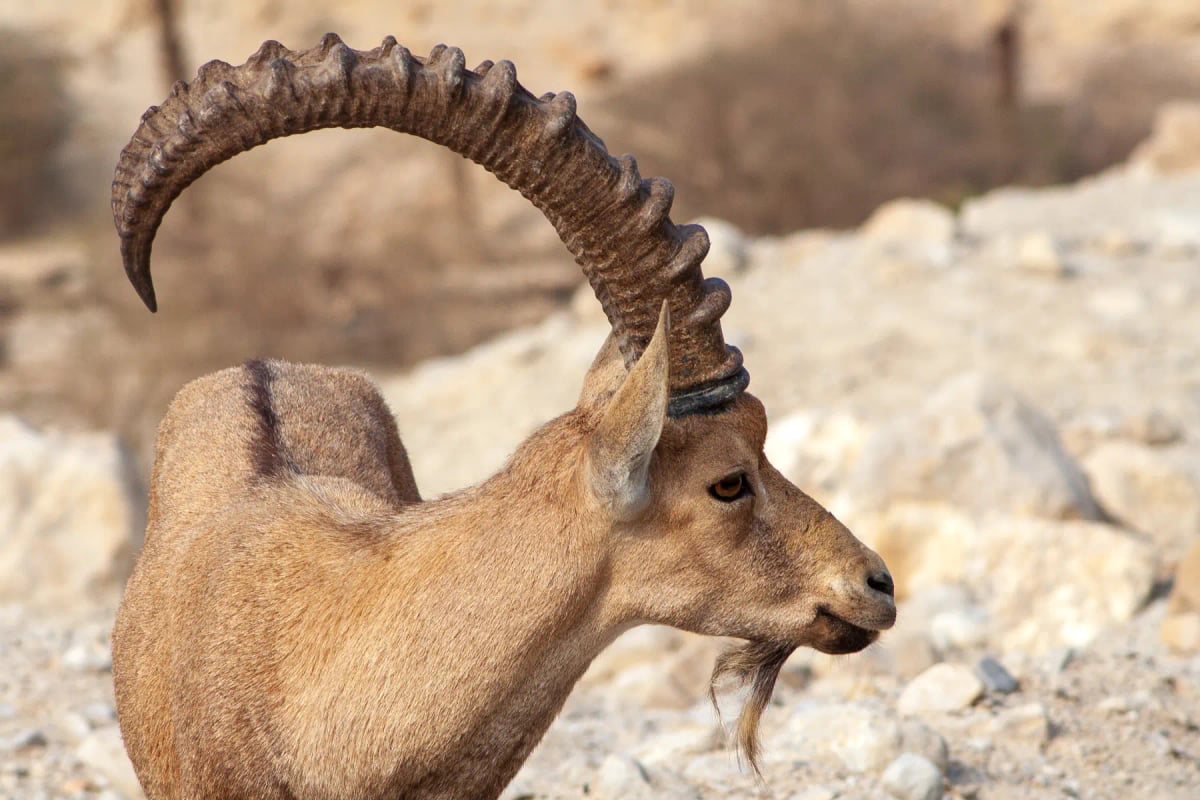
Nubian Ibex
Capra nubiana
The Nubian ibex lives among the rugged mountains of the Eastern Desert and the Sinai Peninsula, where steep cliffs and dry wadis shape its daily life. Males carry sweeping horns over a meter long and use them in dramatic clashes during the rut. Their pale coats reflect the fierce desert sun, and small populations persist today thanks to protection in reserves like Saint Katherine's in Sinai. IUCN status: Vulnerable.
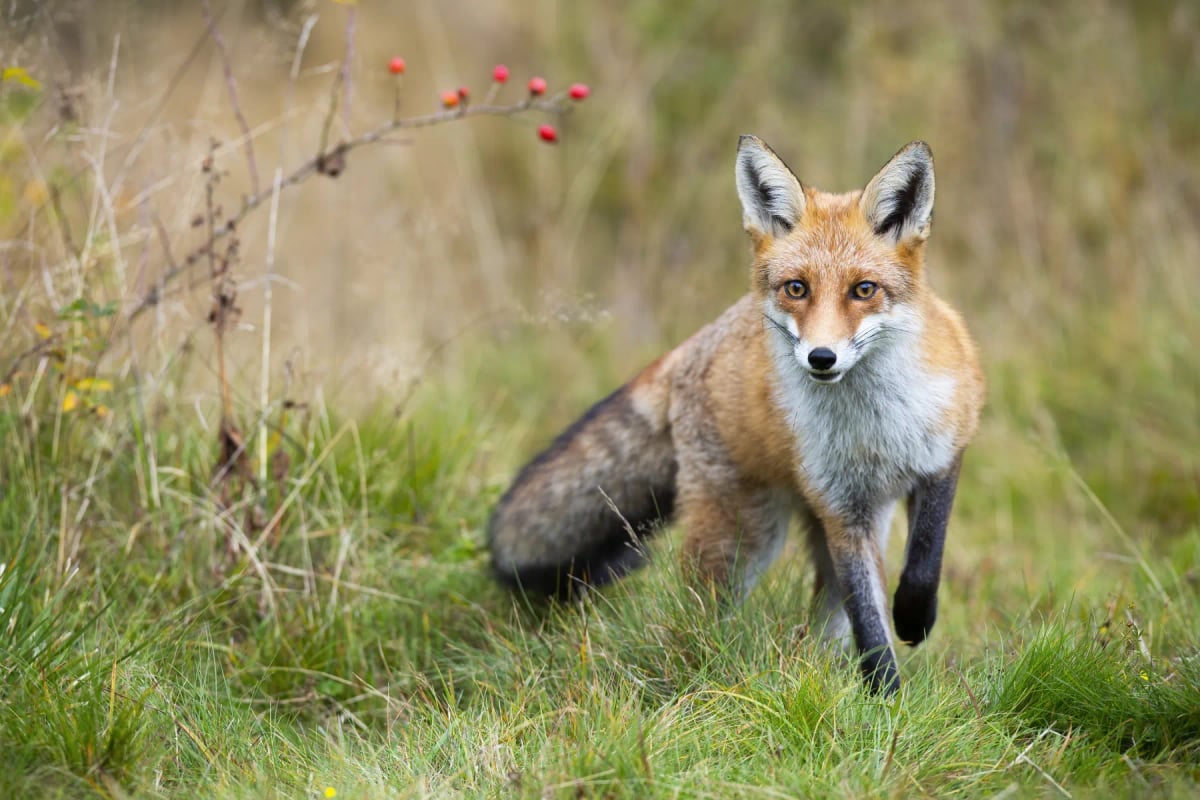
Red Fox
Vulpes vulpes
In Egypt, the red fox is found mainly in the Nile Delta, along the Mediterranean coast, and in parts of the Sinai Peninsula. It avoids the deep desert interior, preferring areas with some vegetation, water access, or human settlement nearby. It feeds on rodents, birds, and scraps near villages. Though less prominent here than in Europe, it is not threatened and holds Least Concern status.
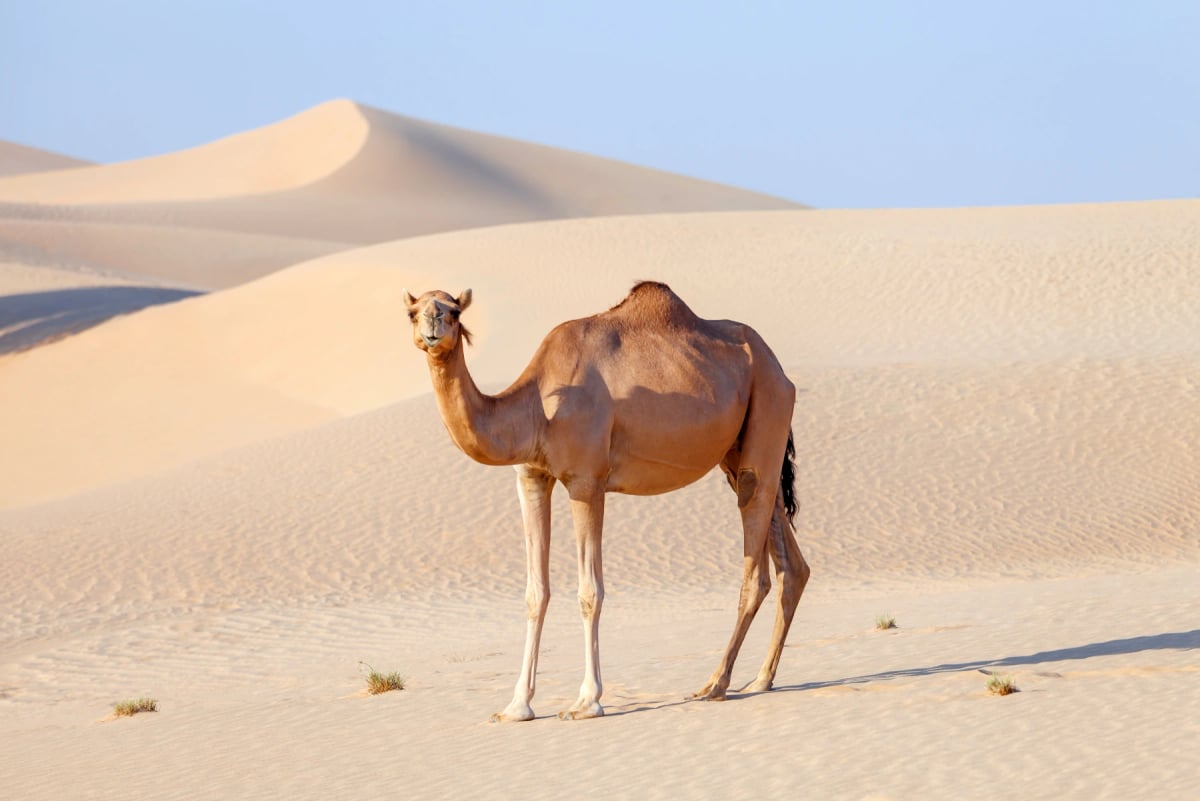
Dromedary Camel
Camelus dromedarius
In Egypt, dromedary camels have served humans for thousands of years, from the stony plains of the Sinai Peninsula to the vast Western Desert. They remain working animals in rural areas and are closely tied to Bedouin culture. Around tourist sites near Luxor and Giza, camels are also a familiar sight, though their greatest numbers are found among nomadic and seminomadic communities in the country's arid interior.
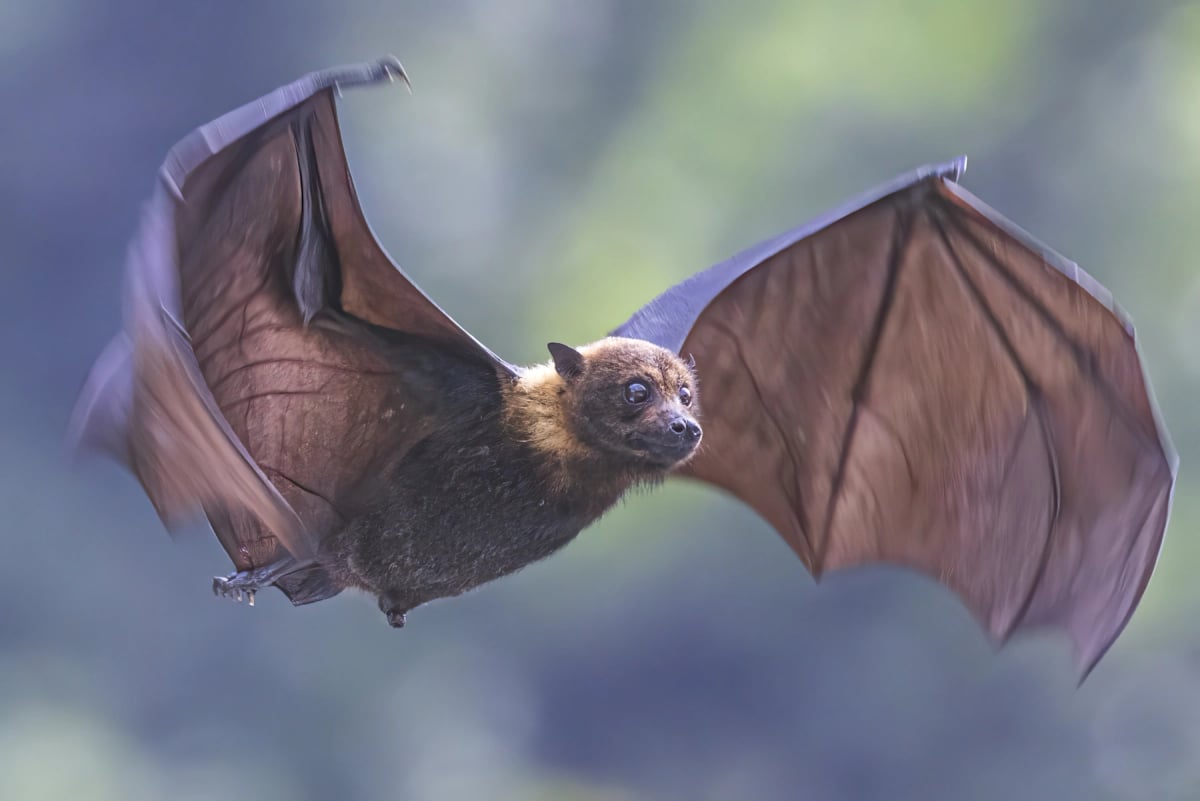
Fruit Bat
Pteropodidae
In Egypt, fruit bats from the family Pteropodidae are found mainly along the Nile Valley and in coastal areas near the Red Sea, where fig trees and date palms provide food. They roost in caves, old buildings, and dense vegetation. Though not a major focus of conservation efforts in the country, they play a quiet but important role in pollinating plants and dispersing seeds across the region.
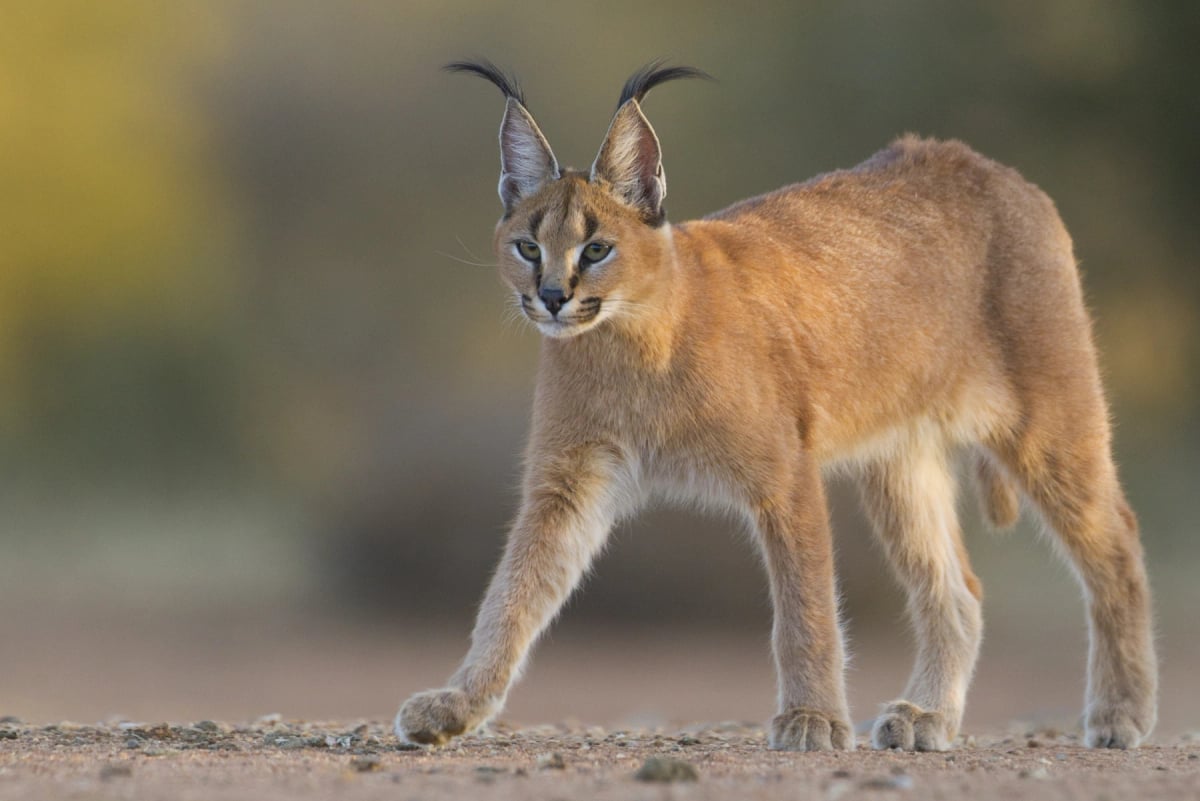
Caracal
Caracal caracal
In Egypt, the caracal is a rare and elusive presence, recorded mainly in the Sinai Peninsula and some desert margins along the Nile Delta. It navigates rocky terrain and sparse scrubland with ease. Persecution by farmers protecting livestock, combined with habitat degradation, puts pressure on the small population here. The IUCN lists the species globally as Least Concern, but Egyptian records remain infrequent.
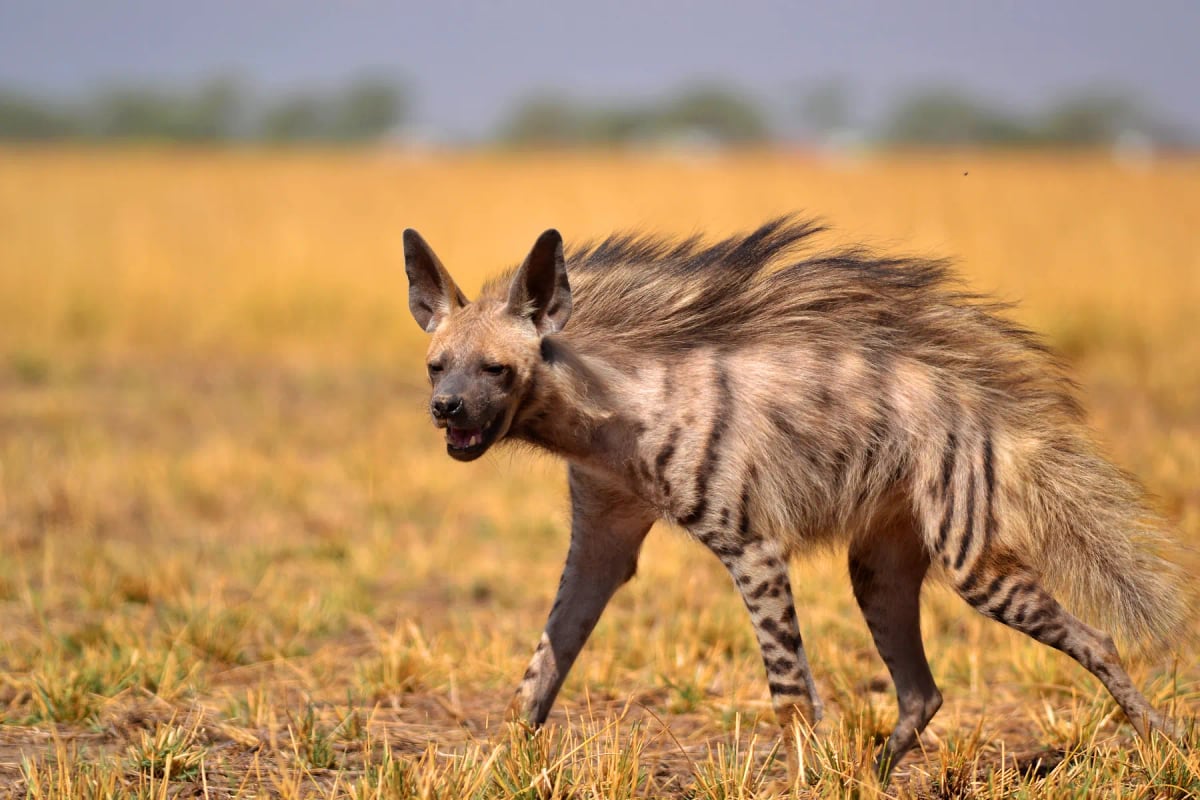
Striped Hyena
Hyaena hyaena
Shy nocturnal scavenger with a striped gray coat and an erectile mane that helps clean the landscape by consuming carcasses across Africa, the Middle East and Asia.
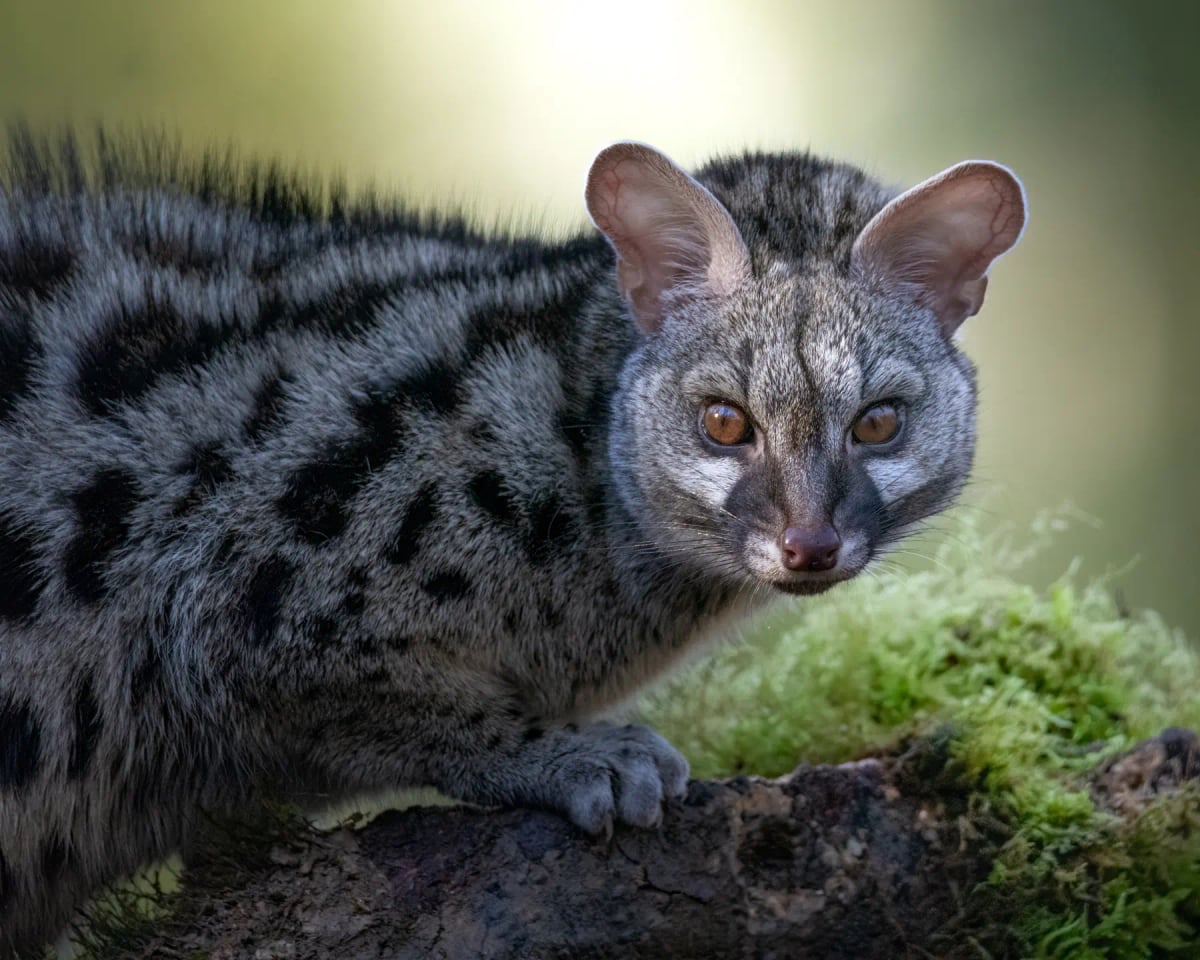
Common Genet
Genetta genetta
The common genet is found in parts of Egypt, particularly in the Sinai Peninsula and areas near the Nile Delta, where dense vegetation and rocky terrain provide shelter. Nocturnal and secretive, it rests during the day in crevices or thickets and hunts small mammals, birds, and insects at night. Its spotted coat and banded tail make it one of the most distinctive small carnivores in the region. IUCN status: Least Concern.
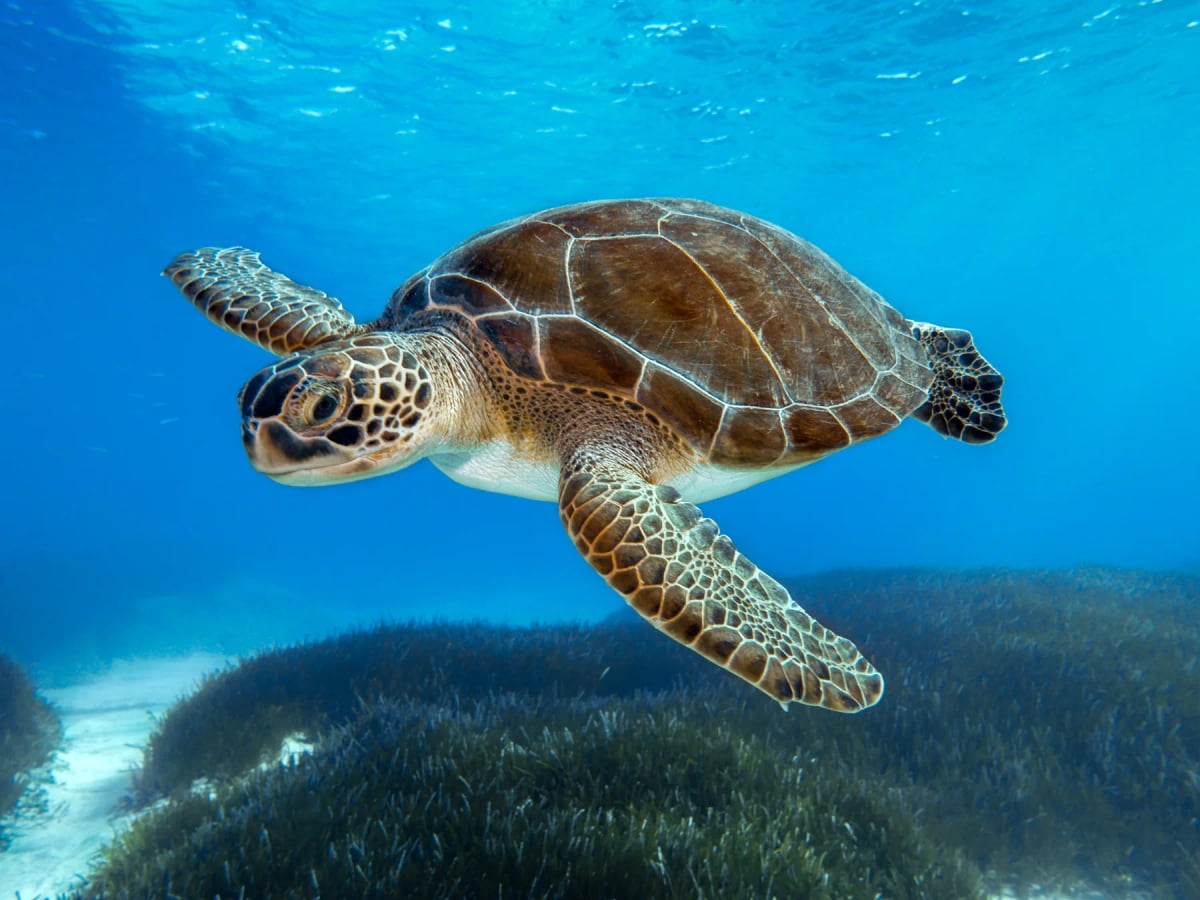
Sea Turtle
Cheloniidae & Dermochelyidae (families)
Egypt's Red Sea coast and the waters around the Sinai Peninsula are important habitat for green and hawksbill sea turtles. The coral reefs of the Red Sea provide rich feeding grounds, and both species nest on beaches along the coast. Ras Mohammed National Park and the protected areas around Sharm el-Sheikh are among the most documented turtle habitats in the country. Hawksbill turtles are frequently encountered by divers on the reef, and conservation programs work to reduce the impact of coastal tourism on nesting activity.
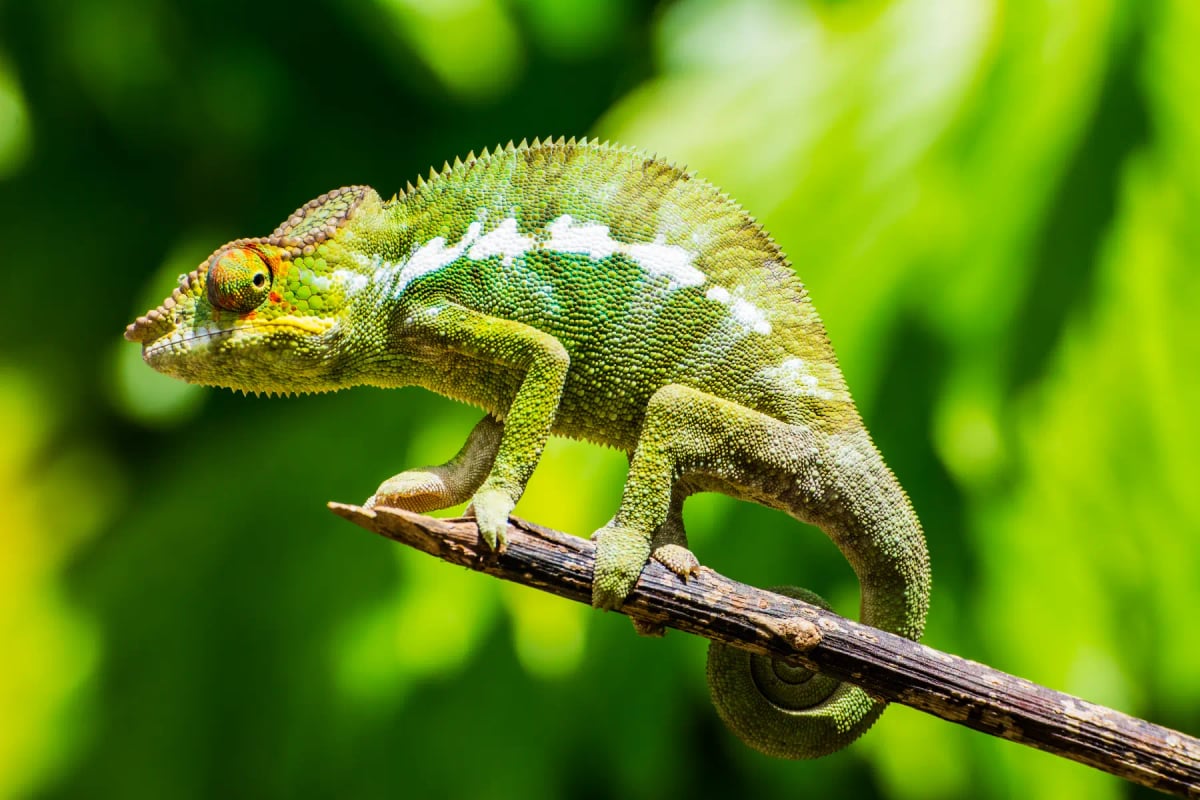
Chameleon
Chamaeleo chamaeleon
In Egypt, the common chameleon (Chamaeleo chamaeleon) is found primarily along the Nile Delta and the Sinai Peninsula, where sparse vegetation and warm conditions suit its needs. It relies on slow, deliberate movement and color change for both hunting and avoiding predators. Collection for informal trade and the degradation of coastal scrubland are the pressures most likely to affect population stability over the long term. IUCN status: Least Concern.
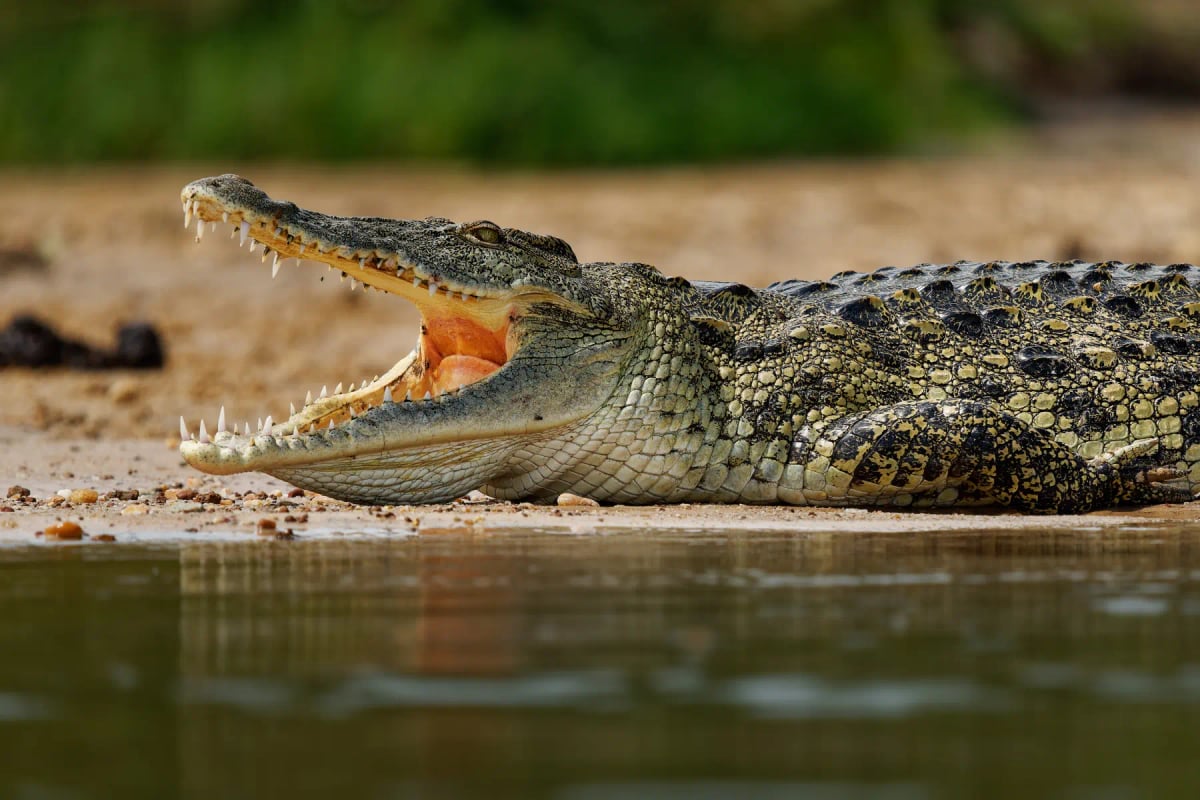
Nile Crocodile
Crocodylus niloticus
In Egypt, the Nile crocodile's range has contracted dramatically over centuries. Today, the species survives in the southern part of the country, primarily in Lake Nasser, the vast reservoir created by the Aswan High Dam. This area supports a resident population, though crocodiles are rarely seen further north. Once feared and worshipped in ancient Egyptian culture, the species now exists in a much smaller portion of its historical Egyptian range.
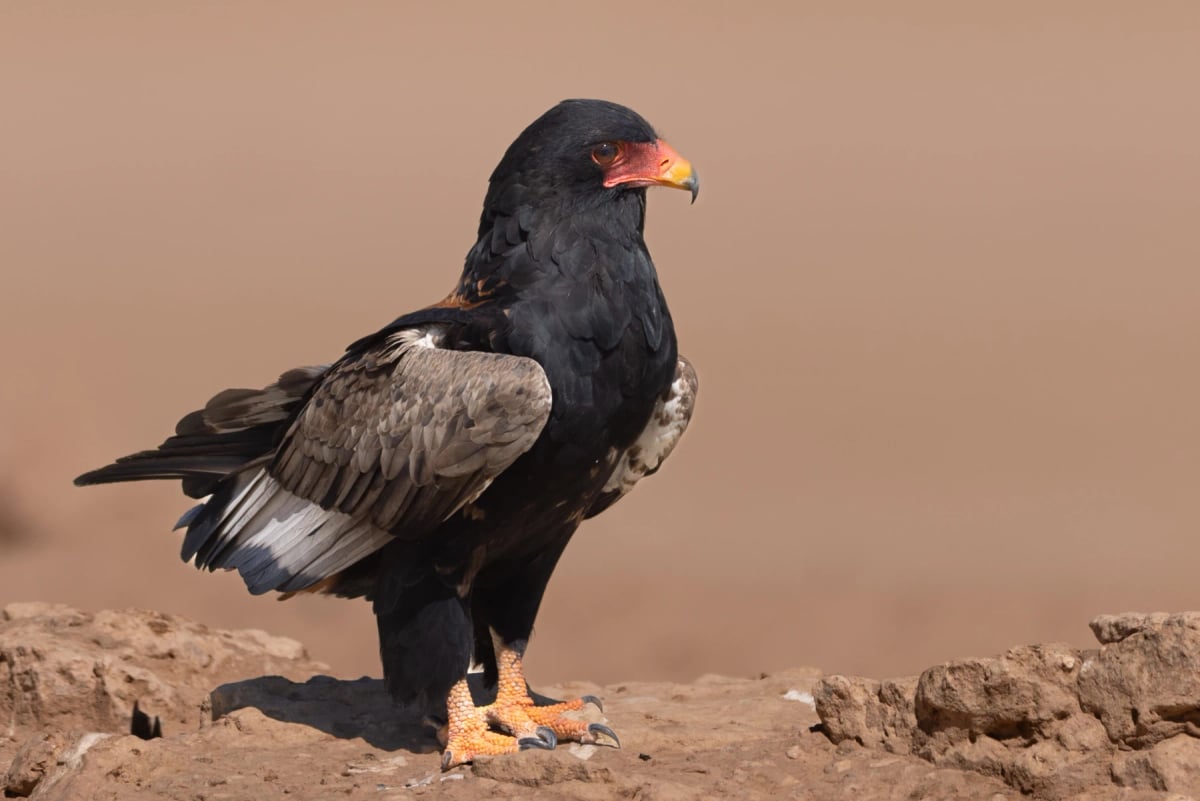
Bateleur
Terathopius ecaudatus
Egypt sits at the very northern tip of the bateleur's range. The IUCN still maps a resident presence in the far southeast, in the acacia country of the Gebel Elba region near the Sudanese border, which is the only corner of the country with the open wooded terrain the species needs. Numbers are minimal and sightings exceptional. North of there the bateleur disappeared from the Nile valley long ago. The IUCN classifies it as Endangered.
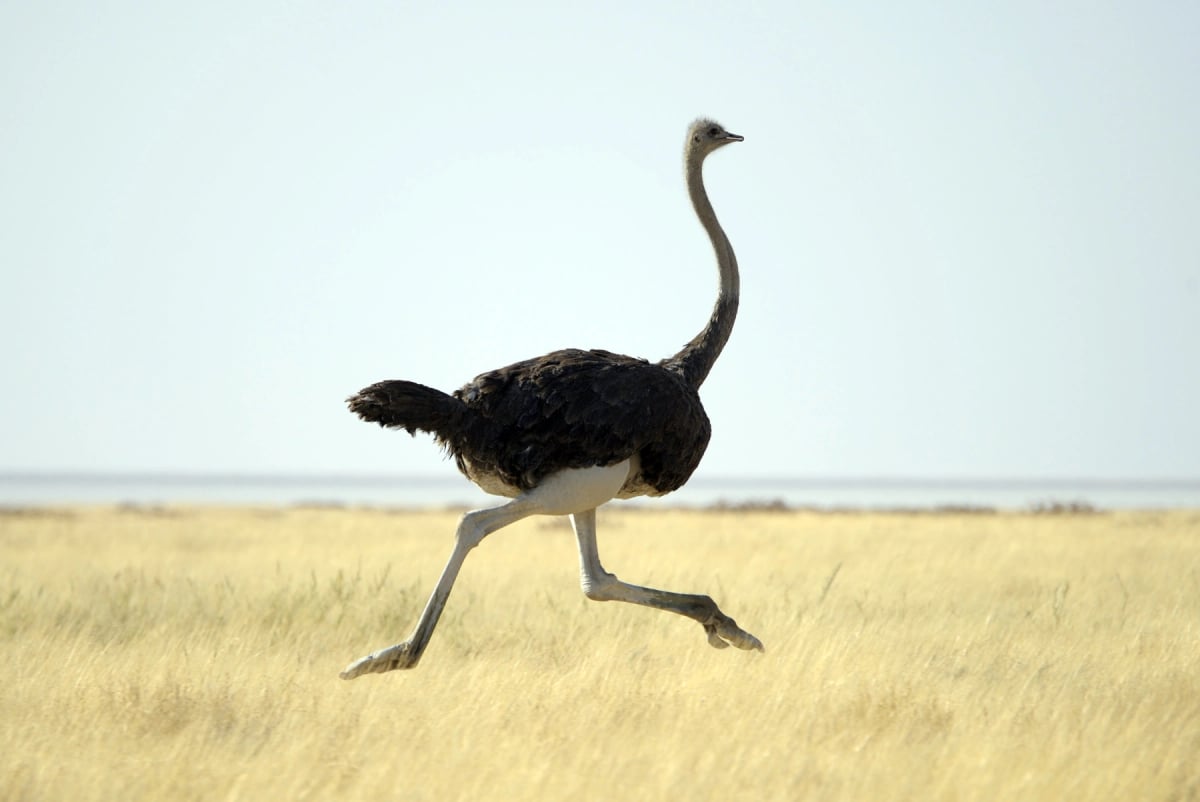
Ostrich
Struthio camelus
The ostrich is down to its last ground in Egypt. The birds once lived across both the eastern and western deserts, but hunting through the nineteenth and twentieth centuries wiped out almost all of them, and the IUCN still maps a resident population only in the remotest desert country of the far south. Most of the ostriches in Egypt today are on farms. The North African subspecies that lives here is the one in the worst shape across the whole range. IUCN status: Least Concern.
Steppe Eagle
Aquila nipalensis
Egypt serves as an important corridor for the Steppe Eagle during migration, with large numbers funneling through the Sinai Peninsula and along the Suez region each spring and autumn. The narrow land bridge concentrates birds of prey in impressive numbers as they move between Africa and Eurasia. Classified as Endangered by the IUCN, this eagle depends on intact migration routes, making stopover sites across Egypt critical for its survival over the long term.
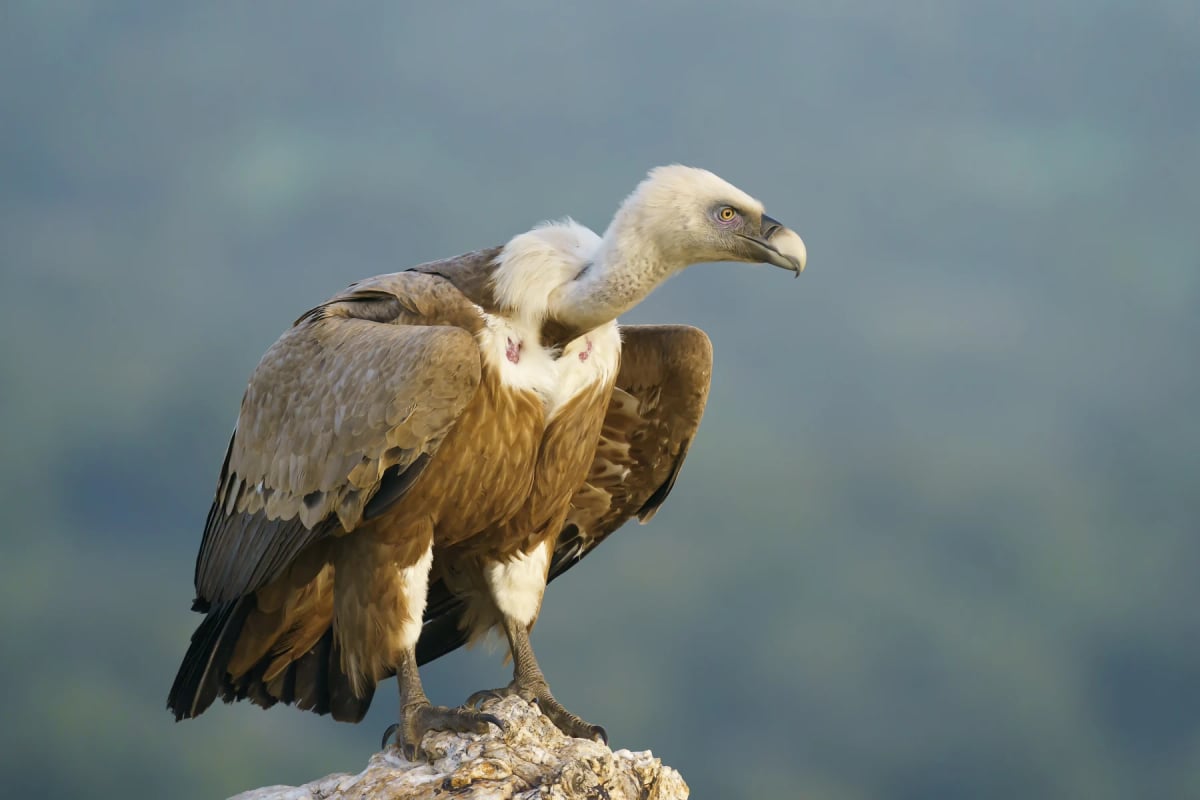
Griffon Vulture
Gyps fulvus
Egypt once had breeding colonies of griffon vultures, but today the bird is scarce here. Most of the griffons seen in the country are young birds on the move, crossing the Sinai and the Red Sea mountains as they travel between the Middle East and Africa. They soar high over the desert on thermals, scanning huge areas for carcasses. Poisoning and hunting are the main reasons it declined. IUCN status: Least Concern.
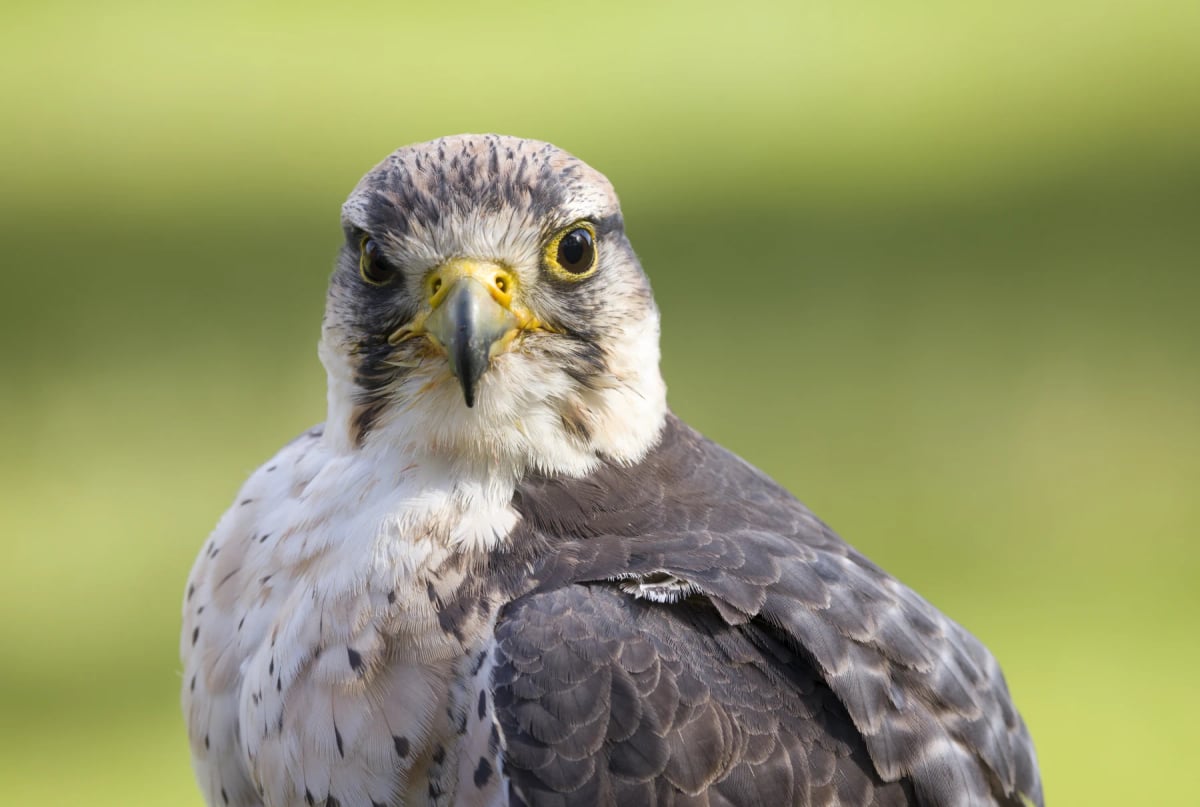
Lanner Falcon
Falco biarmicus
In Egypt, the lanner falcon inhabits desert and semi-desert areas including the Eastern Desert, the Sinai Peninsula, and the Nile Valley margins. It nests on cliff ledges in rocky wadis and hunts birds across open terrain. The species has a long association with falconry in the region. It is listed as Least Concern by the IUCN, though illegal capture for falconry remains a concern locally.
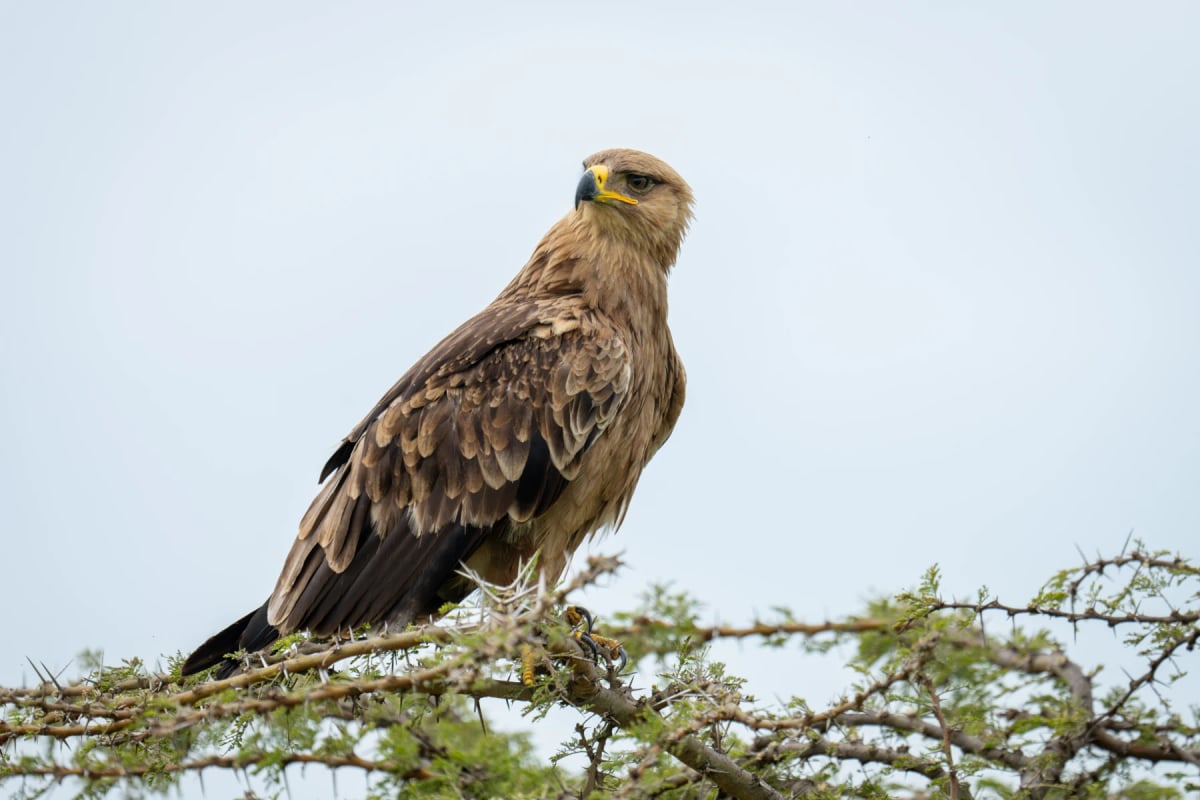
Tawny Eagle
Aquila rapax
The tawny eagle has a limited and largely marginal presence in Egypt, occurring mainly in the eastern desert regions and around the Sinai Peninsula. It favors dry, open terrain with scarce vegetation. Populations in this part of its range are small and face pressure from habitat disturbance and the degradation of foraging areas. The IUCN classifies the tawny eagle as Vulnerable globally.
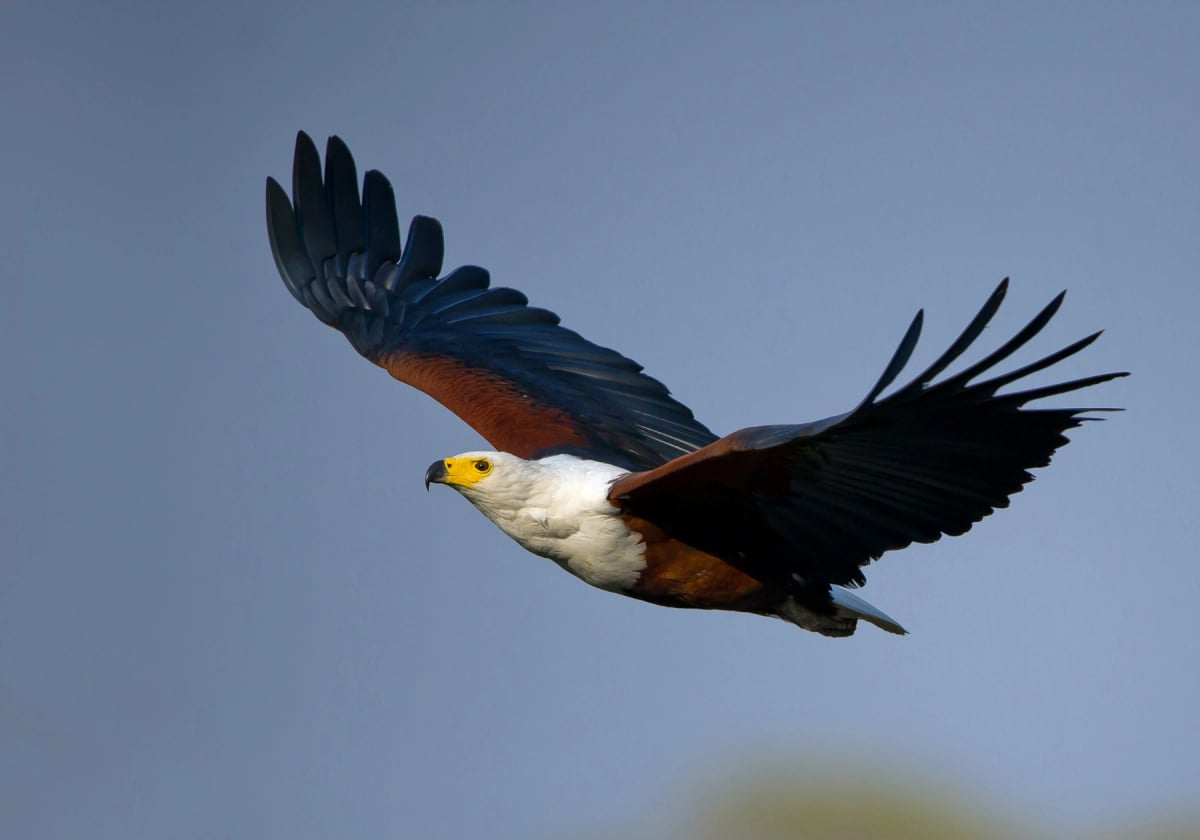
African Fish Eagle
Haliaeetus vocifer
The African fish eagle reaches its northernmost limit in Egypt along the Nile, where it has been recorded from the southern border with Sudan through parts of the river valley toward the north. It is uncommon in Egypt and far rarer here than anywhere in sub-Saharan Africa. Sightings are most likely in Upper Egypt near the Sudanese border, around Lake Nasser and along the quieter stretches of the Nile where fish and suitable perch trees are available.
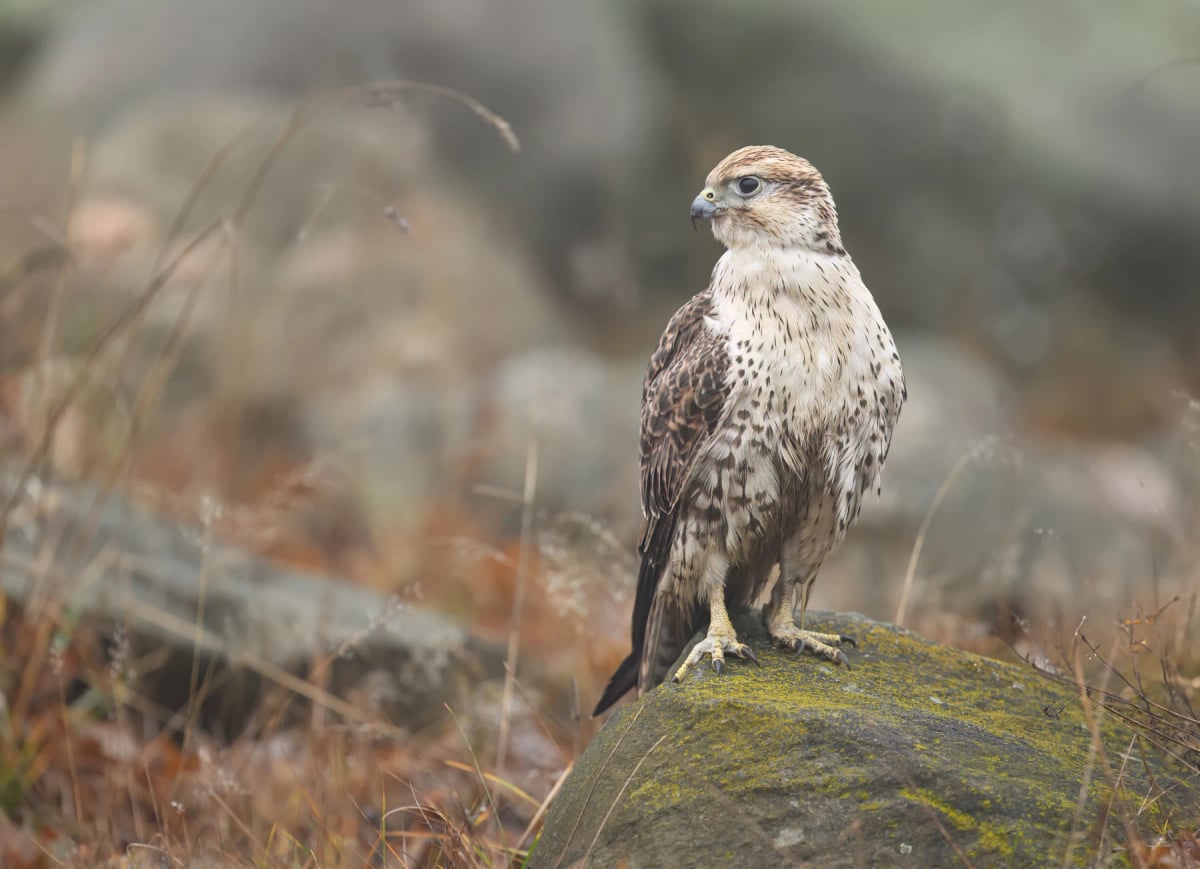
Saker Falcon
Falco cherrug
Egypt is an important corridor for saker falcons moving between Eurasia and sub-Saharan Africa during autumn and spring migration. The Nile Valley and the Sinai Peninsula channel large numbers of migratory raptors, and sakers have been recorded at key watchpoints. Illegal trapping for the falconry trade is a significant concern in the region. The IUCN classifies the saker falcon as Endangered.
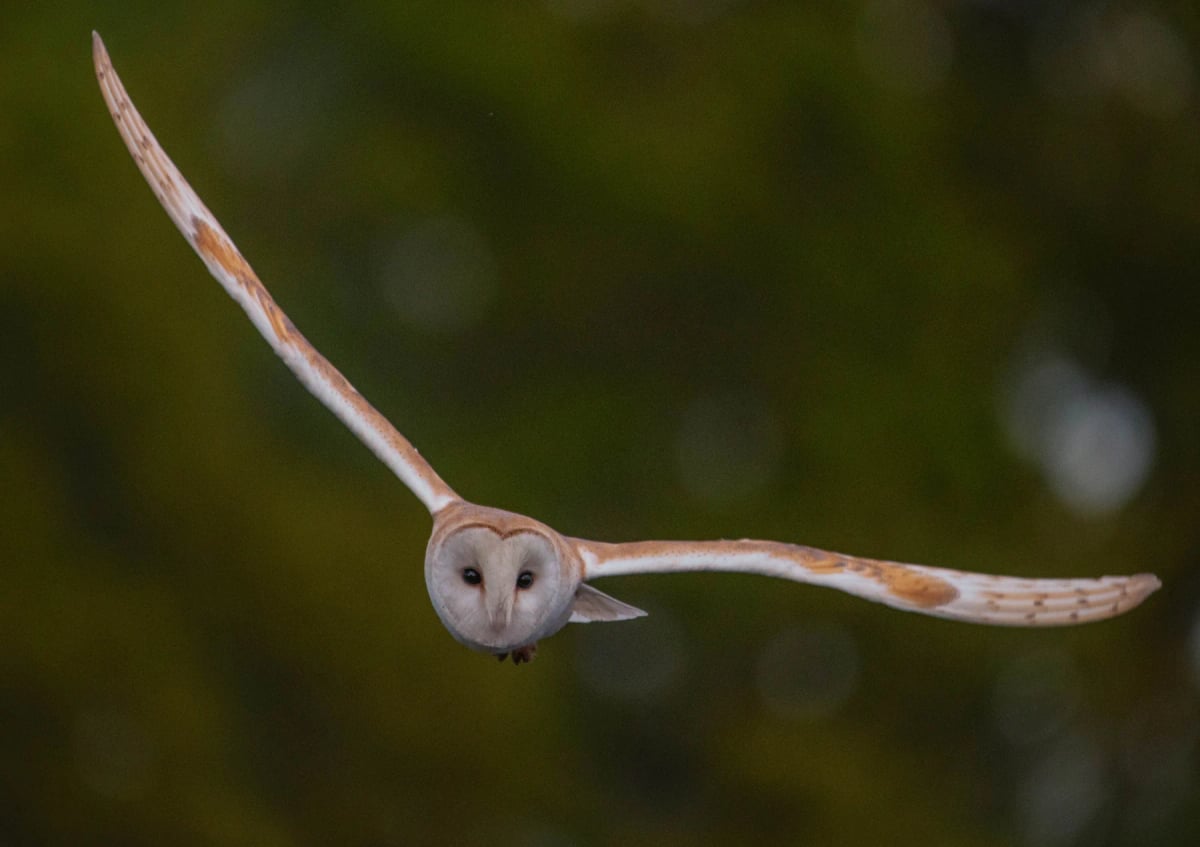
Barn Owl
Tyto alba
The barn owl is found across Egypt in farmland along the Nile Valley and Delta, oases, and the fringes of the Western and Eastern Deserts. It nests in old buildings, ruins, tomb chambers, cliff faces, and date palm groves. In the dense agricultural landscape of the Nile Delta it is a valuable rodent controller. Its association with ancient Egyptian sites, where it nests in rock-cut tombs and ruins, gives it a particular presence in the country's landscape.
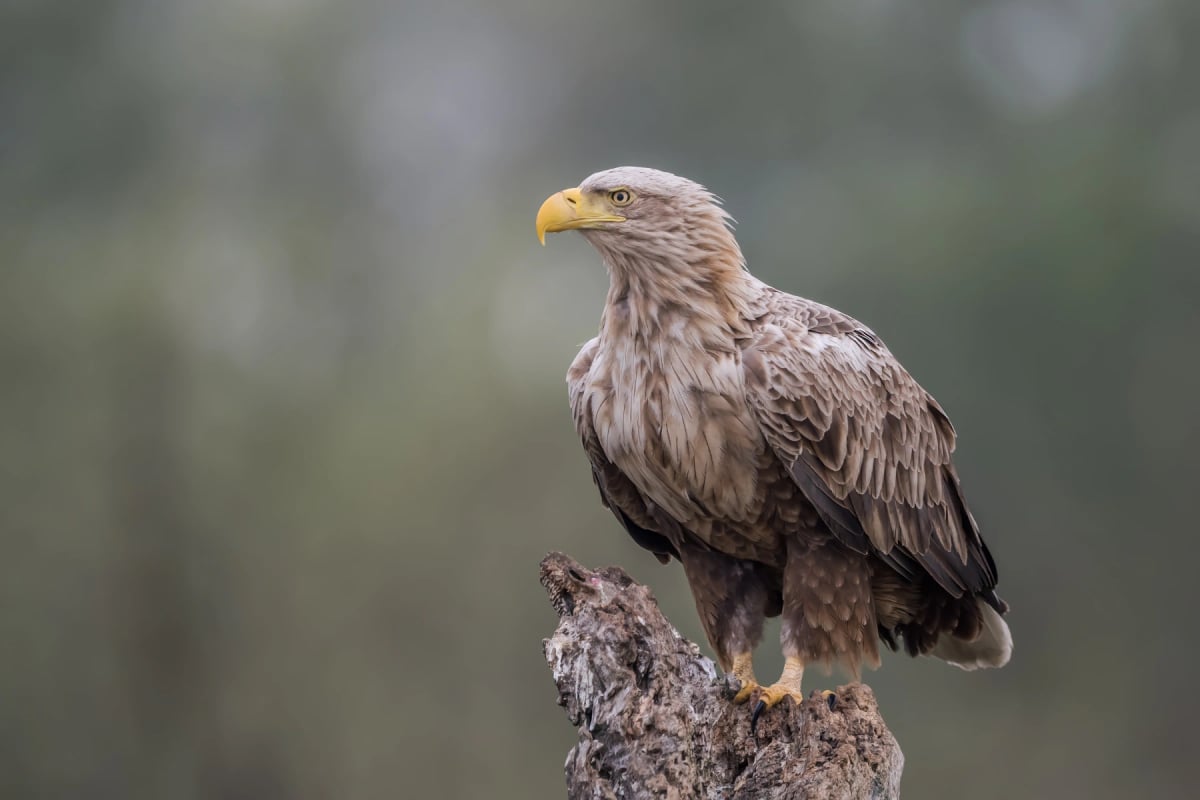
White tailed Eagle
Haliaeetus albicilla
Egypt lies on a key migration corridor between Europe and Africa, and the white tailed eagle is occasionally recorded here during passage, particularly around the Nile Delta, Lake Nasser, and coastal wetlands along the Mediterranean and Red Sea. It is not a common sight, making each observation noteworthy. The IUCN lists this eagle as Least Concern, though it faces pressure from disturbance and illegal hunting during migration.
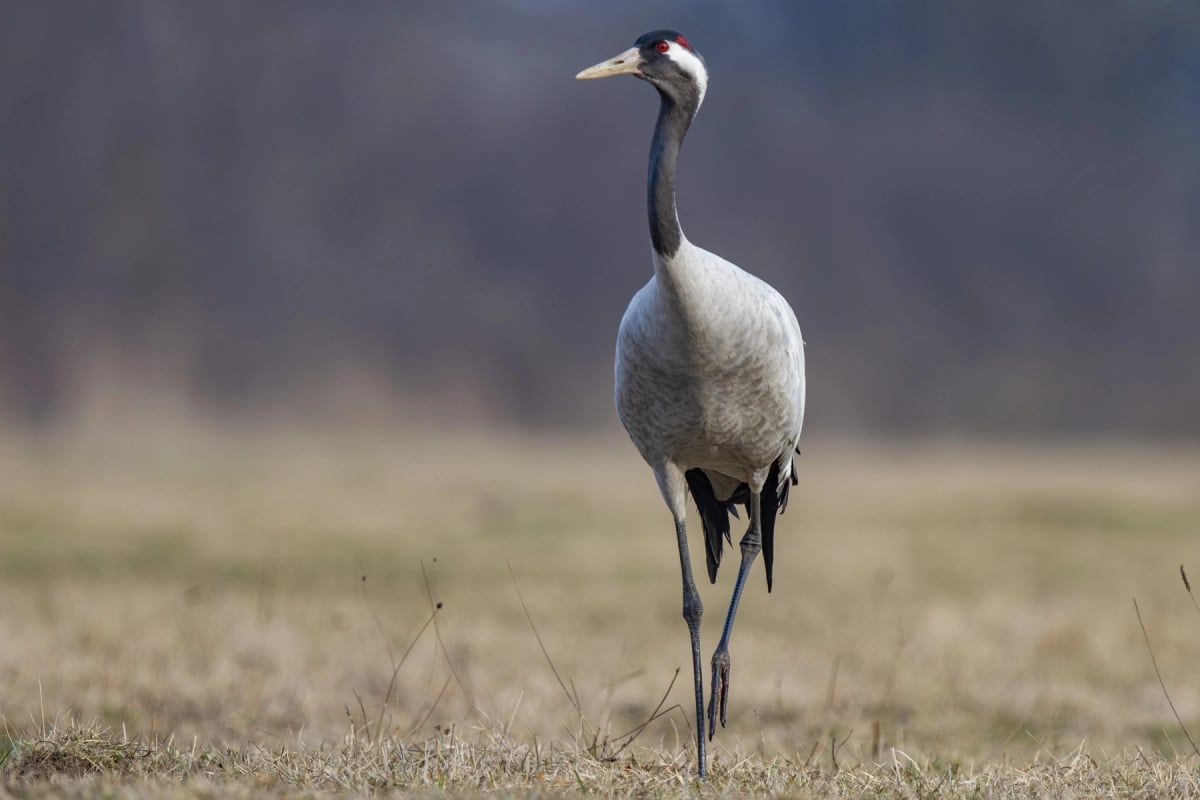
Crane
Grus grus
The common crane passes through Egypt during autumn and spring migrations, following the Nile Valley as a key corridor south. Large flocks can be seen over the Delta region and along the river's edge as birds head toward wintering grounds further into Africa. Standing up to 120 centimeters tall, these grey birds with bold black and white heads are hard to miss. Its IUCN status is Least Concern.
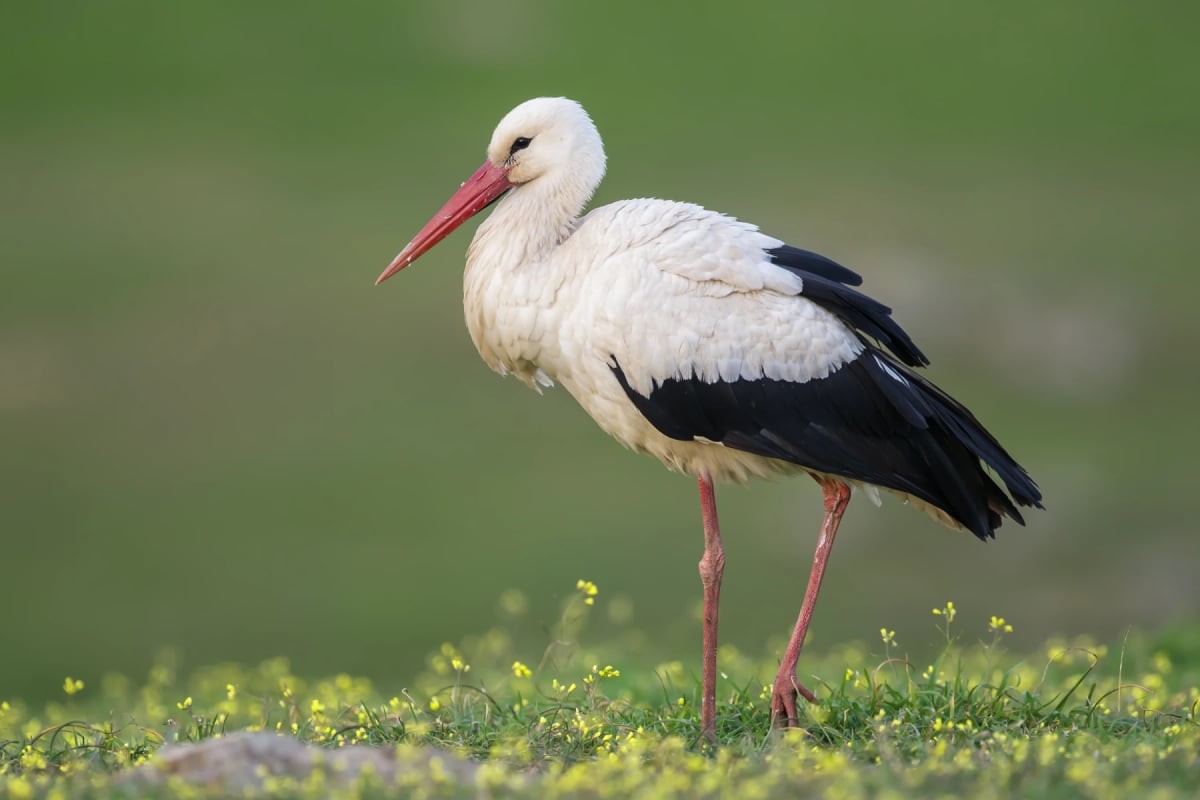
Stork
Ciconia ciconia
Egypt is a major transit country for white storks migrating between Europe and Africa south of the Sahara. Enormous flocks funnel through the Nile Valley and the Sinai Peninsula each autumn and spring, with the area around Suez among the most watched migration points on the continent. The Nile Delta also offers temporary feeding habitat. Birdwatchers travel to Egypt specifically to witness these large concentrations of migrating storks.
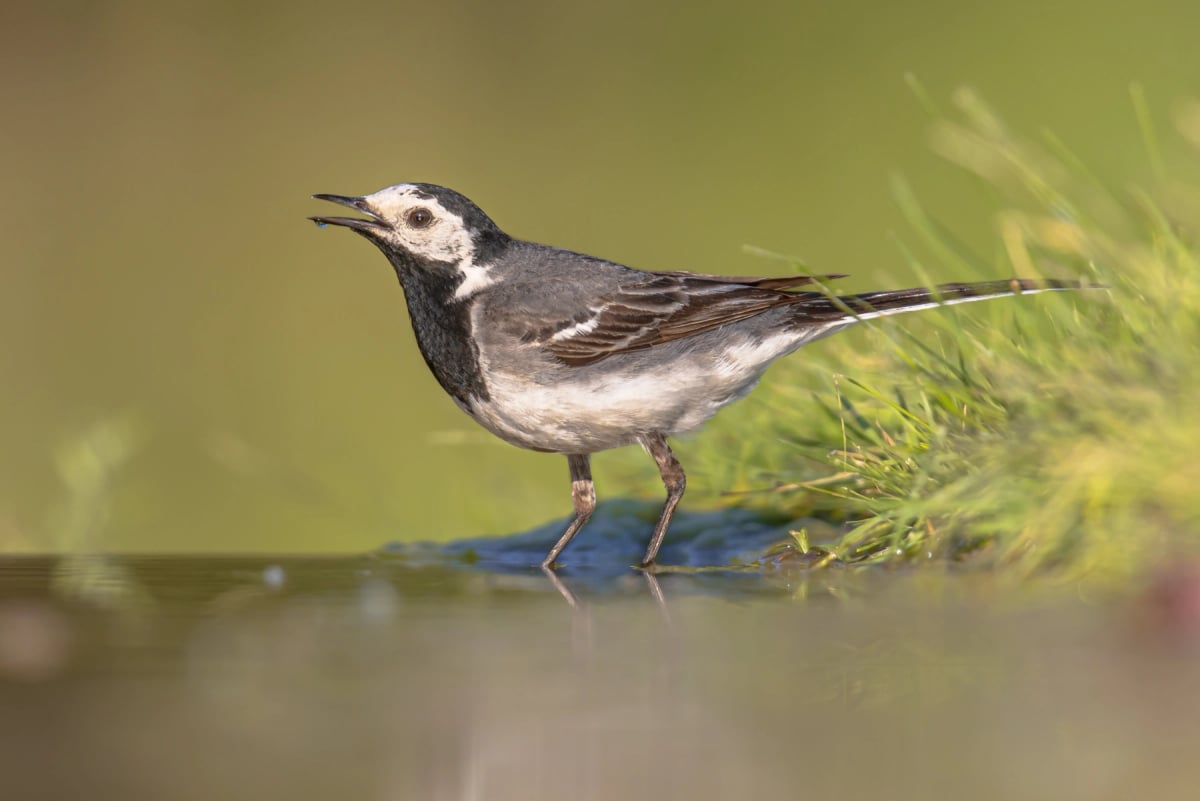
White Wagtail
Motacilla alba
Egypt receives large numbers of white wagtails each winter, particularly along the Nile Valley and Delta, where wetlands, irrigated fields and riverbanks offer ideal feeding conditions. Coastal areas along the Mediterranean and the Sinai Peninsula also attract migrants passing between Europe and sub-Saharan Africa. The bird is a common and familiar sight in Egyptian farmland from October through March. The IUCN lists it as Least Concern.
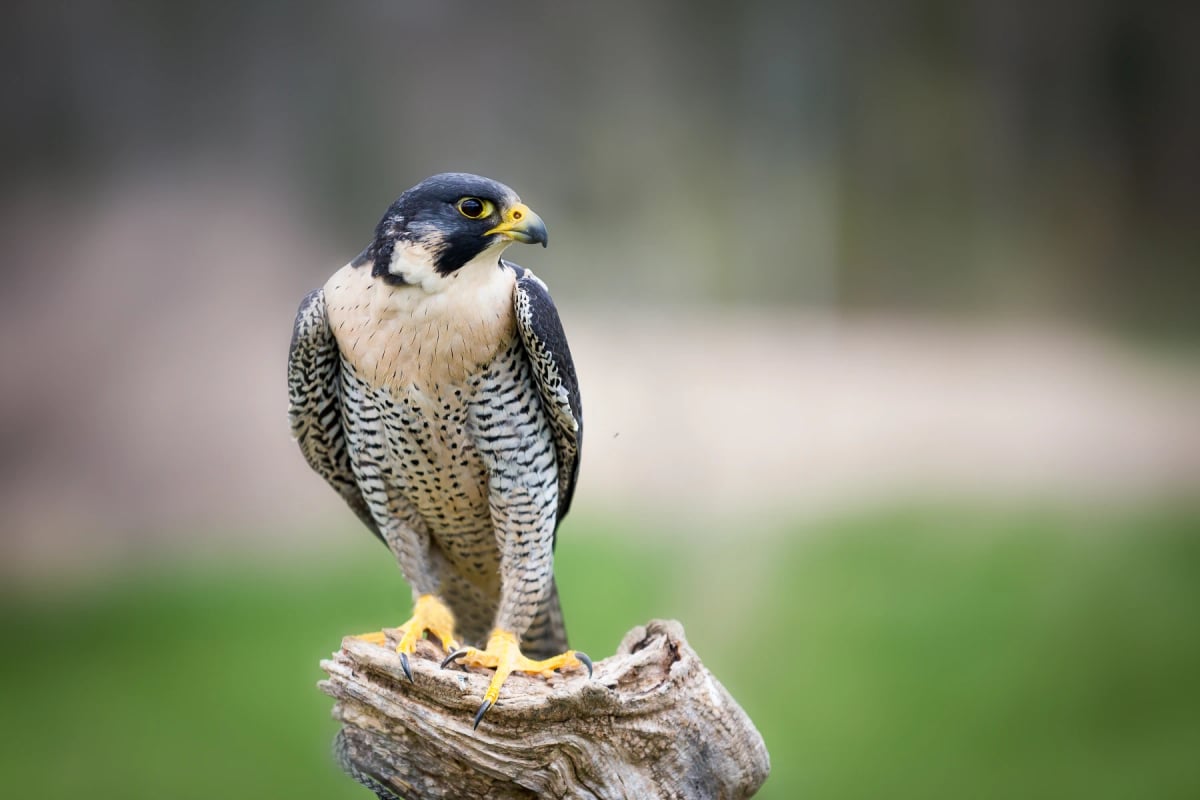
Peregrine Falcon
Falco peregrinus
Egypt sits on one of the most important raptor migration routes in the world, and the peregrine falcon is a regular sight during spring and autumn passage. Large numbers funnel through the Sinai Peninsula and along the Nile Valley. Some birds overwinter along the Mediterranean and Red Sea coasts. Resident breeding pairs occupy cliffs in the Eastern Desert and Sinai highlands. Its IUCN status is Least Concern.
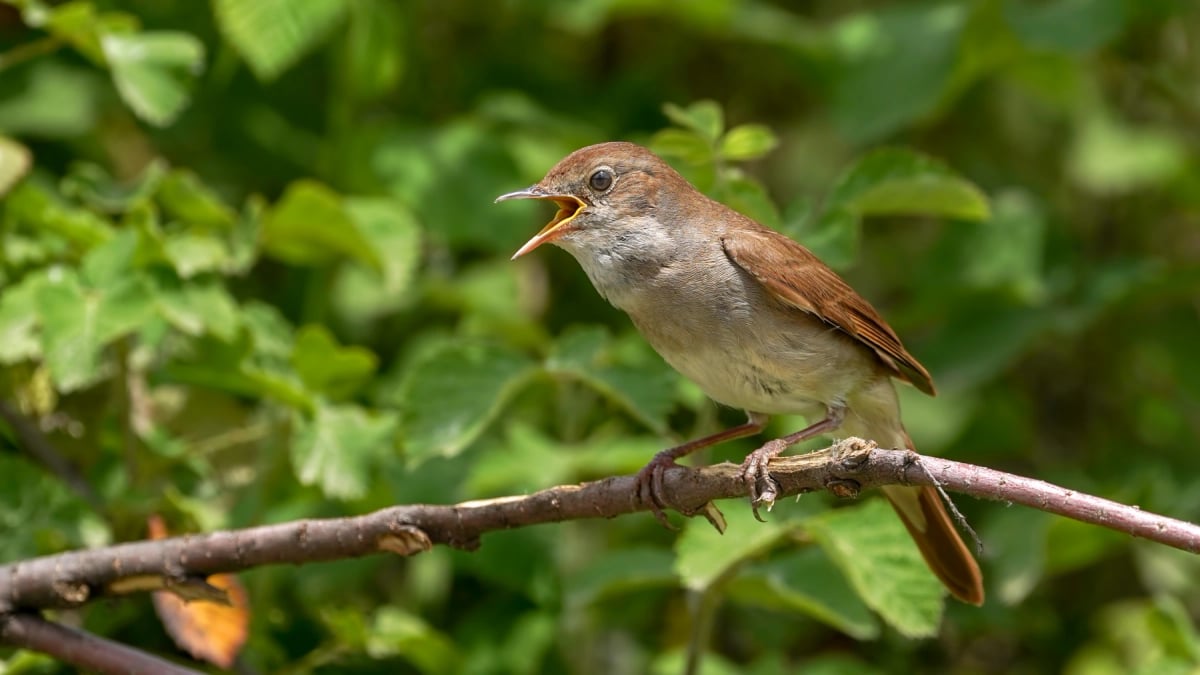
Nightingale
Luscinia megarhynchos
Egypt sits on one of the nightingale's main migration corridors, with large numbers passing through the Nile Delta and the Sinai Peninsula each spring and autumn. Some birds also winter in the north of the country, sheltering in gardens, reedbeds and scrubby patches along the Mediterranean coast. The Nile Valley provides a vital green corridor through an otherwise largely inhospitable desert landscape for these long distance migrants. Its IUCN status is Least Concern.
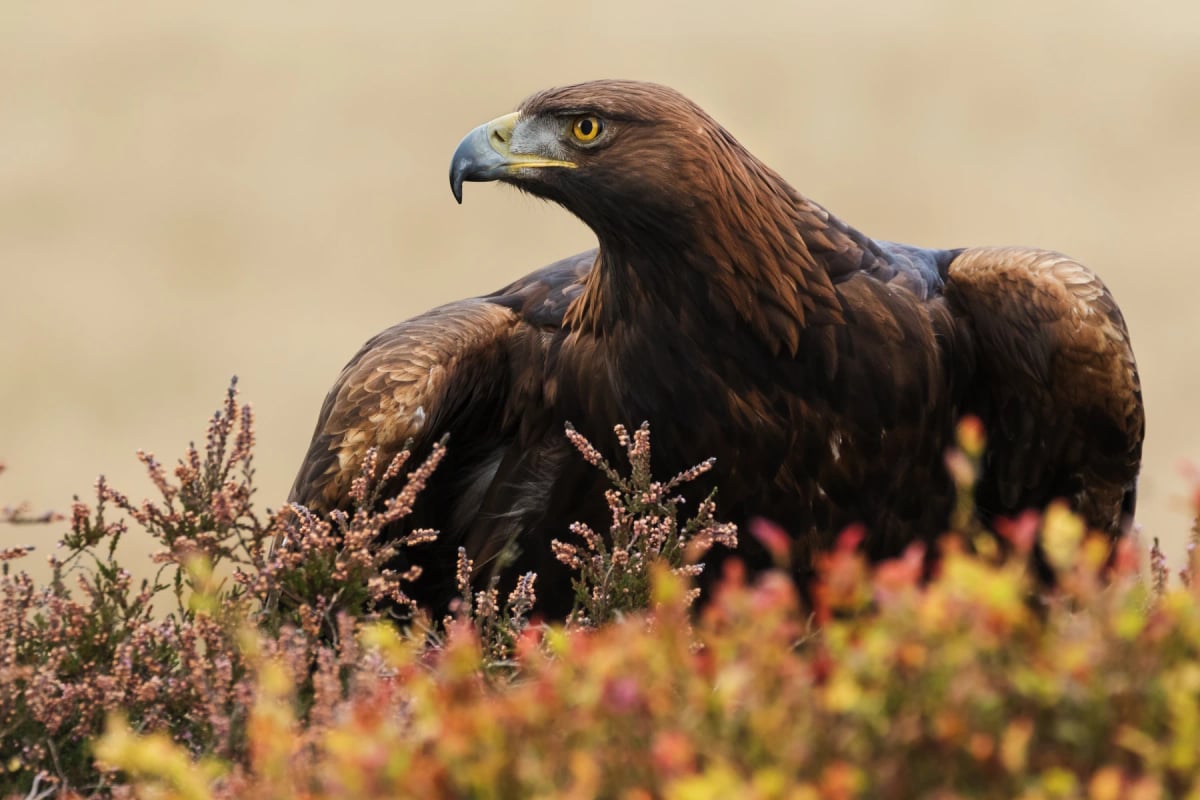
Golden Eagle
Aquila chrysaetos
In Egypt, the golden eagle occurs mainly as a winter visitor and passage migrant, moving through the Sinai Peninsula and the Eastern Desert. The mountainous terrain of Sinai, including the area around Saint Catherine, provides suitable rocky habitat. It is rarely observed in large numbers, and breeding in Egypt has not been confirmed. The species benefits from Egypt's position along important bird migration routes between Europe and Africa.
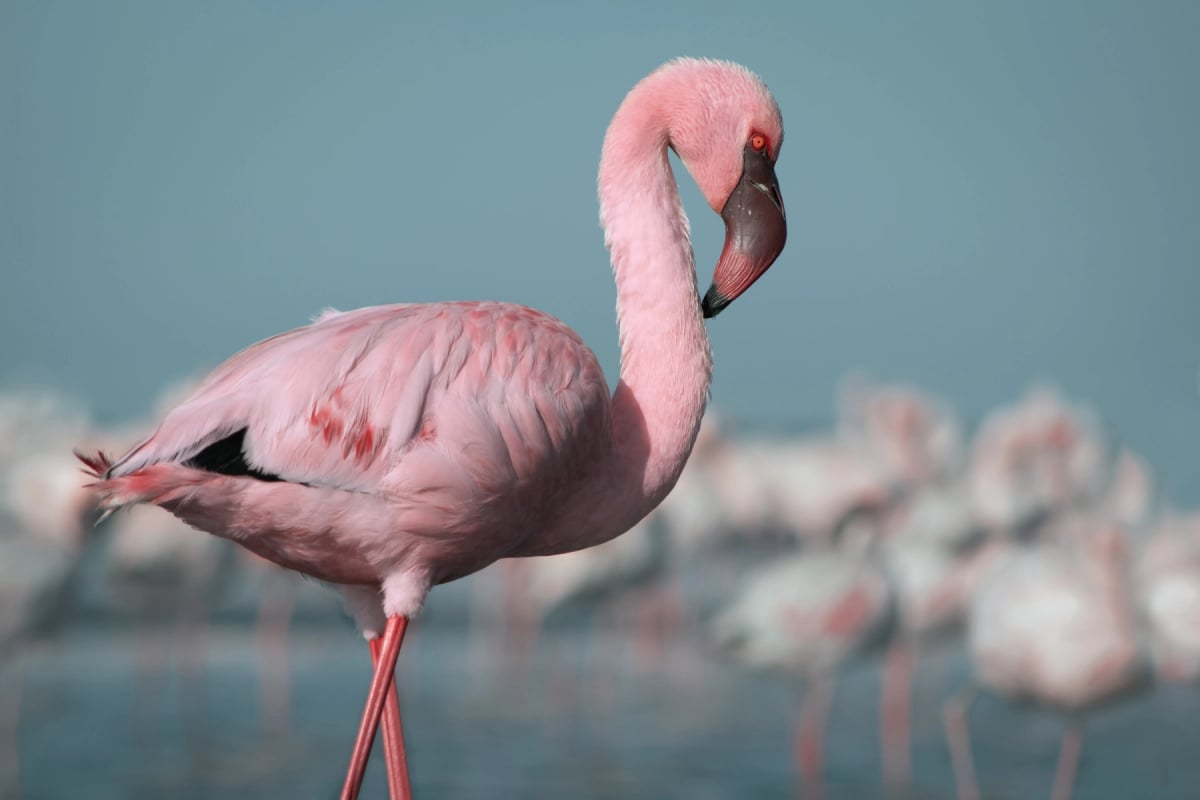
Flamingo
Phoenicopteridae (6 species)
The greater flamingo breeds in Egypt, and its northern coastal lakes are important for the species. Lake Bardawil, a large lagoon on the Mediterranean coast of Sinai, and the lakes of the Nile Delta host thousands of flamingos, especially in winter, when birds from colonies in Turkey and elsewhere arrive. They filter brine shrimp and small invertebrates in the salty shallows, and hunting and wetland loss are pressures. IUCN status: Least Concern.
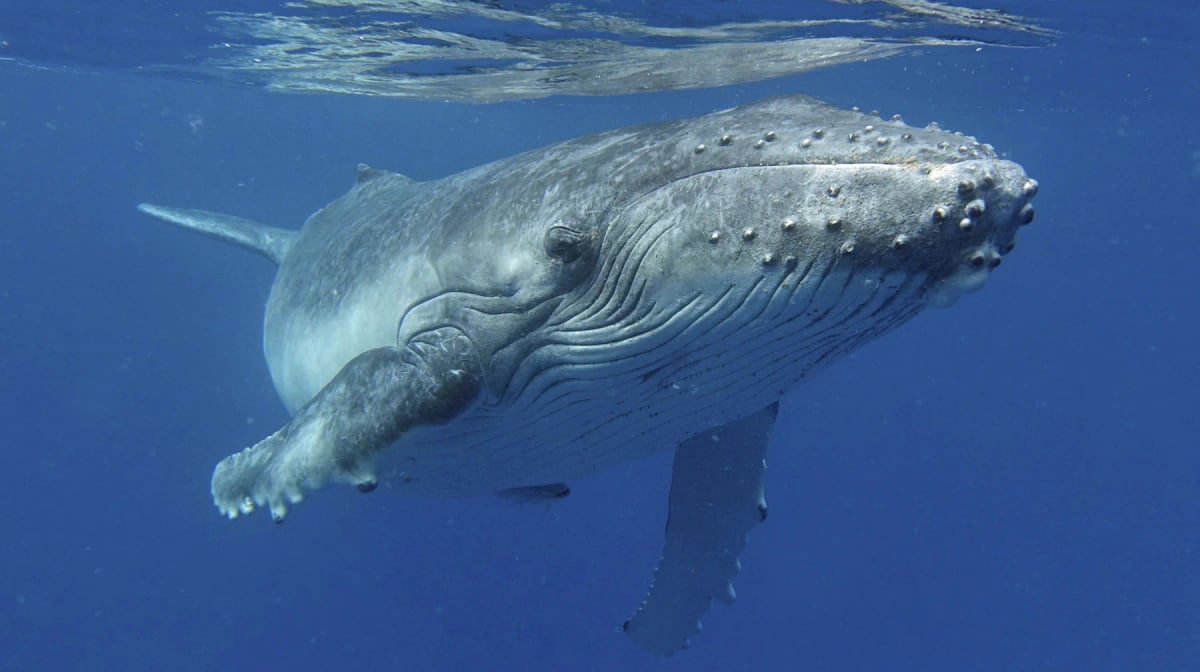
Humpback Whale
Megaptera novaeangliae
Humpback whales occur in the Red Sea, which borders Egypt's eastern coast. Sightings are uncommon but documented, as these whales pass through on migration routes connecting the Indian Ocean to shallower regional waters. Growing up to 16 metres and weighing up to 40 tonnes, they are among the most impressive animals encountered in Egyptian waters. The IUCN lists the species as Least Concern.
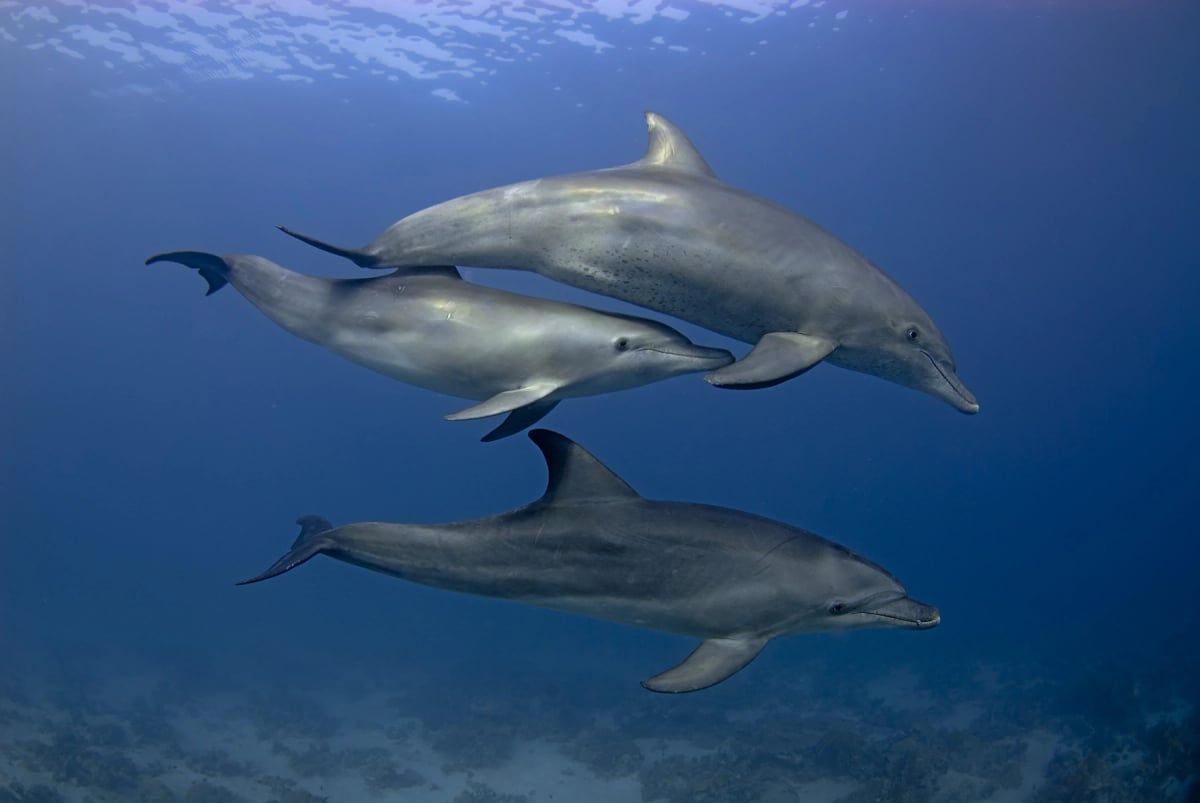
Bottlenose Dolphin
Tursiops truncatus
Bottlenose dolphins inhabit both the Red Sea and the Mediterranean coast of Egypt. In the Red Sea, they are frequently encountered near coral reef systems and are a highlight for divers visiting areas around Hurghada and Sharm el Sheikh. A resident group lives near Sataya Reef in the southern Red Sea. The species also appears along Egypt's narrow Mediterranean shoreline, where fishing activity and coastal development present ongoing pressures. IUCN status: Least Concern.
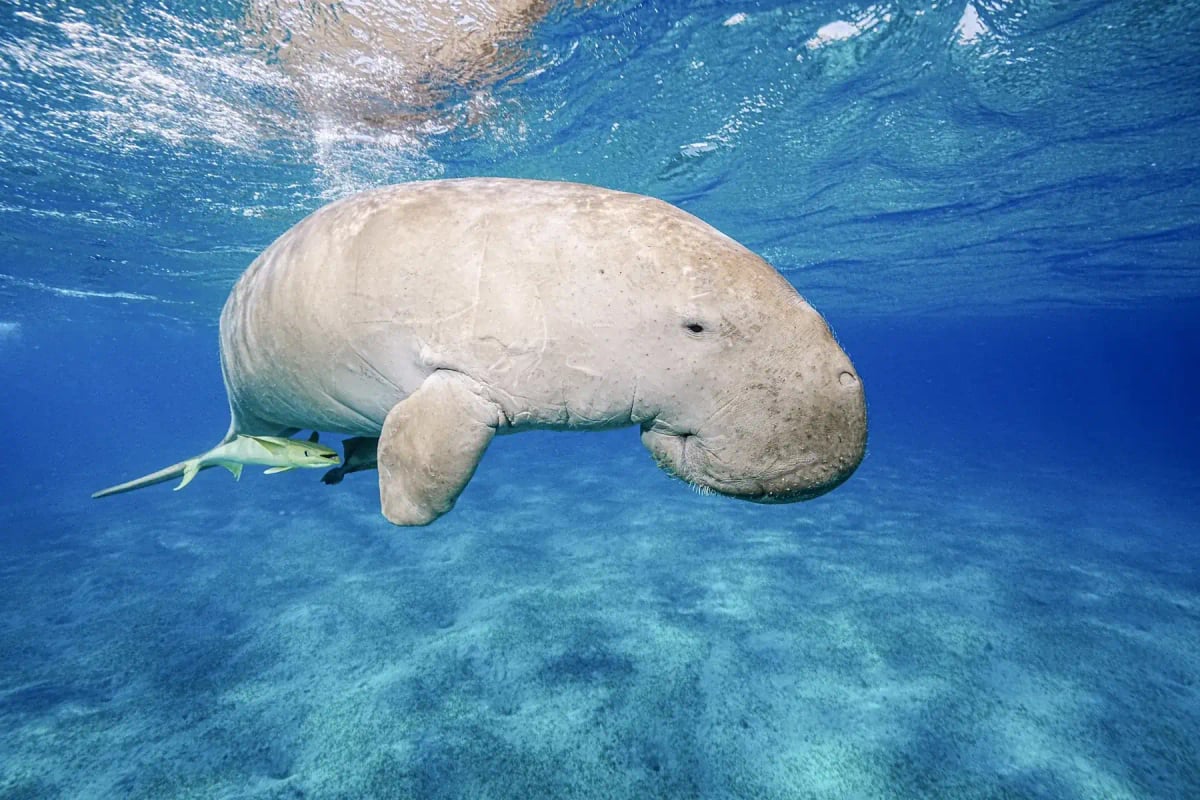
Dugong
Dugong dugon
Egypt's Red Sea coast, including areas around the Sinai Peninsula and the Gulf of Aqaba, provides habitat for dugongs. They feed on the seagrass beds found in these warm, clear waters. Tourism and boat traffic in popular diving destinations pose risks through disturbance and collisions. Conservation attention in Egypt has grown alongside interest in protecting Red Sea marine ecosystems for both wildlife and sustainable tourism. IUCN status: Vulnerable.
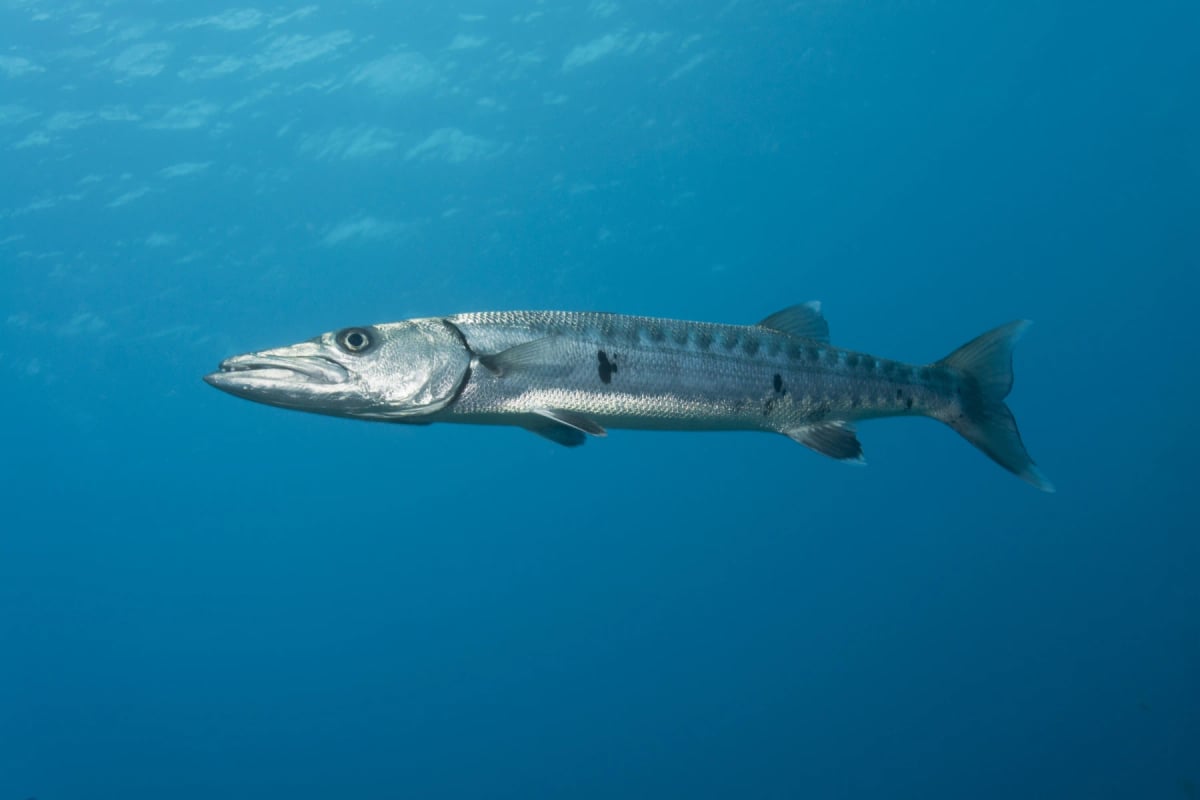
Barracuda
Sphyraena spp.
Barracudas are one of the most iconic reef fish of Egypt's Red Sea, regularly encountered by divers and snorkelers at the coral reef sites of the Sinai Peninsula, Sharm el-Sheikh, Hurghada, and the offshore reefs of the southern Red Sea. Large schools of chevron barracuda, sometimes numbering in the hundreds, are one of the most spectacular sights on Egyptian reef dives, particularly at sites like Ras Mohammed National Park and the Thistlegorm wreck area. The great barracuda is also common, typically seen alone at reef edges and drop-offs.
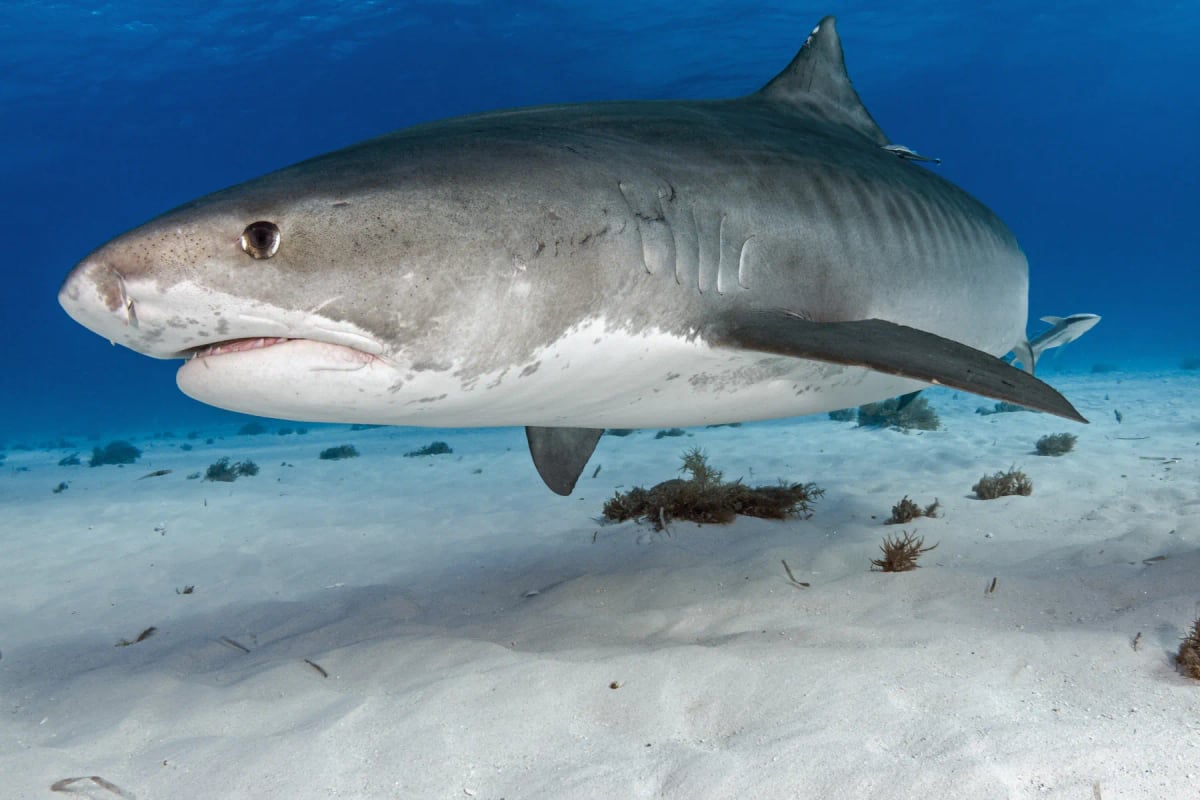
Tiger Shark
Galeocerdo cuvier
Tiger sharks are present in the Red Sea off Egypt, a region popular for diving and known for its coral reefs and diverse marine life. They tend to stay in deeper offshore waters but may approach coastal areas at night. Encounters with divers have been recorded near Sharm el-Sheikh. The IUCN lists the tiger shark as Near Threatened, with fishing and the fin trade cited as key pressures on the species.
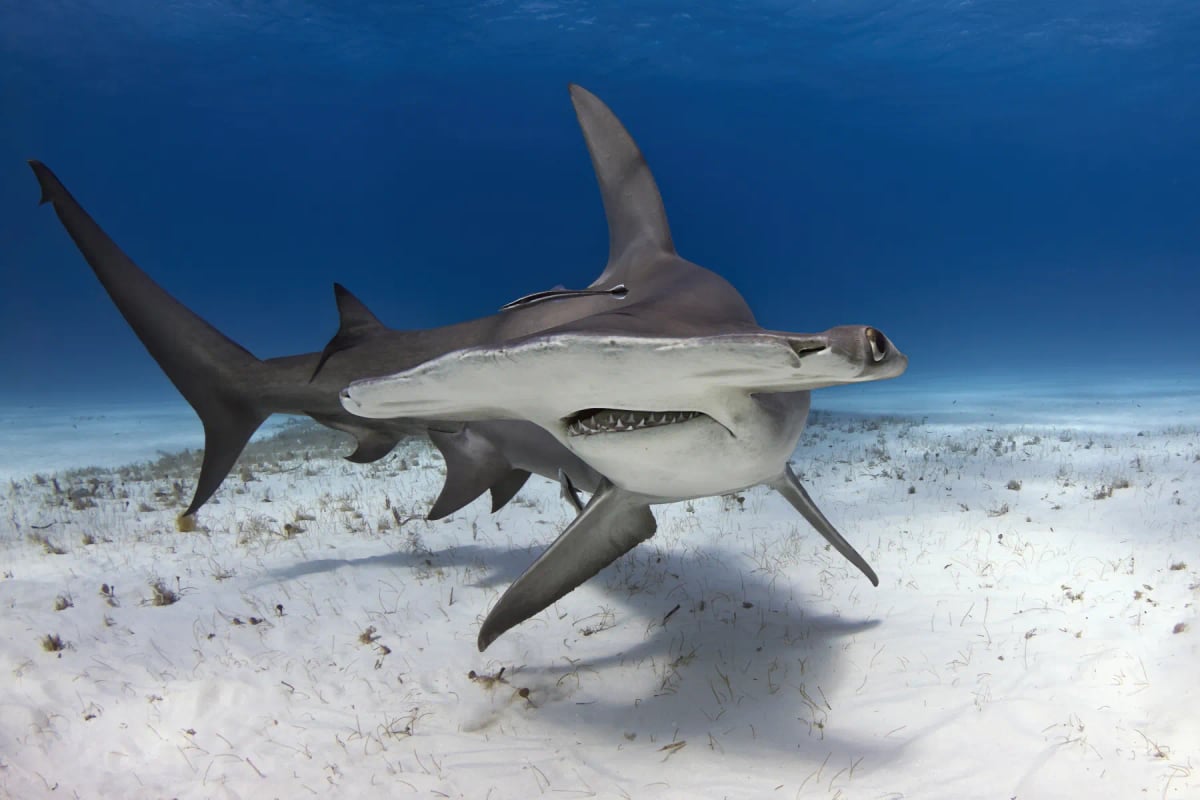
Hammerhead Shark
Sphyrna spp.
Hammerhead Sharks are found in the Red Sea waters off Egypt, particularly around the reefs near Sharm el-Sheikh and the Brothers Islands. Their wide, flattened heads give them exceptional vision and a powerful ability to detect prey. These sharks are Critically Endangered globally, and overfishing across the Red Sea has put serious pressure on their populations in this region.
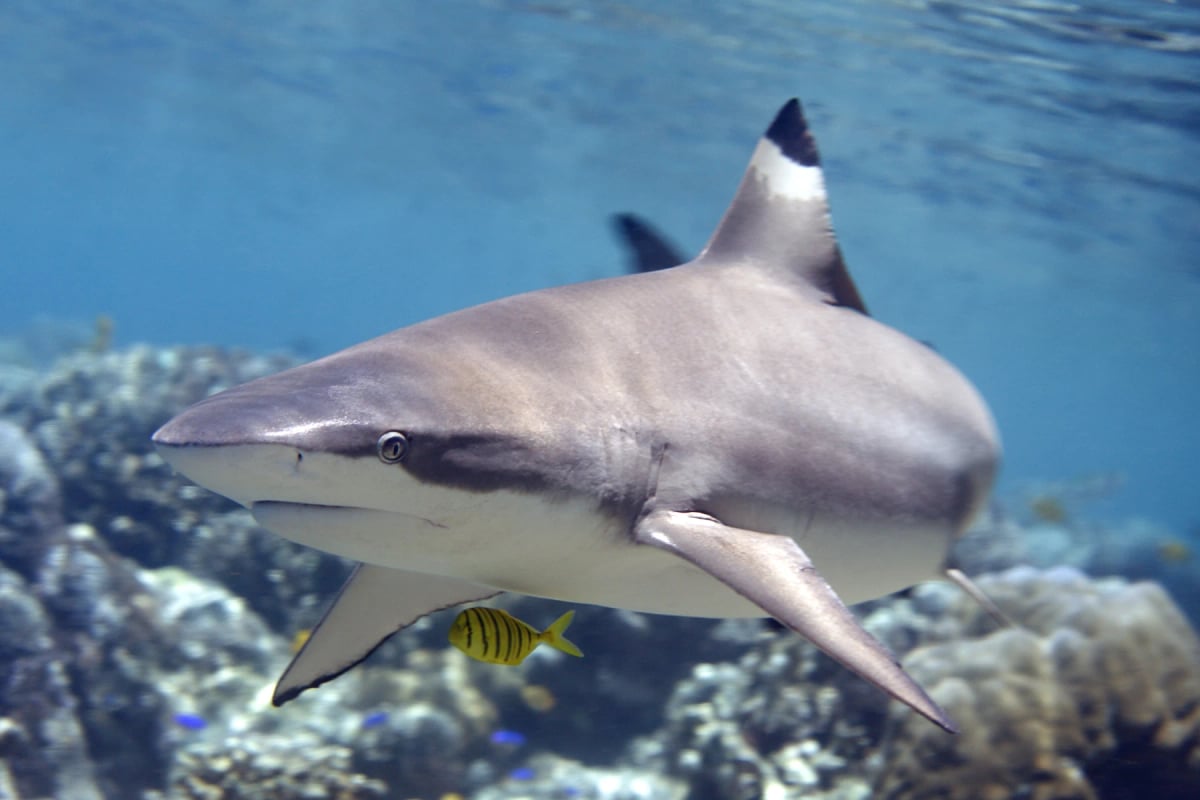
Reef Shark
Carcharhinus spp.
The Red Sea coastline of Egypt, particularly around Sharm el-Sheikh and the Ras Mohammed National Park, is well known for its populations of whitetip and blacktip reef sharks. These sharks are active along the reef edges and drop-offs, feeding mainly at night. Egypt's reefs attract millions of divers each year, and responsible dive operators play a key role in reducing disturbance to reef shark populations.
Researched and written by Juan Pablo. Sources: IUCN Red List, scientific literature and regional field guides. Last updated: .