Animals in Florida
Wildlife in Florida
Florida blends wetlands, spring fed rivers, pine flatwoods and long coasts on the Gulf and the Atlantic. Boardwalks and boat routes cross broad marshes where alligator and wading birds are common, while clear springs and seagrass bays host manatee and sea turtle. Along the Keys, reefs and shallow flats bring frequent dolphin views. Near cities, parks and refuges make short family visits simple all year.
Most Dangerous Animals in Florida
Risk in Florida follows habitat. In fresh marshes, lakes and canals, alligator is the main concern, and large monitor lizards live in some urban waterways. On land, cougar and American black bear are powerful but keep to quiet areas. Venomous snakes such as rattlesnake and cottonmouth are most active in warm months. Offshore, great white, tiger and bull sharks move through channels and sandbars.
Top 10 Animals in Florida
Our Top 10 reflects what shapes most trips. The cougar and the American black bear set the wild tone in large forests and swamps, even if sightings are rare. Birds of prey are part of daily views, with peregrine falcon and bald eagle seen from bridges, towers and coastal edges. Off the beaches, the great white shark stands for the open Atlantic, adding a clear marine side to the selection.
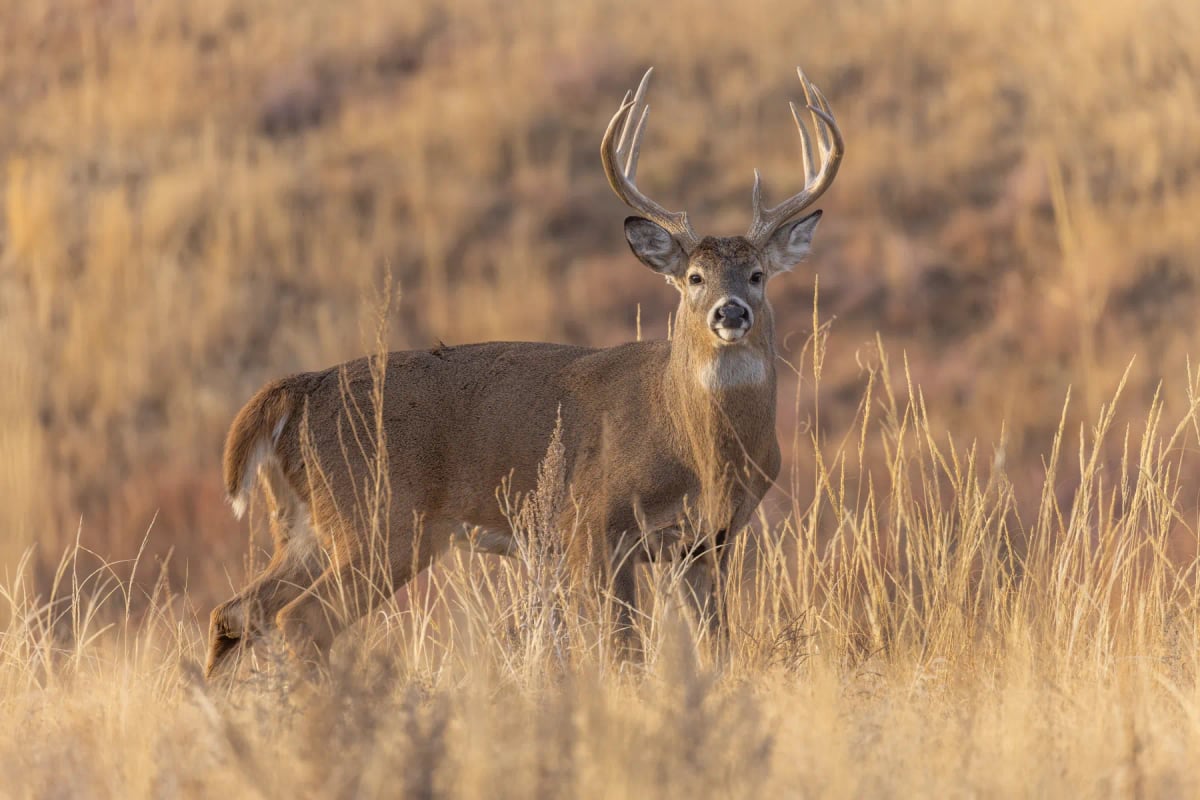
White tailed Deer
Odocoileus virginianus
In Florida, white tailed deer are found throughout the state, including the Florida Keys, where a distinct subspecies called the Florida Key deer lives. The mainland population inhabits flatwoods, swamps, and mixed forests. The Key deer is listed as Endangered and is protected within the National Key Deer Refuge. Mainland deer face pressure from urban growth and vehicle collisions across the peninsula.
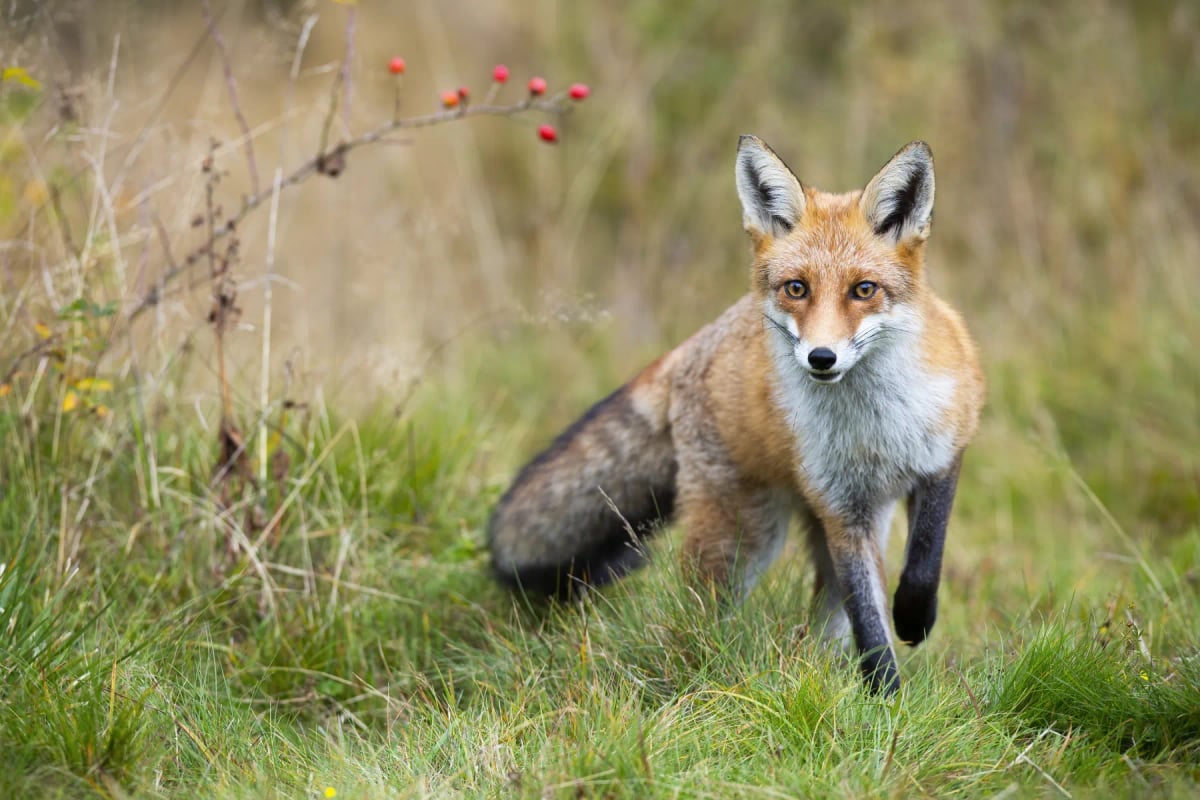
Red Fox
Vulpes vulpes
In Florida, the red fox is present mainly in the northern and central parts of the state, where the climate and habitat are more suitable. It favors open woodland edges, farmland, and suburban areas. Florida's warm and humid conditions make it less ideal than the cooler states to the north, so populations here are less dense. The species remains stable overall with an IUCN status of Least Concern.
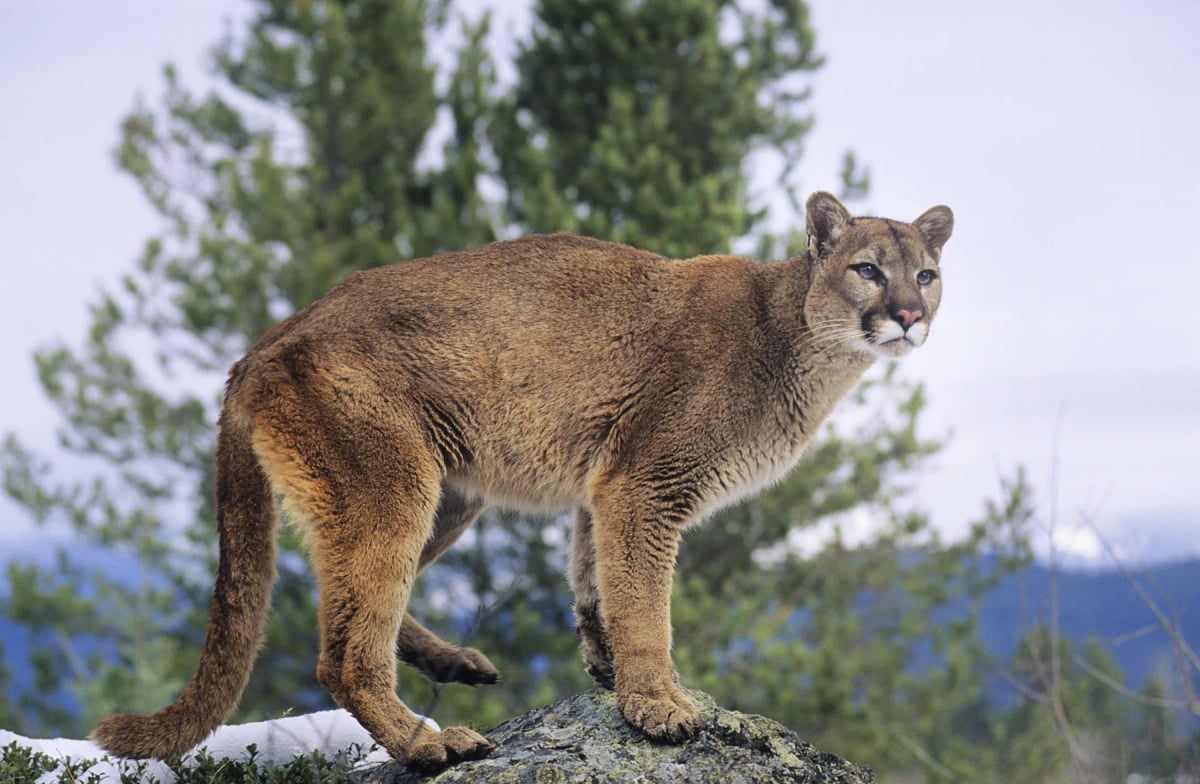
Cougar
Puma concolor
Florida is home to the Florida panther, a subspecies of cougar and one of the most endangered mammals in the United States. An estimated 120 to 230 adults survive, mostly in and around the Big Cypress Swamp and the Everglades. Decades of conservation work, including genetic rescue using mountain lions brought from Texas, have pulled the population back from the edge of extinction.
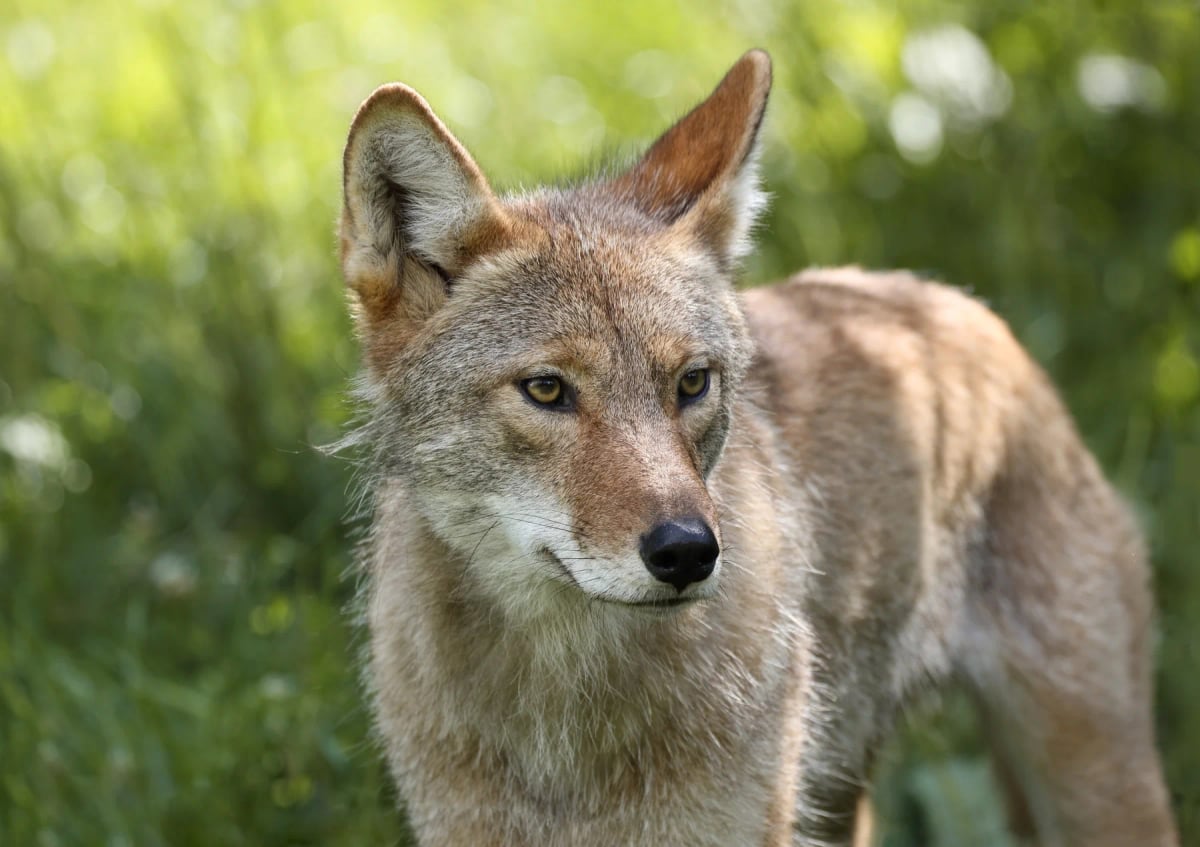
Coyote
Canis latrans
The coyote is a relatively recent arrival in Florida, having spread into the state during the latter half of the twentieth century. It now lives in nearly every county, inhabiting pine flatwoods, wetland edges, farmland, and suburban areas. In a state known for biodiversity, it competes and coexists with native predators such as the bobcat and the Florida panther. It feeds on deer fawns, rodents, fruit, and carrion. Its IUCN status is Least Concern.
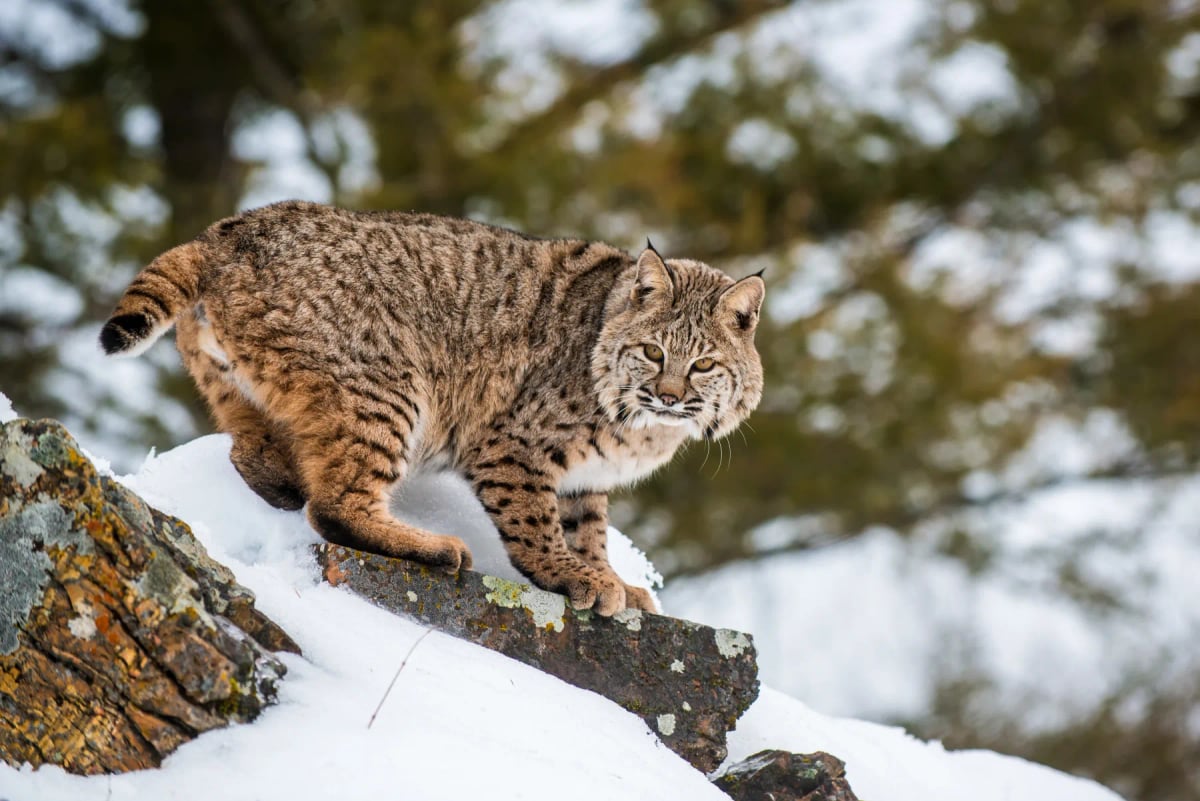
Bobcat
Lynx rufus
In Florida, the bobcat inhabits a wide range of ecosystems including pine flatwoods, hardwood hammocks, and the edges of the Everglades. It is one of two wild cat species in the state, alongside the endangered Florida panther. Bobcats are regularly spotted in rural and even suburban areas. They prey heavily on rabbits, marsh birds, and small mammals. Florida's year-round warm climate supports a healthy, stable bobcat population.
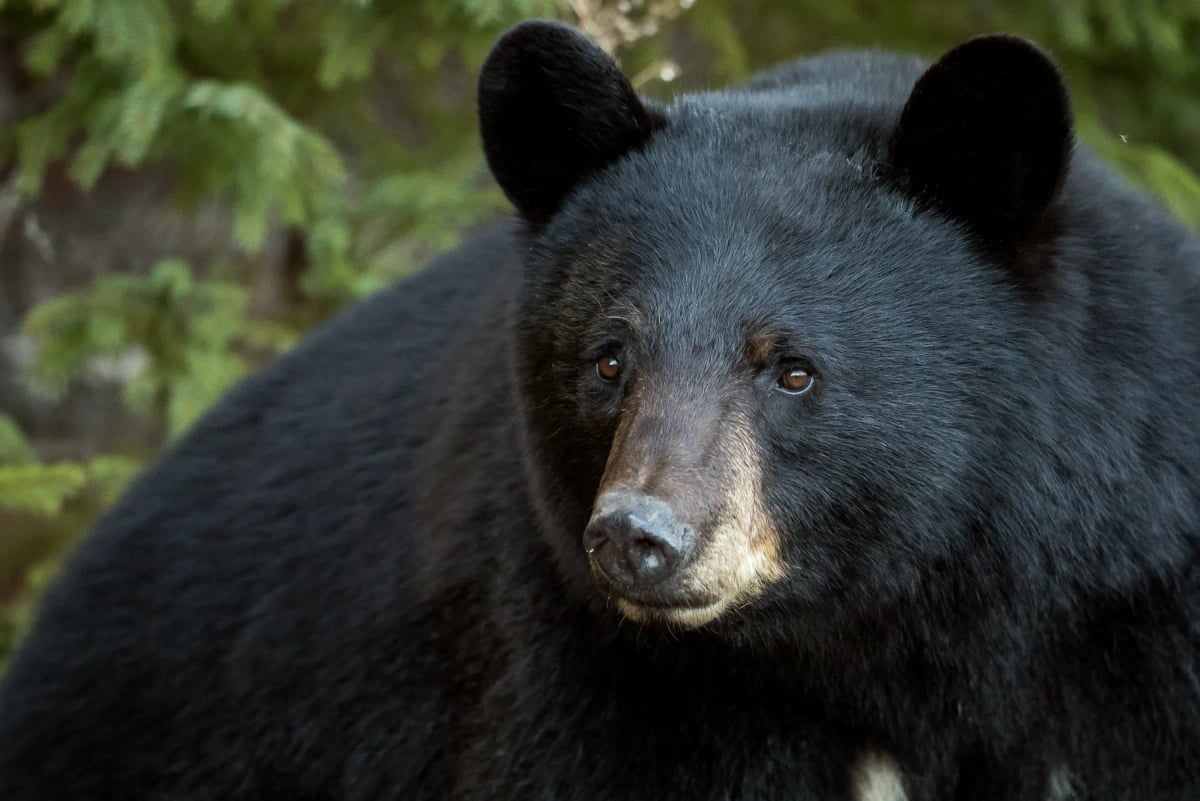
American Black Bear
Ursus americanus
The American black bear is found across much of Florida in forests, swamps, and scrublands. The Florida black bear is recognized as a distinct subspecies and was once at risk of extinction from overhunting and habitat loss. Today the population has recovered to over 4,000 individuals. Bears frequently venture into suburban neighborhoods in search of food, making conflict between people and bears a key conservation challenge in the state.
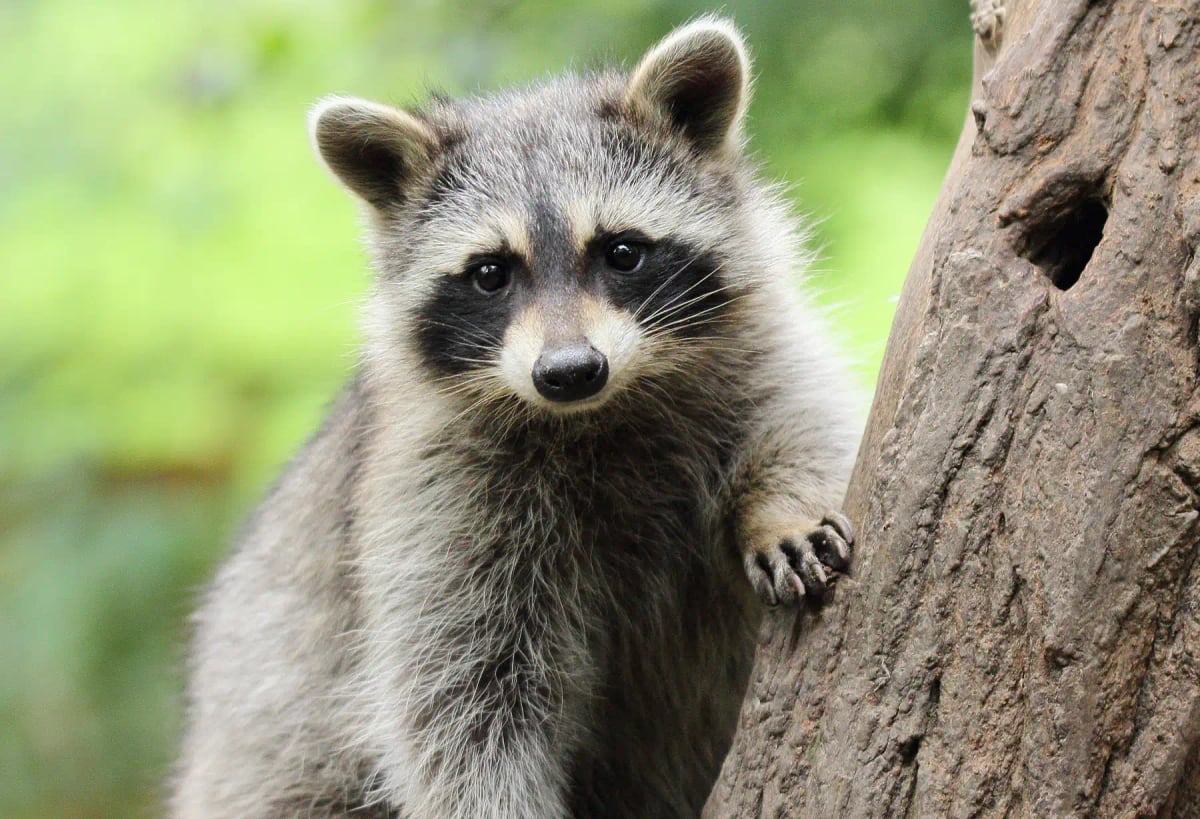
Raccoon
Procyon lotor
Florida is home to one of the most abundant raccoon populations in North America. The warm climate and diverse ecosystems, from mangrove coasts and cypress swamps to urban neighborhoods, give raccoons year-round access to food and shelter. They are common visitors to the Everglades, where they forage along waterways for crayfish, fish, and turtle eggs. Their adaptability makes them equally at home in Miami backyards. Their IUCN status is Least Concern.
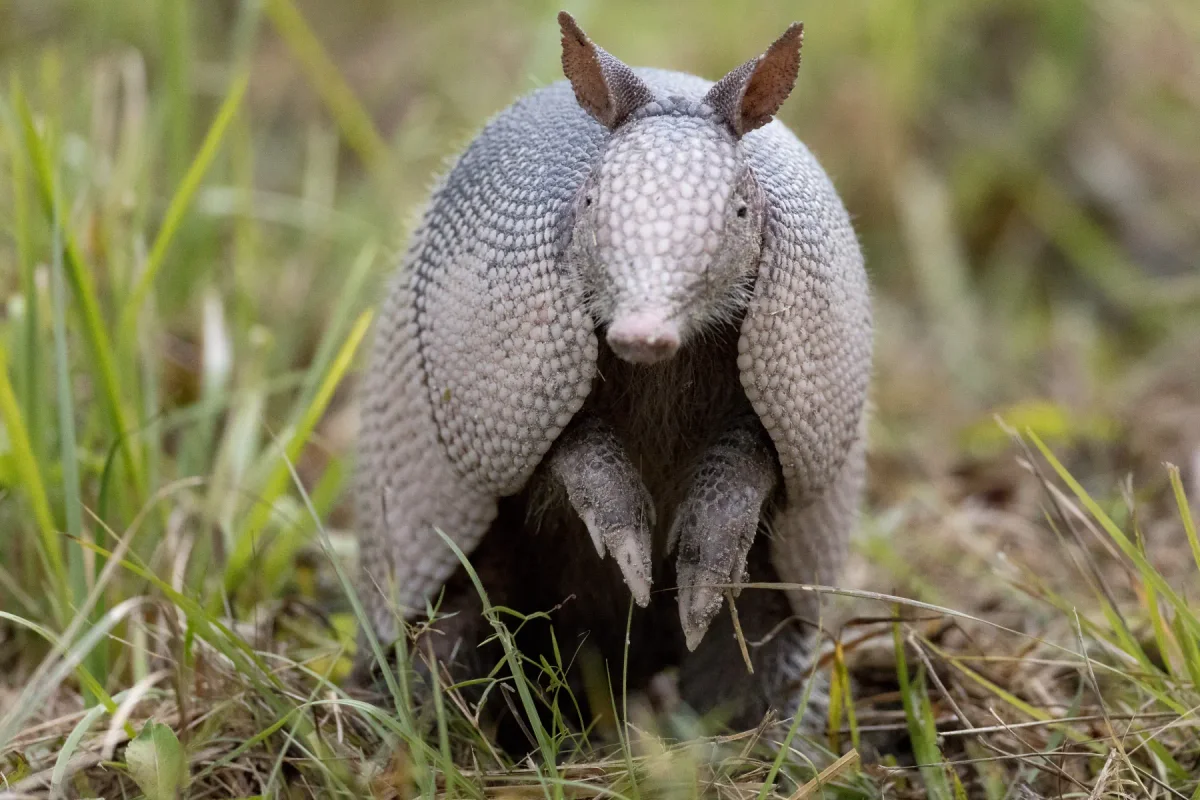
Armadillo
Dasypodidae spp.
The nine banded armadillo has been established in Florida since the early twentieth century, arriving from Texas through natural range expansion and assisted by introductions. It is now found throughout the state, from the Panhandle to the southern peninsula. Florida's warm climate and soft sandy soils are well suited to armadillo burrowing and foraging habits. Road mortality is the primary cause of death for armadillos in Florida, where the species' characteristic startle jump makes highway crossings particularly dangerous.
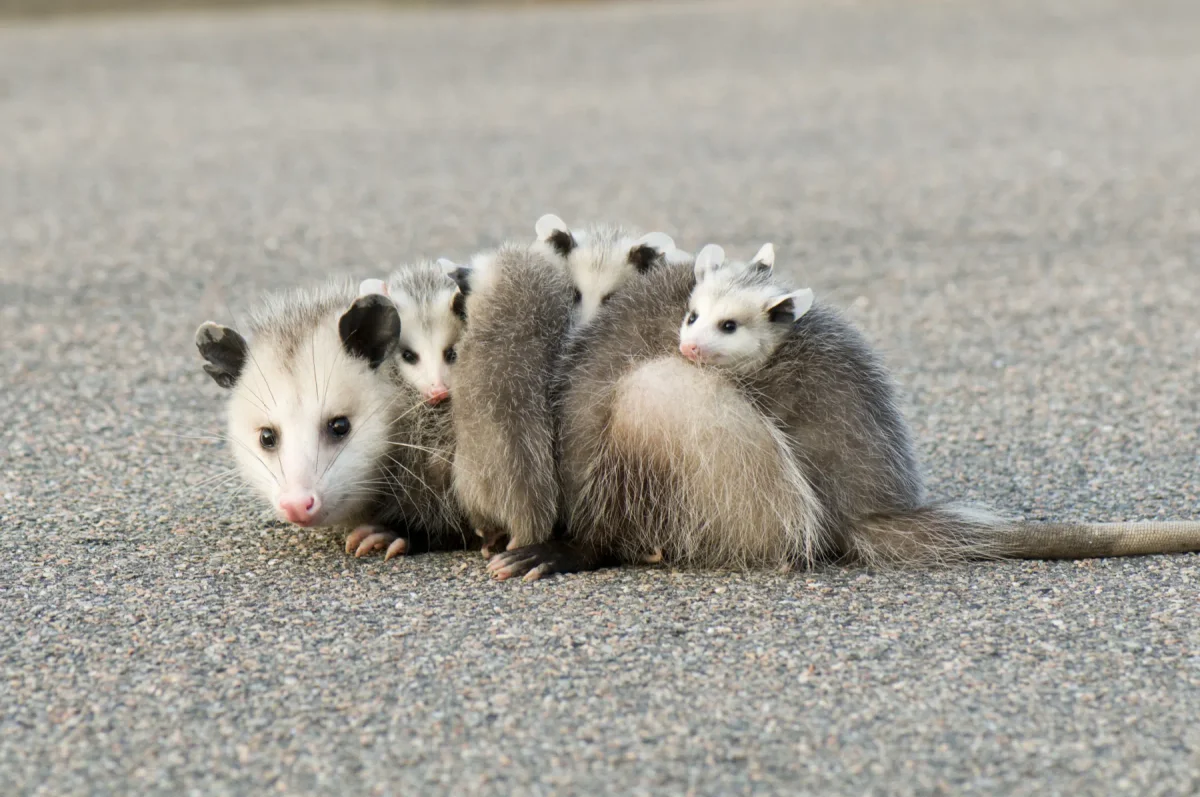
Opossum
Didelphis spp.
The Virginia opossum is a common sight across Florida, from the Panhandle down through the Everglades region. Florida's warm climate and mix of forests, wetlands, and suburban neighborhoods suits them well. They are frequent visitors to backyards and are well known for playing dead when threatened. Opossums are considered beneficial in Florida because they consume large numbers of ticks. Their status is Least Concern.

Iguana
Iguana iguana
Florida has one of the largest invasive green iguana populations in the world, built through decades of escapes and releases from the pet trade. Firmly established in South Florida and the Keys, the species damages native vegetation, sea turtle nesting beaches and infrastructure. The Florida Fish and Wildlife Conservation Commission classifies it as a pest and encourages removal, though the population runs into the hundreds of thousands.
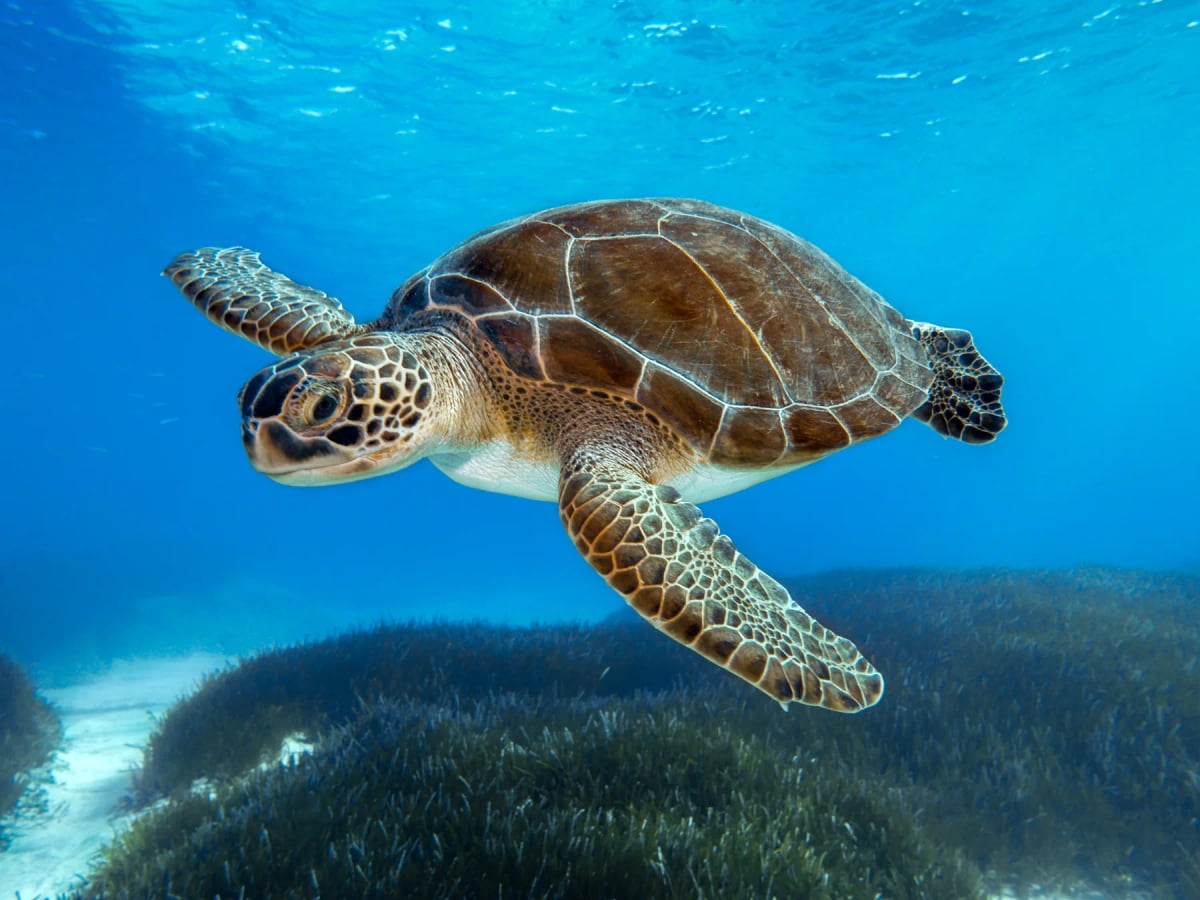
Sea Turtle
Cheloniidae & Dermochelyidae (families)
Florida hosts the largest sea turtle nesting populations in the United States and one of the most important in the entire Atlantic. Loggerhead turtles nest in enormous numbers along the Atlantic coast, with Brevard County recording some of the highest loggerhead nest densities in the world. Green turtles have shown strong population growth in recent decades, and leatherbacks also nest on Florida beaches. The nesting season runs from May through October, and coastal lighting regulations and beach management programs help protect hatchlings from disorientation.
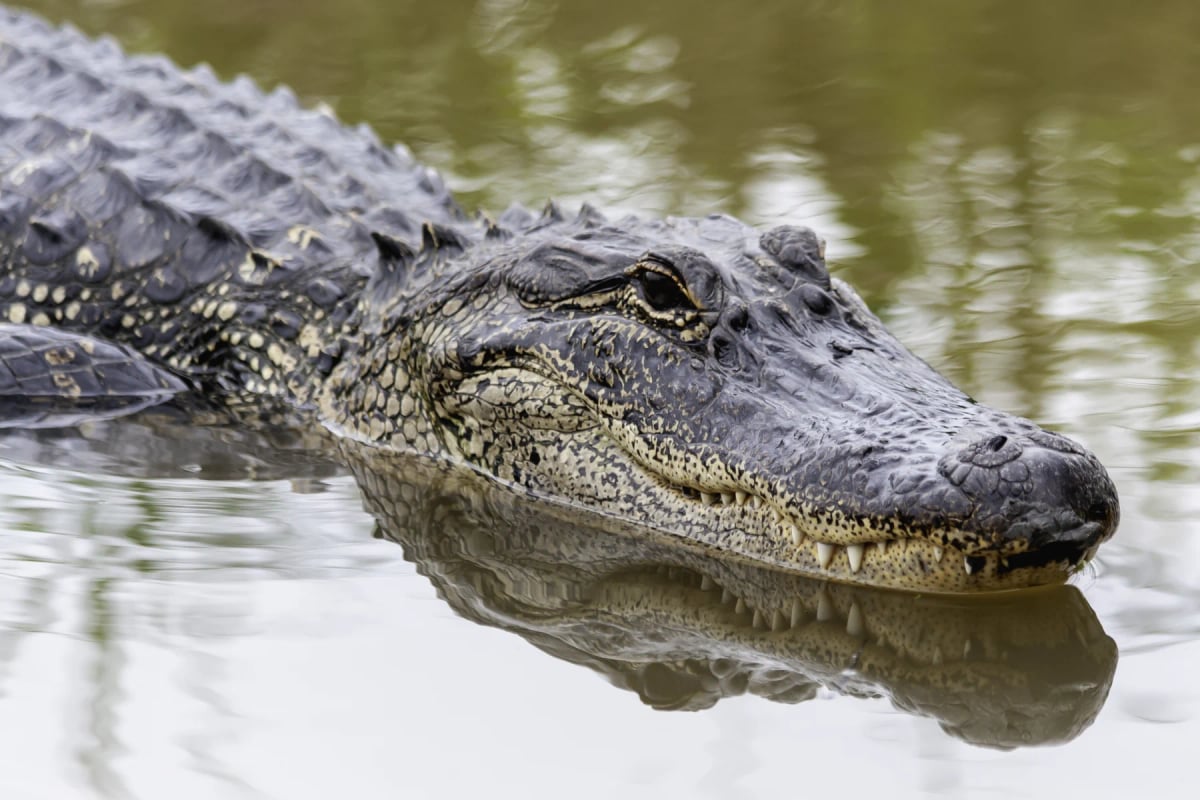
Alligator
Alligator mississippiensis
Florida is home to the largest American alligator population in the country, with an estimated 1.3 million individuals. They inhabit virtually every body of freshwater in the state, from the vast Everglades to suburban retention ponds and golf courses. Florida wildlife managers handle thousands of nuisance alligator reports each year, reflecting how deeply this reptile is woven into daily life across the state.
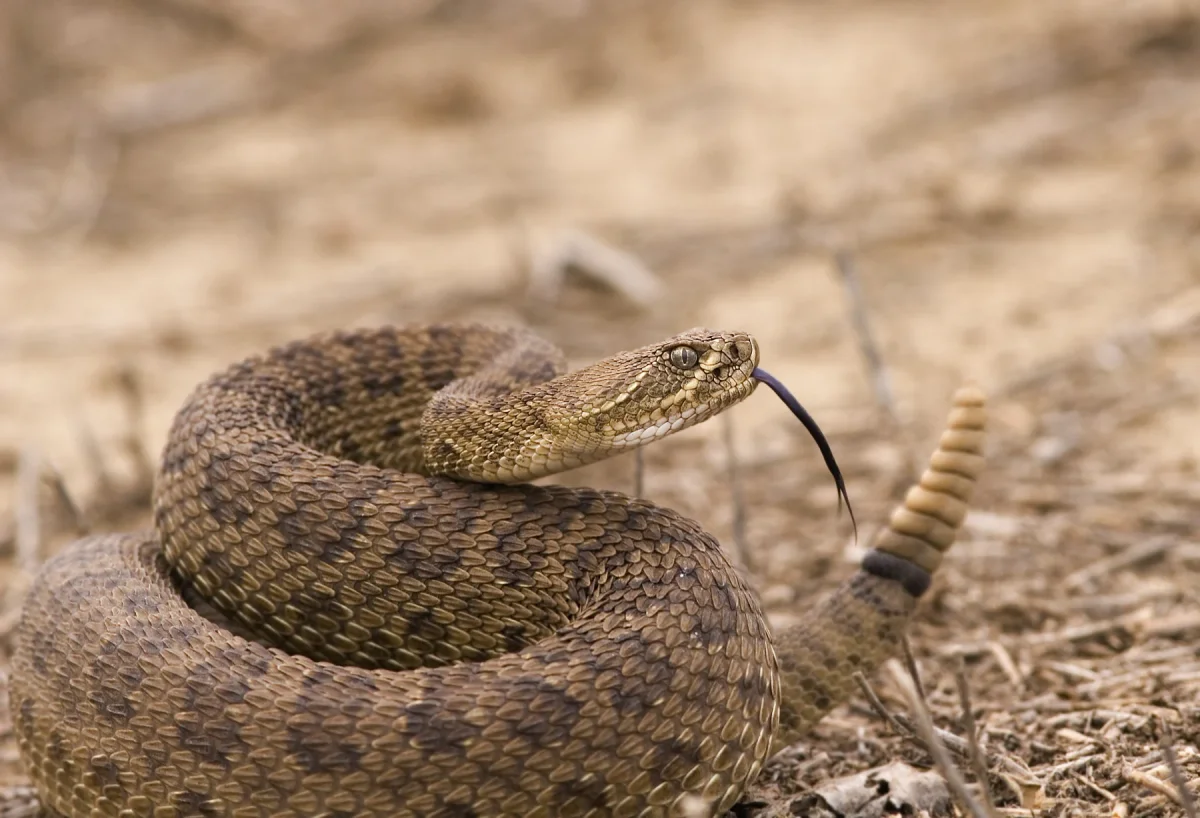
Rattlesnake
Crotalus spp. / Sistrurus spp.
Florida is home to three rattlesnake species: the Eastern Diamondback (Crotalus adamanteus), the Timber Rattlesnake, and the Dusky Pygmy Rattlesnake. The Eastern Diamondback is the largest venomous snake in North America and favors flatwoods, palmetto scrub, and coastal uplands. Ongoing habitat loss from development has significantly reduced its range across the state. IUCN status: Least Concern.
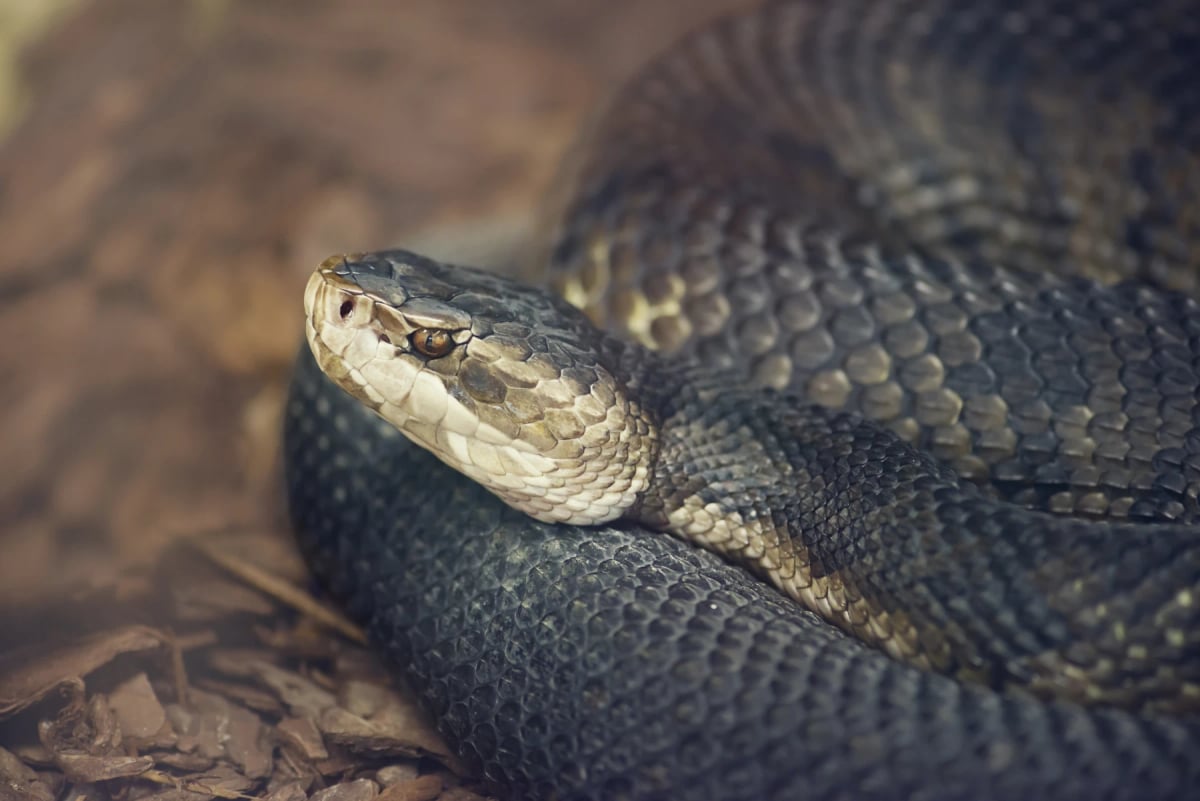
Cottonmouth Snake
Agkistrodon piscivorus
Florida is one of the strongholds for the cottonmouth, which thrives in the state's vast wetlands, cypress swamps, and freshwater marshes. It is a heavy bodied pit viper that hunts fish, frogs, and small mammals, mostly after dusk. The warm climate allows it to be active for much of the year. Floridians often encounter it along canal banks and the edges of slow water.
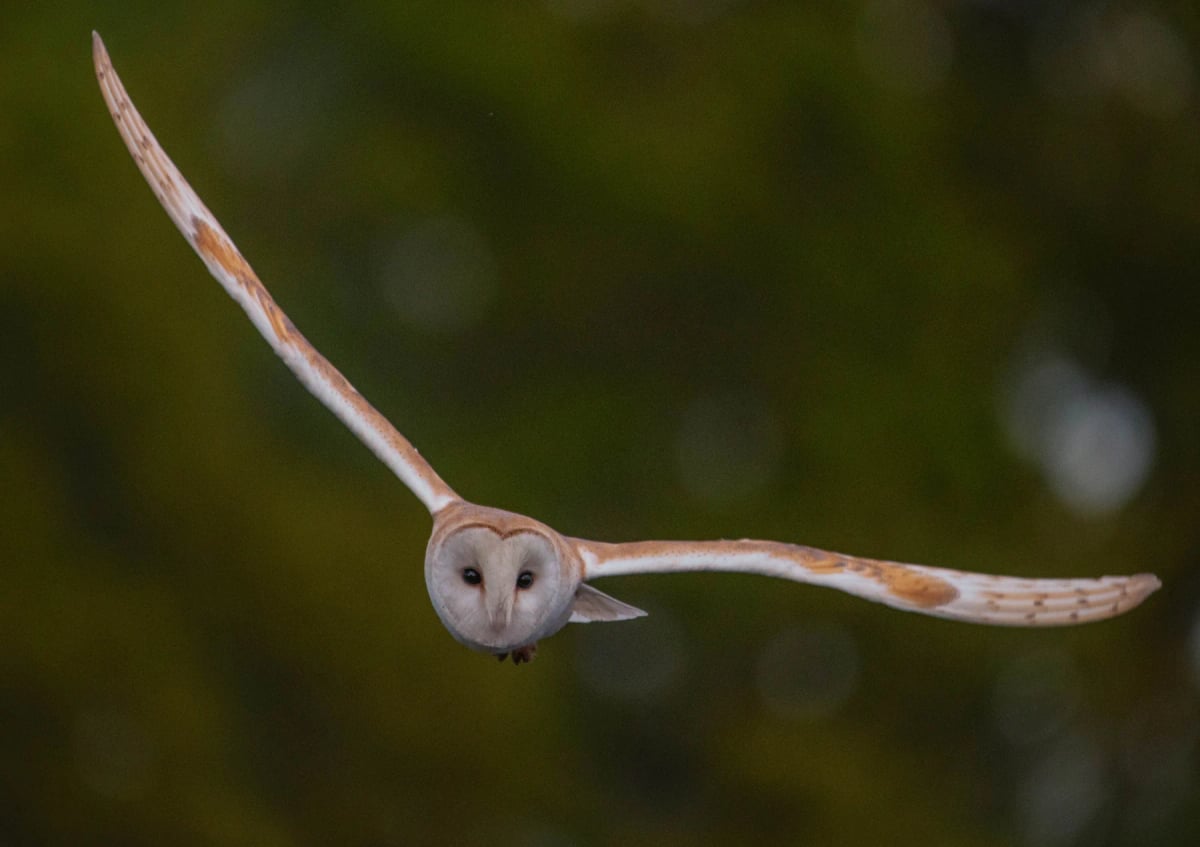
Barn Owl
Tyto alba
The barn owl is found across Florida in open farmland, grassland, and the outskirts of towns and villages throughout the state, from the Panhandle in the north to the agricultural plains of the south near Lake Okeechobee. It nests in old buildings, hollow trees, and cliff faces, and hunts rodents at night year round. Florida's warm climate allows breeding activity throughout the year, and the state supports a healthy and largely stable barn owl population. In the sugarcane and citrus farming regions of the south it is particularly valued as a natural controller of rat and mouse populations.
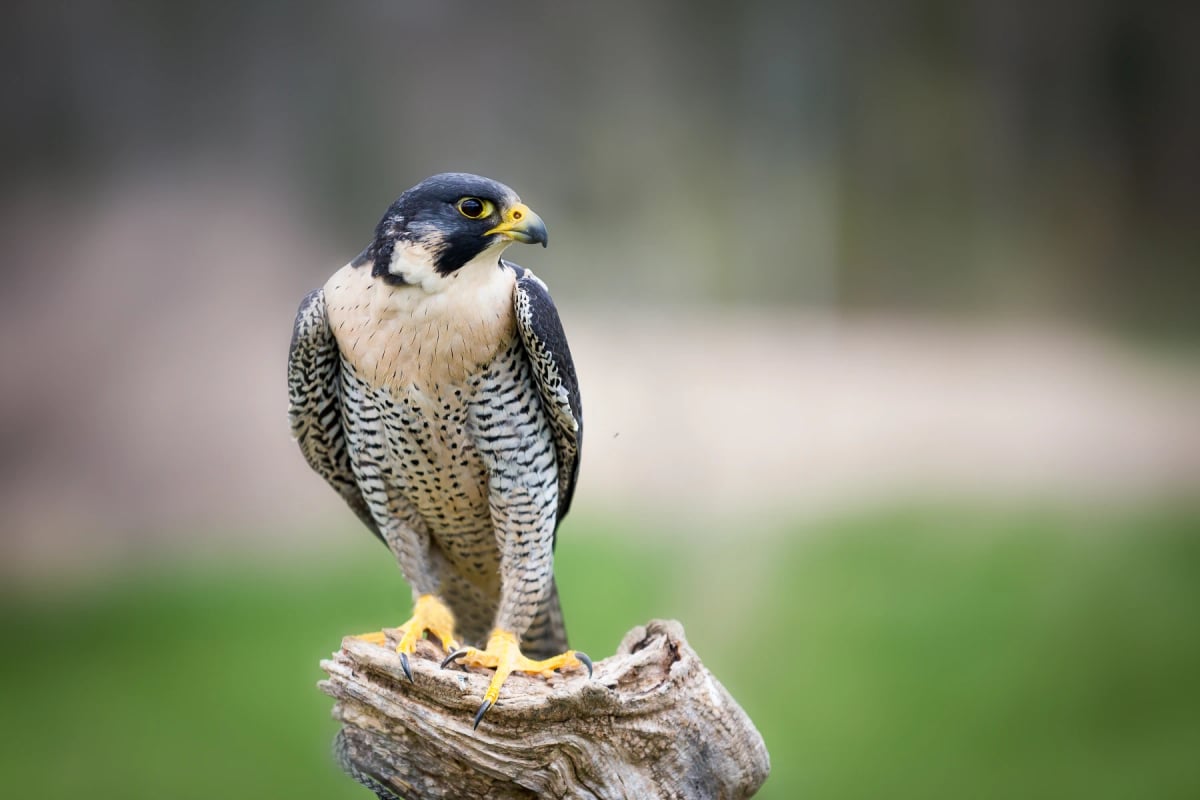
Peregrine Falcon
Falco peregrinus
Florida is an important wintering and migration destination for peregrine falcons in the United States. Large numbers move through the state each autumn, with coastal sites such as Anclote Key and Fort De Soto Park attracting notable concentrations. The species does not breed in Florida but relies on the state's rich coastal wetlands and shorebird populations as a wintering ground. Some individuals linger along the Gulf and Atlantic coasts throughout the cooler months.
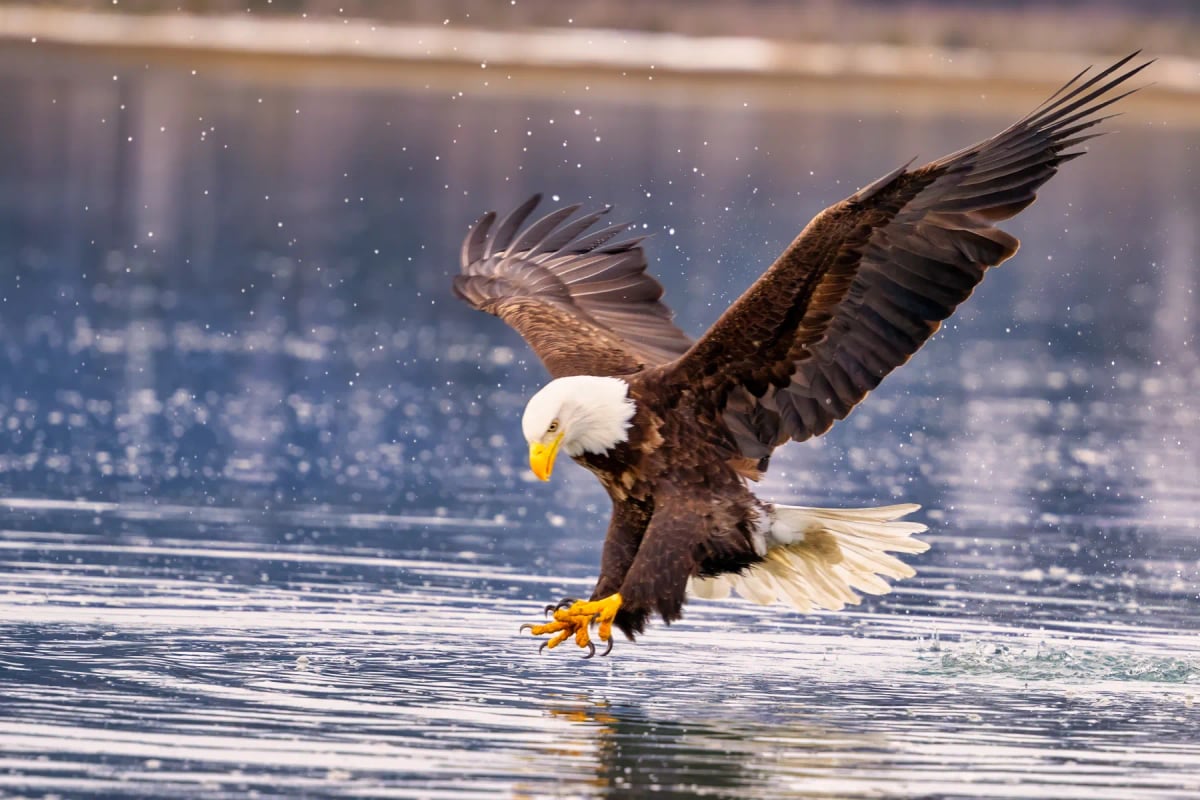
Bald Eagle
Haliaeetus leucocephalus
Florida has one of the largest breeding populations of bald eagles in the contiguous United States. They nest in tall trees near lakes, rivers, and coastal areas, and Florida's mild climate allows them to begin nesting earlier than birds in northern states, often as early as October. Populations have grown significantly following federal protection and habitat conservation efforts.
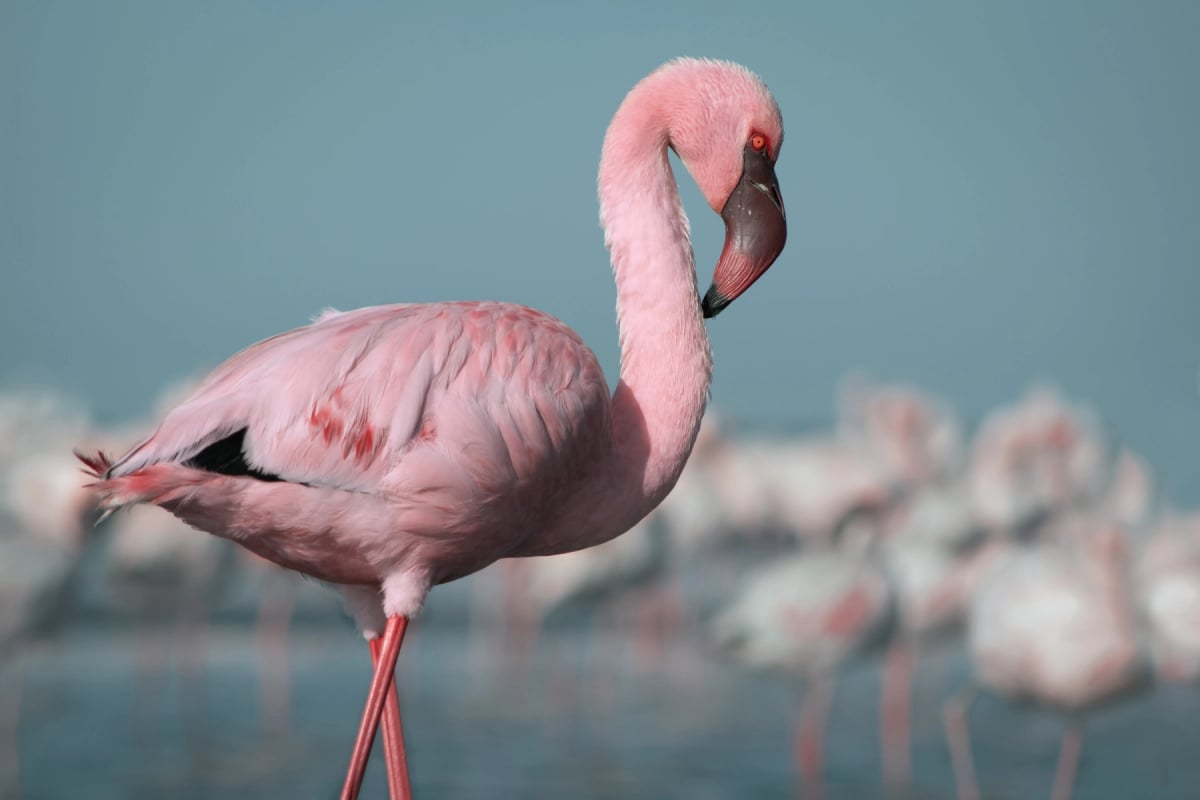
Flamingo
Phoenicopteridae (6 species)
Florida has a long history with the American flamingo. Hunted nearly out of the state in the 1800s, it was long thought to be only a zoo escapee, until a 2018 study showed that the birds of Florida Bay and the Everglades are wild members of the Caribbean population. In 2023 Hurricane Idalia swept hundreds of flamingos into Florida, and some stayed. IUCN status: Least Concern.
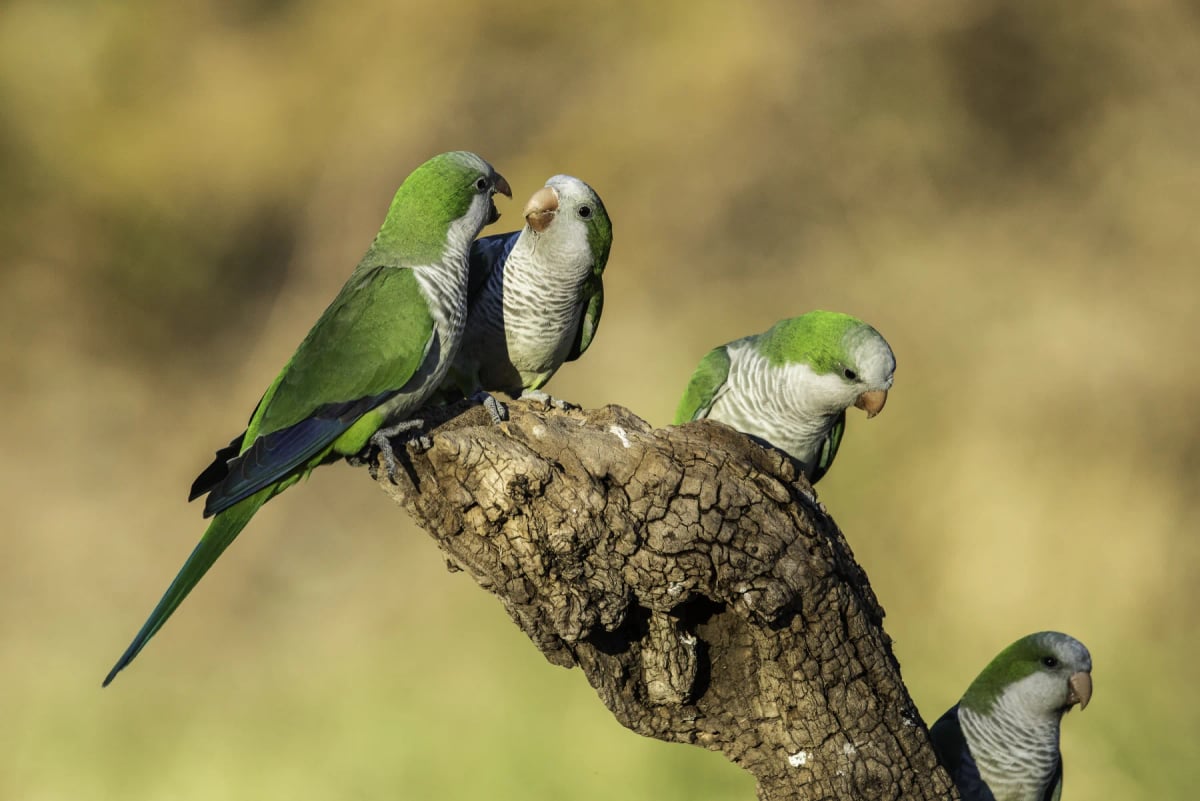
Monk Parakeet
Myiopsitta monachus
Florida has the largest wild monk parakeet population in the United States, descended from pets imported in the 1960s and 1970s. Colonies are common in Miami, Fort Lauderdale, Tampa and many other cities, where the birds build big stick nests on light towers, palms and power poles. Utilities remove nests that threaten the grid, but the species is now a familiar, noisy part of the Florida landscape. IUCN status: Least Concern.
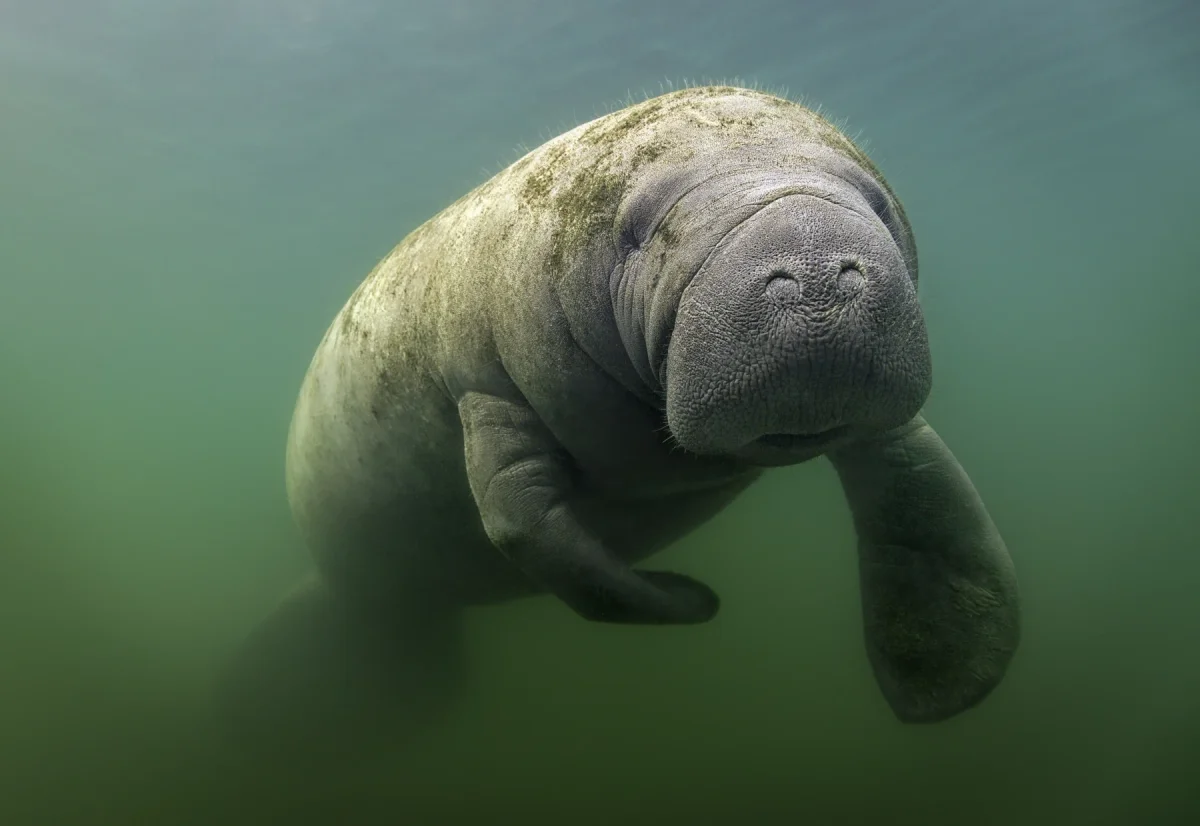
Manatee
Trichechus manatus
Florida is the stronghold of the West Indian manatee in the United States. Manatees gather in large numbers at natural warm water springs and power plant outflows during winter, especially in areas like Crystal River and Blue Spring State Park. Florida's waters have seen encouraging population growth in recent decades thanks to dedicated conservation programs, though boat strikes remain the leading cause of injury and death. The species is listed as Threatened under the U.S. Endangered Species Act.
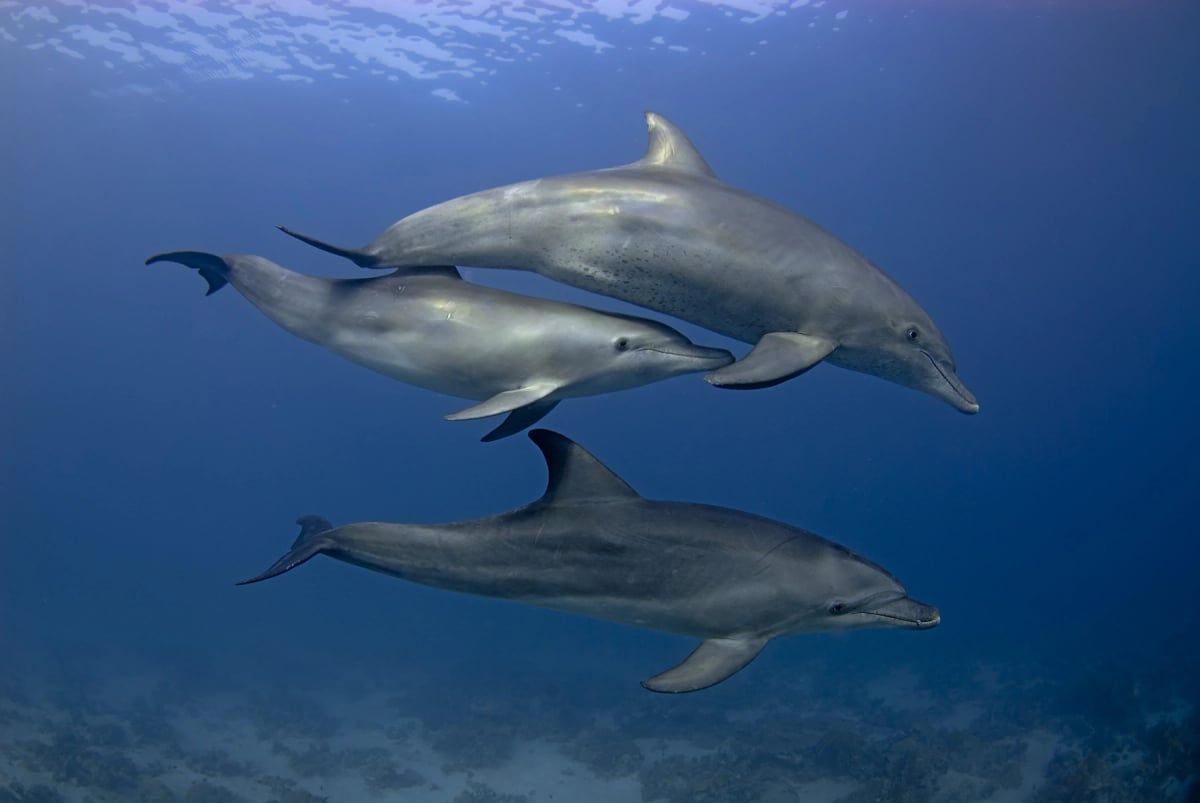
Bottlenose Dolphin
Tursiops truncatus
Florida is home to some of the most studied bottlenose dolphin populations in the world. The resident community in Sarasota Bay has been monitored continuously since 1970, yielding decades of data on individual dolphins. They thrive in the state's warm, shallow estuaries, seagrass beds, and coastal lagoons. Florida's Indian River Lagoon also supports a well-documented resident population. The IUCN lists the species as Least Concern.
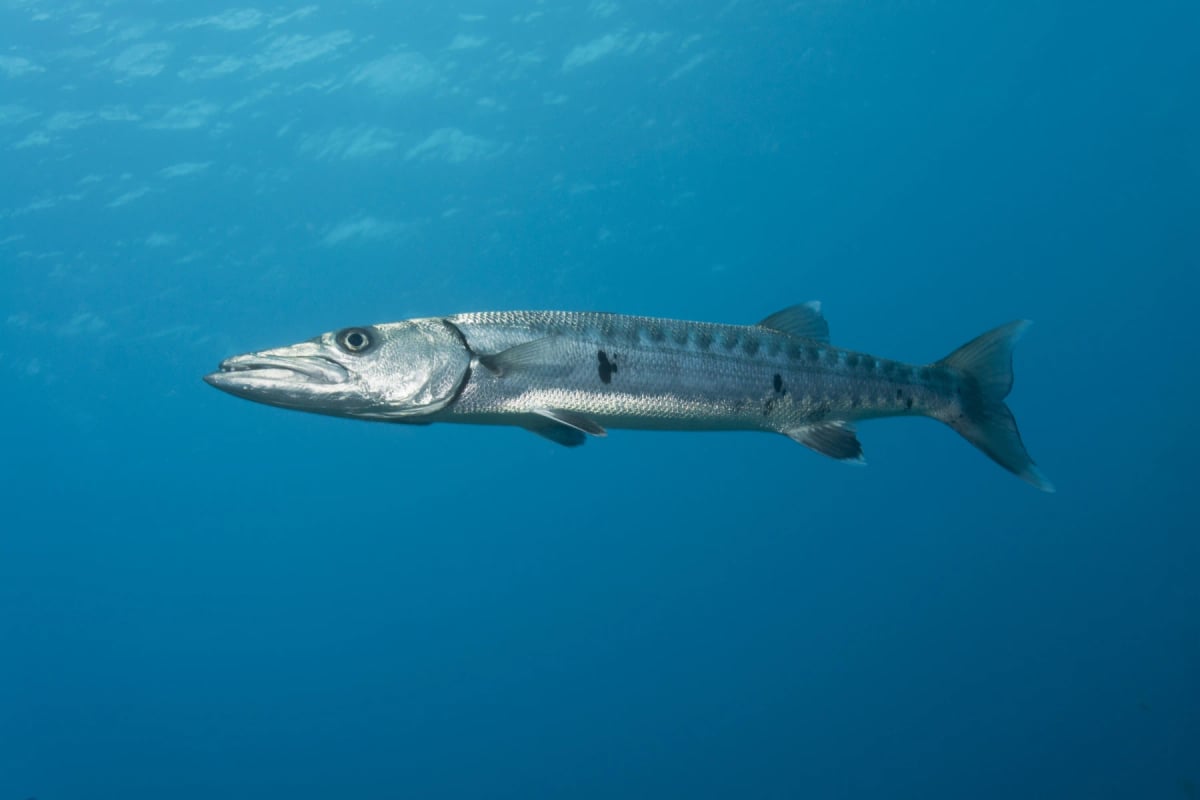
Barracuda
Sphyraena spp.
The great barracuda is one of the most commonly encountered large predatory fish in Florida's coastal and reef waters, found throughout the Florida Keys, the Florida Reef Tract, and the Gulf of Mexico coast. It is a regular presence on coral reef dives and snorkel trips along the Keys, often hovering motionless near reef structures before moving off with sudden acceleration. Florida's warm, clear reef waters provide ideal habitat for barracuda year round. They are also a popular target for sport fishermen in the backcountry flats and coastal waters, where they are prized for their speed and fight.
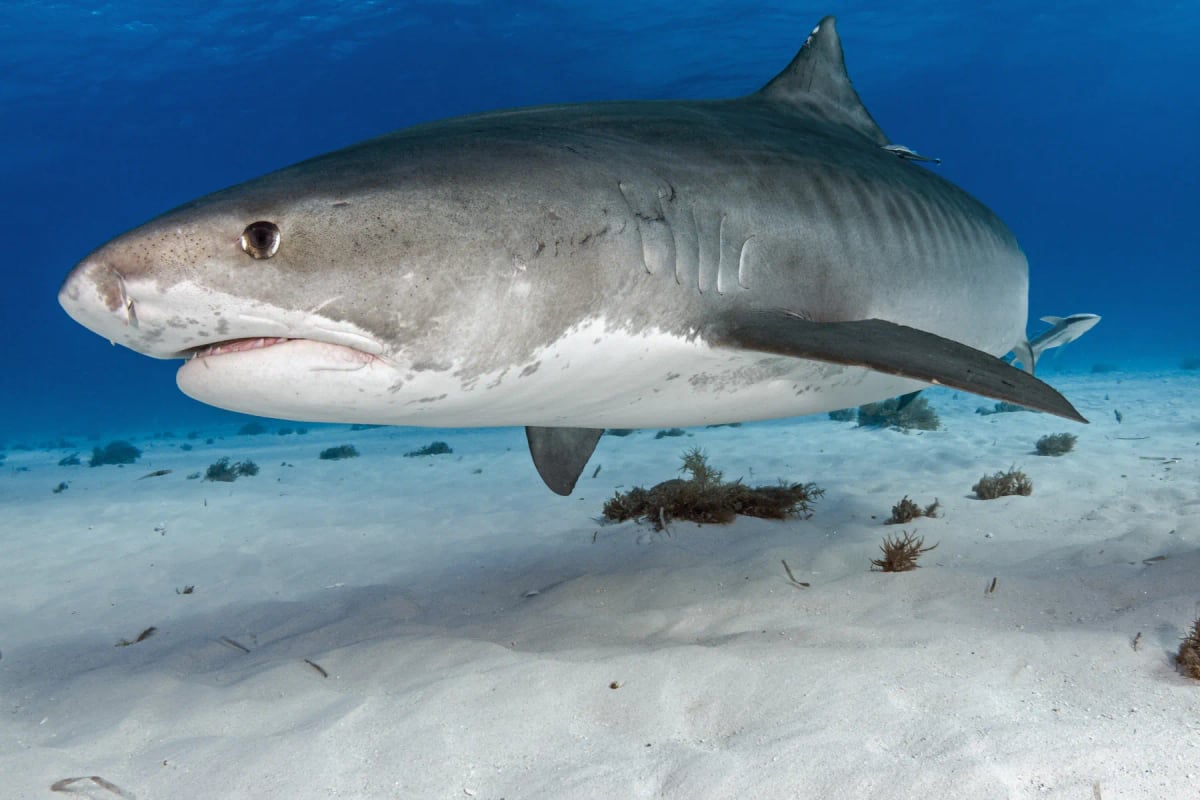
Tiger Shark
Galeocerdo cuvier
Tiger sharks are a familiar presence in Florida's warm coastal waters, from the Gulf of Mexico to the Atlantic shore. They patrol shallow bays, reef edges, and river mouths, often coming close to beaches, particularly at night. Florida's rich marine ecosystem offers them plenty of food, including sea turtles and rays. The species is listed as Near Threatened, and Florida plays a role in regional shark research and monitoring efforts.
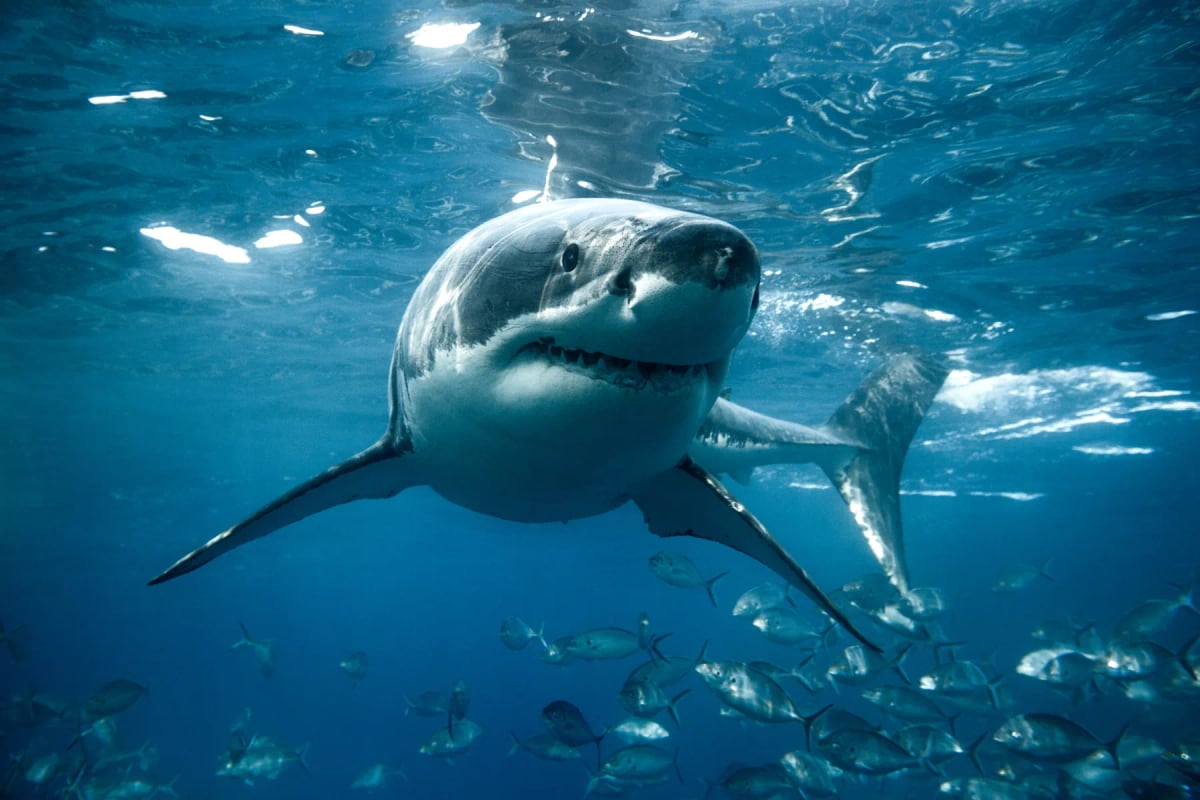
Great White Shark
Carcharodon carcharias
Florida's extensive coastline along both the Gulf of Mexico and the Atlantic Ocean falls within the range of the great white shark. The species is more commonly observed off Florida during cooler months, as it generally prefers water temperatures between about ten and twenty-four degrees Celsius. Tagging data has captured individual sharks moving through Florida waters as part of broader migrations along the eastern seaboard of the United States.
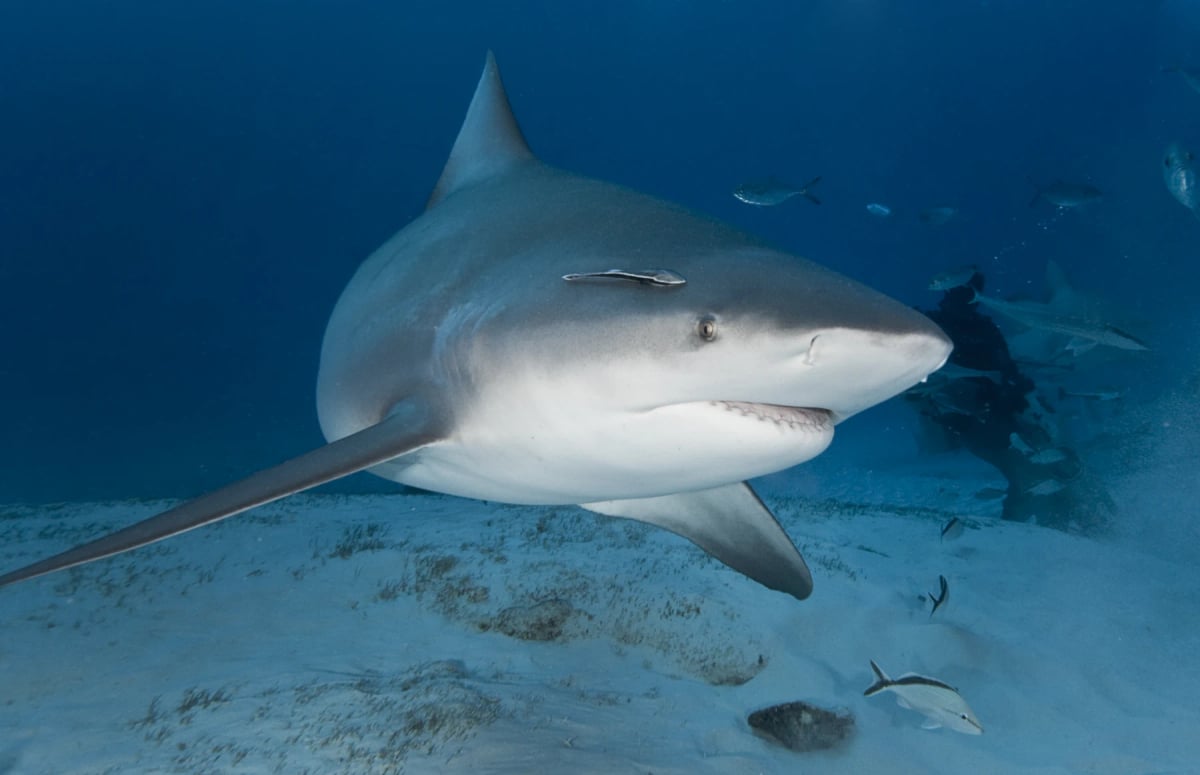
Bull Shark
Carcharhinus leucas
Florida offers some of the most important habitat for bull sharks in North America. Warm coastal waters, tidal rivers, and brackish estuaries throughout the state provide ideal conditions for feeding and reproduction. The Indian River Lagoon and the waters around Miami are known hotspots. Females commonly enter shallow inshore areas to give birth, making Florida a critical nursery ground for this Near Threatened species.
Researched and written by Juan Pablo. Sources: IUCN Red List, scientific literature and regional field guides. Last updated: .