Animals in Eritrea
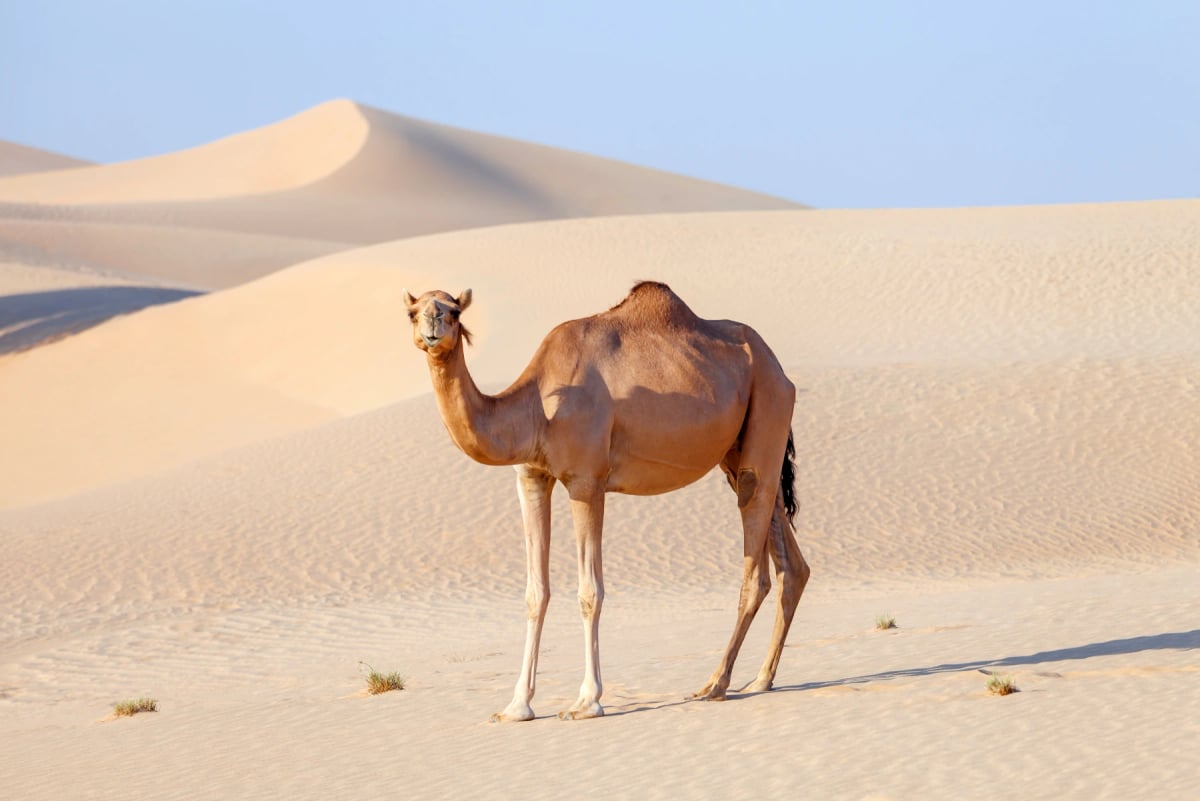
Dromedary Camel
Camelus dromedarius
The dromedary camel, Eritrea’s national animal, remains central to desert life and traditional culture. Valued for endurance and adaptability, it supports transport and trade across arid regions, symbolizing both survival and the close bond between people and their environment.
View details→Wildlife in Eritrea
Eritrea’s wildlife spans deserts, mountains and the Red Sea coast, where land and marine ecosystems meet. Elephants, leopards, falcons and dolphins inhabit this transition zone, offering a glimpse into the Horn of Africa’s natural diversity and attracting interest from eco-travelers and researchers.
Most Dangerous Animals in Eritrea
Caution is needed in Eritrea’s wild areas, where hyenas, crocodiles, venomous snakes and sharks live. Respecting local guidance and natural boundaries allows visitors to observe wildlife safely while preserving fragile ecosystems along the Red Sea and inland habitats.
Top 10 Animals in Eritrea
Eritrea’s emblematic fauna includes elephants, leopards and black mambas, species adapted to harsh and varied landscapes. Travelers exploring its highlands or coastal plains may encounter this wildlife, revealing the untamed side of a country still little known to nature tourism.
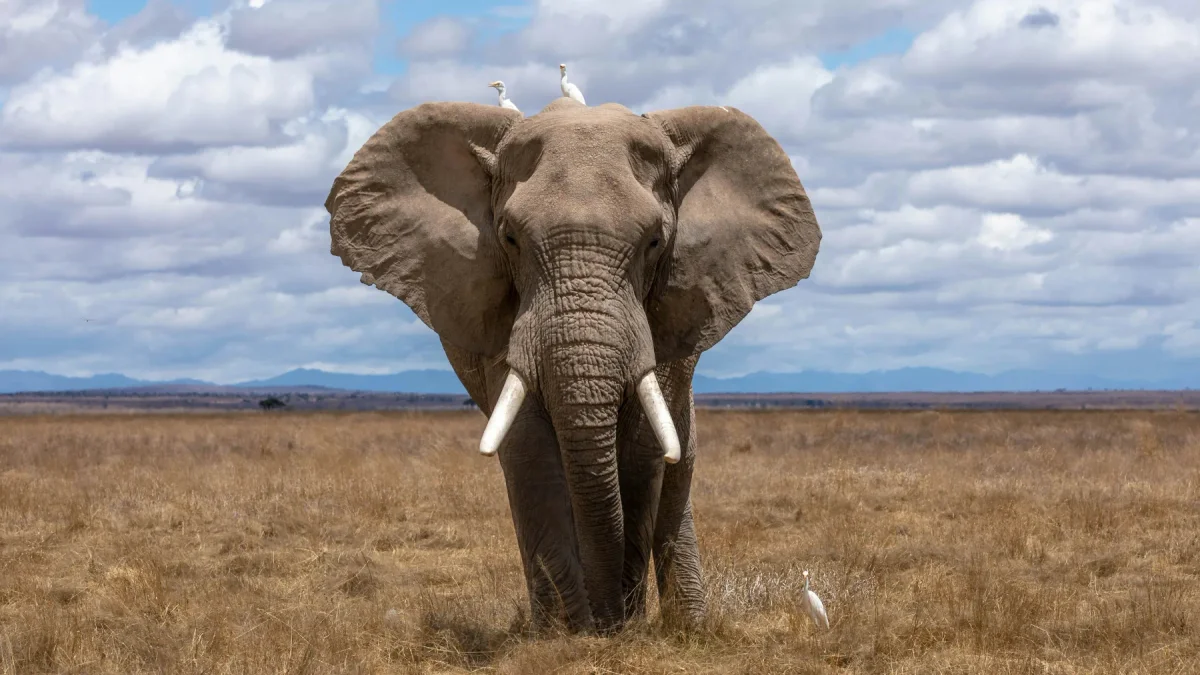
African Elephant
Loxodonta africana
Eritrea's elephant population is one of the smallest and most isolated on the continent, confined to the Gash-Barka lowlands in the southwest near the Ethiopian border. With fewer than 100 individuals, these animals represent one of the most northerly elephant populations in Africa. Their isolation and small numbers make them extremely vulnerable to any threat, and very little research or systematic monitoring has been conducted on this population.
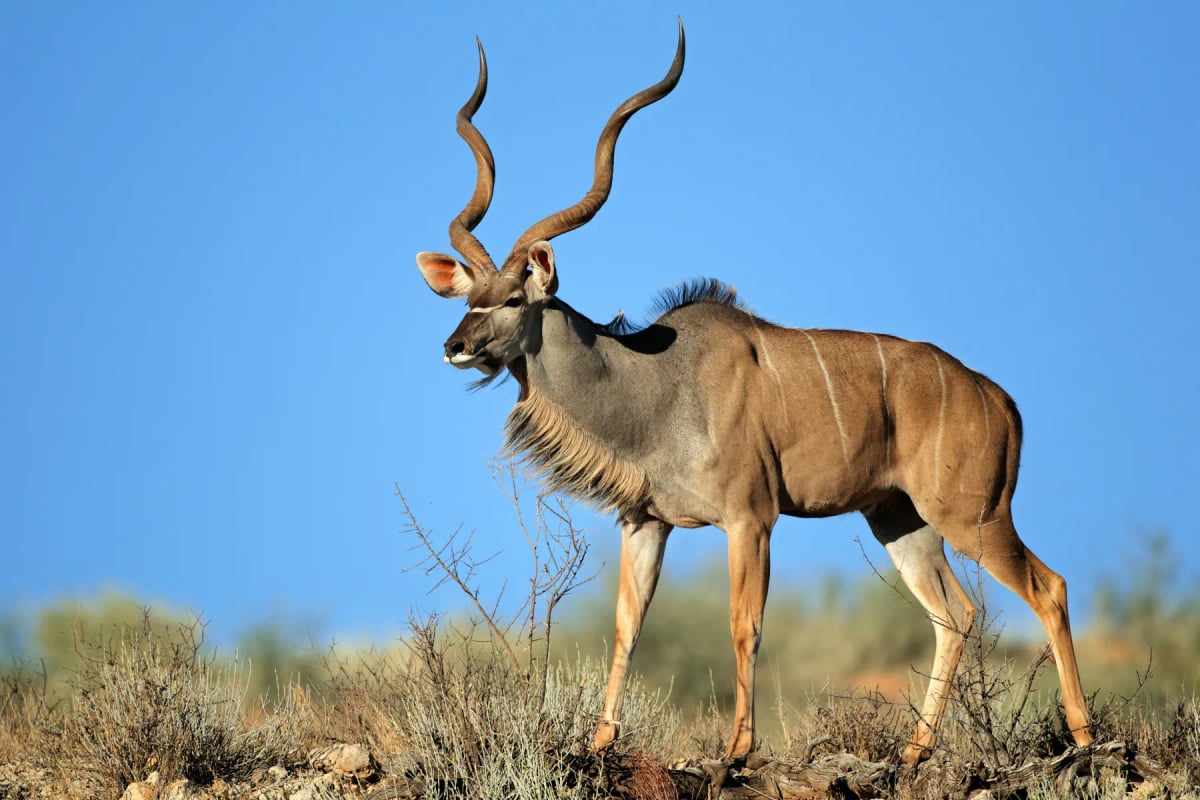
Greater Kudu
Tragelaphus strepsiceros
In Eritrea, the greater kudu is found in the highland escarpments and acacia woodland of the western lowlands, where rocky terrain and thick bush offer ideal conditions. The species is well adapted to these rugged landscapes and can go for extended periods without drinking, obtaining moisture from its food. Kudus here are relatively shy and most active at dawn and dusk. The IUCN considers the species Least Concern at the global level.
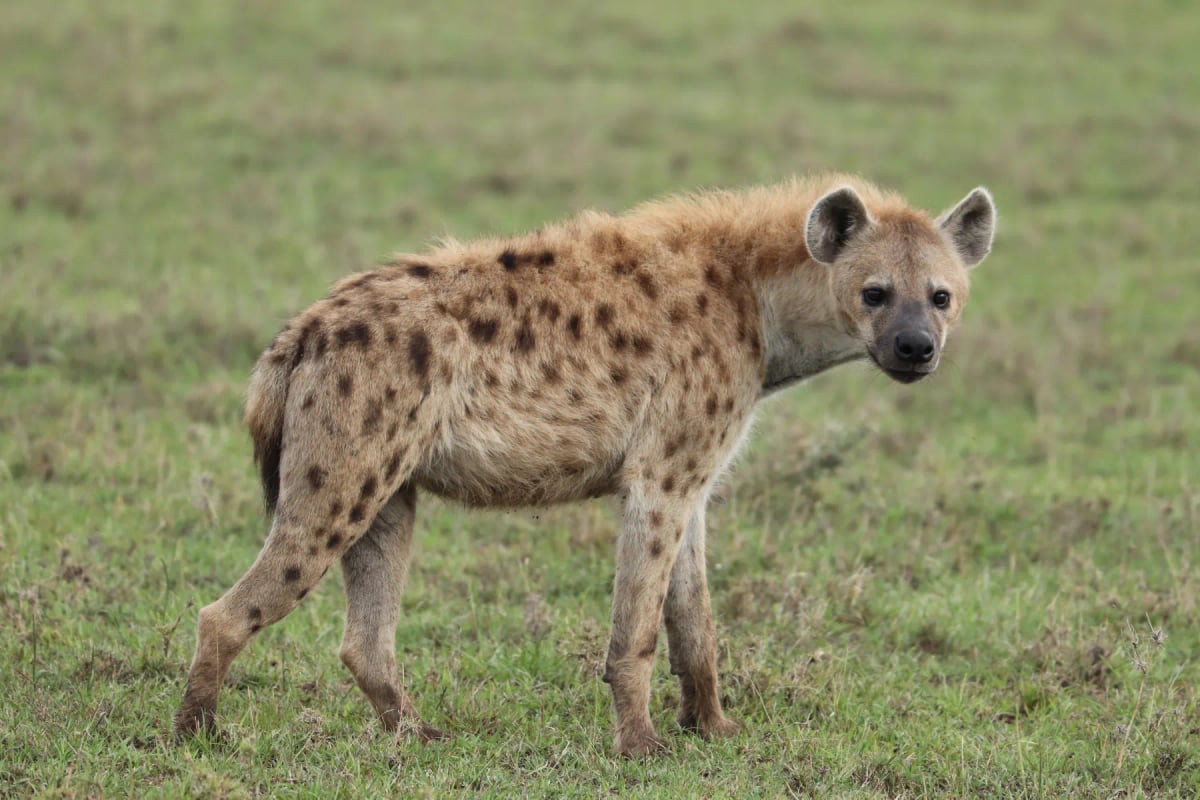
Spotted Hyena
Crocuta crocuta
In Eritrea, spotted hyenas roam the lowland plains and semi-arid shrublands, particularly in areas bordering Ethiopia and Sudan. They are largely nocturnal and tend to avoid areas of dense human activity. As scavengers and hunters, they help maintain the balance of local ecosystems. Growing pressure from livestock herding communities and habitat degradation poses ongoing challenges to their populations. Their IUCN status is Least Concern.
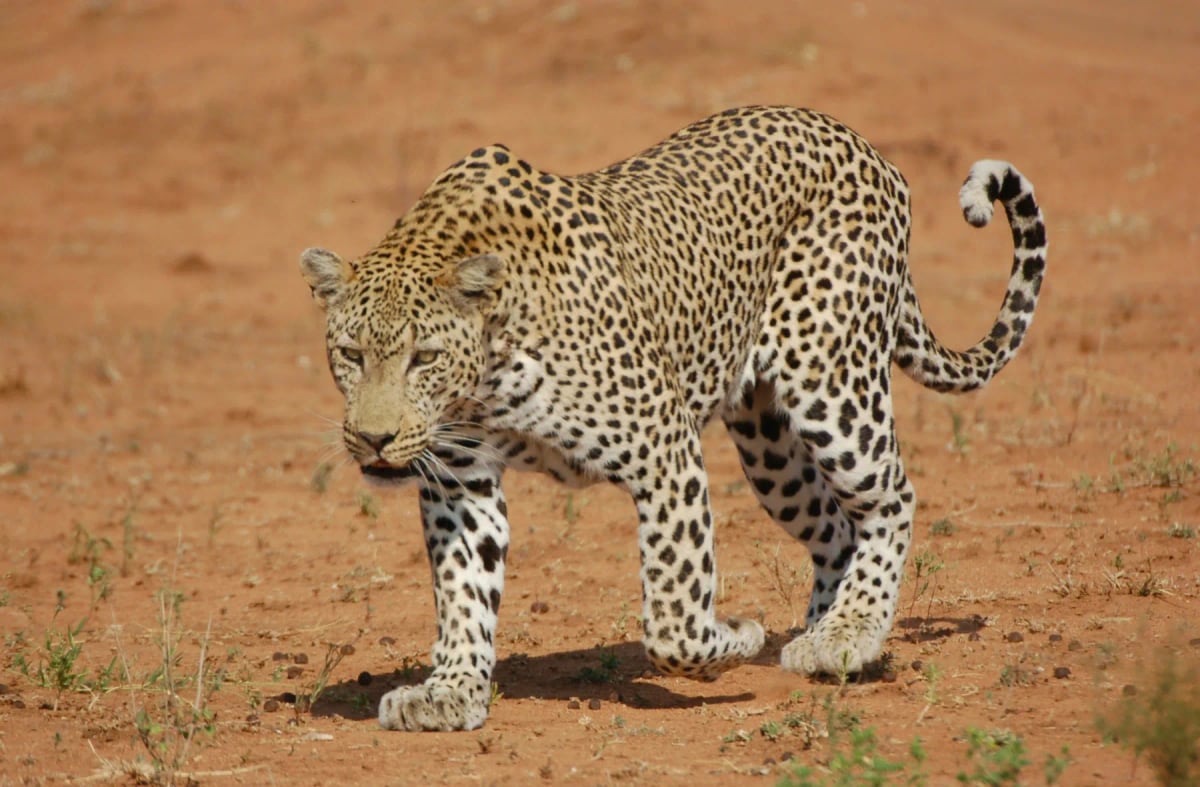
Leopard
Panthera pardus
In Eritrea, leopards are found in the green highlands of the country's central and southern zones, where rocky terrain and patches of woodland offer shelter and hunting ground. They are rarely seen, moving mostly at night. Prey availability is a growing concern as human settlement expands into wildlife areas. The leopard remains one of Eritrea's most elusive and impressive large mammals.
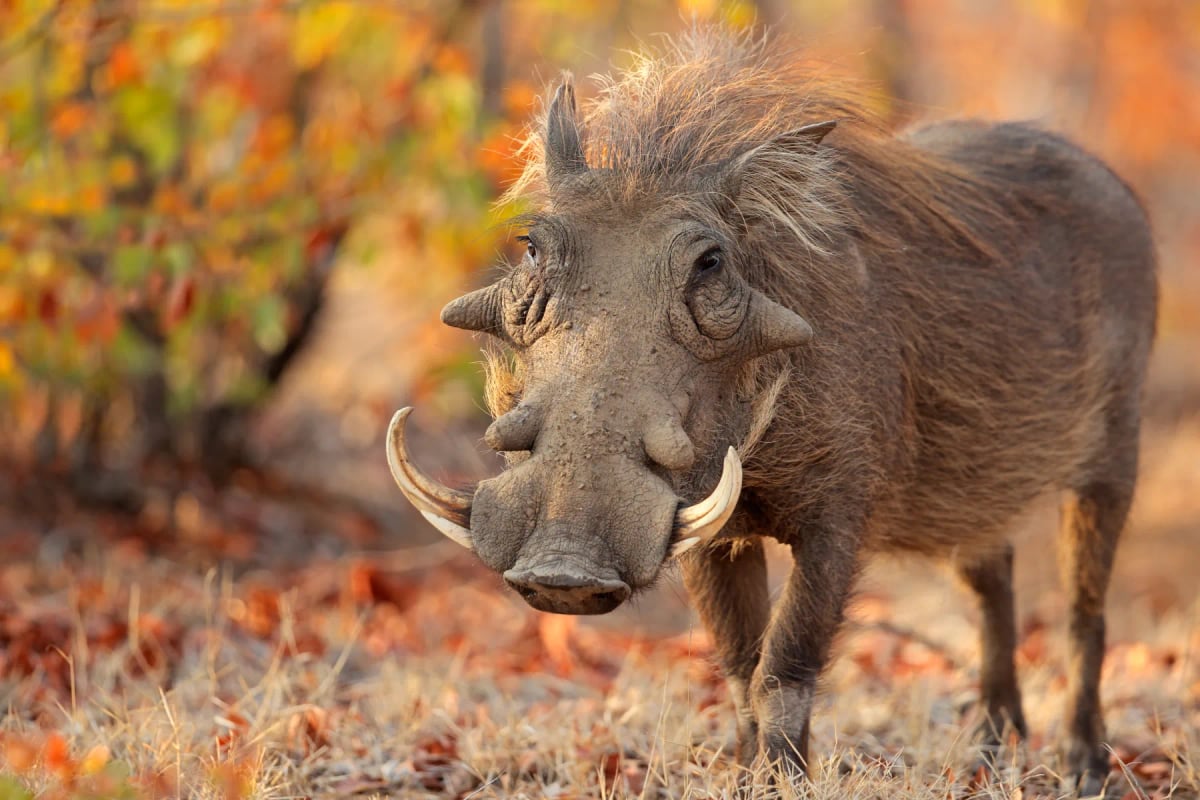
Warthog
Phacochoerus africanus
The warthog is found across Eritrea's lowland plains and scrubby savannas, particularly in areas bordering Sudan and Ethiopia. It forages on grasses and roots, often kneeling on its front legs to graze close to the ground. Burrows provide shelter from the heat and from predators. Though not heavily studied here, populations appear stable. Its IUCN status is Least Concern.
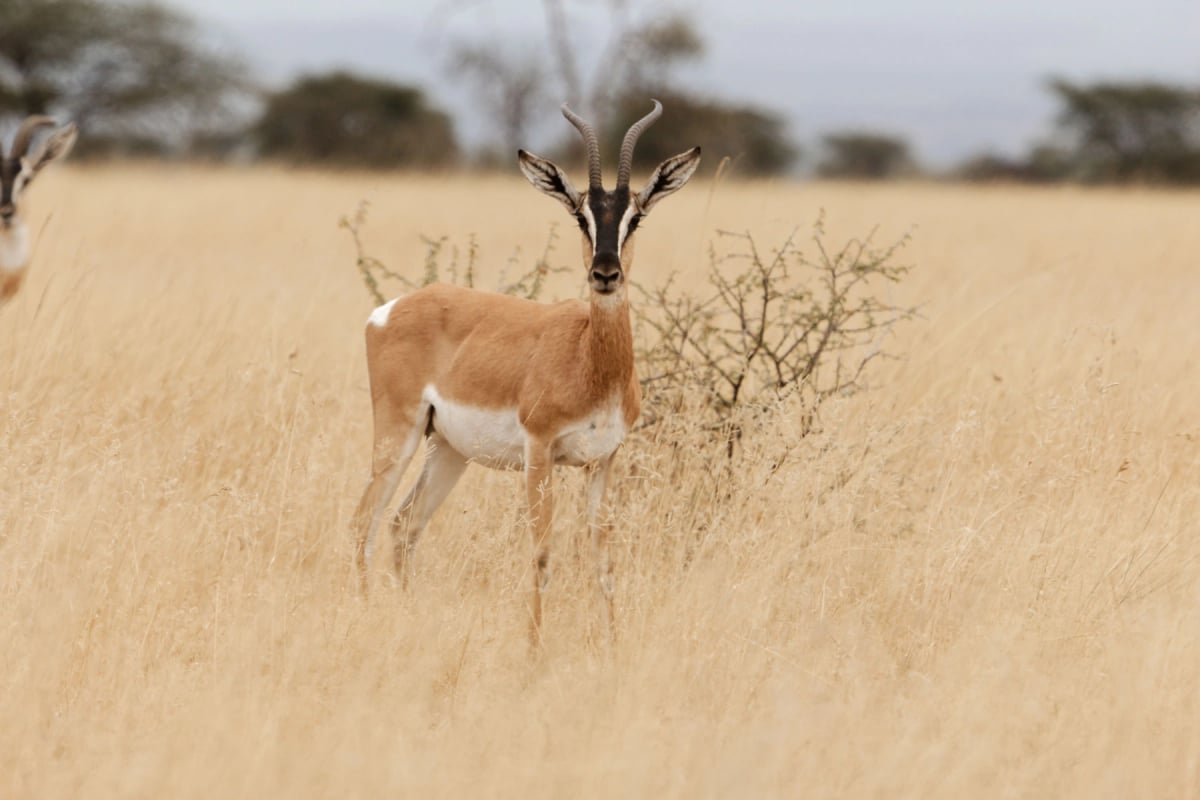
Soemmerring's Gazelle
Nanger soemmerringii
In Eritrea, Soemmerring's gazelle inhabits the low-lying plains and semi-arid shrublands of the country's western and coastal regions. It feeds on grasses, leaves, and thorny shrubs, drawing moisture from its food rather than open water. Unregulated hunting and competition with livestock have reduced its numbers considerably. It remains one of the region's most recognizable gazelles thanks to its lyre-shaped horns and white rump patch.
Dromedary Camel
Camelus dromedarius
Dromedary camels are a familiar sight across Eritrea's coastal lowlands and arid interior plains. Herders in the Afar and Danakil regions rely on them for milk, meat, and transport across terrain that few other animals can manage. Their ability to go days without water makes them ideal for life in one of the hottest and driest corners of the Horn of Africa.
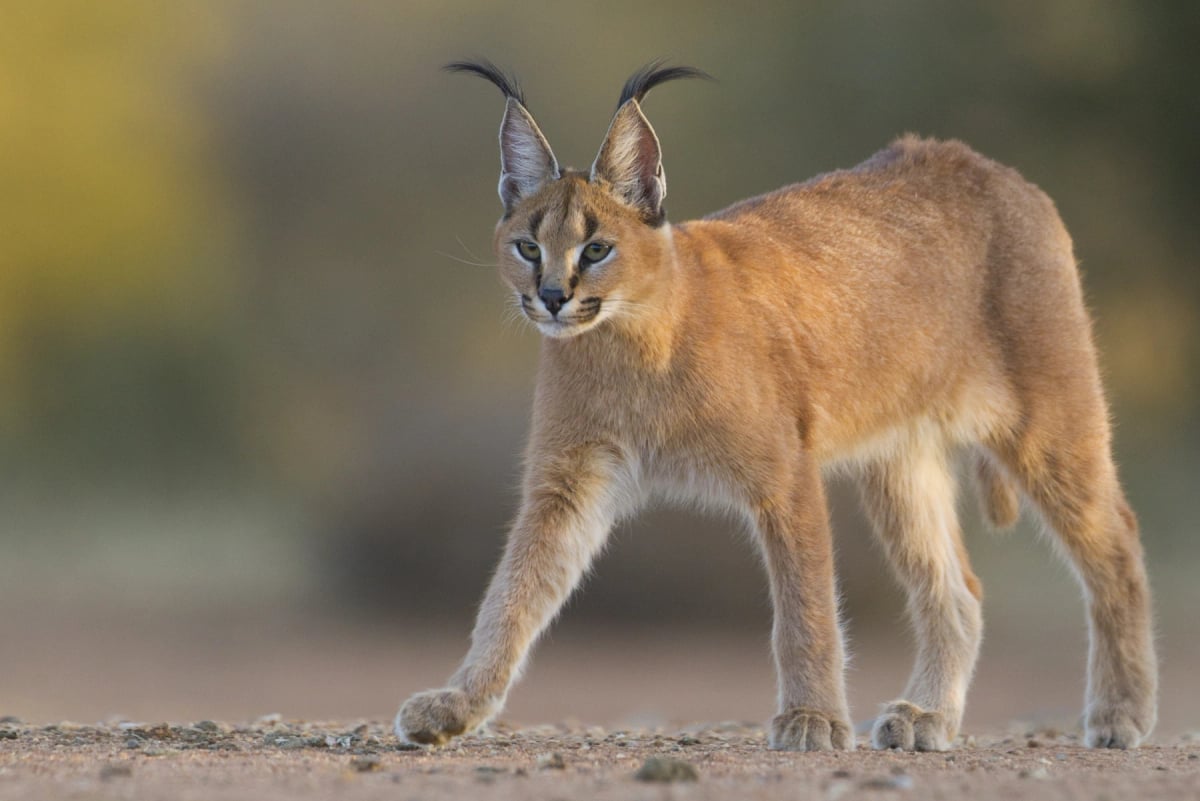
Caracal
Caracal caracal
In Eritrea, the caracal is found across a range of habitats from the highland plateaus to the lowland scrublands bordering the Red Sea coast. Its powerful hindquarters make it a remarkable jumper, capable of catching birds mid-flight. Solitary and active mostly at dusk and dawn, it hunts small antelopes, rodents, and hares. The IUCN classifies it as Least Concern across its range.
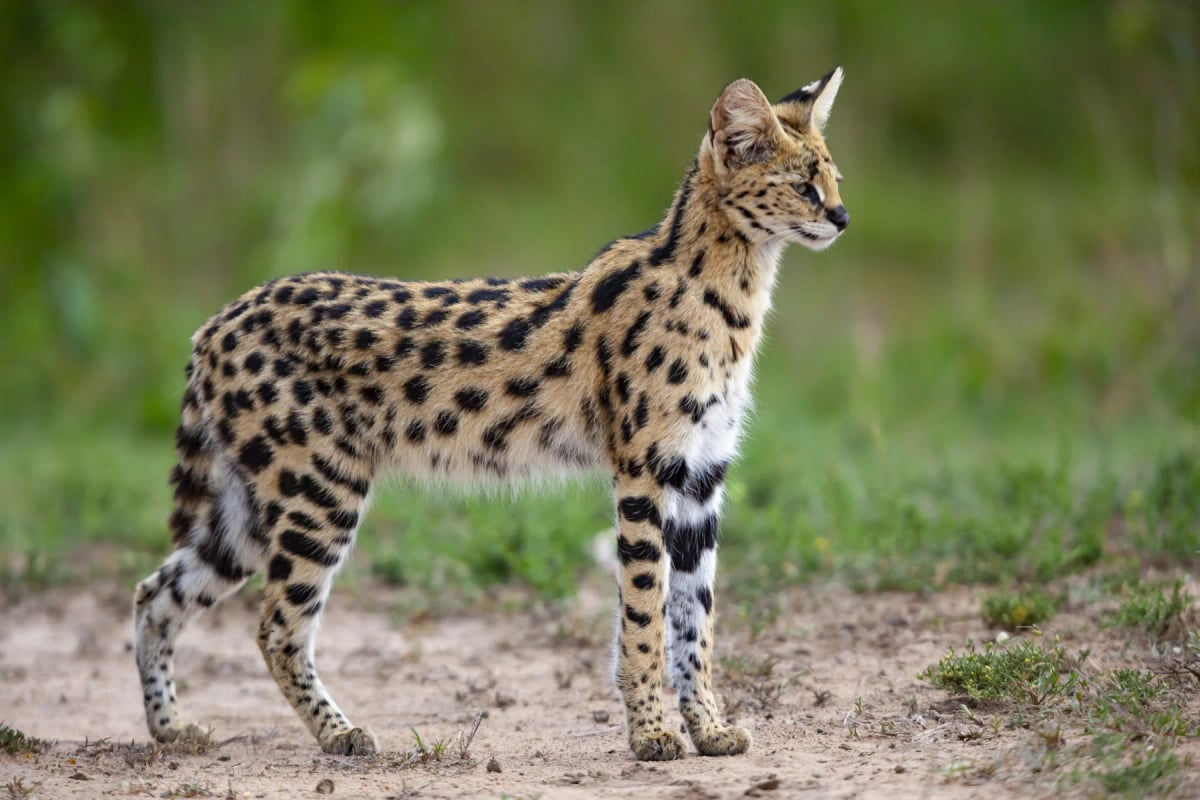
Serval
Leptailurus serval
In Eritrea, the serval occupies areas where grasslands and shrubby vegetation provide enough cover to hunt. It is more likely to be found in the western lowlands, where seasonal rivers support patches of taller grass. This elegant cat relies on its exceptional hearing to locate rodents hidden beneath the vegetation. The IUCN considers the serval Least Concern, but little detailed data exists on its status within Eritrea specifically.

Honey Badger
Mellivora capensis
The honey badger occurs in Eritrea across dry savanna and thorn scrub habitats, particularly in the western lowlands bordering Sudan and Ethiopia. It is one of Africa's toughest small carnivores, capable of taking on venomous snakes and defending itself against lions. Sparse human population in parts of its Eritrean range offers some protection, and the IUCN lists the species as Least Concern.
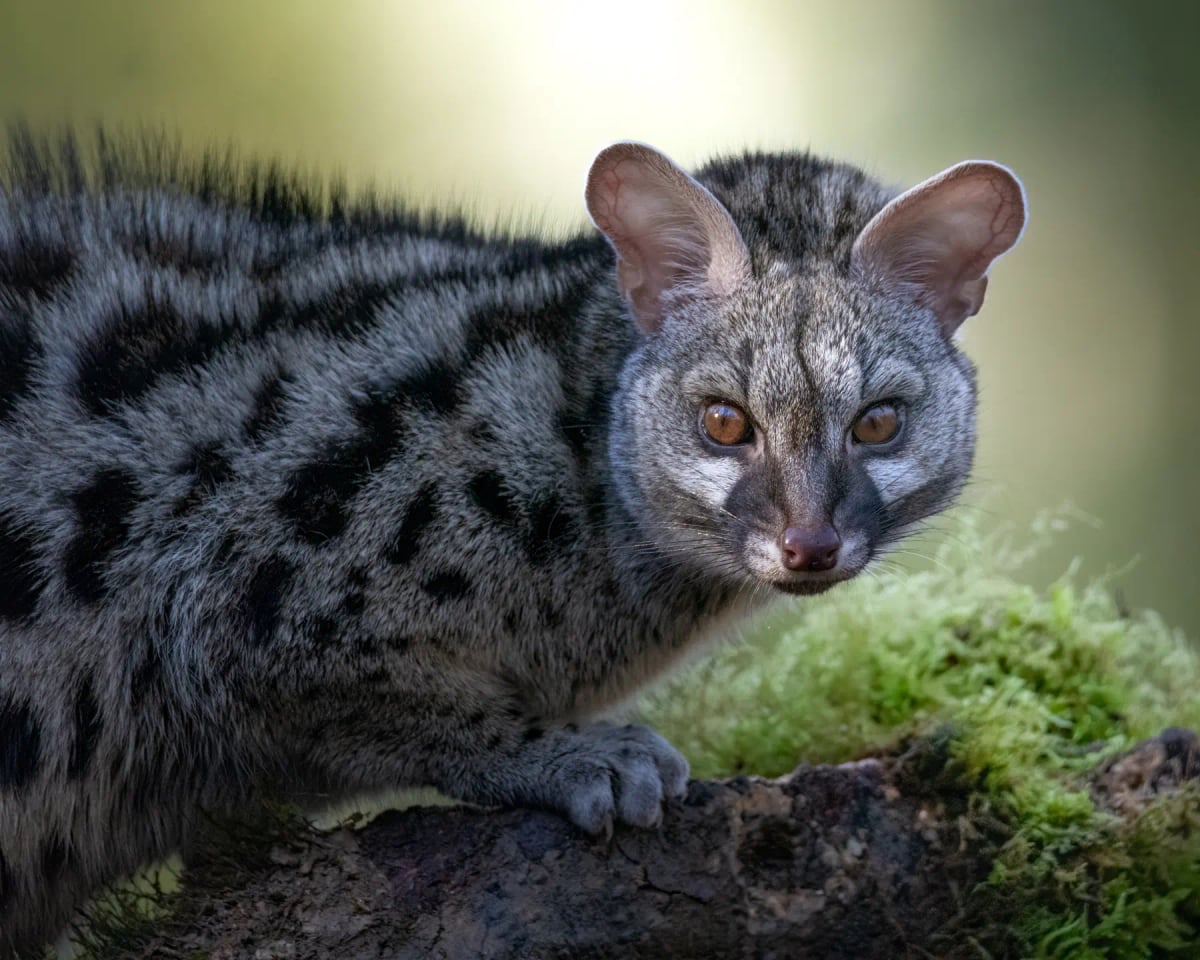
Common Genet
Genetta genetta
In Eritrea, the common genet inhabits rocky highlands and patches of woodland, particularly in the cooler escarpment regions that border the Red Sea coast. It is a solitary and nocturnal hunter, feeding on small rodents, lizards, birds, and insects. The genet uses rock crevices and hollow trees as daytime shelters. Its presence in Eritrea reflects its broad range across the Horn of Africa. IUCN status: Least Concern.
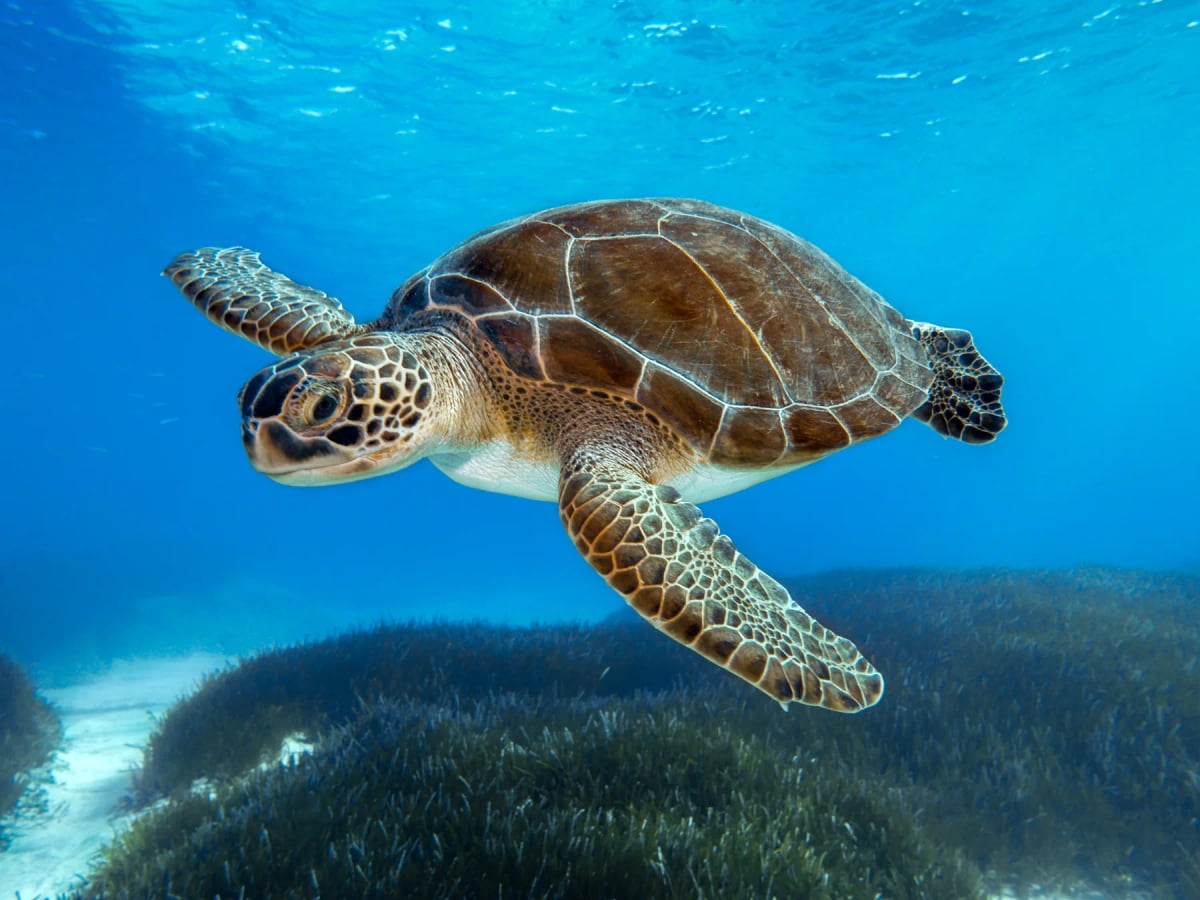
Sea Turtle
Cheloniidae & Dermochelyidae (families)
Eritrea's Red Sea coastline and the Dahlak Archipelago support nesting and foraging populations of green and hawksbill sea turtles. The sheltered lagoons and coral reefs of the archipelago provide productive feeding habitat, and several islands have documented nesting activity. Eritrea's relatively low coastal development and limited industrial fishing have helped maintain sea turtle populations in better condition than in some neighboring countries.
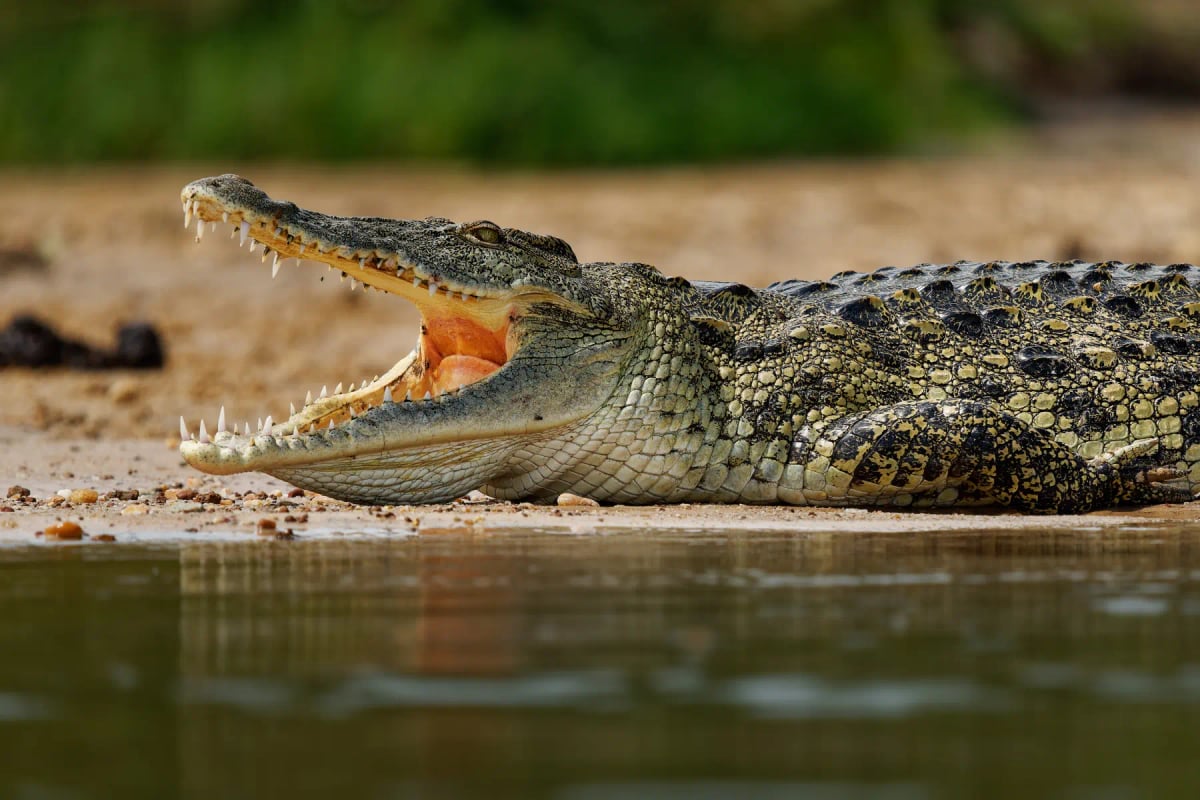
Nile Crocodile
Crocodylus niloticus
The Nile crocodile has a limited but documented presence in Eritrea, particularly in the Gash and Setit rivers in the lowland west of the country, which flow toward Sudan. These seasonal and semi-permanent river systems provide the crocodile's basic needs during wetter months. The population in Eritrea is considered small and isolated. Reduced river flow, human activity along riverbanks and drought conditions in this arid region pose ongoing challenges for the species.
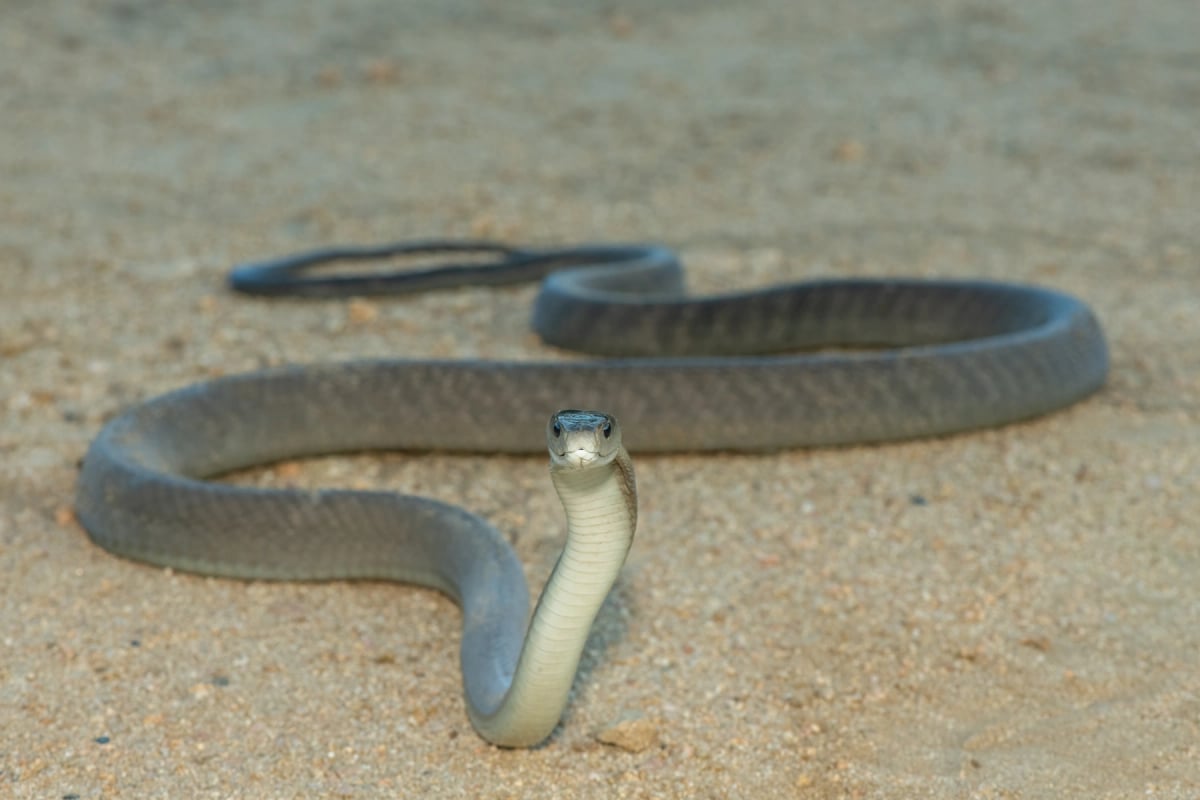
Black Mamba
Dendroaspis polylepis
The black mamba reaches the northeastern edge of its range in Eritrea, where it inhabits dry savanna and rocky escarpments, particularly in the lowland regions. The harsh, semi-arid landscape limits its distribution, but it is a confirmed presence in suitable habitat. Given Eritrea's challenging healthcare access in rural areas, a bite from this species, with its fast-acting neurotoxic venom, represents a serious medical emergency.
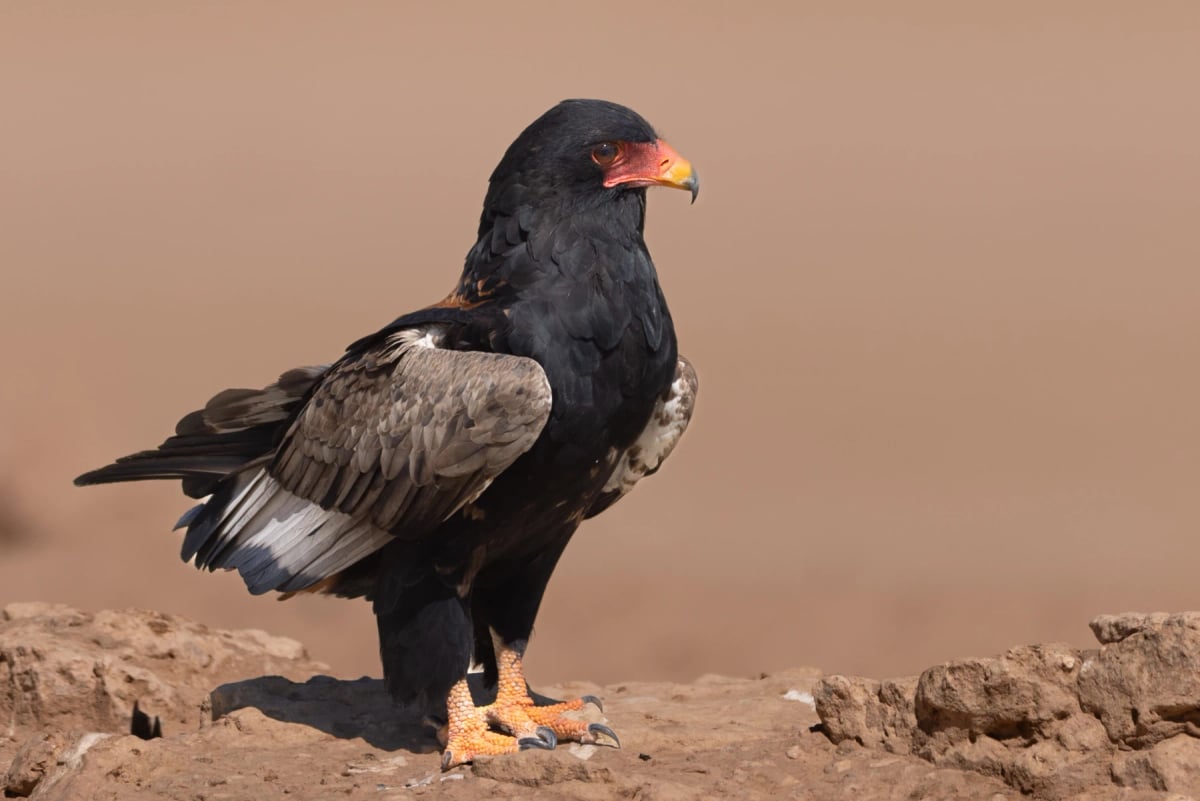
Bateleur
Terathopius ecaudatus
In Eritrea, the bateleur inhabits open savanna and dry woodland habitats, with records concentrated in the western lowlands near the Sudanese border. It patrols large territories daily in search of carrion and live prey. The species faces pressure from habitat degradation and human disturbance across the region. Classified as Endangered by the IUCN, it is considered scarce within Eritrea and reliable sightings are infrequent.
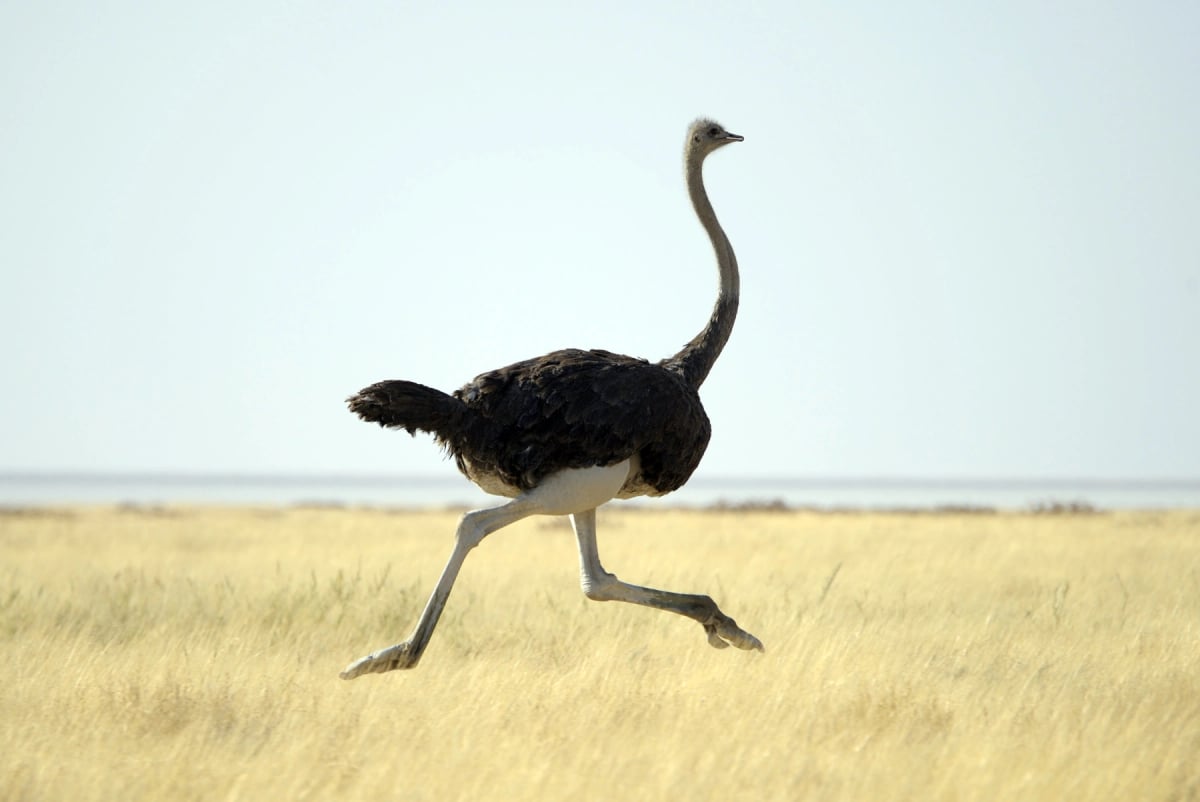
Ostrich
Struthio camelus
In Eritrea, ostriches inhabit the low-lying arid plains of the western lowlands and parts of the coastal strip along the Red Sea. These areas are characterized by sparse vegetation and extreme heat, conditions to which ostriches are well suited. These belong to the North African subspecies, not to the Somali ostrich. Populations are not well documented in Eritrea, but the birds are known to occur in the country's less disturbed semi-arid zones.
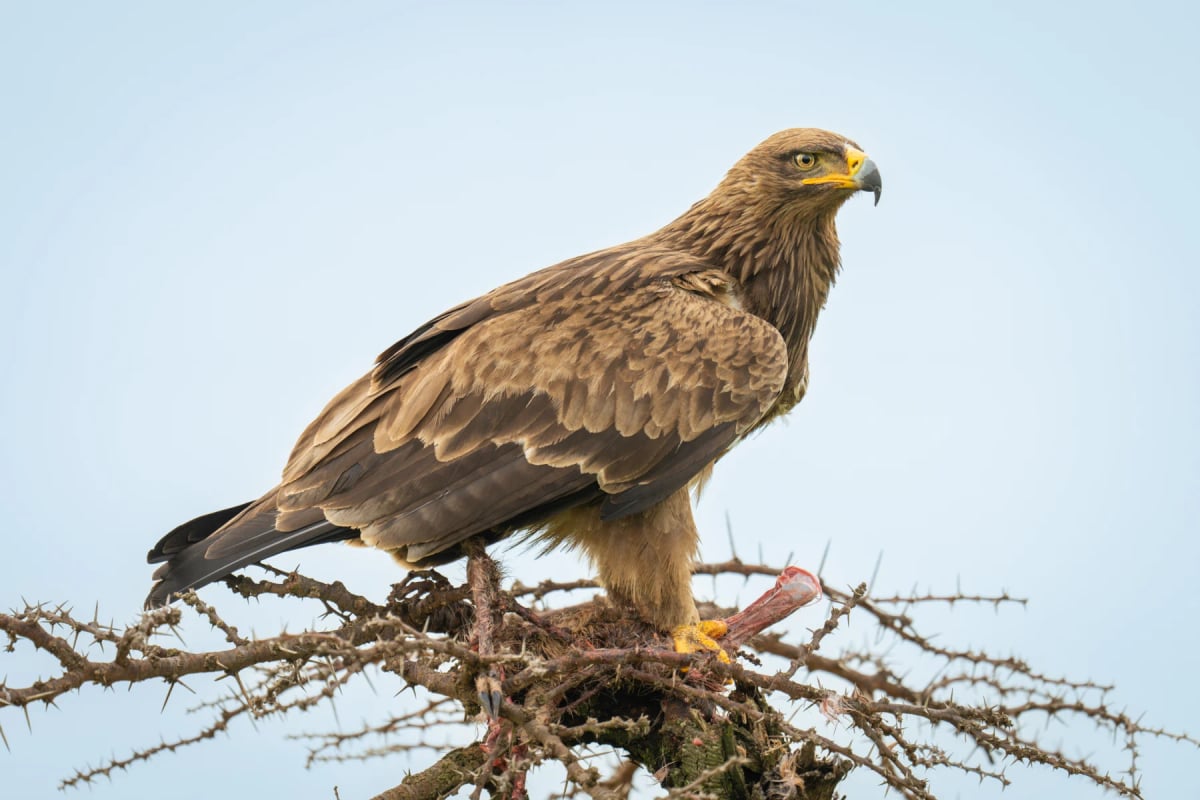
Steppe Eagle
Aquila nipalensis
Eritrea sits on the flight path that many Steppe Eagles follow as they cross the Horn of Africa during migration. Open lowland habitats and the Rift Valley corridor provide opportunities to rest and forage during the long journey south. The species has been recorded here in the migration season. Monitoring passage raptors in Eritrea adds to our broader understanding of how this Endangered eagle moves across continents.
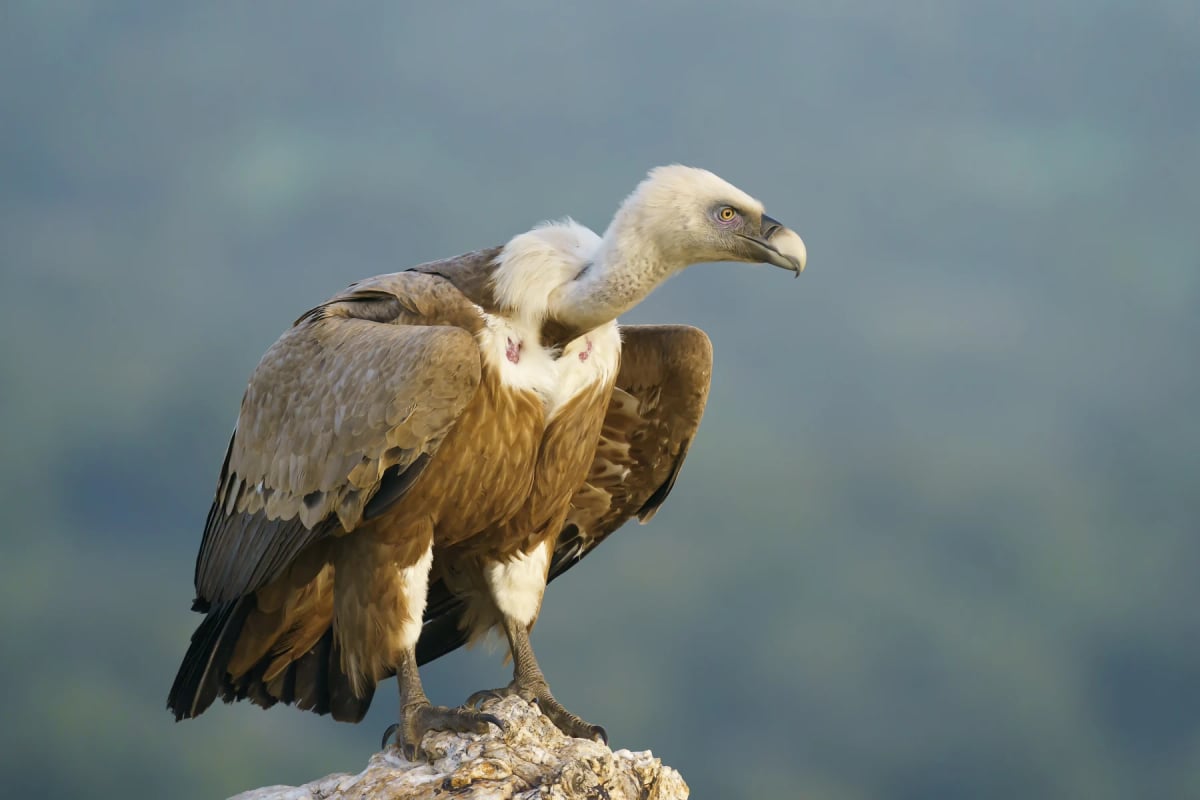
Griffon Vulture
Gyps fulvus
The griffon vulture is present in the highlands of Eritrea, particularly in the central plateau around Asmara and the steep valleys that descend toward the coast. These areas combine open grazing land with rocky cliff faces, giving the species everything it needs to nest and feed. Eritrea sits within the broader Horn of Africa range for this vulture, which relies on the region's pastoral farming traditions to sustain a steady food supply. IUCN status: Least Concern.
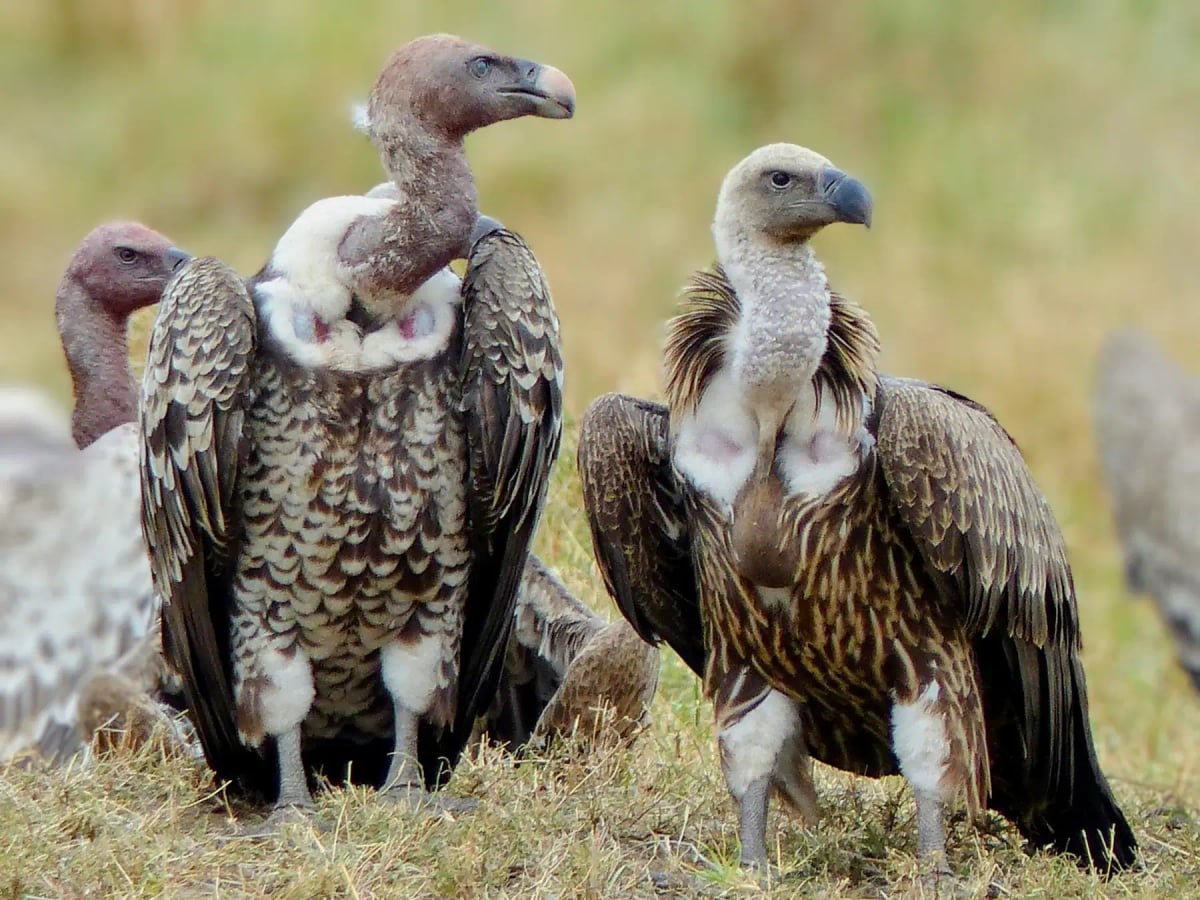
White backed Vulture
Gyps africanus
In Eritrea, the white backed vulture is a scarce resident, recorded mainly in the western lowlands where dry savanna and woodland habitats border Sudan and Ethiopia. Large mammal populations in this region are limited, which restricts food availability for the species. As a Critically Endangered bird, its numbers in Eritrea are very low, and it relies heavily on connectivity with populations in neighboring countries.
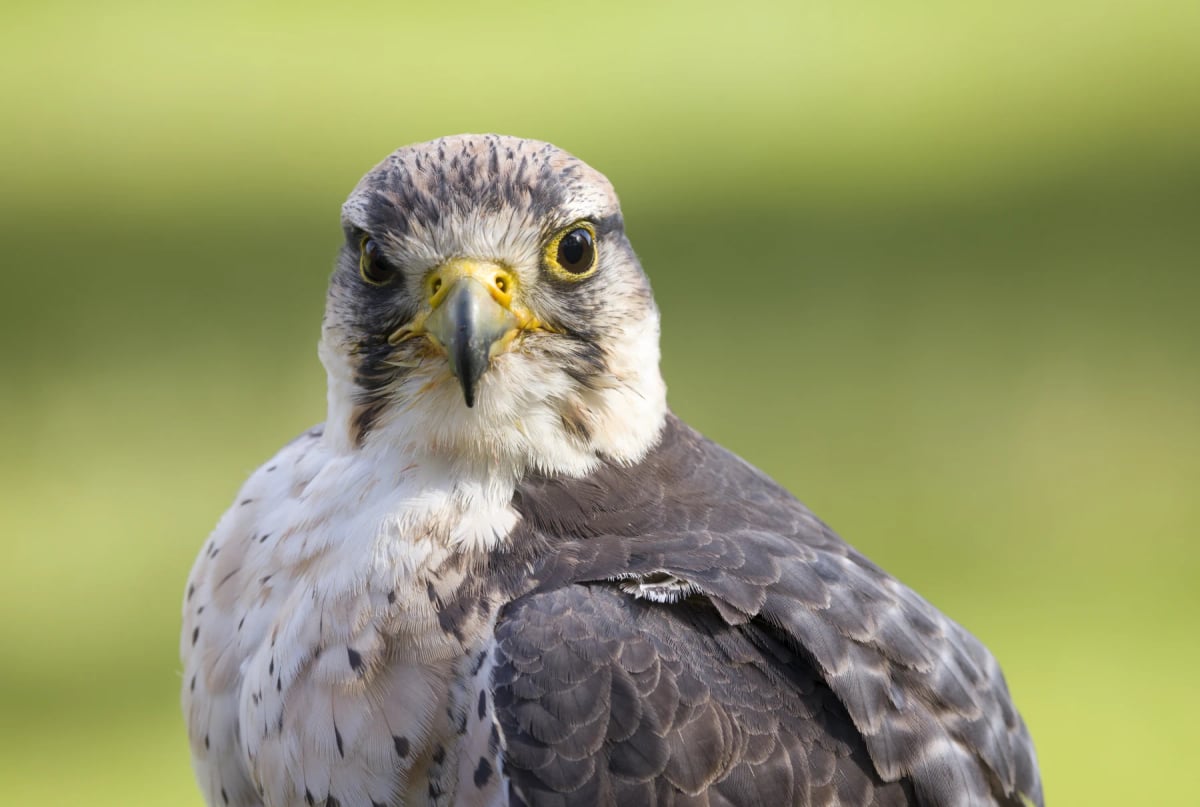
Lanner Falcon
Falco biarmicus
The lanner falcon is found across Eritrea's highlands, escarpments, and semi-arid lowlands, where the varied terrain supports a range of bird prey. It nests on cliff faces in areas such as the central plateau and the steep ridges above the Red Sea coastal plain. Pairs hunt cooperatively, flushing birds into the open before striking. The IUCN lists the species as Least Concern.
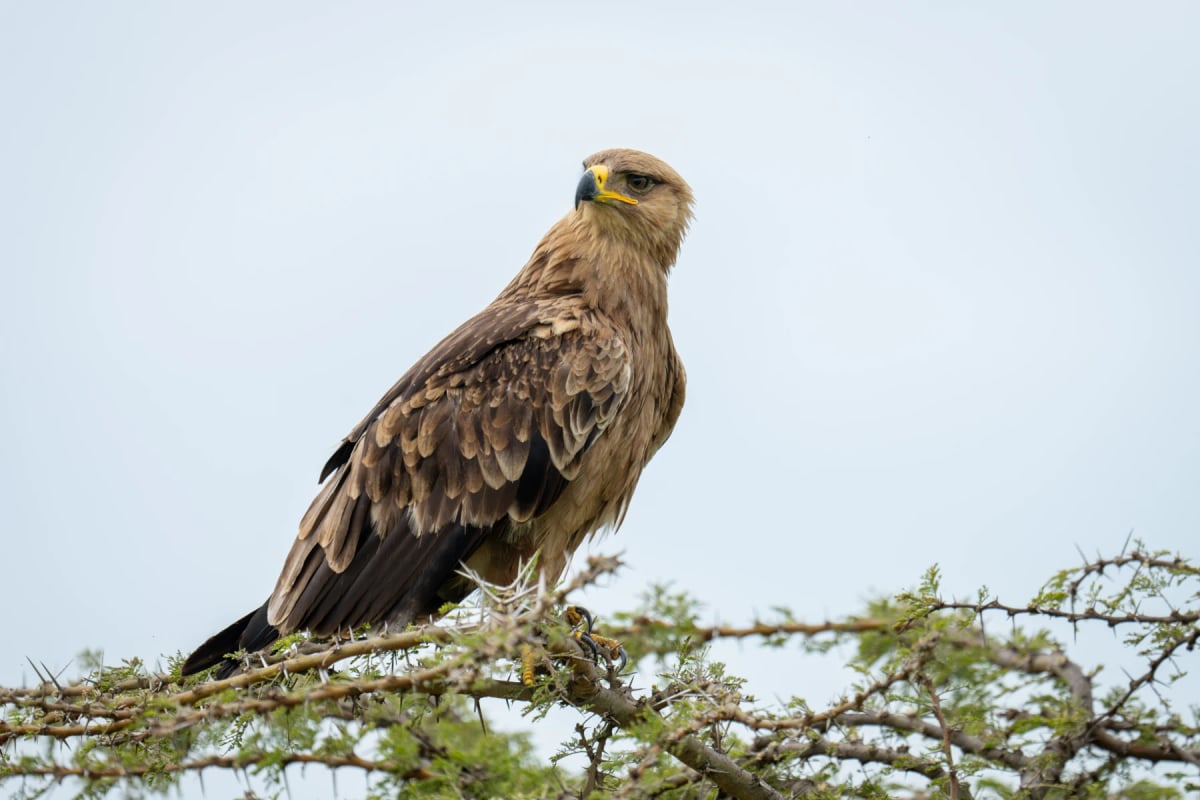
Tawny Eagle
Aquila rapax
The Tawny Eagle is present in Eritrea's semi-arid lowlands and open bush country, where it hunts from the air or perches on exposed trees and rocky outcrops. It is an opportunistic feeder, taking carrion as readily as live prey and occasionally pirating food from other birds of prey. Ongoing habitat degradation poses a risk to its population. The IUCN lists it as Vulnerable.
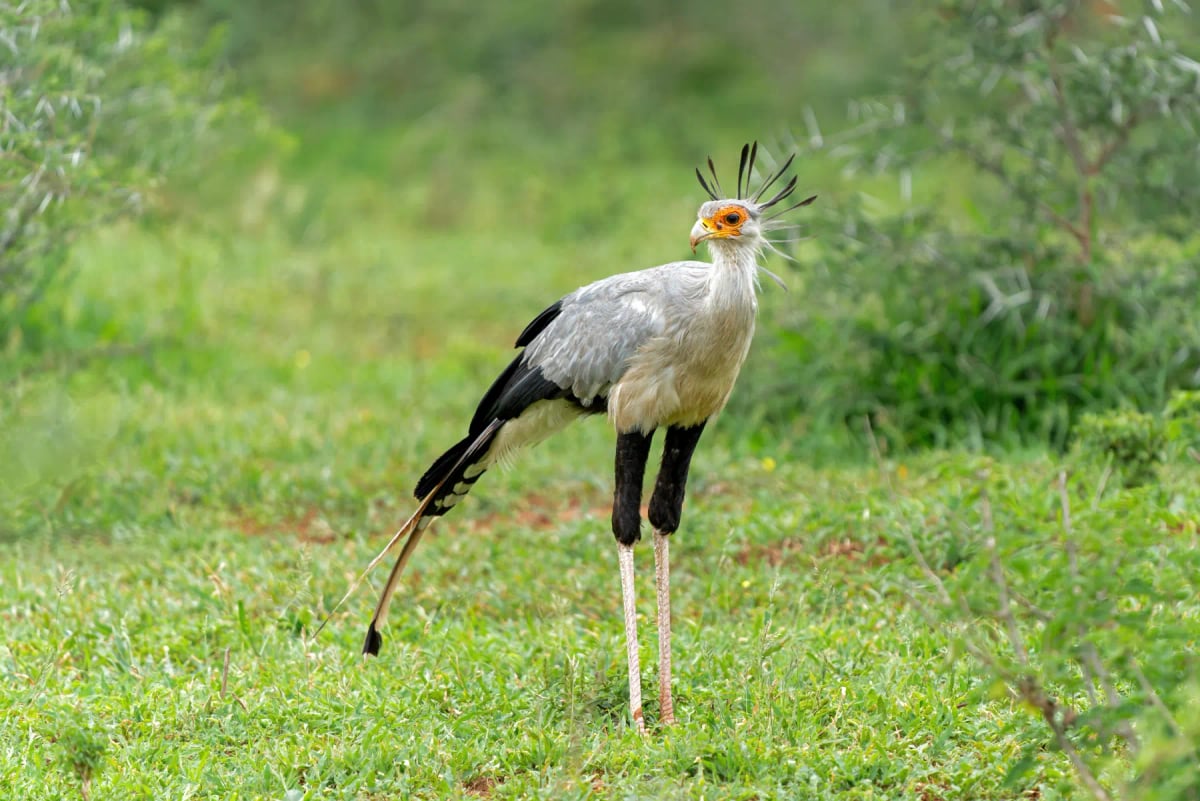
Secretary Bird
Sagittarius serpentarius
In Eritrea, the secretary bird inhabits open savannas and grassy plains, particularly in the western lowlands near the Sudanese border. It hunts on foot across these broad, flat landscapes, targeting snakes, lizards, and rodents. Habitat pressure from agriculture and land degradation threatens its numbers here. The species is listed as Endangered by the IUCN, and its long-term survival depends on protecting open grassland habitats.
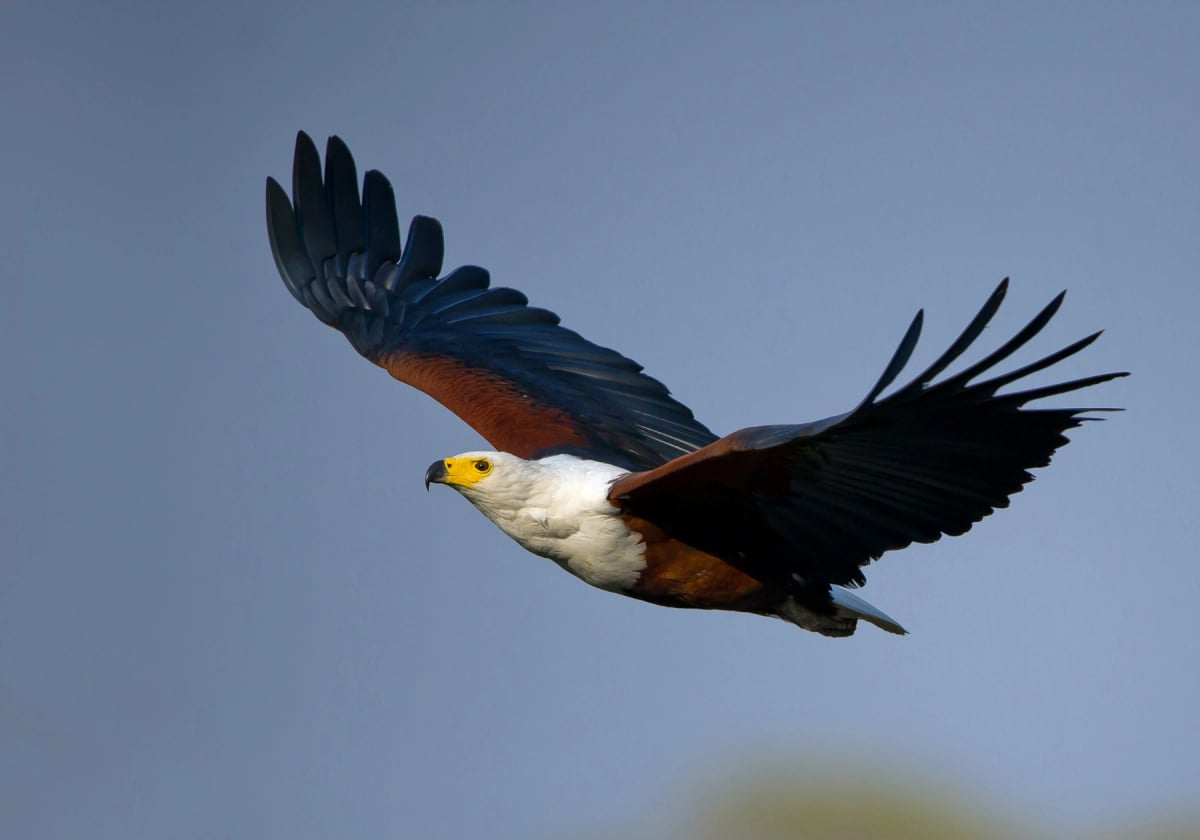
African Fish Eagle
Haliaeetus vocifer
The African fish eagle reaches its northeastern limit in Eritrea, where it is found mainly along the Setit River in the southwest and the Gash and Barka rivers that flow seasonally through the lowlands. It is uncommon compared to countries farther south and is restricted to areas with reliable freshwater. Sightings are most likely along the river corridors in the western lowland plains bordering Sudan and Ethiopia.
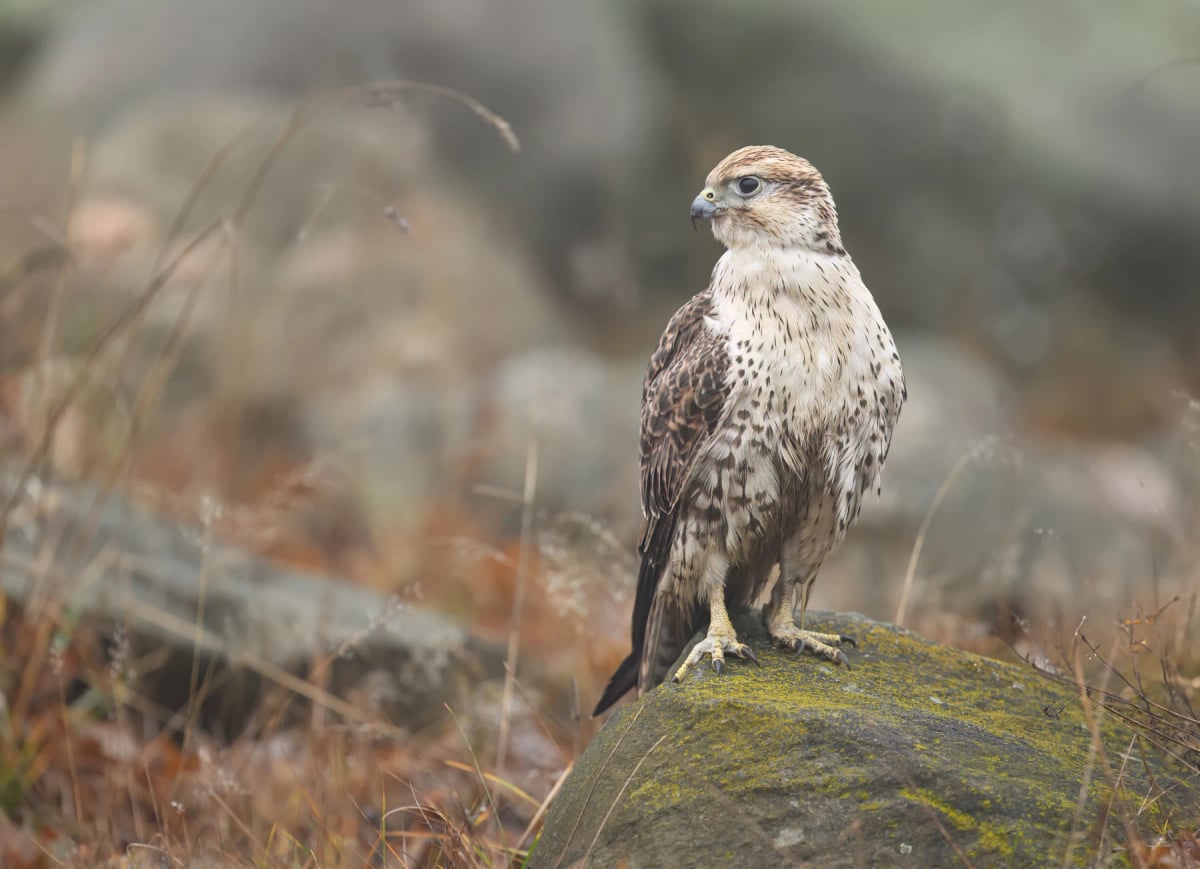
Saker Falcon
Falco cherrug
Eritrea lies along the northeastern African wintering and passage route for the saker falcon, with birds crossing the Red Sea corridor and spreading into the Horn of Africa during the non-breeding season. Open, arid lowlands and scrub habitats in Eritrea can support foraging individuals. The broader pressures of illegal trapping during migration affect birds passing through this region. The IUCN lists the saker falcon as Endangered.
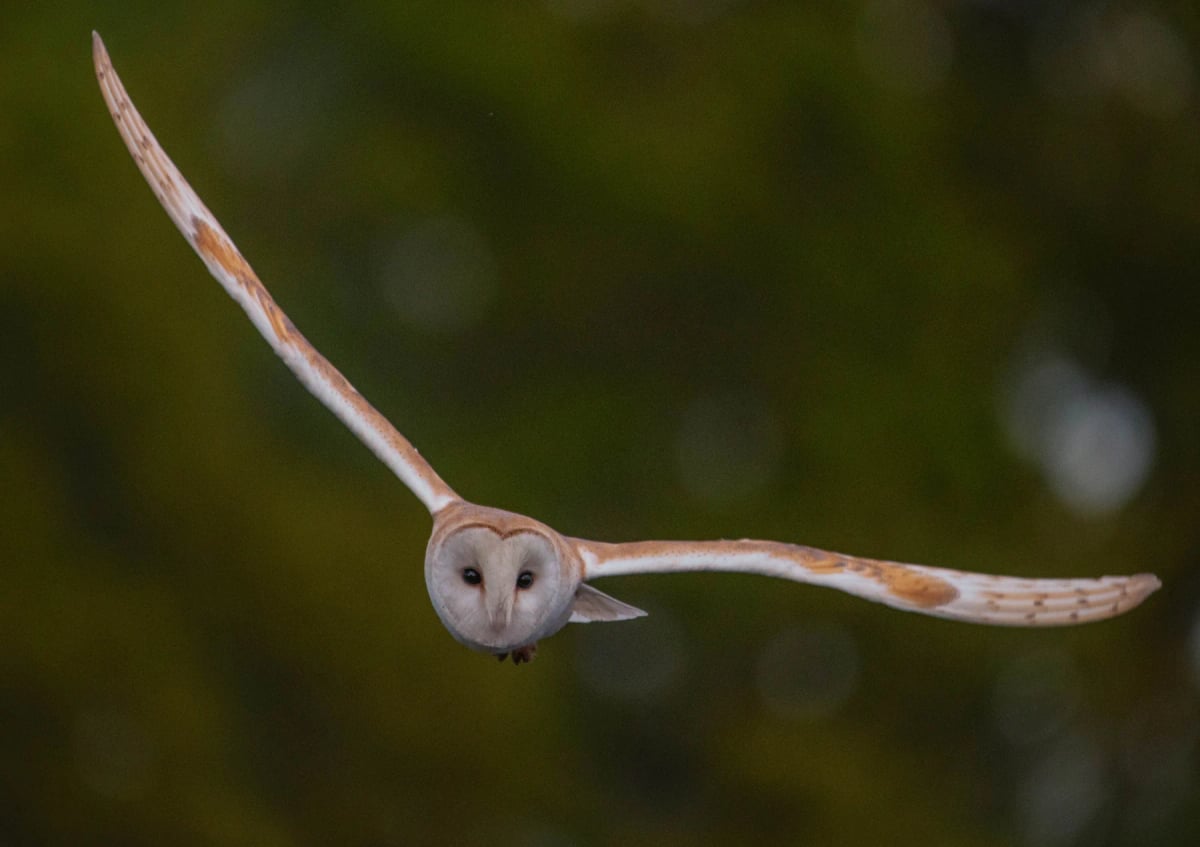
Barn Owl
Tyto alba
The barn owl is found in Eritrea in open farmland, scrubland, and areas near villages across the highland plateau and the lowland zones bordering Sudan and Djibouti. It nests in old buildings, cliff faces, and rocky outcrops, and hunts rodents at night. In farming communities along the highland escarpment and the lowland plains it provides useful natural control of rodent populations. Its nocturnal habits mean it is rarely seen despite being present across a wide range of habitats.
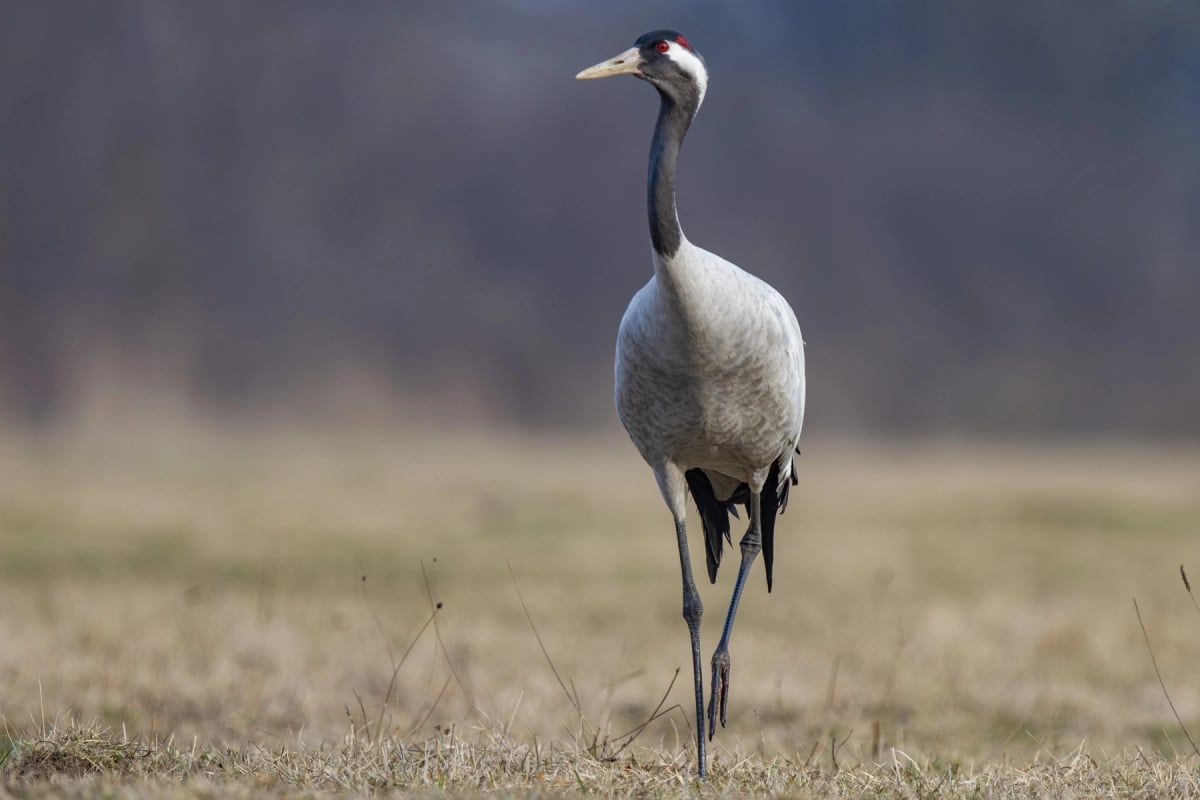
Crane
Grus grus
Eritrea lies along one of the crane's major migration routes between Europe and East Africa. Flocks crossing the Red Sea coast and highland plateaus can be spotted during autumn passage, making the country an important stopover point. The common crane reaches up to 120 centimeters in height, with a grey body and a distinctive red crown patch. It feeds on seeds, roots and small invertebrates during its journey. Its IUCN status is Least Concern.
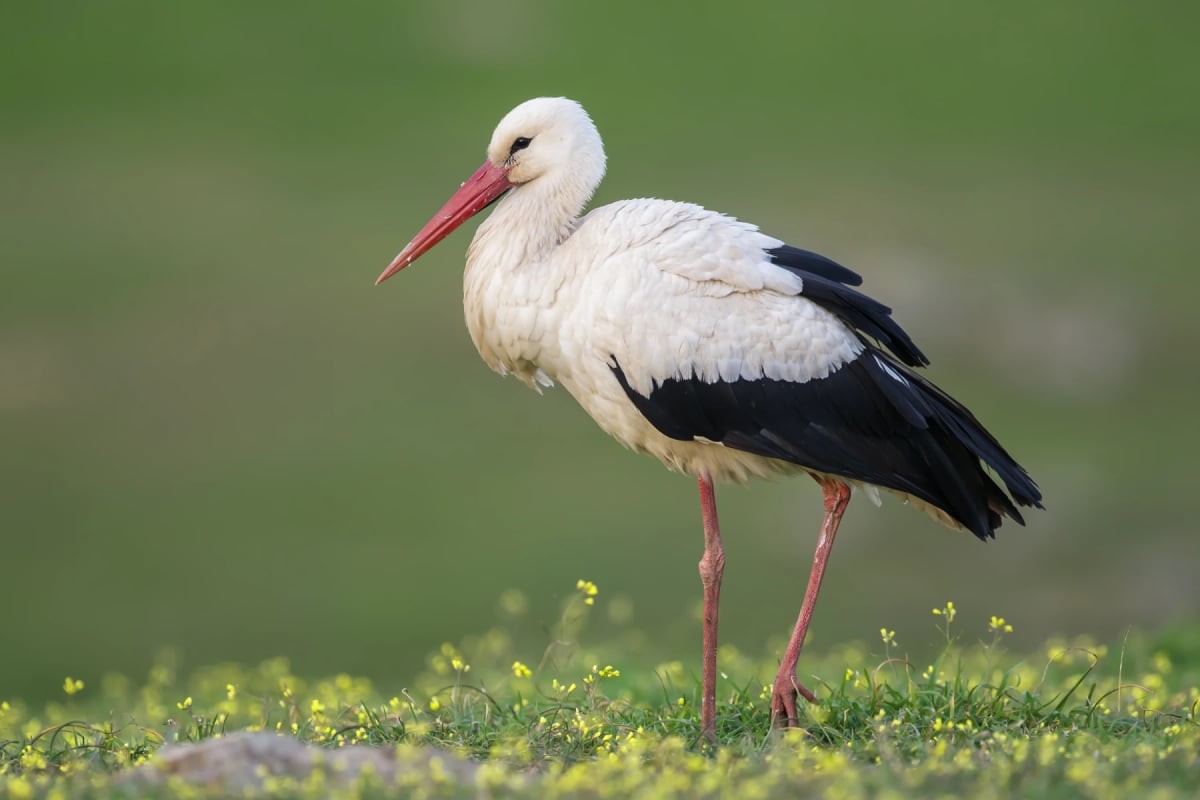
Stork
Ciconia ciconia
The white stork passes through Eritrea during migration, riding thermals along the East African Rift corridor as it travels between Europe and its wintering grounds in Africa south of the Sahara. Flocks can be seen over open lowlands and the Danakil Depression region. Standing up to 1.15 meters tall with white plumage and a red bill, it feeds on frogs, insects, and small creatures along the way. Its IUCN status is Least Concern.
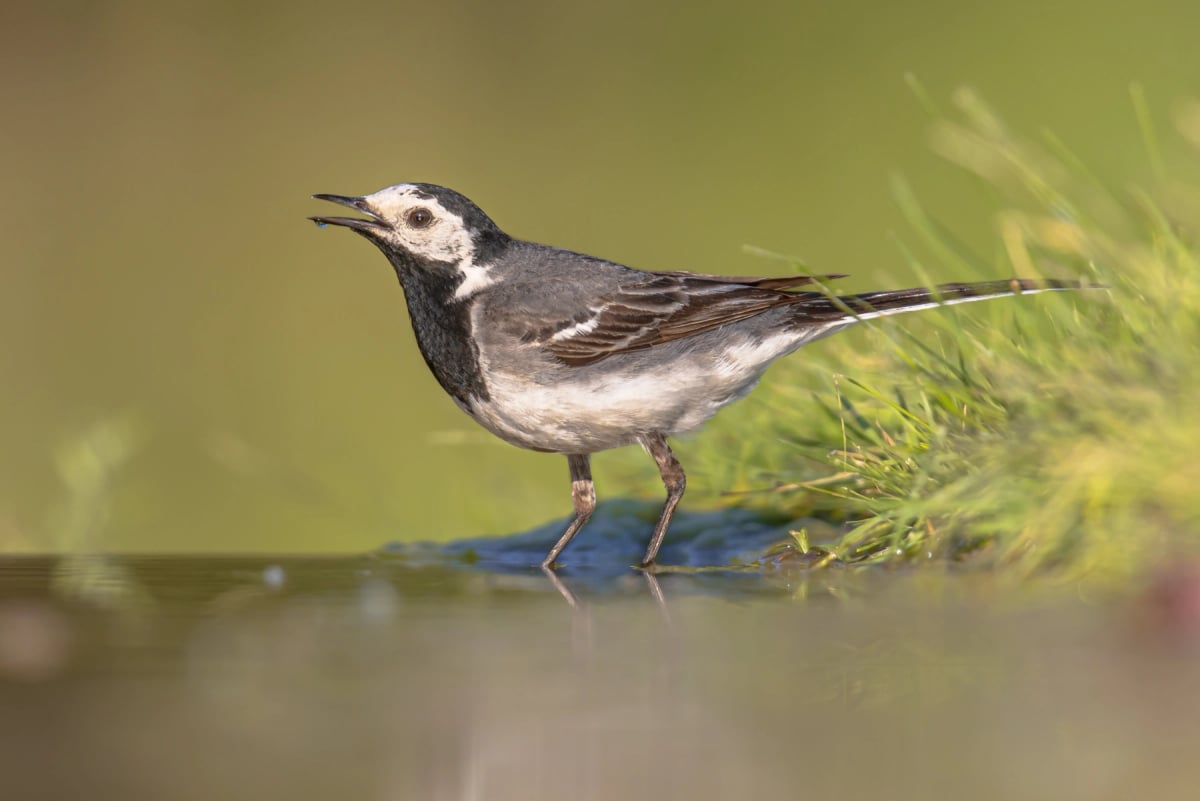
White Wagtail
Motacilla alba
The white wagtail passes through Eritrea during migration, moving between its northern breeding grounds and wintering areas further south in Africa. It can be spotted along the coastal lowlands near the Red Sea and around wetlands and agricultural areas inland. True to its habits everywhere, it bobs its tail constantly while running across open ground in pursuit of small insects. IUCN status: Least Concern.
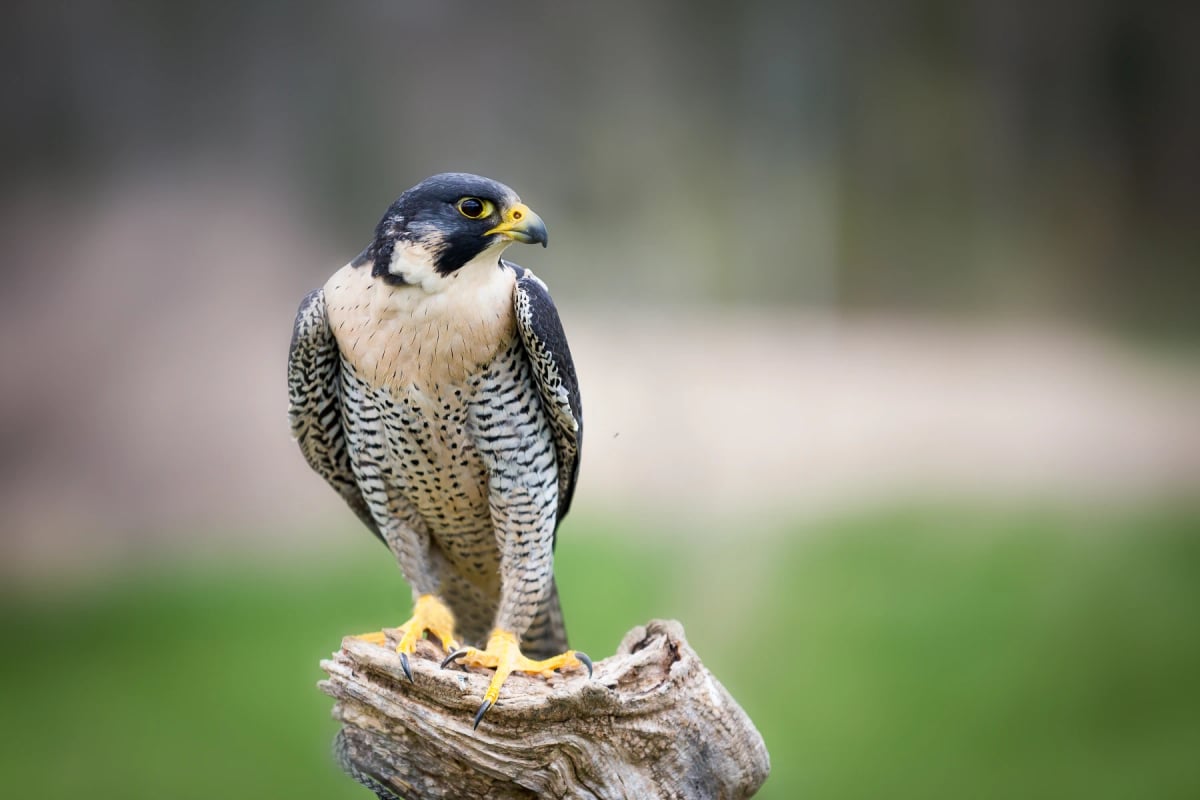
Peregrine Falcon
Falco peregrinus
Eritrea's position along the western shore of the Red Sea places it on an important route for migratory raptors traveling between Europe and Africa. The peregrine falcon moves through the country in autumn and spring, with some individuals choosing to winter here. Rocky coastal cliffs and the highlands of the interior provide suitable hunting habitat, where the falcon pursues shorebirds and smaller species with great speed. Its IUCN status is Least Concern.
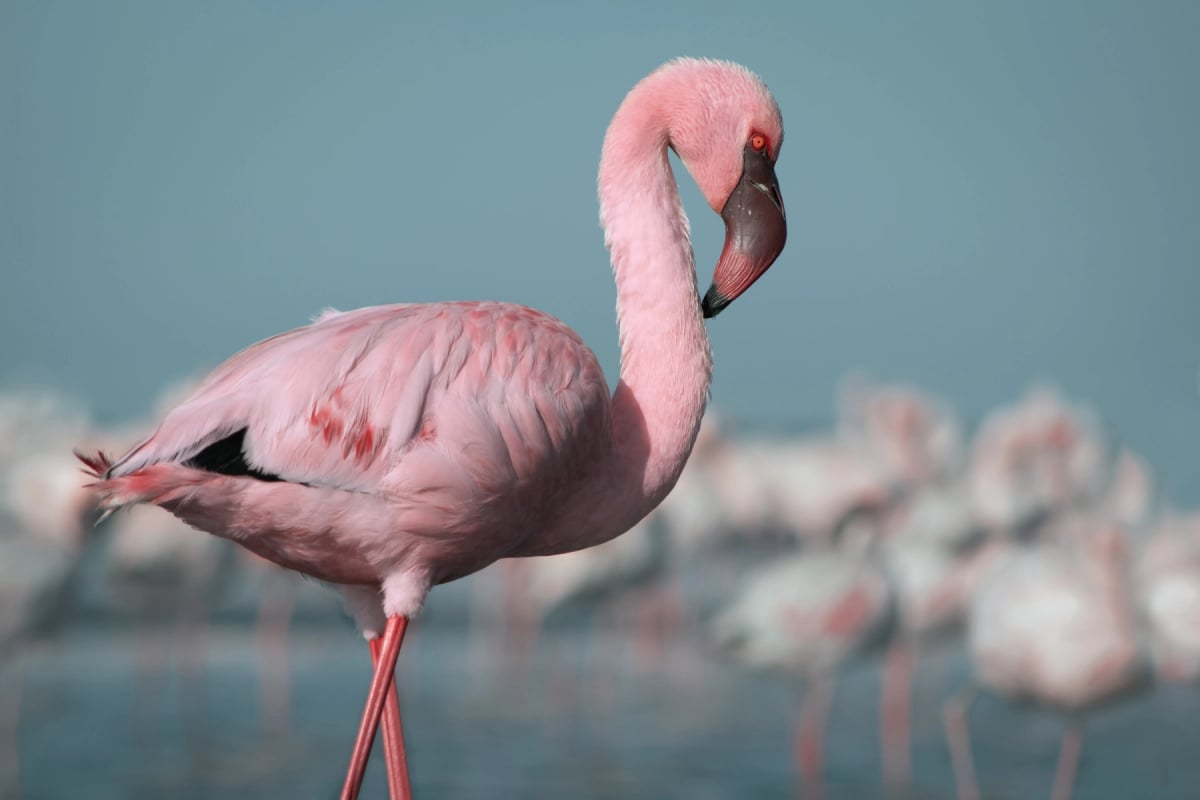
Flamingo
Phoenicopteridae (6 species)
Eritrea has the greater flamingo, present year round, and the lesser flamingo, which visits outside the breeding season. Both are found along the Red Sea coast, in shallow lagoons, salt pans and around the islands of the Dahlak archipelago, where the warm, salty water is rich in algae and small crustaceans. Numbers are modest compared with the Rift Valley lakes, and they change with the seasons. IUCN status: greater flamingo Least Concern, lesser flamingo Near Threatened.
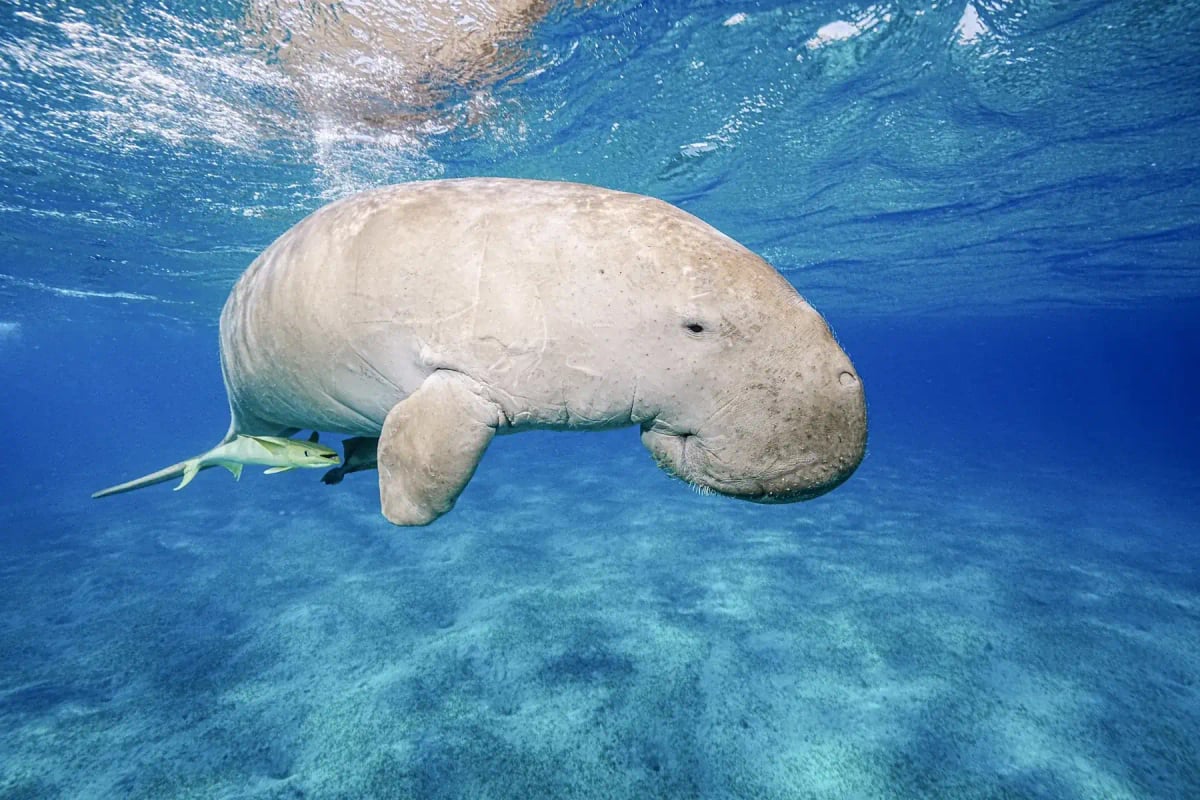
Dugong
Dugong dugon
Eritrea's coastline along the southern Red Sea, including the Dahlak Archipelago, supports one of the more significant dugong populations in the region. The archipelago's sheltered lagoons and seagrass meadows create ideal conditions for feeding and resting. Limited industrial activity in some areas has helped preserve habitat, though artisanal fishing and entanglement in nets remain real concerns for dugong populations in Eritrean waters. IUCN status: Vulnerable.
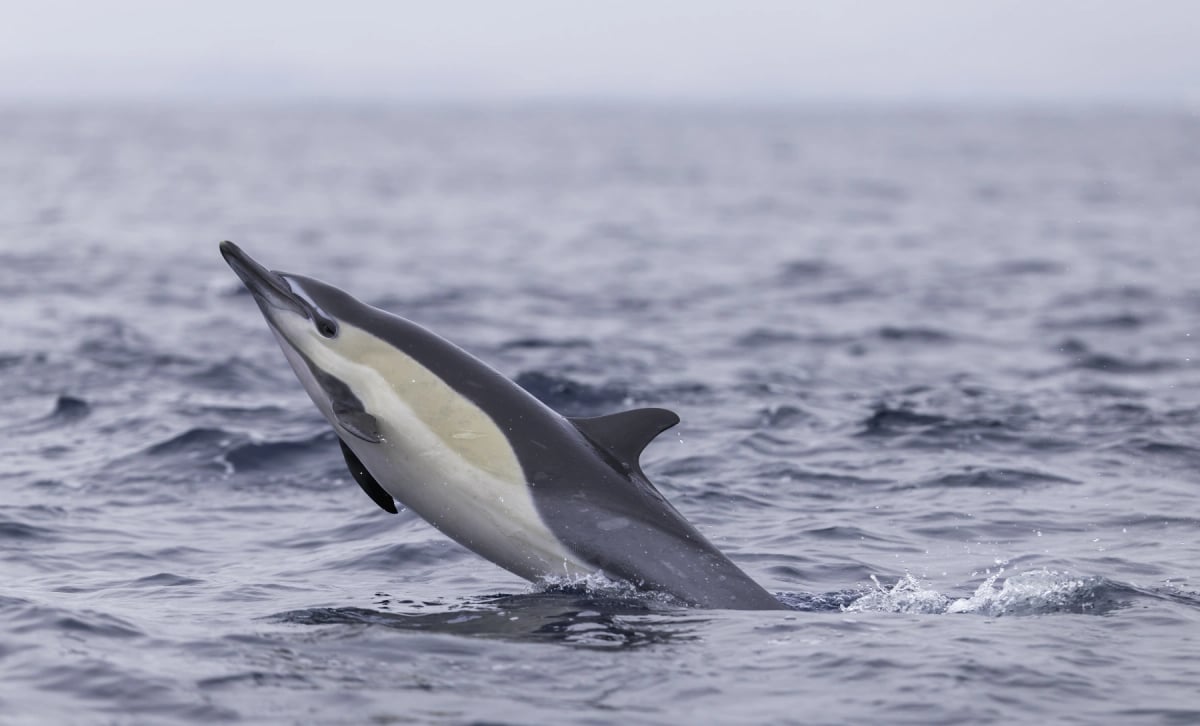
Common Dolphin
Delphinus delphis
The common dolphin visits the warm waters of the Red Sea along Eritrea's coastline, where it hunts small fish and squid in productive offshore feeding grounds. These dolphins often travel in large, lively groups and may be spotted from the coast or by local fishing vessels. Their presence reflects the rich marine life that the Red Sea supports. IUCN status: Least Concern.
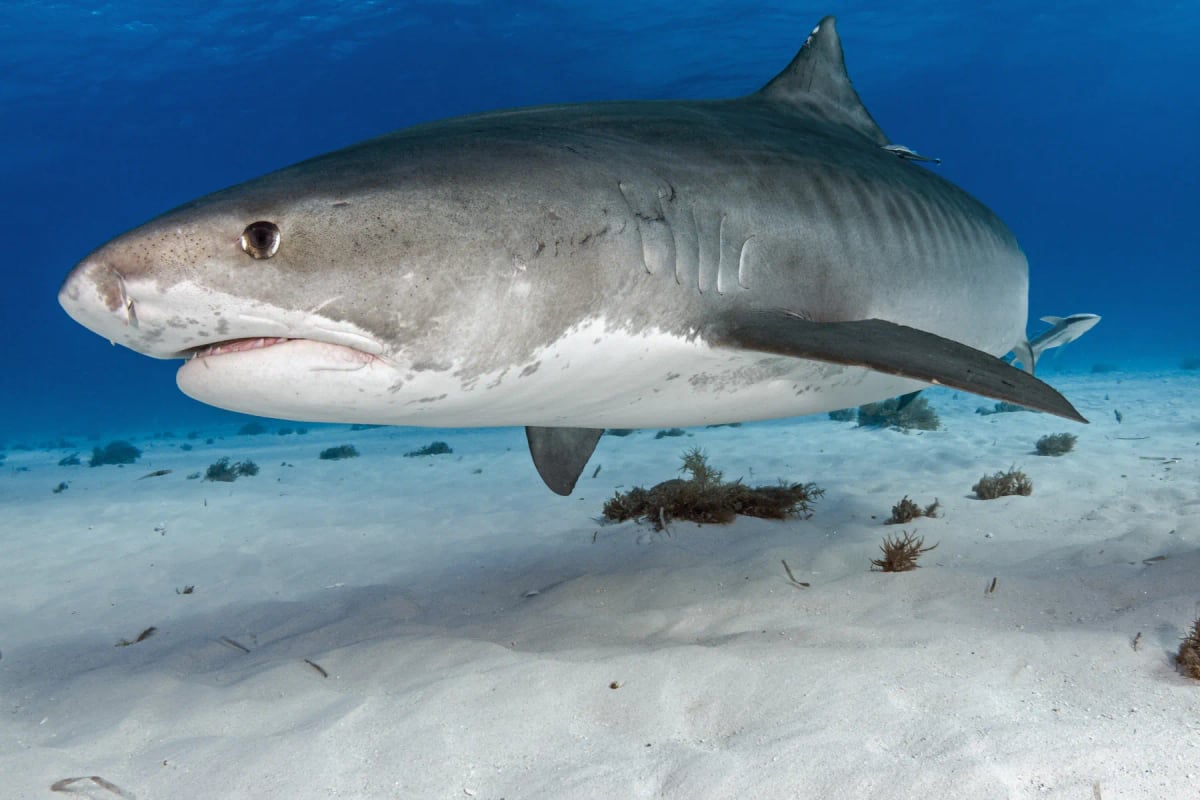
Tiger Shark
Galeocerdo cuvier
Eritrea's coastline stretches along the southern Red Sea, a region where tiger sharks are known to occur. These waters are home to coral reefs, seagrass beds, and a variety of fish and sea turtles that the tiger shark feeds on. Artisanal and commercial fishing in the area adds pressure on large shark species. The tiger shark is listed as Near Threatened by the IUCN, reflecting concern over populations across the Red Sea region.
Researched and written by Juan Pablo. Sources: IUCN Red List, scientific literature and regional field guides. Last updated: .