Animals in Palestine
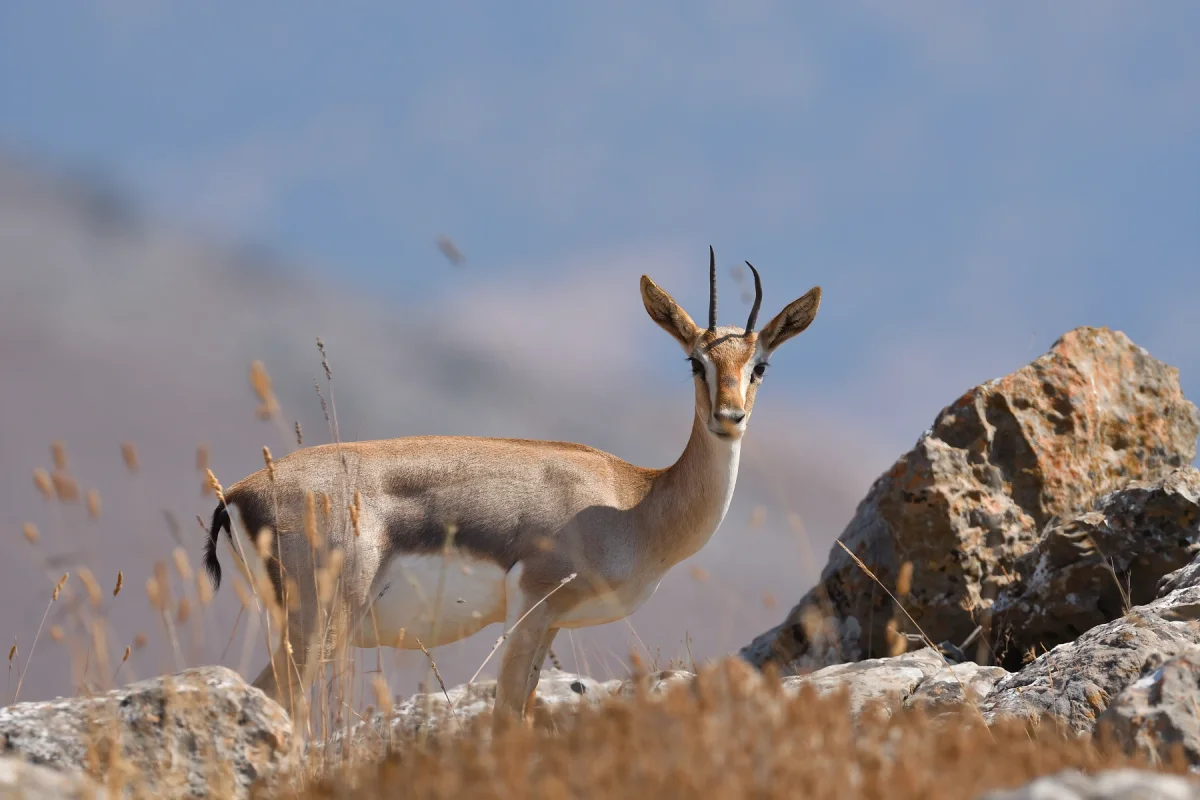
Mountain Gazelle
Gazella gazella
The mountain gazelle is widely used as an animal symbol for Palestine and appears in logos, posters and local stories. It lives in hills and open slopes where small groups move between fields and rocky ground. From roadside viewpoints or simple trails visitors sometimes see gazelles at a distance and link them with quiet land, terraces and long term care for farms and olive groves.
View details→Wildlife in Palestine
Palestine has hills, terraces, valleys and short stretches of Mediterranean coast, so its wildlife areas are close to towns and farms. Visitors usually meet nature on short walks near villages, marked trails in small reserves and bird watching points by wetlands or cliffs. From these routes they may see deer like gazelles, songbirds, owls and birds of prey in quiet early or late hours.
Most Dangerous Animals in Palestine
Danger for visitors in Palestine is linked mainly to wild boar in rural hills and small forests. These animals usually feed at night near fields and orchards but can react with force if they feel trapped at close range. Most travellers only notice tracks, disturbed soil or distant movement on slopes when they walk on marked paths or quiet farm roads.
Top 10 Animals in Palestine
The top 10 list for Palestine is led by the peregrine falcon, a fast bird of prey that fits its cliffs and hills. During migration many raptors cross the region, and the falcon can be seen from simple lookouts, rooftop terraces and coastal paths. Guided bird watching walks help visitors notice its quick flights above valleys, towns and small farming plots near the sea.
Mountain Gazelle
Gazella gazella
The mountain gazelle is present across parts of the West Bank, particularly in areas of open hillside scrub and transitional woodland. Fragmentation of land, restrictions on movement, and pressure from feral dogs make conservation especially challenging. Small populations persist in less disturbed corners of the landscape, though coordinated protection efforts are limited and the animals remain highly vulnerable throughout the territory.
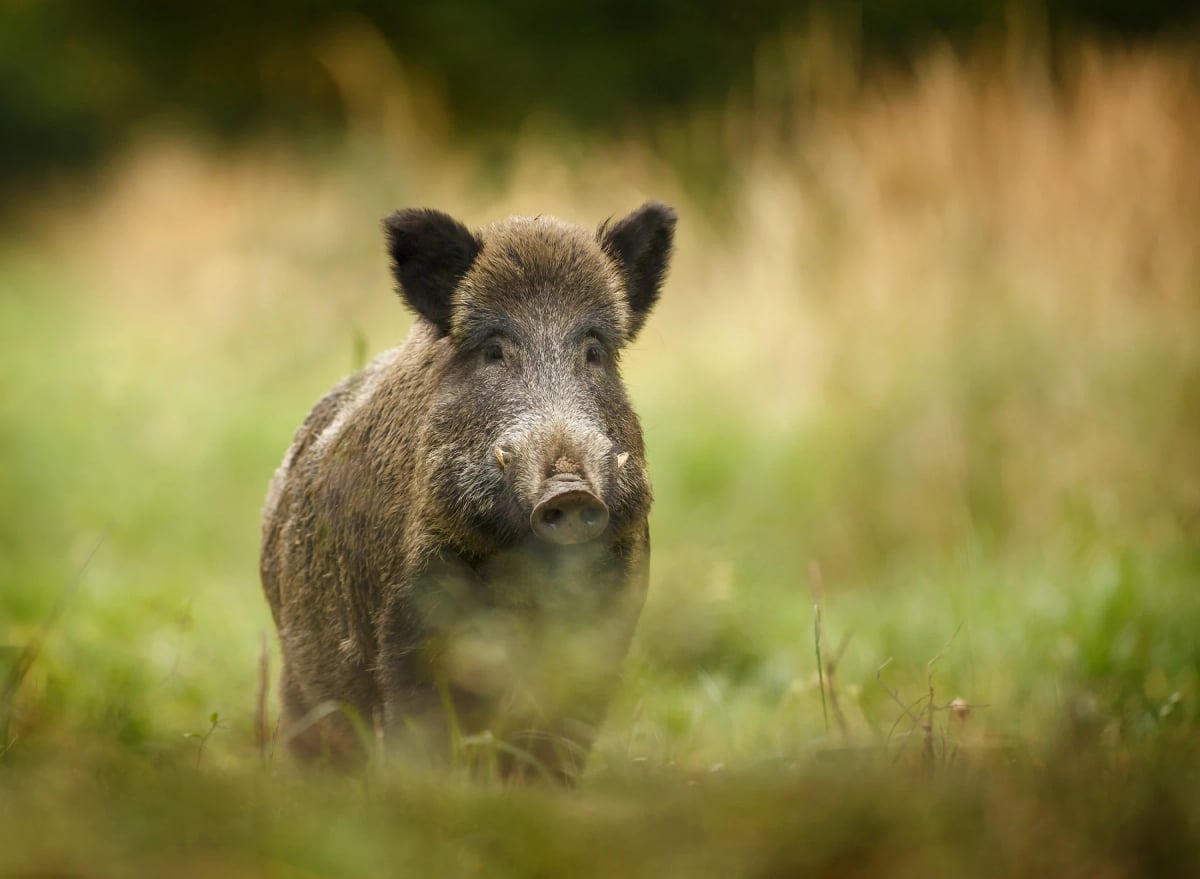
Wild Boar
Sus scrofa
Wild boars are found in the forested hills of the West Bank, particularly around wooded areas near Jenin and Nablus. Because pork is not eaten for religious reasons, boars face little traditional hunting pressure and are generally regarded as agricultural pests rather than game animals. Farmers in hillside communities often report crop damage from boars foraging near cultivated land.
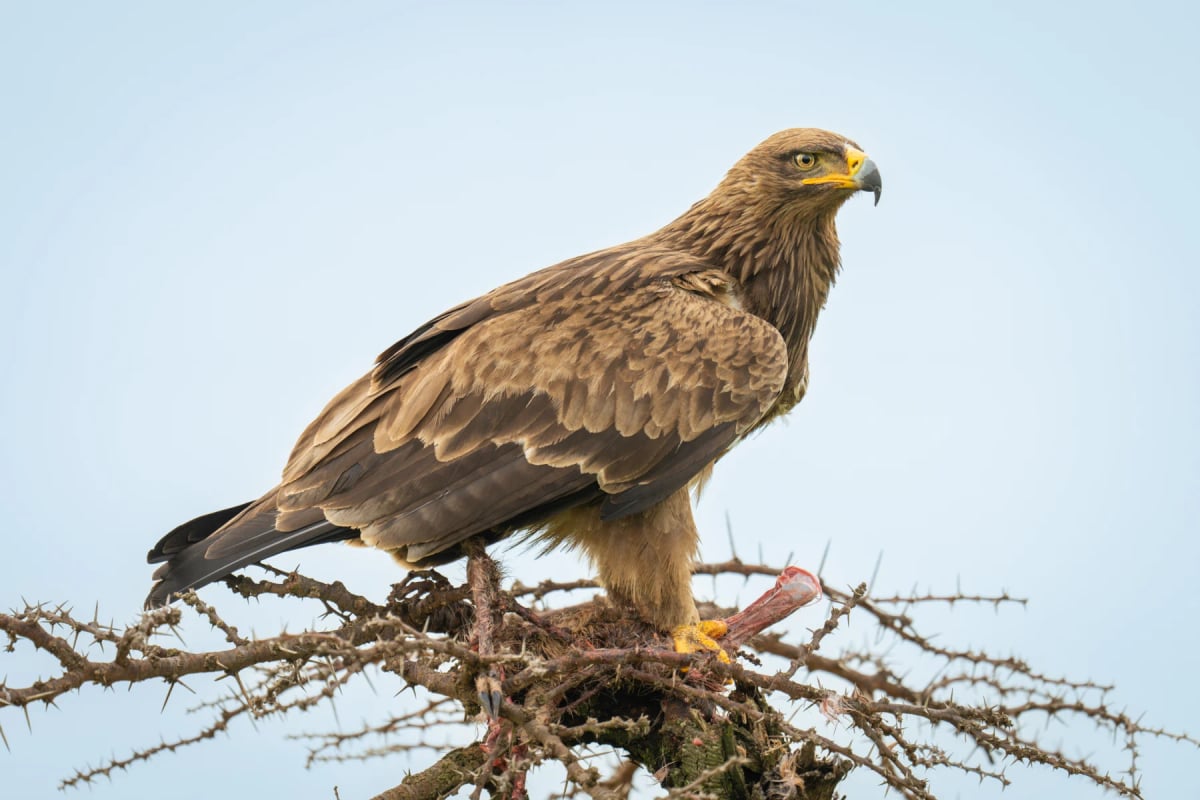
Steppe Eagle
Aquila nipalensis
Palestine sits within one of the most important raptor migration corridors in the world, and Steppe Eagles pass through in notable numbers each spring and autumn. The Jordan Valley acts as a natural funnel, concentrating these large, dark raptors as they travel between Central Asian breeding grounds and African wintering areas. The species is listed as Endangered by the IUCN, with a global population of around 30,000 birds and still falling.
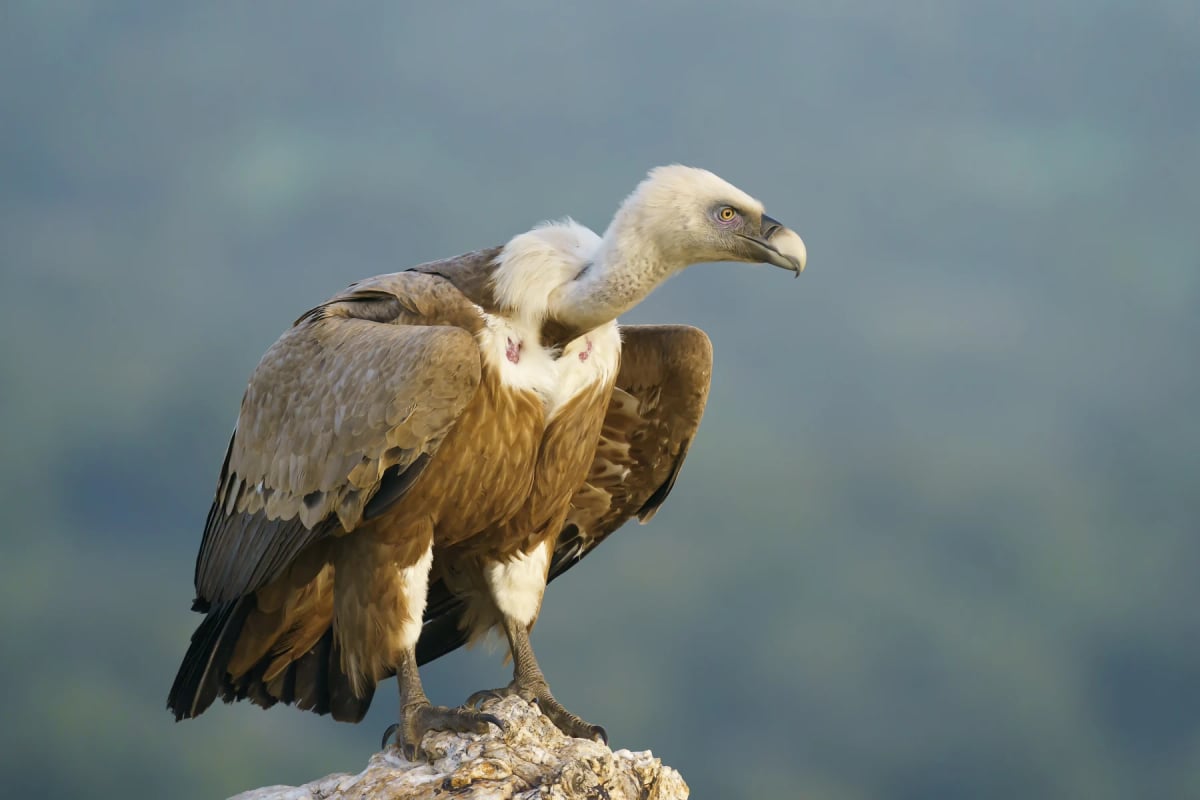
Griffon Vulture
Gyps fulvus
The griffon vulture breeds in Palestine and is seen over the West Bank, particularly around the cliffs and rocky terrain of the Judean Desert and the Jordan Valley. It soars on rising air currents, scanning the ground for carrion below. With a wingspan reaching 2.8 meters, it is an impressive sight. Its role as a natural scavenger helps keep the local environment free of dead animals. IUCN status: Least Concern.
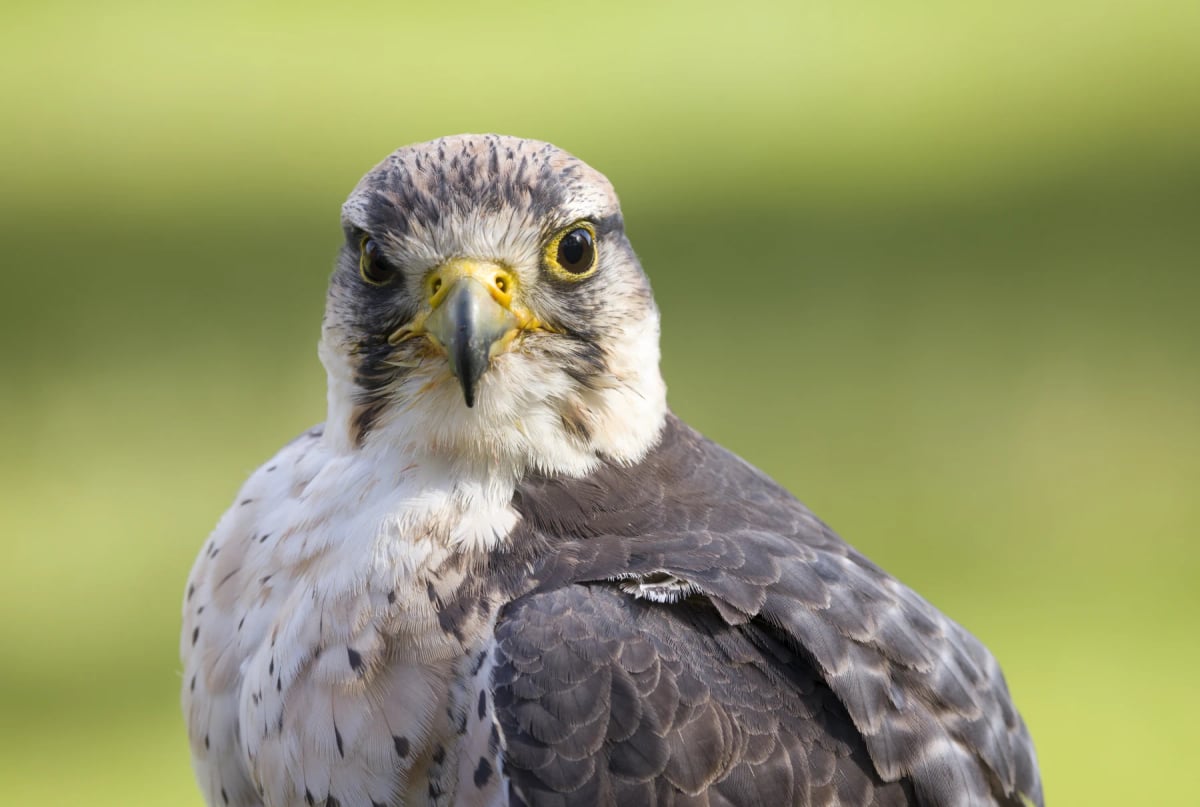
Lanner Falcon
Falco biarmicus
The lanner falcon is found in Palestine across the rocky desert landscapes of the Judean Desert and the Jordan Valley. It uses cliff faces for nesting and hunts birds such as doves across open and semi-arid terrain. The species has long been associated with falconry traditions in the region. The IUCN lists it as Least Concern, though limited habitat and human disturbance near nesting cliffs remain concerns.
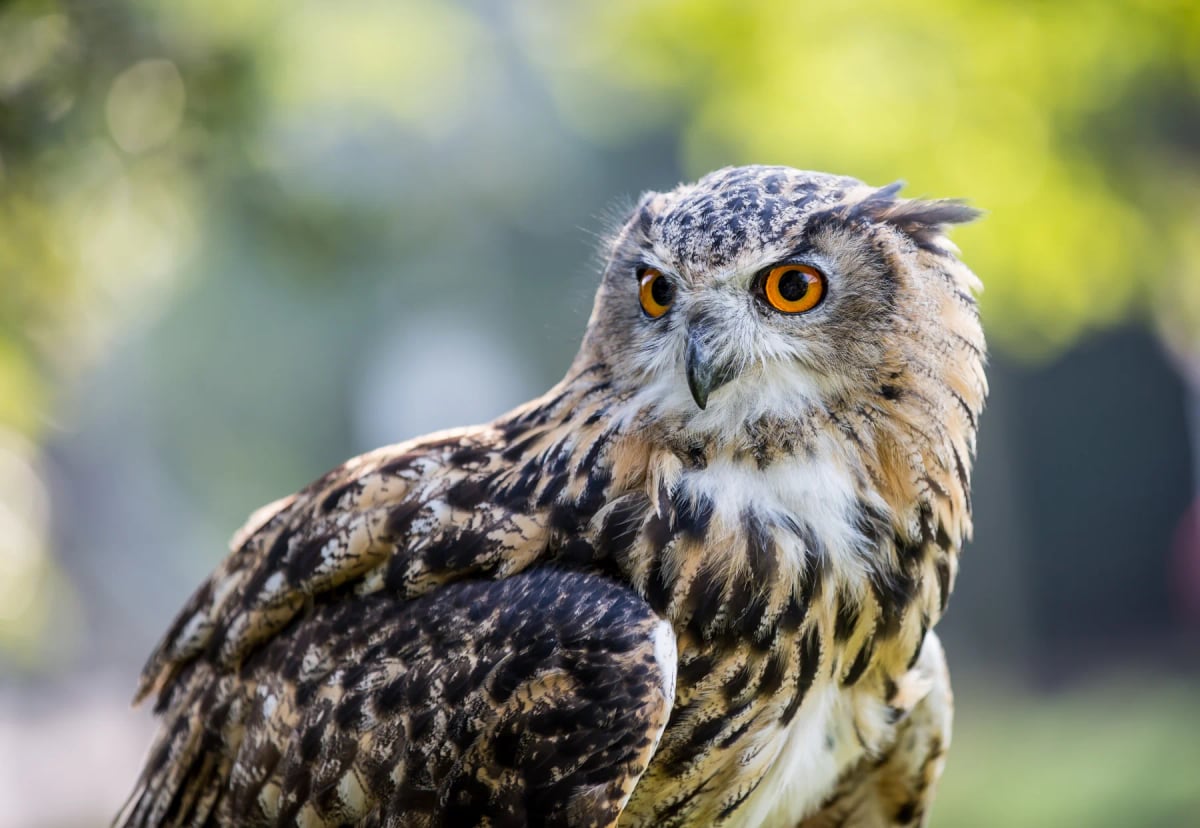
Eagle Owl
Bubo bubo
The eagle owl is present in the rocky hills of Palestine, especially in the north of the West Bank, where it nests in cliff faces and stone outcrops. It hunts at night across open ground, taking rodents, hares, and birds. In the hot desert areas near the Dead Sea a smaller desert relative is the more likely owl. Habitat loss and disturbance near nests are ongoing pressures in this densely settled land. IUCN status: Least Concern.
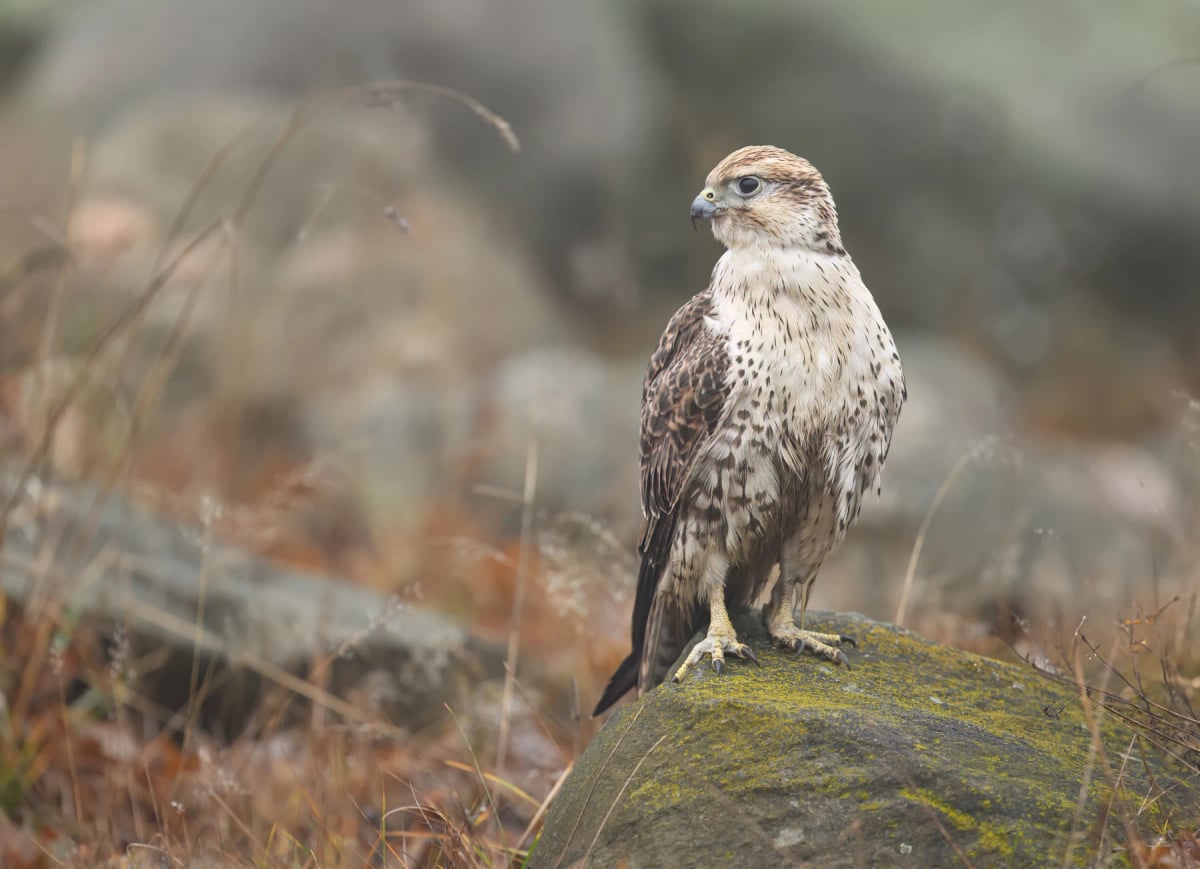
Saker Falcon
Falco cherrug
The saker falcon is recorded as a passage migrant through Palestine, moving along the Rift Valley corridor that serves as a major flyway connecting Eurasia and Africa. Open areas and the Jordan Valley can offer brief foraging stops during these journeys. Like elsewhere across its range, the species faces threats from illegal capture for the falconry trade. The IUCN classifies the saker falcon as Endangered.
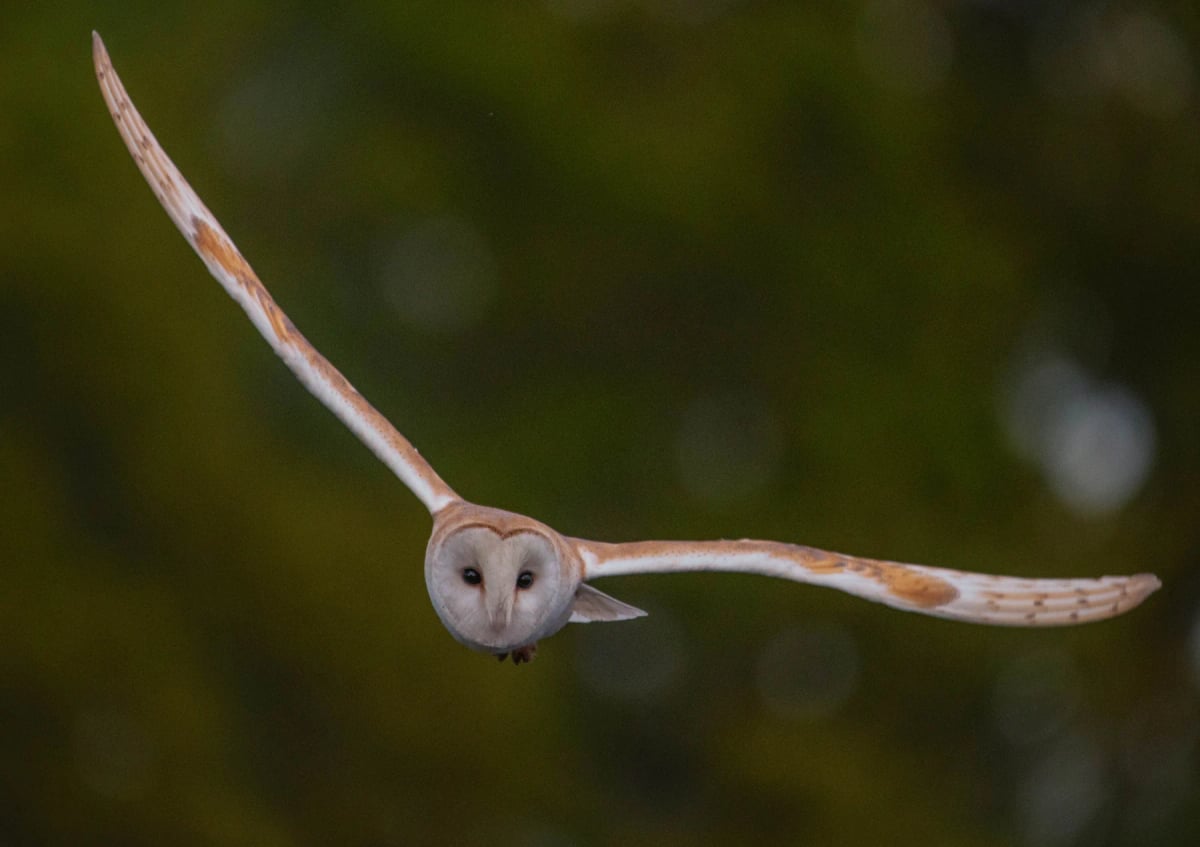
Barn Owl
Tyto alba
The barn owl is found across the Palestinian territories in open farmland, olive groves, and areas near villages in the West Bank highlands and the Gaza coastal plain. It nests in old stone buildings, ruins, cliff faces, and hollow trees, and hunts rodents at night. In farming communities it provides natural control of the small mammal populations that damage crops and stored grain. Its pale form gliding silently over terraced hillside fields at dusk is a familiar sight in rural areas of the West Bank.
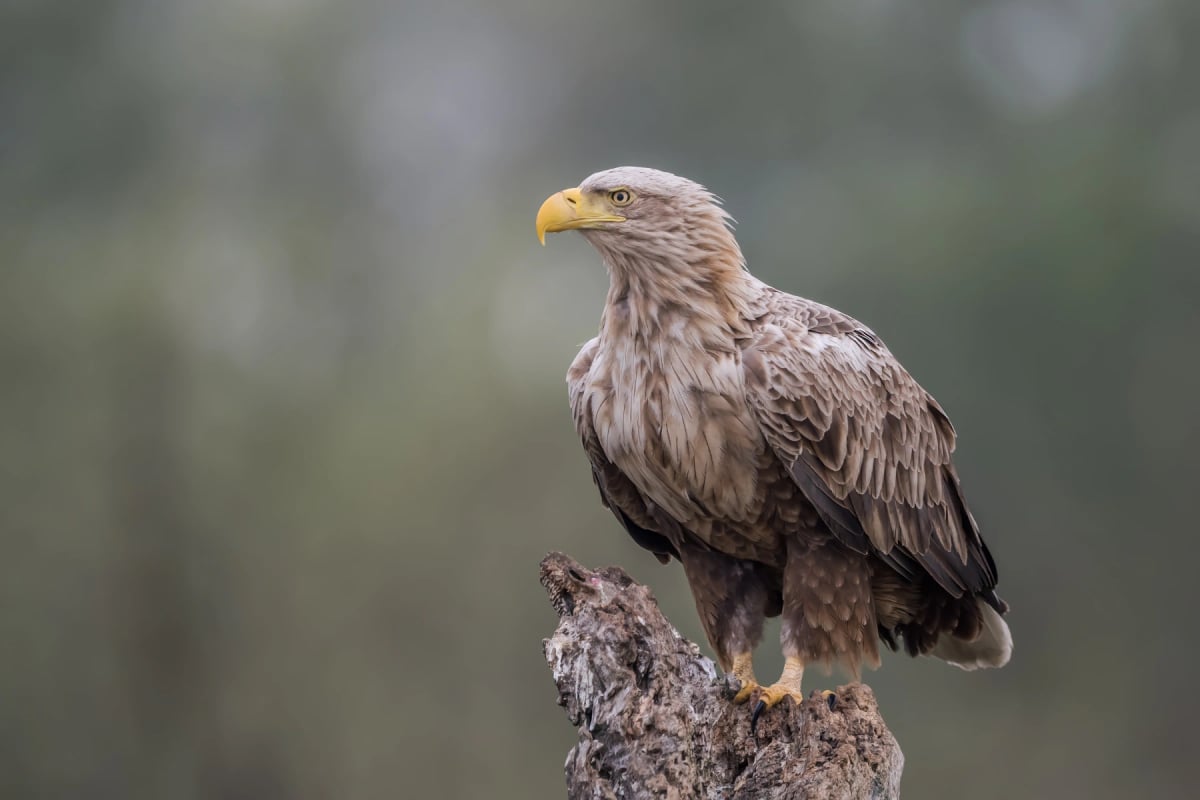
White tailed Eagle
Haliaeetus albicilla
The white-tailed eagle passes through the Palestinian territories as a migrant, with sightings most often linked to the Jordan Valley, one of the great bird migration corridors in the world. Wetland habitats in this region provide brief stopover opportunities for the eagle during its journeys between Europe and Africa. Habitat loss and limited protected areas make conservation of migratory raptors here particularly challenging. Its IUCN status is Least Concern.
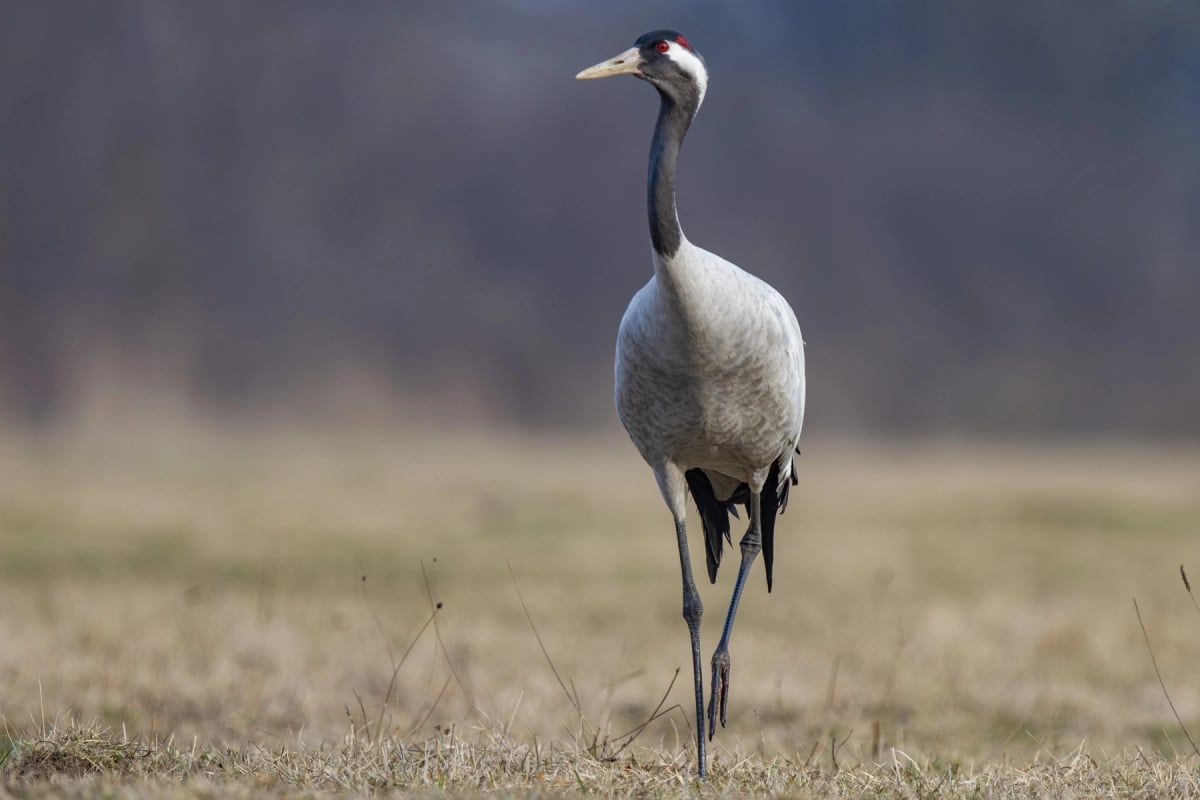
Crane
Grus grus
Palestine sits along the eastern Mediterranean flyway, one of the busiest migration routes in the world. Common cranes pass through each autumn and spring as they travel between breeding grounds in Europe and Asia and their wintering areas in Africa and the Arabian Peninsula. Flocks are sometimes seen over the Jordan Valley, which channels many migratory birds along its length. The IUCN lists the common crane as Least Concern.
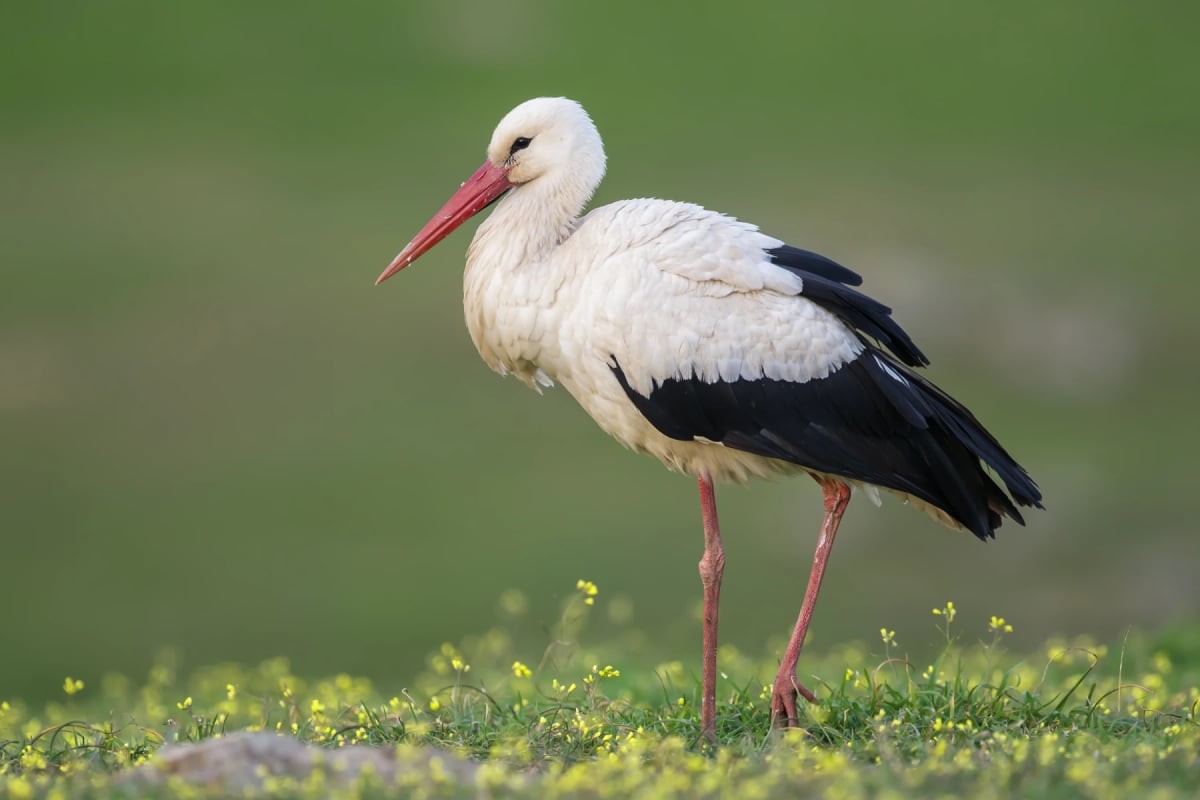
Stork
Ciconia ciconia
Palestine sits along one of the world's busiest bird migration corridors. Every year, white storks funnel through the Jordan Valley and coastal lowlands during their journey between European breeding grounds and African wintering areas. Flocks can number in the thousands as they glide on warm air columns rising above the landscape. This iconic bird, standing over a meter tall with a vivid red bill, is a spectacular seasonal sight. IUCN status: Least Concern.
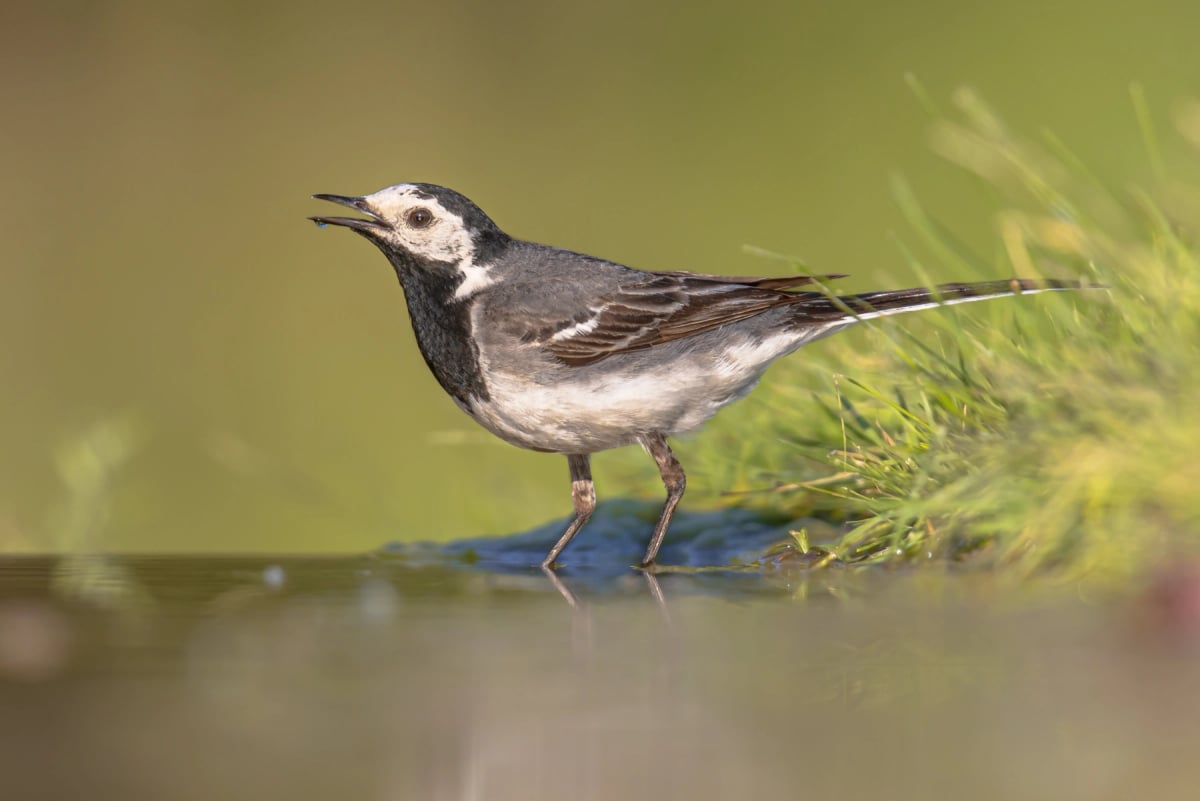
White Wagtail
Motacilla alba
In Palestine the white wagtail is a common winter visitor, arriving in October from Europe and western Asia and staying until March. It is seen in the Jordan Valley, around springs and fish ponds, on farmland, and on lawns, roofs and streets in towns and cities, walking quickly with its tail constantly bobbing. Many more birds pass through on migration each spring and autumn. IUCN status: Least Concern.
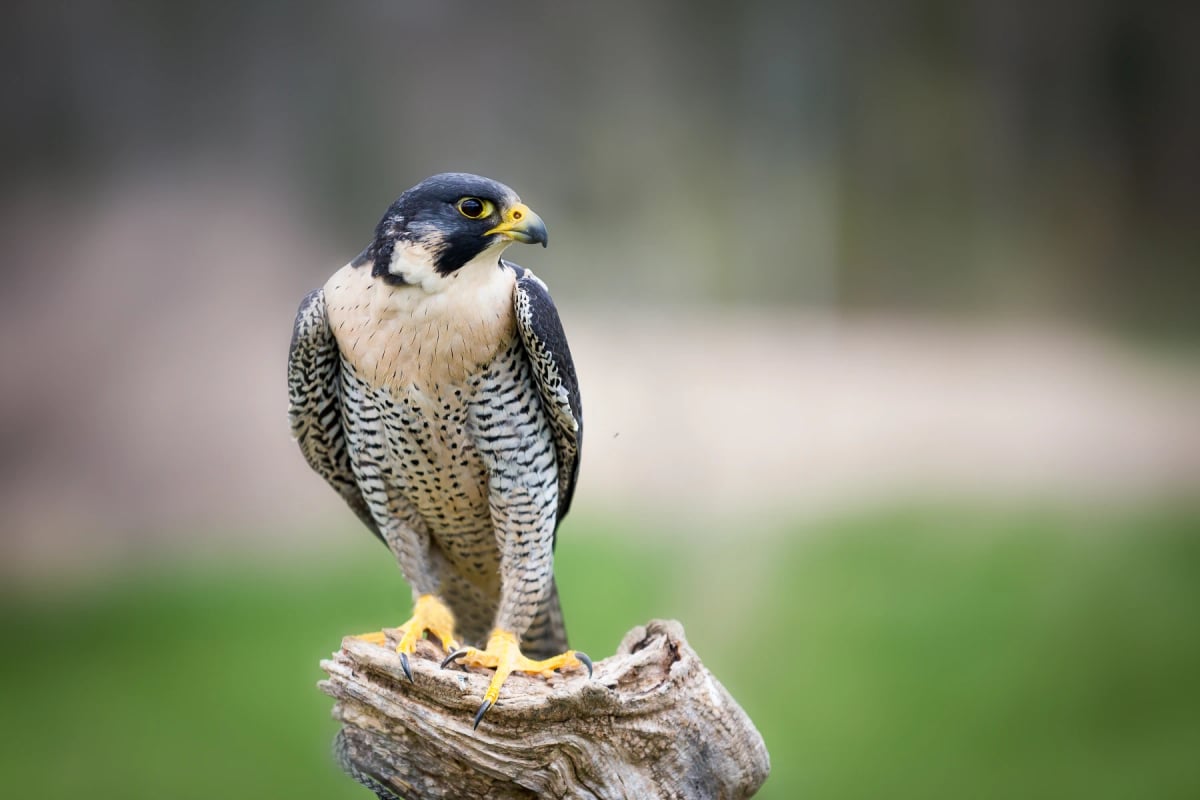
Peregrine Falcon
Falco peregrinus
The peregrine falcon is a regular visitor to Palestine during migration and winter, moving along the Rift Valley corridor, one of the busiest bird migration routes in the world. Rocky cliffs in the West Bank provide occasional perching and hunting spots. The species preys on the many migratory birds that funnel through this narrow land bridge between Africa and Eurasia. Its IUCN status is Least Concern.
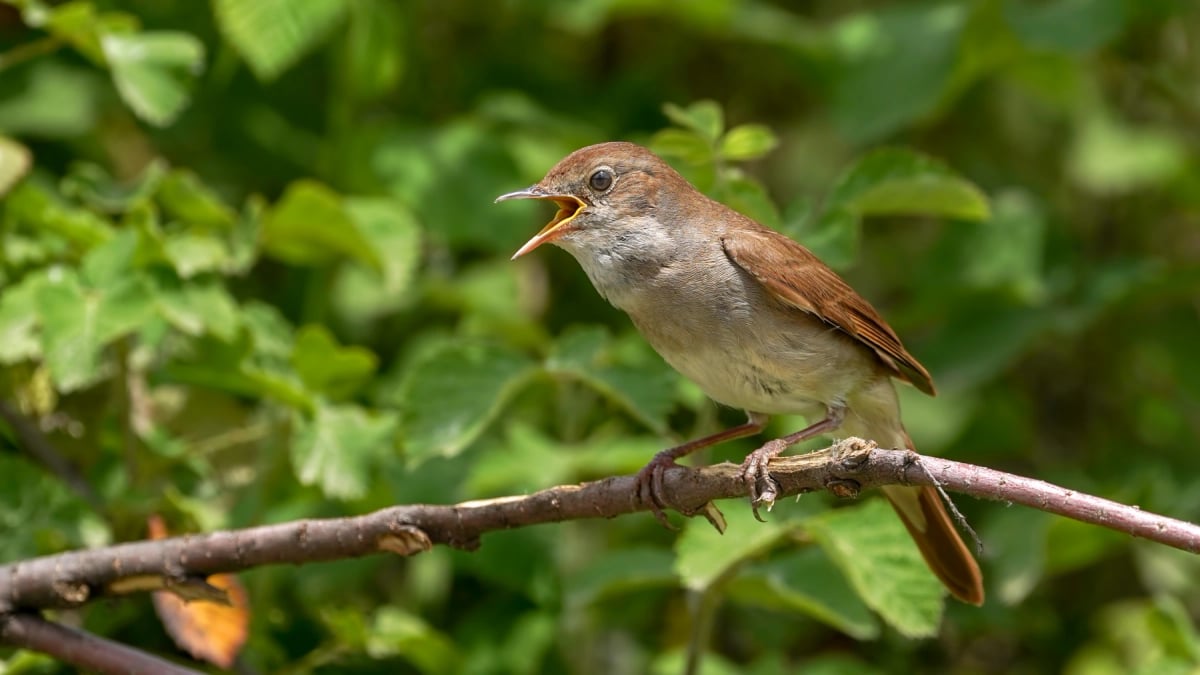
Nightingale
Luscinia megarhynchos
In Palestine, the nightingale is both a breeding bird and a passage migrant. It nests in areas with dense scrub and well-vegetated wadis, particularly in the West Bank, where riparian thickets offer ideal cover. It is a small brown bird with a reddish tail and an extraordinary song that fills spring nights in suitable habitats. Habitat loss and changes in land use present ongoing pressures for local populations. Its IUCN status is Least Concern.
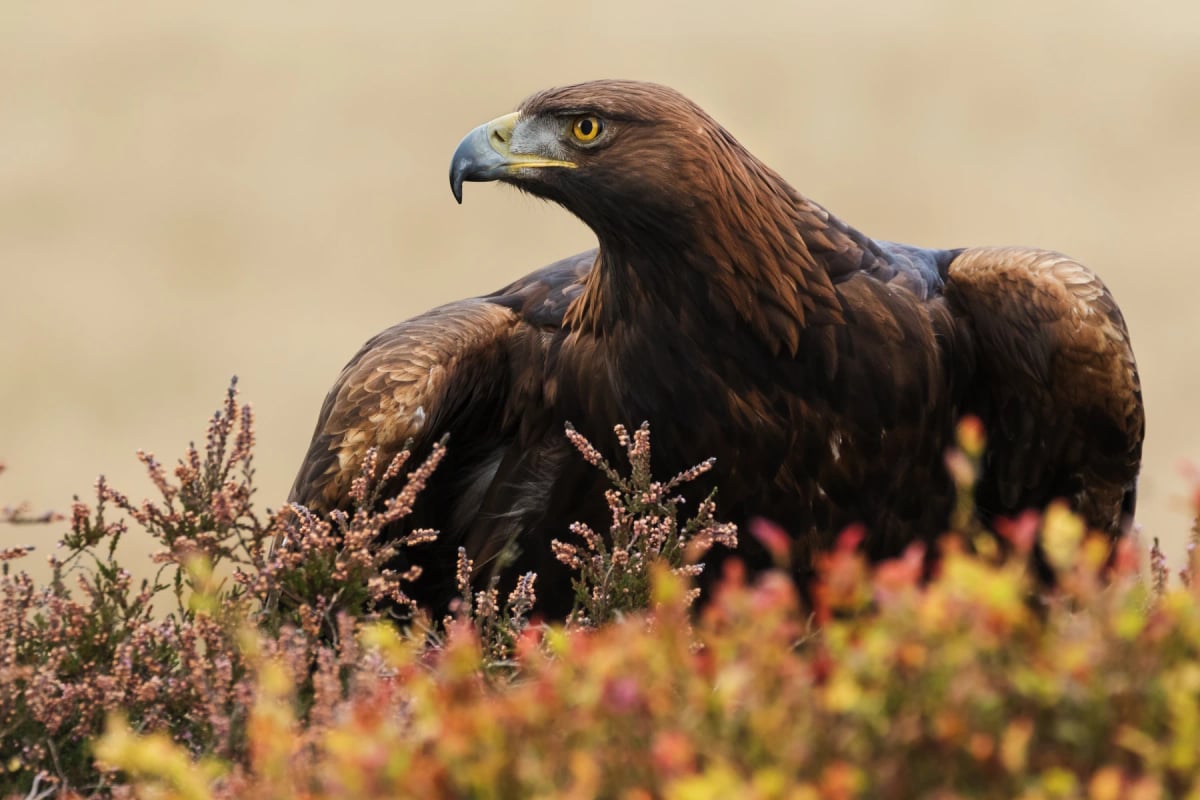
Golden Eagle
Aquila chrysaetos
In Palestine, the golden eagle is recorded as a visitor and occasional resident in areas such as the West Bank highlands and the Jordan Valley corridor. It passes through during migration and may hunt over open rocky terrain. The species faces pressure from habitat loss and human activity across the region. Sightings are valued by local birdwatchers, and the bird contributes to the broader biodiversity of the eastern Mediterranean.
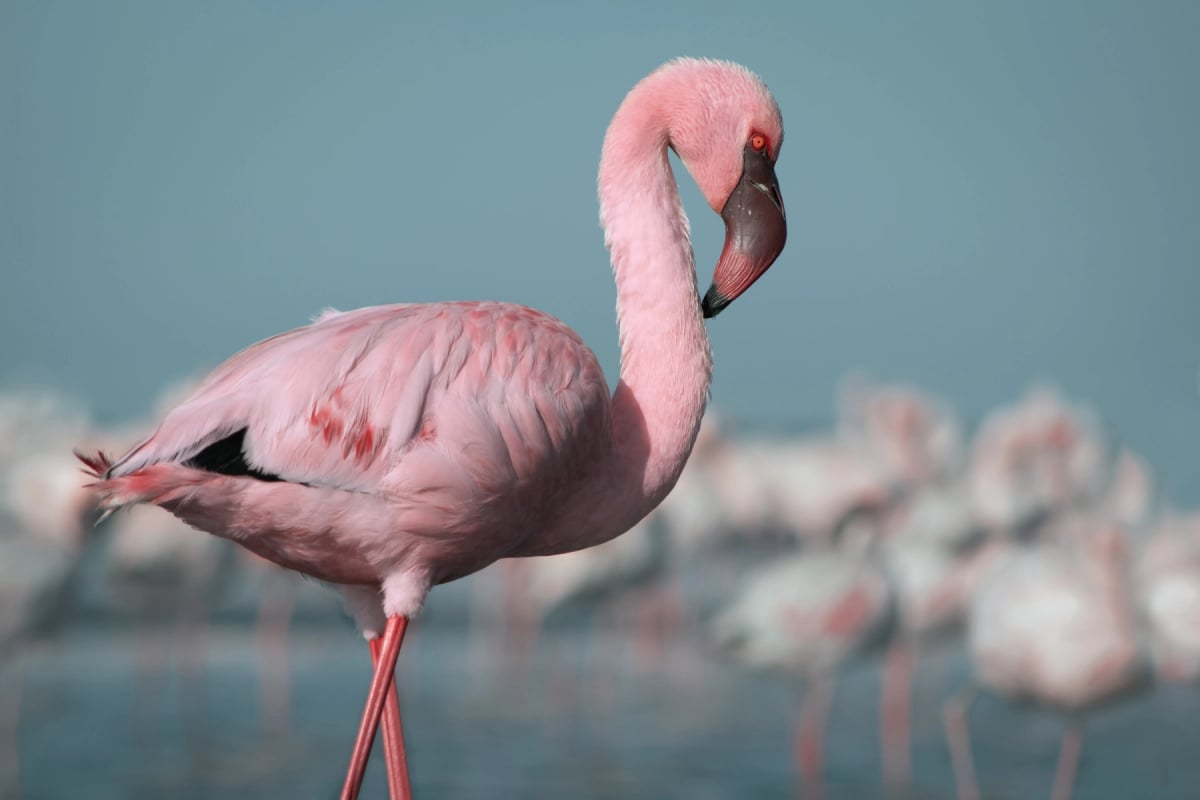
Flamingo
Phoenicopteridae (6 species)
The greater flamingo visits Palestine outside the breeding season, in small numbers, mostly in winter and during migration. Birds may appear along the coast and at wetlands in the Jordan Valley, stopping to feed on small invertebrates in shallow water. They are part of the flamingo population of the eastern Mediterranean, which is better known from the salt ponds of nearby Israel and the lakes of Egypt. IUCN status: Least Concern.
Researched and written by Juan Pablo. Sources: IUCN Red List, scientific literature and regional field guides. Last updated: .